

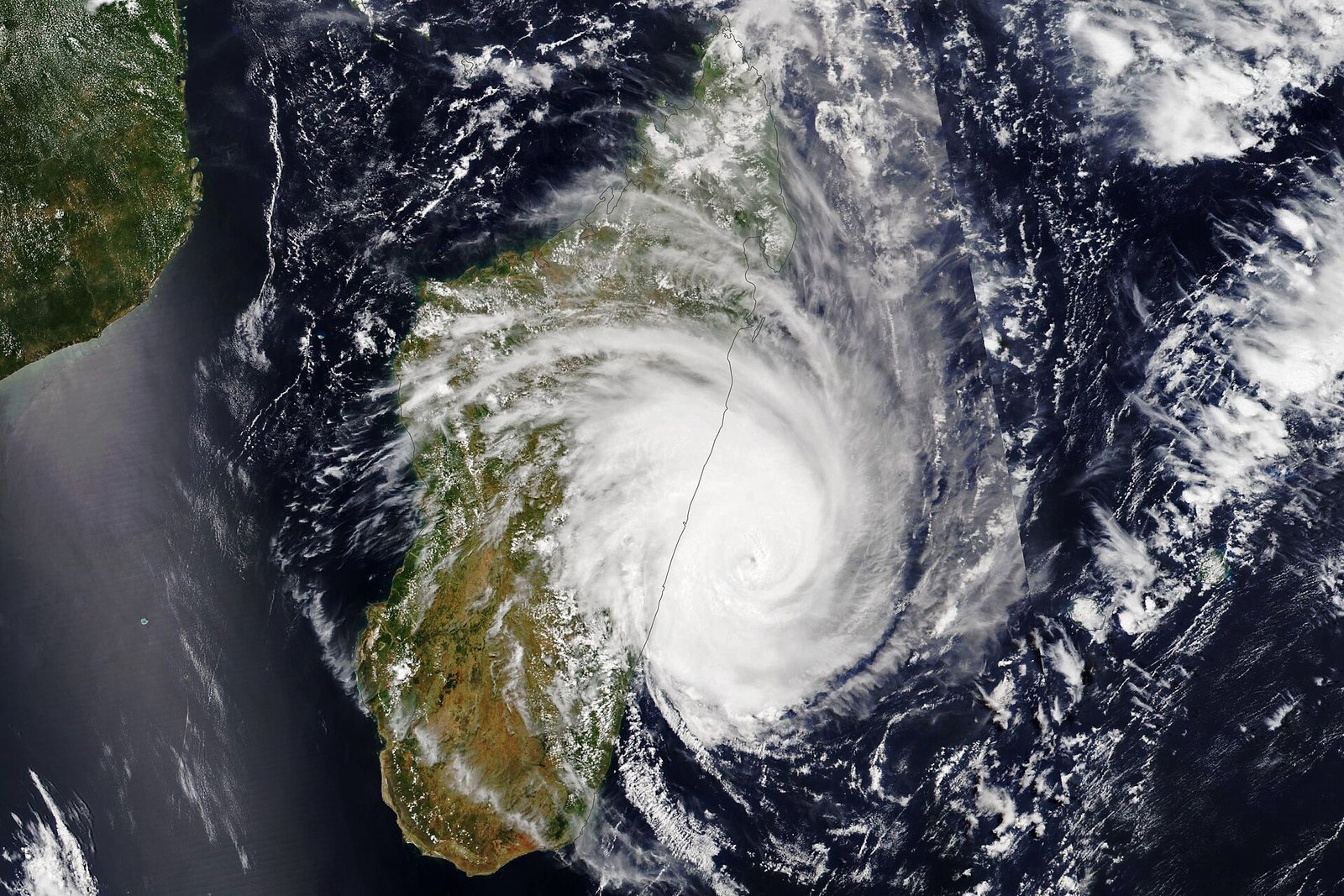
The storm that thousands fled over the weekend has come ashore — bringing destructive winds, a storm surge and cancelled flights to India’s south-east coast.
Key Points
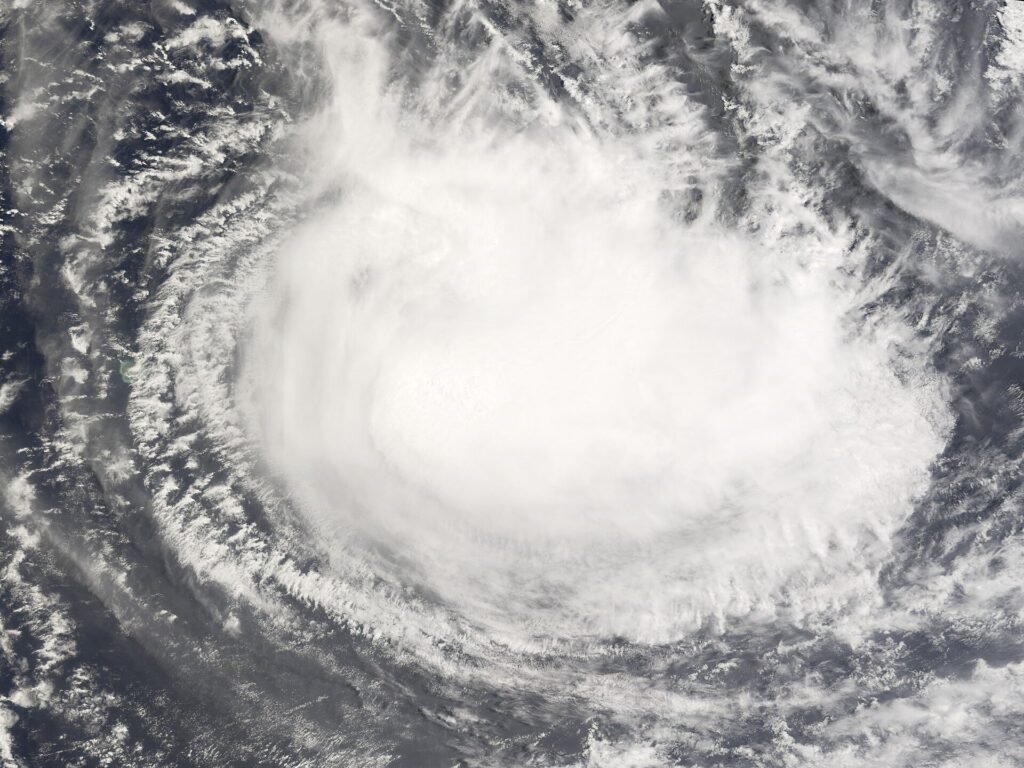
- Severe Cyclonic Storm Murasu crossed the south Andhra Pradesh coast between Nellore and Narsapur, close to Ongole, between 3:30am and 5:30am IST on Tuesday 3 November, after landfall began around 1am, according to the India Meteorological Department.
- Sustained winds were 100–110 kmph, gusting to 120 kmph; a storm surge of 1.0–1.5 metres above astronomical tide was forecast to inundate low-lying areas of south coastal Andhra Pradesh.
- At least 19 domestic flights were cancelled at Vijayawada, Tirupati and Visakhapatnam airports; heavy rain also hit Puducherry and north Tamil Nadu.
- No deaths or injuries had been reported as of Tuesday morning, according to the Andhra Pradesh State Disaster Management Authority.
- The IMD expected the storm to weaken to a cyclonic storm by noon Tuesday and a deep depression by midnight; it was the second storm to hit the state in less than a week.
Landfall in the early hours
Murasu made its move overnight. The India Meteorological Department said the severe cyclonic storm began crossing the coast at around 1am local time and completed its landfall between 3:30am and 5:30am, coming ashore between Nellore and Narsapur, close to Ongole in Prakasam district.
The winds at landfall were formidable: sustained at 100–110 kmph with gusts reaching 120 kmph — strong enough to tear roofs, topple trees and bring down power lines. Forecasters also warned of a storm surge of 1.0–1.5 metres above the astronomical tide, threatening to flood low-lying coastal areas even before the rain was counted.
Disruption, but no casualties reported — yet
The early reports were, mercifully, about disruption rather than death. At least 19 domestic flights were cancelled at Vijayawada, Tirupati and Visakhapatnam airports as the storm passed, and heavy rain lashed Puducherry and north Tamil Nadu as well as the Andhra coast. State disaster officials said no deaths or injuries had been reported as of Tuesday morning — though with damage assessment still under way, that picture could change.
The absence of early casualties owes much to preparation. Thousands of people had been evacuated before the storm arrived, in the second such operation in less than a week for a state still recovering from the previous cyclone. Early warnings, shelters and a state machinery already mobilised almost certainly saved lives.
A second storm in a week
That Murasu is the second storm to hit Andhra Pradesh in under a week matters. Back-to-back cyclones strain everything: embankments weakened by the first storm face the second, relief supplies are already depleted, and exhausted response teams must mobilise again. The IMD’s forecast offered some relief — weakening to a cyclonic storm by noon and a deep depression by midnight — but the rain it leaves behind can be as dangerous as the wind, swelling rivers and flooding fields already saturated.
What happens next
Damage teams will spend Tuesday assessing what the wind and surge actually did, and the casualty picture will only firm up once they reach the worst-hit coastal villages. For now, the story of Murasu is one of a powerful landfall met by preparation — and of a coastline that must now recover twice in a single week.
Related coverage: Thousands of people had been evacuated before the storm arrived · World News · India
Sources
- The South First — The South First
- The Hindu — The Hindu