
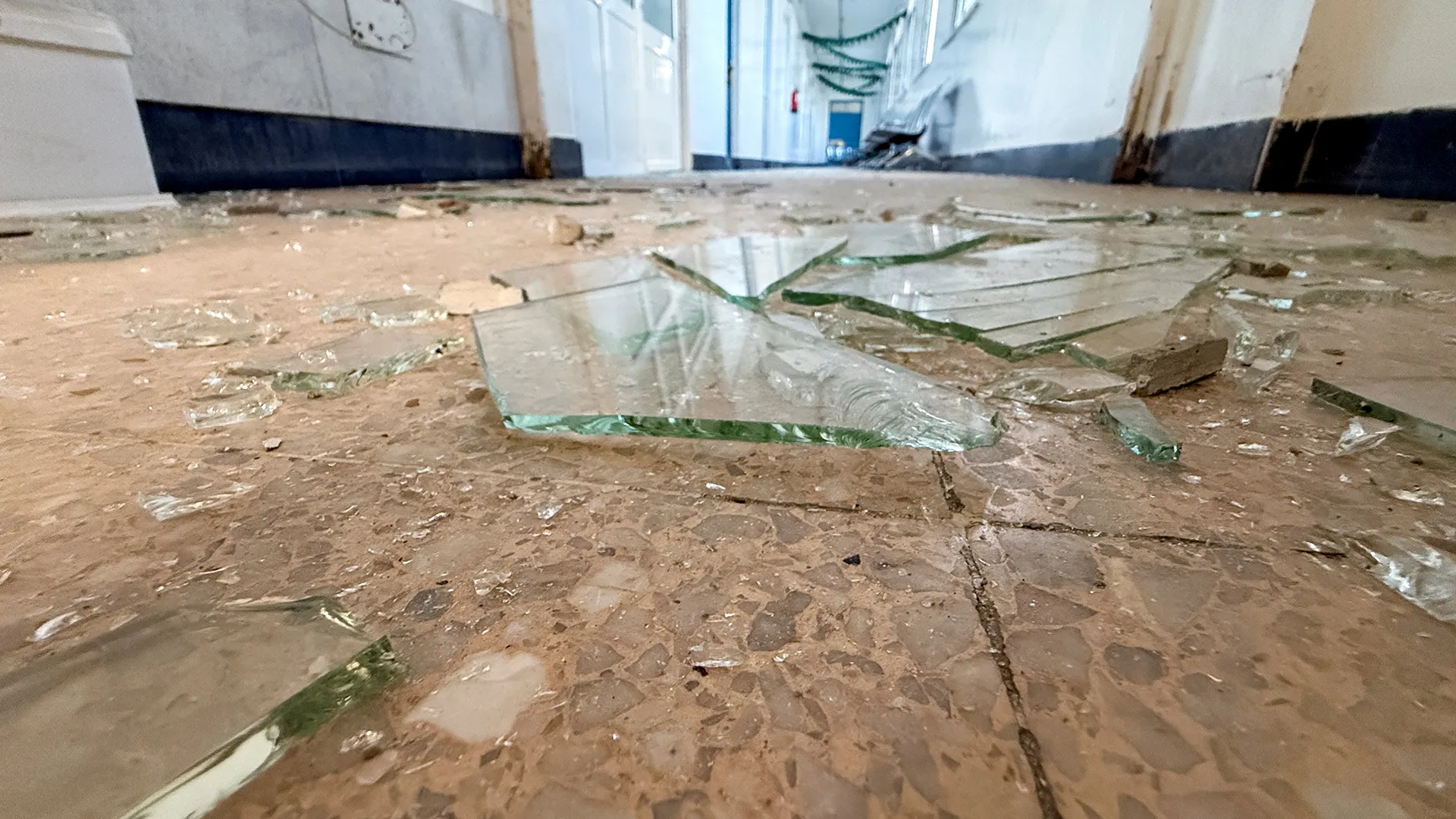
Violence in Yemen intensifies as U.S. officials meet to discuss regional stability and security threats across the Middle East.
Military forces in Yemen report intense fighting across the nation this week. Saudi-backed government troops claim they killed 700 Houthi rebels in just 24 hours.
Meanwhile, the Houthi movement claims they launched a strike against an oil facility in Riyadh. Saudi officials have not confirmed this specific attack on their infrastructure.
Why this matters
This violence shows how regional conflicts often pull in many different nations at once. The fighting in Yemen is no longer a local civil war. It has become a key part of a much larger struggle for influence.
Also, the safety of Americans living abroad is now a major concern. U.S. embassies across the Middle East are issuing new security alerts. Officials worry that the rising death toll in Gaza could trigger more attacks.
Finally, these events test the new U.S. administration's foreign policy. Leaders must decide how to handle threats from multiple groups at the same time. The world watches closely to see if a wider war begins.
Military Escalation in Yemen
The Yemeni army currently fights to reclaim lost territory from the Houthi group. These forces rely on support from Saudi Arabia to maintain their positions. The government claims these recent battles represent a major turning point in the conflict.
However, the Houthi rebels continue to push for control over the Yemeni highlands. Reports indicate they remain a potent force despite the heavy losses cited by the government. These groups now use sophisticated weapons to strike targets far from the front lines.
Still, some sources suggest that U.S. leaders might scale back their own military involvement. Reuters reports that President Trump may have called off recent planned strikes against the rebels. This change in strategy could alter the balance of power on the ground.
Diplomatic Shifts and Security Alerts
Senior U.S. officials met at Camp David to discuss these growing threats. Vice President JD Vance and top cabinet members attended the Friday meeting. They focused on building a clear strategy to manage the risk of a regional war.
Meanwhile, the humanitarian crisis in Gaza continues to grow worse. Official reports now state the Palestinian death toll has passed 74,000 people. This rising number adds pressure on leaders to find a way to stop the fighting.
How we got here
- Early 2026: Houthi rebels launch a campaign to take control of key highlands in Yemen.
- Mid 2026: U.S. and Saudi officials increase military coordination to counter regional rebel movements.
- October 2026: Government forces report 700 Houthi deaths in a single day of combat.
- October 2026: U.S. embassies issue security warnings due to rising risks to American citizens.
- October 2026: High-ranking U.S. officials meet at Camp David to review Iran and regional war strategy.
What happens next
The U.S. administration must now weigh the risks of further military action. They will likely balance the need for security with the desire to avoid a full-scale war. Future decisions will depend on intelligence reports regarding regional rebel capabilities.
Next, we can expect more diplomatic activity between Washington and its regional partners. Saudi Arabia will push for more support to protect its borders from aerial strikes. Analysts suggest that the next few weeks will determine if the current conflict stays contained.