
New space research studies human health in orbit while families face hardship on the ground. Scientific progress and global events define the current season.
Humanity faces new tests in space and on Earth this autumn. Researchers study the limits of the human body above our planet. Meanwhile, families flee their homes in search of basic safety on the ground.
These events show the wide range of human experience today. Some look to the stars to solve health problems. Others look to the horizon to find a safer place to live.
Why this matters
Space research often seems far away from our daily lives. However, these studies impact medicine for everyone. Discovering how blood clots form helps doctors treat patients here on Earth.
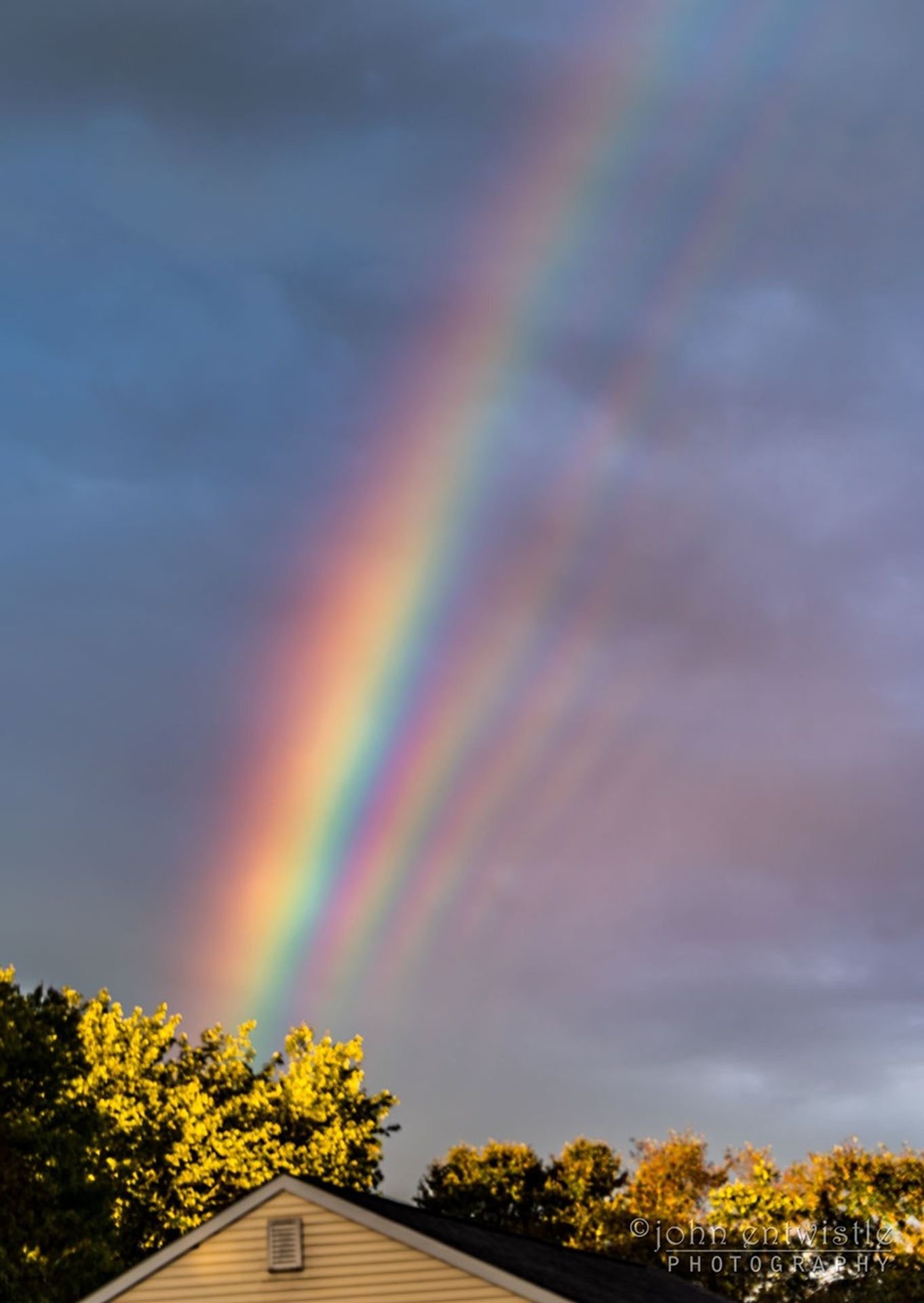
Also, the environment reminds us of its power daily. Beautiful sights like supernumerary rainbows appear after major storms. These events show the beauty and danger of our climate.
Meanwhile, global stability remains a fragile goal for many nations. Families in Yemen leave everything behind due to ongoing conflict. Their struggle highlights the human cost of current political tensions.
New frontiers in space medicine
NASA prepares for the upcoming Crew-13 mission with SpaceX. Astronauts will test their piloting skills in lunar simulations. They want to see how long stays in space change their movement.
Next, the team will study how blood flows in weightless conditions. This research involves partners from Canada and Europe. They hope to stop blood clots before they cause harm to the crew.
After that, the group will take many medical scans. They will use ultrasounds and blood tests to track changes. This data will guide safety rules for future trips to the Moon and beyond.
Reflections on our natural world
Atmospheric science explains the strange beauty of our skies. Rare rainbow patterns appeared in New Jersey after Hurricane Florence. These rainbows require specific water droplets to form in the air.
Also, these lights prove that light behaves like a wave. Scientists used these sightings to learn about physics long ago. Nature still provides clues for us to solve today.
Still, the contrast between sky and ground remains stark. While scientists gaze at rainbows, others face the harsh reality of war. The world continues to balance wonder with difficult challenges.
How we got here
- 2018: Hurricane Florence leaves behind rare supernumerary rainbows in New Jersey.
- April 2026: NASA confirms the upcoming Crew-13 mission research goals.
- September 2026: Astronauts train in mockups for their flight to the space station.
- October 2026: Families in Yemen continue to flee their homes as offensives intensify.
What happens next
NASA will launch the Crew-13 mission soon. Researchers will gather health data throughout the entire flight. They expect to publish early findings after the crew returns home.
Then, the space agencies will compare results from different astronauts. They aim to create new tools to protect future travelers. These tools could also help people with circulation problems on Earth.
Finally, the world will watch as these missions unfold. Diplomats and aid groups will also monitor the situation in Yemen. Both science and peace efforts will shape the coming months.