
New York officials take over a campus sexual assault case while Spanish prosecutors continue a major corruption probe against a top soccer club.
Students at Cornell University demand answers about a serious crime on campus. Meanwhile, soccer fans in Spain watch a long legal battle unfold. Both cases involve claims of powerful groups hiding the truth.
People are angry at how leaders handled these events. Many say that institutions protected their own reputations instead of victims or fair play. Now, government officials and courts must step in to find the truth.
Why this matters
Trust in big organizations is at an all-time low. When universities or sports teams hide facts, the public suffers. These cases show why transparency is vital for safety and fairness.
Also, these stories highlight how much power institutions hold over individuals. Students feel unsafe when their schools ignore assault reports. Soccer fans feel cheated when clubs pay officials to gain an advantage.
Finally, these events set a precedent for future investigations. They prove that public pressure can force leaders to act. People will no longer stay silent about potential abuse or corruption.
Changes in the Cornell investigation
Students recently met to voice their deep frustration. They called the school’s response to a 2024 rape case a disgrace. One student said the campus feels like it has a dark cloud over it.
Next, New York Governor Kathy Hochul took action. She lost faith in the local district attorney. She appointed Attorney General Letitia James as the new special prosecutor for the case.
However, the university still defends its past actions. Cornell officials claim they ran a long and thorough investigation. They say they followed federal laws during the entire process.
The Negreira case in Spanish soccer
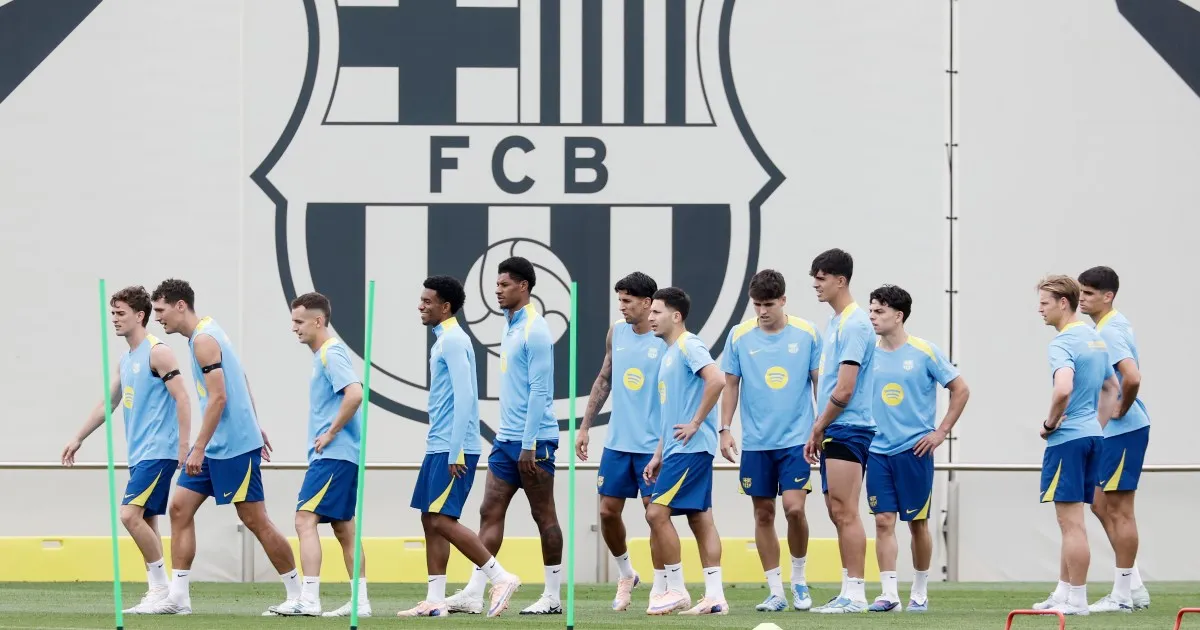
Meanwhile, FC Barcelona faces serious legal trouble. Prosecutors charged the club and former presidents with corruption. The case involves millions of dollars in payments to a referee official.
Then, rival club Real Madrid stepped into the fight. They sent a large file of evidence to soccer leaders at UEFA. They want to ensure that sports rules remain fair for everyone.
Also, the scandal creates a shadow over big games. Fans wonder if the club bought results unfairly. This debate hurts the reputation of the sport in Spain.
How we got here
- 2024: An alleged gang rape occurs at a fraternity house at Cornell University.
- September 16, 2026: A woman known as Jane Doe files a civil lawsuit against Cornell University.
- March 2023: Spanish prosecutors charge Barcelona with corruption over payments to a former referee official.
- October 2026: Governor Hochul appoints a special prosecutor to take over the Cornell rape investigation.
- October 2026: Real Madrid submits a formal dossier to UEFA regarding the Barcelona payments.
What happens next
The new special prosecutor in New York will review all evidence. She will decide if the Cornell Seven should face criminal charges. Her work will likely take several months to complete.
Also, the legal case against Barcelona will move through the Spanish court system. Judges will look at the flow of money to the referee official. They will decide if these payments broke any laws.
Finally, sports officials at UEFA must decide on their own penalties. They have the power to ban teams from tournaments. The outcome will change the future of professional soccer forever.