
New challenges highlight the lingering pain of past crimes and community standoffs. We examine how trauma impacts lives in Italy and Northern Ireland.
Why this matters
Two distinct crises reveal how past violence creates lasting wounds. In Italy, the tragic death of Denise Cosco shows the cycle of trauma linked to organized crime. Meanwhile, the Drumcree standoffs in Northern Ireland prove that old community divisions still burn hot. Both situations show that history remains a heavy burden for the living.
Also, these events prove that physical distance does not erase deep psychological scars. Protection programs help people escape immediate danger but often fail to heal the soul. Society must recognize that survival is a lifelong struggle. Simply moving someone to a new place does not fix their internal pain.
The Long Shadow of Mafia Violence
Denise Cosco recently died at age 35. Her life followed a tragic path similar to her mother, Lea Garofalo. Her mother stood up to the 'Ndrangheta mafia clan in 2009. This act of bravery eventually led to a brutal murder.
Then, Denise chose to testify against her own father, Carlo Cosco. She helped ensure his conviction for the crime. Her father had tricked her mother into a meeting before he killed her. He lied to Denise for years about her mother's fate.
Next, experts note the extreme difficulty of breaking from criminal family networks. Francesca Rispoli of the group Libera explains that family ties run very deep. She says the mafia leaves mental wounds that never fully heal. Denise struggled with these ties her entire life.
However, Denise still felt a void despite her mother's death. She even reconnected with her father in prison later on. This choice shows the complex trap of living within a criminal family. Her death serves as a warning about the total cost of mafia rule.
Tensions Return to Northern Ireland
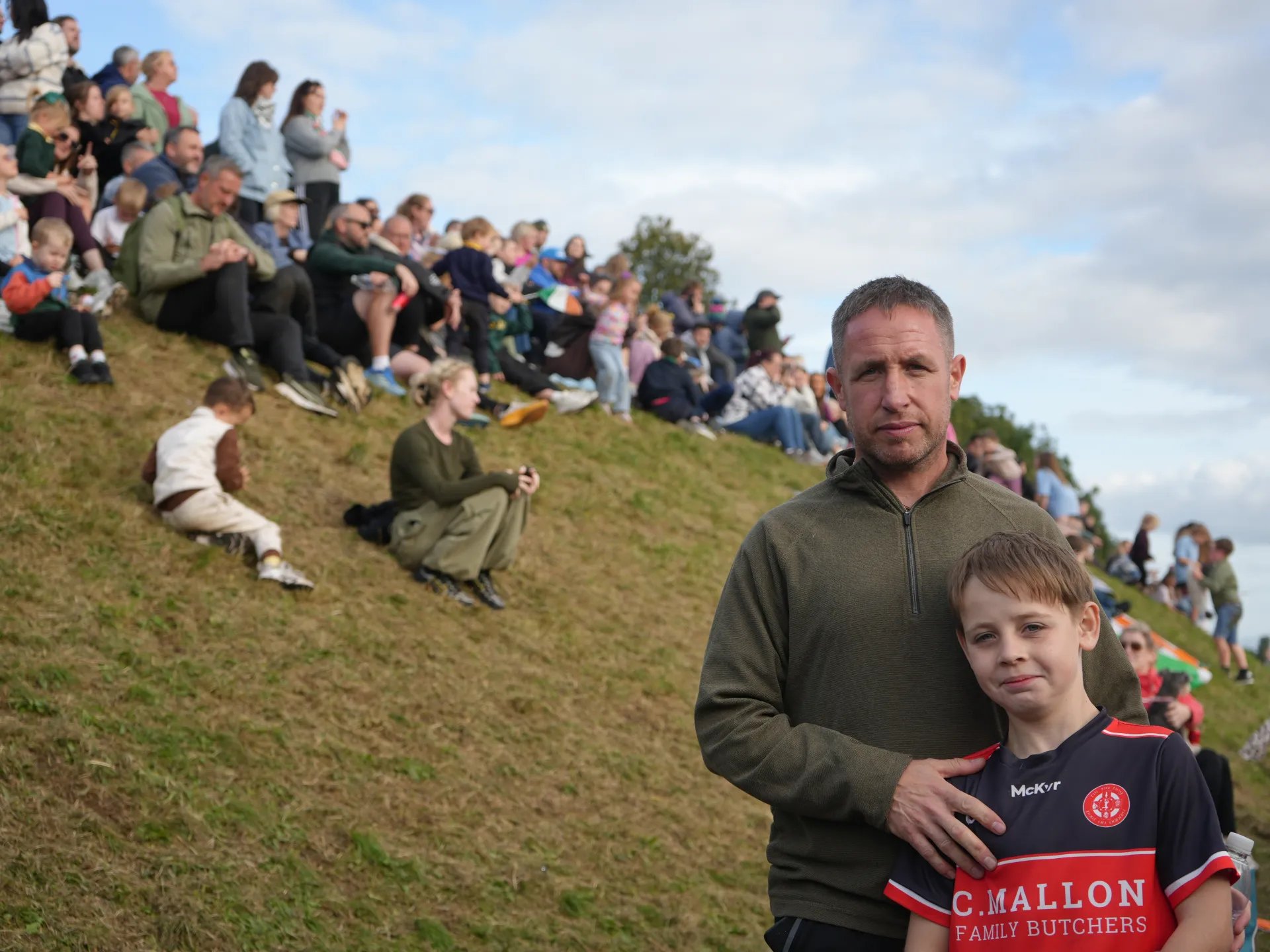
Meanwhile, the Drumcree march standoff has returned to Portadown. Protesters and the Orange Order hold firm to their positions. Both sides vow to stay as long as it takes to win. This dispute has deep roots in the community.
Also, local residents like Ciaran O Ferghail still feel the weight of this history. The trauma from past years remains clearly visible today. People worry that these old fights will again disrupt daily life. Fear grows as both sides refuse to compromise.
After that, the situation creates a tense environment for everyone in town. Businesses and families feel the pressure of the ongoing protest. The lack of an agreement leaves many feeling stuck in the past. Peace seems fragile when these events flare up.
How we got here
- 2009: Lea Garofalo is murdered by the ‘Ndrangheta clan in Italy.
- 2013: Denise Cosco attends her mother’s funeral and speaks about seeking justice.
- 2026: Denise Cosco dies at age 35 after years of struggling with trauma.
- 2026: Tensions rise again at the Garvaghy Road site in Portadown.
- 2026: Protesters and the Orange Order declare they will not leave the site.
What happens next
Now, officials in Italy must rethink how they support witnesses. Experts suggest that long-term care is better than short-term protection. The state needs to provide better mental health resources for victims of crime. Without this support, the cycle of tragedy may continue for others.
Finally, Northern Ireland faces a difficult path toward calm. Local leaders must find a way to talk before violence breaks out. Both sides need to lower their guard to stop the cycle. Silence and waiting will likely only make the situation worse.