
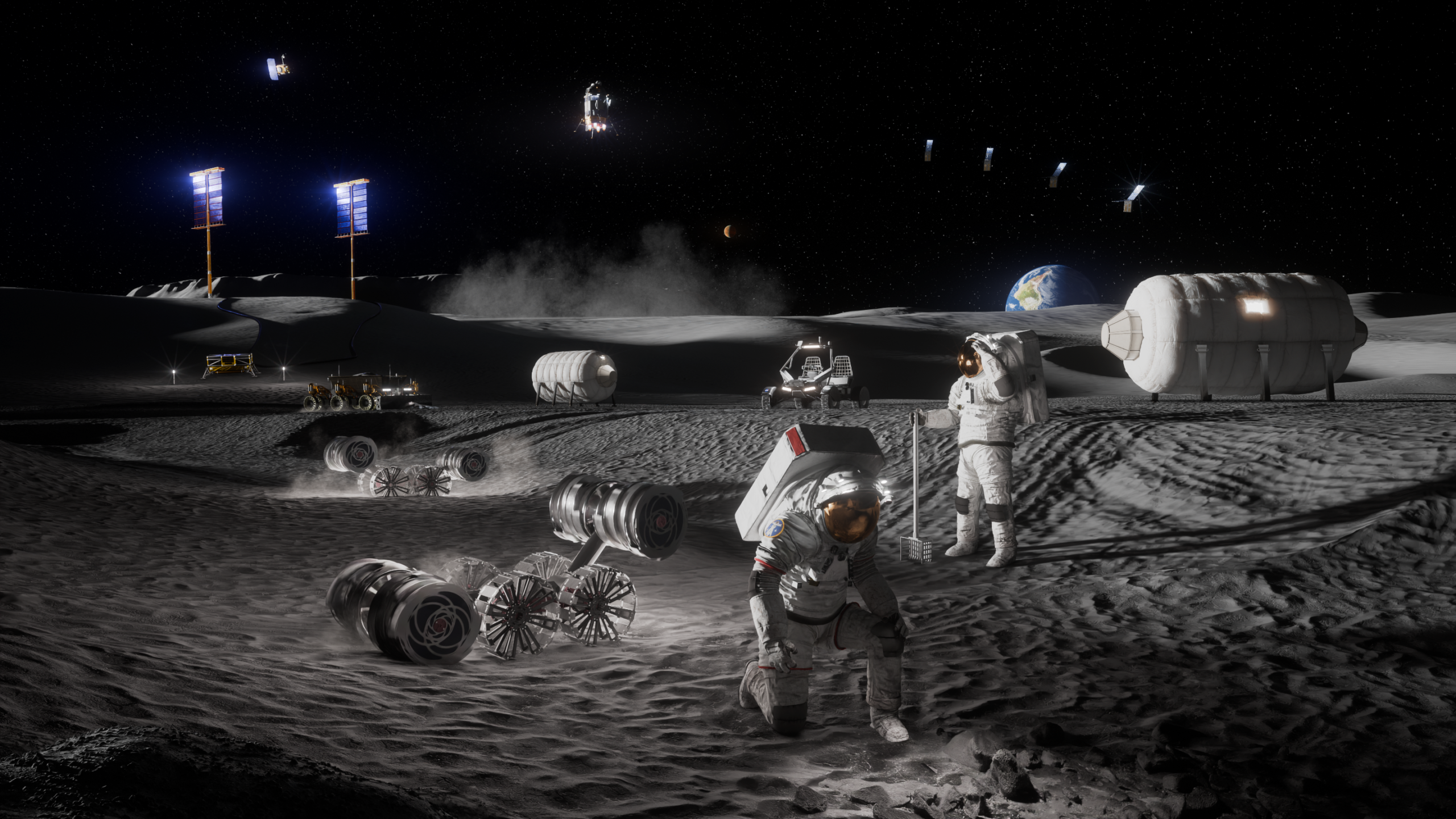
NASA is selecting new scientific tools to prepare for a permanent lunar base. These instruments will help researchers map the surface and ensure astronaut safety.
Why this matters
NASA aims to build a permanent home on the Moon. This effort requires careful planning and new tools. Scientists must learn how to keep astronauts safe in harsh conditions. These new missions provide the data needed to survive the long lunar night.
Also, the Moon acts as a testing ground for future travel. Success here helps NASA prepare for missions to Mars. The agency wants to minimize risks for human crews on other planets. These scientific instruments will turn the Moon into a center for discovery.
Finally, these projects show how public and private sectors work together. NASA hires commercial companies to fly these important tools. This partnership lowers the cost of space exploration. It also speeds up the timeline for building the lunar base.
New science for lunar exploration
NASA selected three specific science projects for the lunar surface. These tools will map the Moon and its resources. They will also search for natural shelters for future astronauts. Each tool serves a unique purpose for the Moon Base program.
Next, experts will use the LEMS-SP to monitor the environment. This station focuses on the Moon’s South Pole. It helps scientists understand the lunar ground. Another tool called GIMLI will map the interior of the Moon.
Then, the team will use the DISCO payload. This instrument uses spectral optics to study the surface. It provides clear images and data for researchers. These payloads will fly to the Moon through the CLPS initiative.
Meanwhile, NASA continues to improve its technology for deep space. The agency considers sending a spare Mars rover to the Moon. This move tests equipment before sending it further into the solar system. It represents a bold step for lunar operations.
How we got here
- September 28, 2026: Fighting spreads in the Afar region of Ethiopia as rebel groups challenge the government.
- September 30, 2026: NASA updates its mission details to fix the name of the DISCO payload project.
- September 30, 2026: NASA officially selects three new science suites to advance lunar base development.
- October 1, 2026: Astronomers capture a vibrant image of the Harvest Moon rising over an erupting Mount Etna.
What happens next
After that, NASA will begin integrating these payloads into flight hardware. Engineers will test the instruments to ensure they survive the launch. They must also confirm that the equipment functions in extreme temperatures. The agency plans to increase the number of lunar missions.
Also, teams will prepare for the next phases of the Artemis program. They will analyze data from these early missions to refine their base plans. Scientists hope to establish a permanent presence within the decade. The world watches as these bold space goals move toward reality.
Finally, the agency will provide updates on the potential Mars rover mission. This decision could change how NASA approaches lunar logistics. More news on commercial partnerships will likely follow in the coming months. These efforts represent a new era in space flight.