
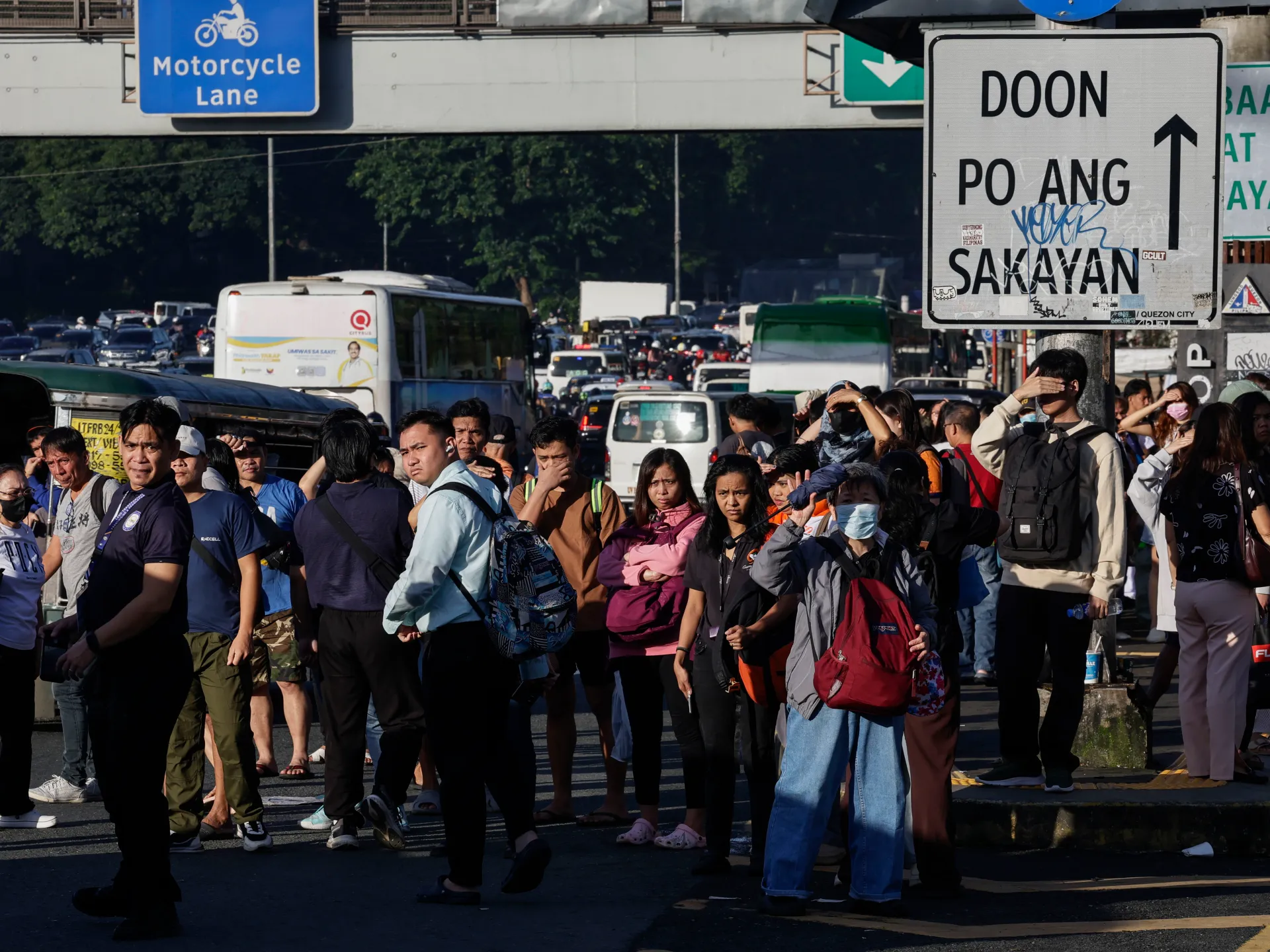
A deadly school shooting in Mindanao and a nationwide transport strike have put the Philippines on high alert. Authorities struggle to manage both safety and economic concerns.
Tensions rise across the Philippines this week as the nation faces two distinct crises. A tragic school shooting in Mindanao claimed the lives of two students. Meanwhile, transportation workers across the country launched a strike to protest fuel costs.
The shooting occurred at Banga National High School on Friday afternoon. A 16-year-old student opened fire during the school day. He wounded eight other pupils before taking his own life. Local officials report four of the injured students remain in critical condition.
Why this matters
These events highlight deep challenges within Philippine society today. The school tragedy raises urgent questions about firearm access and student safety. Officials noted this is the third such shooting since June. Such violence creates fear in communities that expect schools to remain safe spaces.
Also, the economic strain from global conflict hits ordinary citizens hard. Jeepney drivers struggle to earn a living as fuel prices soar. Many families depend on these public vehicles for daily travel. When drivers stop, the entire economy of the region suffers.
Meanwhile, the government faces pressure to maintain order. Leaders must balance public safety concerns with economic stability. They also provide free rides to help commuters during the transport strikes. Still, these temporary measures offer little relief for long-term financial pain.
A double crisis for the nation
The transport strike stems from the ongoing war involving the United States, Israel, and Iran. Drivers blame this conflict for the recent spikes in local fuel prices. Thousands of jeepney operators left the roads to show their frustration. Their protest leaves many commuters stranded in major cities.
Then, investigators worked to understand the motives behind the school attack. Mayor Albert Palencia stated the shooter had joked about his plan earlier. Friends did not believe him because he was known as a joker. The situation turned deadly shortly after the lunch break ended.
After that, local authorities suspended all classes in the municipality of Banga. The Philippine Red Cross sent medical teams to the school to help victims. Police continue to process the scene while families mourn the loss of the two students. Governor Reynaldo Tamayo asked gun owners to secure their weapons properly.
How we got here
- June 2026: A student opened fire at a high school in the central Philippines, killing three people.
- August 2026: A student at a Catholic school in the southern Philippines killed a peer after missing a teacher.
- September 18, 2026: A 16-year-old shooter killed two students and injured eight others at Banga National High School.
- September 29, 2026: Transport workers launched a massive strike to protest high fuel prices linked to international wars.
What happens next
Now, the government plans to increase school security protocols across the country. Officials want to ensure students cannot access weapons on campus. They will also look for ways to address bullying and mental health issues. These steps aim to prevent future tragedies in schools.
Next, the administration will likely address the fuel price crisis. They may seek ways to subsidize fuel or provide aid to transport workers. However, the outcome depends on the stability of global oil markets. Leaders remain cautious about the economic impact of the ongoing regional war.