
Renewed fighting between government forces and Tigrayan leaders causes regional alarm. Reports confirm military movements and a new declaration of war.
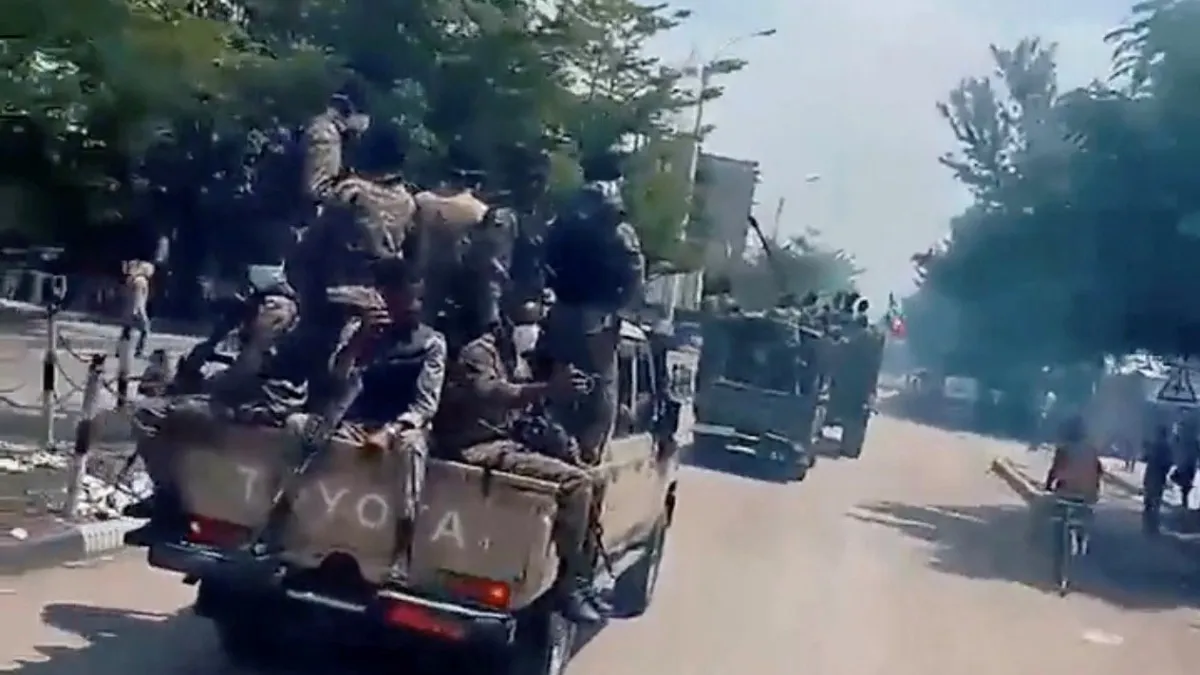
Armed soldiers recently moved into the town of Alamata. Pro-government militias and the Ethiopian military claim control of the area. This event marks a sharp rise in regional violence.
Tigrayan leaders now declare that a new war has started. They say this conflict involves the central Ethiopian government. The situation remains unstable for many local residents.
Why this matters
This fighting threatens the fragile peace in the Horn of Africa. Many citizens fear a return to widespread civil war. International groups worry about the safety of civilians in the region.
Also, the conflict disrupts vital supply lines near the border. Humanitarian aid may struggle to reach those in need. Regional stability affects the security of neighboring nations as well.
Furthermore, military buildups occur near the Sudanese border. This movement suggests the war might expand beyond current borders. Such escalation risks drawing other countries into the fray.
Recent military movements and escalation
Meanwhile, the government calls for more soldiers to join the fight. Reports from the BBC suggest that authorities hunt for potential recruits. This effort intensifies the strain on the local population.
Also, social media videos show vehicles filled with armed men. These fighters operate in towns recently taken by federal forces. The presence of these groups creates fear among civilians.
However, the government maintains that these actions restore order. They claim they protect the country from insurgent forces. Critics argue these methods harm innocent people instead.
International concerns and regional impact
Next, global leaders observe these developments with caution. They worry that current tensions will spark a larger humanitarian crisis. Food and water shortages often follow such intense combat.
Then, rumors spread about possible connections to global tensions. Some observers look for foreign influence in these local disputes. Still, officials provide little evidence to link these fights to wider world issues.
Finally, the movement of troops near borders causes alarm. Diplomats call for a peaceful end to the fighting. They warn that further violence will destroy many communities.
How we got here
- March 2026: Foreign airbases begin targeted strikes.
- September 28, 2026: Pro-government forces seize control of Alamata.
- September 29, 2026: Tigrayan leaders officially declare the start of a new war.
- Late September 2026: Military buildup intensifies near the Sudanese border.
What happens next
Now, experts expect continued fighting in the northern regions. Both sides likely seek more territory to gain a stronger position. This tactical maneuvering will likely delay any peace talks.
Also, international observers will monitor the border areas closely. They look for signs of a larger regional conflict. Future developments depend on the strength of current military alliances.
Finally, the humanitarian situation will likely get worse. Aid groups must find ways to navigate the dangerous combat zones. The coming weeks will determine the intensity of this renewed conflict.