
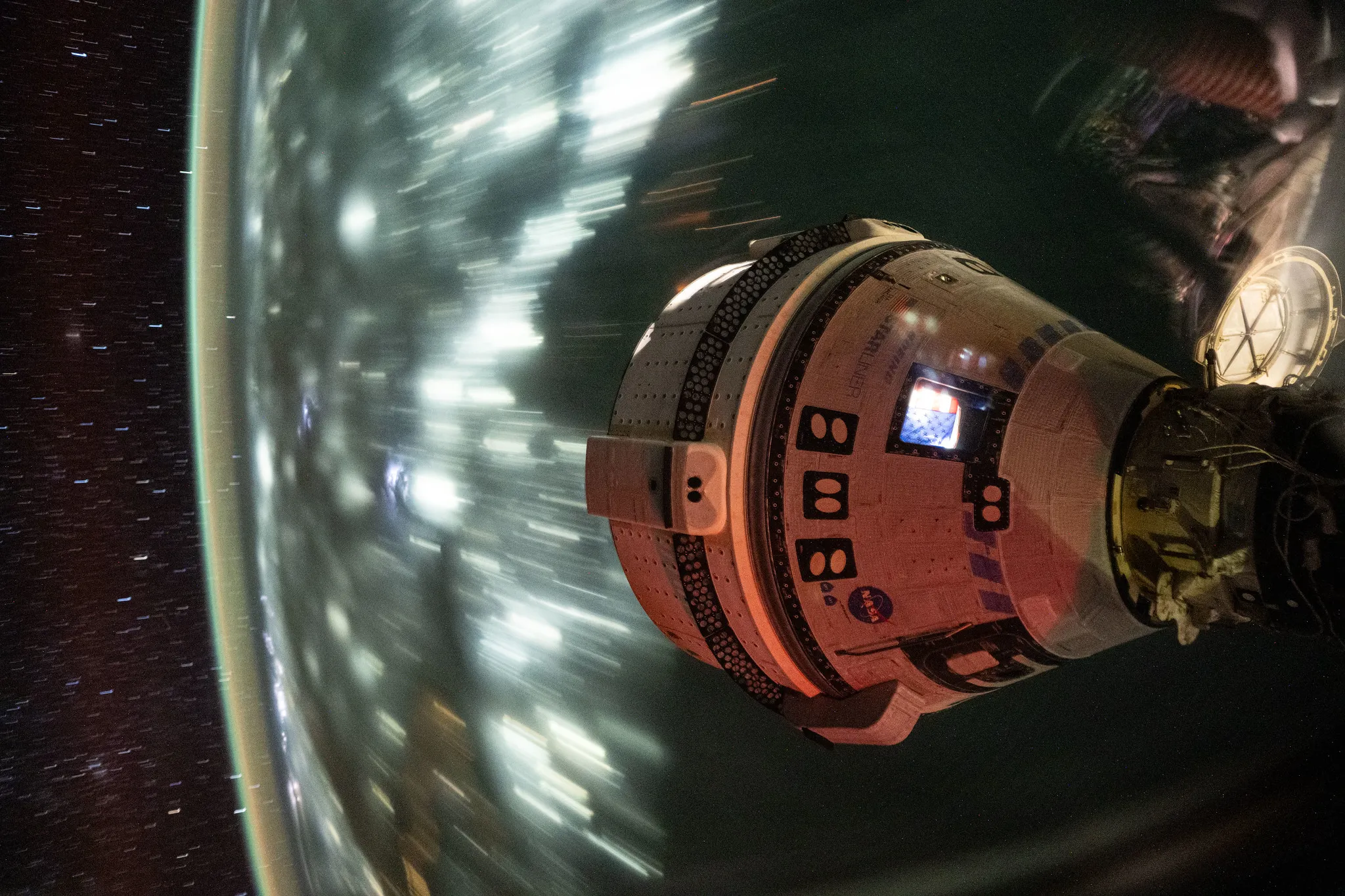
NASA is extending its Boeing Starliner program with two new missions, while researchers study unique fire clouds and global markets shift.
NASA and Boeing recently announced a new path for the Starliner spacecraft. The agency will add two more missions to the program. They also plan to certify a new rocket for future flights.
Meanwhile, the space agency continues to study Earth's atmosphere. Researchers recently observed rare clouds over a wildfire in Montana. These observations help scientists understand how fires change the air.
Elsewhere, major changes shape the global landscape. Citizens in Nigeria are investing heavily in a massive new oil refinery. At the same time, fighting continues in the Afar region of Ethiopia.
Why this matters
Space exploration remains a key priority for the United States. NASA wants to keep multiple options for moving astronauts to space. This strategy protects the agency if one vehicle faces delays.
Also, the transition to commercial space travel is a major shift. NASA intends to hand over low Earth orbit operations to private firms. This change allows the agency to focus on deeper space missions.
Furthermore, these projects show the complexity of modern engineering. Boeing must fix technical issues to ensure astronaut safety. Success in this area creates a foundation for future private space stations.
Program Updates and Future Flights
NASA plans to use the Starliner for two extra missions. These flights will carry crews to and from the space station. The agency will also work with United Launch Alliance.
Then, the team will certify the Vulcan rocket for human flight. It will replace the Atlas V rocket after its final mission. This move ensures the program has a reliable way to reach orbit.
Next, Boeing must address past technical problems. An investigation found 61 issues during previous test flights. Thruster performance was a major concern for the engineering team.
However, Boeing has already made thermal upgrades to the spacecraft. These changes should prevent the overheating issues seen before. Ground testing remains a critical part of the path forward.
How we got here
- 2024: The Starliner completes its first crewed flight test but returns to Earth without a crew.
- February 2026: NASA releases a report identifying 61 needed technical improvements for the Starliner.
- August 2026: NASA scientists study a rare pileus cloud over the Sand Creek wildfire in Montana.
- September 2026: Nigeria launches the continent’s largest offering for the new Dangote oil refinery.
- September 2026: NASA and Boeing announce plans to extend the Starliner program through a sixth flight.
What happens next
NASA will first launch an uncrewed Starliner mission. This flight will test the recent spacecraft improvements. The data from this flight will guide the next steps for safety.
After that, the agency will finish all required certifications. Officials expect to return astronauts to space on Starliner by 2028. This timeline depends on the success of the upcoming test flights.
Finally, the agency will monitor commercial progress closely. They hope to transition smoothly to using private space stations. This long-term plan will eventually replace the International Space Station.