
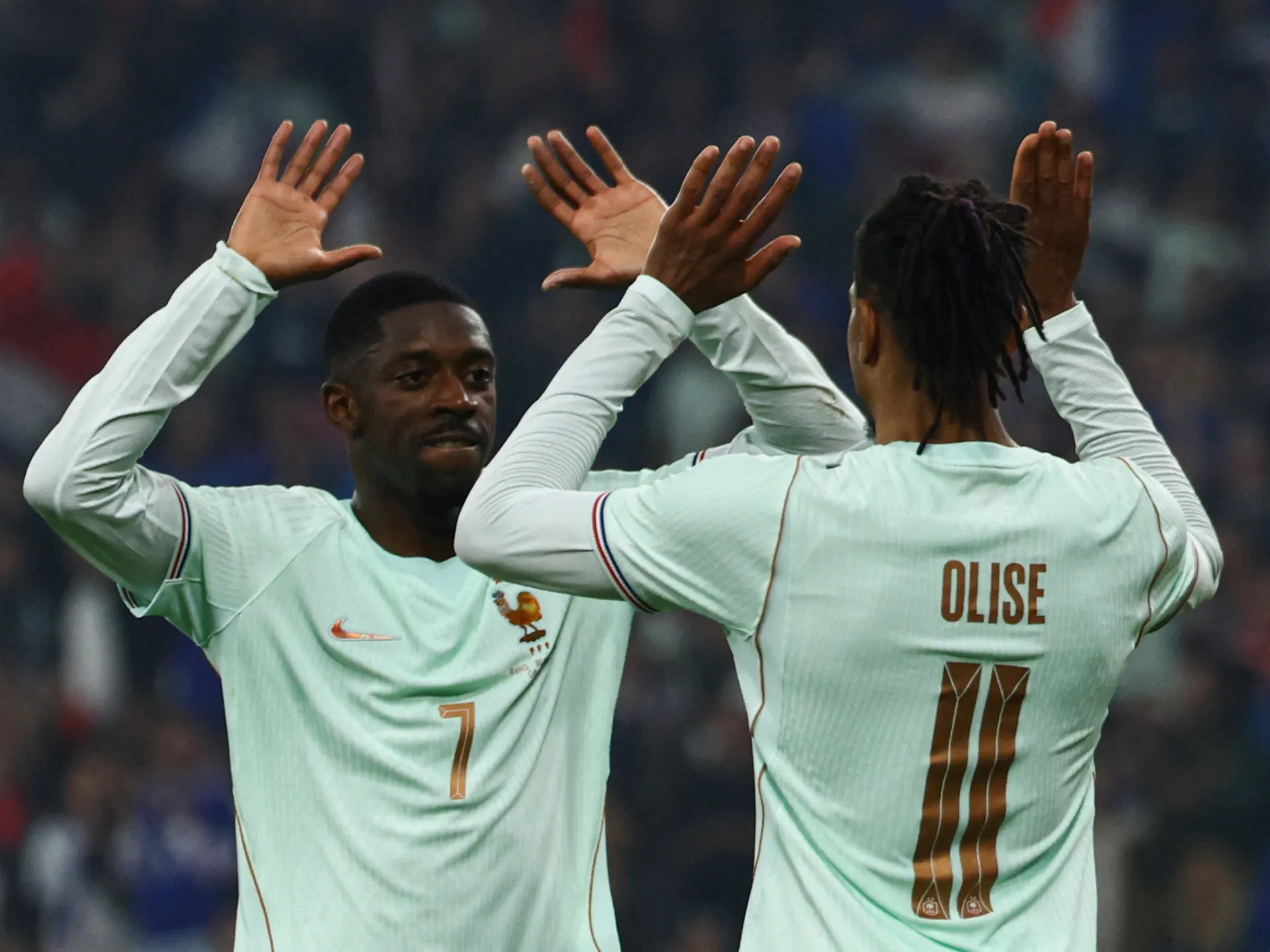
France enters a new era of soccer with fresh leadership and a focus on emerging talent following recent tournament setbacks.
France faces a major turning point on the international soccer stage. The national team currently deals with star player injuries and a coaching change. These shifts force a new generation of talent to step into the spotlight.
Meanwhile, the team prepares for high-stakes matches in the UEFA Nations League. Fans and experts watch closely to see how the squad adapts. The pressure remains high as France aims to maintain its status among the world’s elite.
Why this matters
International soccer represents more than just a game for France. It reflects the nation’s ability to foster young talent during times of change. A strong performance now builds momentum for future tournament cycles.
Also, the current transition period provides a rare opportunity for rising stars. Players like Michael Olise and Desire Doue must prove their value on the pitch. Success here could cement their places in the starting lineup for years.
Finally, these tactical adjustments influence the global market for European soccer talent. Scouts from top clubs monitor these matches to identify the next big names. The outcomes directly impact how teams structure their long-term strategies.
The Road to Tactical Shifts
Zinedine Zidane recently took over as the head coach for the French national team. He brings a fresh philosophy to the squad’s training sessions. Zidane aims to integrate new playmakers to replace missing stars like Kylian Mbappe.
Furthermore, recent matches show the team struggles against disciplined defensive setups. Spain recently demonstrated this by shutting out France in a key tournament match. France now seeks to improve its scoring efficiency during these upcoming fixtures.
However, the absence of key veterans changes the team’s overall energy. Younger players must take responsibility in front of the goal. These athletes understand that the entire country expects victory regardless of who wears the jersey.
Preparation for Future Challenges
The coaching staff focuses heavily on defense and quick transitions. They know that opponents will target any weakness in the current formation. Constant communication on the field remains the top priority for the new leaders.
Also, the team maintains a rigorous schedule to improve physical fitness. Players train twice daily to ensure they can compete for ninety minutes. Recovery remains just as important as the intense drills.
Next, the upcoming matches will test the depth of the roster. If the team performs well, it secures a better ranking for the next World Cup. Every point matters in this competitive landscape.
How we got here
- Early 2026: France experiences a major personnel shakeup during the World Cup cycle.
- Mid 2026: Spain defeats France in a critical matchup, ending their tournament run.
- Late 2026: Zinedine Zidane accepts the head coaching position for the French national team.
- Late 2026: Kylian Mbappe suffers an injury, forcing the team to find new scoring options.
What happens next
Analysts expect Zidane to rotate his squad heavily throughout the Nations League. He wants to gather data on which players perform best under pressure. This will likely lead to a stable lineup by the end of the year.
Additionally, the medical staff will continue to monitor the progress of injured stars. Their return depends entirely on their recovery speed in the coming months. The team must learn to win games without relying on specific individuals.
Finally, the results of these matches will dictate the team’s path toward the next World Cup. If the new system takes hold, France could reclaim its dominant form. Fans should expect intense competition throughout the rest of the season.