
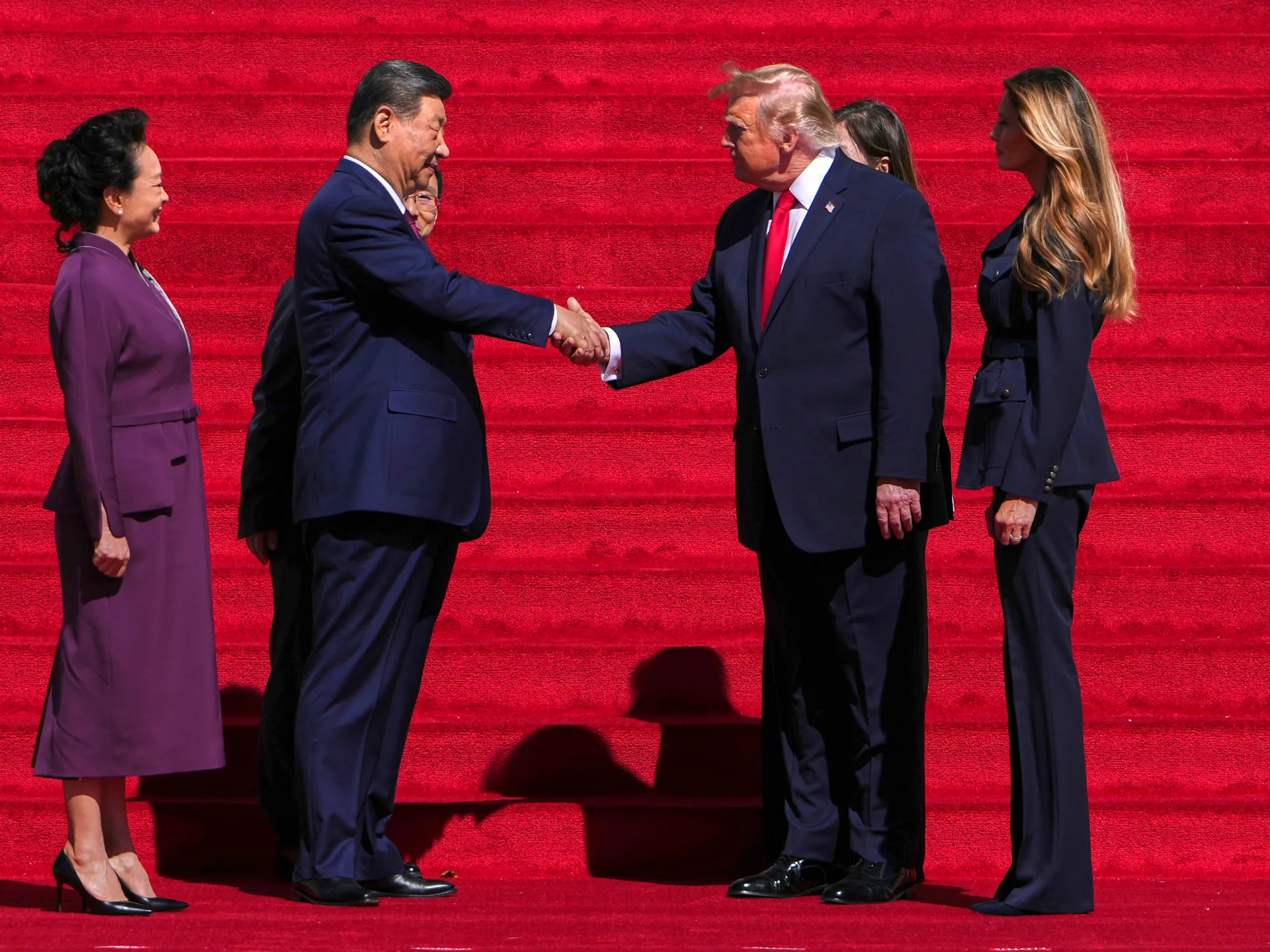
Presidents Trump and Xi agreed to tariff cuts on $30 billion of goods after a summit in Washington. Both sides also pledged to start a new dialogue on artificial intelligence.
Why this matters
The global economy depends on the relationship between these two nations. Both countries hold immense power over international trade. Their recent meeting signals a shift in how they manage their shared tensions.
Also, this deal helps businesses in both countries. Experts say a $30 billion shift in goods creates new stability. It may lower costs for many everyday products. However, deep disagreements about security and technology still exist between the leaders.
Meanwhile, the agreement shows that diplomacy still works. Negotiators spent months working on these specific trade lists. These efforts now show real progress after a long period of uncertainty. Still, critics warn that trade deals do not solve every political problem.
Details of the trade deal
The United States and China released lists of goods for tariff cuts. These cuts cover products worth $30 billion. Both governments hope to boost trade through these changes. This move follows a formal summit between the two presidents.
Next, the leaders discussed artificial intelligence during their time together. President Xi Jinping emphasized human control over new technology. Both sides agreed to start a new dialogue on this topic. This ensures that major countries act as responsible global partners.
After that, the summit included a lavish state dinner at the White House. Business leaders and tech CEOs attended the evening event. Protesters gathered outside the gates to voice their concerns. Police arrested some of these individuals during the demonstration.
The diplomatic path
President Trump spoke warmly of the relationship during the visit. He noted that the nations have different systems of government. Even so, he claimed they have never worked better together. President Xi called the meeting a historic juncture.
However, the two leaders avoided deep talk on sensitive issues. They did not resolve the dispute over the island of Taiwan. President Xi urged the US to take the correct position on this matter. A weapons package for the island remains paused under current US policy.
Still, the leaders confirmed plans for future meetings. They will meet again later this year in China. Then, they will gather for a third time in Florida. These meetings aim to chart a course for future relations.
How we got here
- September 25, 2026: President Trump and President Xi meet in Washington for a formal summit.
- September 26, 2026: Both leaders attend a state dinner with top business executives.
- September 28, 2026: Officials release official lists of products for $30 billion in tariff reductions.
- November 2026: The leaders plan to meet during the Apec meeting in Shenzhen, China.
- November 2026: A third meeting is scheduled to take place at the G20 summit in Florida.
What happens next
Government agencies will now begin the process of implementing tariff cuts. Businesses will watch these changes closely to adjust their supply chains. Consumers might see price changes on specific goods early next year.
Also, the new AI dialogue will start in the coming months. Experts expect technical teams to set safety standards for these tools. This will be a major test of cooperation between the two powers.
Finally, the November meetings in China and Florida will set the tone for next year. Both leaders face pressure to maintain this momentum. Observers will track if they address harder issues like trade and regional security.