
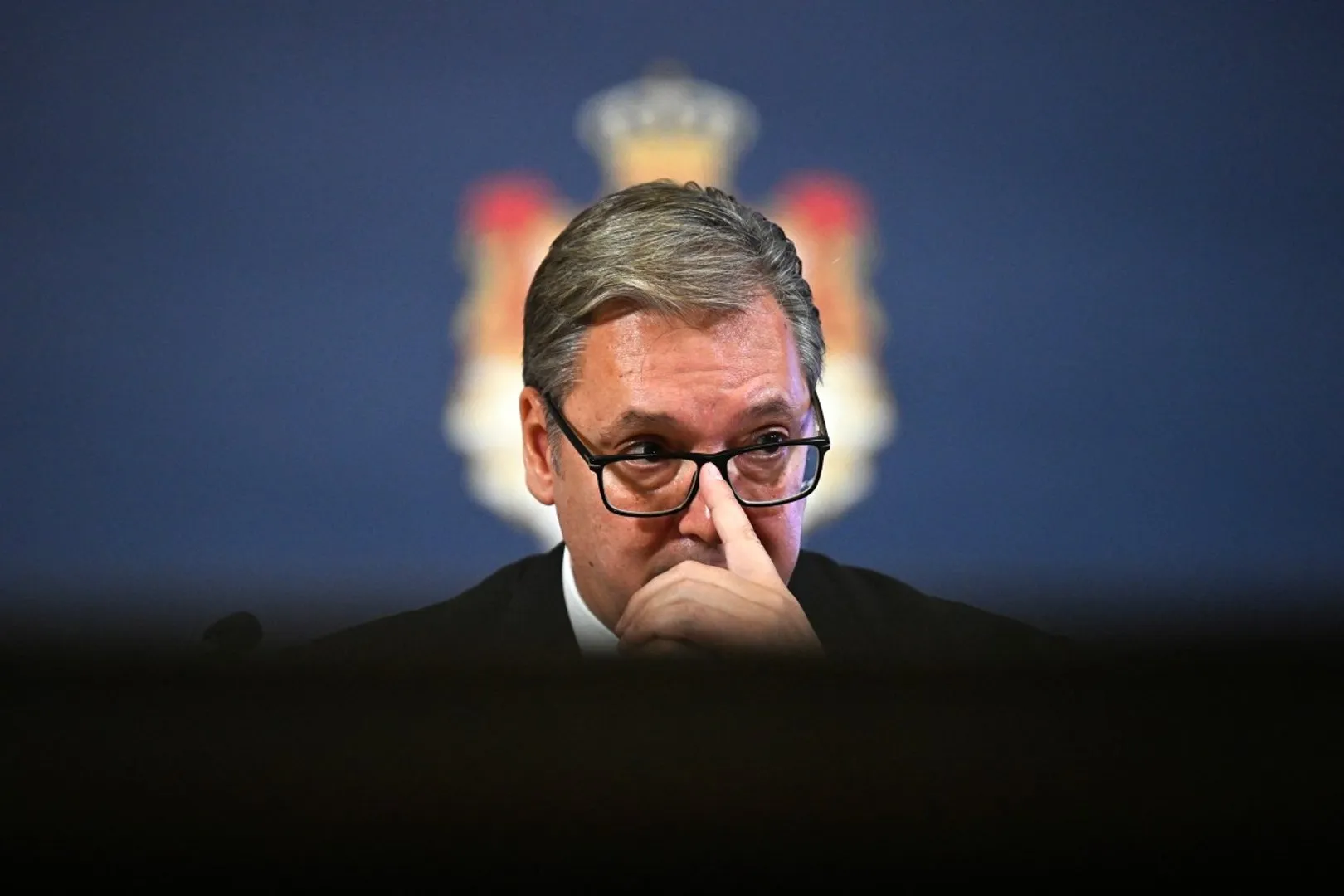
Top leaders in Serbia and Sweden have resigned, forcing their countries into uncertain political transitions and new election cycles.
Why this matters
Political stability across Europe faces new tests this month. Top leaders in both Serbia and Sweden recently stepped down from their roles. These changes signal a broader mood of unrest among many voters. Each nation now moves toward an uncertain path of new governance.
Also, the reasons for these resignations highlight deep divides. Voters in Sweden want a change in their national direction. In Serbia, the leadership shift aims to consolidate power within the ruling party. Both situations show how fragile parliamentary coalitions can become over time.
Furthermore, these transitions affect international relations. Neighboring countries watch these shifts with great interest. The European Union often monitors such changes to maintain regional balance. Economic policies and trade agreements may change as new leaders take the stage.
Leadership Transitions in Europe
Aleksandar Vučić recently resigned as the president of Serbia. He plans to lead his party into the next election. This snap vote will occur on October 25. He now seeks the role of prime minister instead.
However, he faces a strong challenge from new political forces. The Students Win movement gained momentum after years of protests. They hope to disrupt the current political order in Belgrade. This election will prove if the public still supports the ruling party.
Meanwhile, Sweden faces its own political puzzle. Prime Minister Ulf Kristersson resigned after a narrow election defeat. His right-wing bloc lost to the centre-left opposition. The final vote count showed a thin margin between the two groups.
Still, the process of forming a new government remains complex. Magdalena Andersson of the Social Democrats looks set to take power. She must now bridge gaps between several different political parties. Disagreements over tax policy may slow down these important talks.
How we got here
- September 2026: Sweden holds a general election, leading to a narrow defeat for Prime Minister Kristersson.
- September 17, 2026: Ulf Kristersson formally resigns as Sweden’s prime minister after the election results surface.
- Late September 2026: Aleksandar Vučić resigns as Serbia’s president to pursue the prime minister position.
- October 25, 2026: Serbia schedules a snap parliamentary election to determine the country’s next leadership.
What happens next
The speaker of the Swedish parliament will now guide the next steps. They will interview each party leader to find a consensus. This process often takes several weeks or even months. History shows that forming a stable coalition in Sweden is very difficult.
Next, the Social Democrats will try to unite the left-wing bloc. They must convince the Green and Centre parties to agree on a platform. If they fail, the parliament could face a long period of gridlock. Citizens wait to see if a functional government emerges soon.
Finally, Serbia will head to the polls later this autumn. The outcome will show if the ruling party keeps its influence. Observers expect intense campaigning from all sides. The election results will likely change the political landscape of the entire Balkan region.