
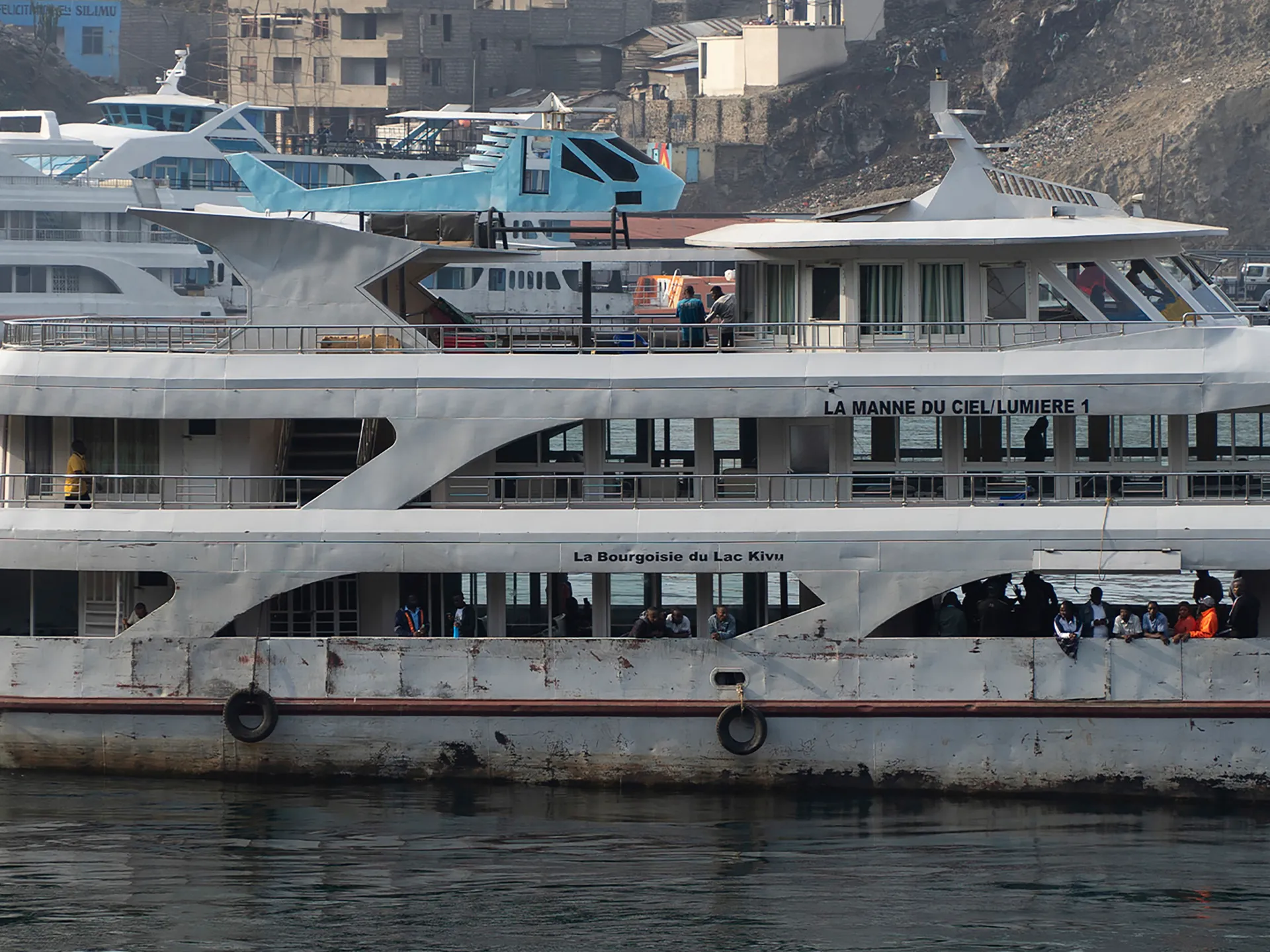
A commercial boat disaster on Lake Tanganyika has claimed 41 lives, highlighting persistent safety failures in the Democratic Republic of the Congo's transit network.
A maritime disaster on Lake Tanganyika has left at least 41 people dead after a commercial vessel capsized while transporting passengers and cargo from Tanzania to the Democratic Republic of the Congo. Local authorities are currently engaged in recovery efforts as questions mount regarding the safety protocols of the vital cross-border water route.
The incident, which occurred near the Congolese village of Mapera, underscores a recurring crisis in regional transportation. With survivors recalling a sudden tilt in the early morning hours, the tragedy adds to a grim tally of maritime accidents that frequently plague the nation's underdeveloped transit corridors.
This event serves as a stark reminder of the fragile state of infrastructure in the Democratic Republic of the Congo, a nation struggling to serve a population exceeding 100 million people with limited resources. While high-profile emergencies—such as the recent non-fatal emergency water landing of a Beechcraft K35 in Wisconsin, which captured U.S. headlines—often spark immediate scrutiny of private aviation safety, the recurring loss of life in Congolese waters highlights a systemic failure in public transit regulation. The contrast between these incidents illustrates the global disparity in emergency response capabilities and the lack of basic safety equipment, such as life jackets, which are routinely absent in the DRC’s overcrowded commercial vessel industry.
Provincial transport minister Norris Mulongoyi confirmed that the boat was carrying approximately 100 individuals when it encountered distress near the shoreline of Mapera. While 49 people have been rescued, the search for remaining passengers continues. Survivors, including one passenger named Annie Moyoni, described being jolted awake at 1:00 a.m. to find the vessel listing severely before it ultimately foundered.
Investigations into the cause of the capsizing are ongoing, though the incident marks the second catastrophe involving the Kigoma-Kalemie route in less than a month. In late August, the vessel MV Pacifique suffered a catastrophic explosion and fire while loading fuel at the port of Kigoma, resulting in at least six deaths and one missing person. These consecutive losses have placed intense pressure on port authorities to re-evaluate the maintenance and load-bearing standards for vessels operating along this corridor.
The immediate priority for Congolese authorities remains the recovery of those still missing in Lake Tanganyika. Beyond the immediate rescue efforts, the frequency of these disasters suggests that international humanitarian groups and domestic regulators will face mounting pressure to enforce stricter maritime safety standards. Given that these vessels are often the only viable means of travel for residents in the region, the long-term resolution likely requires significant investment in infrastructure and the introduction of mandatory safety gear, such as life vests, which were reportedly missing in this instance. Investigations verloading, or environmental factors triggered the capsizing.