
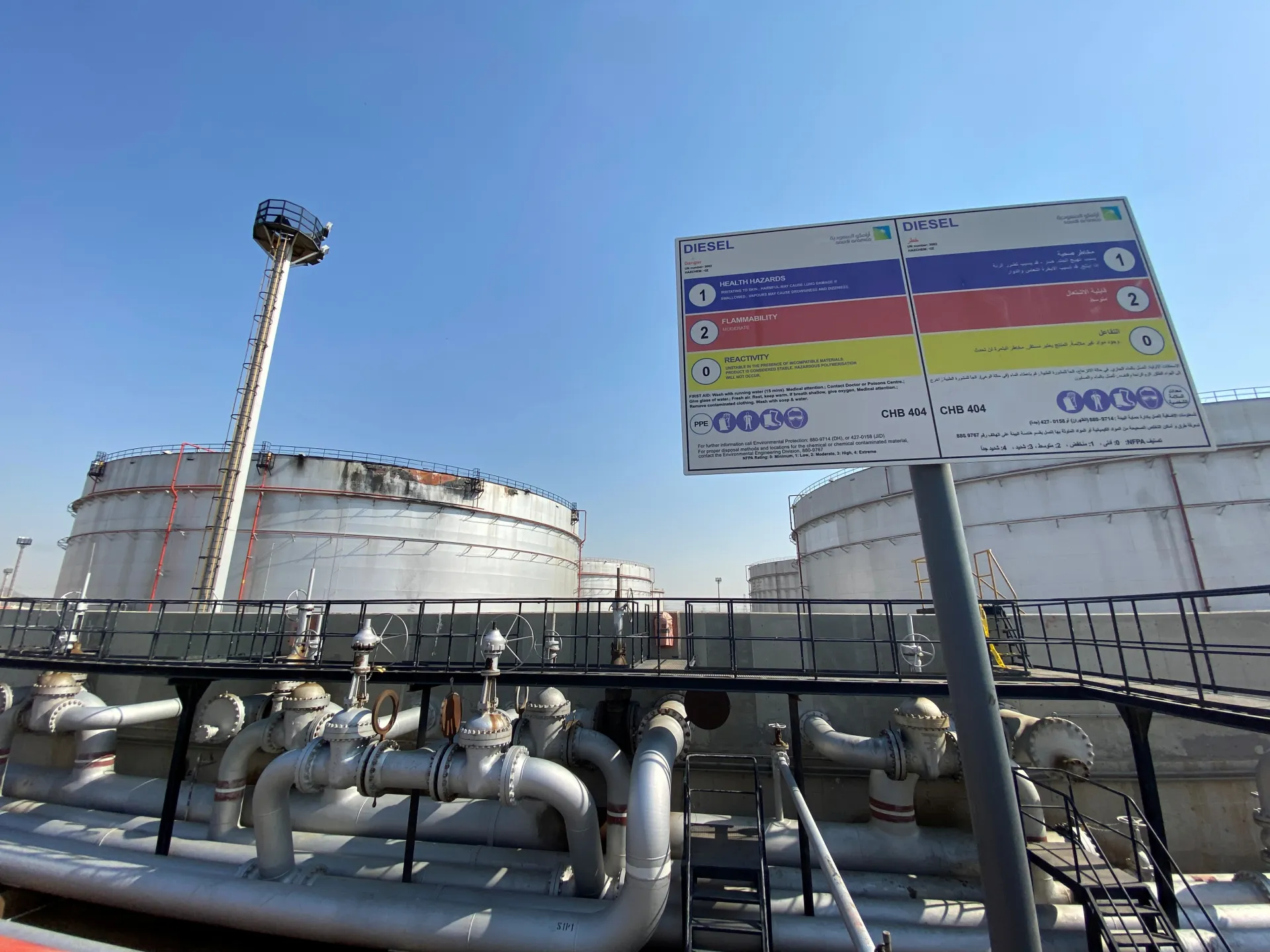
France has joined a growing coalition pledging support for Saudi Arabia as Houthi rebels escalate strikes on critical oil infrastructure at Yanbu.
The escalation of Houthi strikes against Saudi oil infrastructure represents a critical inflection point for global energy security. ging in a regional military struggle, but actively attempting to weaponize the global energy supply chain. The international community, including European powers, is shifting from passive observation to active defensive posturing. This transition highlights a fragile consensus: while Western nations remain cautious about deep military entanglement in the broader regional conflicts, the protection of energy transit hubs has become a non-negotiable strategic priority, setting a precedent for how global powers may intervene to insulate their economies from regional volatility.
In response to a intensifying campaign of ballistic missile and drone attacks, Saudi Arabia is actively consolidating its defense partnerships. French President Emmanuel Macron has formally announced the deployment of soldiers, radar arrays, and specialized defense systems to the Yanbu oil terminal. Macron emphasized that the objective is exclusively defensive, aimed at securing critical infrastructure rather than direct involvement in the broader Yemen conflict.
Simultaneously, the Saudi government has initiated high-level consultations with Pakistan and Turkiye to activate the Mecca Joint Defence Agreement. This mutual defense pact, which posits an attack on one member as an assault on the collective, remains a subject of intense diplomatic scrutiny. While foreign ministers from all three nations have met to coordinate a response, the extent of military cooperation remains undefined. The Houthis have publicly claimed responsibility for recent strikes on Aramco facilities in Yanbu and strategic targets in Riyadh; Saudi officials reported the successful interception of six ballistic missiles, though they have stopped short of confirming specific damages to the infrastructure.
The intensifying pressure on Saudi oil exports coincides with broader geopolitical instability, including ongoing tensions involving Iran and the conflict in Lebanon. Speaking at the United Nations General Assembly, Yemen’s Vice President Abdullah Abdulkader al-Alimi-Bawzer characterized the Houthi strategy as a form of economic hostage-taking, warning that the group is utilizing shipping security as a mechanism for international blackmail. While the United States has not yet confirmed a renewal of direct military involvement, Saudi Foreign Minister Prince Faisal bin Farhan Al Saud noted that the kingdom remains in close, ongoing collaboration with American partners to address these threats.
The immediate outlook hinges on whether the Mecca Joint Defence Agreement is formally triggered. If invoked, it would represent a significant escalation that could draw Pakistan and Turkiye into a more direct military posture, potentially altering the regional balance of power. Furthermore, the deployment of French defensive assets provides a tactical buffer for the Yanbu terminal, which may force the Houthis to recalibrate their targeting strategy. Analysts suggest that the duration of this defensive standoff will depend on the efficacy of intercepted air defense measures and the success of ongoing diplomatic efforts der, uncontrollable regional war.