
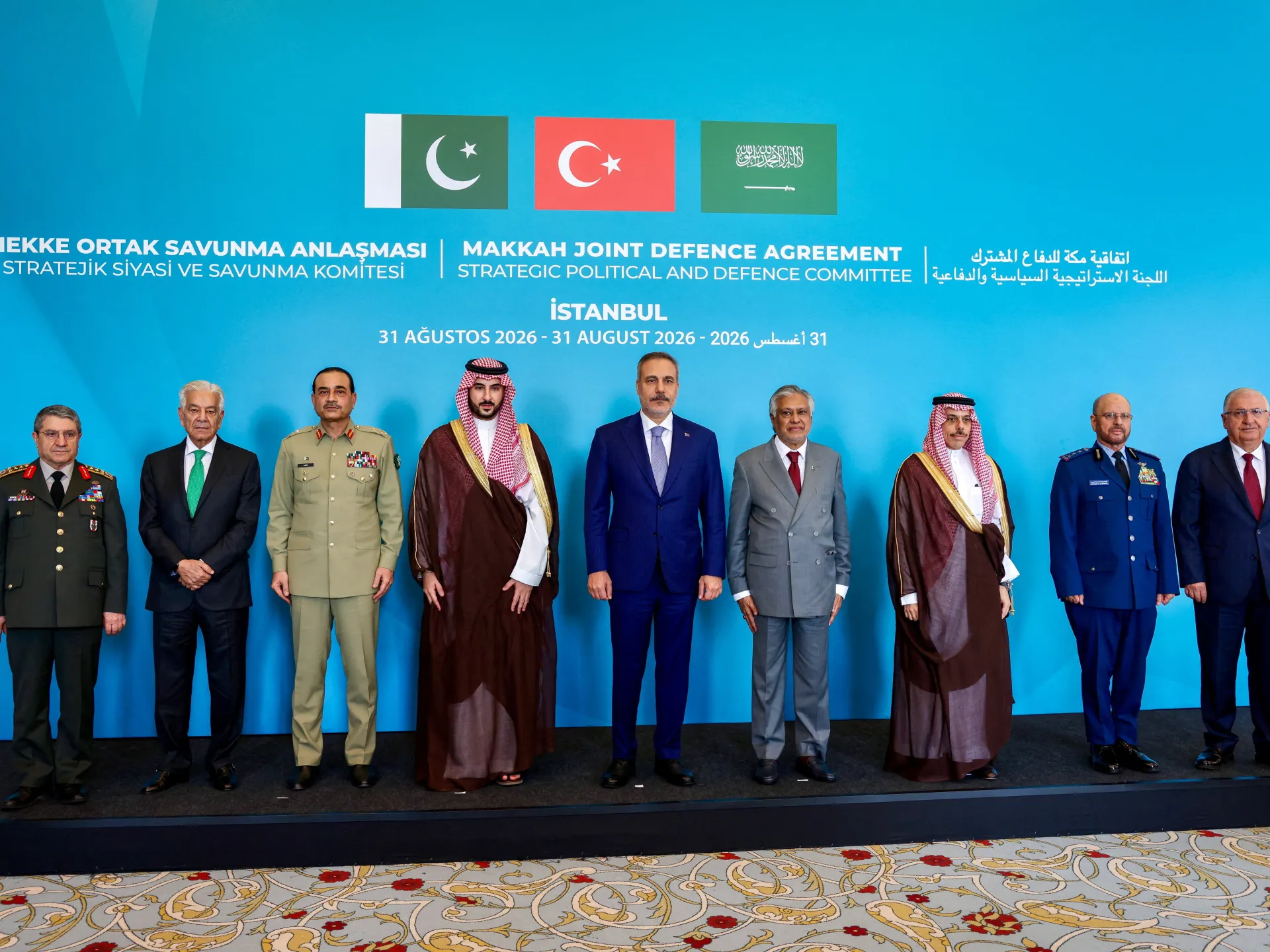
Saudi Arabia, Turkiye, and Pakistan are moving to operationalize a joint defense pact as cross-border missile attacks and regional tensions climb.
Military leaders from Saudi Arabia, Turkiye, and Pakistan are preparing for urgent consultations aimed at operationalizing the Mecca Joint Defence Agreement. This diplomatic maneuver, confirmed following a high-level summit in New York, arrives as the Kingdom faces a sustained barrage of cross-border missile and drone strikes originating from Yemeni territory, signaling a precarious escalation in regional hostilities.
The push for collective security measures follows an intense 24-hour period of combat within Yemen, which local tallies estimate resulted in at least 150 fatalities among both Houthi insurgents and government-aligned combatants. As the conflict intensifies, the international community is beginning to take a more active role in the defense of Saudi infrastructure, with France announcing the deployment of specialized military assets, including radars and defensive systems, to protect critical facilities in Yanbu.
The activation of the Mecca Joint Defence Agreement represents a significant pivot in regional geopolitical alignment. he coalition is attempting to project a unified deterrent force that stretches from the Gulf to South Asia and the Mediterranean. This shift complicates the traditional security landscape, as it moves beyond bilateral partnerships toward a multilateral bloc capable of pooling military resources. For global energy markets and regional stability, the formalization of this pact suggests that any future aggression against Saudi territory risks drawing two additional major military powers into a direct conflict, effectively raising the cost of regional destabilization to an unprecedented level.
The urgency behind the upcoming military chiefs' summit stems from a coordinated wave of attacks reported on Thursday. Saudi military officials confirmed the interception of six ballistic missiles targeting the cities of Taif and Yanbu. While the coalition spokesperson, Major-General Turki al-Malki, characterized these attempts as failures that would be met with firm responses, the Houthi movement concurrently claimed successful strikes against sensitive installations in Riyadh and key infrastructure at Saudi Aramco sites in Yanbu.
These developments unfold against a backdrop of heightened regional volatility. Reports from the Persian Gulf indicate additional maritime security incidents, including a strike on a Kuwaiti oil tanker off the coast of Dubai, occurring in the immediate aftermath of recent geopolitical rhetoric. Concurrently, tensions involving Iran remain at a critical threshold, with Tehran issuing stern warnings against the prospect of any foreign ground incursions into its territory.
The immediate focus of the scheduled military chiefs' meeting will likely be the practical application of the "attack on one is an attack on all" provision. Analysts suggest that the coalition must define the technical thresholds that trigger collective military action, particularly regarding the intercept of drones and missiles. Should the coalition move toward a joint-patrol or shared intelligence framework, the operational landscape in the Red Sea and the Gulf will likely see a surge in defensive capabilities. However, the success of this agreement remains contingent on whether the signatories can maintain a unified front in the face of varying domestic political pressures and the volatile nature of the ongoing conflict within Yemen.