
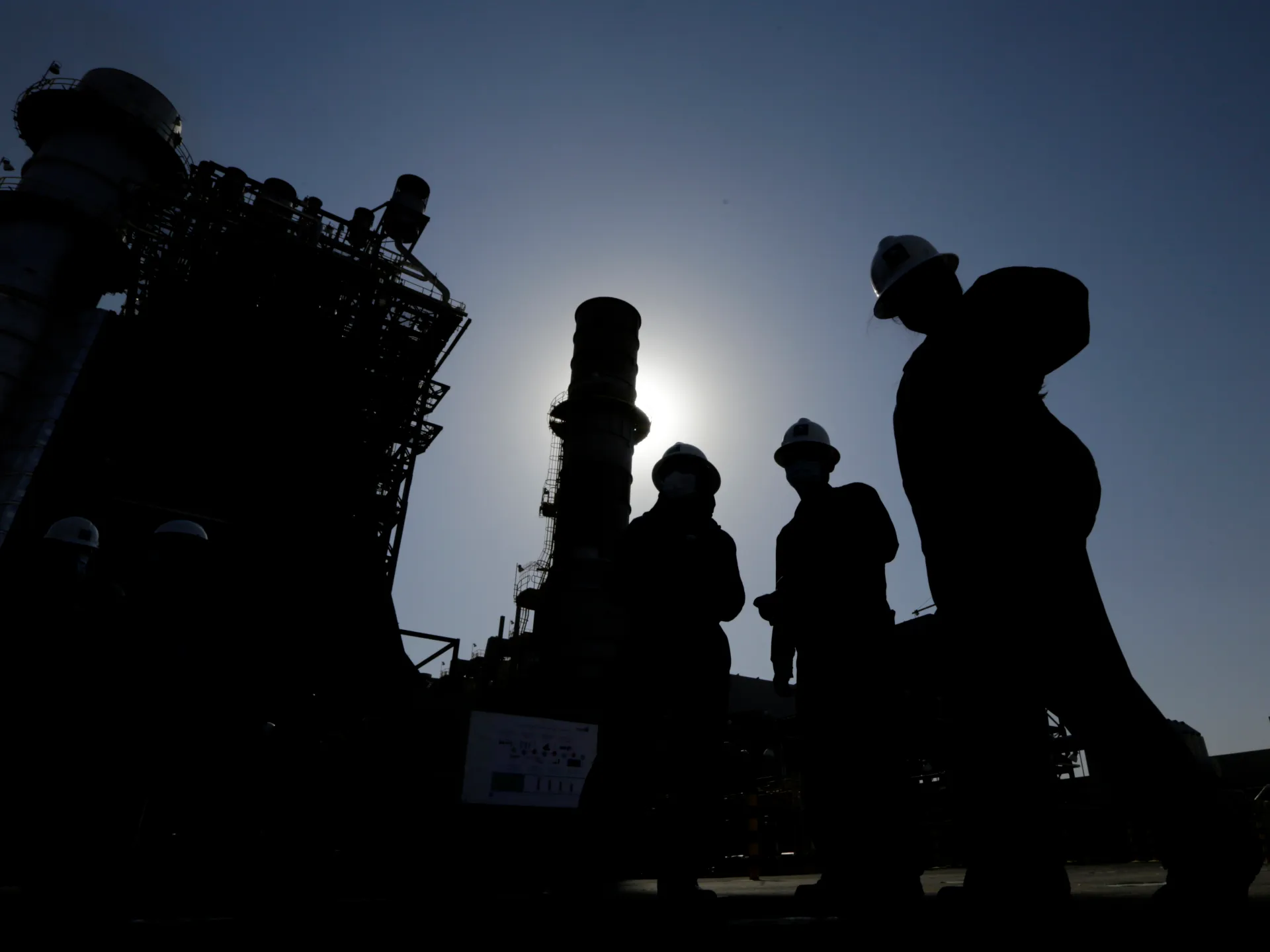
Global oil prices have spiked following fresh Houthi attacks on Saudi energy facilities, even as diplomats scramble for a resolution to the ongoing U.S.-Iran conflict.
The convergence of active combat in the Middle East and high-stakes diplomatic maneuvering in New York underscores a precarious global economic landscape. When energy infrastructure—specifically assets belonging to regional giants like Aramco—becomes a tactical target, the ripple effects are felt instantly in global commodity exchanges. This vulnerability highlights the fragility of international supply chains during periods of prolonged geopolitical friction, where even minor escalations can keep prices tethered to an elevated floor, hindering broader economic stabilization efforts.
Oil prices saw a significant surge this week as Houthi forces claimed responsibility for a series of drone and missile strikes targeting critical energy infrastructure in Saudi Arabia. Brent crude futures, serving as the international benchmark, climbed over 3 percent on Thursday, briefly breaching the $108 per barrel mark before settling near $105.77 rding the ongoing seven-month conflict between the United States and Iran, which has already constrained global energy throughput.
While Saudi-led coalition forces reported the successful interception of six ballistic missiles, the extent of physical damage to Saudi energy sites remains unconfirmed cts on its facilities in Yanbu or the Riyadh-based targets mentioned t the UN General Assembly offer a potential pathway for de-escalation, the lack of a tangible peace agreement sustains the current upward pressure on oil prices.
The instability in energy markets coincides with a flurry of high-level diplomatic activity in New York. Iranian President Masoud Pezeshkian has publicly expressed a desire for the United States to revive a lapsed Memorandum of Understanding regarding the conflict. The window for a resolution remains narrow, with officials aiming for progress ahead of the U.S. midterm elections in November. Meanwhile, the broader geopolitical climate remains volatile, marked iances between major world powers, including recent high-profile meetings between U.S. and Chinese leadership.
In the near term, the stability of energy markets will likely remain contingent upon the outcomes of the UN General Assembly sideline negotiations. Should the U.S. and Iran fail to reach a durable de-escalation framework before the November midterm elections, analysts anticipate that oil prices will likely maintain a floor above $100 per barrel due to existing inventory gaps. Simultaneously, the situation in Nigeria remains a localized pressure point; the government’s commitment to an independent investigation into the custodial deaths will be critical to cooling the civil disturbances in Minna, where a 24-hour curfew currently remains in effect.