
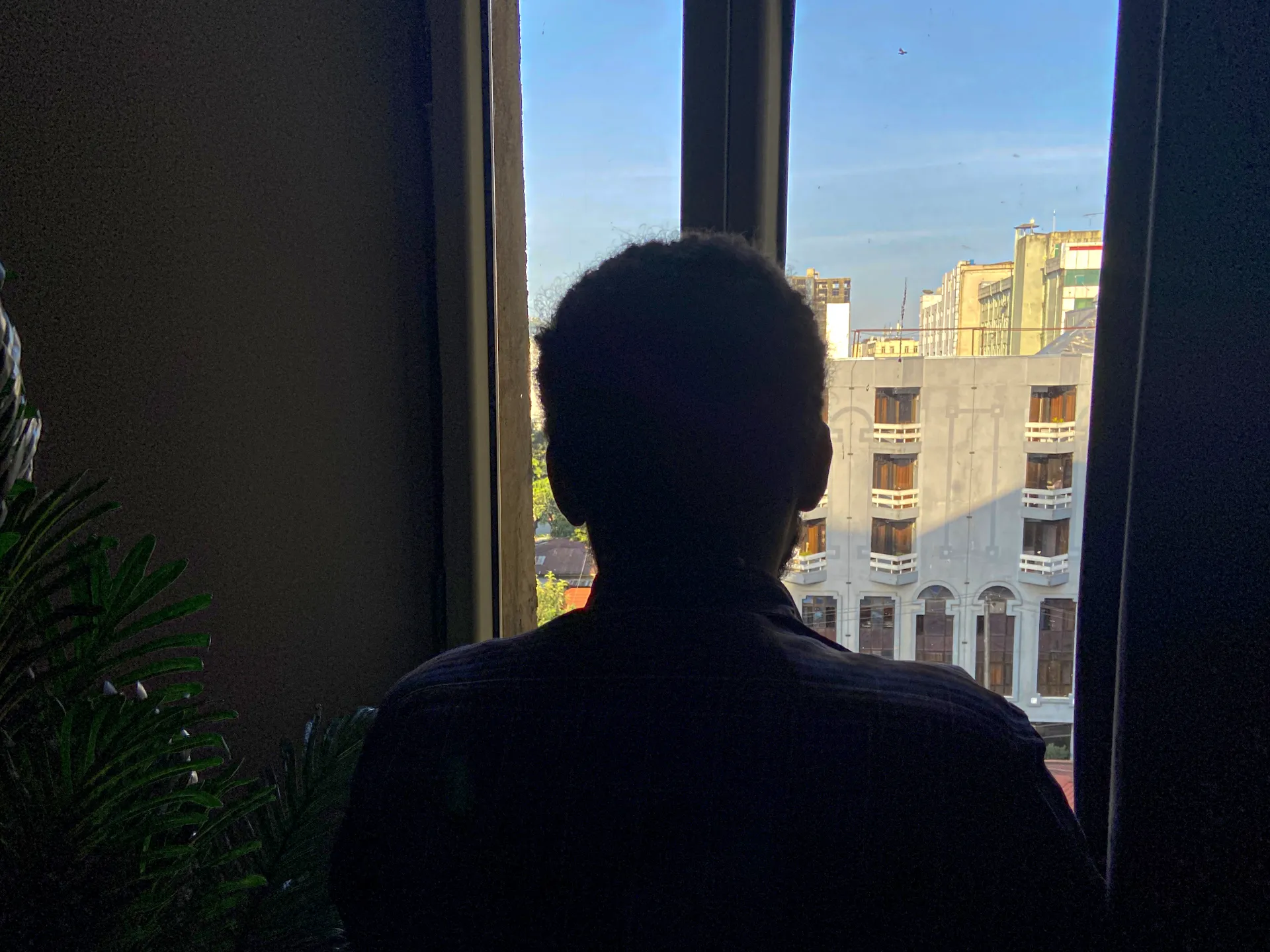
Young men are fleeing Ethiopia’s Tigray region as reports of forced military recruitment spark fears that the fragile postwar peace is crumbling.
A growing number of young men are departing Ethiopia’s Tigray region, driven rs after the Pretoria Agreement was signed to silence the guns of the civil war, the fragile peace is being tested mer combatants and civilians, forcing many to choose between their homes and their safety.
For many families in the region, the prospect of a second conflict is a traumatic reawakening of the horrors survived between 2020 and 2022. As military tensions between the federal government and the Tigray People’s Liberation Front (TPLF) simmer, residents report that local authorities have increasingly sought to bolster their ranks, prompting a clandestine outflow of youth toward the capital, Addis Ababa, and beyond.
The current instability underscores the limitations of the Pretoria Agreement, which succeeded in stopping the formal conflict but failed to address the foundational grievances of the region. The persistence of contested territories and the lack of a comprehensive demobilization process have created a security vacuum where neither the federal government nor local authorities appear fully committed to a lasting ceasefire. When young people view flight as the only mechanism for survival, the region faces a long-term “brain drain” that threatens the economic and social viability of the postwar reconstruction effort. This instability serves as a critical indicator that the regional peace process is dangerously brittle, susceptible to collapse if the current mobilization rhetoric continues to escalate into further localized hostilities.
Reports of forced recruitment have surfaced in multiple corners of Tigray, with families describing situations where young men are taken from their homes, workplaces, or even public thoroughfares. Some individuals have recounted being detained at local administration offices, only securing their freedom through parental intervention or significant financial payments. The climate of fear has effectively dismantled the aspirations of a generation attempting to move past the conflict.
For those who remain, the daily reality is one of constant vigilance. Students and entrepreneurs, who had begun the arduous process of rebuilding their lives and supporting their families, are increasingly abandoning their professional pursuits to avoid being swept up in what many describe as a mandatory and involuntary mobilization. The psychological toll is profound, as these individuals grapple with the trauma of surviving one war while fearing they are being groomed to participate in another.
International observers have noted the severity of these recruitment practices. Human Rights Watch reported as recently as July that authorities in Tigray have targeted individuals as young as 15 for forced enlistment. These allegations are occurring against a backdrop of deteriorating security; in August, reports indicated significant heavy fighting near the Sudanese border. Both the federal government and the TPLF have traded accusations of military escalation, suggesting that the diplomatic channels intended to de-escalate tensions are failing to contain the tactical maneuvers on the ground.
The trajectory of the region likely depends on whether the African Union and international stakeholders can compel both the TPLF and the federal government to return to the negotiating table to address the implementation failures of the 2022 agreement. Without an external monitoring mechanism to curb forced recruitment and verify military movements, the current cycle of mobilization will likely continue to accelerate. Should the recruitment drives persist, the region may face a significant demographic shift, as more families prioritize the evacuation of their young men over remaining in the conflict-prone zone. The likelihood of a return to full-scale war remains a distinct possibility if diplomatic efforts do not soon pivot toward addressing the unresolved issues of territory and disarmament that continue to drive this military posturing.