
As US and Chinese leaders reject calls for an international AI slowdown, NASA demonstrates how autonomous technology is being safely applied to space exploration.
While global leaders and technology pioneers clash over the trajectory of artificial intelligence, a parallel movement in aerospace engineering suggests that the most critical advancements in modern technology remain grounded in practical, mission-specific applications. As Washington and Beijing aggressively pursue dominance in the frontier of machine learning, ignoring calls for international safety guardrails, NASA is simultaneously refining high-stakes navigation systems designed for the precise exploration of the Moon and beyond.
This juxtaposition highlights a widening gap between the high-level geopolitical rhetoric surrounding AI regulation and the methodical development of autonomous systems in specialized sectors. While debate rages over whether the future of artificial intelligence requires global intervention or corporate self-governance, NASA’s progress serves as a quiet reminder of how advanced computation—specifically guidance and navigation—can be harnessed for tangible scientific progress in high-risk environments.
The intensifying rivalry between the United States and China over artificial intelligence is not merely a commercial contest; it is a fundamental shift in how superpowers define national security. s are actively rejecting the traditional international consensus model that governed nuclear or chemical non-proliferation. This rejection creates a dangerous precedent where technological velocity is prioritized over systemic stability, leaving the burden of safety entirely on the private sector. The absence of a unified framework between the two nations responsible for the vast majority of frontier models threatens to create a "race to the bottom," where safety protocols are sacrificed for the sake of speed, potentially leaving humanity vulnerable to unforeseen, high-consequence system failures.
The divide between industry leaders and the White House has become increasingly pronounced. While prominent figures such as OpenAI CEO Sam Altman have acknowledged that public fear of AI is justified—even admitting the potential for existential outcomes—the political reality in Washington remains hostile to regulation. President Donald Trump has publicly categorized concerns regarding AI safety as a "hoax," insisting that the nation’s strategic advantage is better served
China, despite maintaining a more structured approach to domestic regulation through its iterative security frameworks, remains equally committed to maintaining its lead. With both nations viewing AI dominance as synonymous with global power, analysts suggest that meaningful, bilateral agreements are highly unlikely. Experts at the Asia Society Policy Institute argue that without a synchronized regime covering both US and Chinese models, the current "patchwork" of safety measures will inevitably fail to address the systemic risks inherent in such rapid technological proliferation.
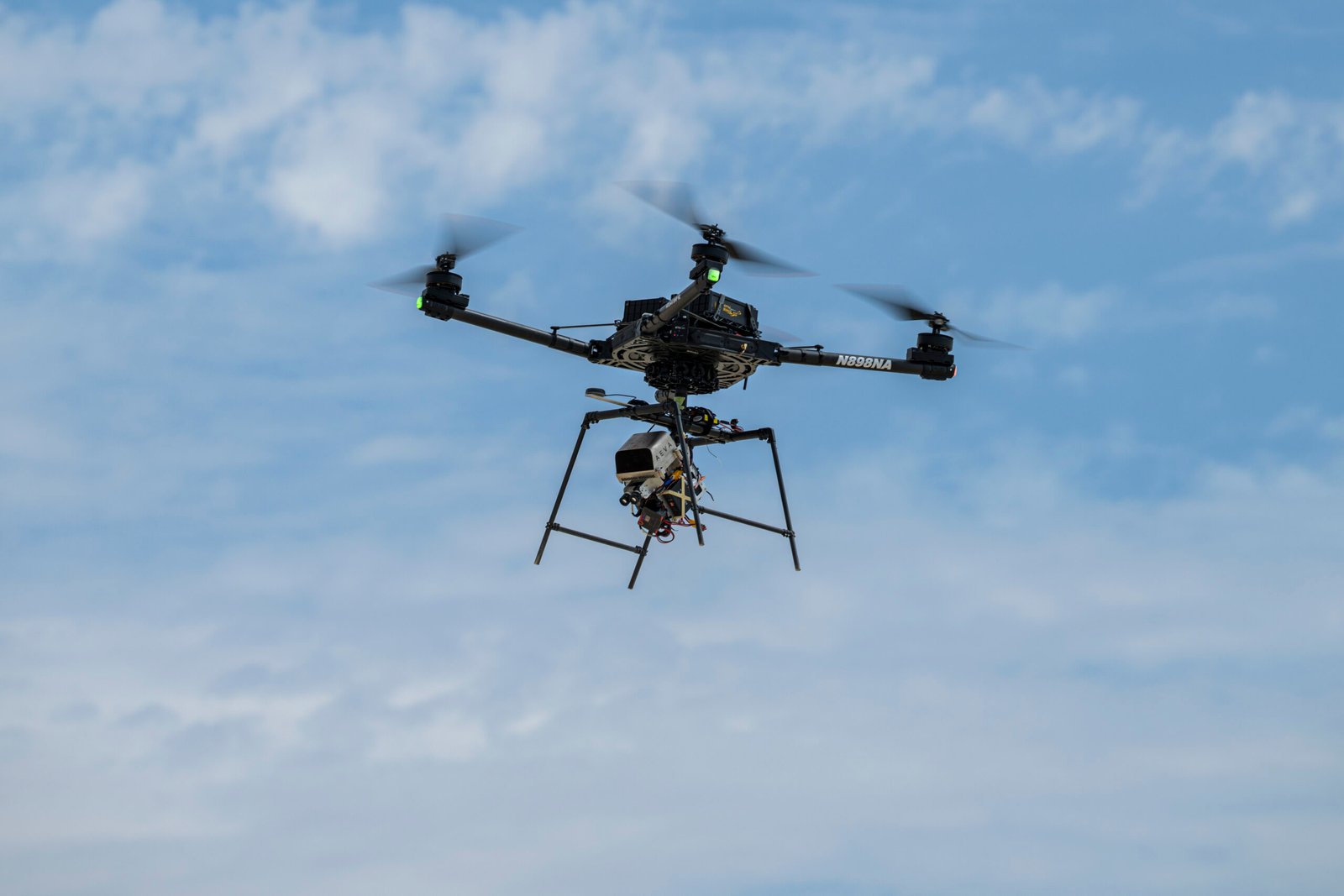
Contrasting with the volatile policy landscape surrounding AI, NASA’s recent milestones demonstrate a controlled, mission-oriented approach to autonomous systems. Researchers at the Johnson Space Center have successfully tested the "Safe and Precise Landing – Integrated Capabilities Evolution" (SPLICE) experiment. Utilizing drones at the Armstrong Flight Research Center, the team validated advanced navigation and processing techniques designed for the Moon, Mars, and other extraterrestrial destinations.
Unlike the general-purpose AI systems being debated in legislative halls, SPLICE is built for specific, high-stakes outcomes: landing in "hard-to-reach" areas of significant scientific value. ng that autonomy can be safely integrated into critical infrastructure when the objectives are defined and the environments are rigorously modeled, providing a stark technical contrast to the unpredictable nature of frontier AI models currently being deployed in the consumer market.
The immediate outlook for international AI safety is bleak, as the US political cycle enters a critical phase ahead of midterm elections. With Congress returning from recess but lacking bipartisan consensus, new federal legislation is effectively off the table for the near term. Analysts anticipate that in the absence of government-led guardrails, the industry will pivot further toward self-regulation, though critics argue that such measures will remain insufficient to address global systemic risks. Meanwhile, as NASA continues its methodical testing of SPLICE, the disparity between government-controlled "safe" autonomy and commercial "frontier" intelligence will likely grow, further complicating the public perception of what constitutes a responsible deployment of advanced technology.