
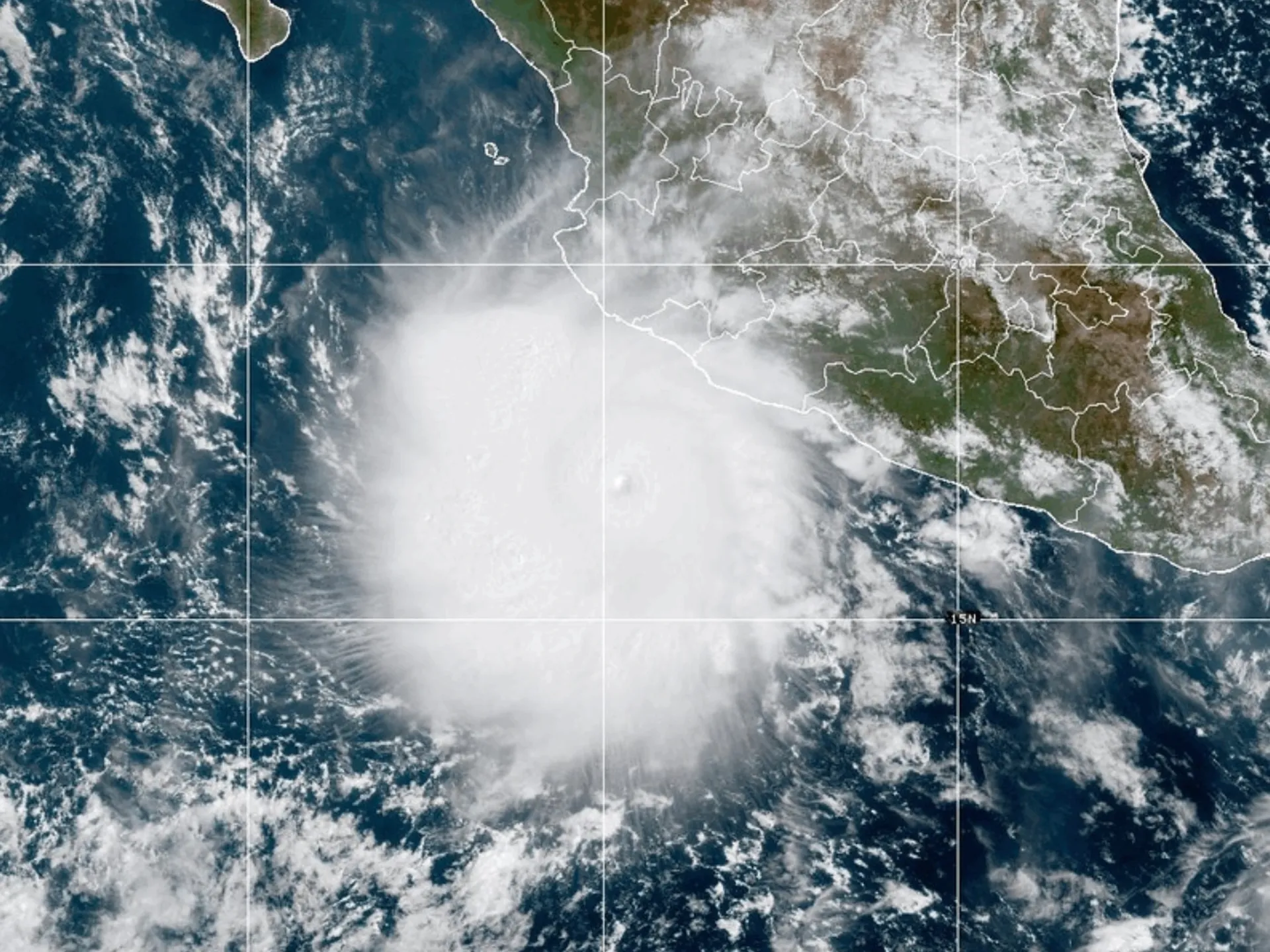
As Hurricane Polo batters the Mexican coast with record-breaking intensity, Hawaii prepares for life-threatening flooding from the strengthening Hurricane Nolo.
The simultaneous occurrence of Hurricane Polo and Hurricane Nolo highlights an increasingly volatile climate pattern in the Pacific basin, where rapid intensification events are moving from statistical outliers to recurring seasonal threats. For nations across the Pacific, this dual-front crisis underscores the fragility of existing infrastructure in both coastal Mexican villages and Hawaiian island communities. The unprecedented frequency of these events forces a reconsideration of emergency management, as power utilities, state guards, and local authorities are stretched thin, often forced to redeploy resources from one disaster zone to another before recovery is complete.
Furthermore, the meteorological intensity of these storms—specifically the "explosive" growth seen in Hurricane Polo—serves as a stark reminder of how oceanic thermal energy translates into physical destruction. While historic artifacts like the Codex Azcatitlán provide a window into the endurance of Mexican culture through centuries of turbulence, the current climate reality threatens to physically erode the modern-day geography of these same regions. The challenge lies in balancing the preservation of cultural heritage with the immediate, life-critical need to fortify vulnerable populations against a Pacific that is growing progressively more hostile.
Hurricane Polo has left a path of ruin along Mexico’s southwestern coastline, particularly in the states of Guerrero and Michoacan. The storm, which scientists at NASA’s Goddard Space Flight Center characterized as undergoing "explosive" intensification, fluctuated between Category 4 and Category 5 status on the Saffir-Simpson scale. Satellite data confirmed wind speeds reaching approximately 180 miles per hour, making it one of the most powerful storms ever recorded in the eastern Pacific basin. In the port city of Lazaro Cardenas, residents described waves reaching 15 feet in height, which breached residential areas and decimated local tourism-based economies.
In response, the Mexican government has mobilized approximately 15,000 security personnel to assist with evacuations and the management of emergency shelters. However, the scale of the damage has left many smaller, isolated communities facing the aftermath largely on their own. The economic toll is mounting, with local business owners reporting the total loss of their sole sources of income as the storm swept through coastal infrastructure, leaving behind debris and scattered wreckage.
While Mexico battles the immediate aftermath of Polo, Hawaii is bracing for a parallel, high-stakes encounter with Hurricane Nolo. Having strengthened into a hurricane late Thursday, the system is tracking toward the Big Island, bringing with it the threat of life-threatening rainfall. Meteorologists from the National Weather Service in Honolulu have issued dire warnings, predicting between 15 and 30 inches of rain, with the potential for even higher totals through Saturday. This precipitation is expected to disproportionately impact the southeastern portion of the Big Island, a region already reeling from previous storms this season.
The logistical burden on Hawaii is significant. Governor-led emergency proclamations have activated over 230 members of the state’s National Guard, and schools have shuttered across the islands for the remainder of the week. Hawaiian Electric has been forced to shift its repair crews from Kauai—where they were working to restore power following Hurricane Lowell—to Oahu, Maui, and the Big Island. This reallocation of technical personnel emphasizes the strain on local infrastructure as the state faces its third hurricane watch of the year, a frequency that warning coordination meteorologist John Bravender described as unprecedented in his two decades of service.
As the weather systems move toward their respective landfalls, the immediate priority for both nations remains life safety and the stabilization of critical infrastructure. In Mexico, the focus will likely shift from emergency evacuation to a long-term assessment of the destroyed coastal economy. Given the intensity of Polo, the recovery period for small fishing villages and tourism hubs could take months or years, necessitating significant federal intervention.
For Hawaii, the immediate next steps involve navigating the 48-hour window of peak rainfall. Given the saturated nature of the ground from previous storms, flash flooding and landslides are the primary concerns for emergency planners. Once the storm passes, the focus will move to the restoration of power grids that are currently being stretched across multiple islands. Analysts expect that if these high-frequency storm patterns continue, the state may need to revisit its long-term coastal development policies to account for the increasing inevitability of severe storm impacts.