As Venezuela pivots toward a new diplomatic reality under U.S. oversight, the fitness world grapples with the fallout from a high-profile hygiene controversy.
The convergence of high-stakes international regime change and public-facing athletic governance reveals a modern landscape defined of extrajudicial intervention and the subsequent diplomatic pivot dynamics. Simultaneously, the fallout from the Hyrox controversy in Beijing highlights the fragility of global sporting events, where the intersection of personal health, public hygiene, and corporate liability can rapidly undermine the integrity of an entire competitive circuit. Both situations demonstrate how modern institutions—be they sovereign nations or global fitness brands—struggle to manage public perception when confronted with the consequences of their own extraordinary actions.
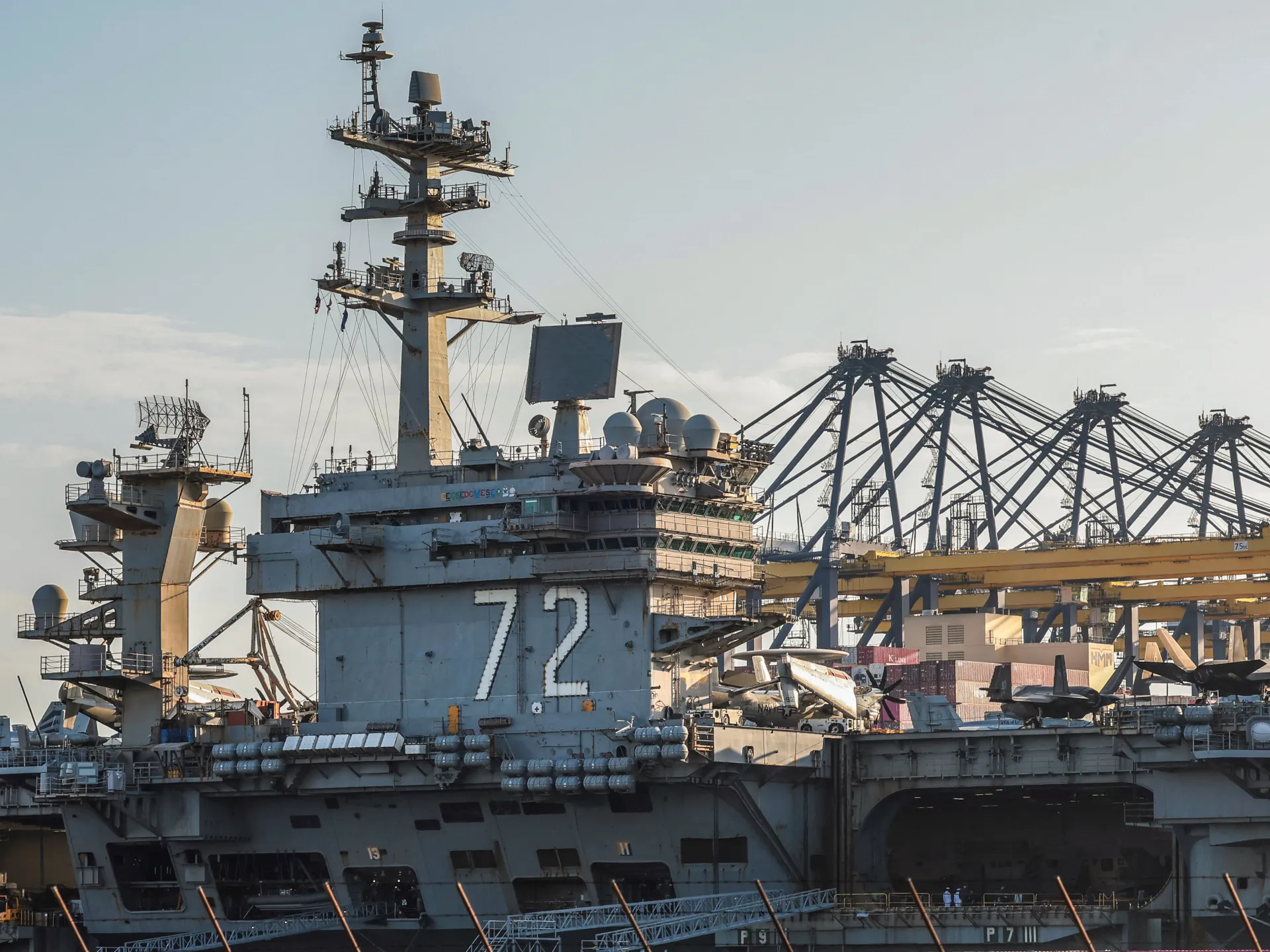
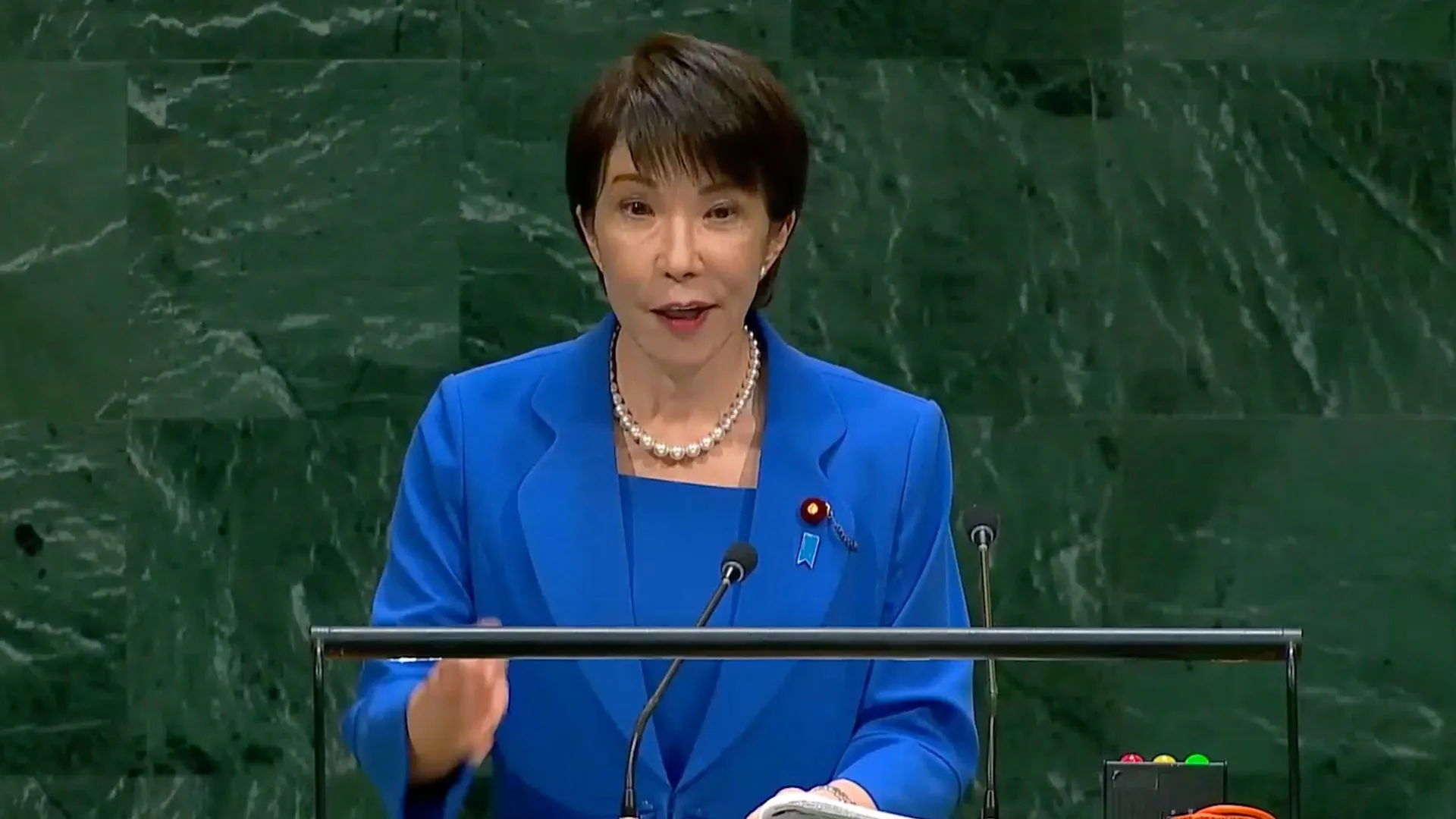
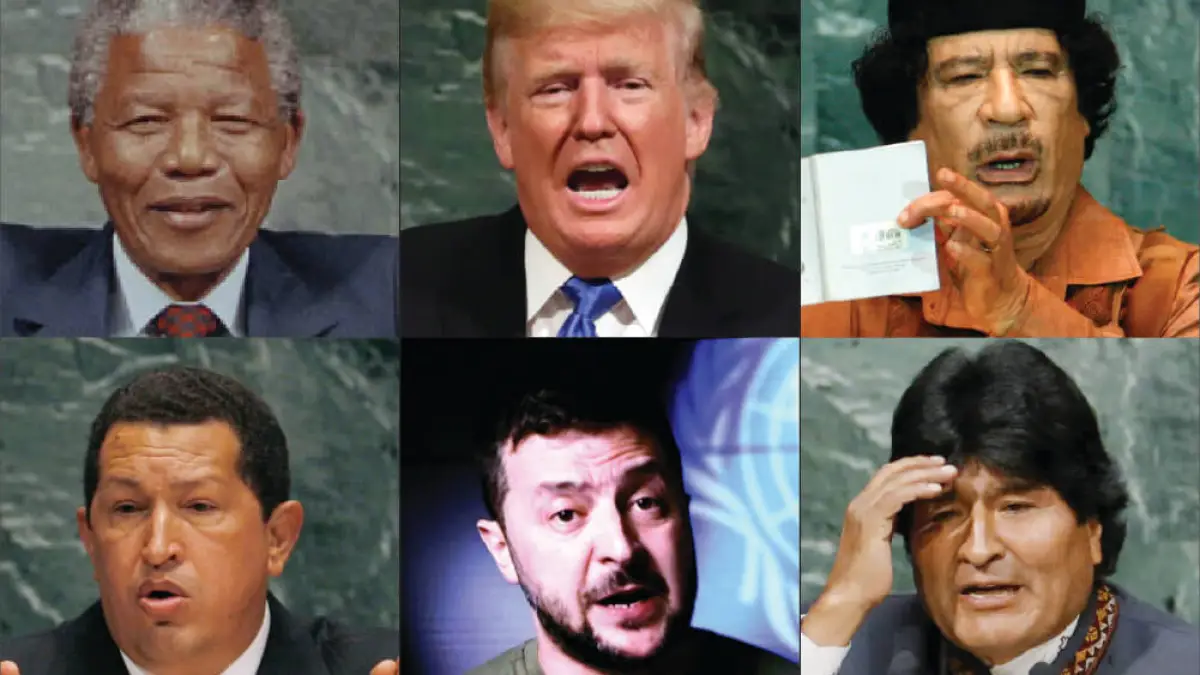
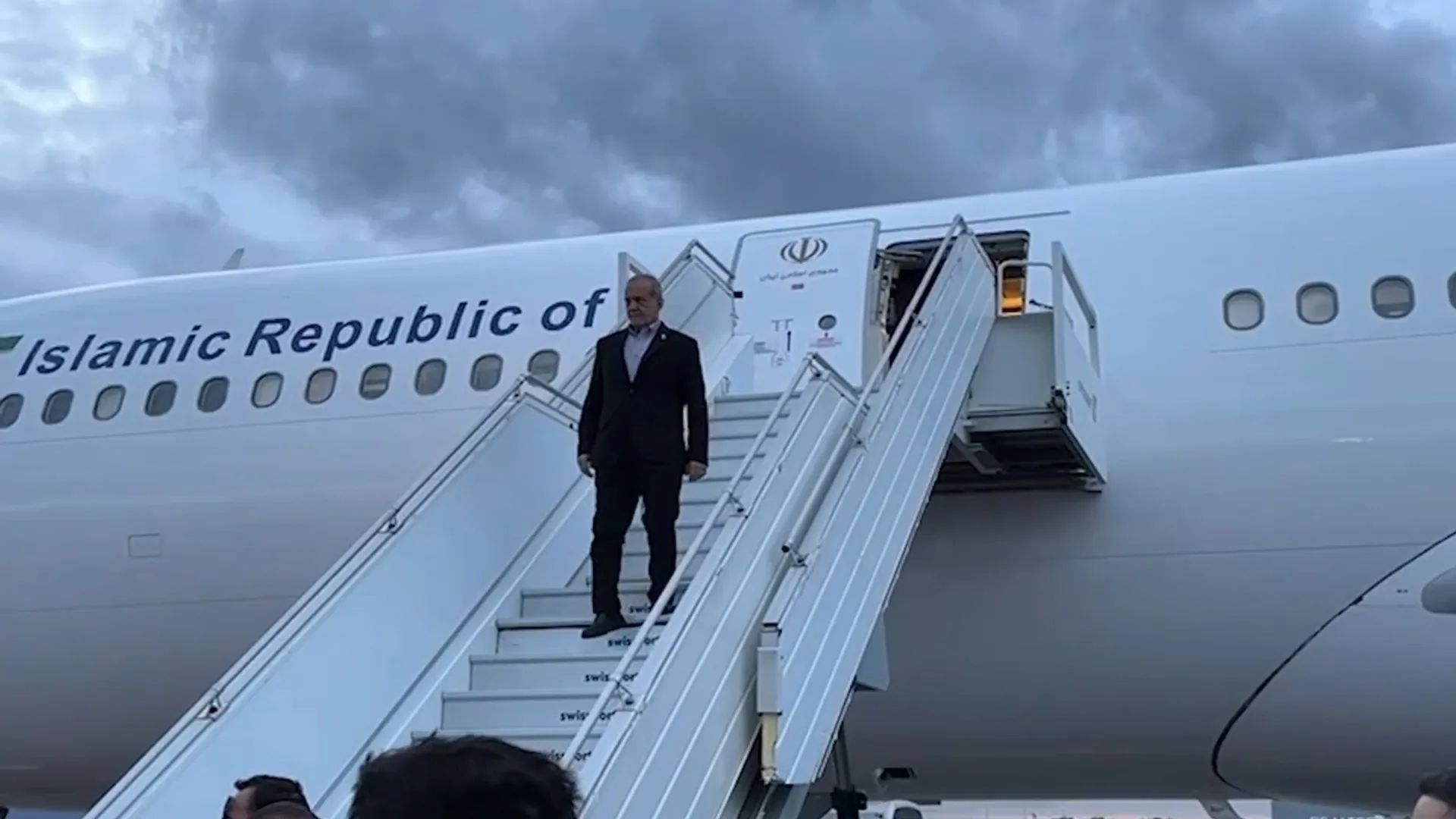
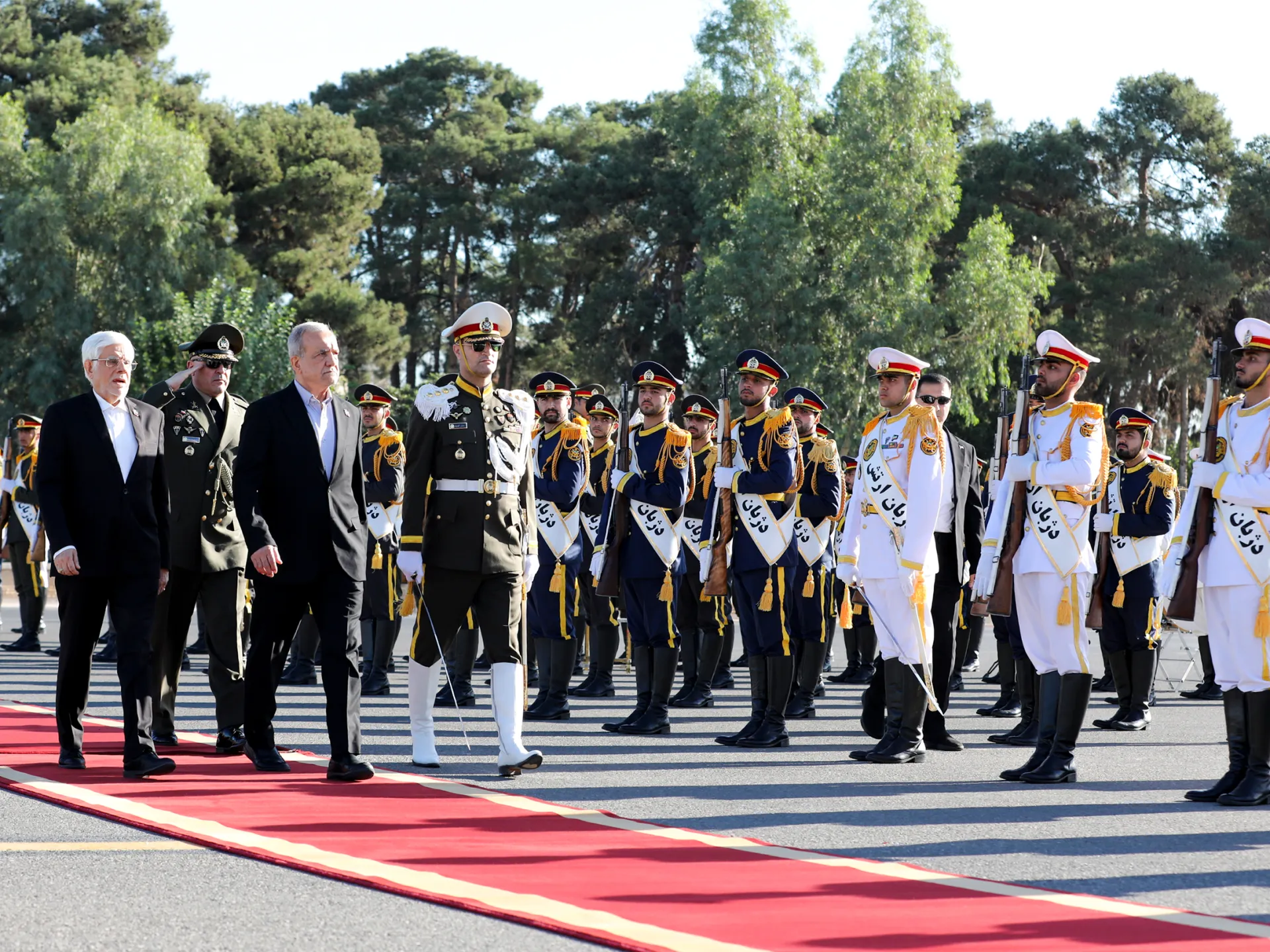
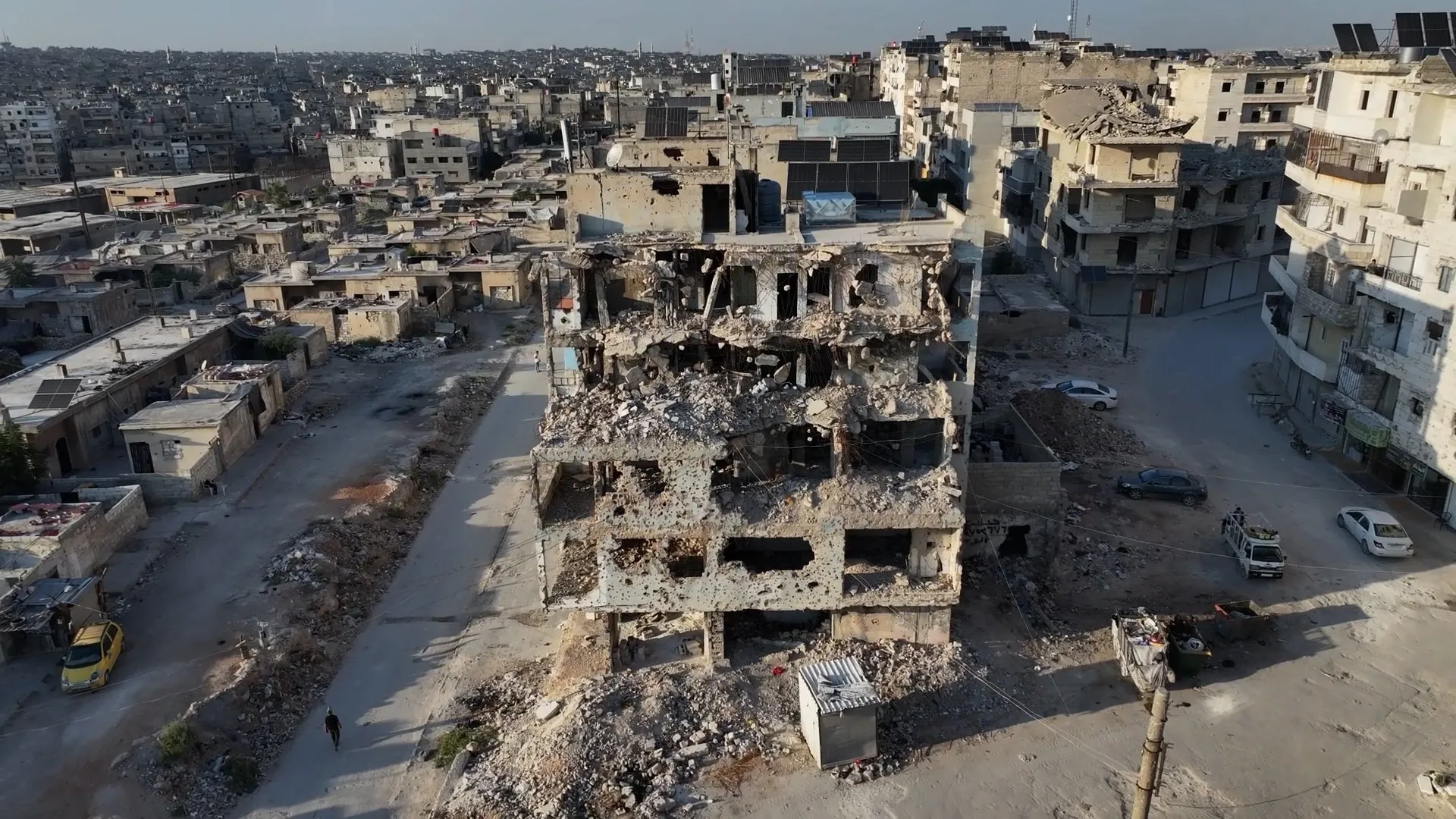
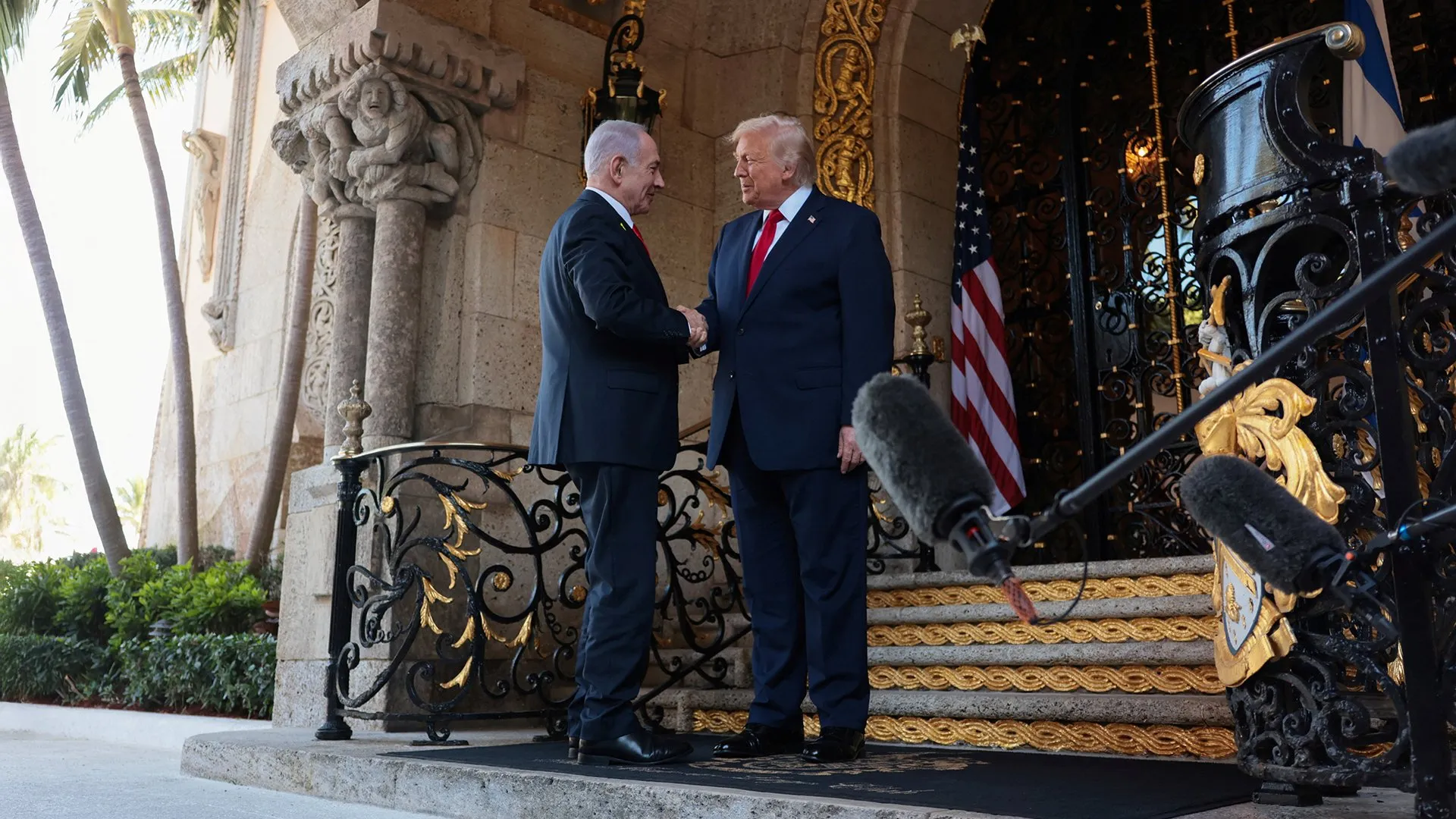
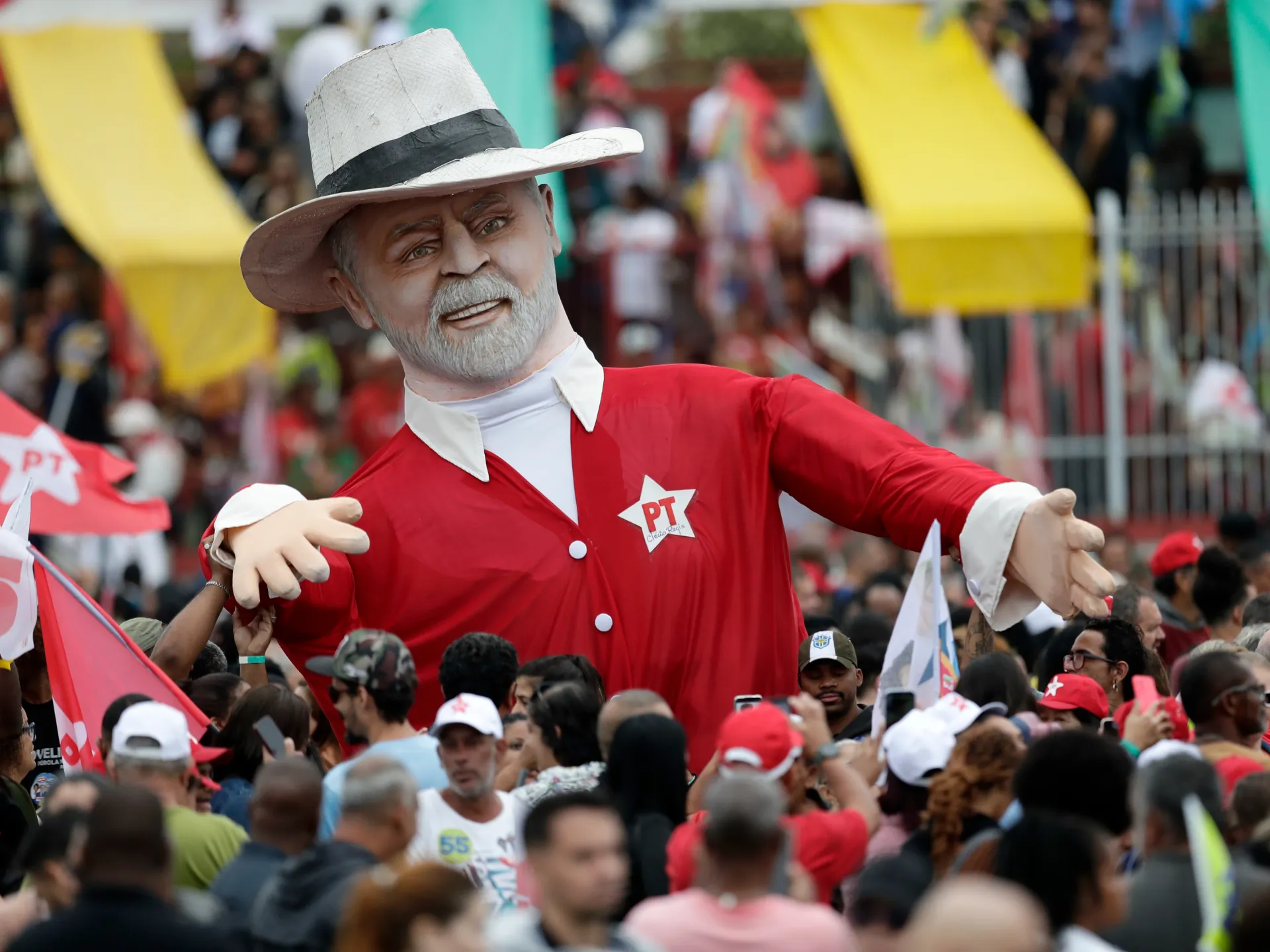
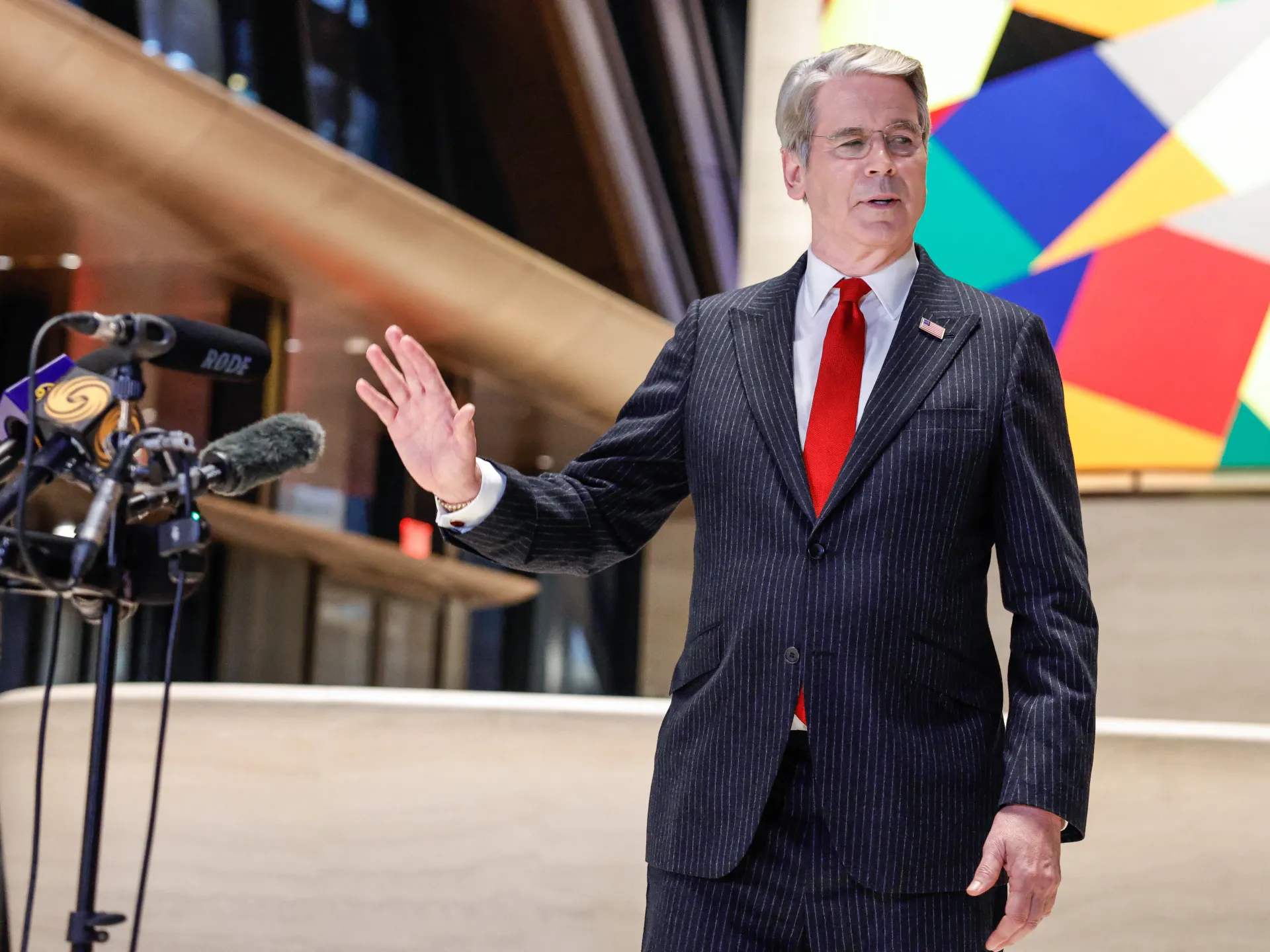
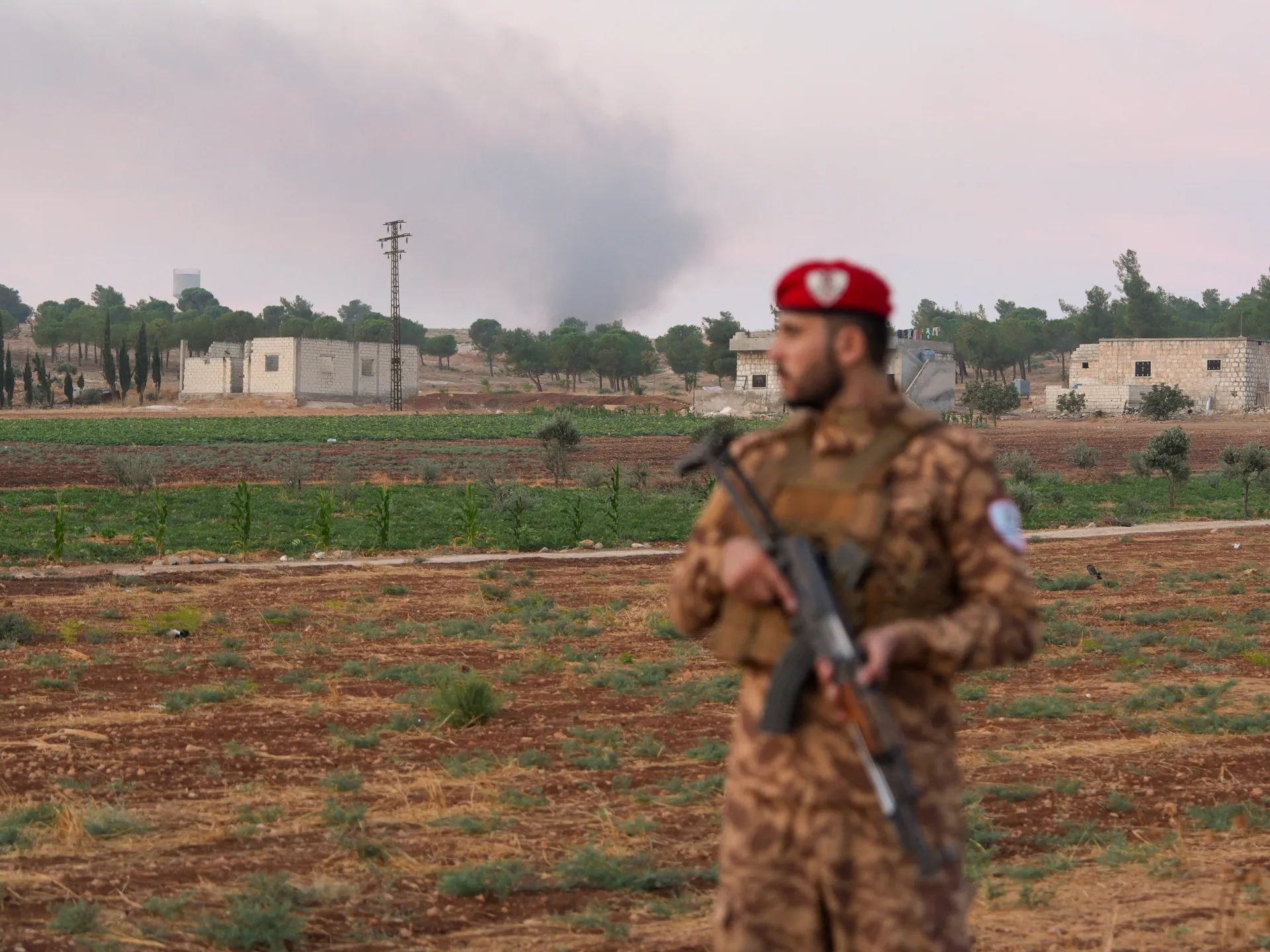
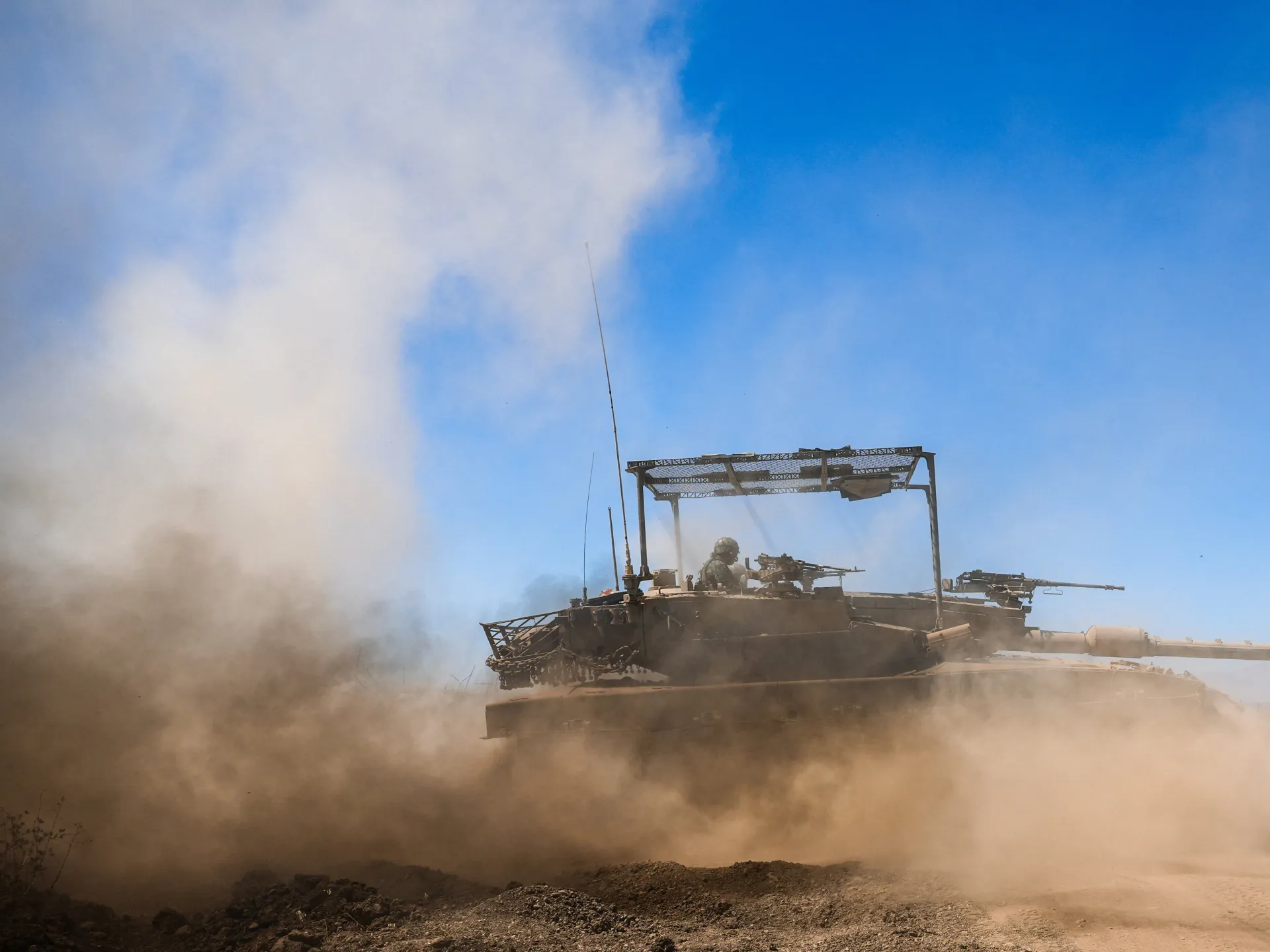
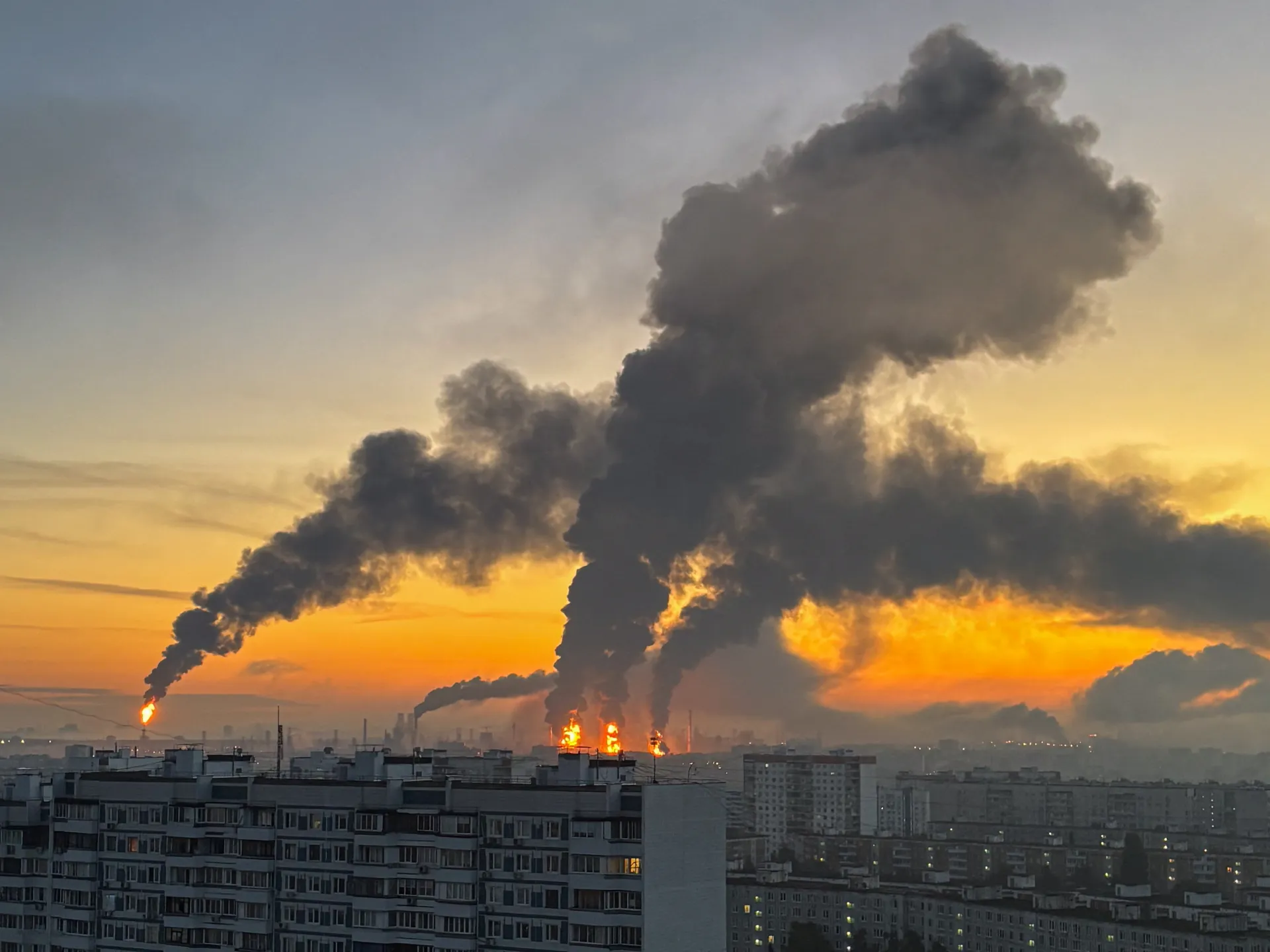
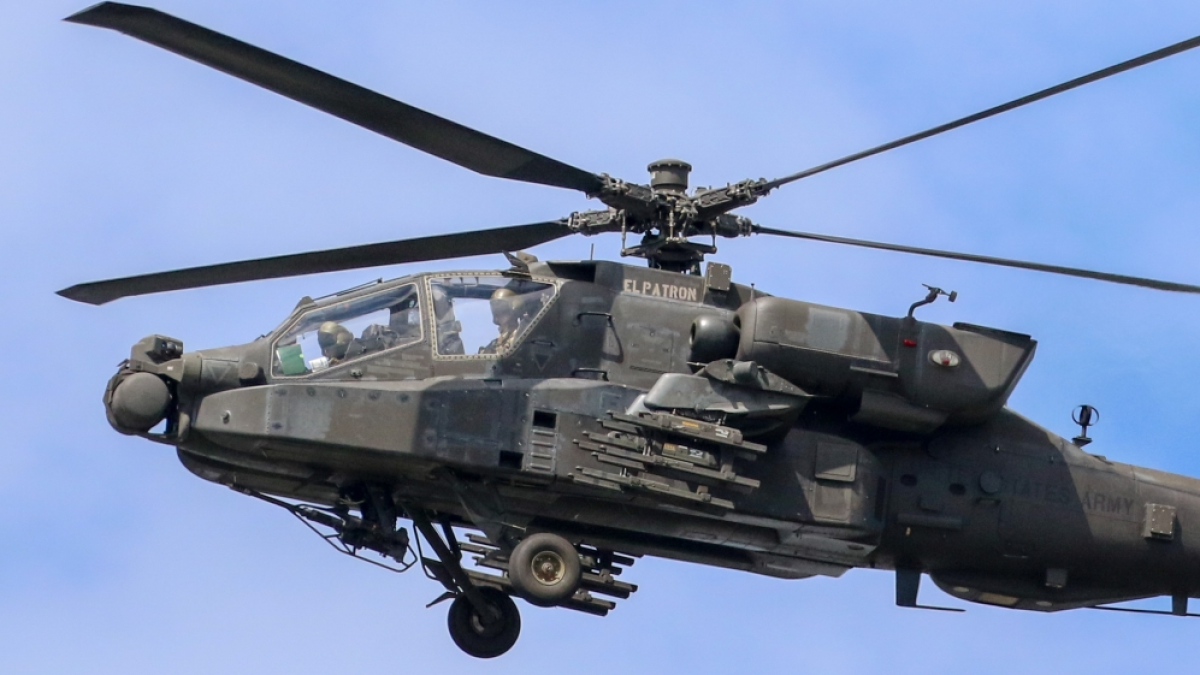
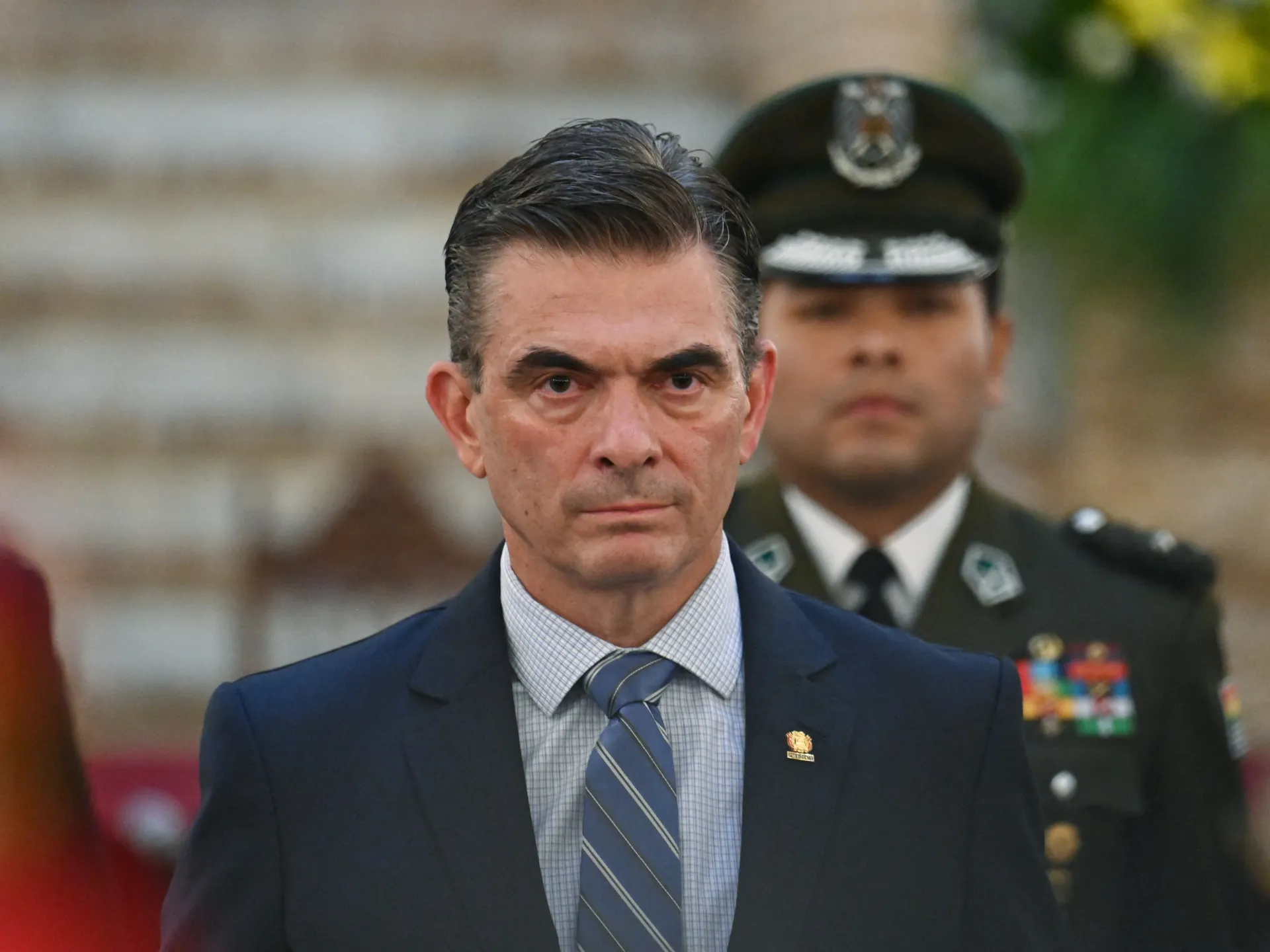
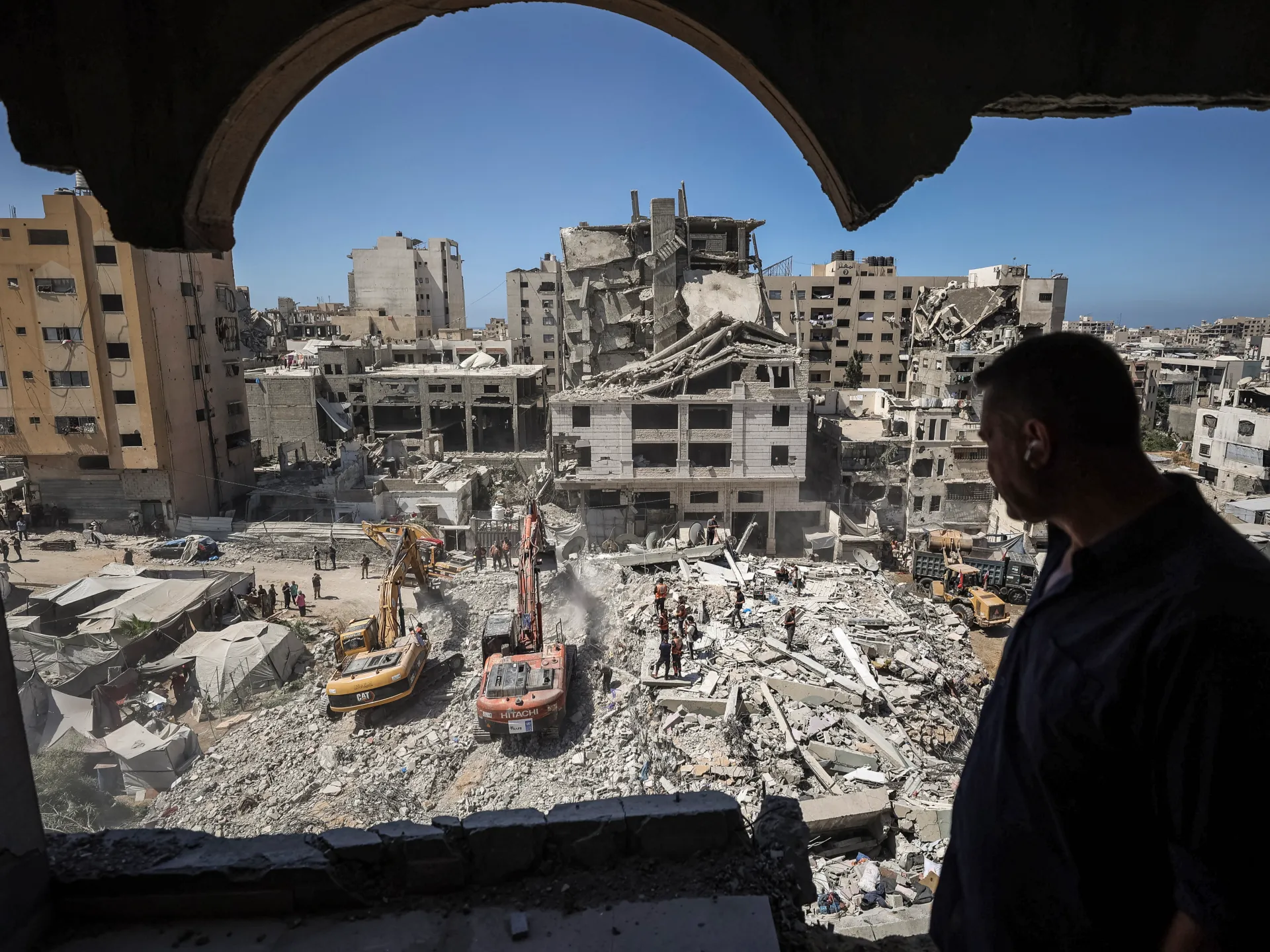
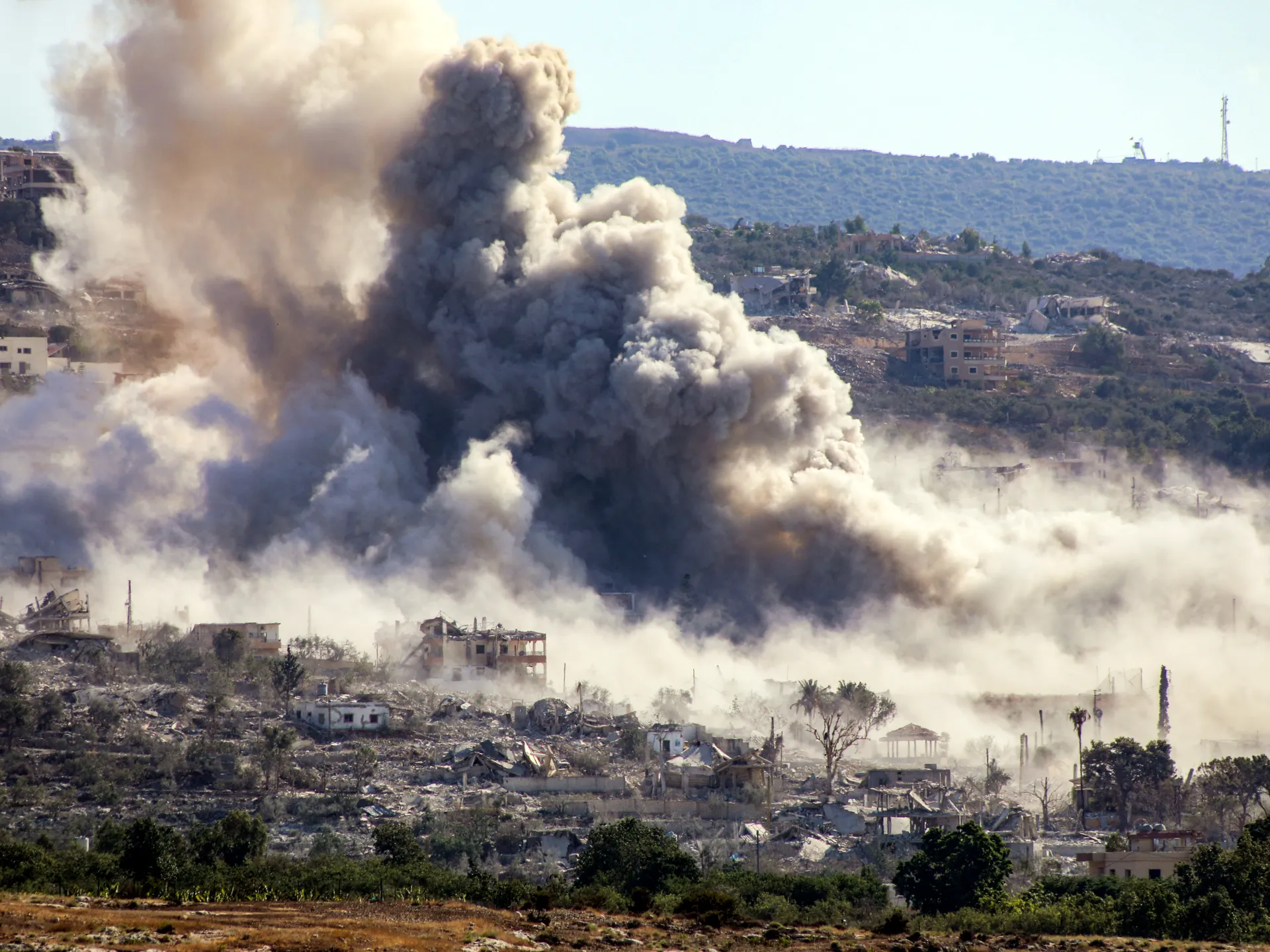
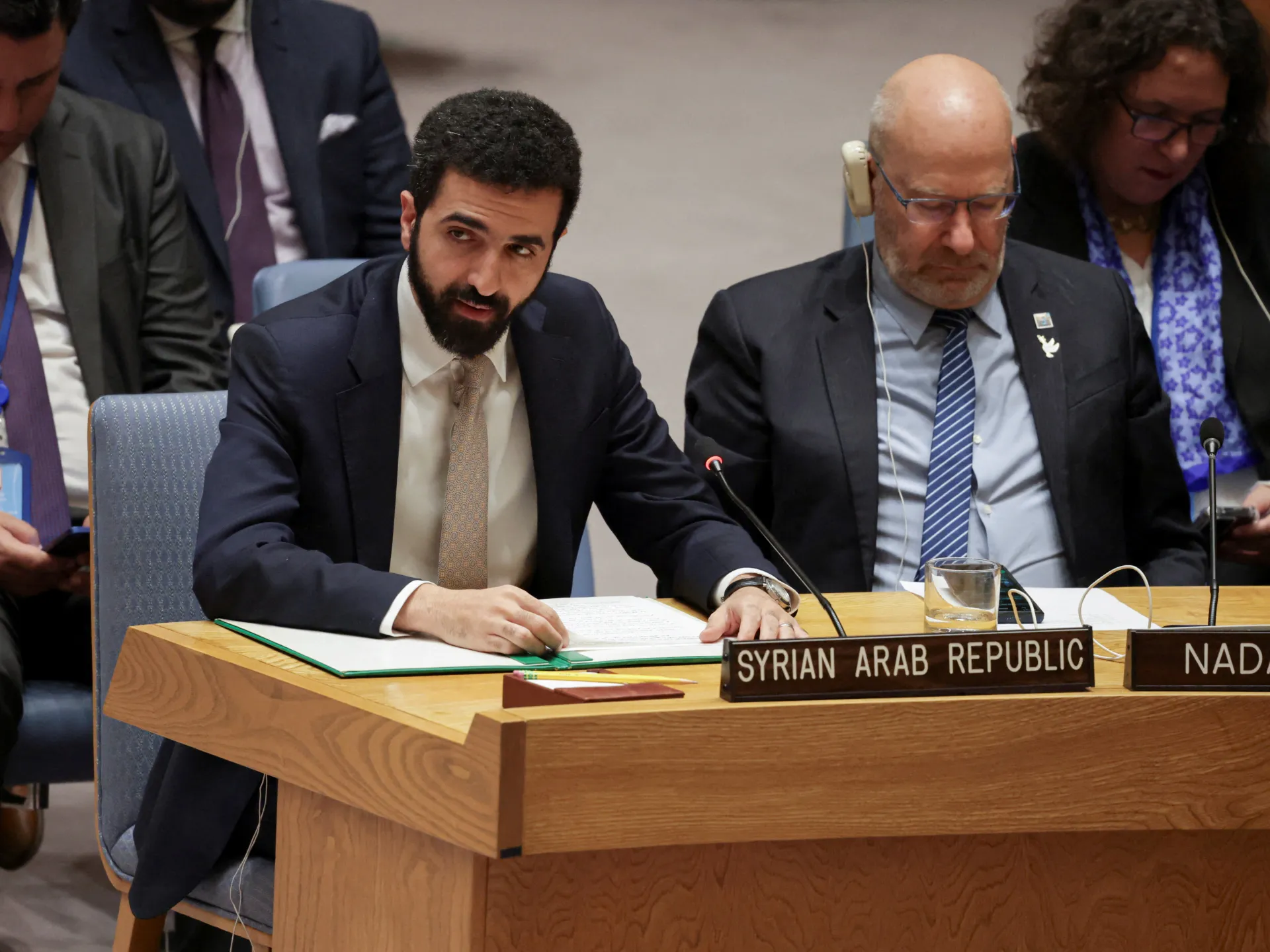
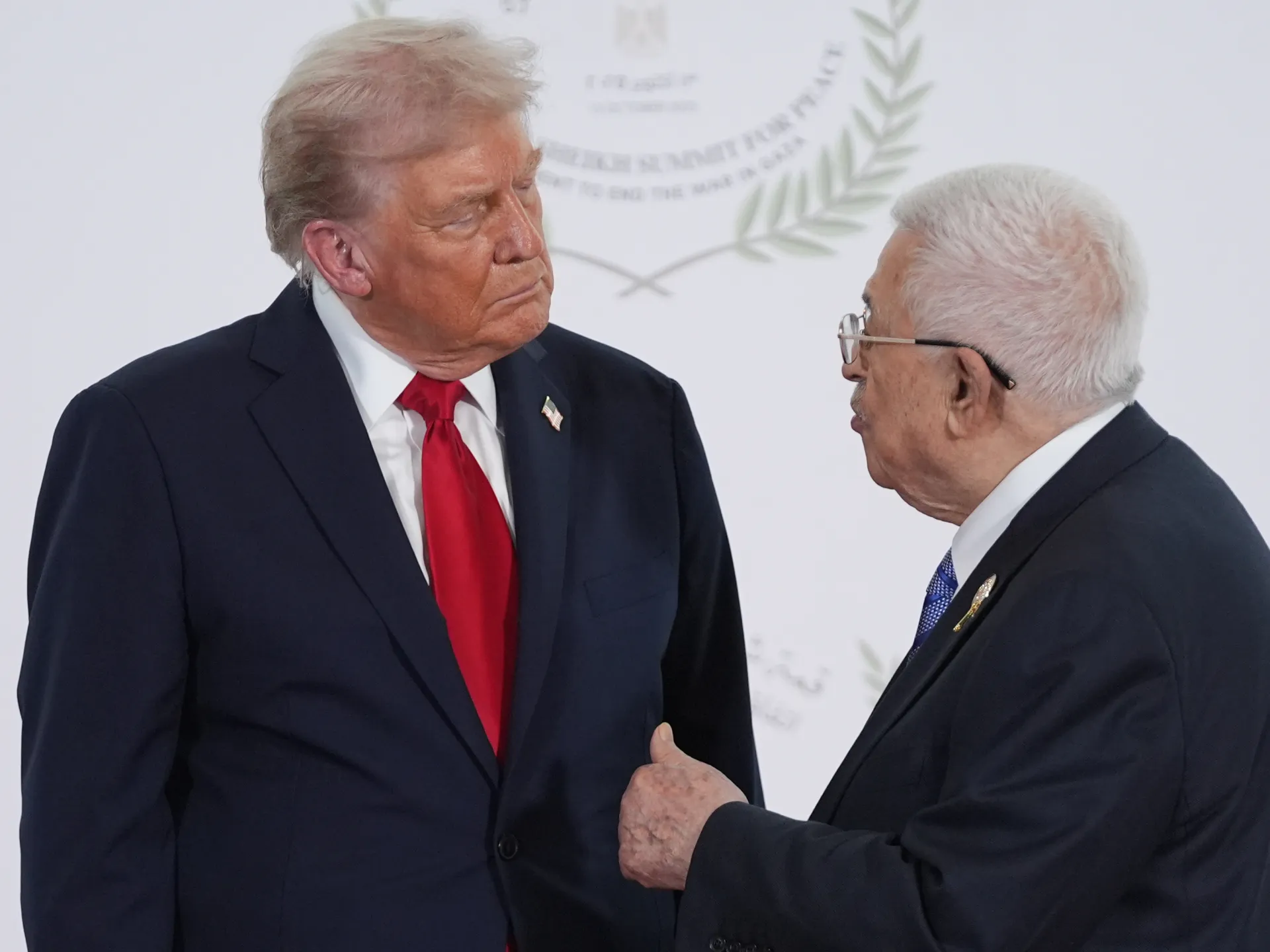
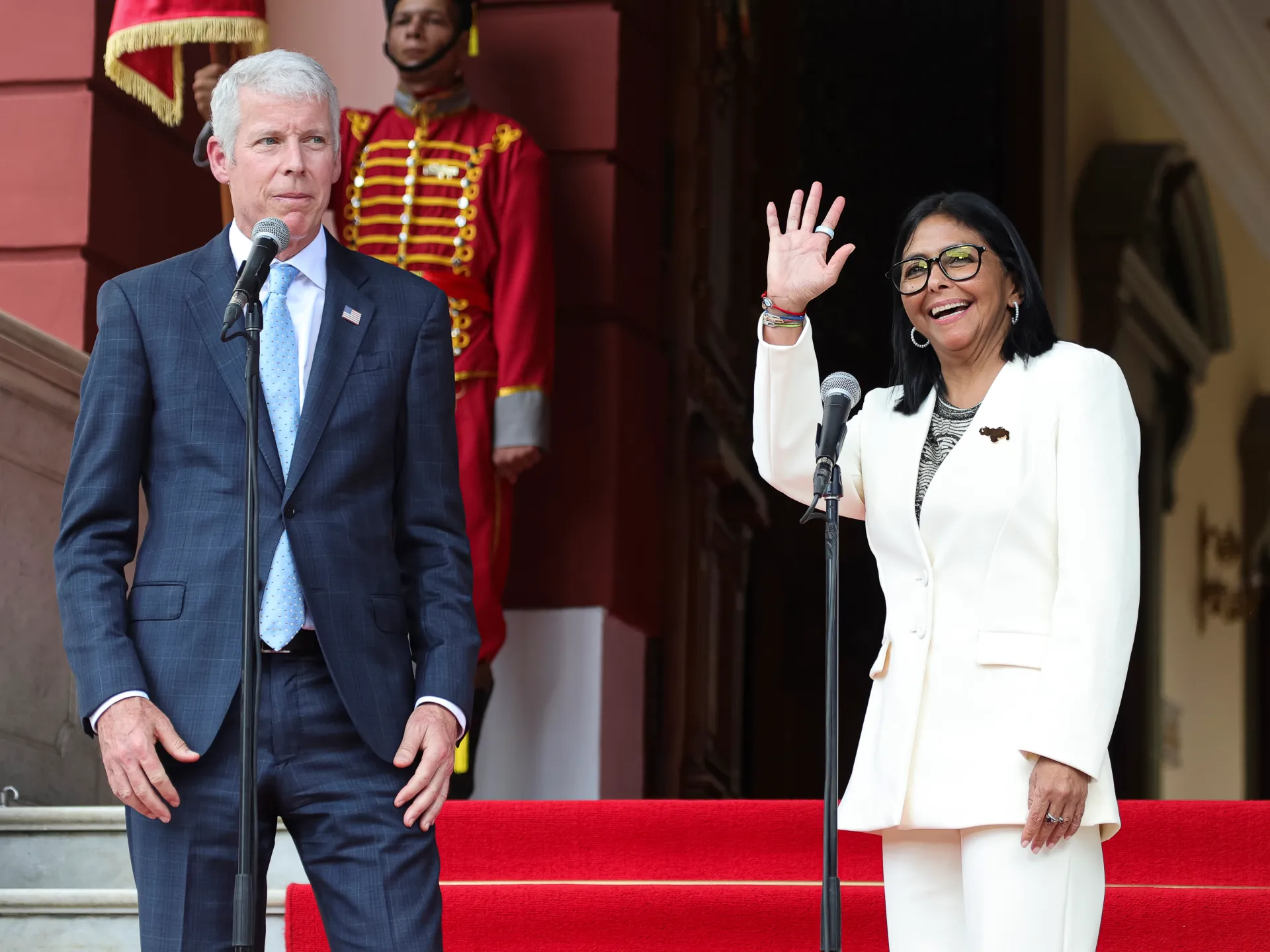
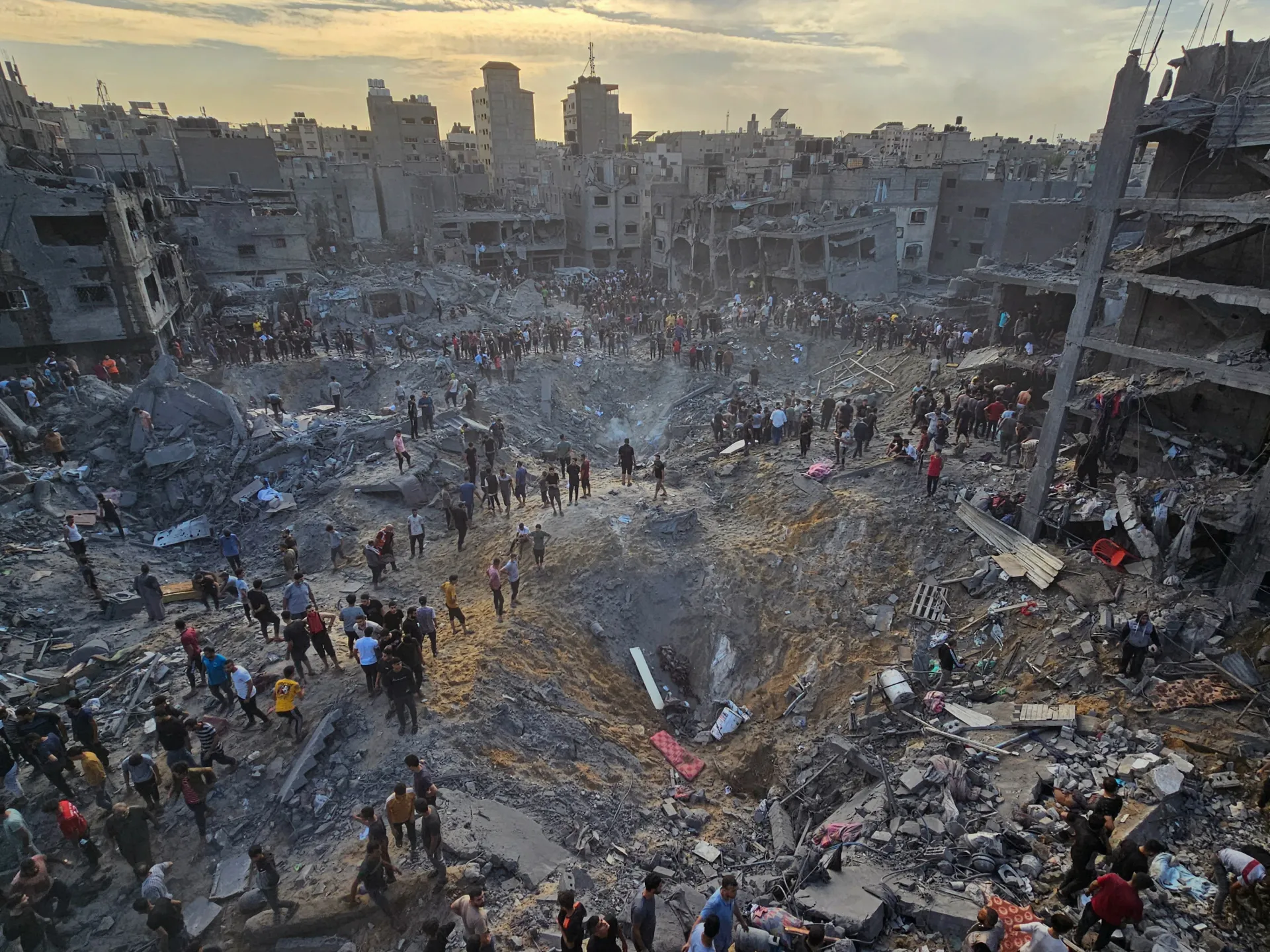
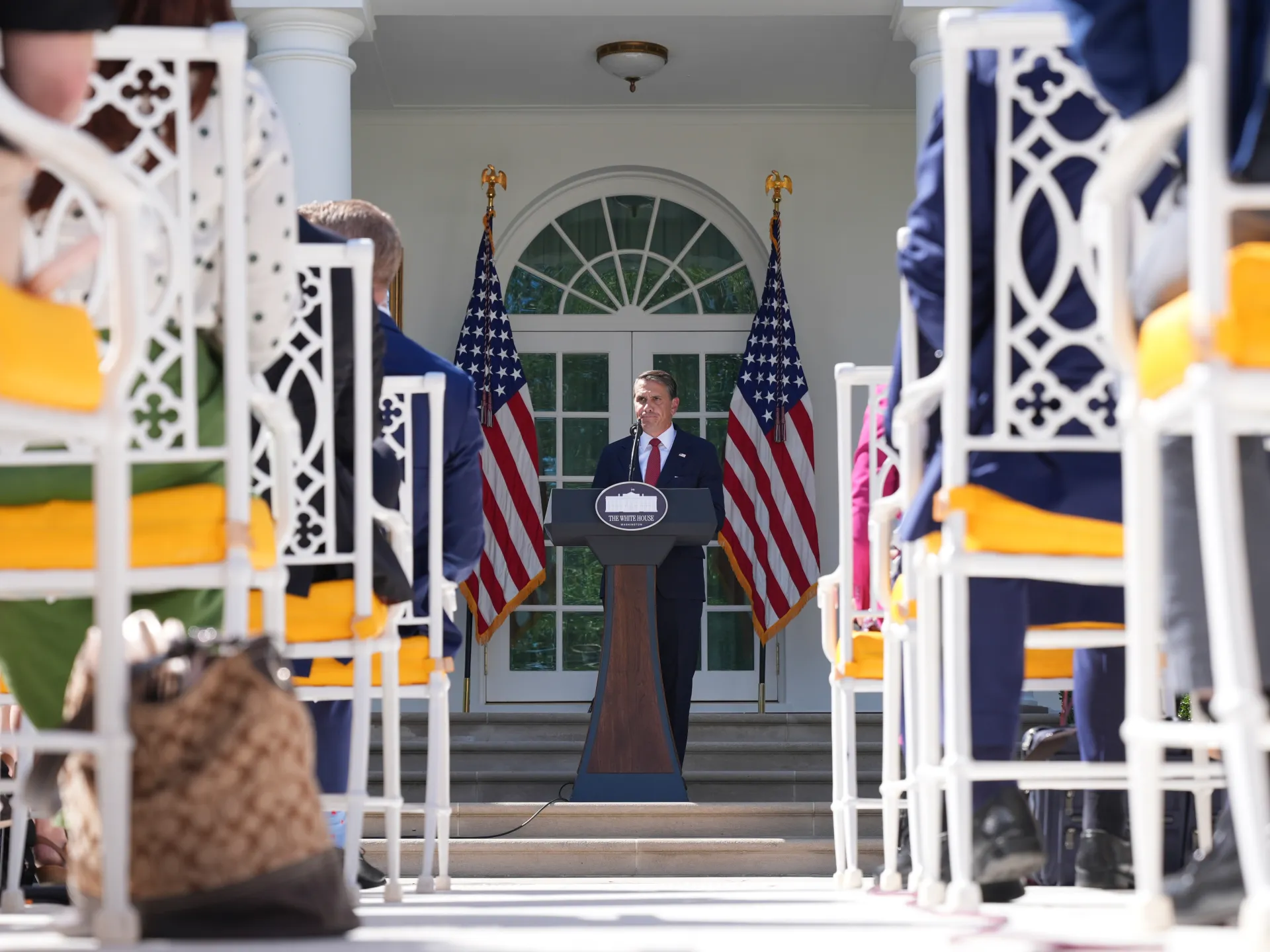
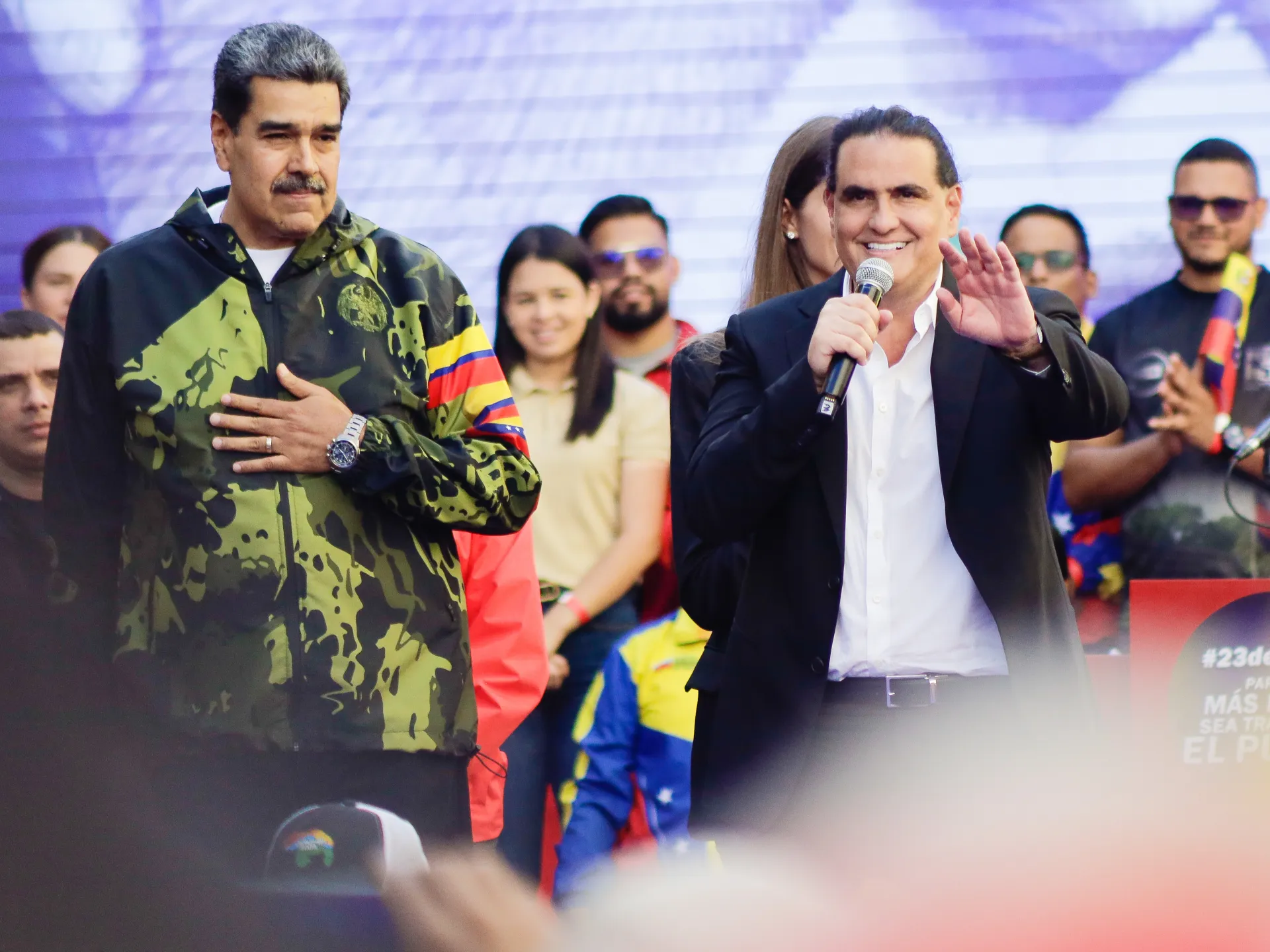
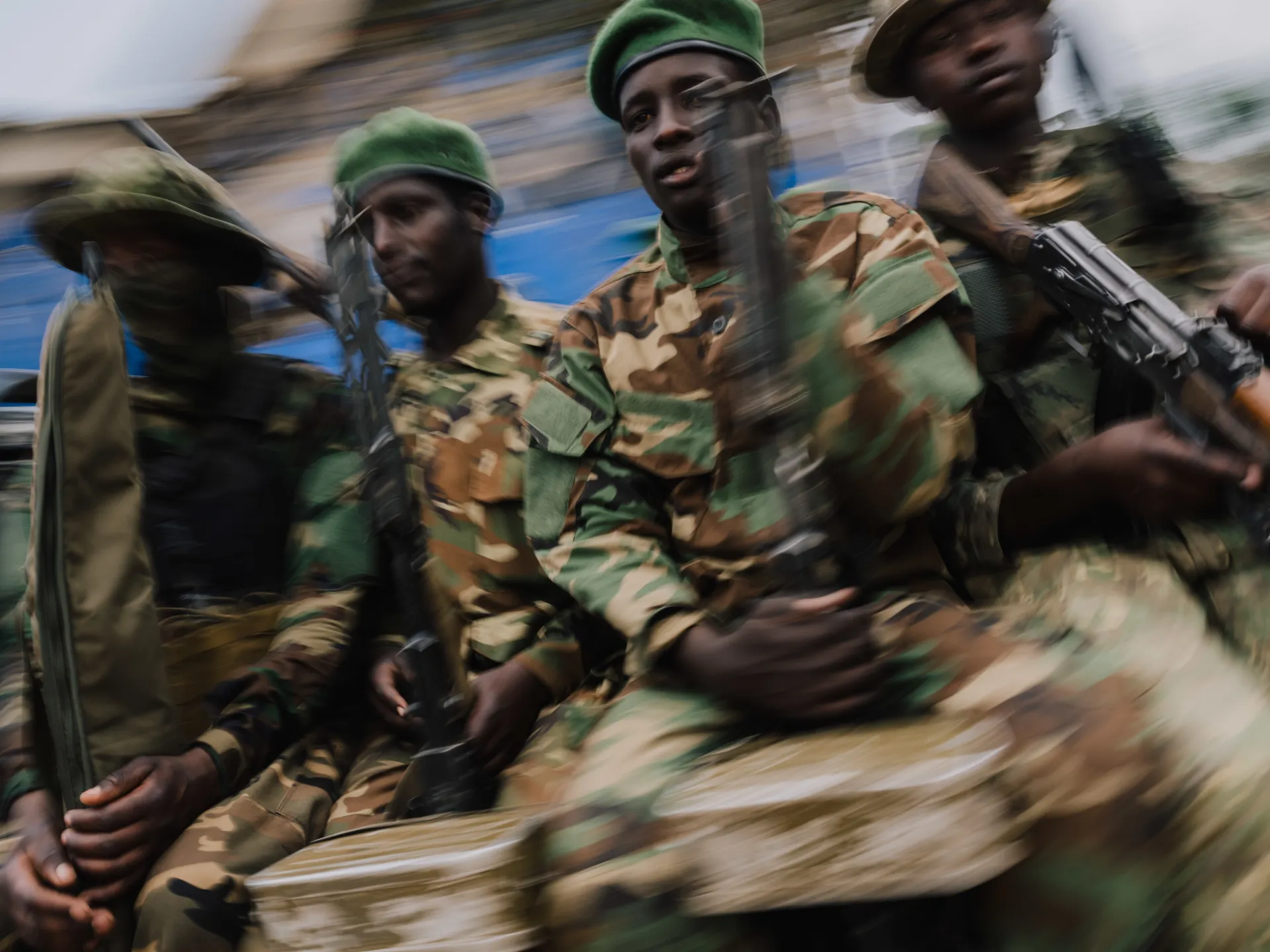
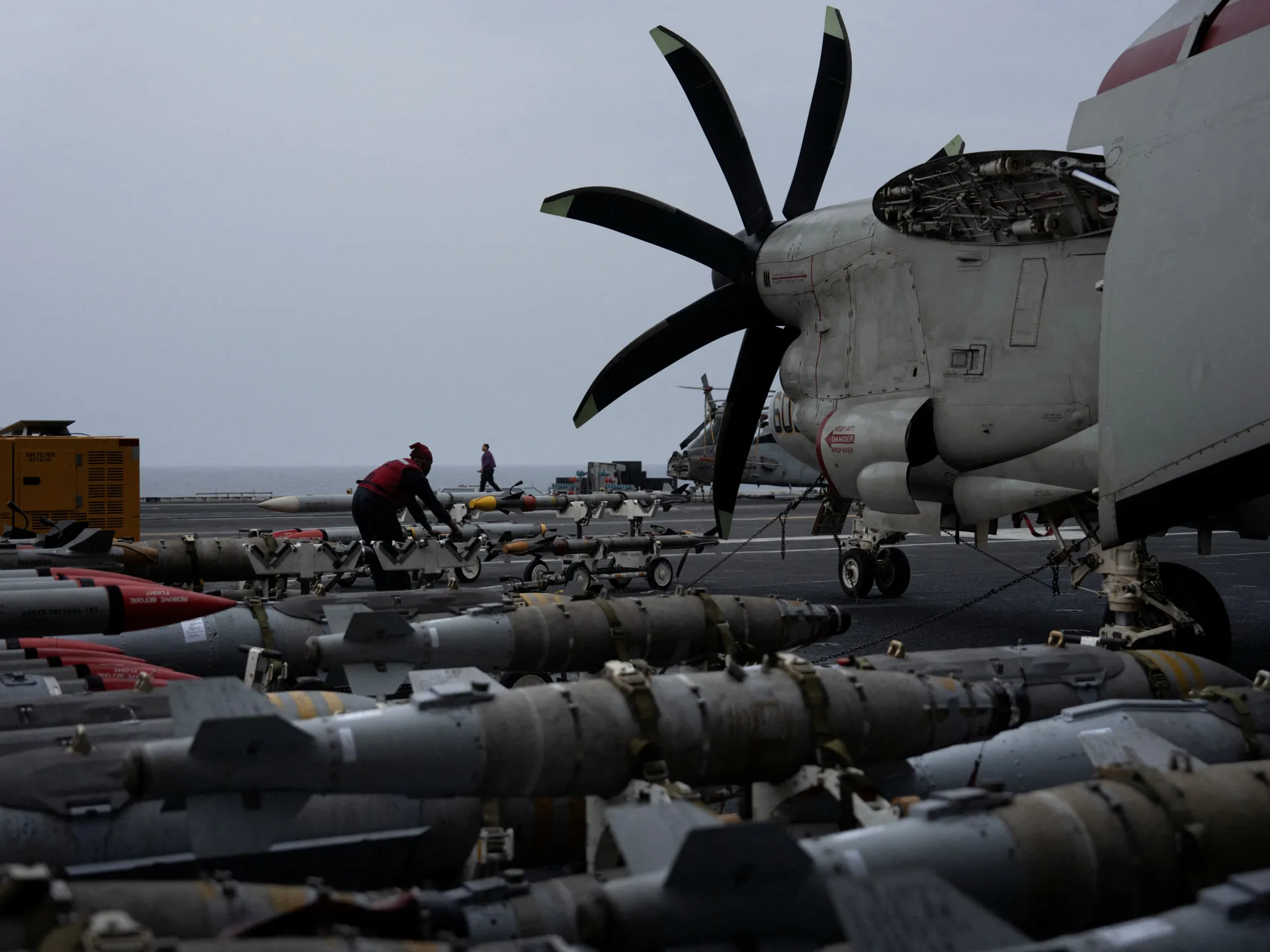
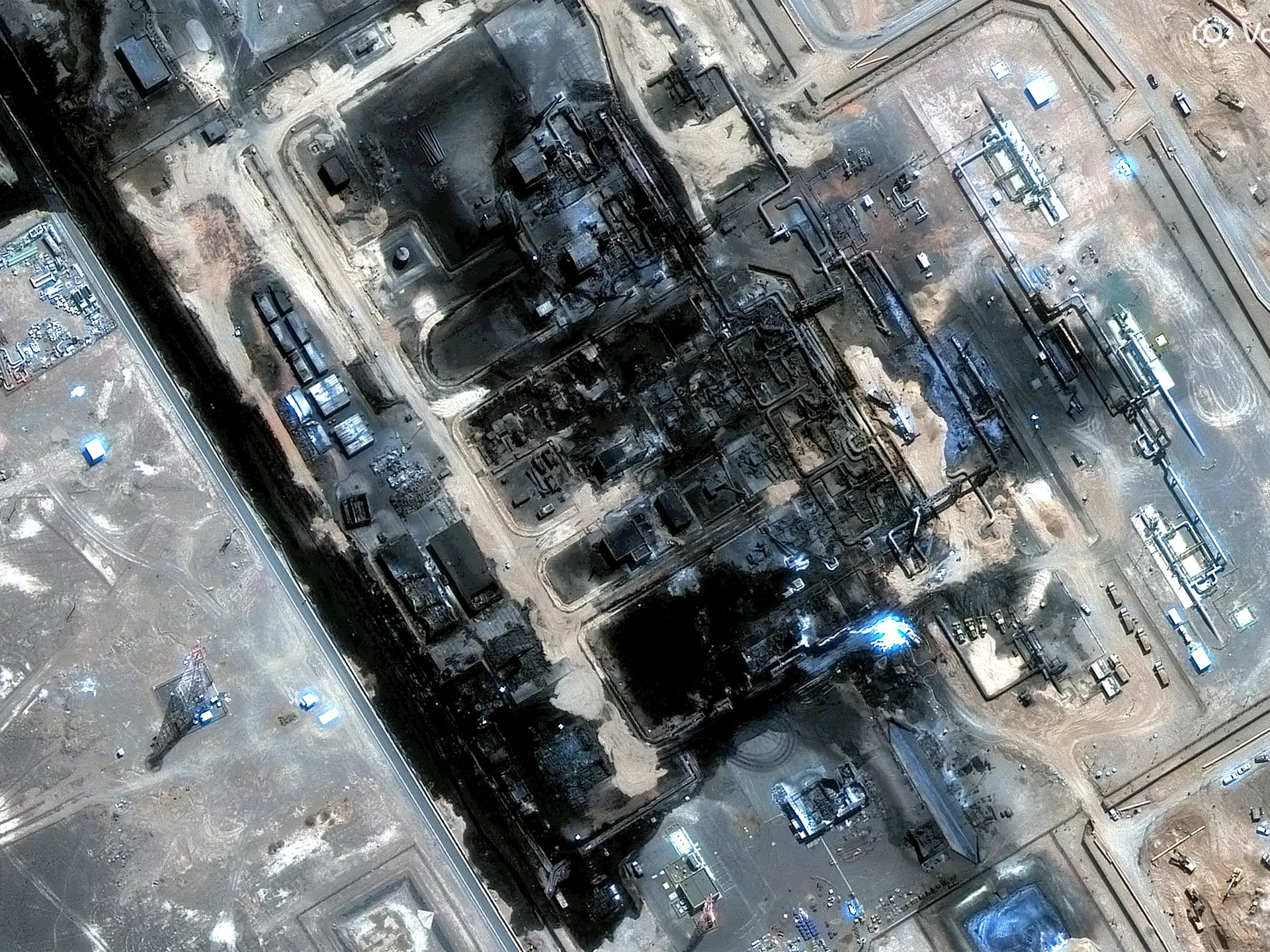
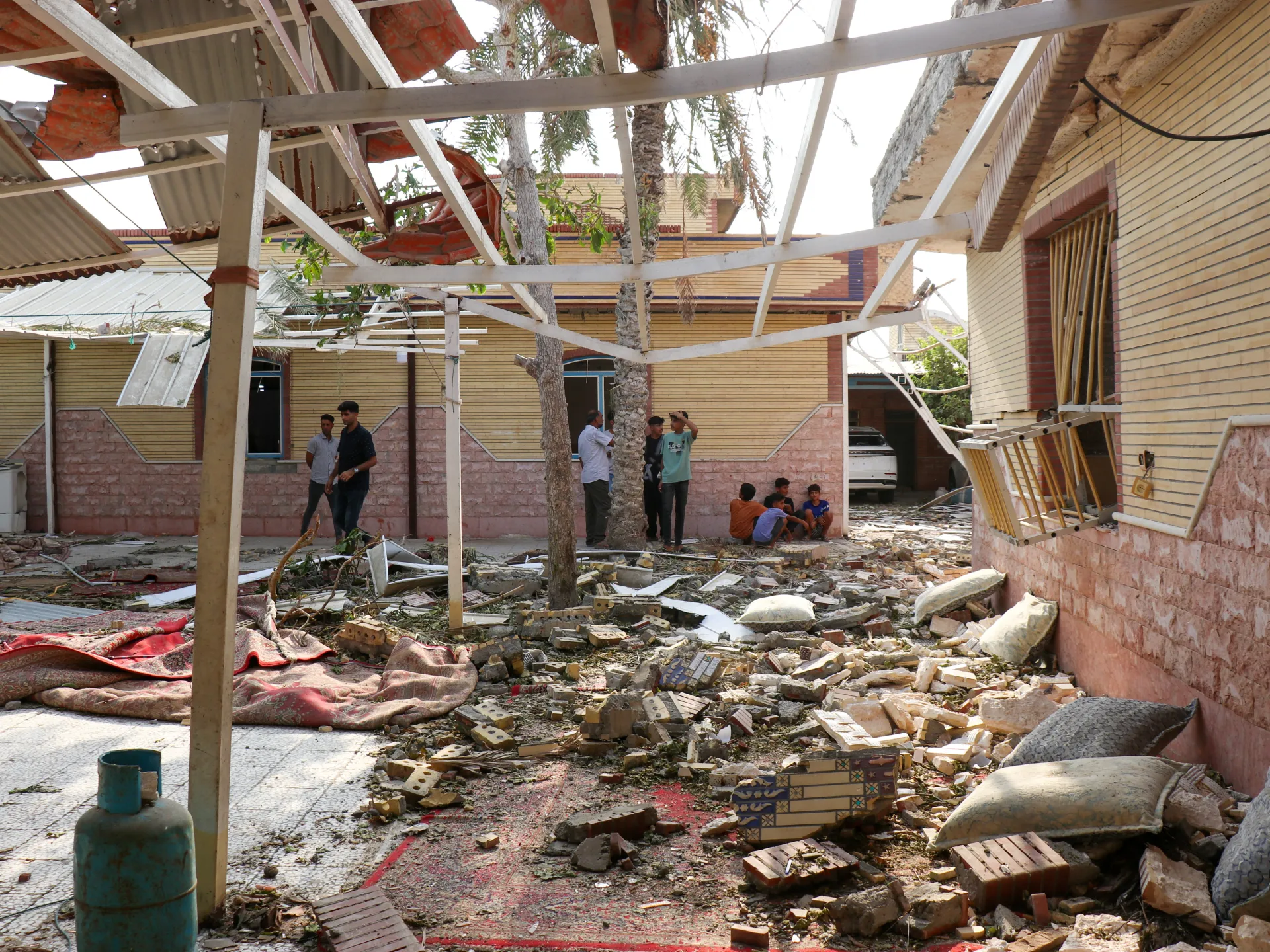
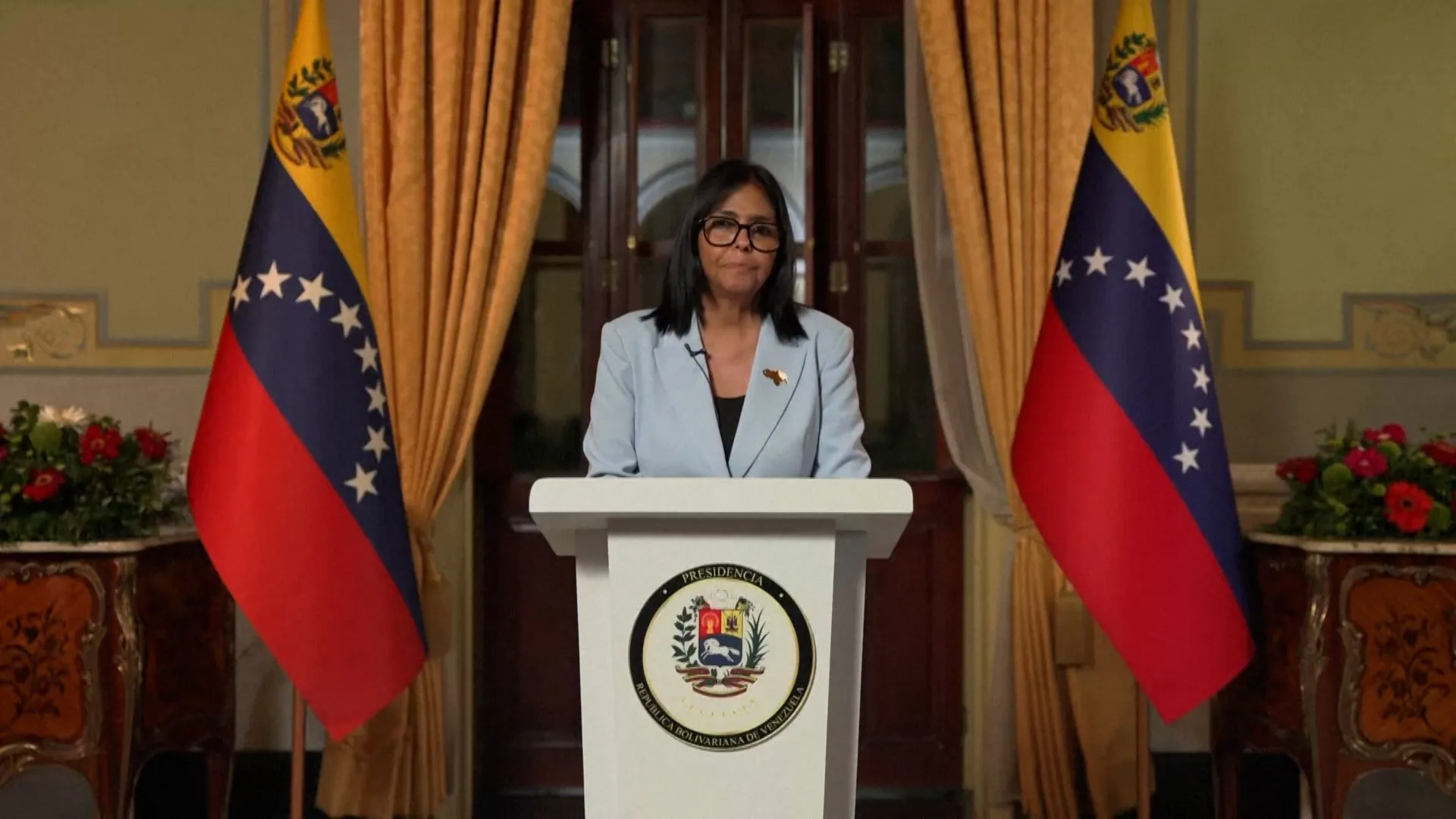
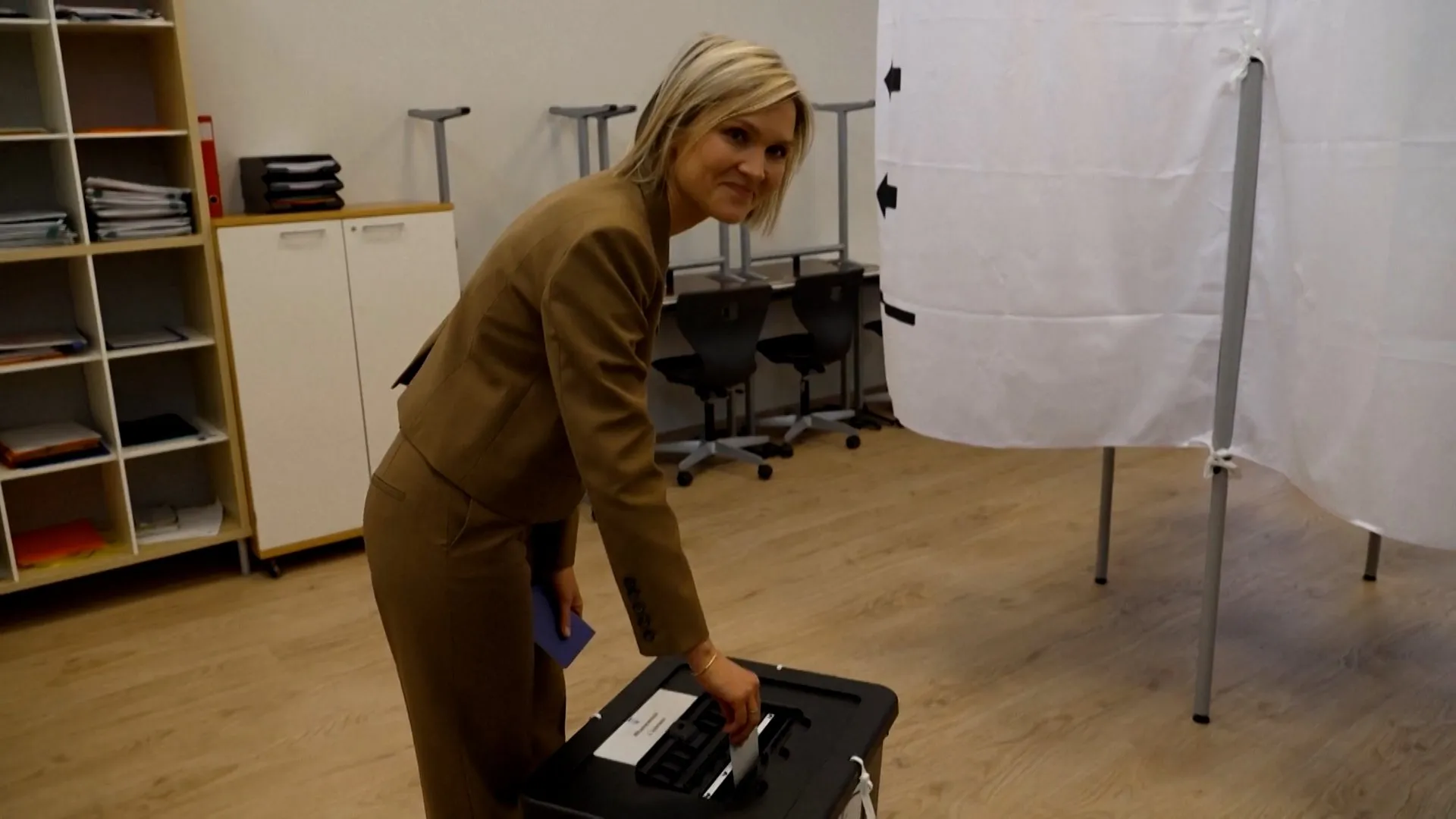
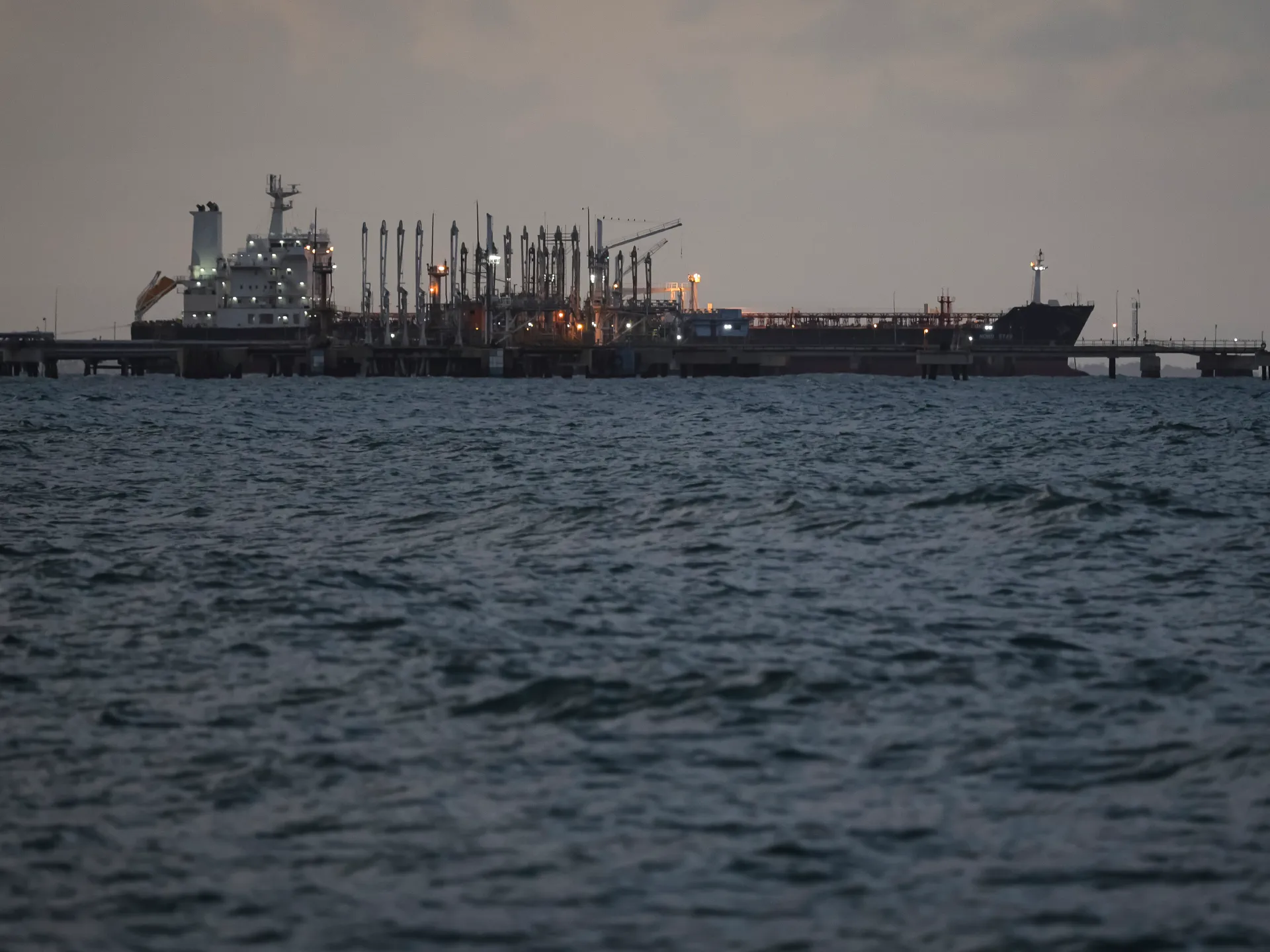
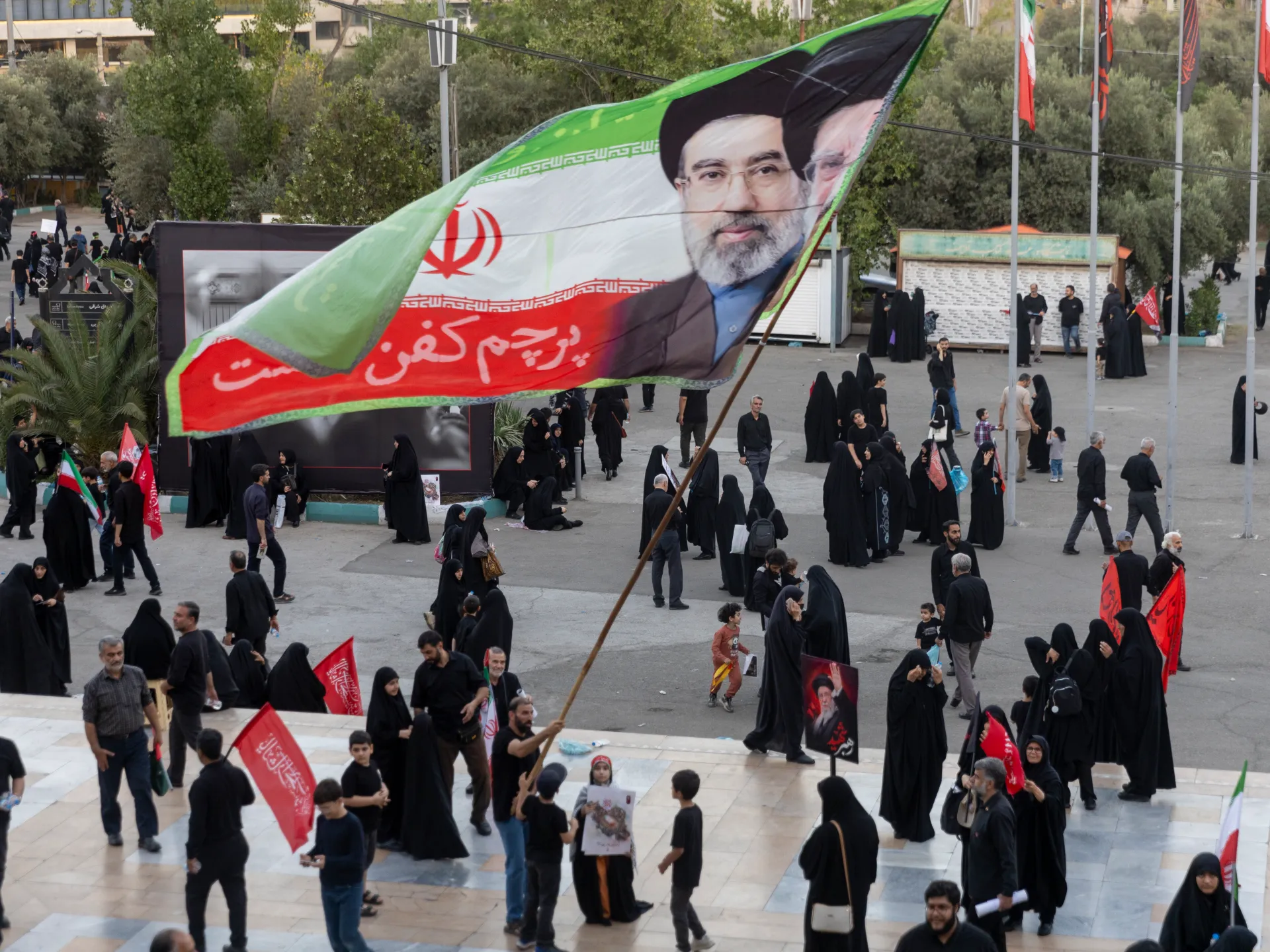
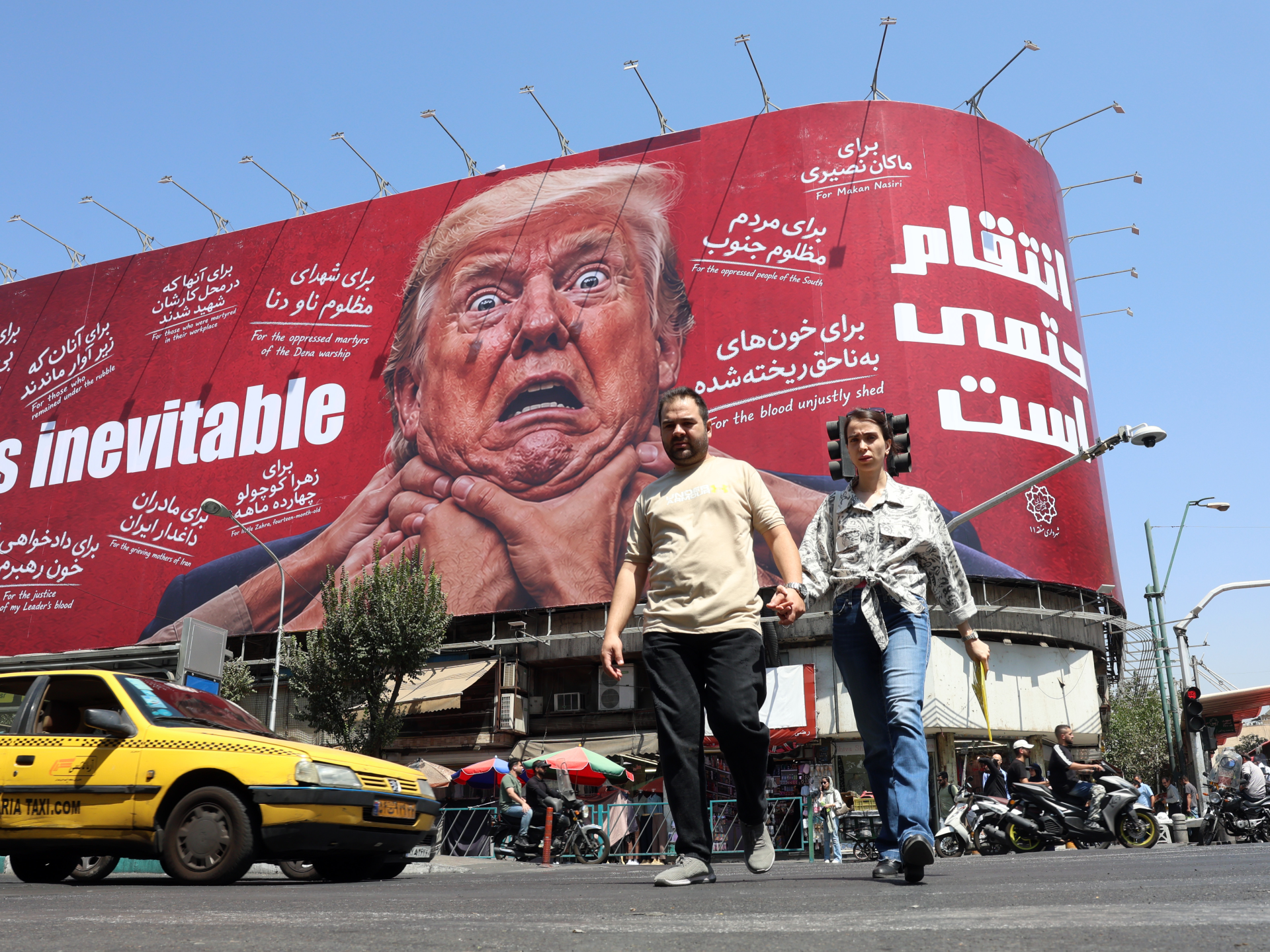
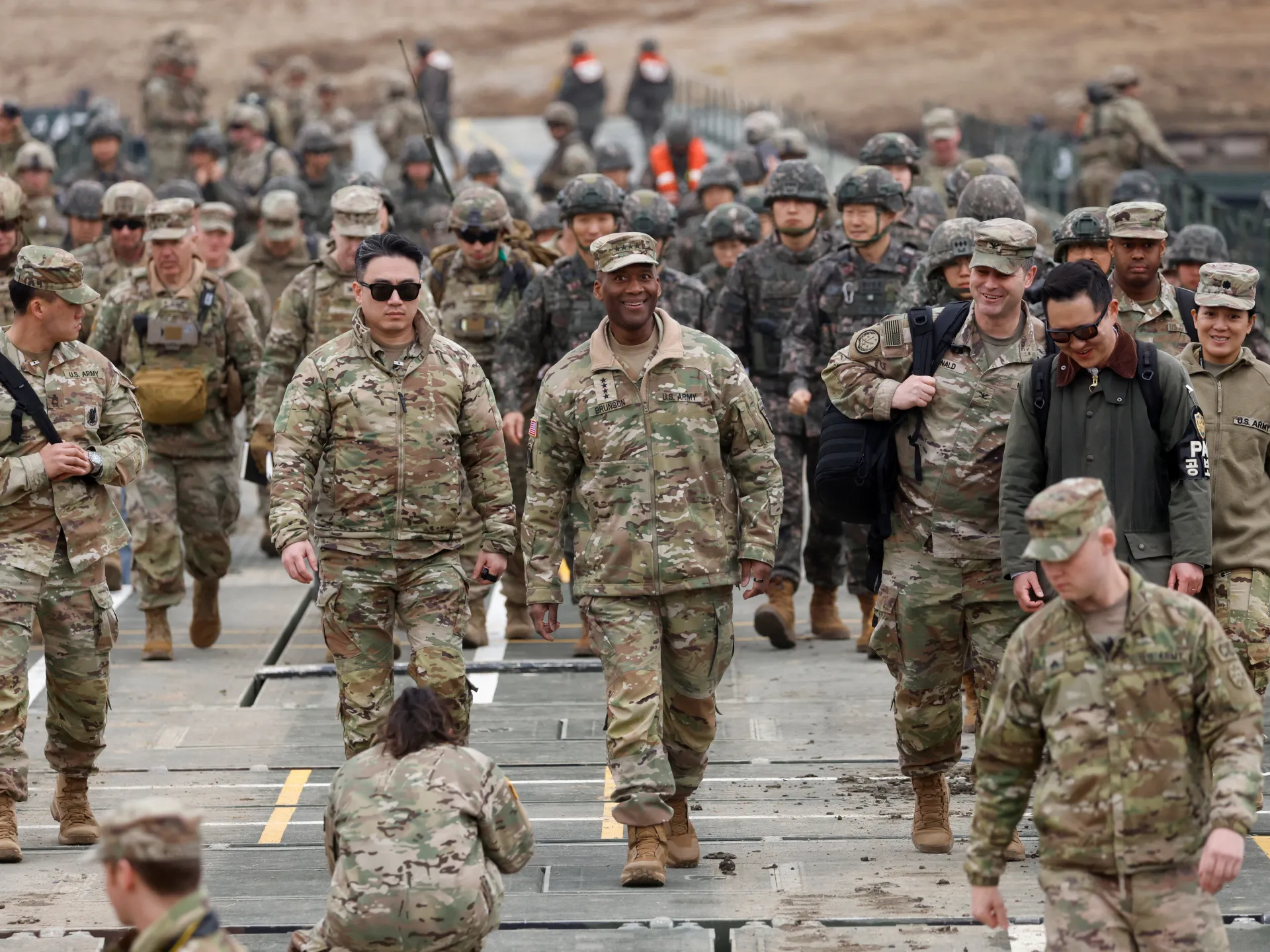
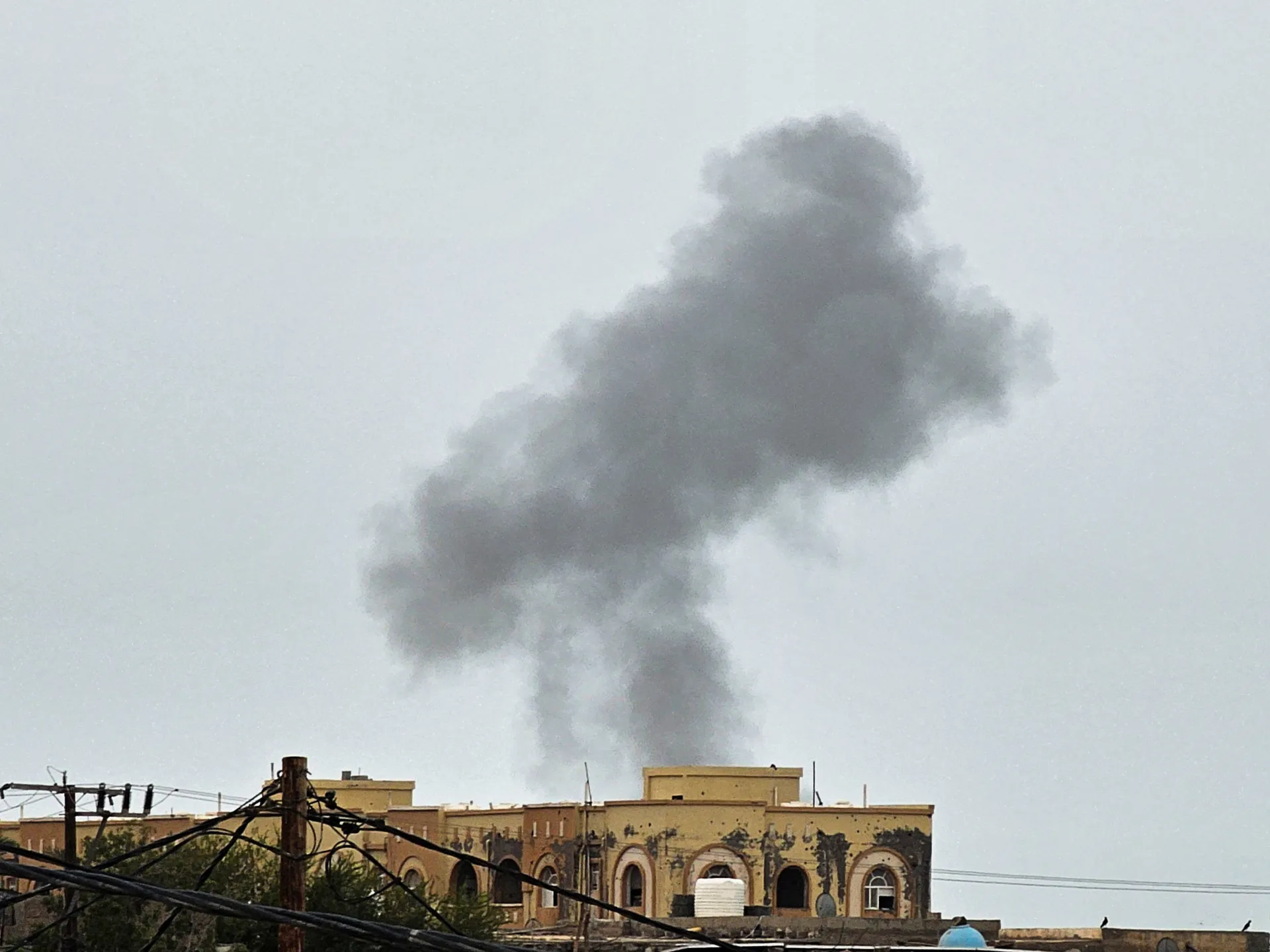
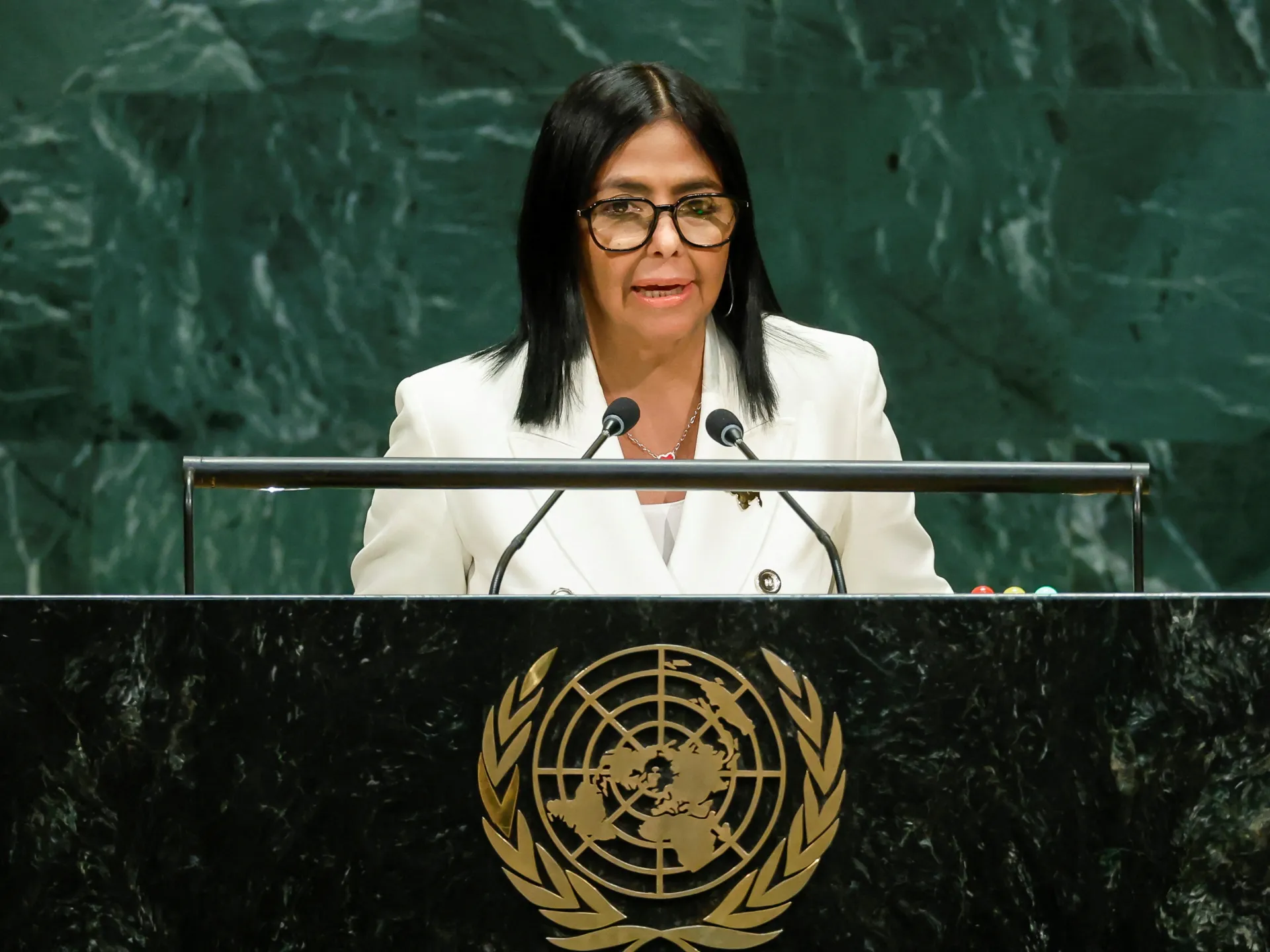
The geopolitical landscape of South America underwent a profound transformation on January 3, 2026, when United States military forces launched air strikes in Venezuela, resulting in approximately 100 casualties and the subsequent detention of Nicolas Maduro. Following his removal and the installation of a new administration, the political tide has shifted with remarkable speed. Delcy Rodriguez, who once decried American influence as a form of “economic terrorism,” appeared in New York this week to signal a new era of cooperation.
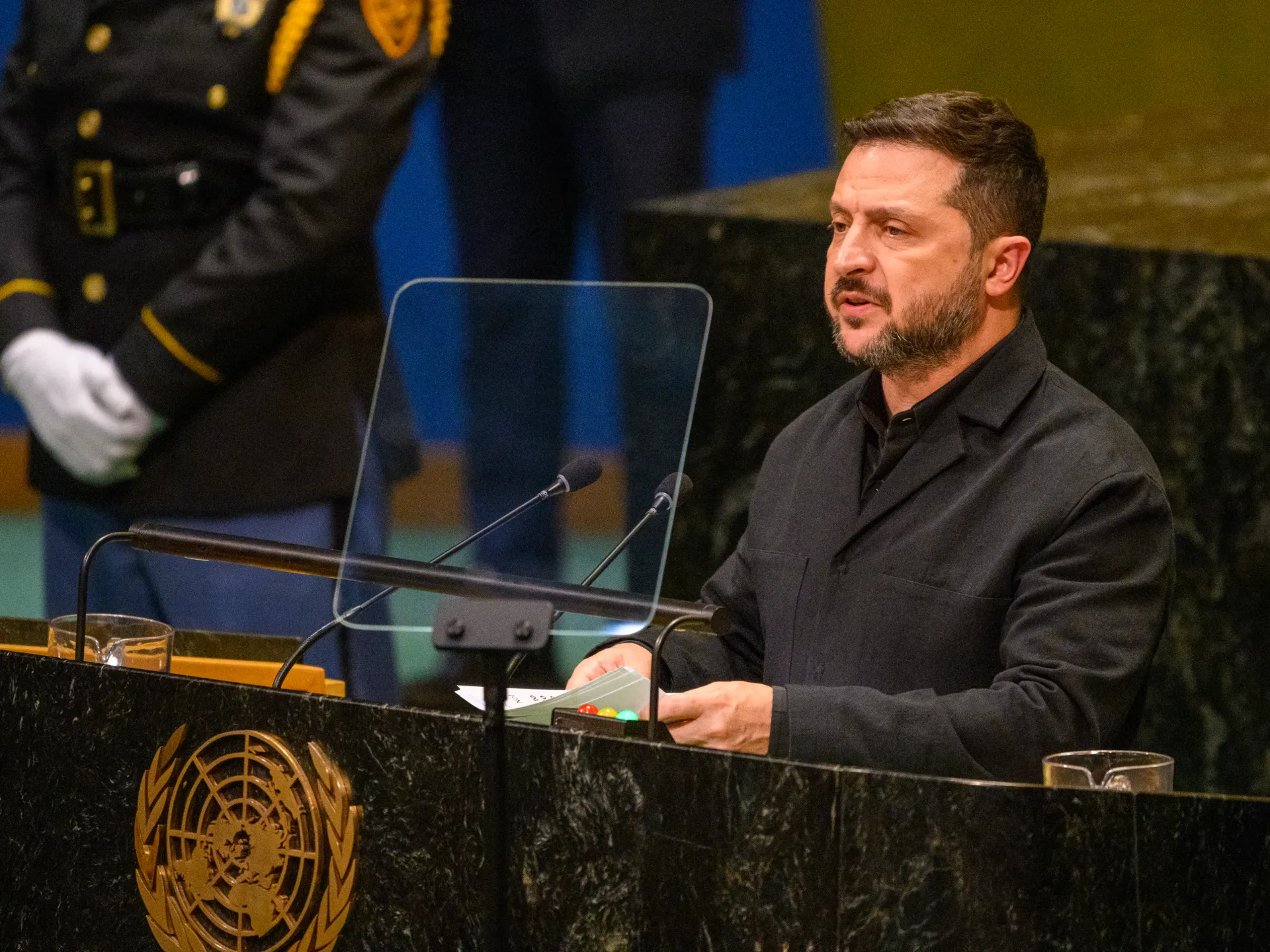
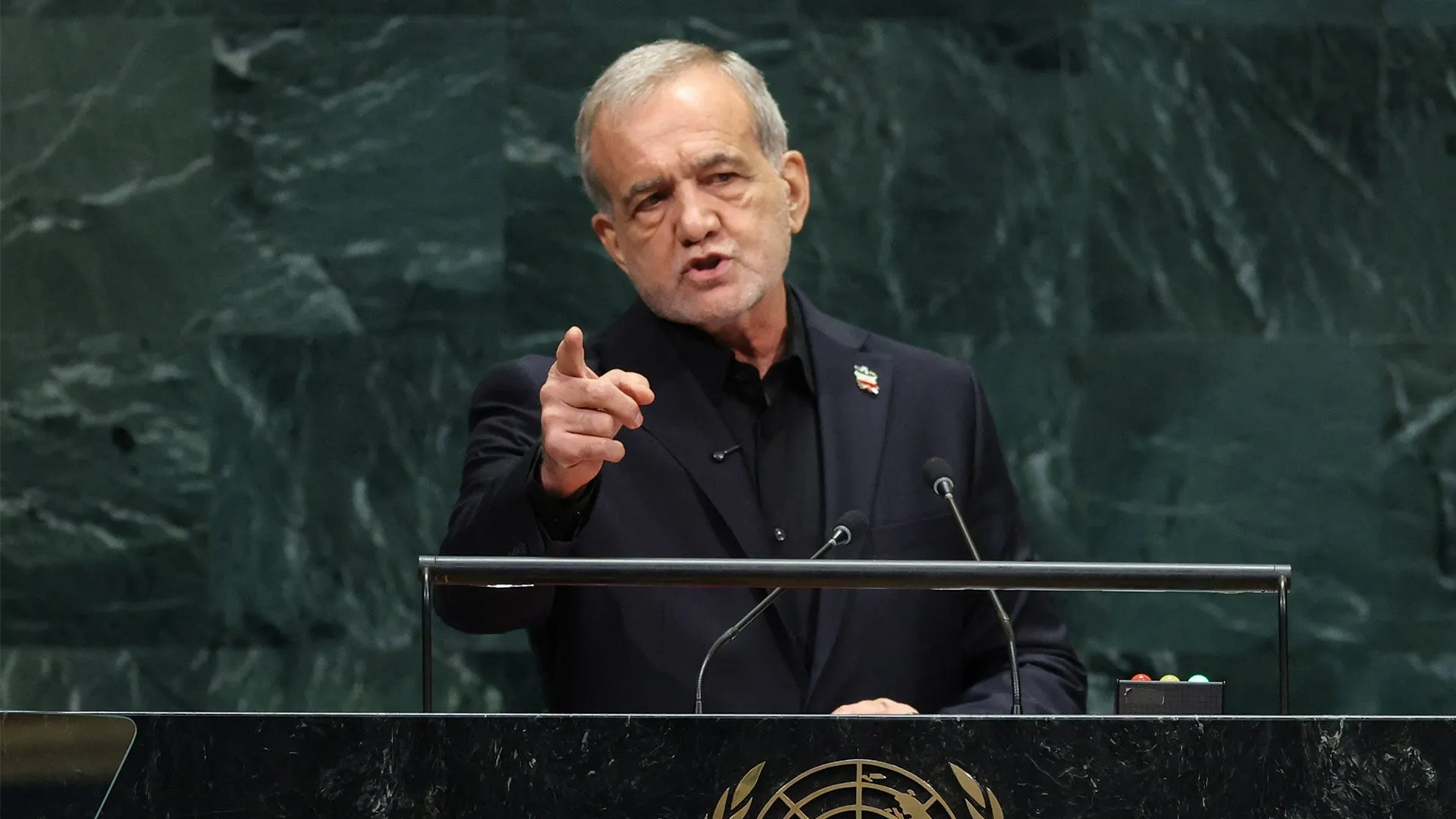
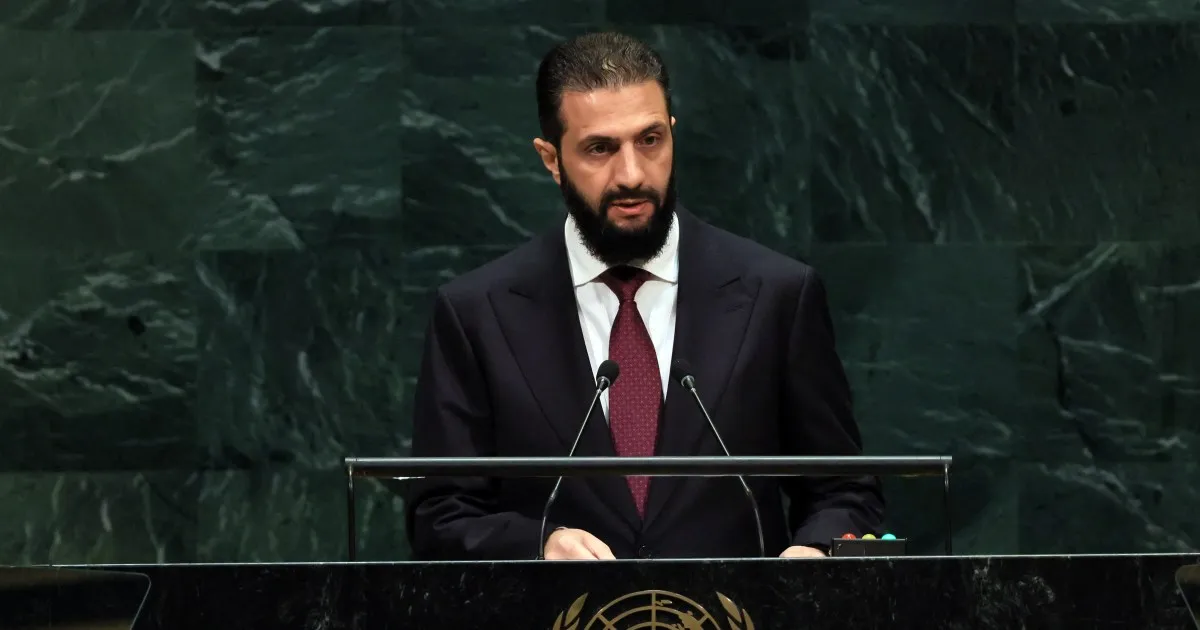
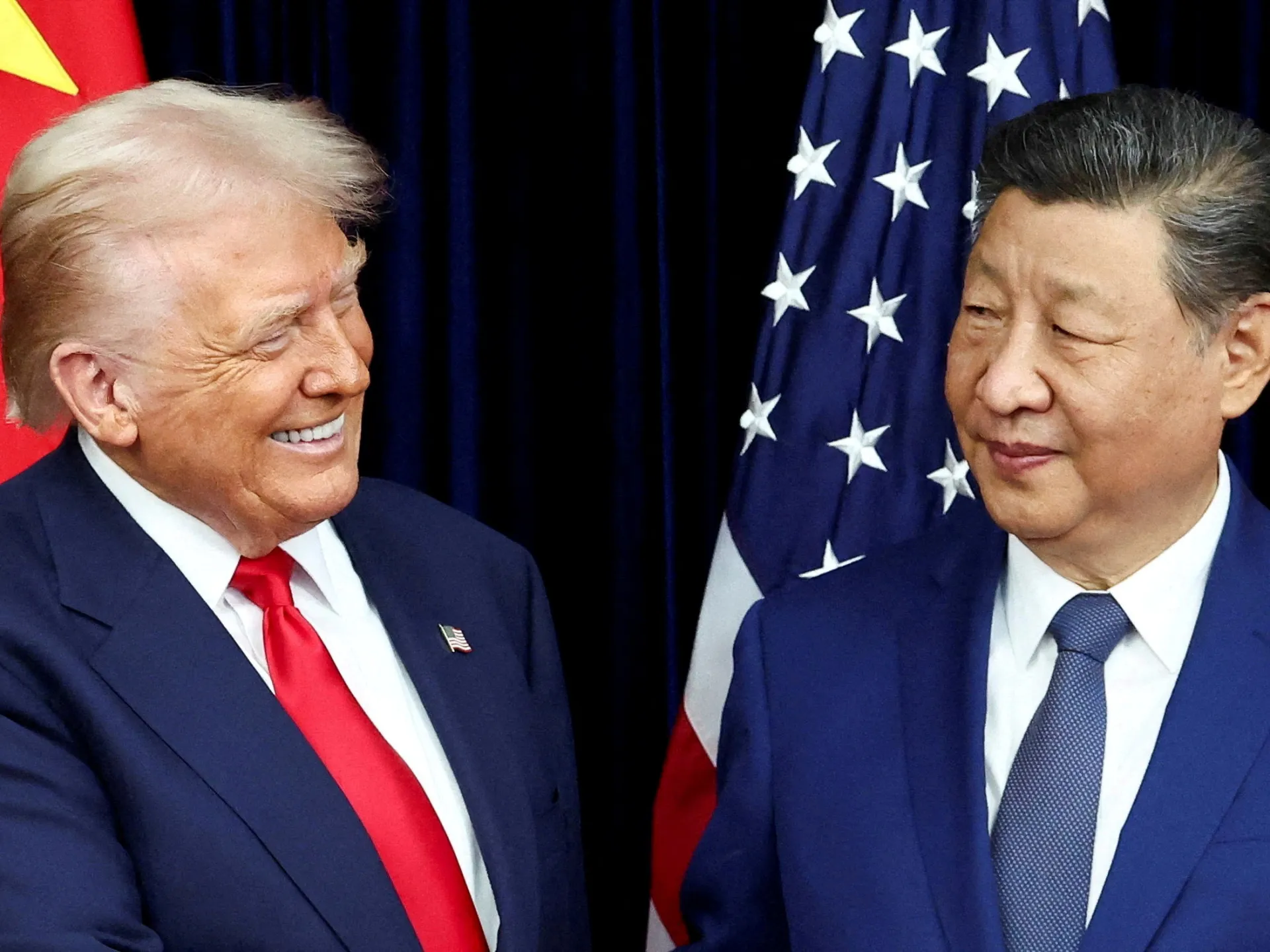
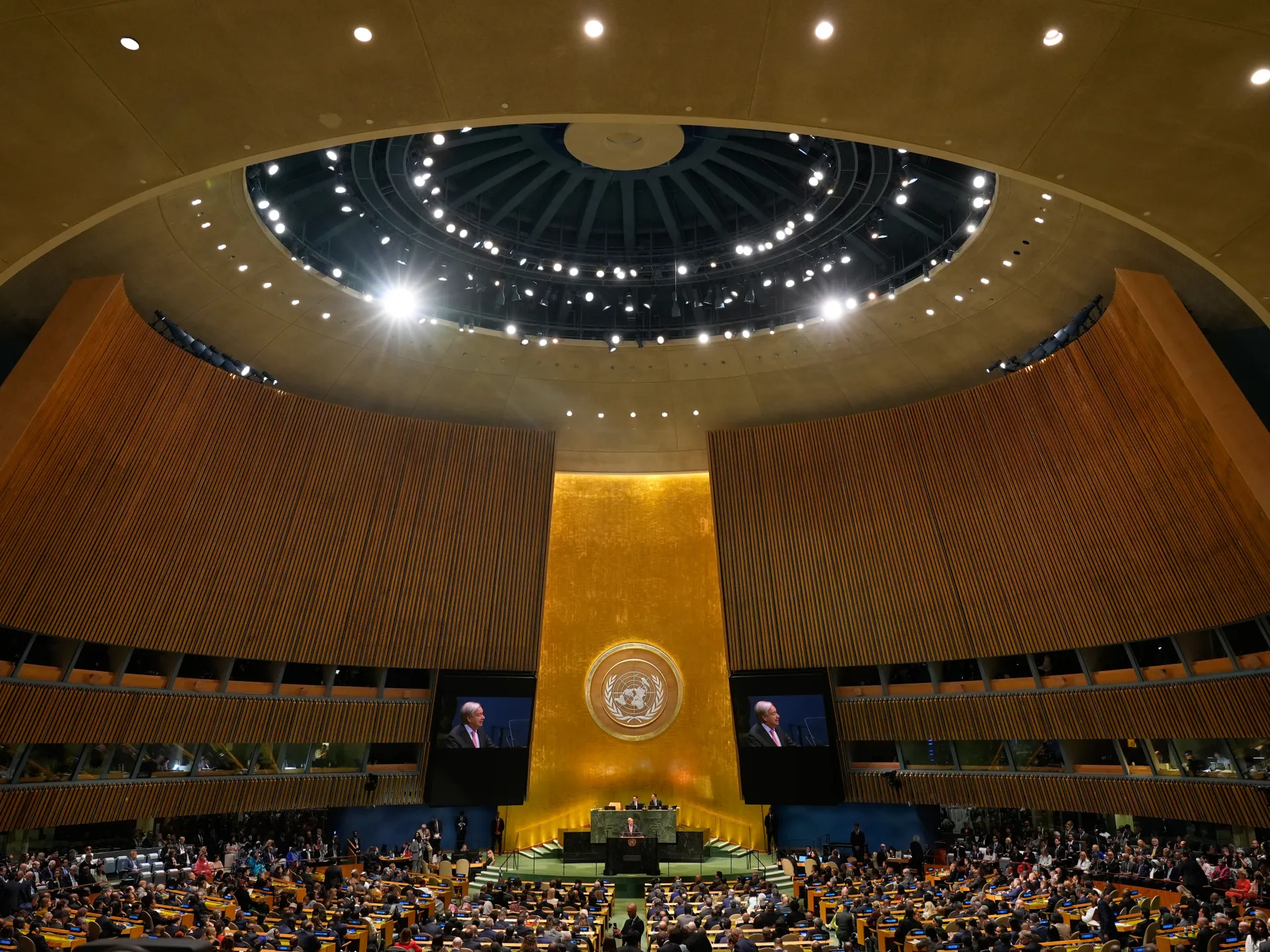
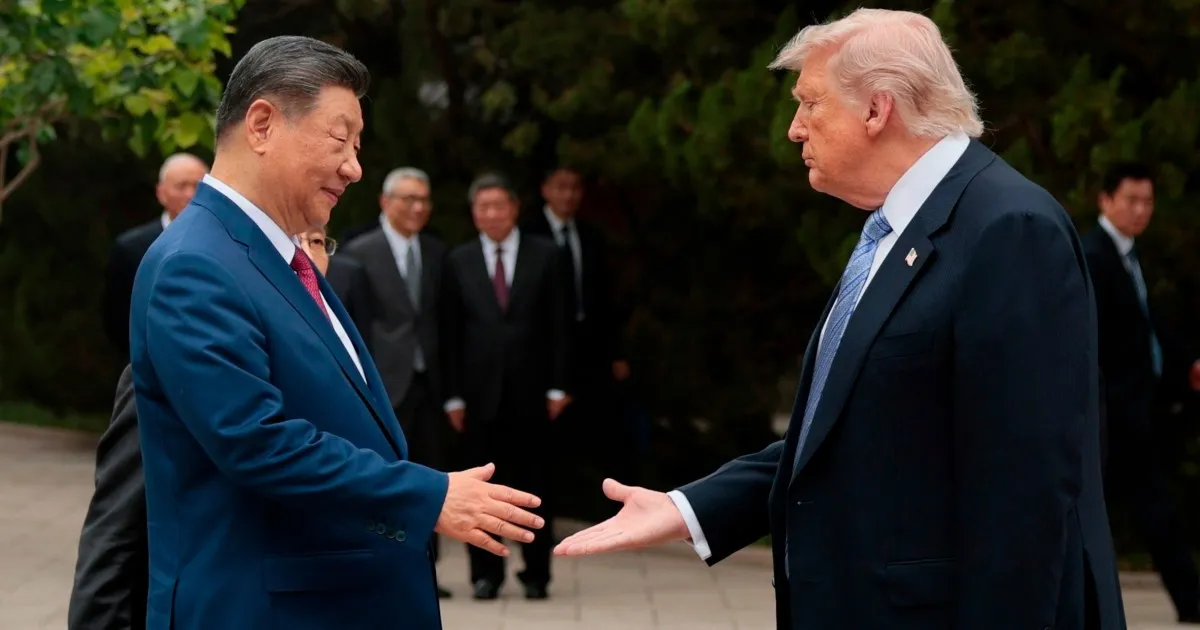
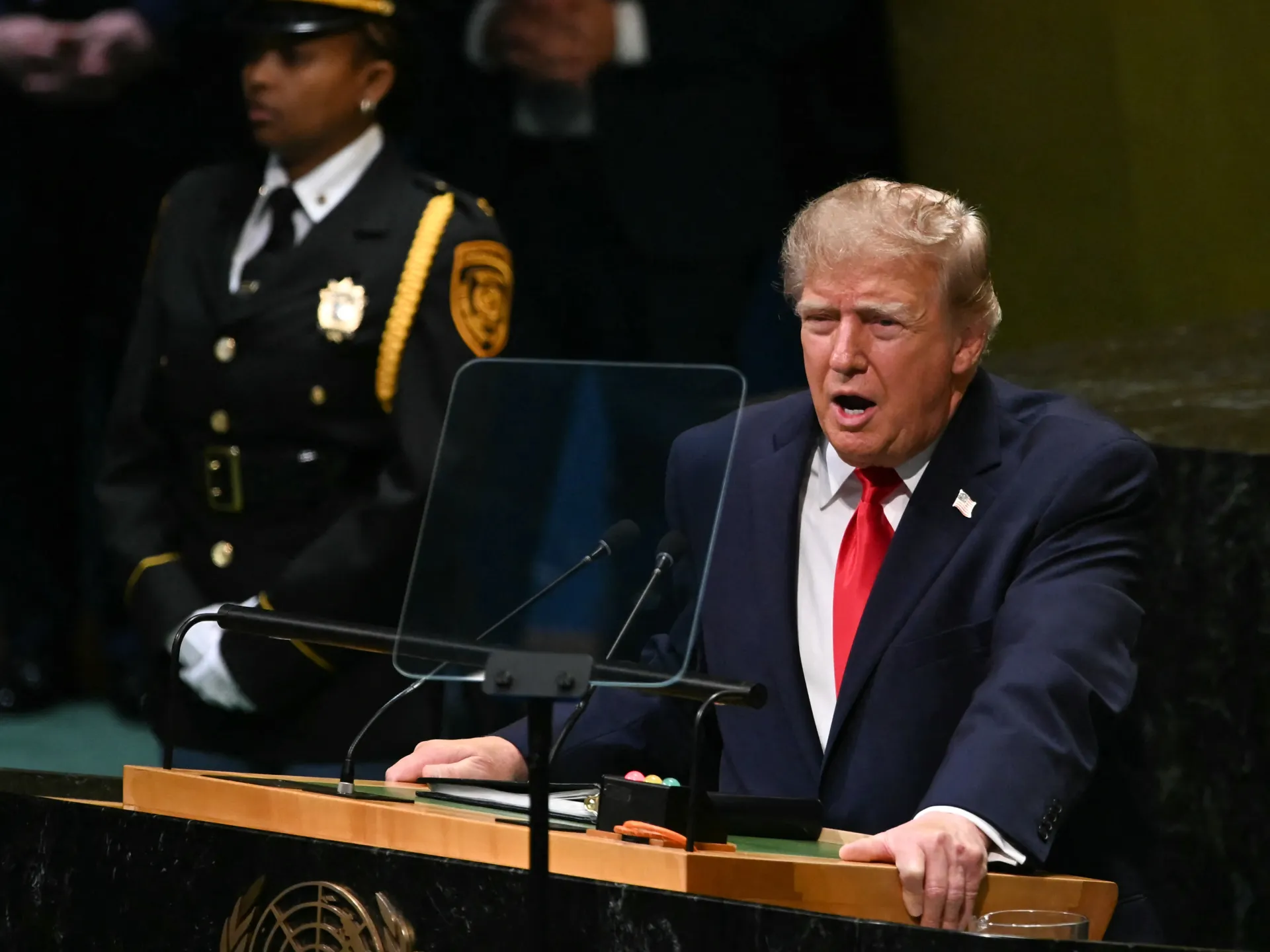
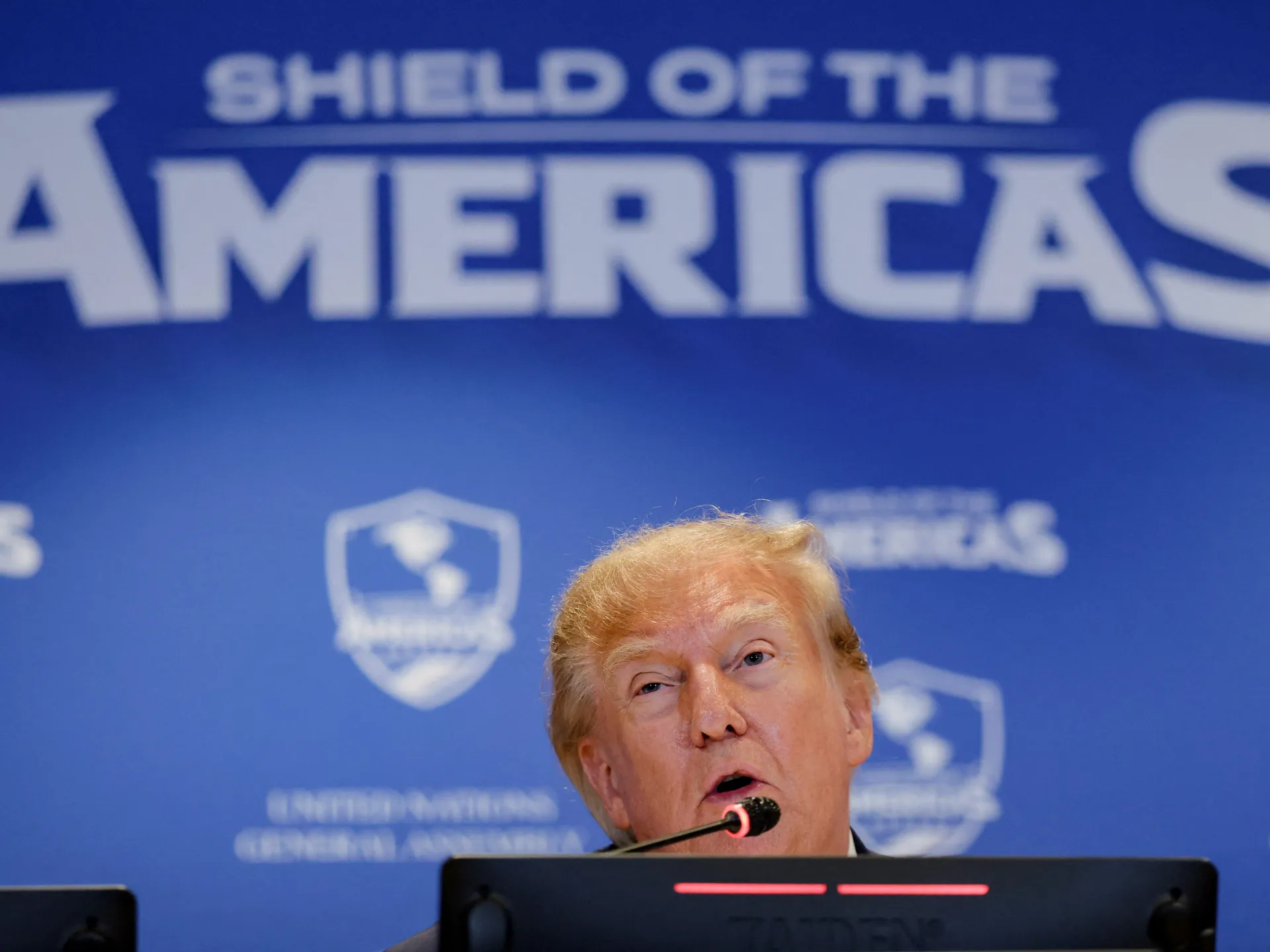
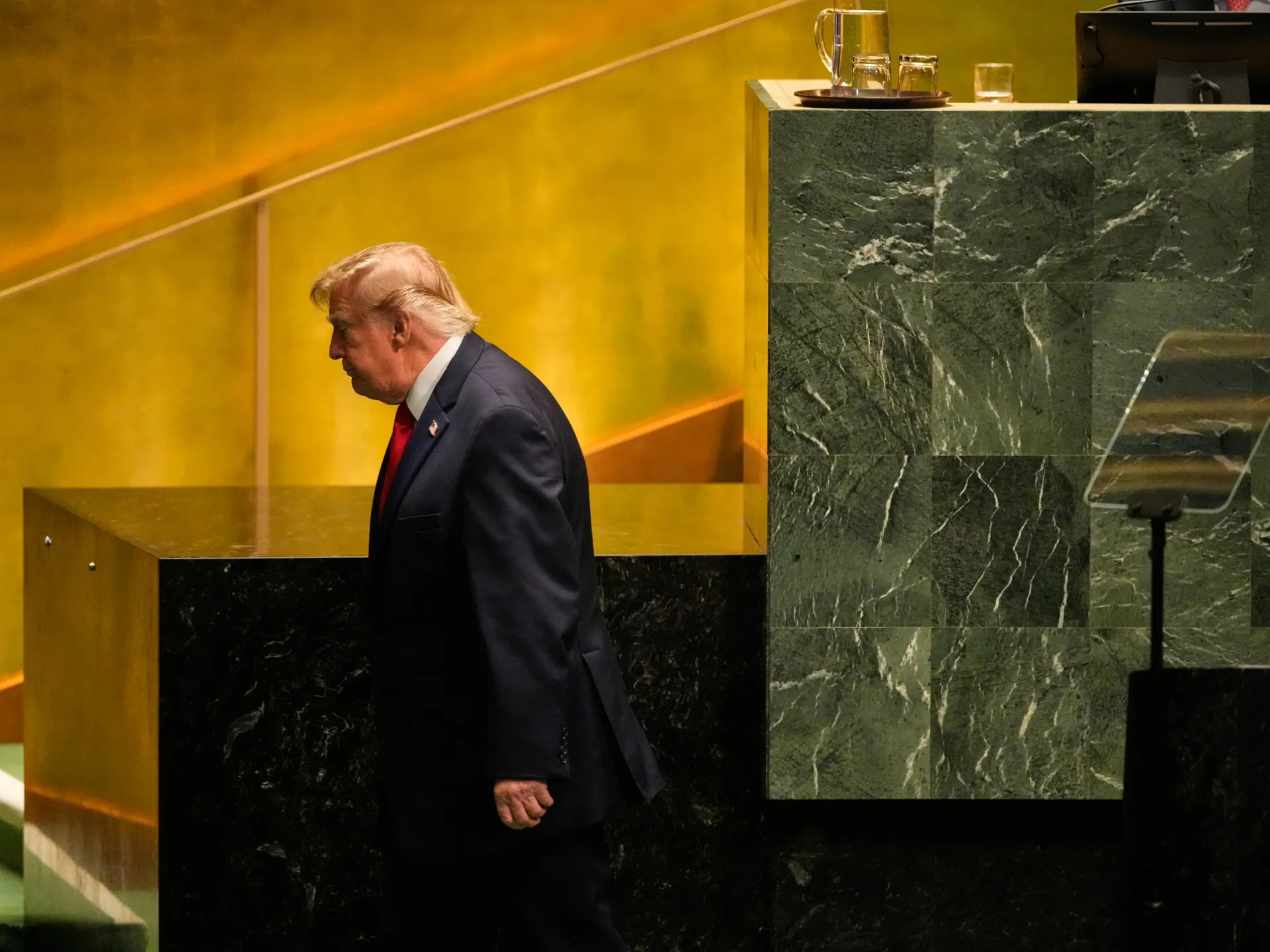
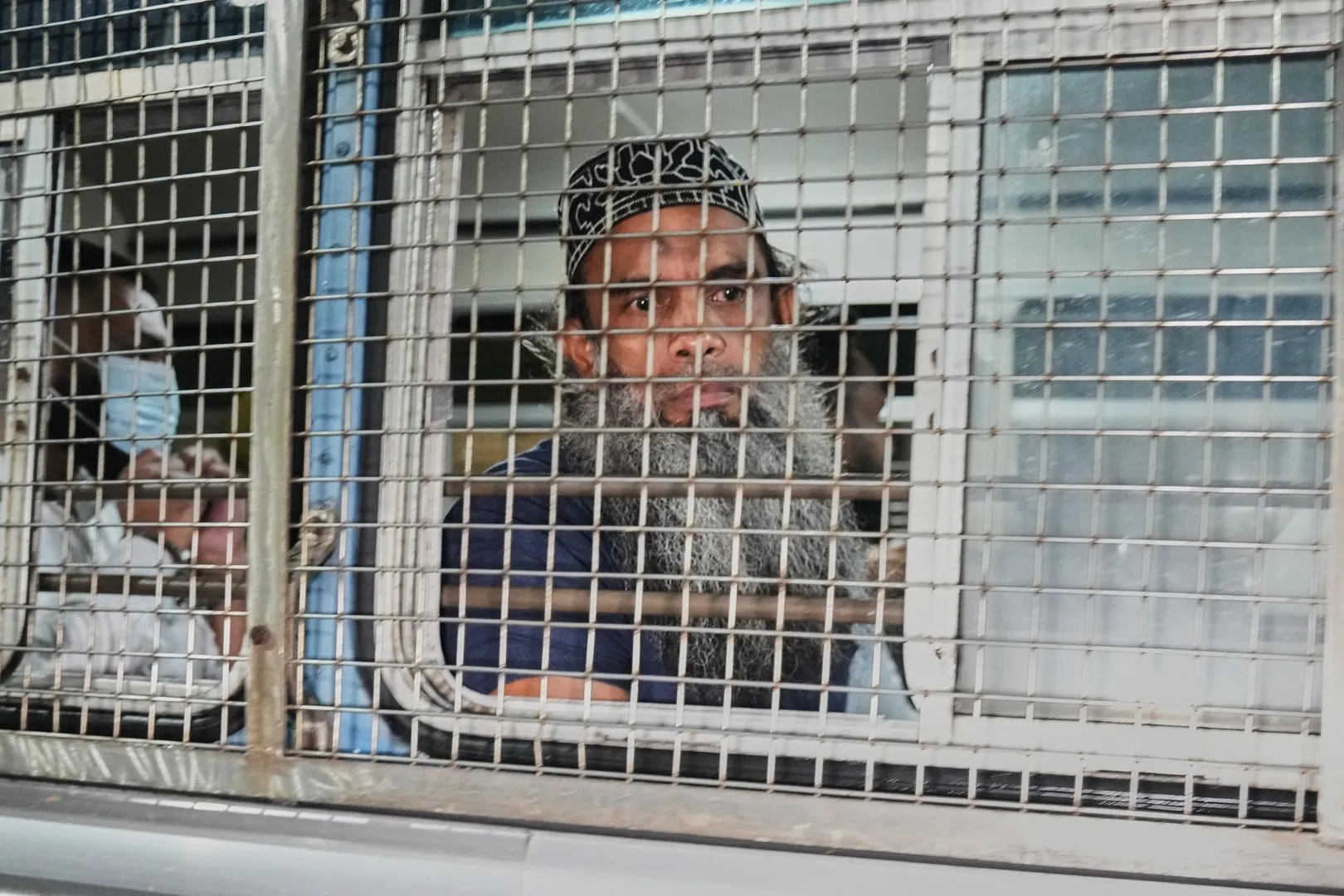
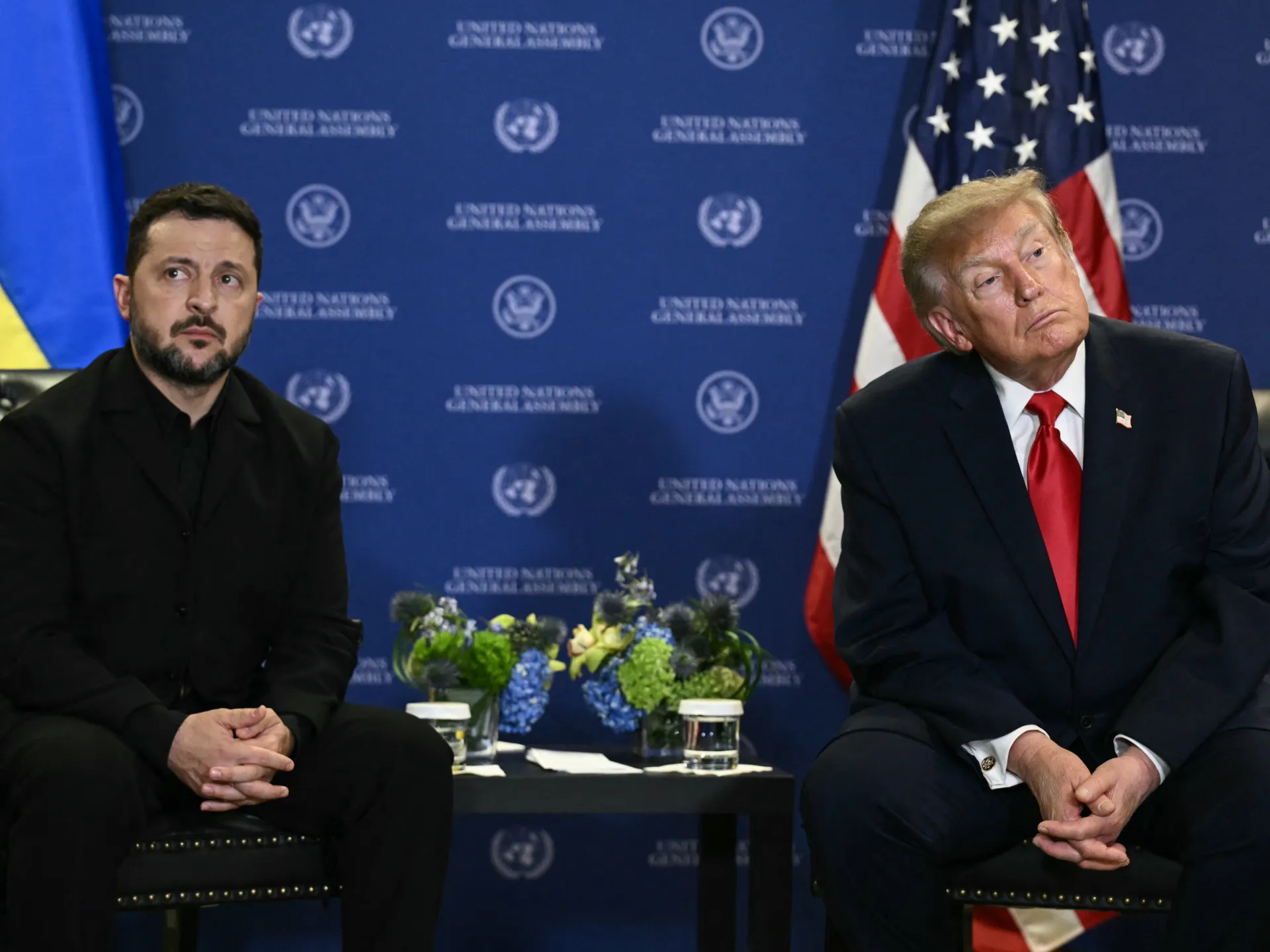
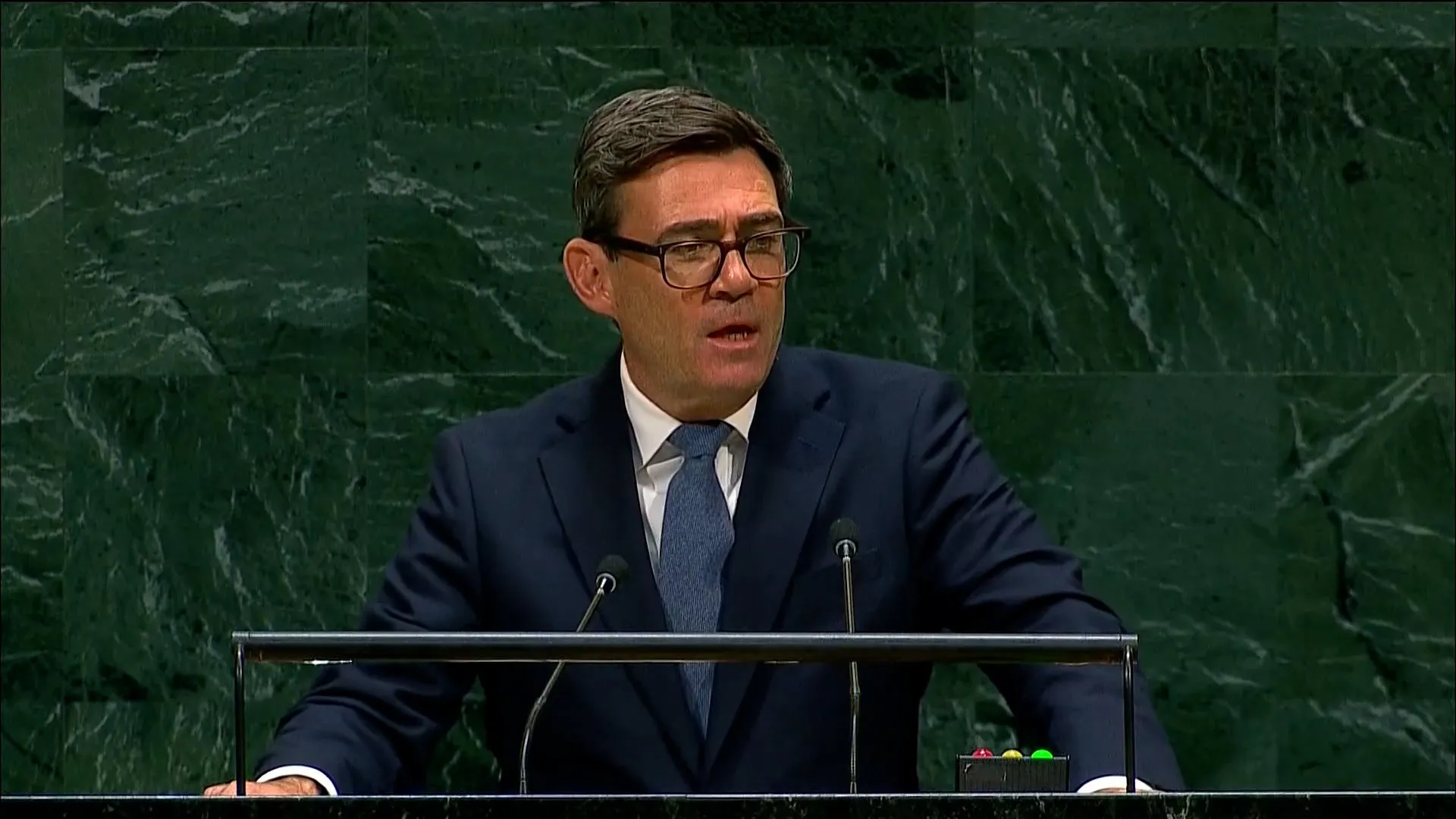
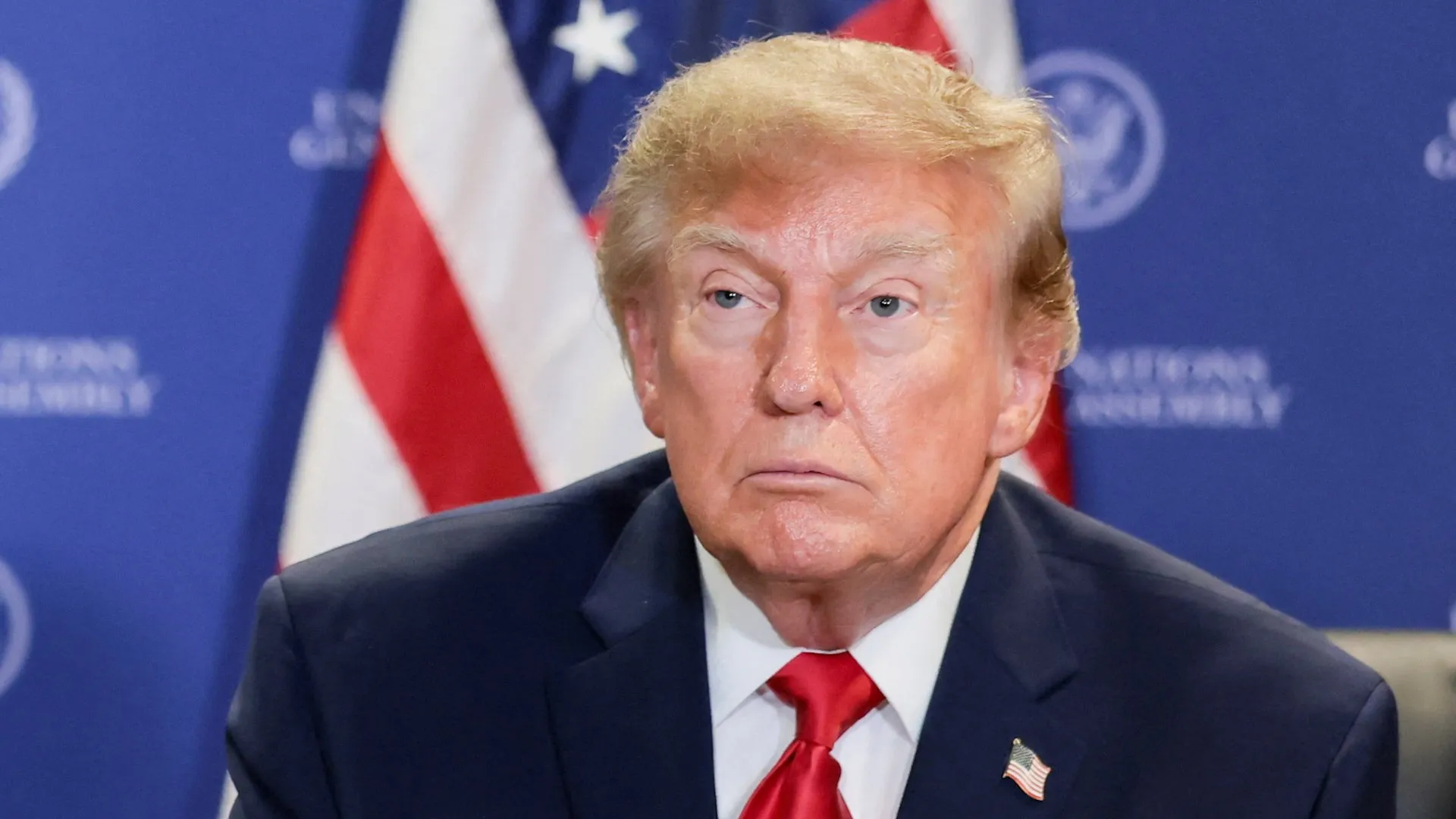
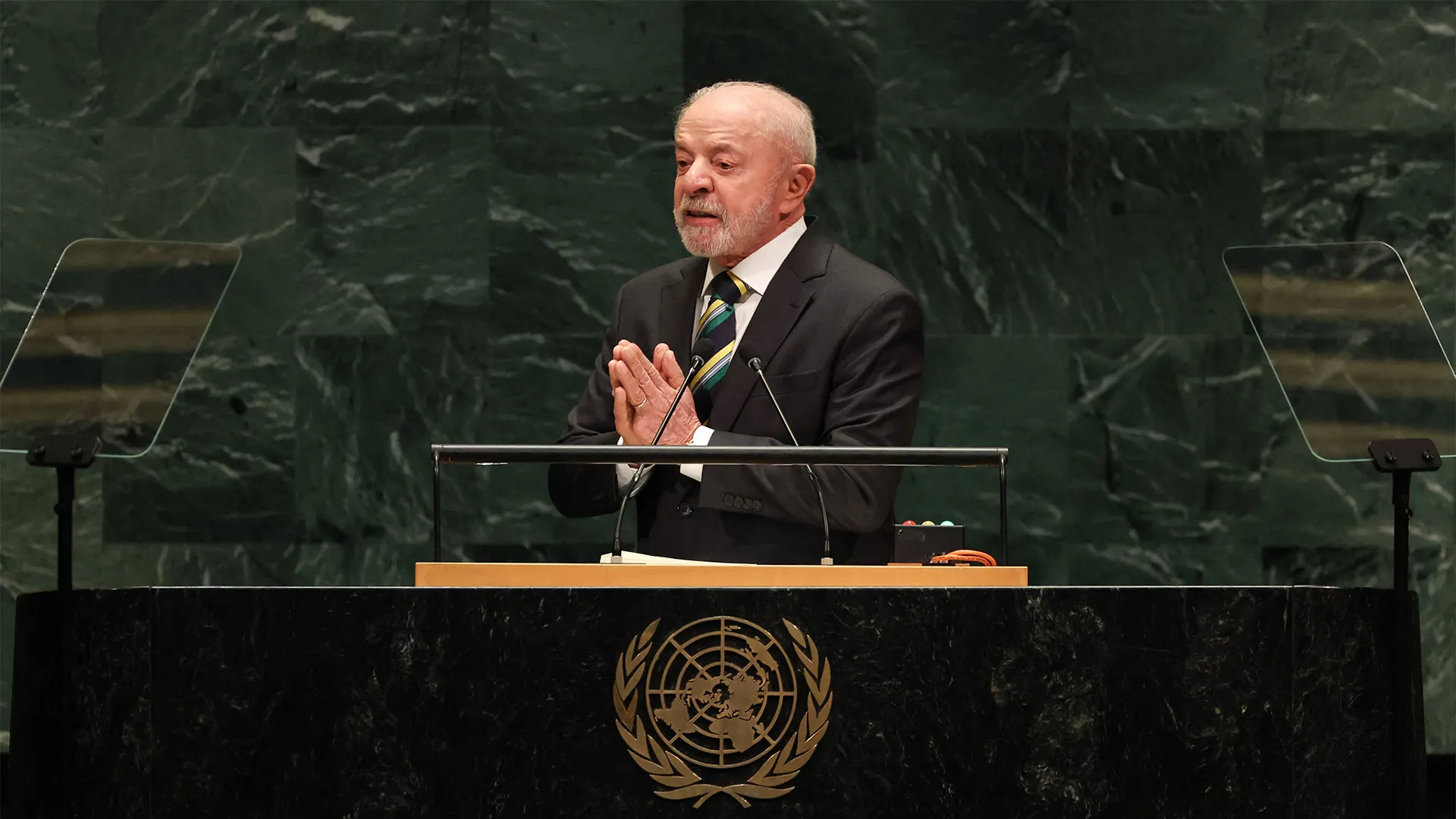
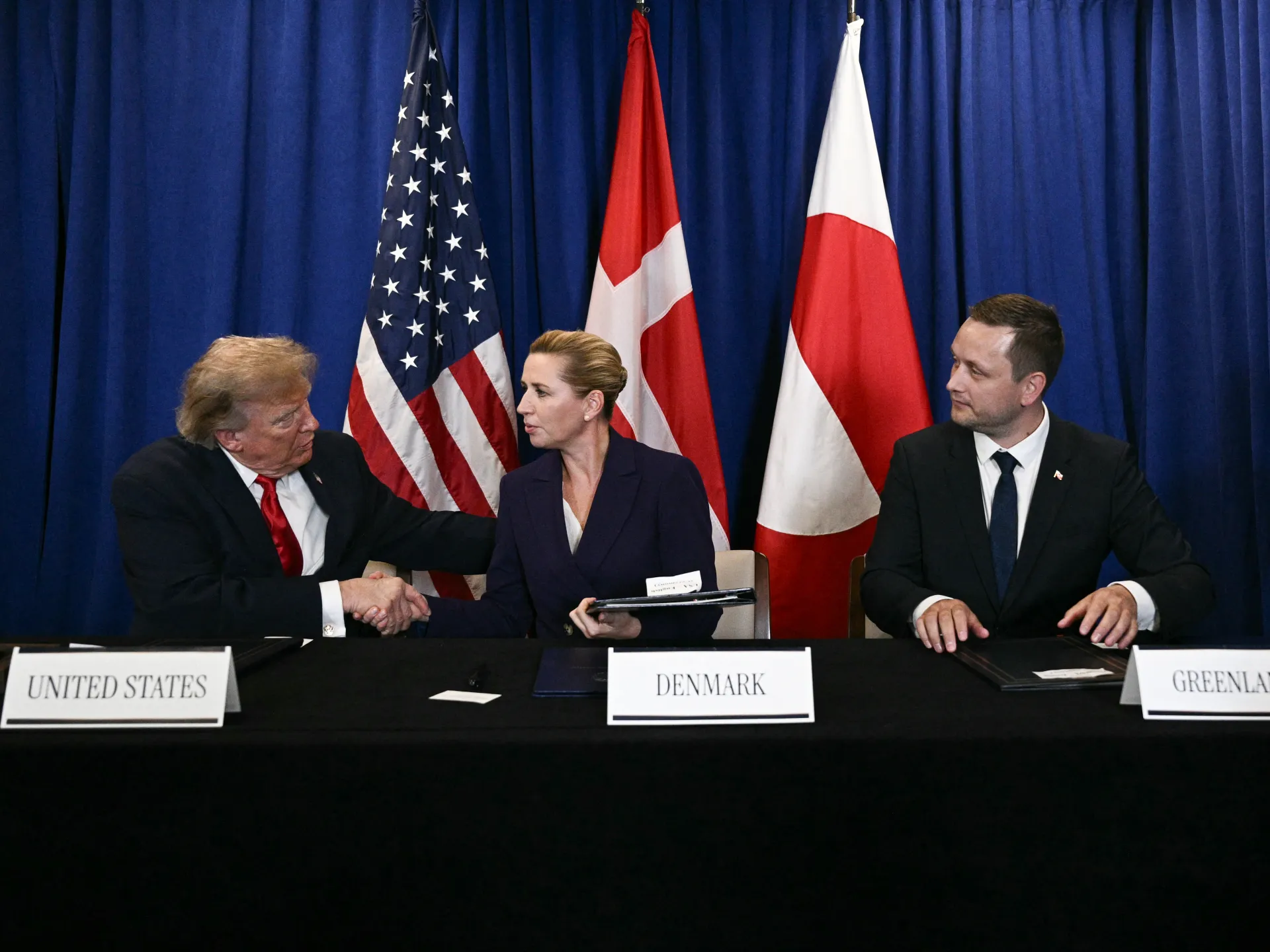
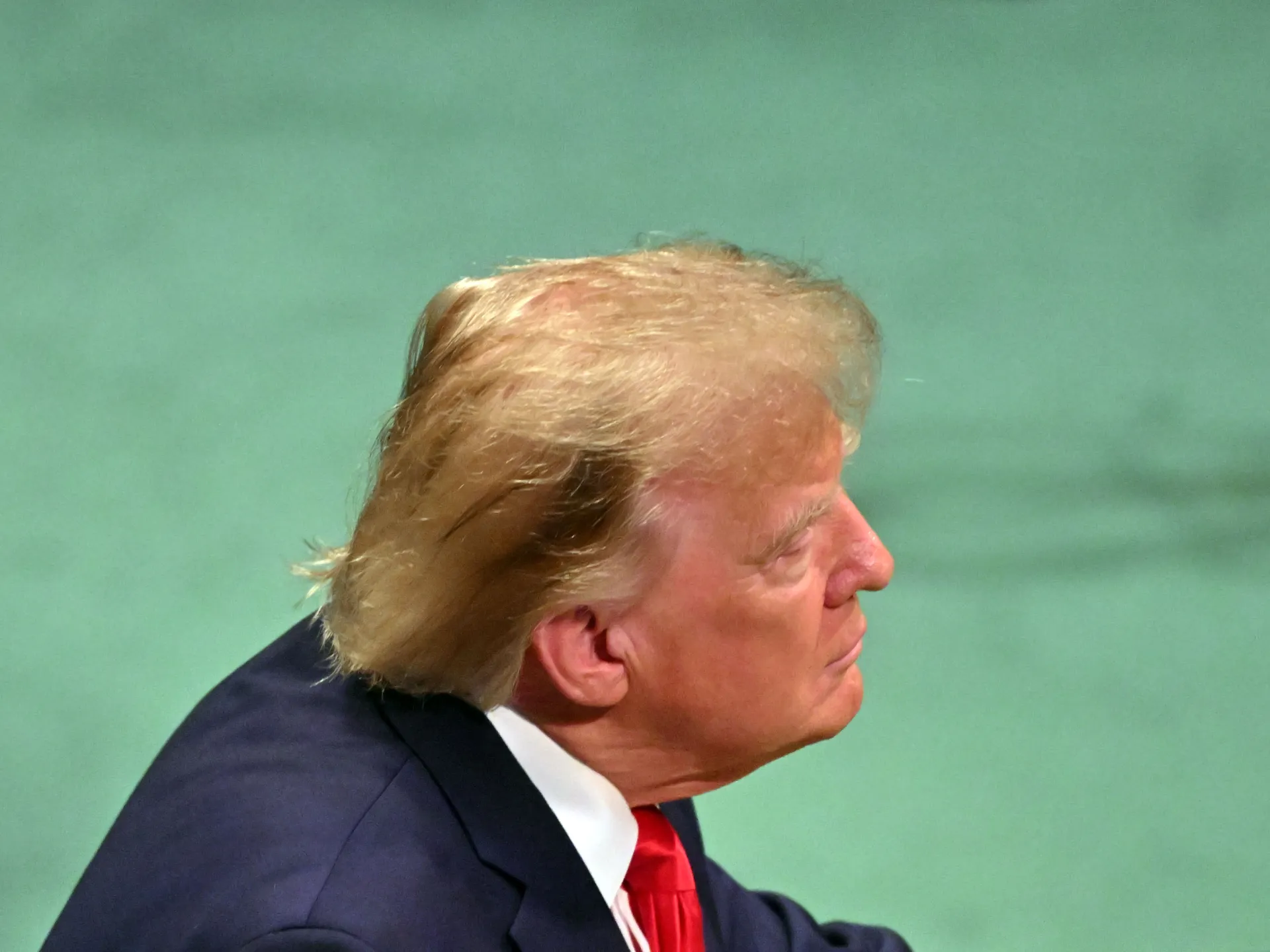
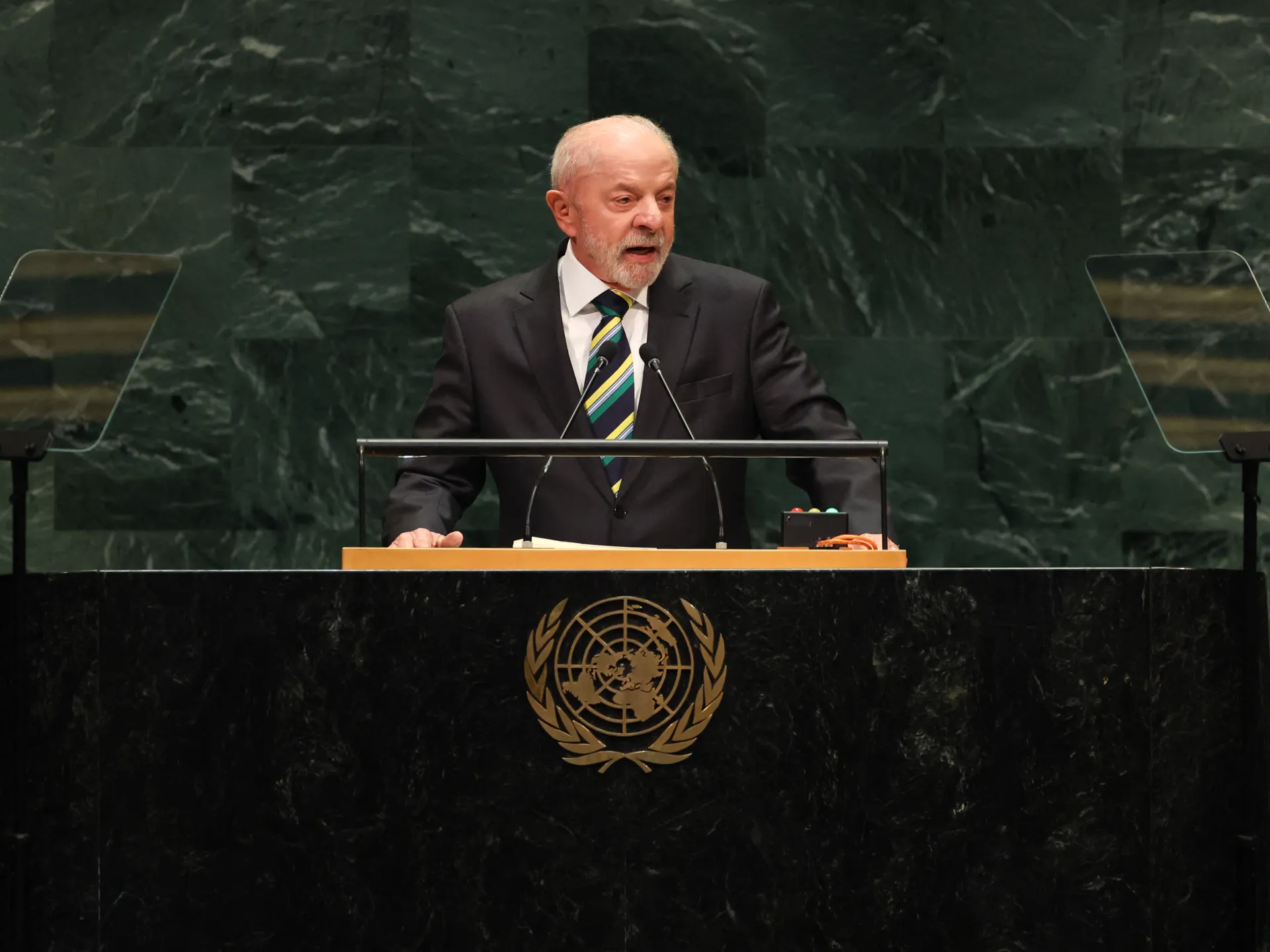
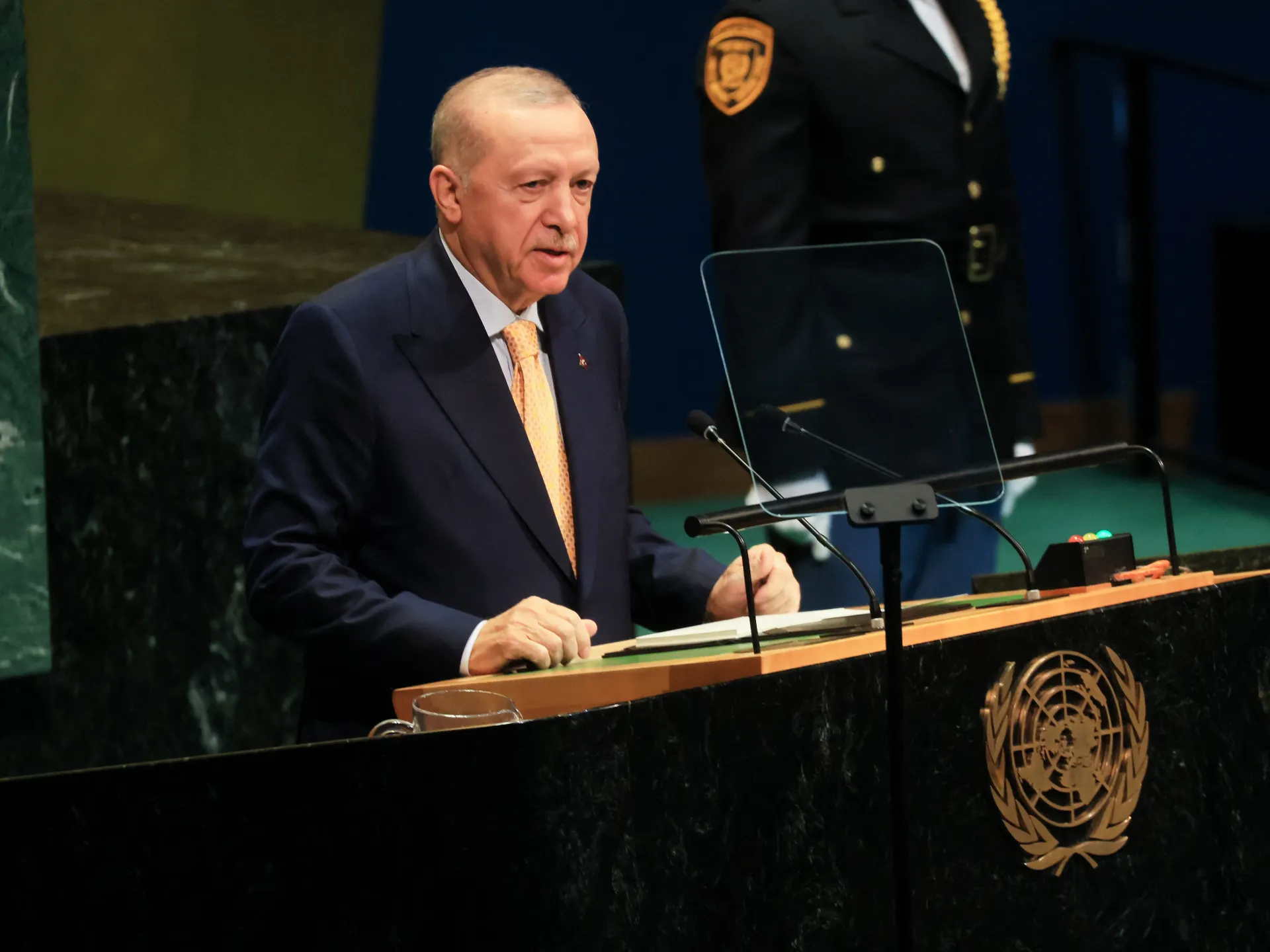
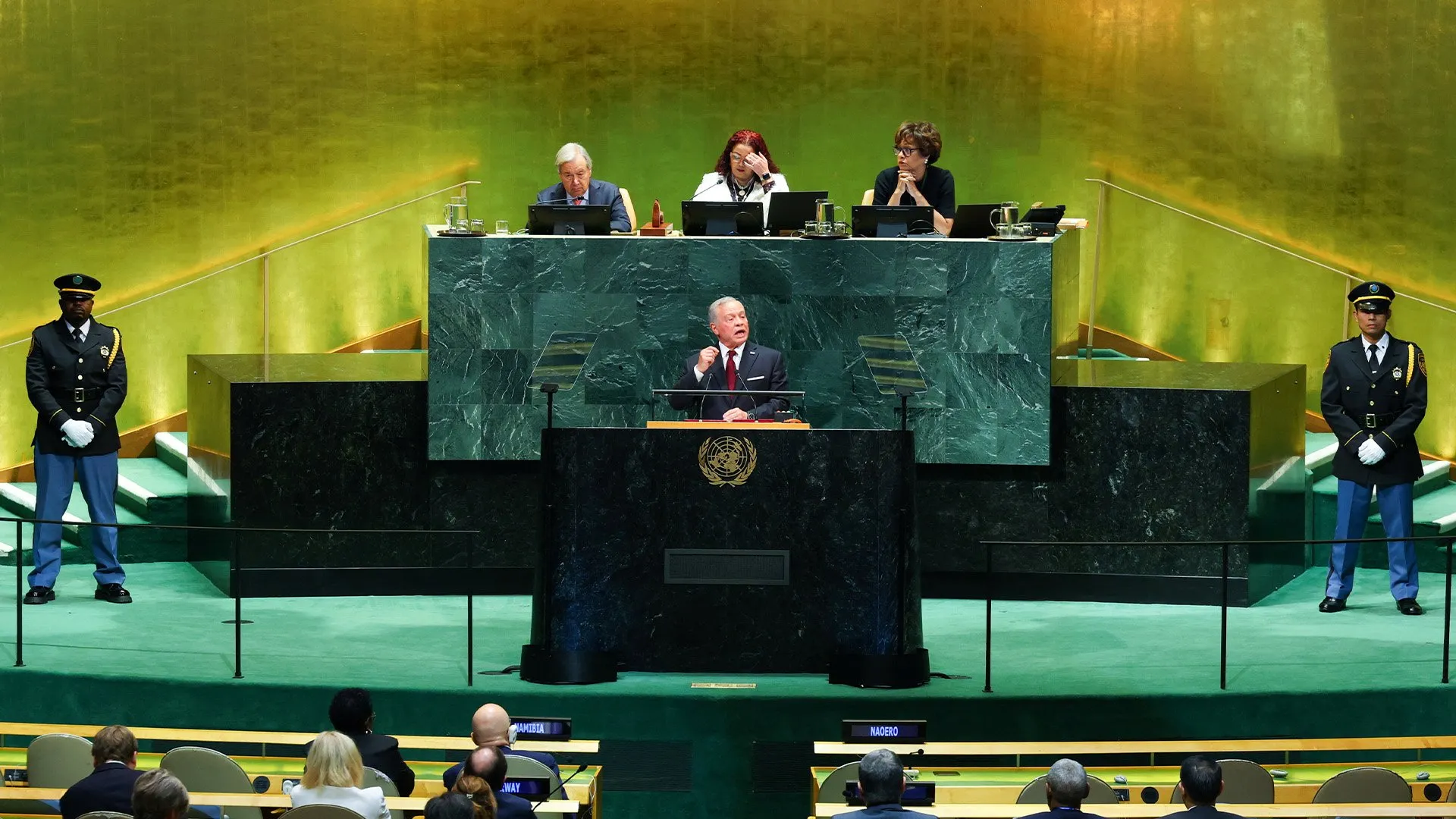
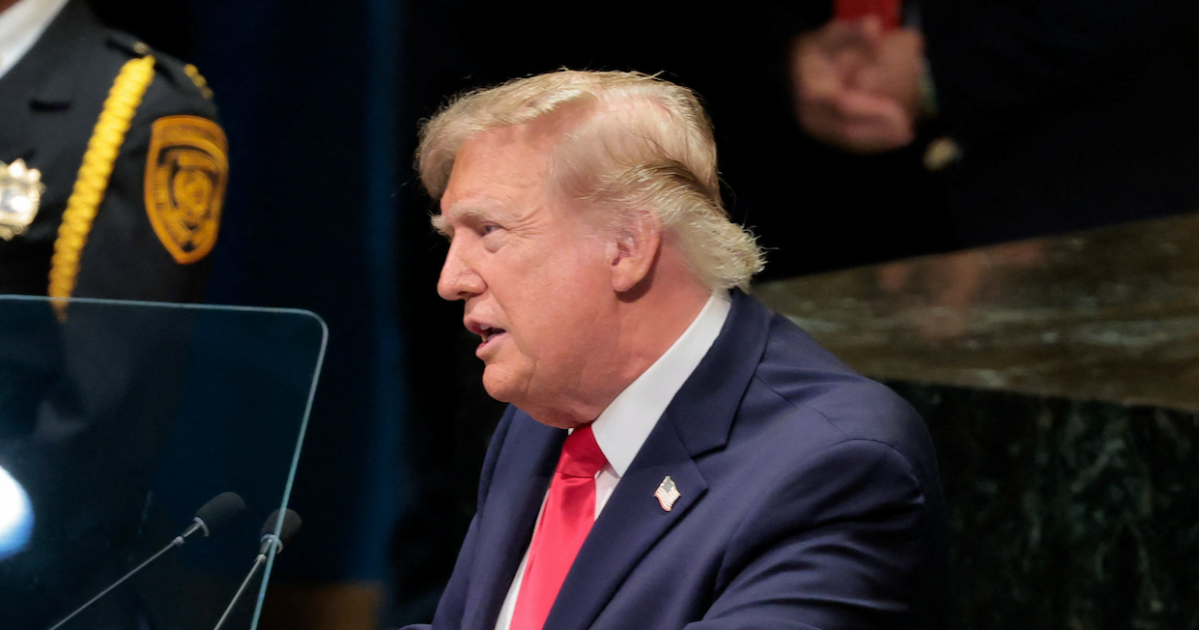
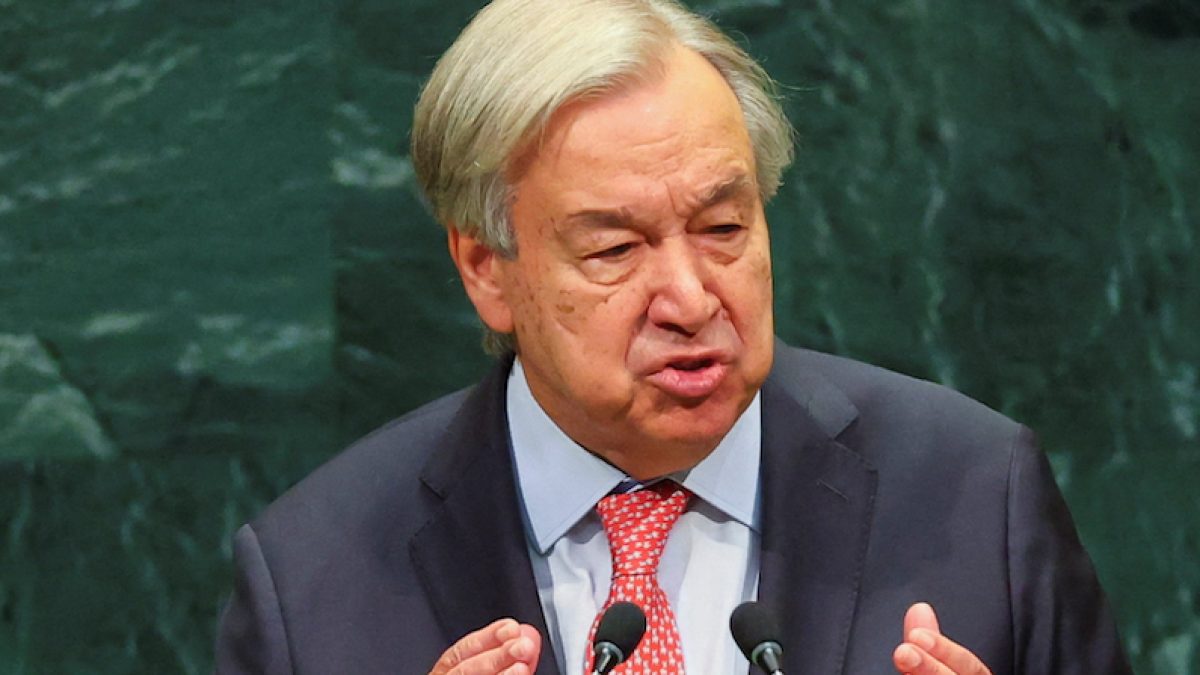
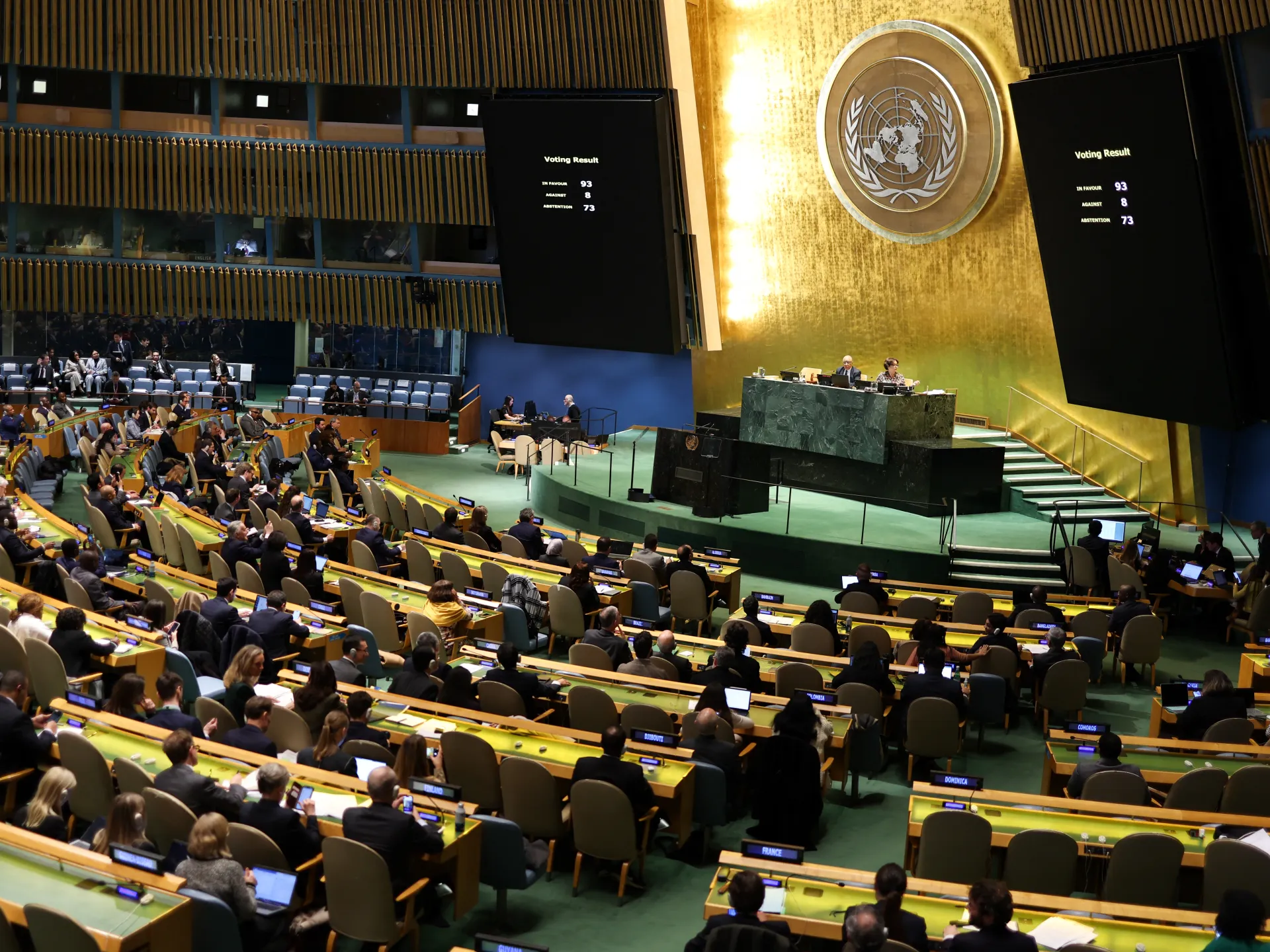
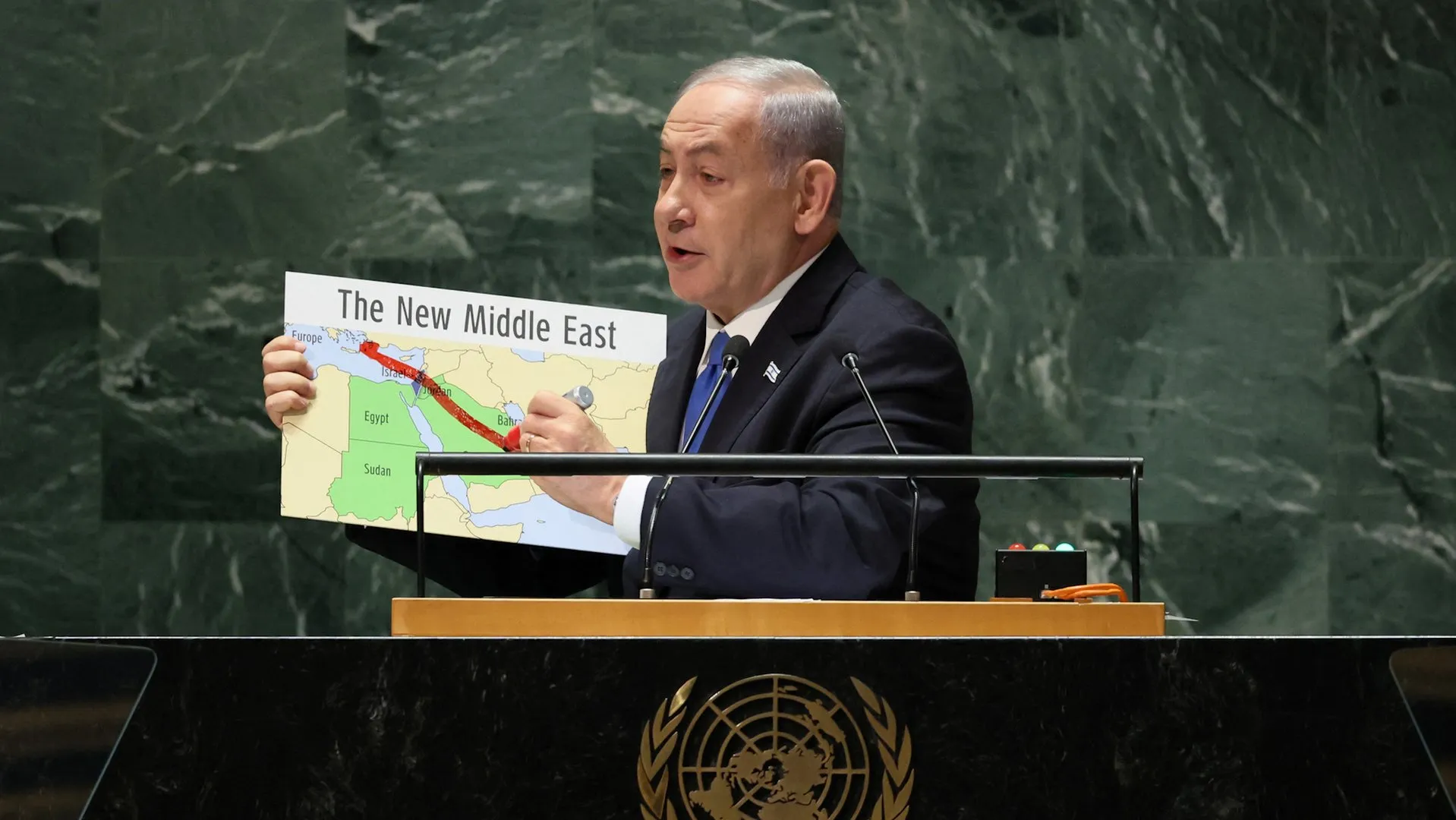
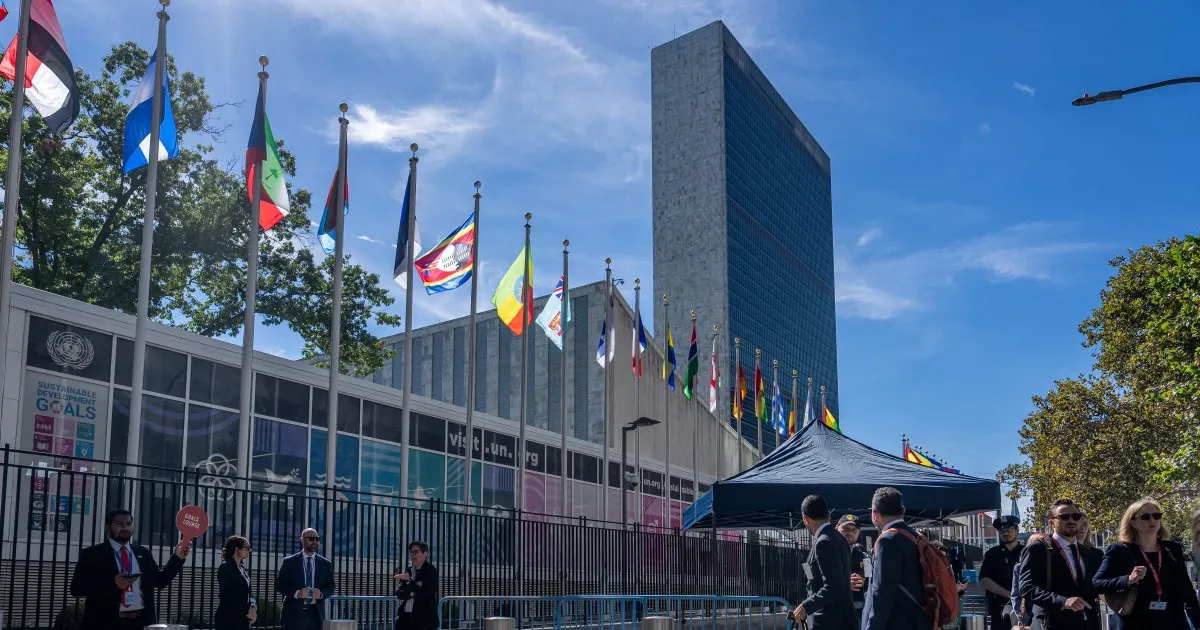
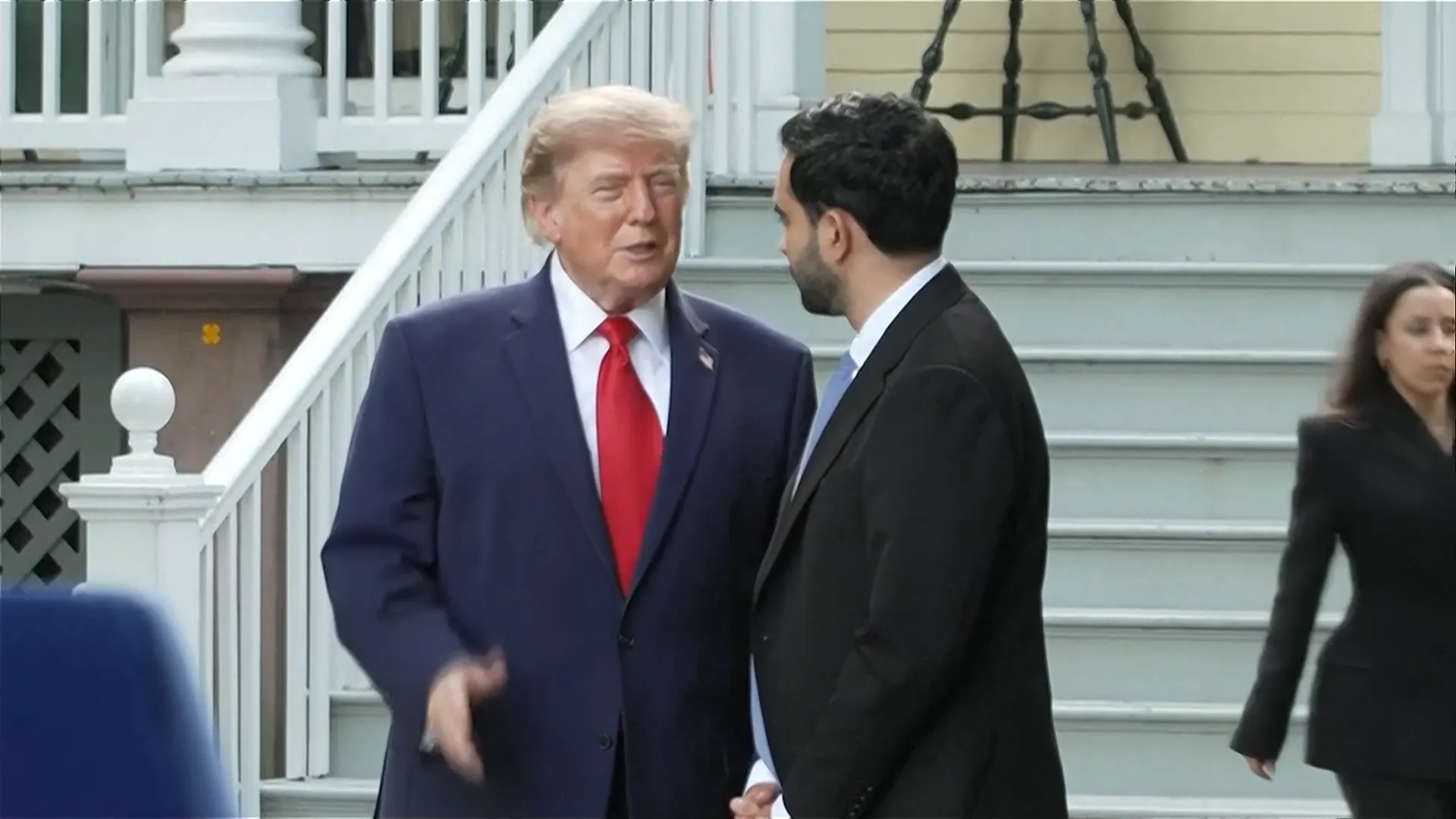
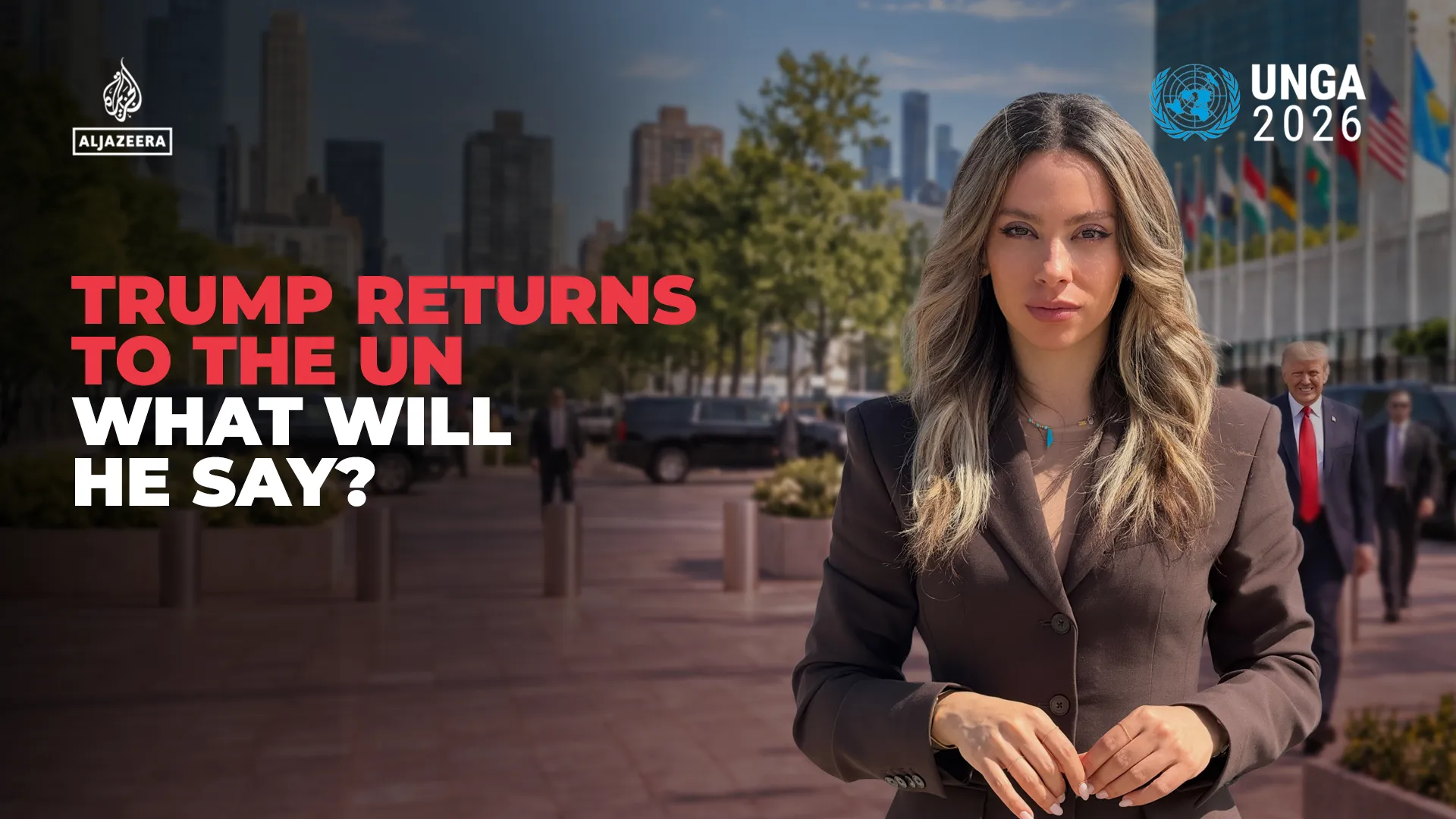
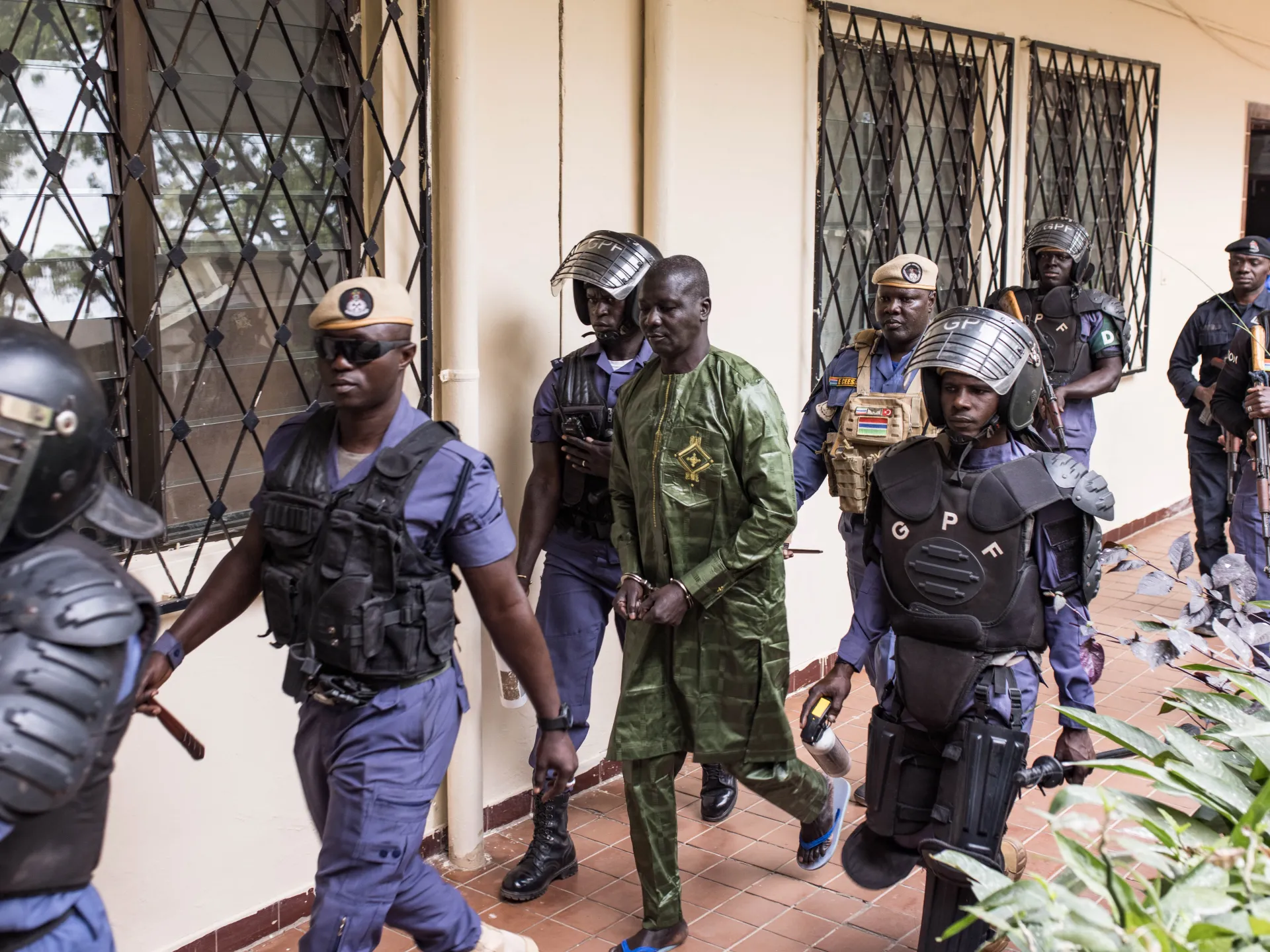
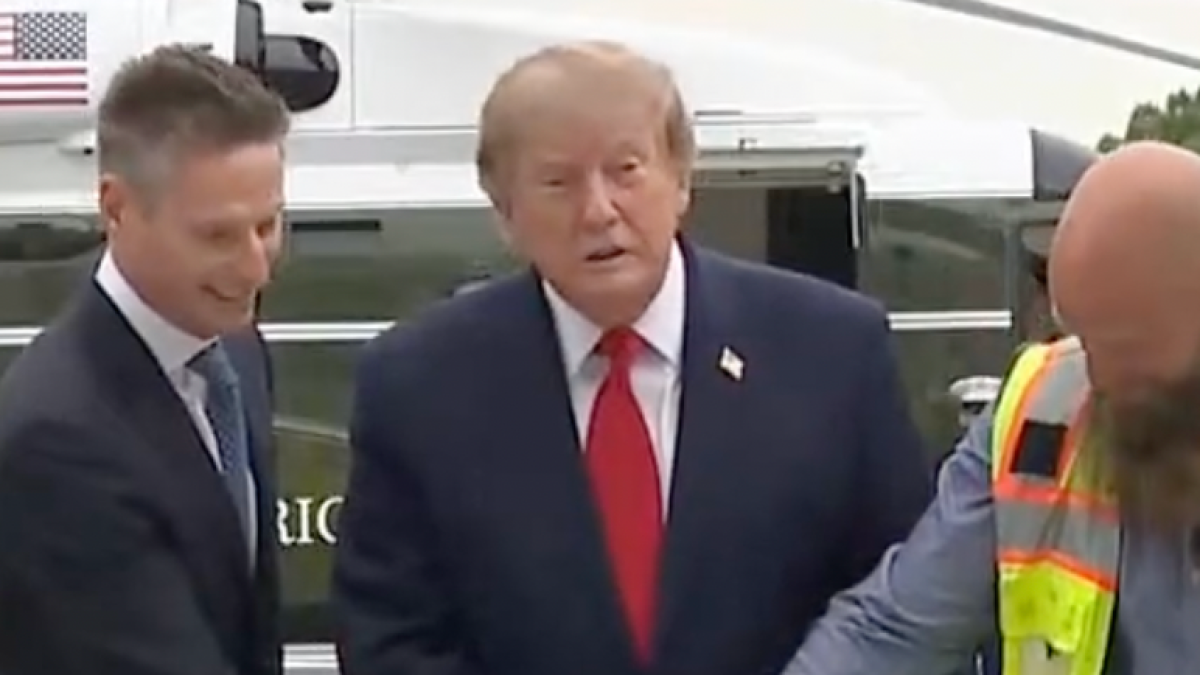
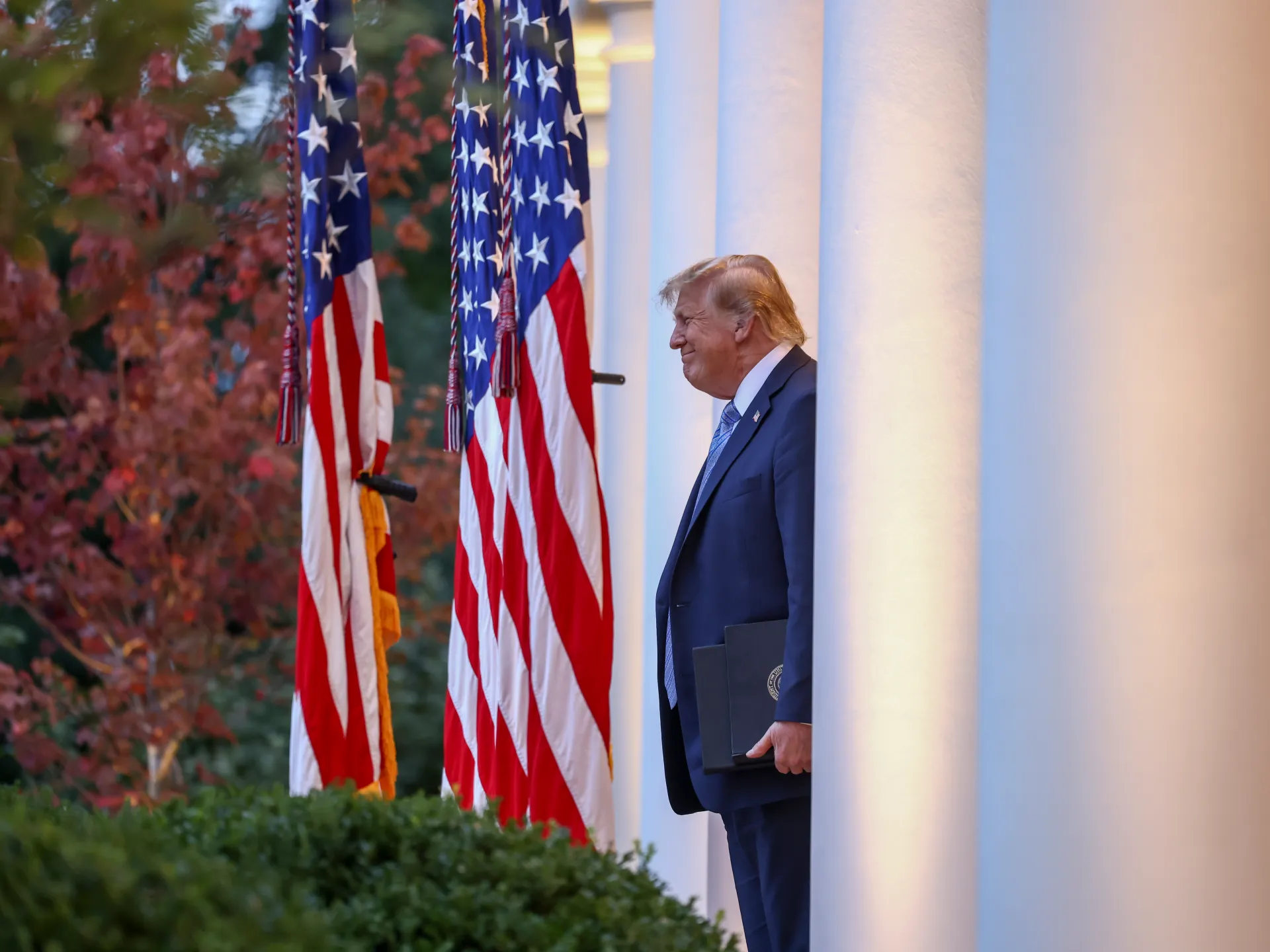
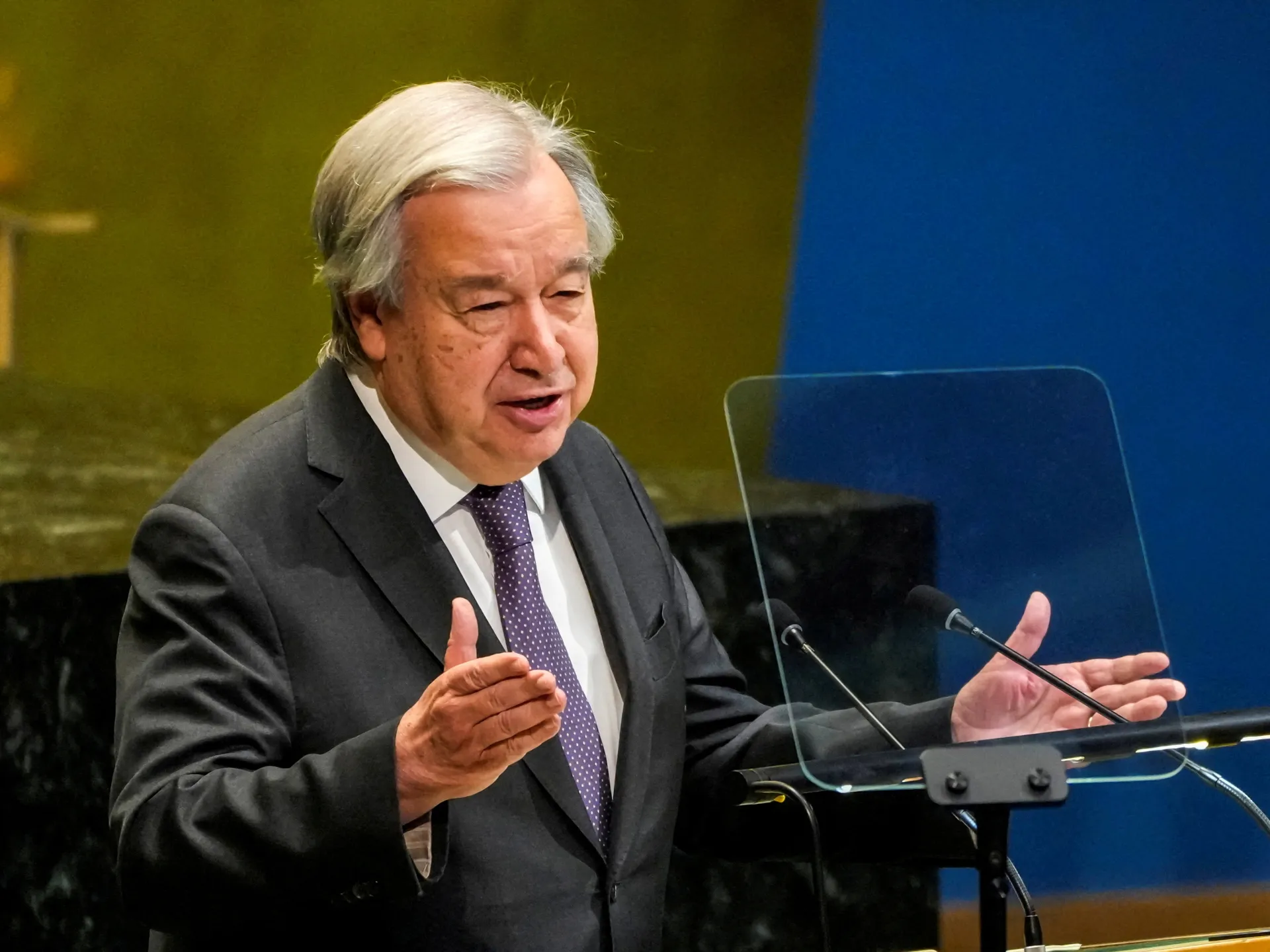
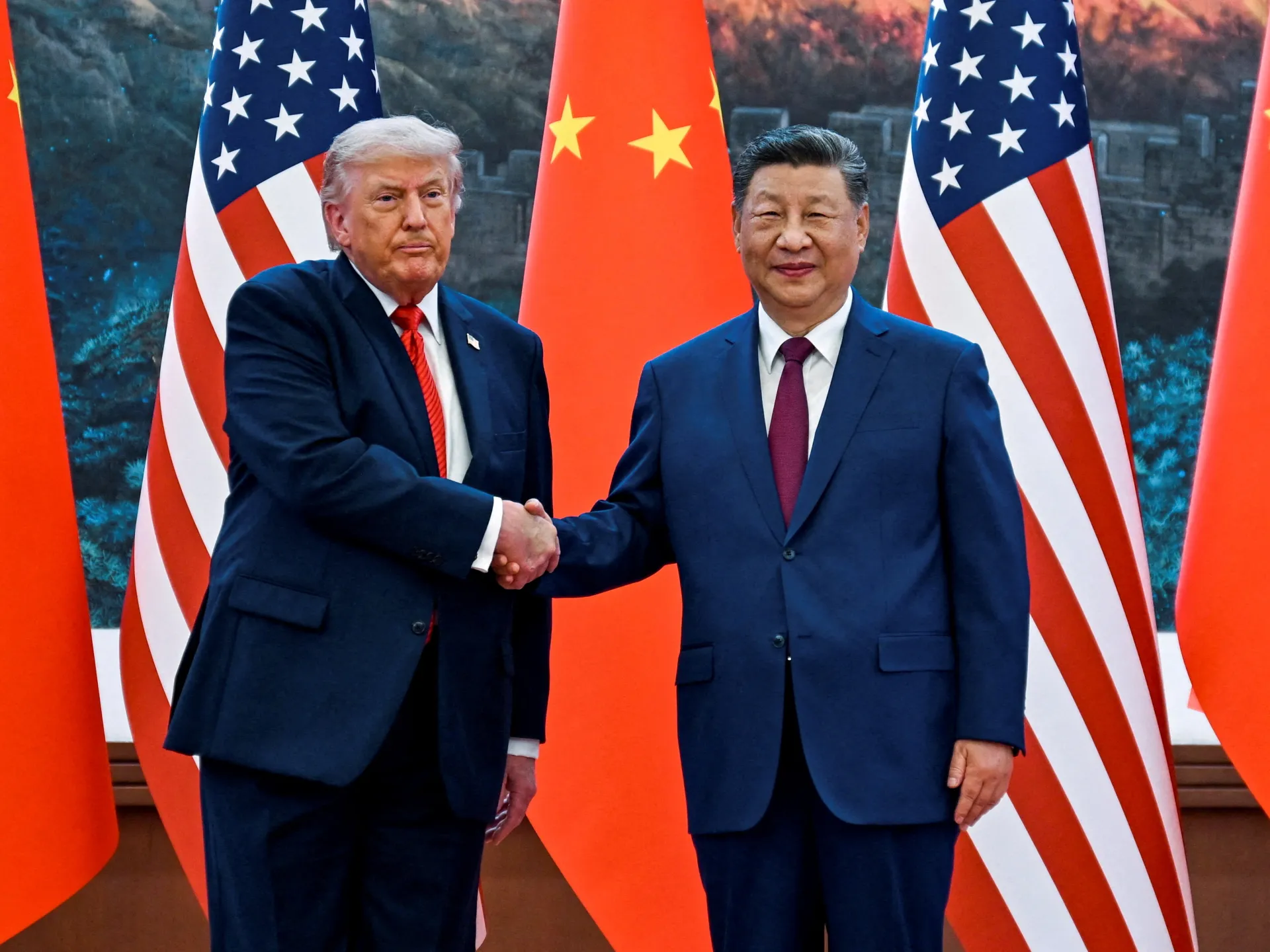
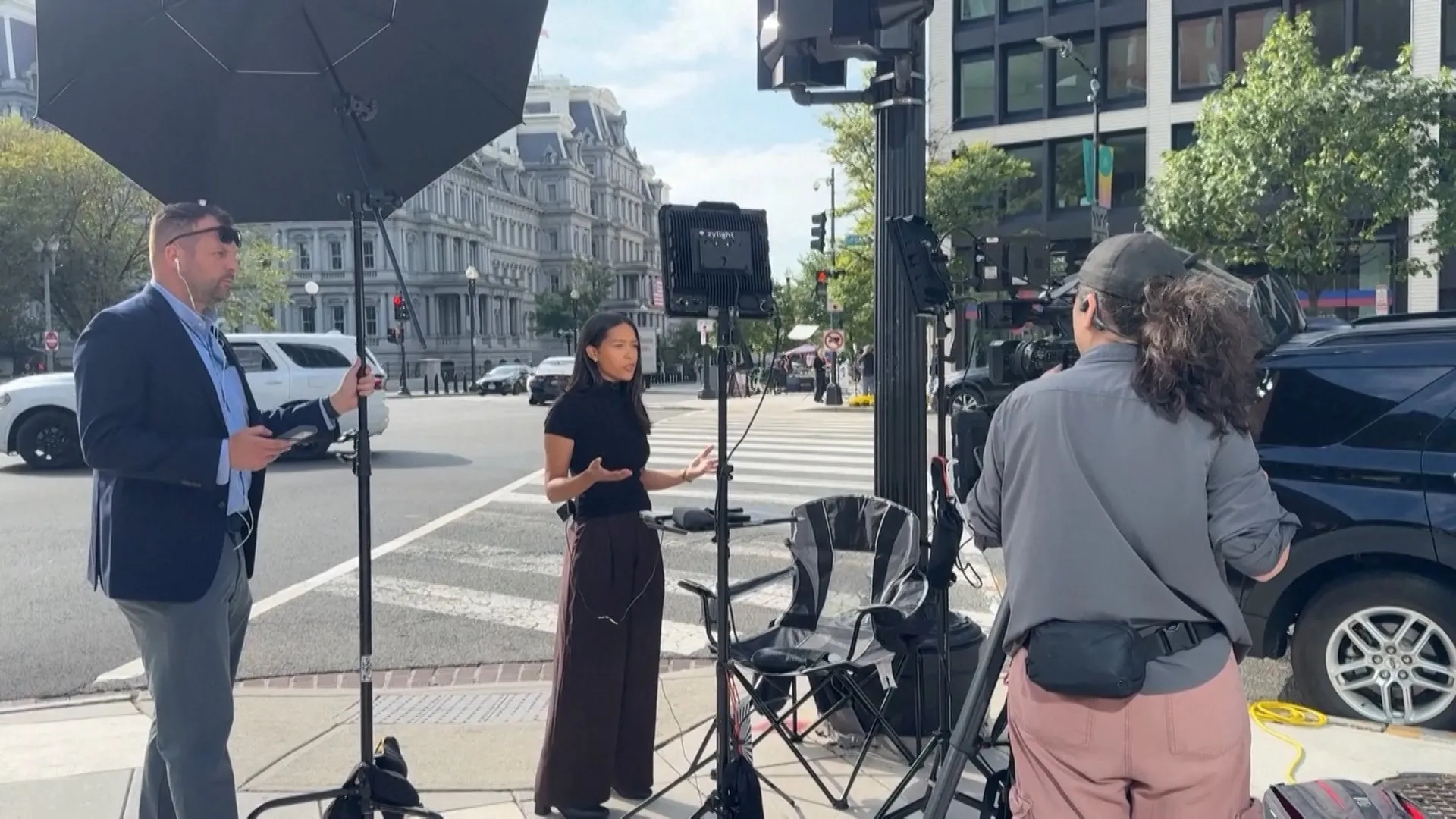
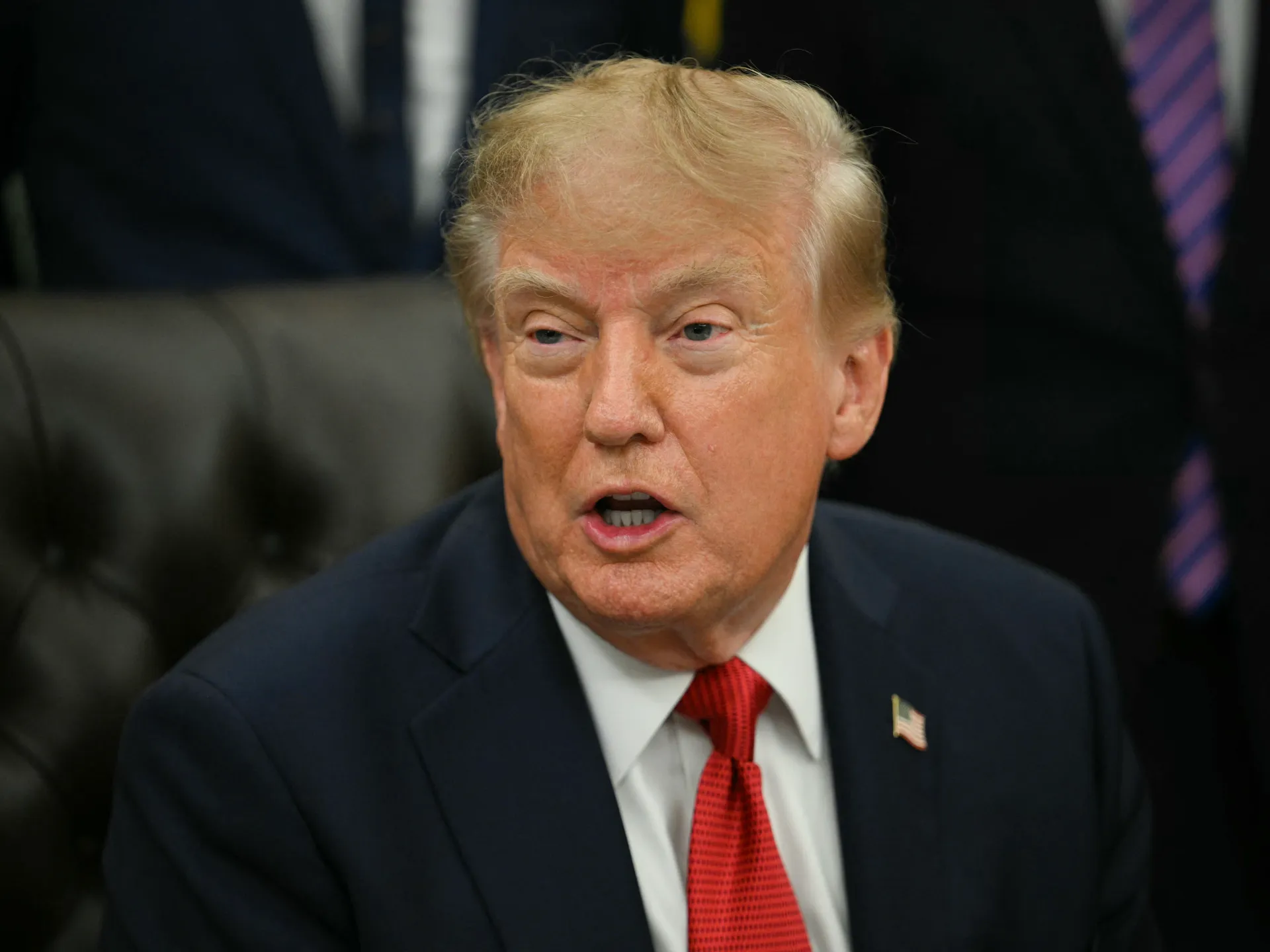
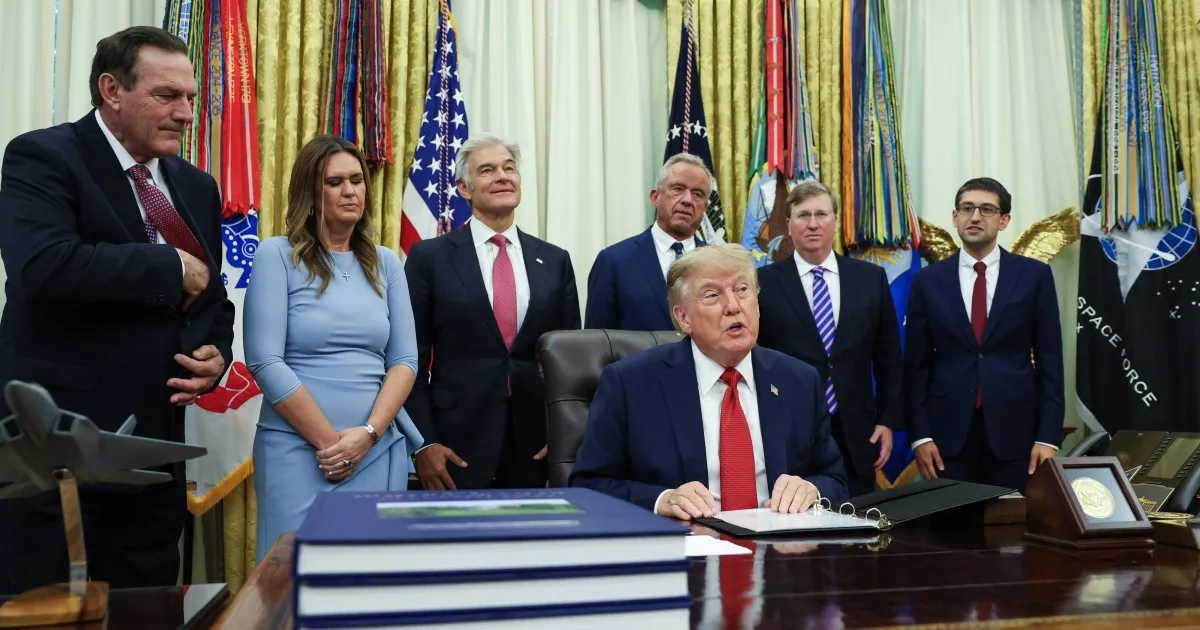
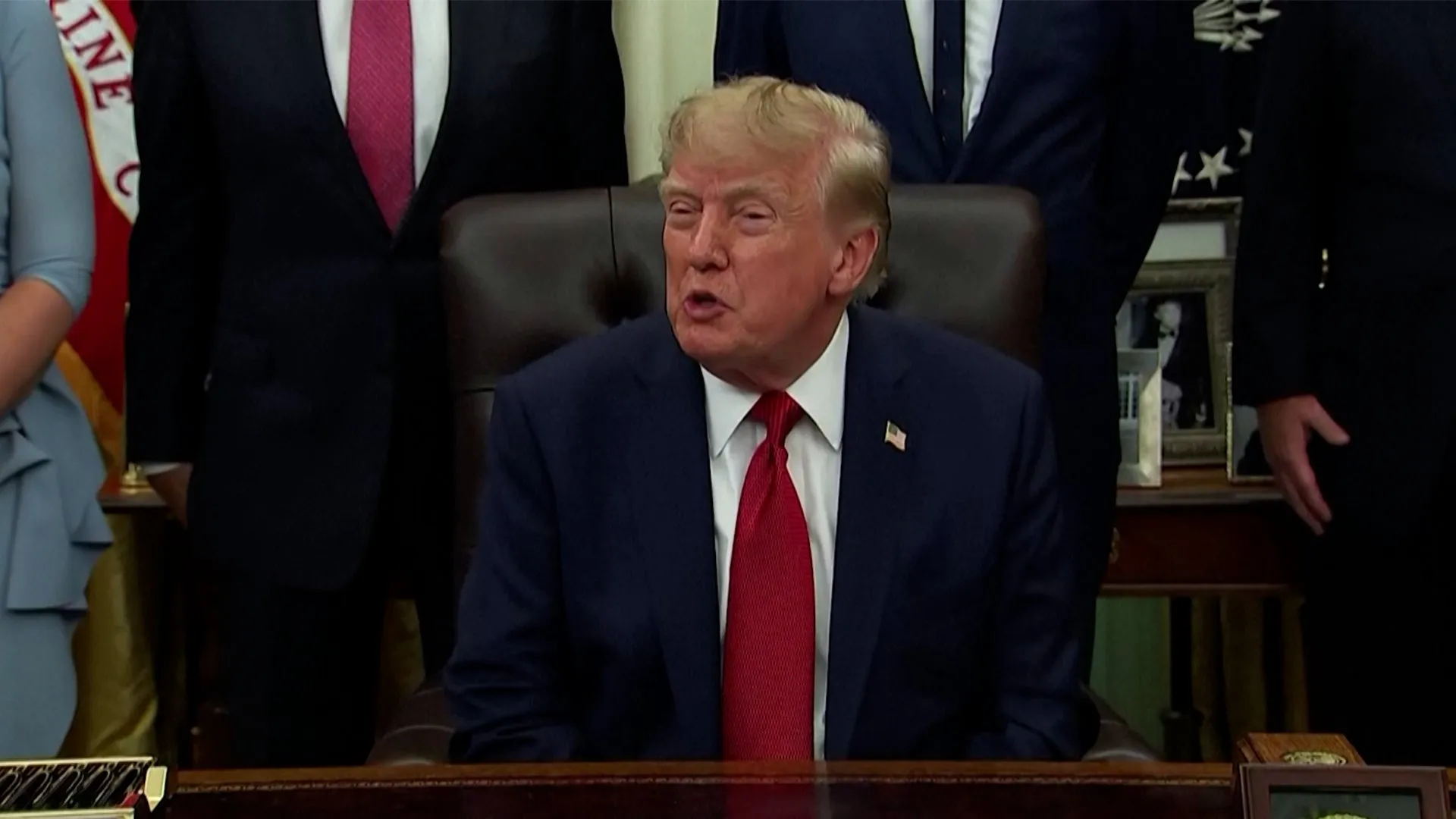
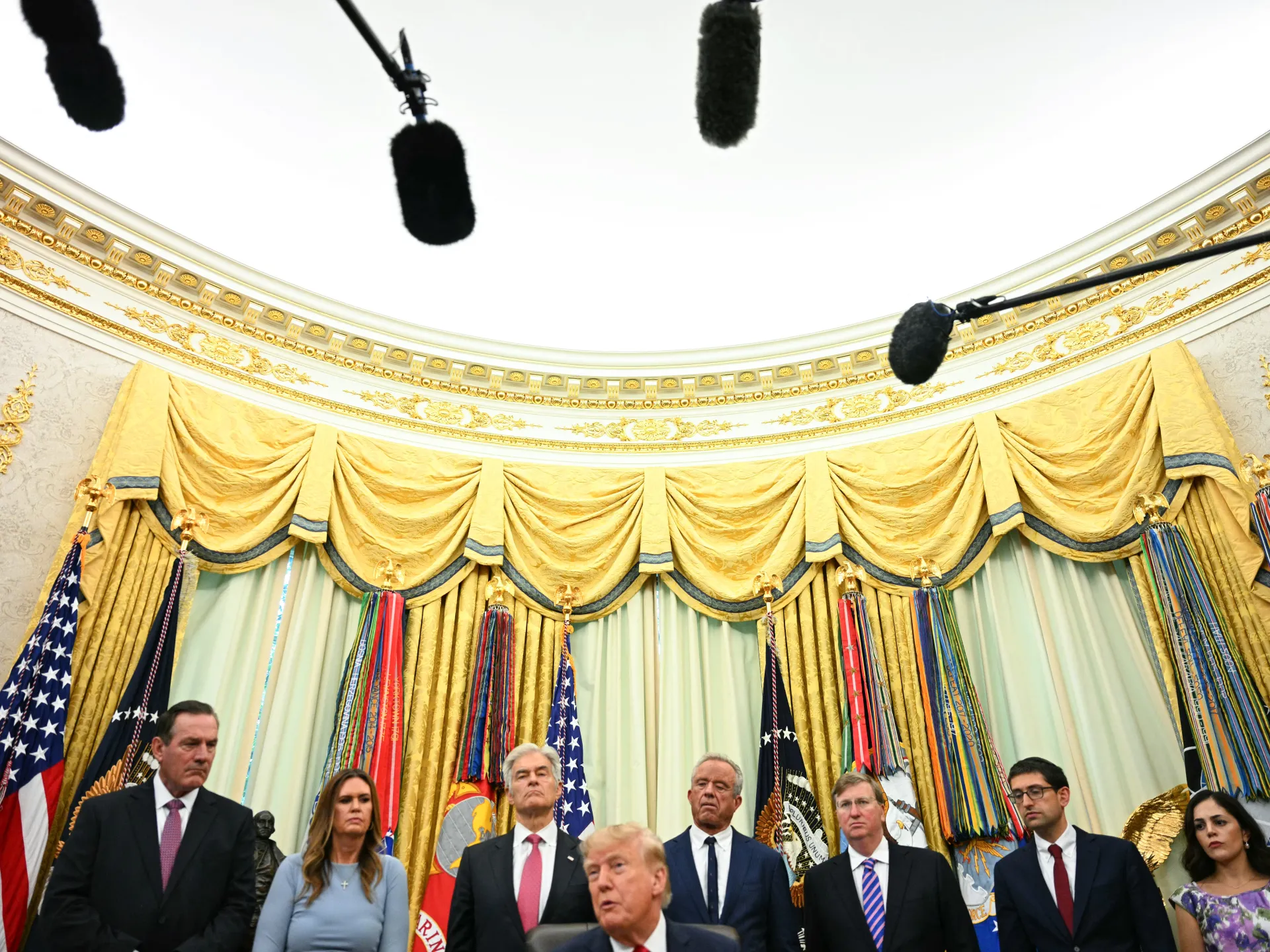
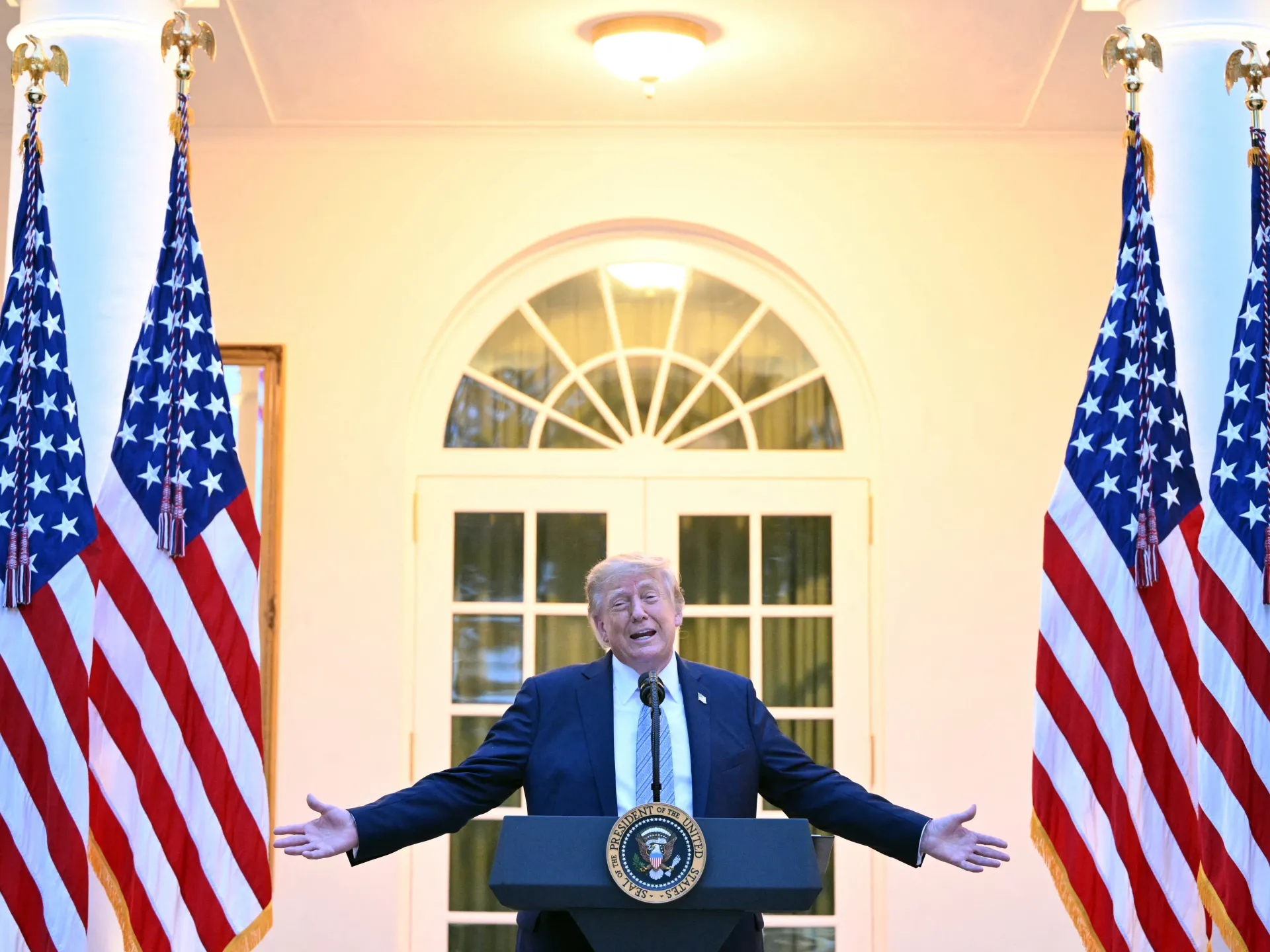
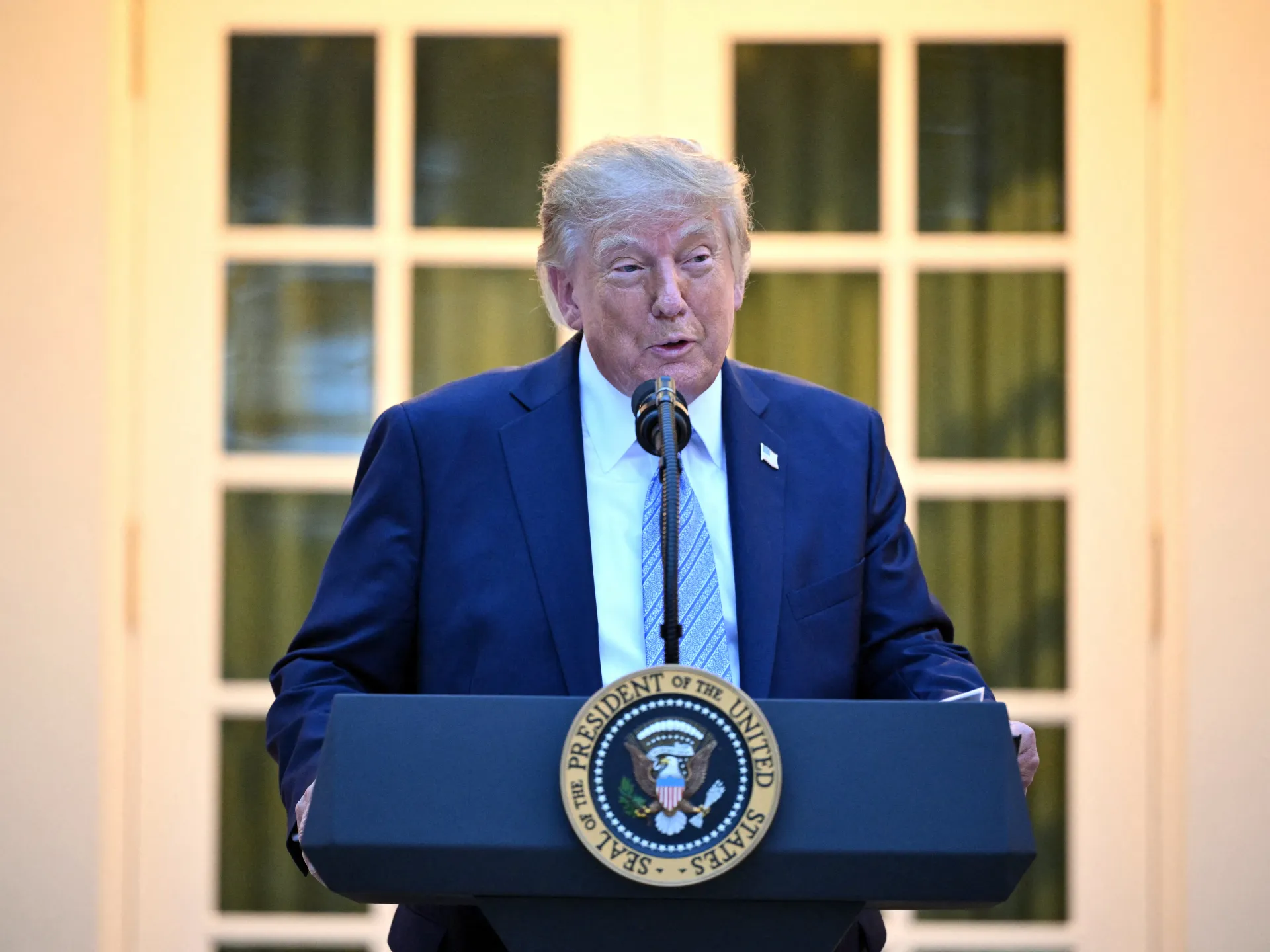
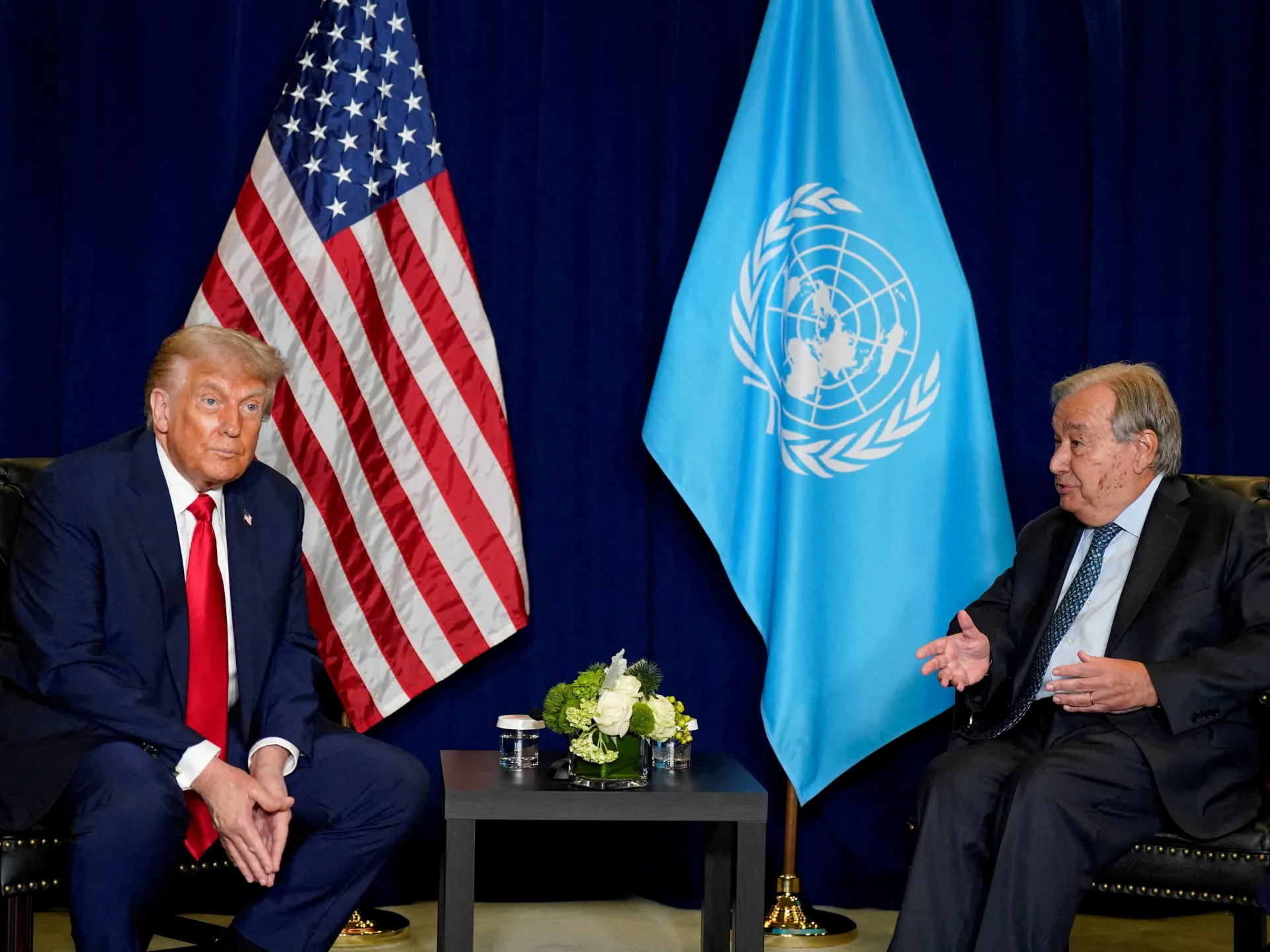
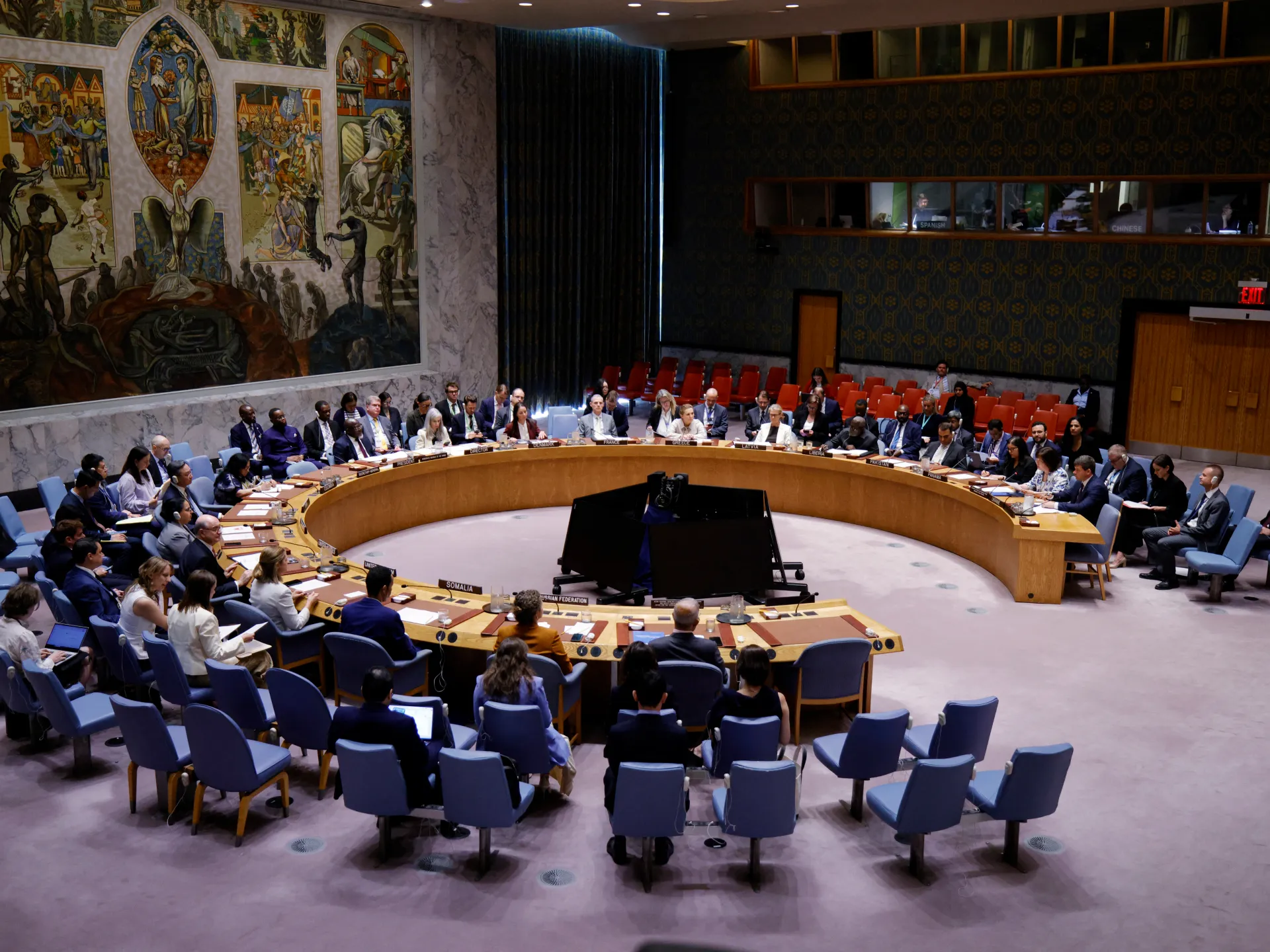
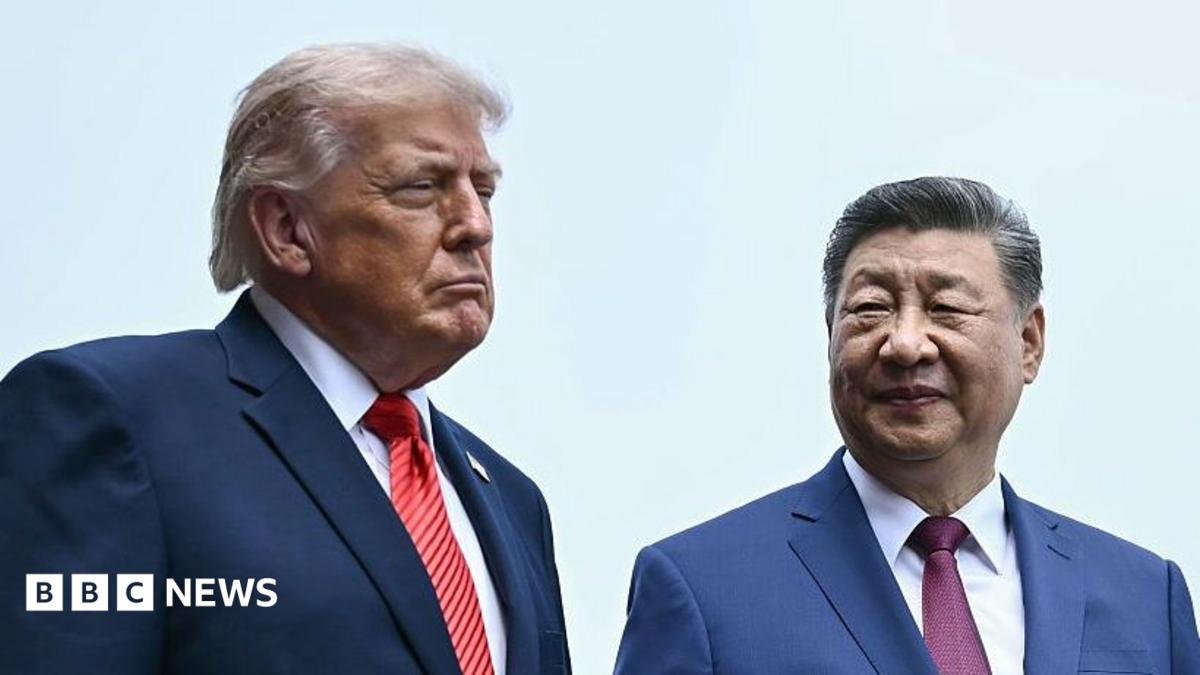
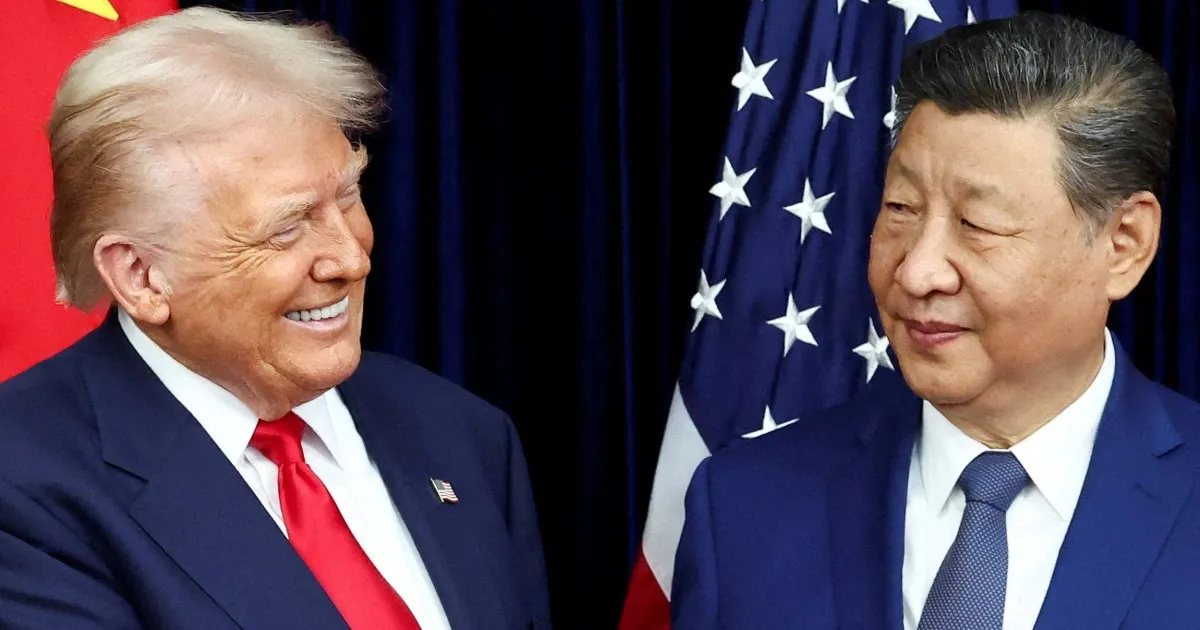
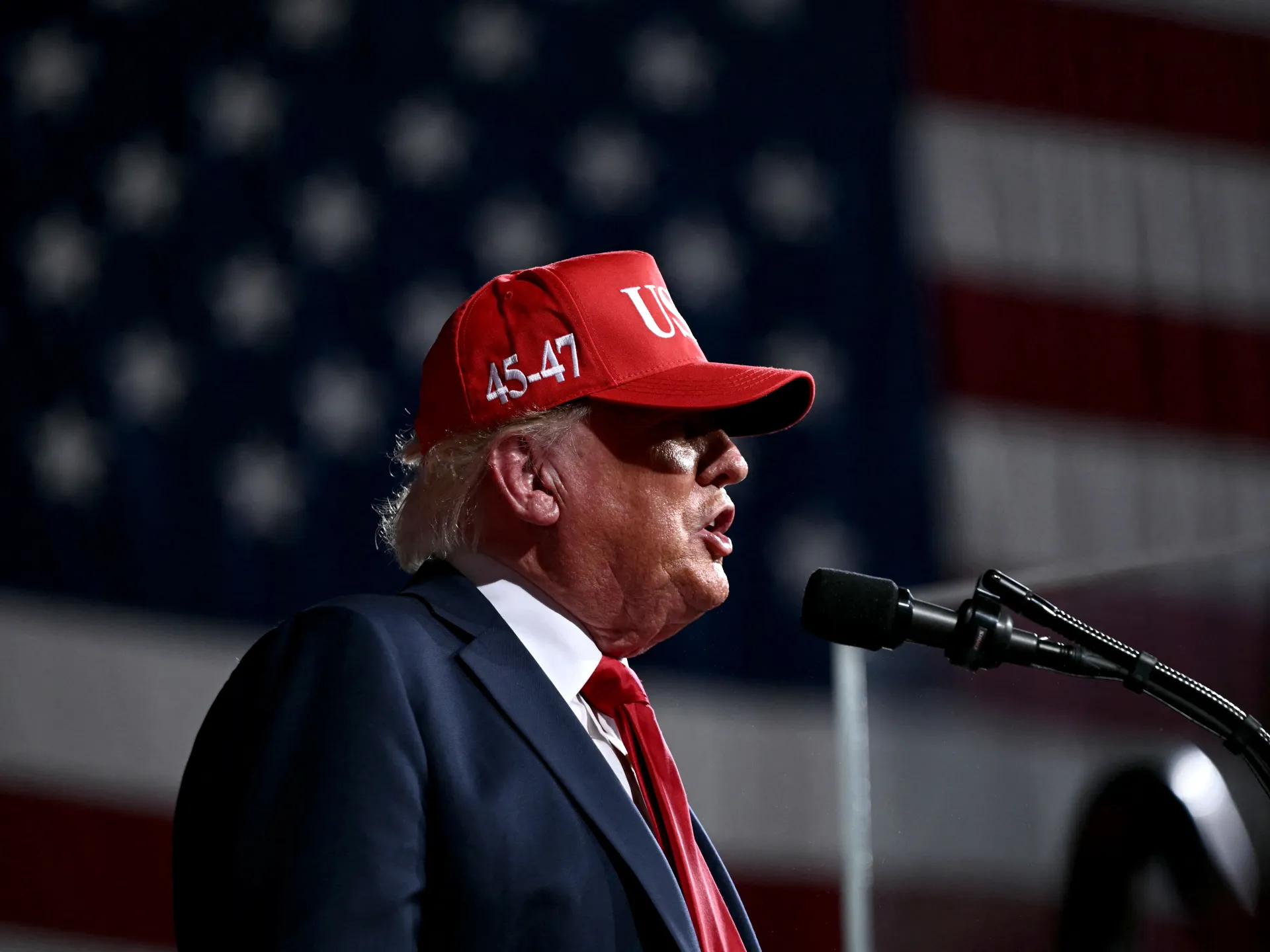
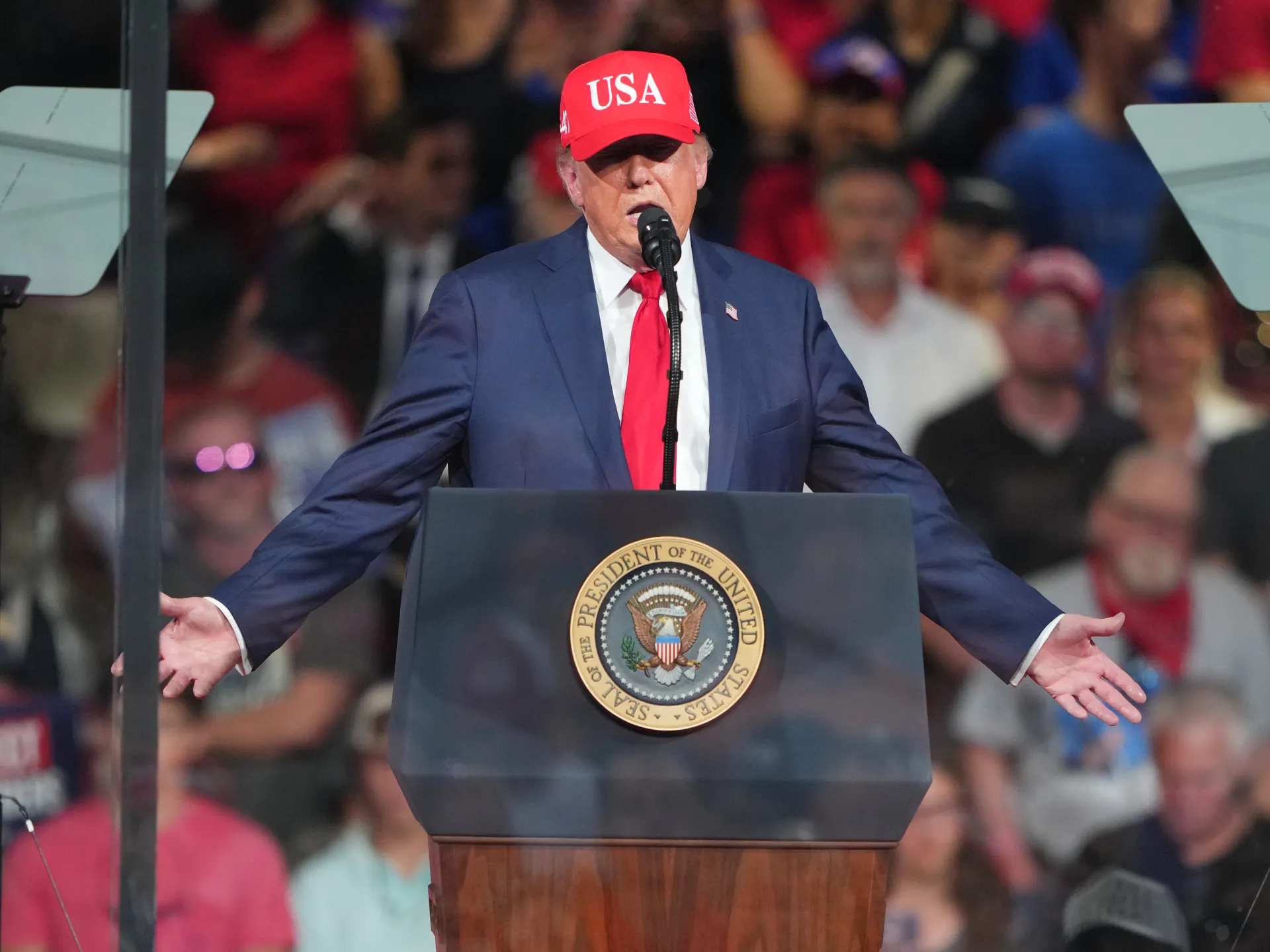
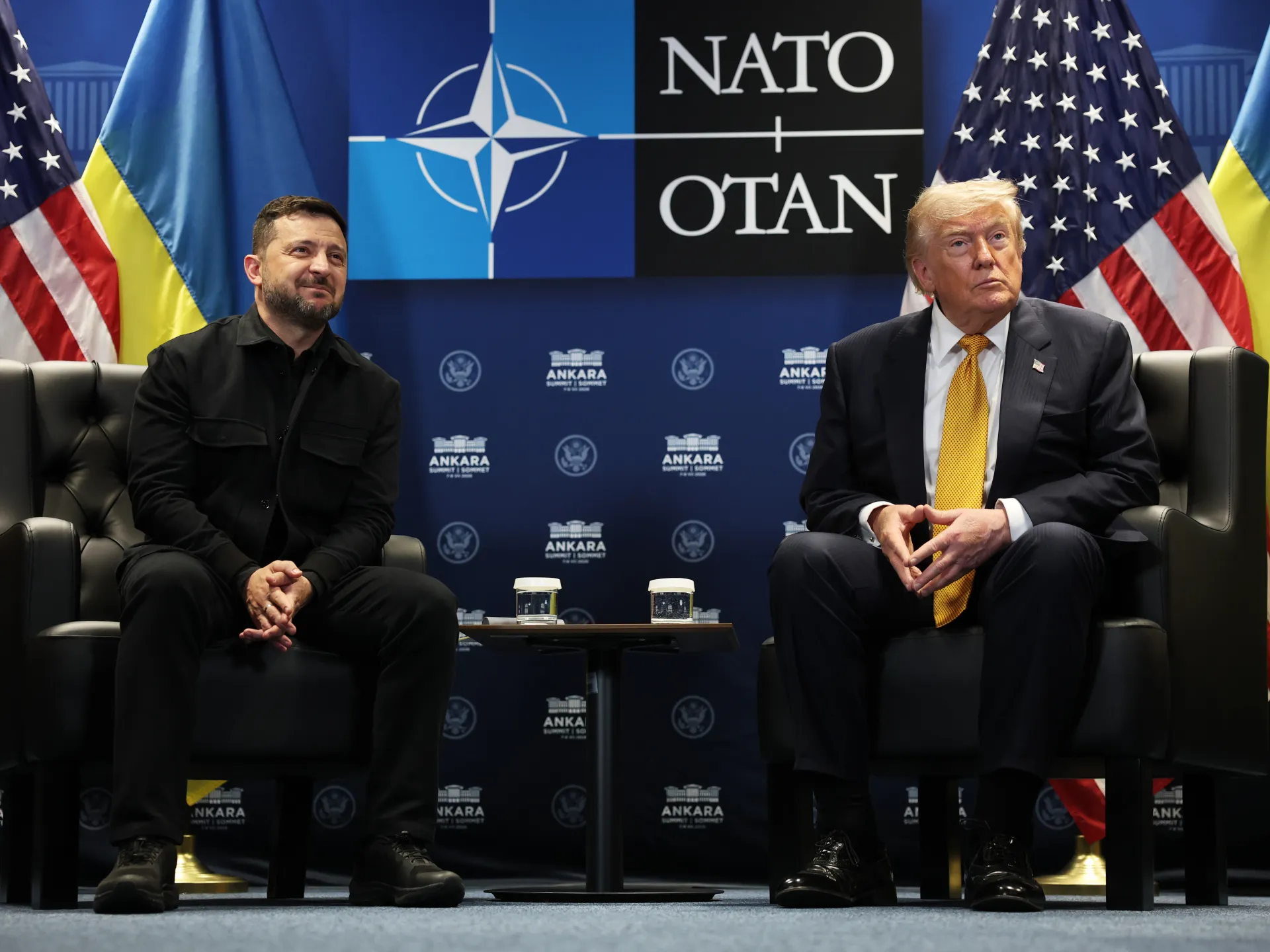
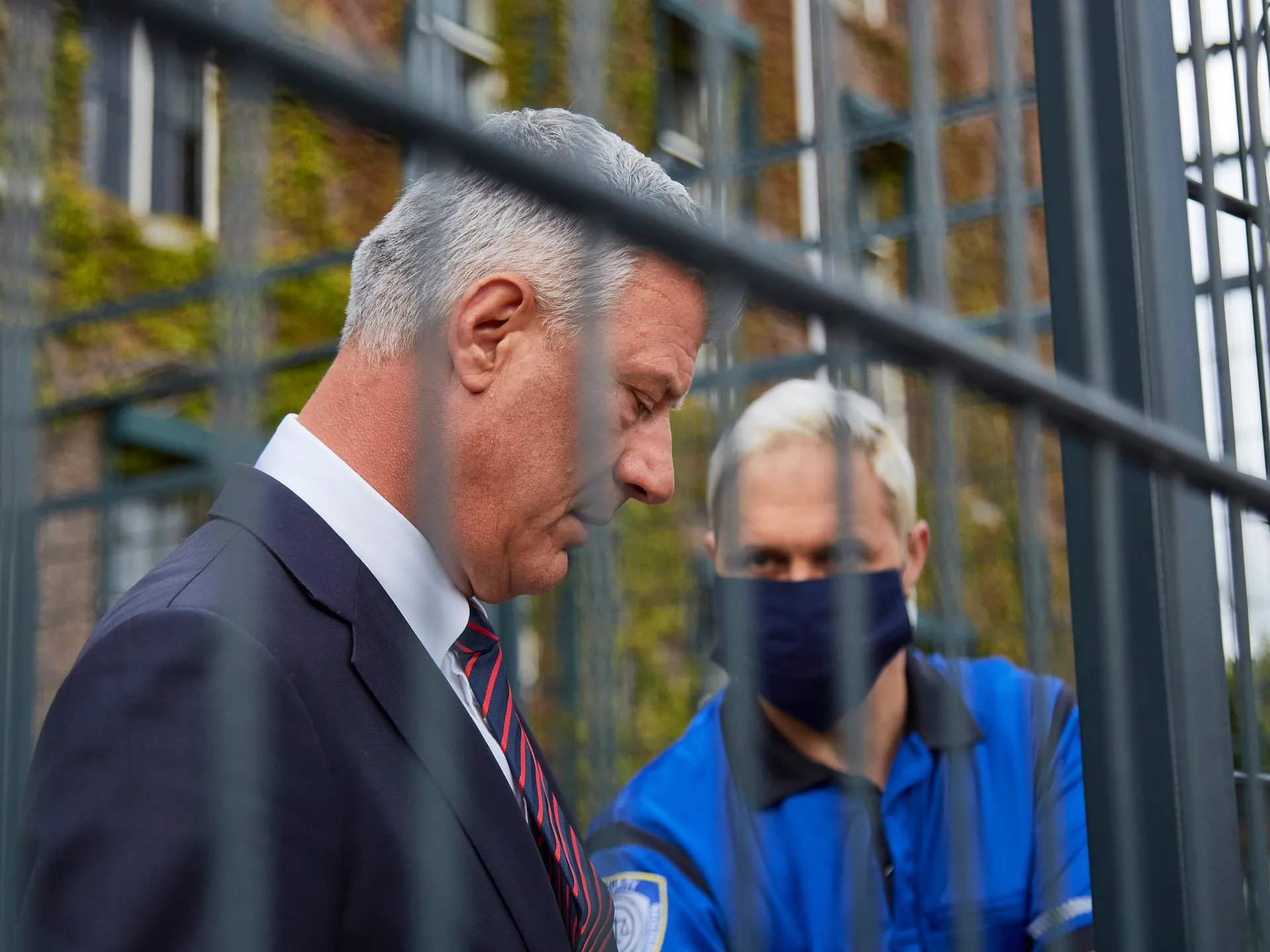
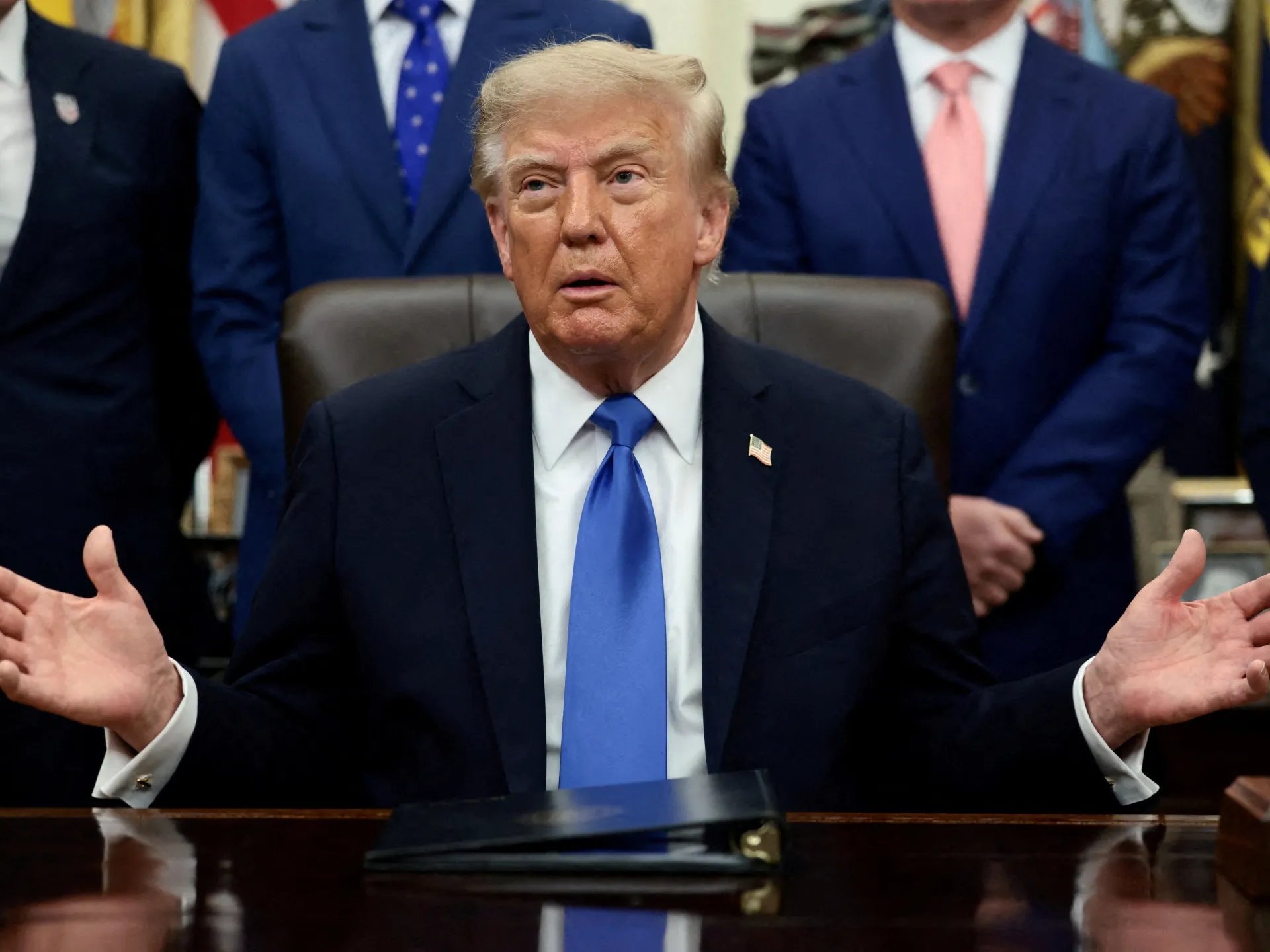
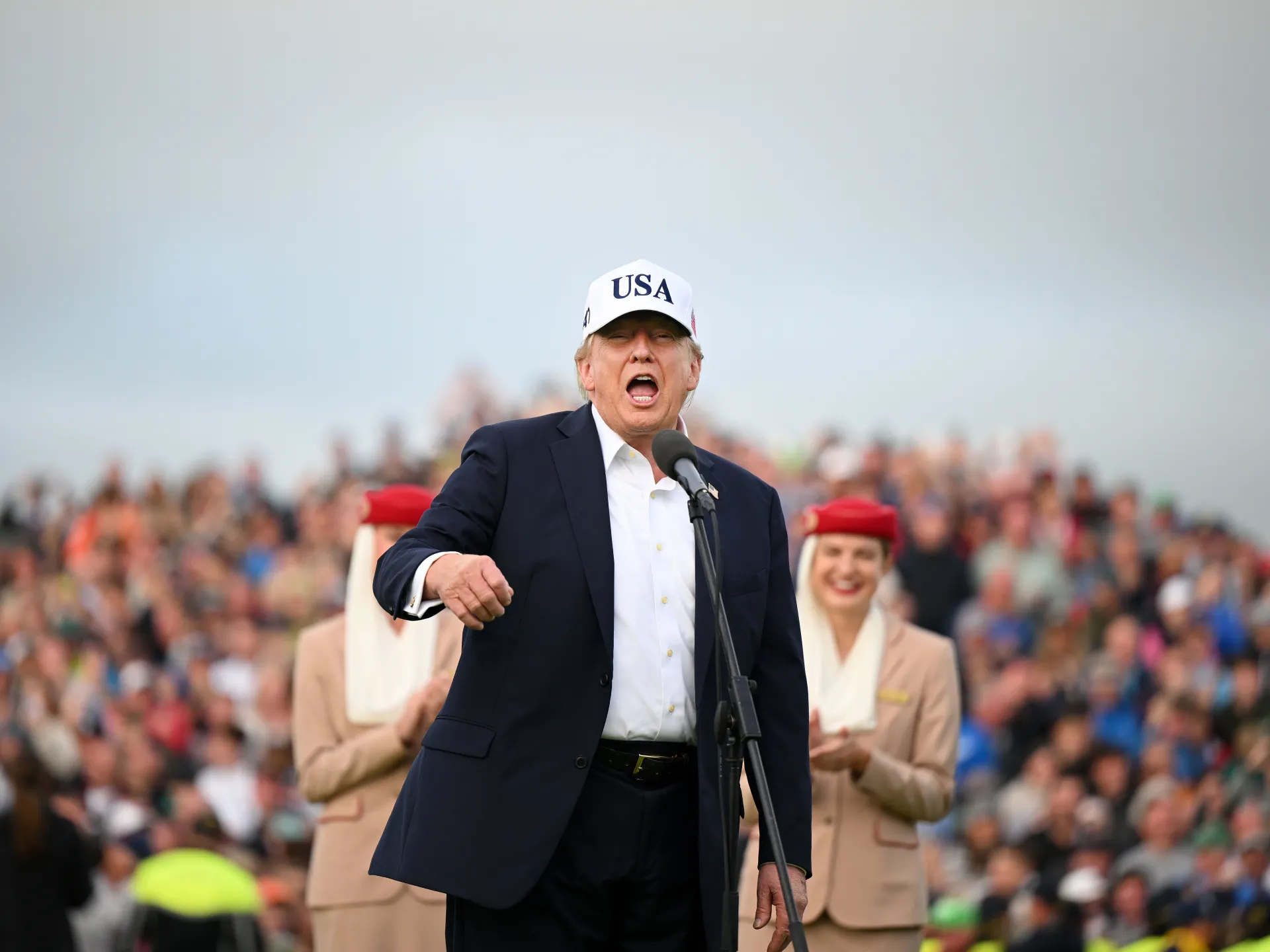
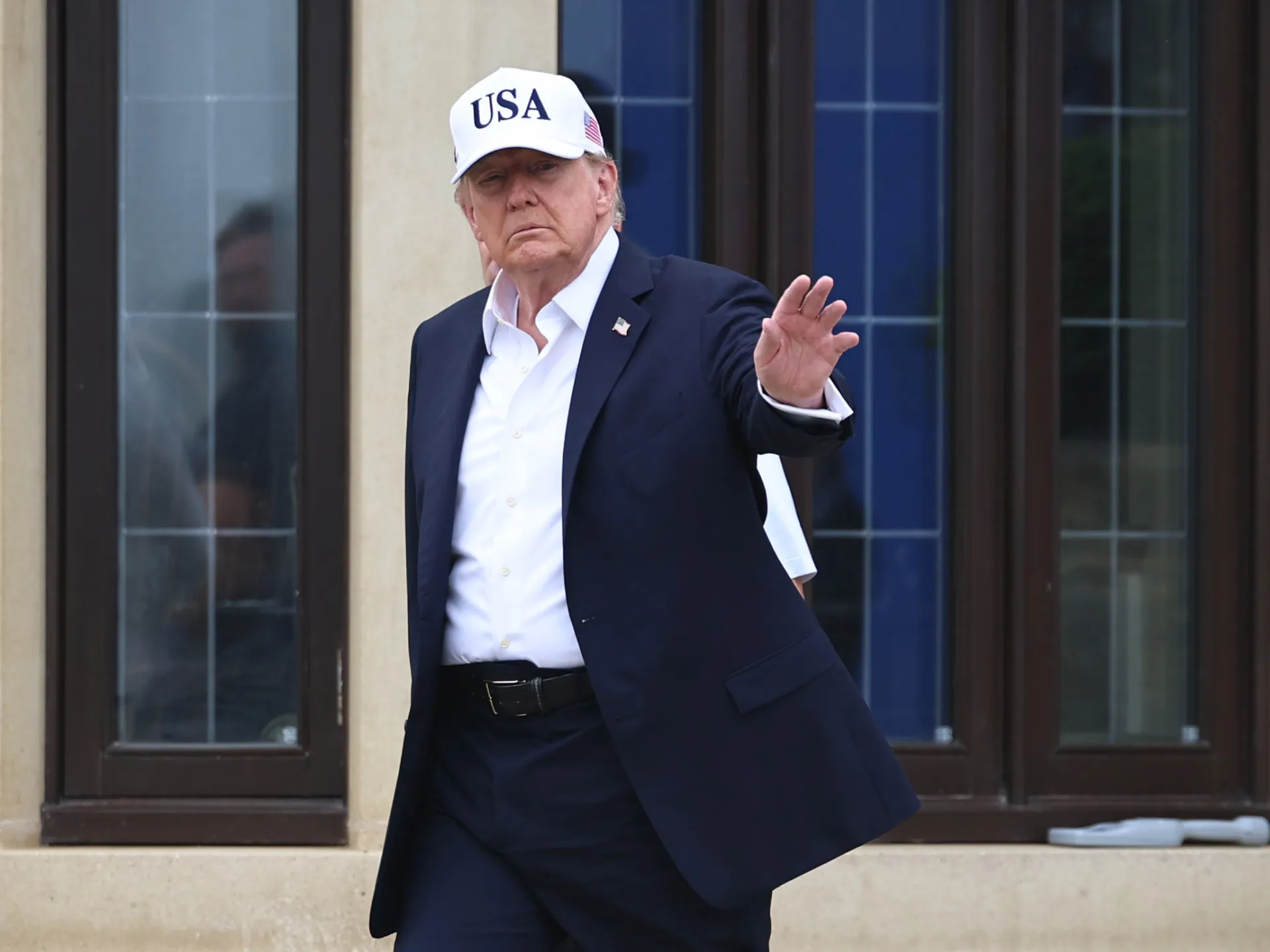
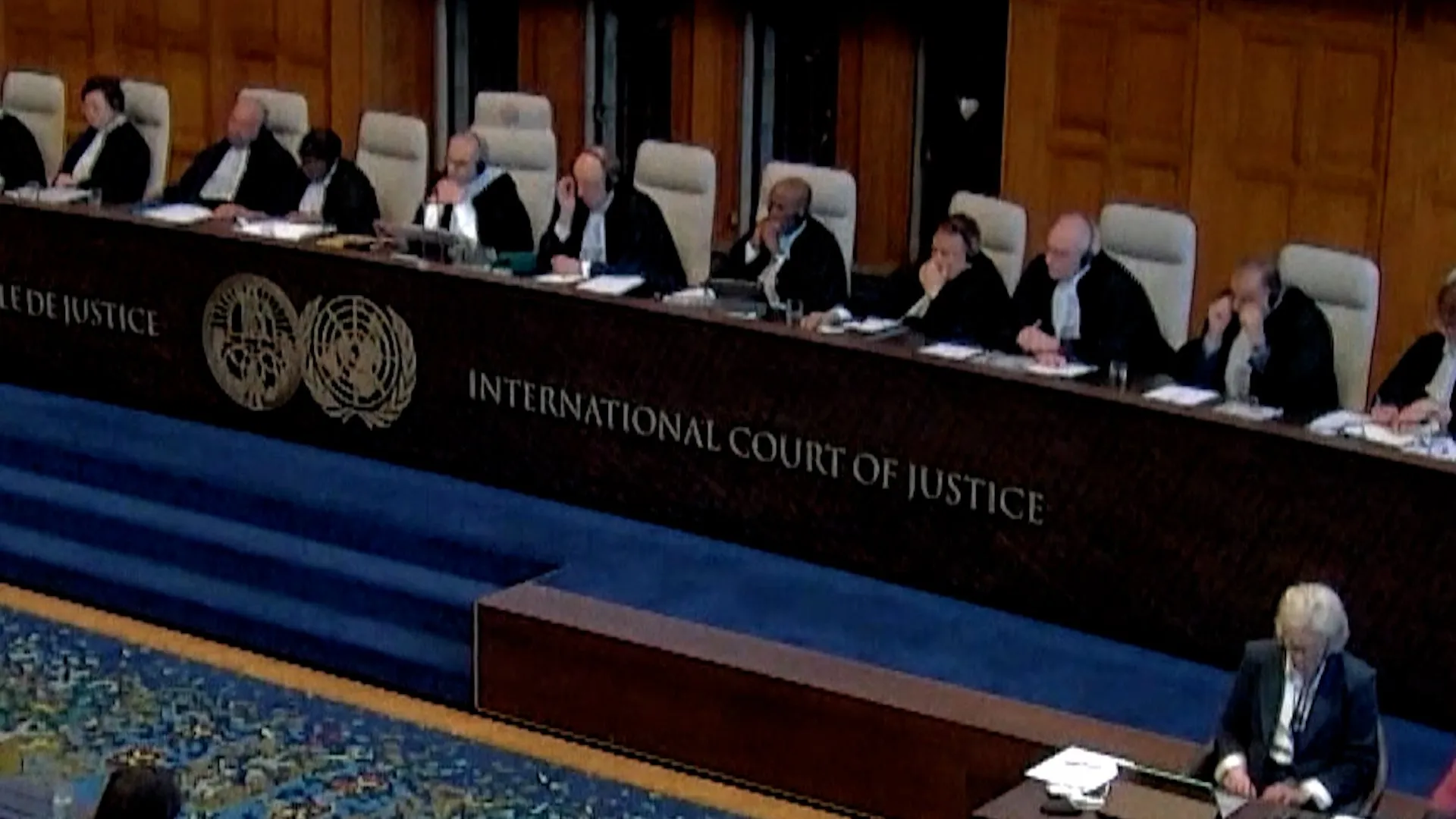
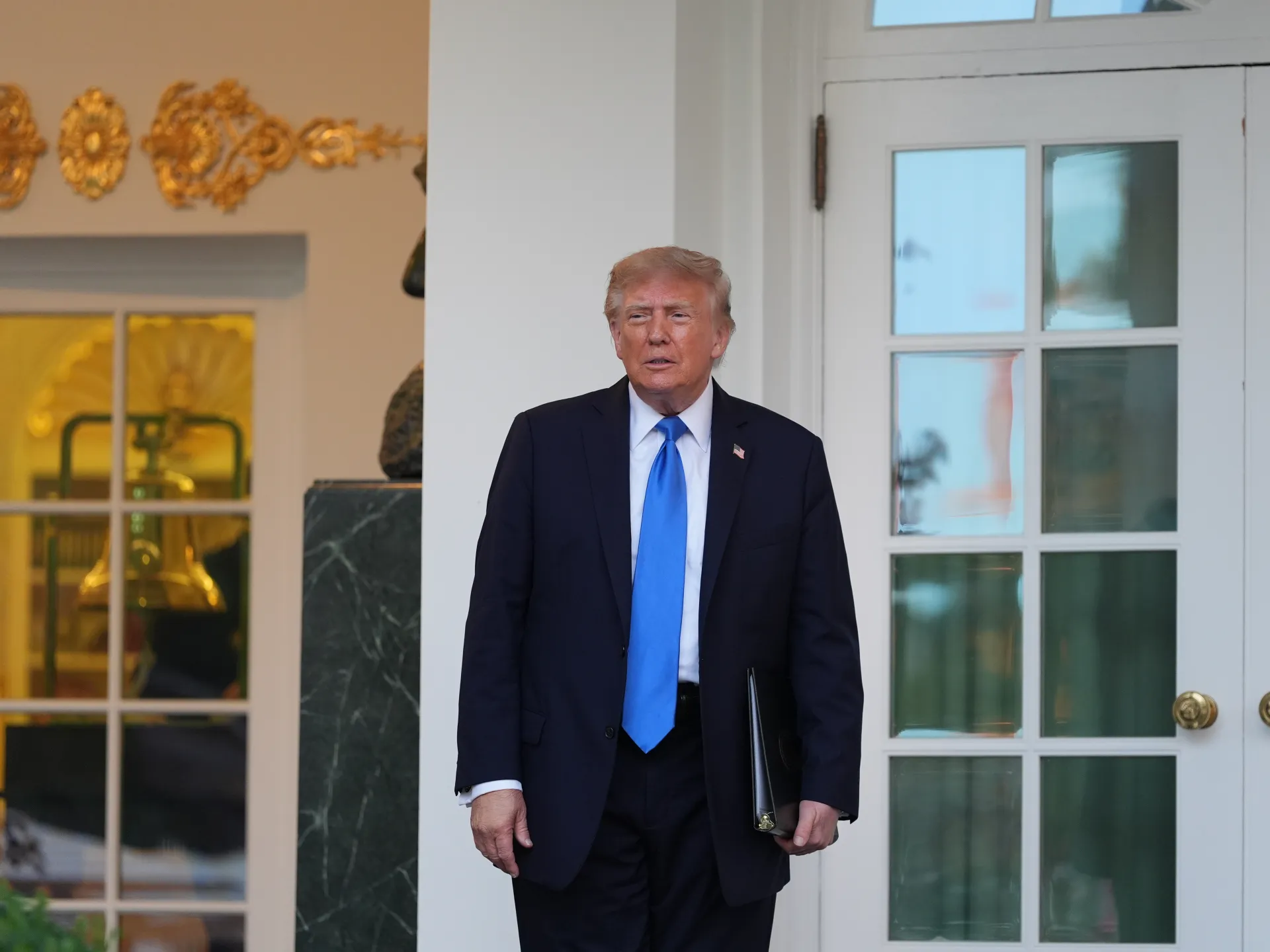
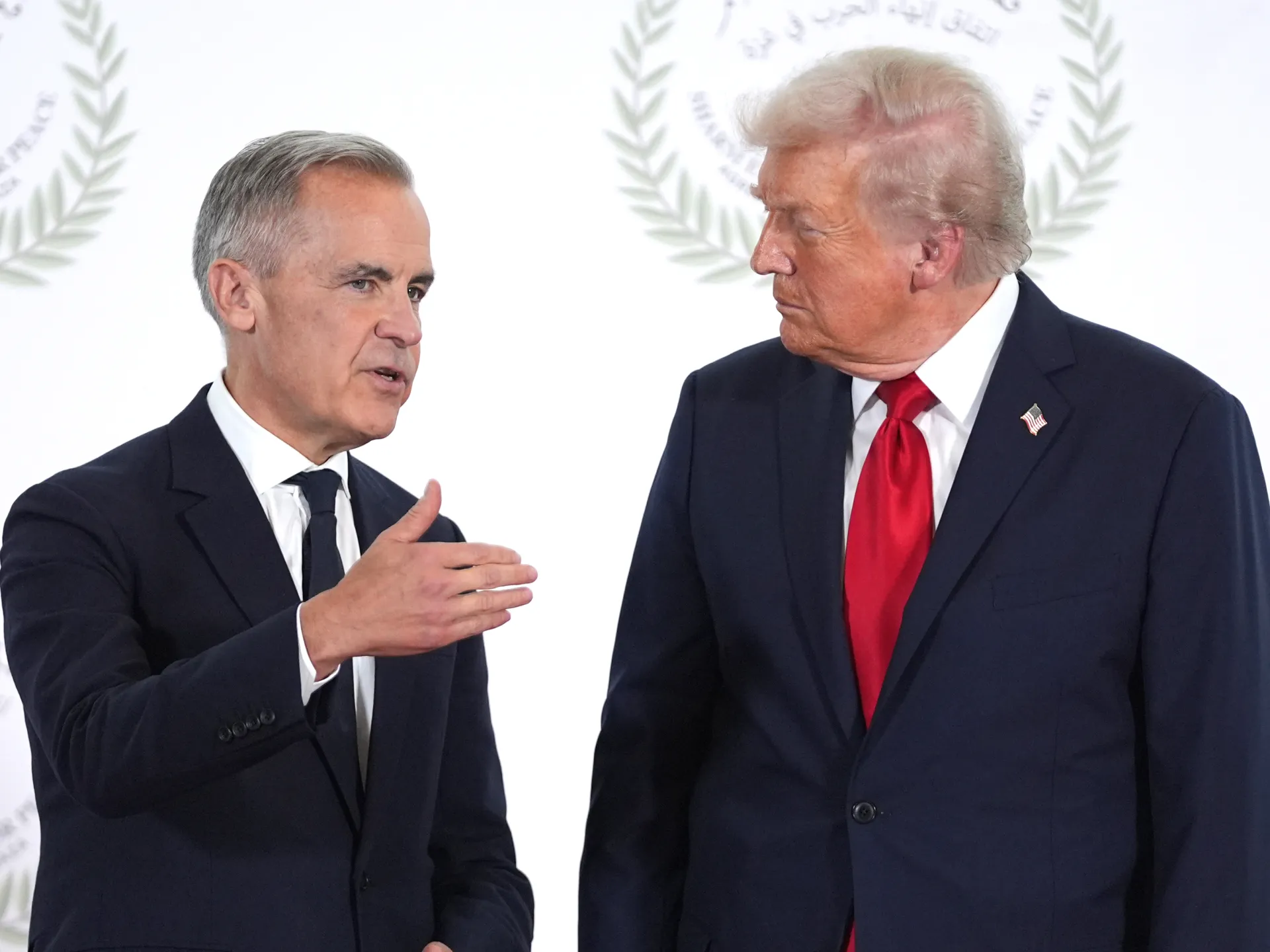
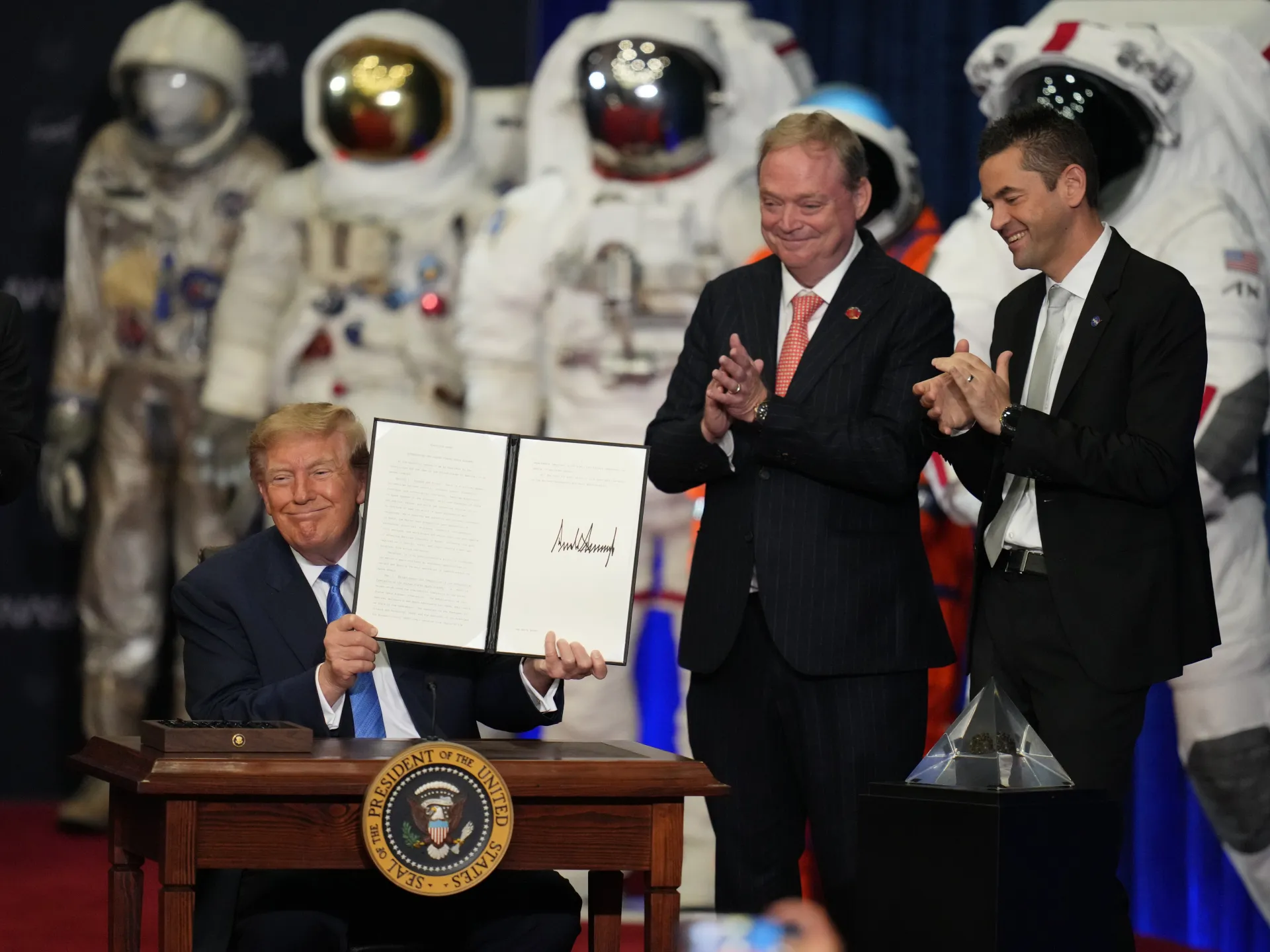
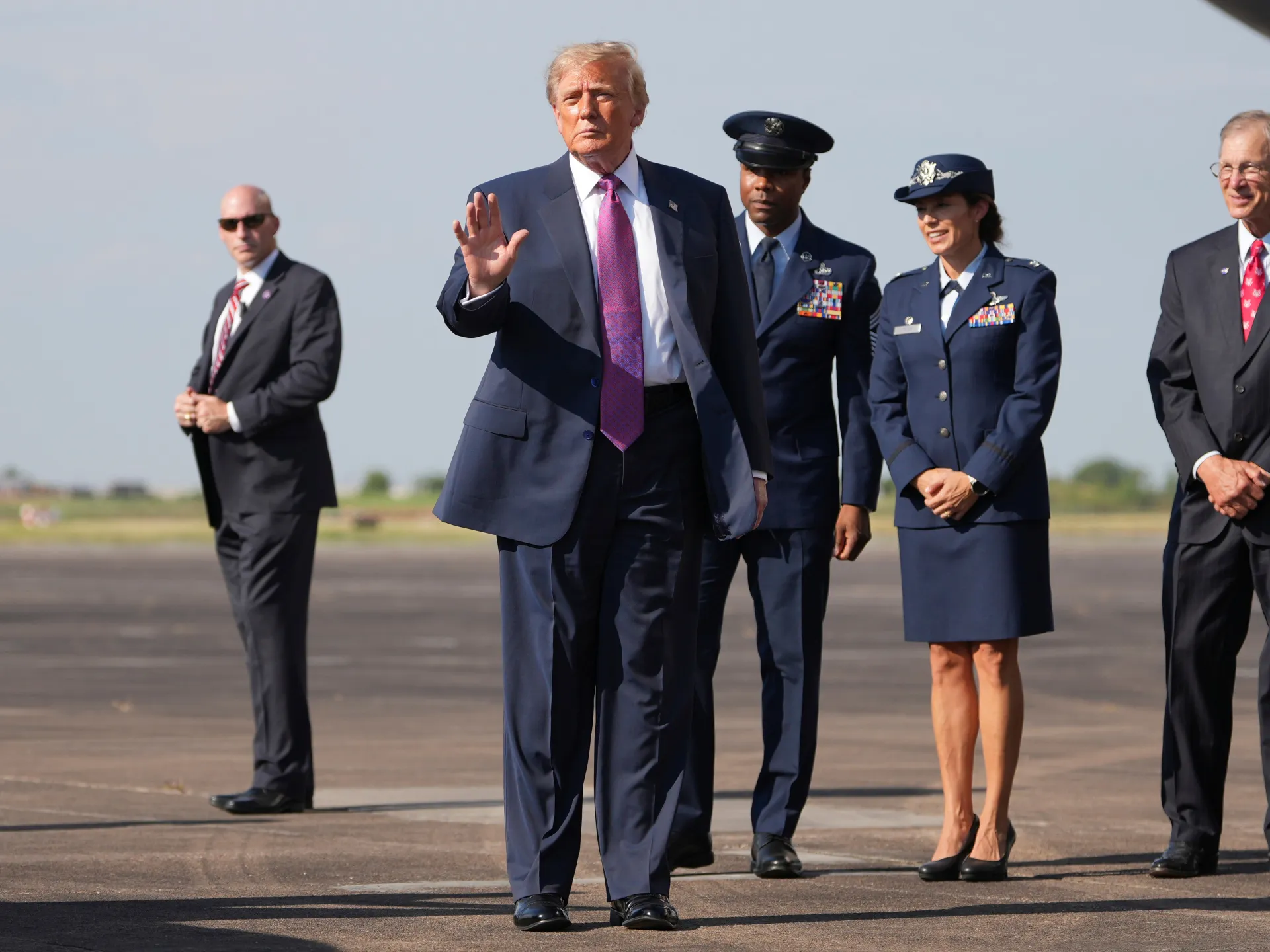
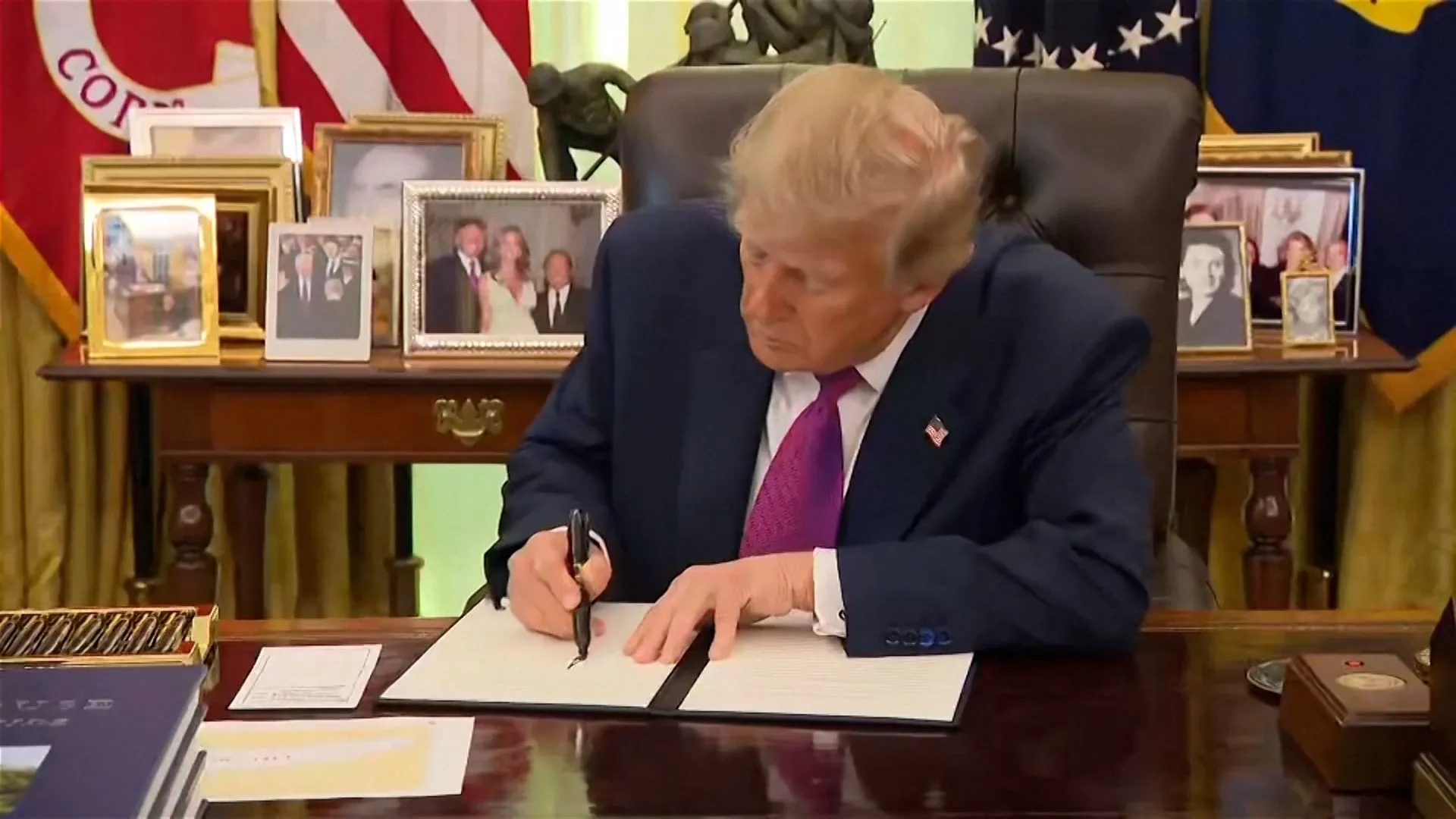
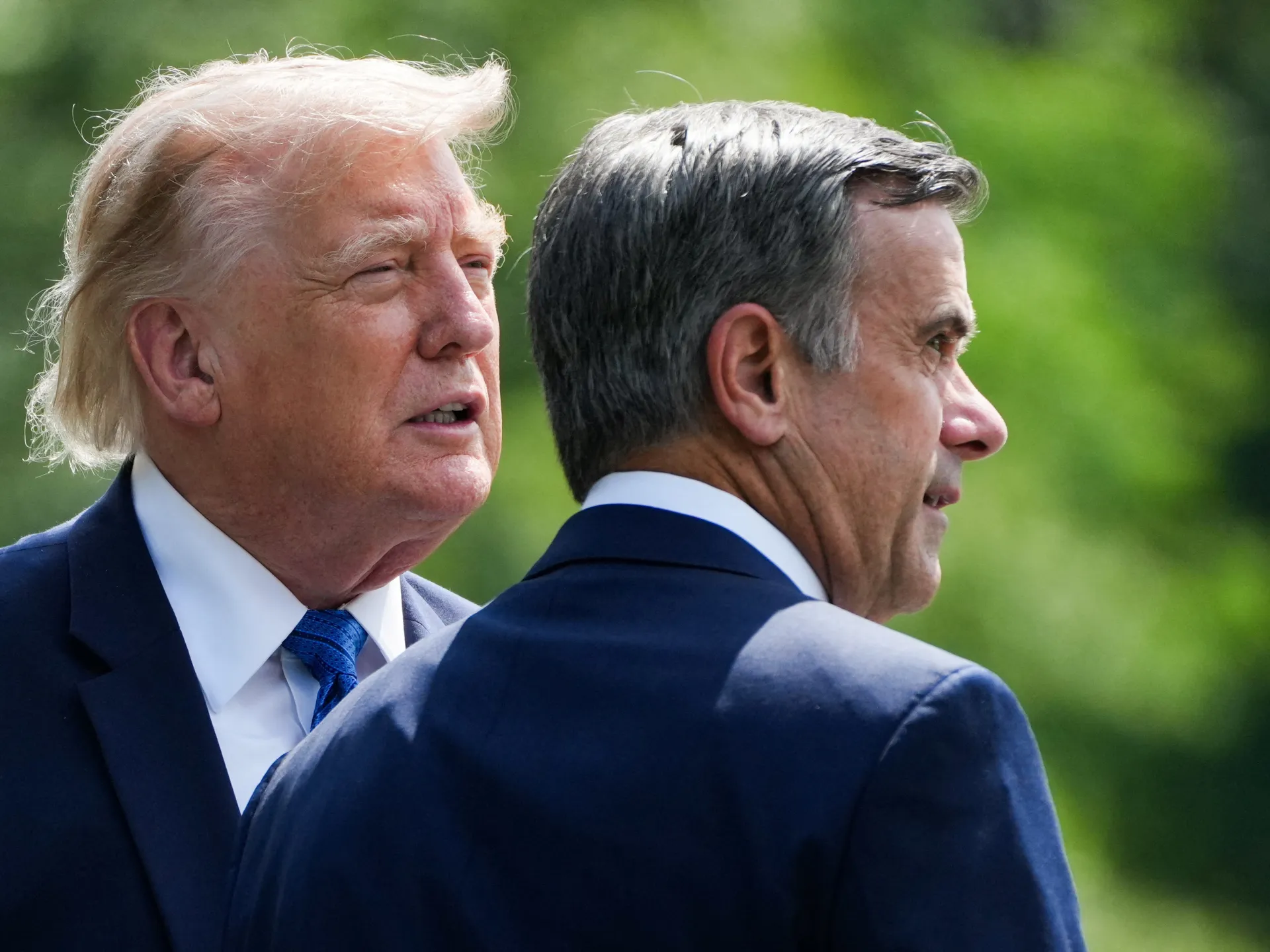
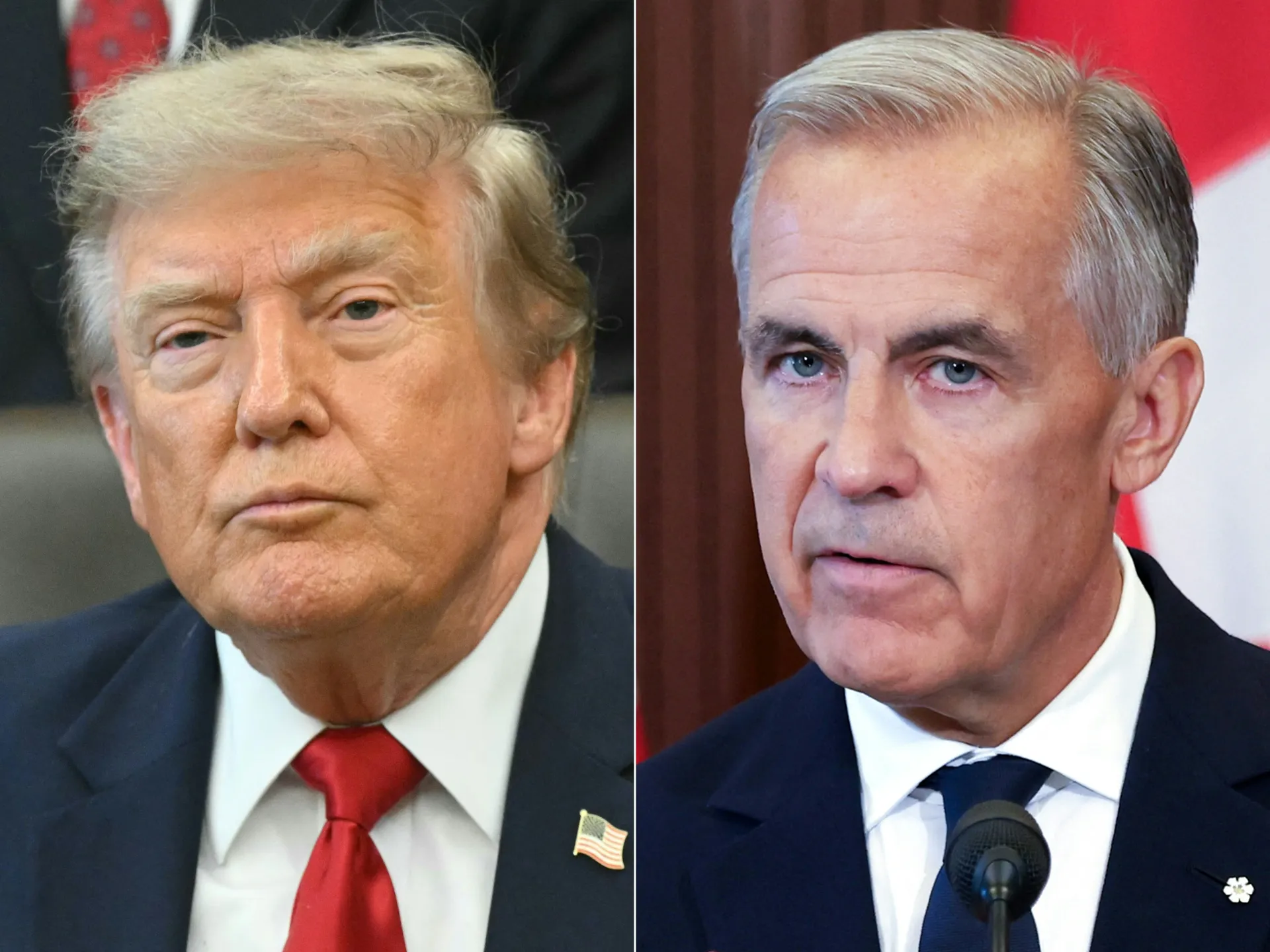
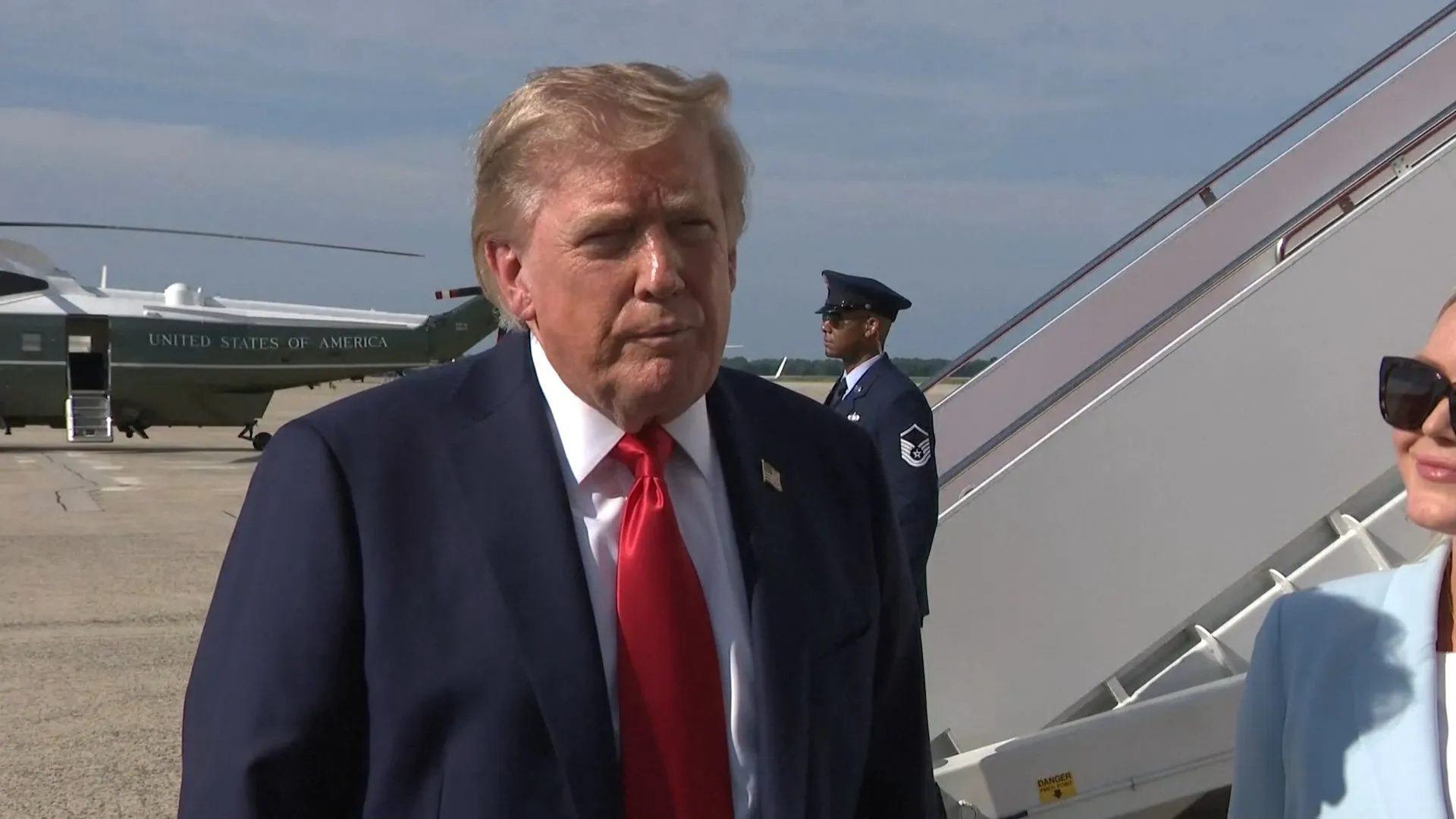
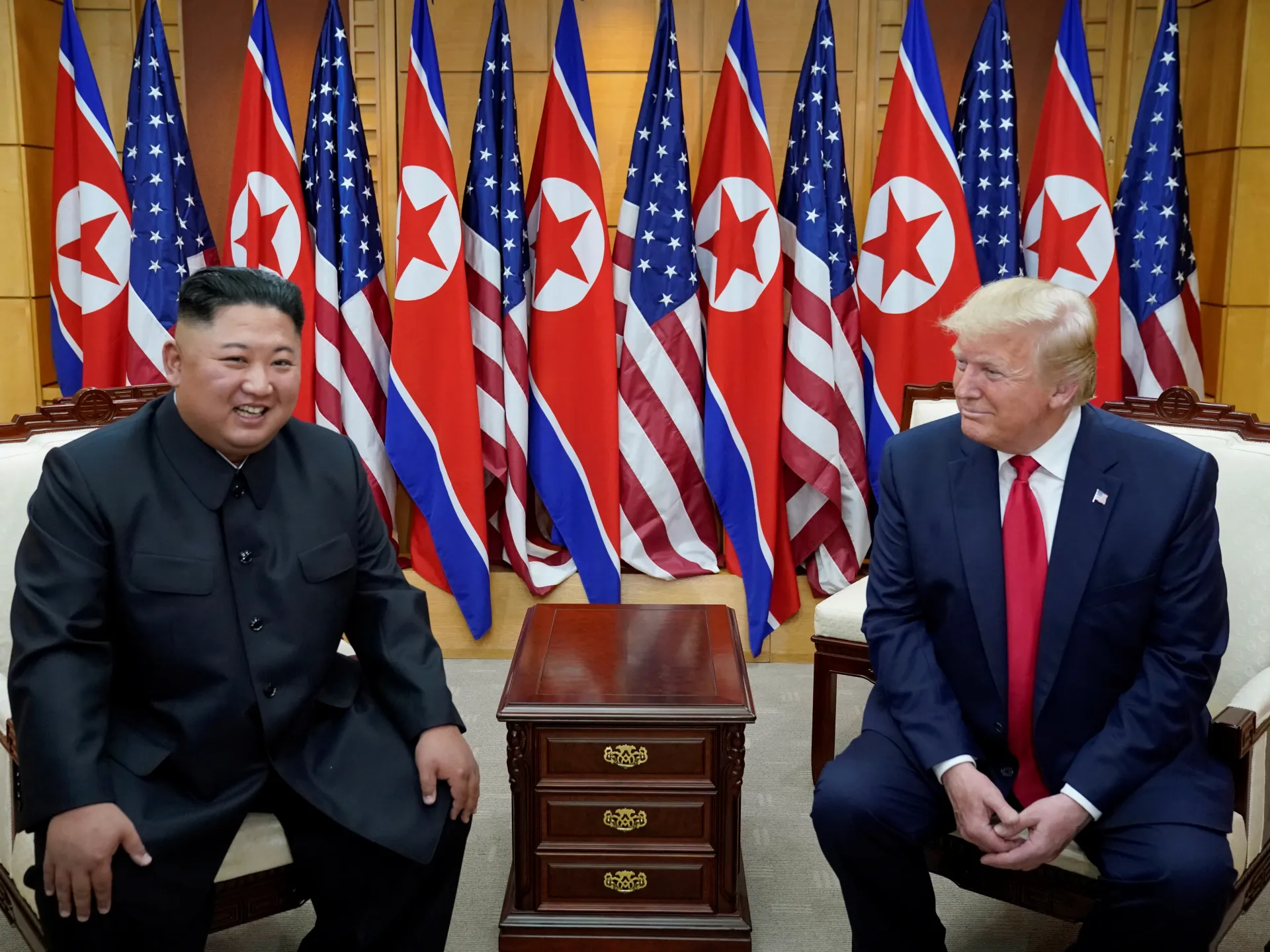
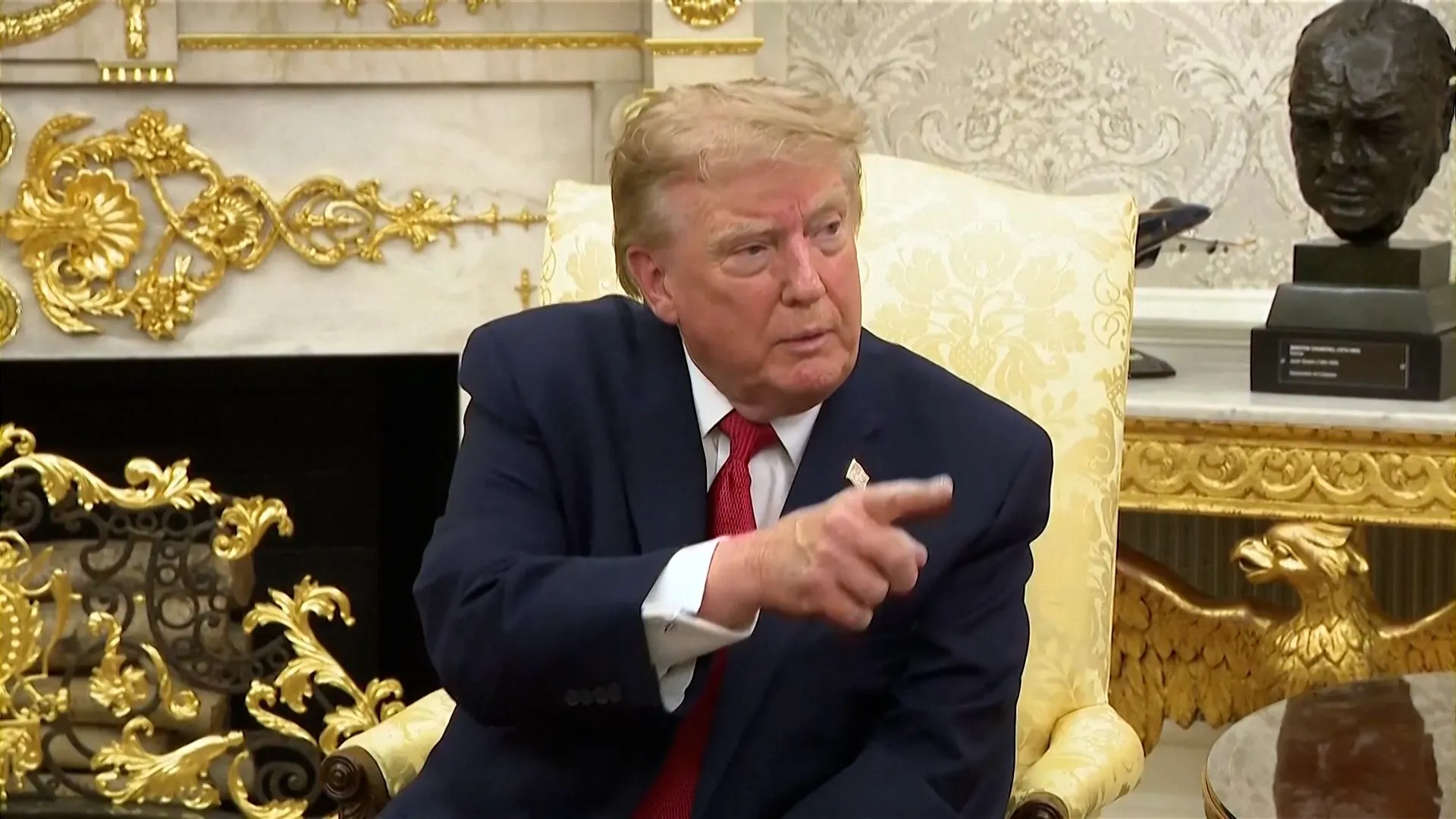
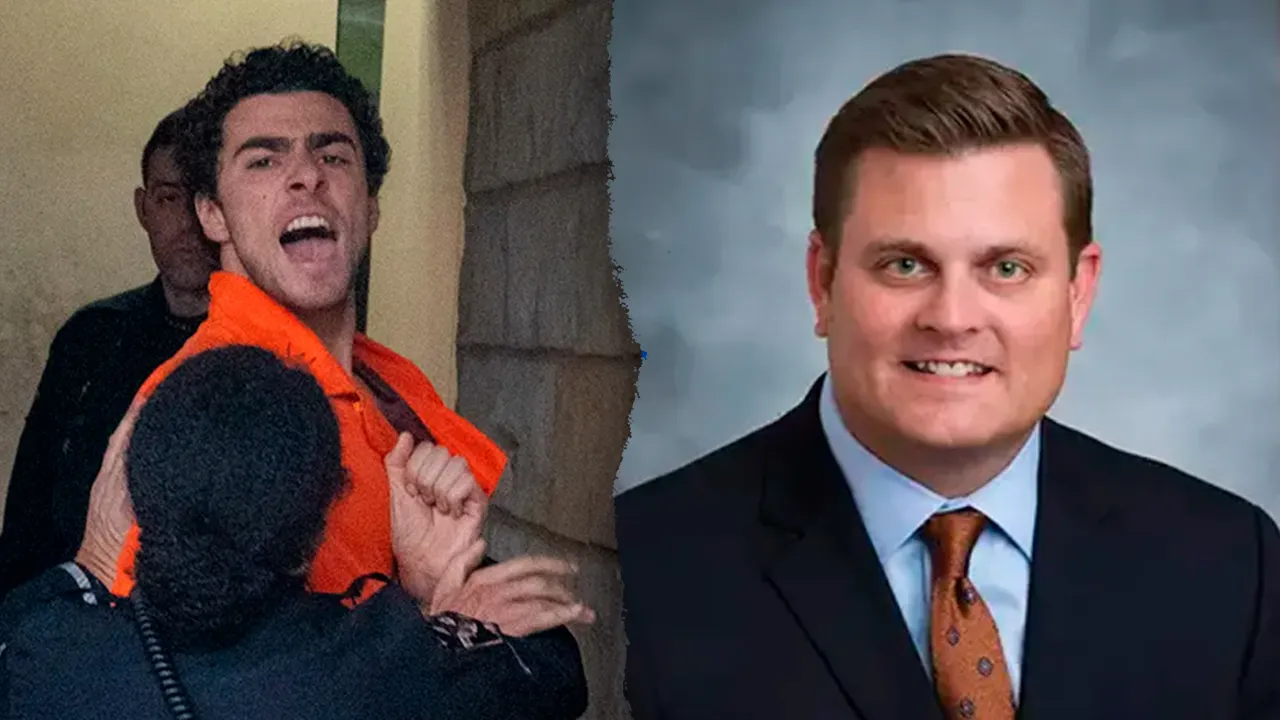
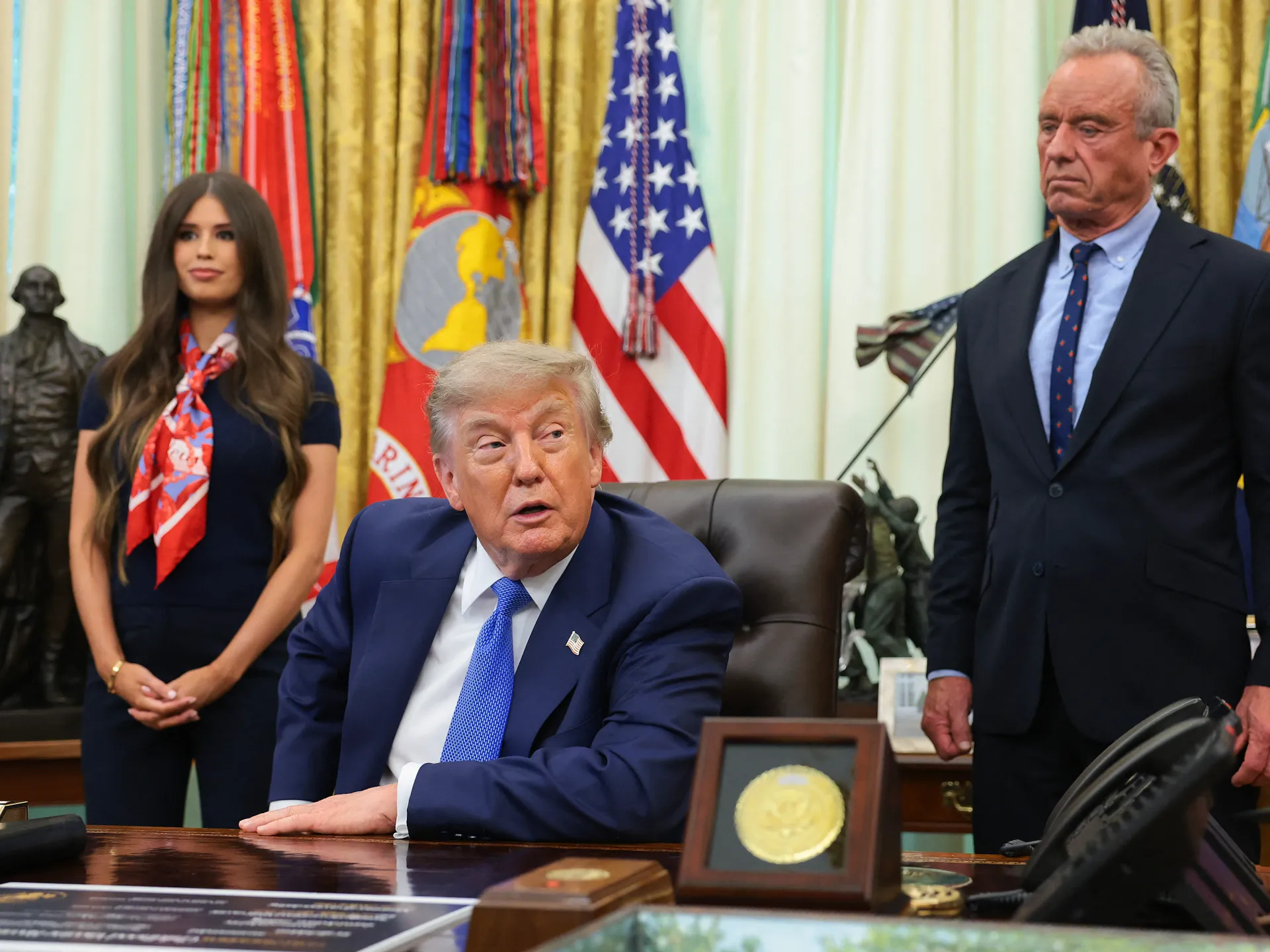
Standing alongside President Donald Trump at the United Nations General Assembly, Rodriguez offered a stark departure from the rhetoric of her 2019 address. While the former Venezuelan leadership previously claimed that US sanctions between 2015 and 2018 accounted for $130bn in economic losses, the current administration has opted for a policy of diplomatic reconciliation. Maduro, meanwhile, remains in a Brooklyn detention facility, facing charges including conspiracy and leadership of the alleged “Cartel of the Suns,” with his trial tentatively scheduled for June 2027. Legal scholars note that his defense team continues to assert that his status as a head of state should provide immunity, though the United States has moved forward with the prosecution.
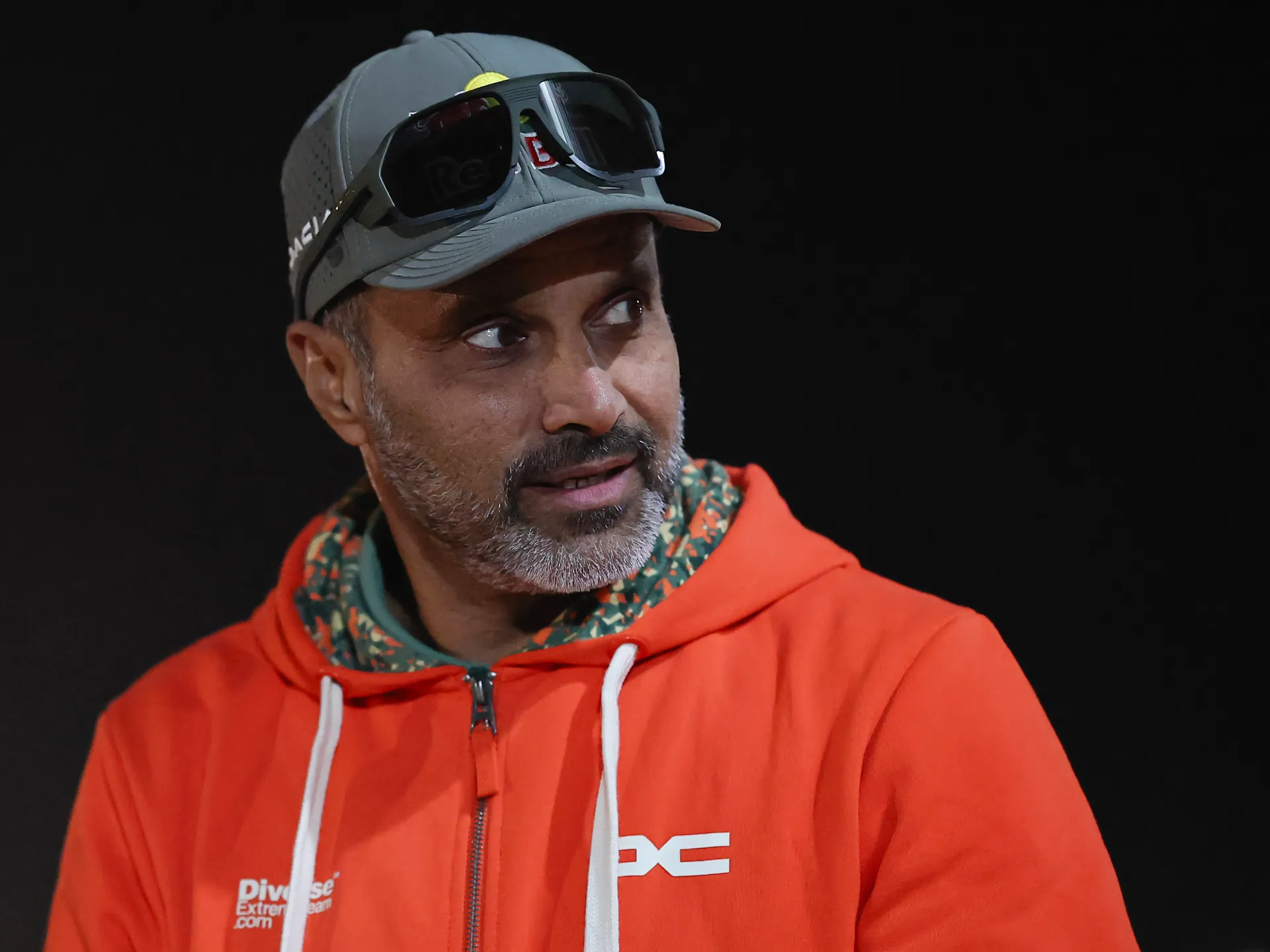
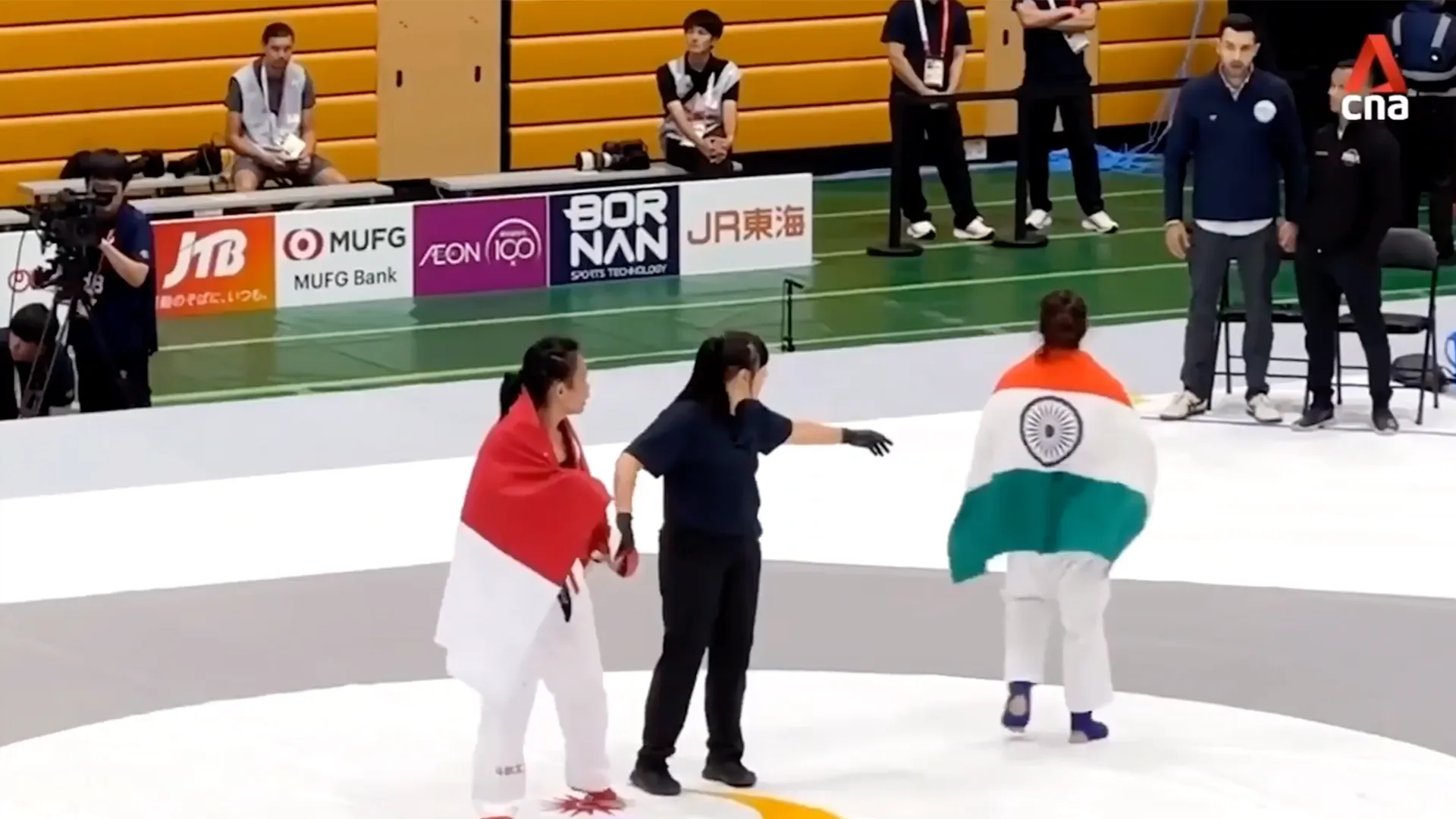
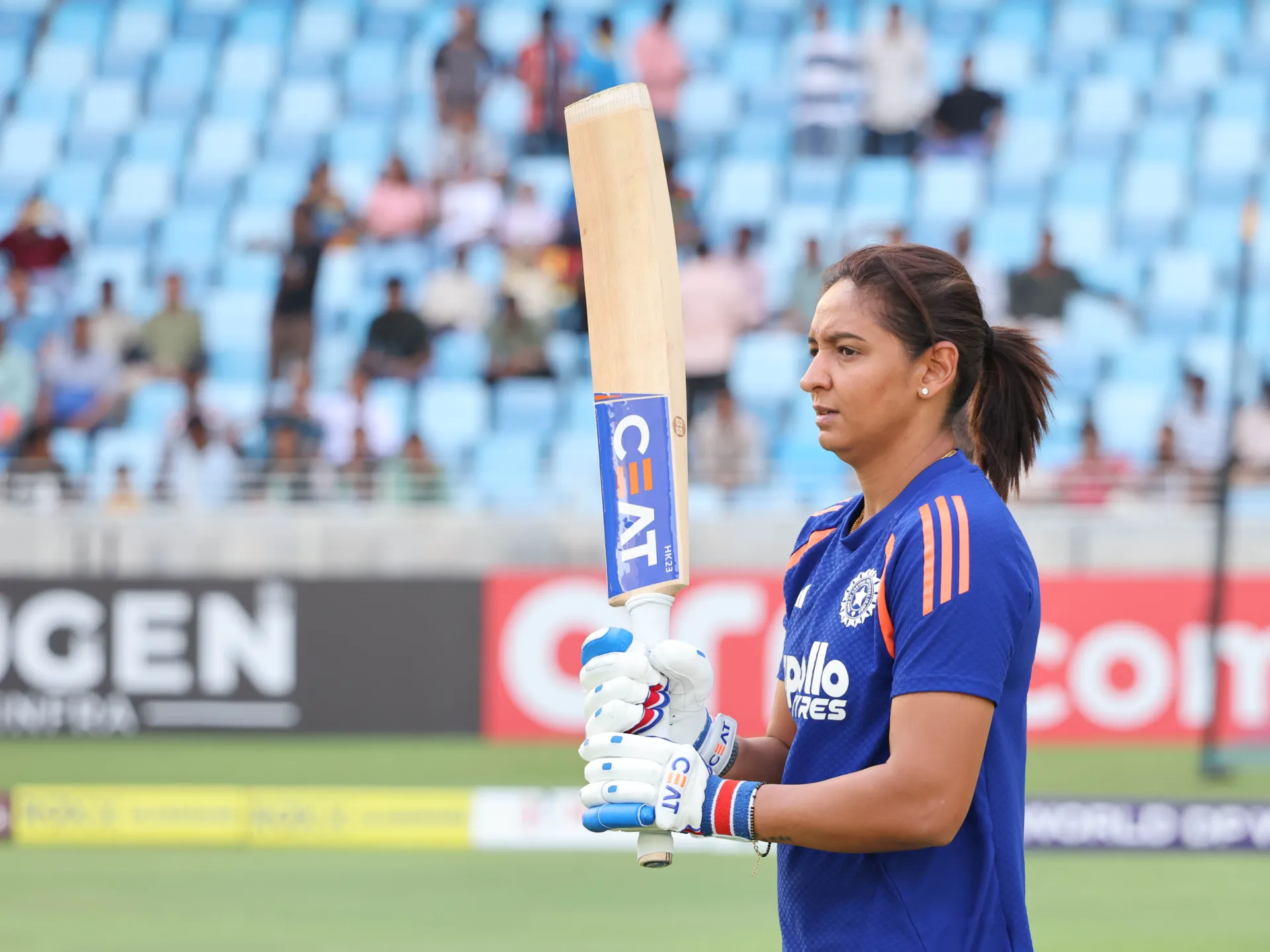
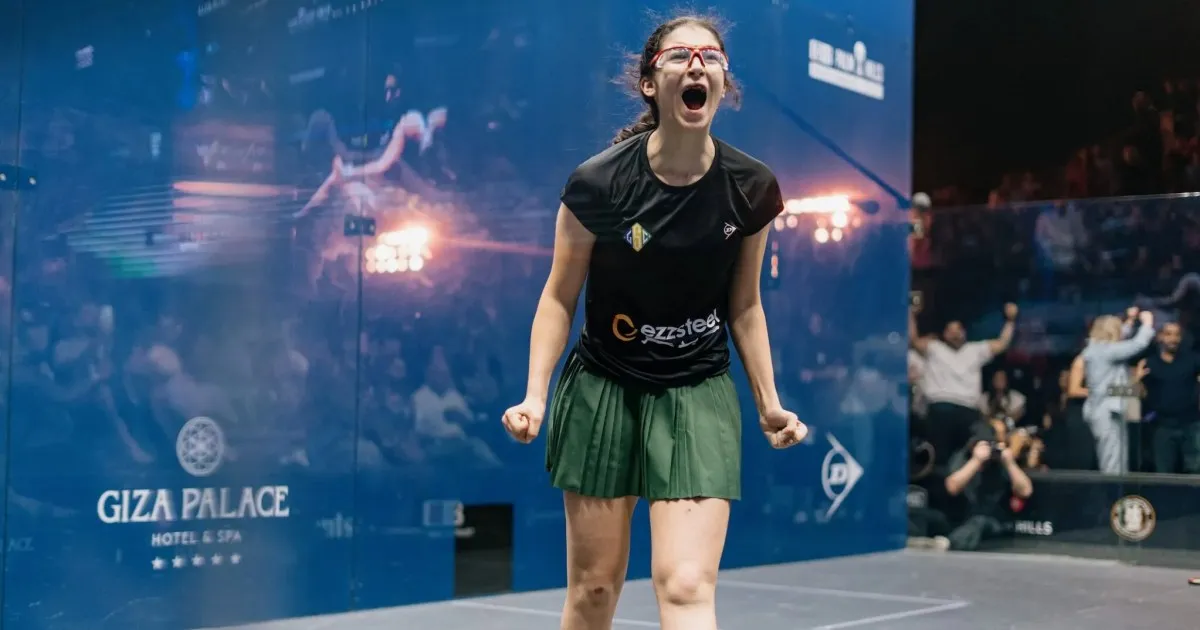
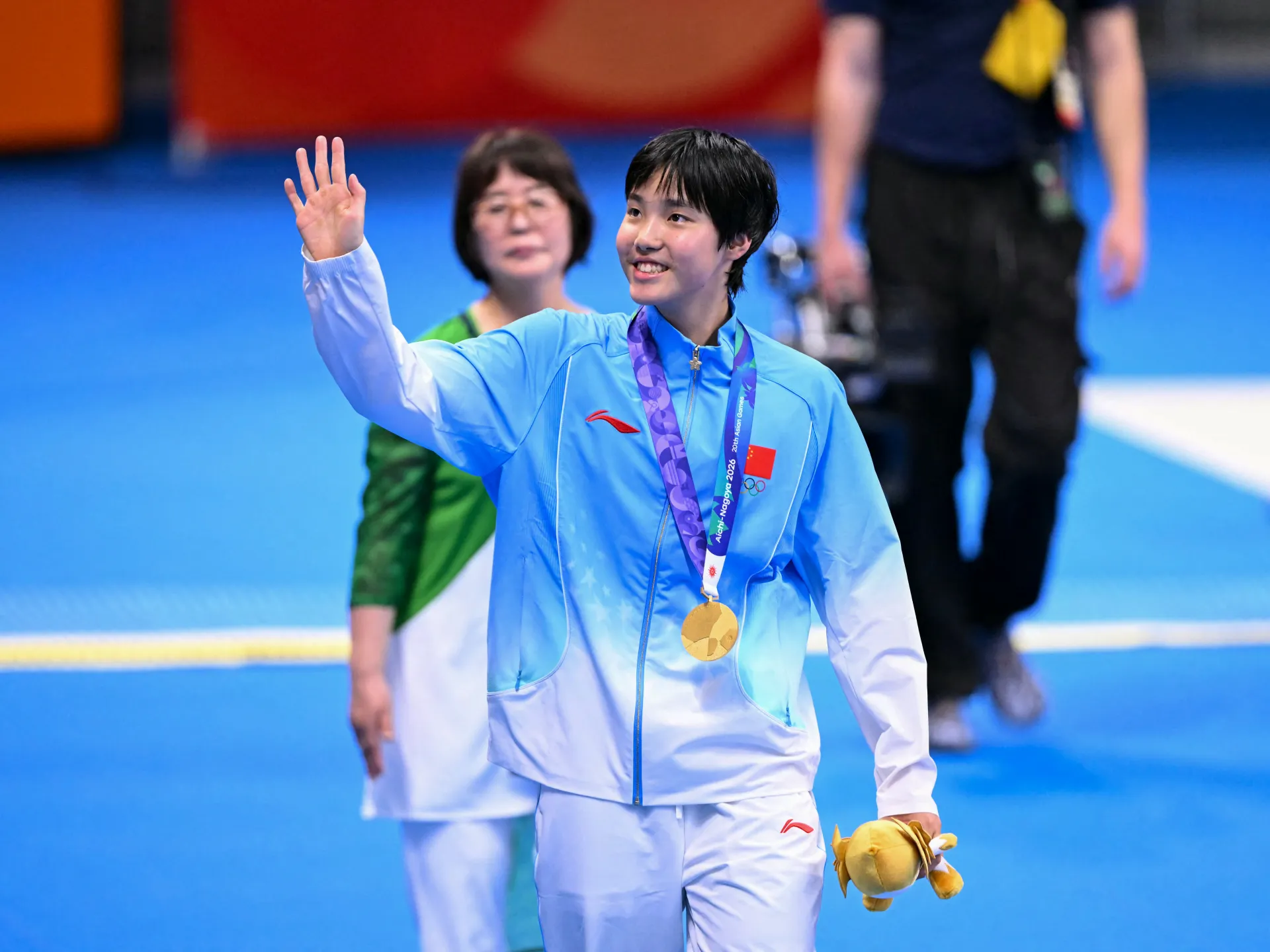
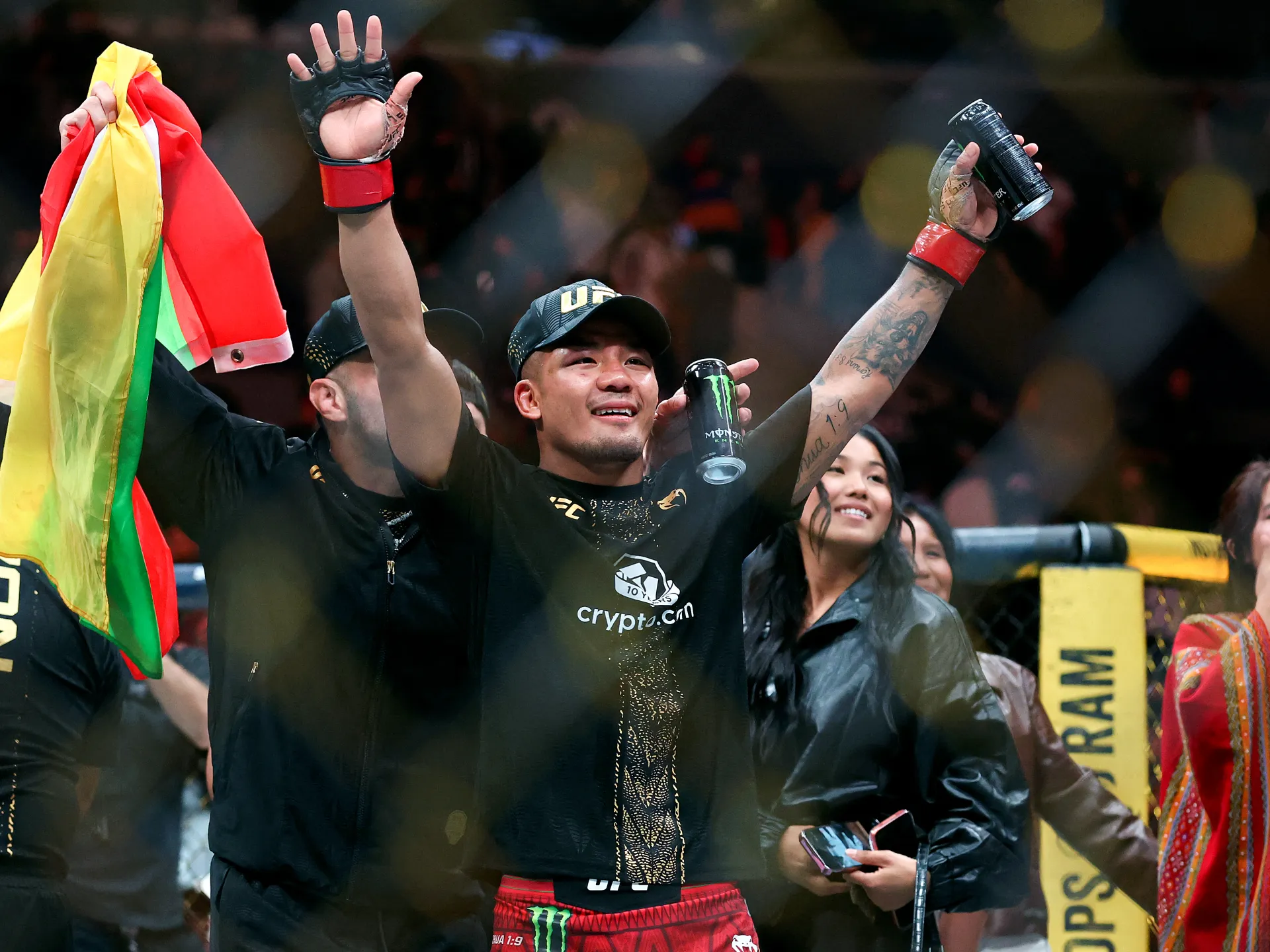
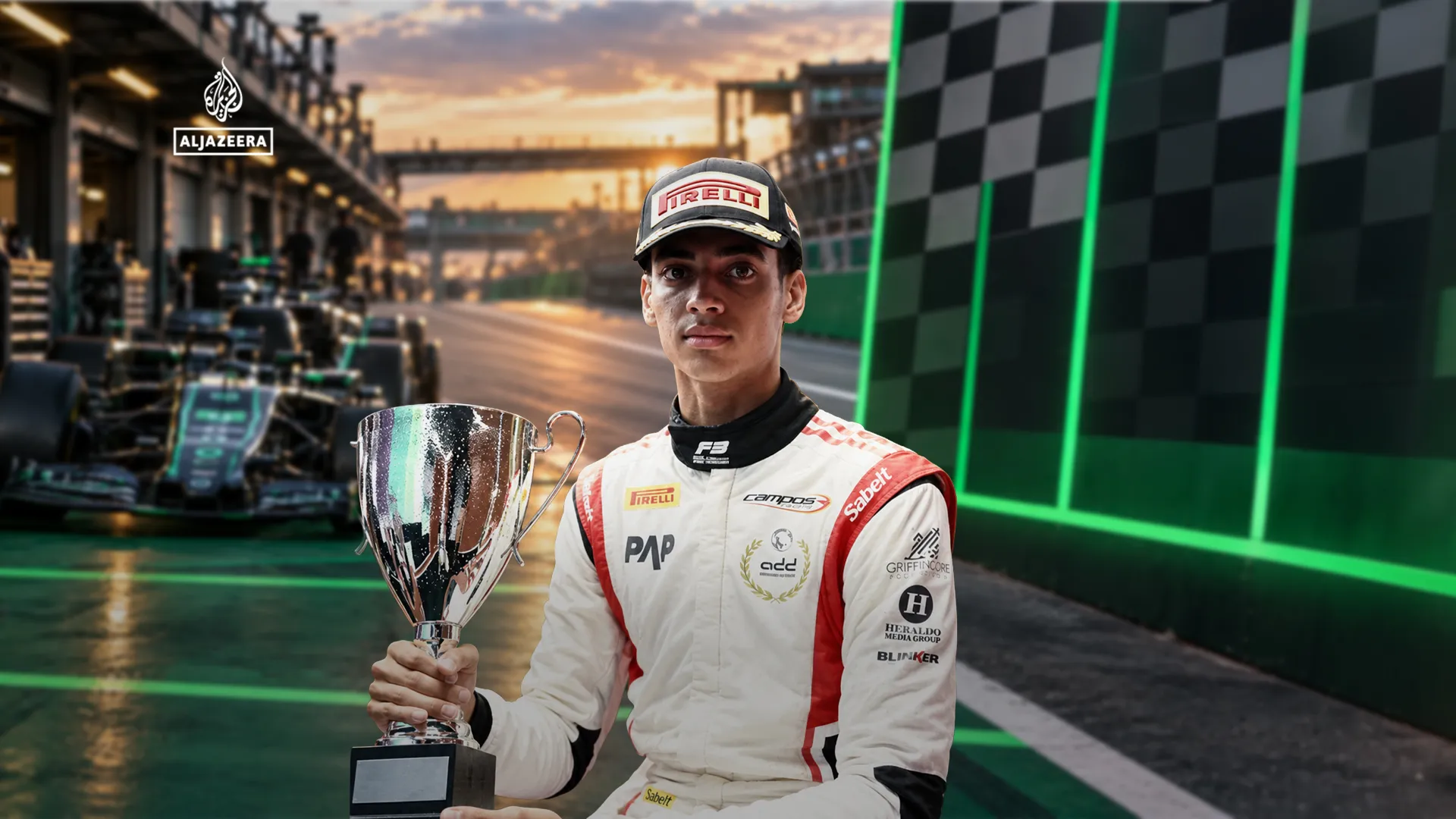
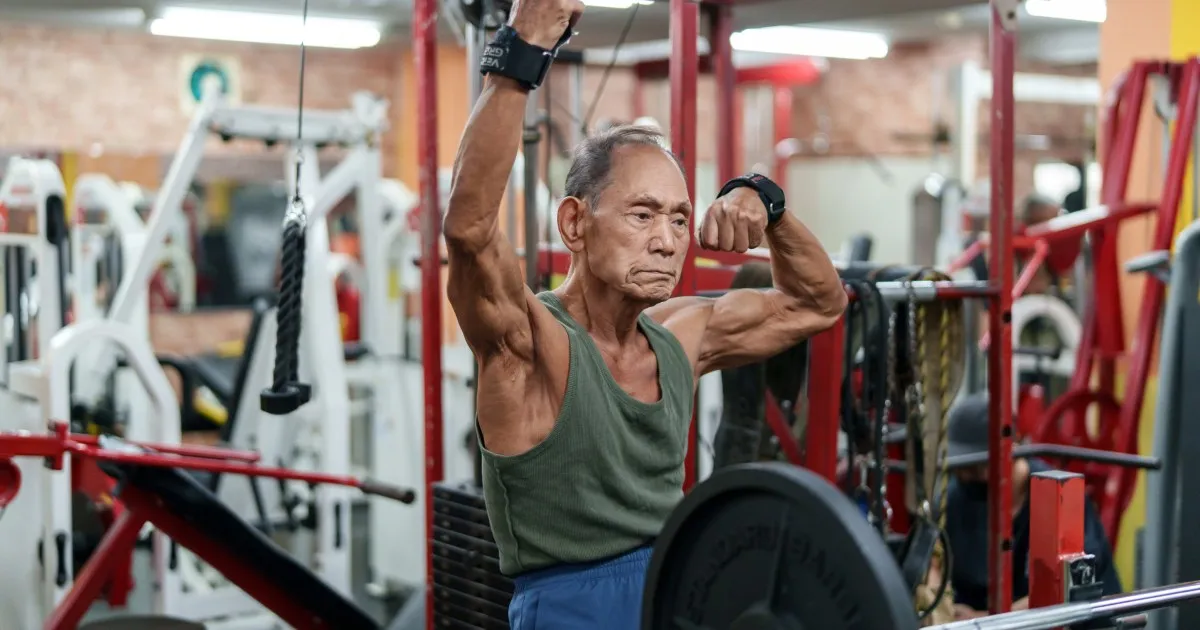
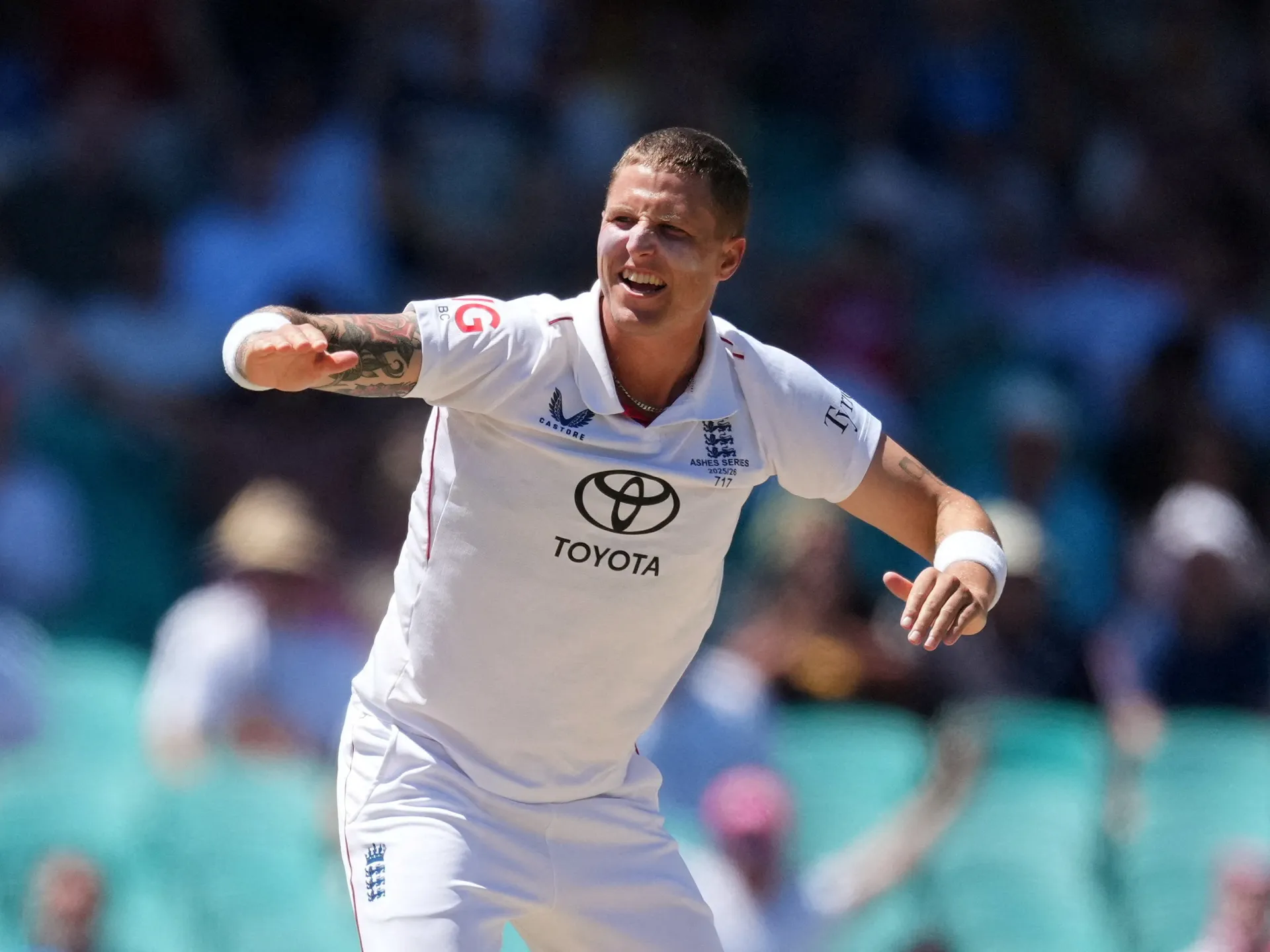
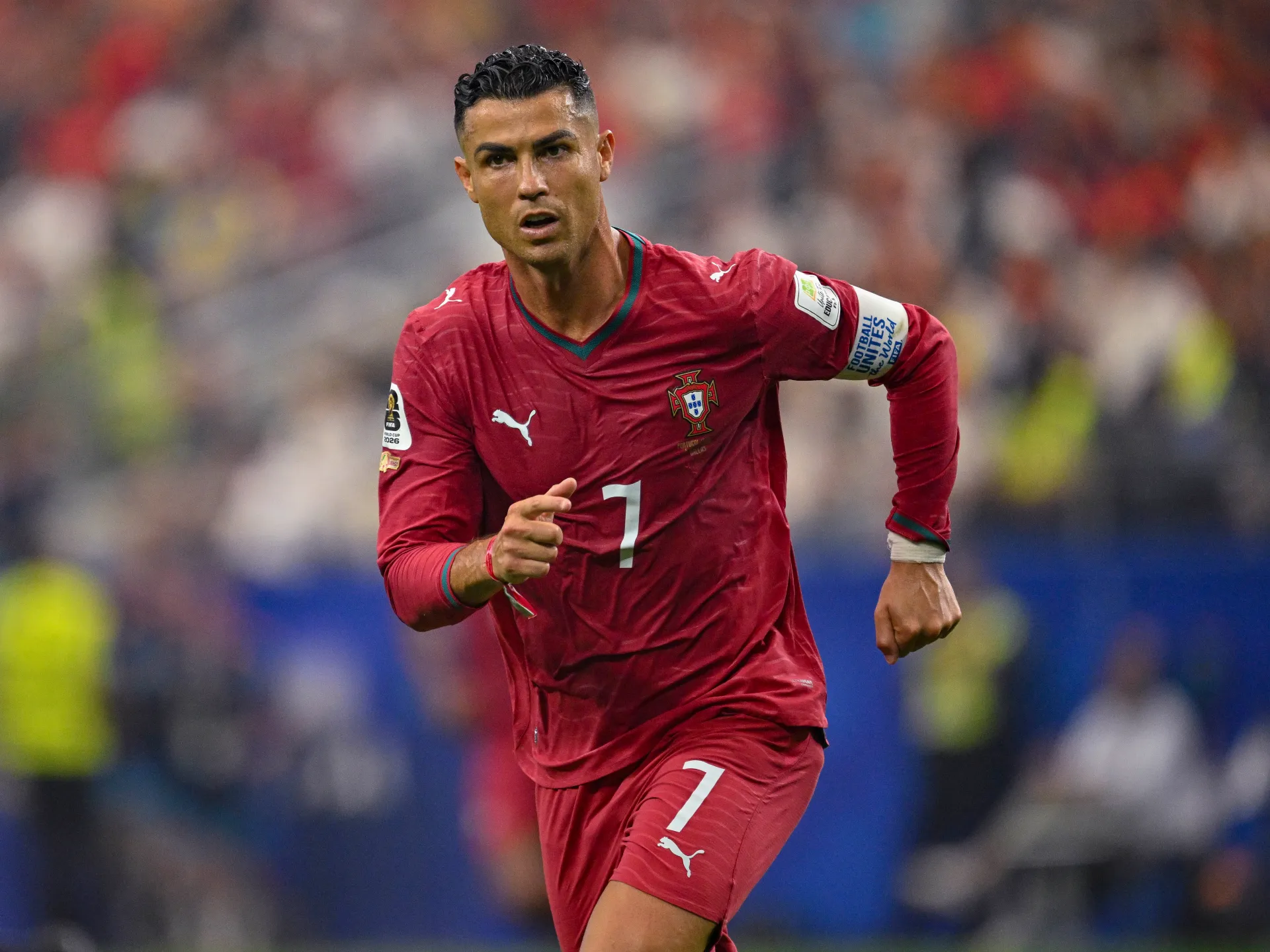
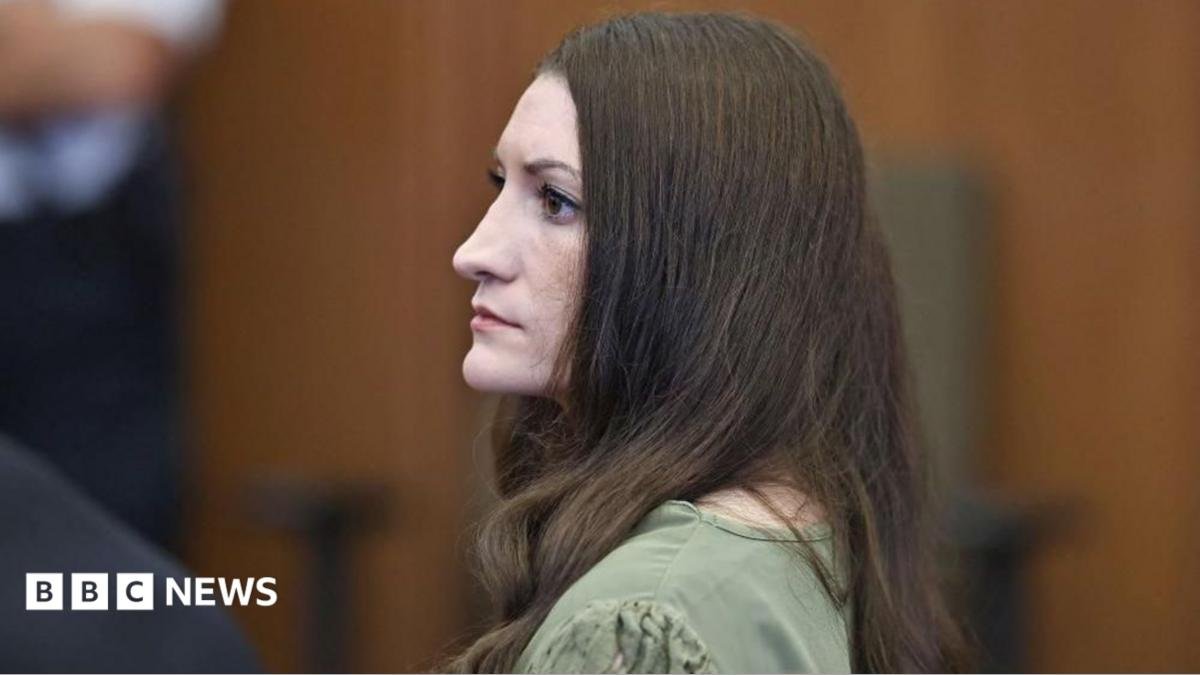
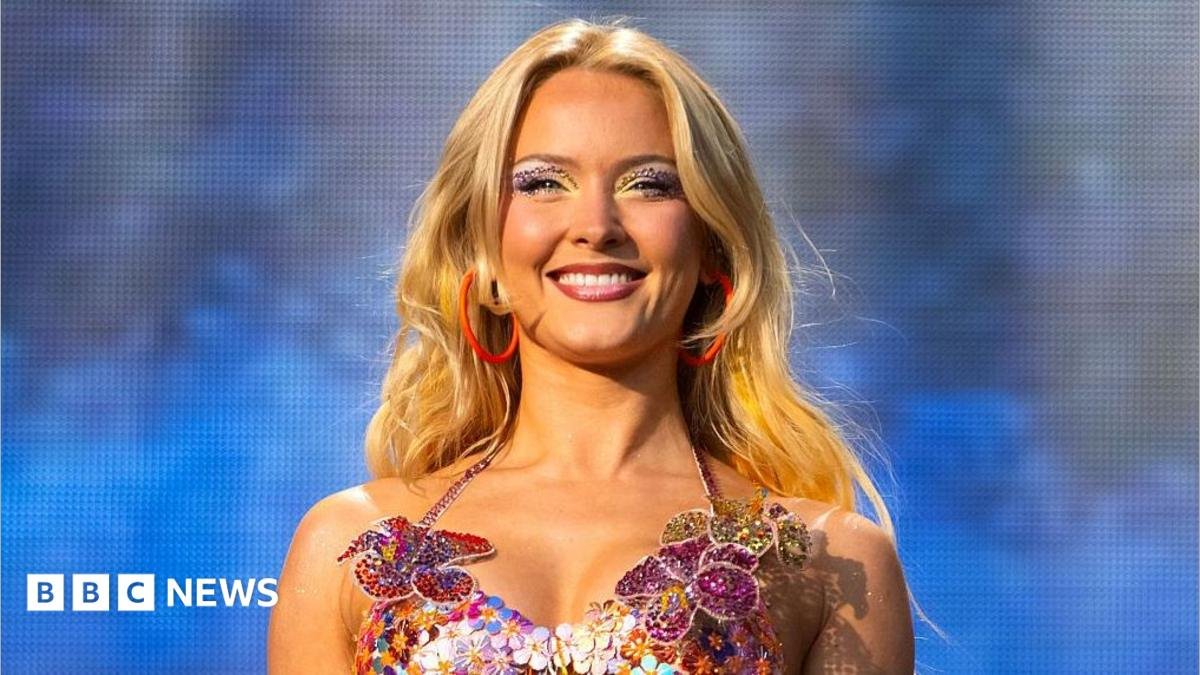
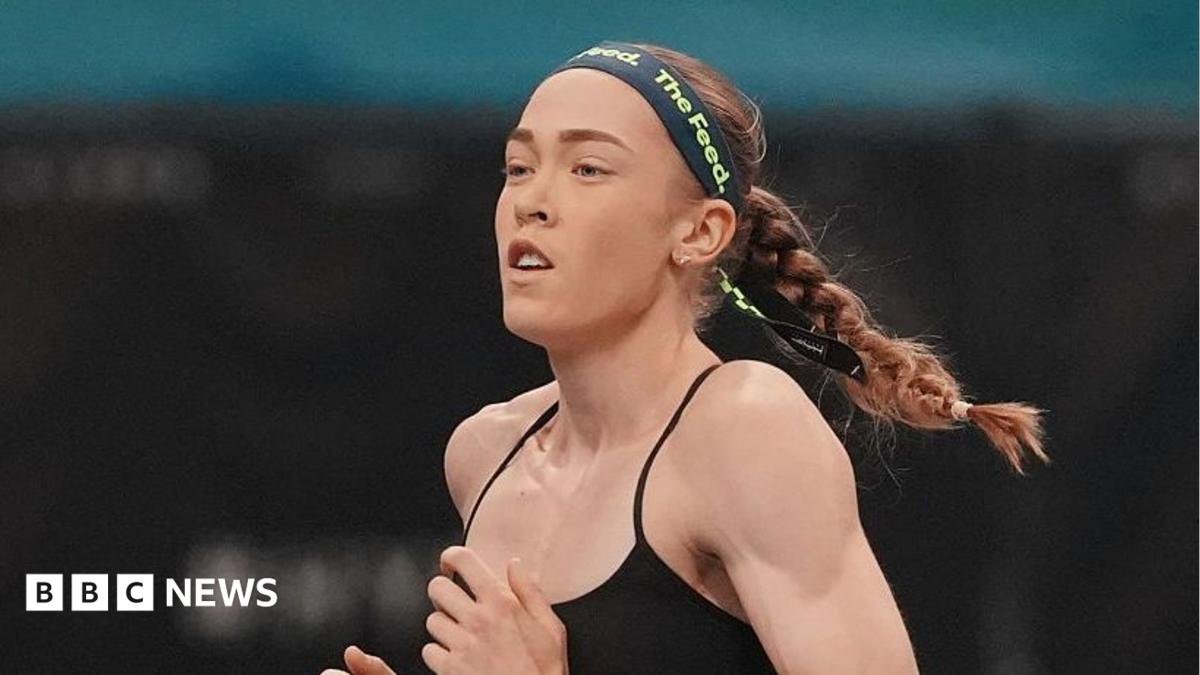
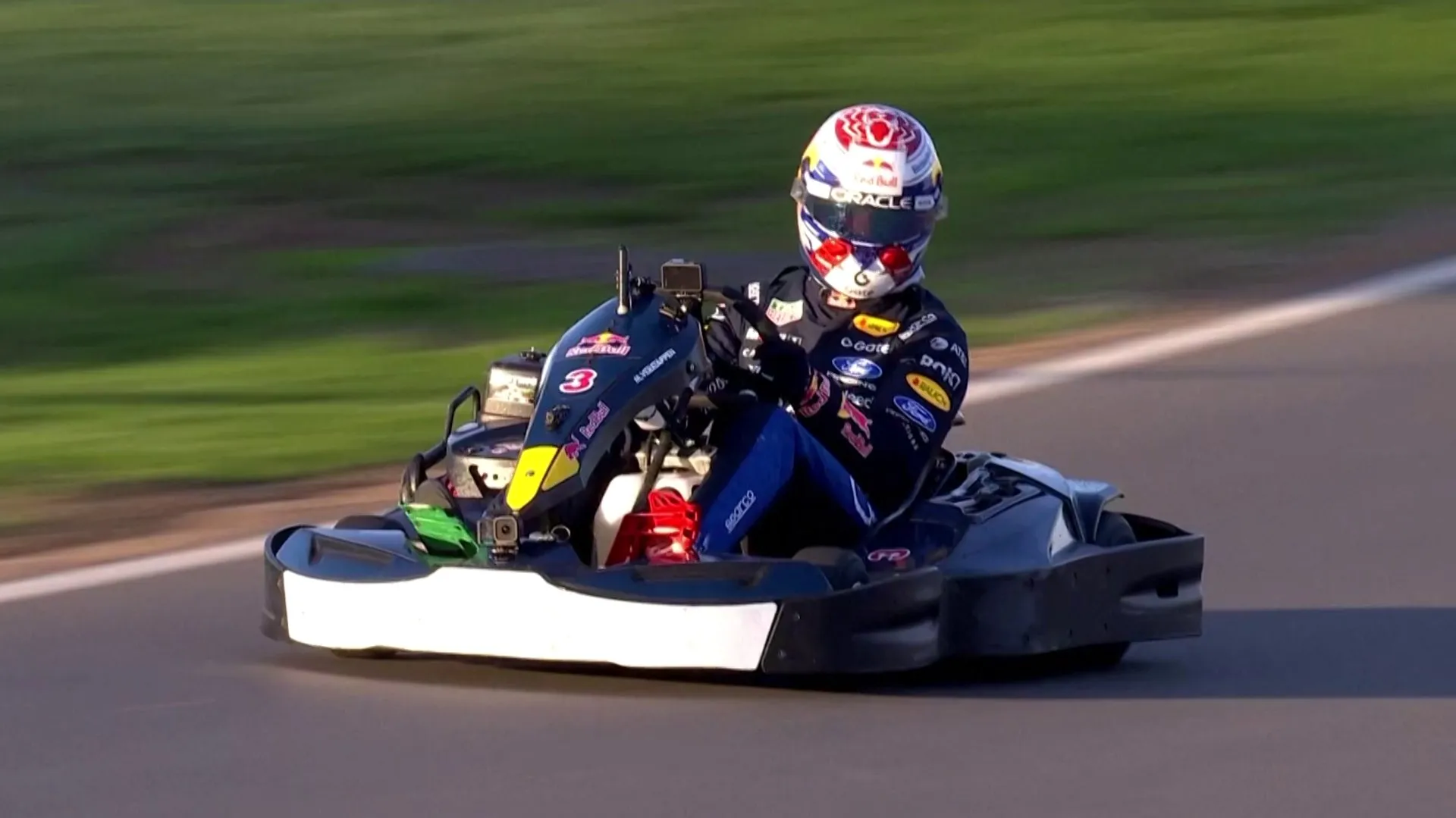
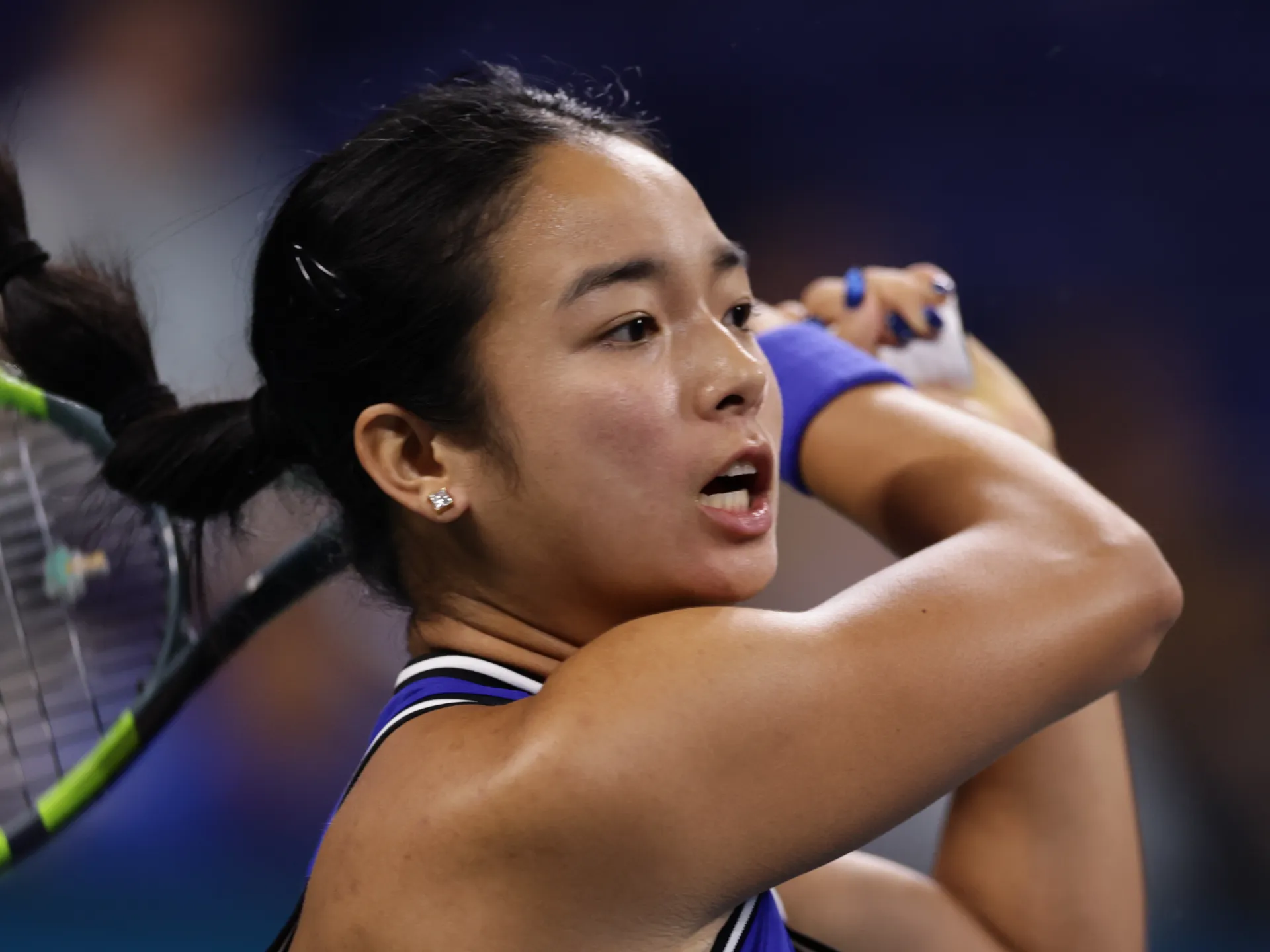
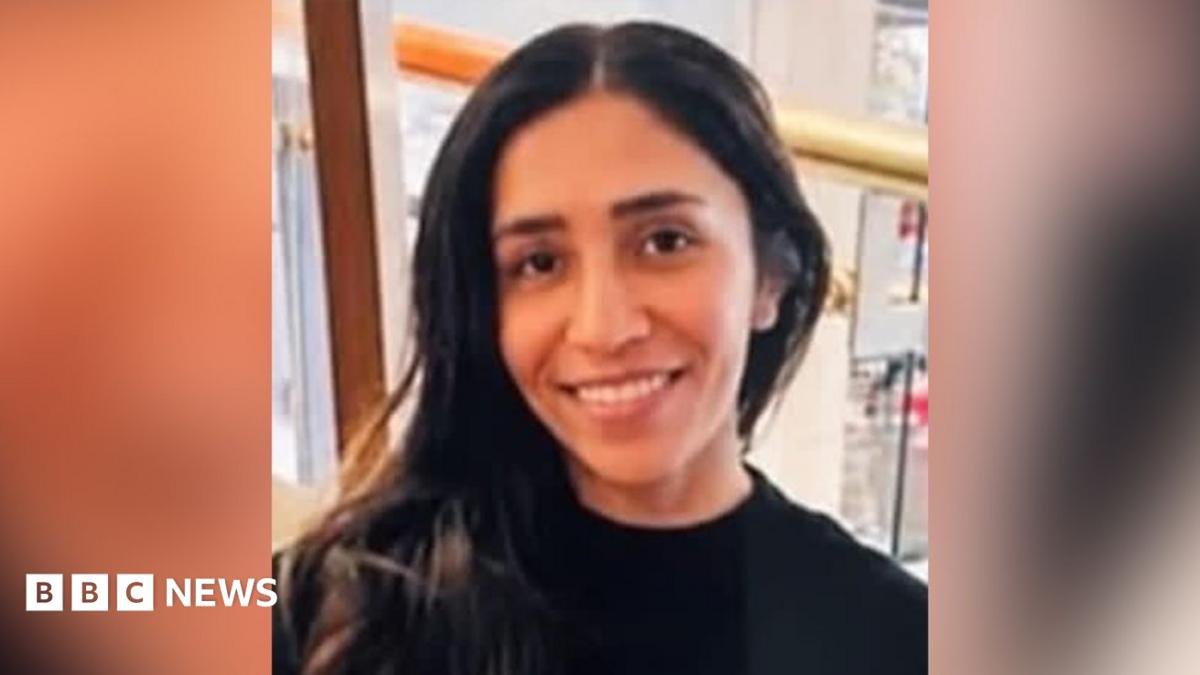
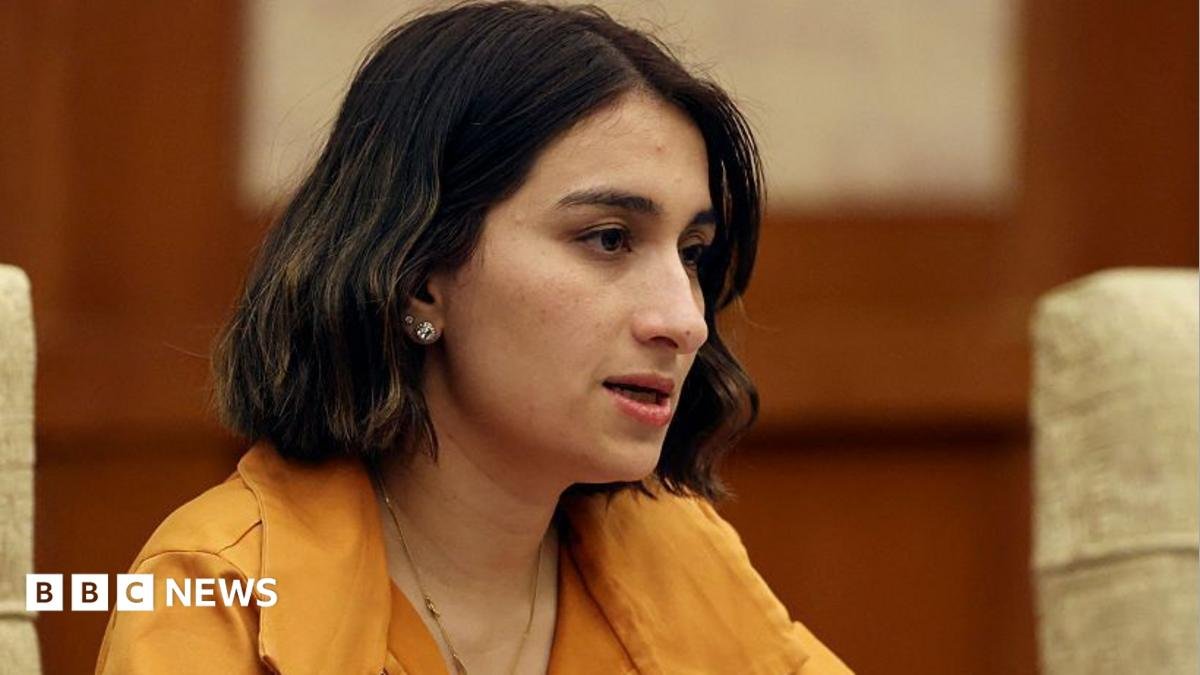
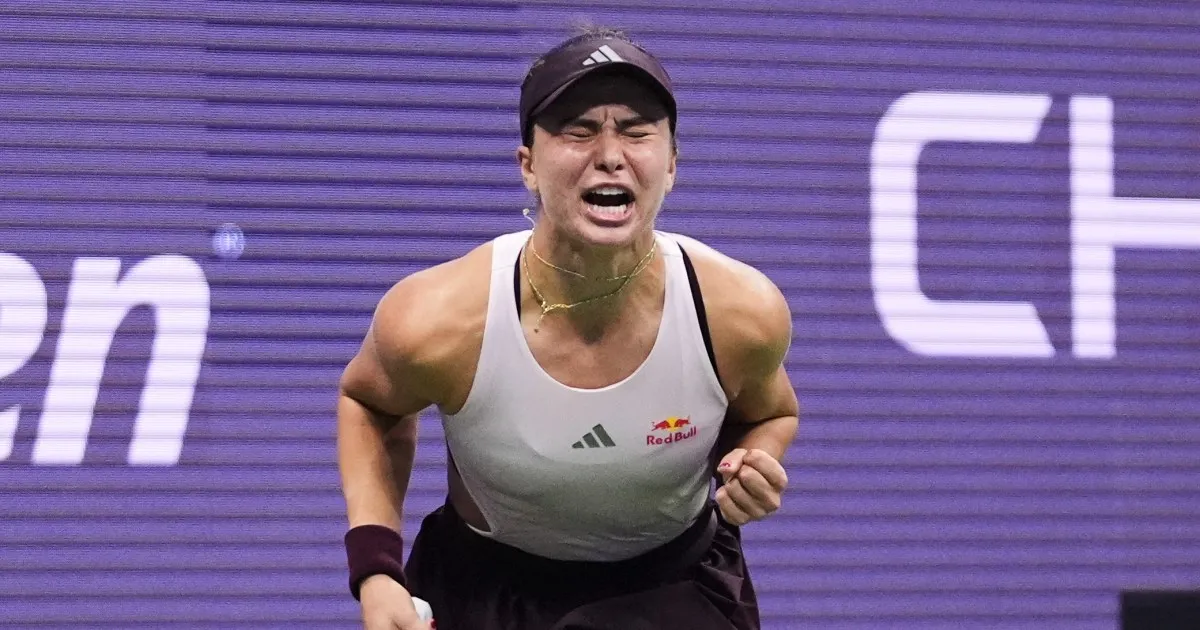
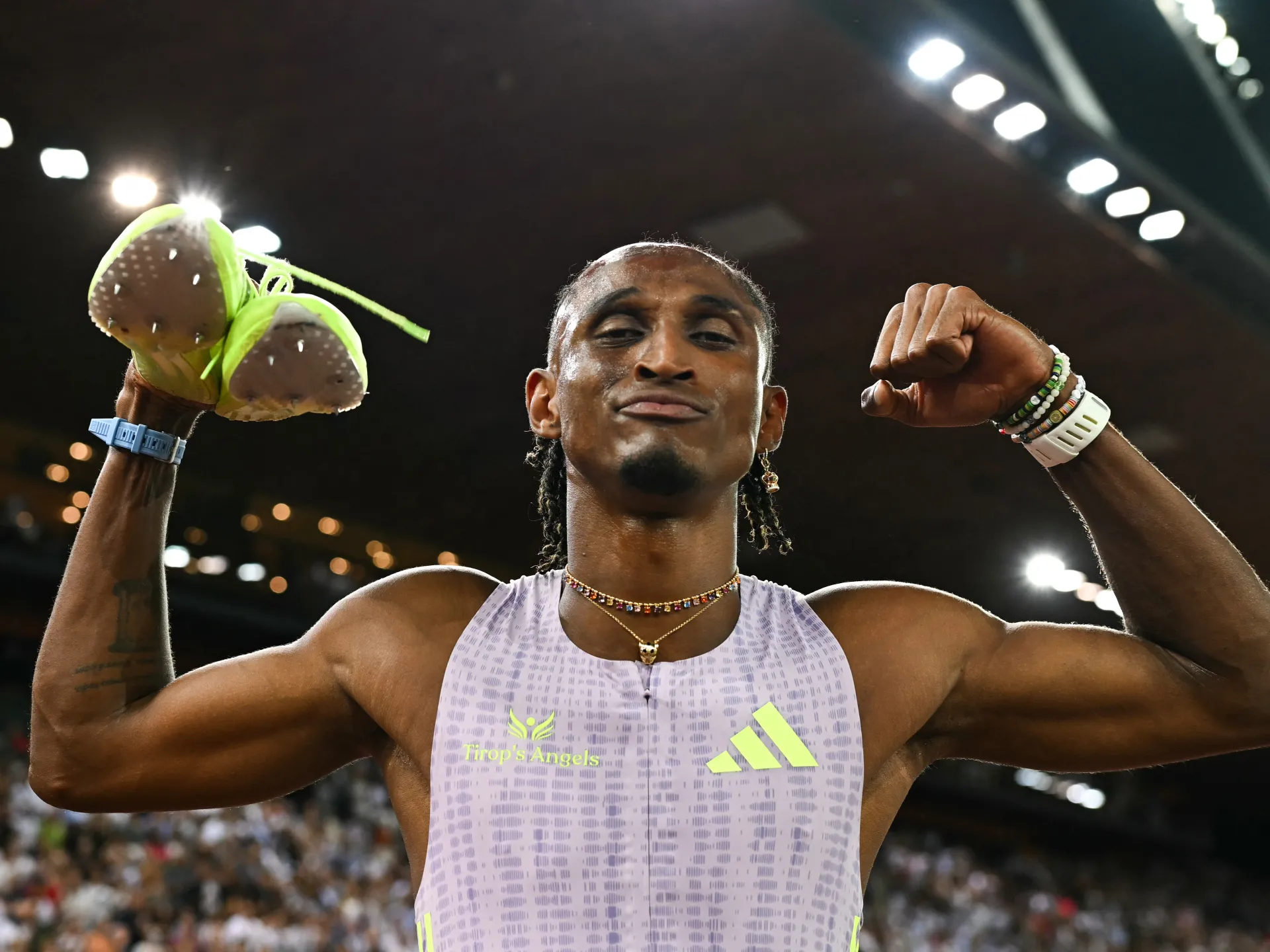
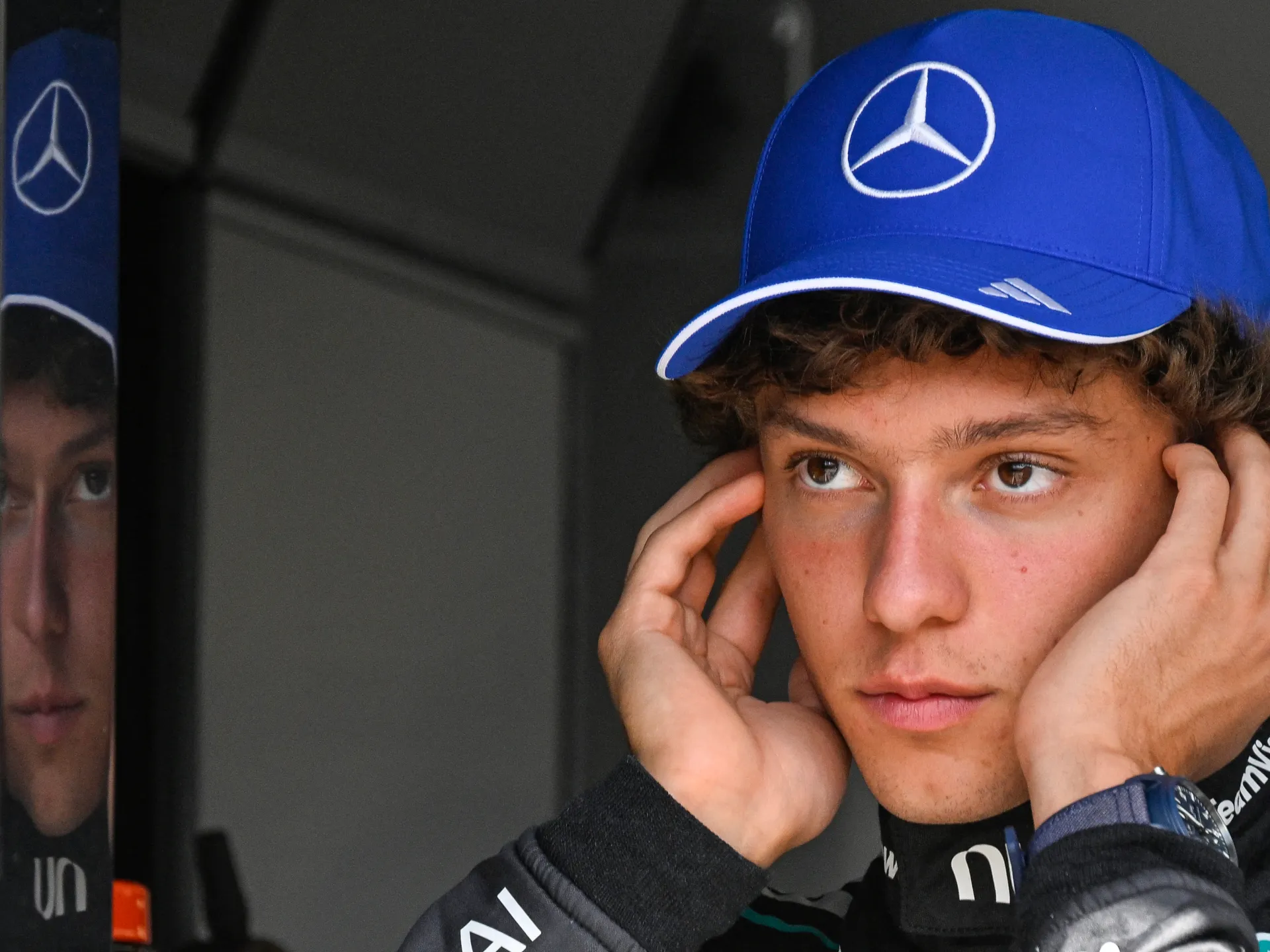
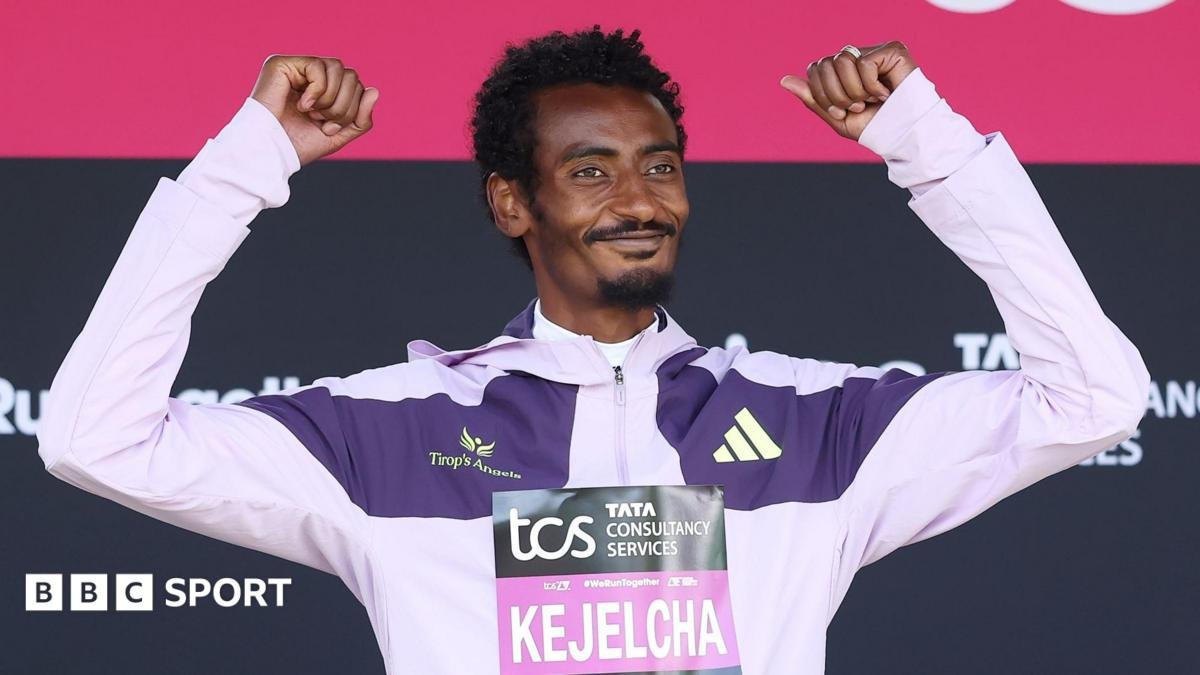
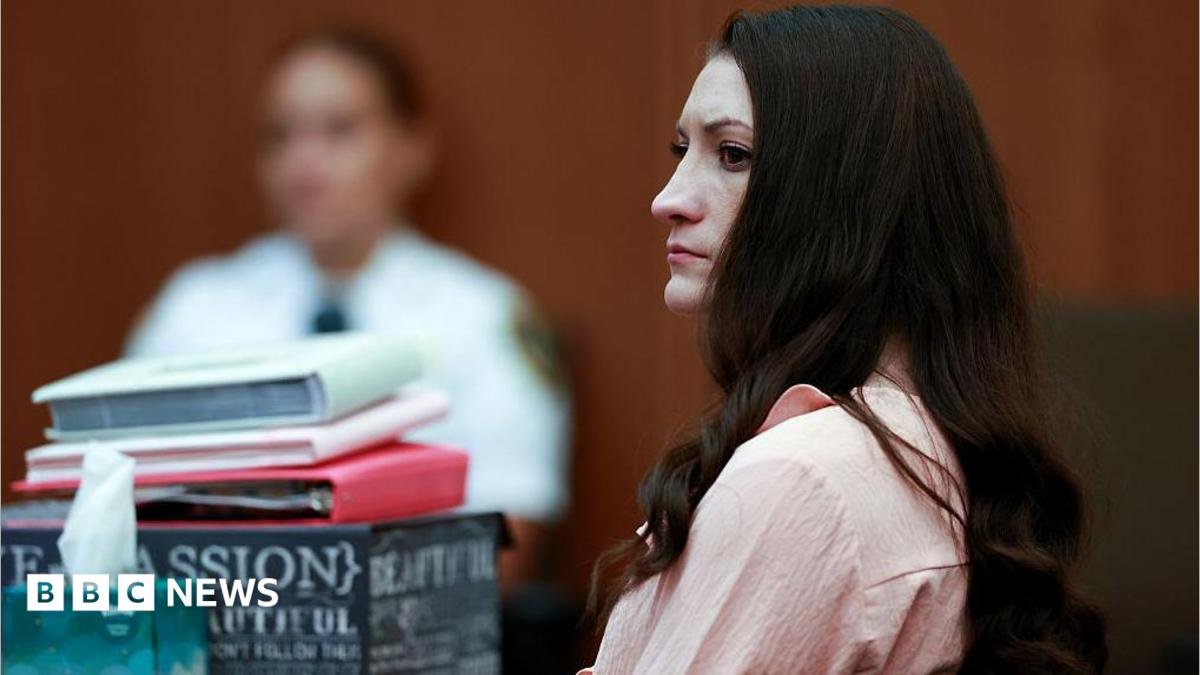
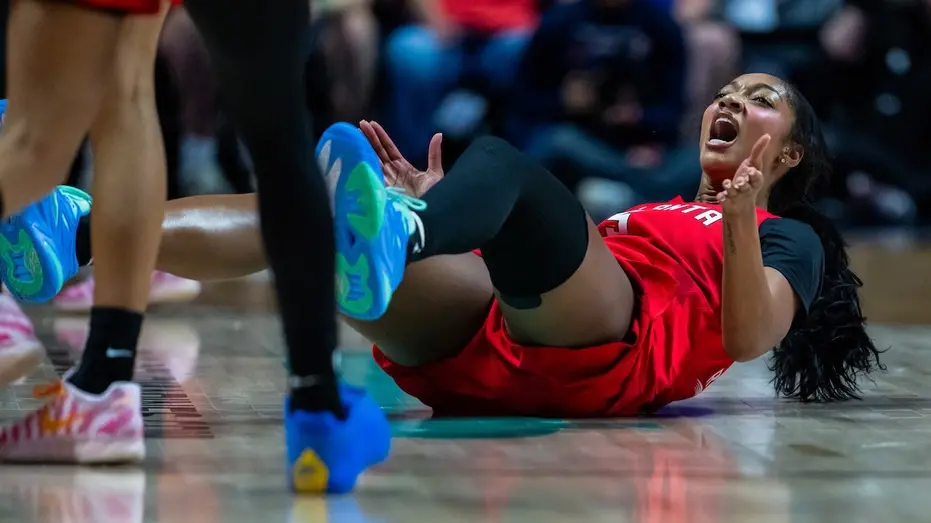
In a separate arena, the international fitness community faced a major controversy following the Hyrox event in Beijing. Joanna Wietrzyk, an Australian athlete who secured a victory in the competition, faced significant backlash after it was revealed she completed the race despite a hygiene incident involving soiled attire. The event, which requires participants to cycle through intense physical trials such as sled pushes and burpees, faced immediate scrutiny over its medical and sanitation protocols.
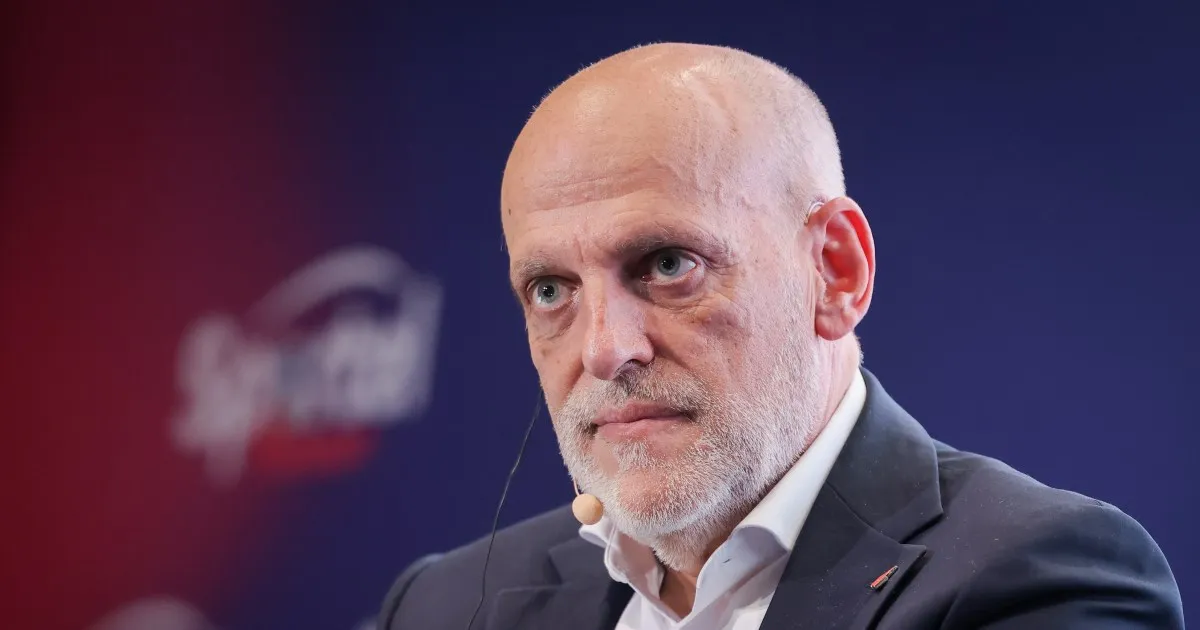
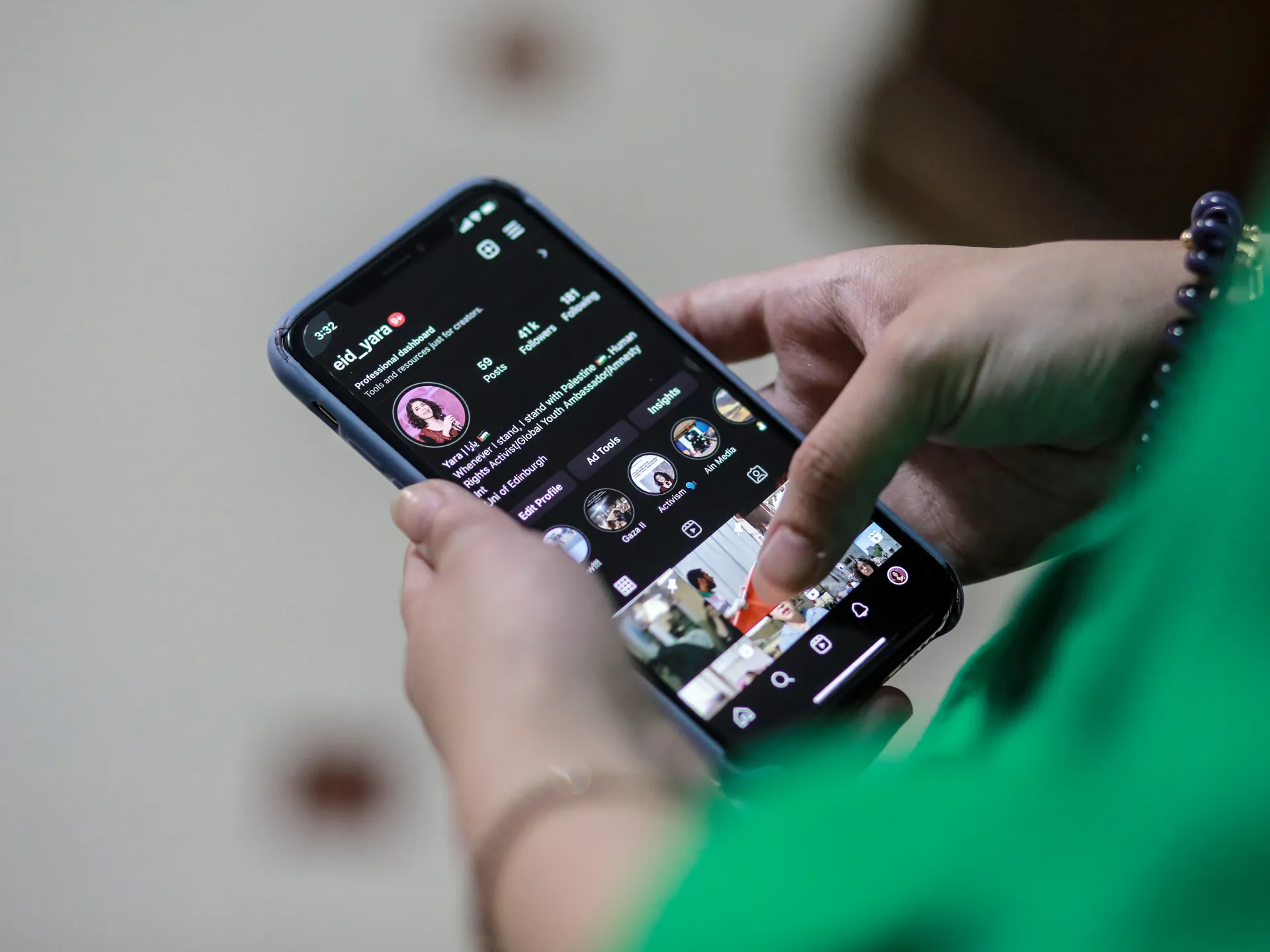
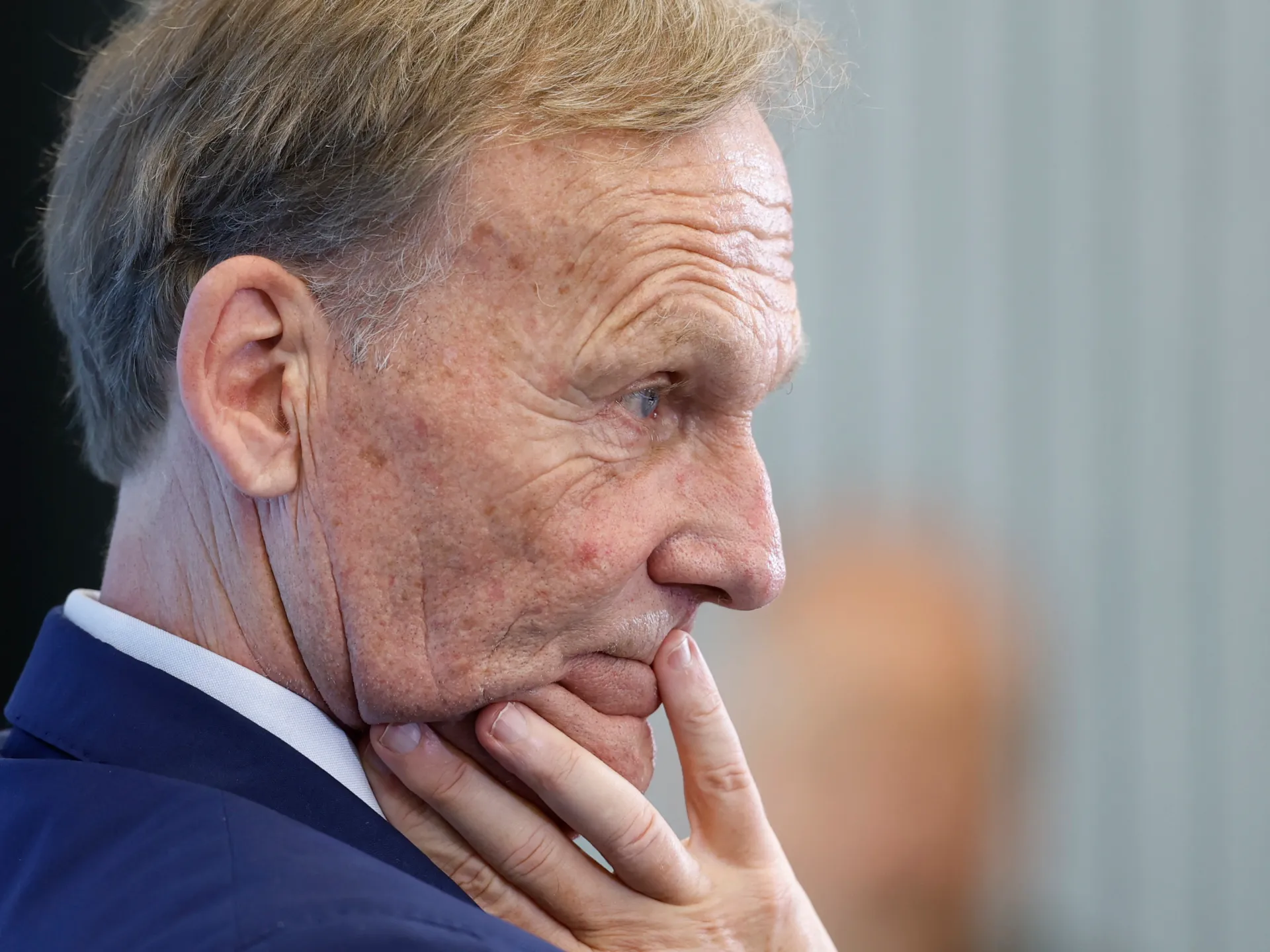
In response to the public outcry, Wietrzyk issued a formal apology, acknowledging that she should have withdrawn from the course. “I recognize that I should have made a different choice,” she stated in a social media release. Hyrox co-founder Moritz Fürste subsequently apologized for the handling of the event, admitting that the company’s internal procedures were applied with a lack of clarity during the heat of the competition. While the organization has pledged to overhaul its event processes, it has also taken a firm stance against online harassment, warning that those who send threats of violence to the athlete will be permanently barred from future competitions.
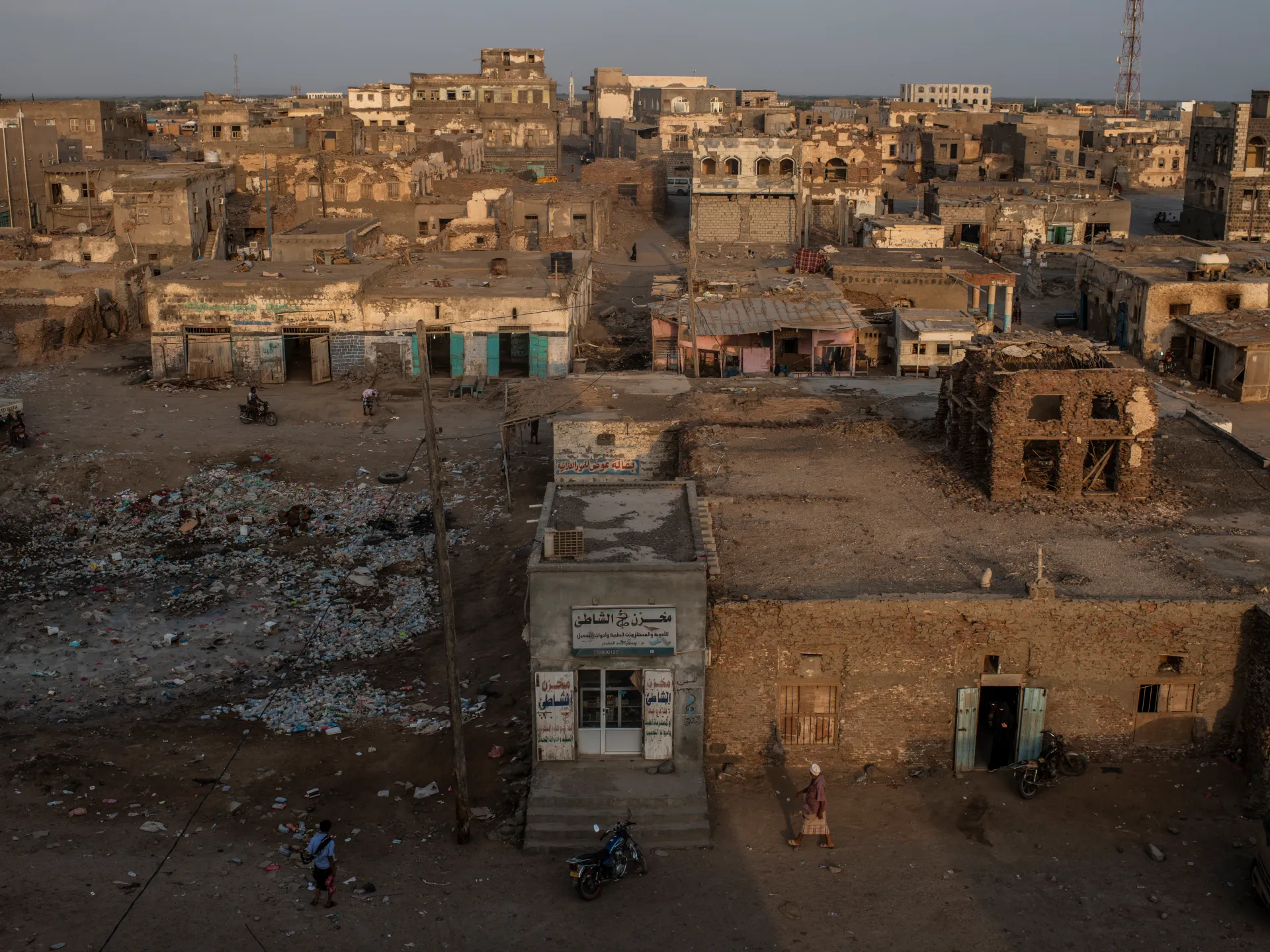
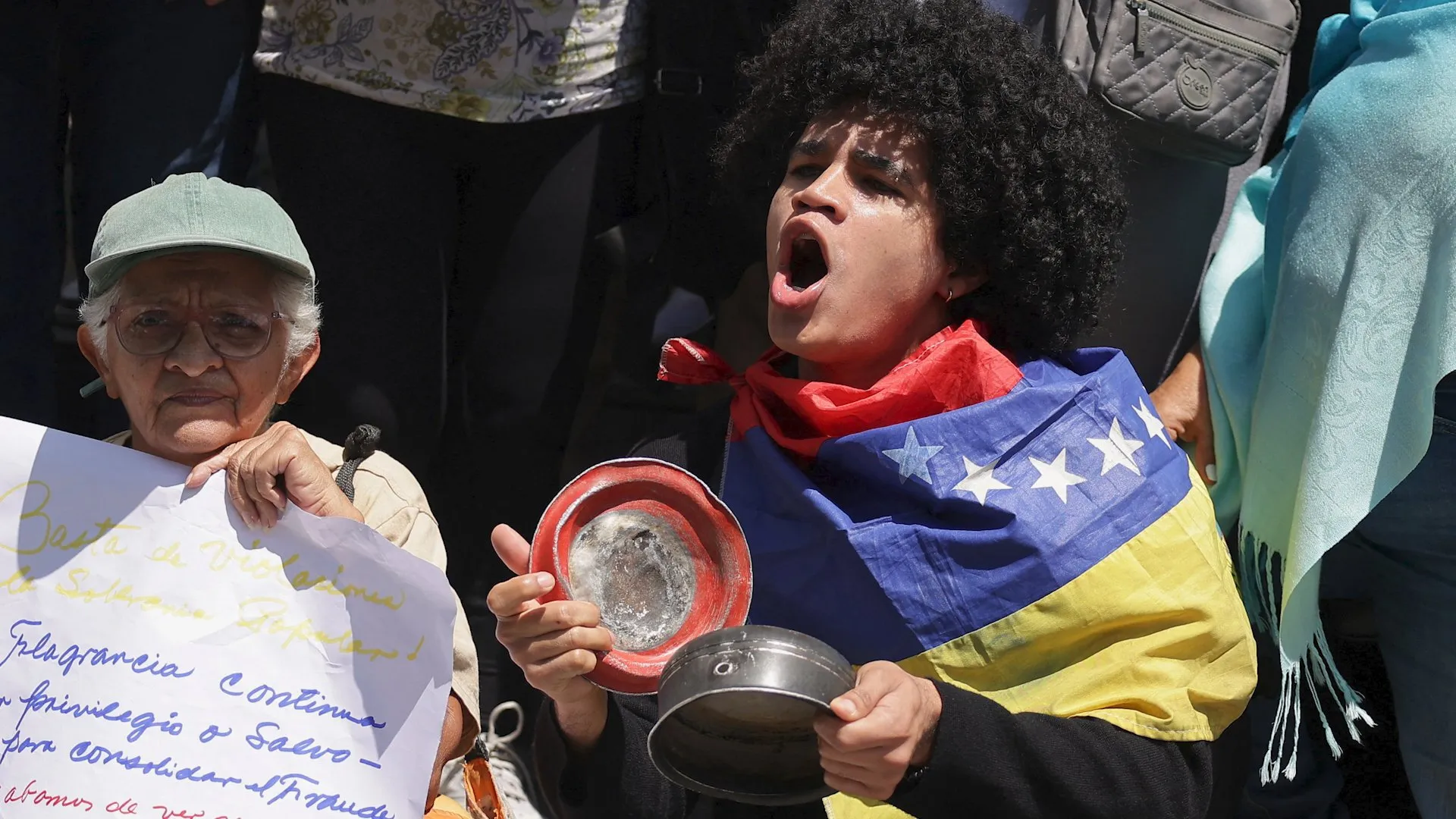
The long-term implications of the Venezuelan regime change remain uncertain. As the June 2027 trial date for Maduro approaches, the international community will be watching to see how the US judiciary navigates the complexities of prosecuting a former foreign head of state, particularly regarding international law and the potential precedent it sets for future interventions. Domestically, the new leadership in Caracas faces the arduous task of stabilizing the economy while managing a populace that has endured years of severe sanctions and political upheaval.
For the Hyrox organization, the path forward involves rebuilding trust with both competitors and fans. intensity nature of their sport with more rigorous, transparent medical and hygiene standards. Future events will likely see stricter enforcement of health protocols to ensure that ambiguity during unexpected situations does not lead to a repeat of the Beijing controversy.