

Canada is seeking an unprecedented associate membership with the European Union amid escalating trade tensions with the United States and internal political instability across Europe.
As traditional political architectures across the Atlantic face unprecedented strain, the Canadian government is actively exploring a formal, unprecedented associate membership status with the European Union. This overture, championed n, represents a significant recalibration of North American and European geopolitical alignment at a moment when established political norms are rapidly eroding.
While Canadian leadership frames the potential alliance as a defensive mechanism to ensure sovereignty and economic stability, the move has ignited immediate friction with Washington. United States President Donald Trump has characterized the prospective partnership as a potential “hostile act,” warning that any effort to deepen integration between Ottawa and Brussels could trigger severe retaliatory tariffs against European markets, further complicating a global landscape already defined
The proposed associate membership status—a category that currently does not exist within the European legal framework—serves as a bellwether for the shifting global order. It suggests that established democratic powers are feeling the pressure of a fragmented international system, seeking to build new, bespoke cooperative structures rather than relying on traditional, legacy alliances. For the European Union, the move is an attempt to secure critical mineral supply chains and energy security, while Canada seeks a bulwark against the volatility of its primary trading partner. This development underscores a fundamental transition: the era of reliance on monolithic power blocs is arguably giving way to a more fluid, reactive, and localized system of state-to-state economic shielding.
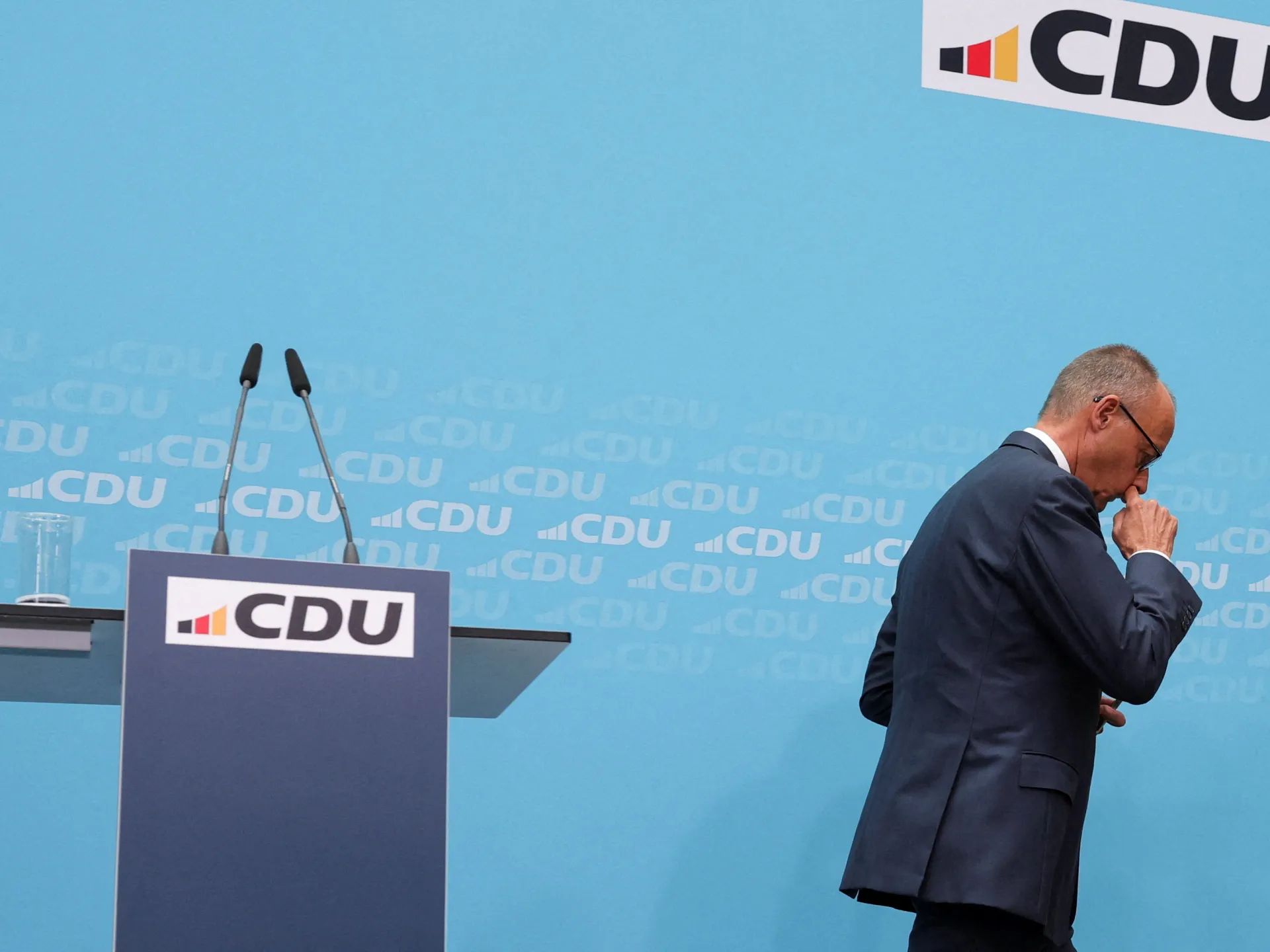
This push for closer trans-Atlantic ties occurs against the backdrop of a profound internal crisis for Europe’s centrist political establishment. Across the continent, from Berlin to Paris, the perceived failure of moderate, technocratic governance has sparked a populist surge. In Germany, Chancellor Friedrich Merz’s administration is grappling with record-low approval ratings and a significant loss of political influence, as the mainstream Christian Democratic Union struggles to contain the rising electoral momentum of the far-right Alternative for Germany (AfD).
Critics, including economist Yanis Varoufakis, argue that this discontent is not merely a reactionary movement but a direct consequence of long-term economic stagnation and austerity. As social safety nets have frayed and industrial capacity declined, the appeal of populist messaging has grown, filling the void left ealities of their citizenry. The inability of established parties to address these grievances has effectively brought European domestic stability to a tipping point.
The dialogue between Ottawa and Brussels is explicitly framed as a response to what Prime Minister Carney describes as the “weaponization of trade.” With bilateral talks between Canada and the United States having collapsed last month, both nations are currently locked in a cycle of retaliatory tariffs. Carney’s appeal to the European Parliament, where he stressed that the alliance was not intended to form a new power bloc but rather to act as a “beacon for other democracies,” has done little to mitigate the concerns of the White House.
While the Canadian government maintains that the initiative is an exercise in national sovereignty, the geopolitical optics remain precarious. The threat of “very heavy tariffs” from the United States suggests that Canada’s attempt to hedge its economic risks could inadvertently accelerate the very isolation it aims to prevent. For now, the proposal remains in the exploratory phase, testing the resilience of European and North American diplomatic relations.
The feasibility of a Canada-EU associate membership remains legally and politically untested. The immediate path forward will likely involve high-level technical negotiations to define what such a status entails, specifically regarding regulatory alignment and trade access. Analysts anticipate that the project will face significant internal resistance within European member states concerned about diluting their own union’s cohesion. Simultaneously, the U.S. administration’s stance suggests that any formalization of this agreement will be met with immediate economic pushback, likely forcing Canada and the EU to decide whether the strategic benefits of their deeper cooperation outweigh the risk of further decoupling from the American market.