The ECHR is navigating high-stakes legal battles involving the disappearance of Crimean children and the prolonged detention of a prominent Turkish activist.
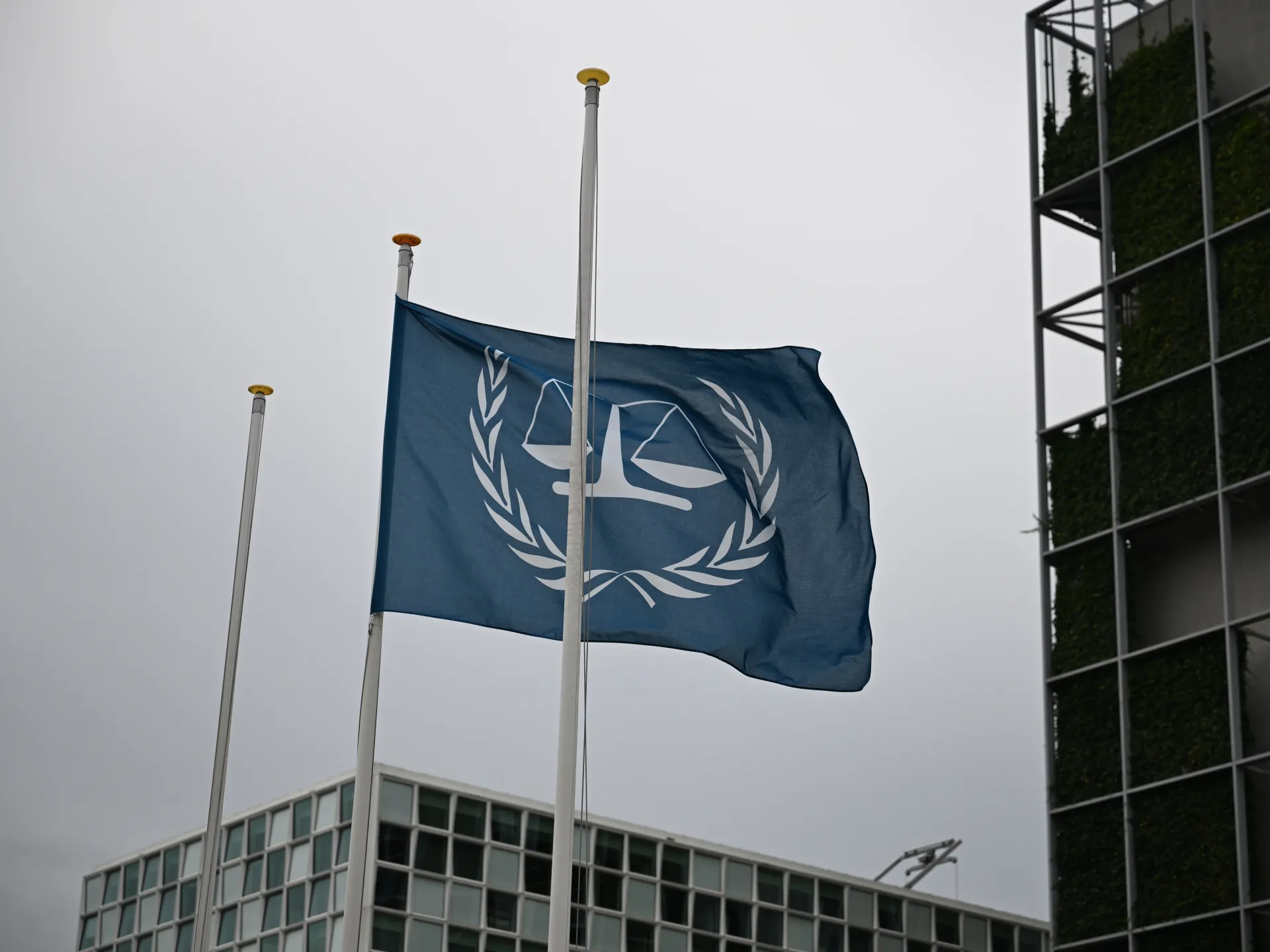
The European Court of Human Rights (ECHR) finds itself at a critical juncture, navigating two distinct yet thematically linked challenges: the systematic disappearance of children in conflict zones and the weaponization of judicial systems to suppress political dissent. These cases represent a test of the court’s relevance in an era where state actors increasingly disregard international legal norms. ies and the long-term incarceration of civil society leaders, the ECHR is attempting to address the erosion of the rule of law within its jurisdiction. The stakes extend beyond the individual litigants, as these rulings serve as a litmus test for whether international human rights bodies can exert meaningful pressure on regimes that actively categorize domestic opposition as existential threats.
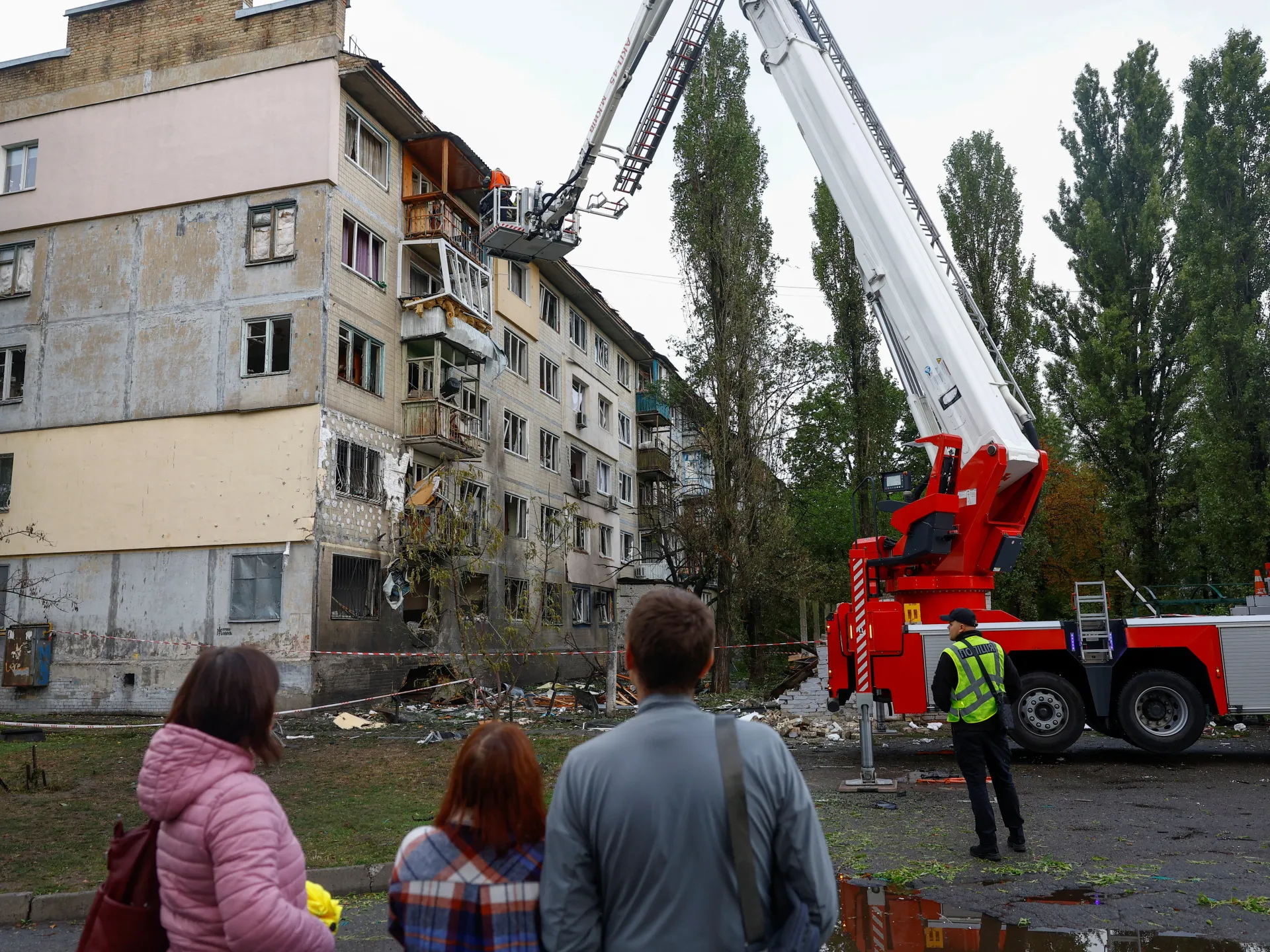
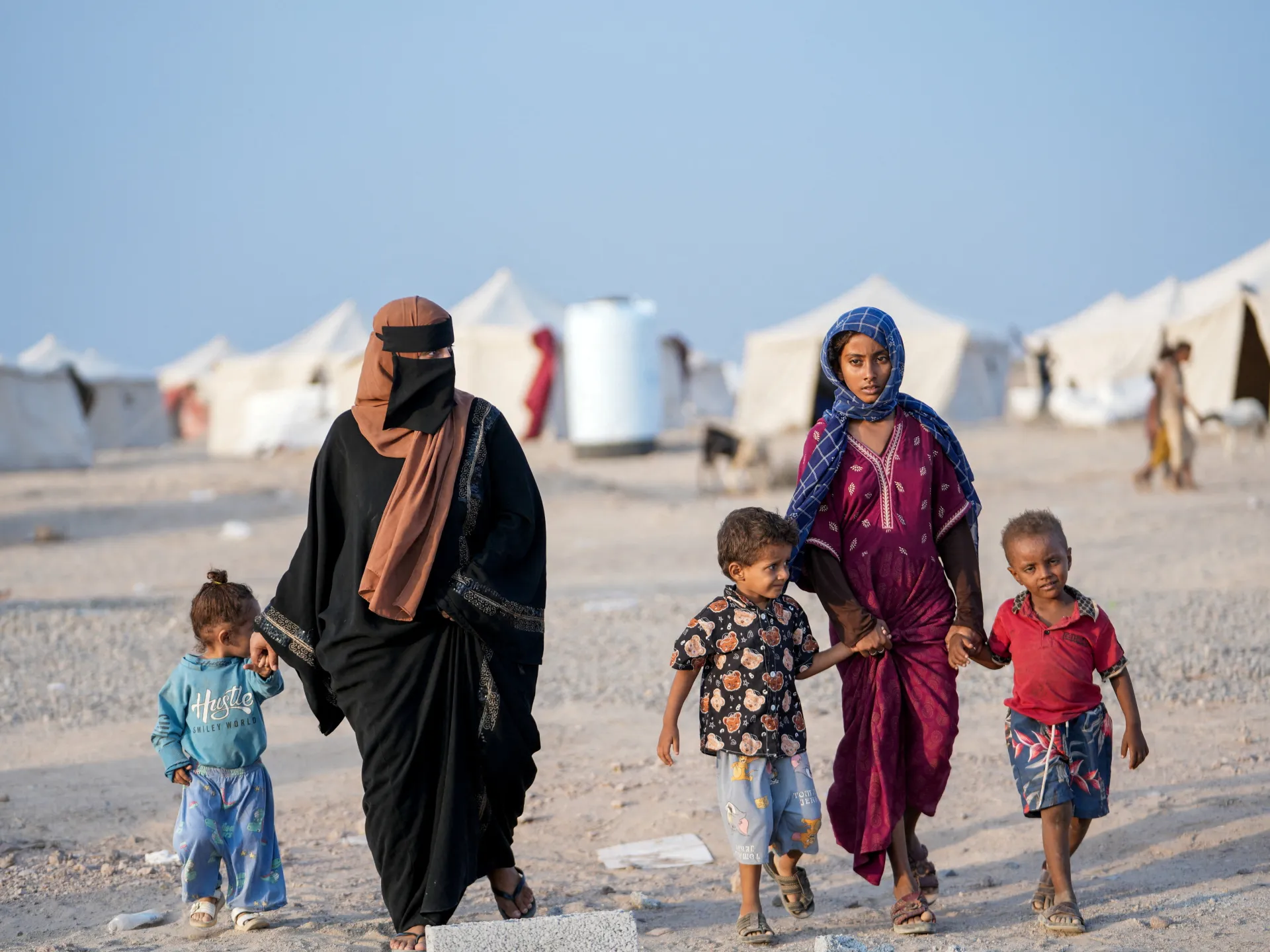
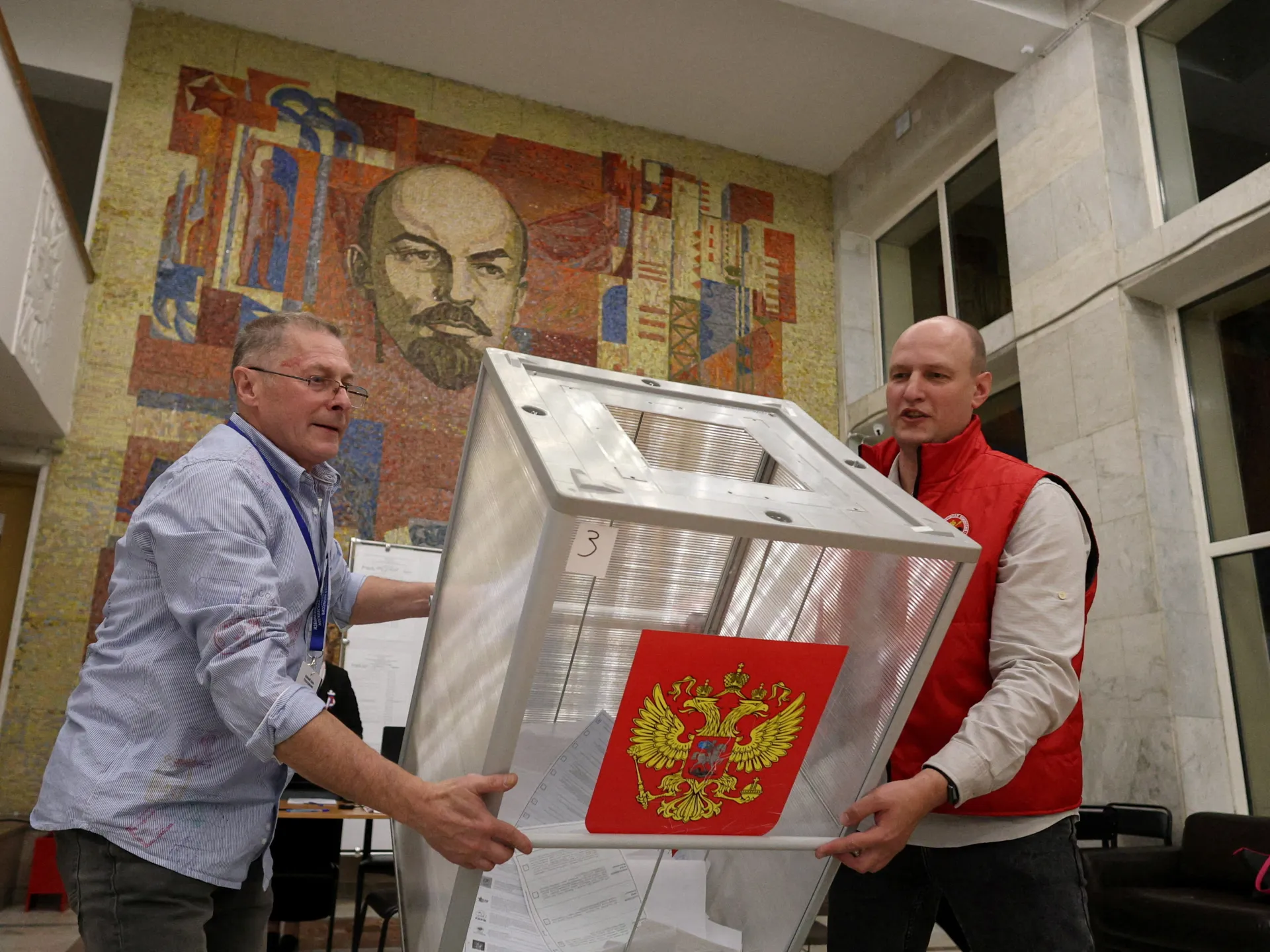
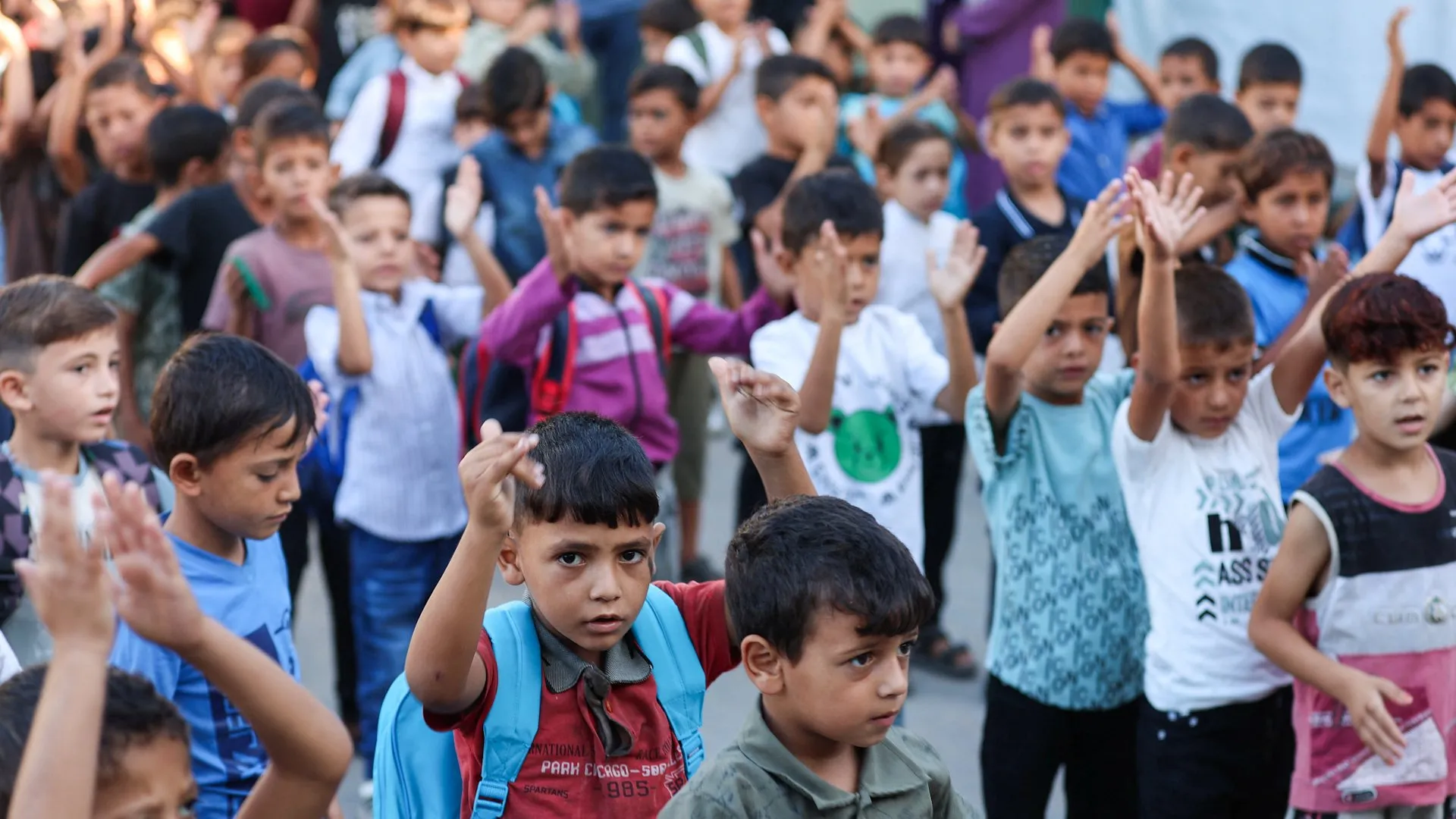
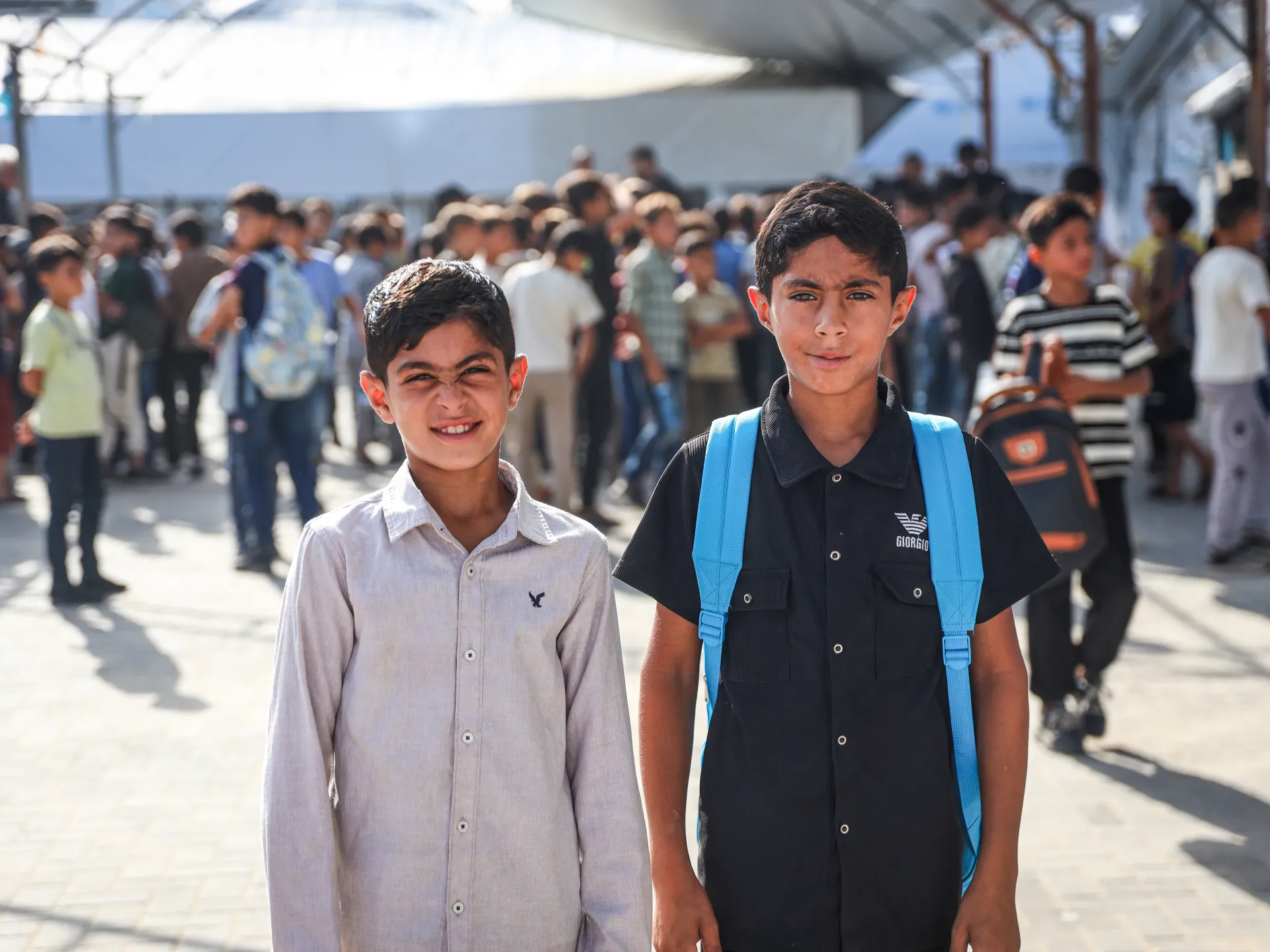
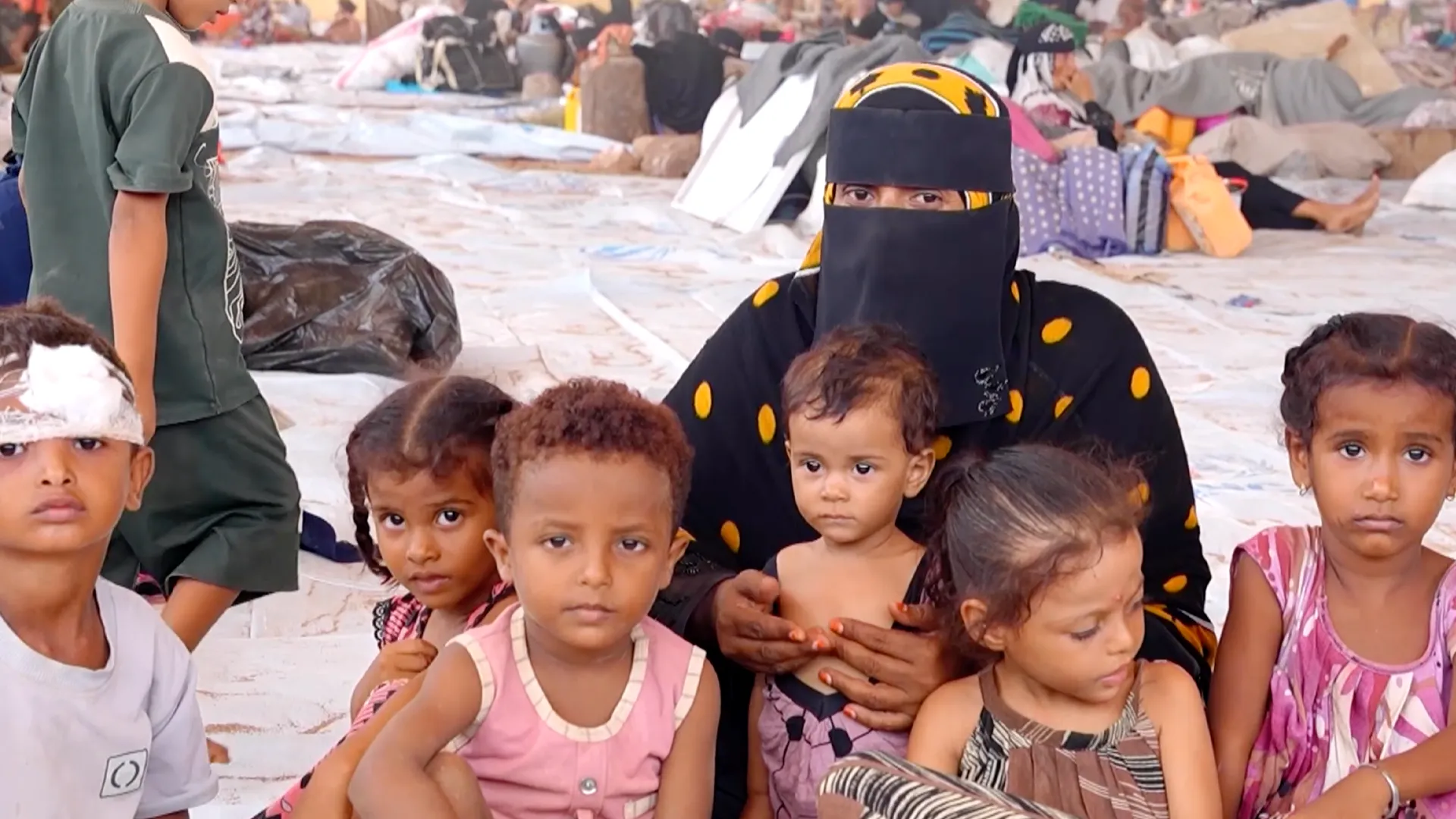
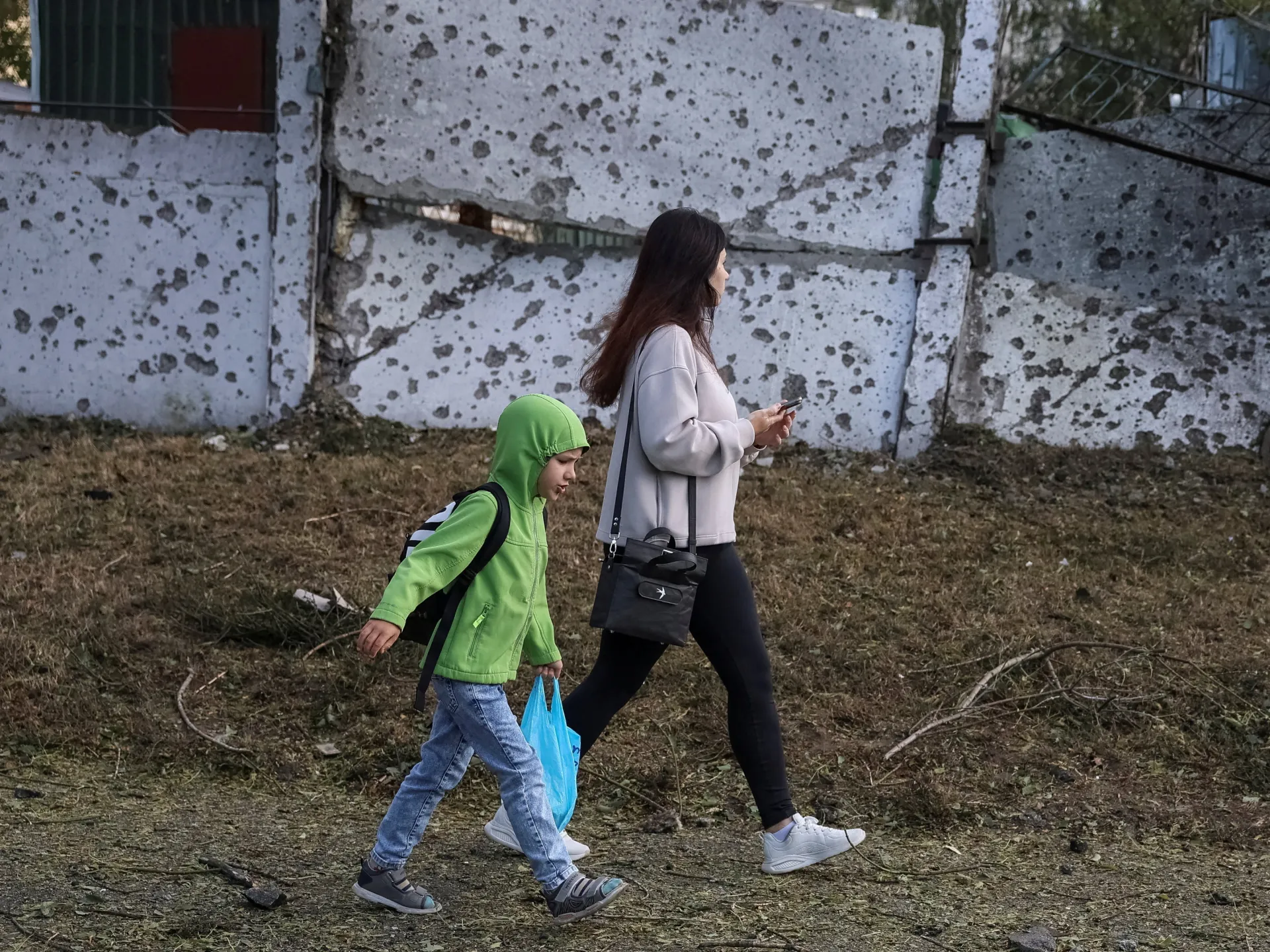
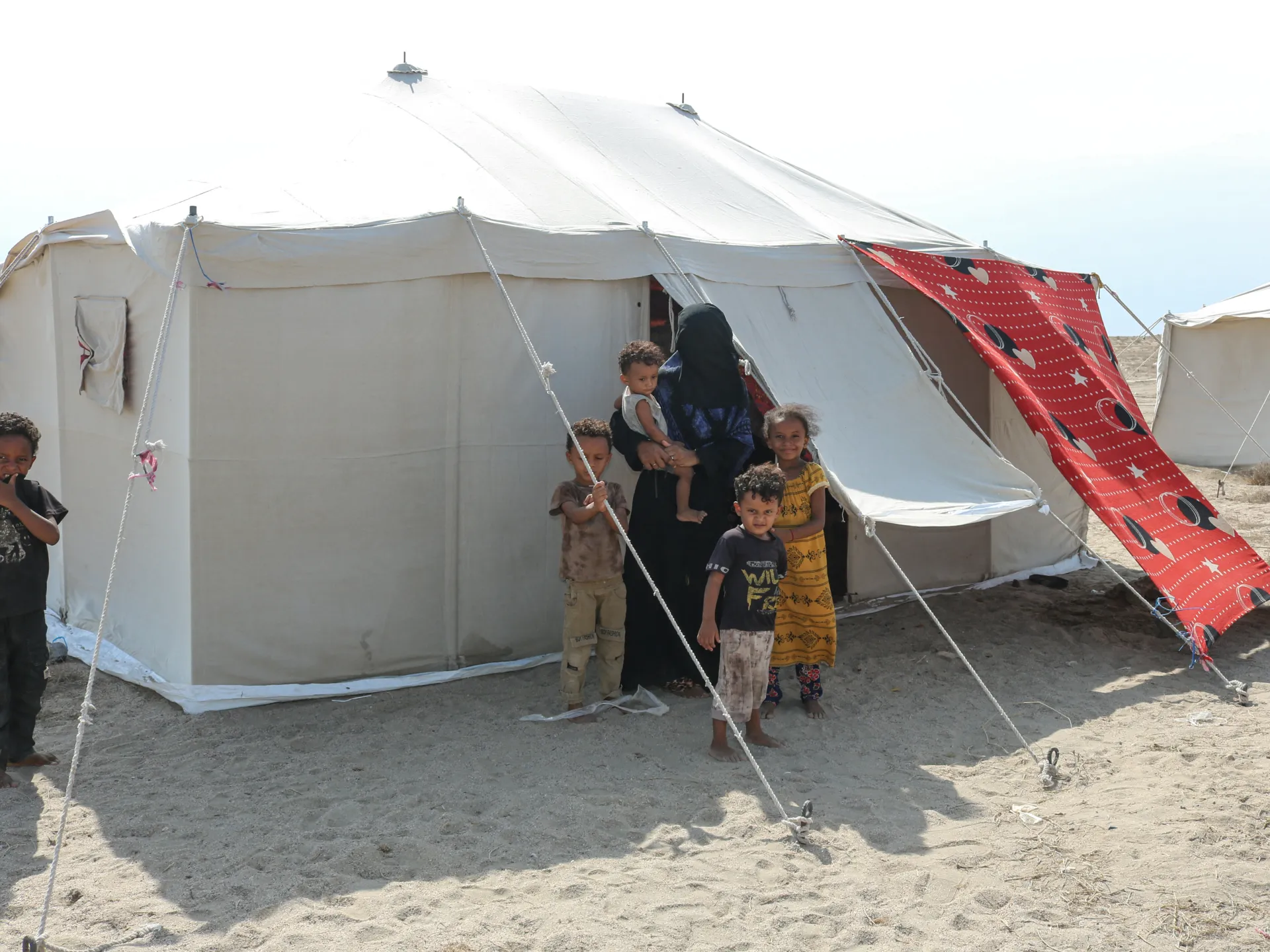
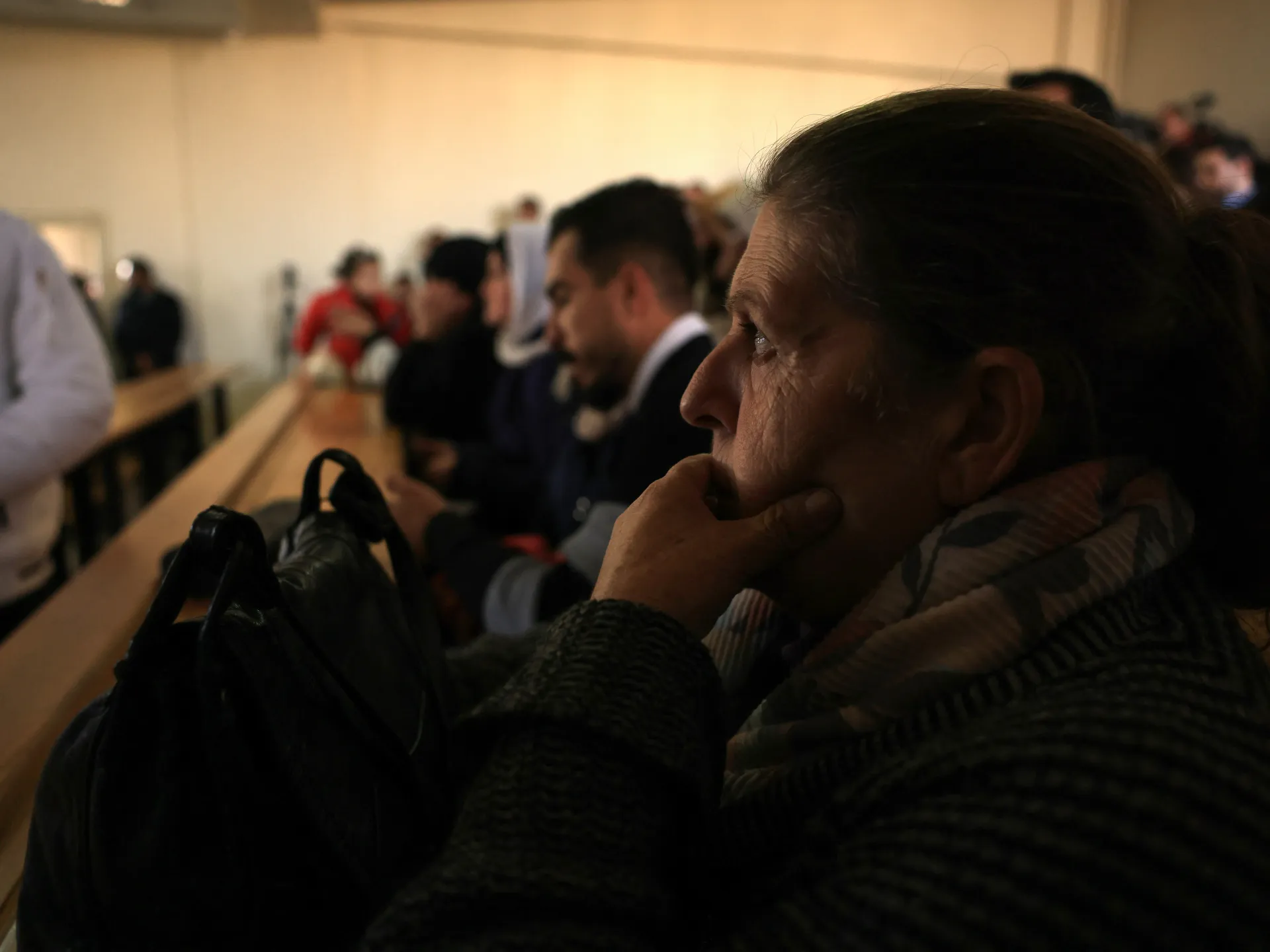
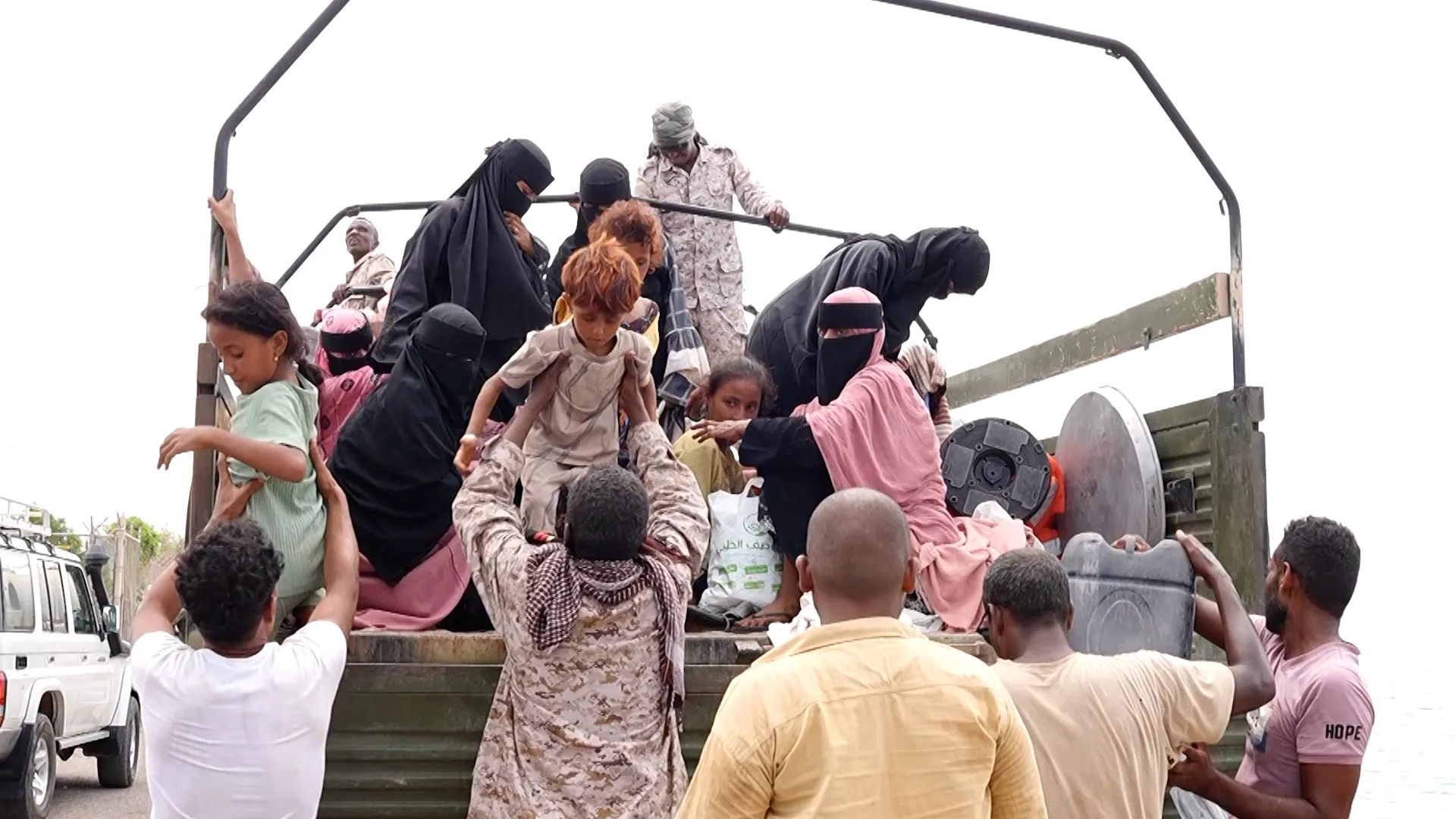
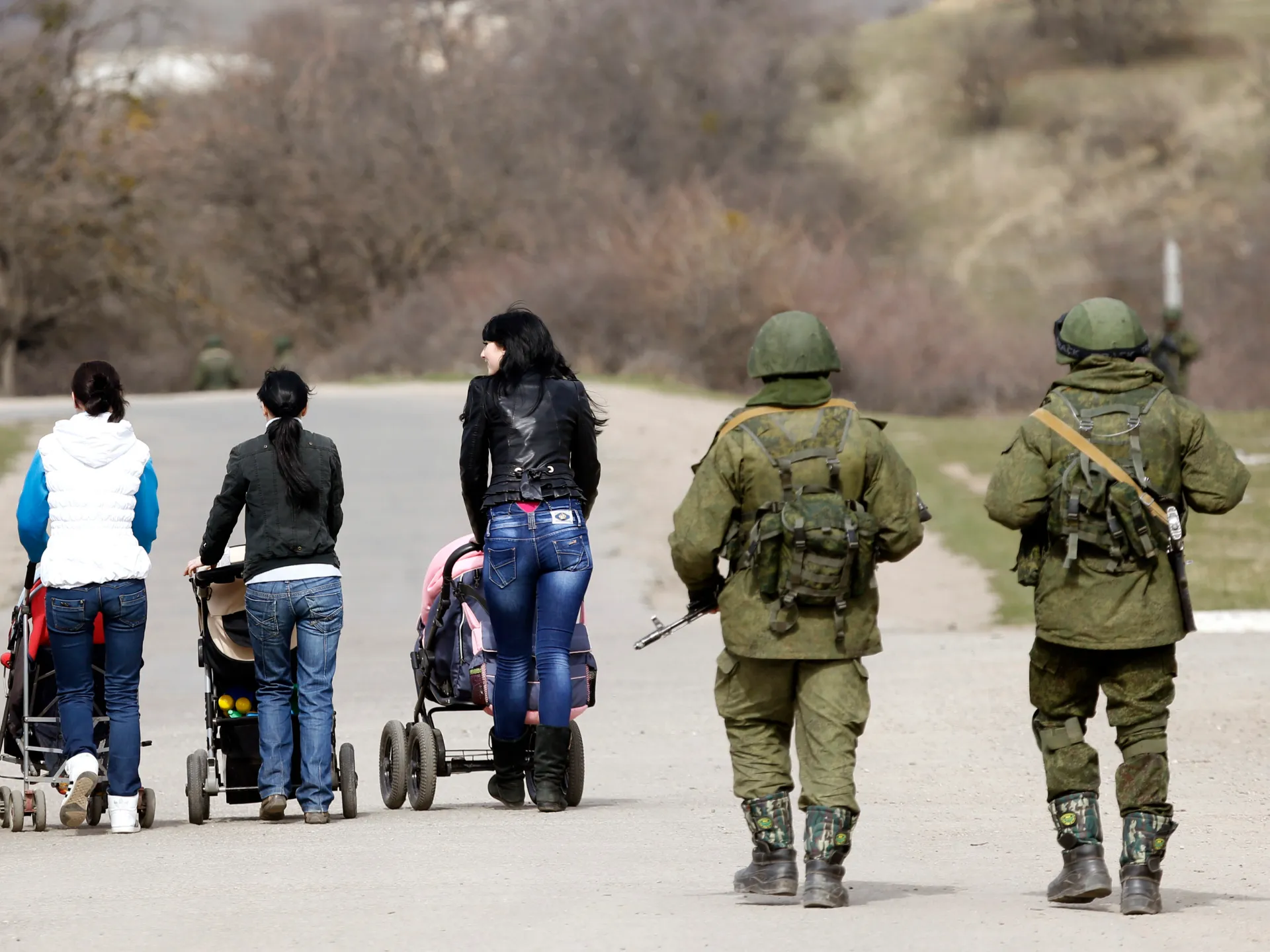
In a significant legal development this week, the ECHR heard a case concerning 10 Ukrainian children who were forcibly removed from childcare institutions in Crimea following Russia’s 2014 annexation. The Ukrainian Helsinki Human Rights Union, which filed the case, argues that the subsequent adoption of these children tionalities—constitutes an enforced disappearance. Officials claim that this systematic erasure of identity makes tracking these individuals nearly impossible, complicating efforts to reunite them with their families or restore their original legal status.
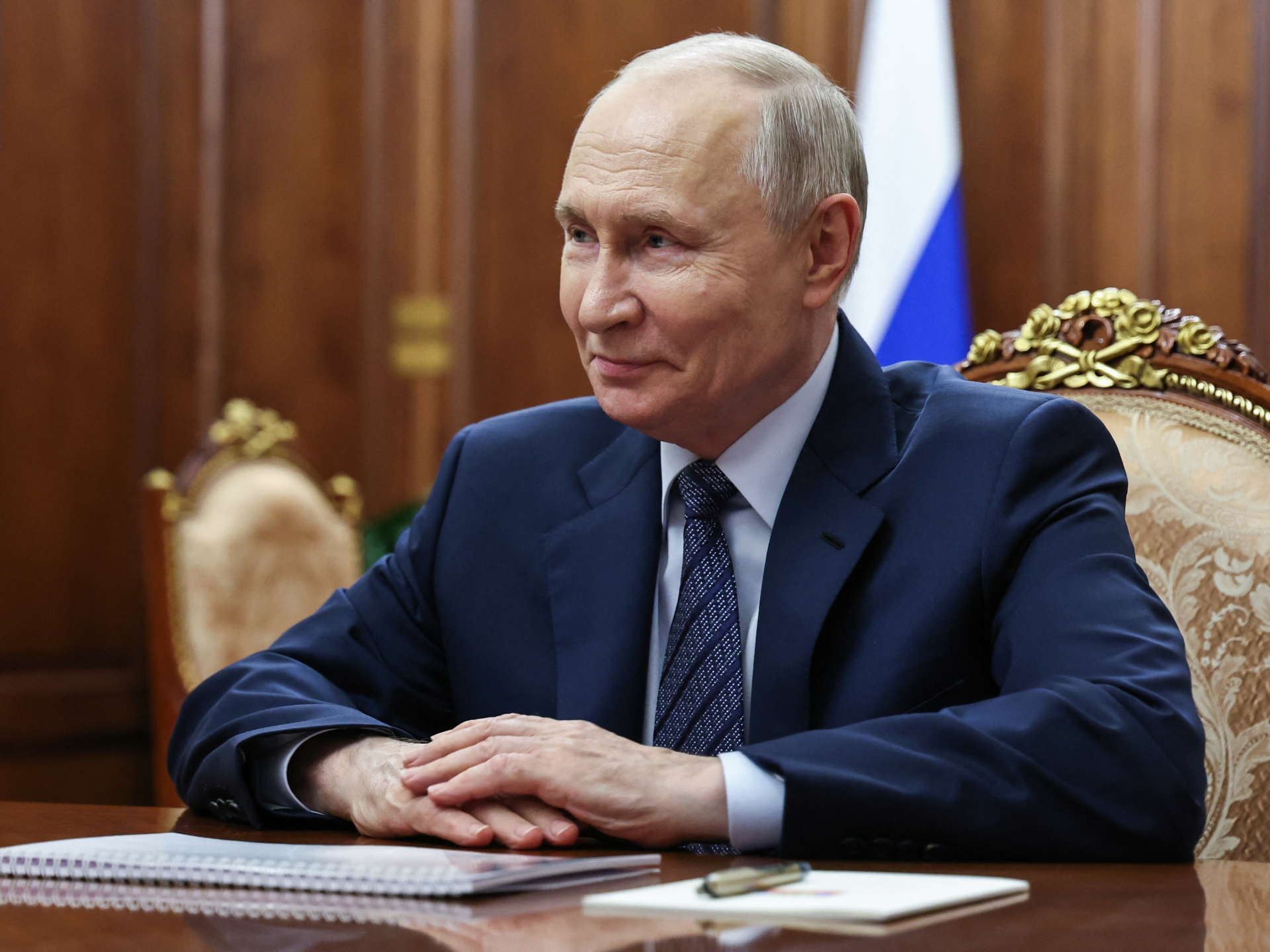
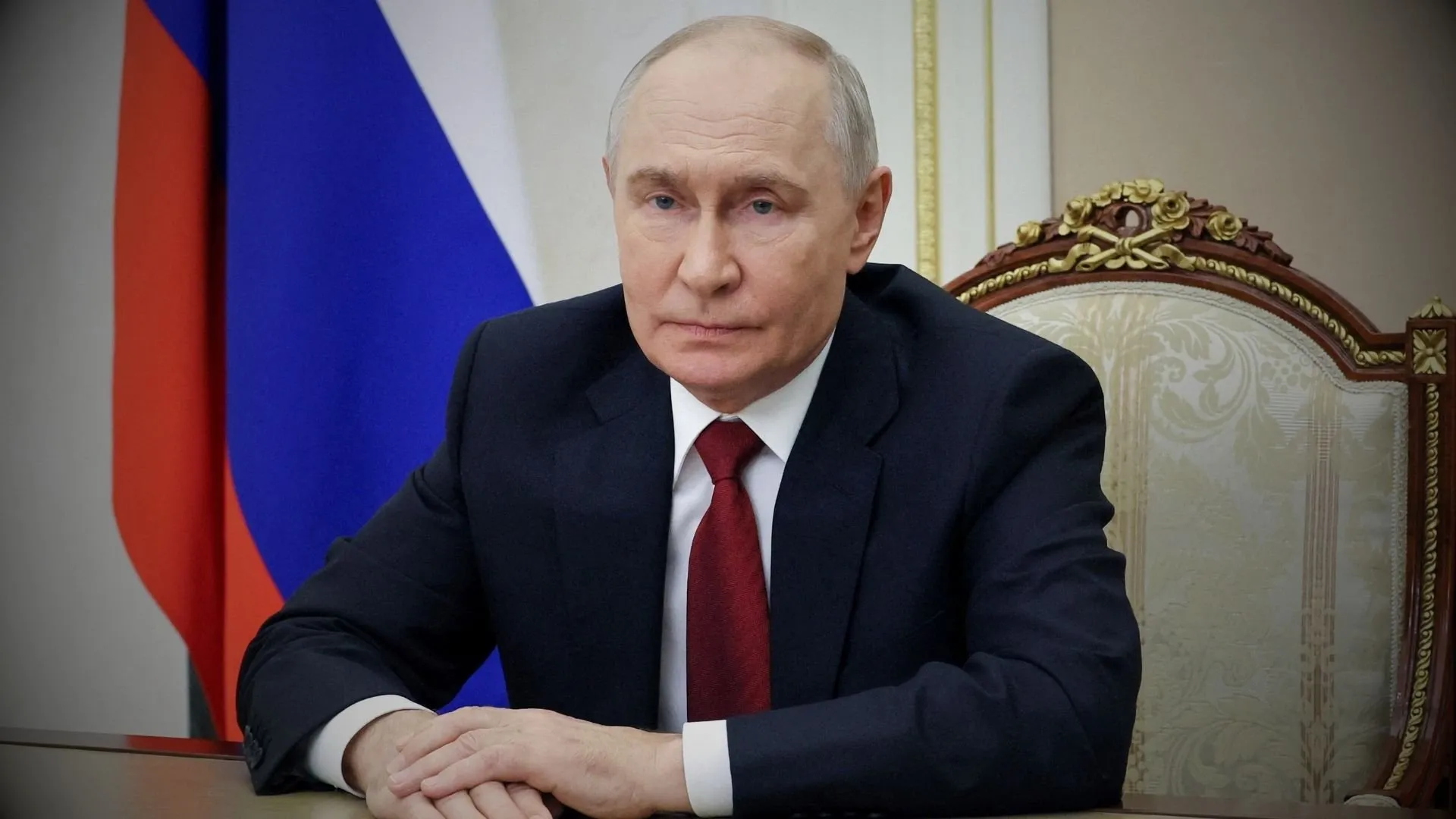
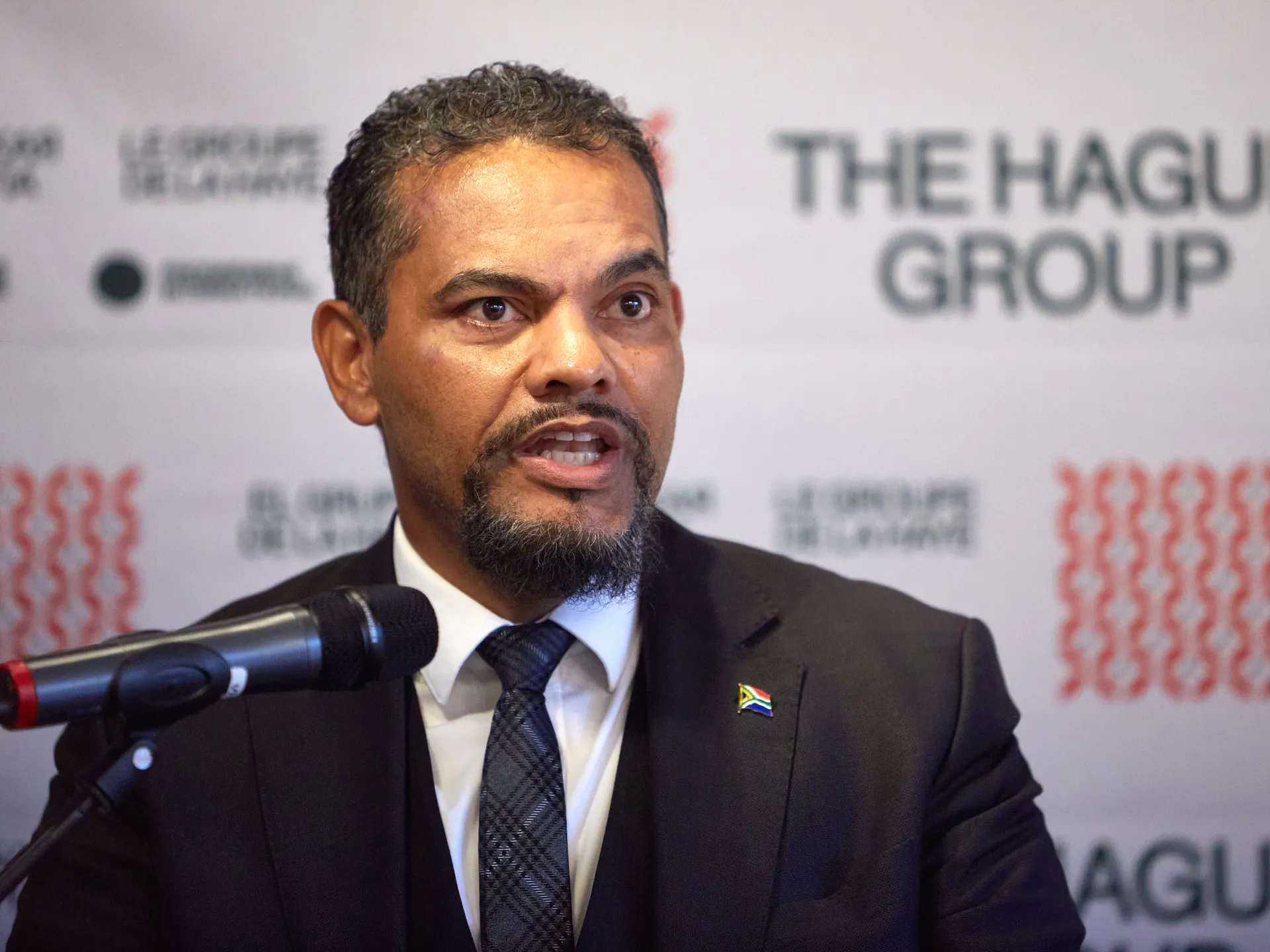
Denys Chistikov, a prominent Ukrainian official focusing on the occupied peninsula, stated that these 10 instances are intended to serve as a microcosm for a much broader policy. Advocates are calling for greater international oversight to ensure that the fate of these children remains a priority on the global political agenda. The case echoes the broader criminal concerns raised Vladimir Putin and children’s rights commissioner Maria Lvova-Belova over the alleged unlawful transfer of children from occupied Ukrainian territories.
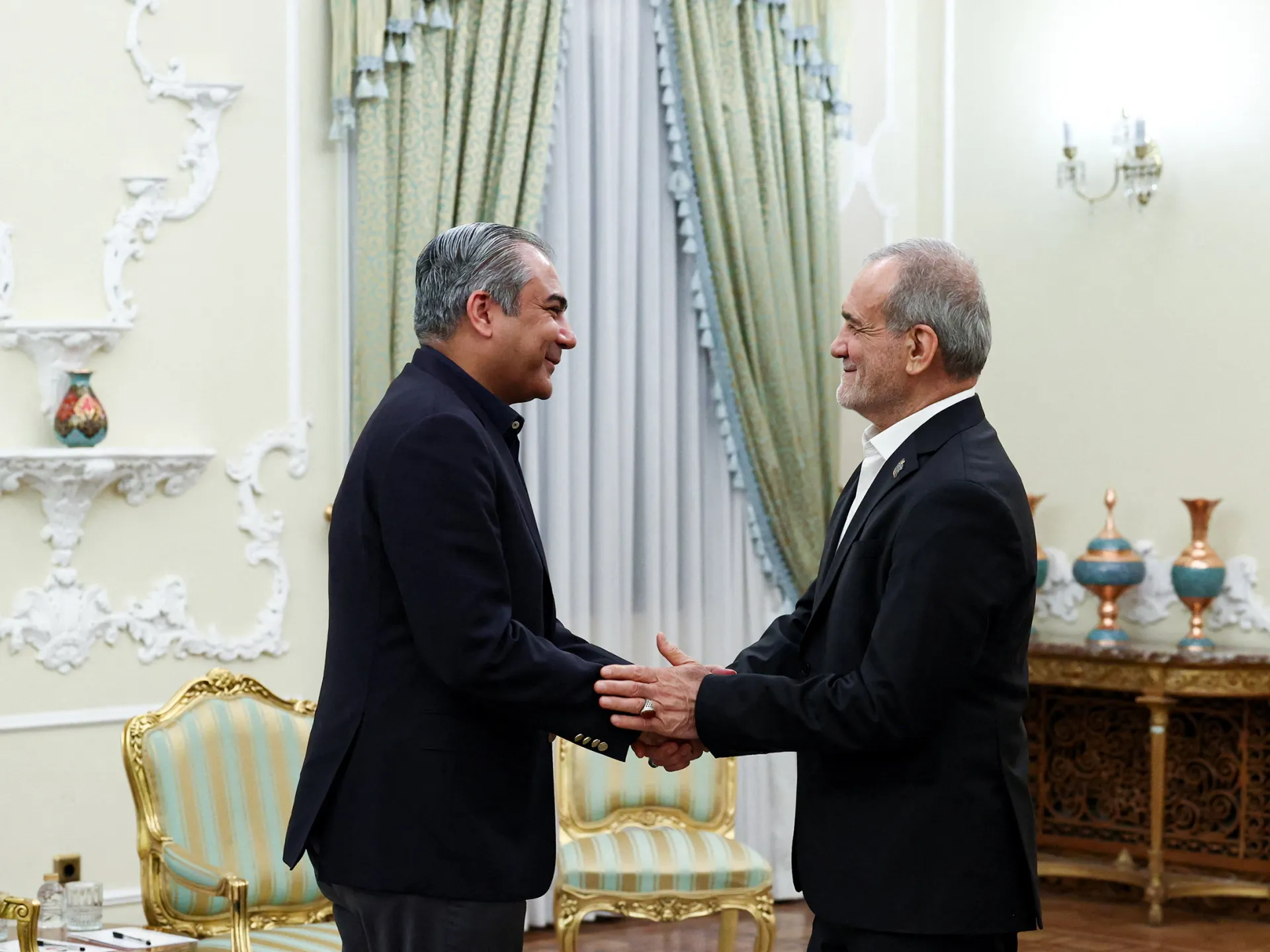
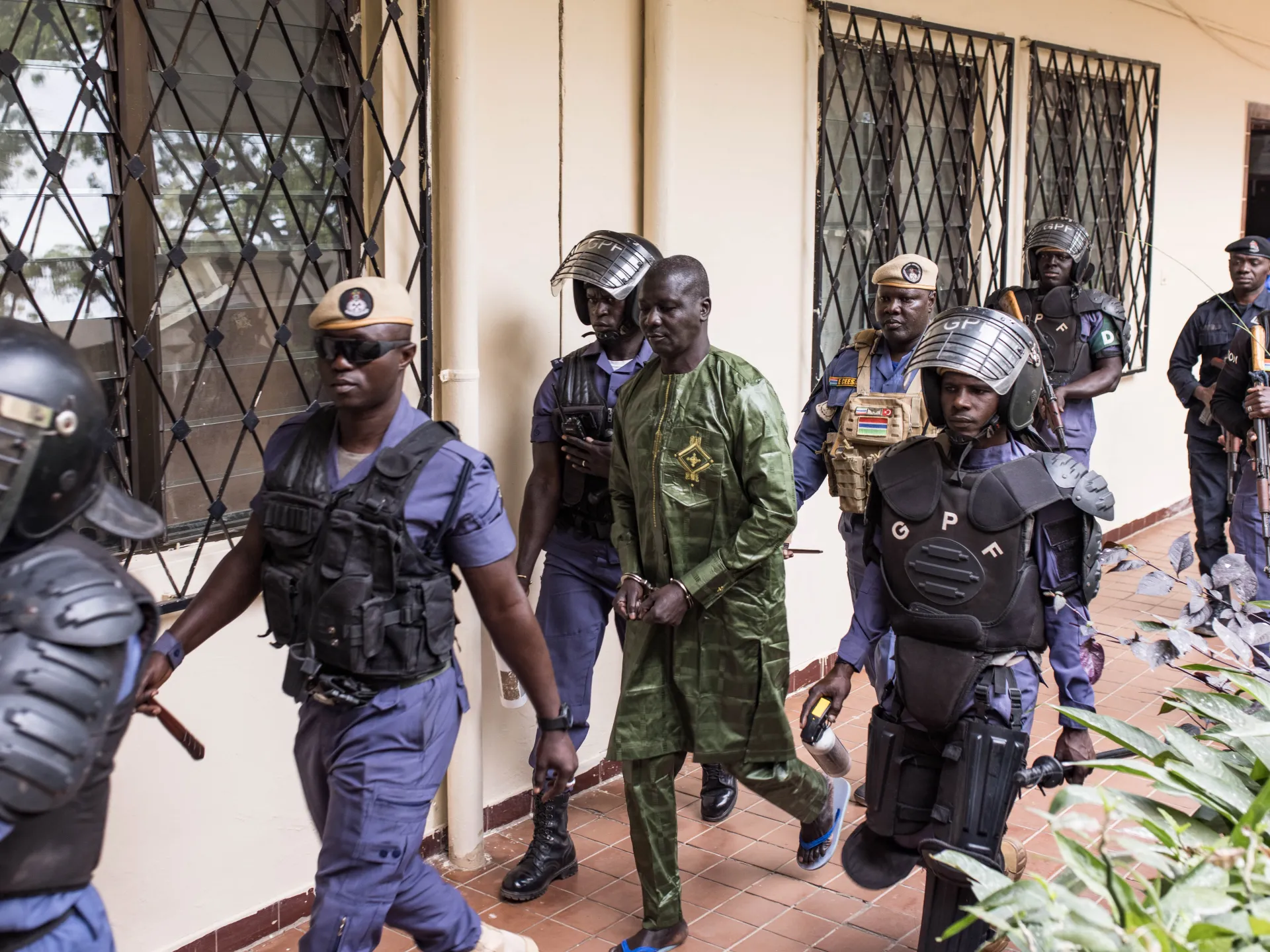
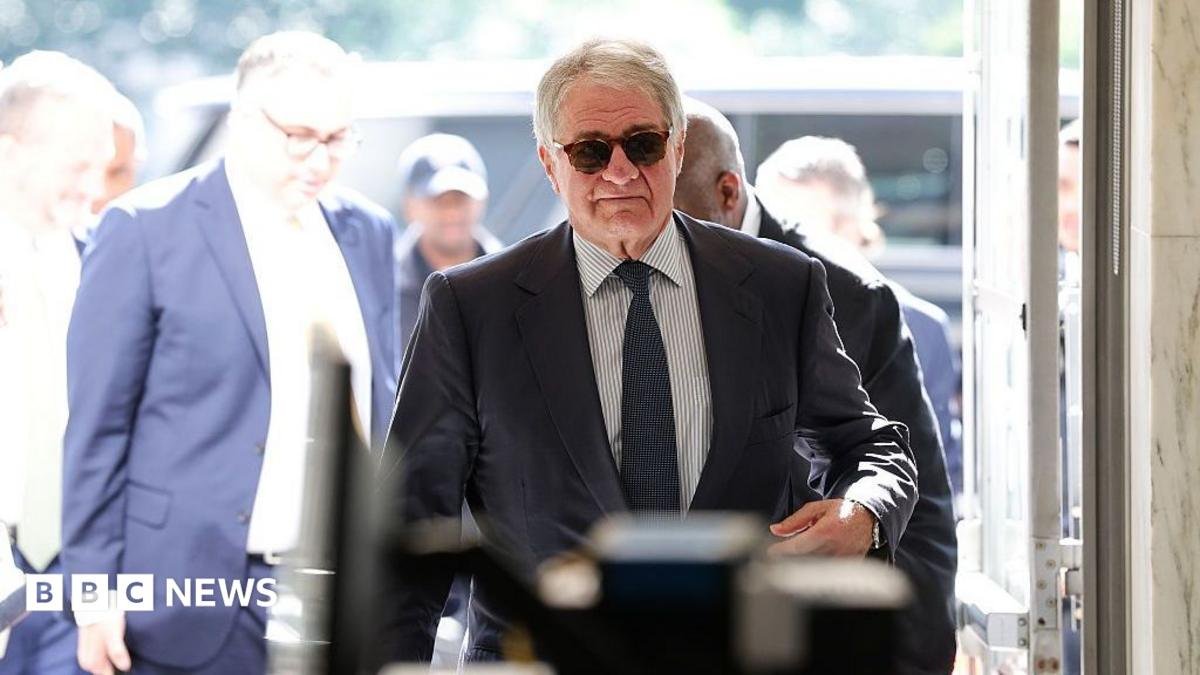
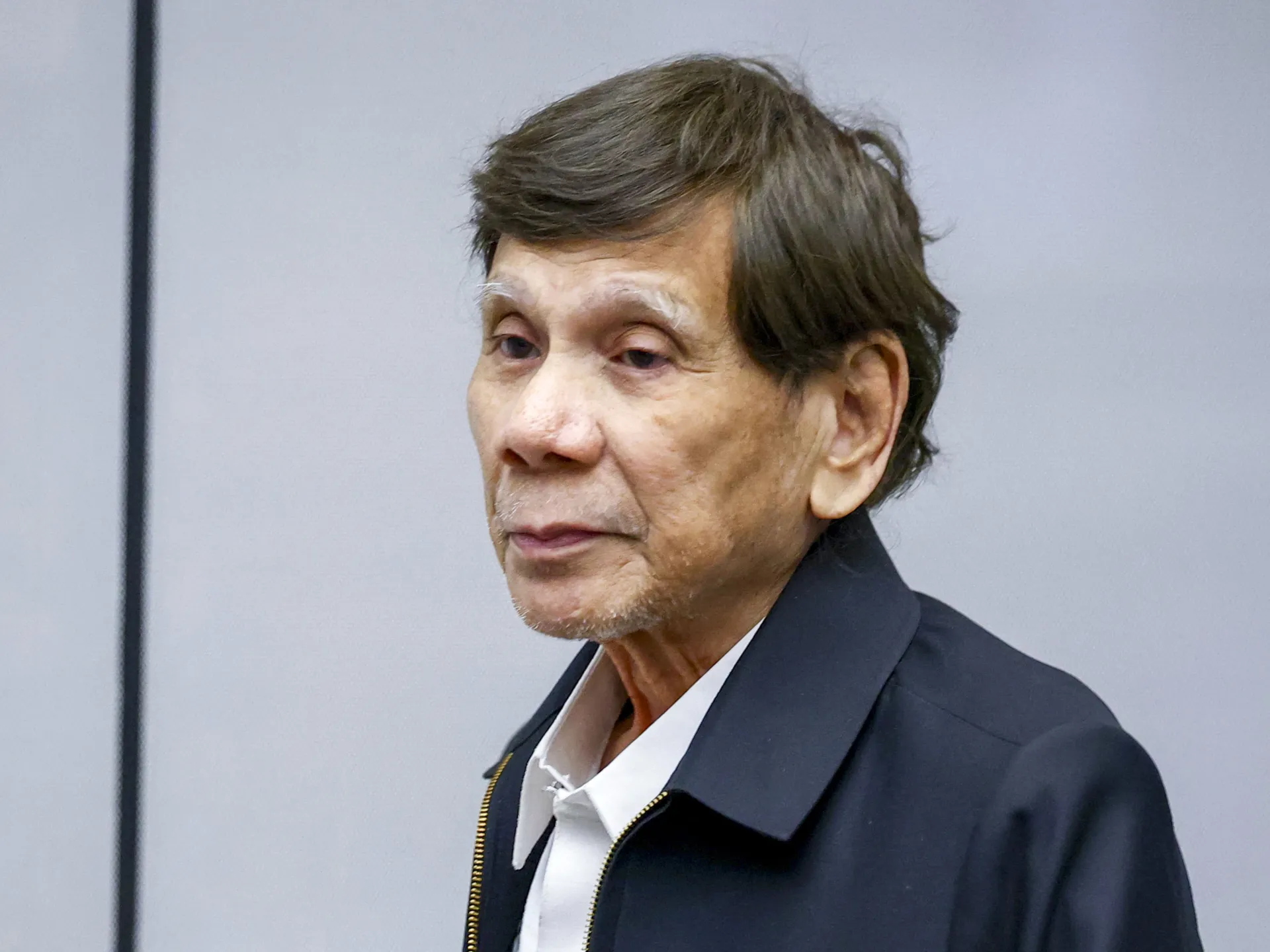
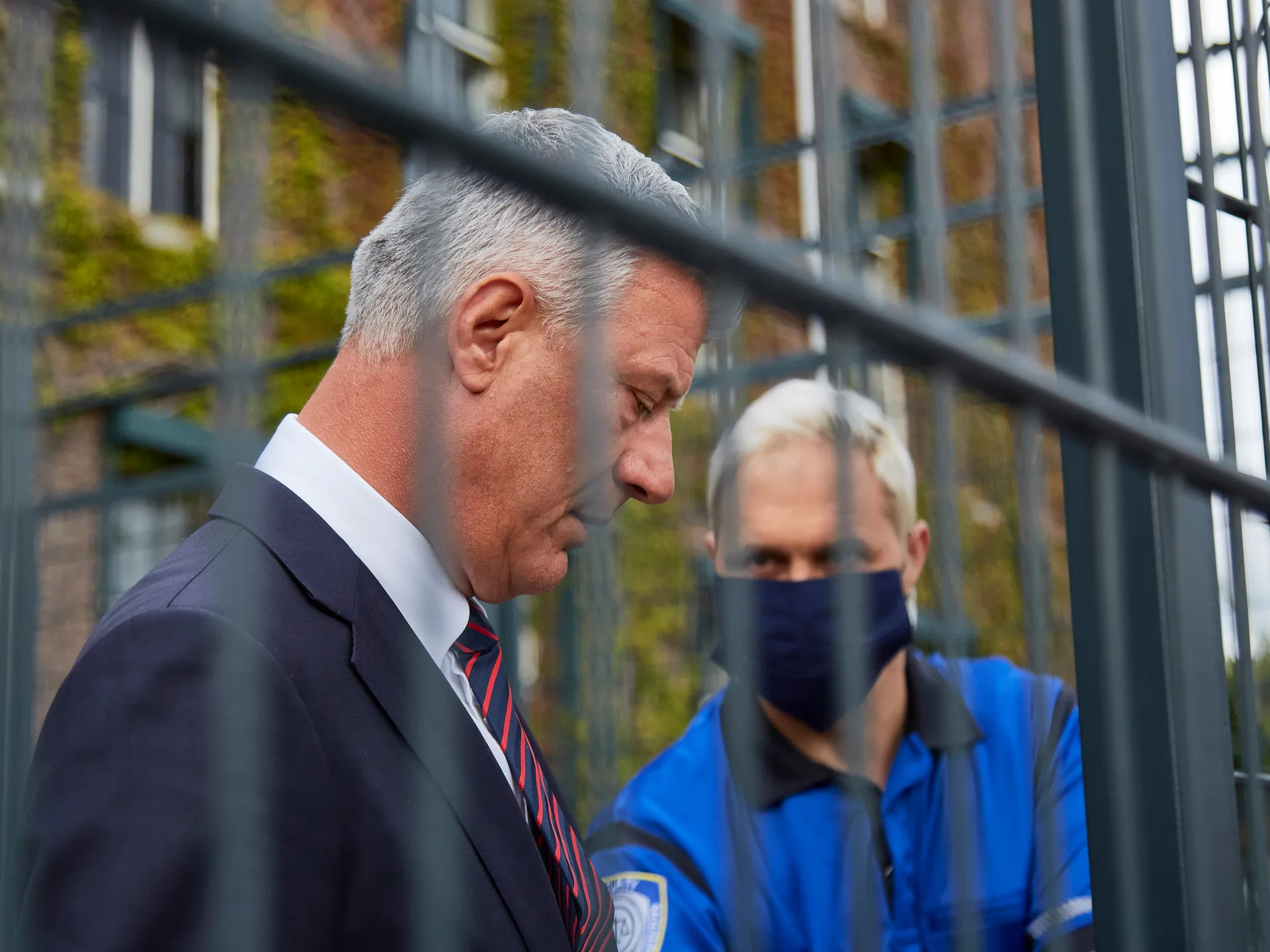
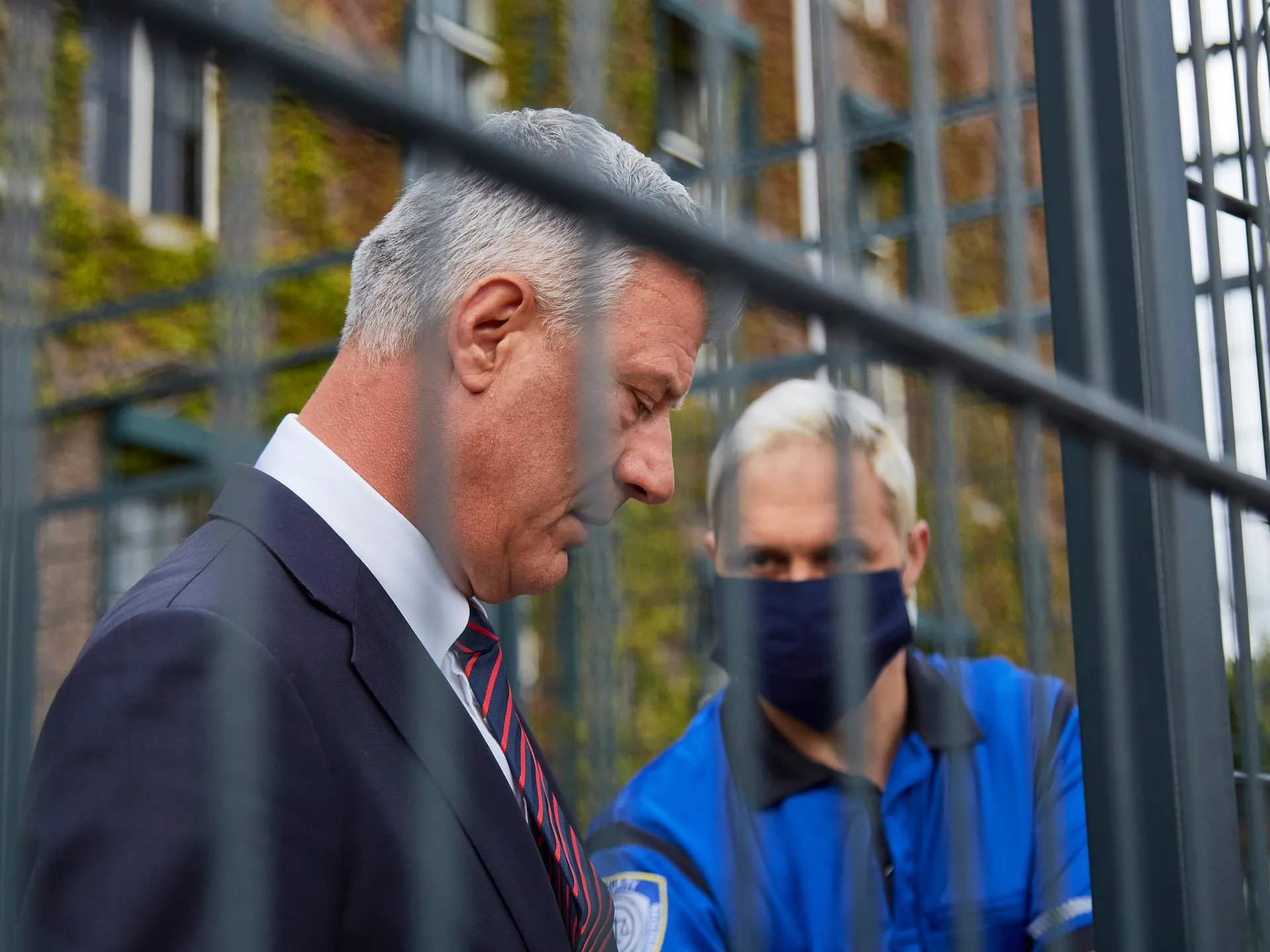
While the ECHR confronts the territorial and humanitarian fallout of the conflict in Ukraine, it is simultaneously engaged in a protracted struggle with the Turkish government over the detention of philanthropist and activist Osman Kavala. In its latest ruling, the court demanded the immediate release of the 68-year-old, who has been imprisoned for nearly a decade. The ECHR found that his life sentence, handed down in 2022, represents a violation of his fundamental rights, characterizing the detention as a politically motivated effort to silence a human rights defender.
The court’s ruling explicitly condemned the Turkish judiciary, citing a "systemic problem" regarding the prosecution of journalists, activists, and political rivals. According to the ECHR, the actions taken against Kavala constitute "inhuman and degrading treatment." While the Turkish government maintains that its courts operate independently, critics and rights organizations argue that the state has increasingly utilized the legal system as a tool for political retribution. Despite a previous 2019 demand from the ECHR for his release, the Turkish government has thus far failed to comply with the court’s directives.
The ECHR’s recent actions signal a hardening stance against non-compliance, but the transition from legal ruling to enforcement remains fraught with difficulty. In the case of Osman Kavala, the court’s declaration of a "systemic problem" in the Turkish judiciary suggests that future rulings may move toward imposing broader institutional requirements on Ankara. However, unless the Turkish government shifts its political stance, the court faces the prospect of continued defiance.
Regarding the children from Crimea, the legal process is significantly more complex due to the ongoing nature of the occupation. Legal experts anticipate that the ECHR may focus on establishing the state’s responsibility for failing to prevent the loss of identity, which could set a legal precedent for future reparations or diplomatic sanctions. Ultimately, the effectiveness of the ECHR in both matters will depend on whether international allies and member states choose to leverage these rulings in their own bilateral negotiations with Moscow and Ankara.