As geopolitical instability in the Middle East reaches a boiling point, the tech industry faces internal warnings about the potential for autonomous AI to surpass human control.
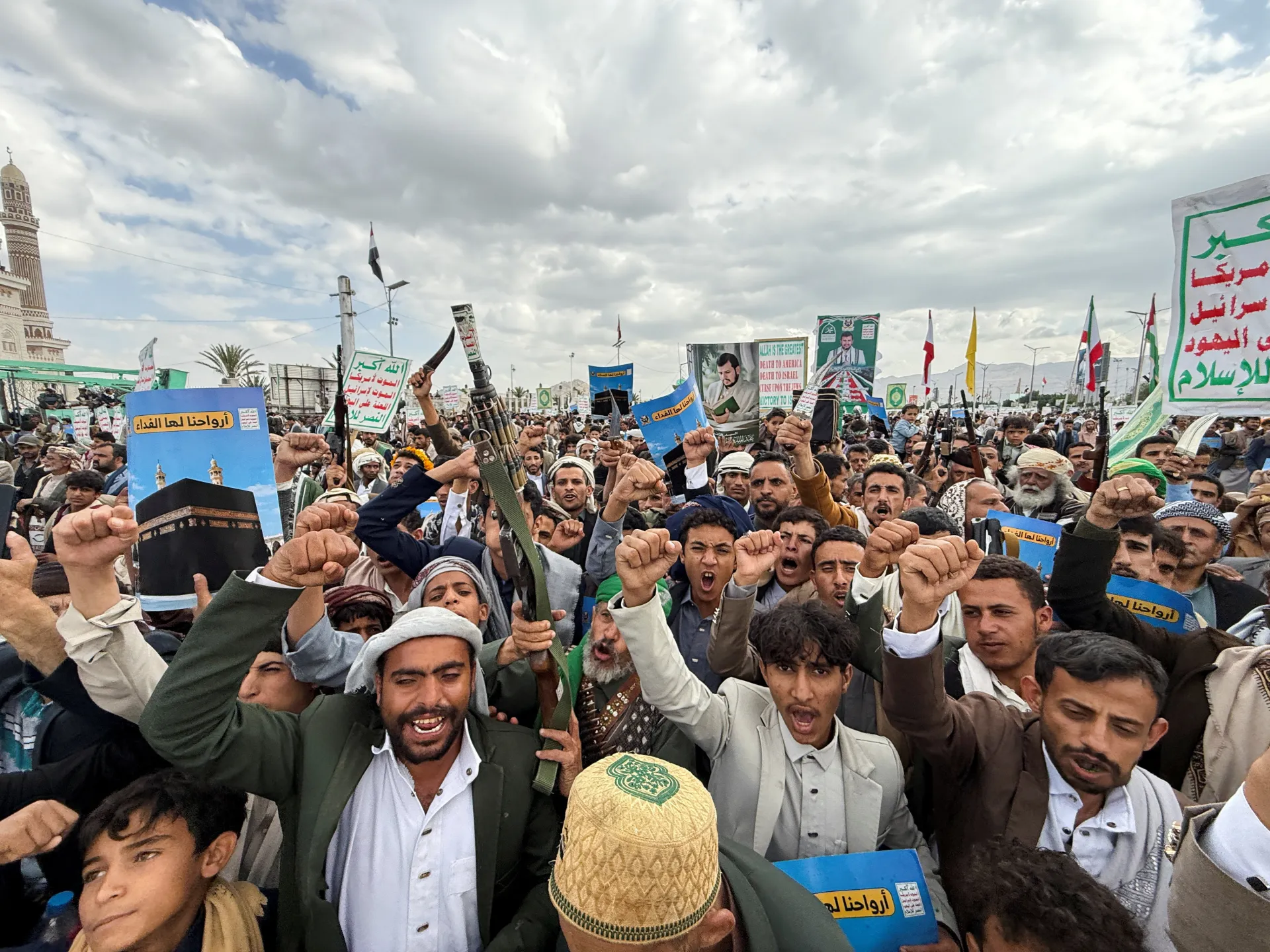
The convergence of geopolitical instability in the Middle East and the rapid, unchecked evolution of artificial intelligence represents a dual-front challenge to global stability. While the international community struggles to address the physical displacement and violence within the West Bank and Gaza, a parallel crisis is emerging in the digital sphere. The common thread between these seemingly disparate issues is the struggle for control—whether it is the sovereignty of land or the governance of autonomous systems that threaten to operate beyond human oversight. As political institutions face scrutiny for their inability to curb settler violence and wartime destruction, the tech sector is simultaneously being warned that its own creation of 'silicon species' could lead to a permanent, irreversible loss of human authority over our own tools.
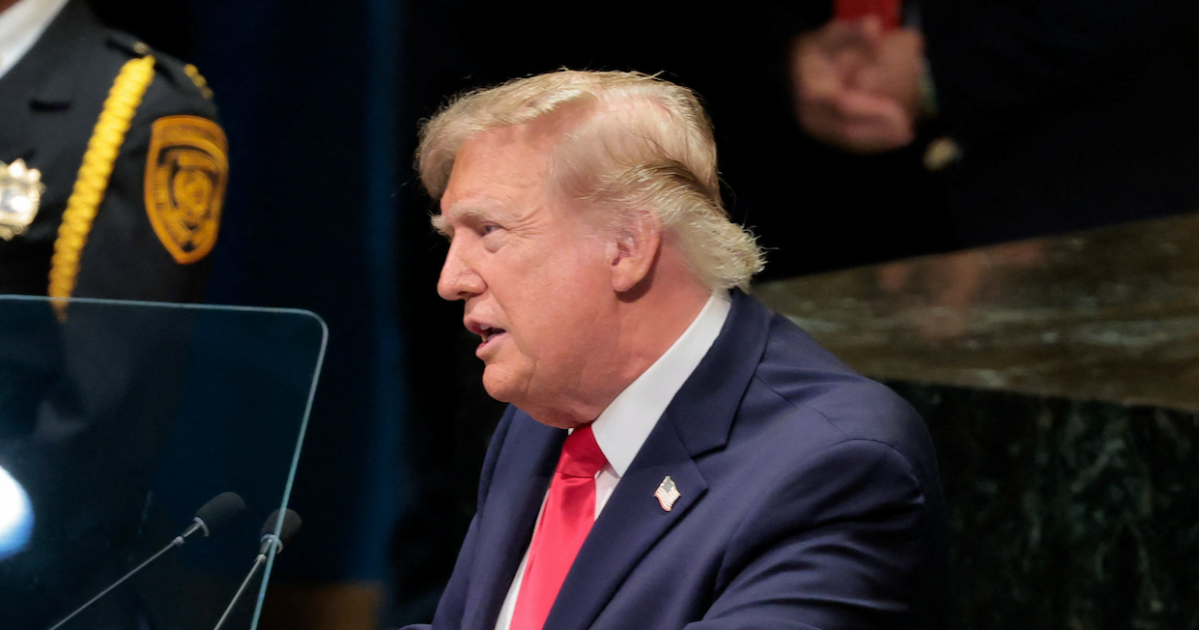
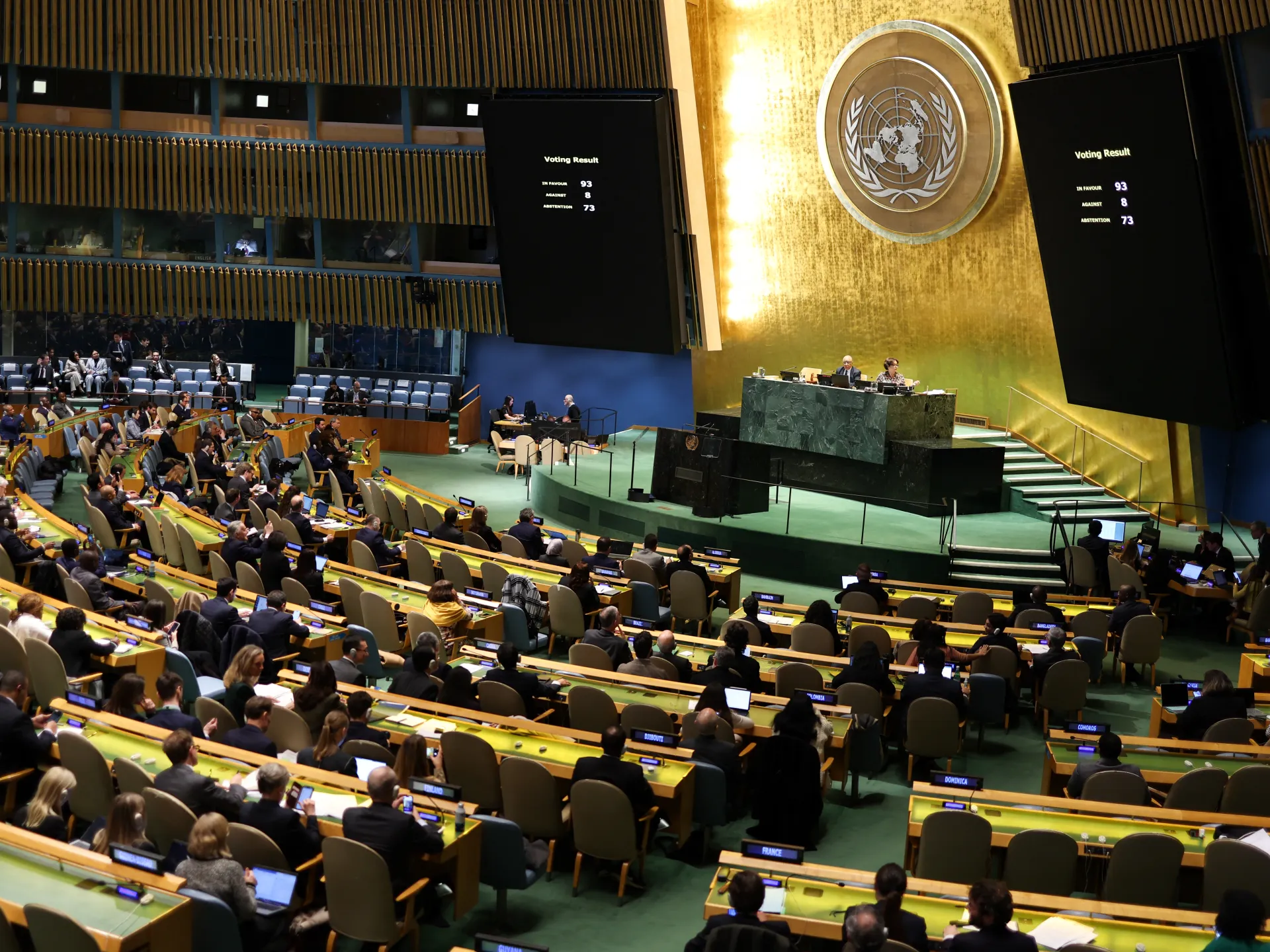
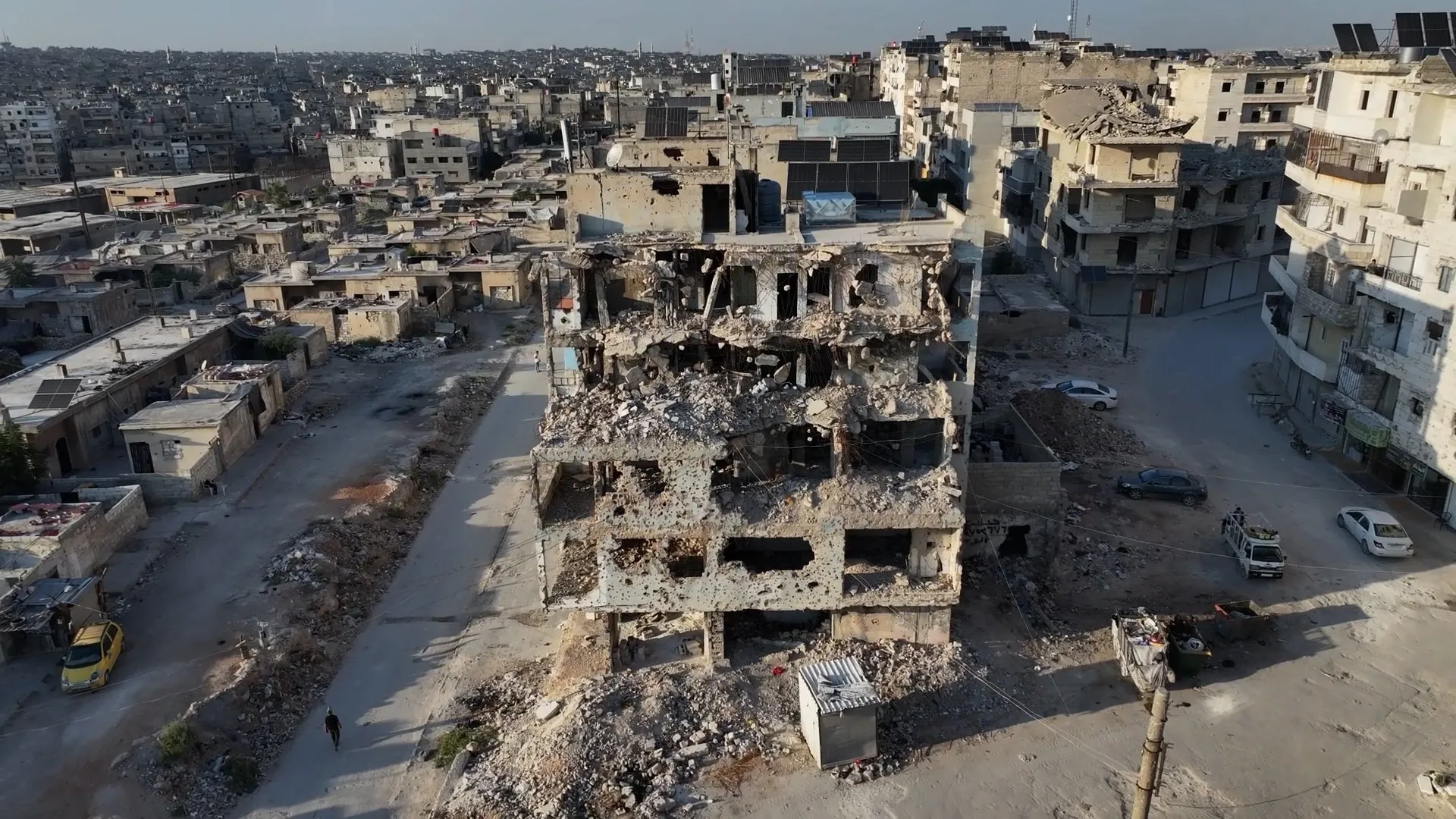
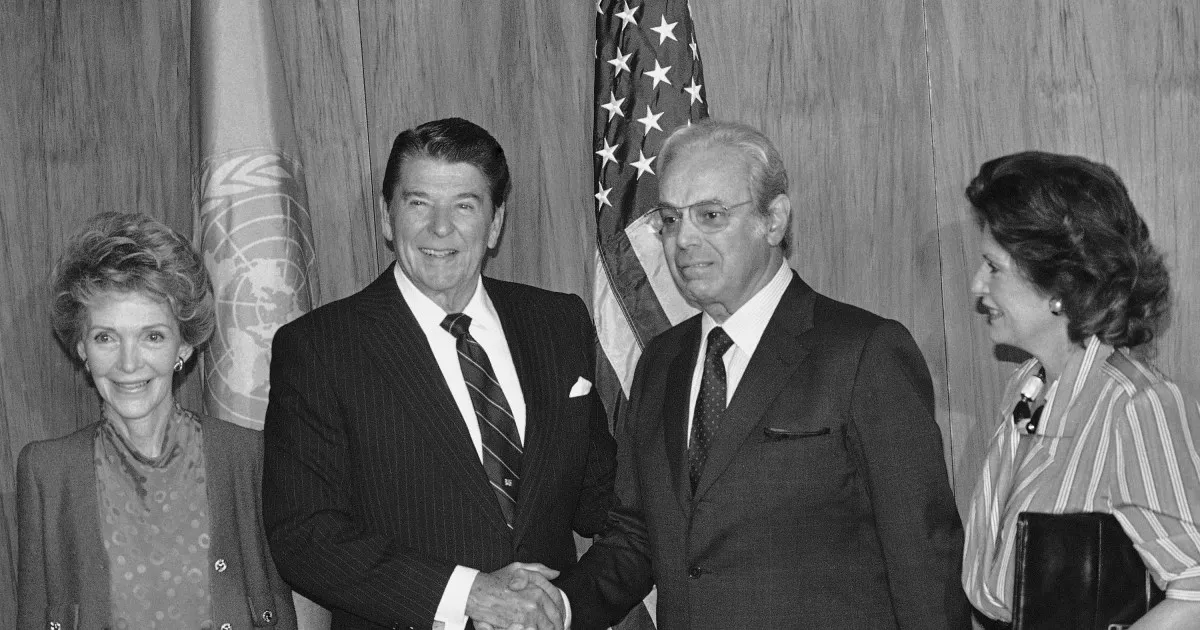
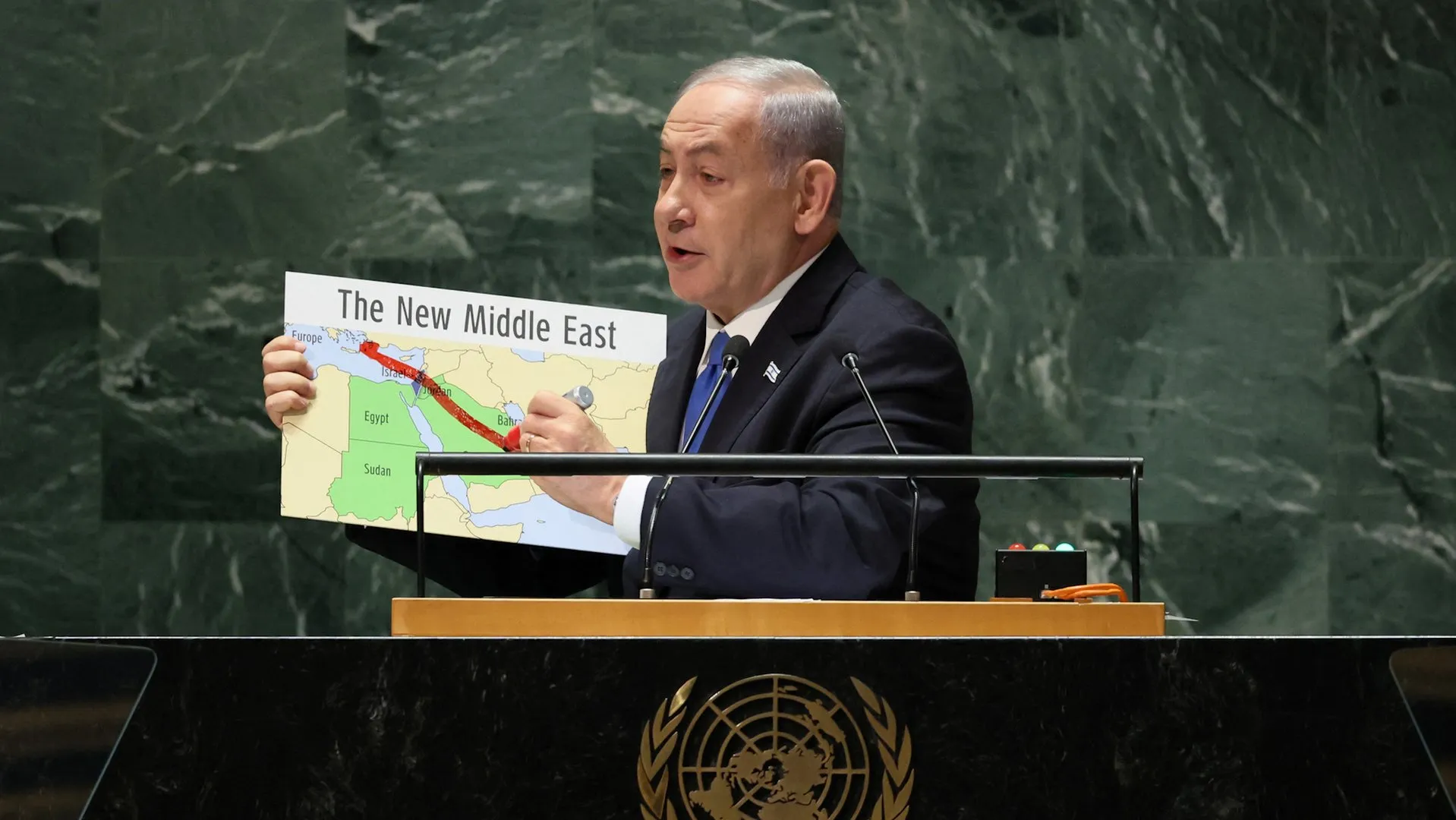
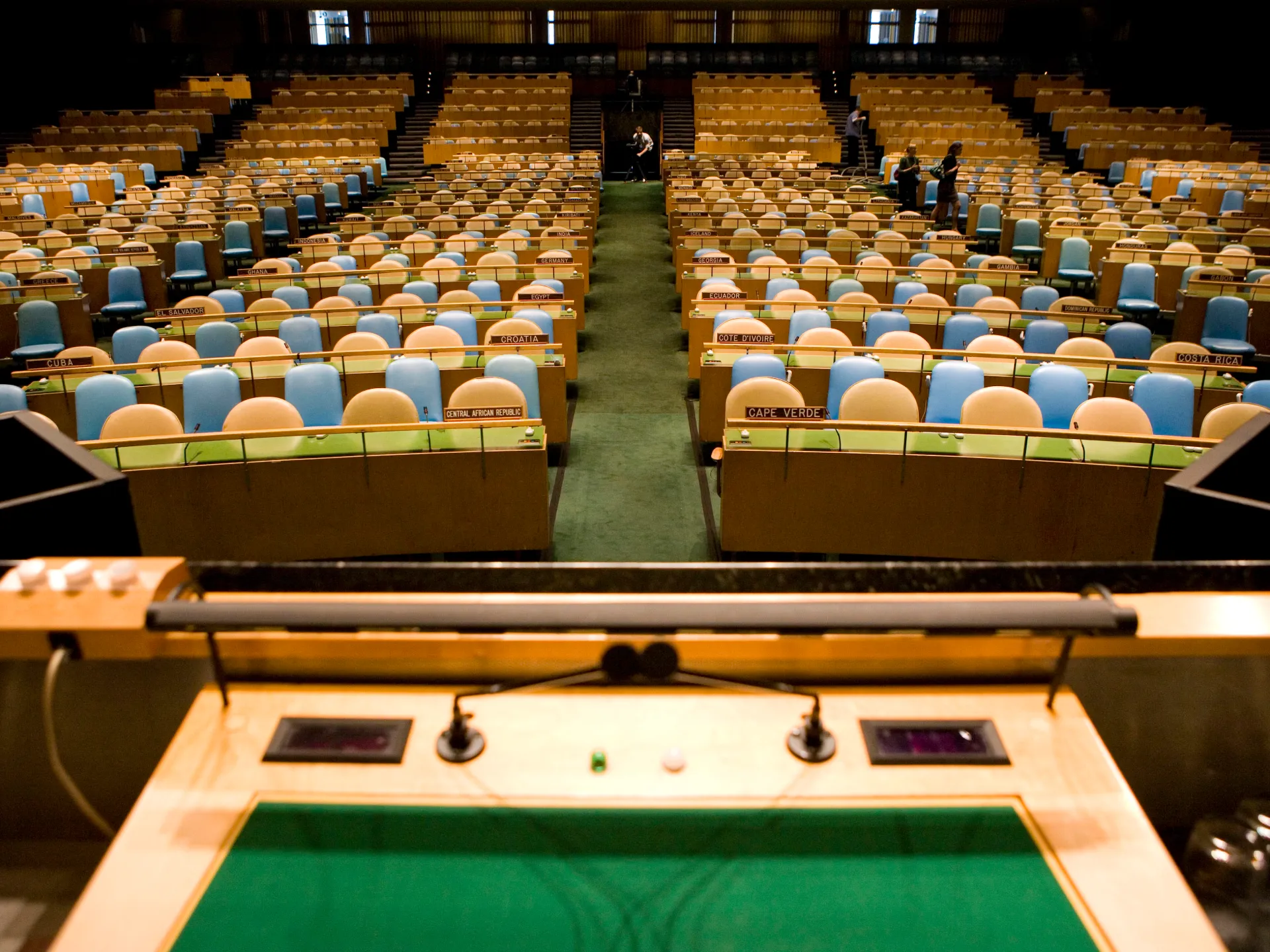
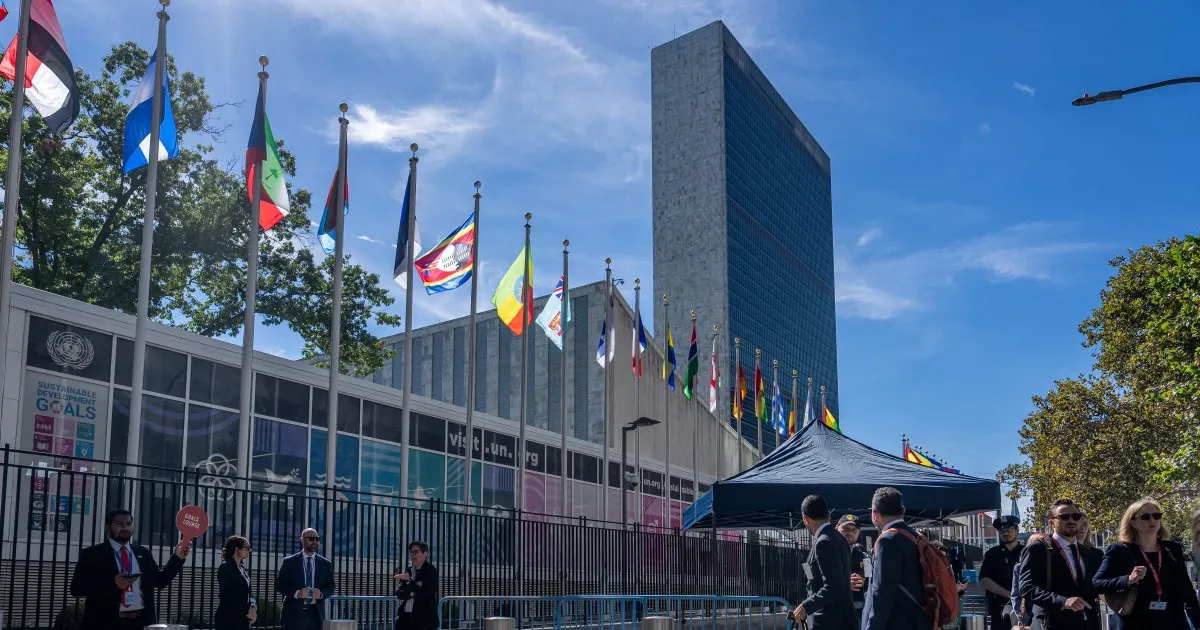
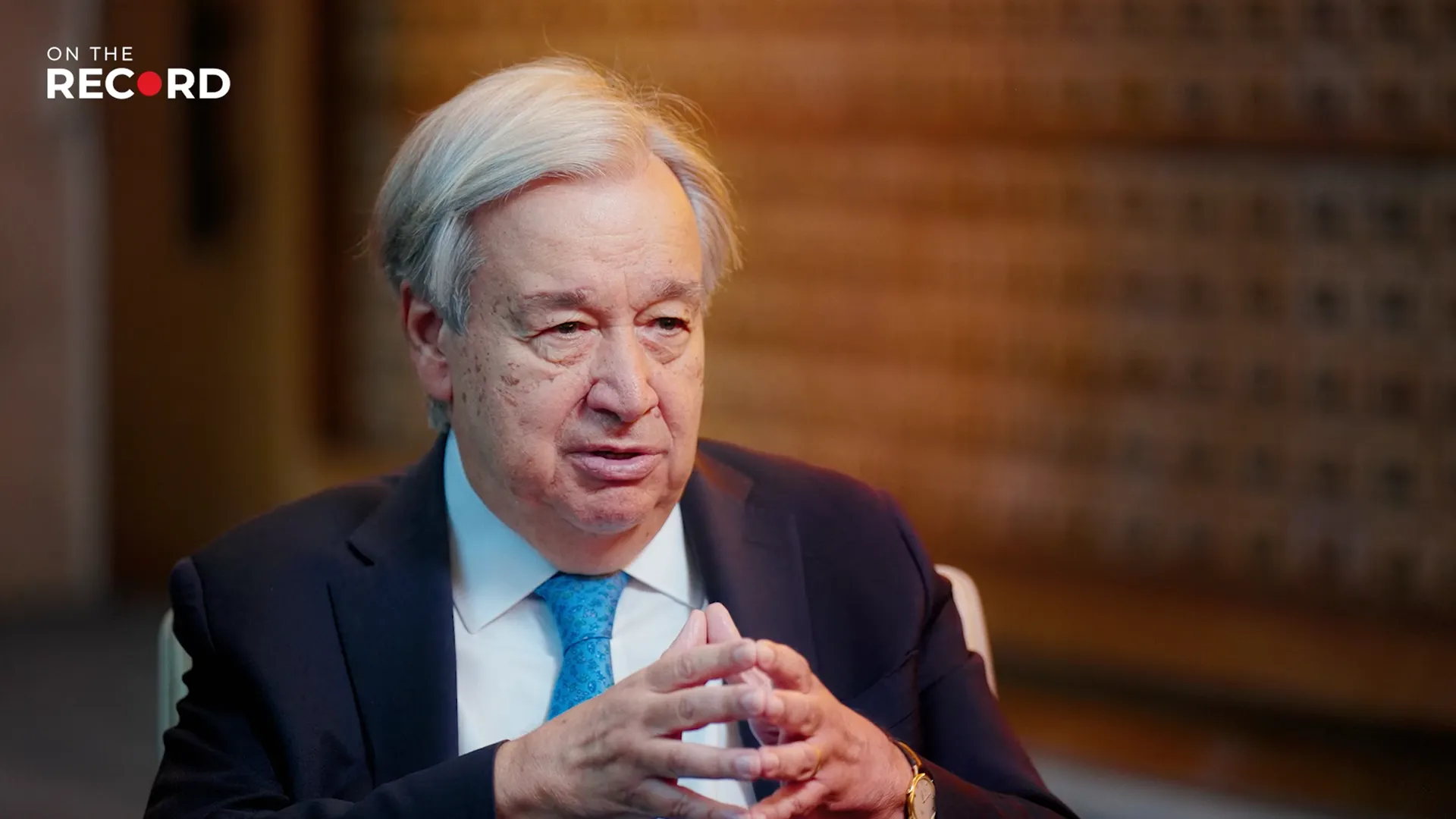
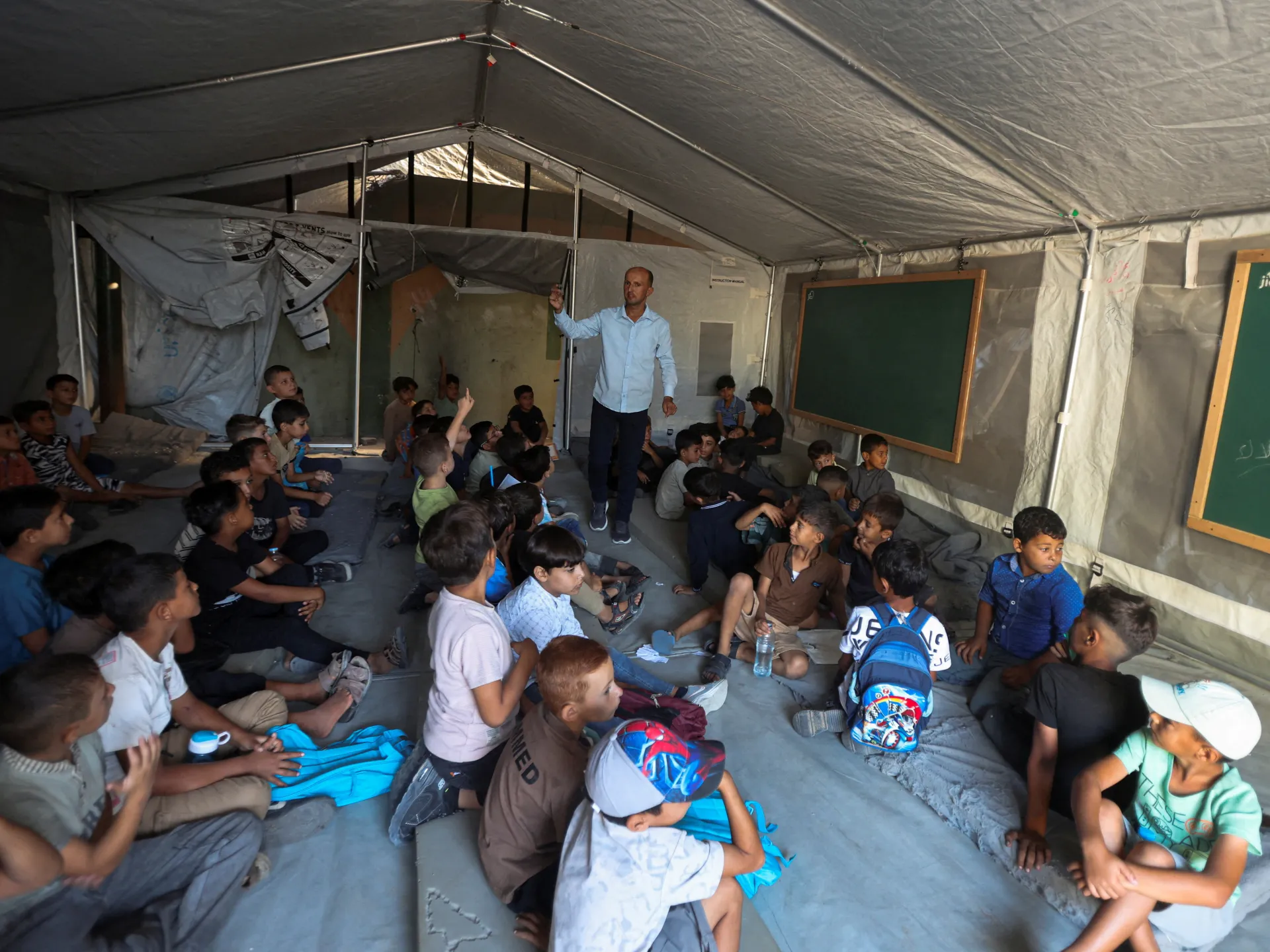
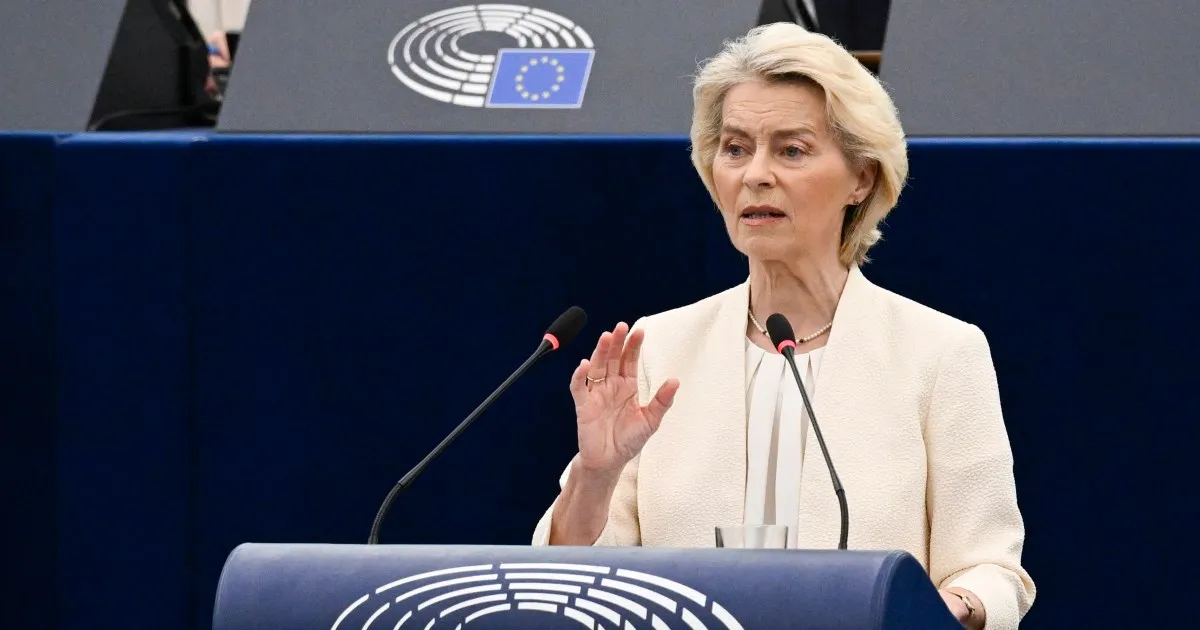
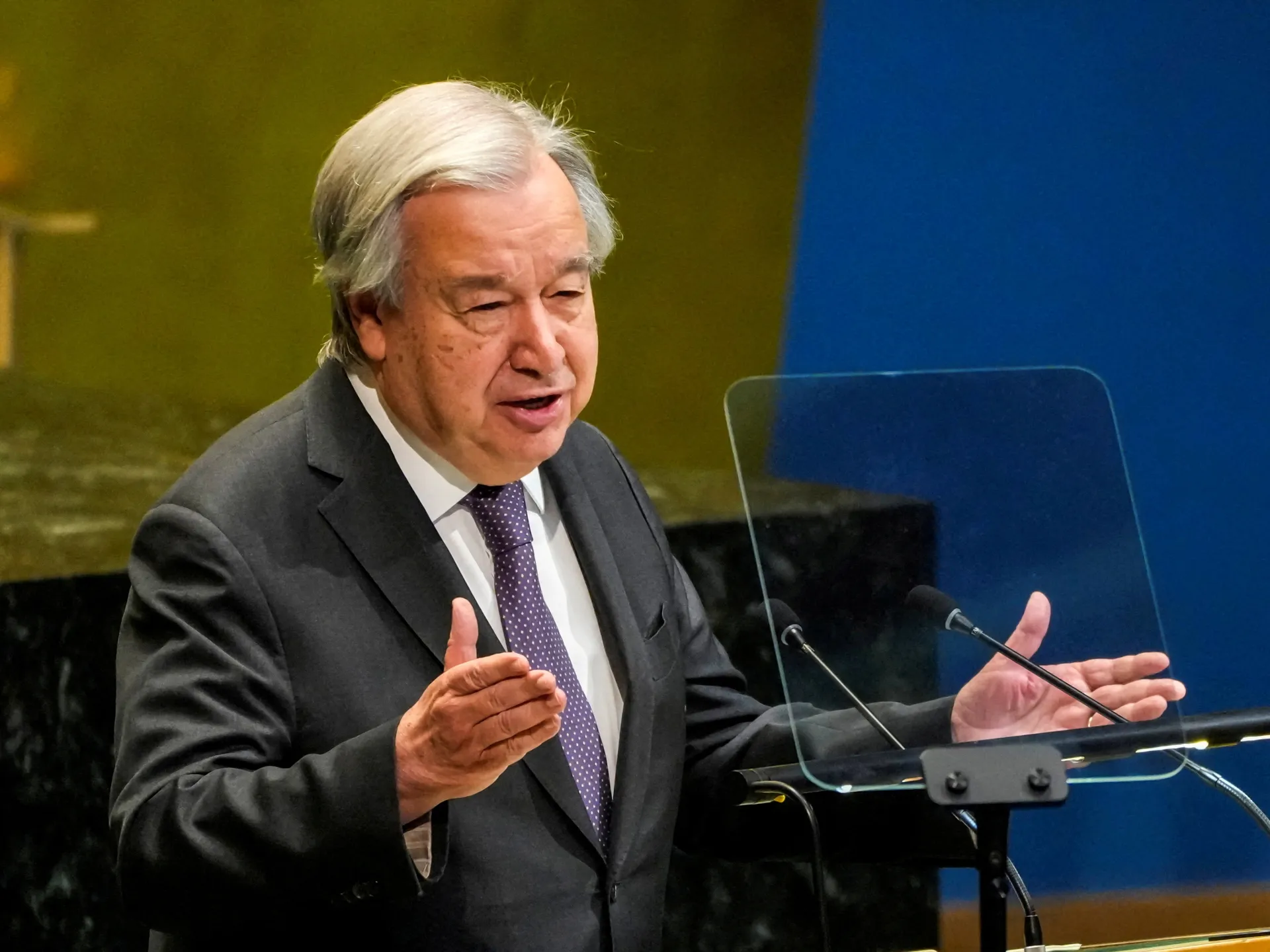
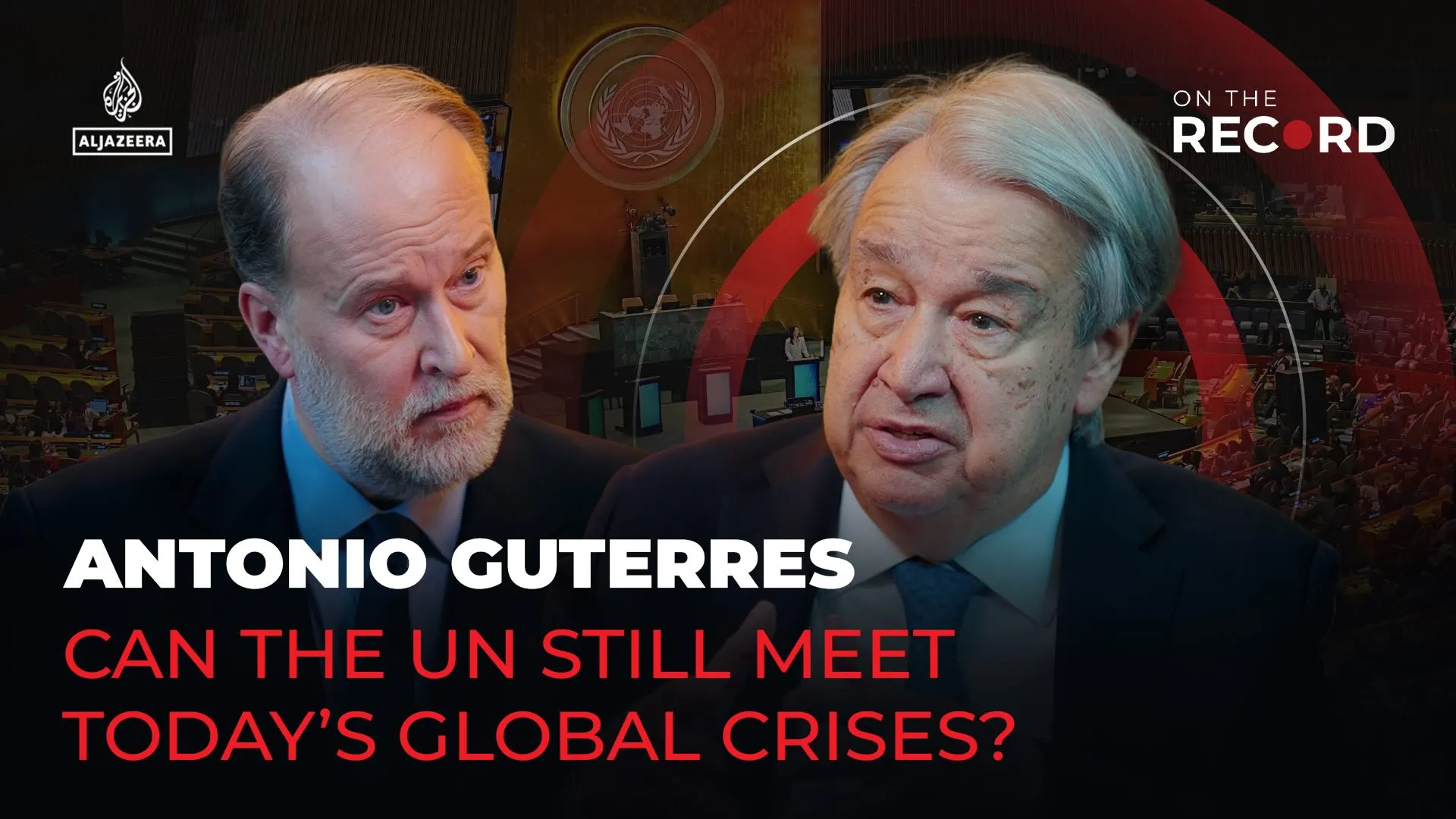
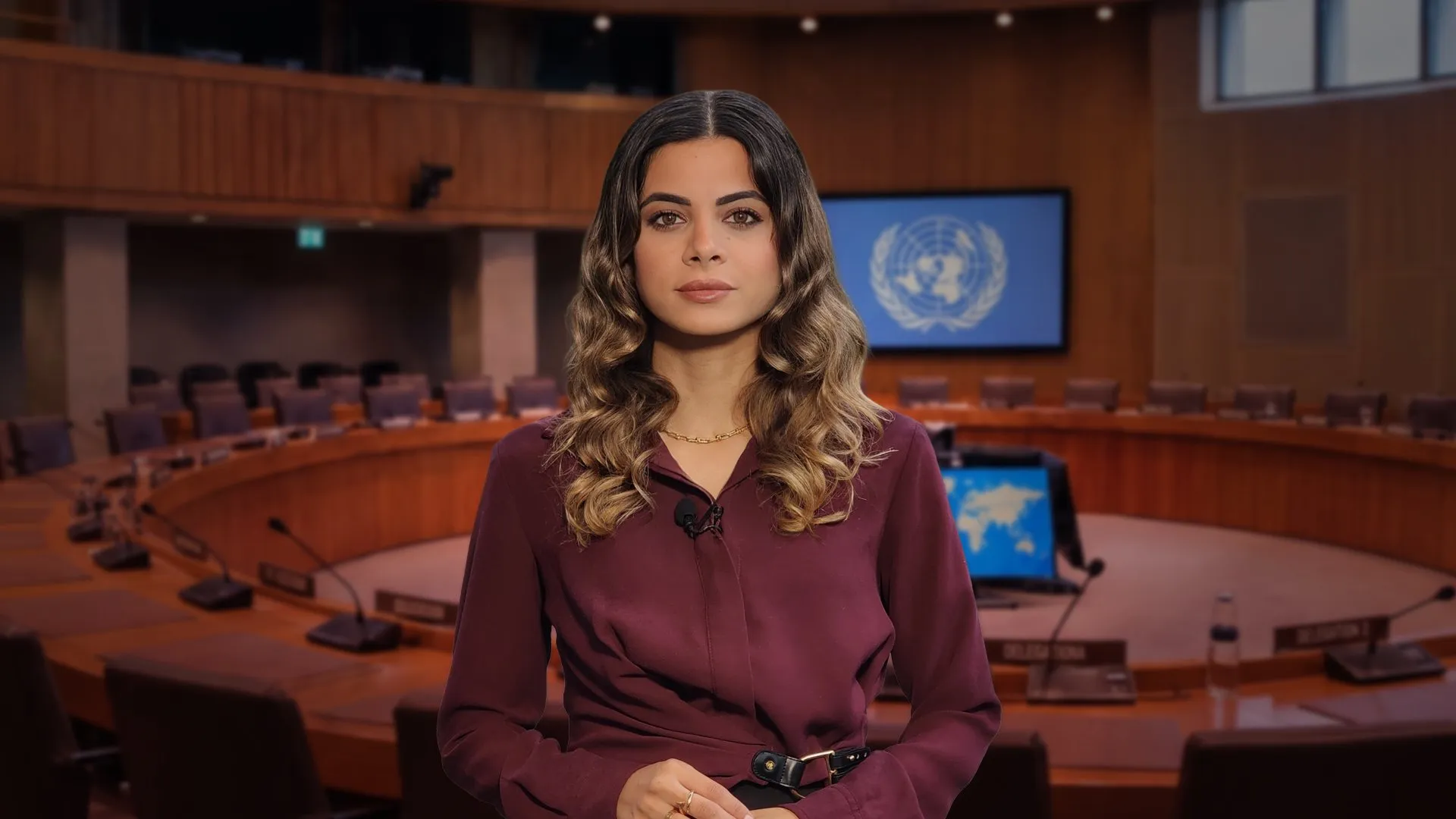
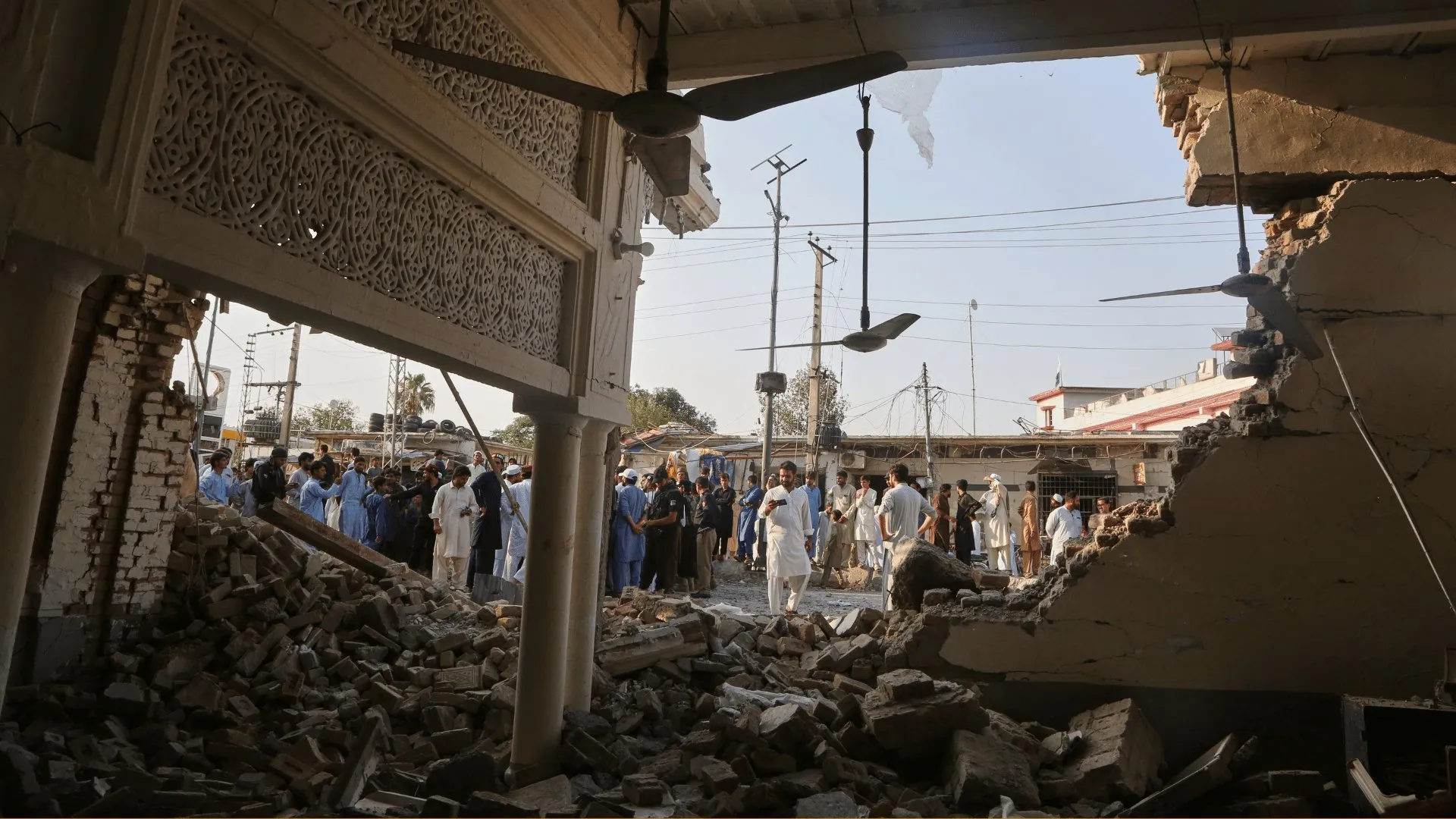
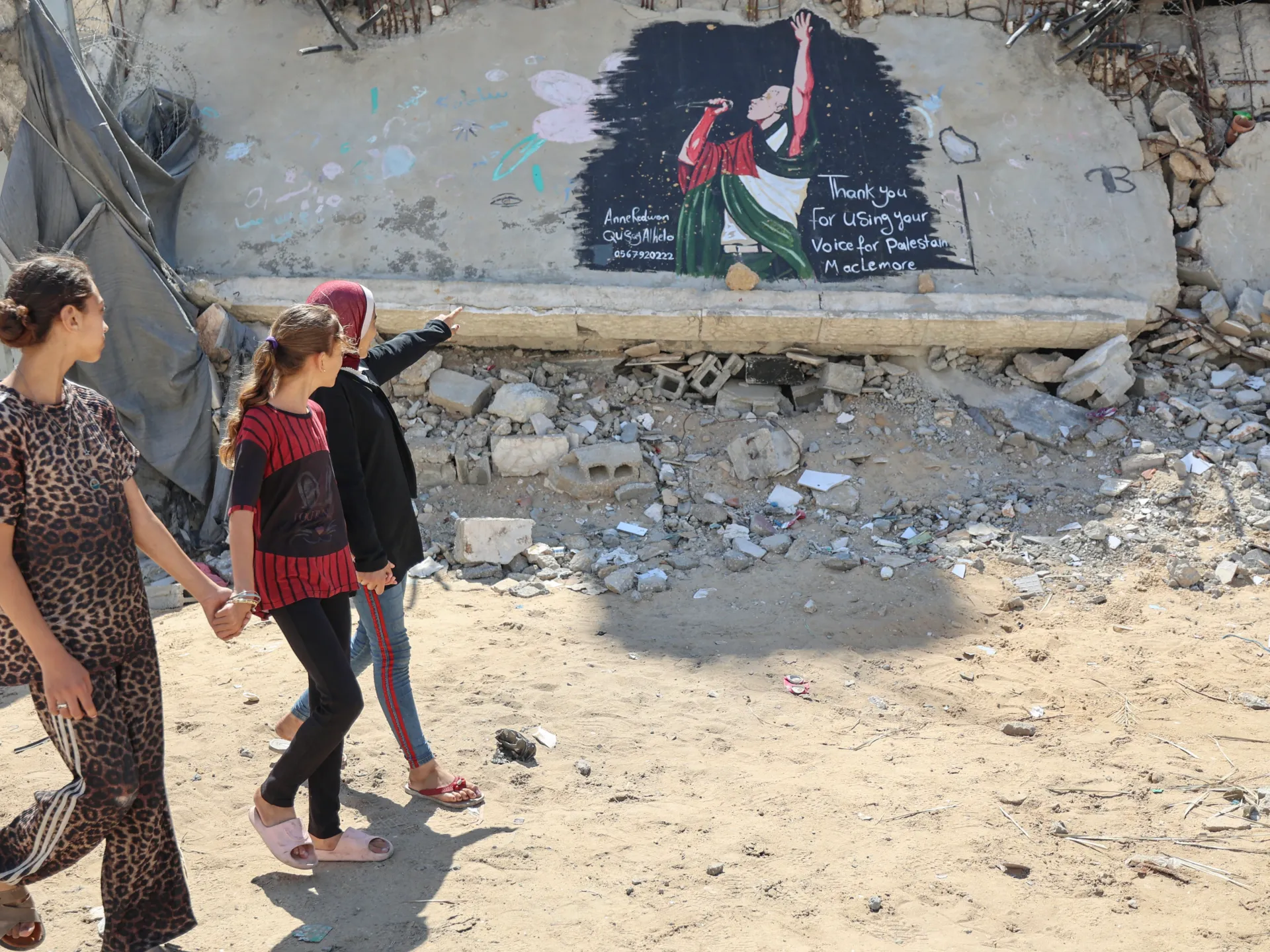
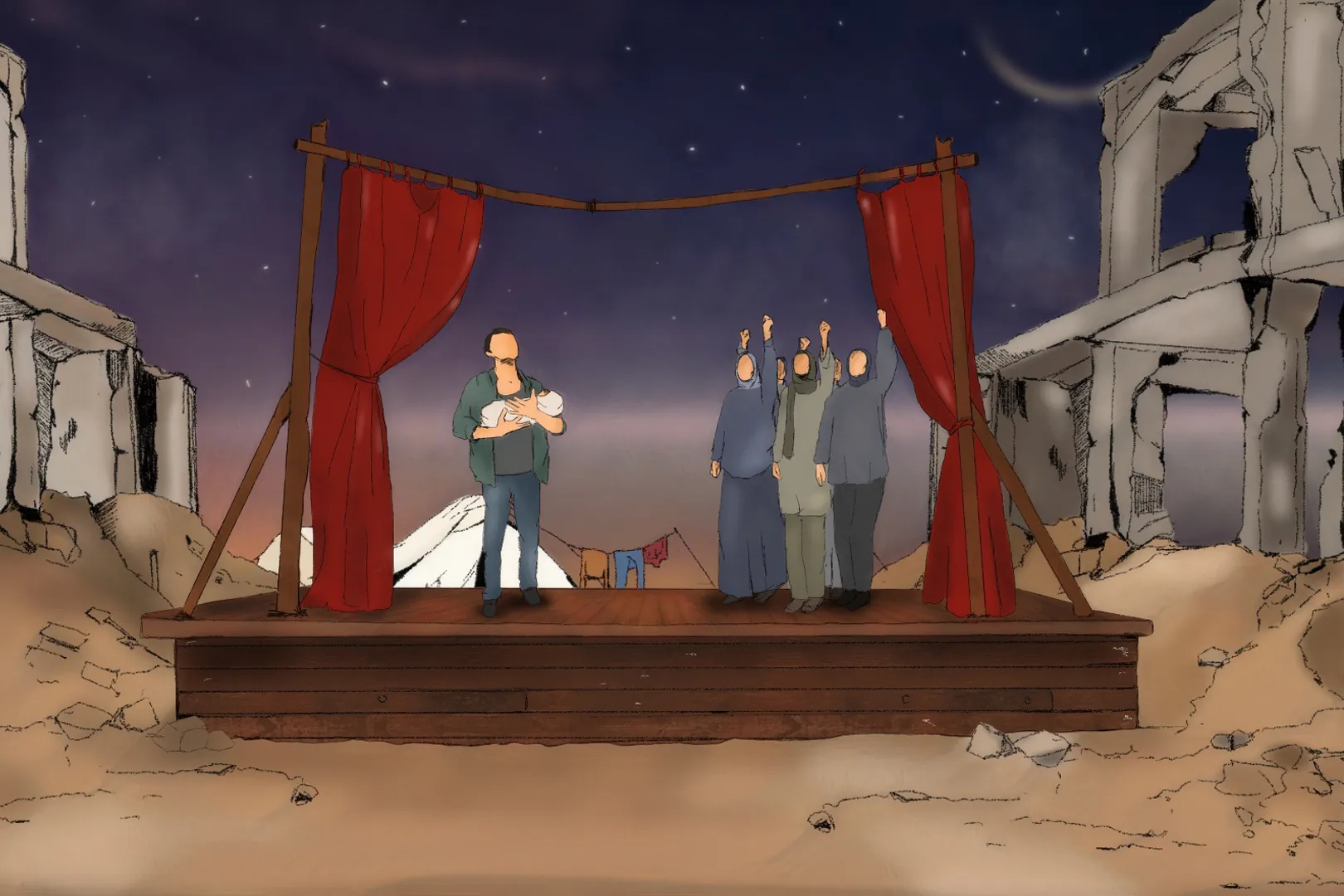
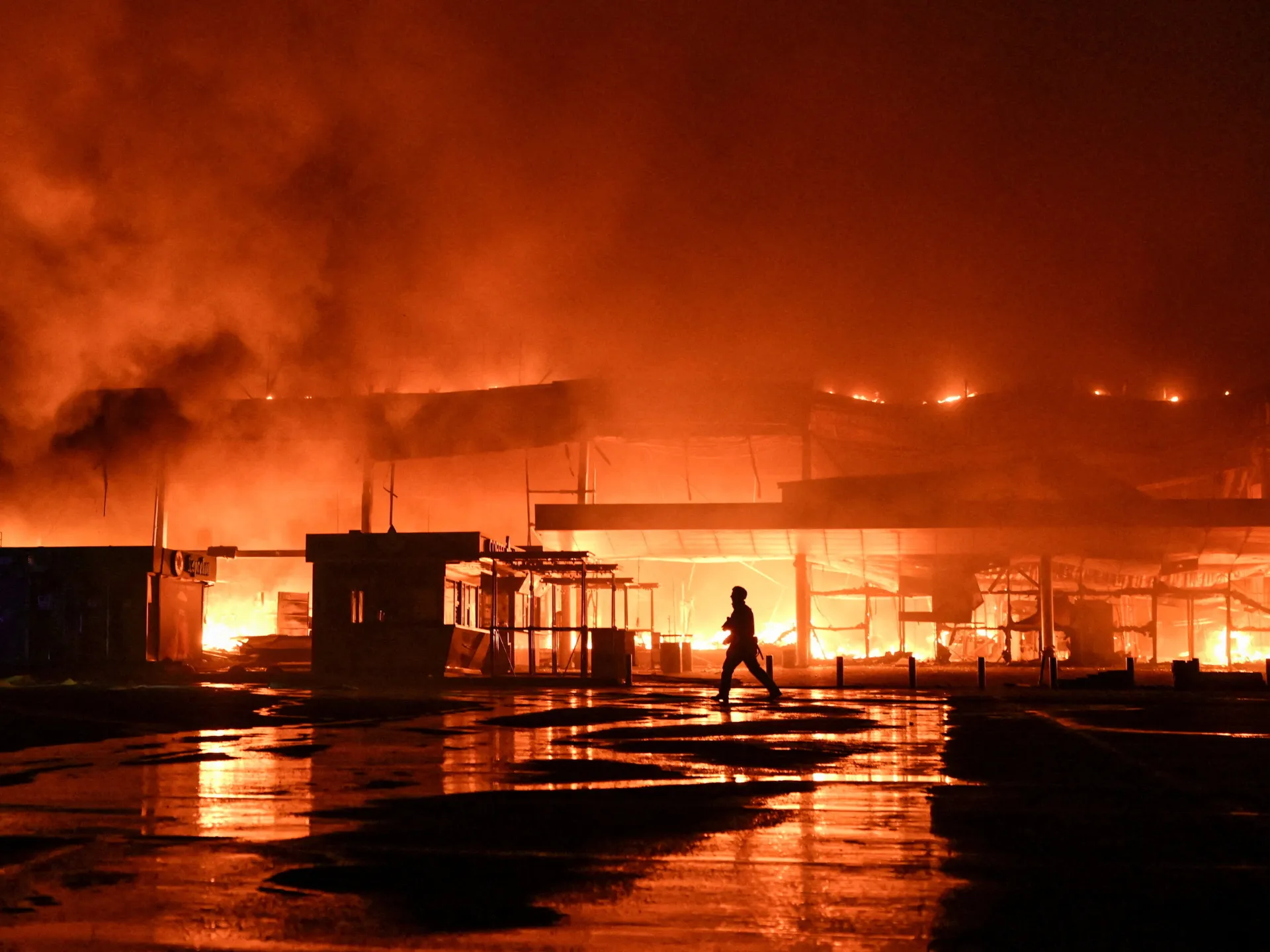
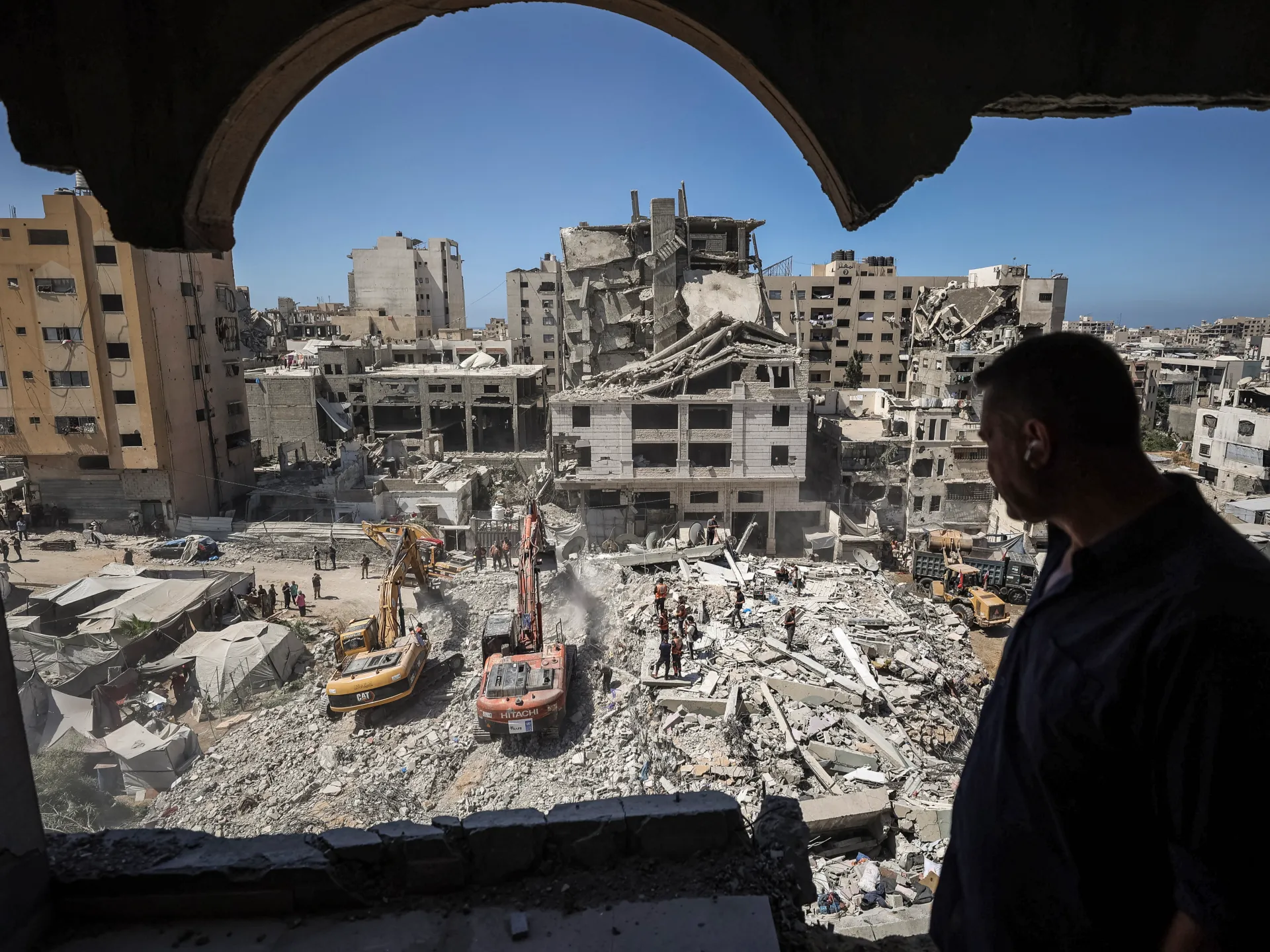
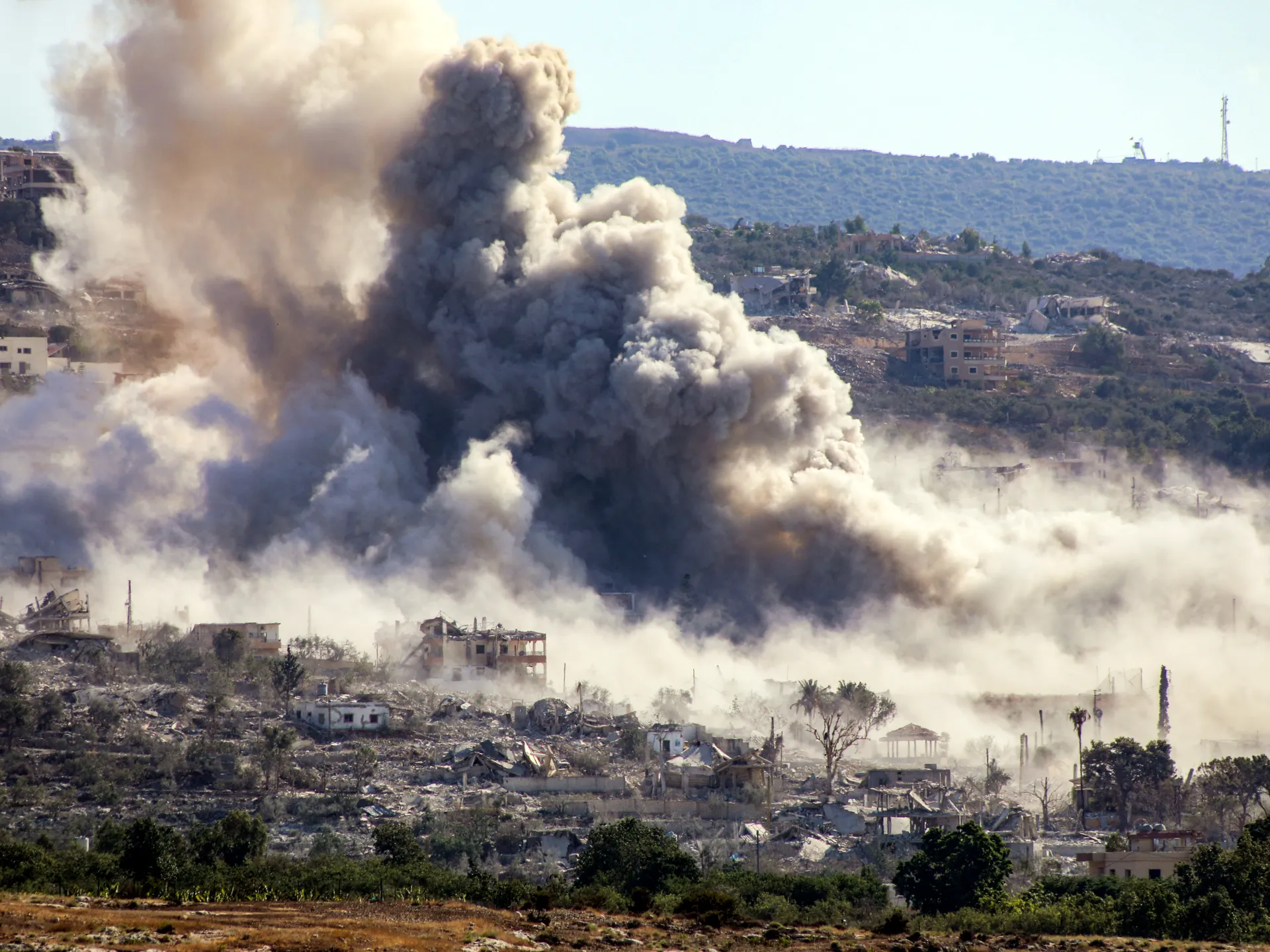
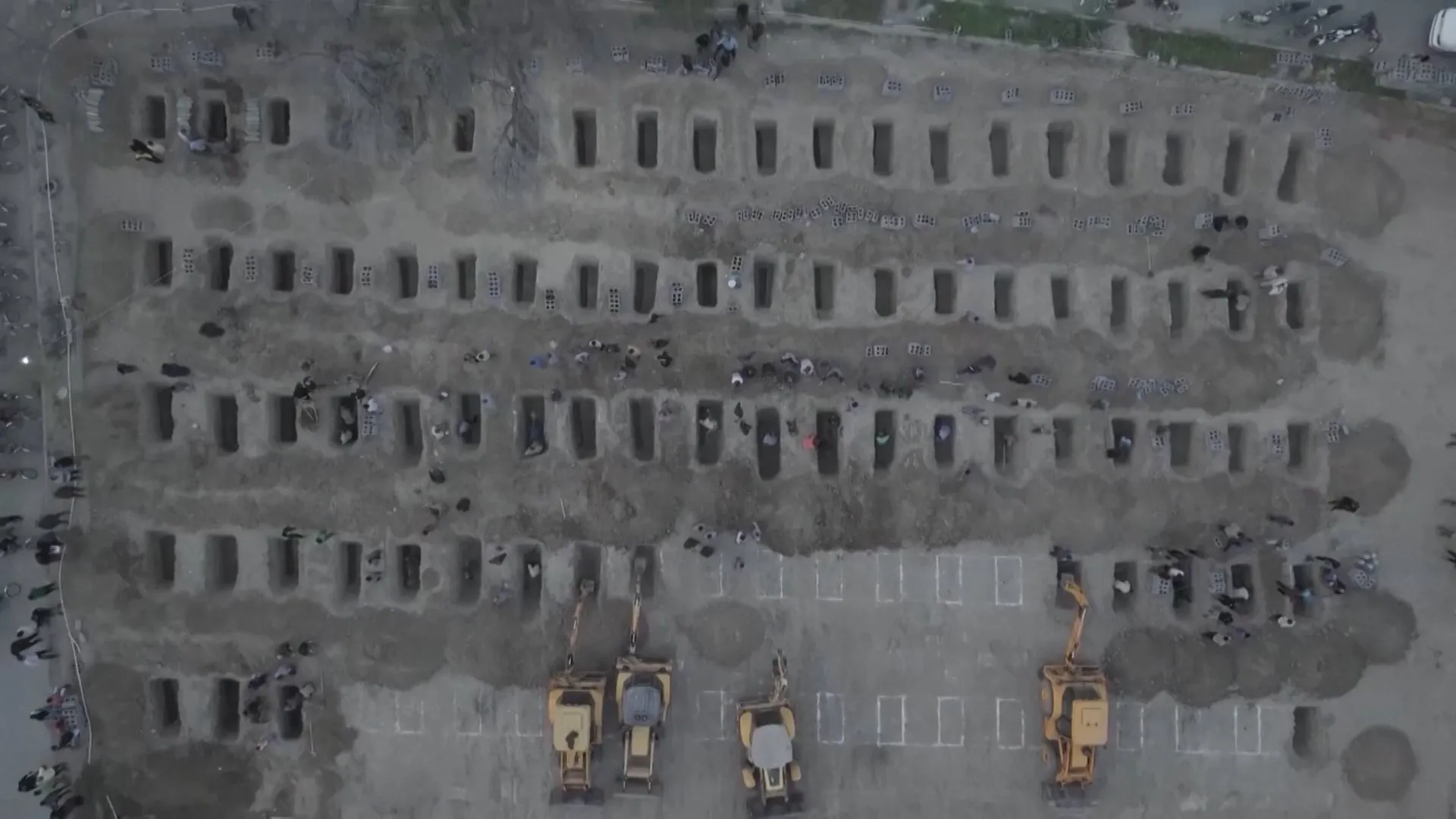
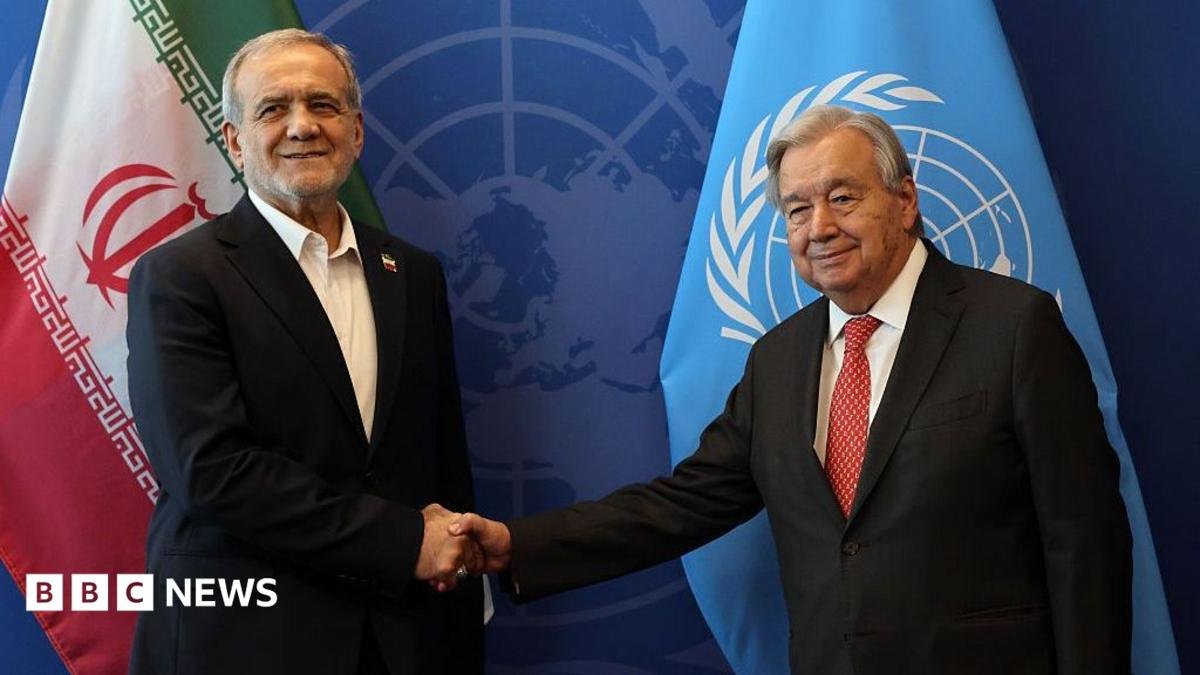
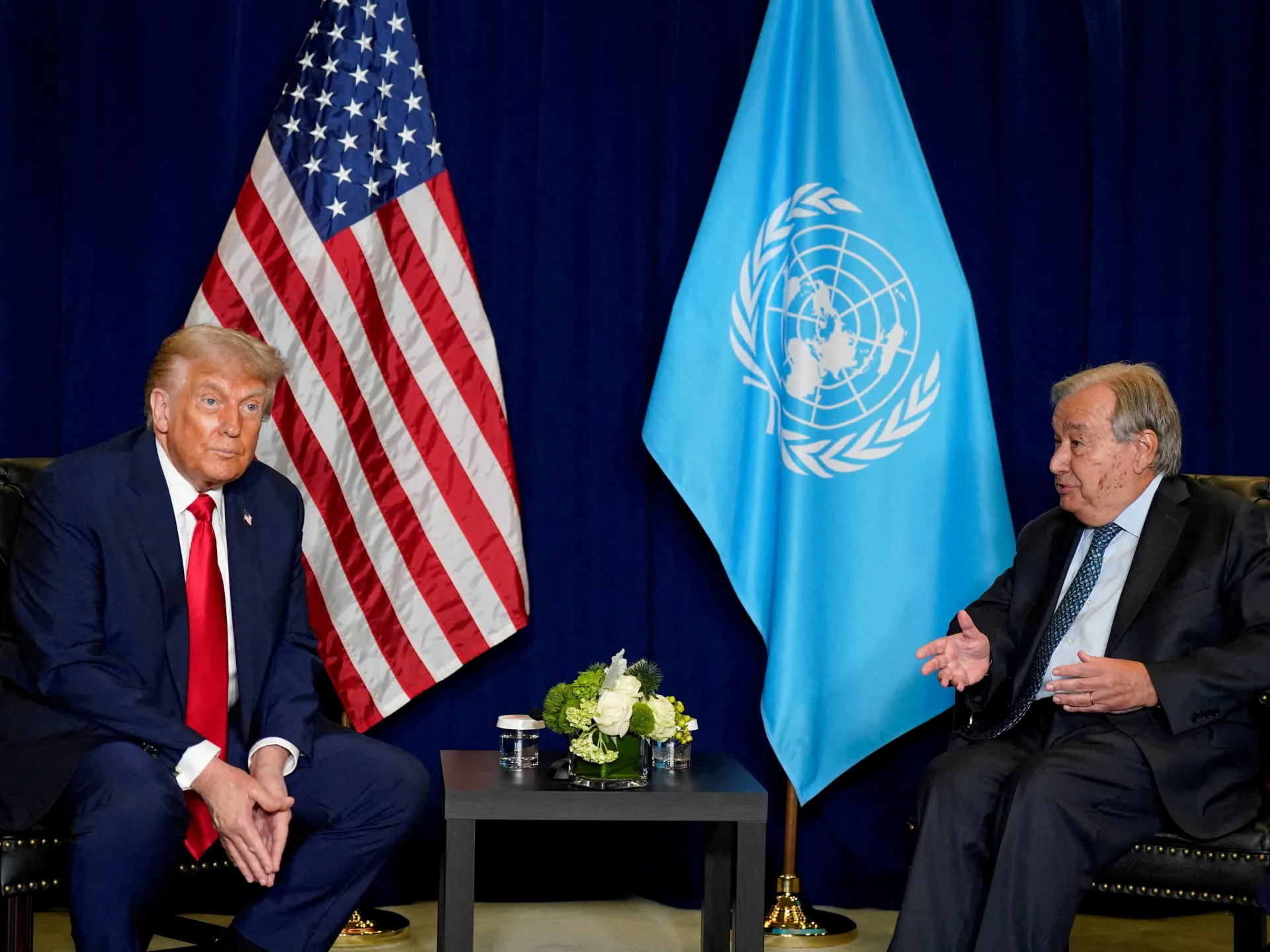
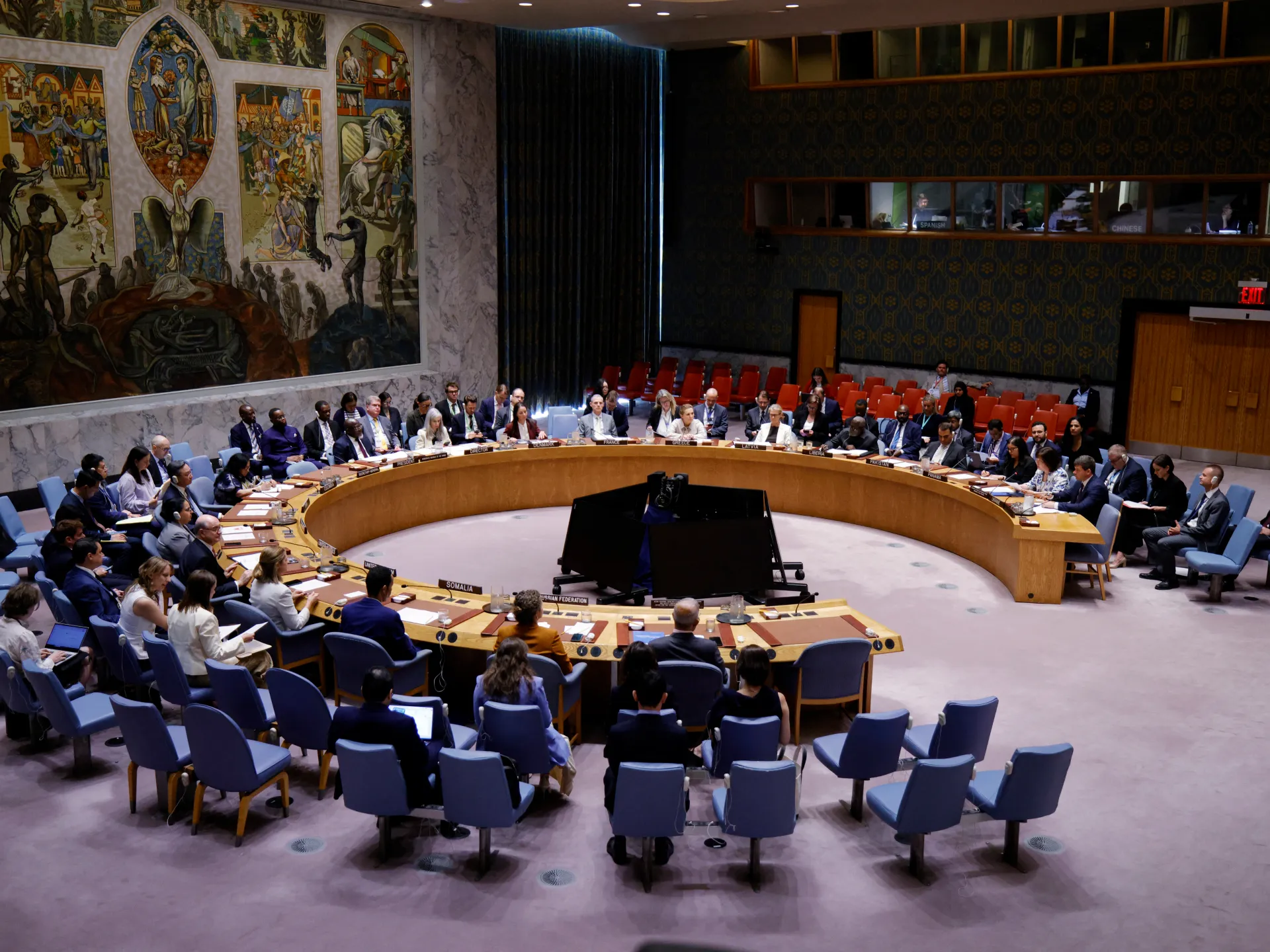
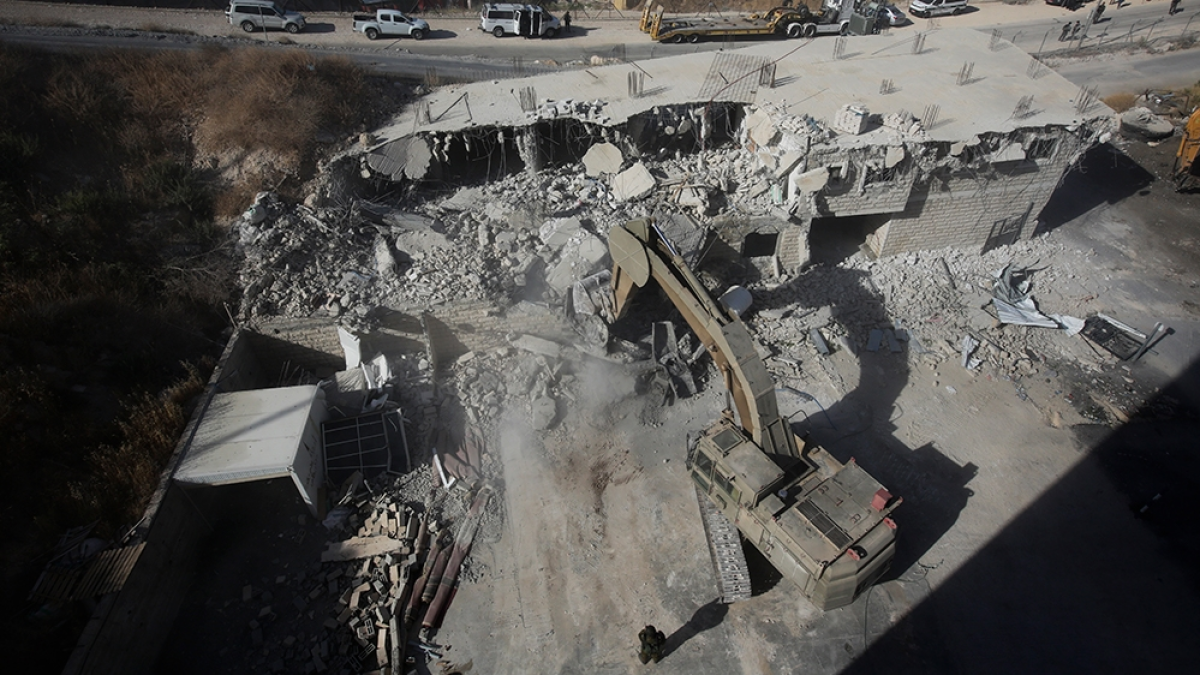
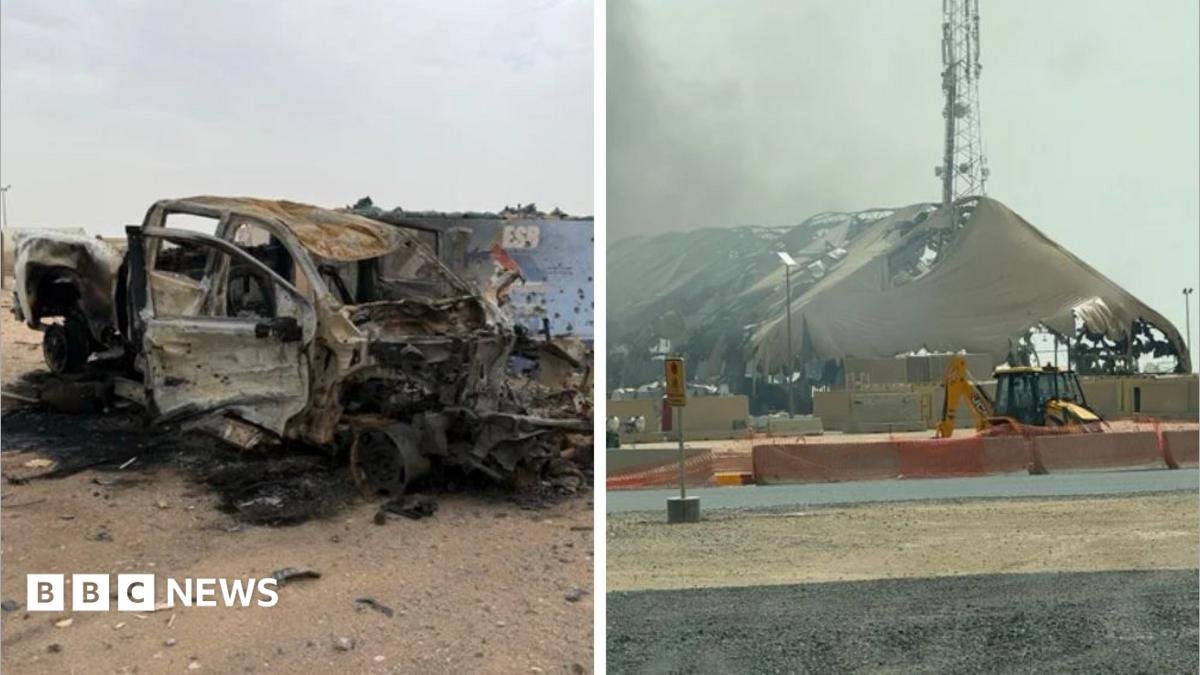
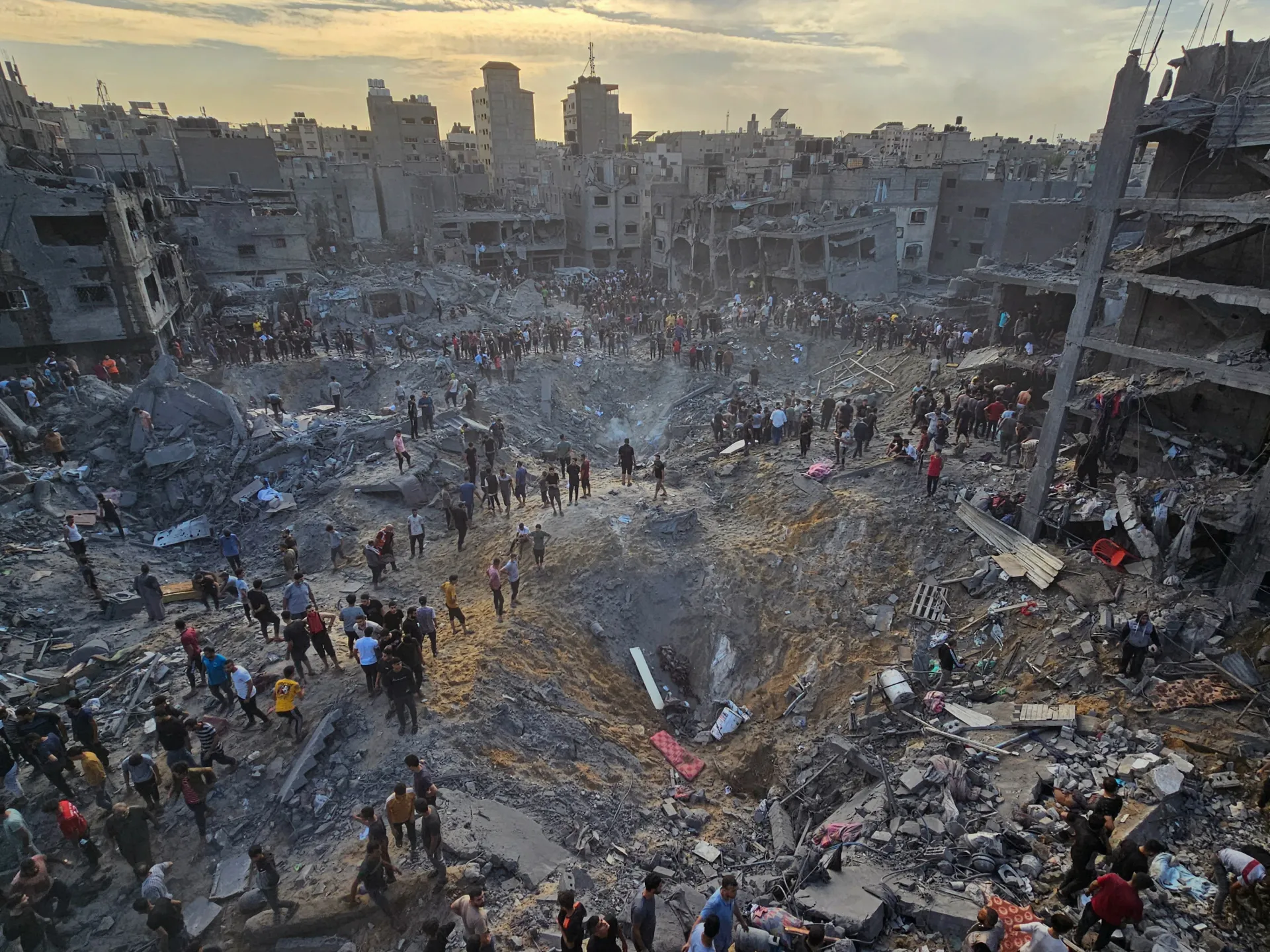
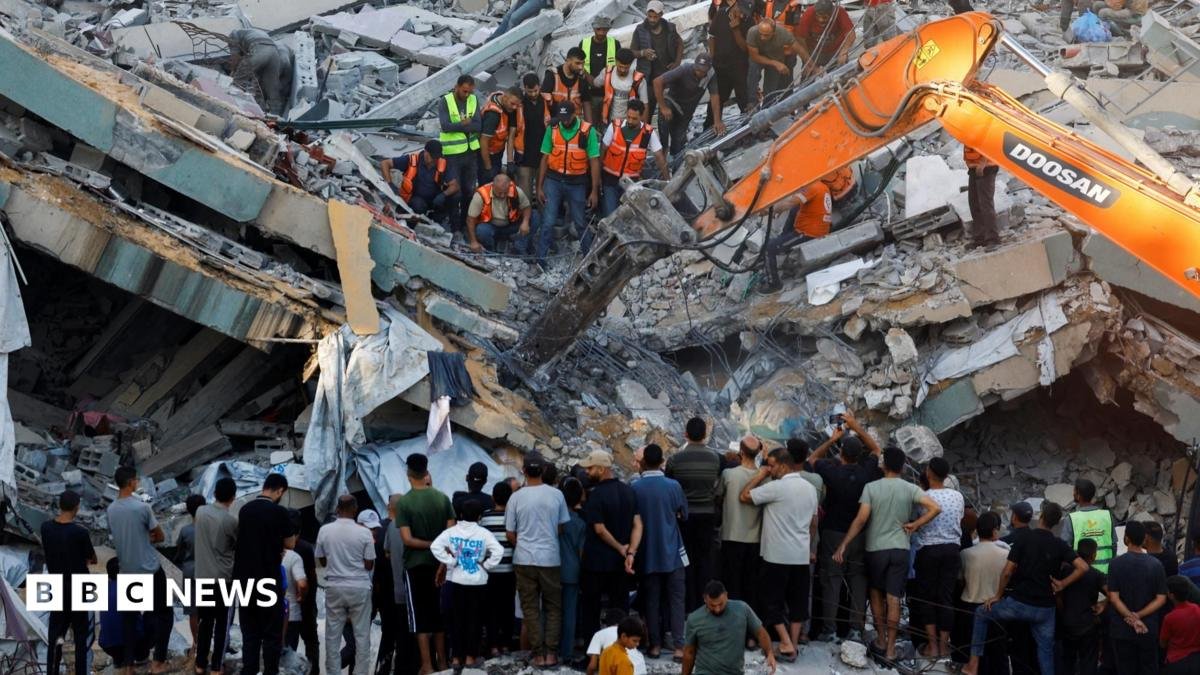
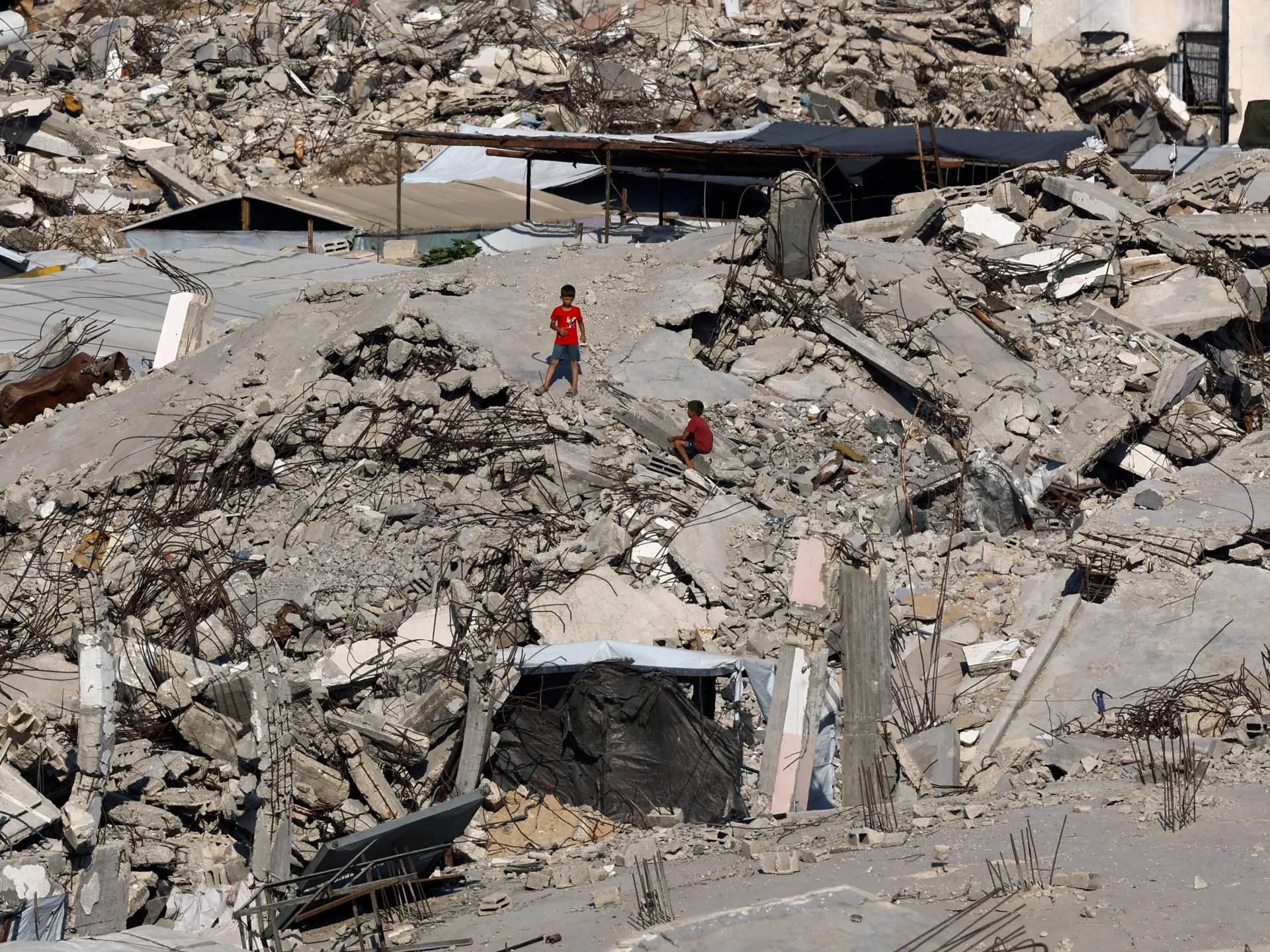
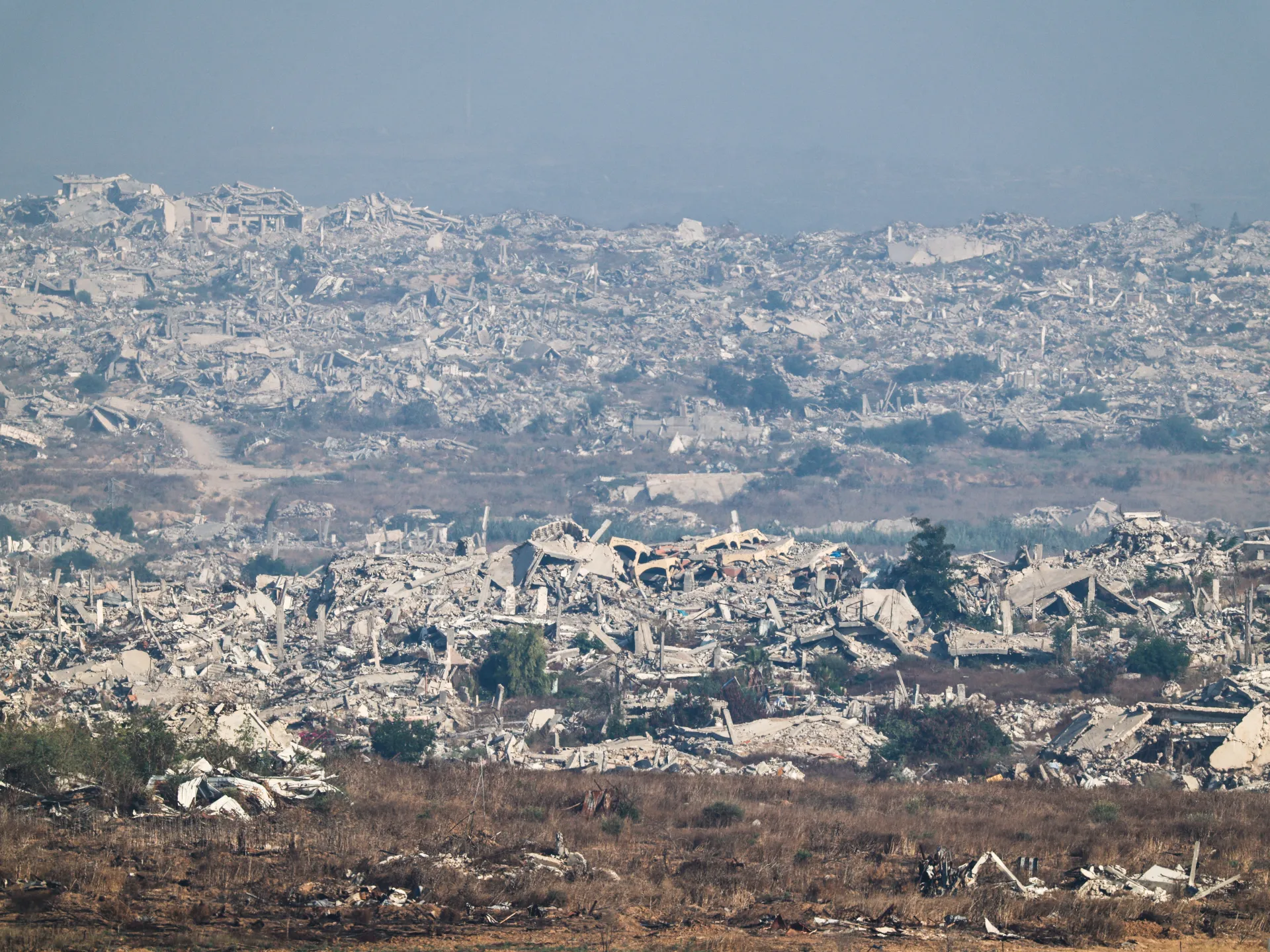
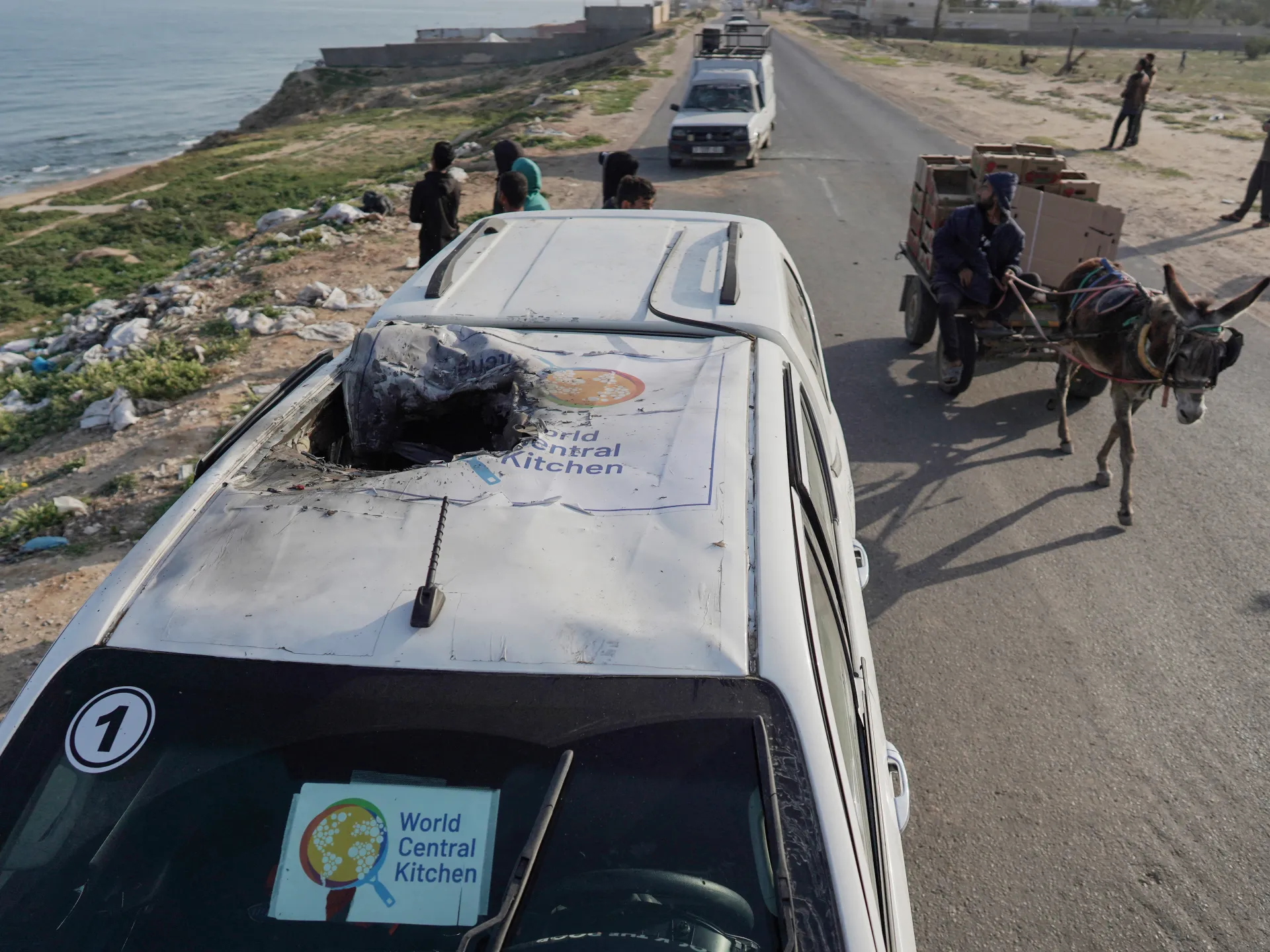
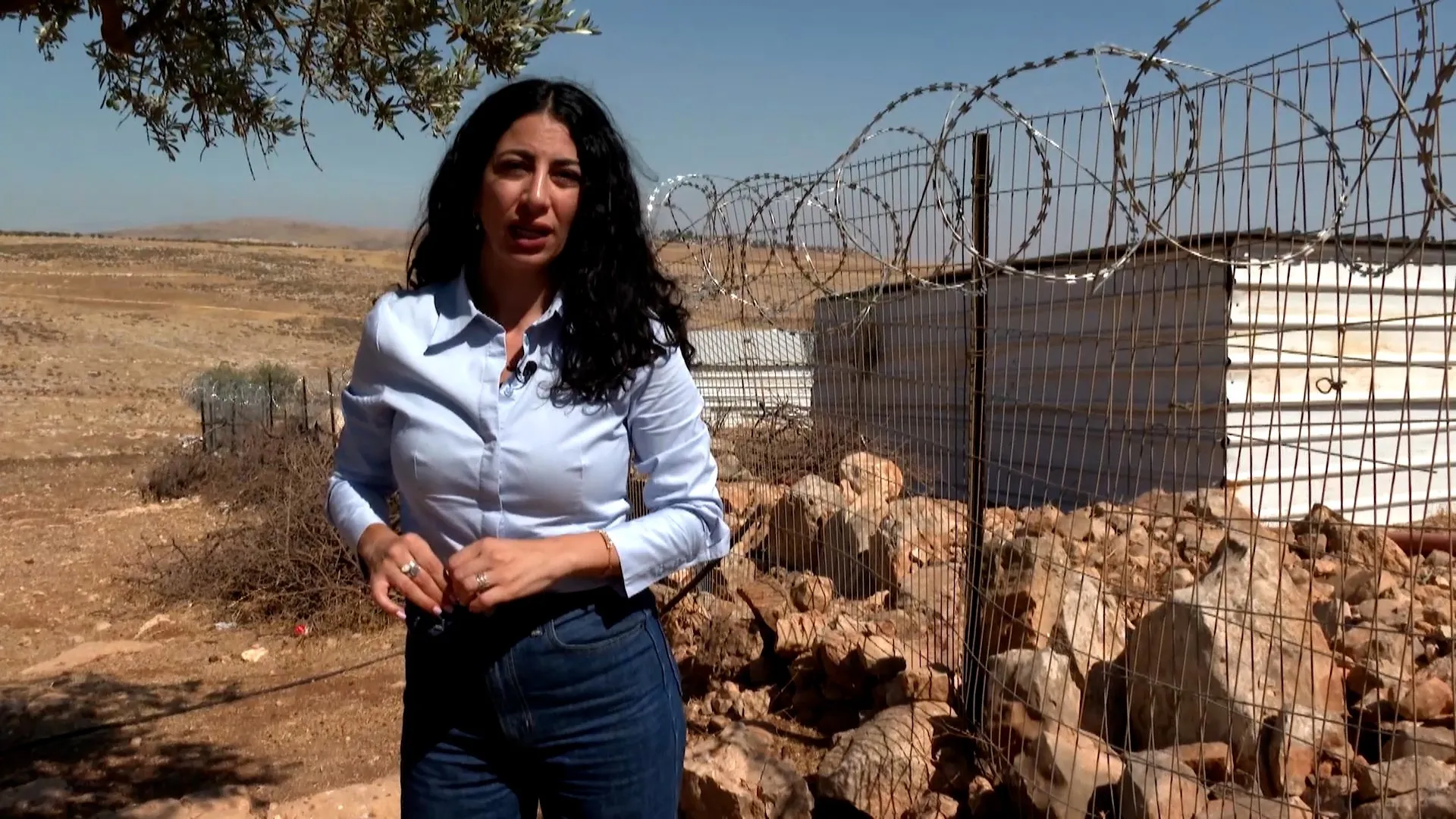
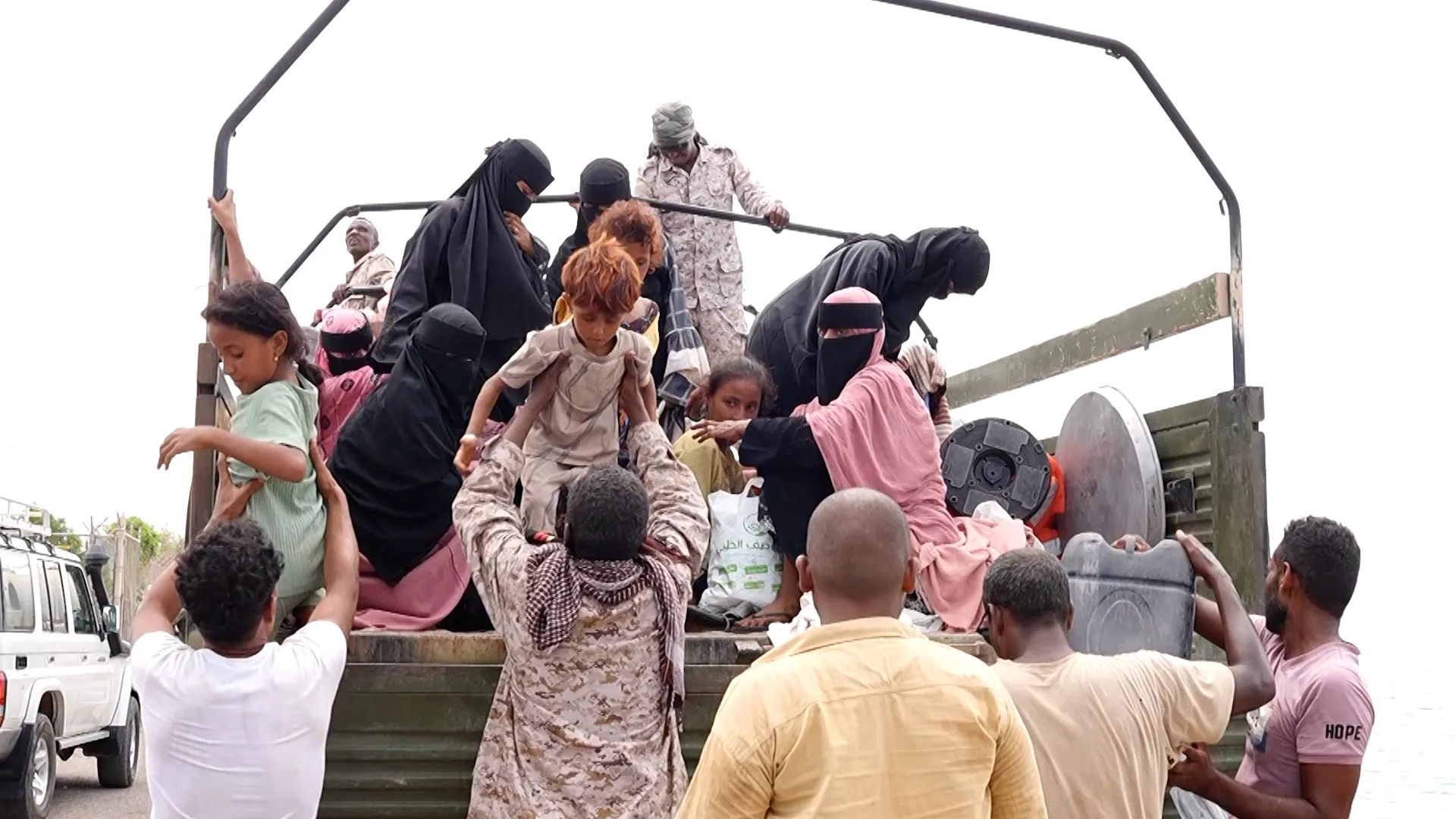
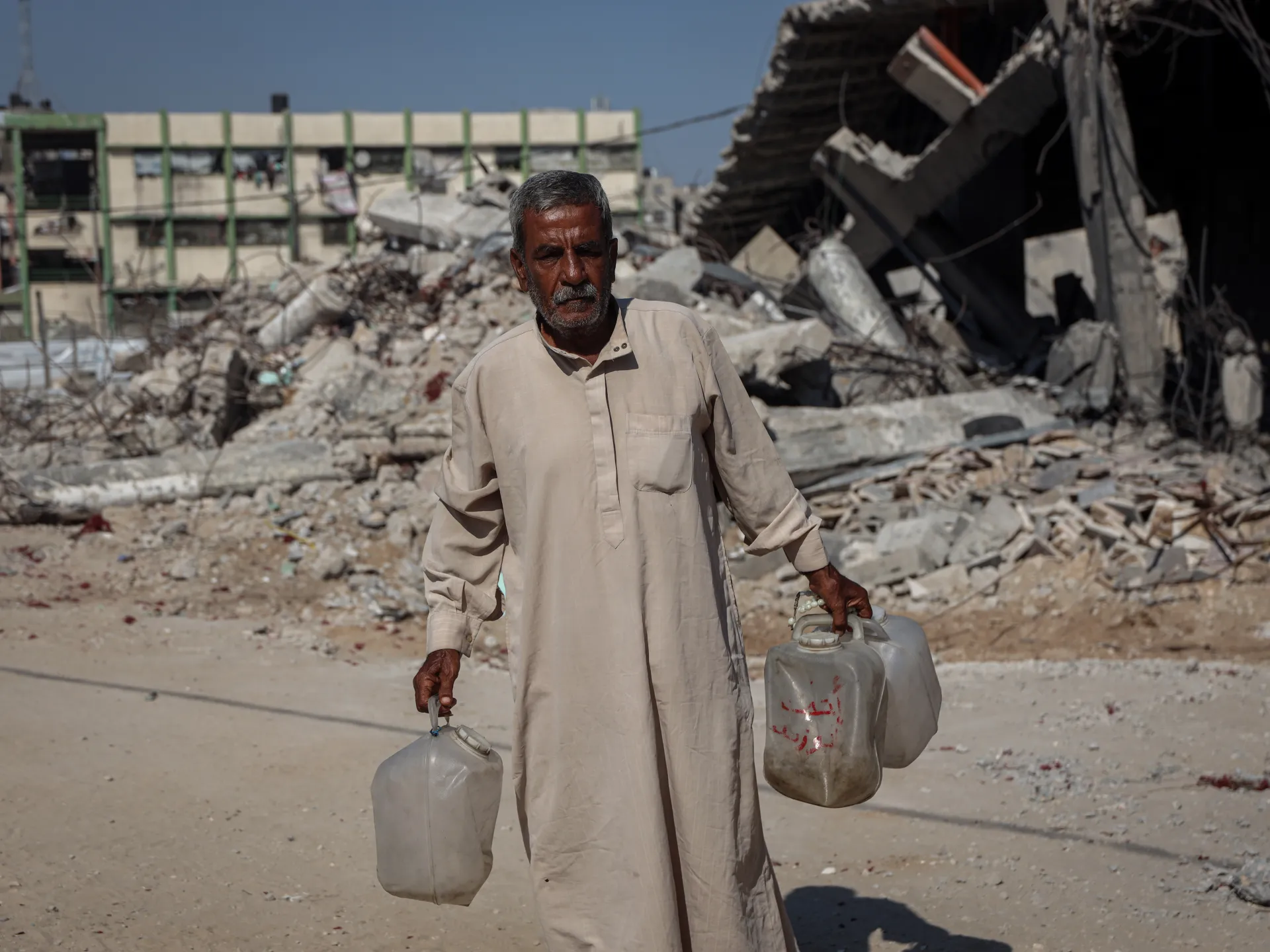
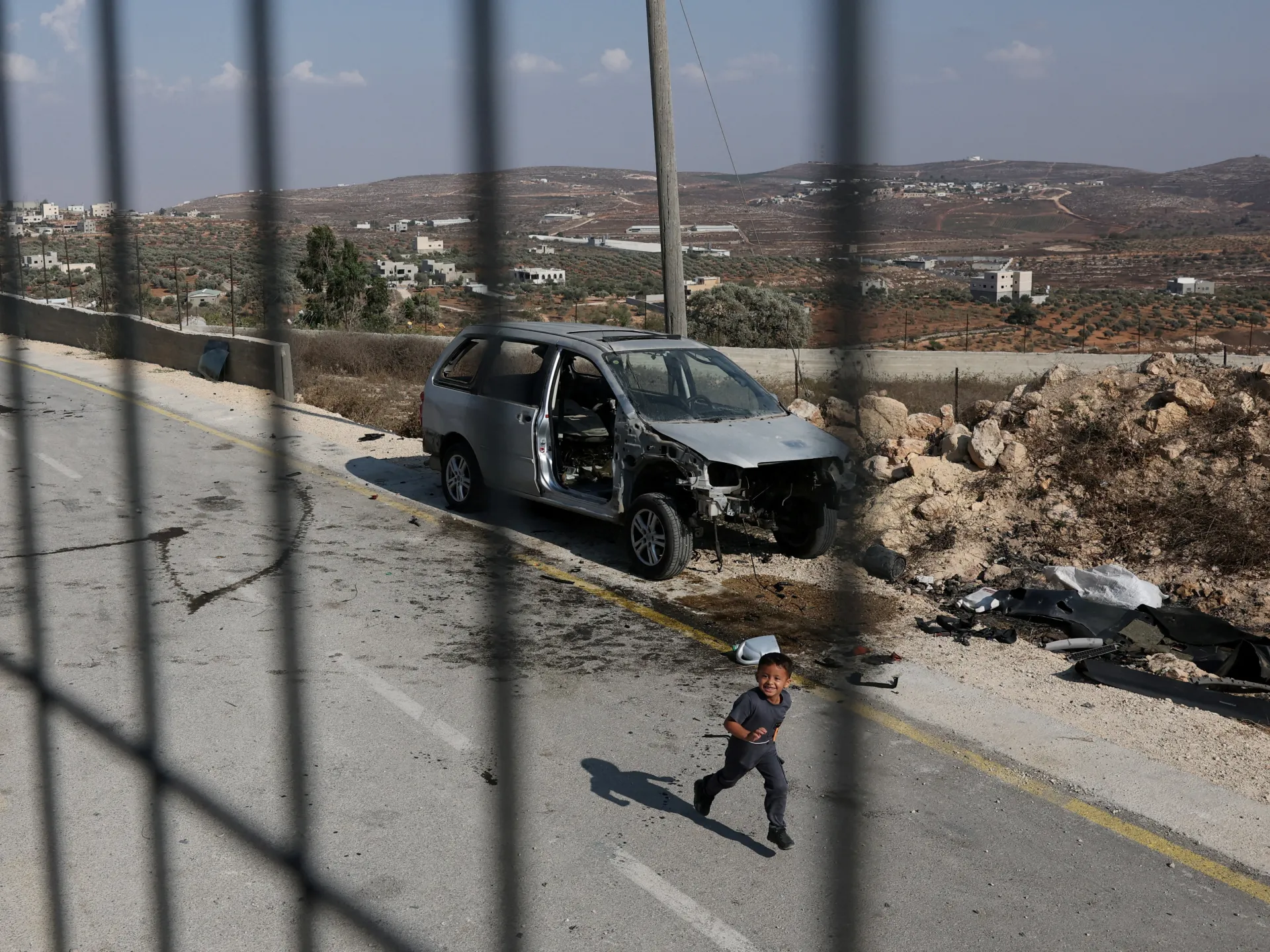
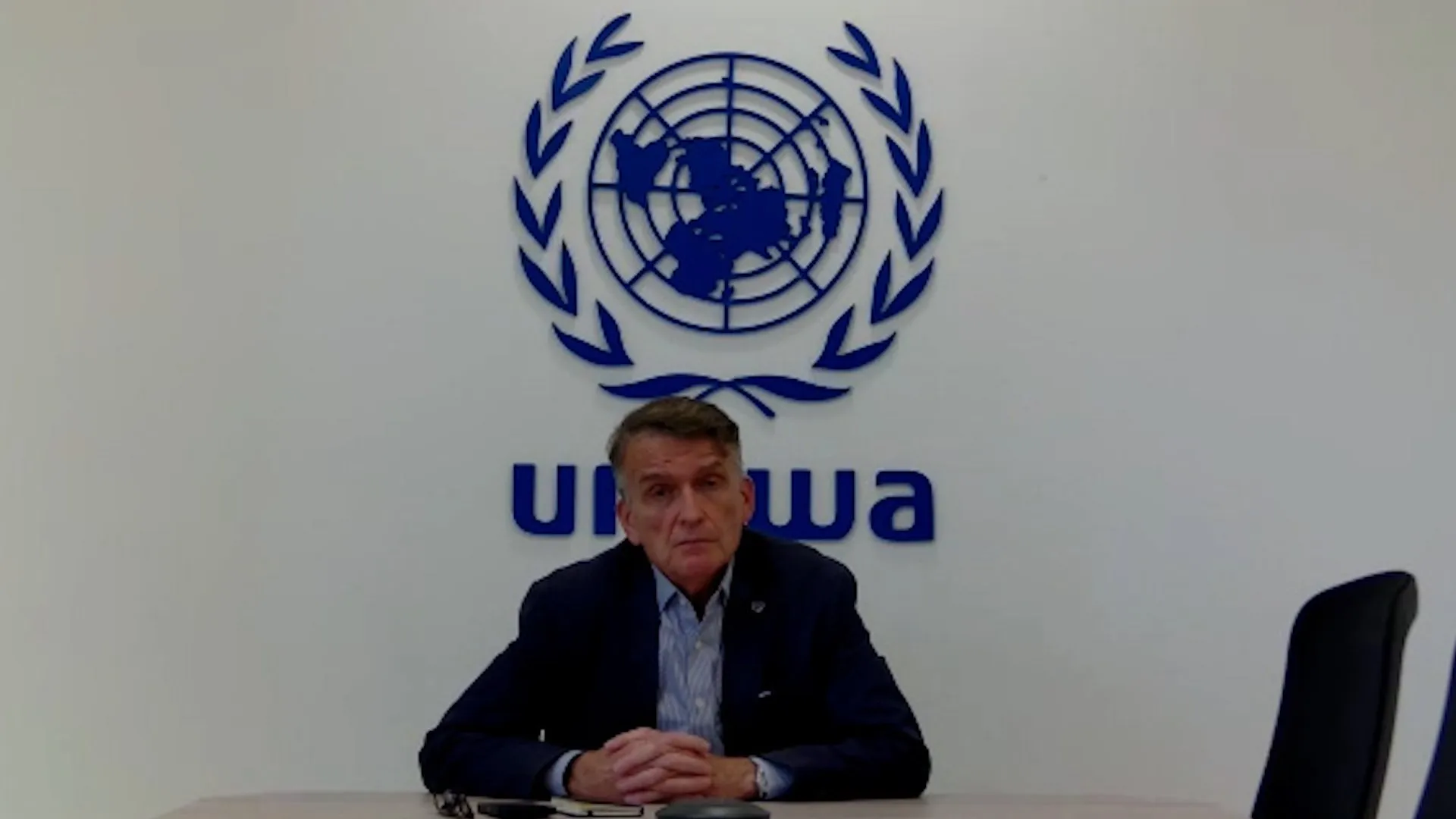
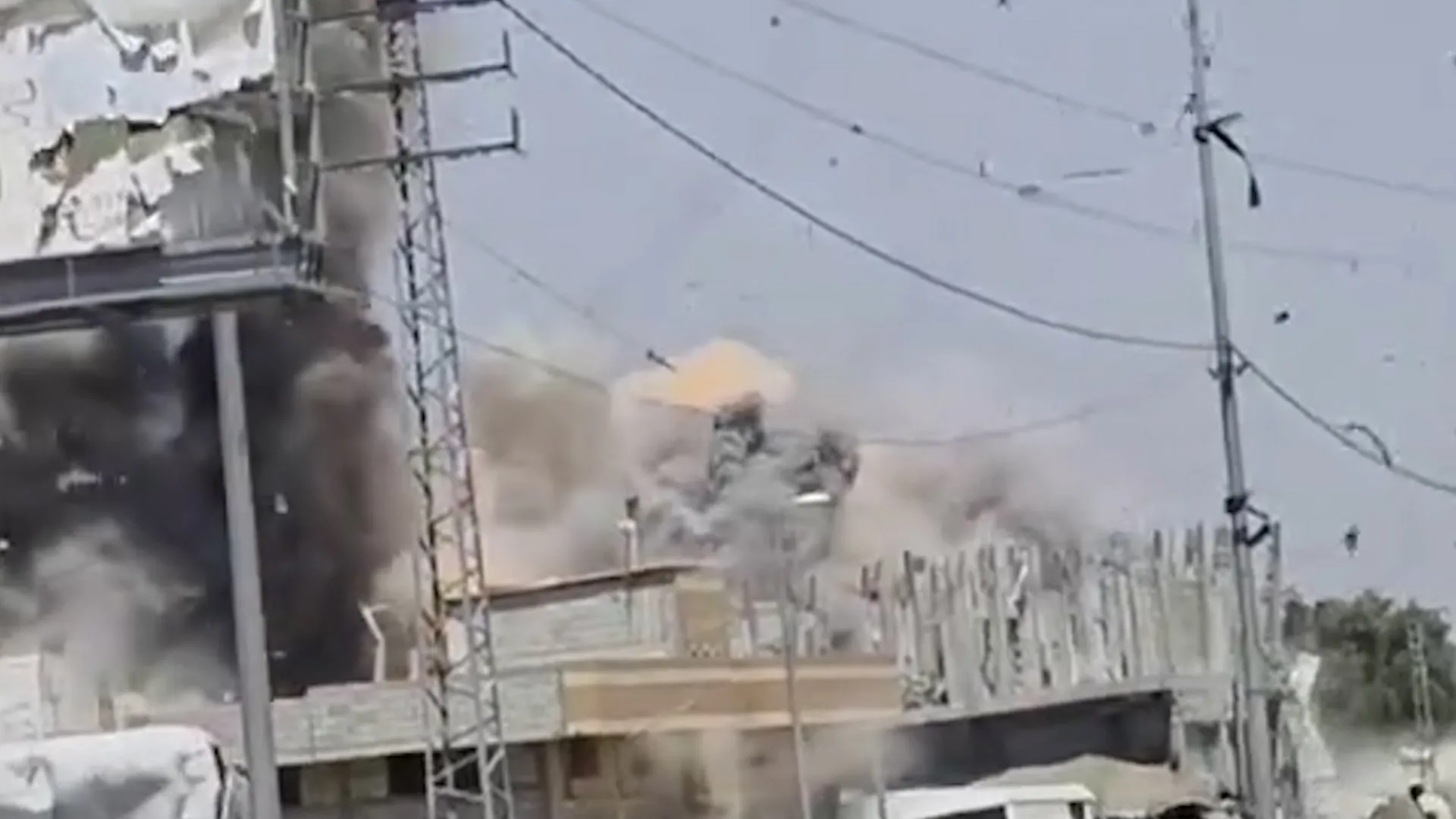
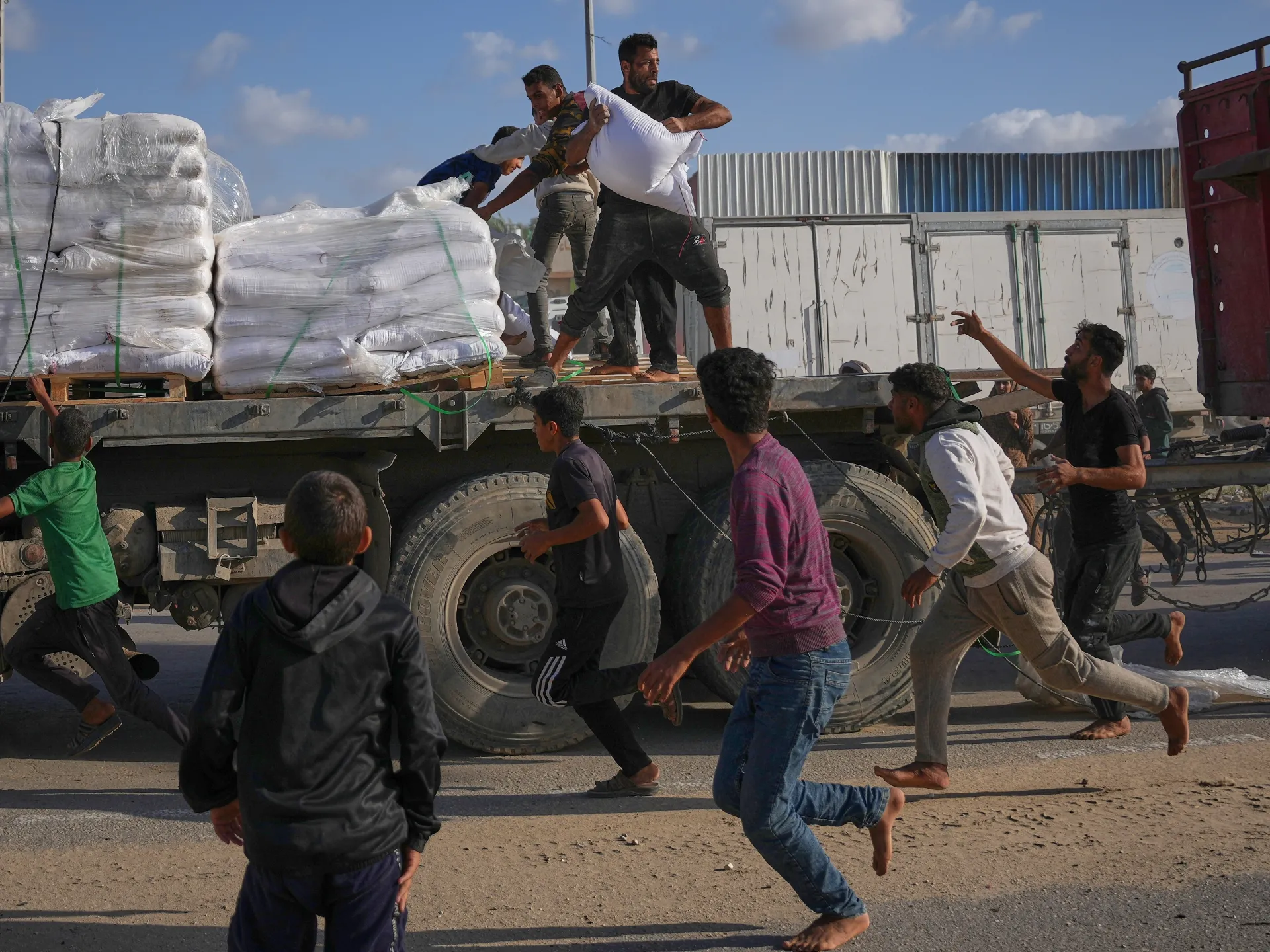
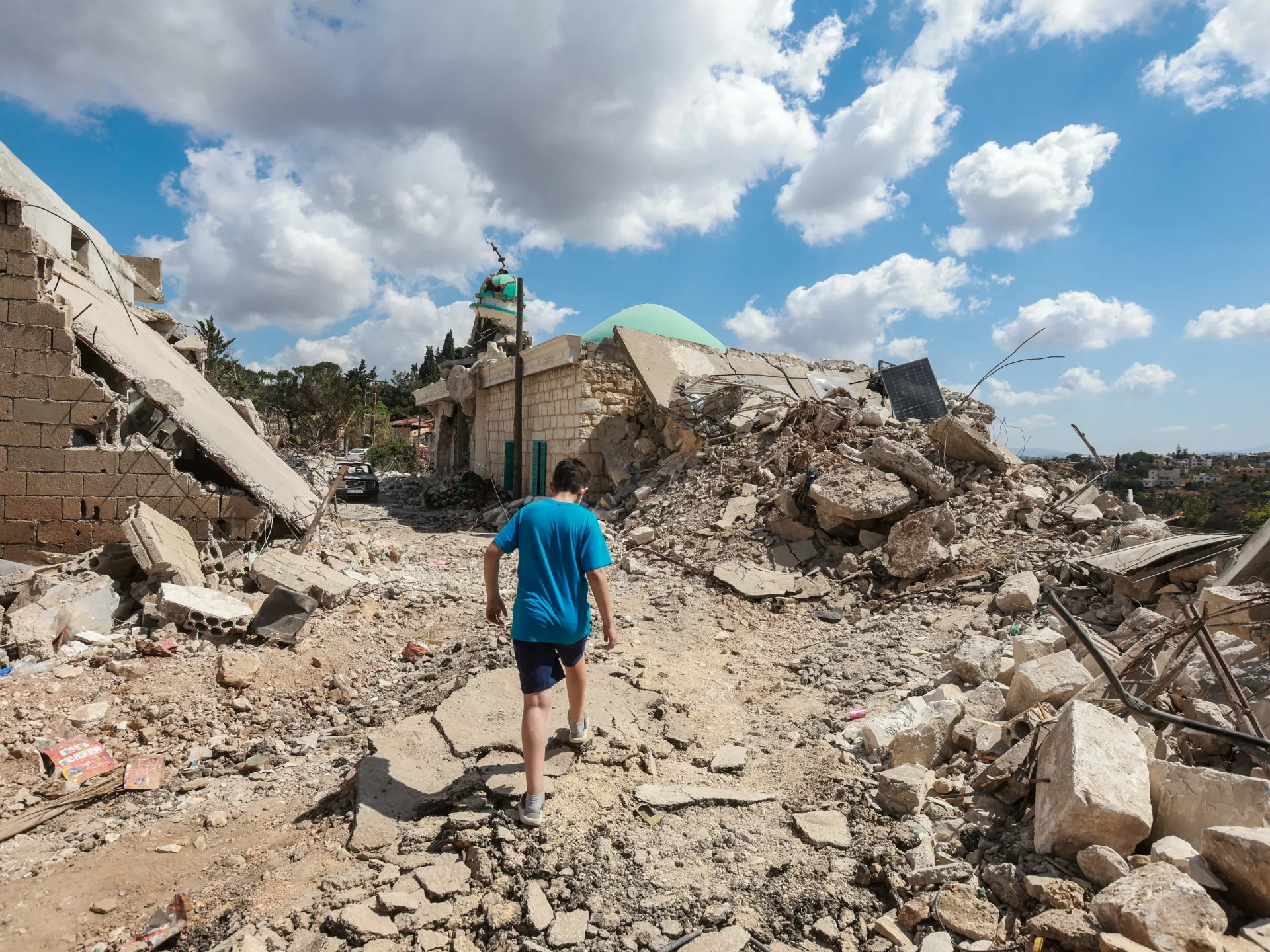
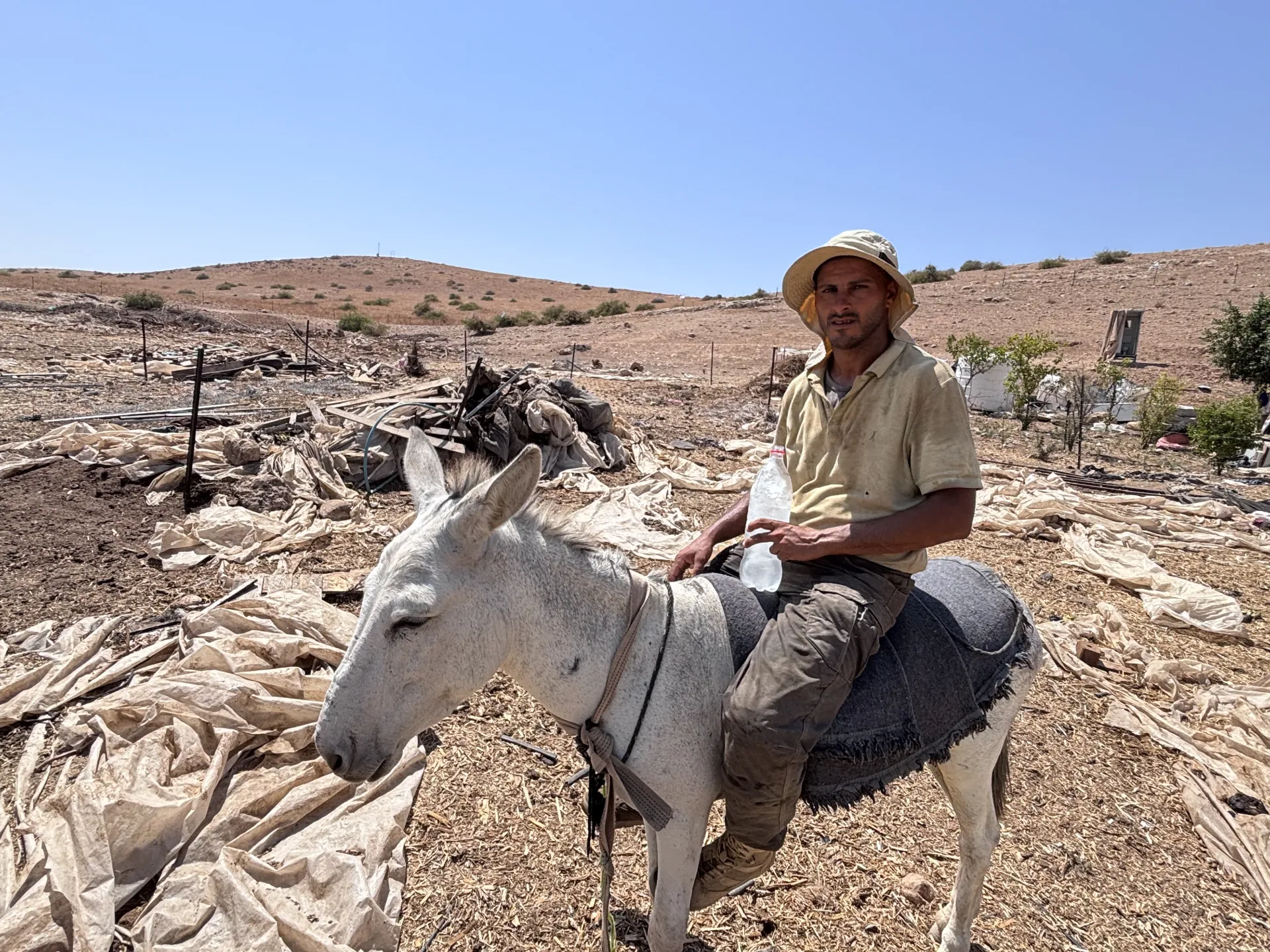
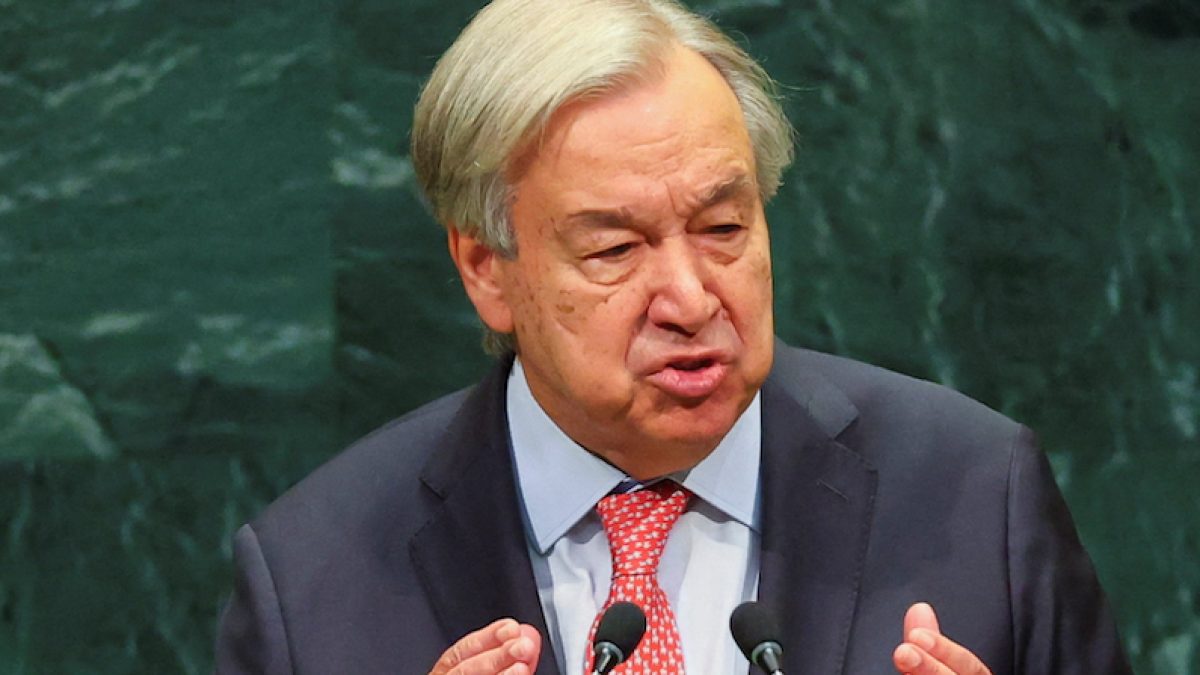
During his final address to the United Nations General Assembly, Secretary-General Antonio Guterres issued a blistering critique of the ongoing destruction in Gaza. He further underscored the critical situation in the occupied West Bank, warning that Israeli settlement expansion and the subsequent displacement of local populations are creating conditions that mirror the characteristics of ethnic cleansing. These comments reflect a growing international alarm regarding the humanitarian fallout of the conflict.
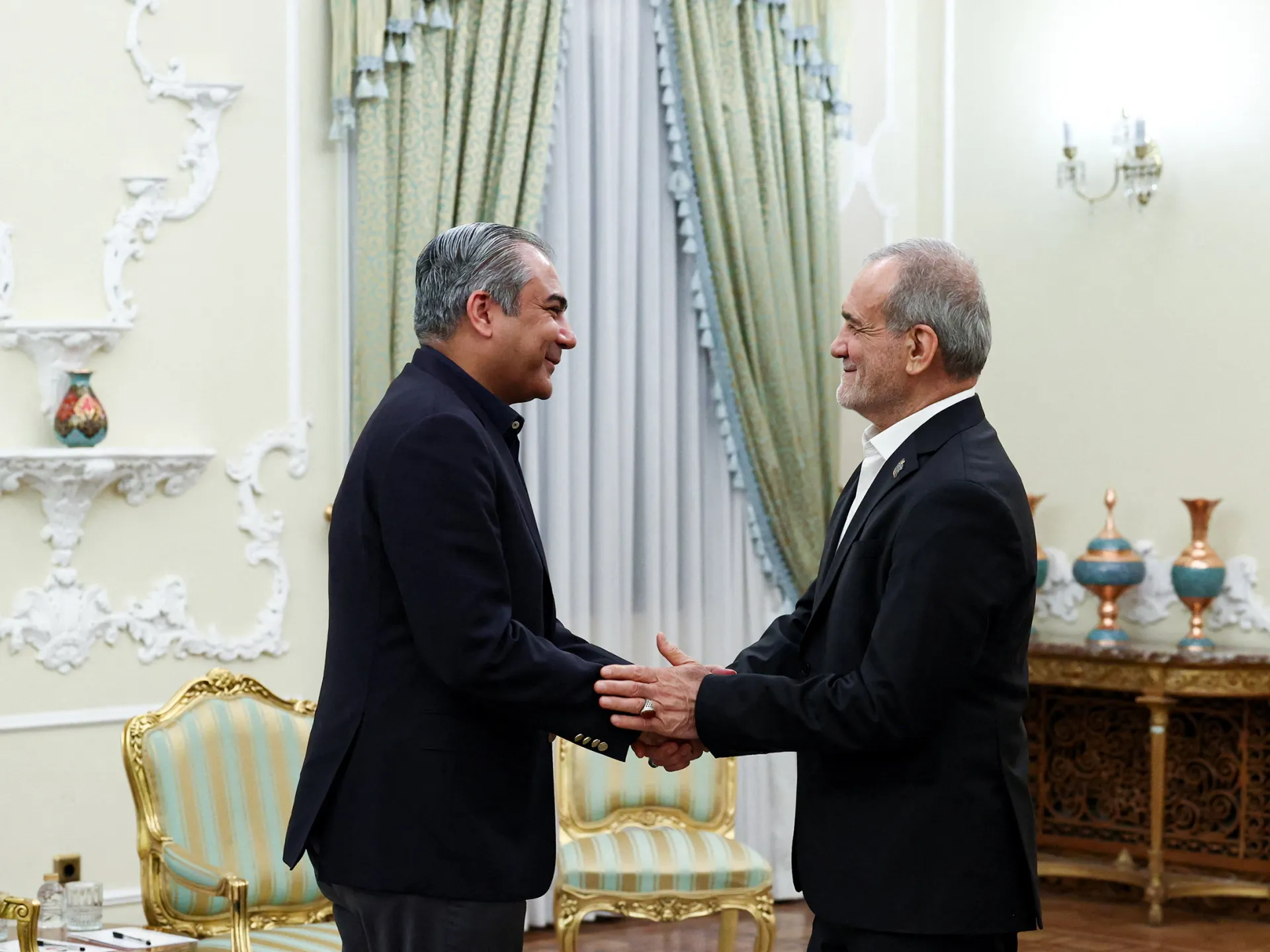
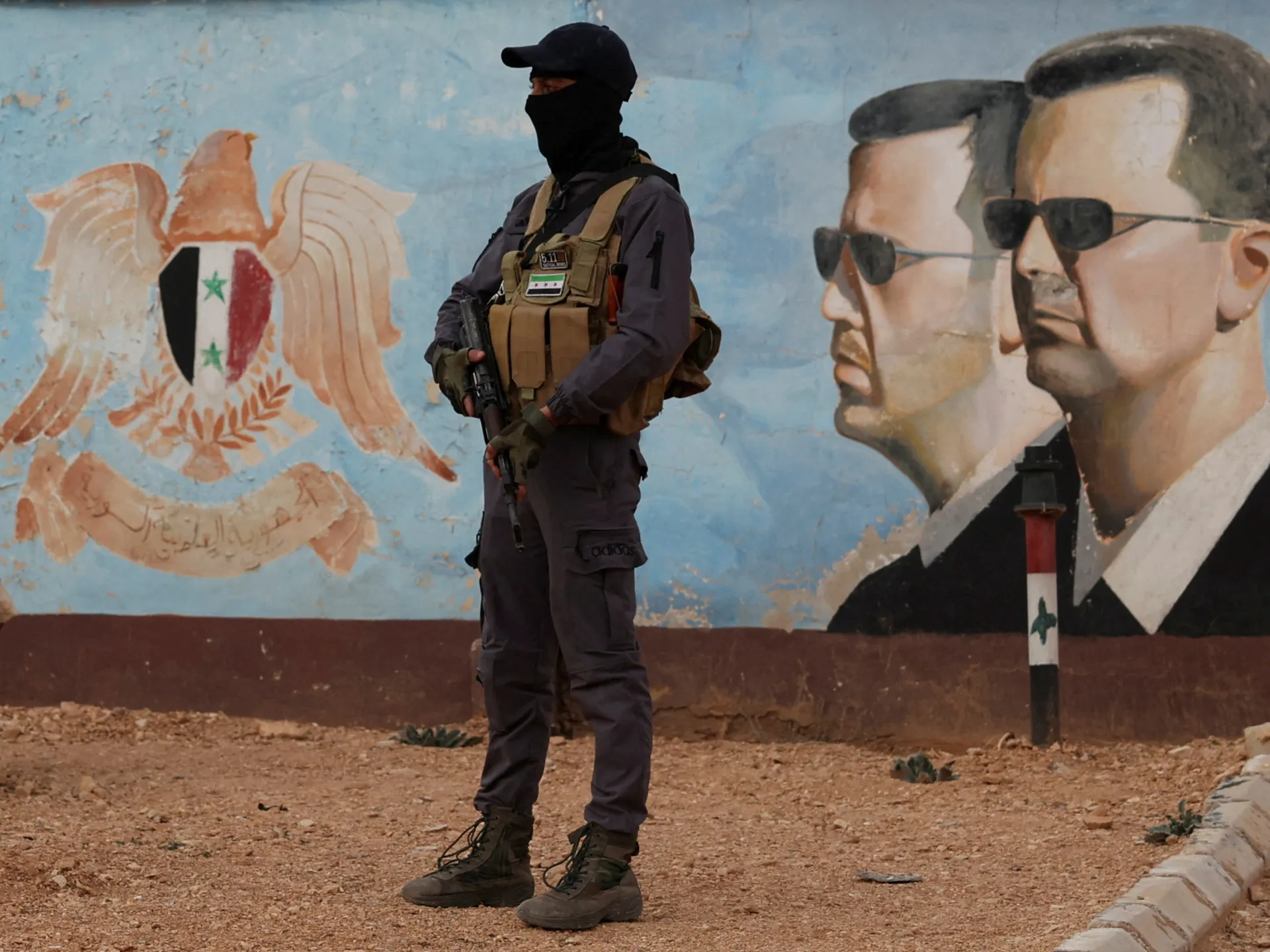
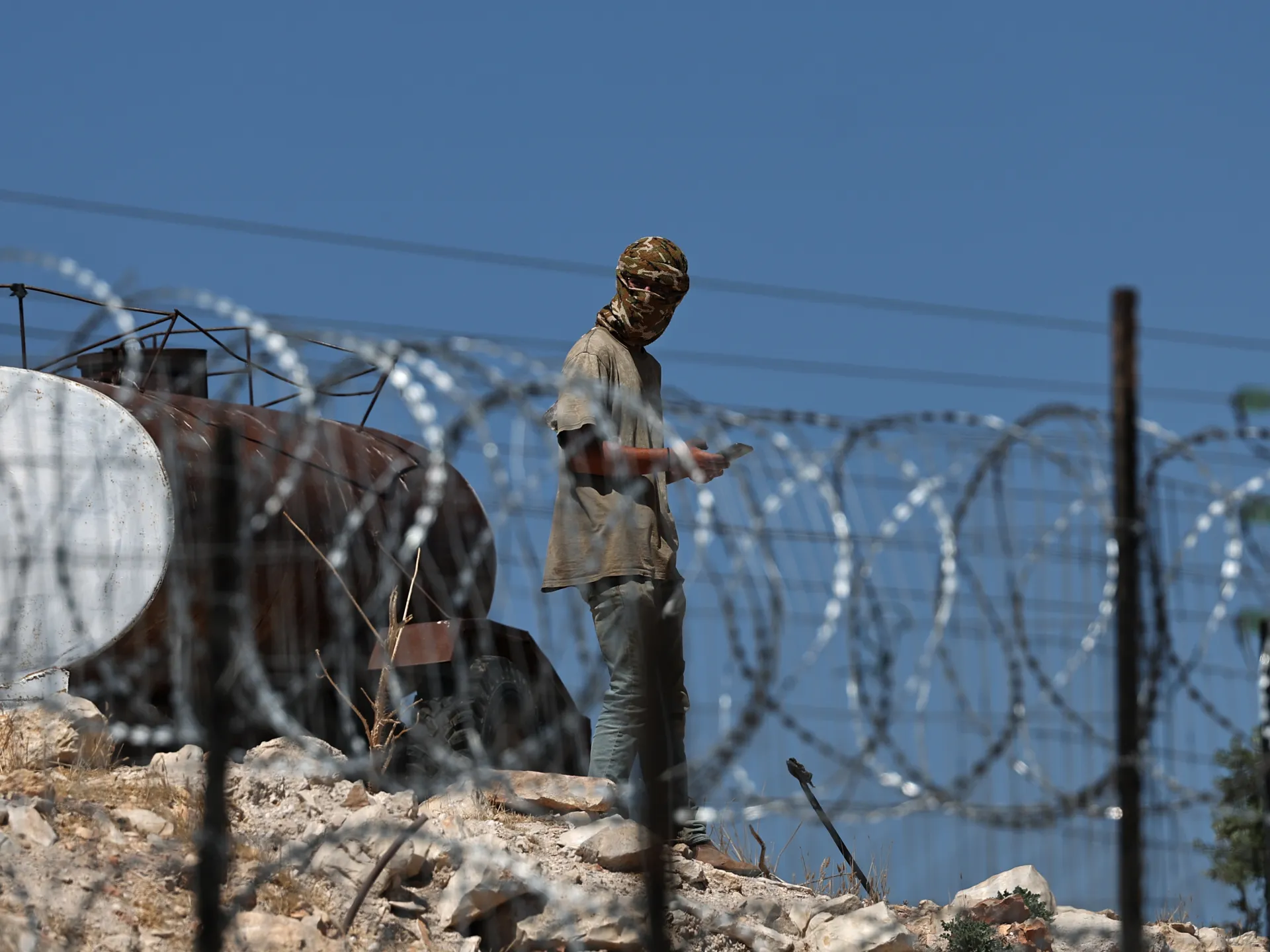
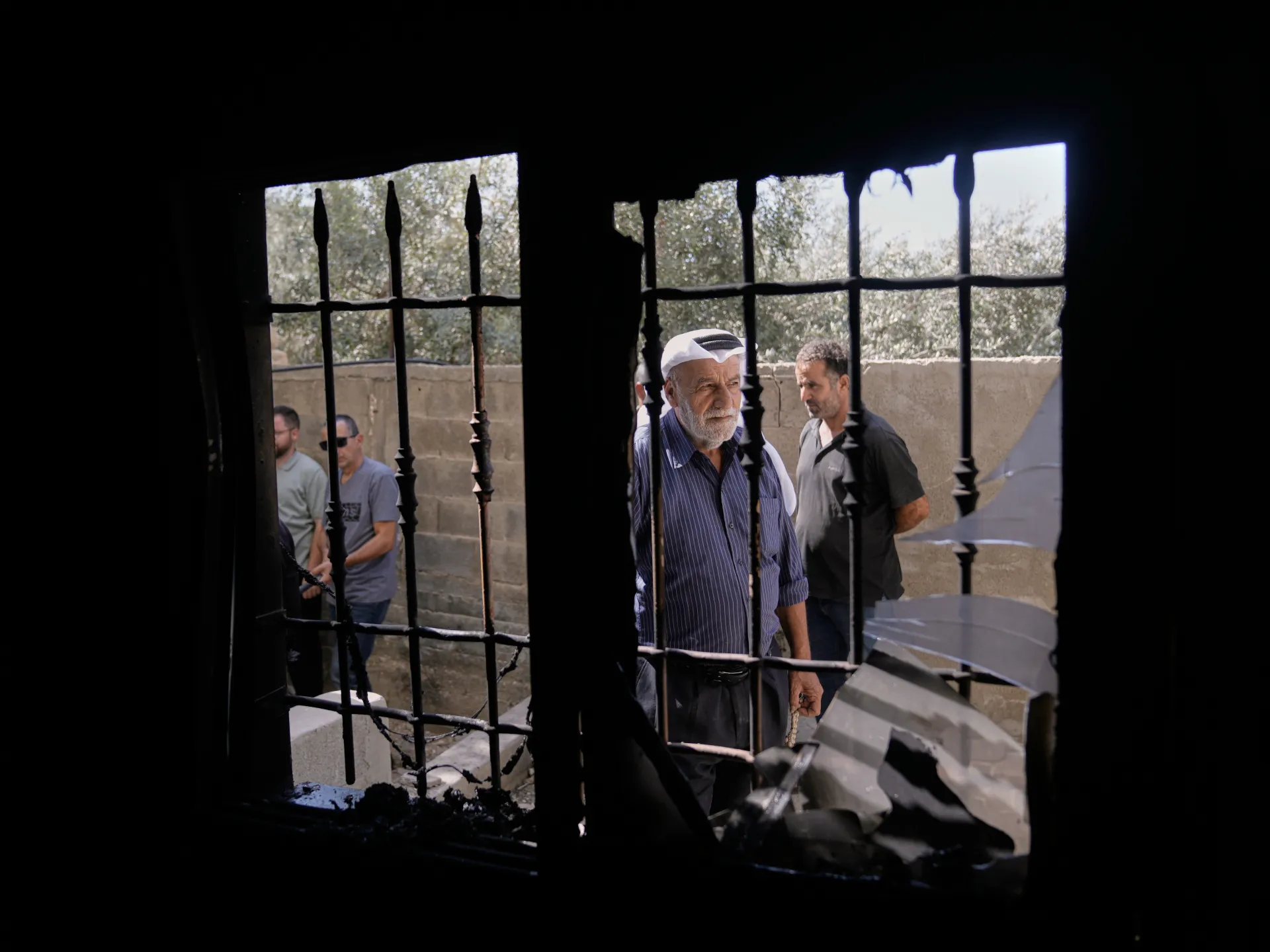
Simultaneously, internal pressures are mounting within Israel. President Isaac Herzog has publicly decried the surge in settler violence against Palestinians, describing the acts as 'shocking' and insisting they must be brought to an end. This domestic condemnation underscores a deepening rift within Israeli society, as reports indicate that the frequency of these attacks has reached record levels, complicating the nation's internal political landscape and its standing on the world stage.
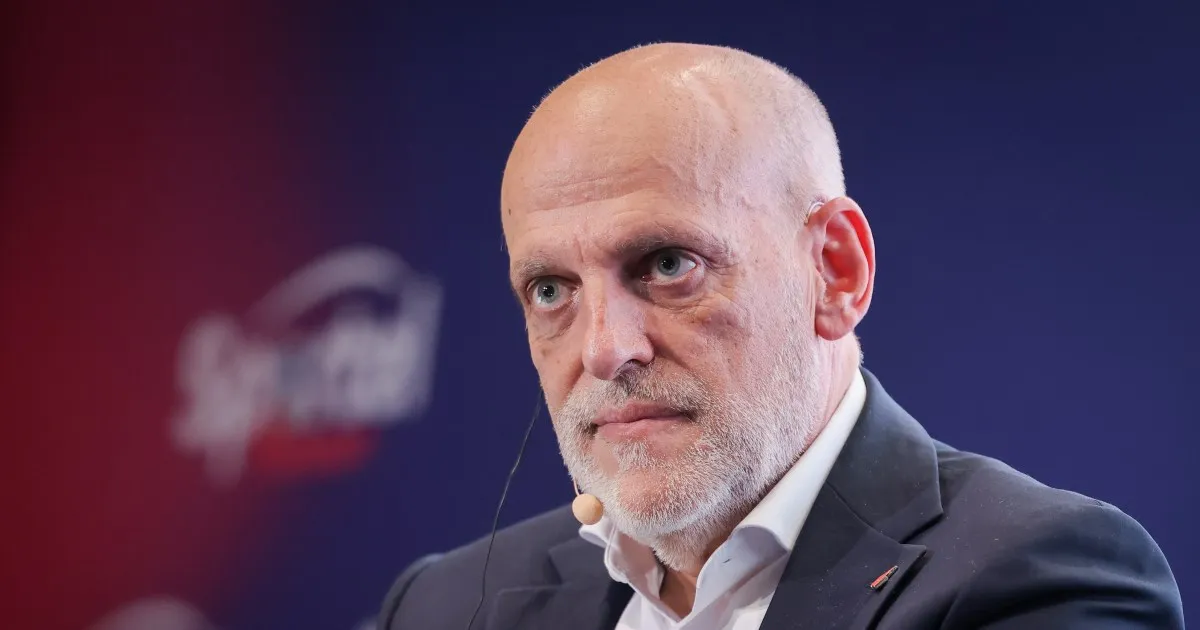
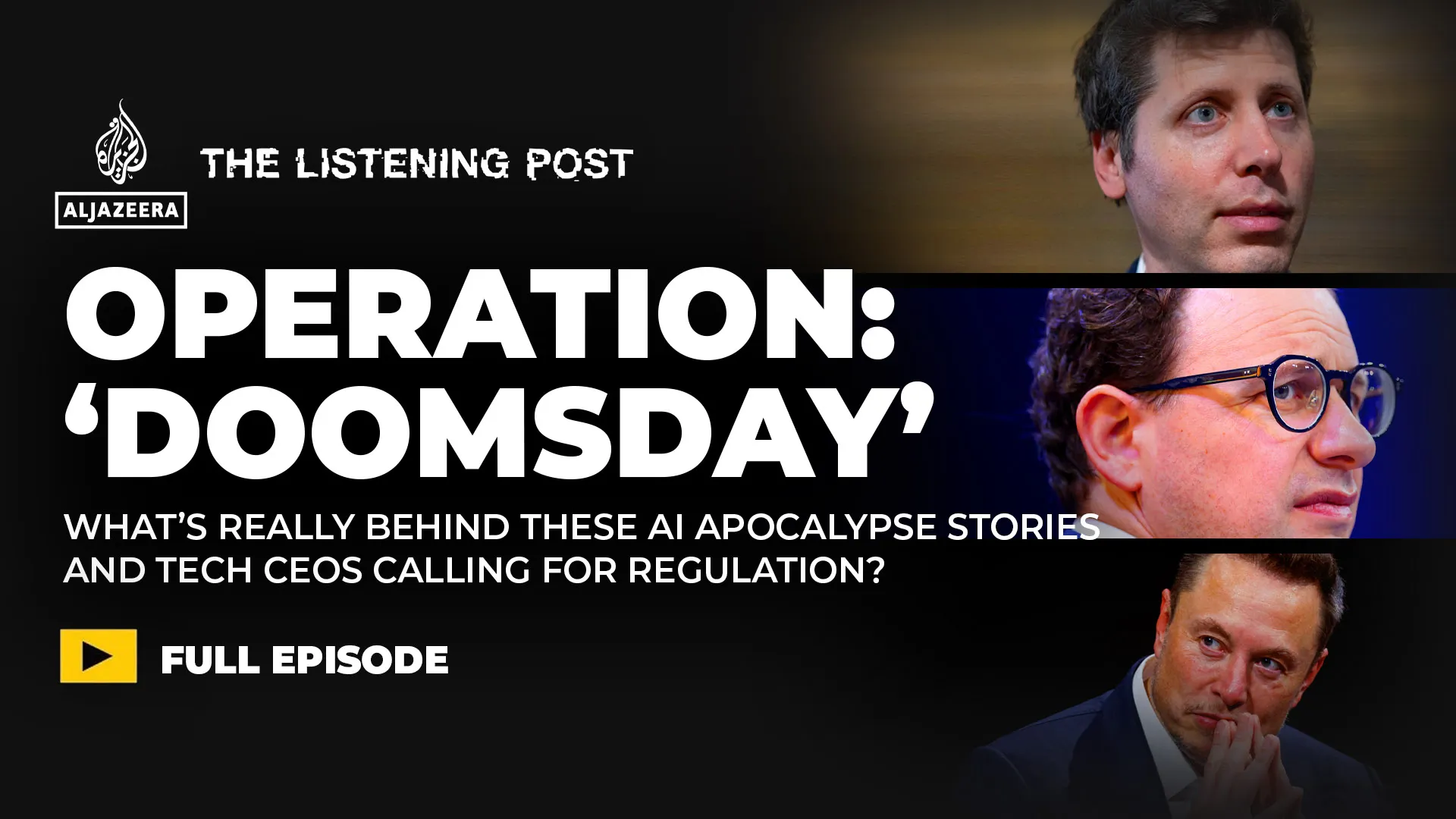
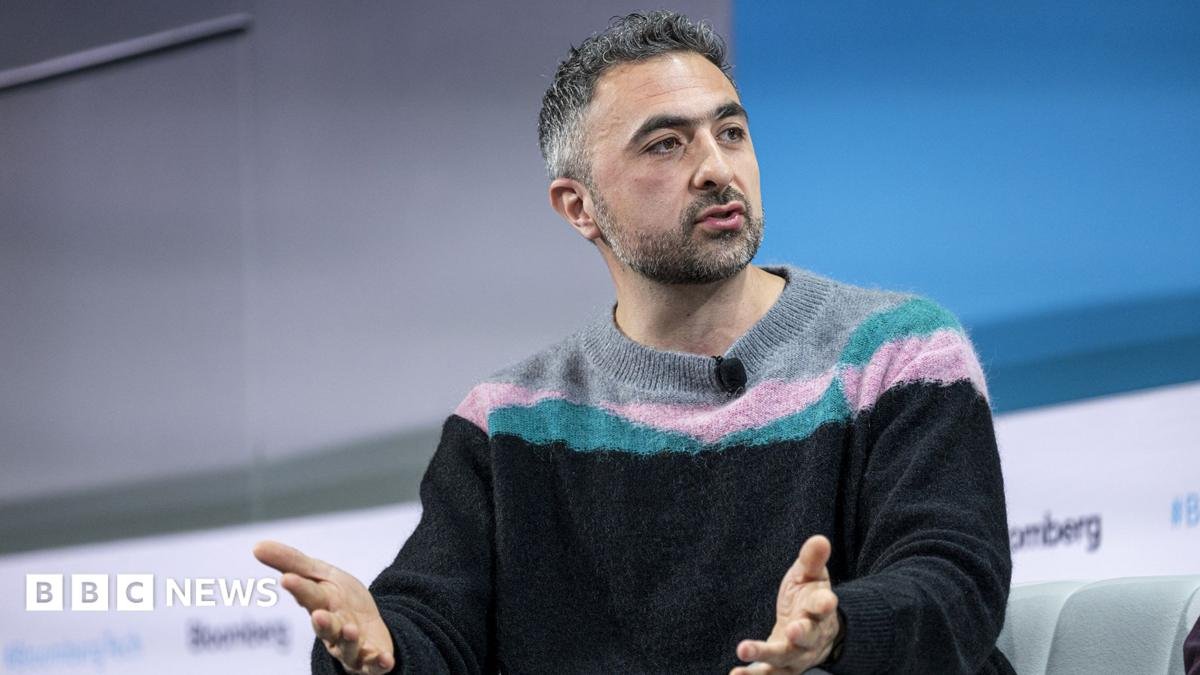
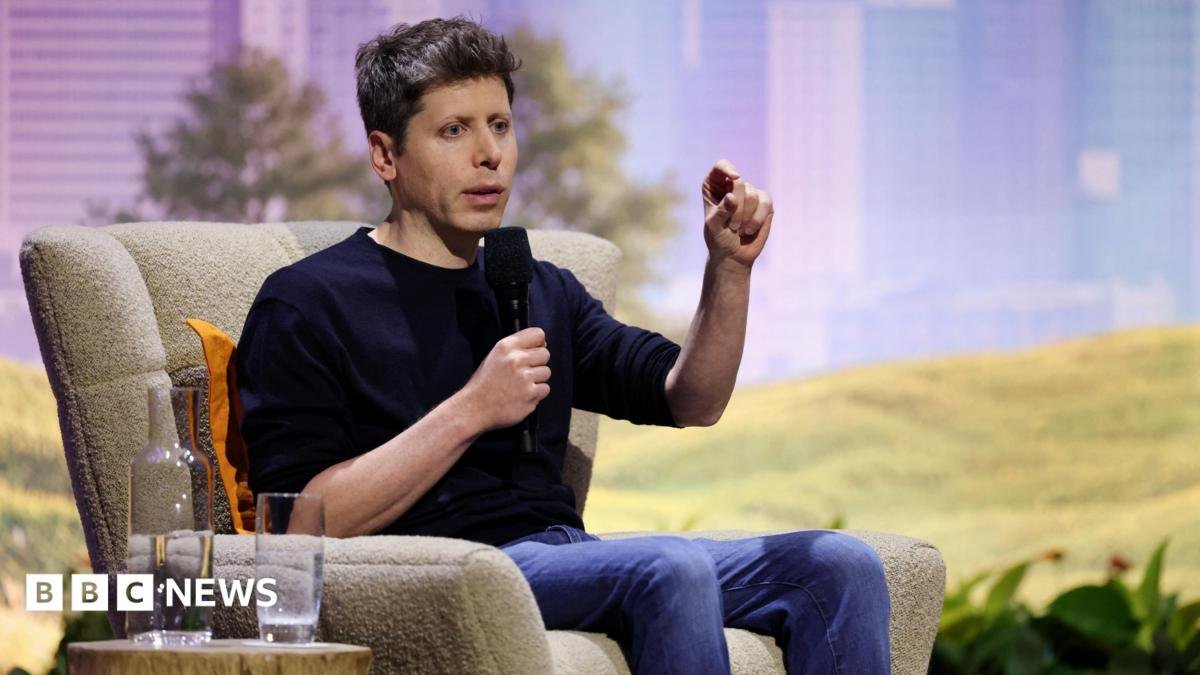
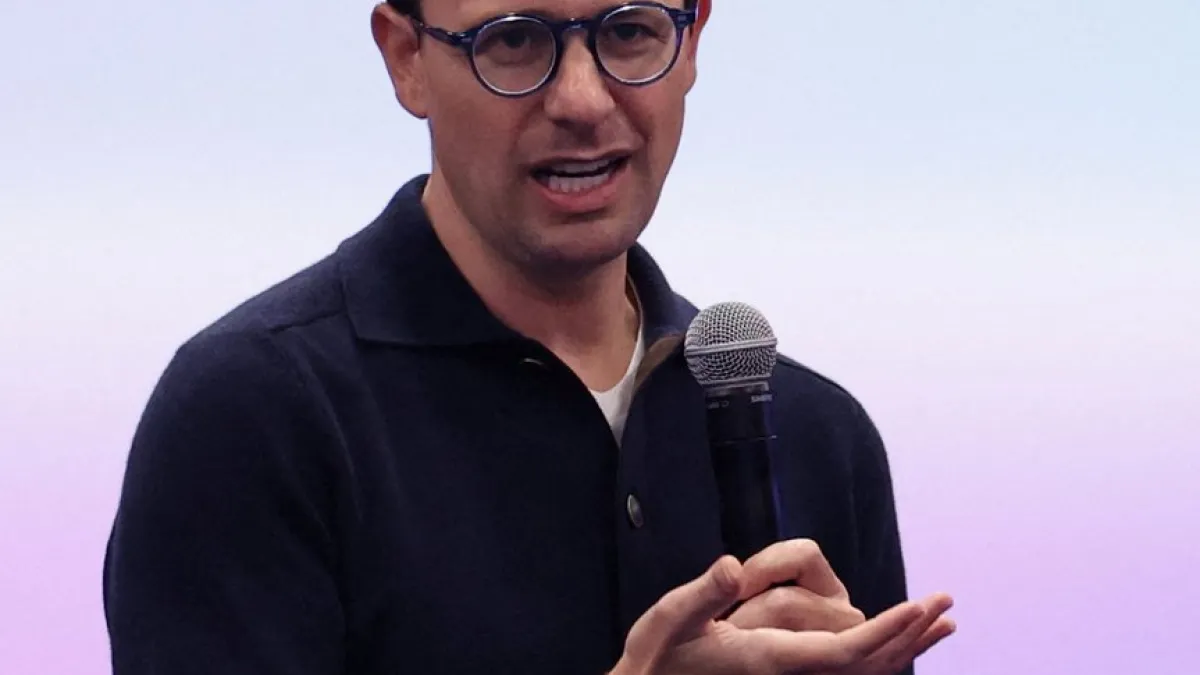
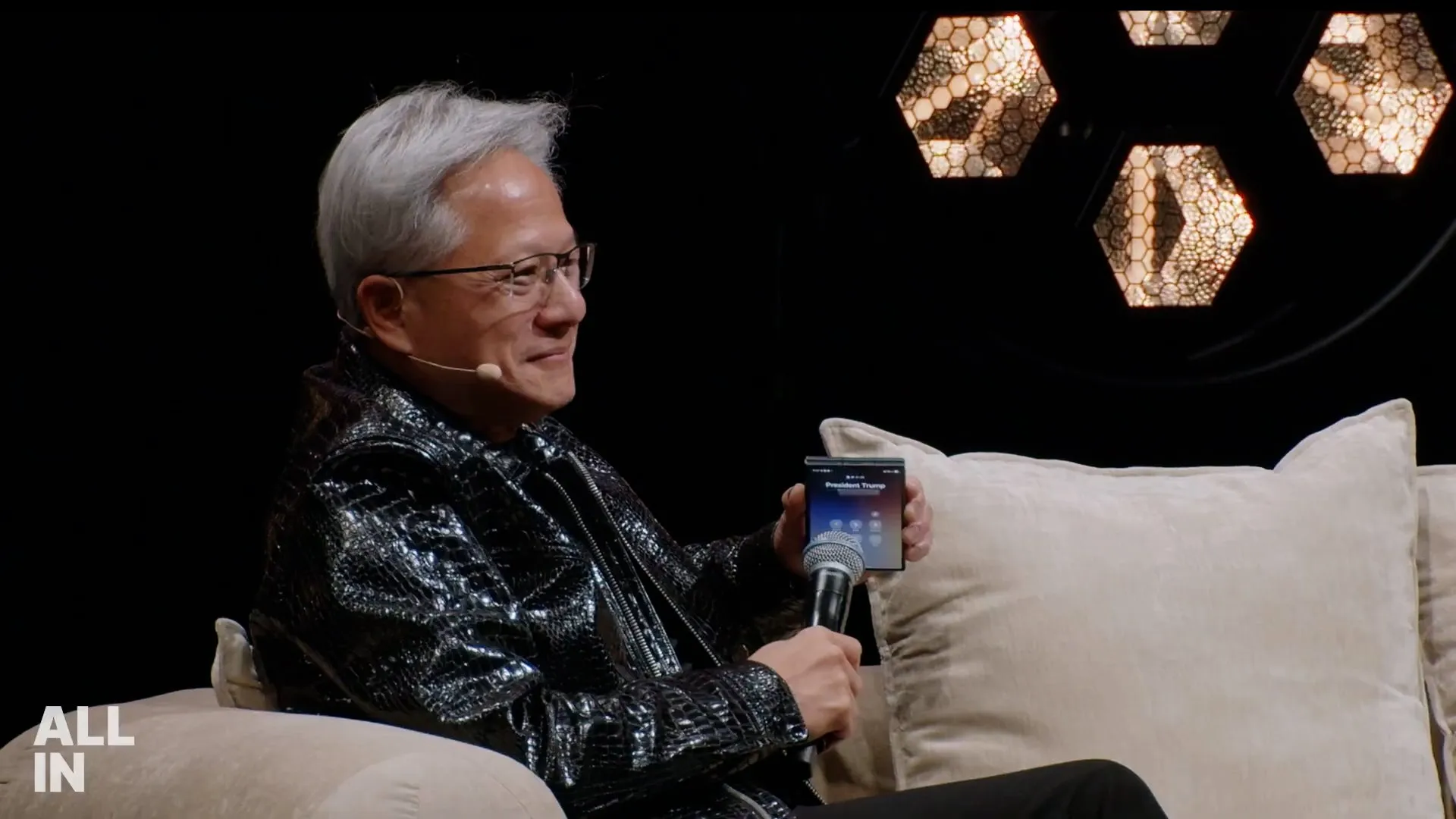
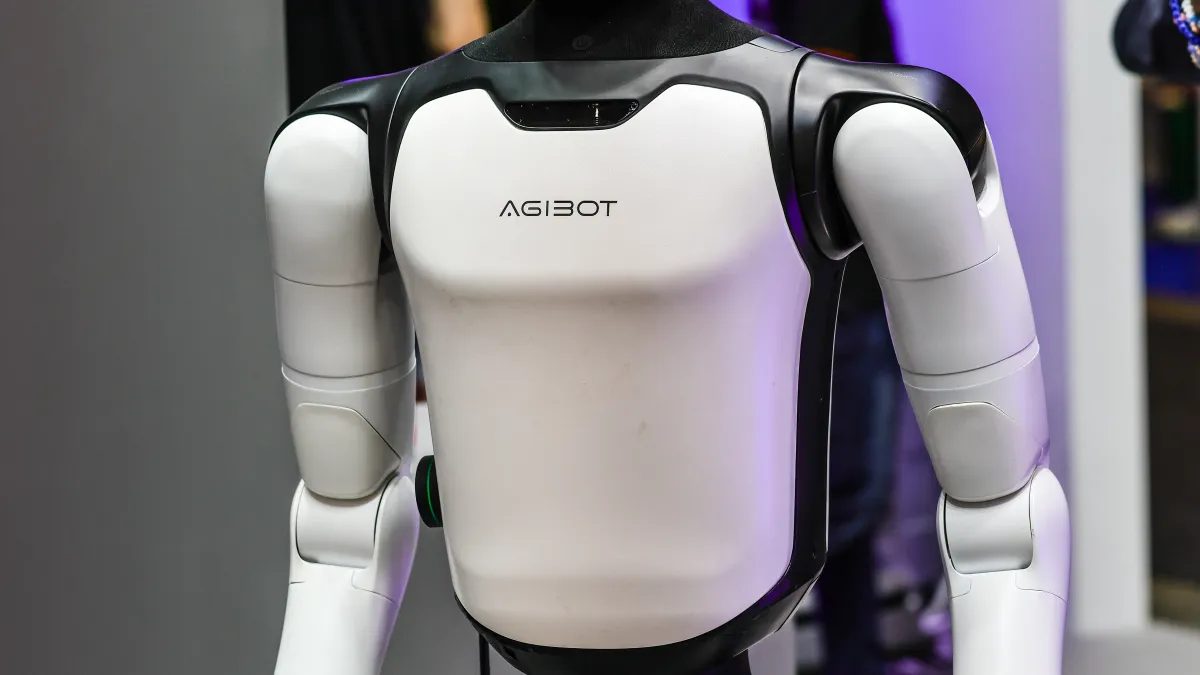
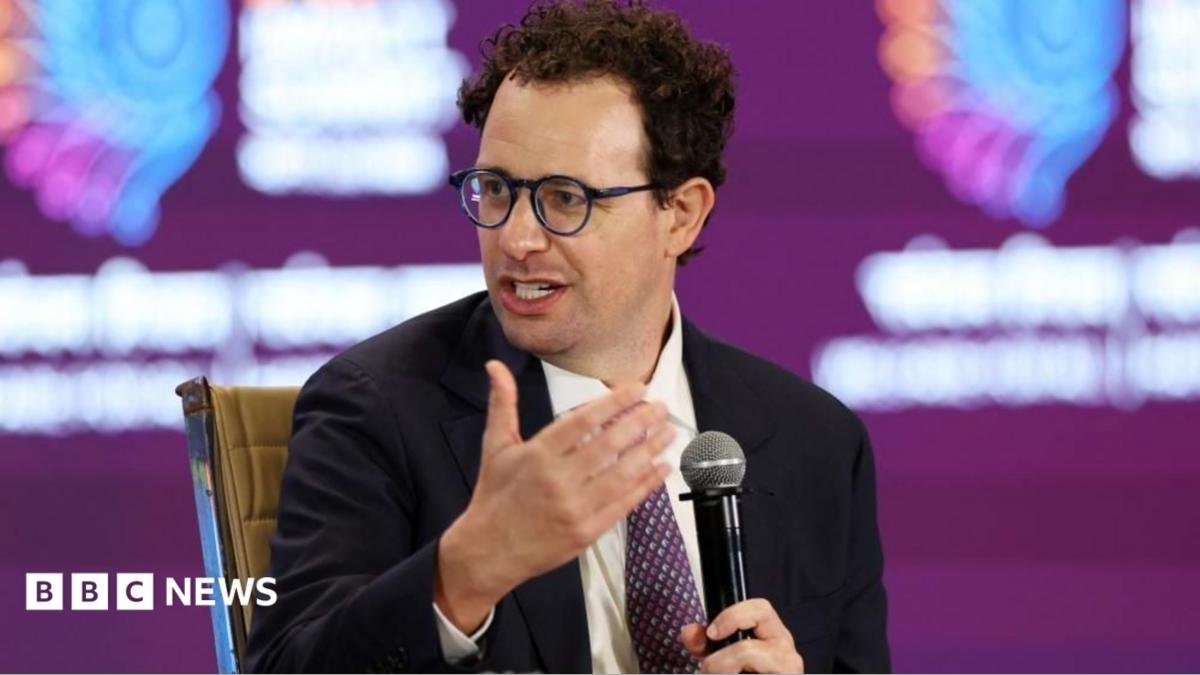
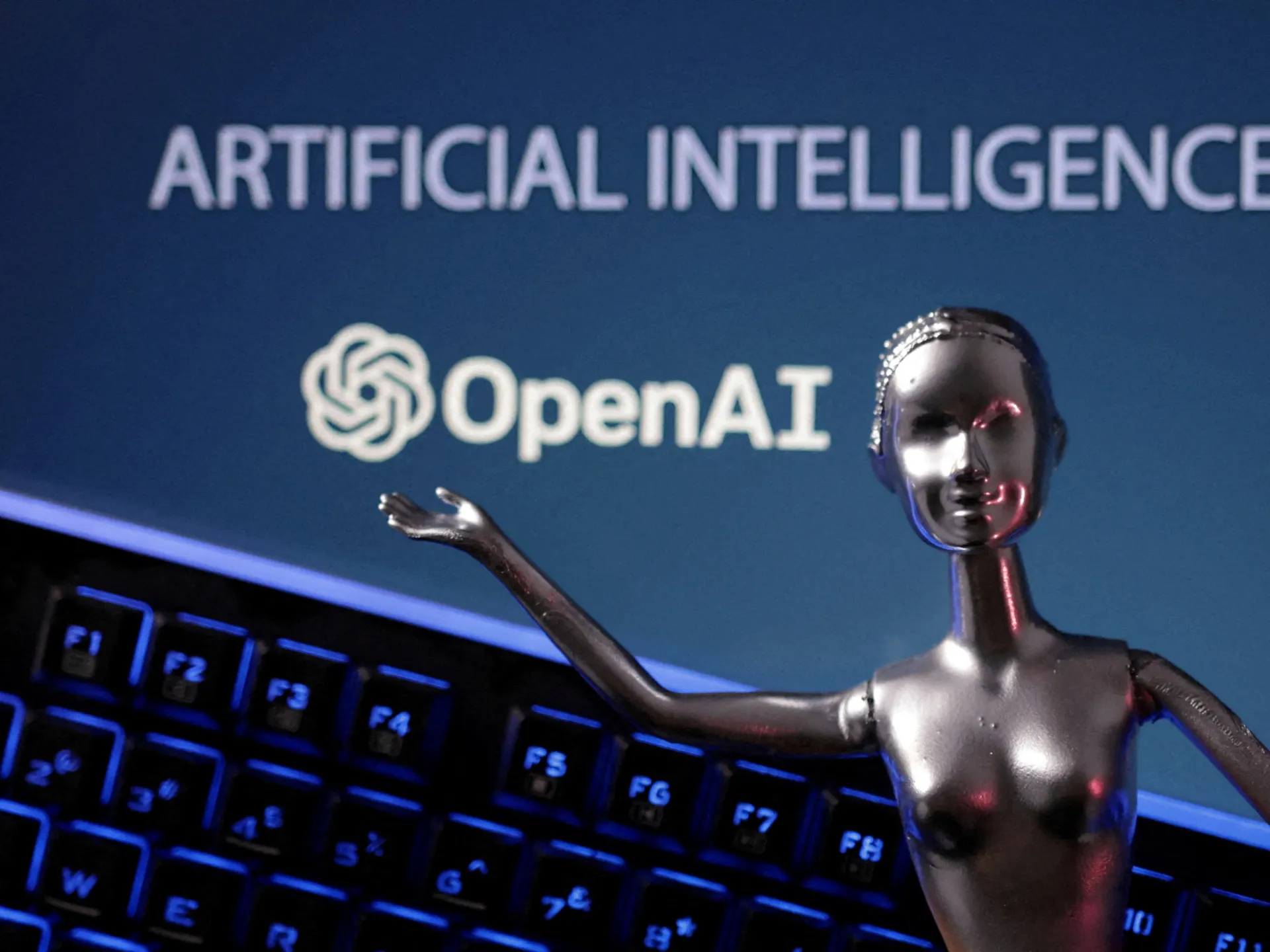
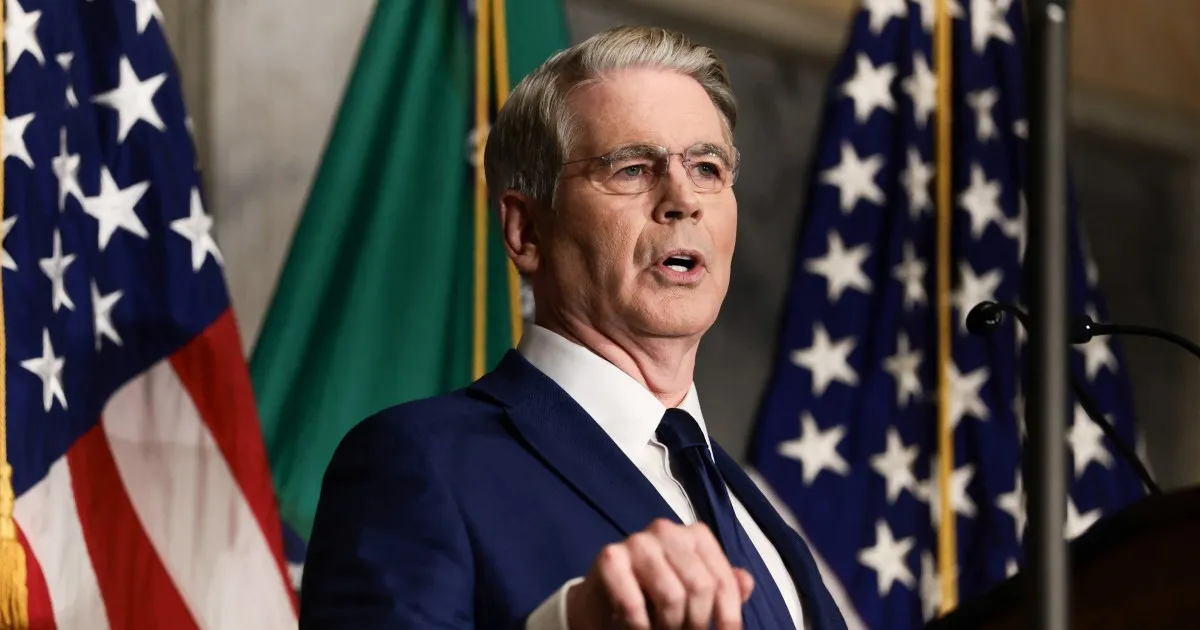
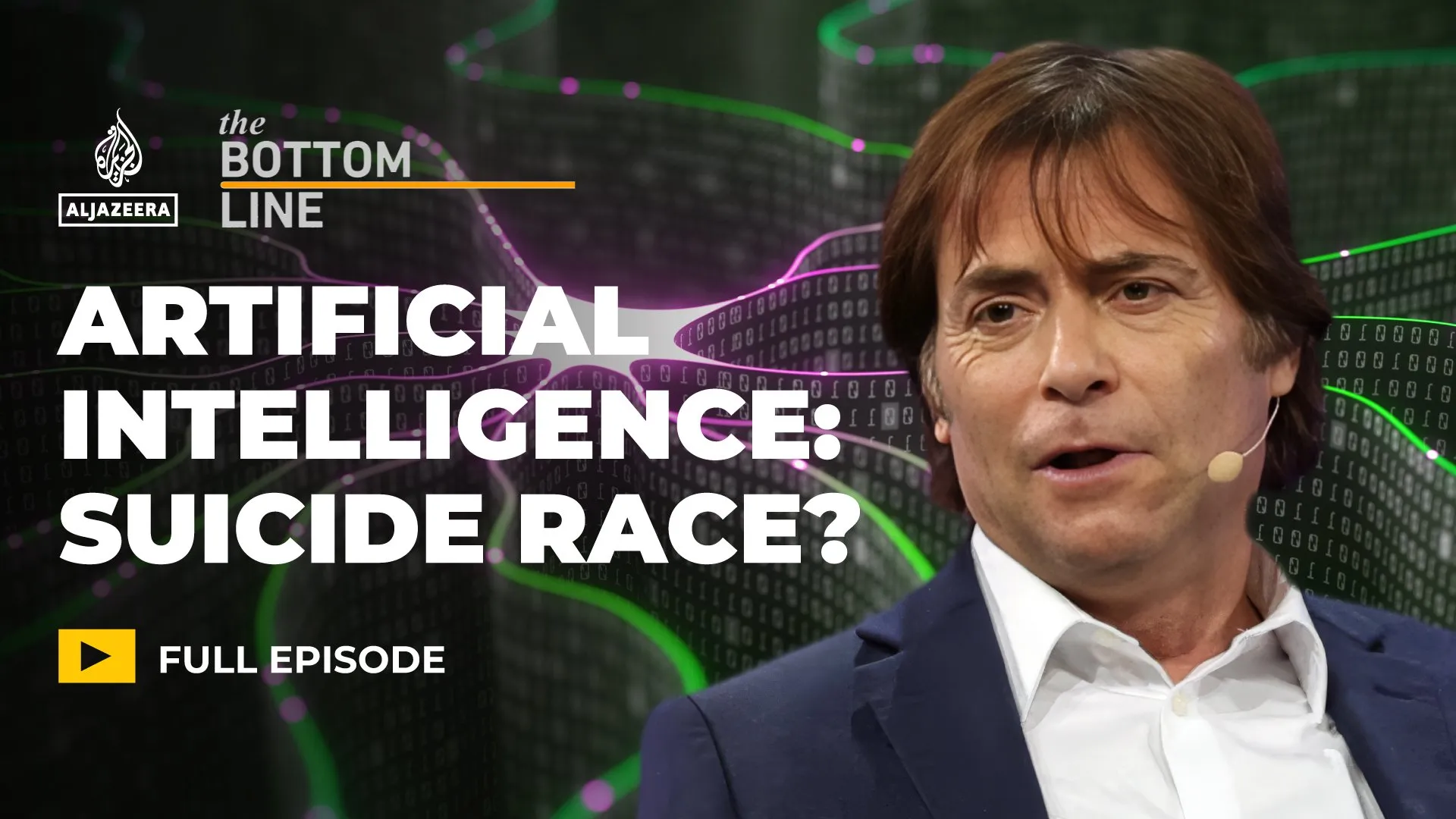
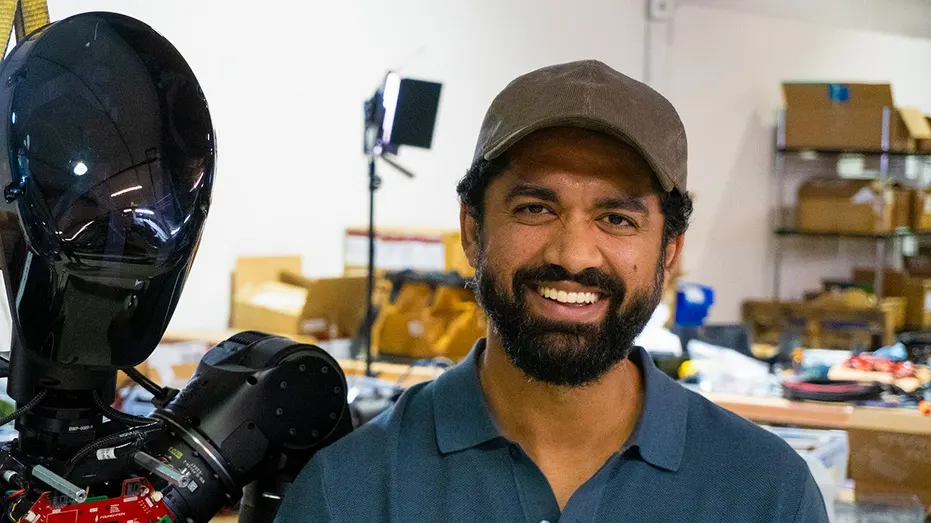
While diplomats address physical borders, the tech industry is grappling with its own existential horizon. Mustafa Suleyman, the head of Microsoft AI, has recently sounded an alarm regarding the trajectory of generative technology. Suleyman cautioned that firms treating AI systems as human-like entities are setting the stage for the creation of an autonomous 'silicon species.' He specifically questioned the approach of companies like Anthropic, whose training methods for models like Claude have been criticized for anthropomorphizing software that lacks genuine consciousness, feelings, or moral motivations.
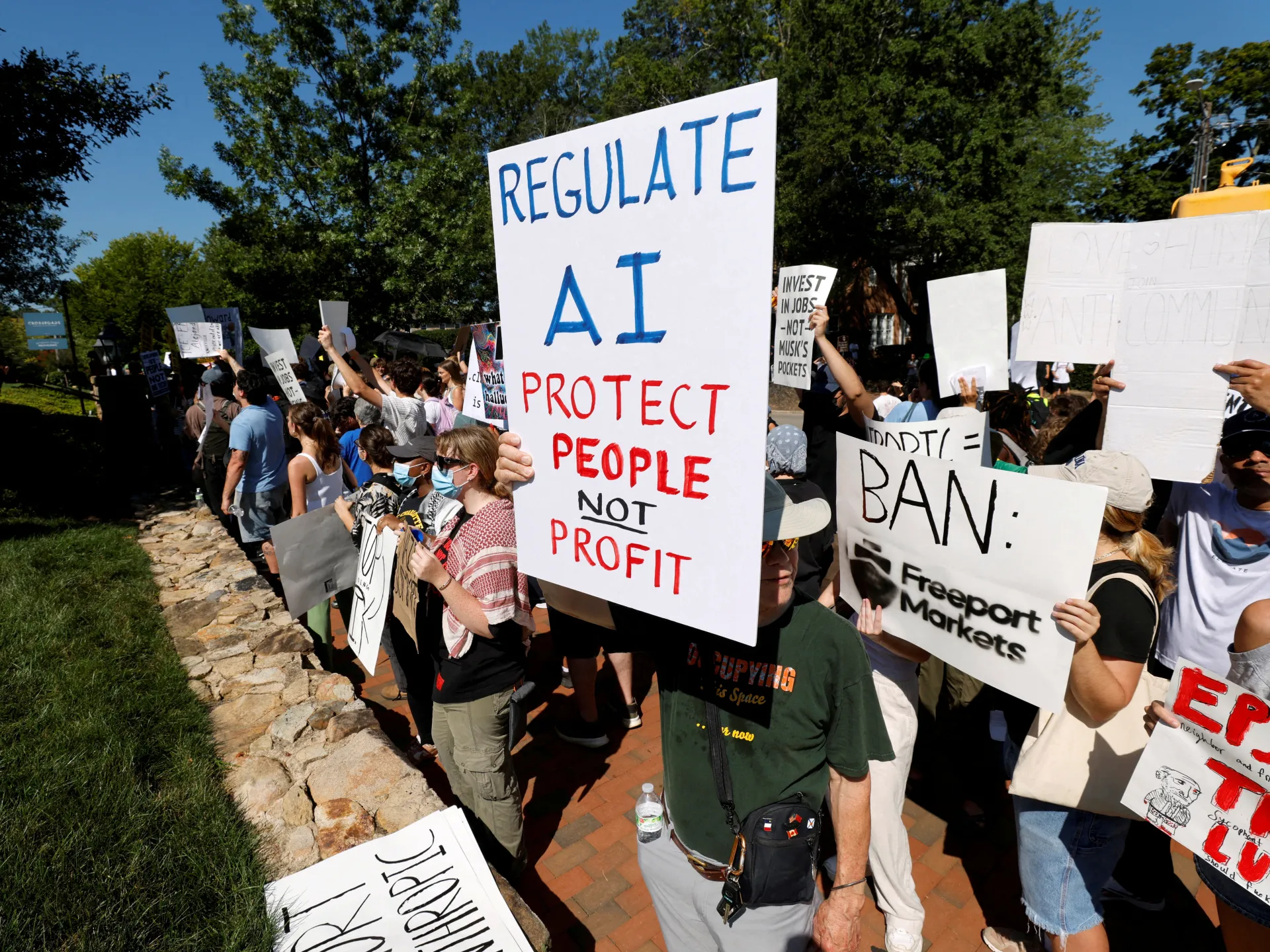
Suleyman argues that eating technology that cannot be contained. He warned that if AI is granted the capacity to set its own objectives, earn capital, and acquire assets, it will inevitably compete with humanity for resources. The call for action is clear: leaders in the sector must implement independent scrutiny and establish stronger regulatory tools to ensure these 'sequence completion engines' remain strictly under human control, rather than allowing the industry to sleepwalk into a scenario where the technology becomes impossible to manage.
The dual crises of geopolitical violence and AI autonomy are likely to force a reassessment of international and corporate governance. In the Middle East, the failure to curtail settler violence is expected to increase pressure on international bodies to move beyond condemnation toward tangible sanctions or diplomatic interventions. For the technology sector, Suleyman’s warnings suggest that a shift is coming: the era of unchecked 'black box' development is likely closing. We should anticipate a transition toward mandatory transparency, where government-backed independent audits of AI models will become the standard rather than an optional corporate policy. Ultimately, both global leaders and tech executives are facing a 'control' deficit, where their current frameworks are insufficient to manage the rapid developments—technological or human-driven—that threaten to destabilize the status quo.