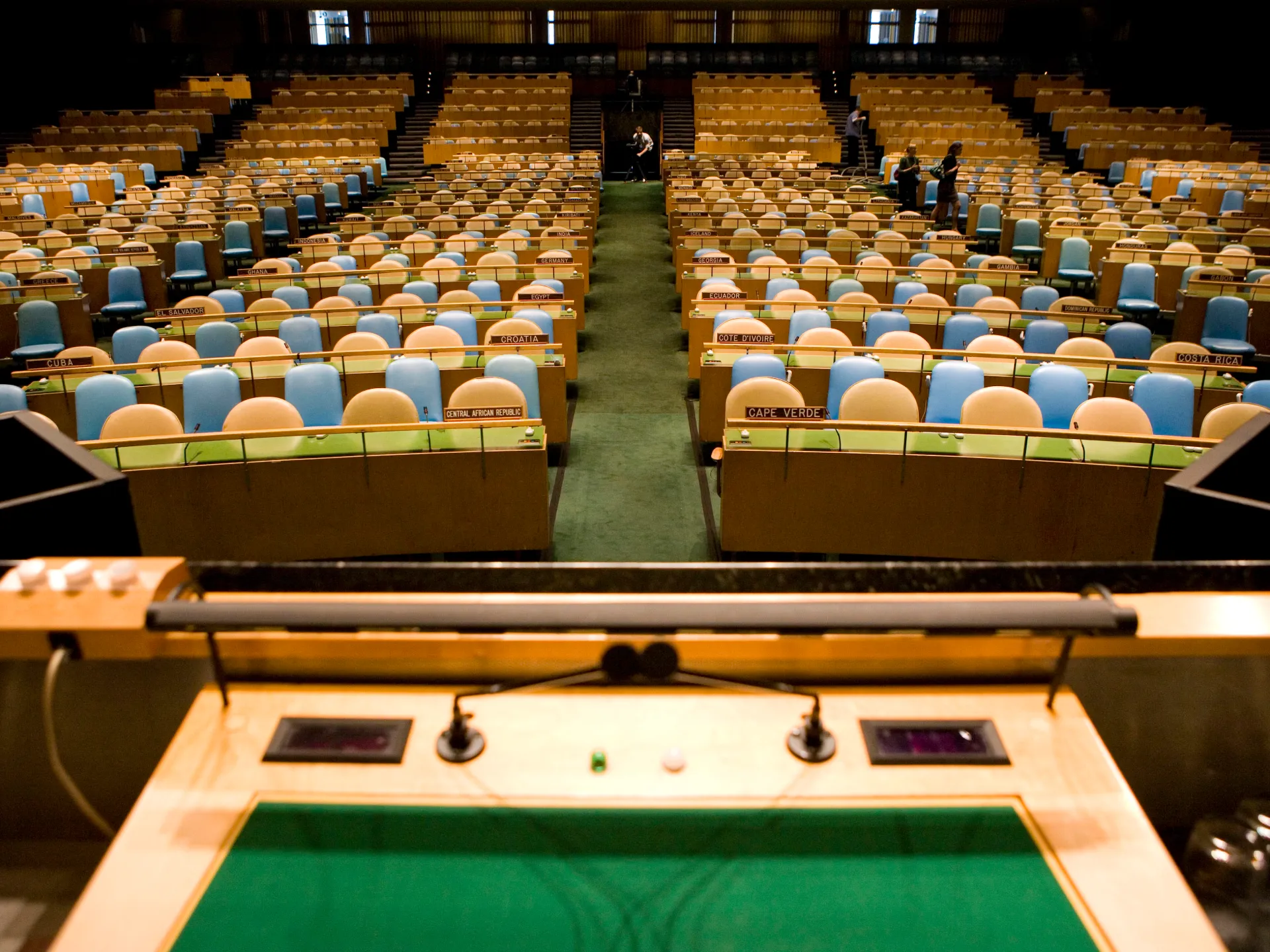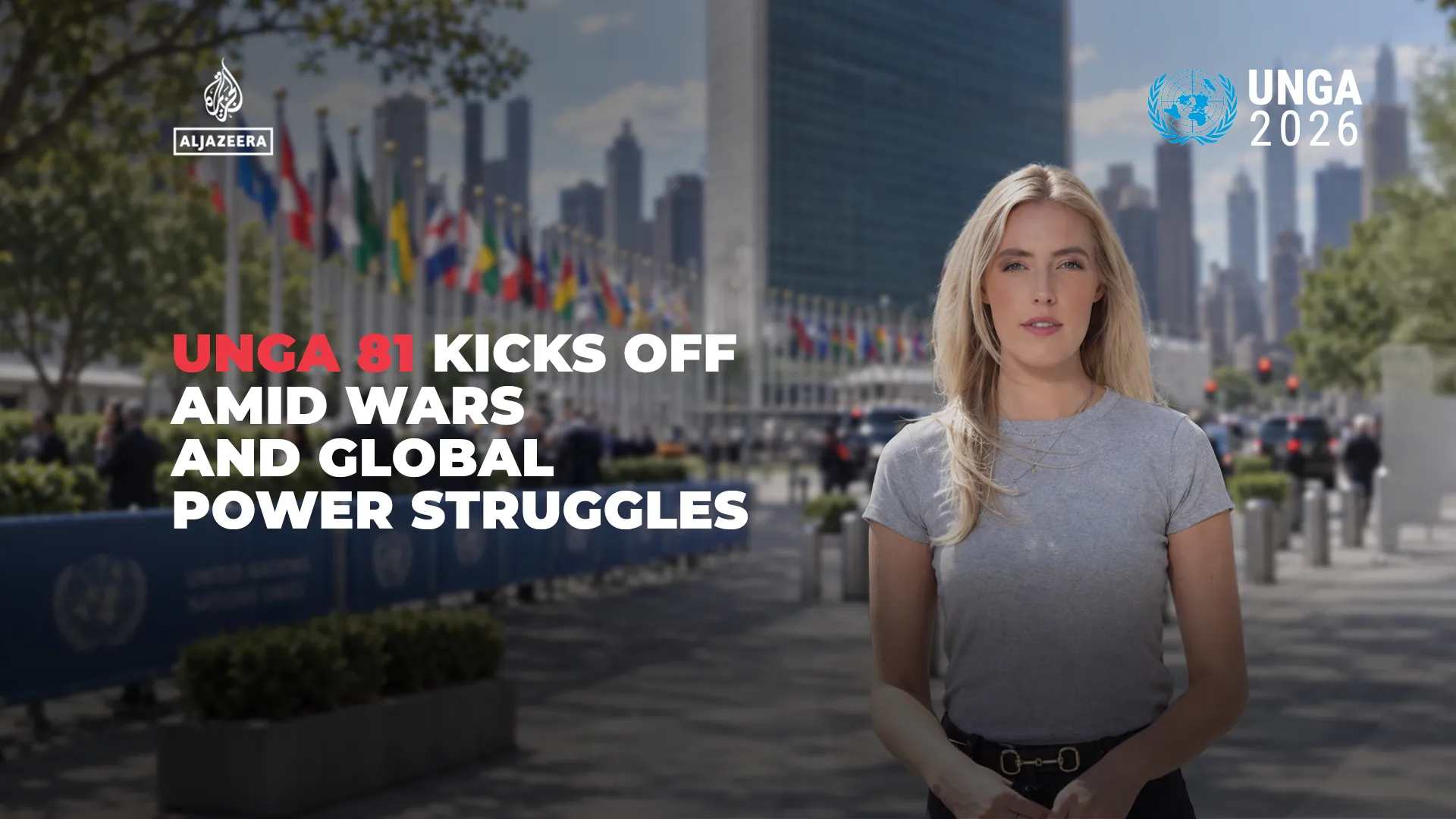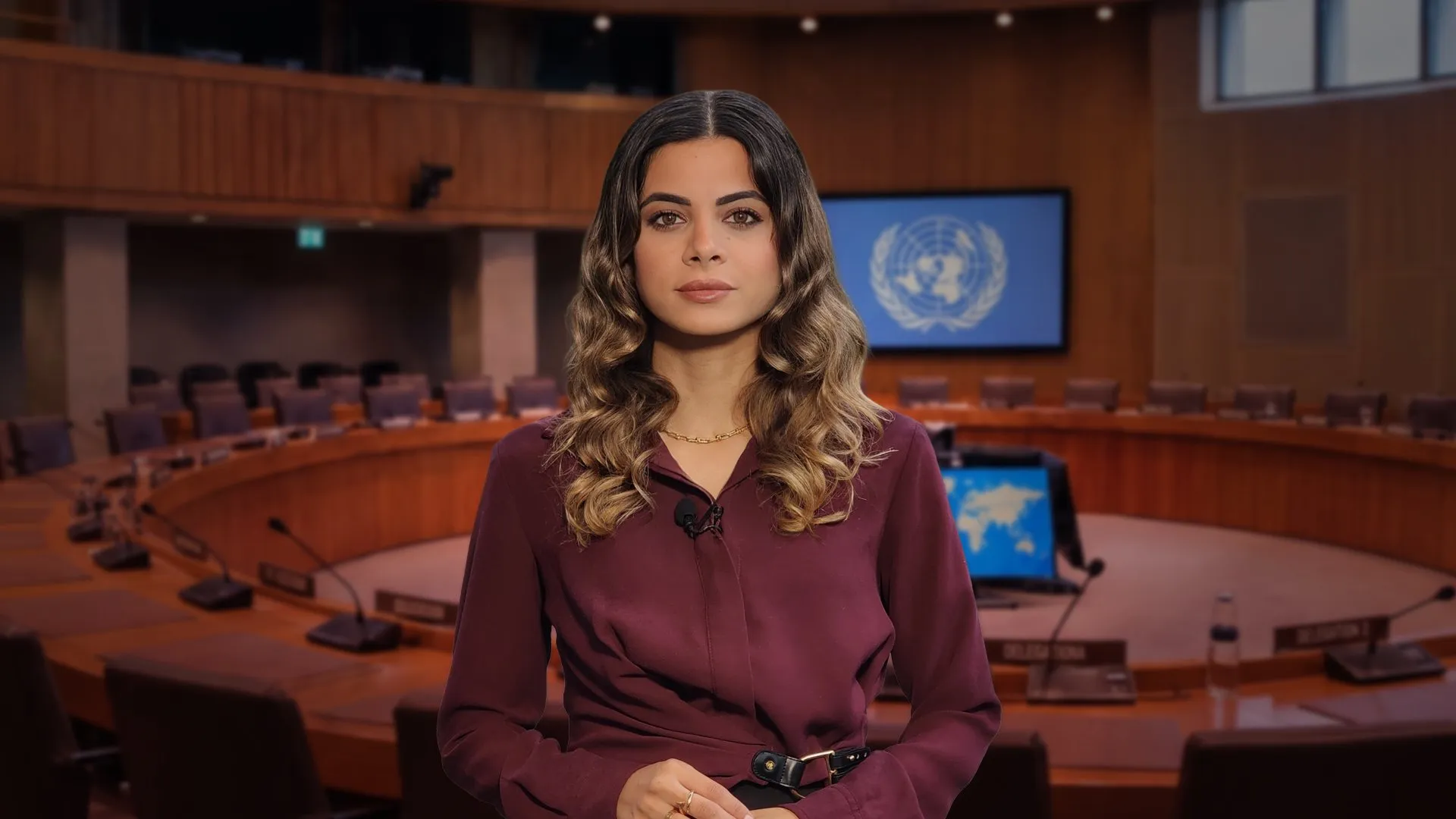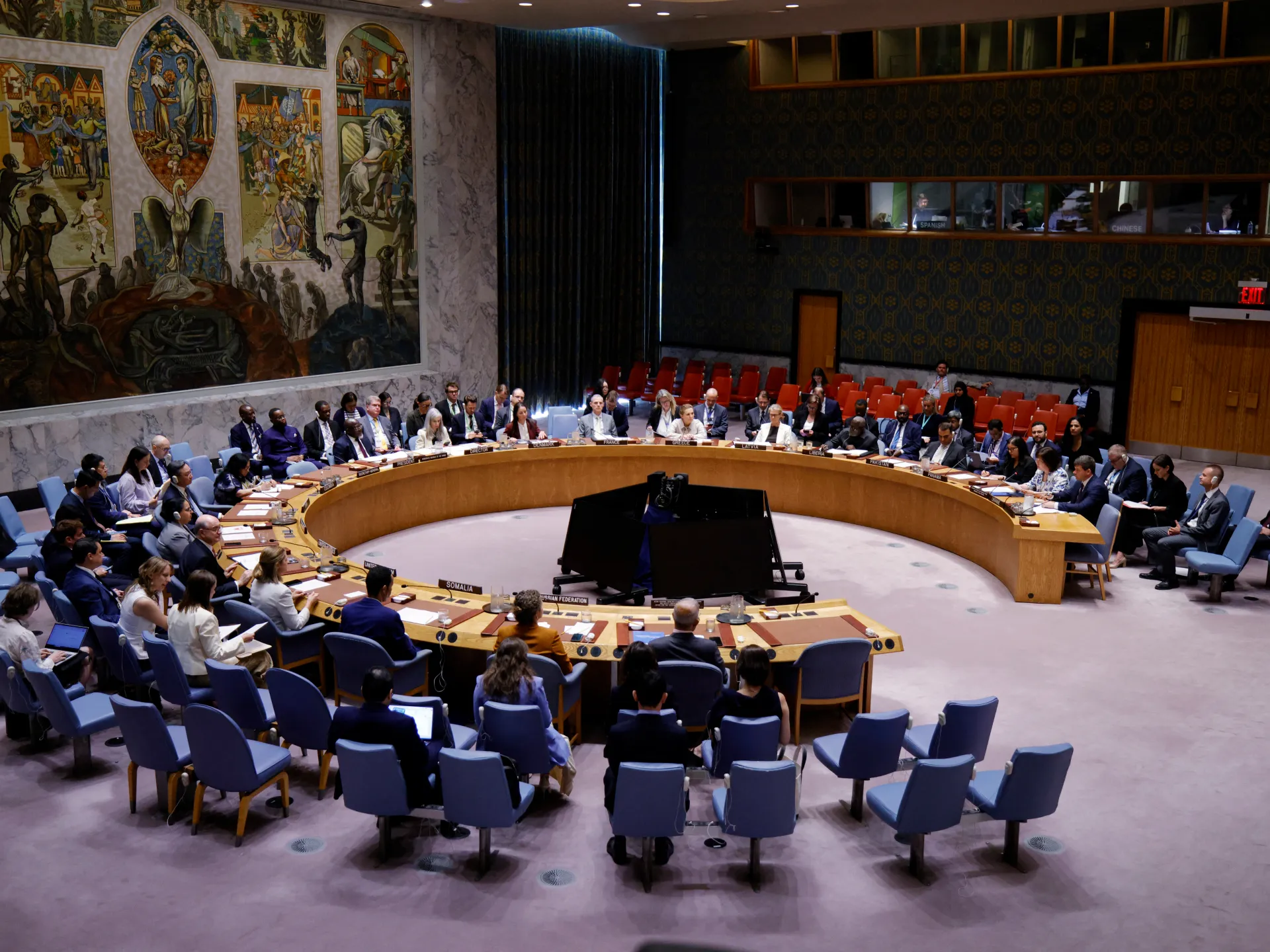
The U.S. government has authorized visas for Iranian leadership to attend the 81st UN General Assembly, though strict travel and spending limits remain in place.
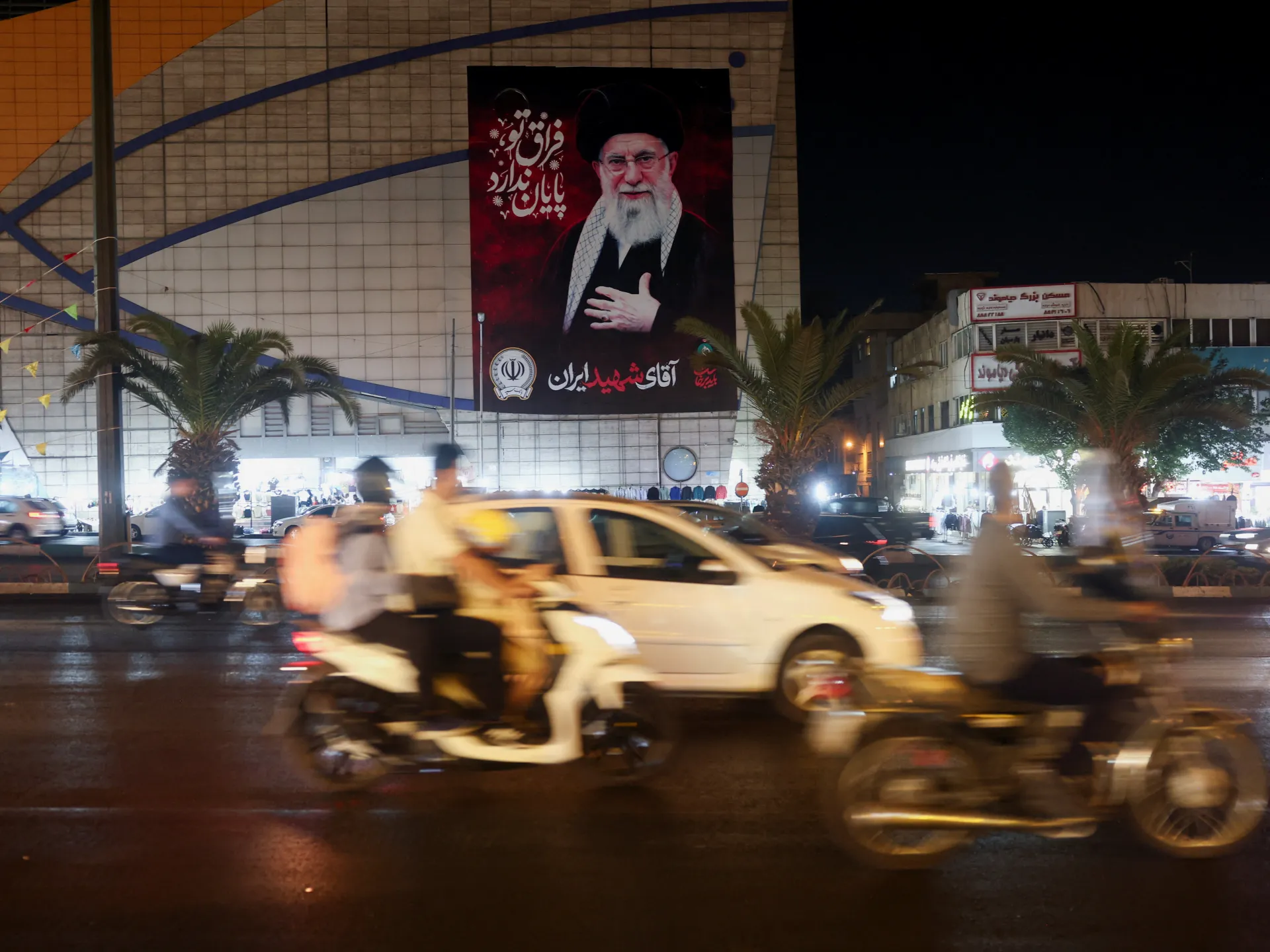
The decision he United Nations General Assembly represents a delicate diplomatic tightrope. While the U.S. is bound en-month-long military conflict with Iran creates an unprecedented geopolitical friction point. This assembly serves as one of the few remaining forums where adversarial nations can project their narratives on a global stage, yet the presence of Iranian officials in New York underscores the limitations of modern diplomacy when direct combat between nations remains the status quo.
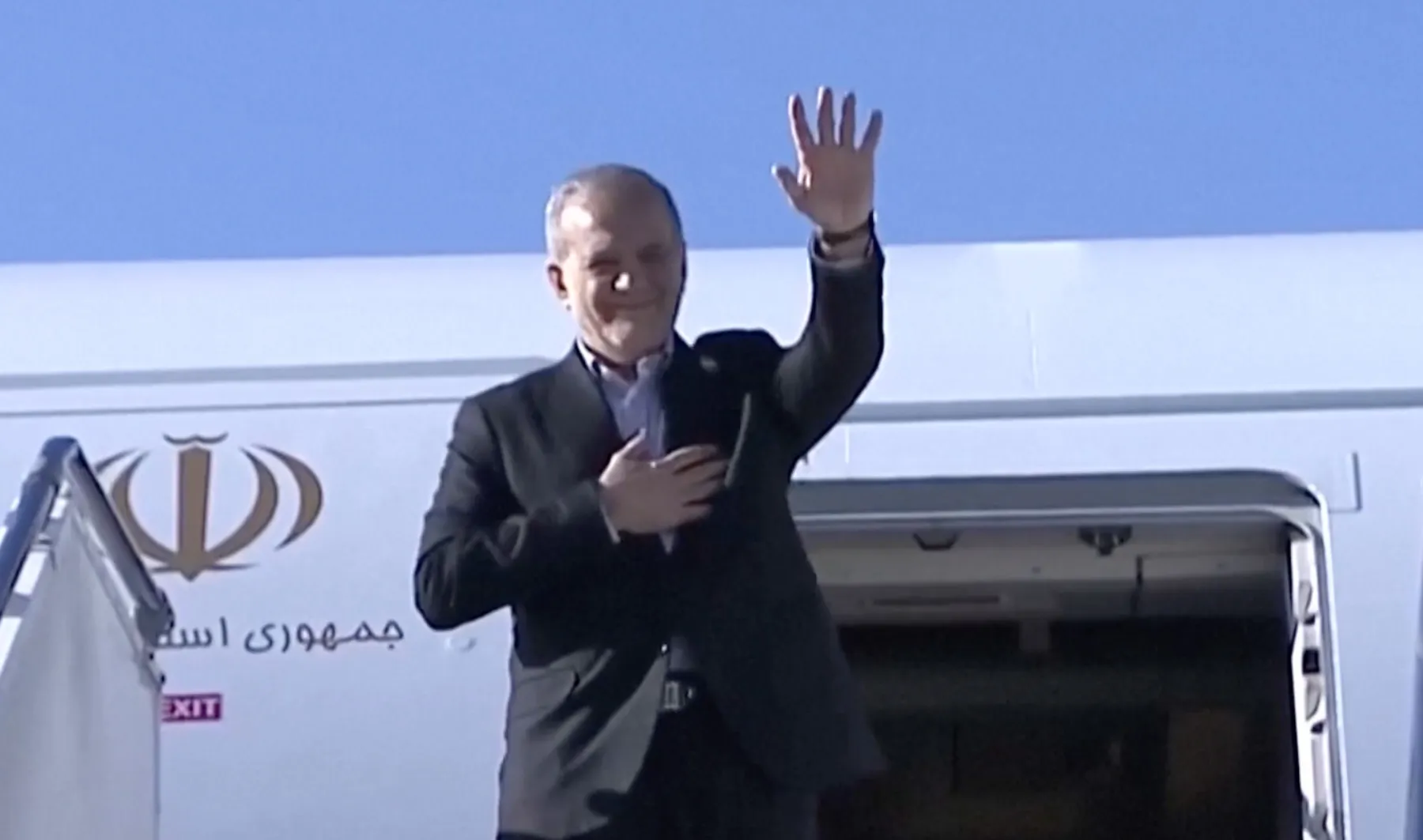
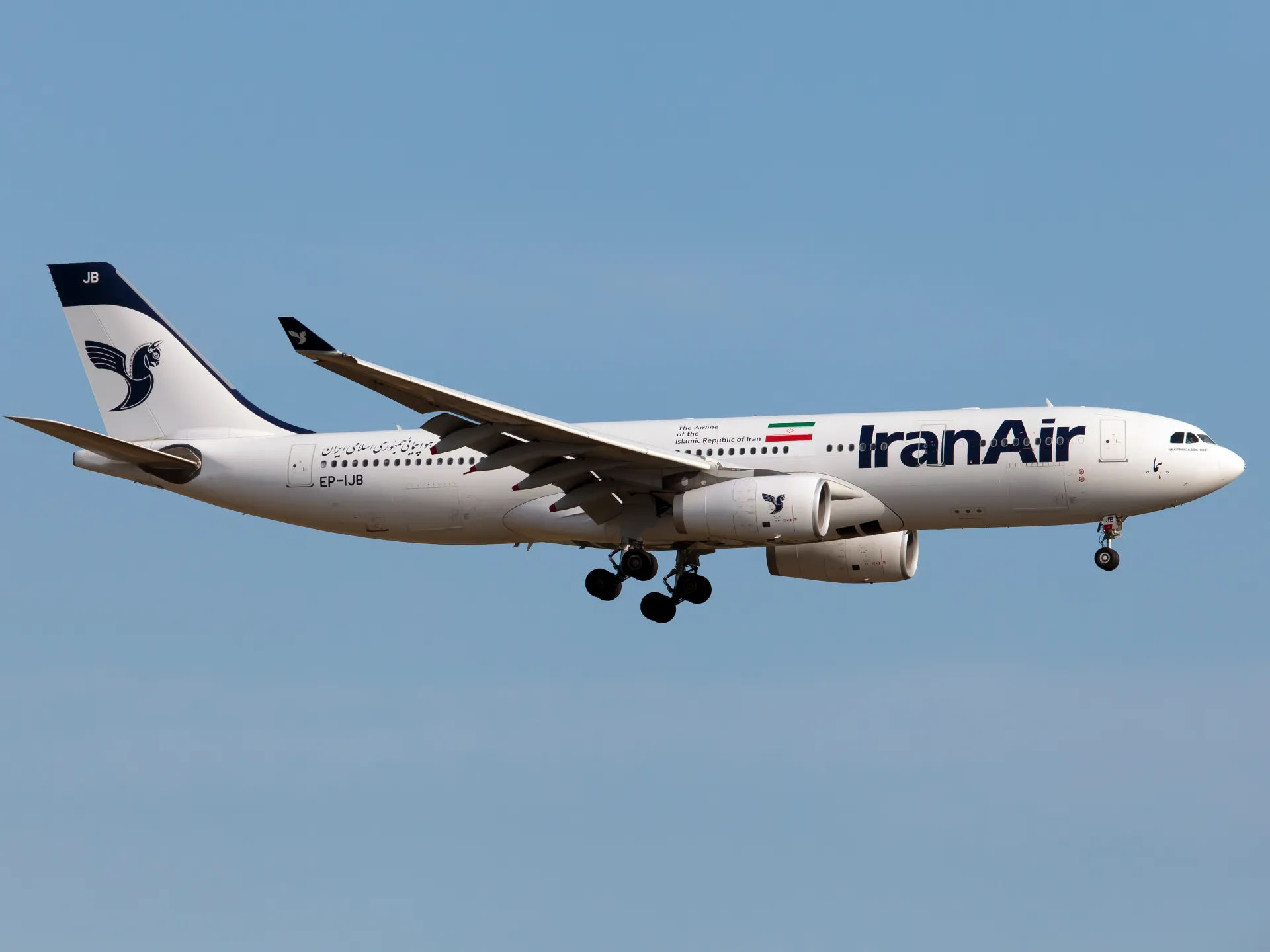
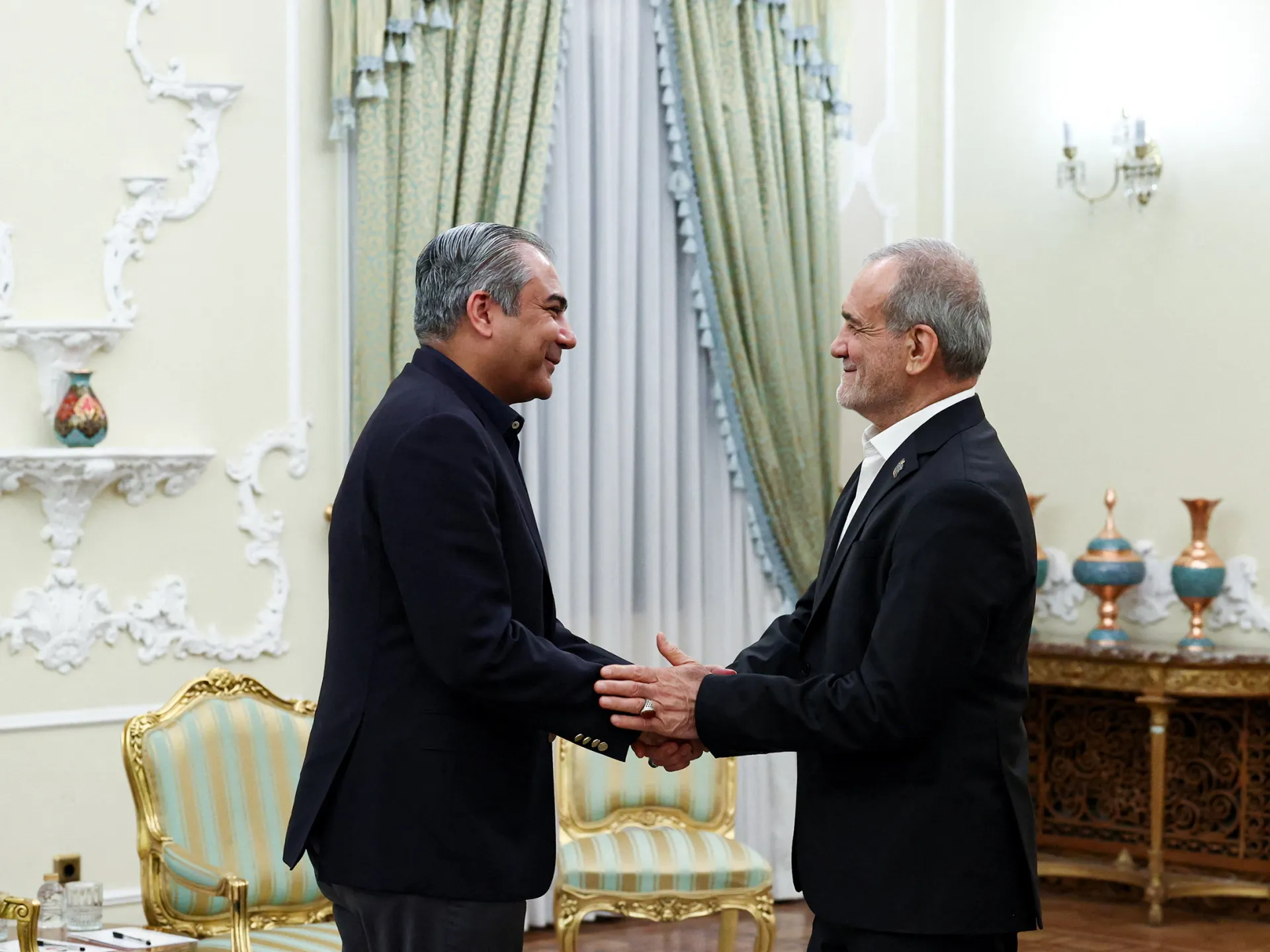
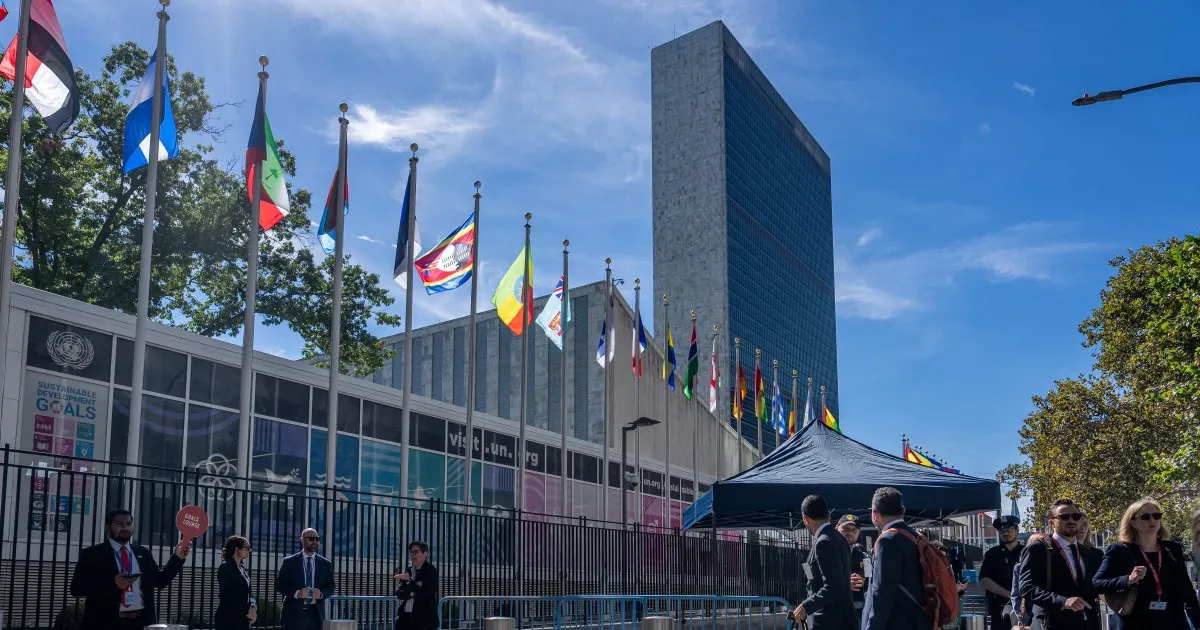
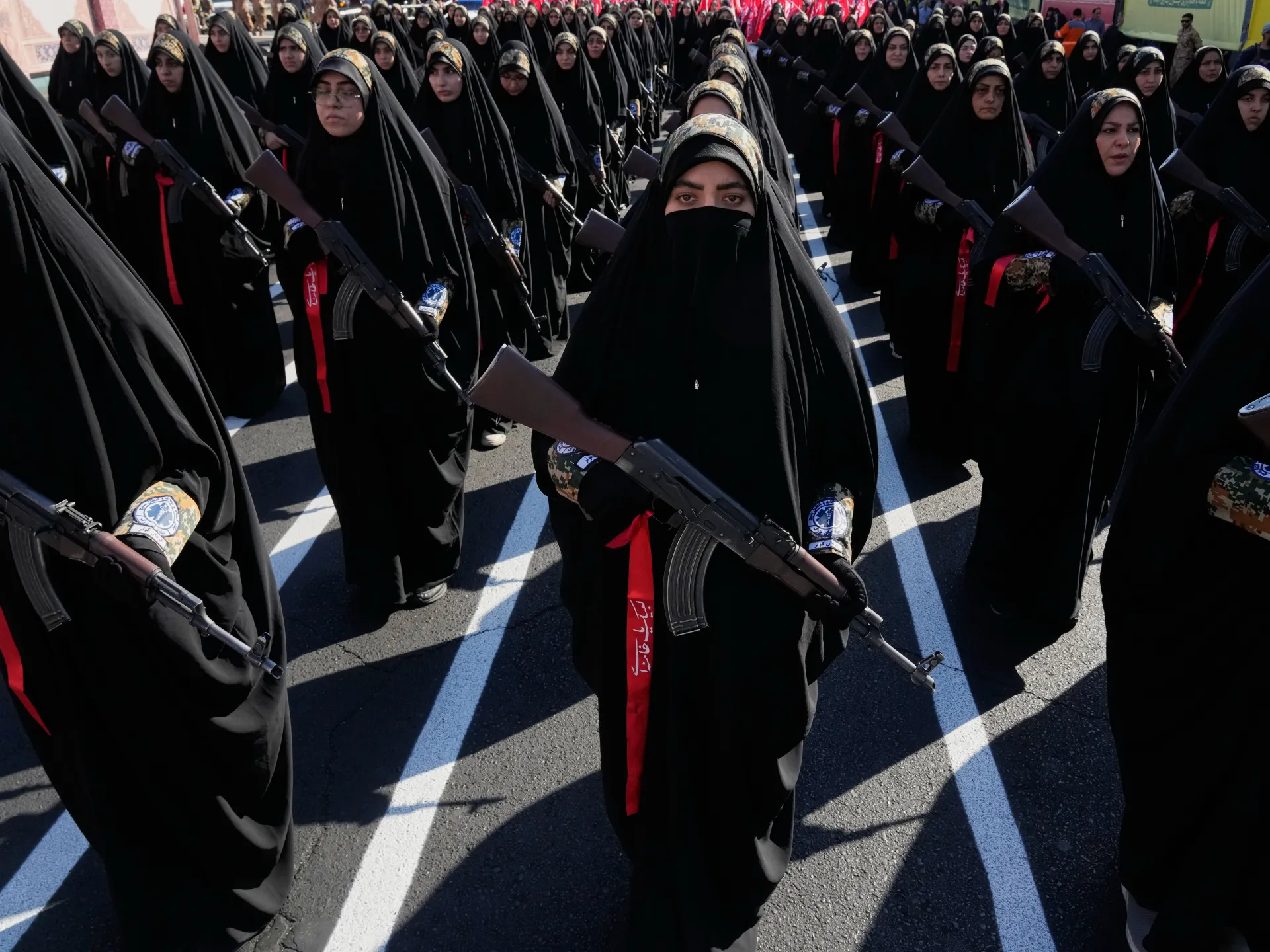
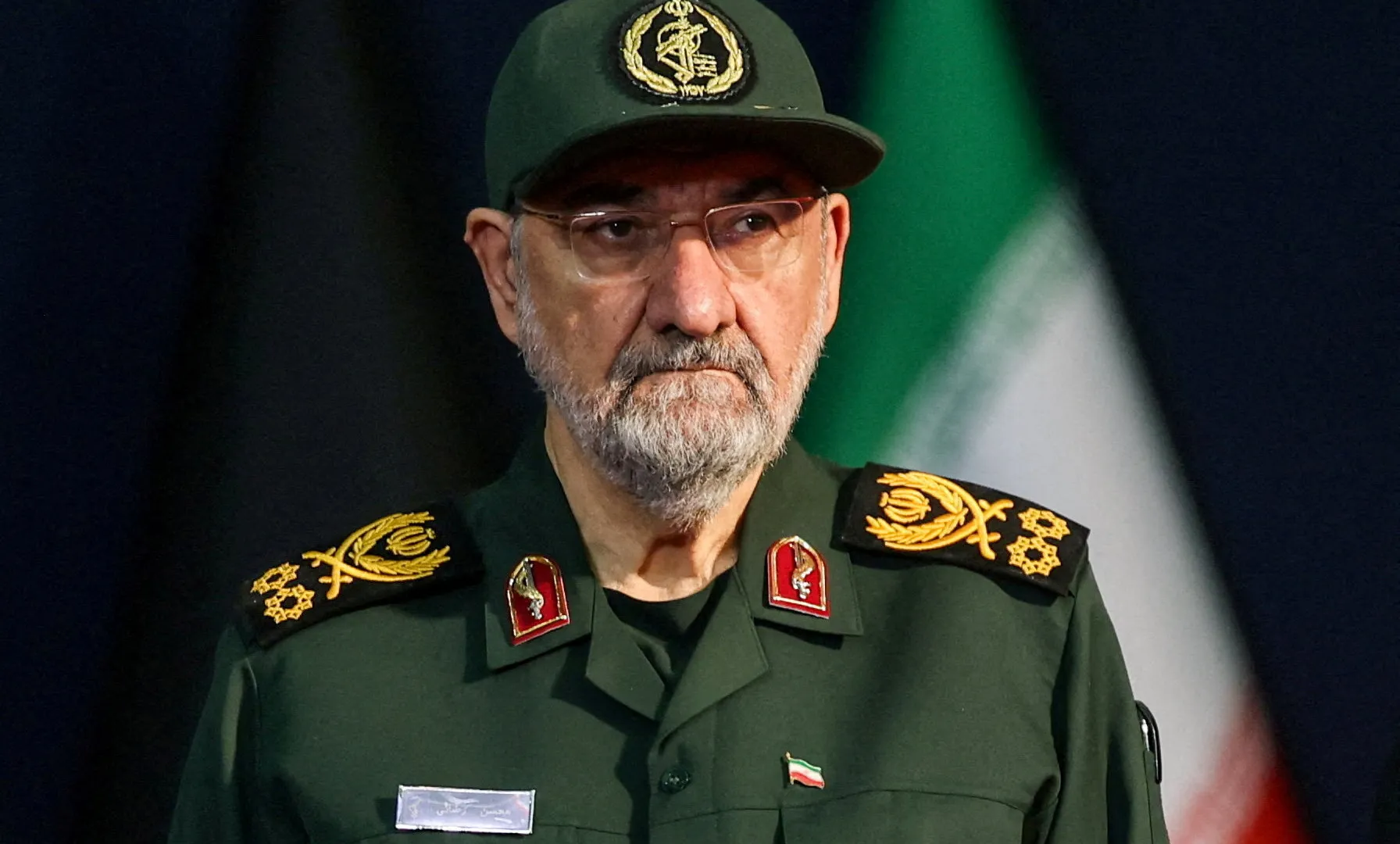
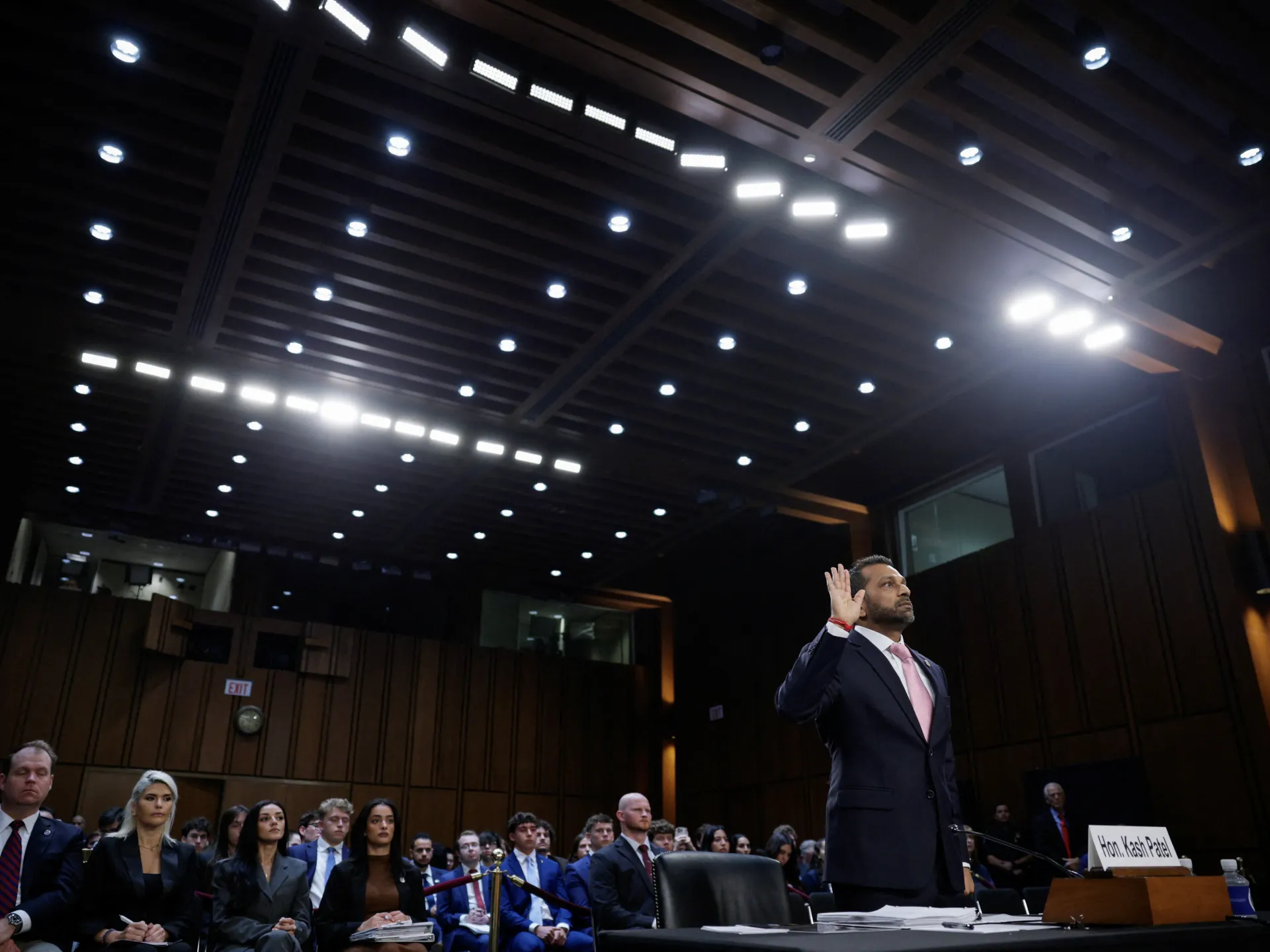
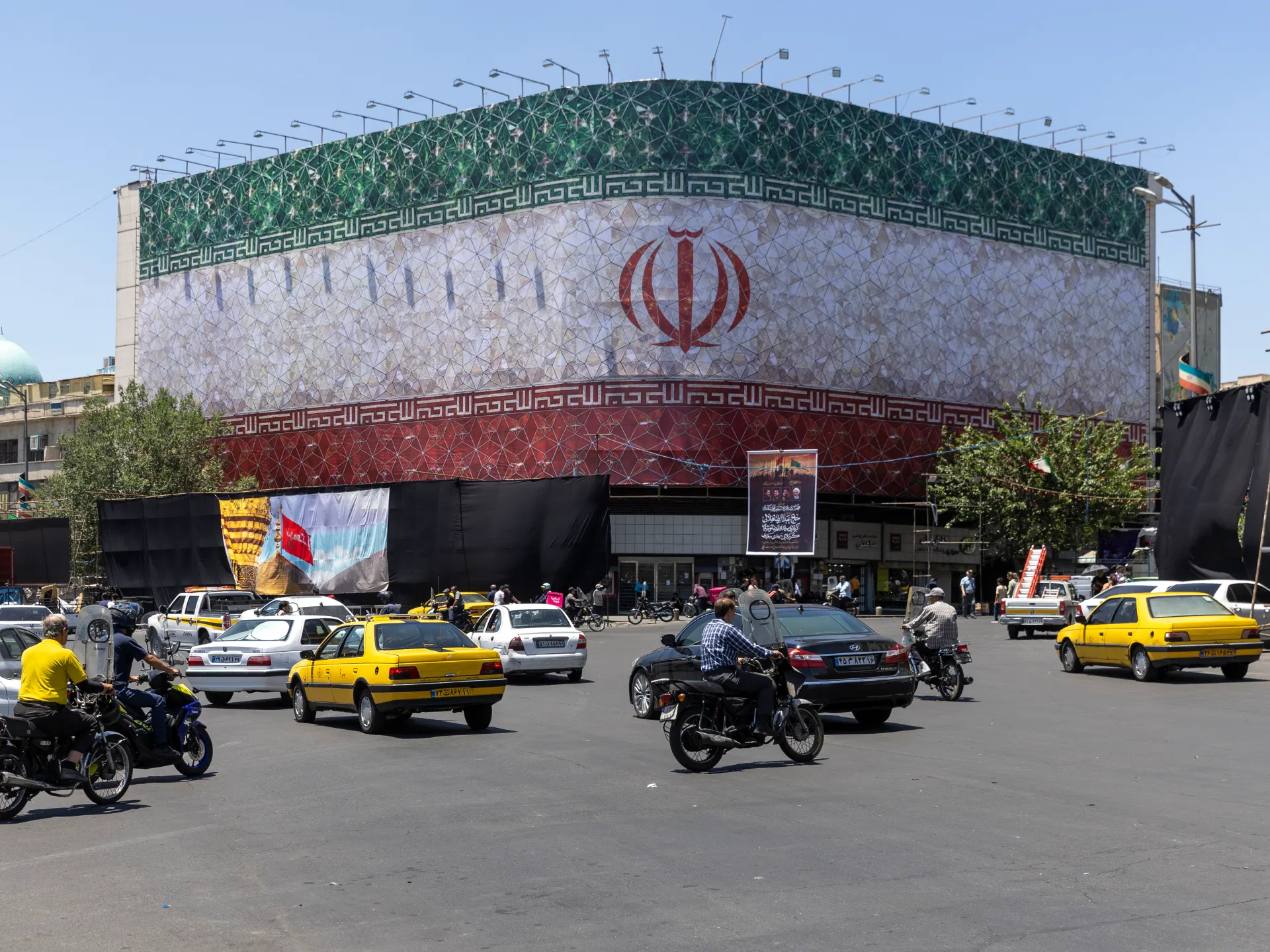
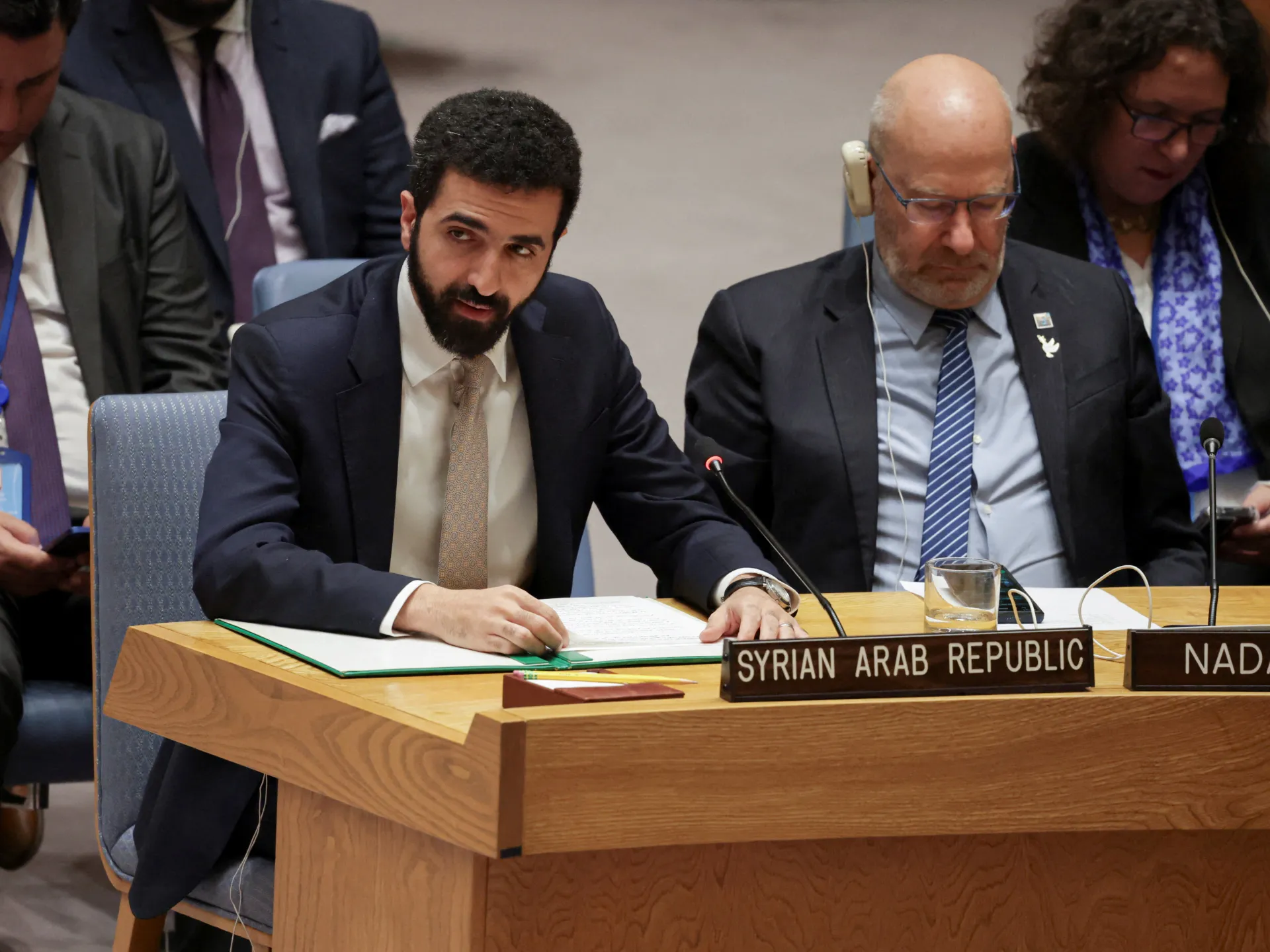
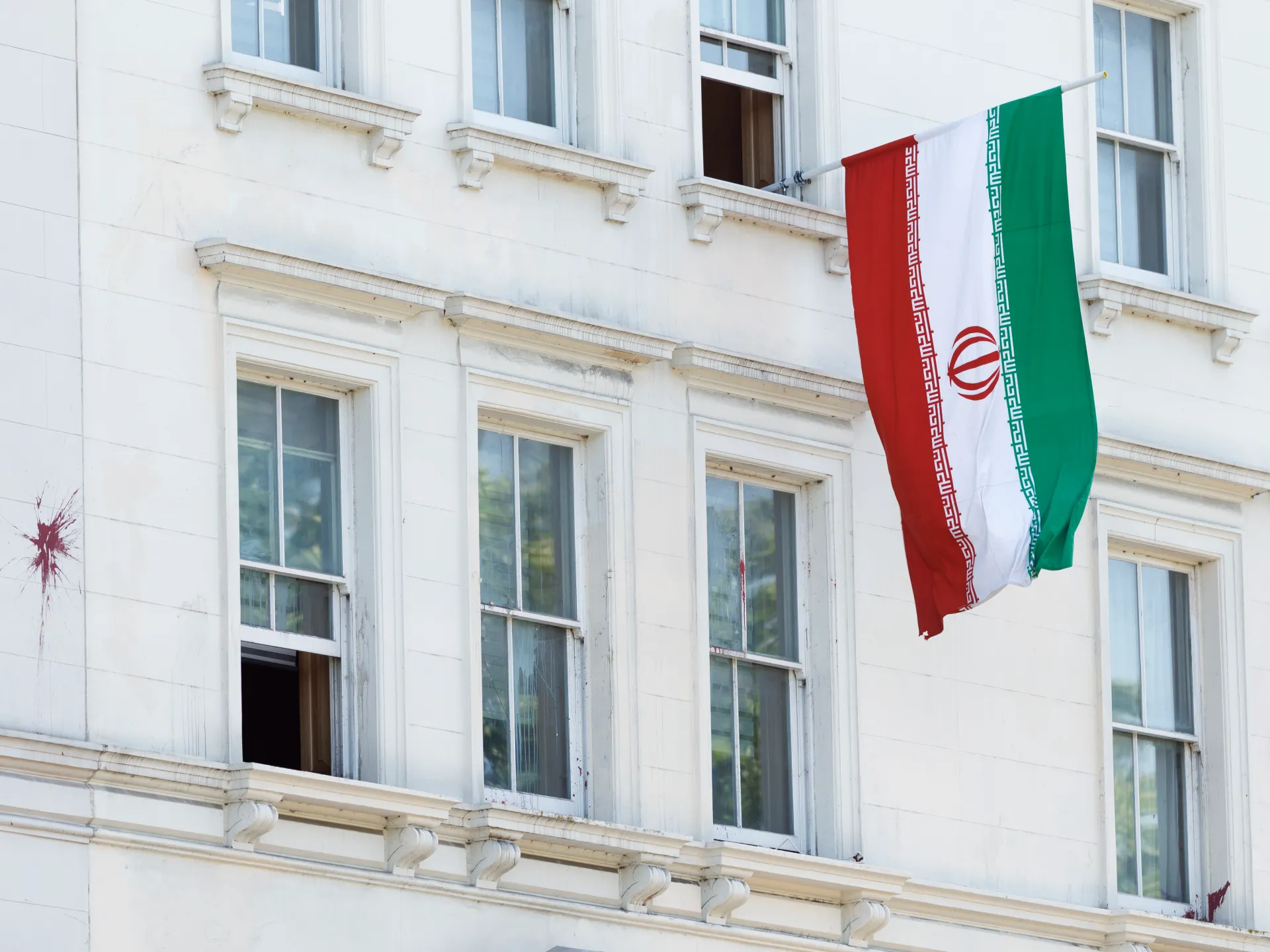
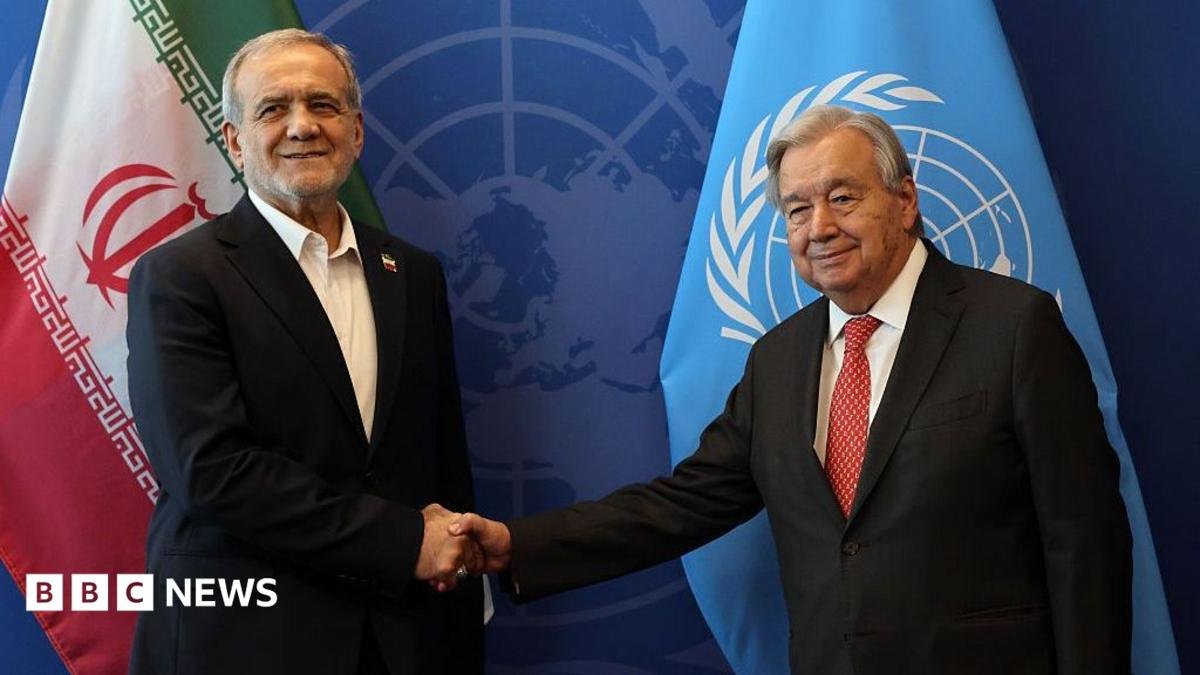
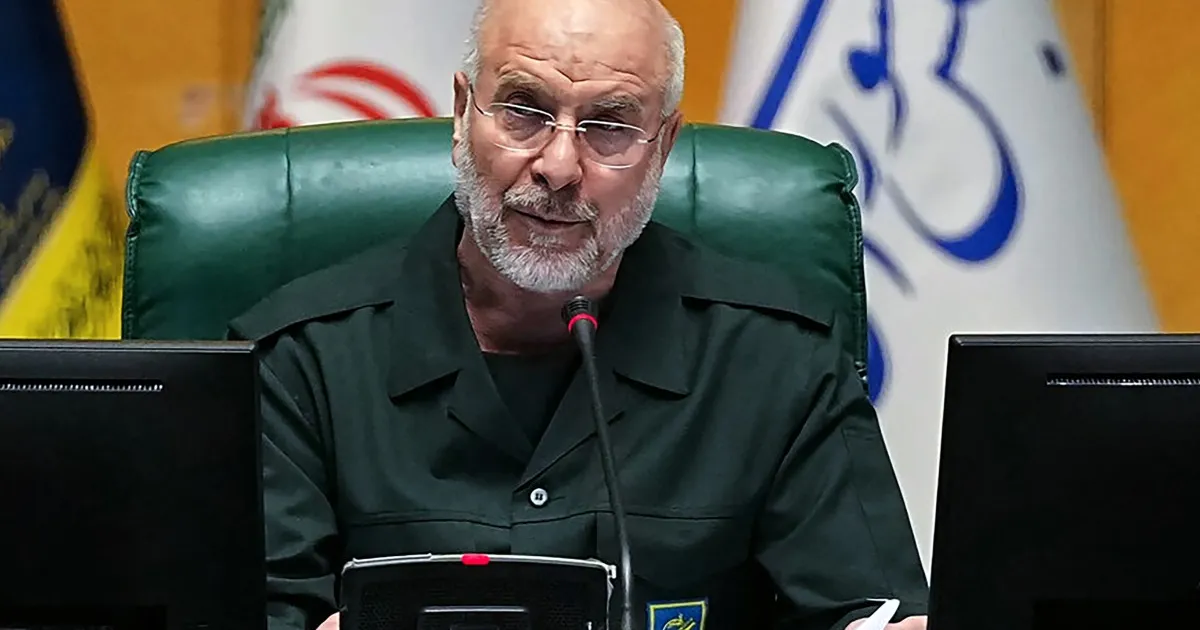
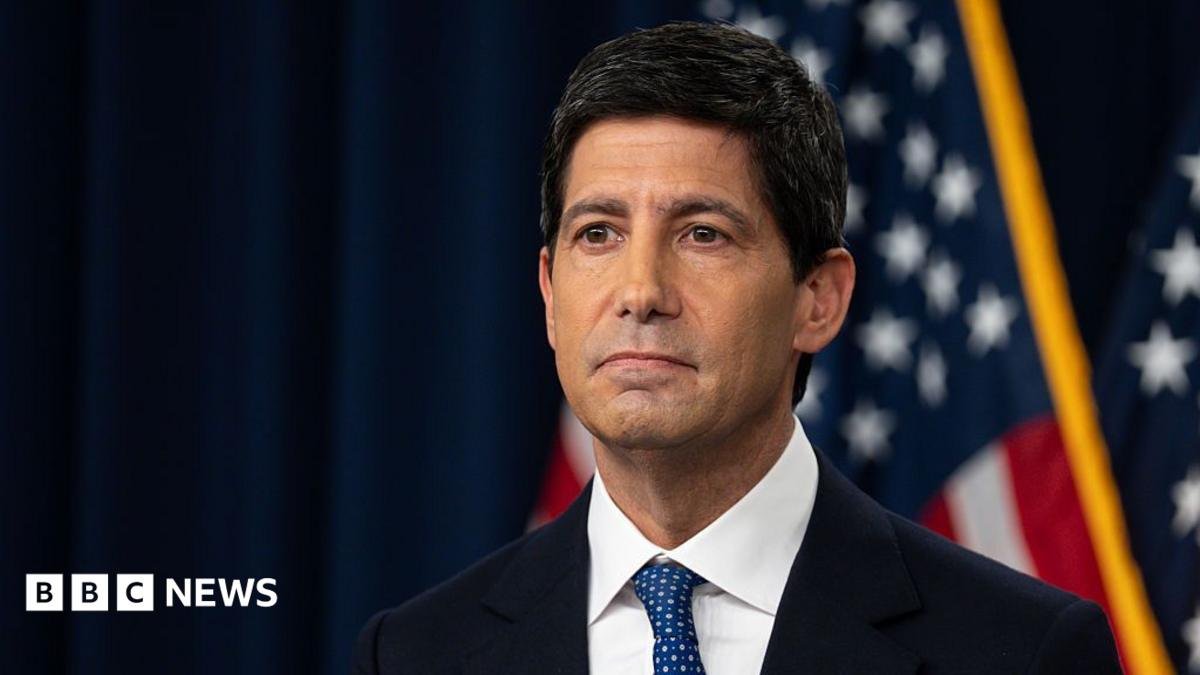
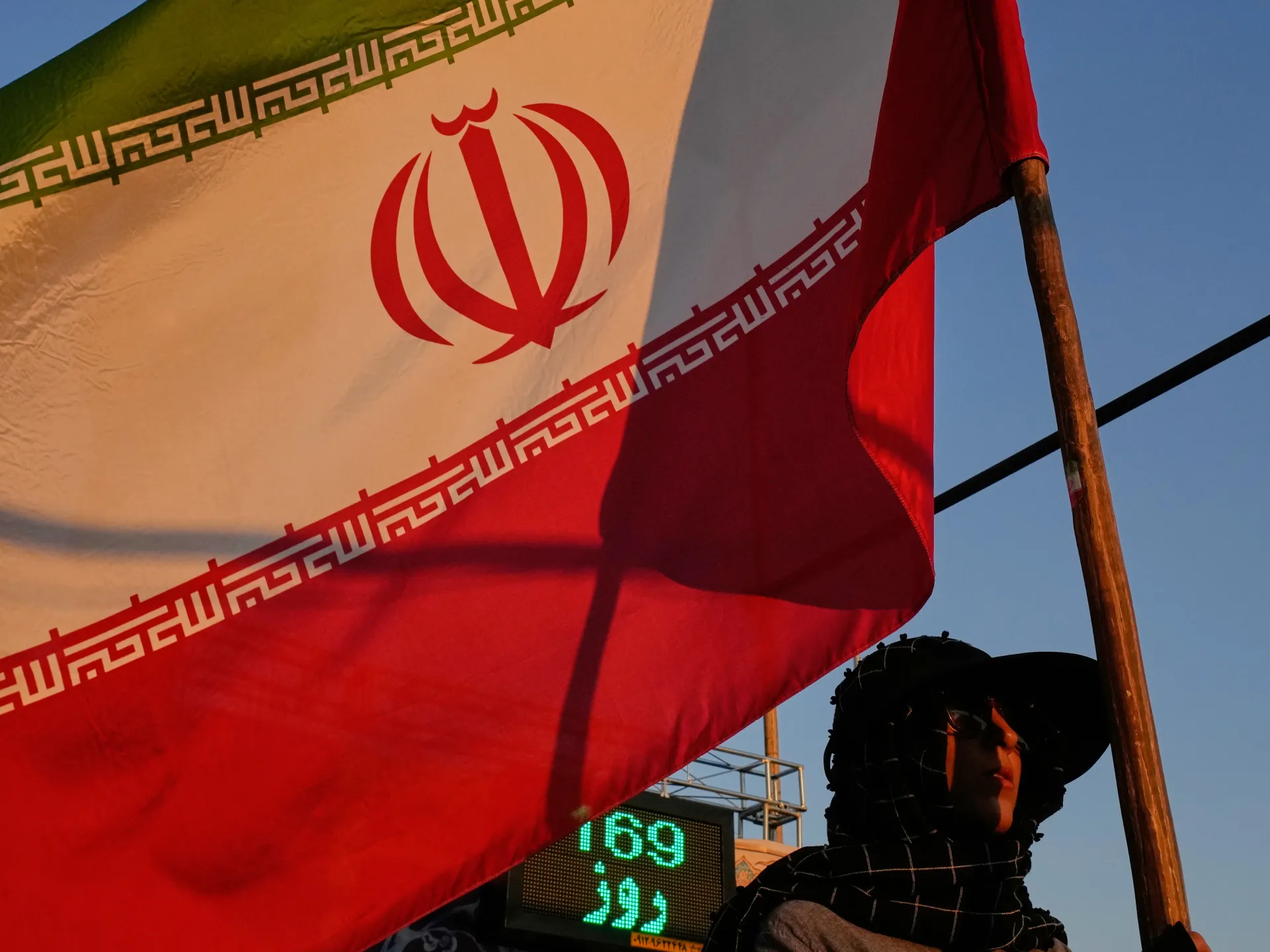
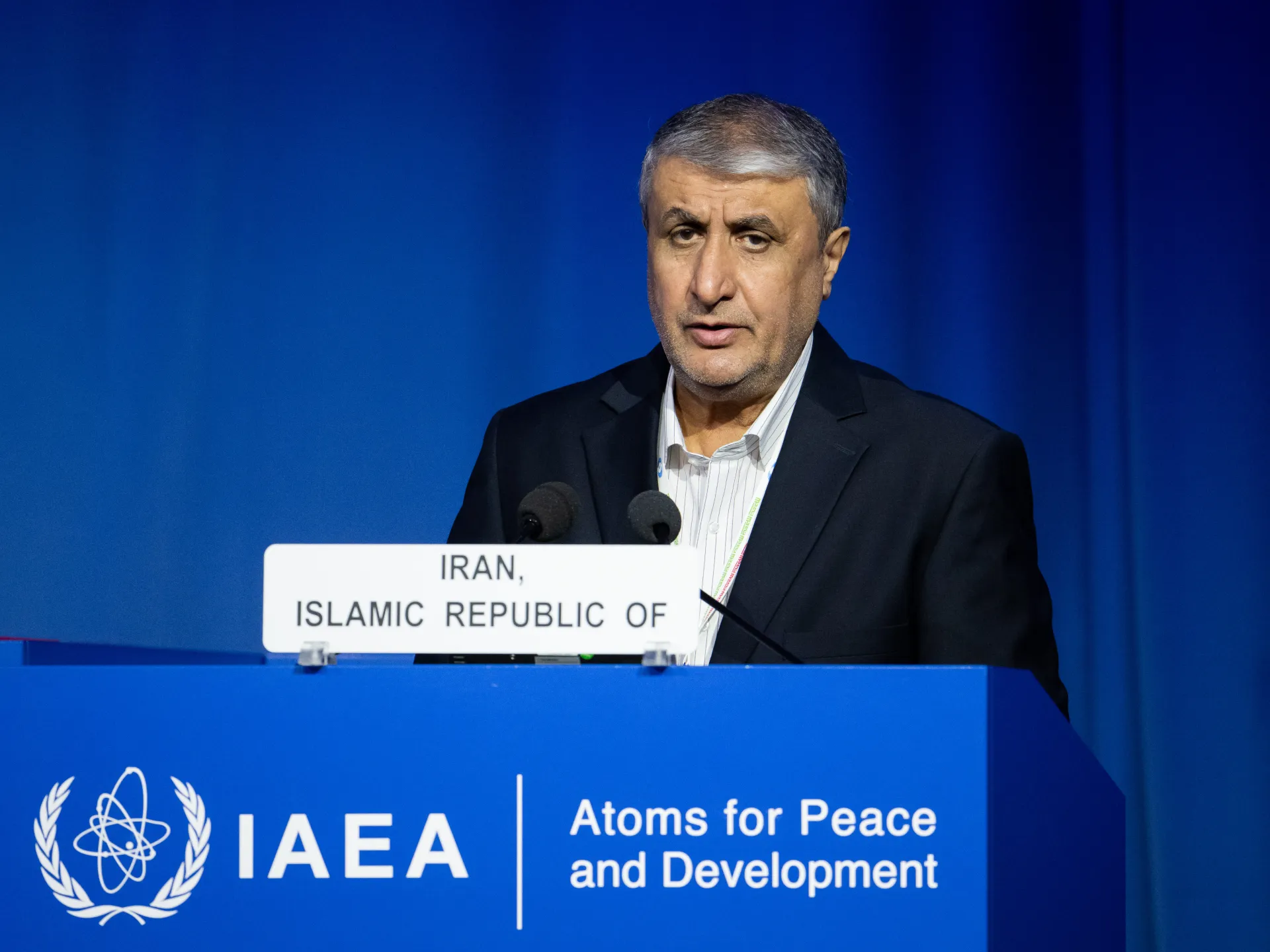
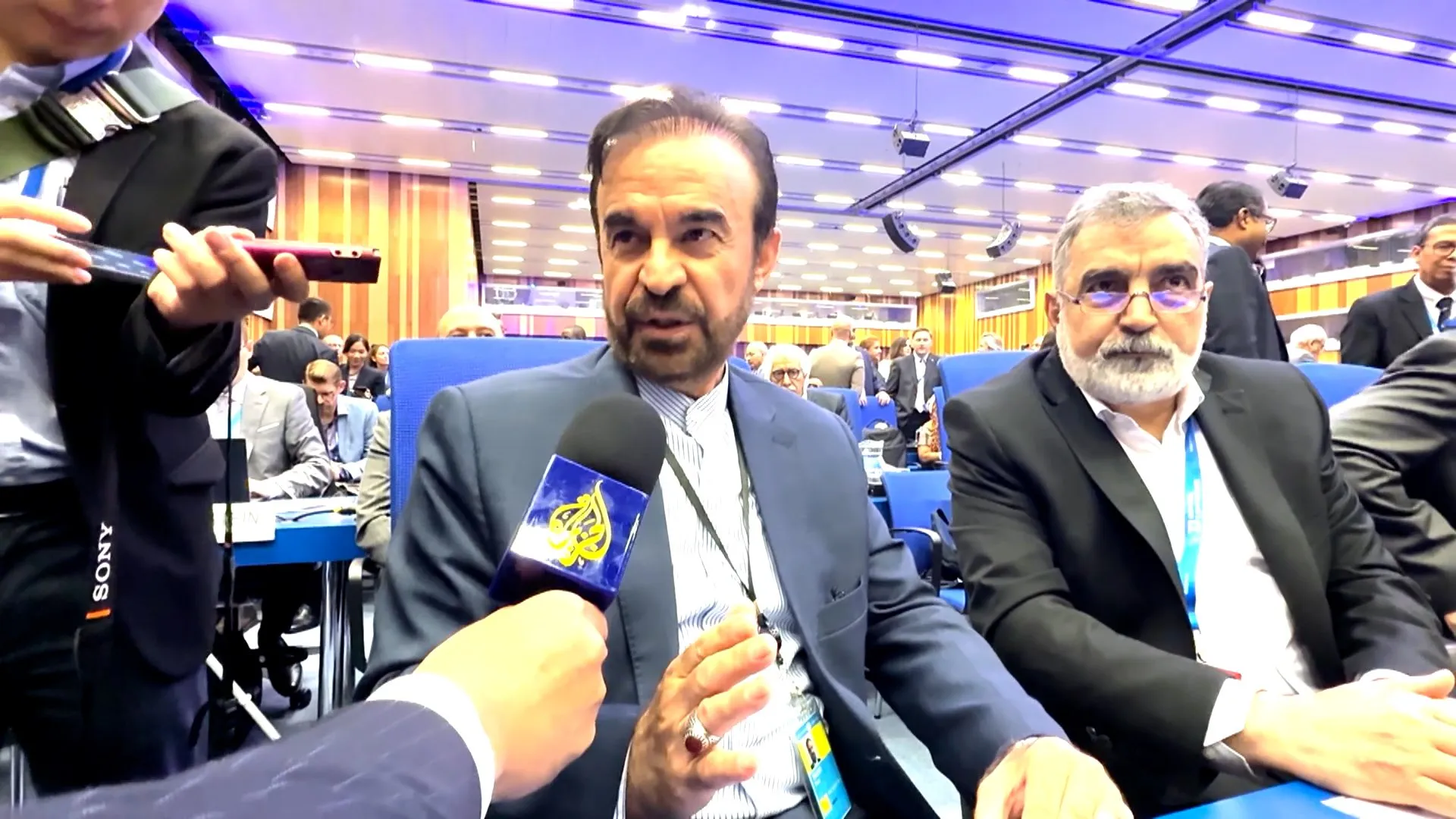
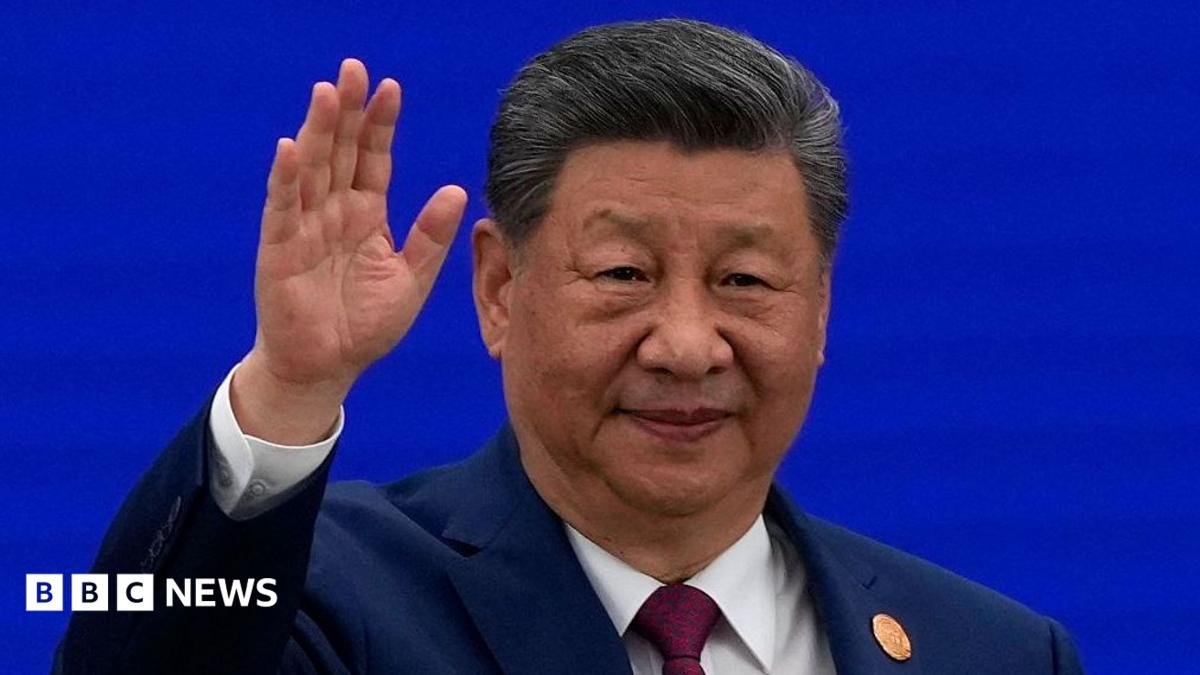
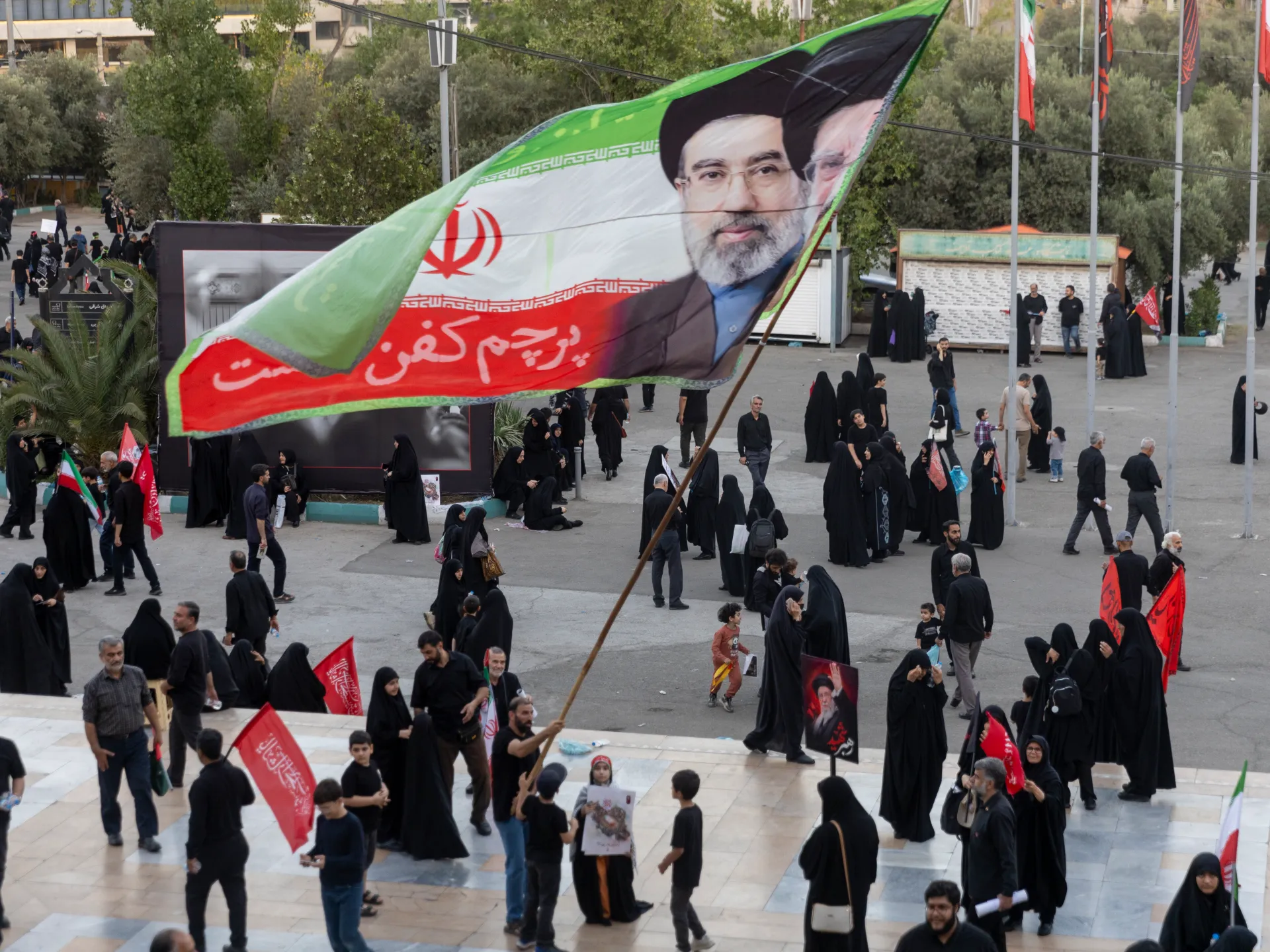
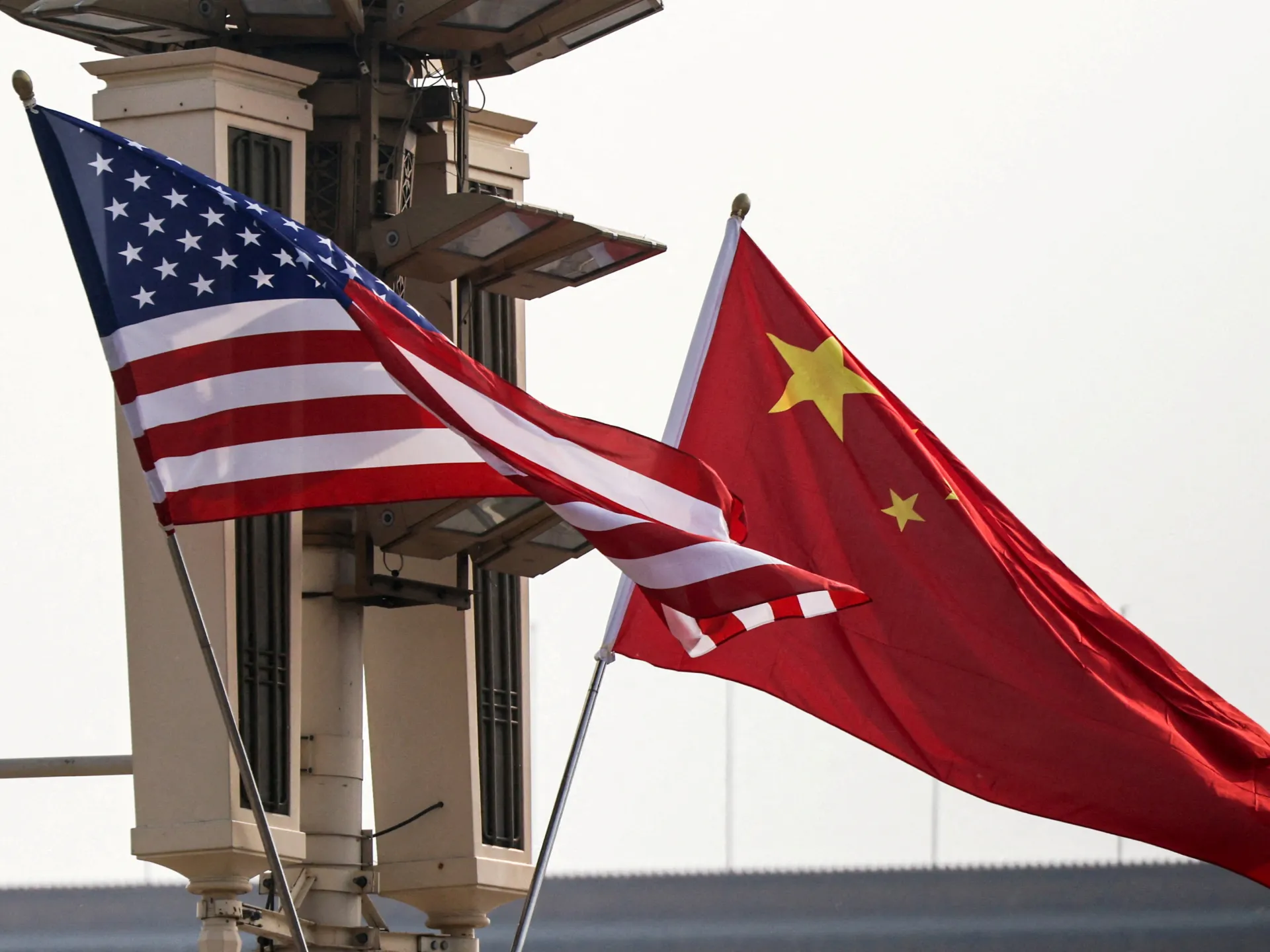
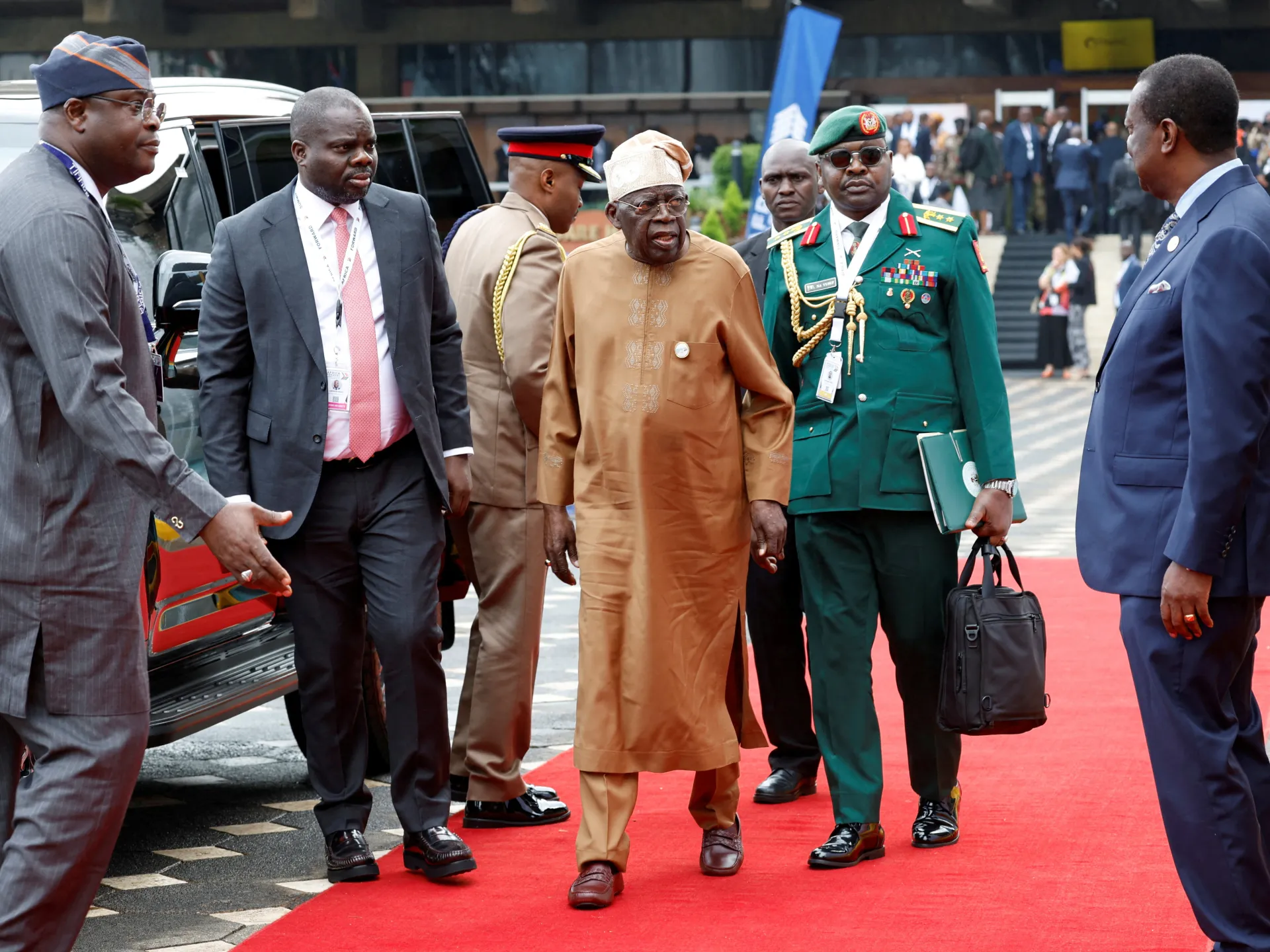
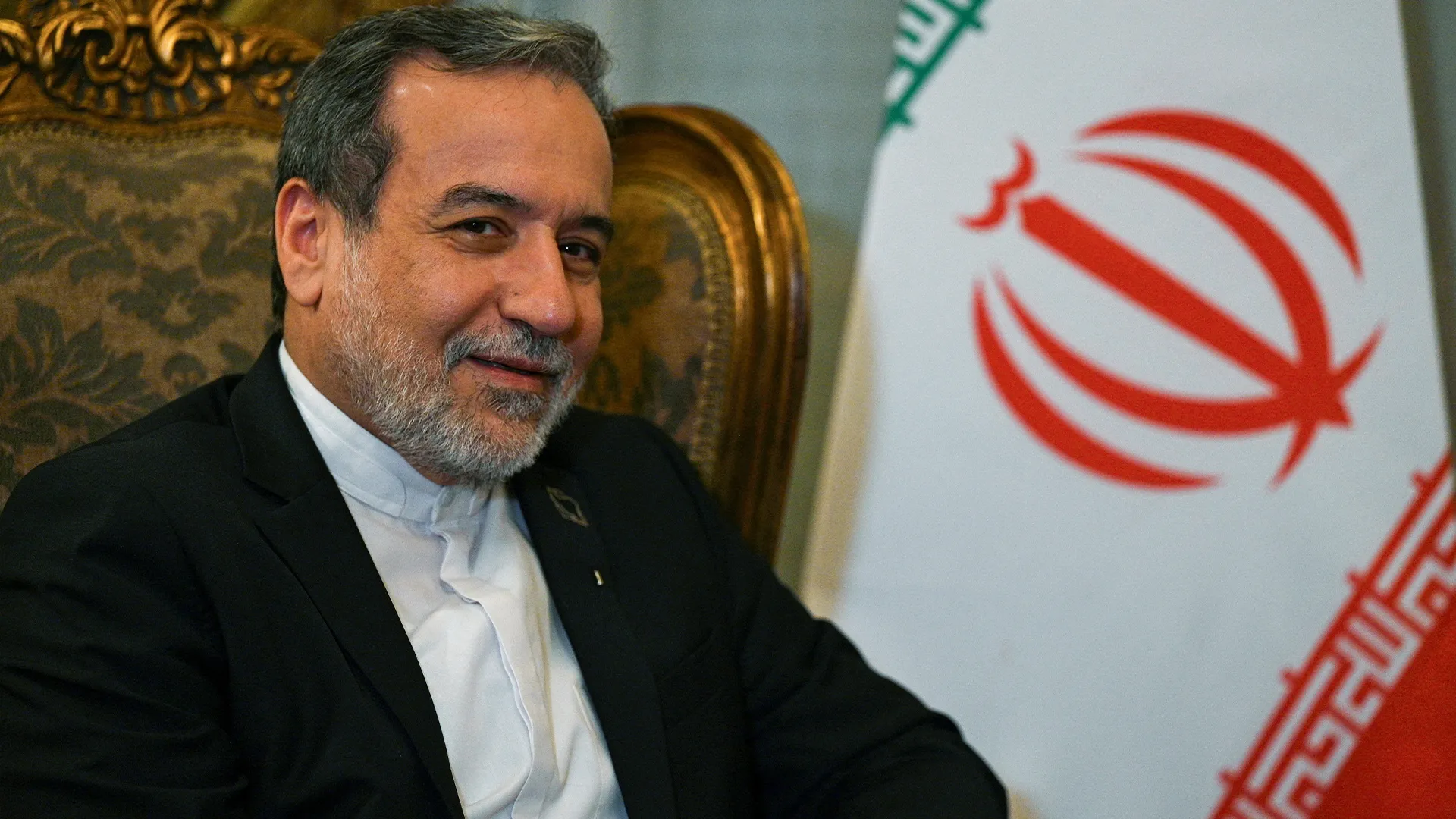
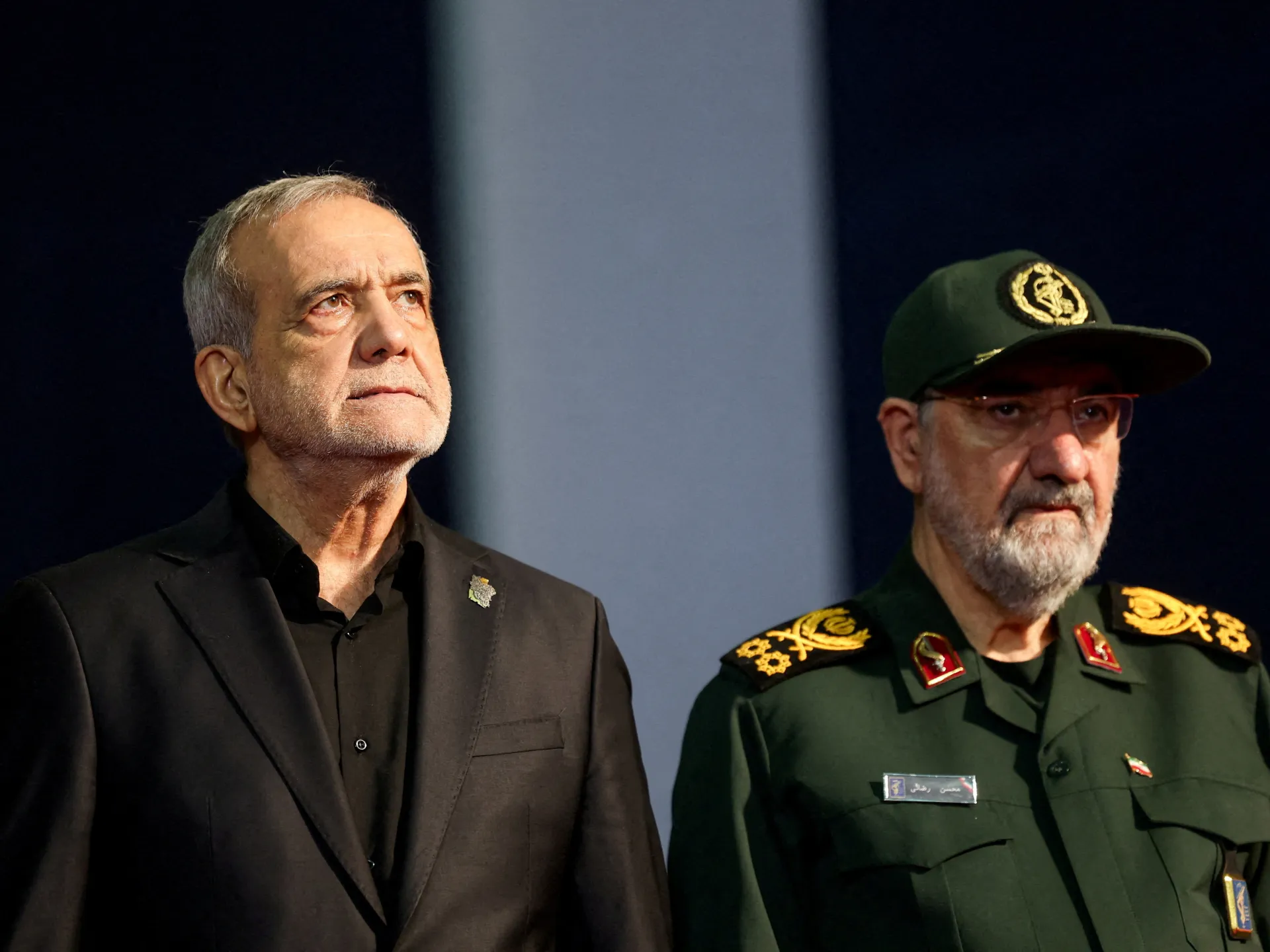
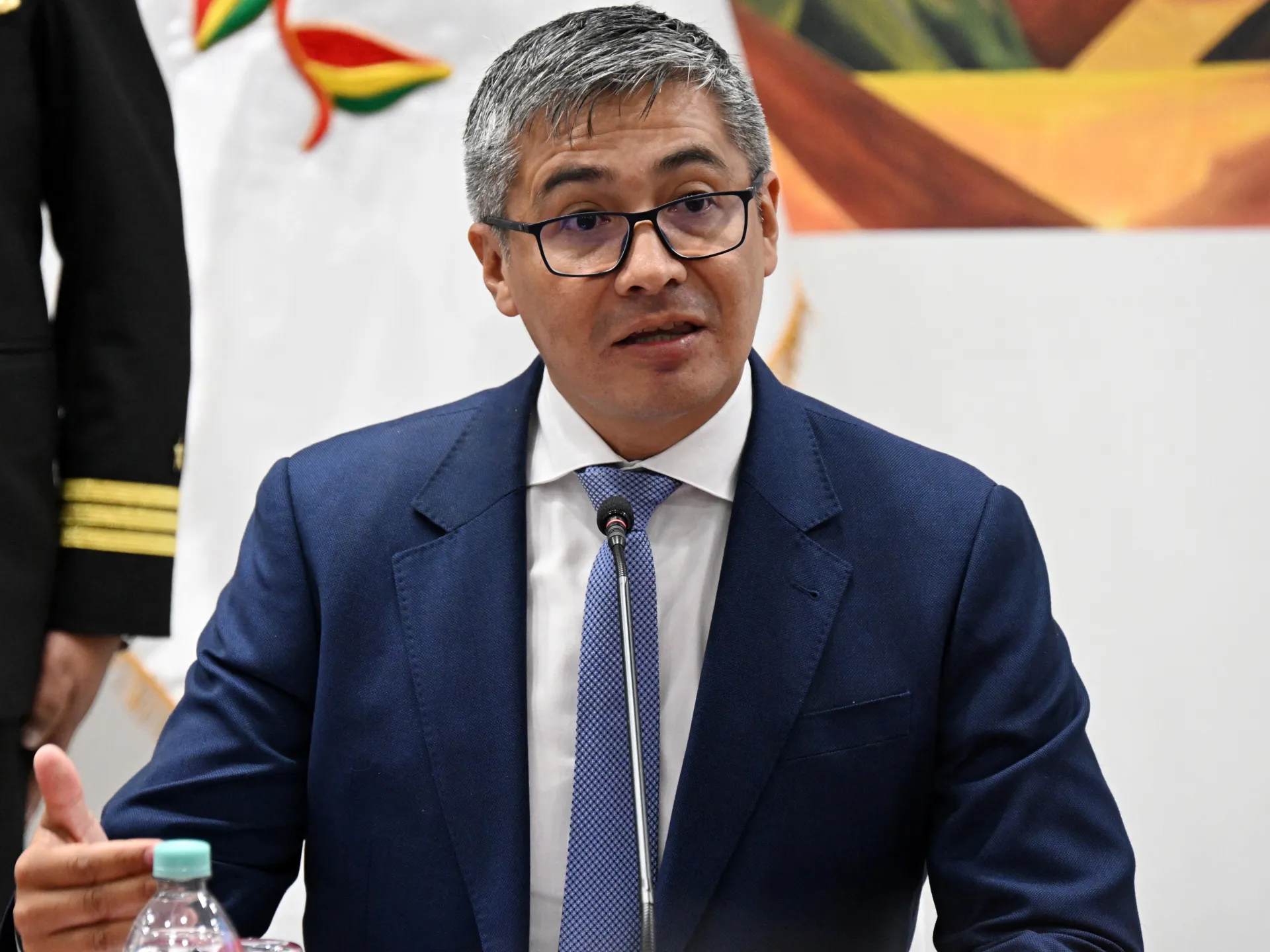
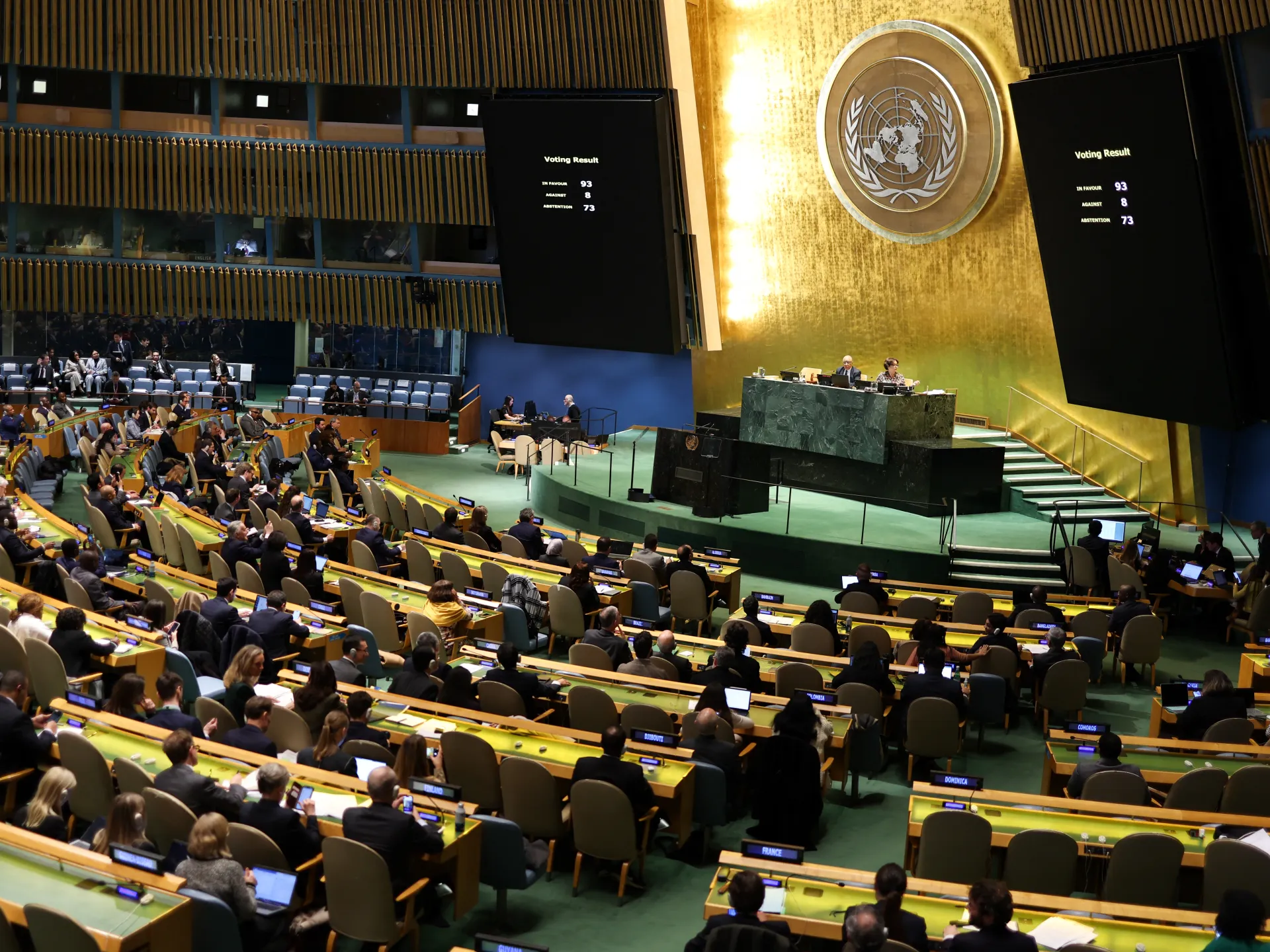
The U.S. State Department confirmed that visas have been issued to a limited number of Iranian officials, including President Masoud Pezeshkian and Foreign Minister Abbas Araghchi, to facilitate their participation in the UN General Assembly’s High-Level Week. Despite the authorization, the delegation faces stringent movement restrictions while on American soil. Officials emphasized that the size of this year's delegation is notably smaller than in previous years, reflecting the strained state of bilateral relations.
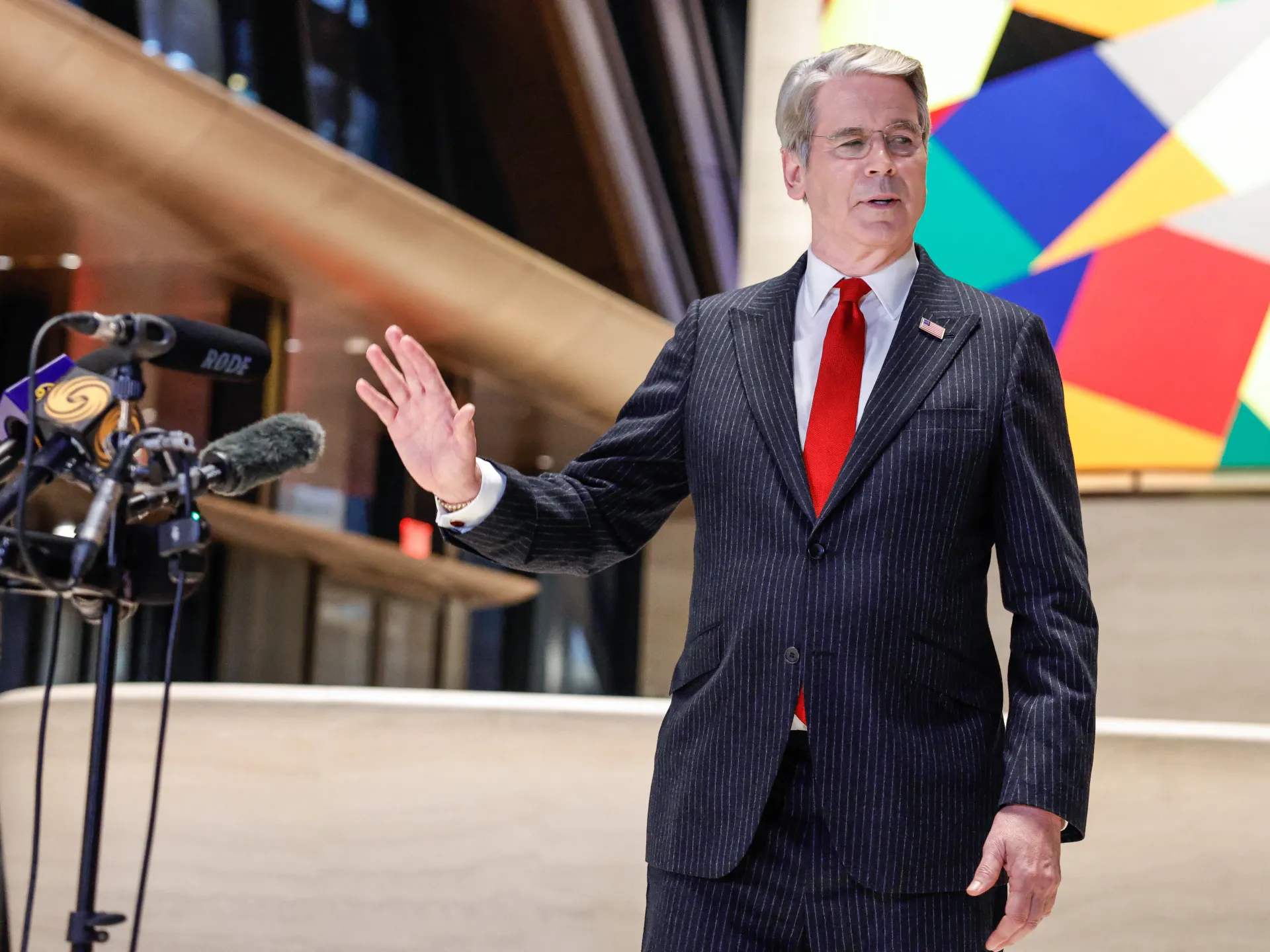
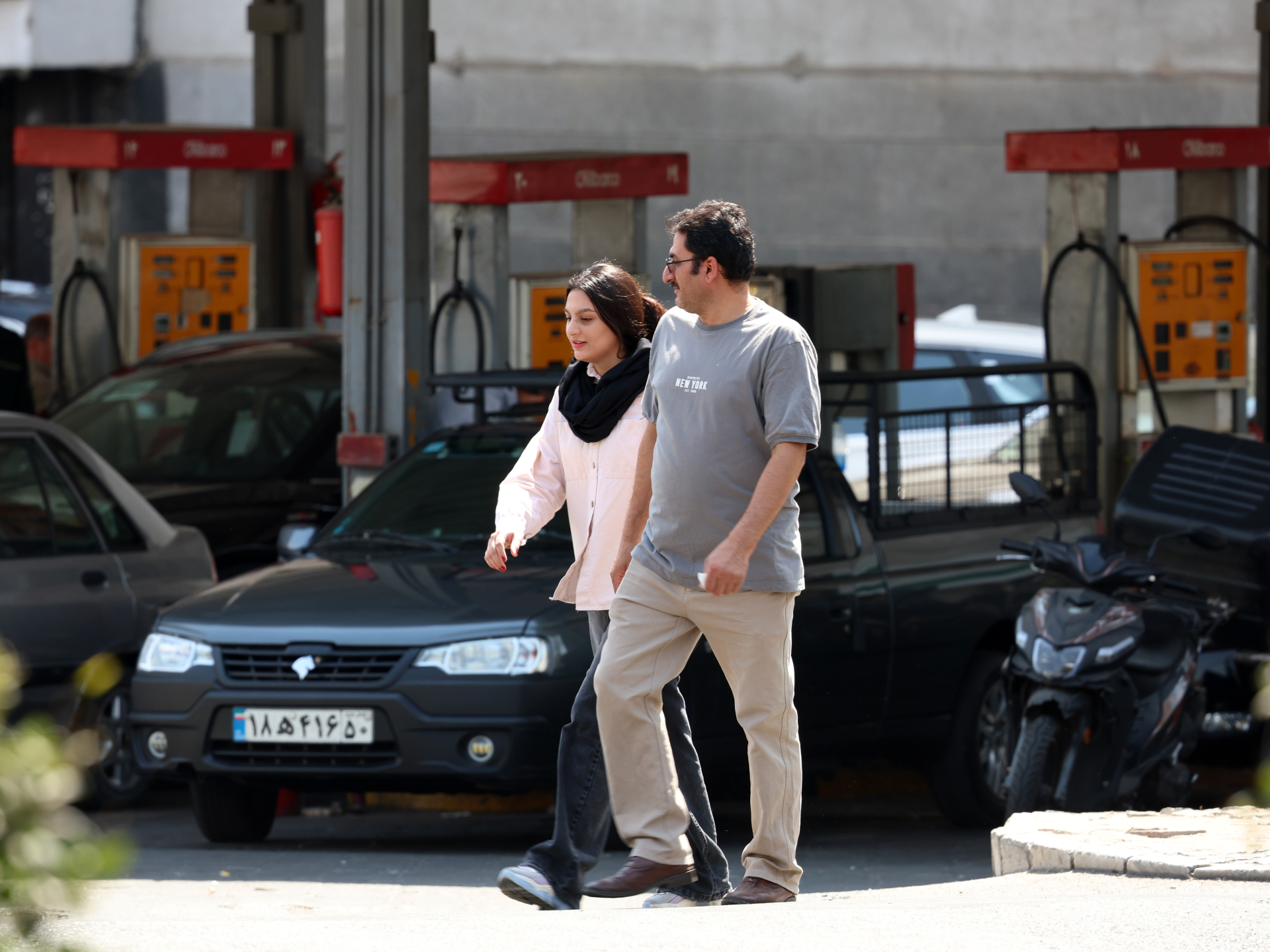
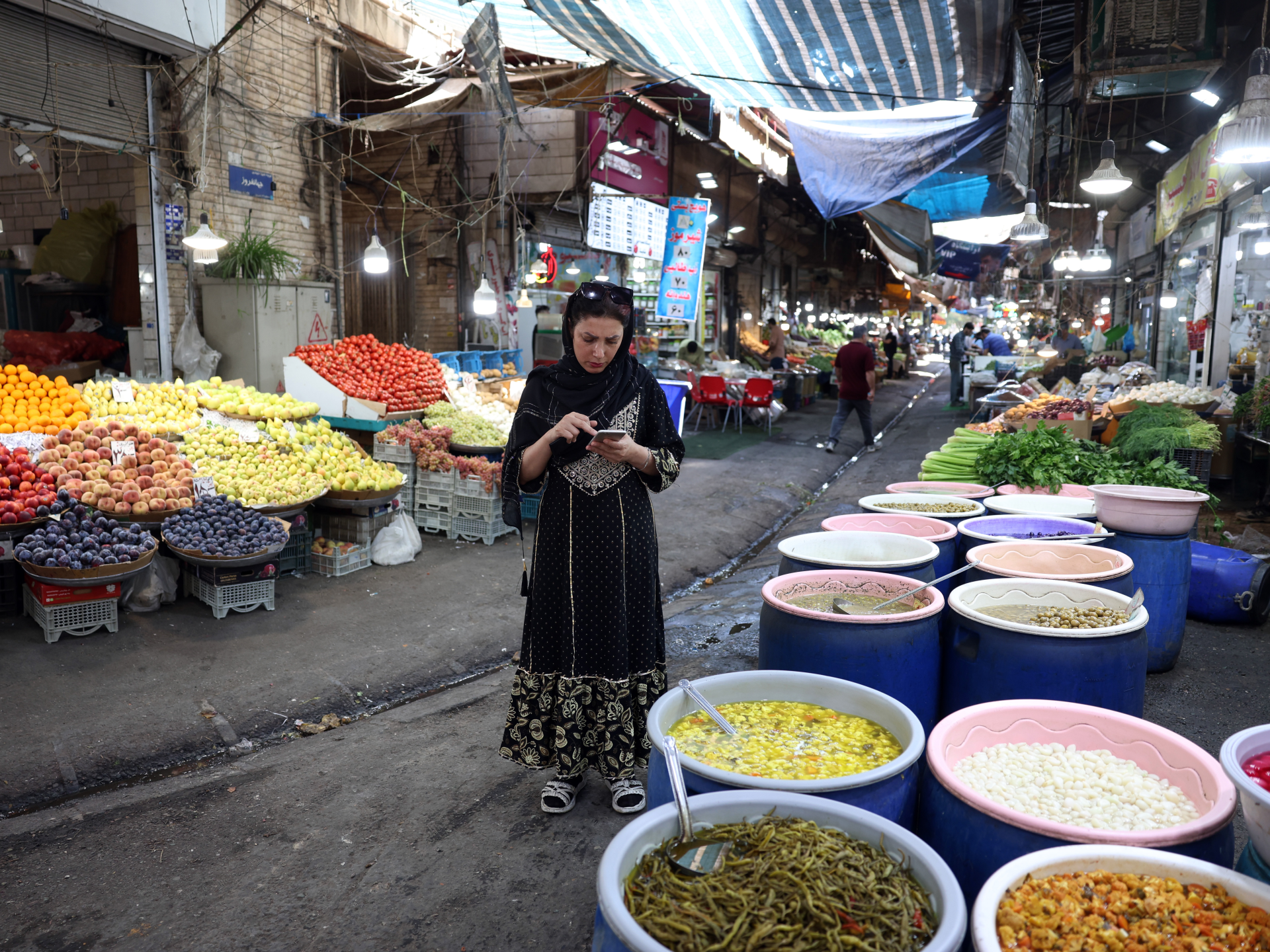
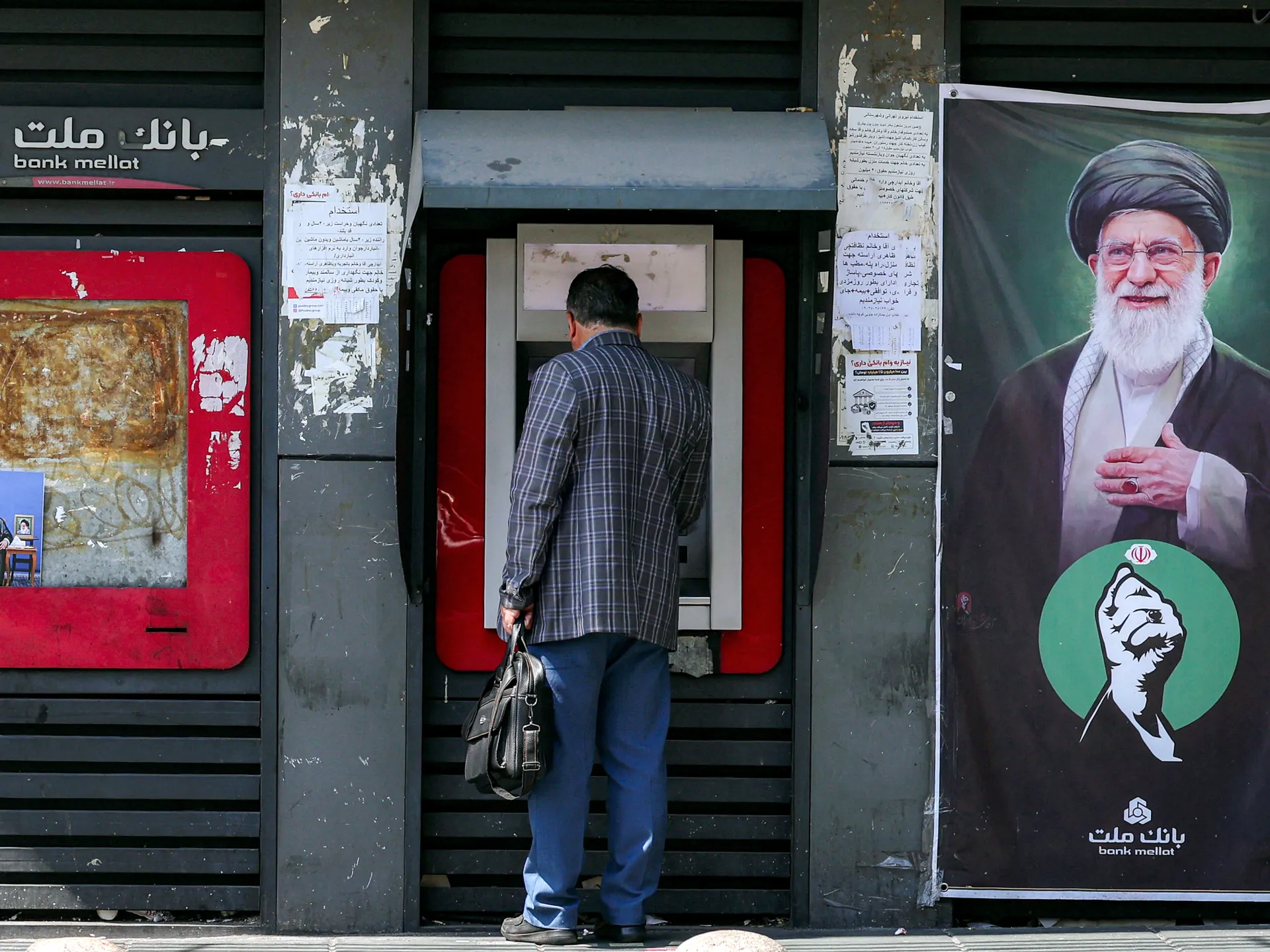
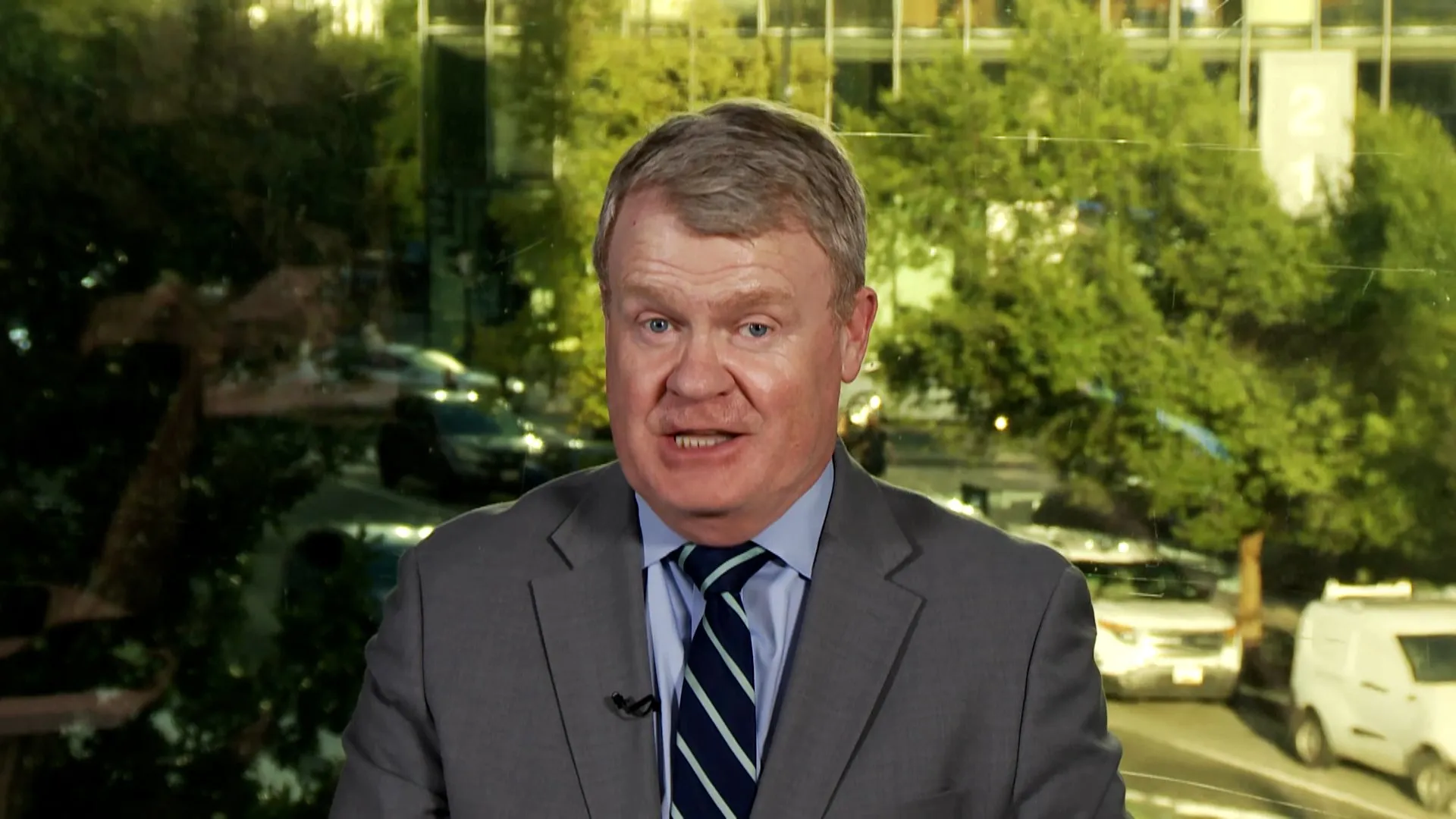
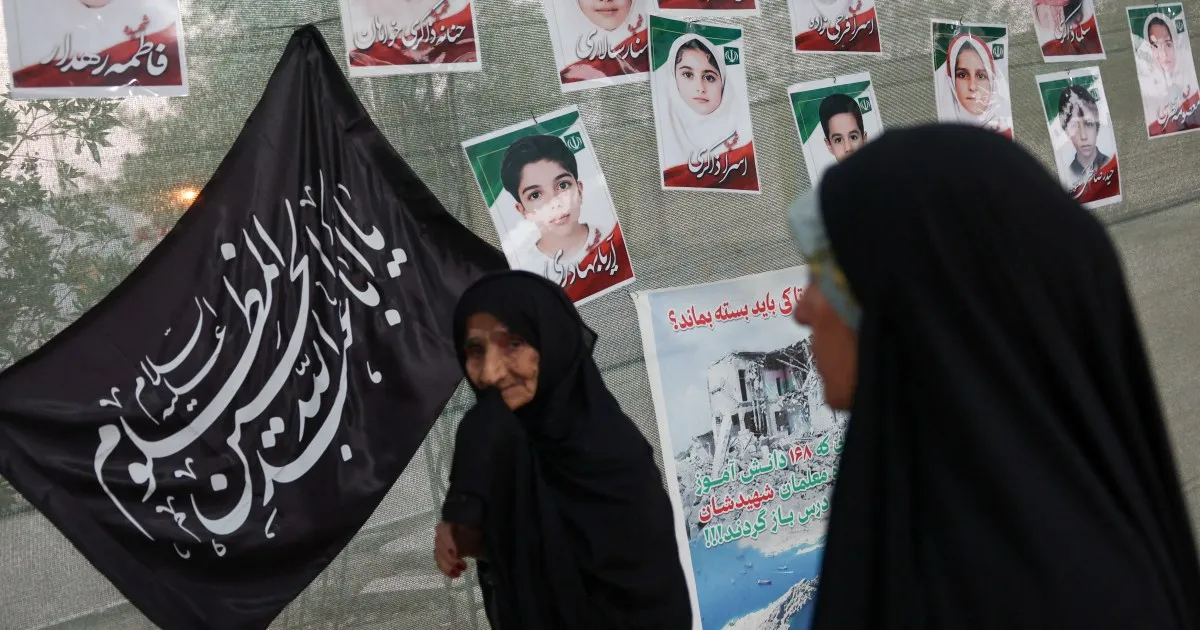
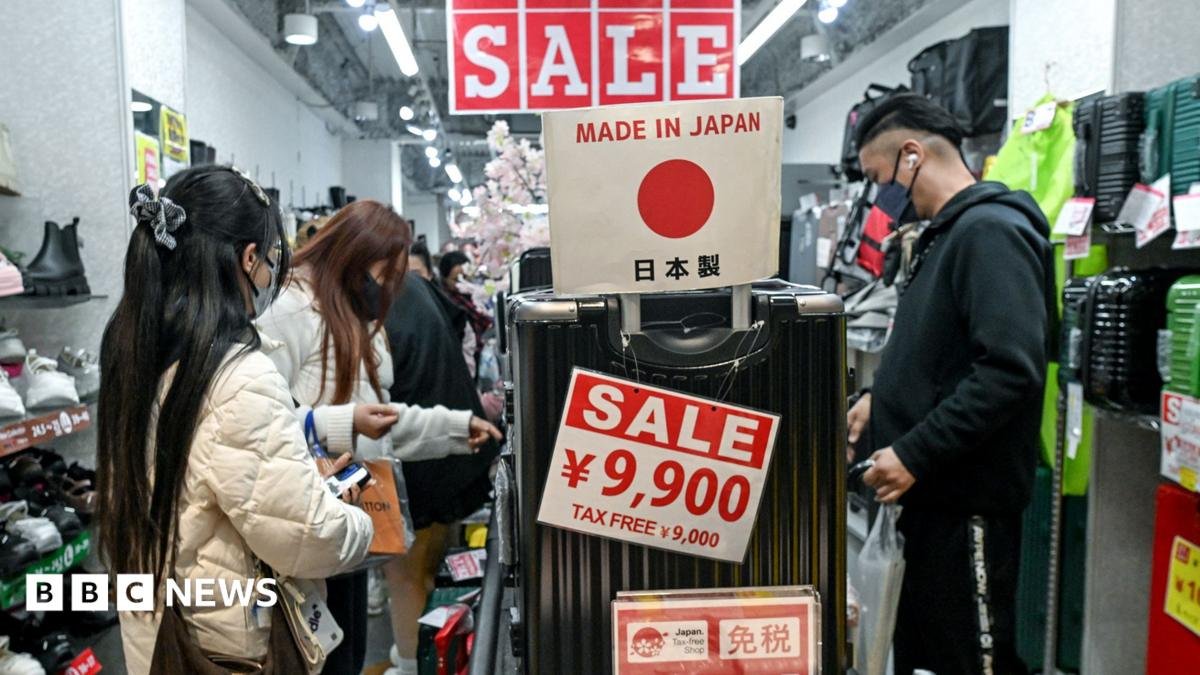
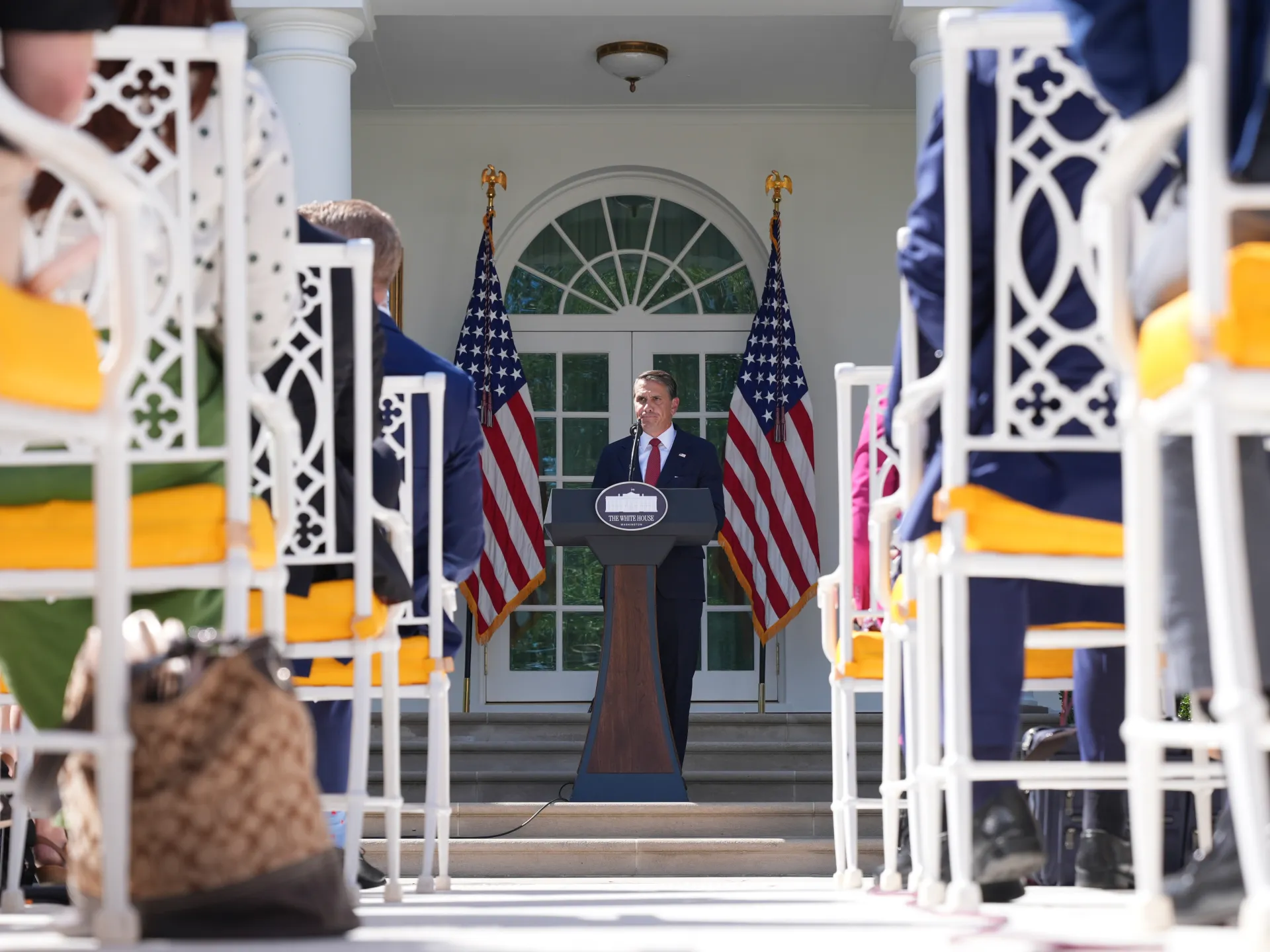
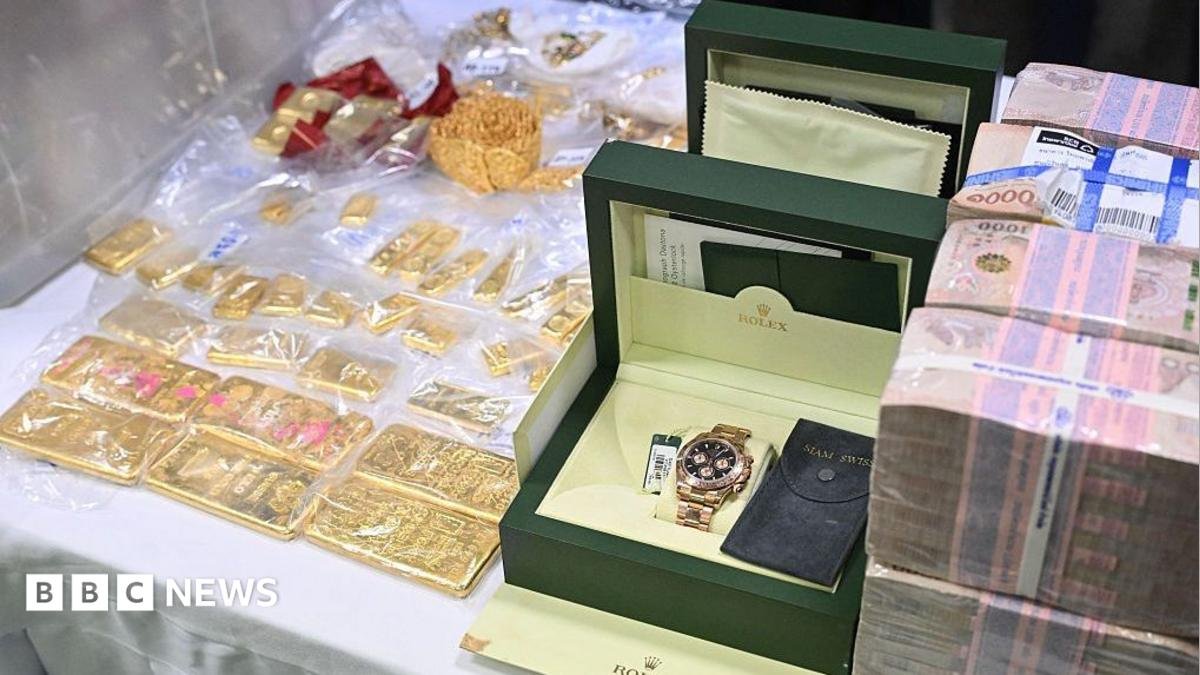
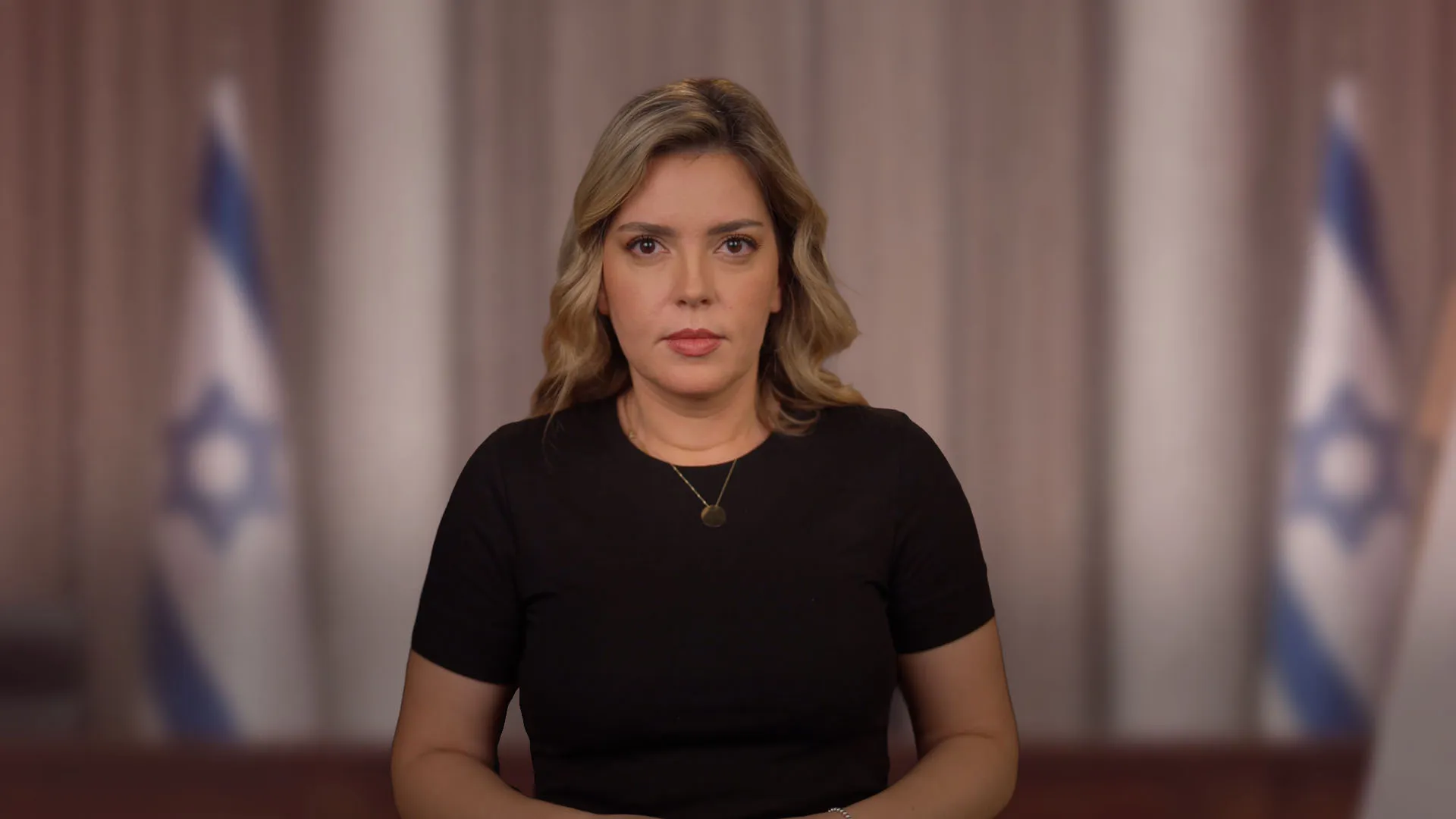
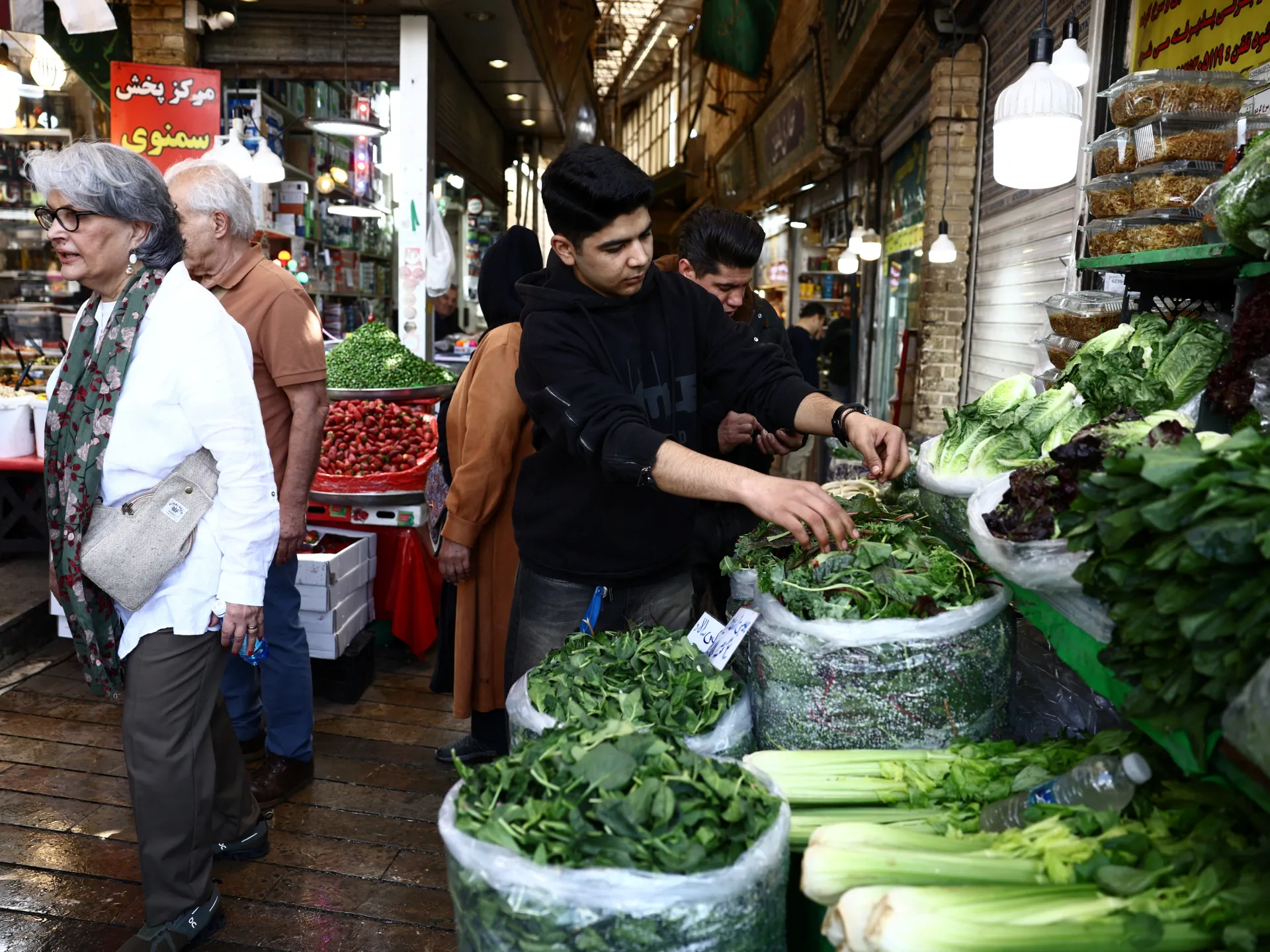
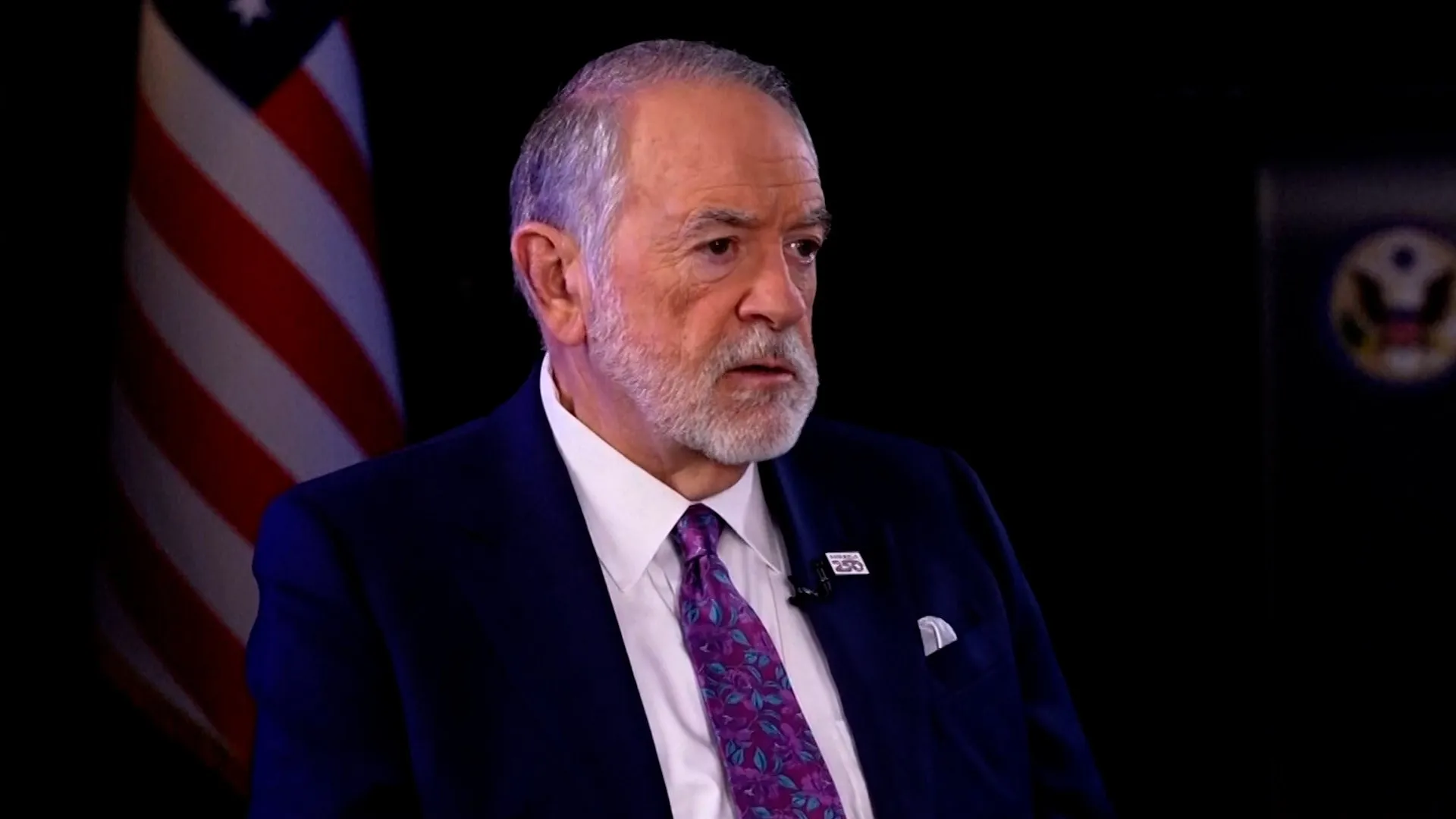
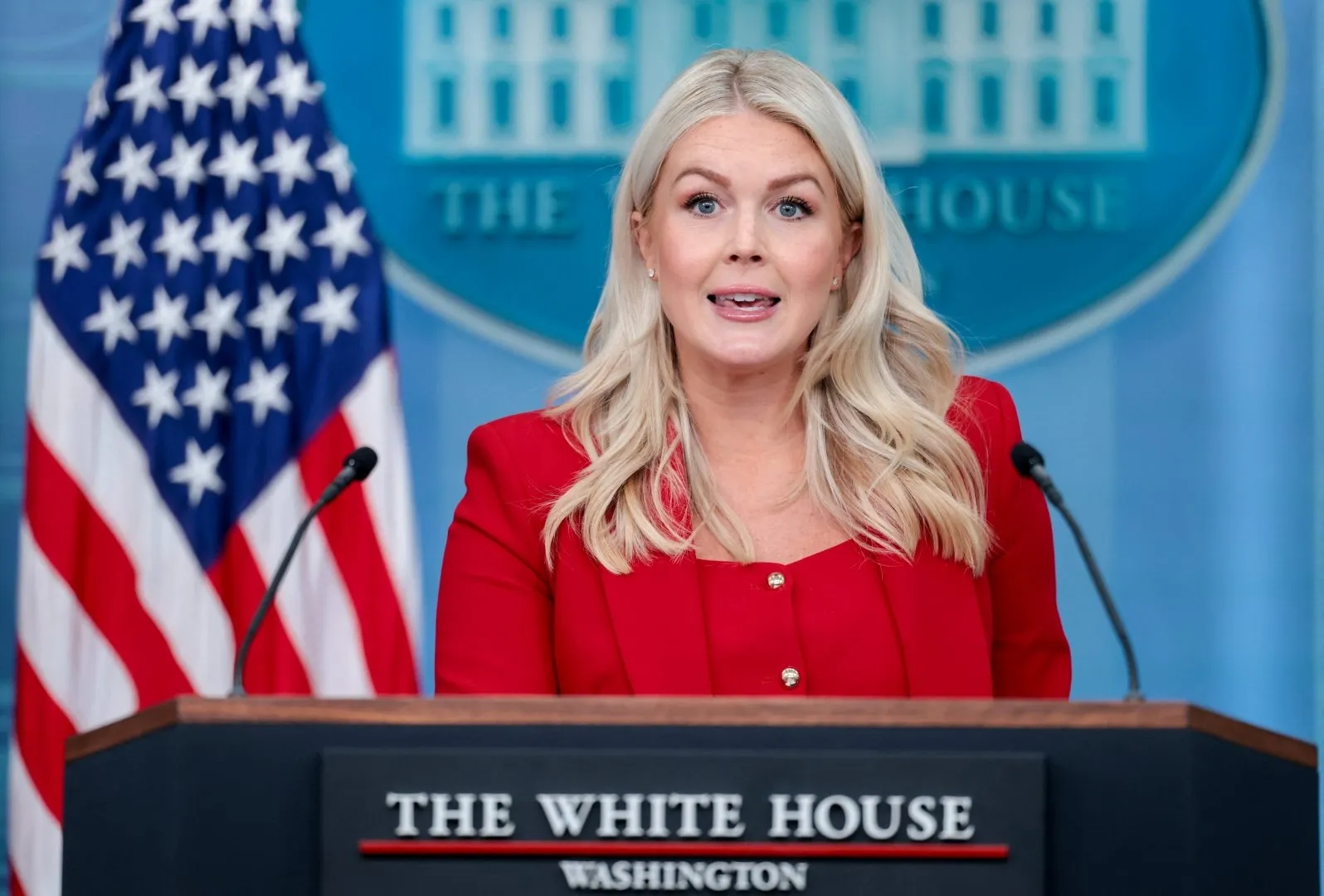
To mitigate domestic criticism, the administration has implemented a strict ban on luxury purchases for the delegation. State Department spokesperson Tommy Pigott explicitly warned New York vendors to remain vigilant, citing a policy intended to prevent Iranian officials from engaging in retail activity while their home country experiences severe economic instability, inflation, and infrastructure challenges. These protocols mirror, and in some ways expand upon, previous restrictions that prohibited diplomats from accessing wholesale venues or purchasing high-end consumer goods such as jewelry, vehicles, and luxury imports.
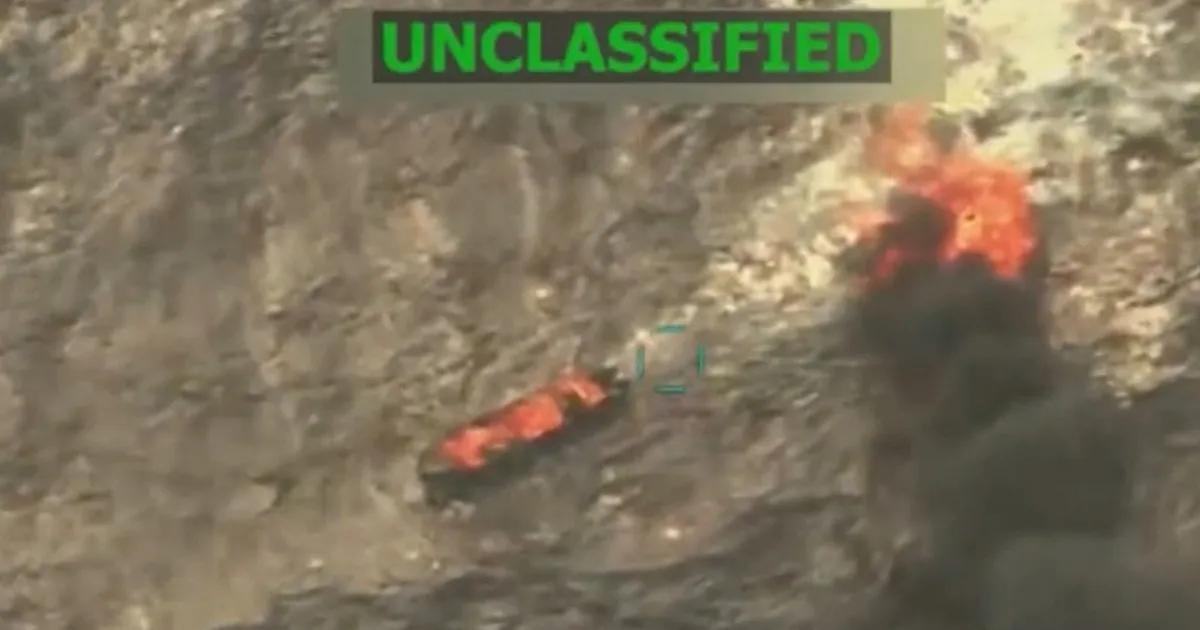
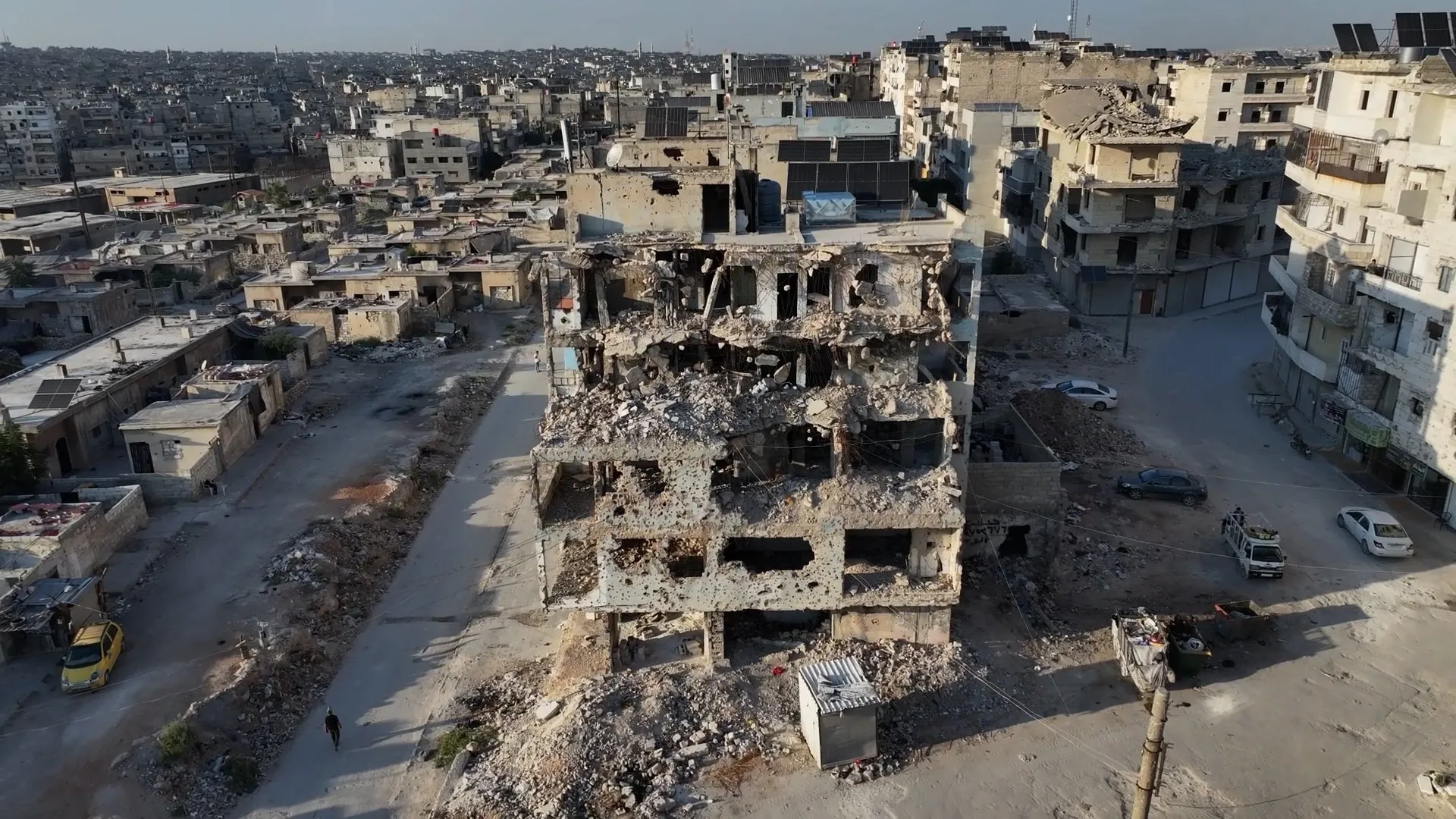
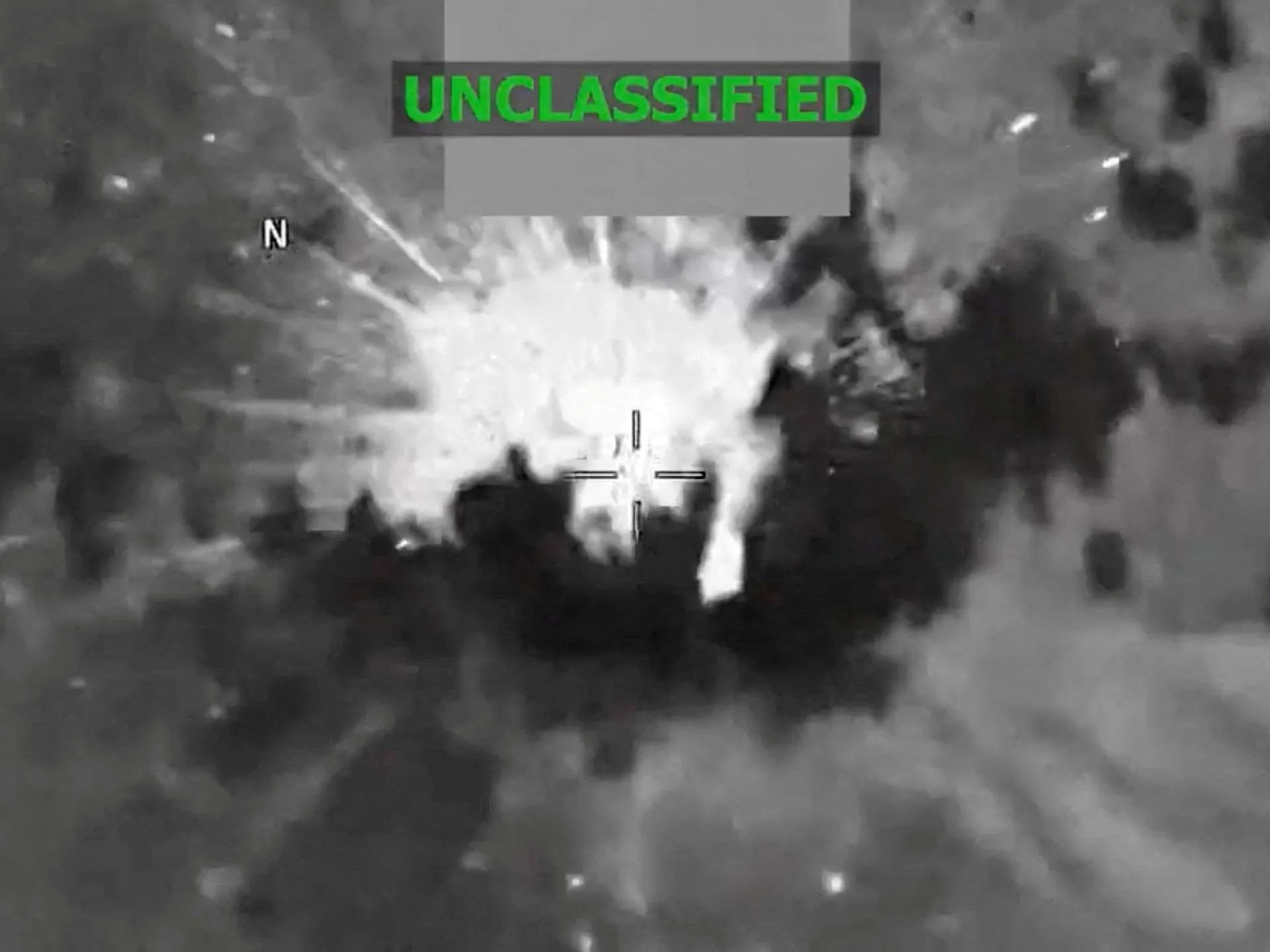
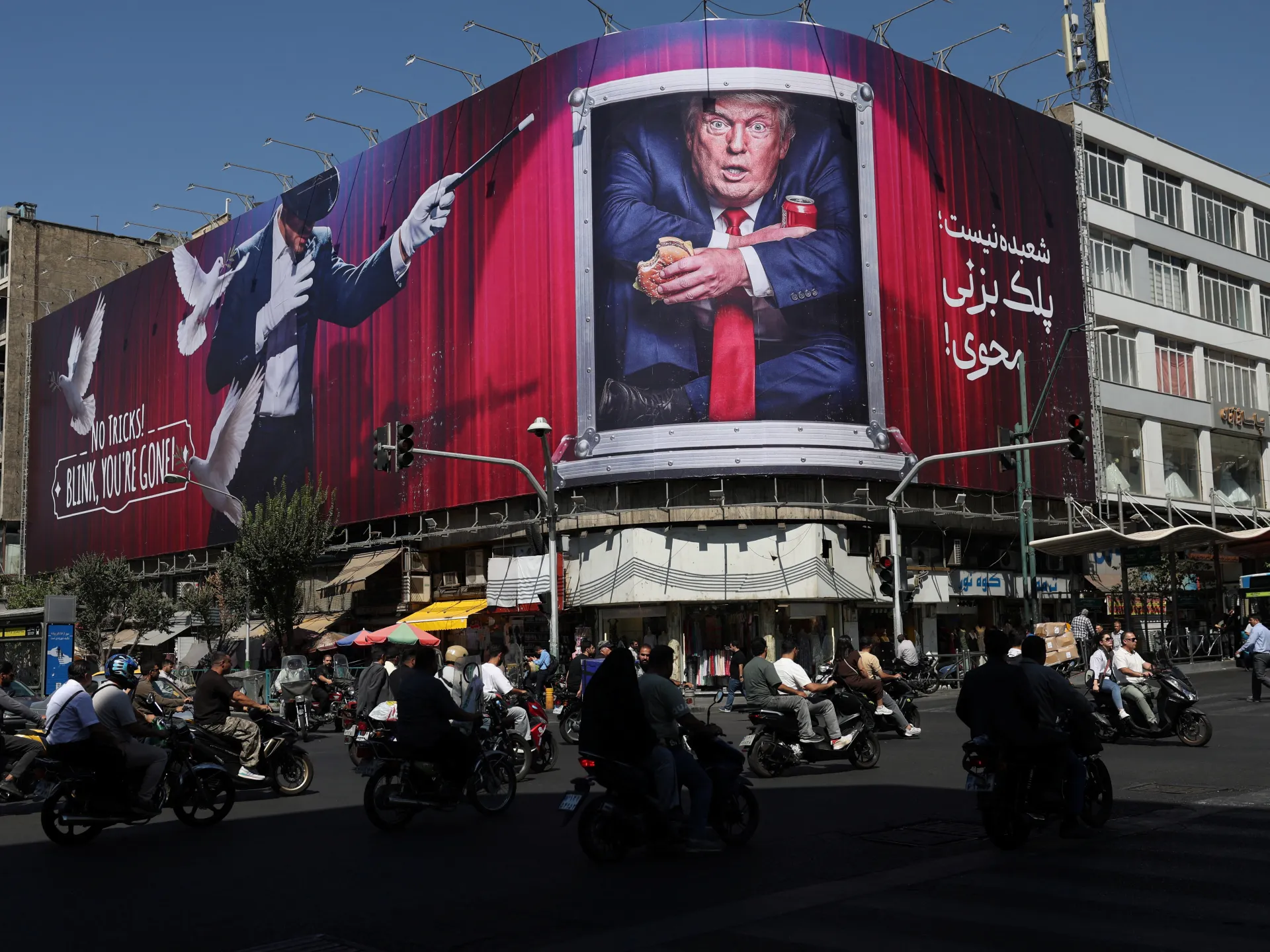
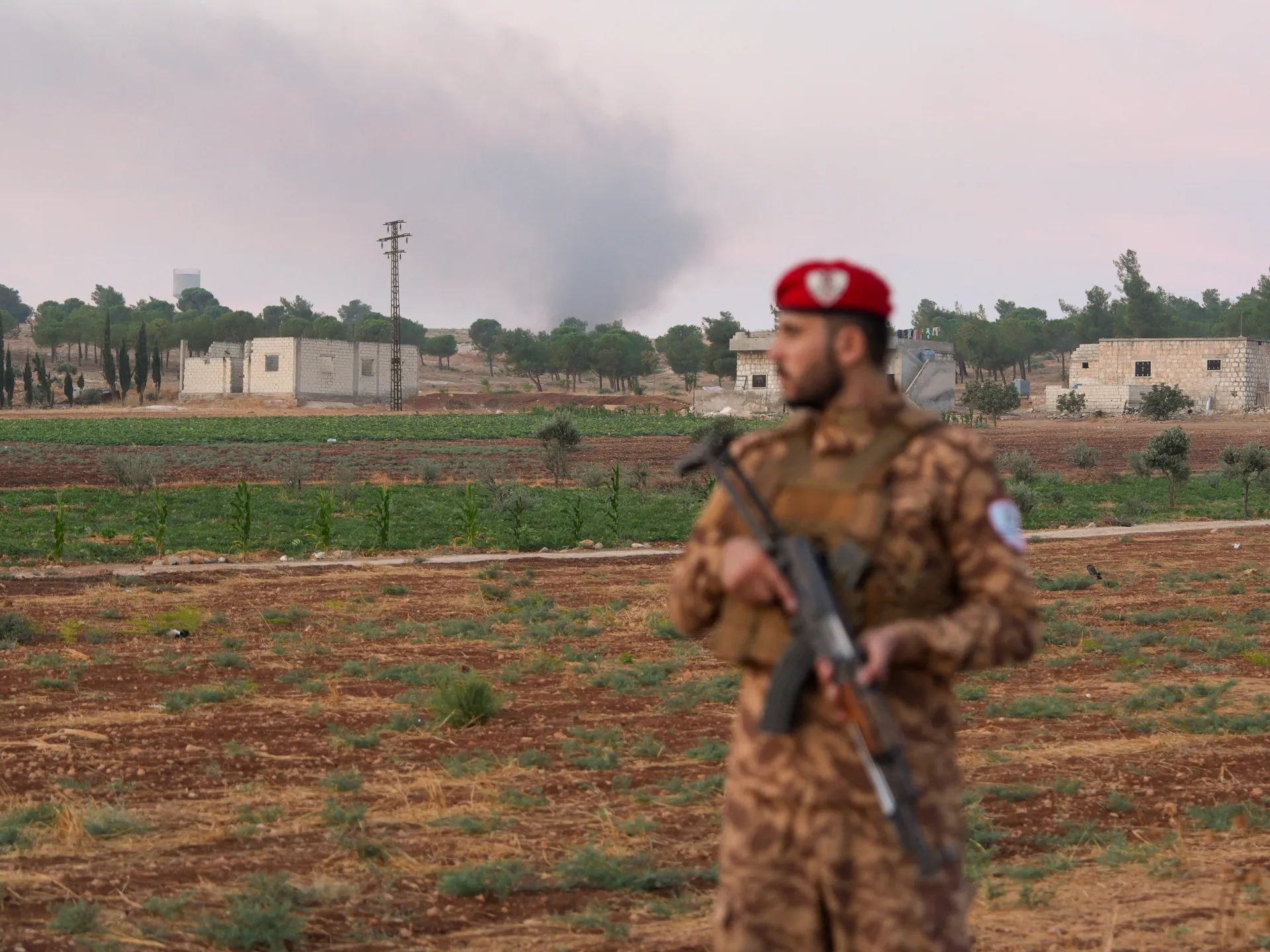
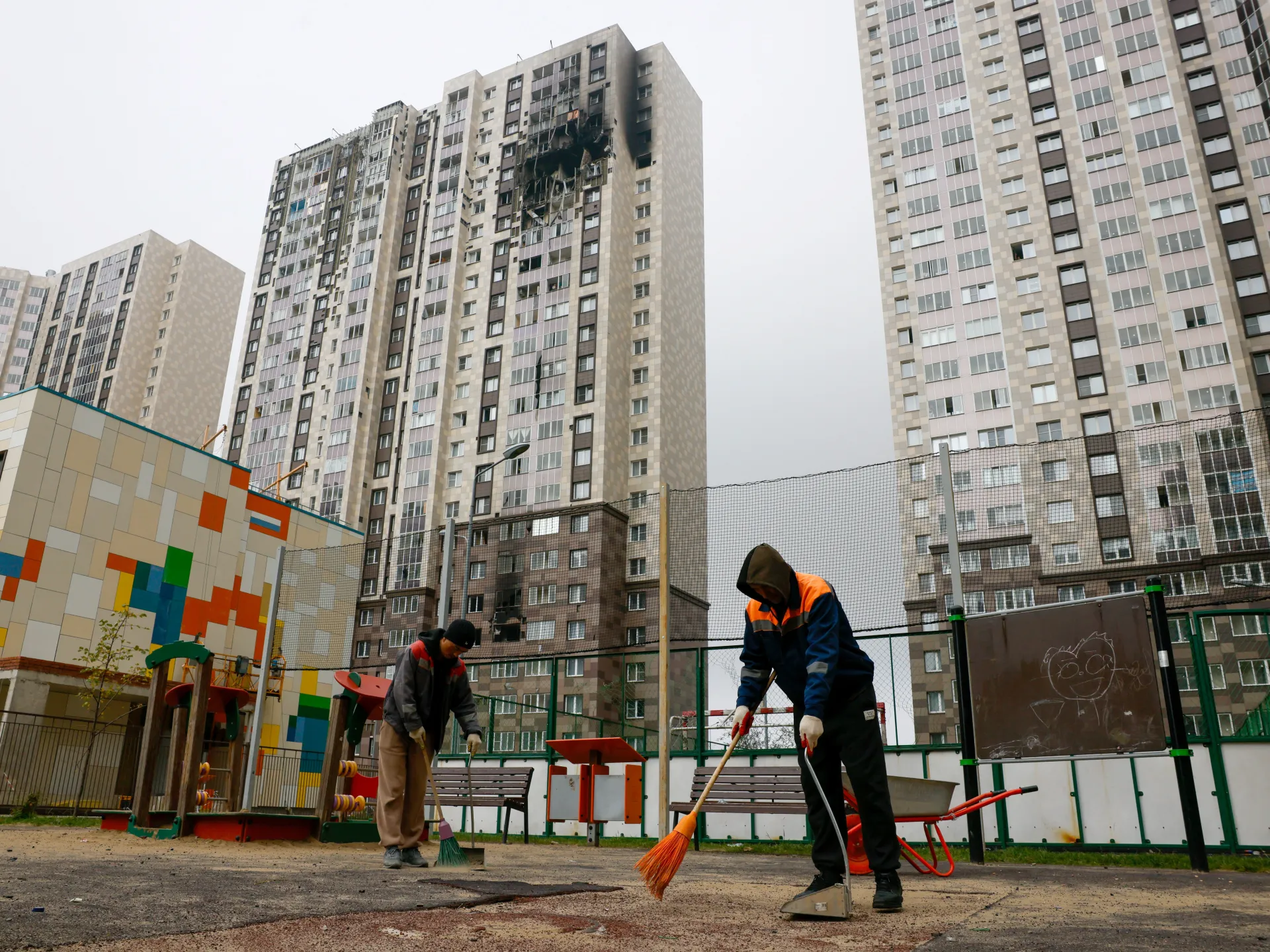
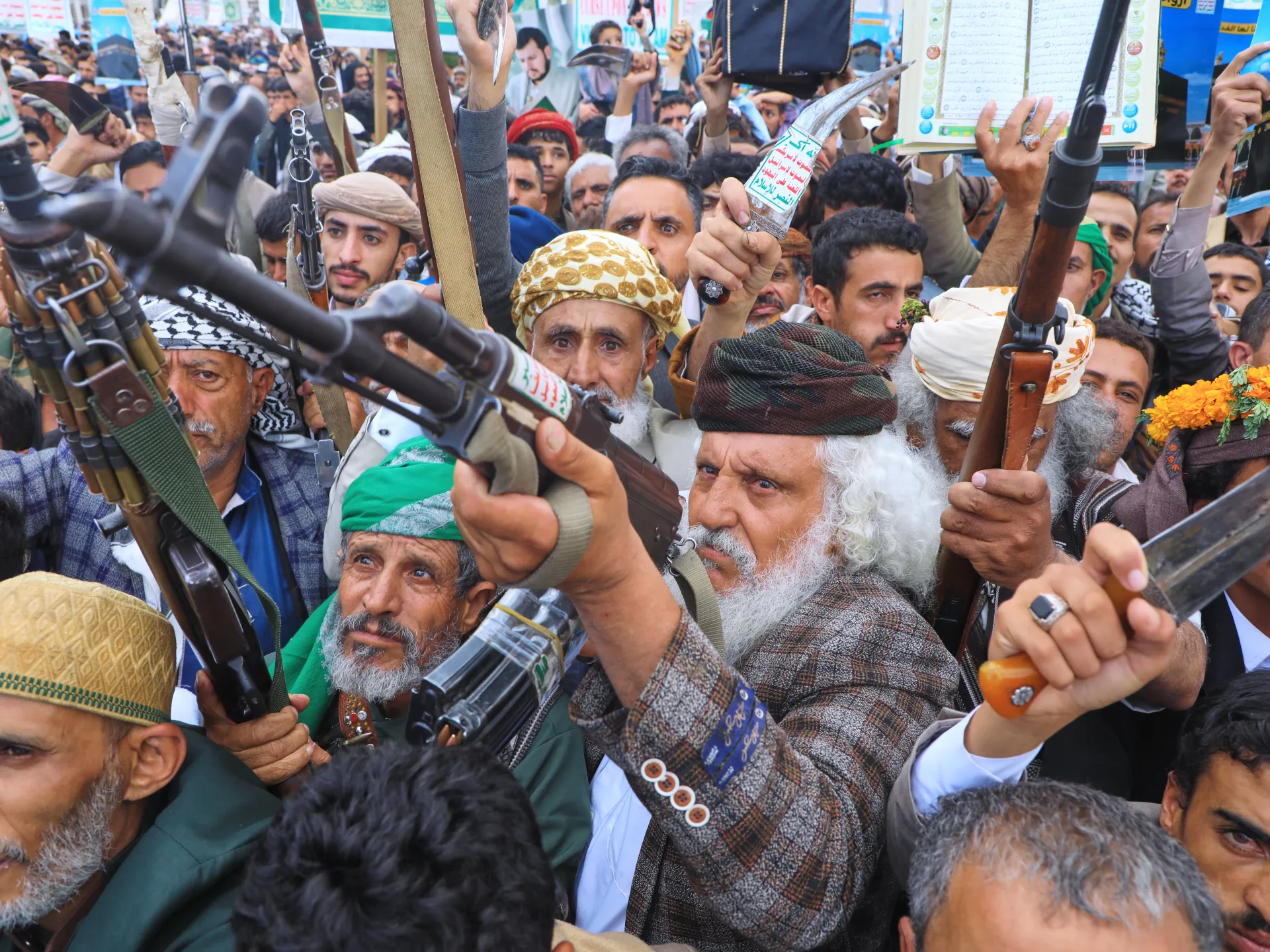
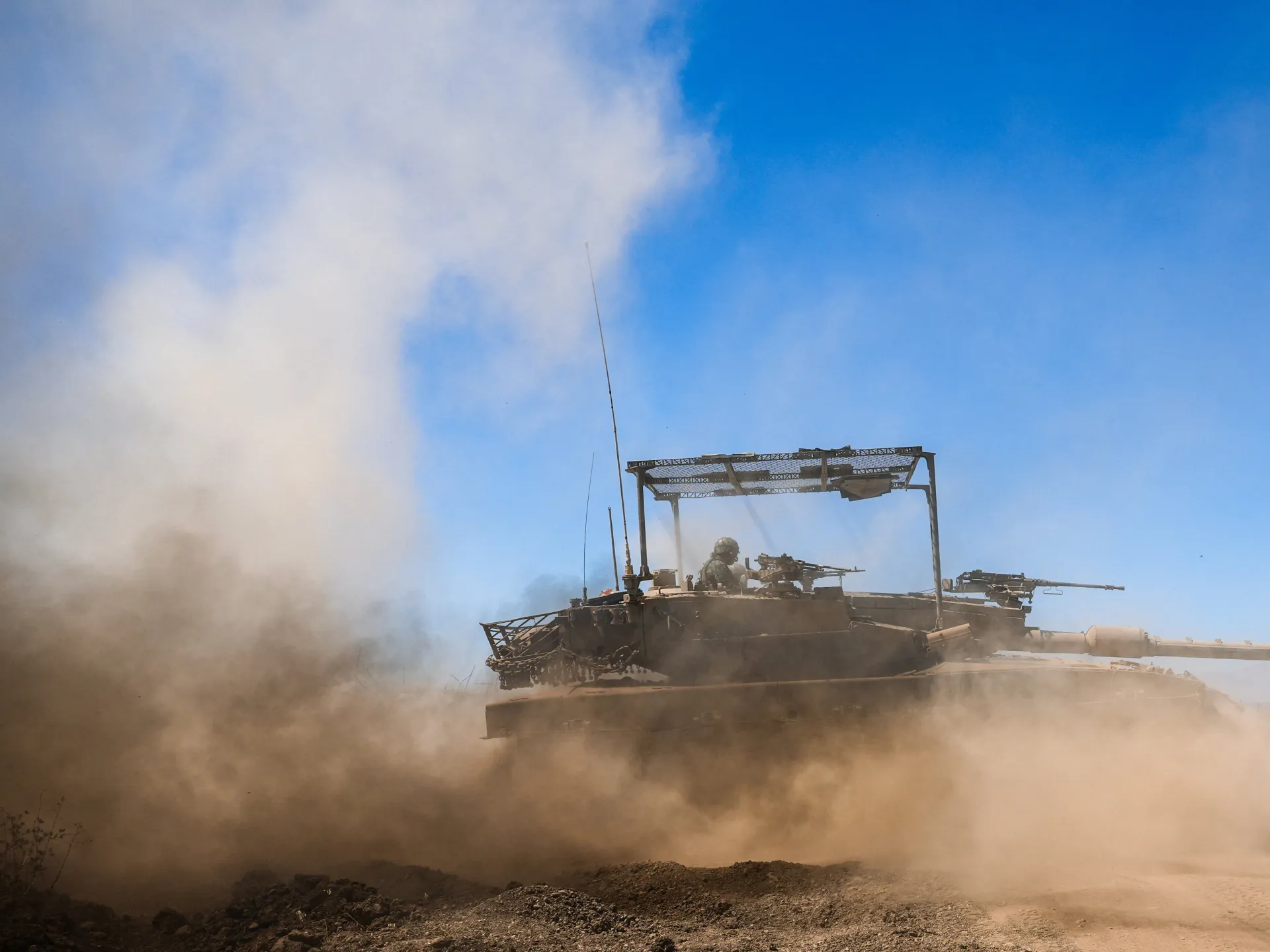
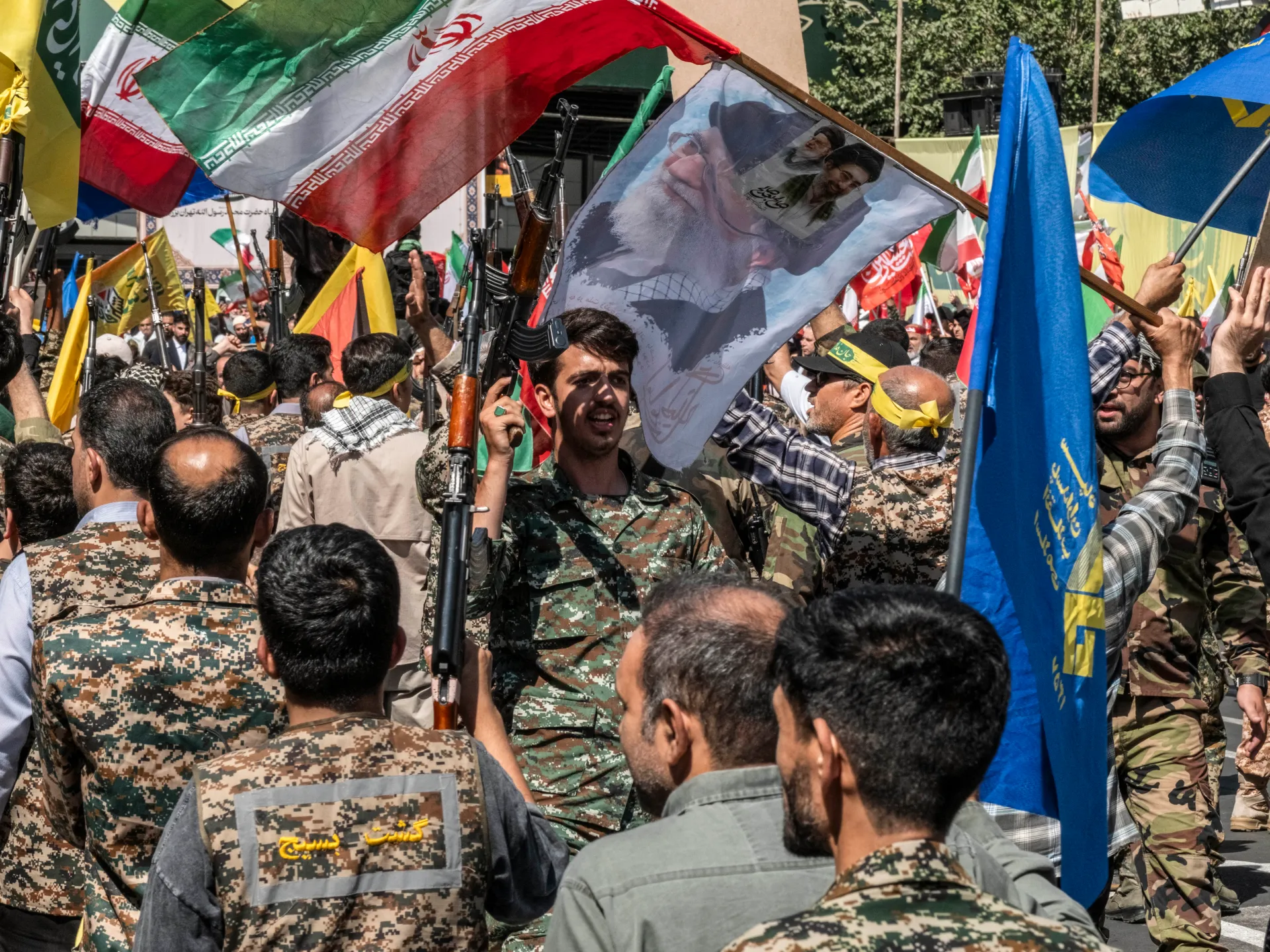
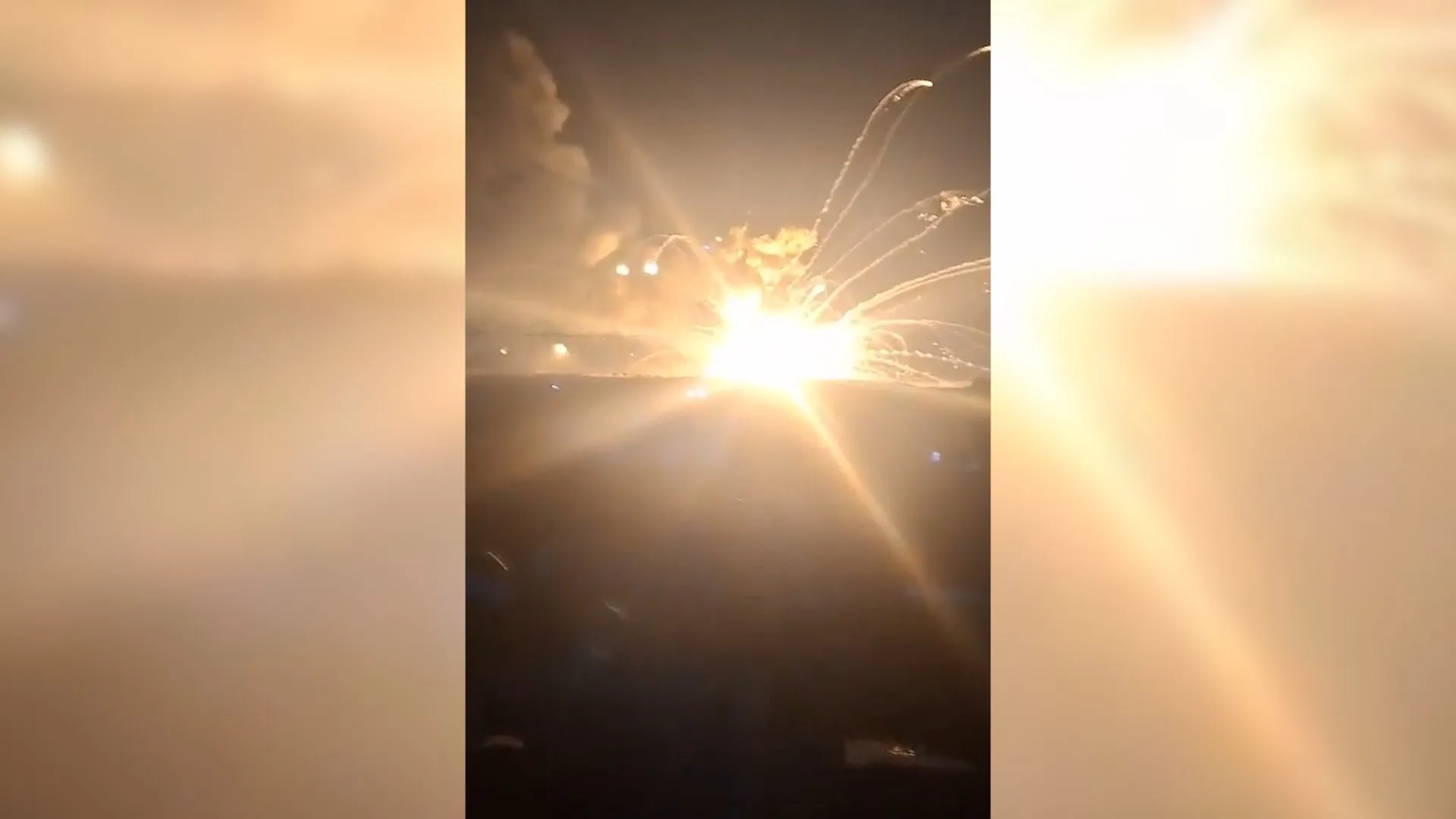
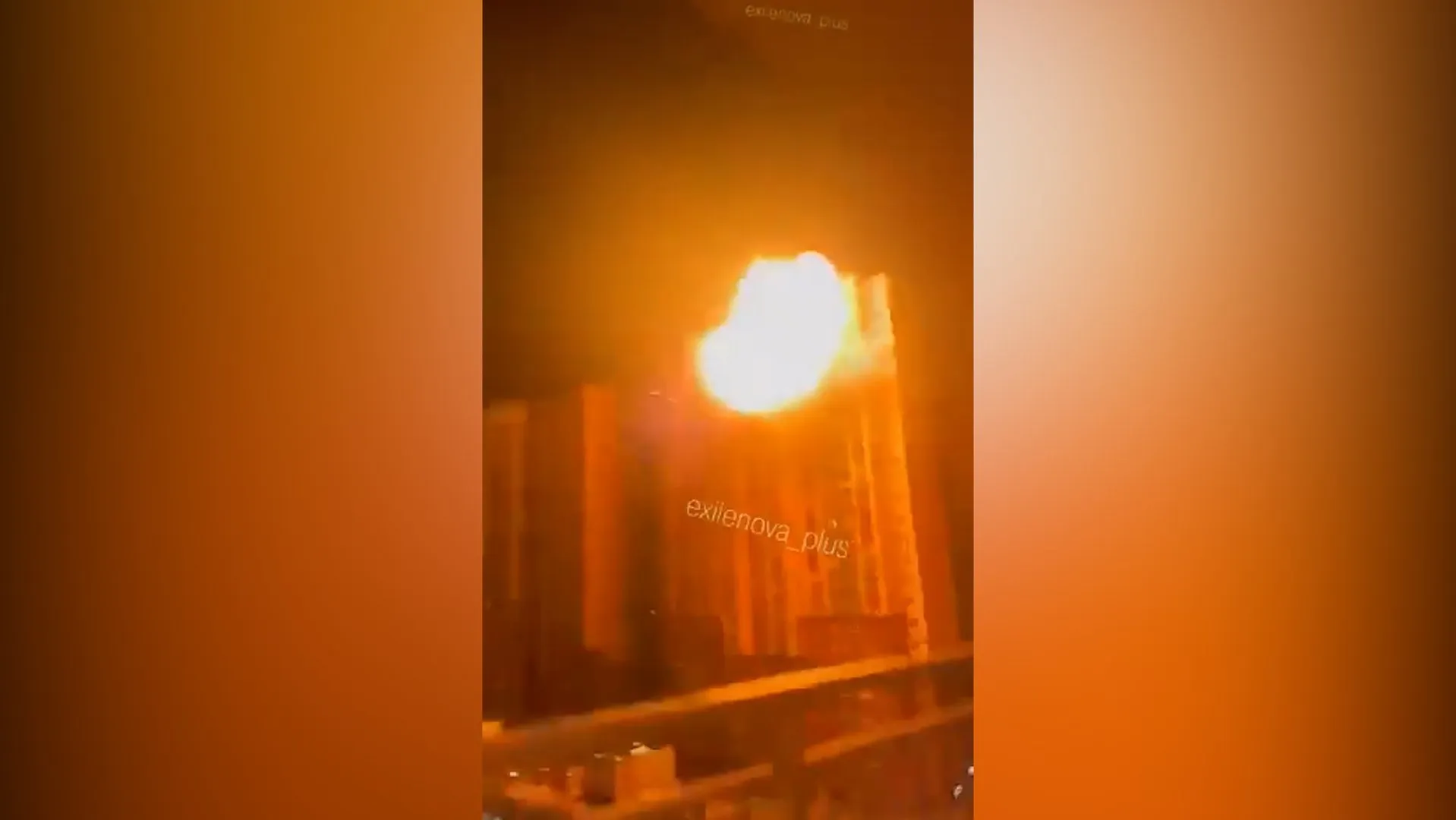
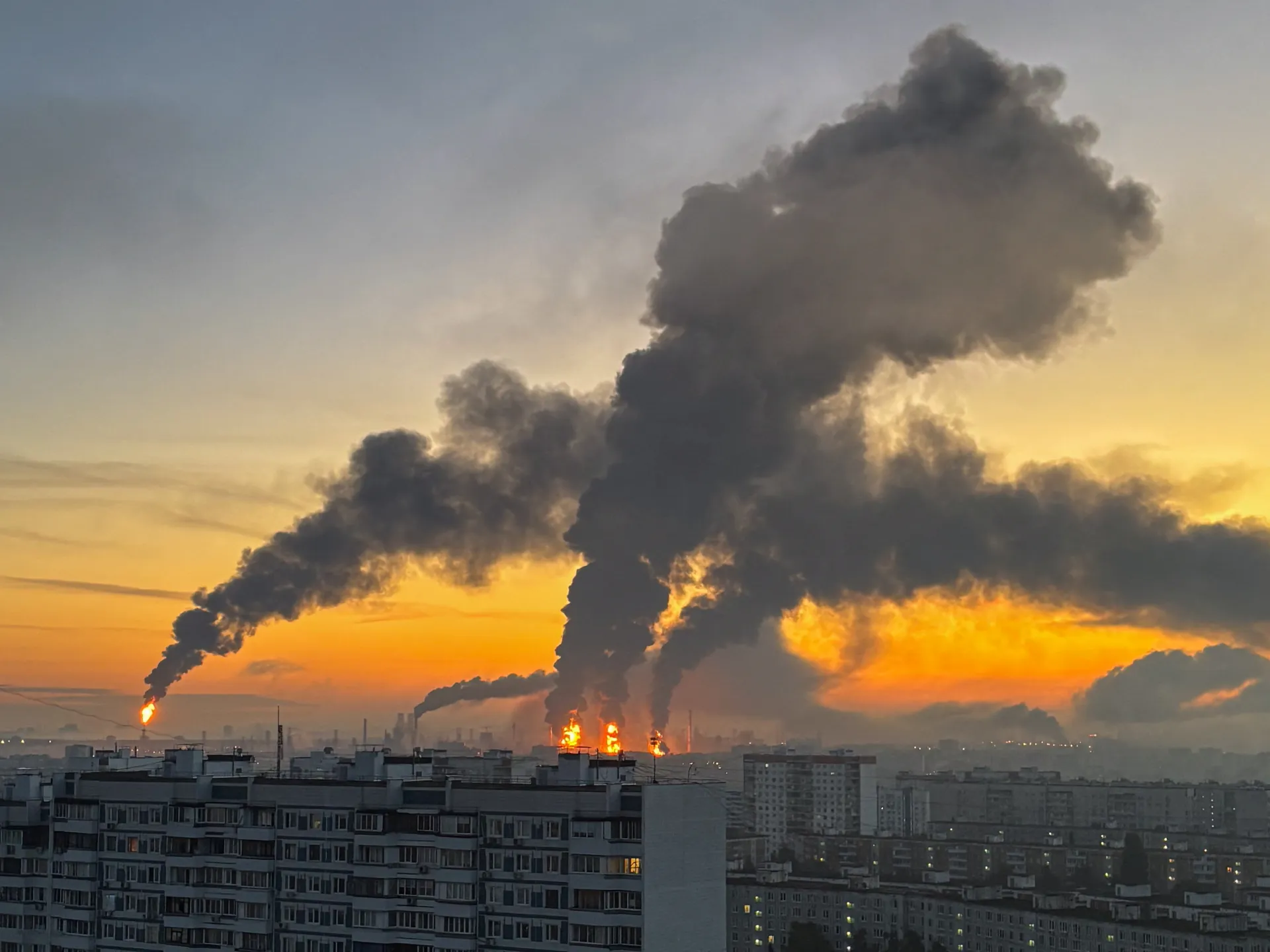
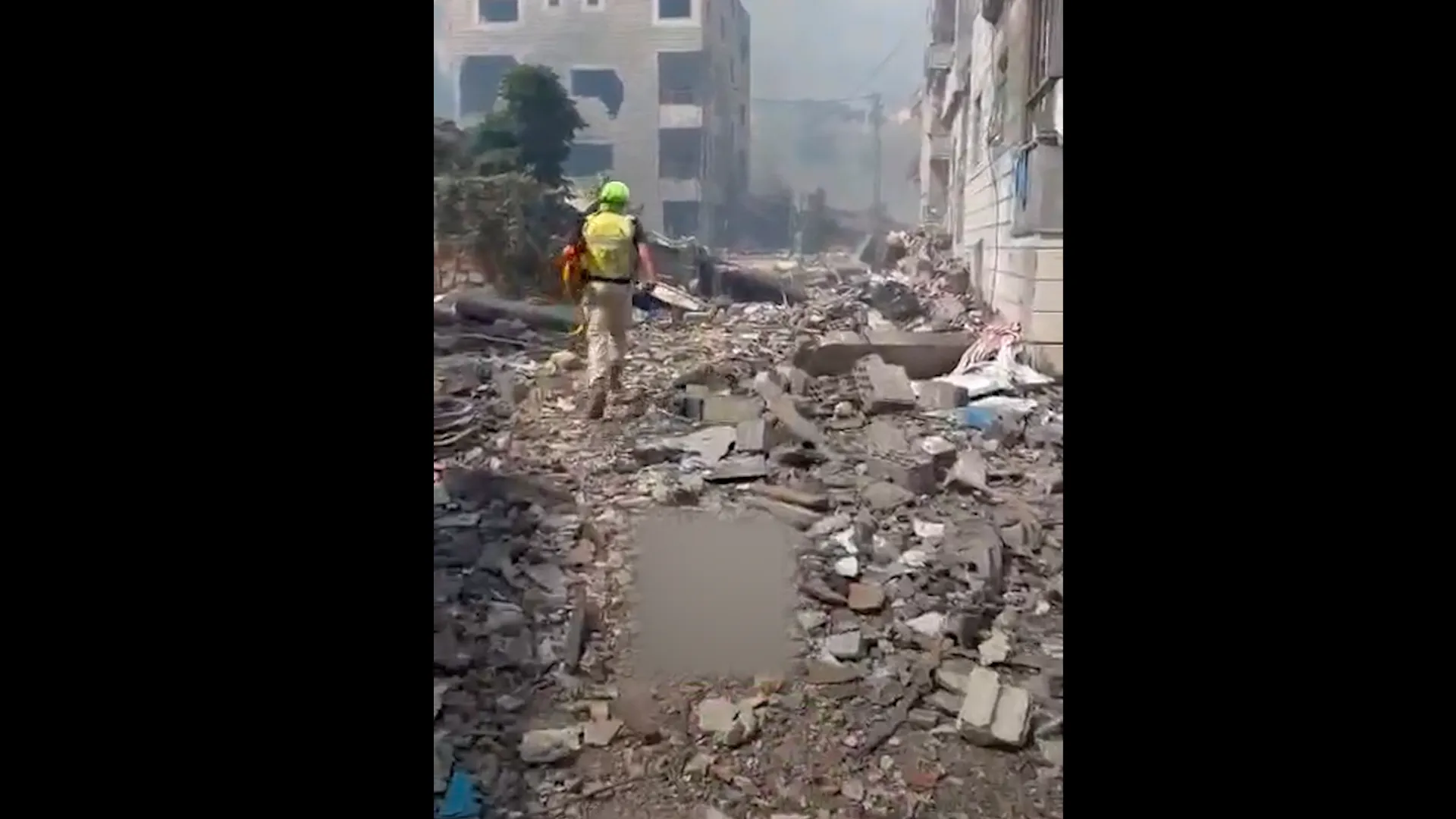
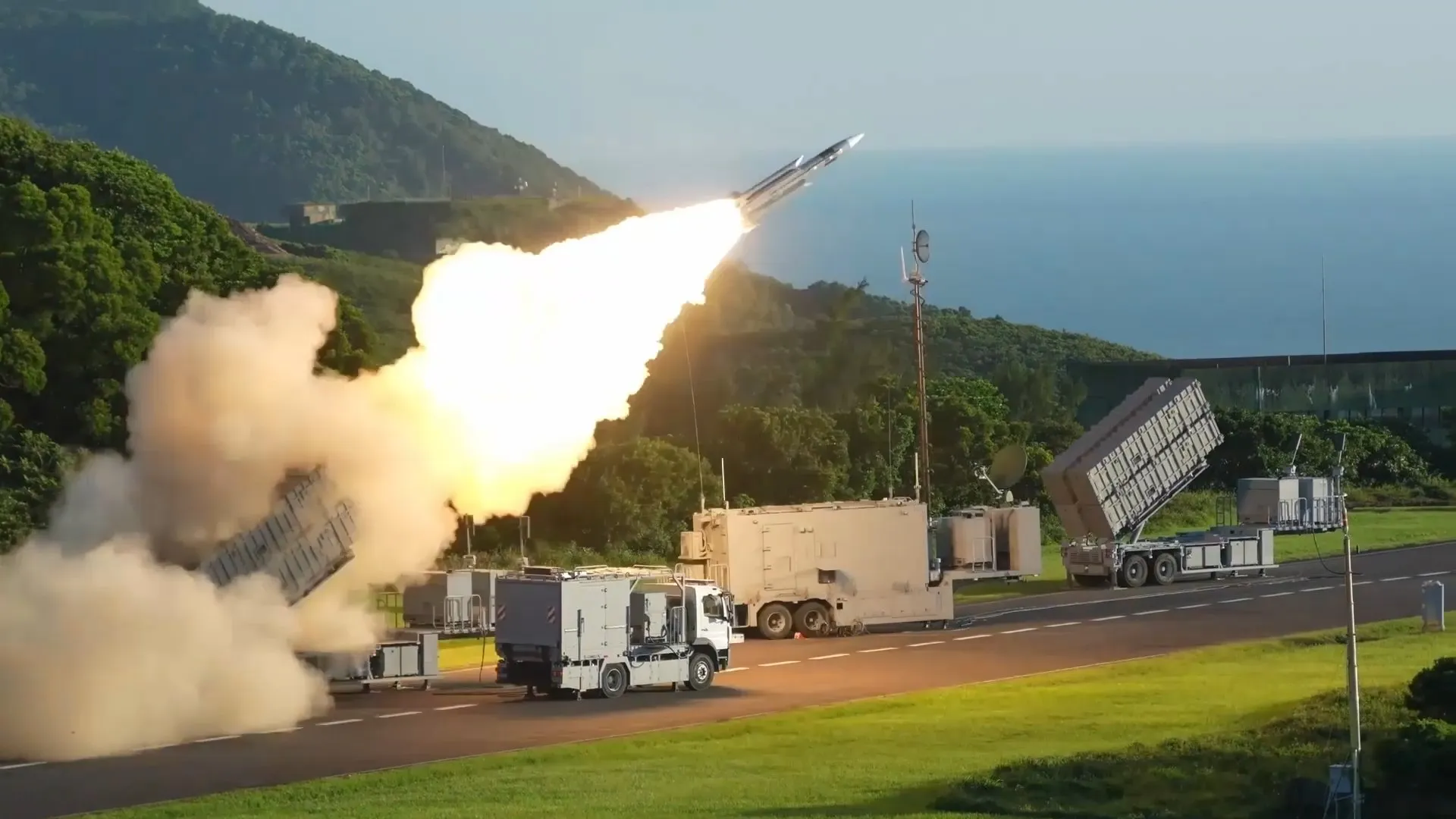
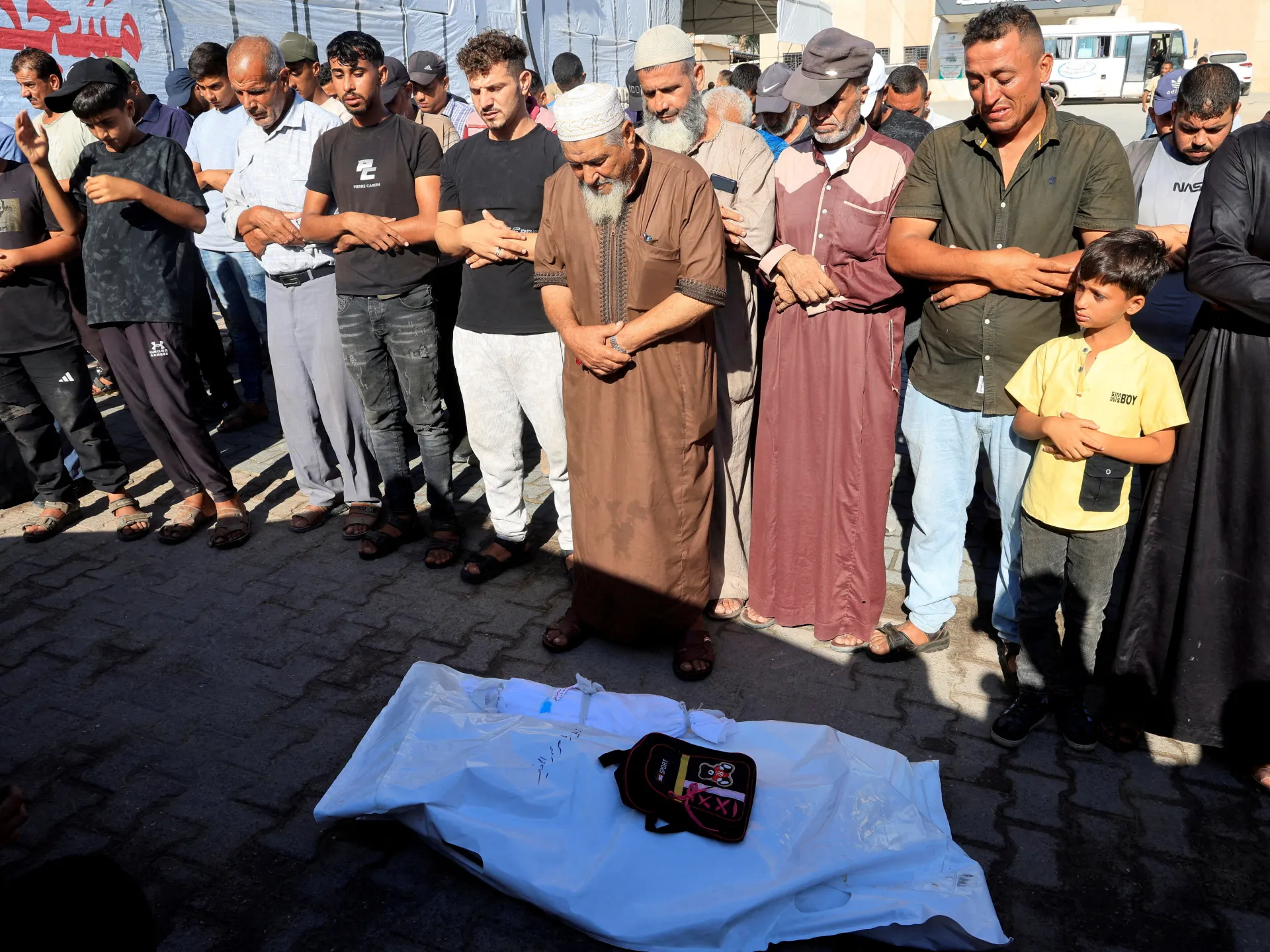
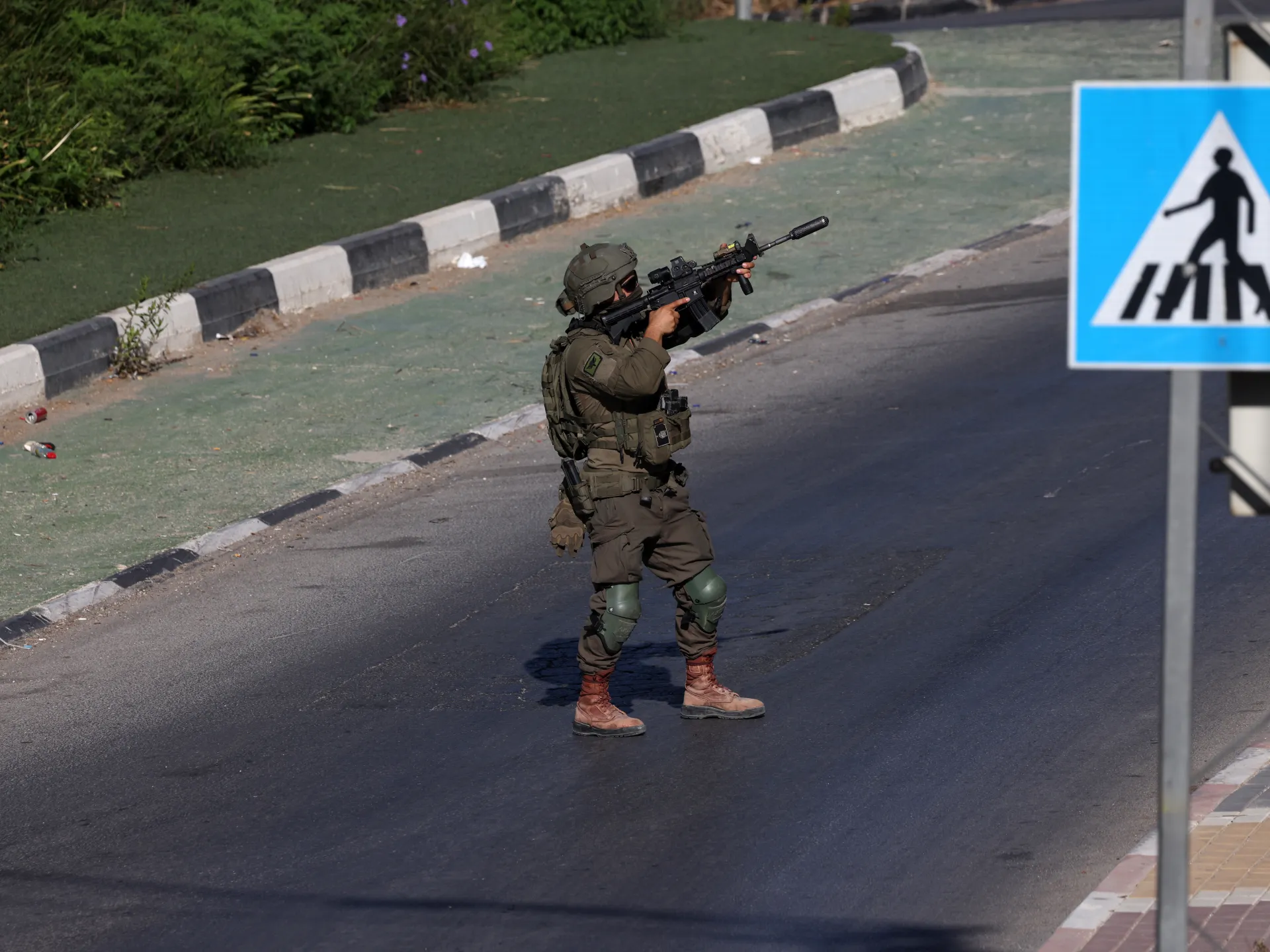
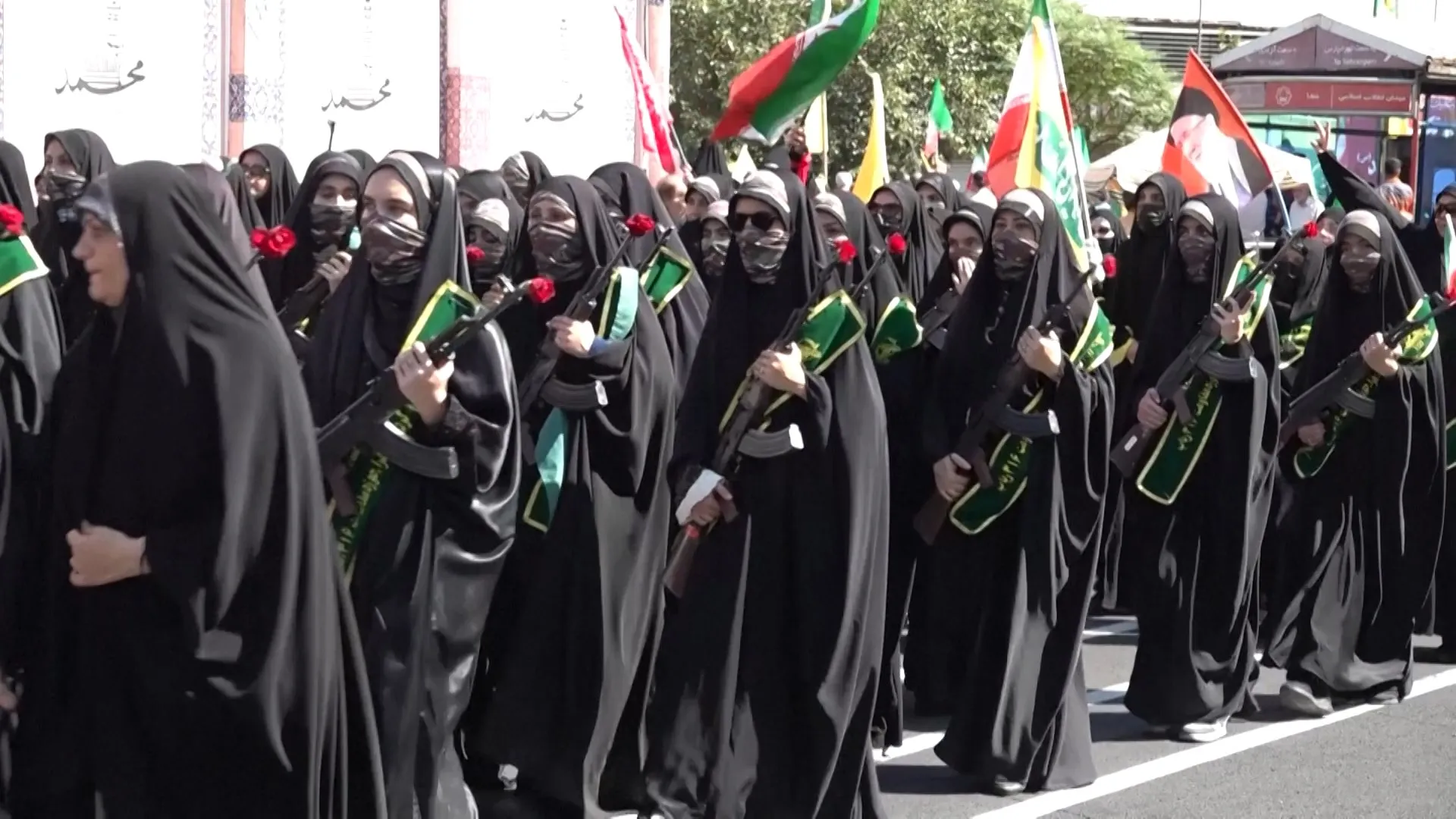
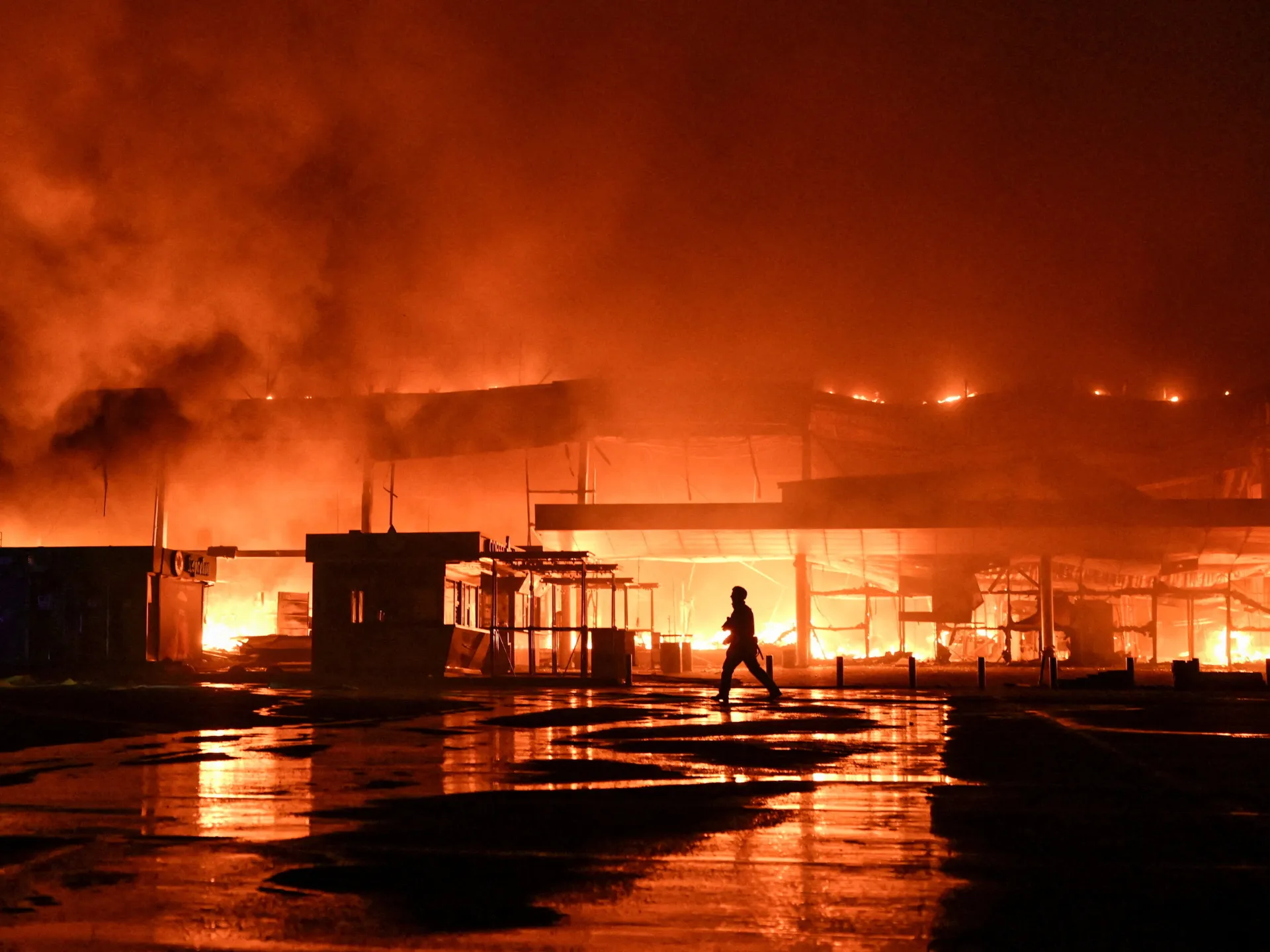
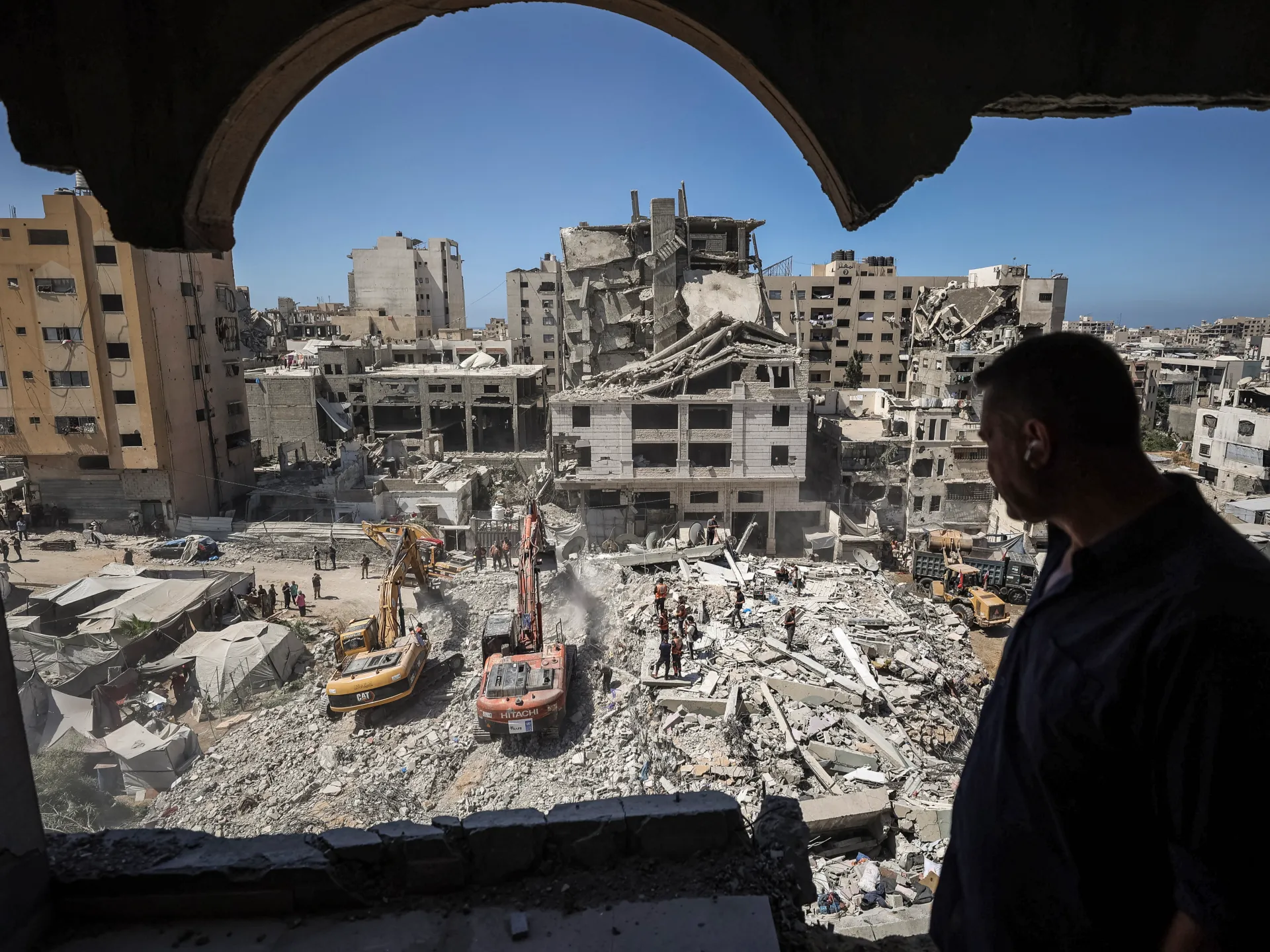
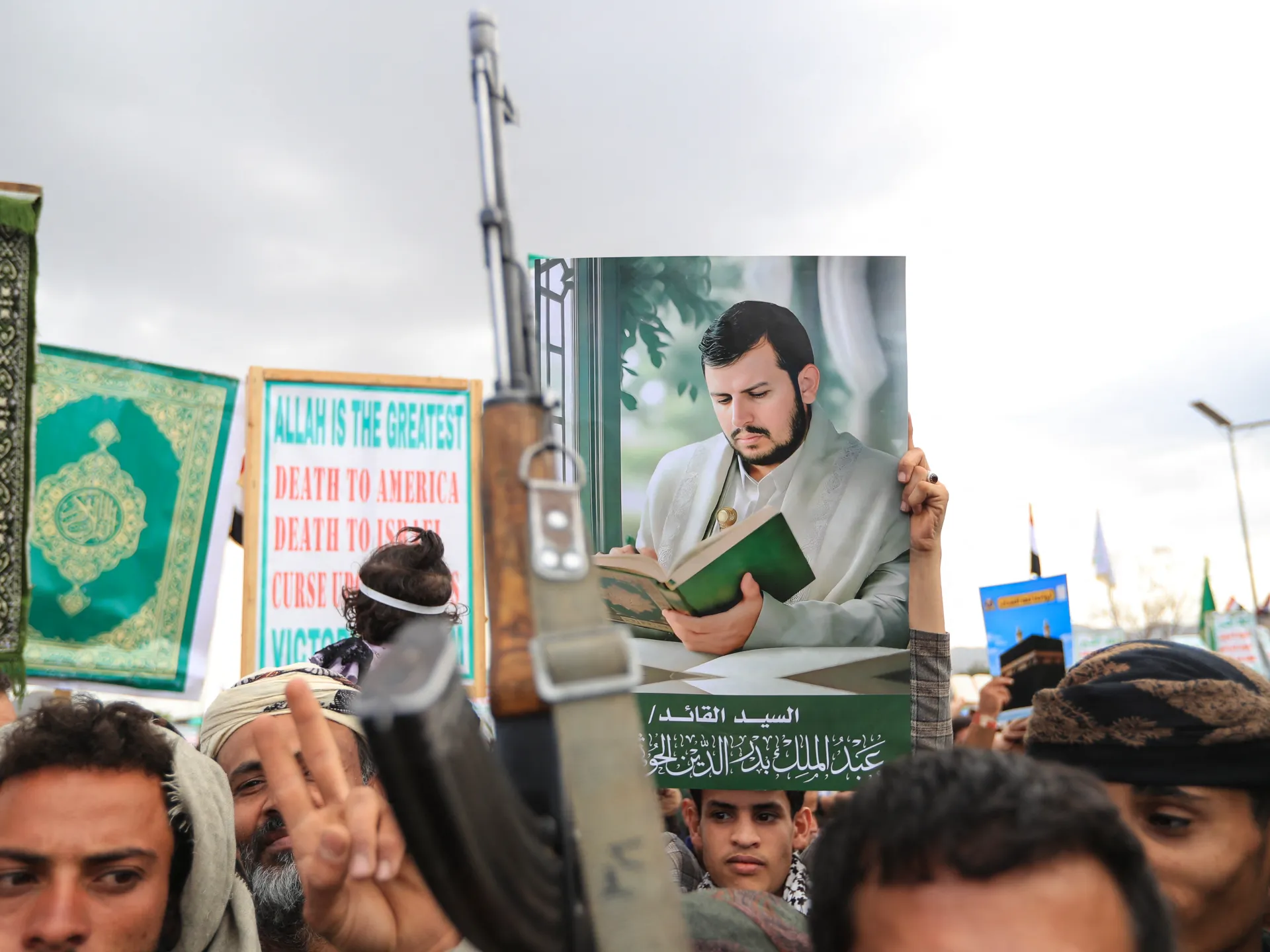
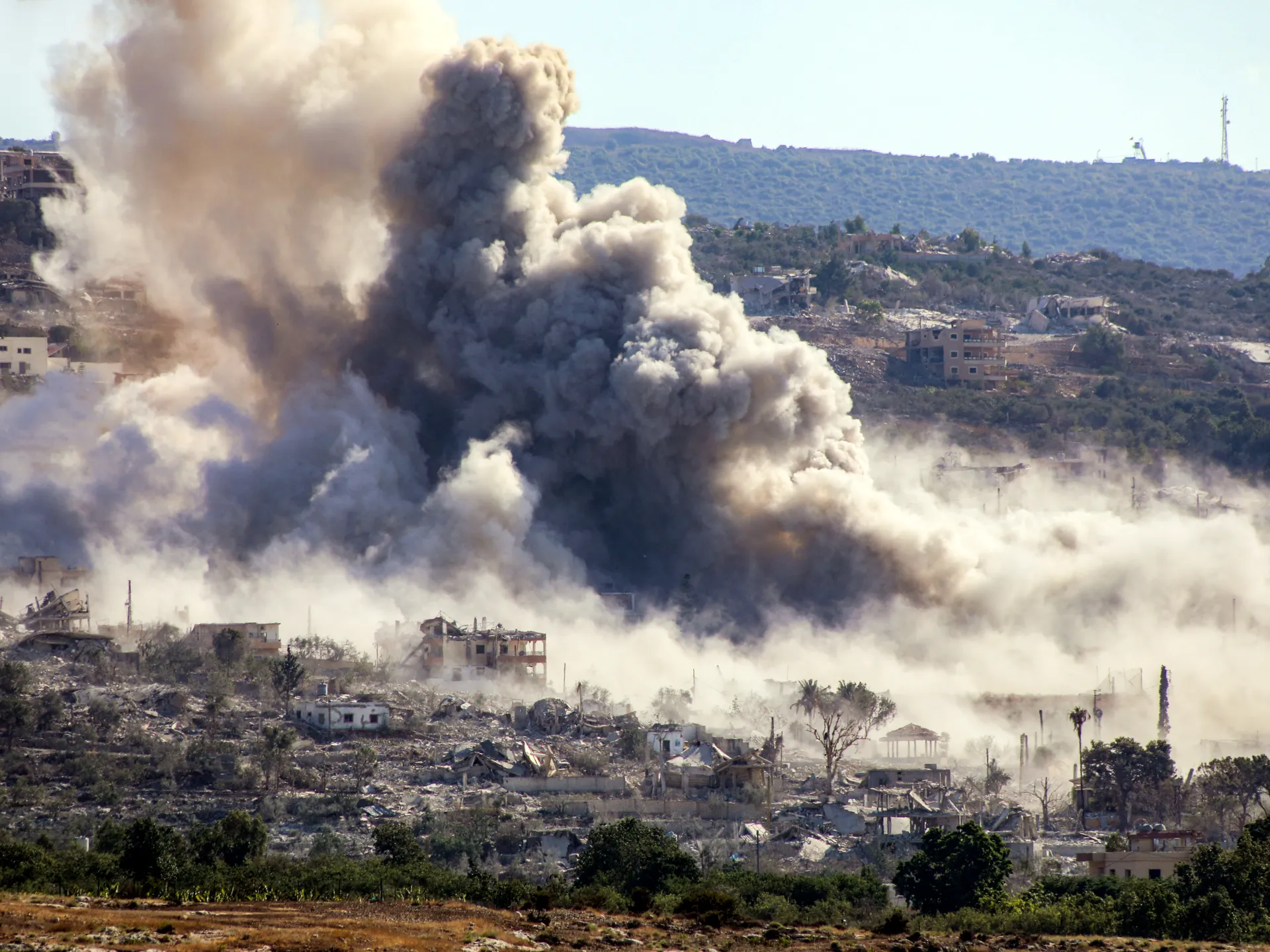
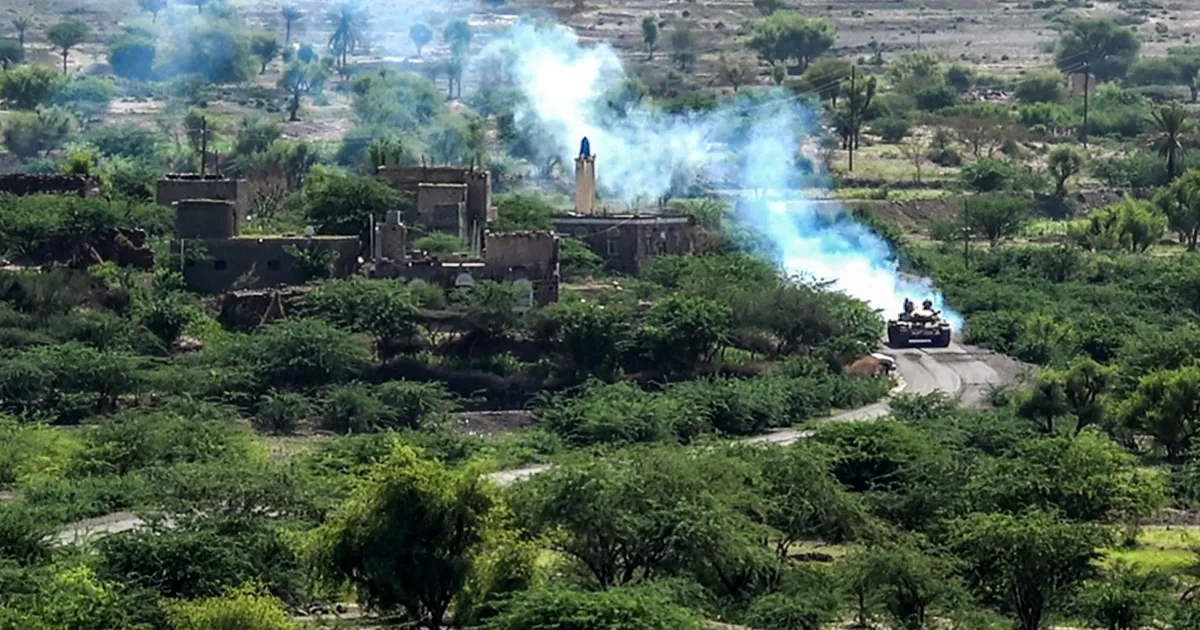
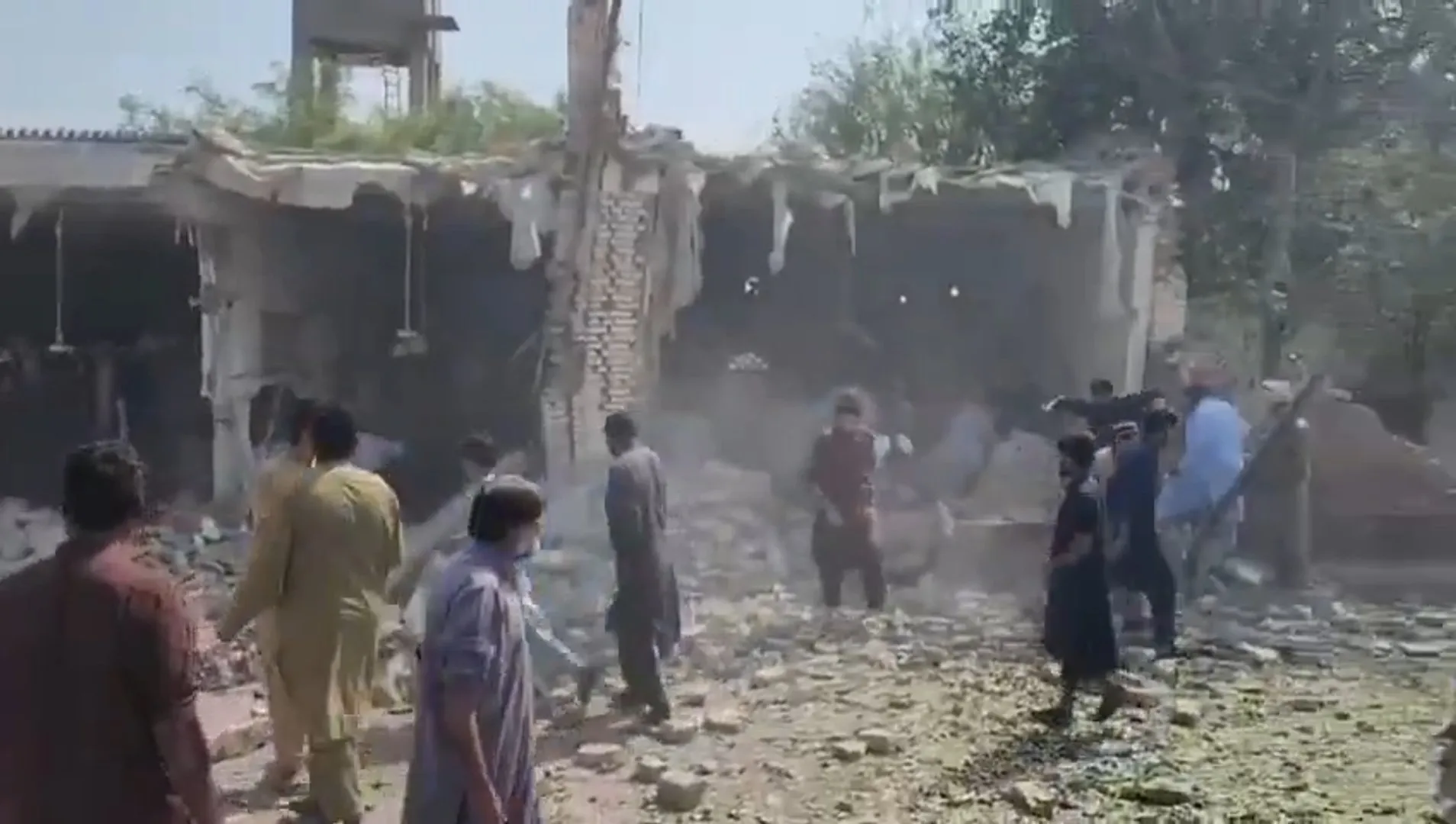
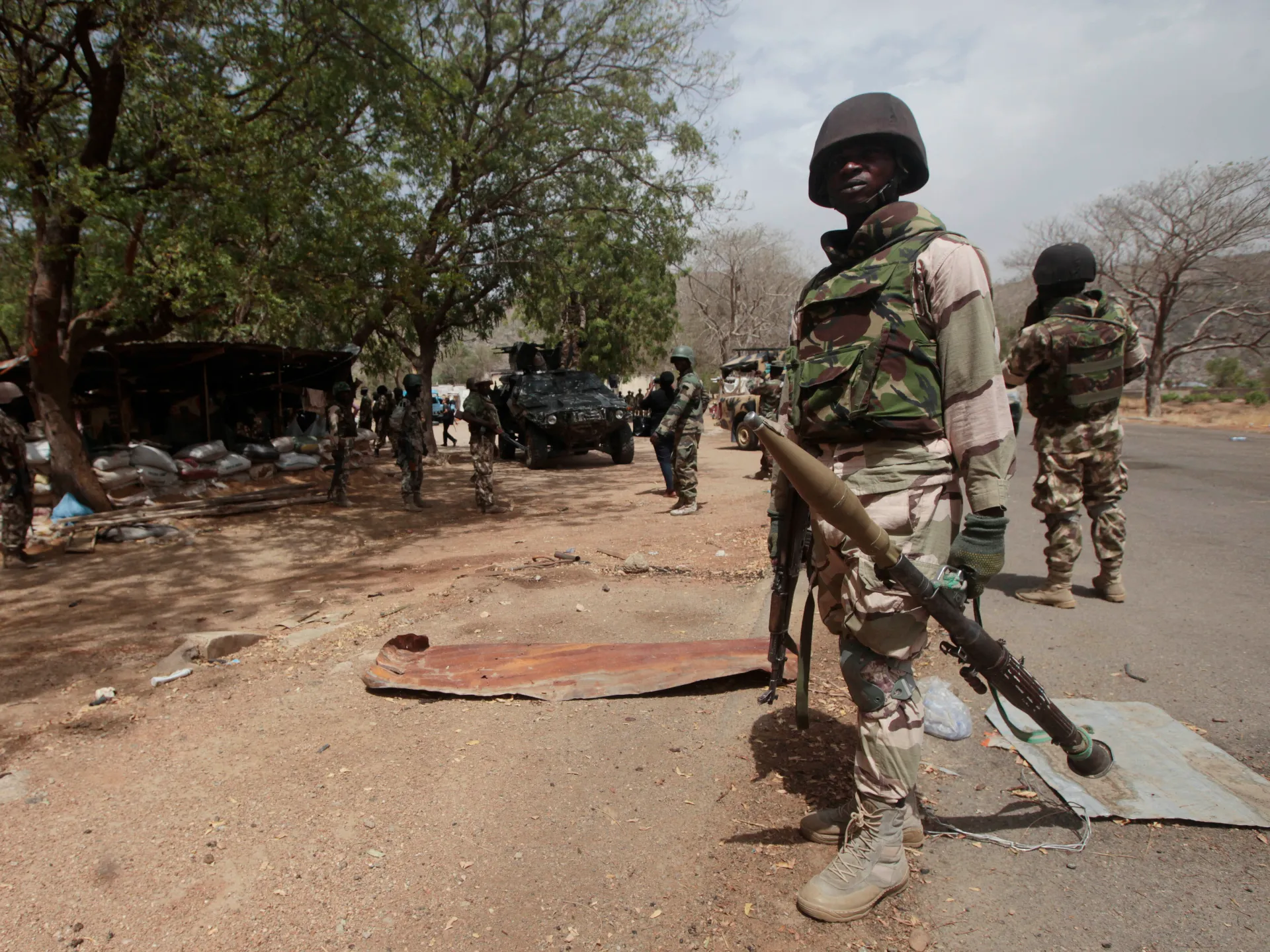
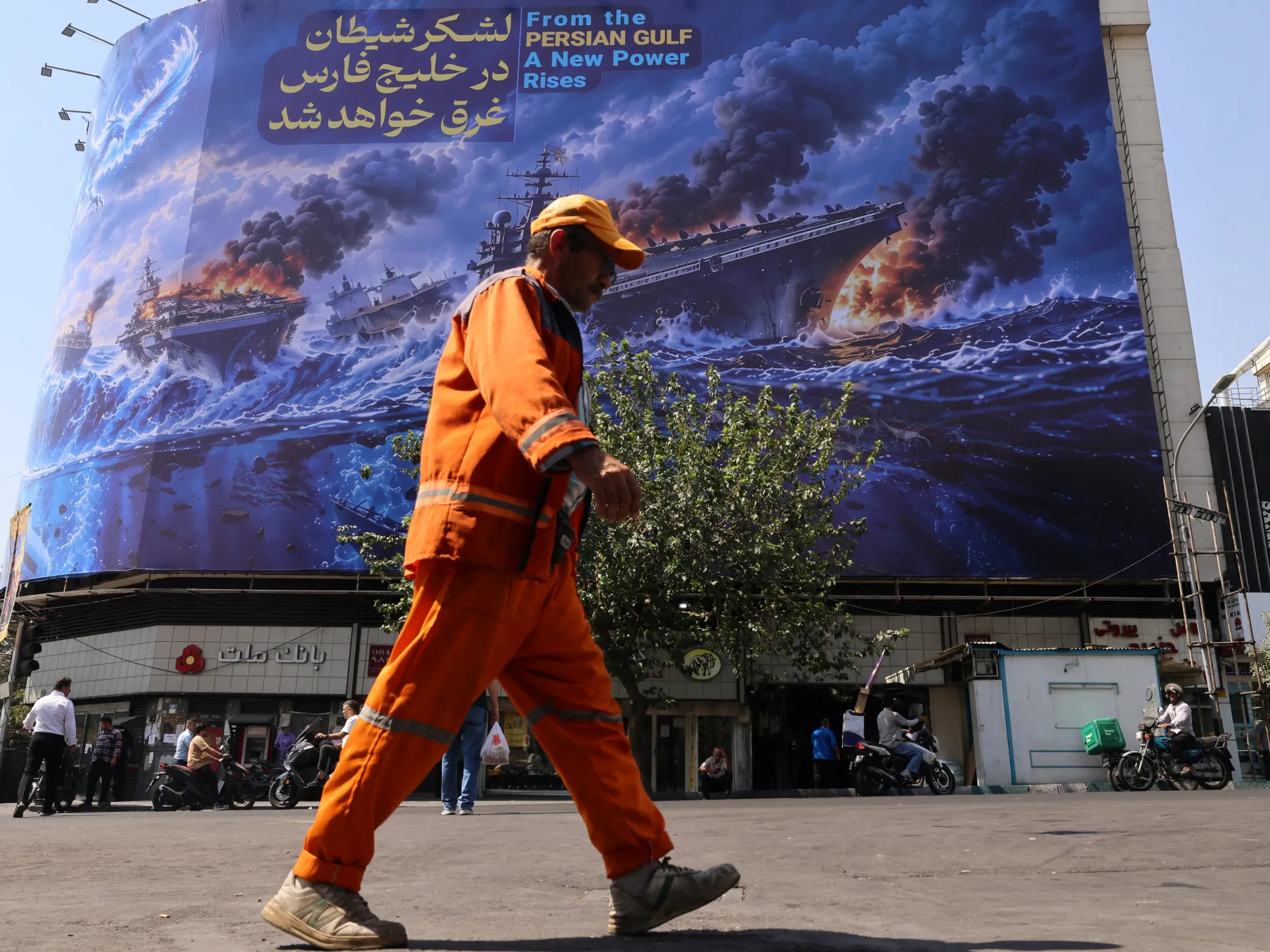
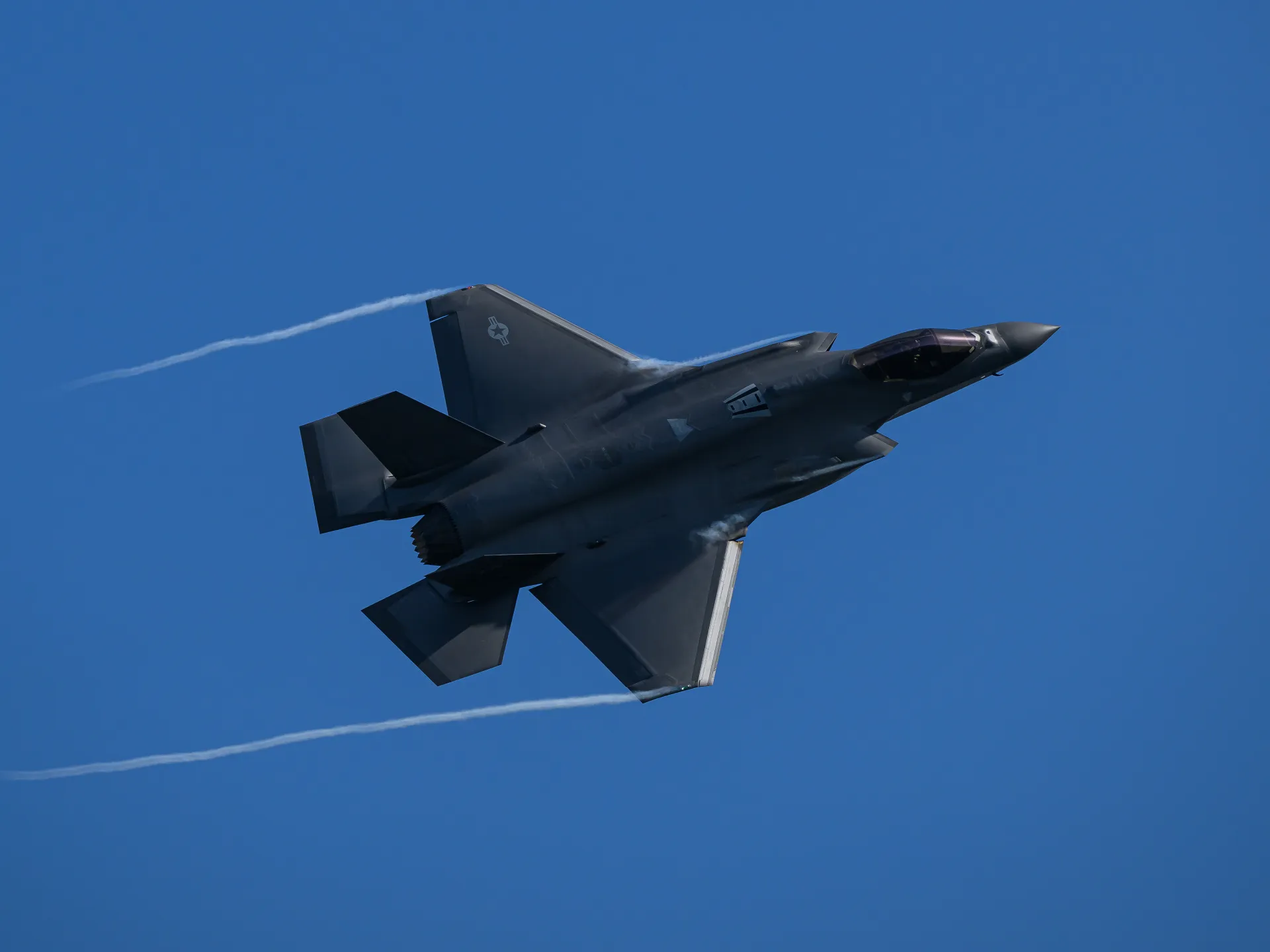
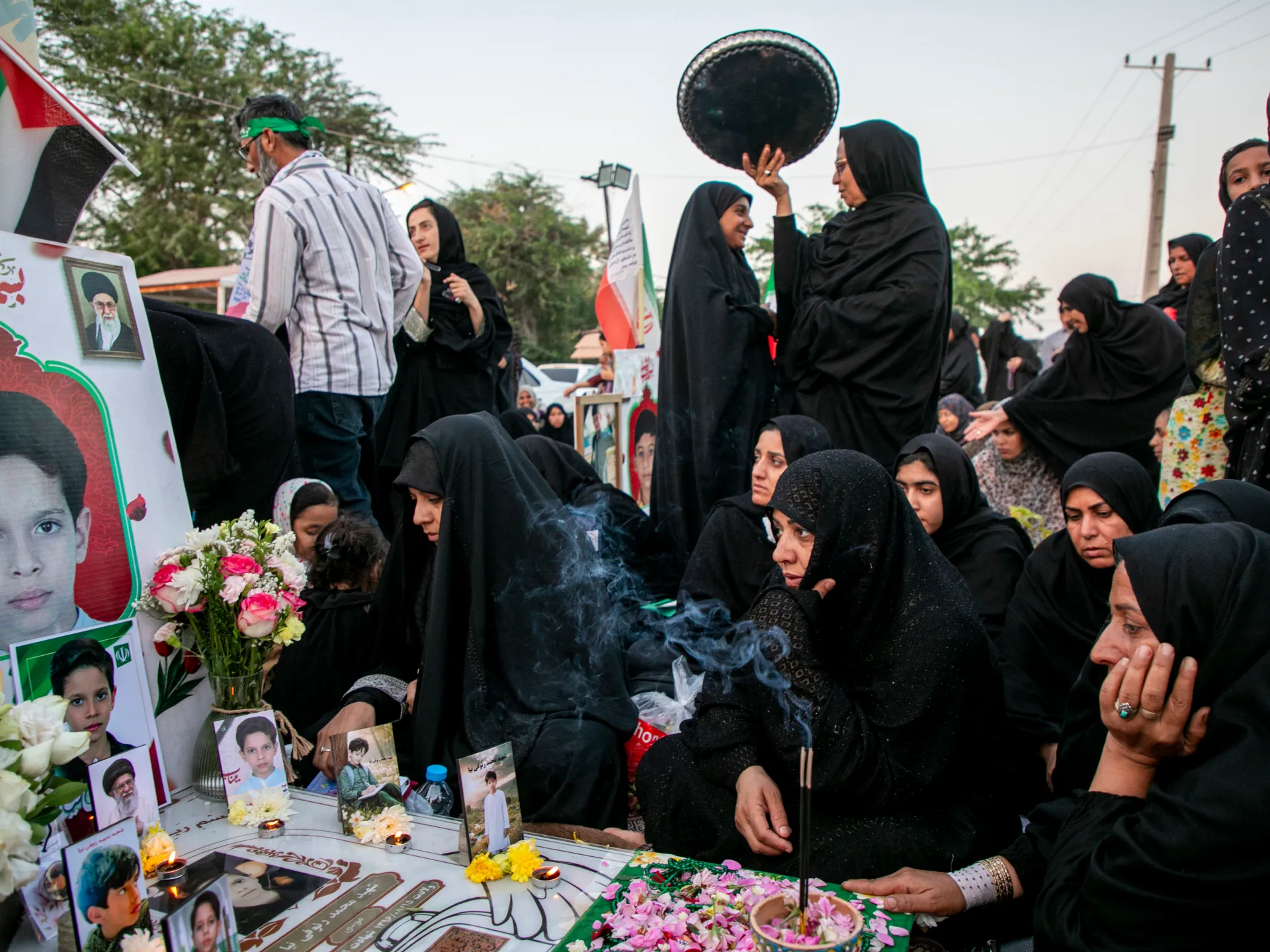
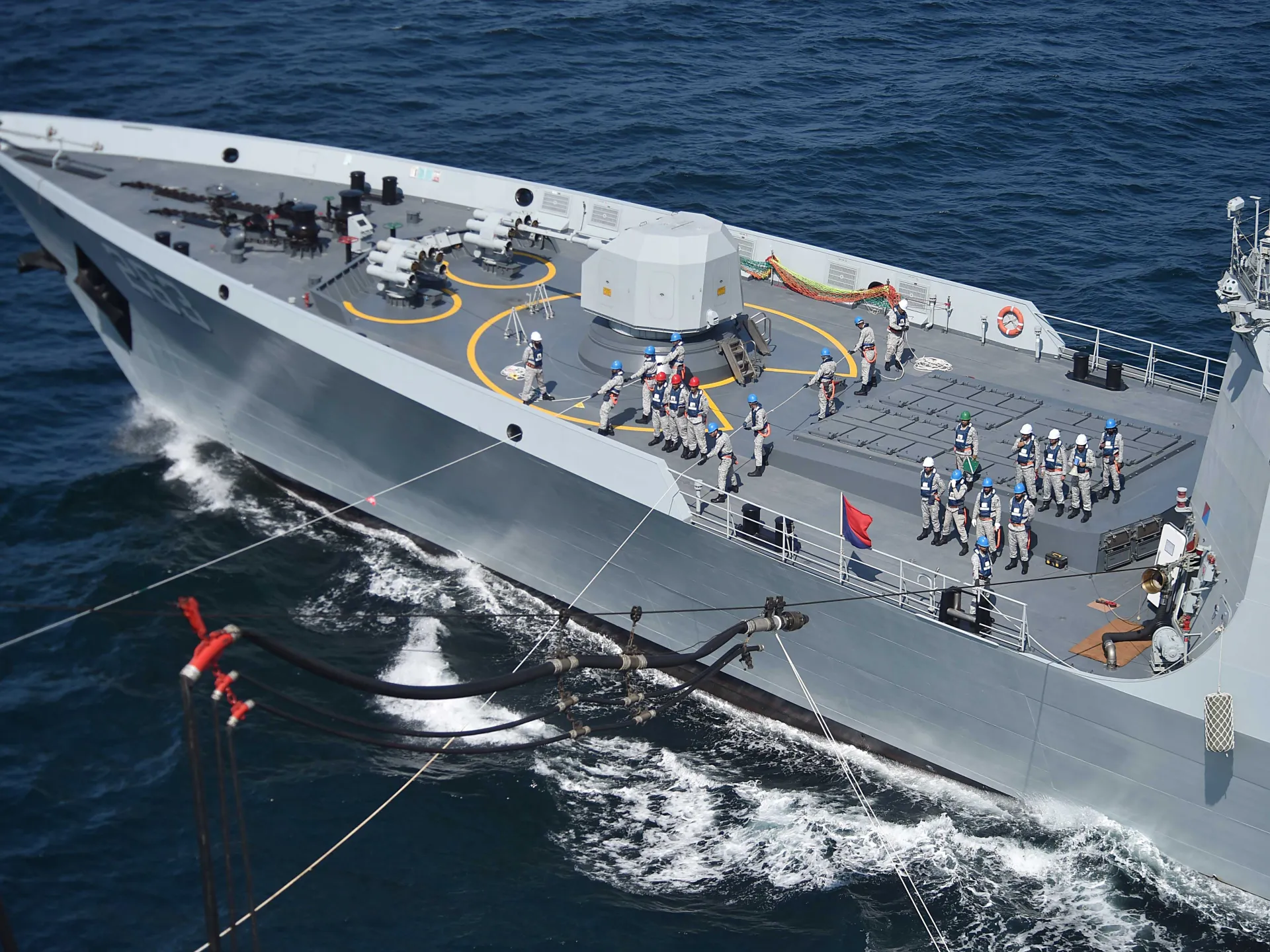
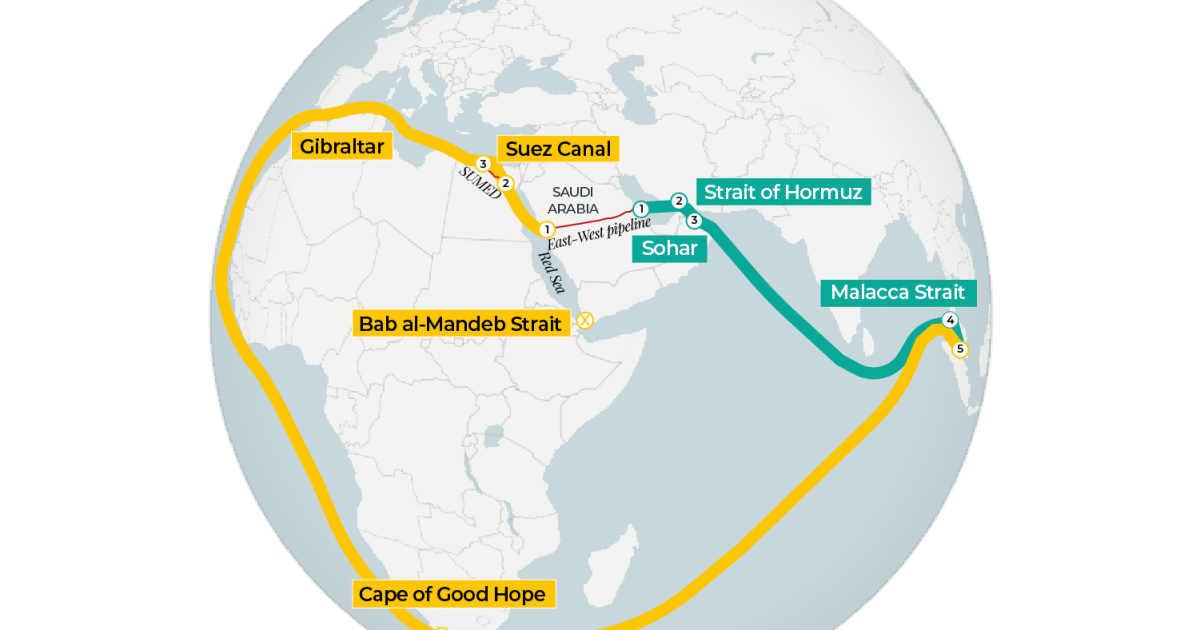
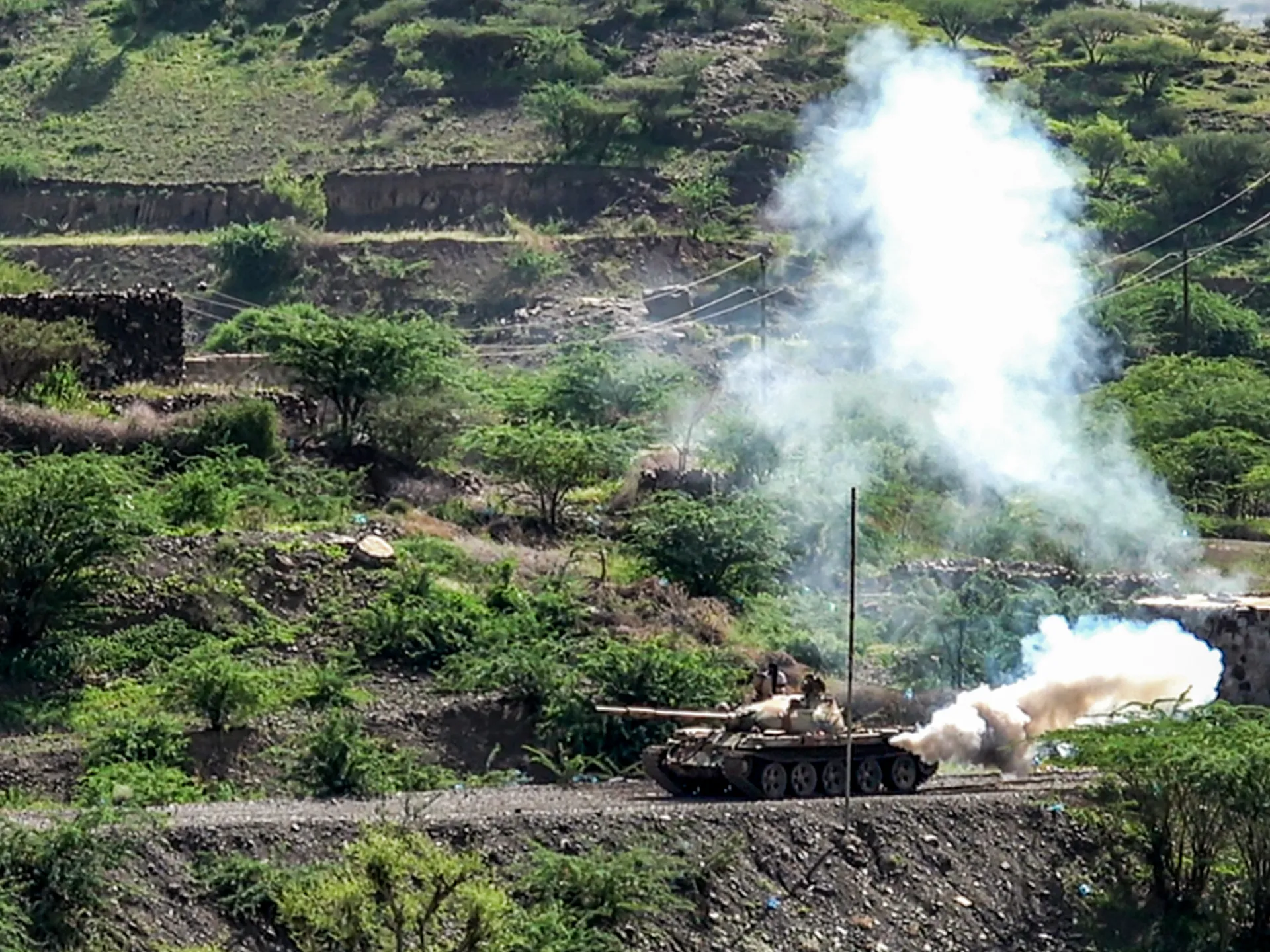
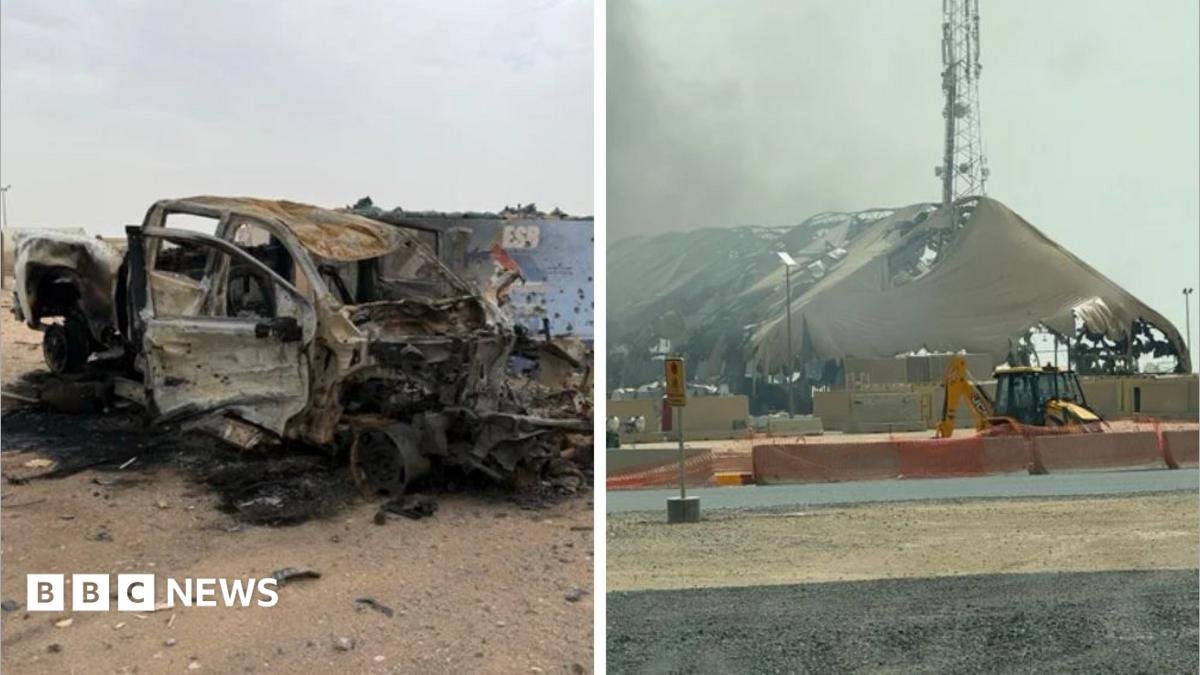
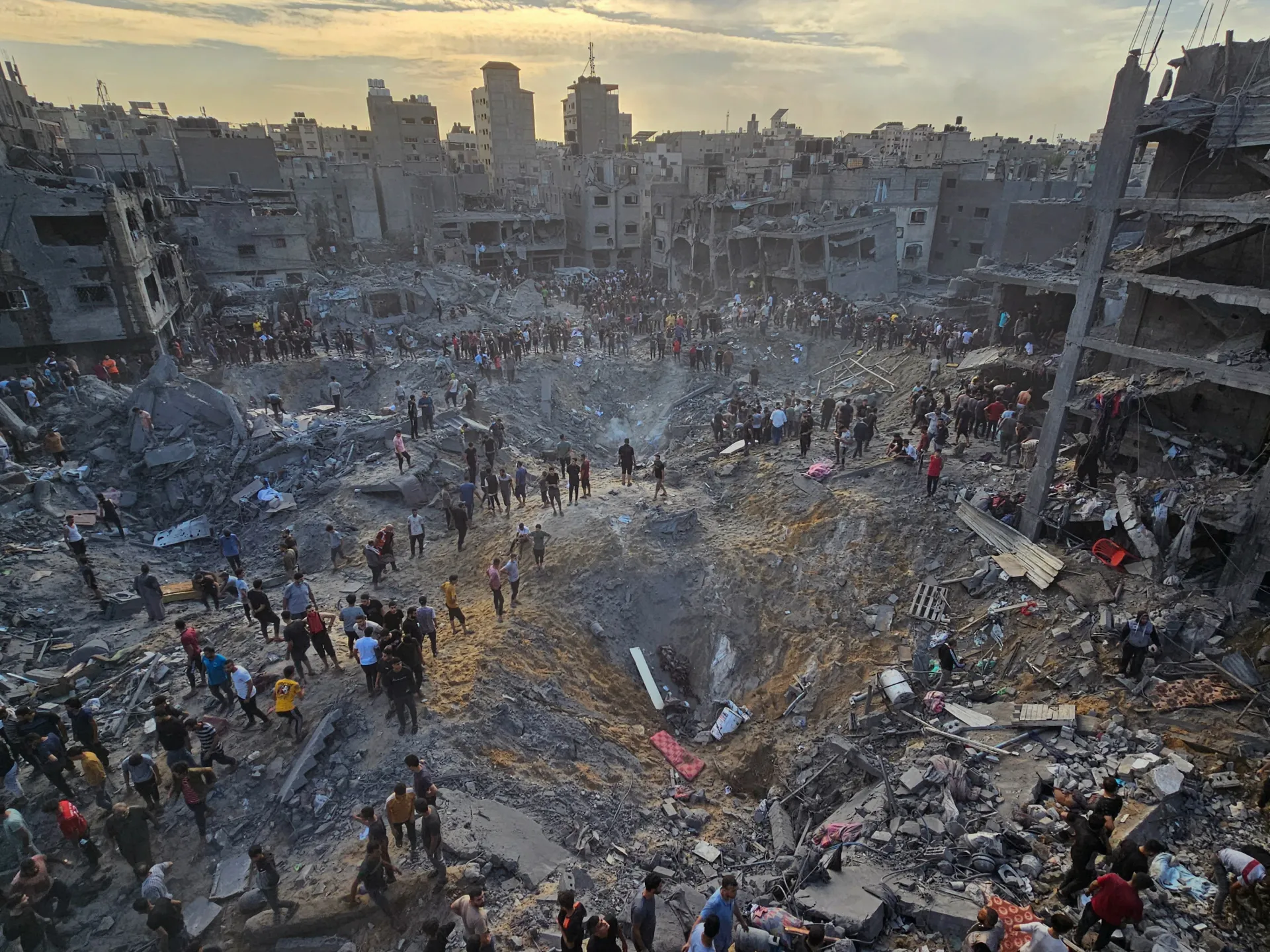
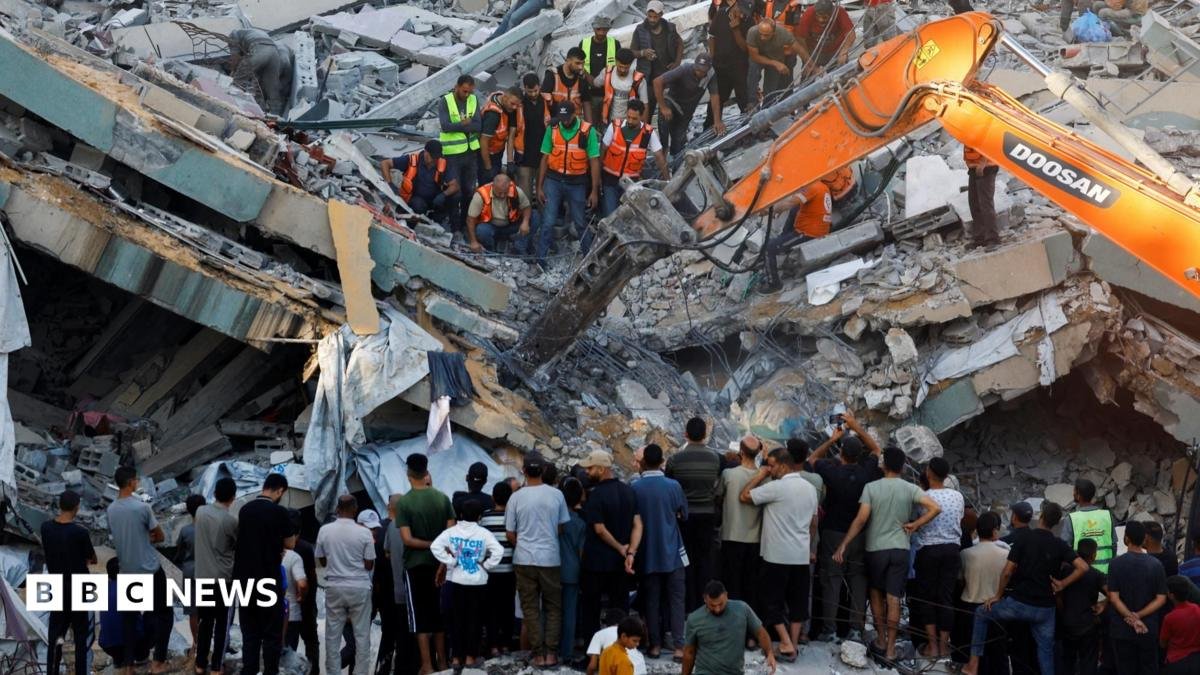
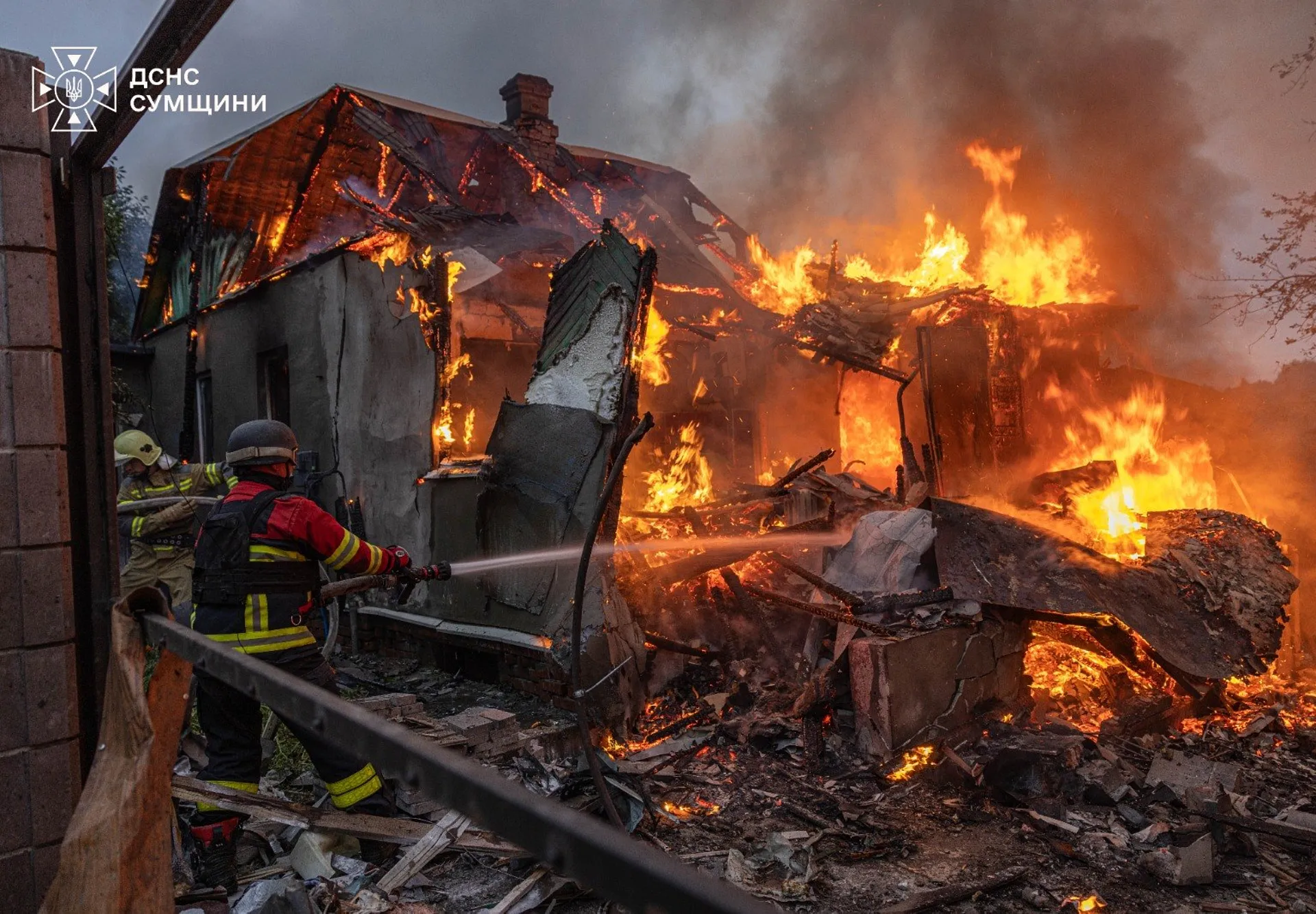
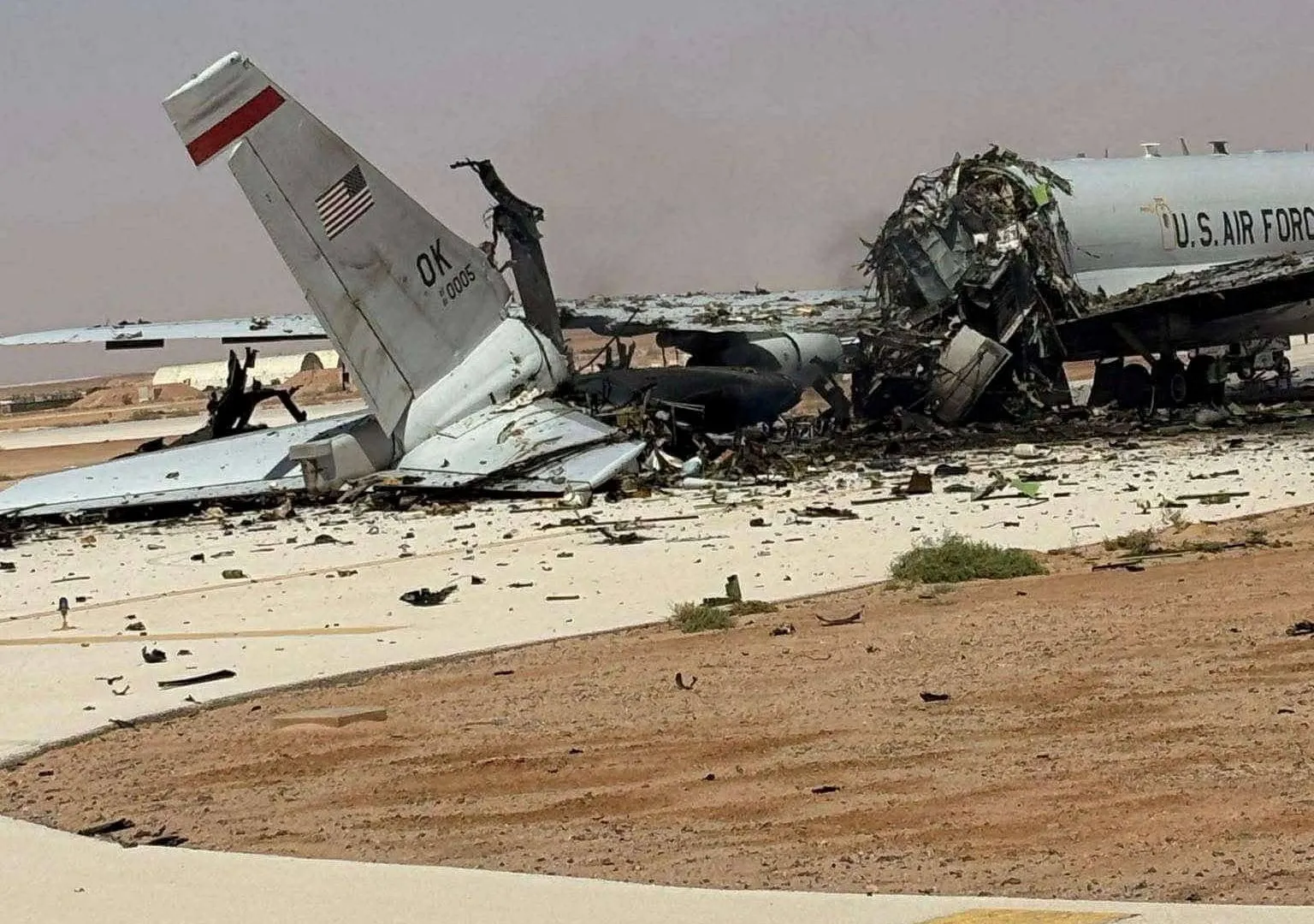
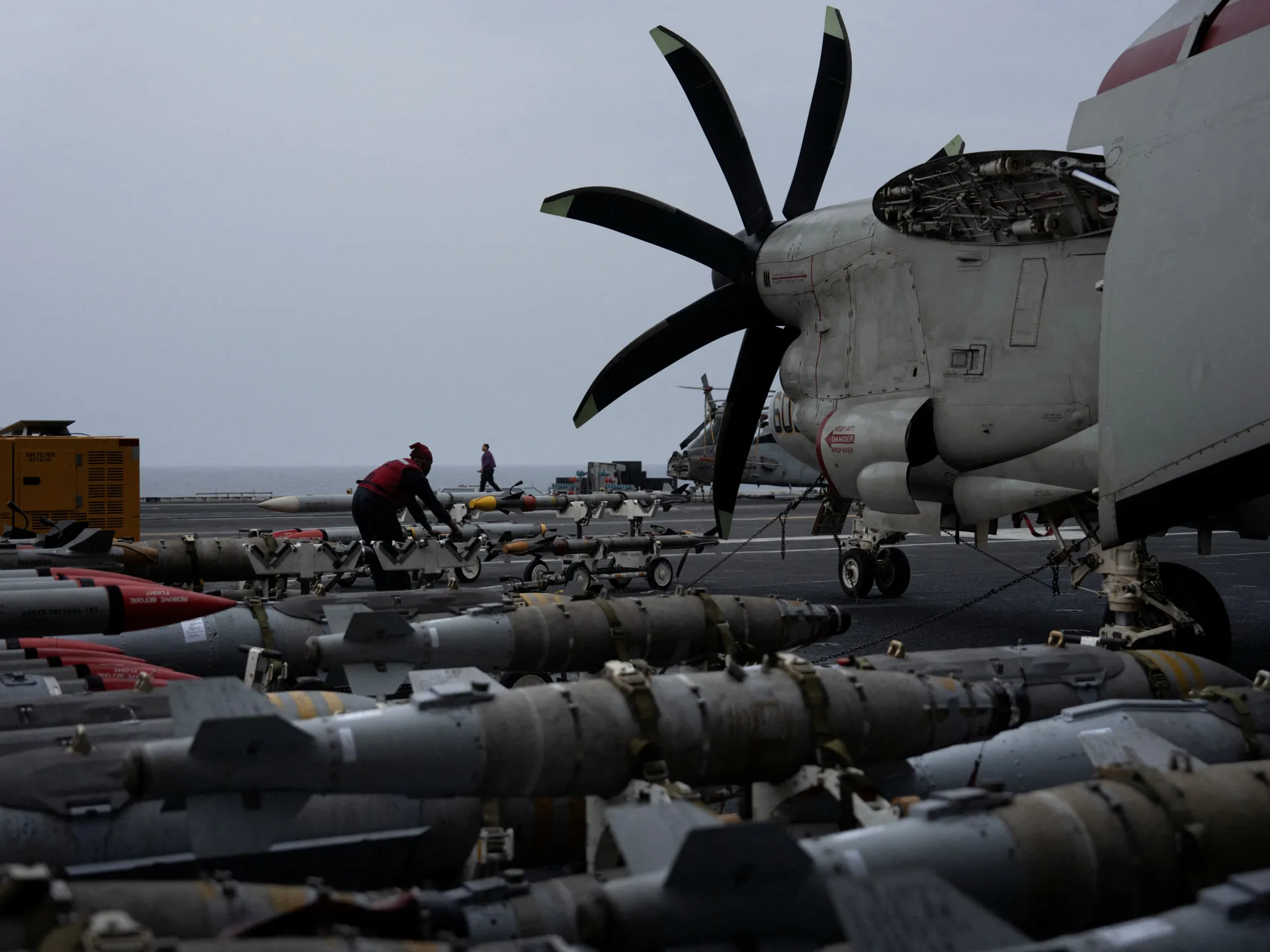
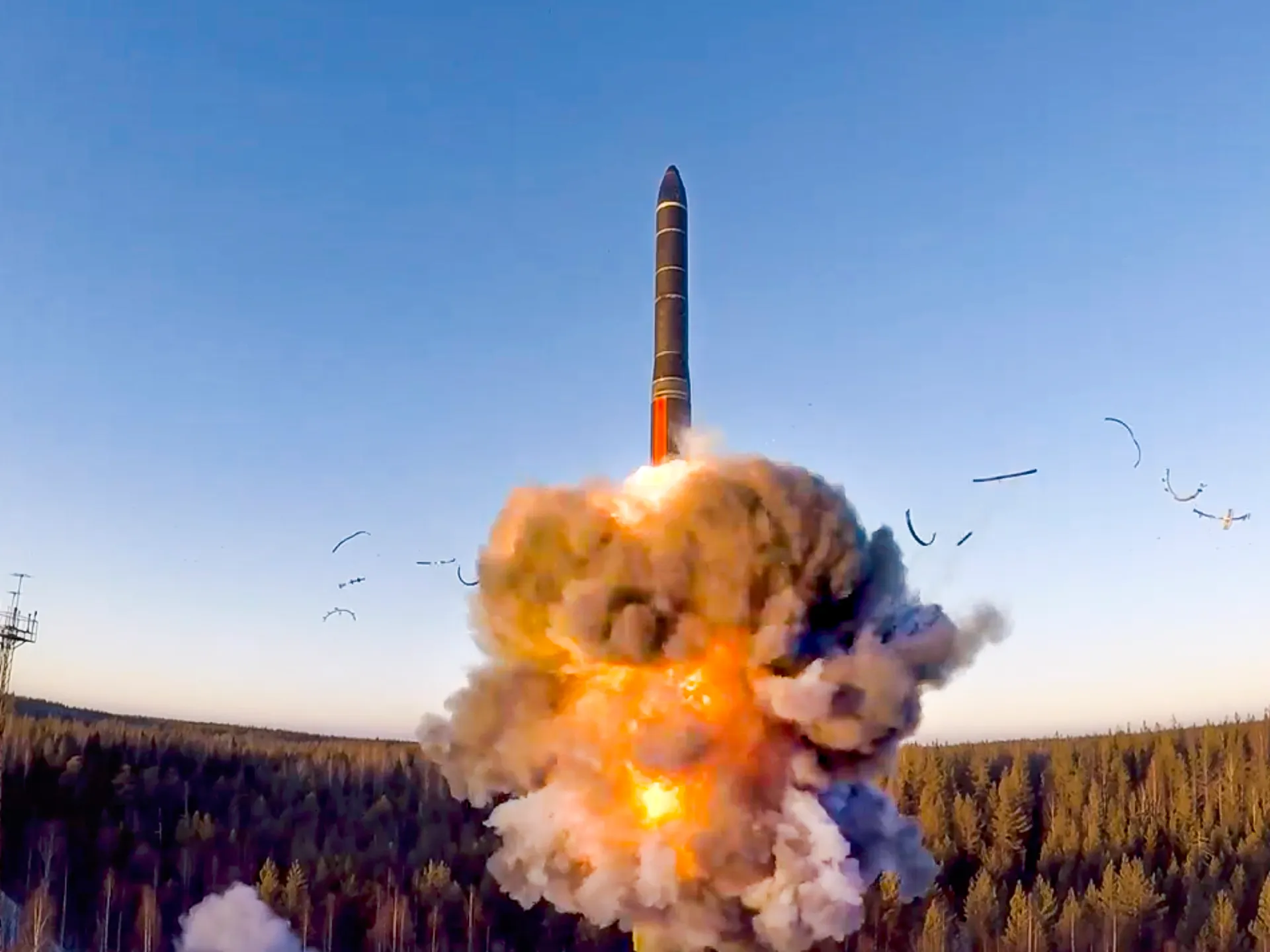
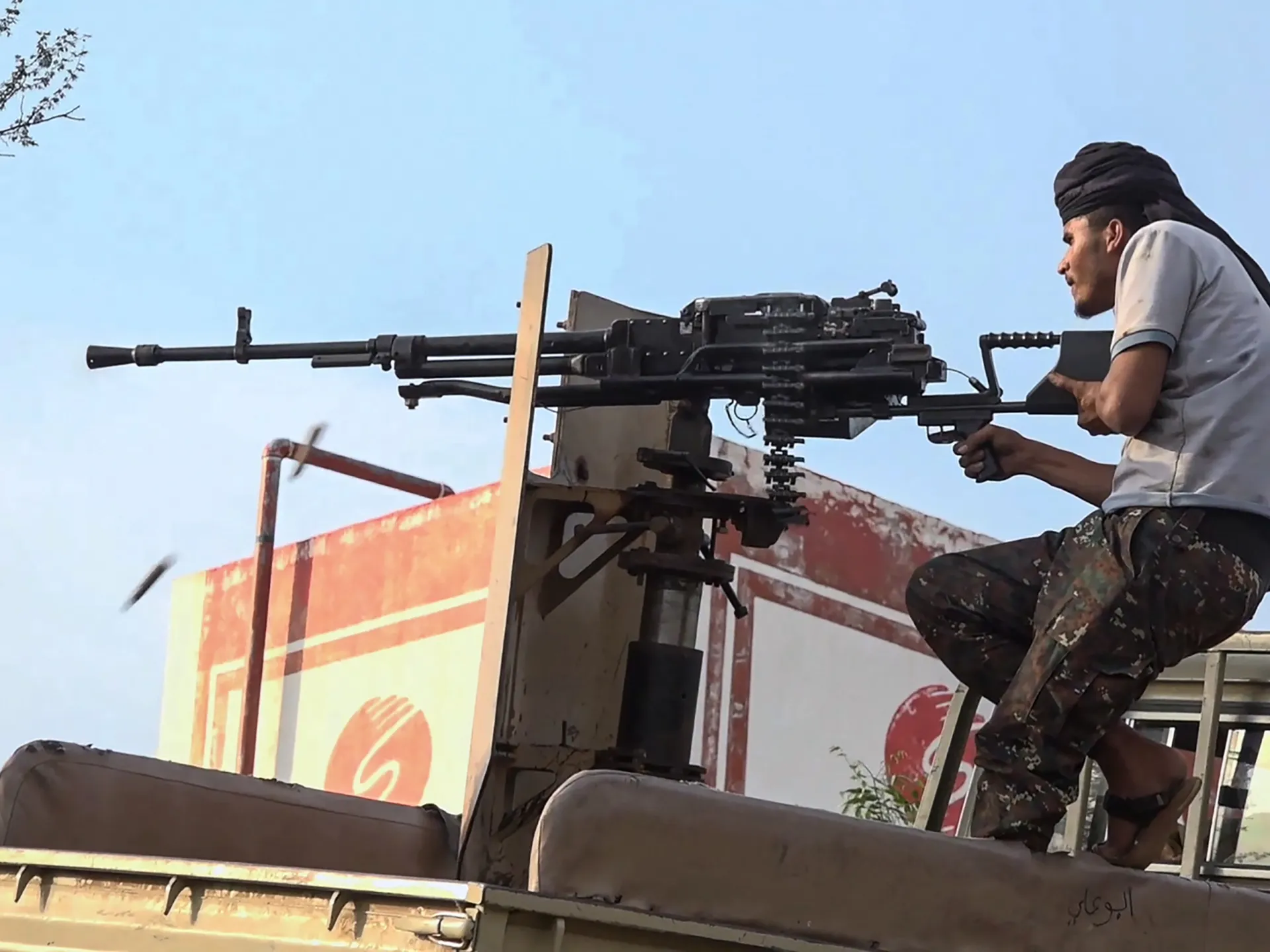
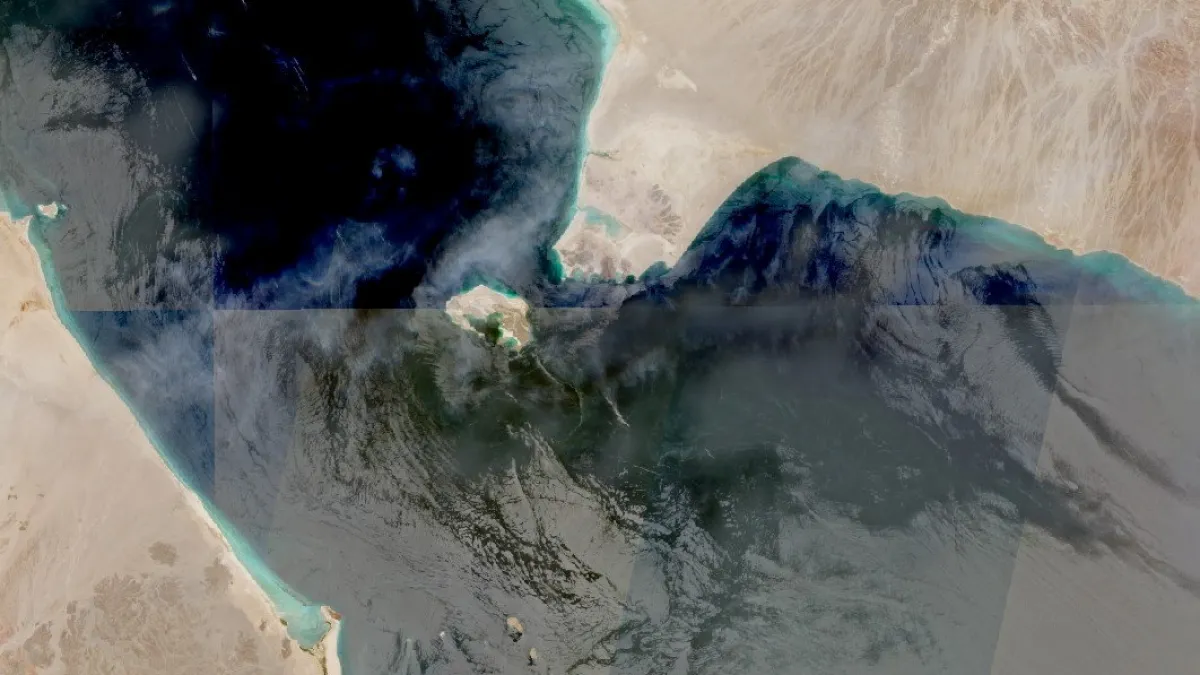
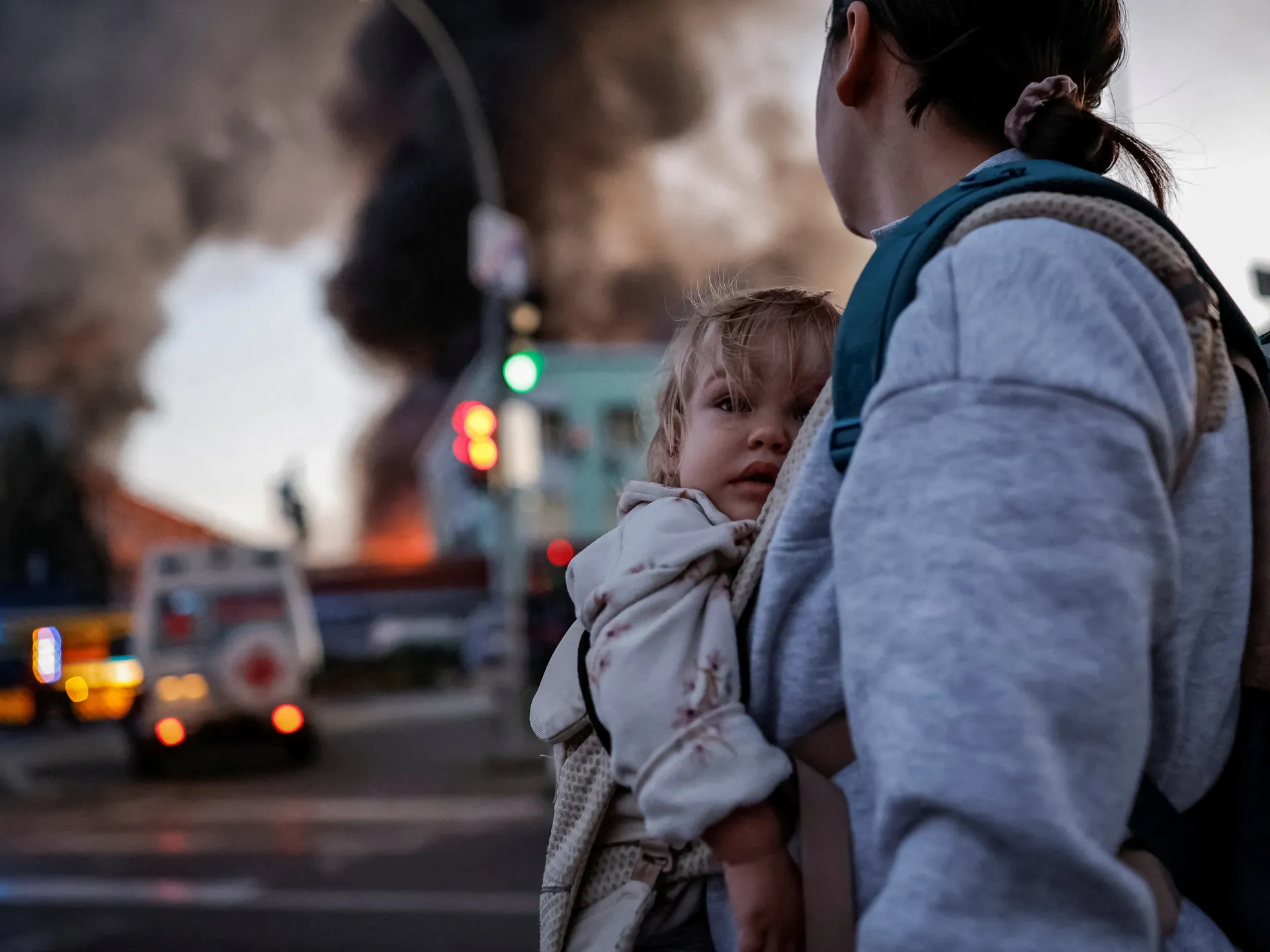
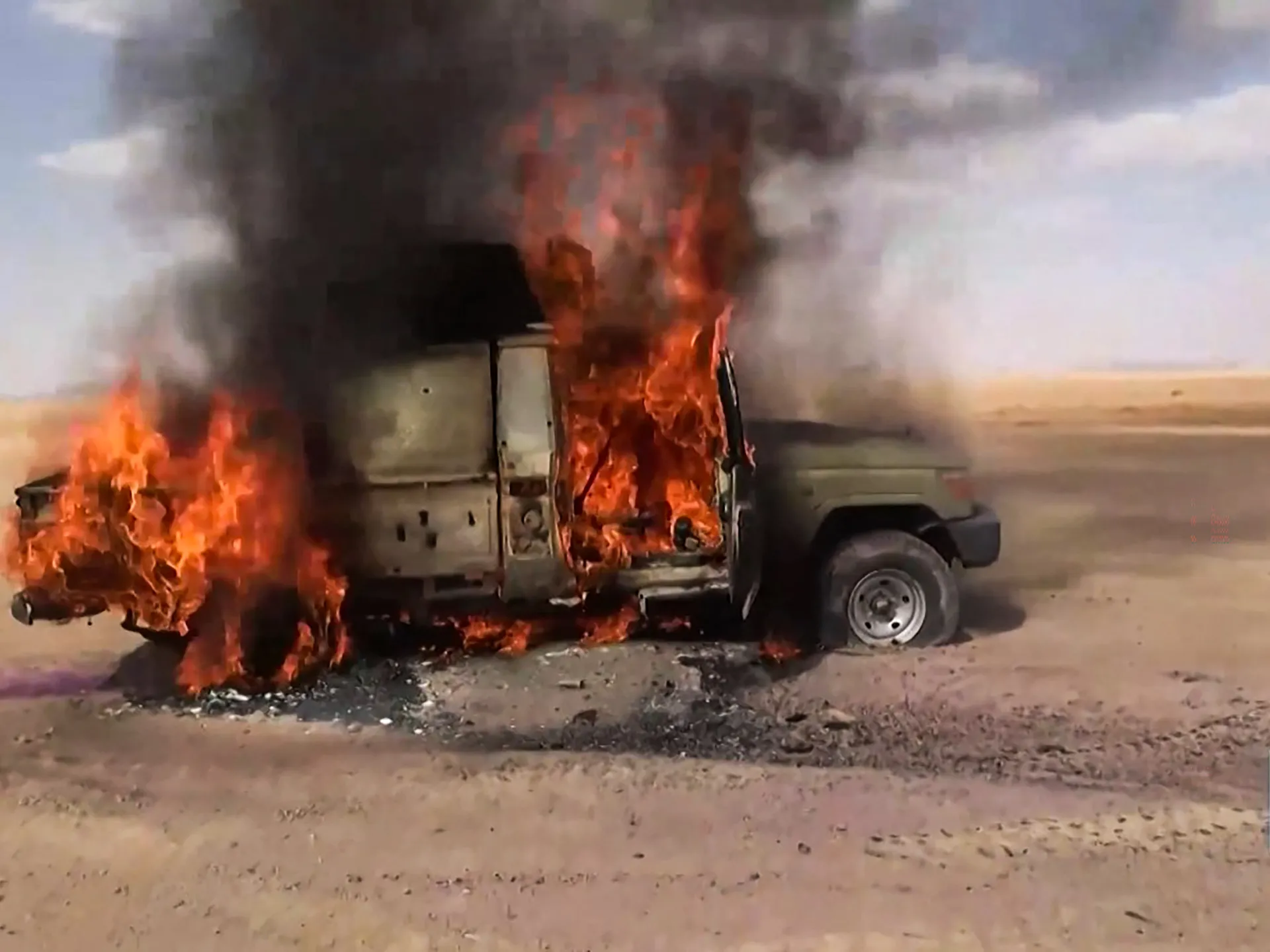
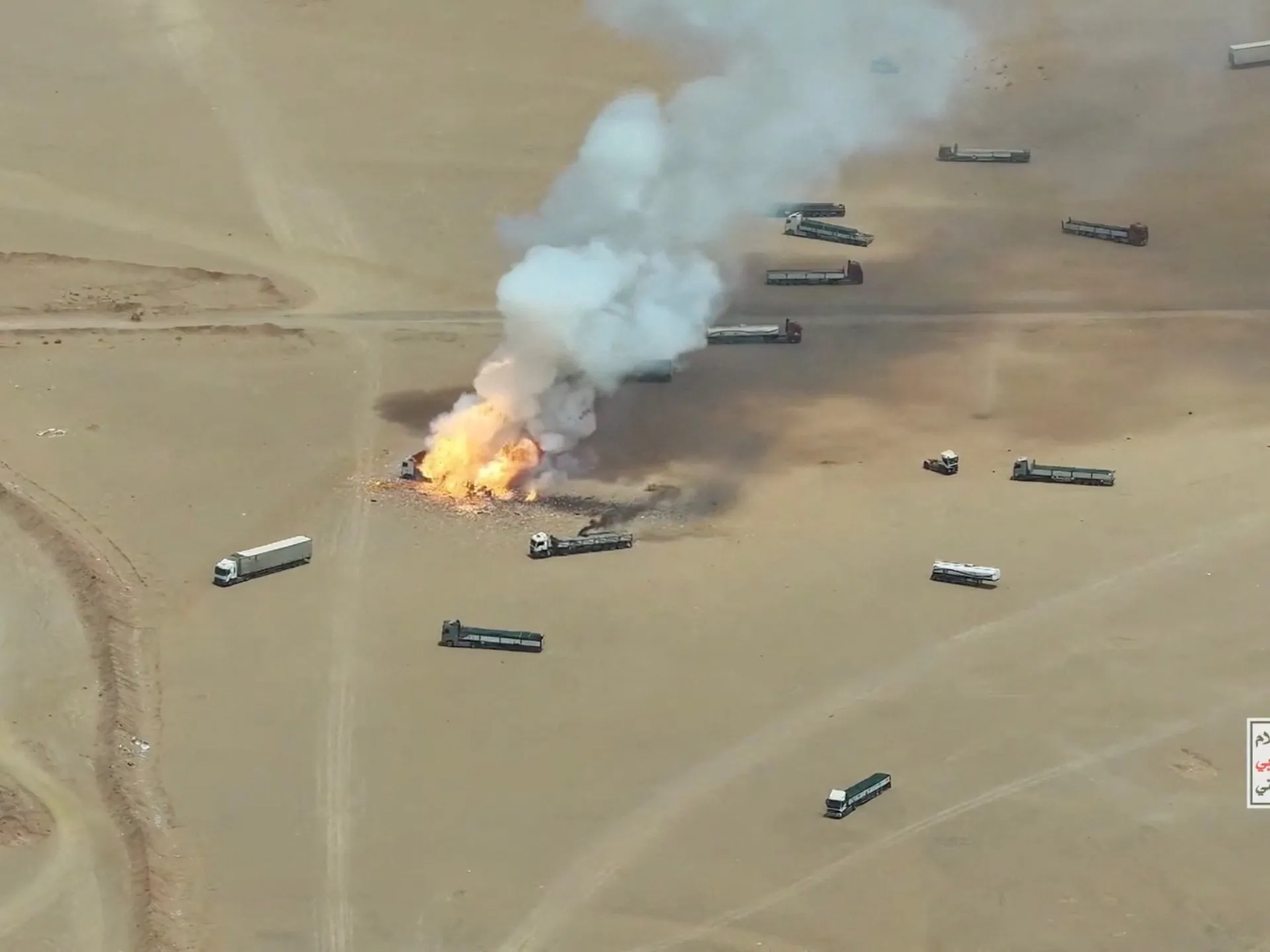
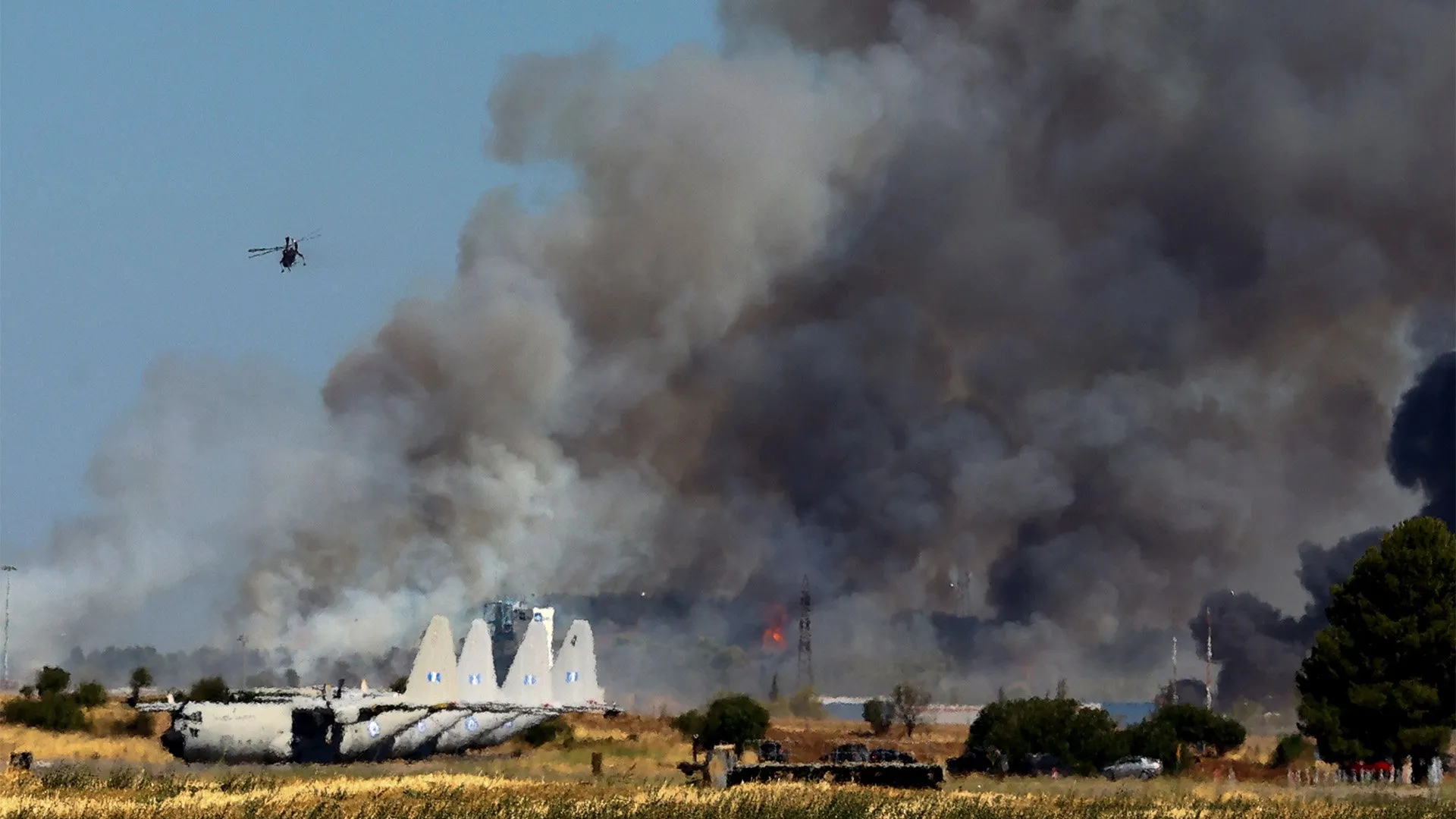
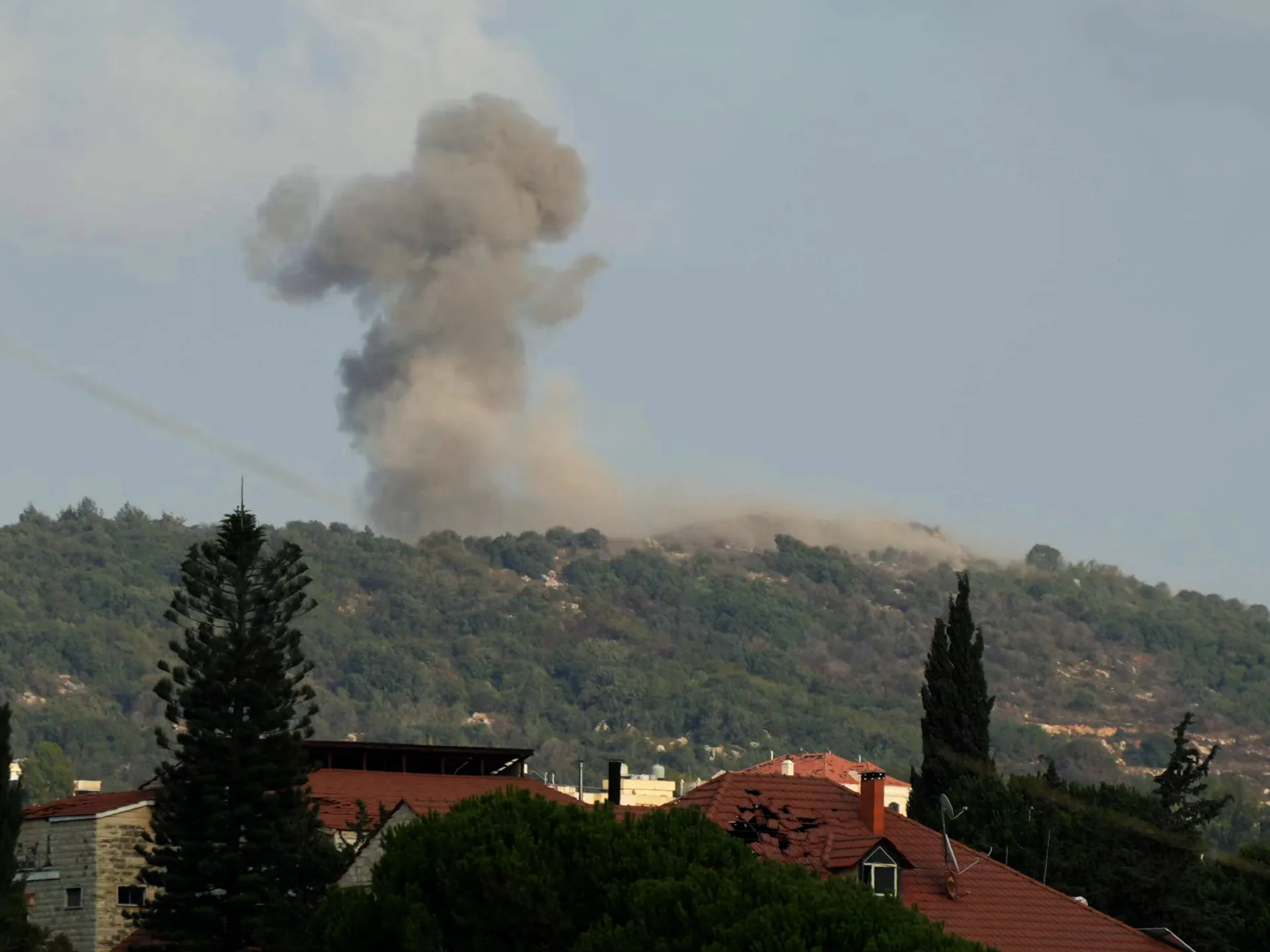
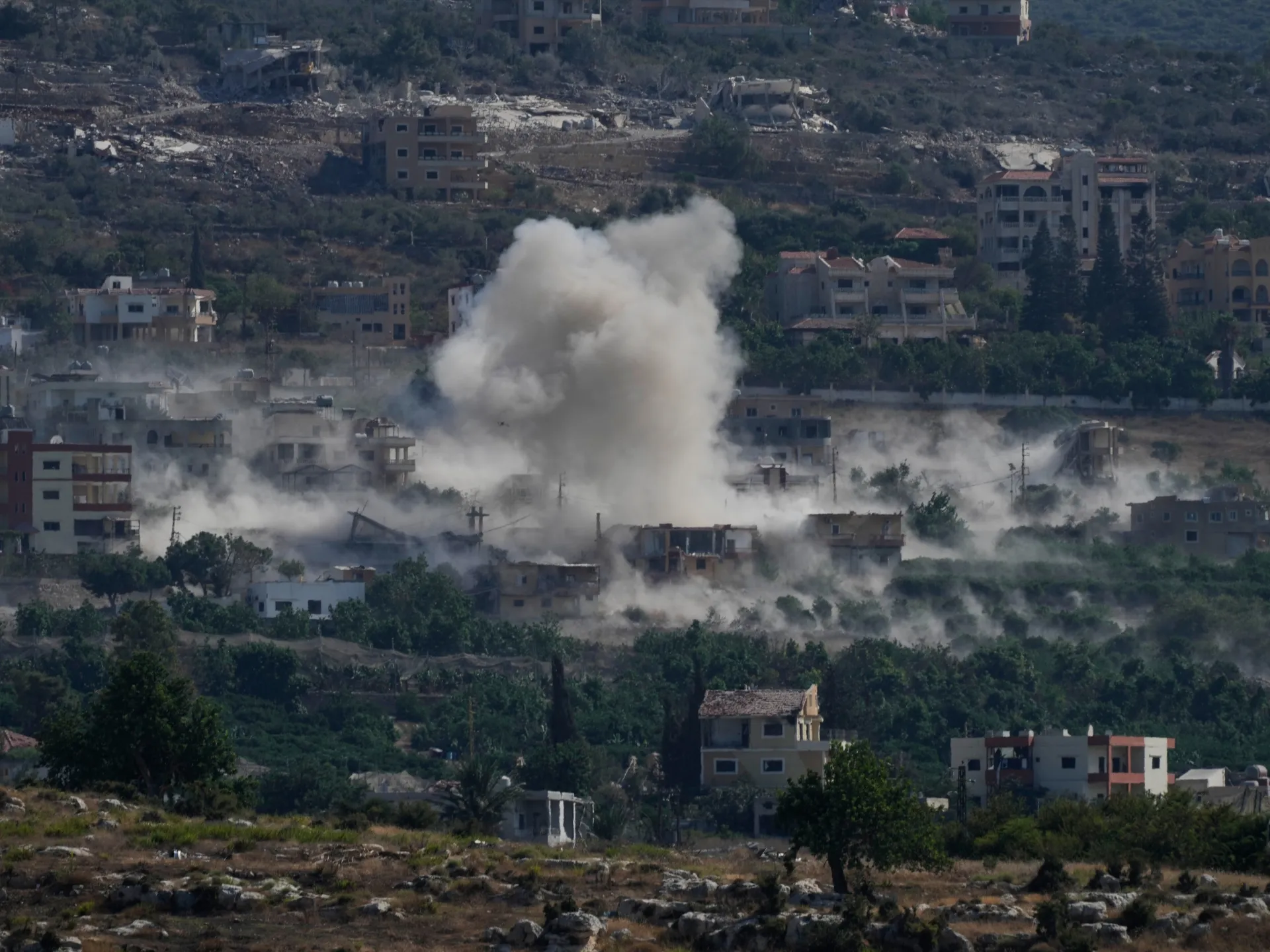
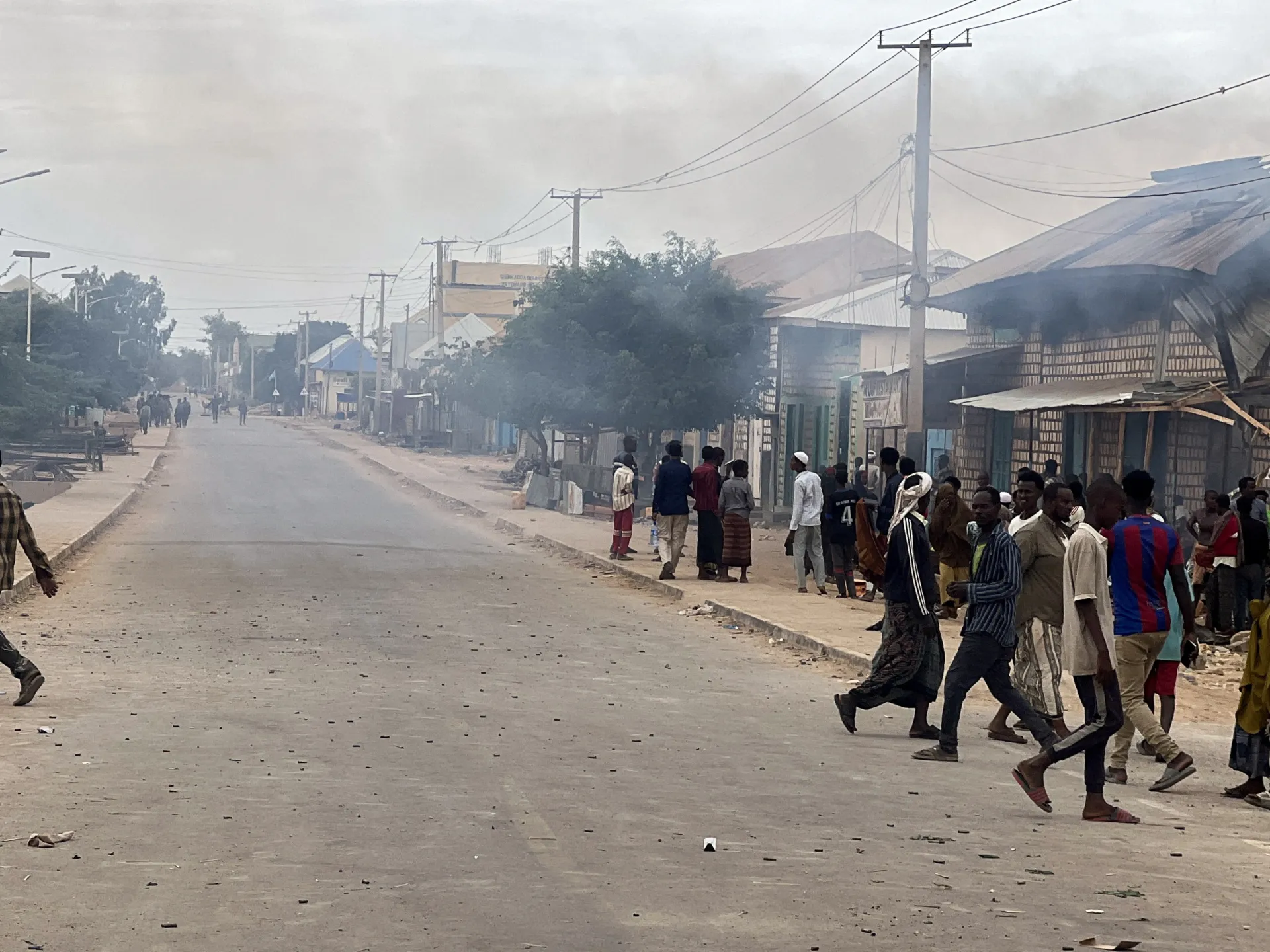
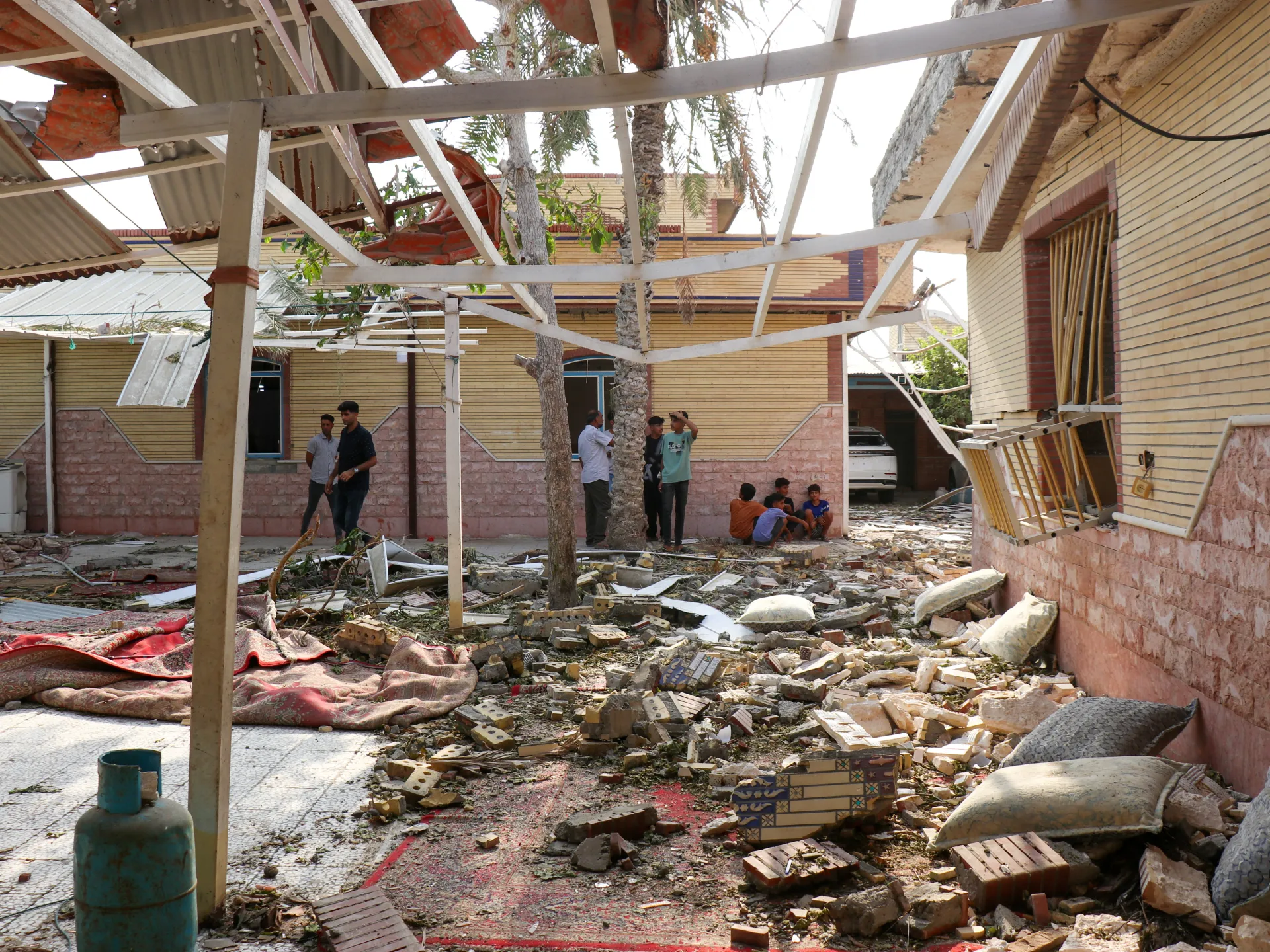
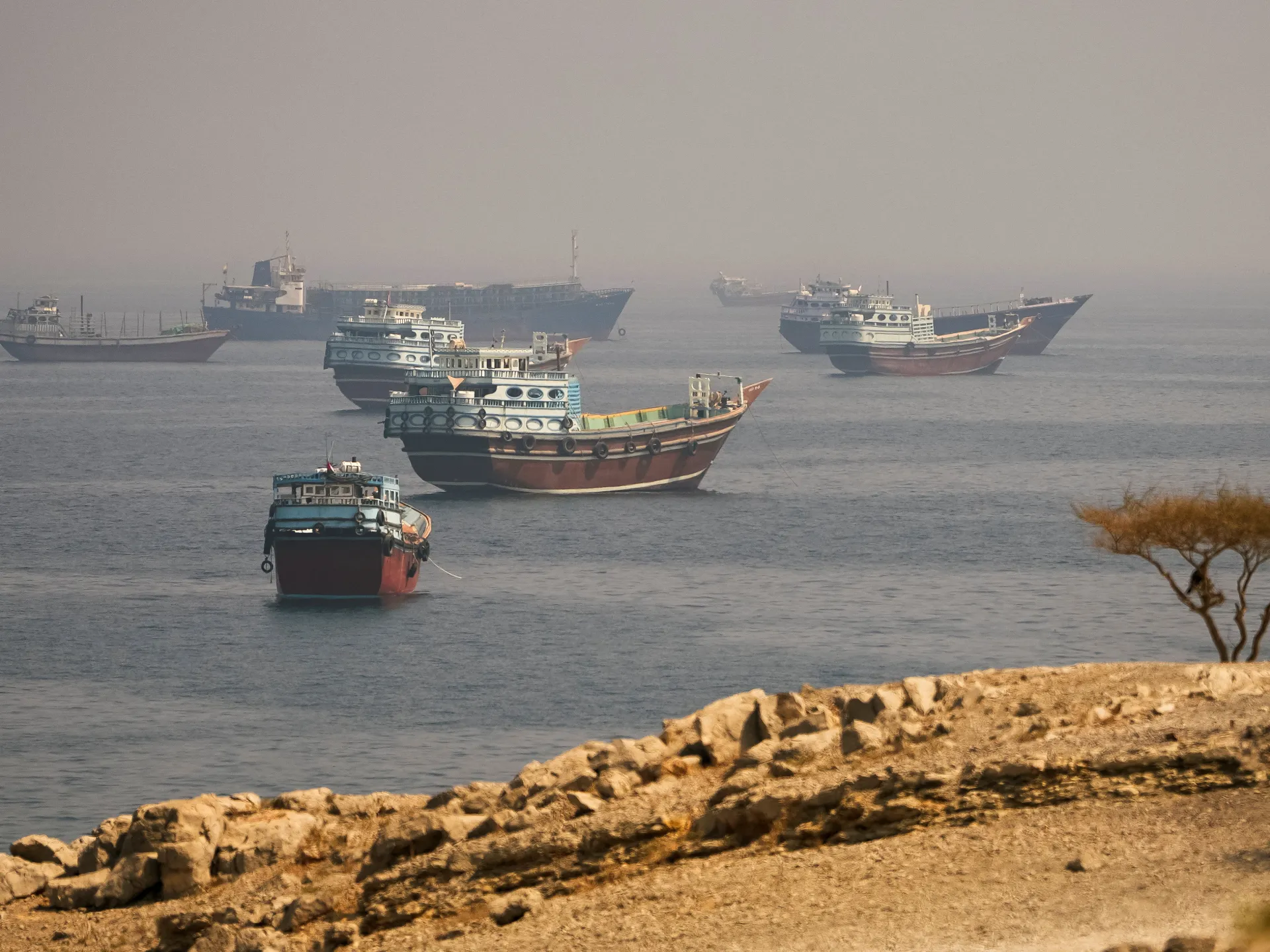
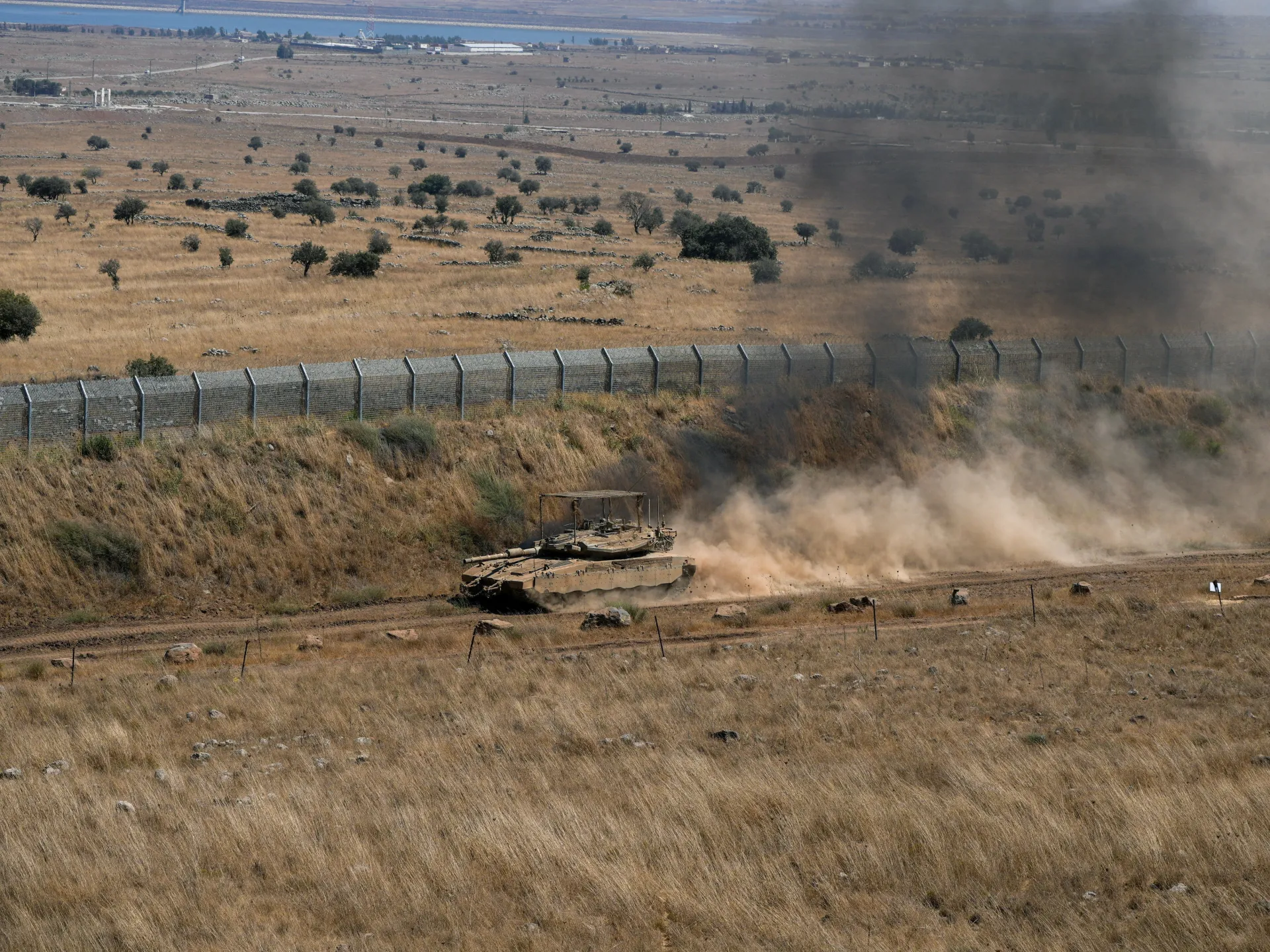
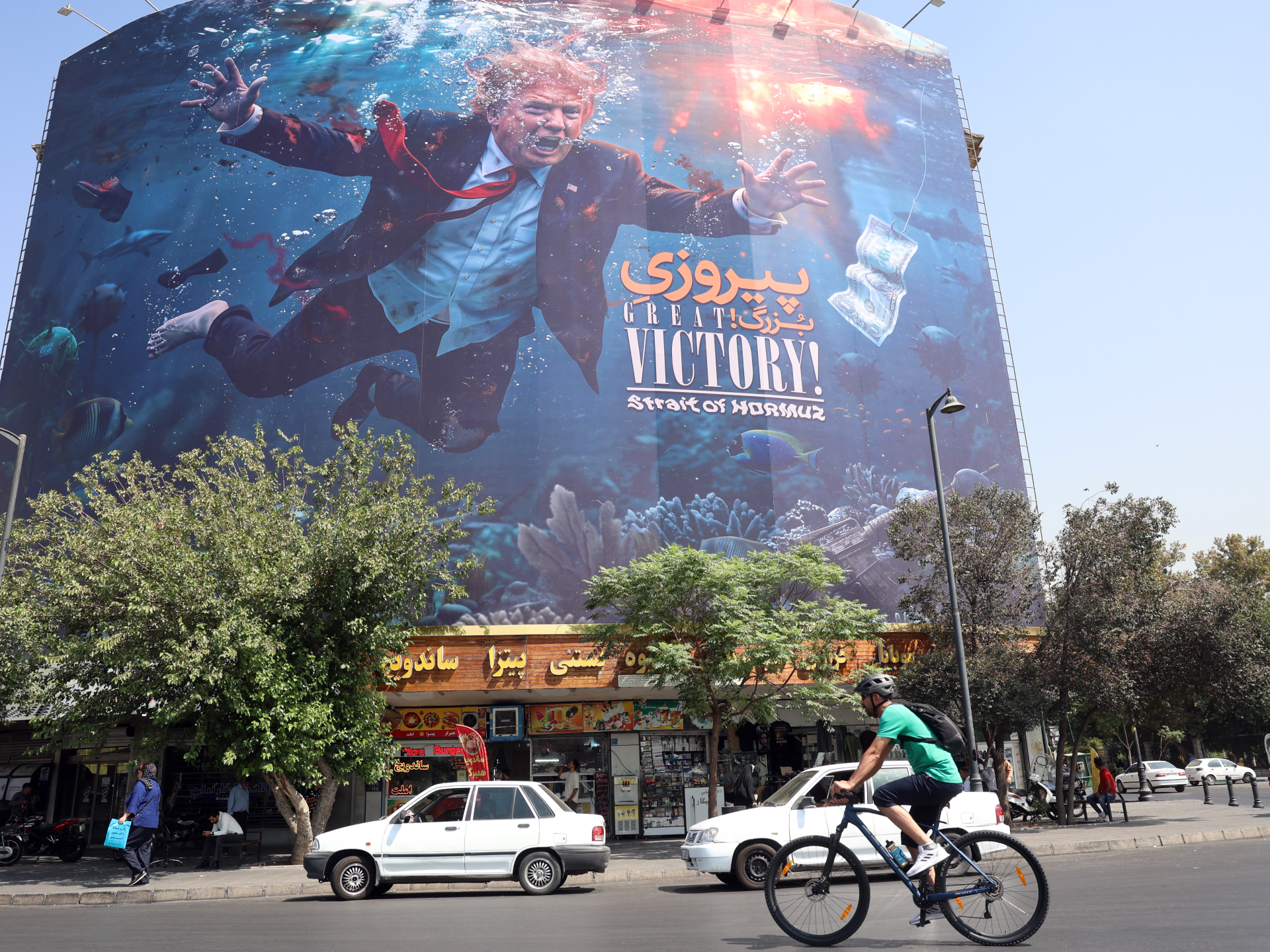
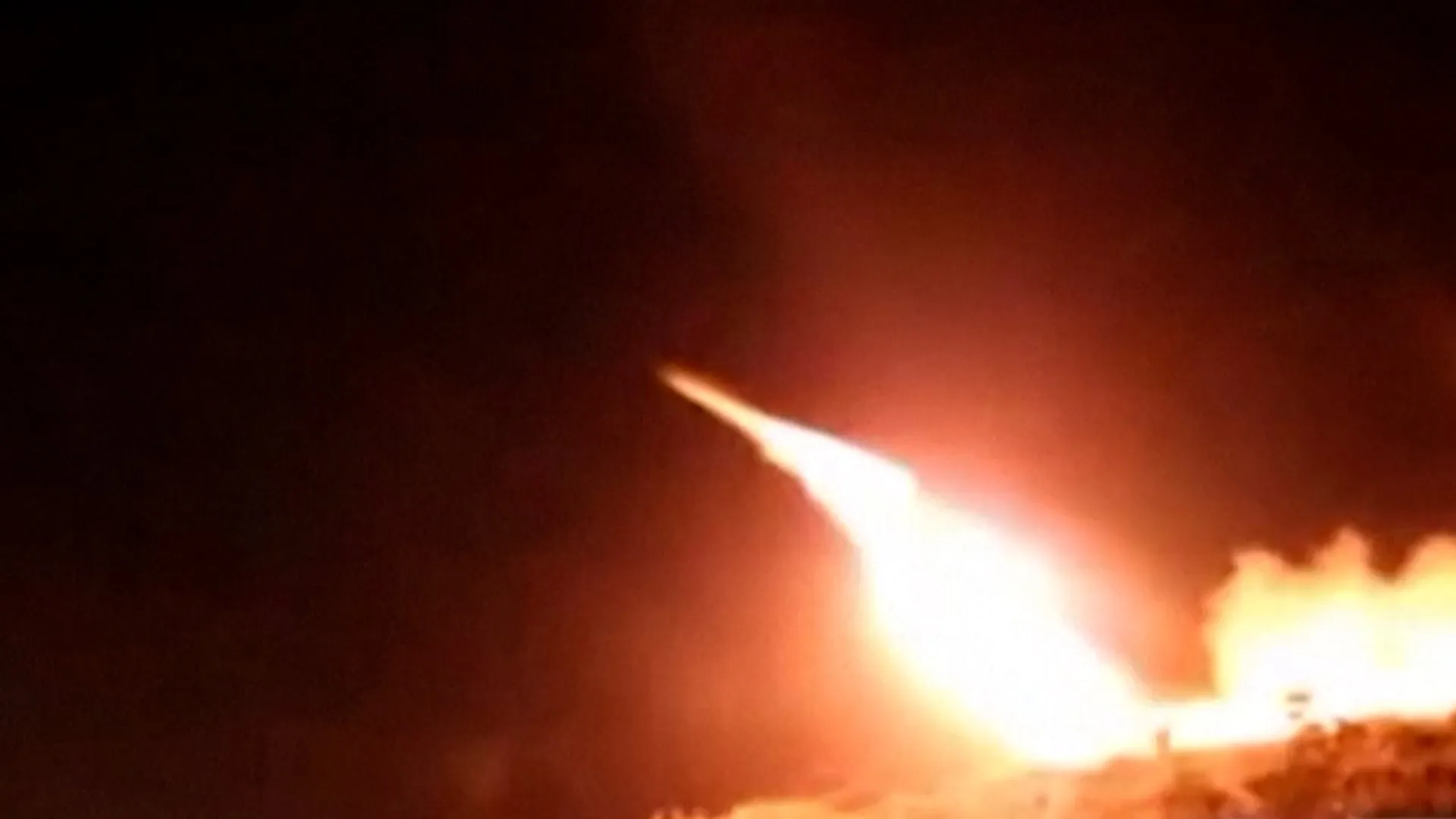
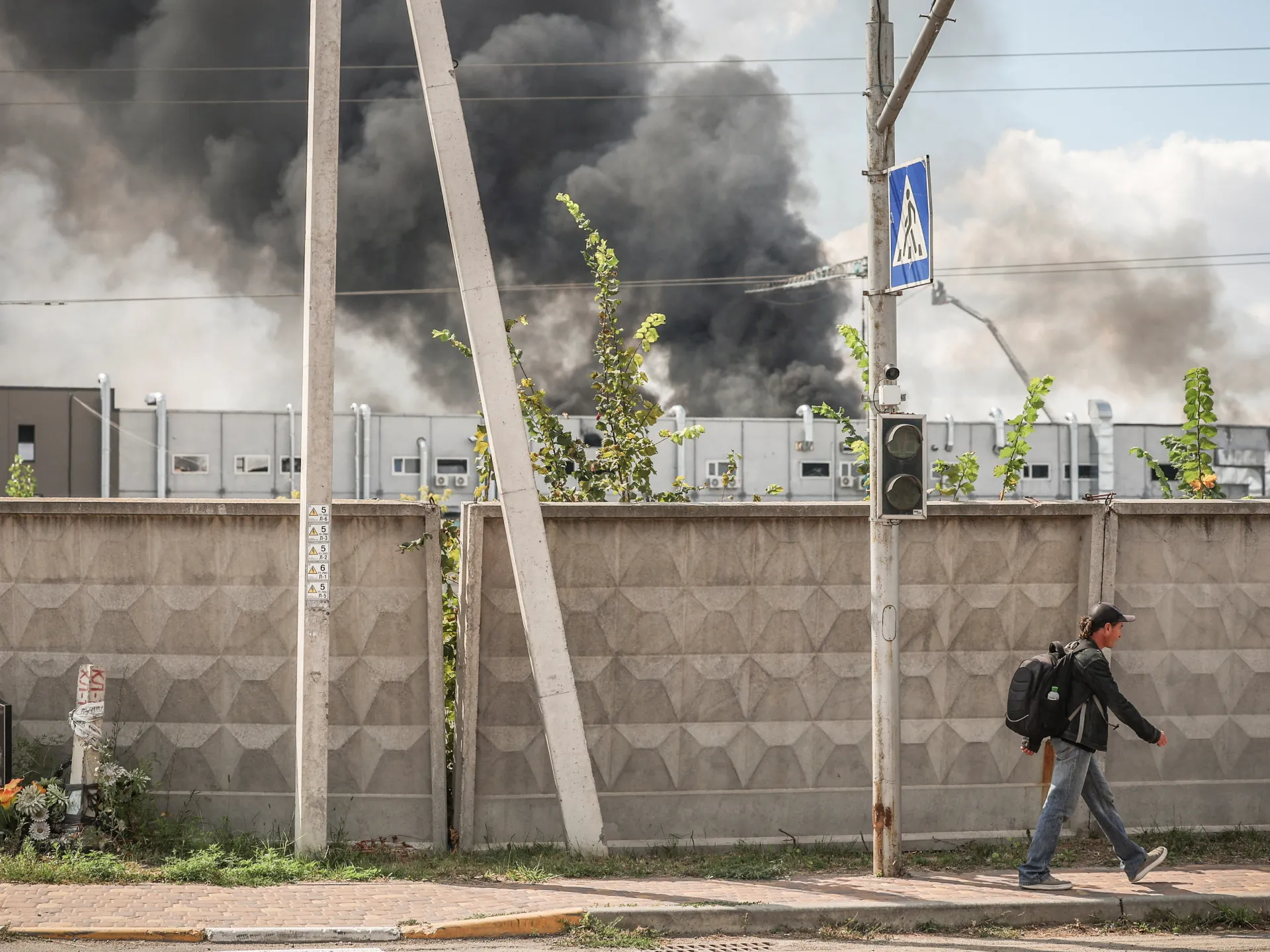
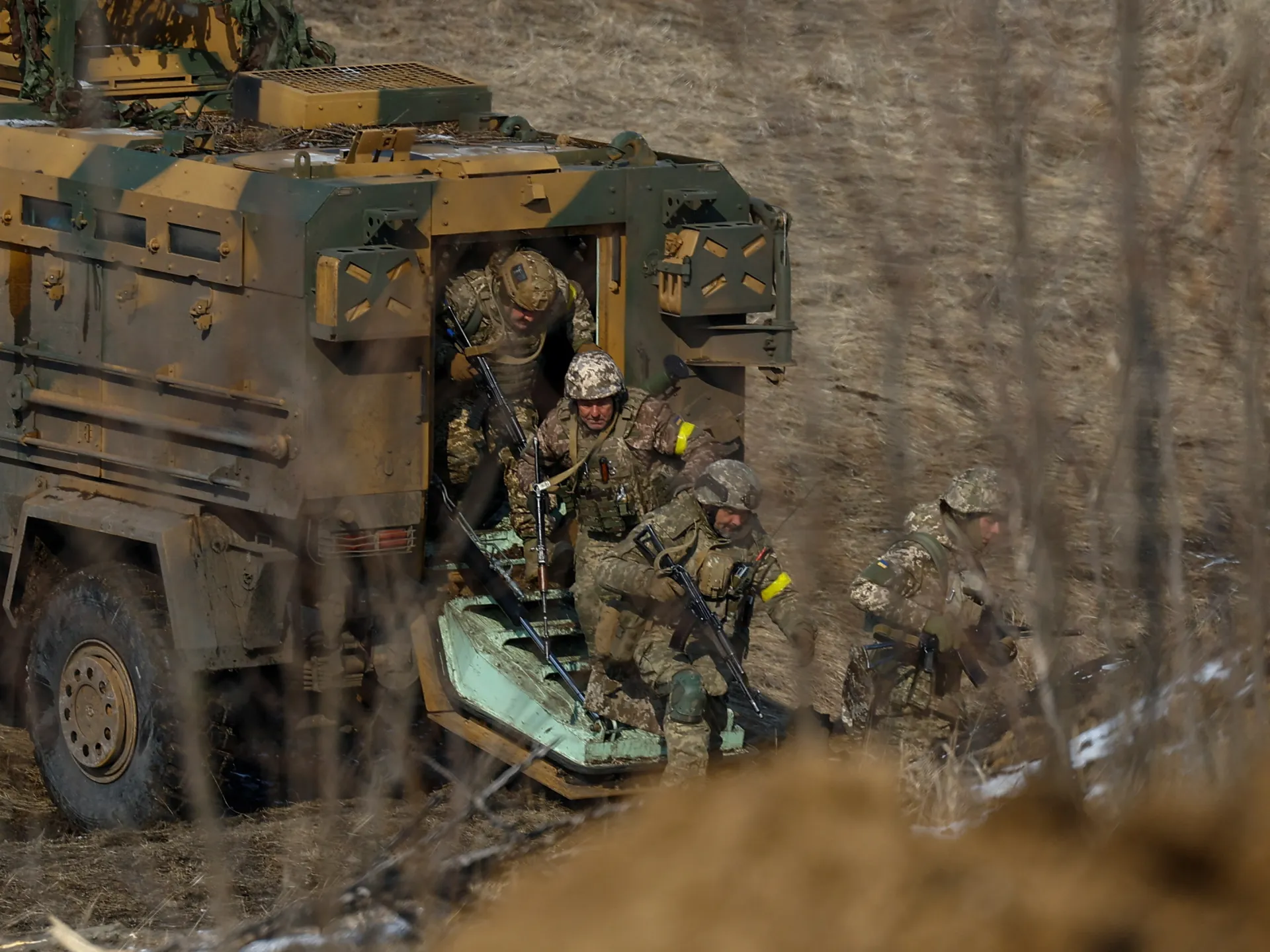
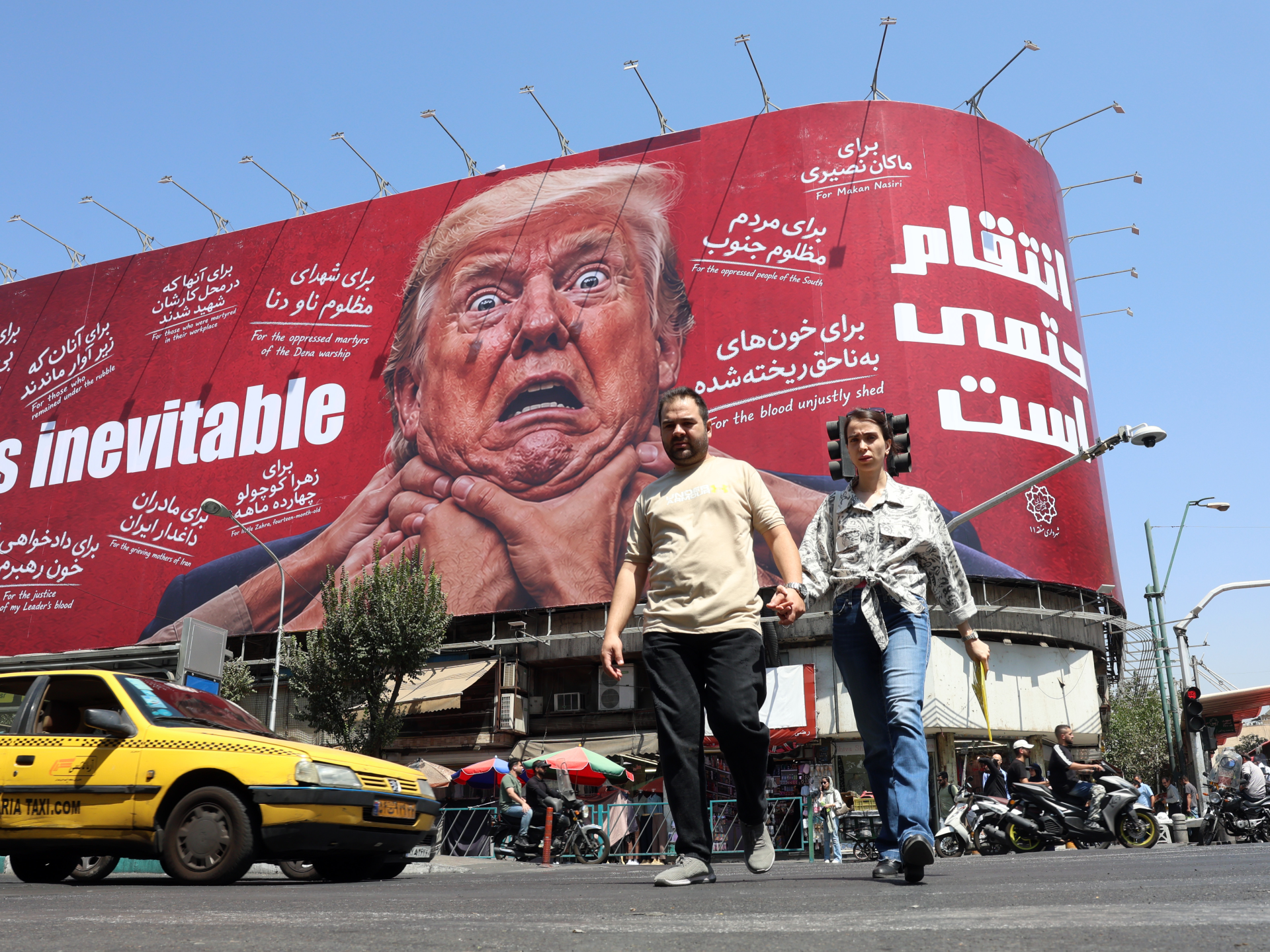
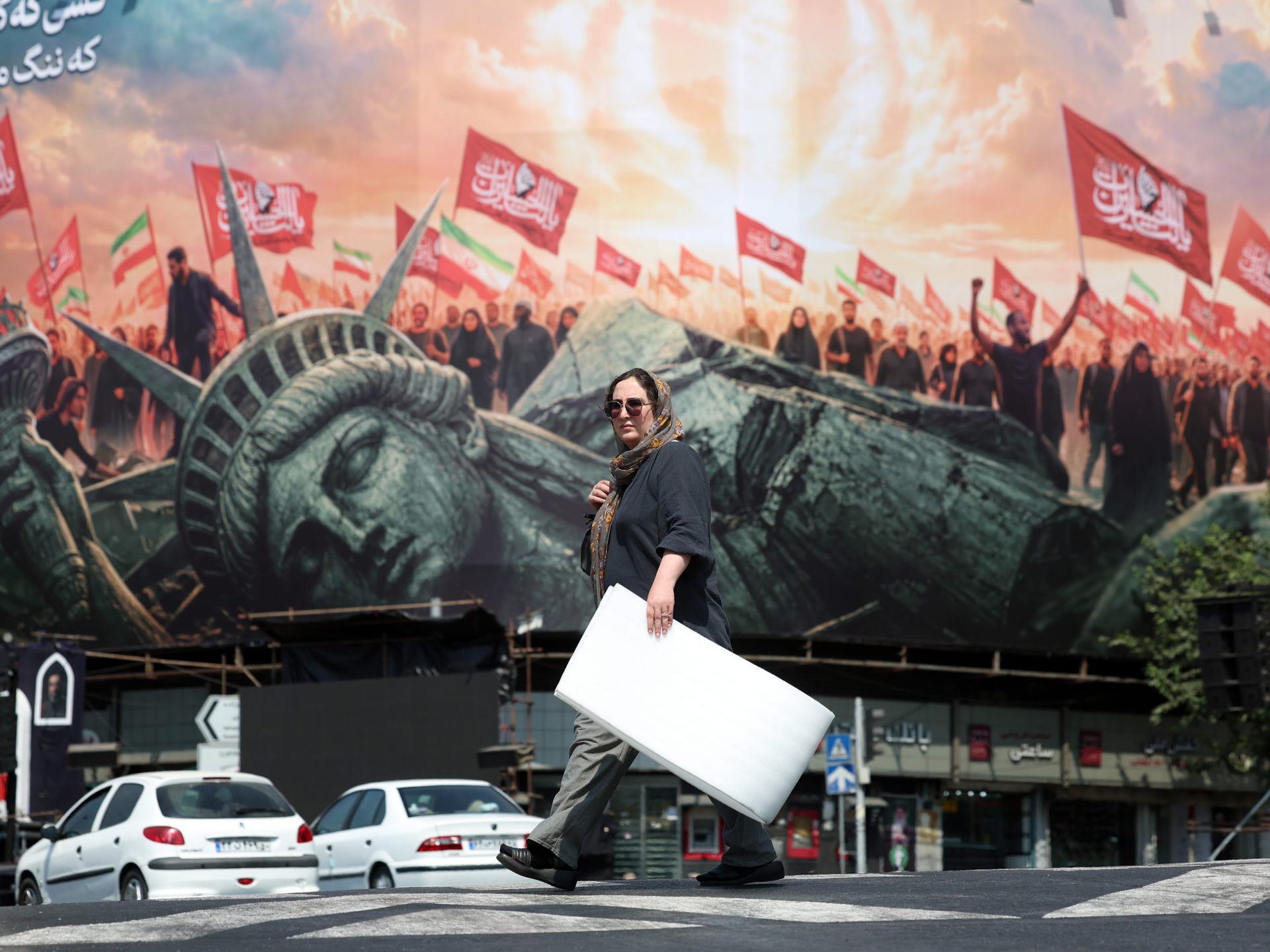
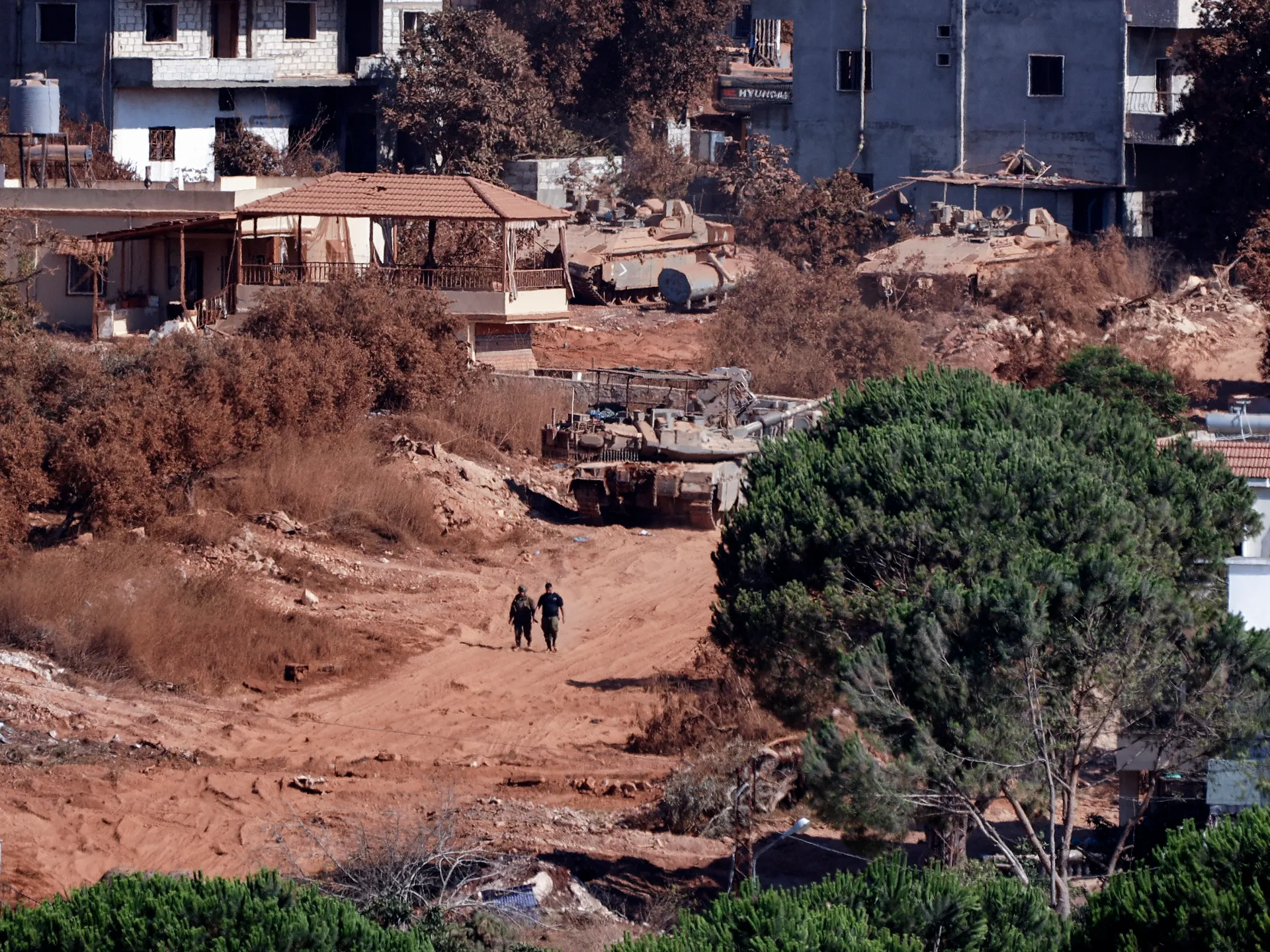
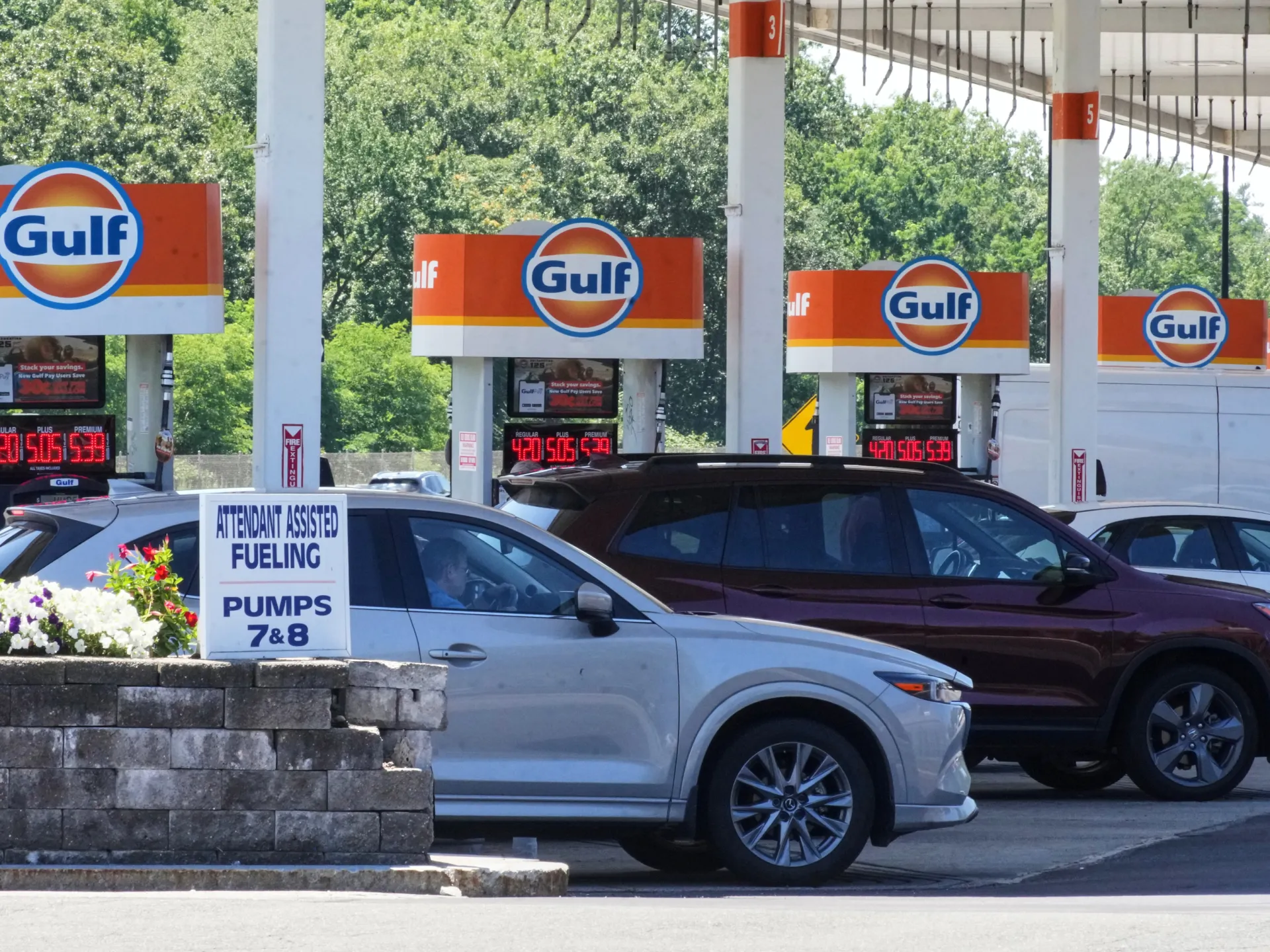
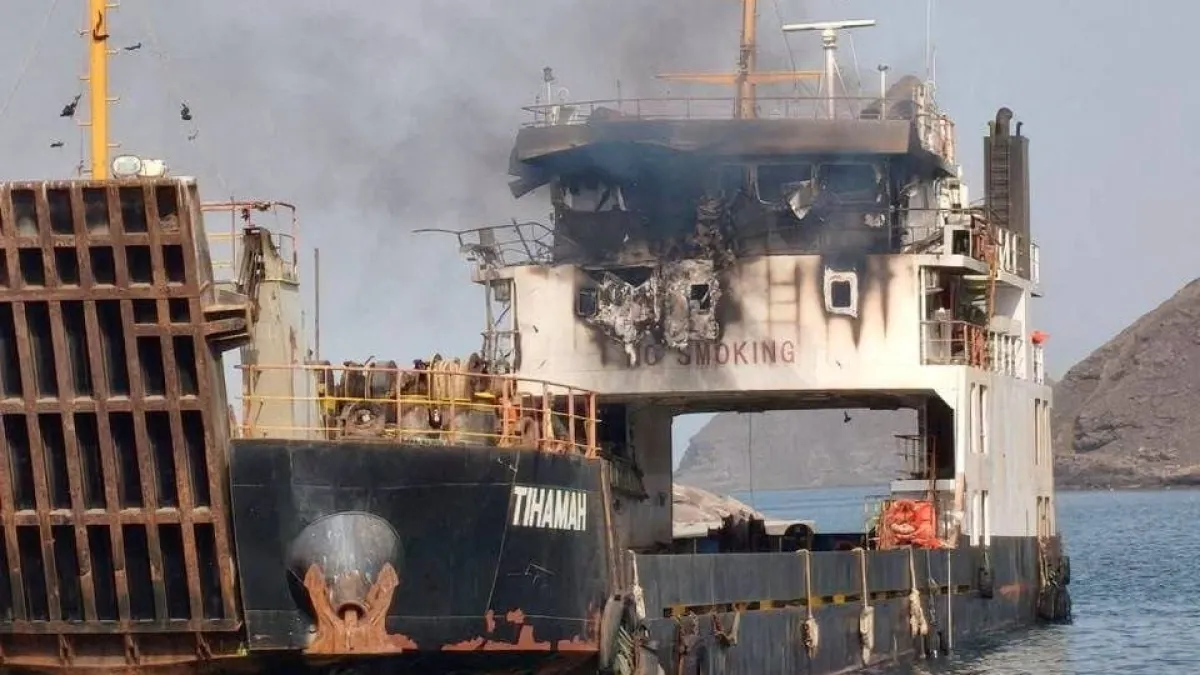
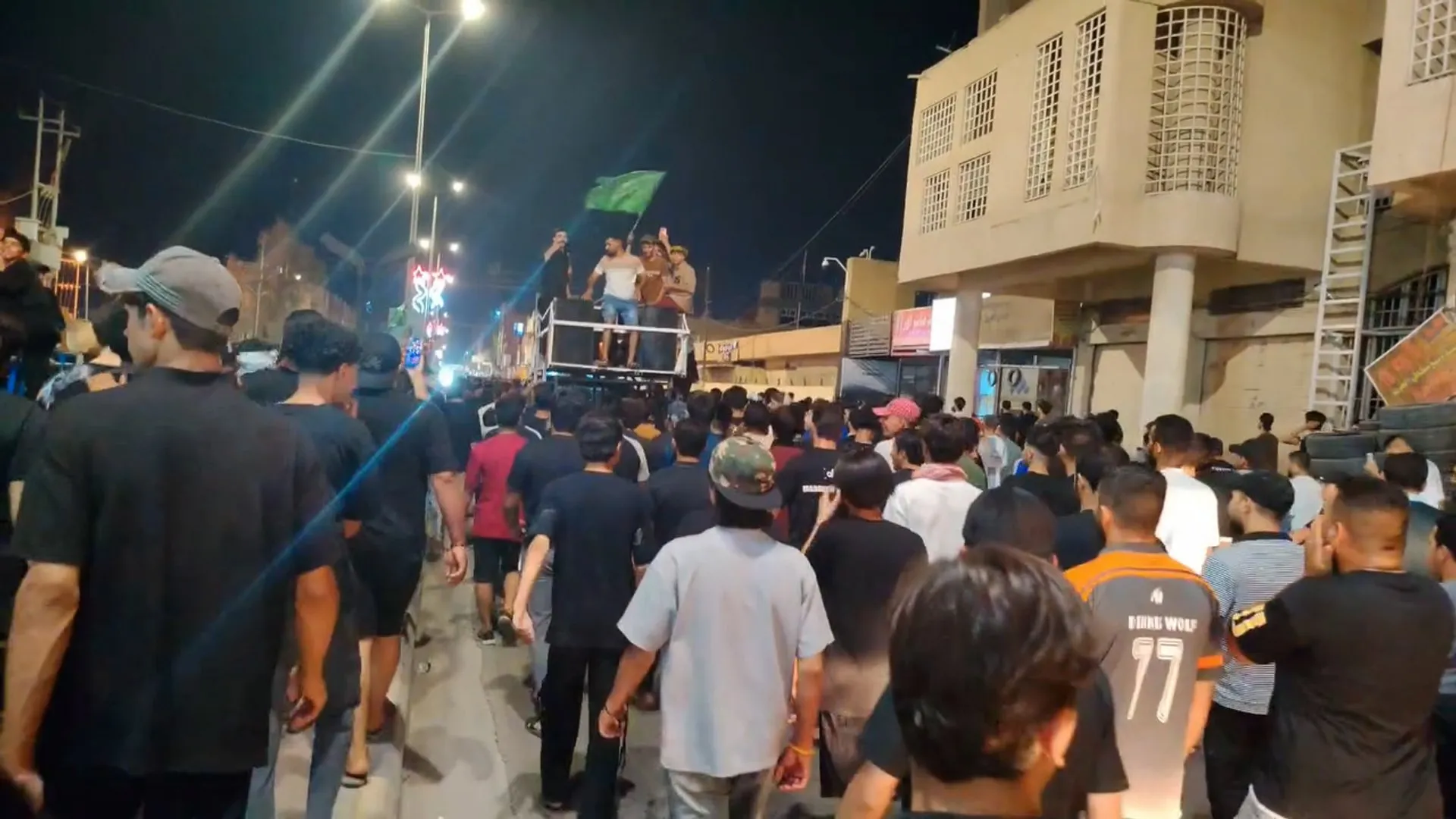
The diplomatic proceedings occur against the backdrop of a grinding war that began in February 2026, initiated onth, the global impact has been profound, manifesting in fluctuating energy prices and the expansion of hostilities into surrounding Gulf nations. Despite reports from some channels suggesting that negotiators have reached a broad agreement on certain principles, other observers note that the conflict continues to show no immediate signs of a ceasefire.
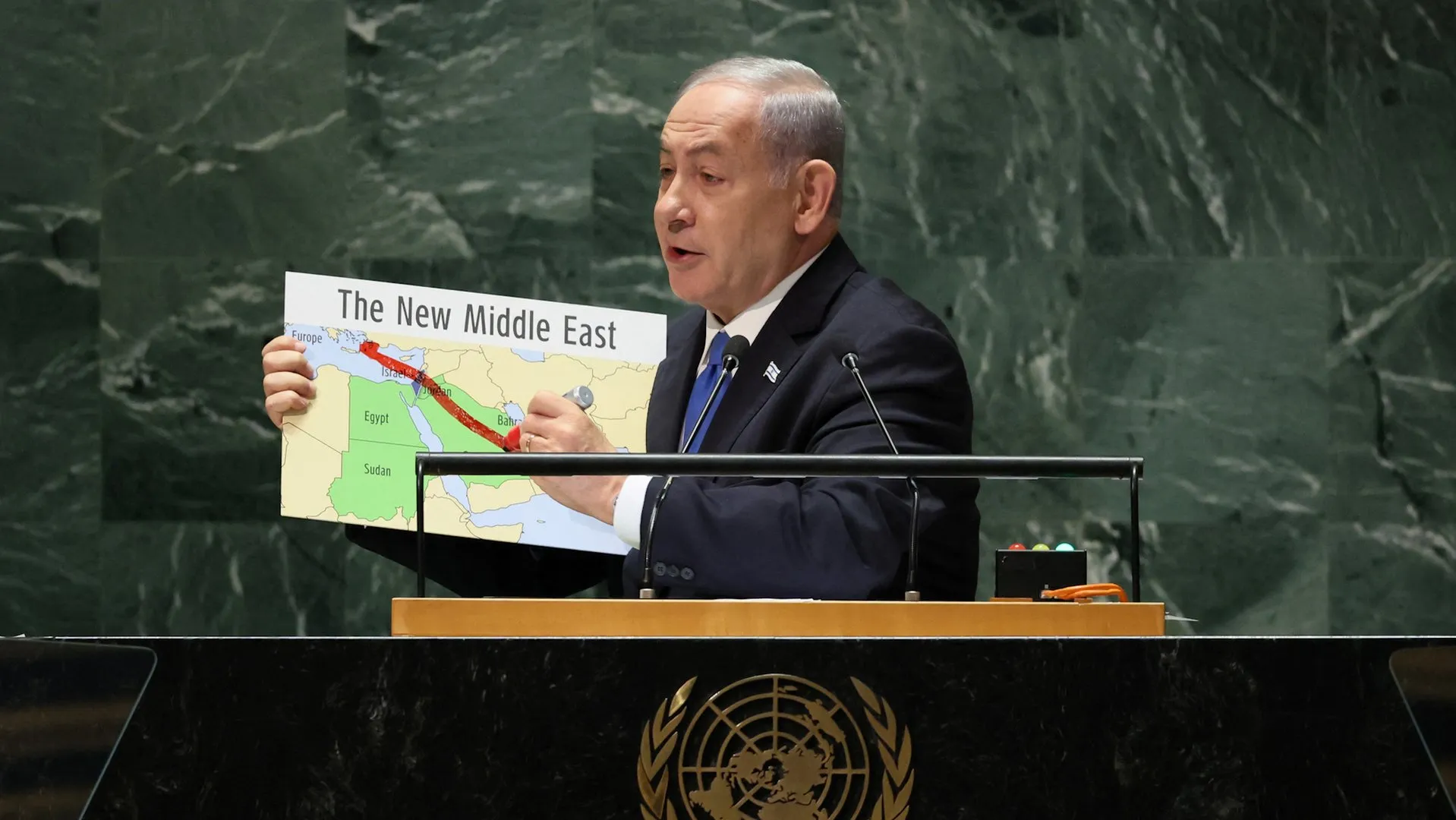
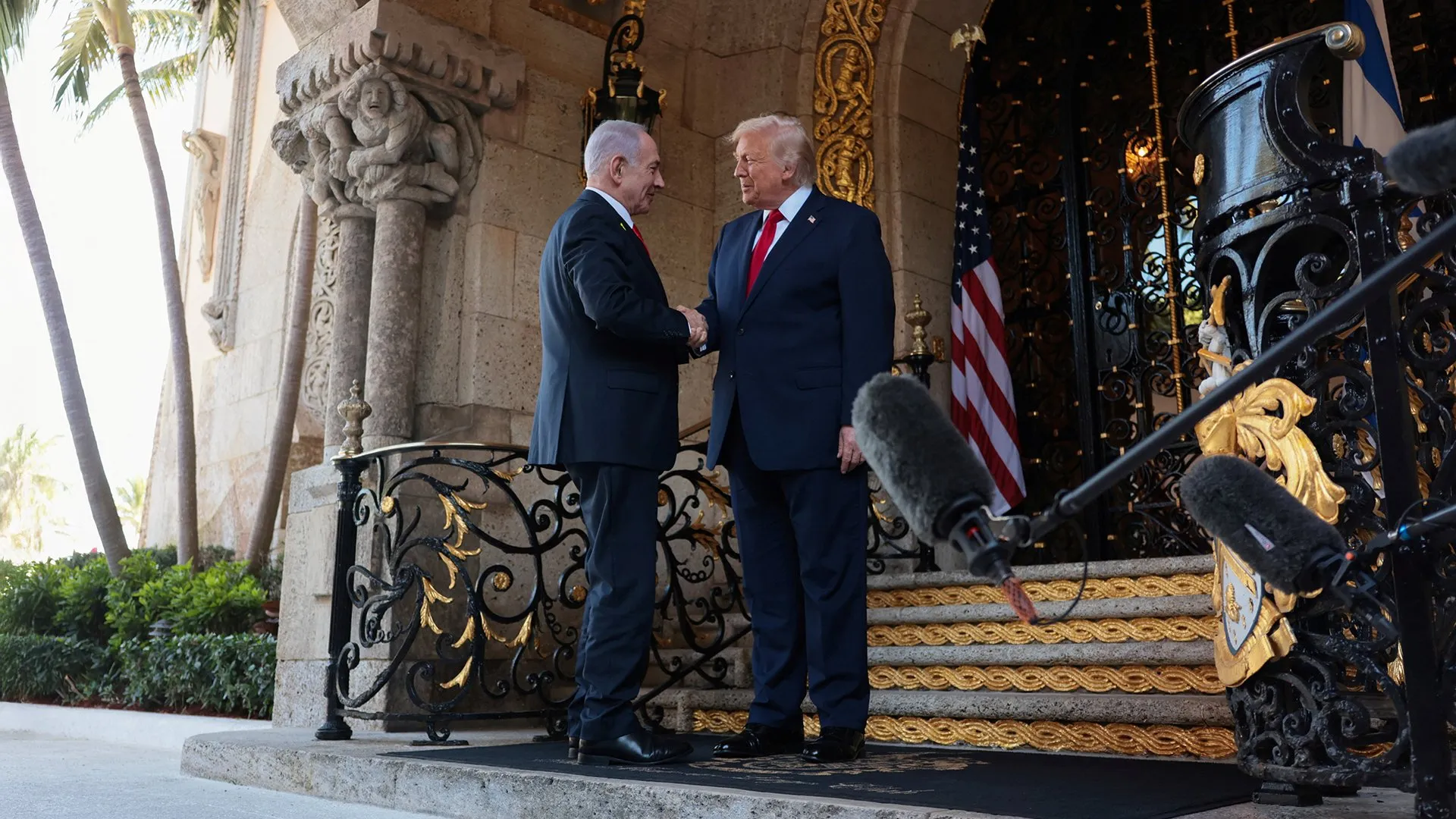
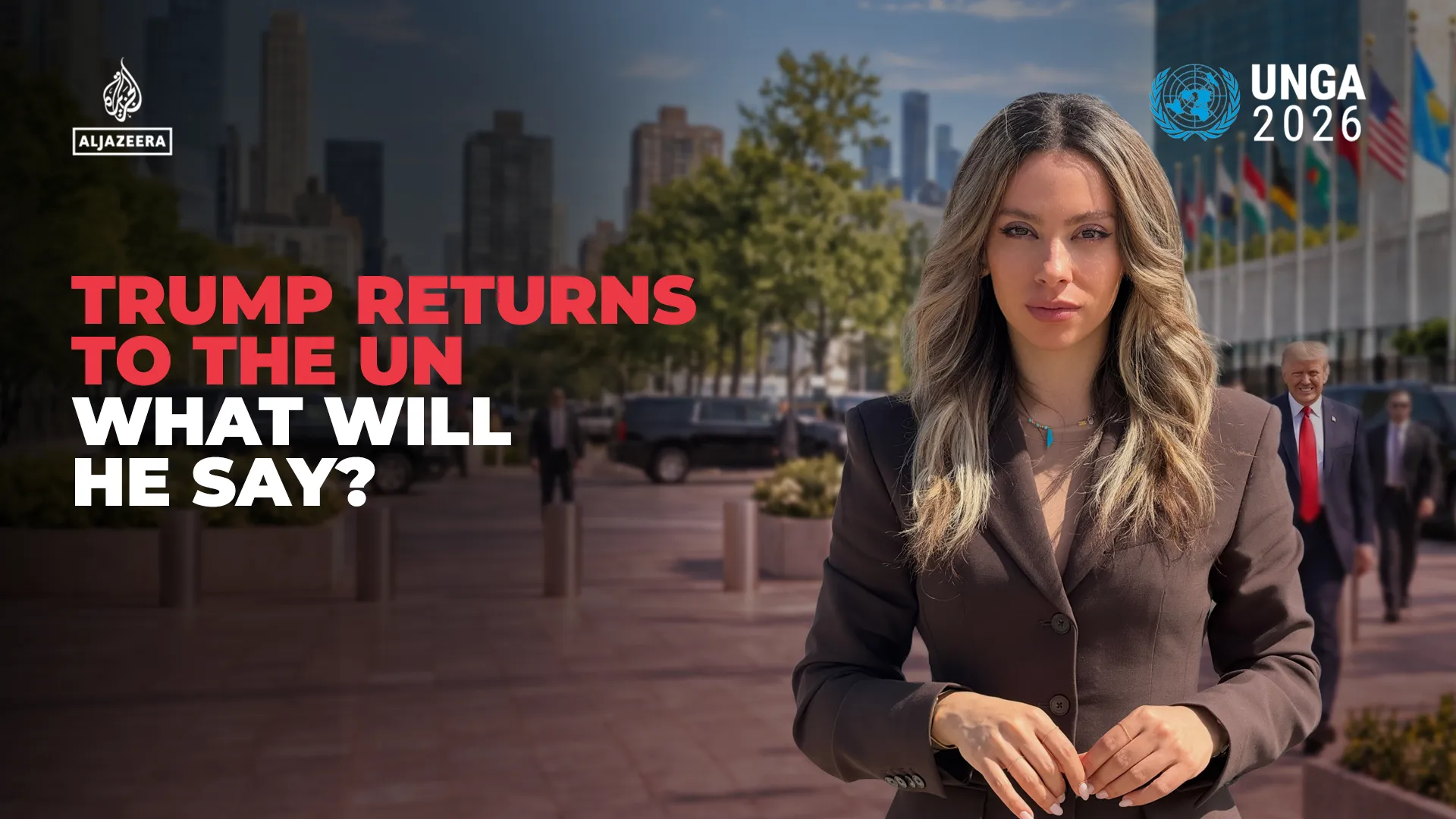
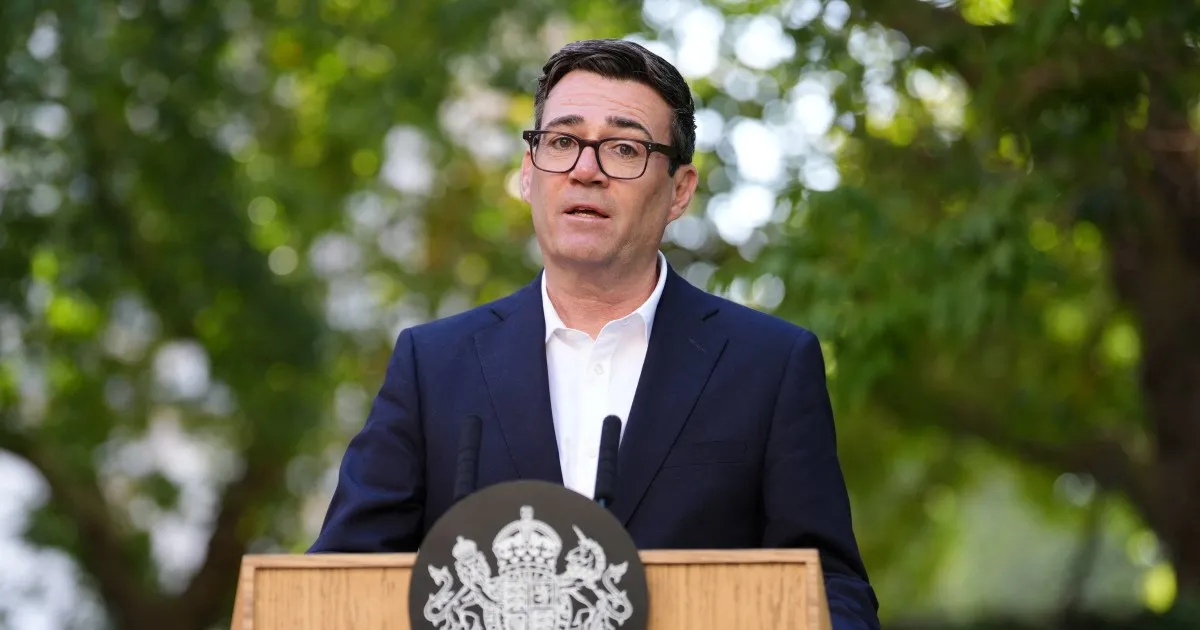
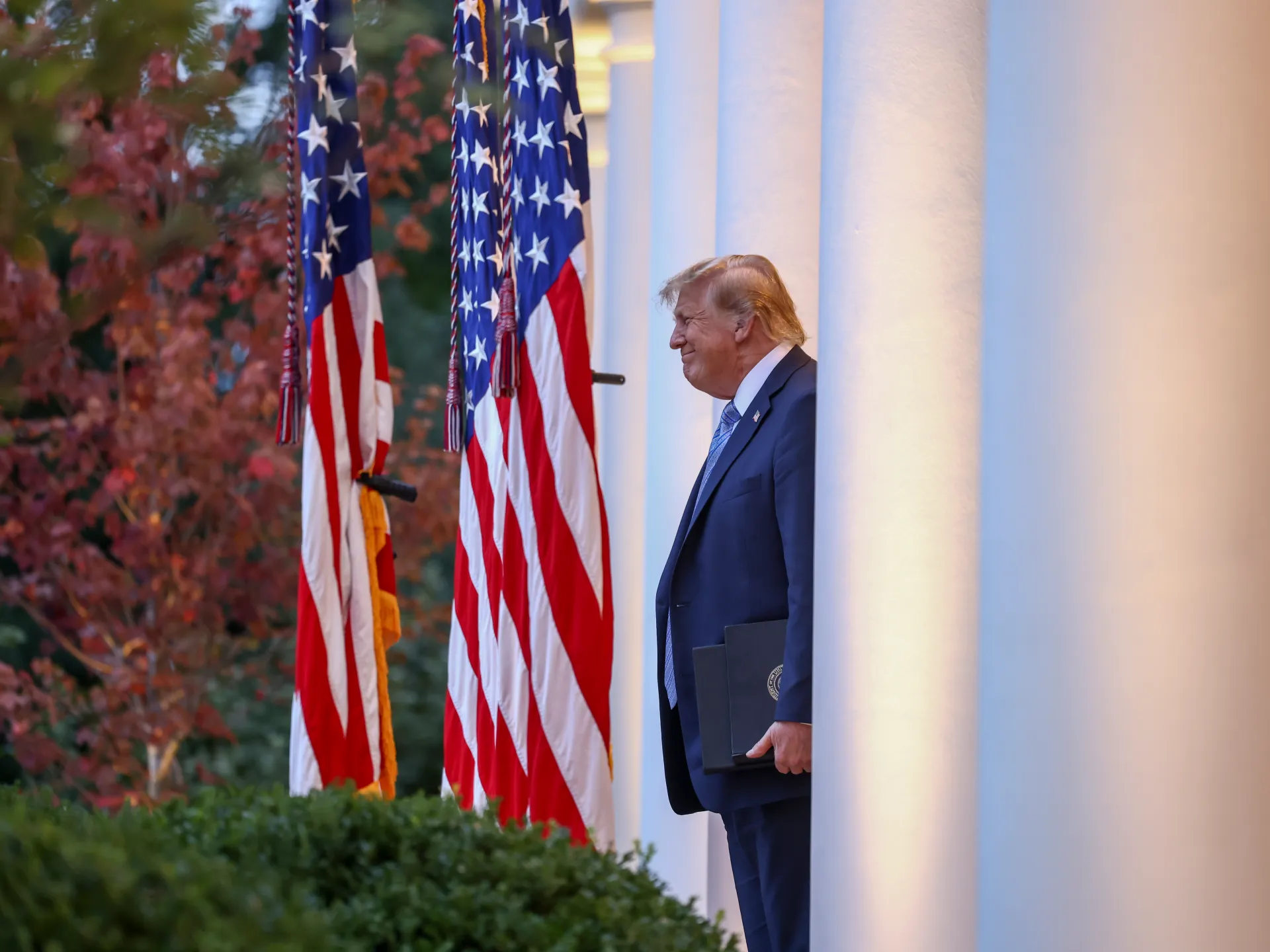
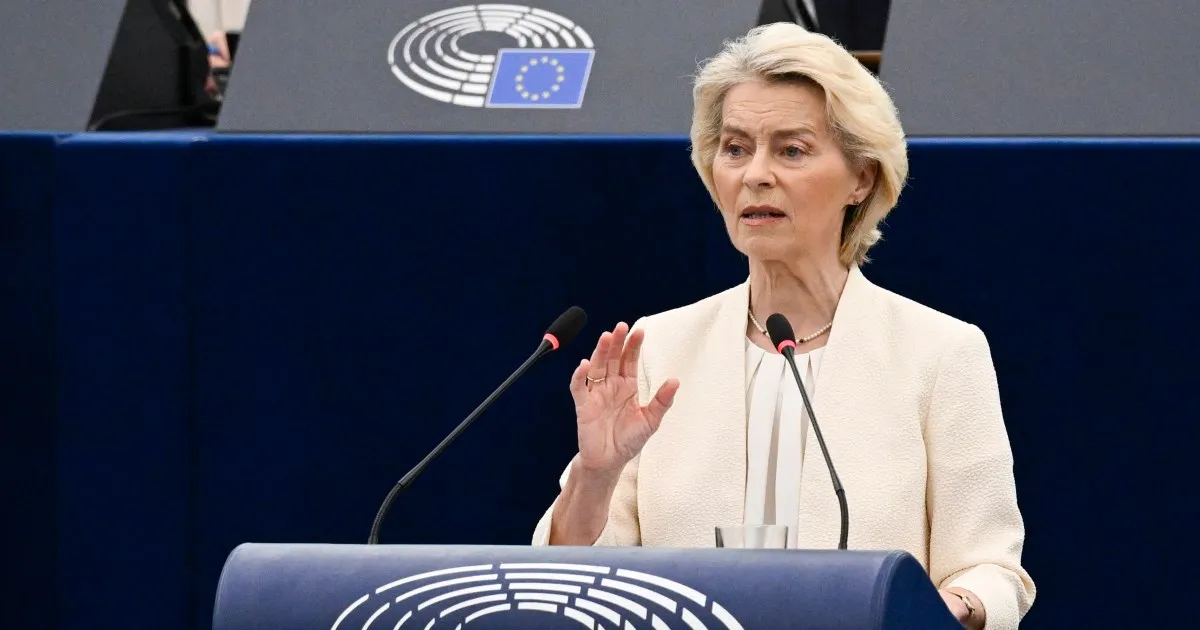
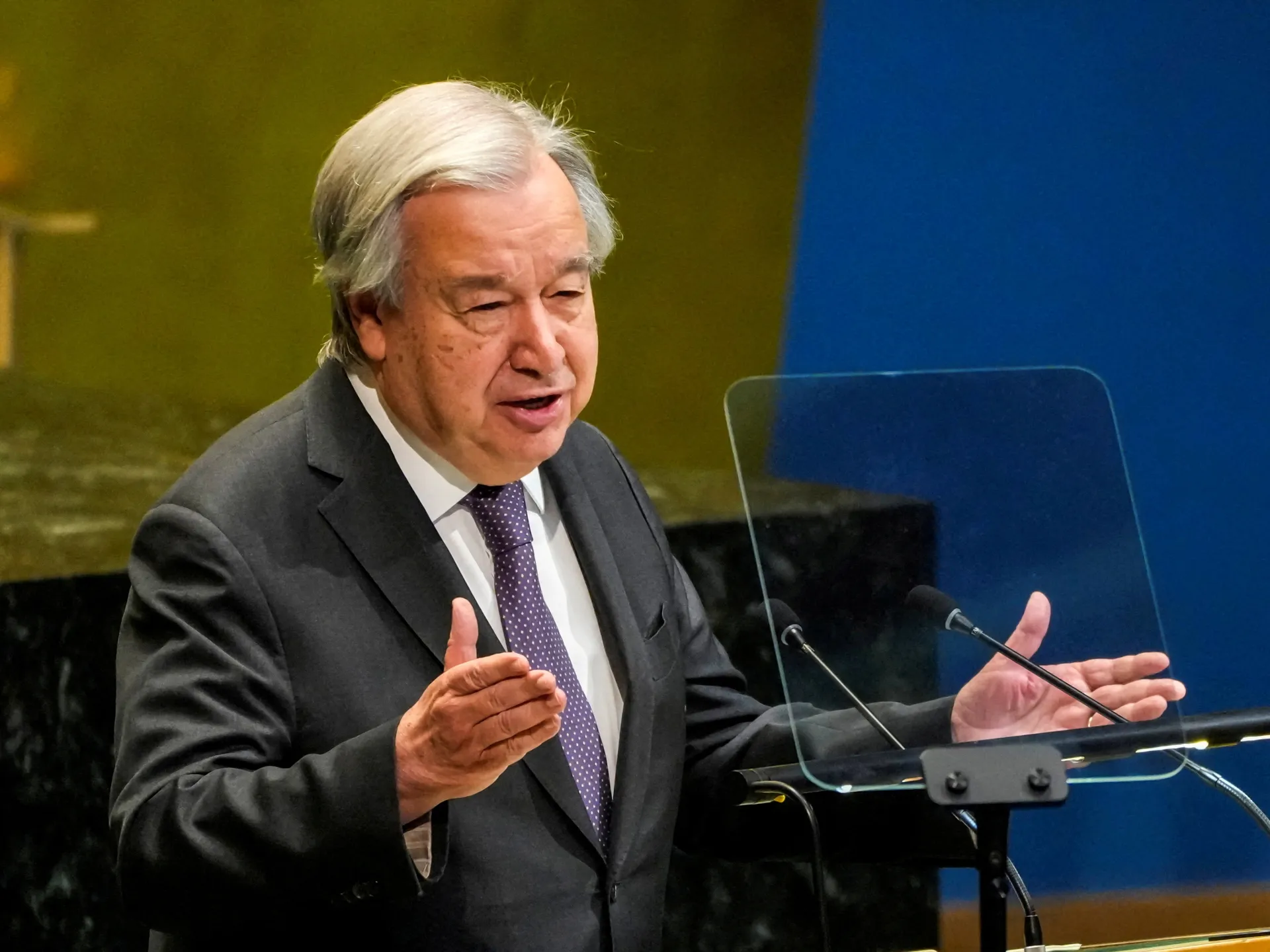
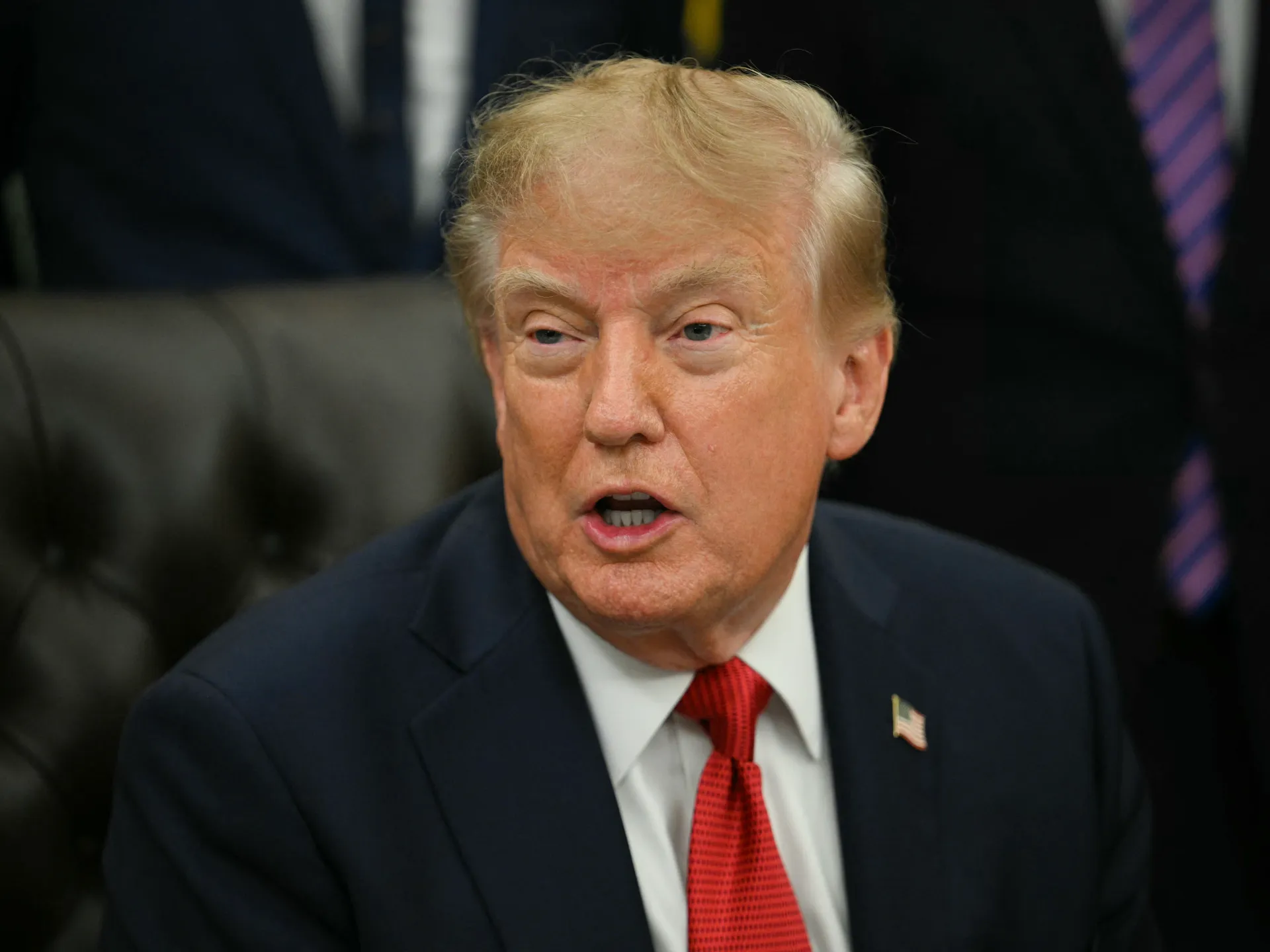
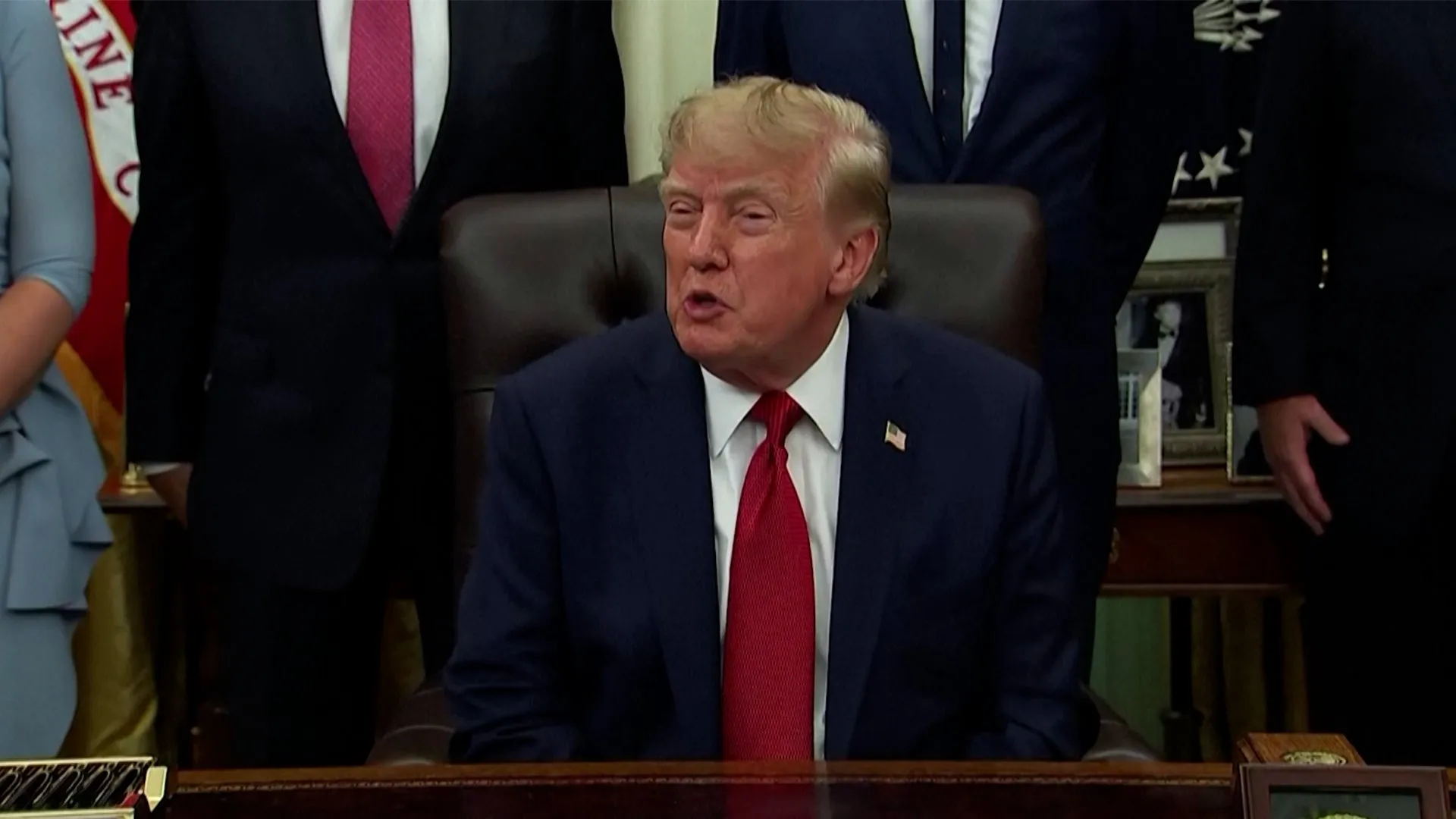
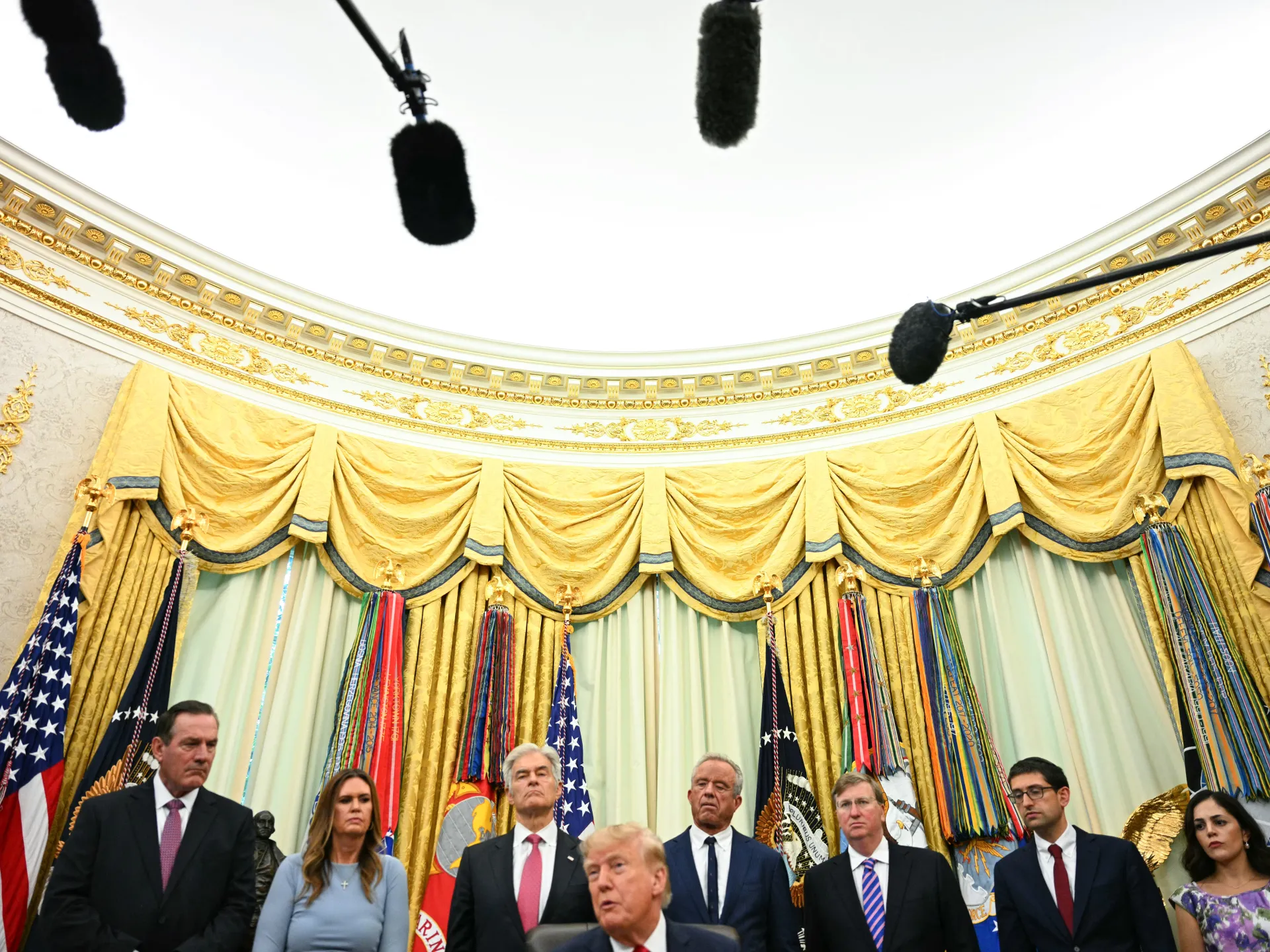
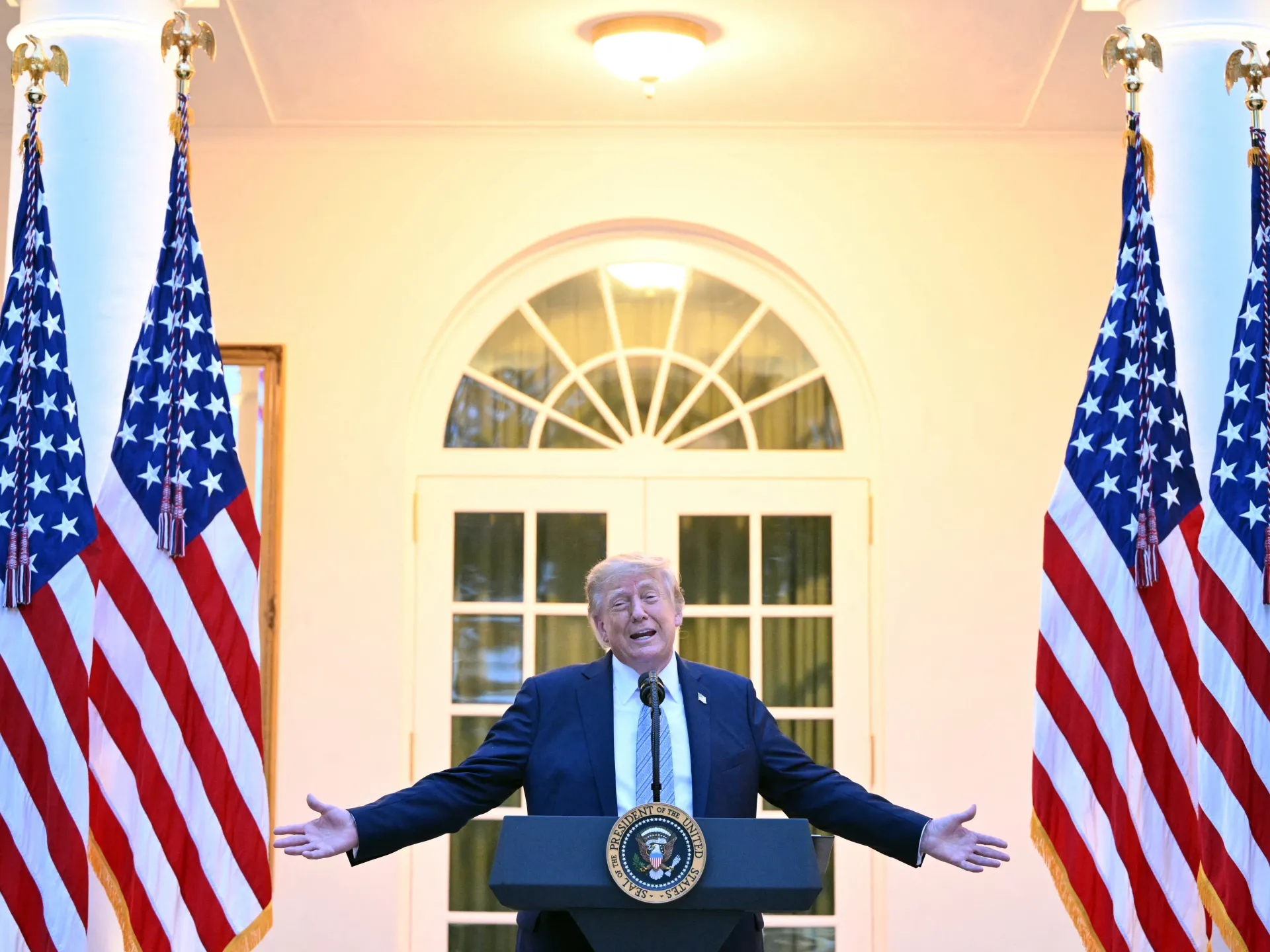
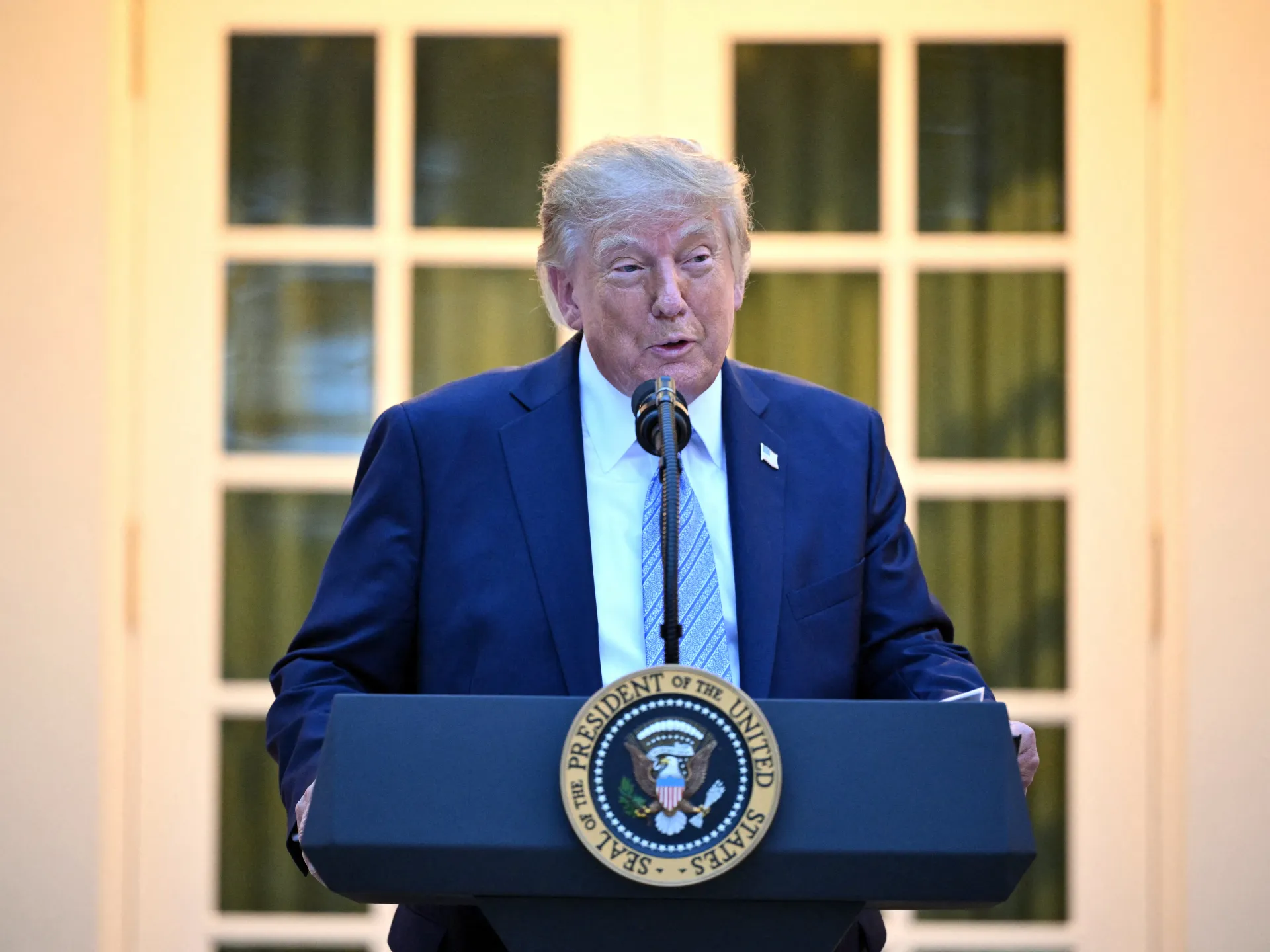
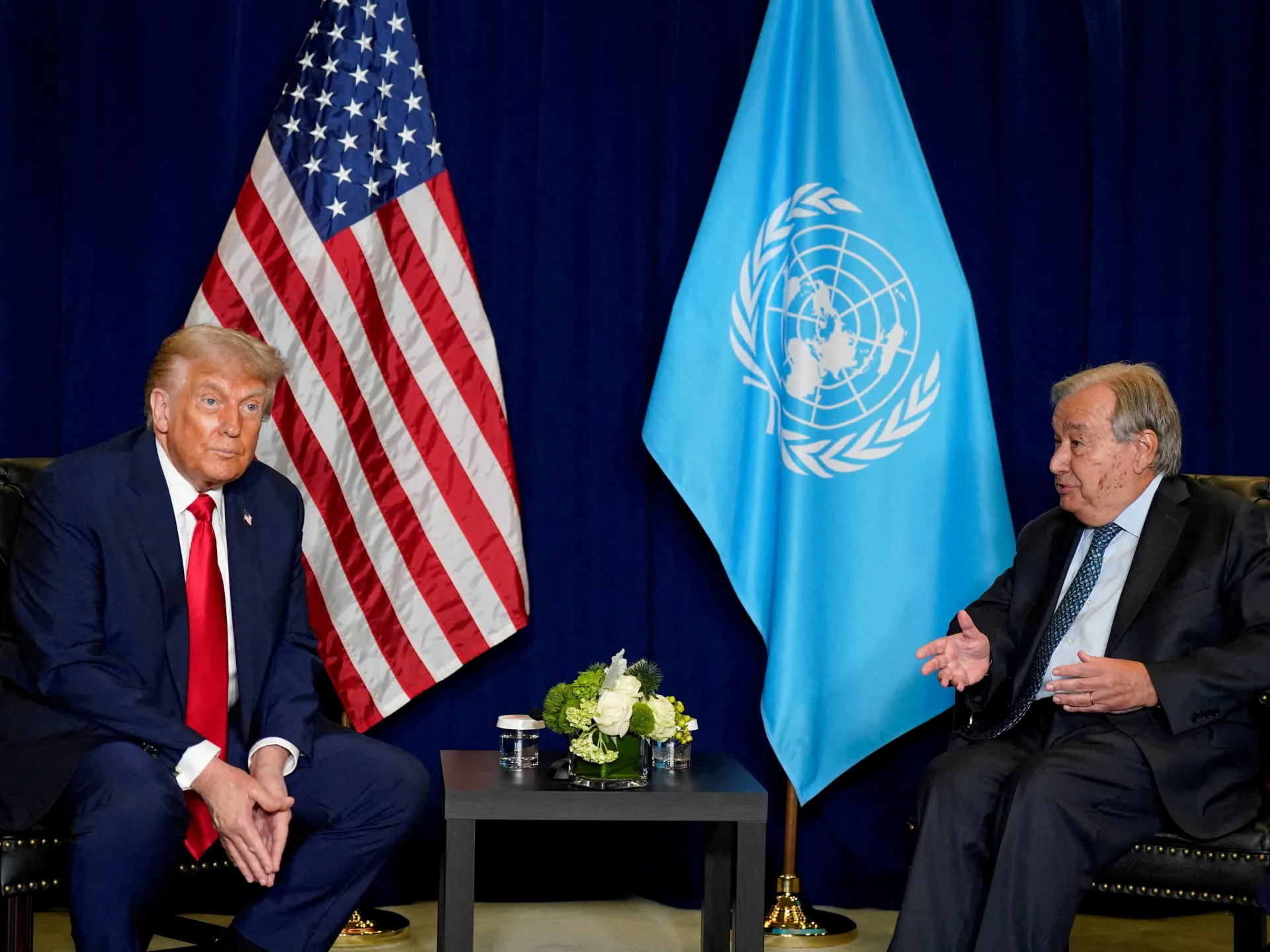
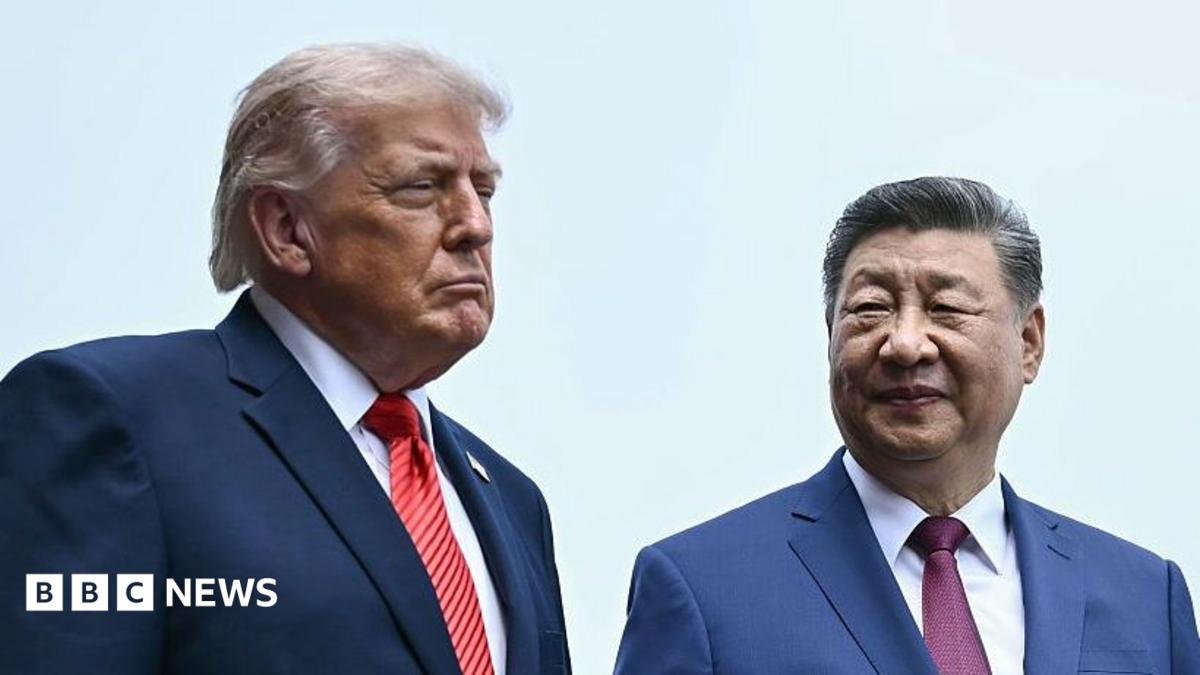
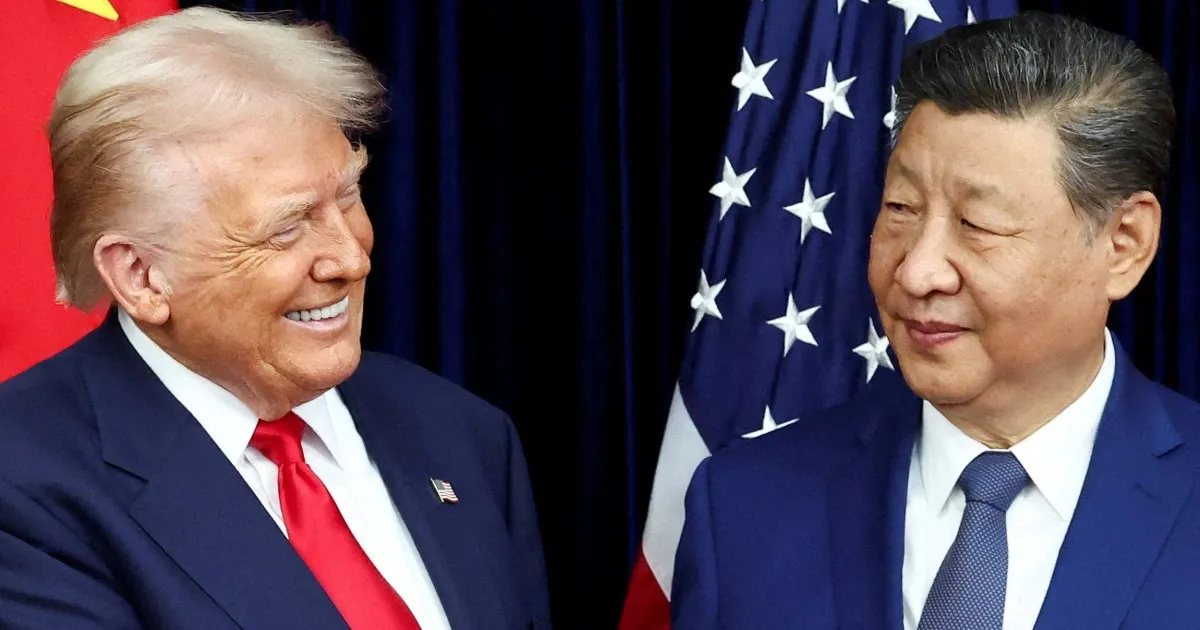
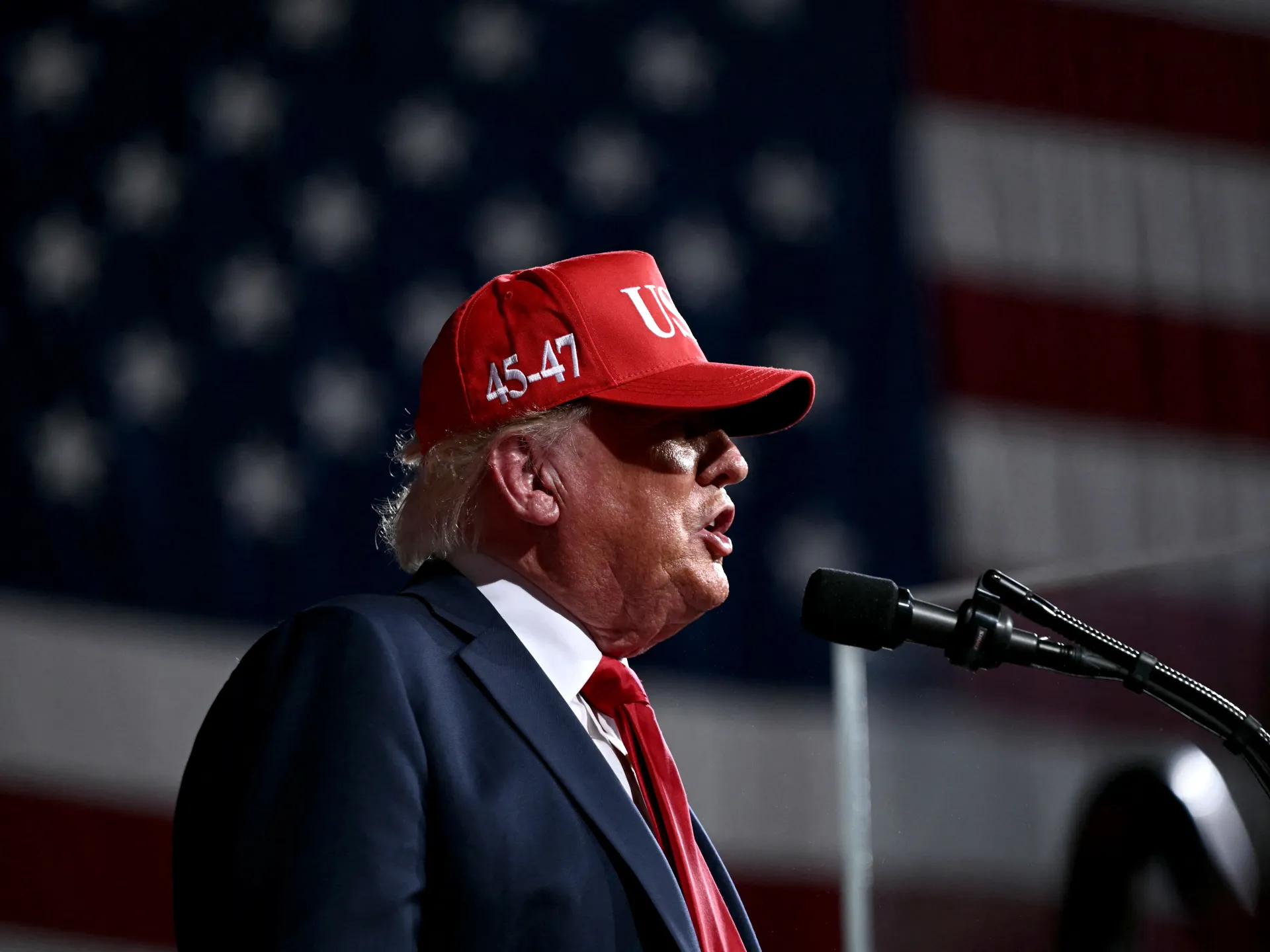
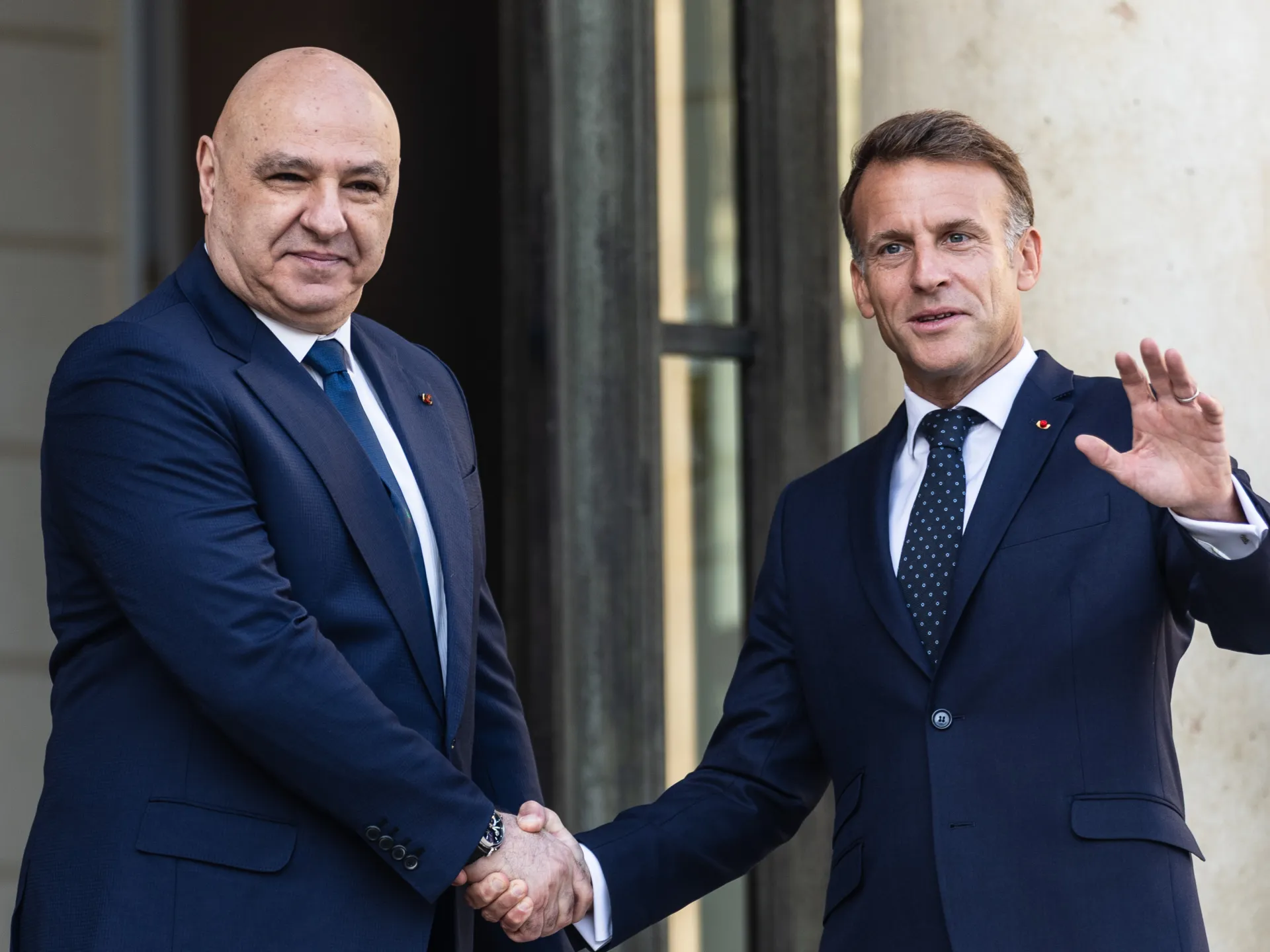
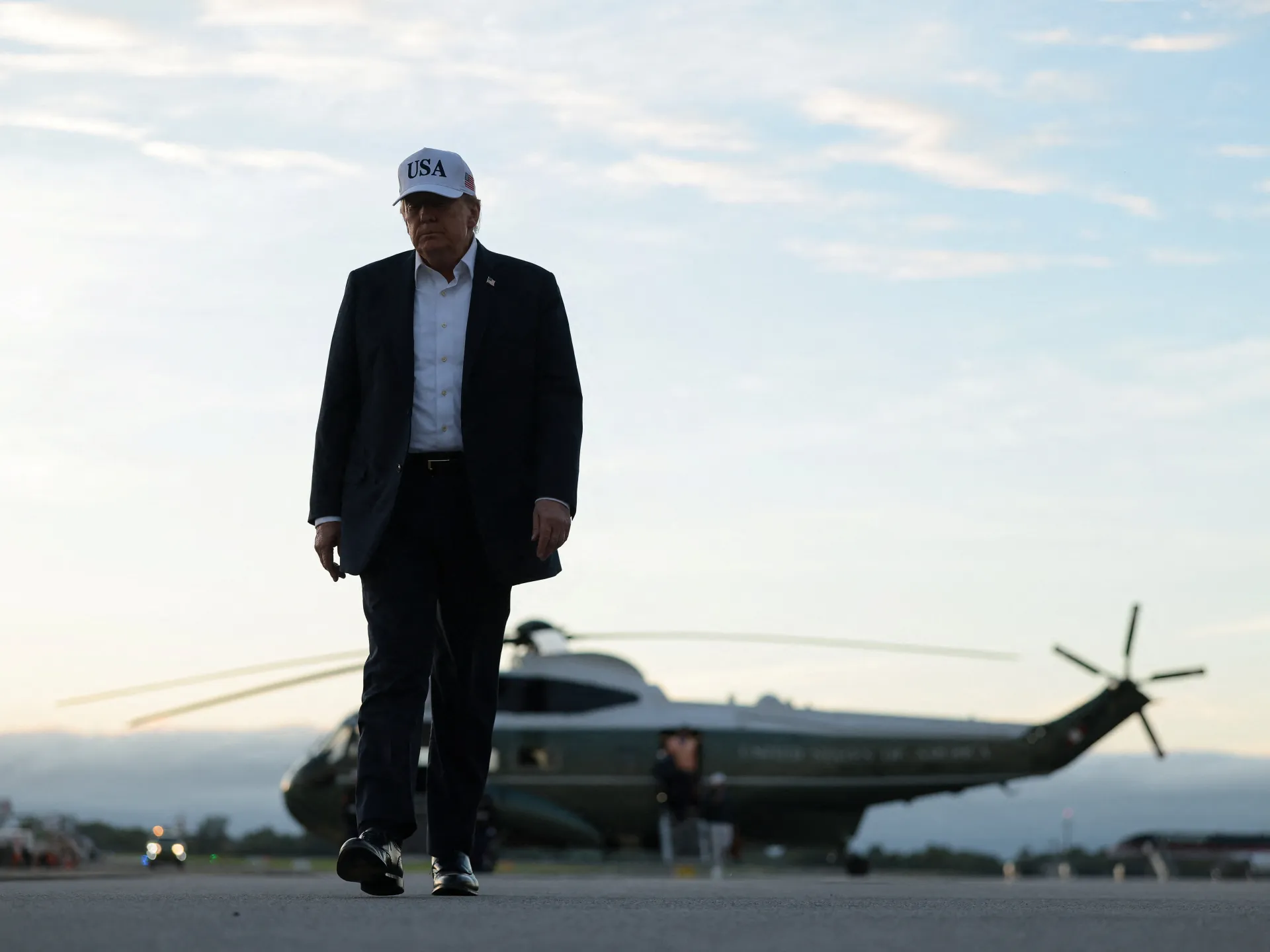
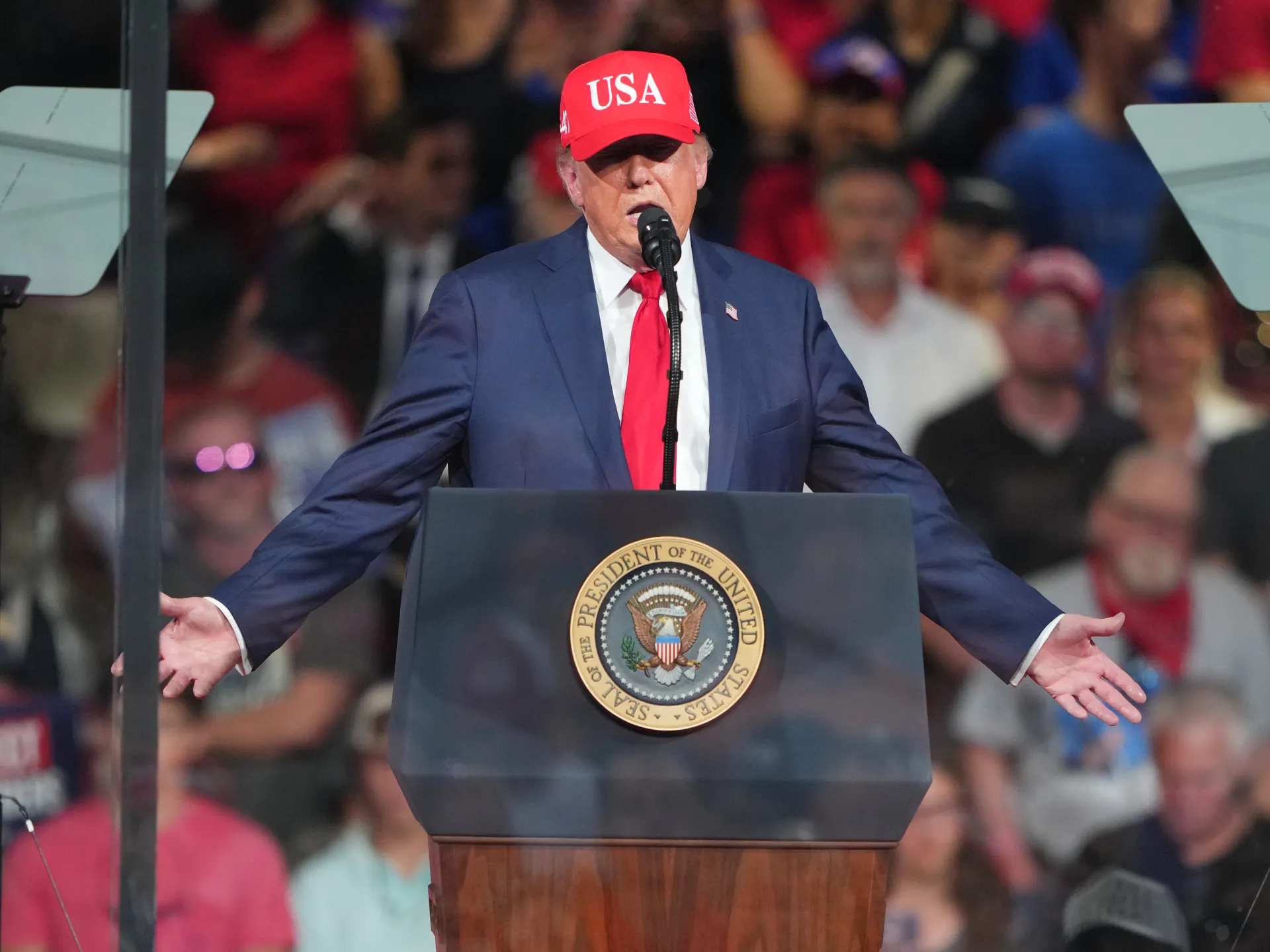
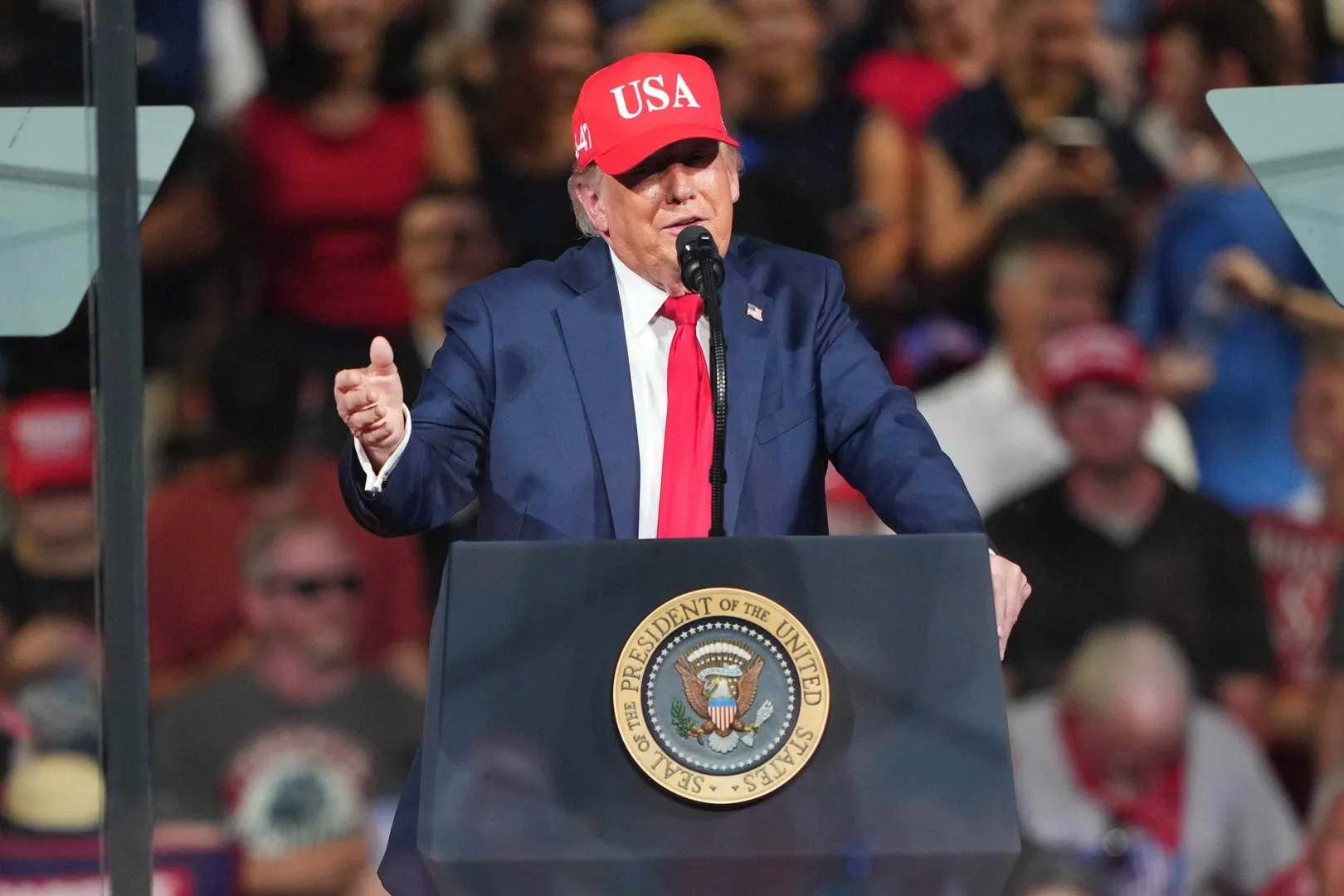
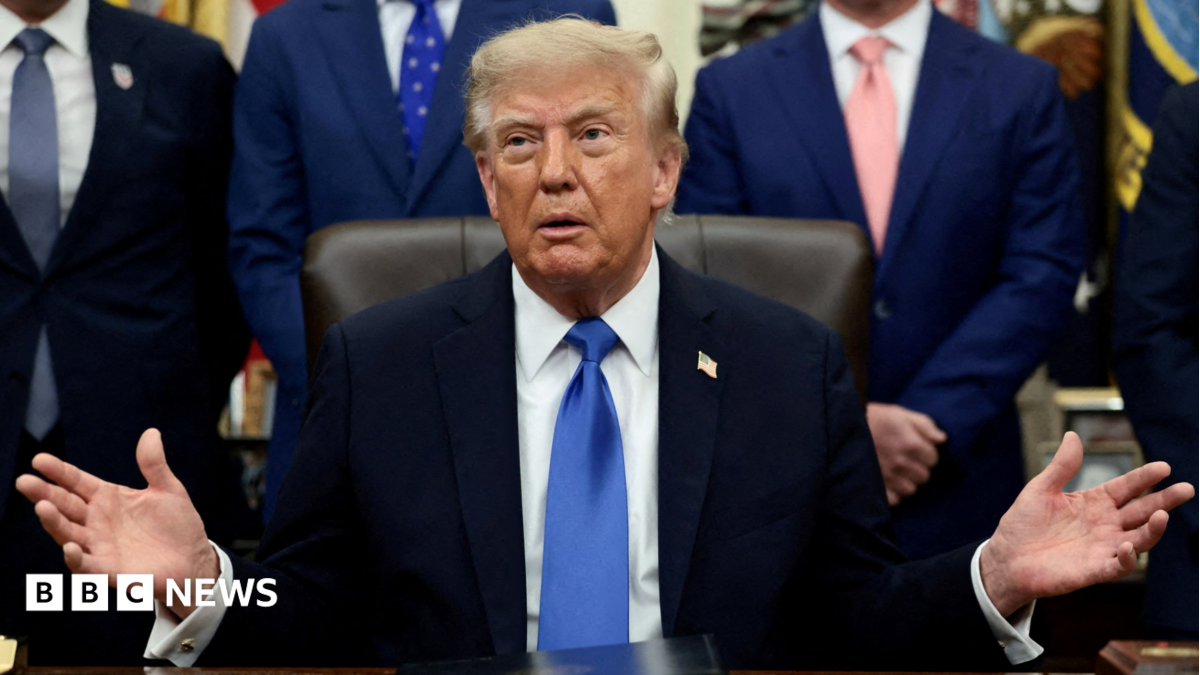
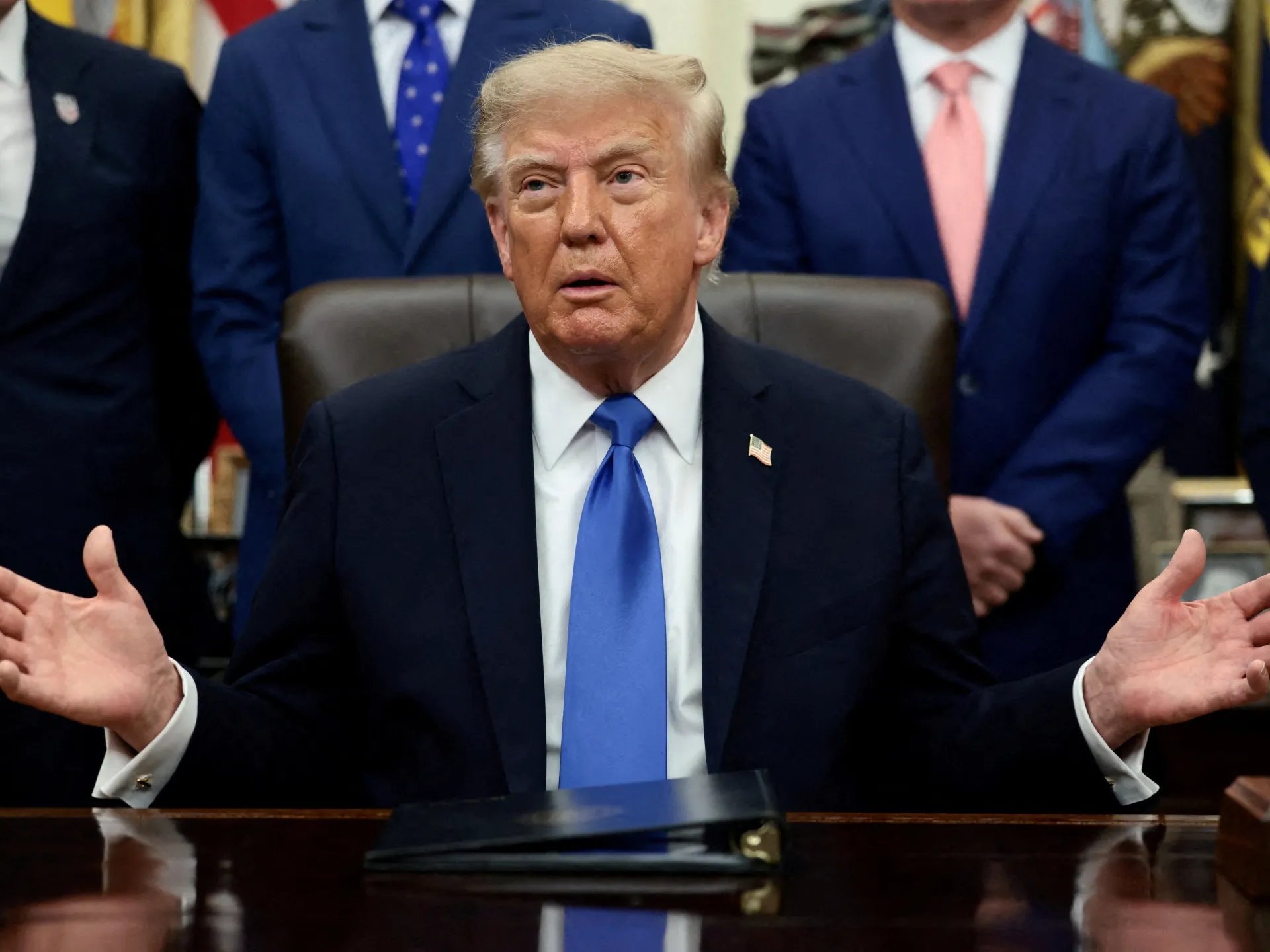
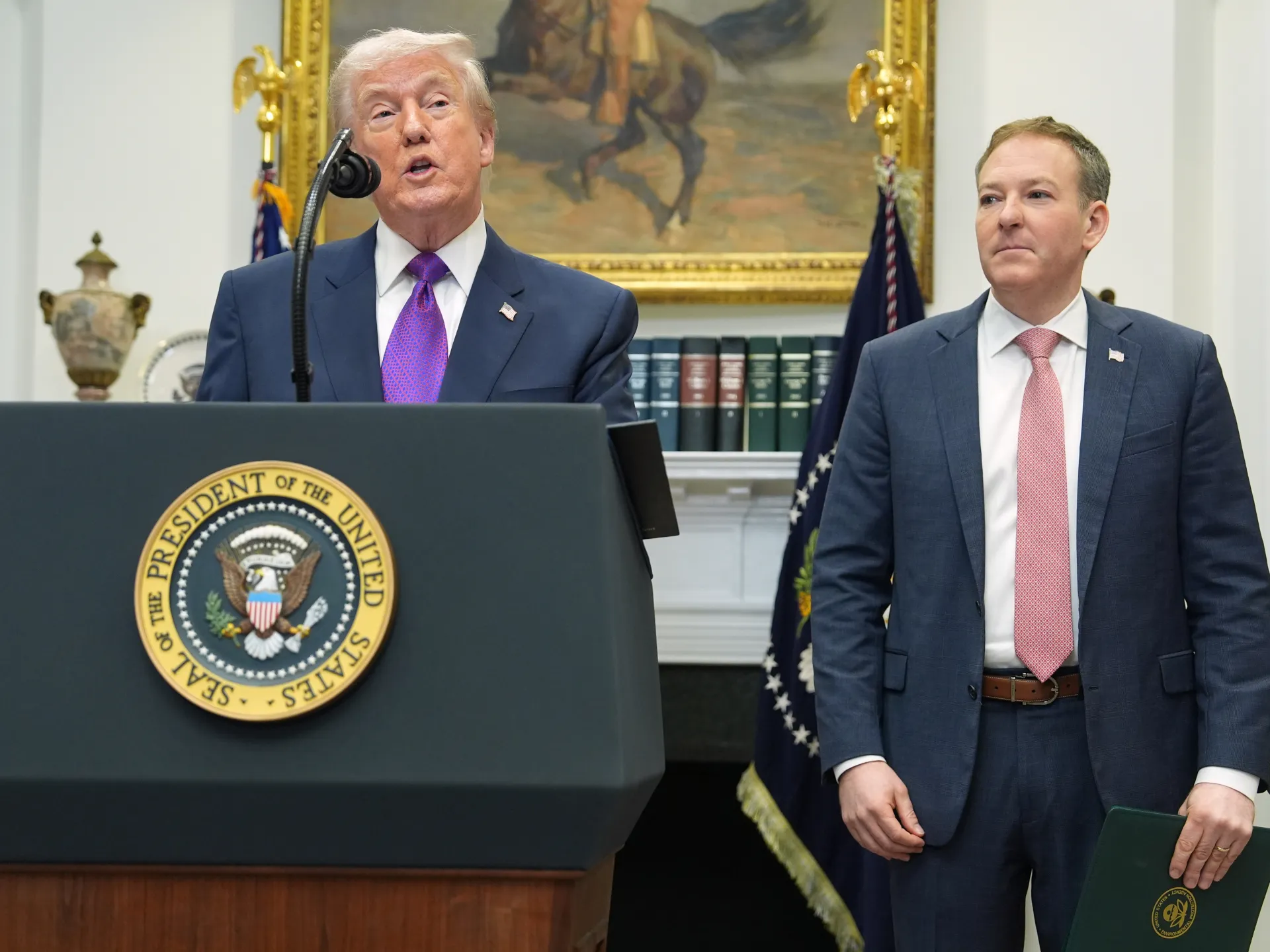
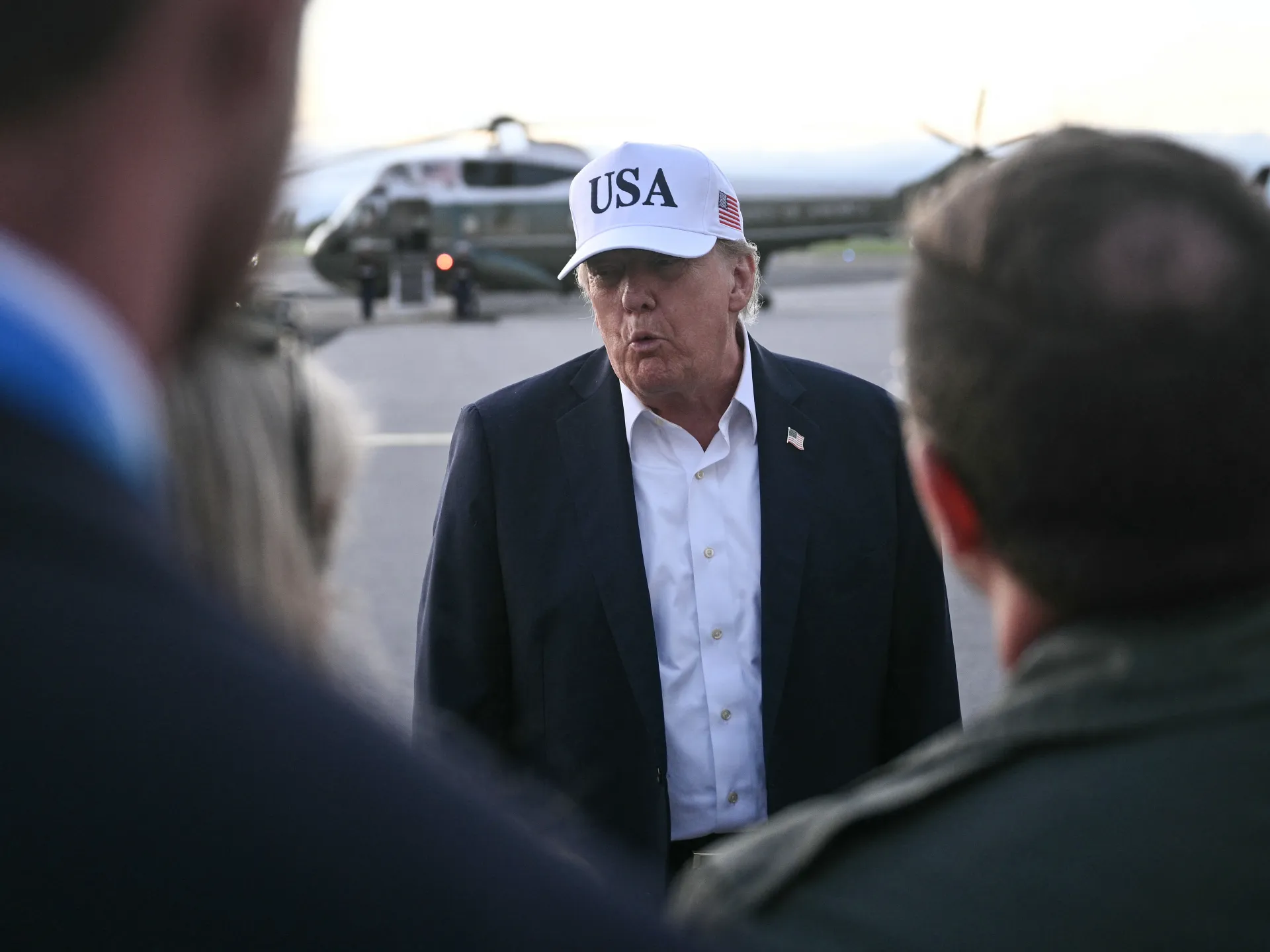
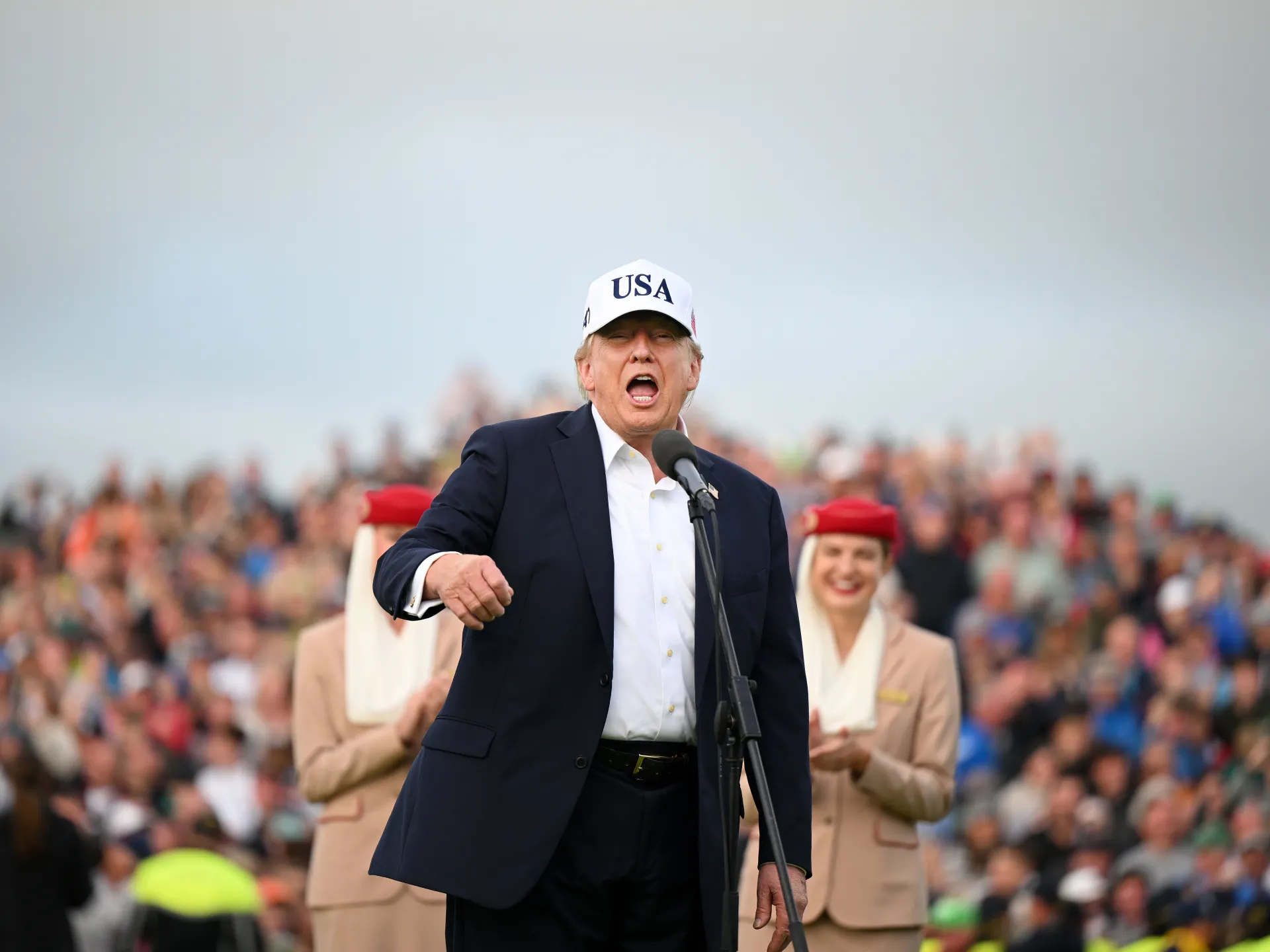
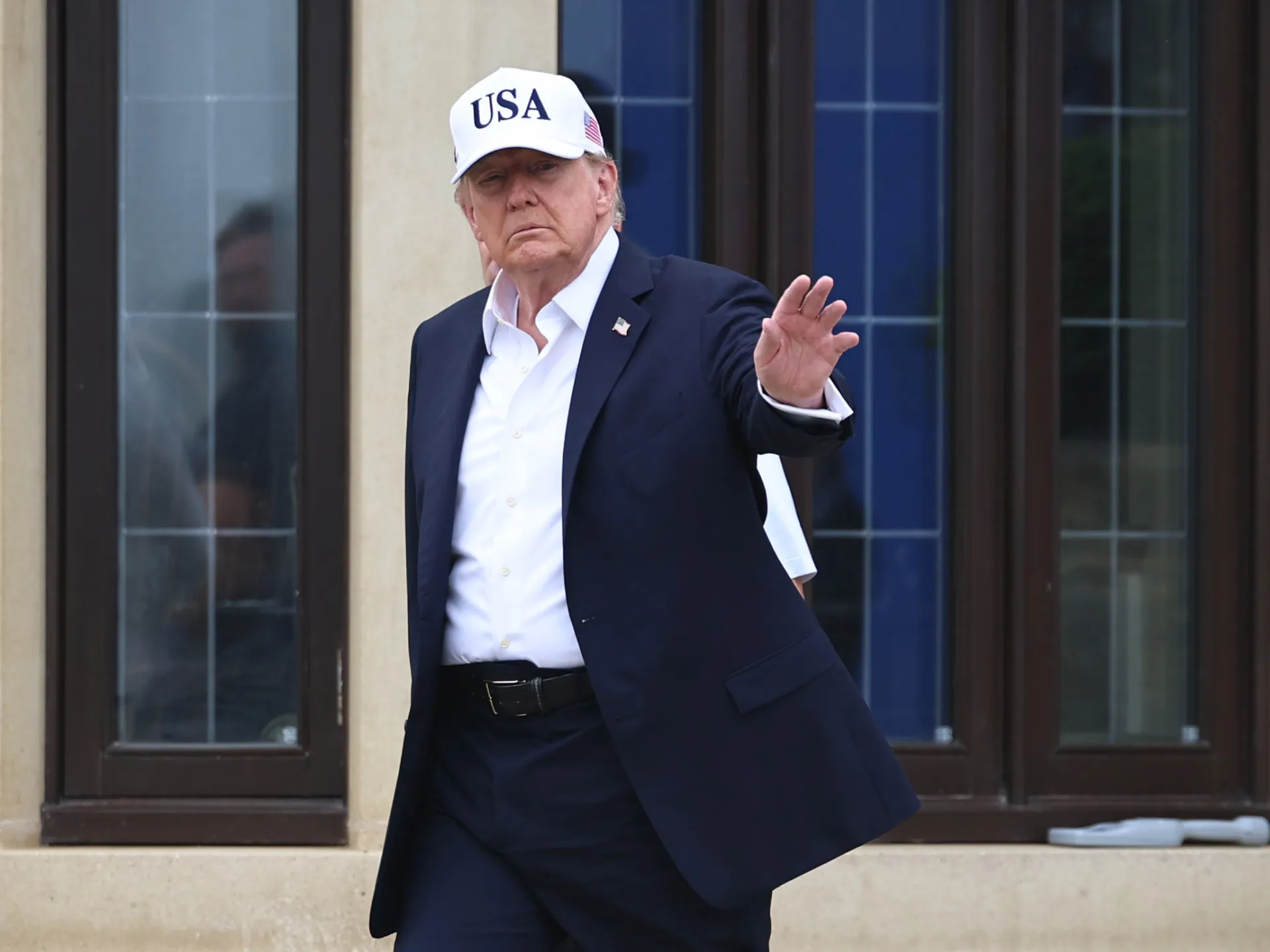
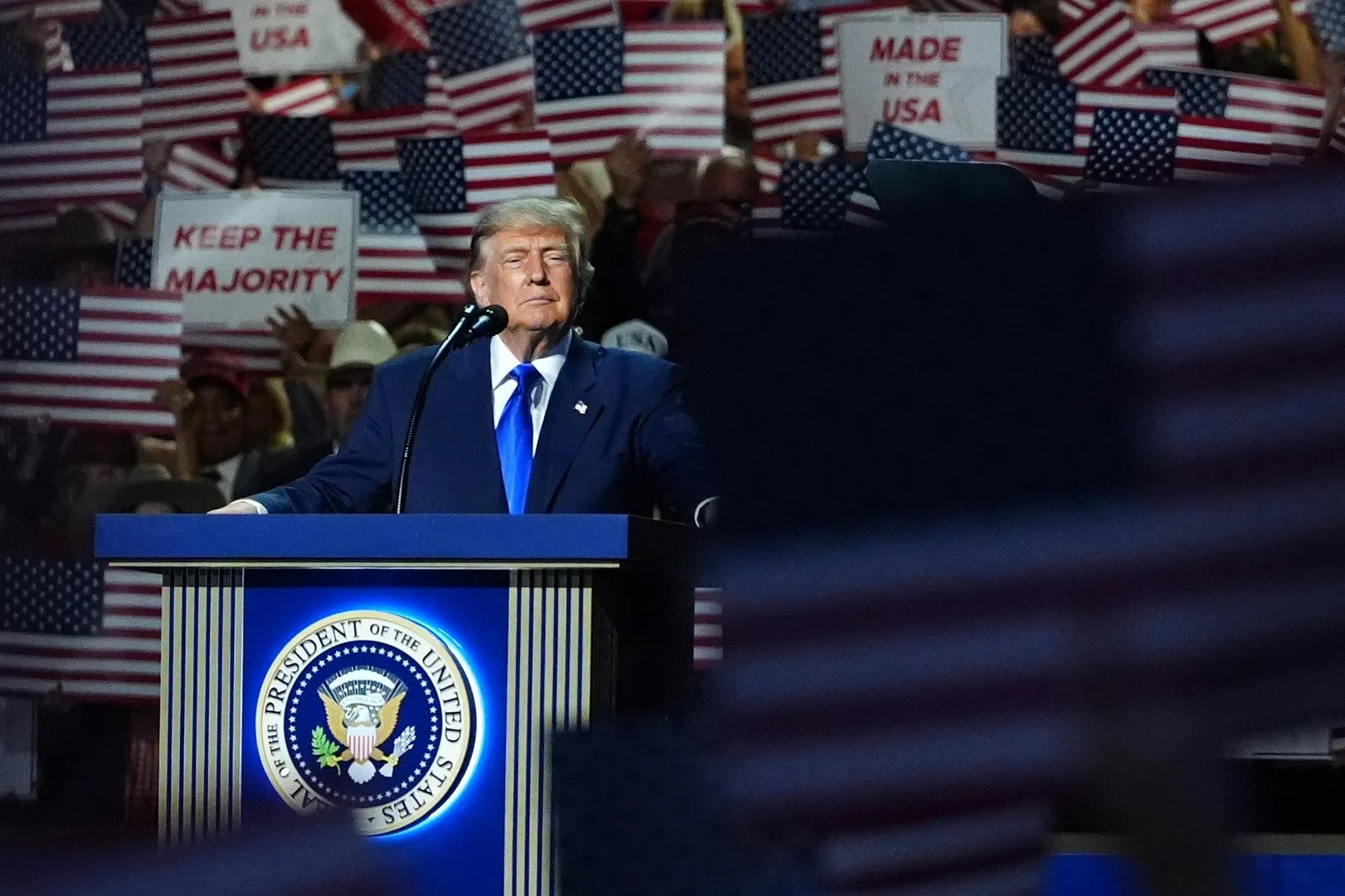
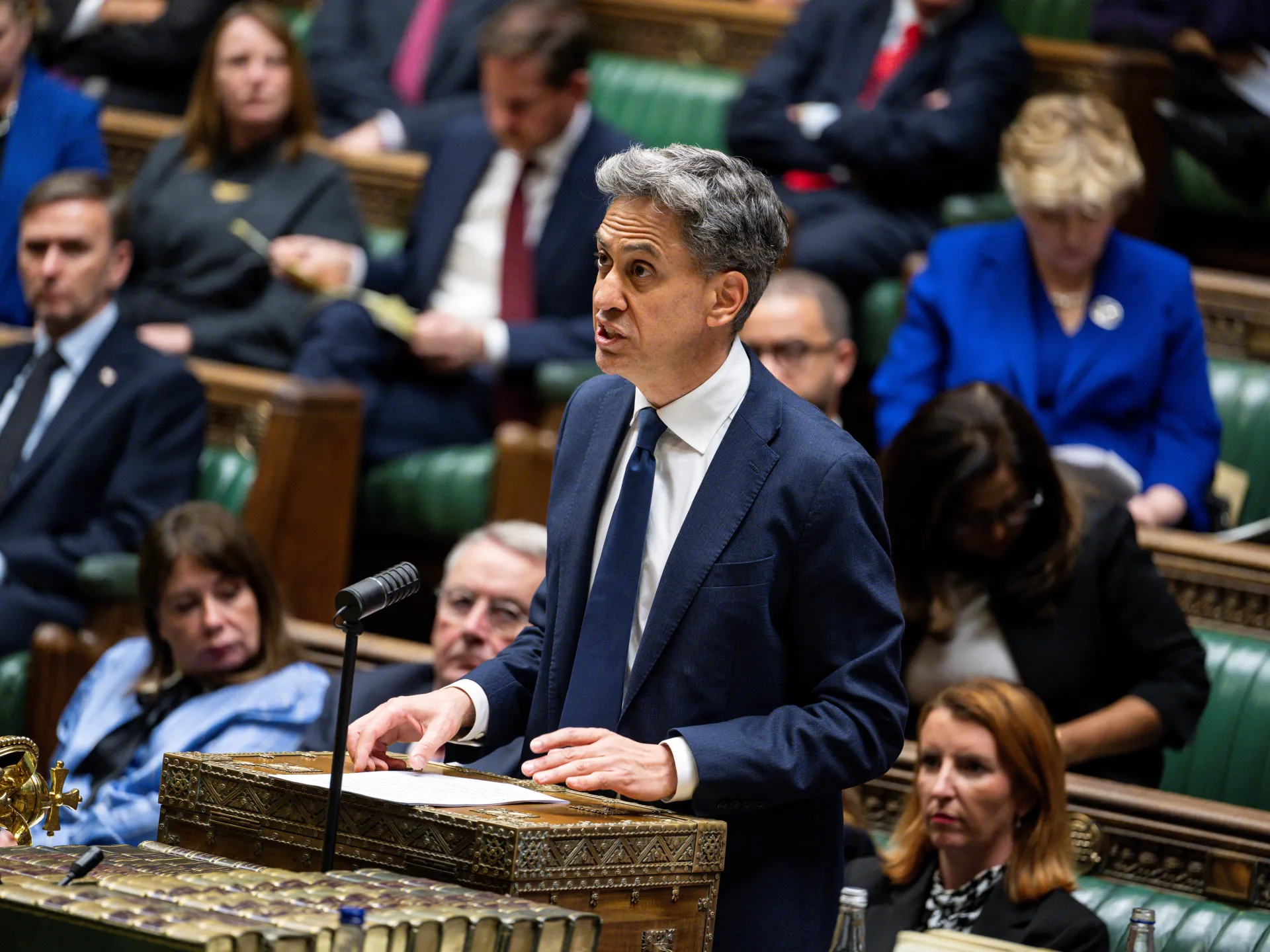
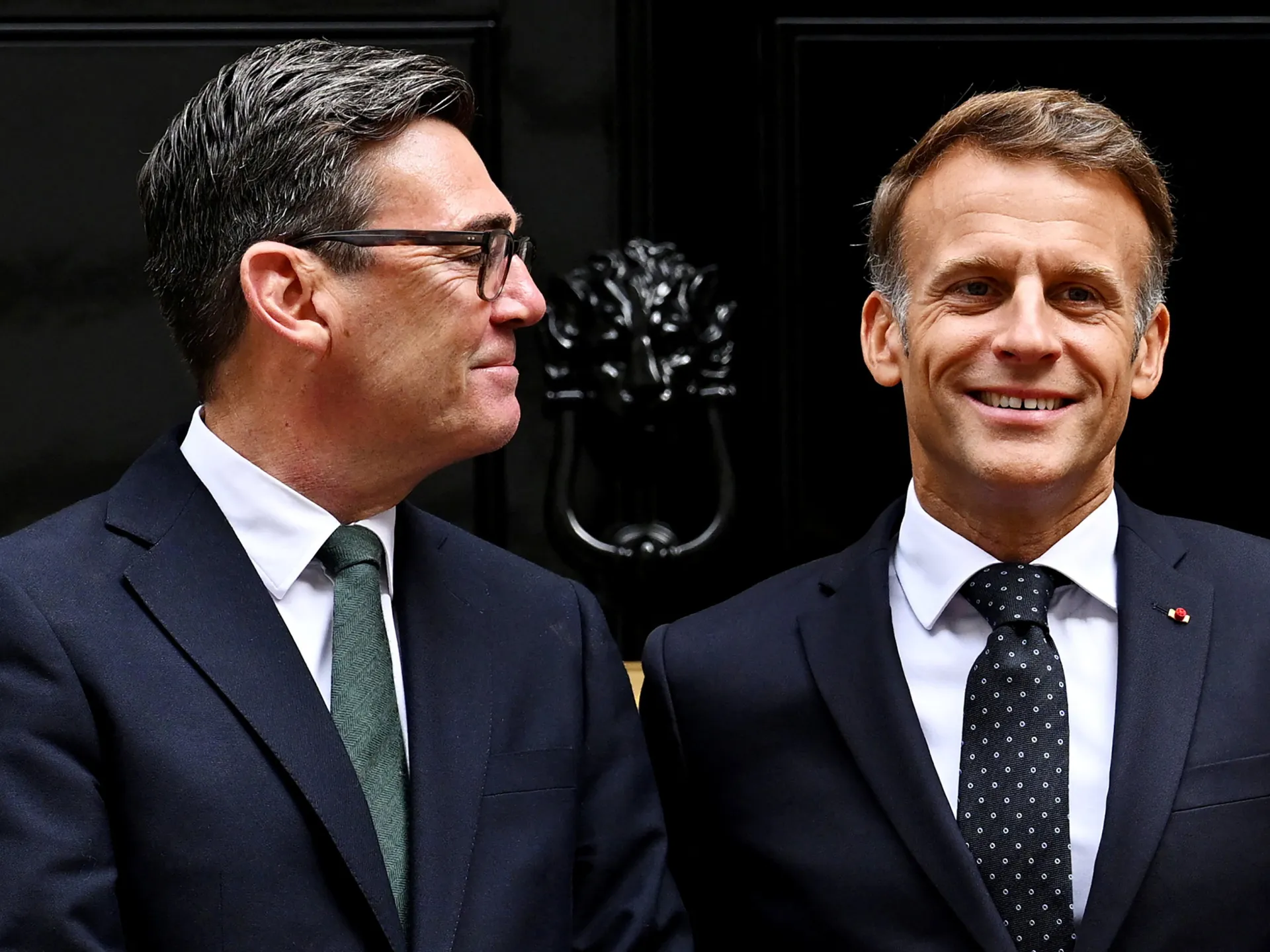
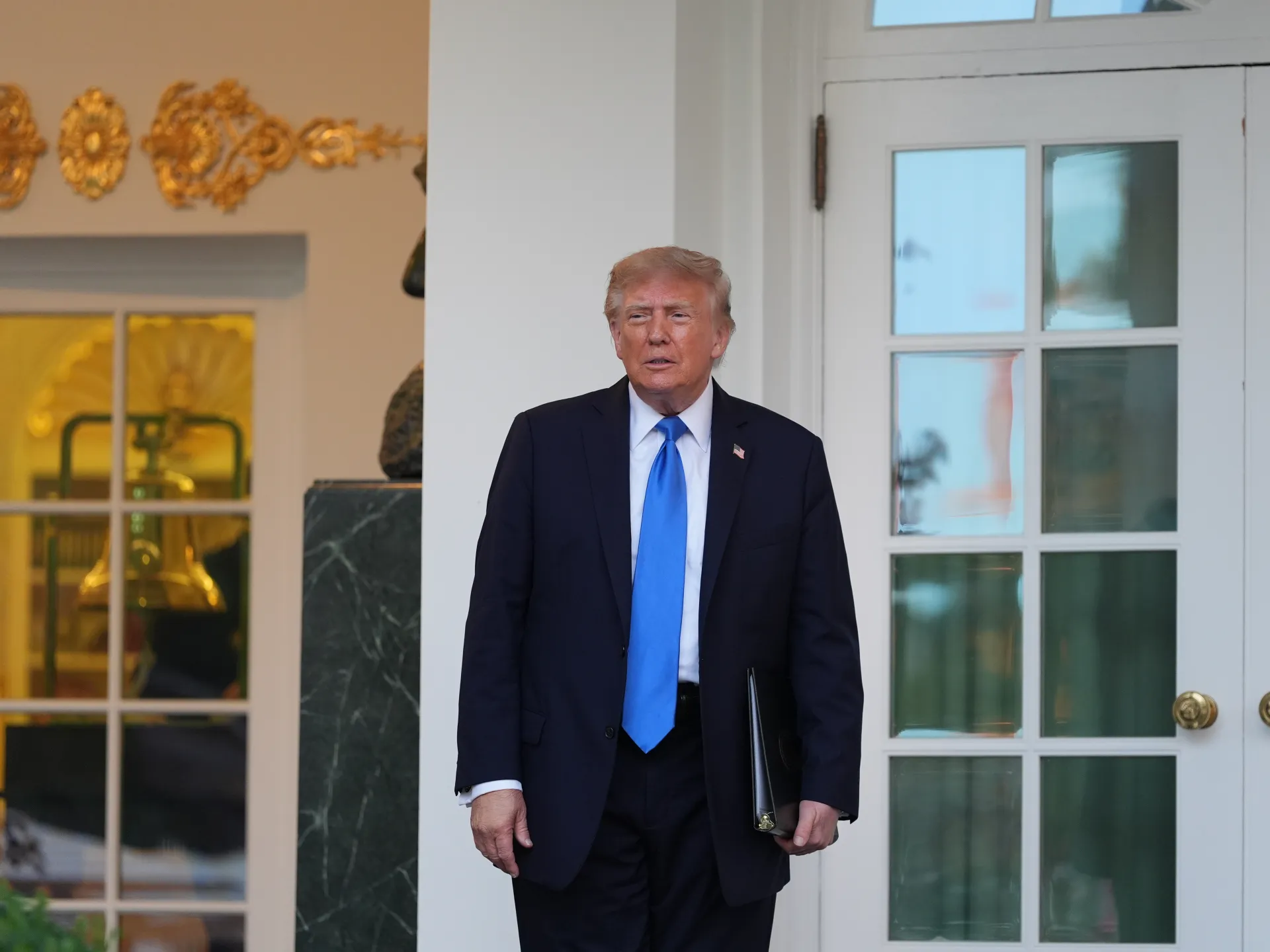
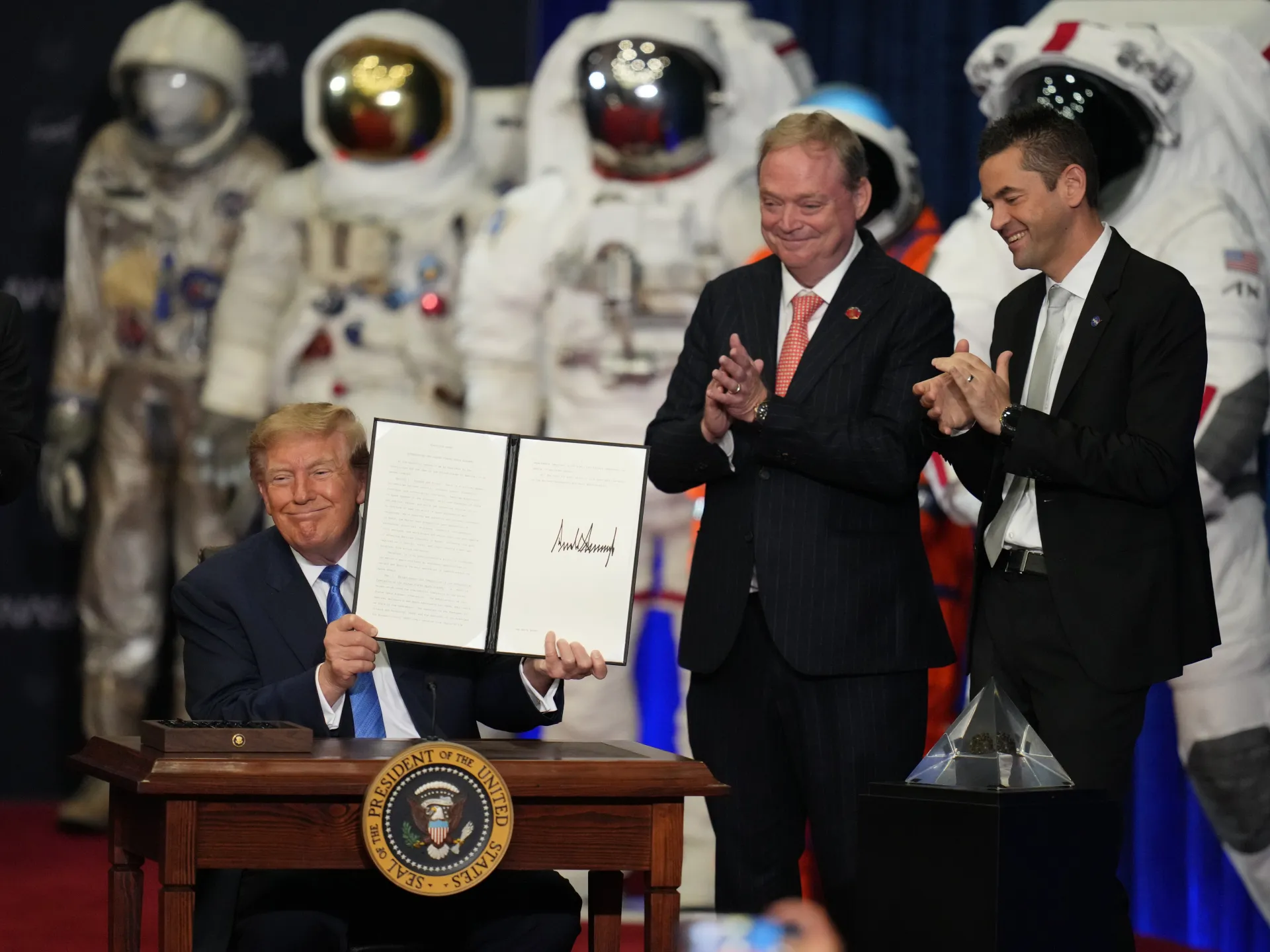
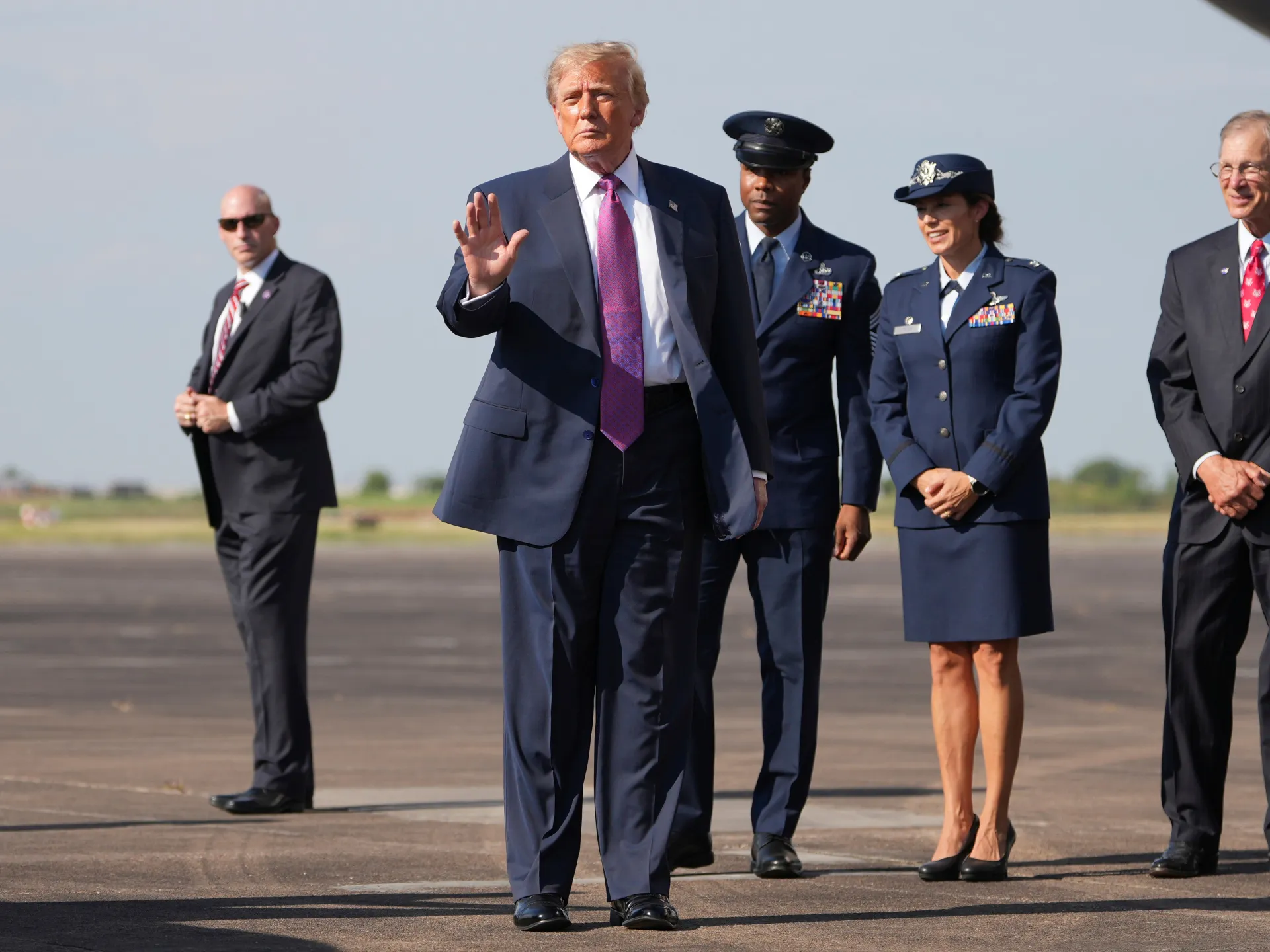
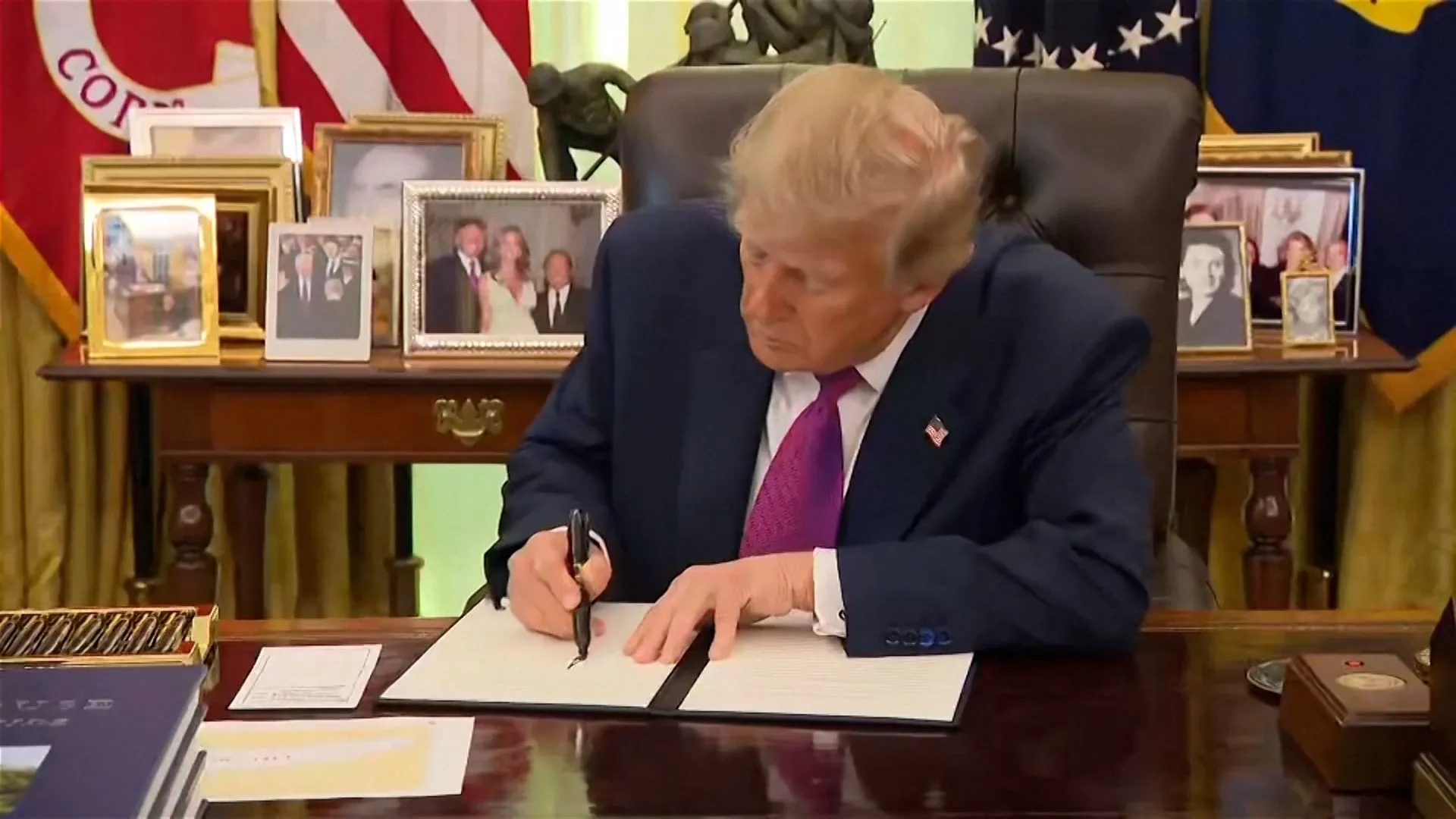
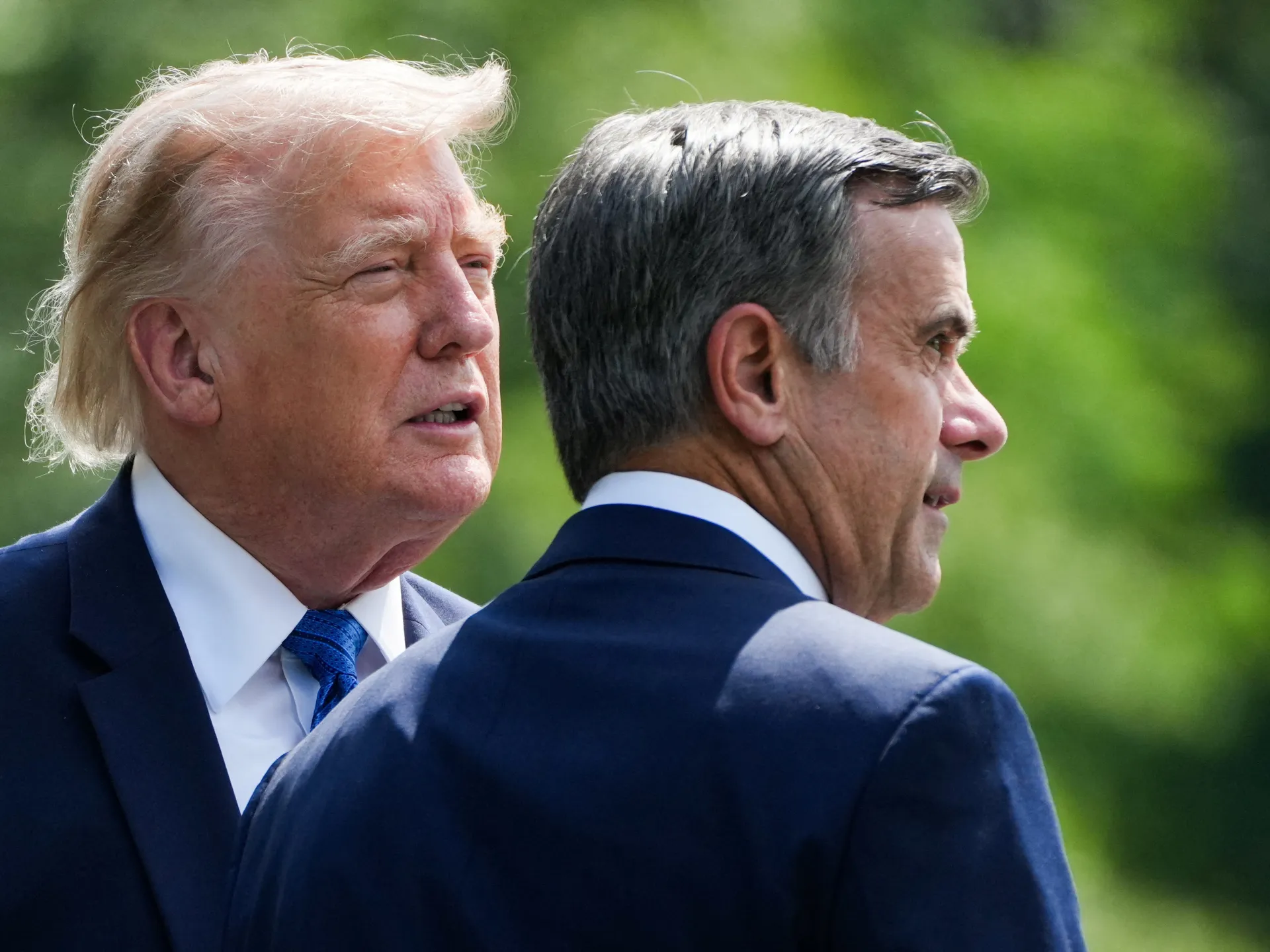
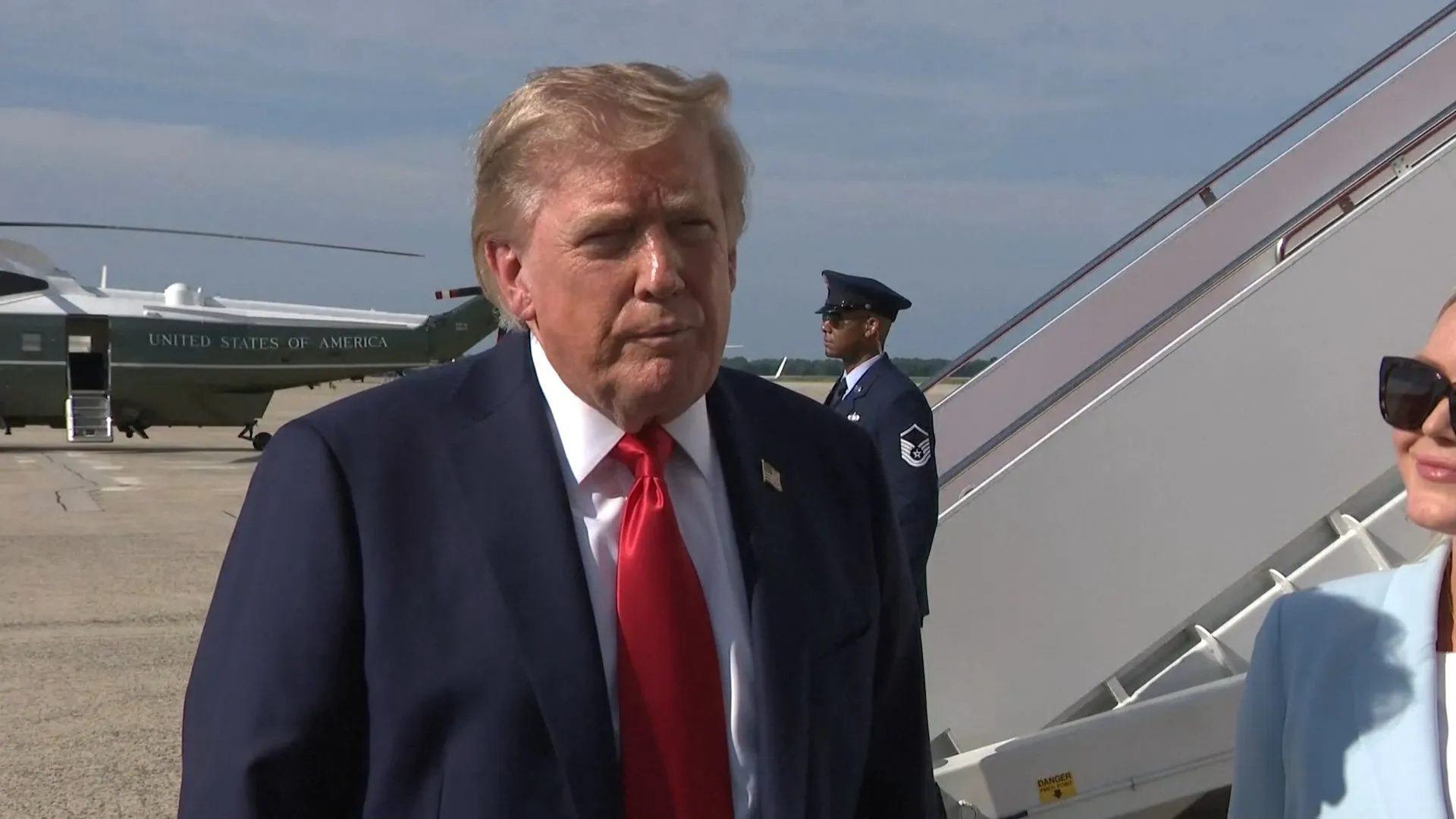
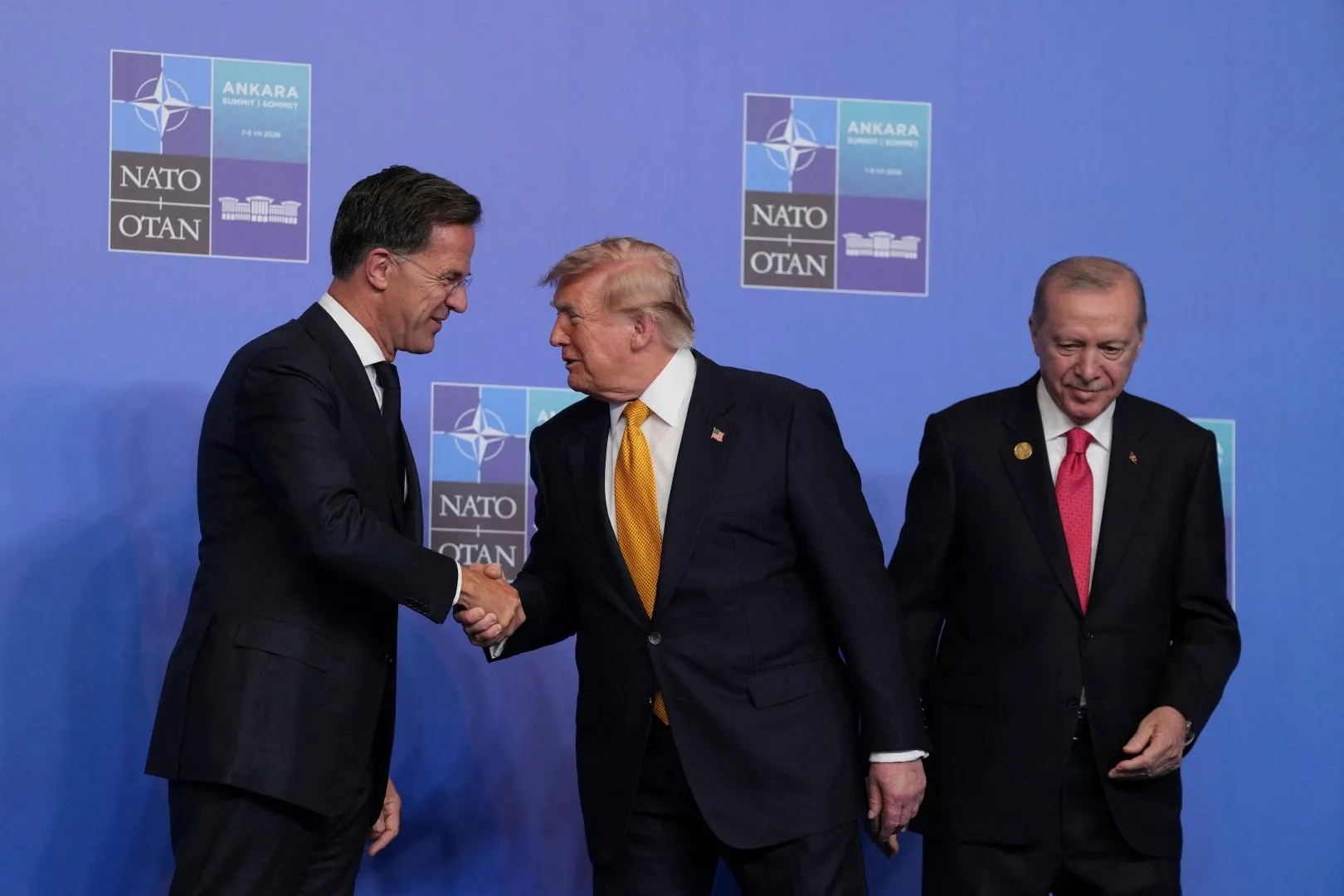
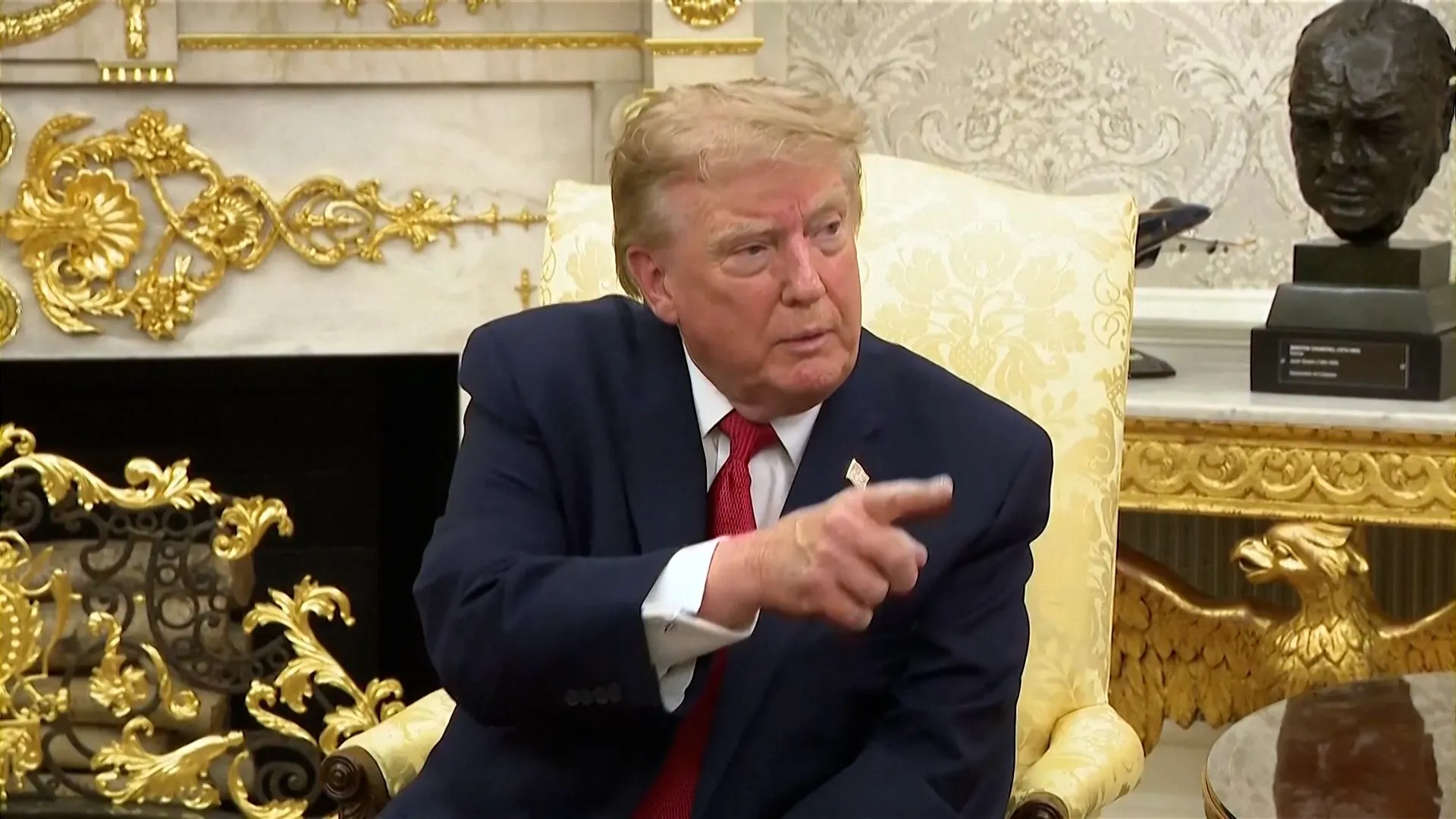
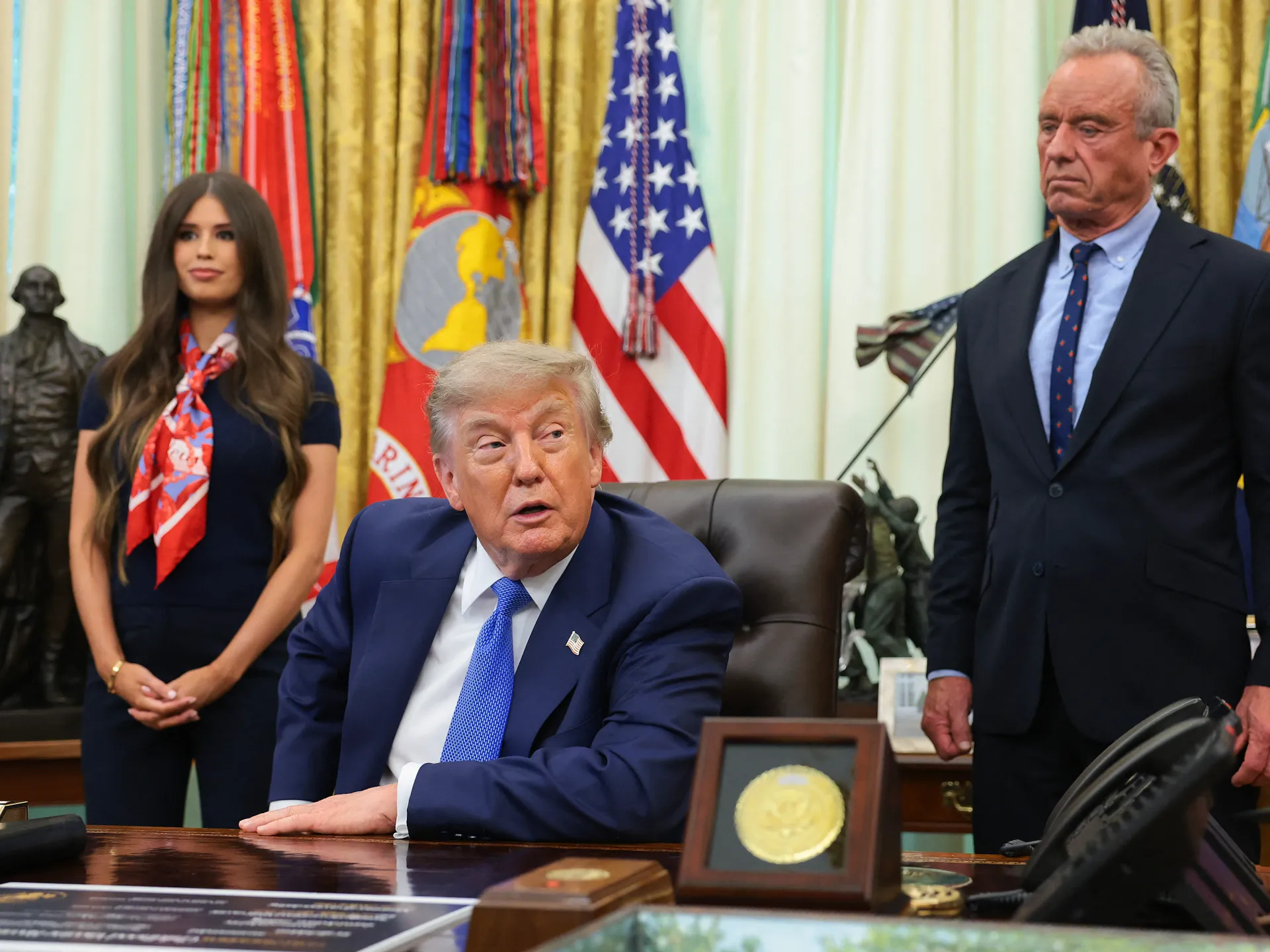
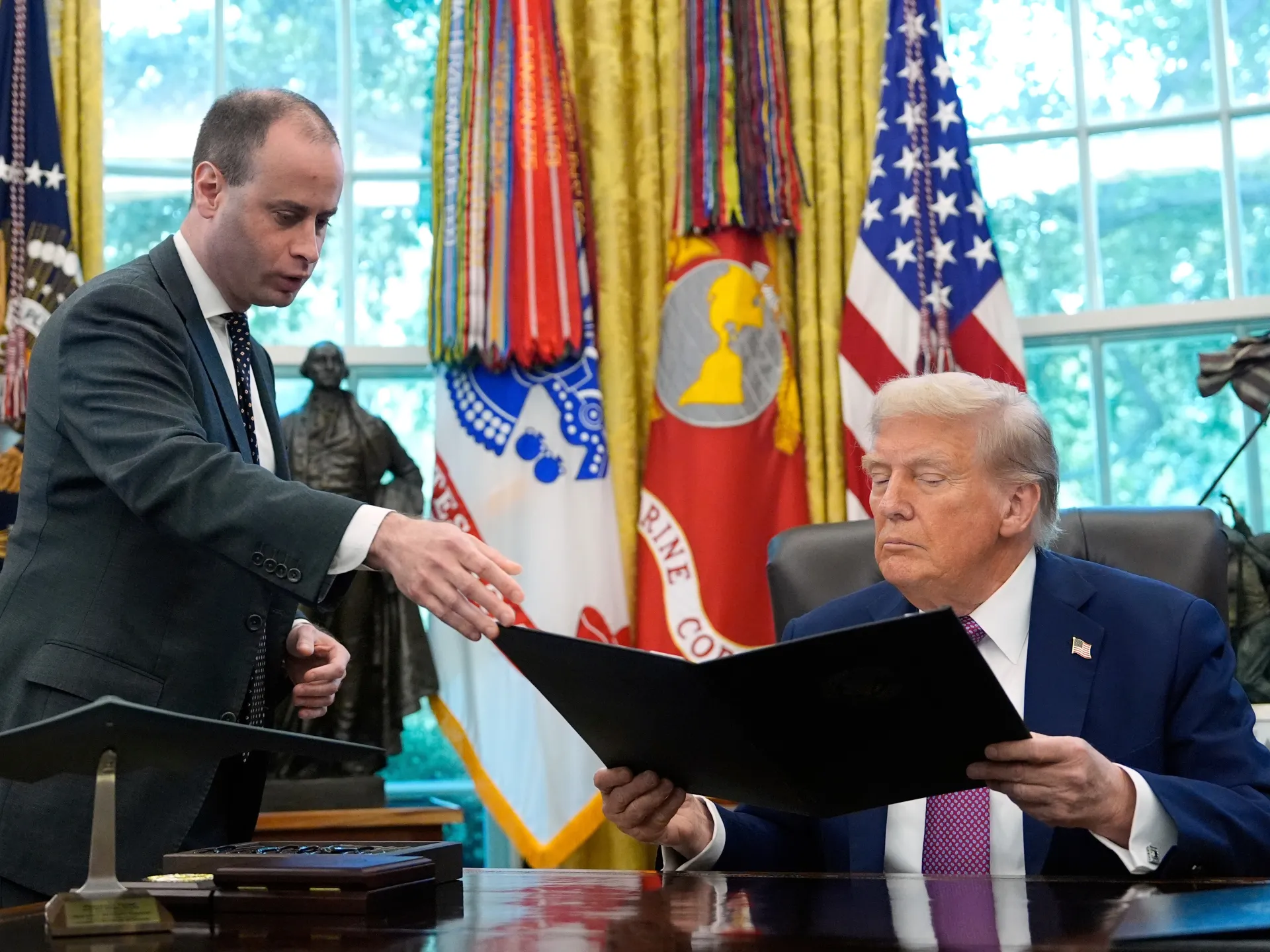
The General Debate, the hallmark of the annual UN gathering, is expected to provide a platform for dueling worldviews. President Donald Trump is scheduled to lead the American address, while international leaders, including the Prime Minister of the United Kingdom and the President of France, will offer their perspectives on the crisis. The Iranian delegation is slated to speak on Wednesday, a session that is expected to draw heightened scrutiny from the international press and security officials alike.
The immediate focus for international observers will be the rhetoric employed m. Given that the conflict has expanded beyond the initial theater of war, the UN sessions may function less as a venue for negotiation and more as a theater for public posturing. While some official reports indicate that behind-the-scenes negotiations have established basic principles for a potential agreement, the lack of a tangible ceasefire suggests that these diplomatic talks remain in their infancy. The success of the assembly in diffusing tensions will likely depend on whether the rhetoric in the General Assembly hall leads to verifiable shifts in military posture or if the conflict remains in its current state of attrition.