A Vermont jury has convicted Jason Eaton of attempted murder in the 2023 shooting of three Palestinian students, rejecting his insanity defense.
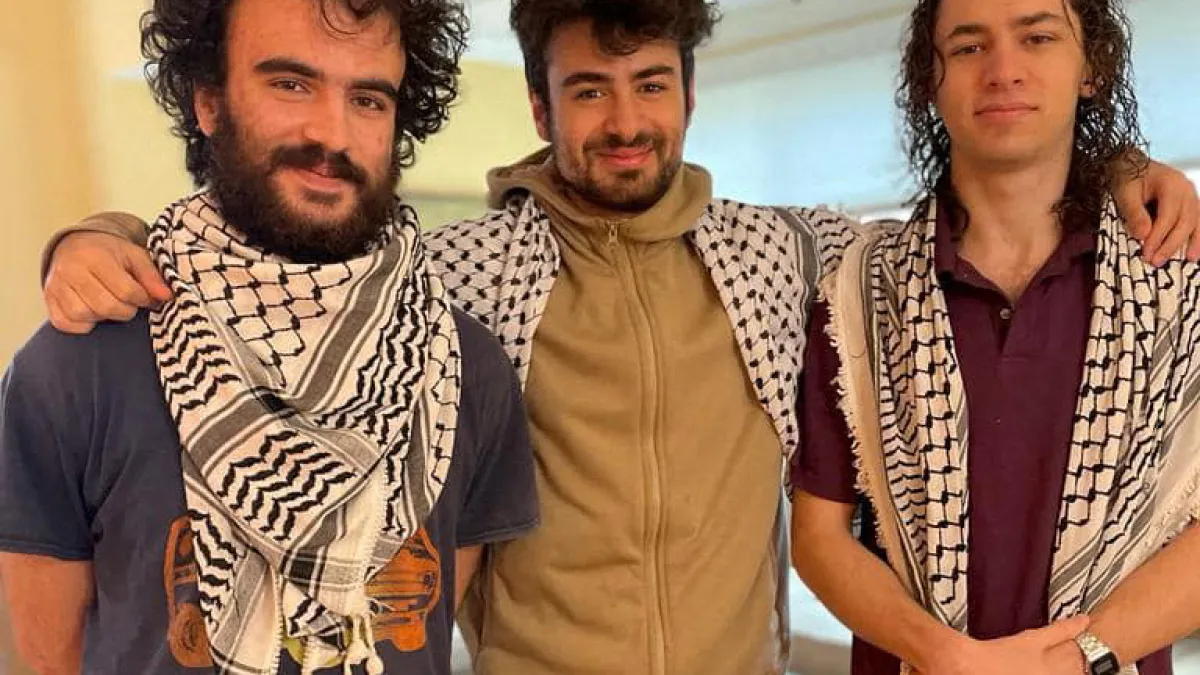
The conviction of Jason Eaton for the 2023 shooting of three Palestinian students in Burlington serves as a critical test for the American legal system’s handling of insanity pleas in cases involving potential bias-motivated violence. While the trial focused on the defendant's mental state rather than the specific classification of a hate crime, the incident itself became a flashpoint for national anxieties regarding rising tensions linked to conflicts in the Middle East. The verdict provides a measure of closure for the victims—Hisham Awartani, Tahseen Aliahmad, and Kinnan Abdalhamid—but it also highlights the persistent vulnerability of international students who find themselves caught in the crossfire of domestic political and social instability.
Furthermore, the case underscores the legal complexities of attributing intent when a defendant cites delusional disorders as a primary driver for violence. agined directives from intelligence agencies, the jury reaffirmed the standard of criminal responsibility, signaling that psychiatric instability does not automatically absolve individuals of the legal consequences of premeditated violence, particularly when that violence results in life-altering physical injuries.
A Vermont jury delivered a guilty verdict on Monday, finding 51-year-old Jason Eaton guilty of attempted murder for the November 2023 shooting of three college students. The trial, which spanned a week, centered on the testimony of the victims and psychiatric experts. The prosecution effectively dismantled the defense's claim that Eaton suffered from a delusional psychotic disorder that rendered him unable to discern right from wrong. While the defense argued that Eaton believed he was carrying out “overwatch duty” under the command of God and intelligence agencies, the prosecution countered with a state psychiatrist's assessment that Eaton lacked any such mental defect and acted with clear, lethal intent.
The victims, who grew up together in Ramallah, were visiting family in Burlington during the Thanksgiving holiday when the attack occurred. The court heard harrowing testimony from the survivors, who recounted how they were approached re wearing keffiyehs at the time of the encounter. Without provocation or prior verbal exchange, Eaton fired upon the group at close range. Hisham Awartani, who was struck in the chest, sustained permanent injuries that have left him paralyzed from the waist down. The other two students, Aliahmad and Abdalhamid, sustained gunshot wounds to the collarbone and buttock, respectively.
With the conviction secured, the court must now move to the sentencing phase. While a specific date has yet to be finalized, Eaton faces a potential sentence of life in prison. The legal aftermath of this trial may also reignite discussions regarding the intersection of mental health and domestic radicalization. Legal analysts suggest that while the attempted murder conviction addresses the immediate criminal act, the broader implications regarding the safety of minority students on American campuses remain a point of significant policy concern. Future legal maneuvers bility, though the strength of the jury’s rejection of that narrative suggests a difficult path for any such challenges.