New evidence regarding the disappearance of Austin Tice and findings from the Martian surface highlight a week of significant scientific and geopolitical developments.
Modern science and investigative journalism a common objective: identifying hidden patterns within complex, often chaotic, systems. Whether analyzing the chemical history of a distant crater, the structural anomalies of a spiral galaxy, or the dark machinations of a fallen regime, these efforts underscore the fragility of our assumptions. When physical environments change rapidly—as seen in the Himalayas—or when long-held theories about historical abductions are overturned clear. These disparate events serve as a reminder that the truth often resides in the details ignored
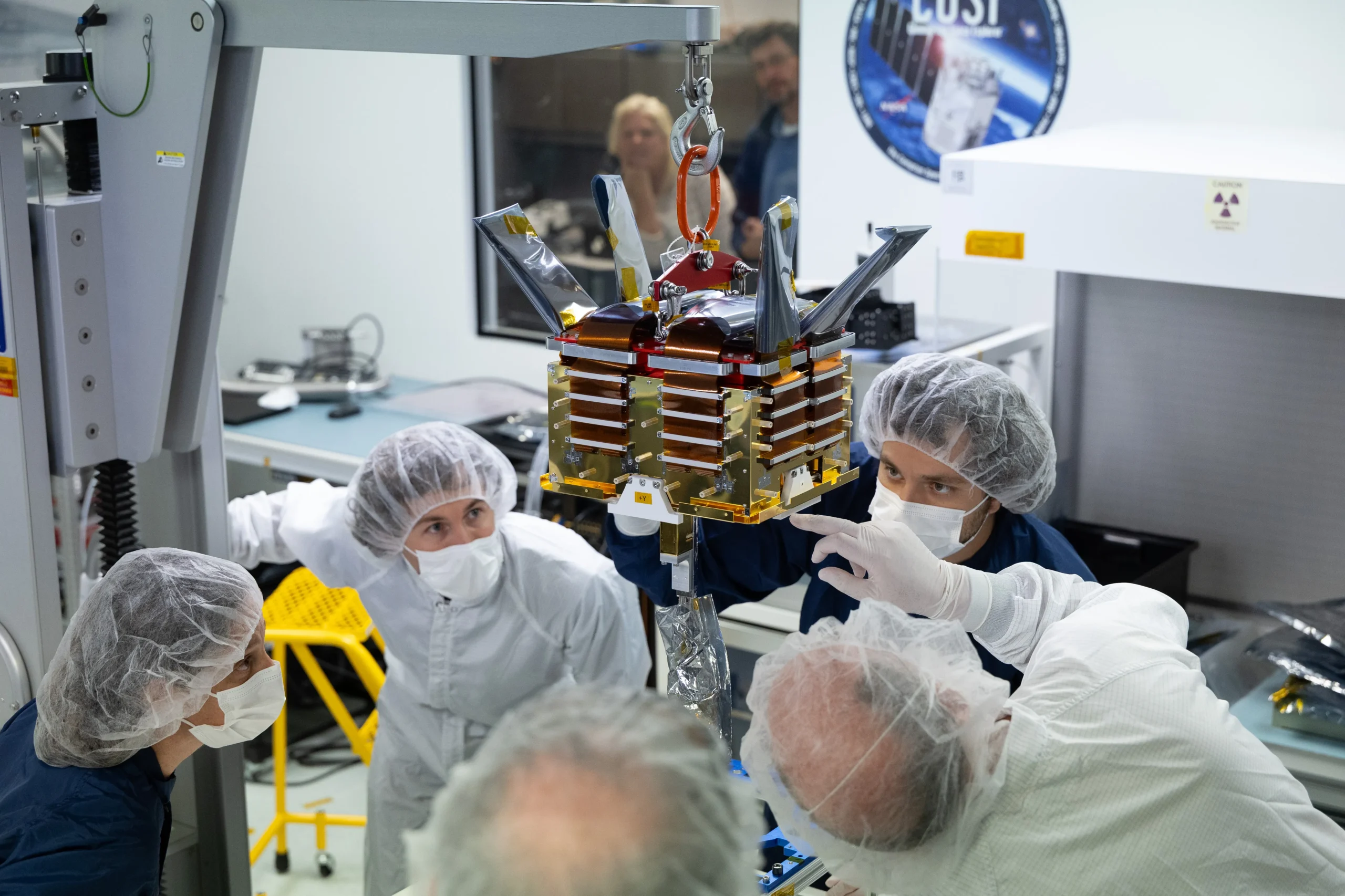
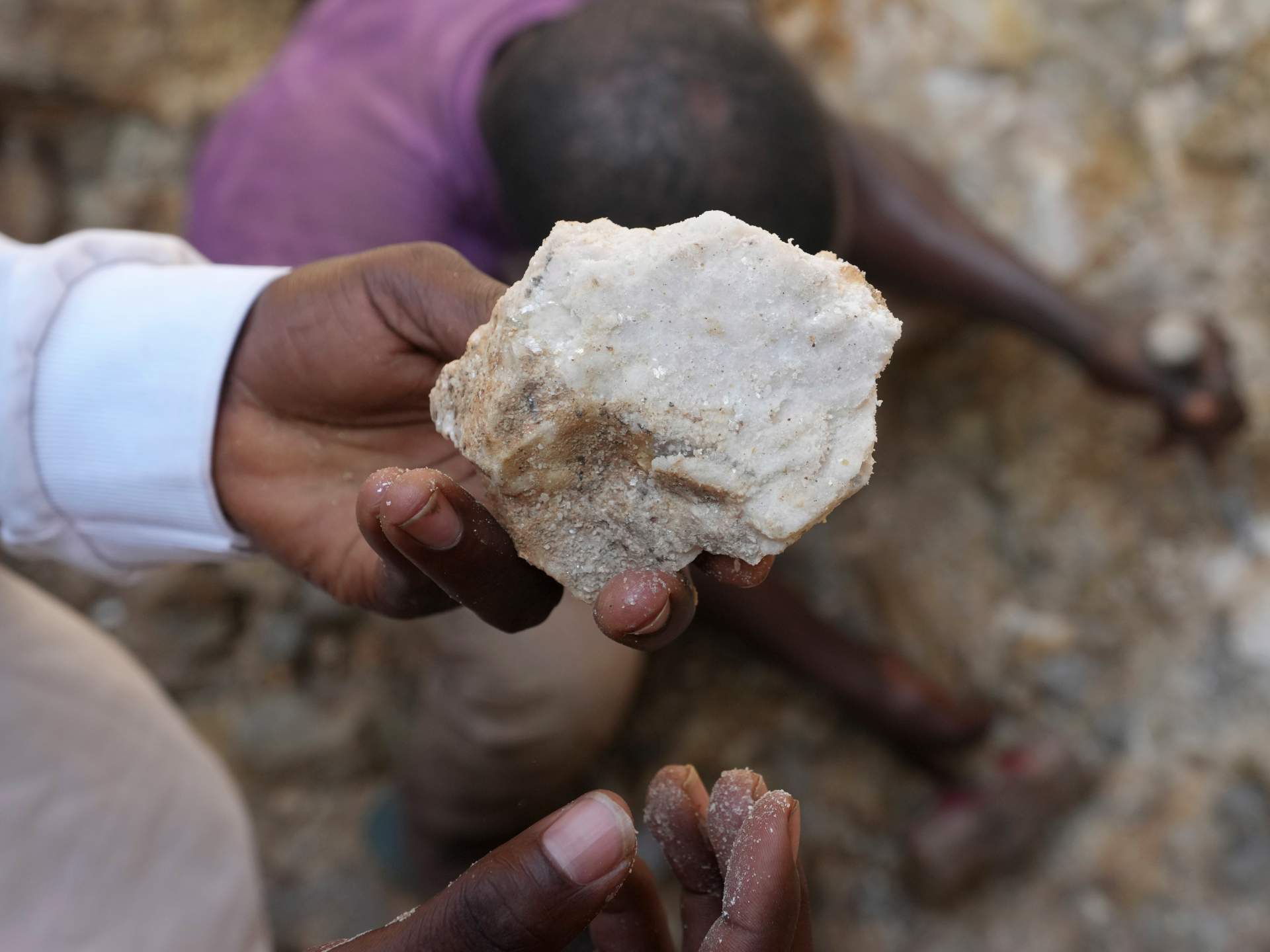
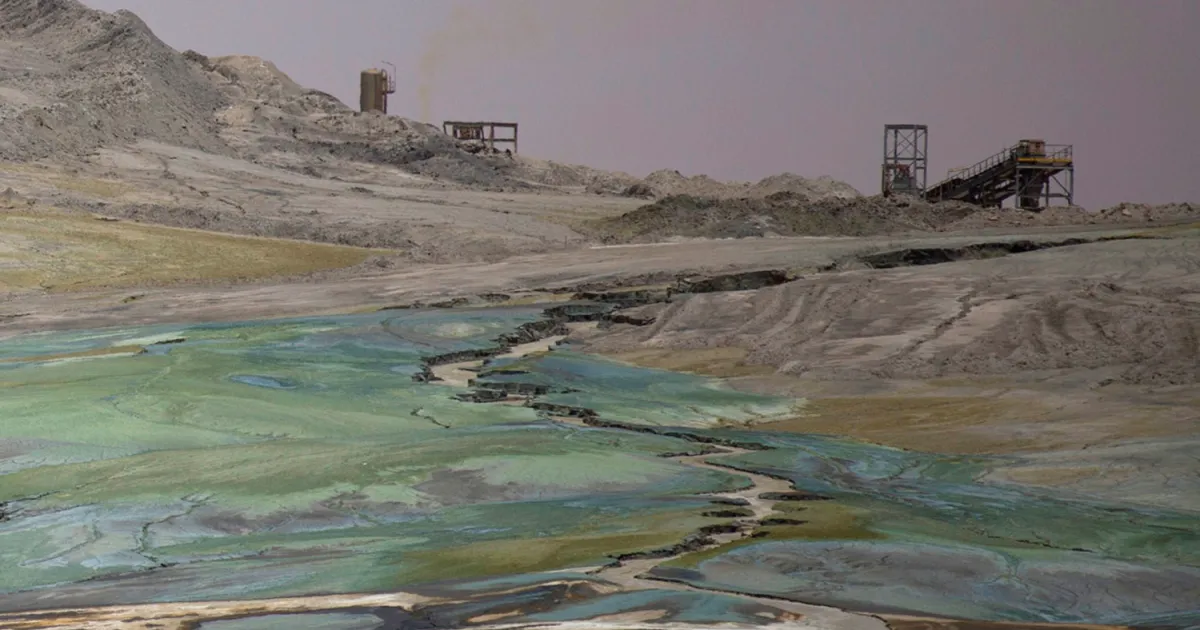
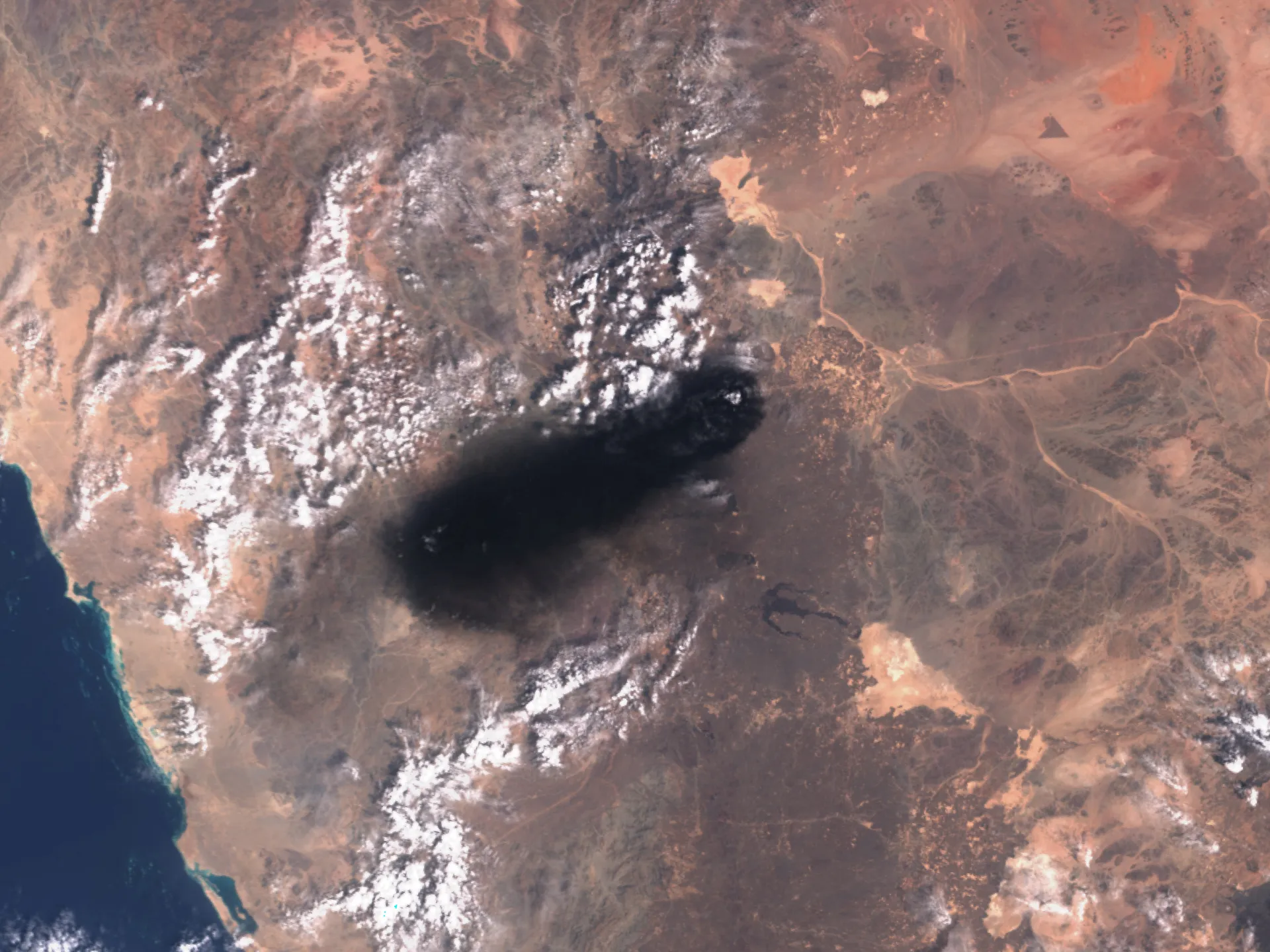
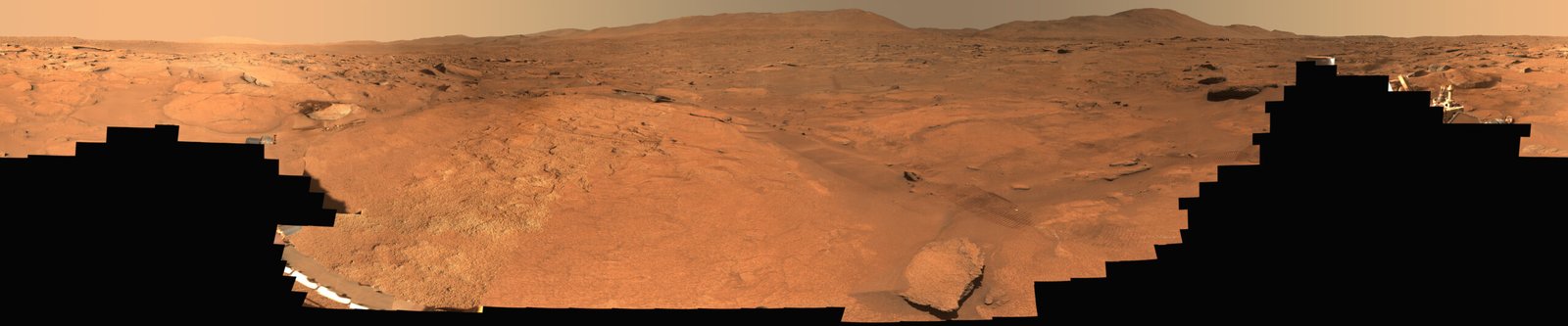
NASA’s Perseverance rover has challenged previous assumptions regarding the ancient environment of Mars’ Jezero Crater. While mission scientists initially anticipated that the crater’s “Margin Unit” would be defined rock suggests a much more complex history. Lead author Candice Bedford noted that this area functioned as a crossroads for aqueous systems, with chemical signatures indicating at least three distinct interactions with water. These findings, published in Communications Earth & Environment, were made possible
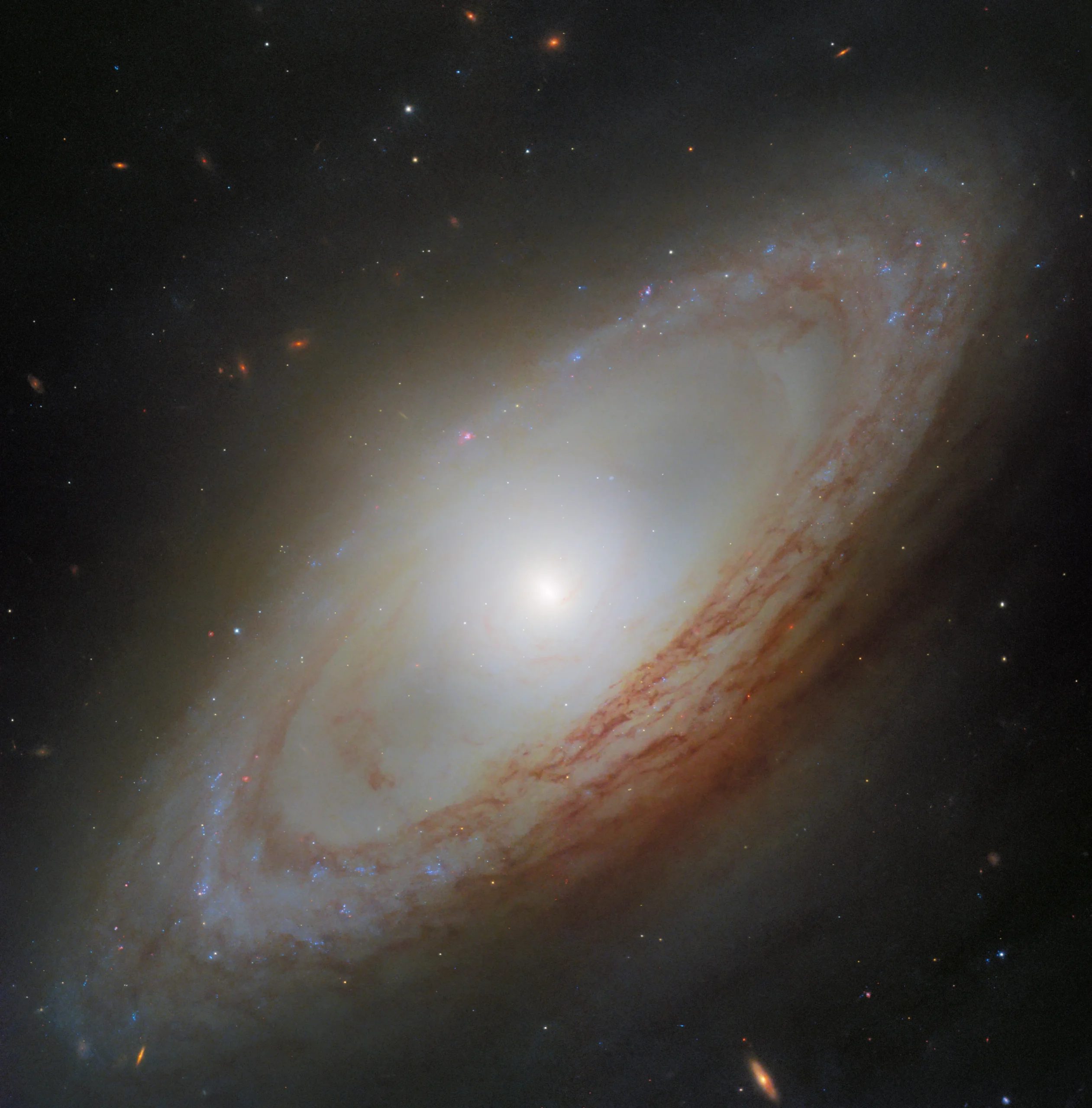
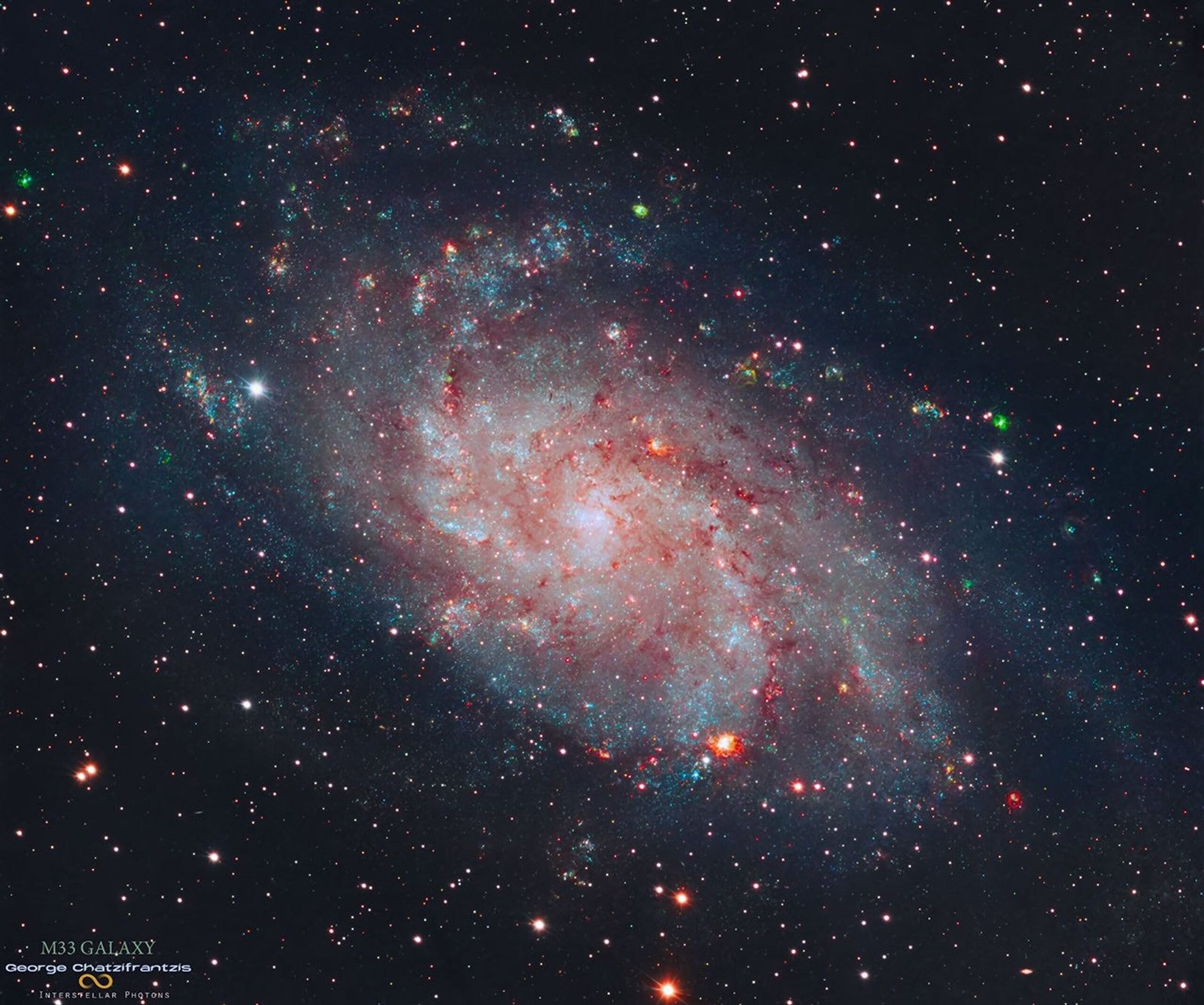
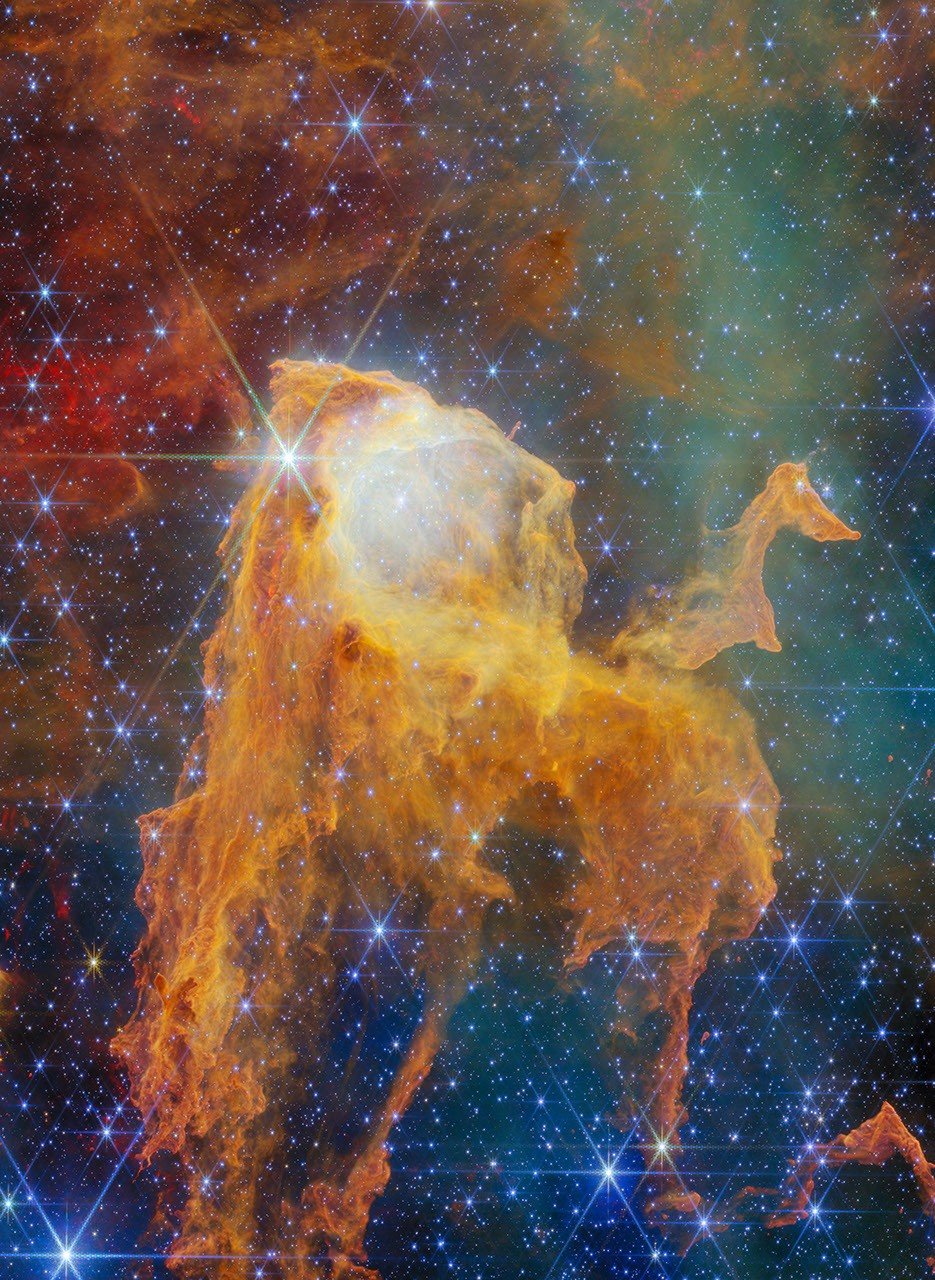
Simultaneously, the Hubble Space Telescope has captured imagery of NGC 4698, a spiral galaxy located 55 million light-years away. While it appears typical at first glance, the galaxy harbors a significant anomaly: its central bulge and inner disk rotate perpendicular to the rest of its structure. Astronomers believe this “out-of-sync” behavior is the result of an external event, likely a minor galactic merger that introduced new gas and stars at an unusual angle. These discoveries highlight how both local planetary landscapes and distant cosmic structures retain records of past events long after they have occurred.
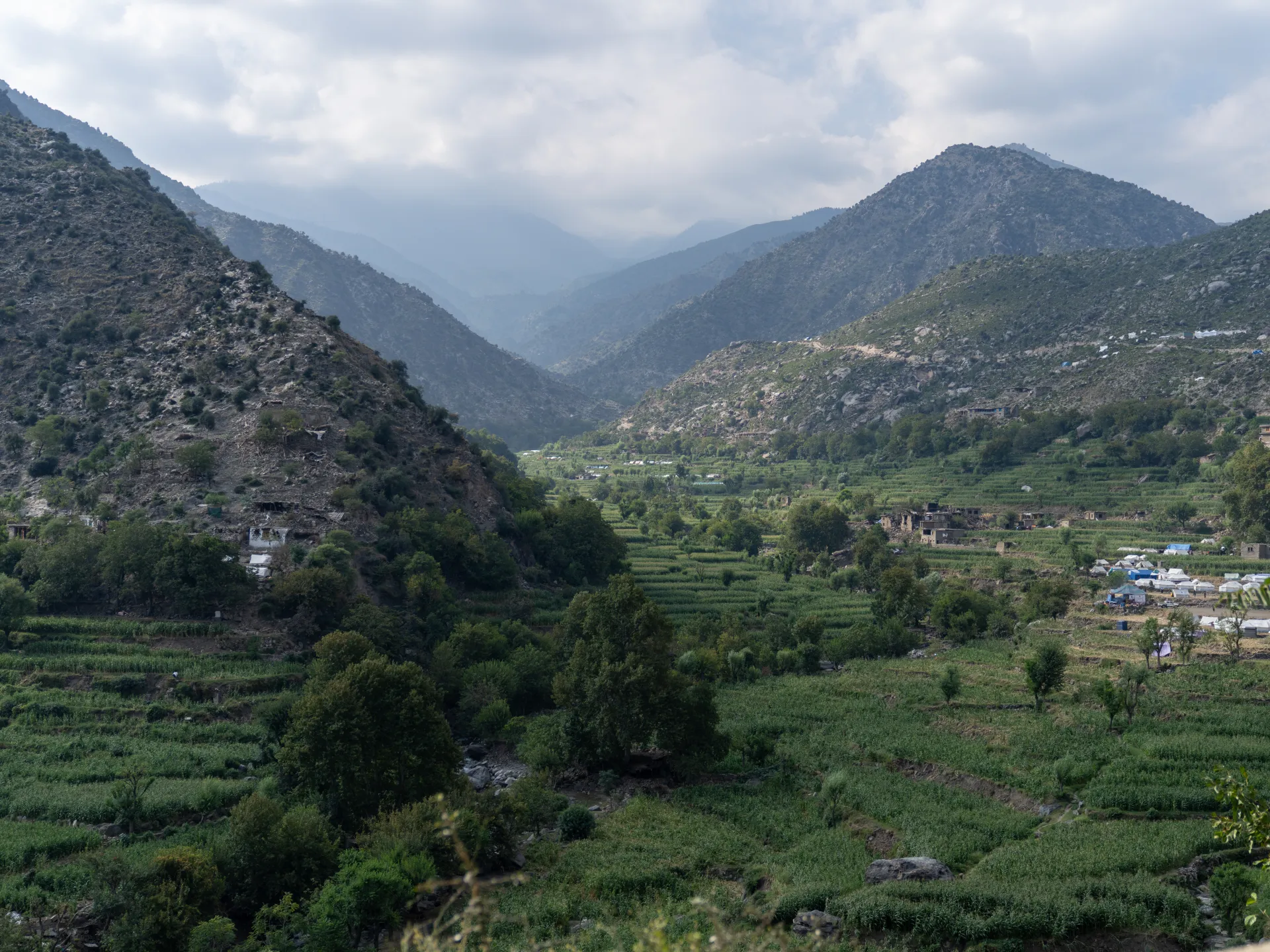
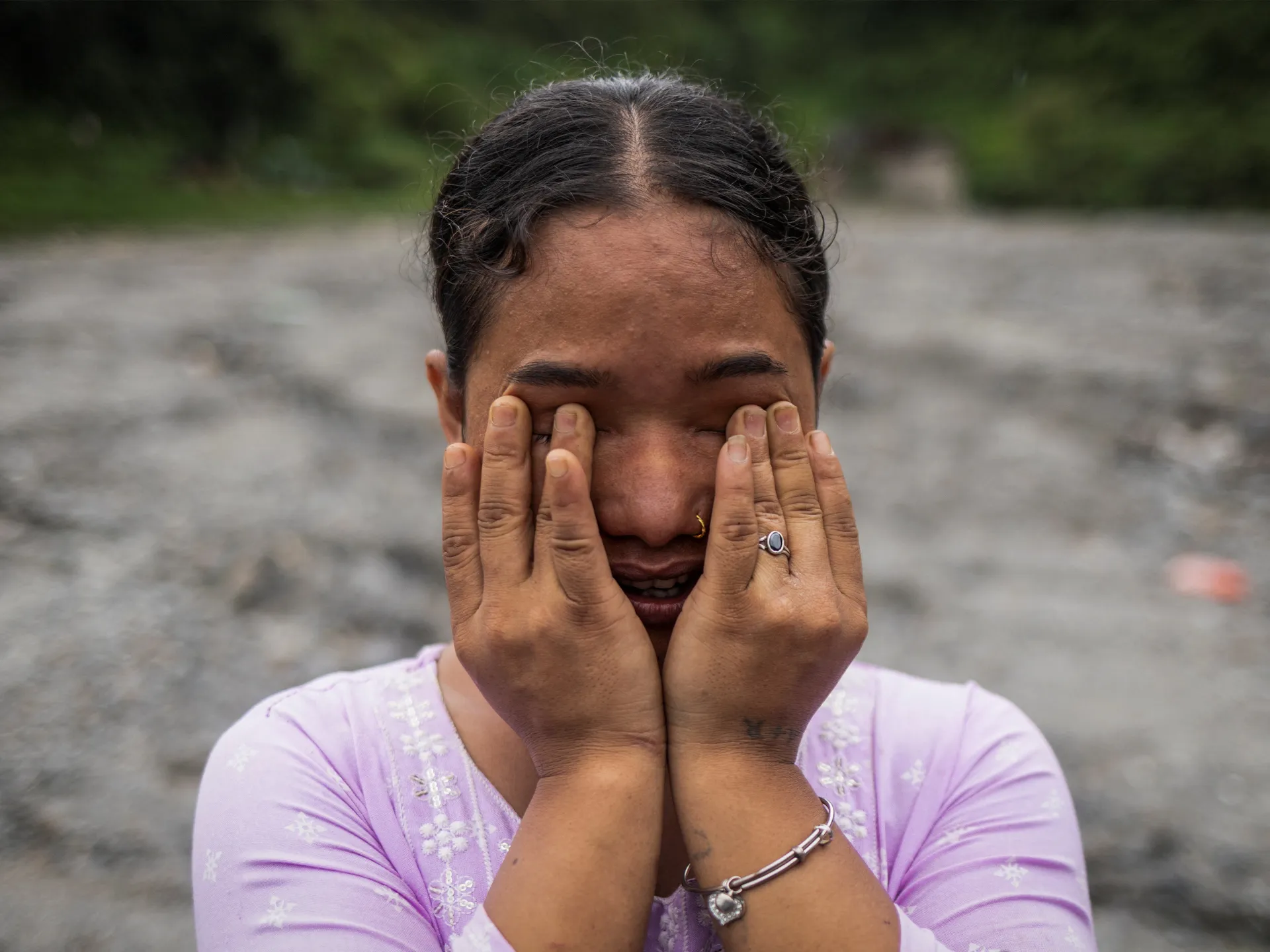
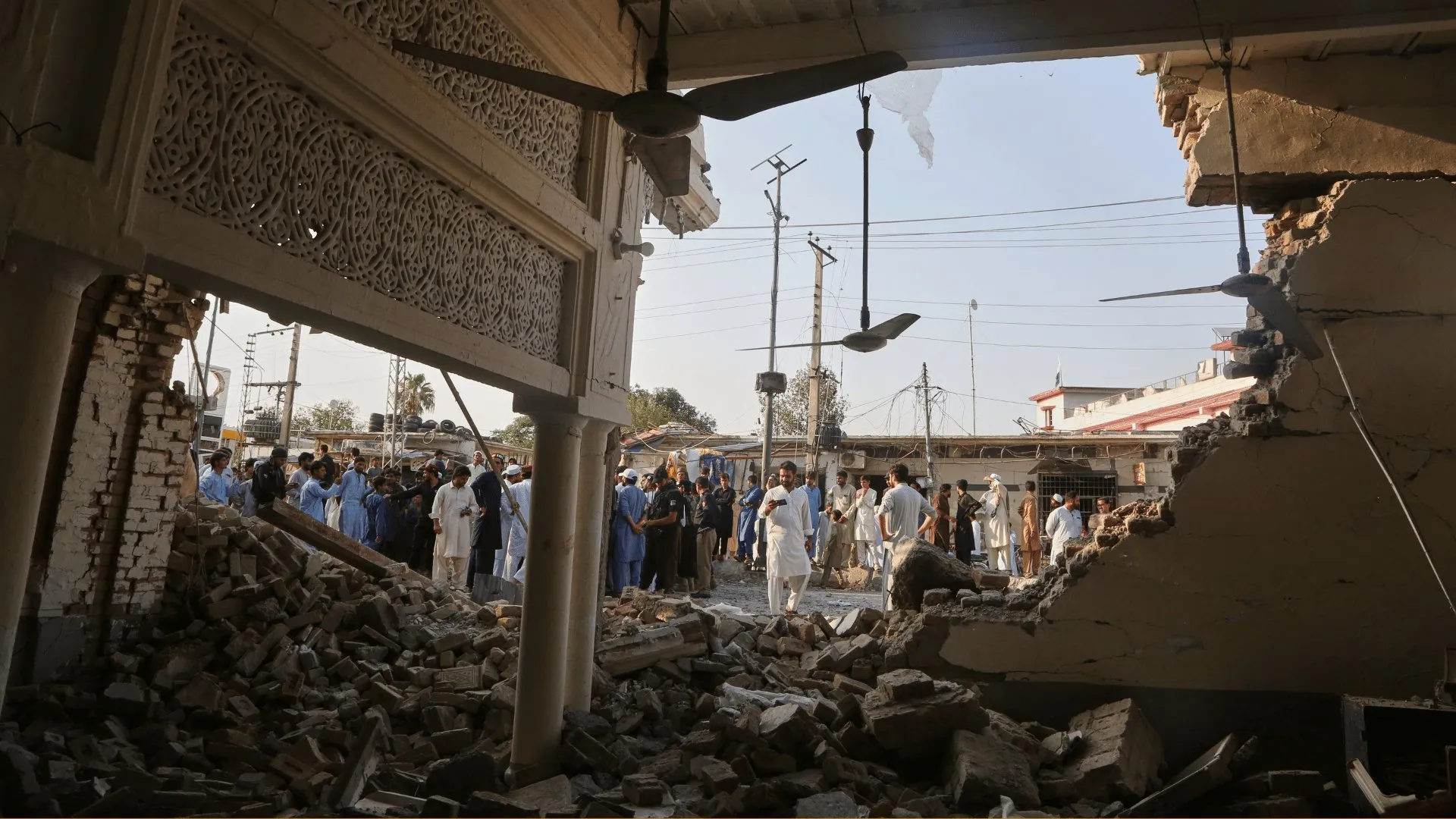
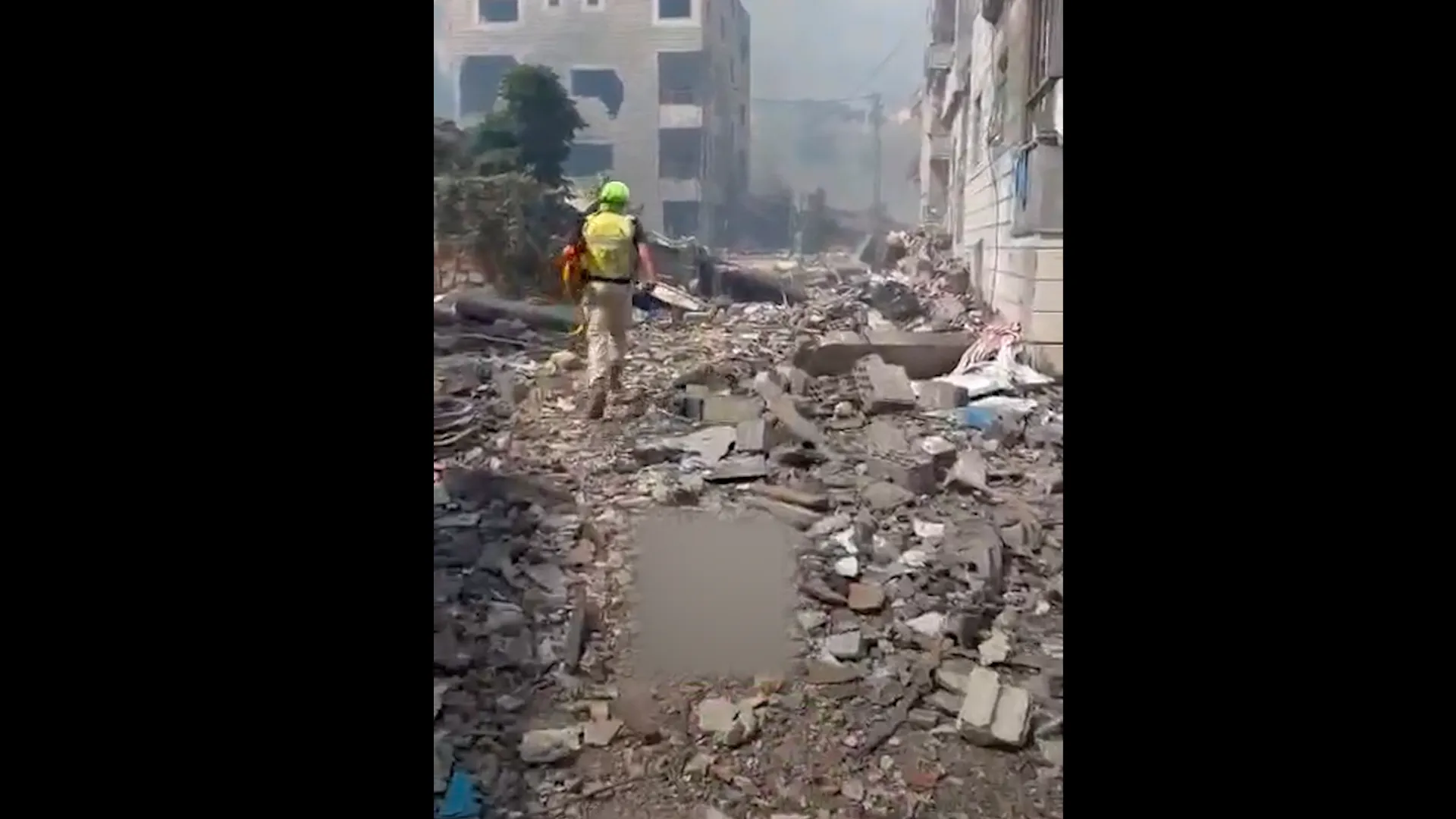
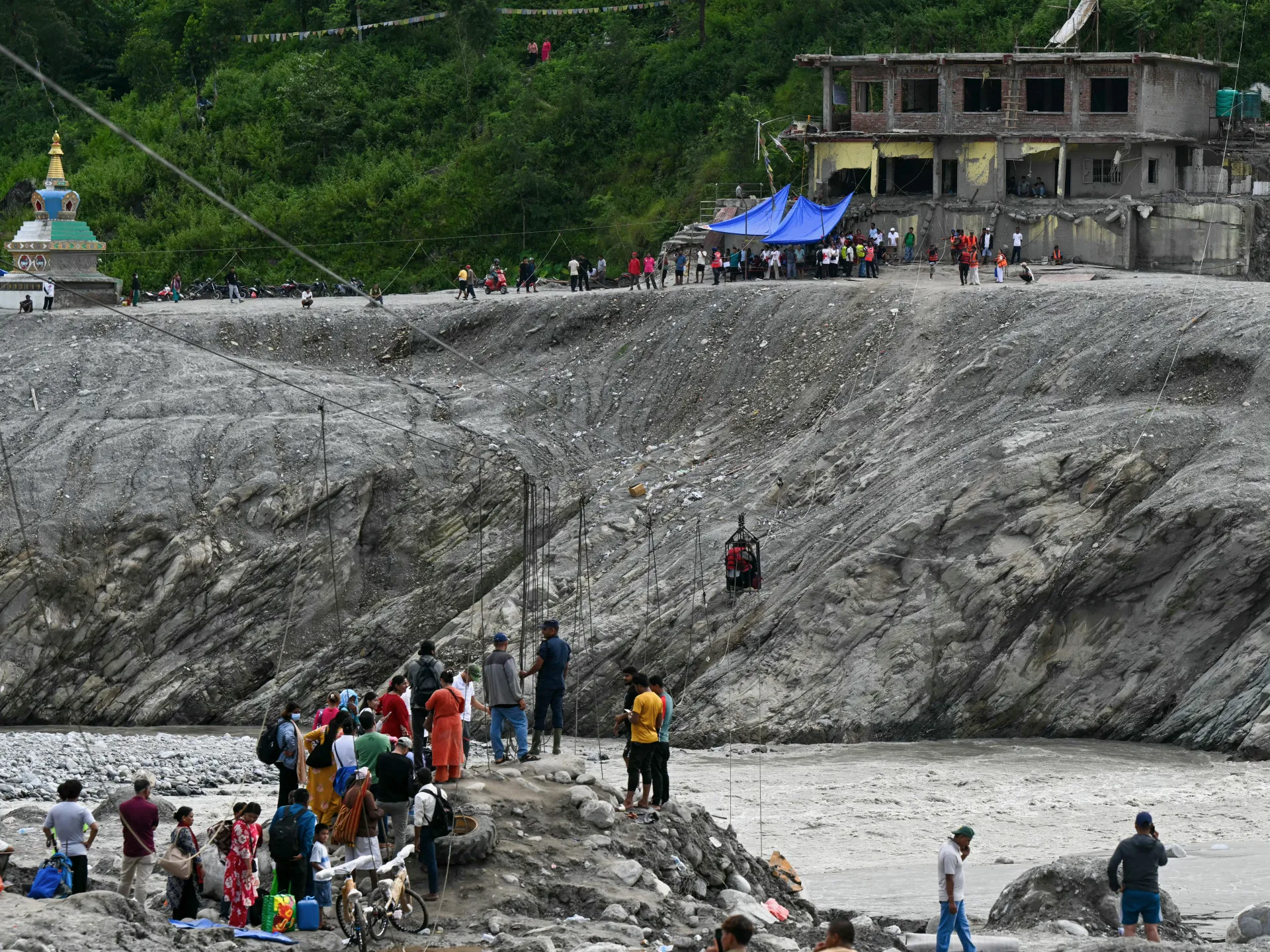
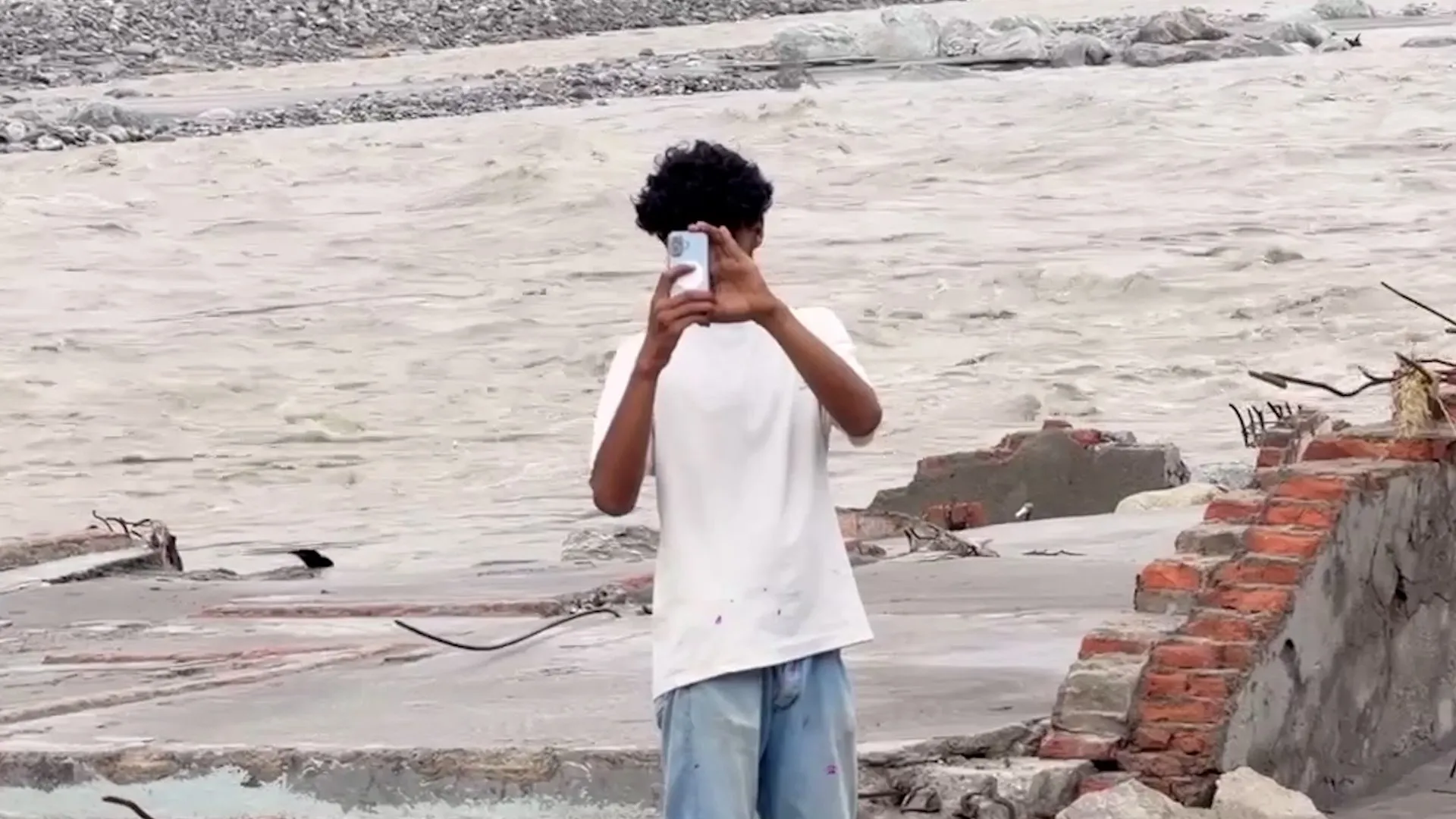
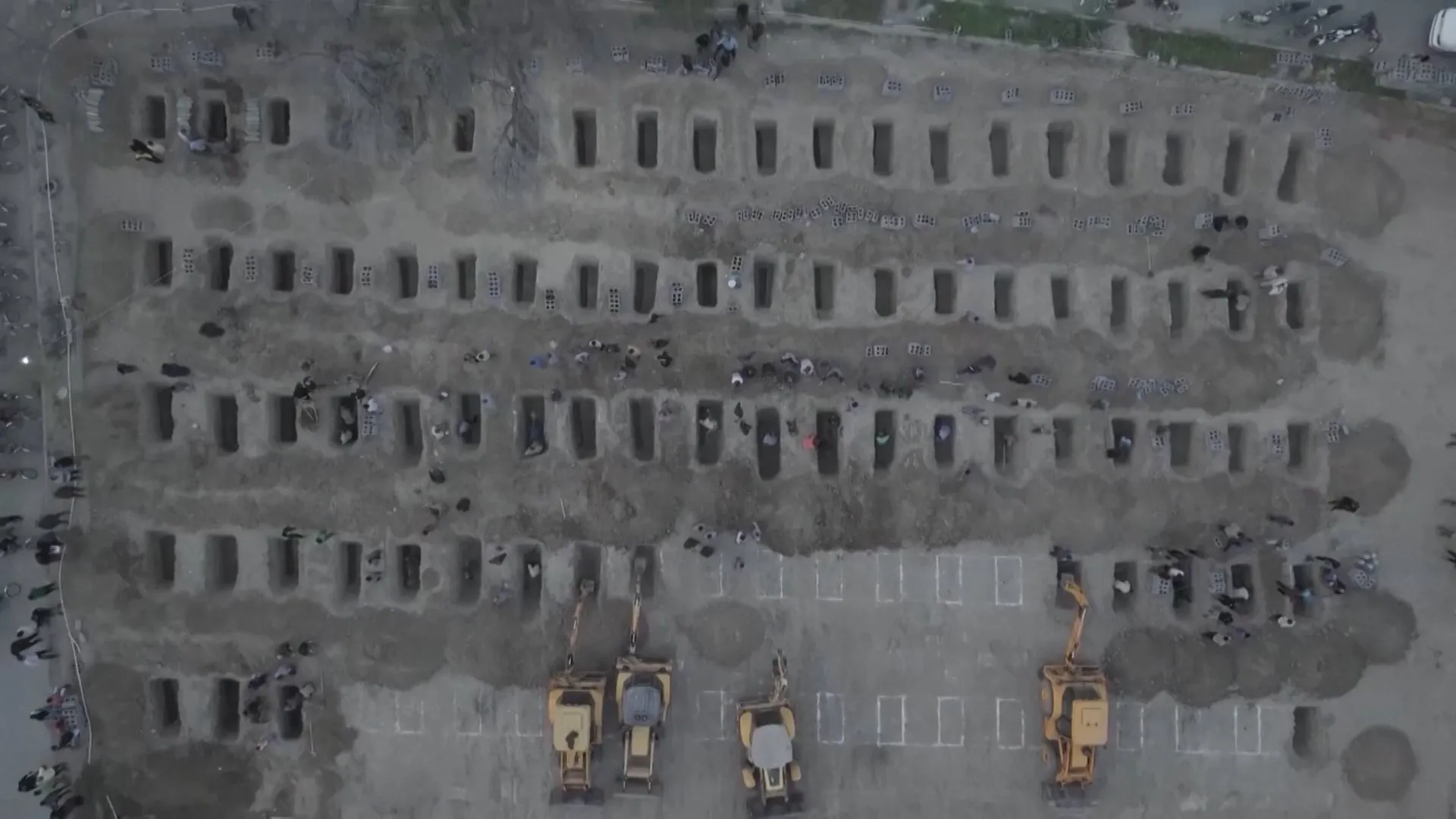
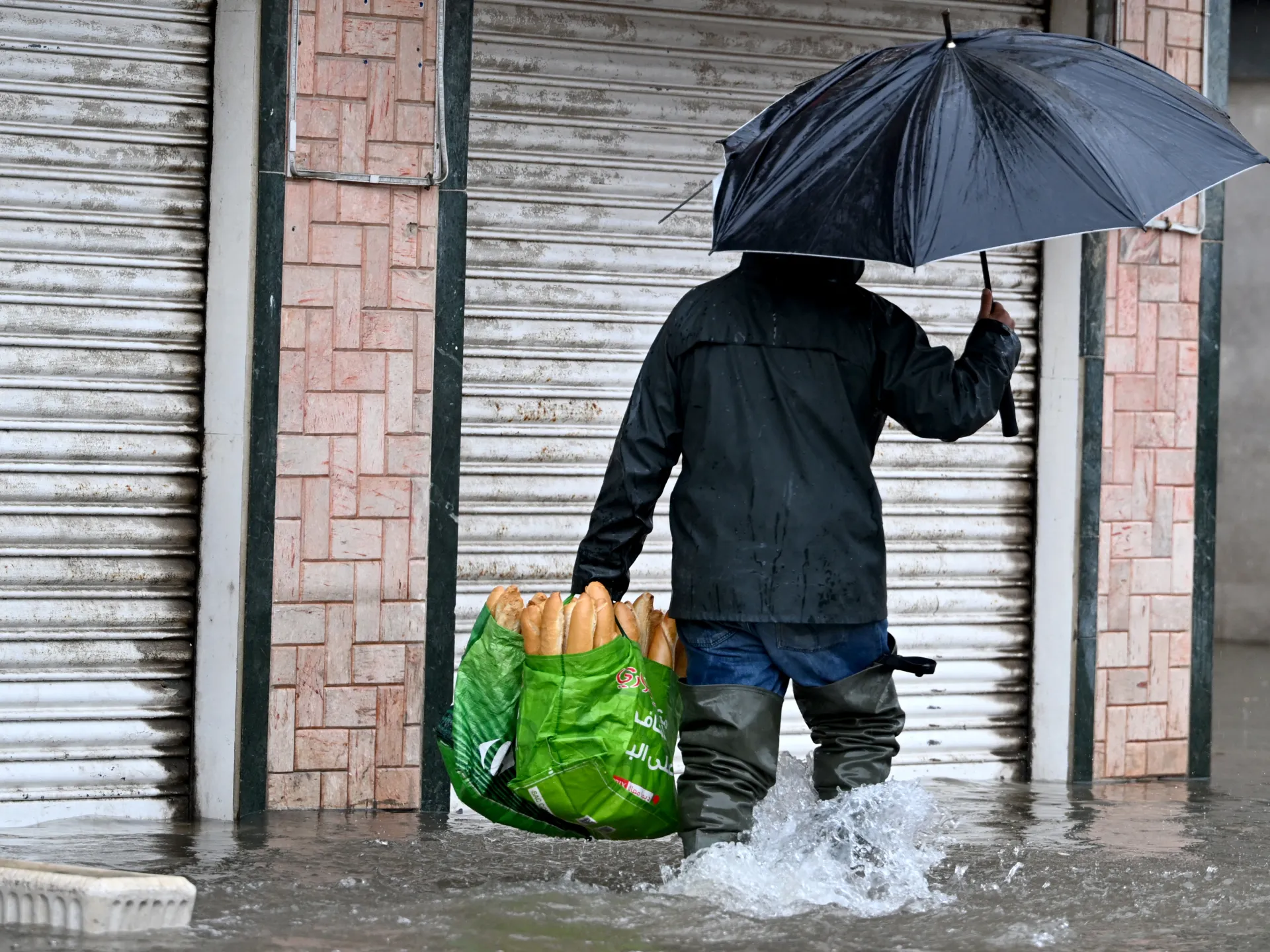
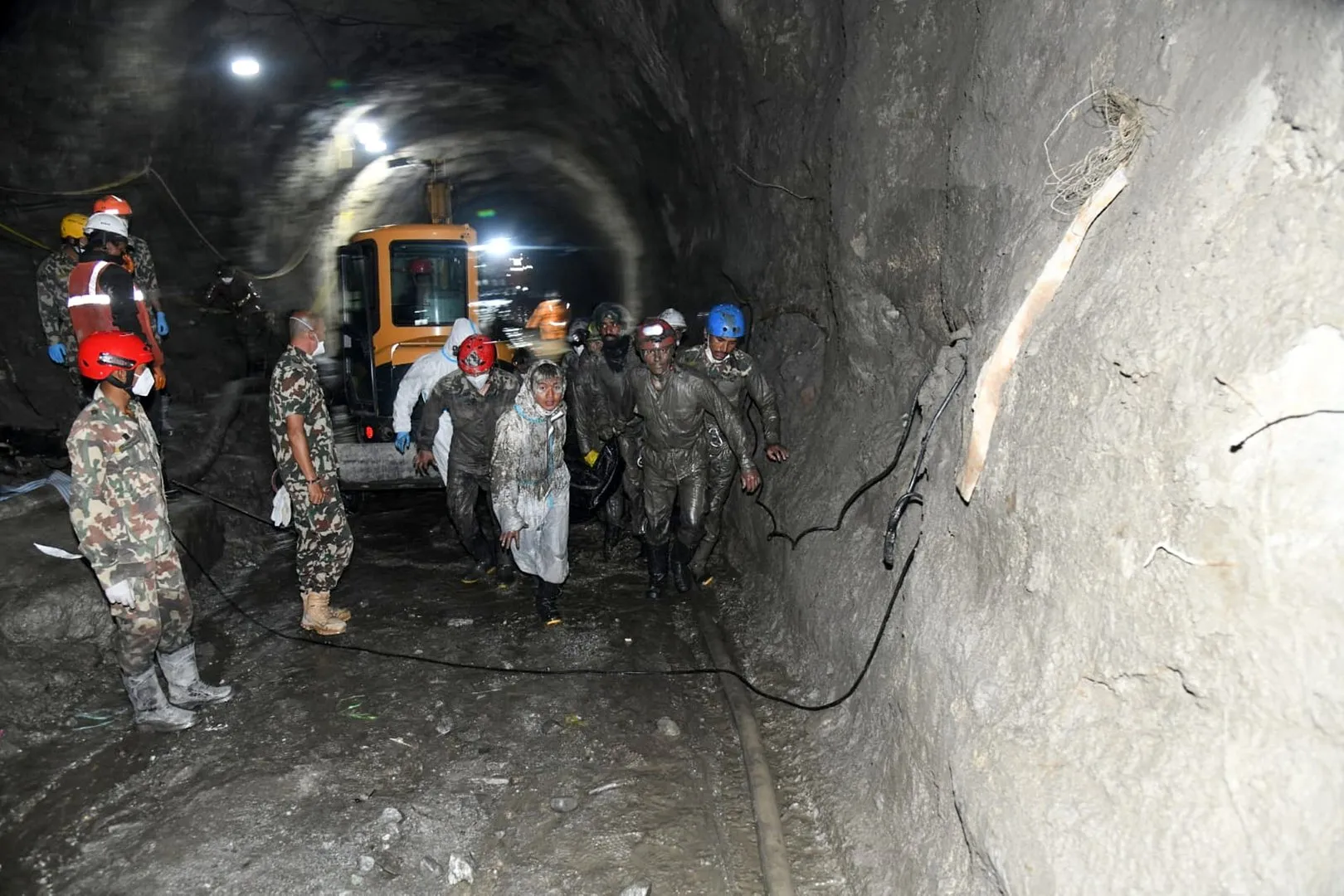
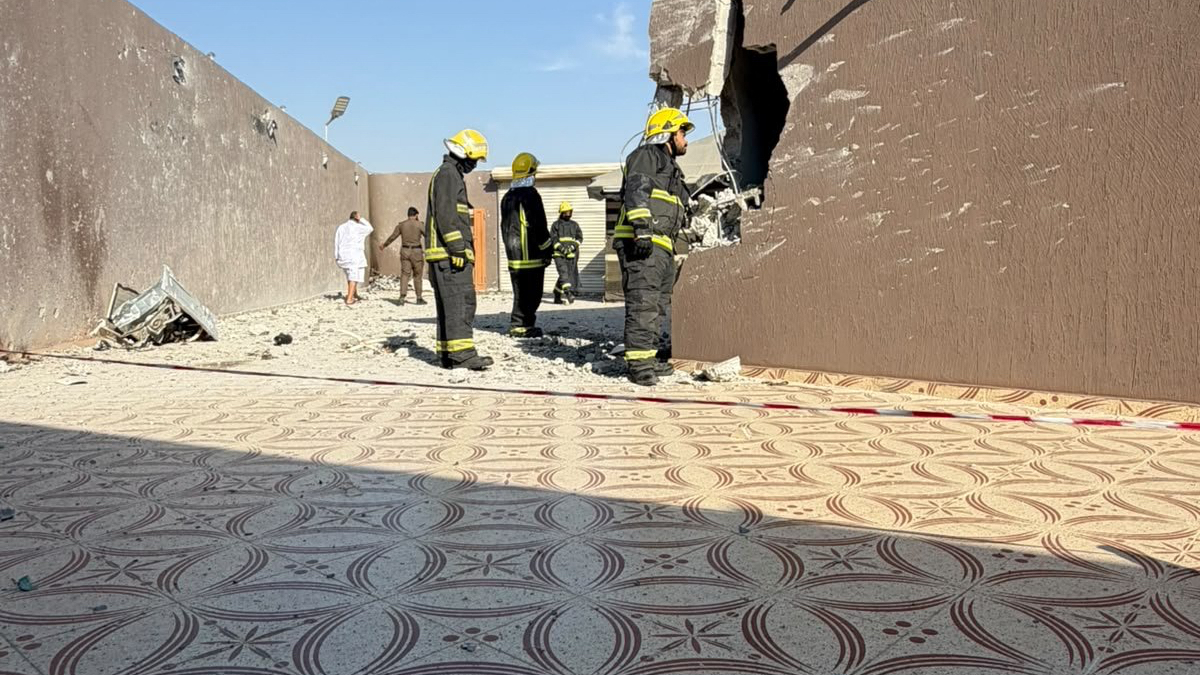
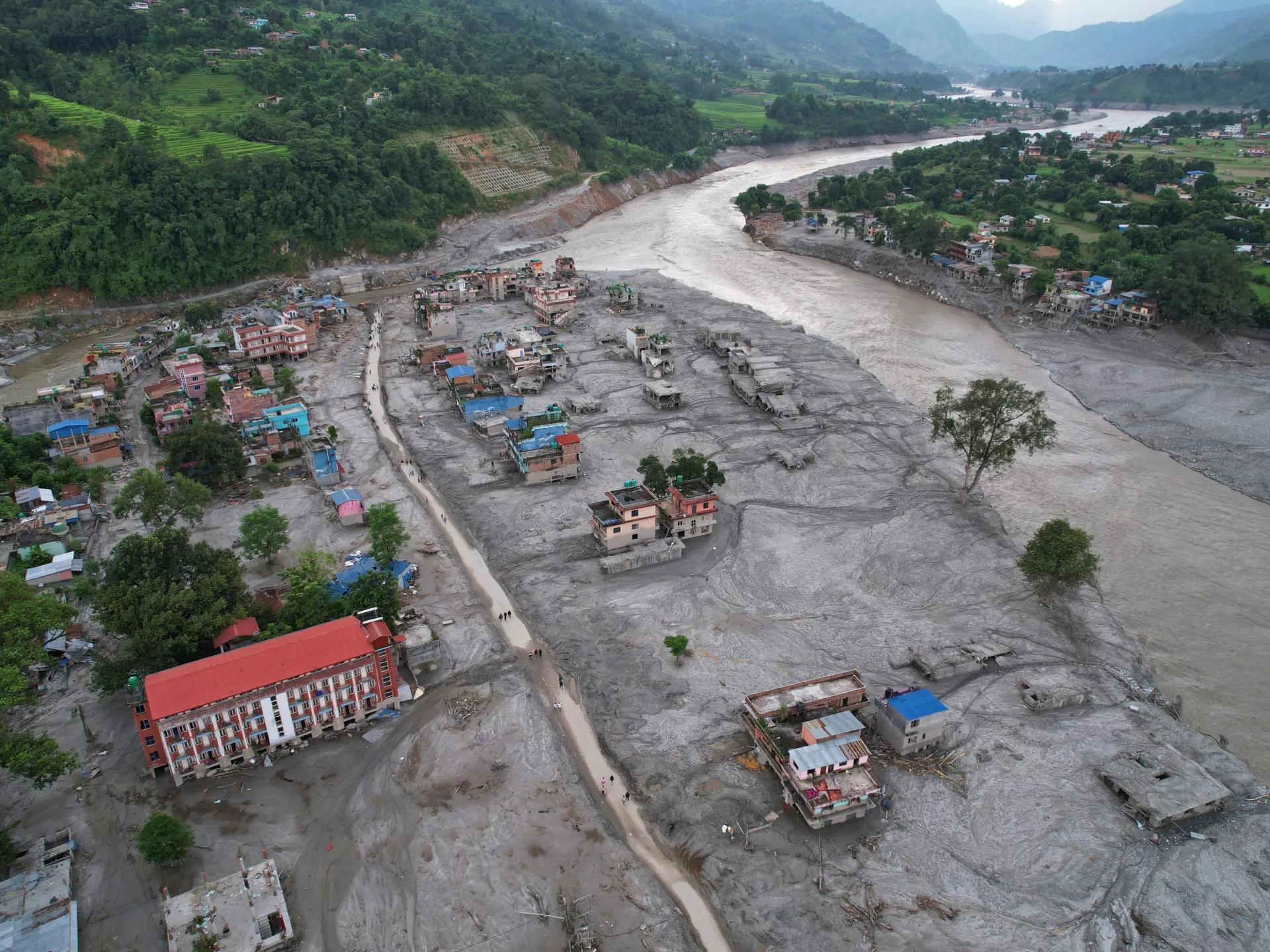
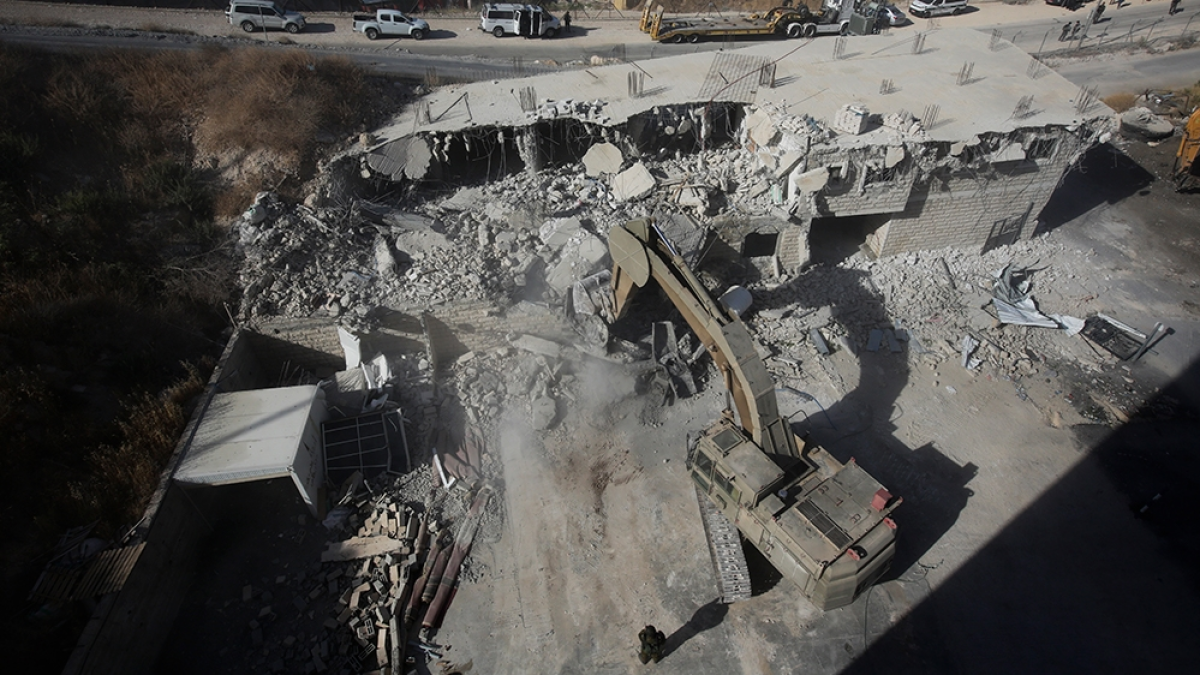
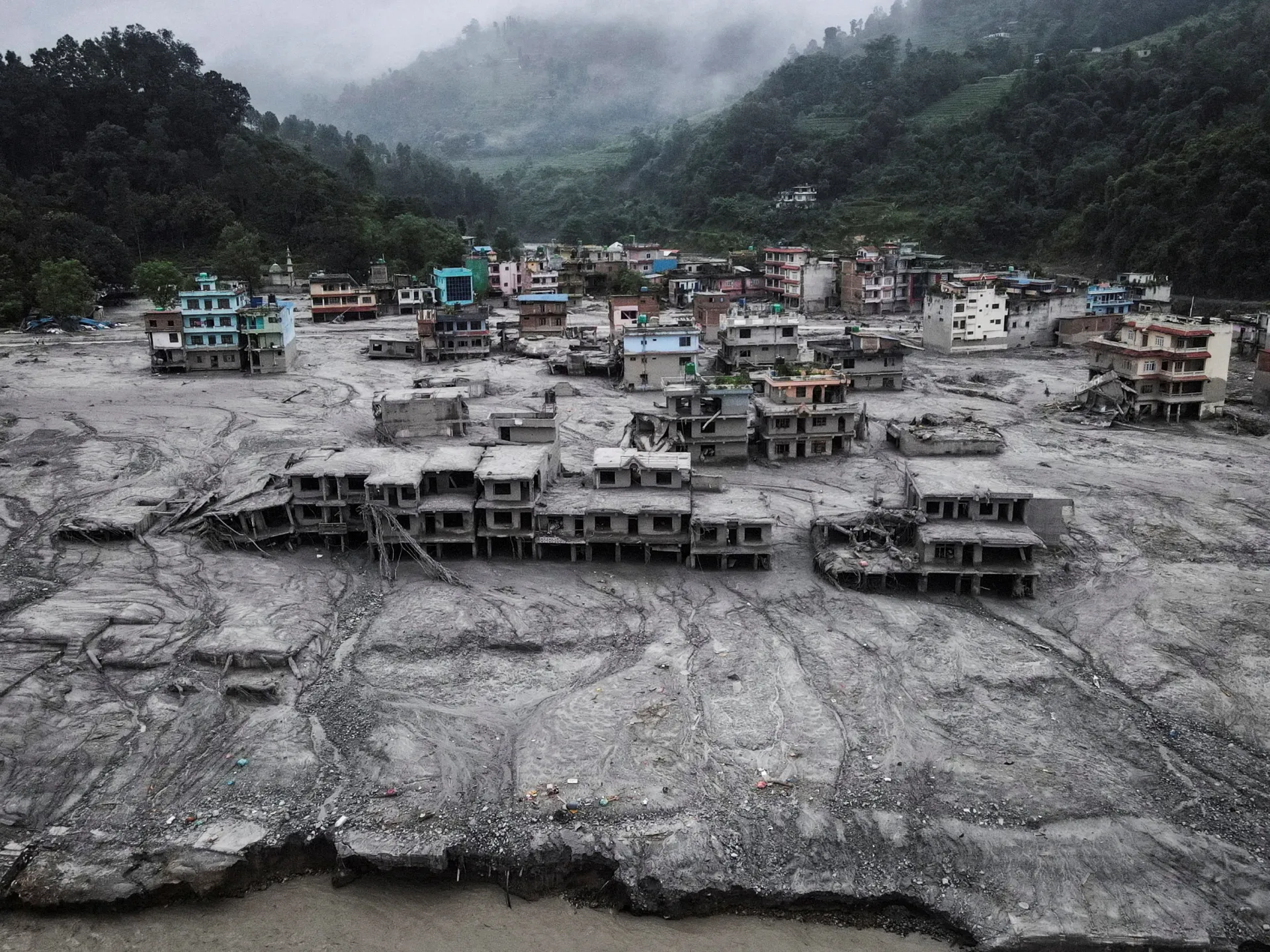
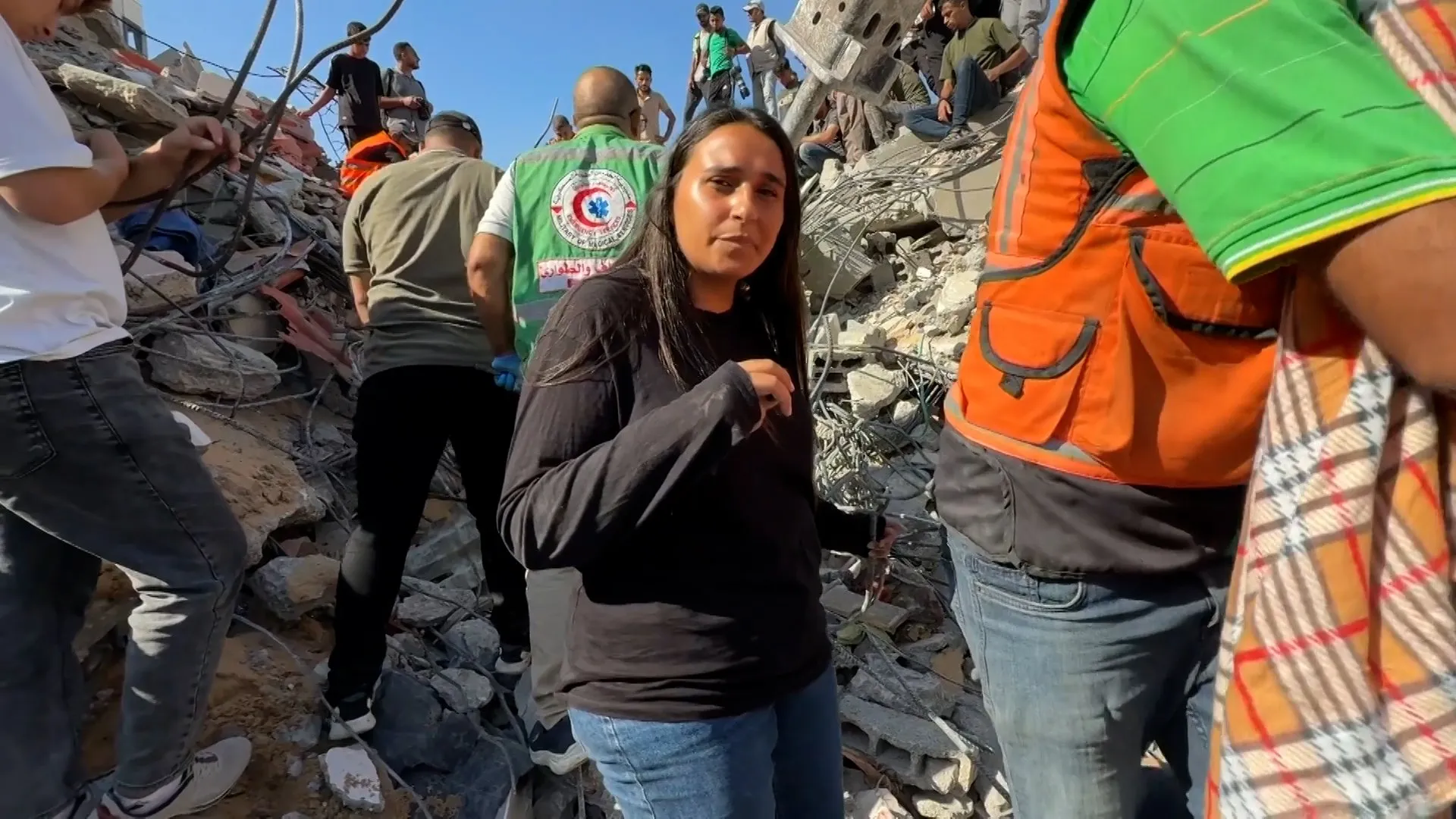
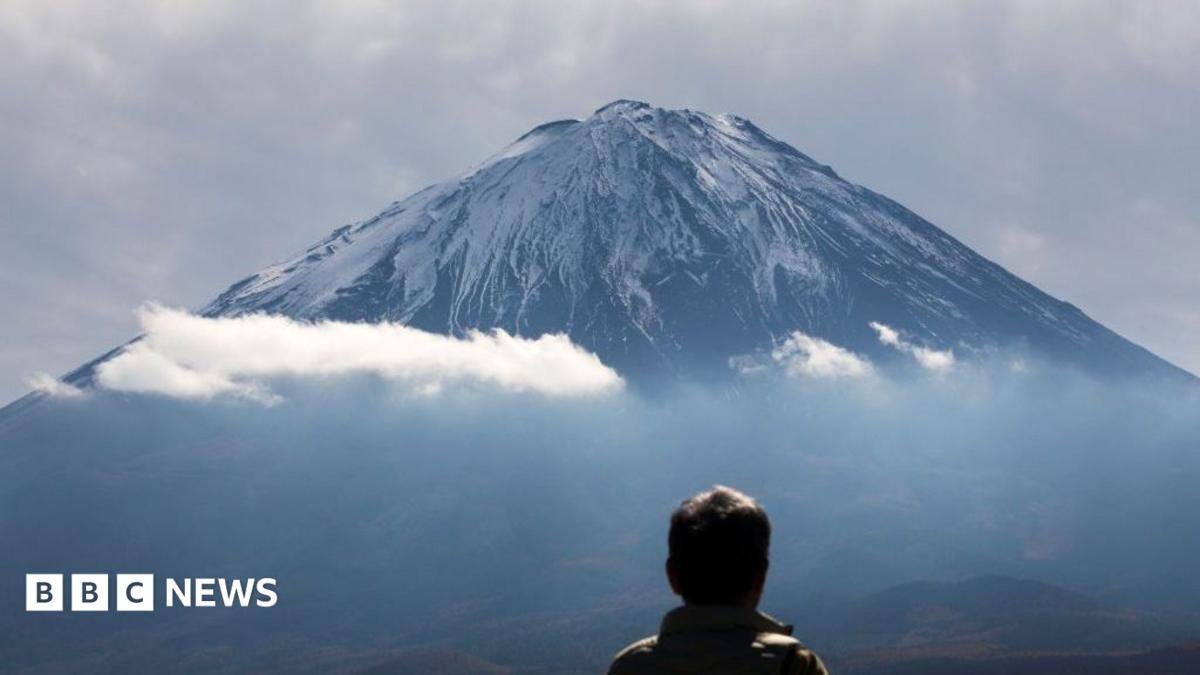
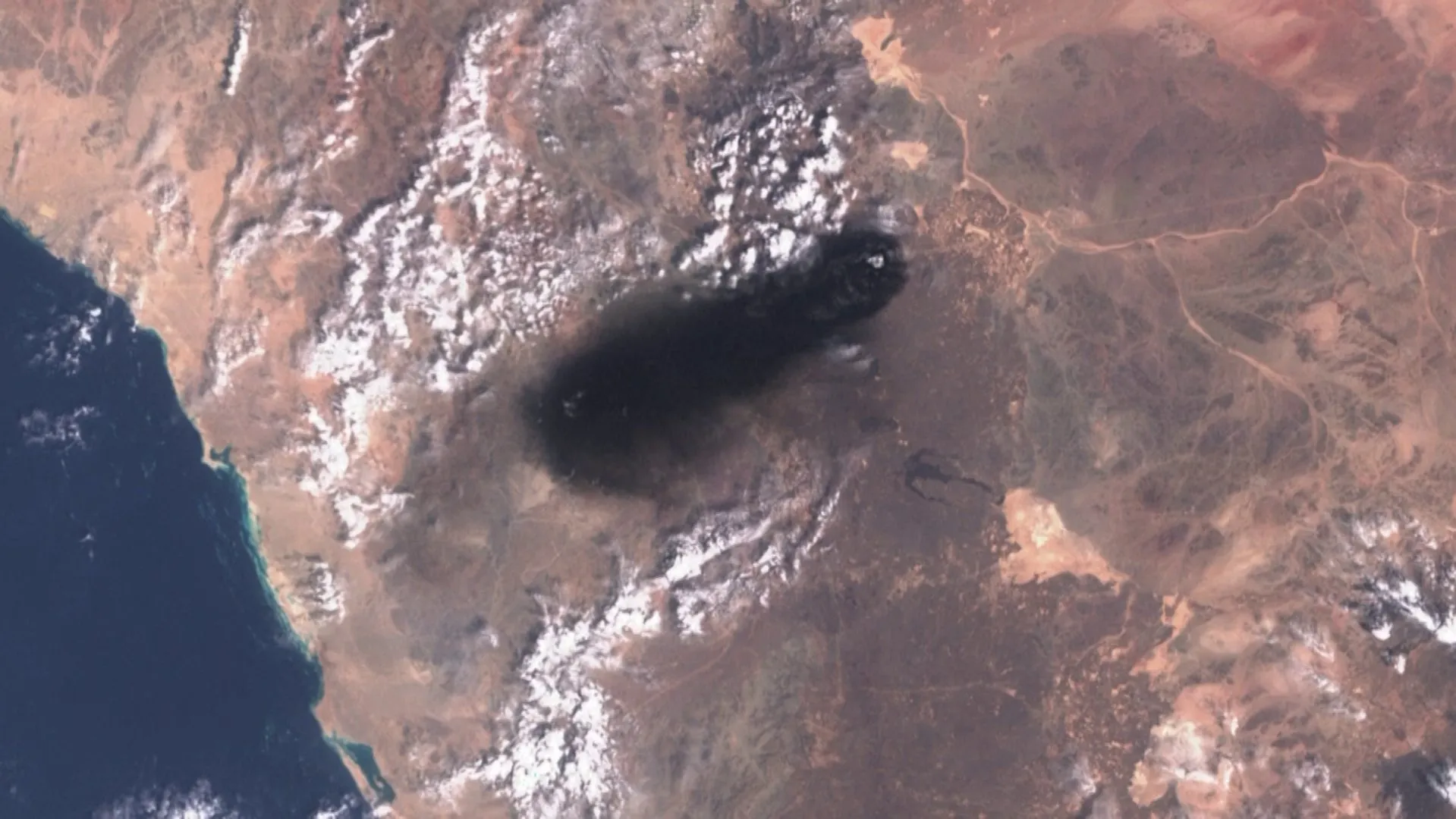
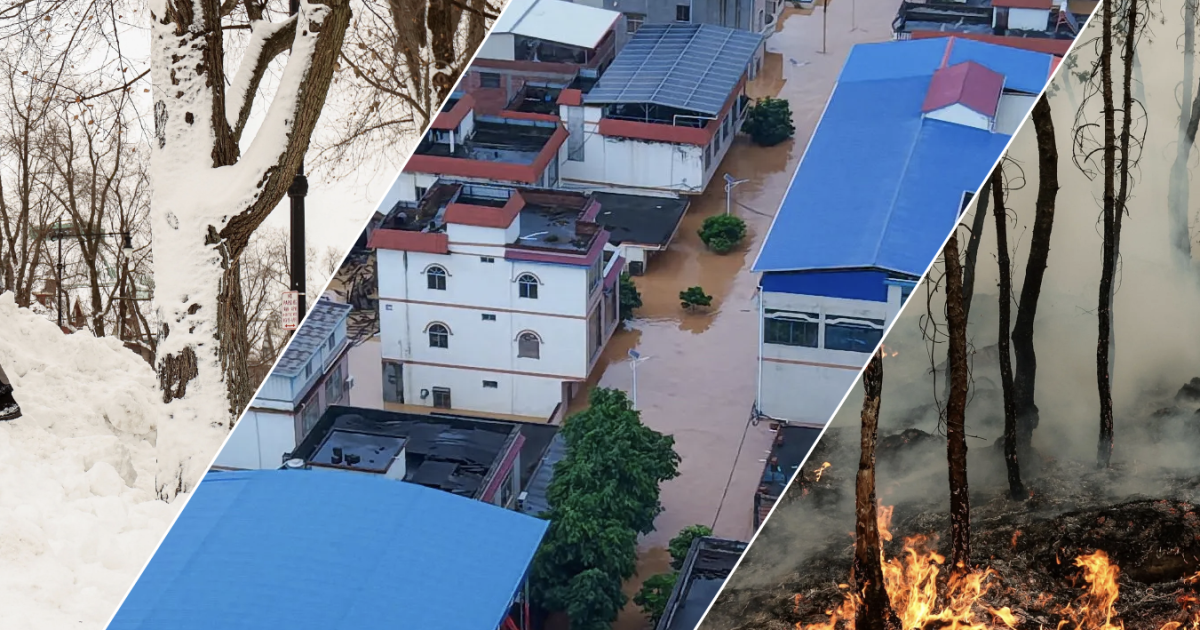
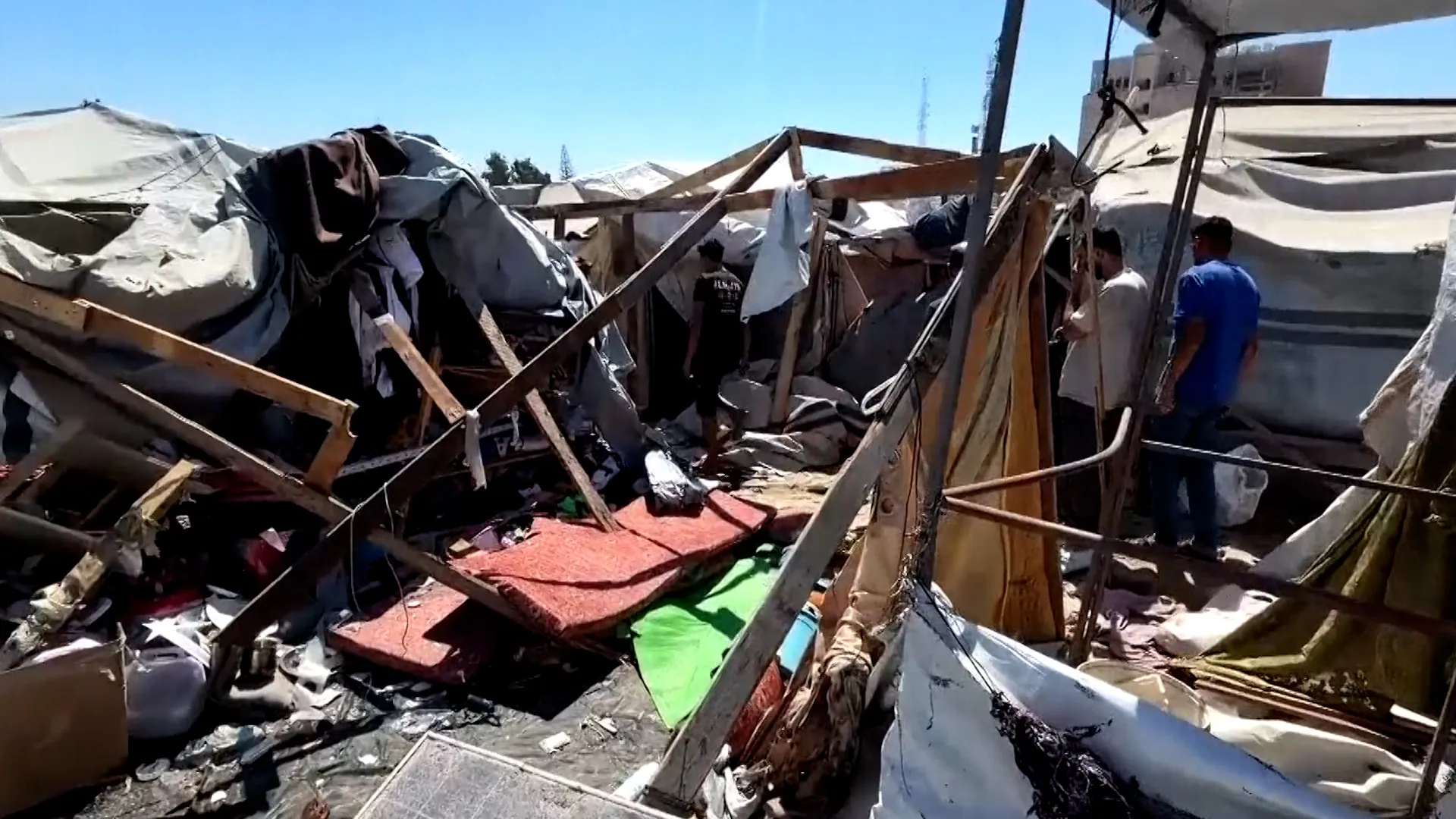
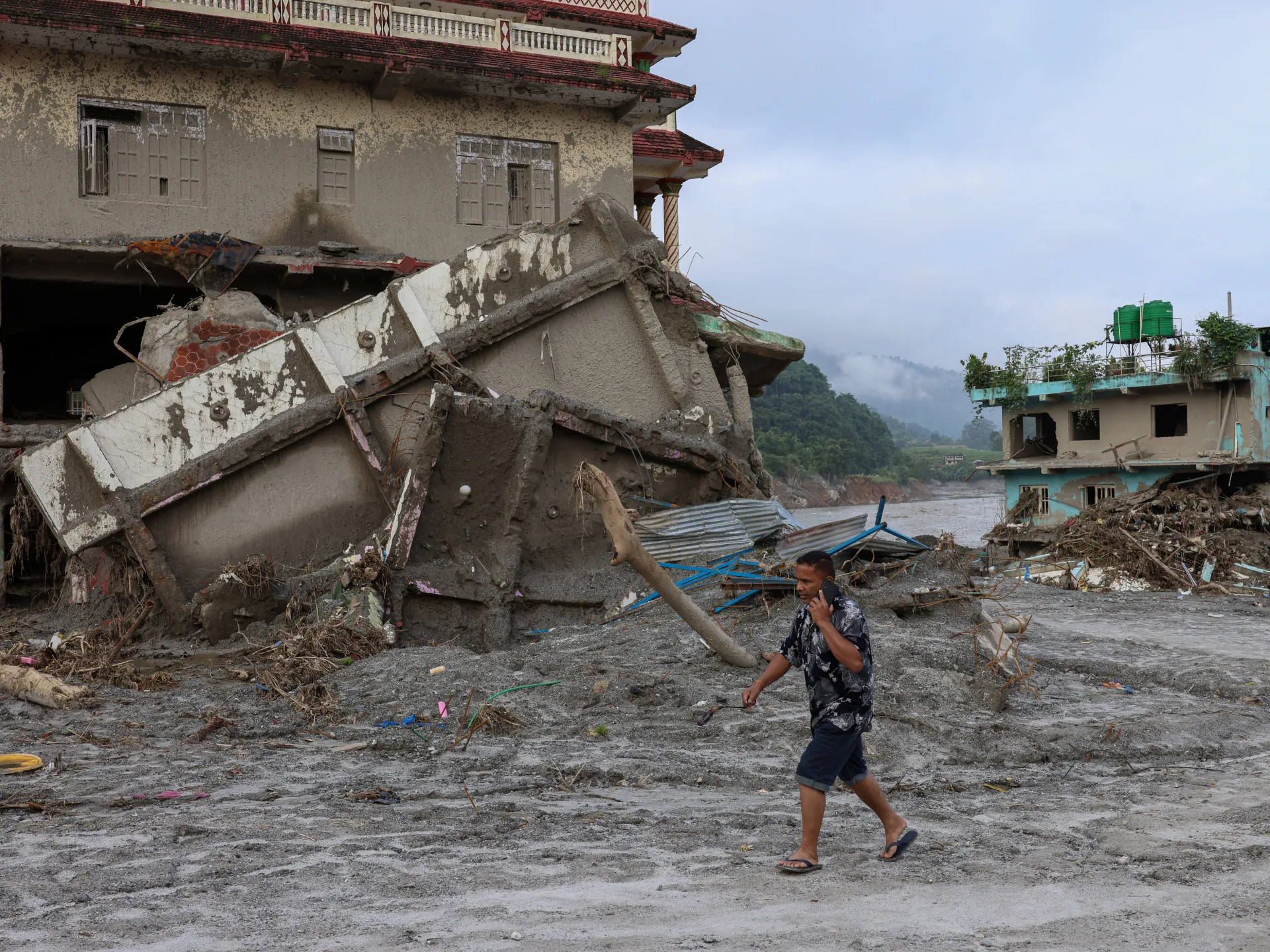
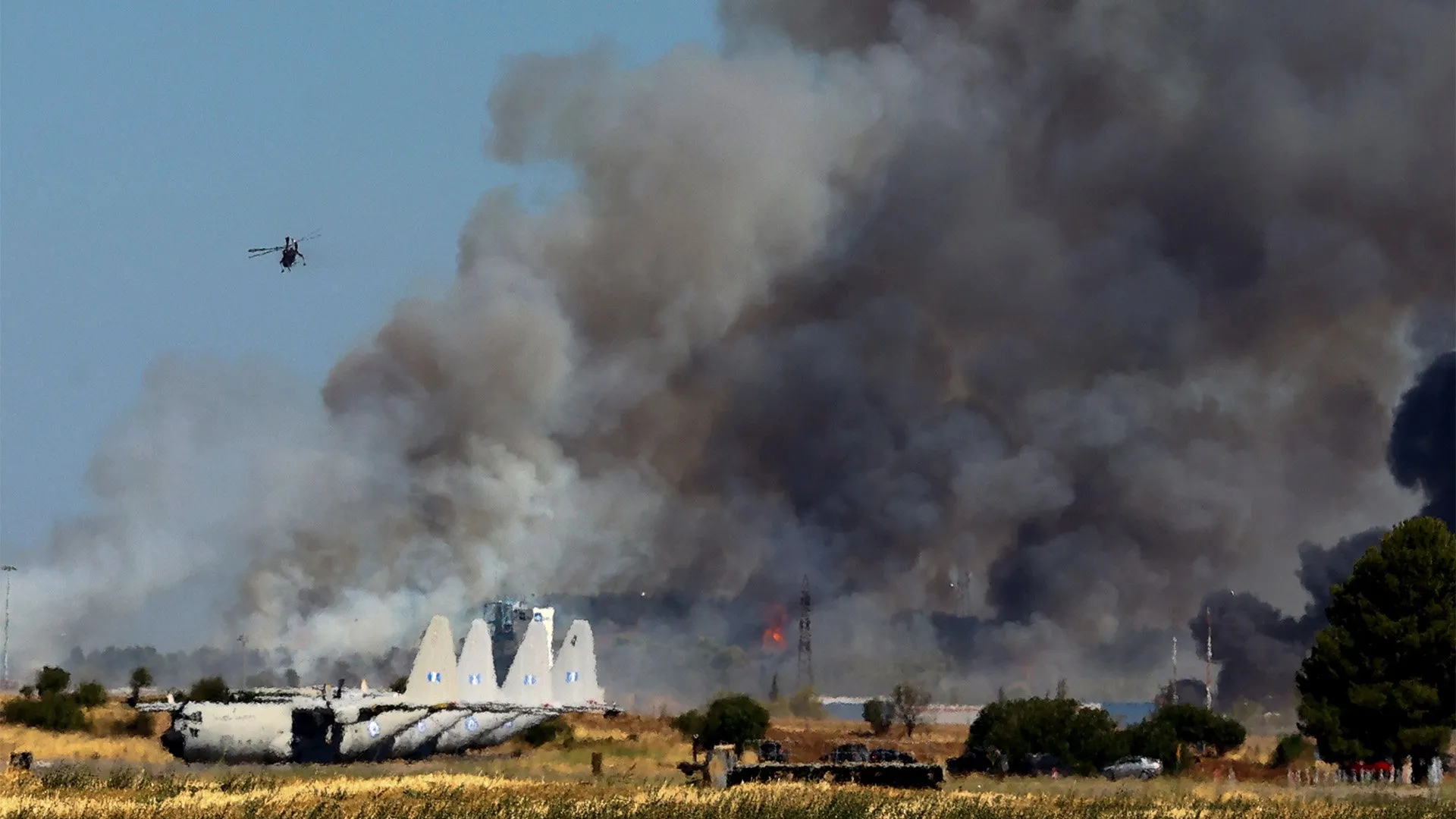
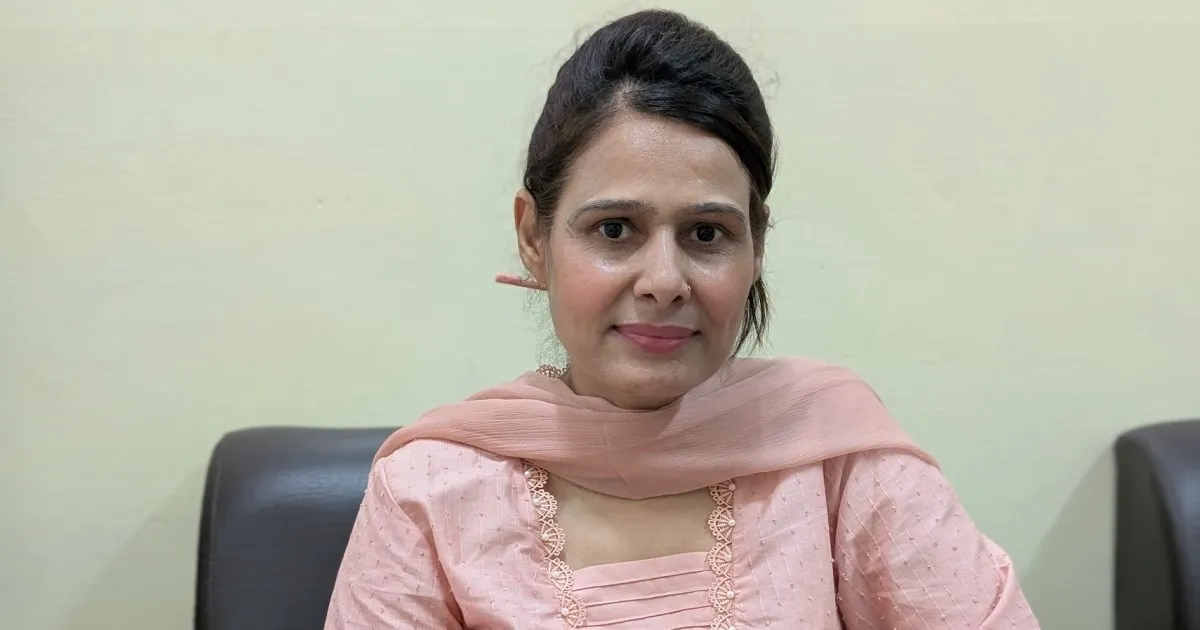
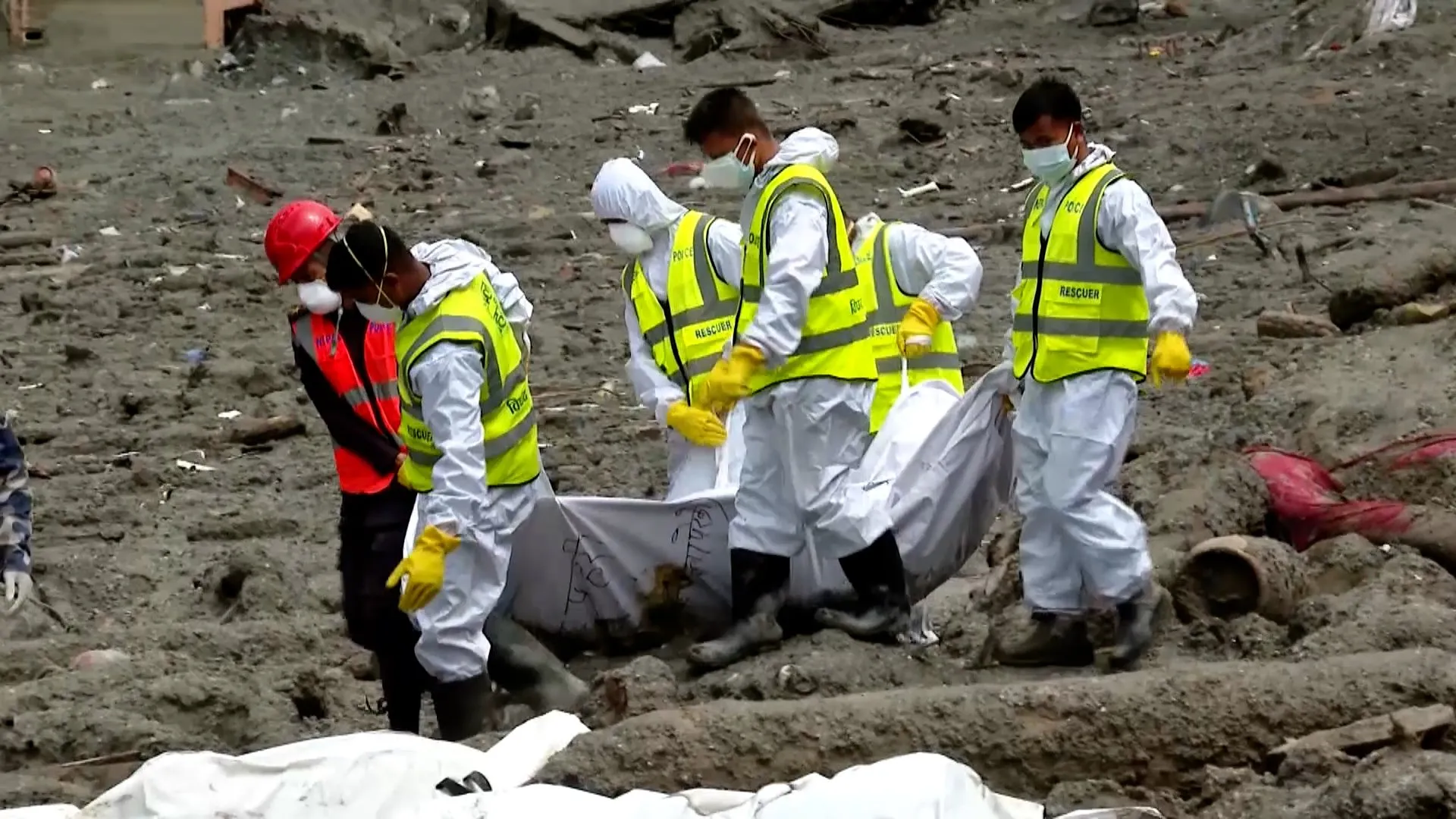
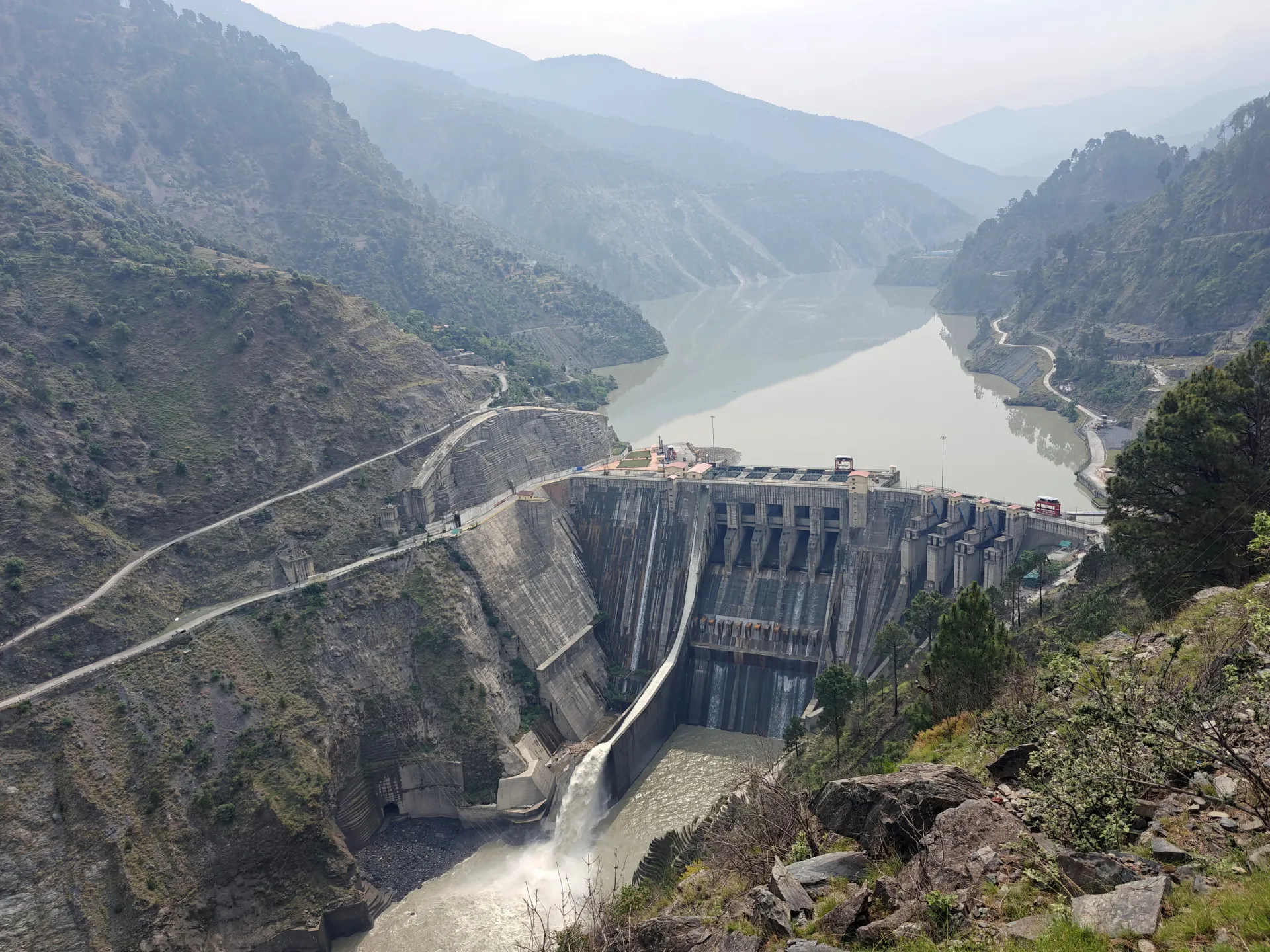
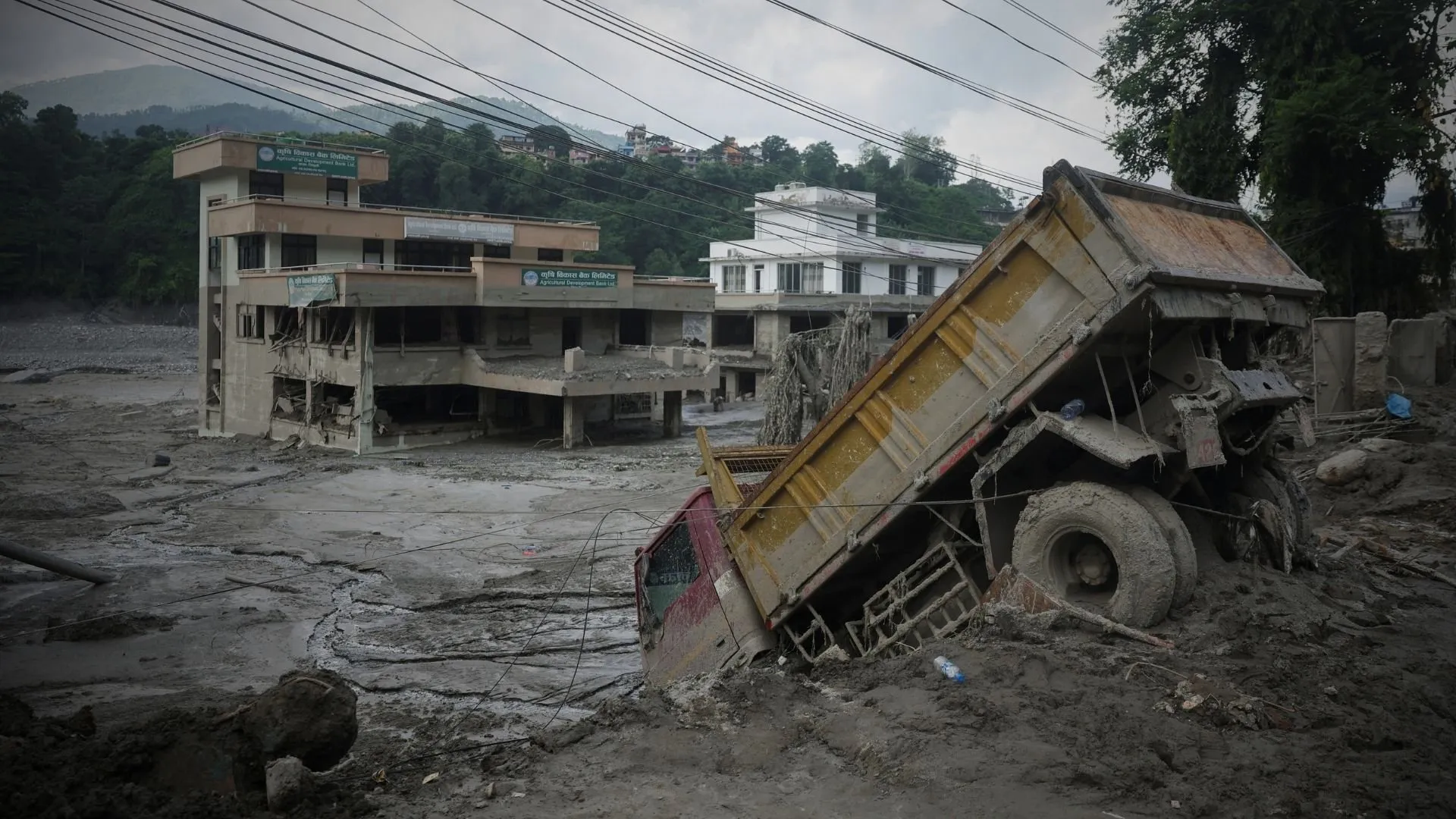
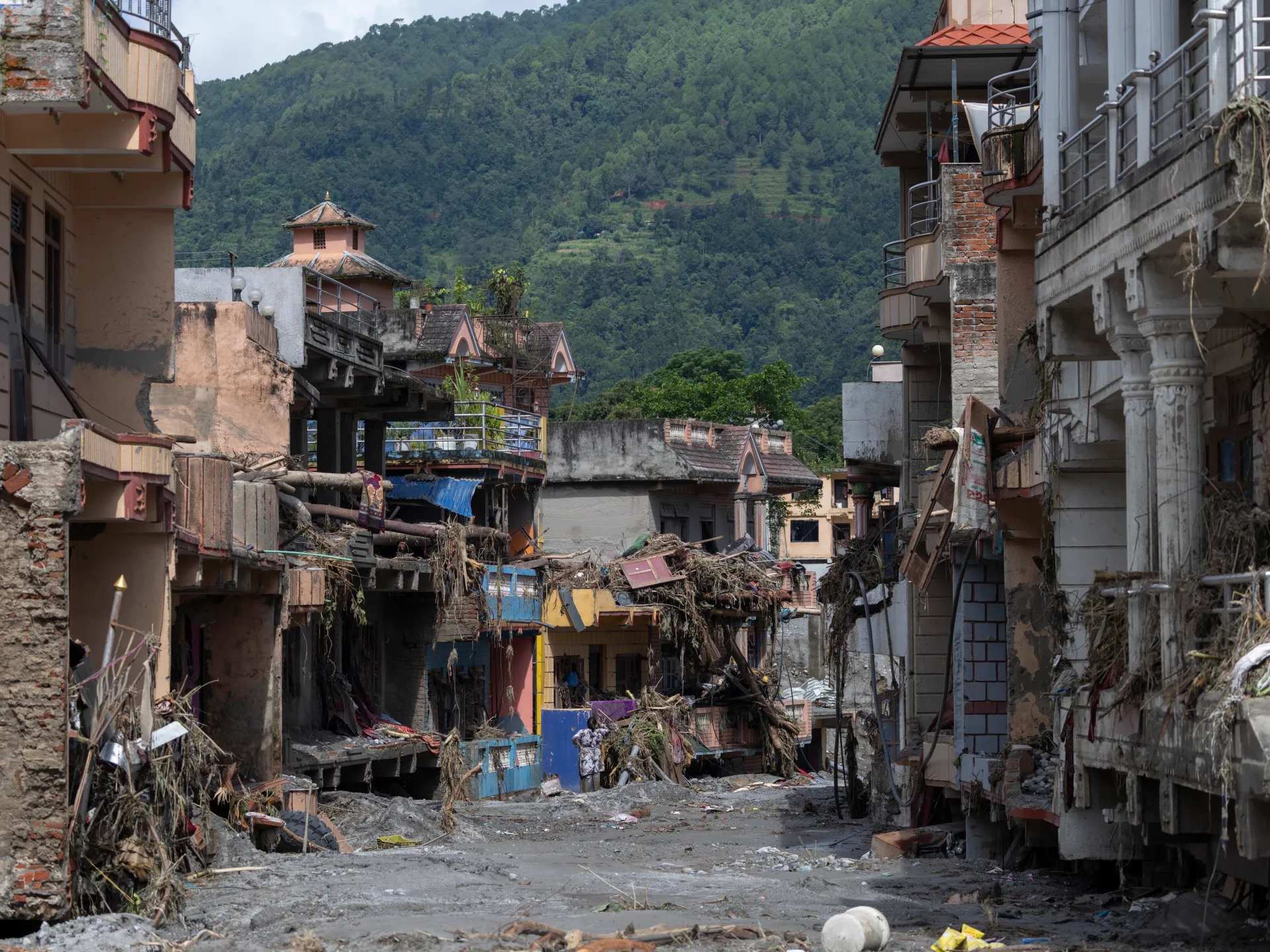
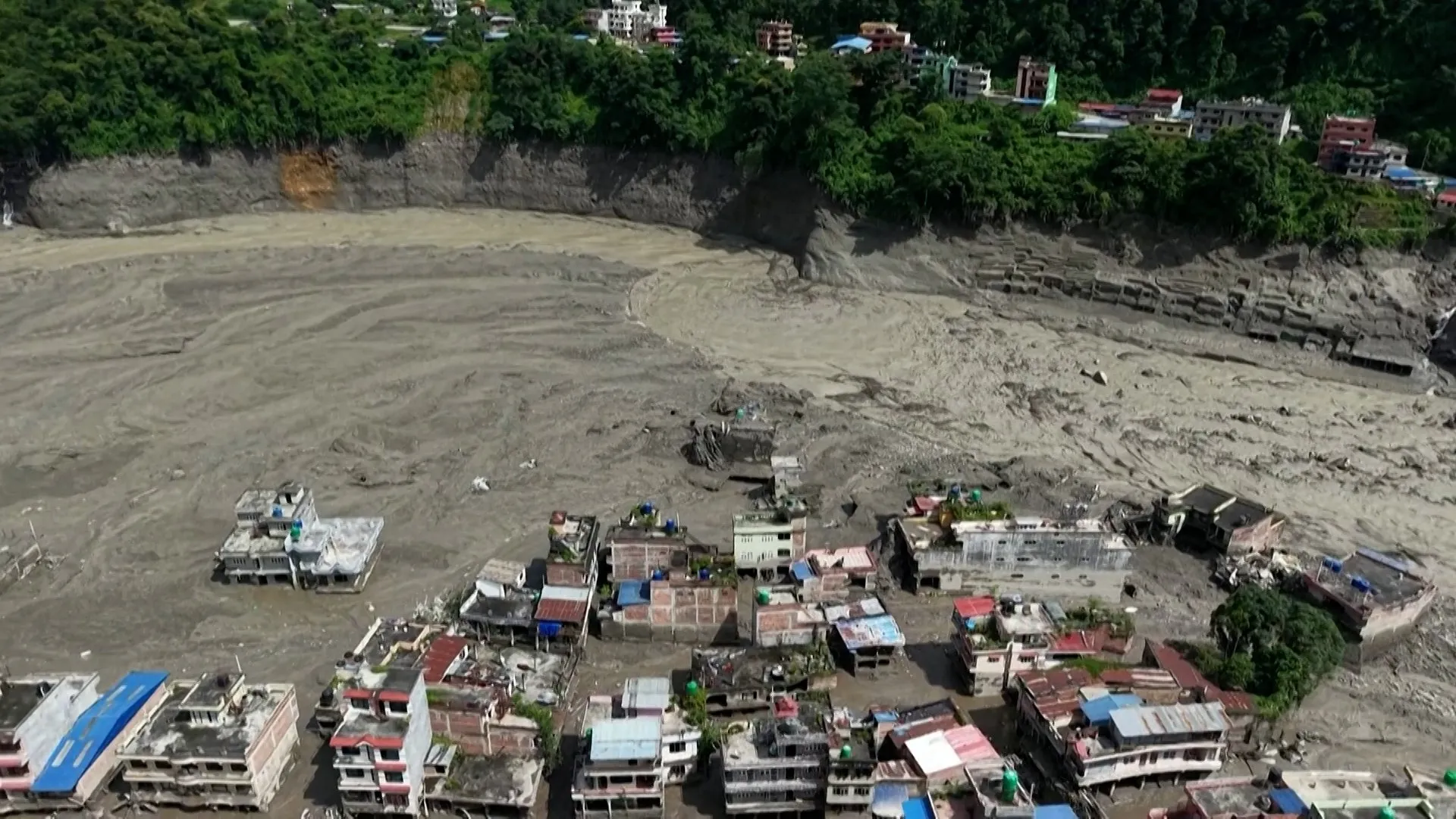
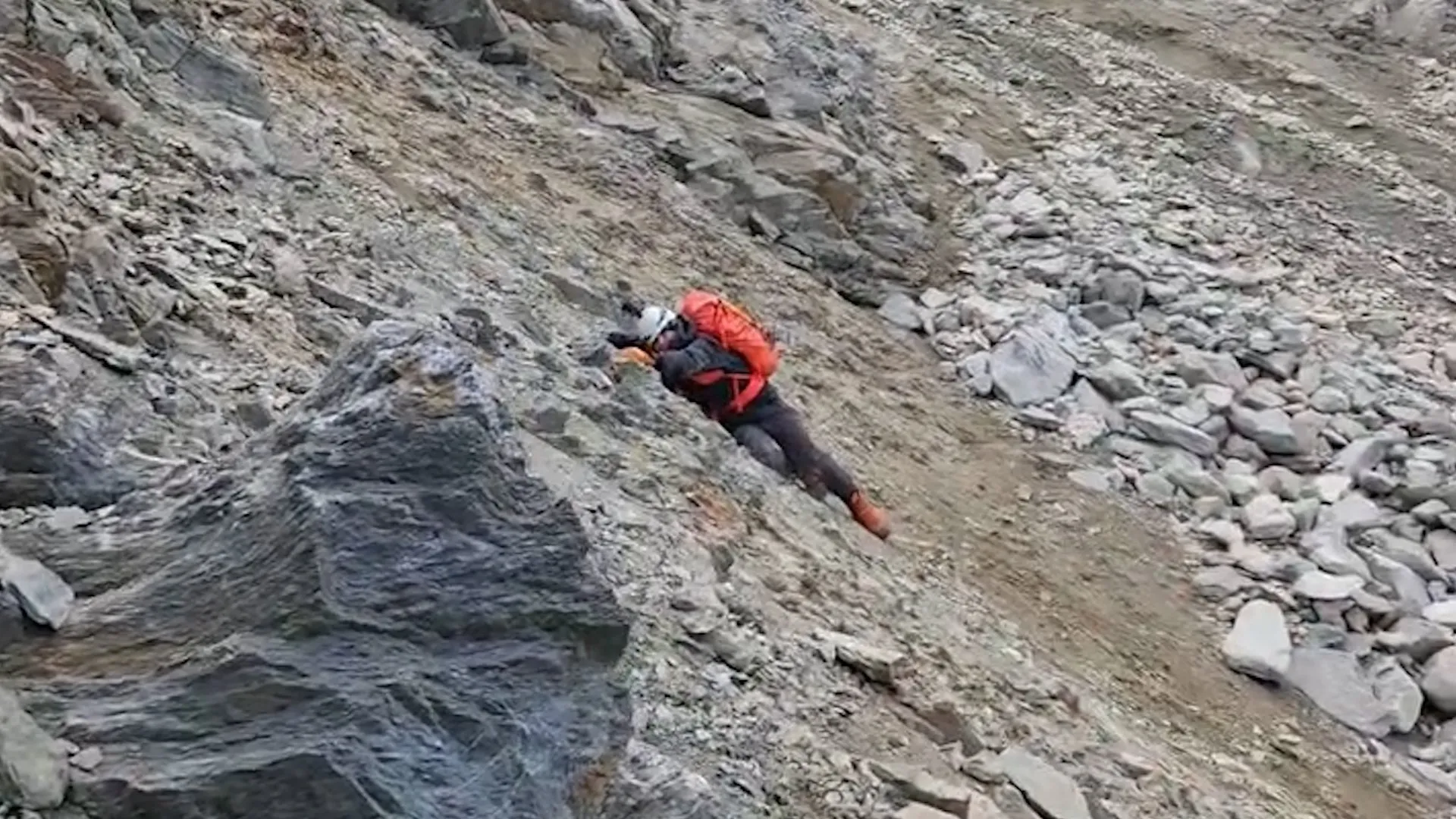
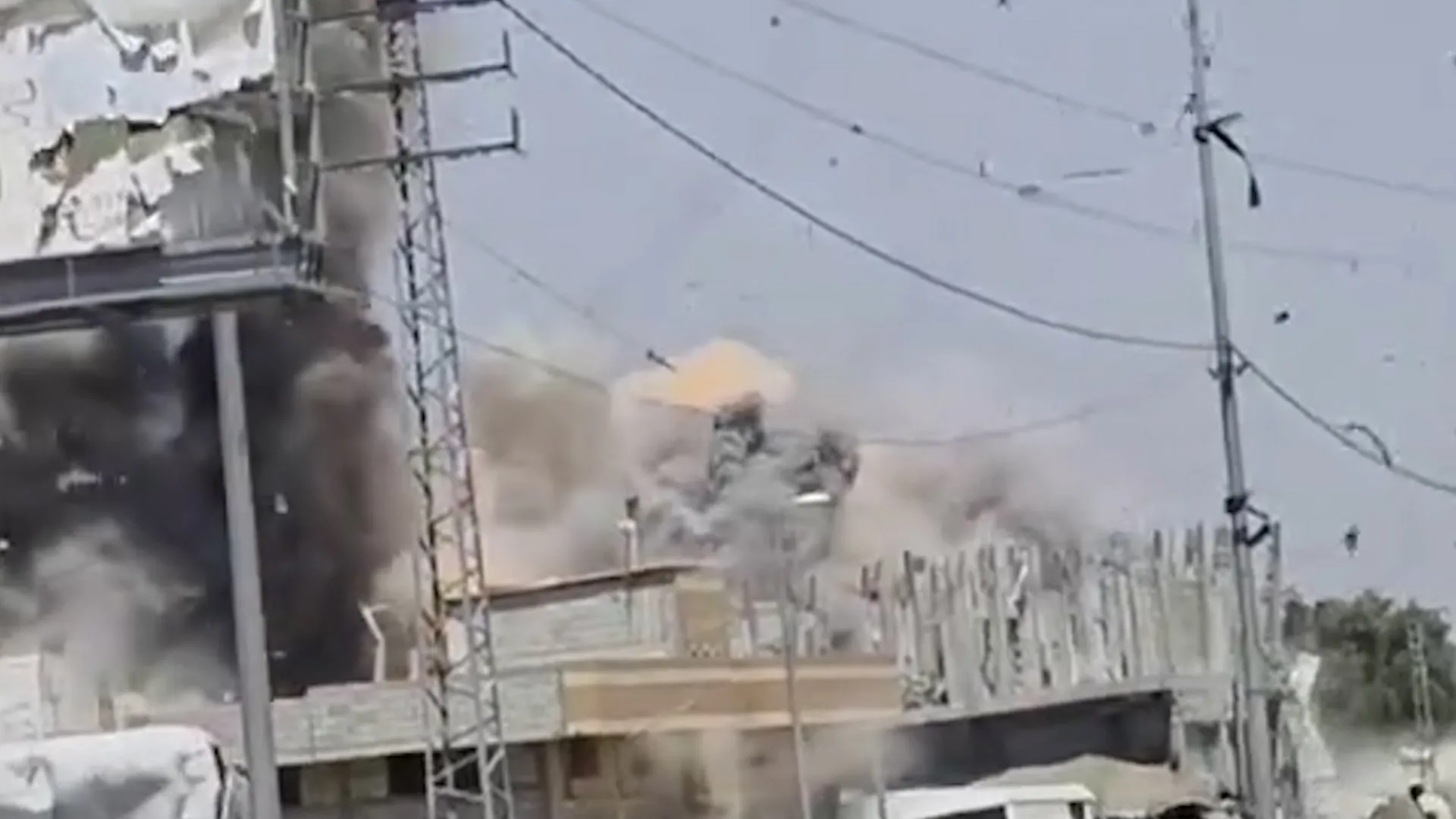
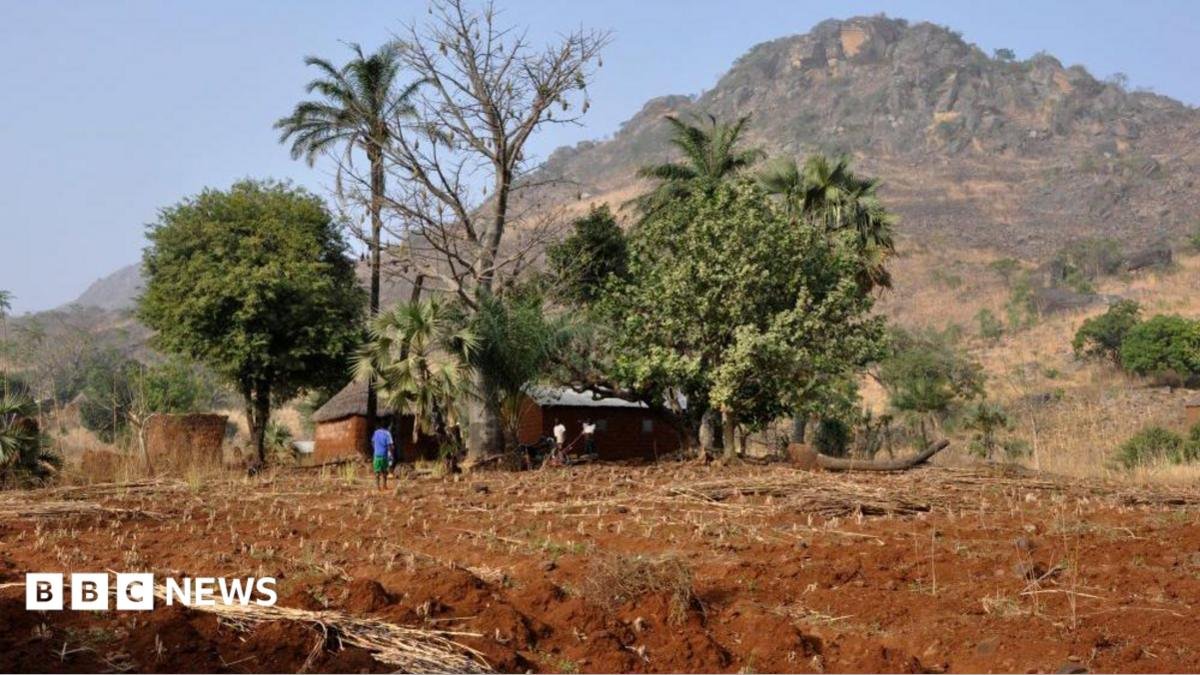
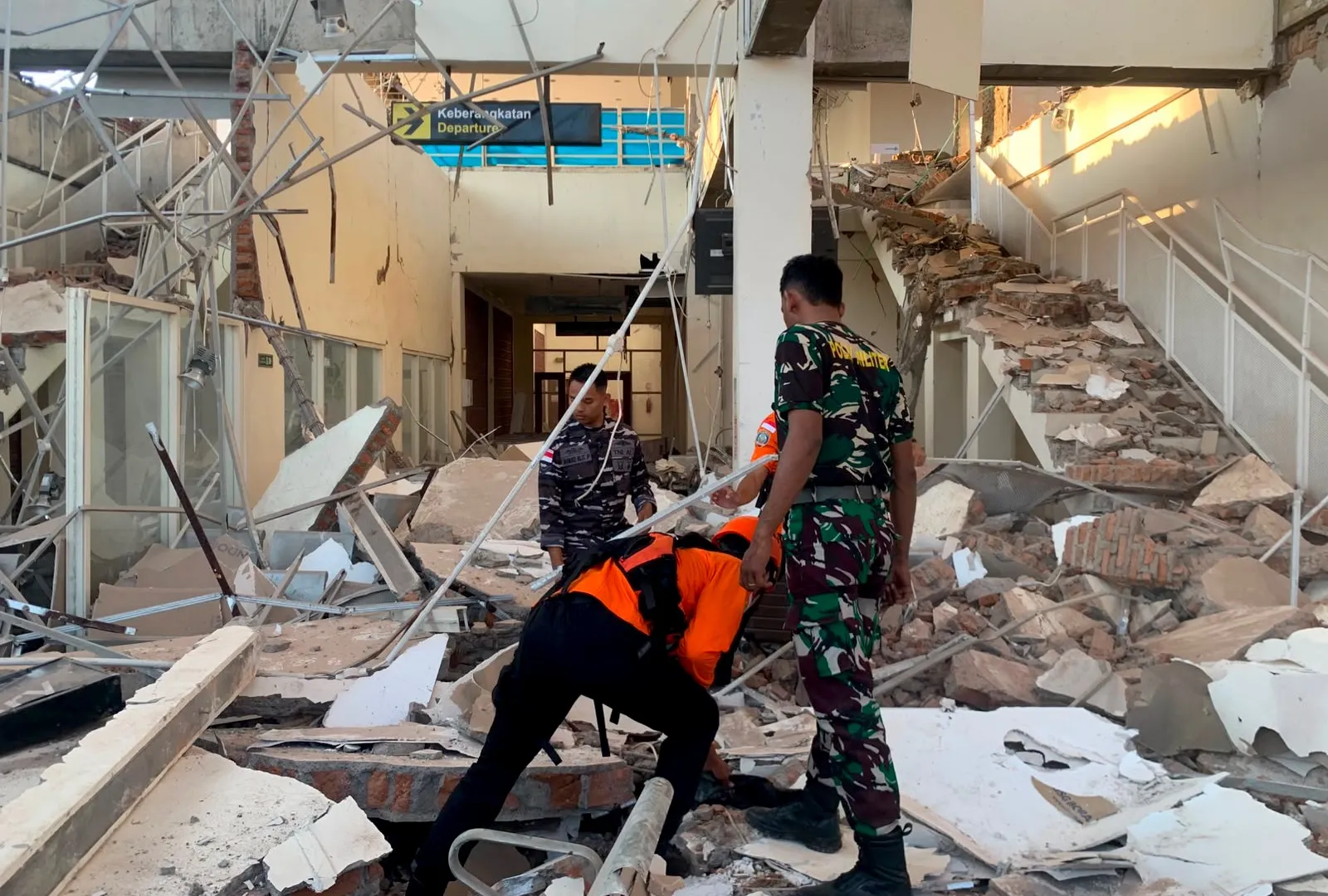
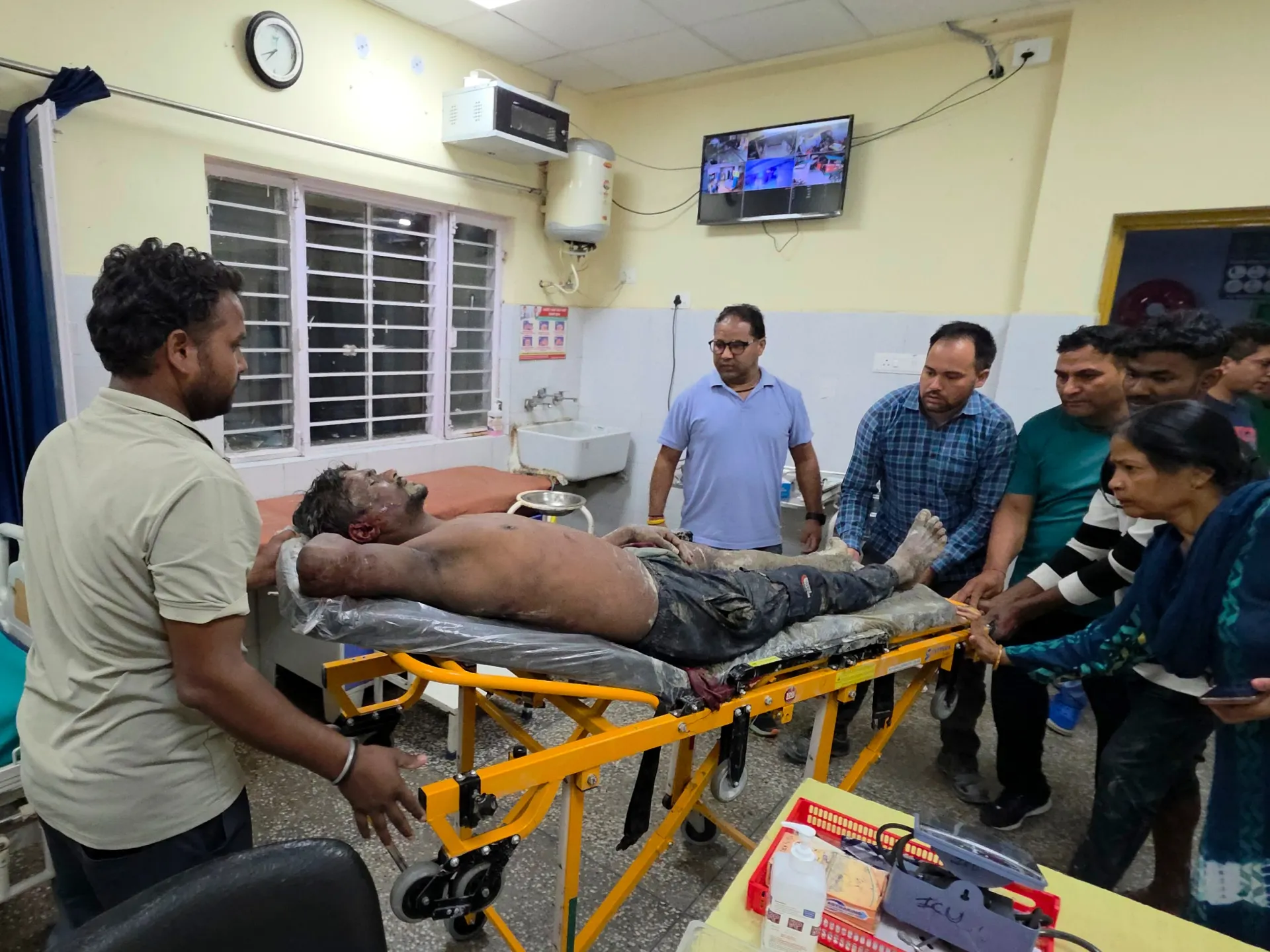
In the Himalayas, the catastrophic flooding that began on August 26, 2026, has reached a staggering scale, with reports of over 1,400 dead and 6,000 missing across Nepal and Tibet. The disaster, triggered opower plants. Experts, including Basanta Raj Adhikari of the Centre for Disaster Studies, noted that the energy involved surpassed conventional flood mechanisms, pointing to the dangers of a warming climate that destabilizes glaciers and mountain slopes. The tragedy has exposed severe gaps in early-warning systems, which often fail to account for cascading hazards that originate in remote, high-altitude terrain.
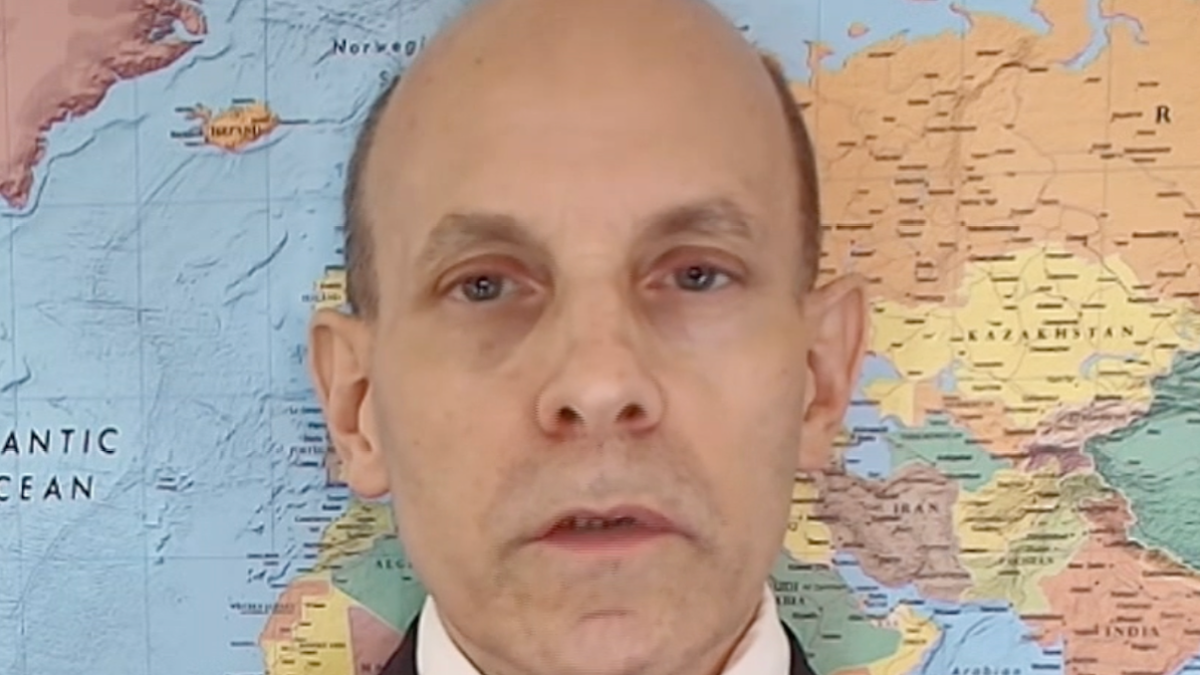
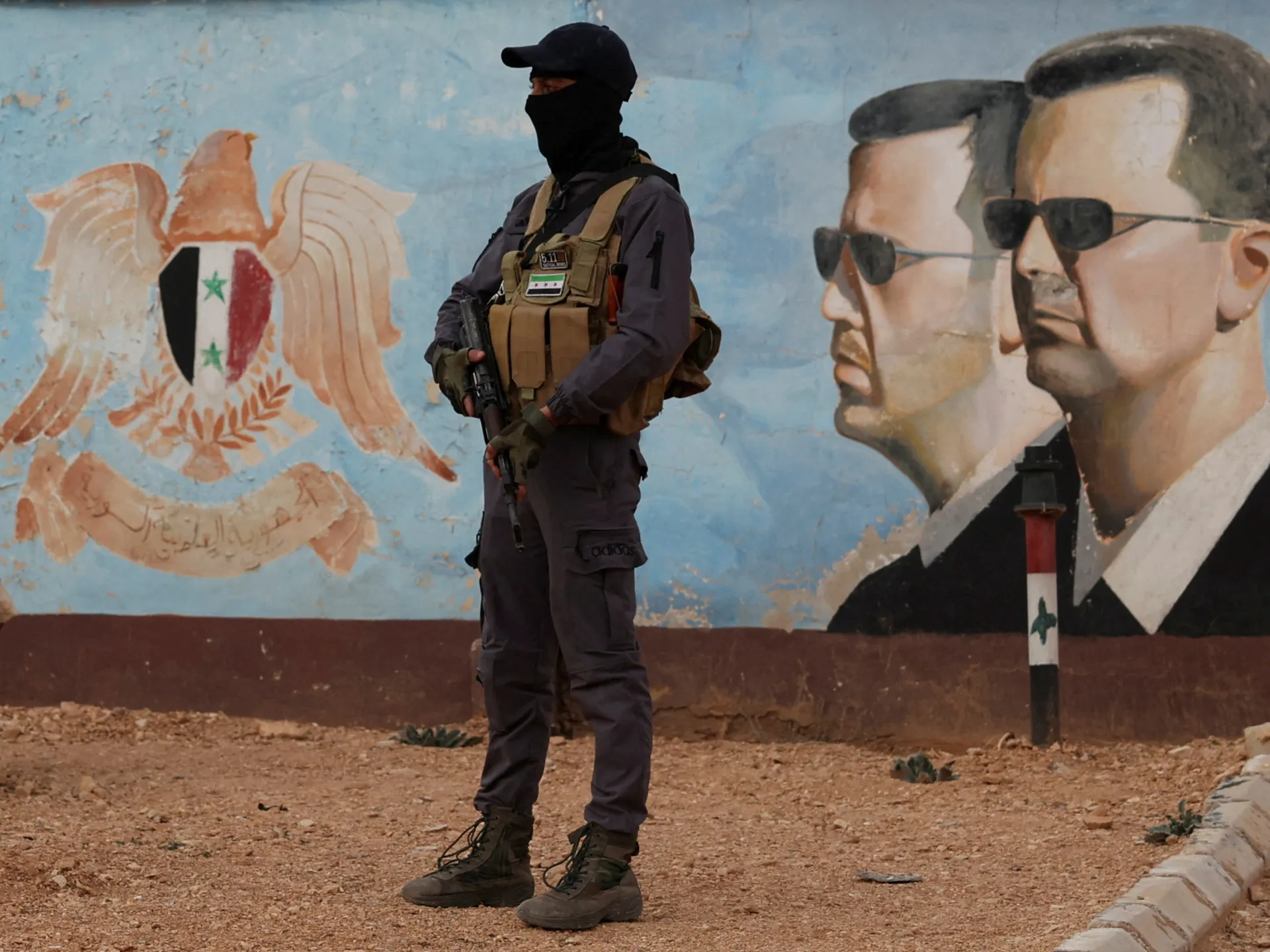
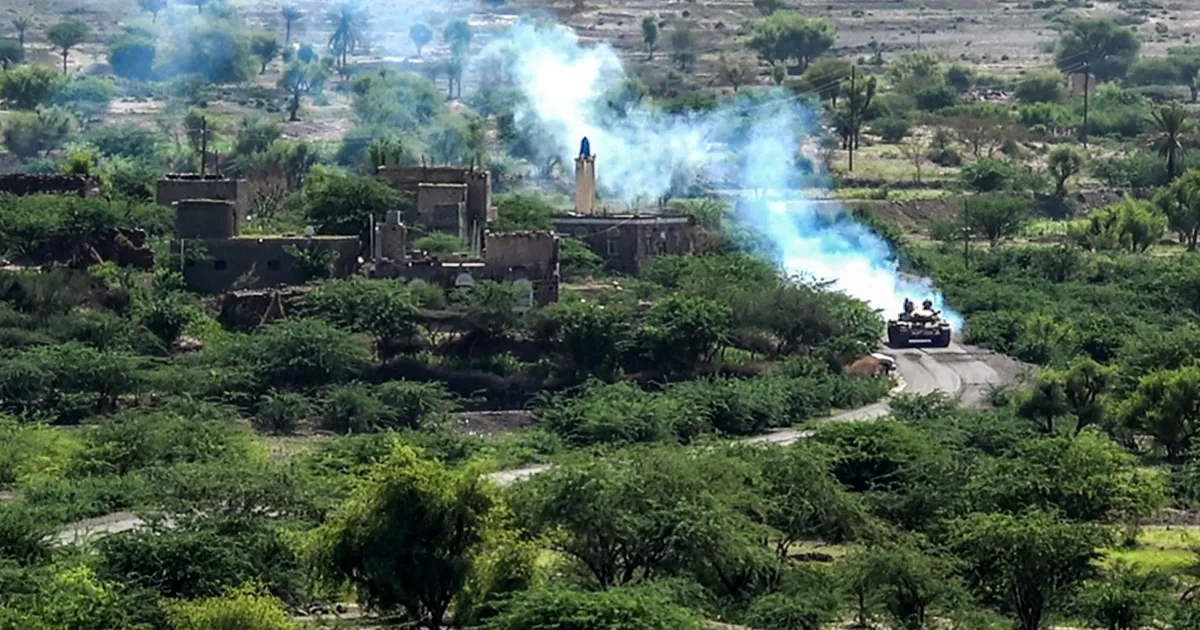
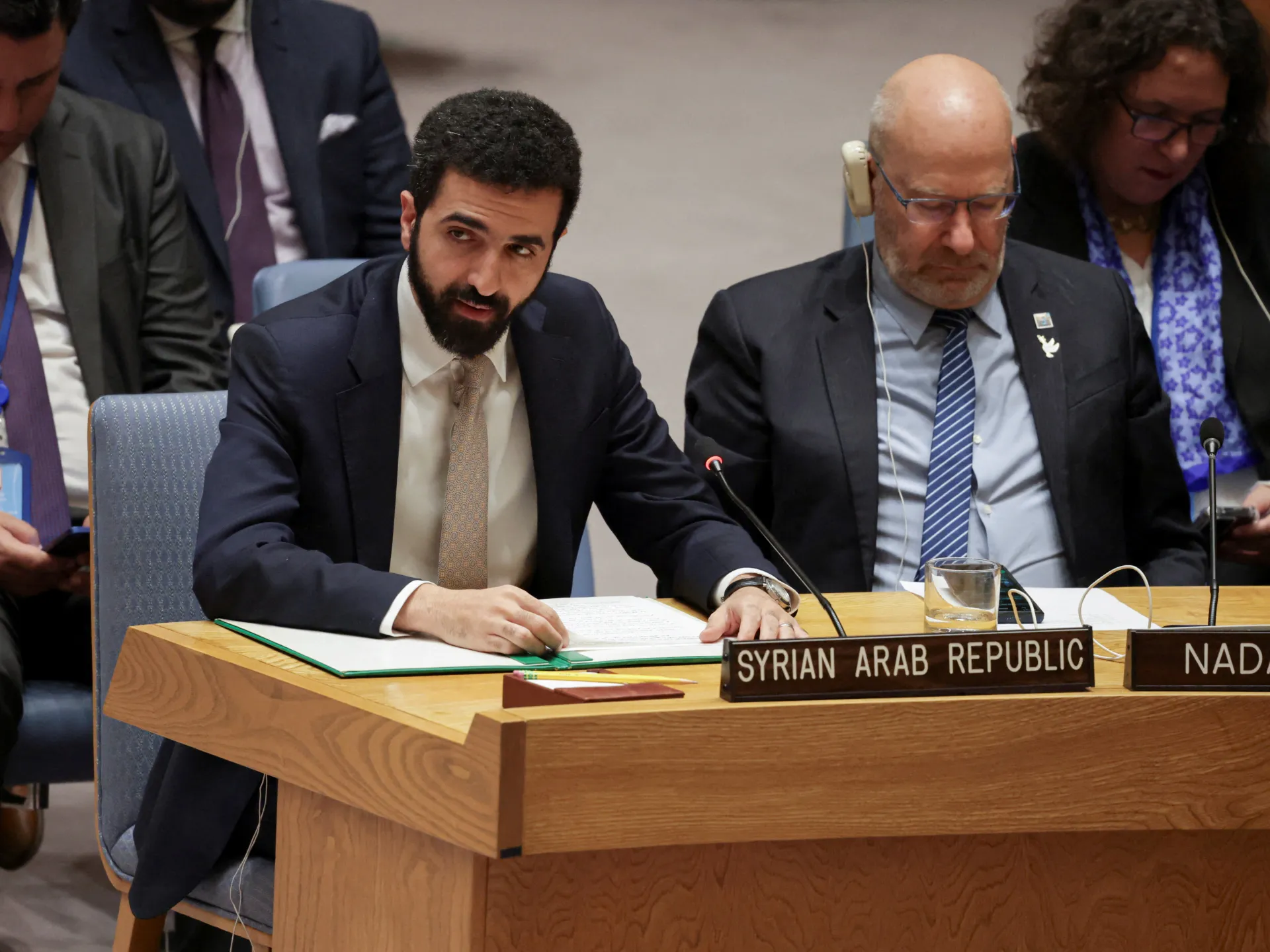
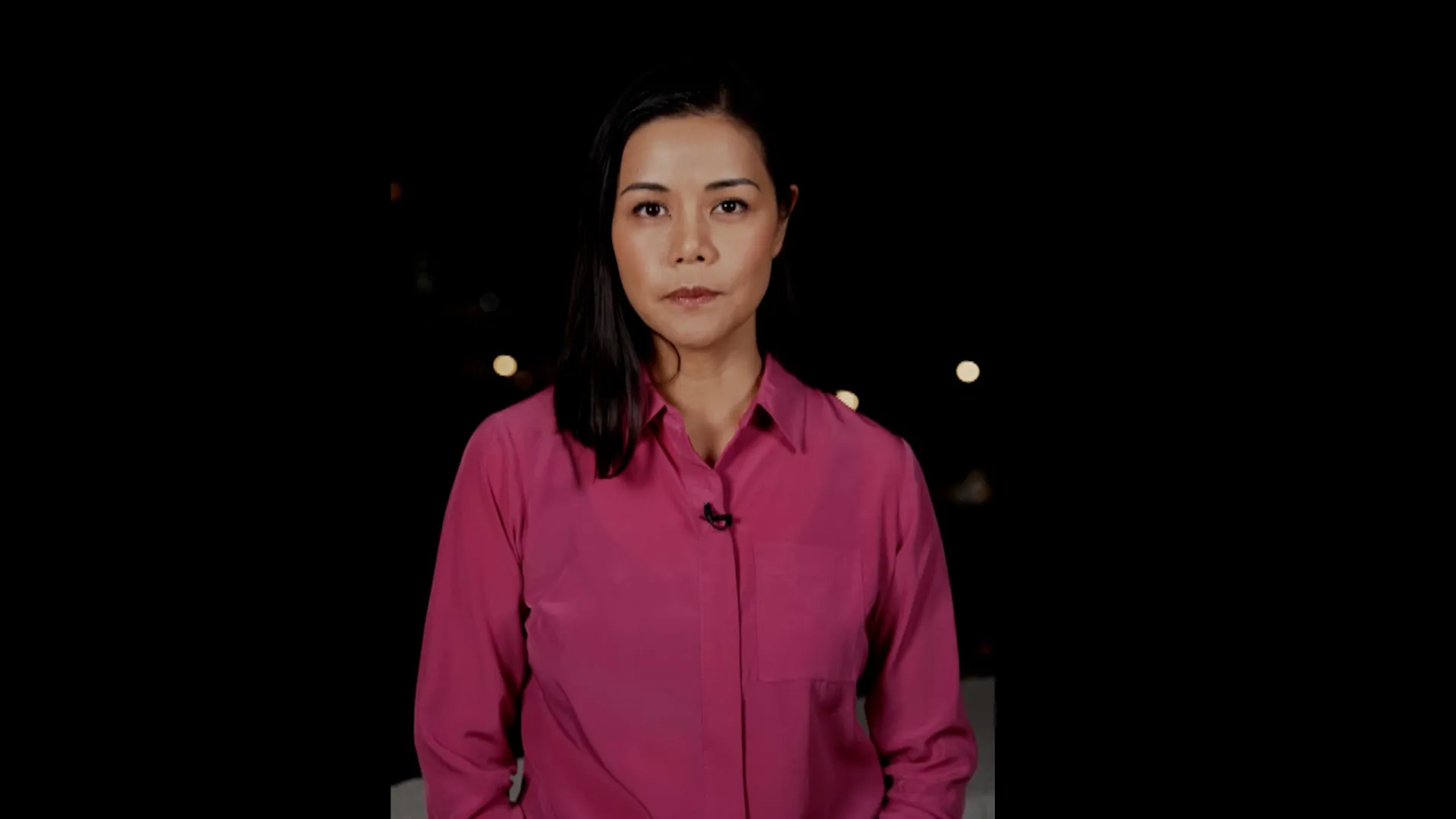
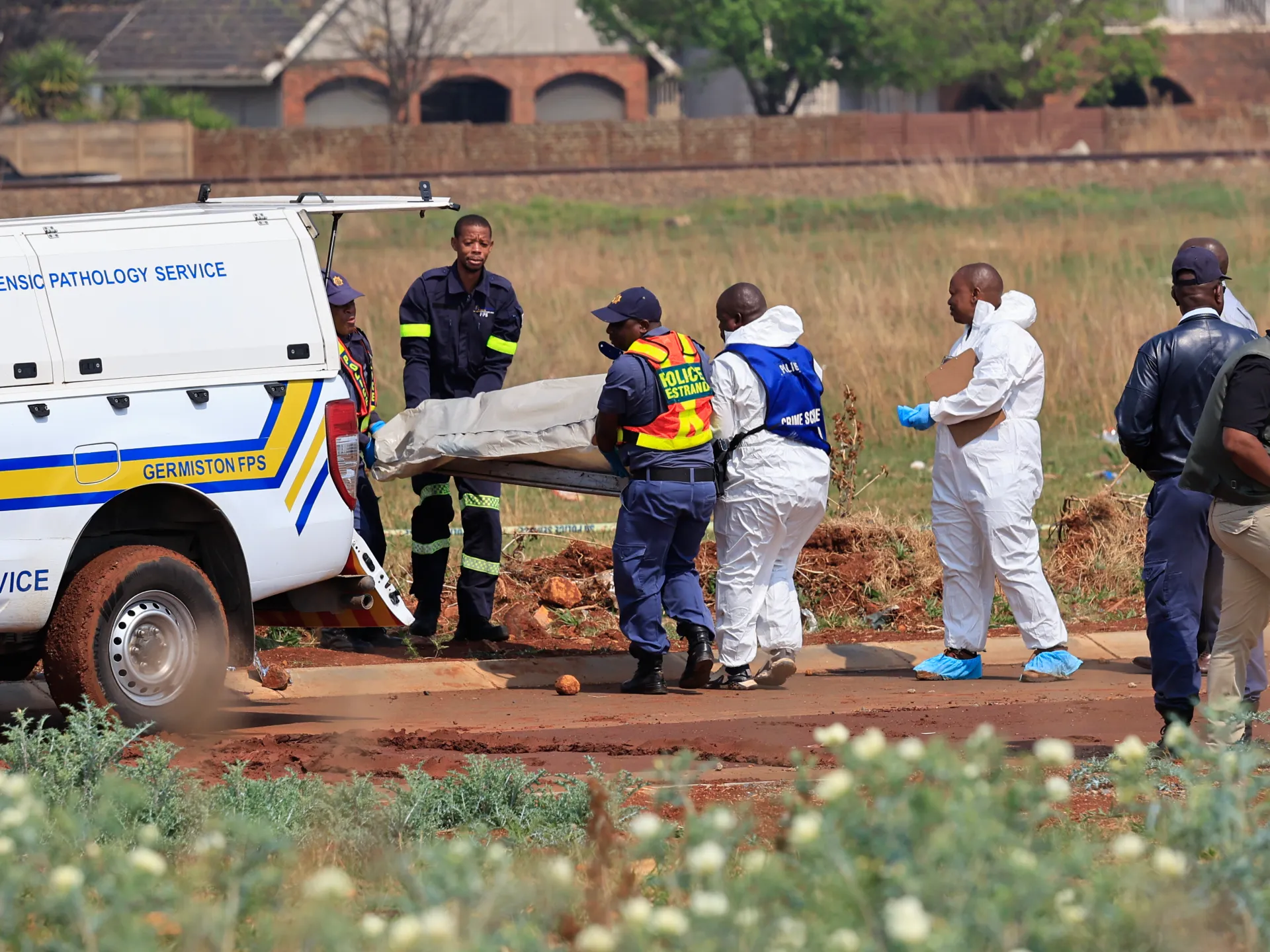
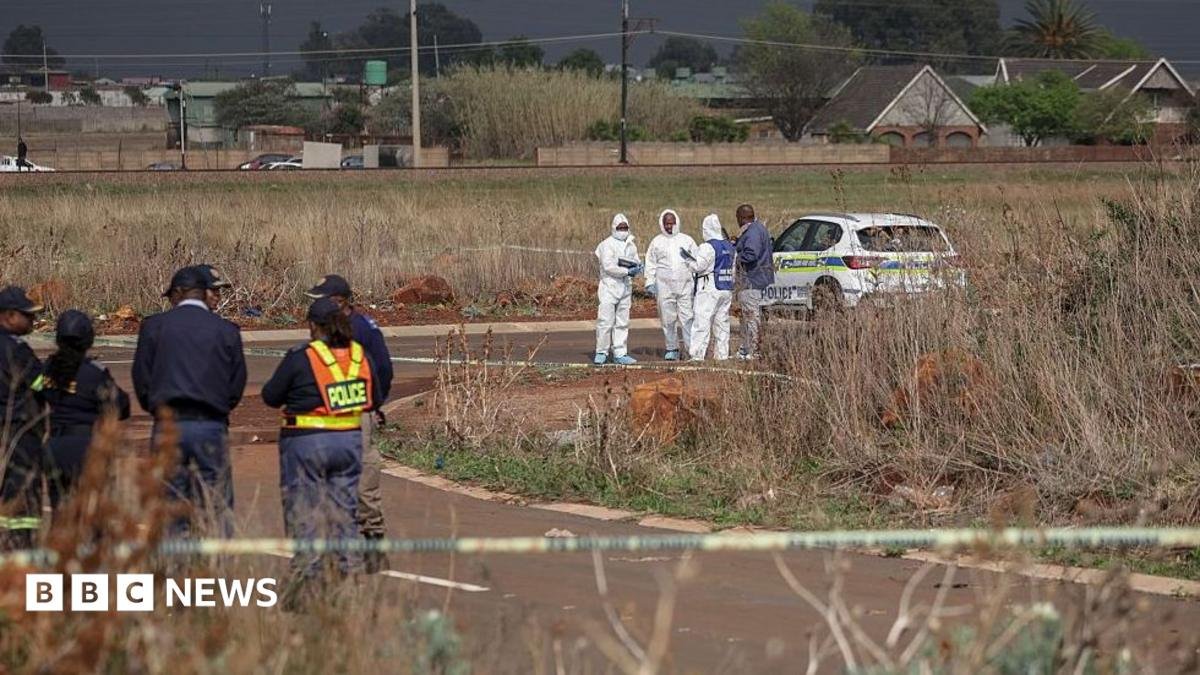
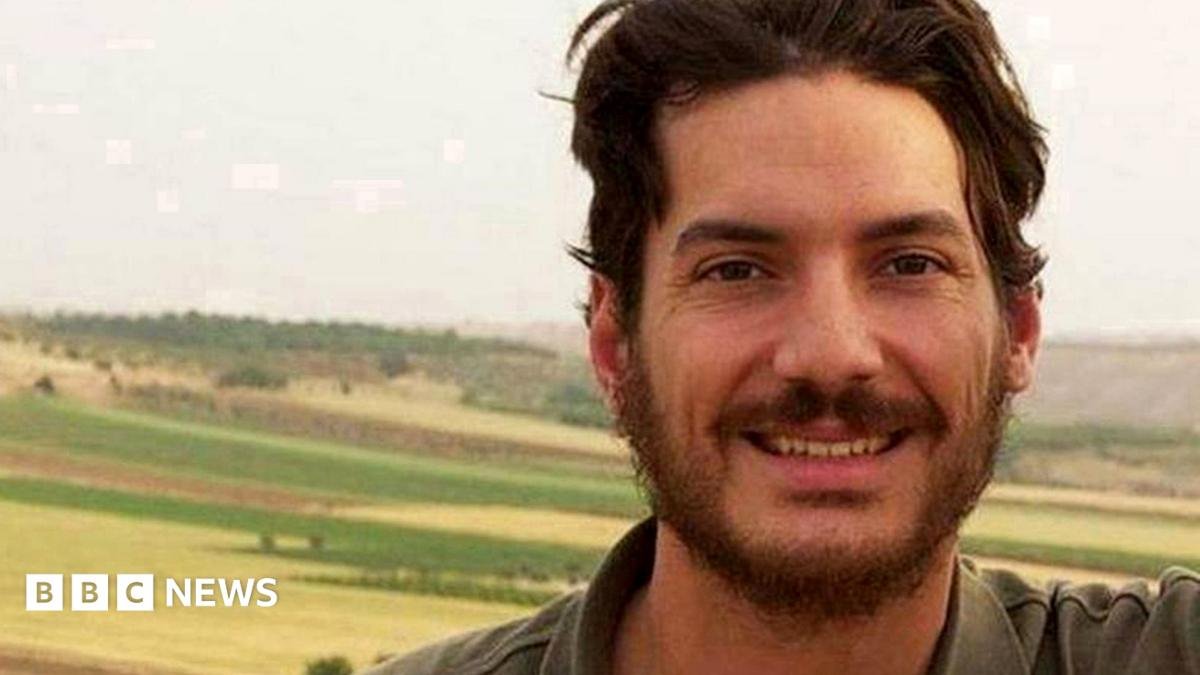
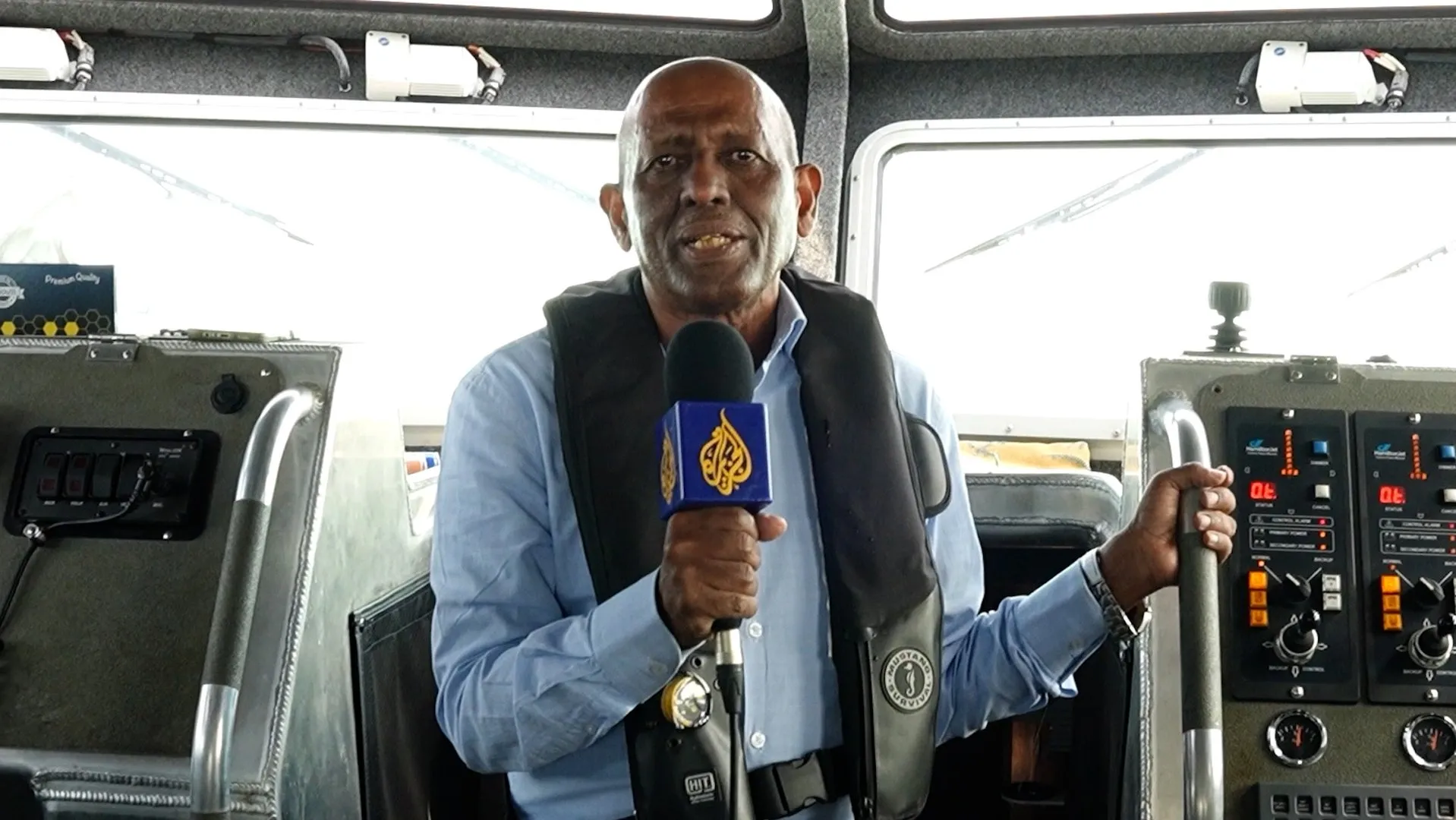
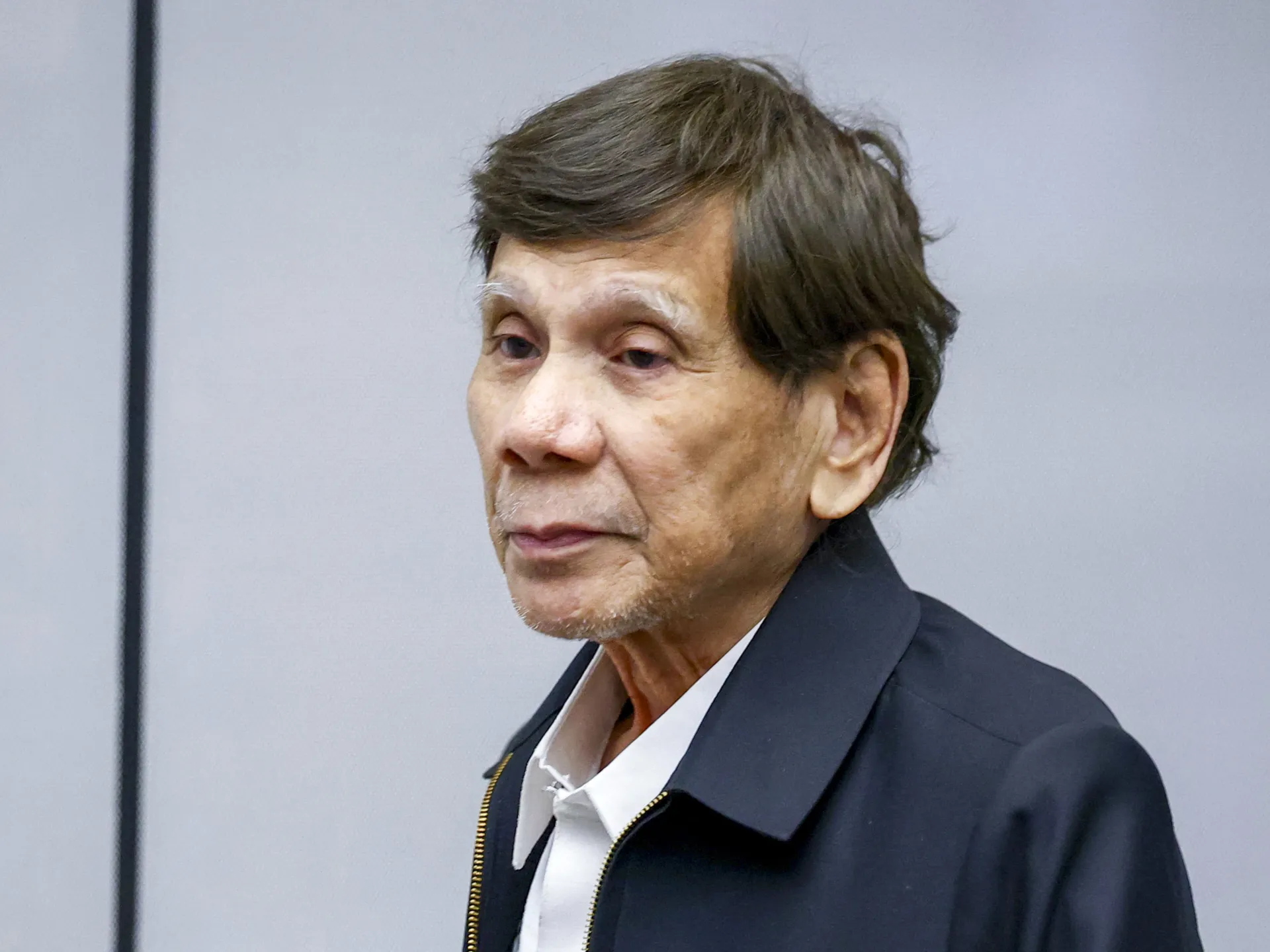
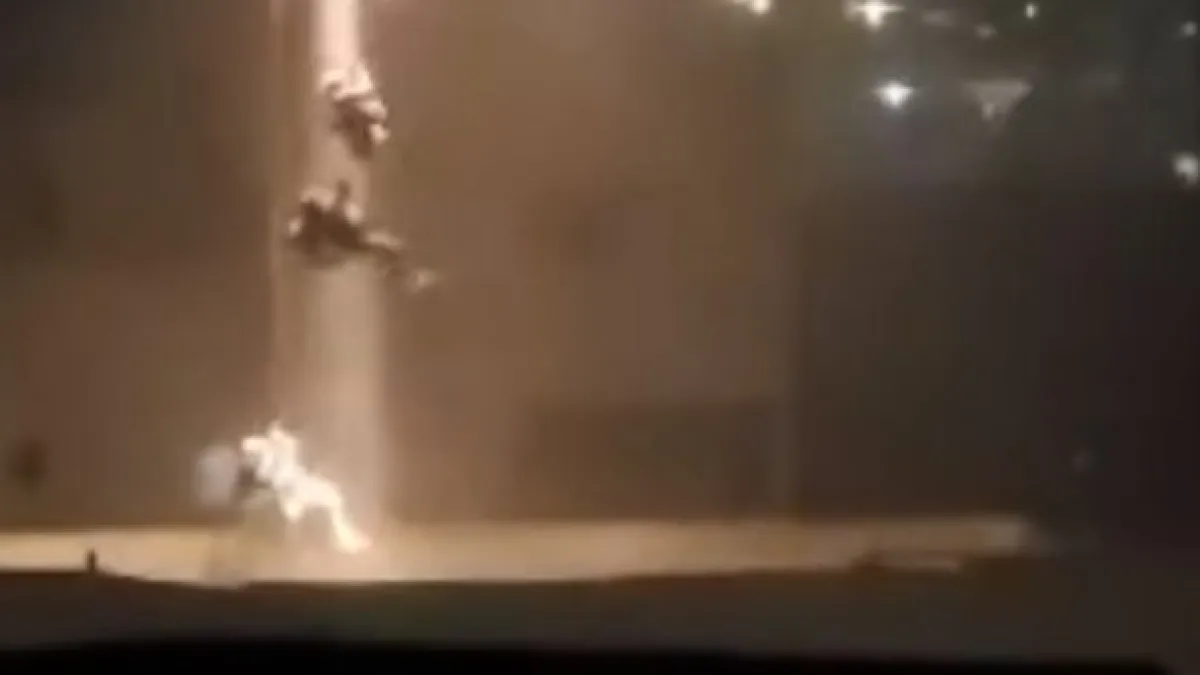
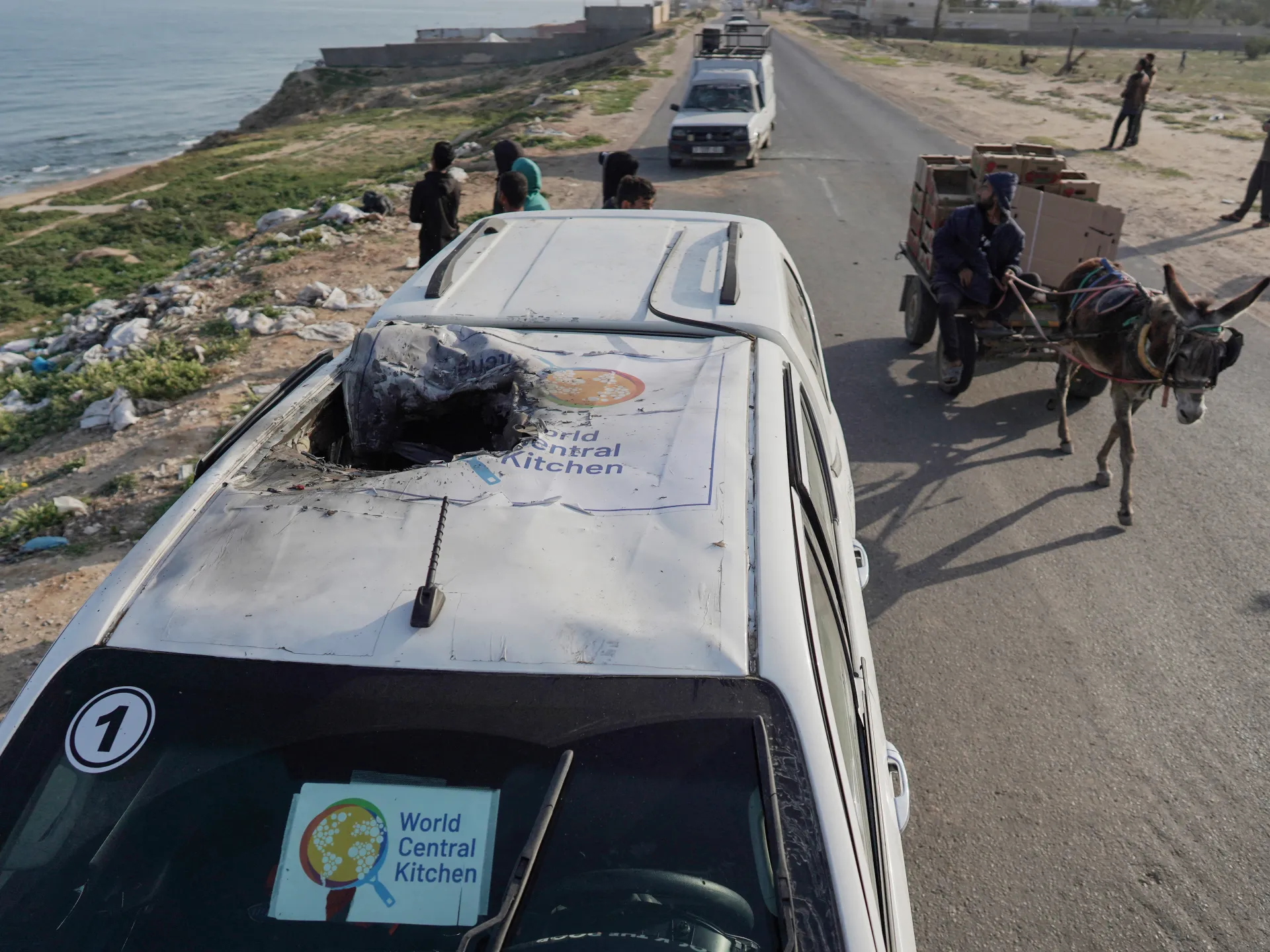
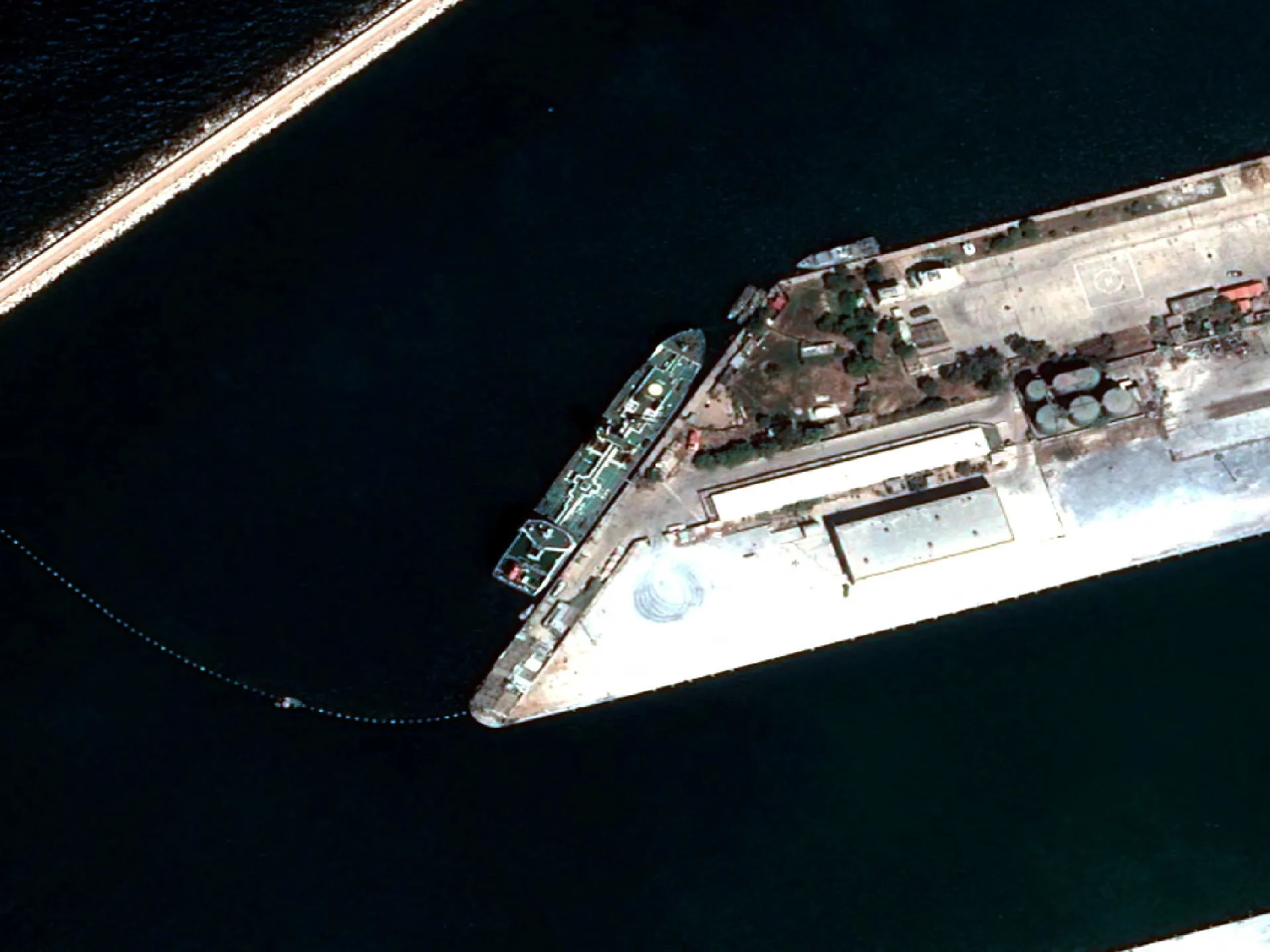
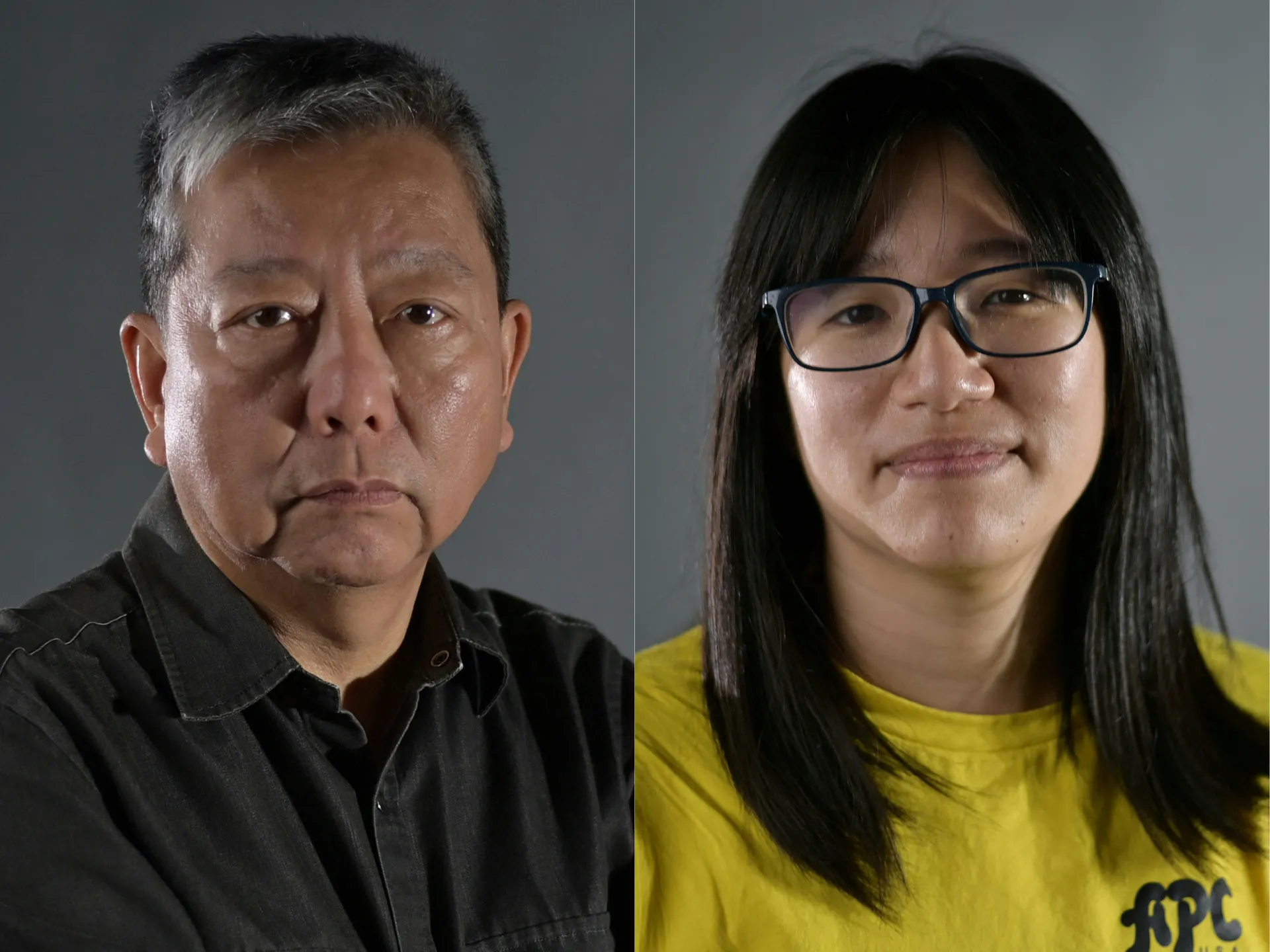
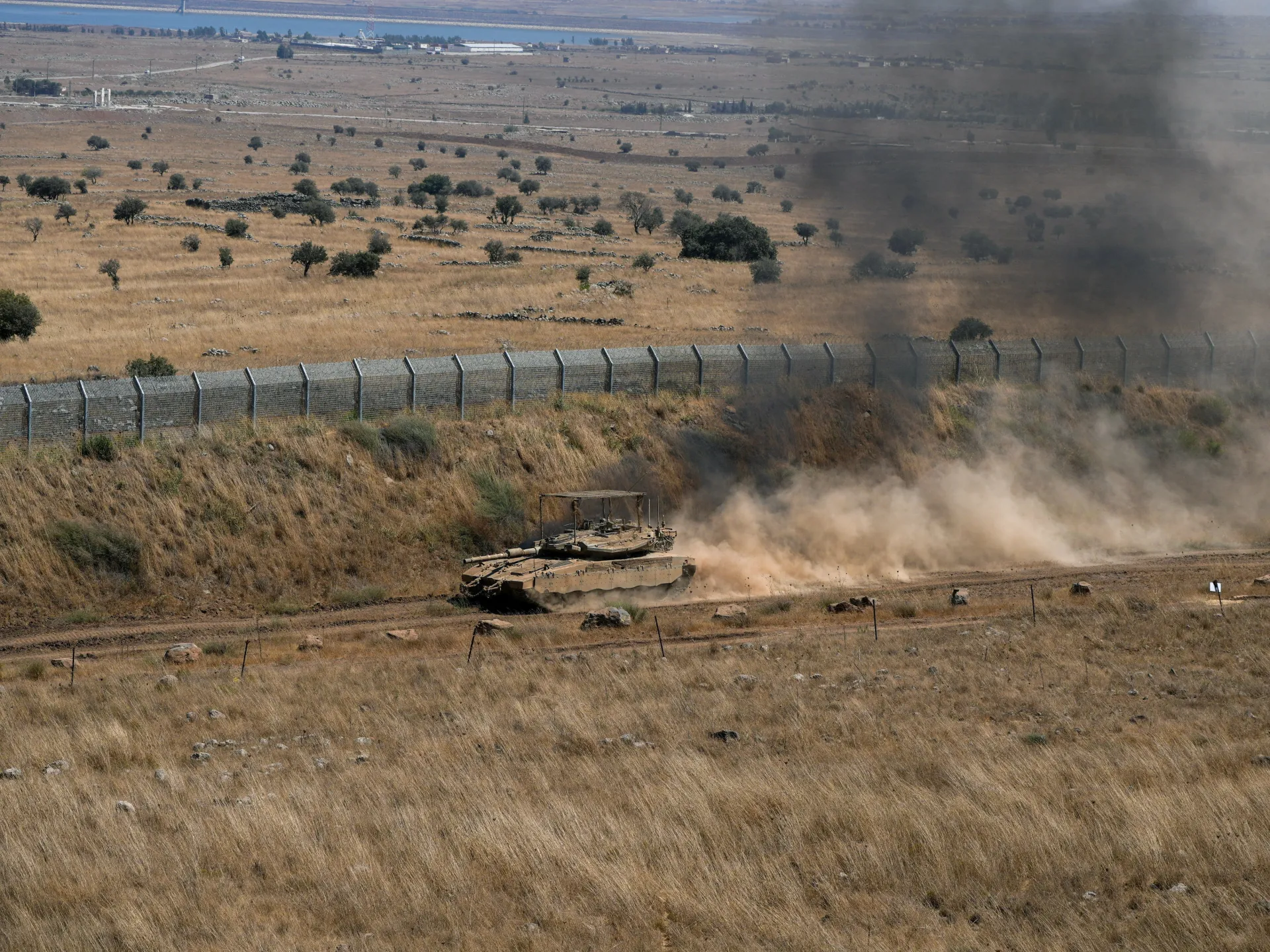
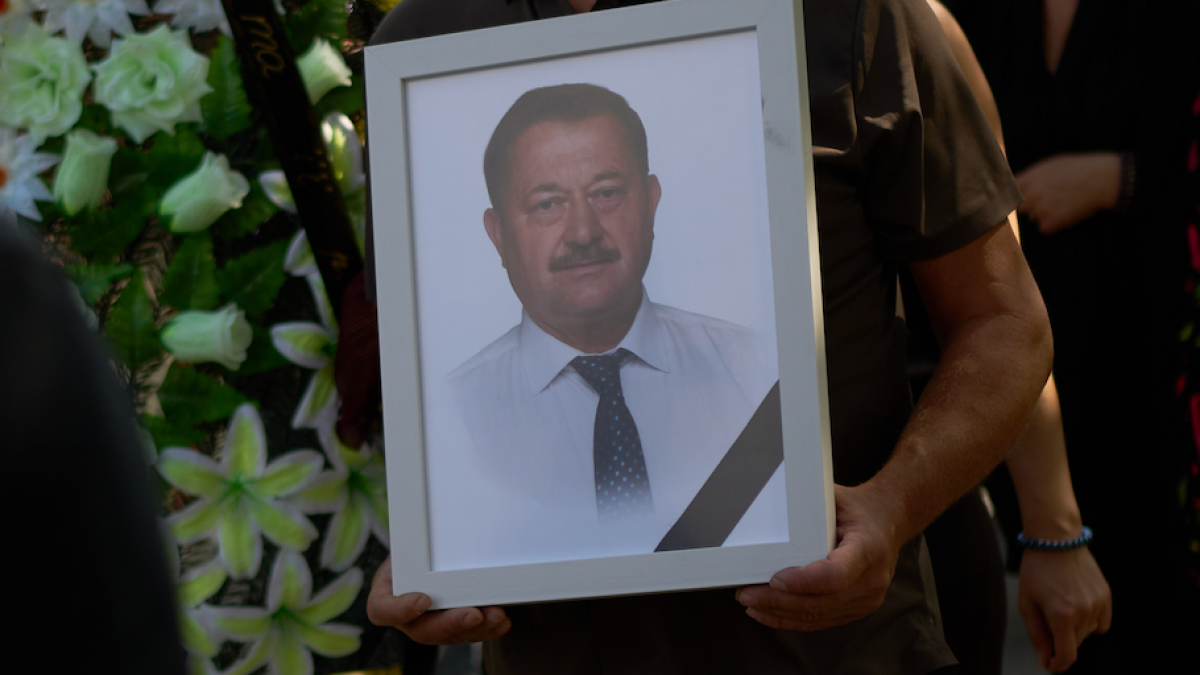
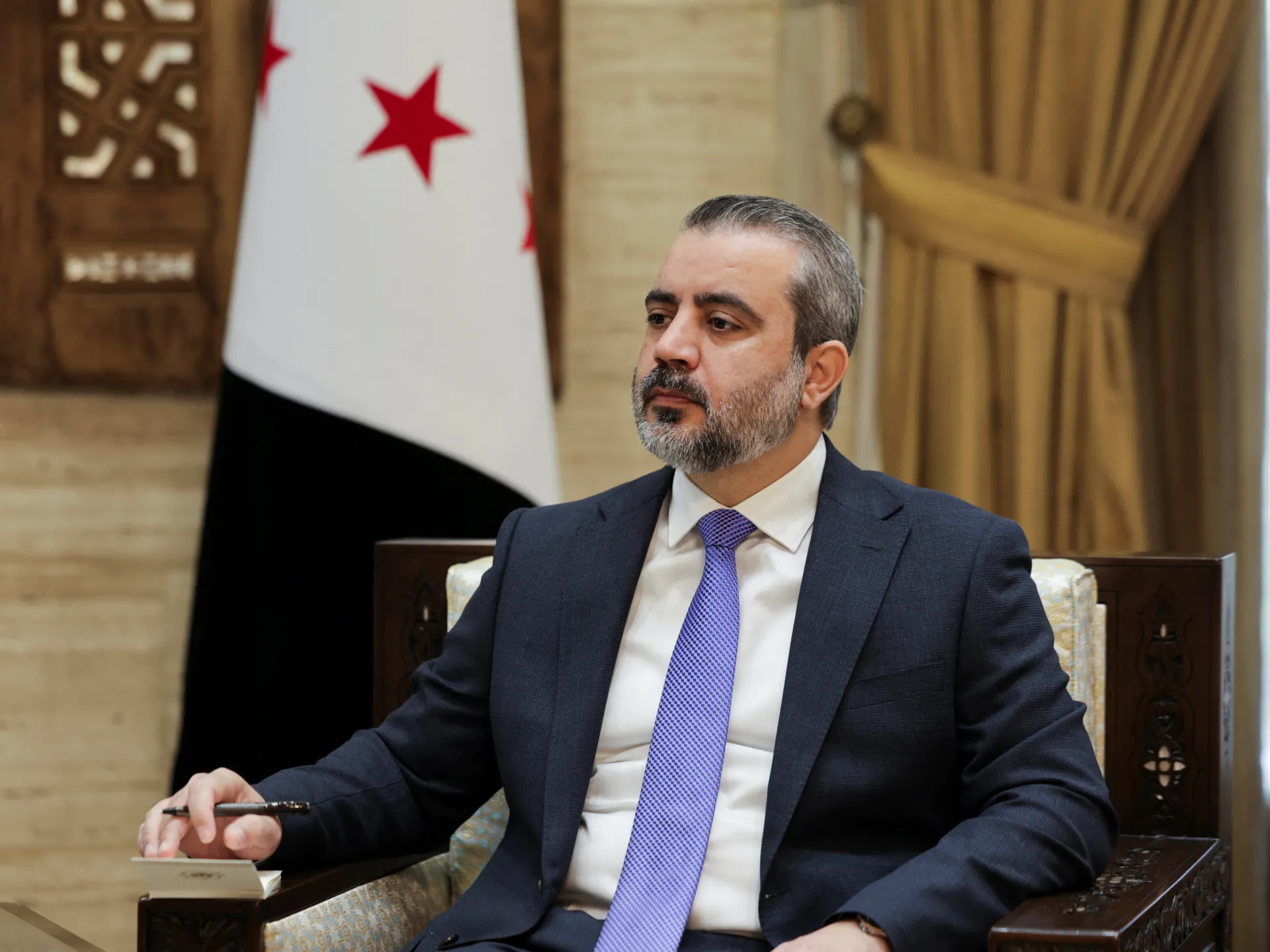
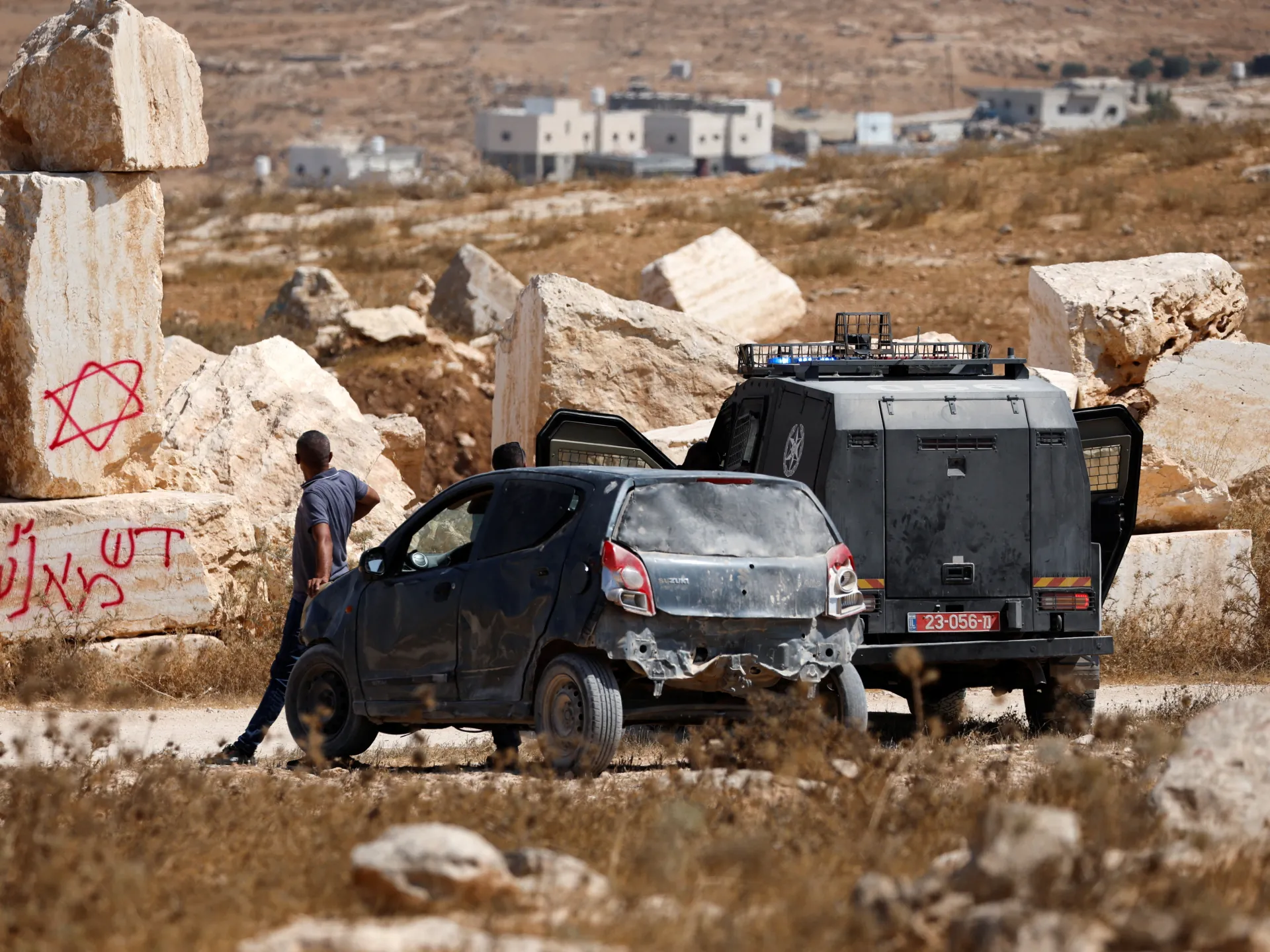
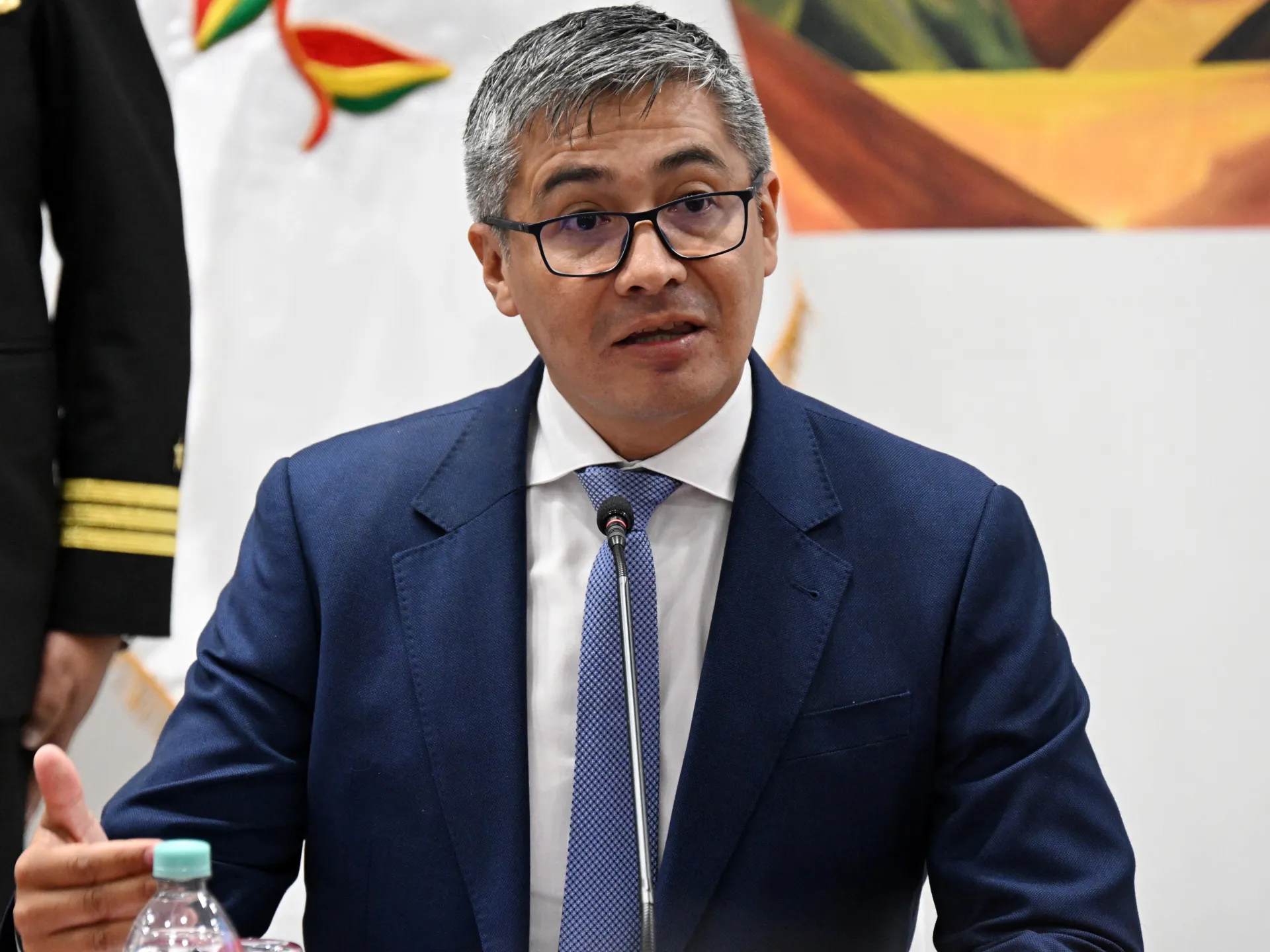
Meanwhile, the fall of the Syrian regime has finally provided clarity on the 2012 abduction of U.S. journalist Austin Tice. Previously, many believed his capture was an opportunistic act lligence files and testimony from former regime members, reveals a premeditated operation. Evidence suggests Tice’s driver was an informant who relayed information to the National Defence Forces. While some former commanders have claimed Tice was executed, the lack of remains and conflicting accounts leave his final fate unconfirmed, even as the regime's internal documentation confirms their direct responsibility for his detention.
The aftermath of these events will likely lead to significant shifts in their respective fields. In the Himalayas, disaster management agencies are under pressure to redesign early-warning systems that can monitor complex, high-altitude phenomena, potentially requiring new investments in satellite surveillance and seismic monitoring. Regarding the Tice investigation, while the regime’s culpability is now documented, the search for his physical remains remains a primary focus for international observers and his family. Finally, the planetary and astronomical data collected xpected findings into broader models of planetary evolution and galactic formation.