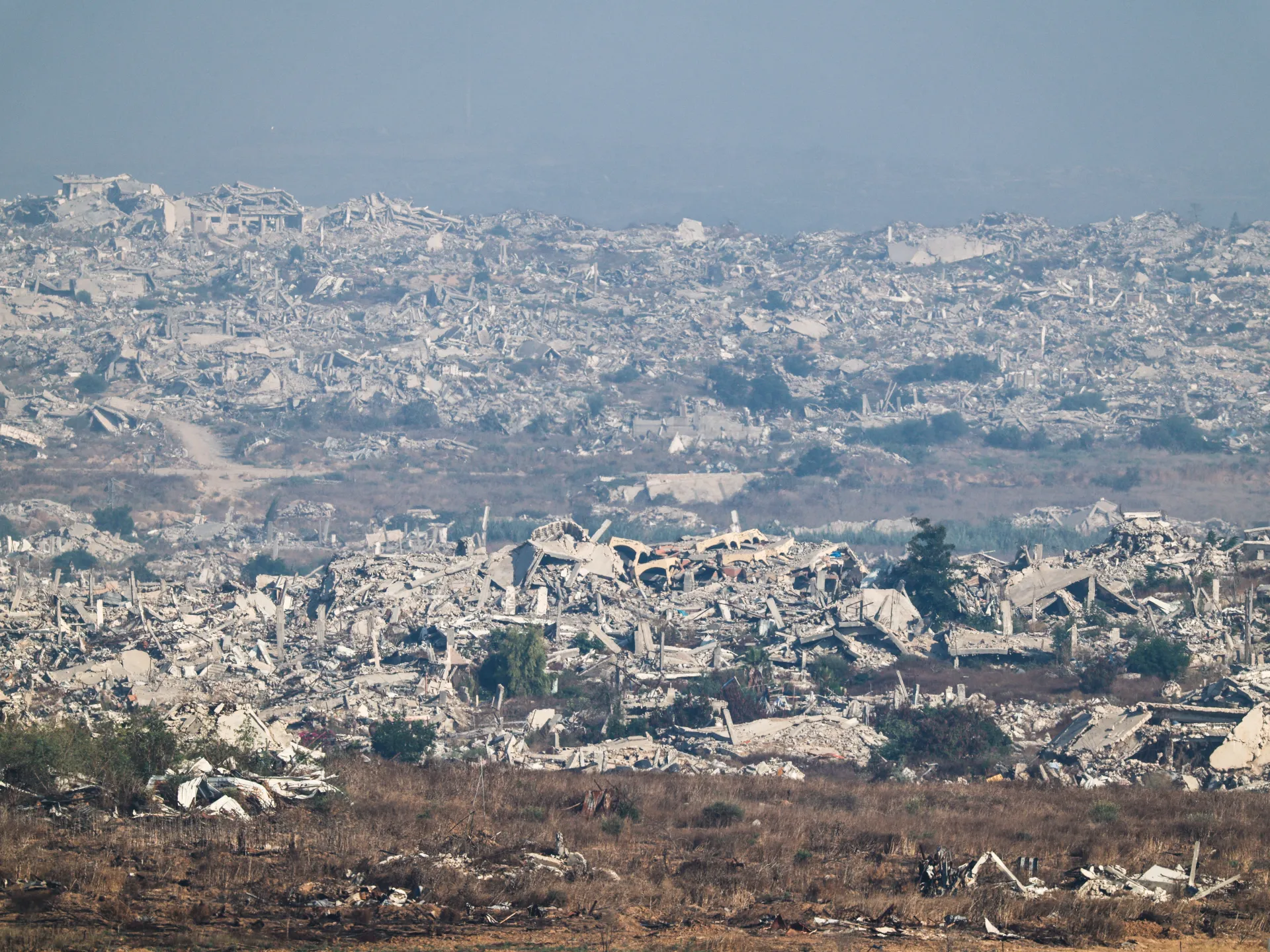
Military depots in Syria are facing a wave of deadly explosions while the Dutch rail system recovers from a coordinated campaign of infrastructure sabotage.
A wave of infrastructure instability is challenging authorities in disparate regions, as military depots in Syria suffer a string of deadly explosions while the Dutch rail network recovers from a coordinated campaign of sabotage. These seemingly unrelated incidents have placed government officials in both Damascus and the Hague on high alert, struggling to identify whether these disruptions stem from systemic neglect or deliberate malice.
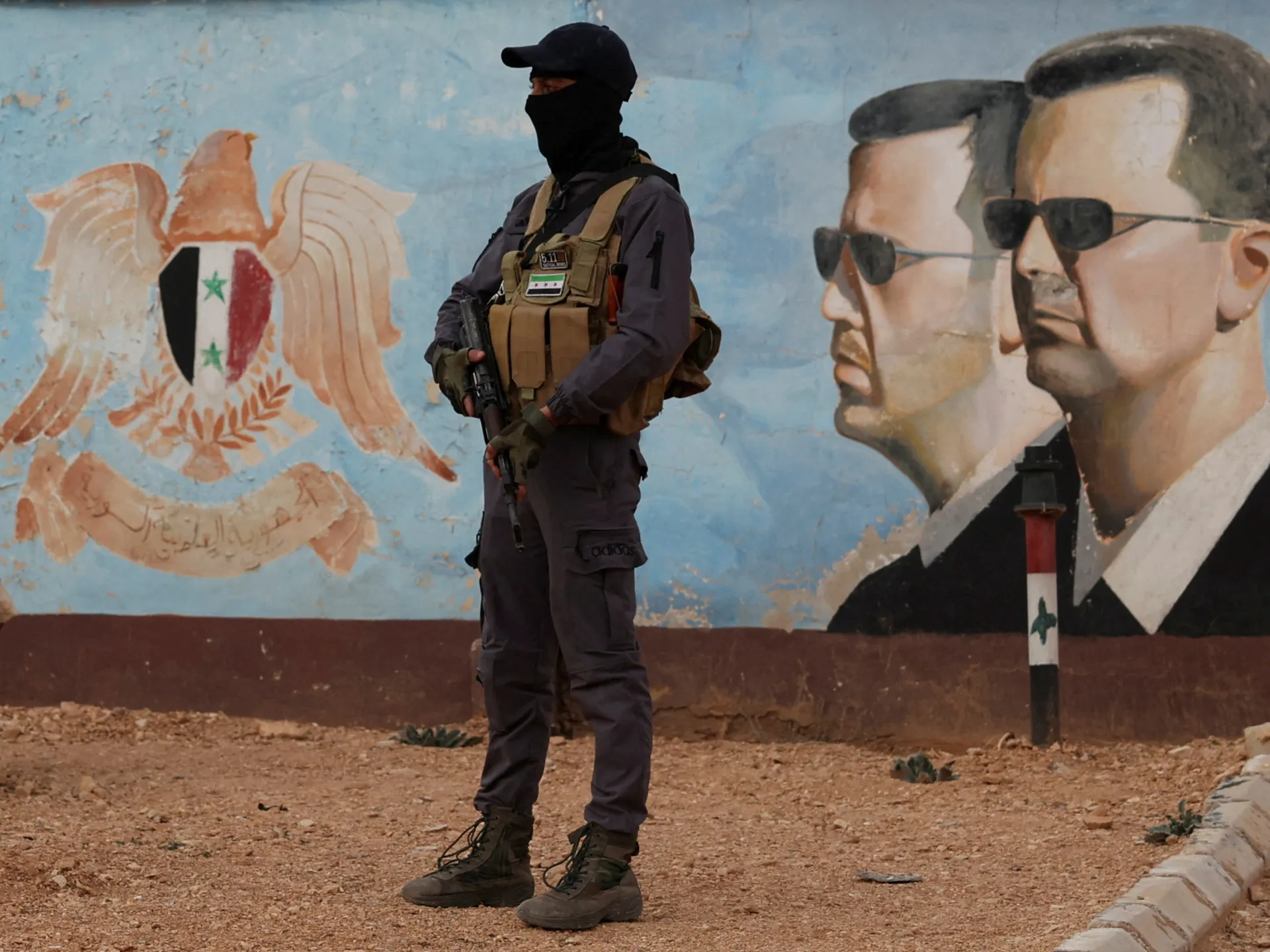
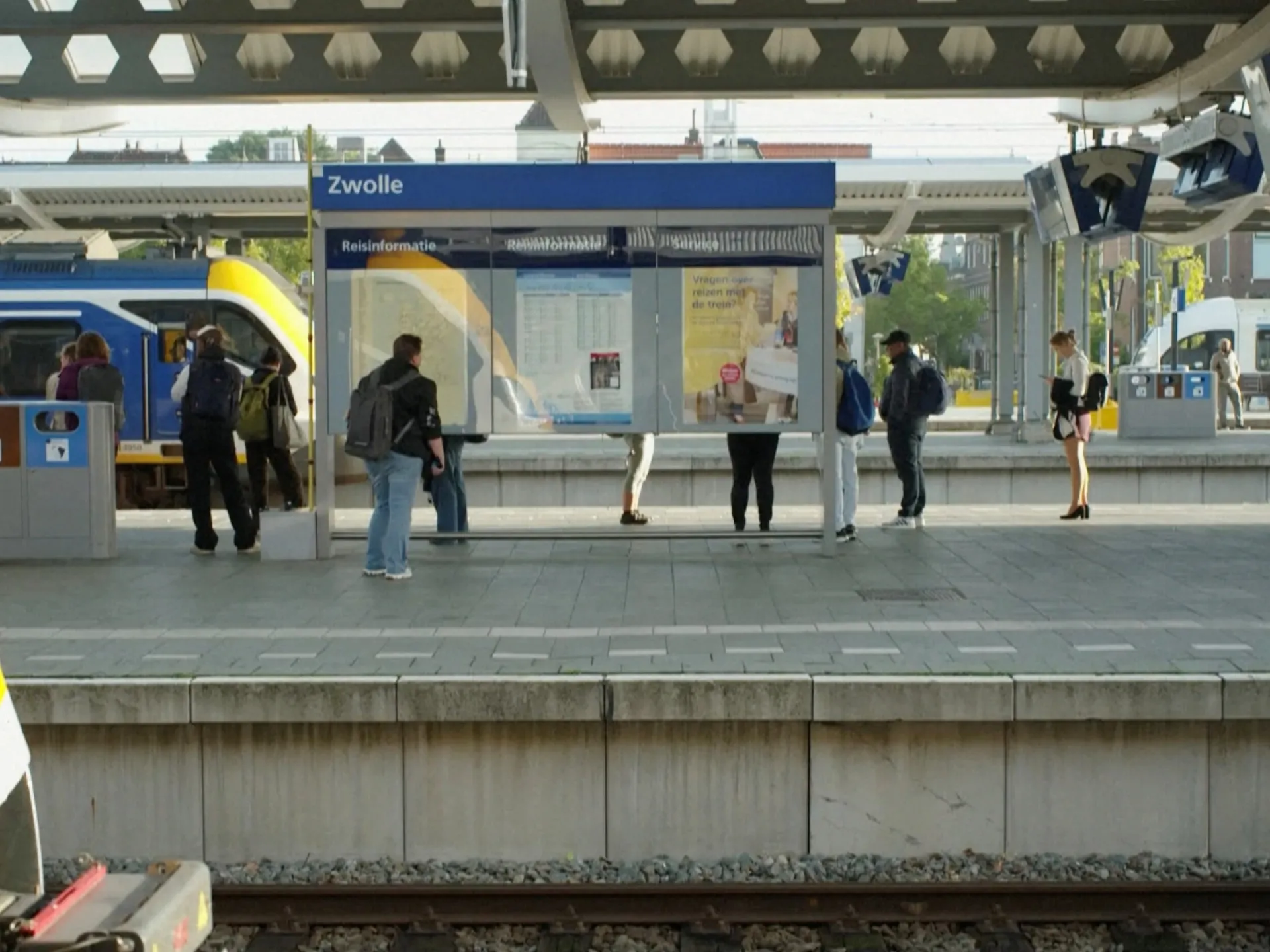
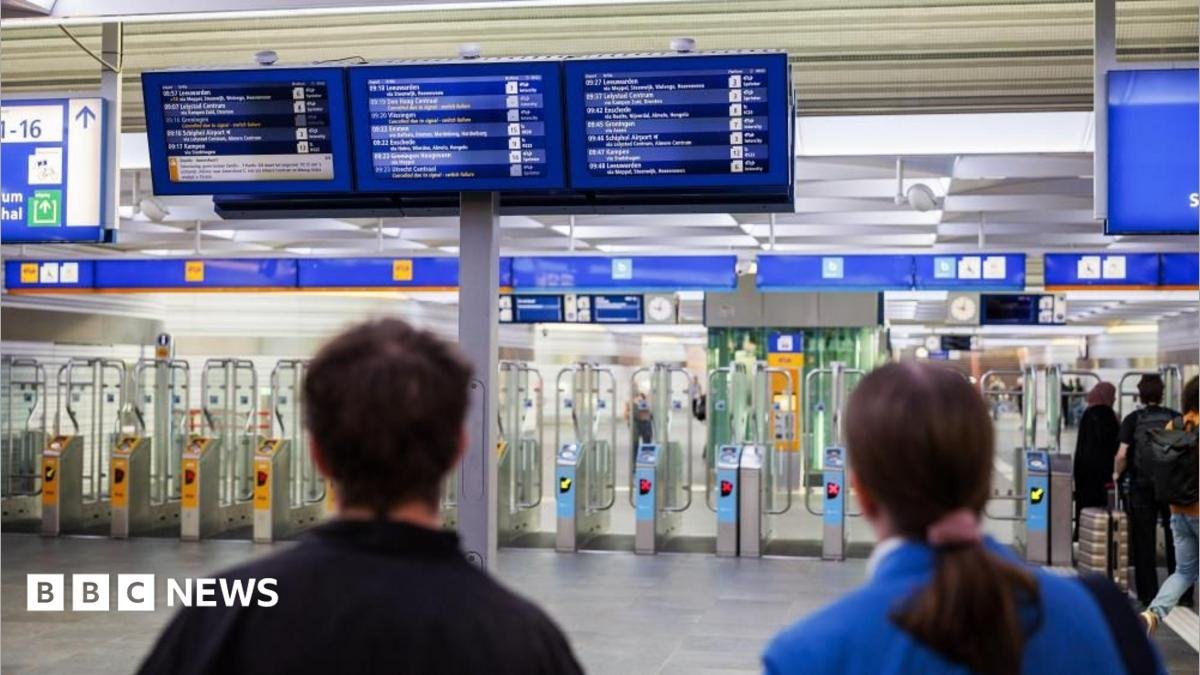
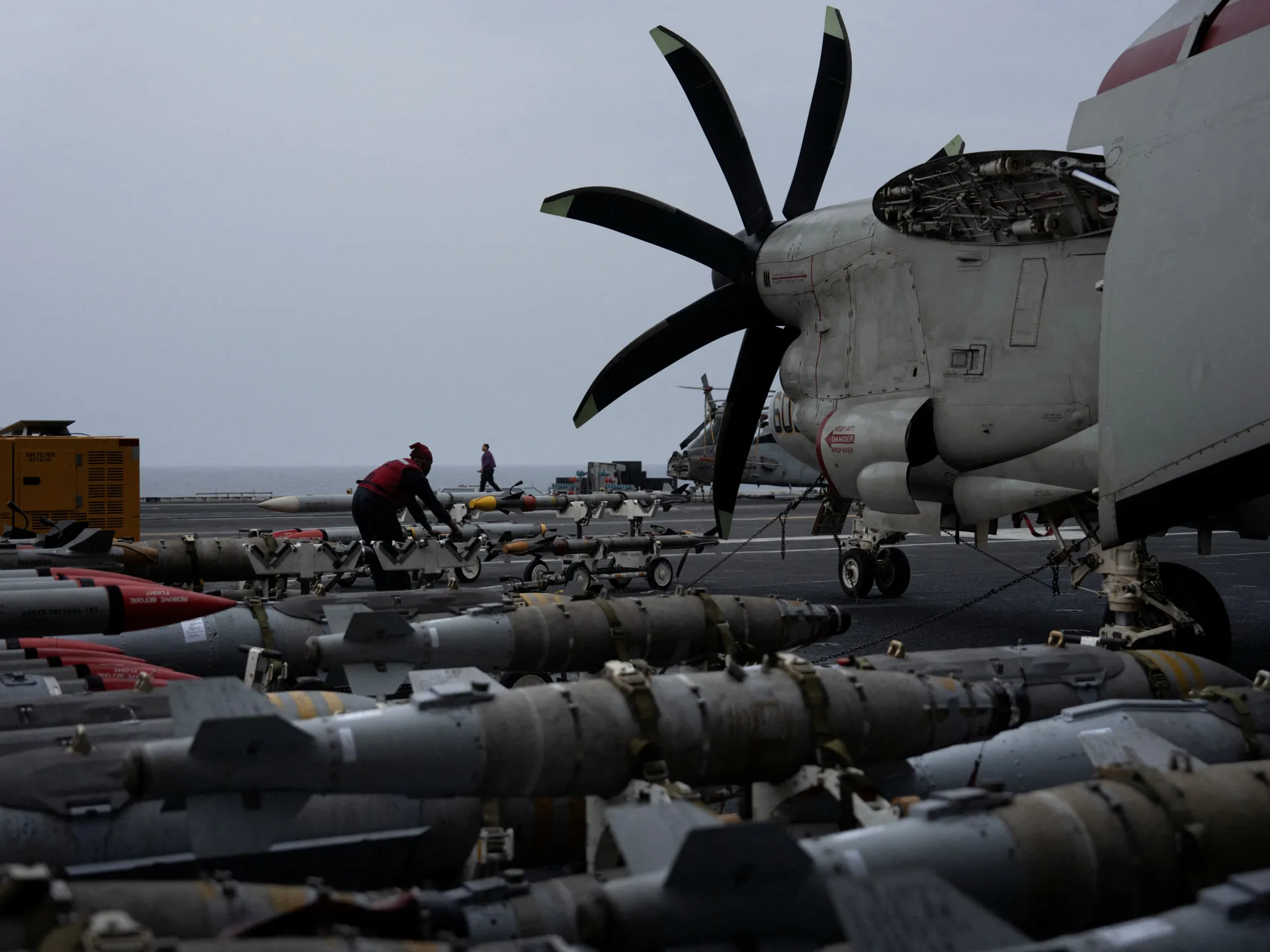
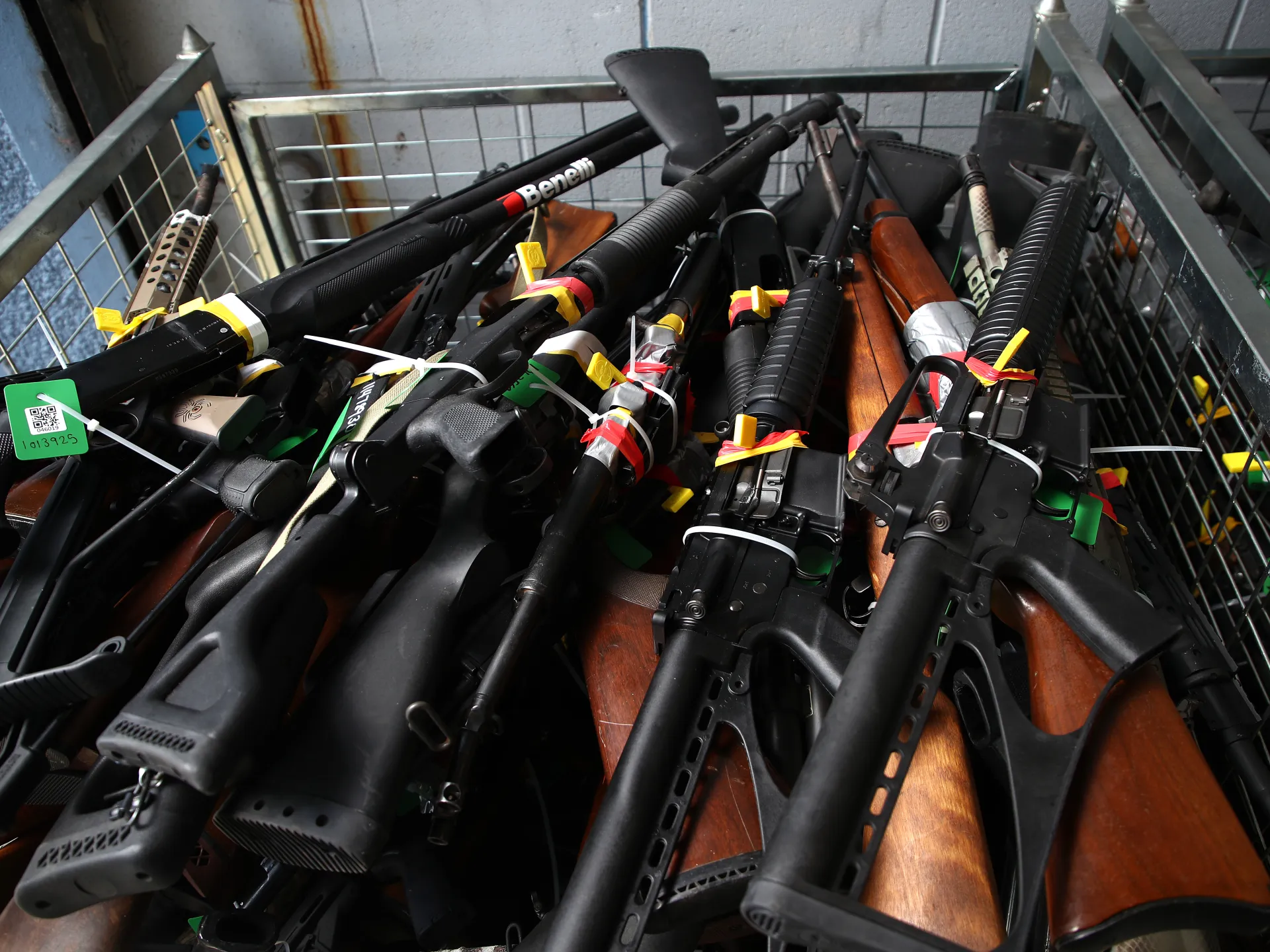
In Syria, the defense ministry is currently grappling with a series of catastrophic failures at ammunition storage sites across the country, a problem that has intensified as the new military structure attempts to consolidate weapons from diverse former regime and opposition stockpiles. Meanwhile, in the Netherlands, transportation authorities were forced to halt major rail lines after perpetrators placed pipes and cables on tracks, triggering false occupancy signals in computer systems and bringing commuter travel to a standstill.
These events underscore a critical vulnerability in modern state administration: the fragility of physical infrastructure when faced with rapid political or organizational transitions. In the Syrian context, the transition from a long-standing regime to a nascent, integrated military force has created a chaotic inventory environment, where the pressure to hide munitions from potential external airstrikes often overrides basic safety protocols. For the Netherlands, the disruption of a vital, highly digitized railway network reveals how easily localized, low-tech sabotage can paralyze a nation’s economic and logistical arterial system. Both situations reflect a broader trend where government legitimacy and public order are tested not just ersight of critical national assets.
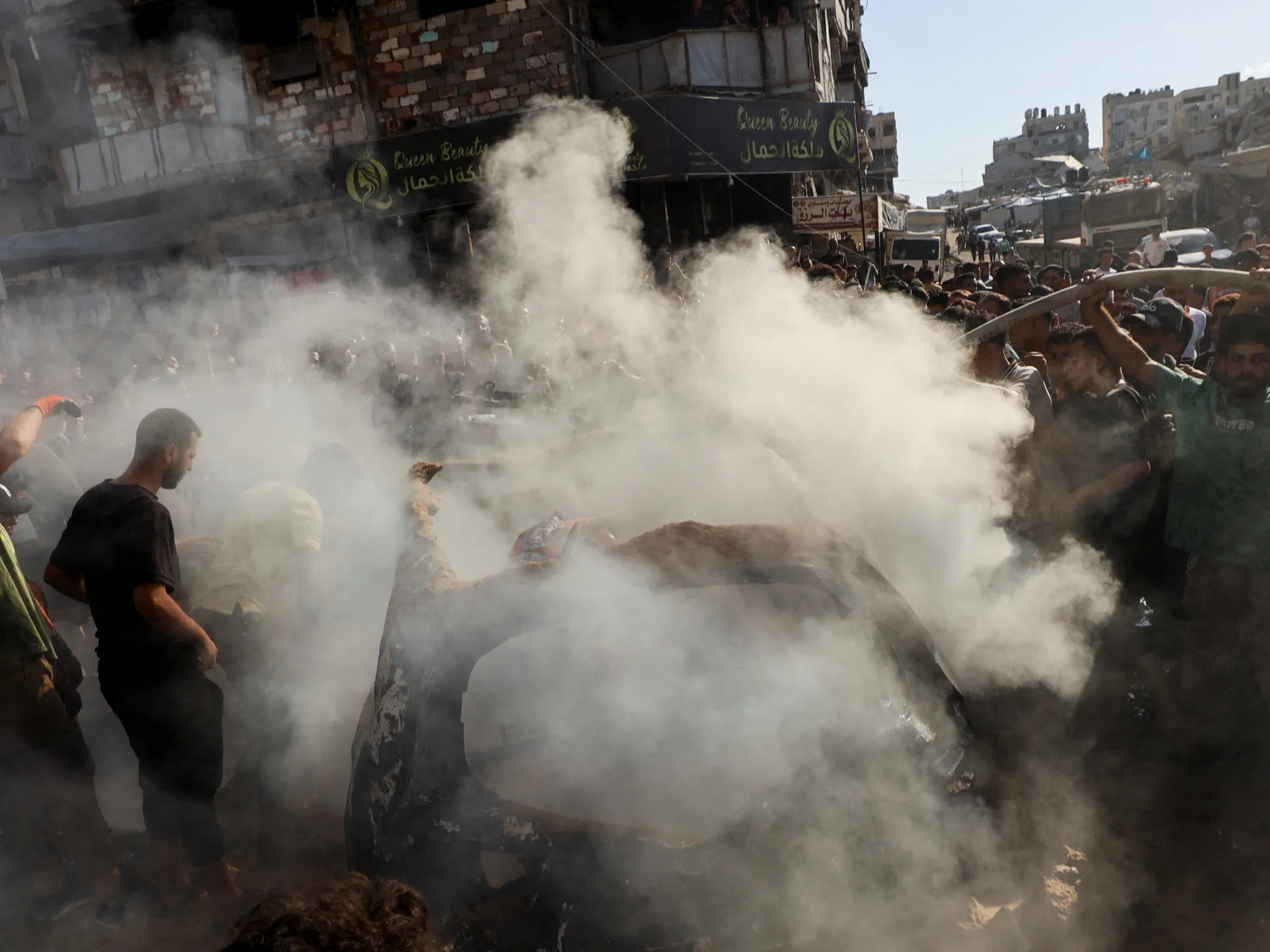
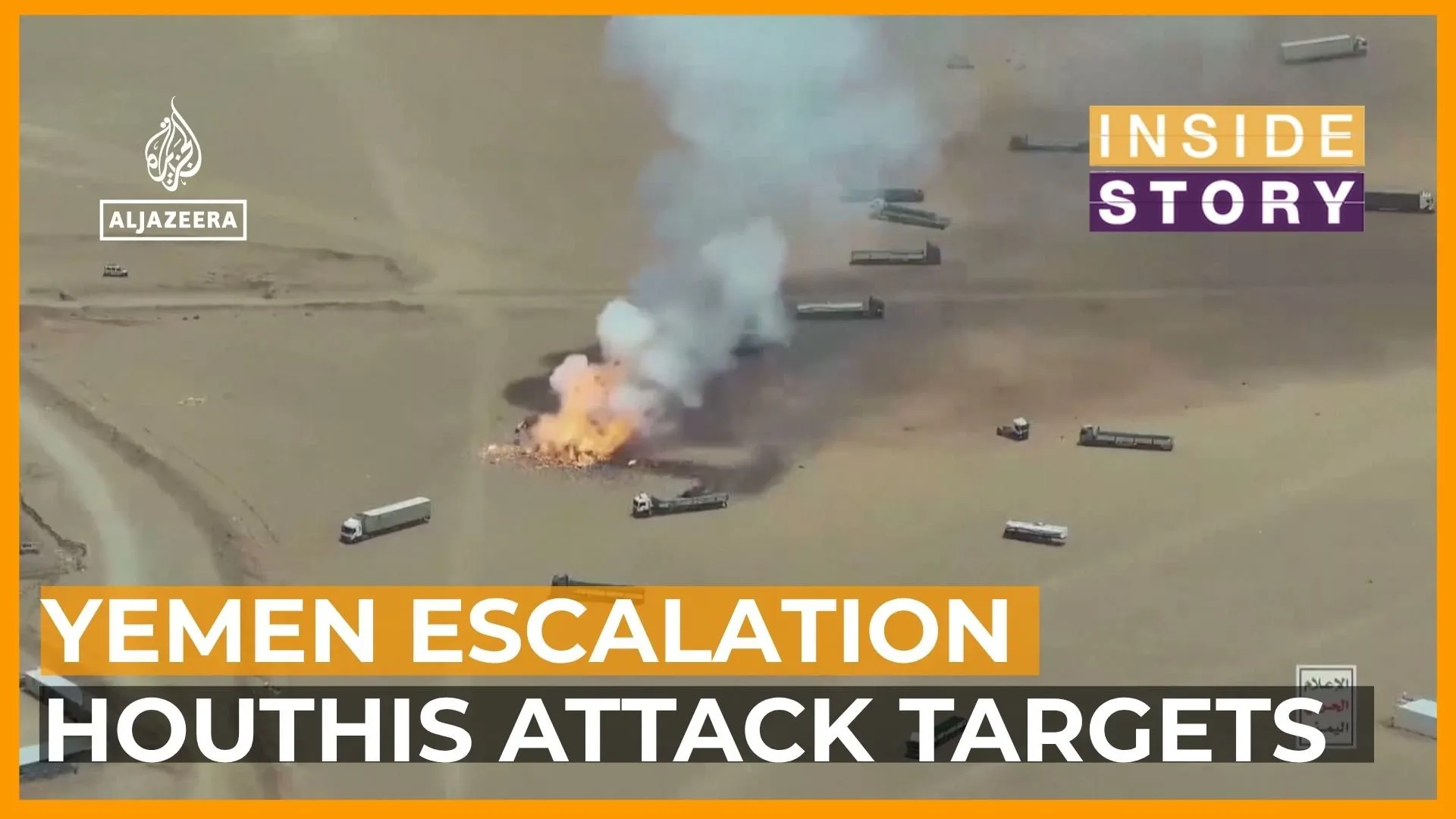
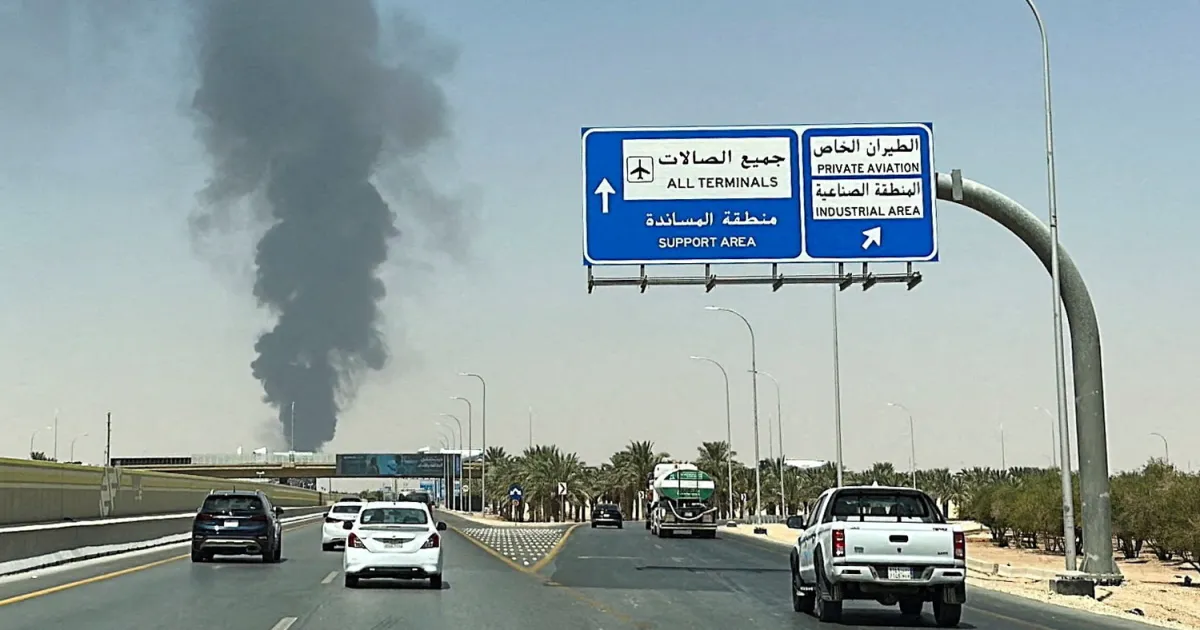
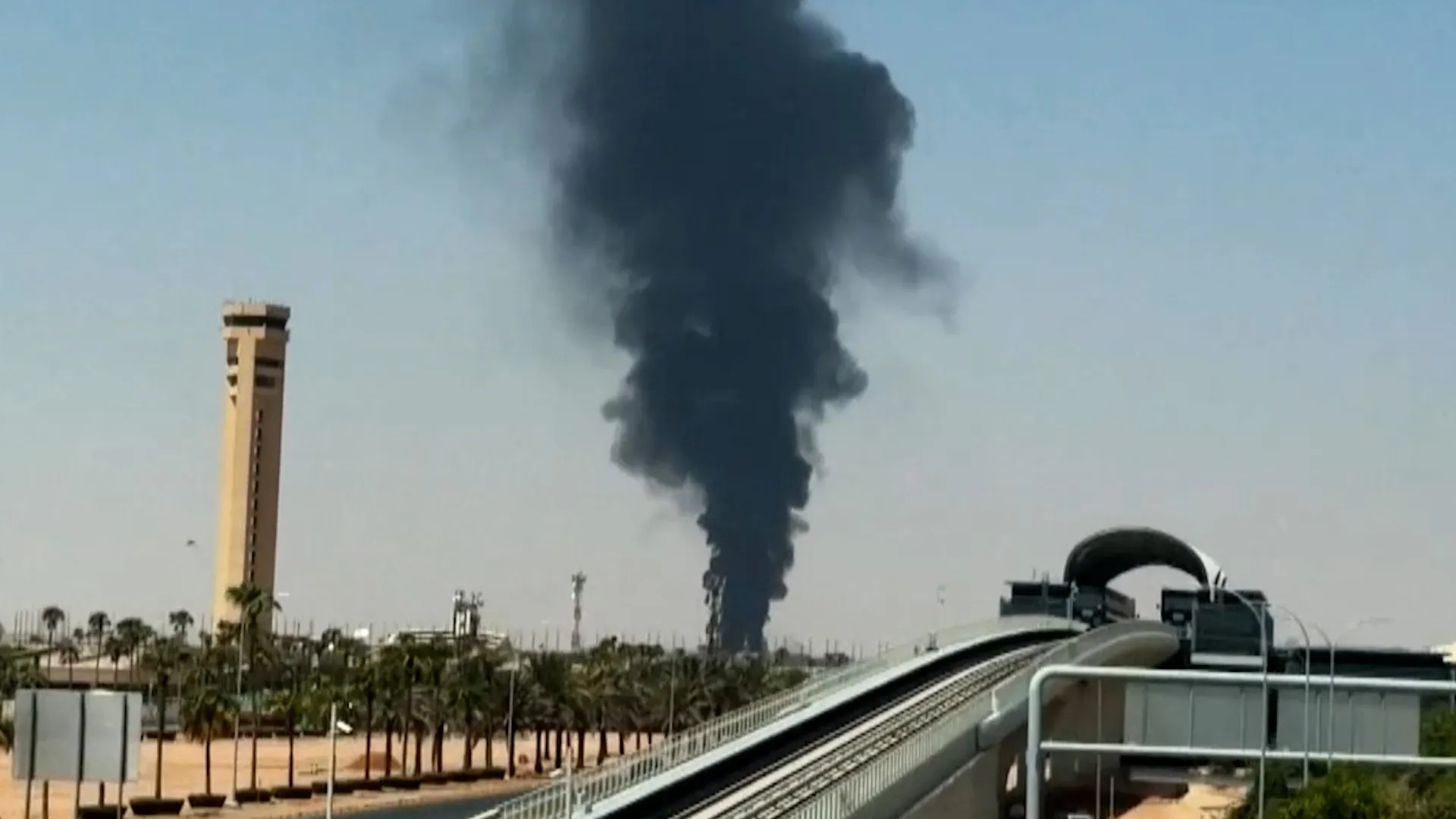
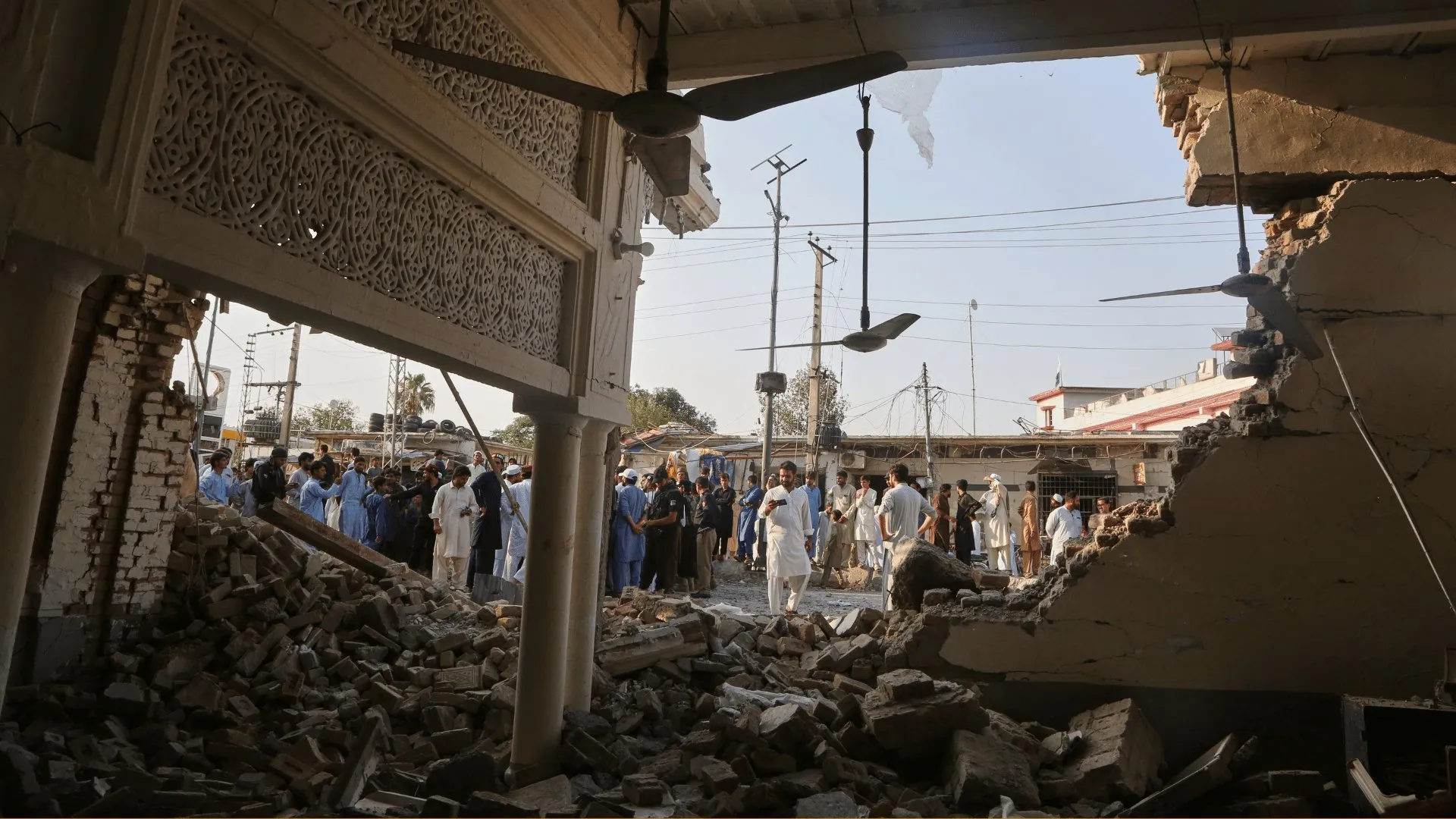
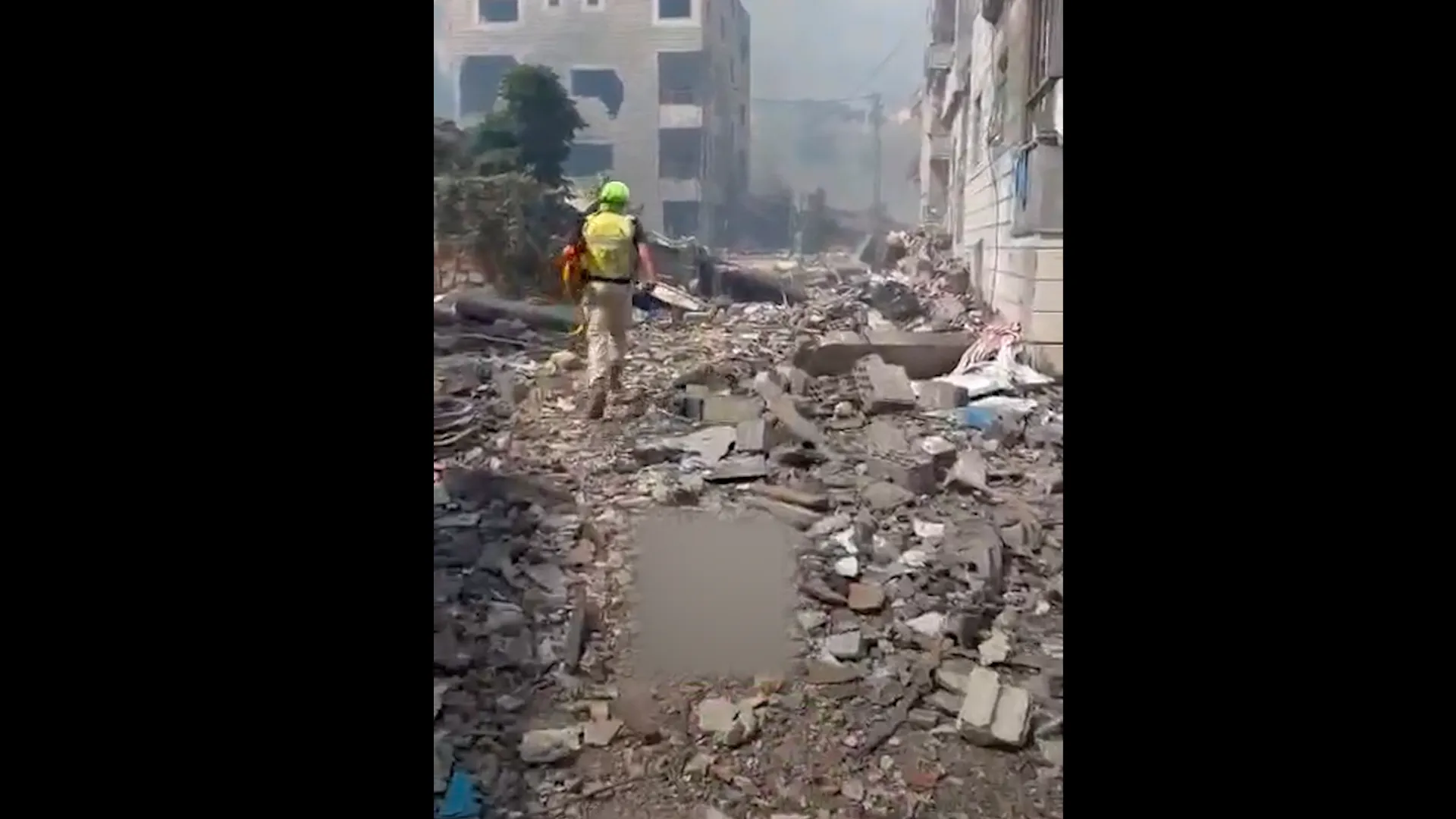
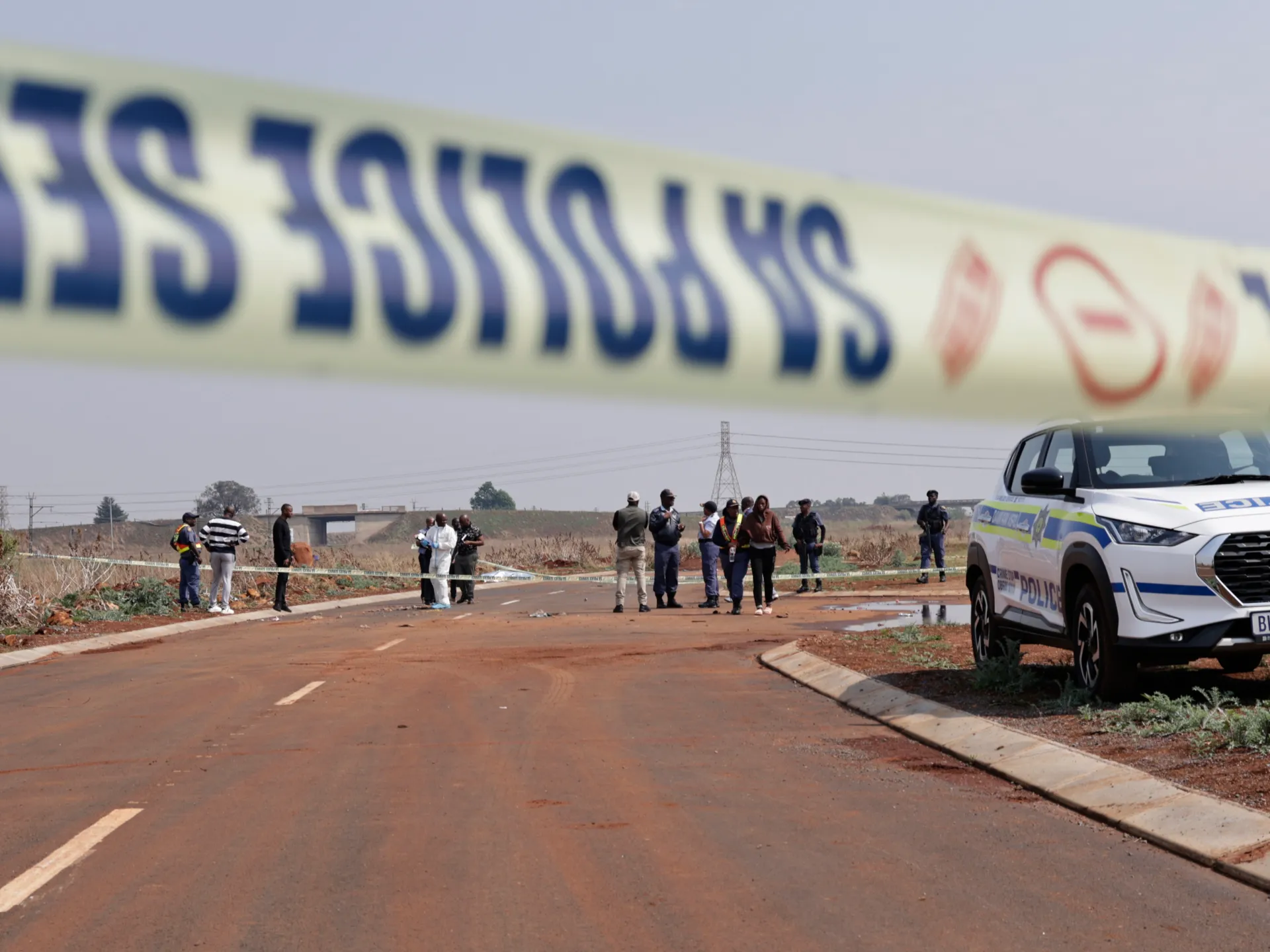
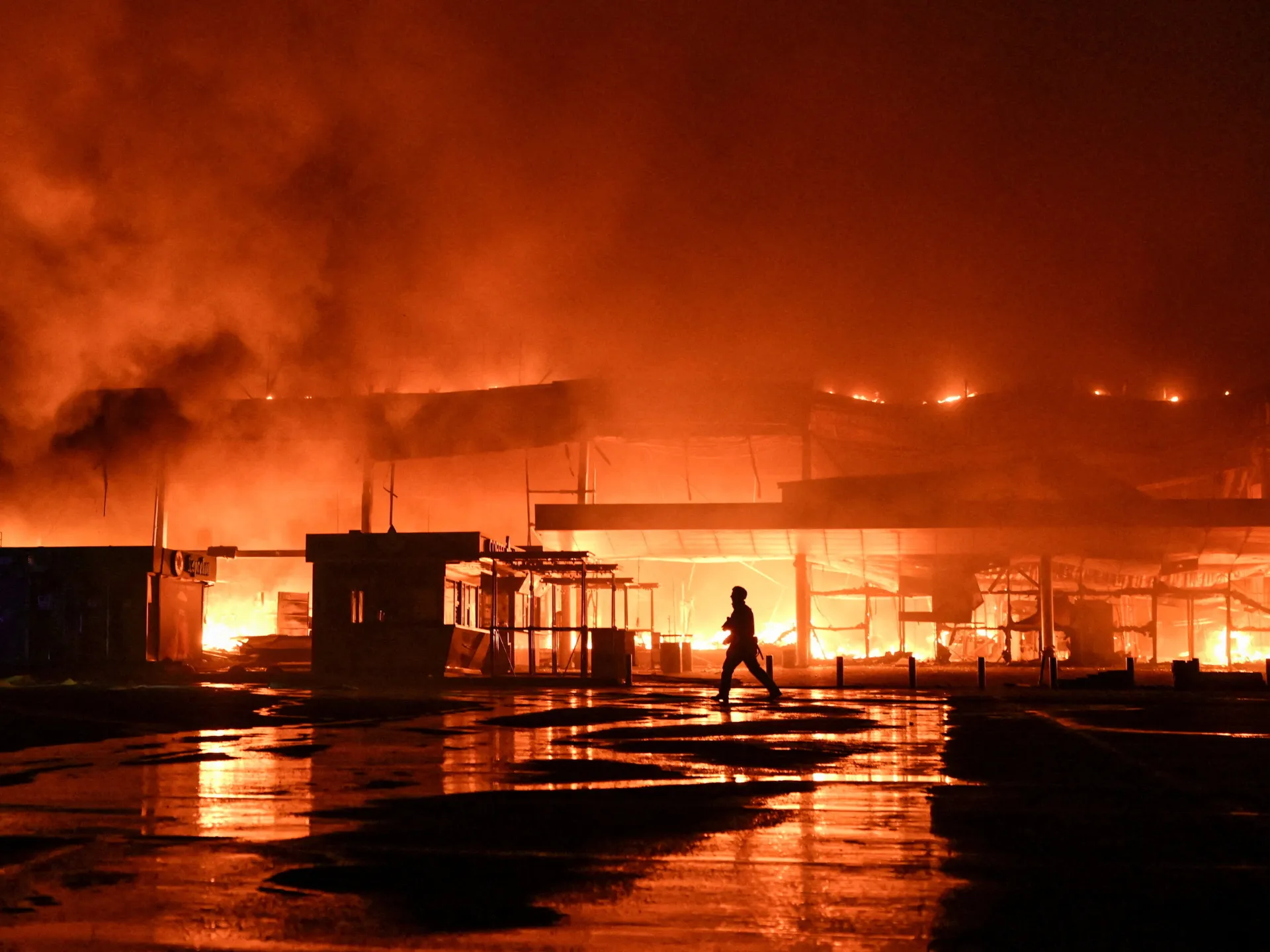
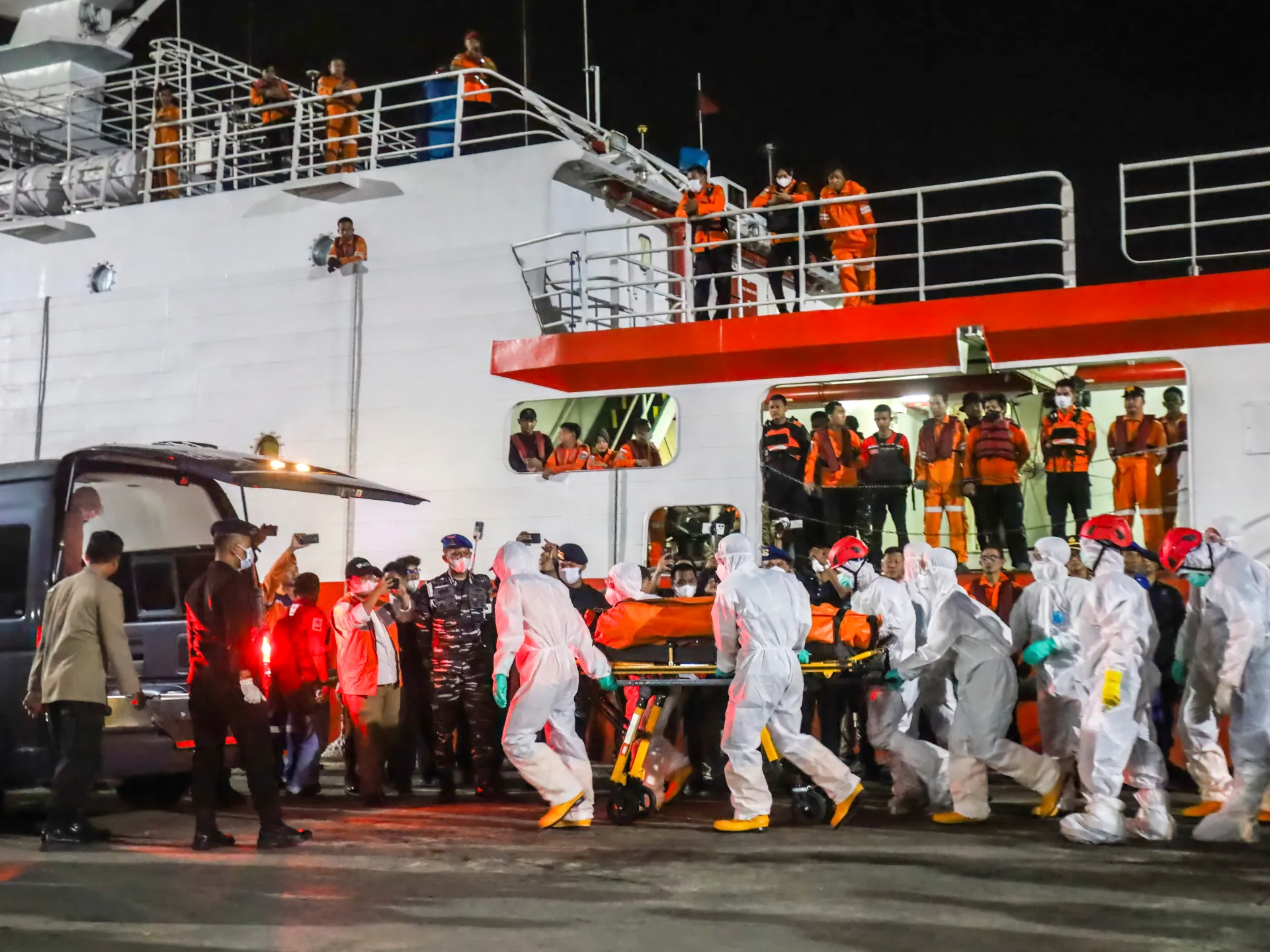
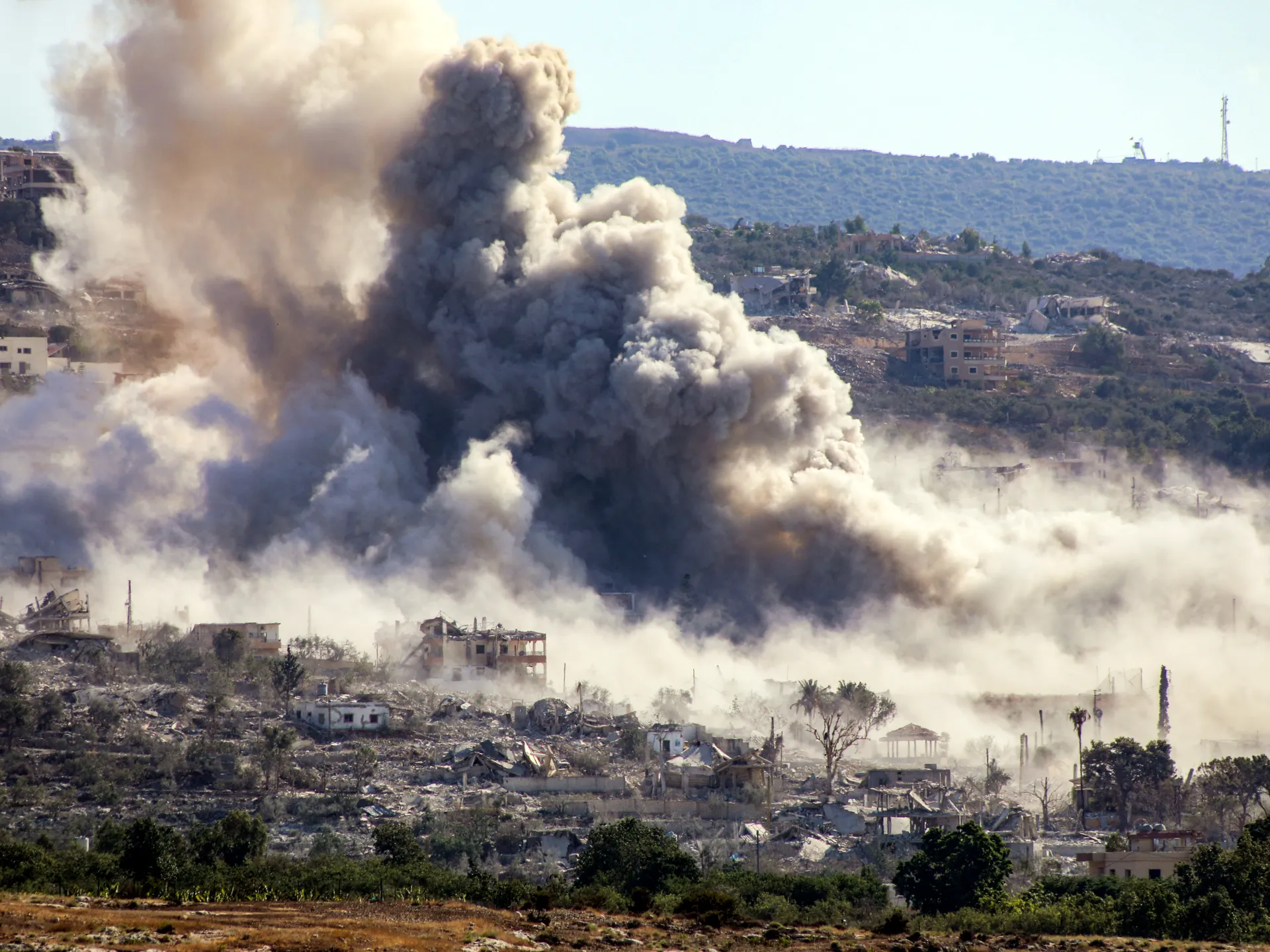
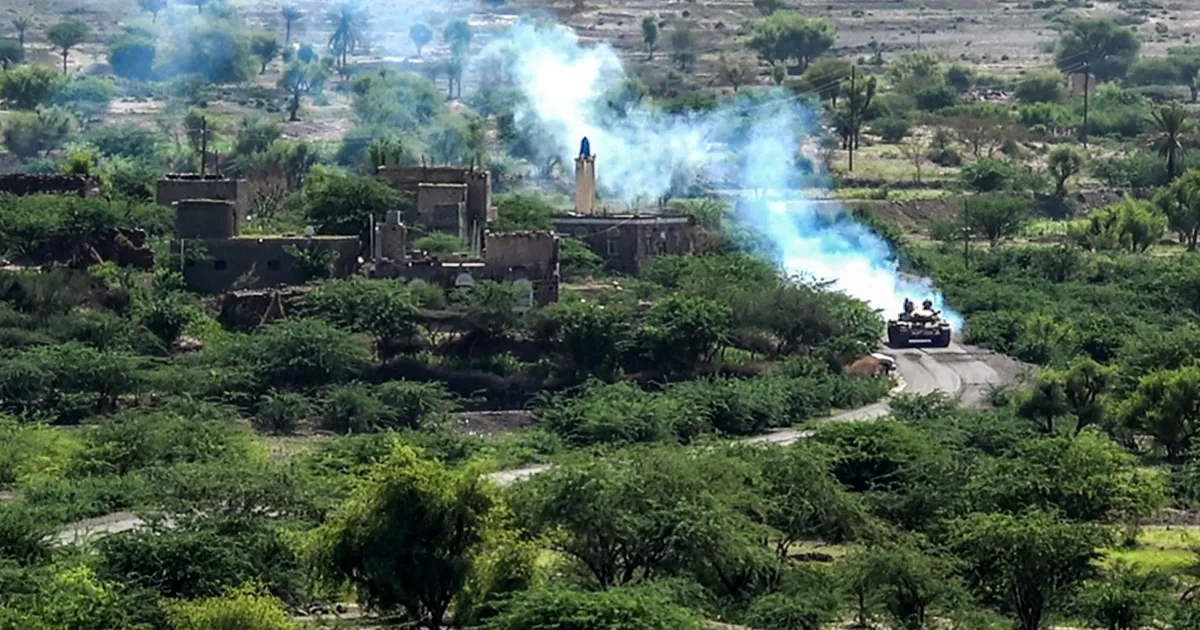
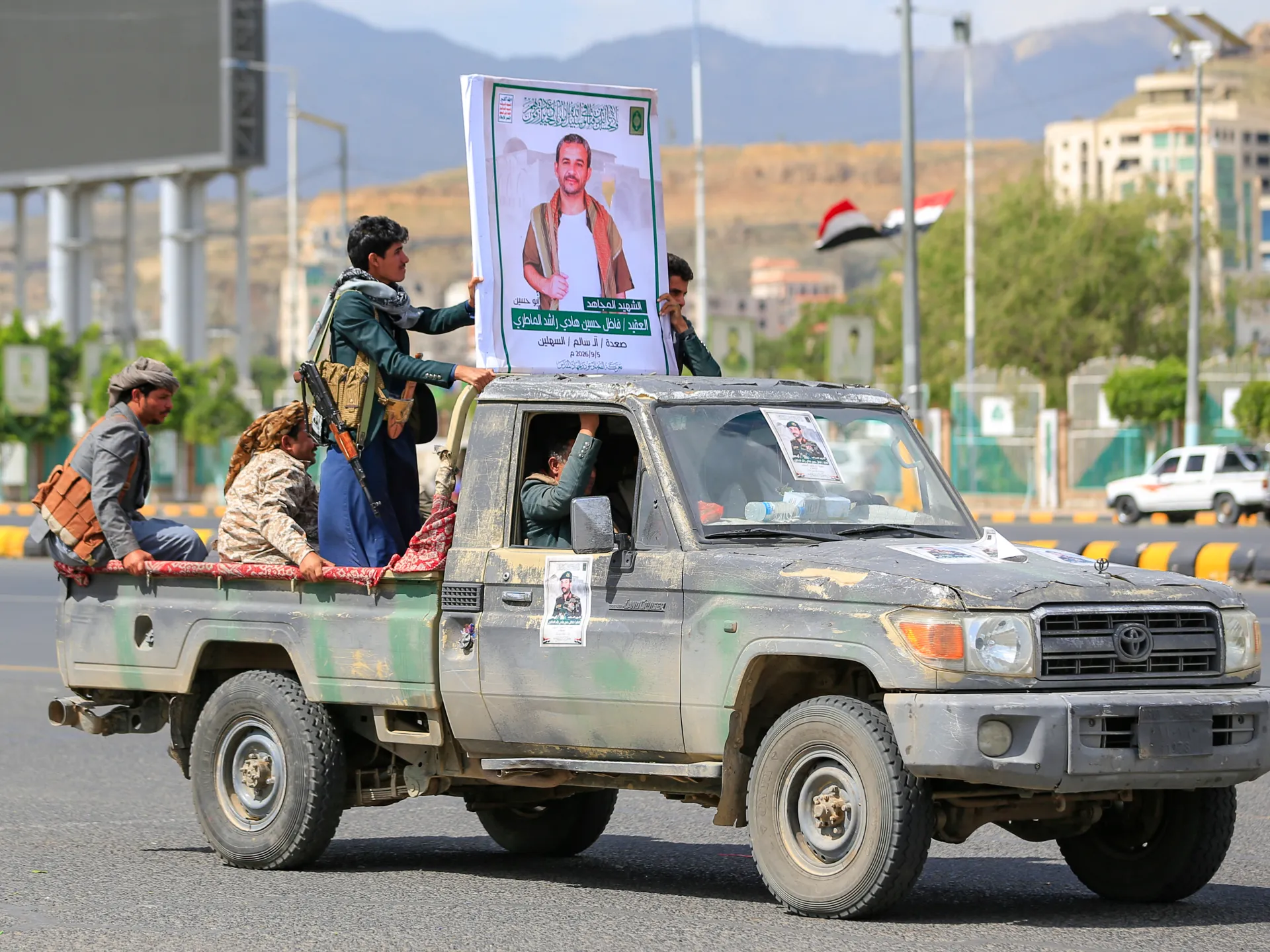
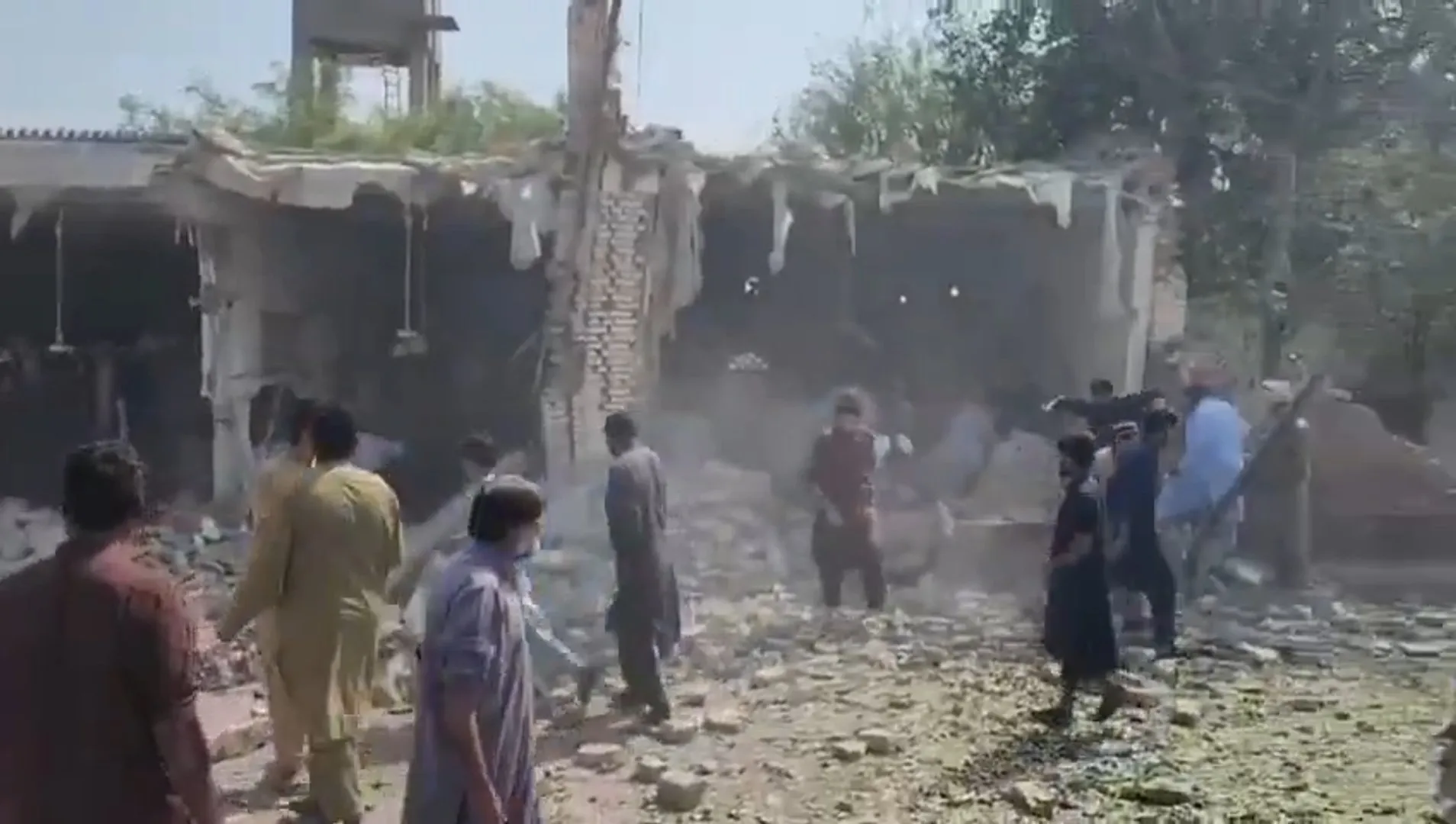
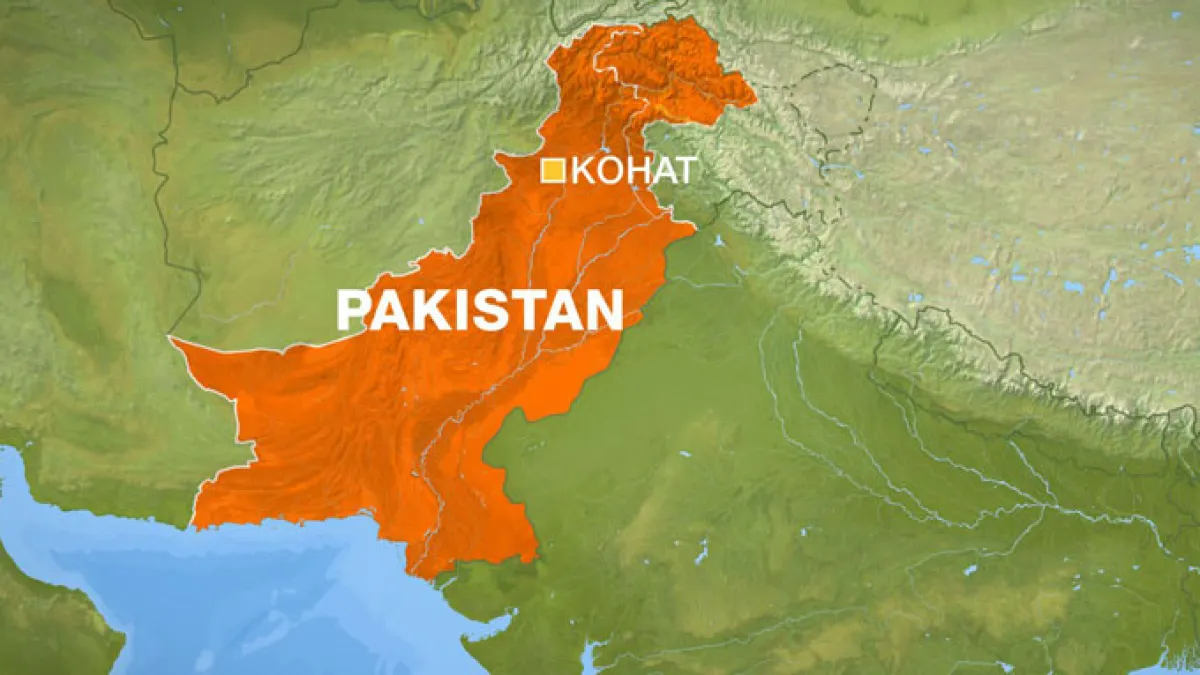
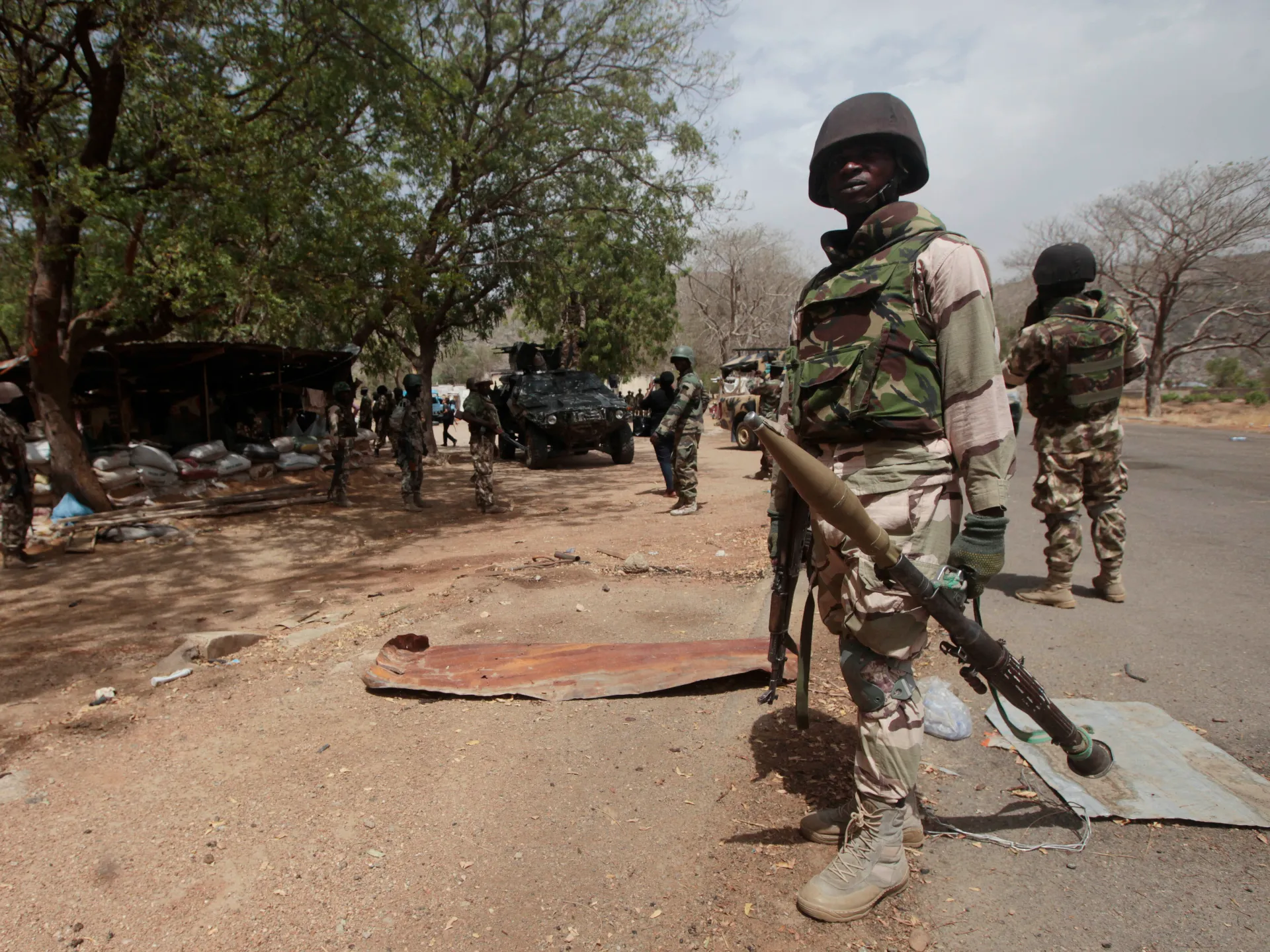
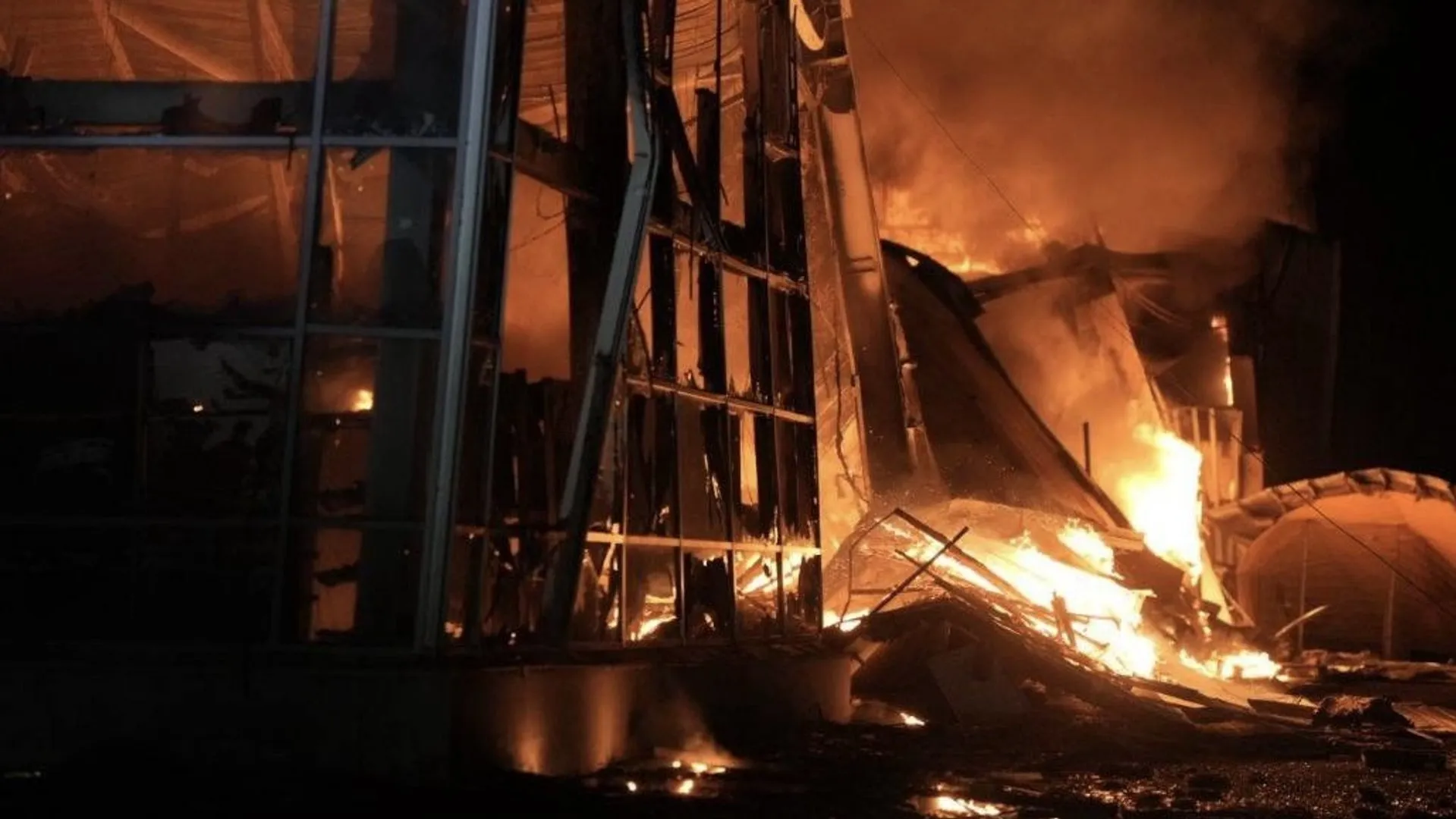
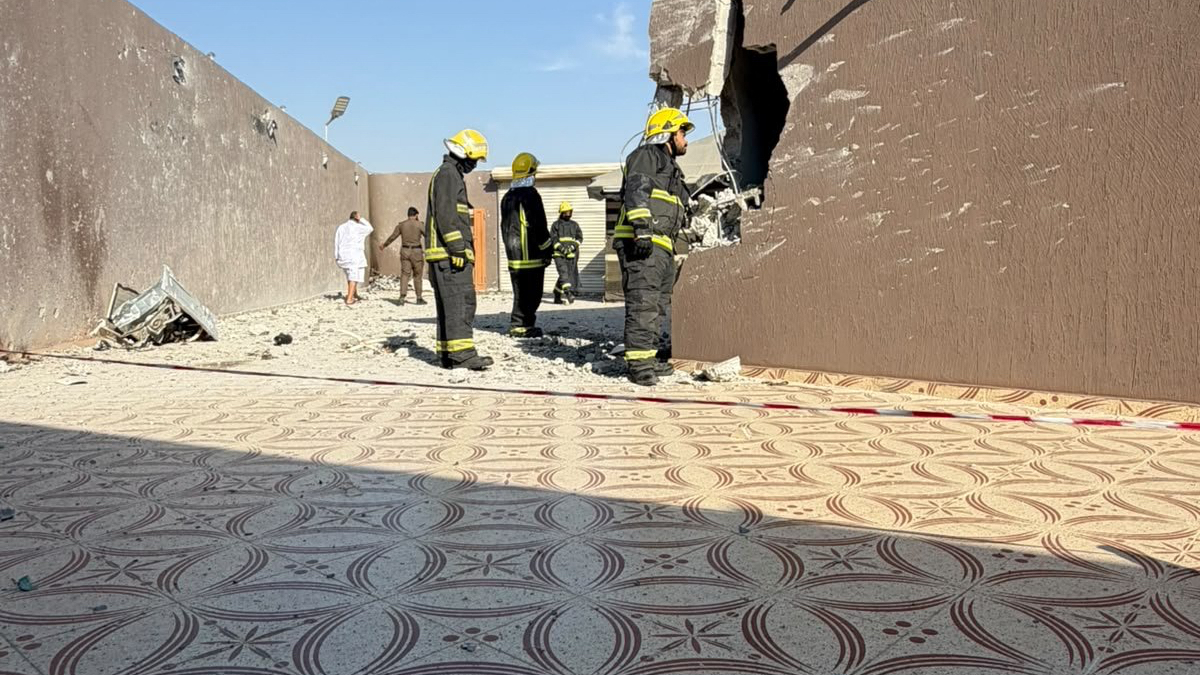
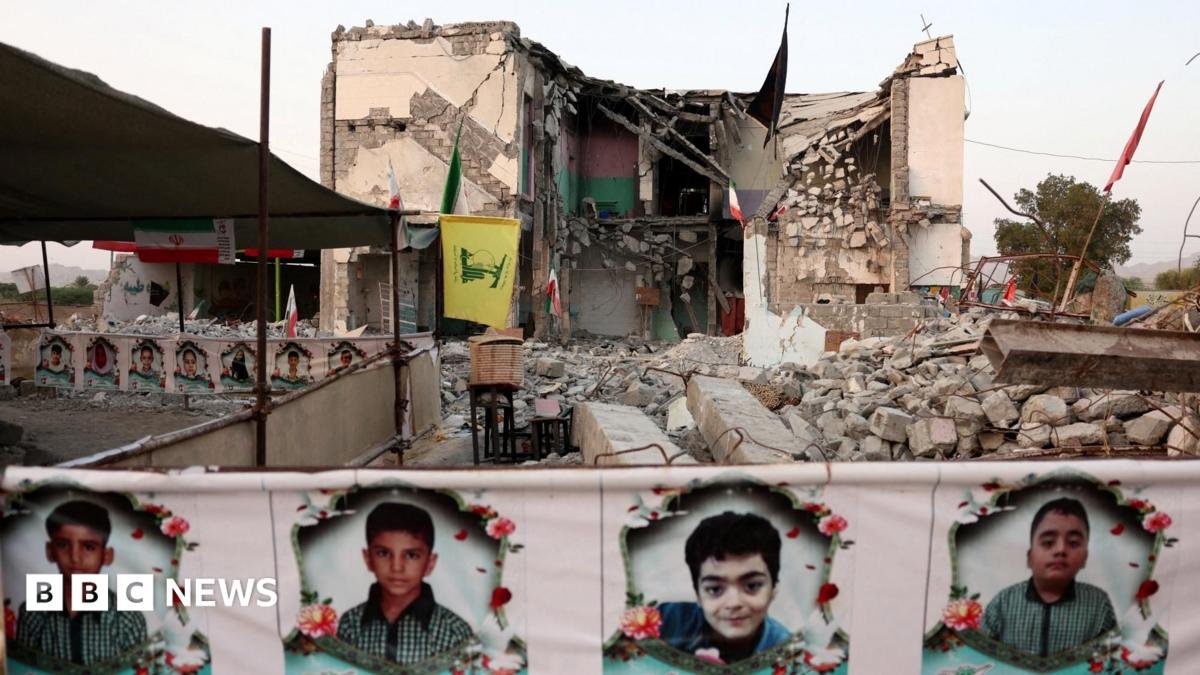
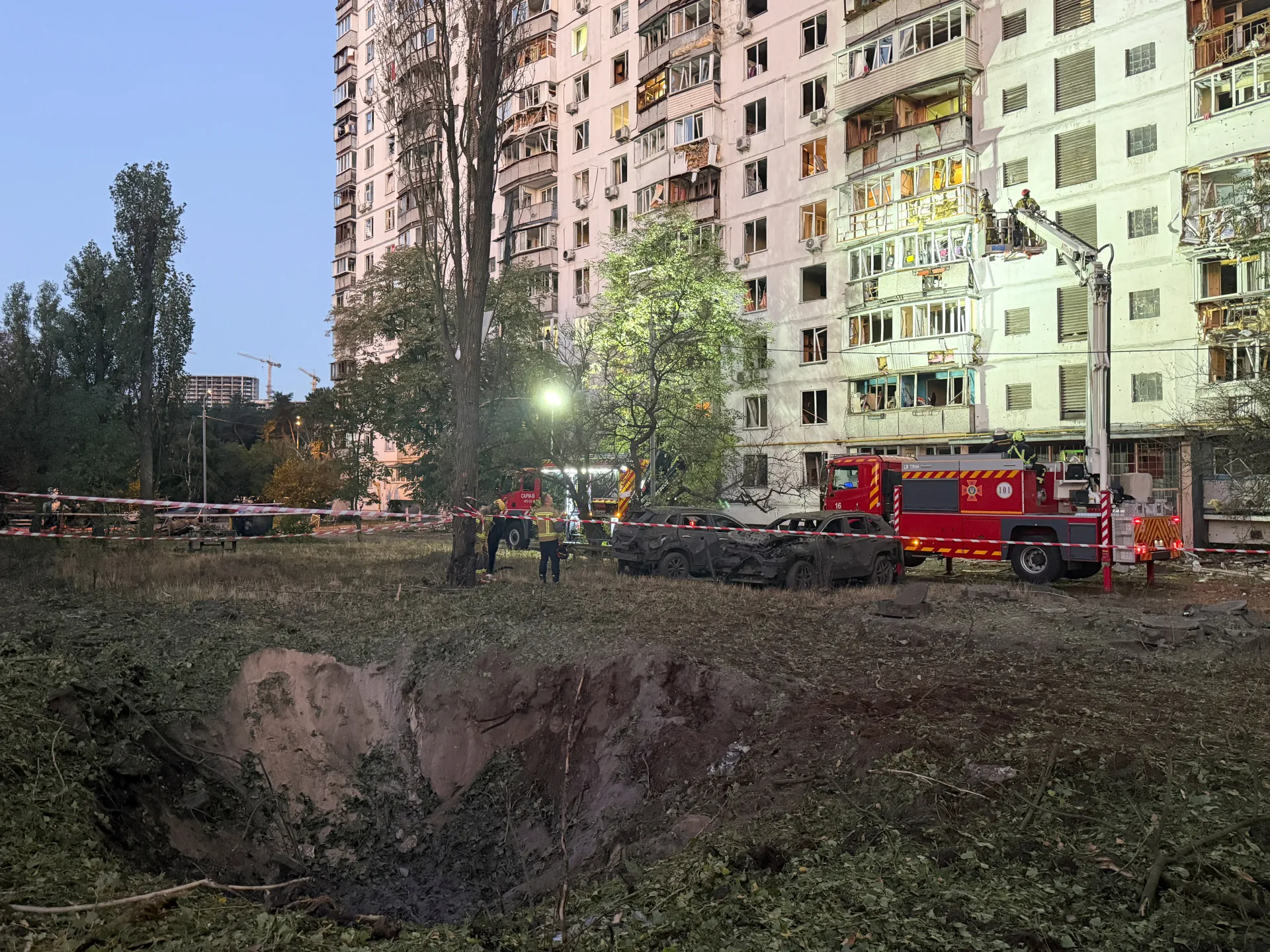
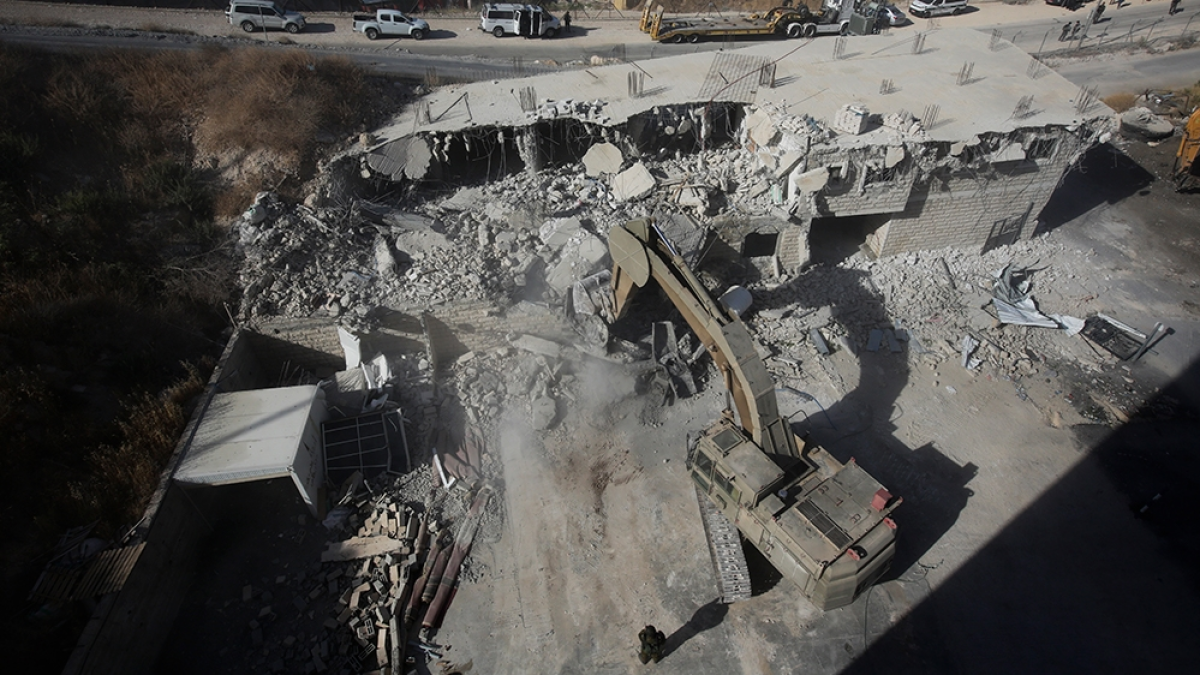
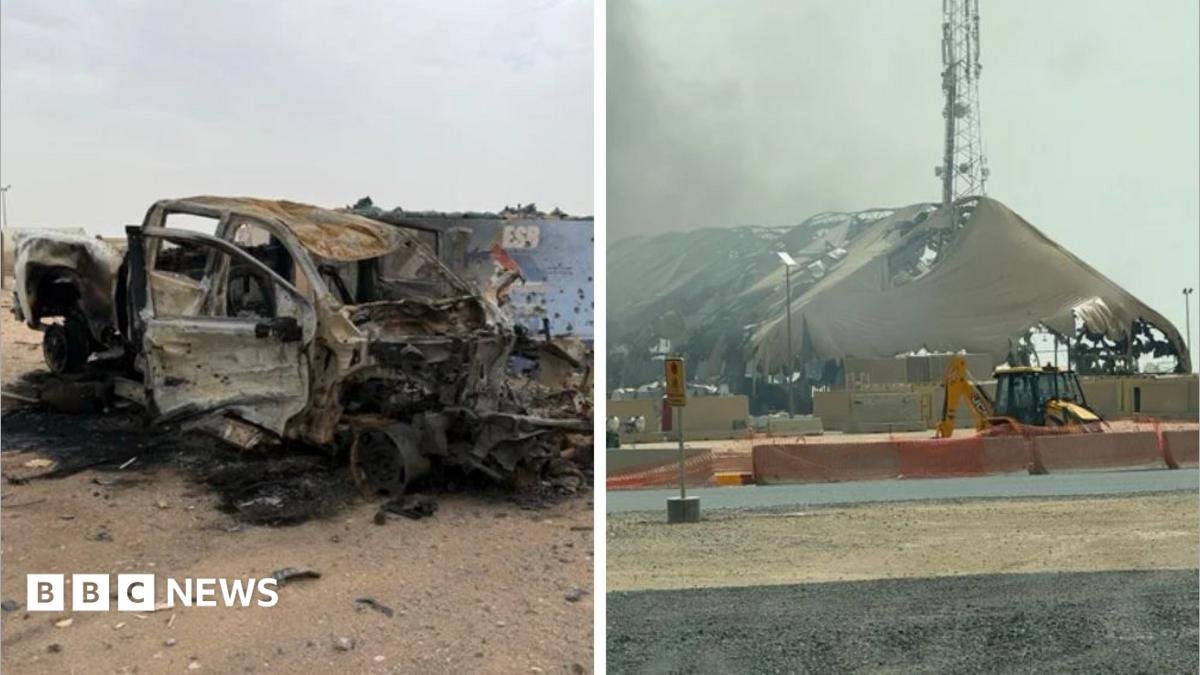
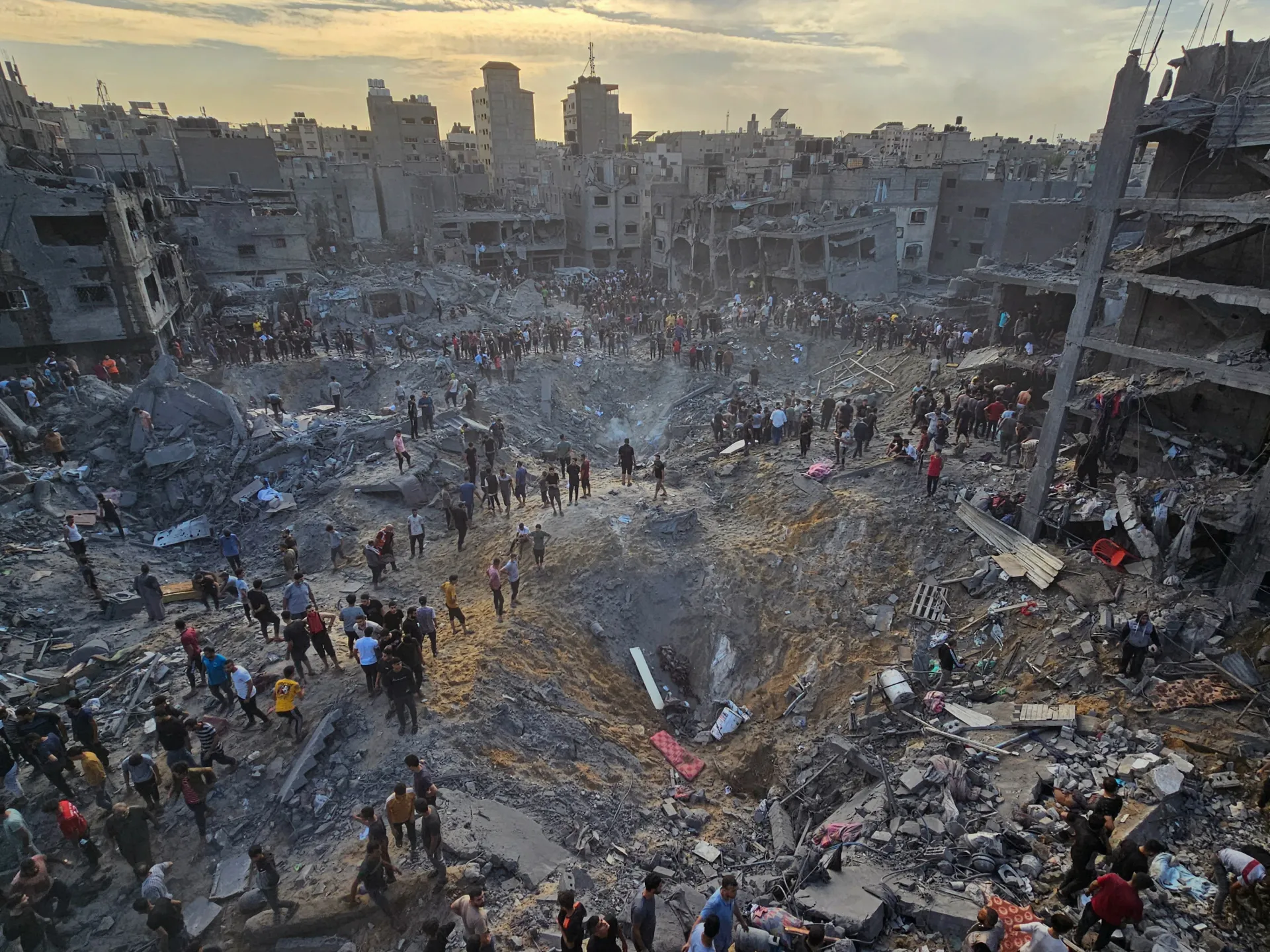
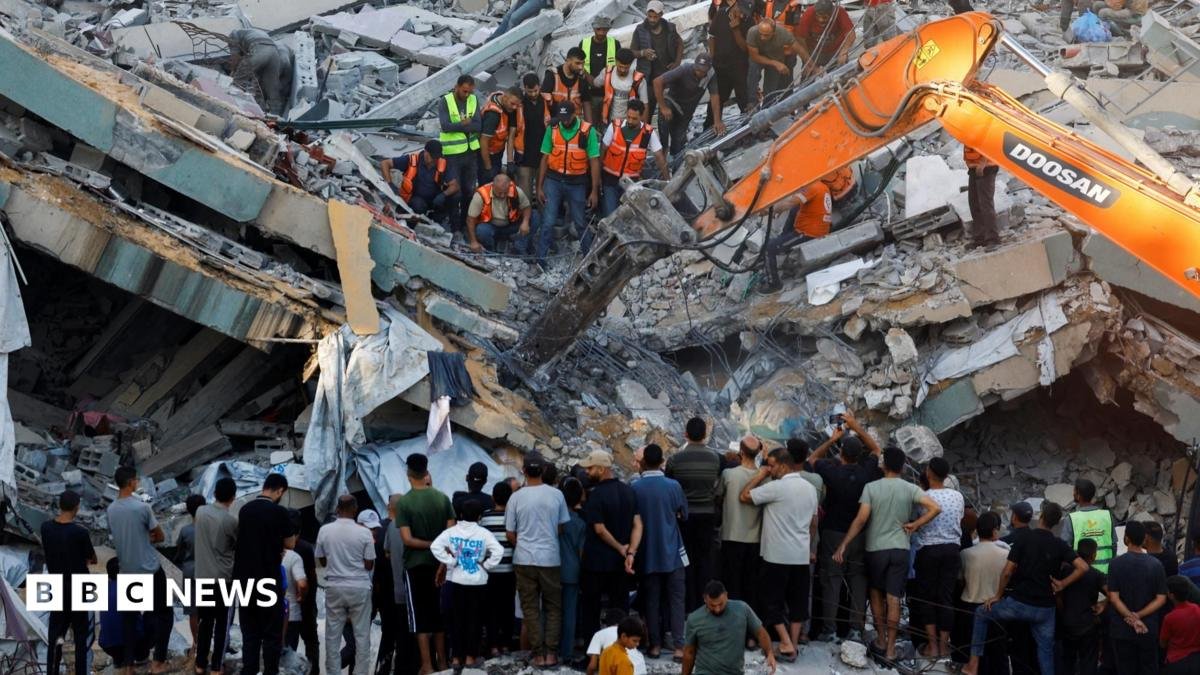
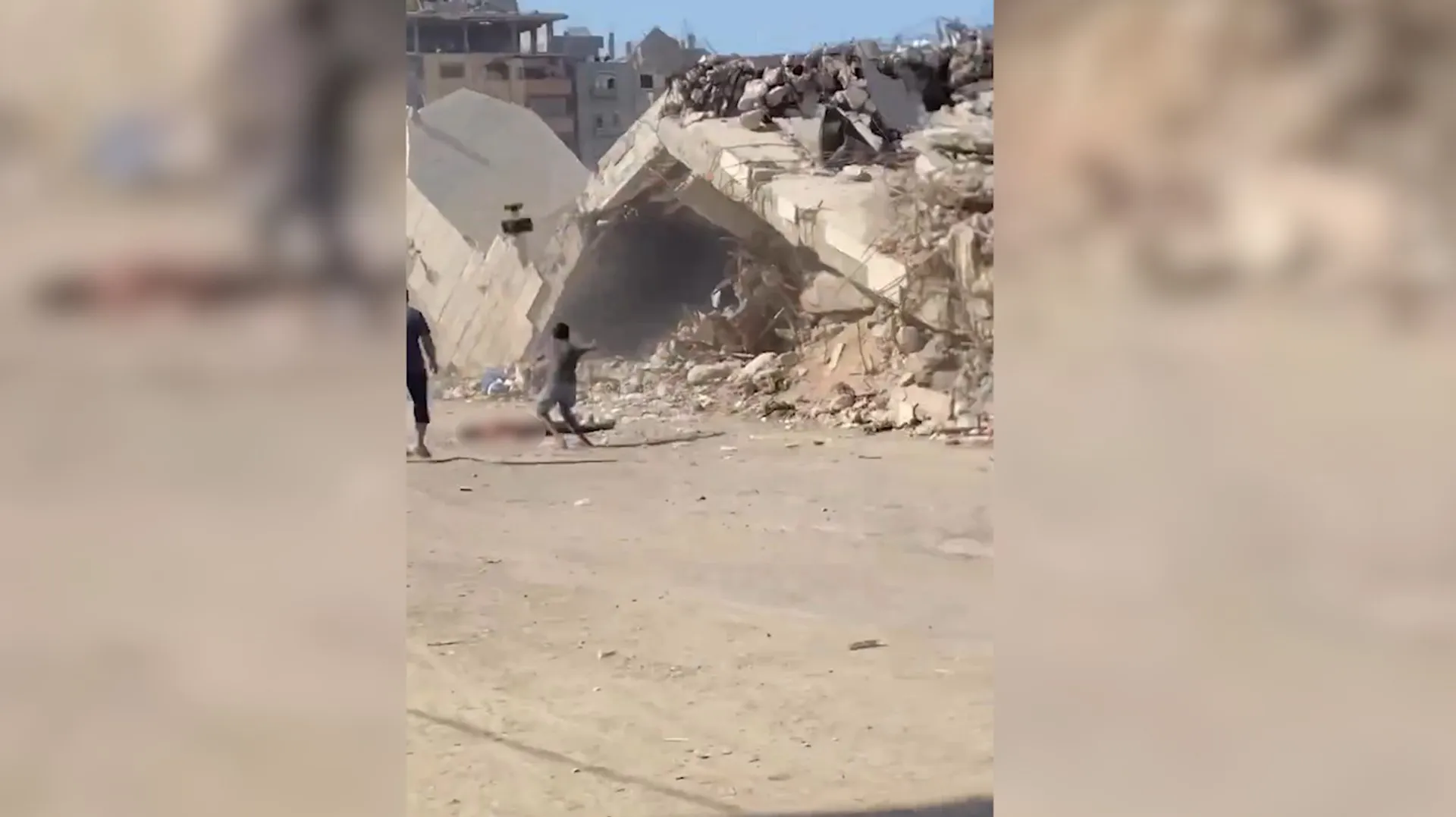
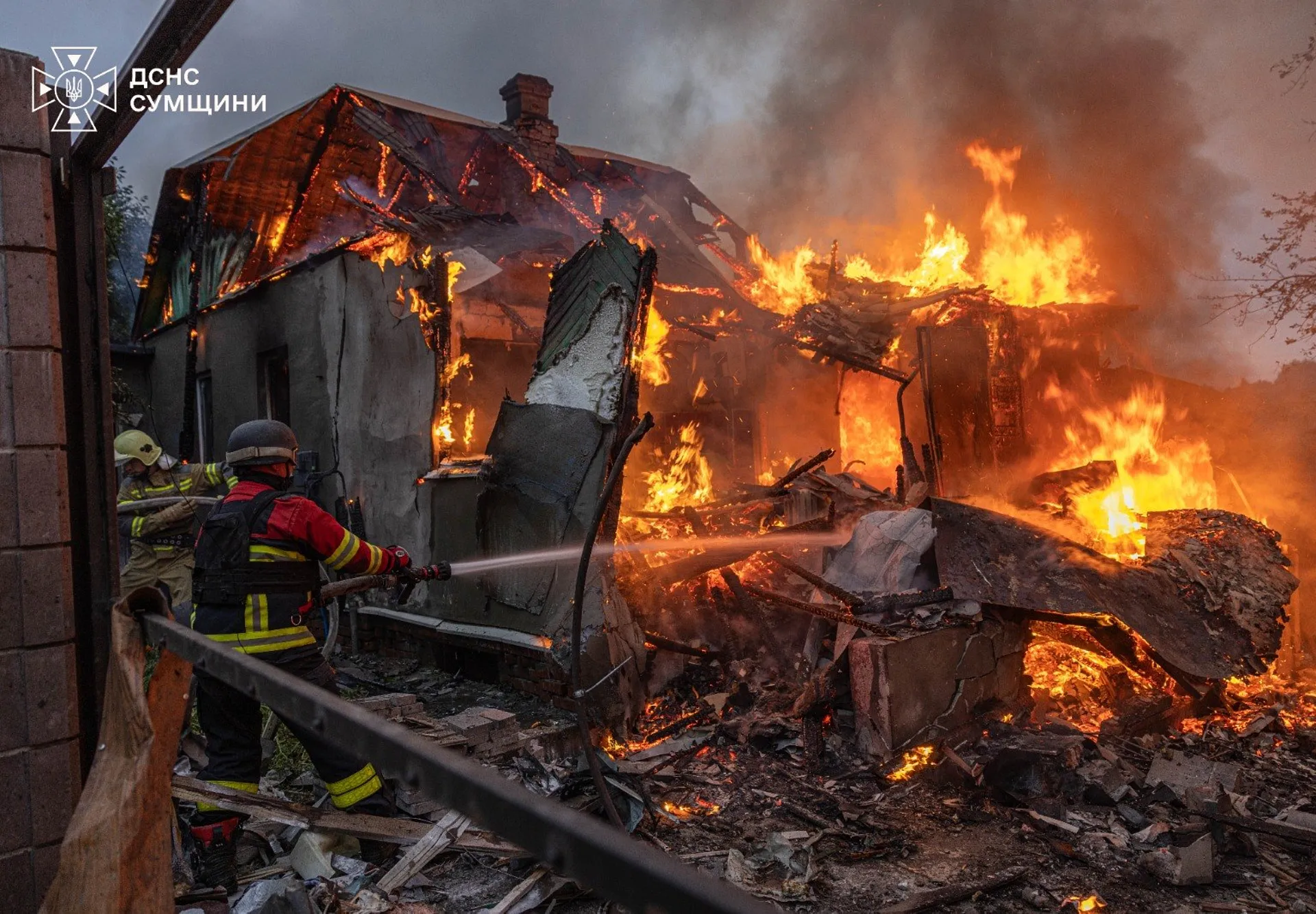
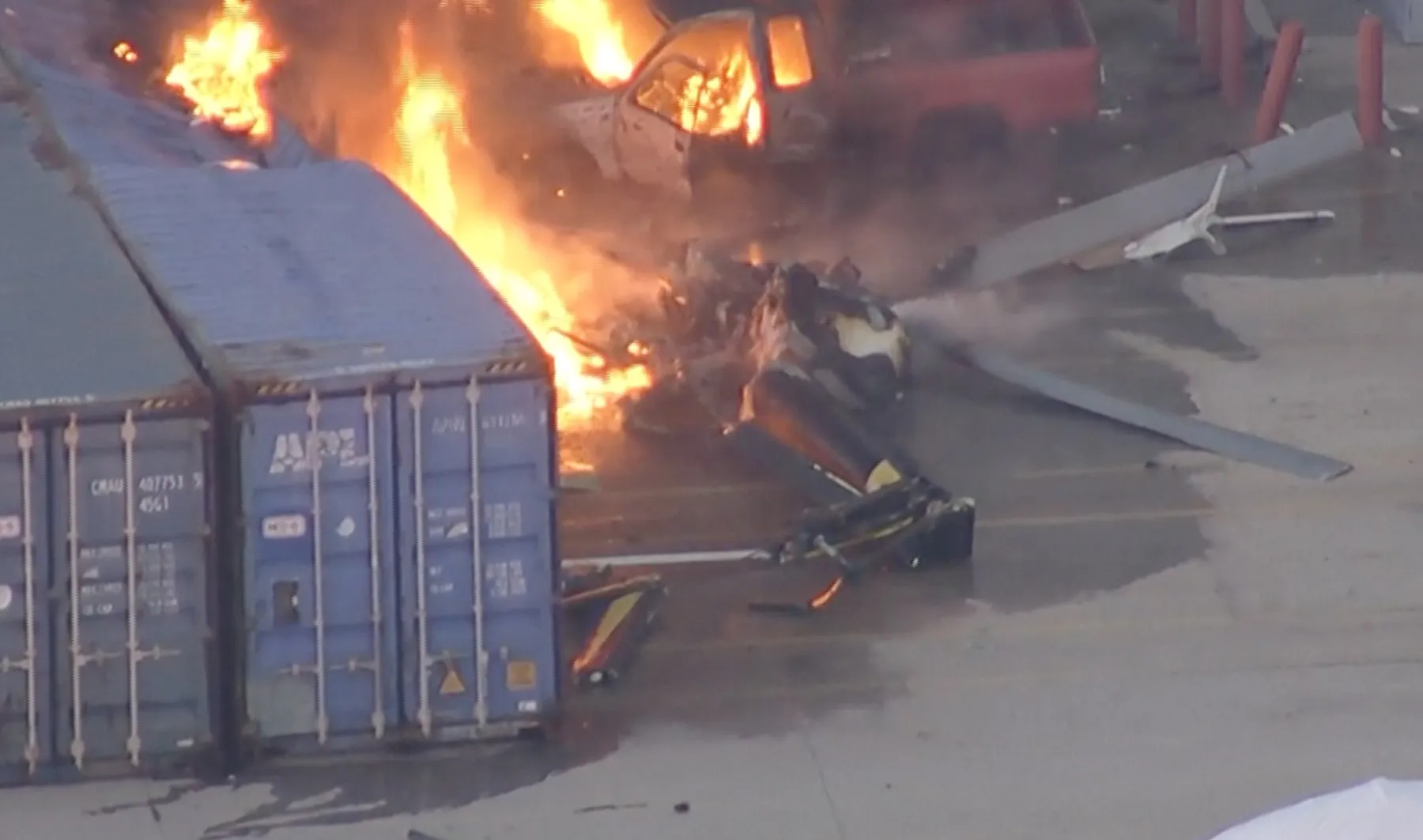
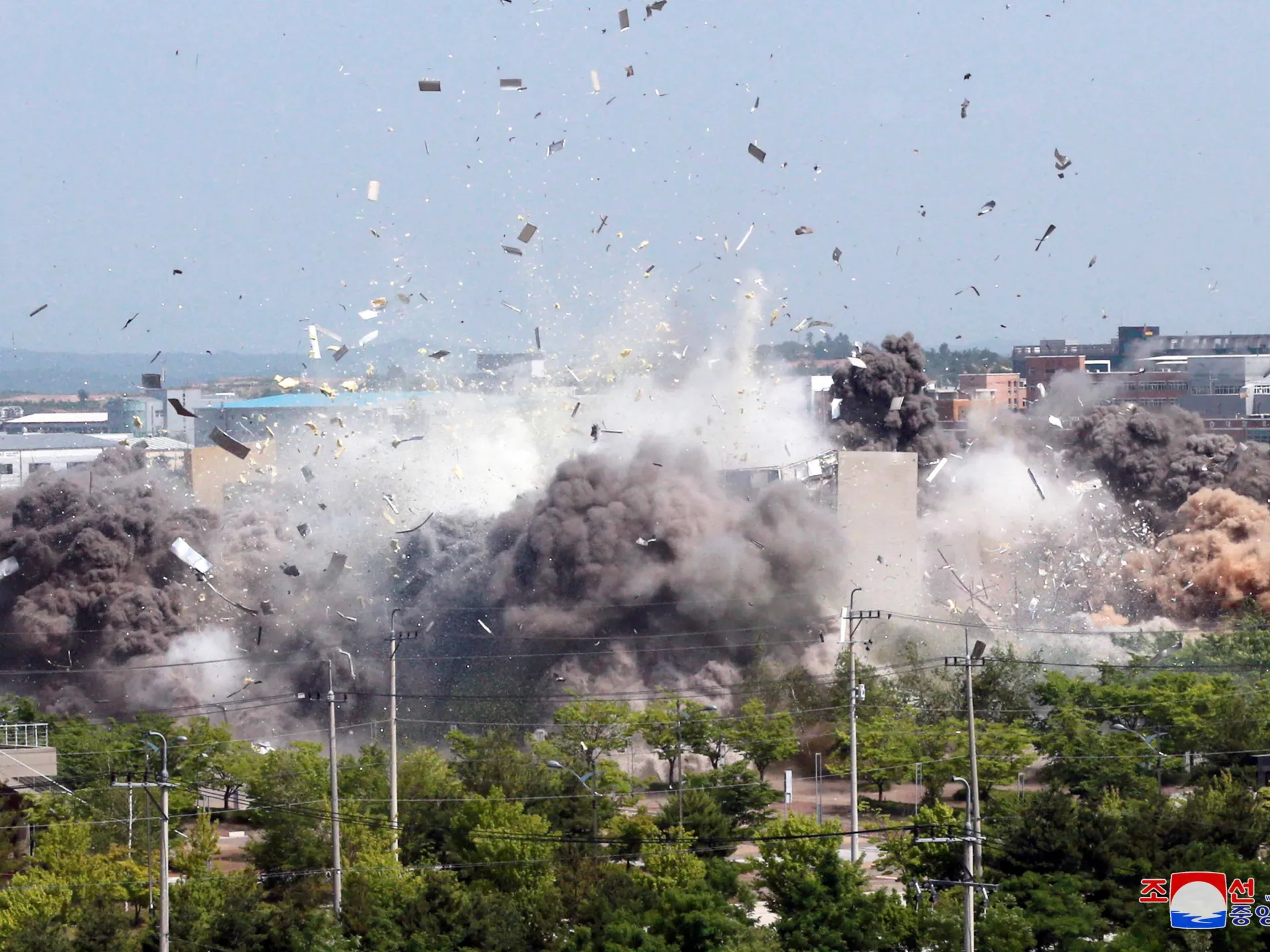
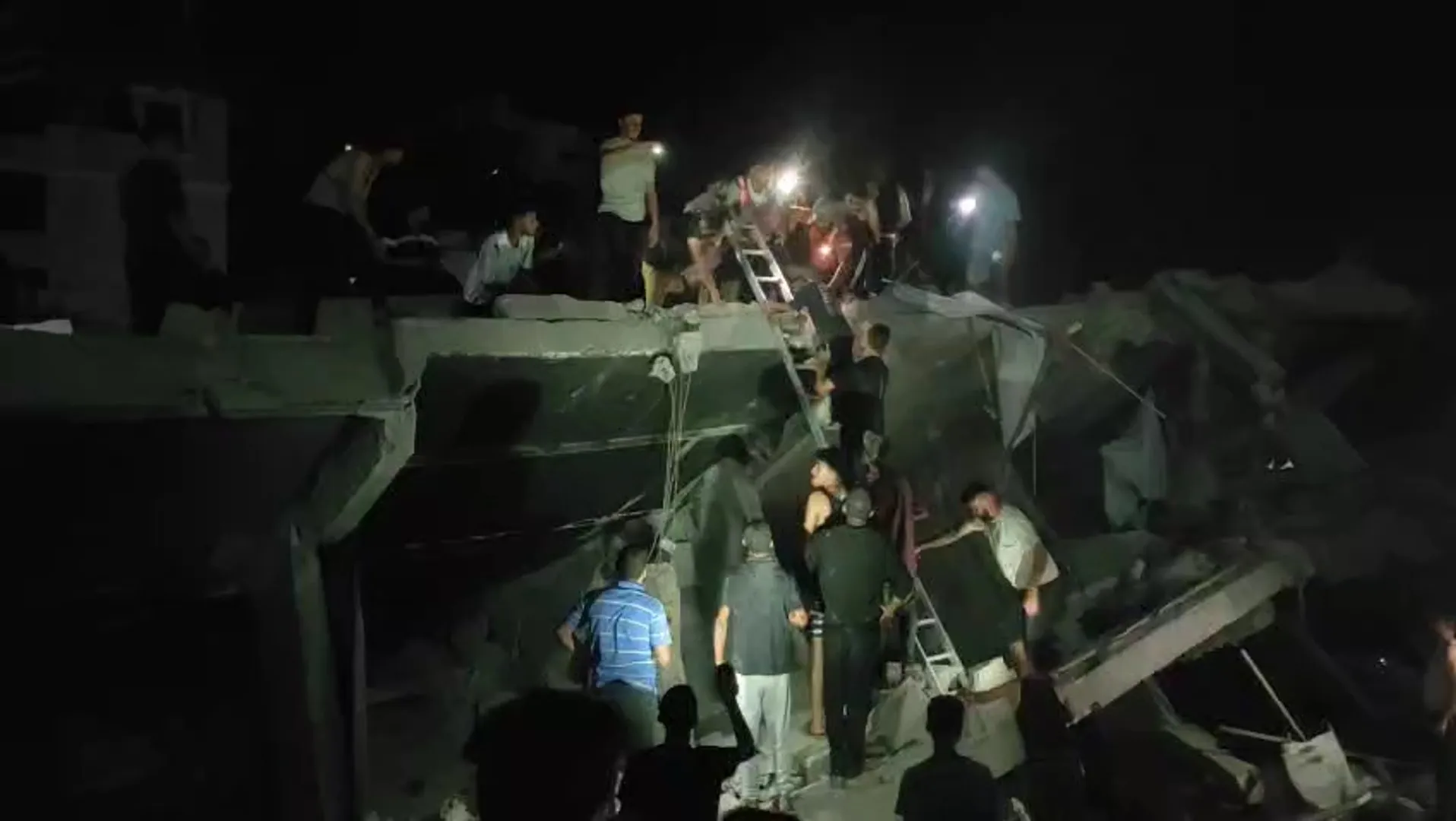
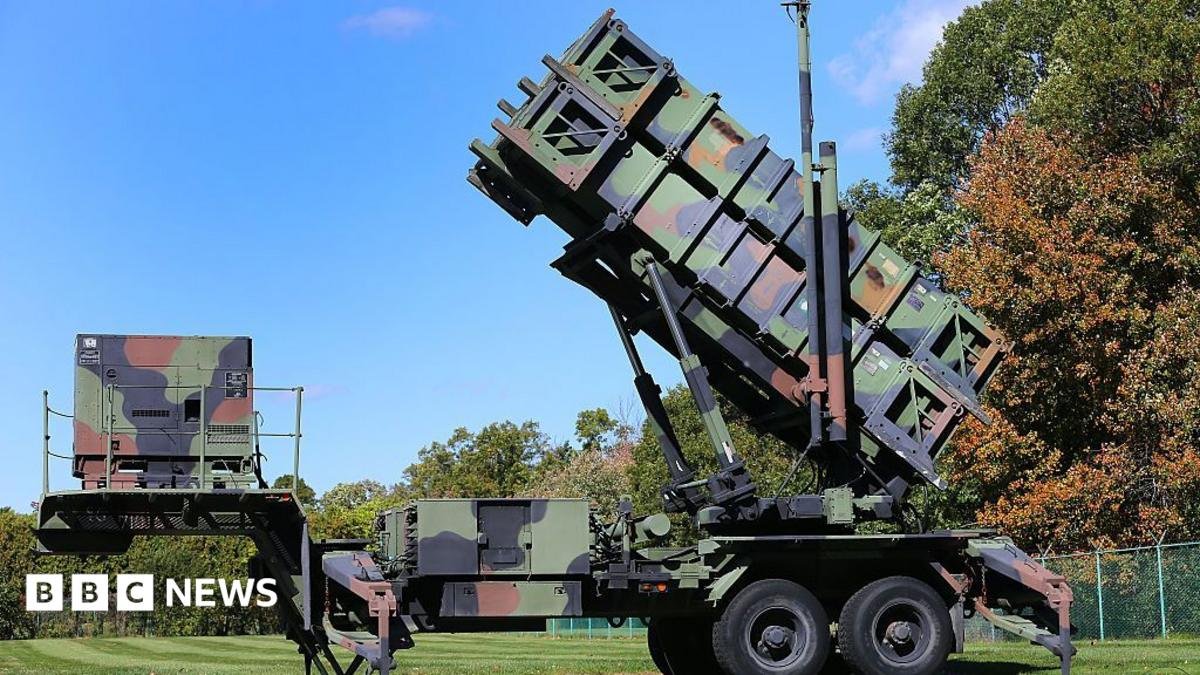
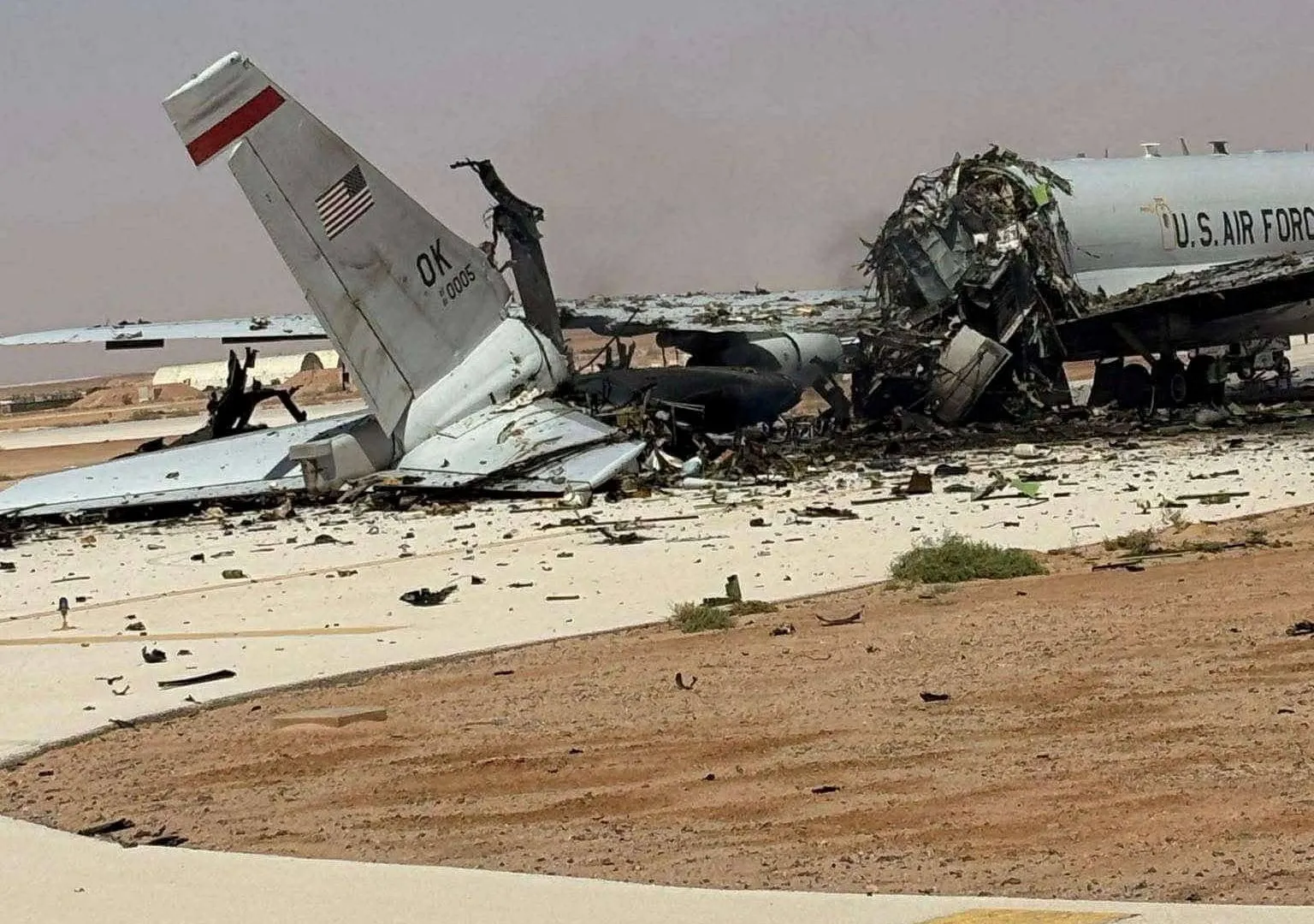
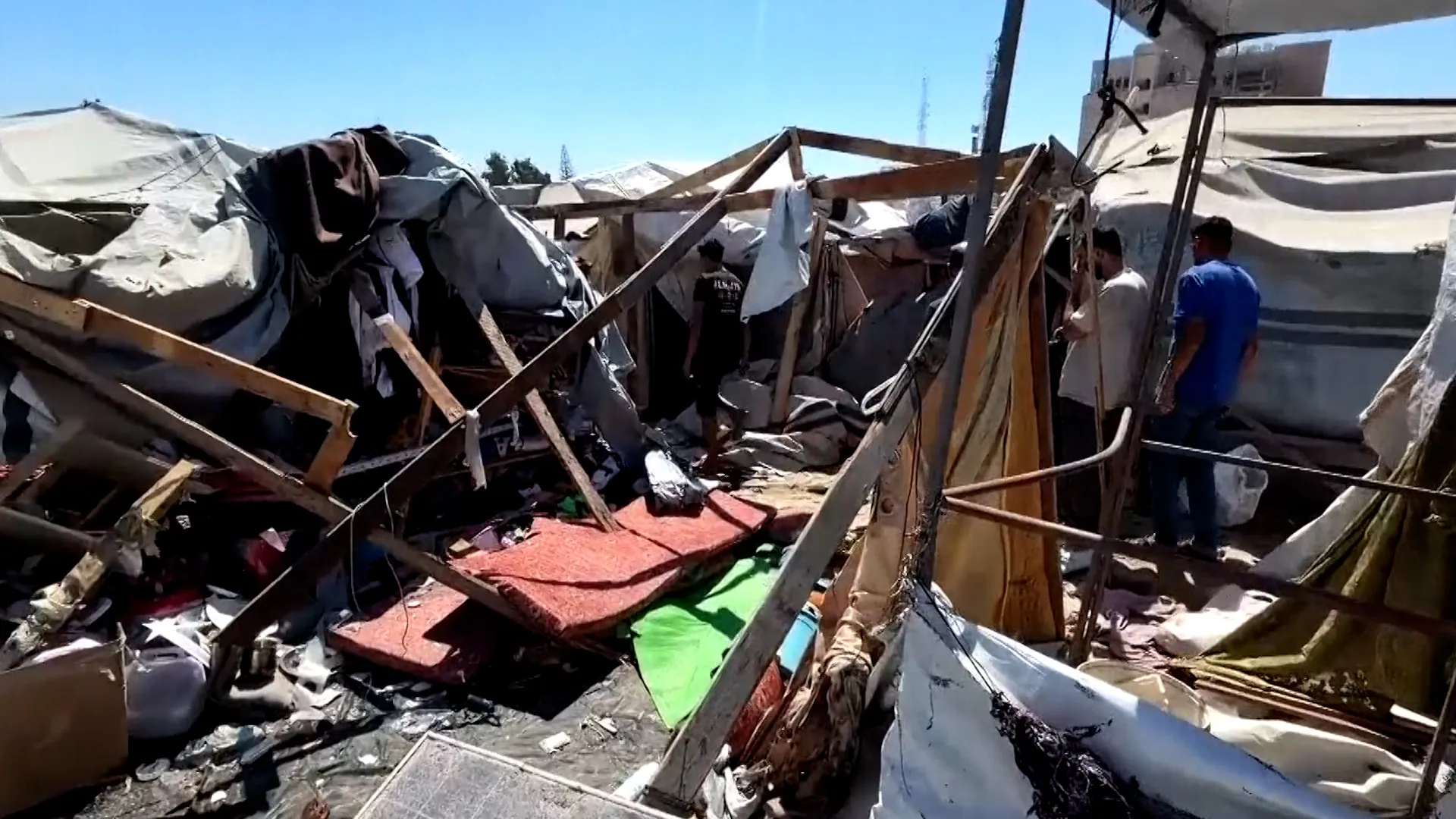
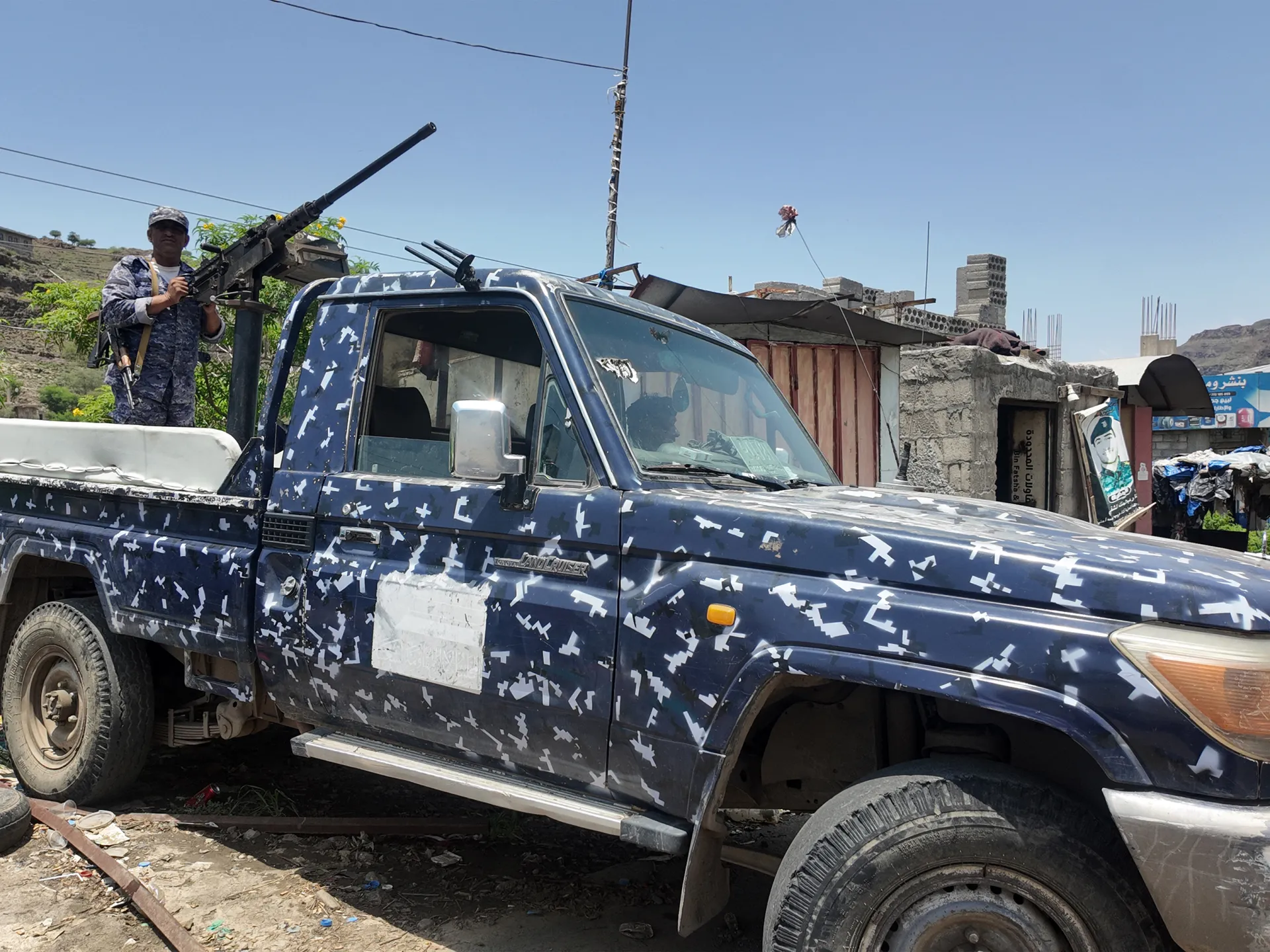
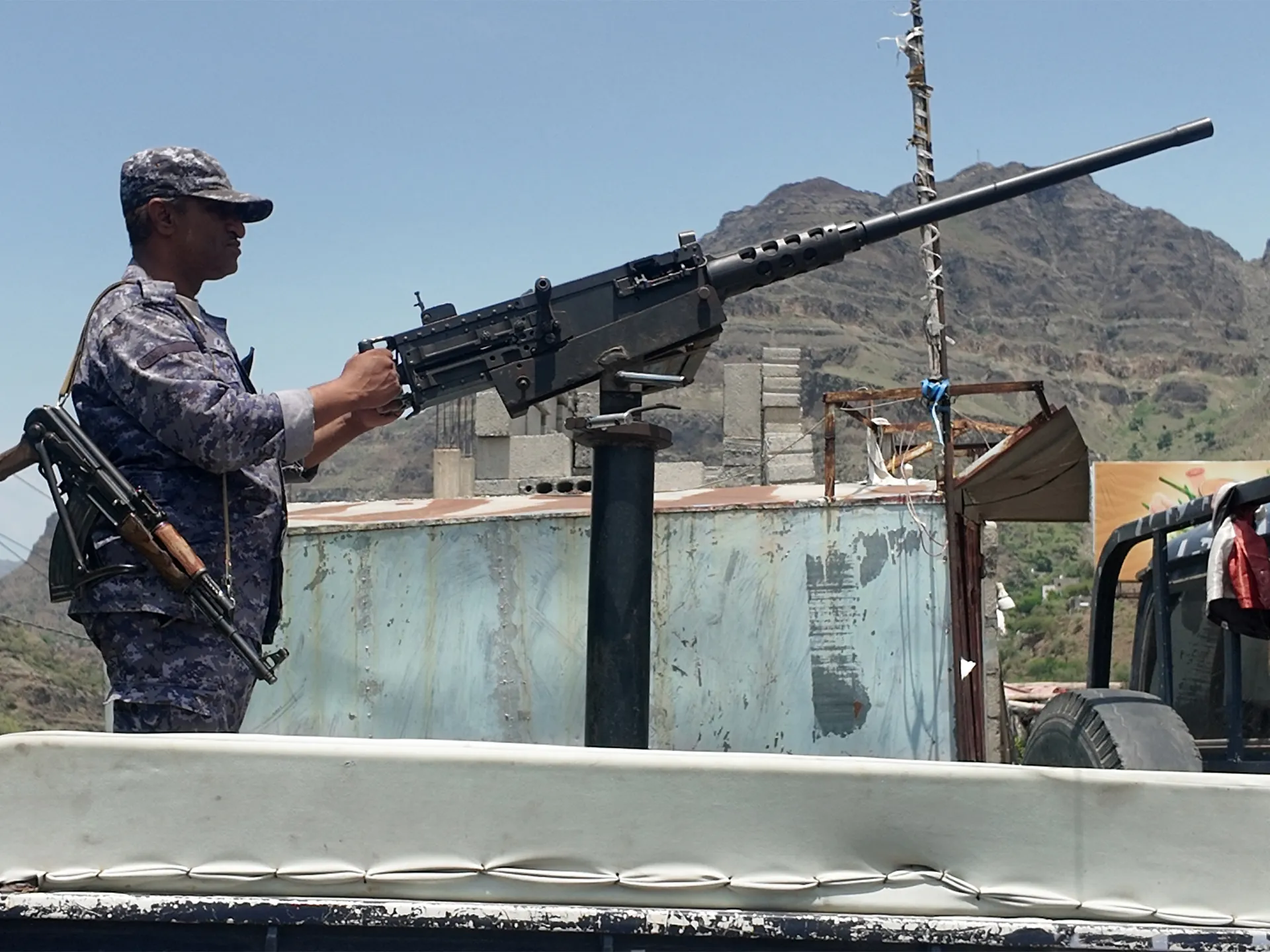
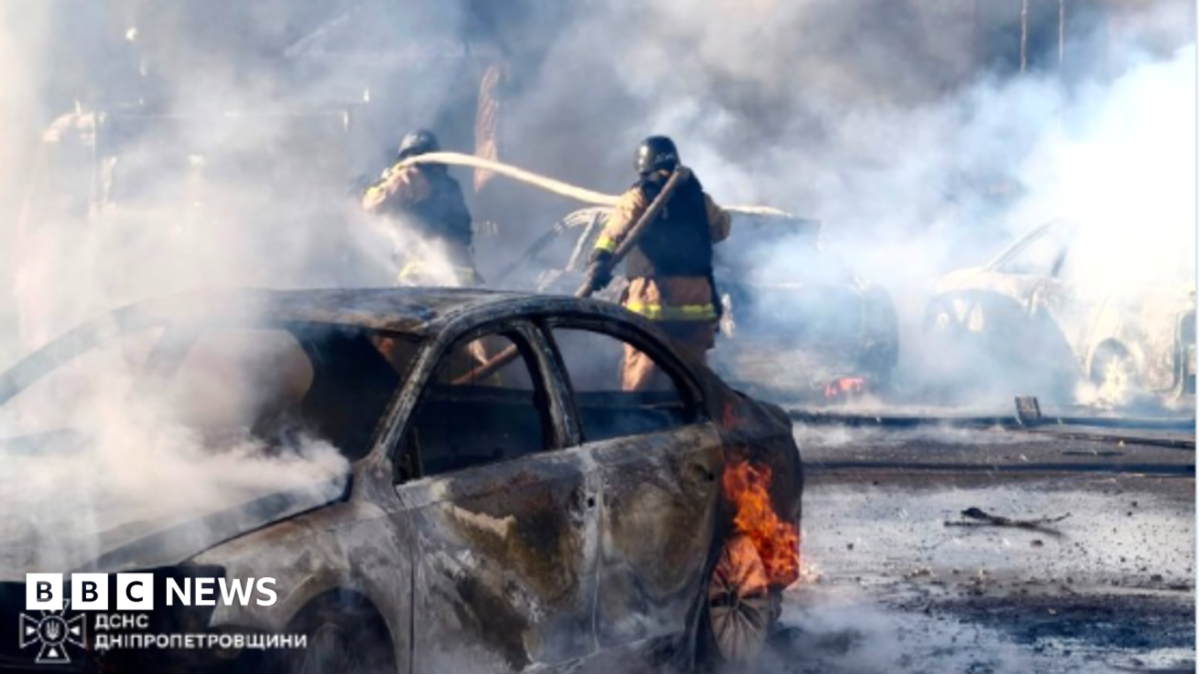
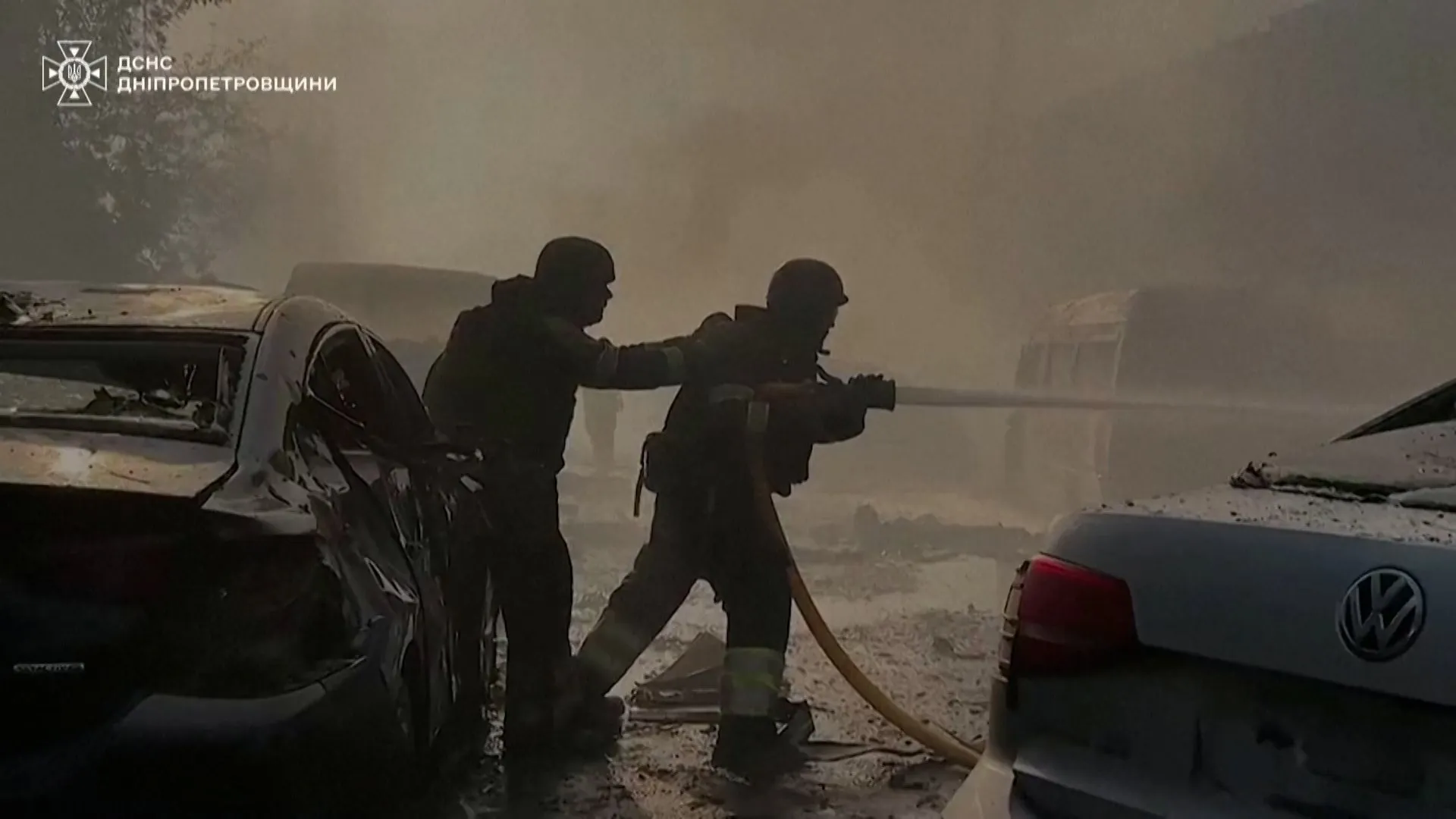
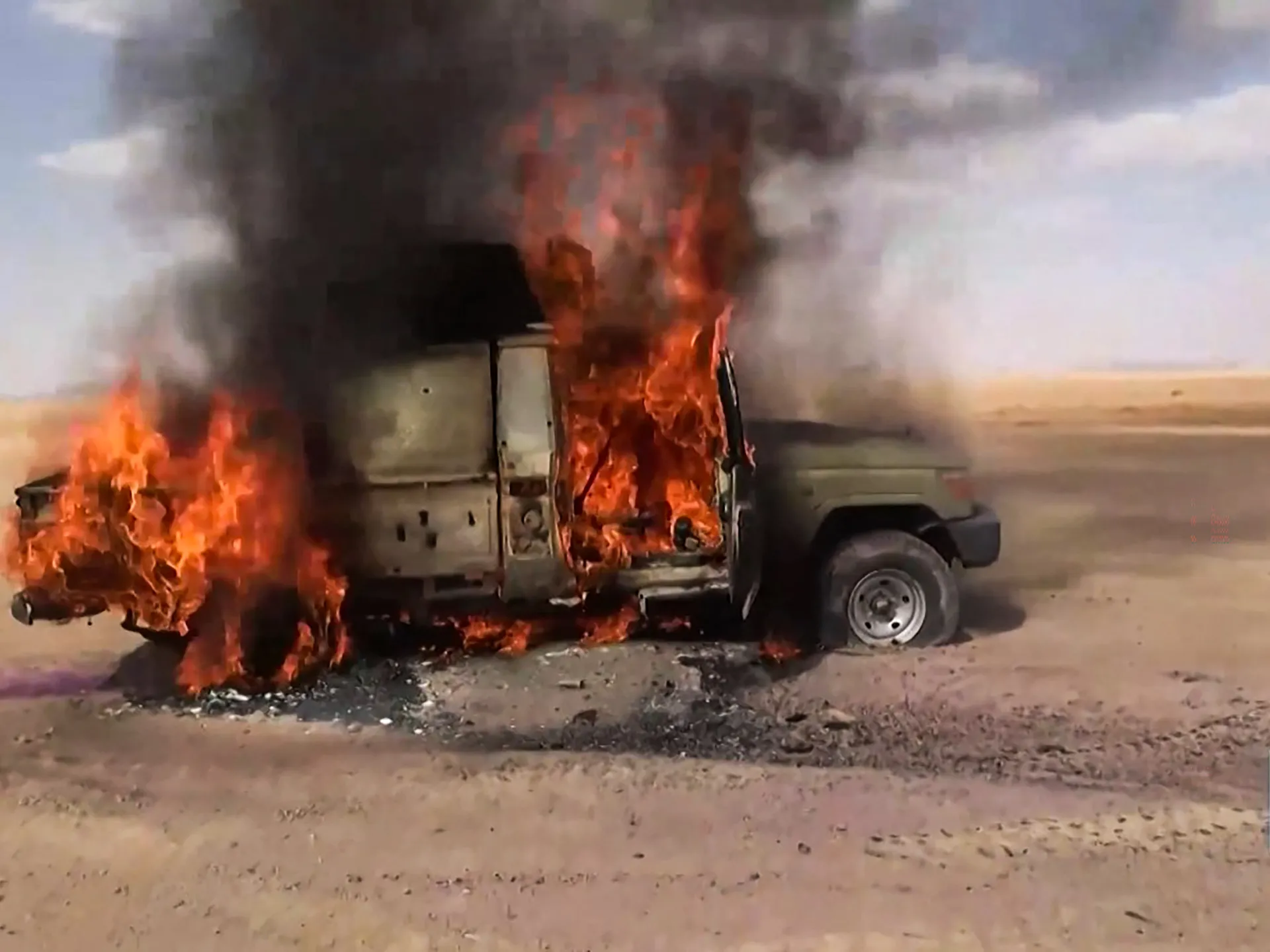
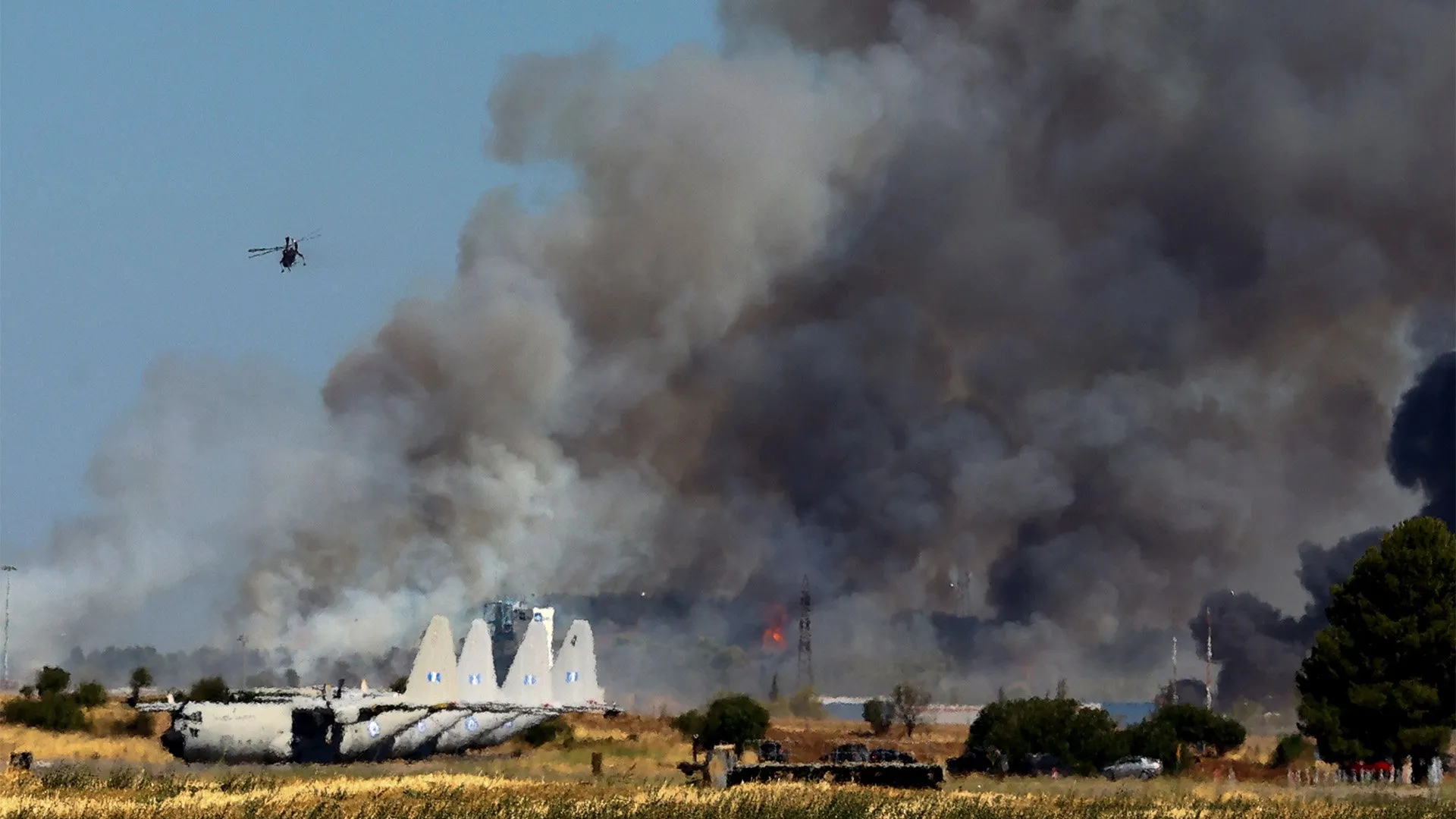
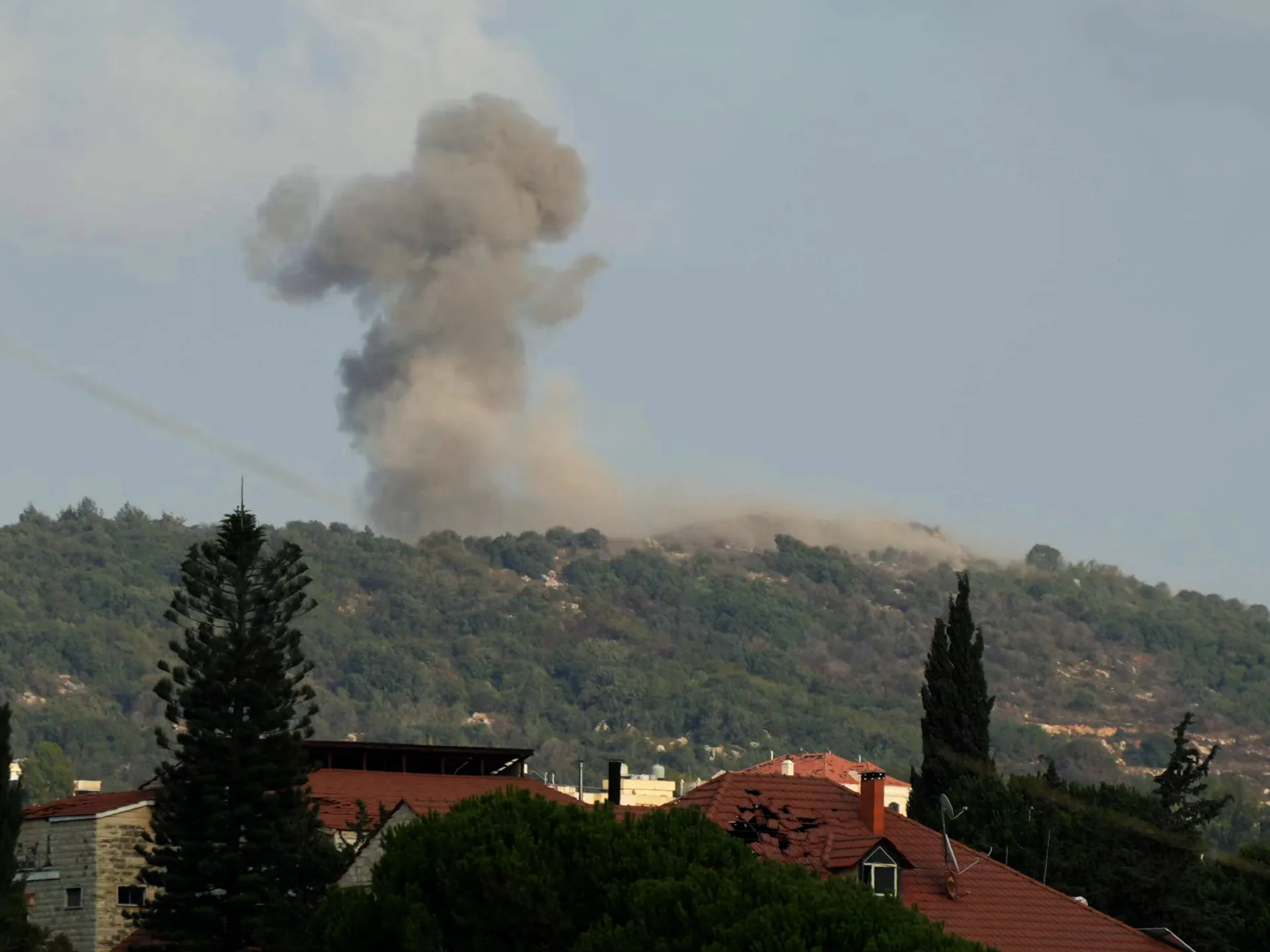
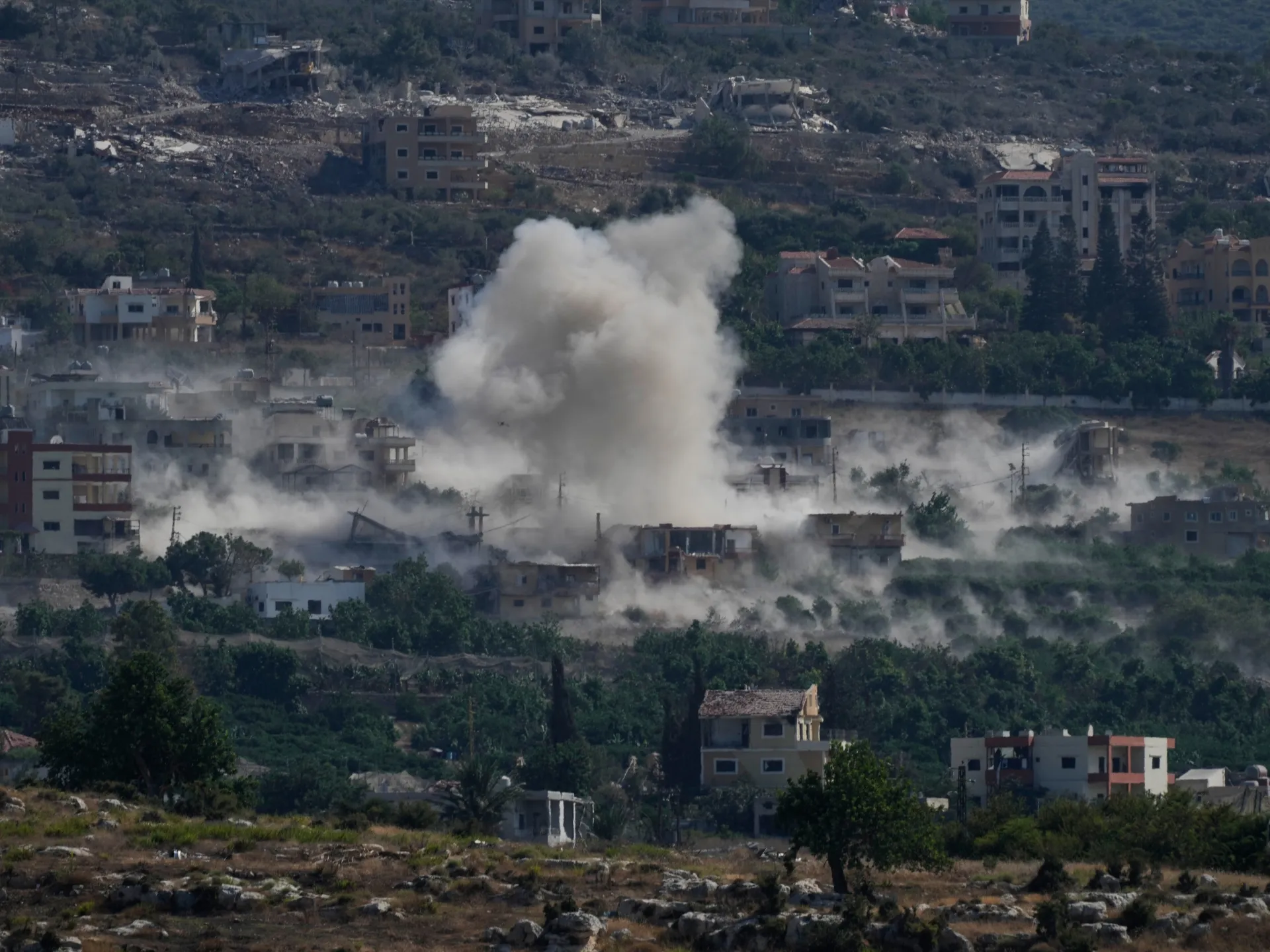
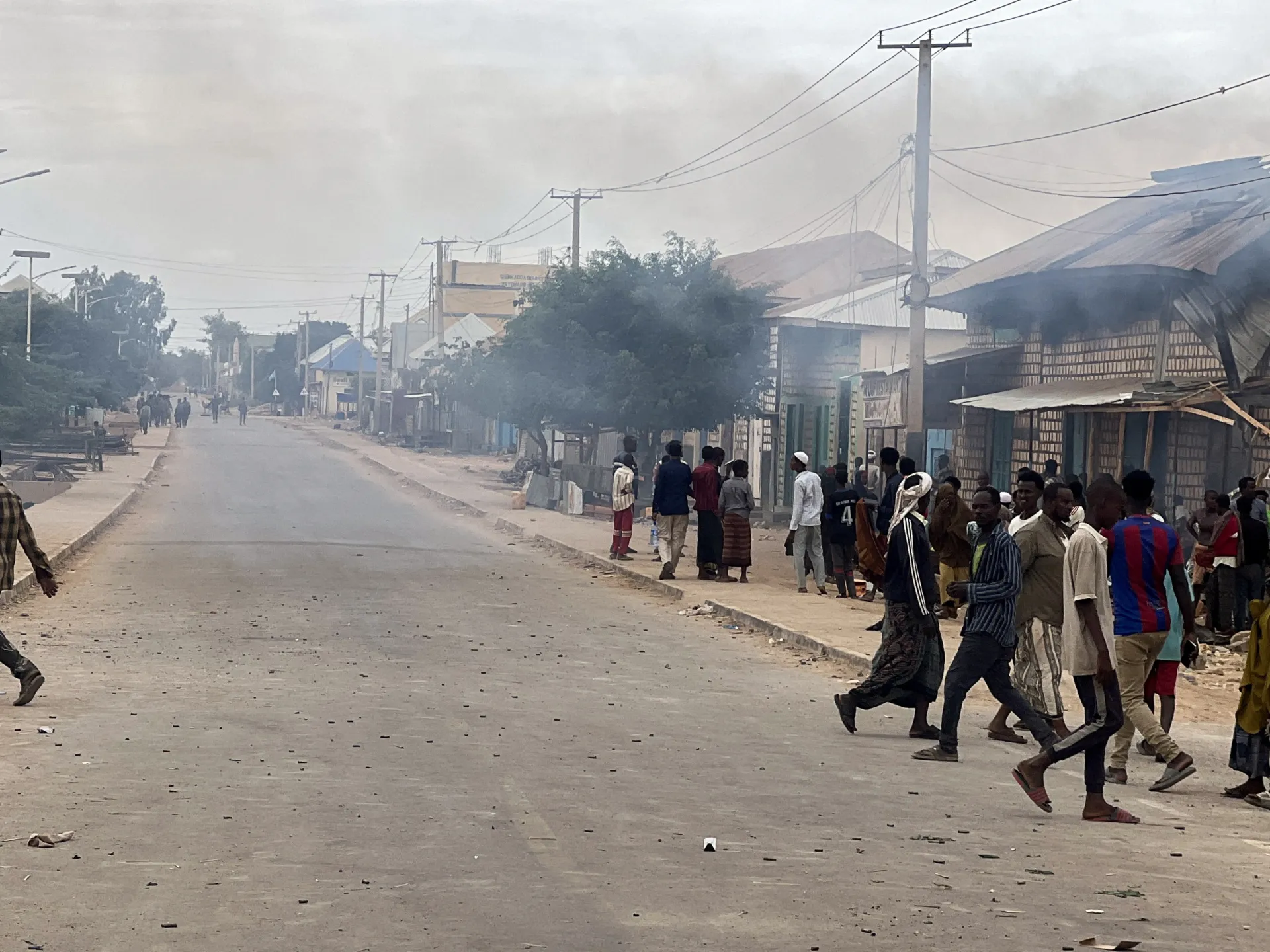
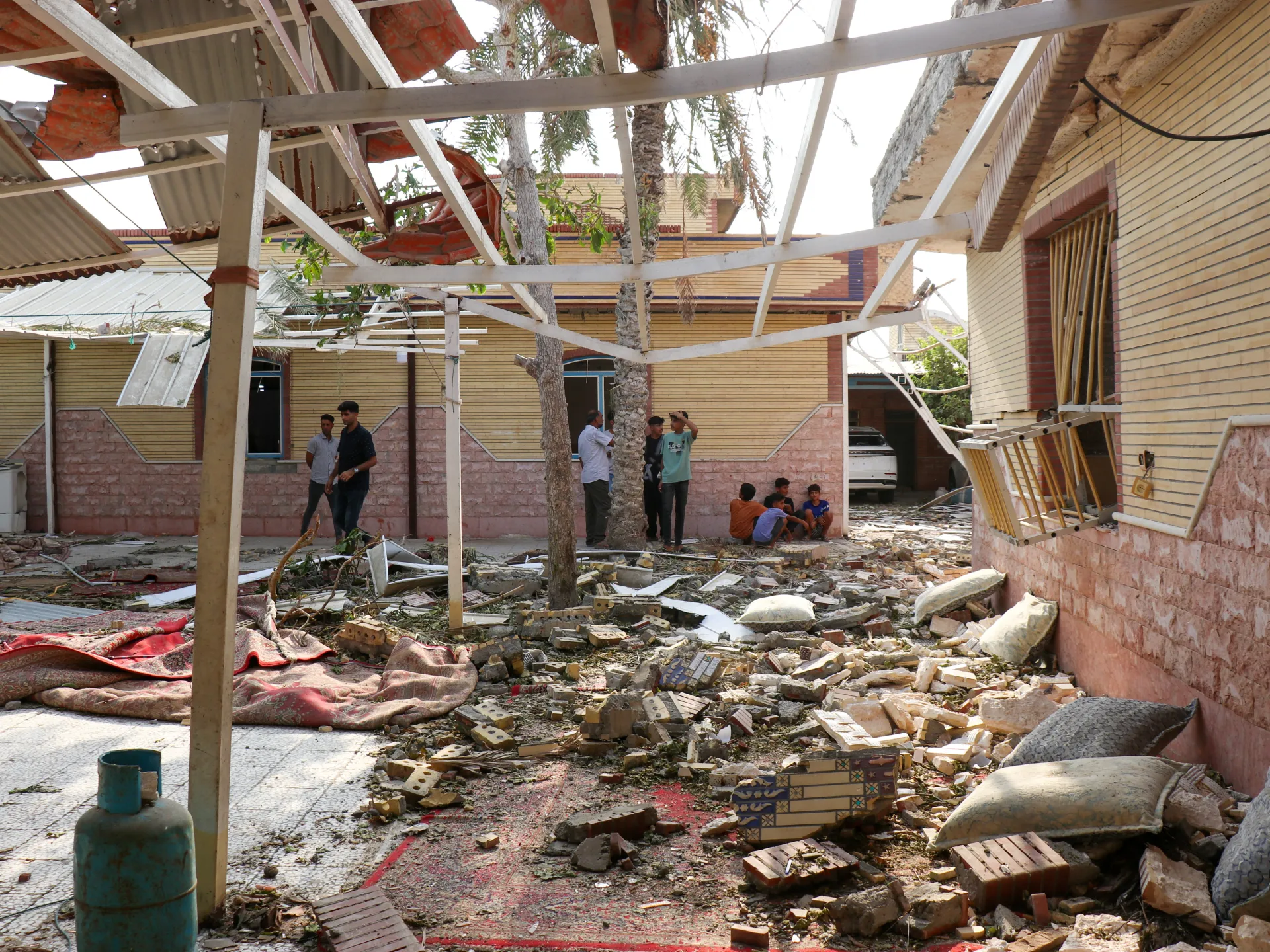
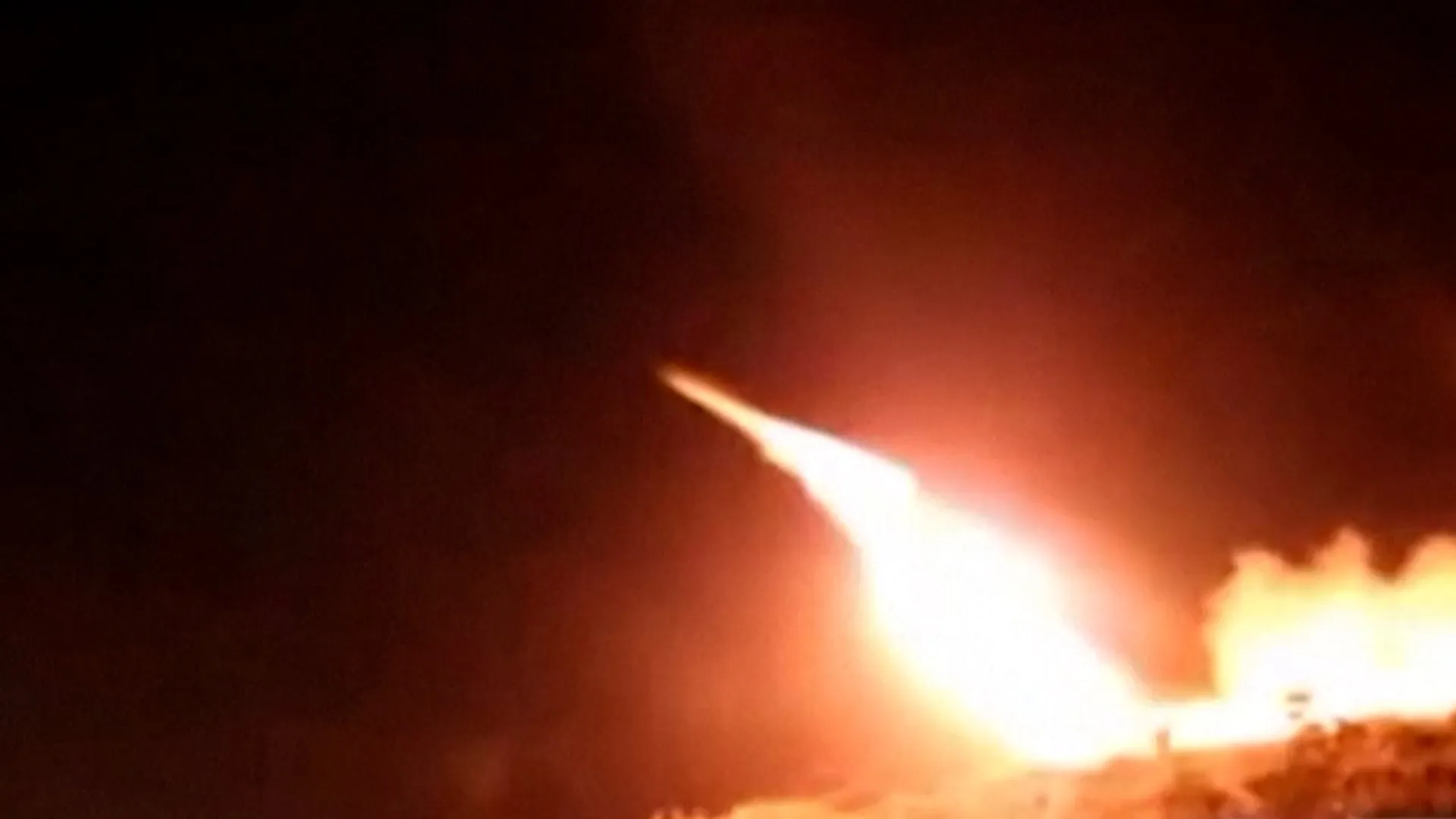
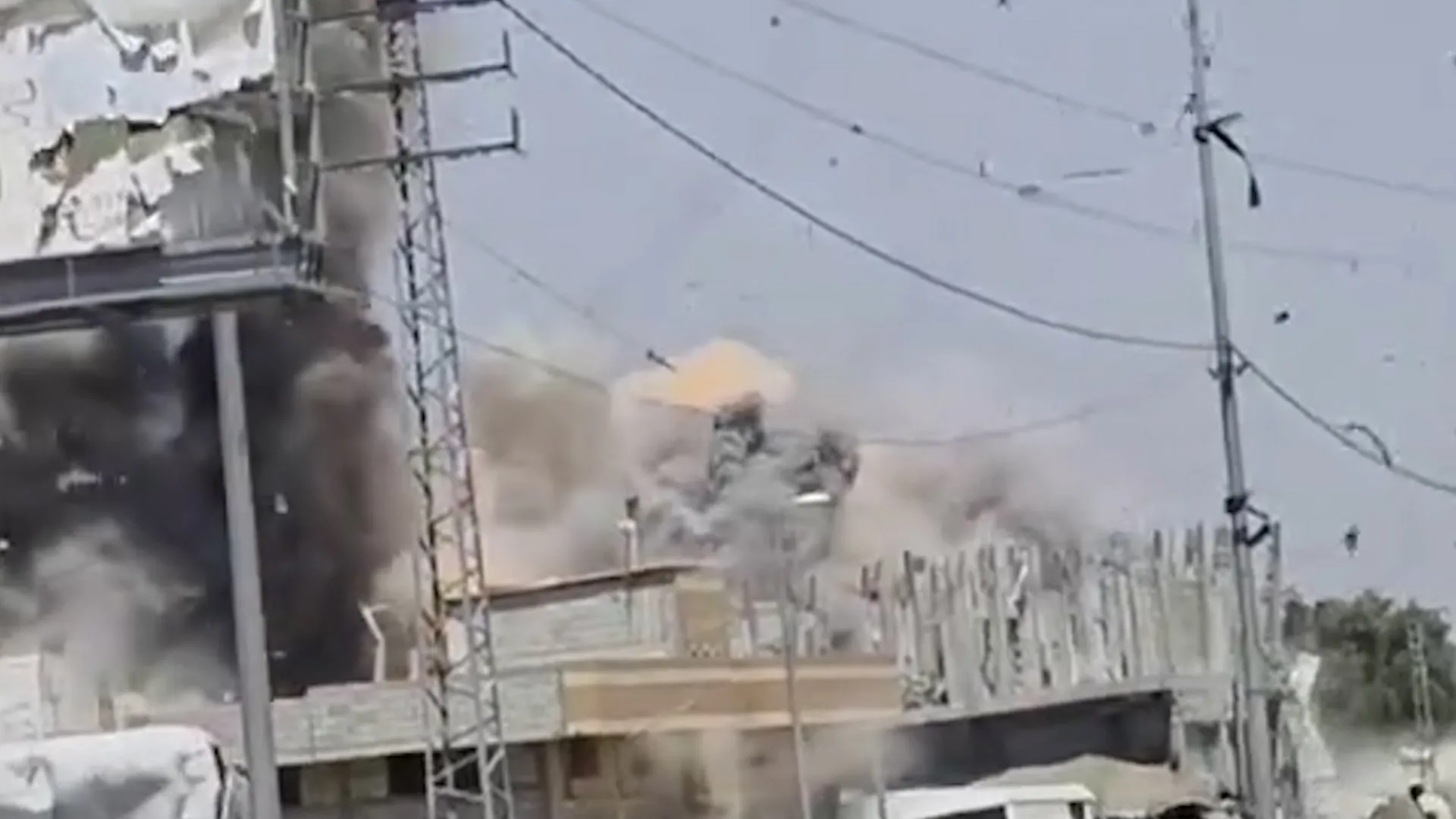
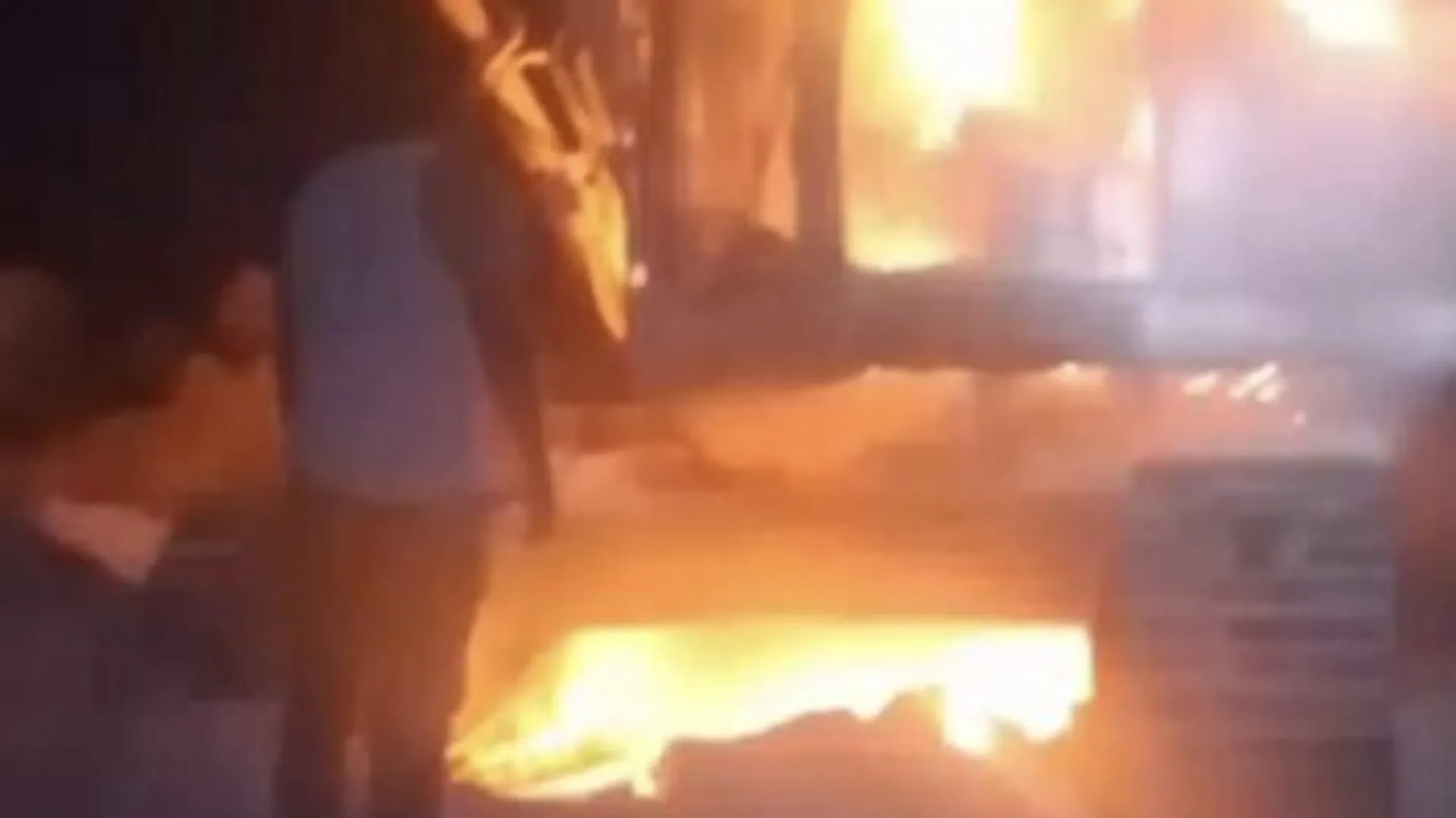
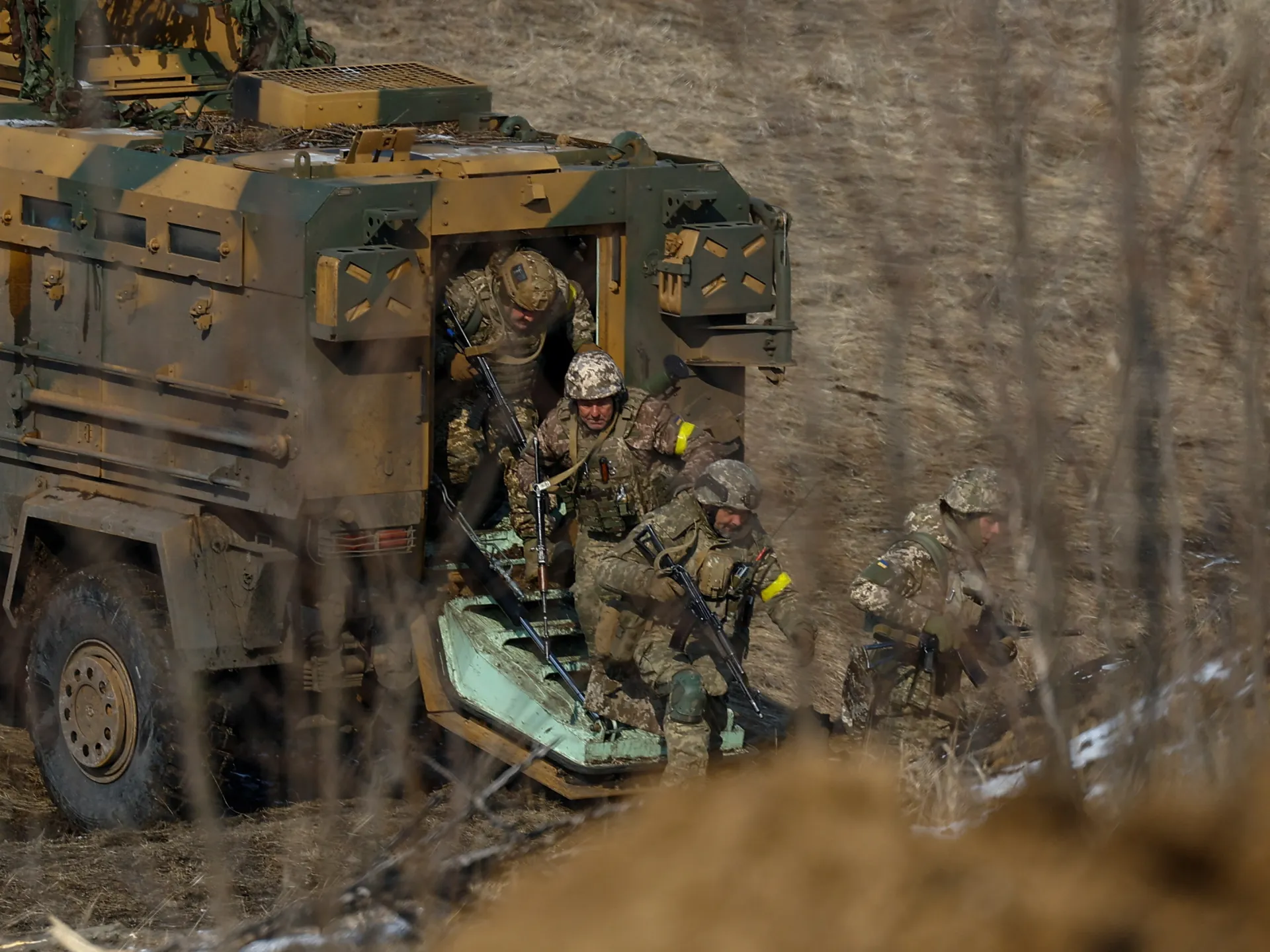
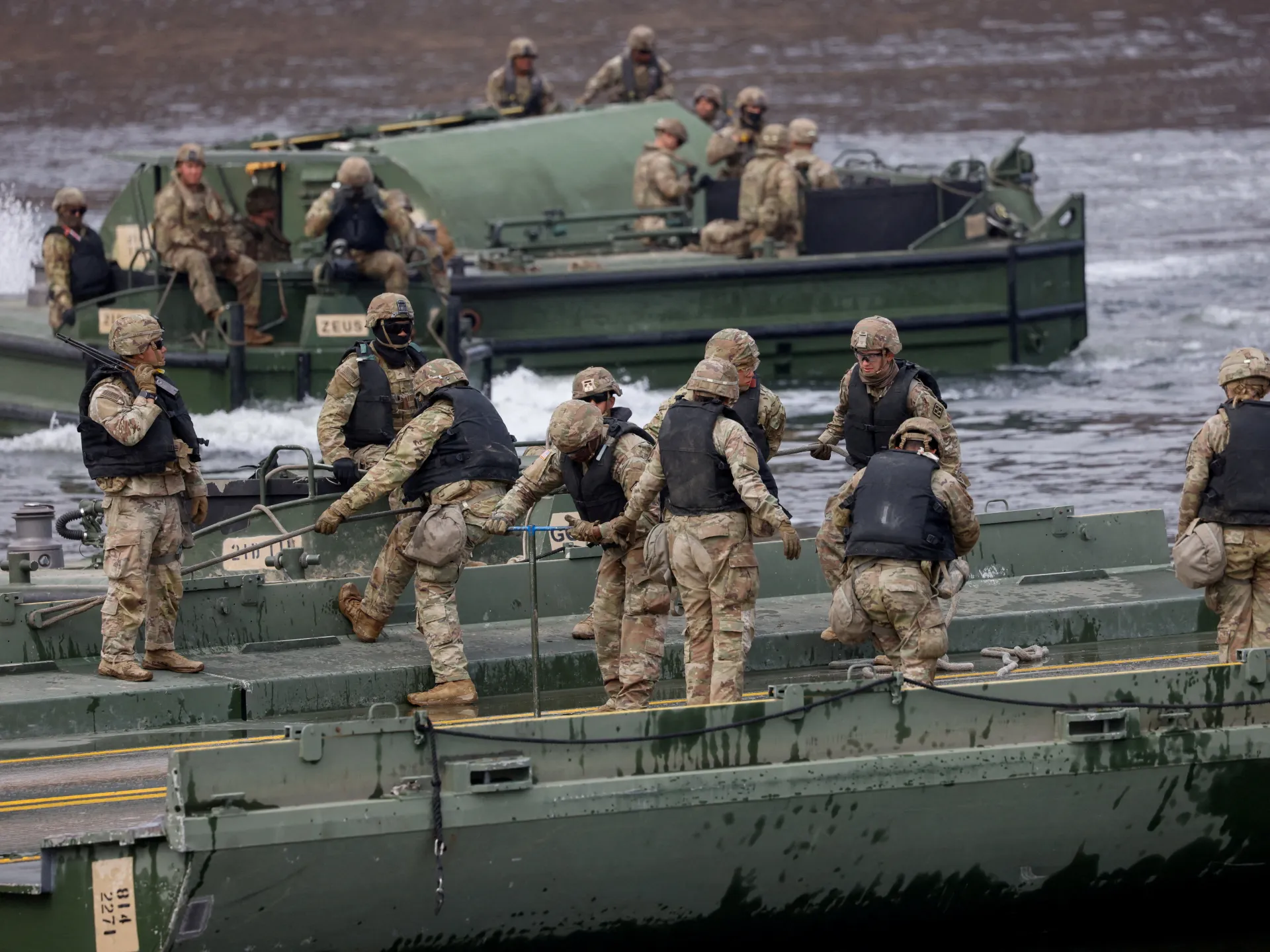
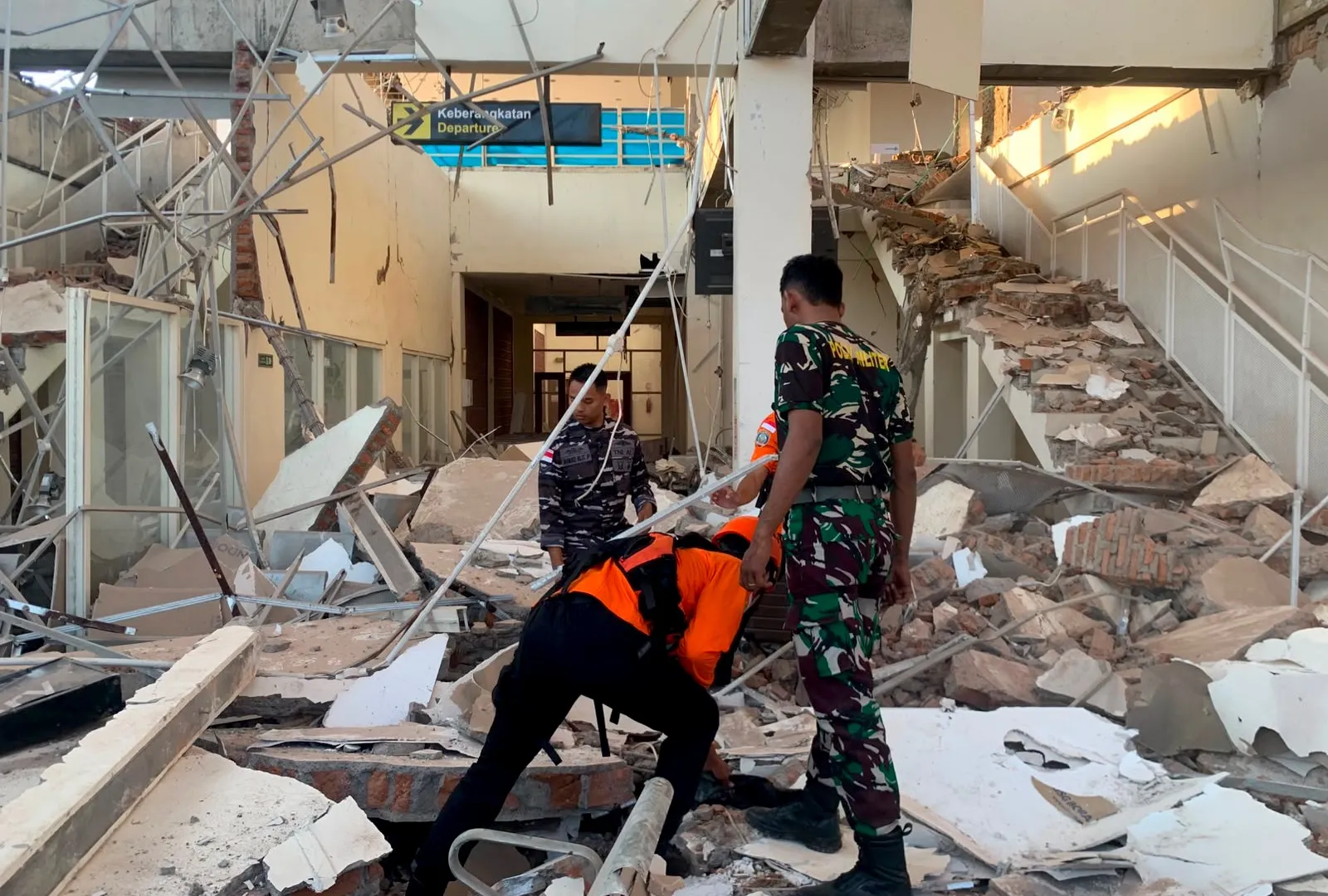
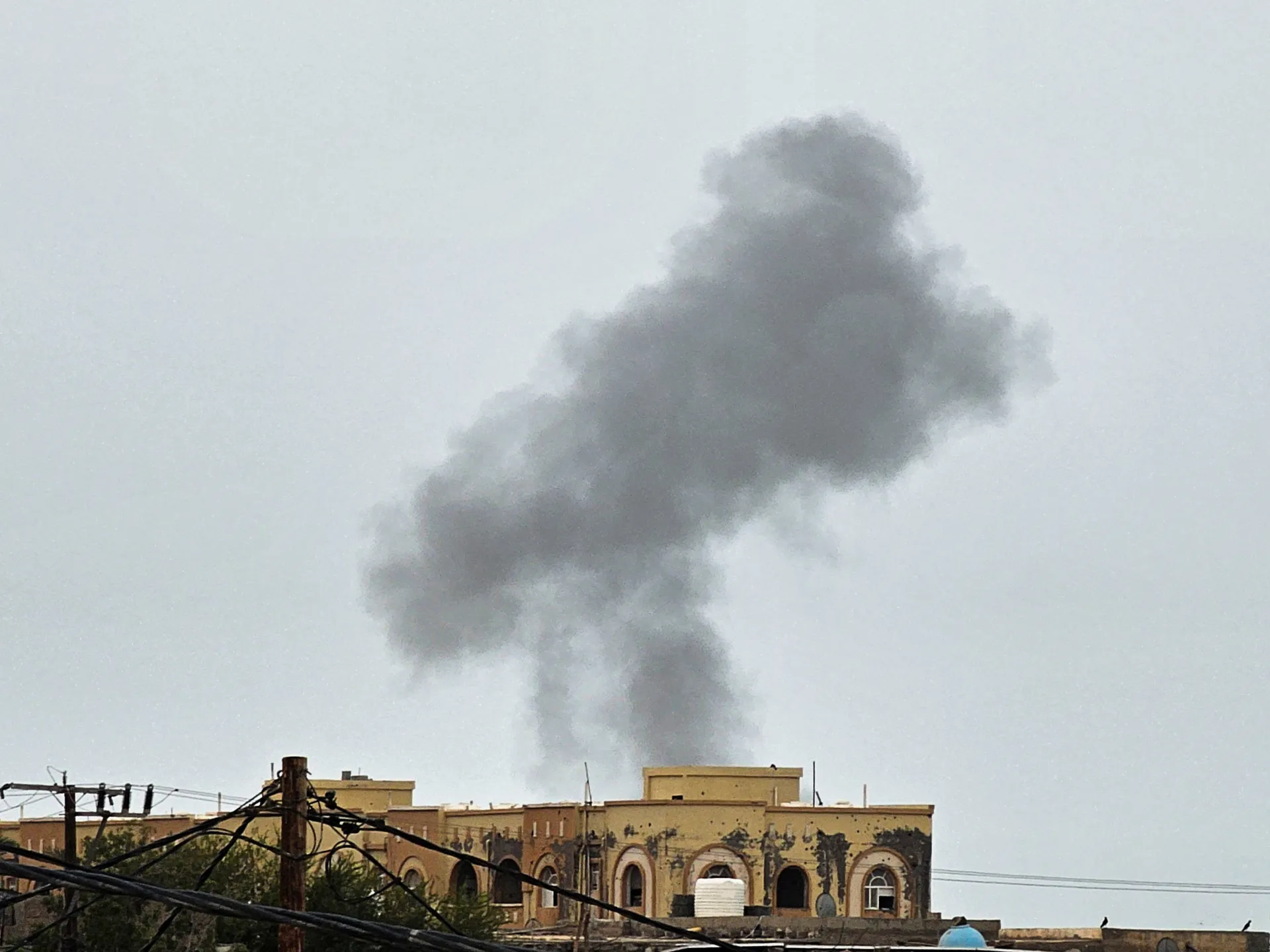
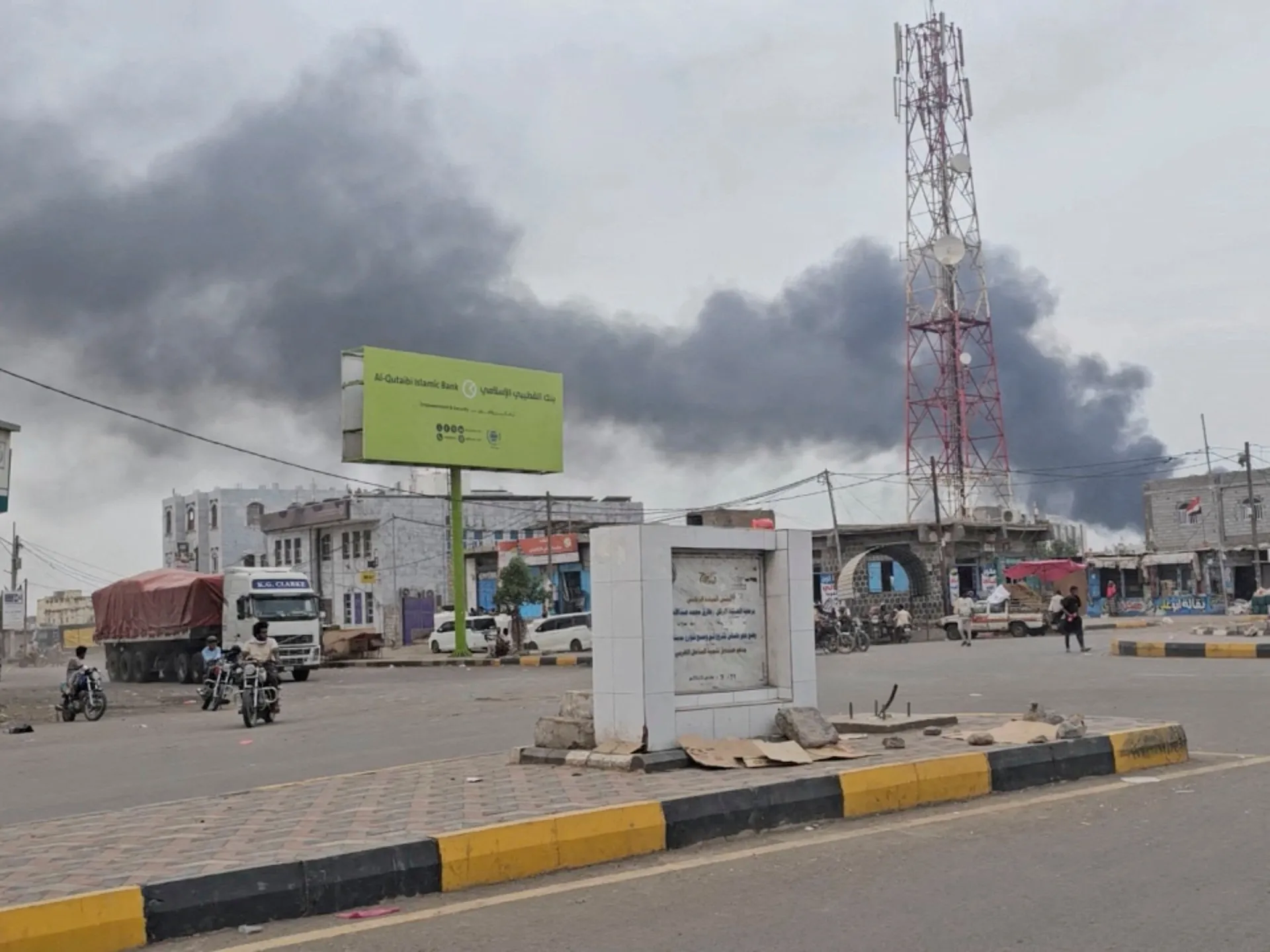
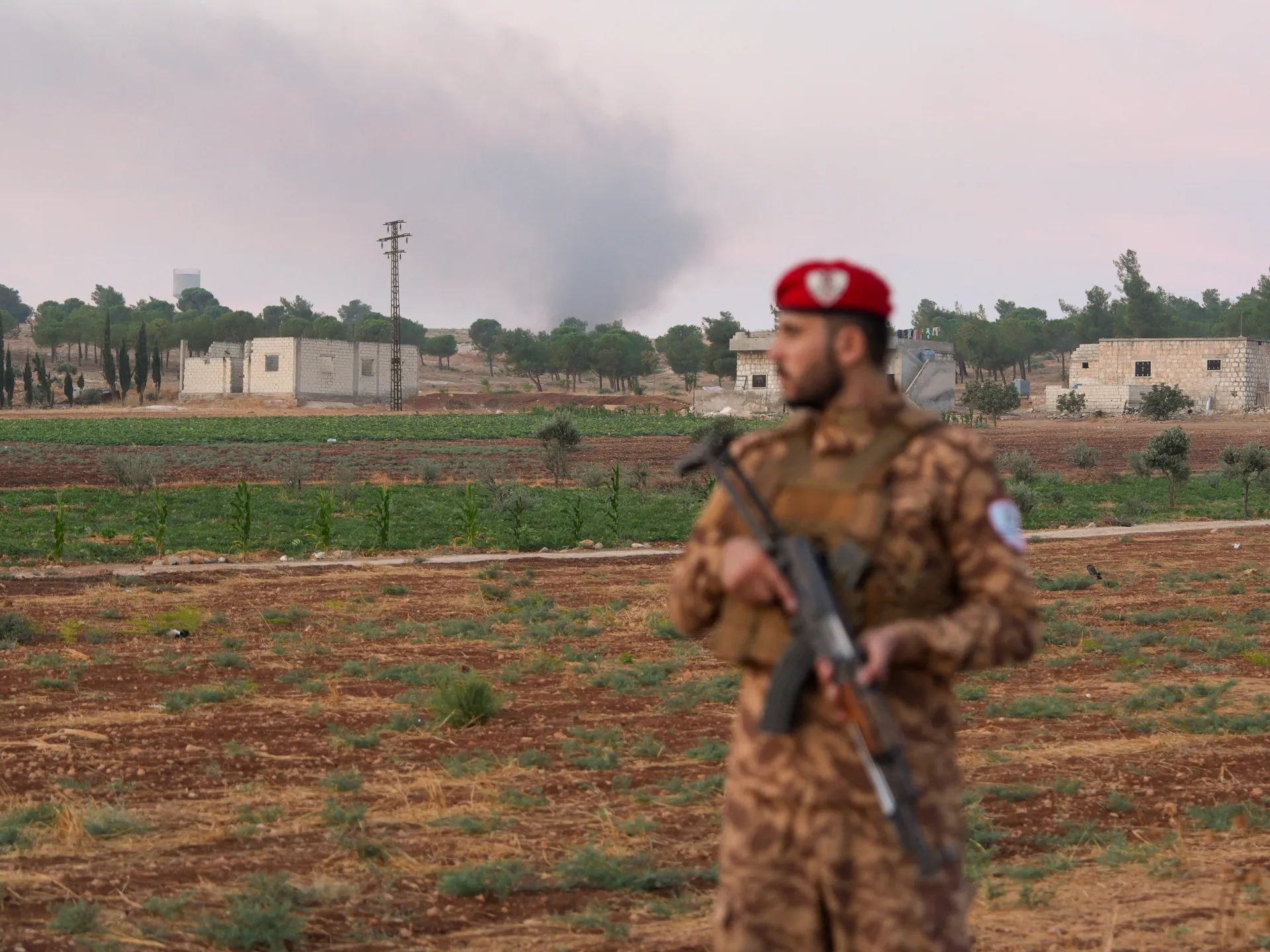
The Syrian military’s struggle to maintain its arsenal has resulted in multiple fatalities throughout September 2026. According to reports, at least four individuals were injured in an explosion at an al-Eis depot near Aleppo on Monday. These incidents have become recurring; earlier this month, 14 personnel were killed in Sarmada and 11 died in Ayyash. Another five fatalities were recorded in Binnish on September 1 following the detonation of an ammunition-laden vehicle.
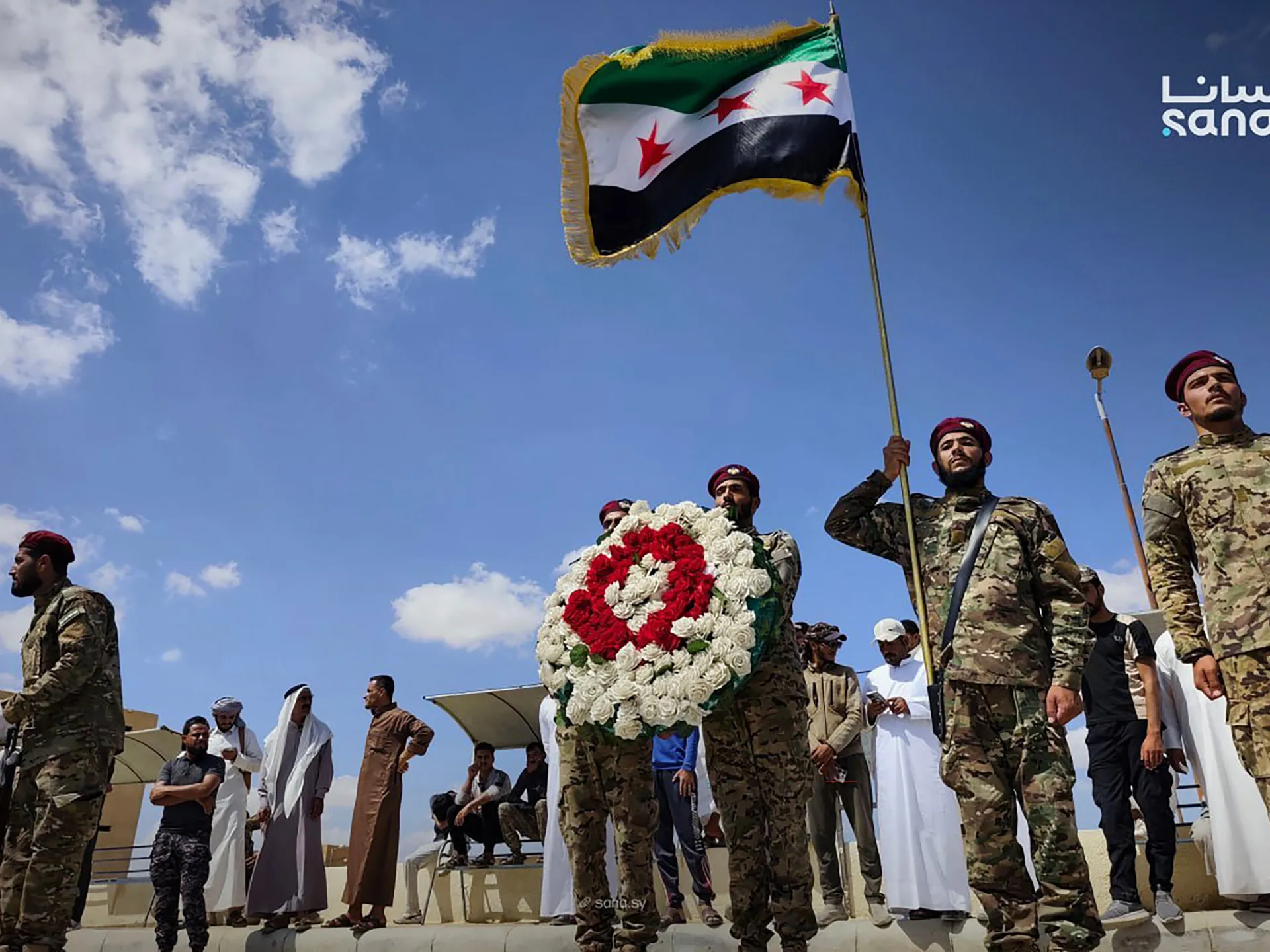
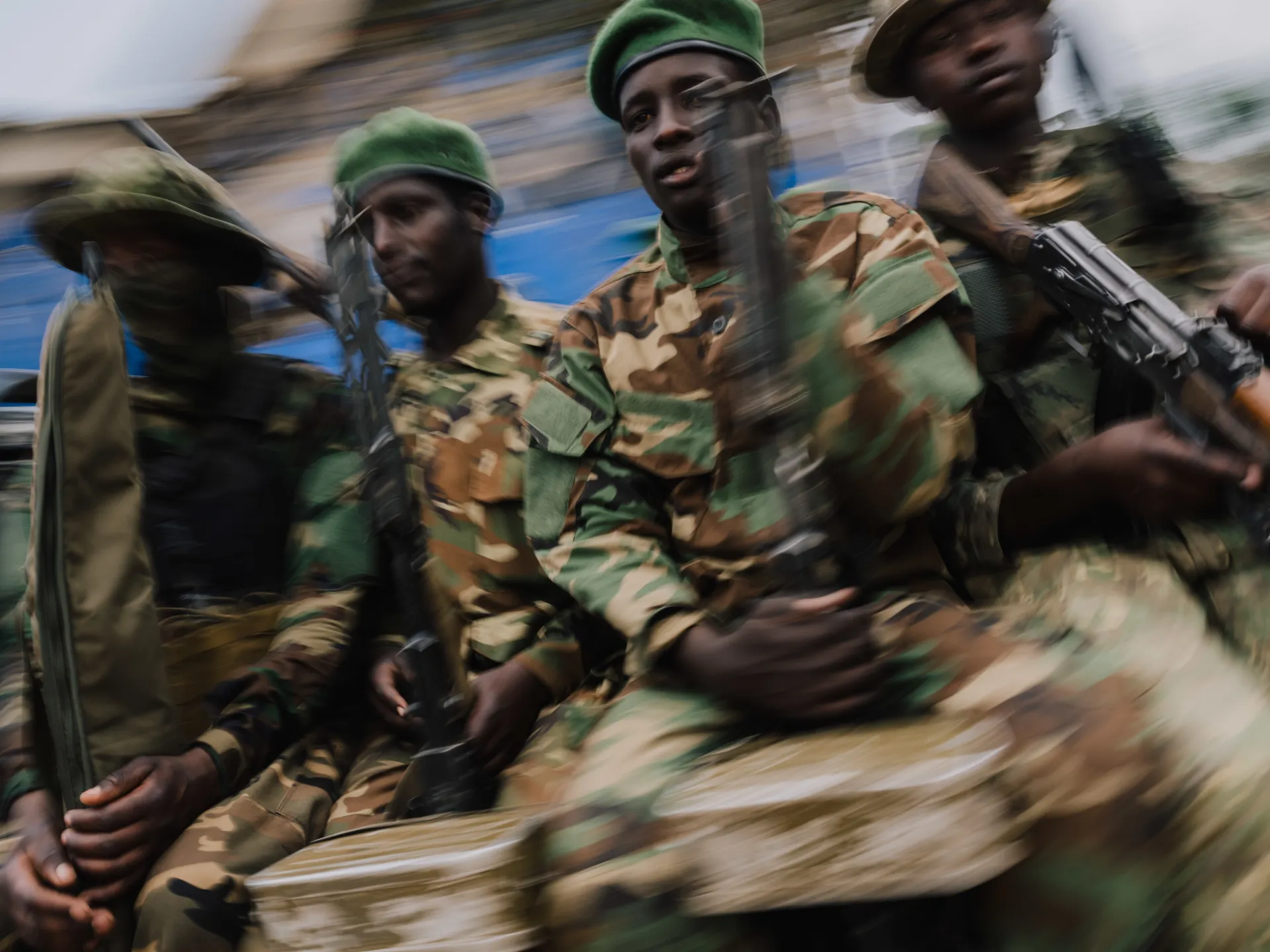
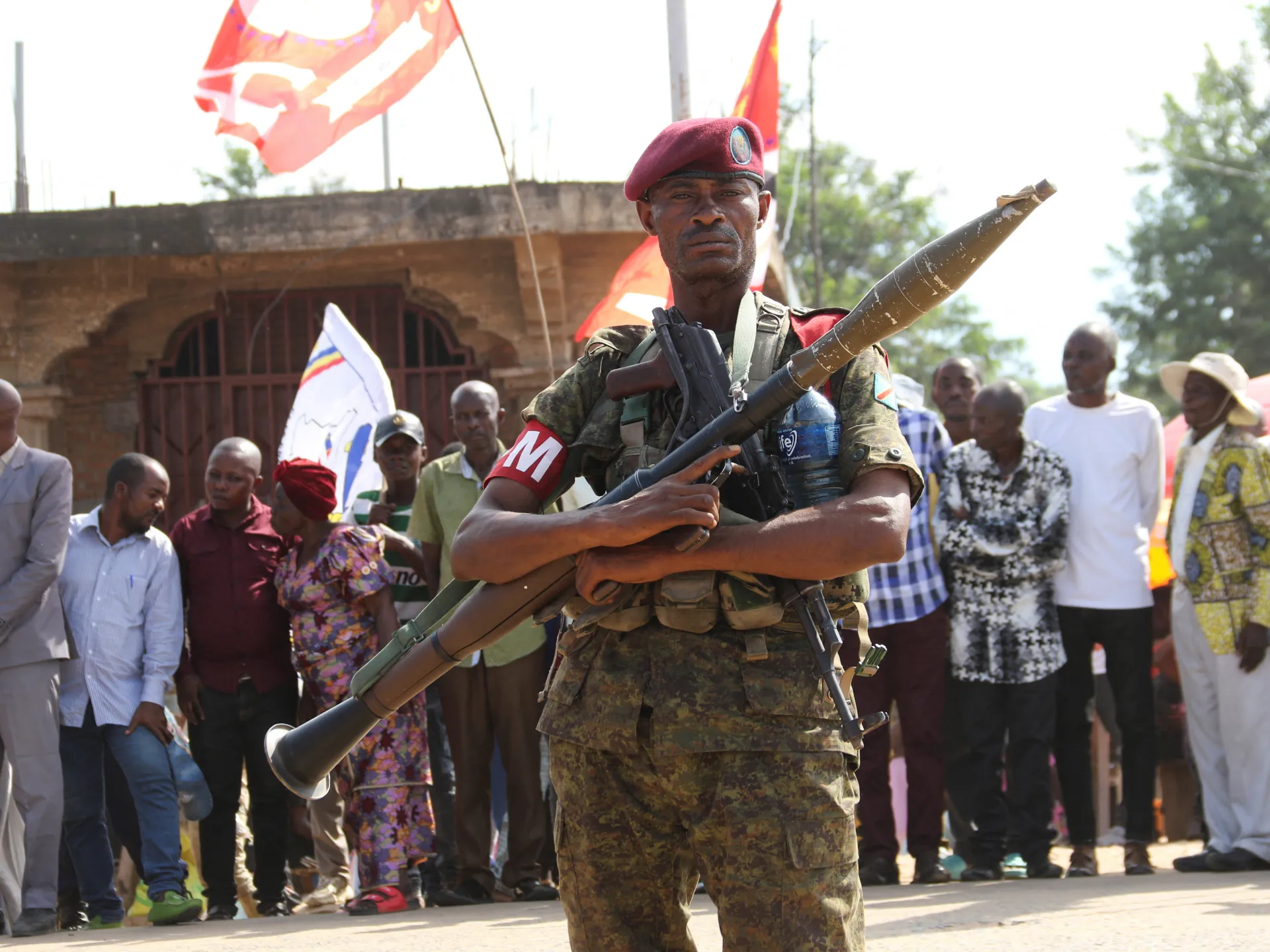
Security analysts suggest that the chaos is a byproduct of a military in flux. Omer Ozkizilcik of the Atlantic Council noted that the Syrian army is currently integrating fighters from previously opposing factions and consolidating vast, varied stockpiles. Ozkizilcik posits that the combination of poor storage infrastructure, the influx of military aid, and the strategic necessity to disperse weapons to avoid detection likely contributed to these accidents. While the Syrian Defence Ministry has launched an investigation, it remains unclear if the explosions are purely the result of logistical failures or if there is a component of intentional sabotage.
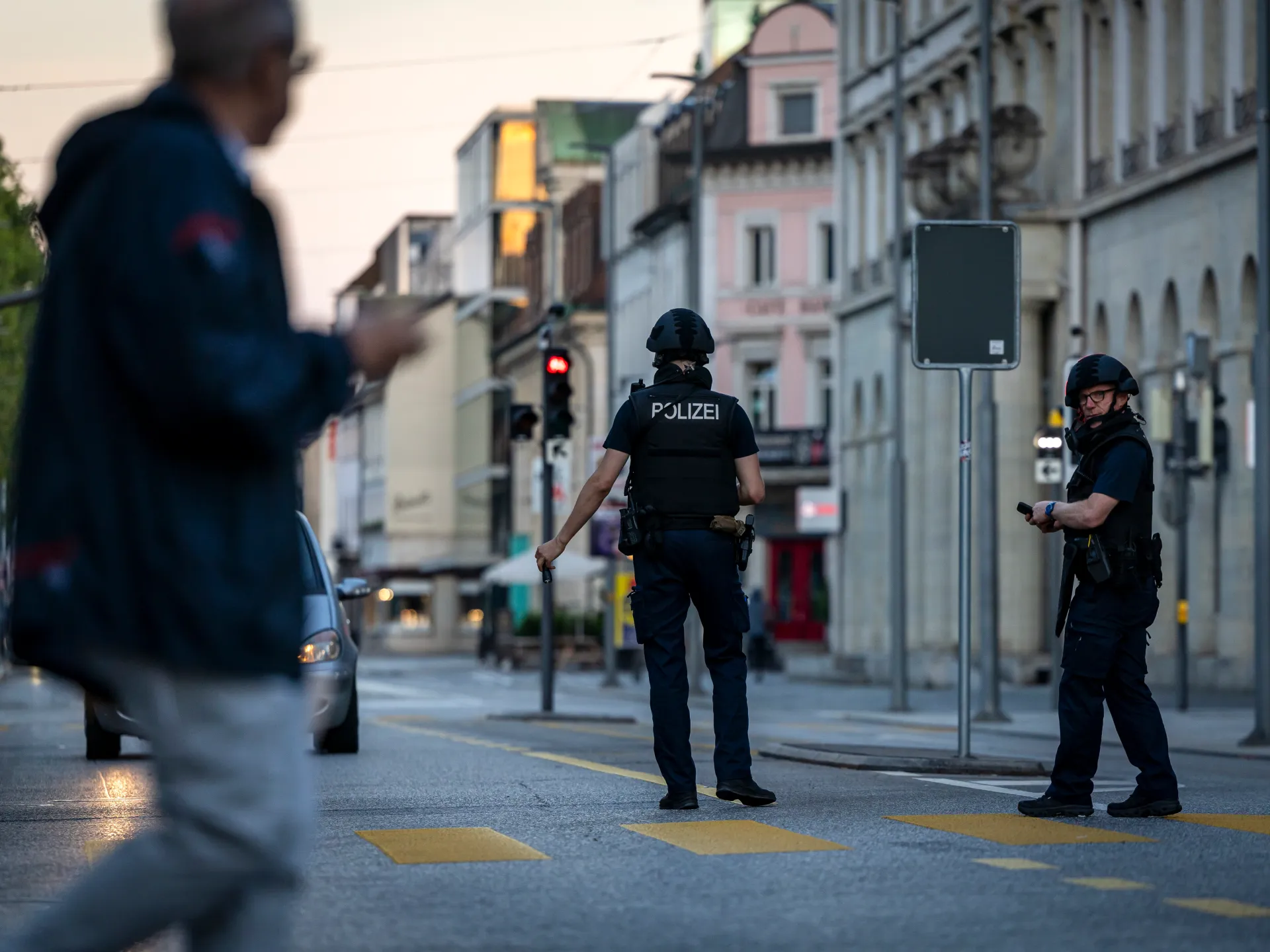
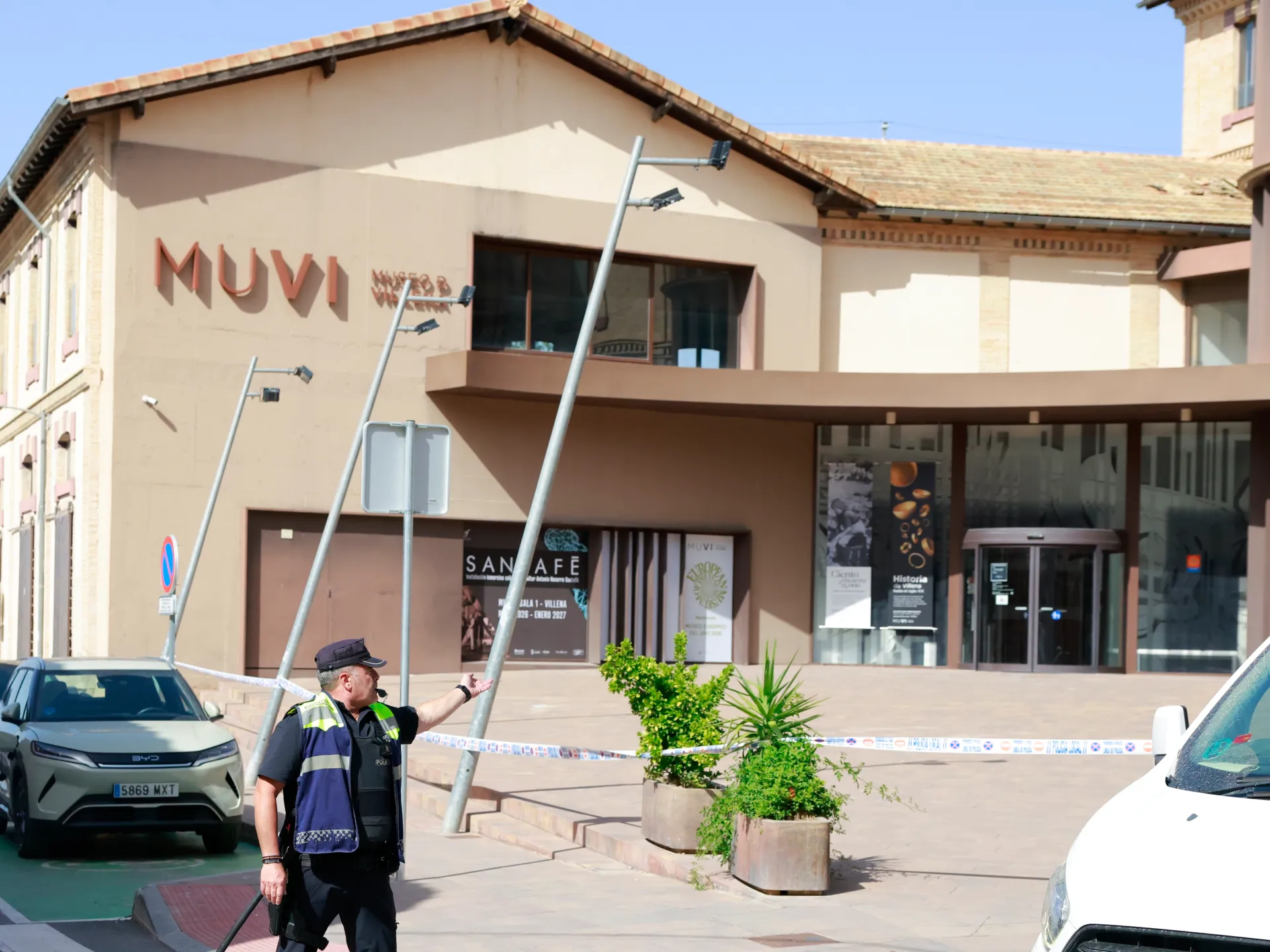
In contrast to the ambiguity surrounding the Syrian blasts, Dutch officials have formally categorized the rail disruptions as deliberate acts of sabotage. On Tuesday, September 15, ProRail identified more than 35 locations across central and northern Netherlands where pipes and cables were intentionally laid across tracks. The objects were designed to trick signaling systems into detecting phantom trains, effectively locking down the rail network.
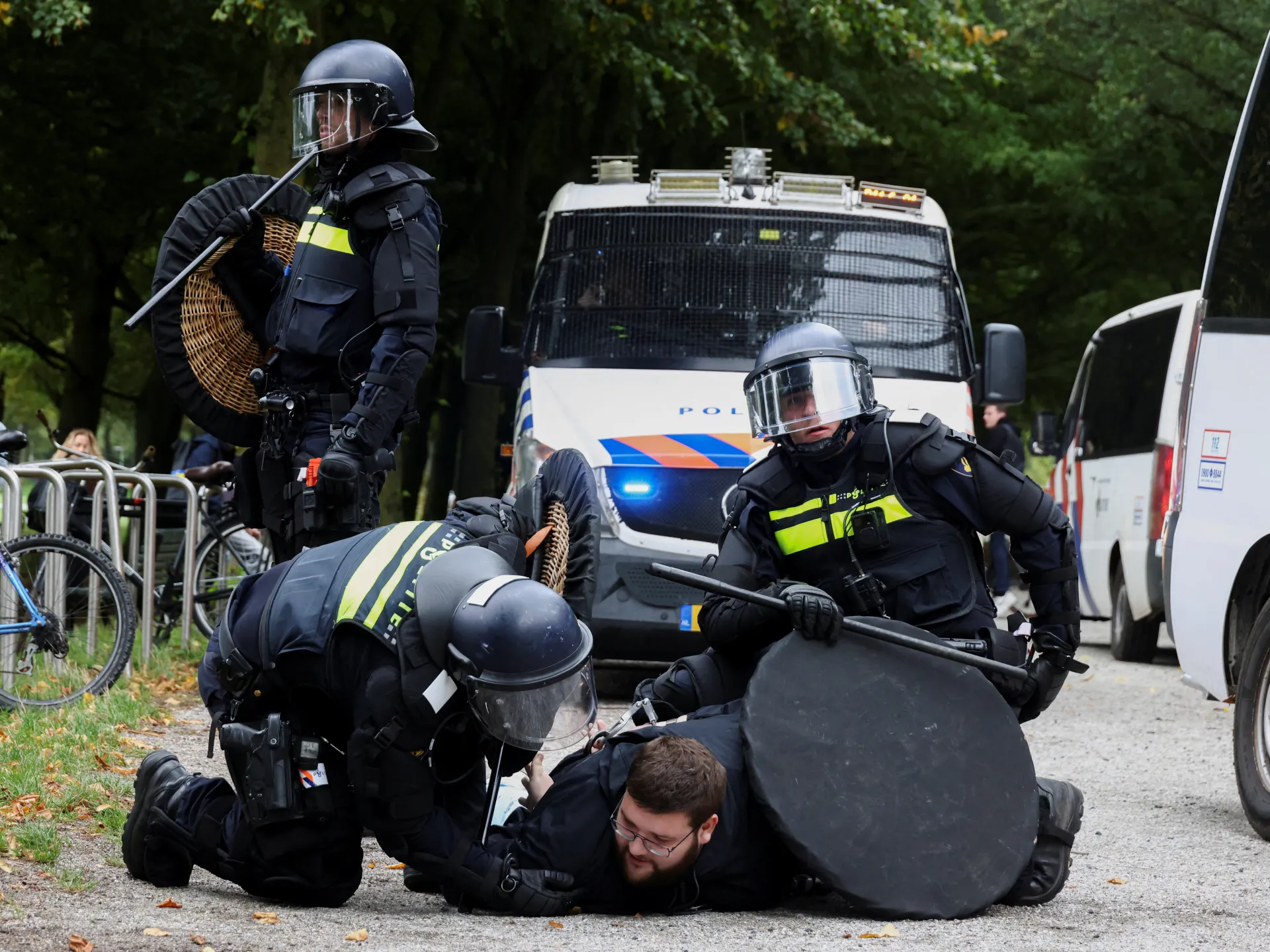
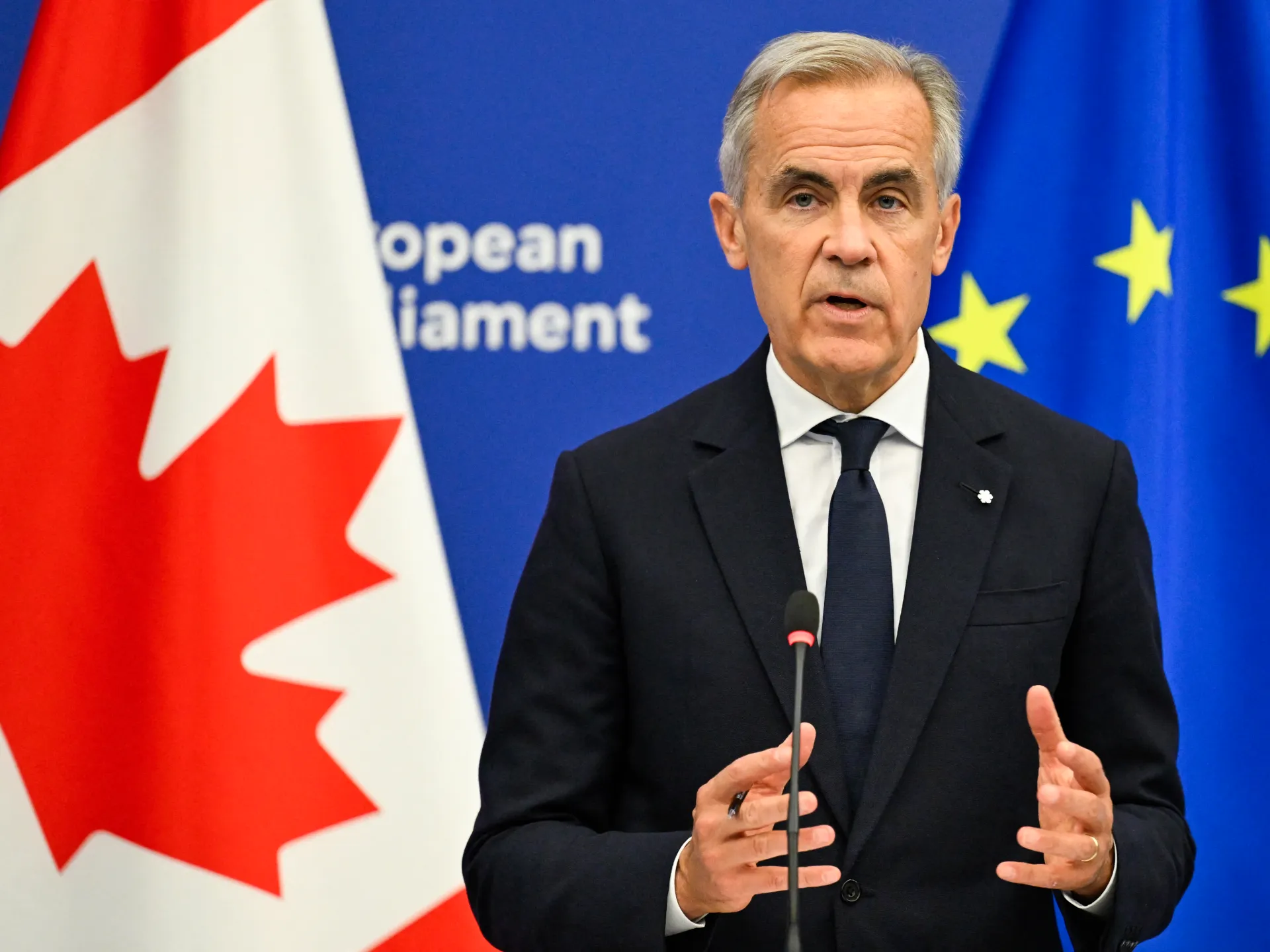
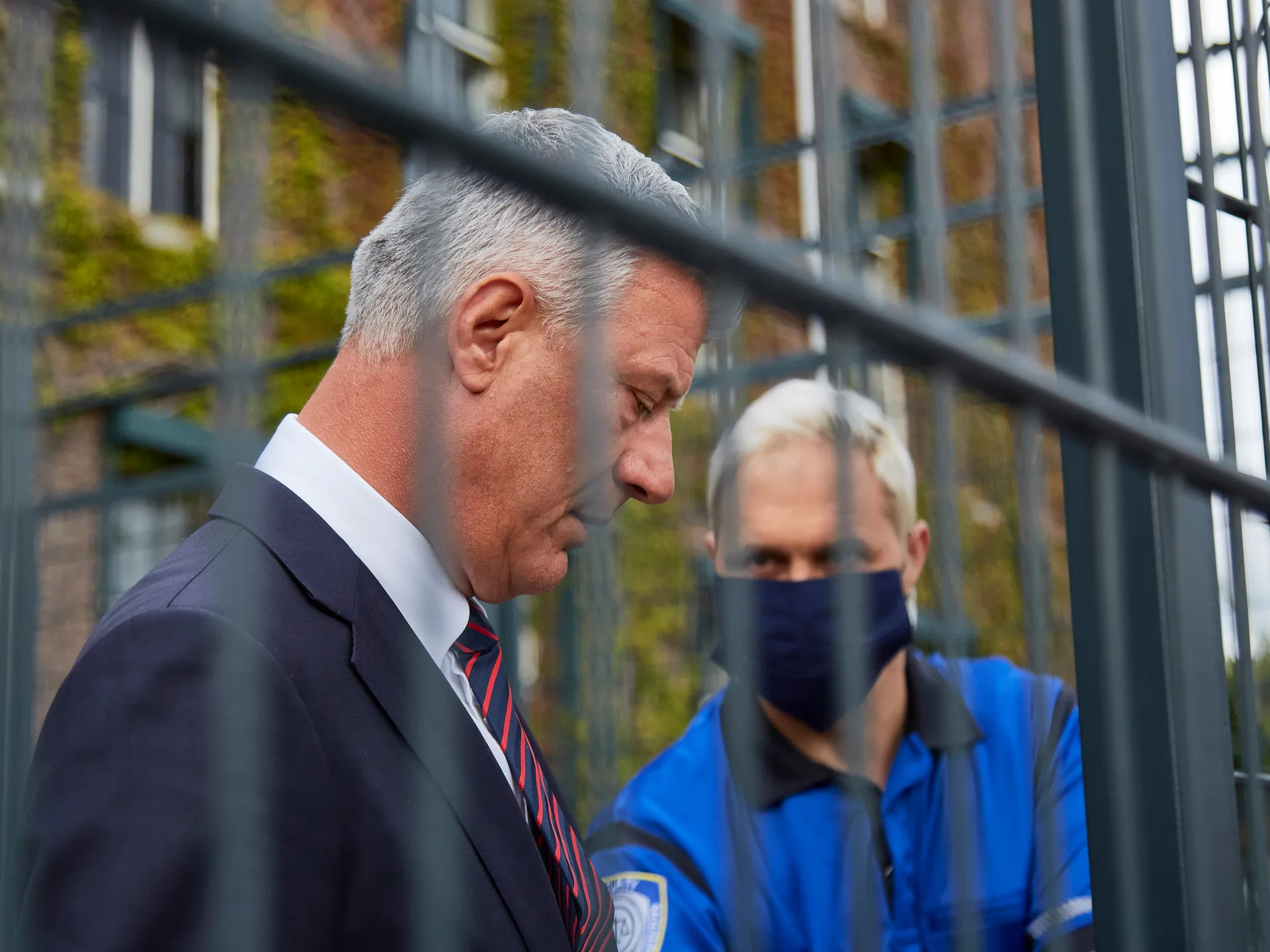
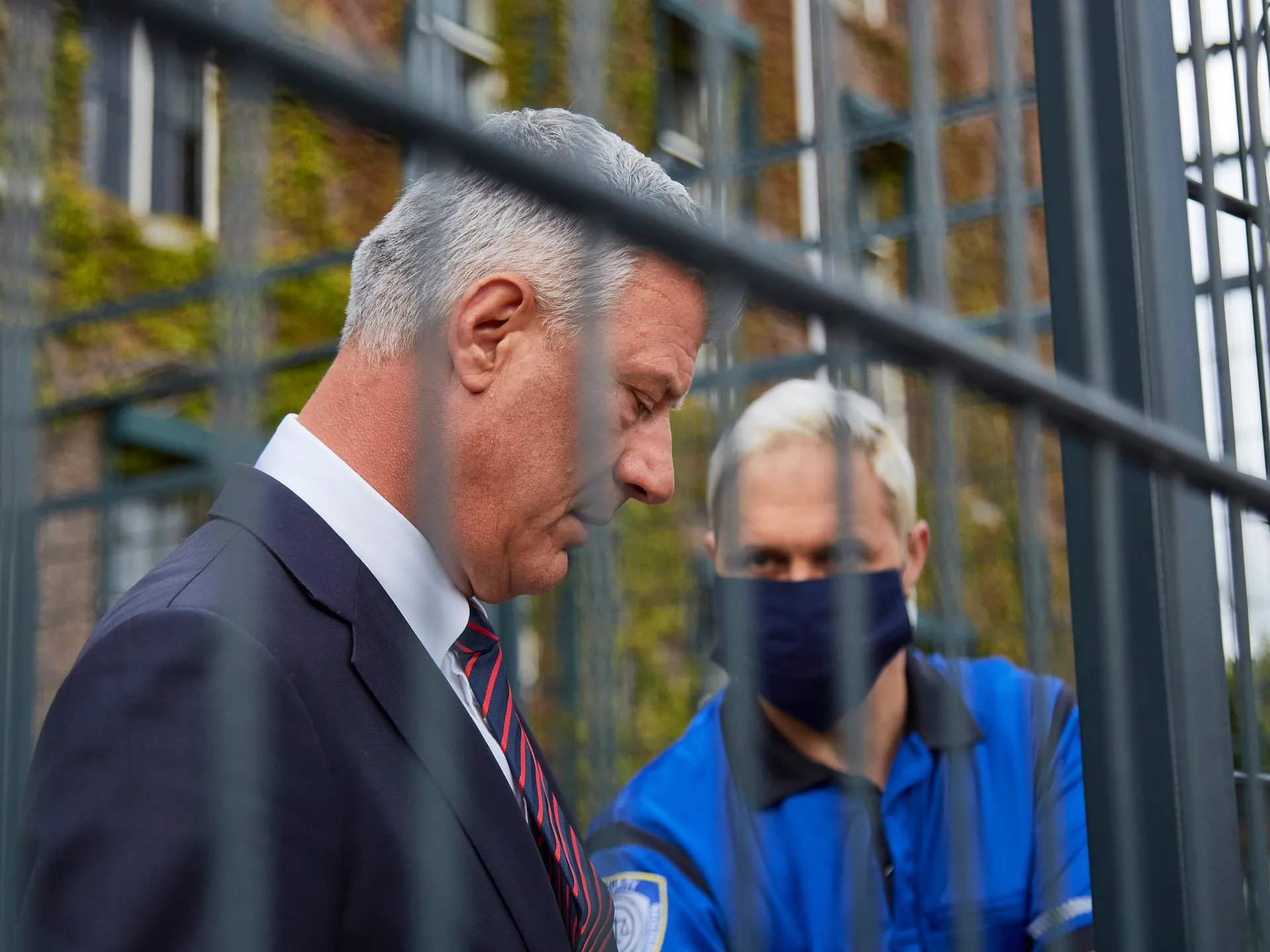
Prime Minister Rob Jetten condemned the acts as life-threatening, noting that one train struck metal near Steenwijk, though it avoided significant damage due to reduced speed. The investigation is currently being handled e not yet identified suspects, the incidents coincided with Prinsjesdag—the national budget presentation day—and were accompanied ttention to broader social tensions within the country.
For the Netherlands, the immediate priority remains the restoration of full service and the identification of the actors behind the sabotage, with the intelligence agency’s involvement suggesting the government views this as a significant national security threat rather than mere vandalism. The call from the interim CEO of the Dutch rail operator for increased investment in contingency planning indicates that future policy will likely focus on hardening infrastructure against similar low-cost, high-impact interference. In Syria, the path forward appears more precarious. As the military continues to reorganize, the recurrence of explosions suggests that the current storage infrastructure remains inadequate. Until the military can standardize its handling procedures and secure its depots, further accidents—or successful acts of sabotage—remain a distinct possibility as the state attempts to project stability in the post-Assad era.