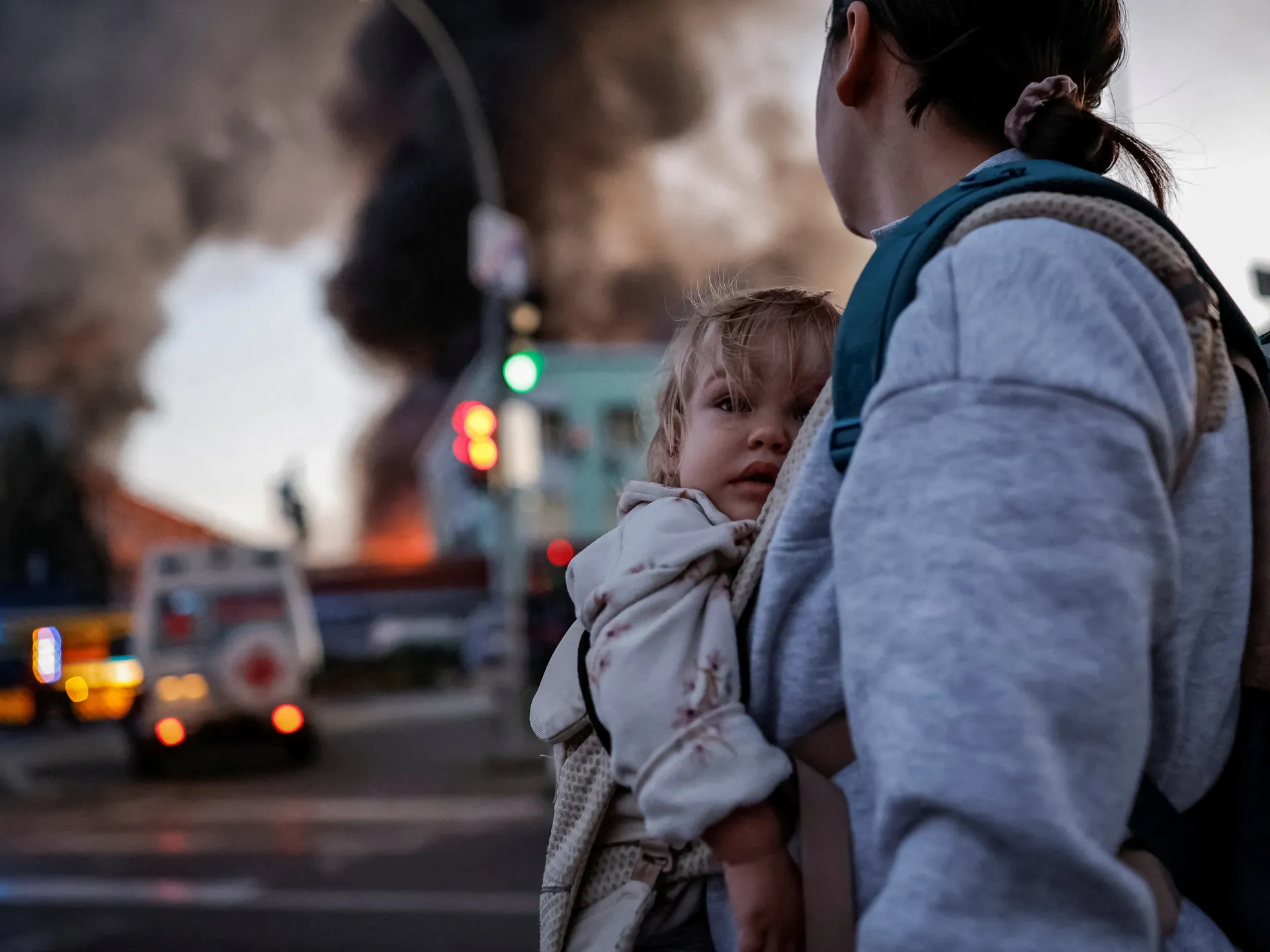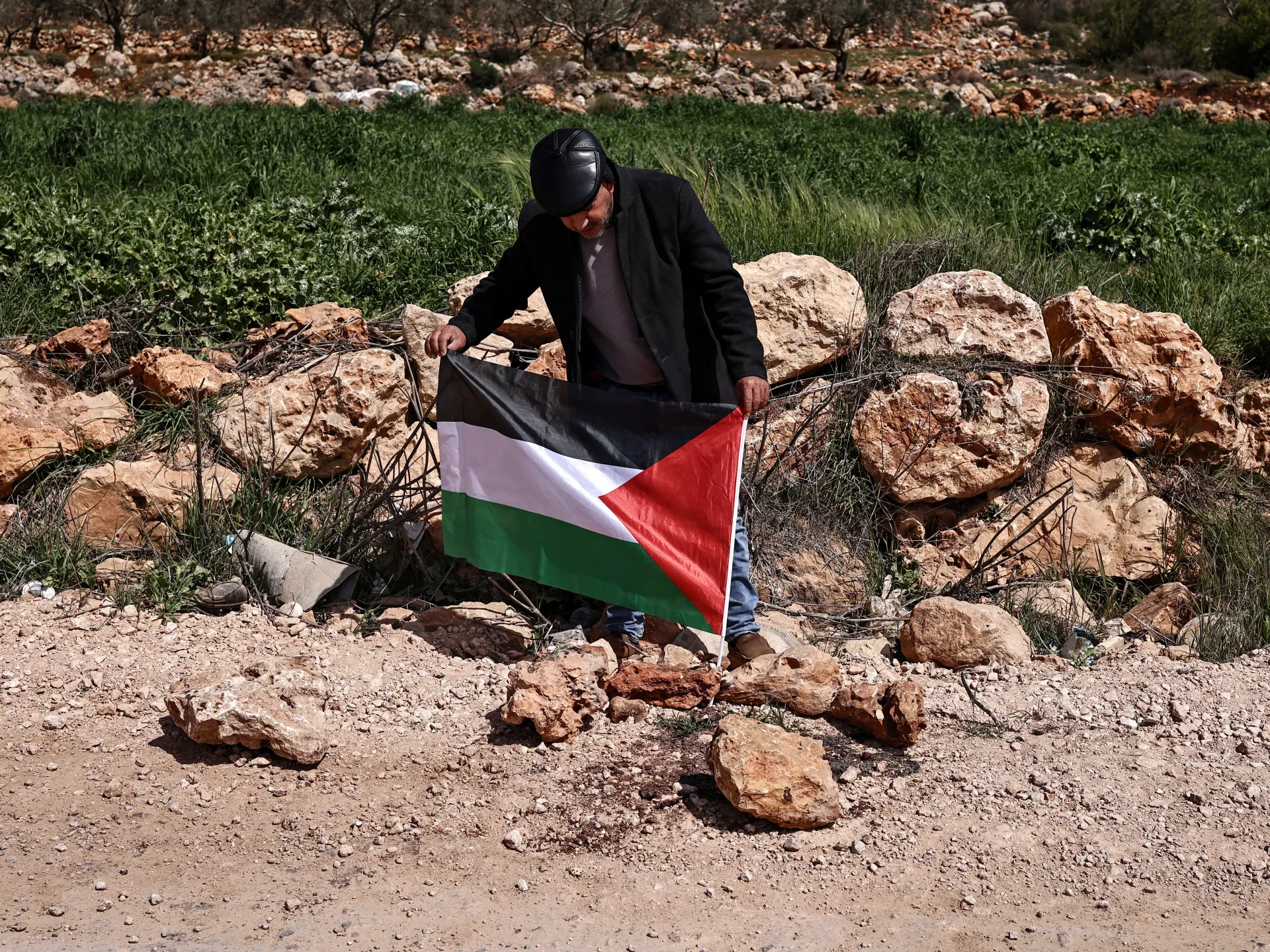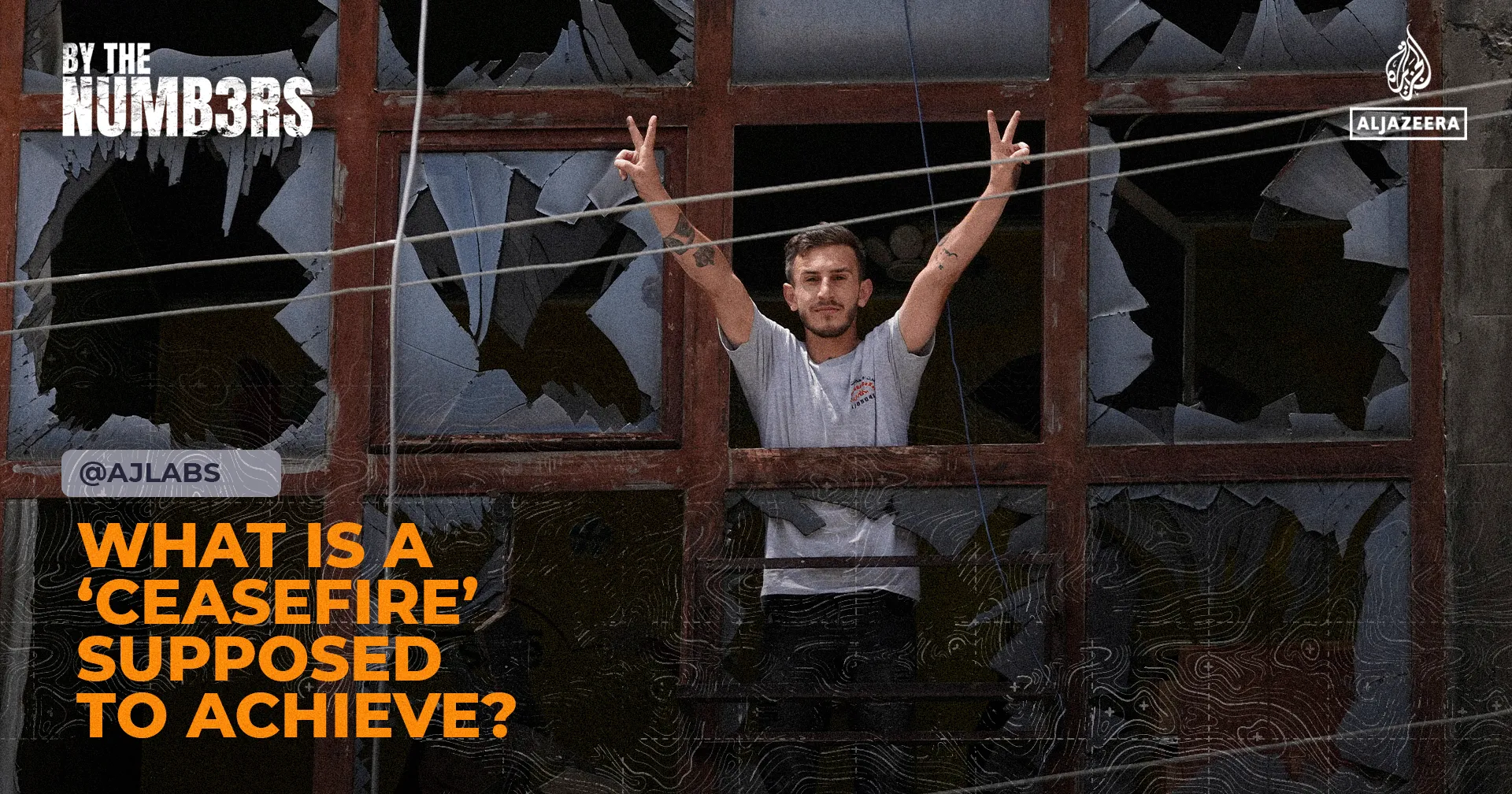
Civilian fatalities continue to rise in Gaza despite international pressure for restraint, as reports emerge of children among the latest casualties.
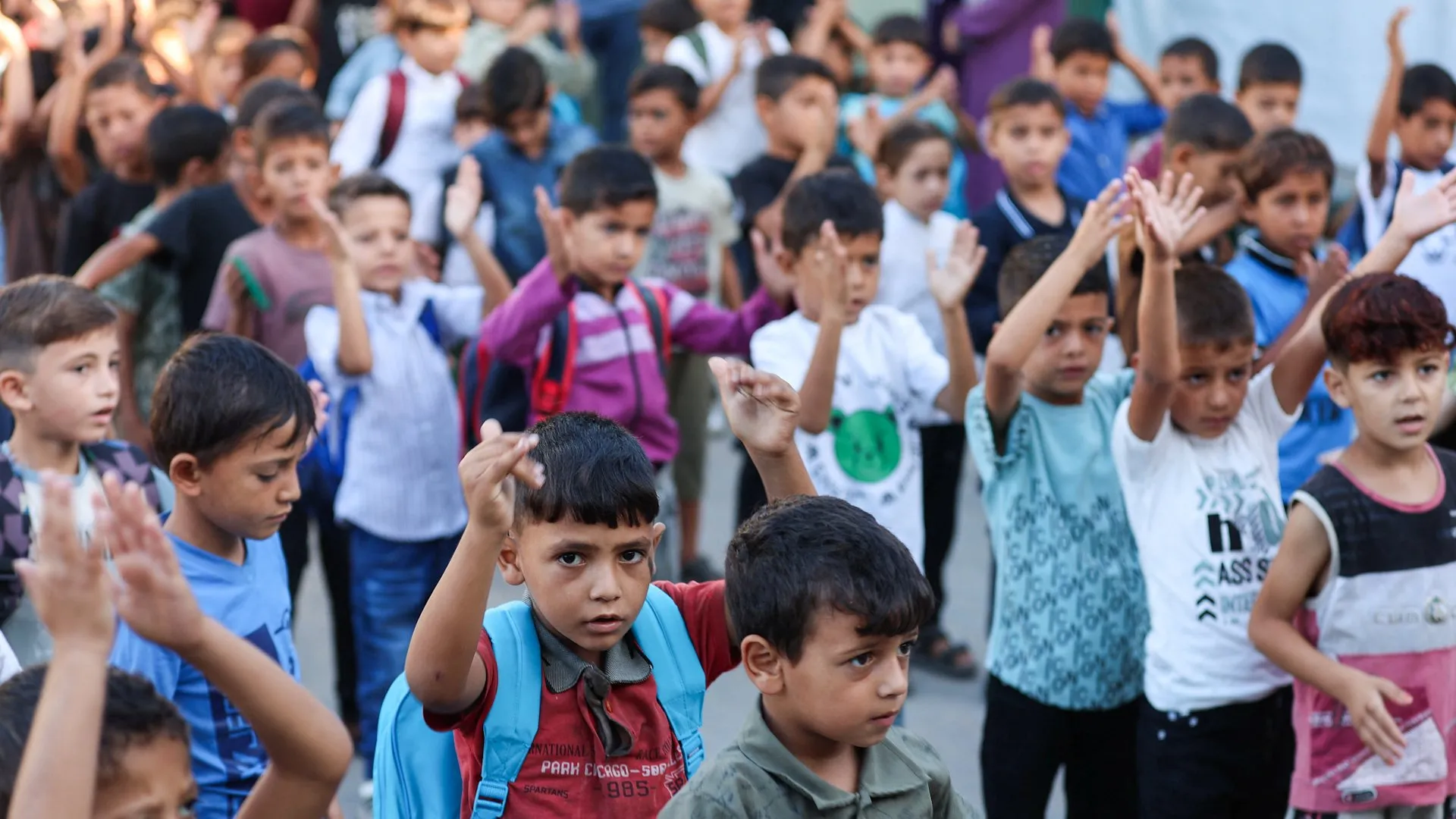
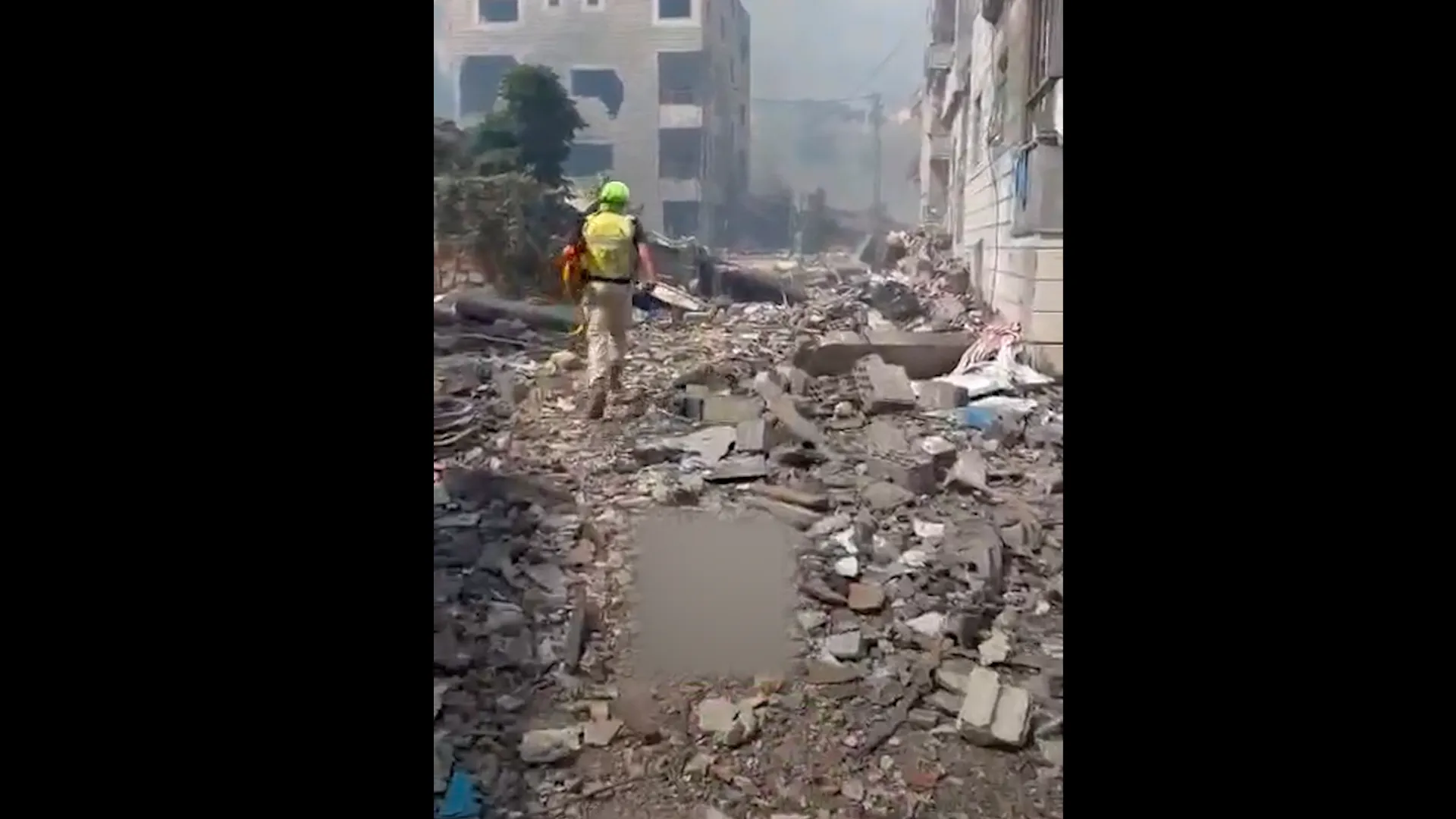
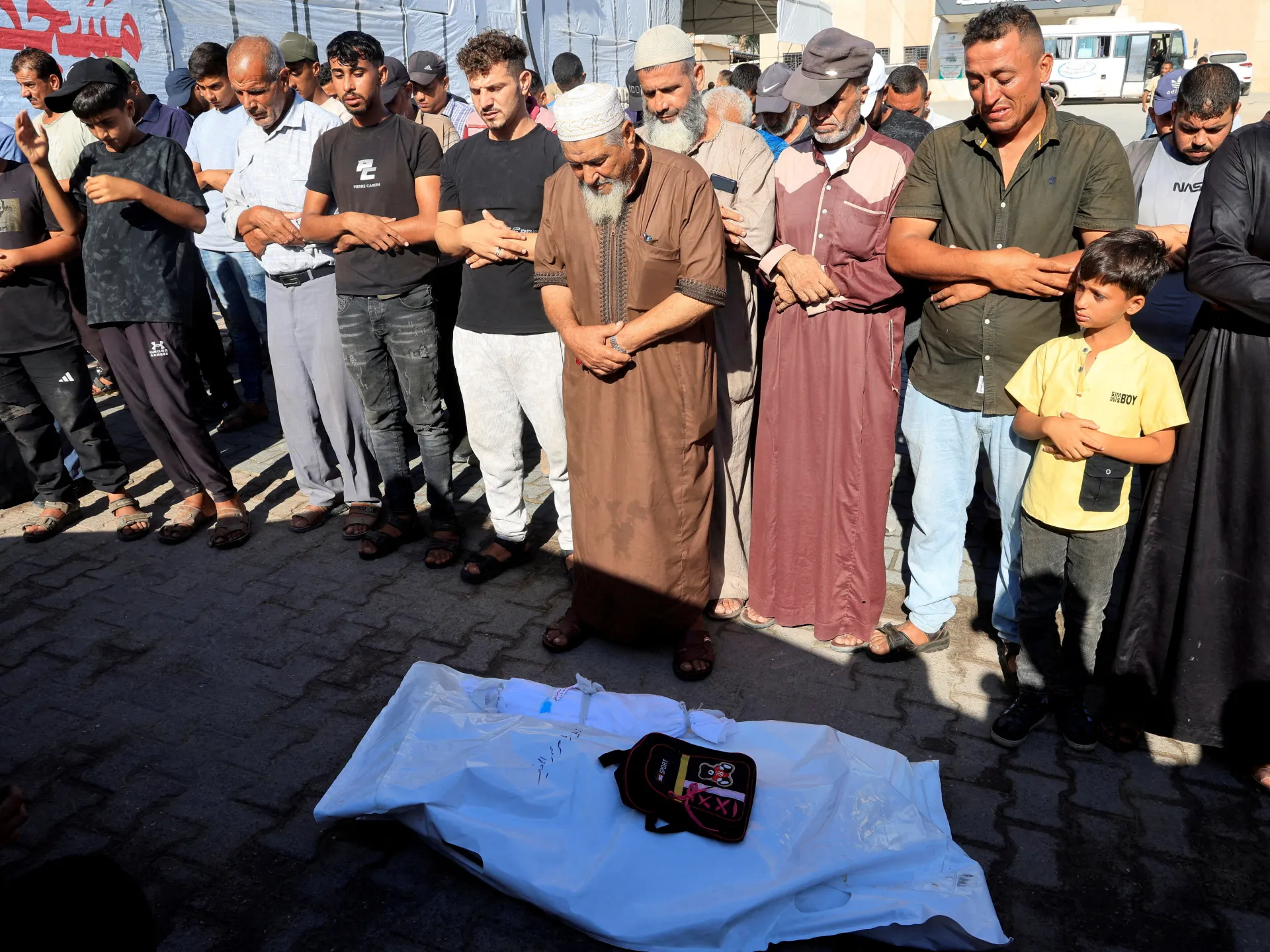
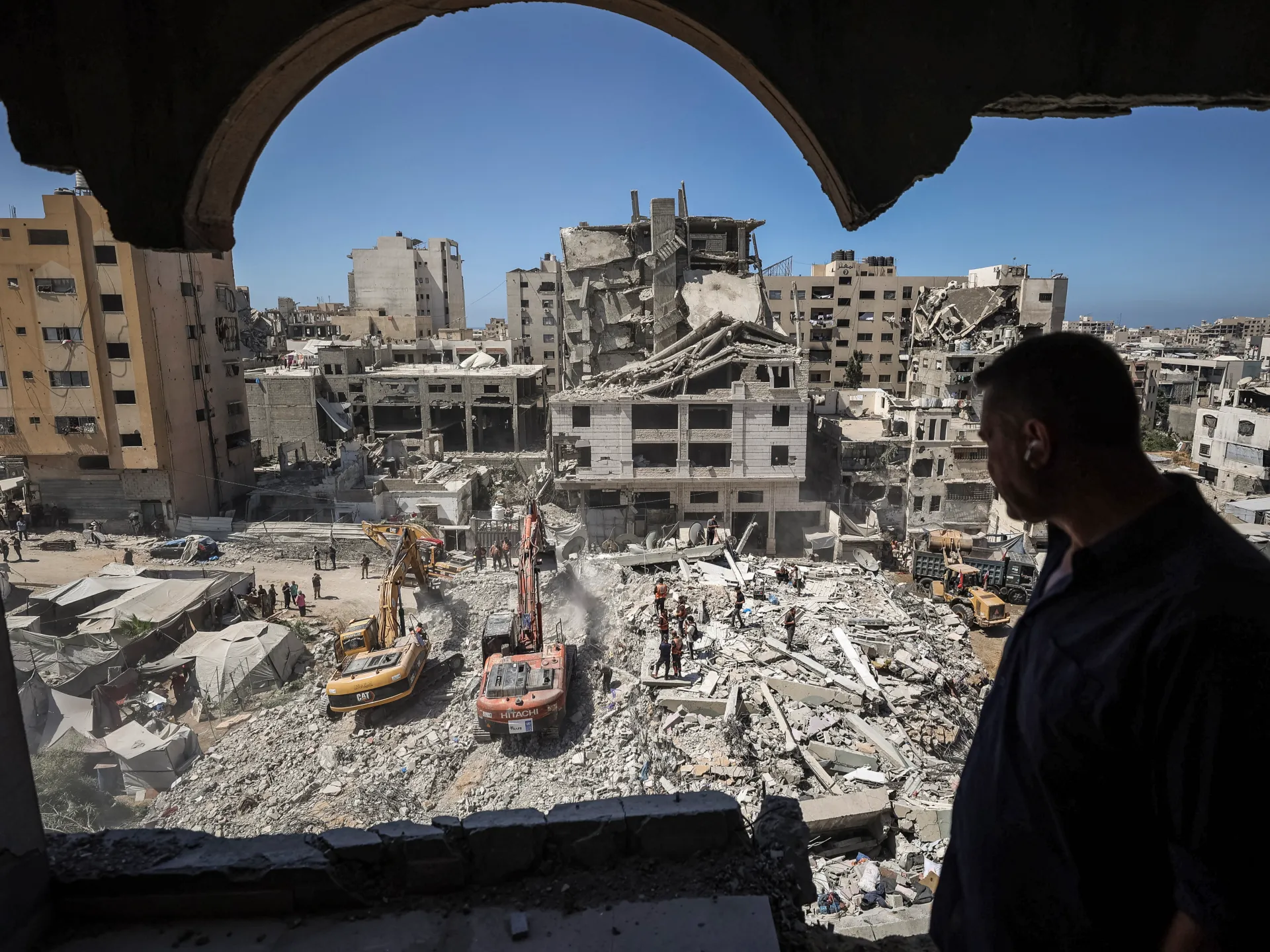
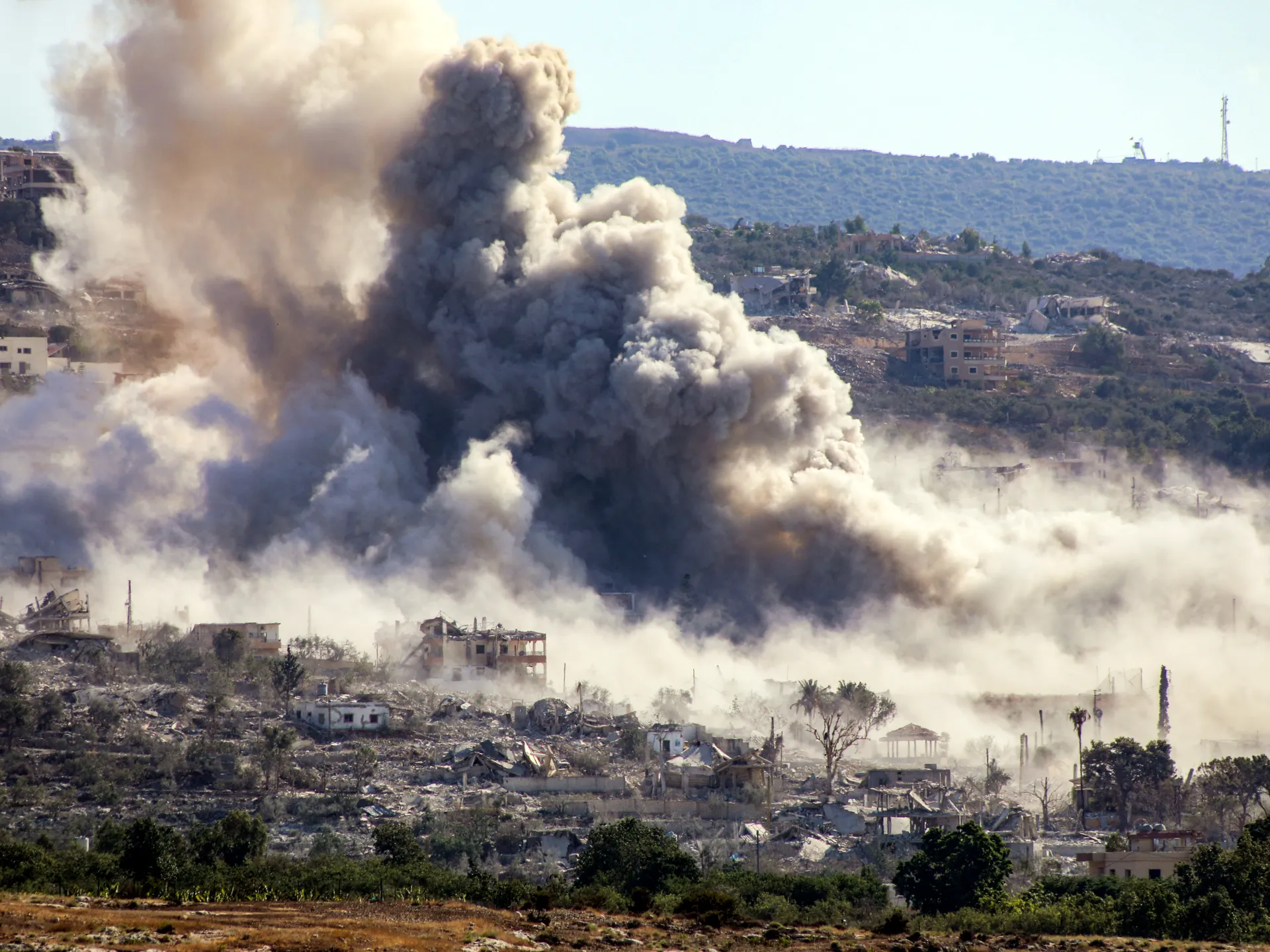
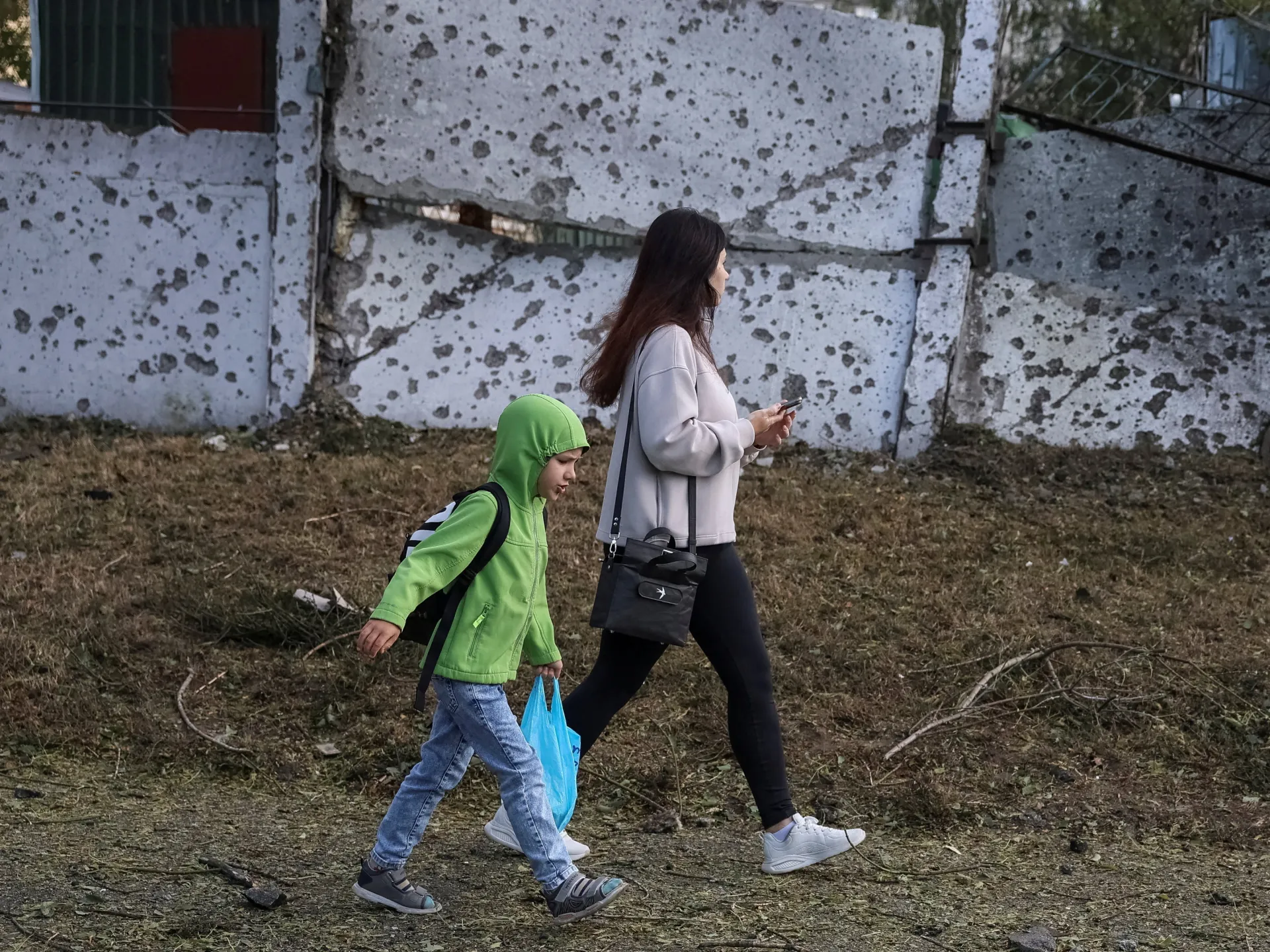
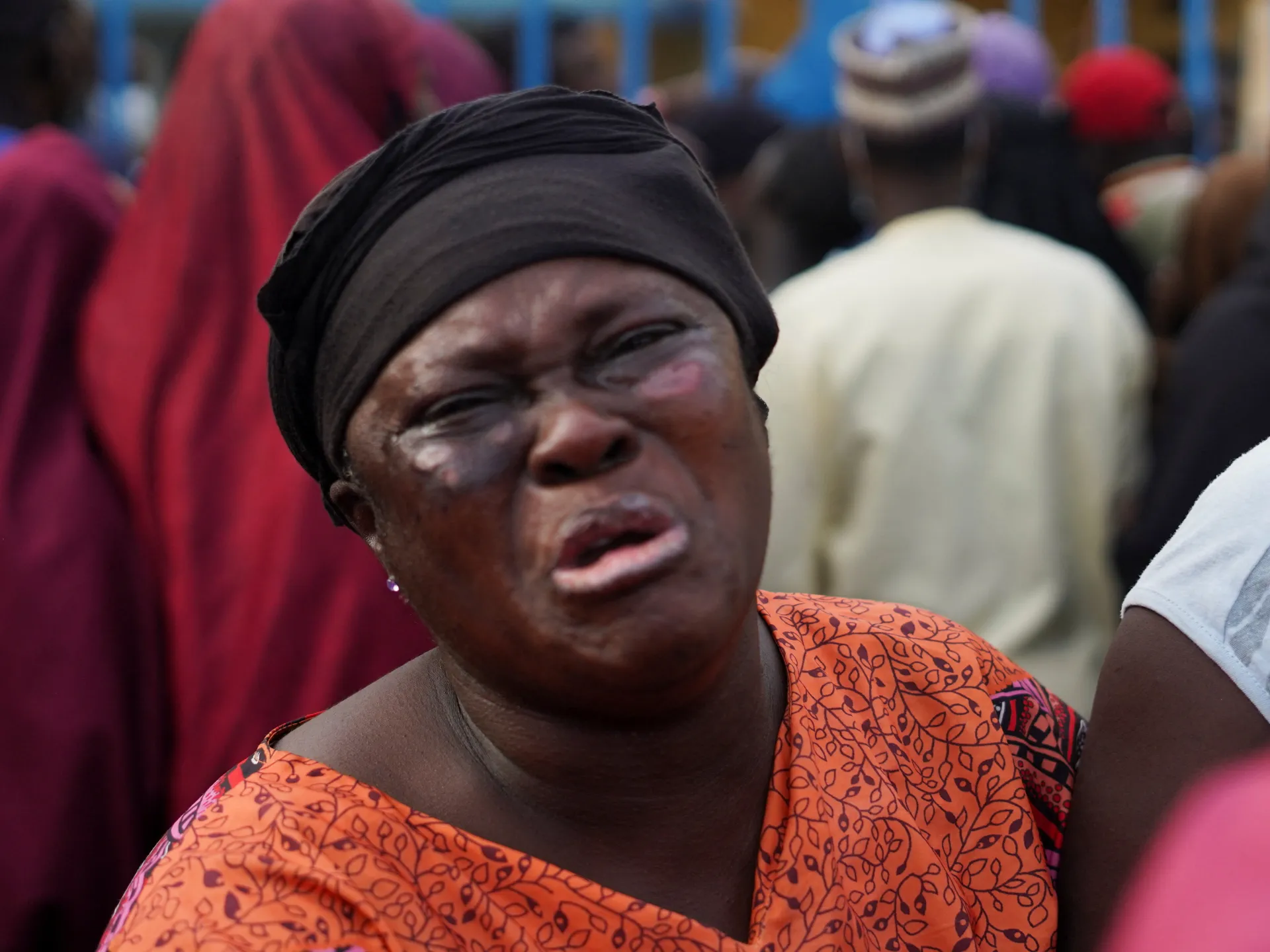
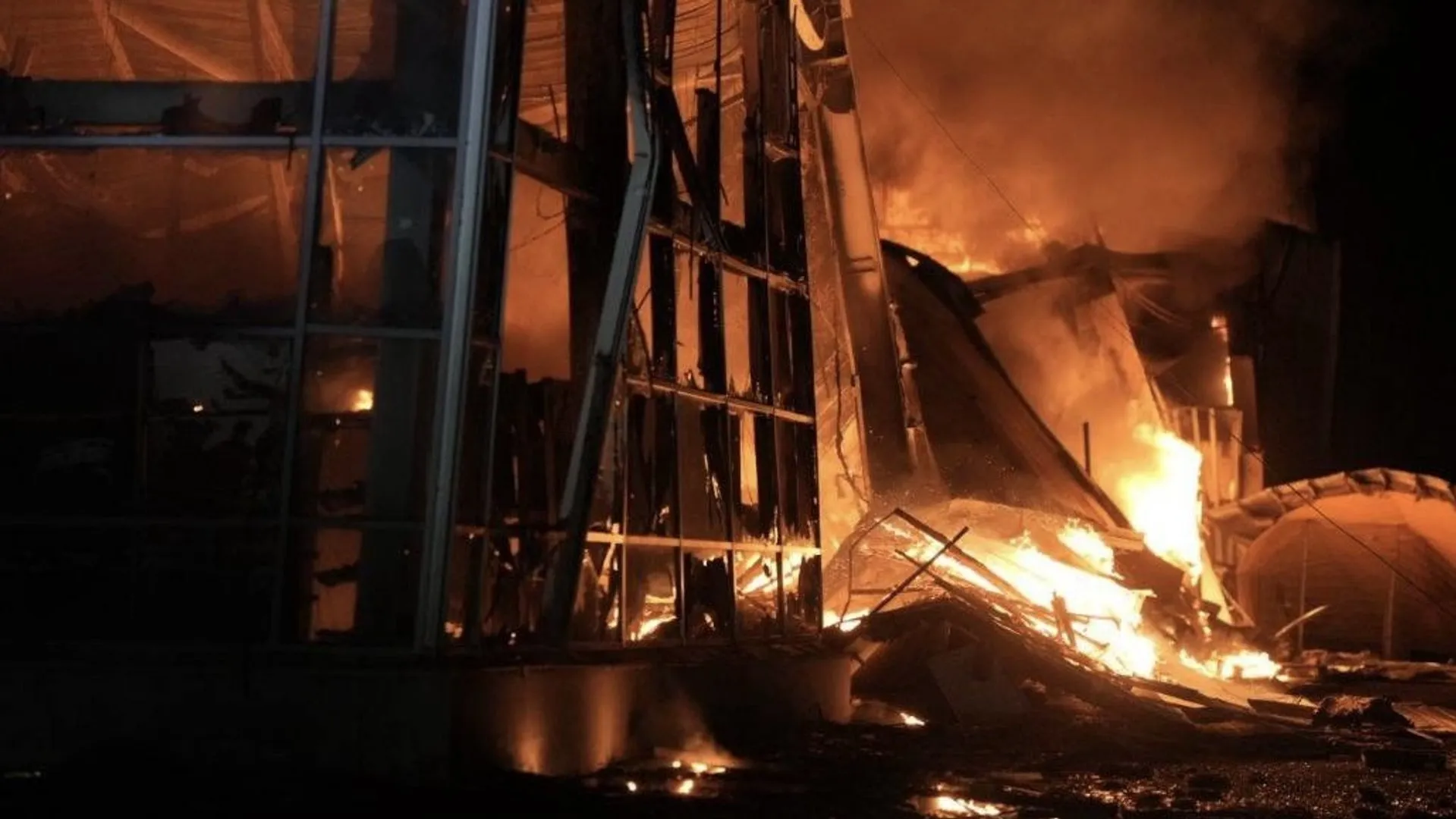
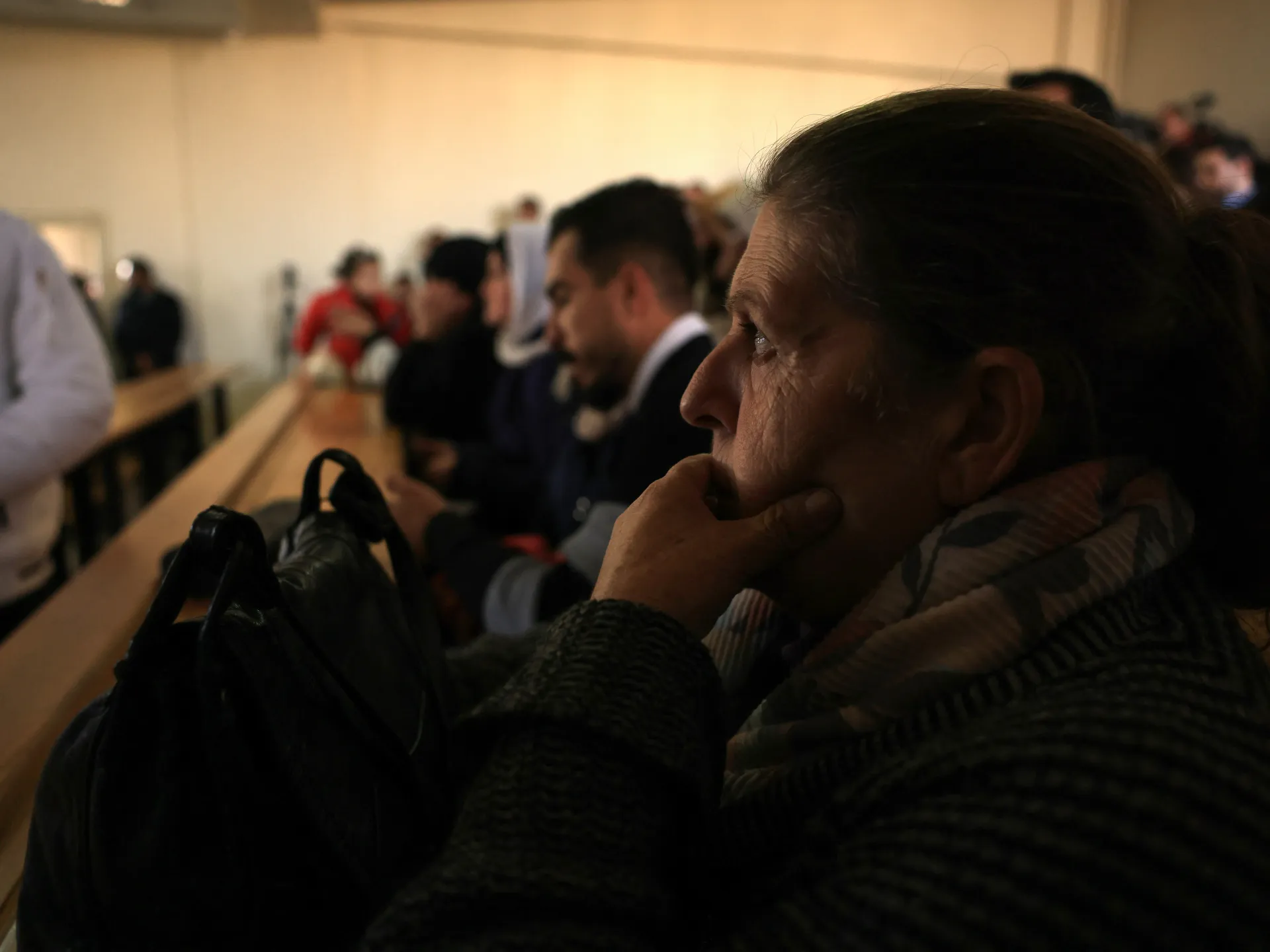
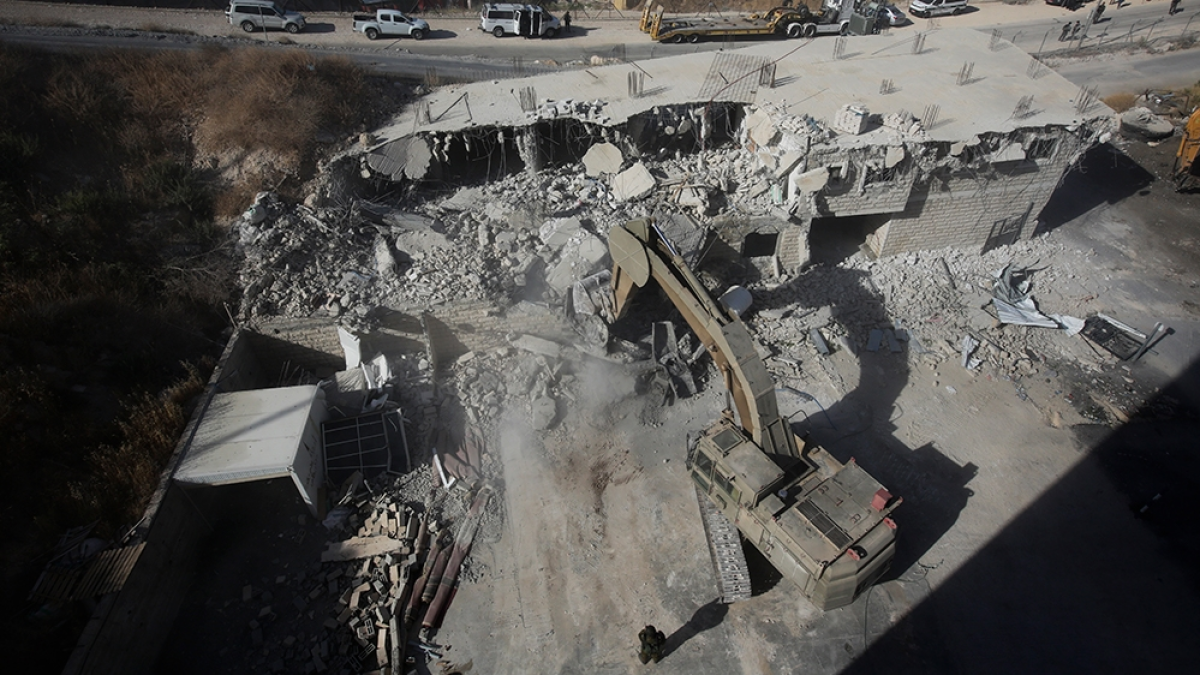
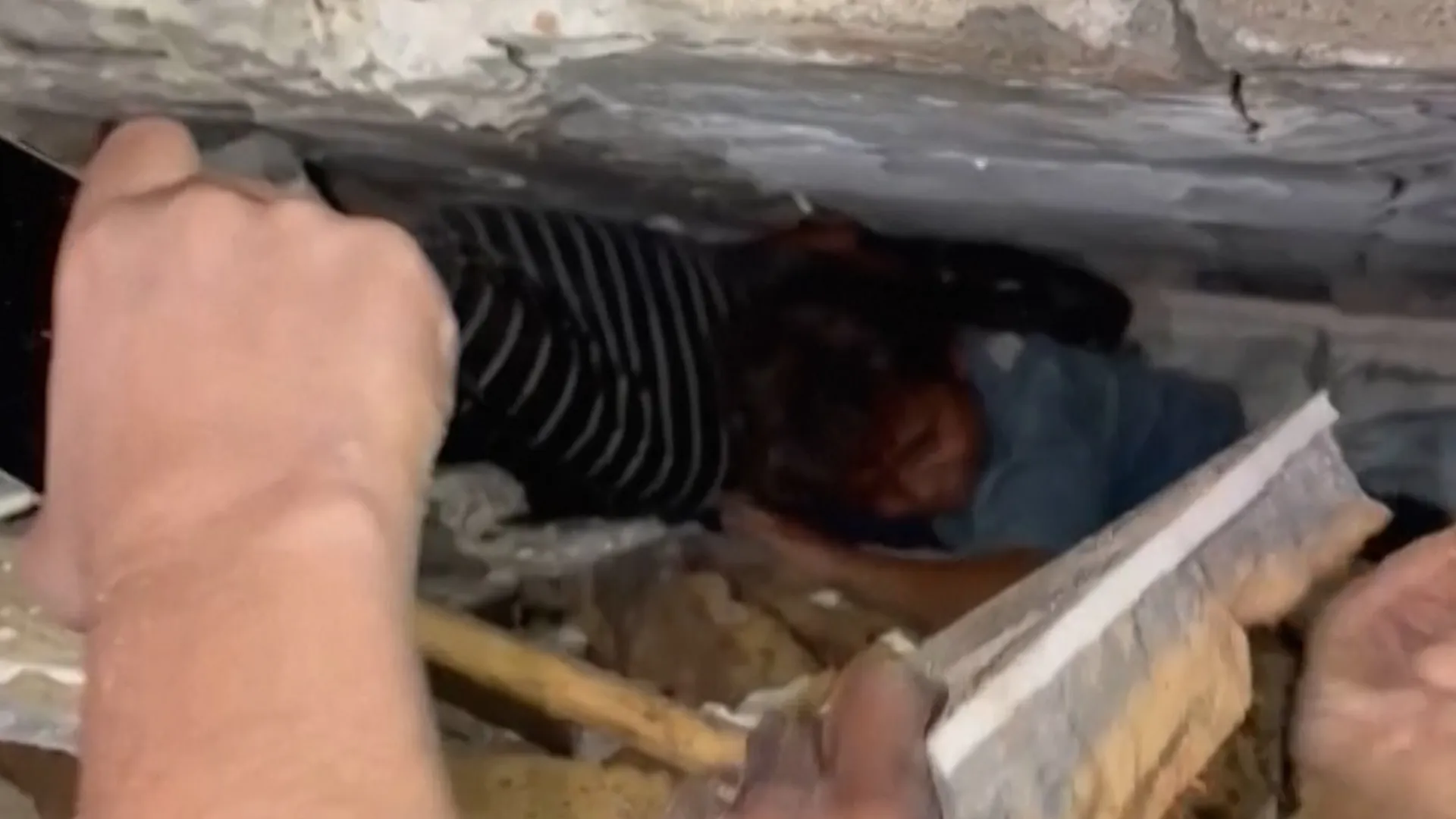
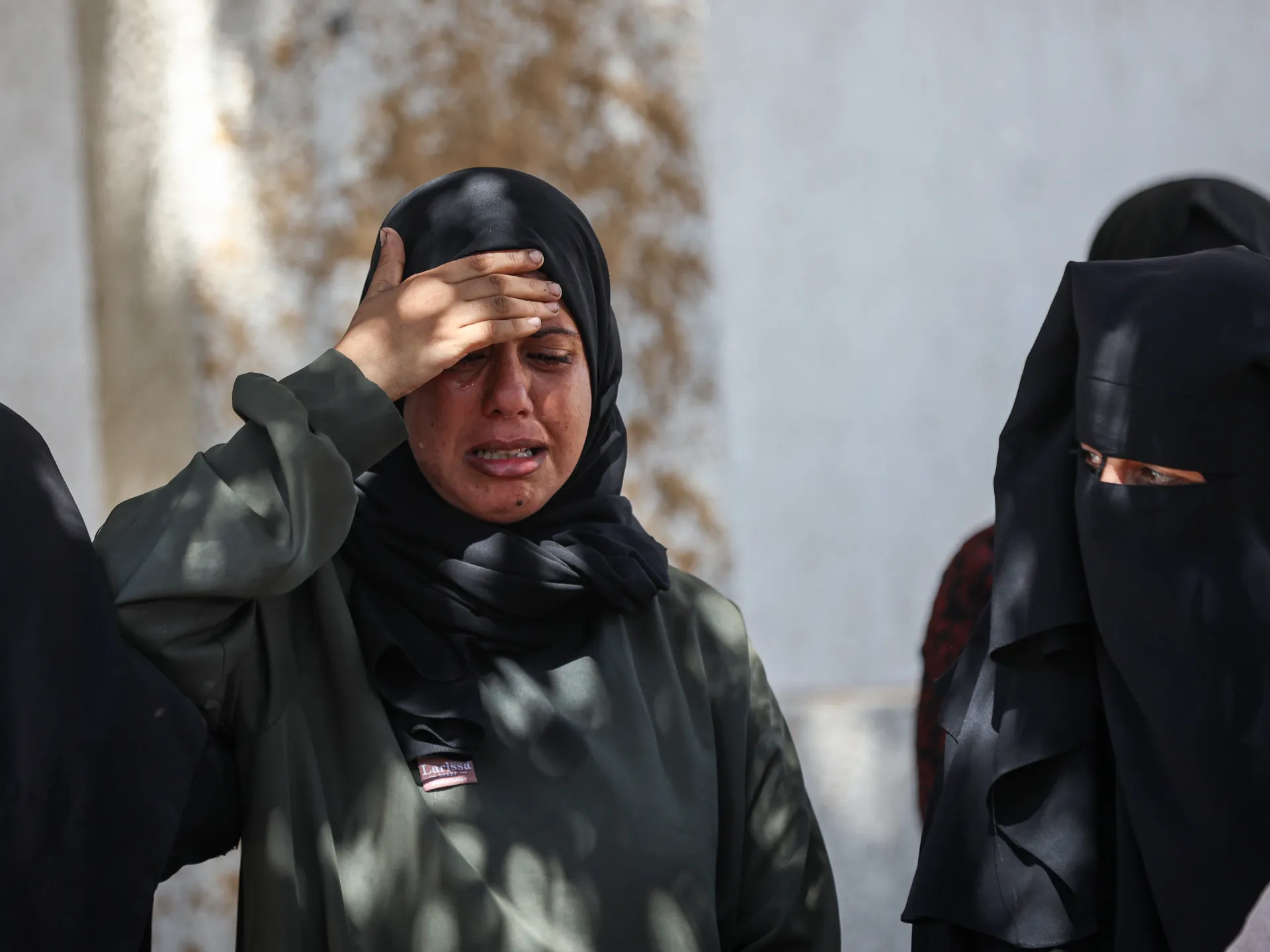
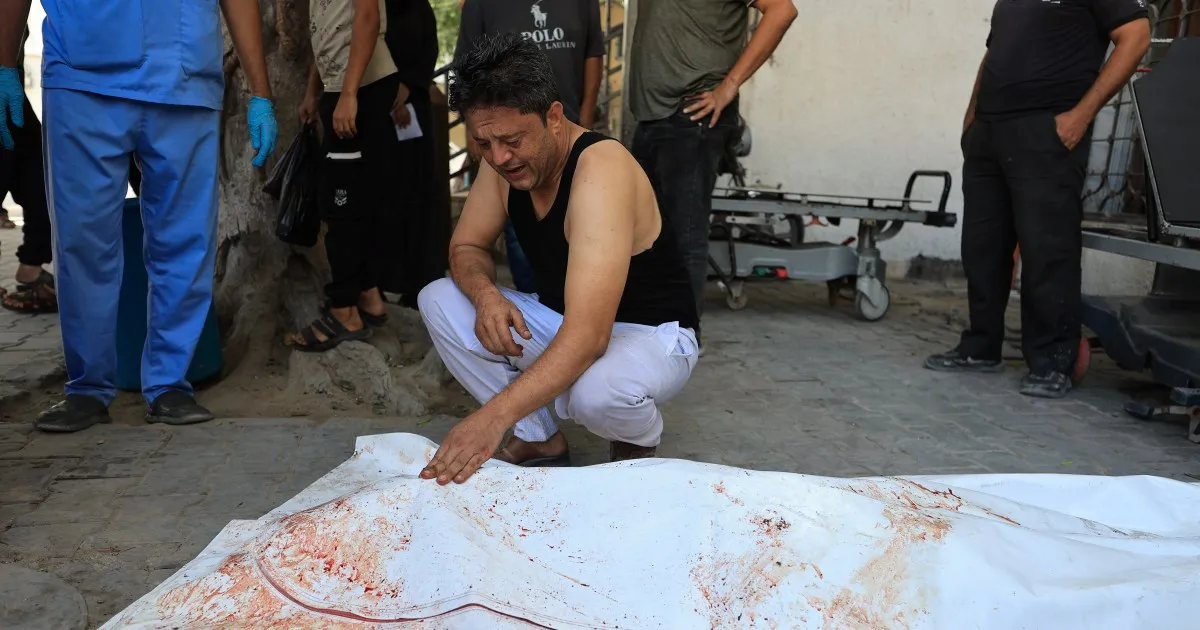
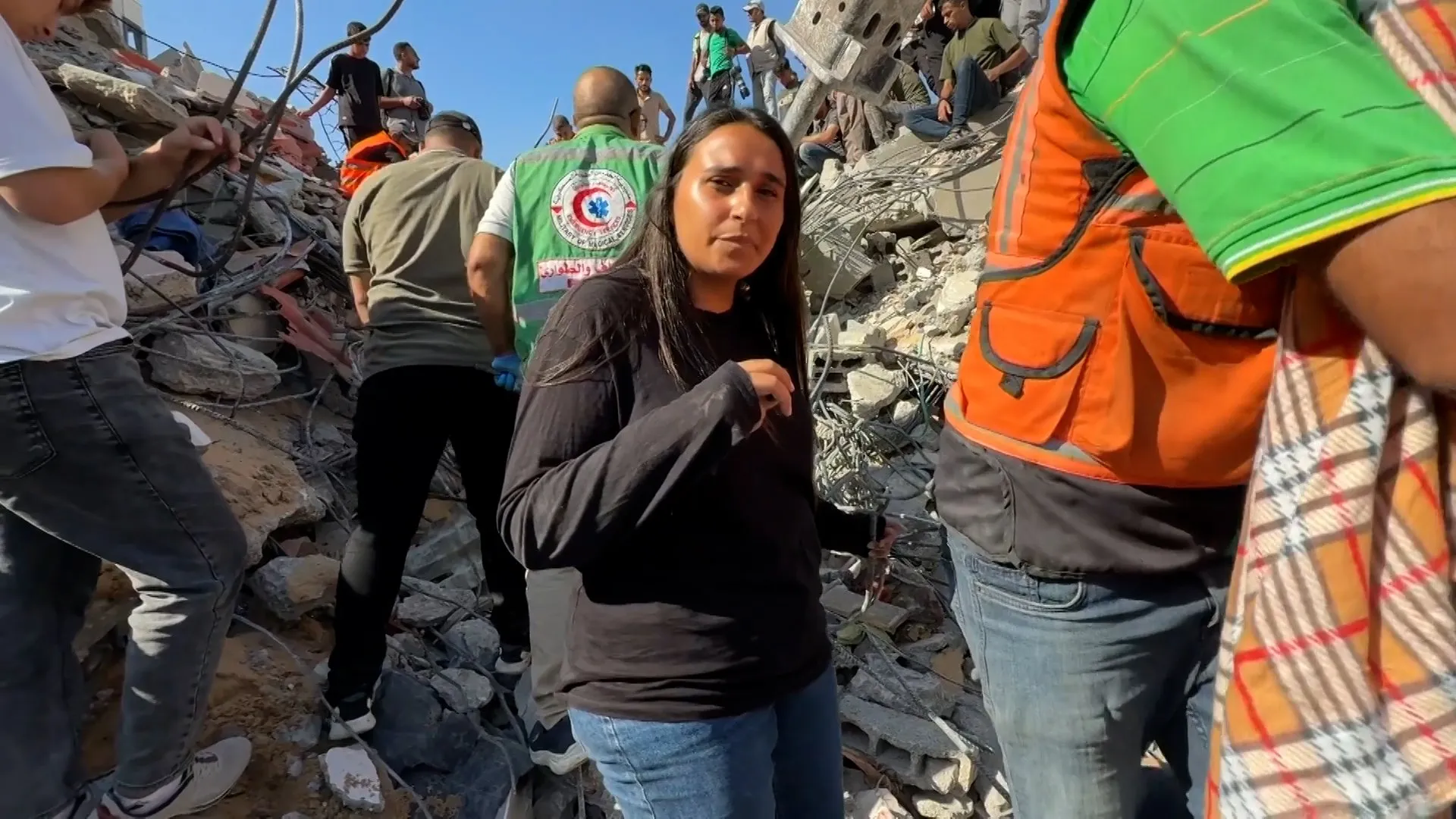
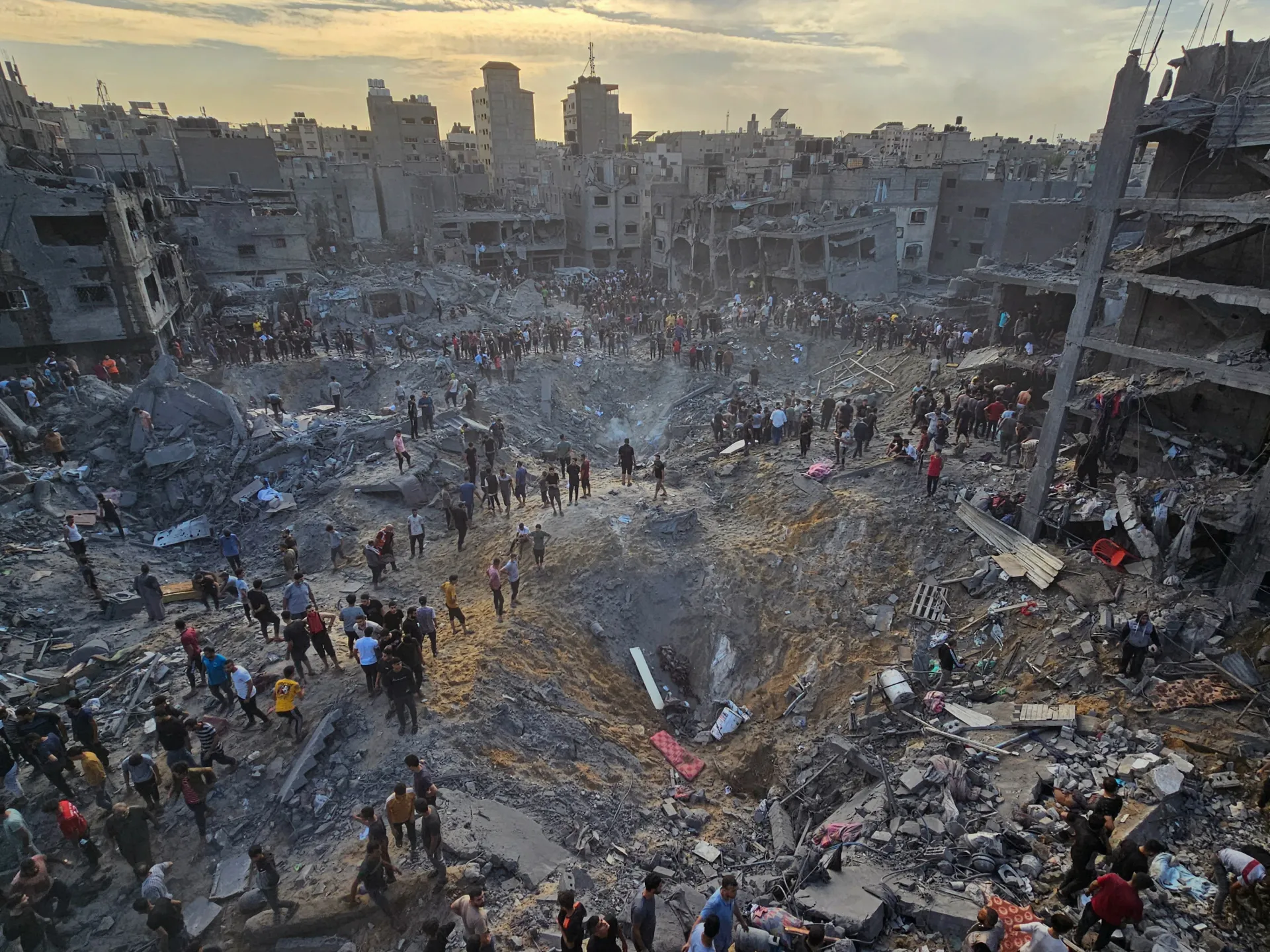
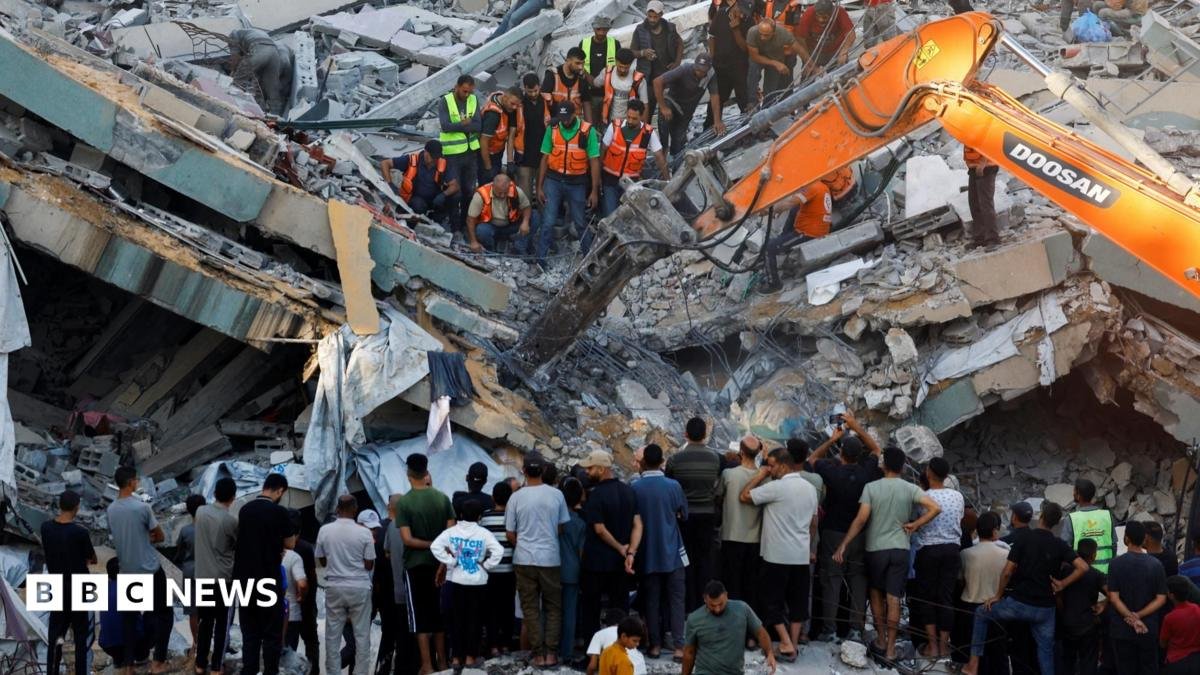
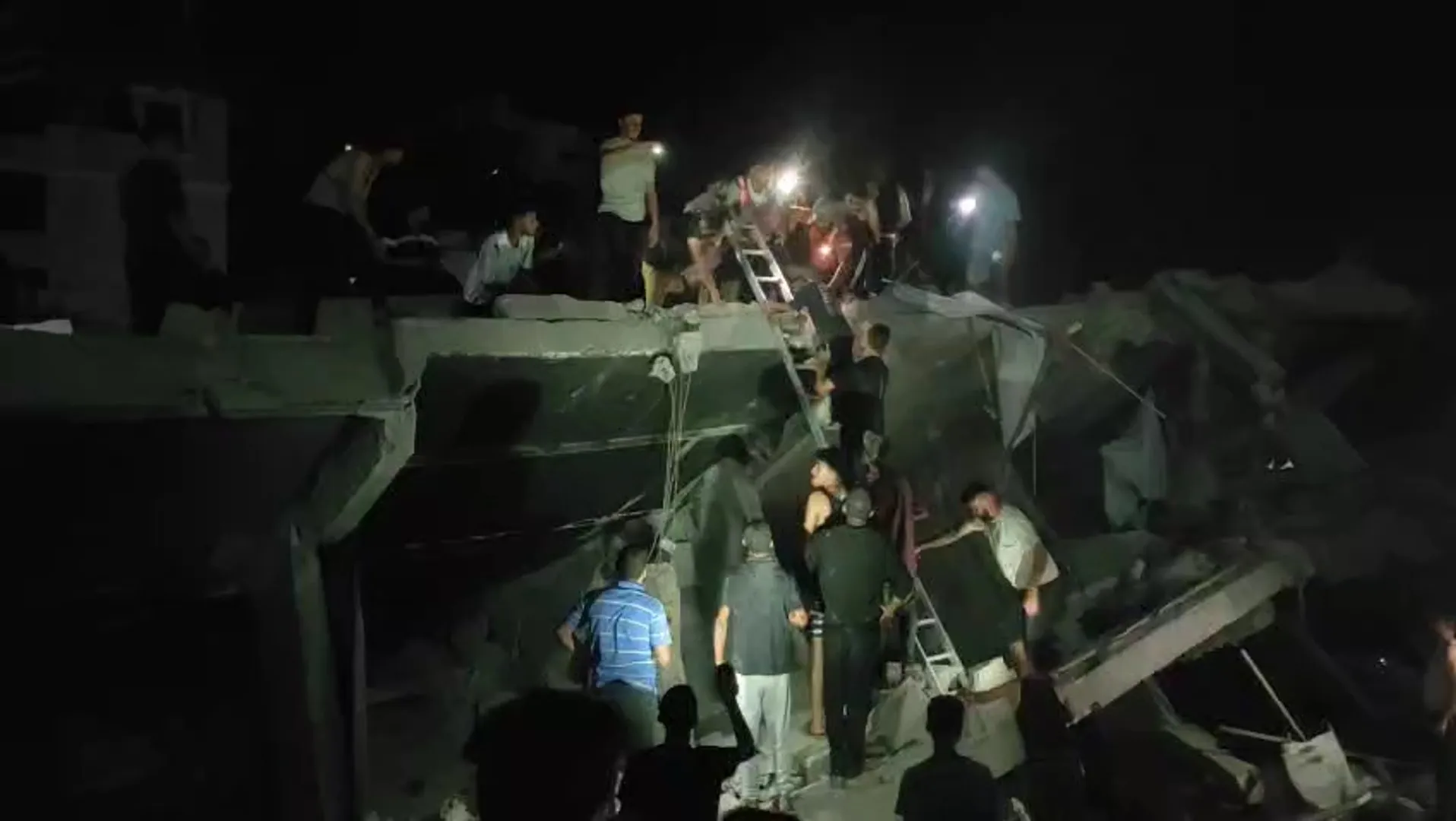
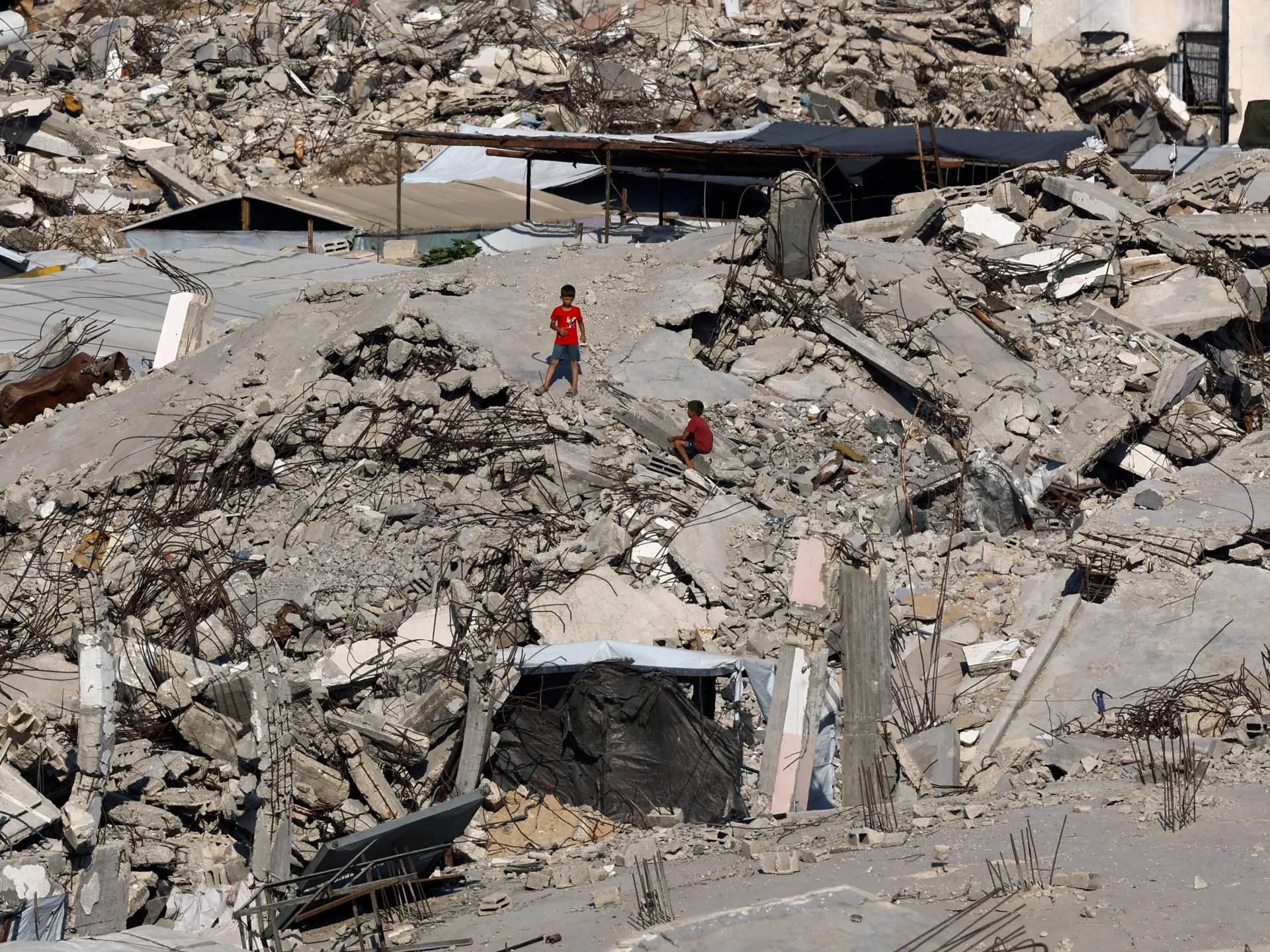
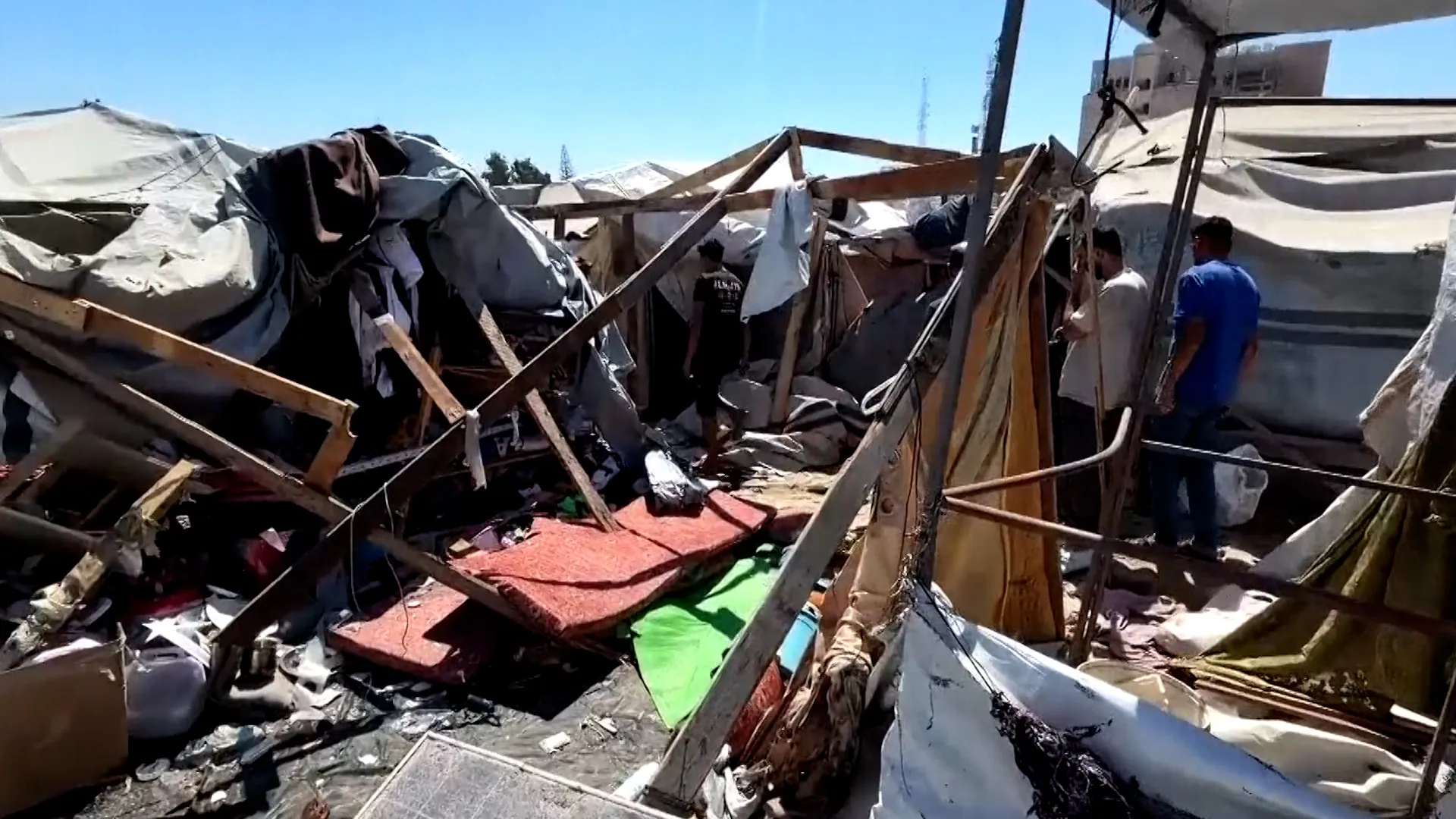
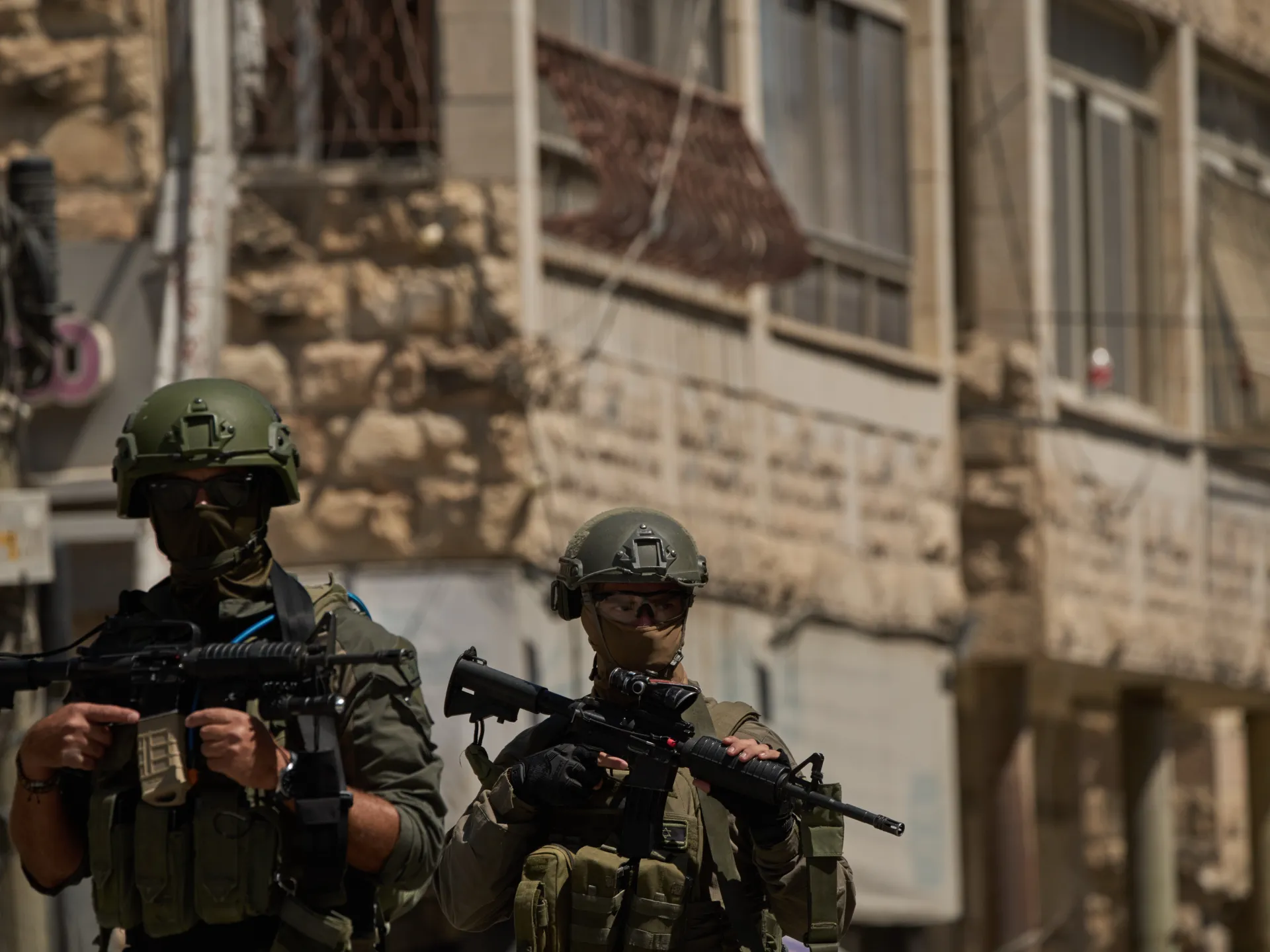
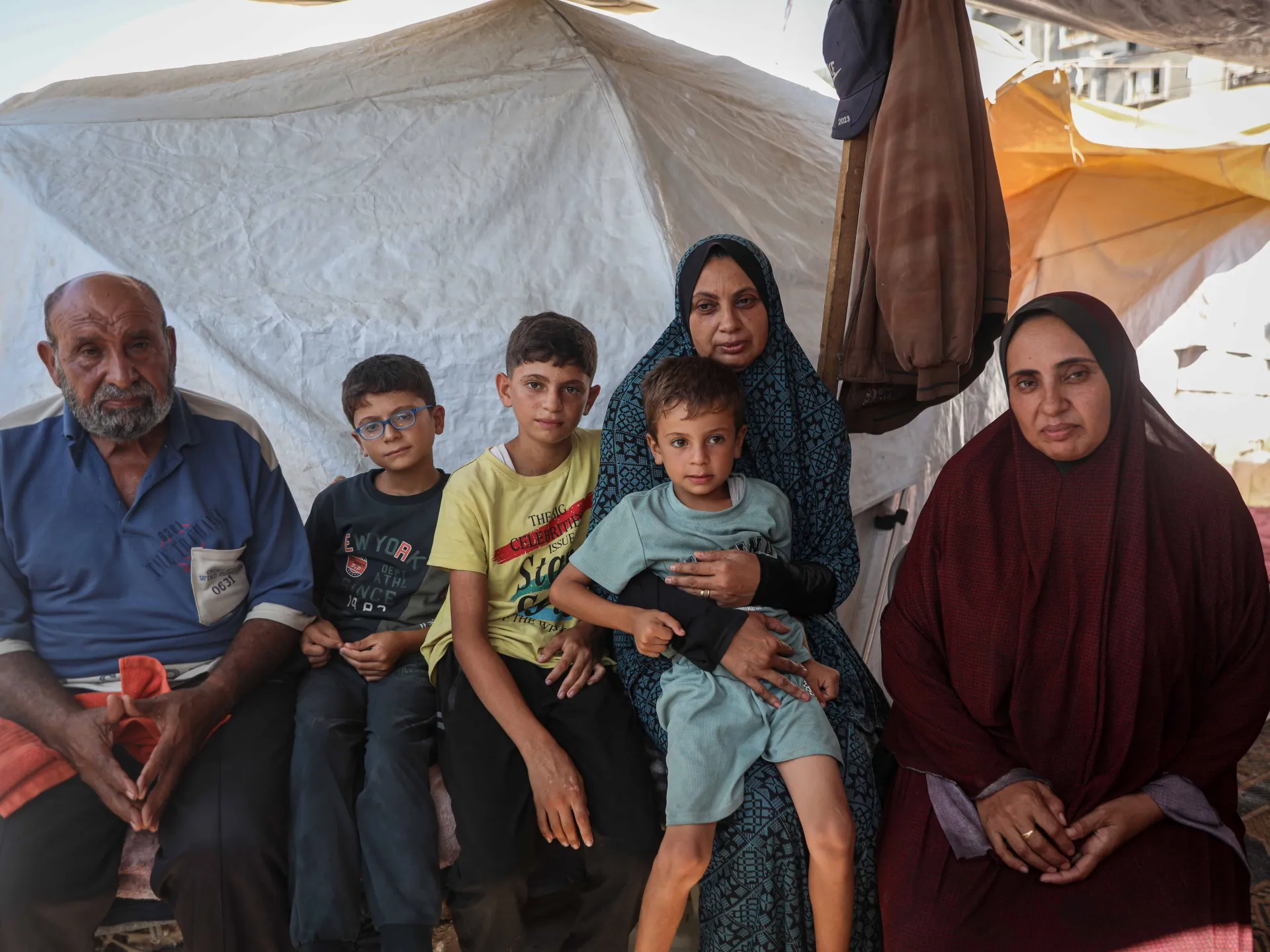
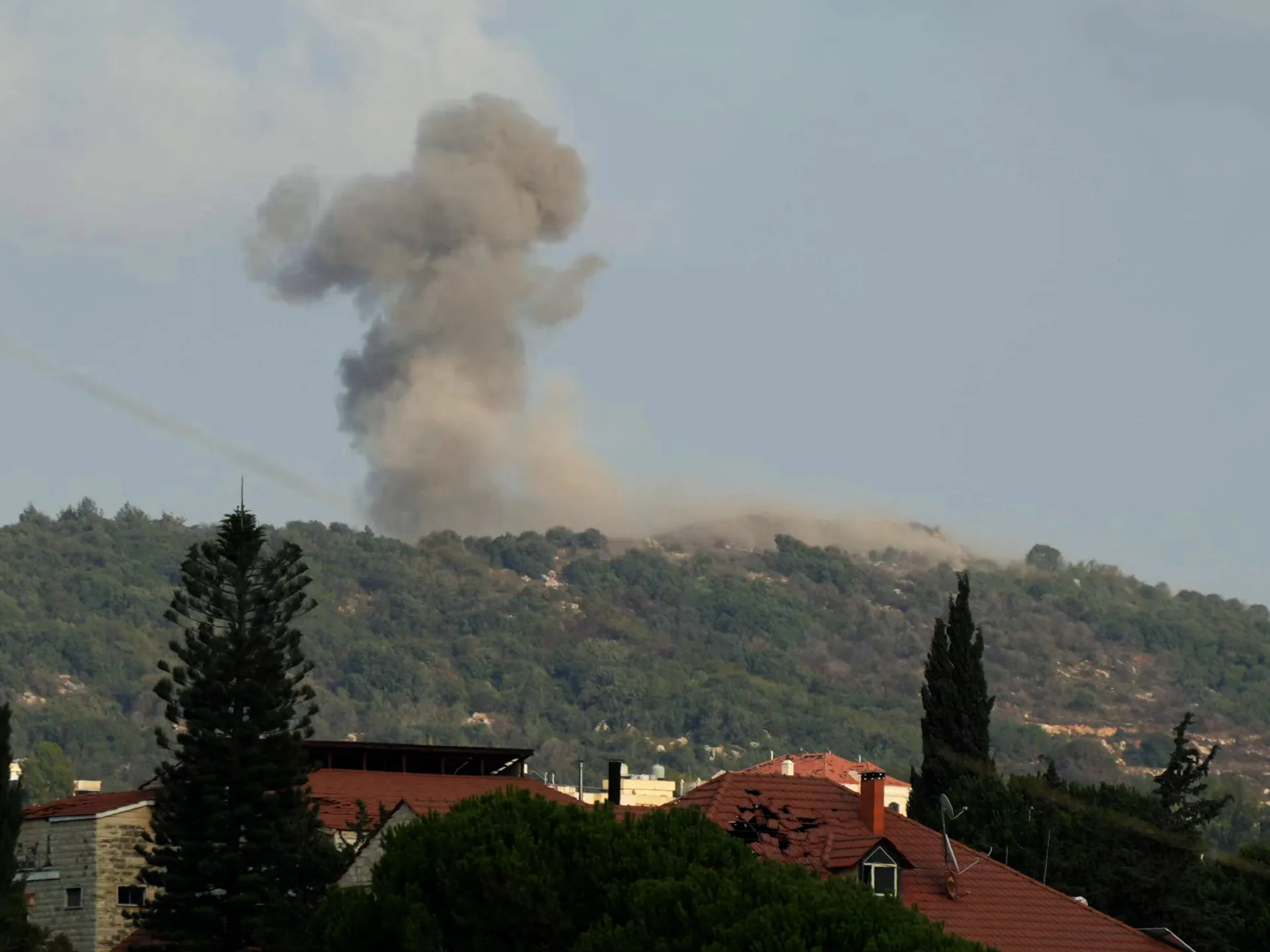
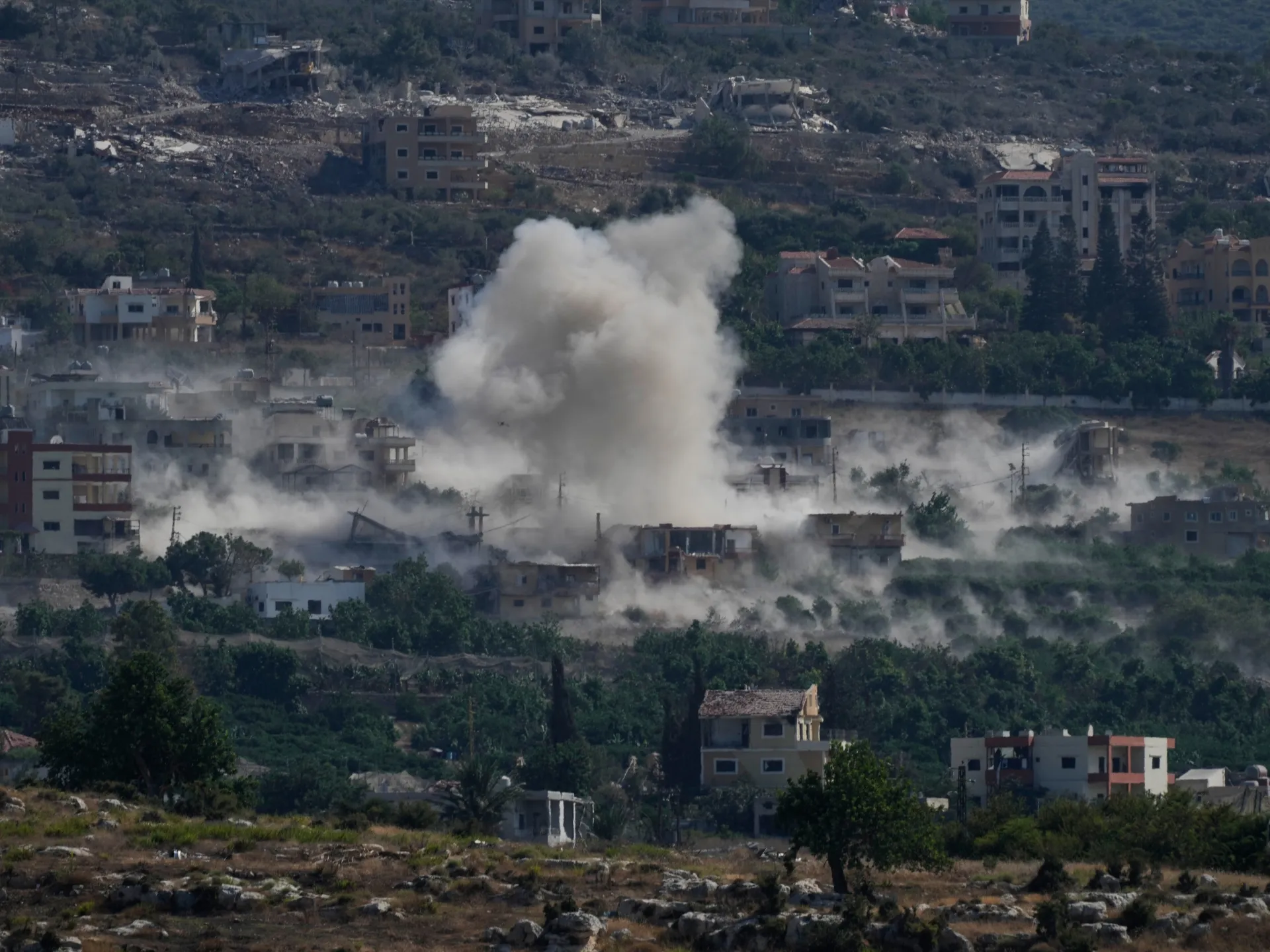
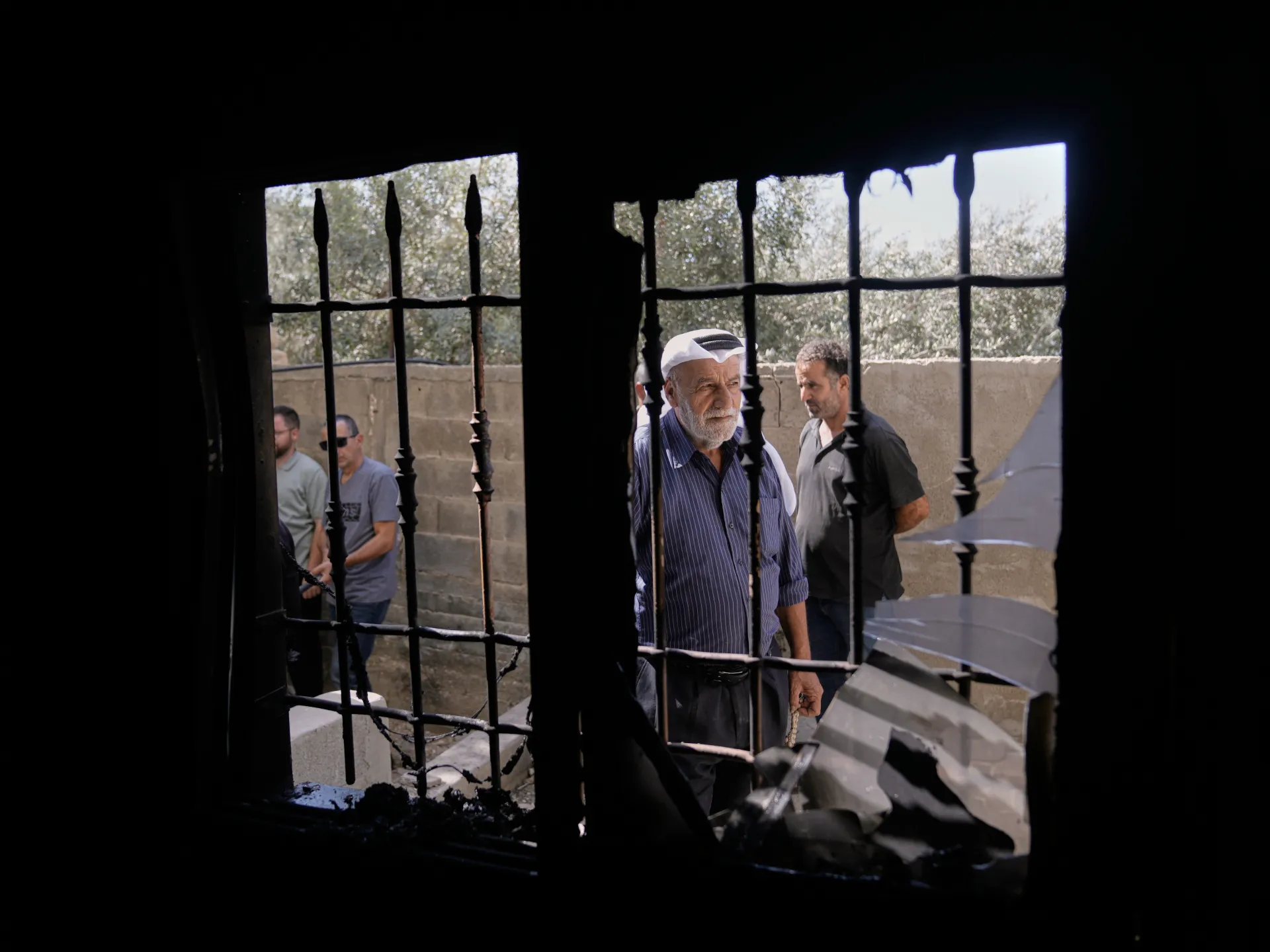
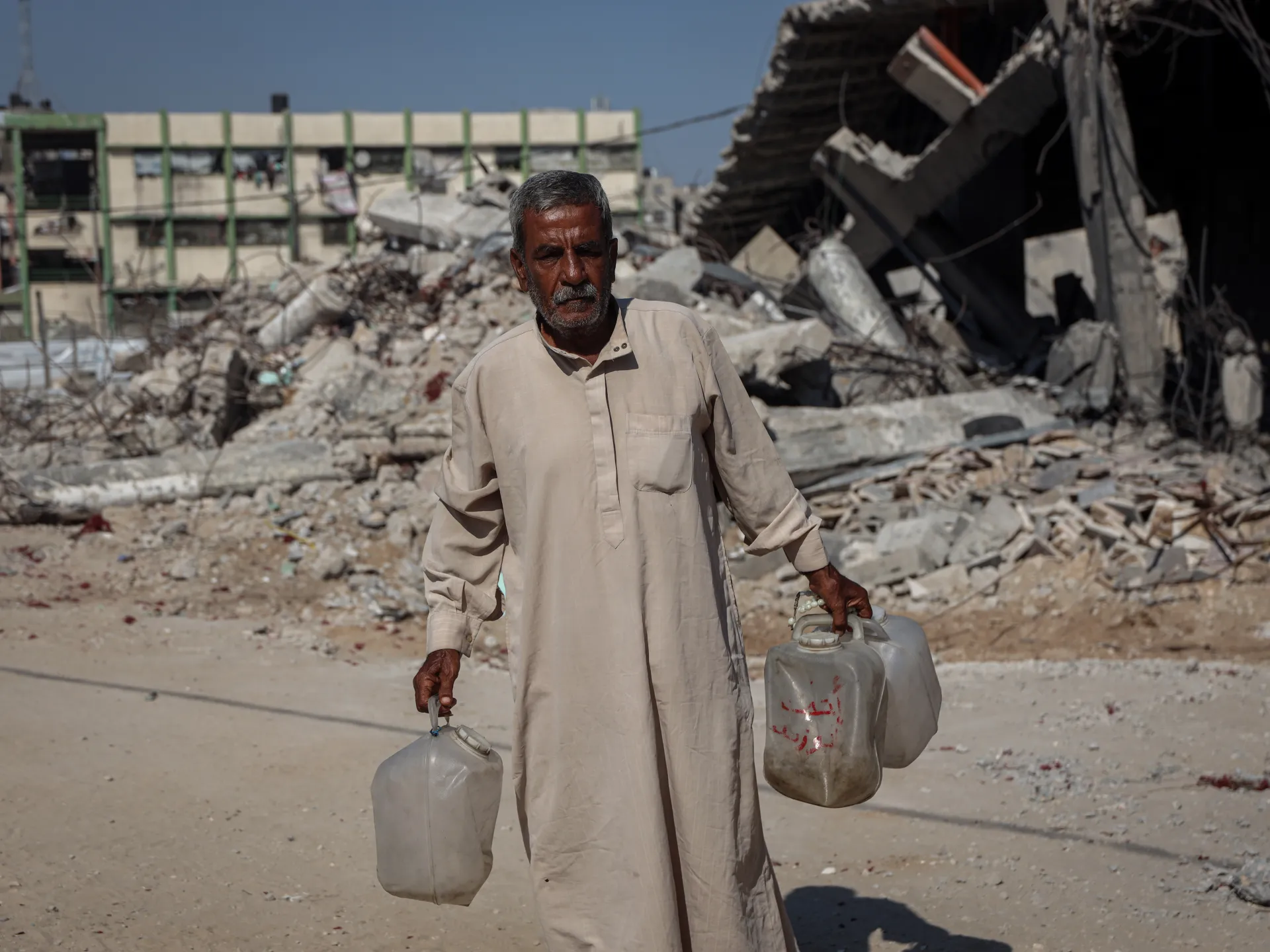
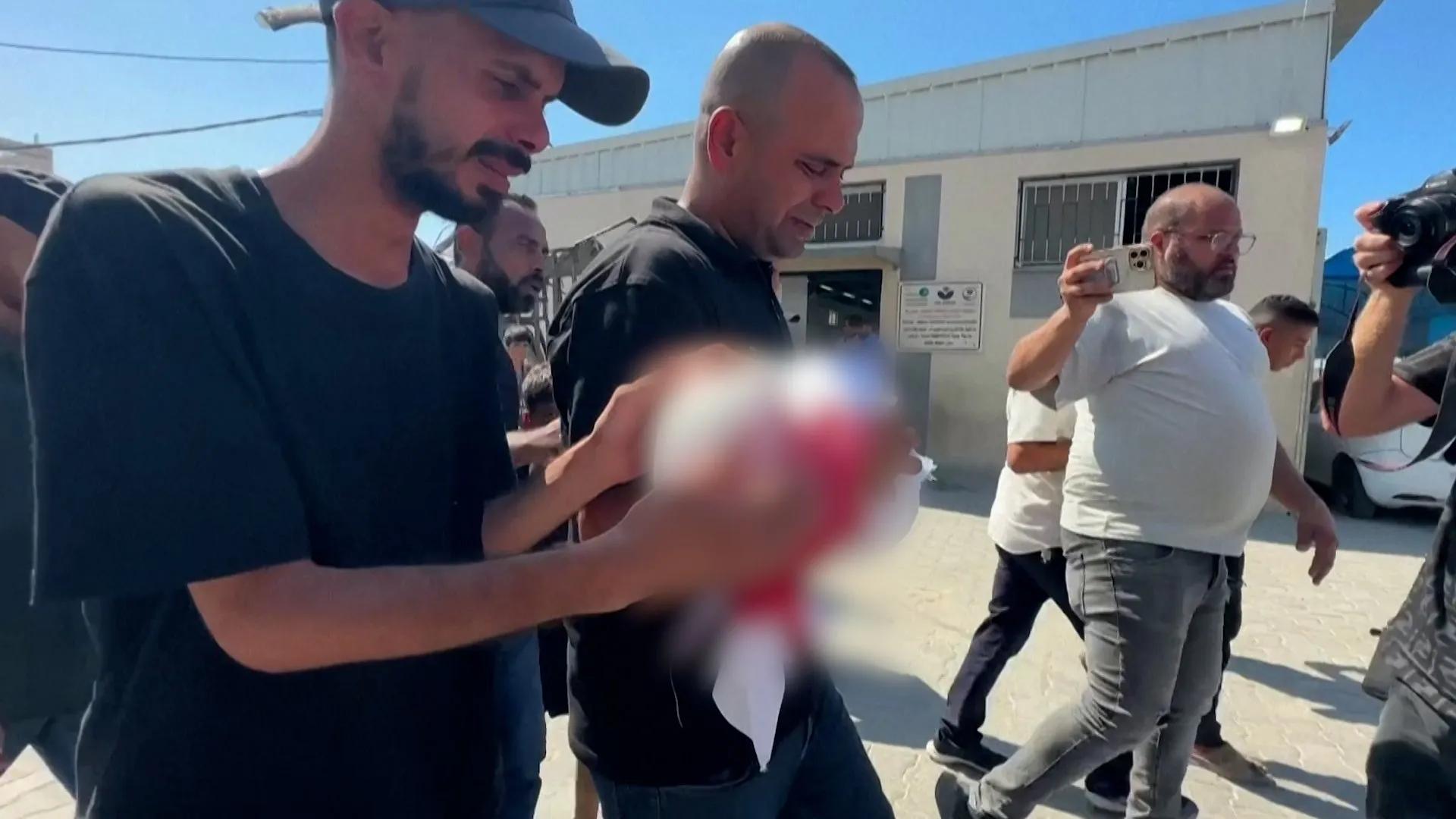
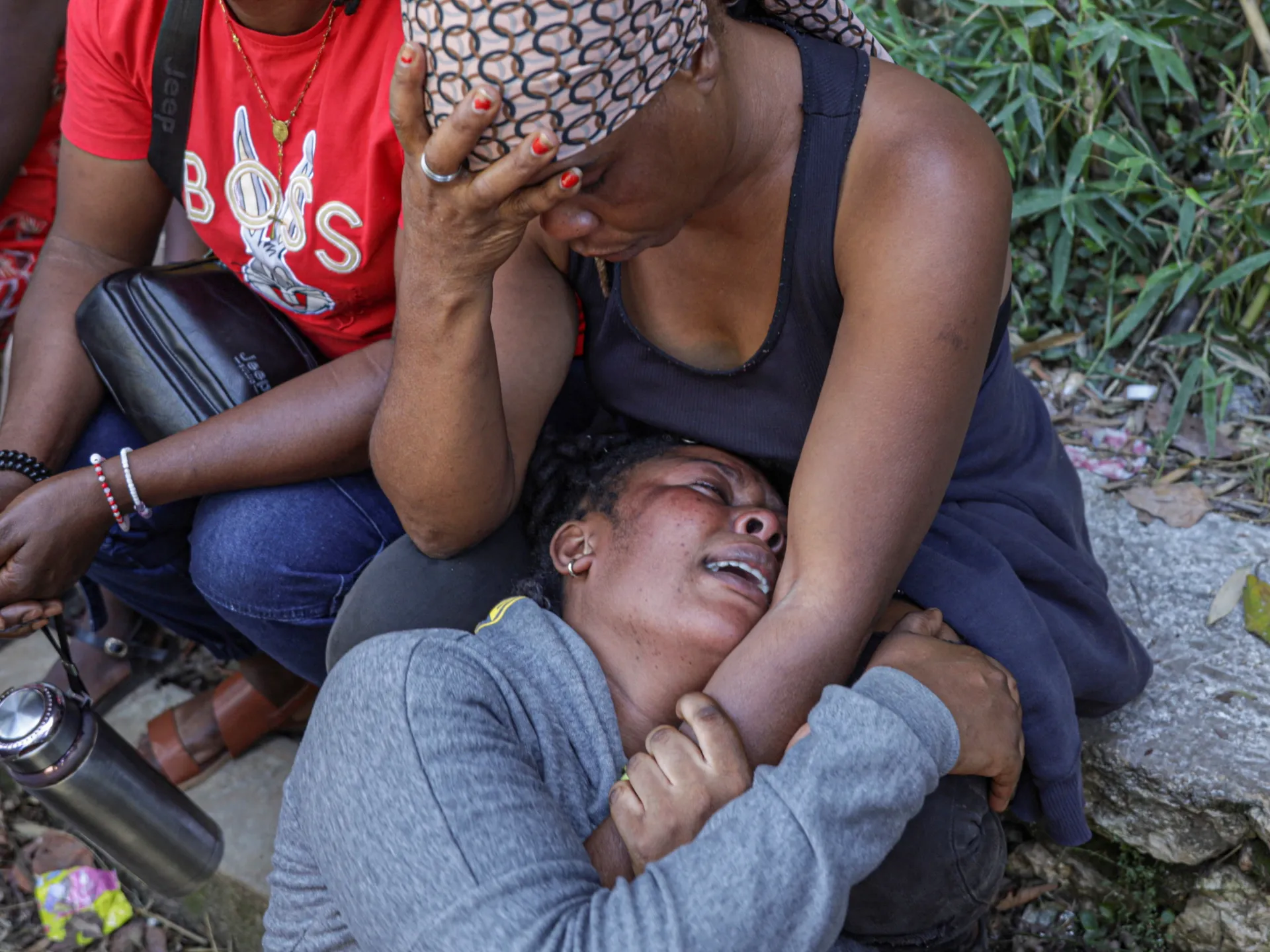
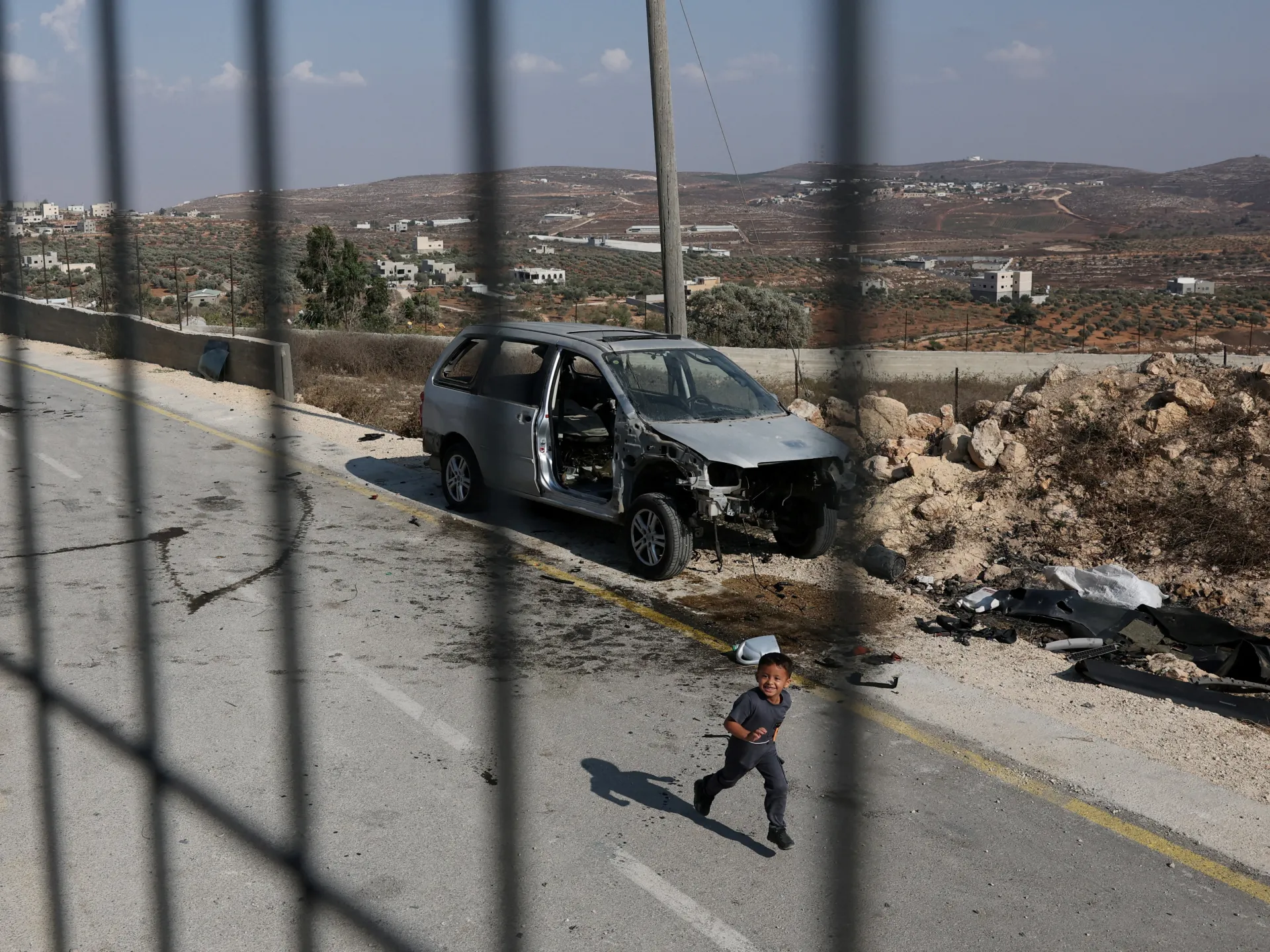
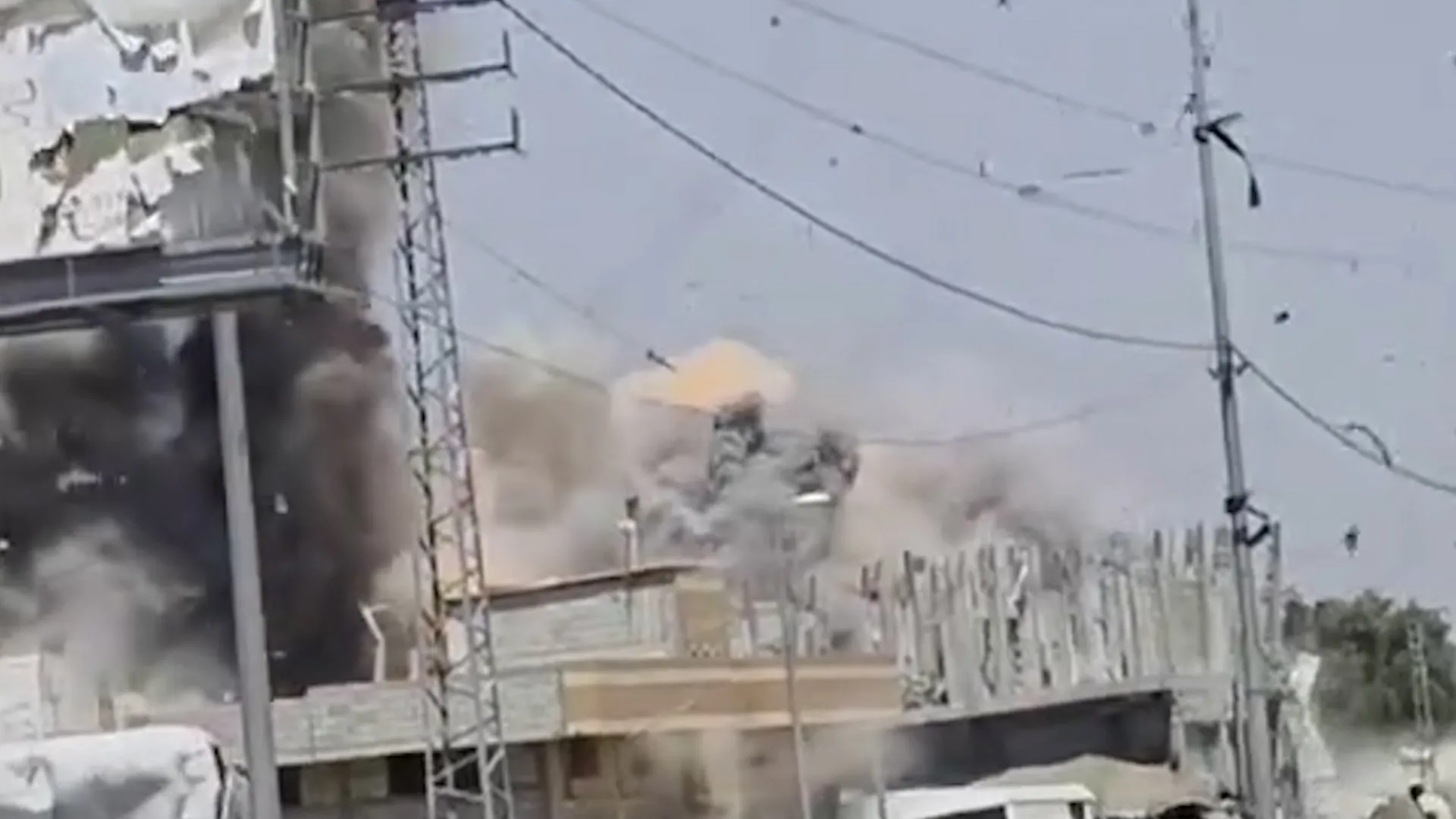
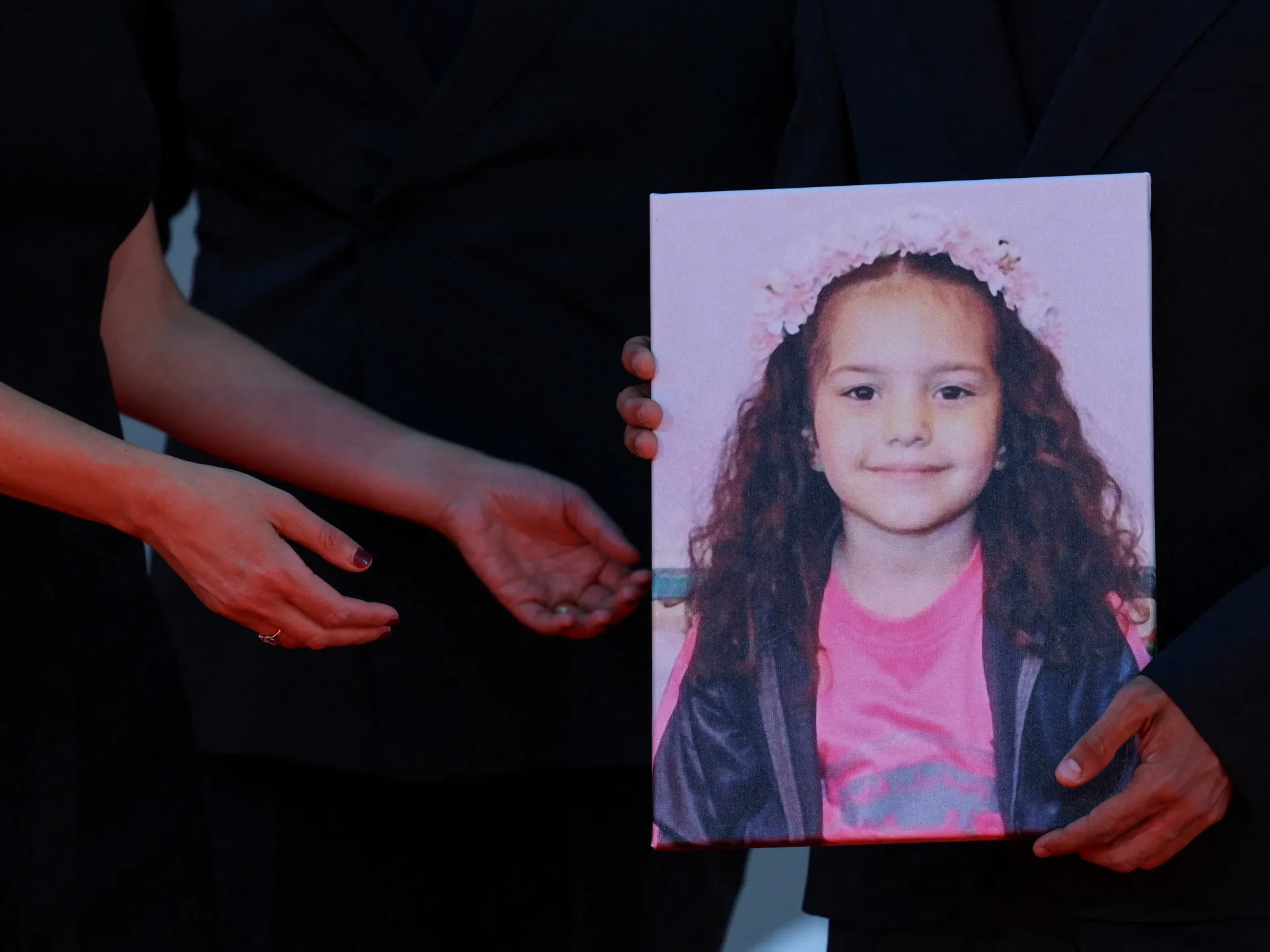
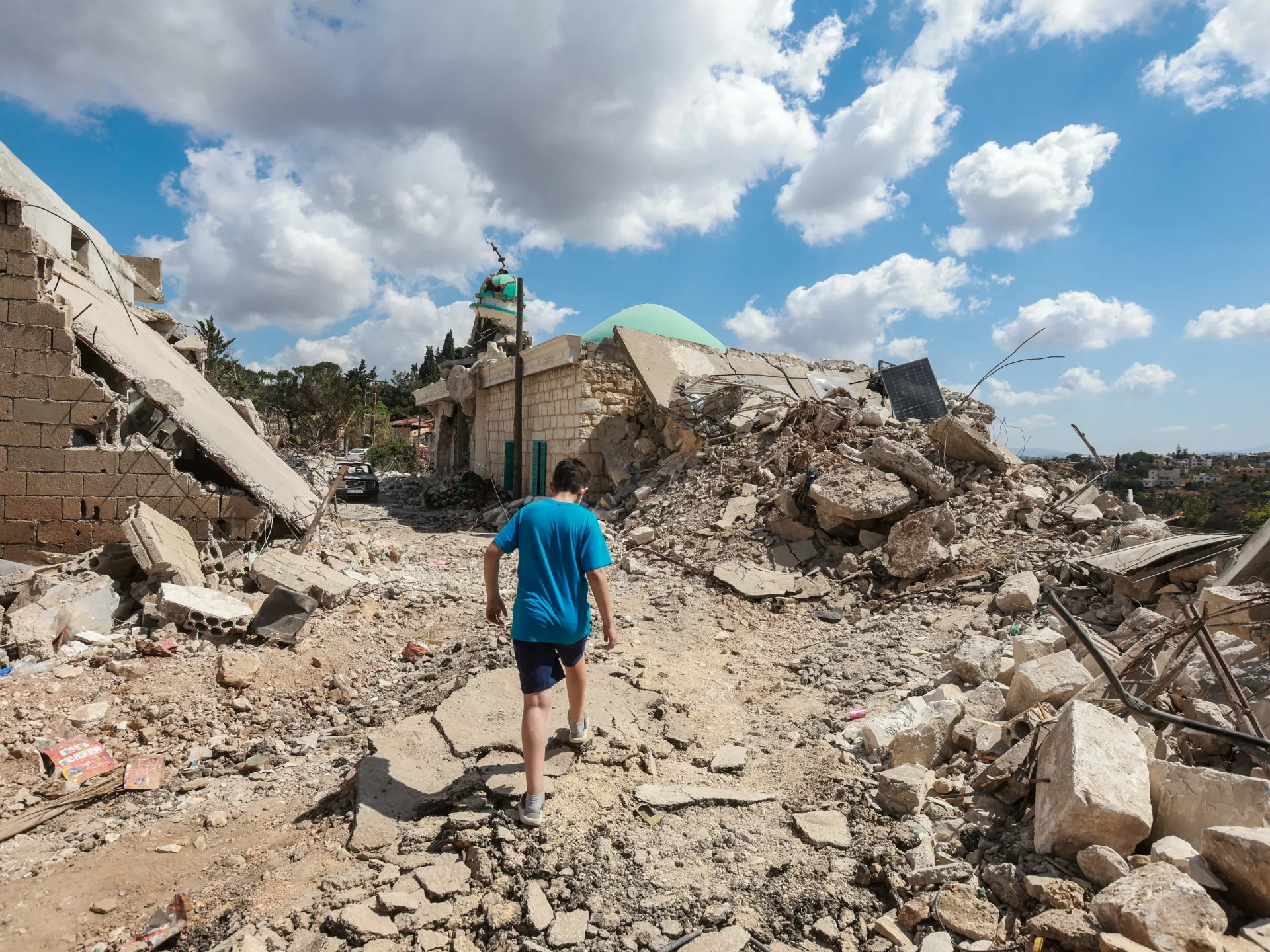
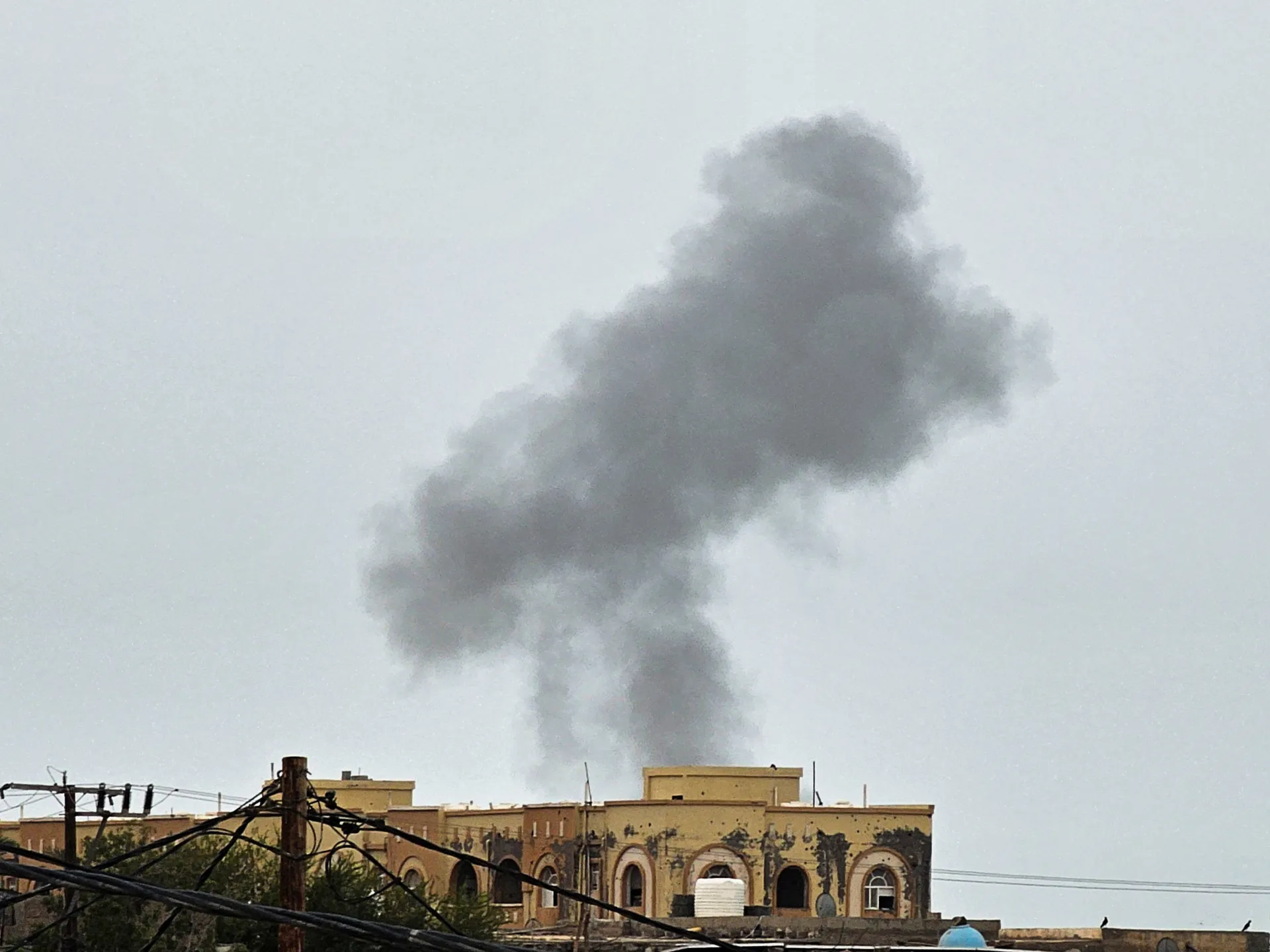
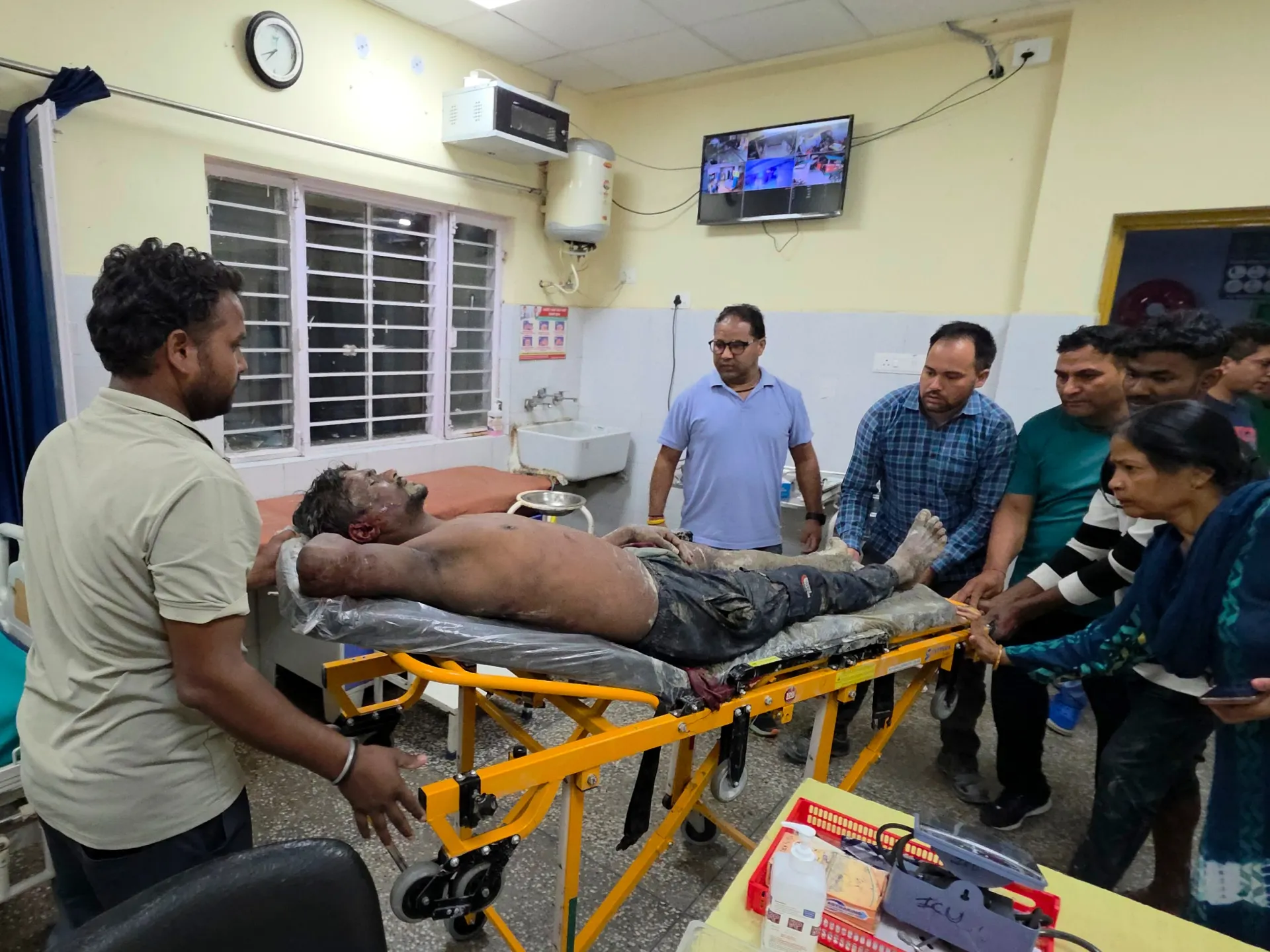
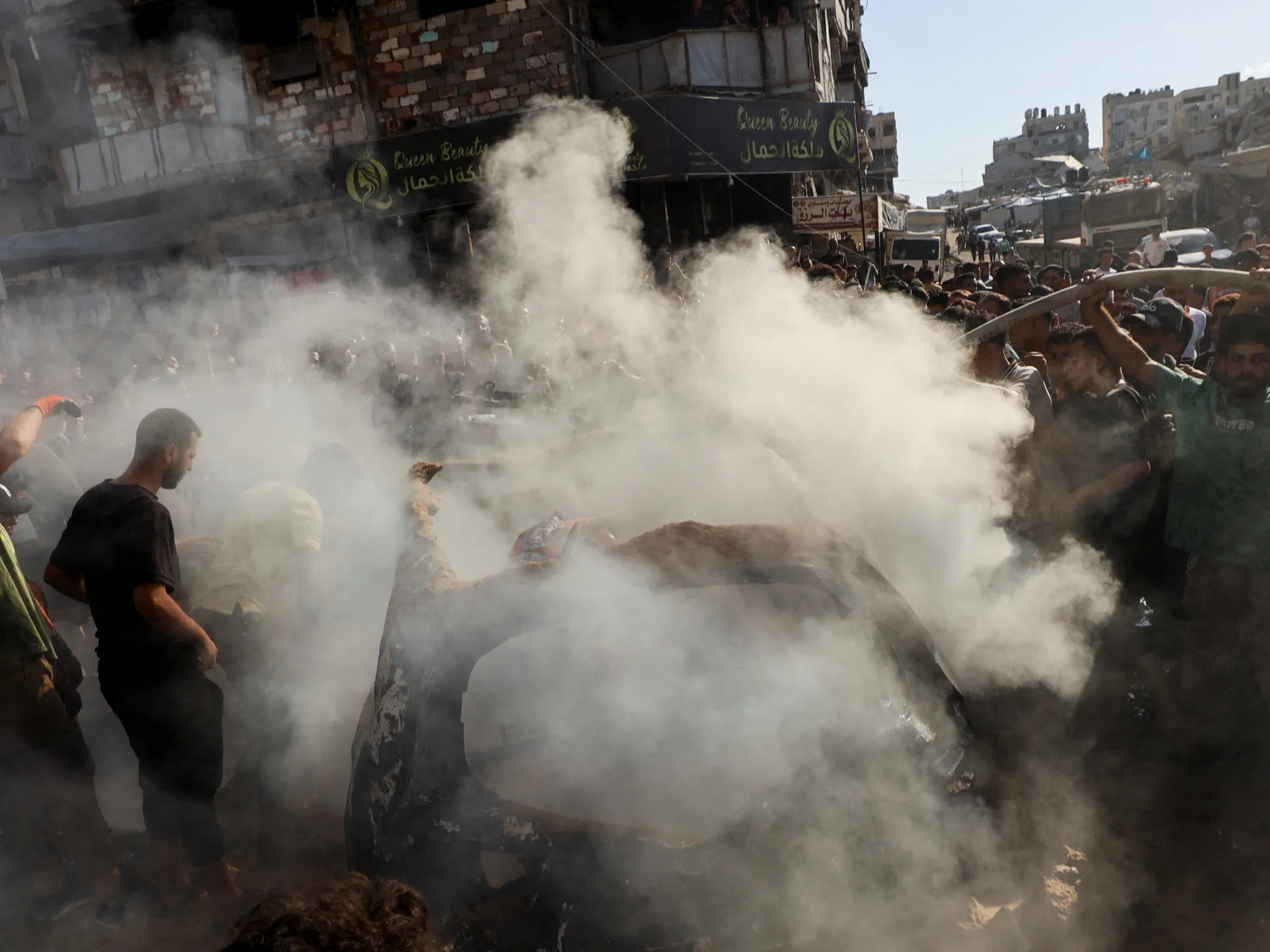
Persistent military operations across the Gaza Strip have resulted in new civilian deaths, complicating the already fragile landscape following international pressure for a reduction in hostilities. Reports from medical facilities, including the Nasser Medical Complex, confirm that multiple individuals have succumbed to gunfire and artillery strikes, with several children among the victims reported over the past 24 hours.
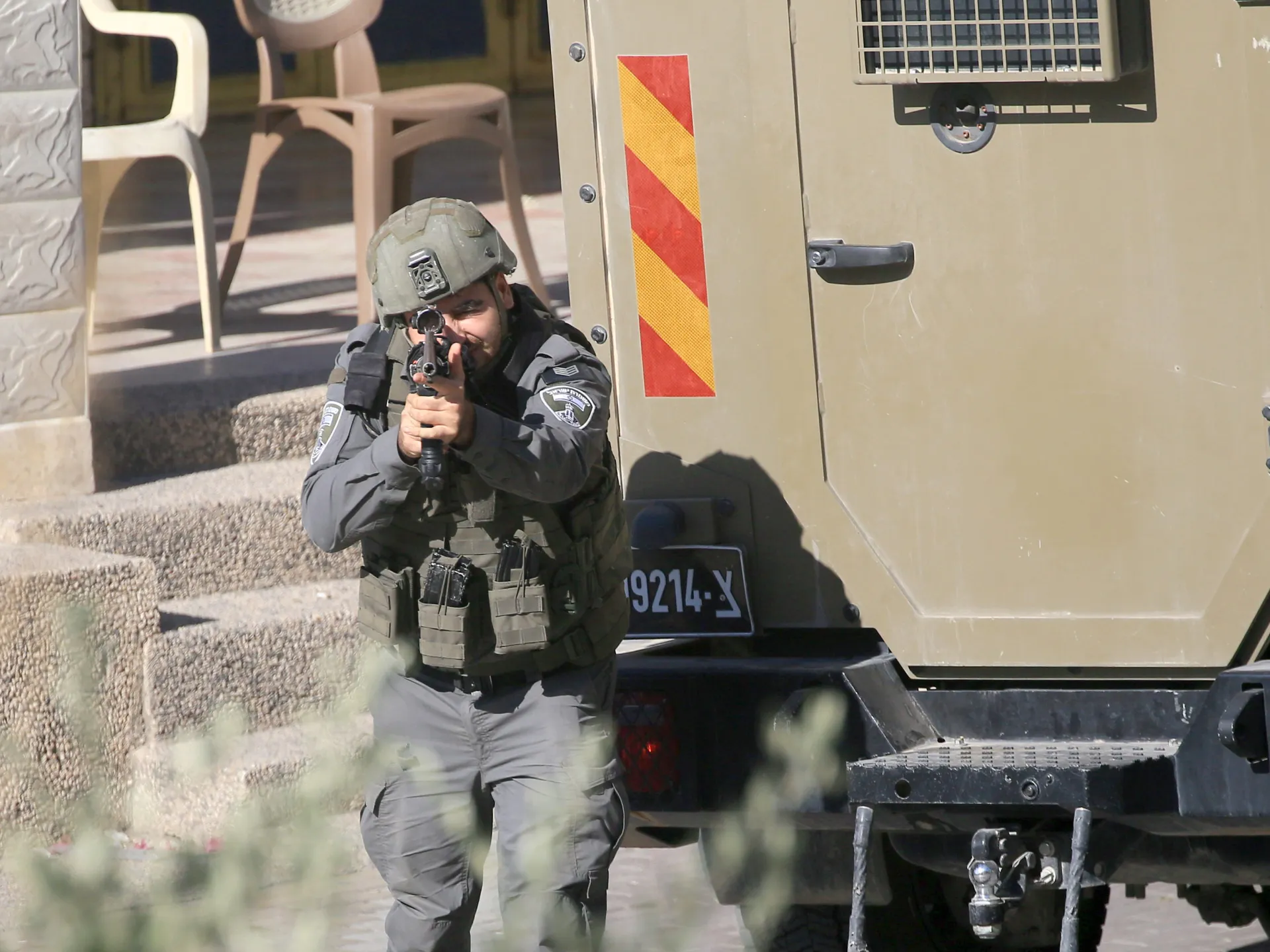
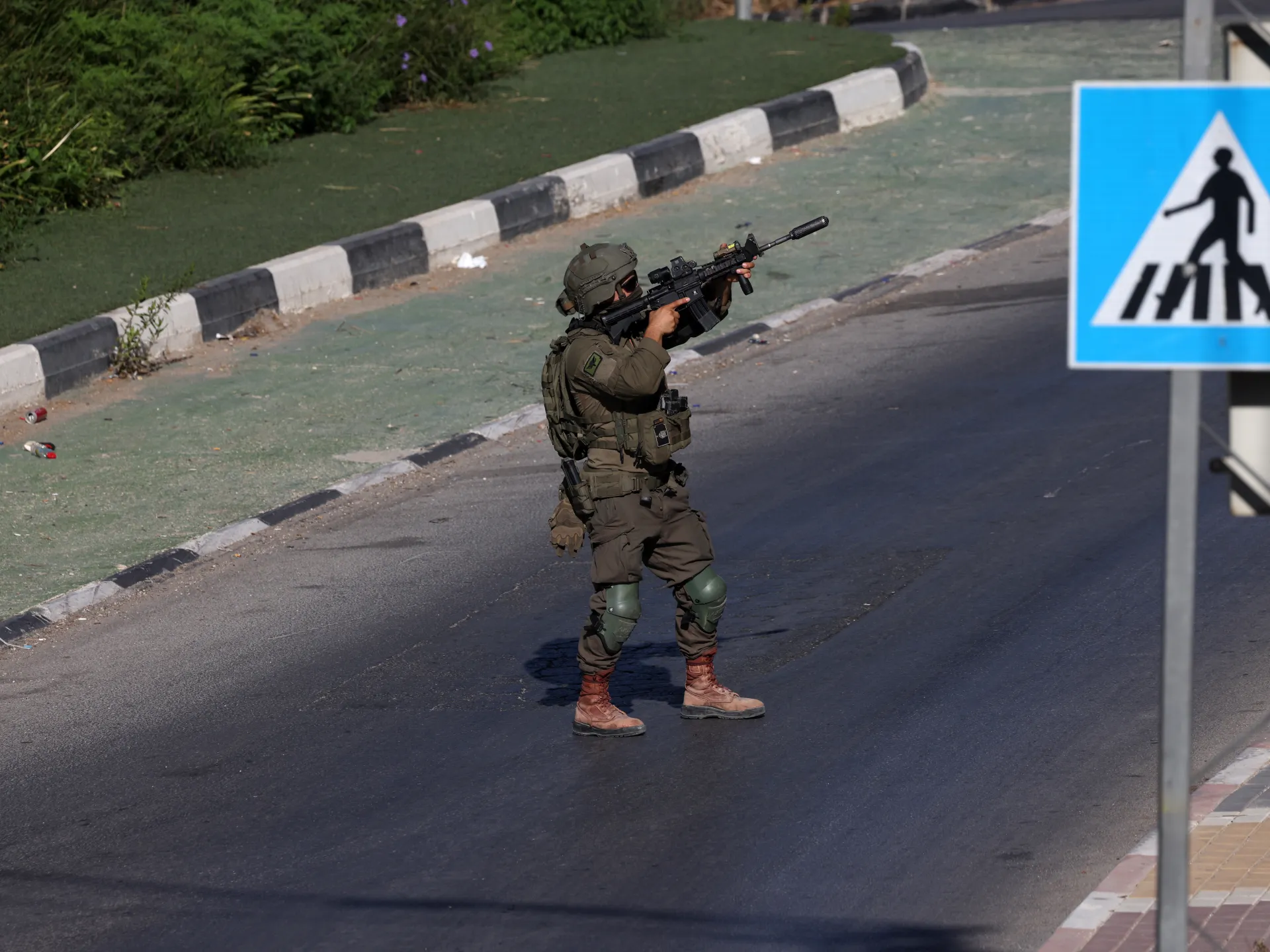
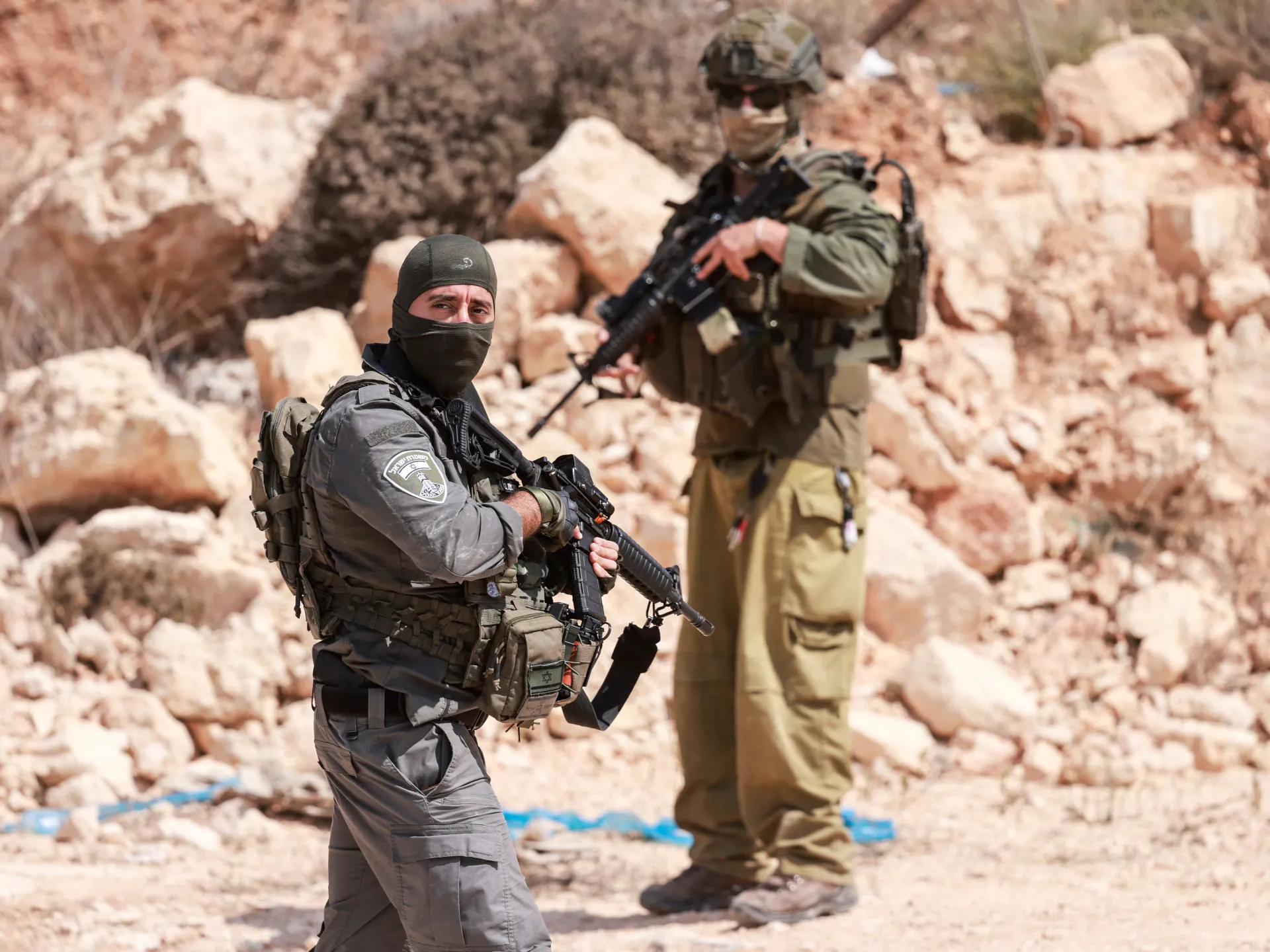
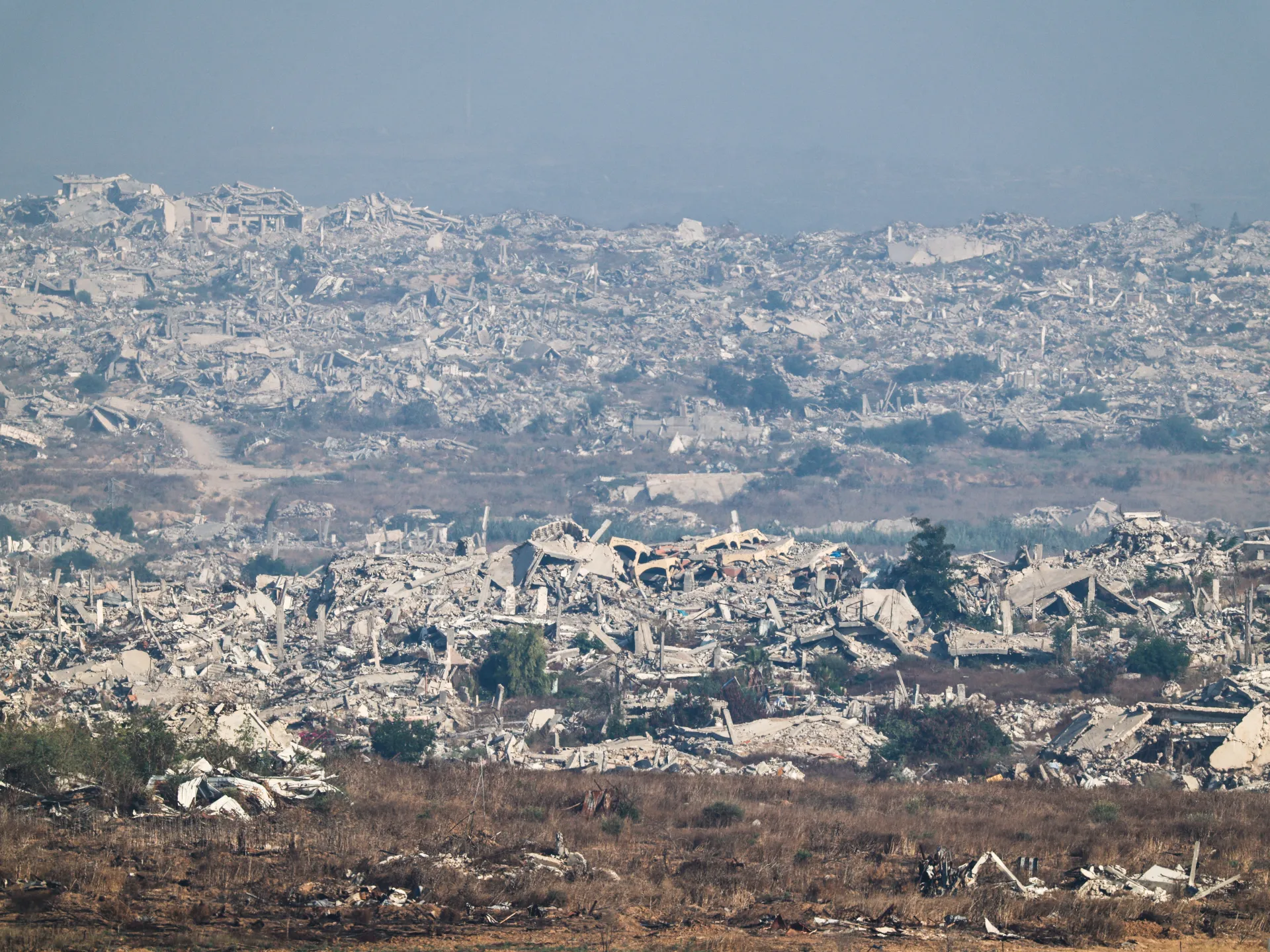
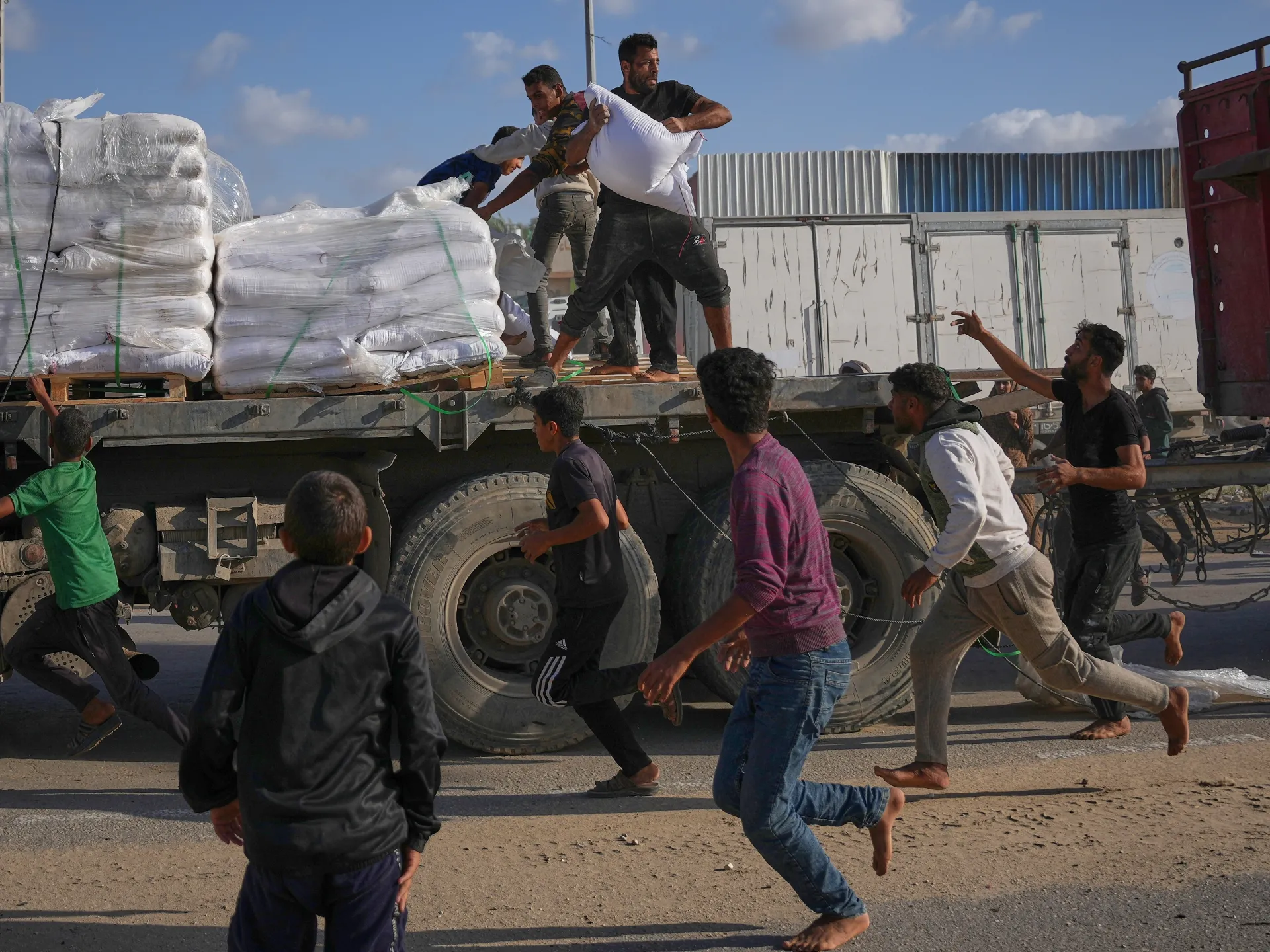
While official tallies vary between news organizations, the continued loss of life underscores the lack of stability in the region. Humanitarian observers note that these incidents occur despite ongoing diplomatic efforts to curb the intensity of the conflict, as military forces remain positioned throughout the enclave nearly a year after a ceasefire agreement was initially established.
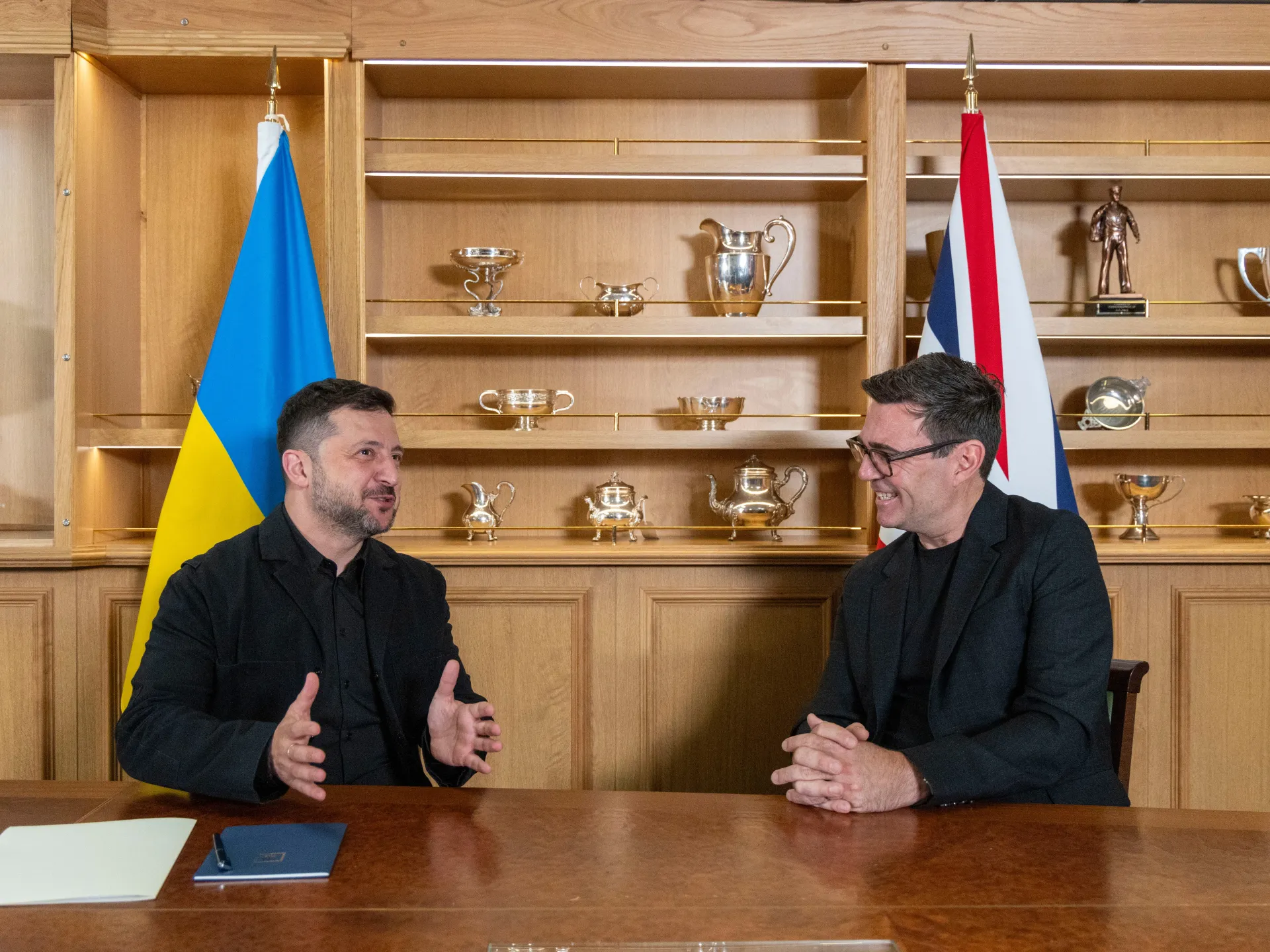
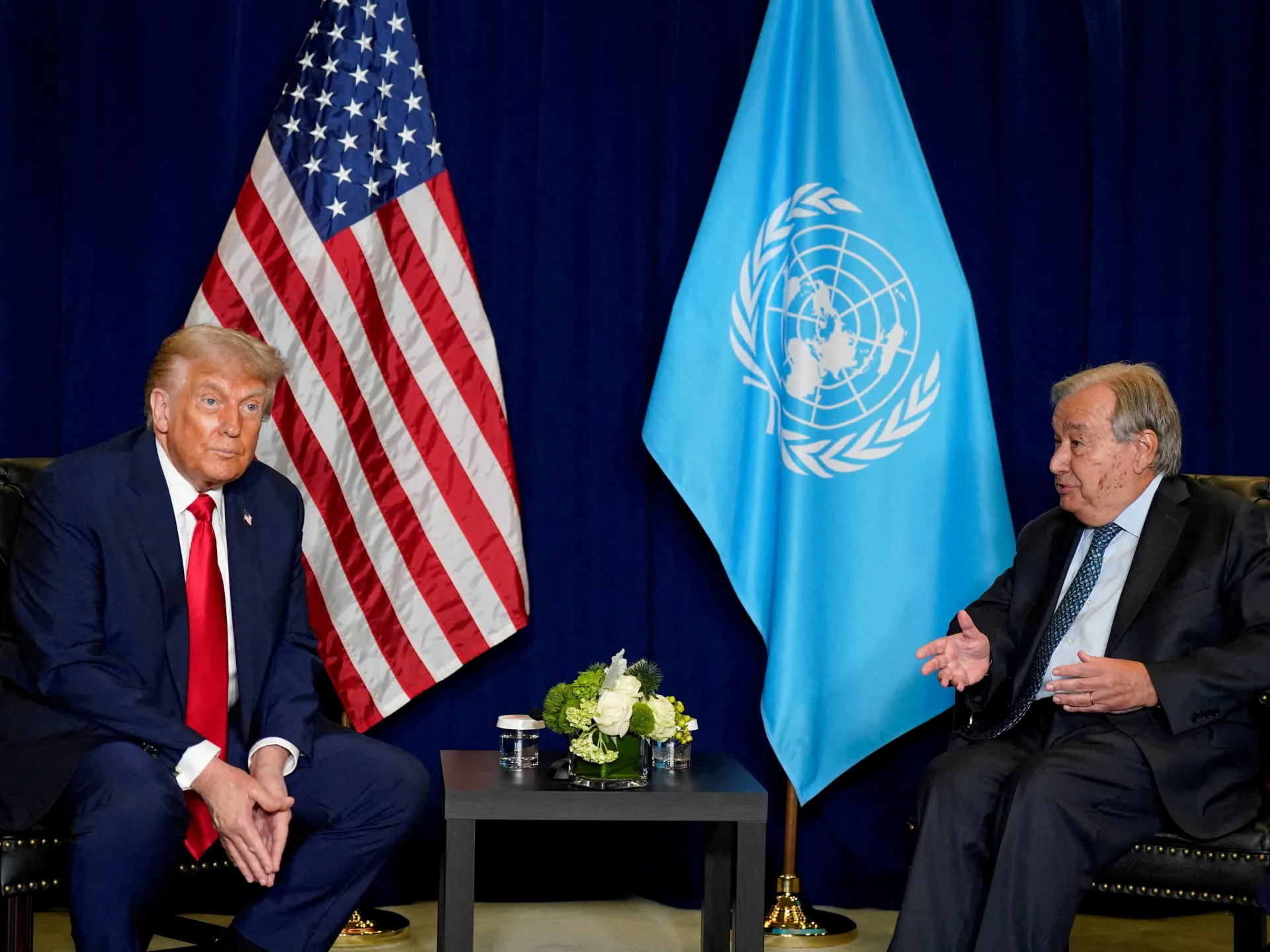
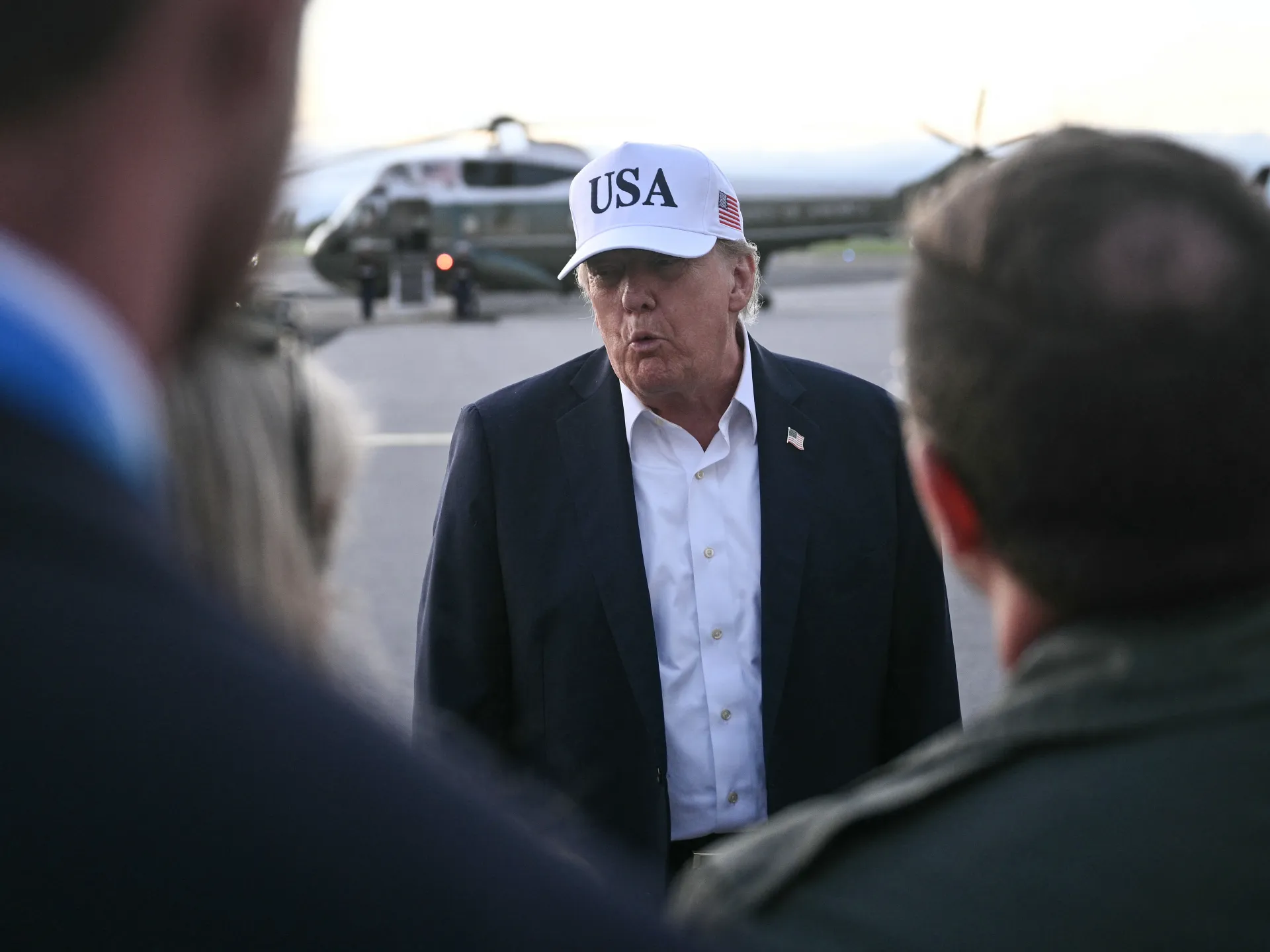
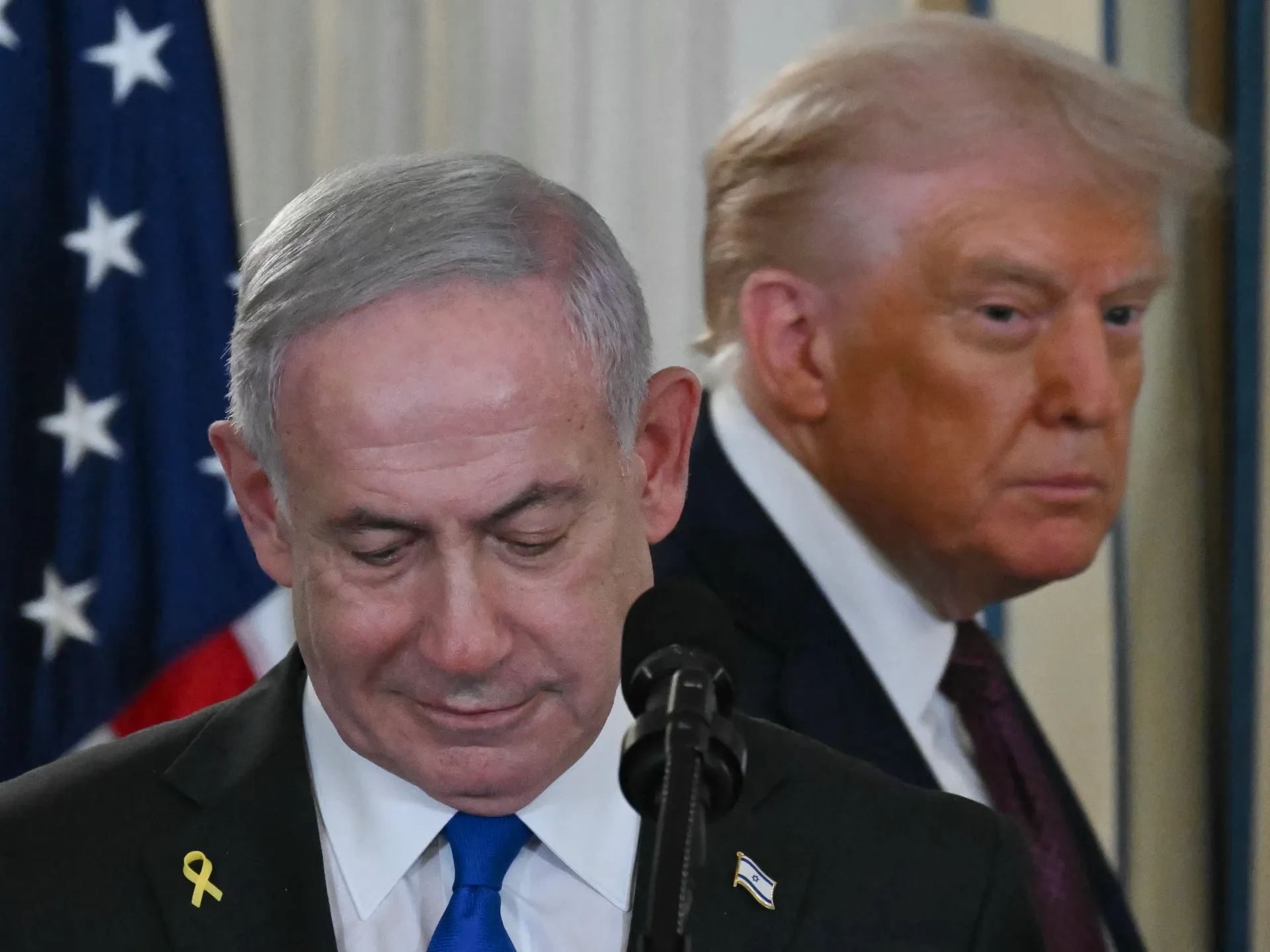
The persistence of these tactical operations highlights a significant divergence between diplomatic rhetoric and the reality on the ground. When international powers, particularly the United States, issue formal requests for military restraint, the failure to see a corresponding reduction in casualties signals a potential breakdown in leverage. This dynamic creates a dangerous precedent where ceasefire agreements serve as temporary lulls rather than pathways to de-escalation, leaving civilians in designated “safe zones” vulnerable to shifting military priorities. For the international community, the ongoing violence represents not just a humanitarian tragedy, but a failure of regional security frameworks to protect non-combatants during active, if limited, military engagements.
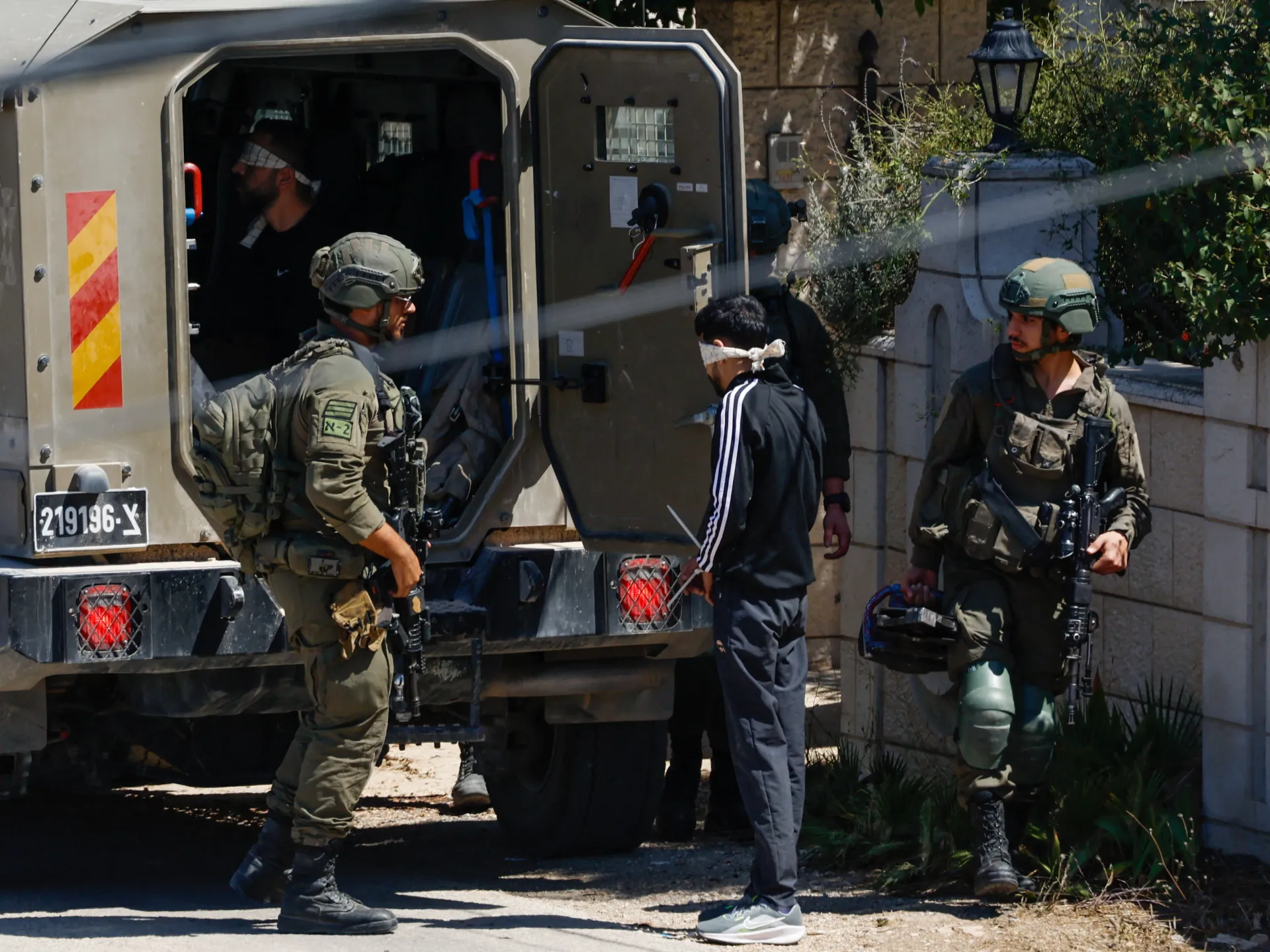
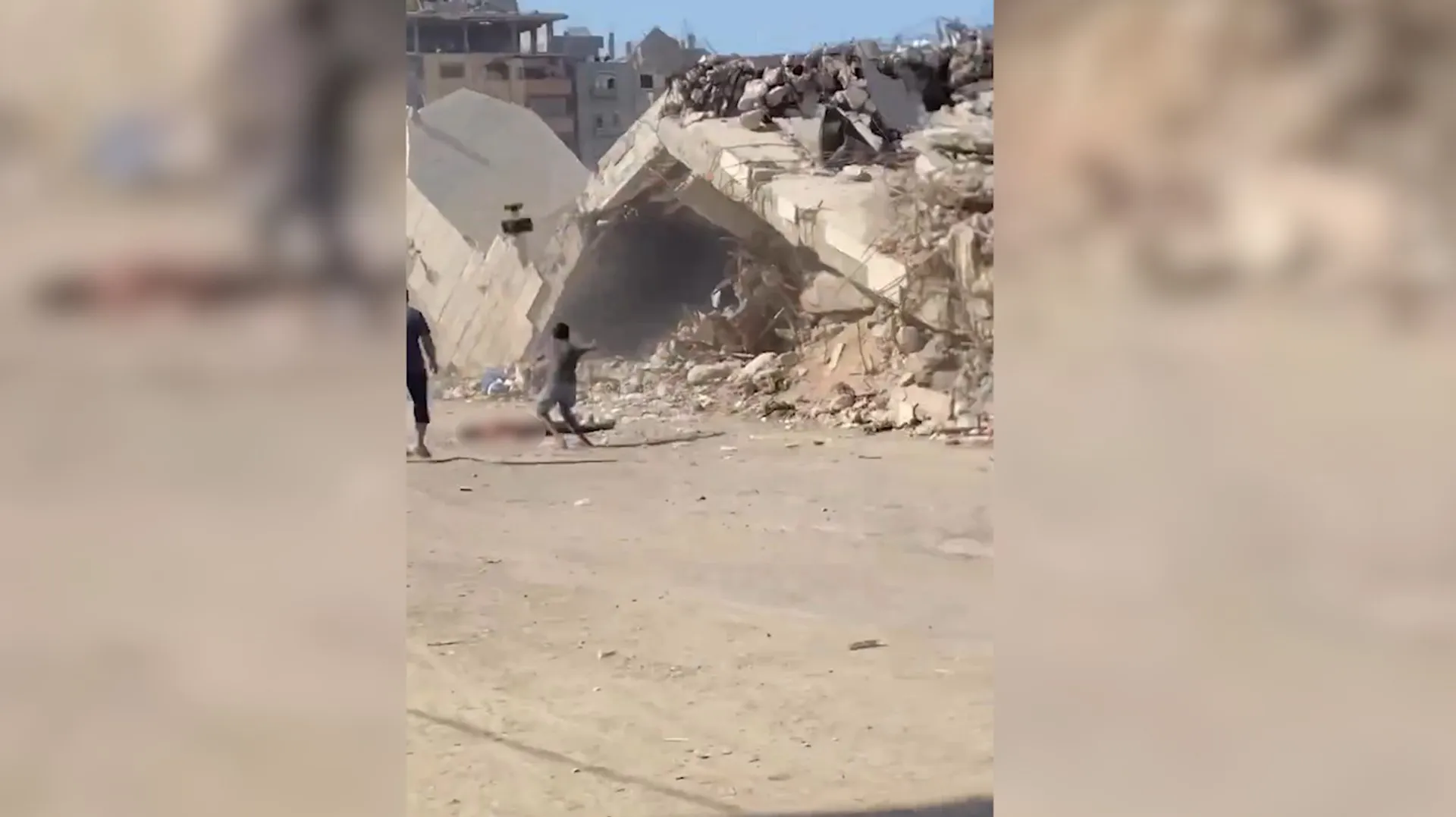
Data regarding the latest fatalities remains inconsistent across international reporting outlets. Al Jazeera has documented three deaths, specifically identifying a child, Ismail al-Bardawil, who was struck in the al-Mawasi area, a region previously designated as a safe zone. Additional casualties were reported in Jabalia and Deir el-Balah, where individuals died from wounds sustained during encounters with Israeli forces. In contrast, NBC News reports a higher figure of four fatalities, including two children, pointing to the difficulty in verifying real-time casualty numbers amid ongoing volatility.
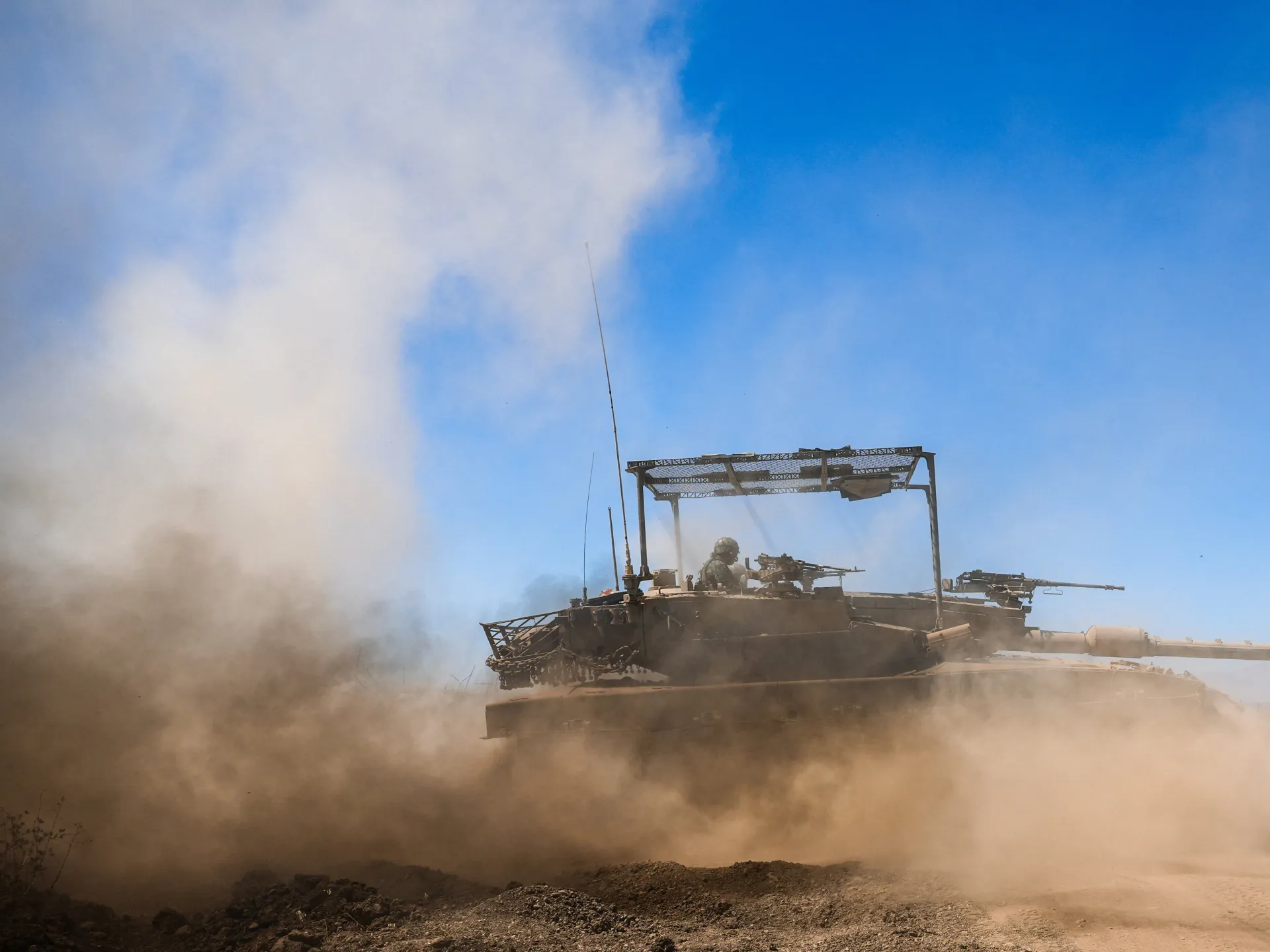
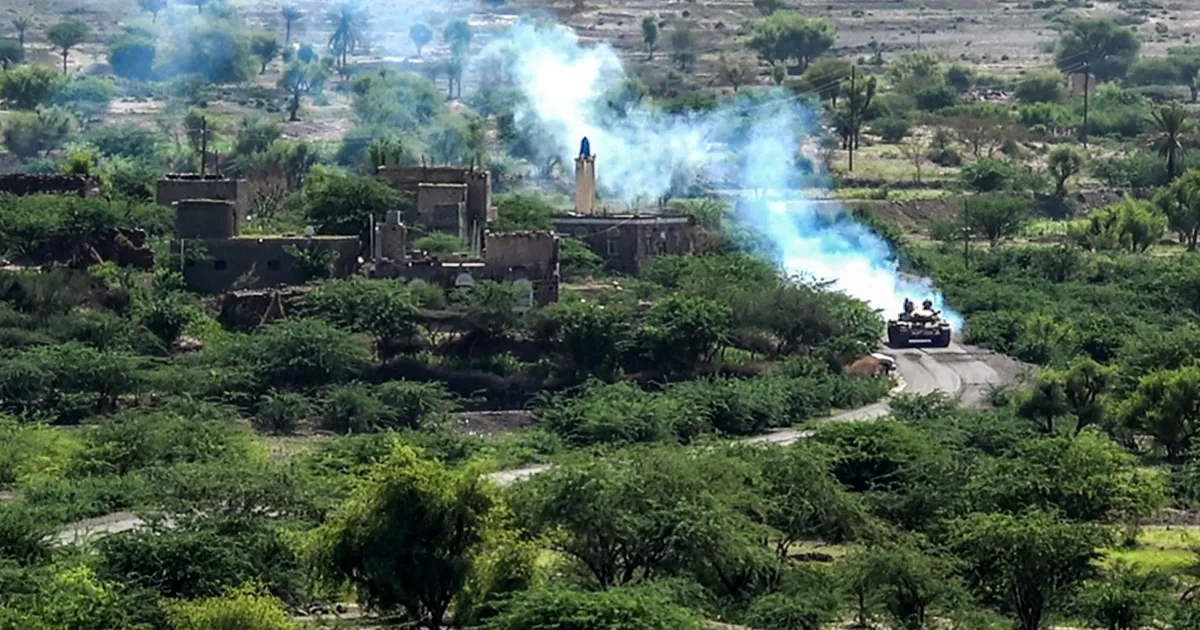
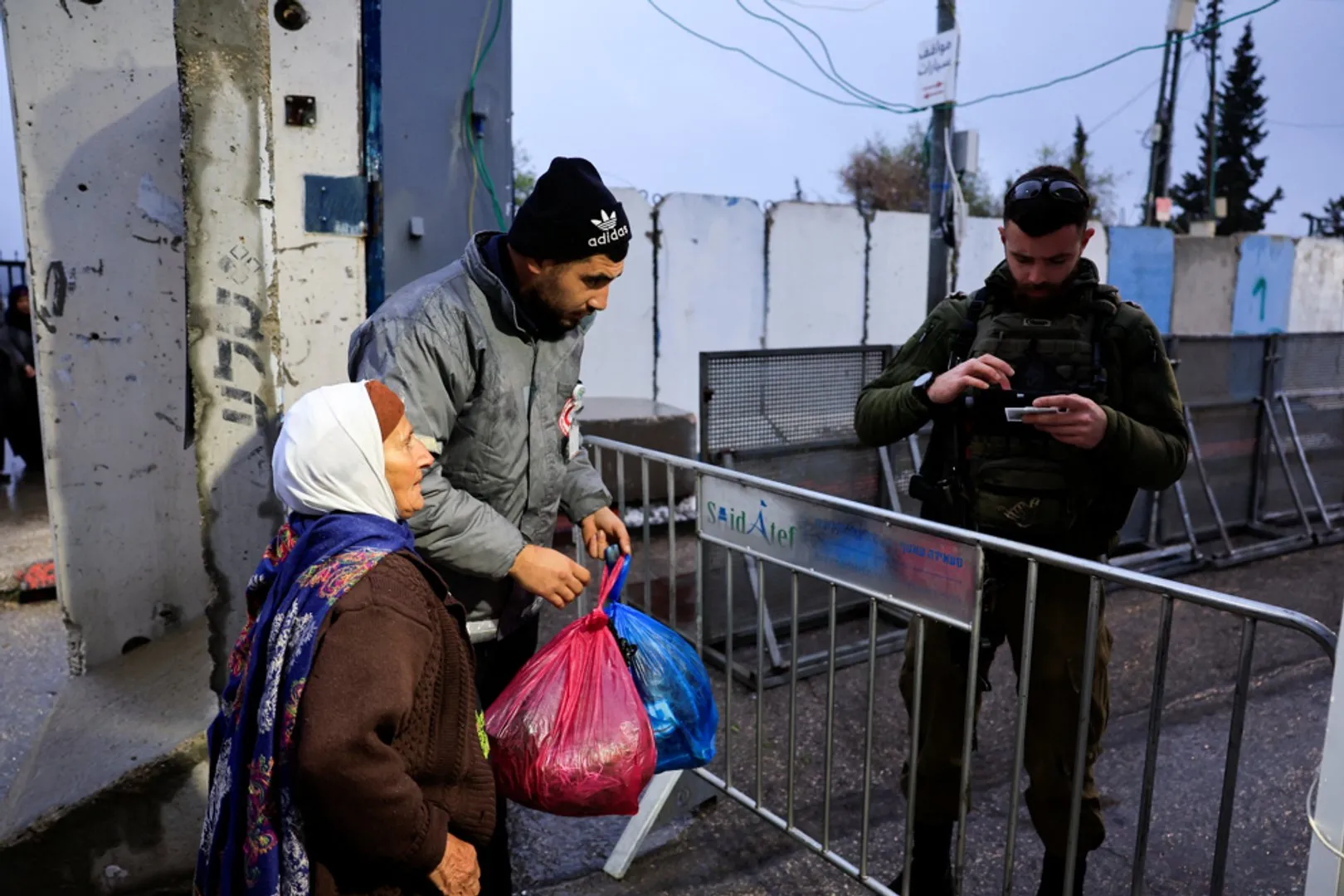
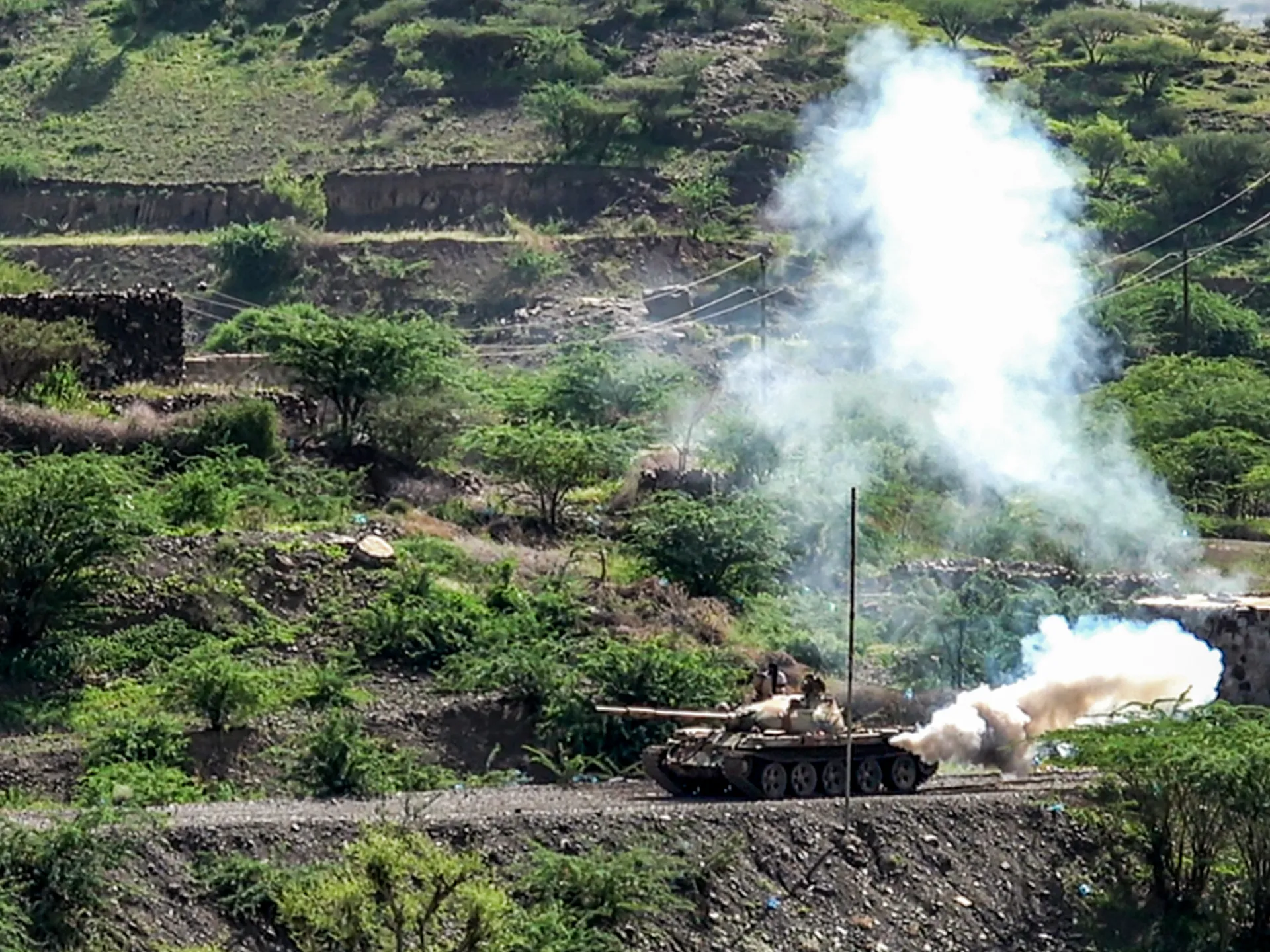
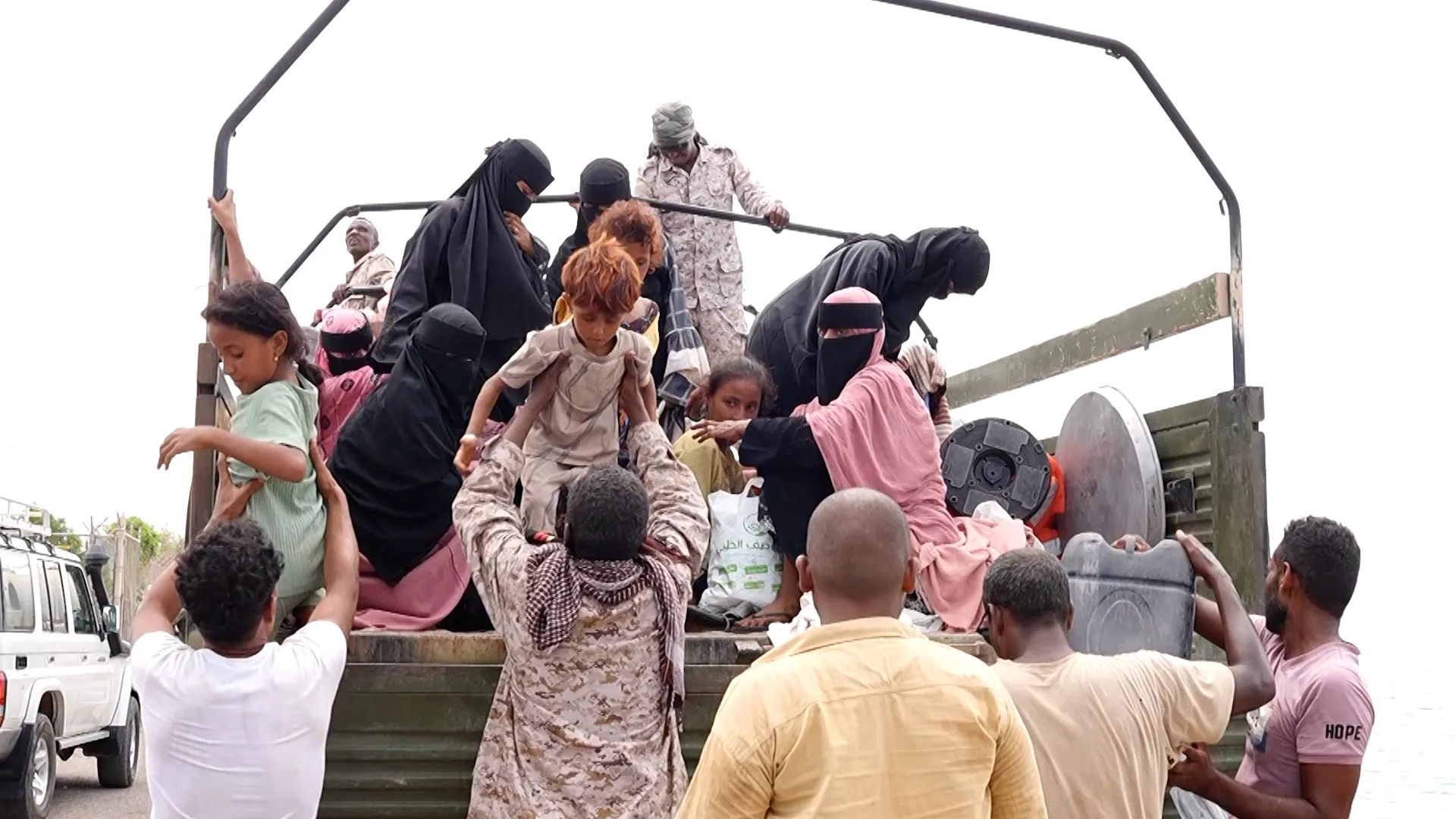
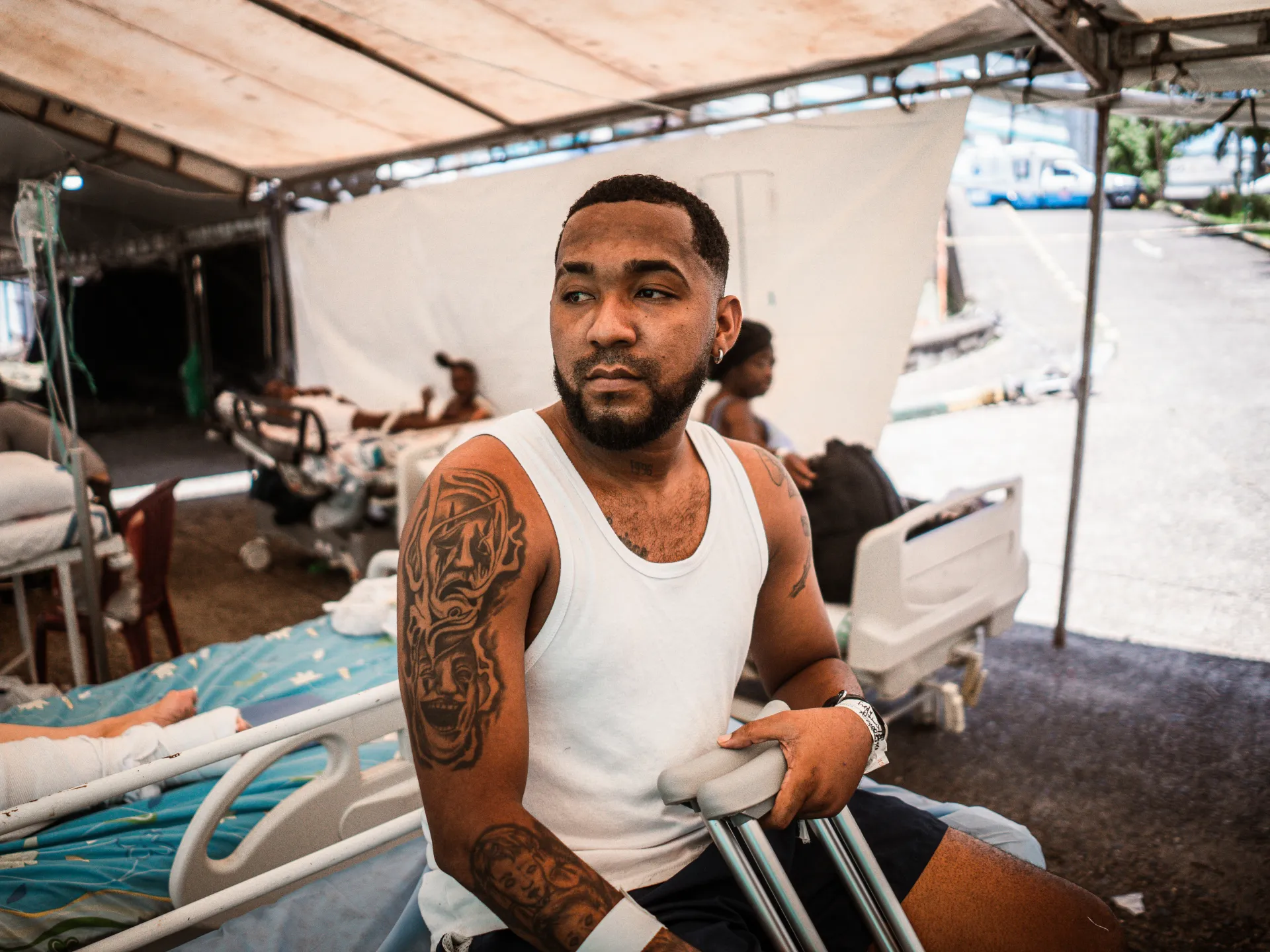
Beyond the confirmed deaths, reports indicate a widespread toll on the wounded. Medical sources indicate that at least nine people were injured in the southern regions alone, with demographics of the wounded including multiple women and children. The nature of these incidents—ranging from tank fire in the Shakoush area to shootings near the Hamad City residential district—suggests that military activity remains concentrated in densely populated zones, further complicating civilian movement and access to emergency medical care.
The immediate outlook remains grim as the absence of a meaningful troop withdrawal continues to facilitate recurring skirmishes. Based on current trends, it is likely that the disparity between international diplomatic mandates and localized tactical actions will widen. Without a shift in military policy or a renewed enforcement of the October ceasefire terms, civilian casualties are expected to continue at current levels. Observers anticipate that humanitarian organizations will face increasing pressure to secure corridors for the wounded, though the lack of a secure security environment suggests that medical evacuations will remain hazardous. Future developments will largely depend on whether international mediators increase their pressure or accept the current level of violence as the status quo.