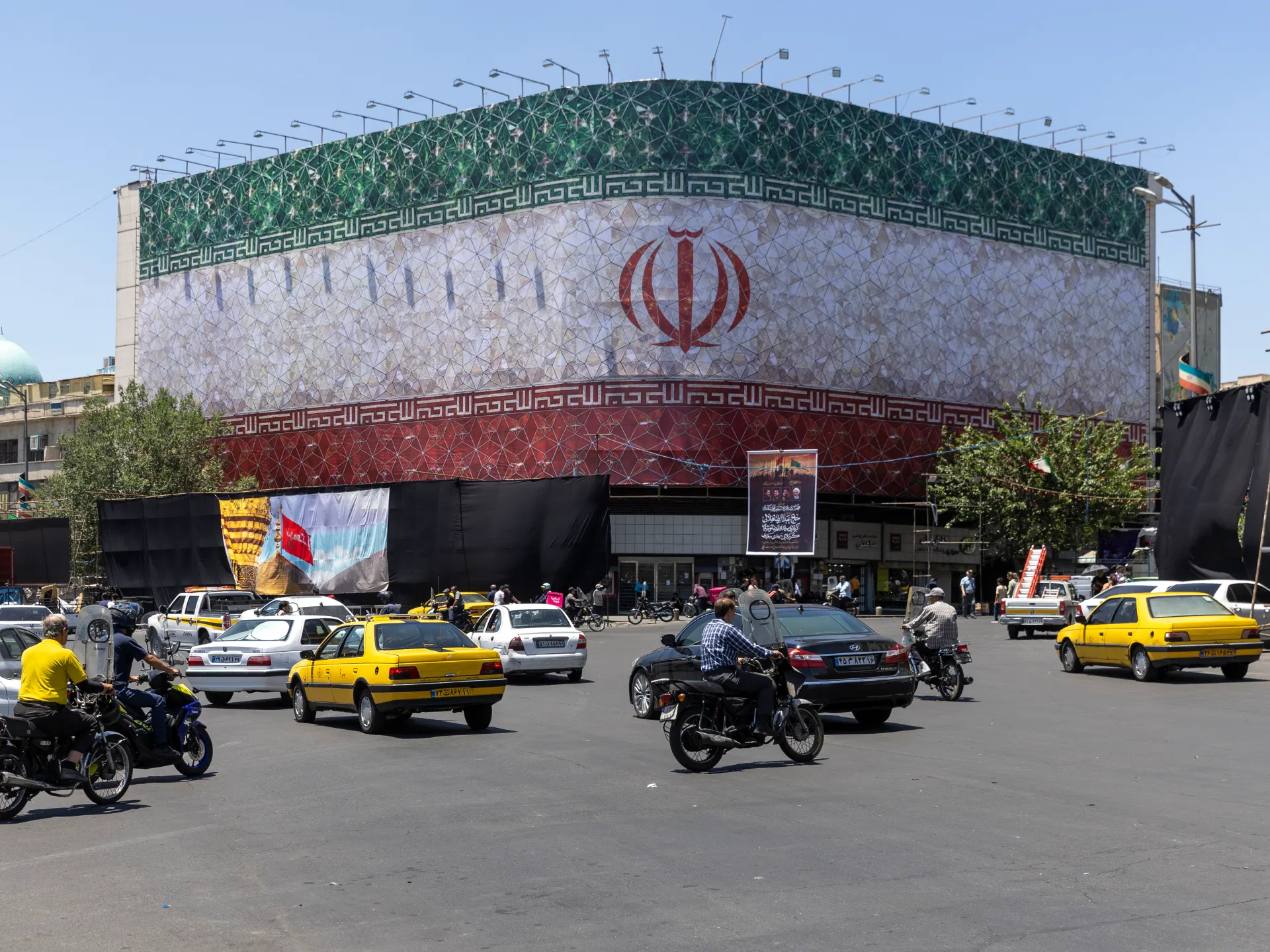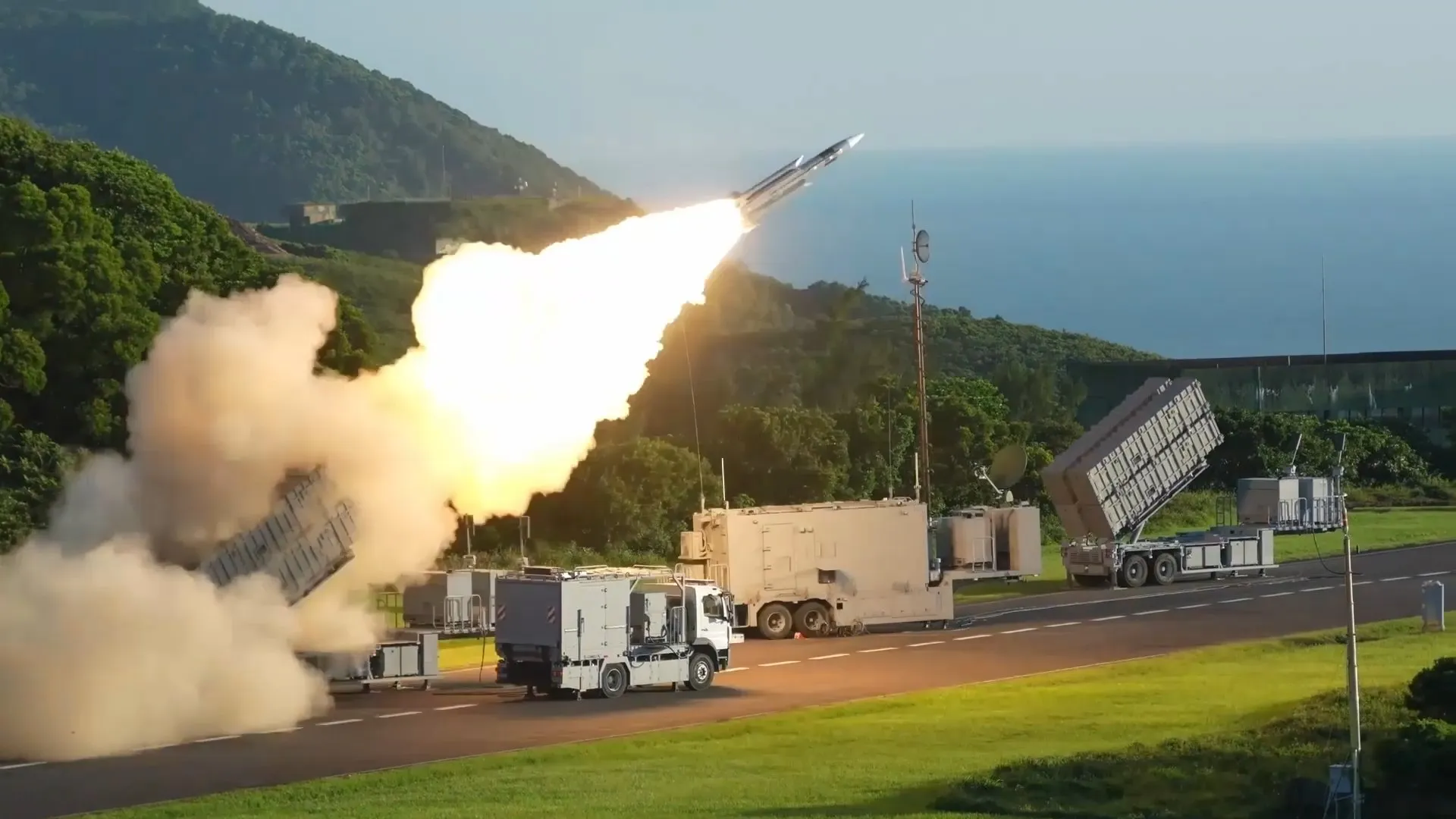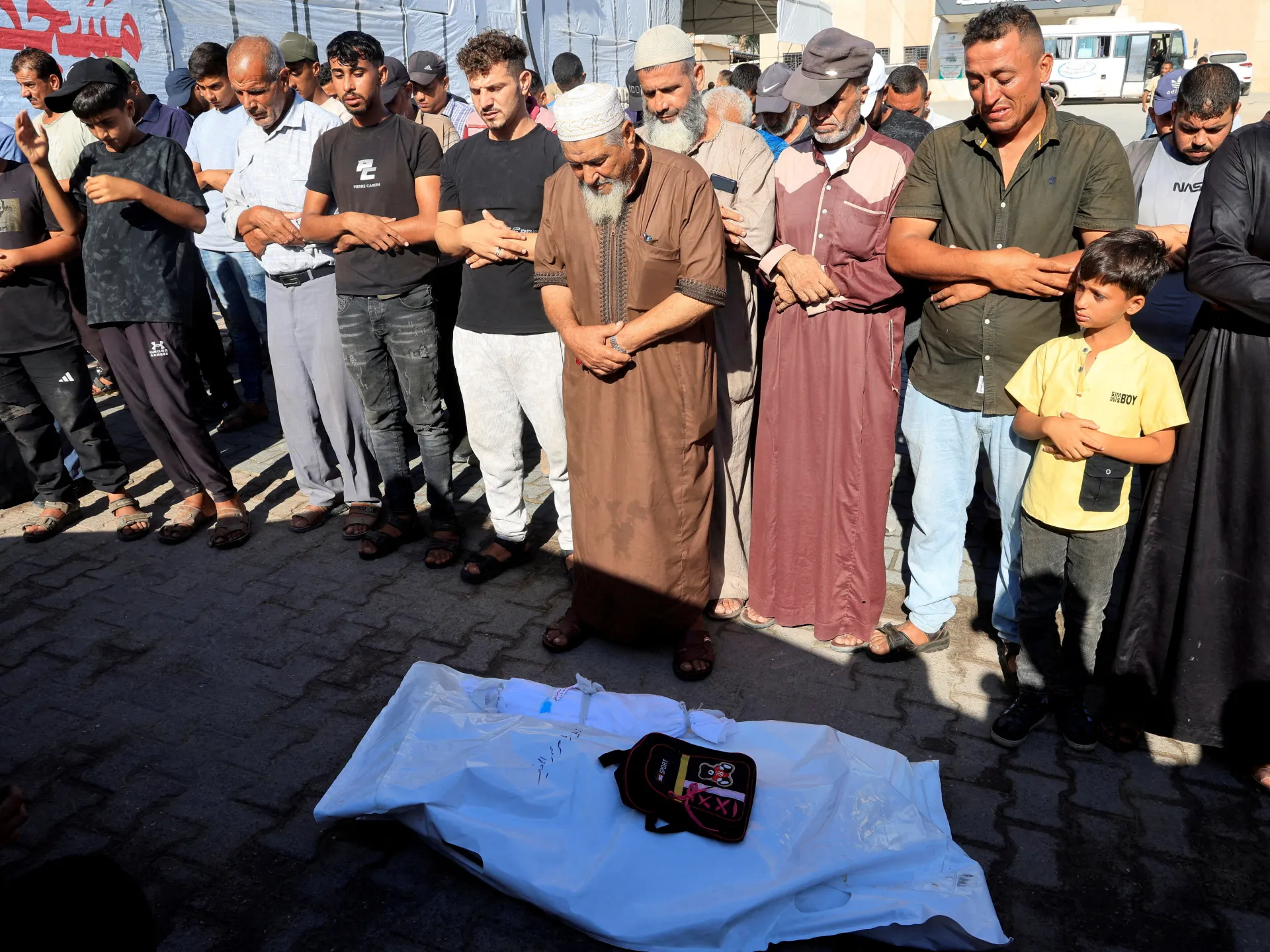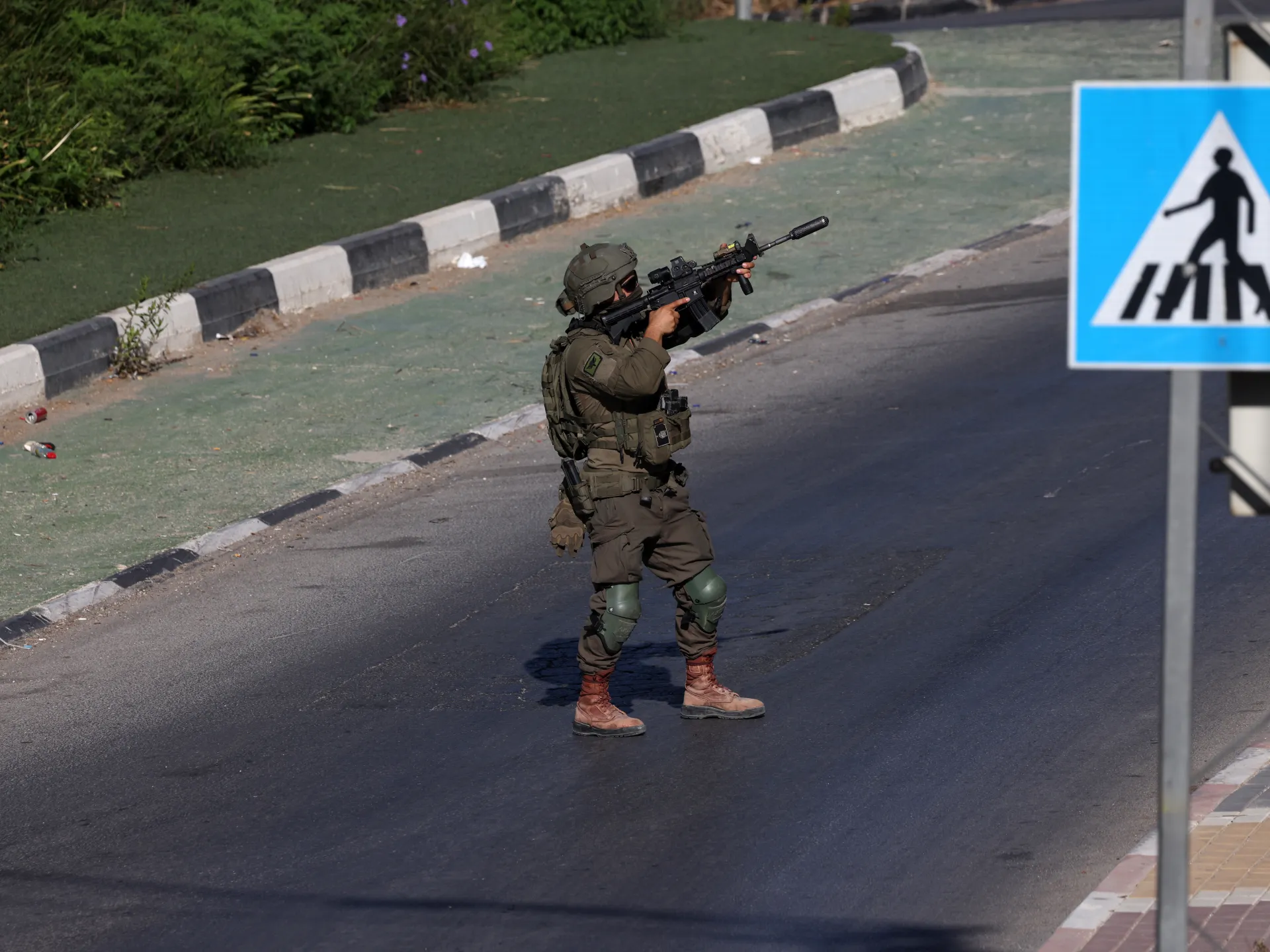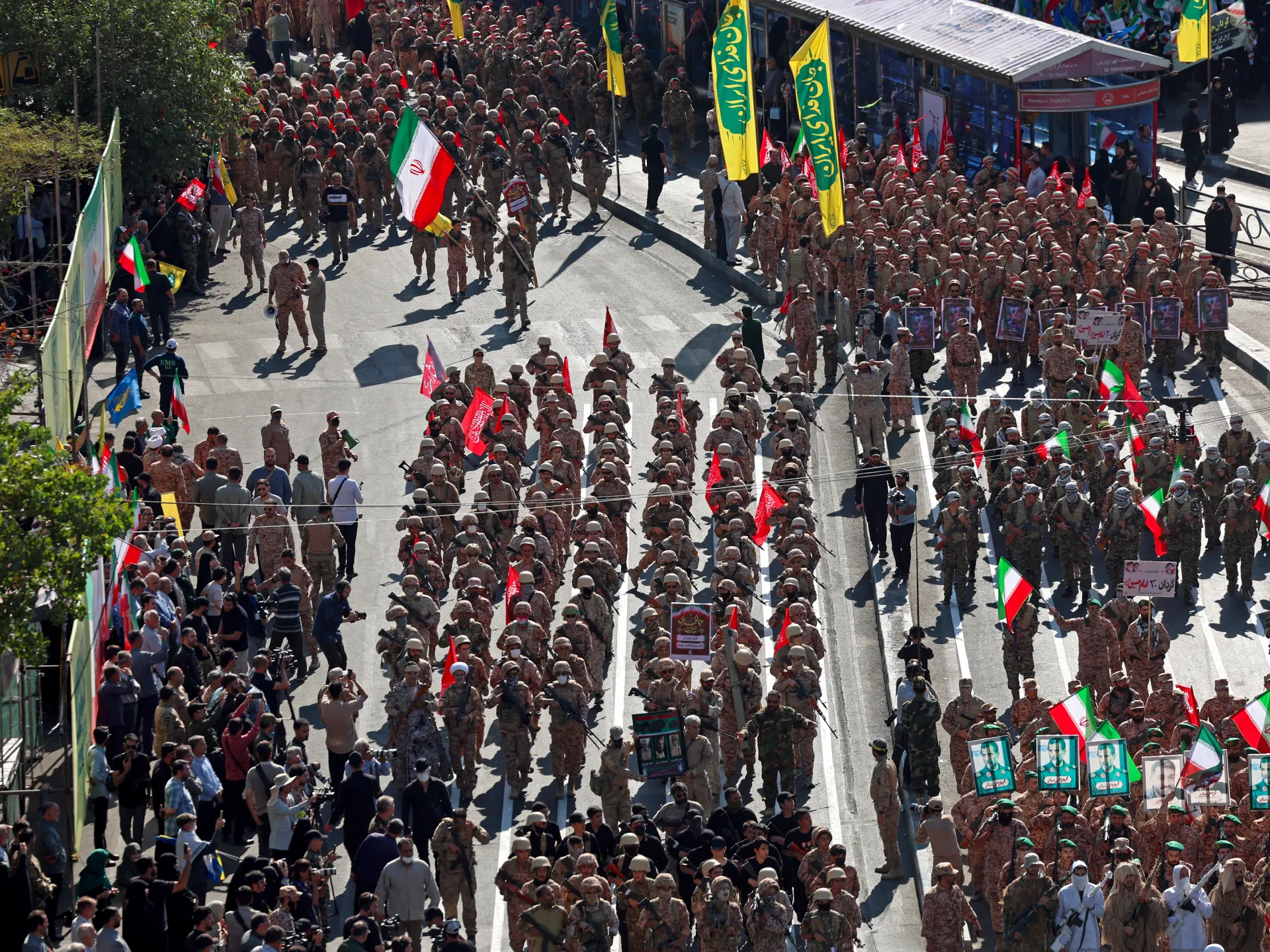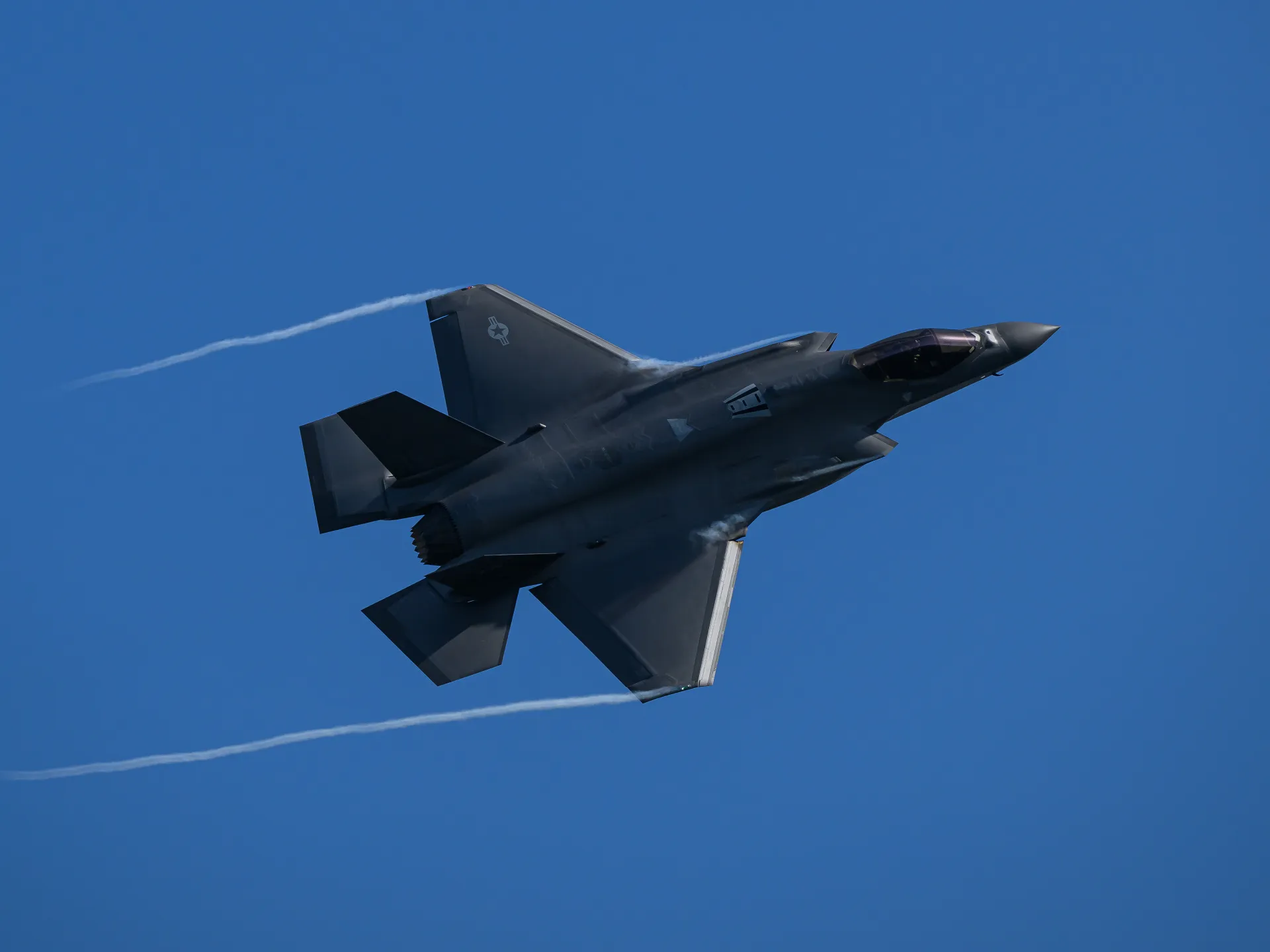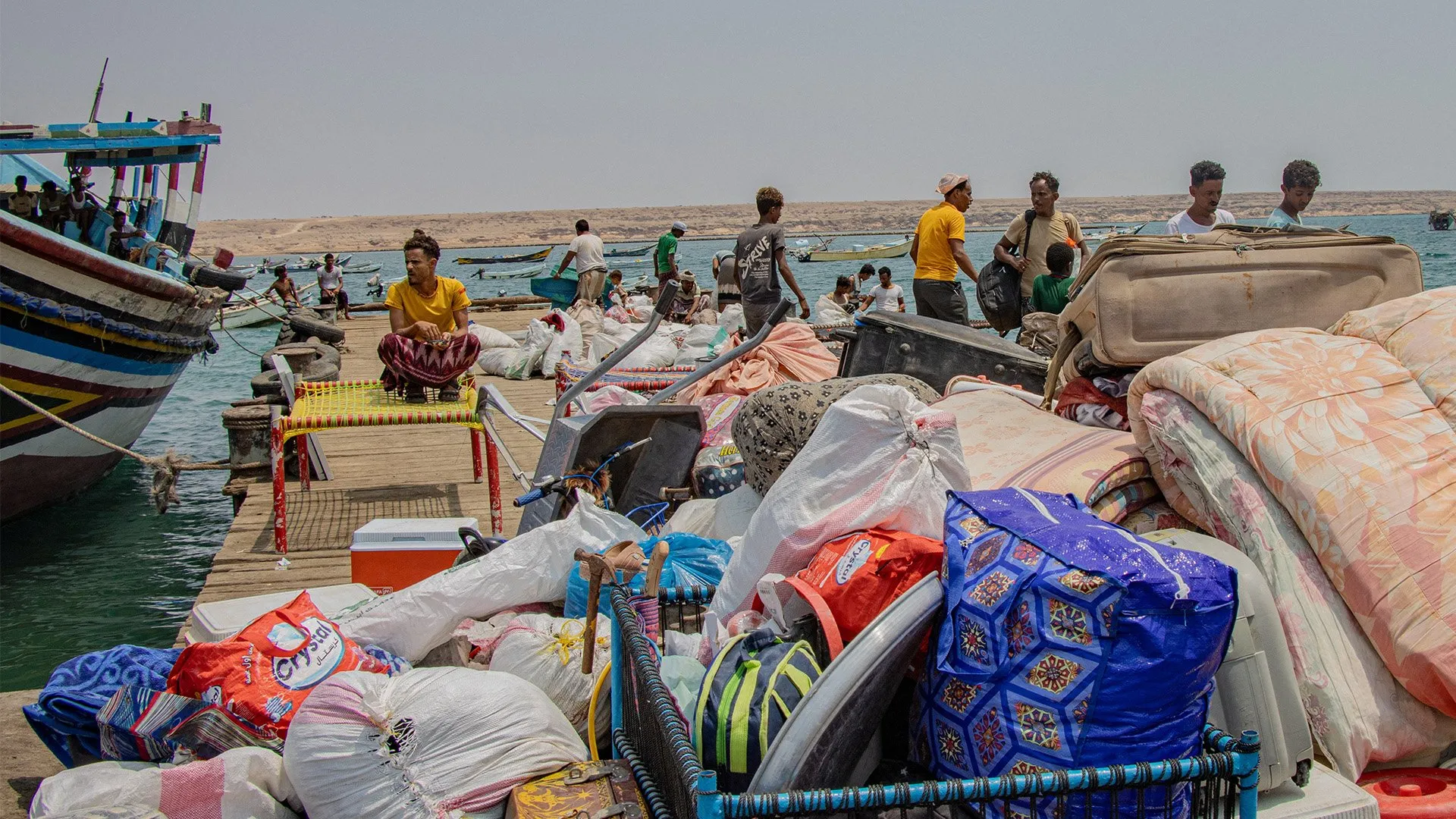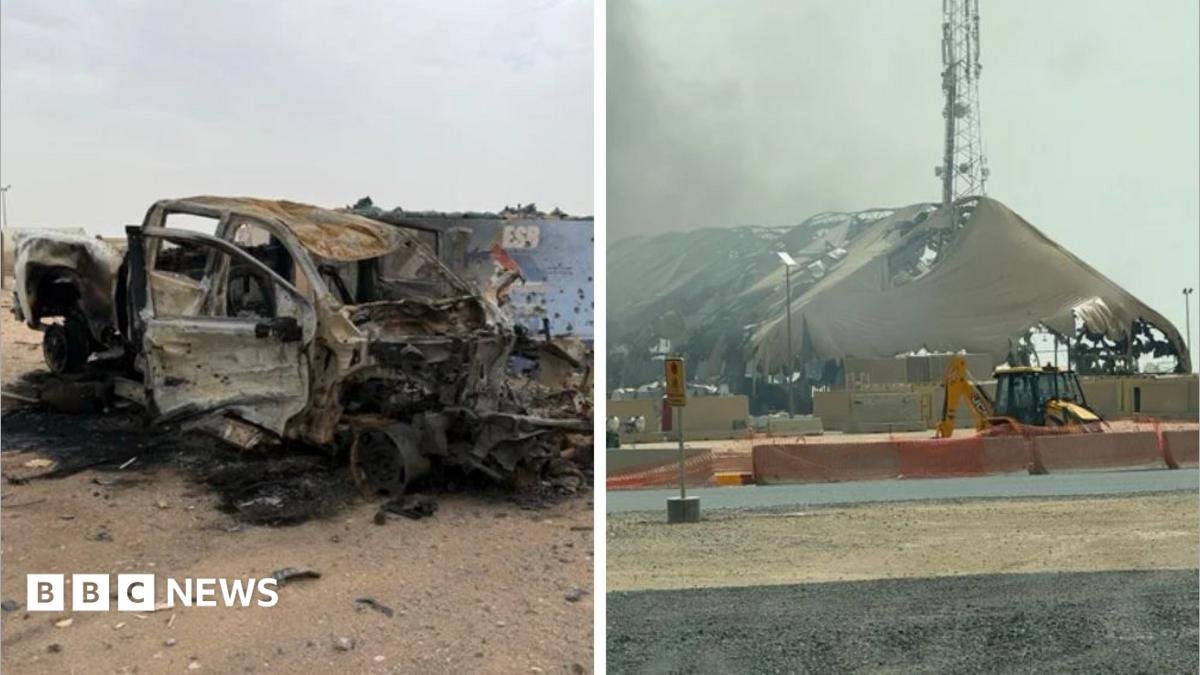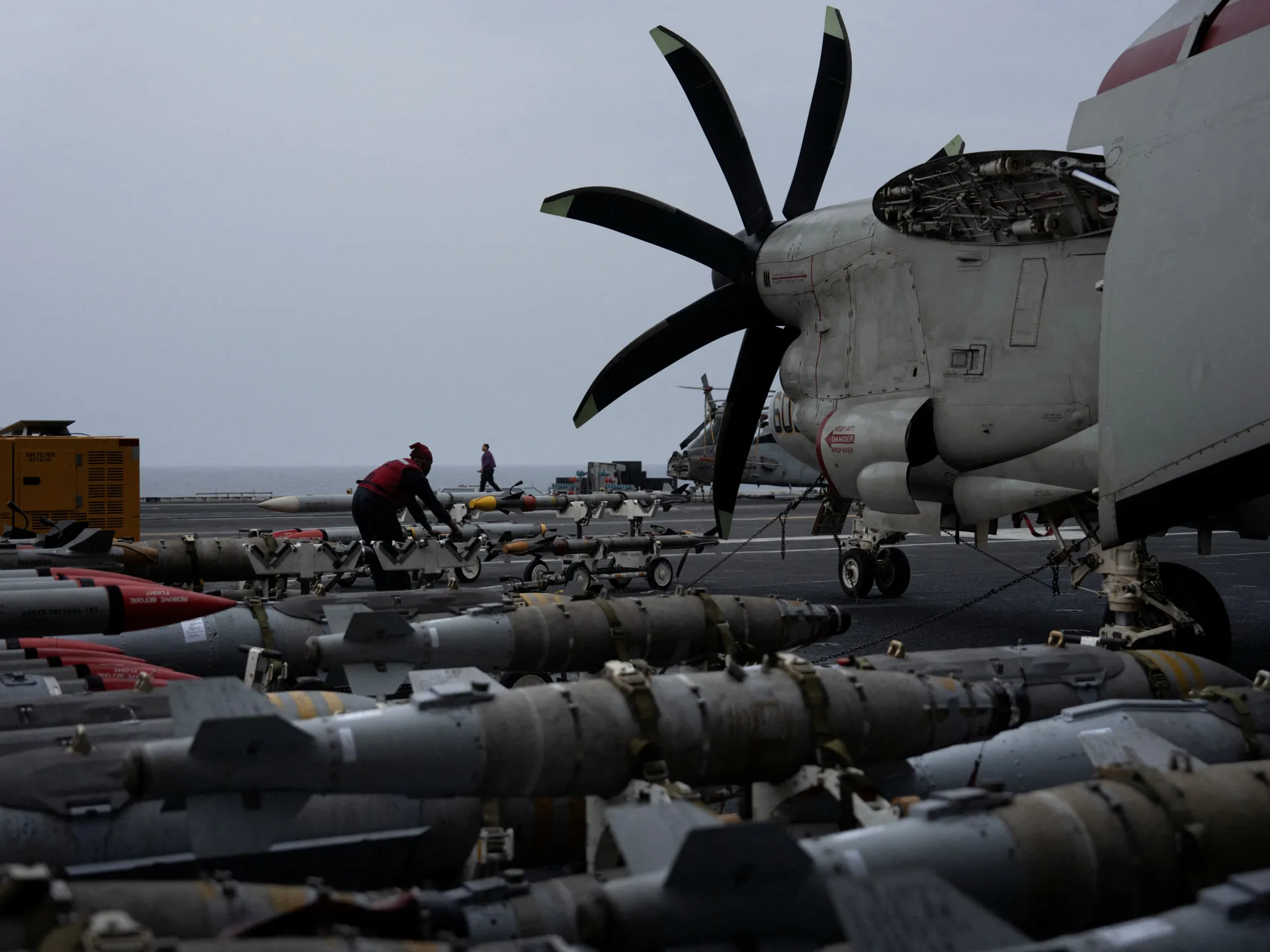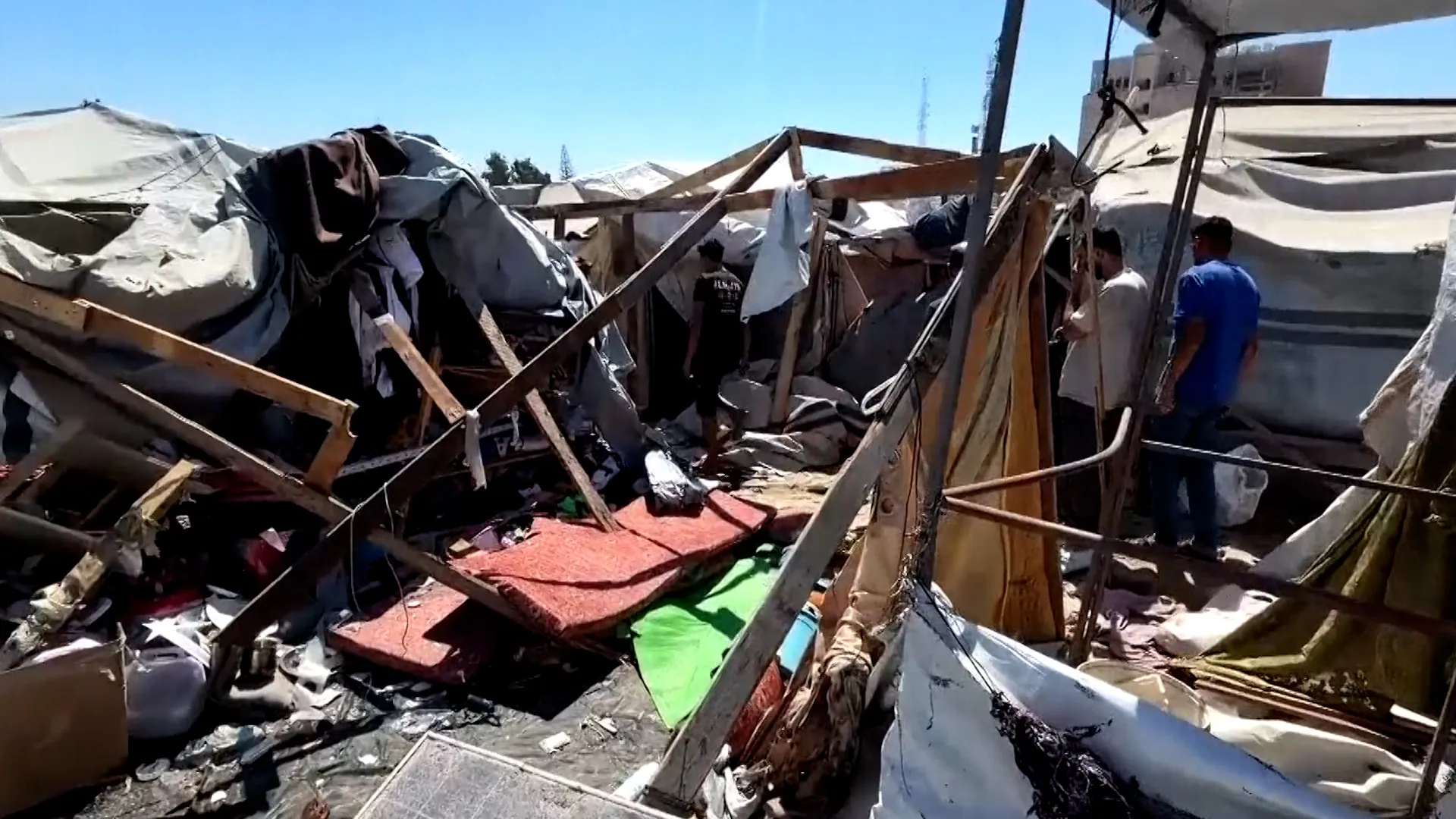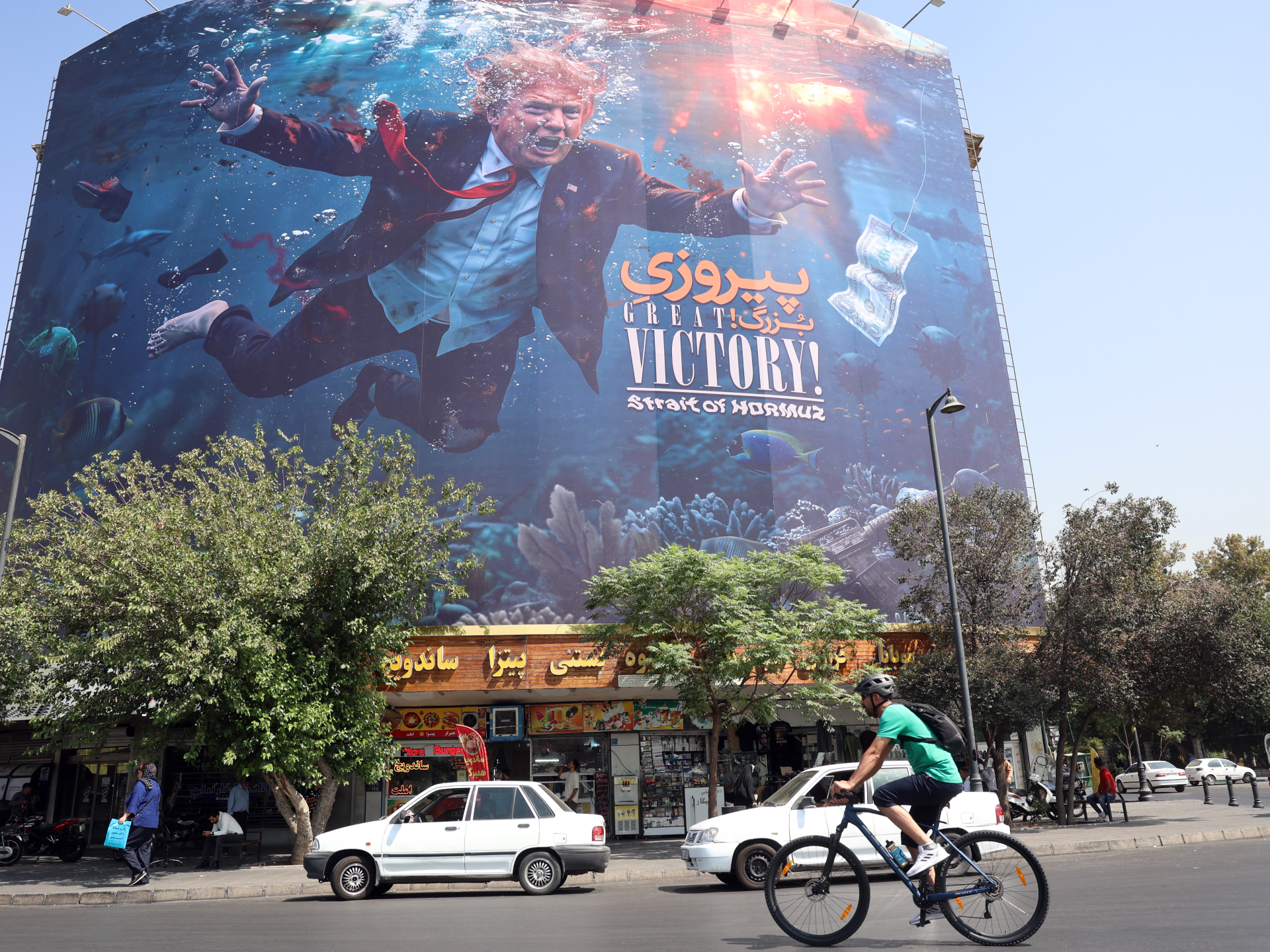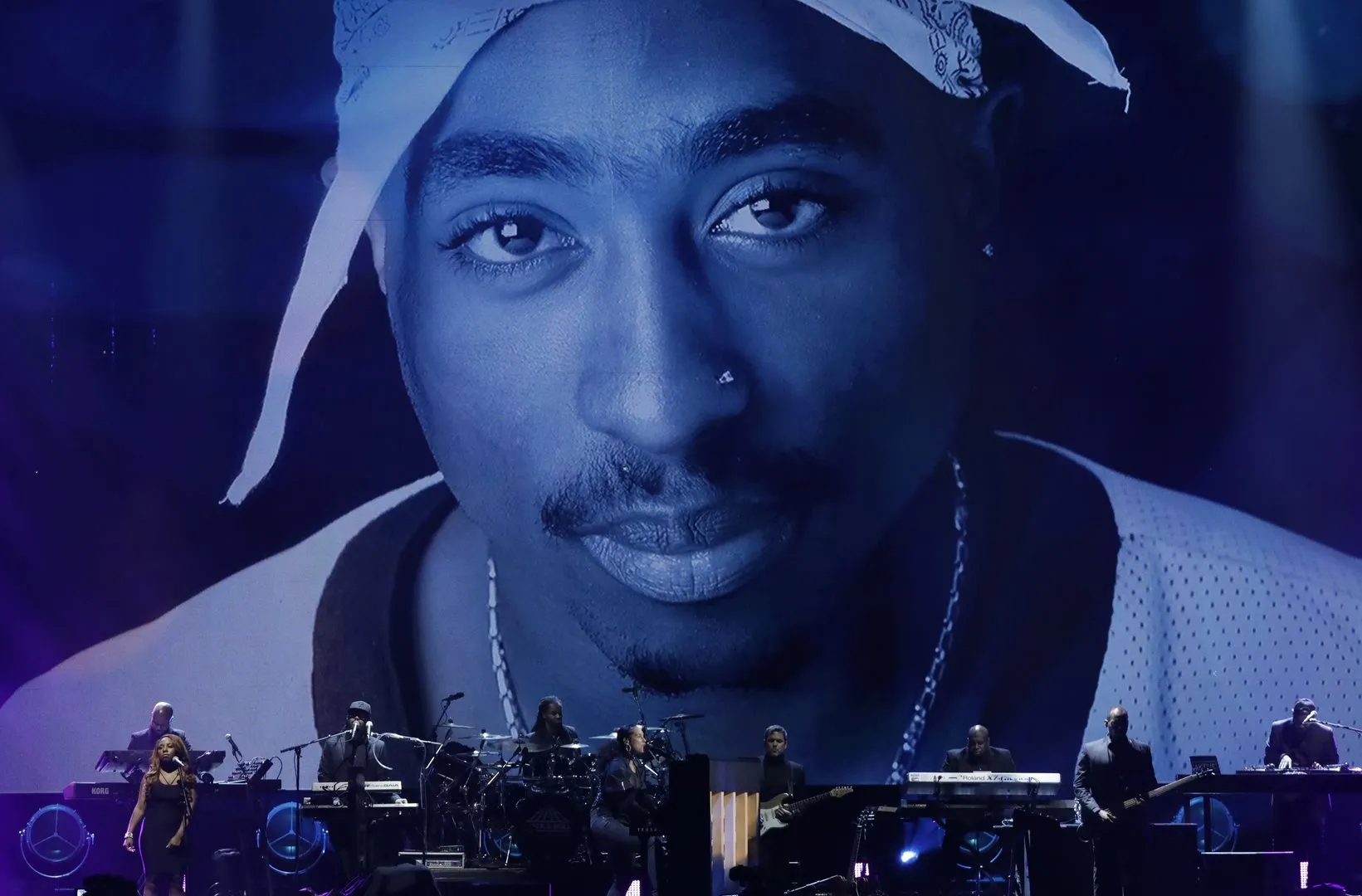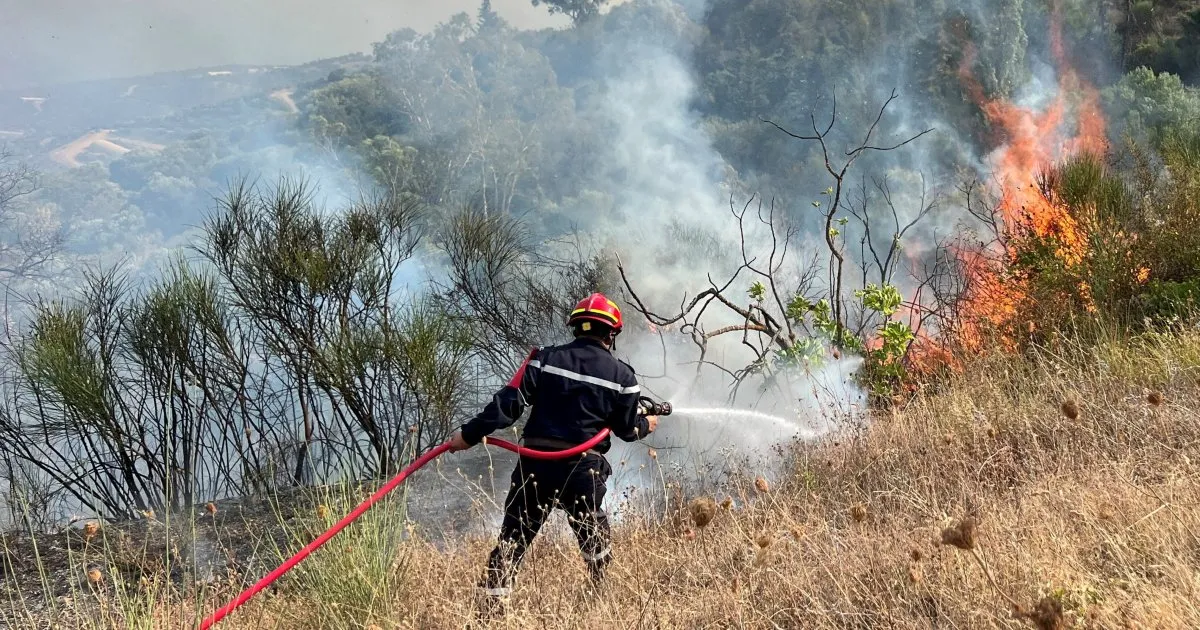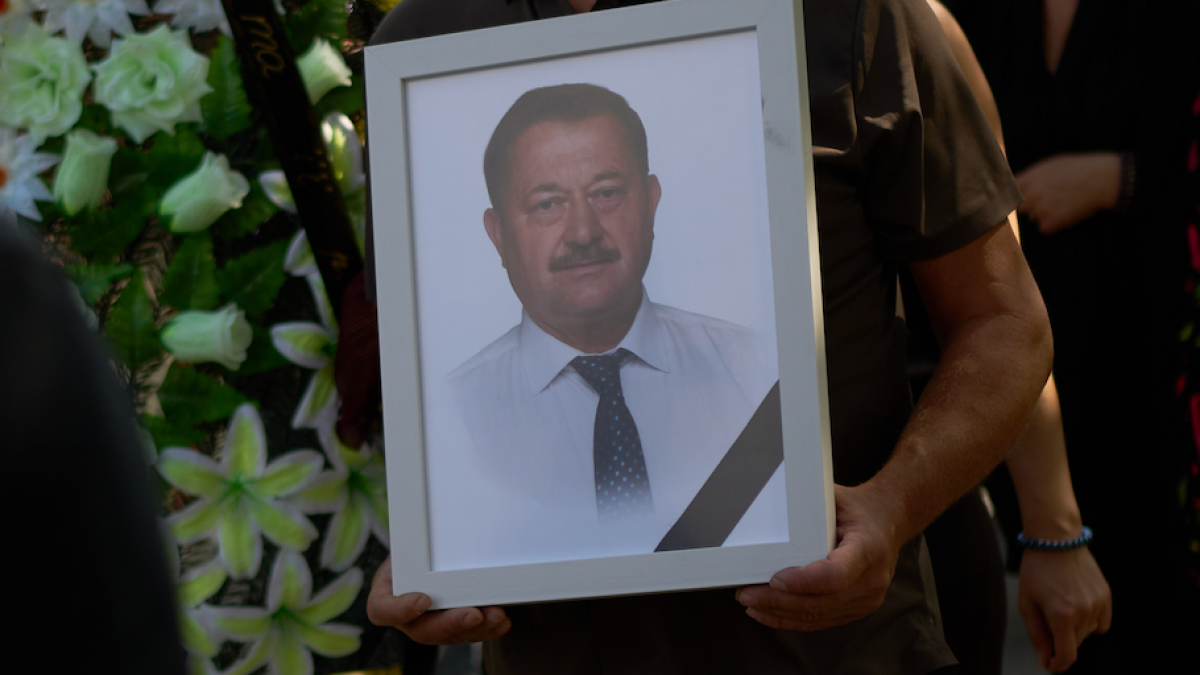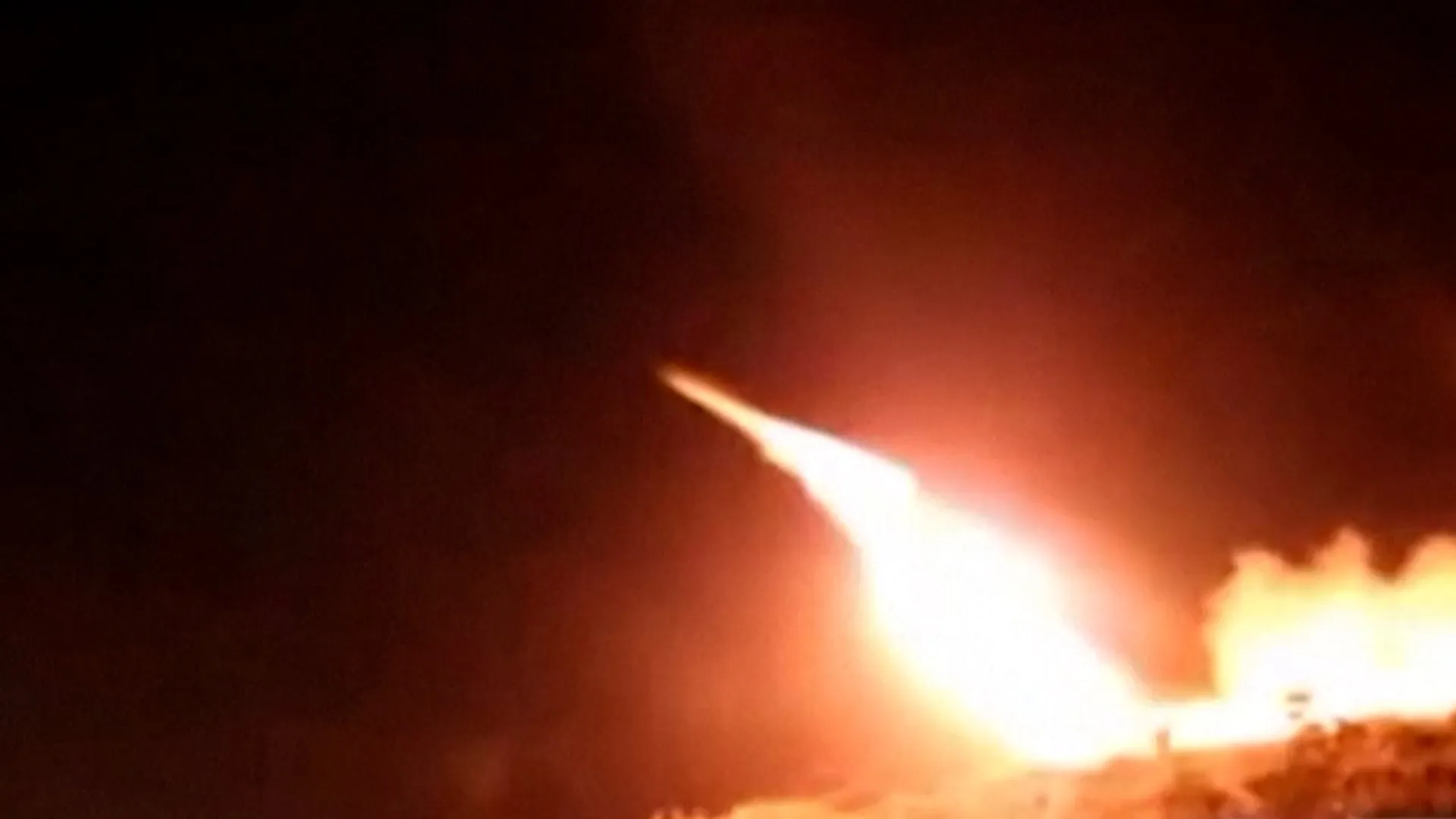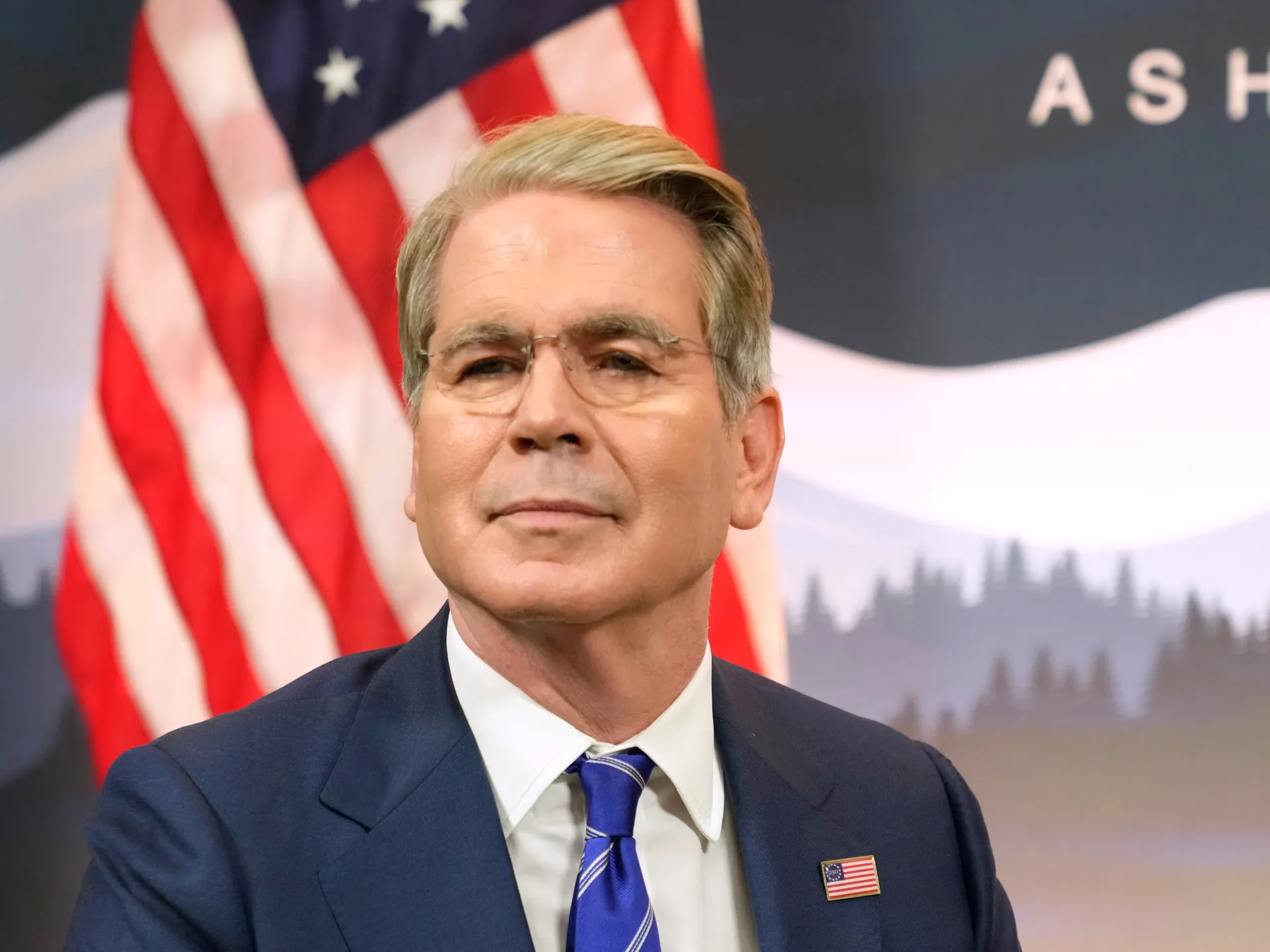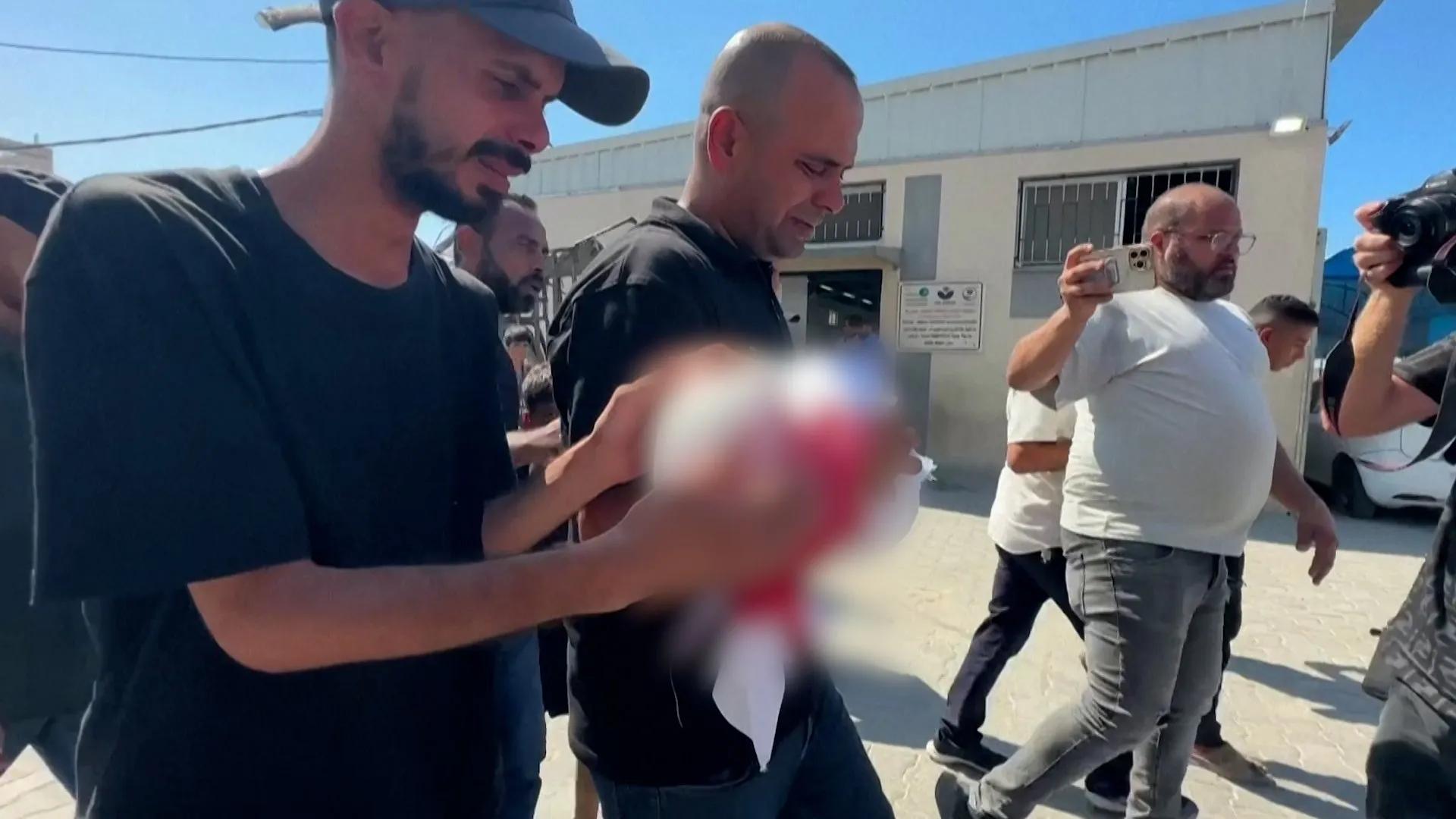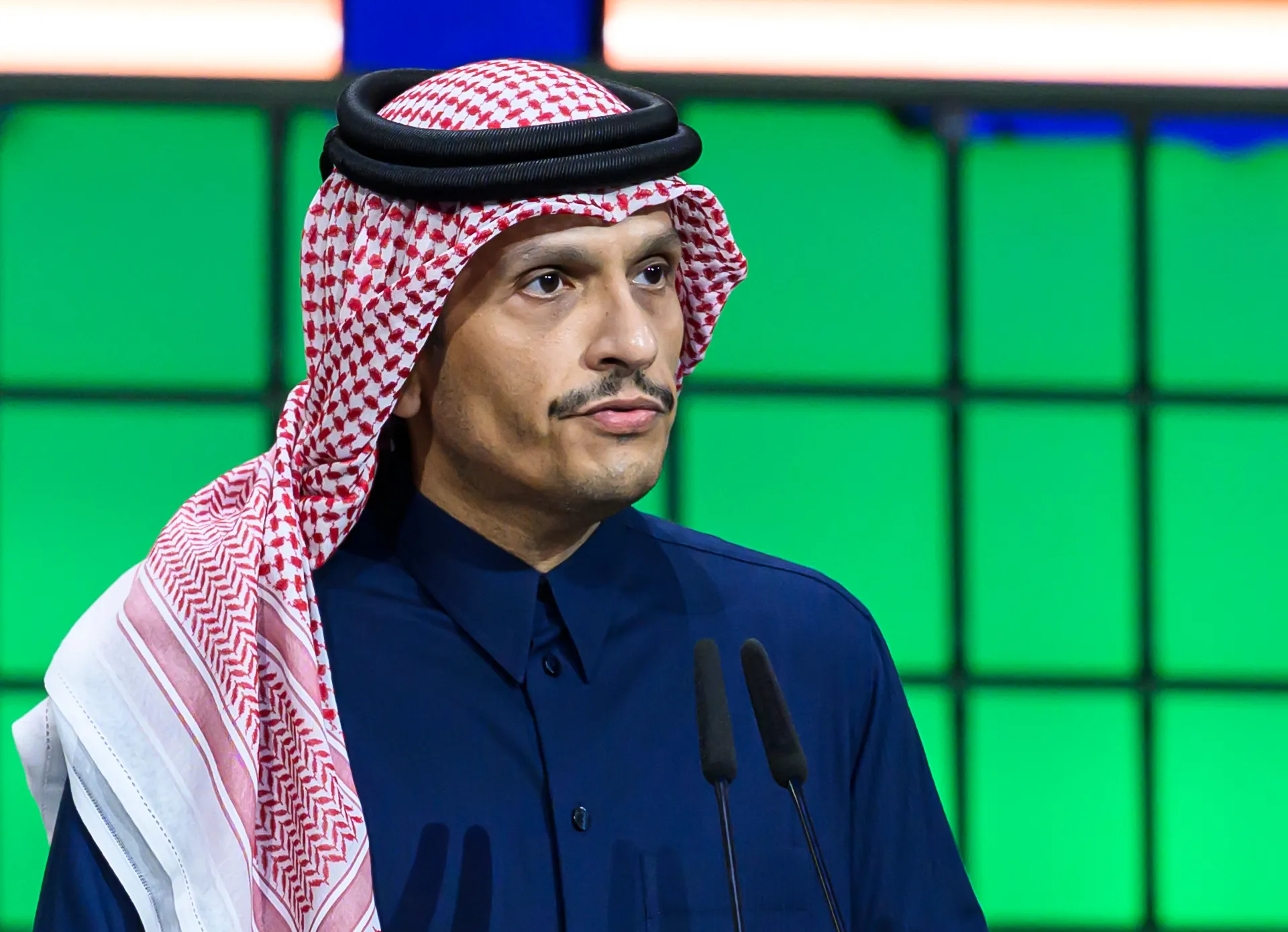
As Qatar calls for a new regional security framework to manage the fallout of the US-Israel-Iran war, Israeli authorities are moving to suppress domestic dissent regarding military conduct.
The convergence of high-stakes regional warfare and internal cultural fracturing in Israel highlights a dual-front crisis for the Middle East. As global leaders gather for the United Nations General Assembly, the focus on de-escalation is being complicated r’s push for a regional security framework and the internal push ved beyond the battlefield into the realms of international diplomacy and national identity.
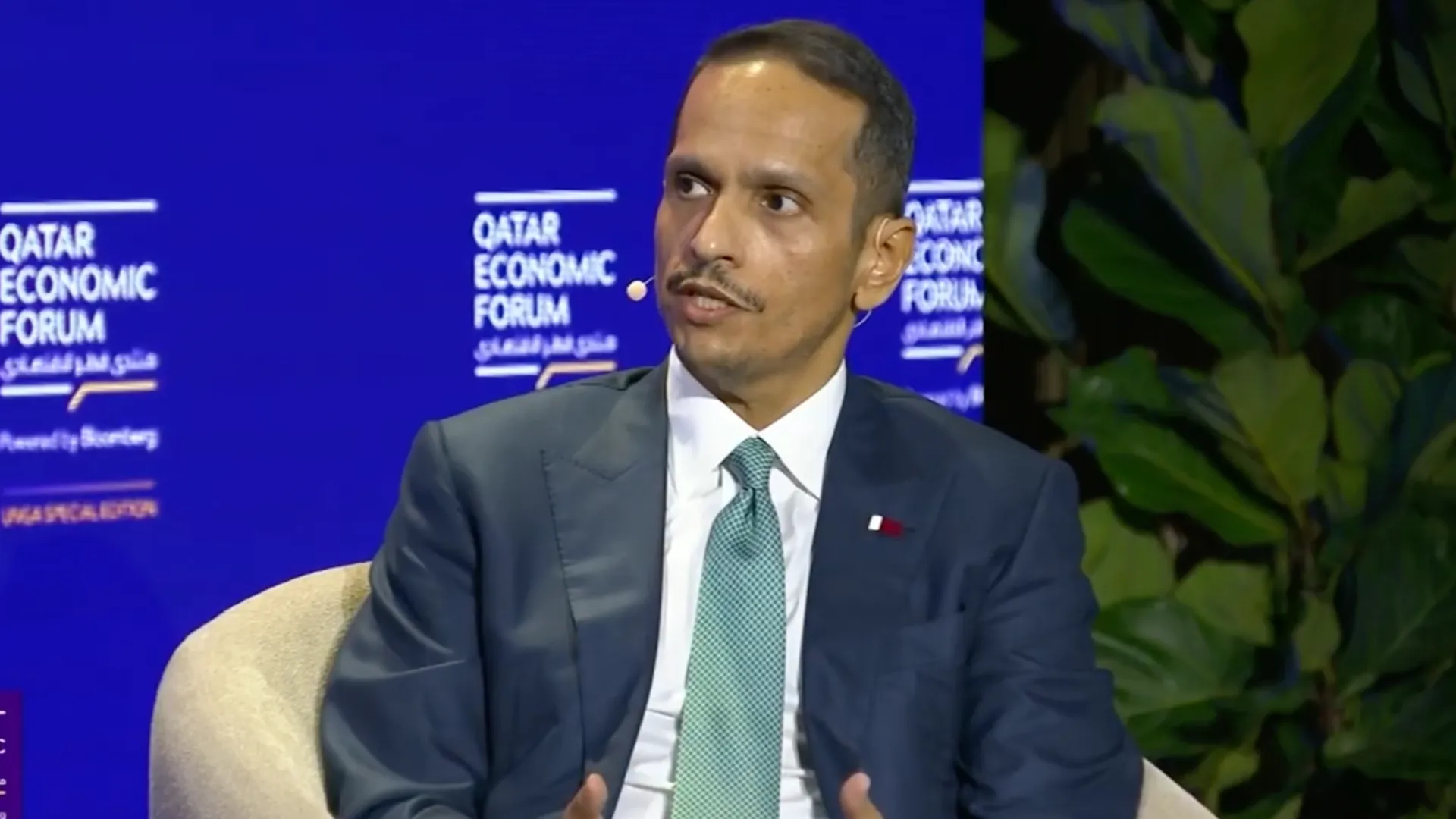
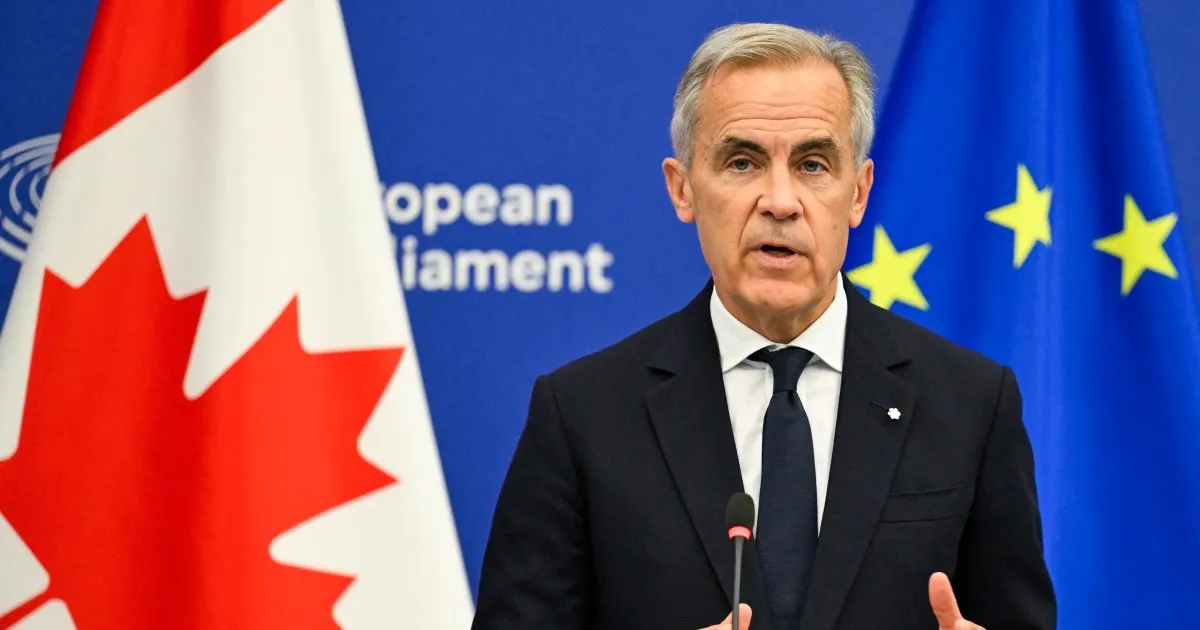
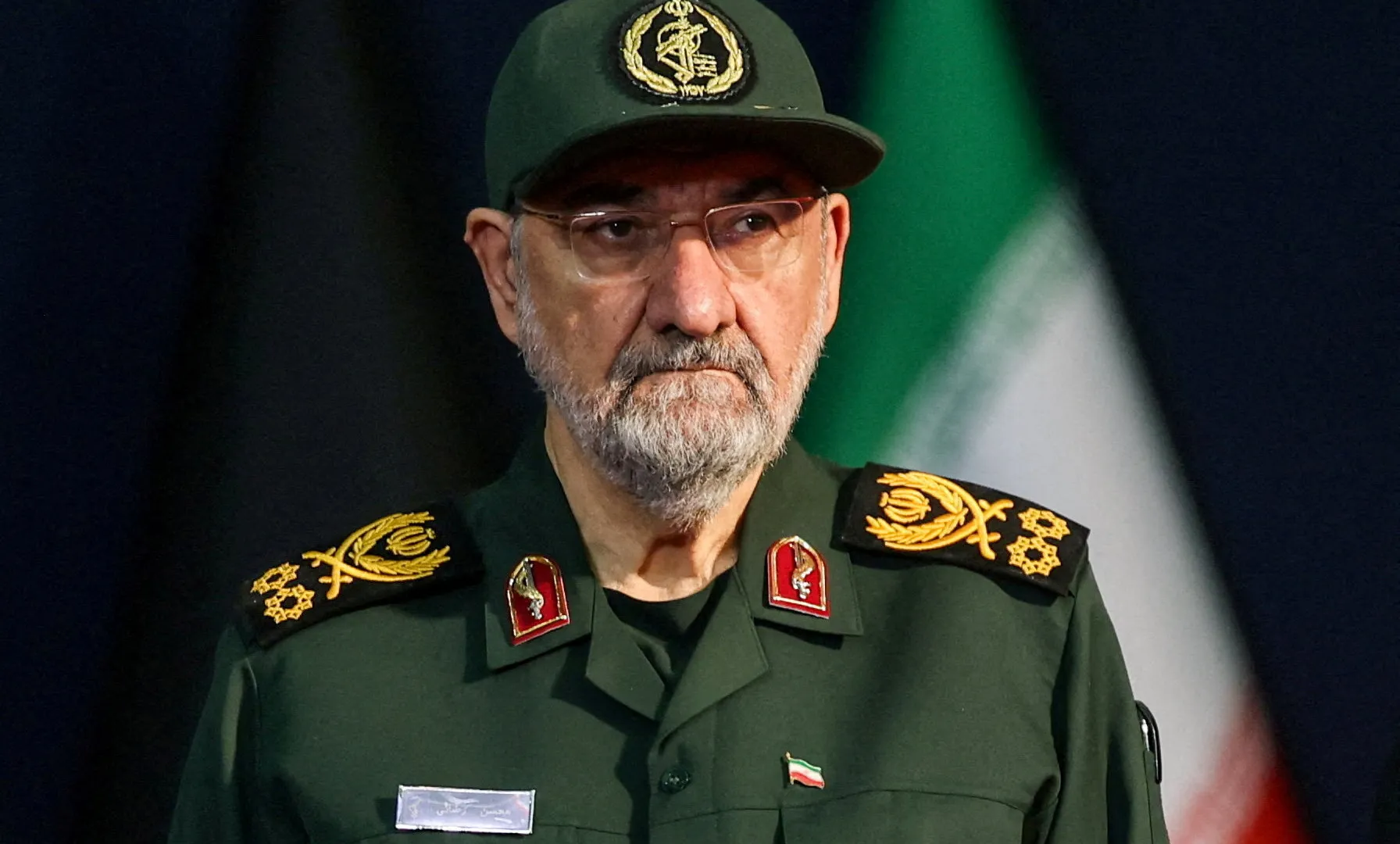
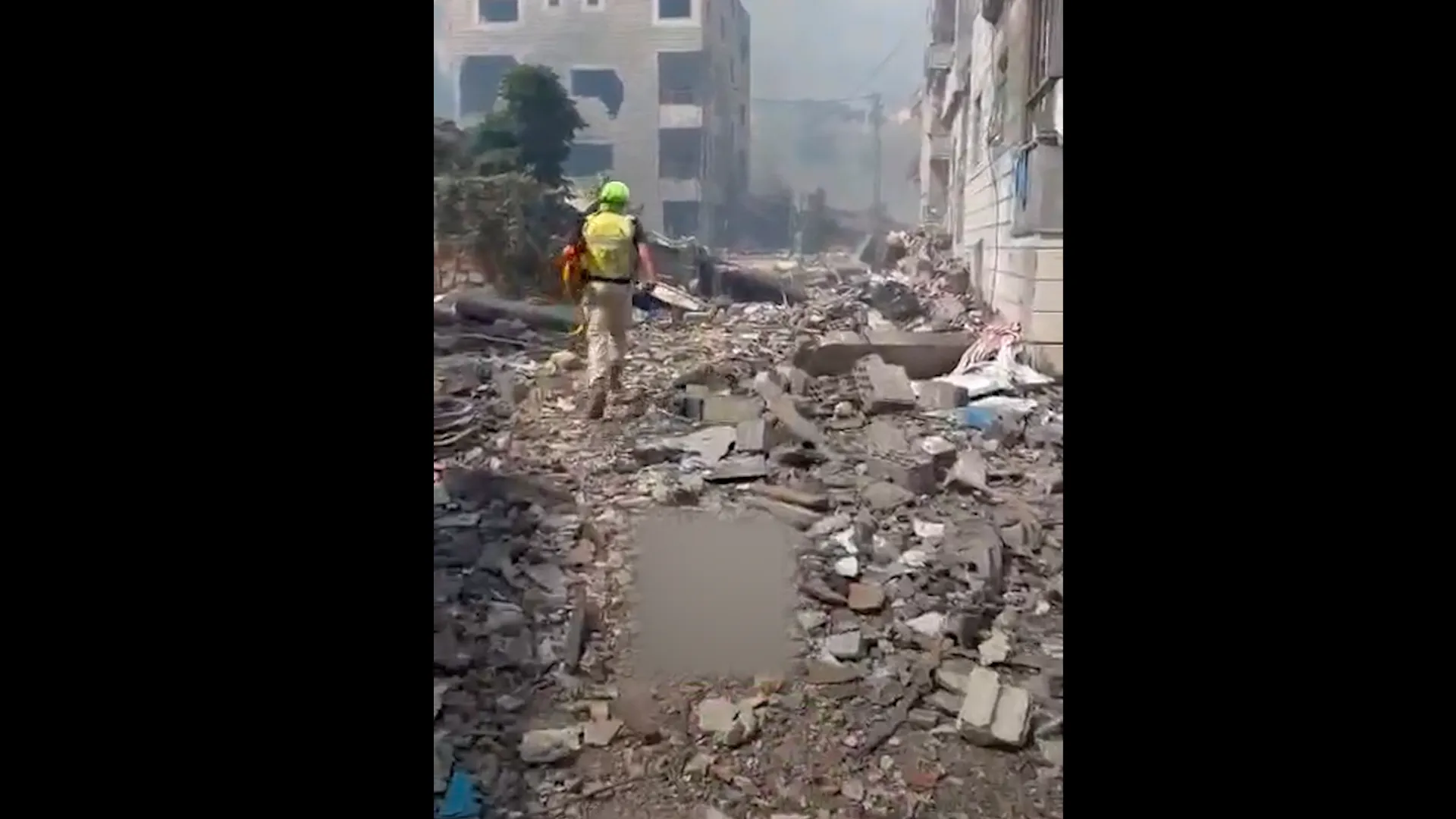
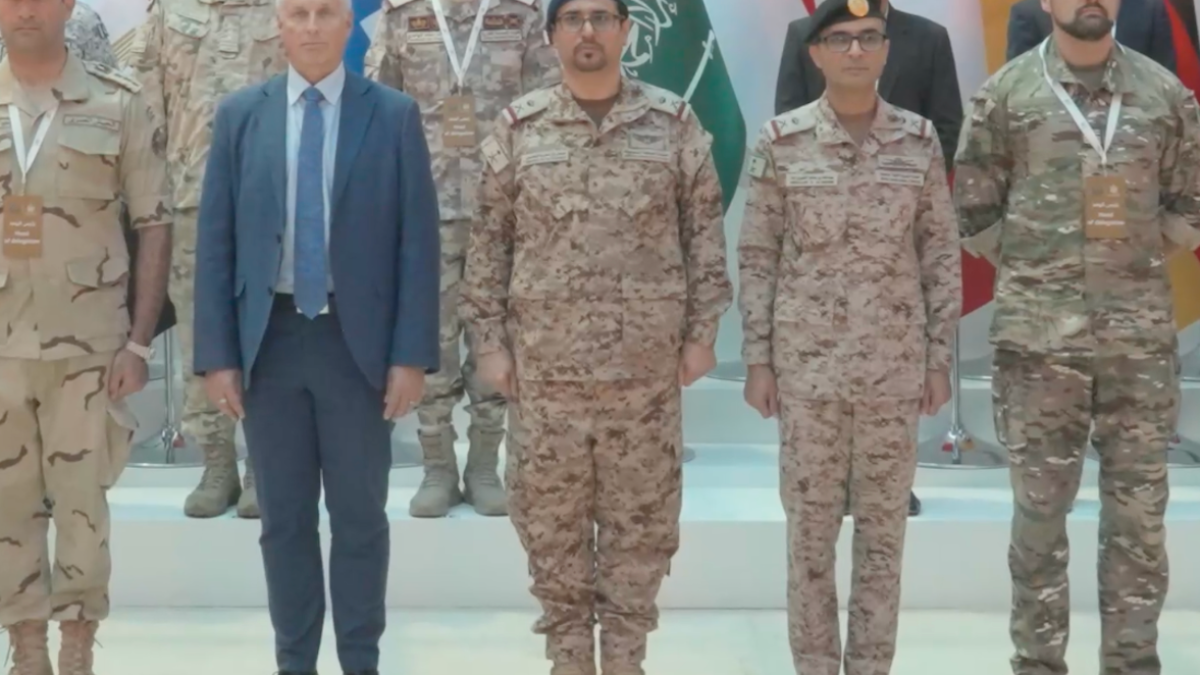
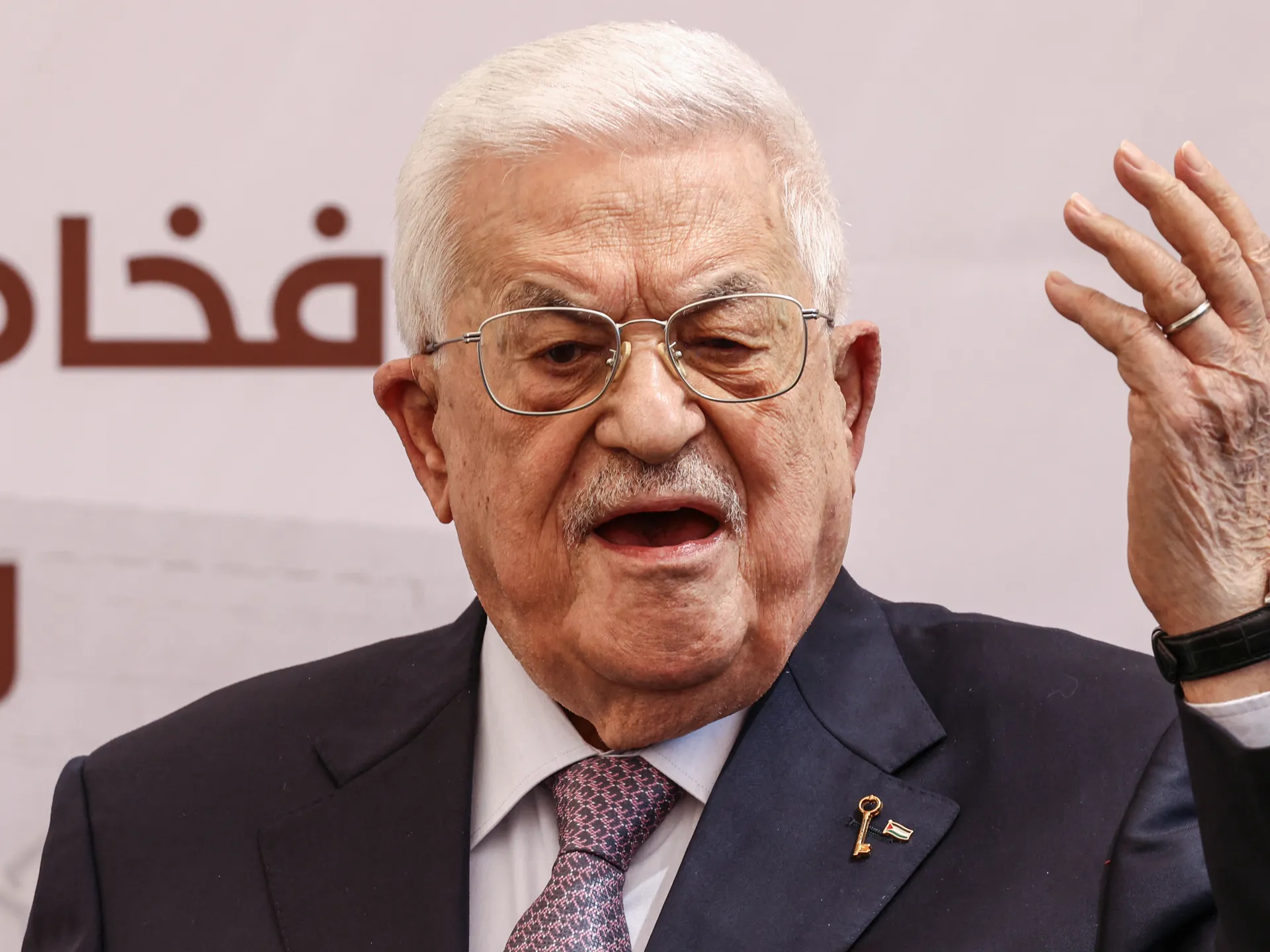
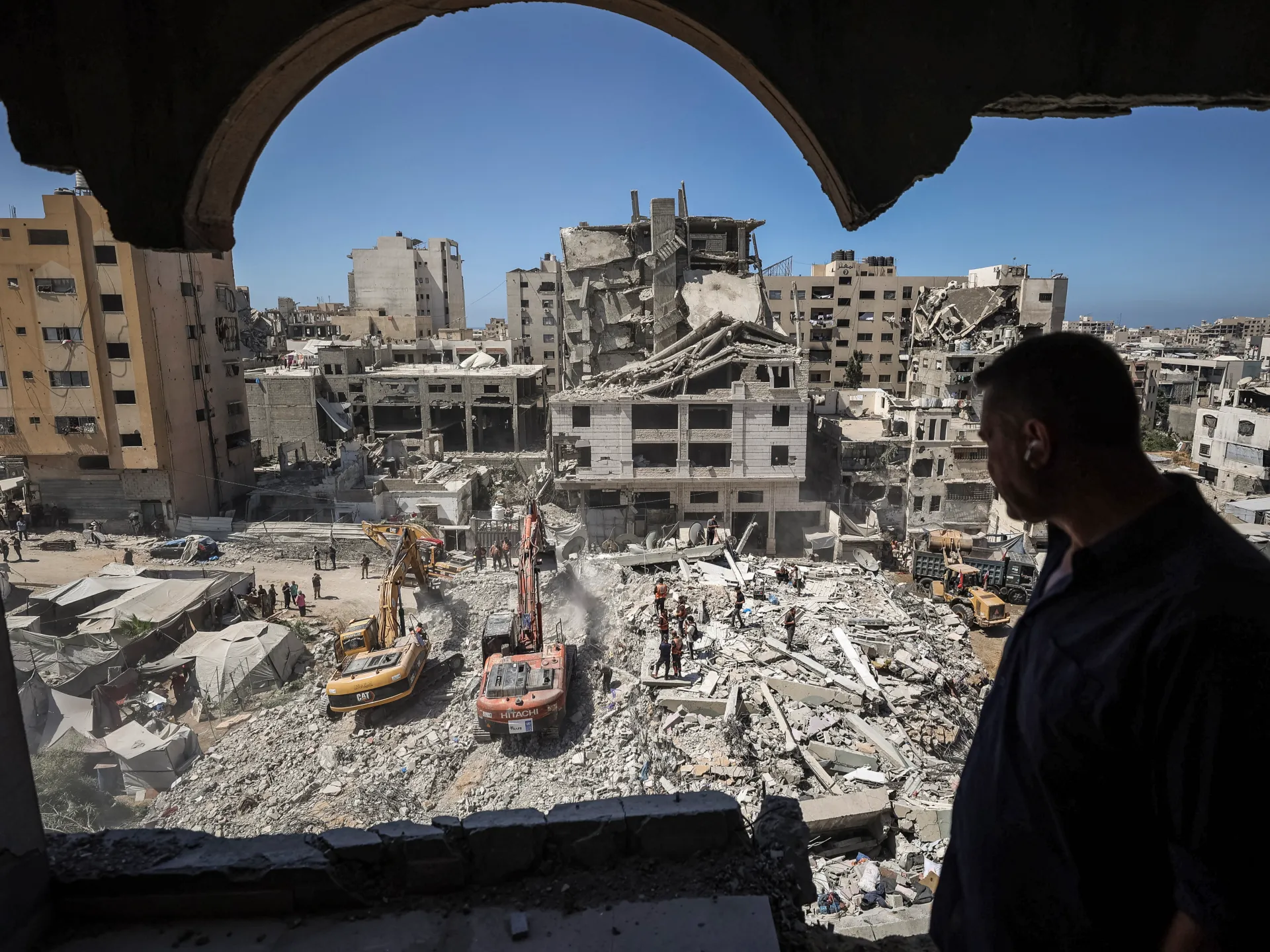
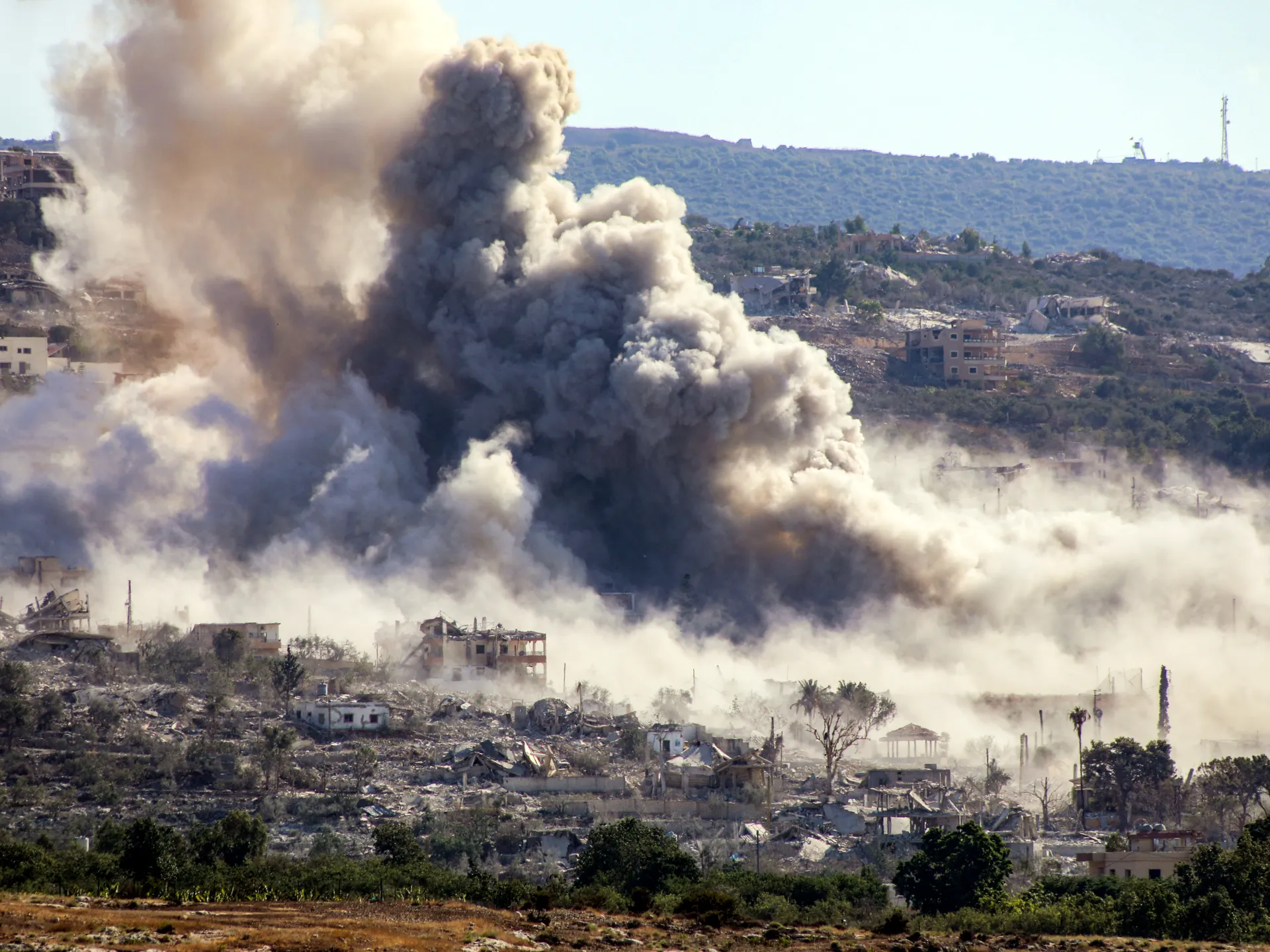
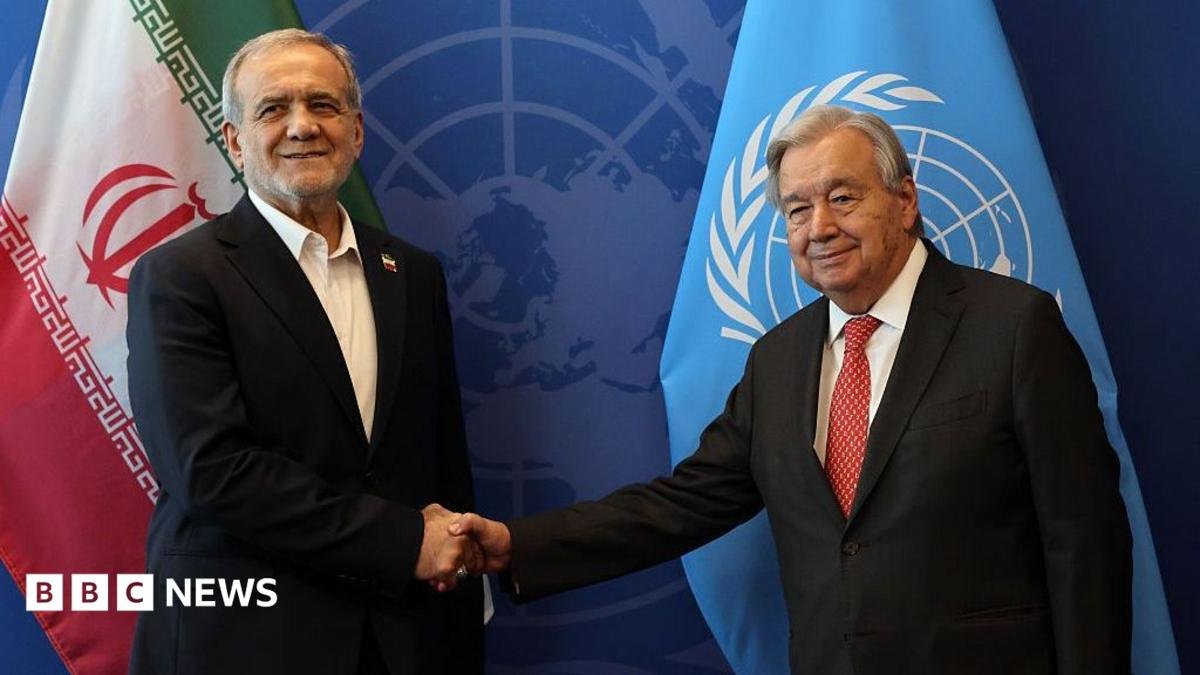
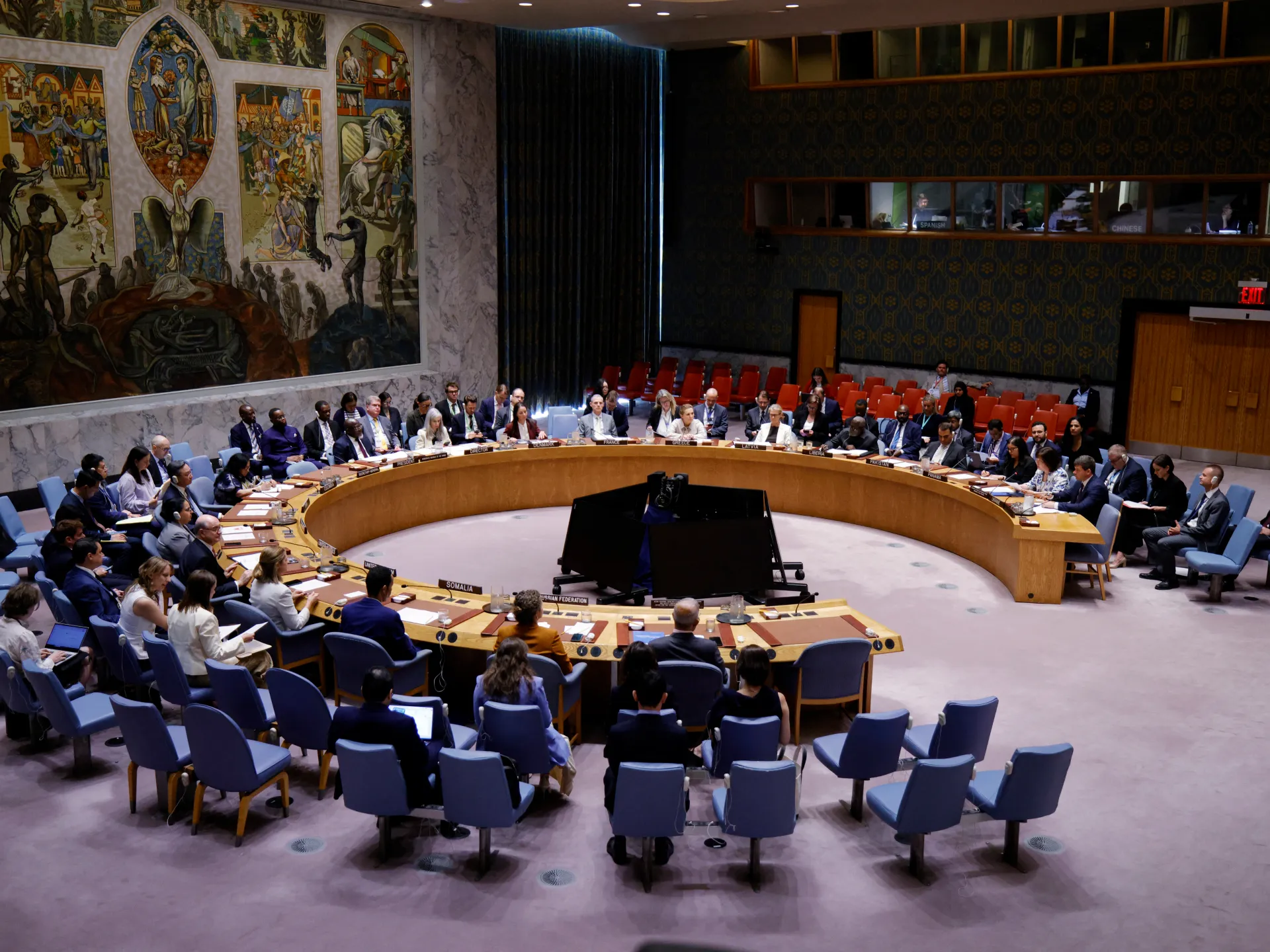
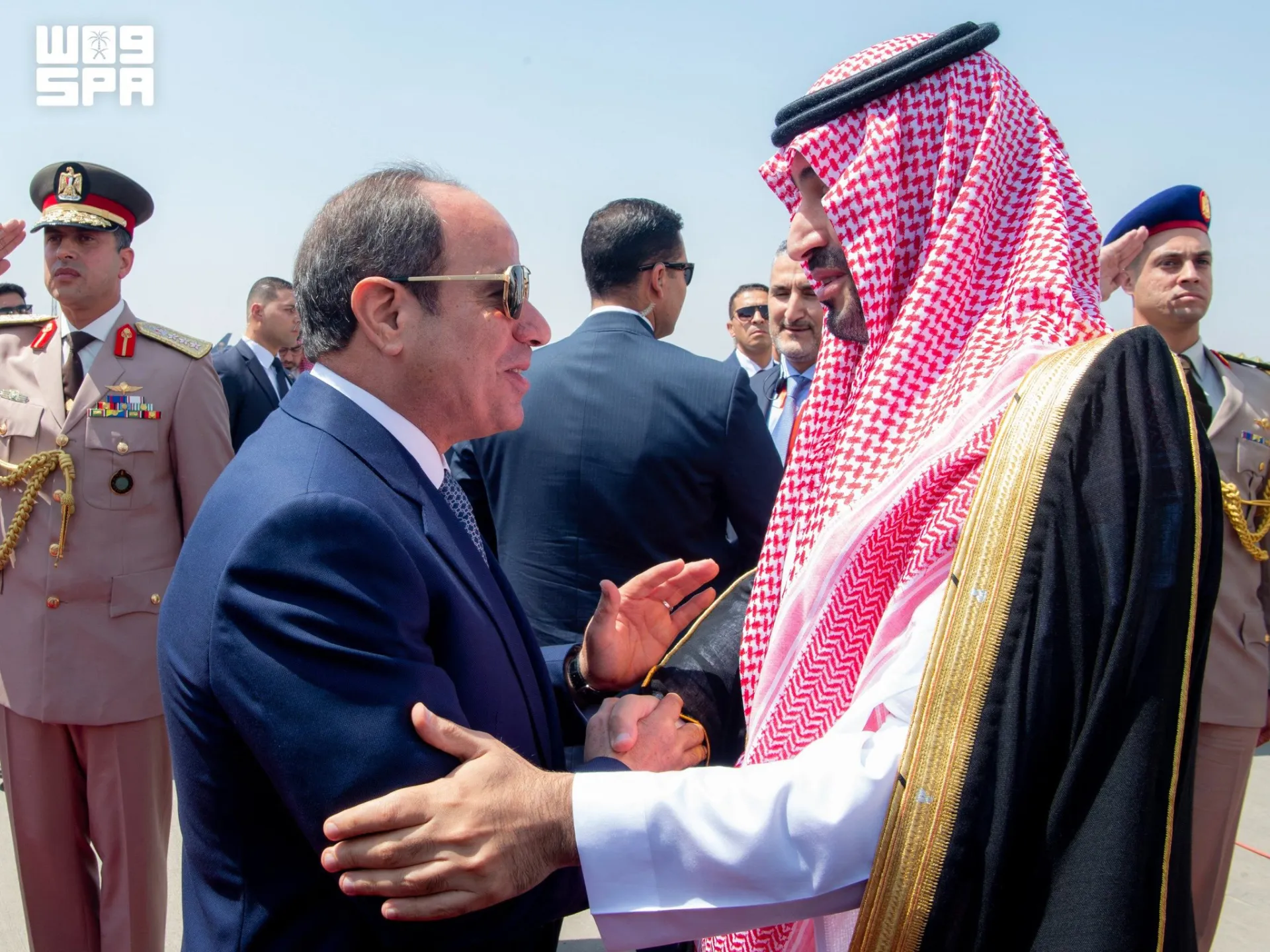
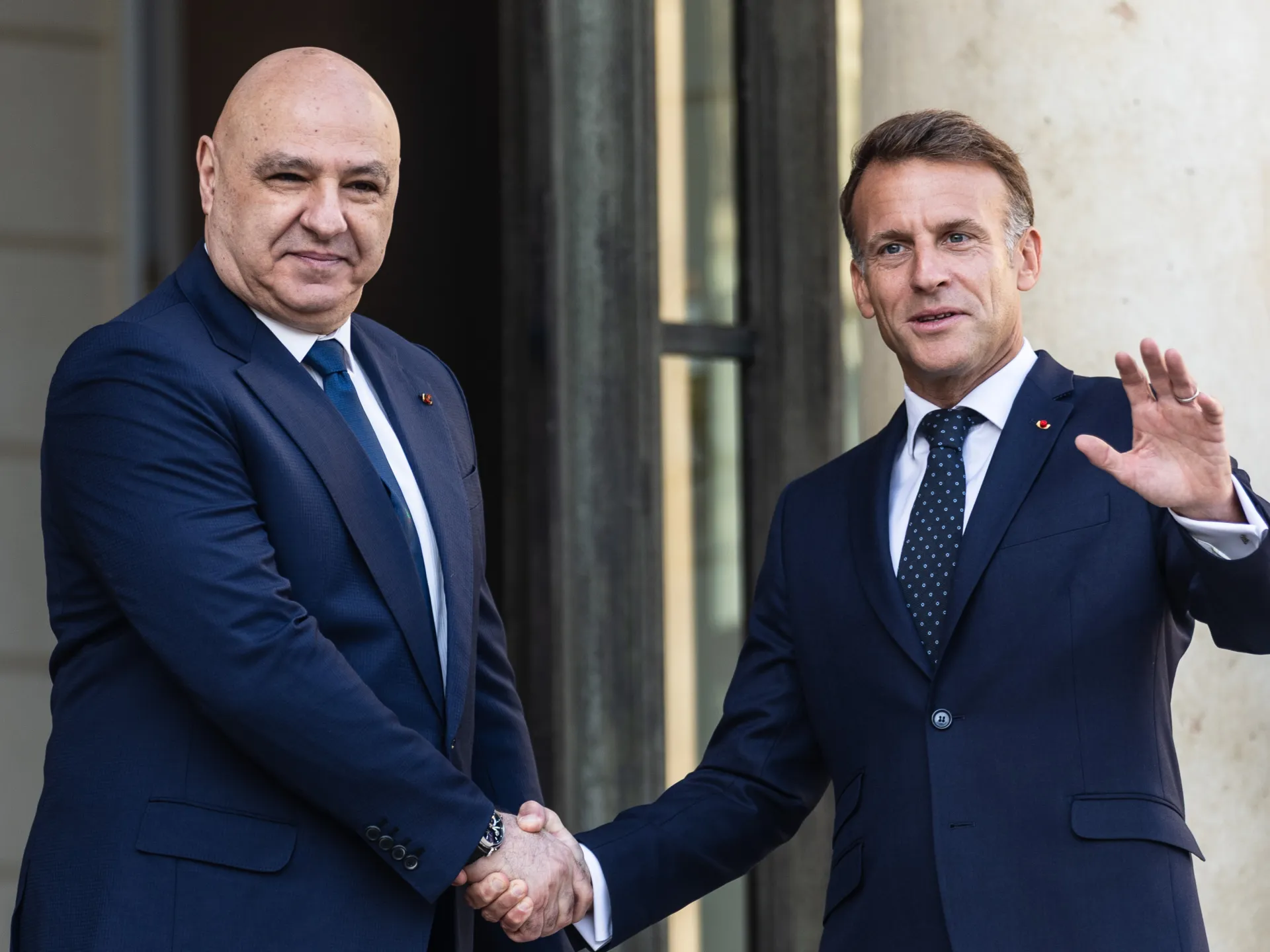
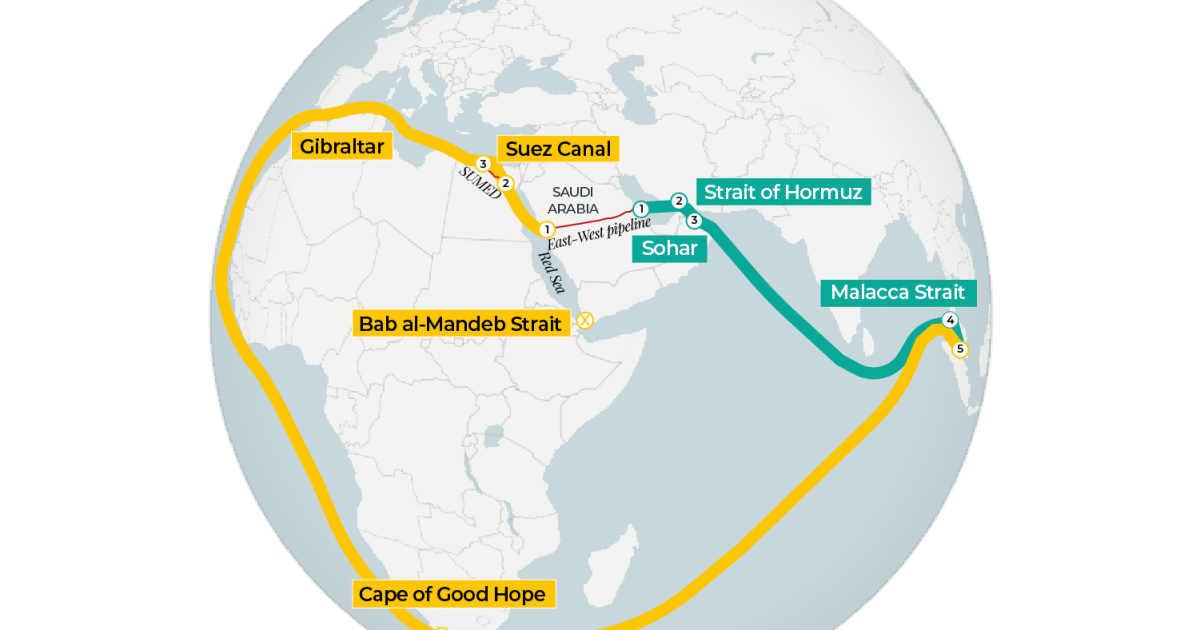
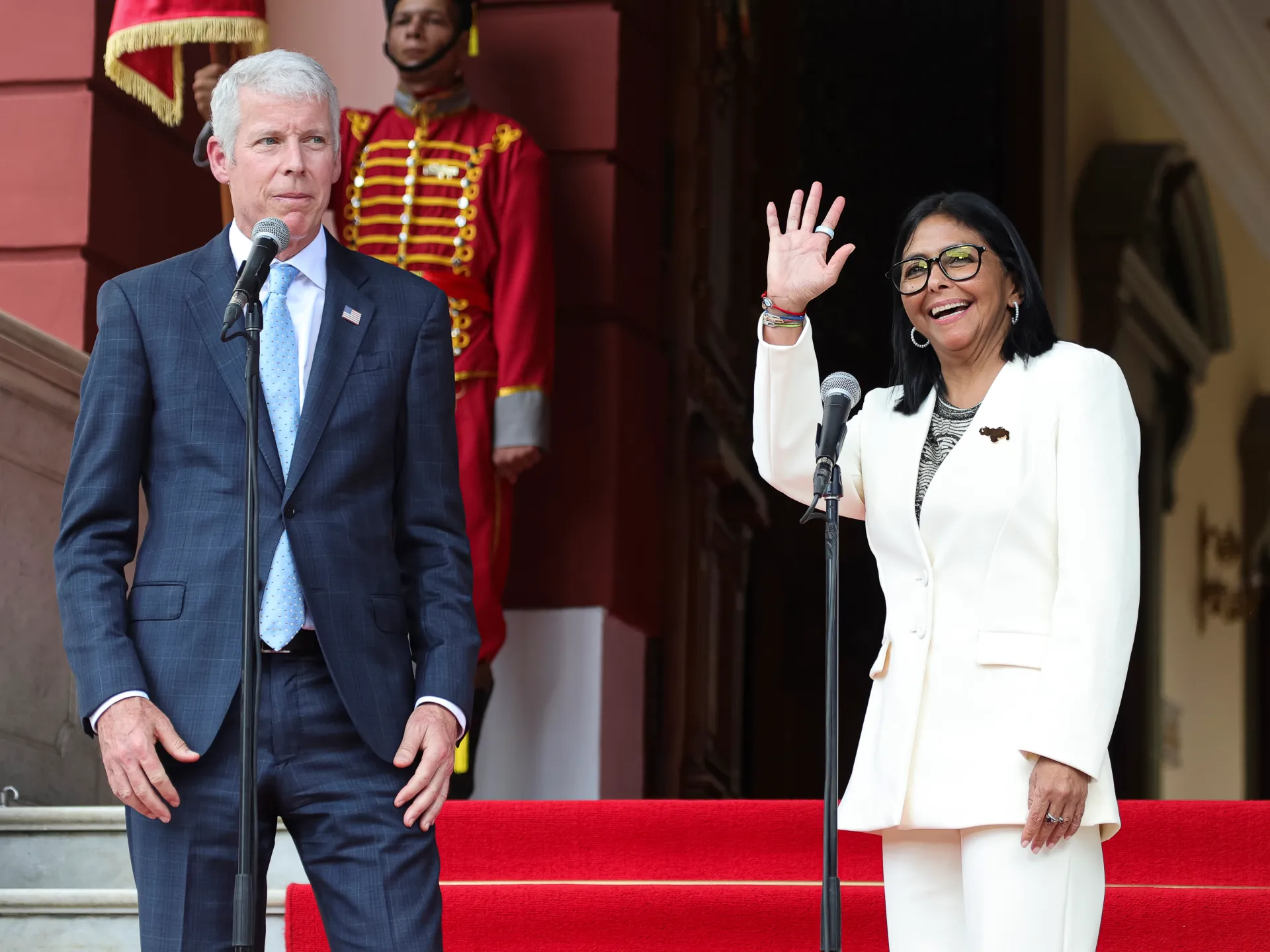
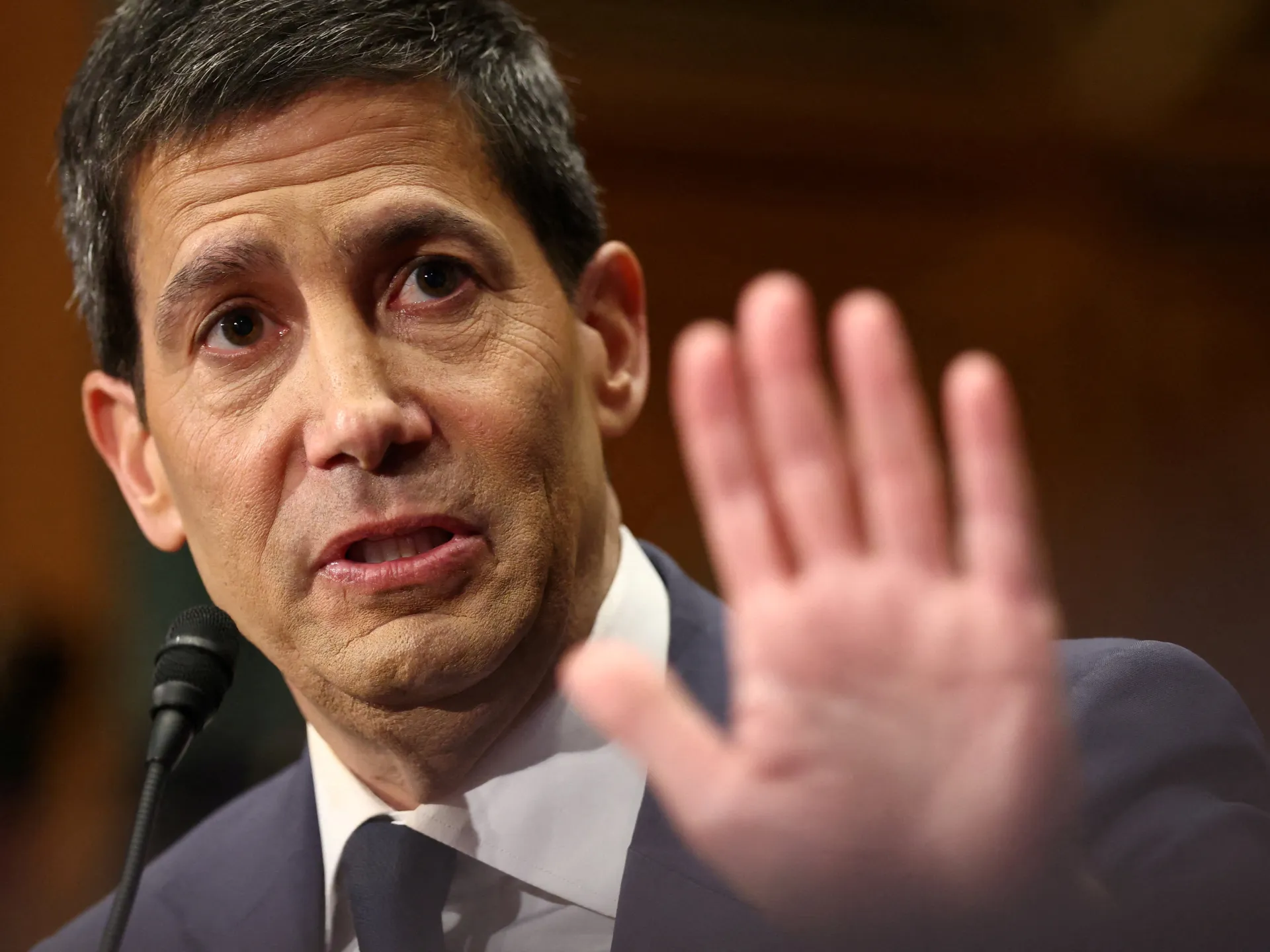
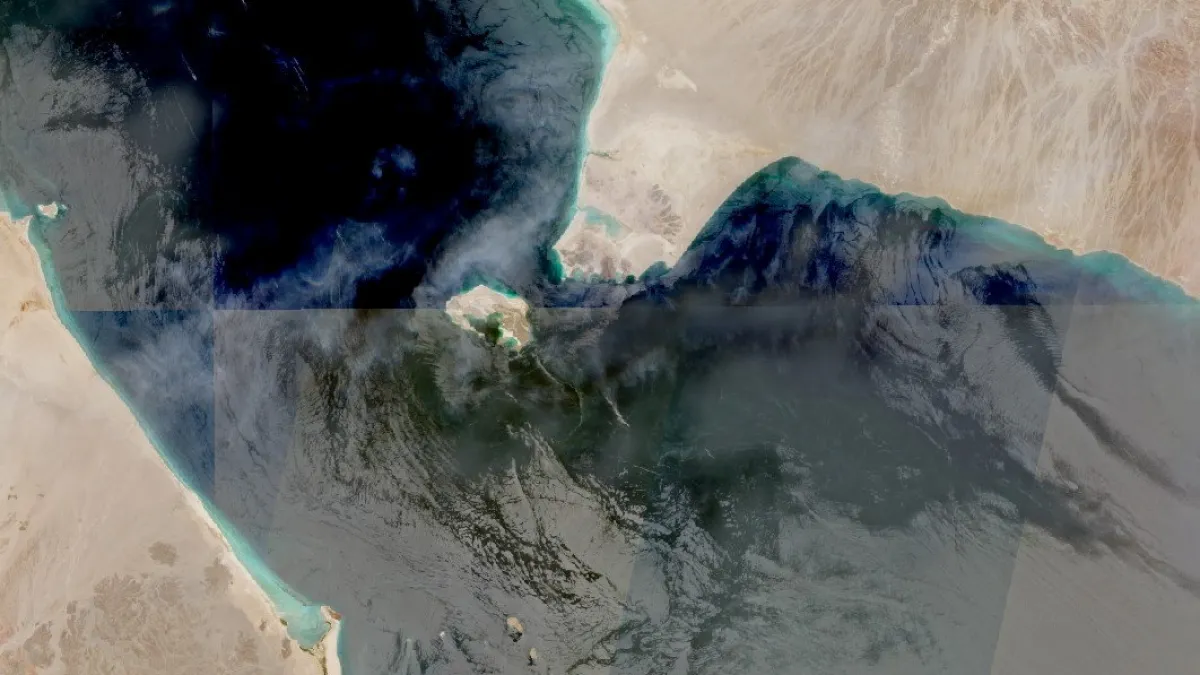
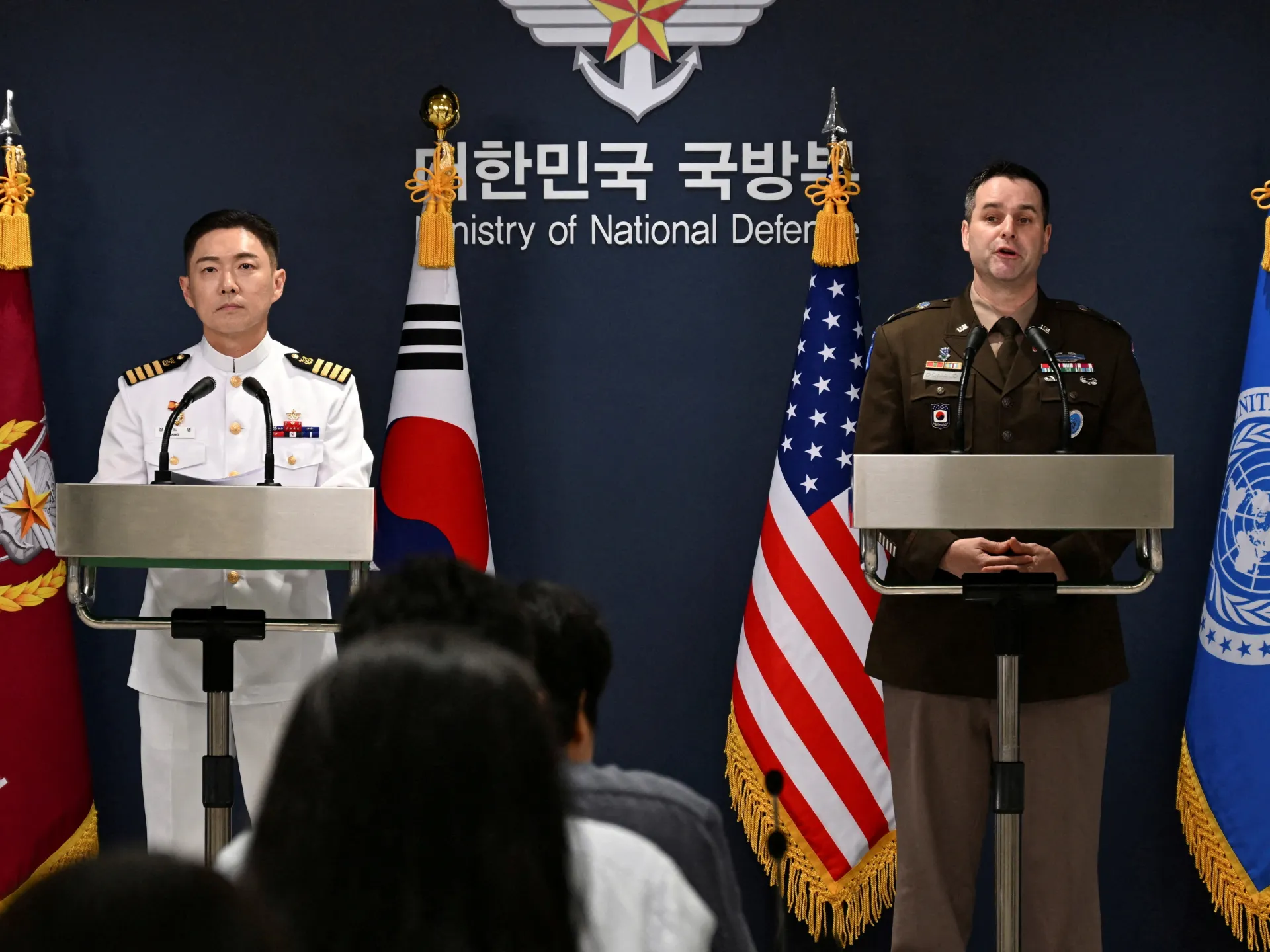
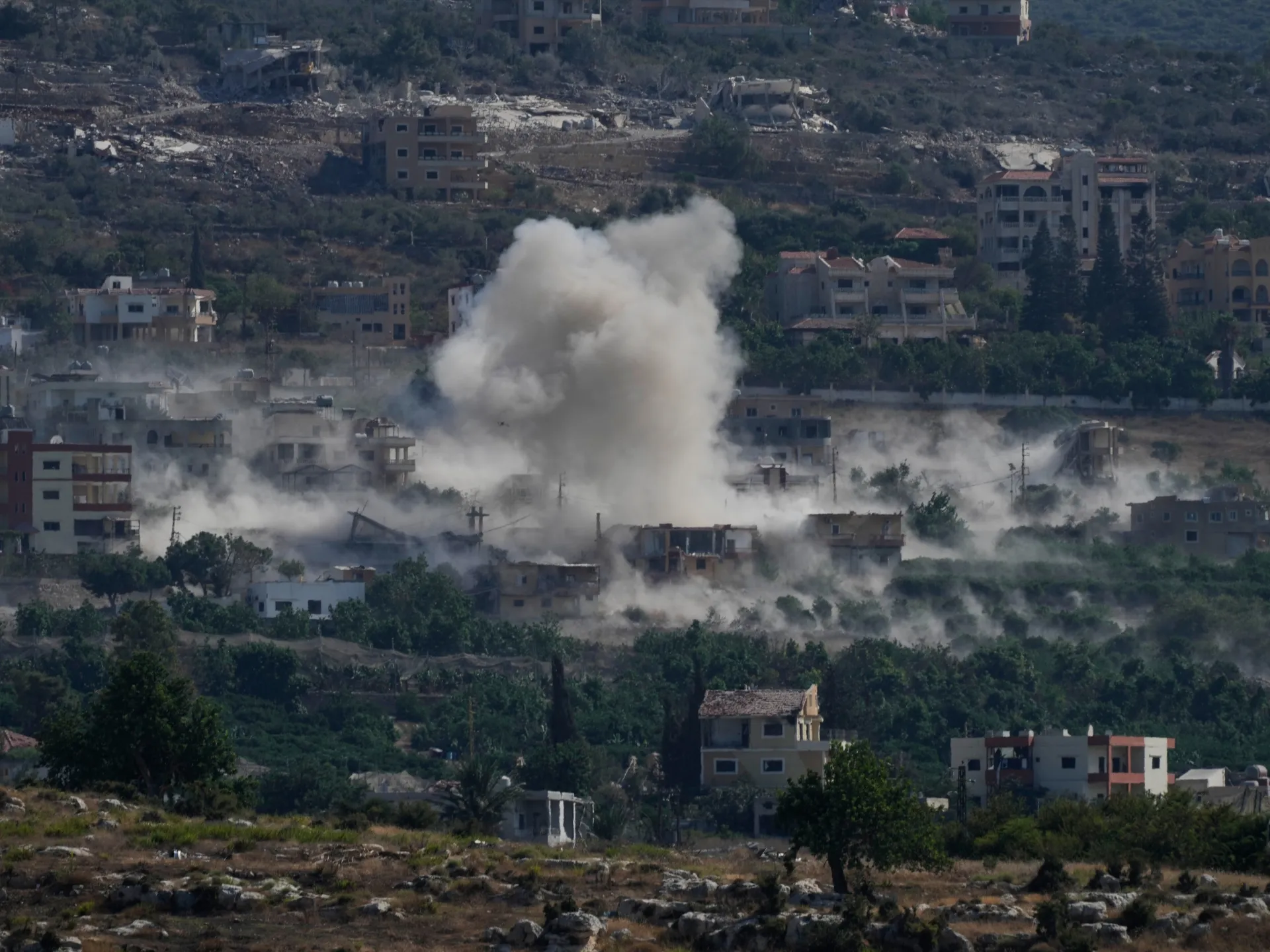
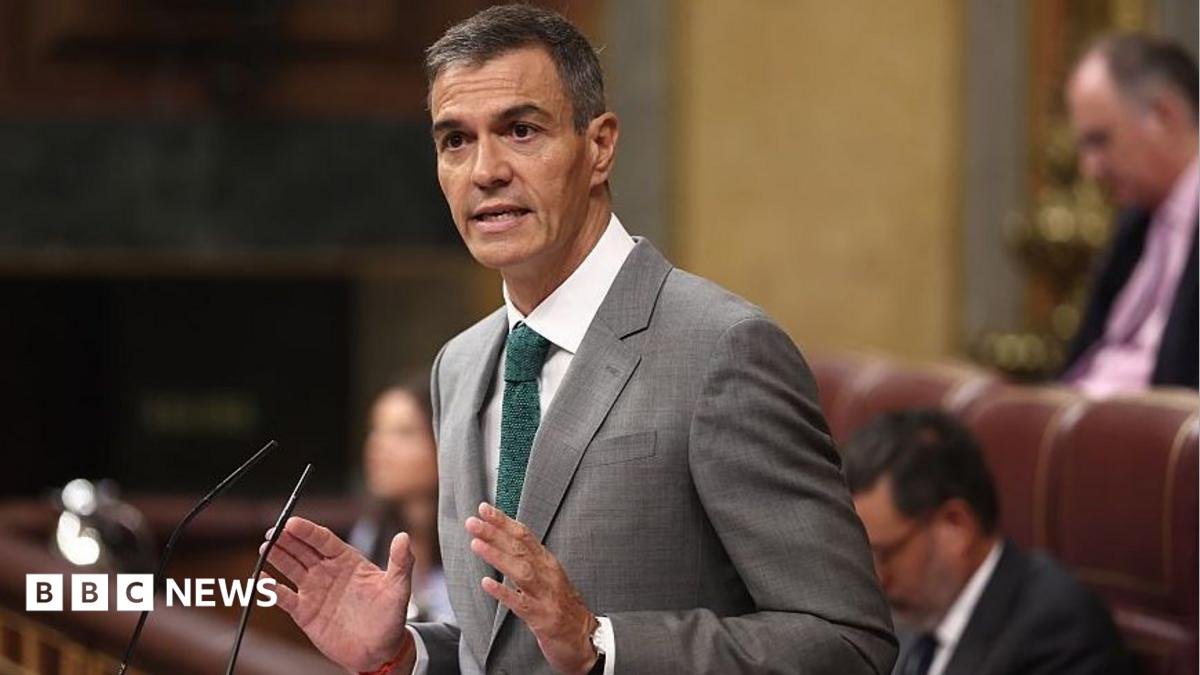
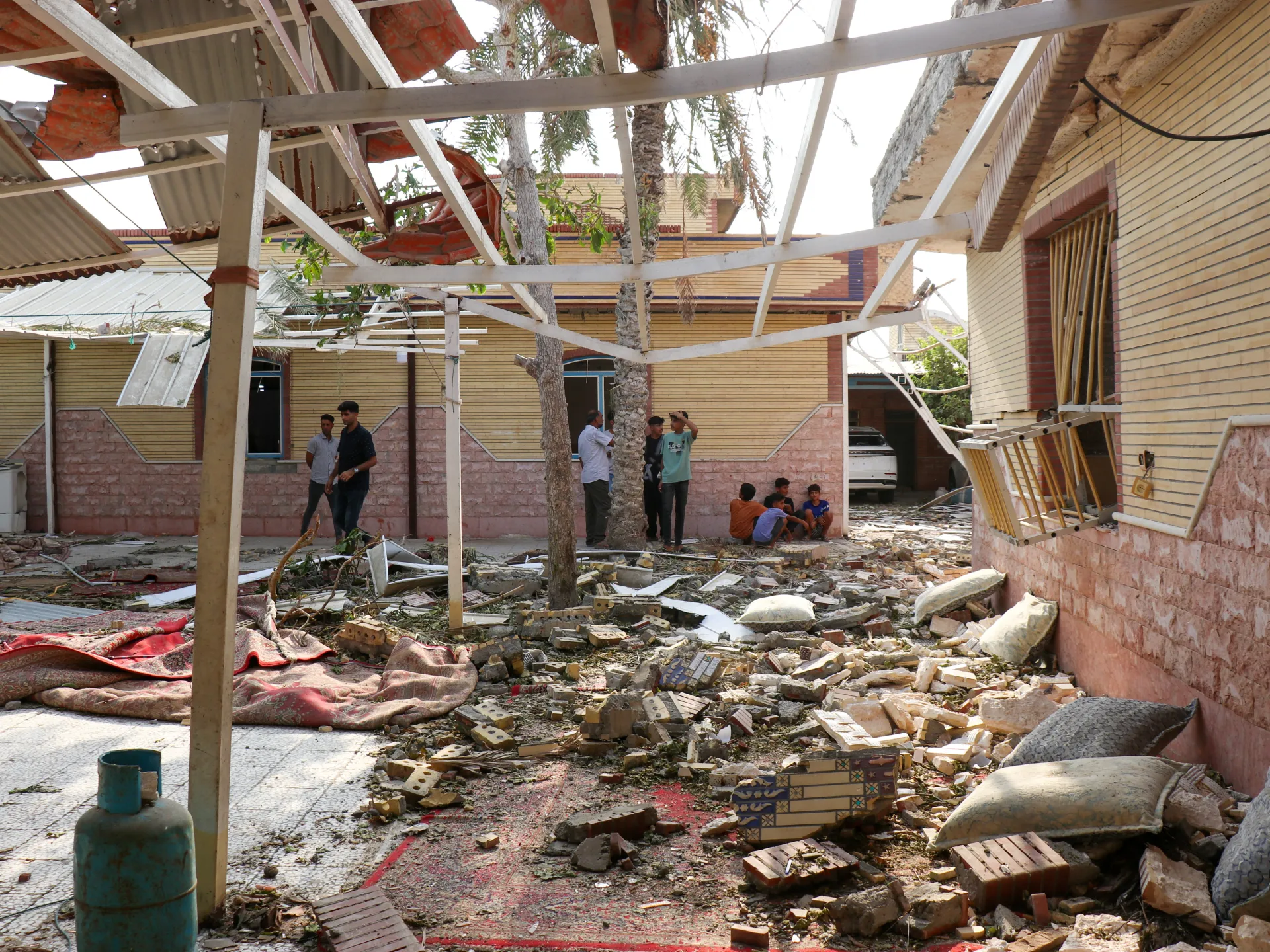
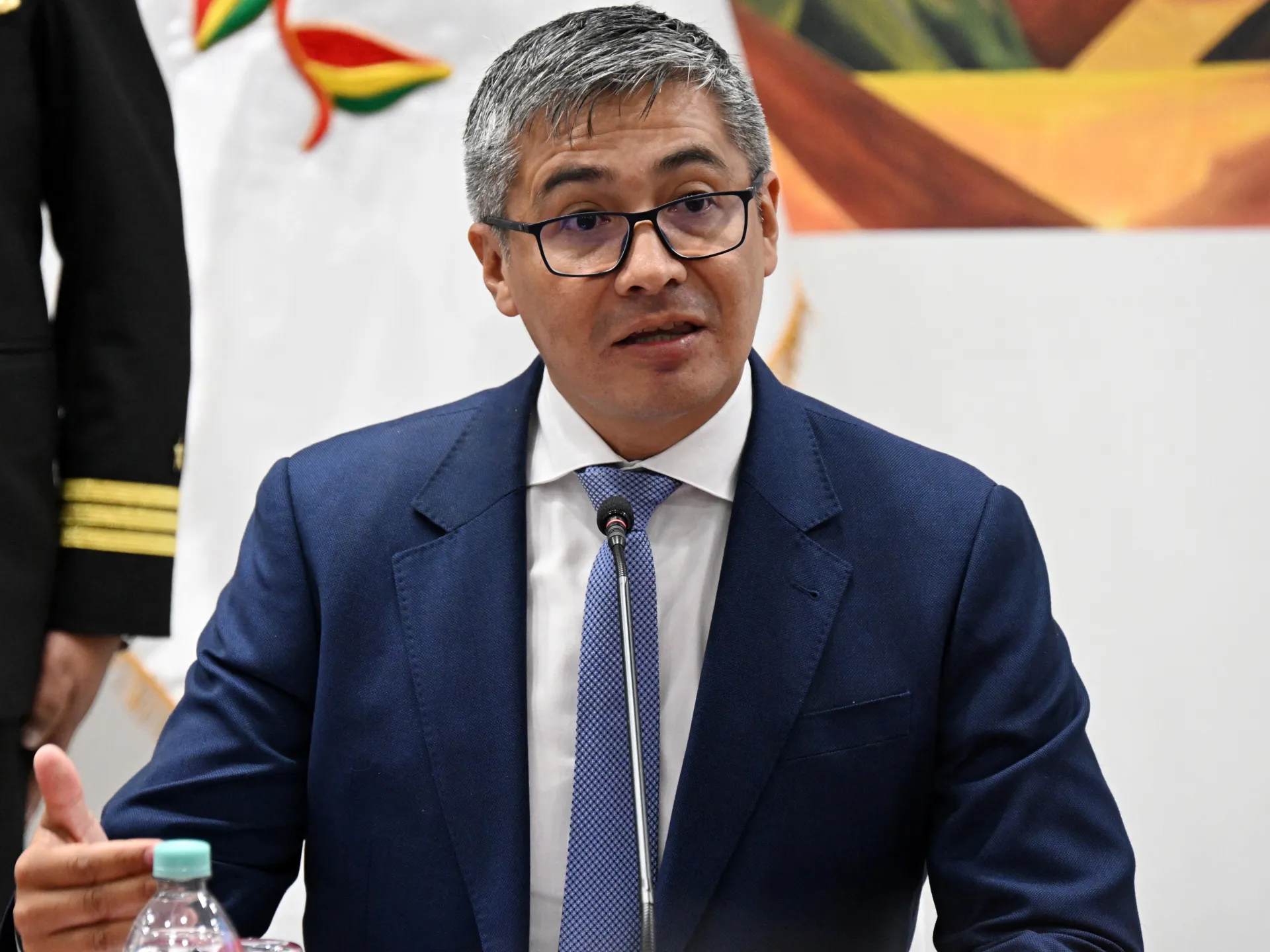
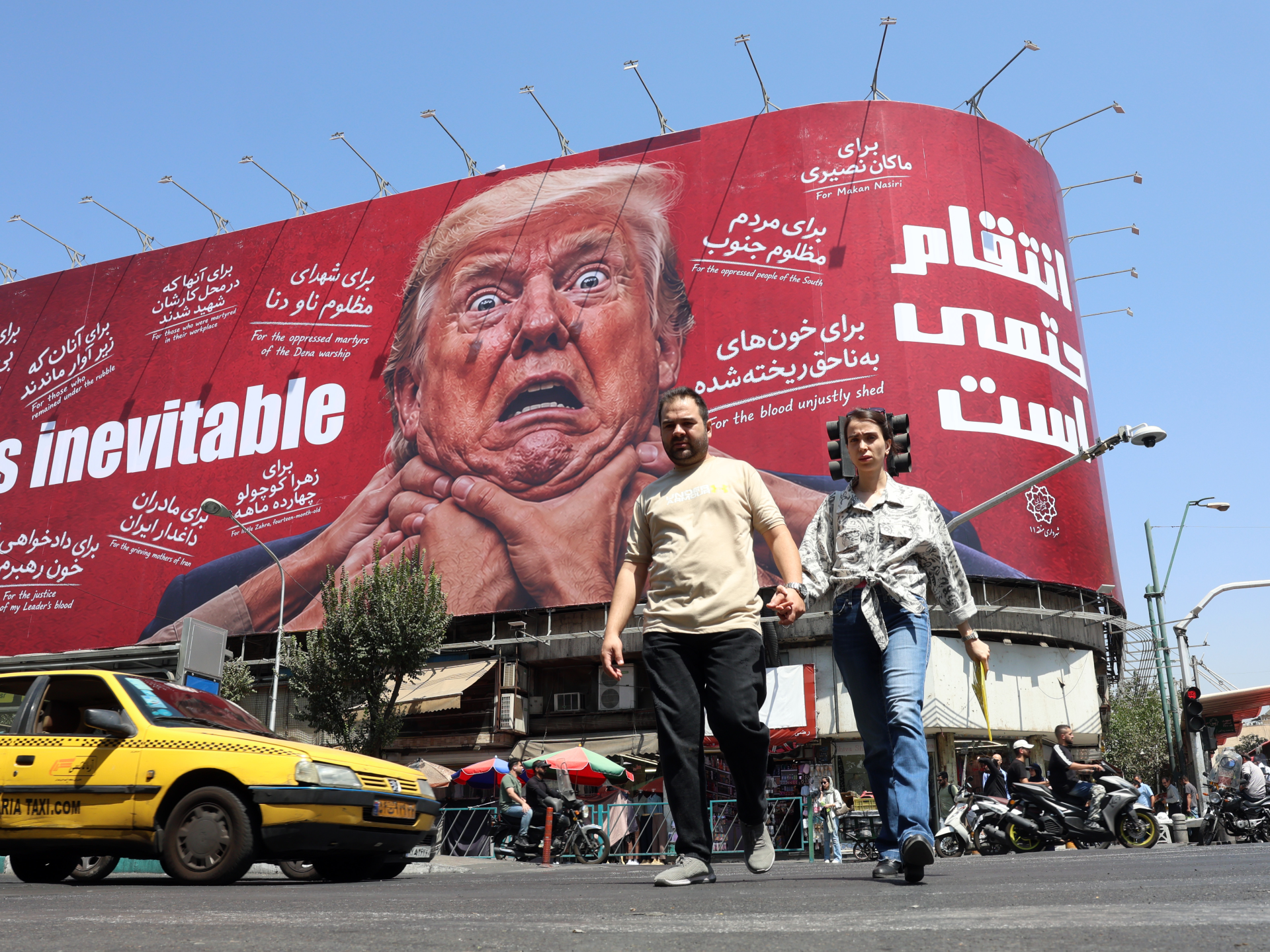
Qatar’s Prime Minister, Sheikh Mohammed bin Abdulrahman bin Jassim Al Thani, has characterized the ongoing US-Israel war against Iran as an “earthquake” that has fundamentally shifted the security landscape of the Middle East. Speaking at a forum adjacent to the UN General Assembly in New York, the Prime Minister emphasized that the shockwaves from this conflict have transcended traditional geopolitical borders, forcing nations to re-evaluate their reliance on established energy and shipping routes.
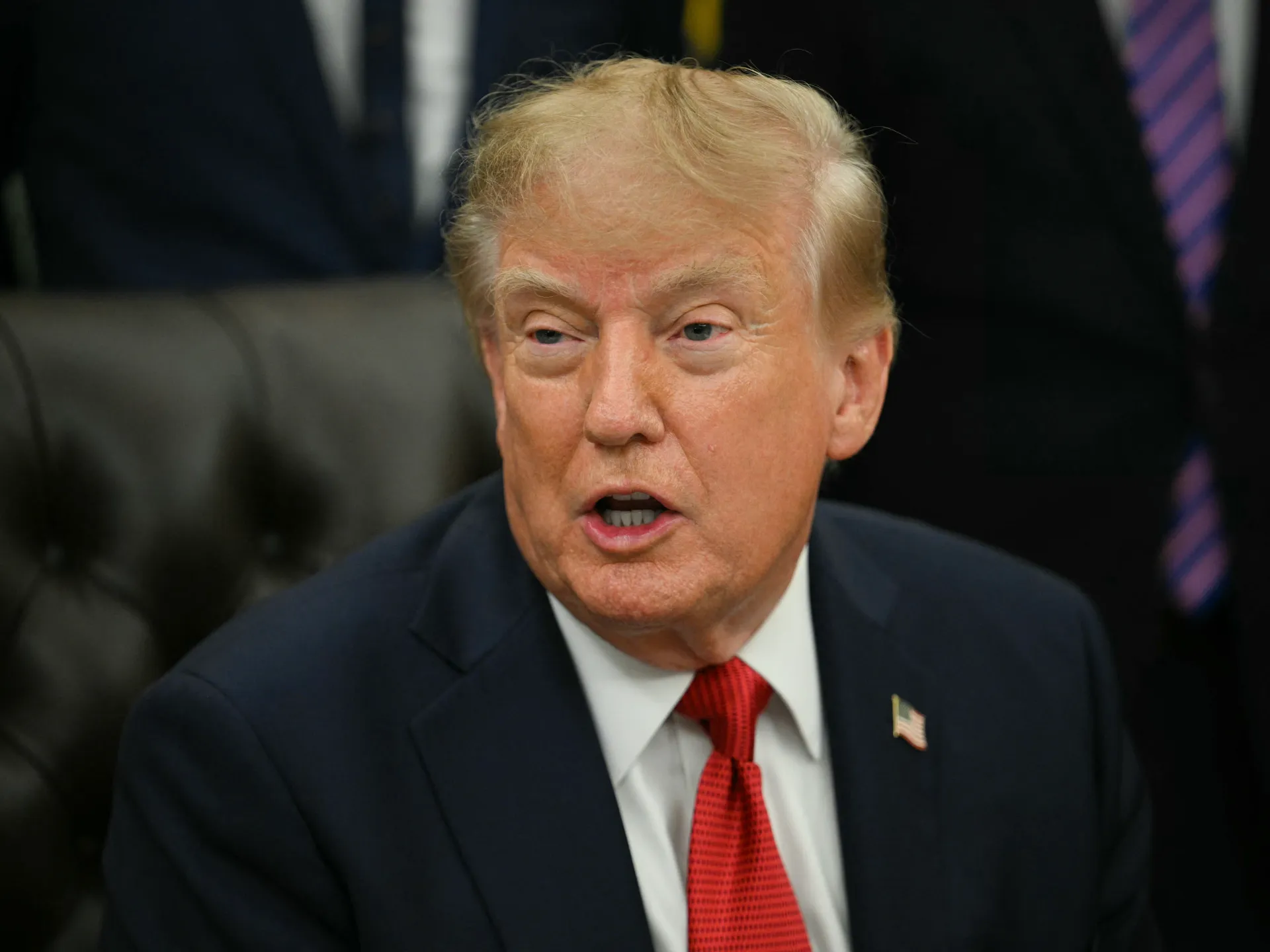
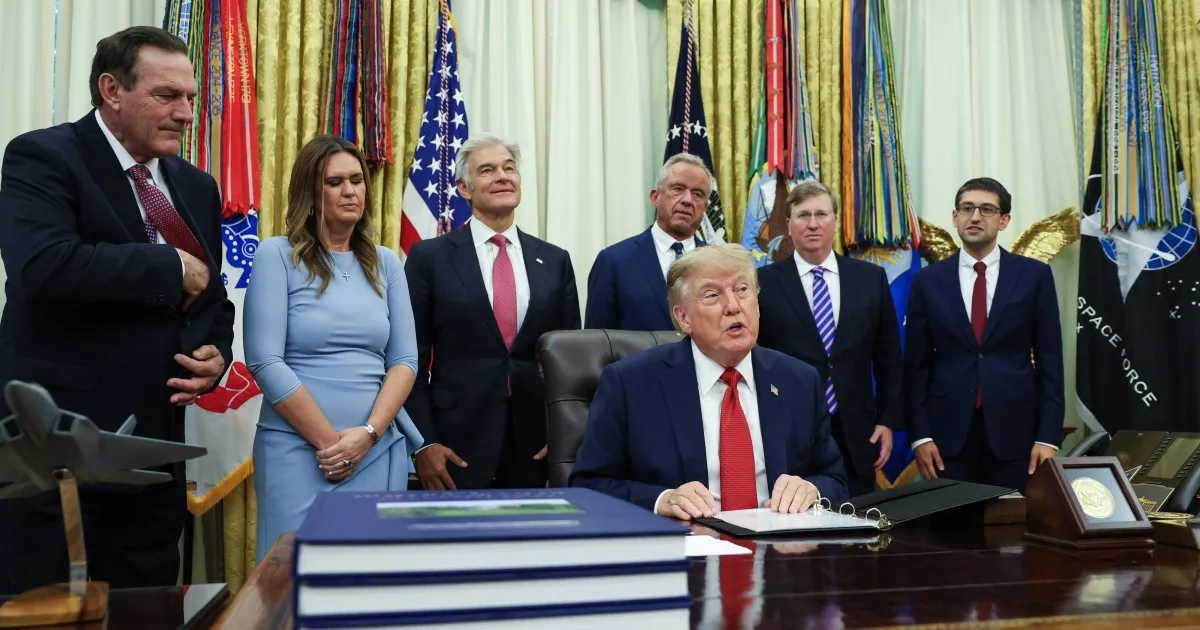
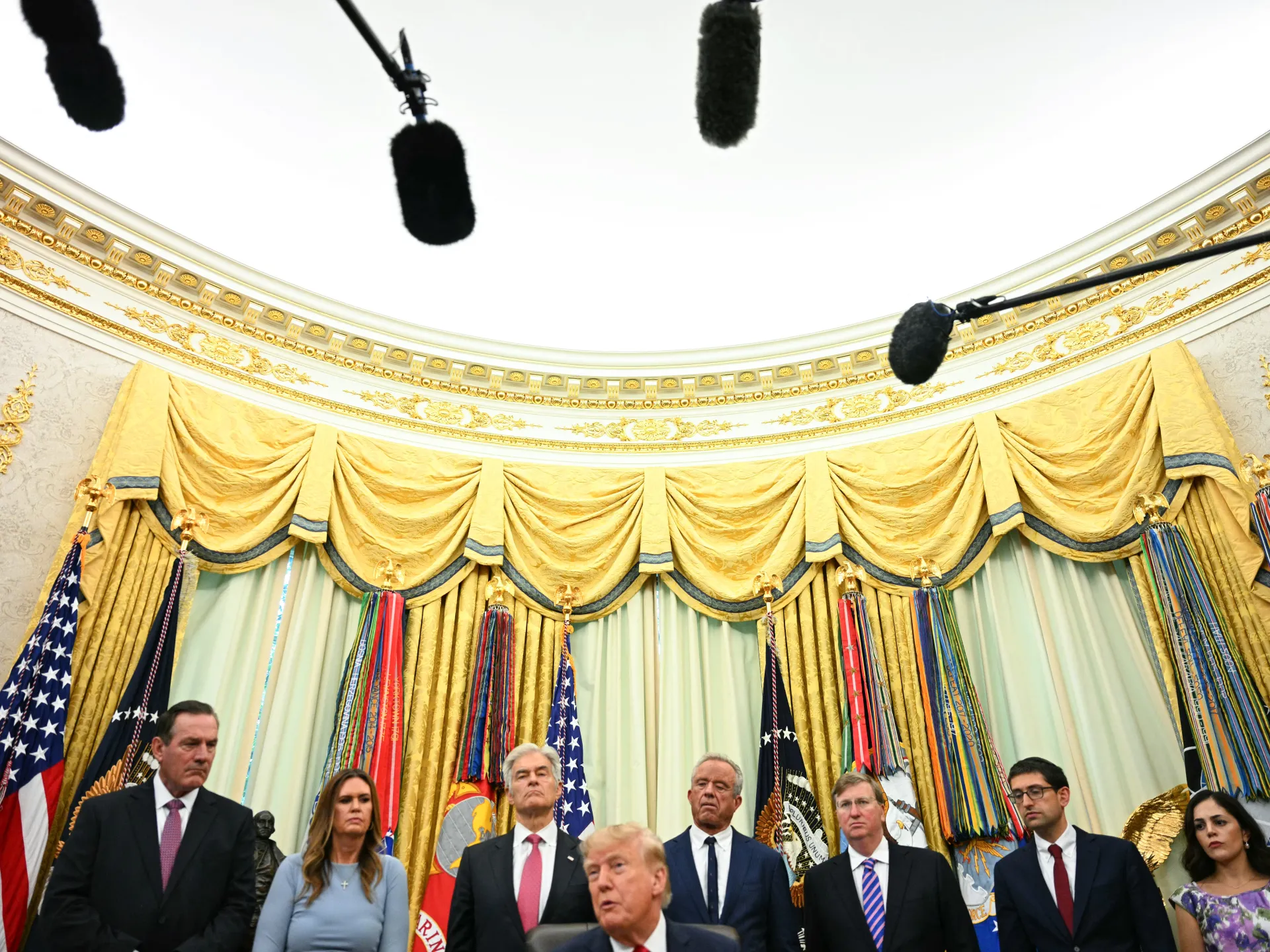
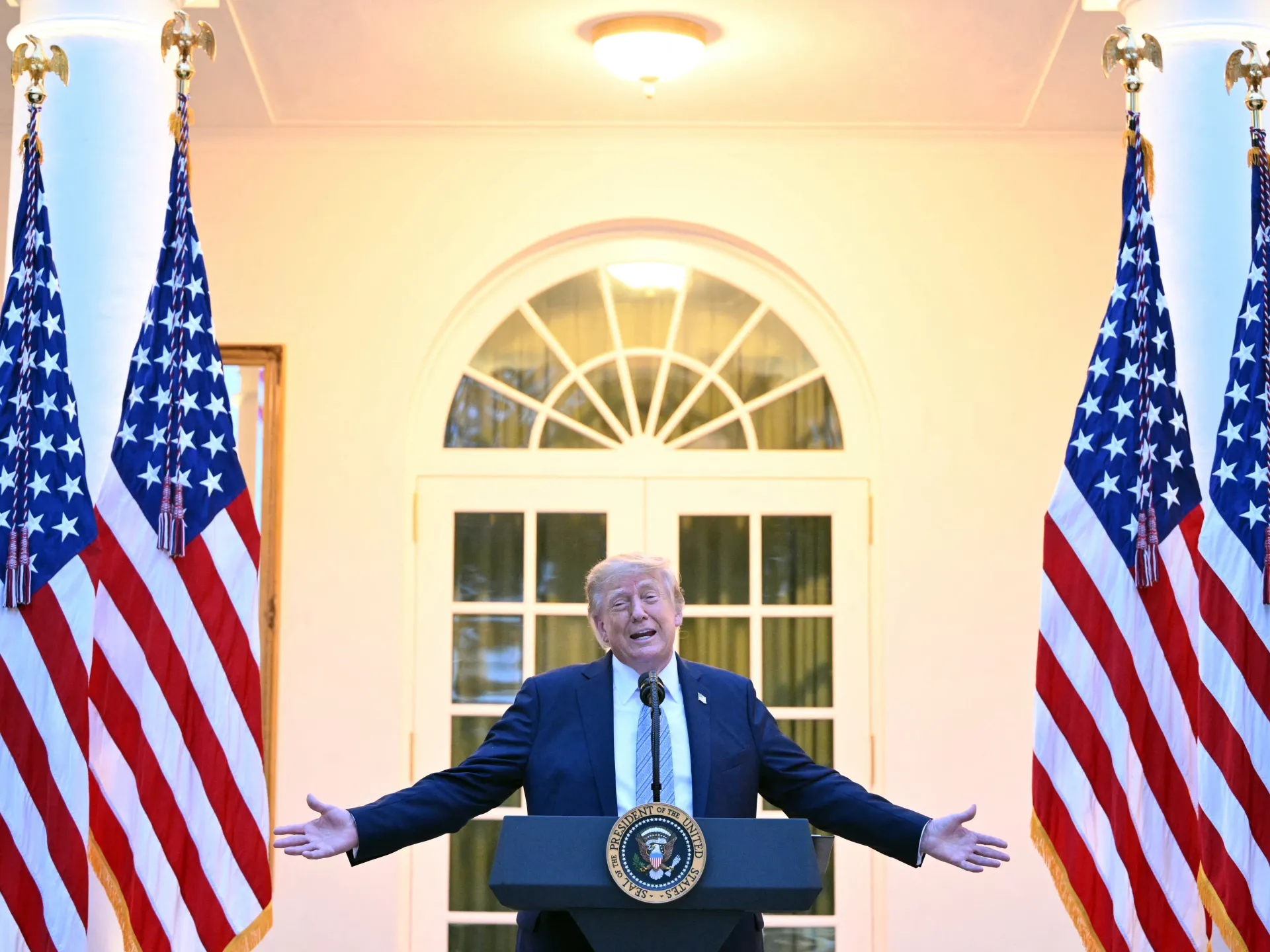
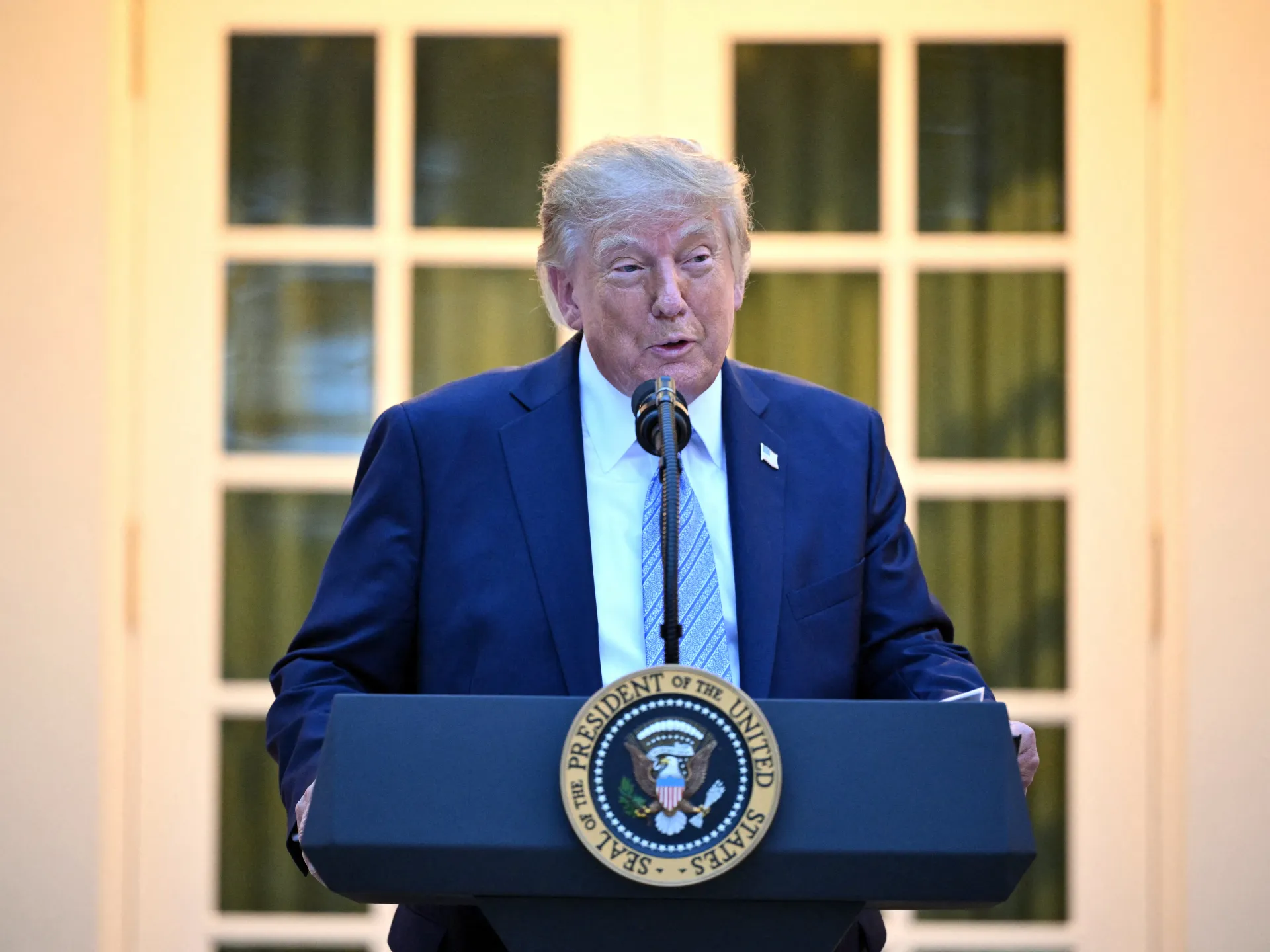
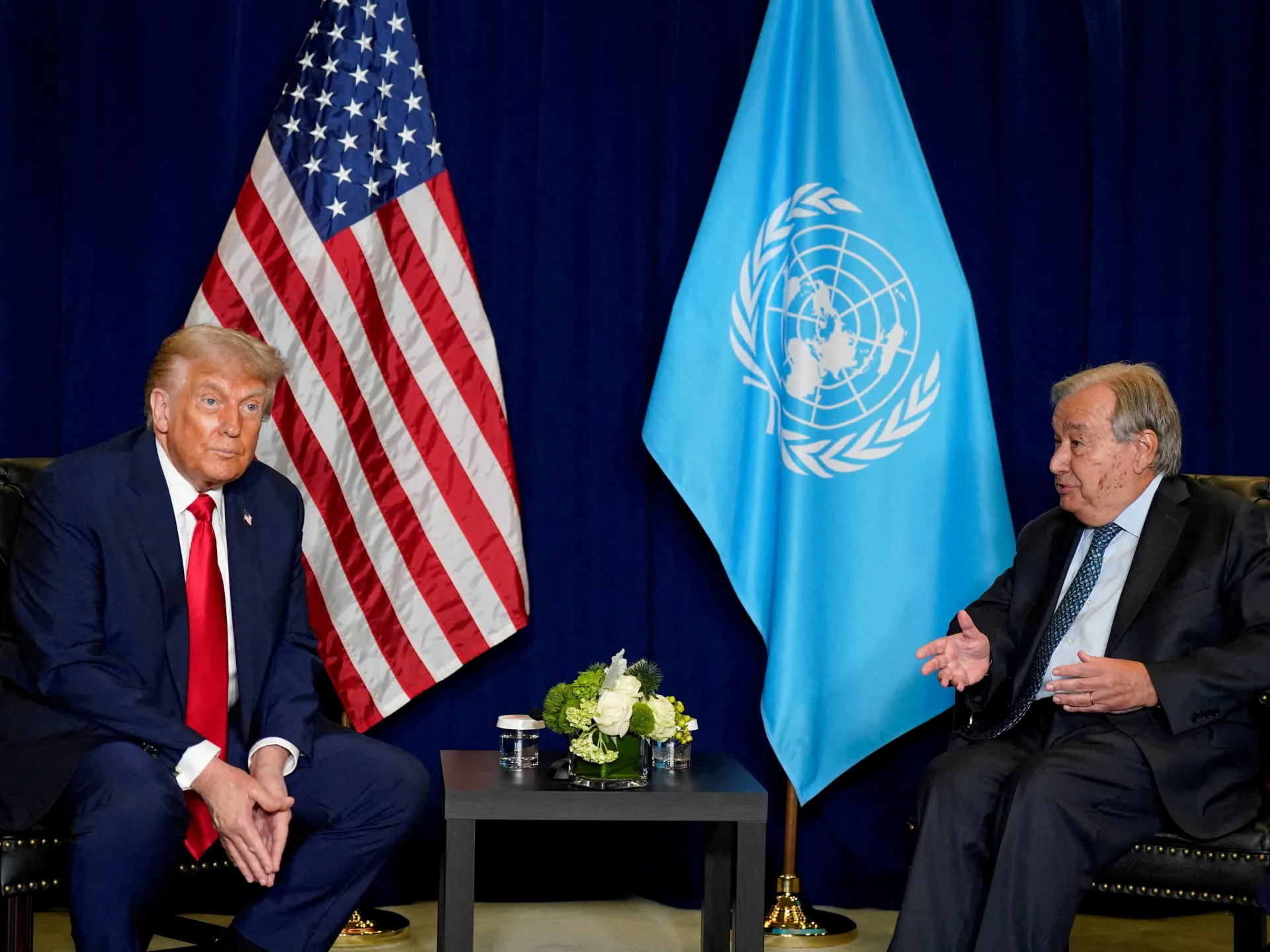
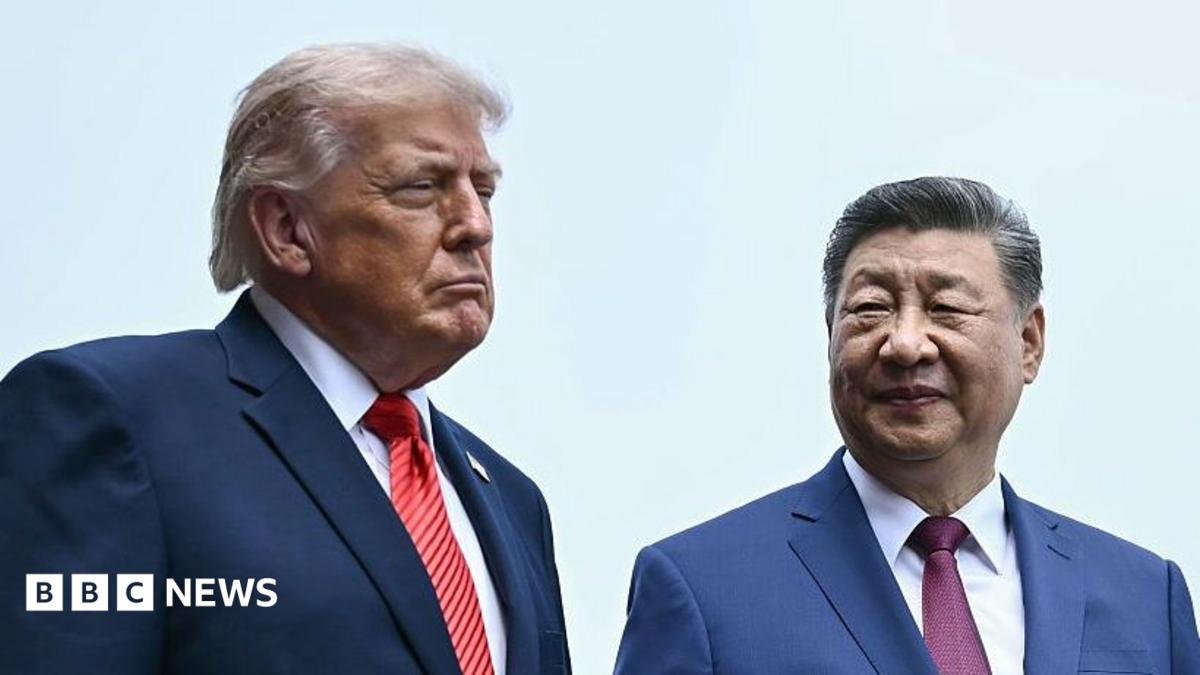
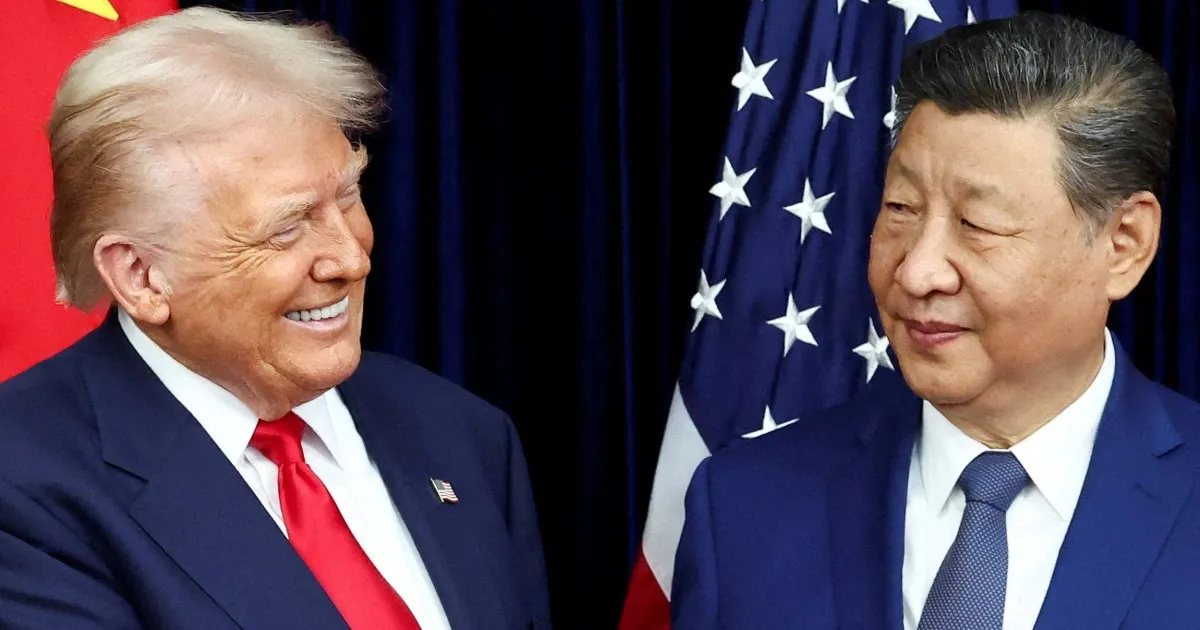
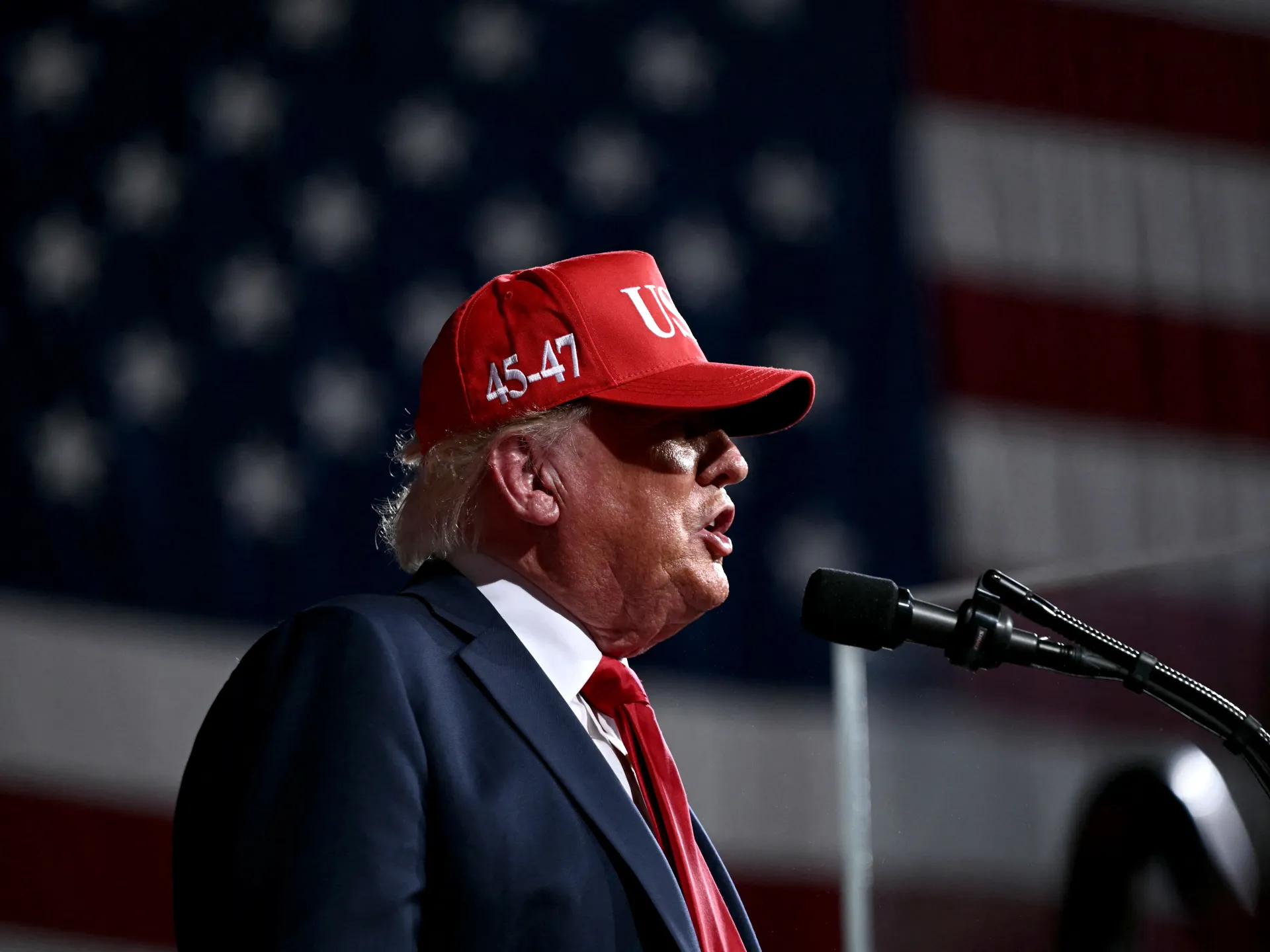
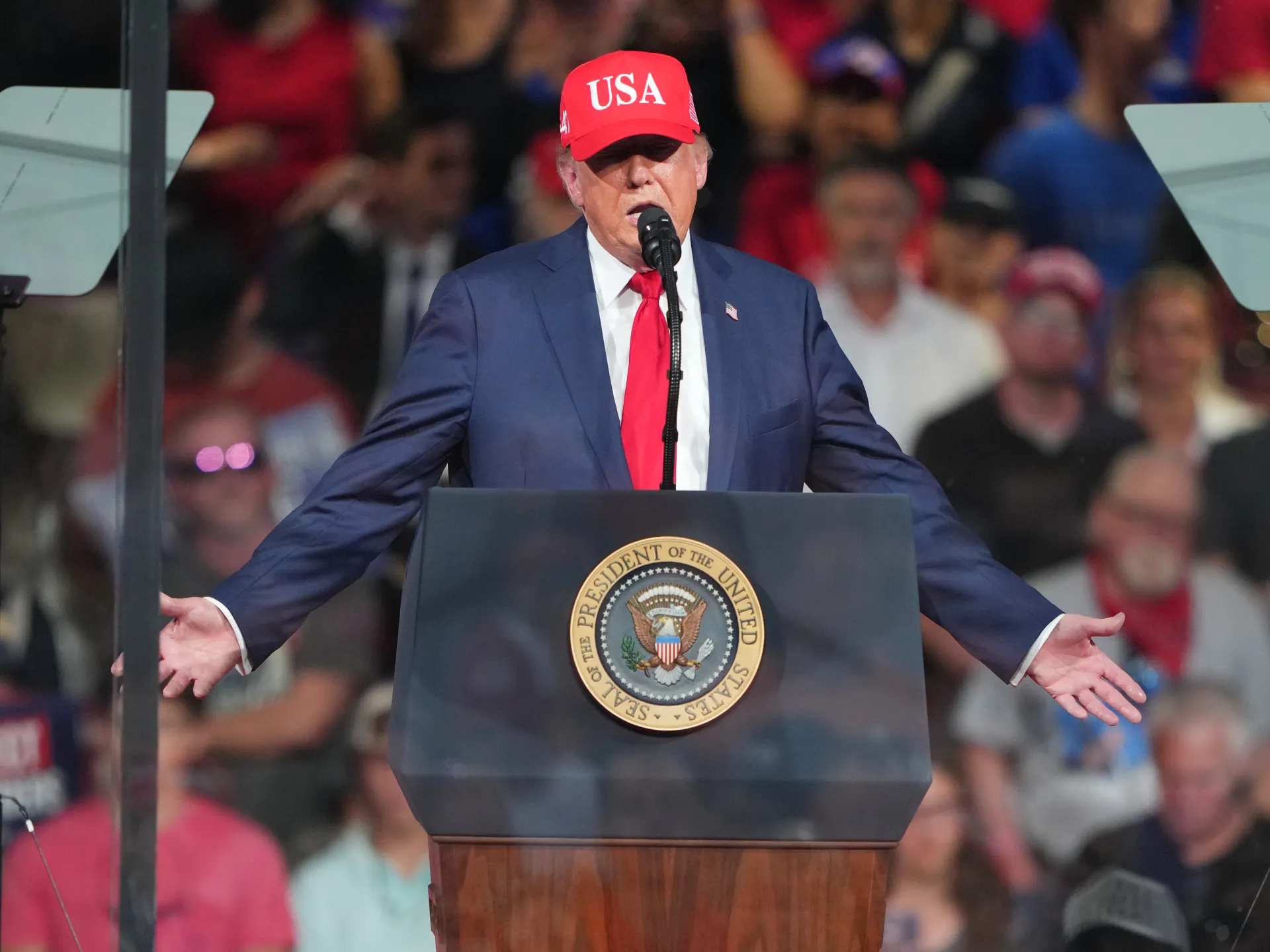
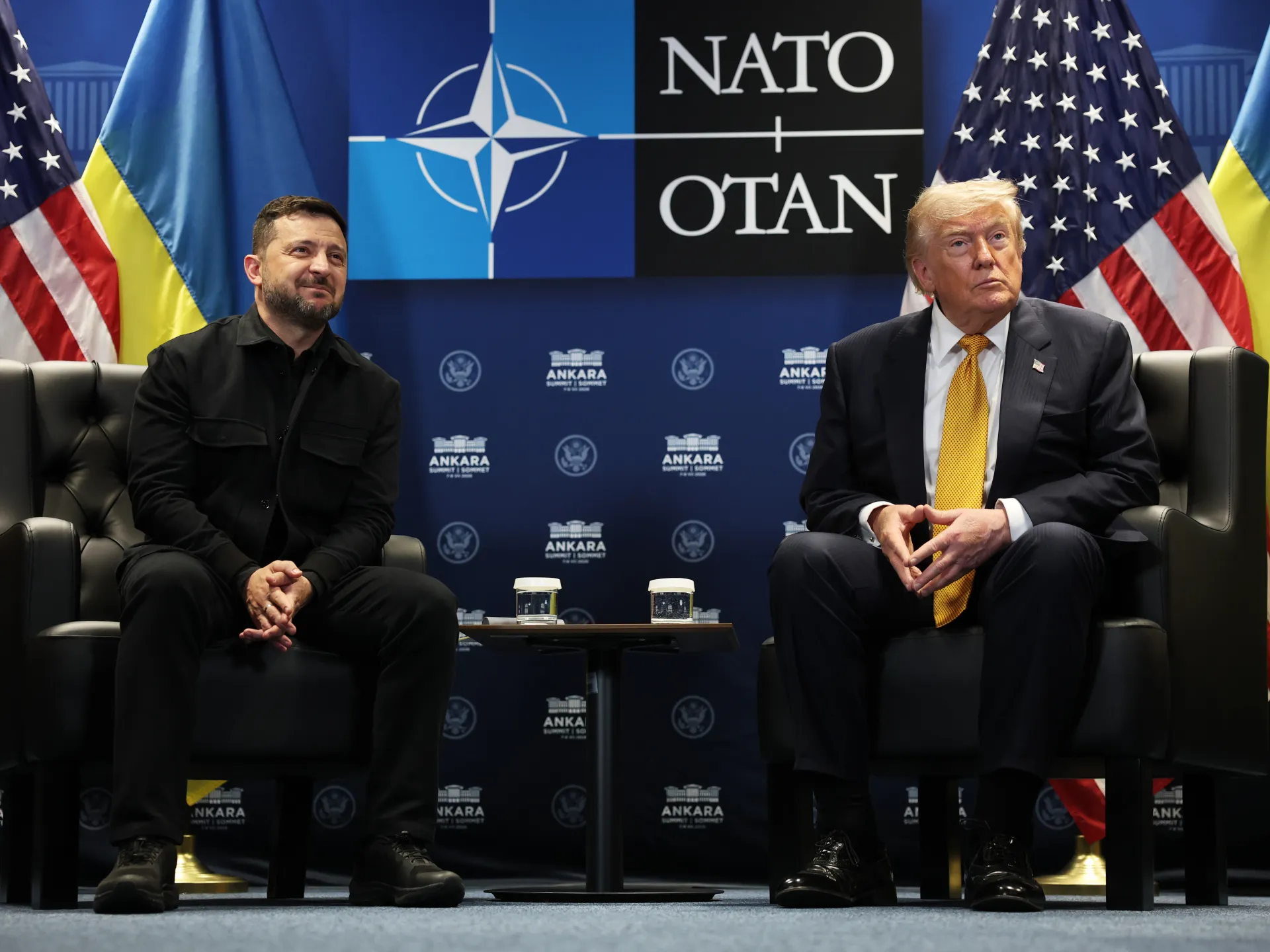
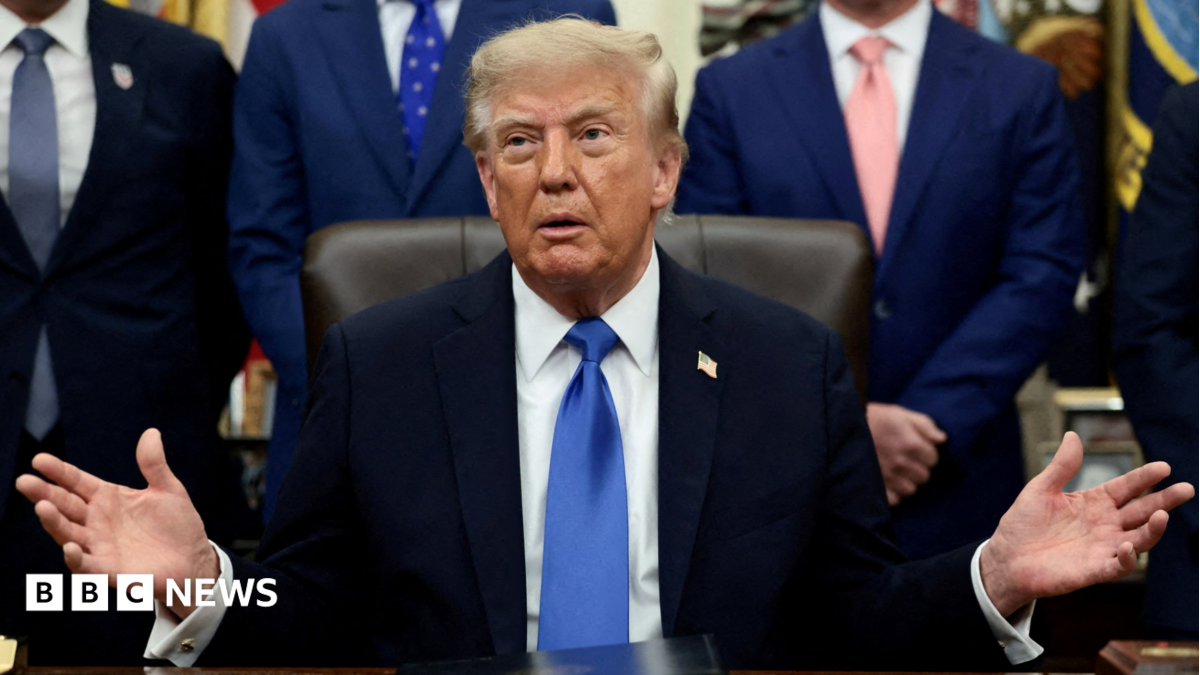
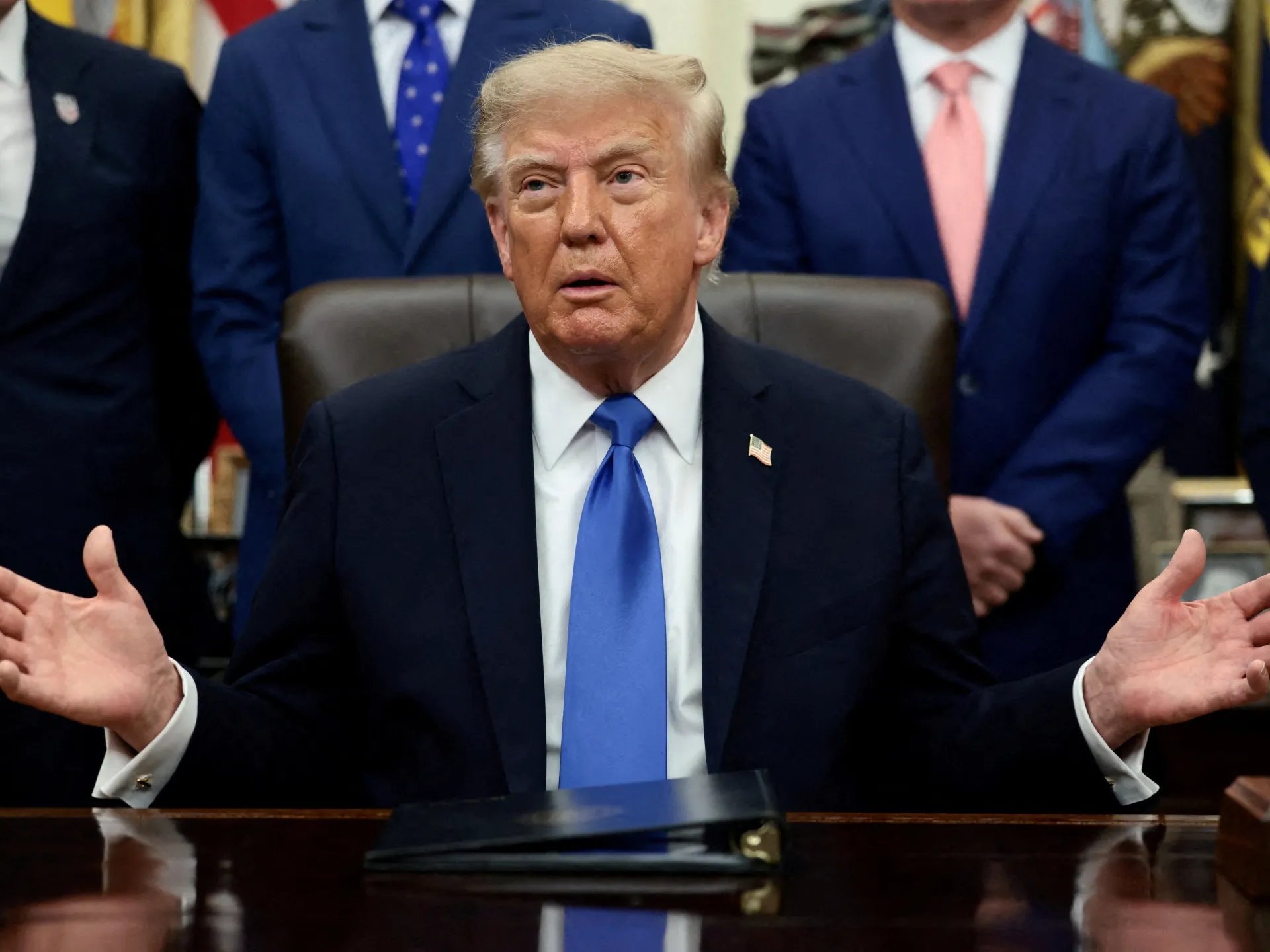
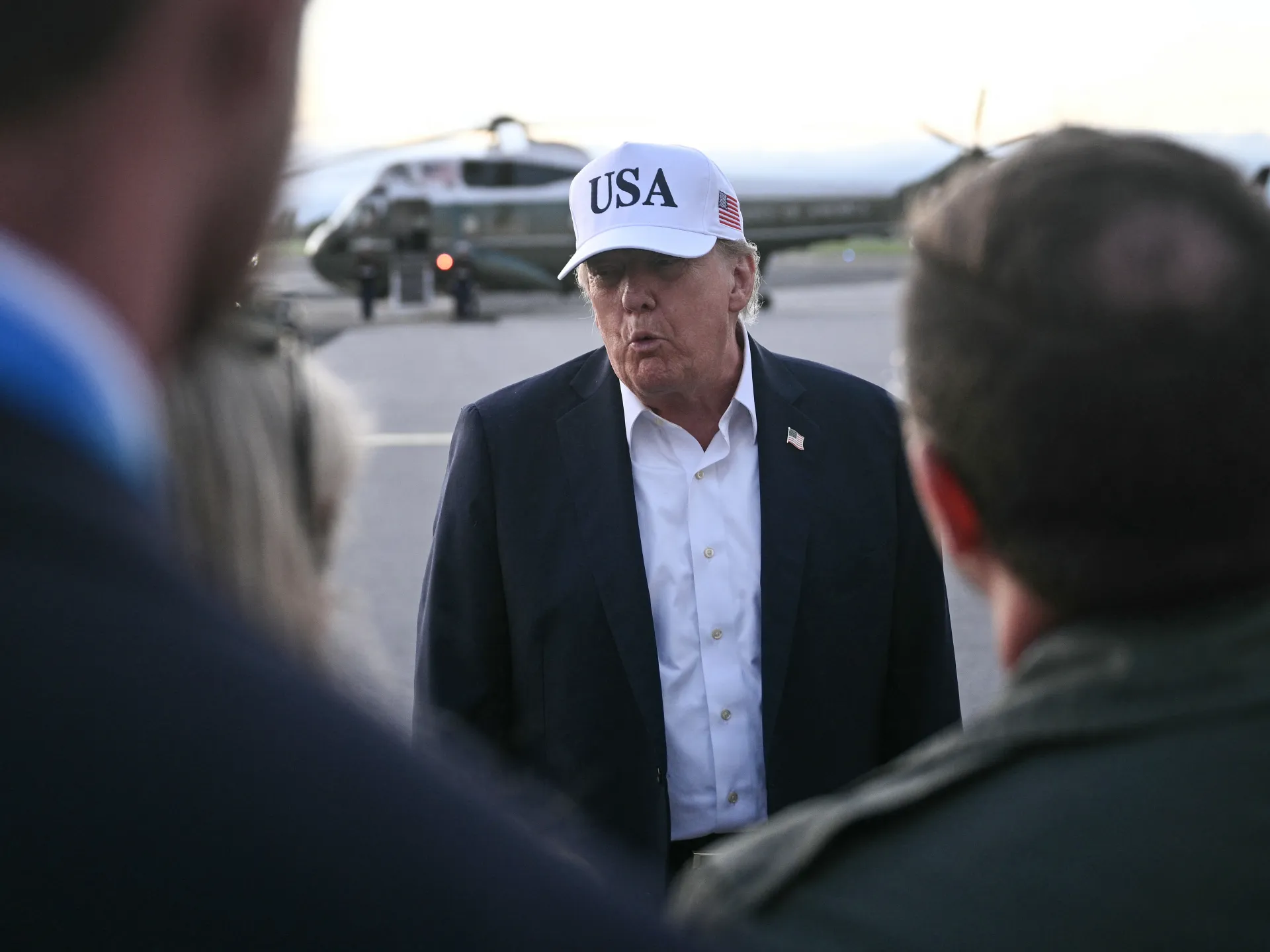
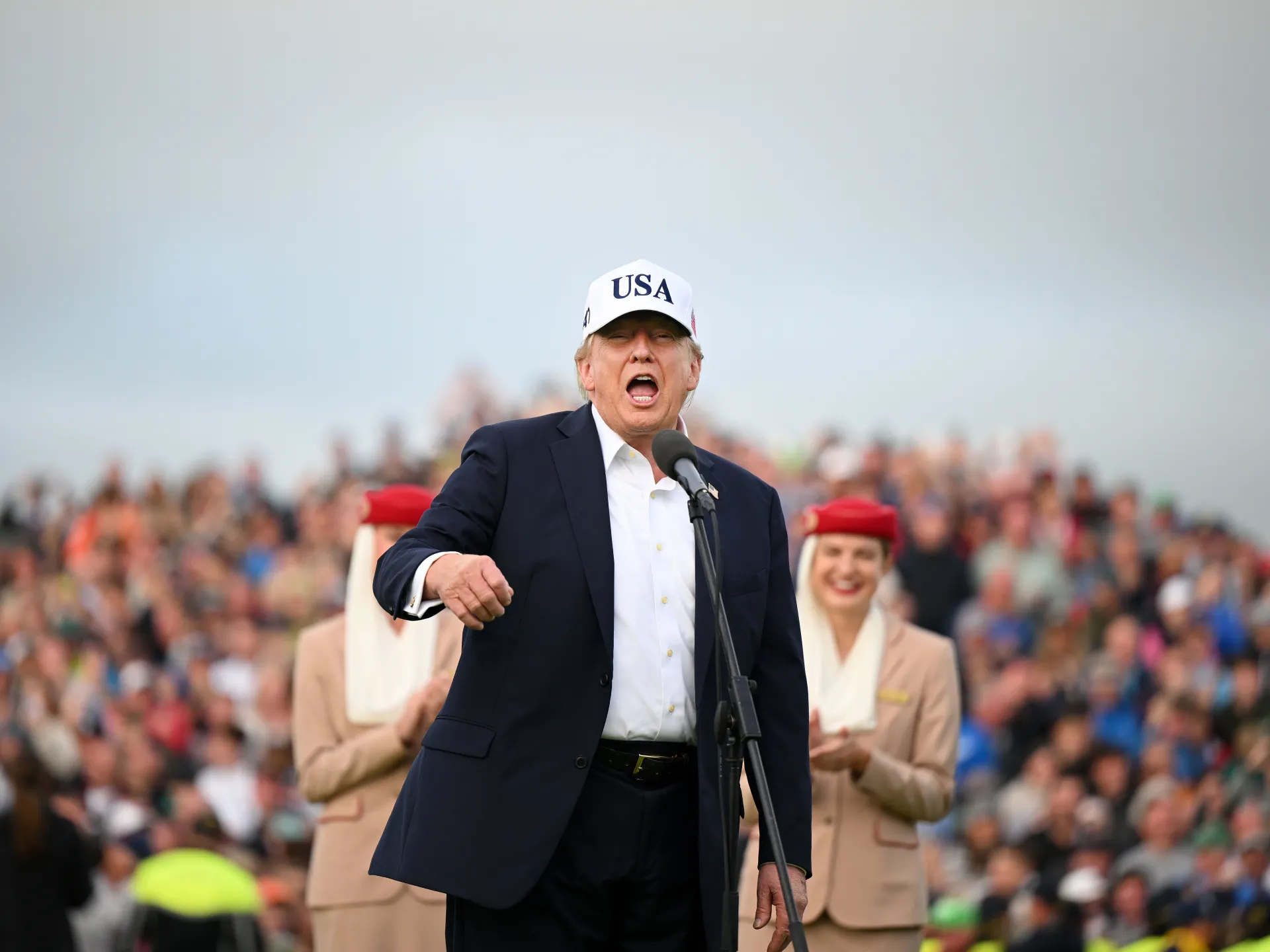
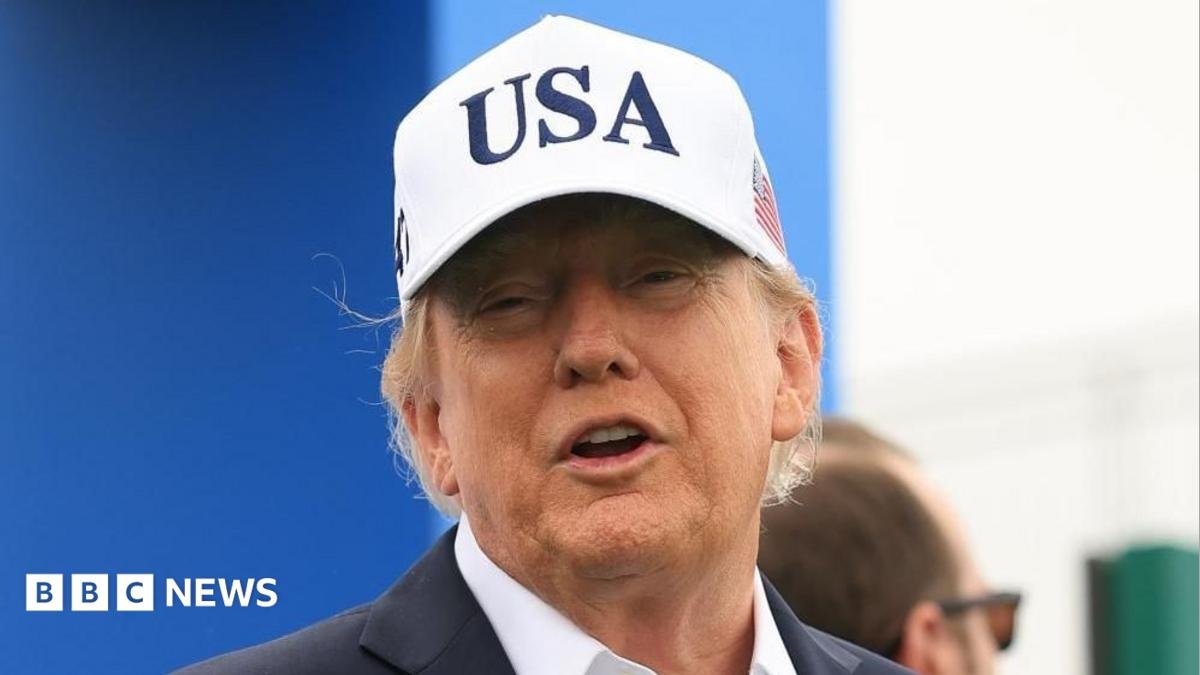
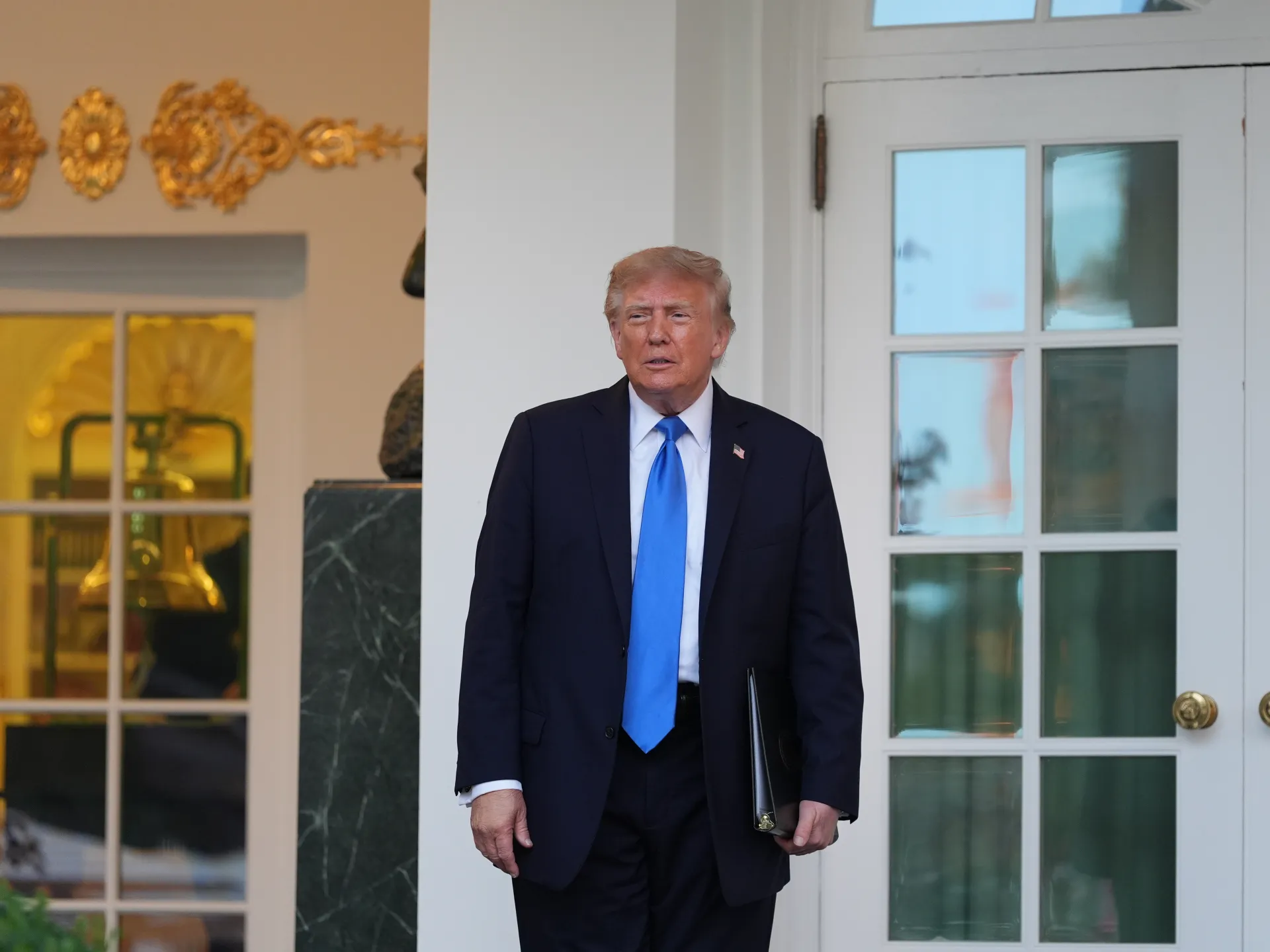
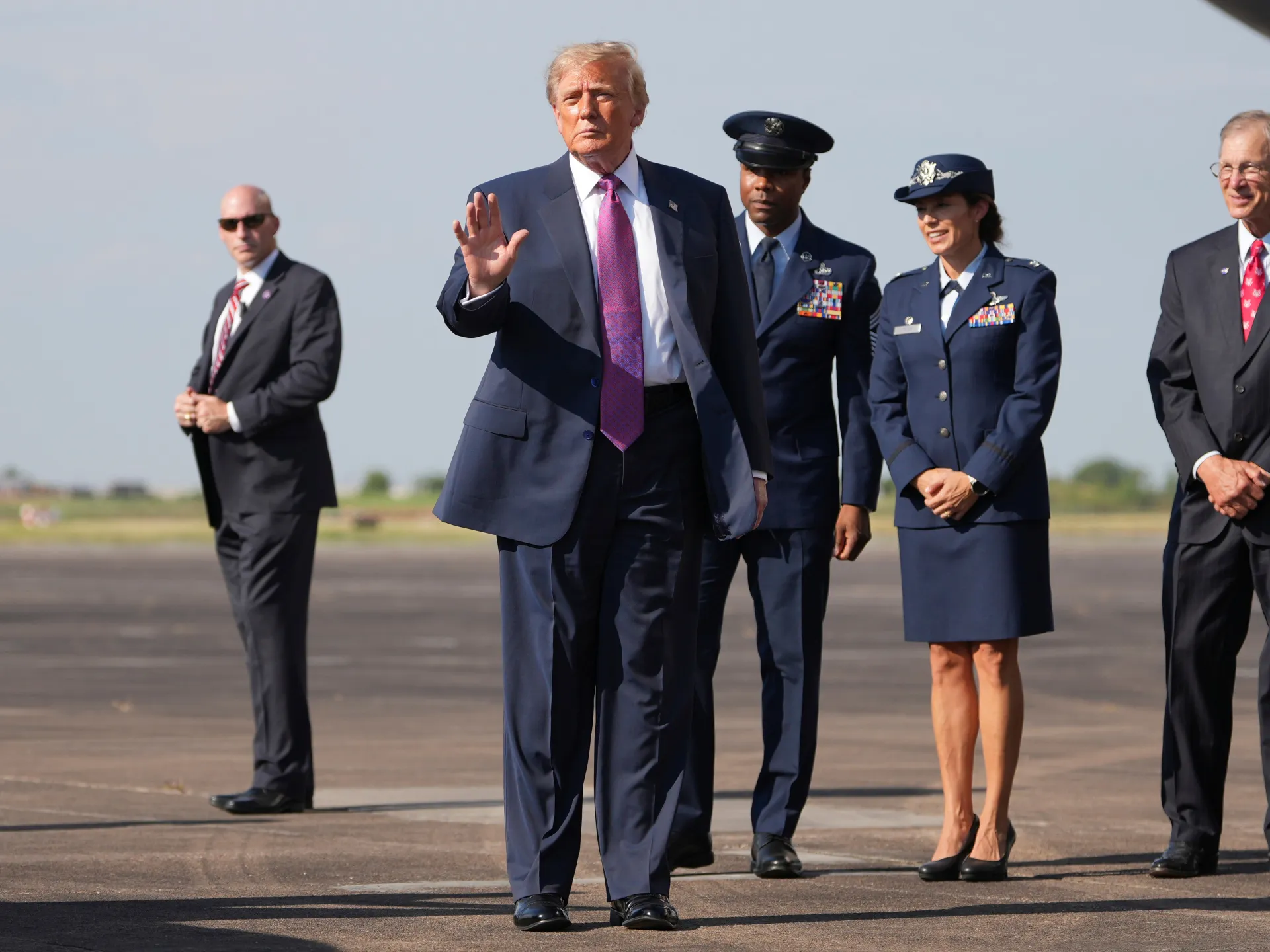
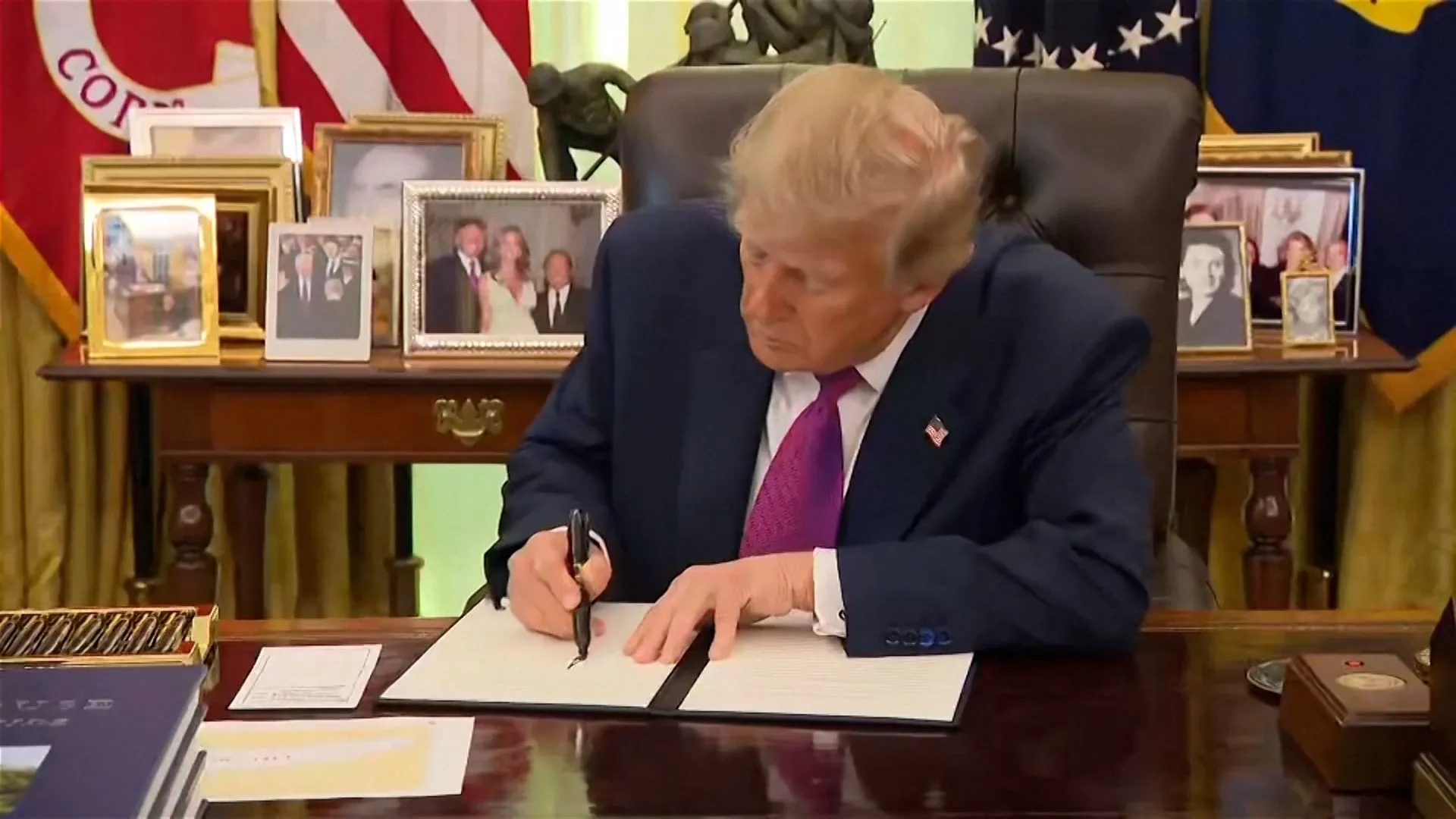
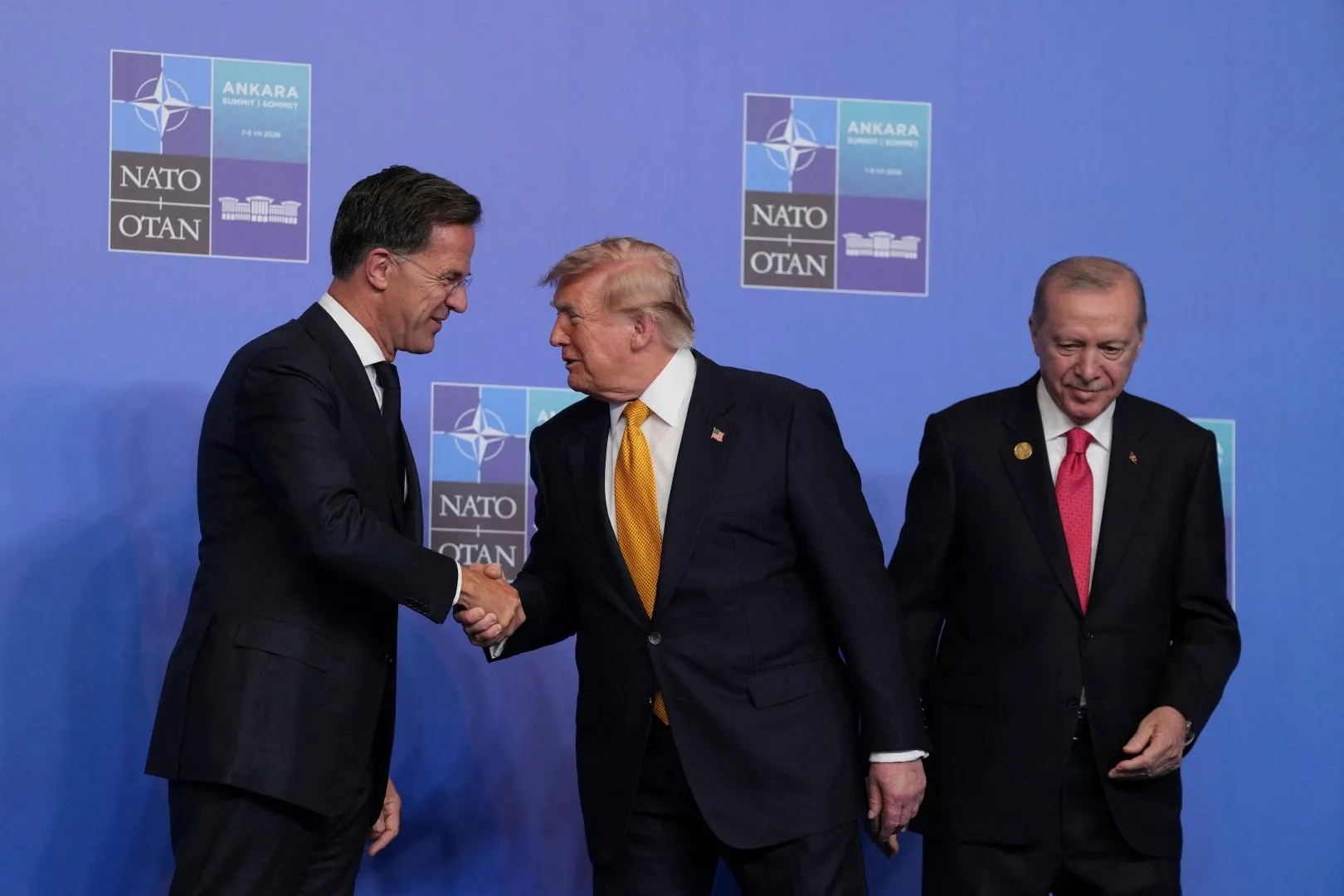
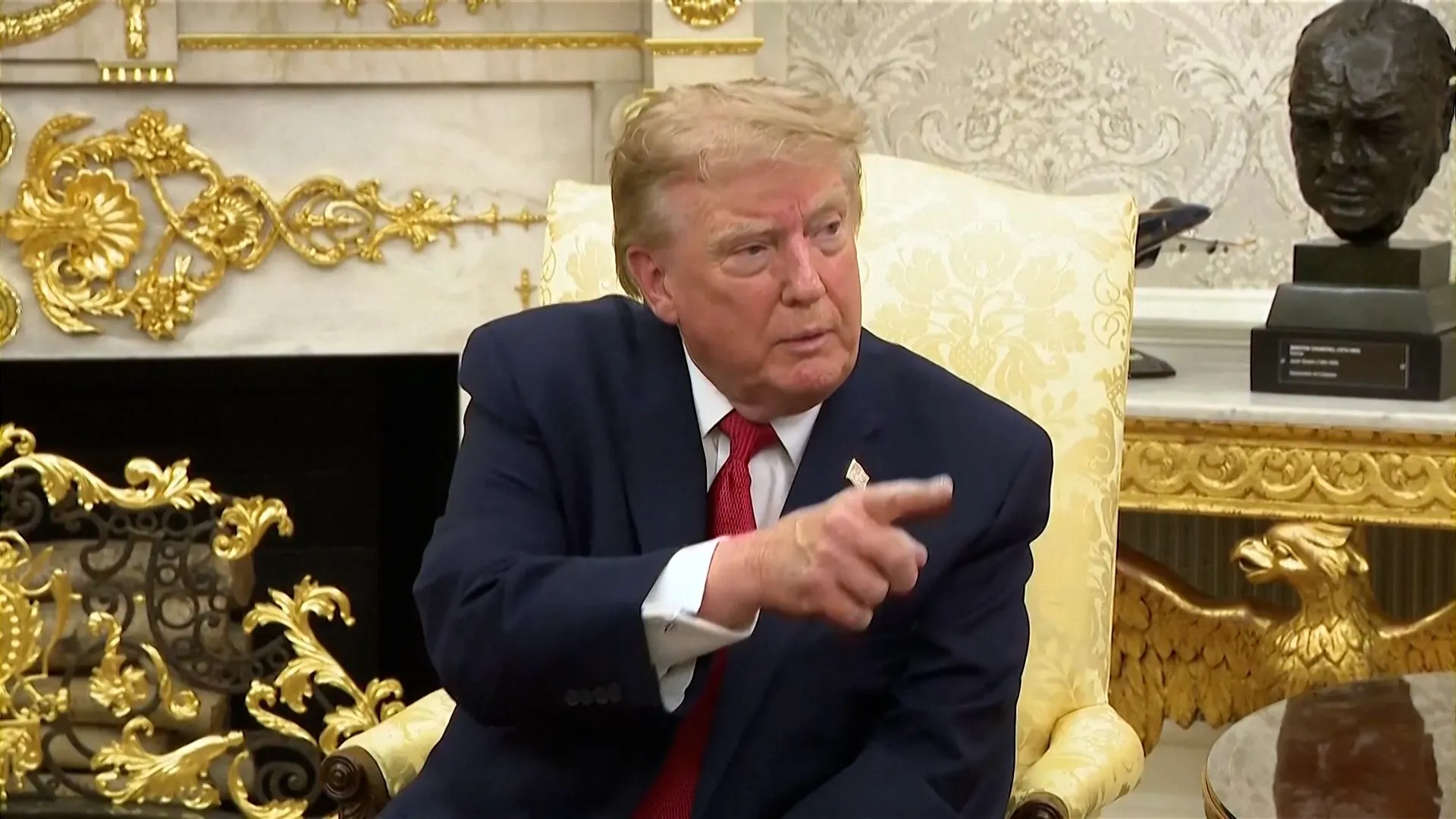
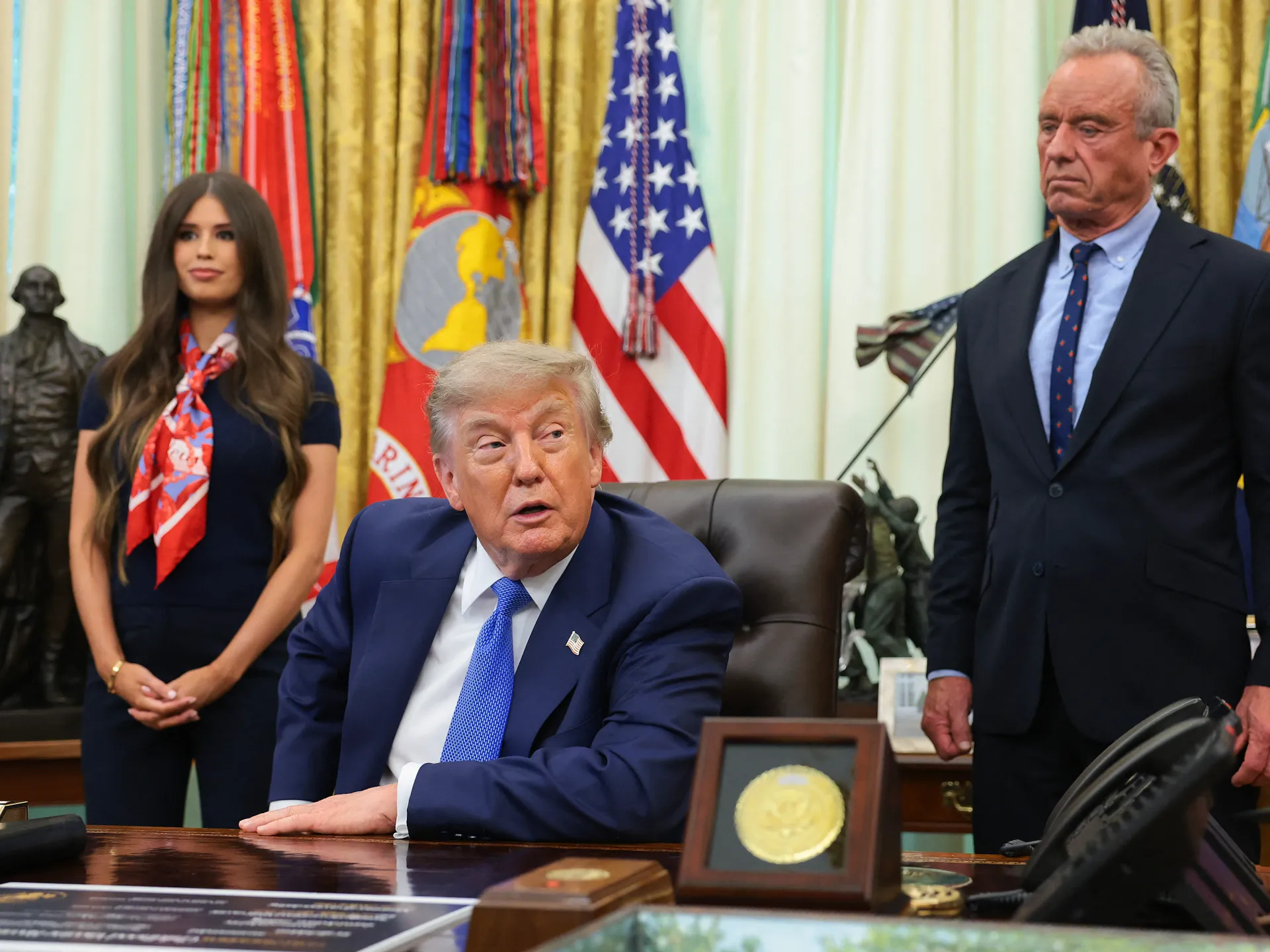
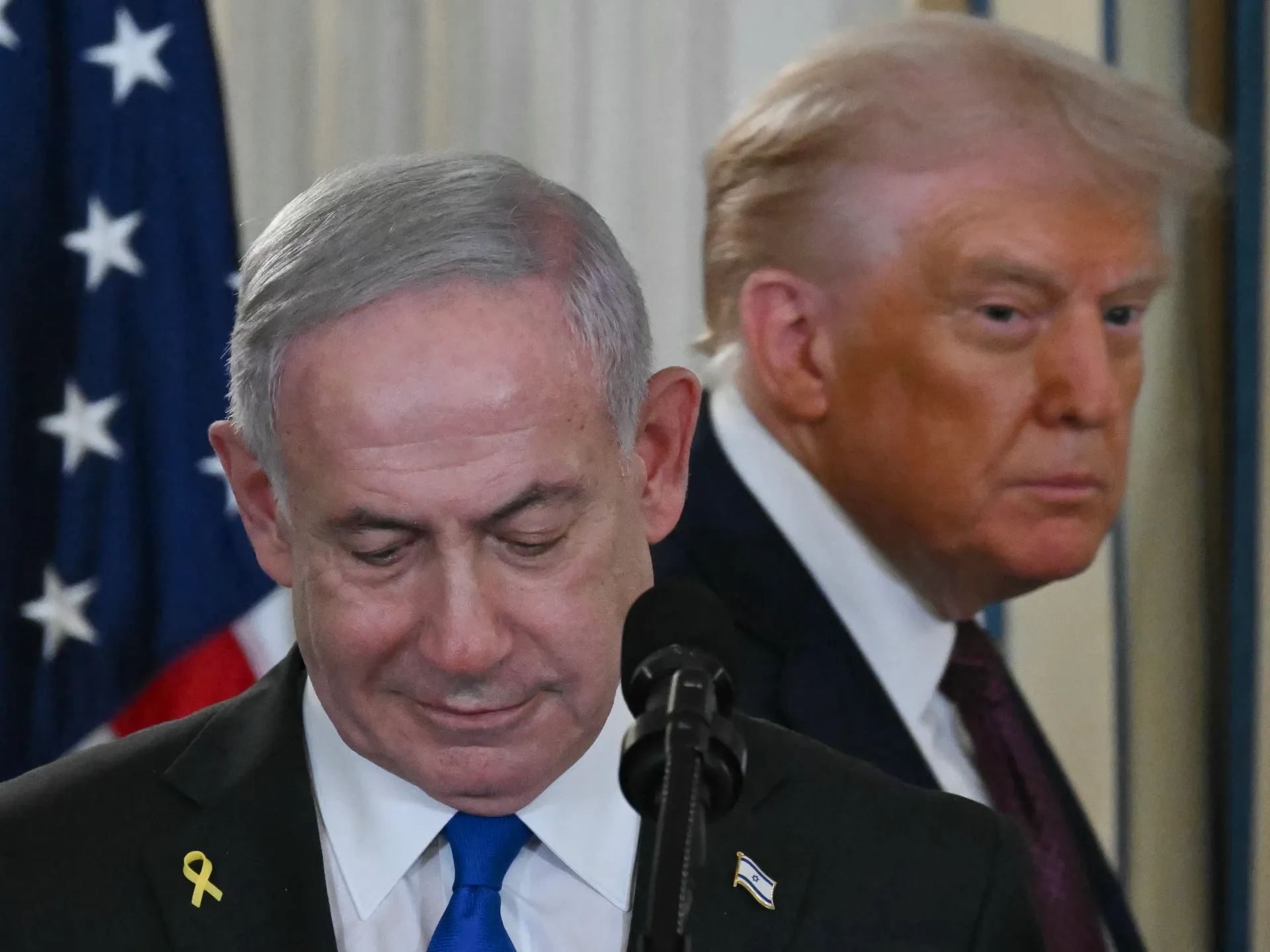
Sheikh Mohammed argued that the path to stability requires a new approach to regional sovereignty, asserting that permanent security cannot be achieved through arrangements that leave any state in a position of perpetual vulnerability. He called for a framework that addresses the root causes of tension rather than relying on temporary de-escalation tactics. As Gulf leaders prepare to meet with US President Donald Trump, this message of structural reform is expected to remain a central point of discussion among regional stakeholders.
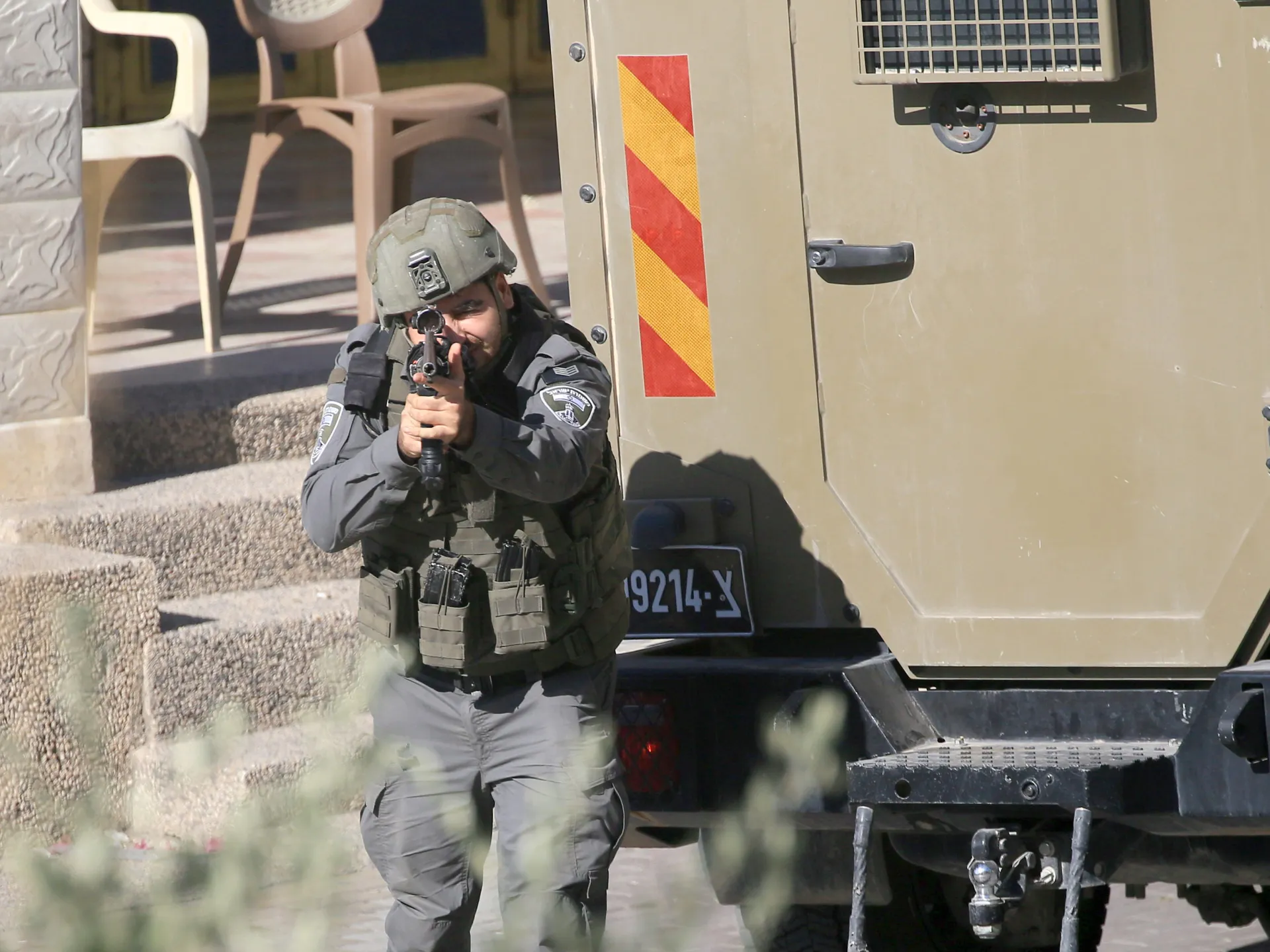
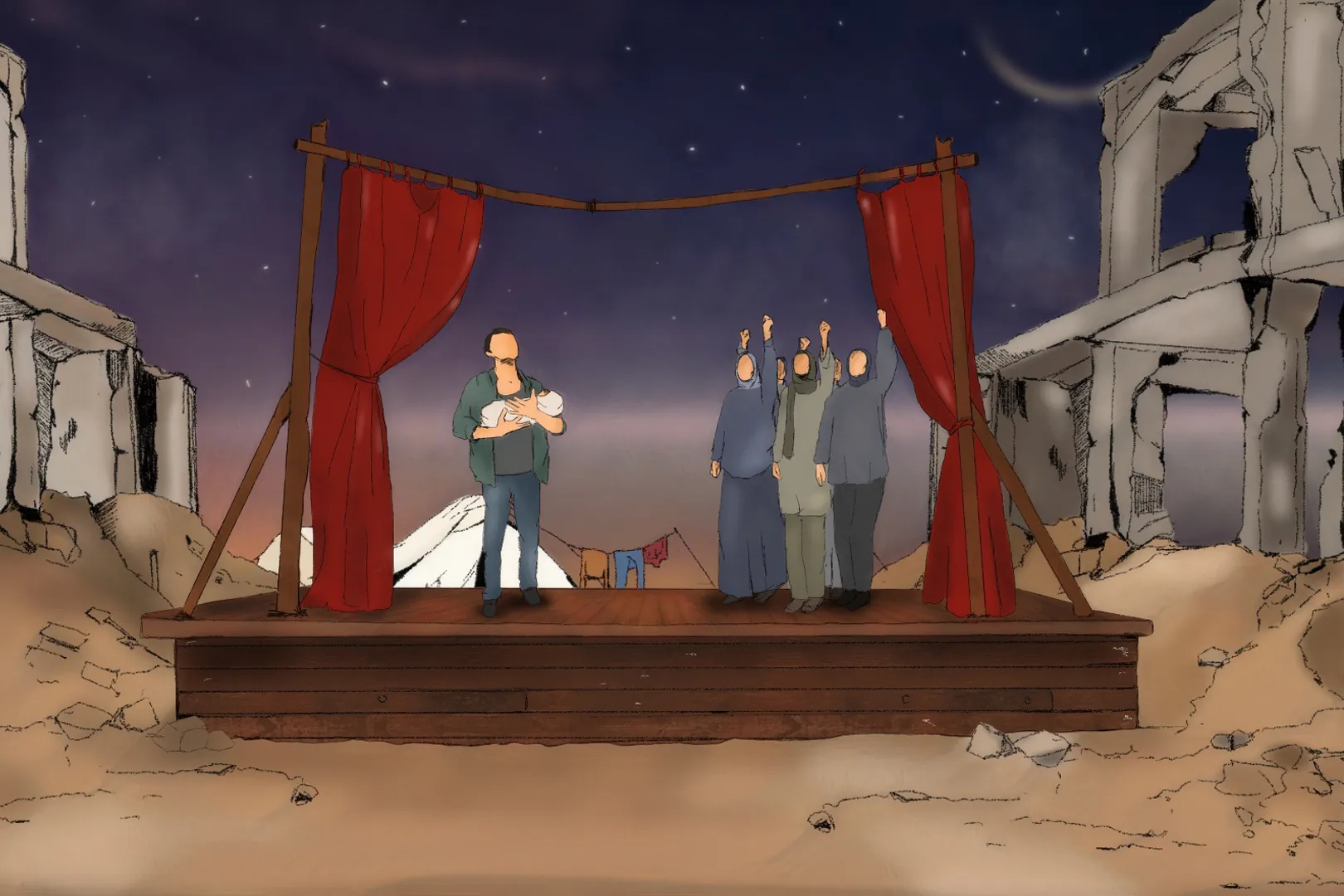
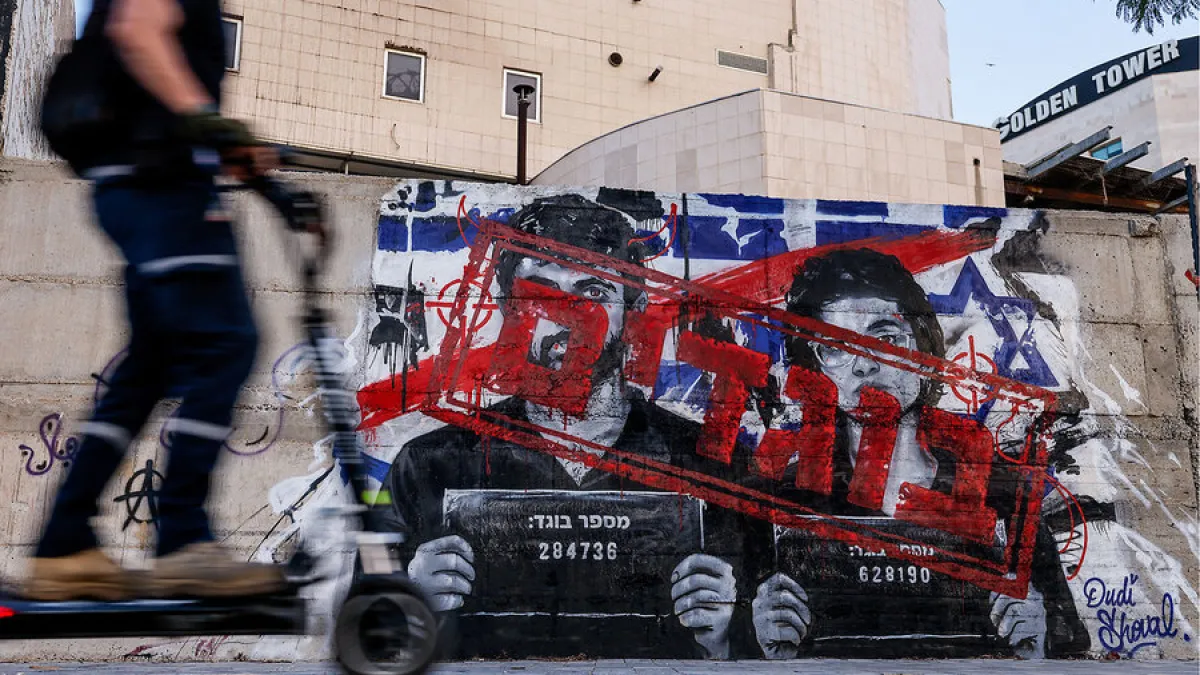
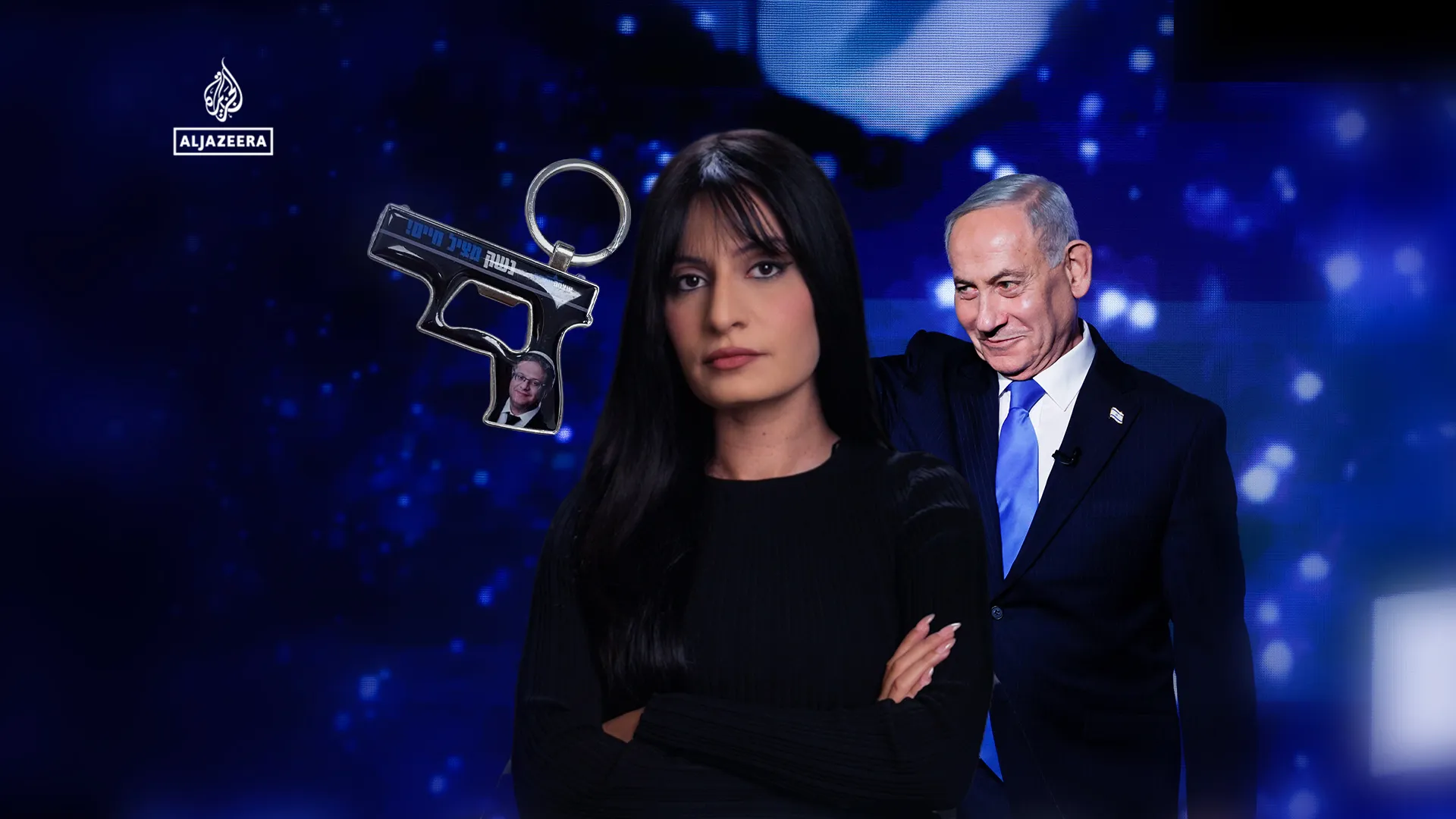
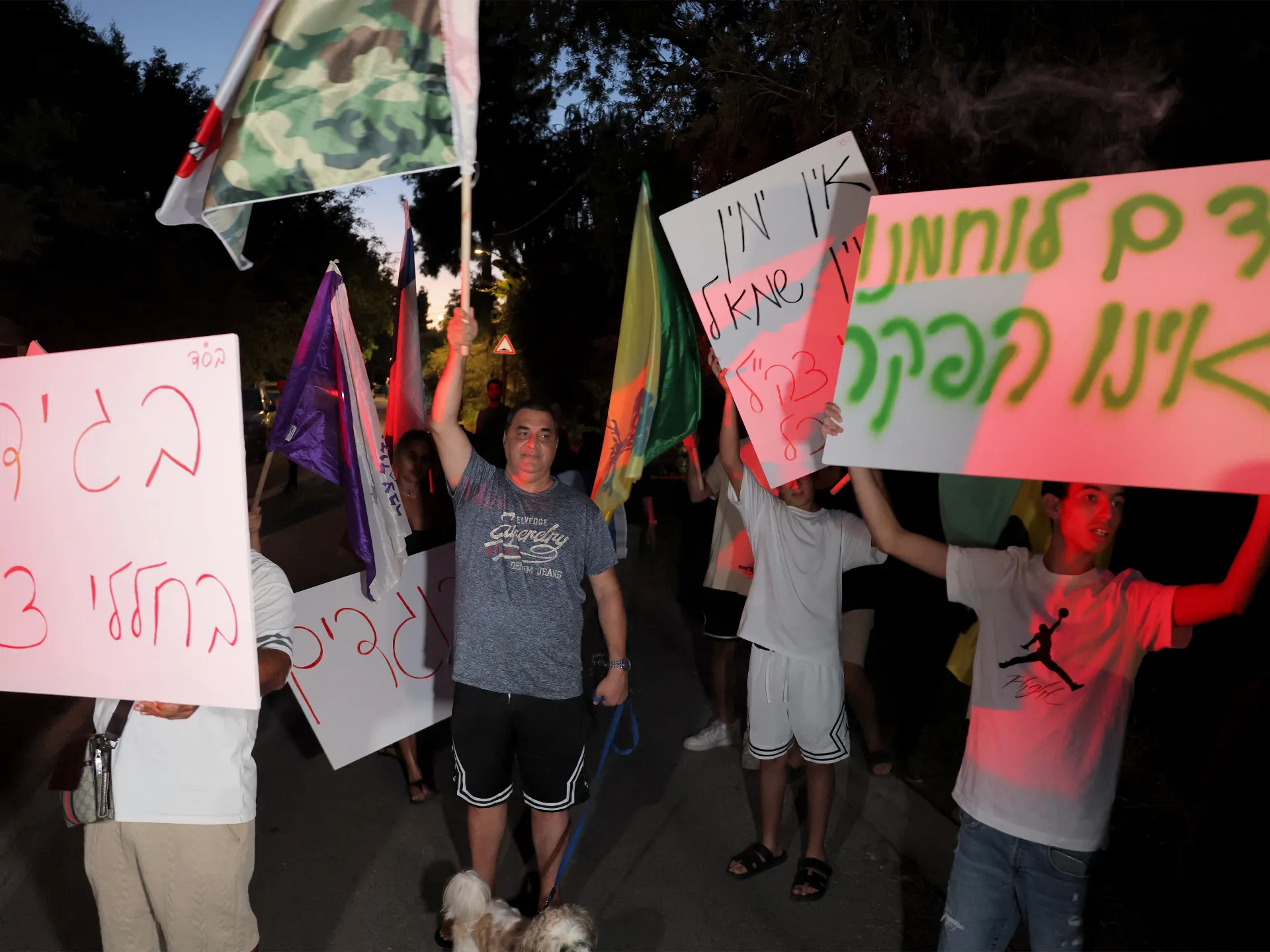
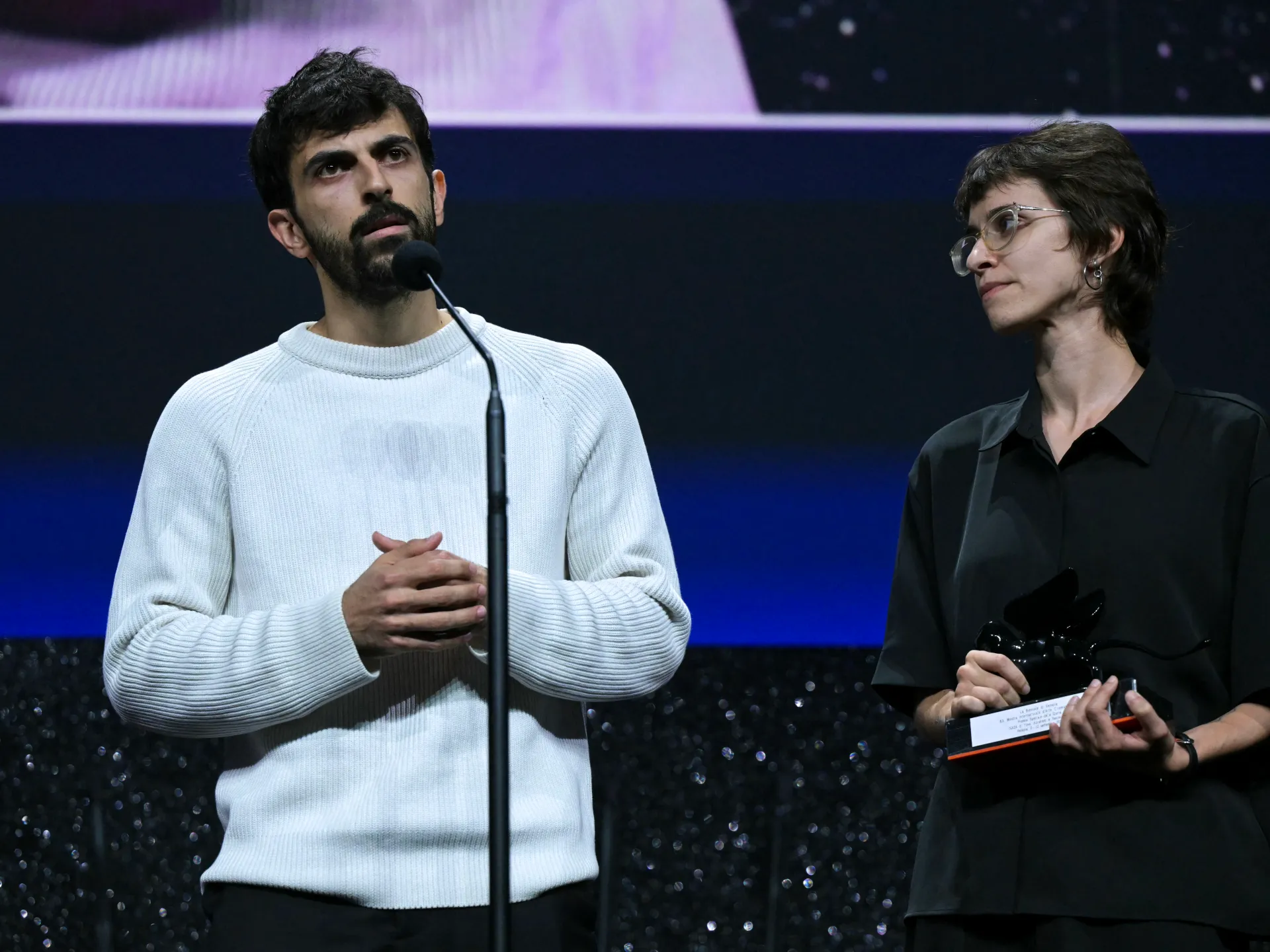
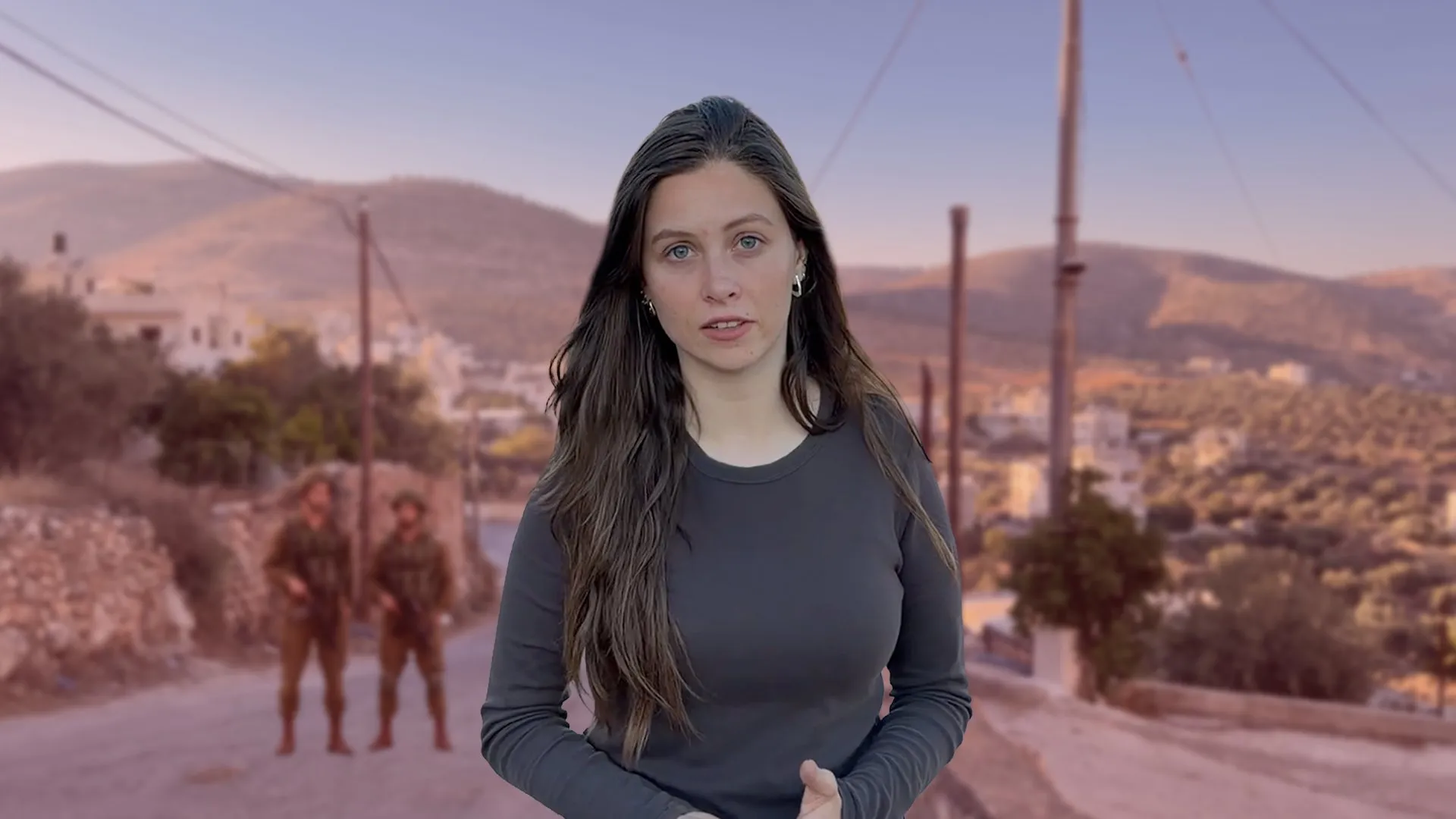
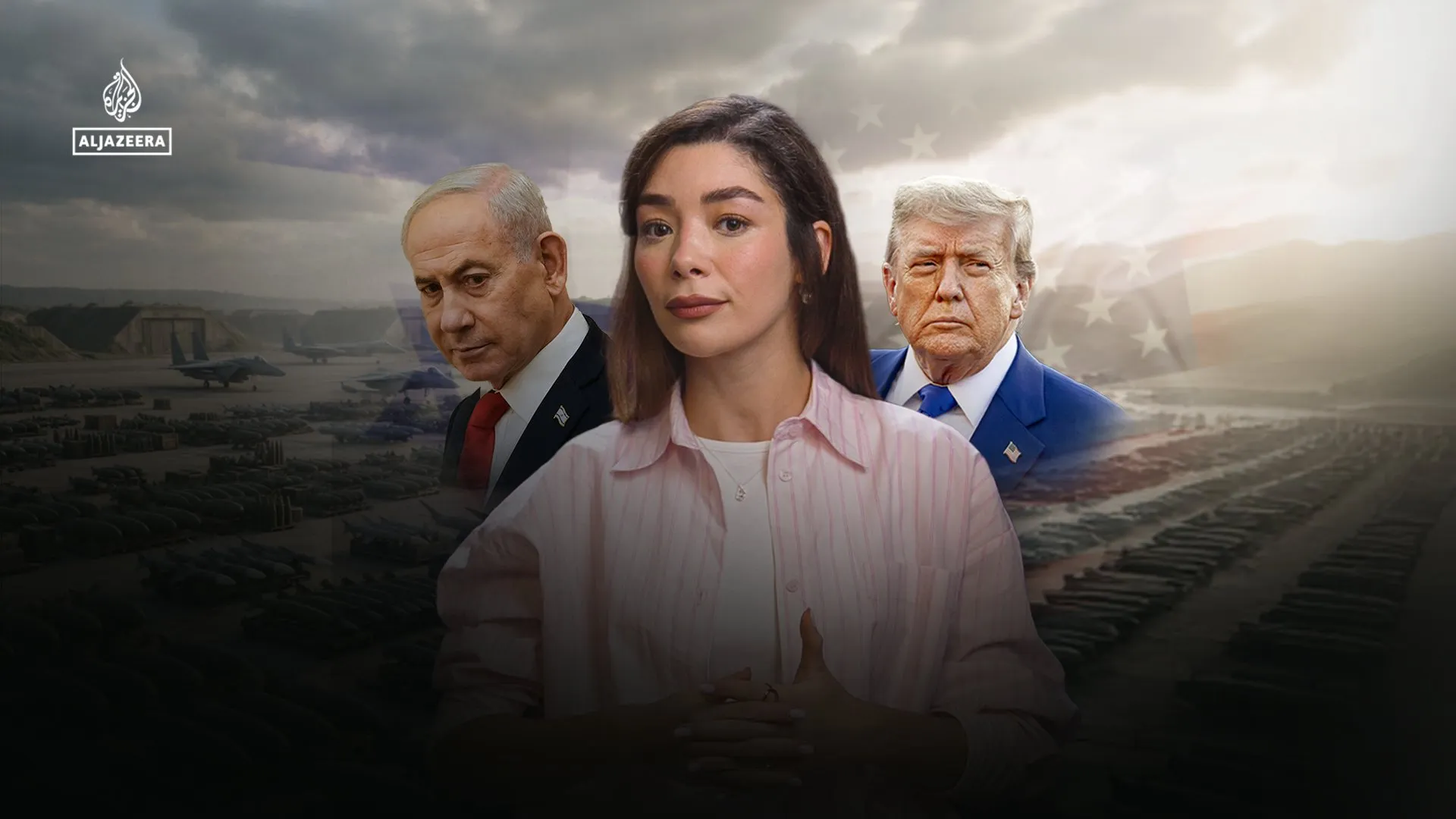
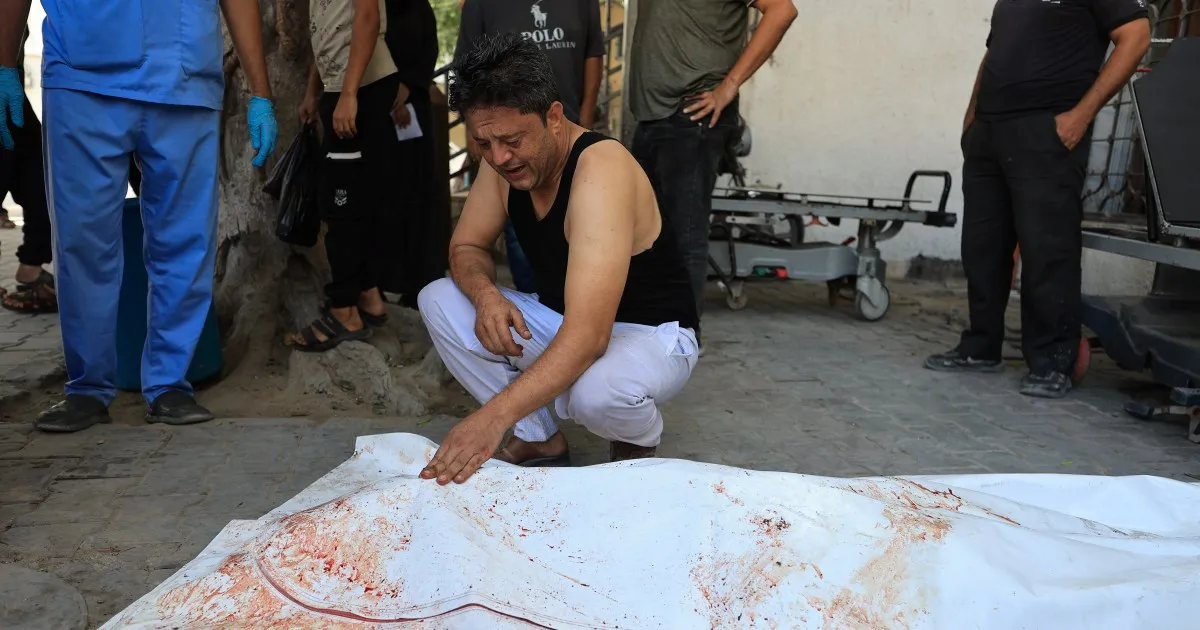
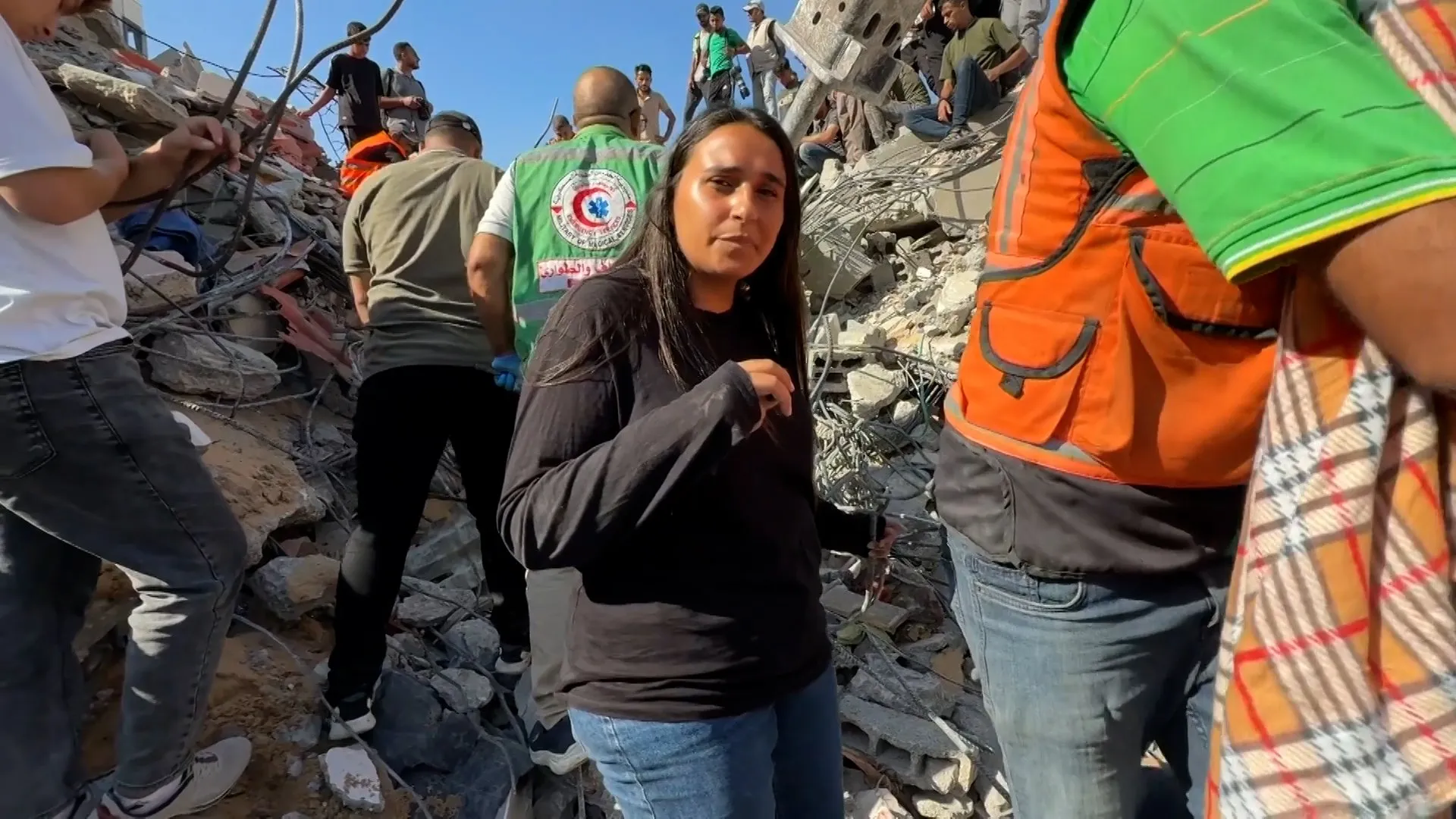
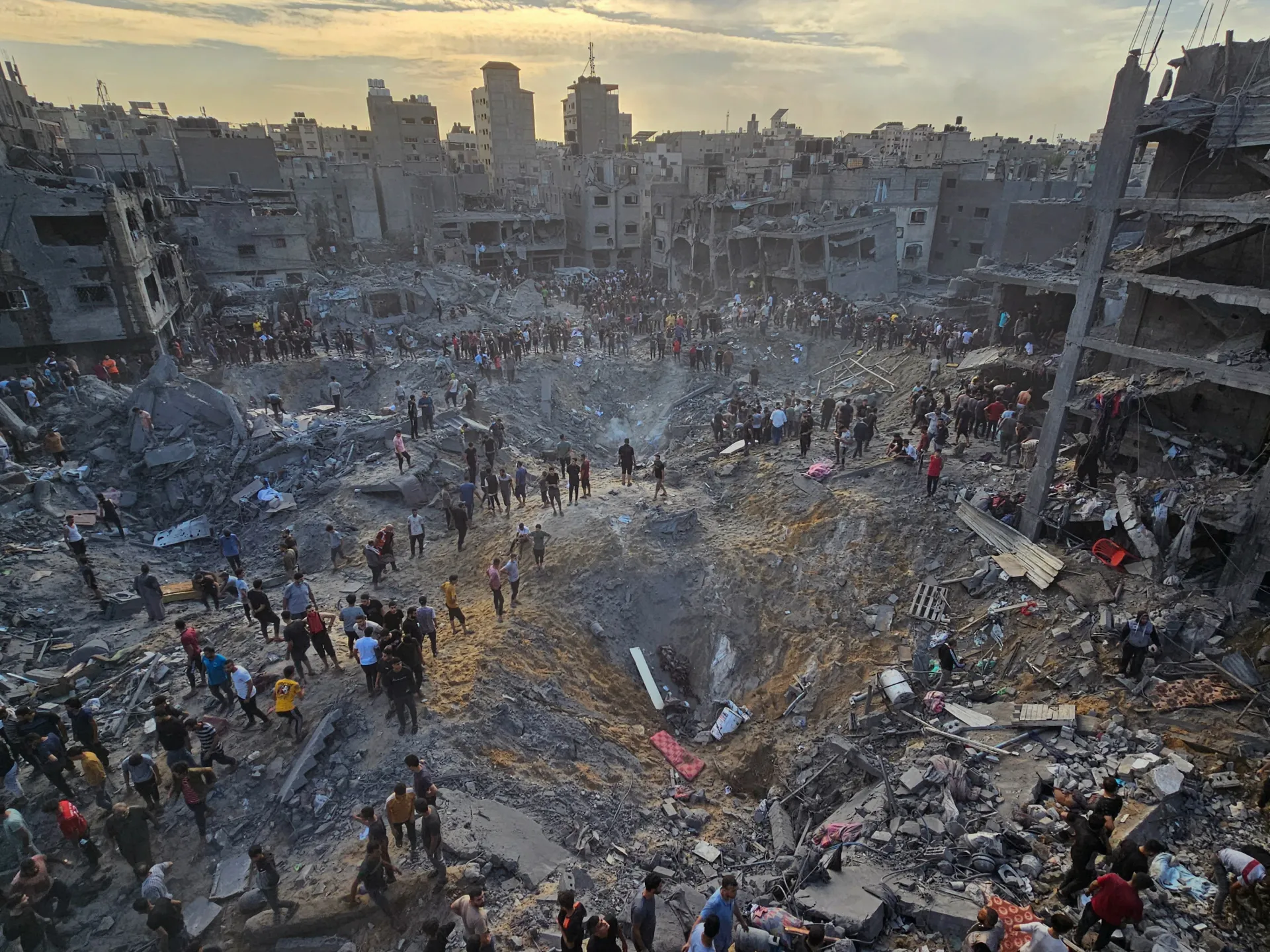
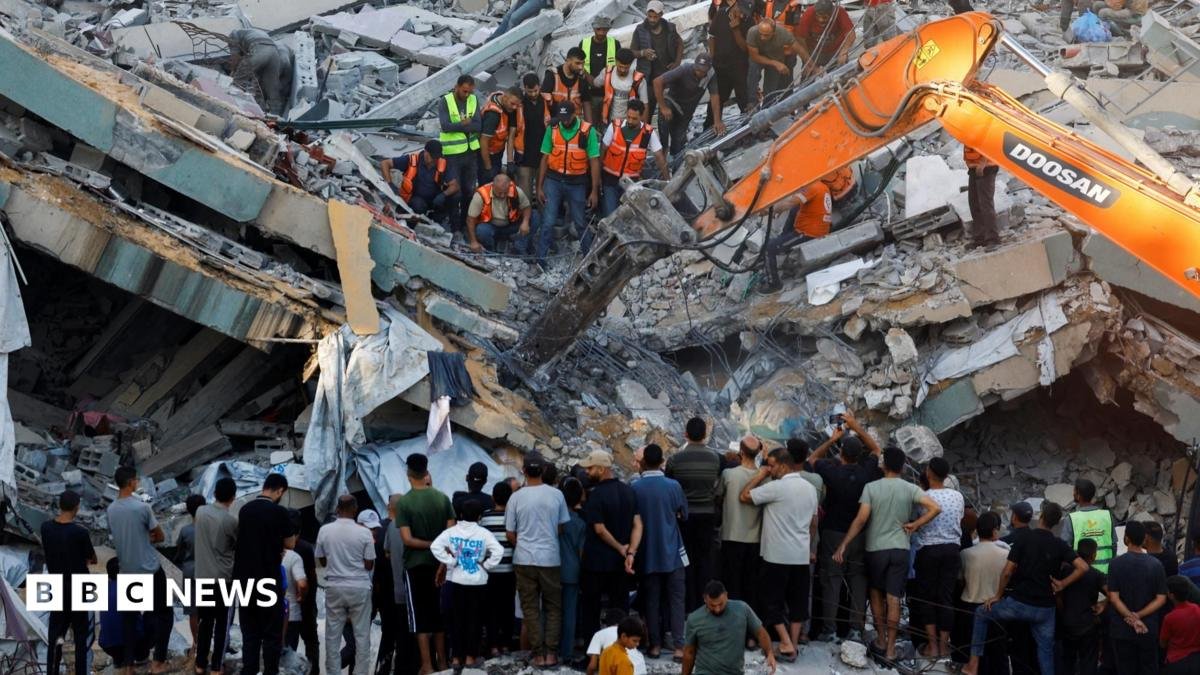
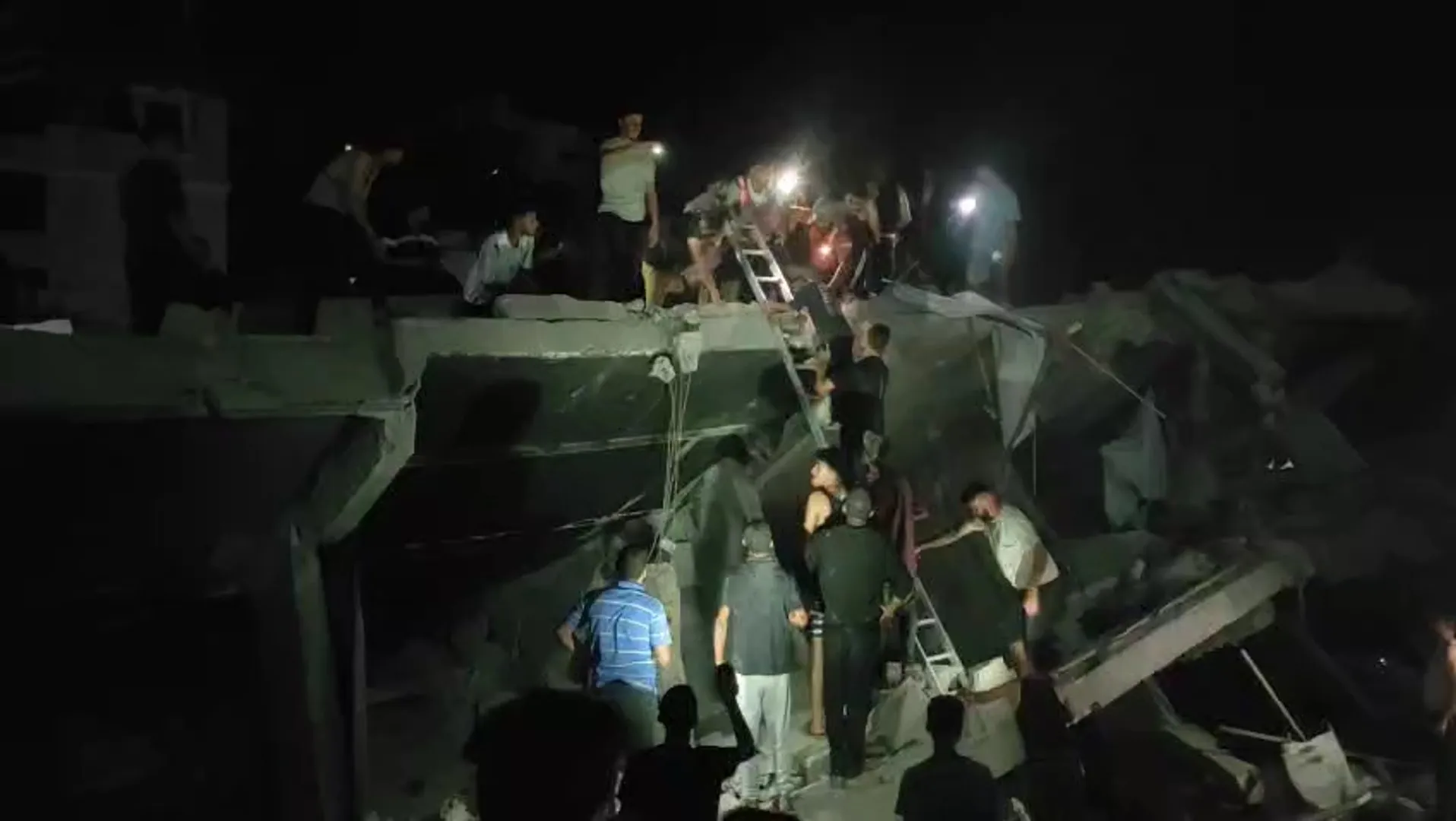
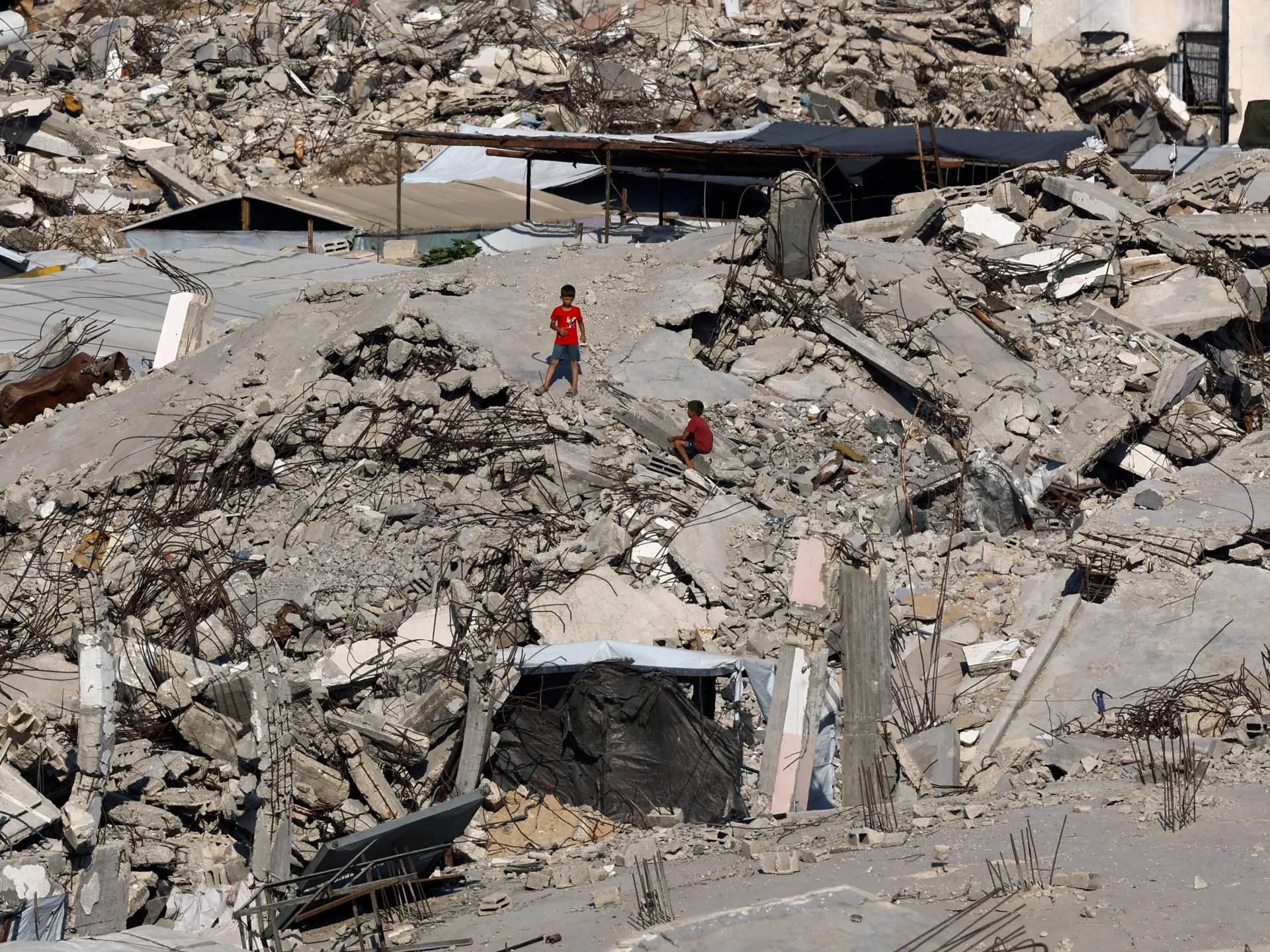
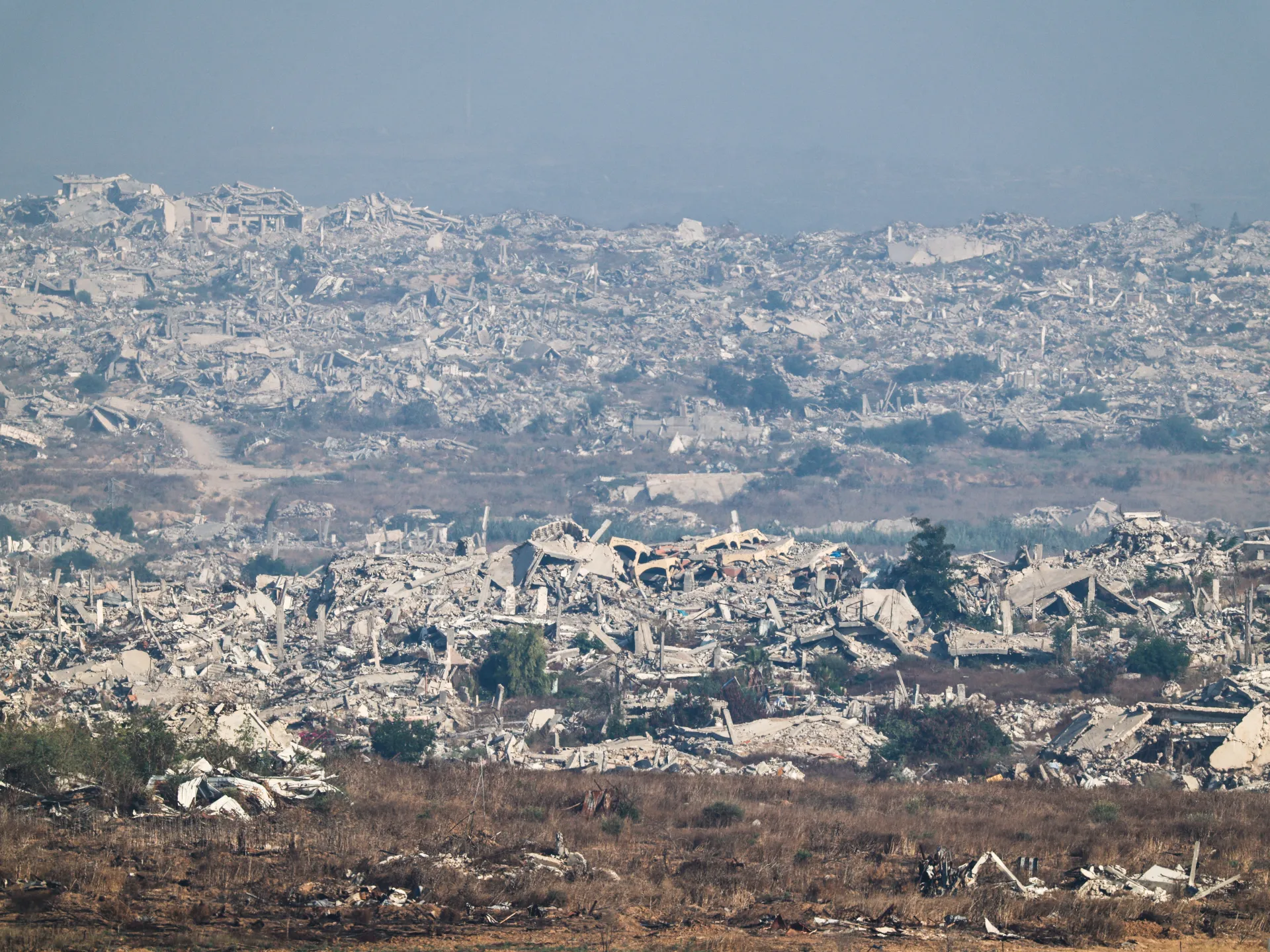
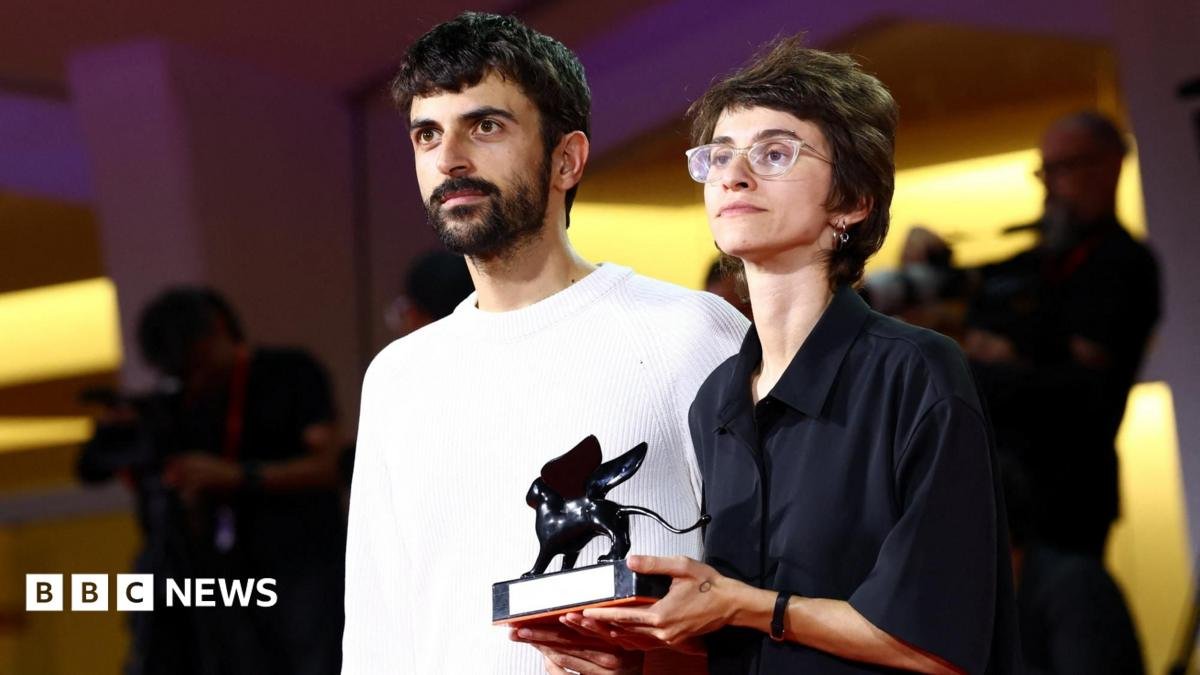
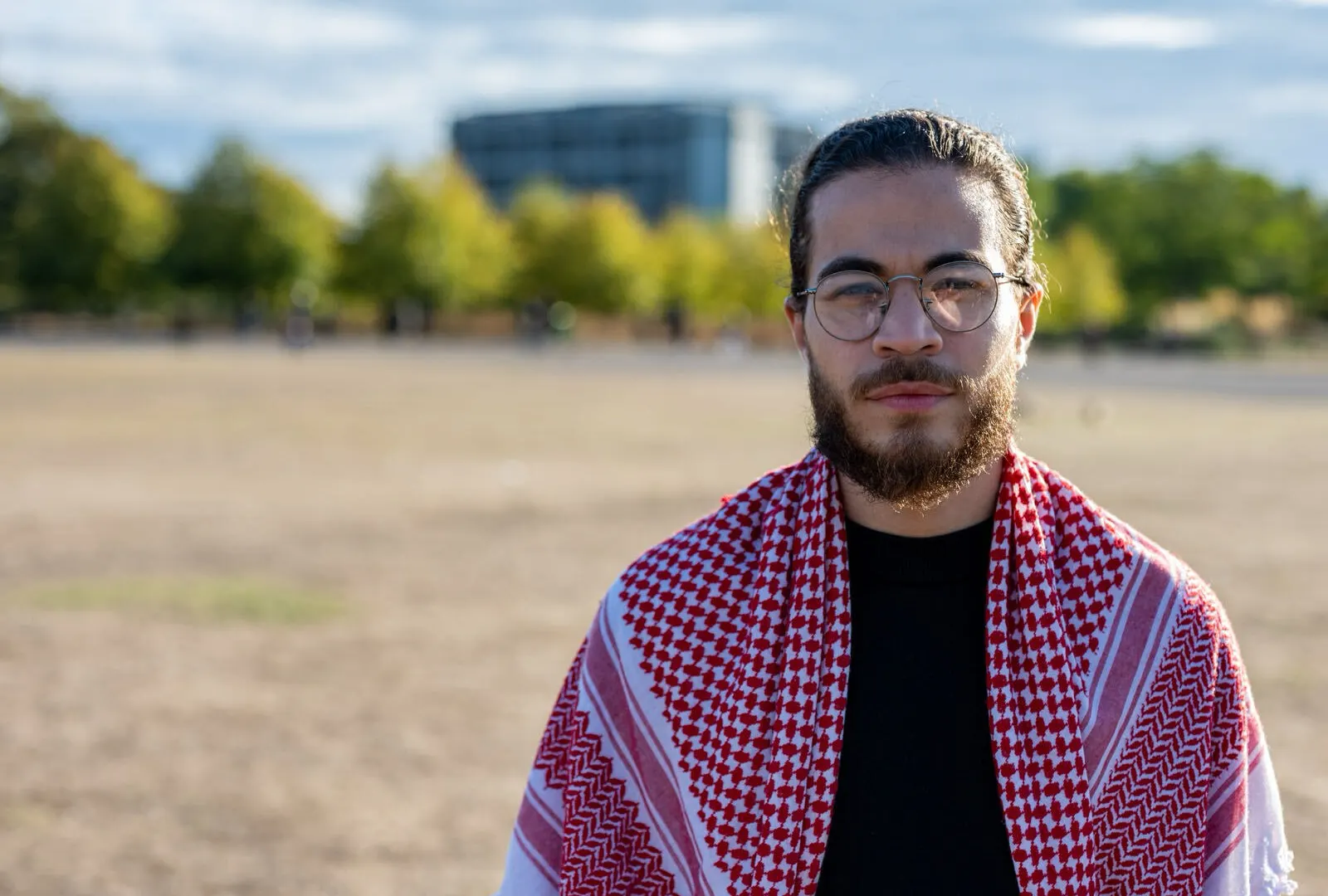
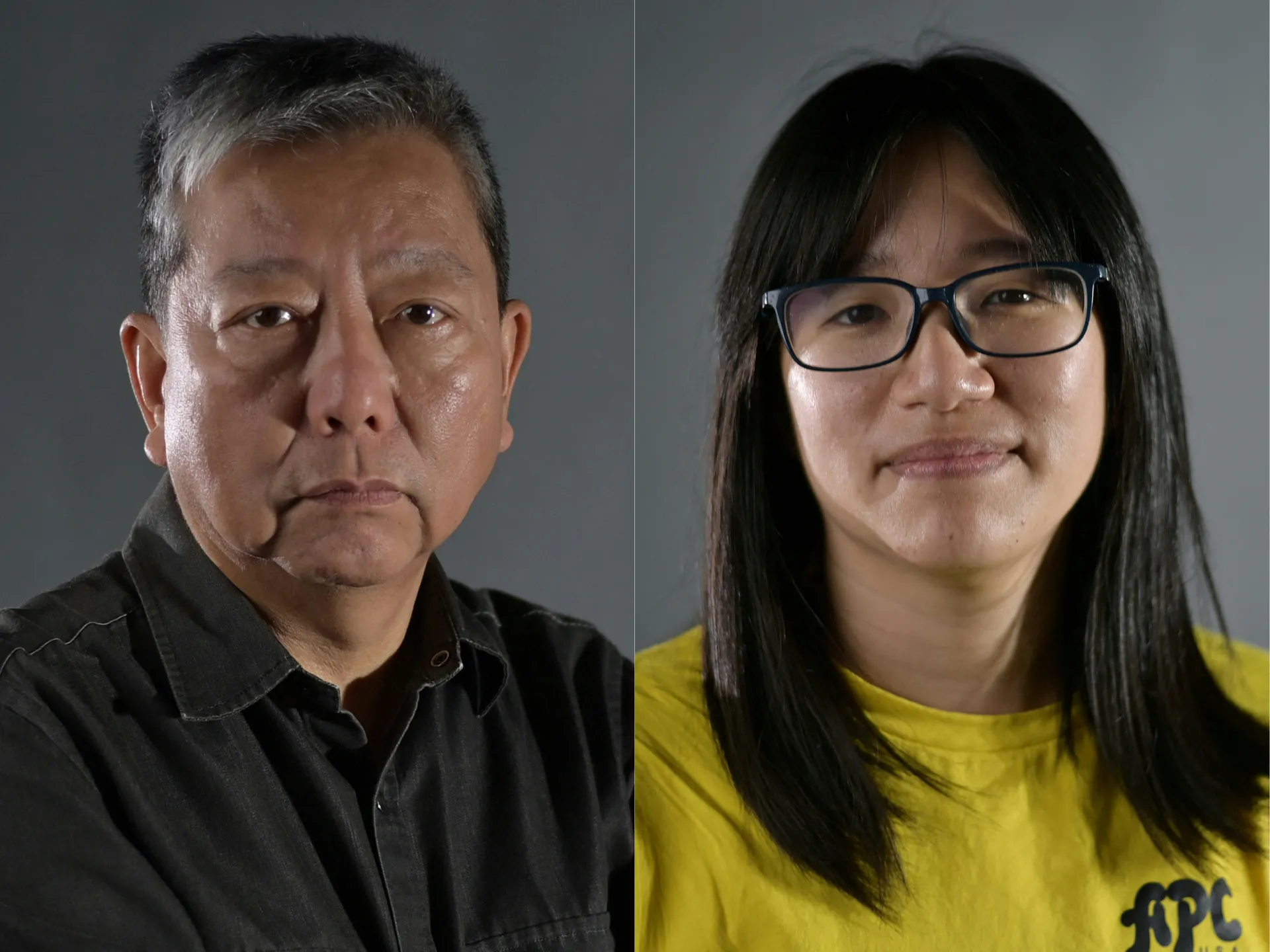
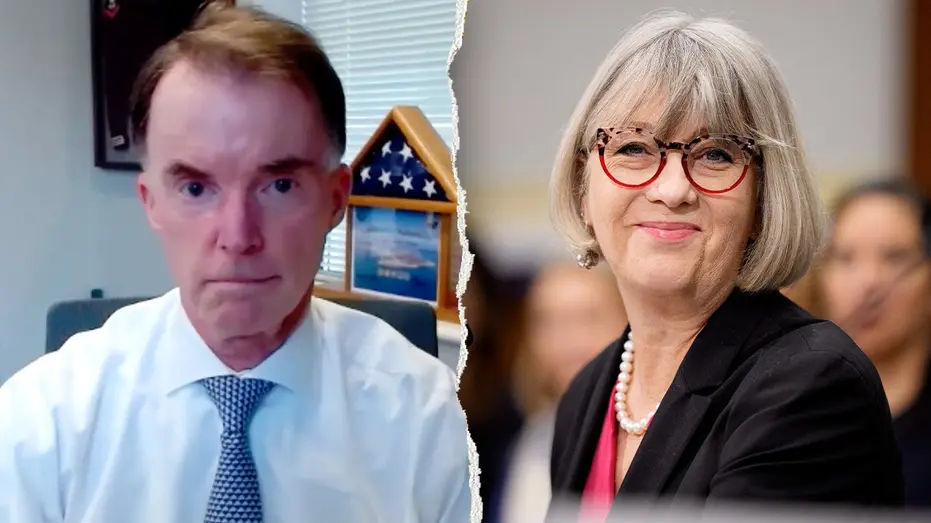
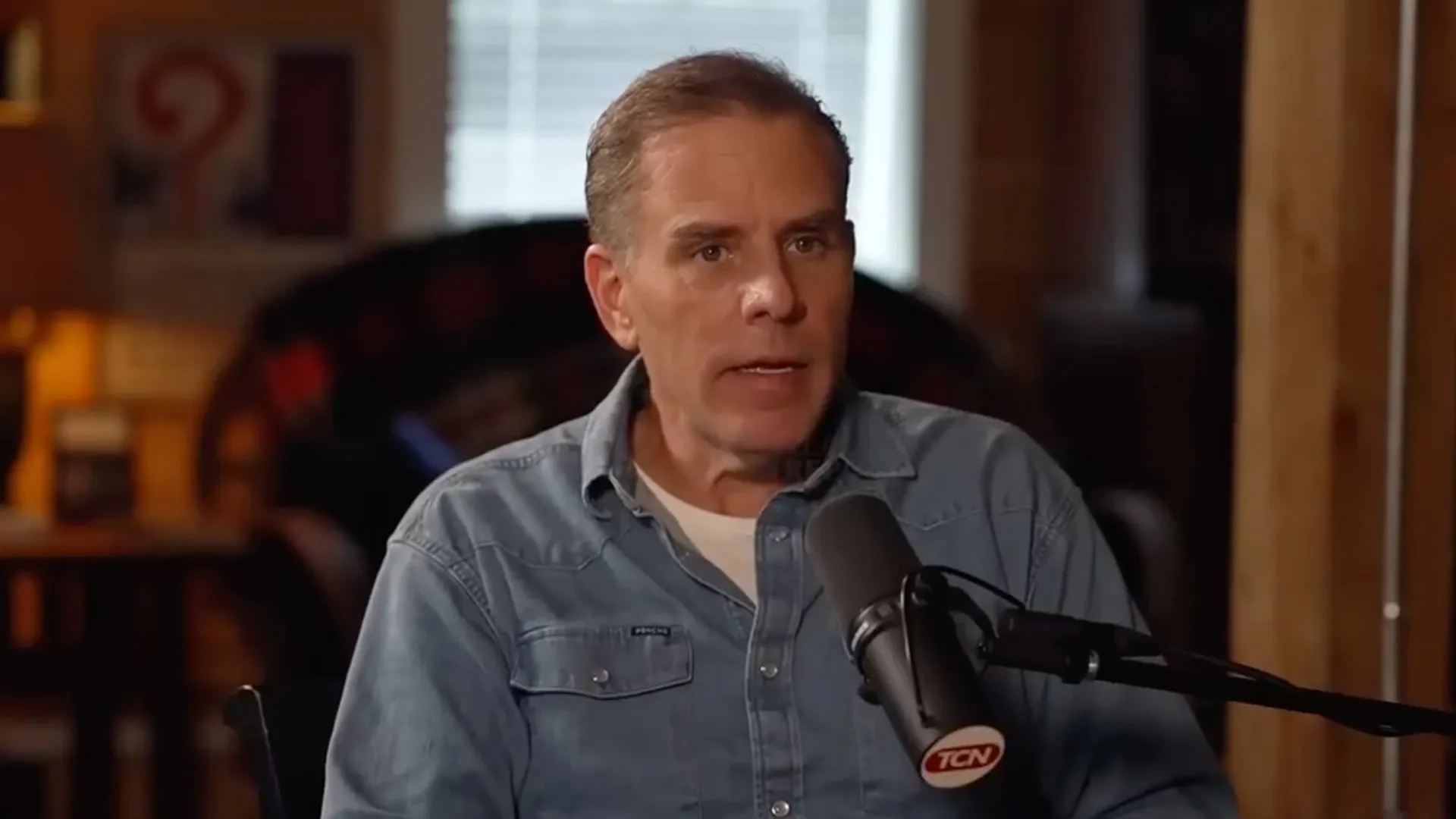
While regional leaders focus on the macro-level impact of the war, the conflict is simultaneously igniting intense domestic disputes within Israel. Israeli Culture Minister Miki Zohar has initiated a push to revoke the citizenship of Yuval Abraham and Rachel Szor, the directors of the documentary Naza. The film, which recently received a special jury award at the Venice International Film Festival, features interviews with 24 anonymous intelligence and military officials who allege that the Israeli military employed AI-driven targeting systems to facilitate mass civilian casualties in Gaza.
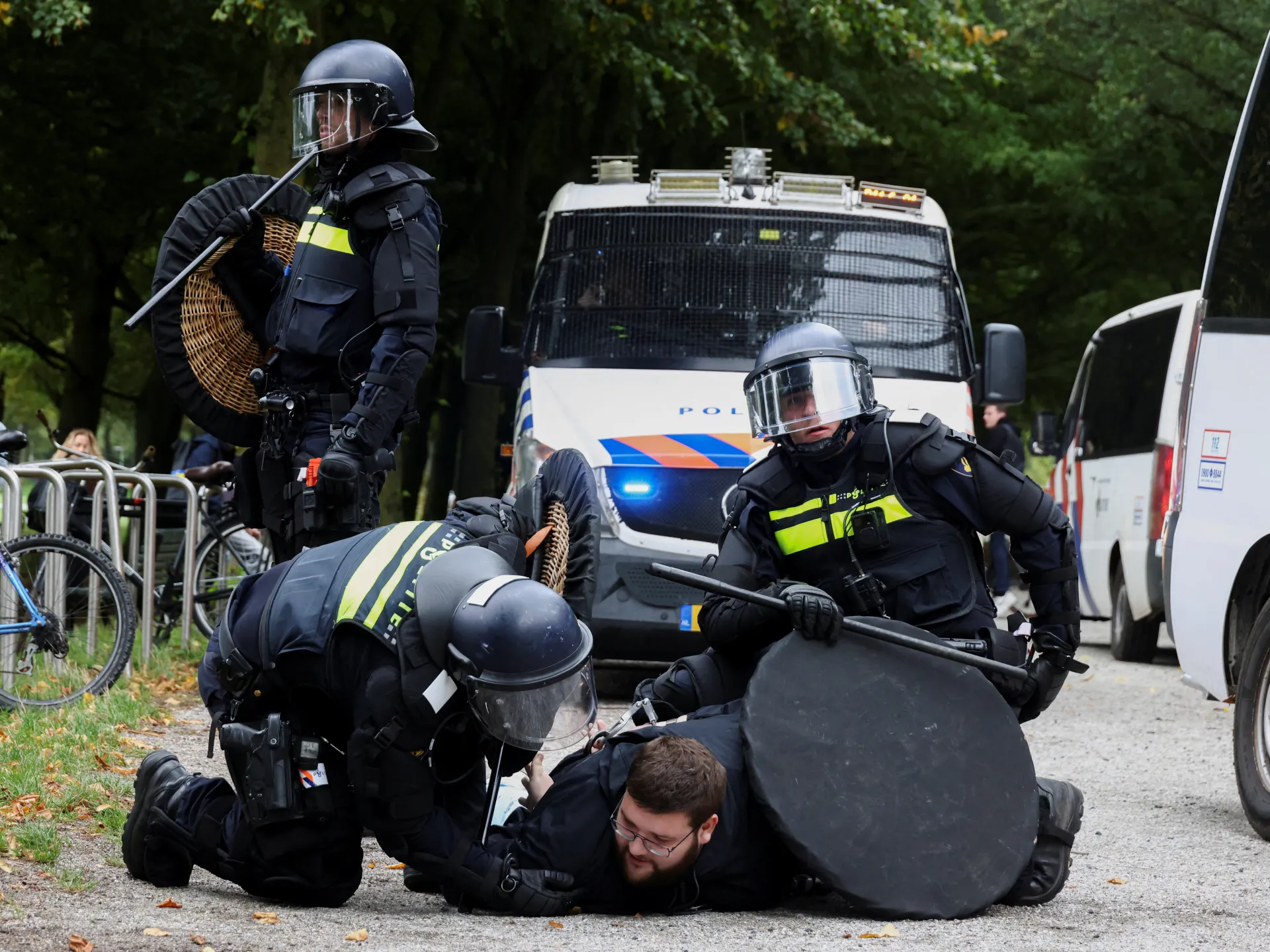
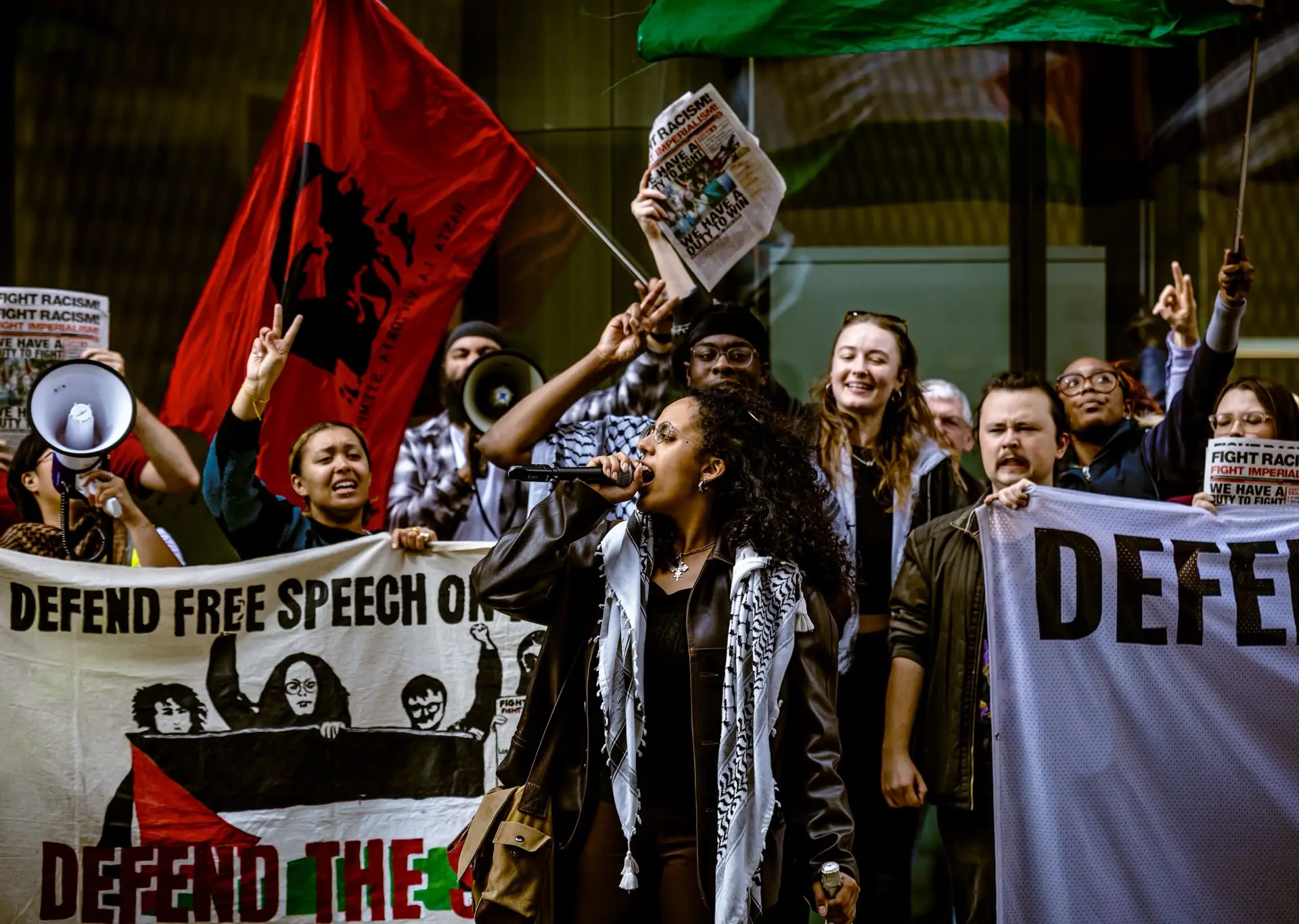
The Israeli government has vehemently denied the allegations presented in the film, with the Israel Defense Forces (IDF) labeling claims that an attack was authorized to kill 500 people for a single target as “completely false.” Minister Zohar has called for a formal investigation into the filmmakers, citing the country's Citizenship Law, which allows for the revocation of status in cases of a “breach of allegiance.” The filmmakers maintain that their work is a result of rigorous reporting. The debate highlights a deep divide within Israel regarding the accountability of its military operations and the limits of free expression during wartime.
The diplomatic trajectory for the coming weeks will likely depend on whether the calls for a new security architecture gain traction among Western powers during the UN General Assembly. If the US and other international actors prioritize the Qatari proposal, there may be a shift toward diplomatic back-channeling to manage the fallout of the US-Israel-Iran conflict. However, the domestic friction in Israel suggests that internal pressures will continue to mount, potentially leading to further legal challenges against dissenting voices. The clash between government officials and cultural figures indicates that the narrative of the war will remain as contested as the military situation on the ground.