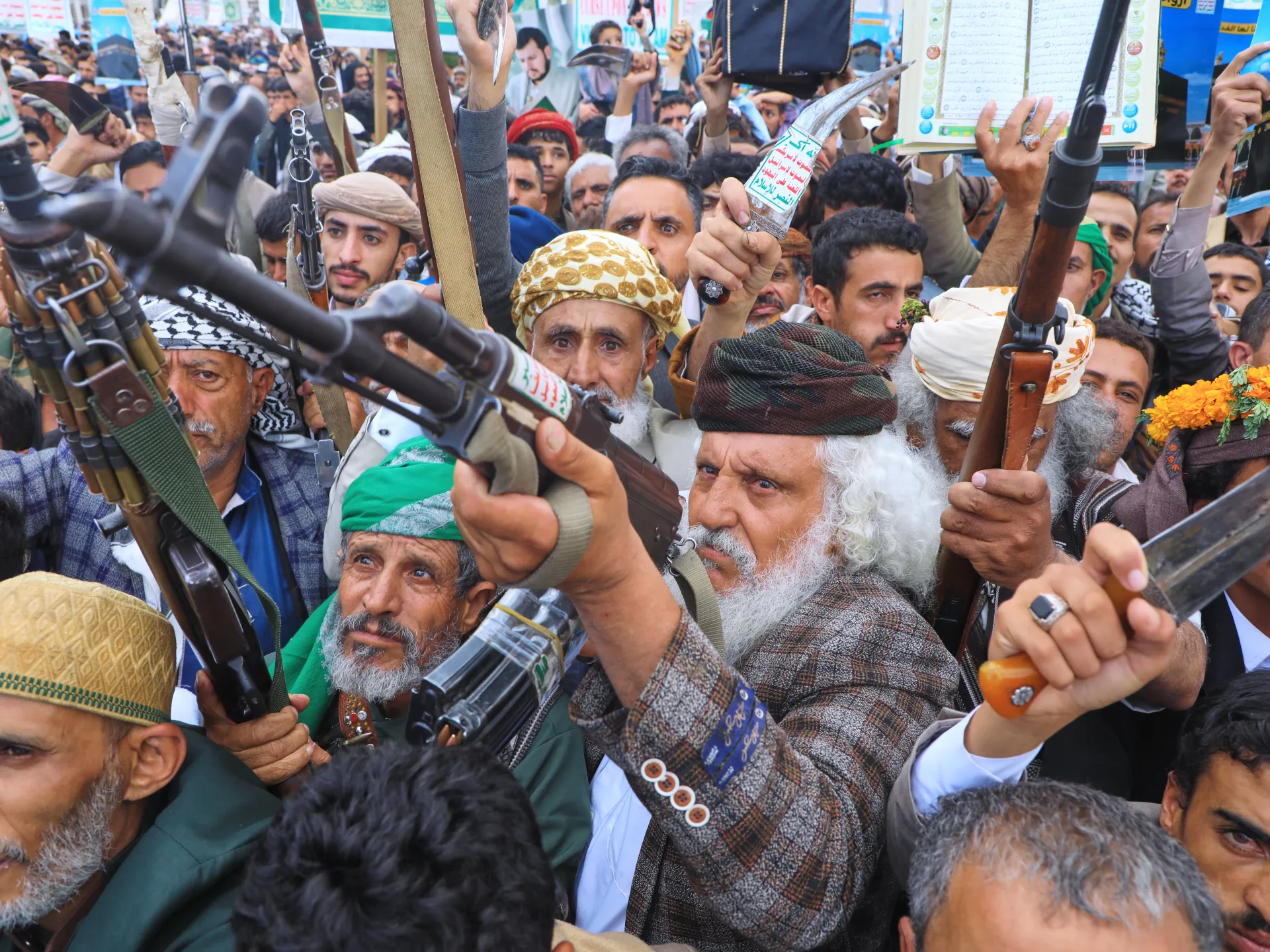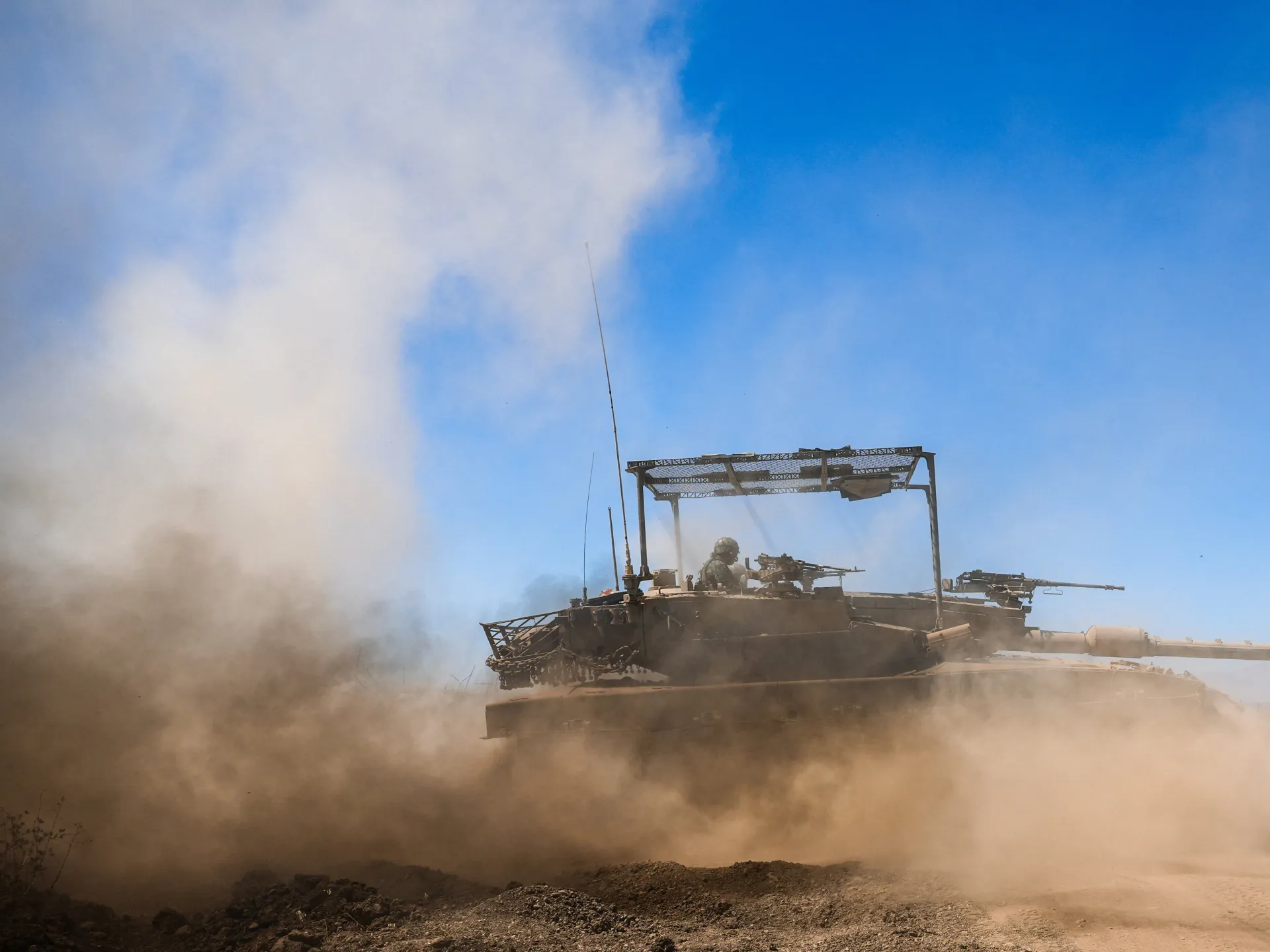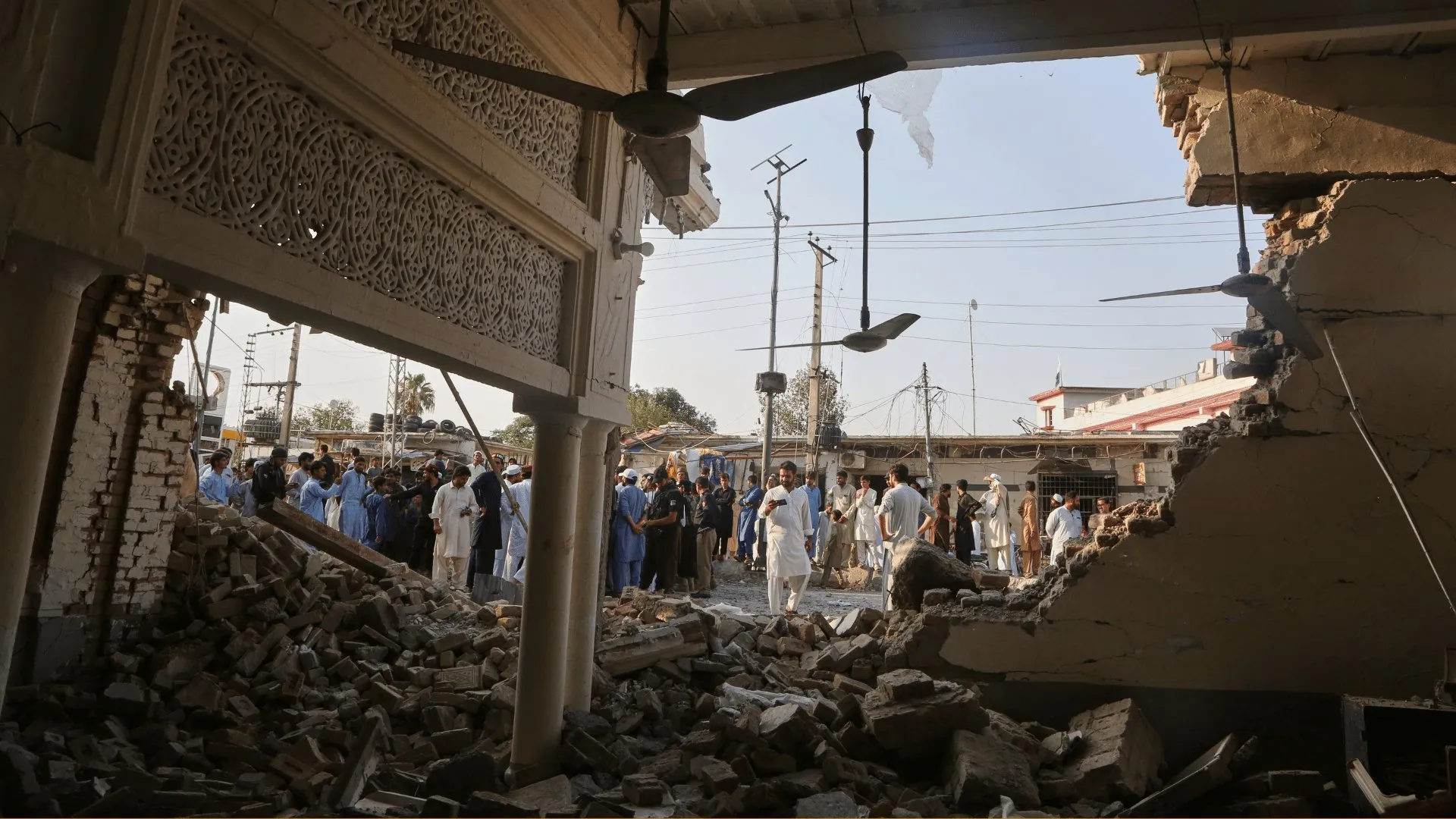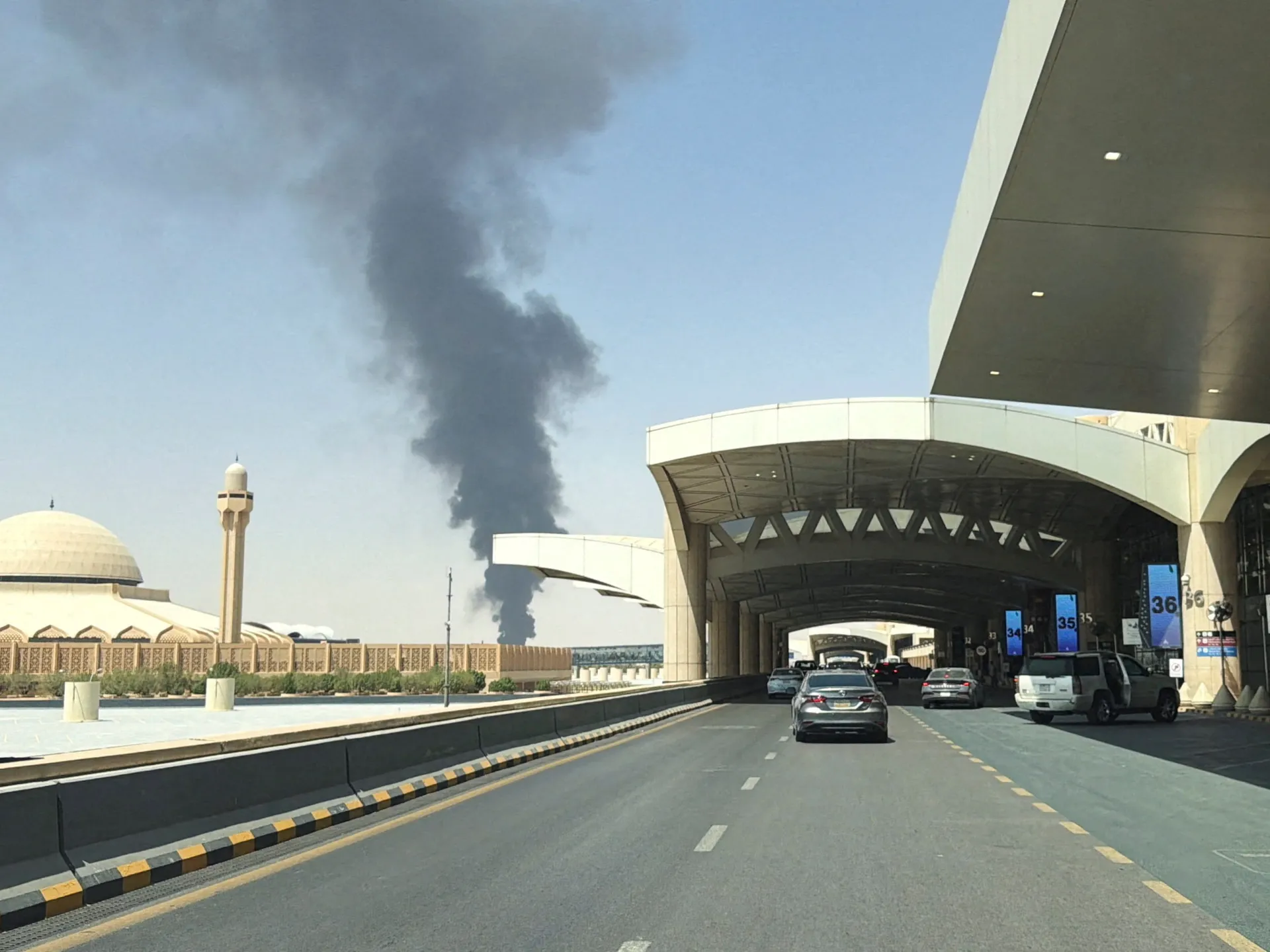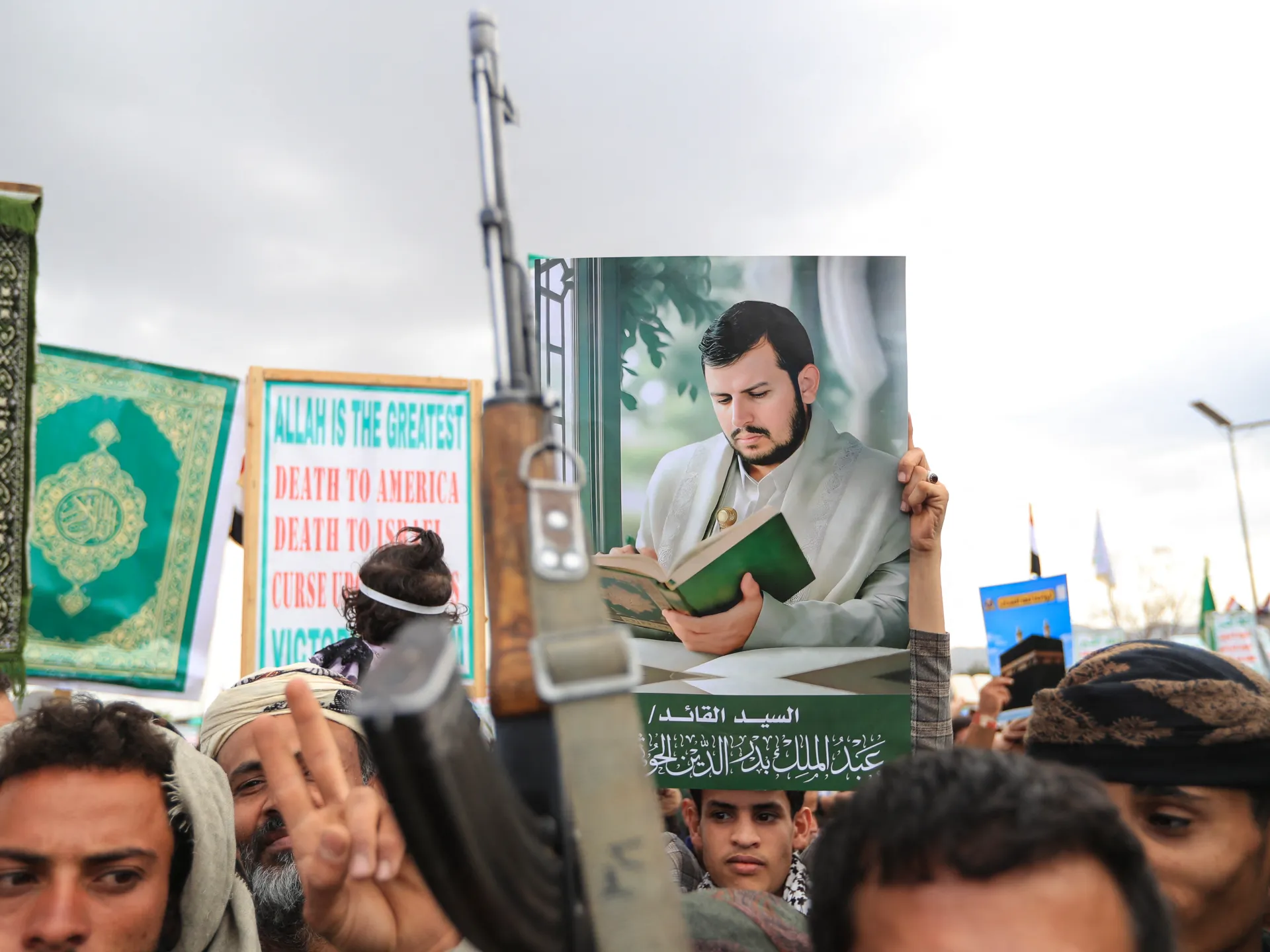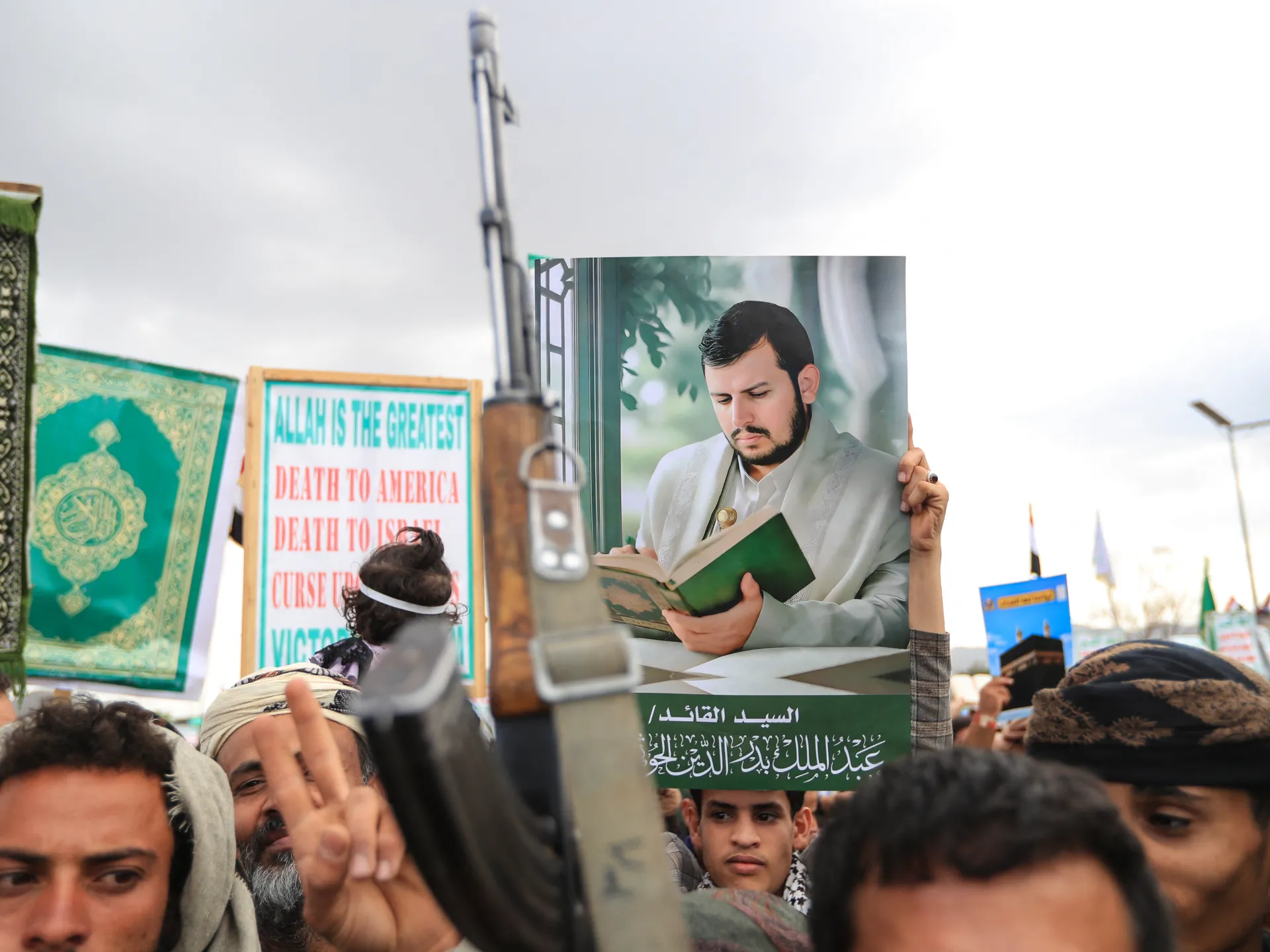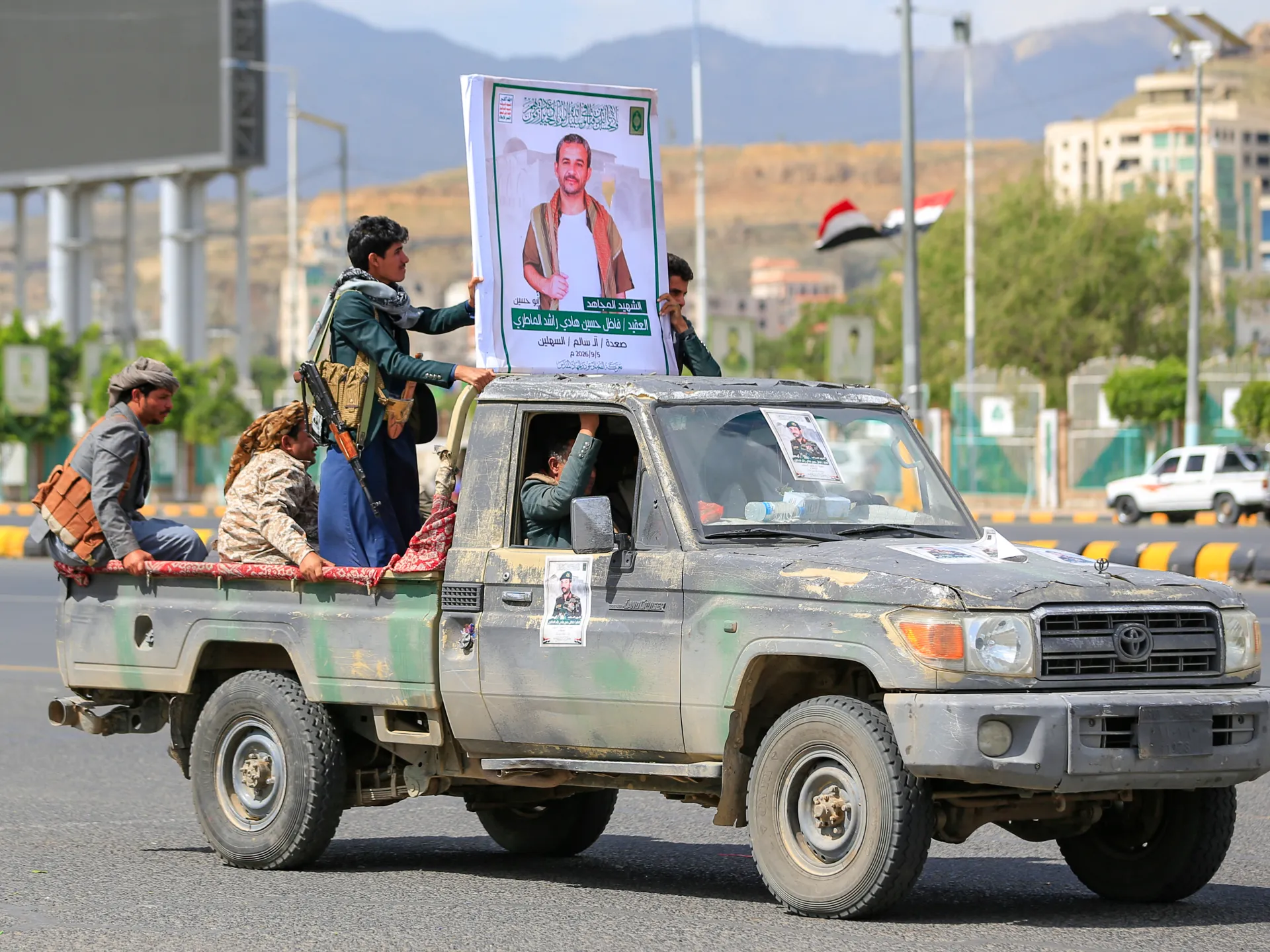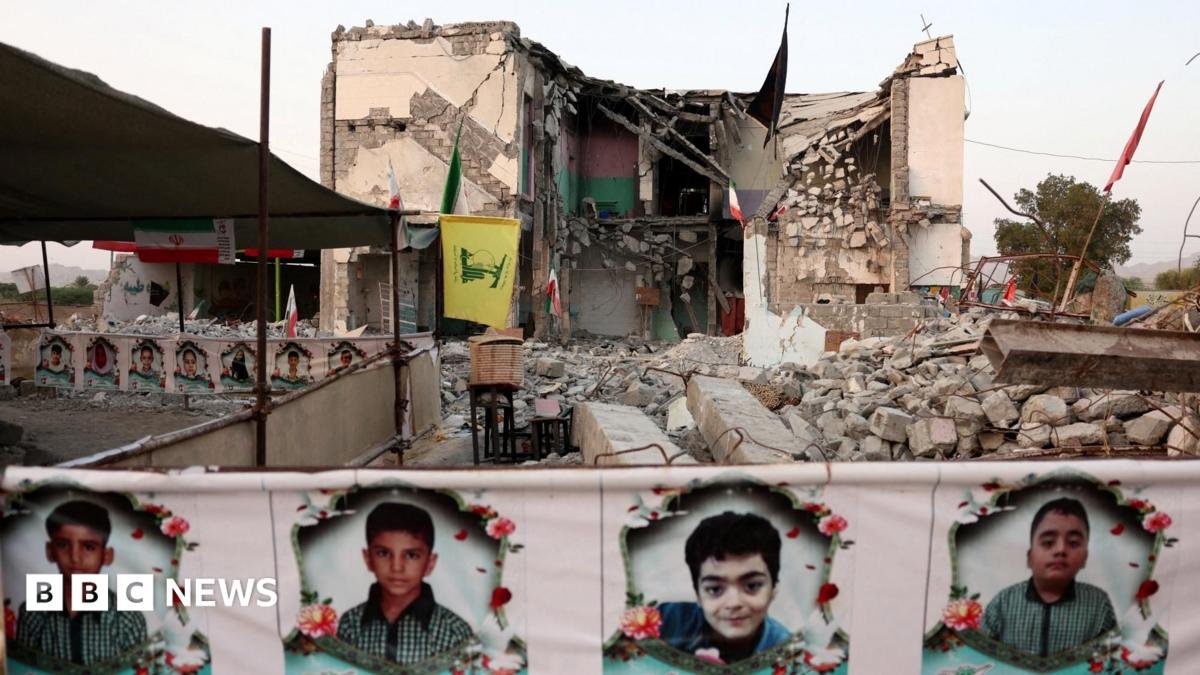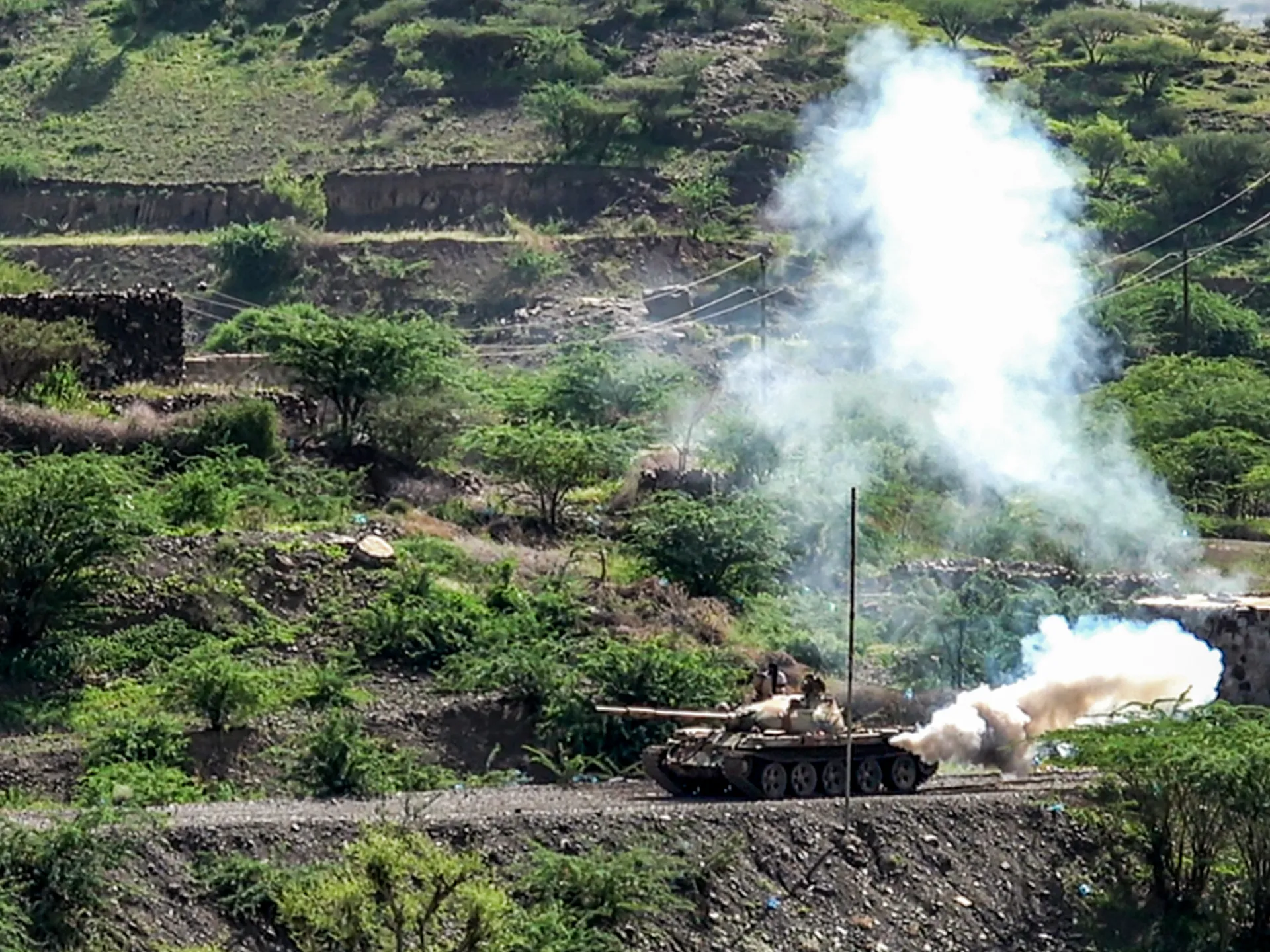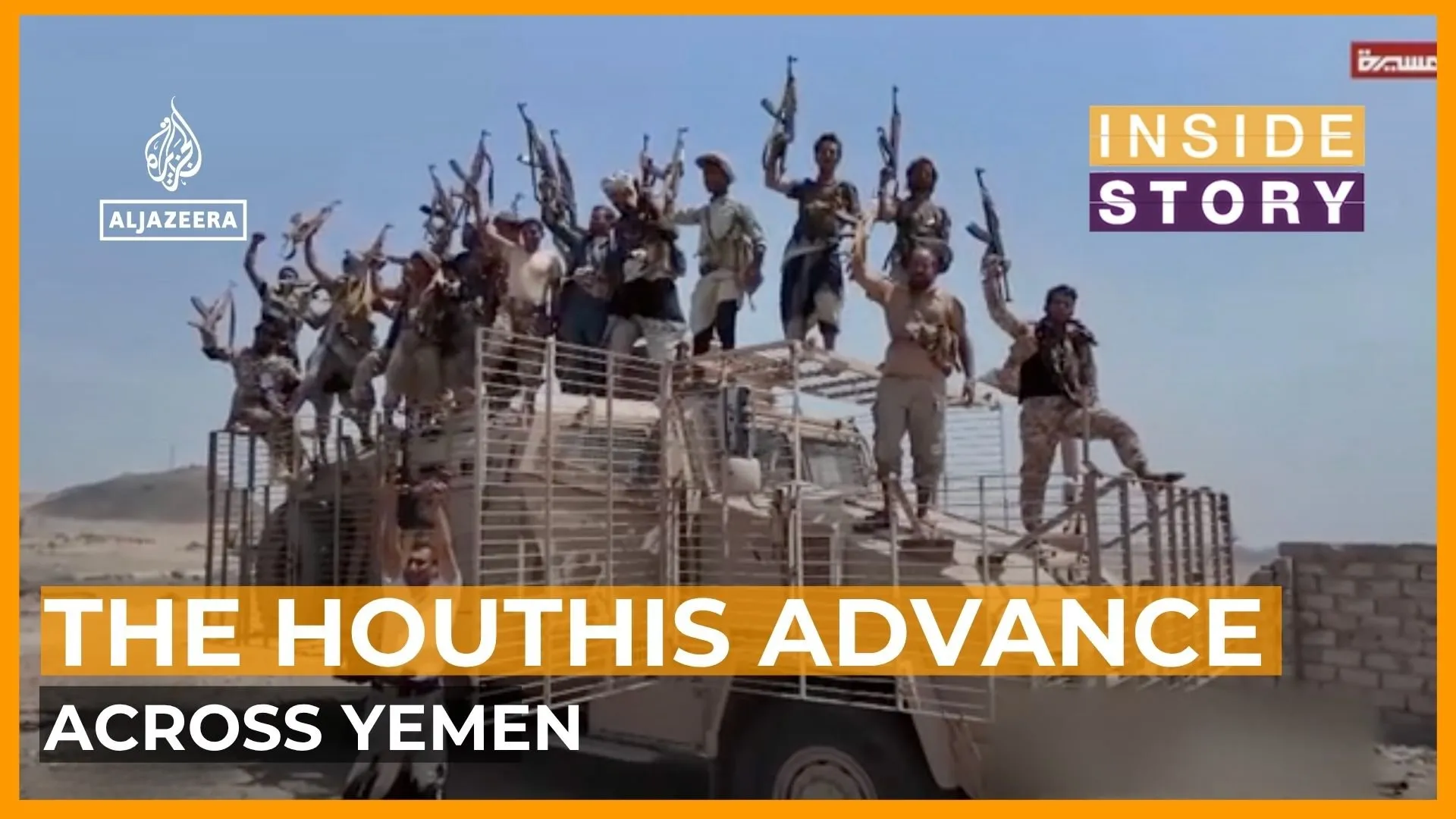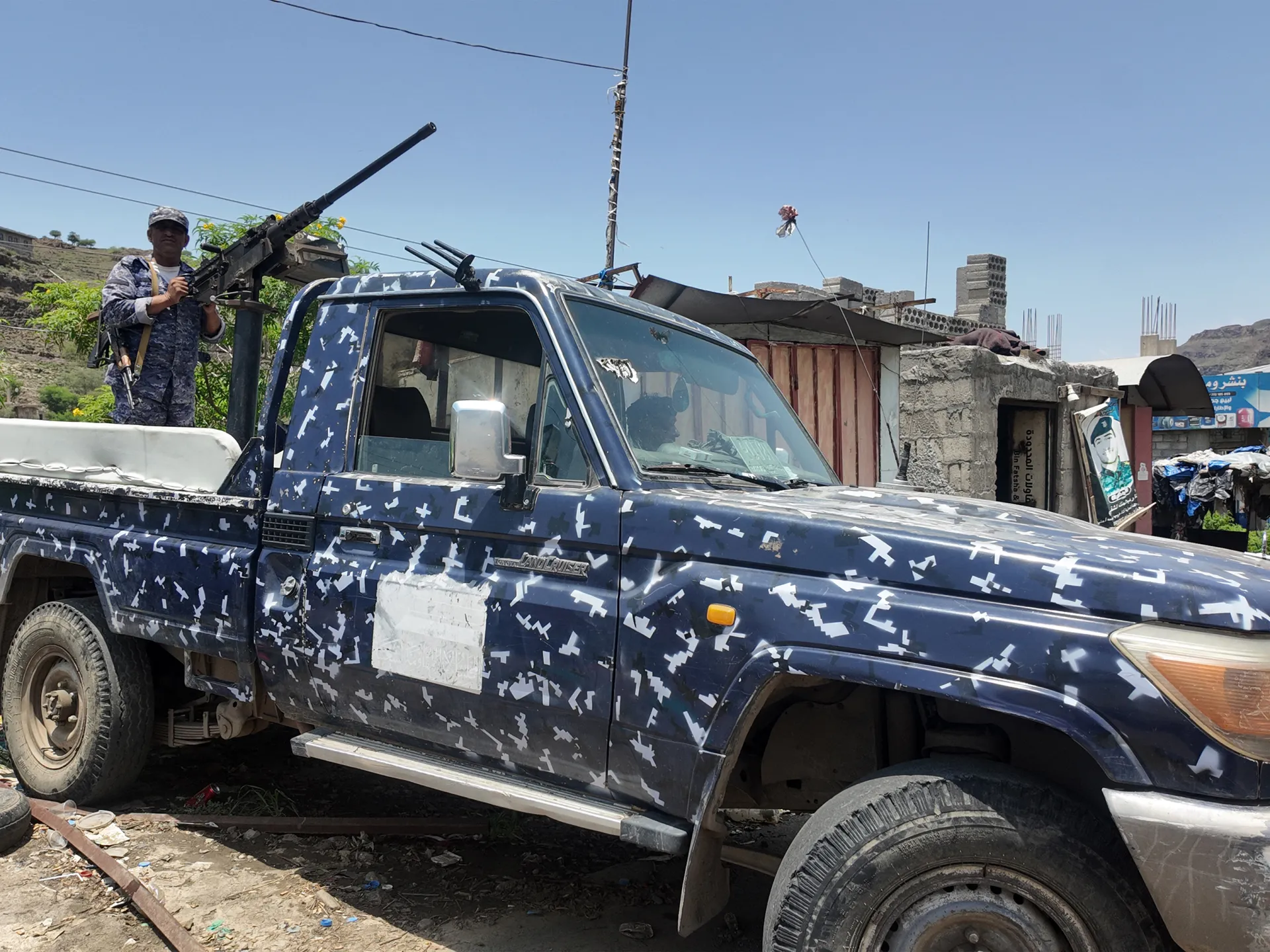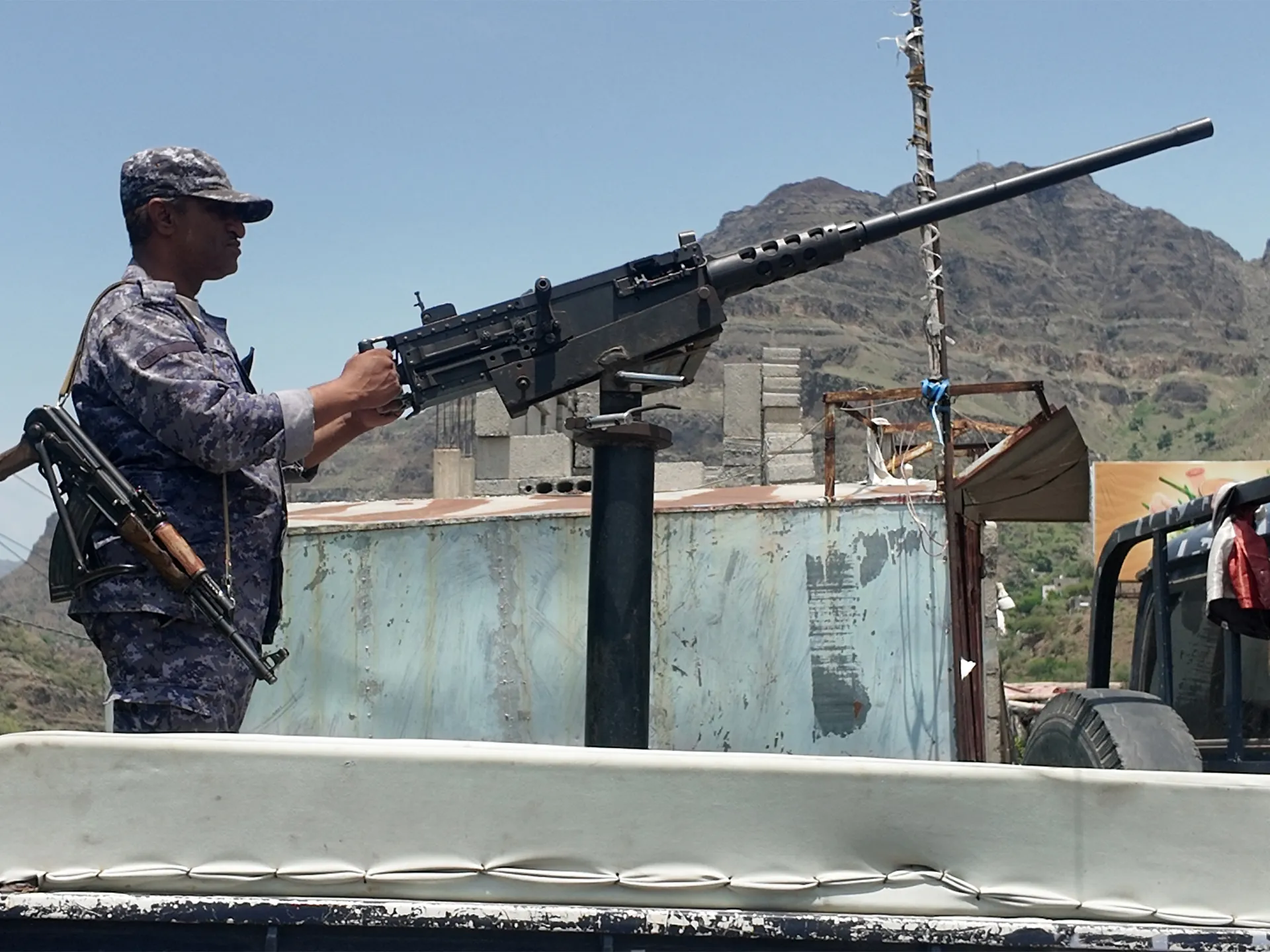
Hostilities between the Saudi-led coalition and Houthi rebels have surged, moving from local skirmishes to threats against global energy infrastructure.
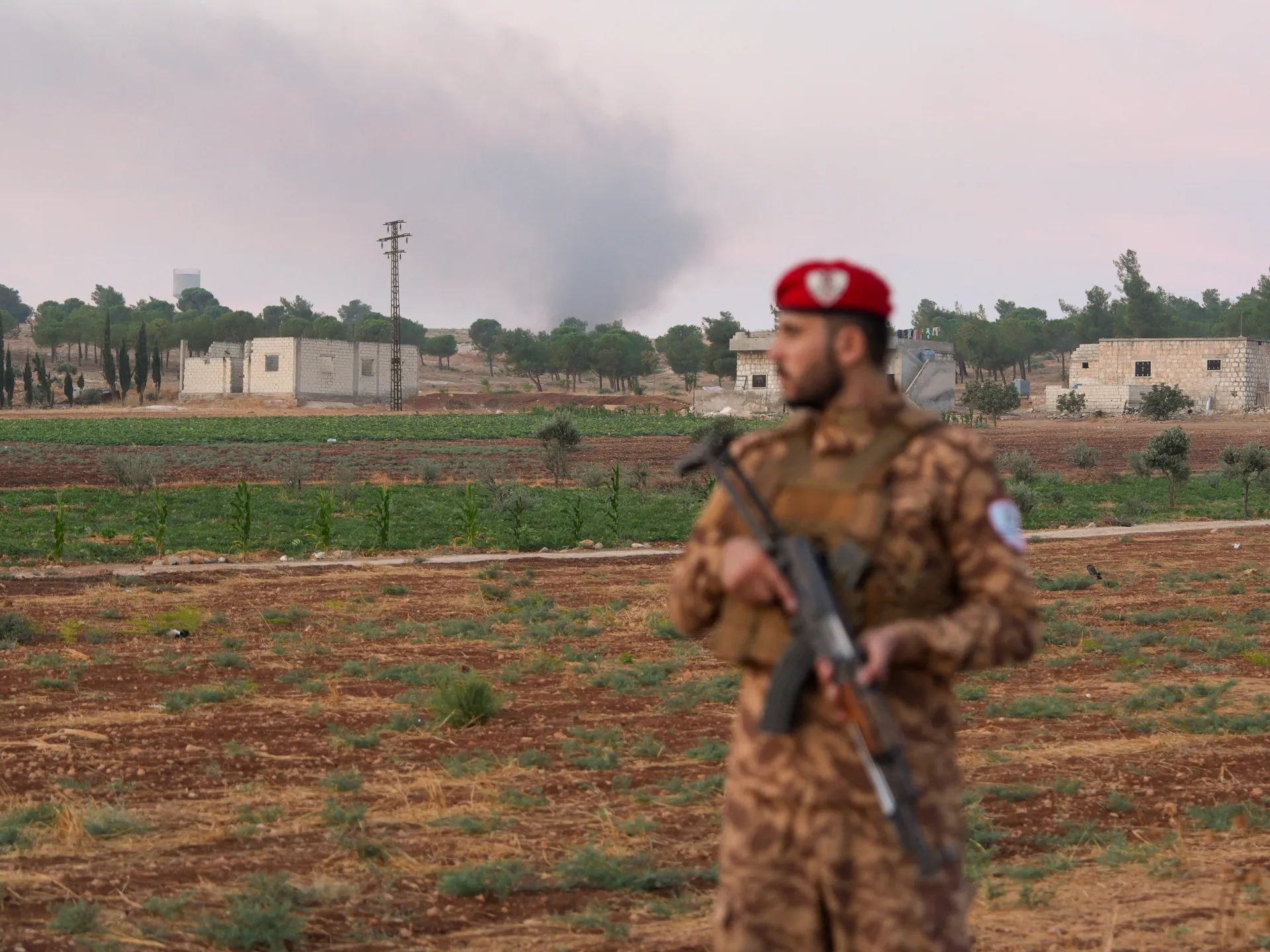
The intensifying conflict between the Saudi-led coalition and Houthi forces in Yemen represents a significant departure from the relative stability of the 2022 ceasefire. ure, the Houthis have effectively forced Saudi Arabia into a defensive posture that threatens to destabilize global energy markets. This shift is particularly precarious given the reported US reluctance to intervene, which leaves the Kingdom to manage a multi-front threat with limited international backing. The targeting of areas near holy sites, whether intended or not, further complicates the security architecture of the region, transforming a localized insurgency into a focal point of pan-Islamic concern.
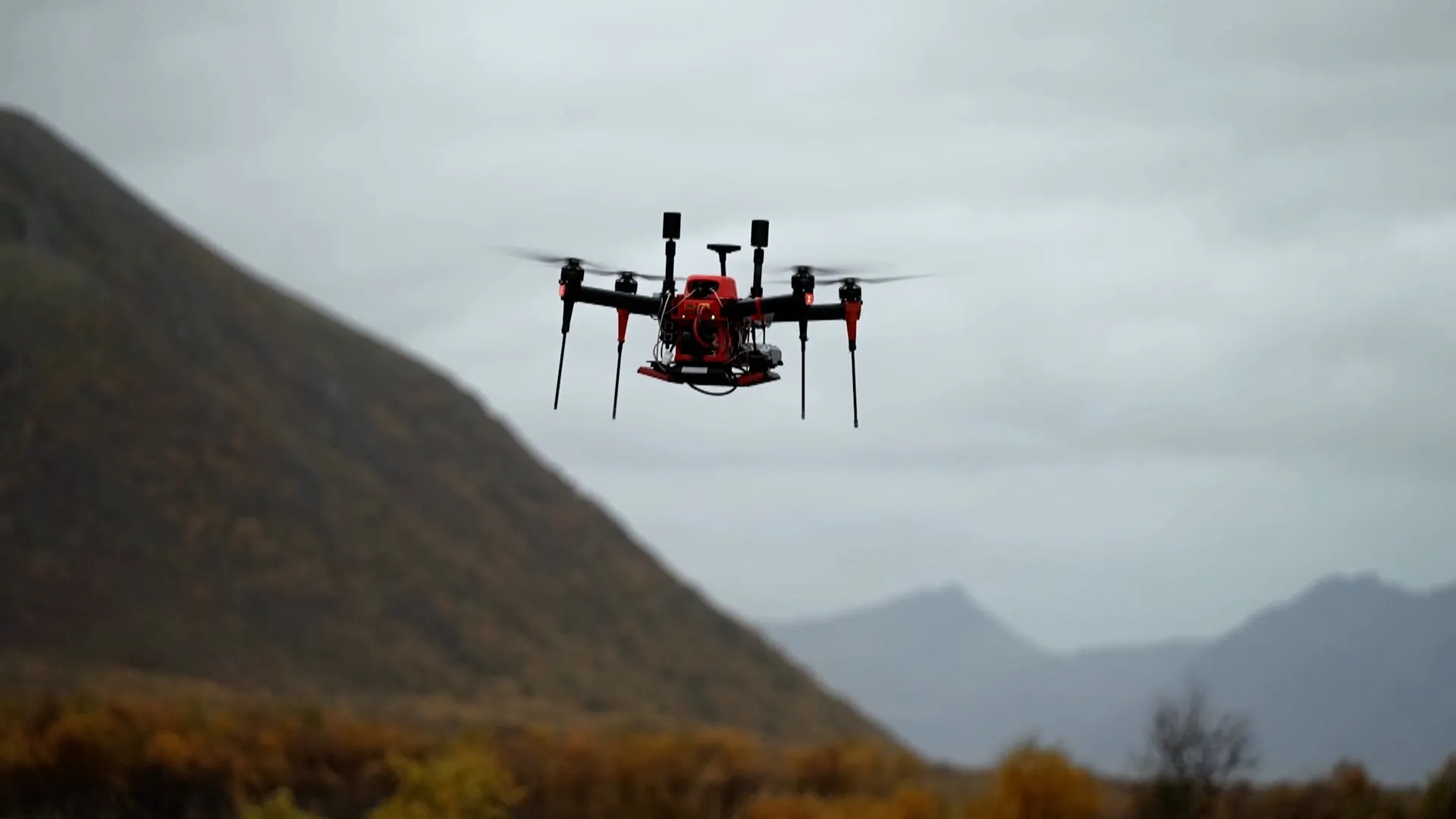
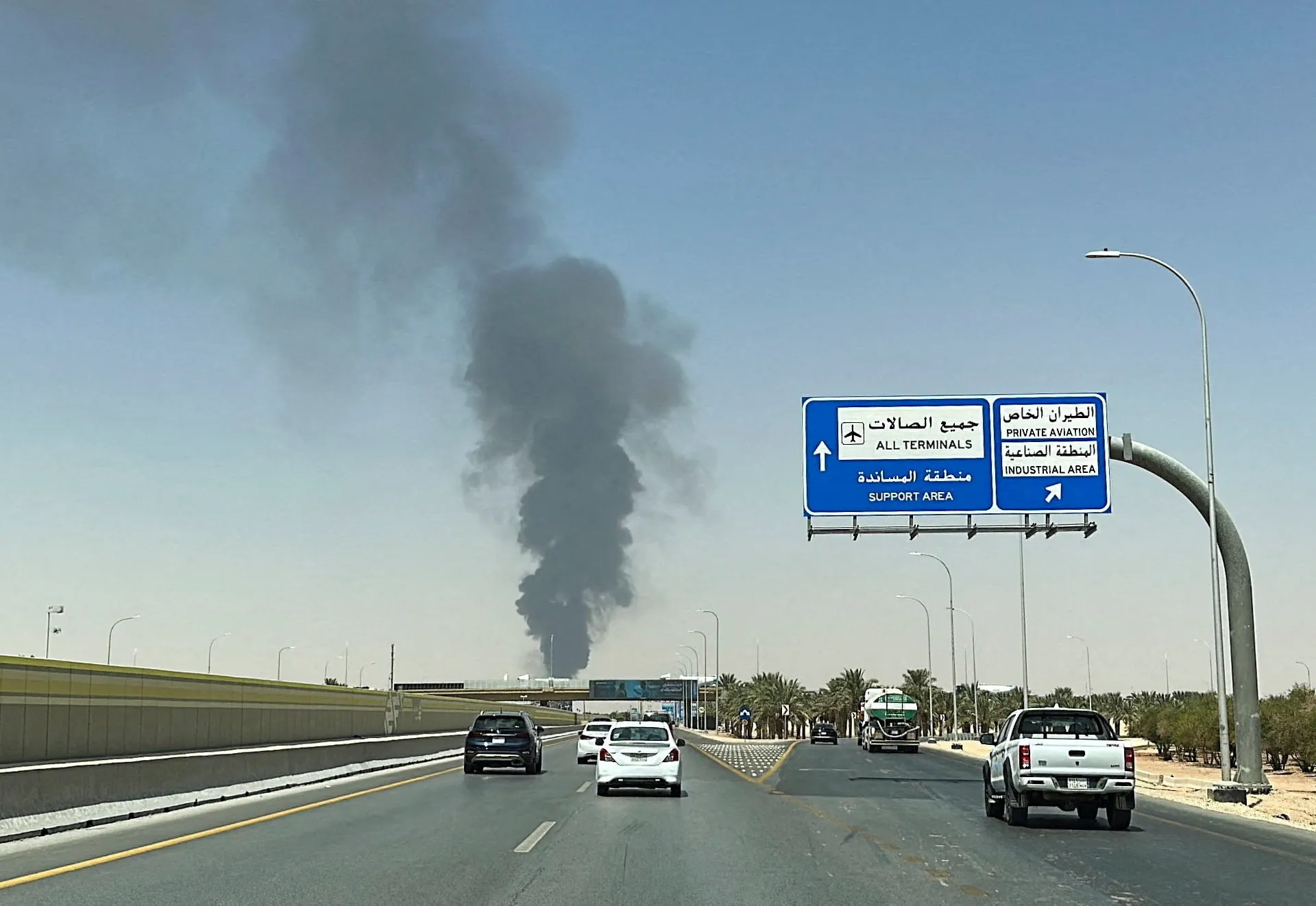
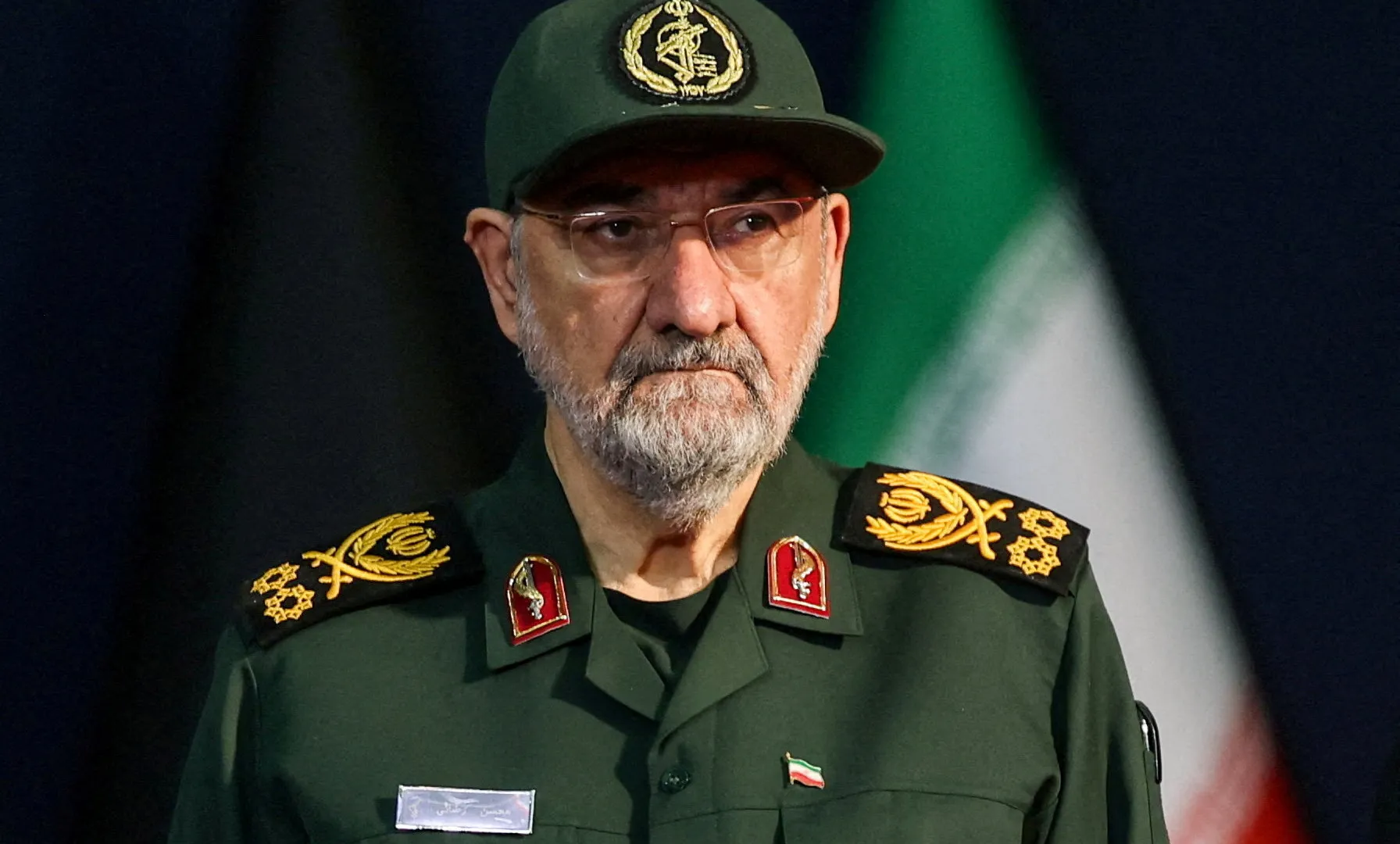
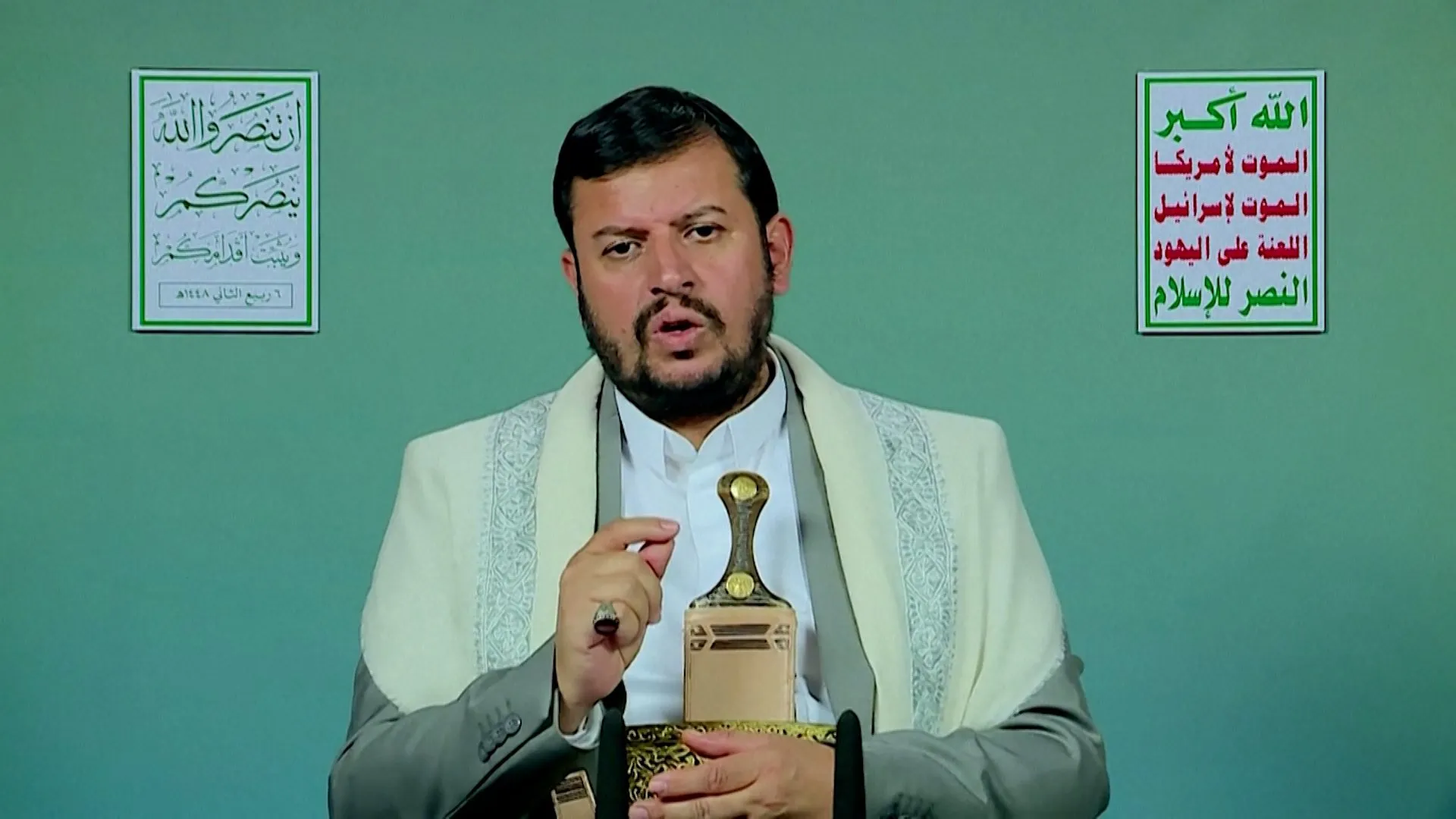
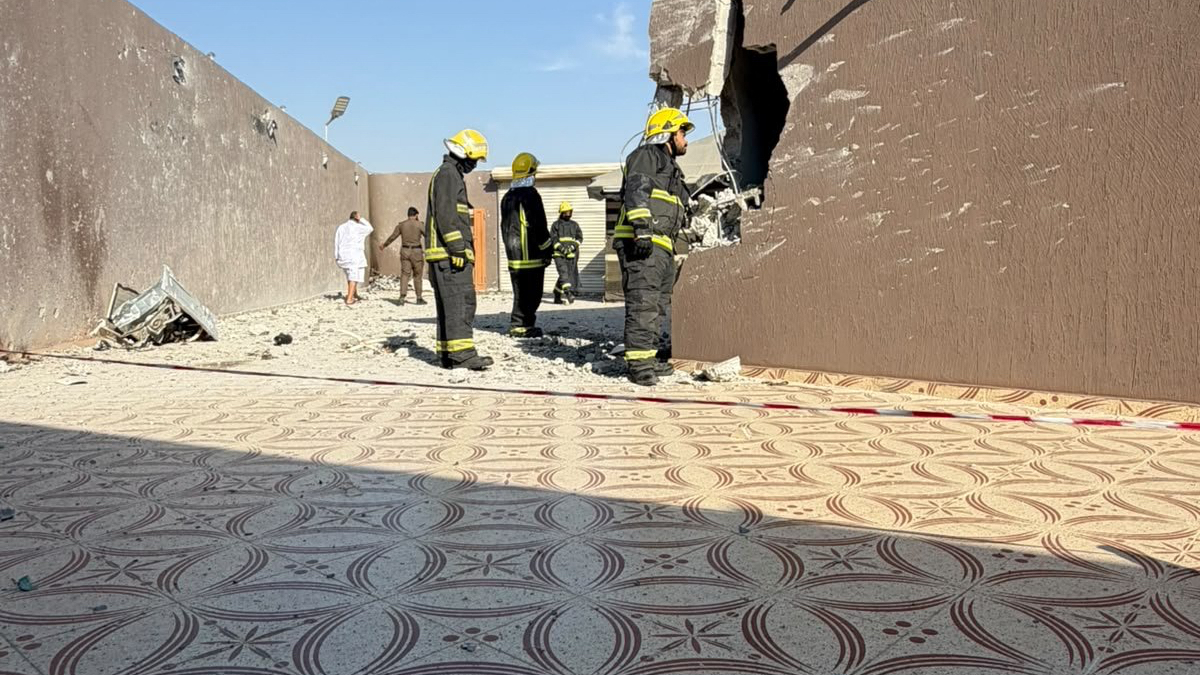
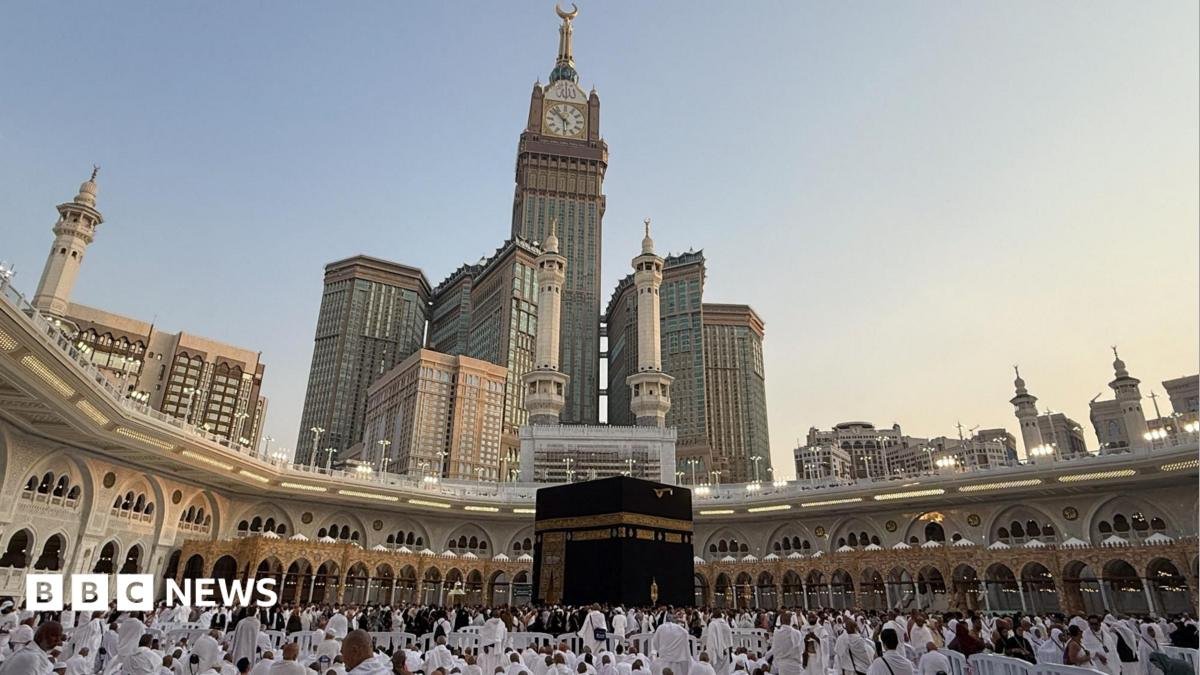
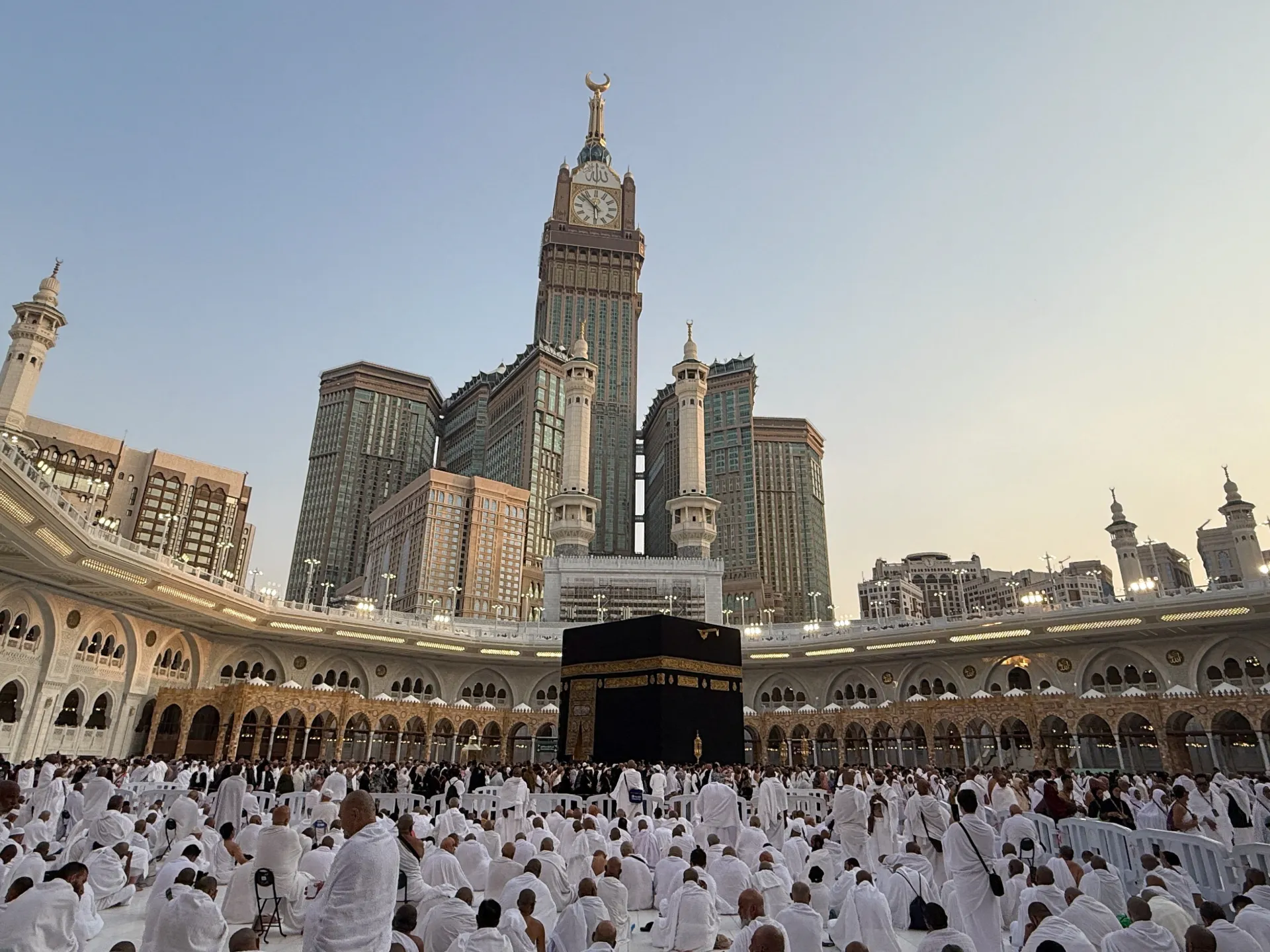
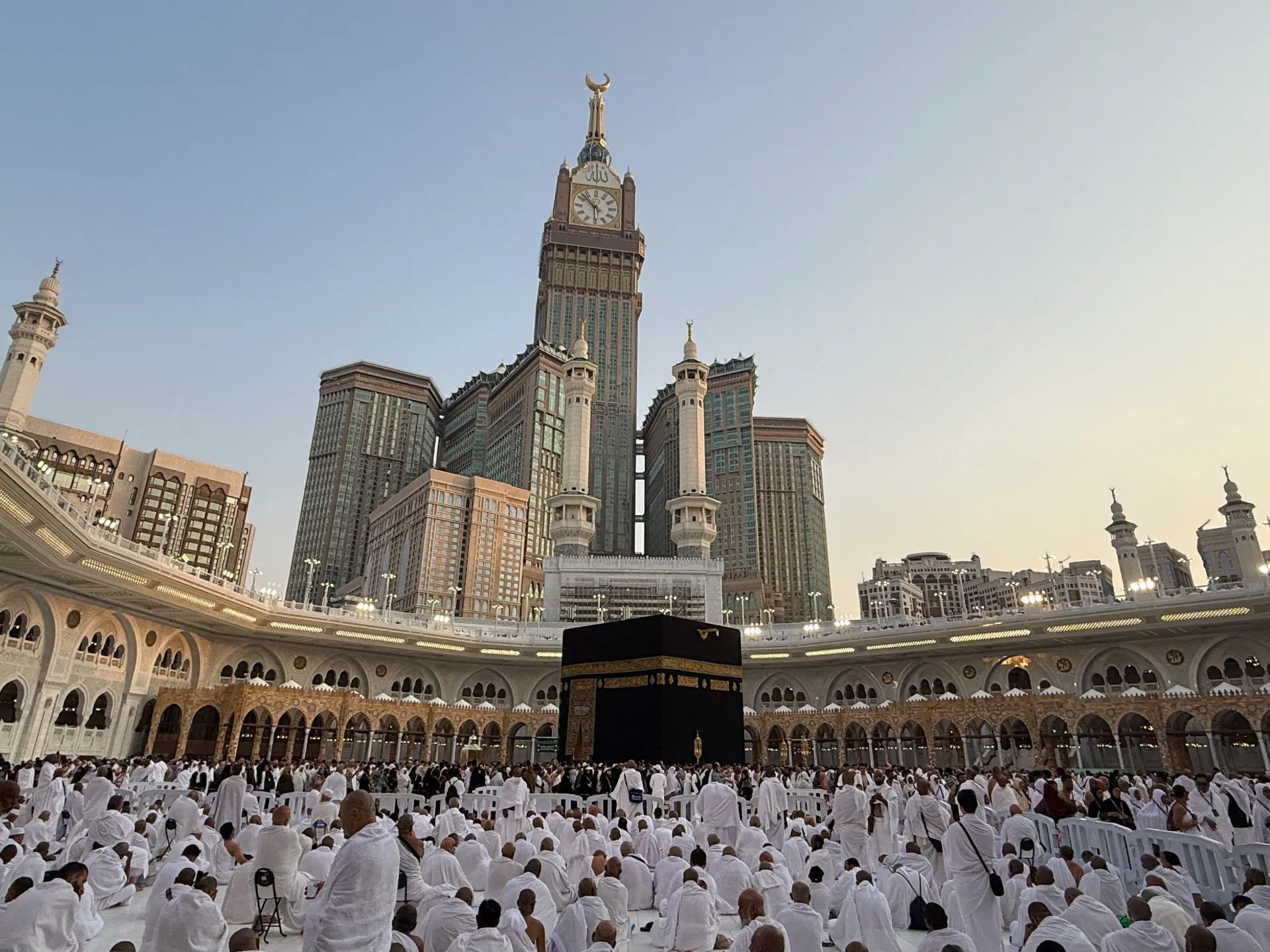
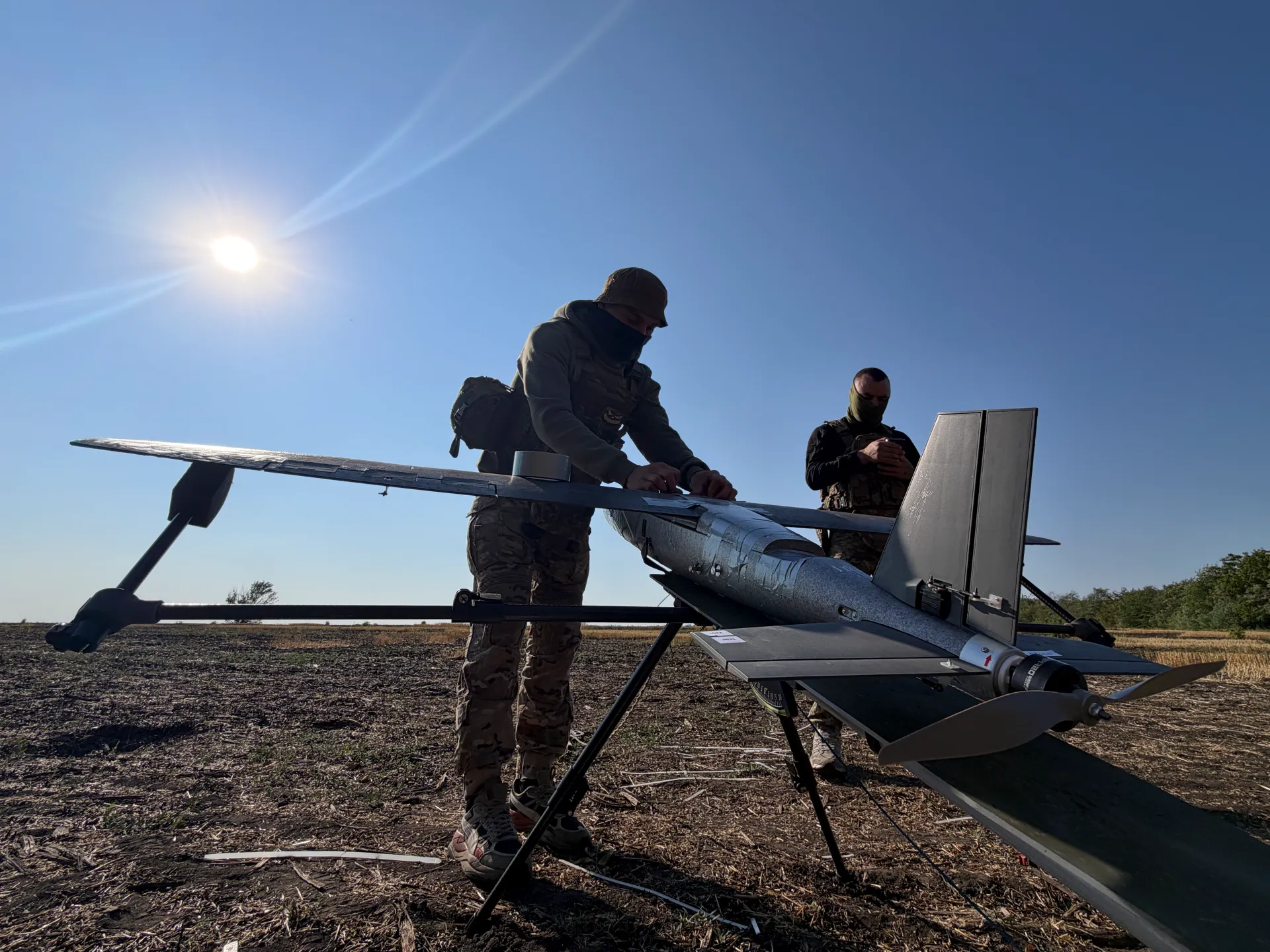
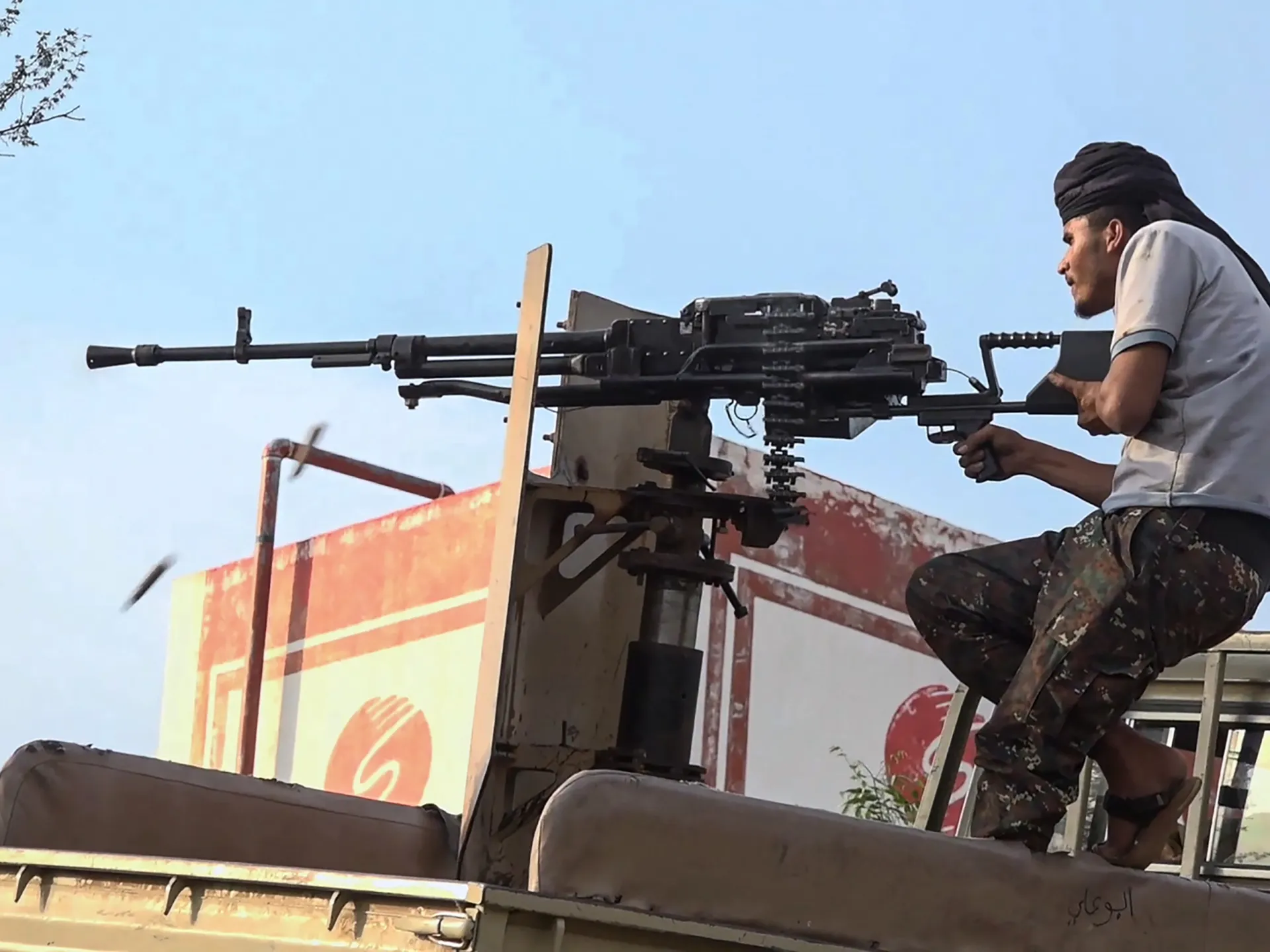
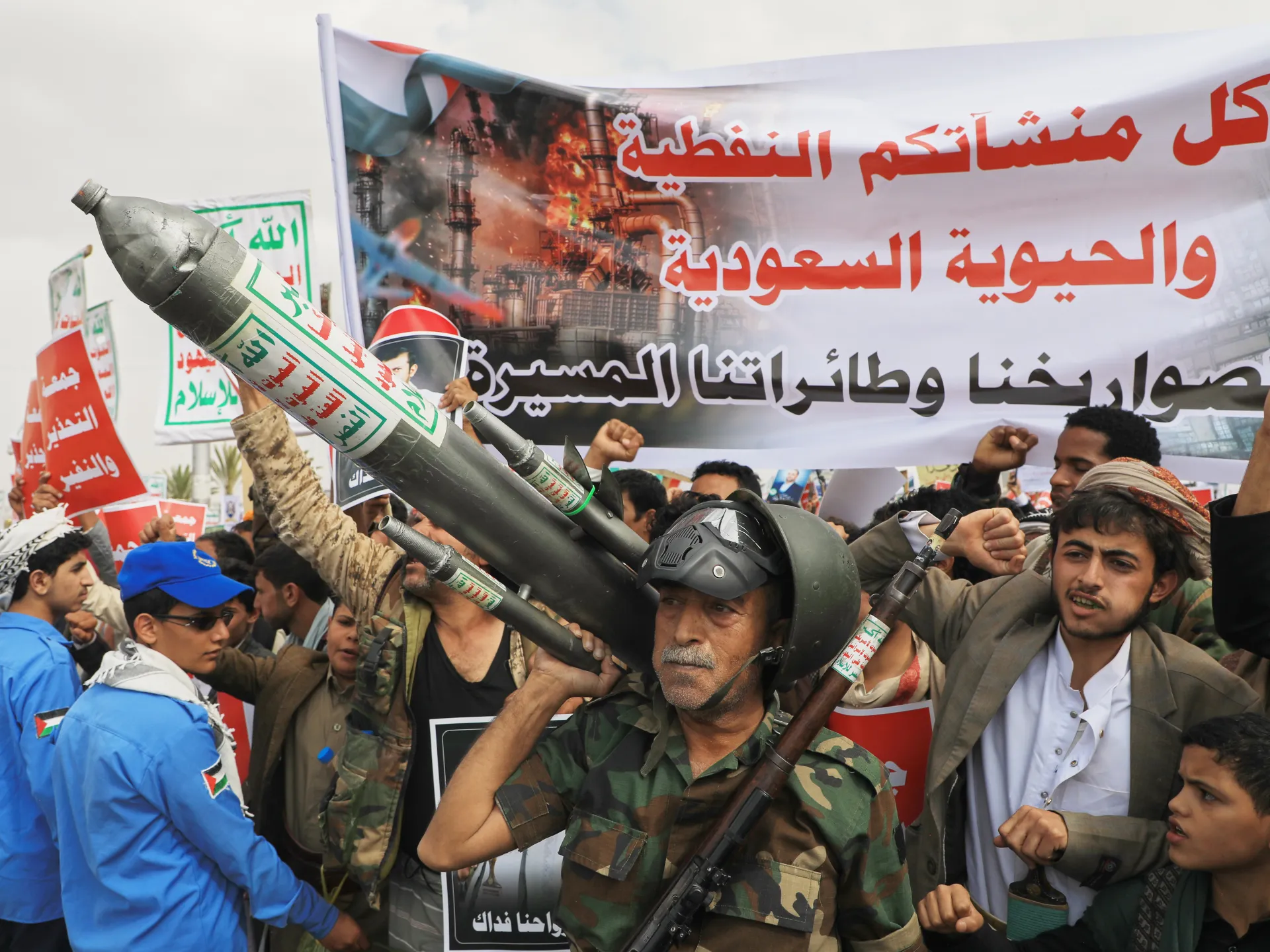
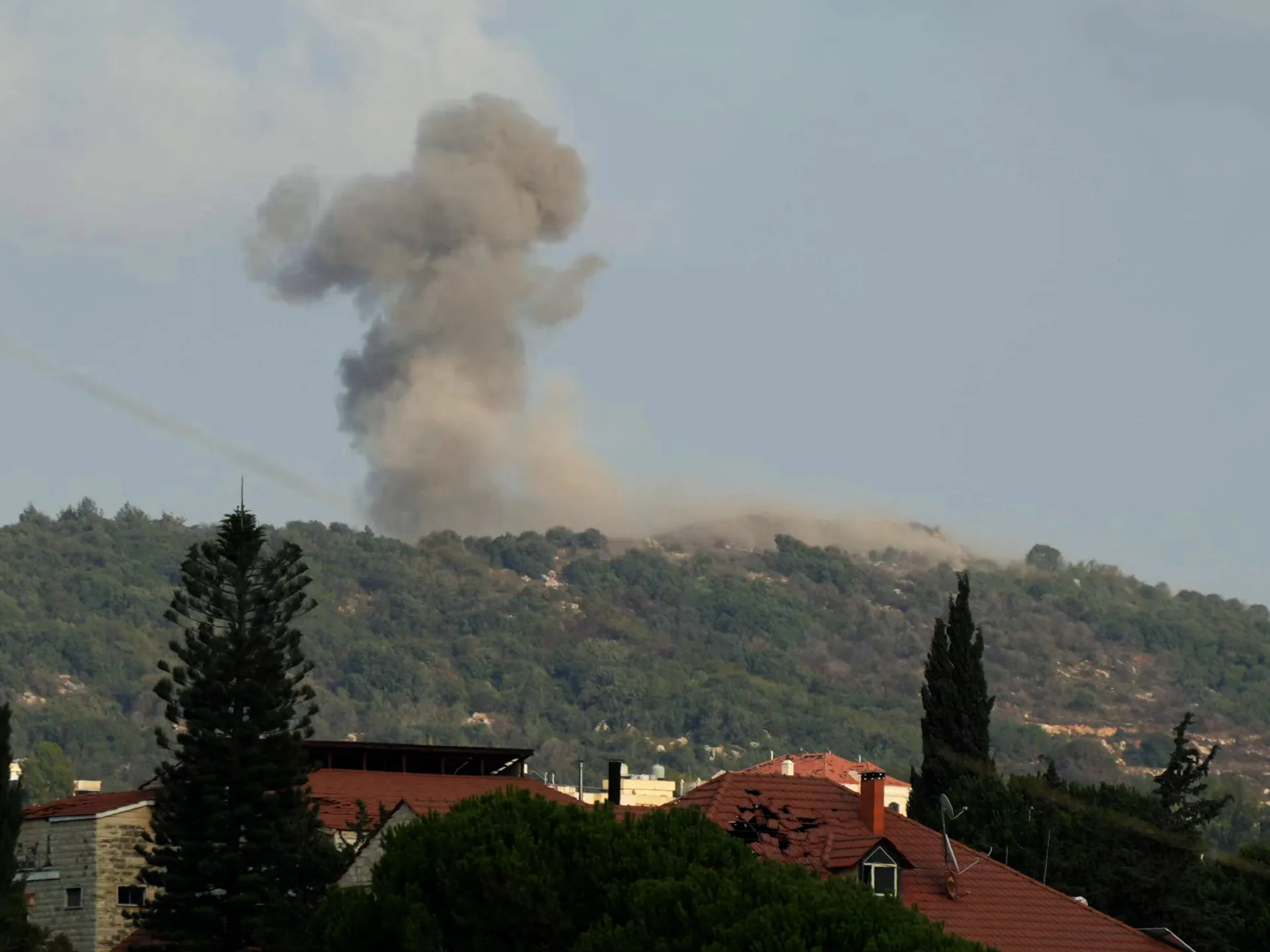
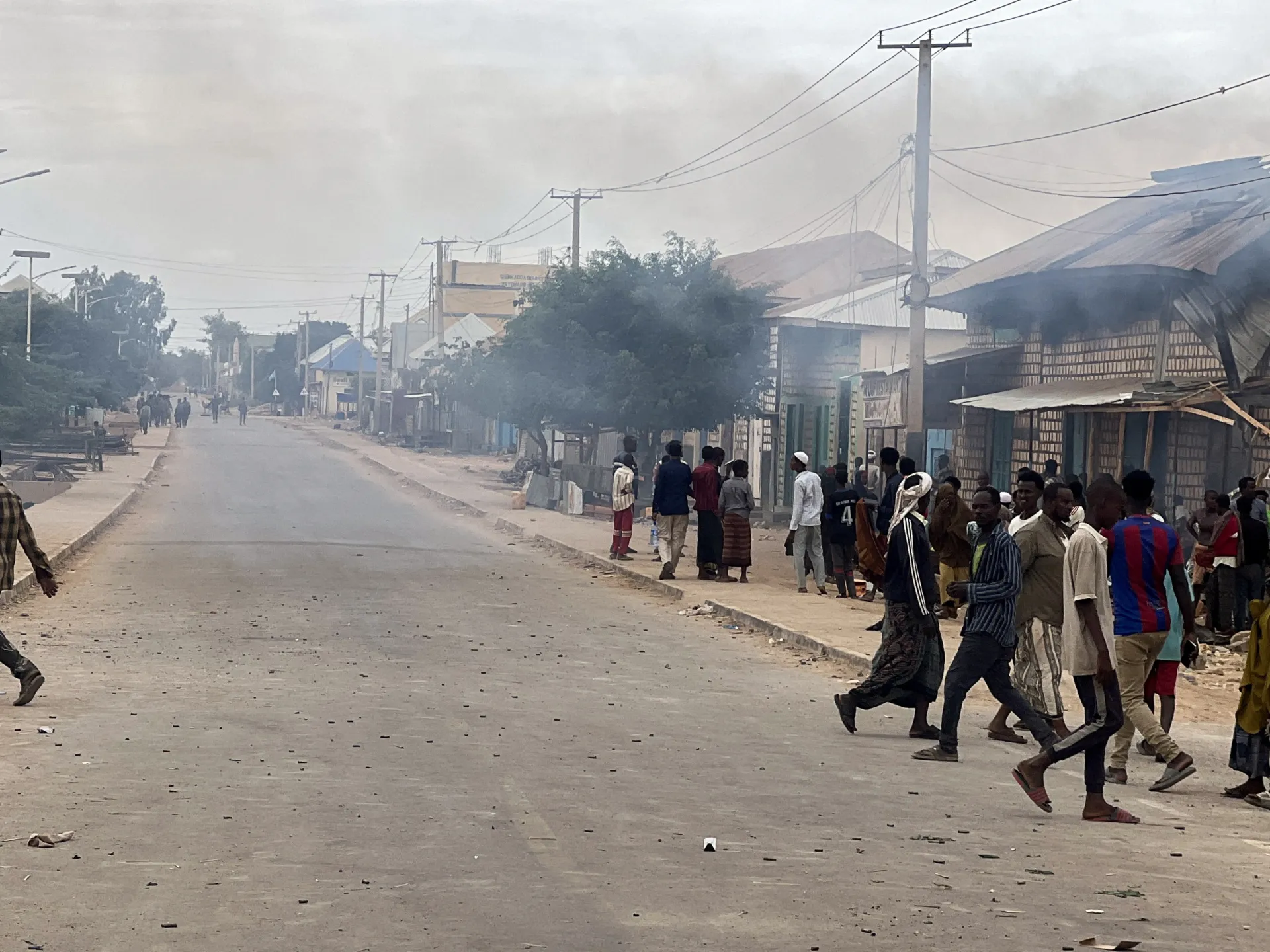
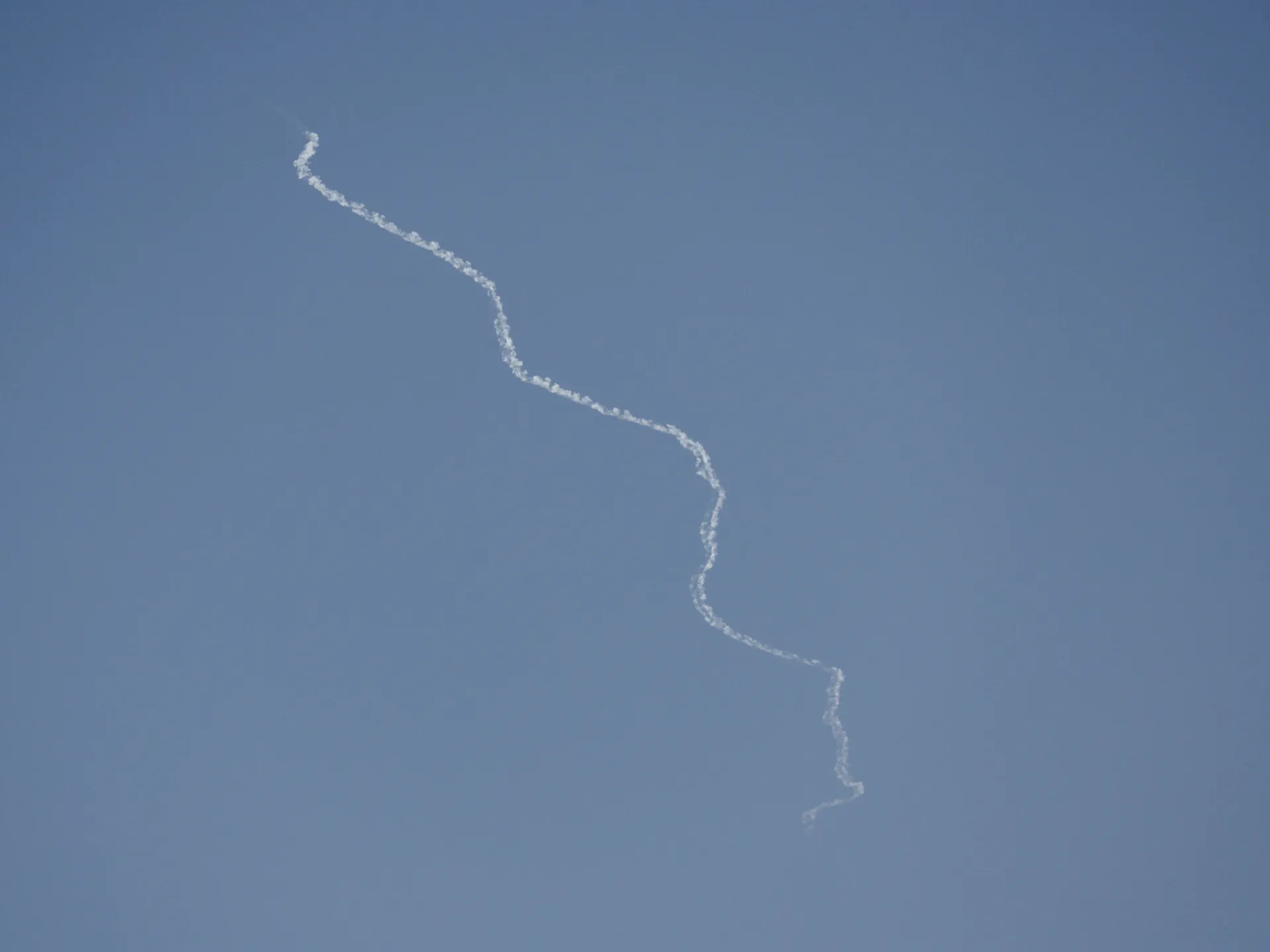
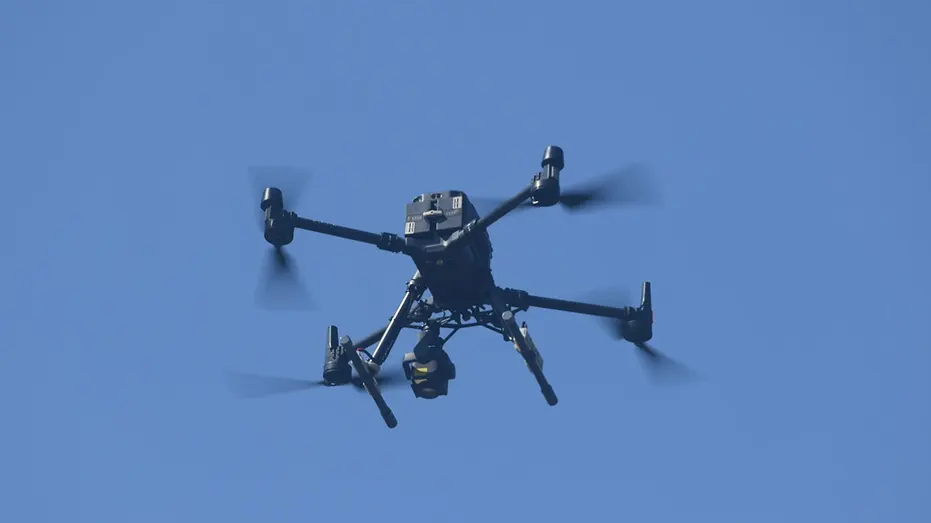
Recent developments underscore the tactical evolution of the Houthis, who have transitioned from localized skirmishes to long-range strikes against high-value targets. Saudi authorities confirmed the interception of a drone near Mecca, a move that the Saudi-led coalition decried as a direct assault on the sanctity of the pilgrimage site. While the Houthis have vehemently denied targeting the region's holy shrines, labeling such claims as Saudi fabrications designed to manufacture consent for further air campaigns, the incident has catalyzed a sharp diplomatic response from the 57-nation Organisation of Islamic Cooperation.
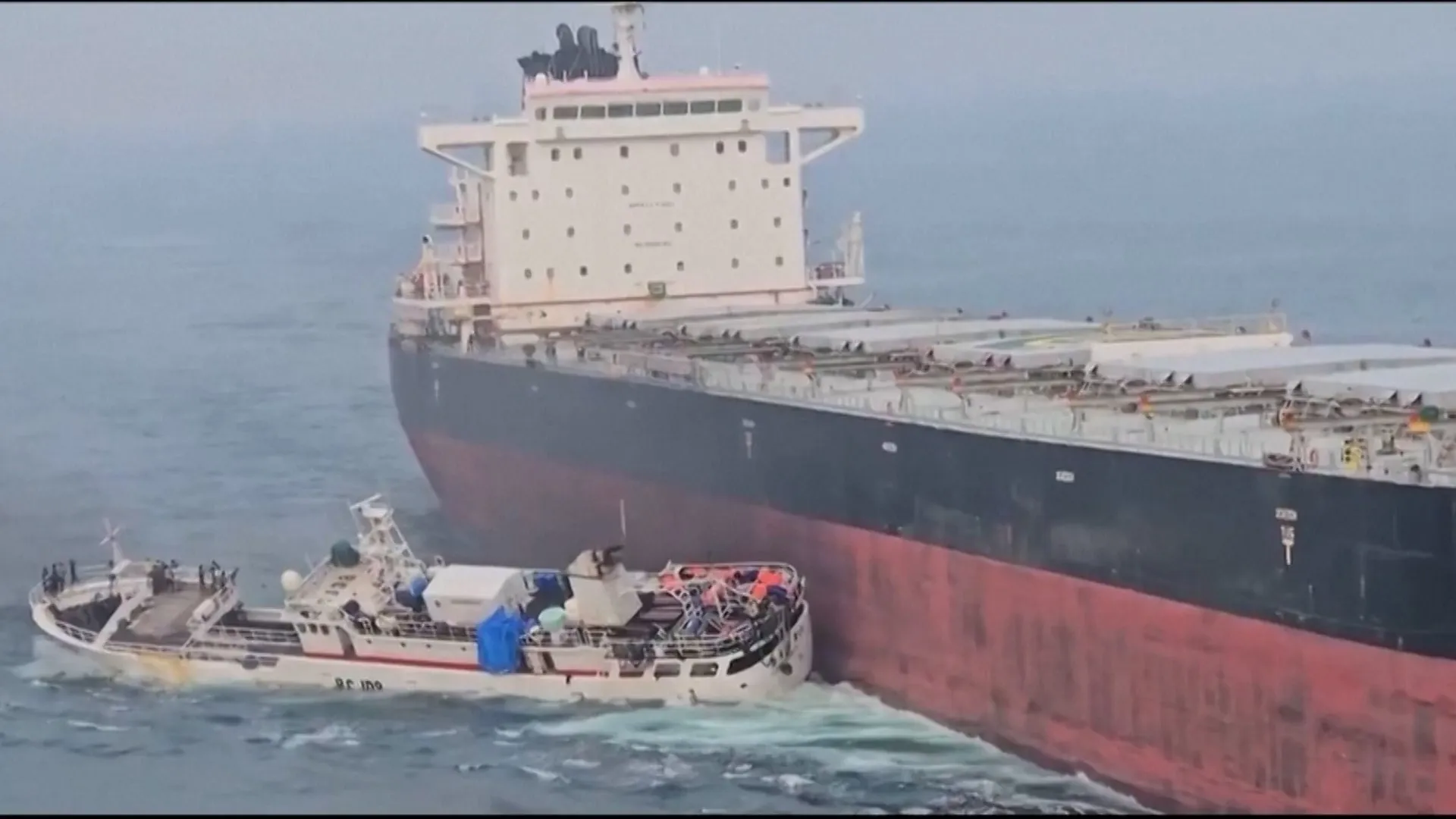
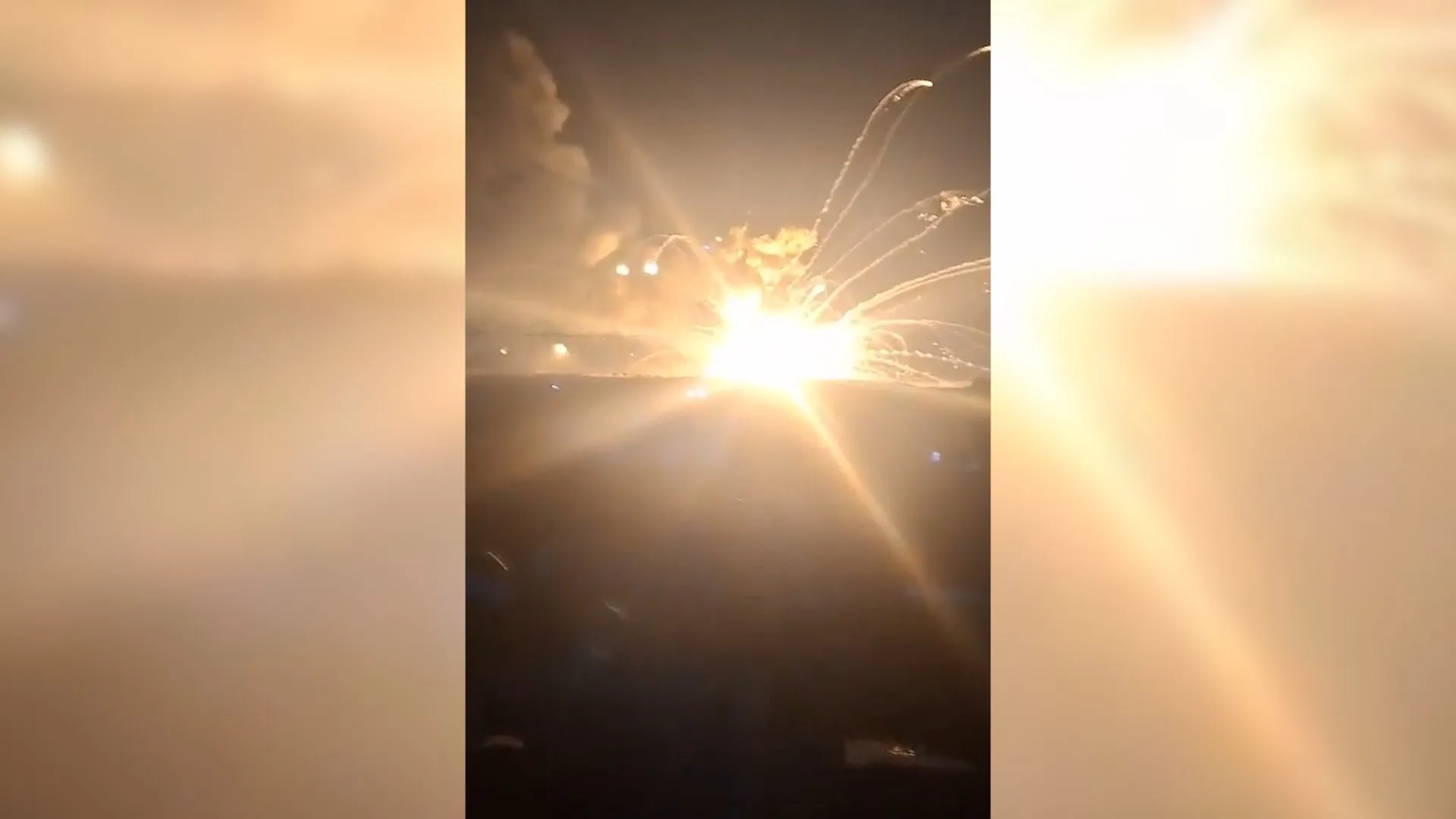
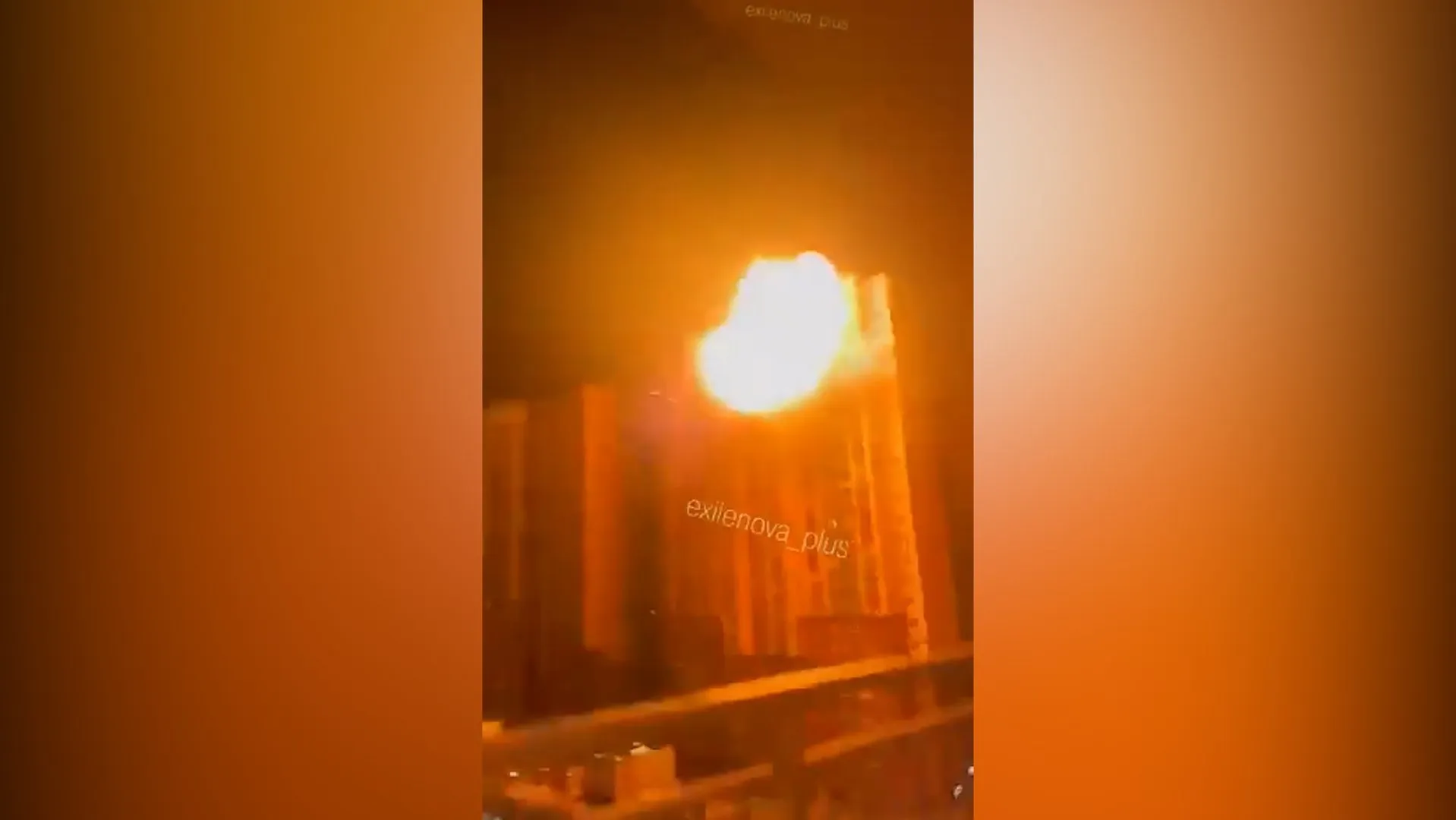
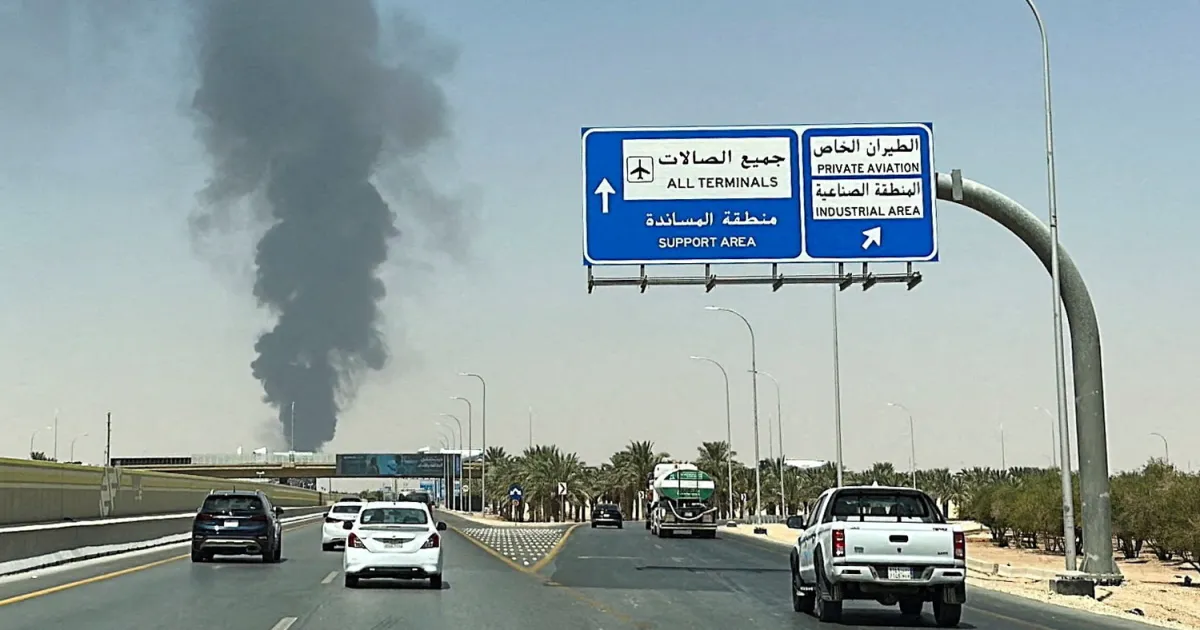
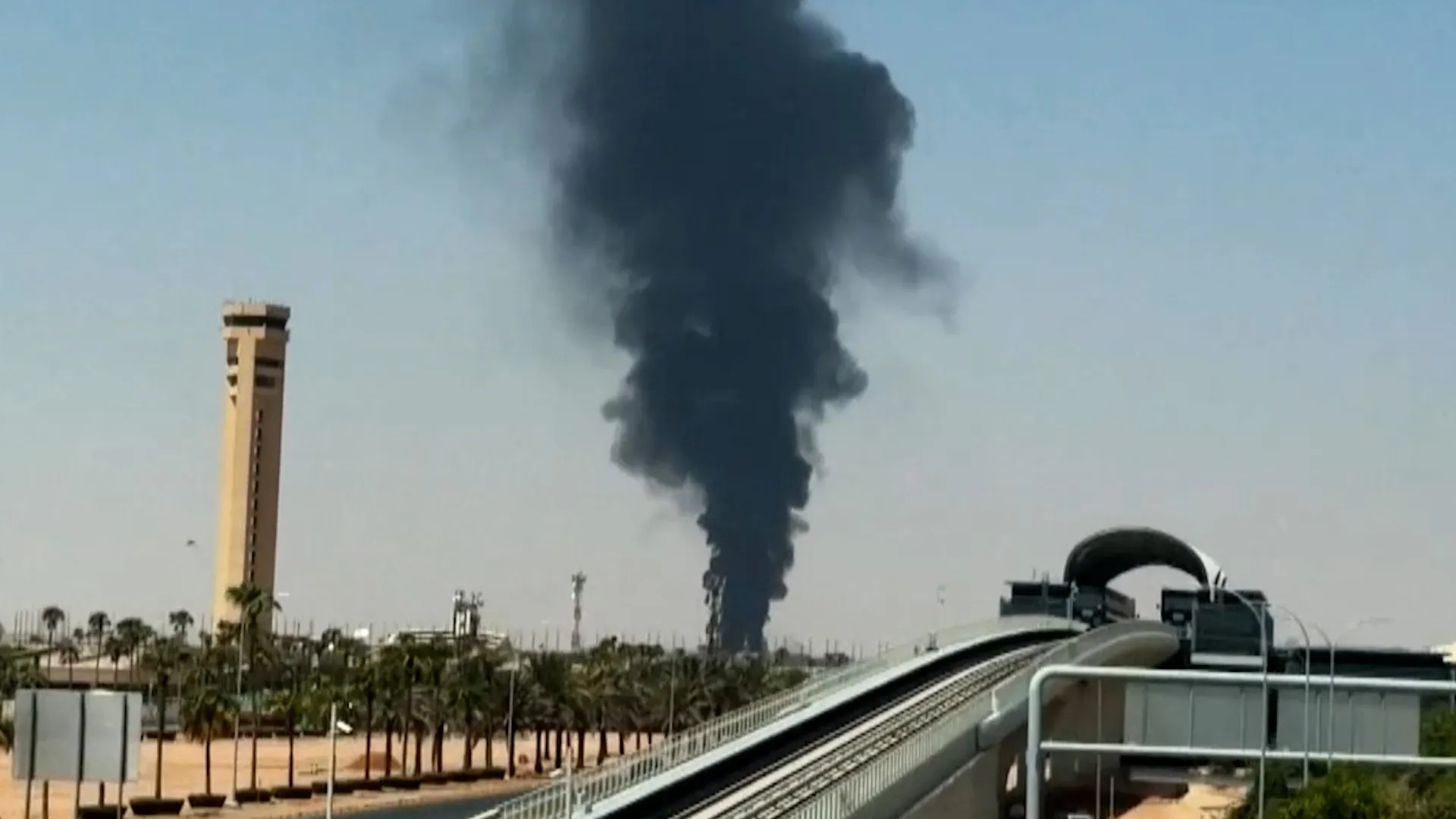
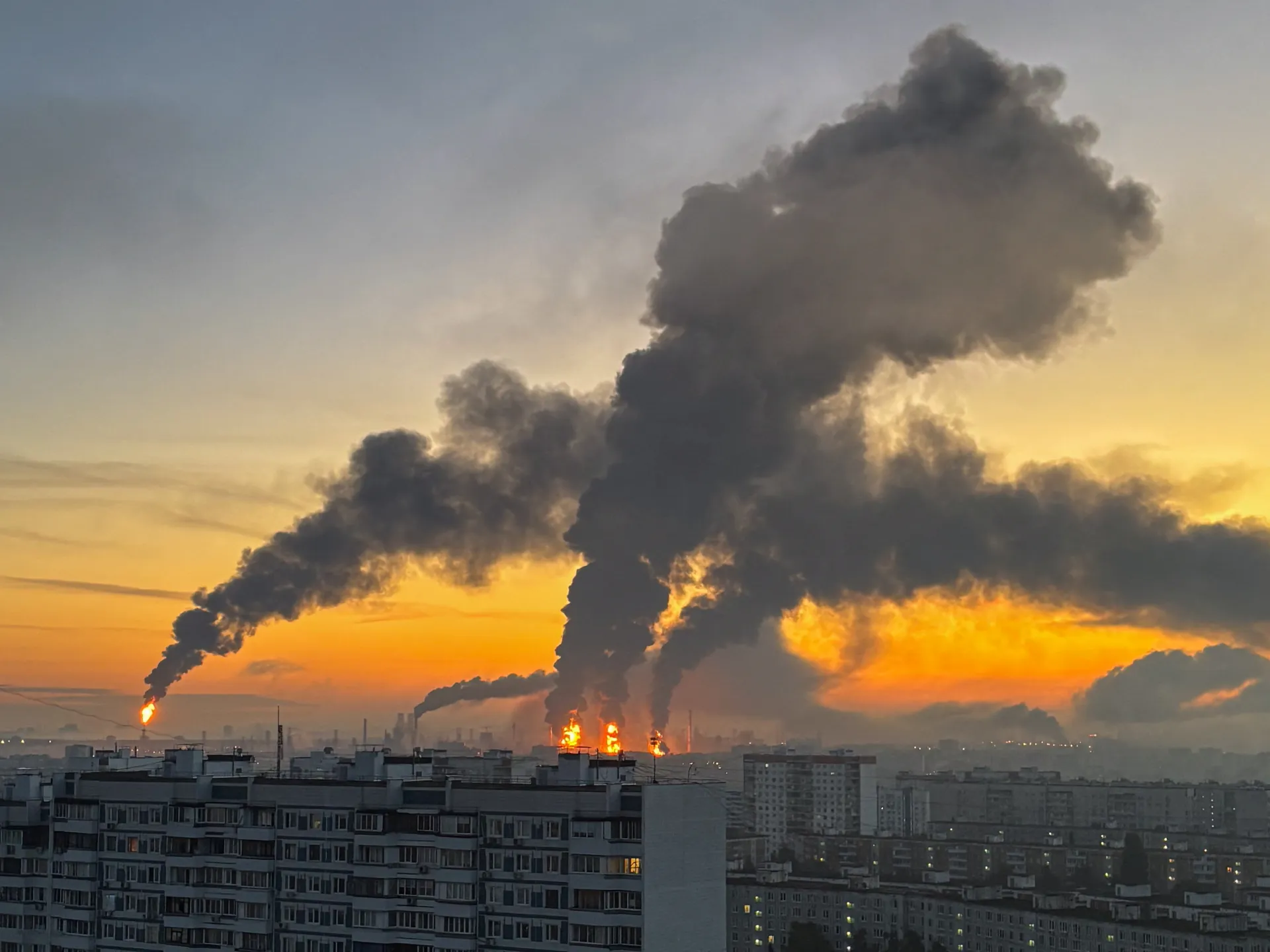
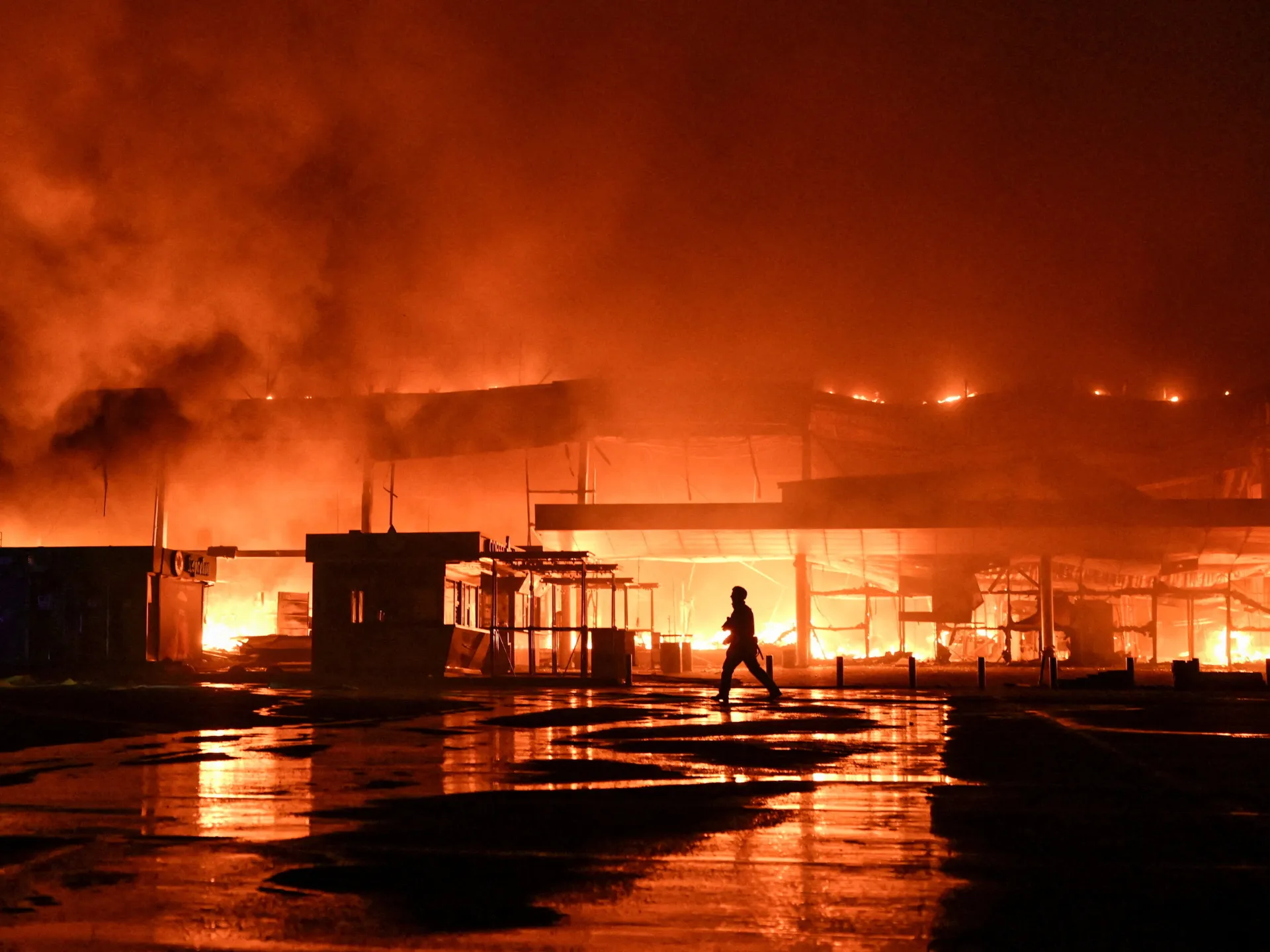
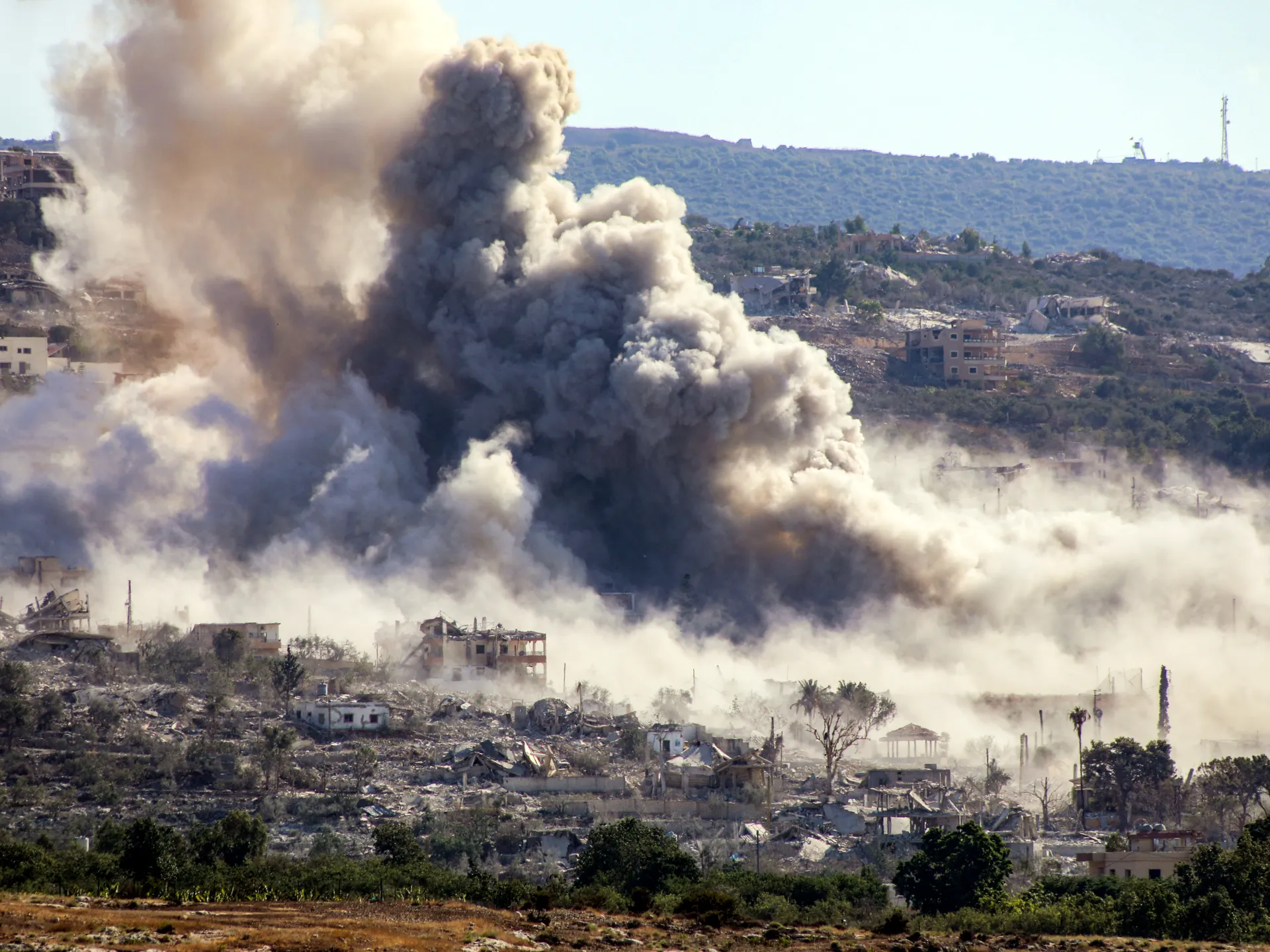
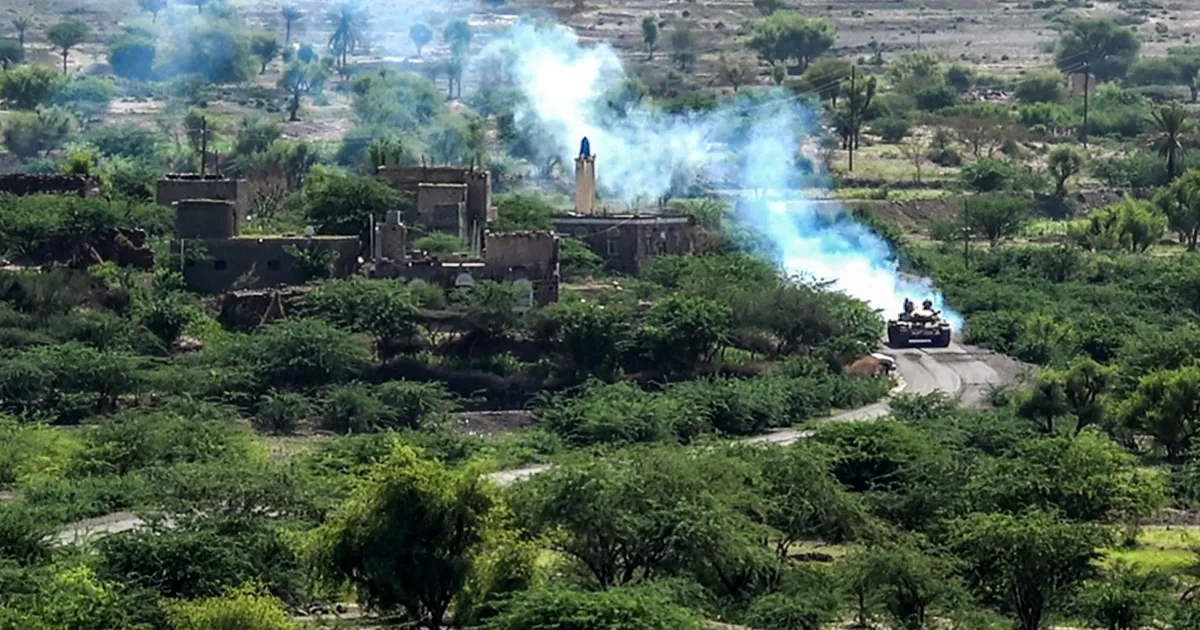
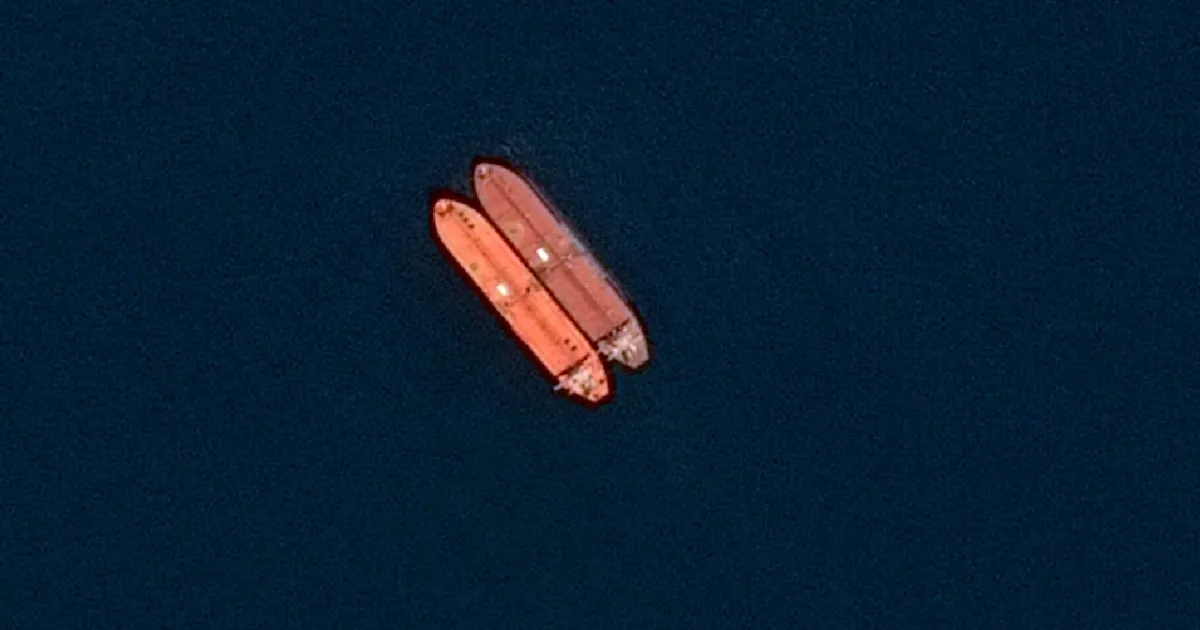
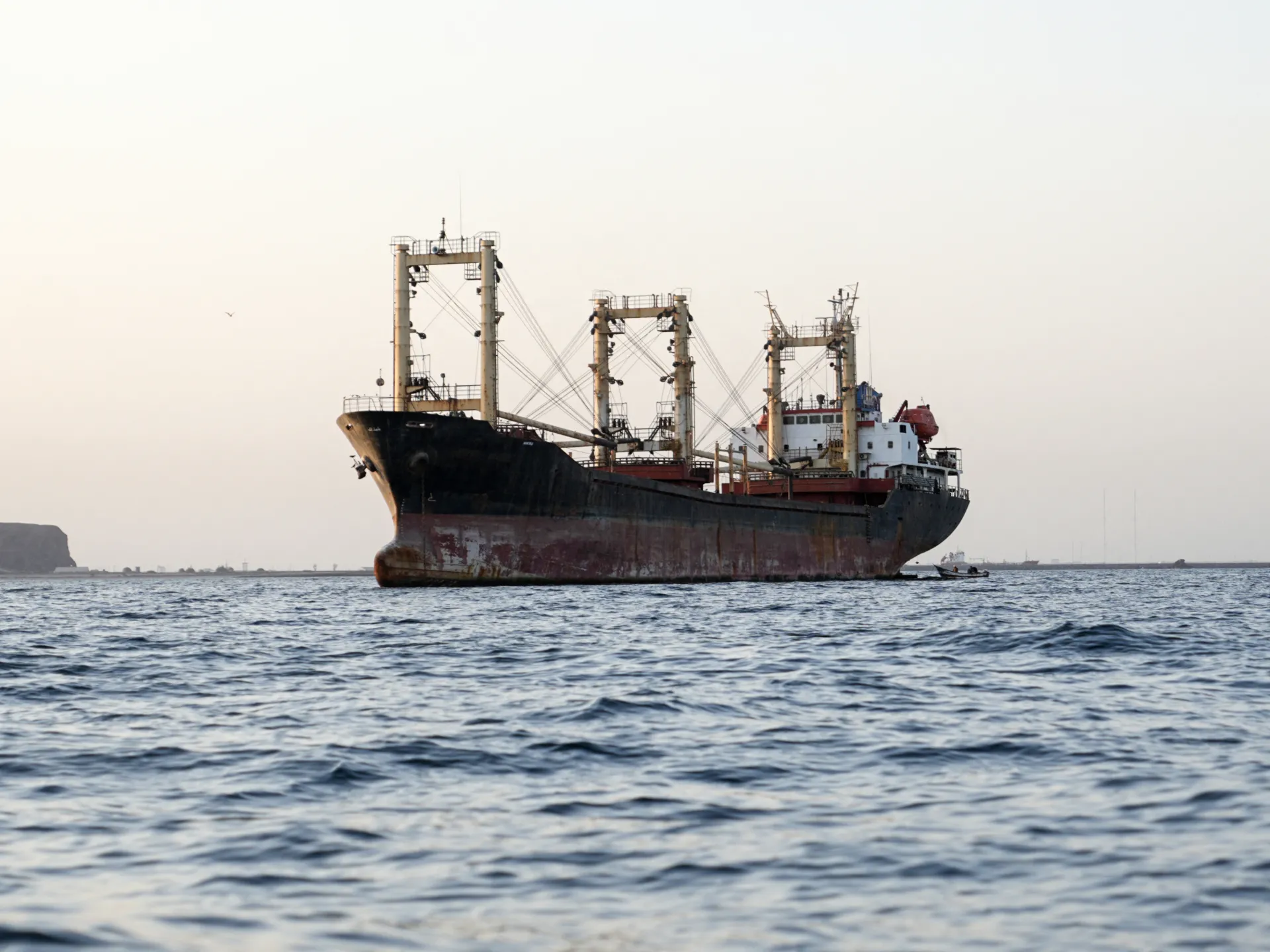
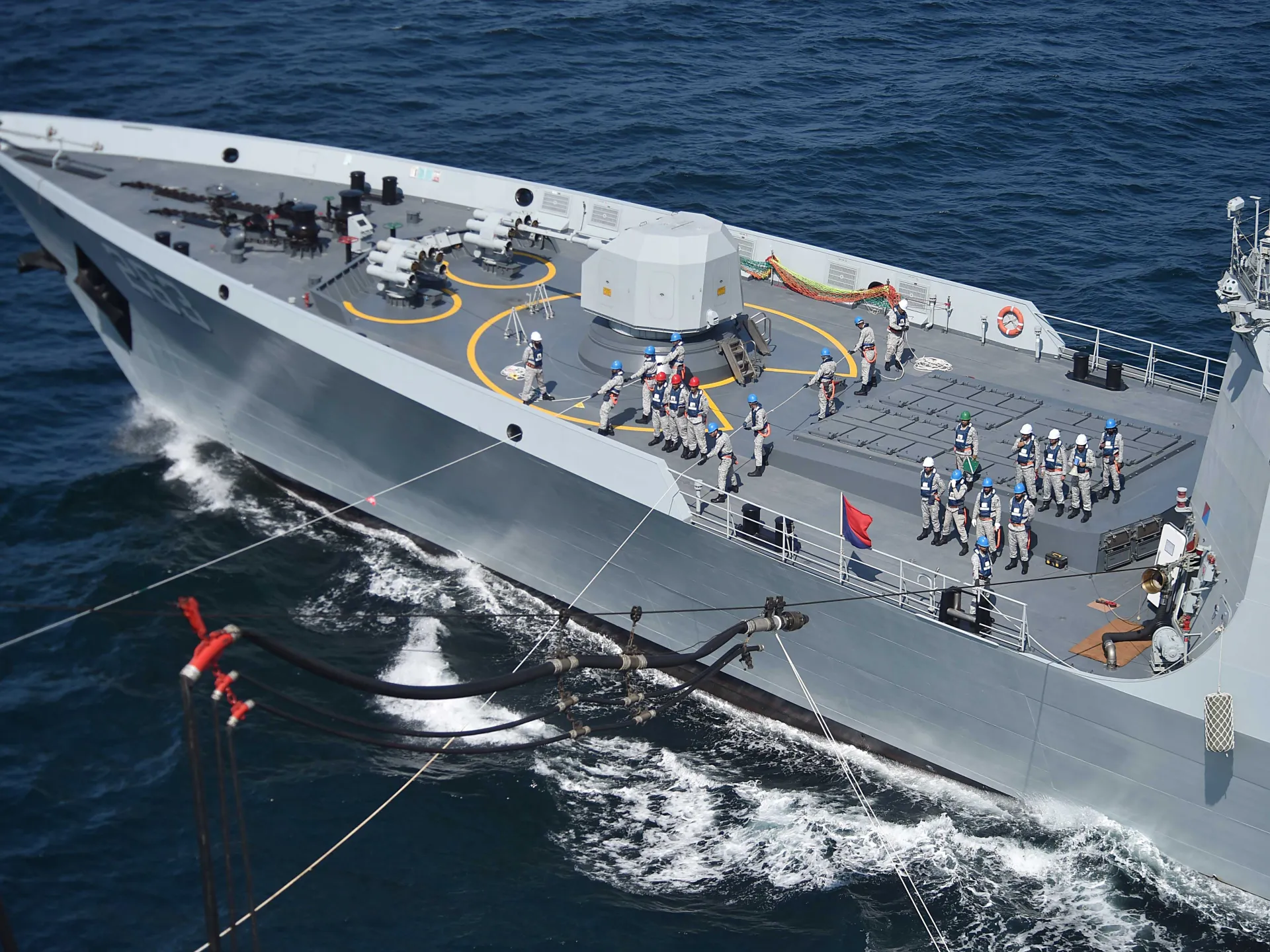
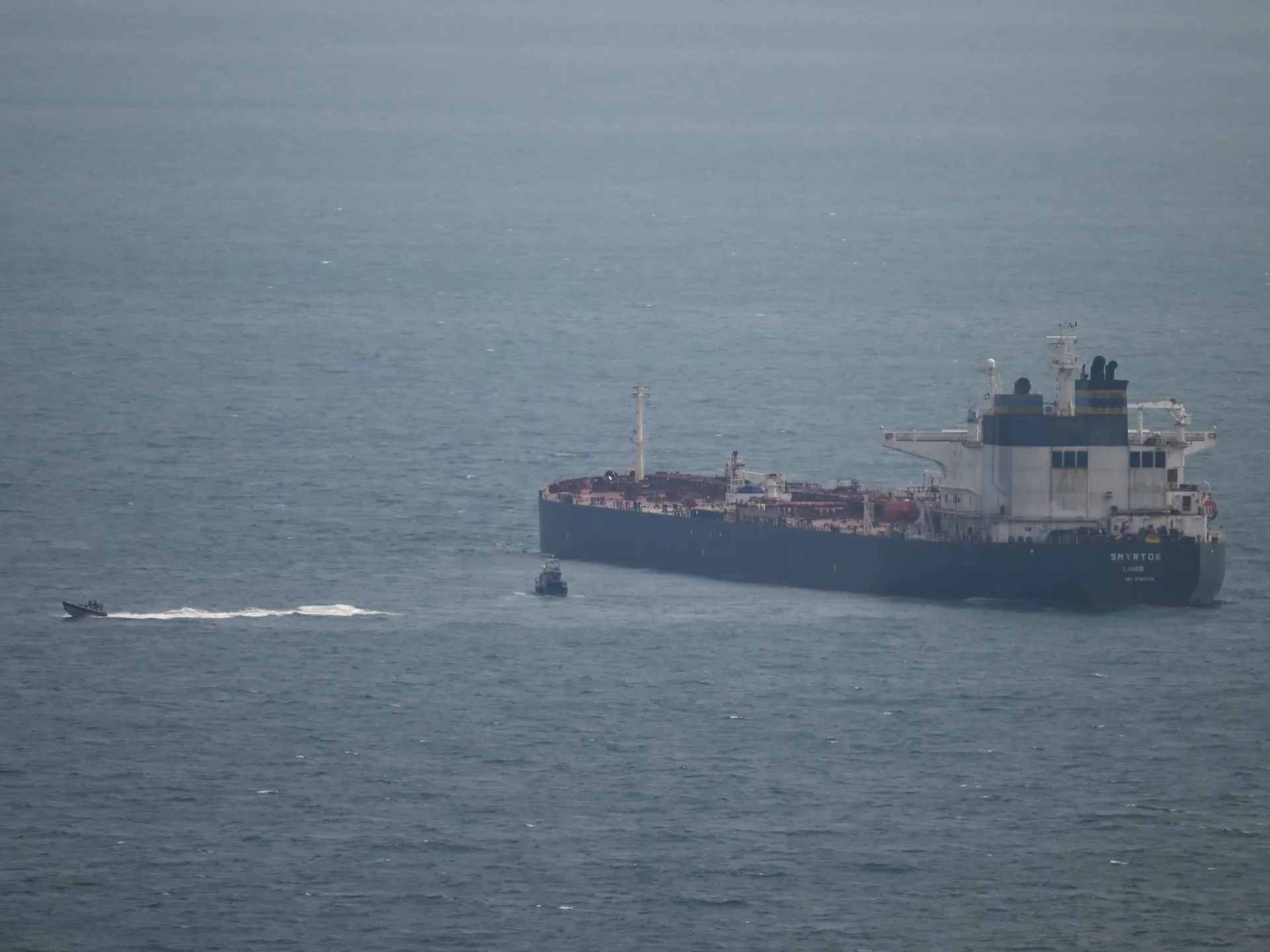
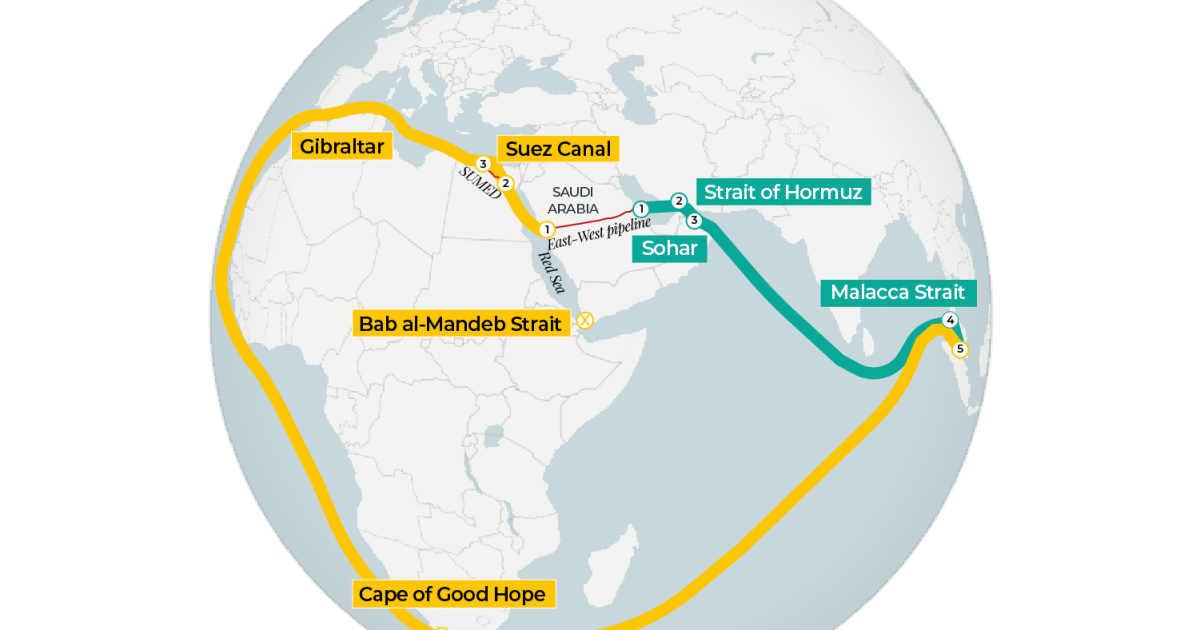
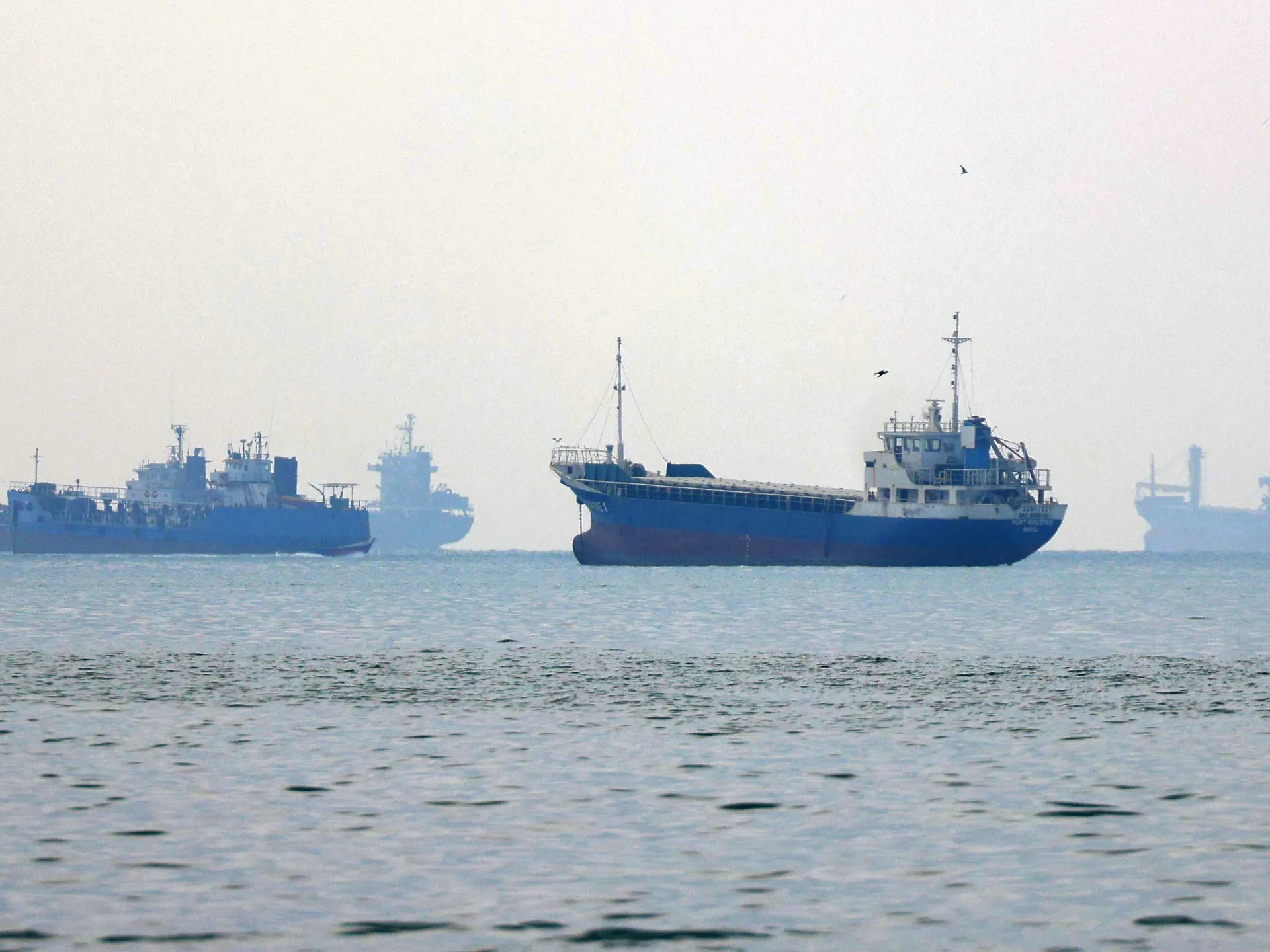
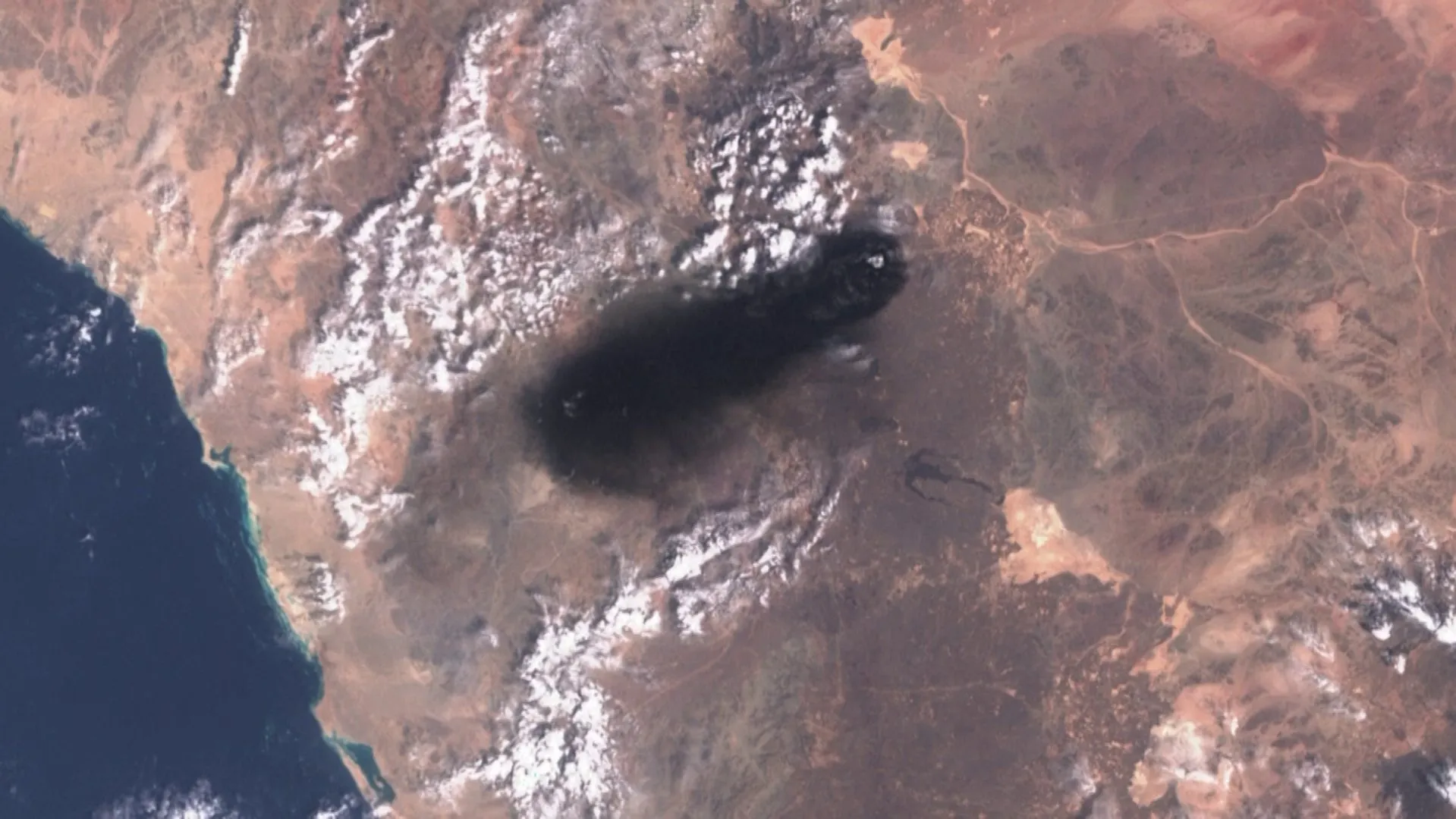
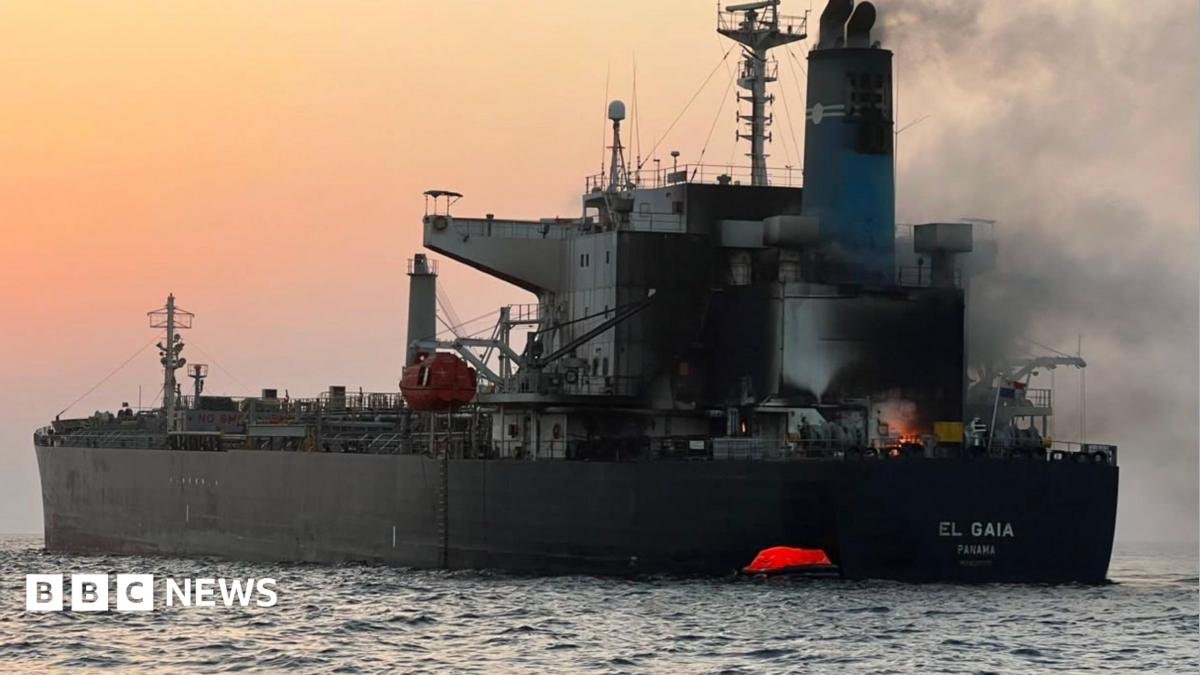
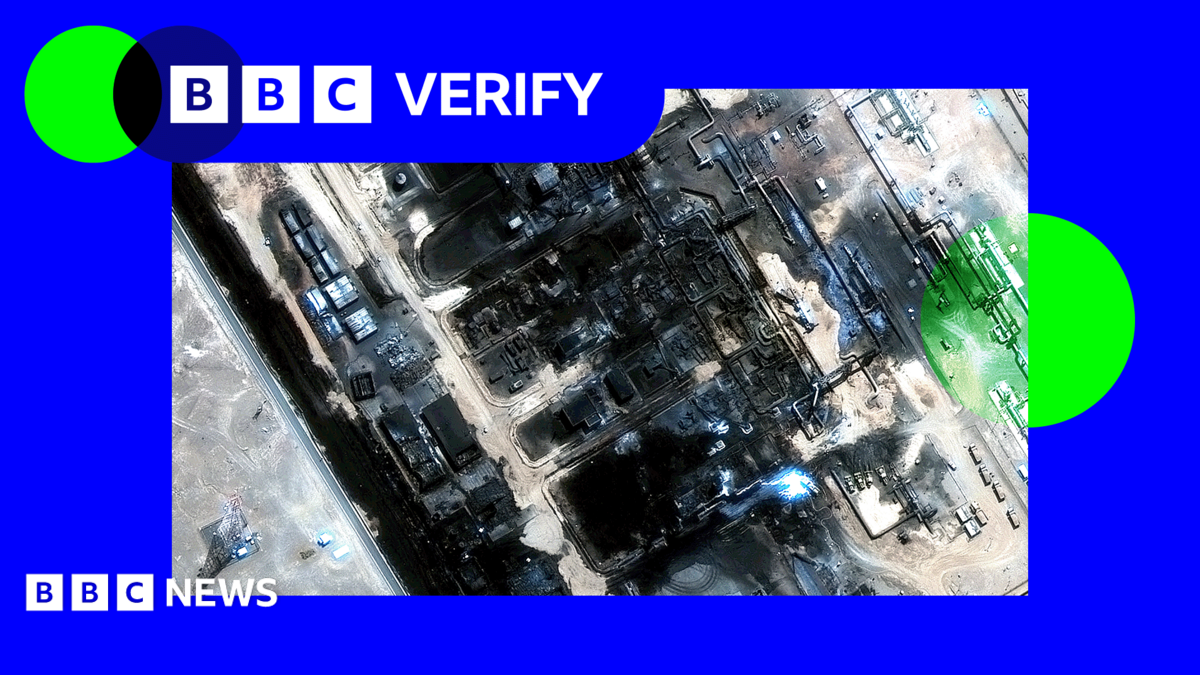
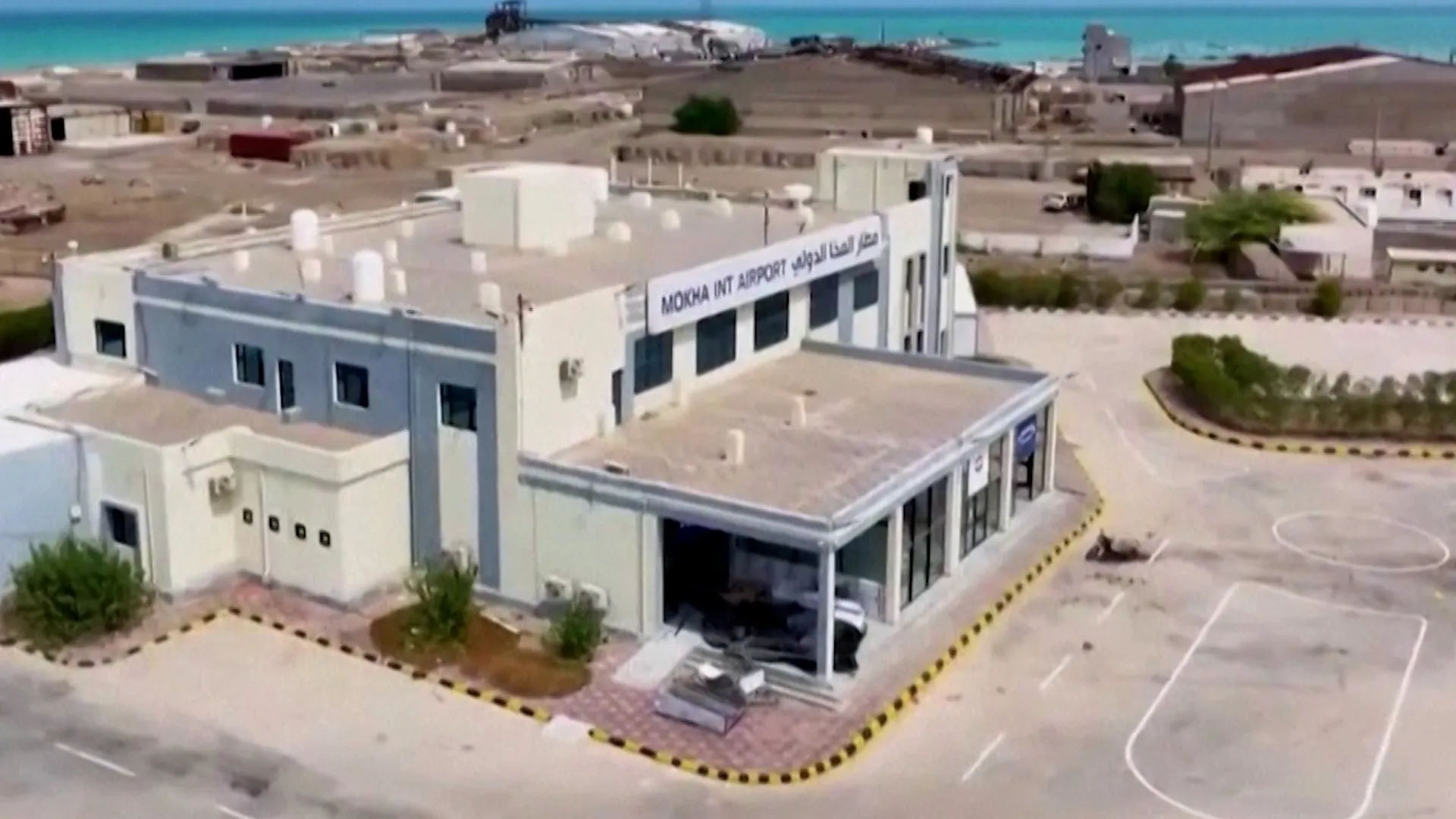
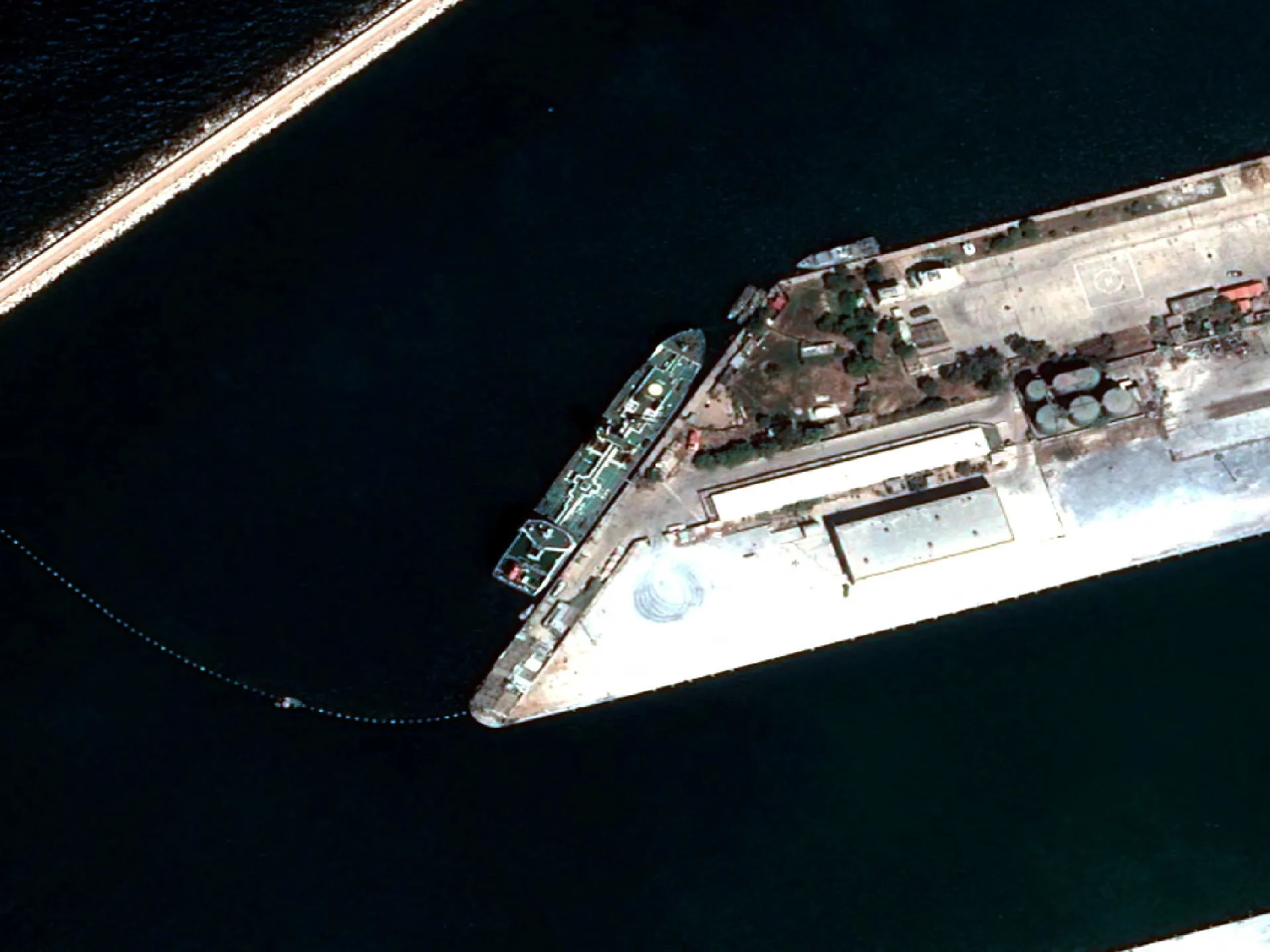
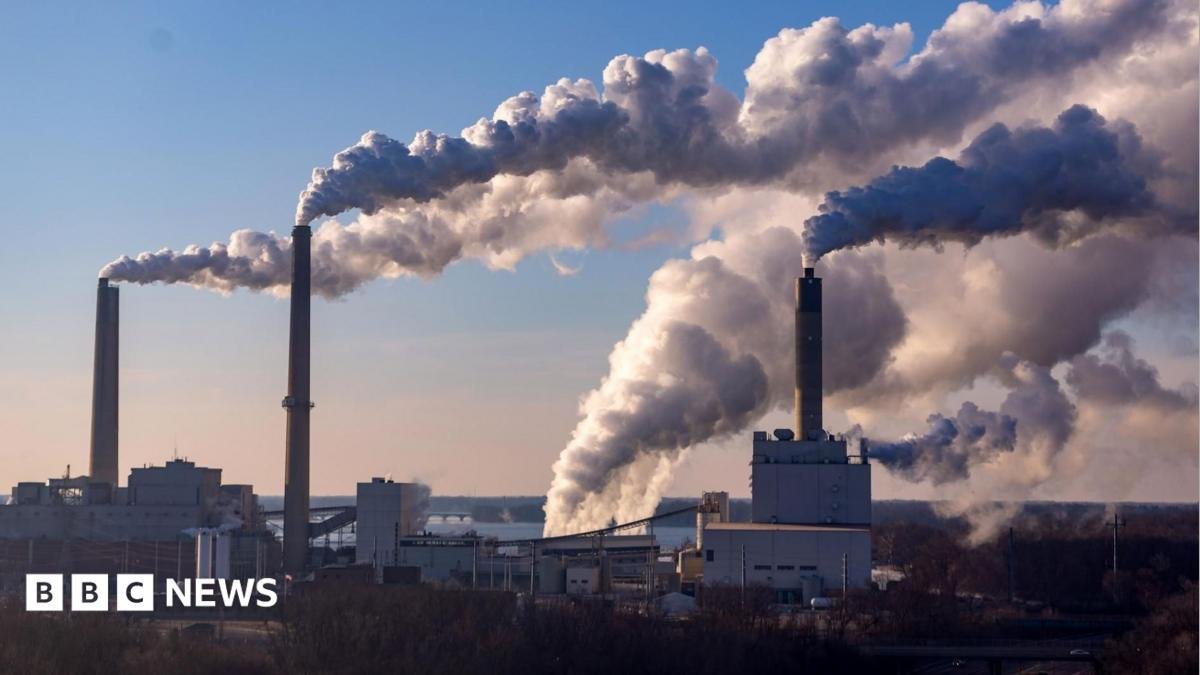
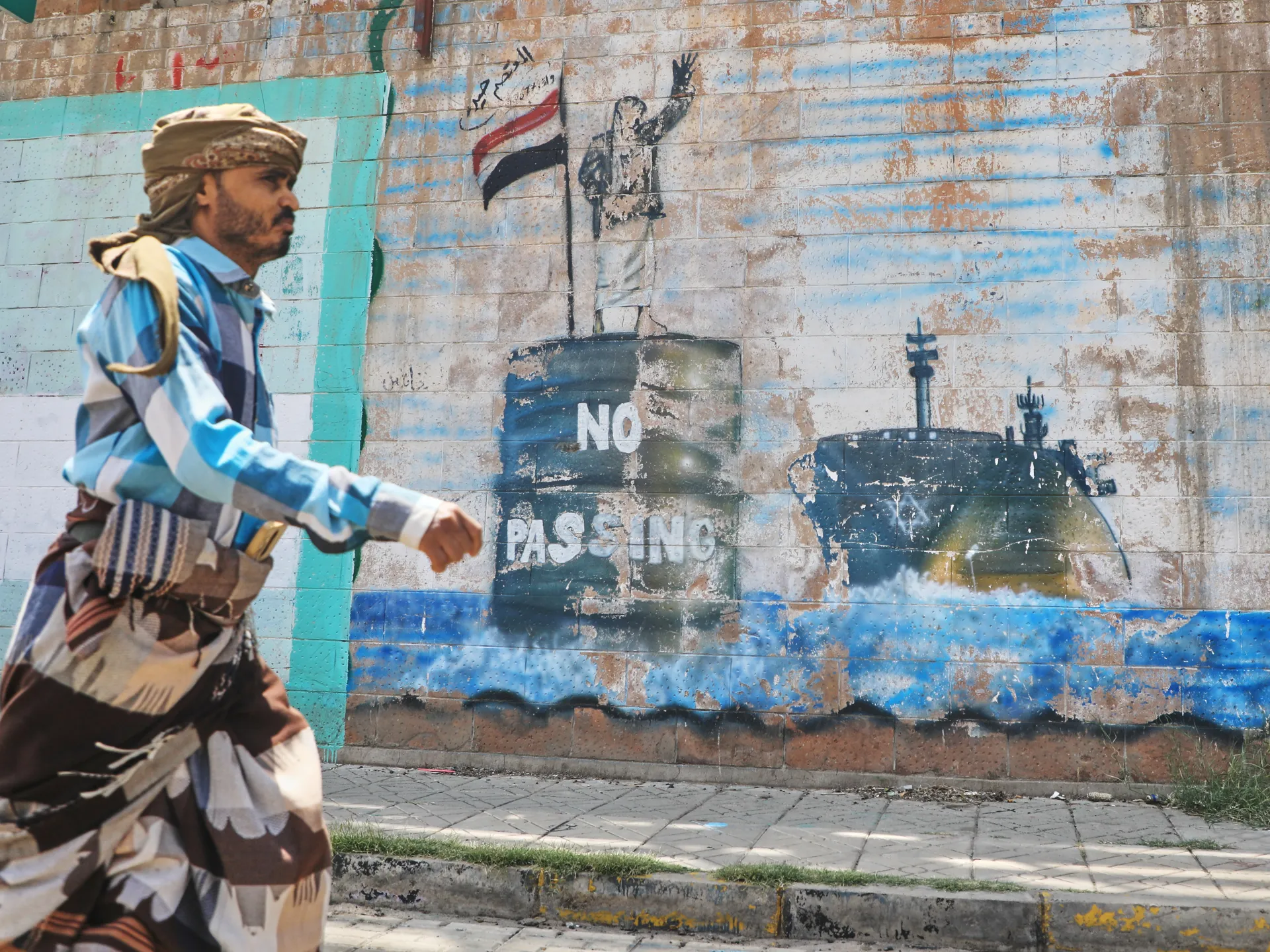
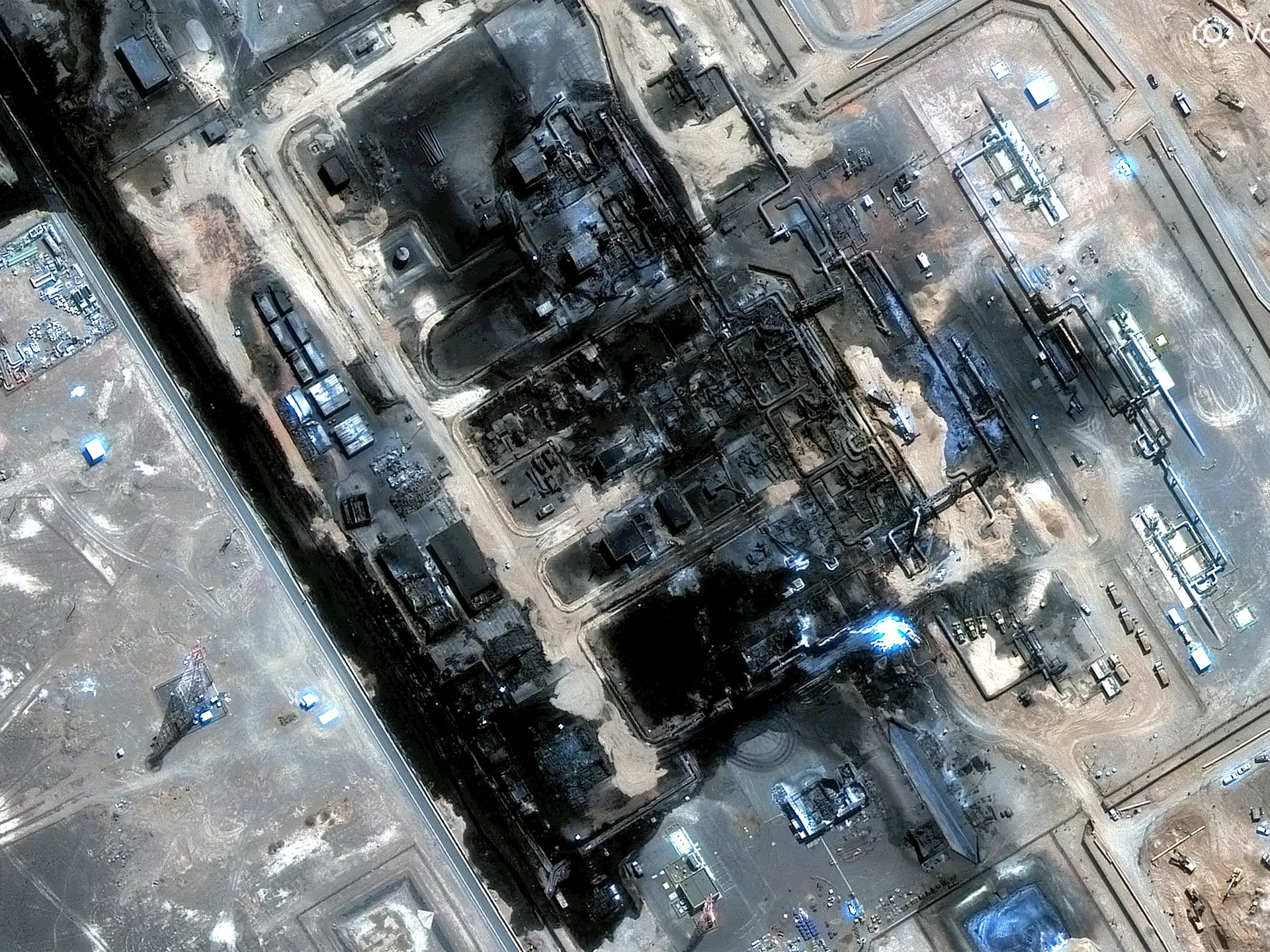
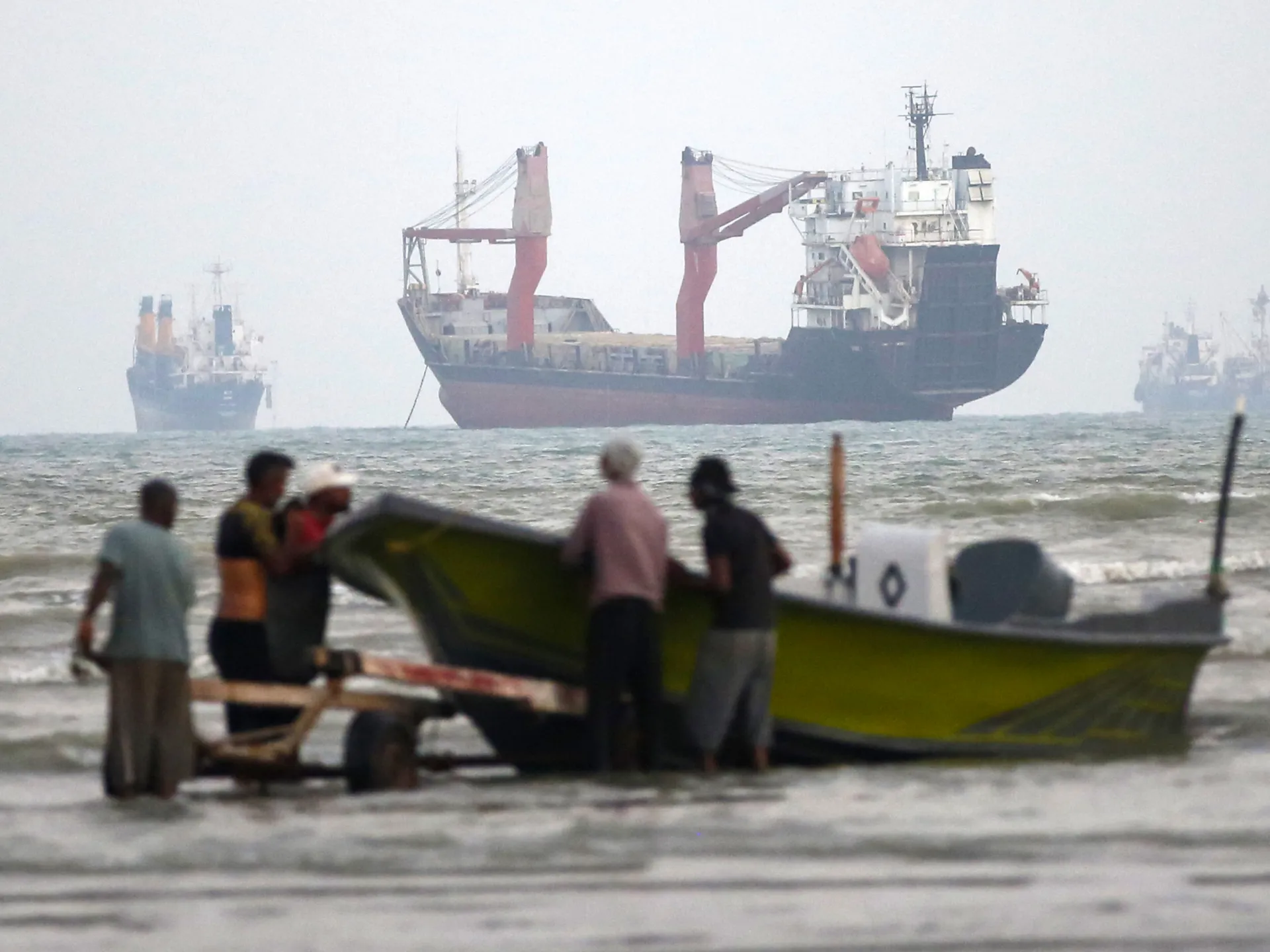
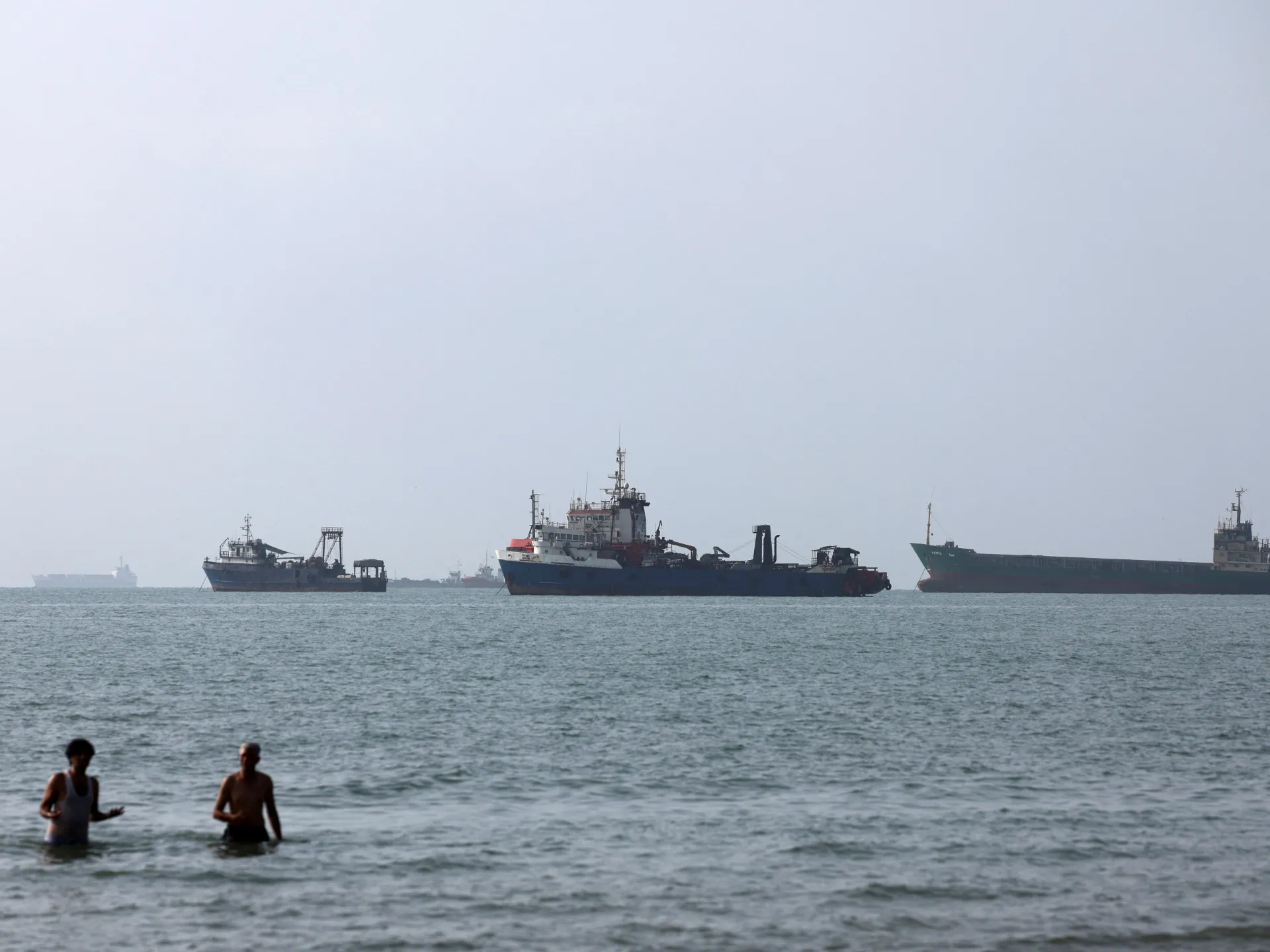
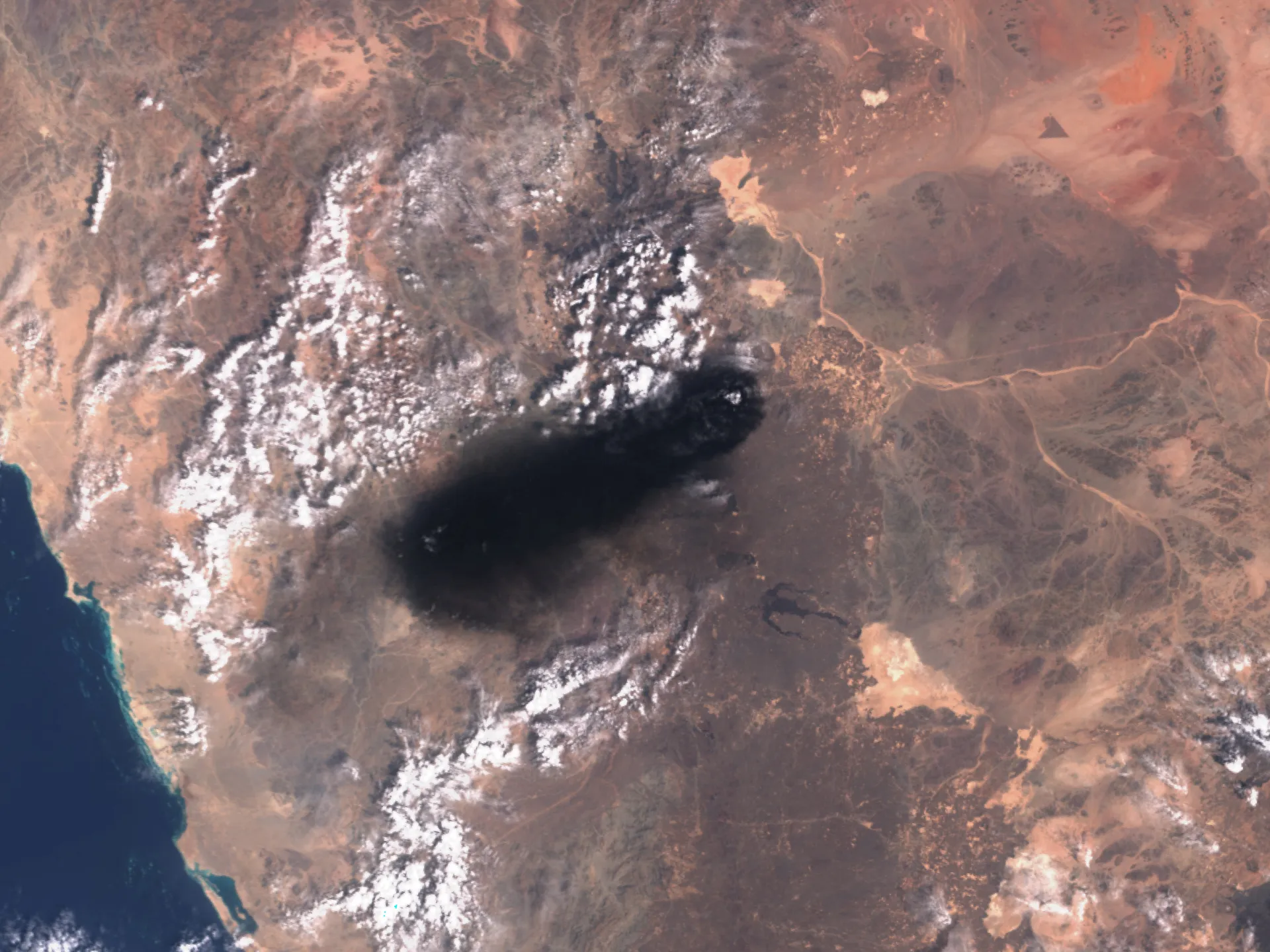
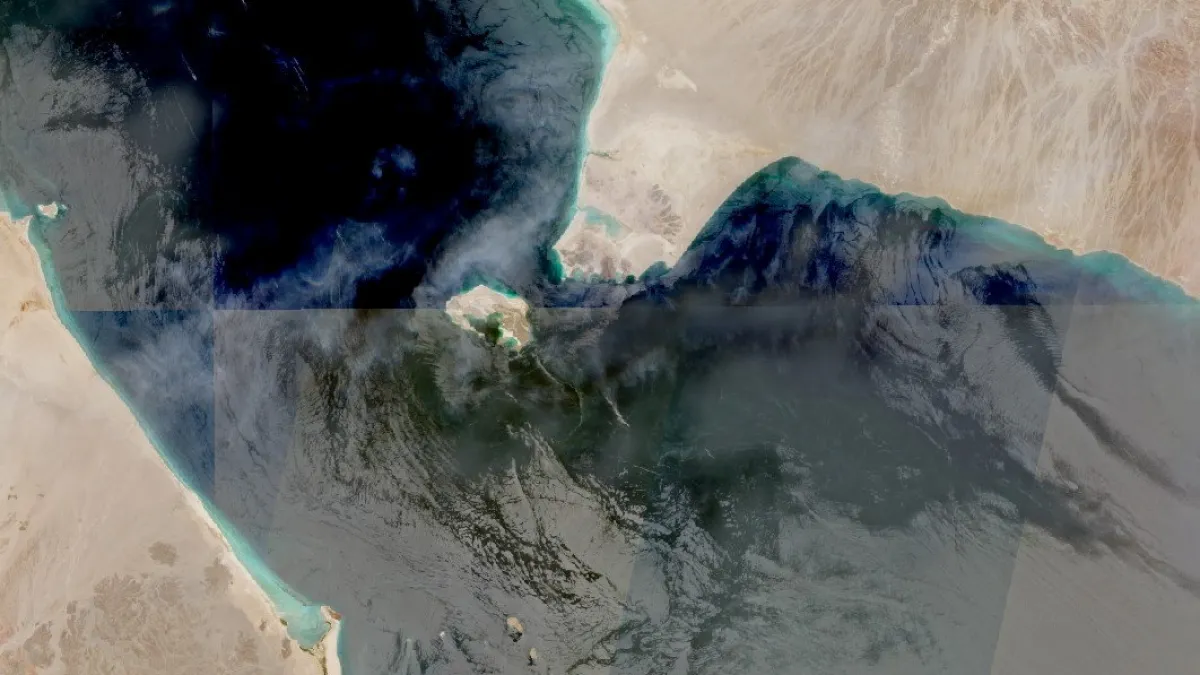
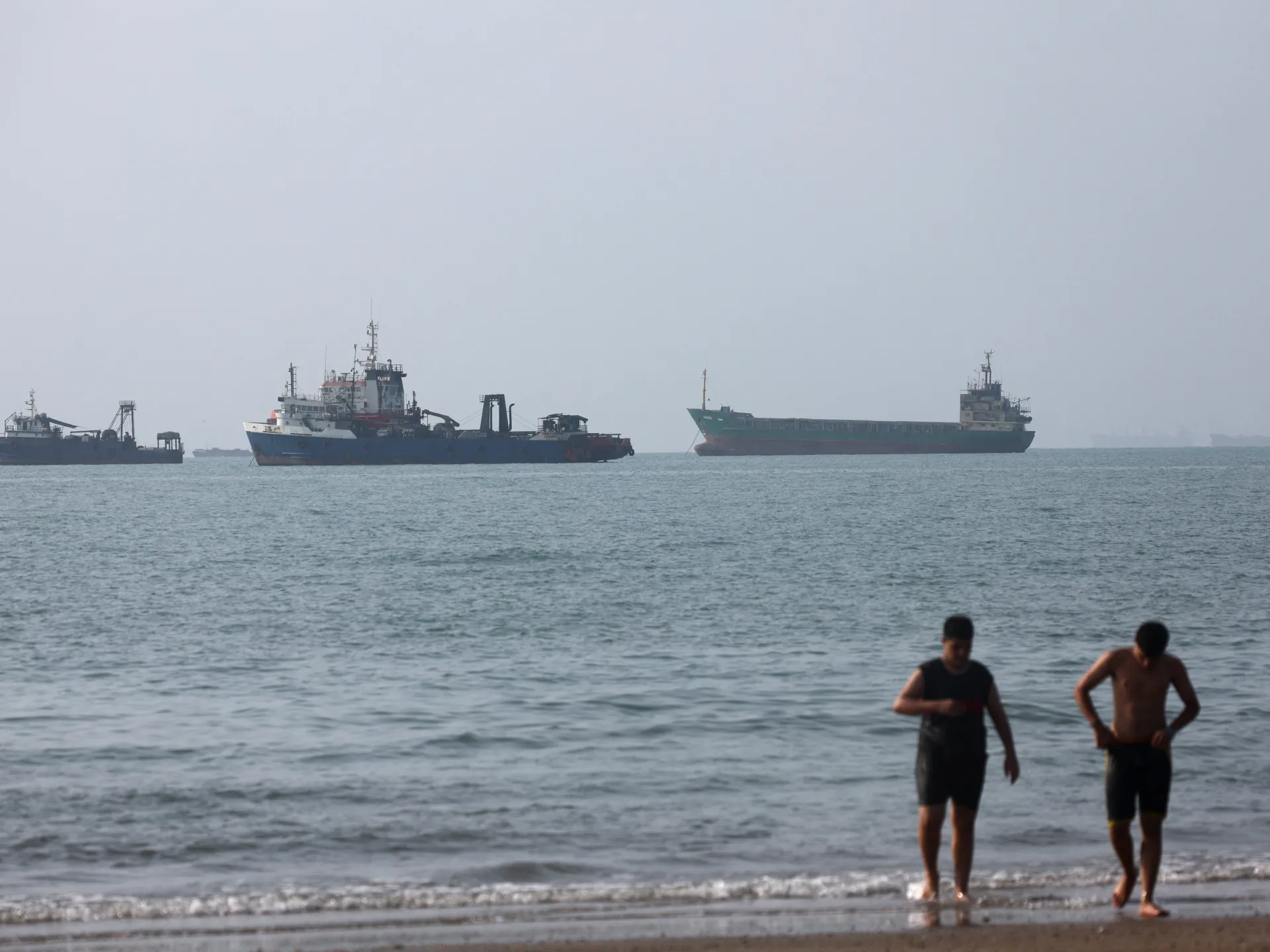
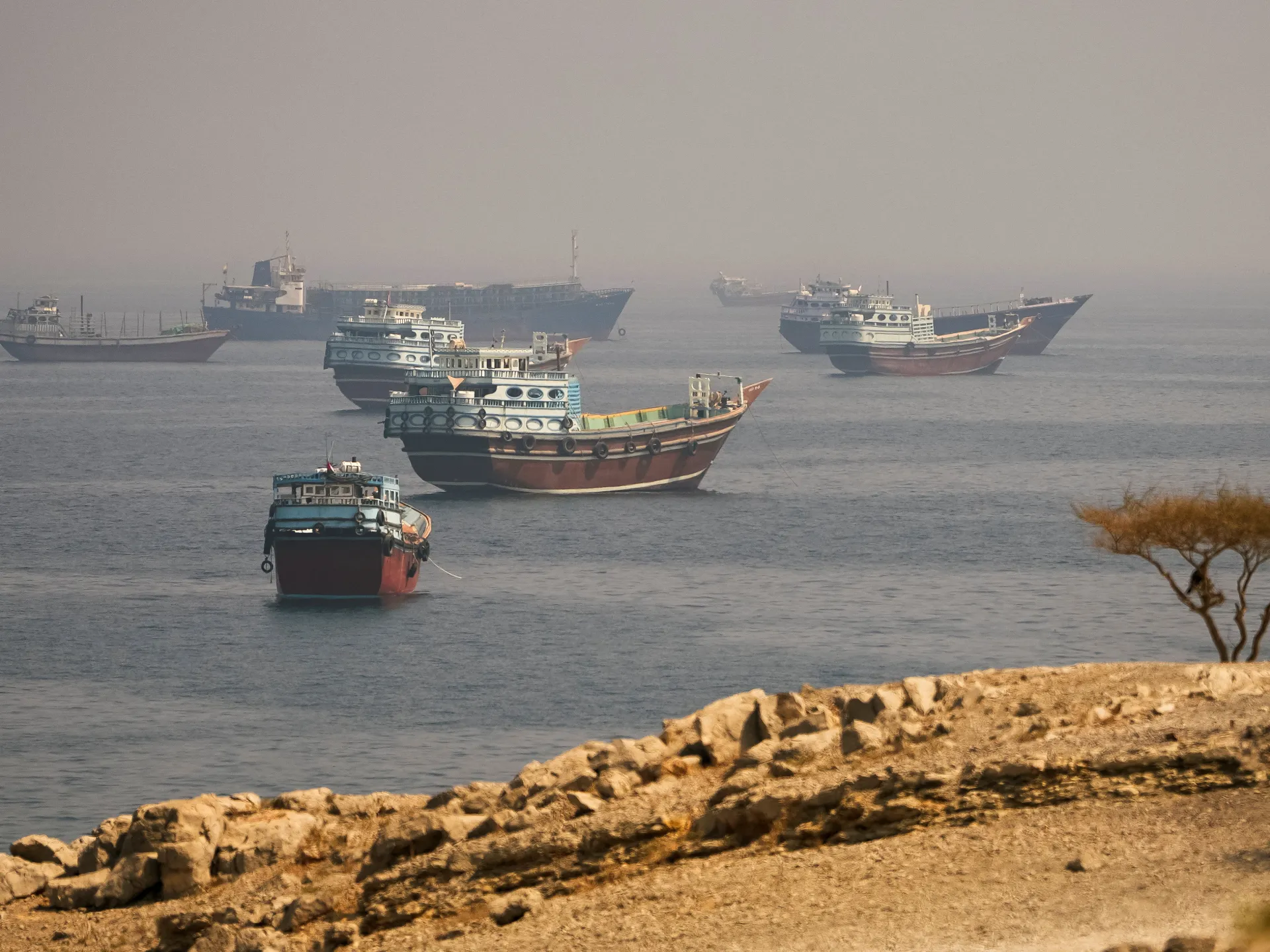
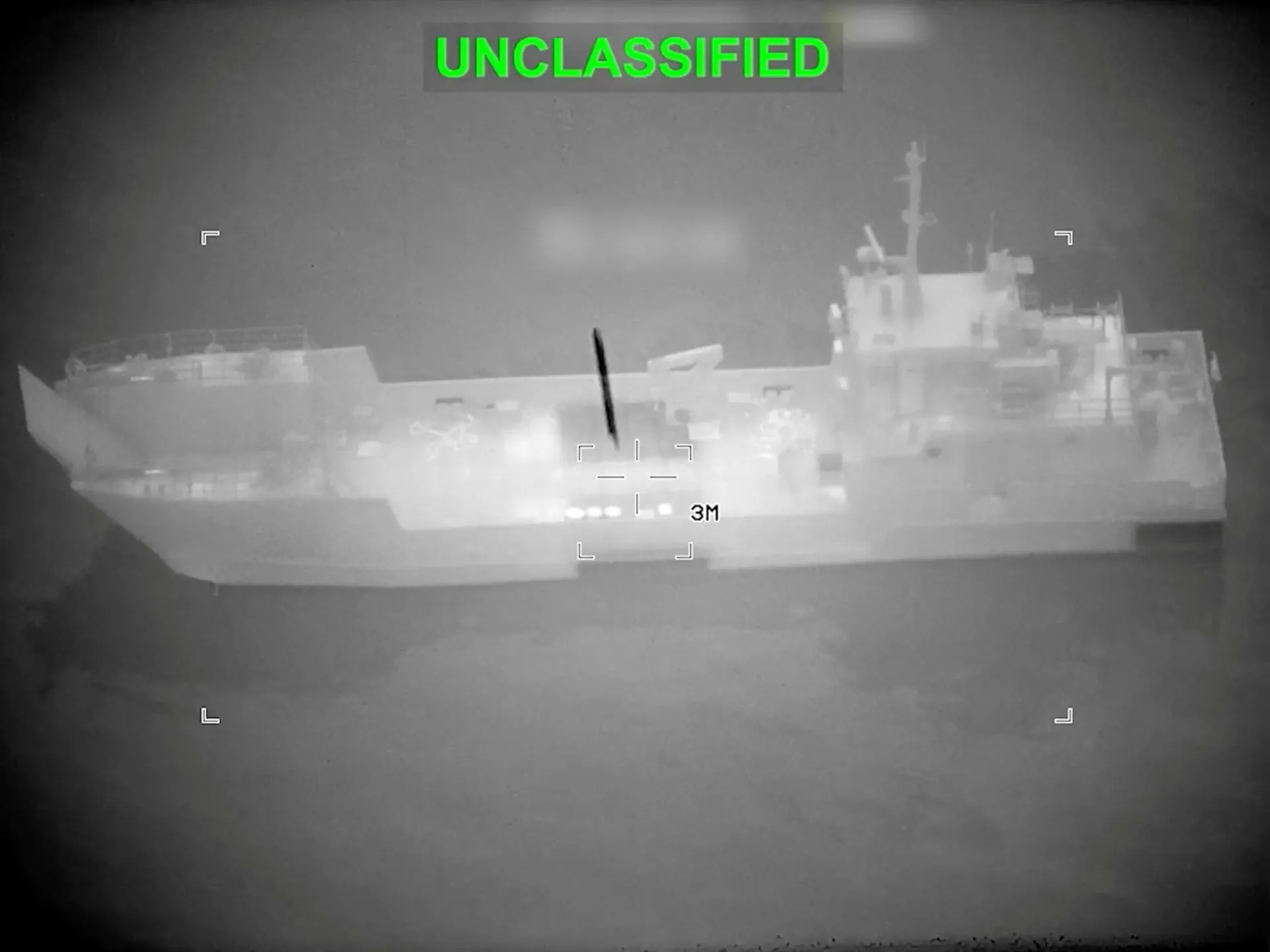
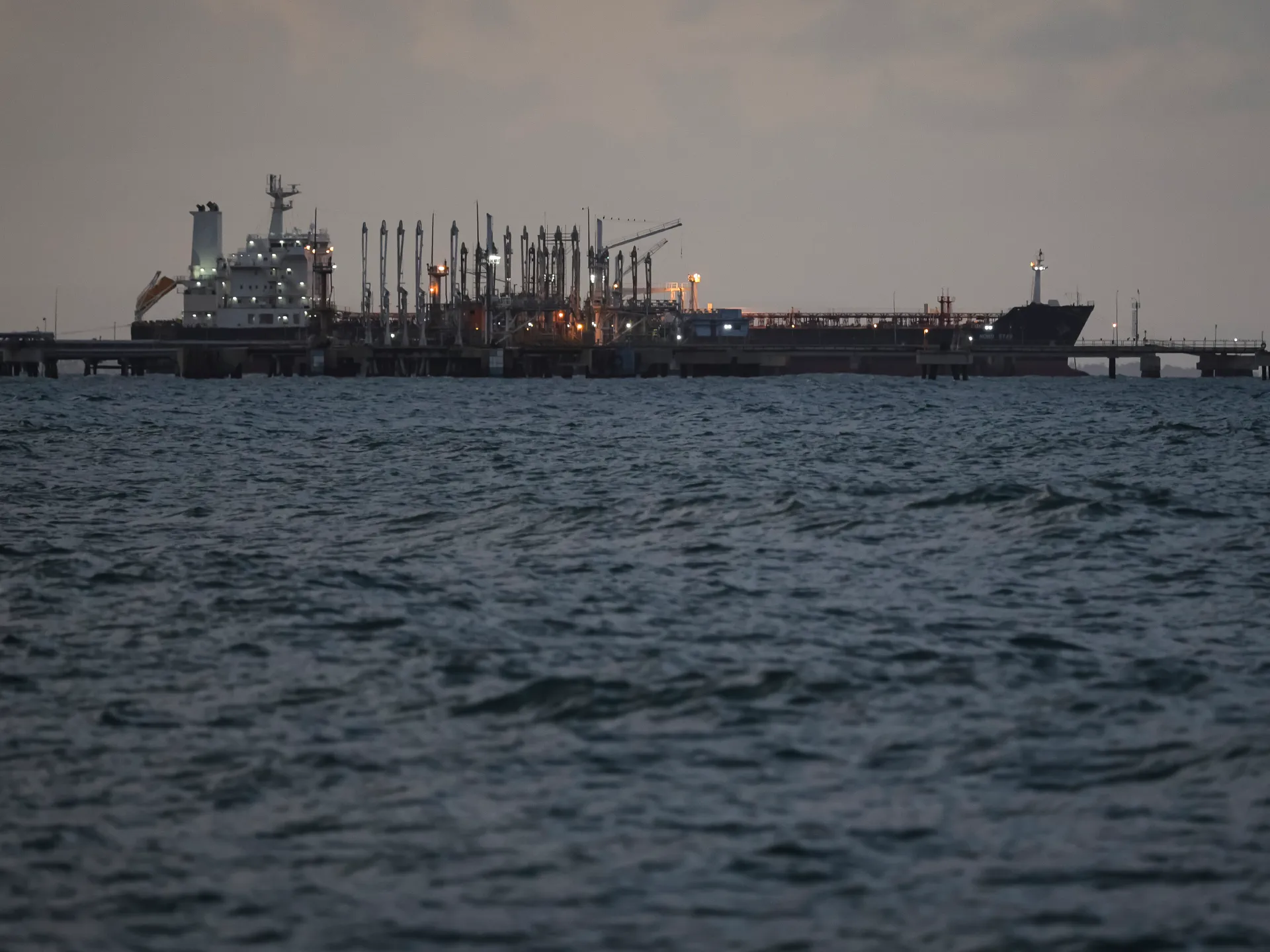
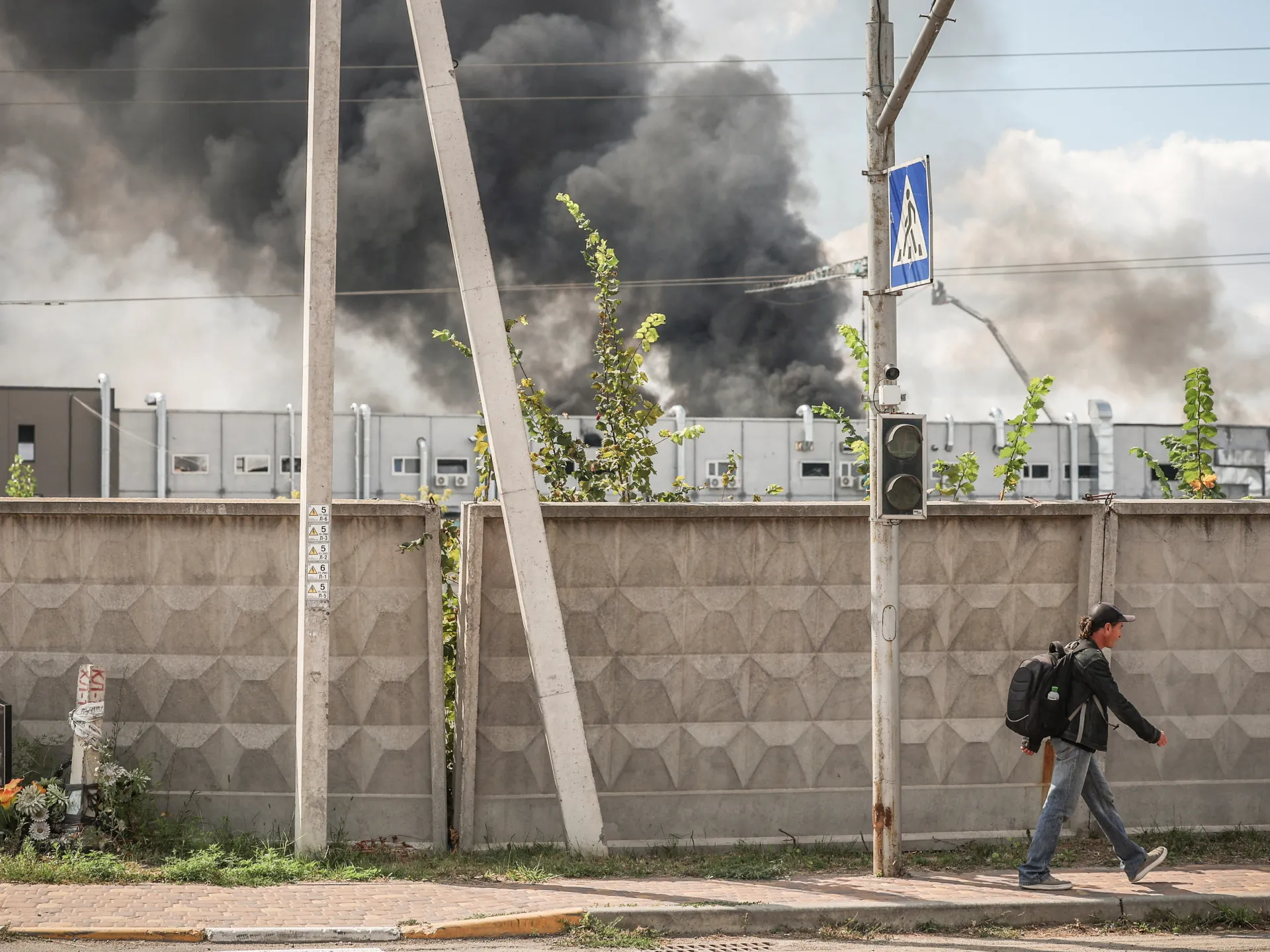
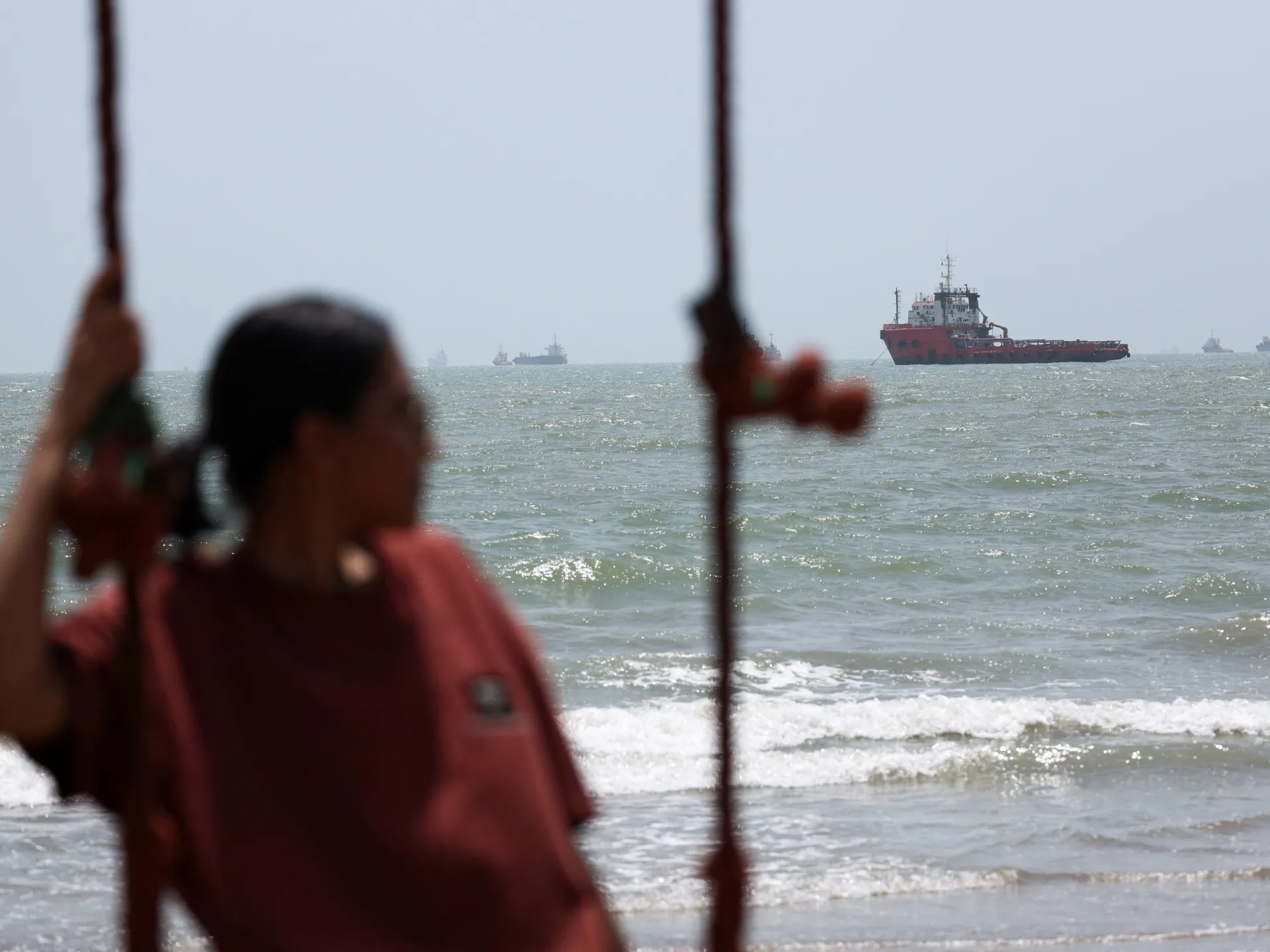
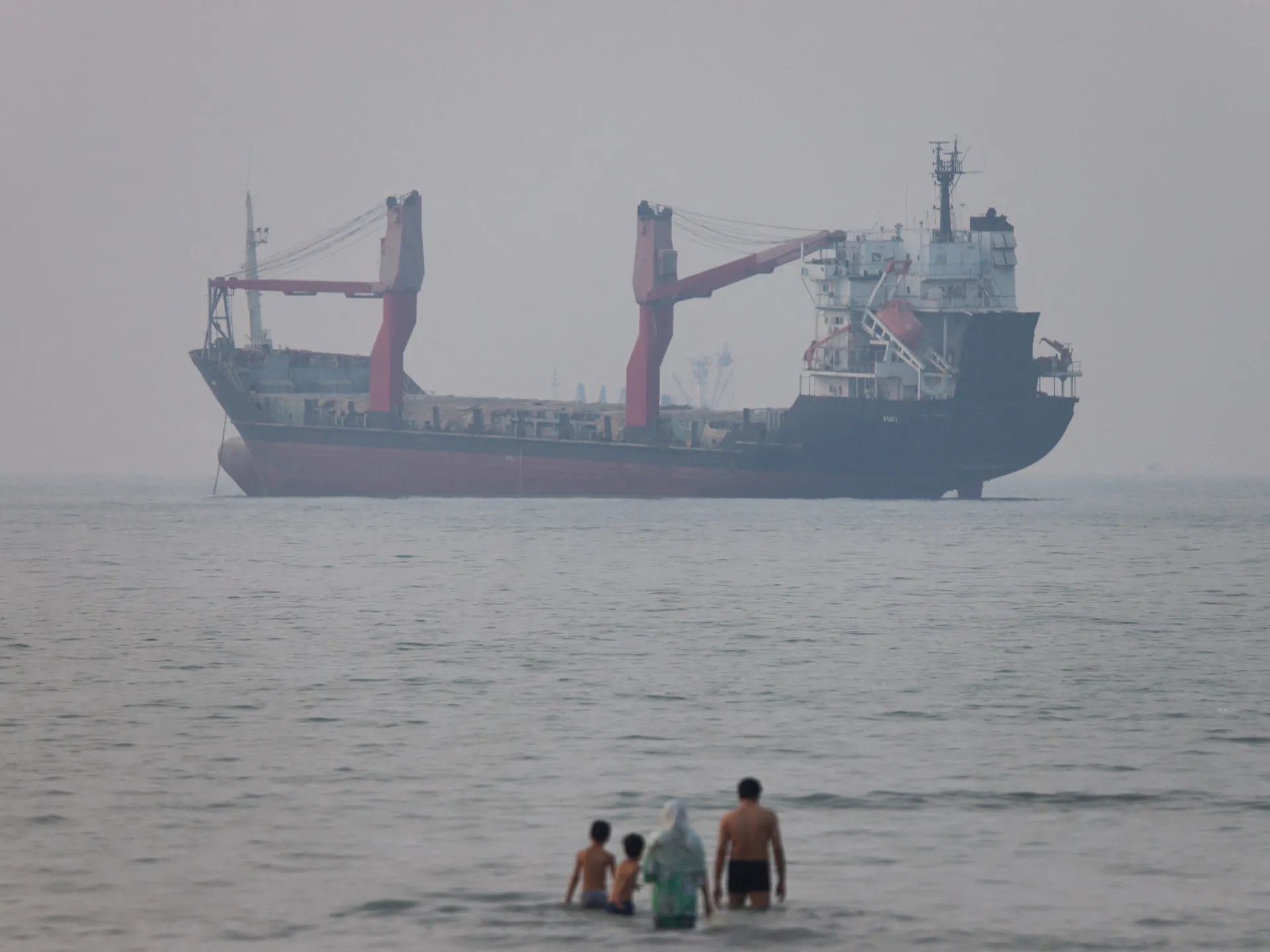
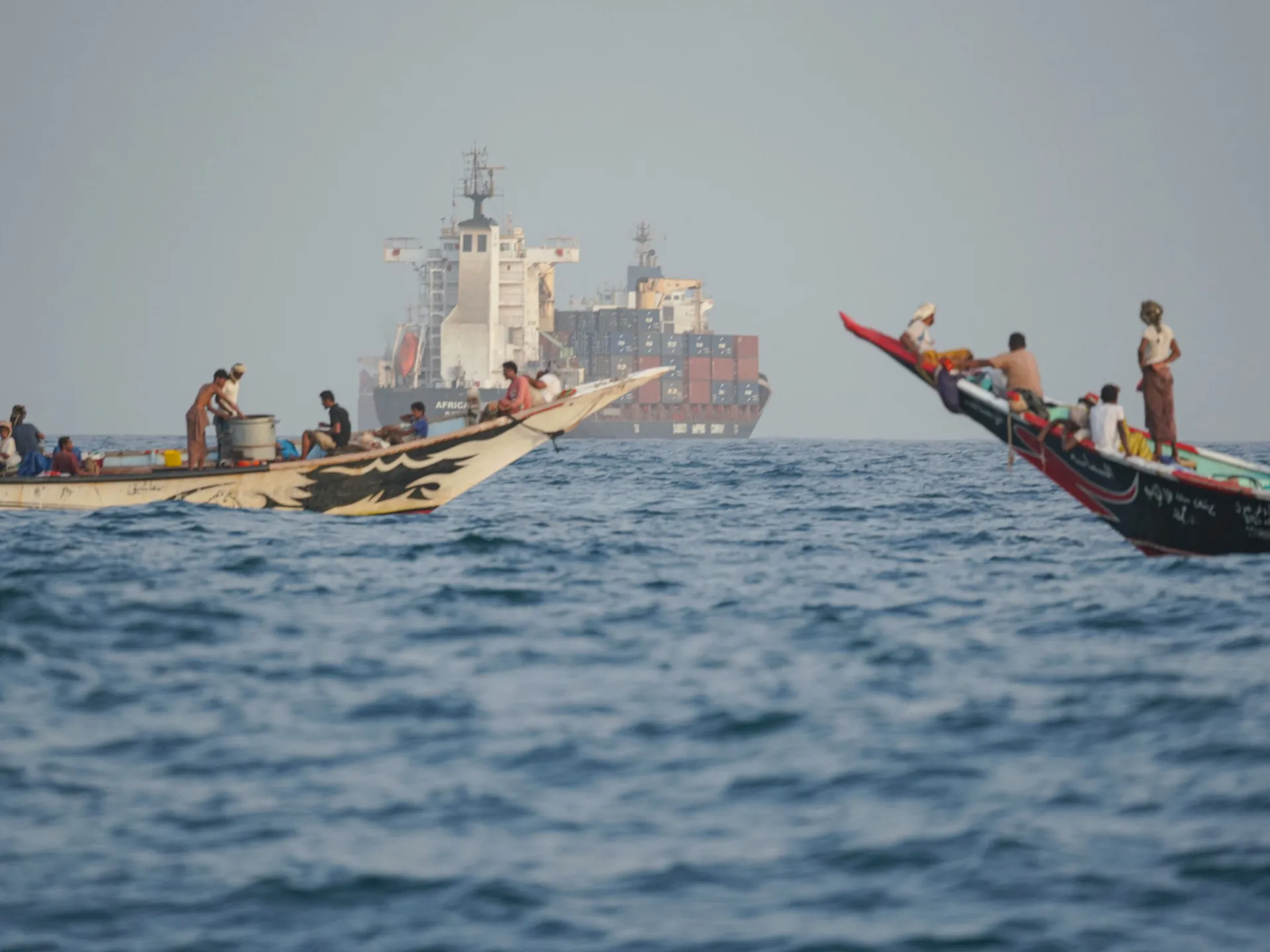
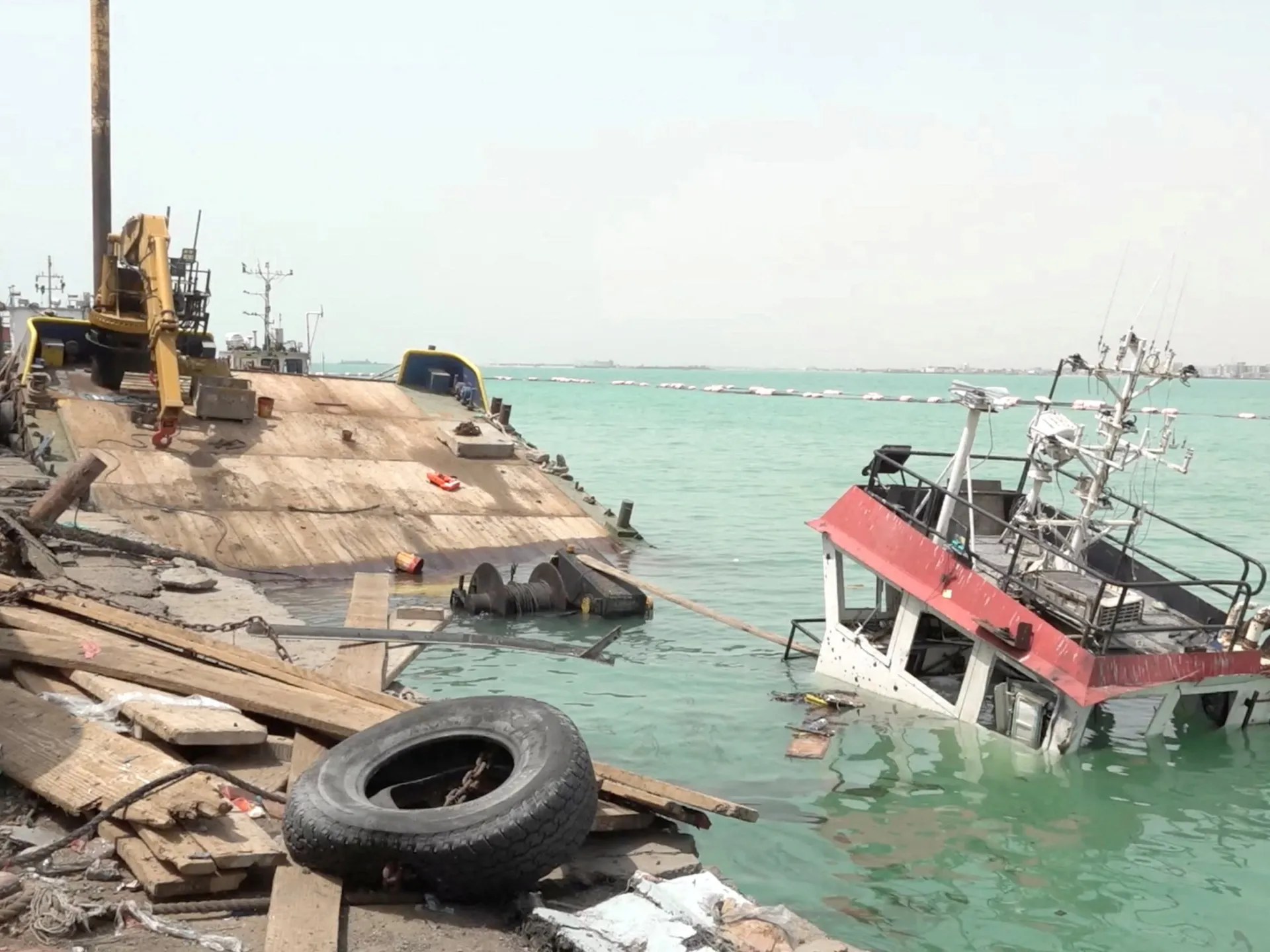
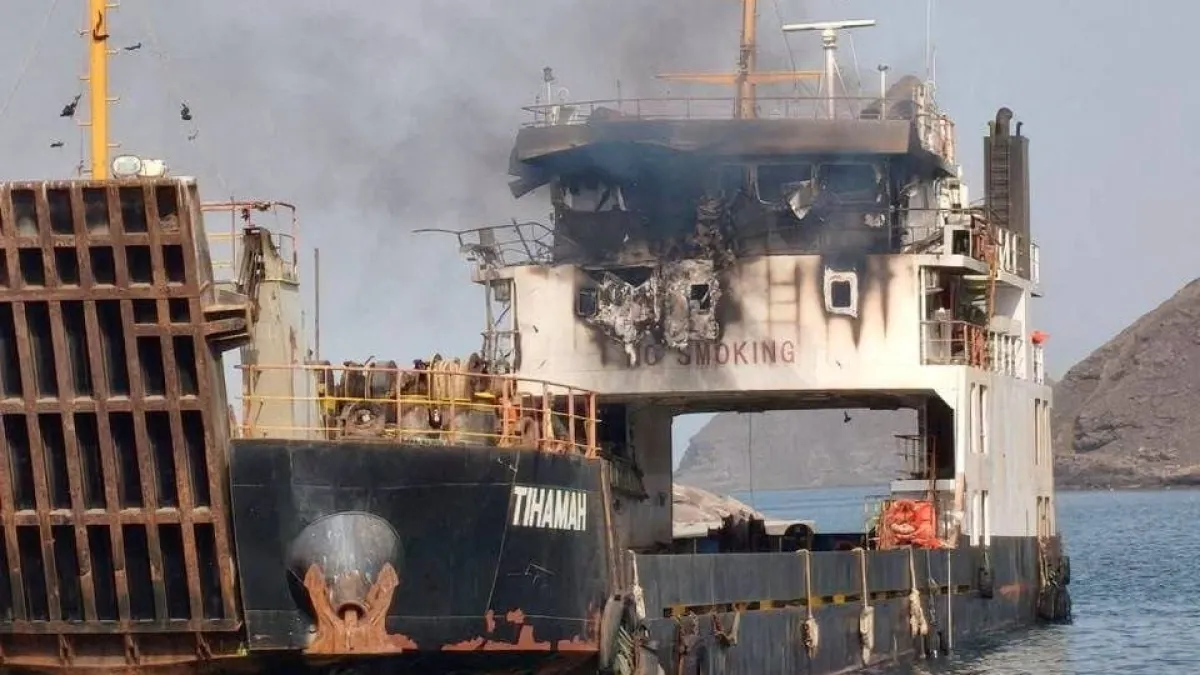
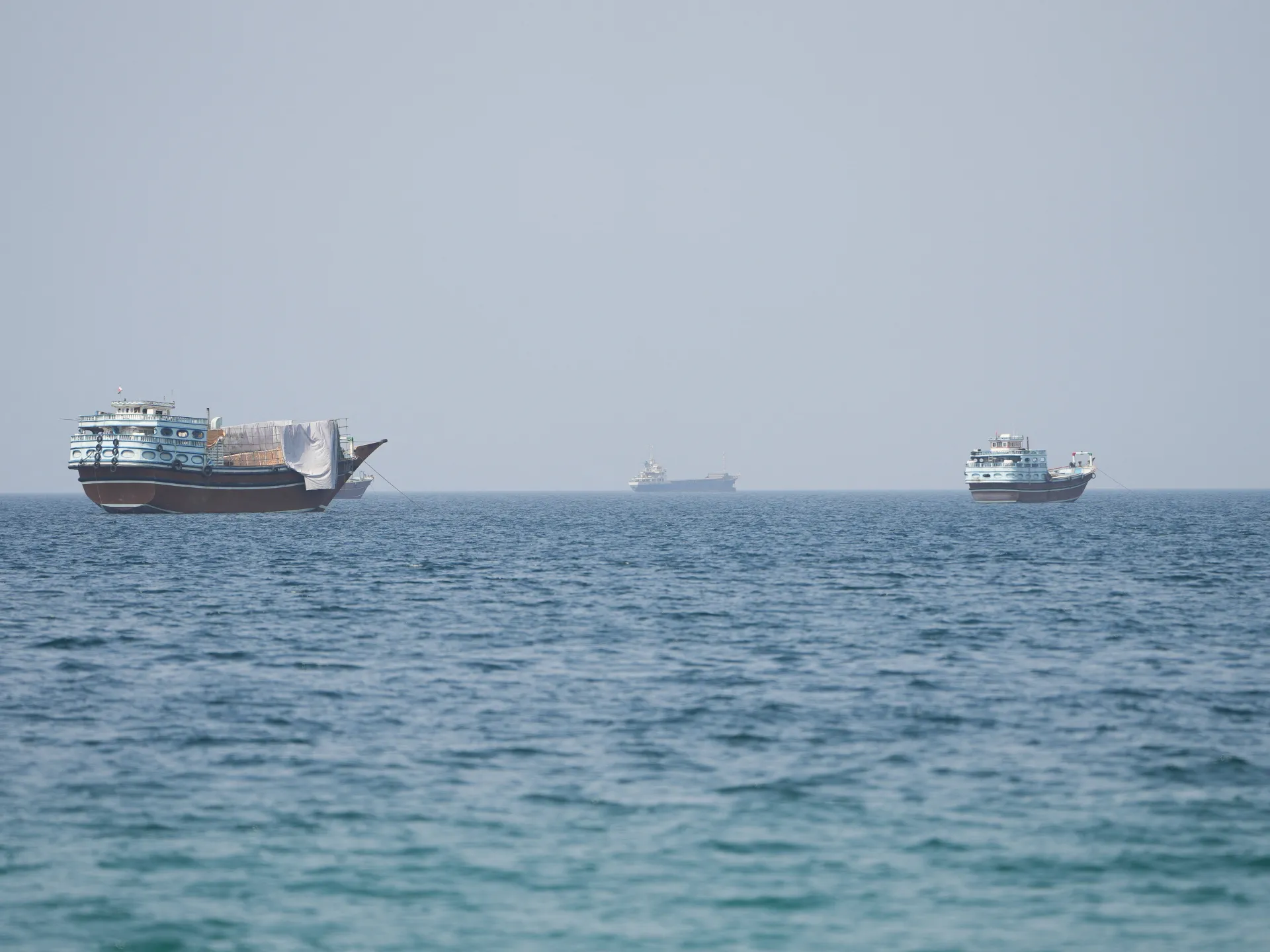
Military tensions have also migrated to the maritime domain. Following the capture of the strategic port of Mokha and Perim Island, the Houthis now exert significant influence over the Bab al-Mandab Strait. This choke point is vital for the transit of goods between Asia and Europe. While Houthi leadership maintains that their maritime activities are strictly focused on intercepting Saudi-linked vessels, the closure of the East-West Pipeline following a major strike on critical infrastructure has exacerbated energy supply concerns. Saudi military officials have promised deterrent measures, citing the recent surge in aerial activity as evidence of the Houthis' intent to widen the conflict.
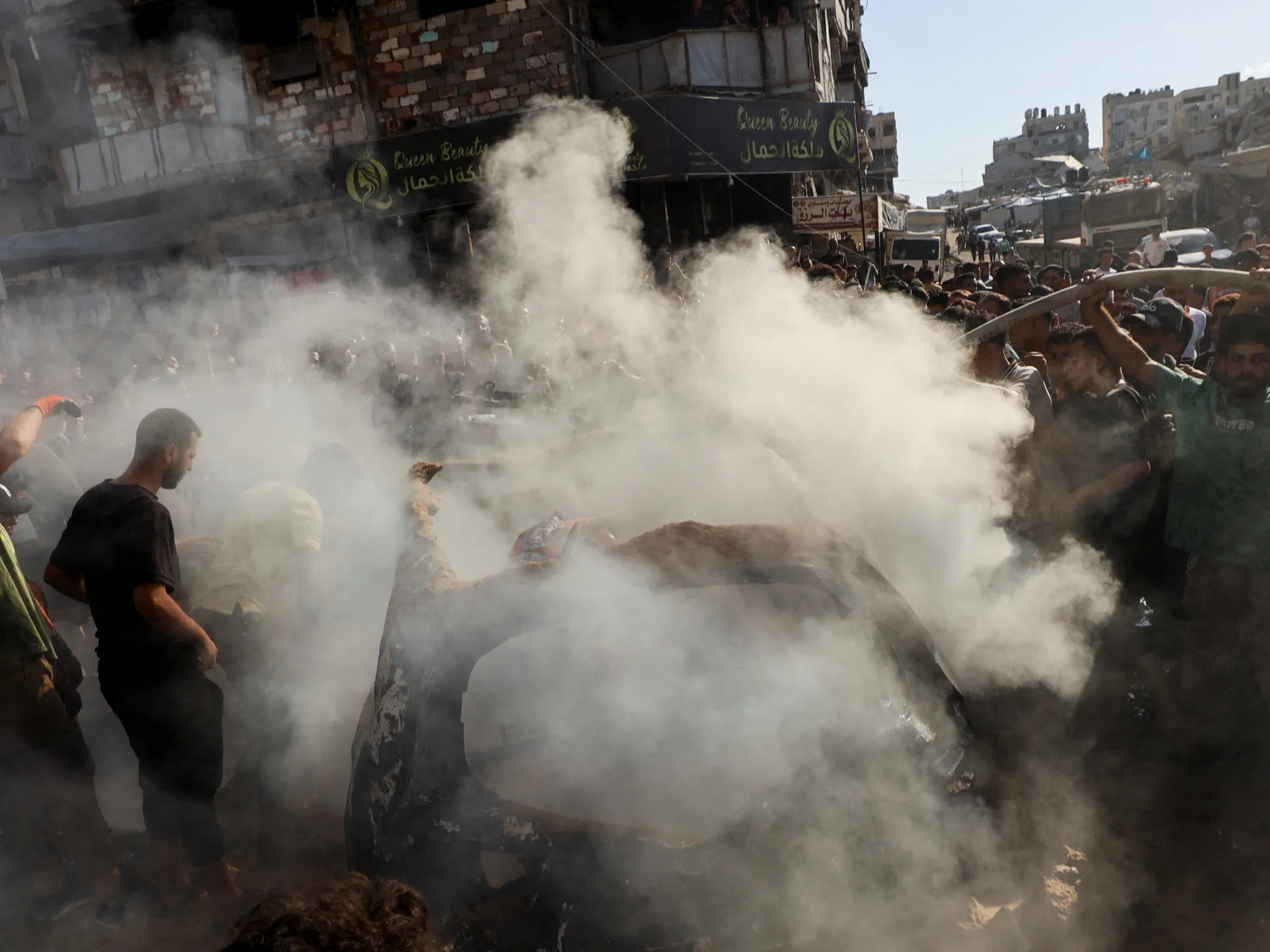
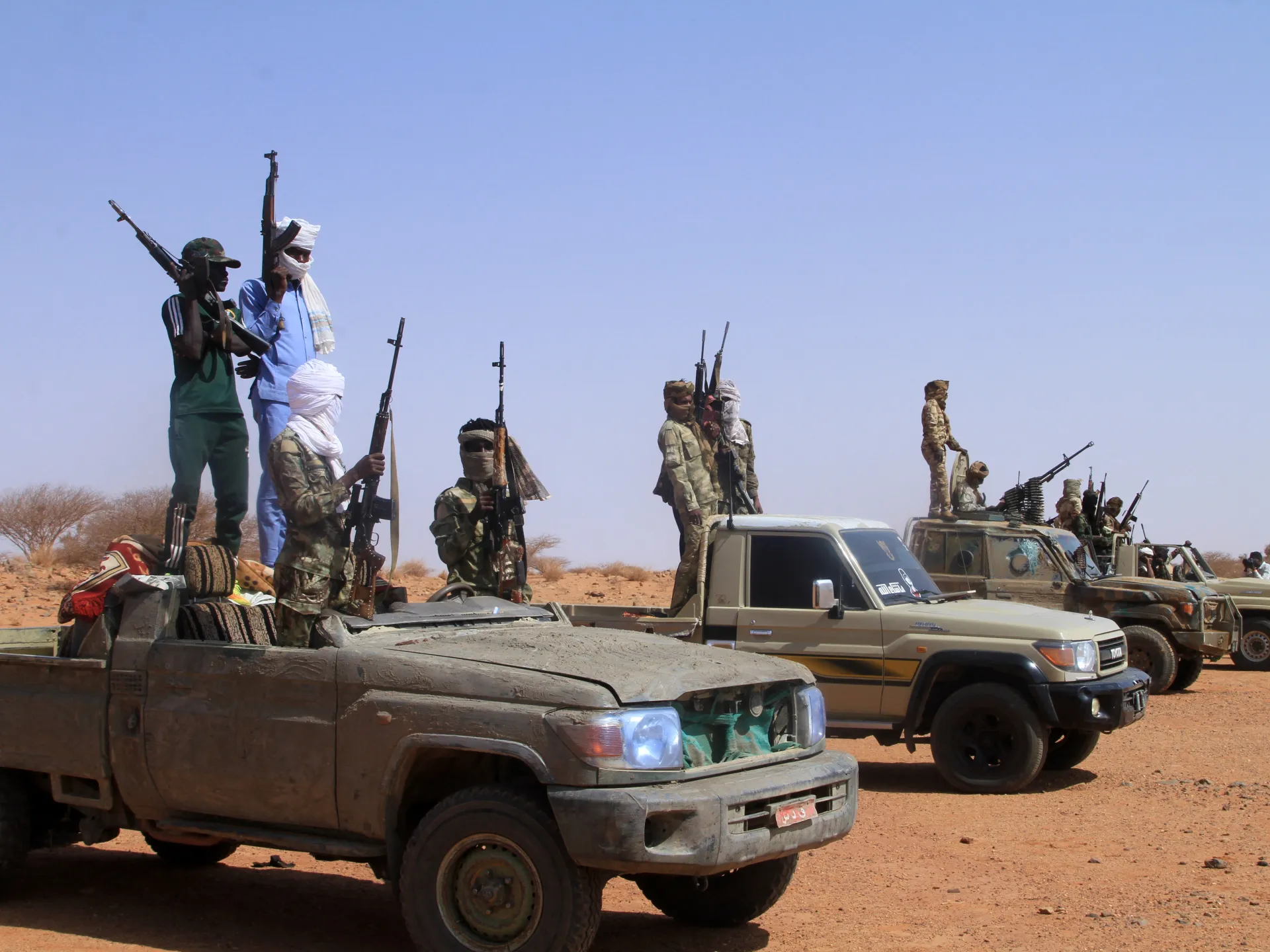
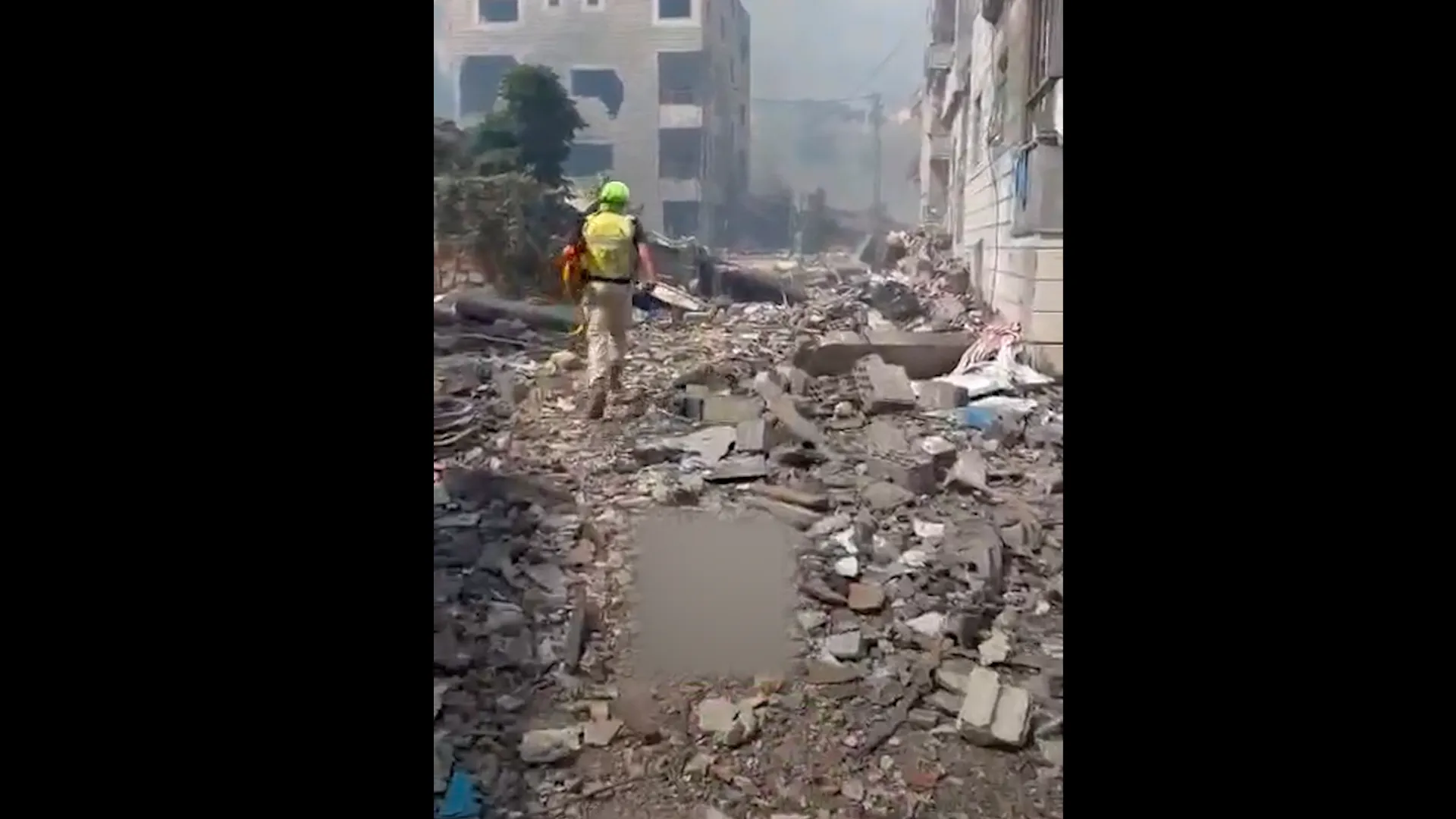
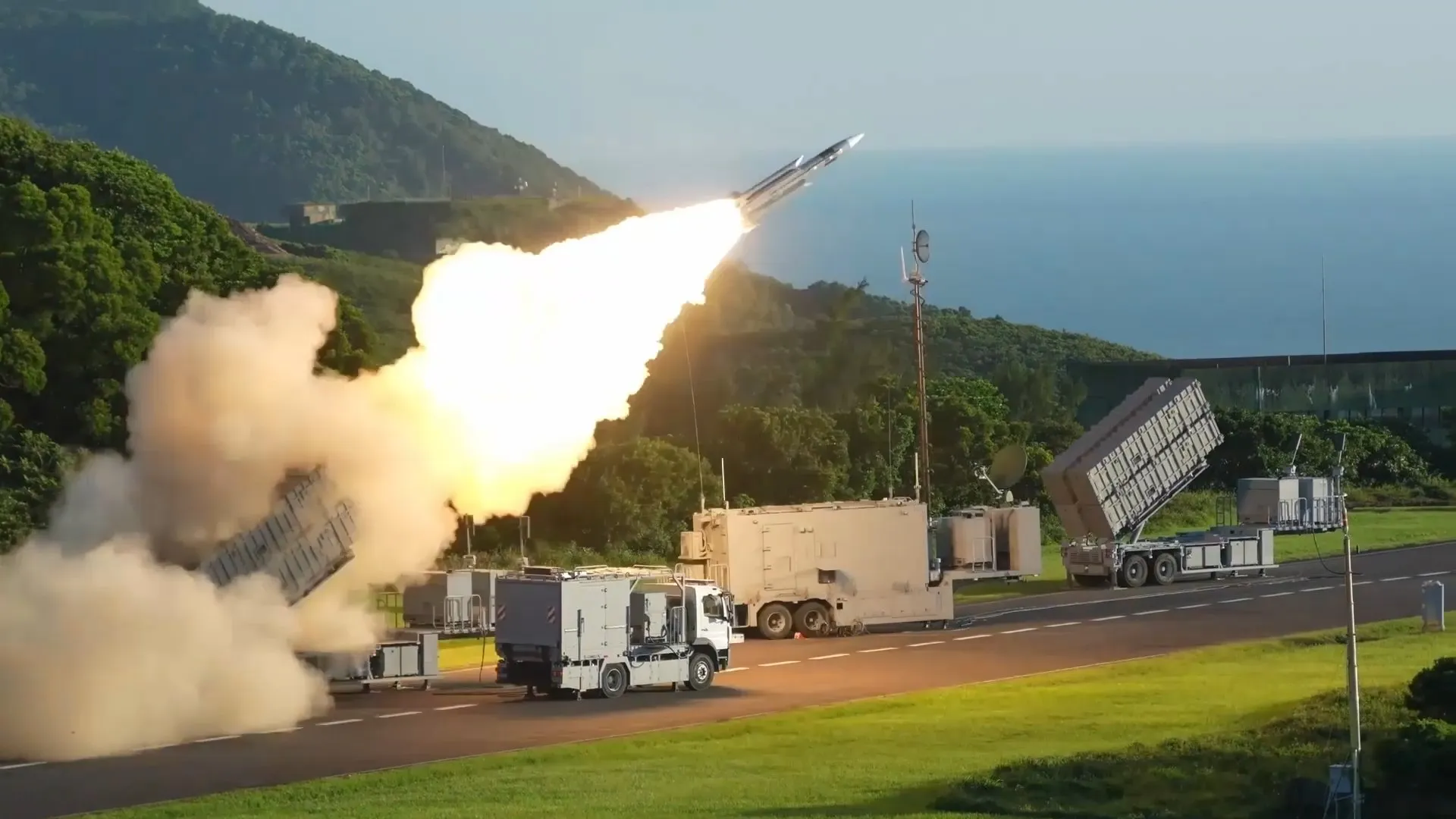
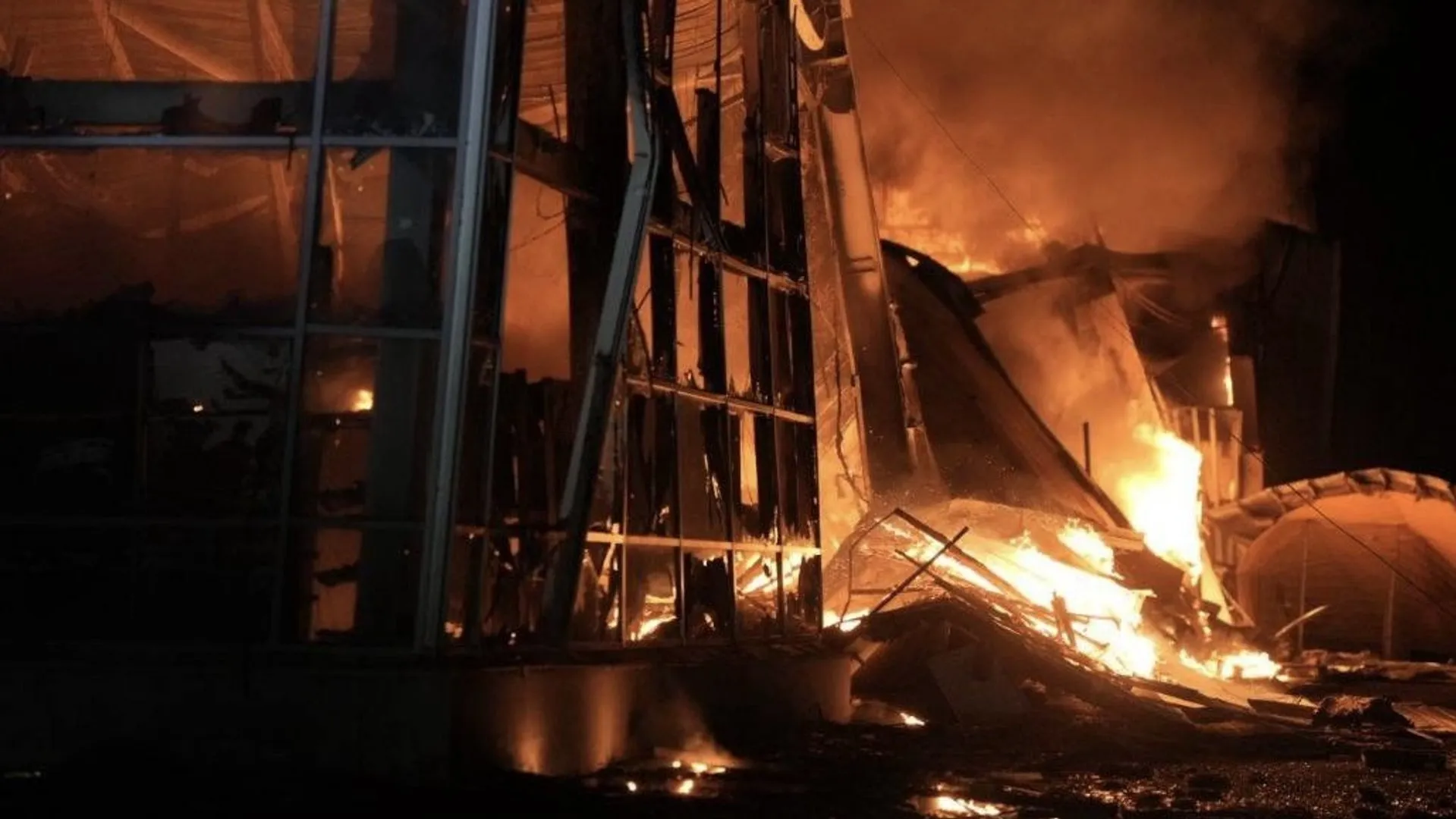
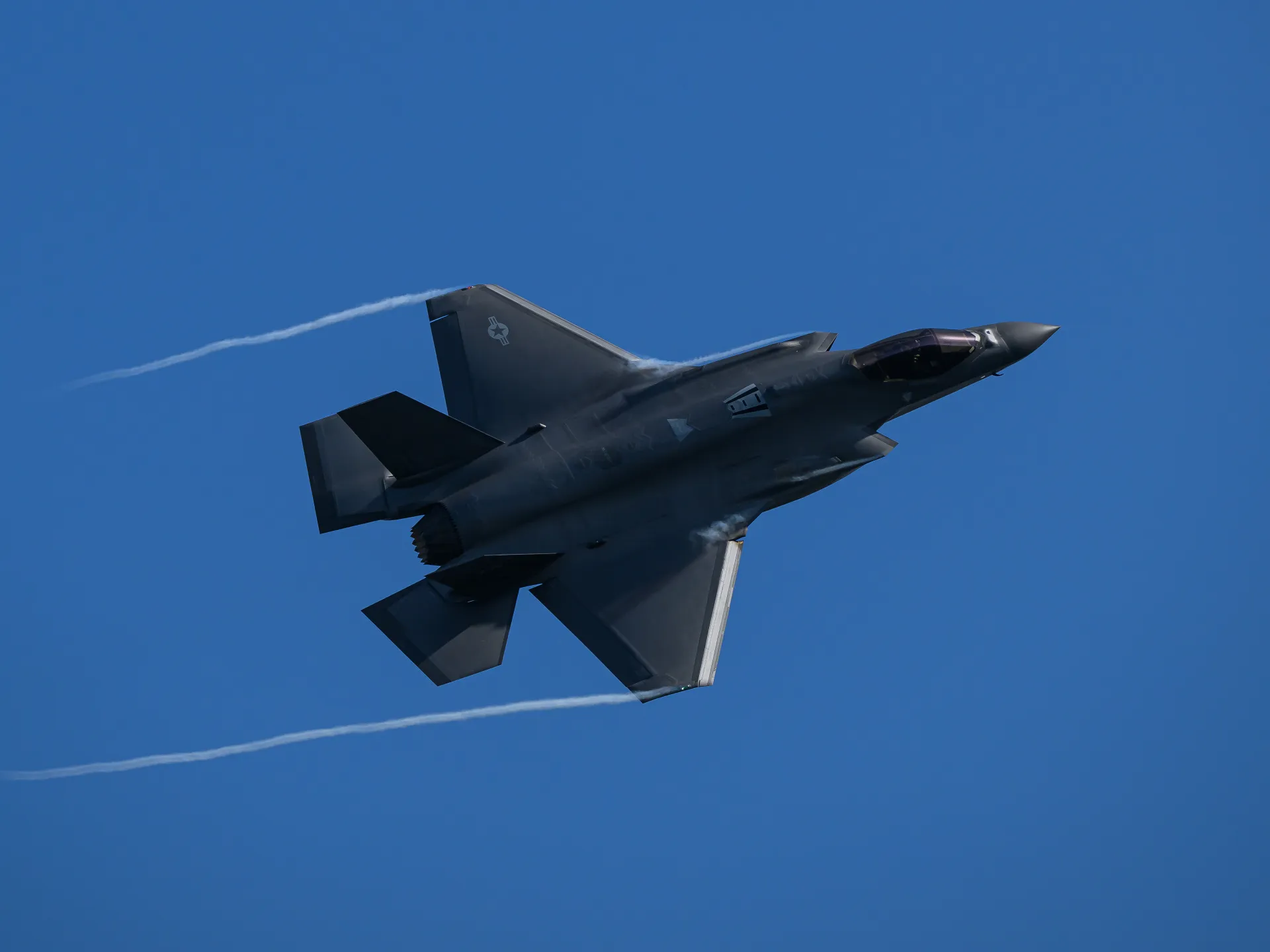
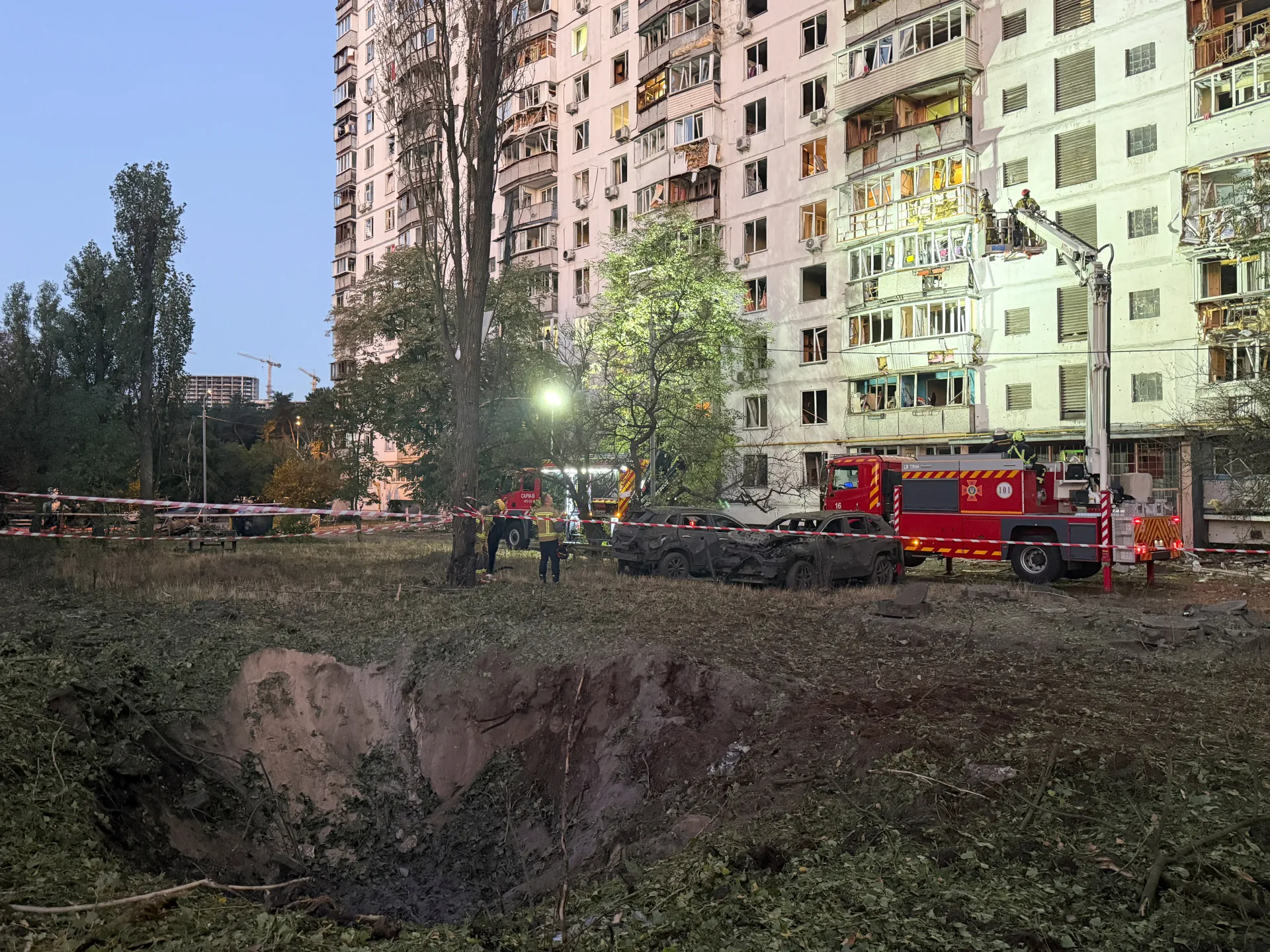
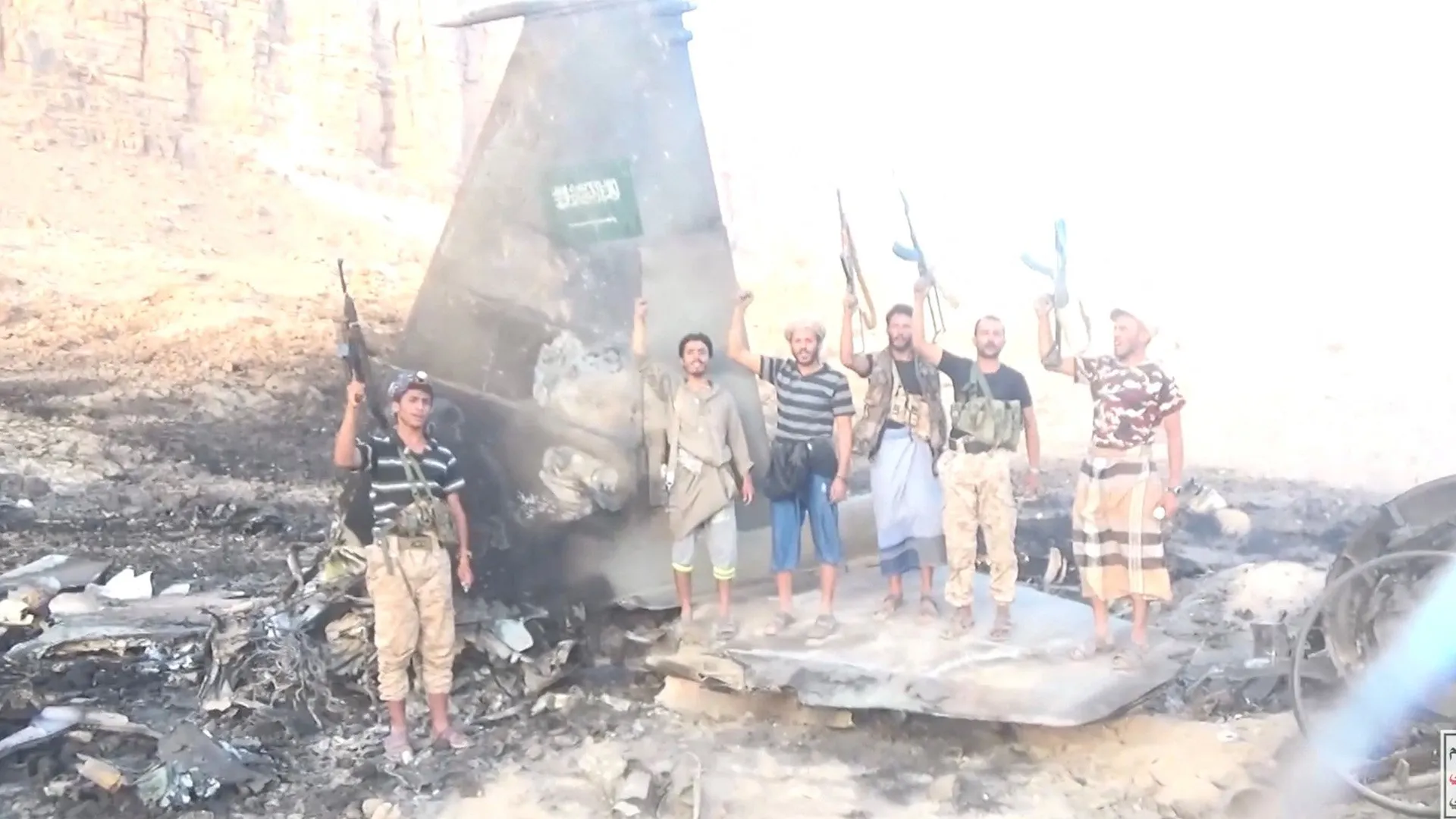
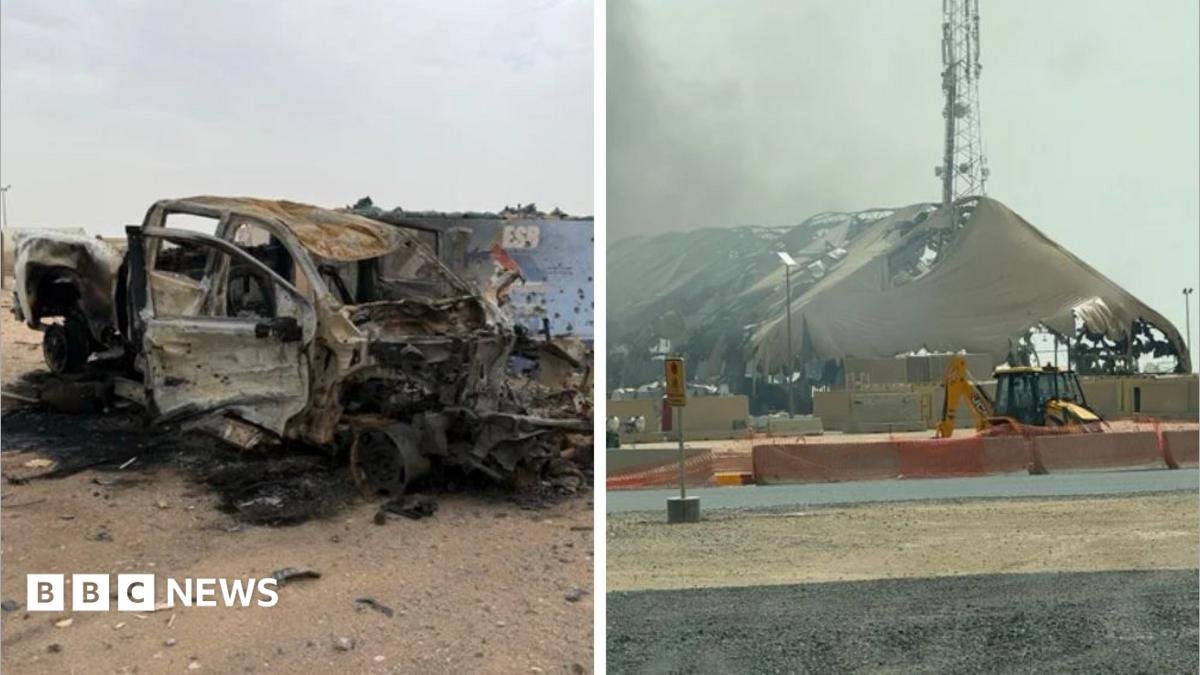
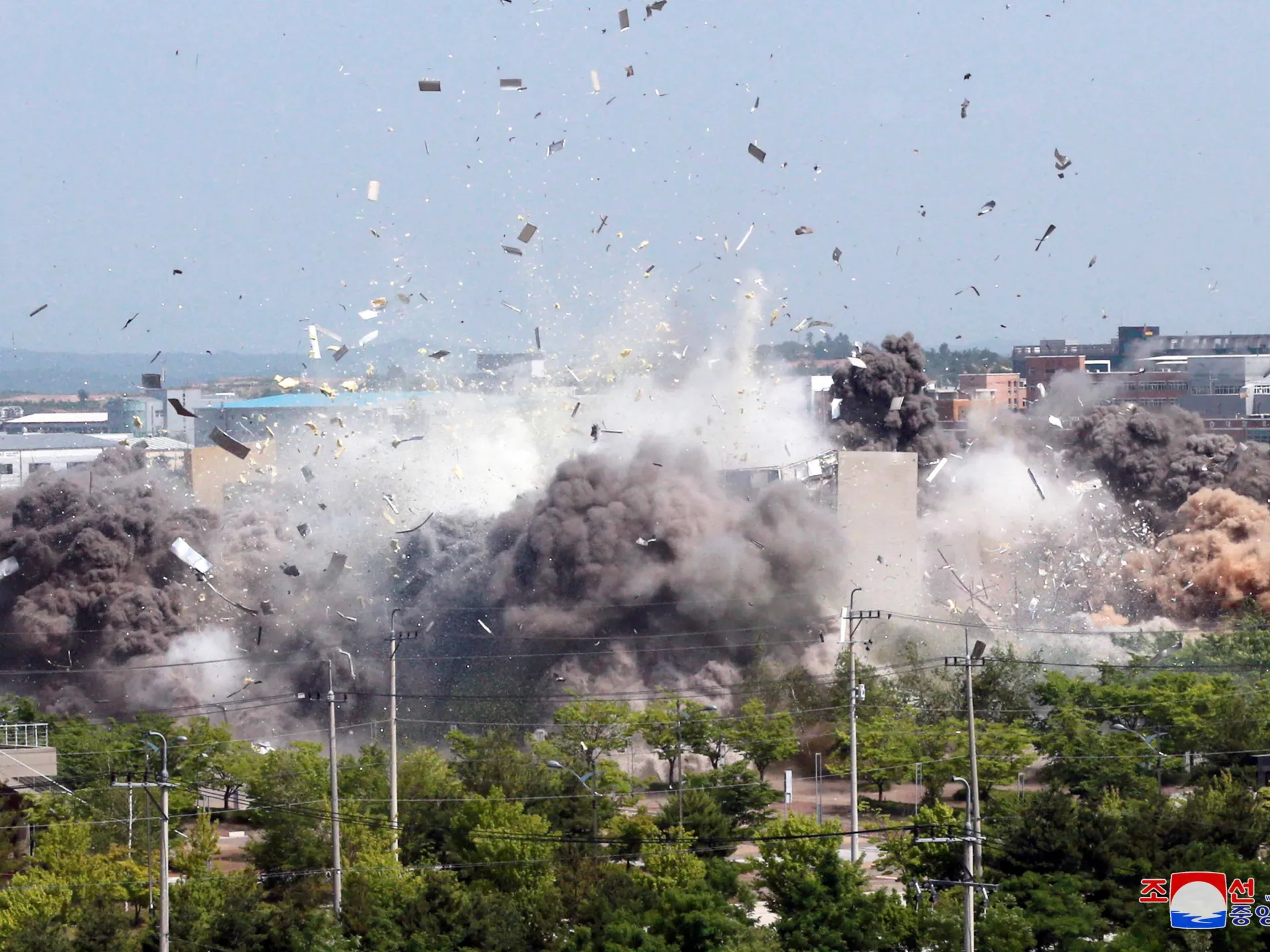
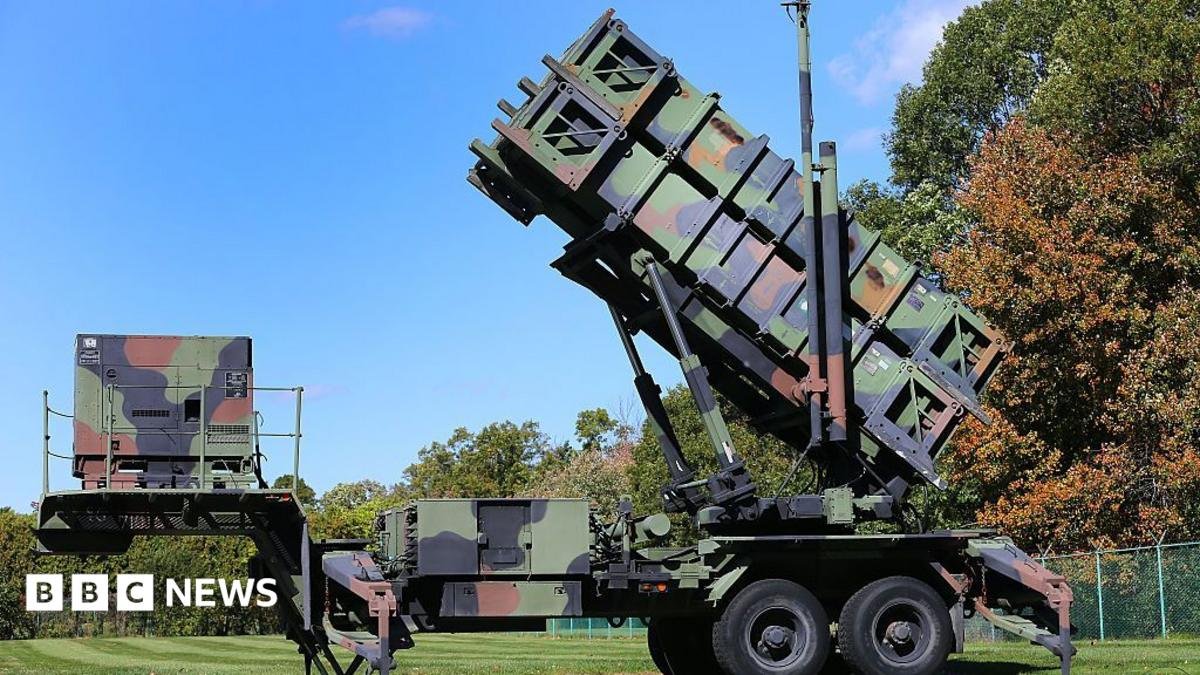
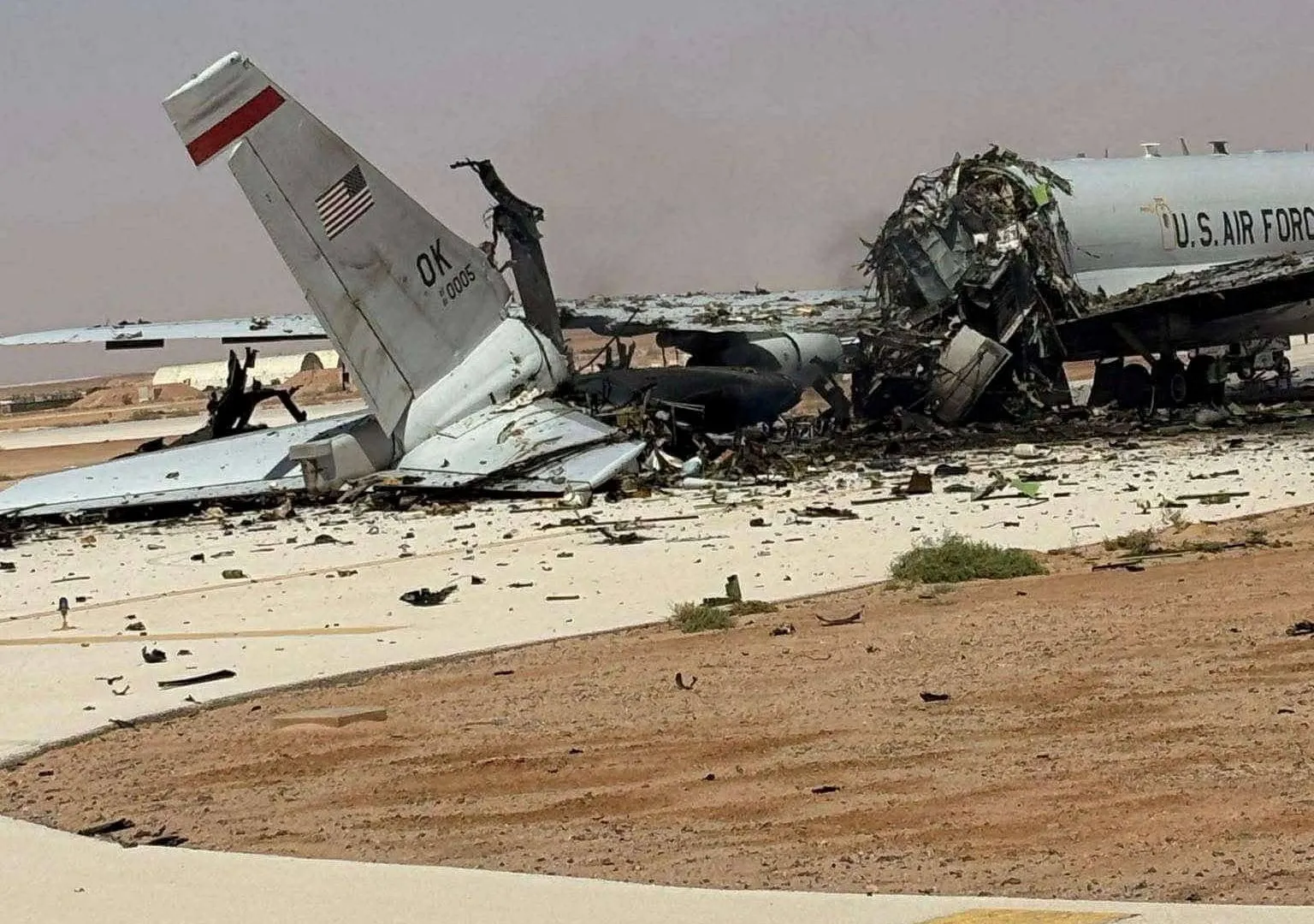
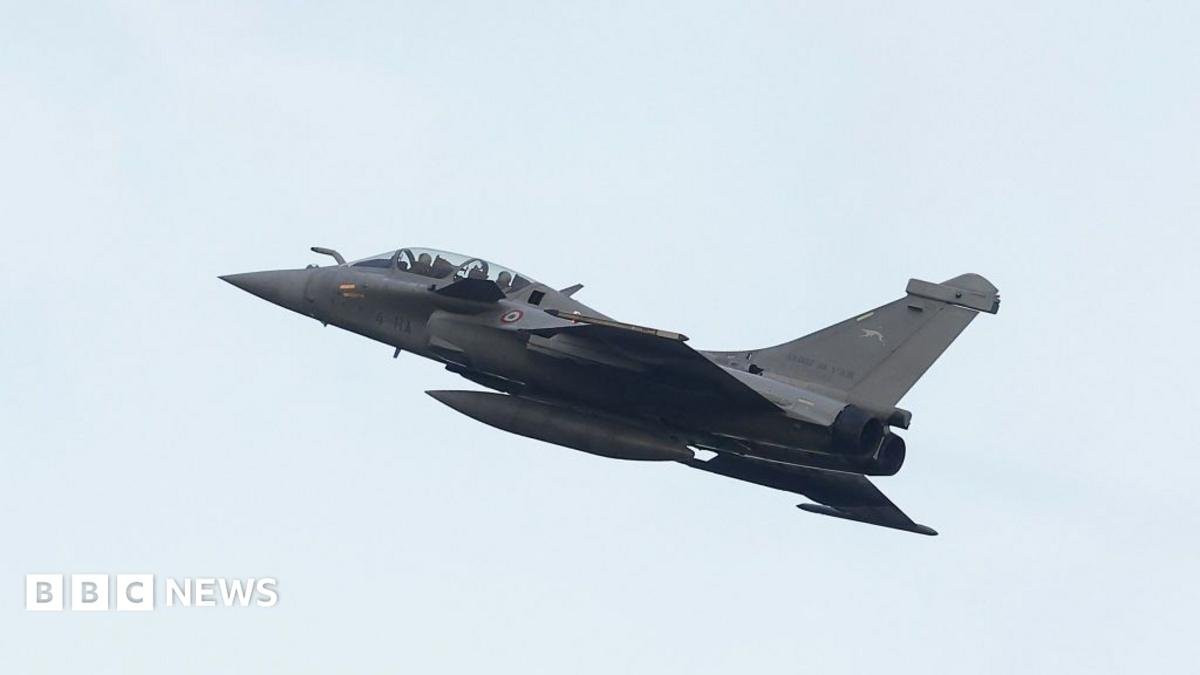
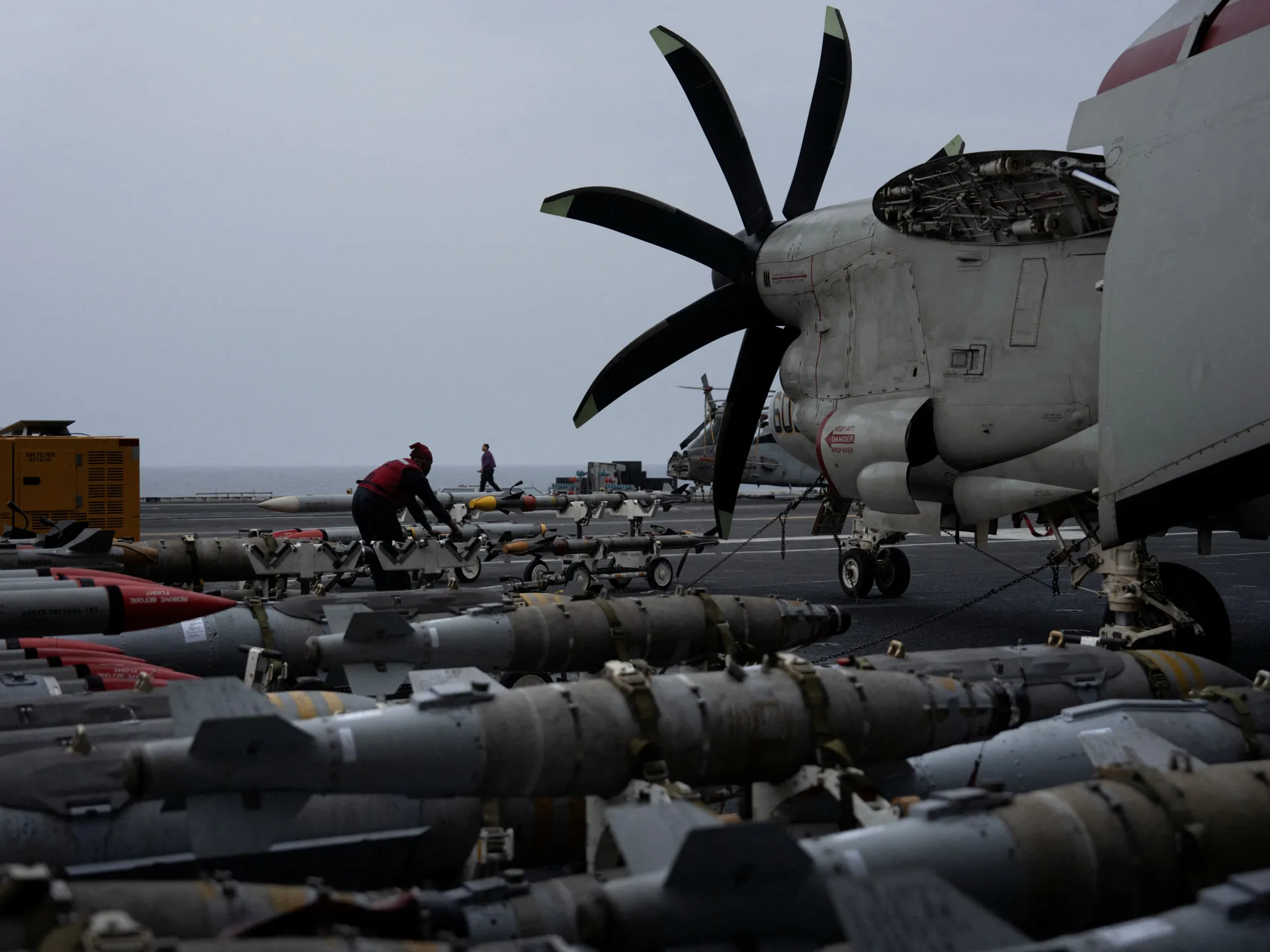
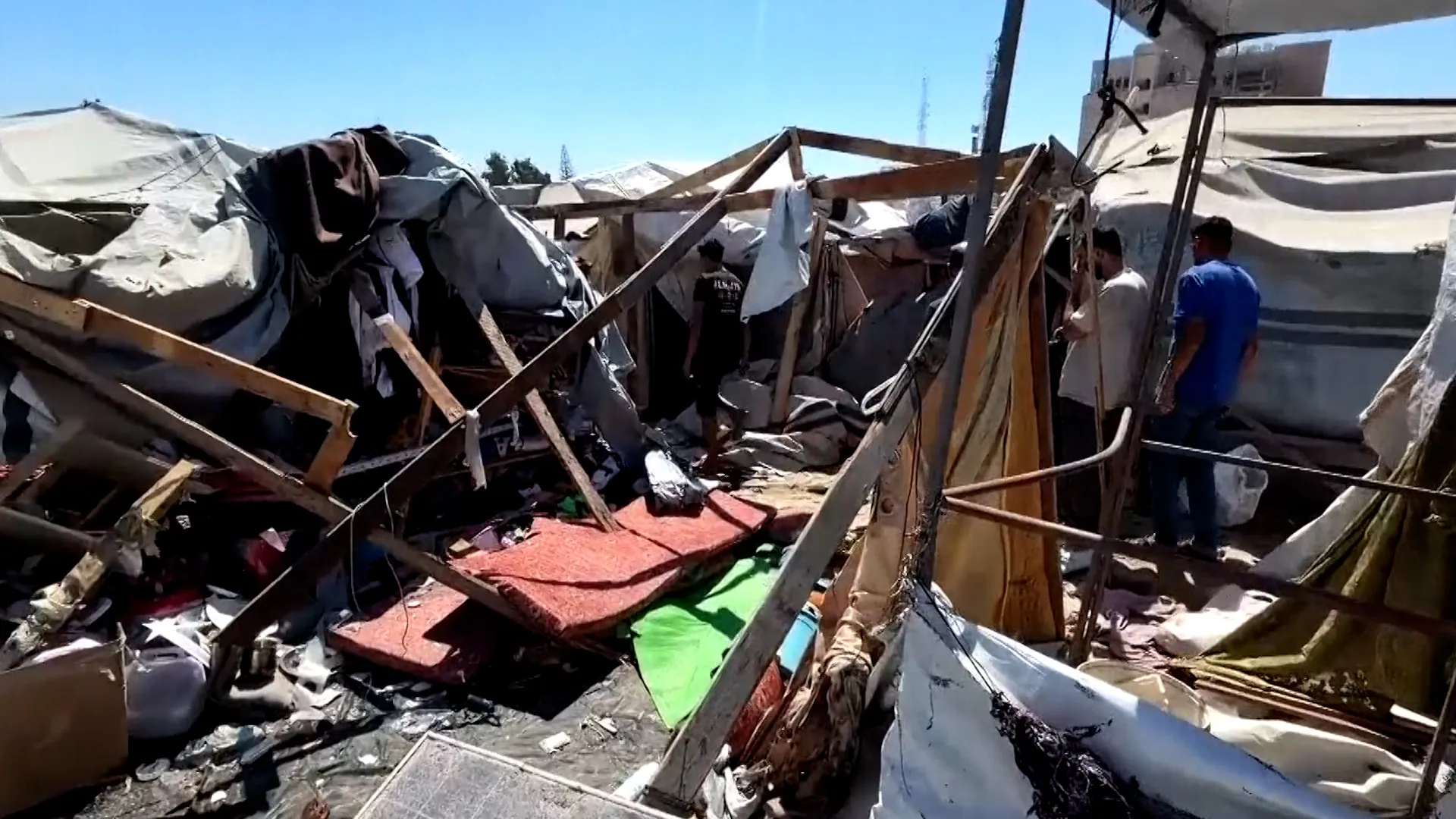
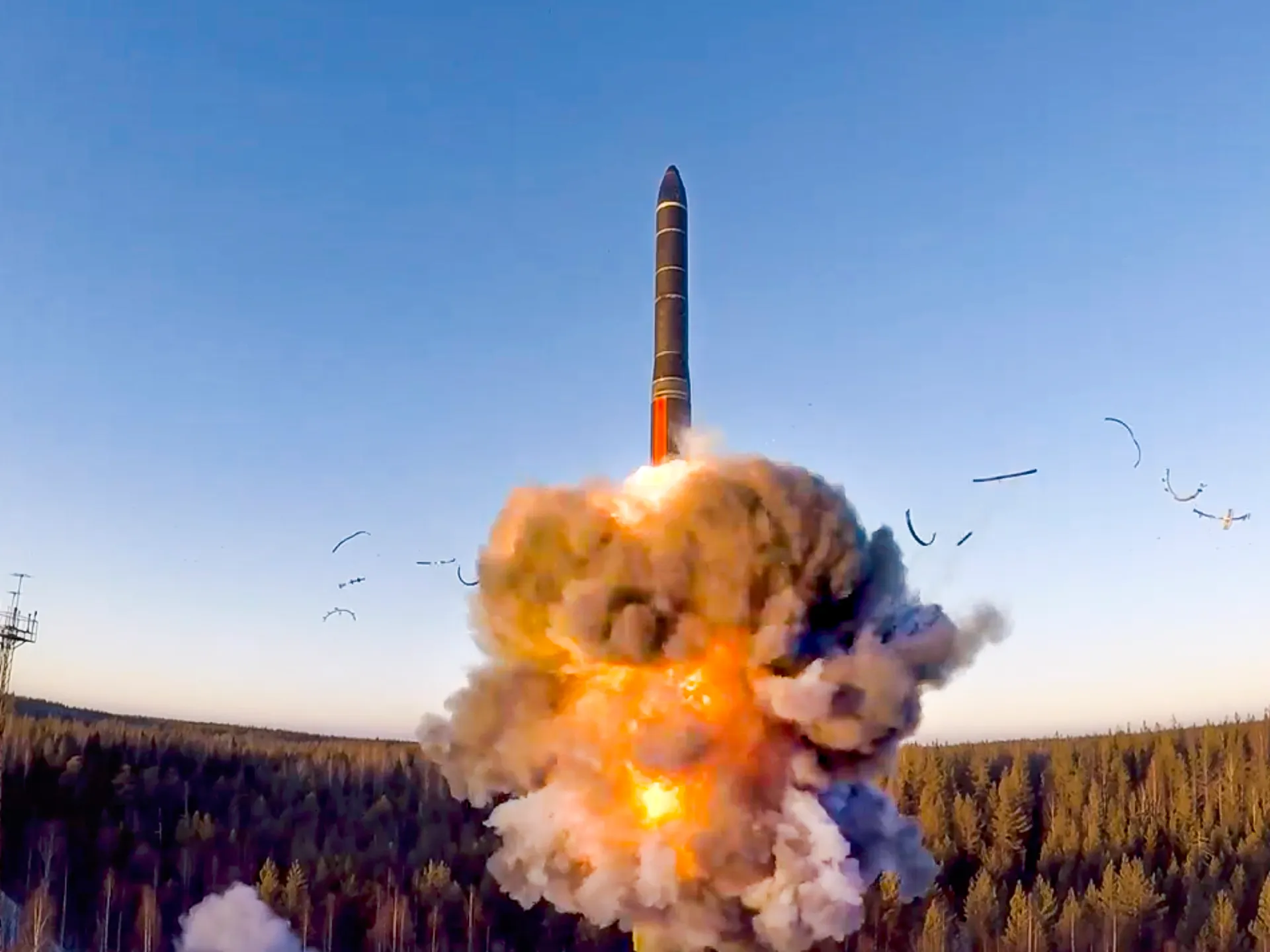
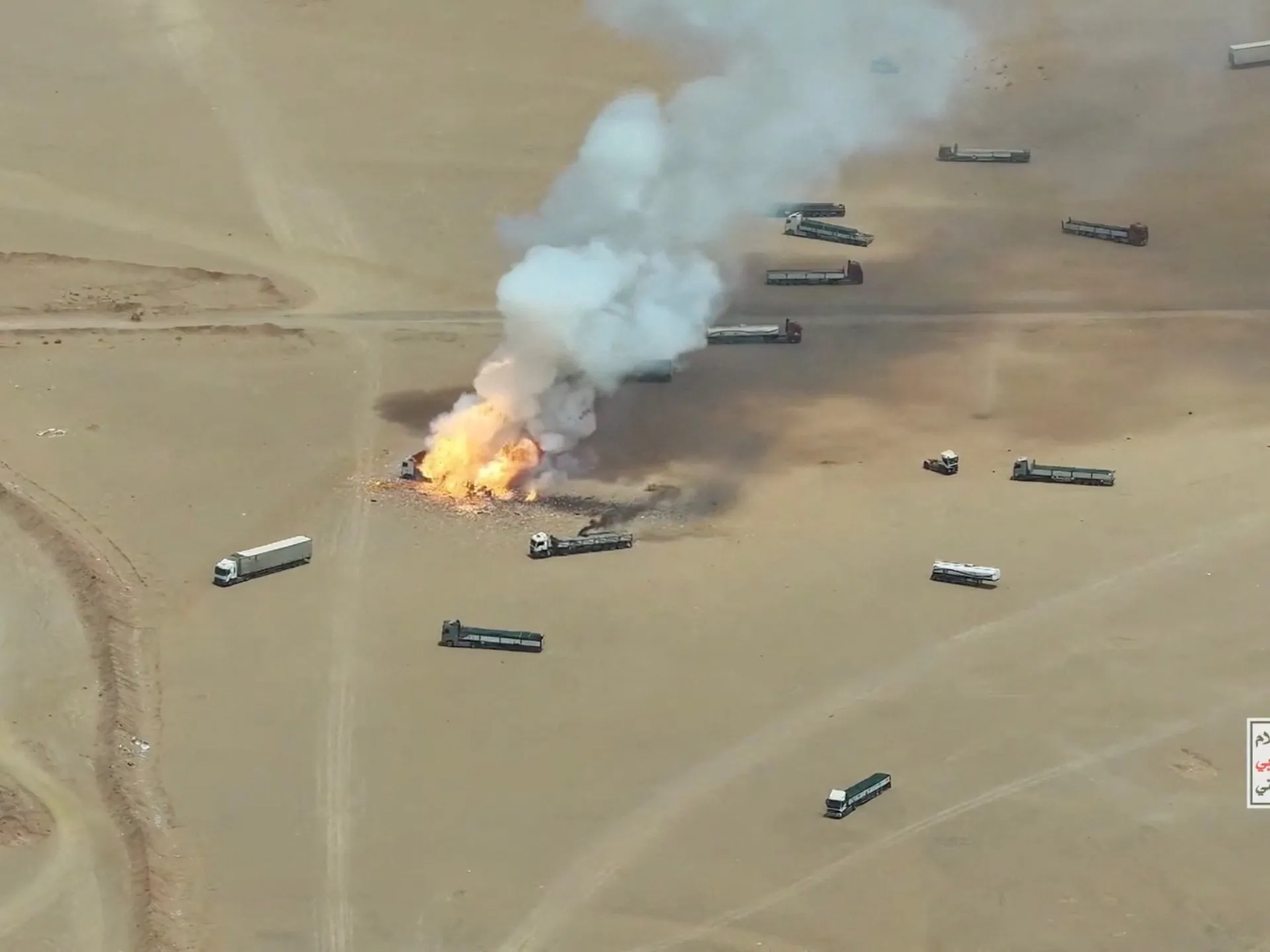
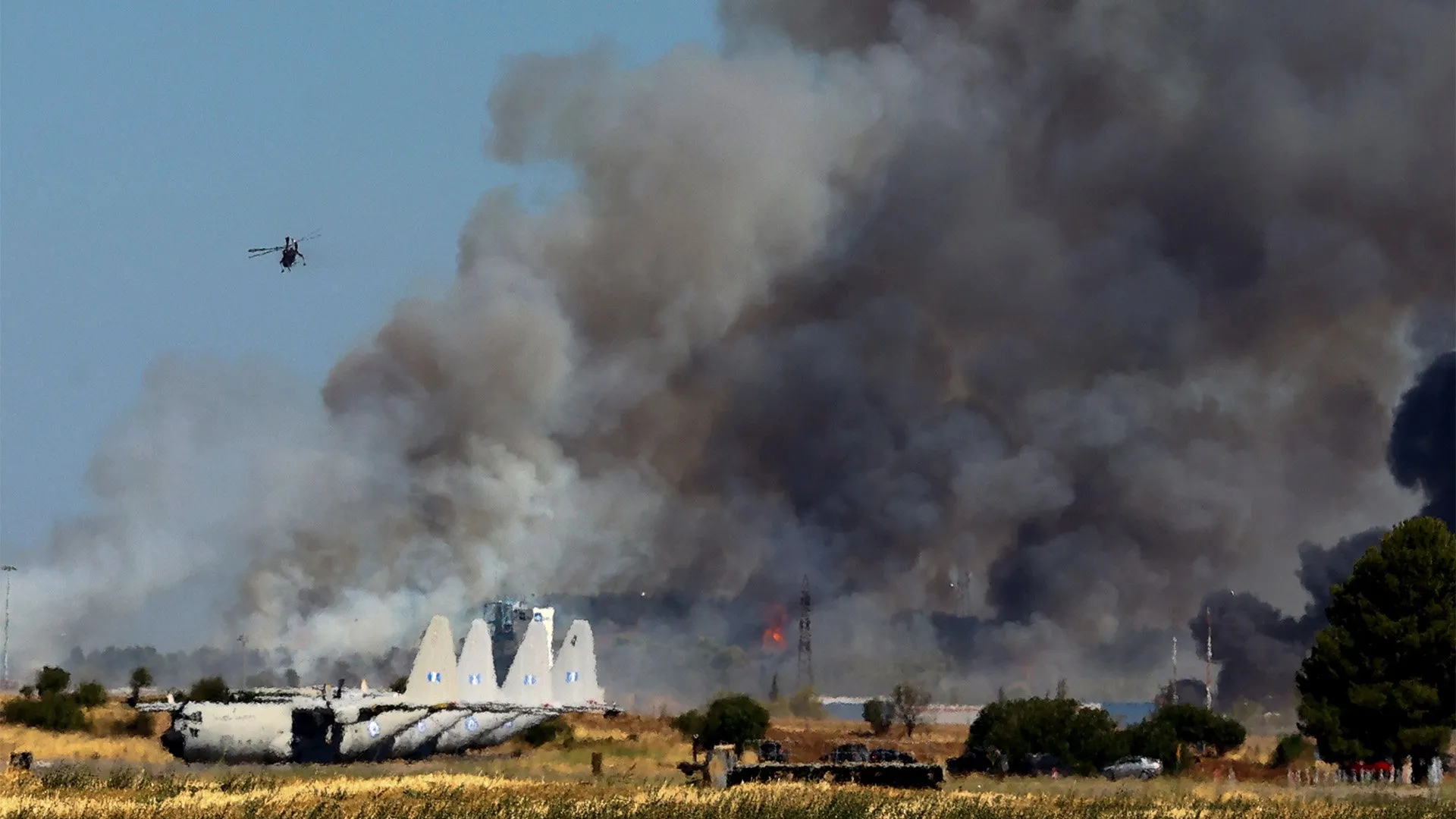
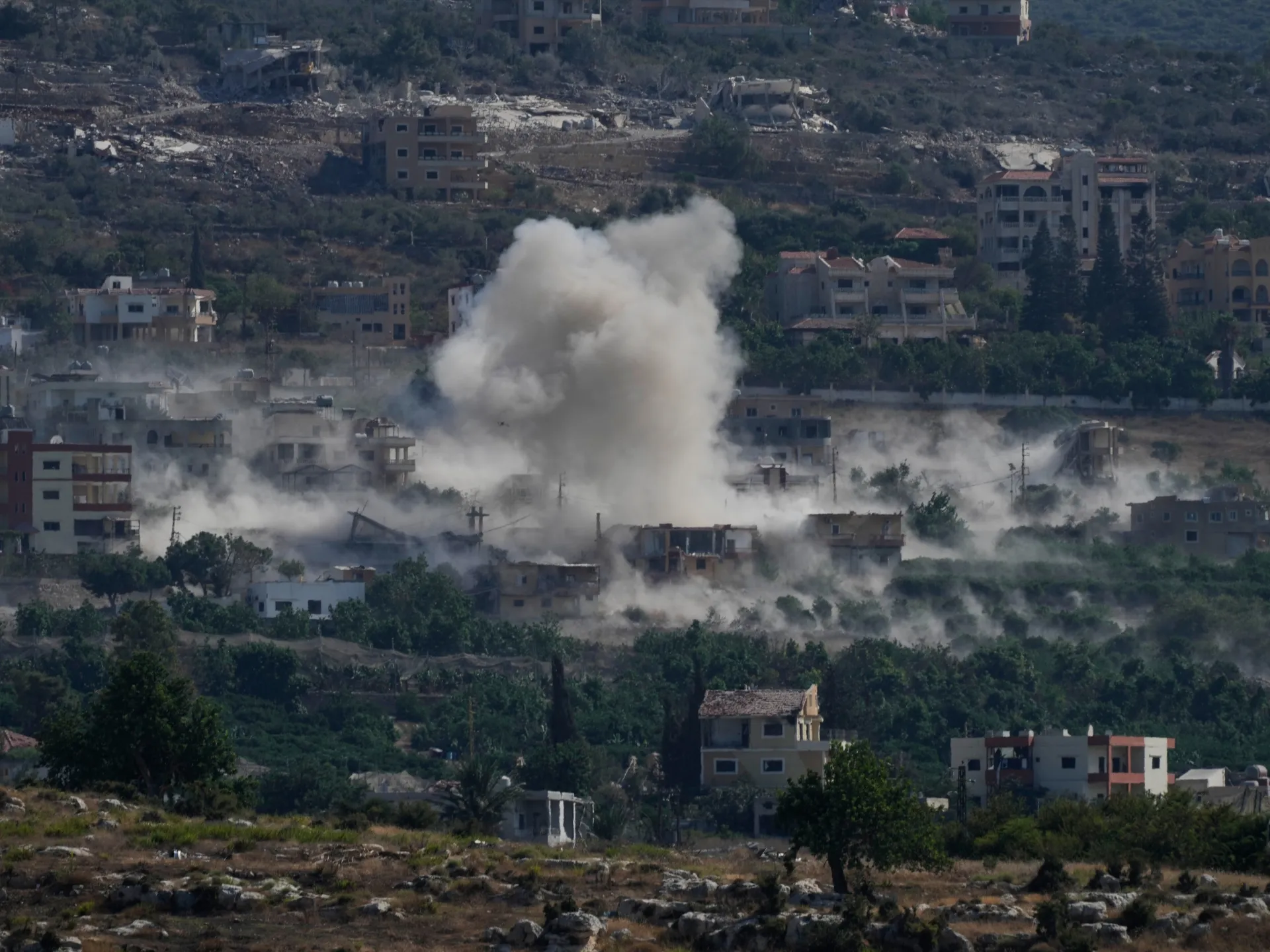
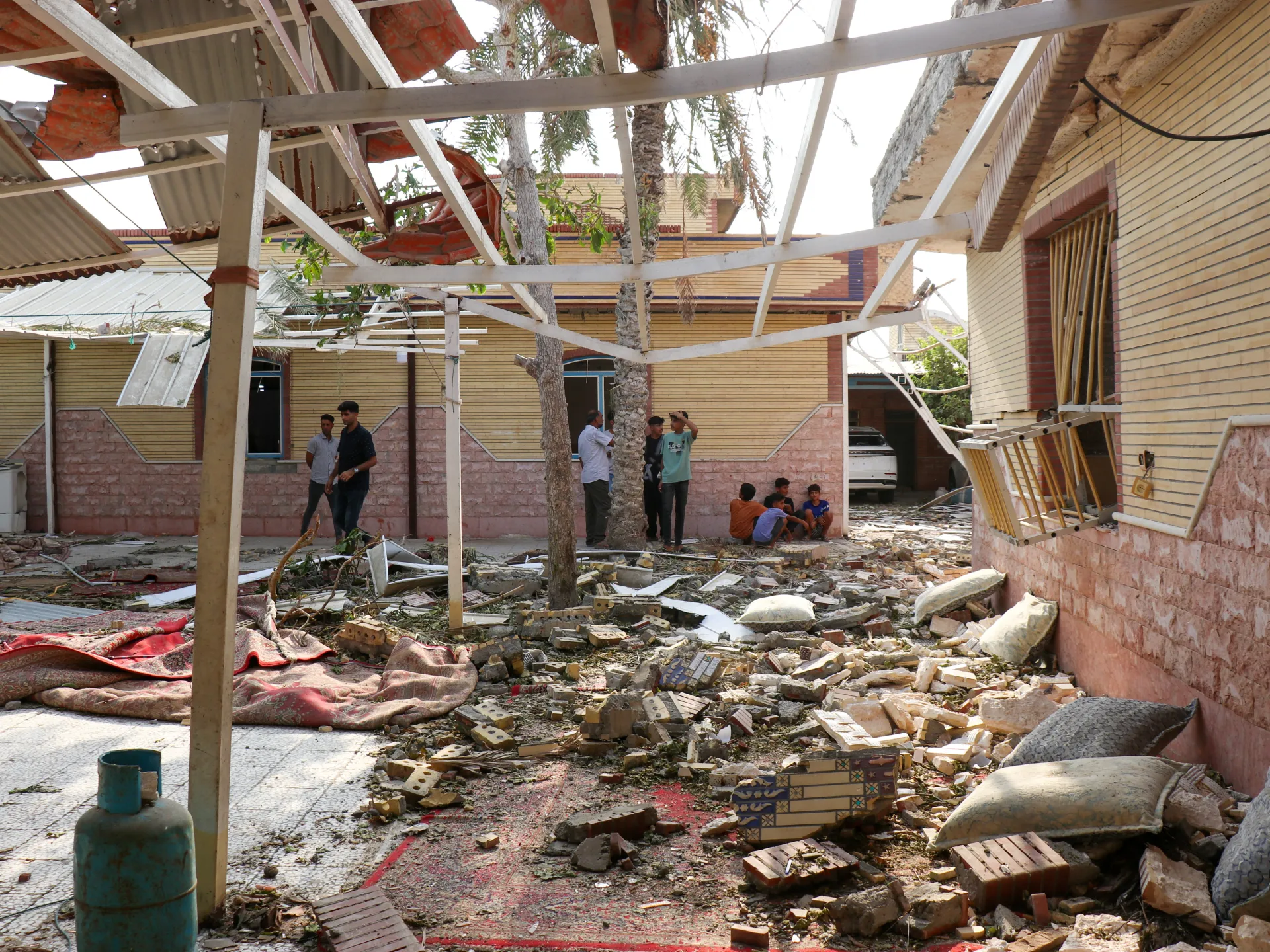
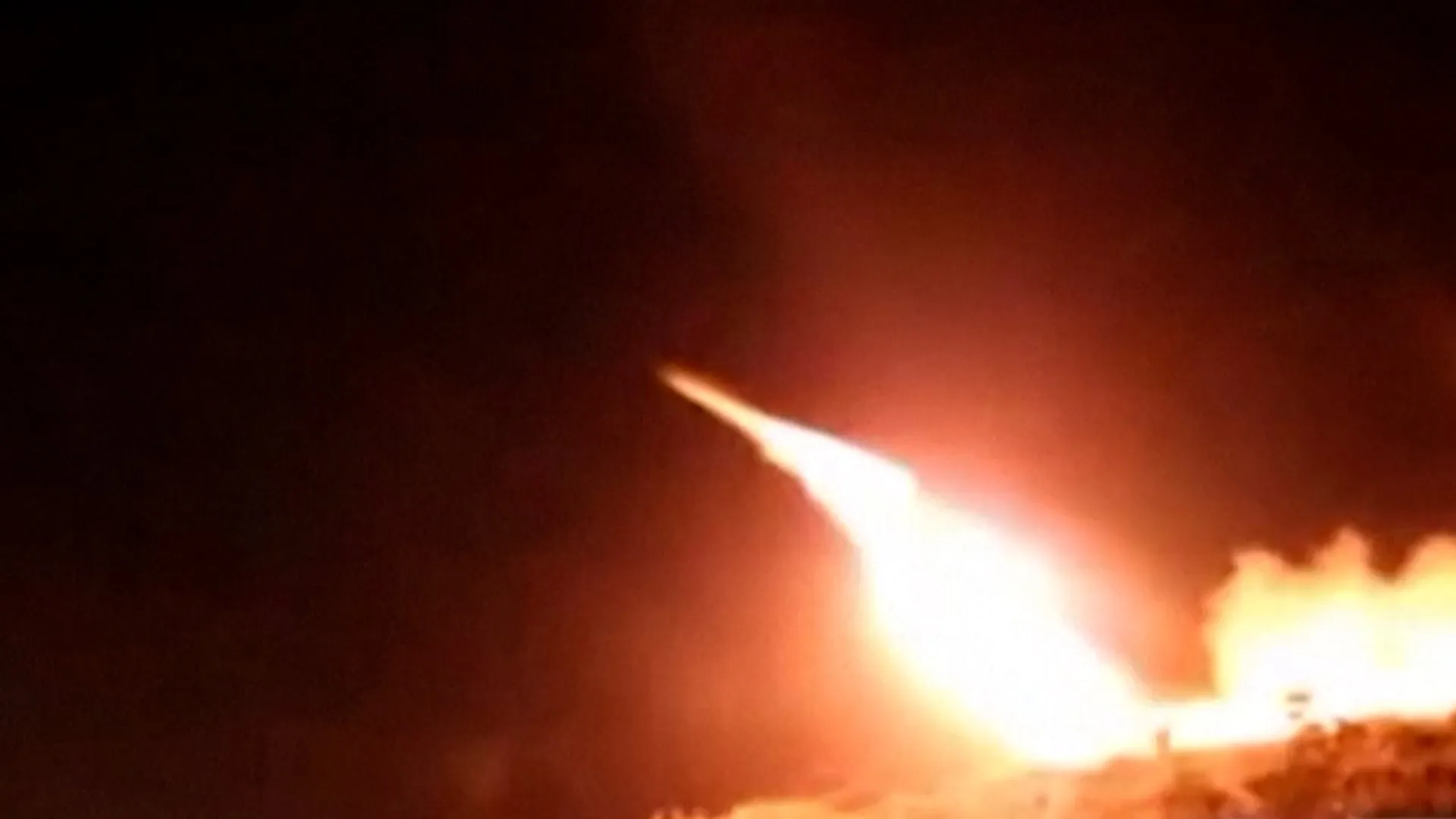
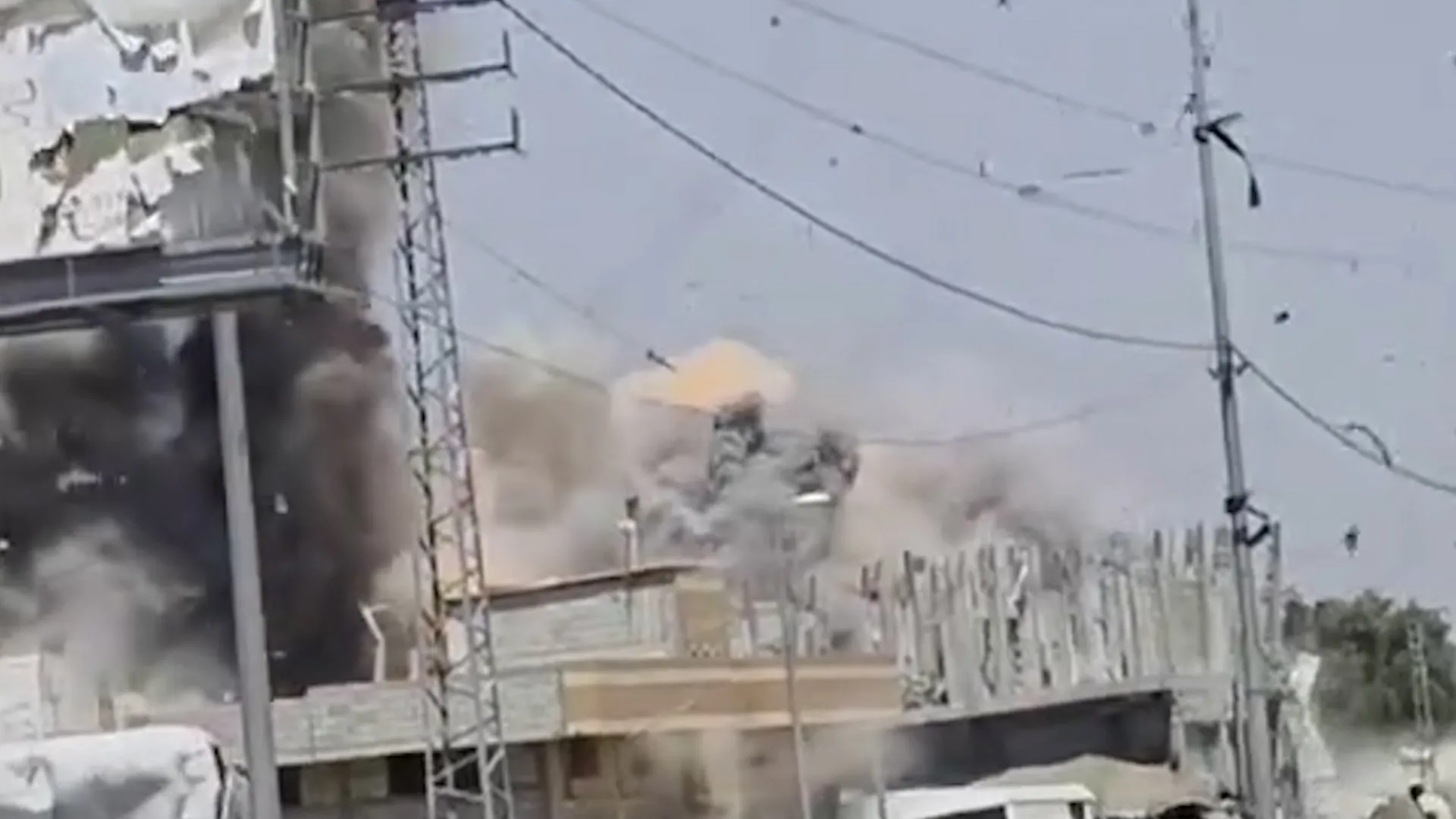
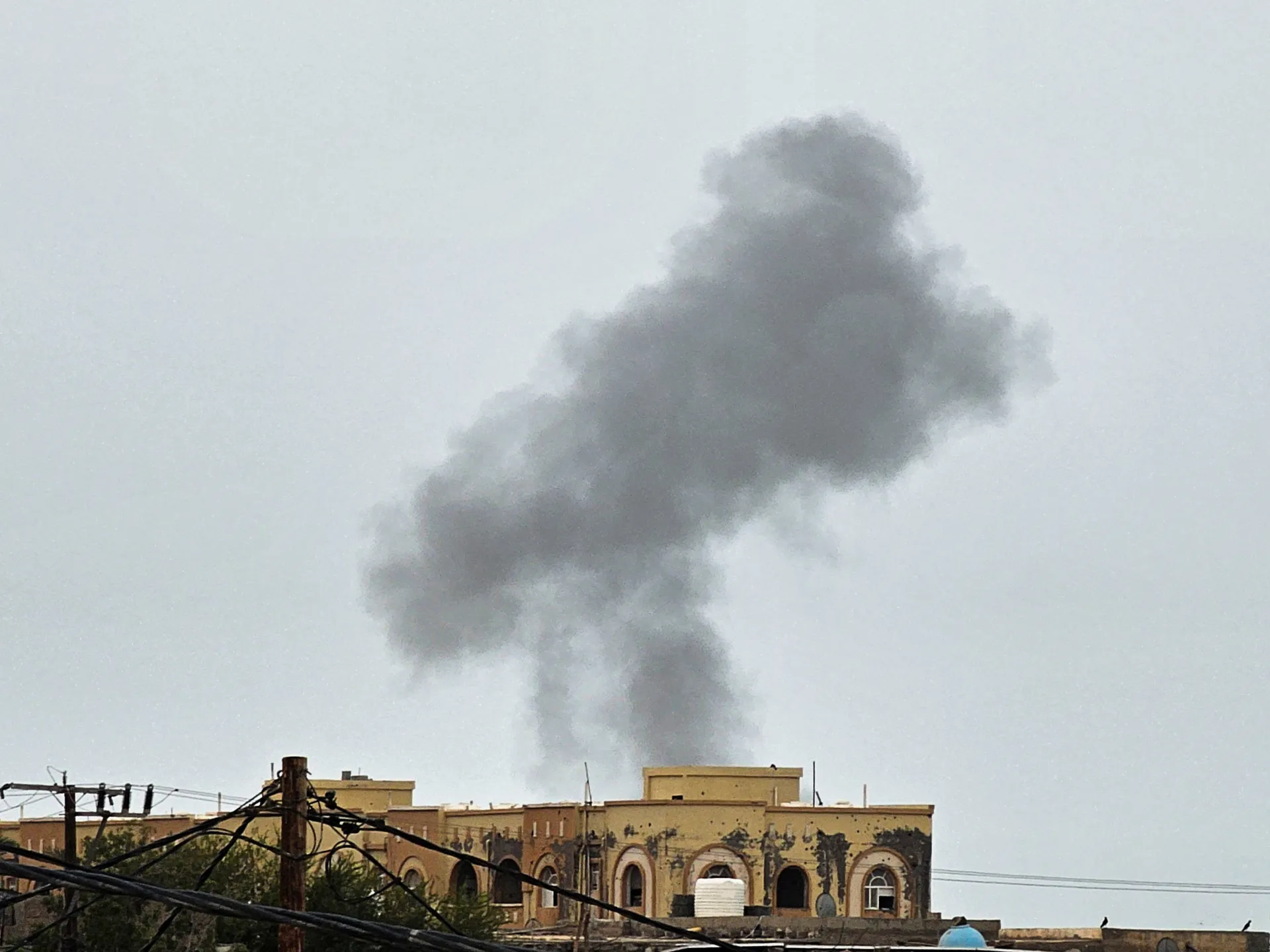
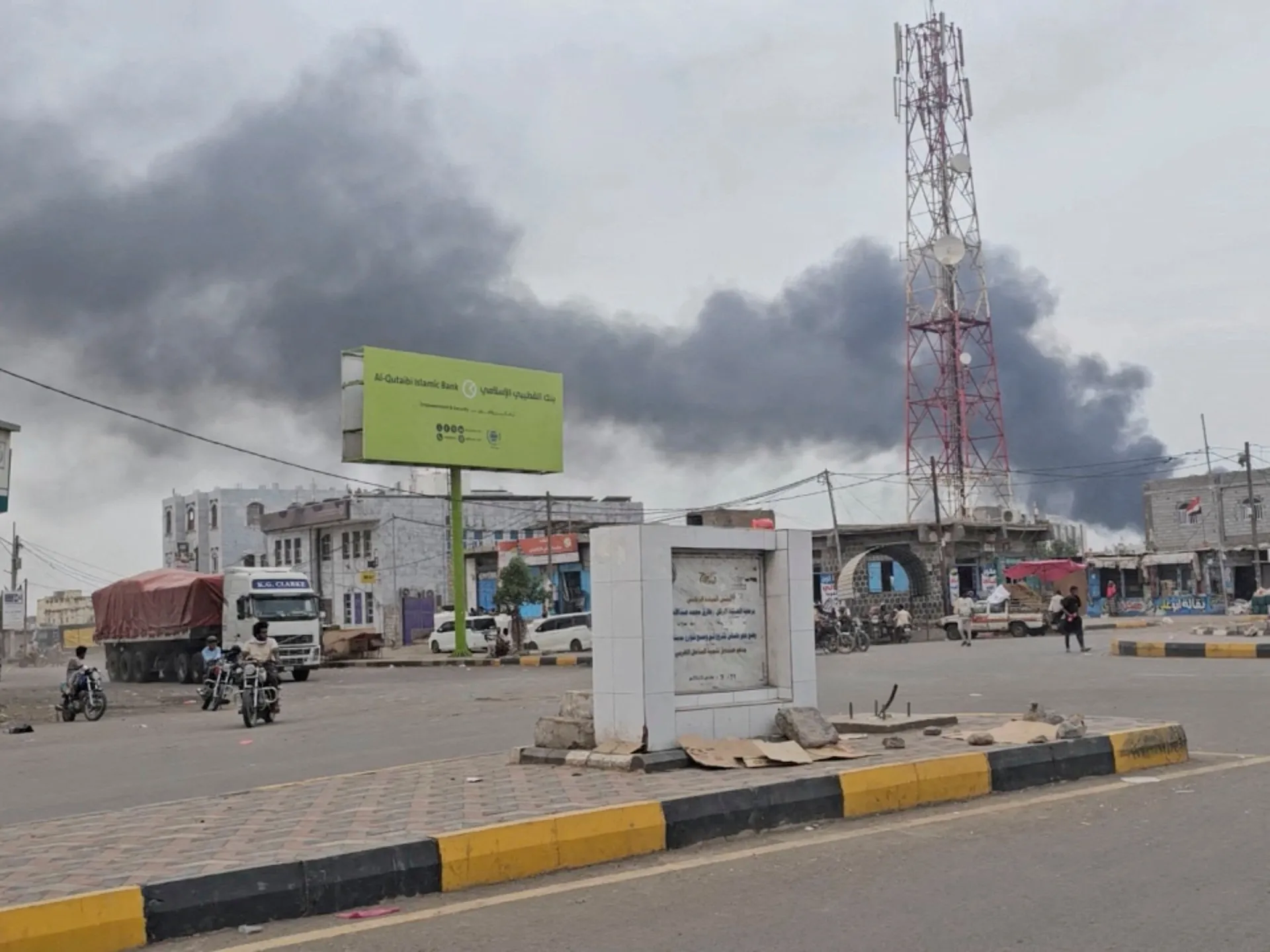
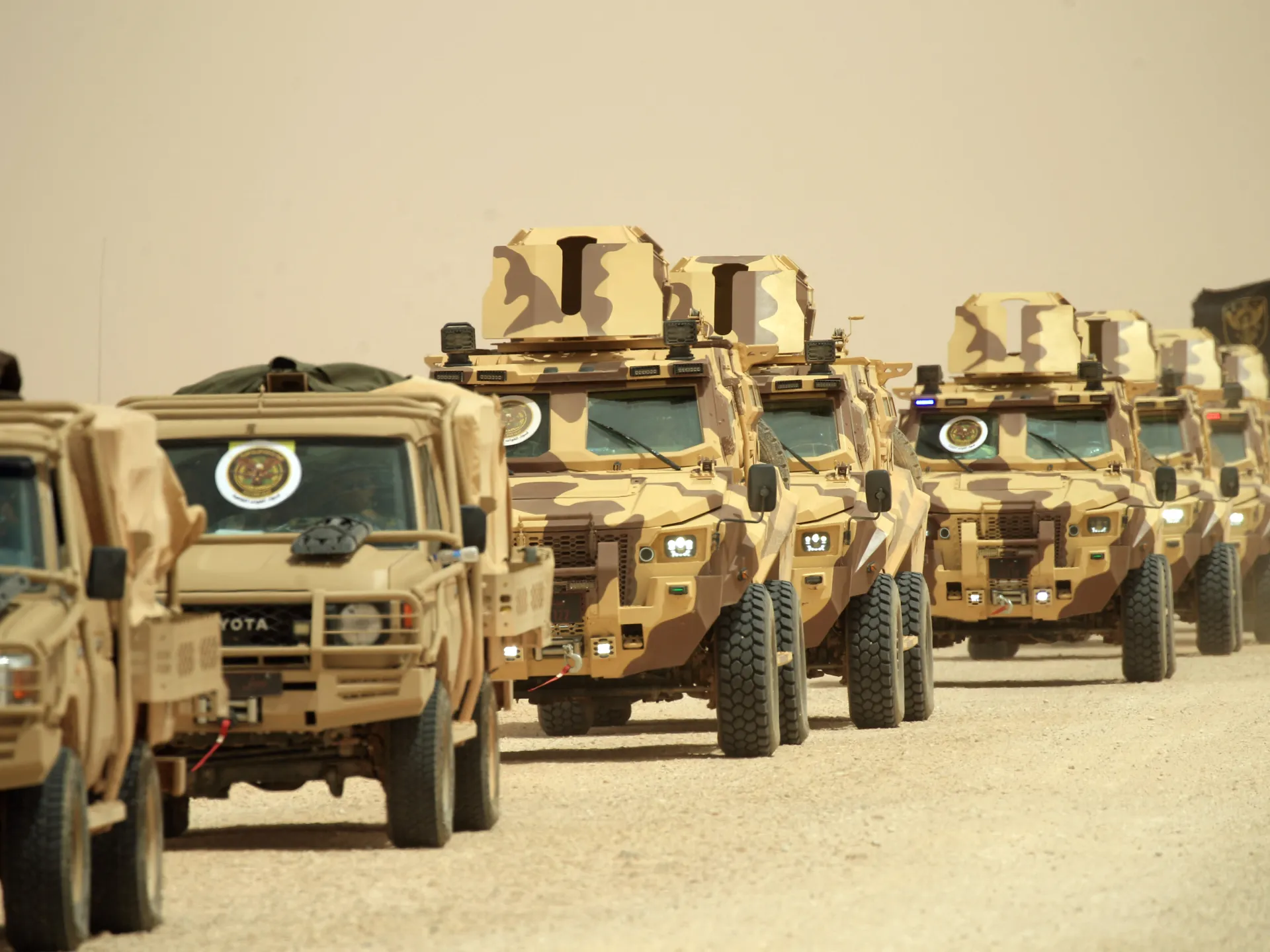
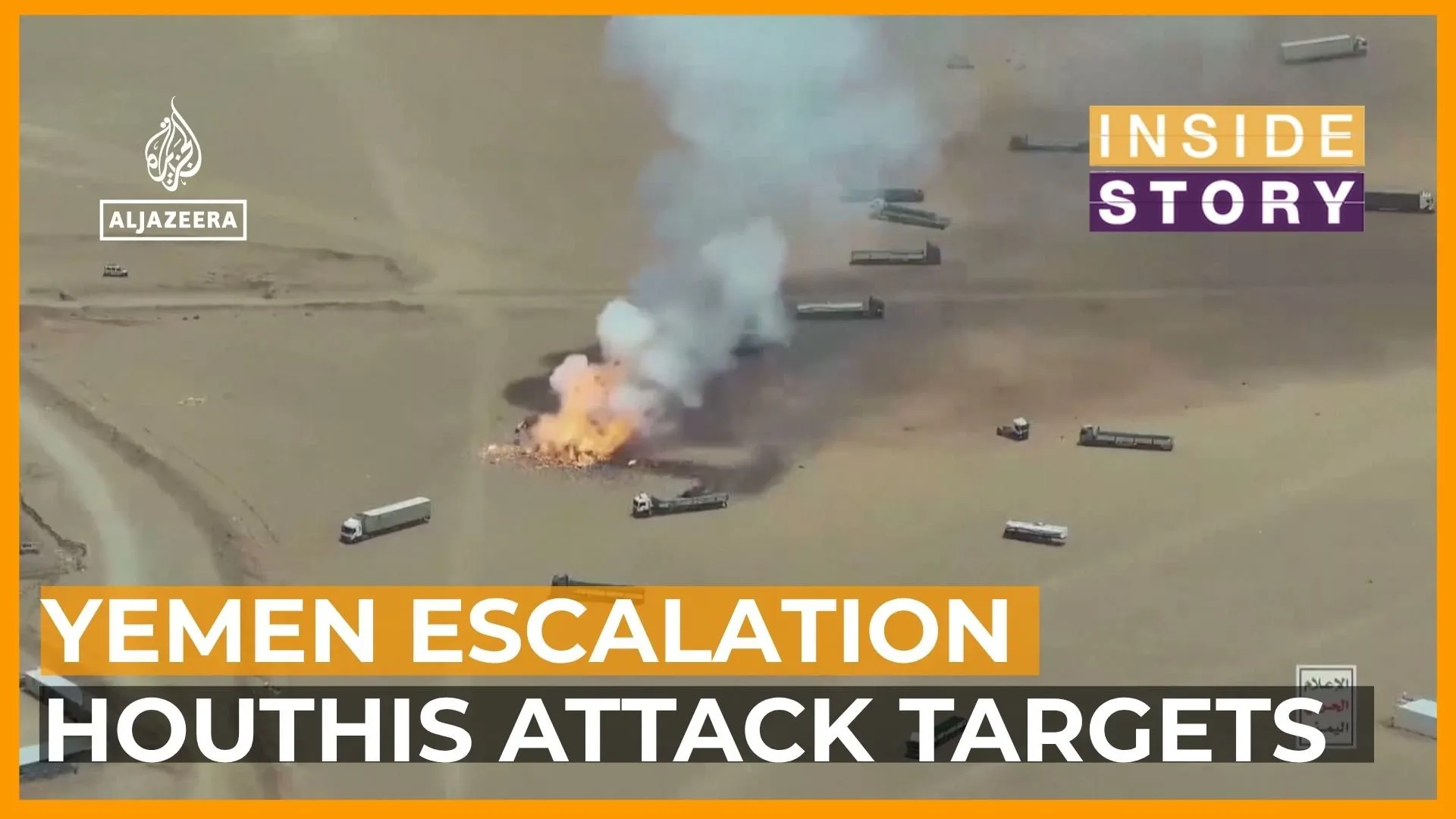
The aerial landscape has seen a dramatic increase in frequency, with the Houthis claiming their strikes are a direct response to a sustained campaign of hundreds of Saudi air sorties over the past week. Intelligence reports suggest the Houthis have successfully struck oil facilities and military installations, effectively neutralizing portions of the Saudi energy infrastructure. The reported downing of a Saudi fighter jet over Marib further illustrates the increased sophistication of Houthi anti-air capabilities.
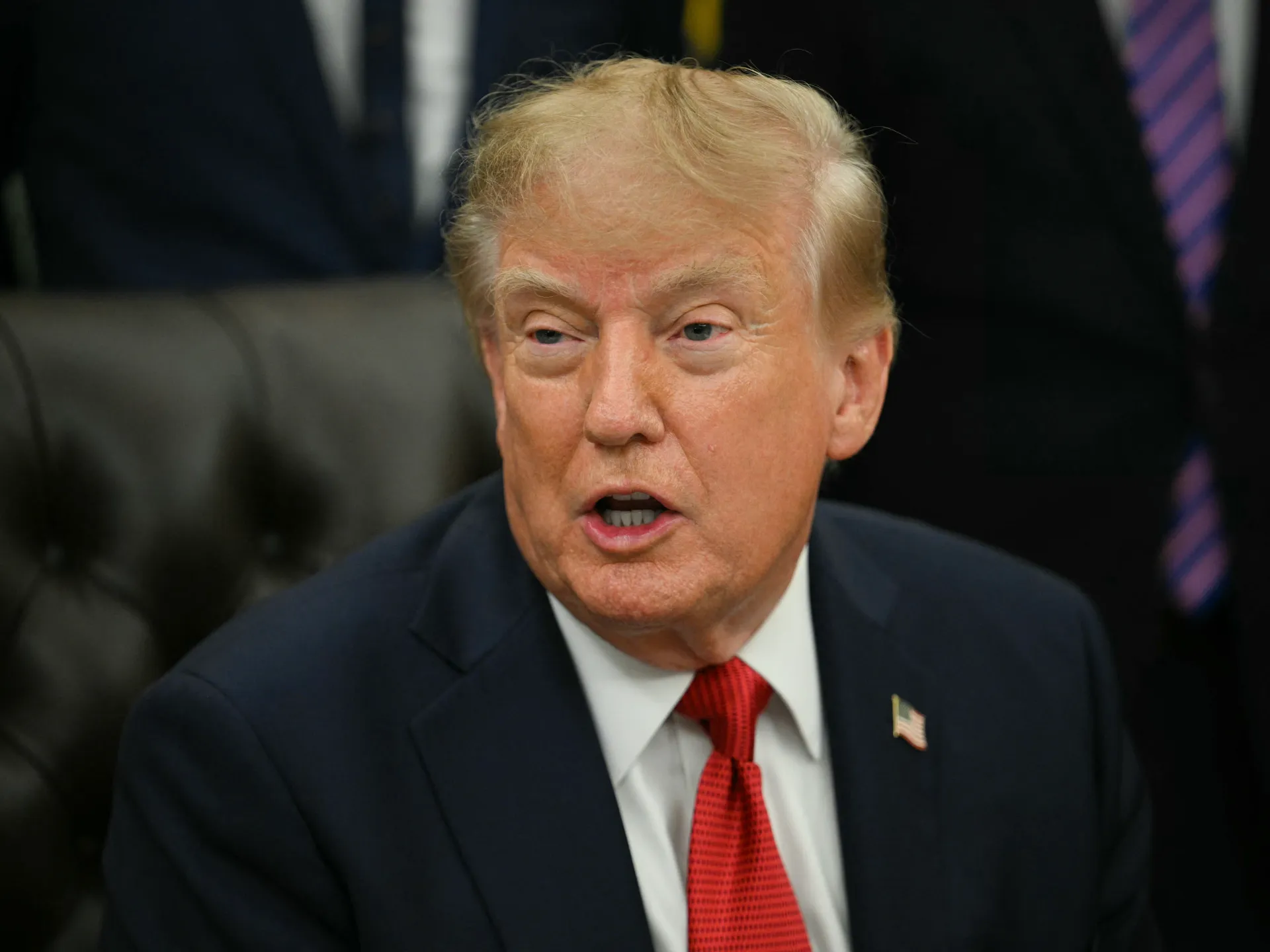
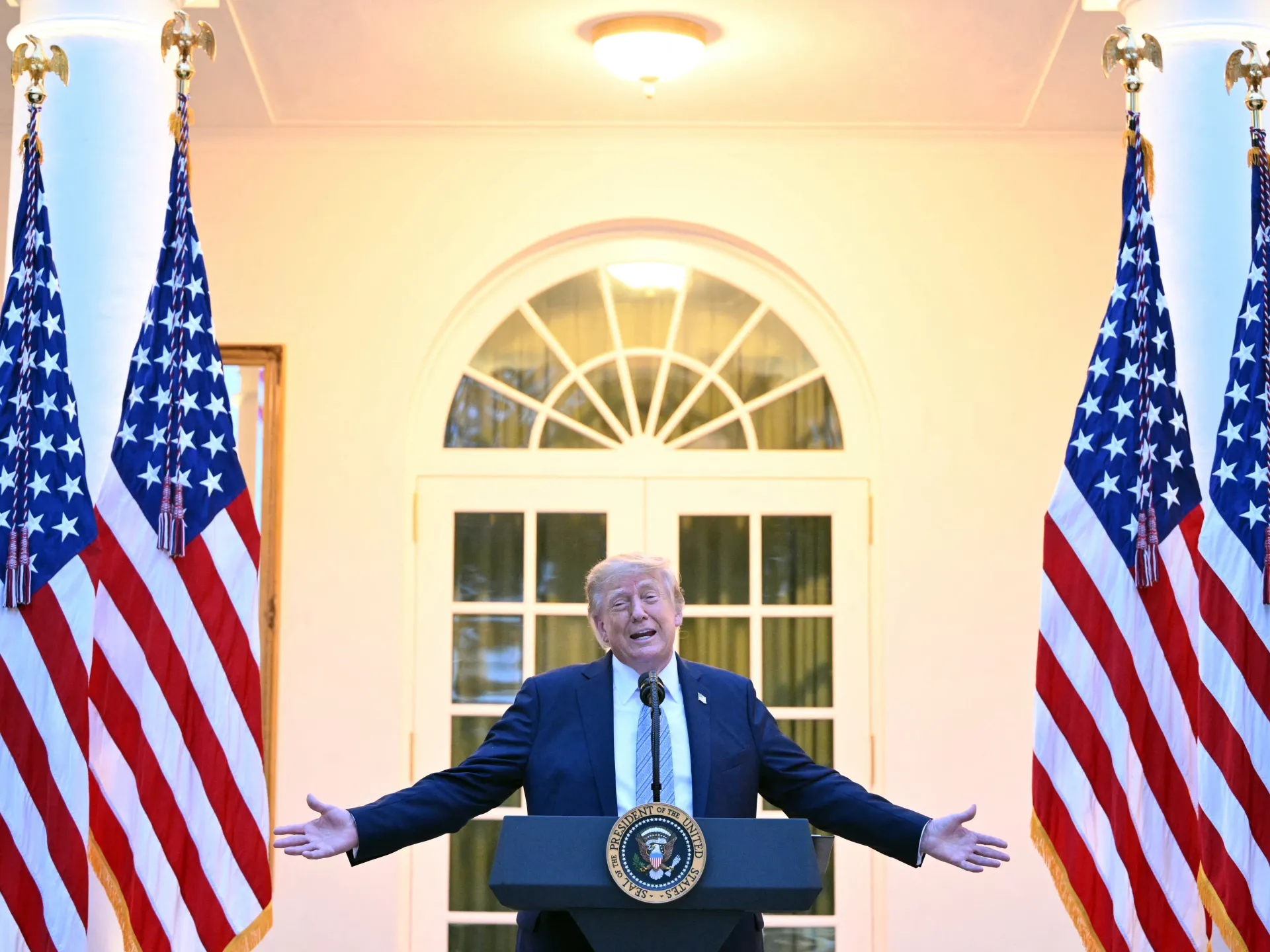
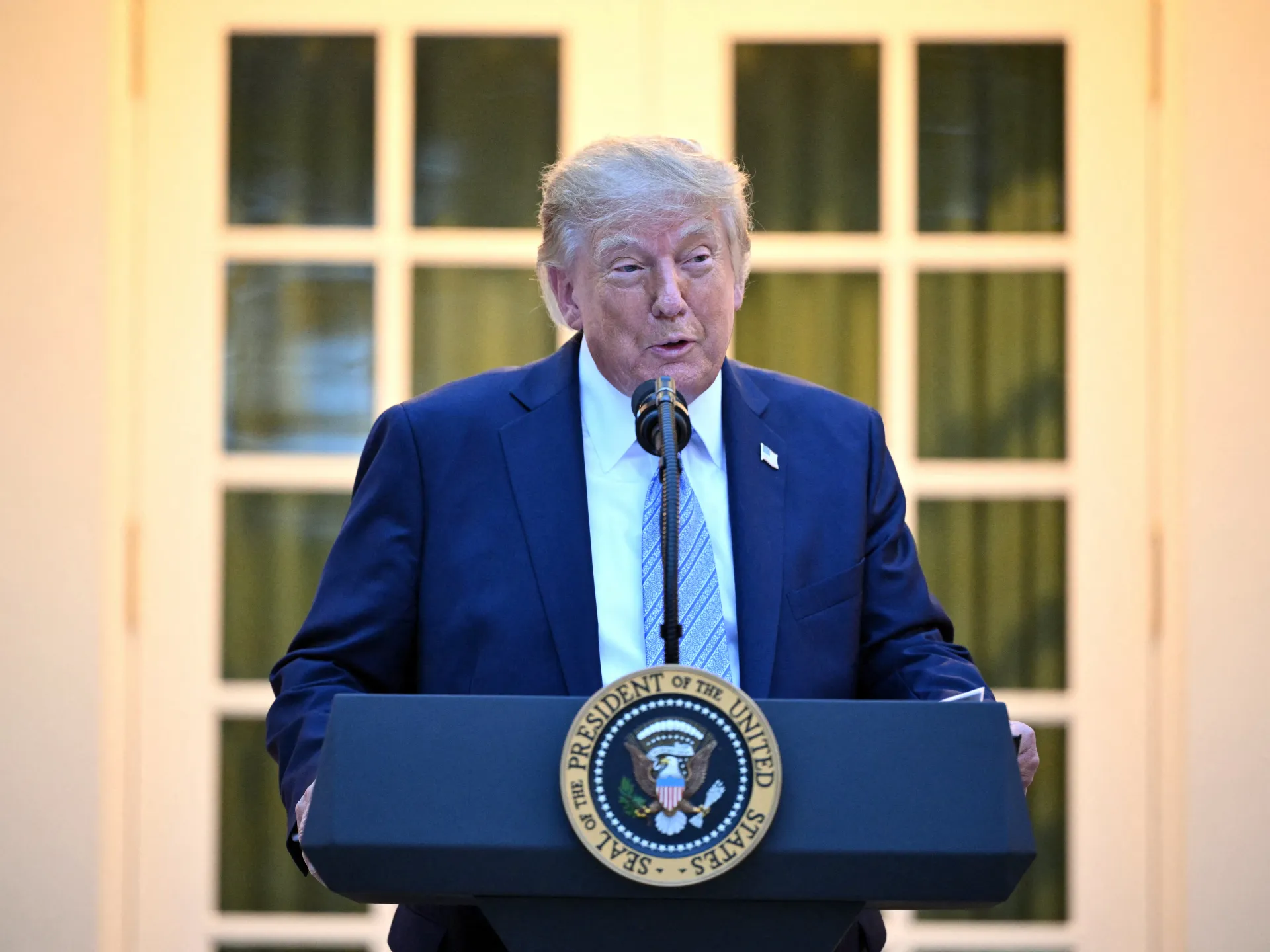
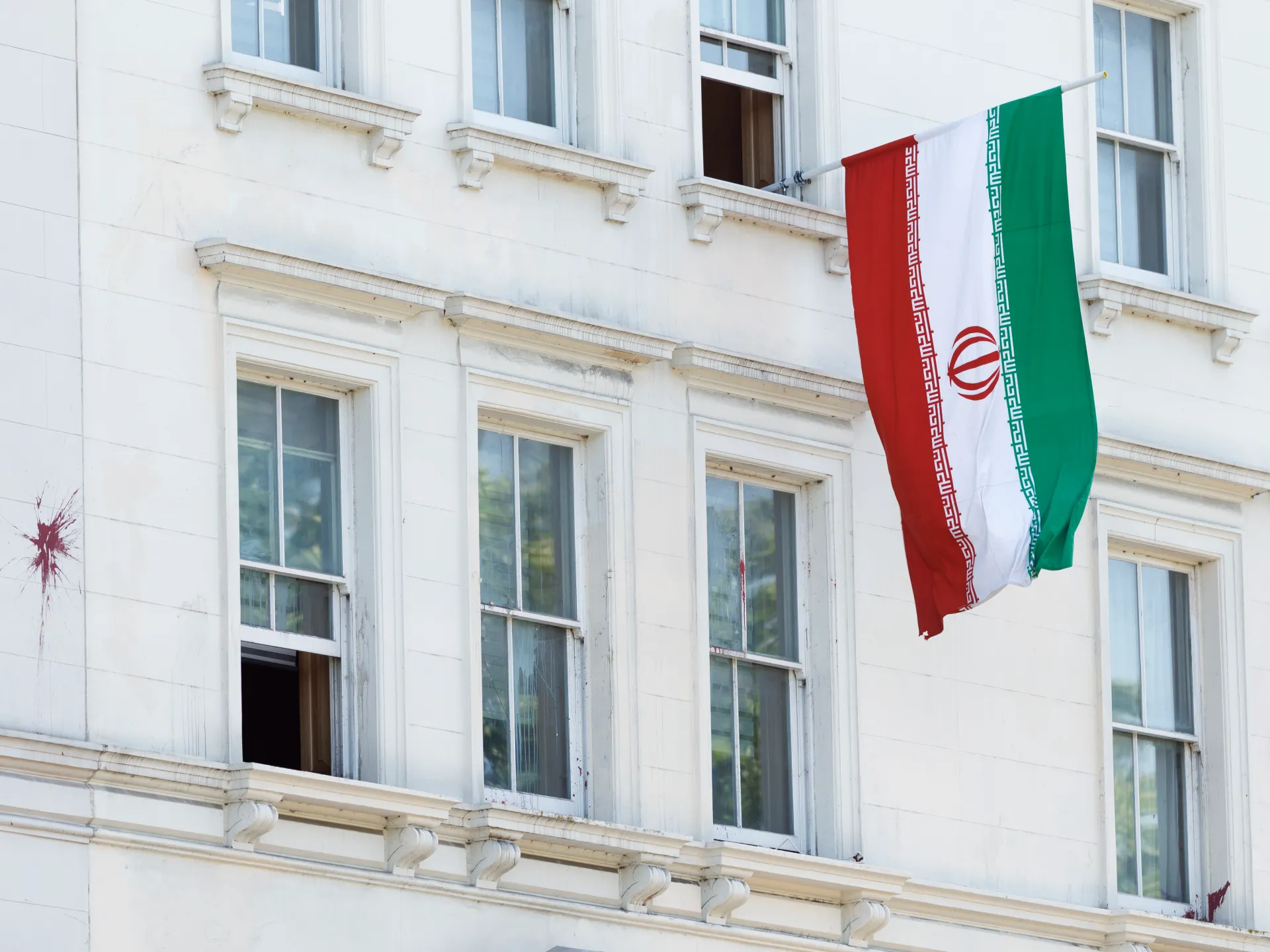
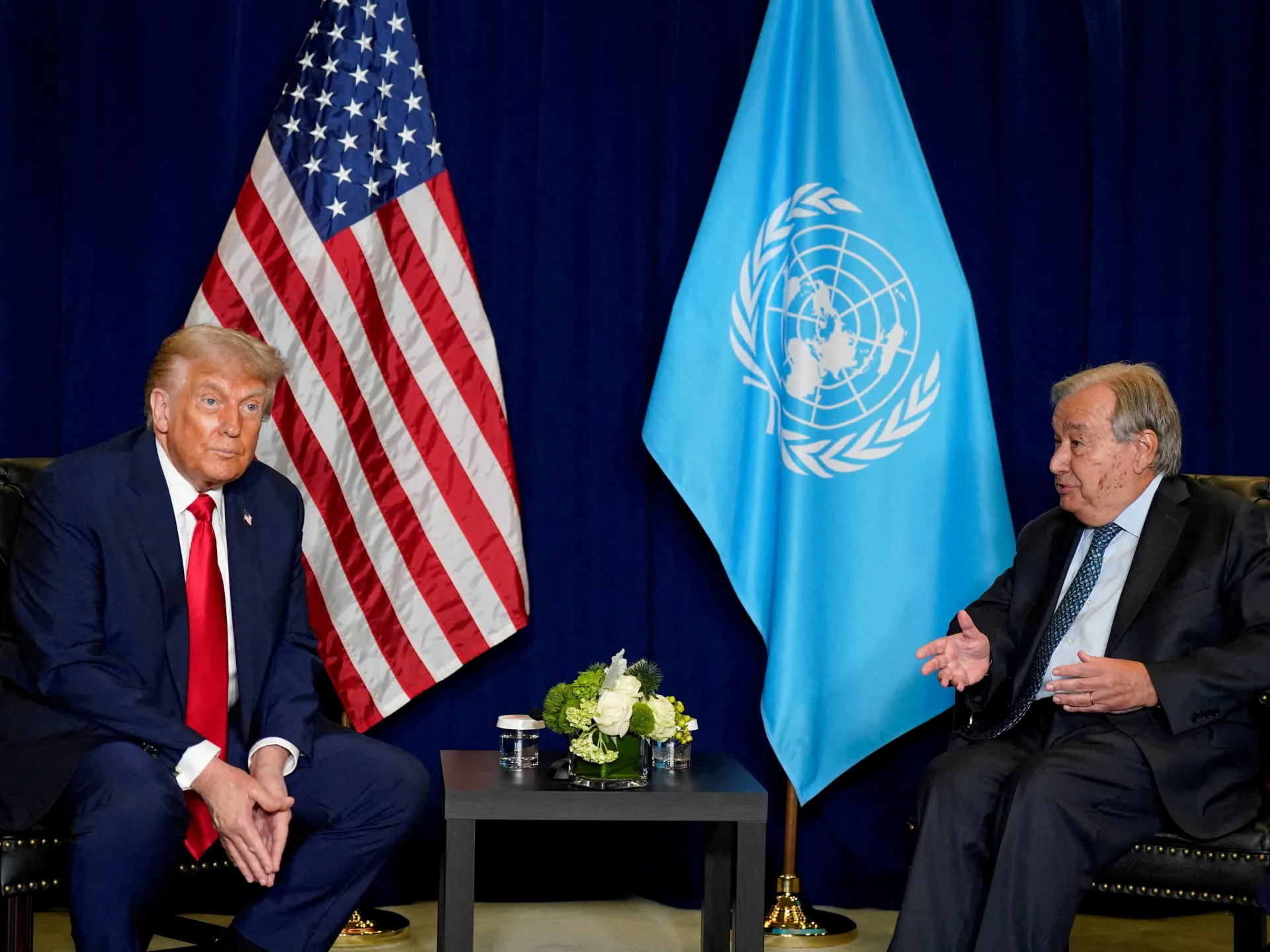
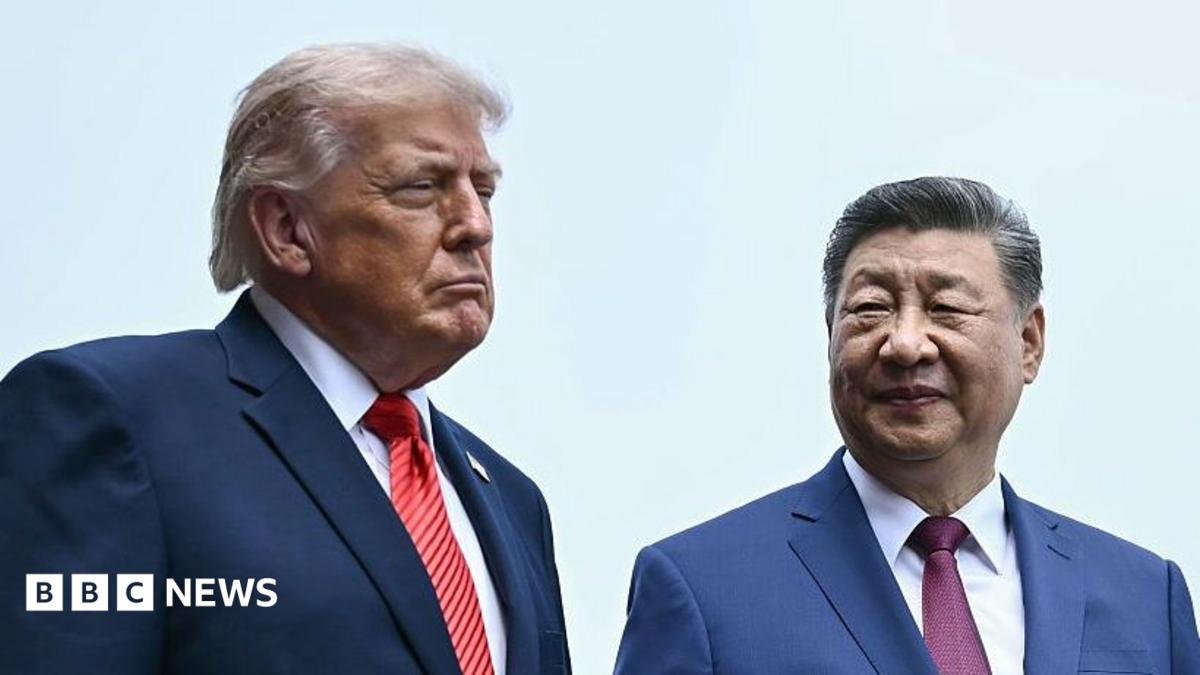
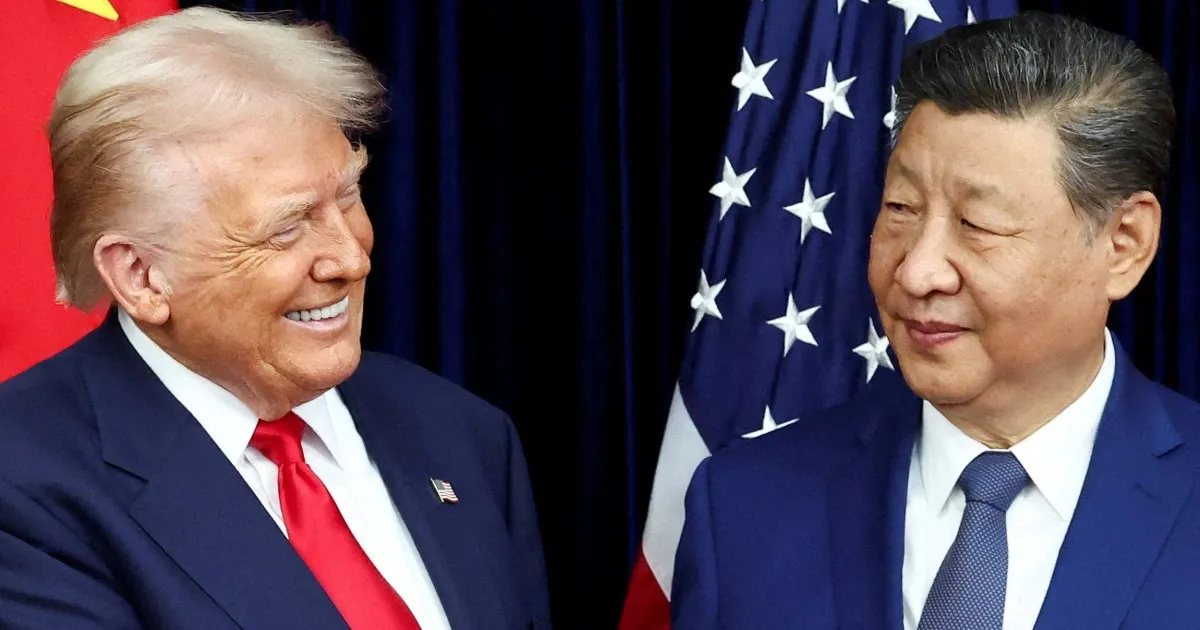
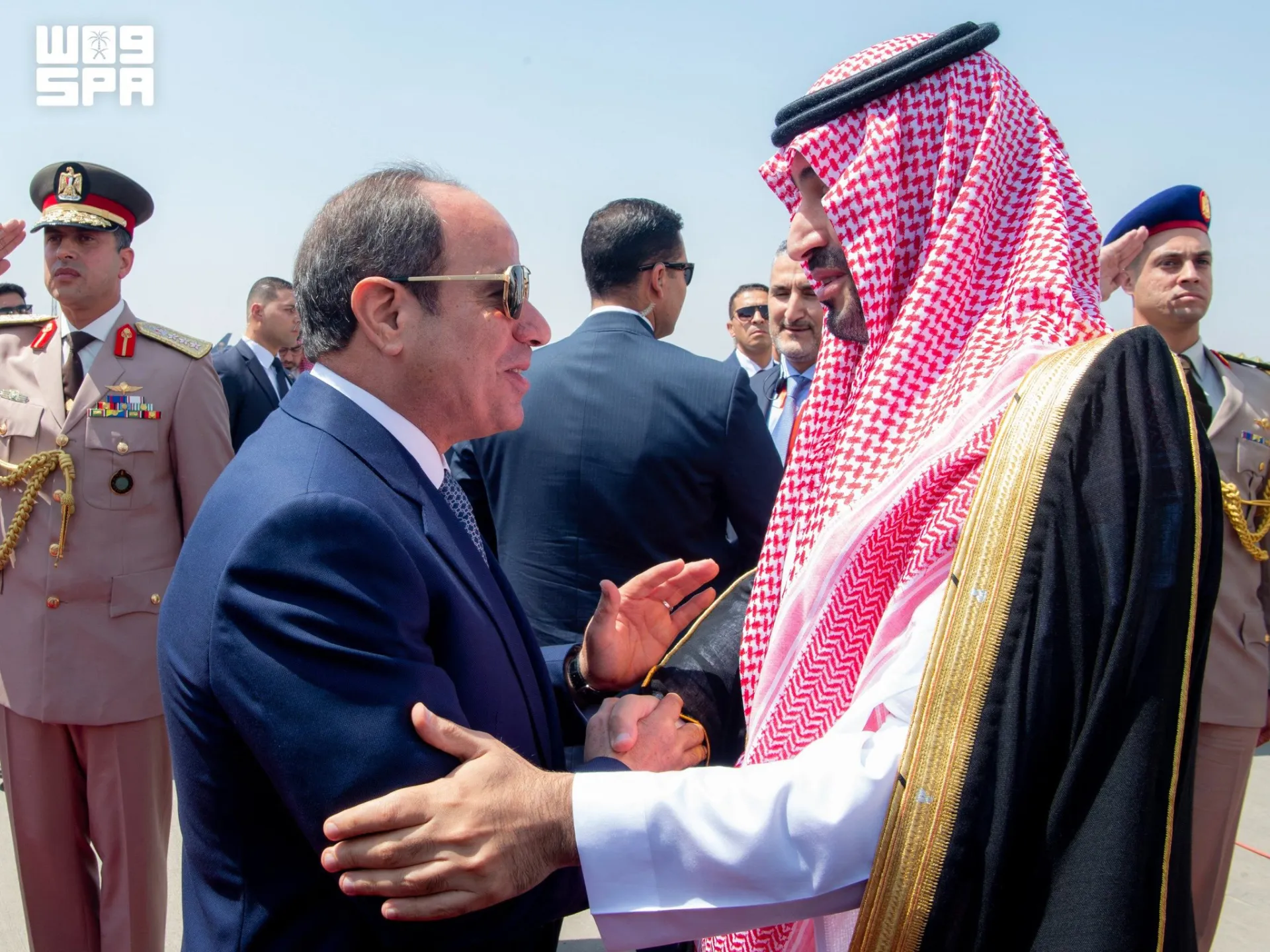
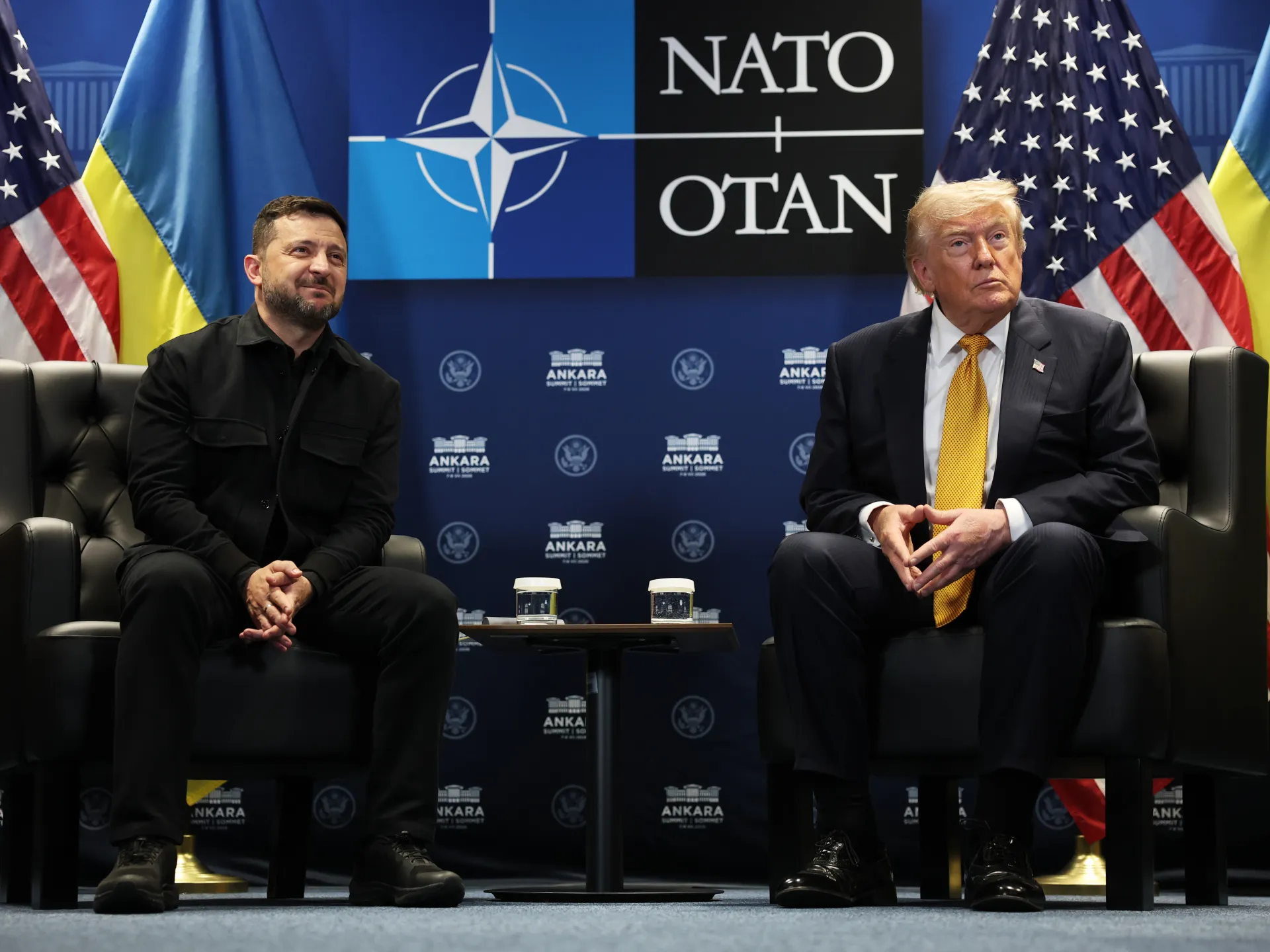
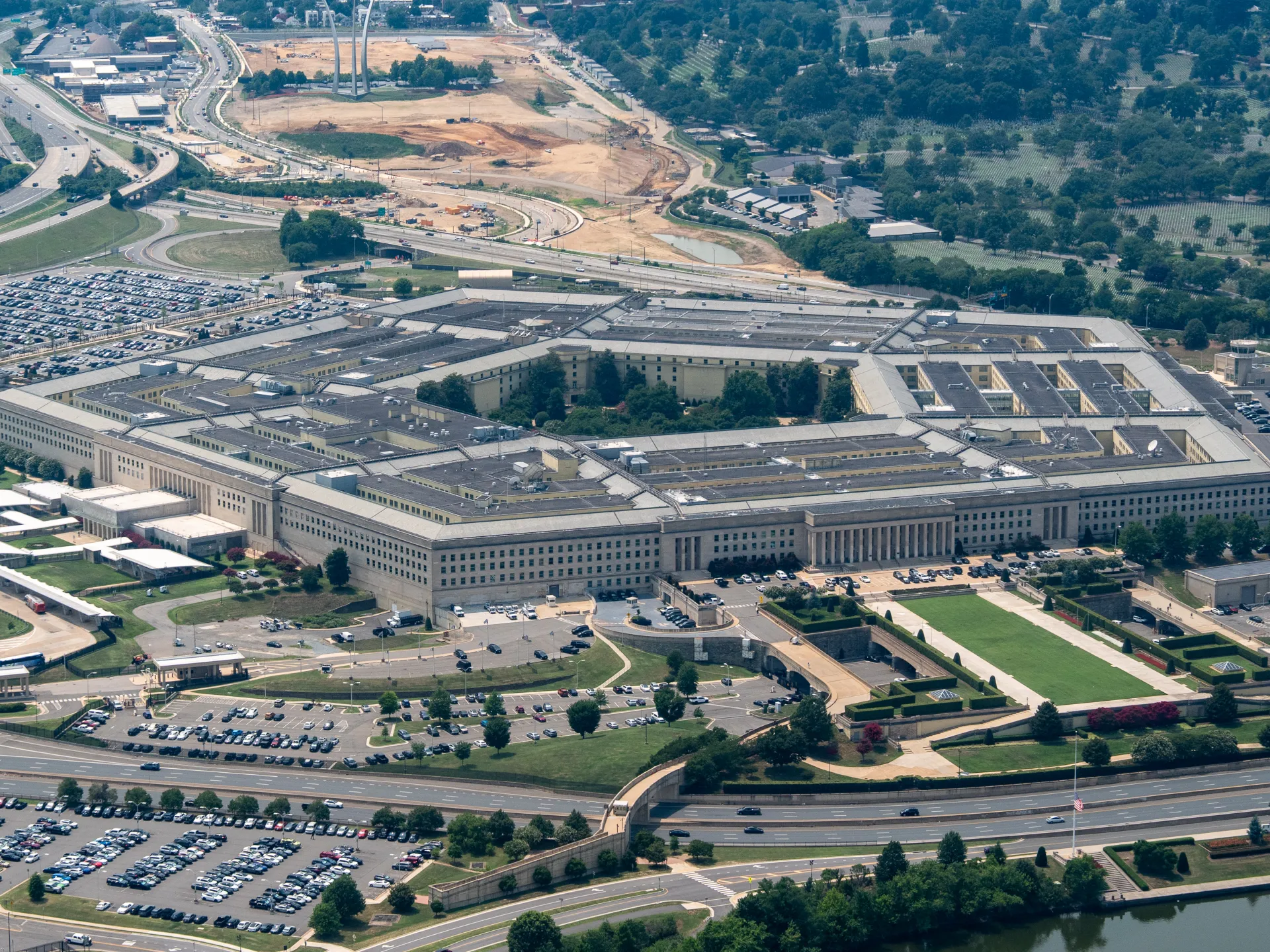
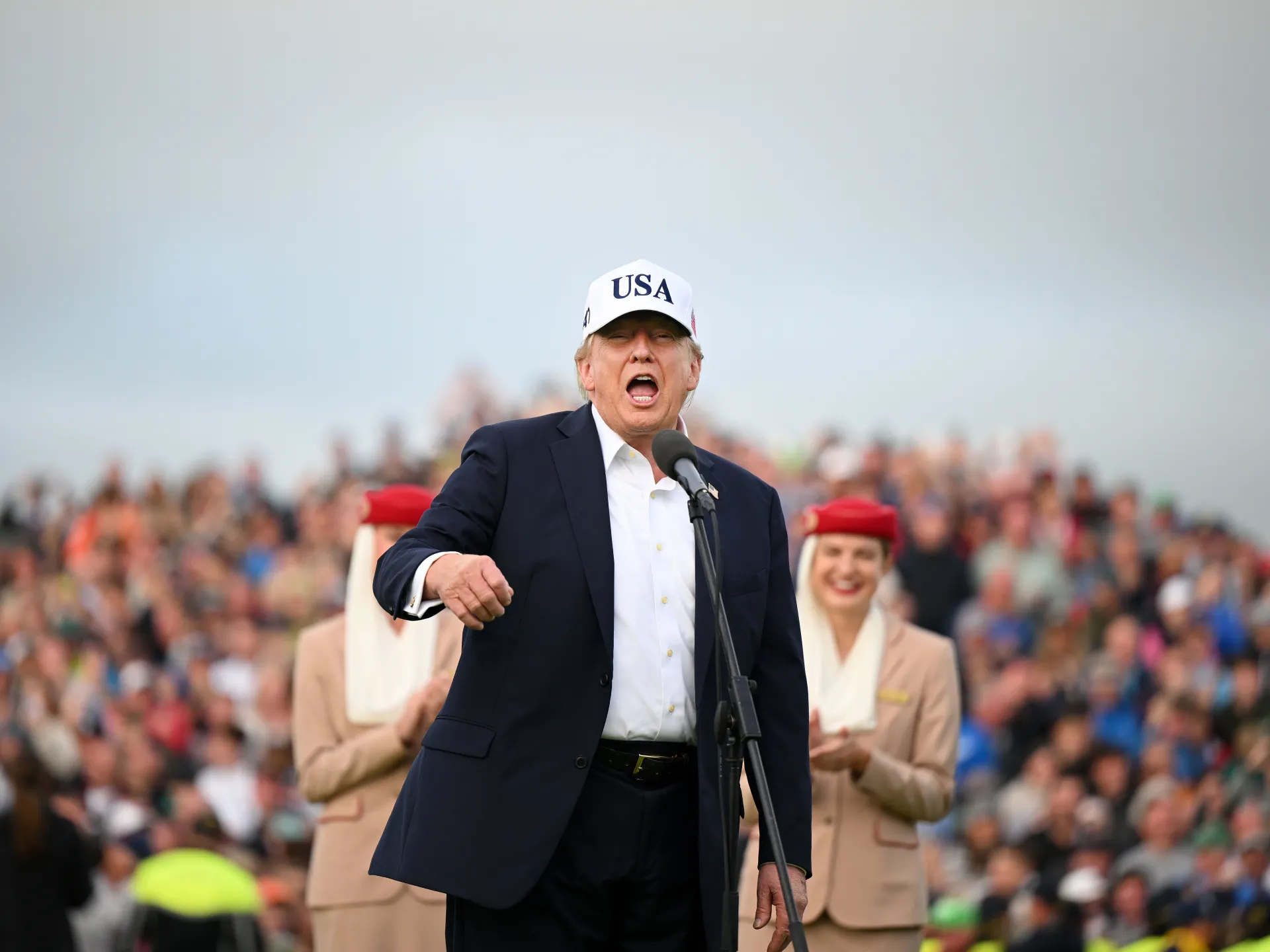
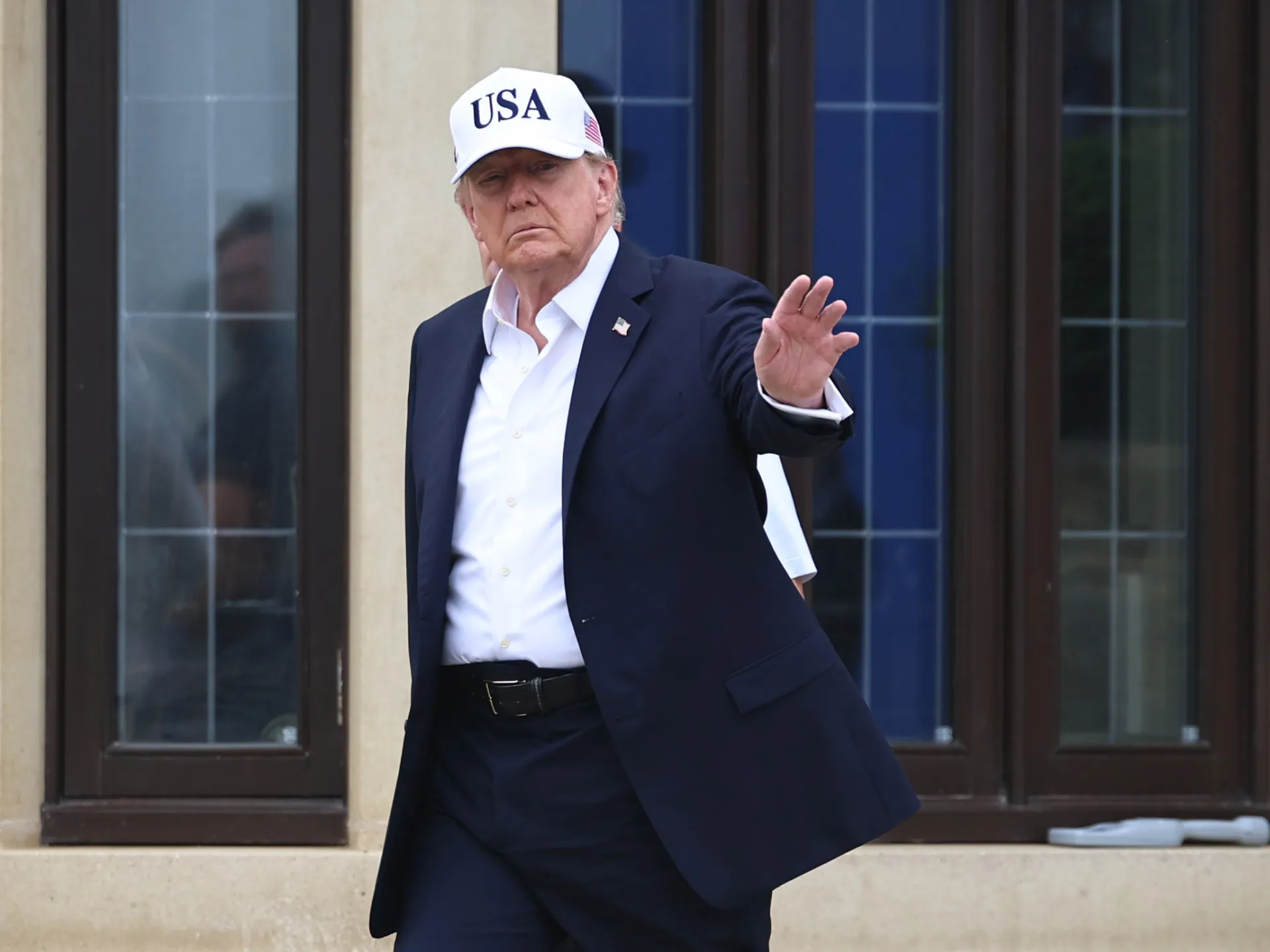
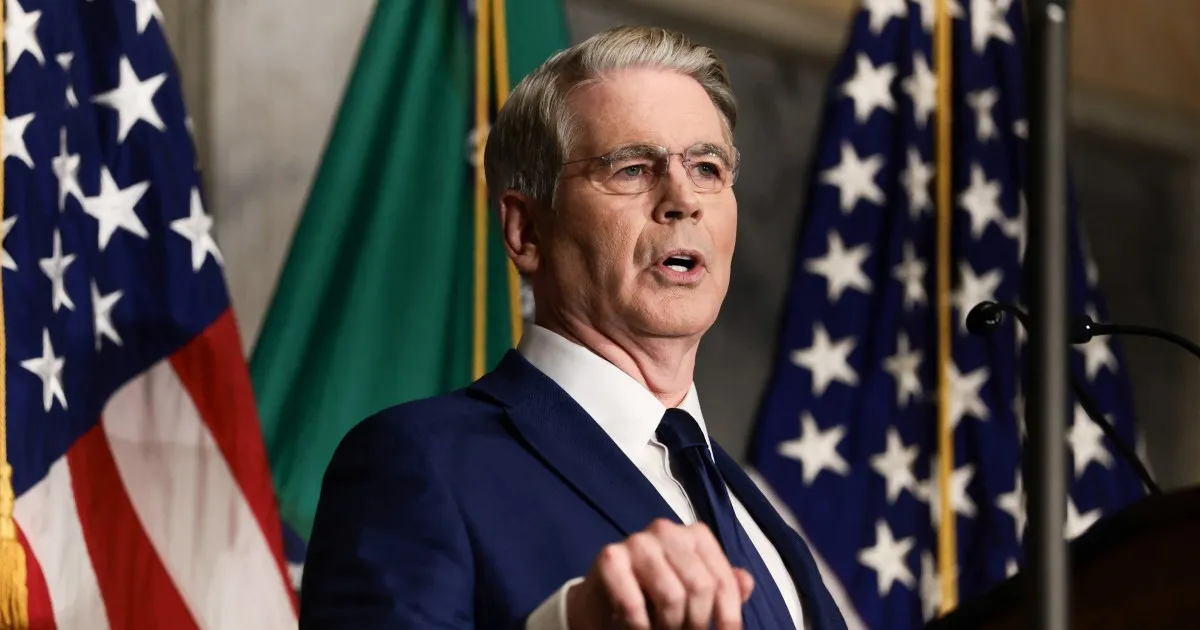
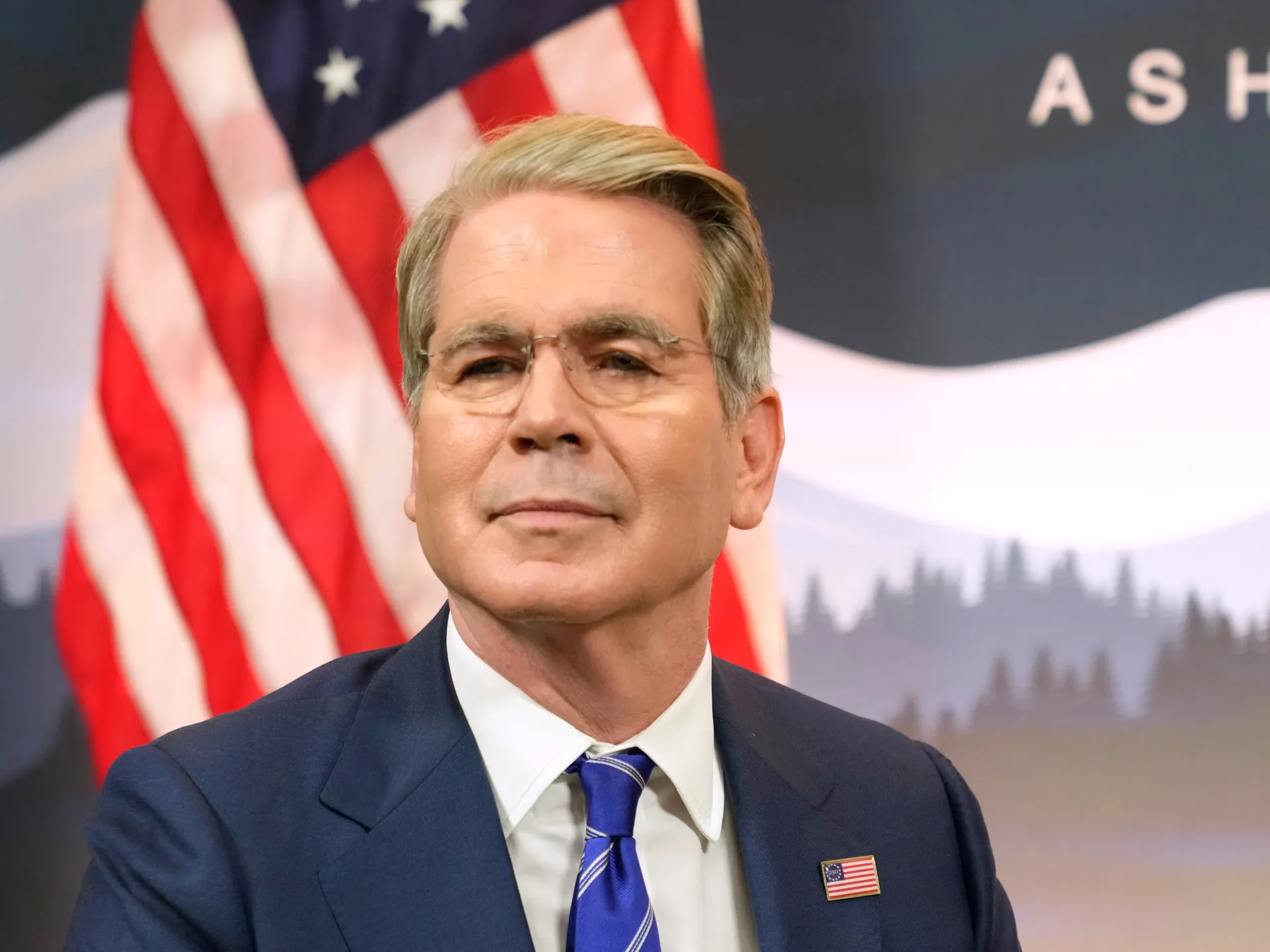
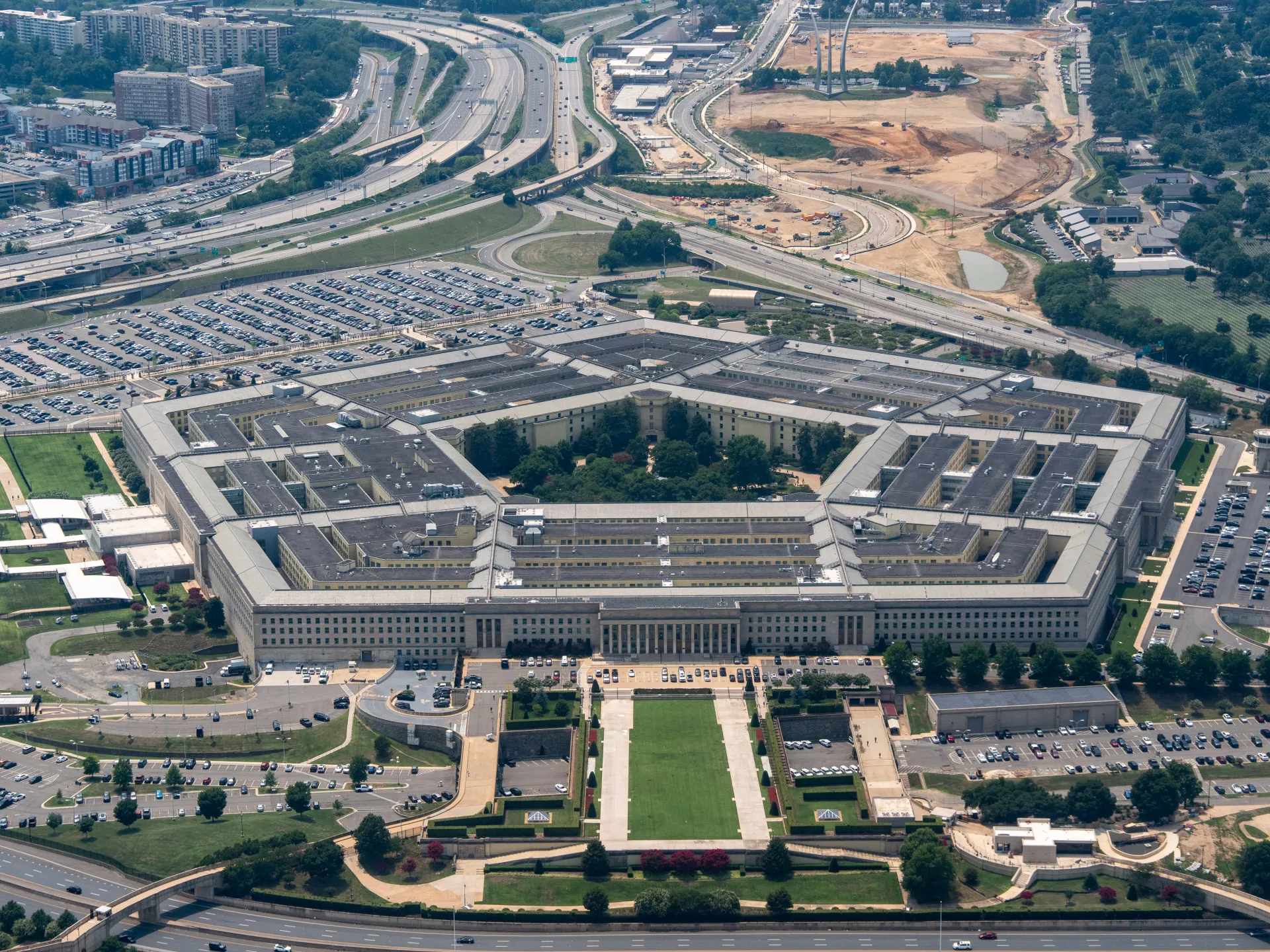
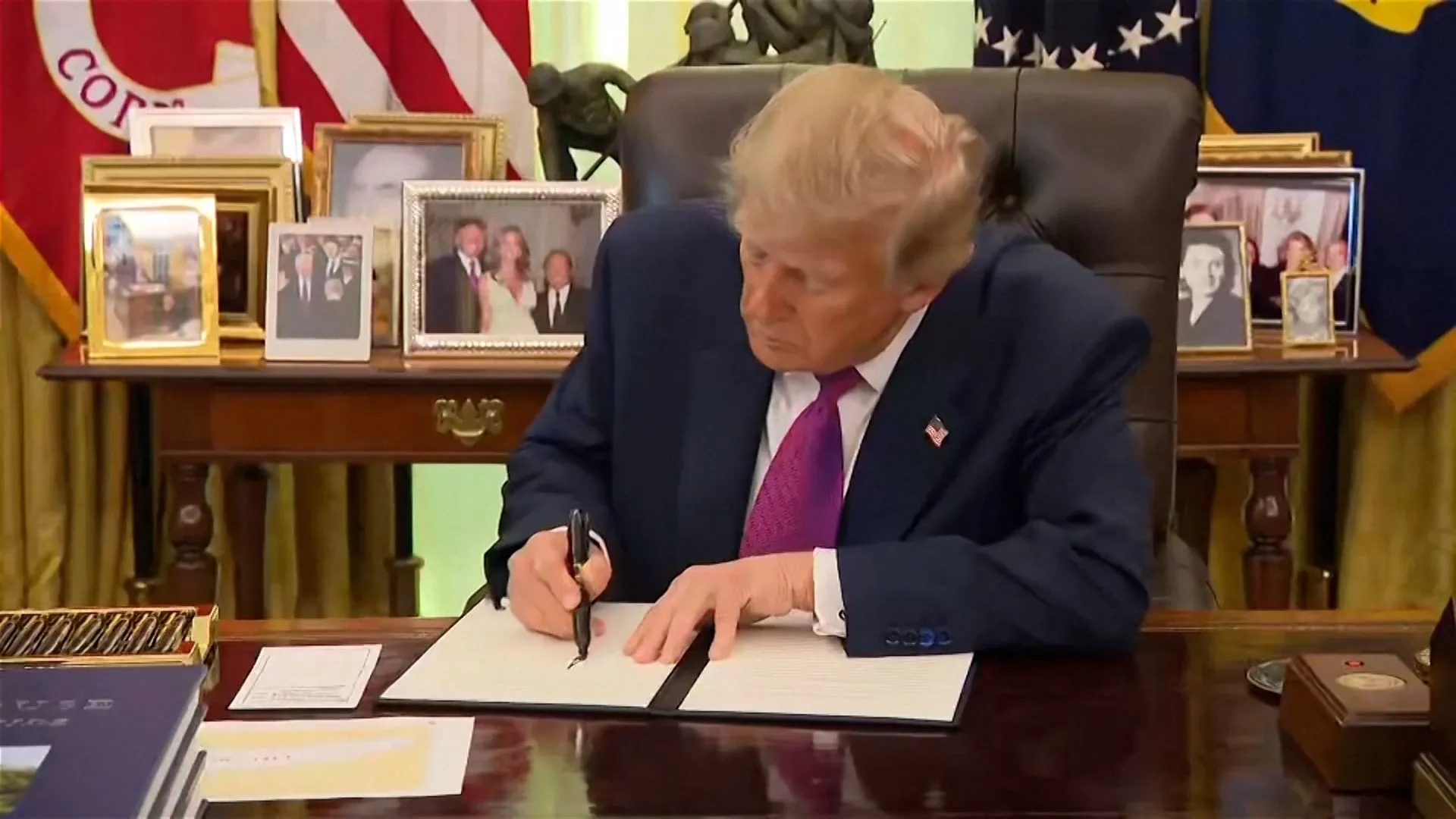
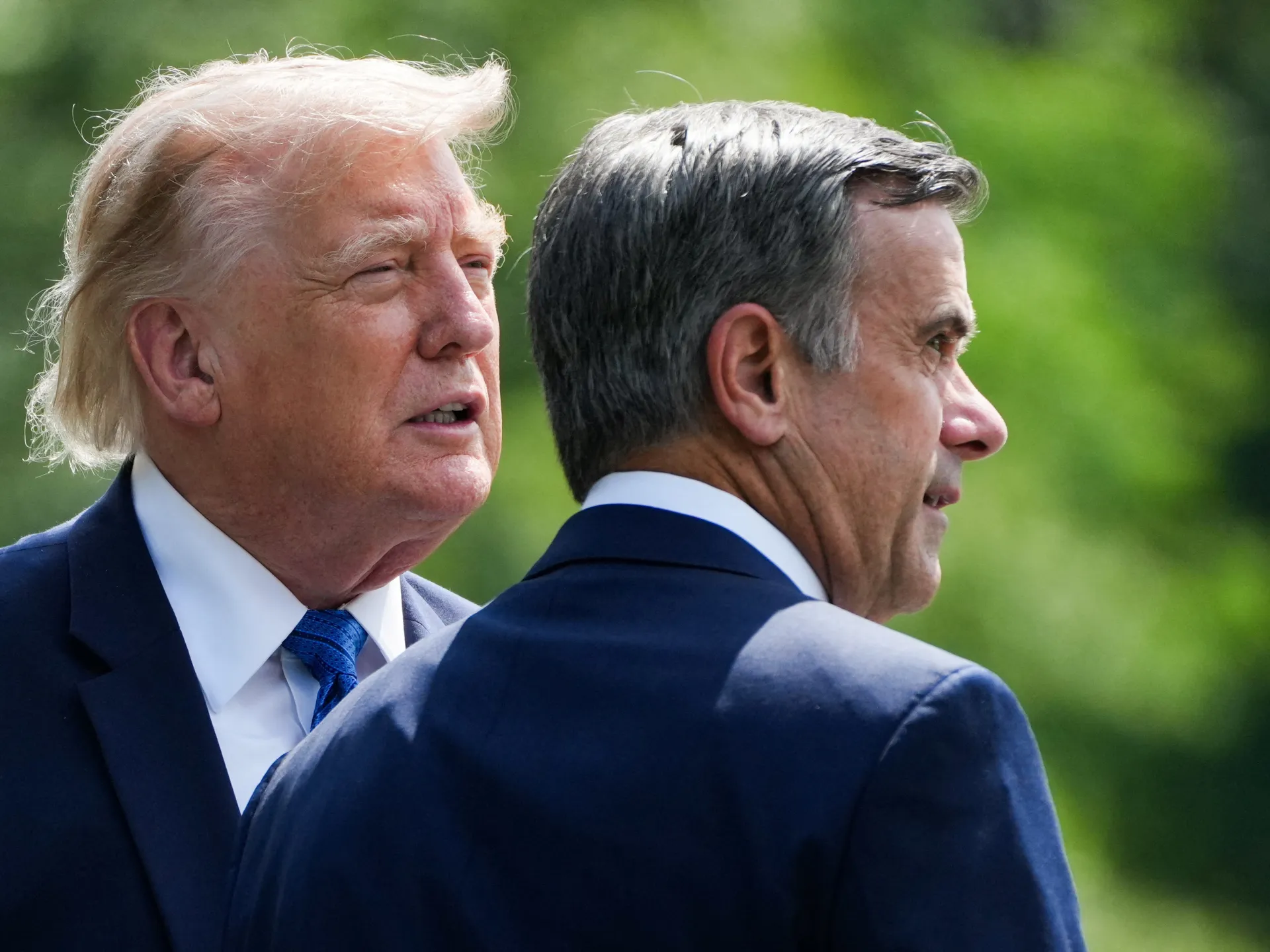
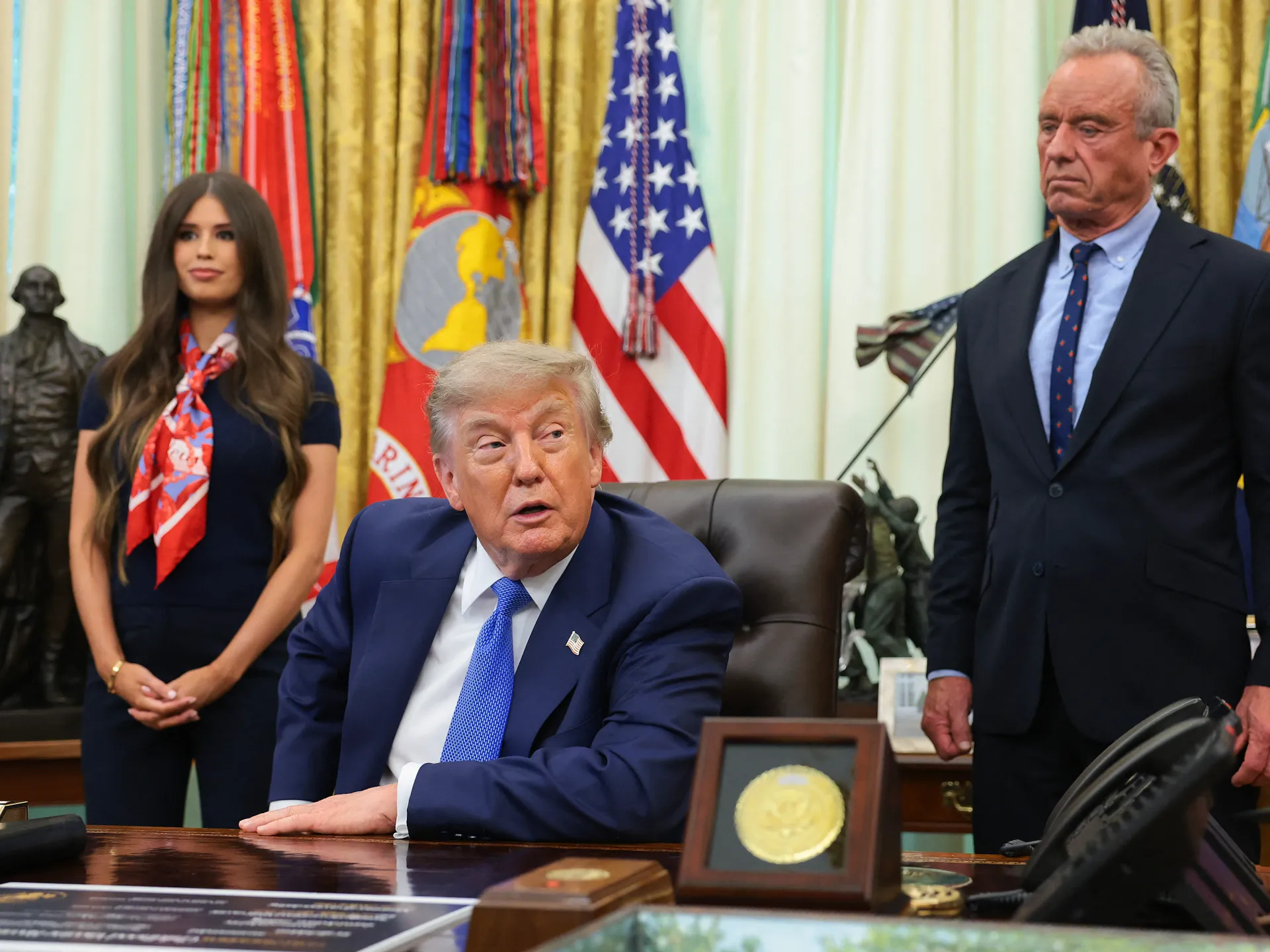
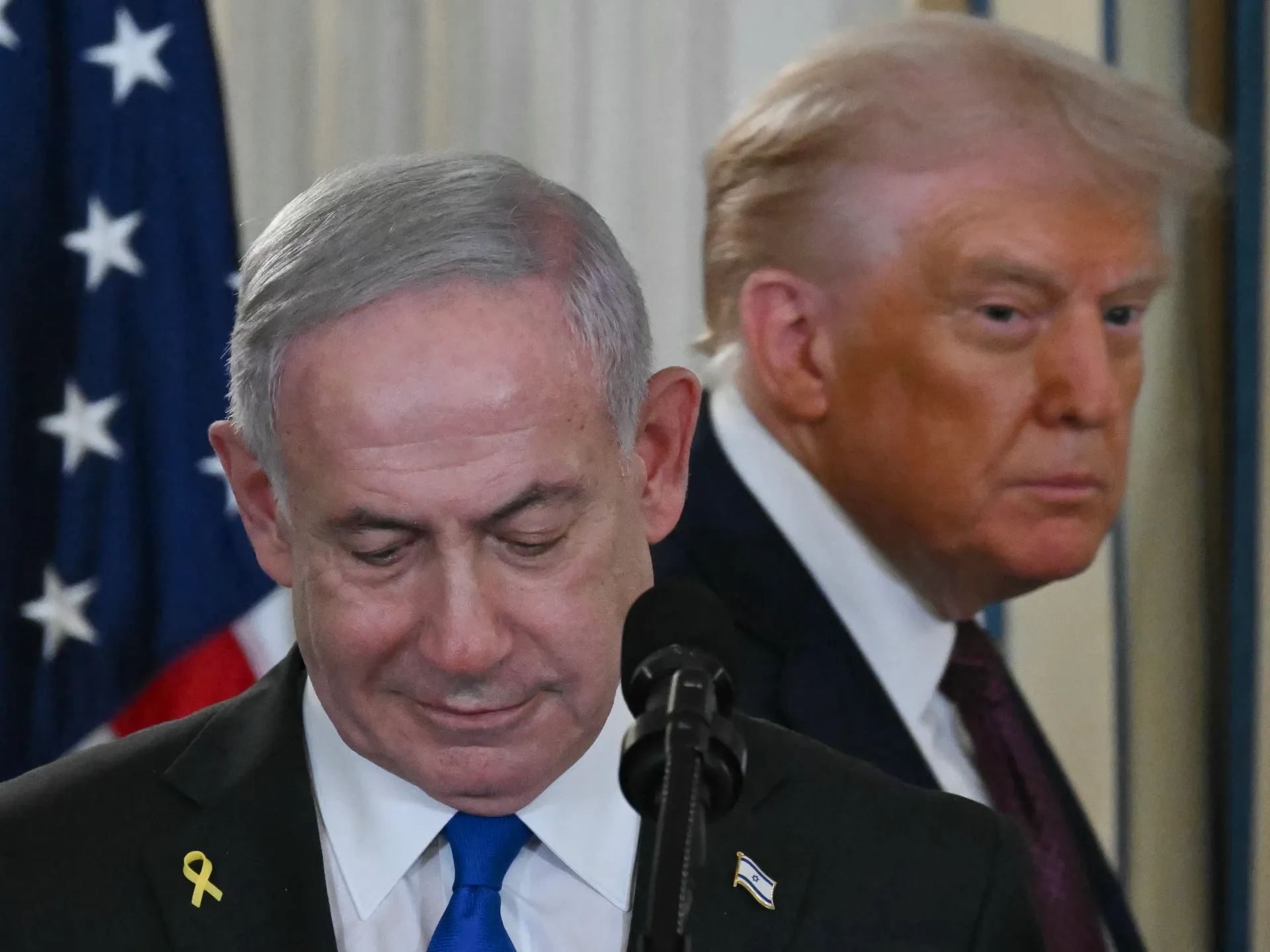
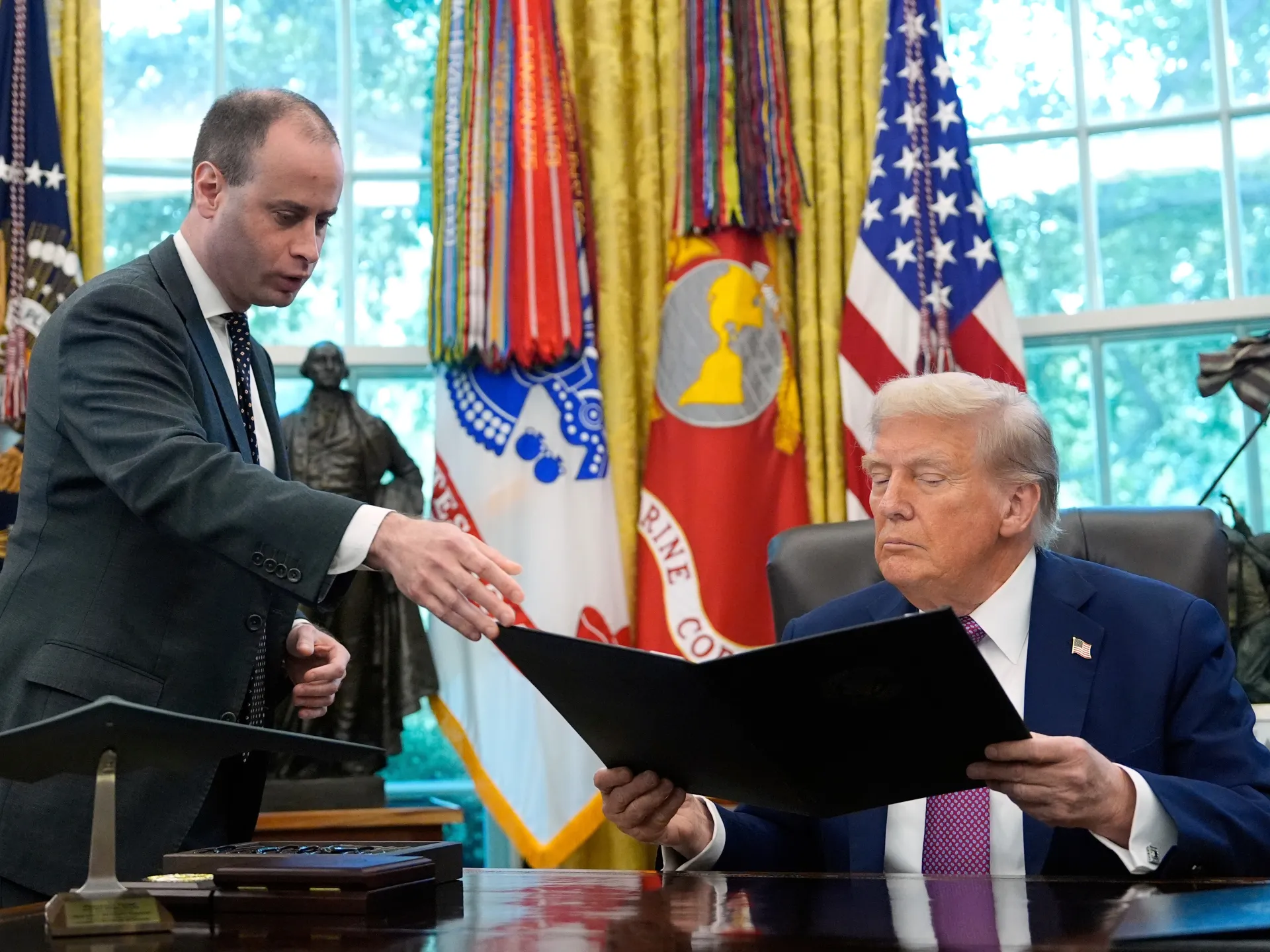
The US diplomatic position has added a layer of complexity to these military realities. Sources indicate that the current US administration has opted against providing direct military support to the Saudi coalition in the wake of recent high-level meetings with Houthi representatives. This pivot suggests a broader reassessment of US involvement in the region, leaving the Saudi-led coalition to navigate the Houthi threat largely on its own terms. The US embassy has responded heightened risk to diplomatic and civilian infrastructure.
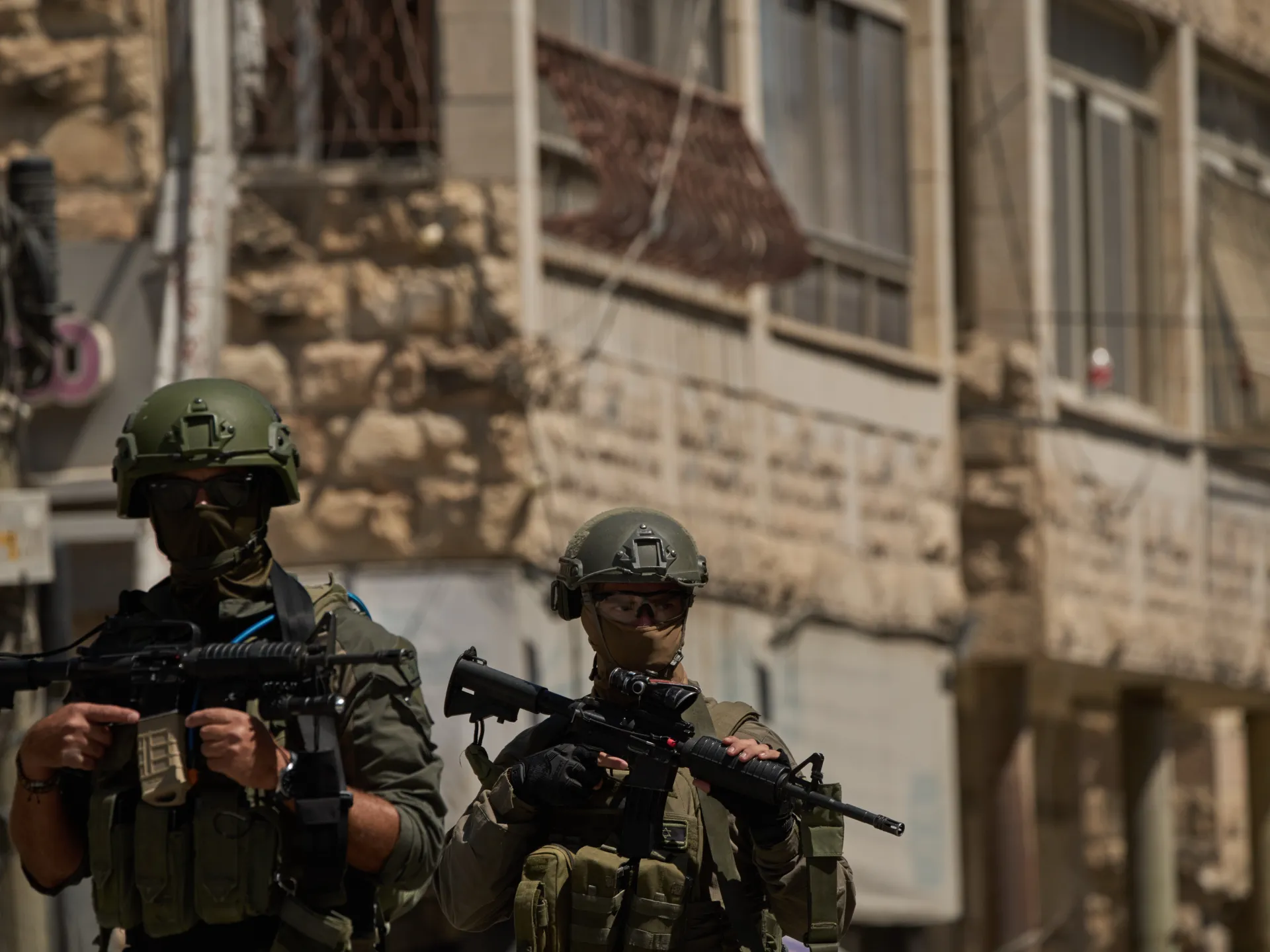
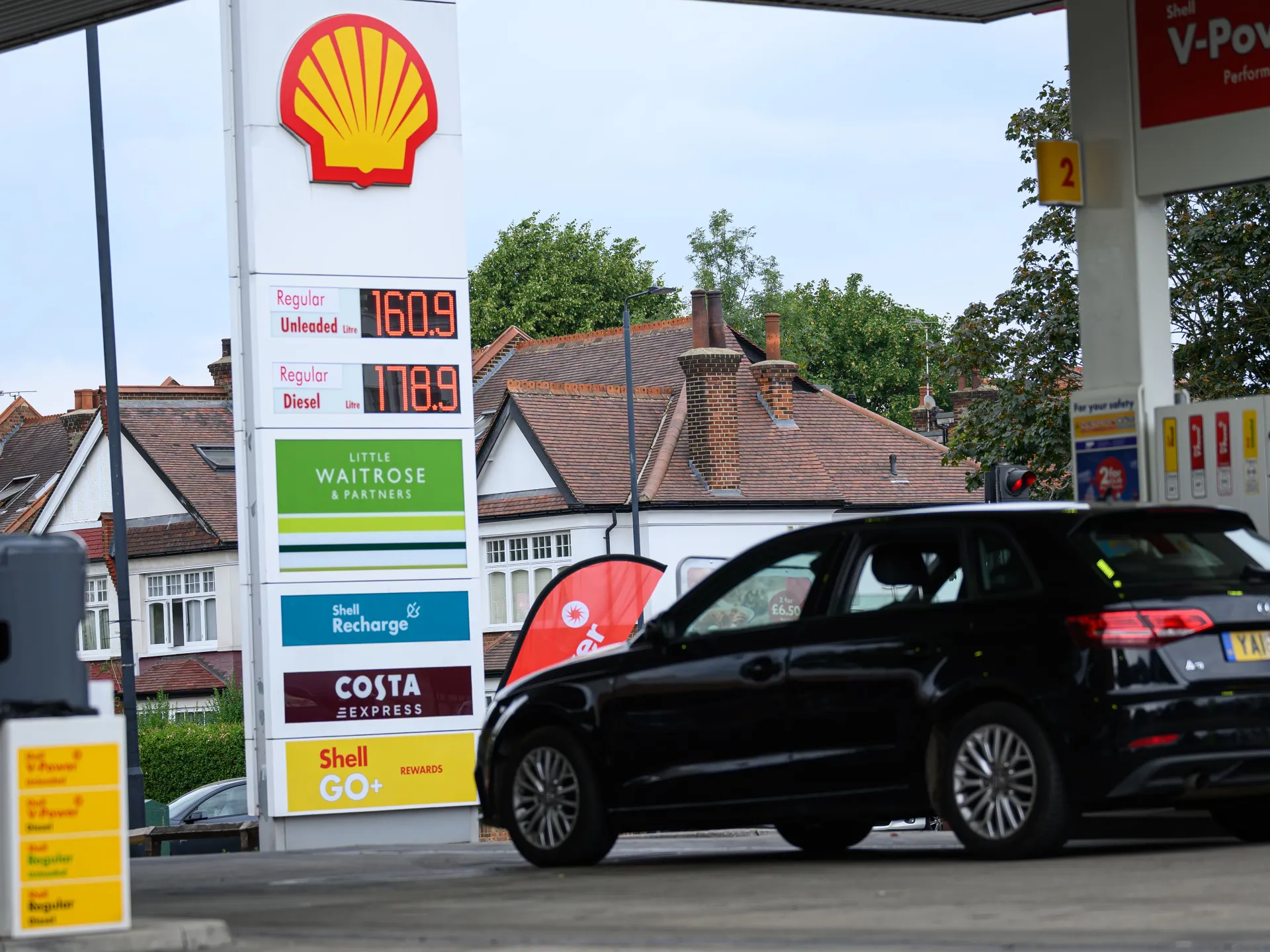
The trajectory of the conflict suggests an inevitable hardening of positions. With the US choosing a path of non-intervention, the Saudi-led coalition will likely intensify its localized air campaigns in an attempt to degrade Houthi missile and drone capabilities. However, without external military support, Saudi Arabia faces the risk of a protracted attrition war that could further damage its internal infrastructure. The Houthis, emboldened ed involvement, are likely to continue their "tit-for-tat" escalation strategy. Observers should anticipate further volatility in energy markets and ongoing diplomatic pressure from international bodies to protect the maritime corridors, though a resolution remains distant as long as both sides view escalation as their primary tool for leverage.