International defense experts are conducting high-stakes Arctic exercises to harden global infrastructure against the rising threat of satellite signal interference.
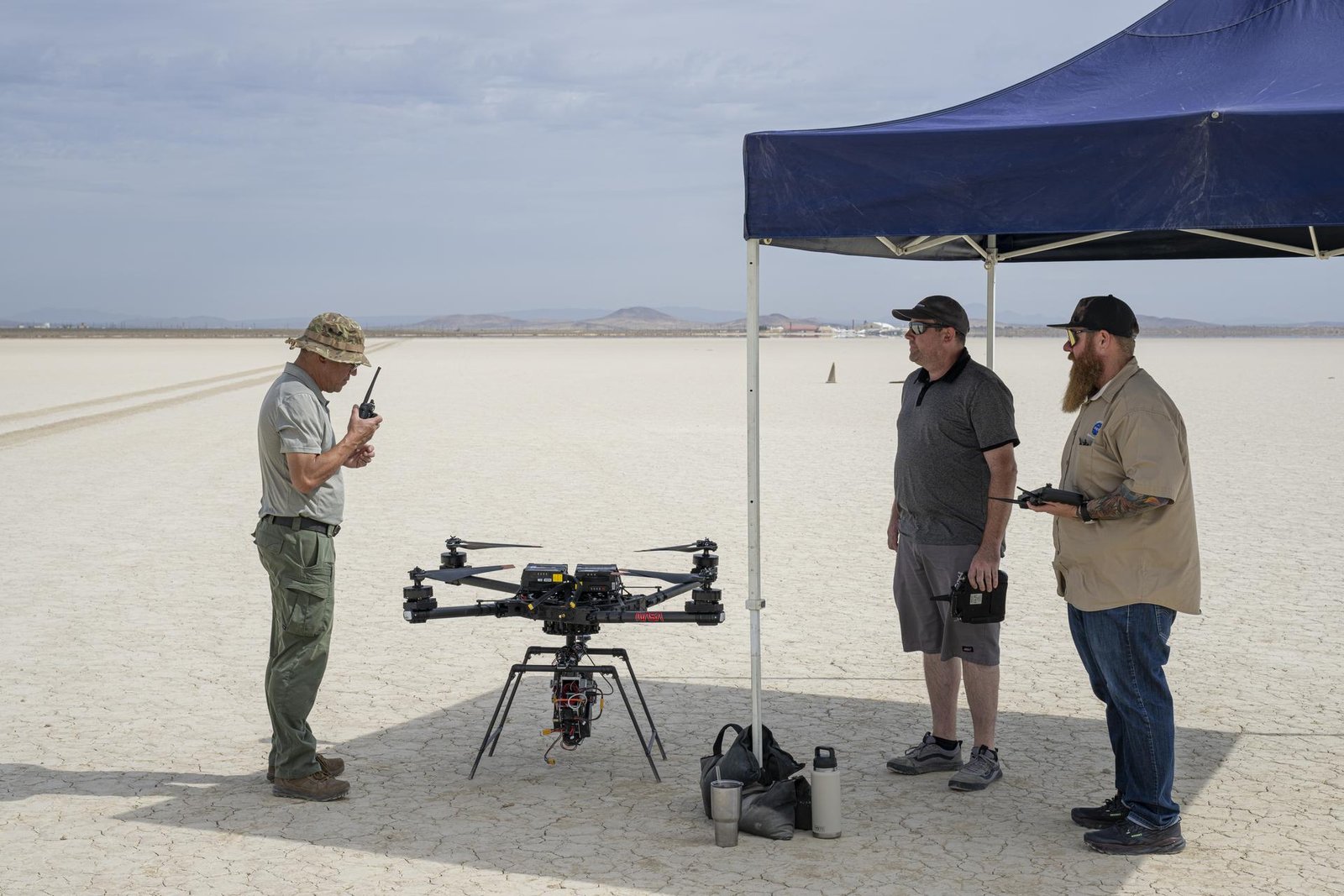
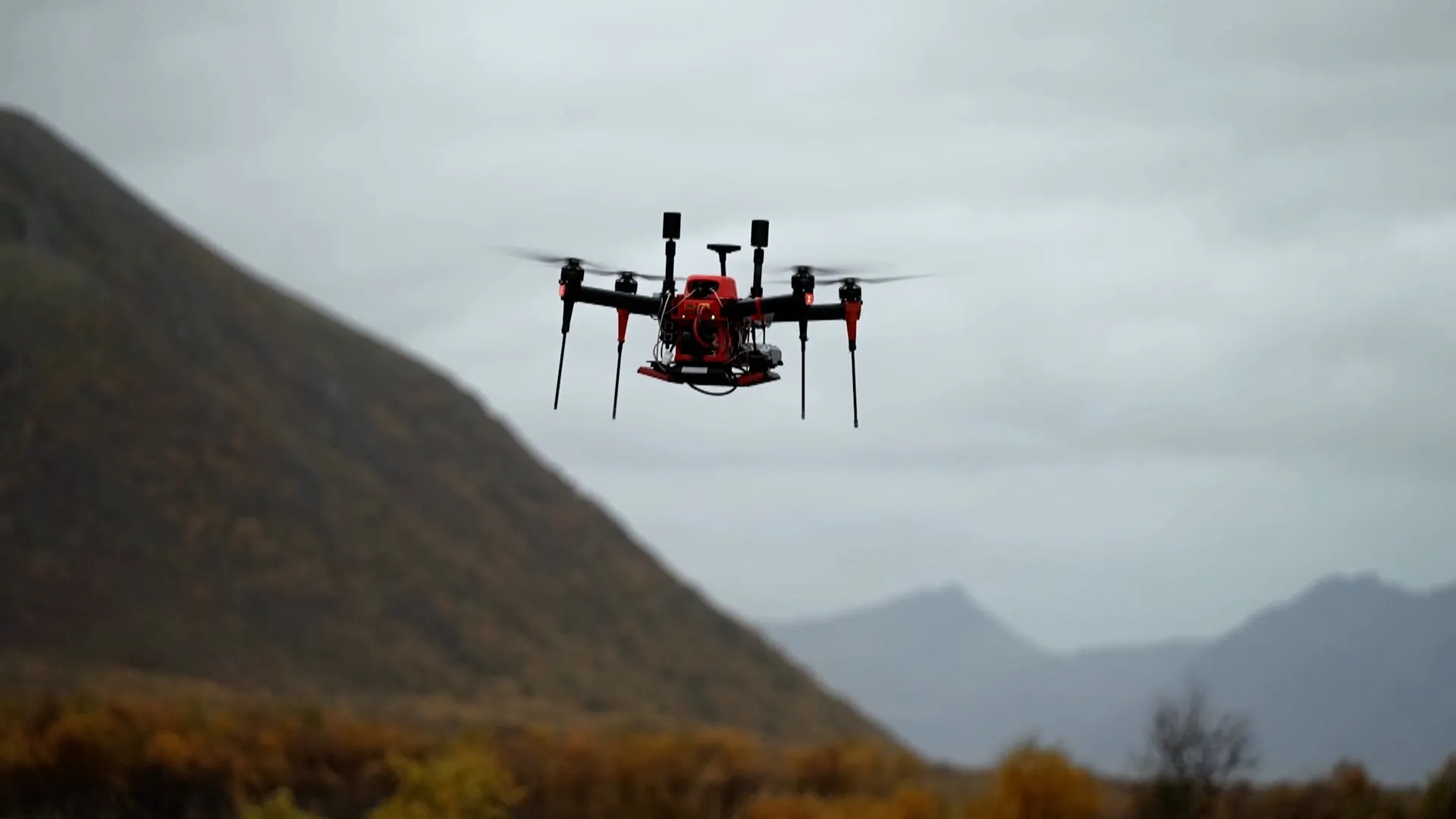
In the frozen expanse of the Norwegian Arctic, a coalition of defense contractors and technology experts has convened for “Jammertest,” an annual exercise designed to stress-test modern infrastructure against the growing specter of electronic interference. As global reliance on satellite-based navigation and timing systems reaches an all-time high, the event highlights a critical vulnerability: the ease with which sophisticated actors can blind the invisible network of signals that underpin modern life.
While the exercise is rooted in military and technological preparedness, its implications extend far beyond the battlefield. The ability to disrupt satellite signals does not merely hinder military movement; it threatens the fundamental stability of commercial aviation, maritime logistics, and the high-frequency financial trading systems that sustain the global economy. systems against an invisible war that is already being waged in the electromagnetic spectrum.
The transition toward absolute dependence on satellite technology—specifically Global Navigation Satellite Systems (GNSS)—has created a singular point of failure for modern civilization. Unlike physical infrastructure, which can be guarded or repaired, the electromagnetic spectrum is inherently difficult to secure. The Jammertest initiative represents a strategic shift in defense doctrine, moving away from purely kinetic warfare toward “resilience engineering.” t major conflict may not begin with a bomb, but with the sudden, localized disappearance of the digital maps and clocks upon which society functions.
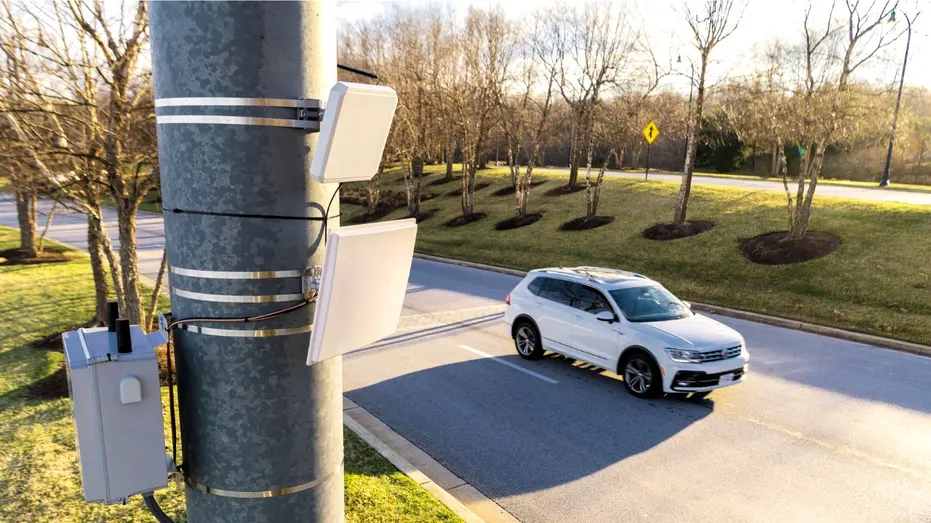
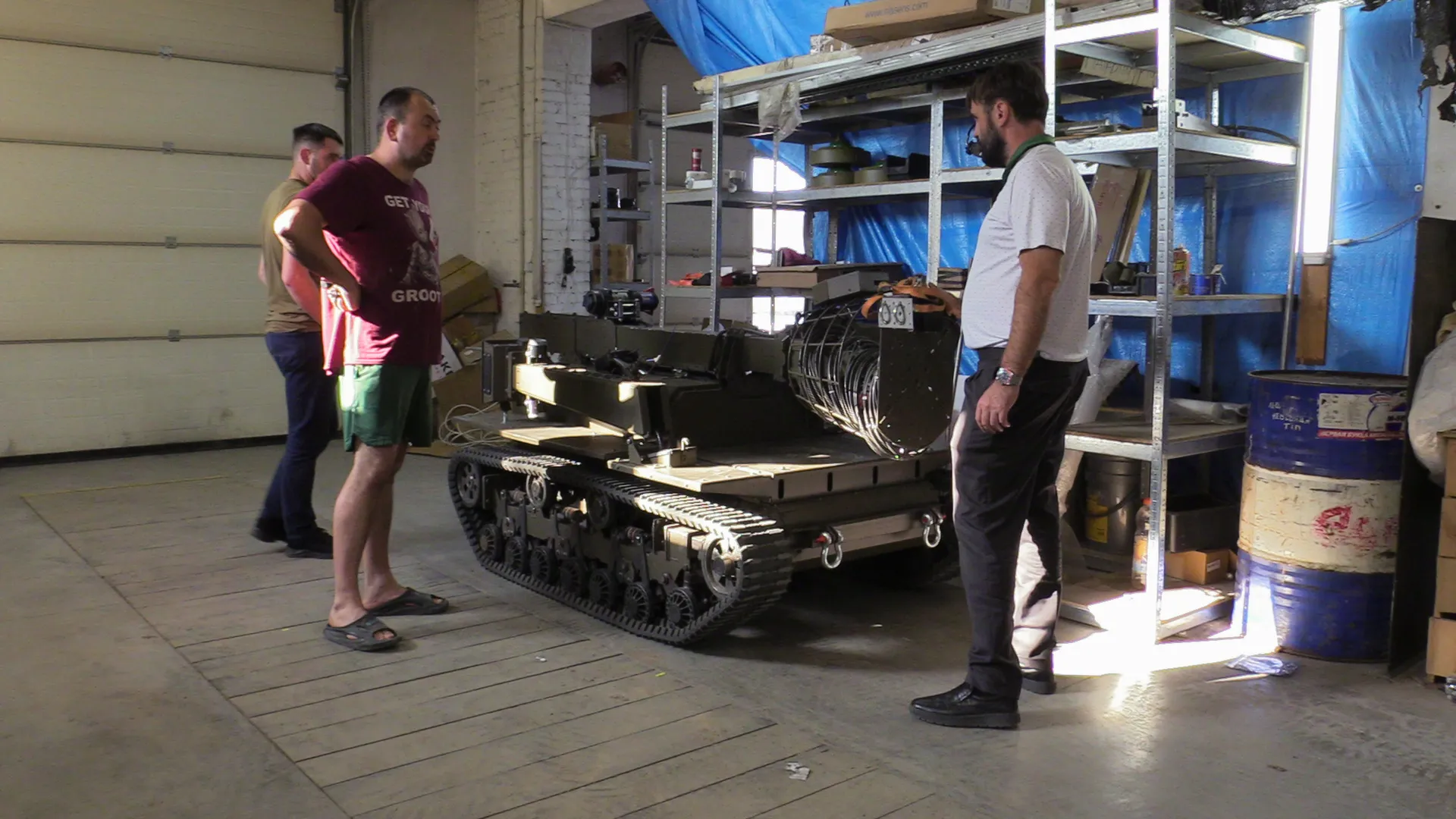
The Jammertest event focuses on the technical challenges of identifying and mitigating signal interference. Satellite signals, particularly those used for GPS, are notoriously weak t e units to large-scale military-grade transmitters, create a “noise floor” that prevents receivers from locking onto valid satellite data.
Experts at the exercise are evaluating advanced filtering technologies and secondary positioning systems that can take over when the primary GPS link is severed. The goal is to move toward “jam-resistant” architectures that allow aircraft, ships, and ground-based autonomous systems to maintain operational continuity even when their primary navigation feeds are under active assault. This work is critical, as any prolonged disruption in these signals could lead to widespread logistical paralysis in the civil sector.
Beyond the technical scope of the exercises, there is a clear imperative to develop protocols for rapid recovery. When a satellite signal is jammed, the impact is instantaneous. The current testing focuses on how to detect these events in real-time, triangulate the source of the interference, and switch to alternative data streams before systemic failures propagate through the grid. The collaborative nature of the effort reflects the reality that satellites do not operate within national borders; a jamming event in one region can have cascading effects on trans-oceanic flights and international supply chains.
Following the conclusion of this year’s drills, participating firms are expected to integrate the resulting data into the development of next-generation navigation hardware. It is highly probable that commercial aviation and shipping regulators will move to mandate stronger interference-detection standards in future vessel and aircraft designs. As the threshold for what constitutes a “significant threat” lowers, look for increased diplomatic pressure regarding the proliferation of jamming technology. Future exercises will likely expand to include more robust multi-domain integration, potentially involving civilian telecommunications operators who are increasingly concerned about the stability of their own network synchronization clocks.