Canada is exploring a new 'associate member' status with the European Union as trade tensions with the U.S. escalate.
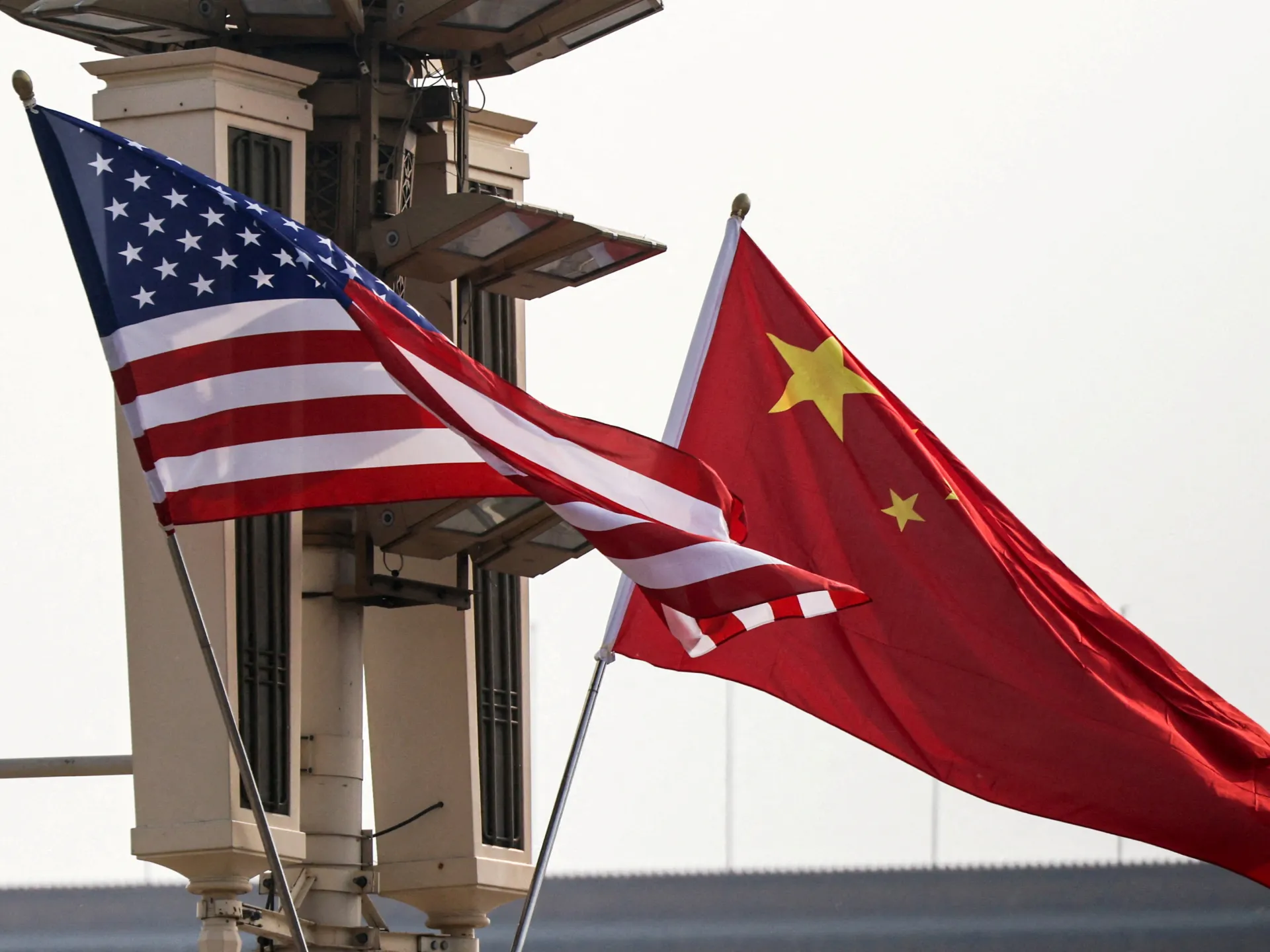
The potential creation of an "associate member" status for Canada within the European Union represents a significant departure from traditional international trade frameworks. This move signals a pivot in North American foreign policy, as Ottawa seeks to insulate itself from the volatility of U.S. protectionism. t merely seeking a trade hedge; it is engaging in a geopolitical recalibration that challenges the traditional dominance of the U.S.-Canada-Mexico economic sphere. This development forces the European Union to define its external boundaries and creates a precedent for a new category of democratic alliance that could redefine how middle-power nations navigate a world increasingly dominated
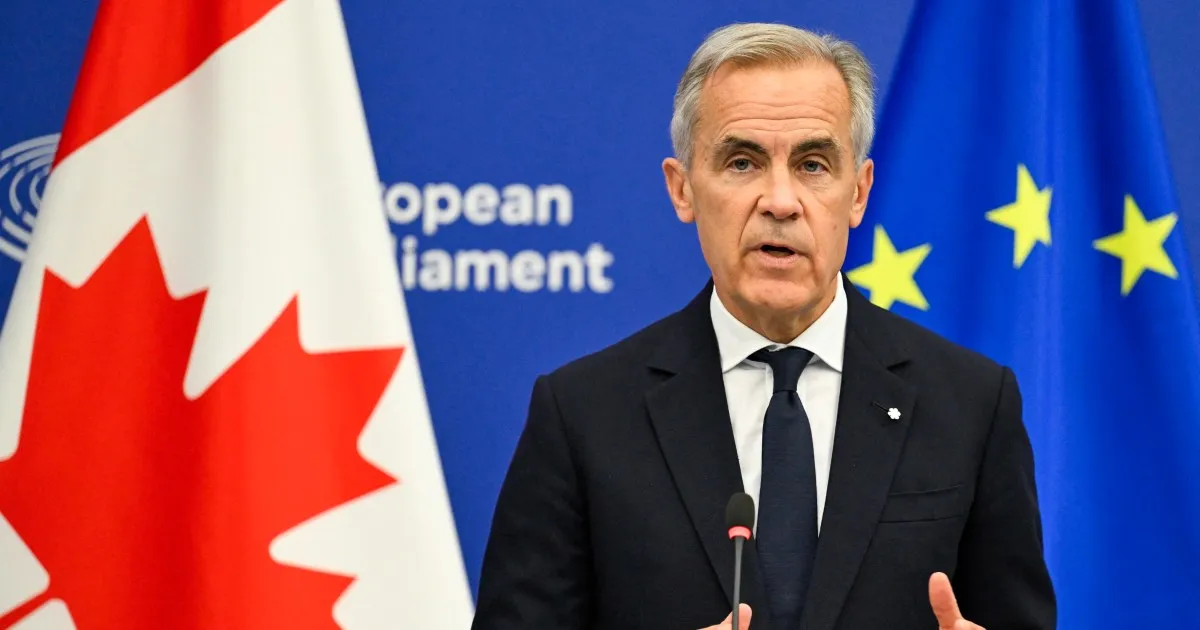
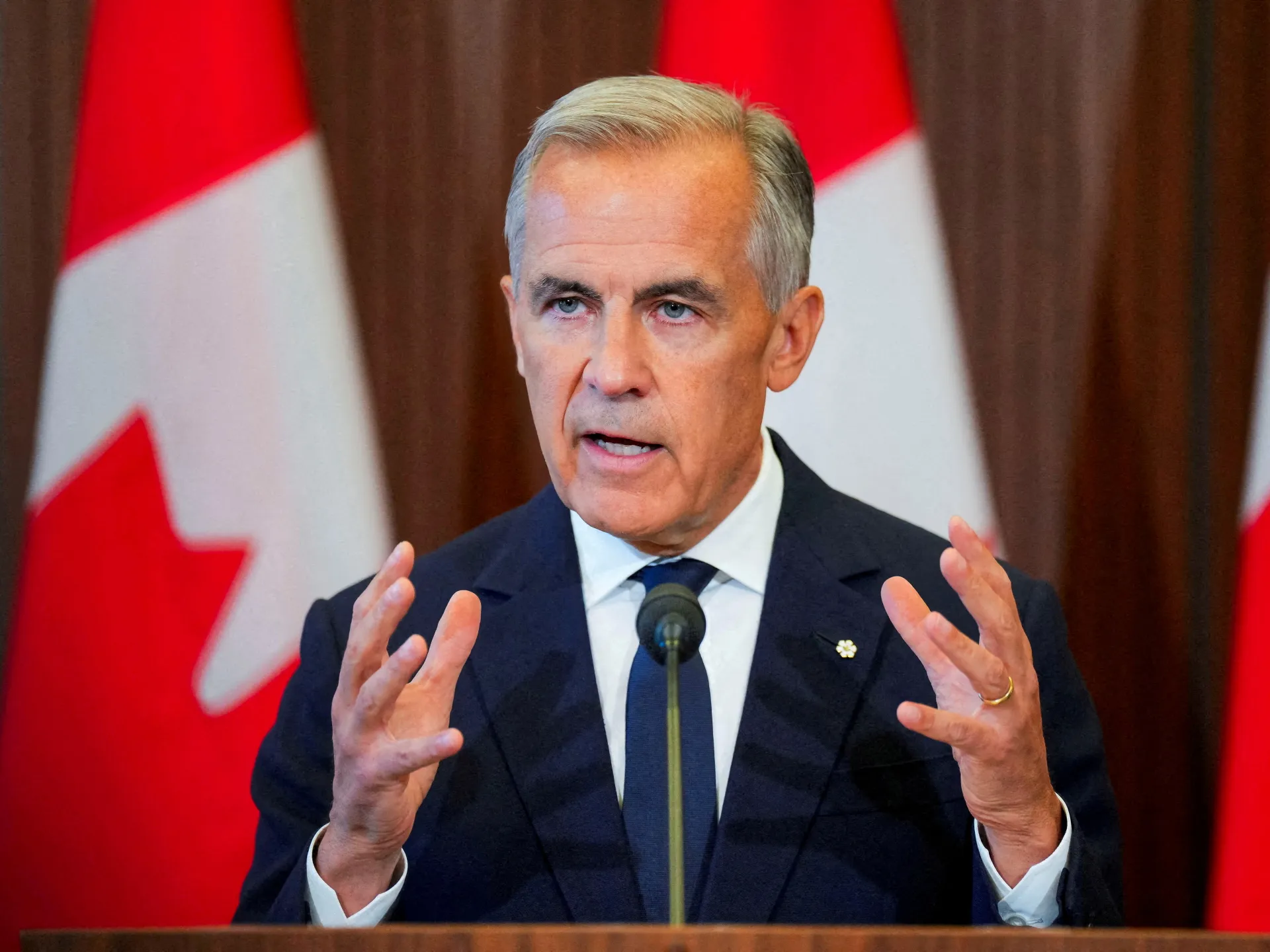
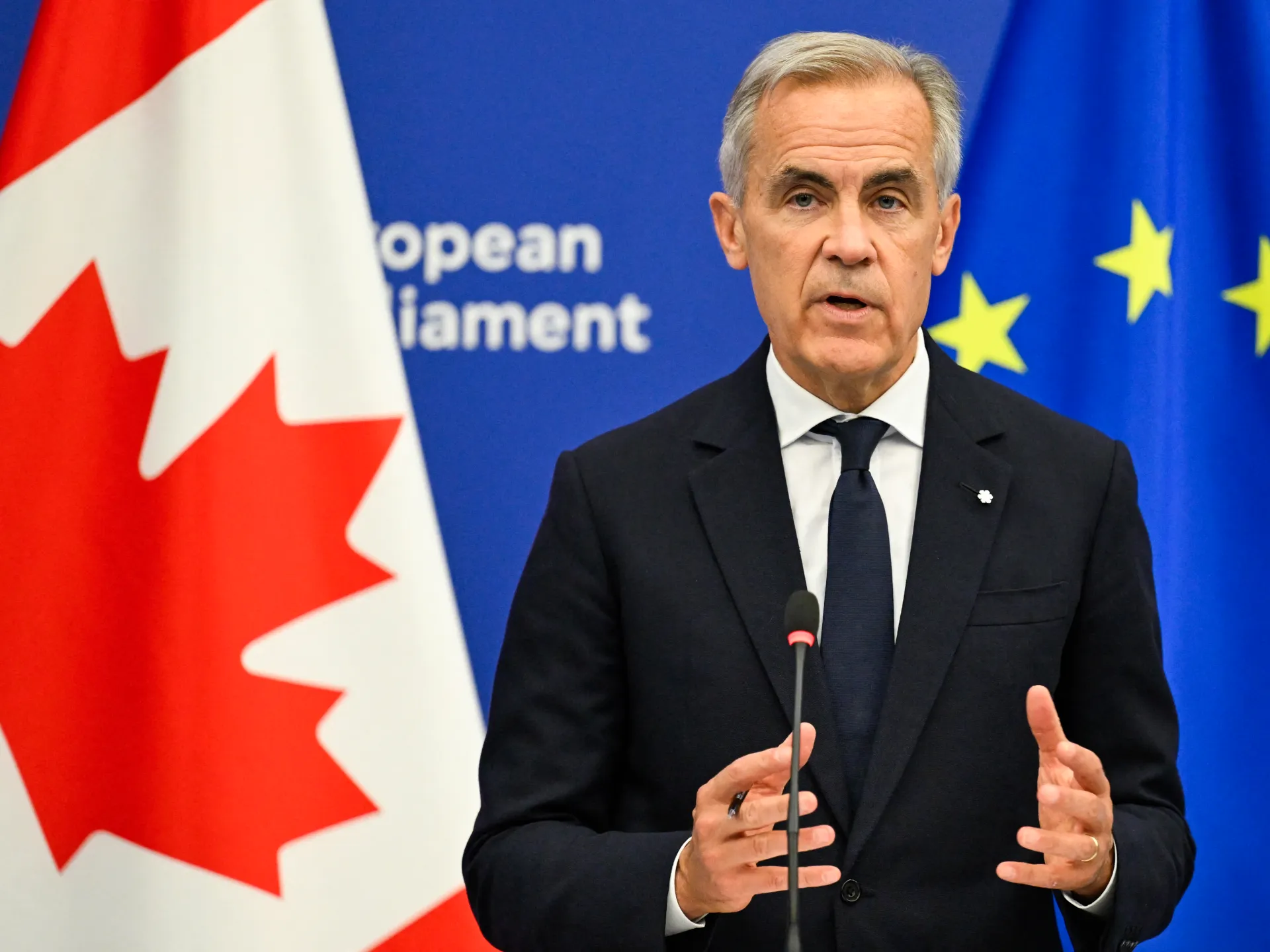
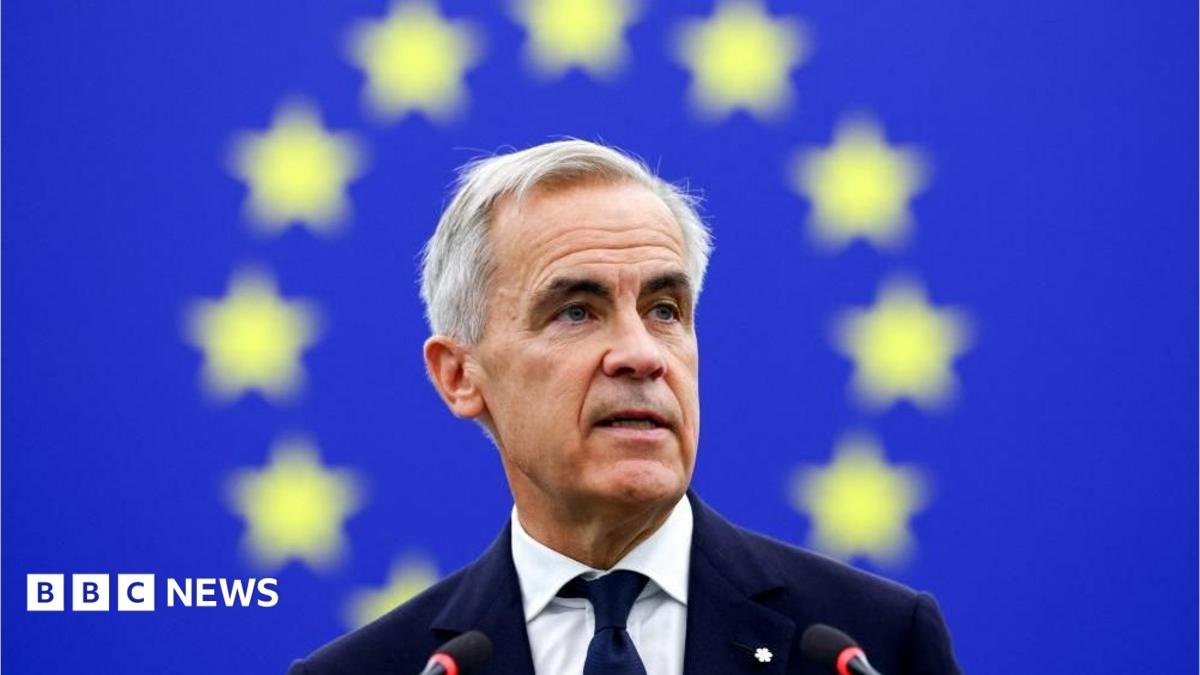
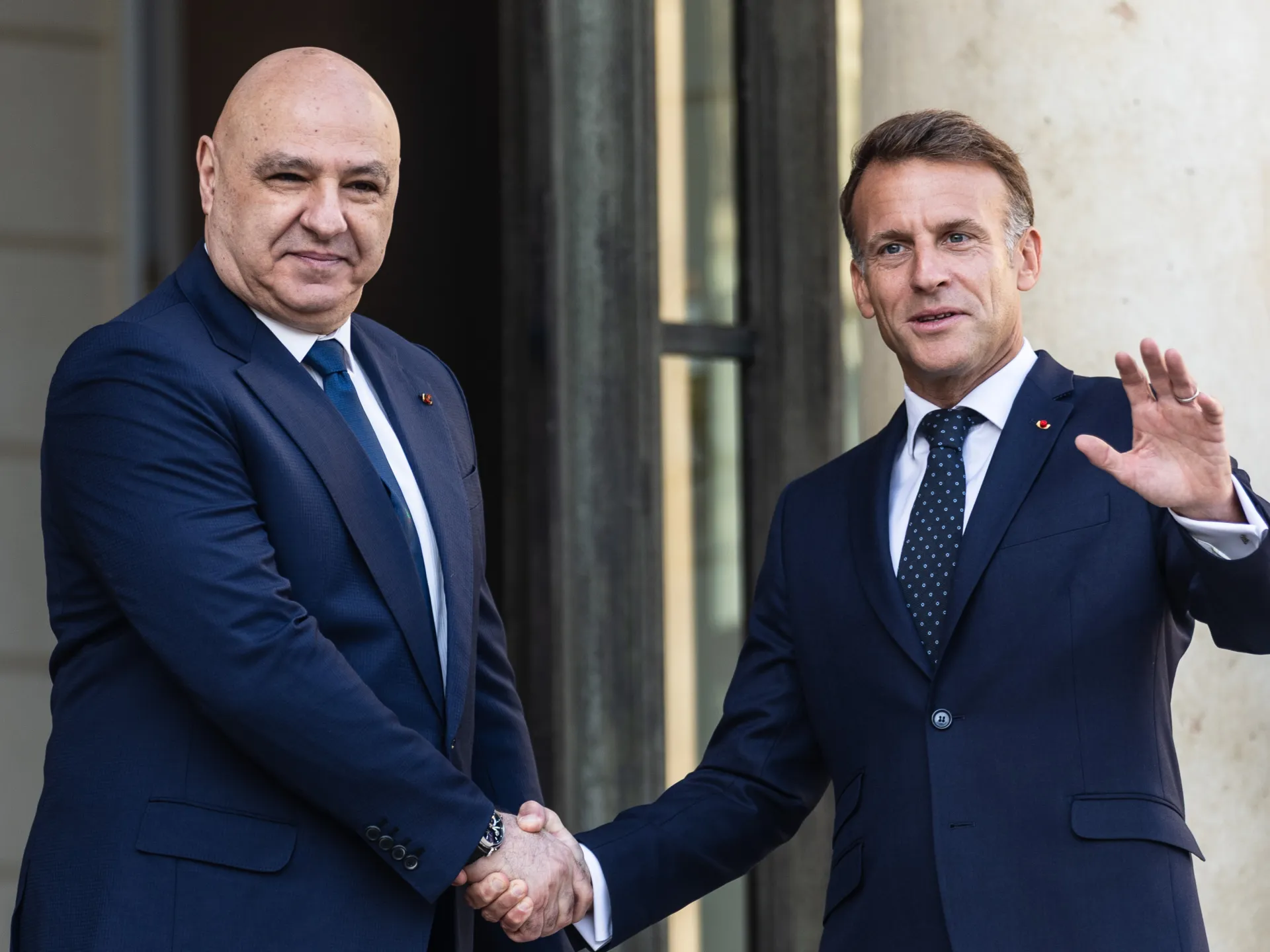
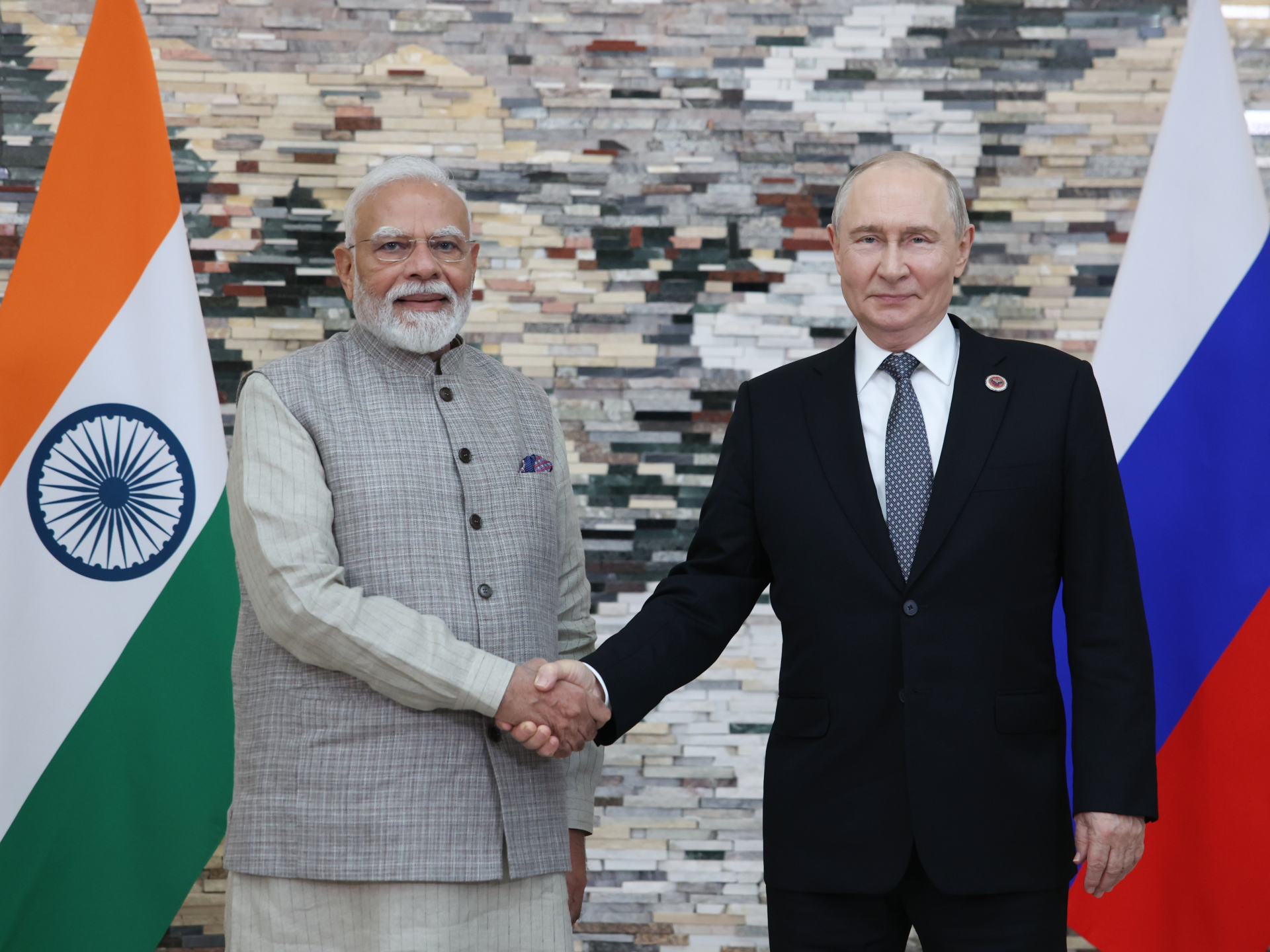
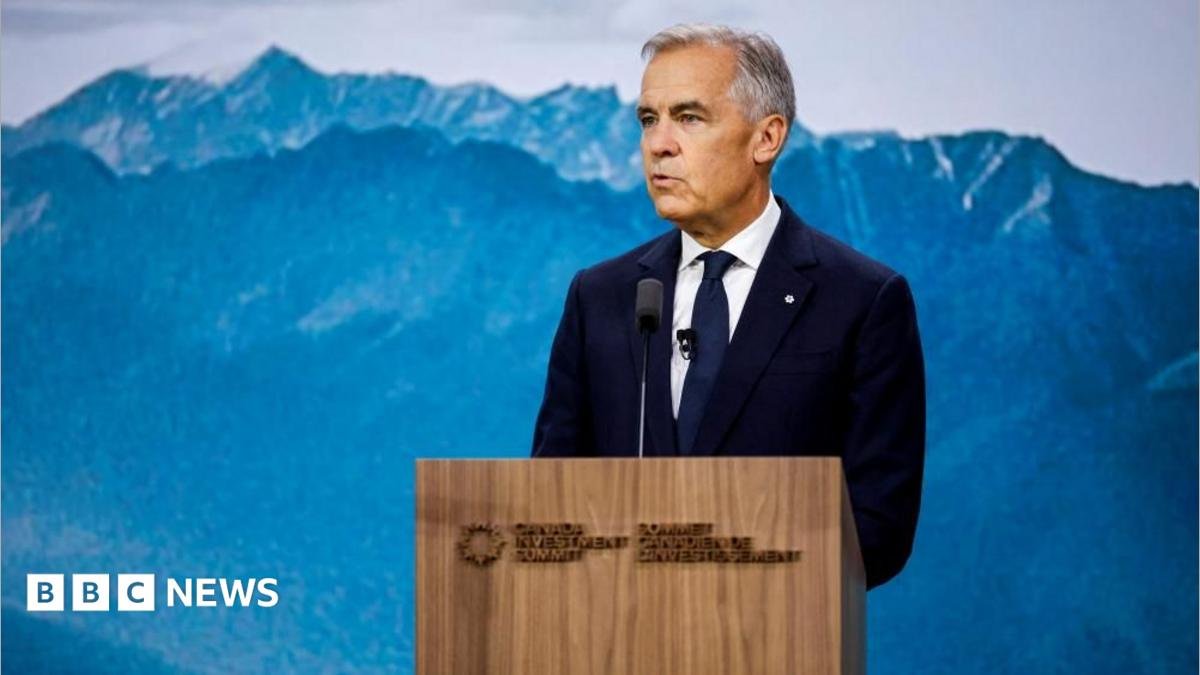
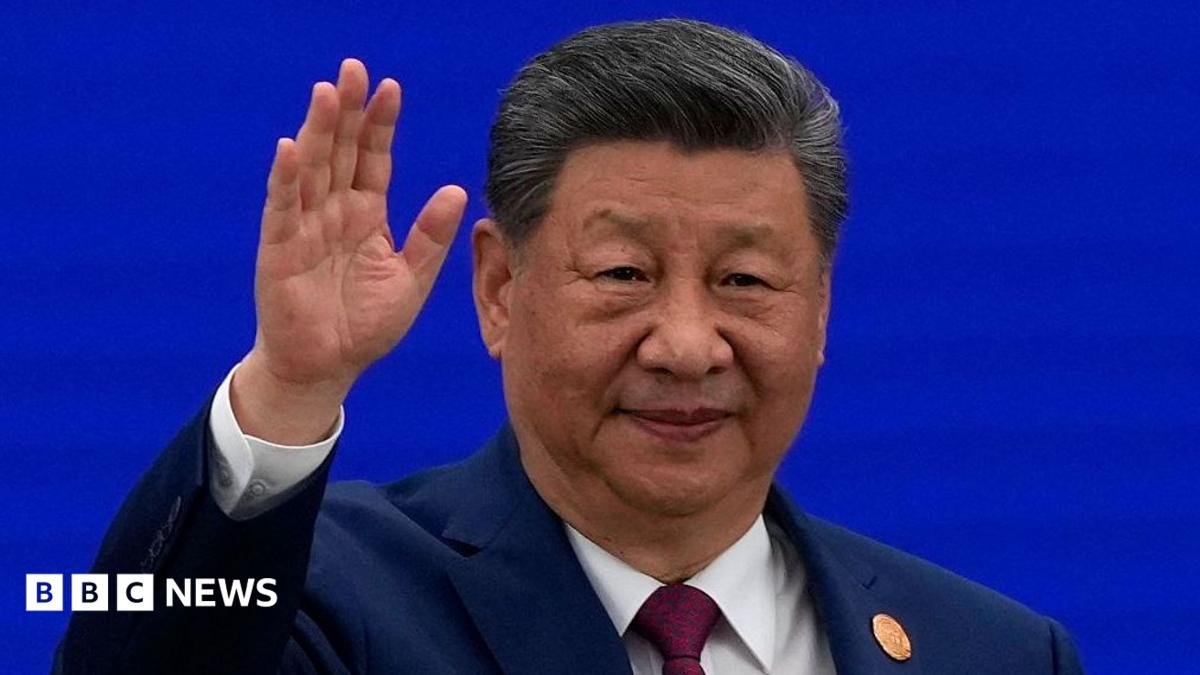
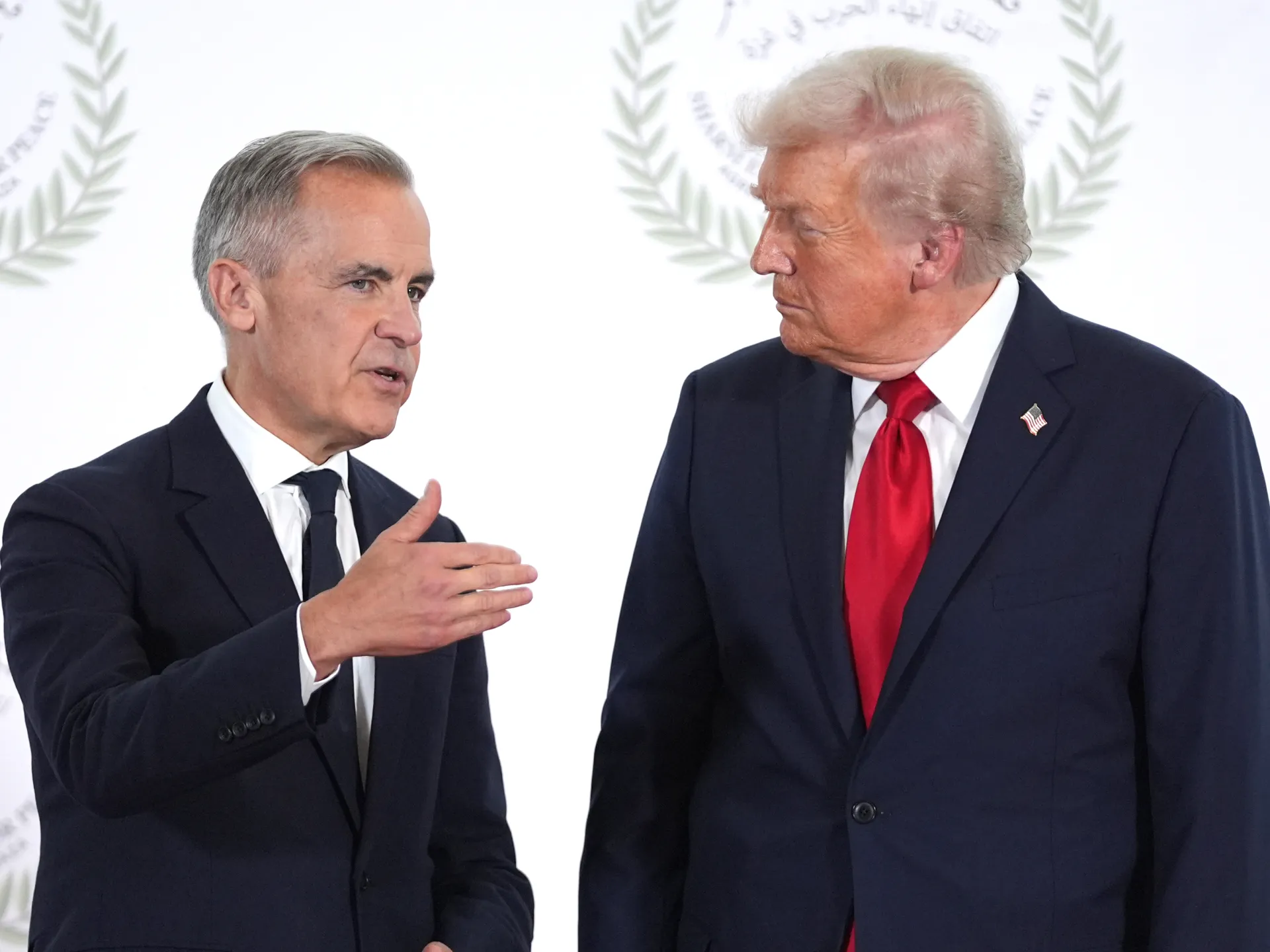
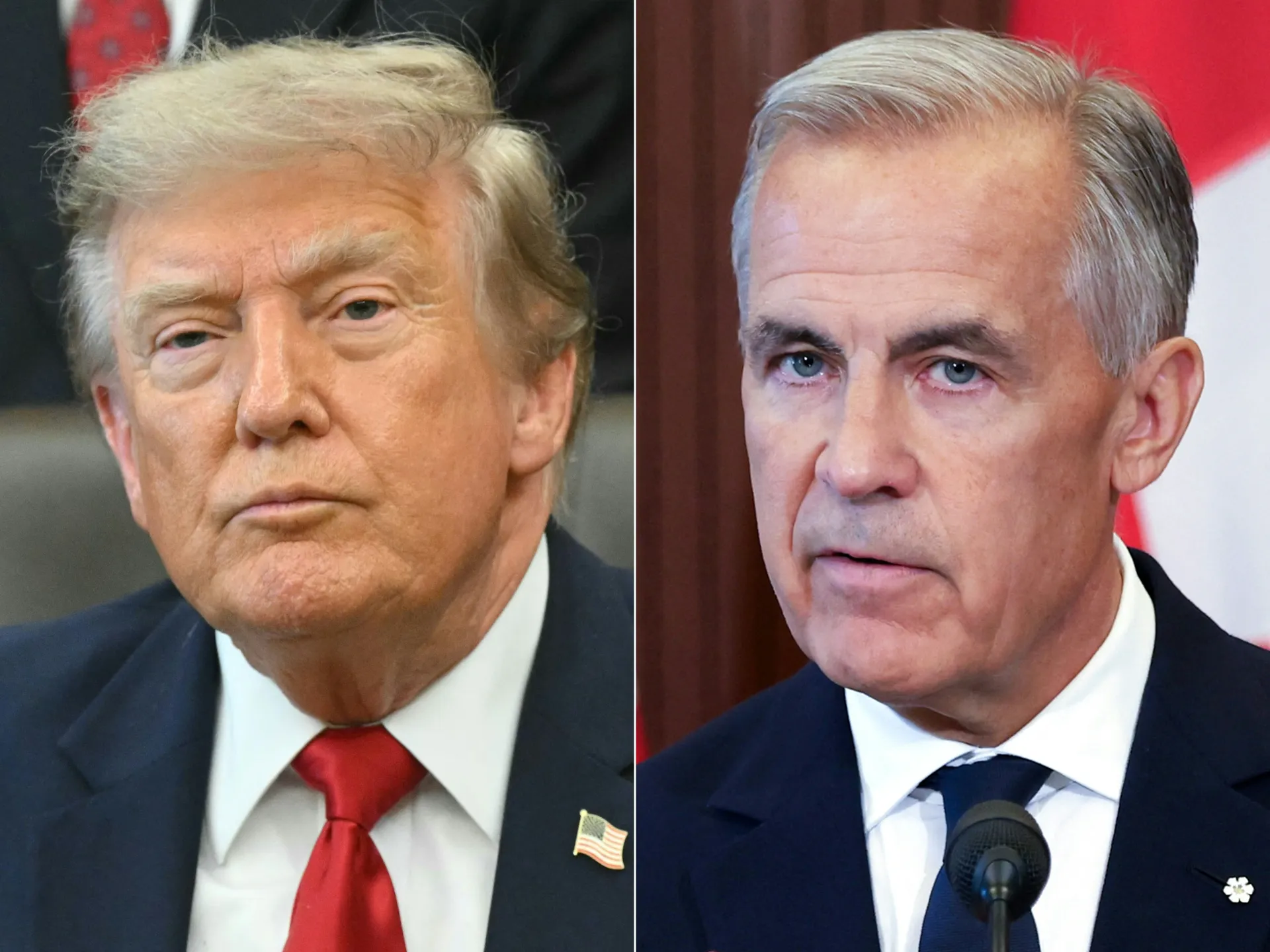
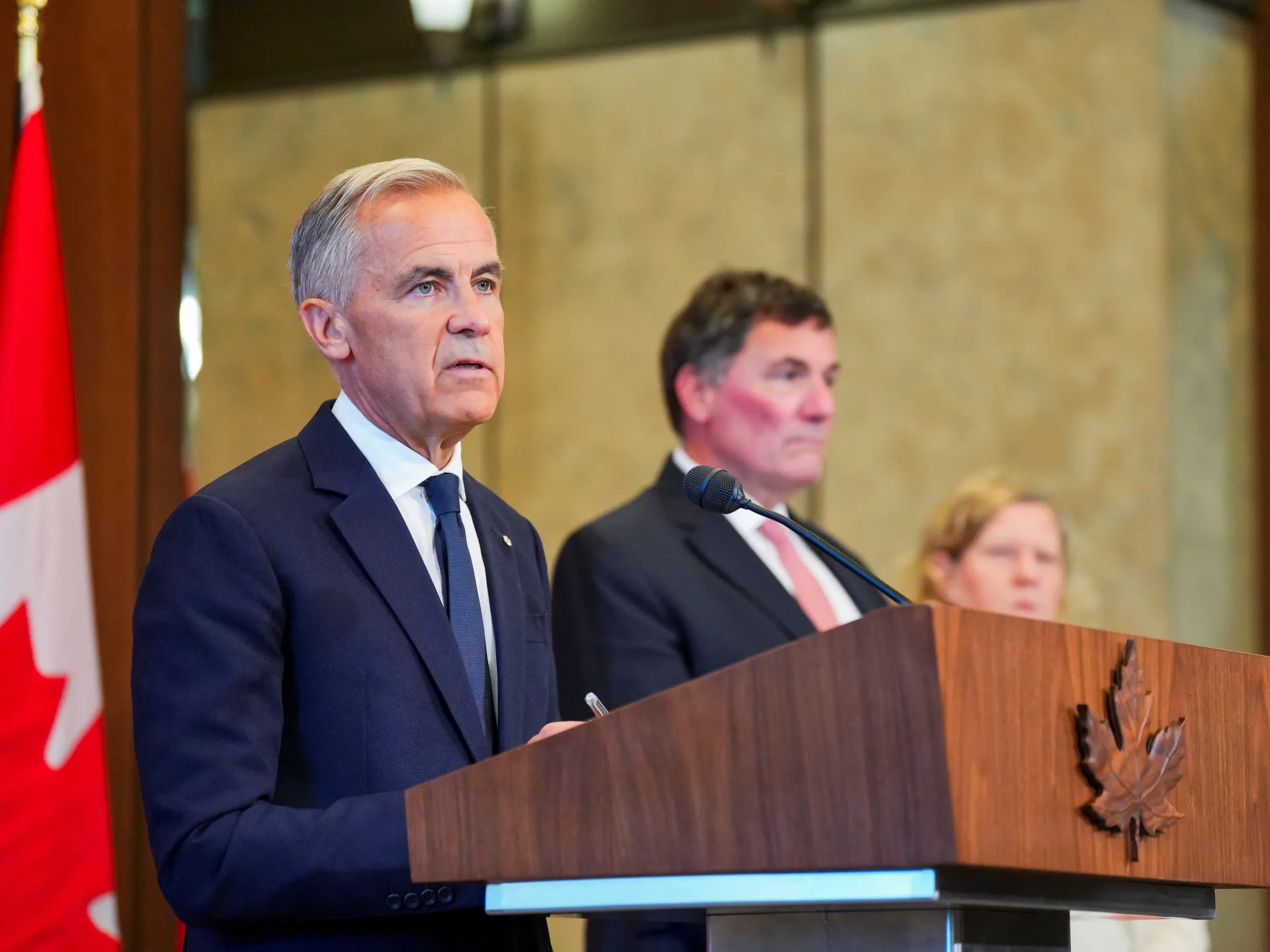
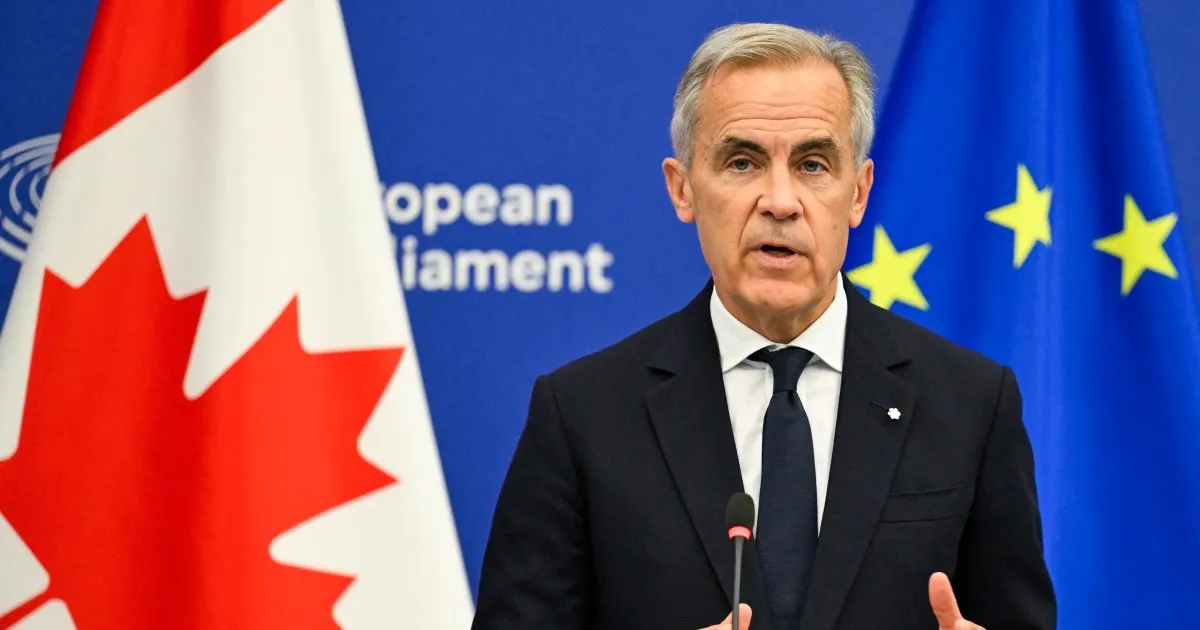
The proposal for Canada to adopt an "associate member" status was formally introduced rom Canadian Prime Minister Mark Carney. Speaking before the European Parliament in Strasbourg, Carney framed the initiative as a necessary response to a period of "geopolitical rupture." He explicitly targeted the "weaponization of trade" and the erosion of democratic norms as primary drivers for the proposed alliance, which would span critical sectors including artificial intelligence, defense, energy, and digital trade.
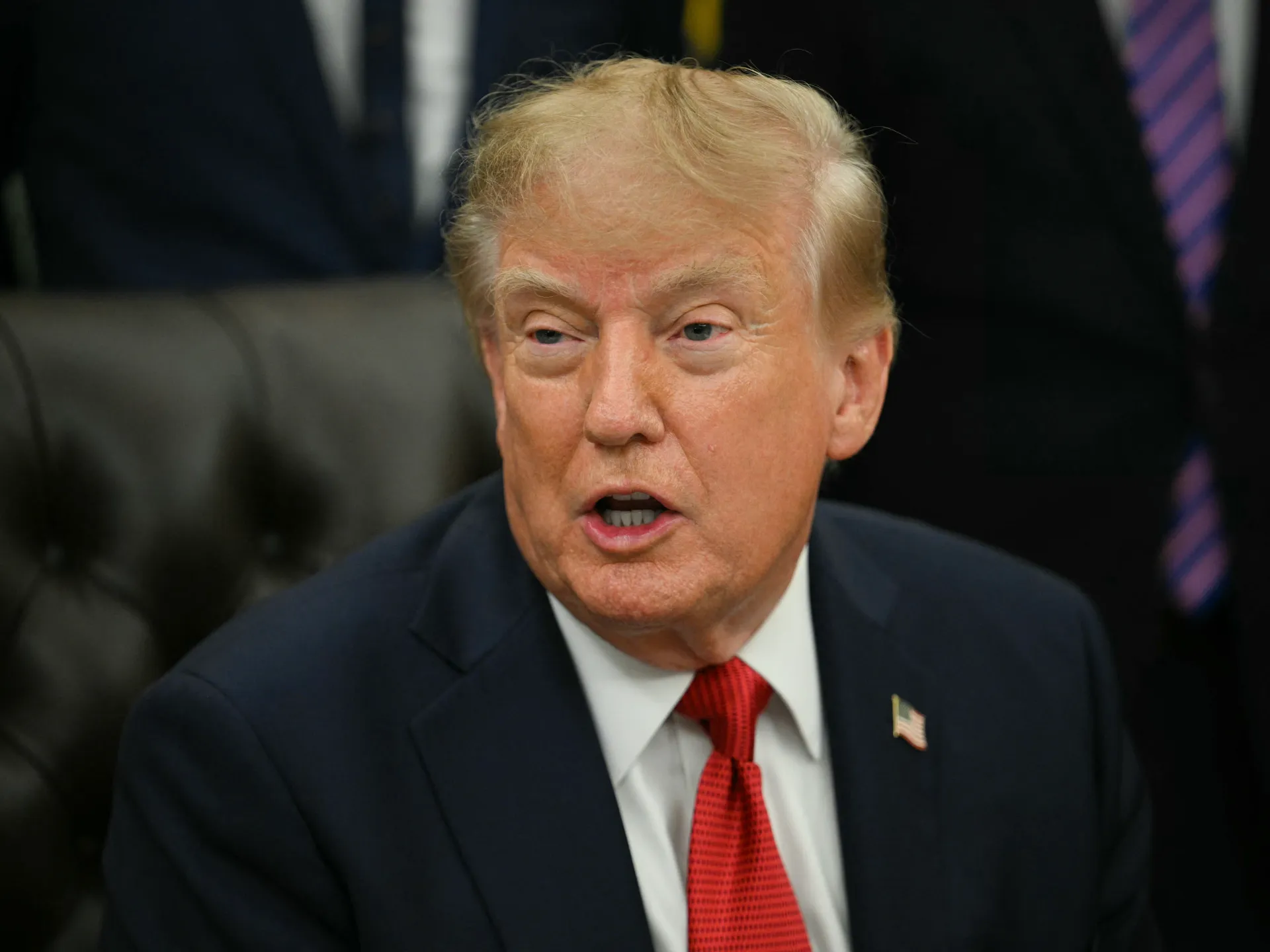
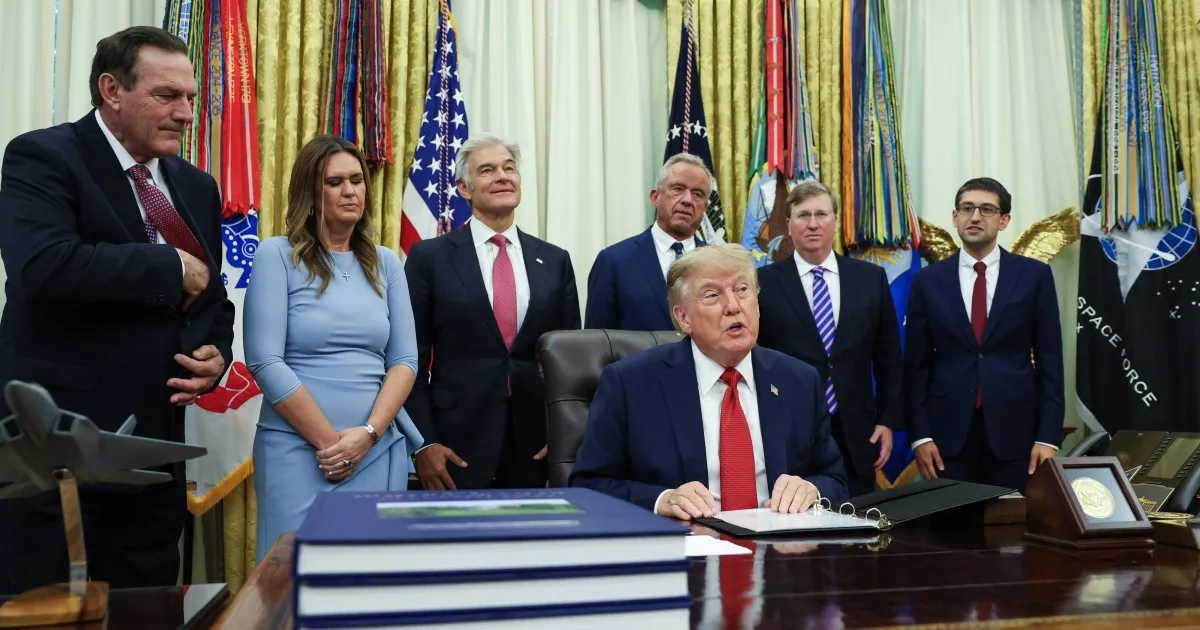
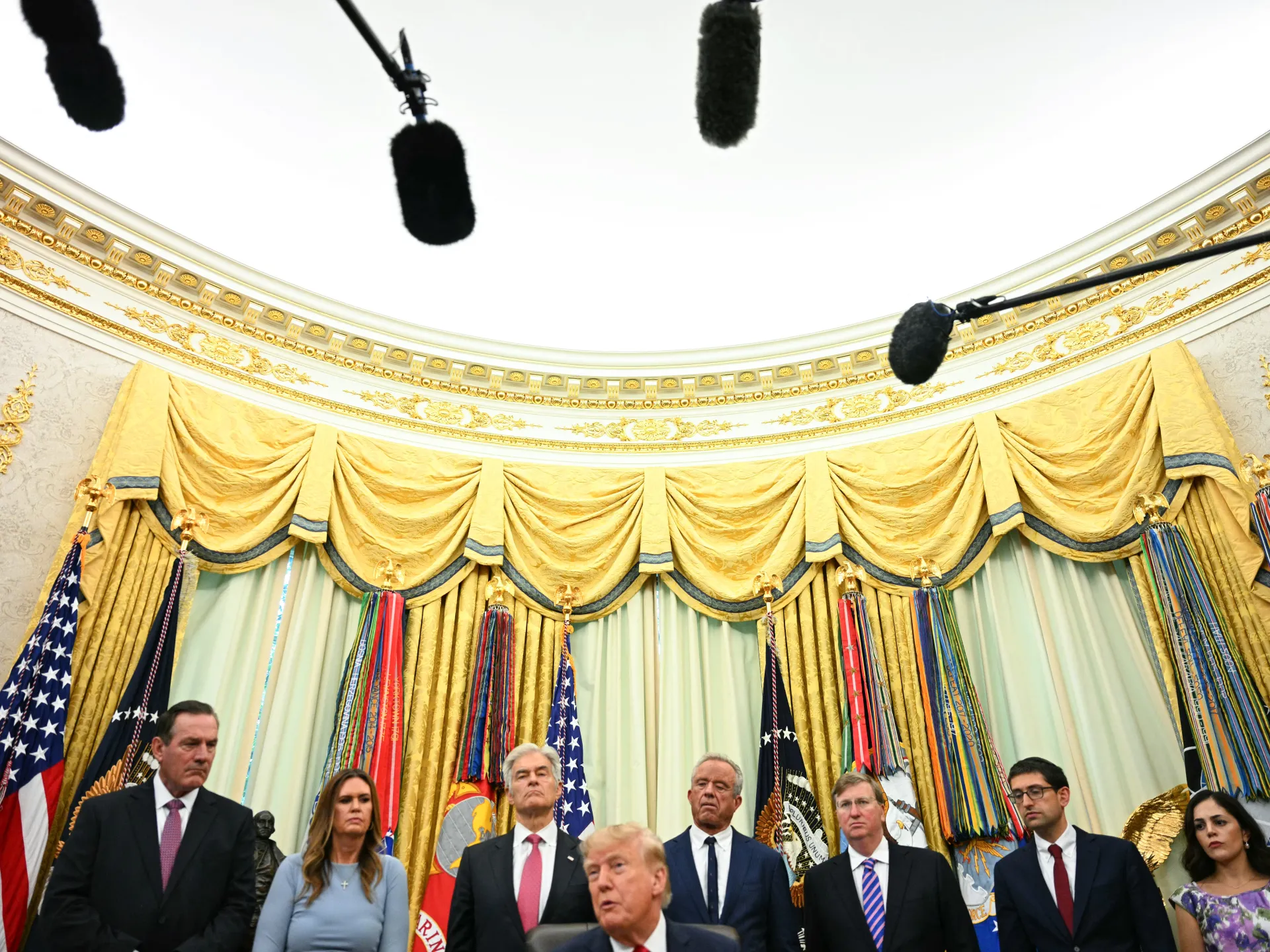
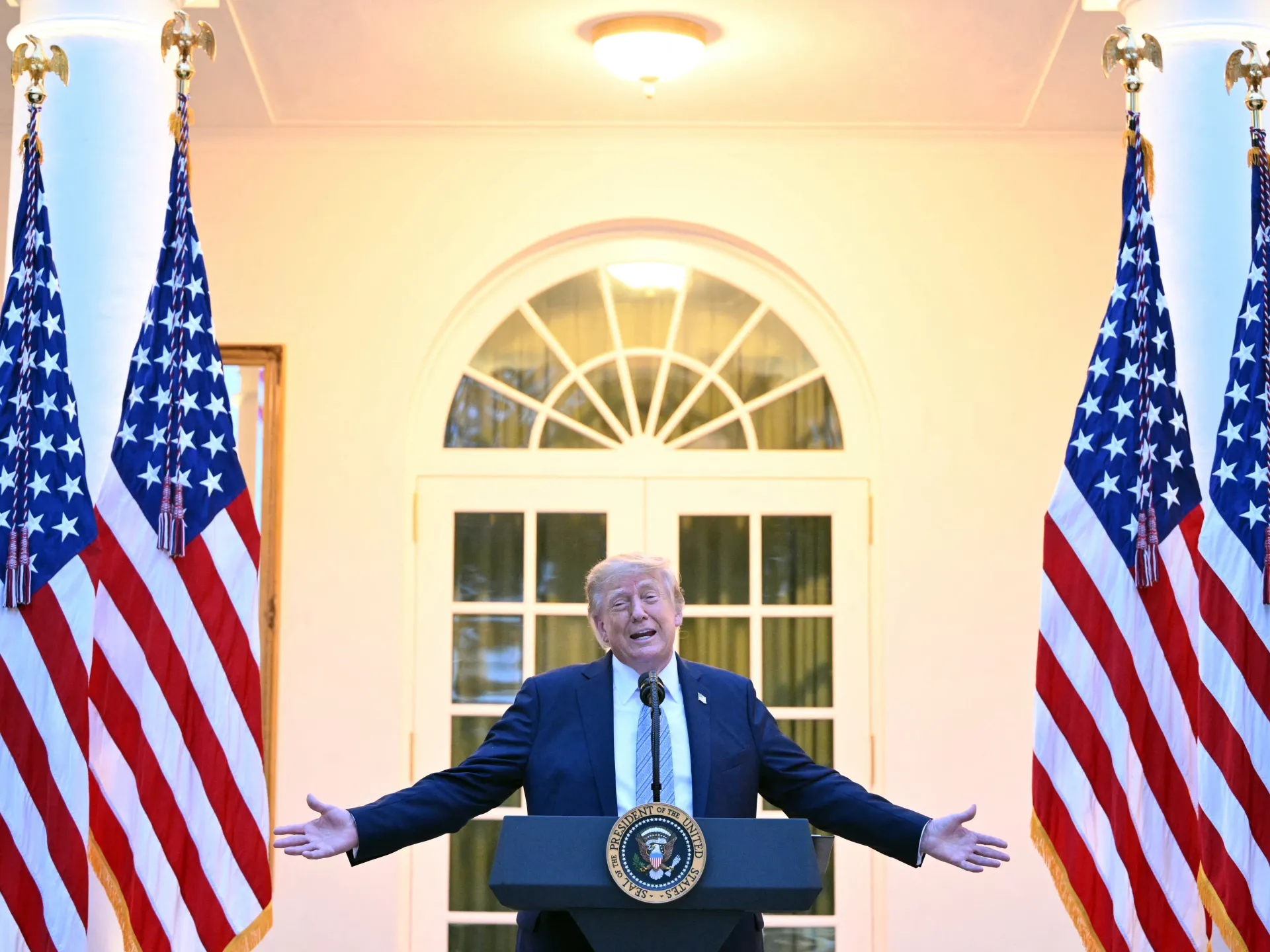
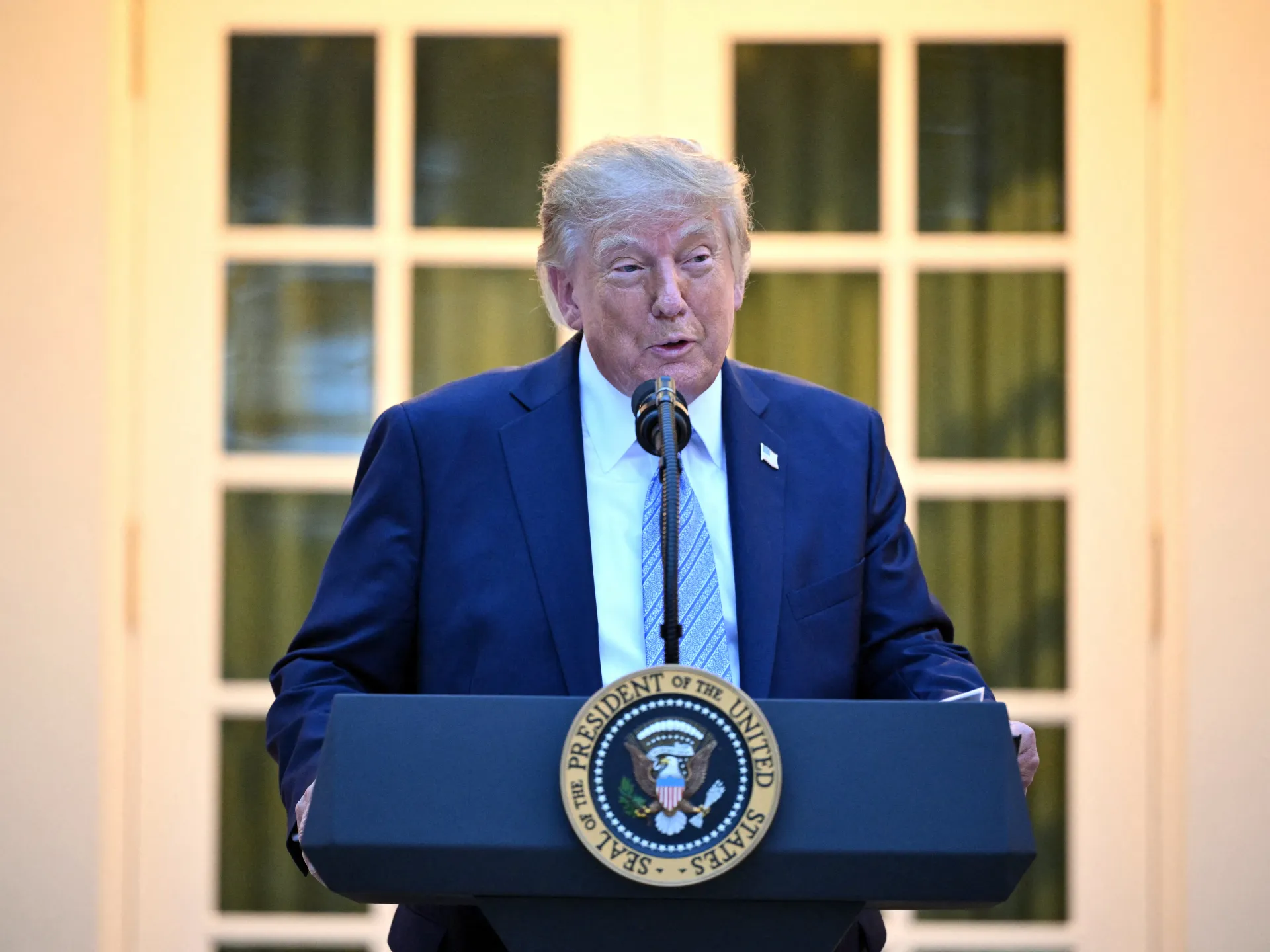
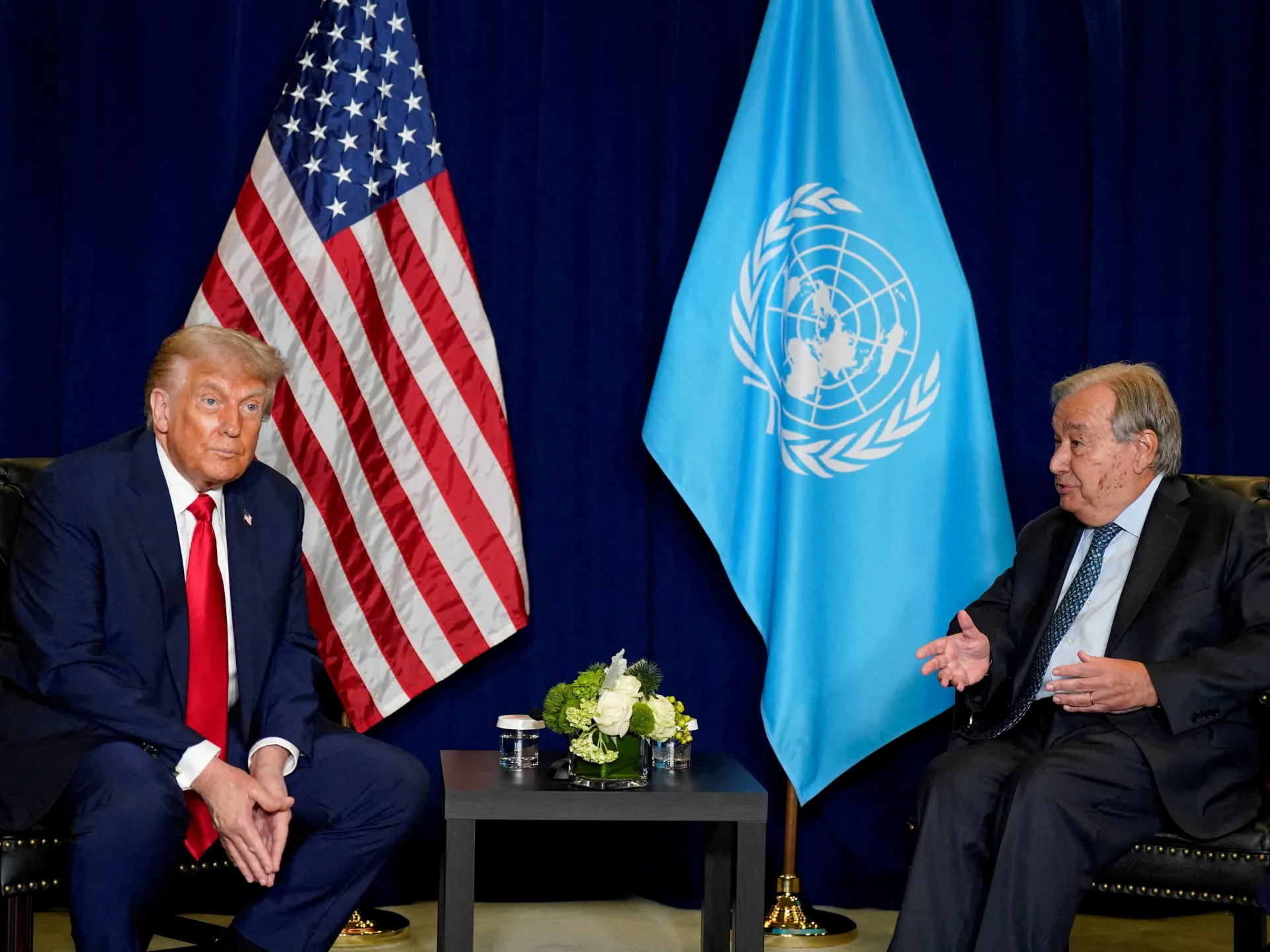
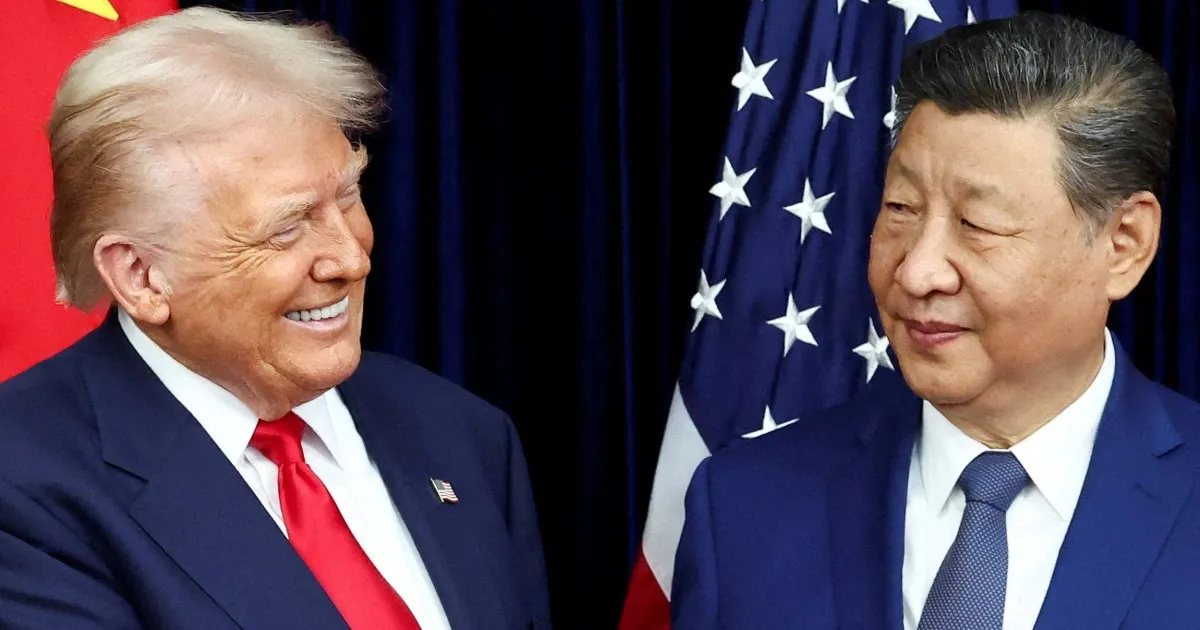
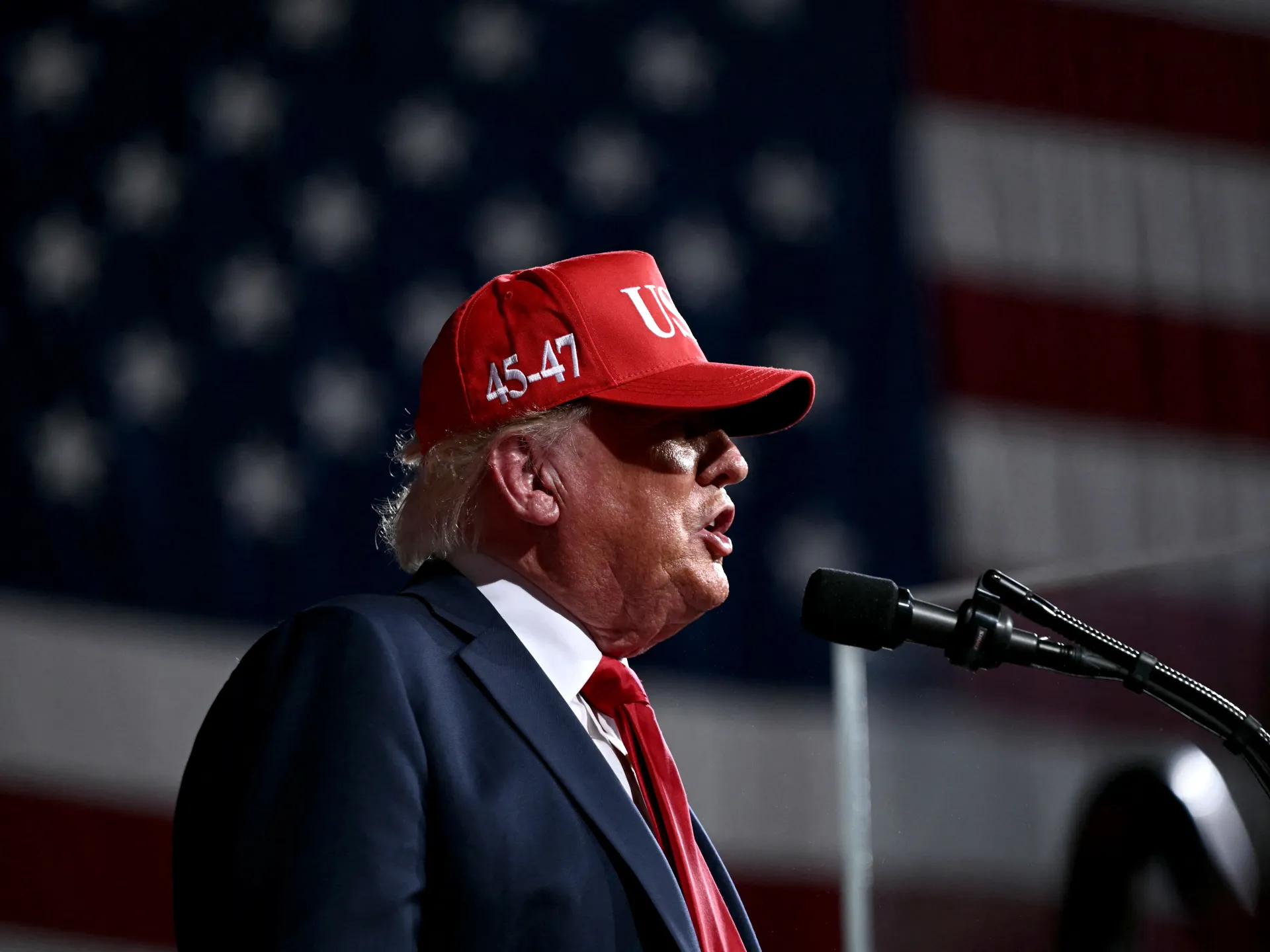
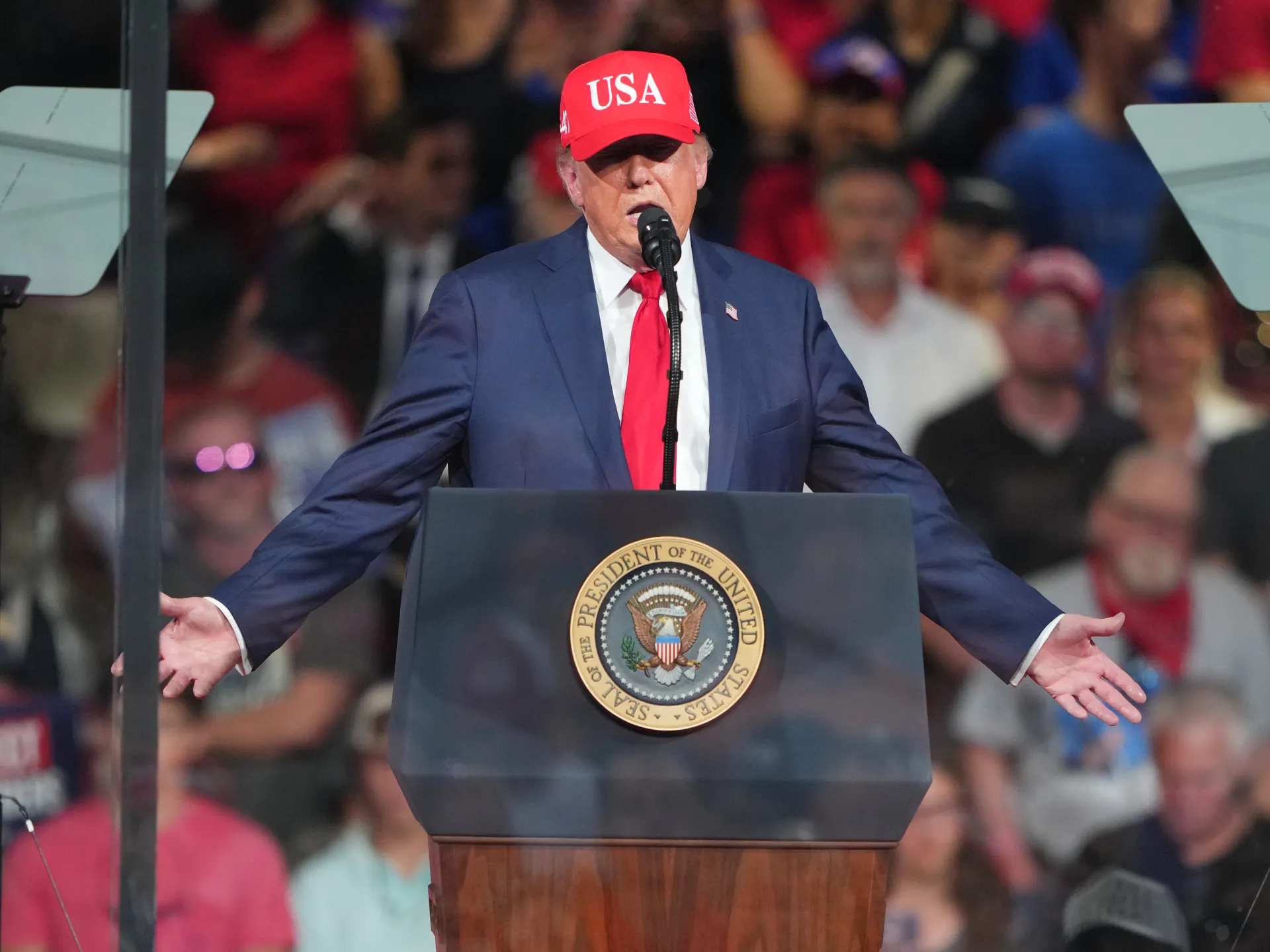
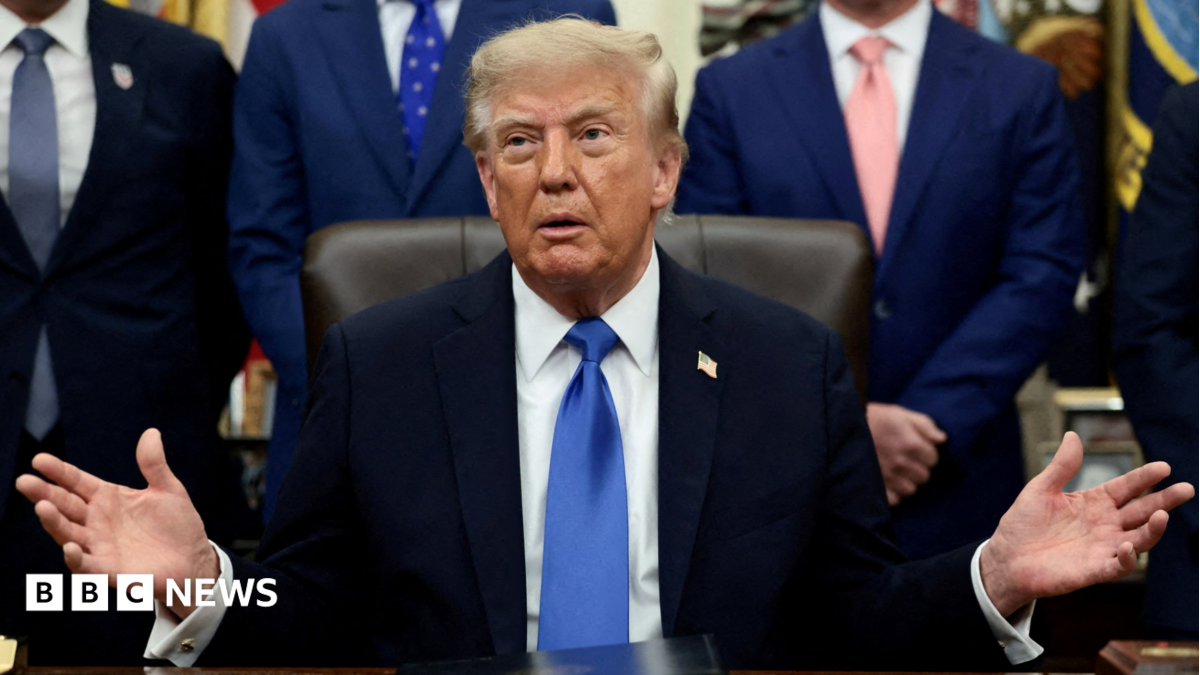
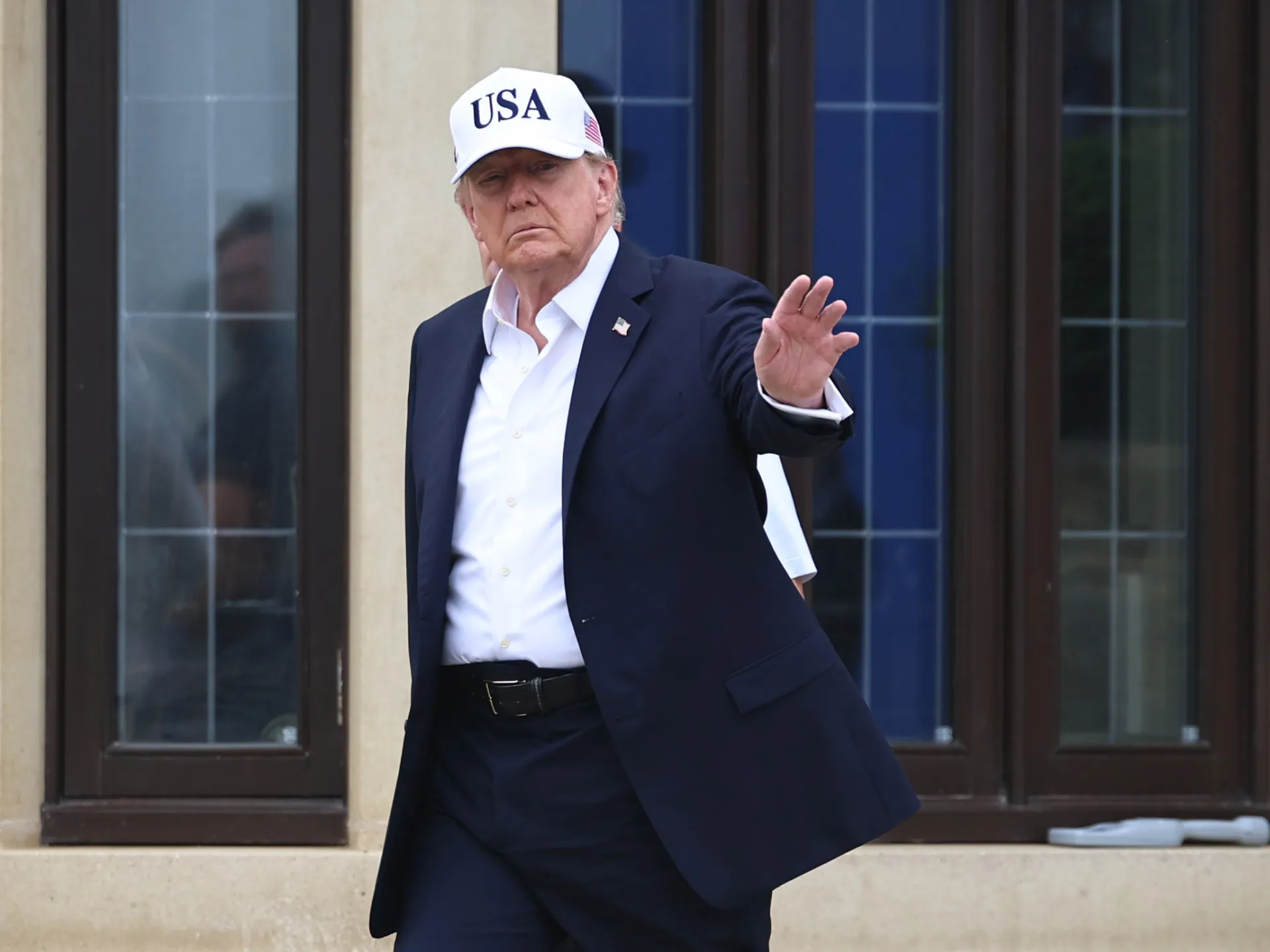
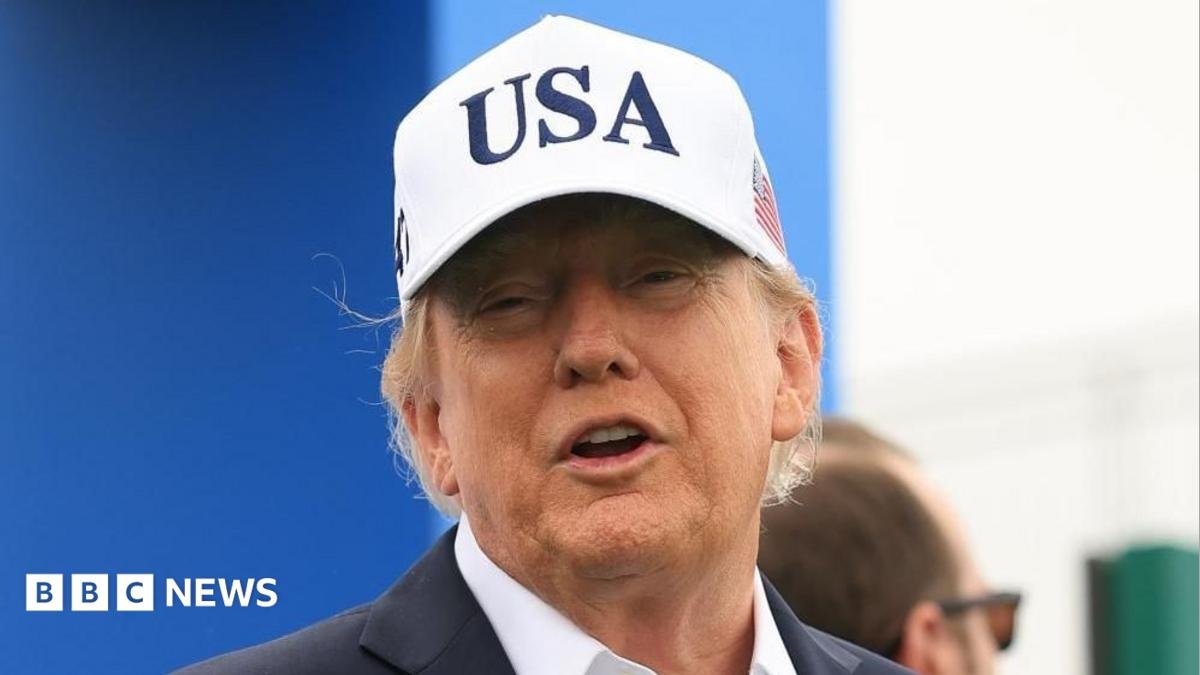
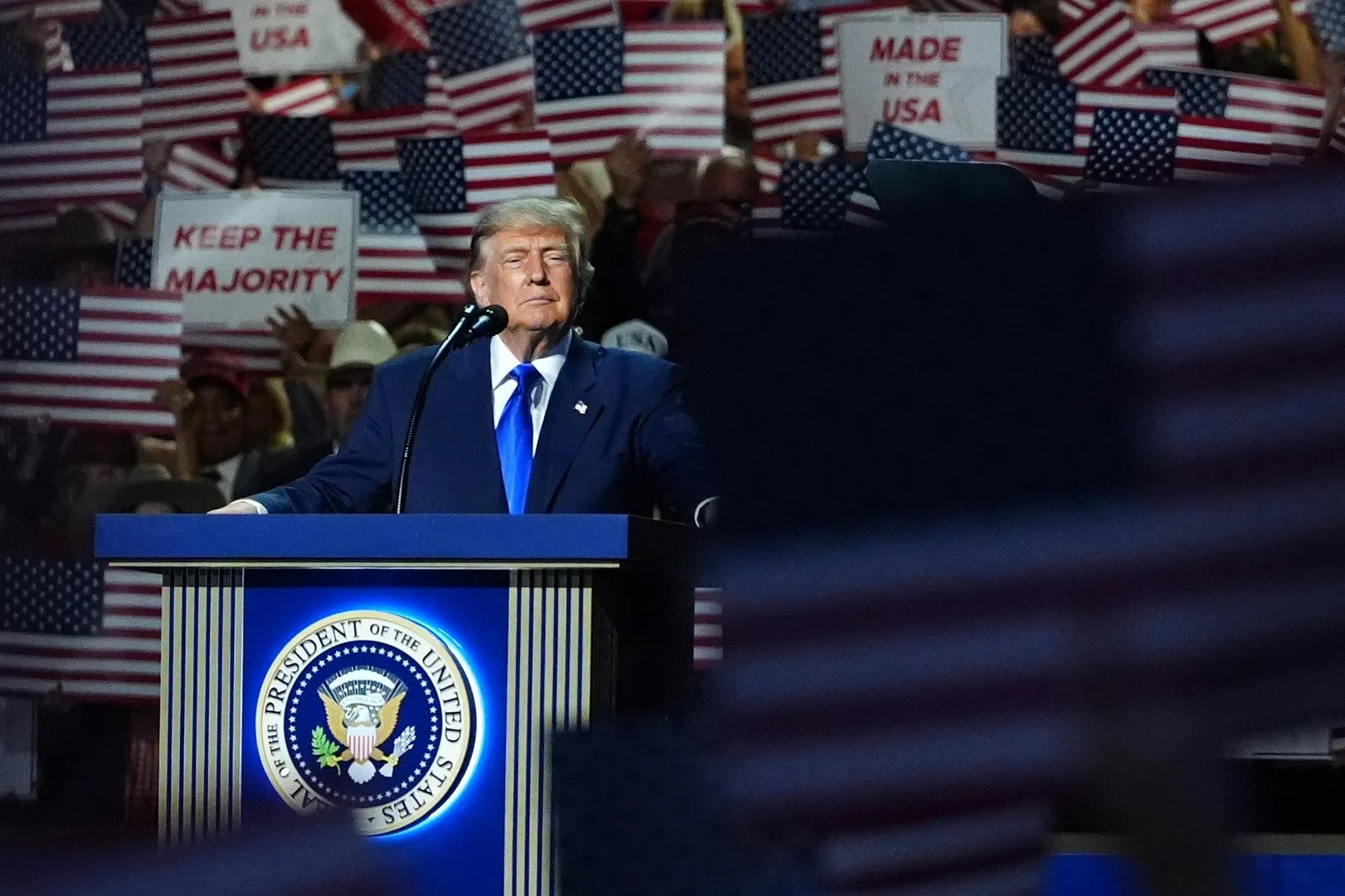
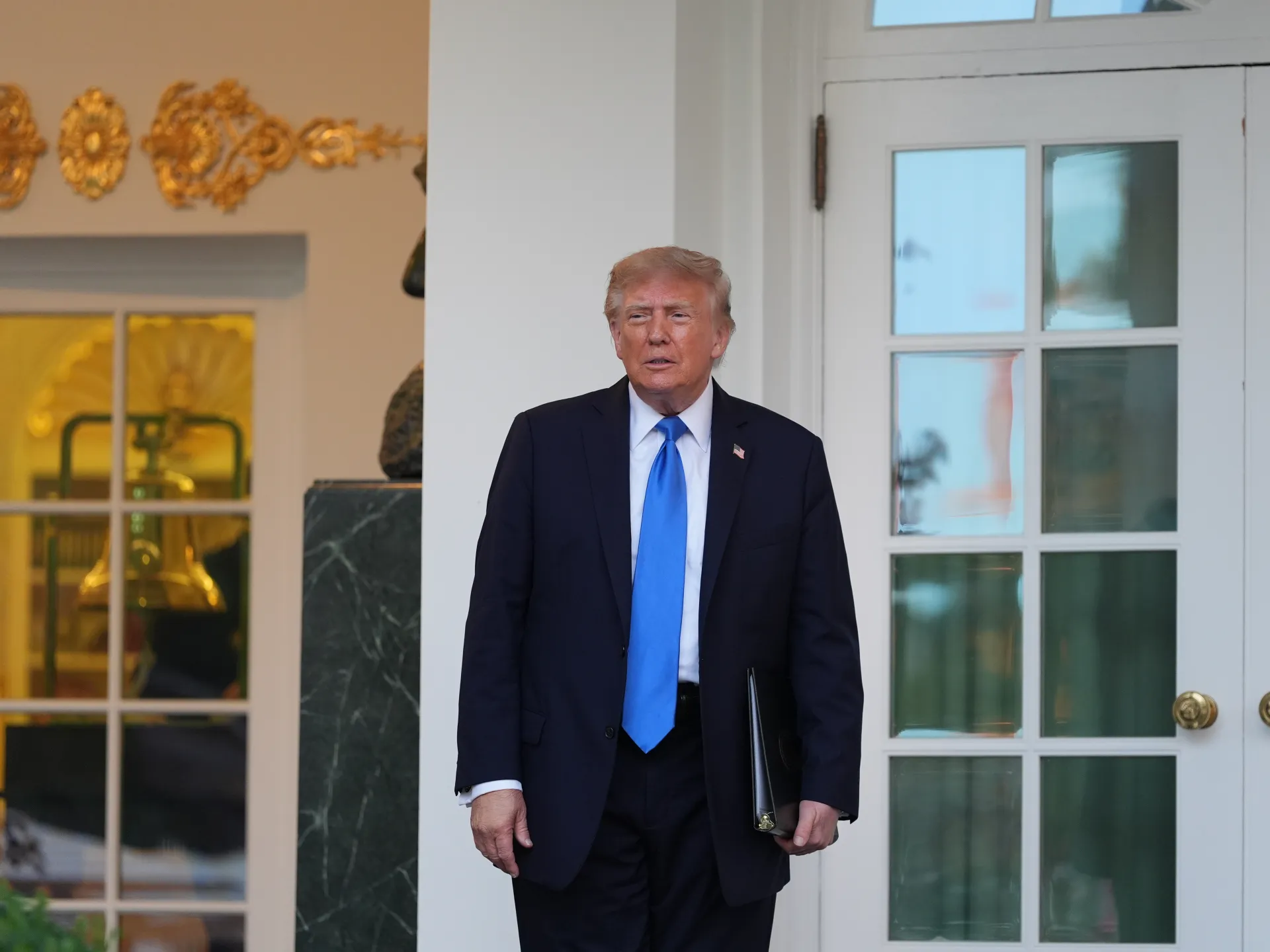
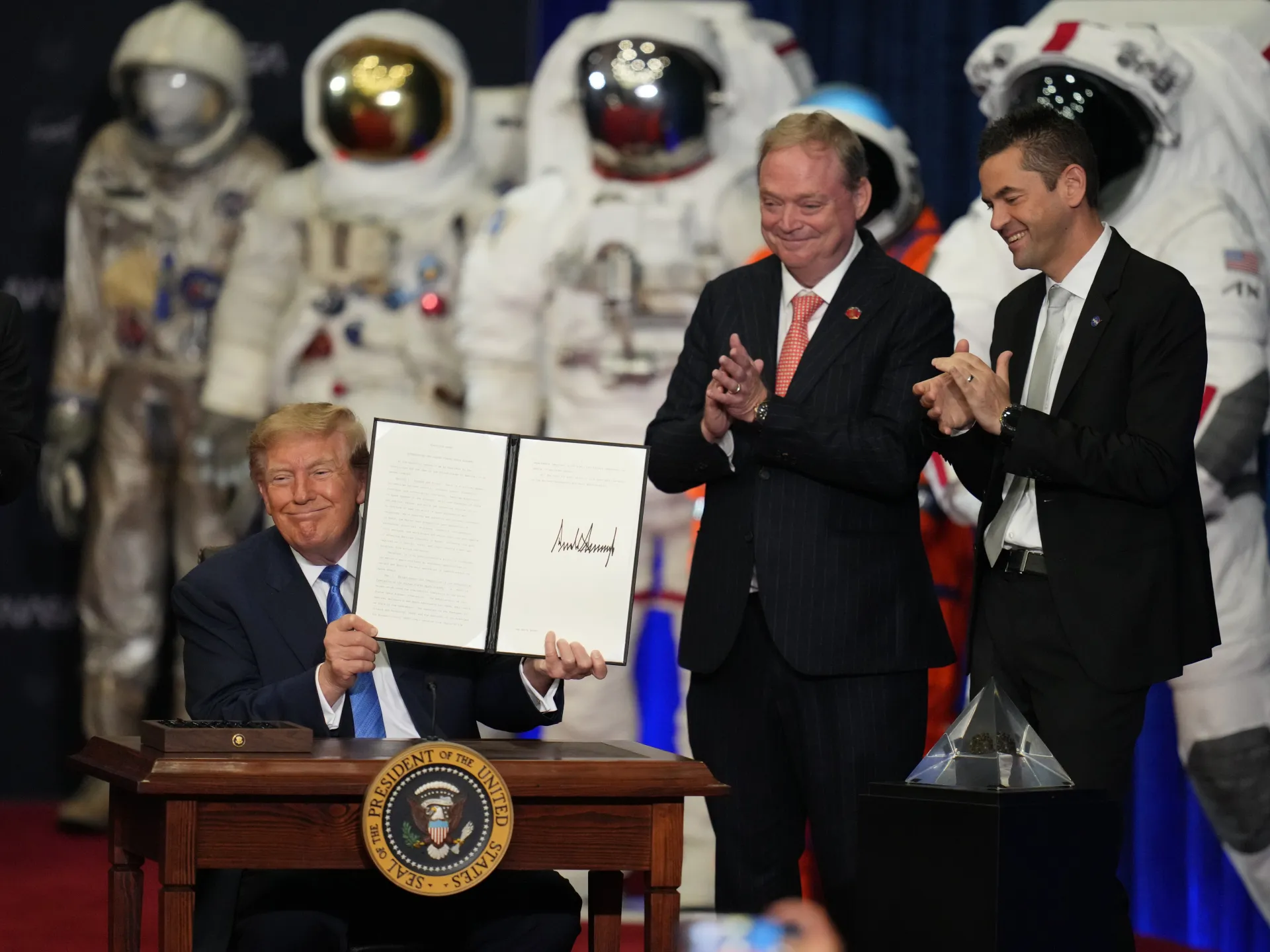
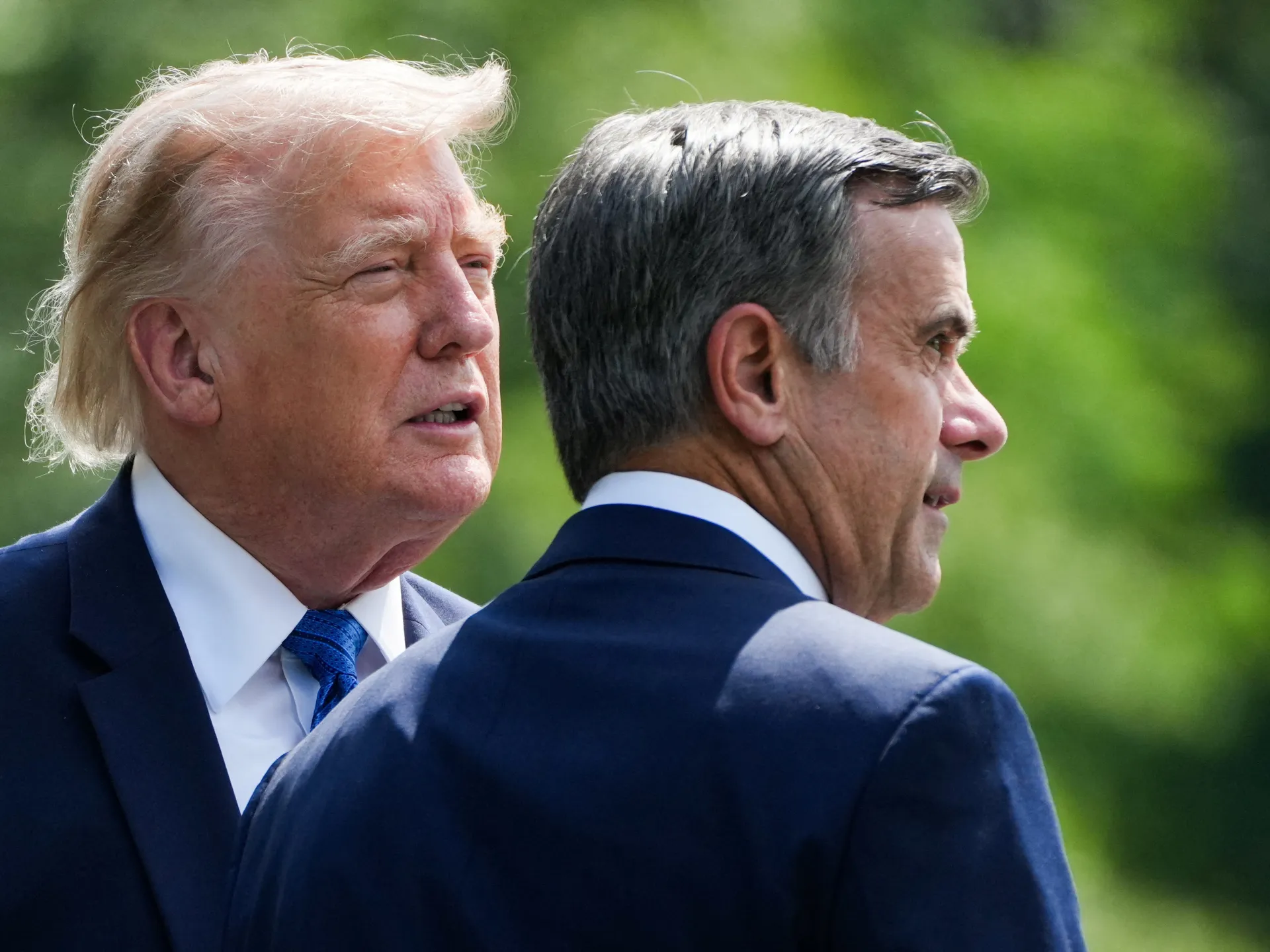
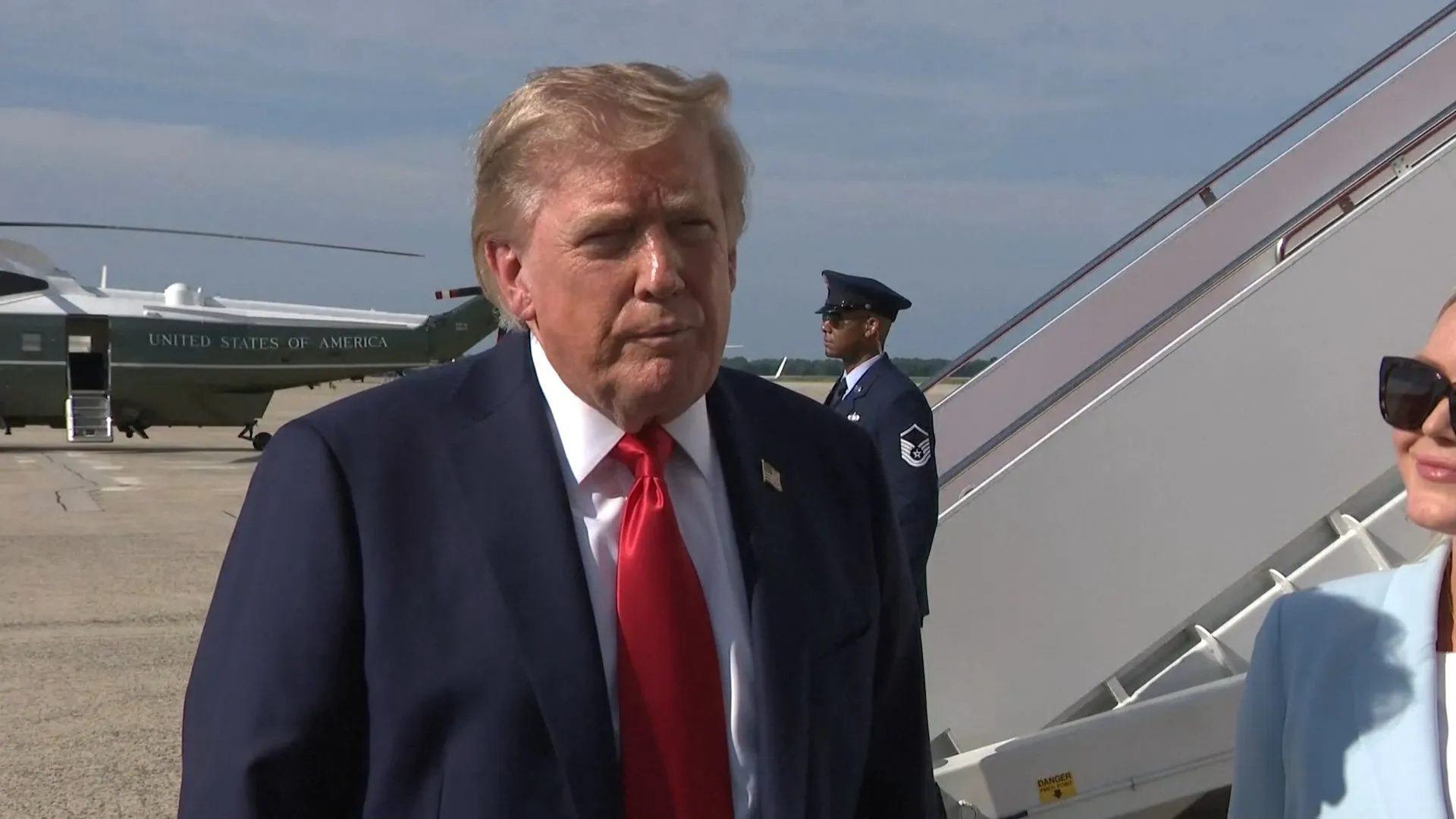
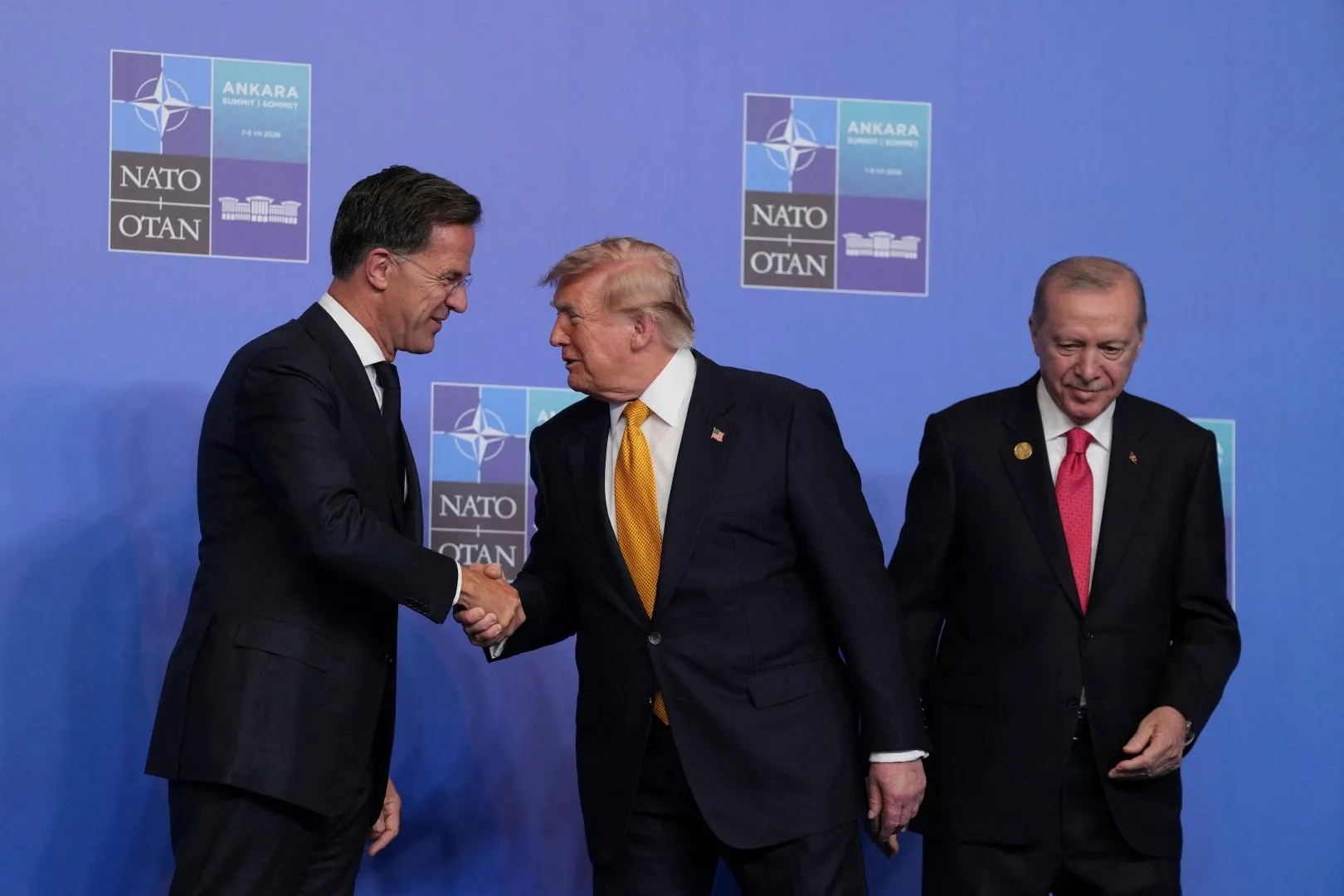
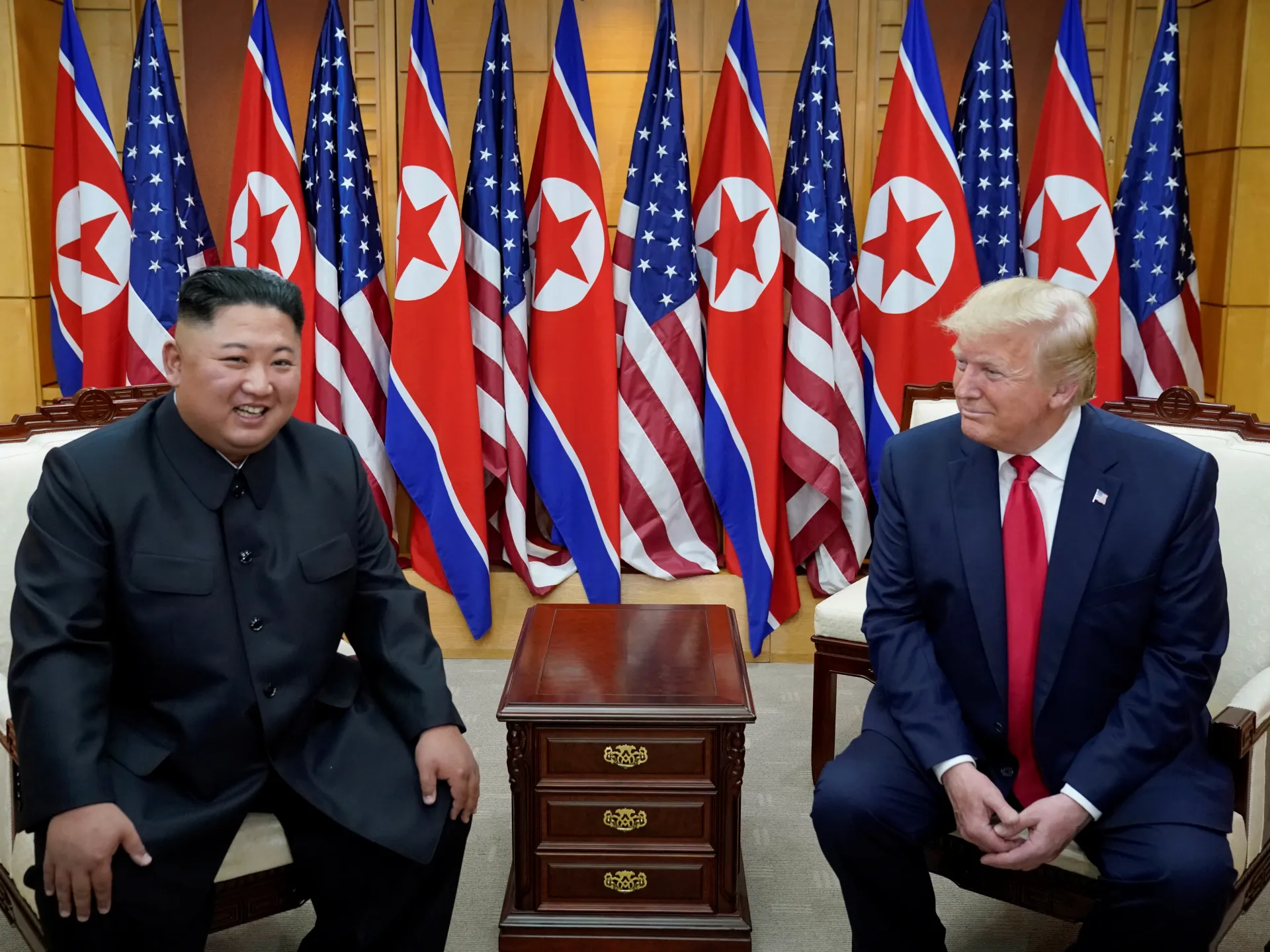
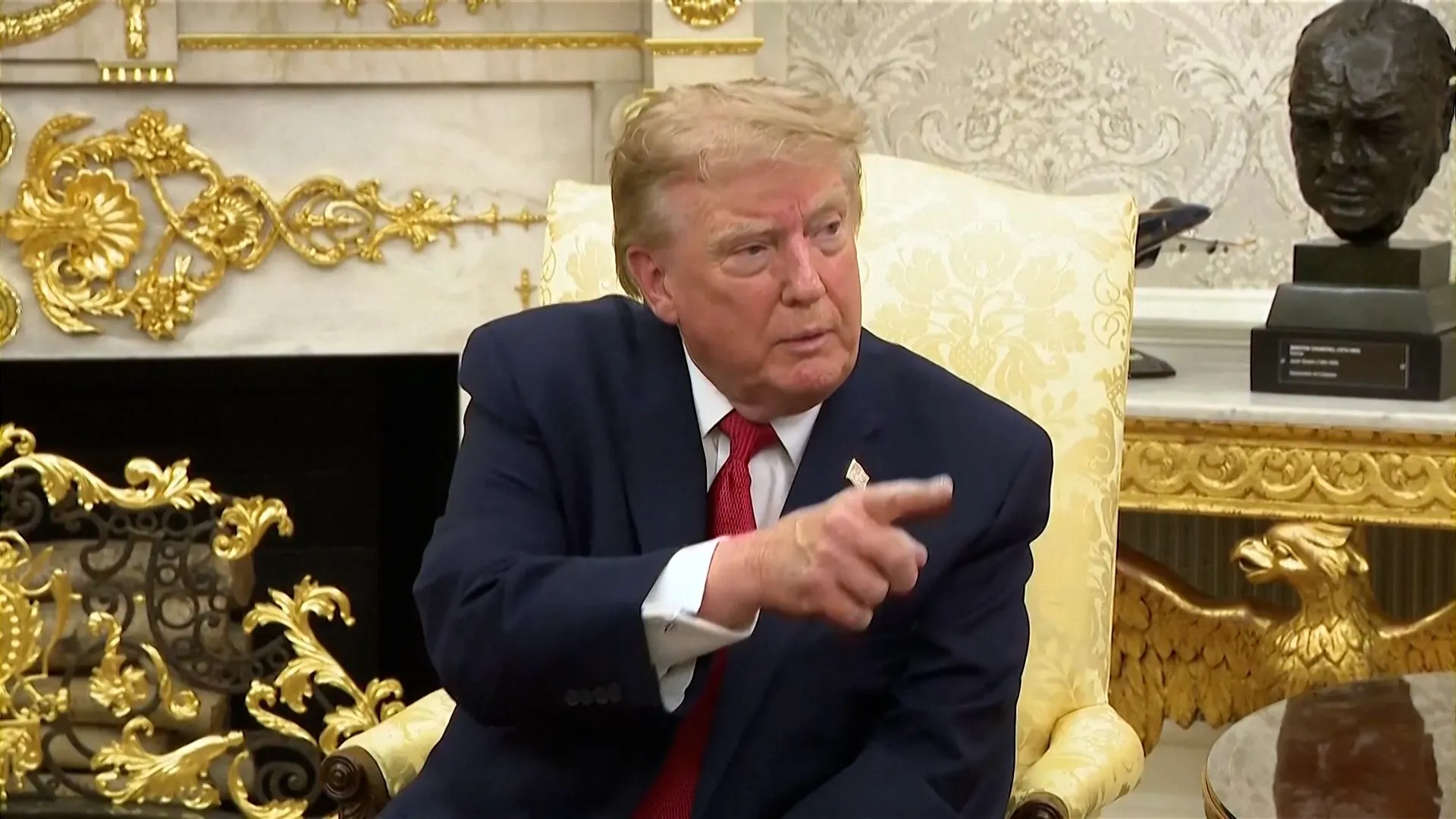
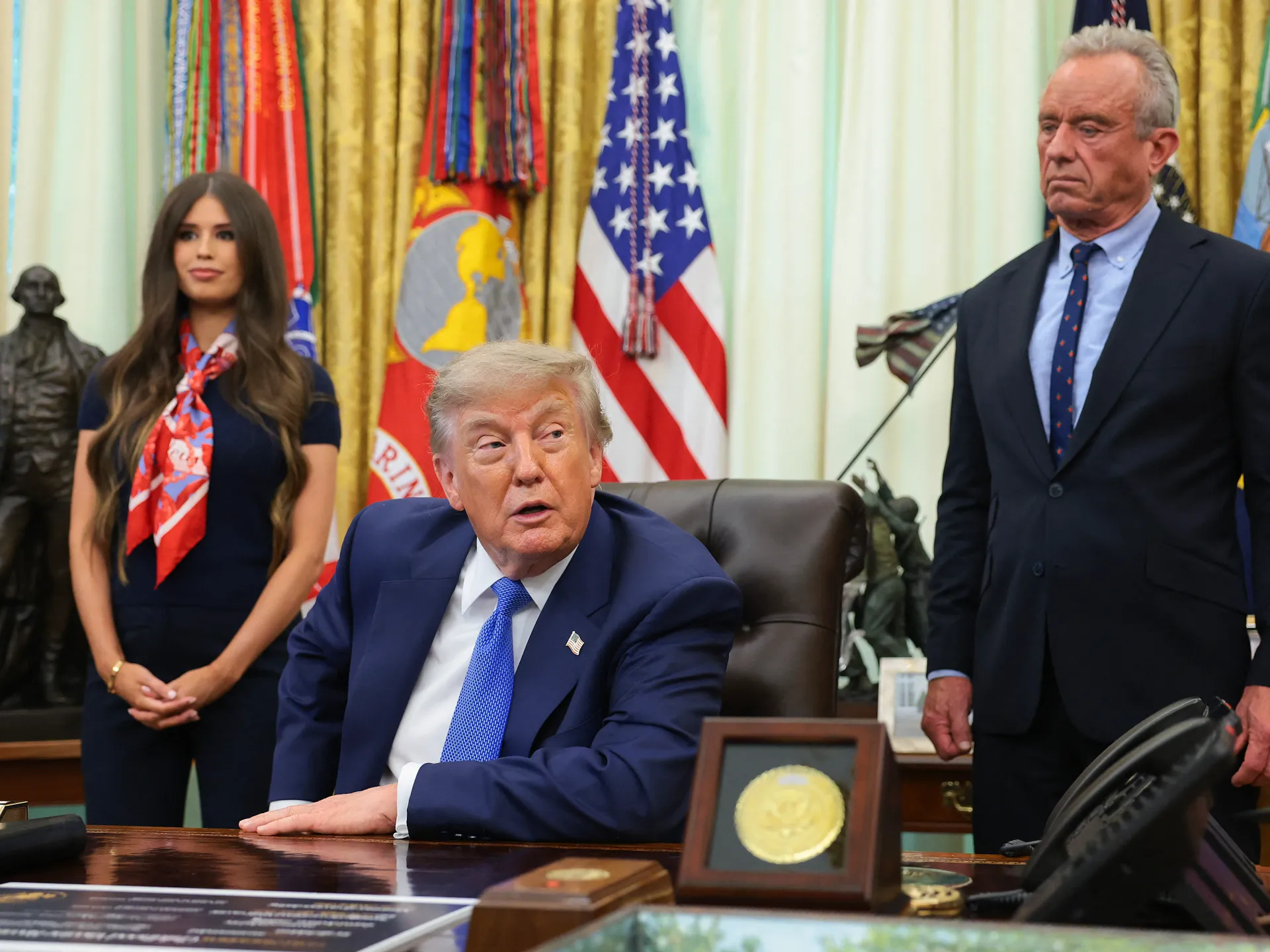
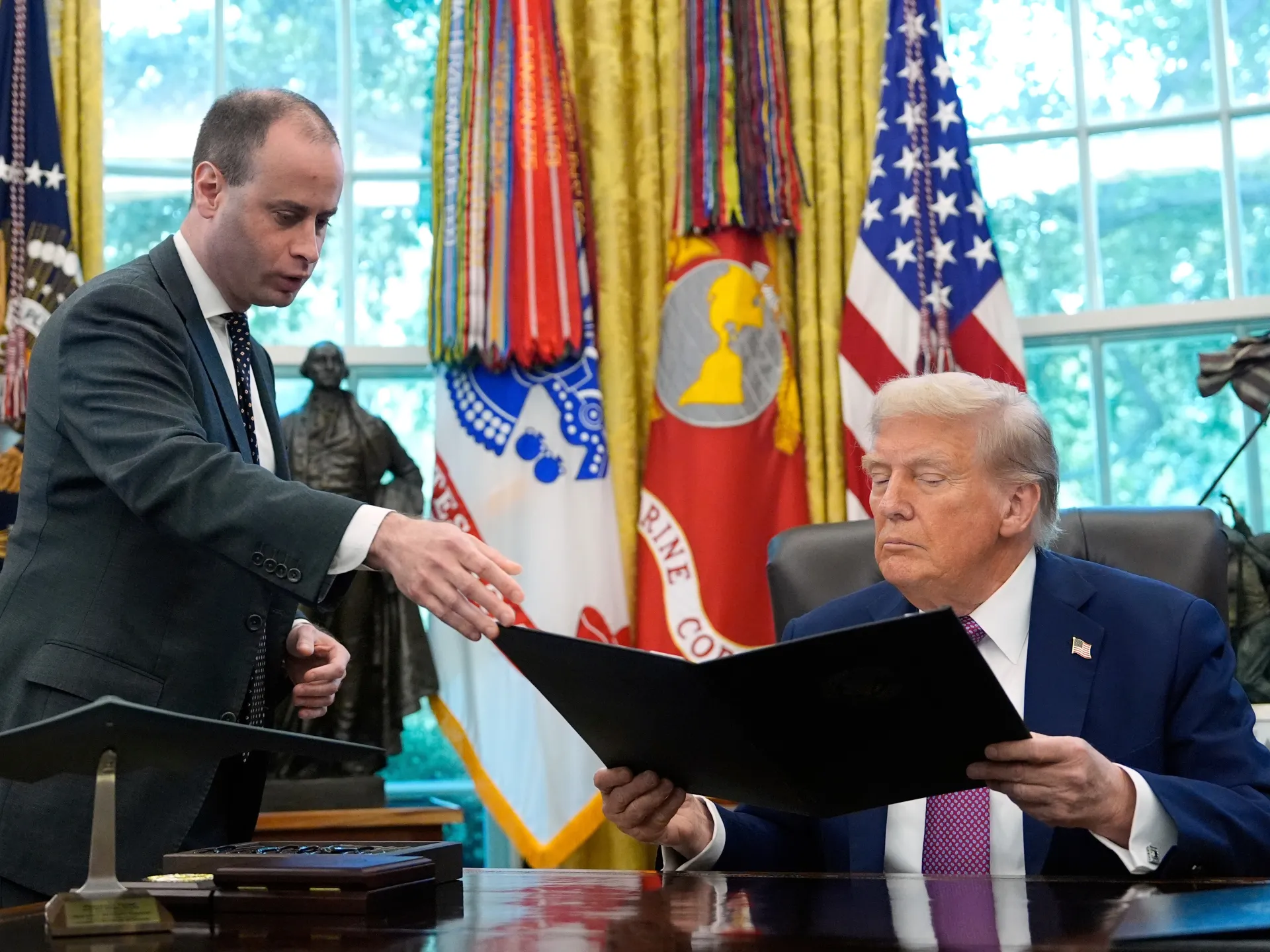
While the exact legal framework of this membership remains undefined—as the status does not currently exist within the EU—the intent is to facilitate deeper cooperation without Canada becoming a full member of the bloc. Carney has been careful to characterize the move as a "different framework" rather than an attempt to create a rival power bloc. Despite this, the move has ignited significant tensions with Washington. U.S. President Donald Trump has publicly criticized the proposal as "laughable," warning that he considers the shift a potential "hostile act" and threatening to impose severe tariffs on European goods should the partnership proceed.
Domestic sentiment in Canada appears to favor the shift, even as the trade war with the United States intensifies. Following a series of retaliatory tariff exchanges—triggered billion worth of Canadian products—public support for the EU pivot has surged. Data from Abacus Data, collected earlier in September, indicated that approximately 81 percent of Canadians support closer integration with the EU, including eased restrictions on travel and labor mobility, even if such a move keeps Canada outside the formal union.
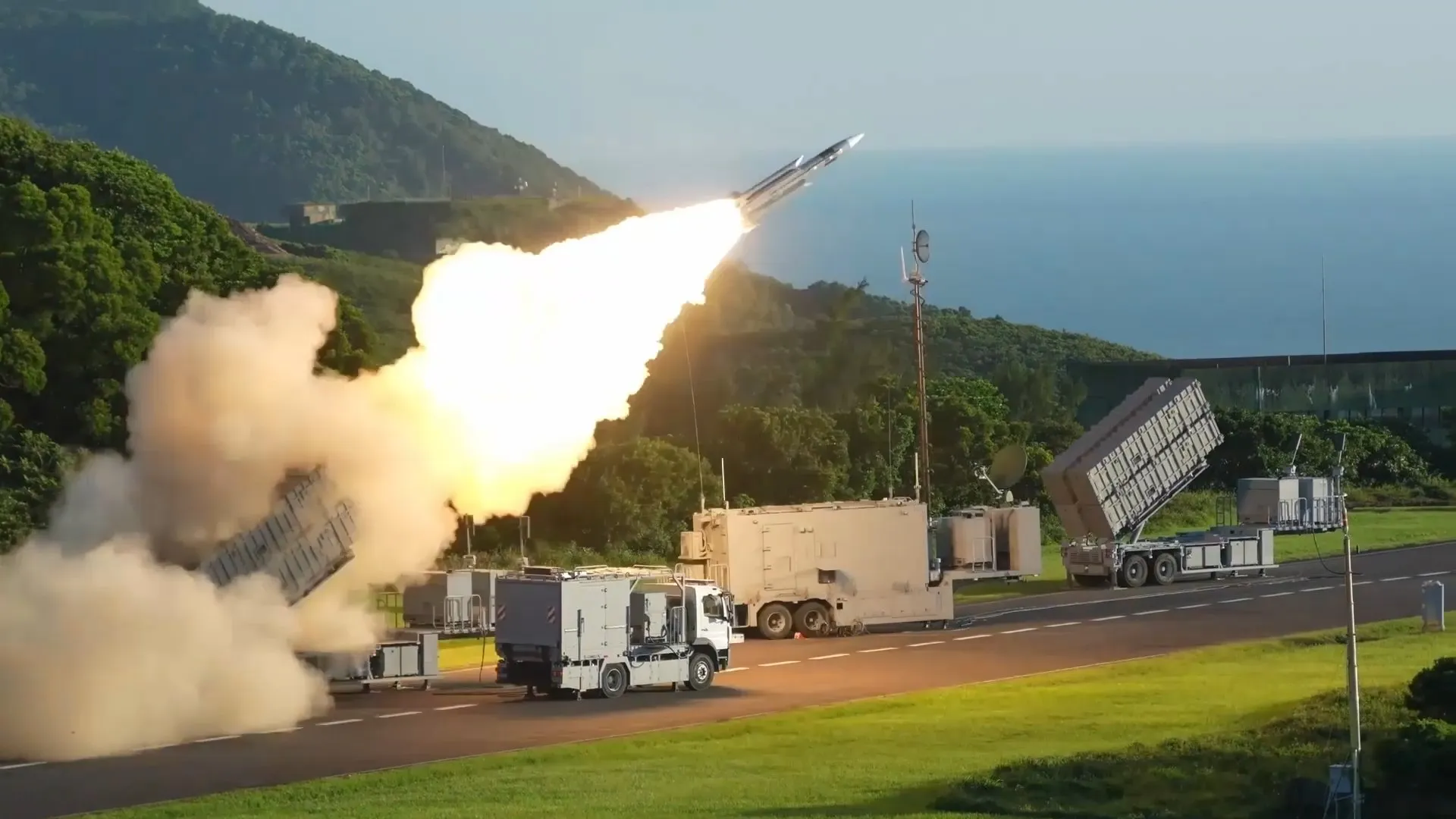
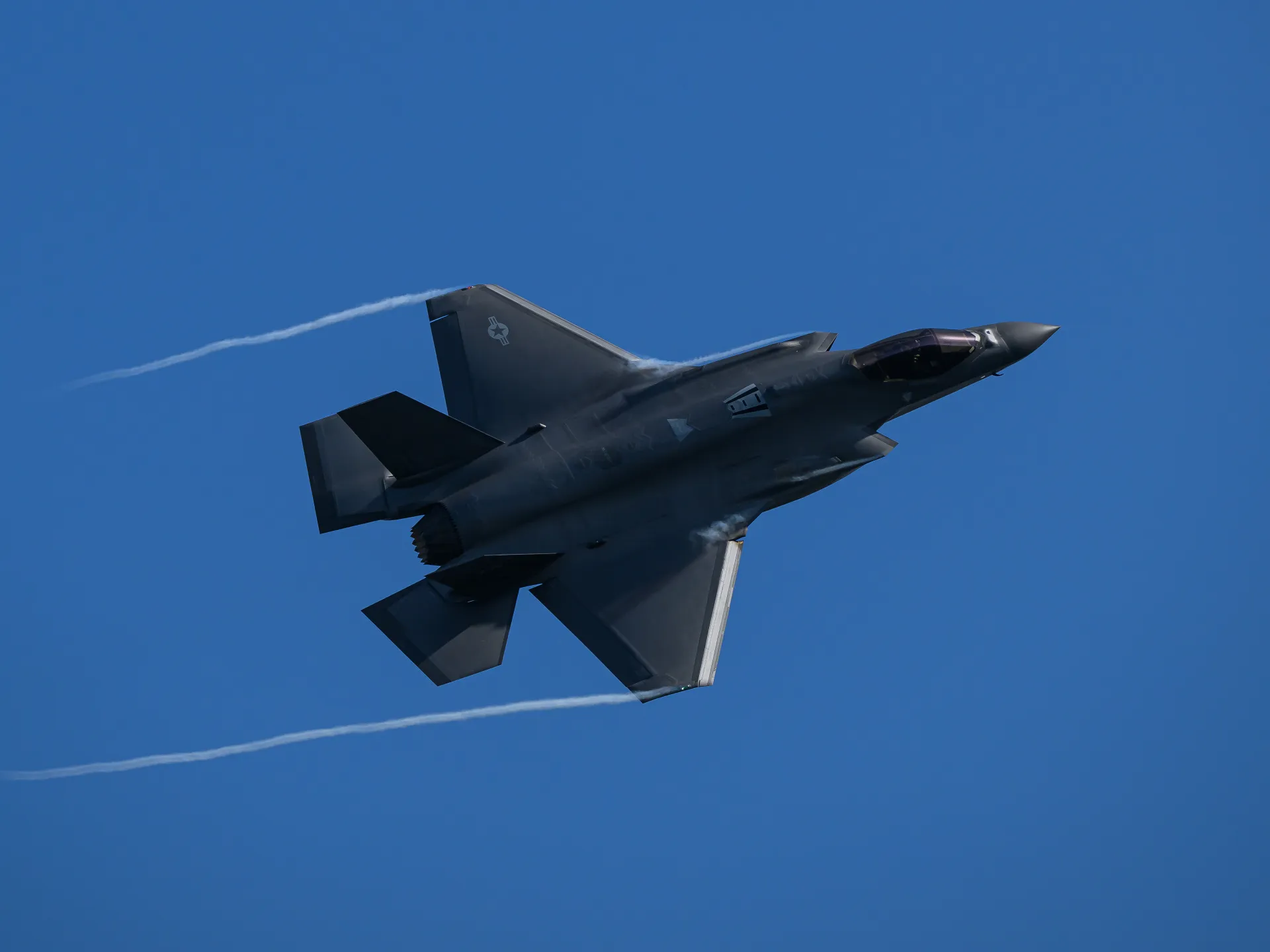
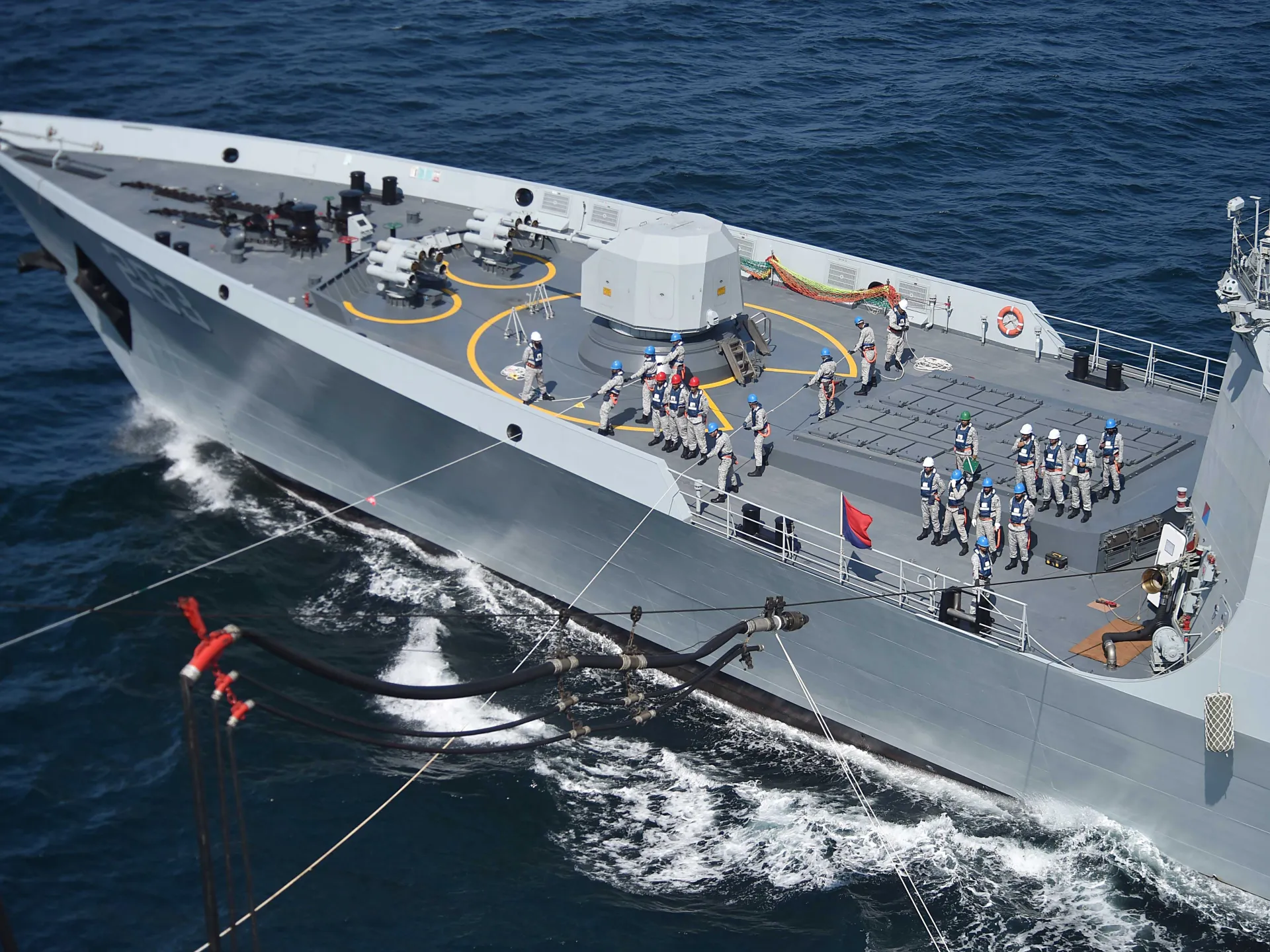
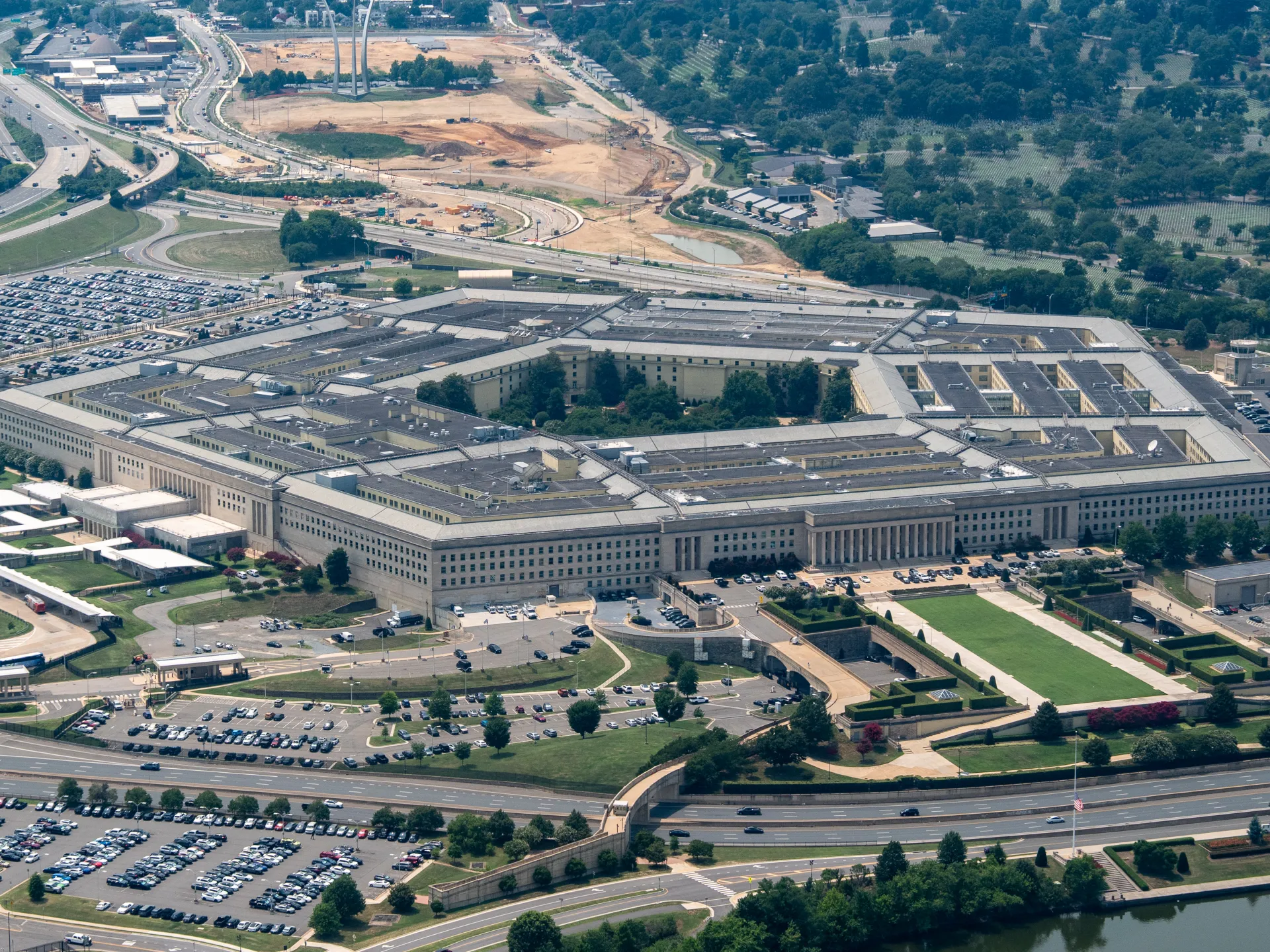
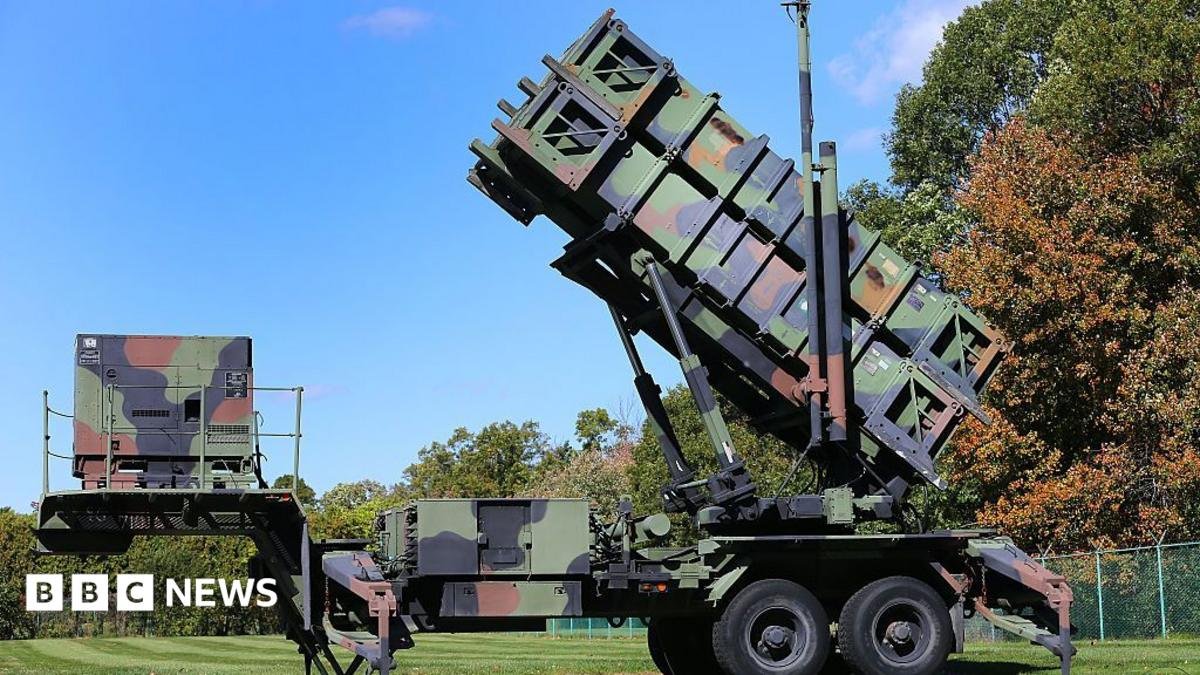
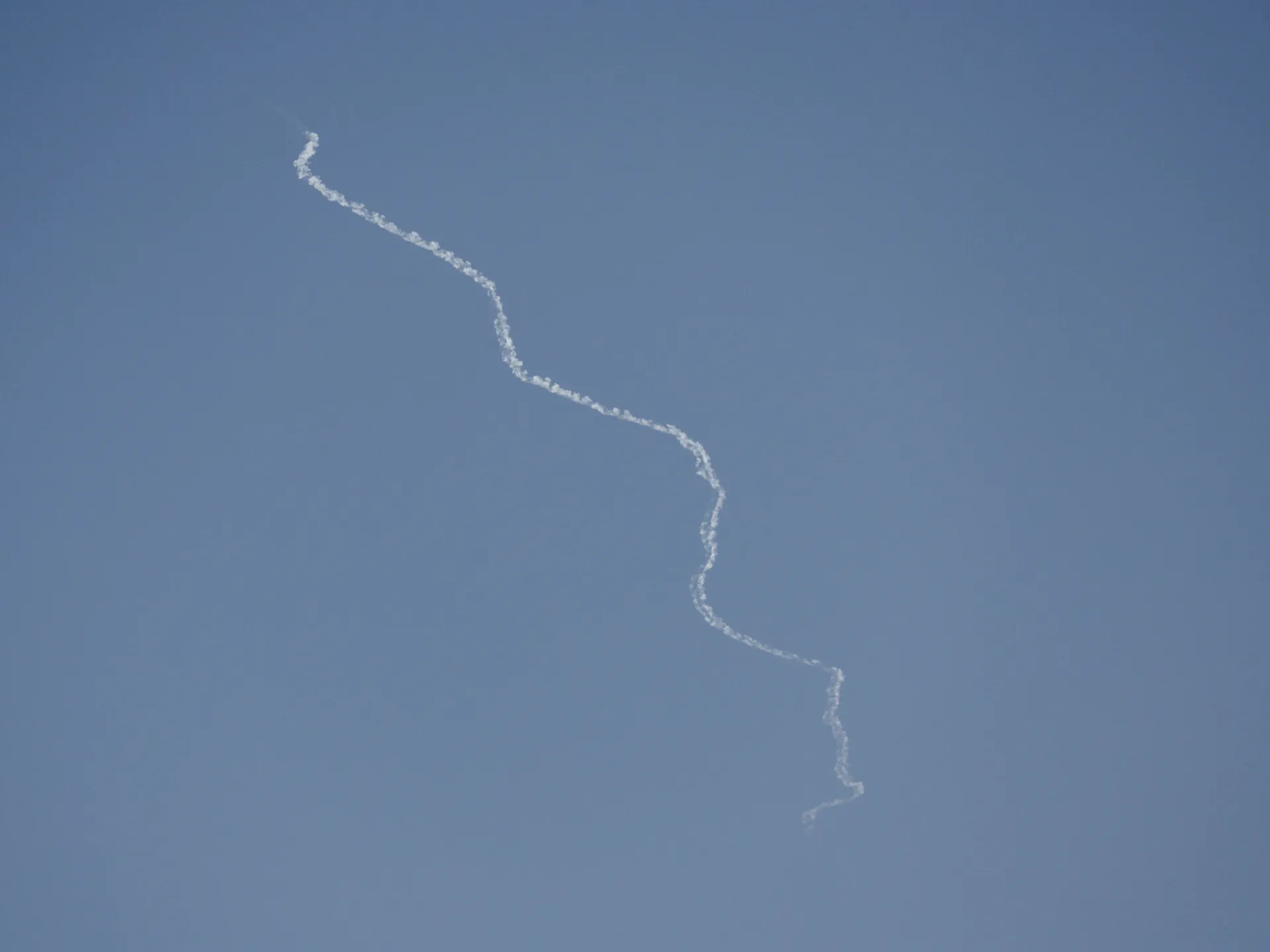
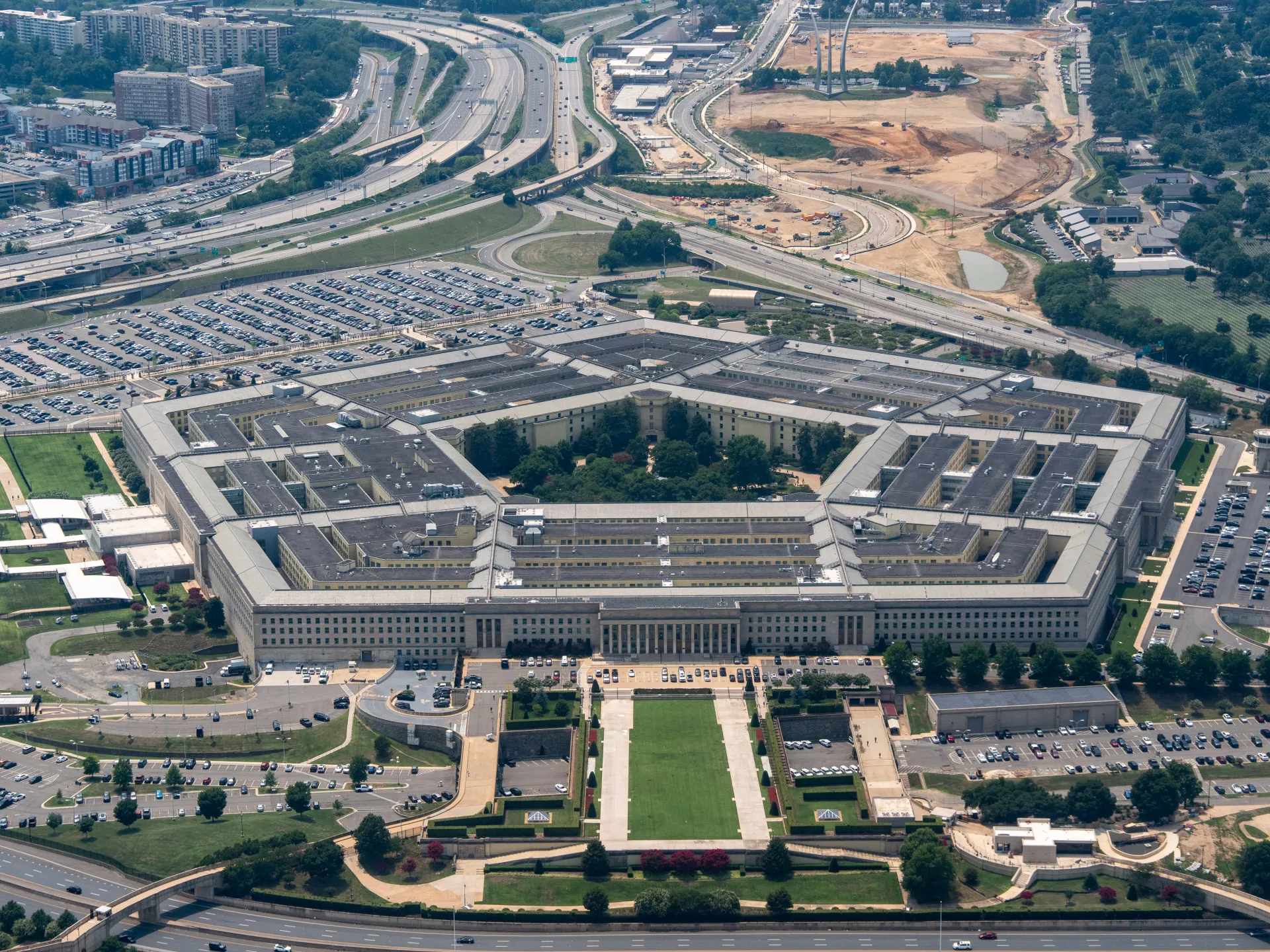
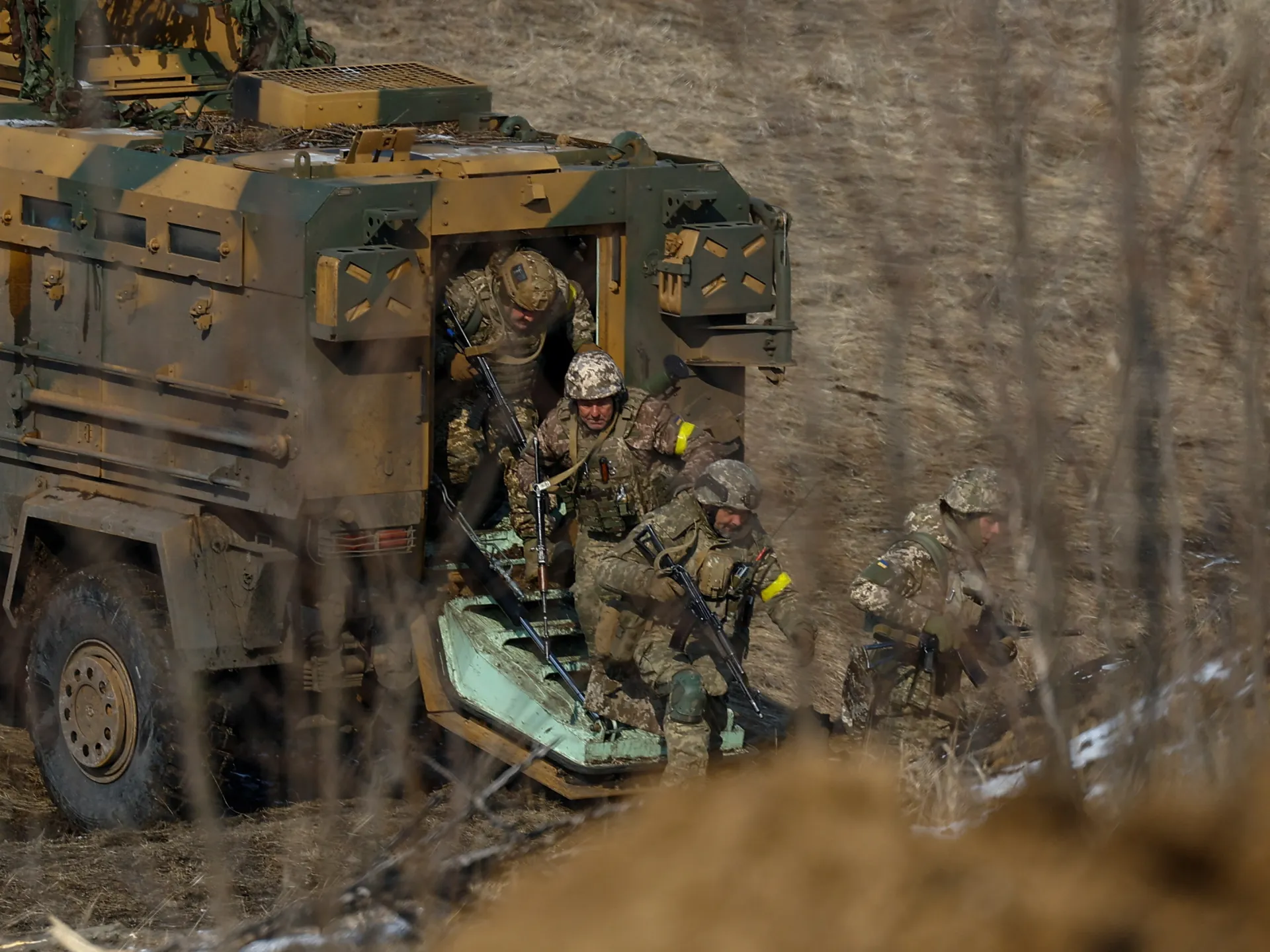
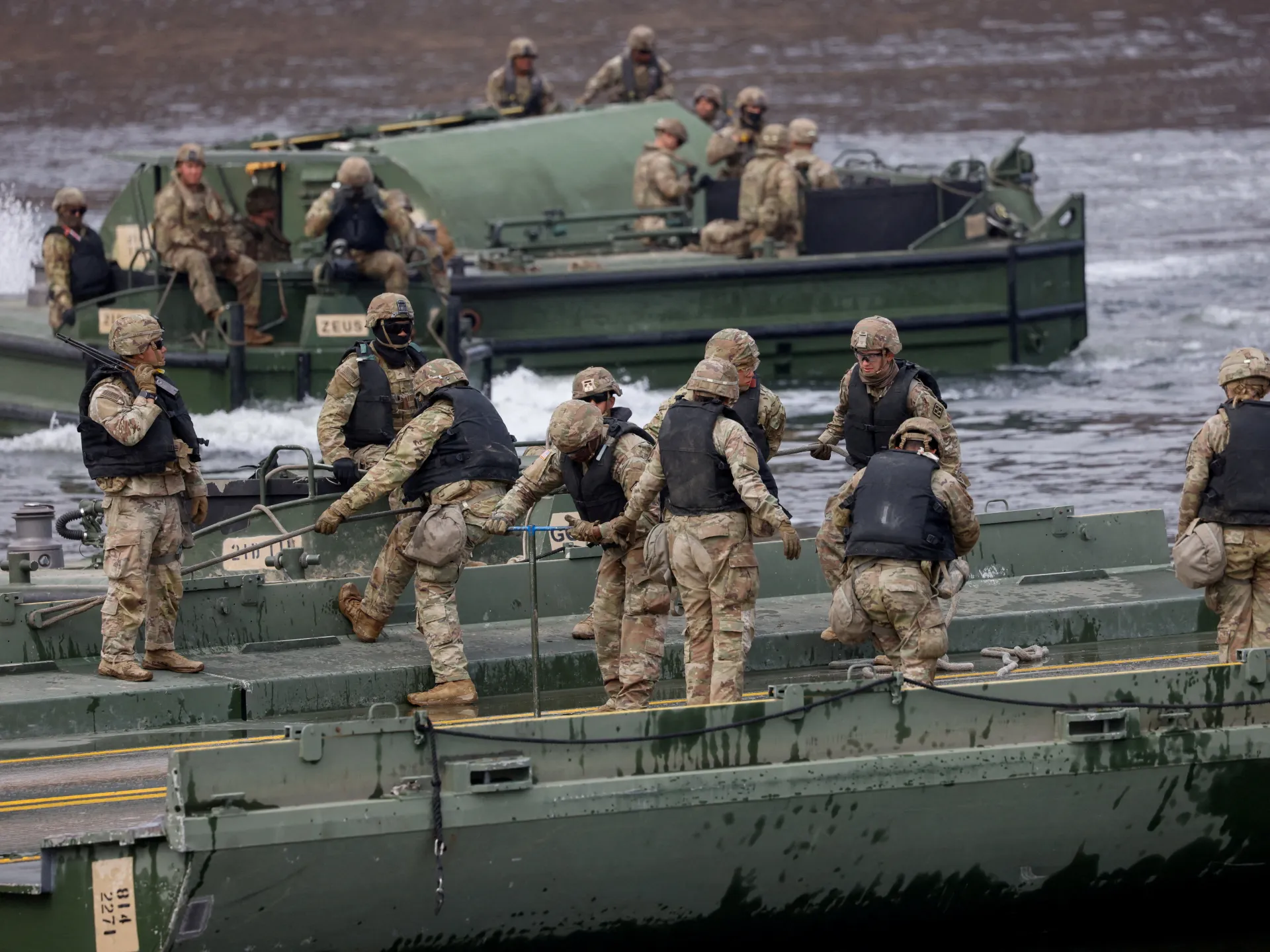
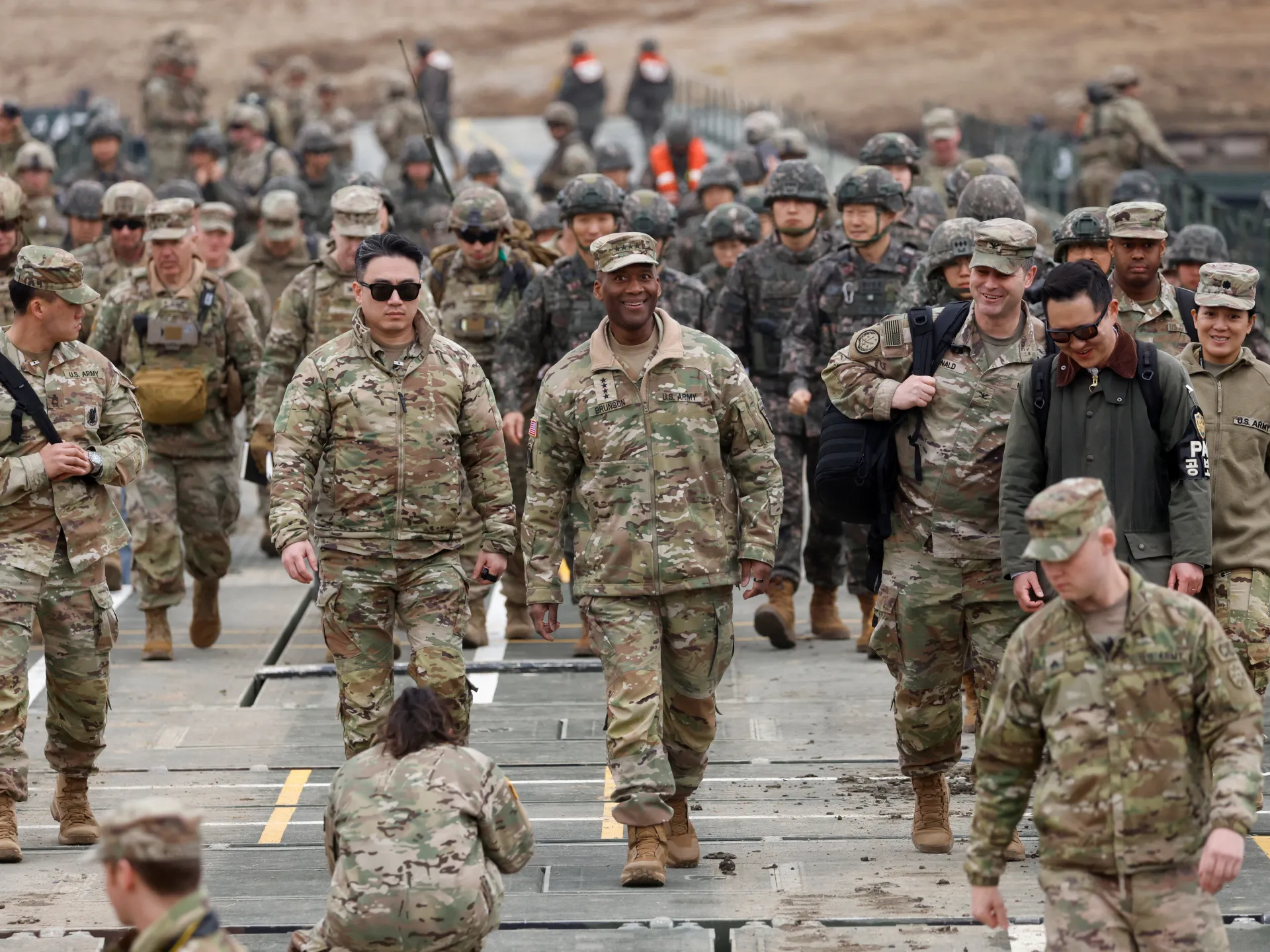
The pivot toward Europe occurs against a backdrop of increasing domestic security concerns within North America. As the diplomatic standoff unfolds, U.S. military leadership has expressed significant reservations regarding the current state of homeland defense, particularly concerning drone threats. Lt. Gen. Joseph Jarrard, deputy commander of U.S. Northern Command, recently testified that American military bases remain "ill-equipped" to defend against swarms of small attack drones.
This vulnerability persists even as the Pentagon seeks billions in funding for counter-drone technologies. The current defense posture, which relies heavily on existing radar systems and limited integration with local law enforcement, highlights a gap between the aspiration for transatlantic alliance-building and the reality of localized security threats. Officials noted that these counter-drone tactics are being integrated into Operation Noble Eagle, the long-standing joint air-defense mission between the United States and Canada, underscoring the complexities of maintaining a unified security front while trade relations remain fractured.
The future of the Canada-EU relationship depends on the ability of both parties to define a "different framework" that provides economic security without crossing the threshold into a formal union that would trigger the threatened U.S. retaliatory tariffs. Given President Trump's explicit warnings, the EU will likely proceed with caution, attempting to balance its strategic interest in Canadian mineral and energy resources against the threat of a broader trade war with Washington. The success of this initiative will likely be measured eements before the current trade dispute further erodes the stability of the North American supply chain.