Tottenham Hotspur faces a deepening crisis following a 3-2 defeat to Aston Villa, while the village of al-Mughayyir struggles to maintain school safety amid rising violence.
The convergence of professional sports instability in London and the deepening humanitarian crisis in the occupied West Bank highlights a week of profound societal tension. While Tottenham Hotspur’s performance struggles reflect the volatility of high-stakes sports investment, the situation in the village of al-Mughayyir represents a grave escalation in regional security that threatens the fundamental right to education. Both scenarios underscore how institutional systems—whether a professional football club or a village school infrastructure—are currently buckling under the weight of mounting external pressures and internal mismanagement.
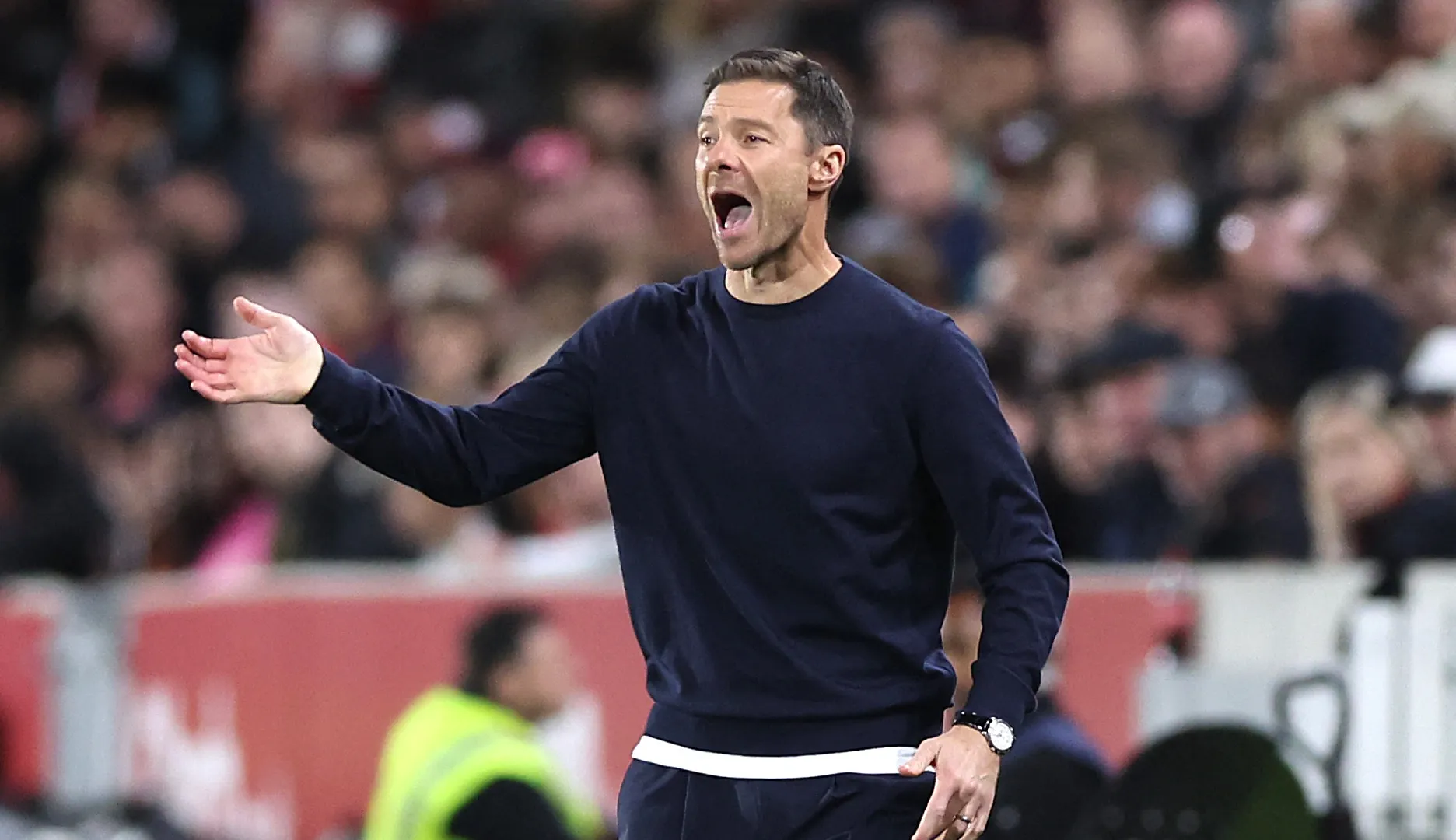
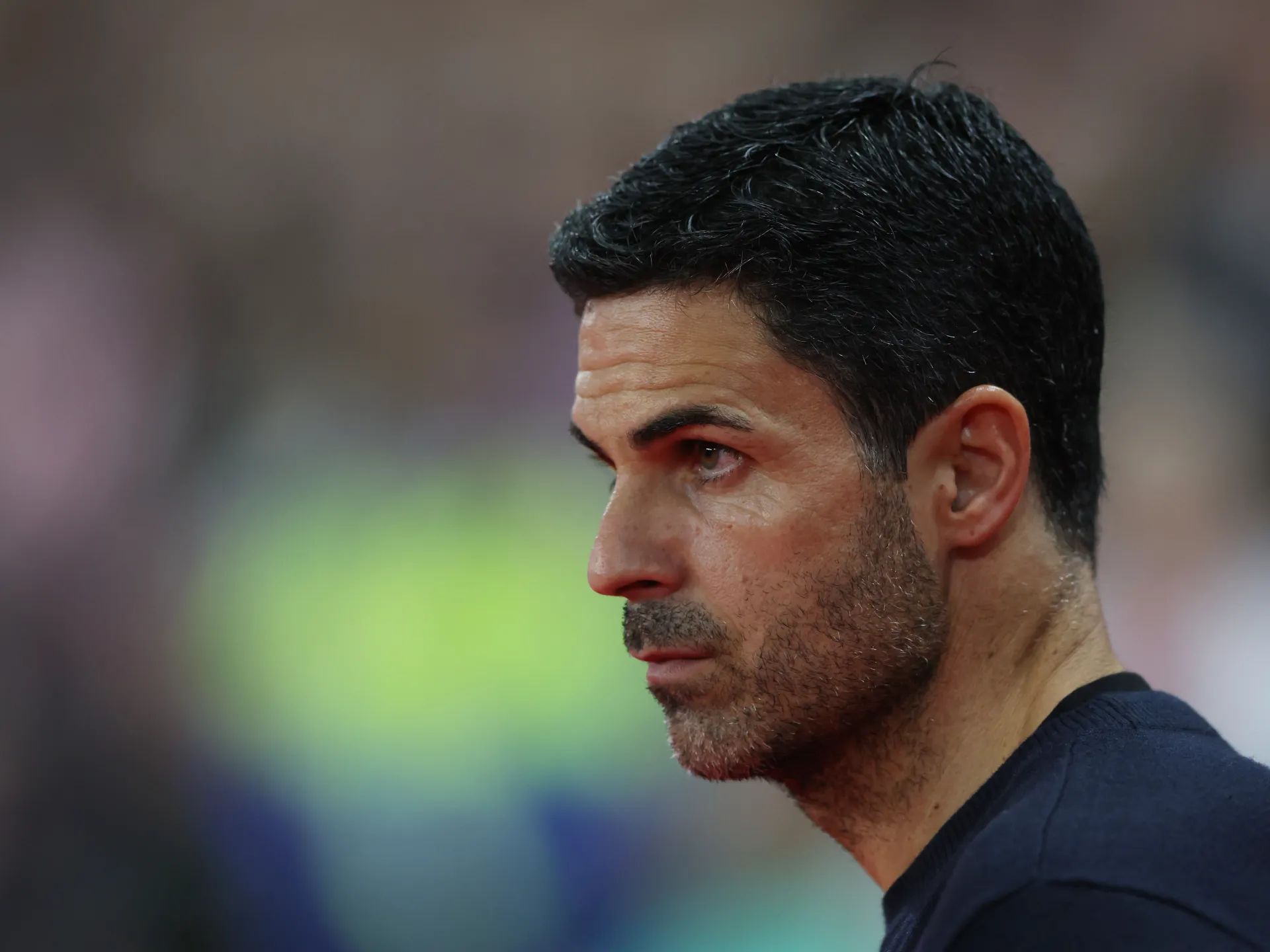
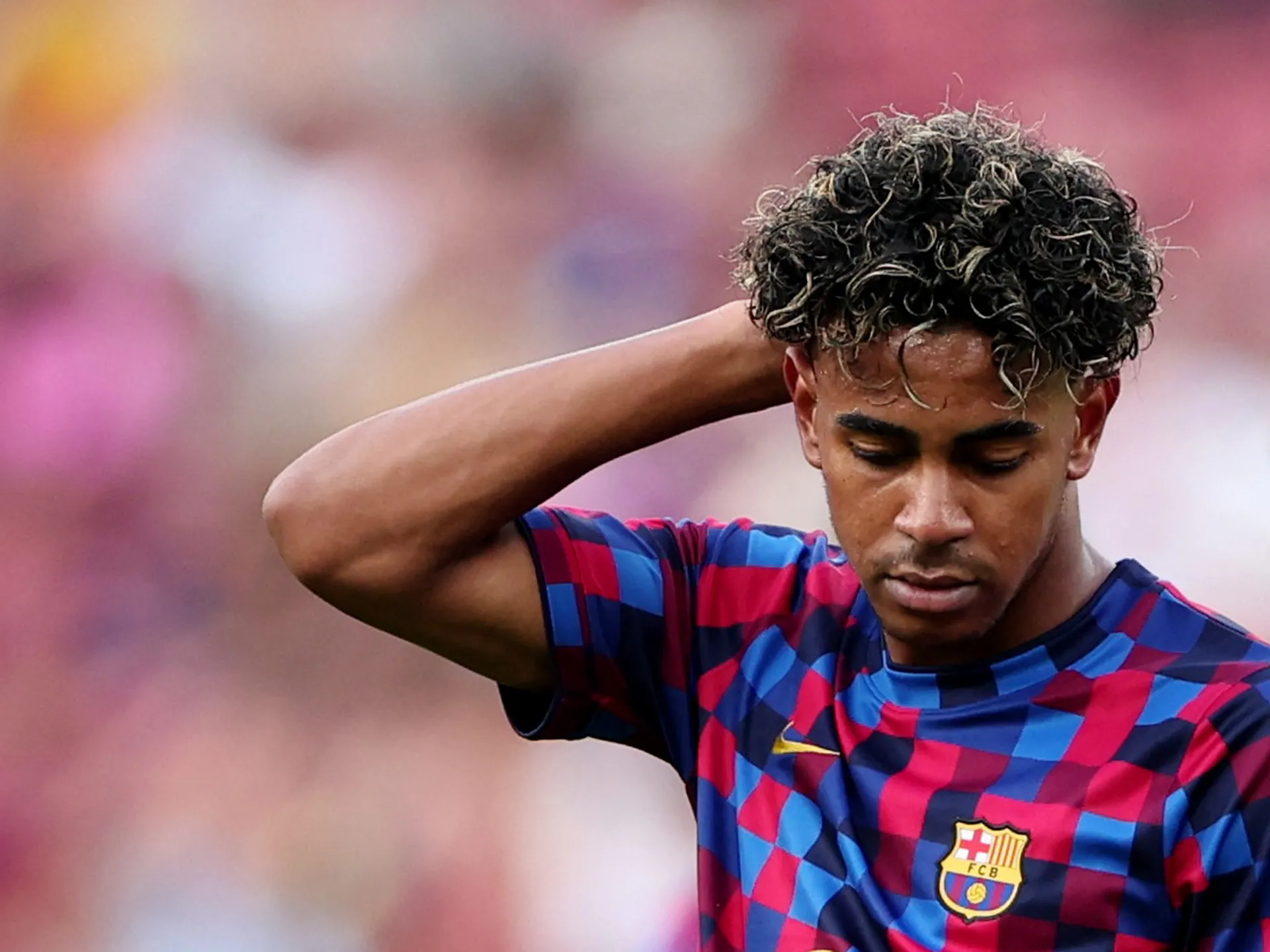
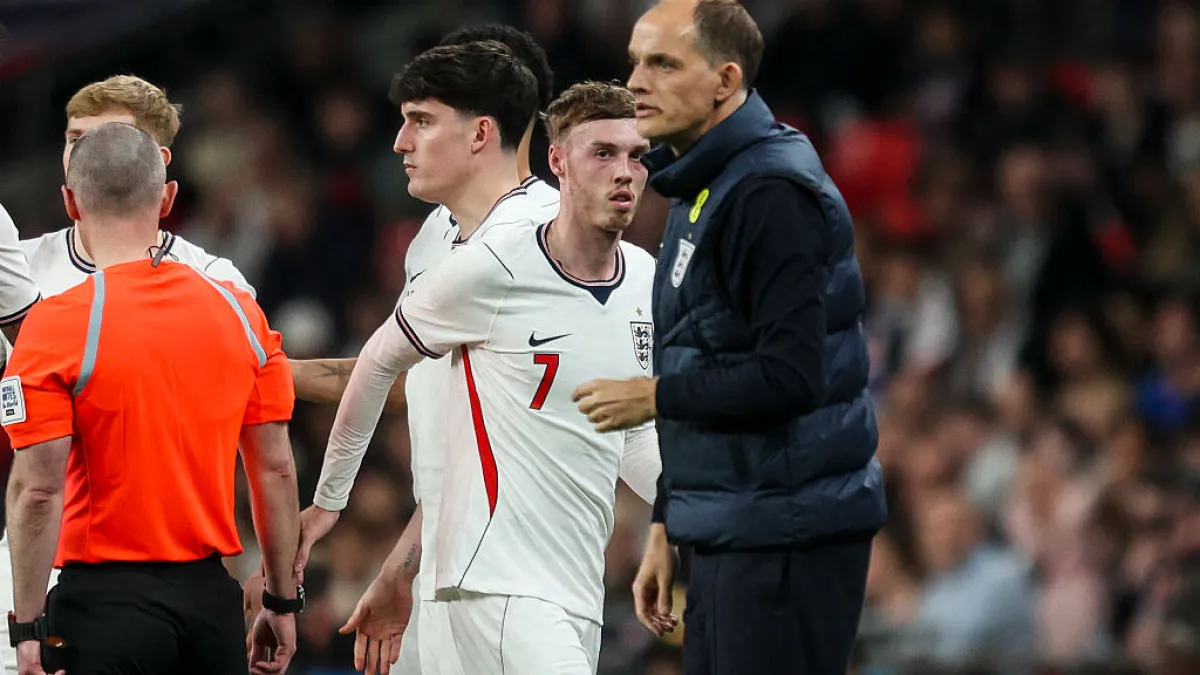
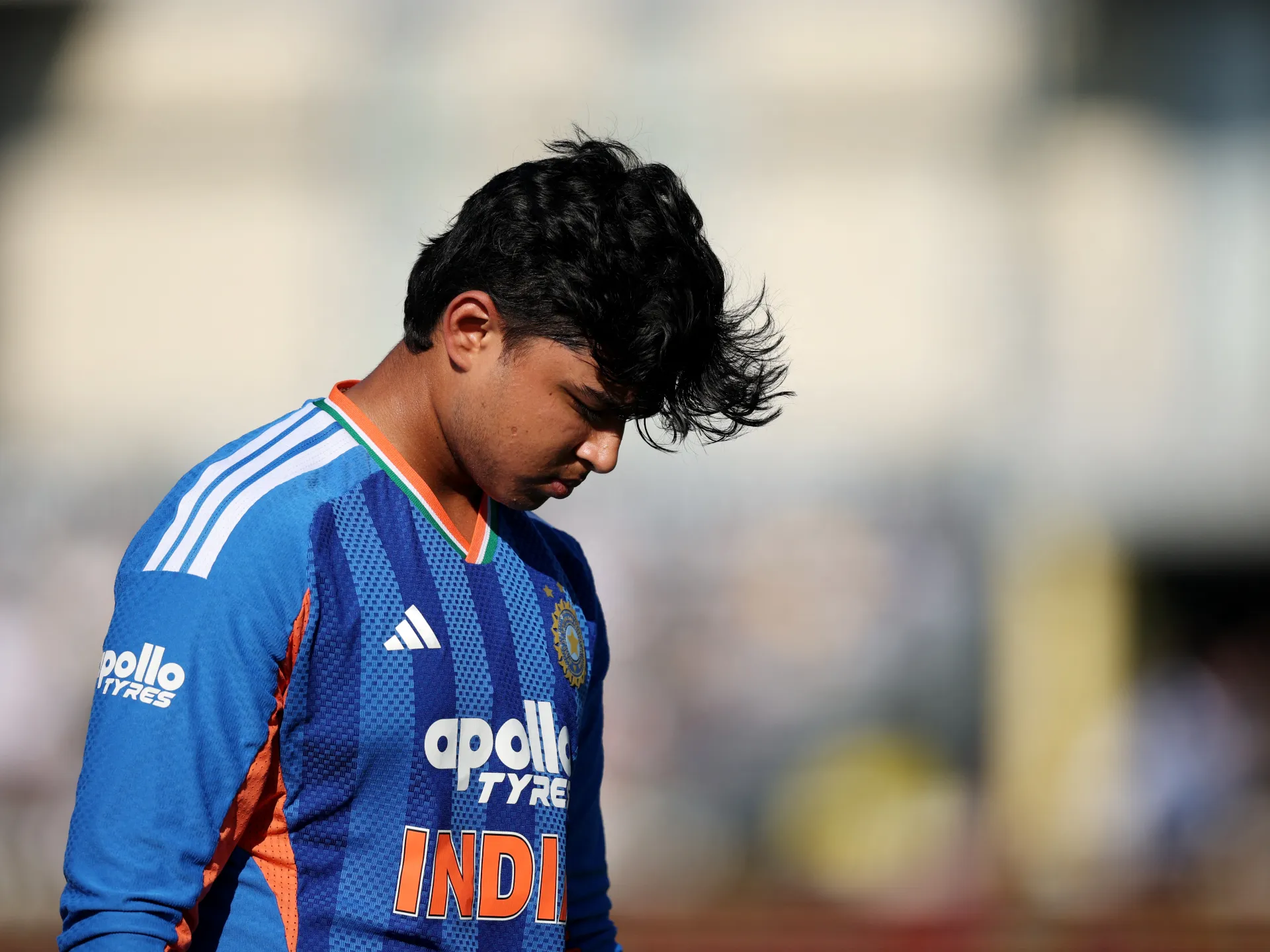
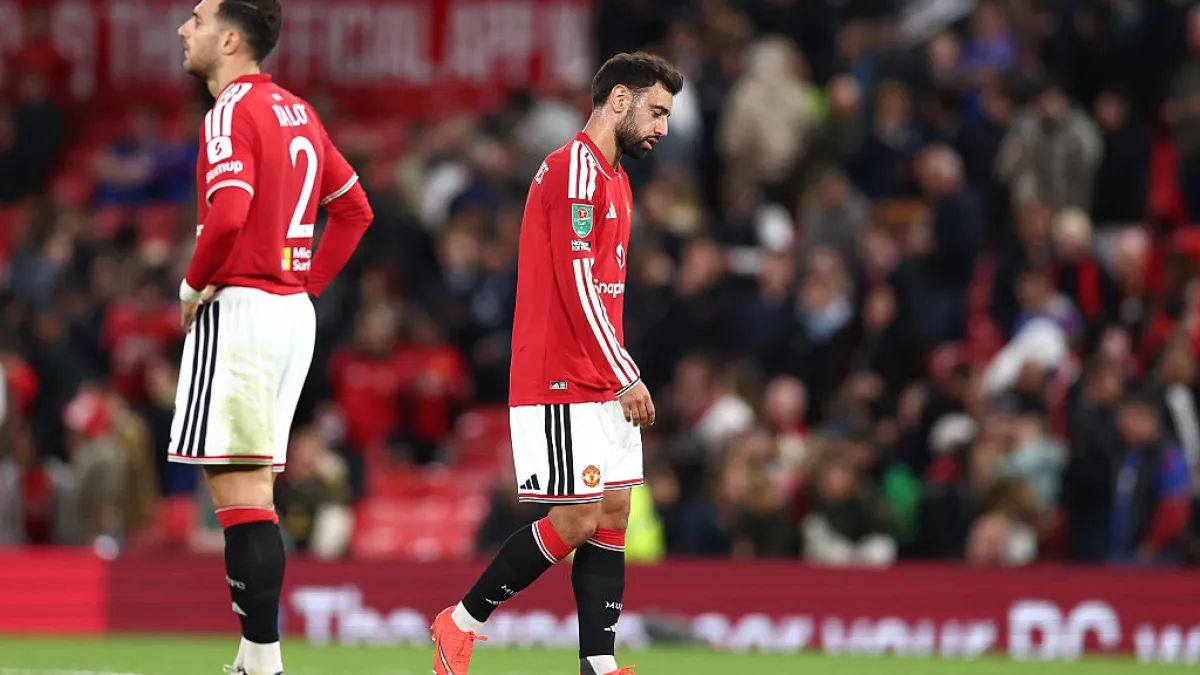
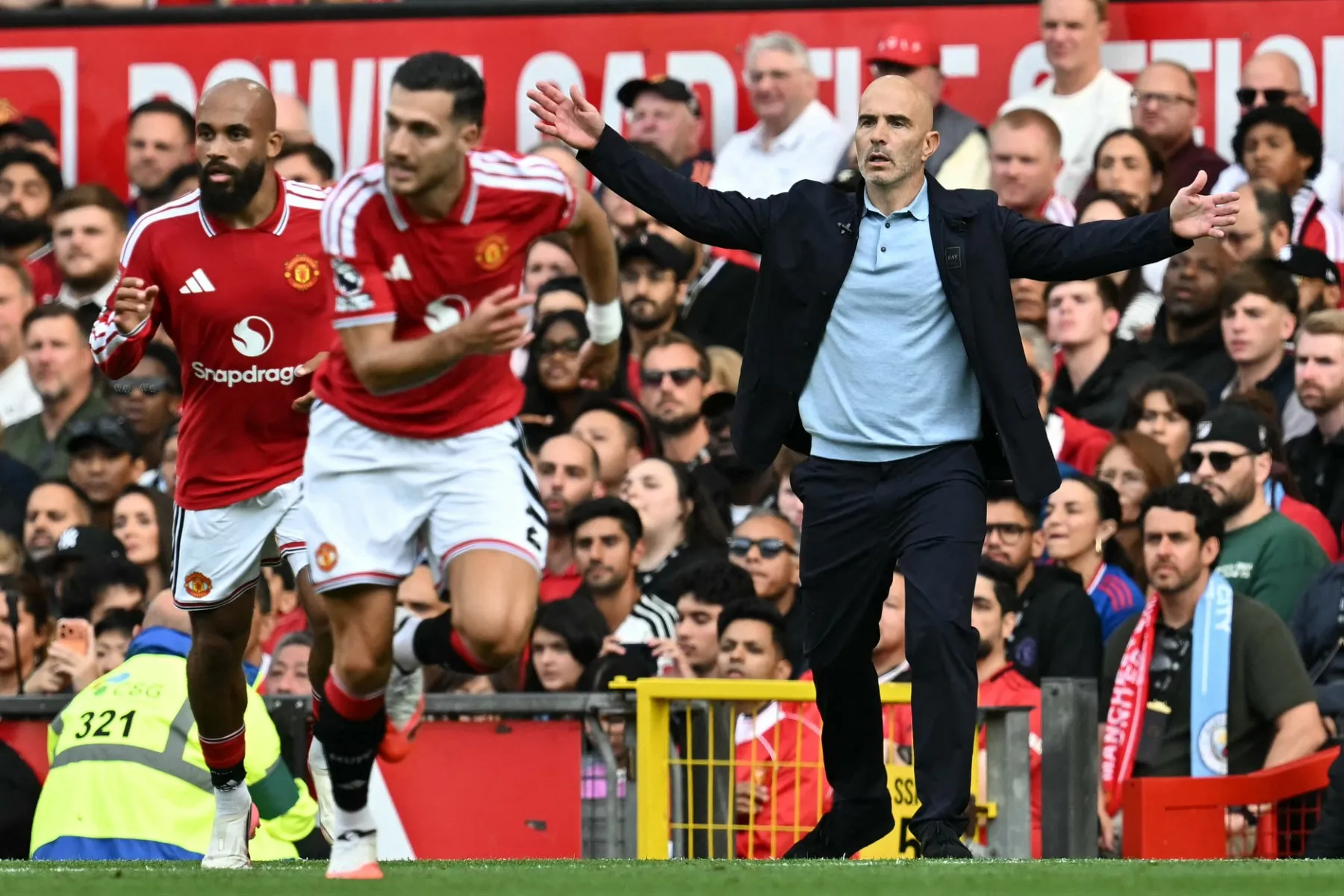
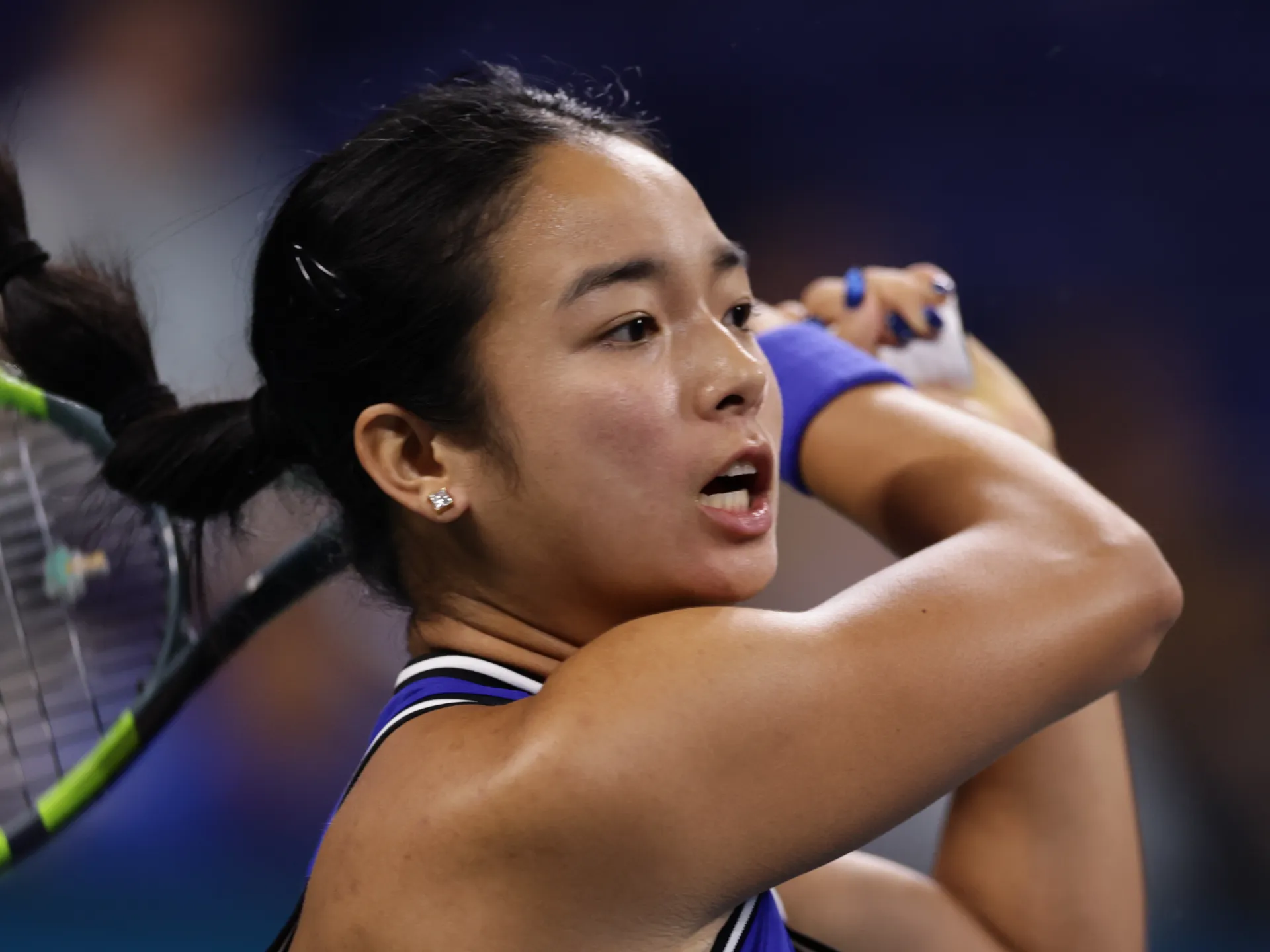
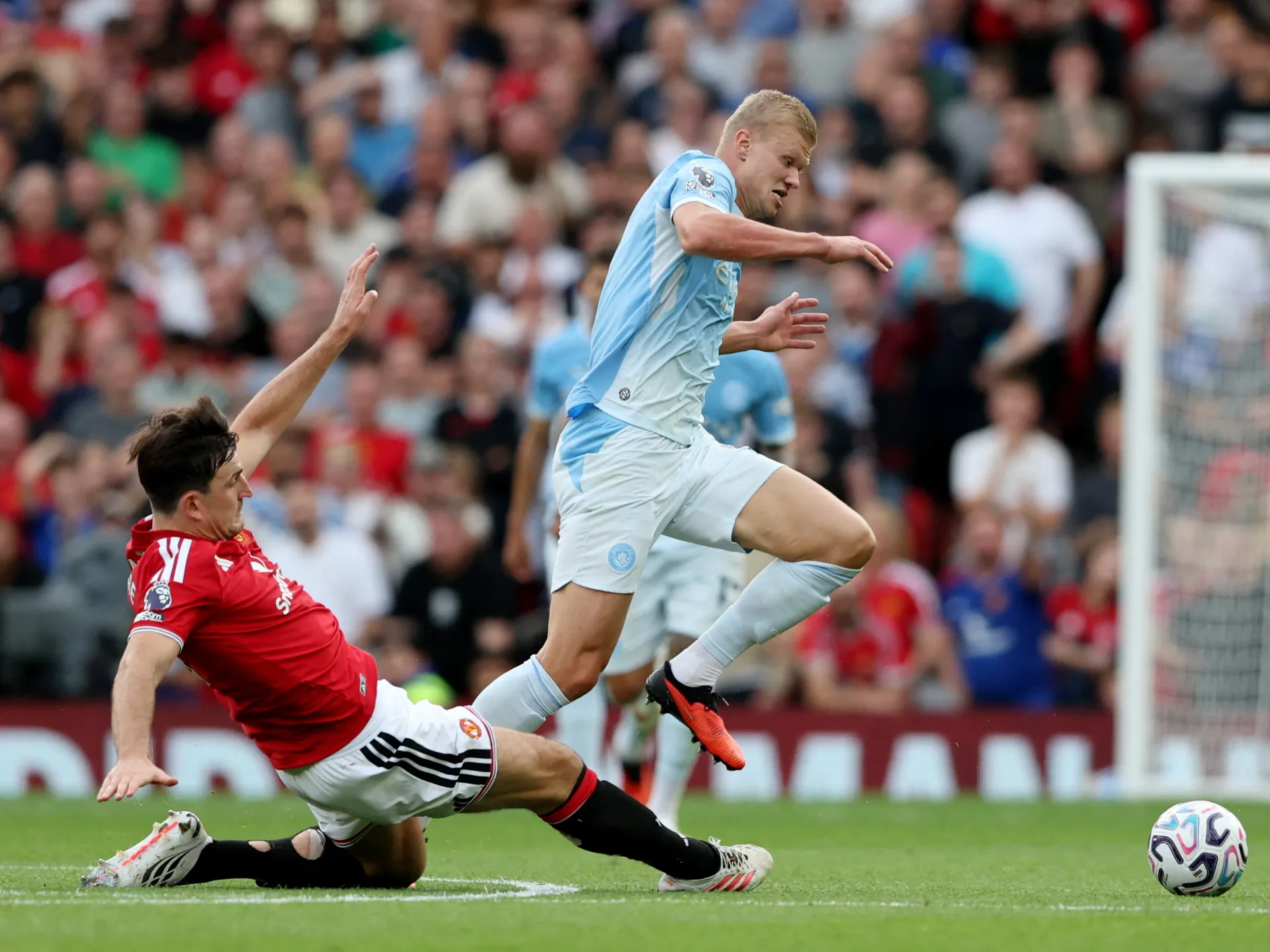
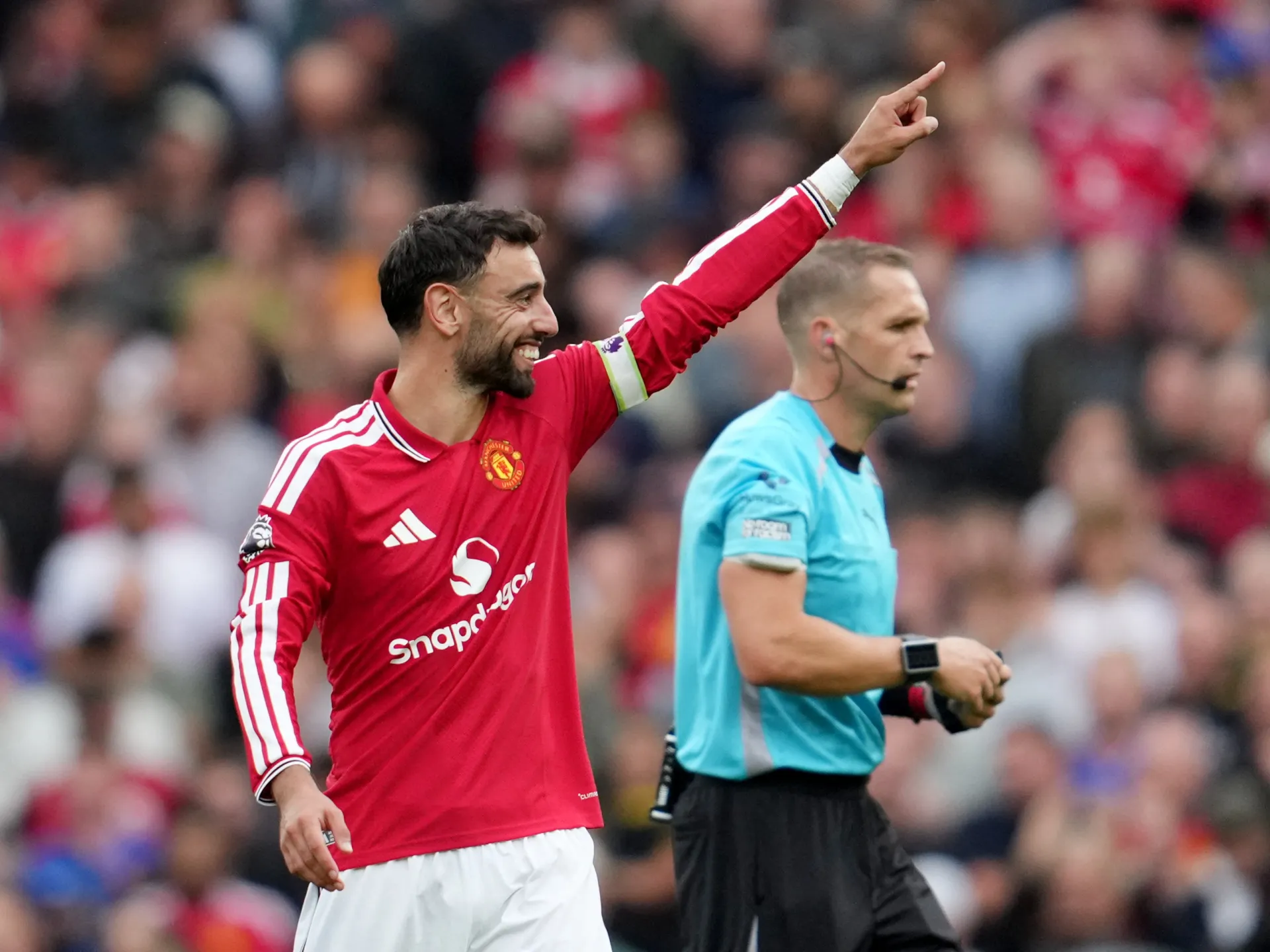
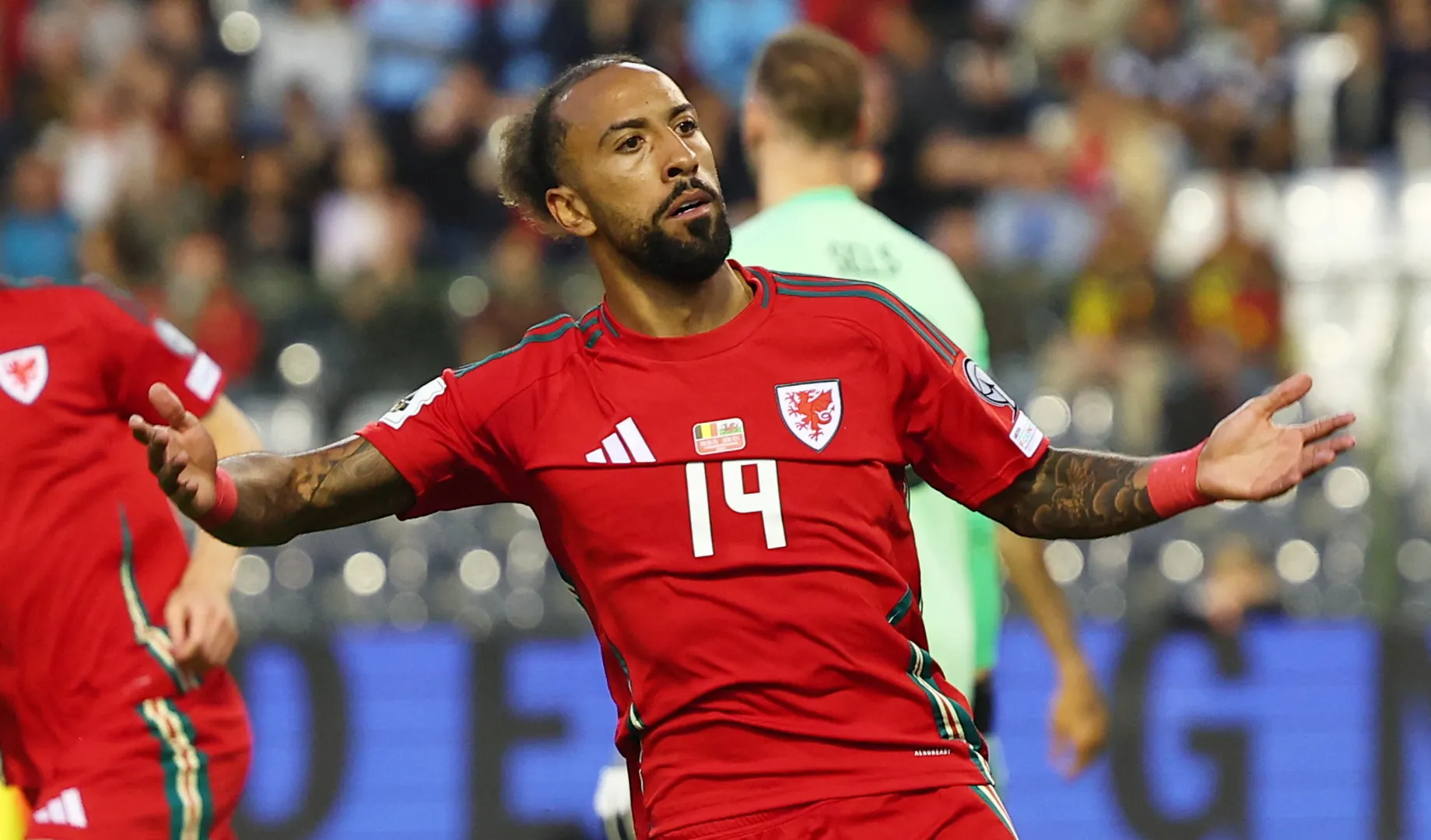
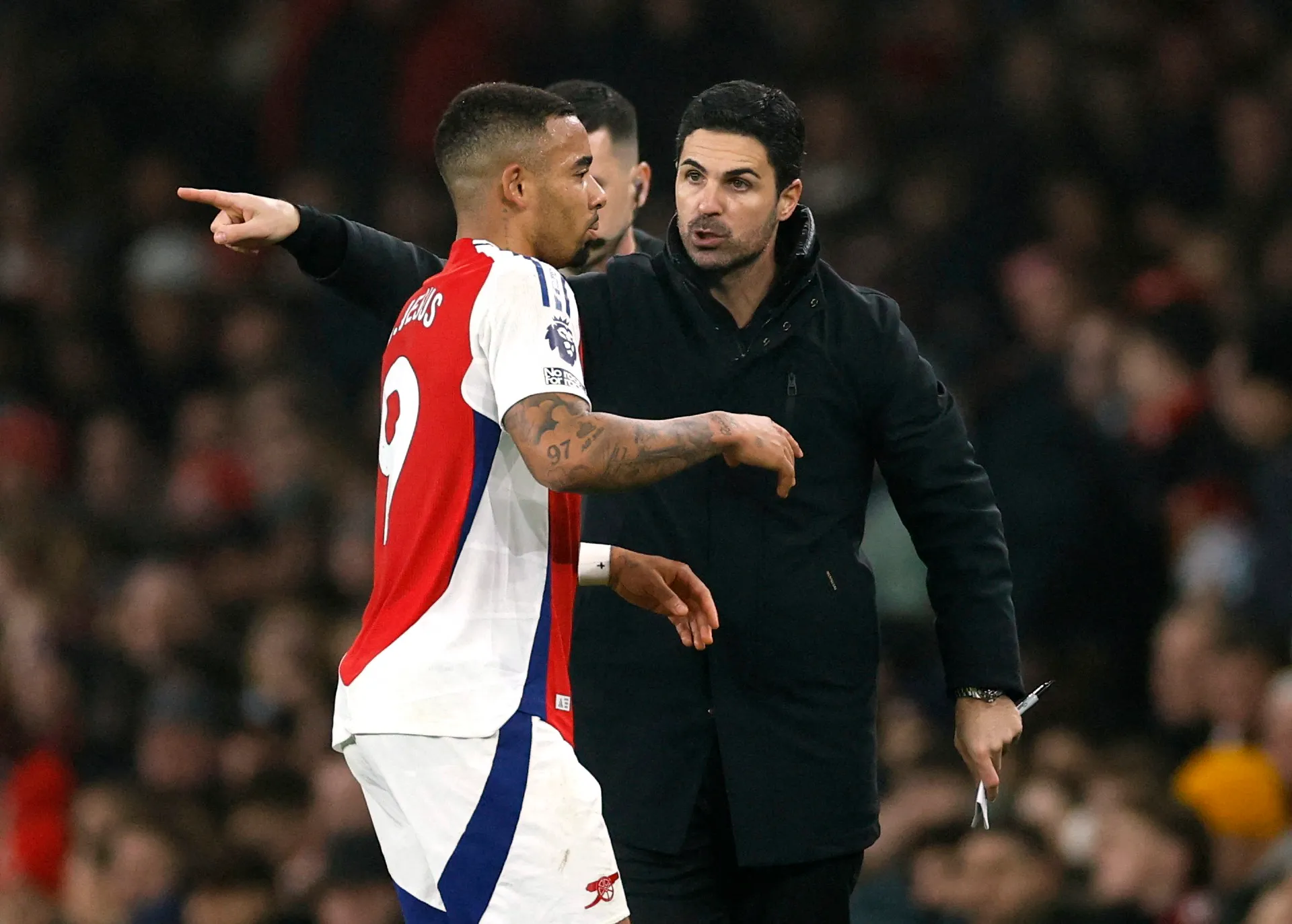
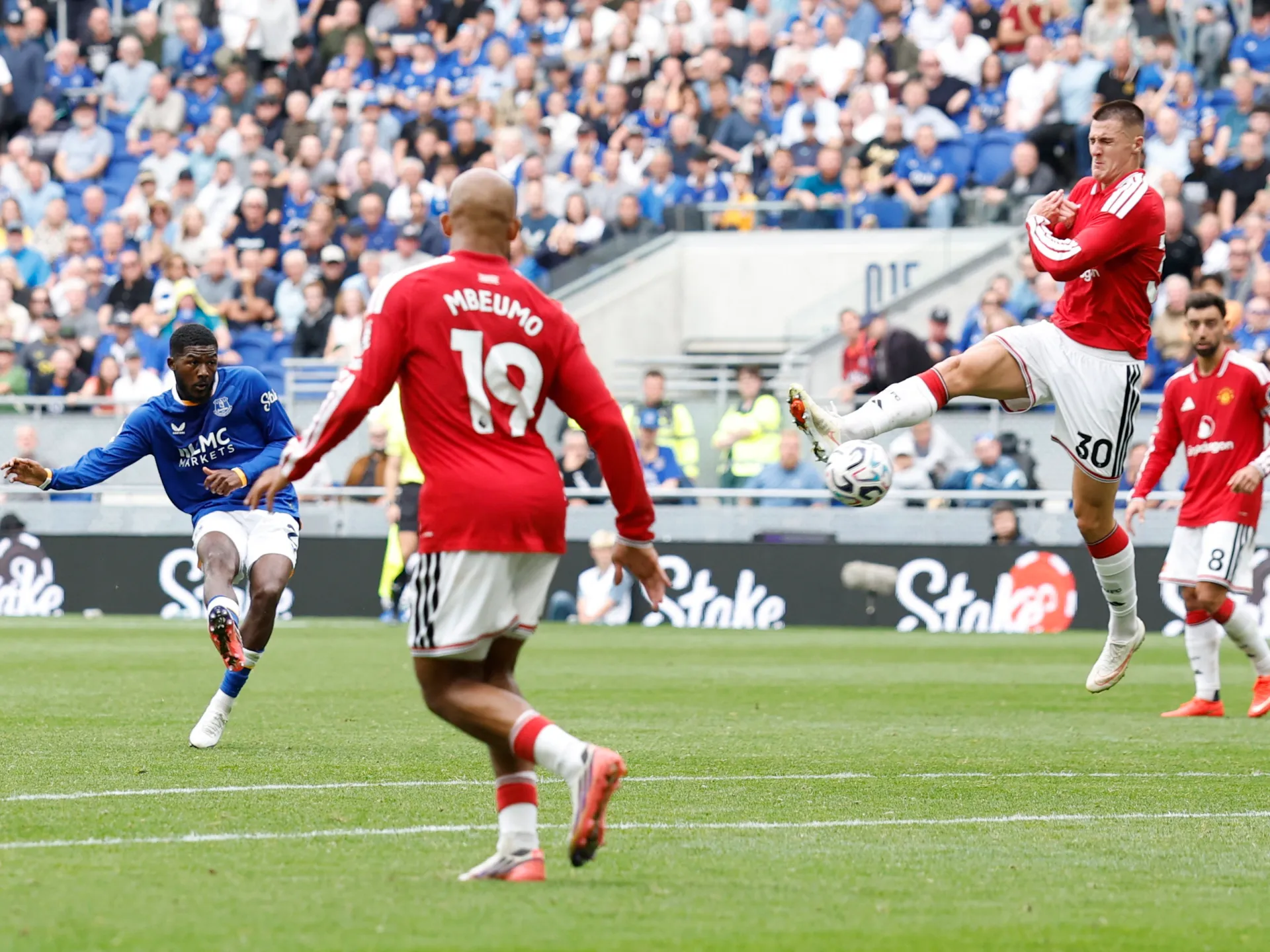
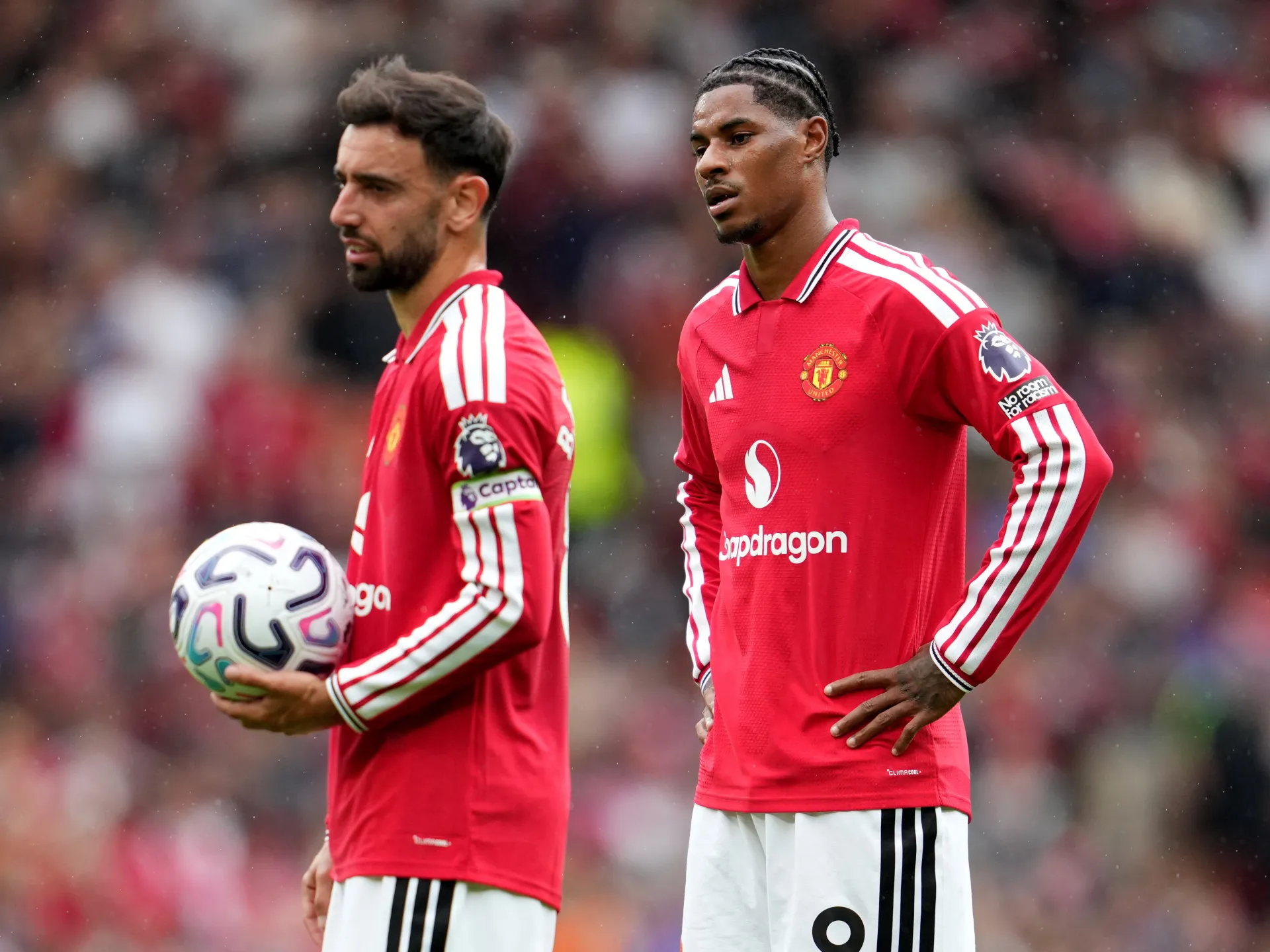
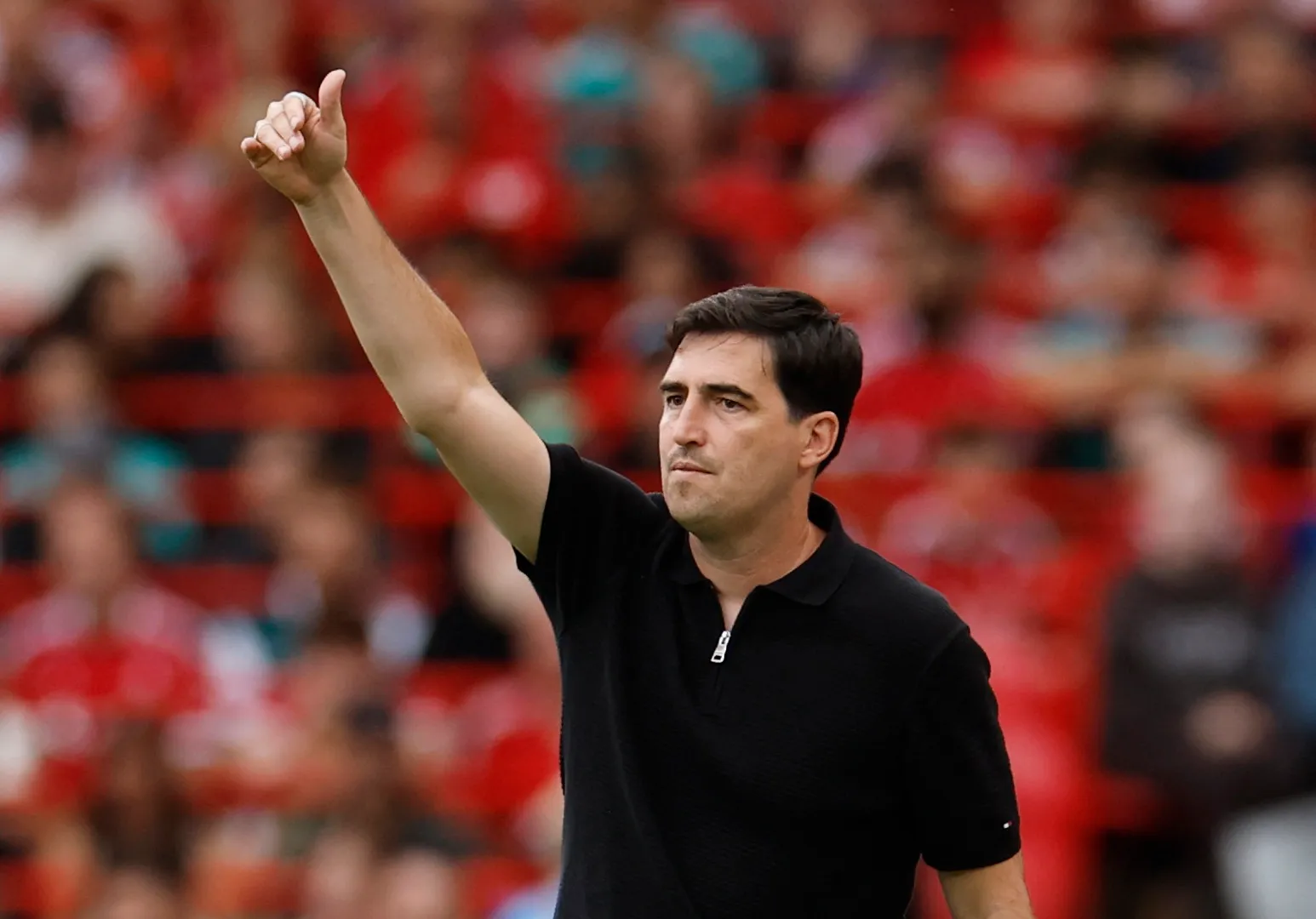
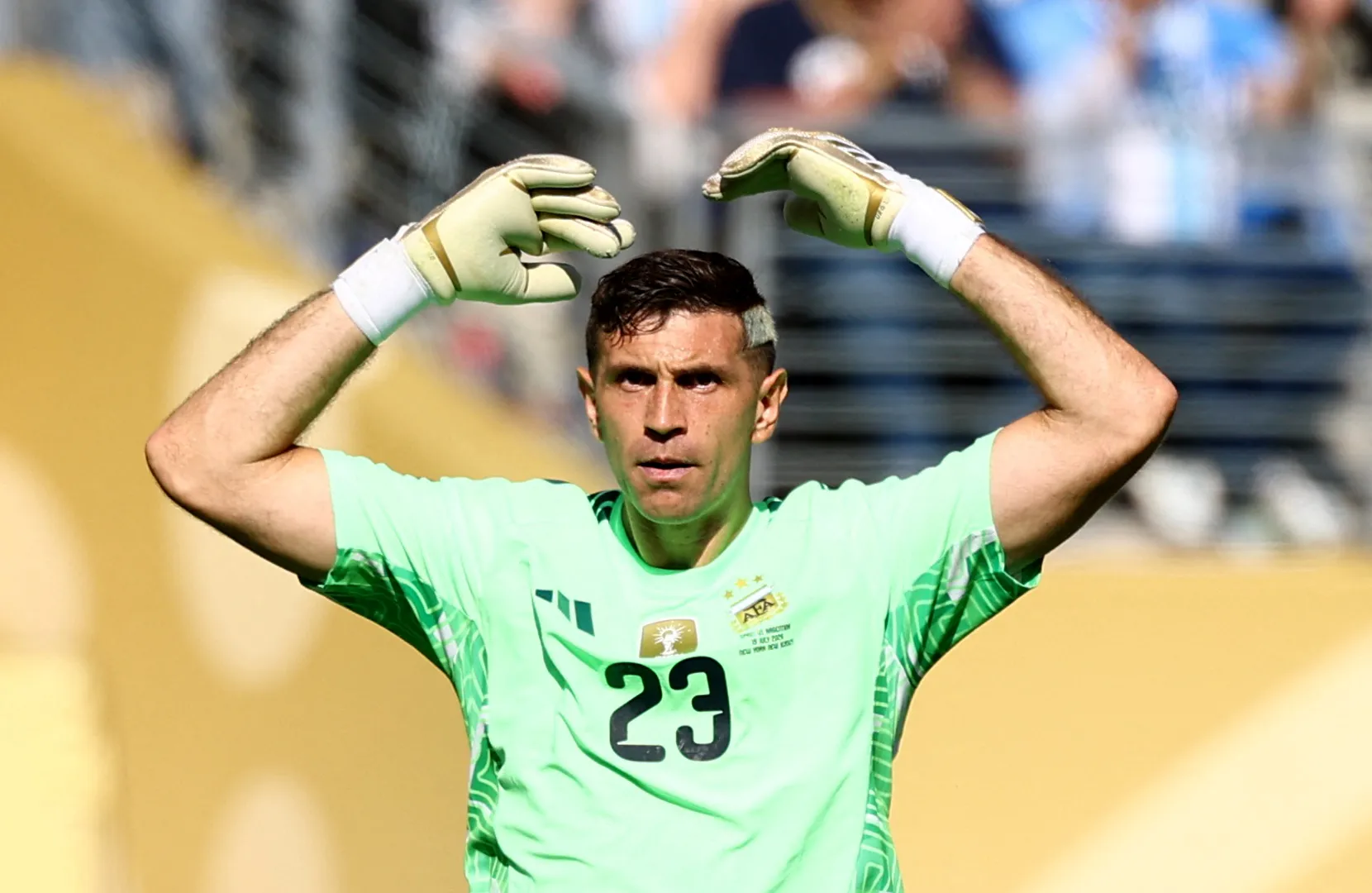
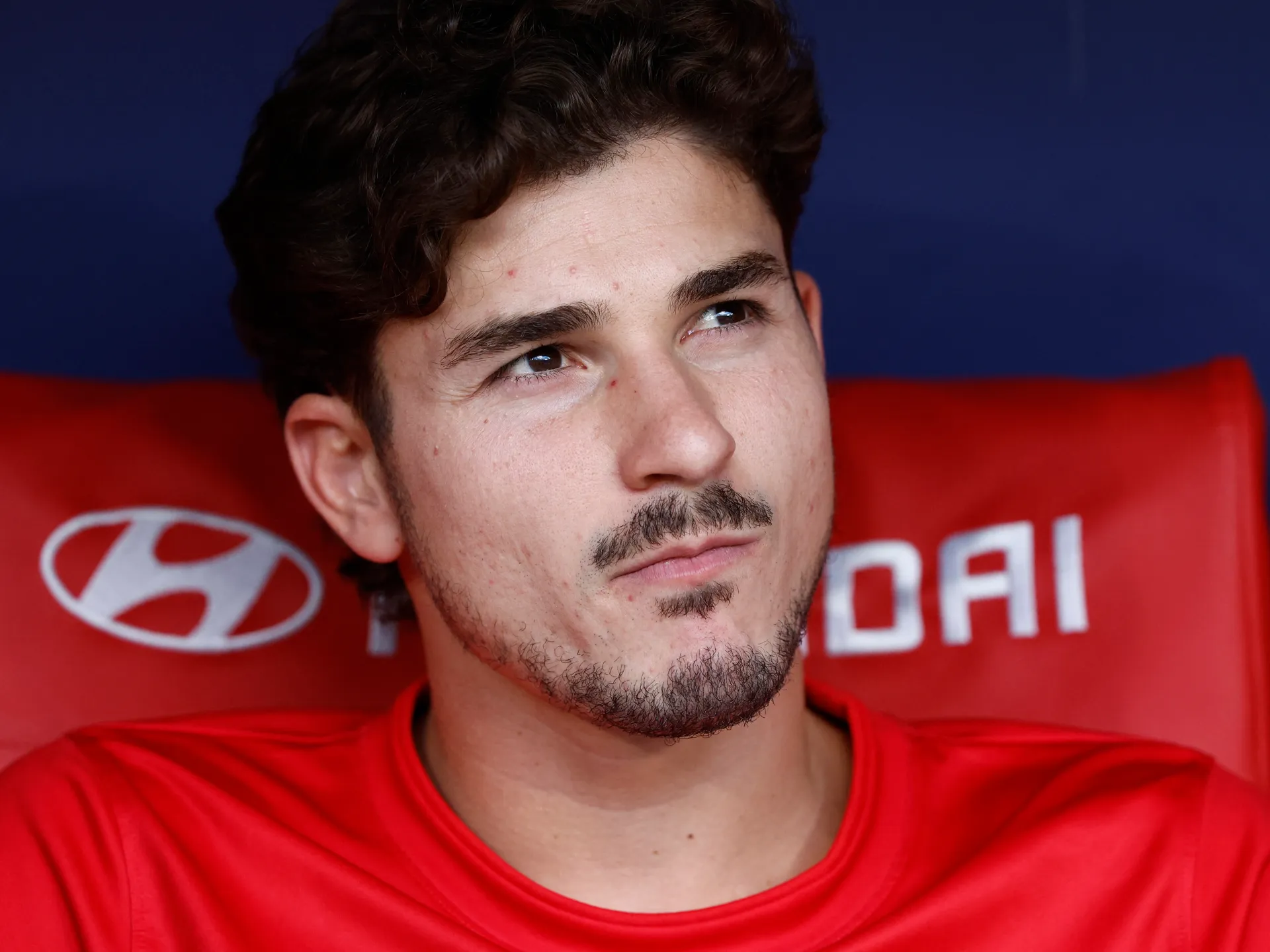
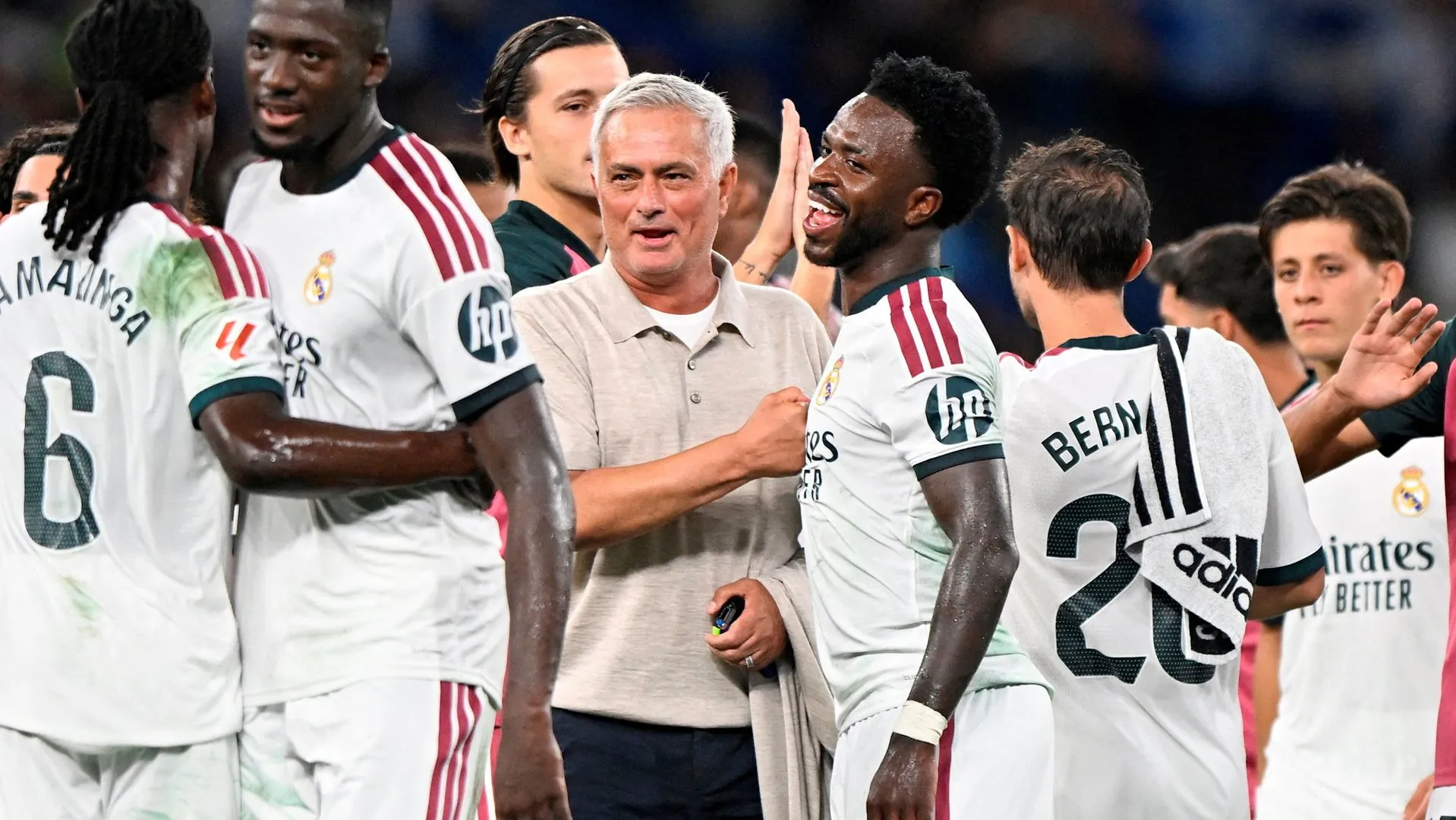
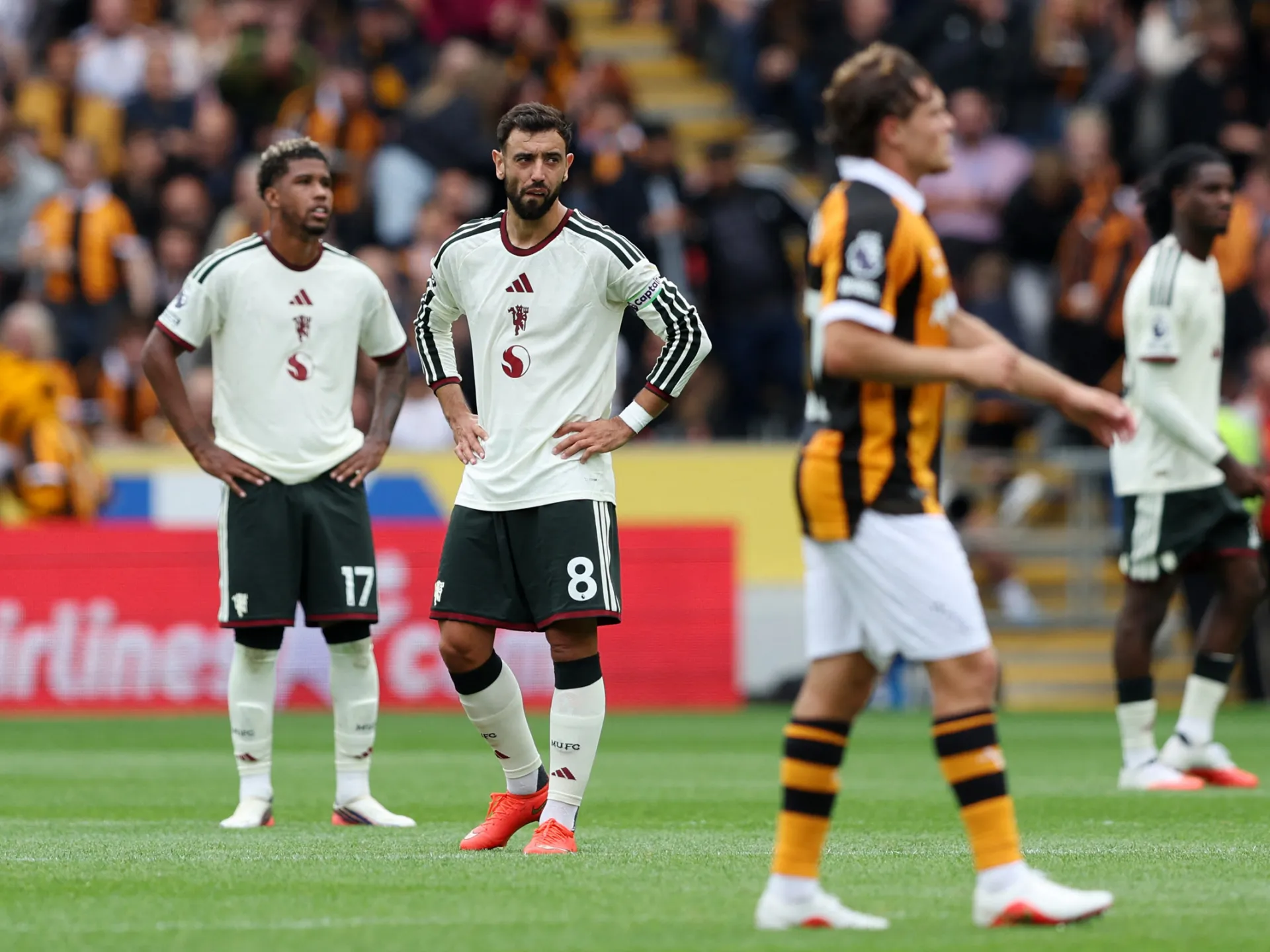
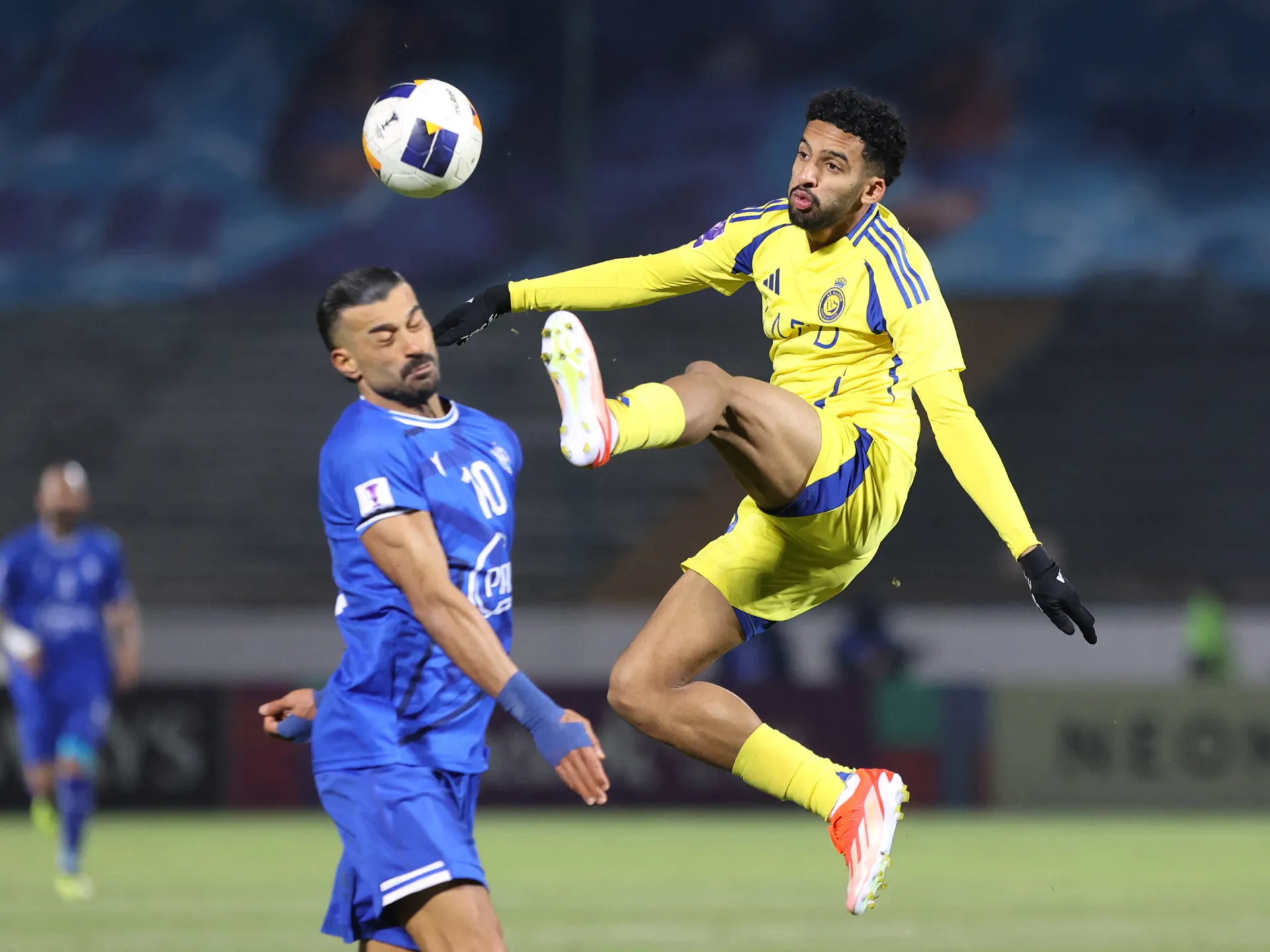
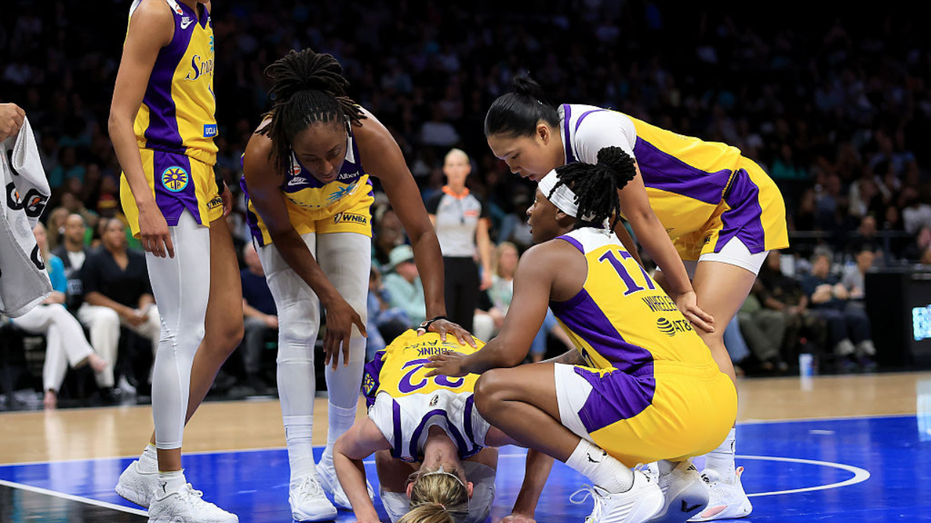
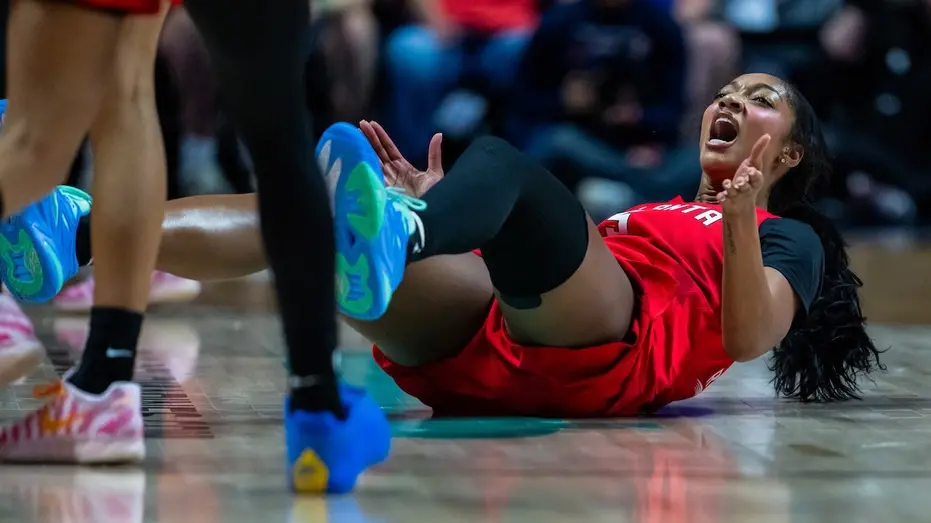
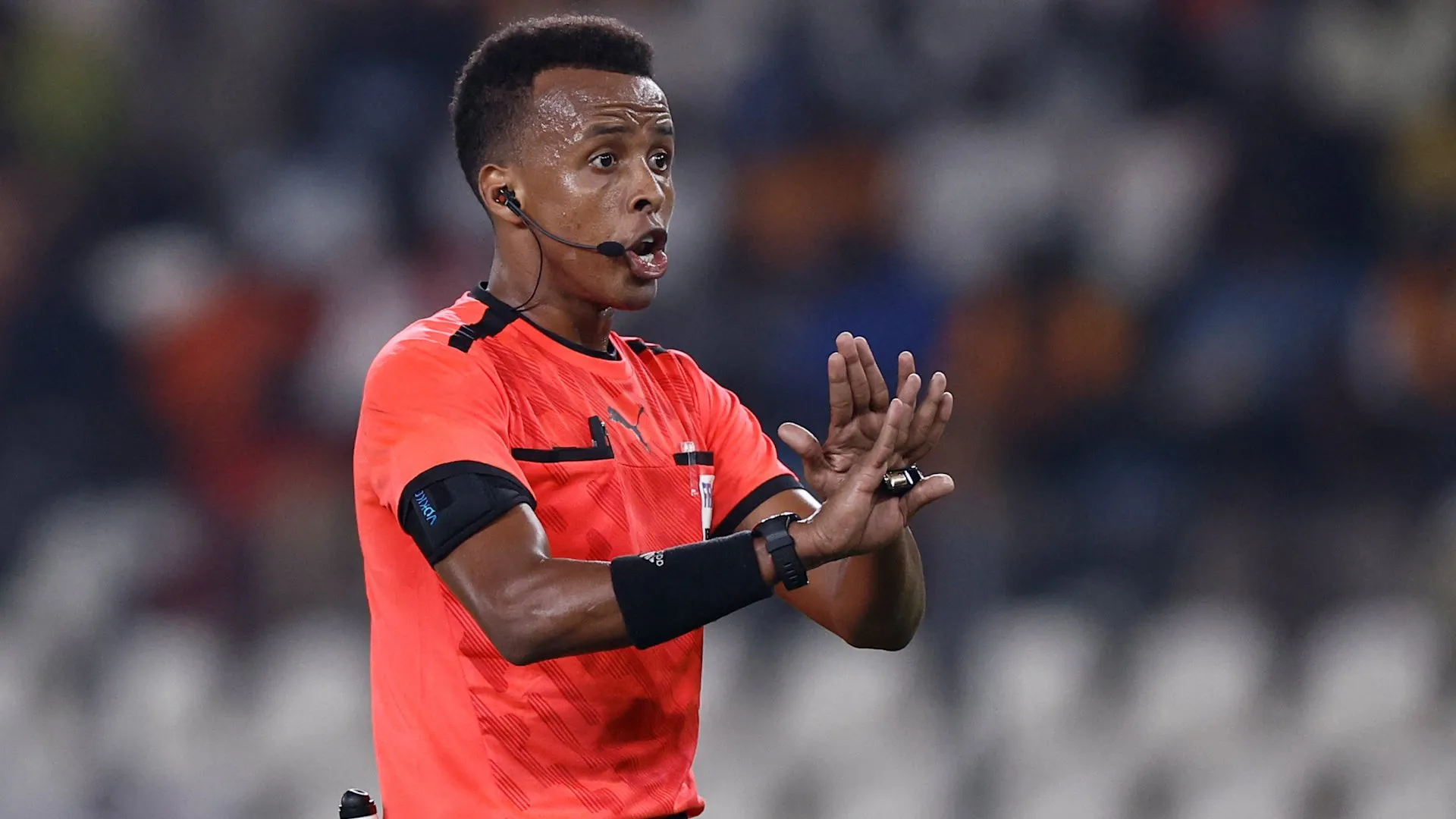
Tottenham Hotspur’s start to the Premier League season has devolved into a full-scale crisis after a 3-2 defeat to Aston Villa. Despite investing over 300 million pounds in new talent, the team remains winless and currently languishes in the relegation zone. The match was characterized n de Ven suffered a head injury. Under modern regulations requiring an injured player to exit the pitch for at least one minute of treatment, Spurs were left shorthanded, allowing Villa’s Johan Manzambi to exploit the gap.
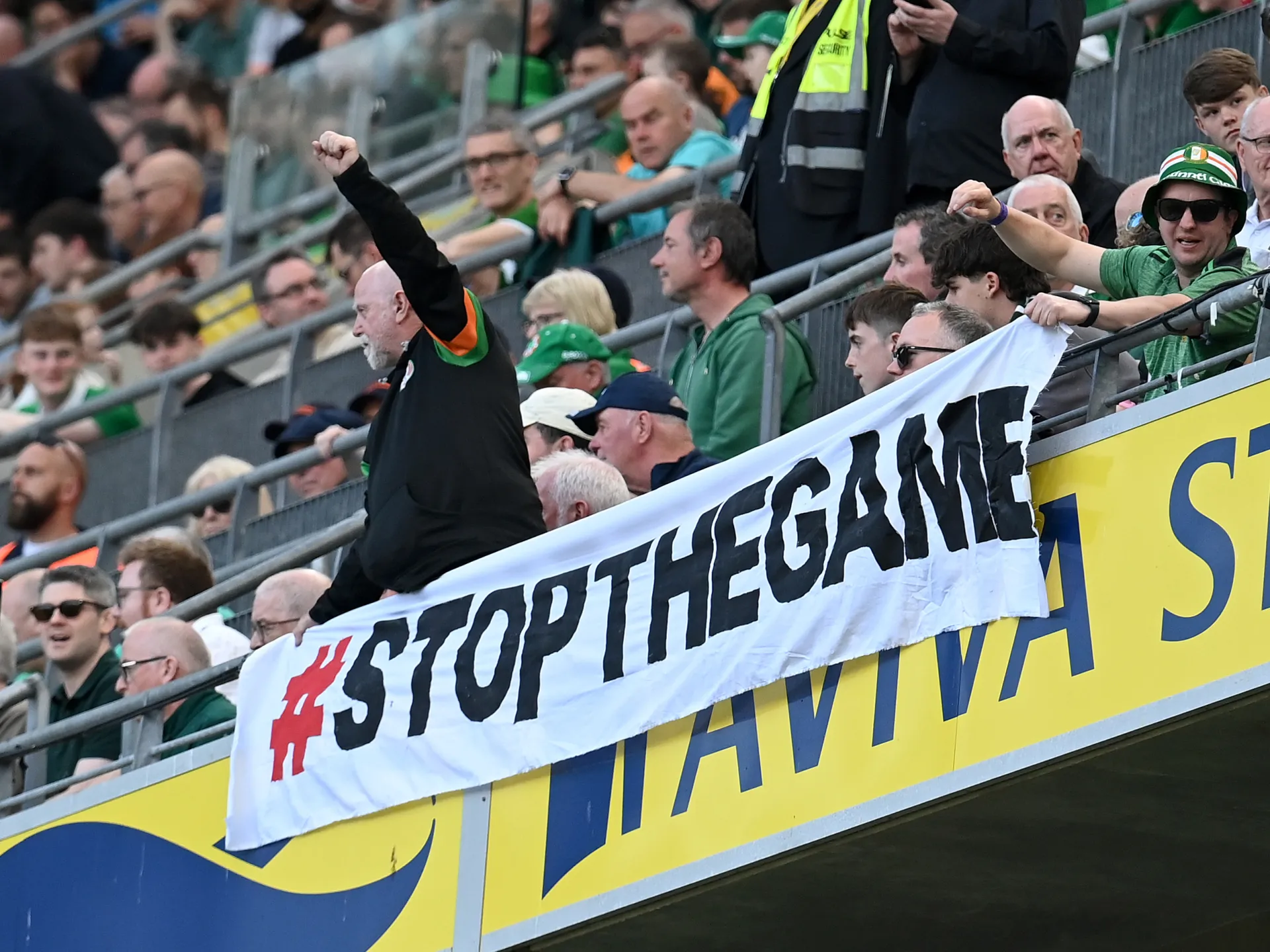
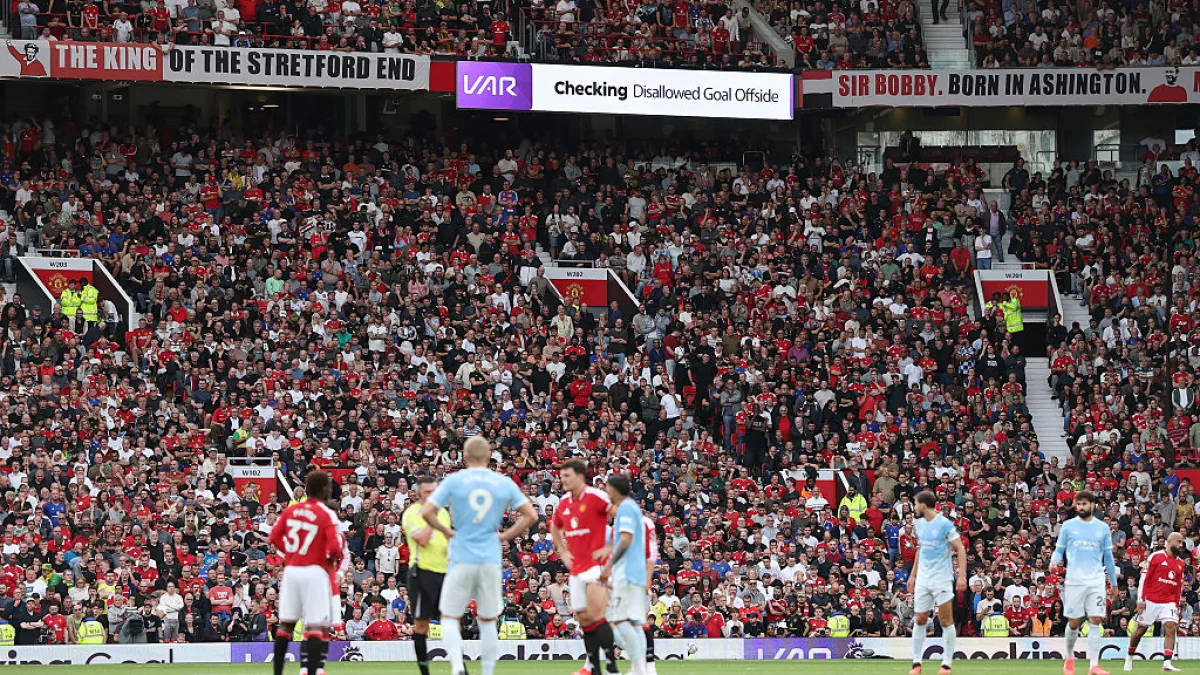
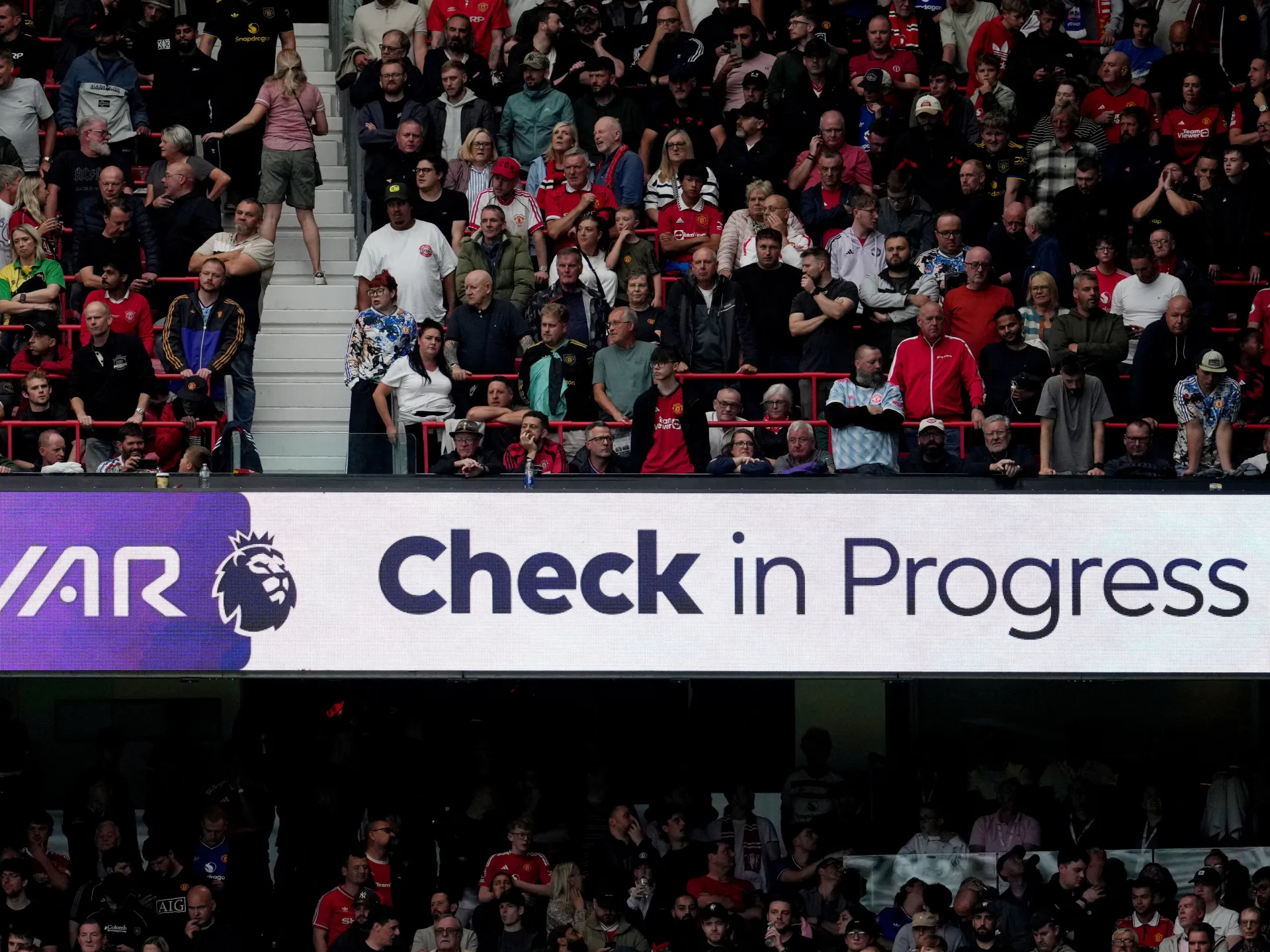
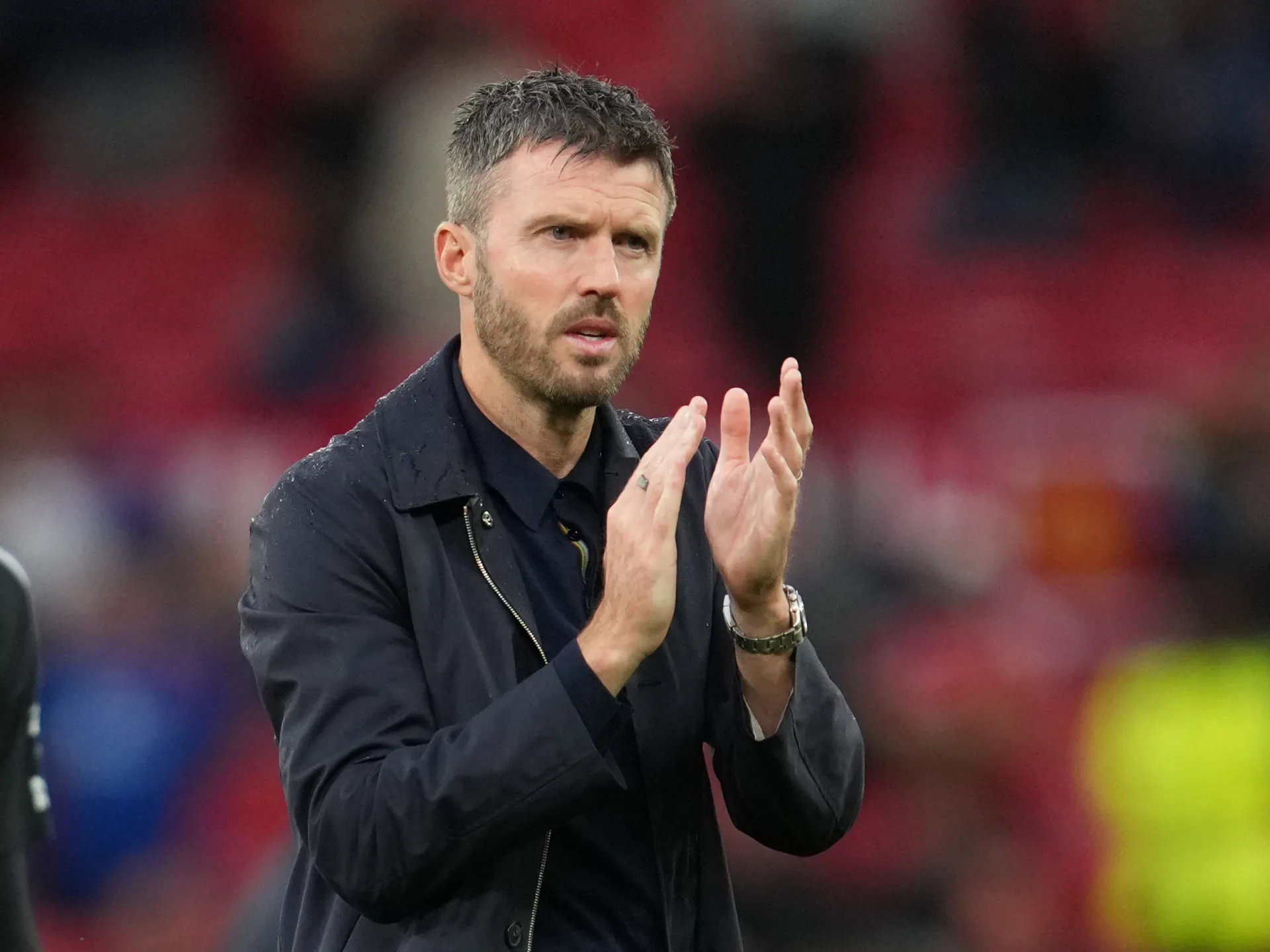
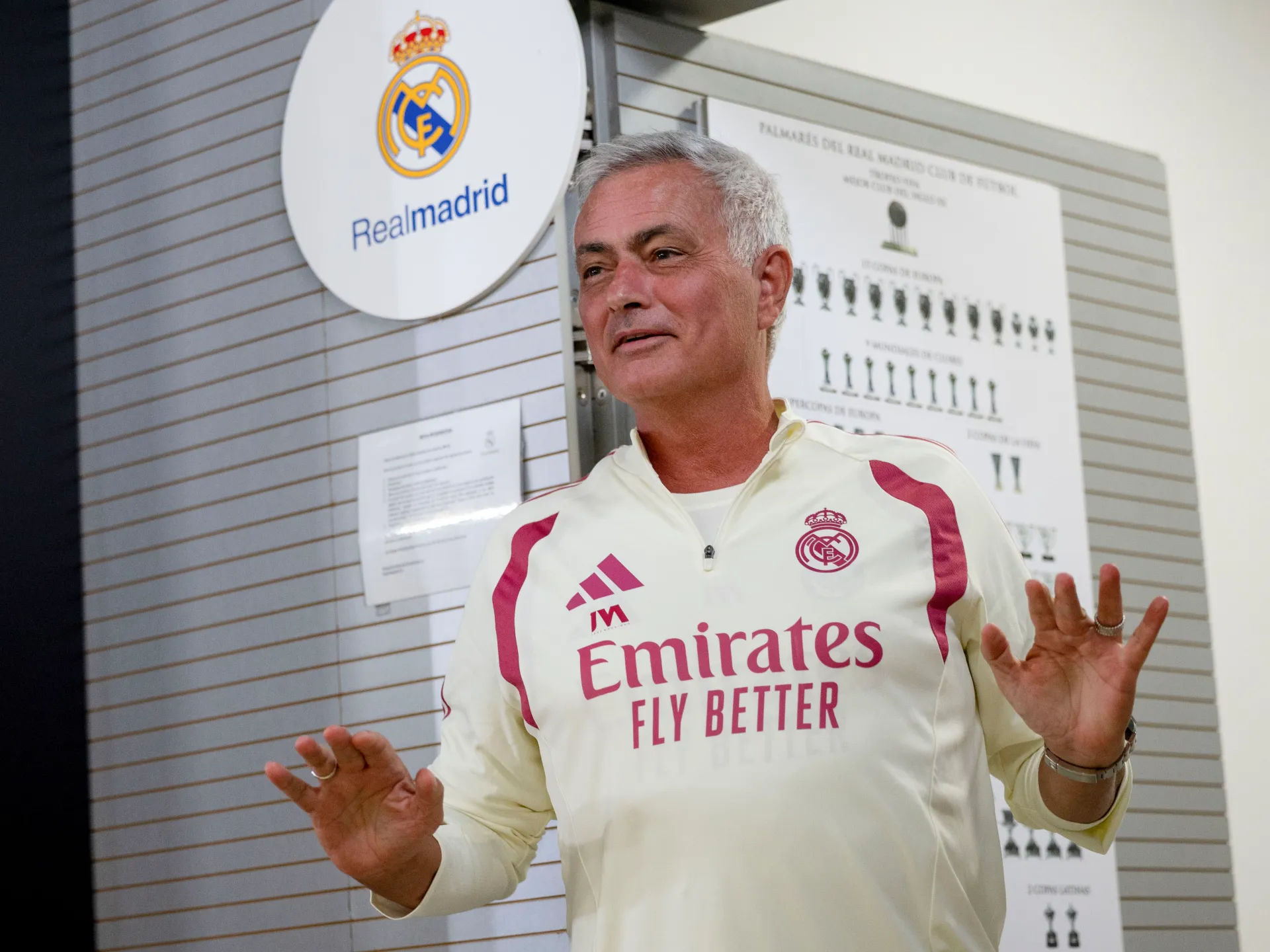
Villa, who had previously struggled following a roster overhaul, found their rhythm through goals from Manzambi, Nicolas Jackson, and a long-range strike from Emi Buendia. While Spurs managed two late goals through Conor Gallagher and Jan Paul van Hecke, the home crowd’s reaction—marked ory. Roberto De Zerbi now faces a three-week international break with his tenure already under intense scrutiny.
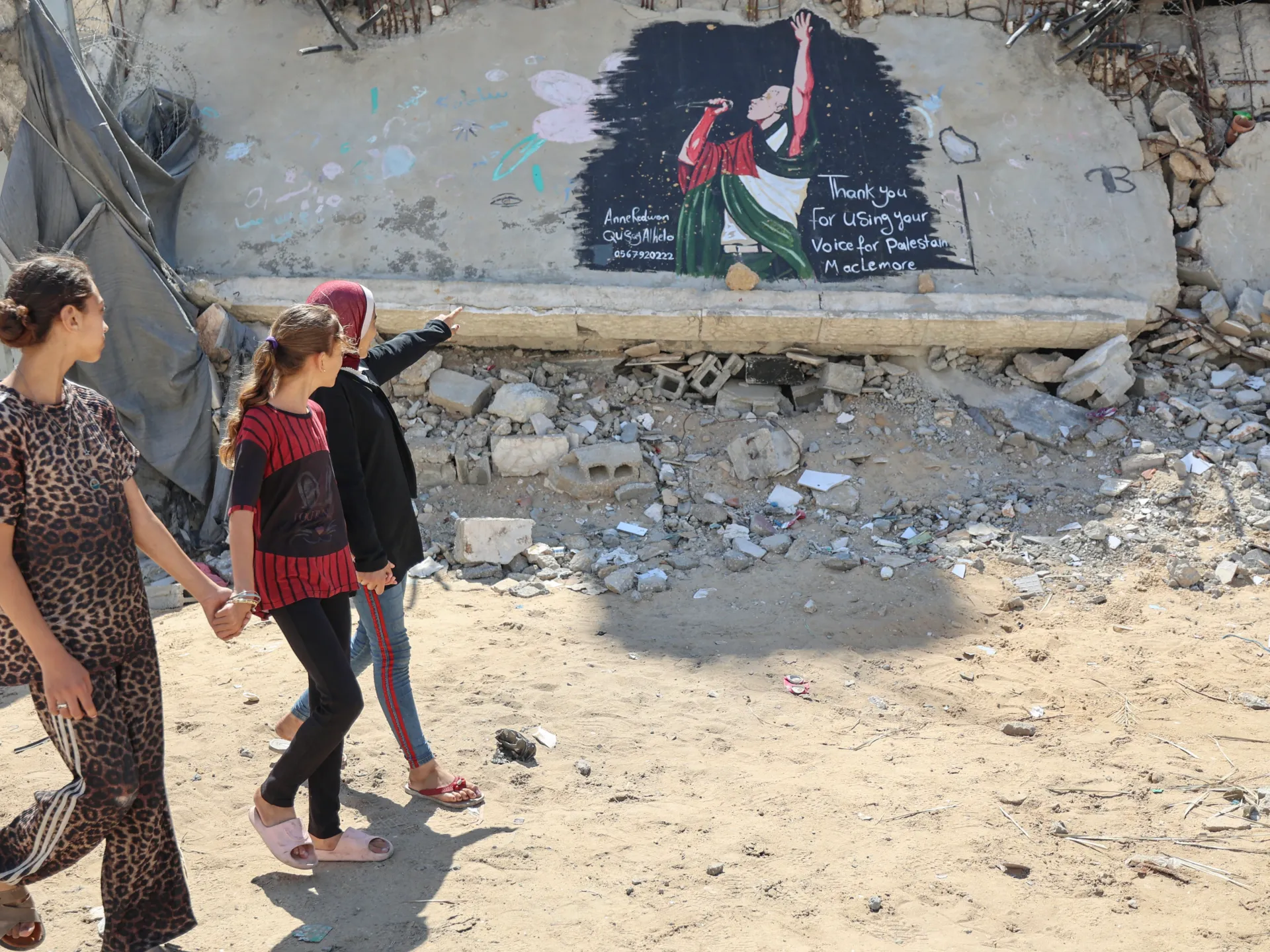
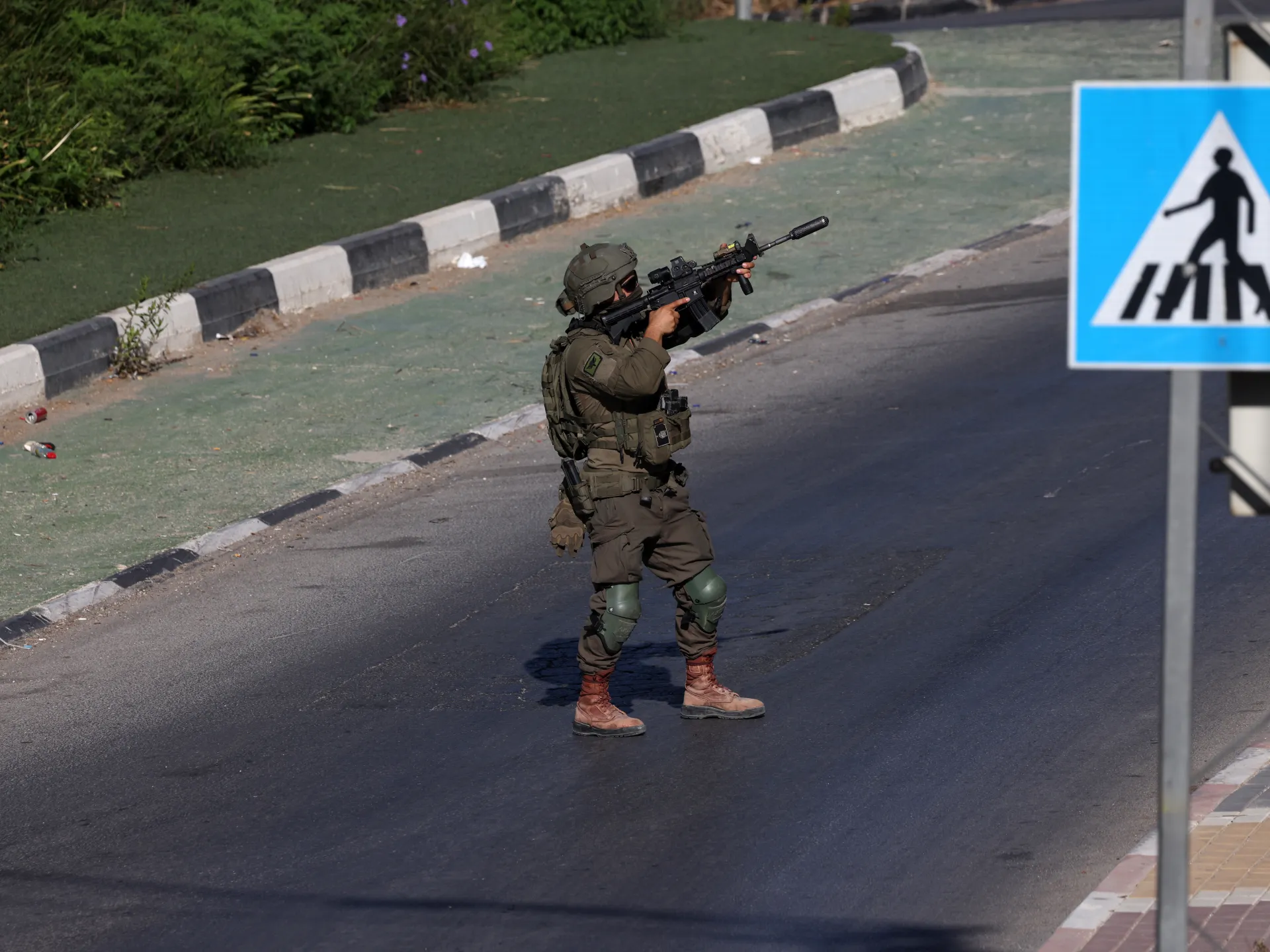
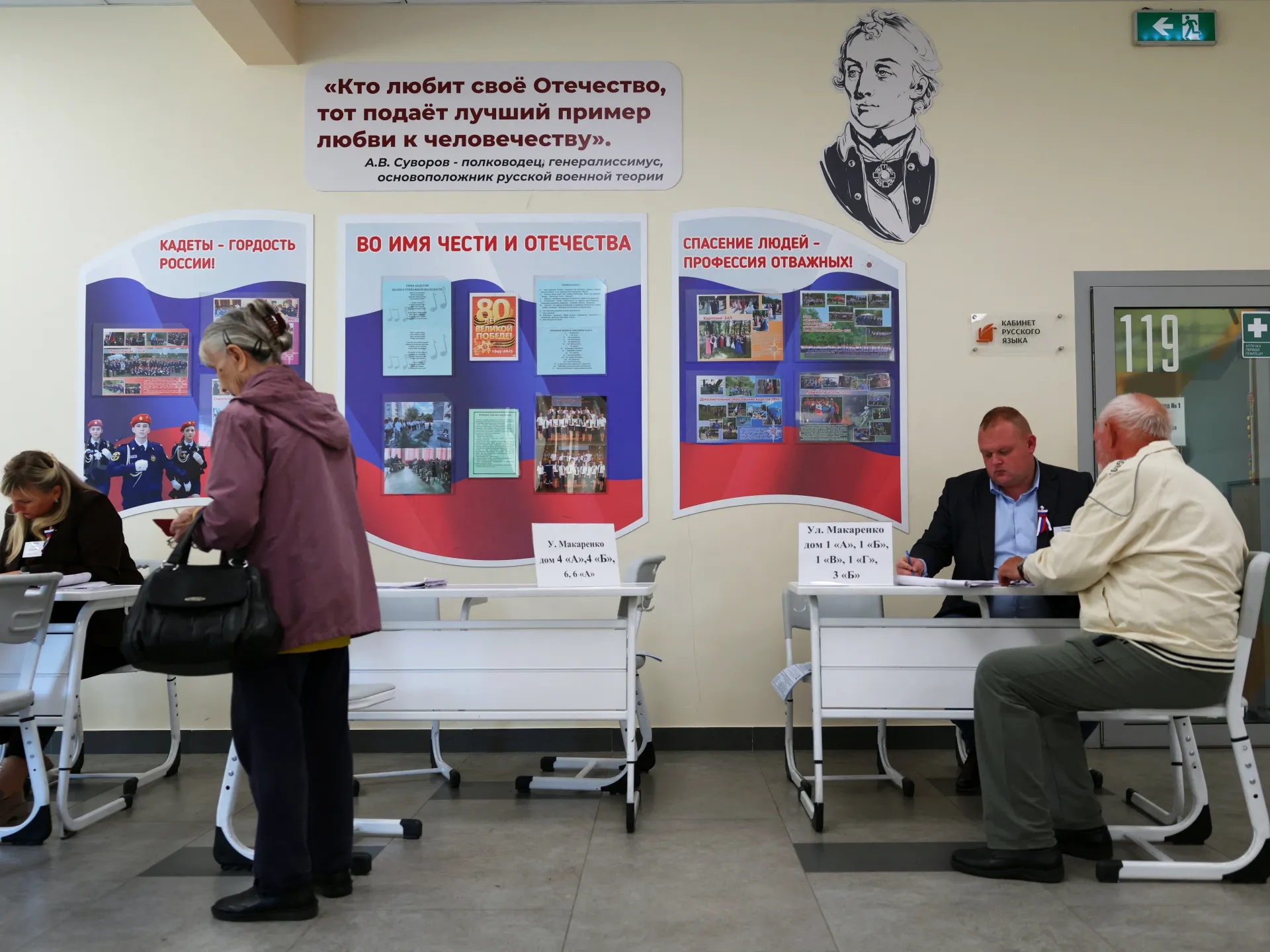
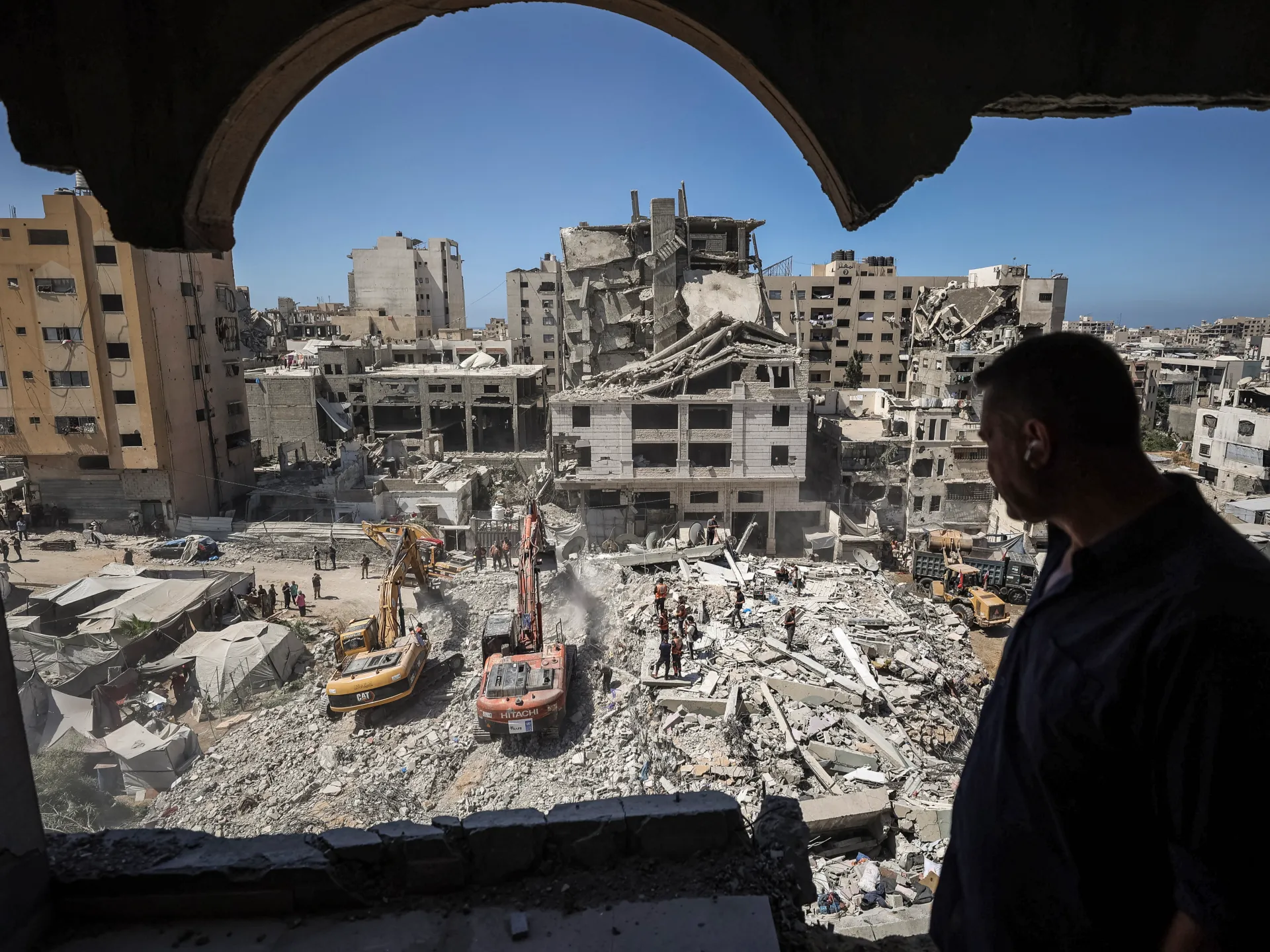
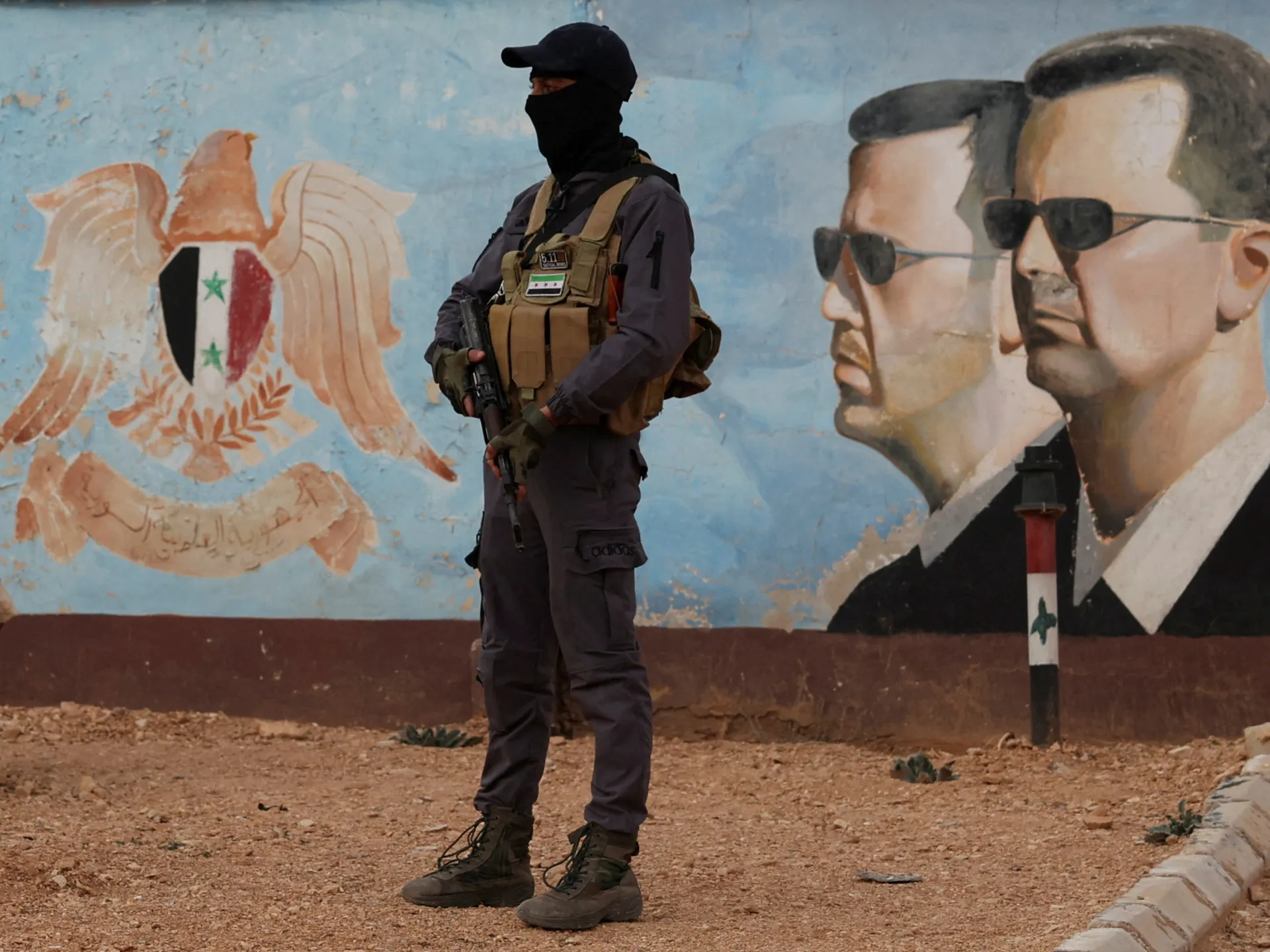
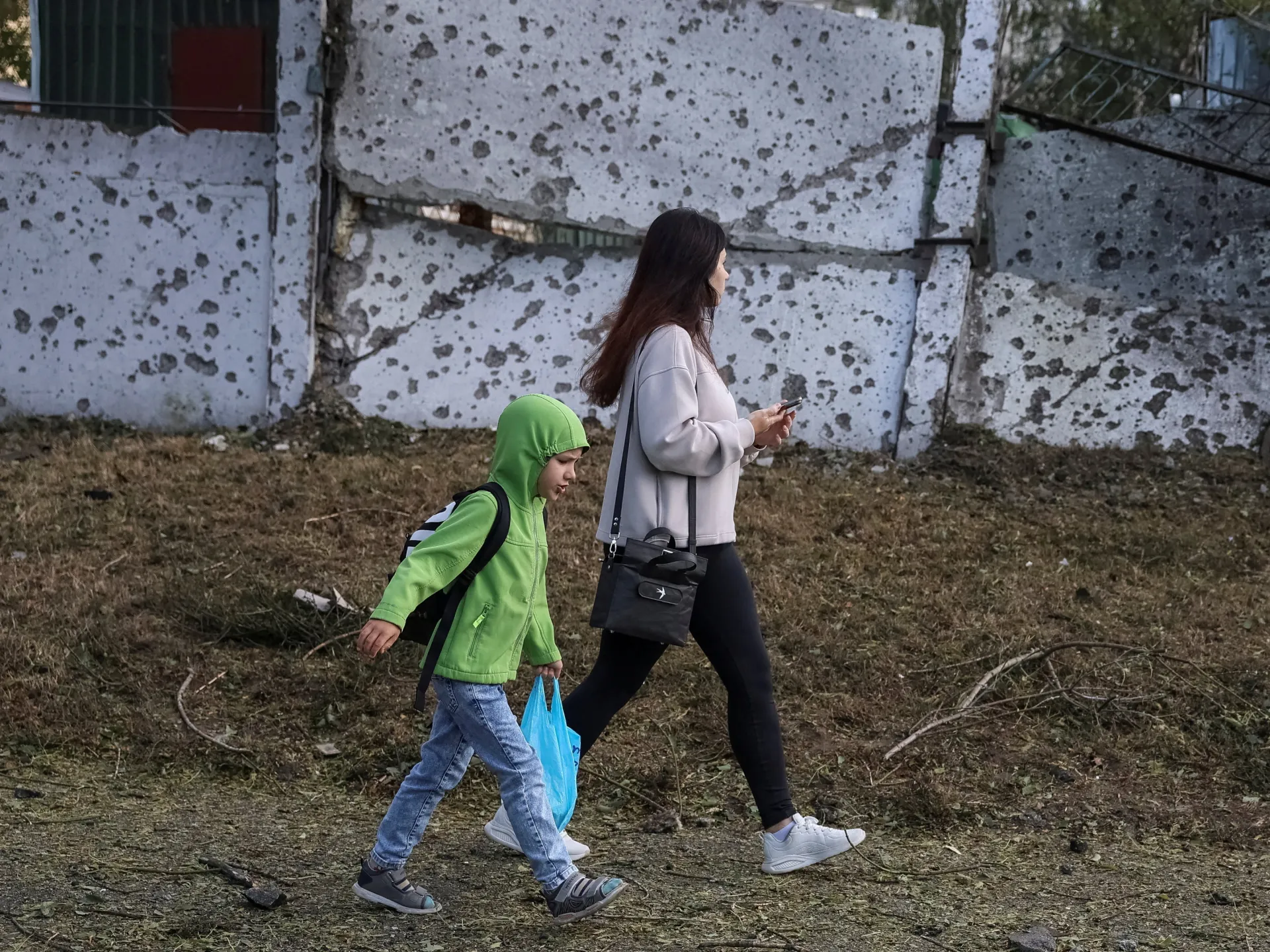
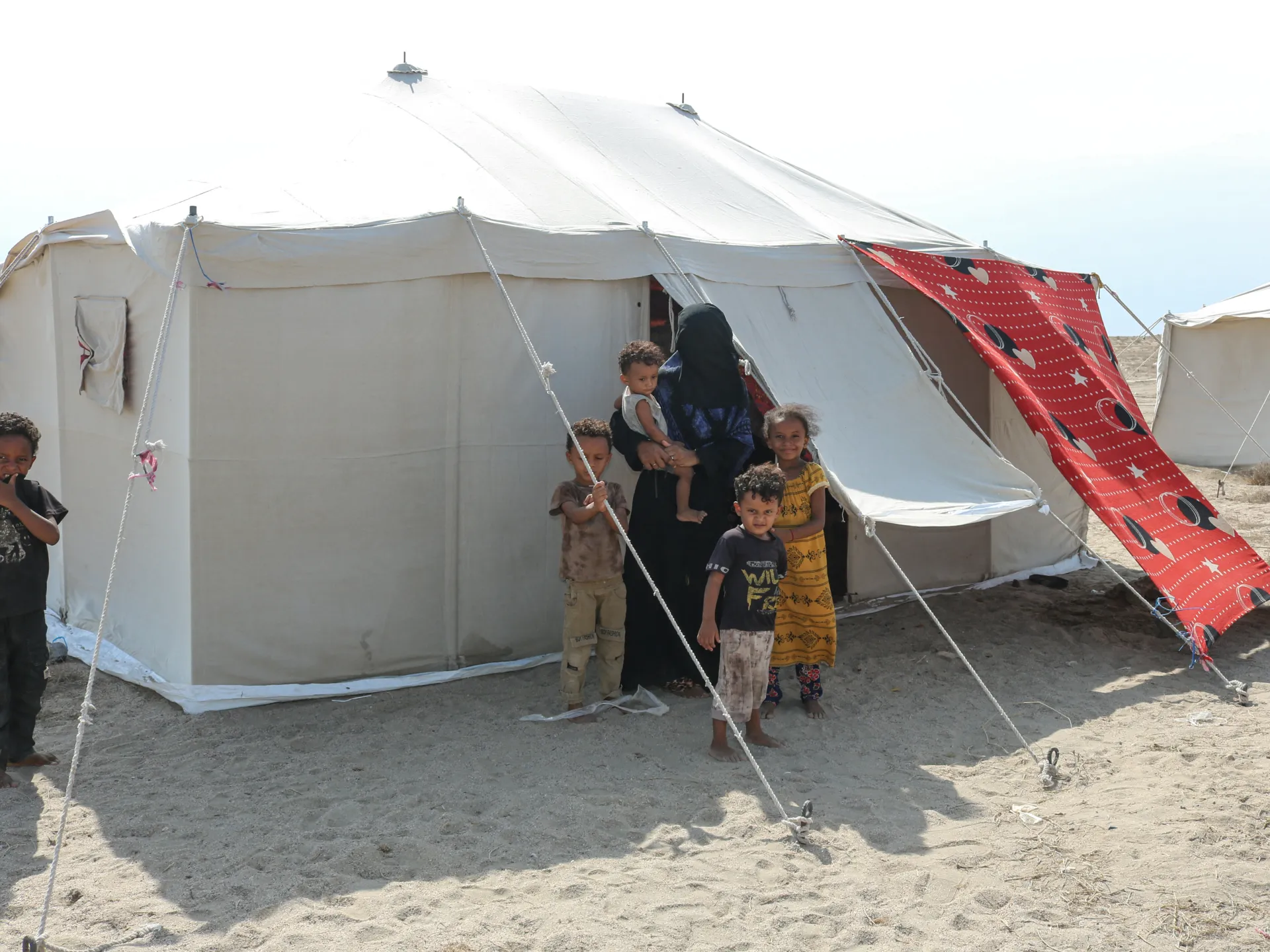
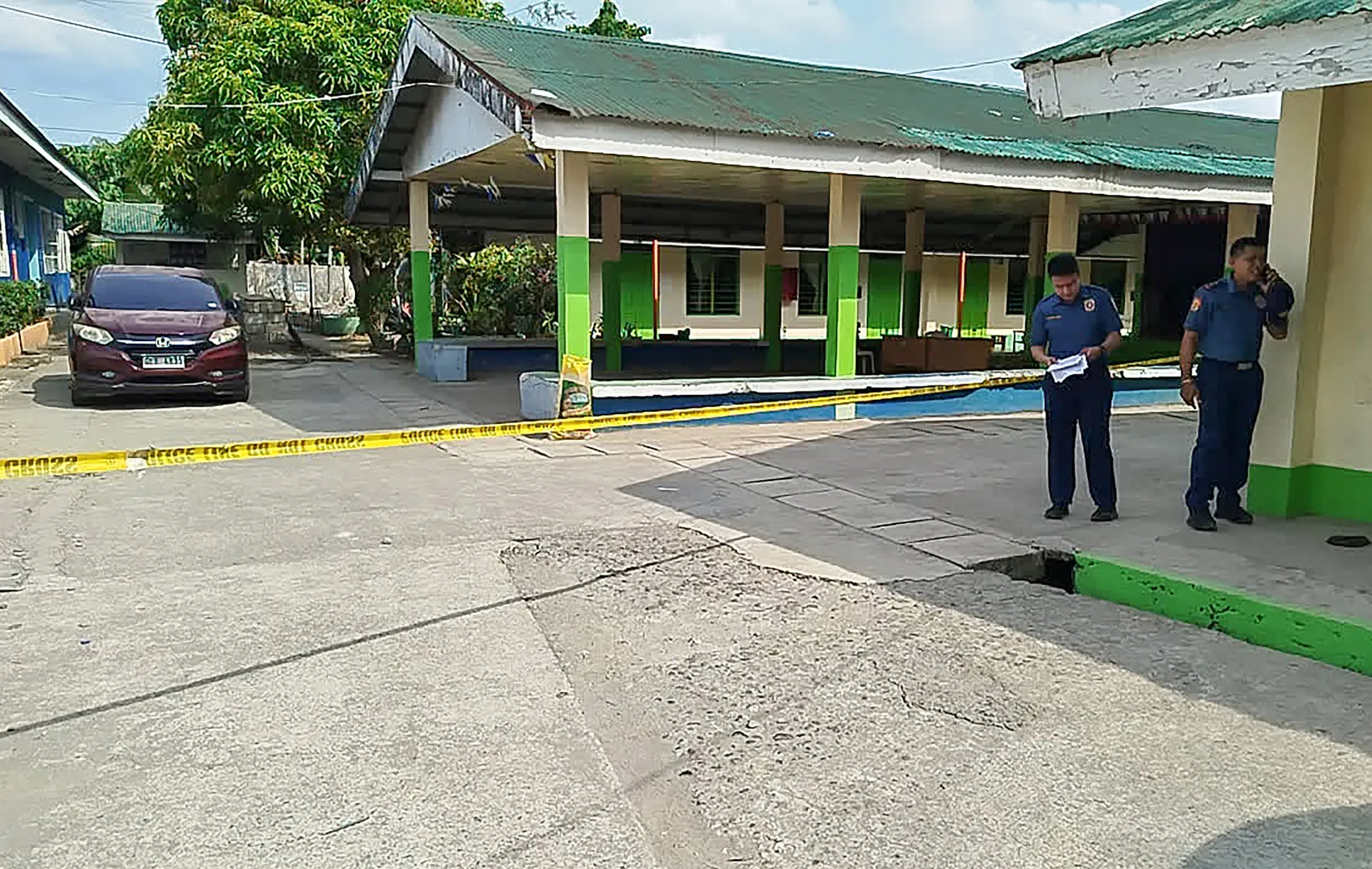
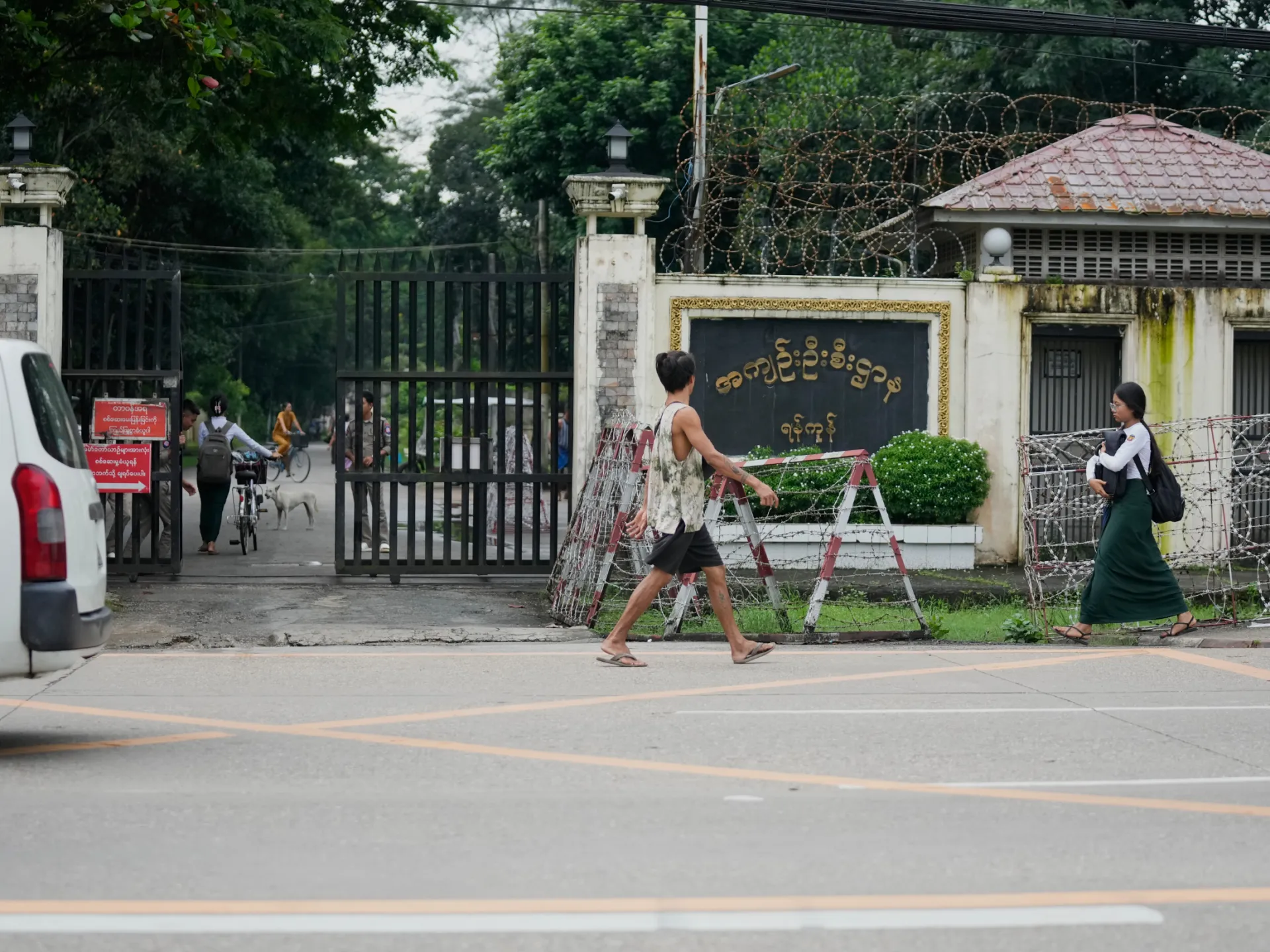
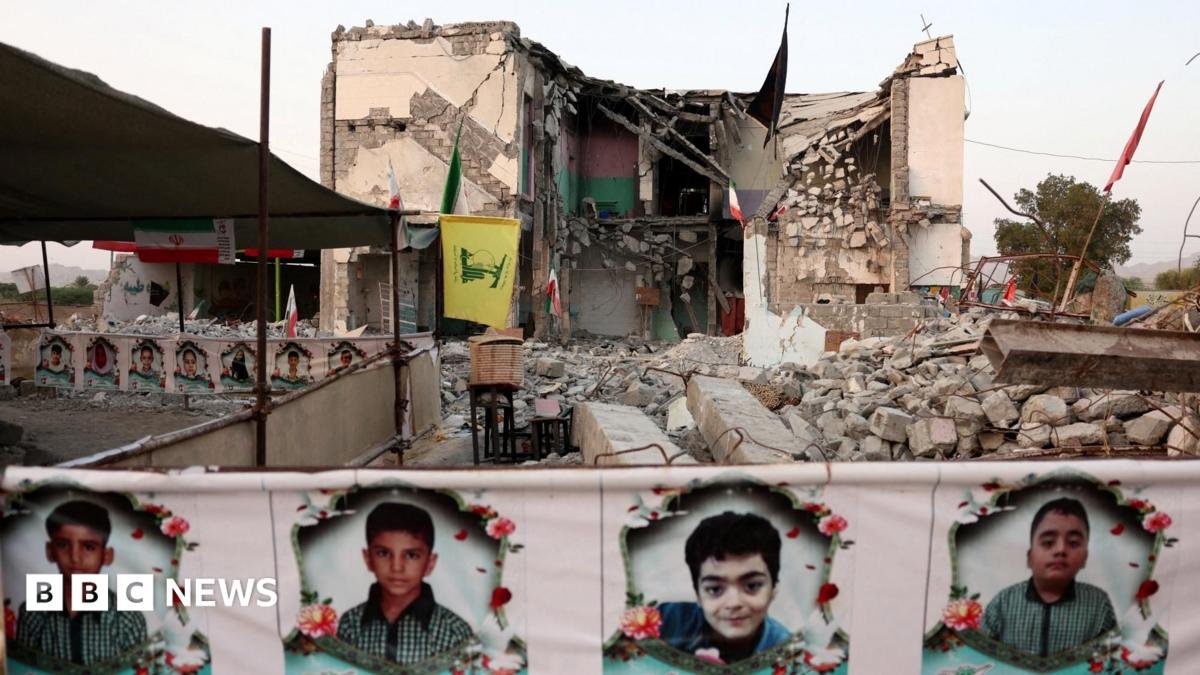
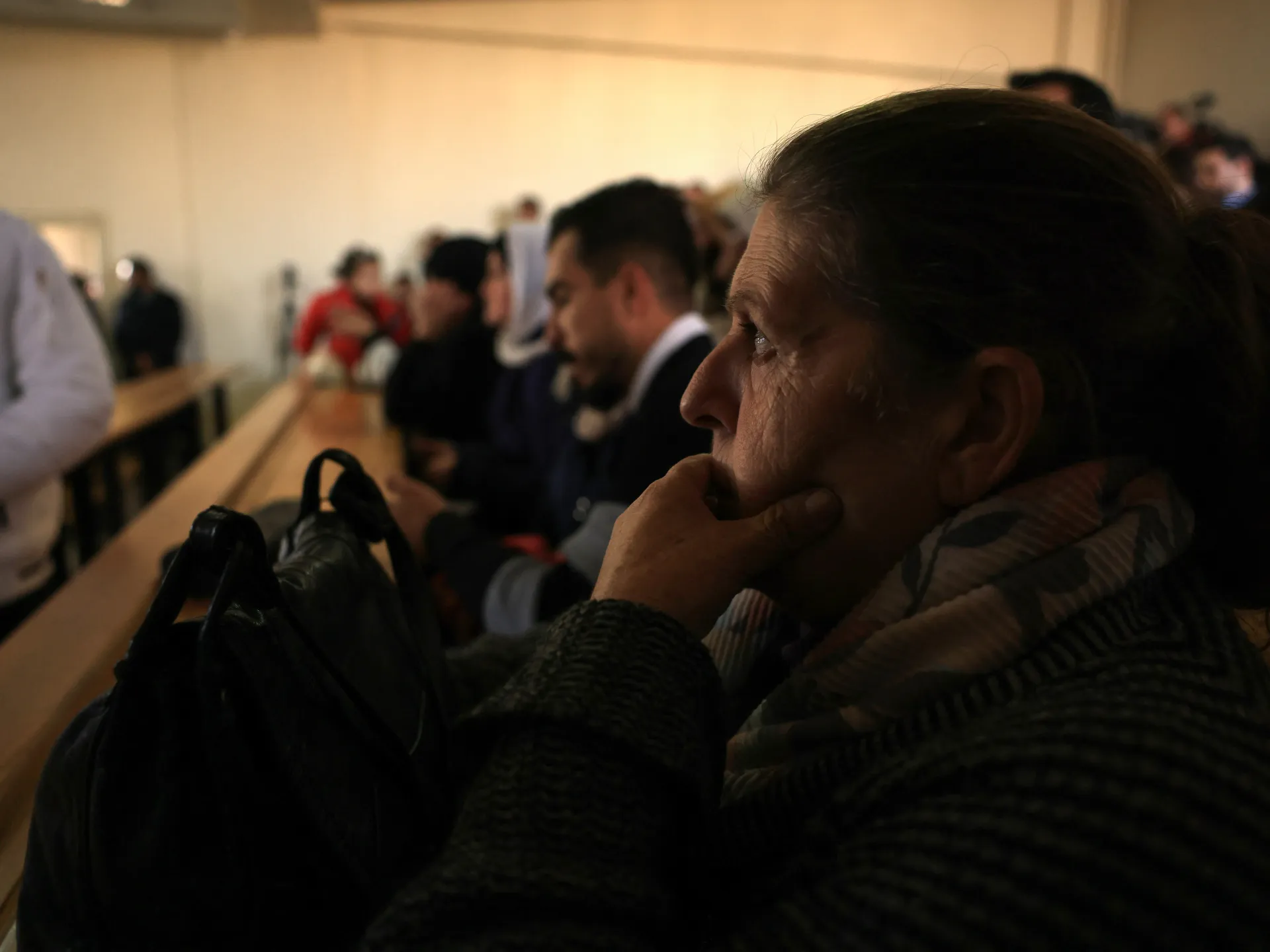
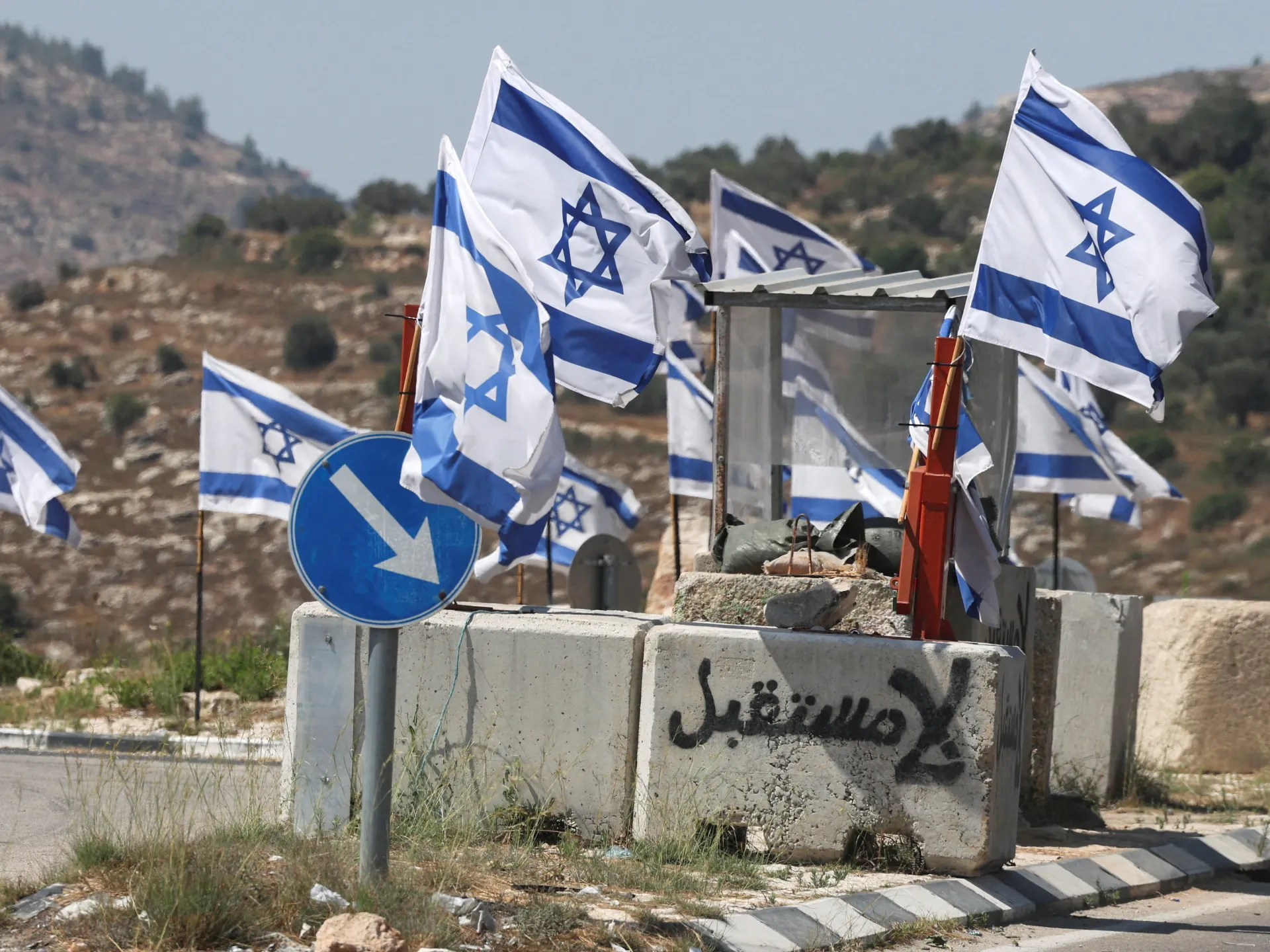
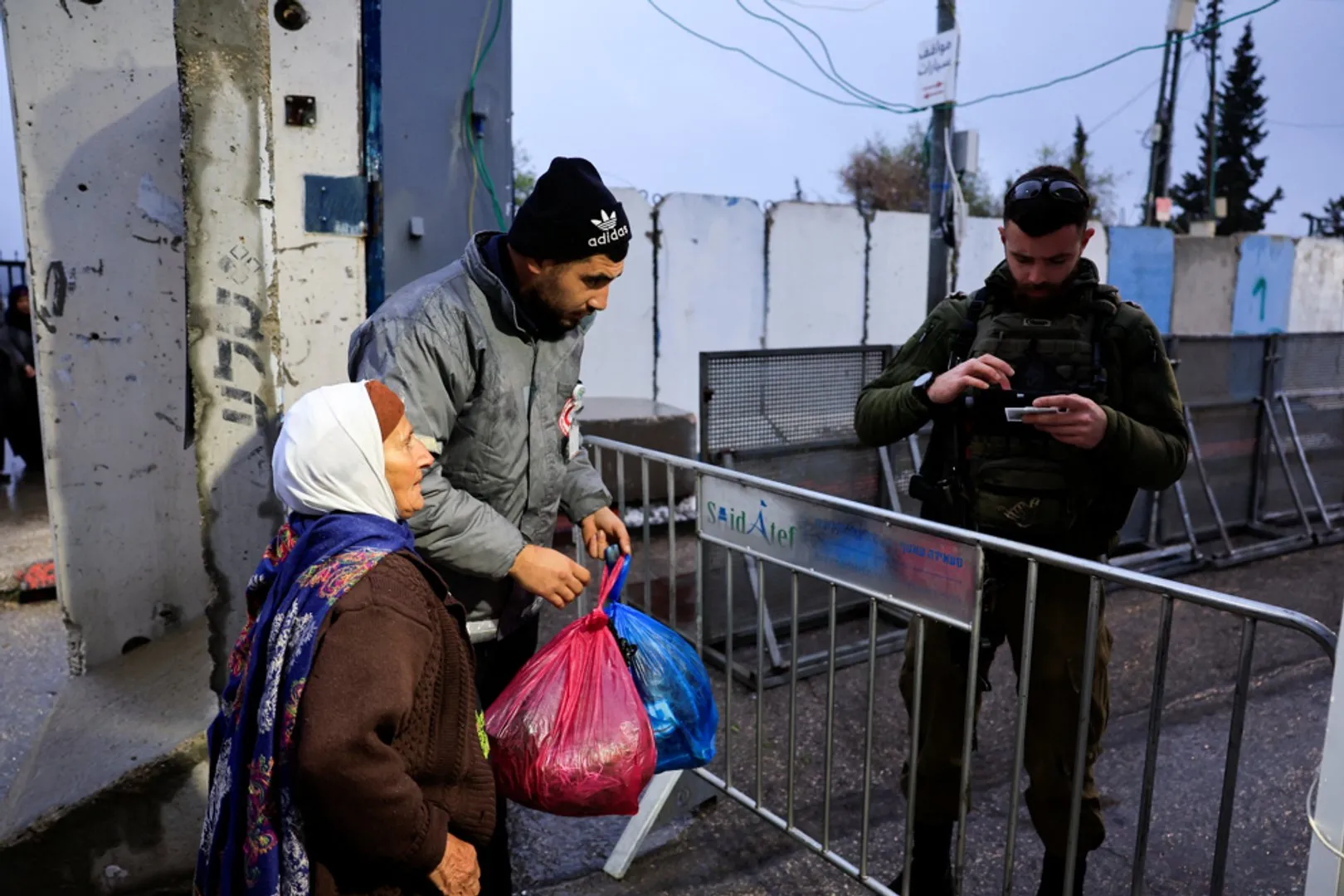
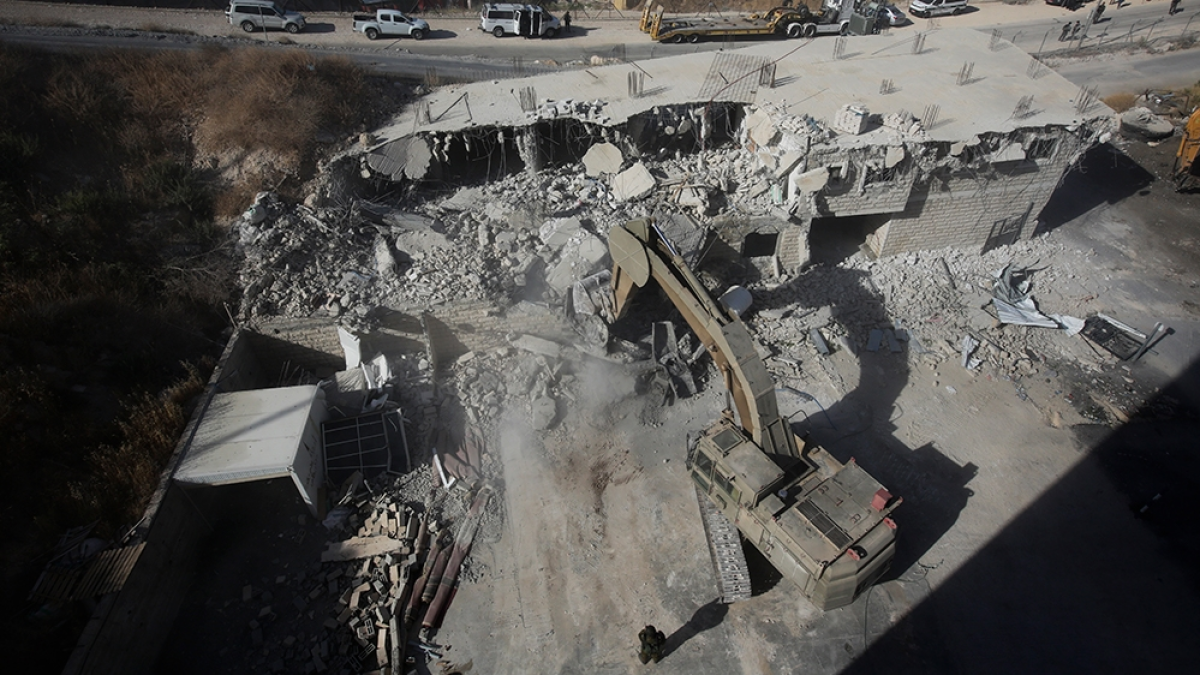
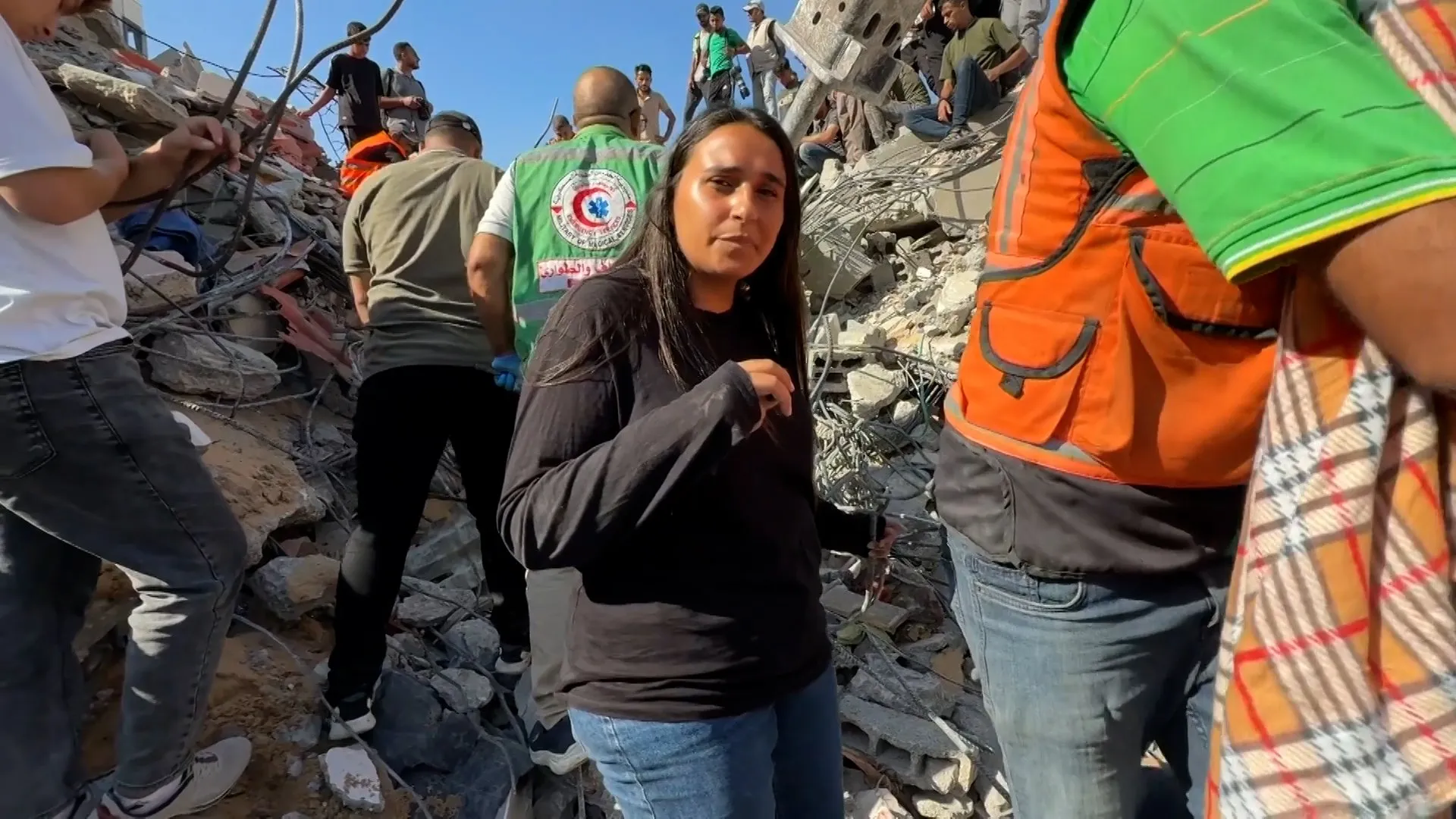
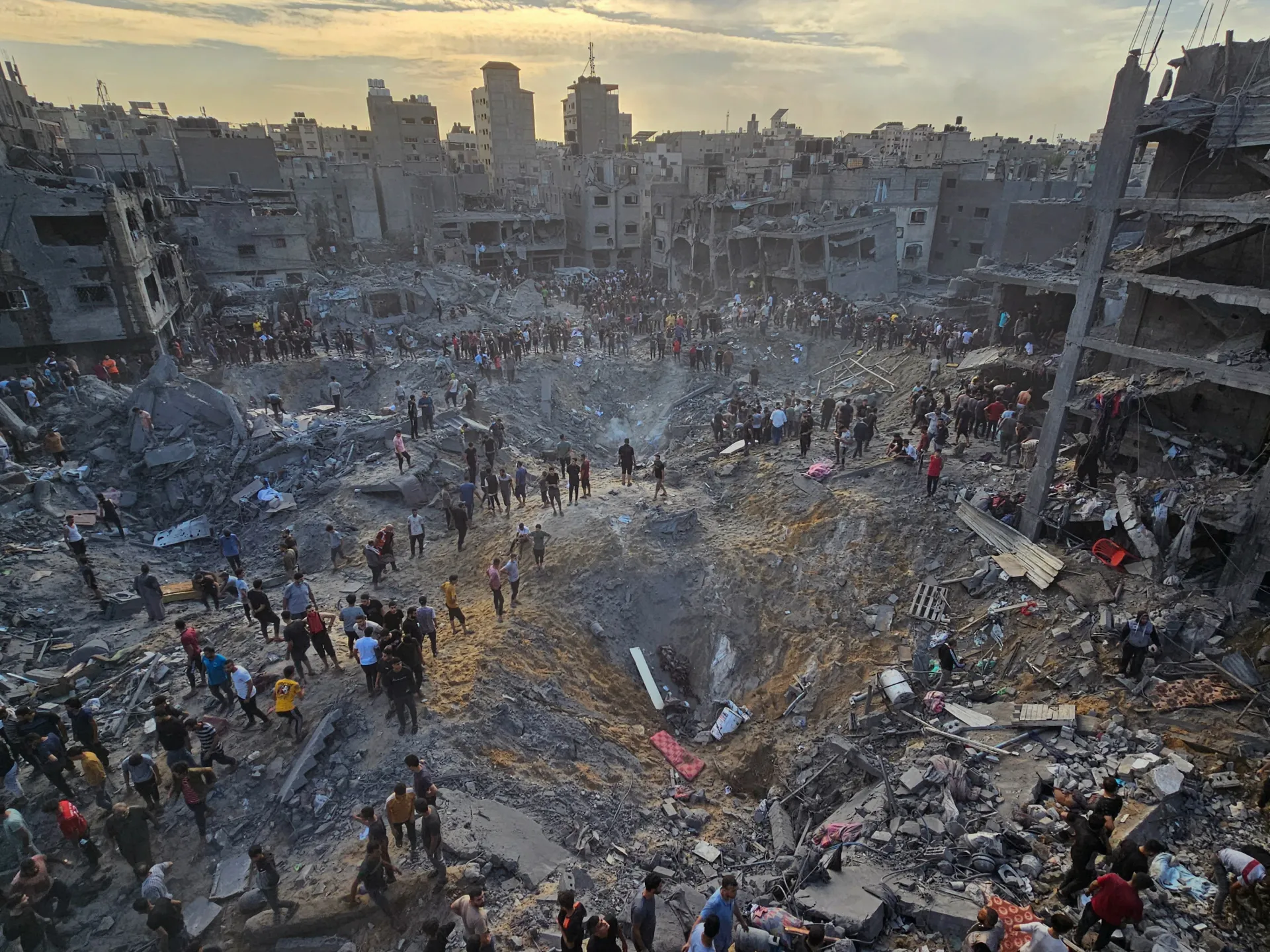
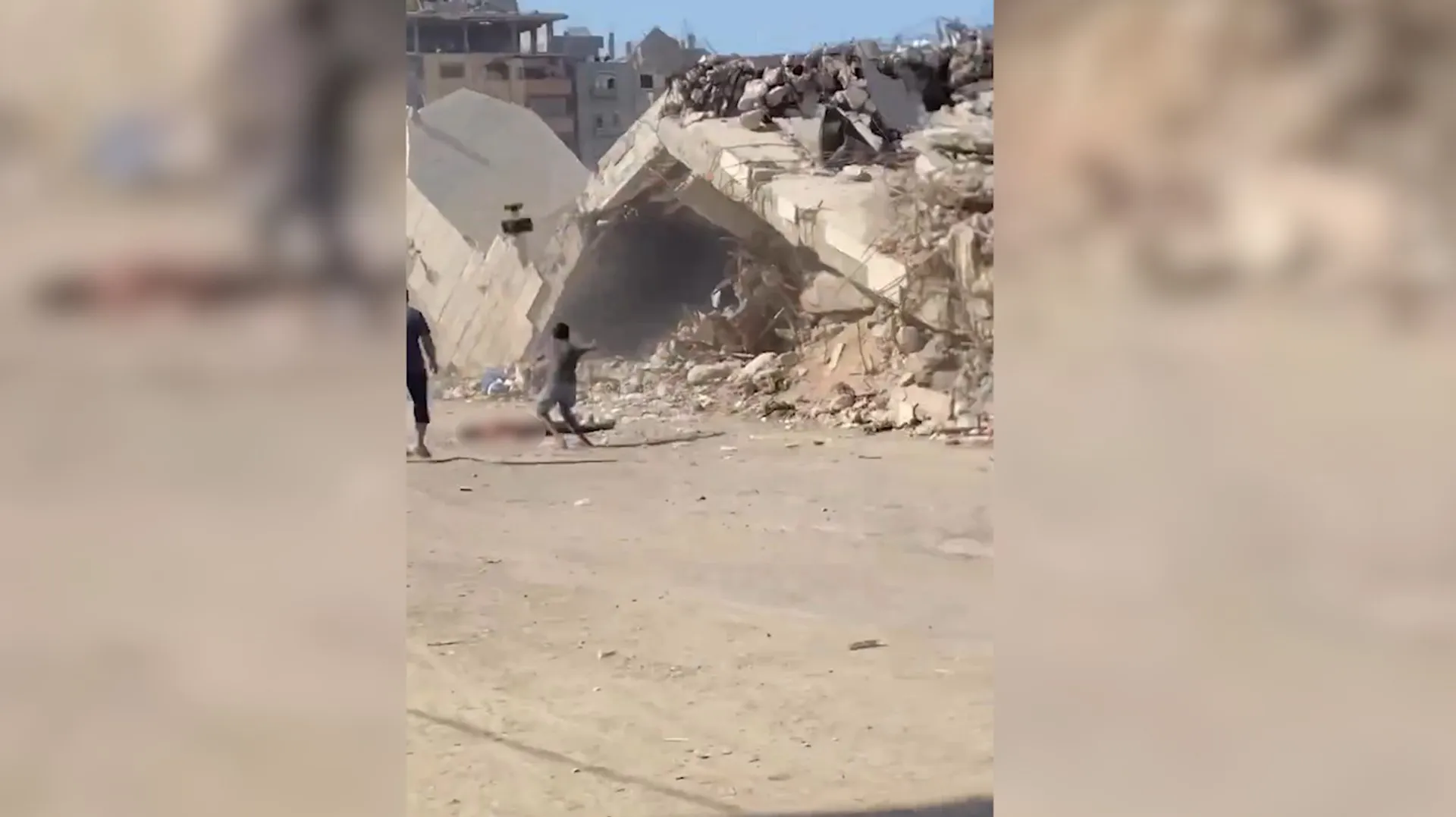
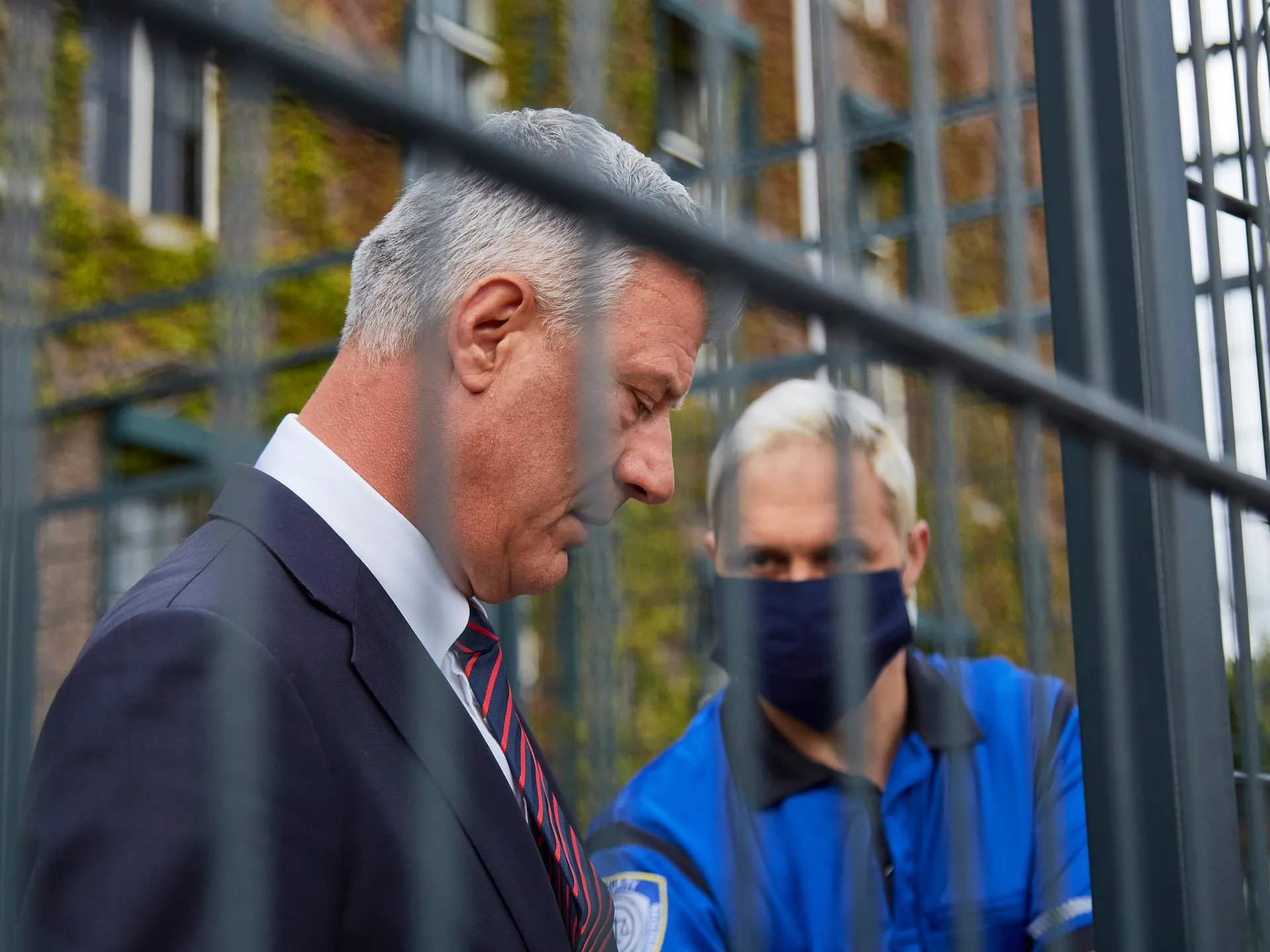
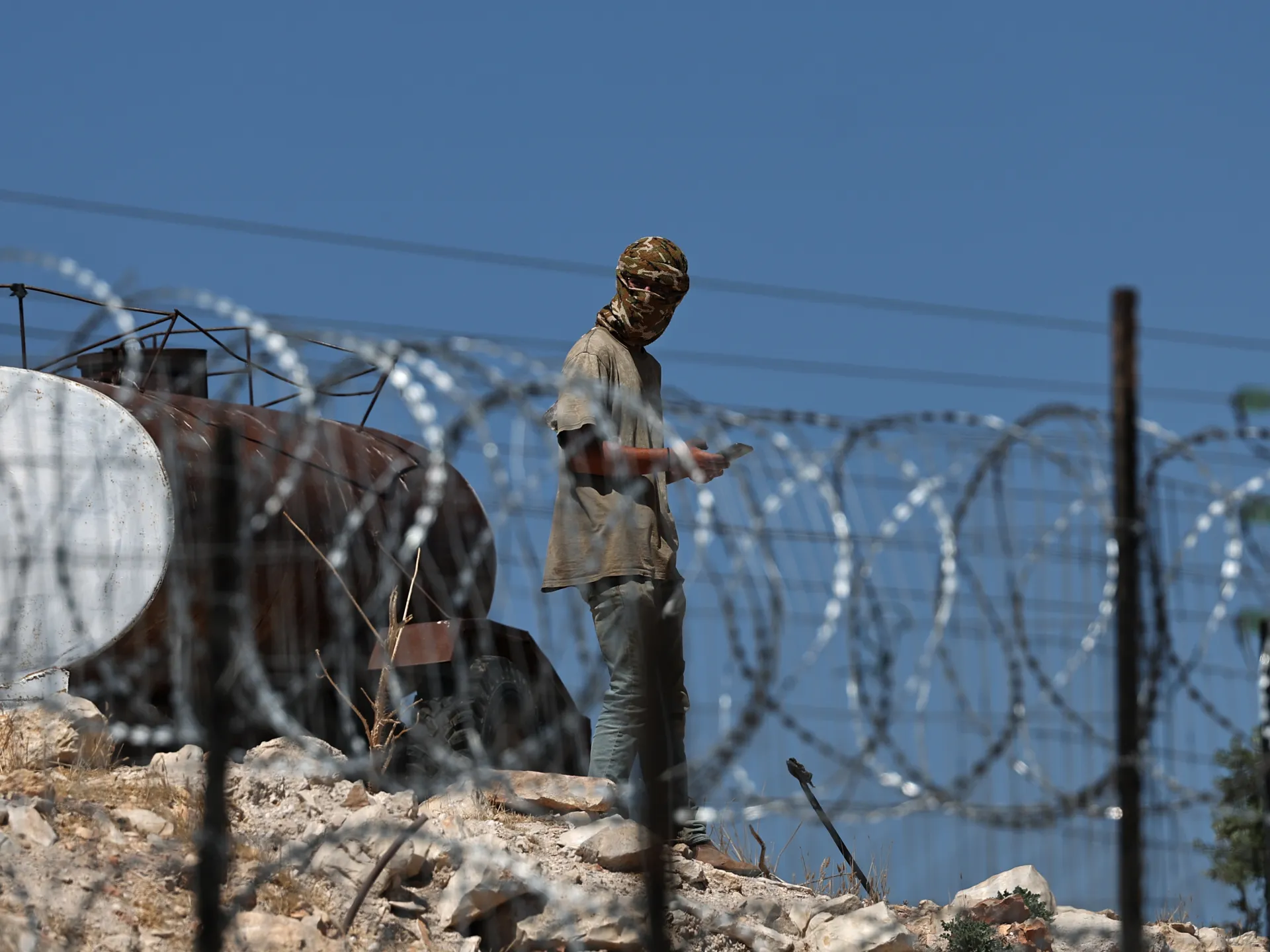
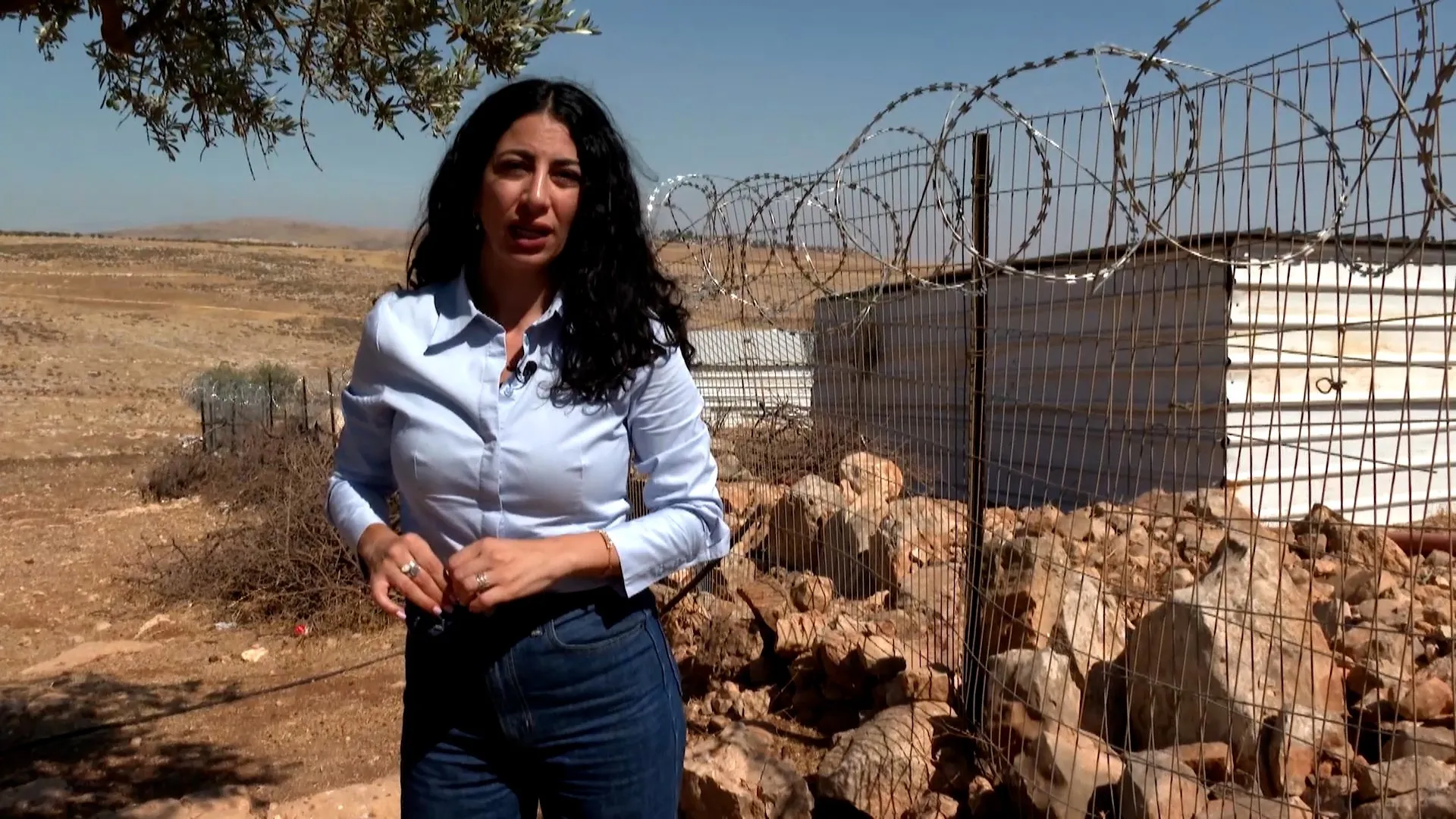
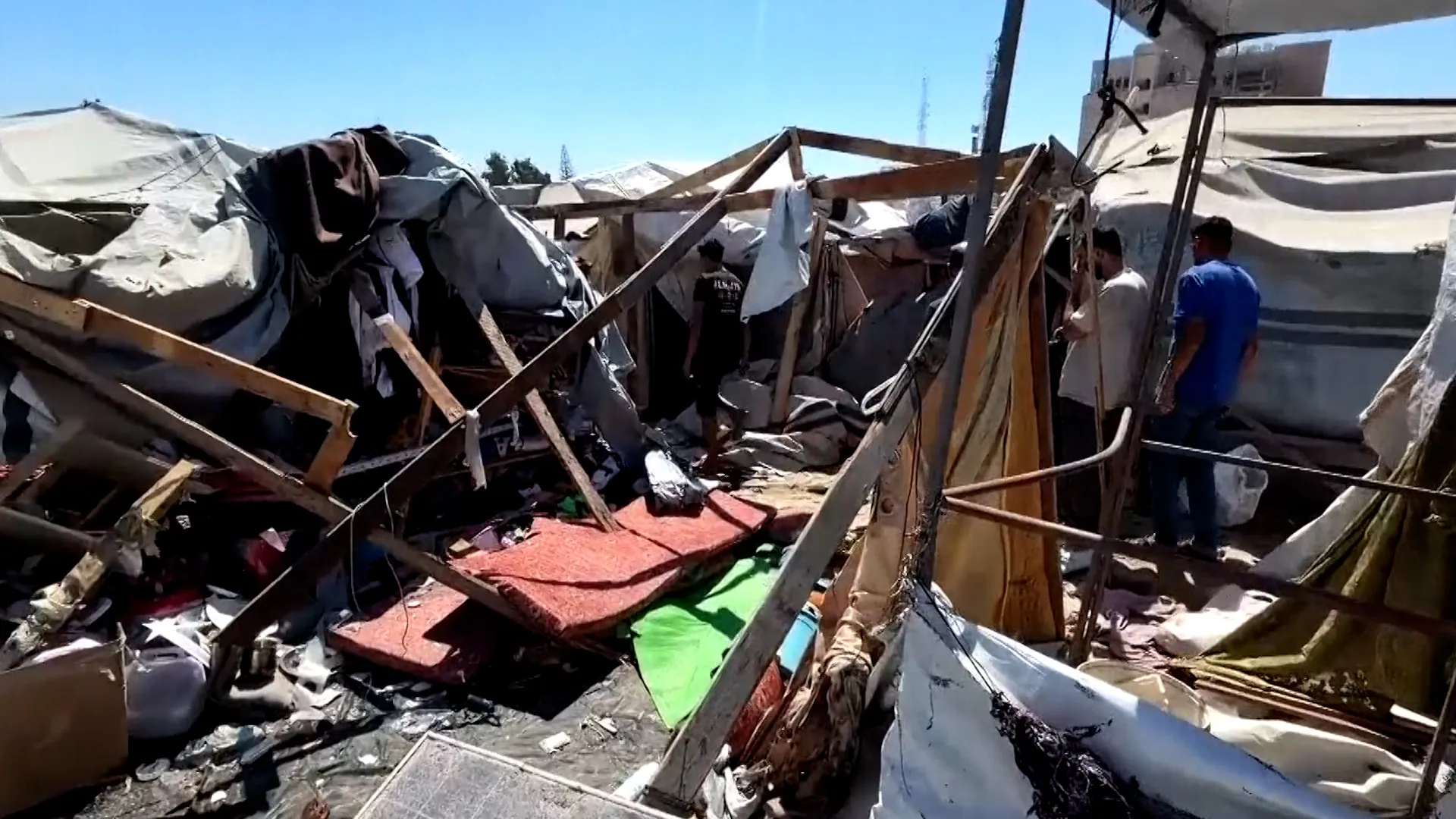
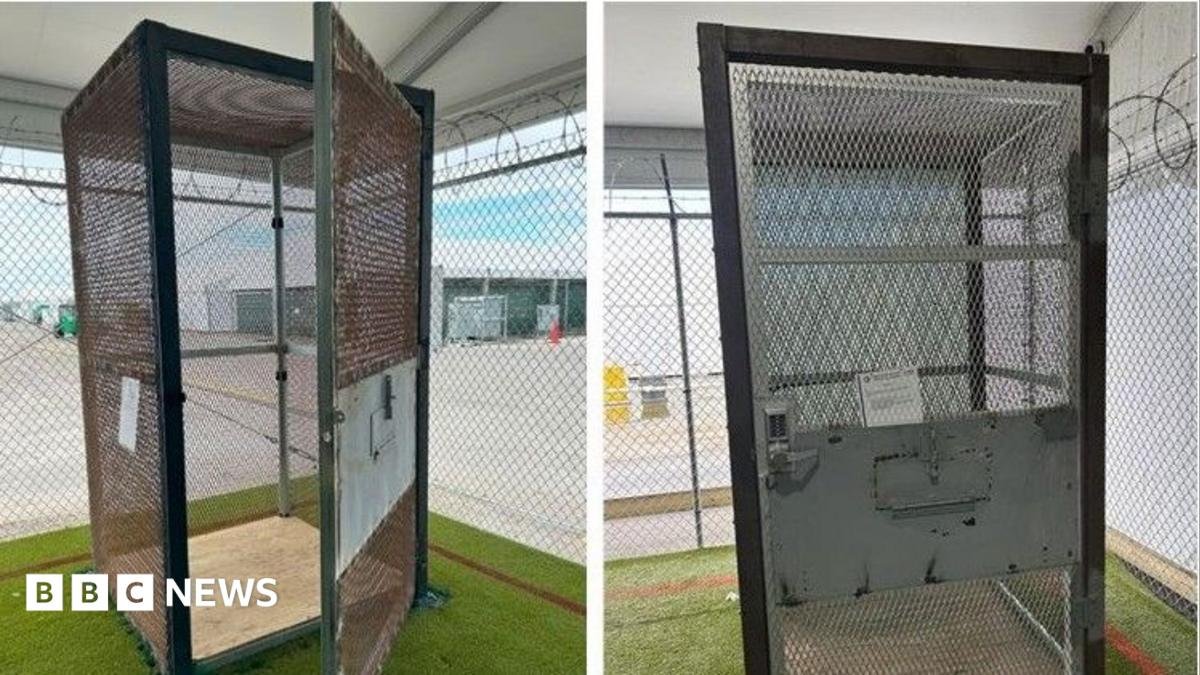
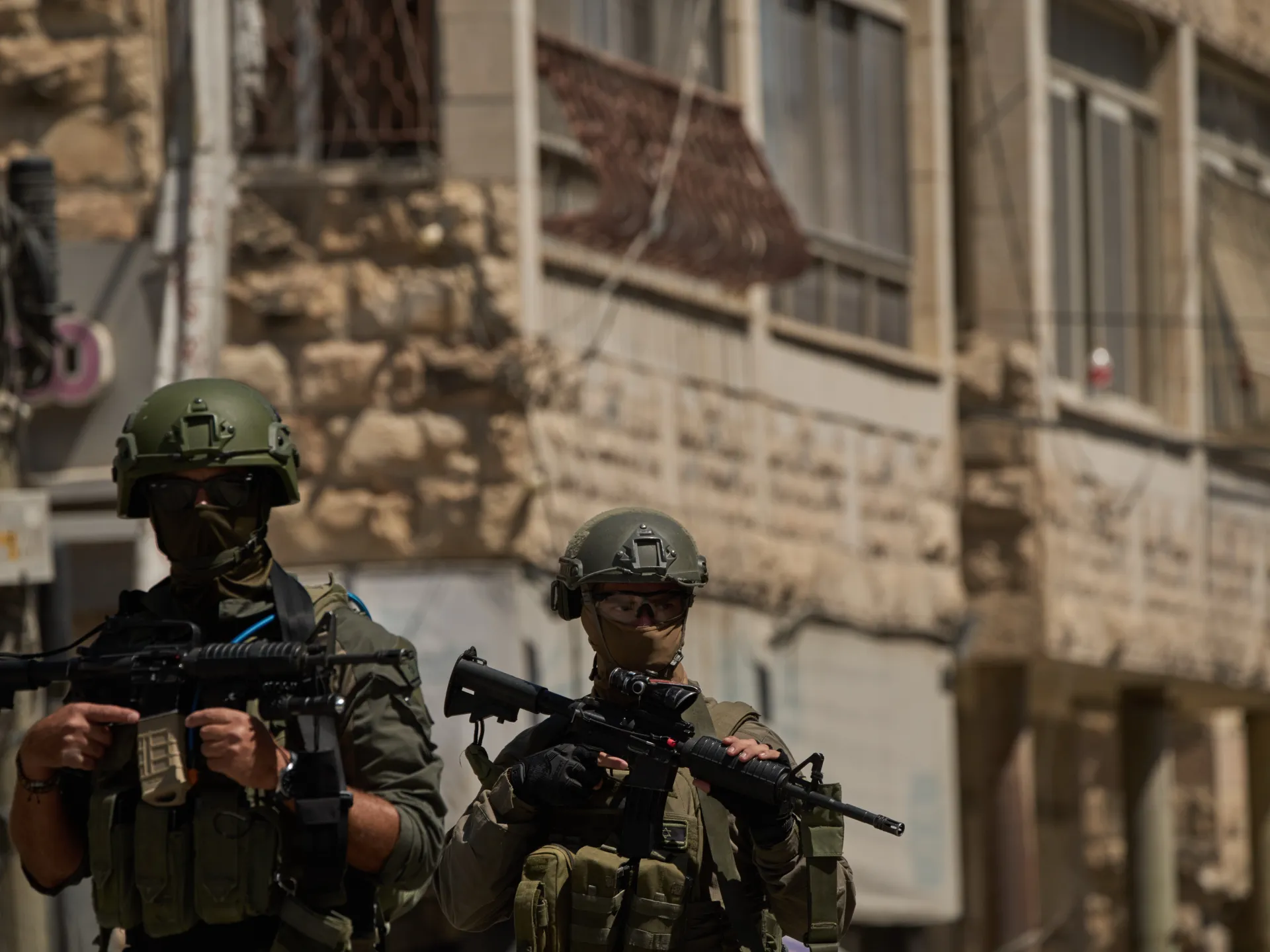
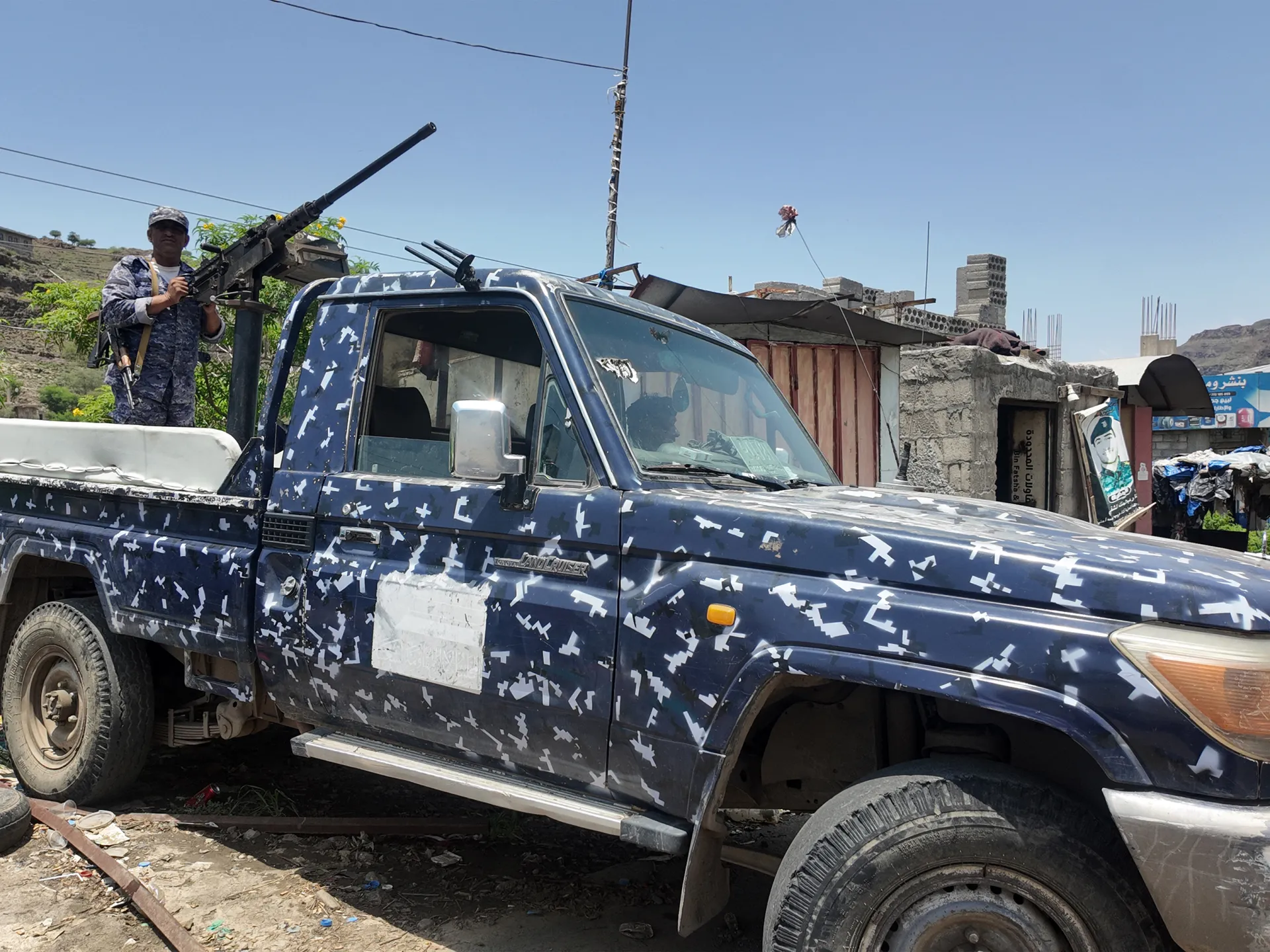
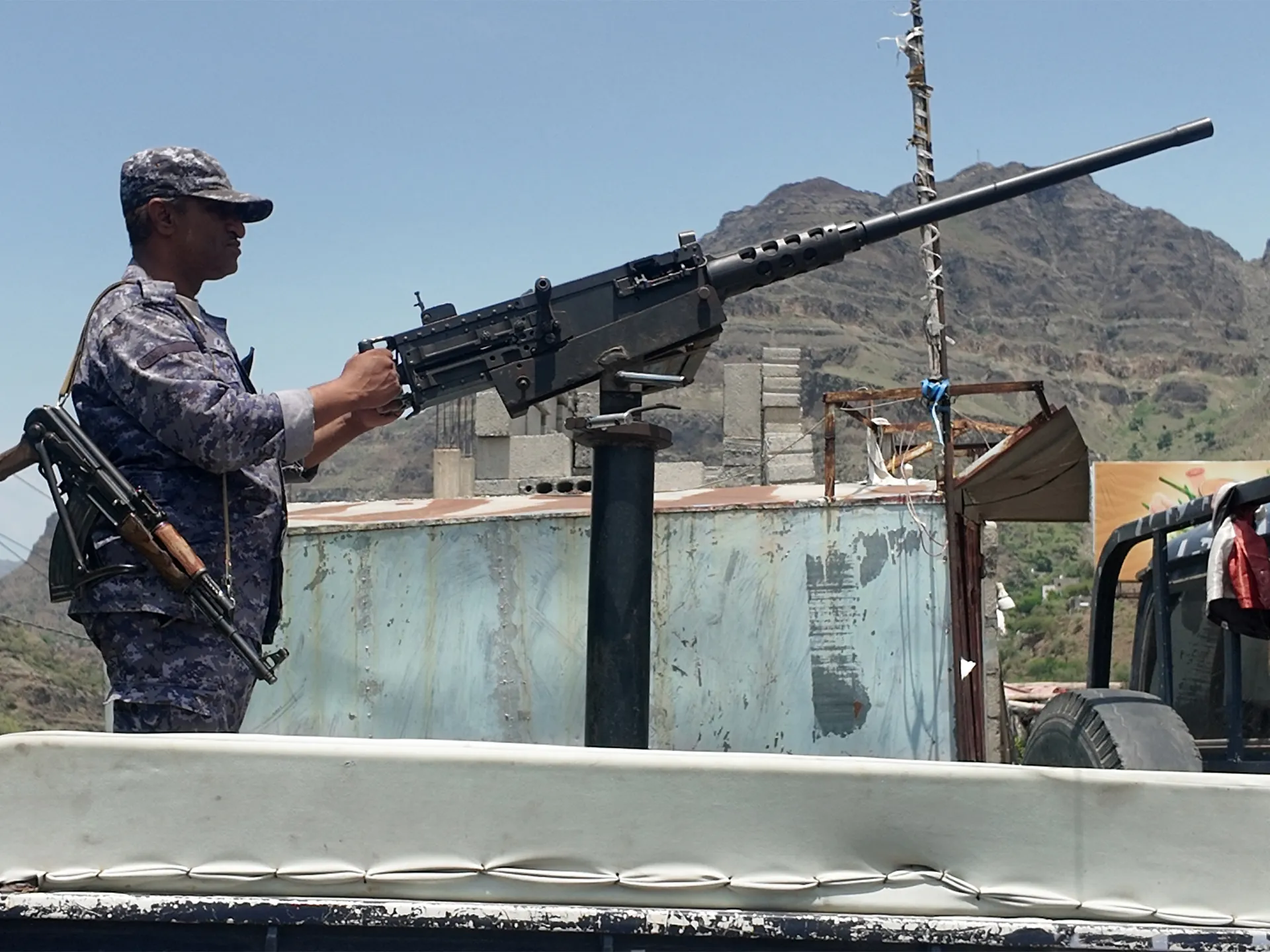
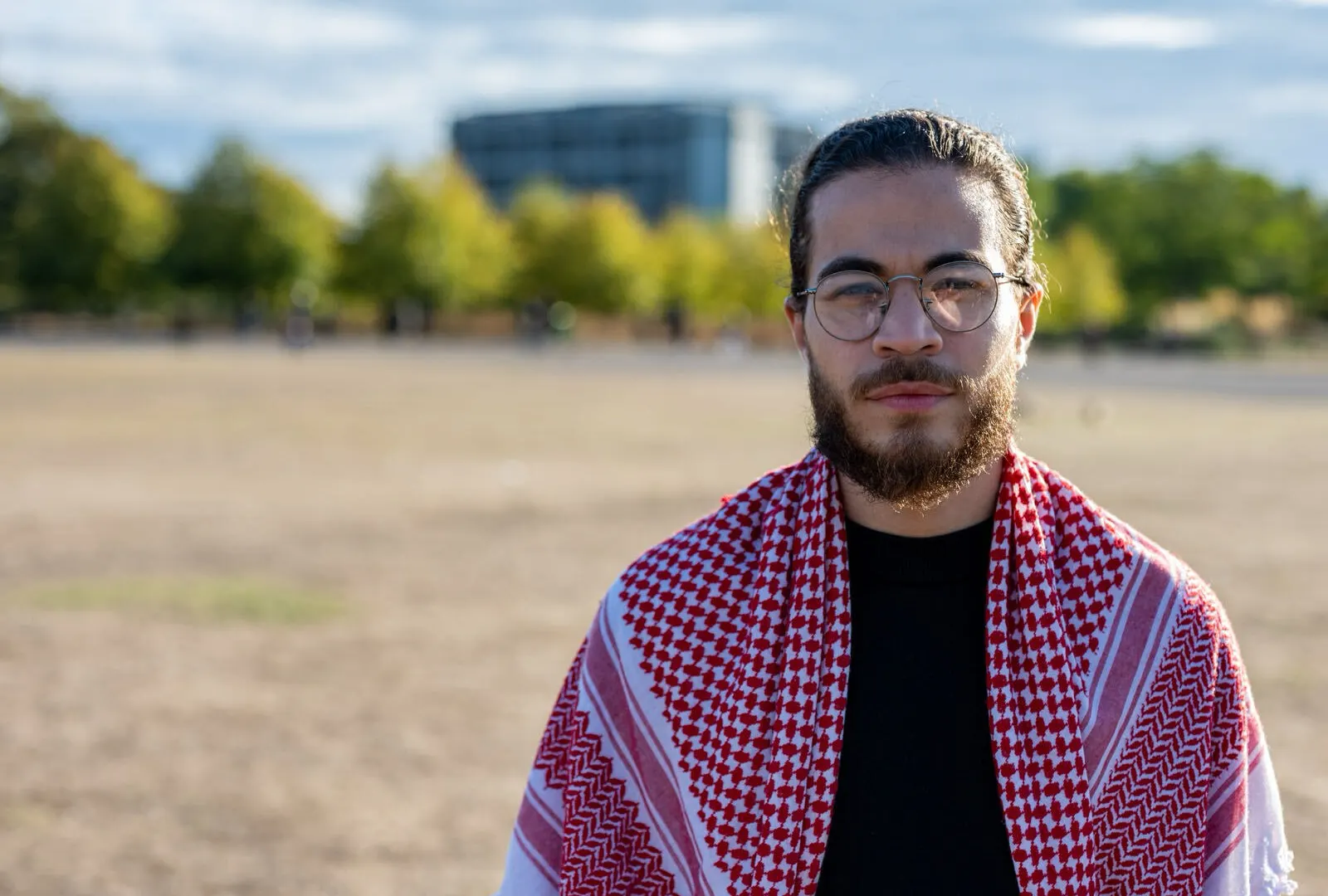
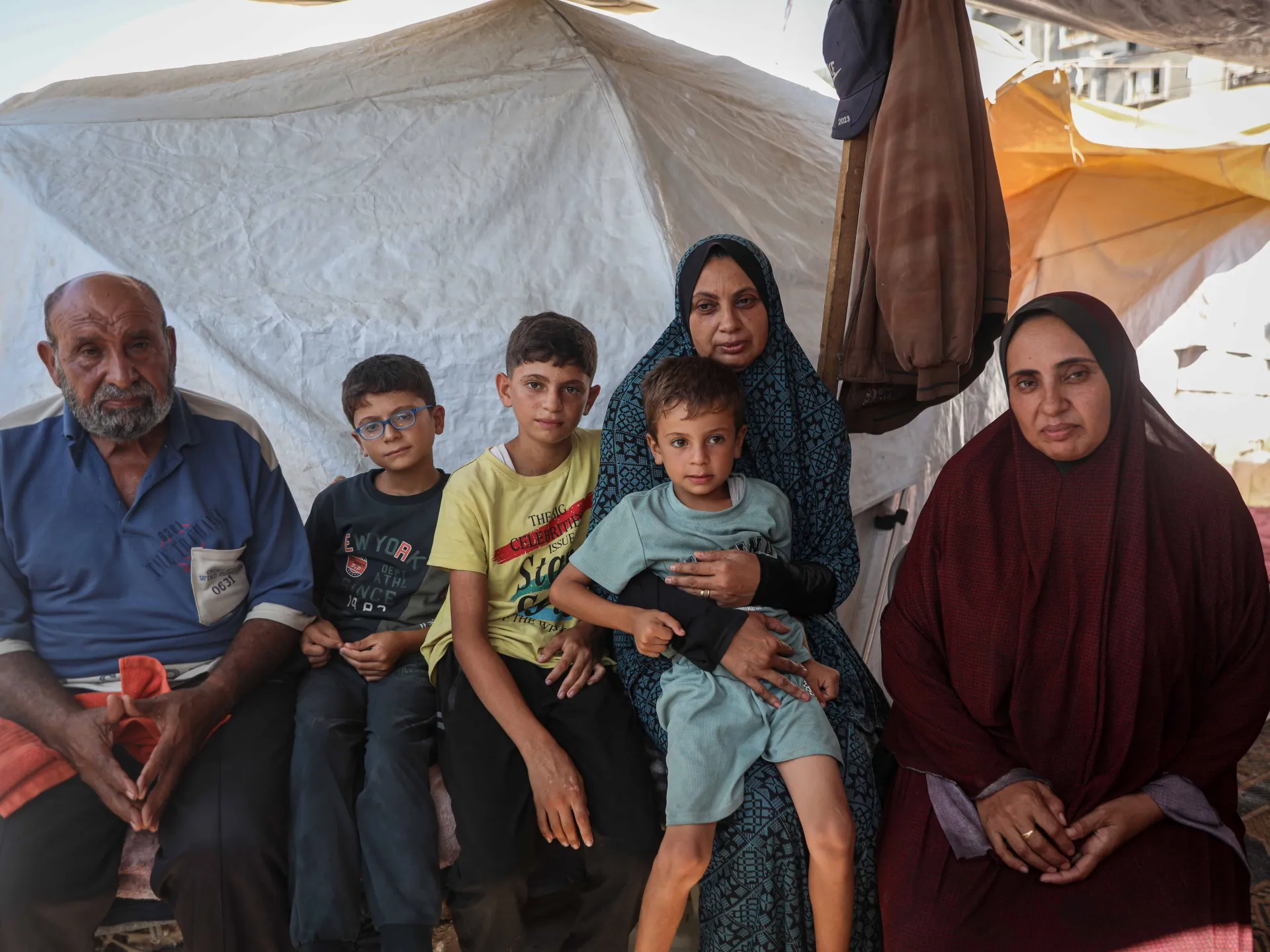
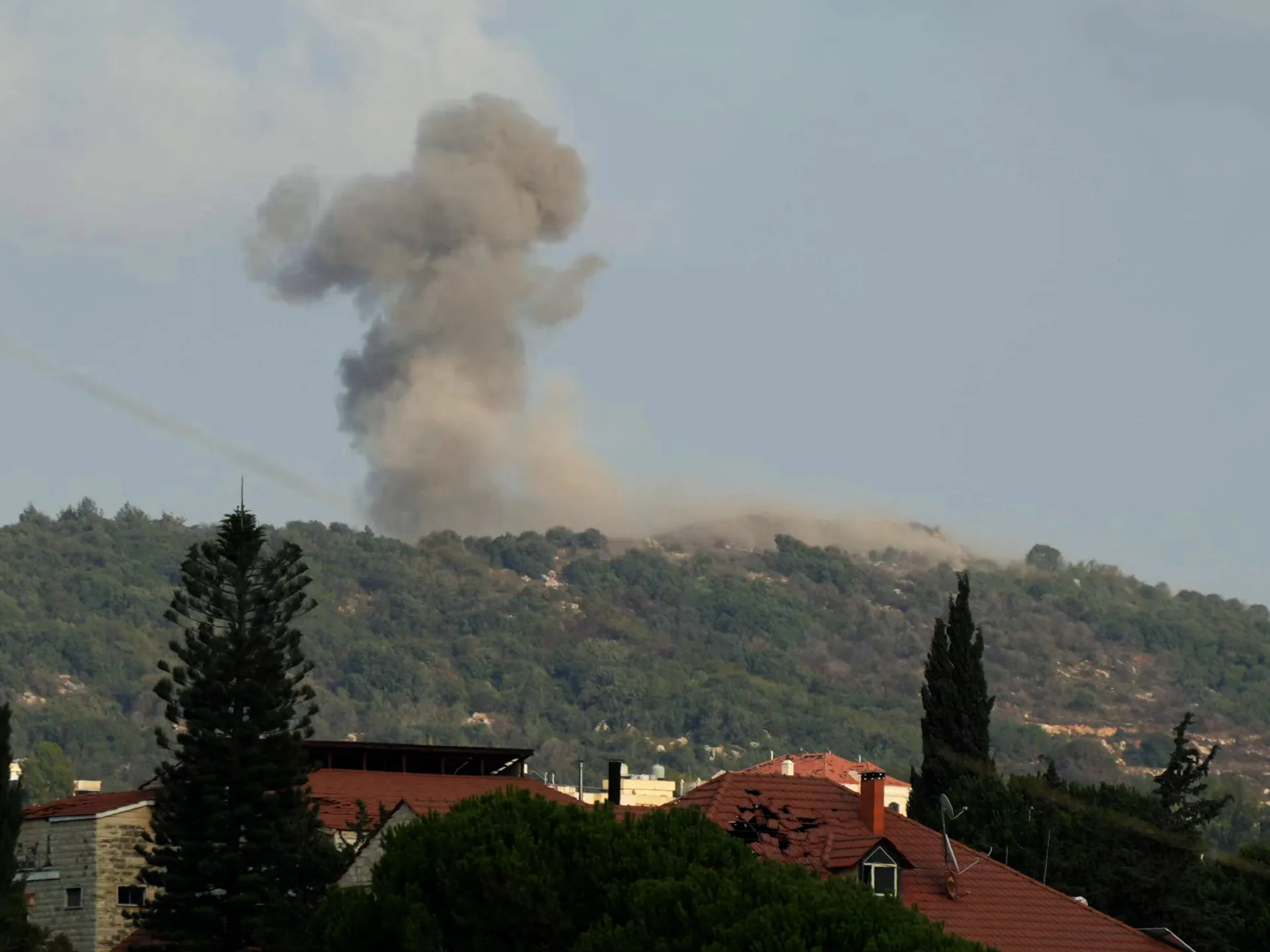
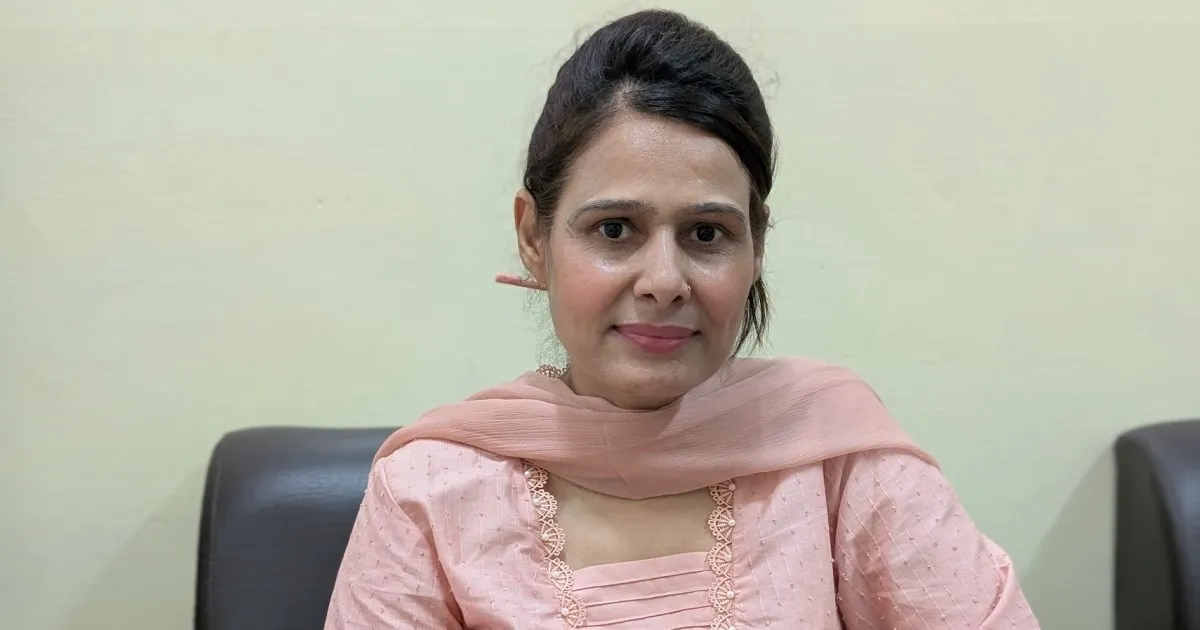
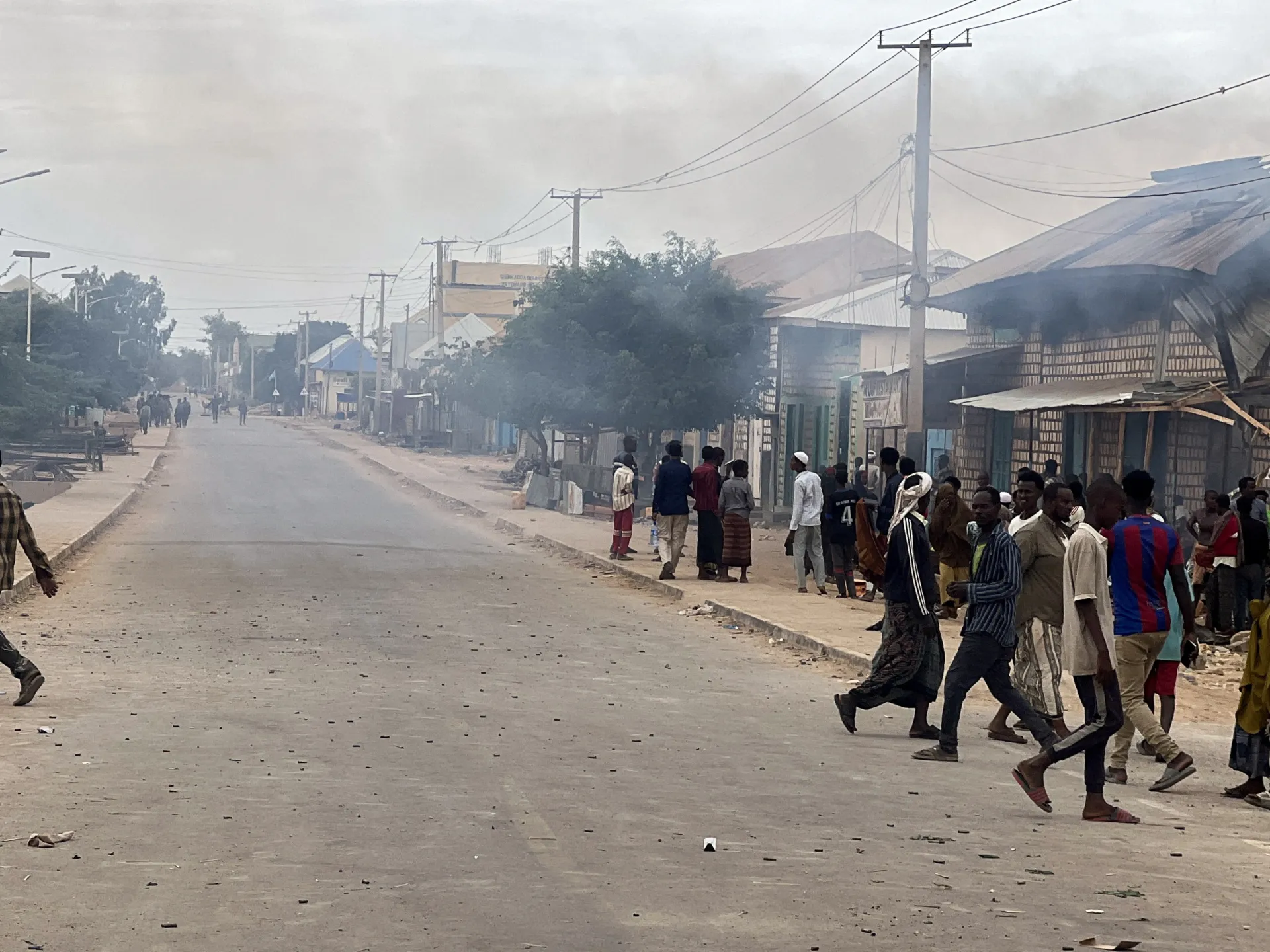
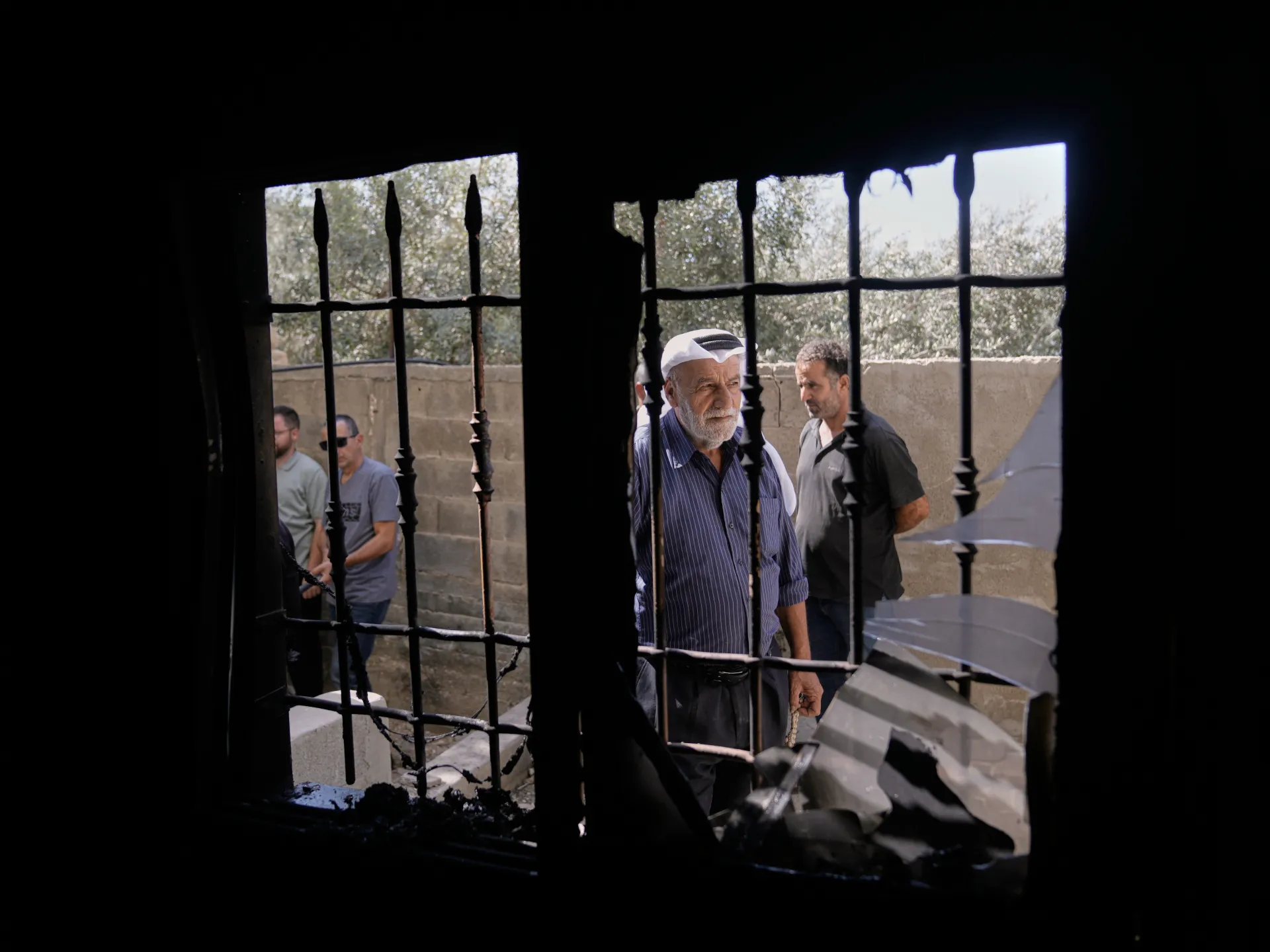
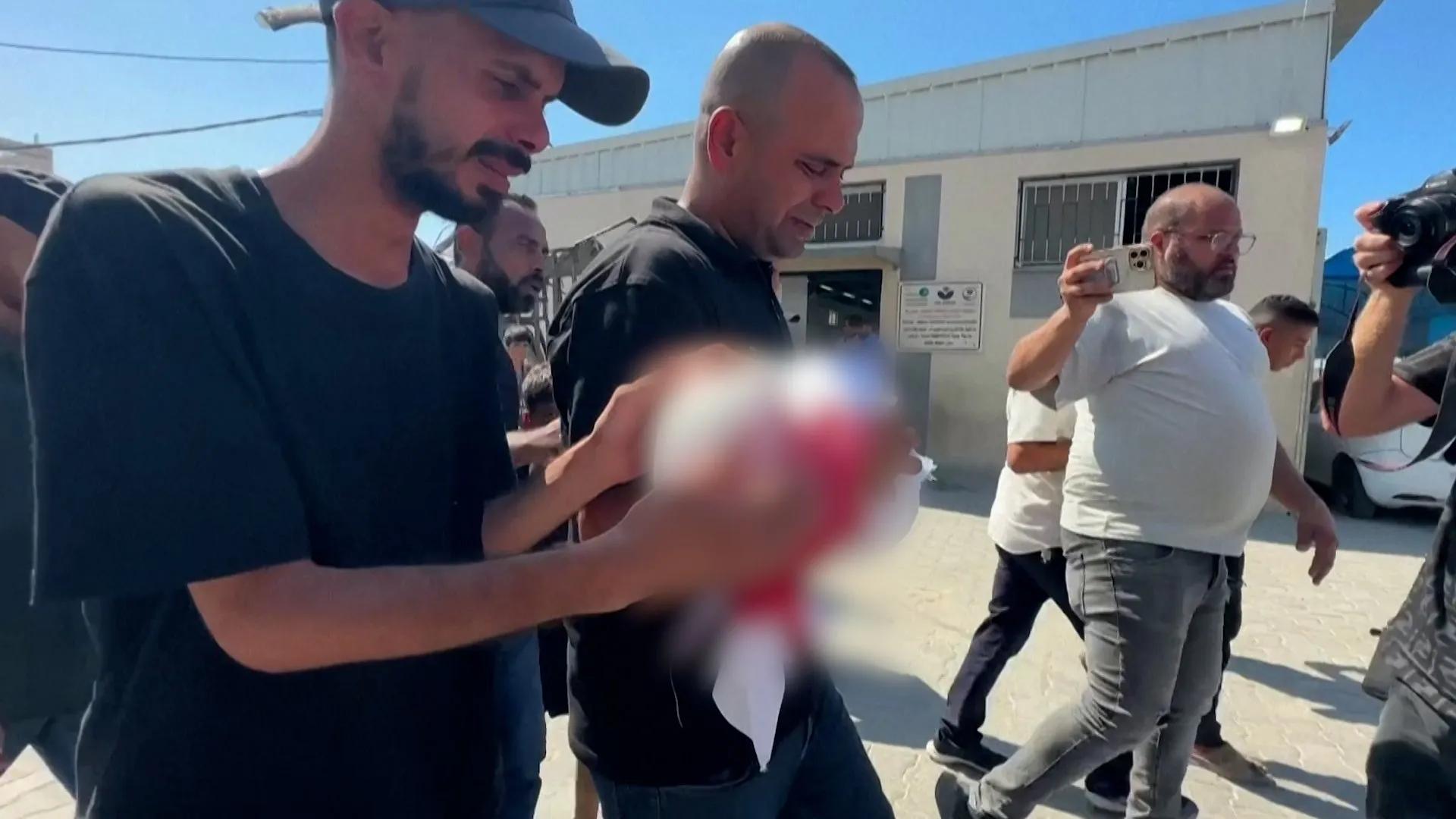
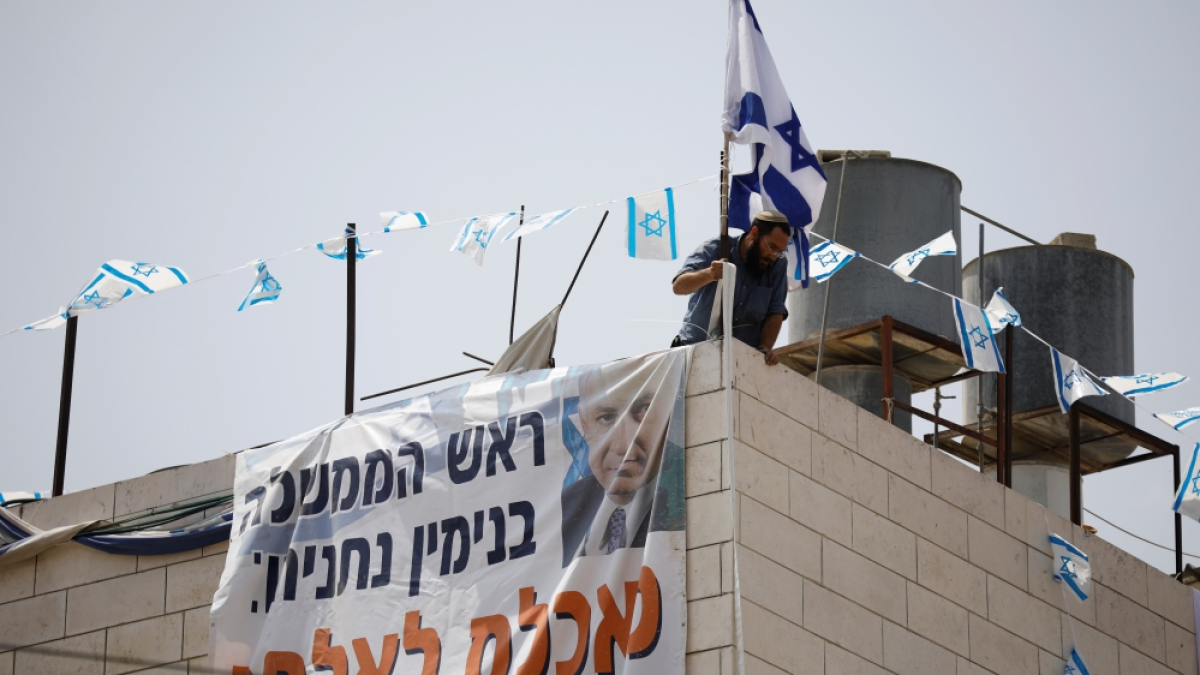
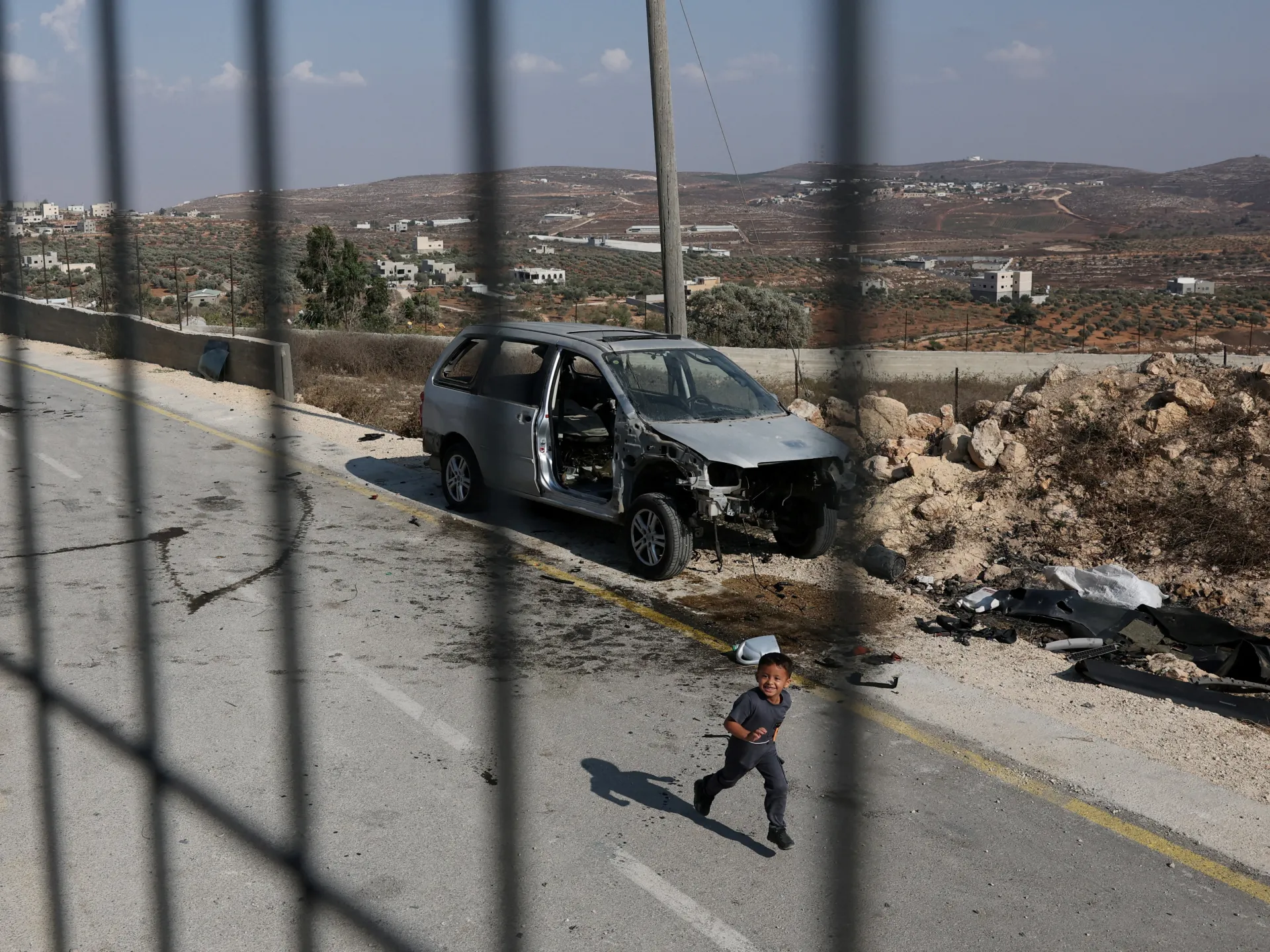
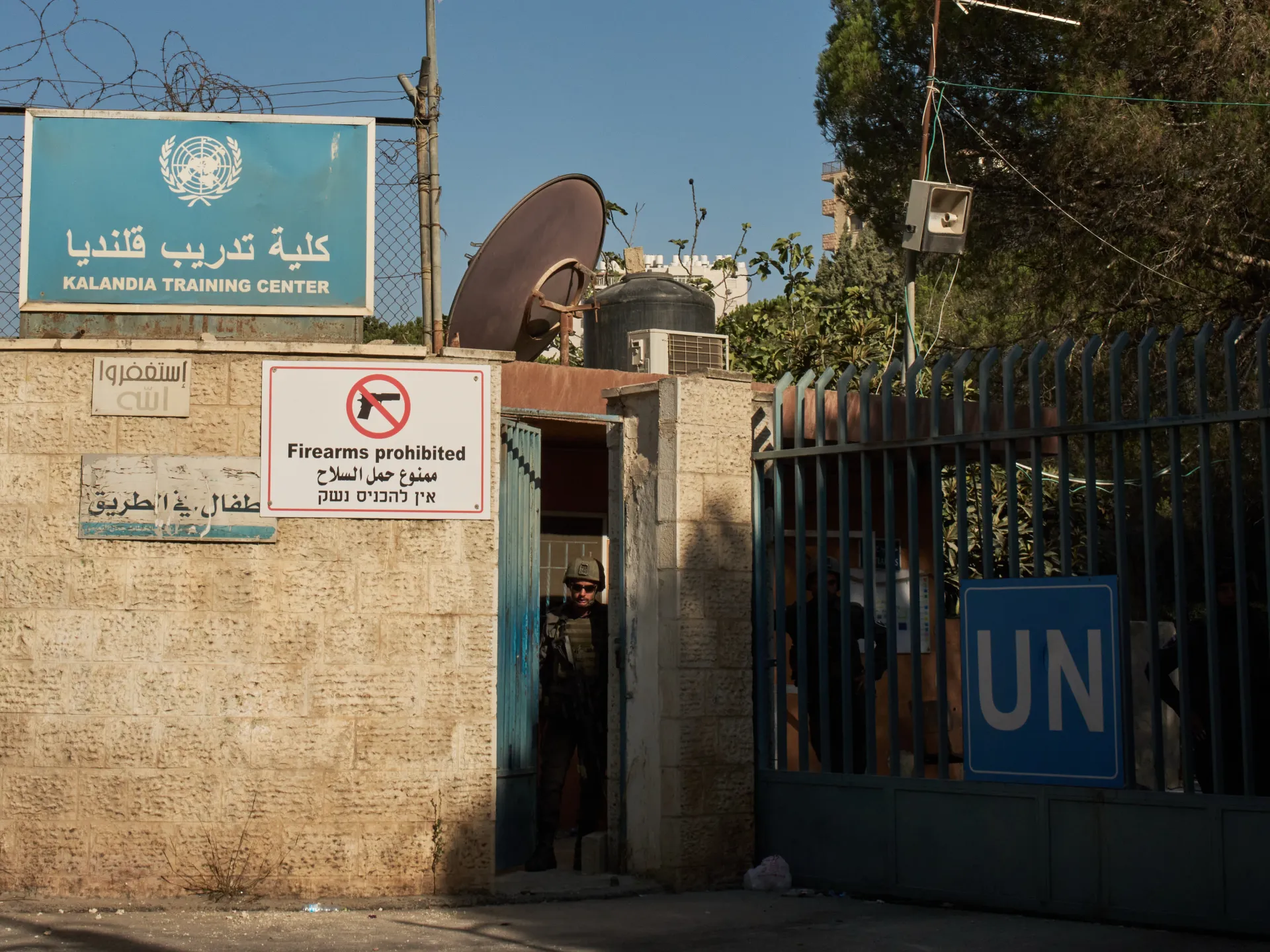
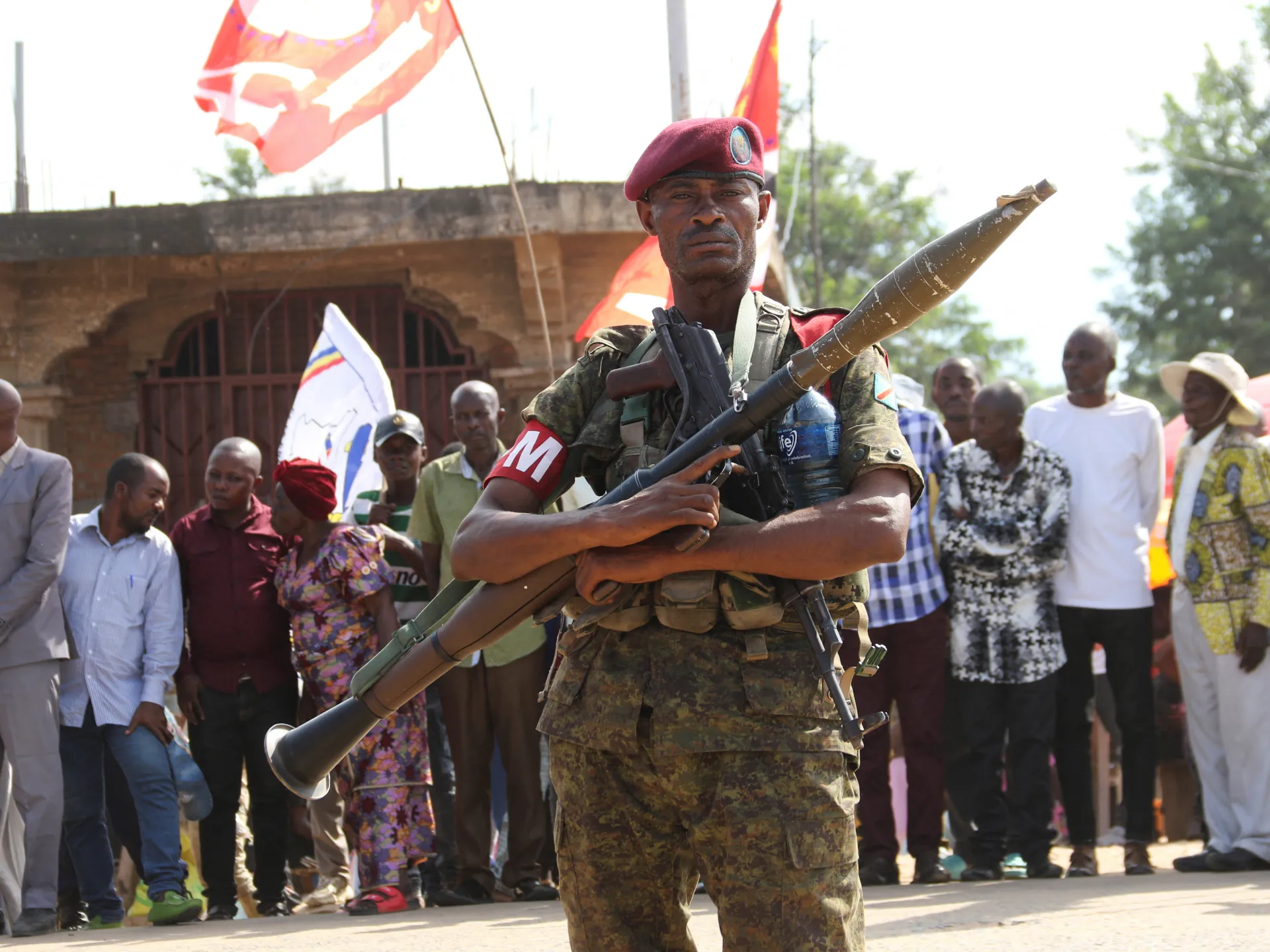
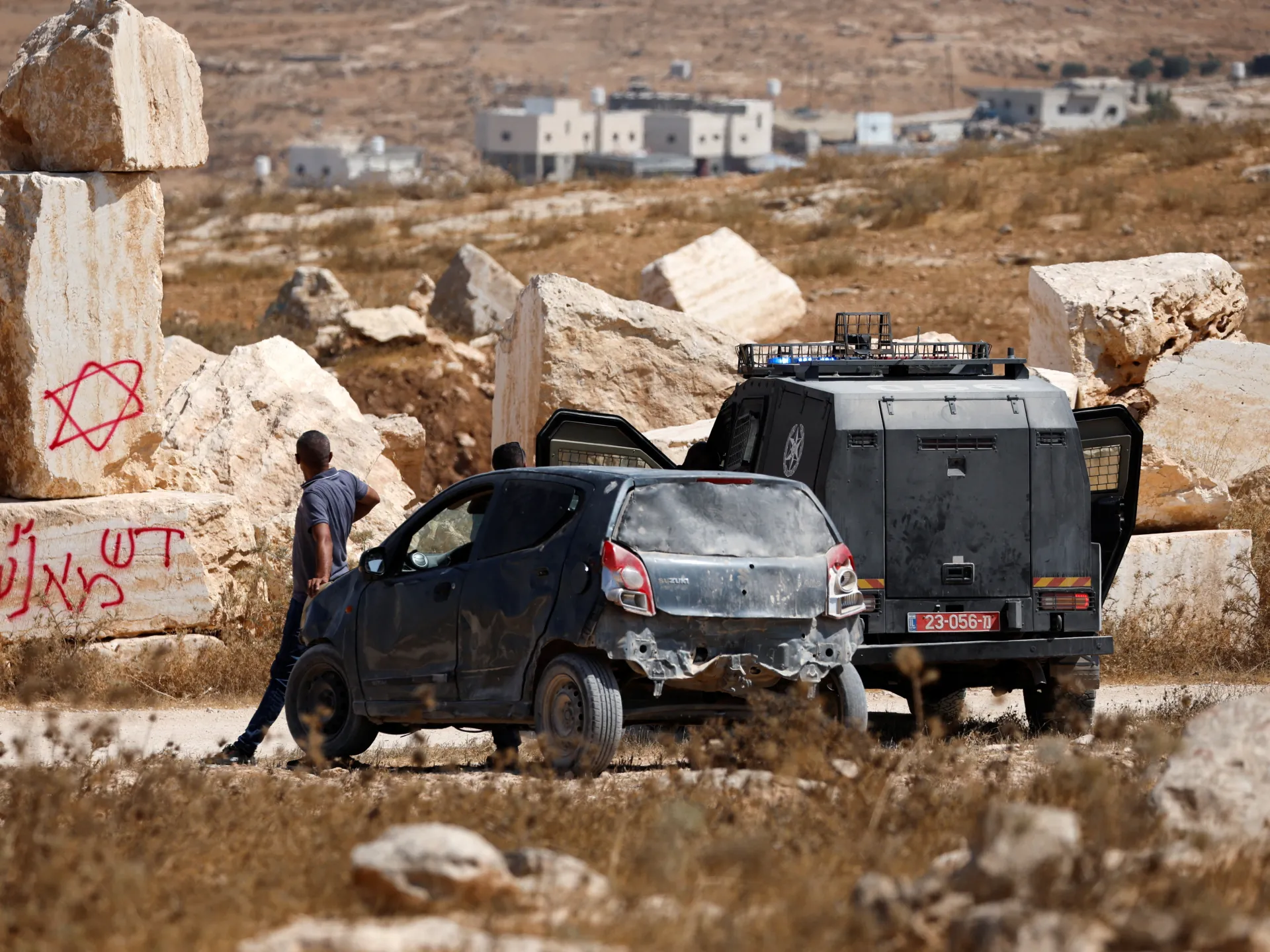
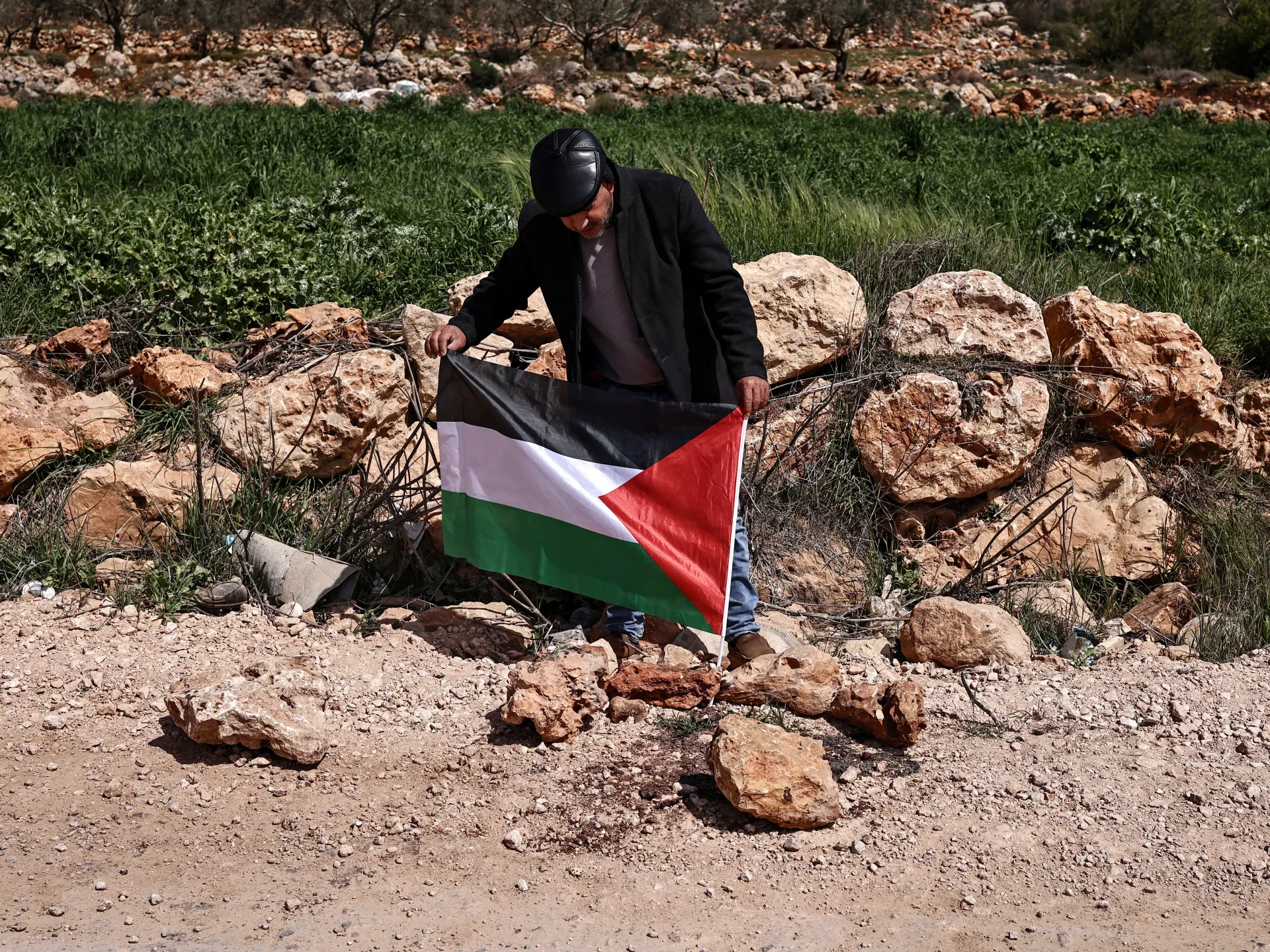
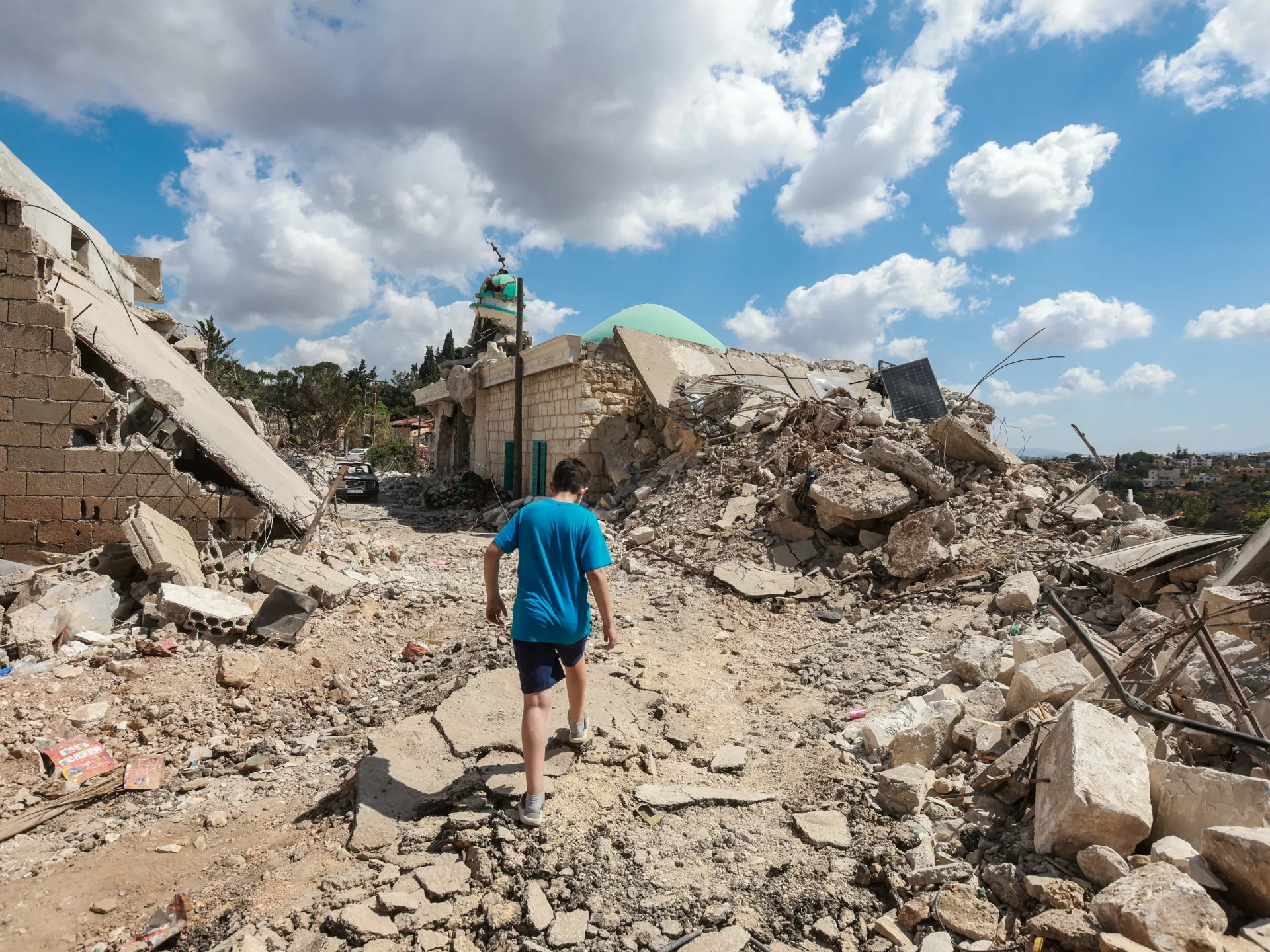
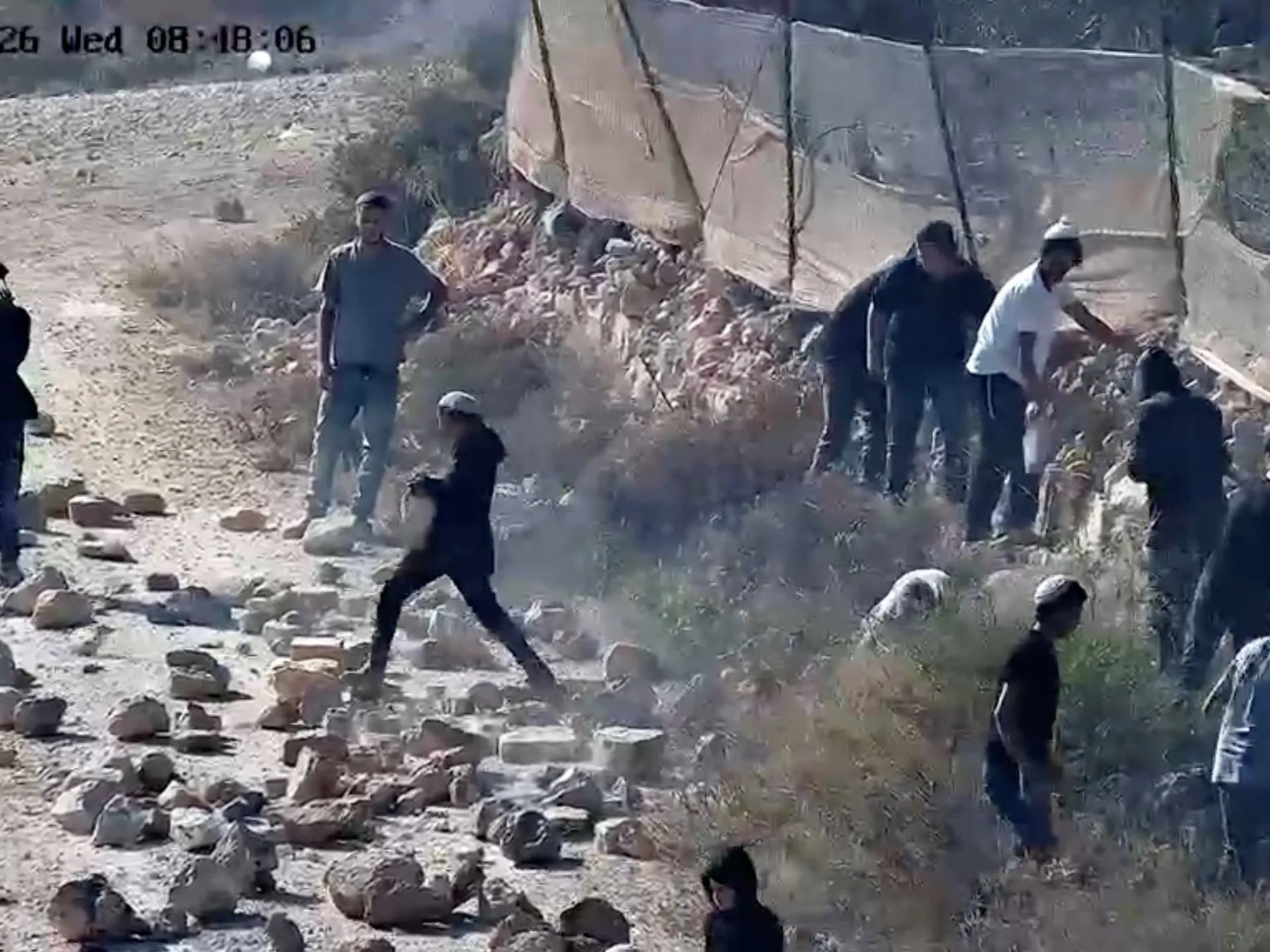
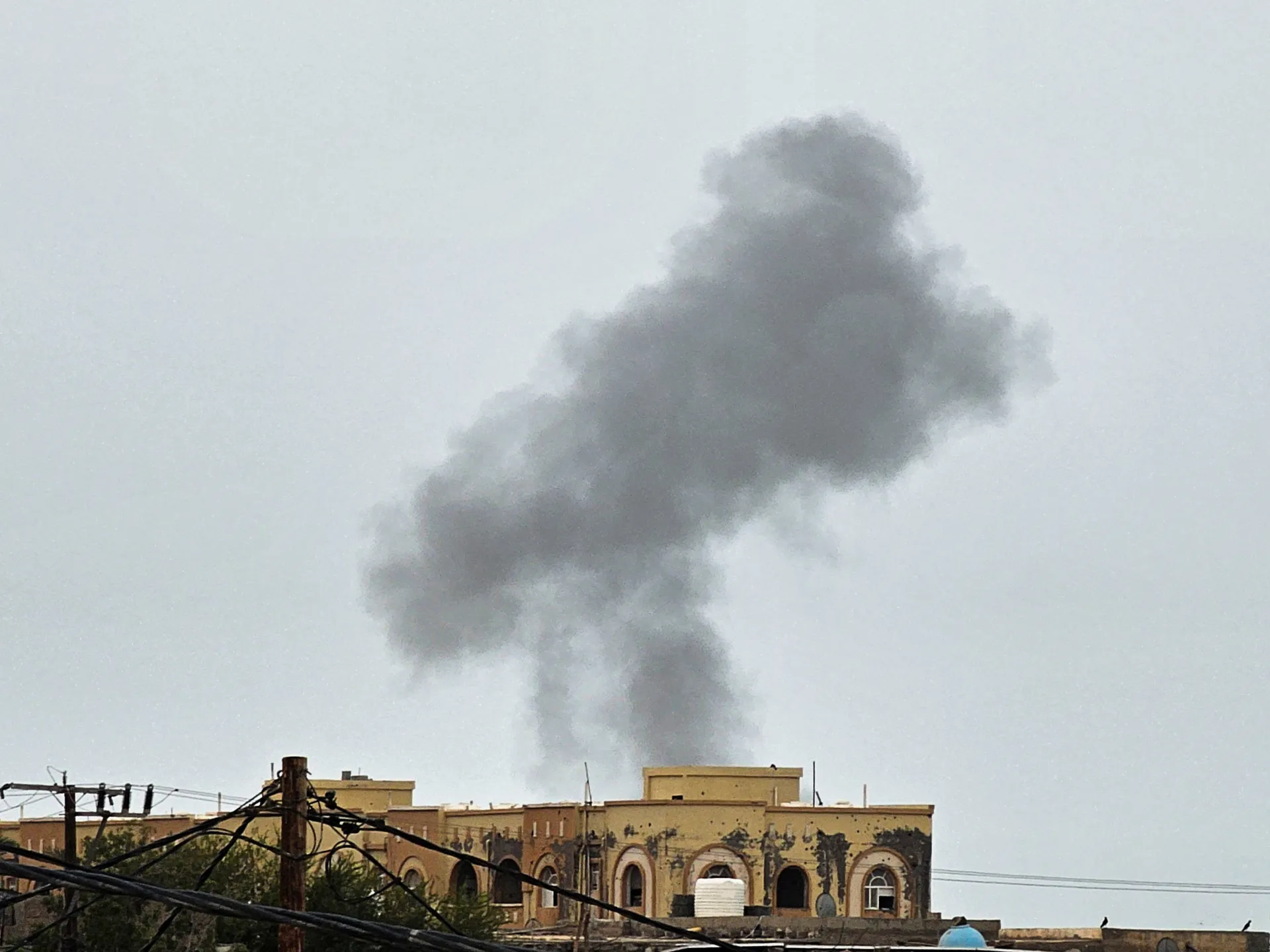
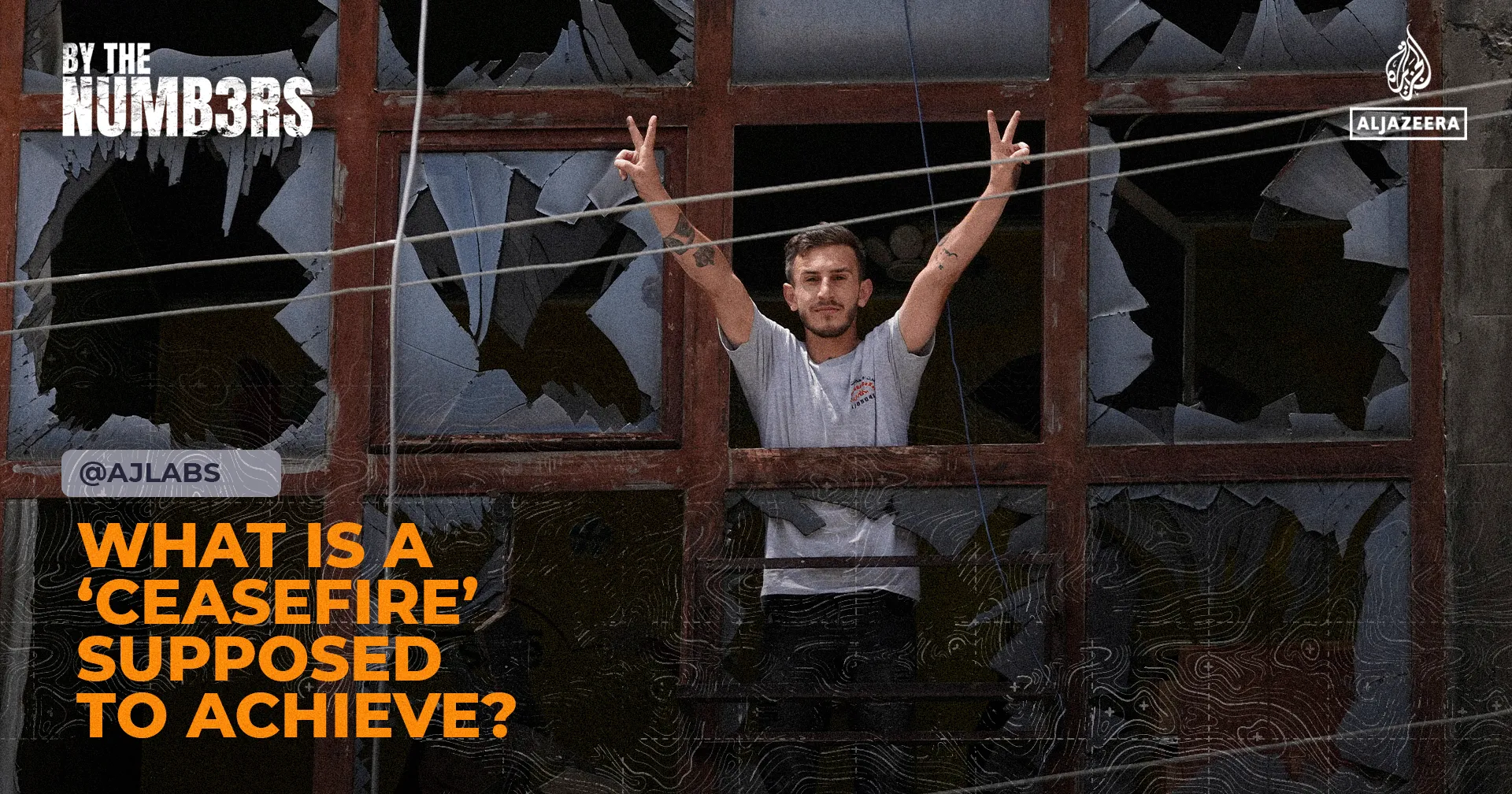
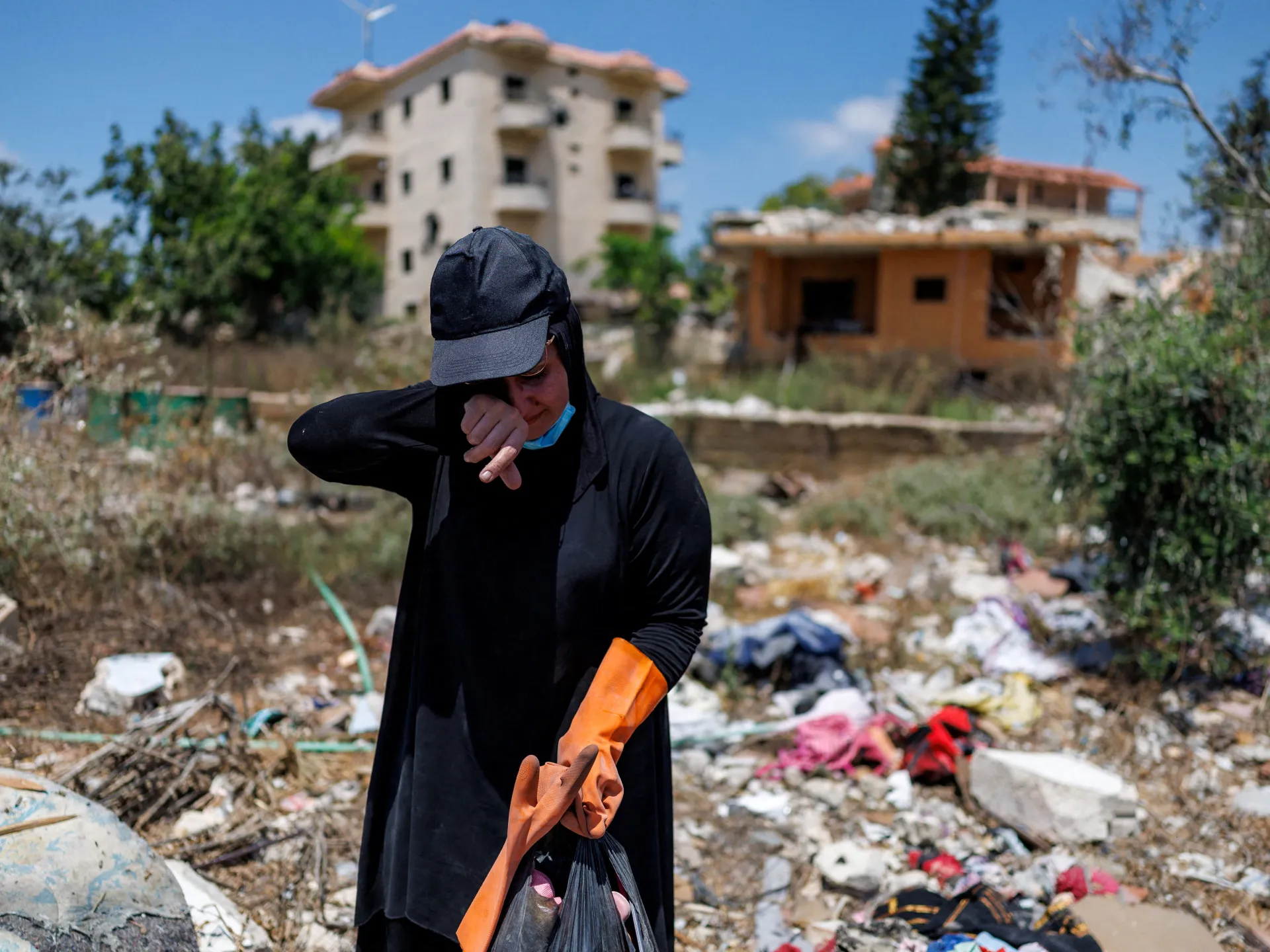
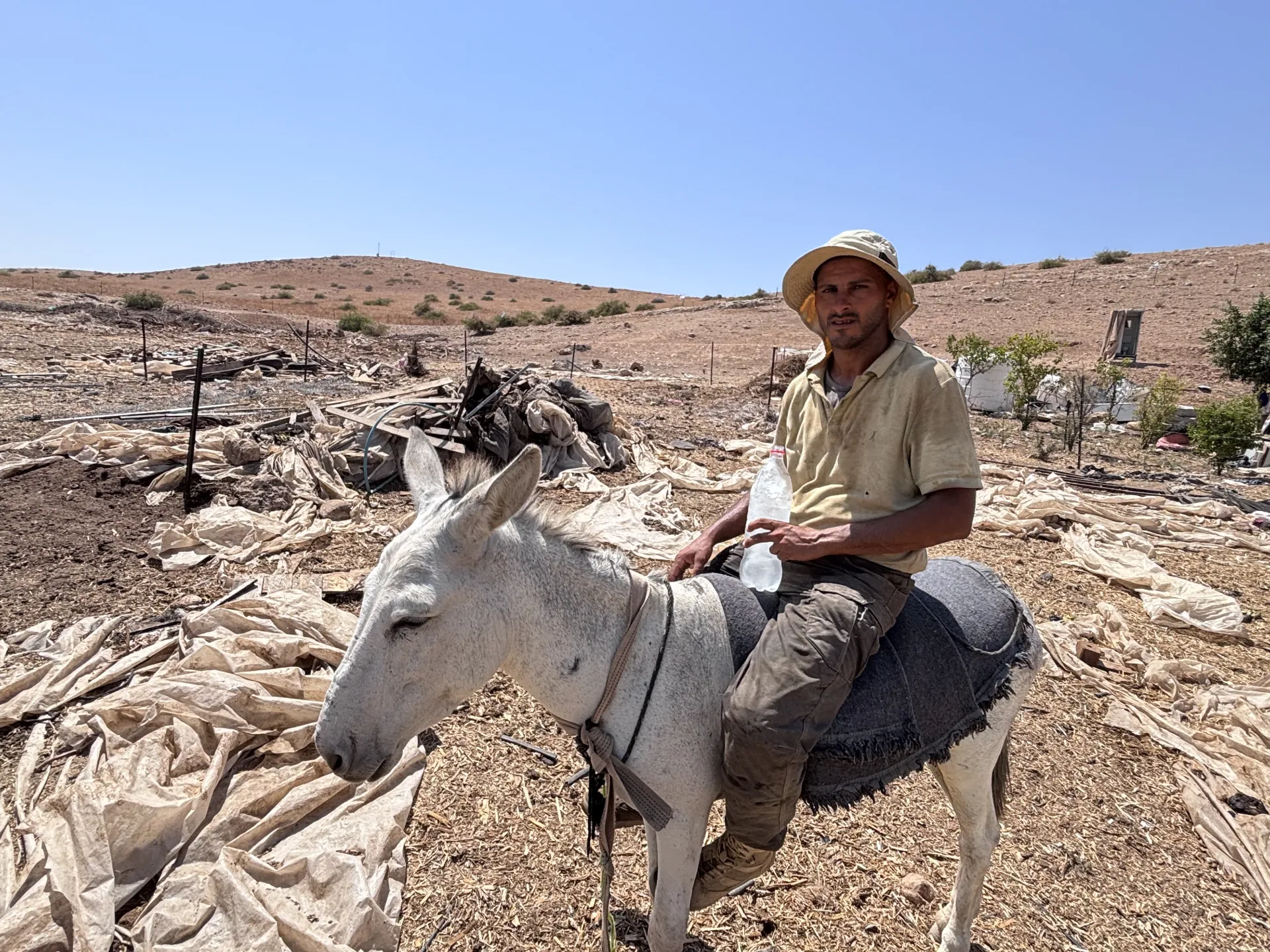
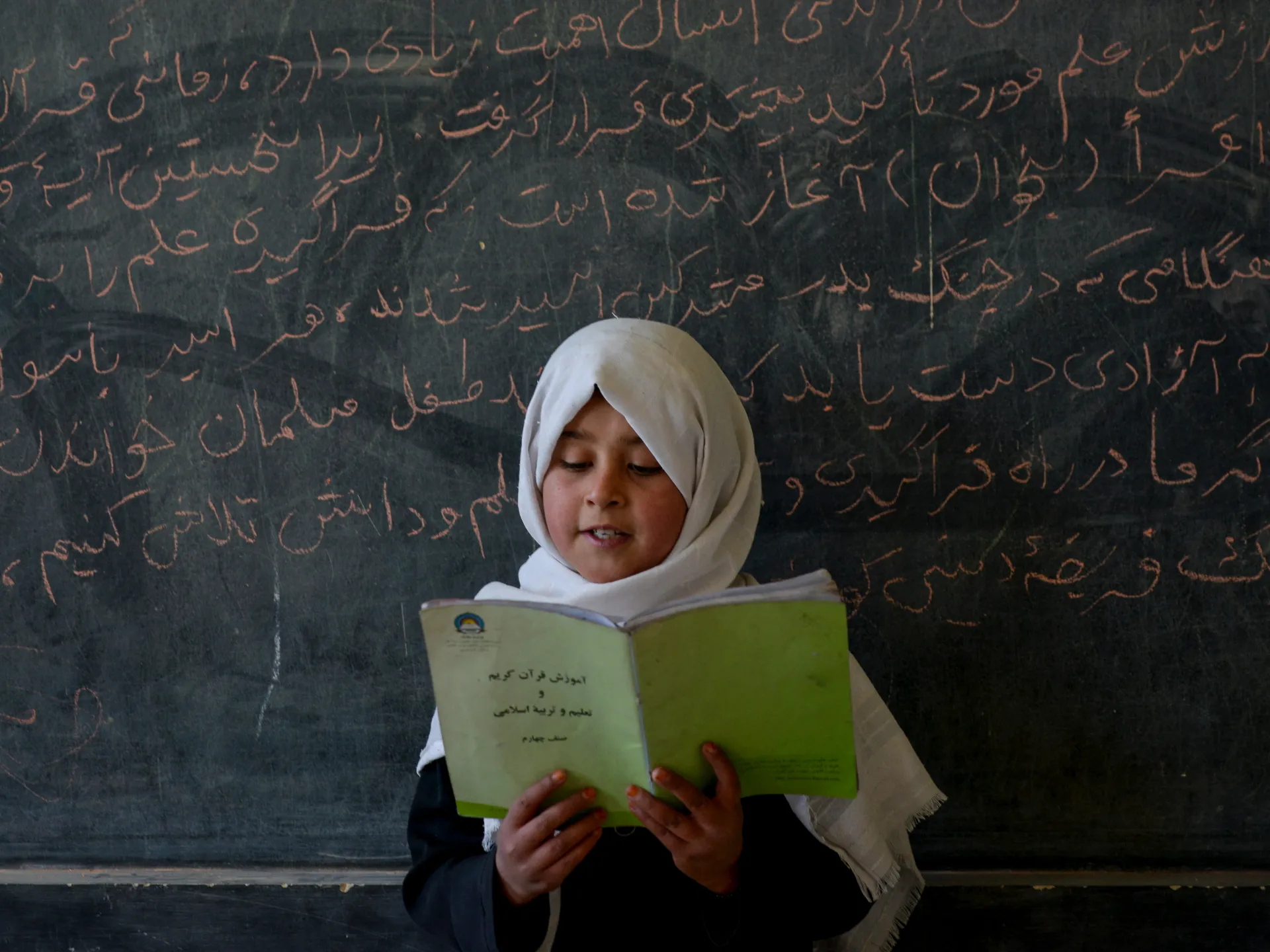
While the football world grapples with tactical failures, the educational environment in the West Bank village of al-Mughayyir is facing an existential threat. Head-teacher Bassam al-Assaf has taken the drastic step of installing reinforced gates and barbed wire fencing around the local boys' school to protect students from rising settler-related violence. The atmosphere remains one of profound fear, as the school year commences with three desks left empty following the deaths of three pupils earlier this year.
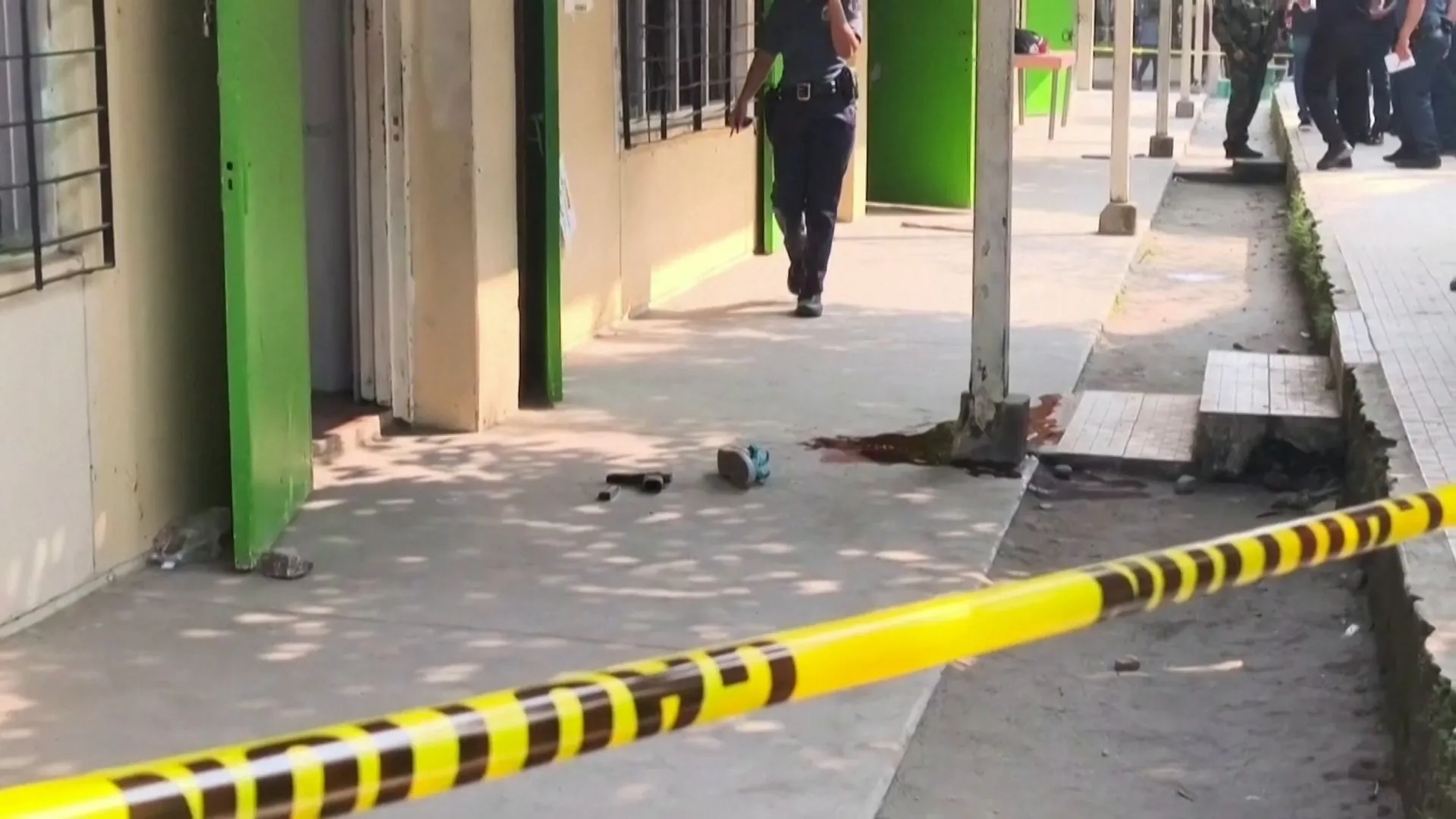
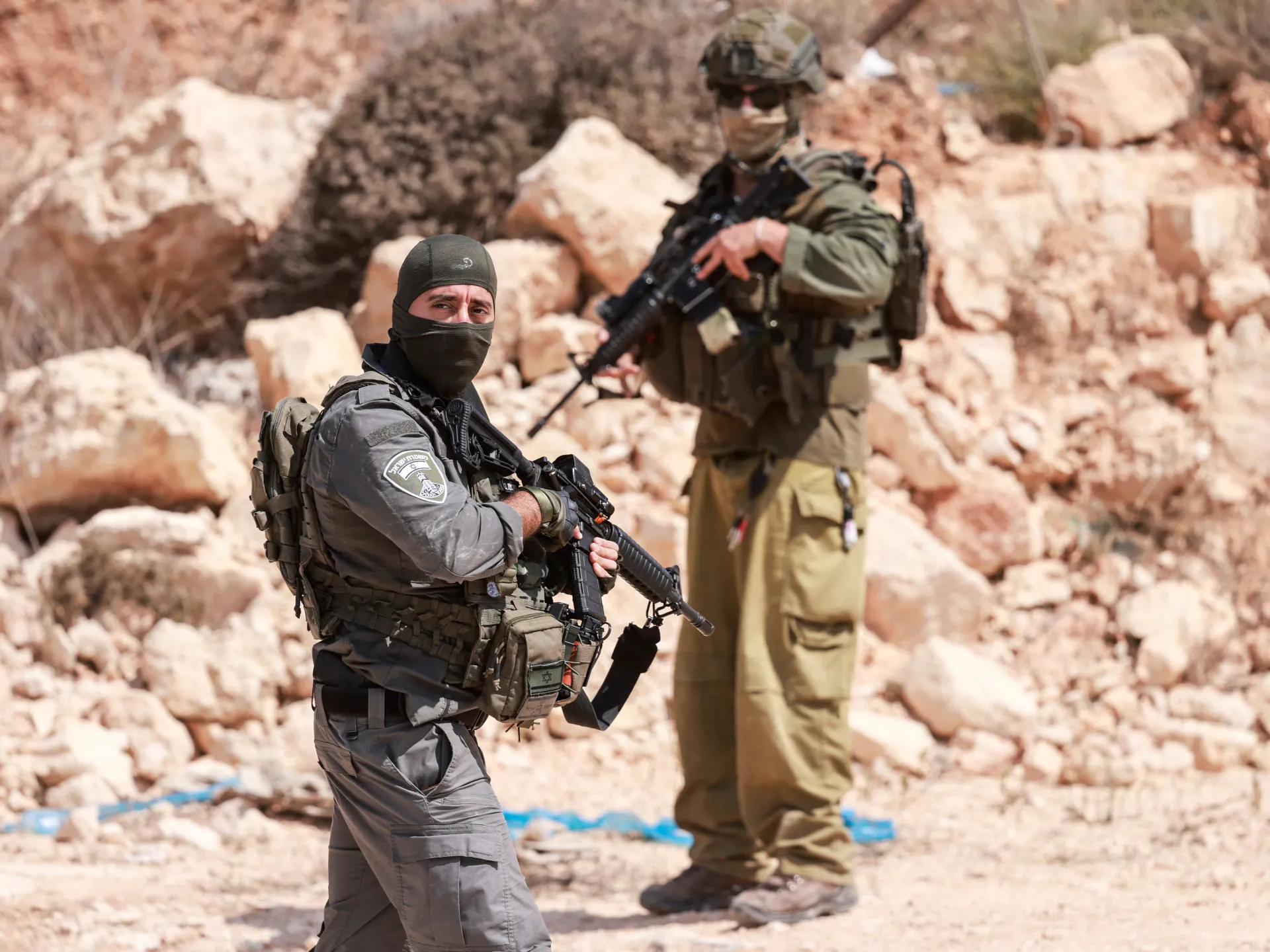
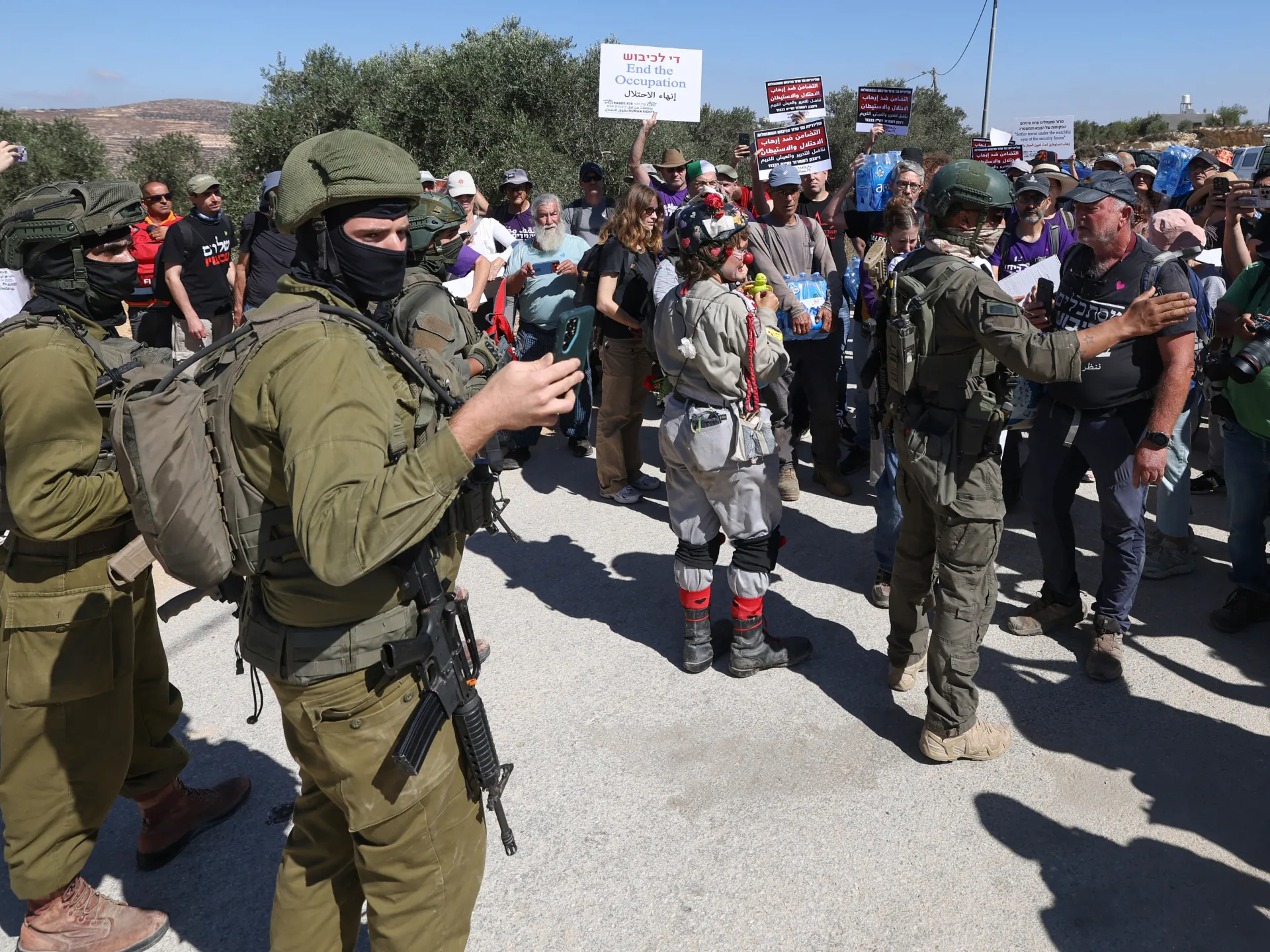
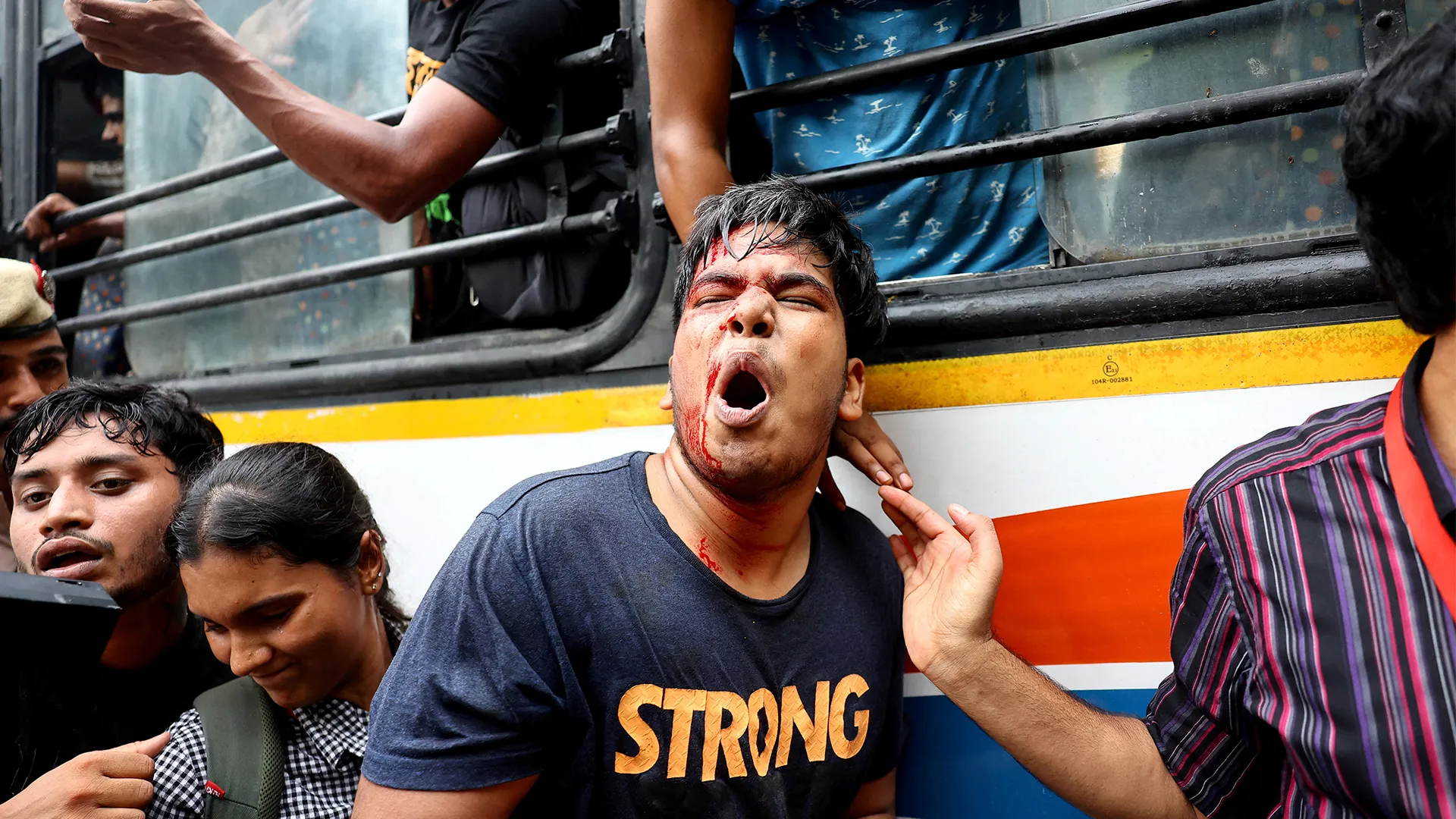
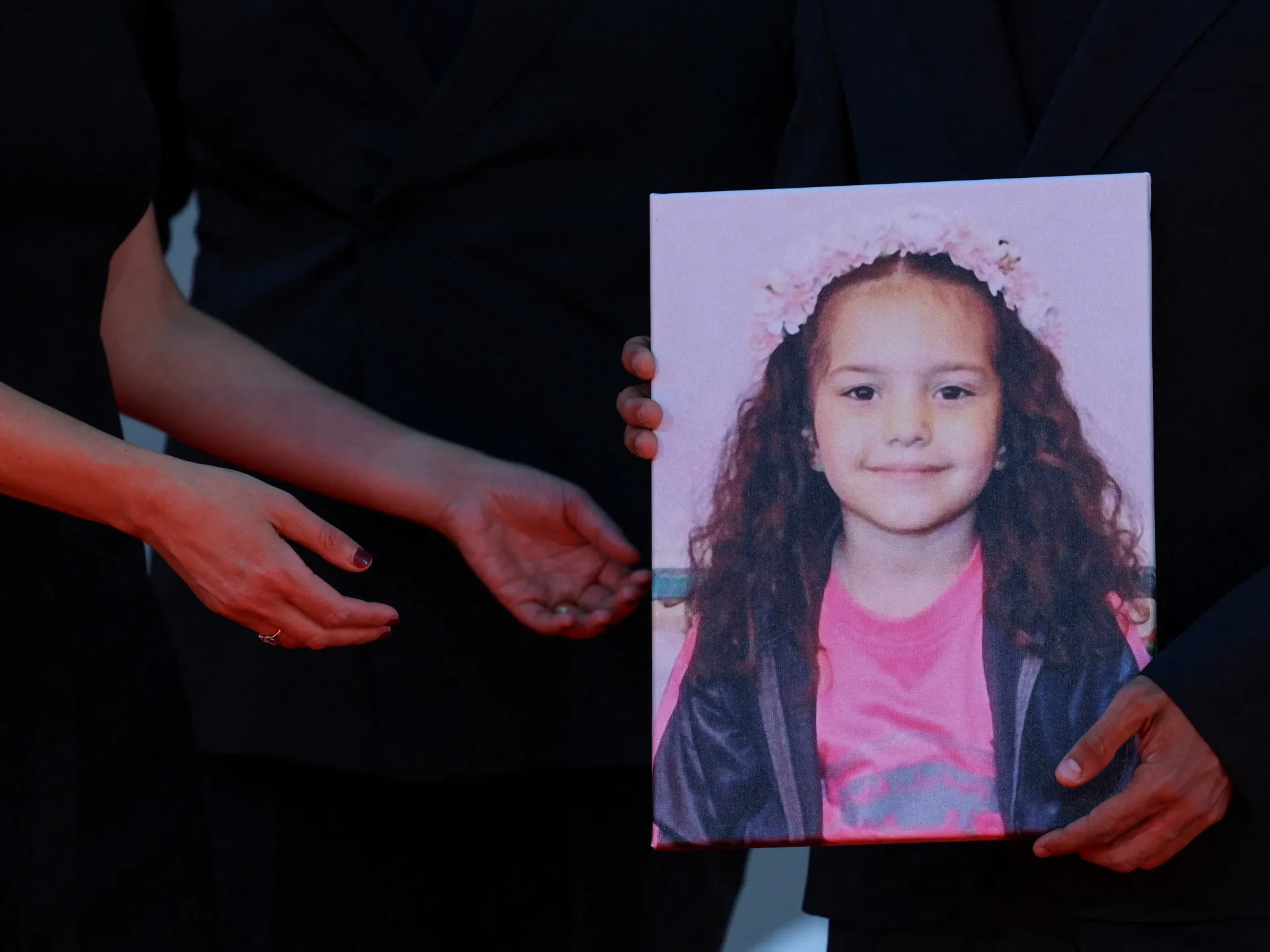
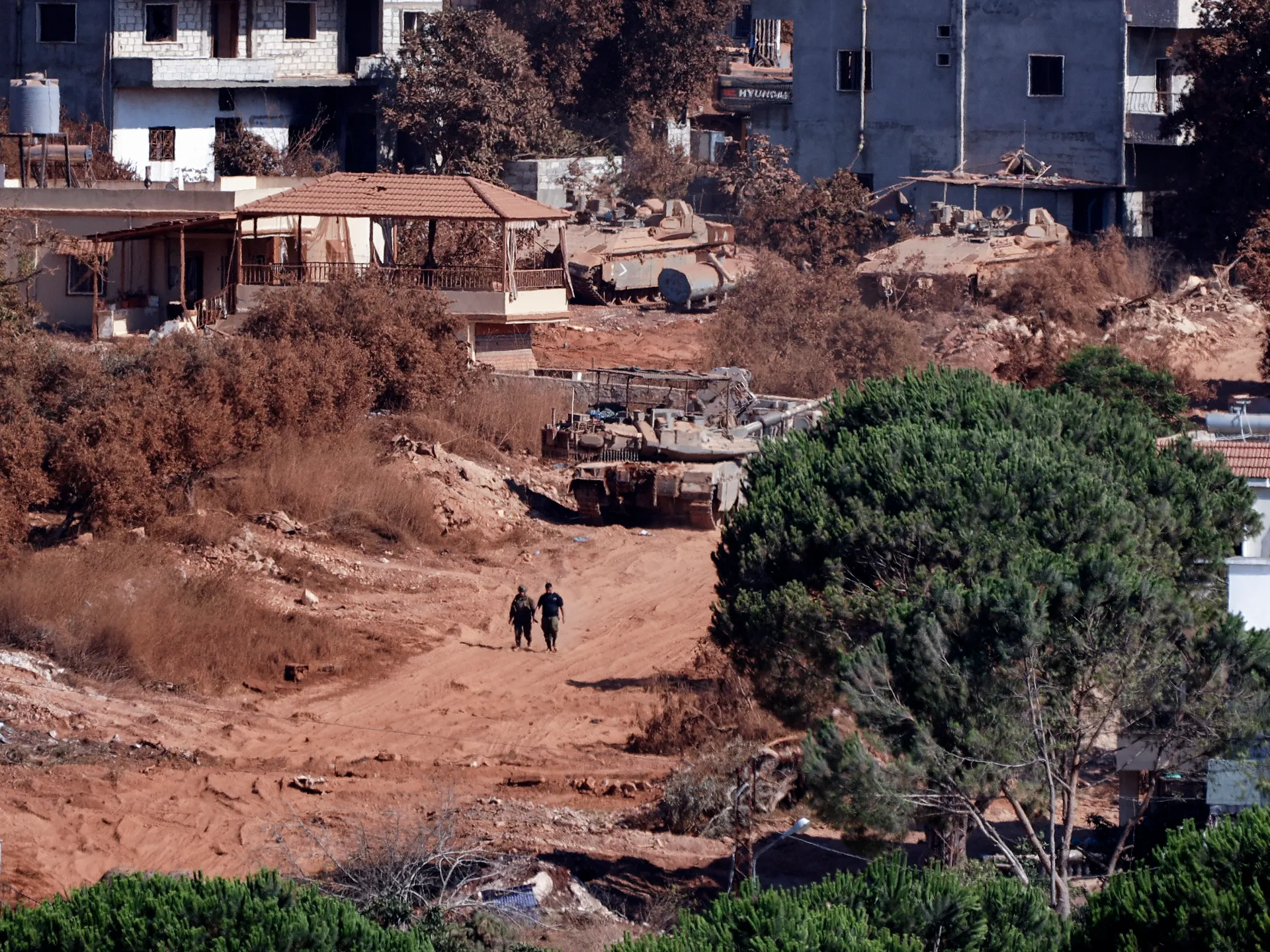
The trauma of the recent months remains acute. English teacher Waheed Abu Naem, who lost his brother in an April attack, recounted the death of 14-year-old Aws al-Naasan outside the school gates. While the Israeli military stated at the time that a reservist fired in response to stones being thrown at a vehicle, the incident has left the community deeply skeptical of their safety. Since that event, the village has seen further casualties involving Israeli forces, who maintain that their actions are responses to violent riots. The village’s geography, now hemmed in attending school into a high-risk endeavor for families.
In North London, the international break provides a temporary reprieve from the immediate scrutiny of match-day performances, but it also creates a vacuum that typically leads to intense speculation regarding managerial stability. Unless the club can demonstrate a rapid shift in defensive structure, the pressure on the current leadership will likely escalate upon the return of domestic play. Conversely, the situation in al-Mughayyir appears less likely to reach a swift resolution. As long as the village remains geographically isolated and the frequency of security incidents remains high, the cycle of fear surrounding the school gates is projected to persist, potentially leading to long-term disruptions in the local education system regardless of the physical reinforcements installed.