Athletes are navigating the friction between league conduct policies and the personal impact of global conflicts as they bring humanitarian crises to the forefront of the sports world.
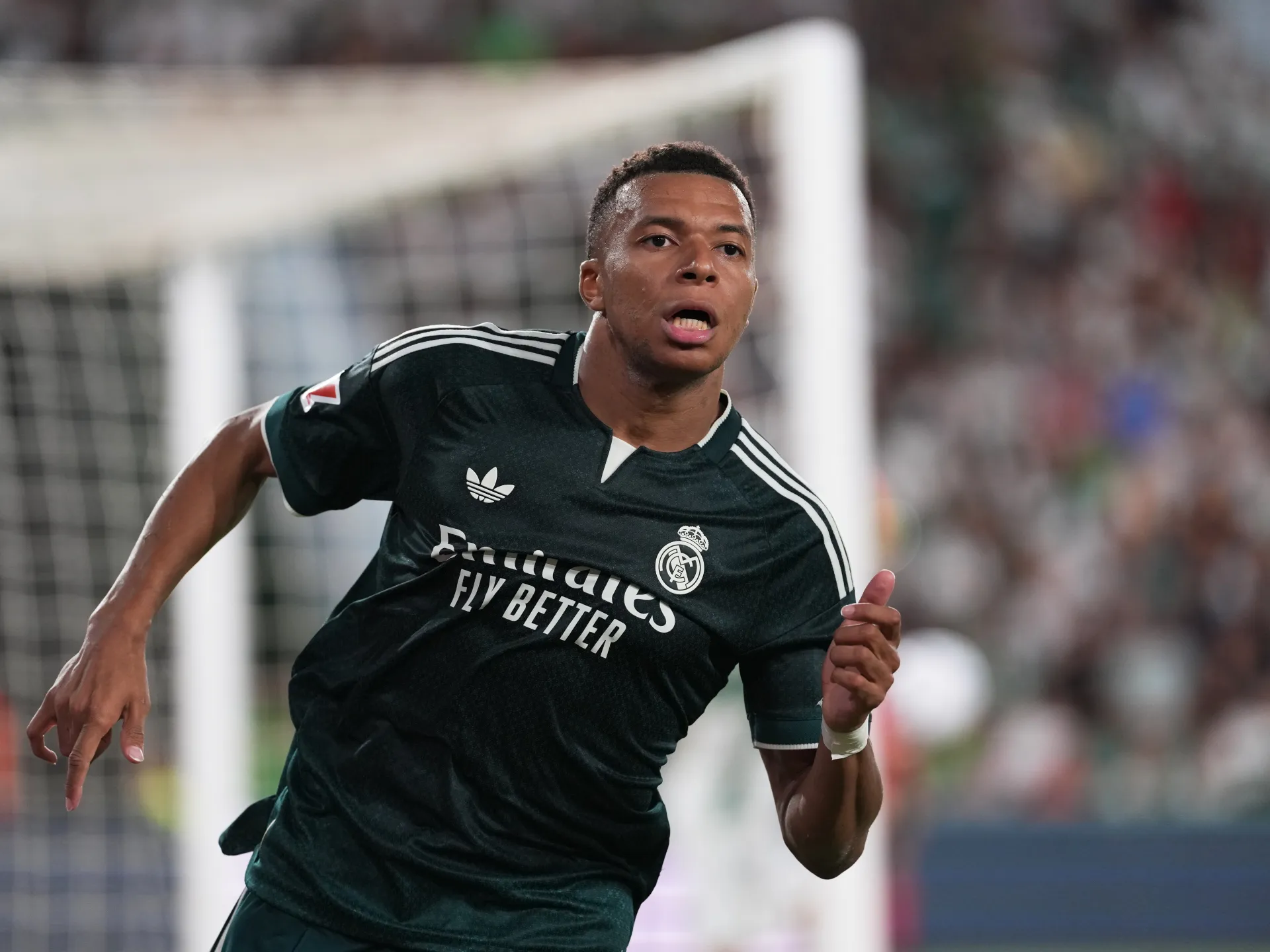
Professional athletes are finding themselves at the intersection of international geopolitical crises and strict league conduct policies, as high-profile figures grapple with the personal fallout of wars thousands of miles from their playing fields. From the NFL gridiron to the tennis courts of Europe, the visibility of these stars is increasingly being used to bridge the gap between global conflicts and the domestic consciousness of their fanbases, often at the risk of professional sanction or personal tragedy.
While the motivations behind these expressions vary—ranging from individual tributes to victims of violence to the gut-wrenching documentation of personal loss—the result has been a heightened scrutiny on how sports organizations manage political speech and how individual players process the trauma of the world around them.
The convergence of professional sports and international conflict challenges the traditional "stick to sports" narrative that leagues often favor to maintain a neutral commercial environment. When an athlete like Azeez Al-Shaair faces a five-figure fine for a personal message, it forces a public conversation about the boundaries of individual expression versus league-enforced uniformity. Simultaneously, when athletes like Dayana Yastremska document the destruction of their private lives, the distinction between the athlete as an entertainer and the athlete as a survivor disappears. This duality highlights a growing trend where the platform provided ne for humanitarian crises that standard media coverage may overlook or sanitize.
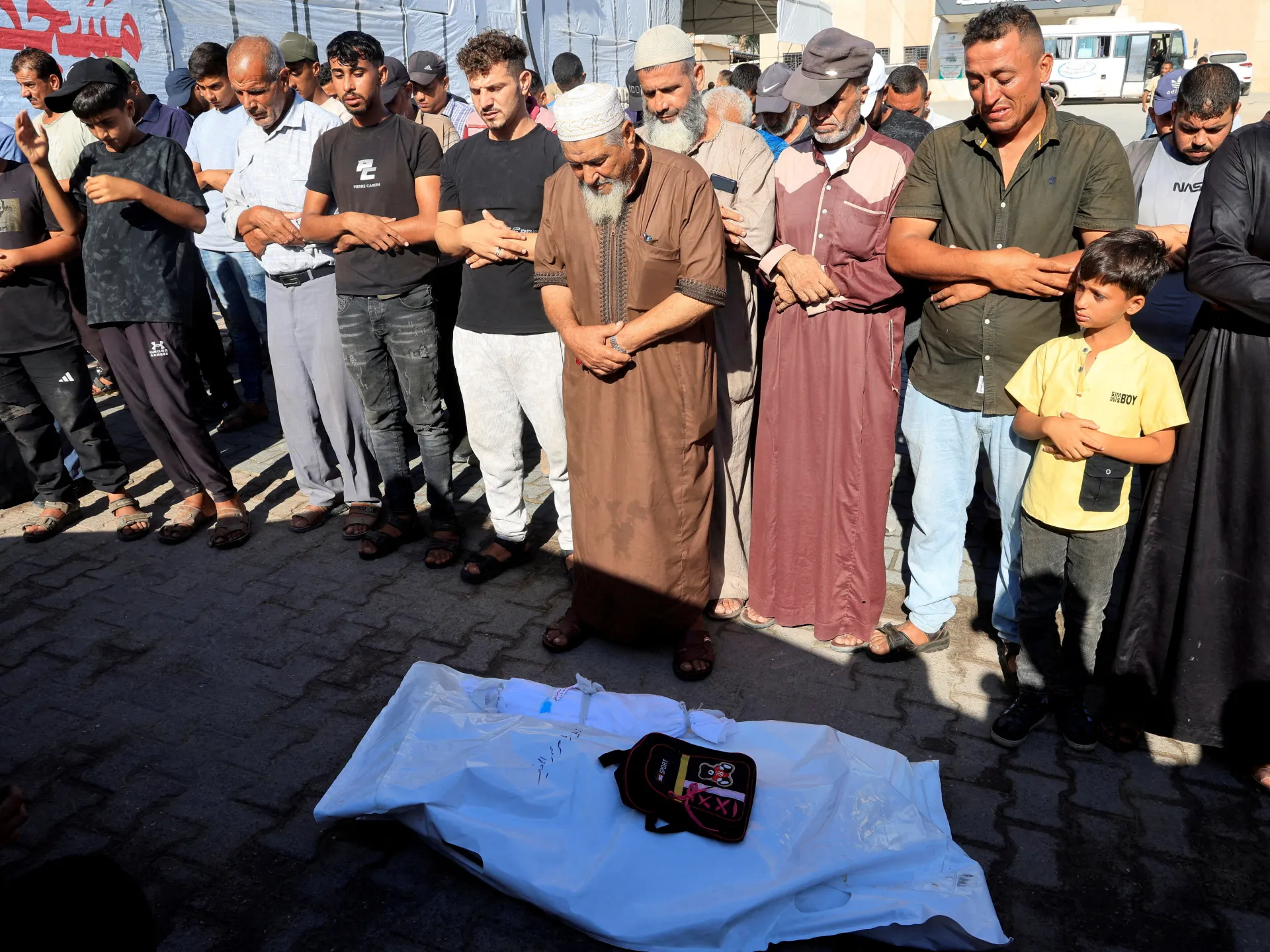
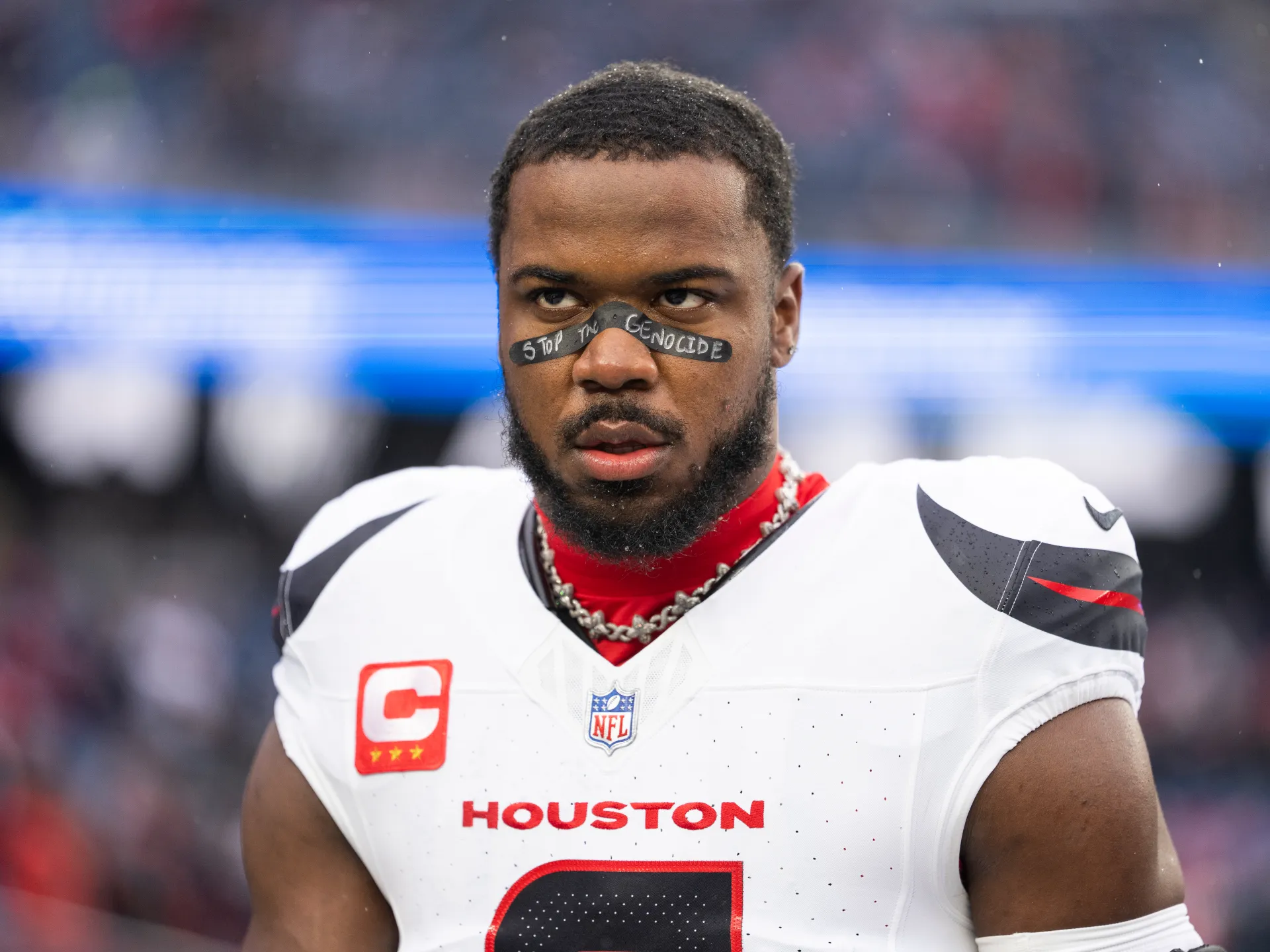
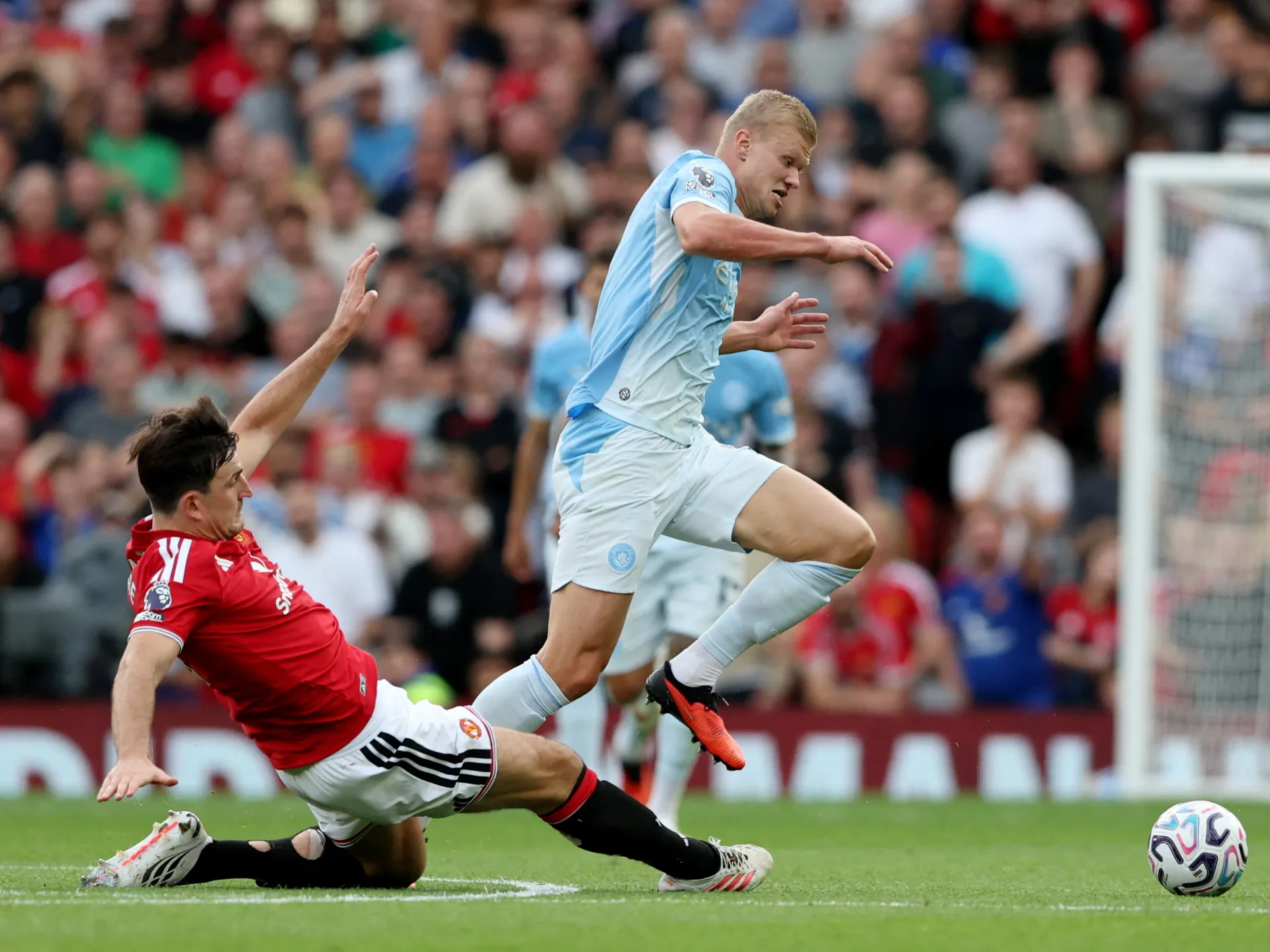
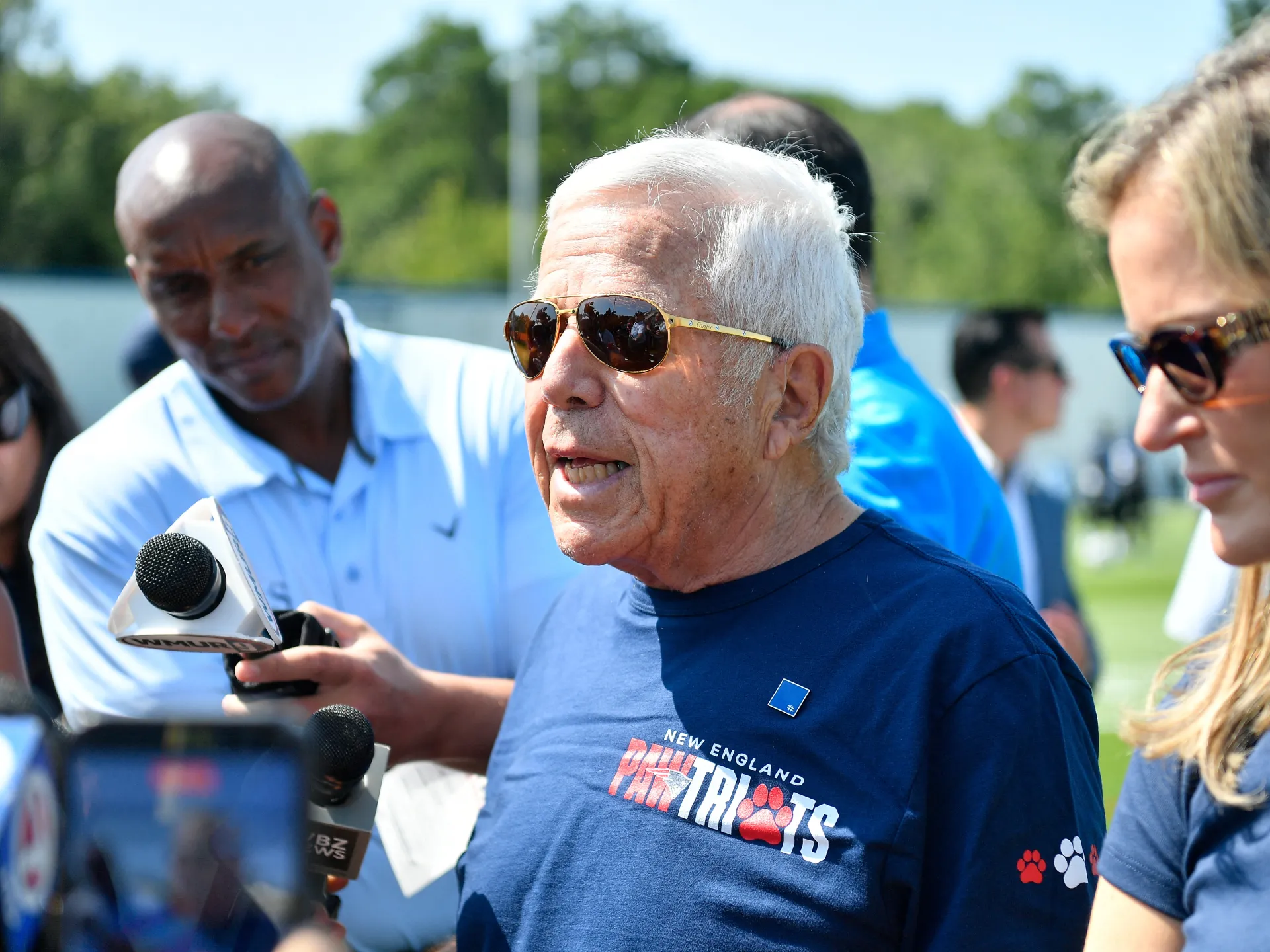
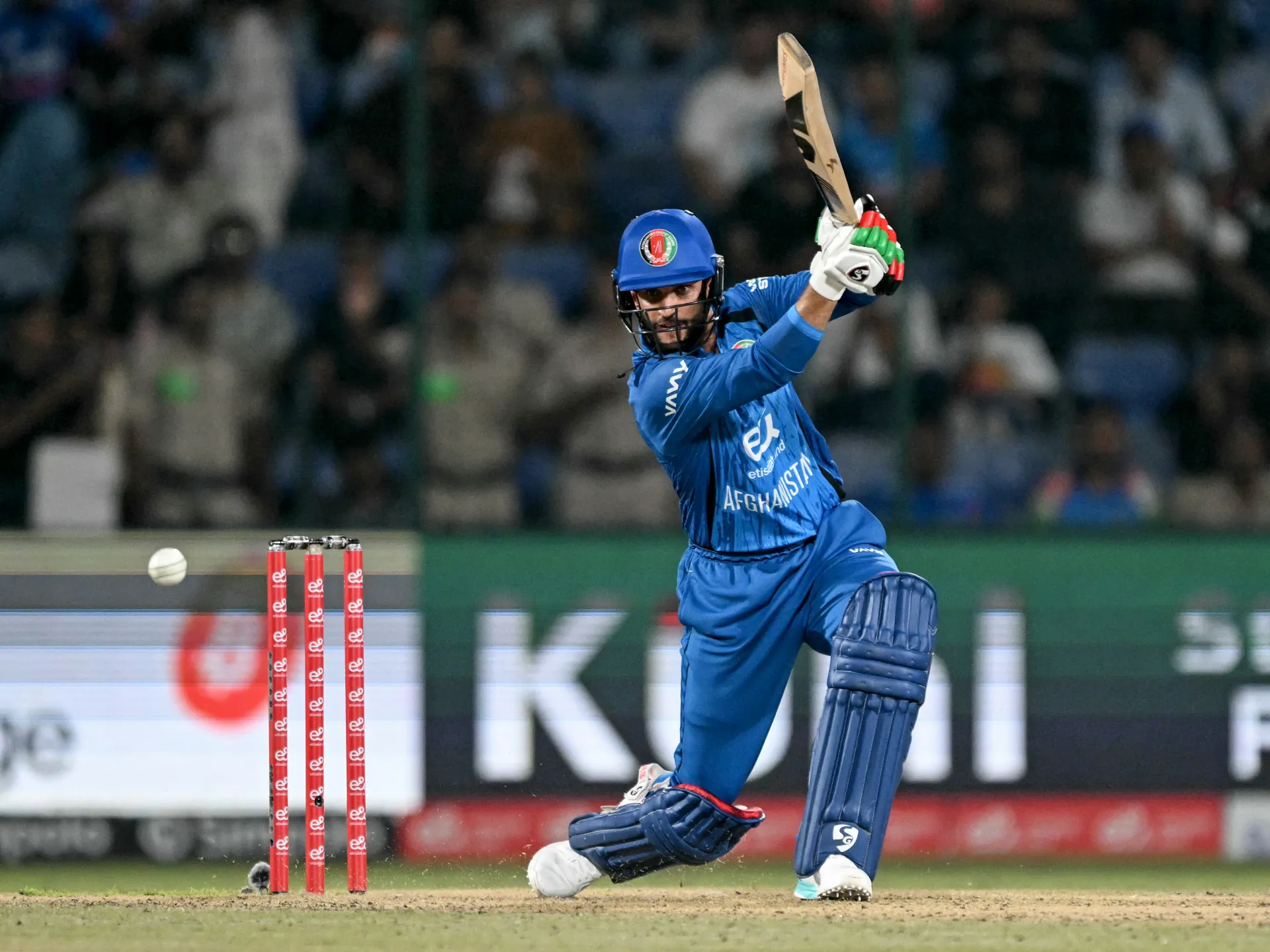
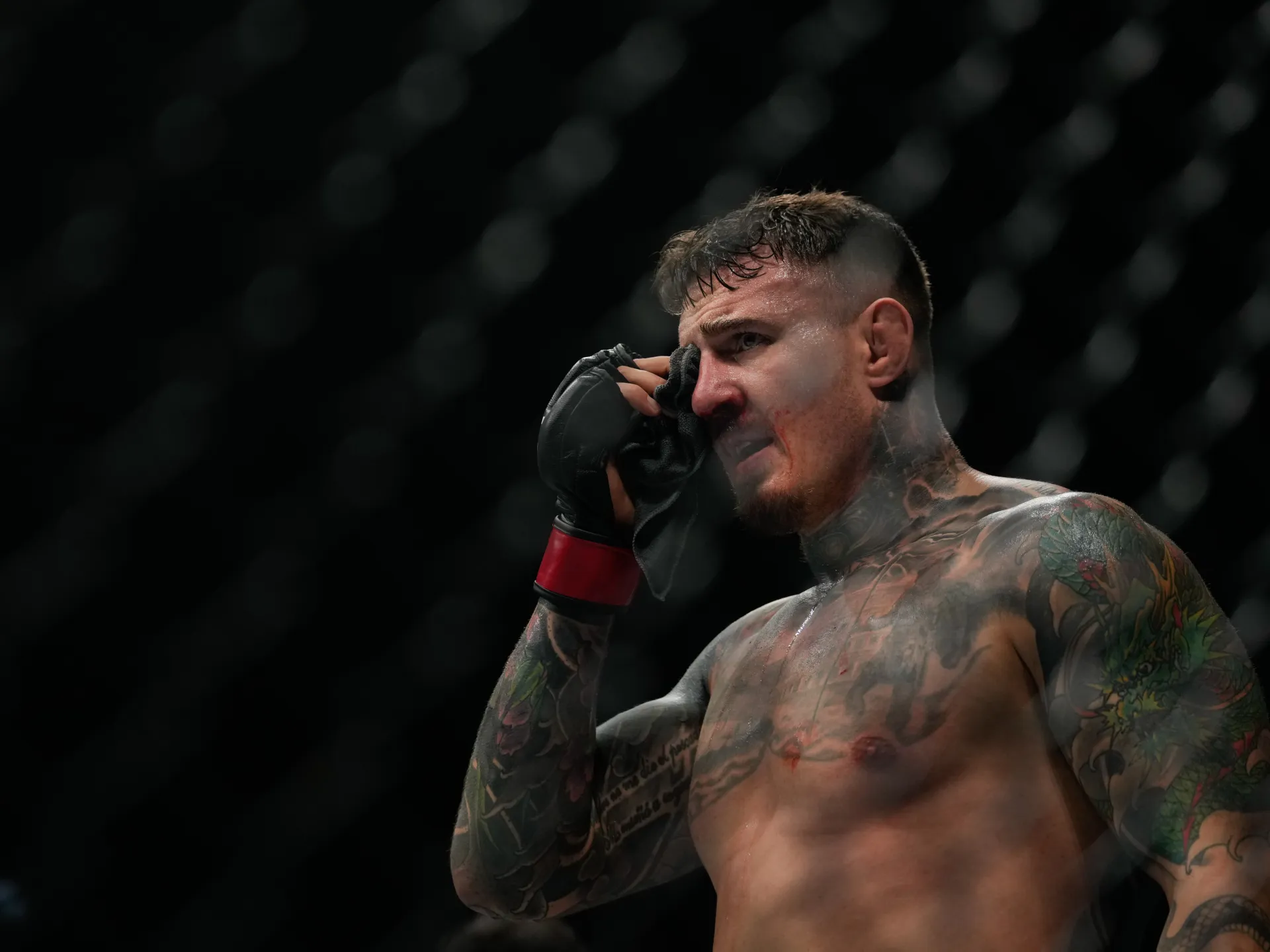
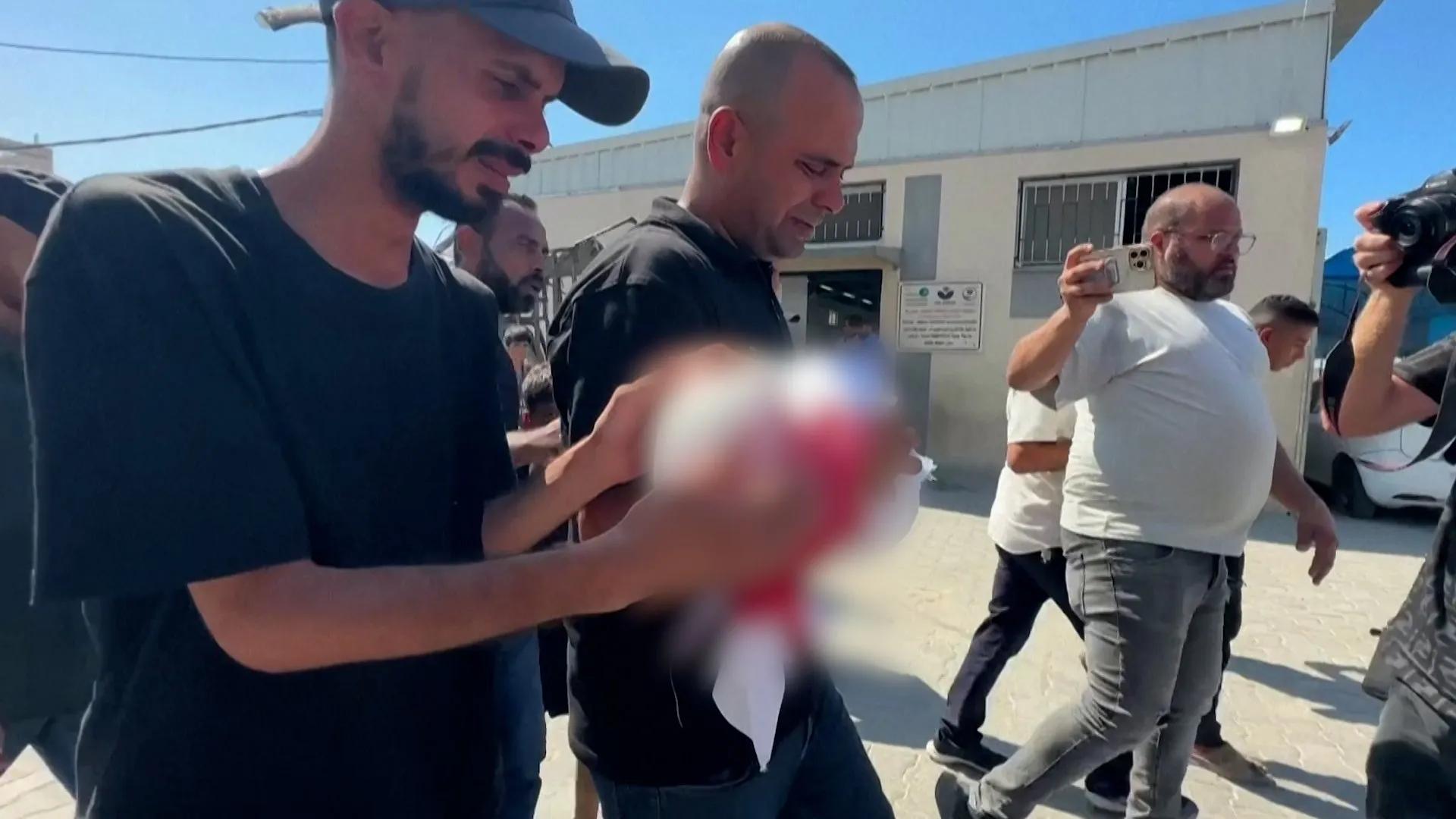
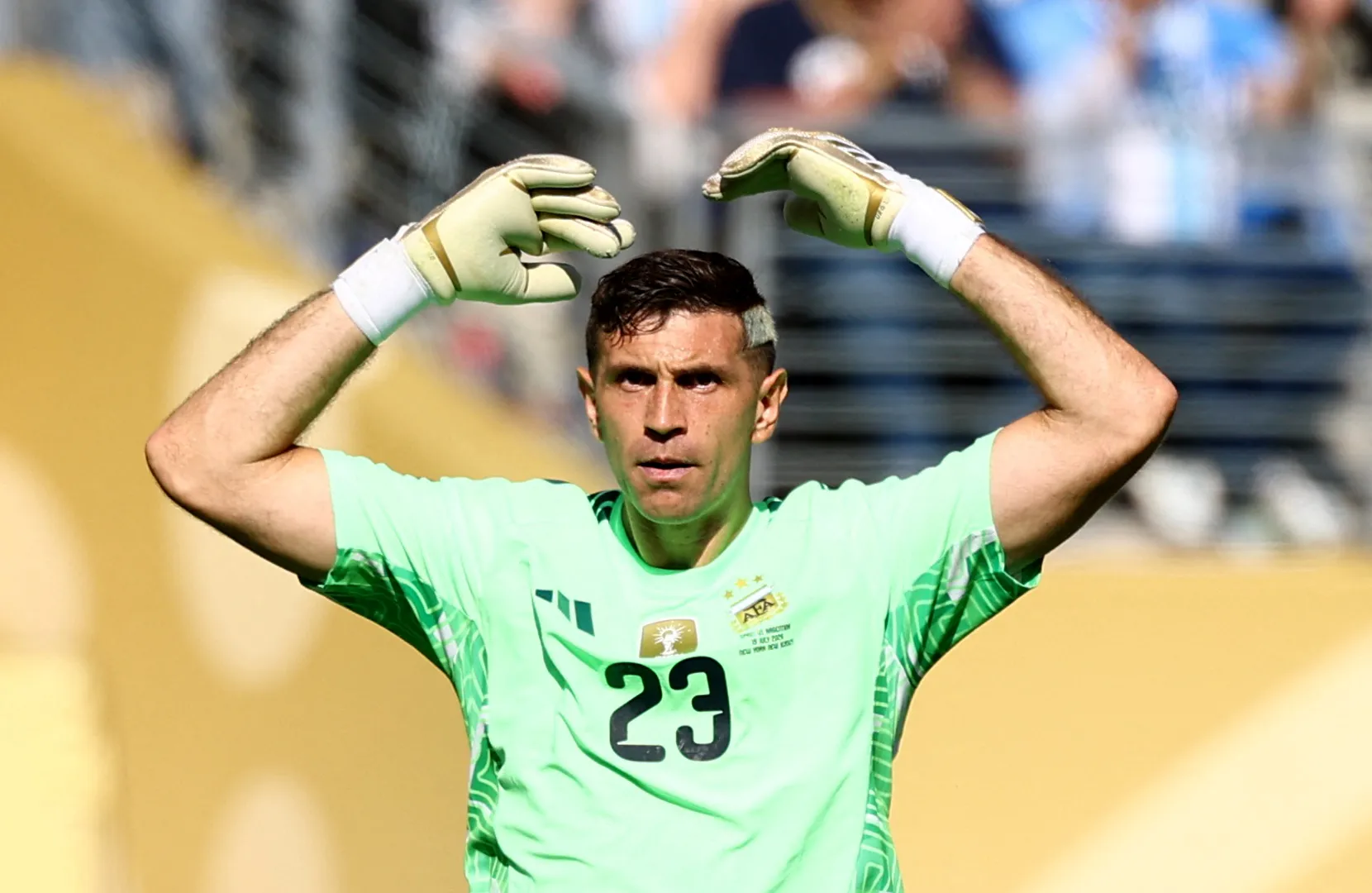
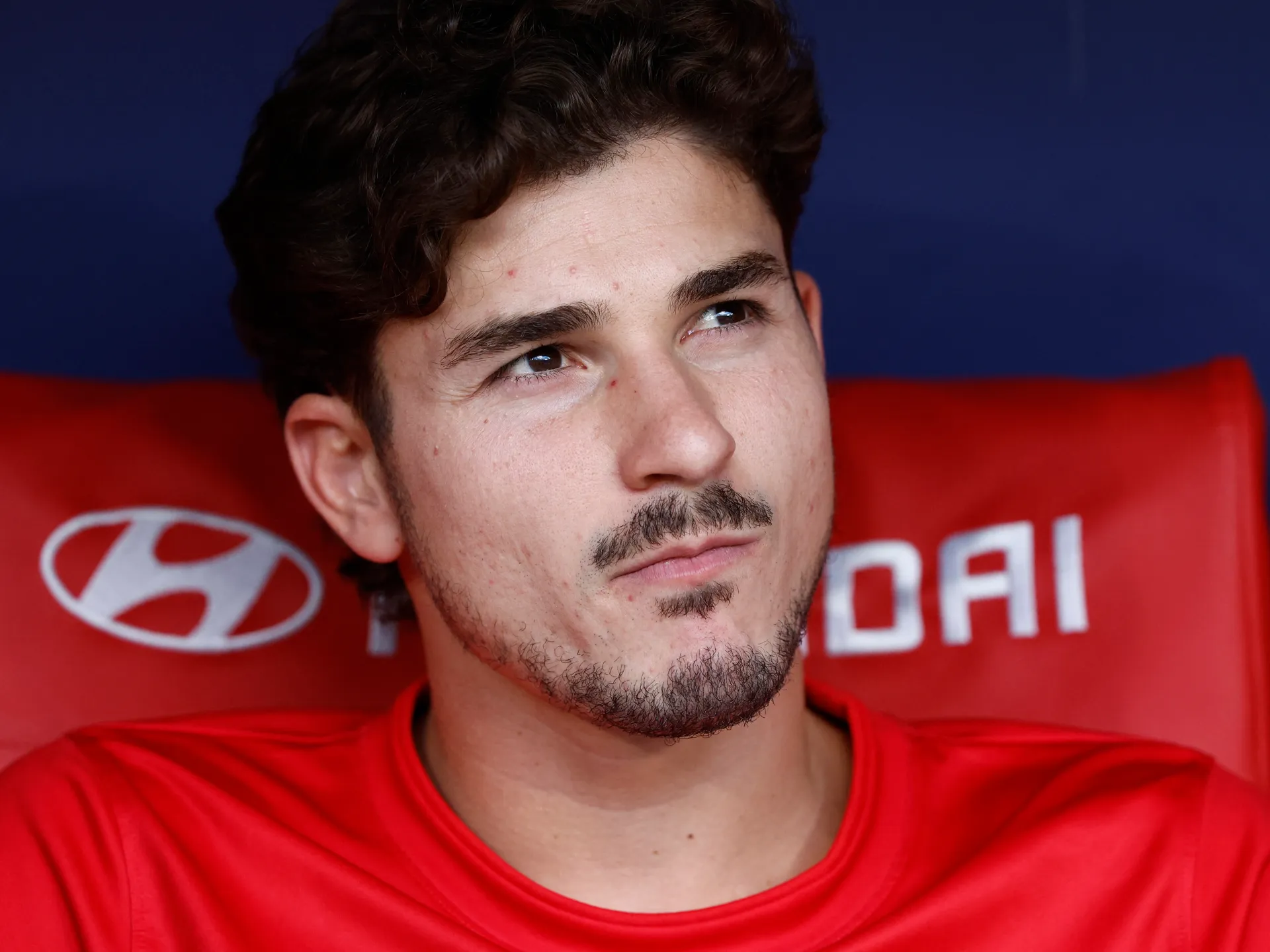
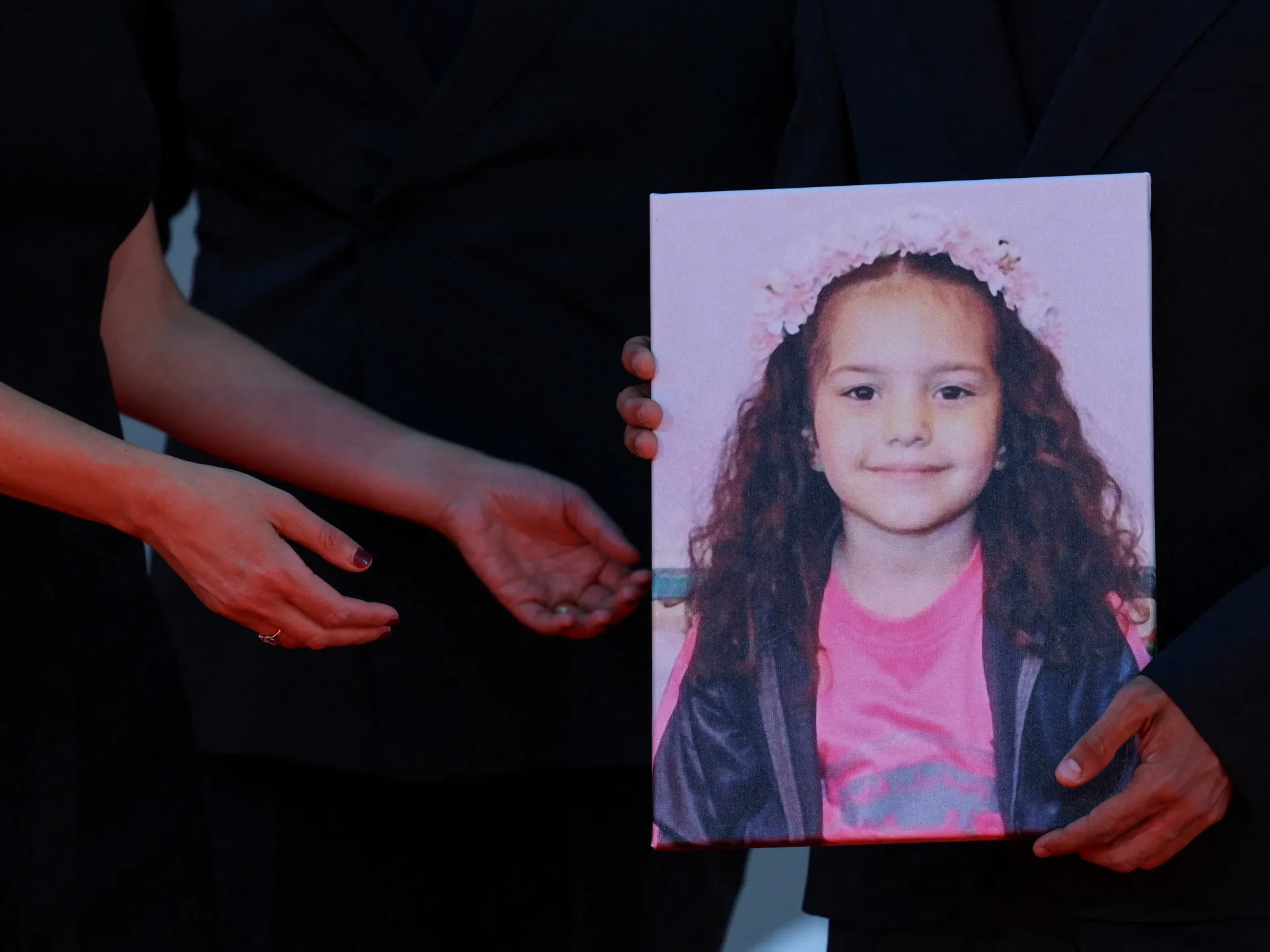
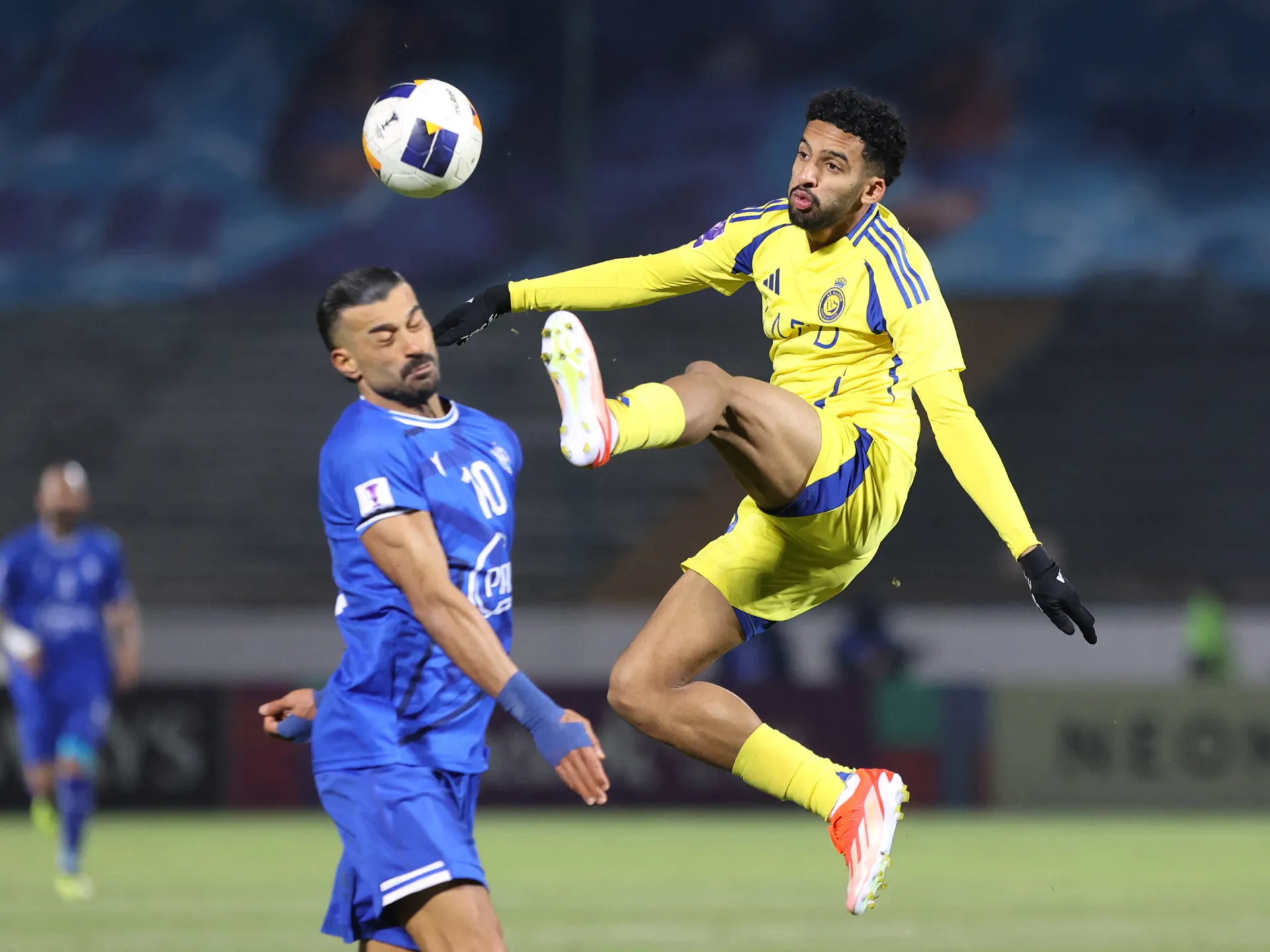
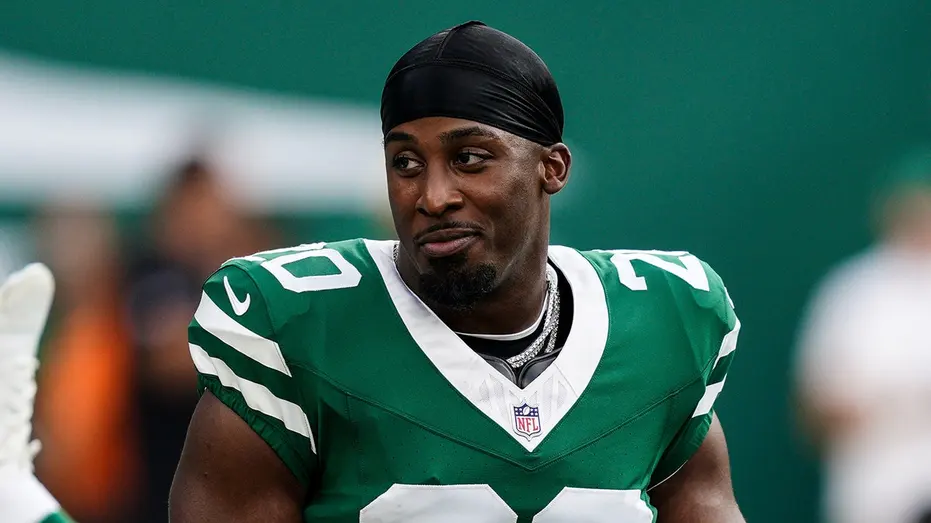
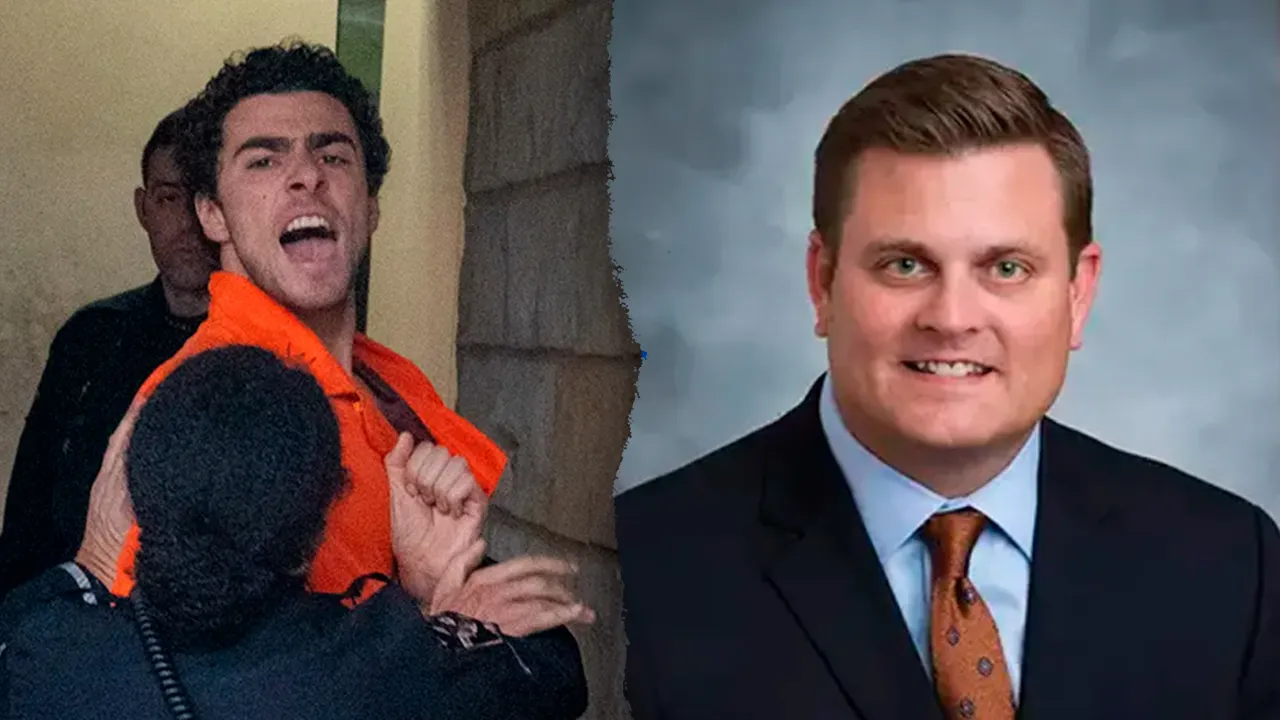
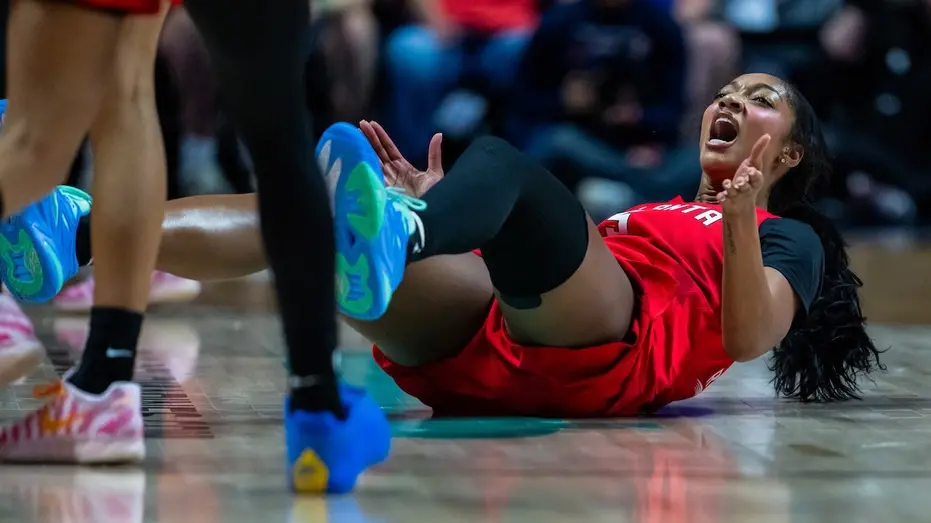
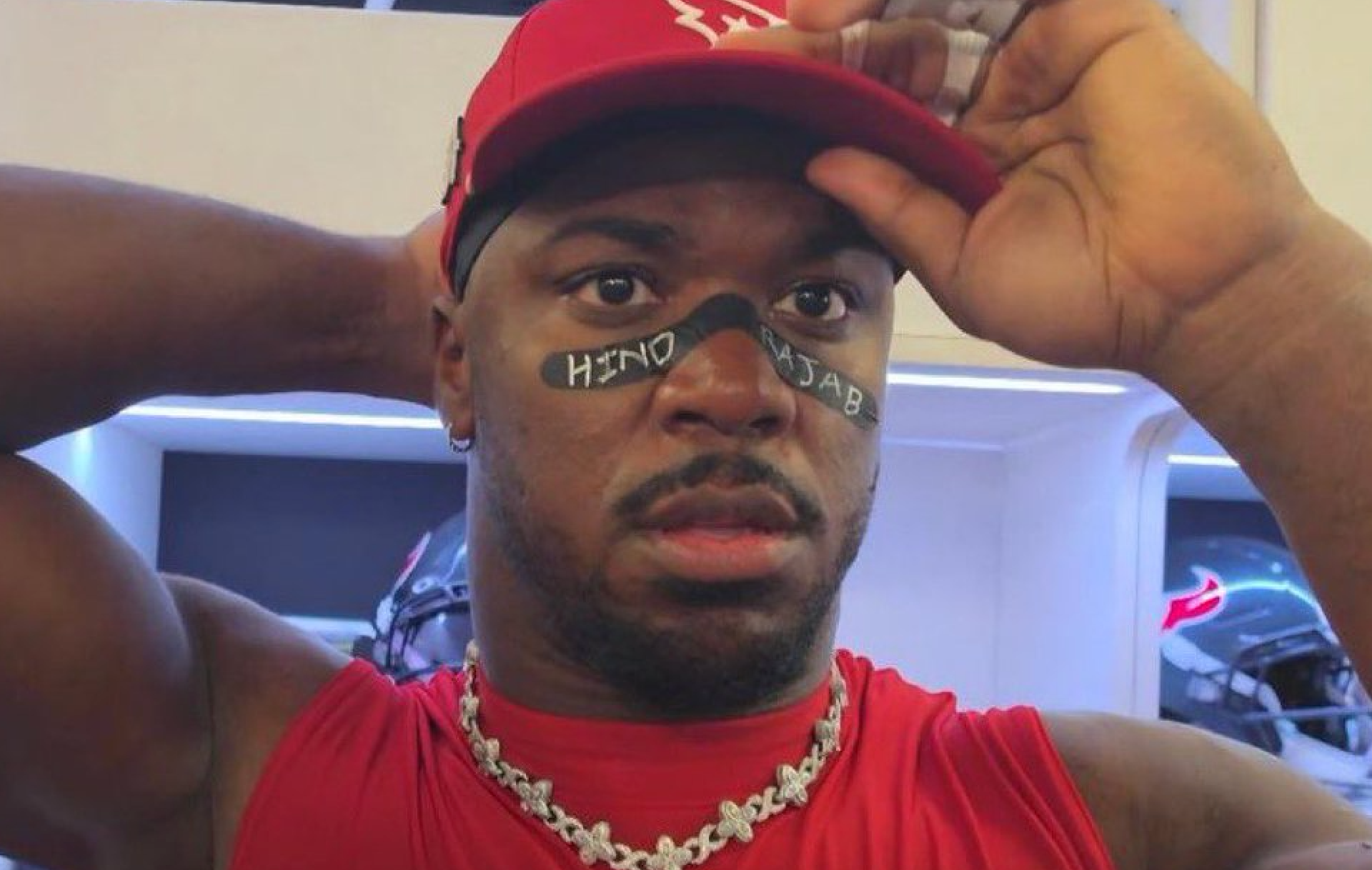
Houston Texans linebacker Azeez Al-Shaair recently found himself at the center of a debate regarding the NFL’s uniform policies. The league imposed a fine of $11,941 on Al-Shaair after he utilized his eye black to display the name of Hind Rajab, a Palestinian child who was killed prioritizing brand consistency over individual political or humanitarian statements. Al-Shaair has publicly questioned the proportionality of this penalty, rhetorically asking, "What’s a life worth?" in response to the financial repercussions of his tribute.
The decision to fine the linebacker highlights the NFL’s persistent difficulty in navigating player activism. While the league has historically navigated various social movements, the specific intersection of this conflict creates a unique pressure point, forcing officials to weigh the optics of policing a tribute to a civilian child against the necessity of enforcing established league rules. For Al-Shaair, the fine is not just a financial penalty but a catalyst for raising awareness about the human cost of the conflict, a move that places him in direct opposition to the league’s regulatory framework.
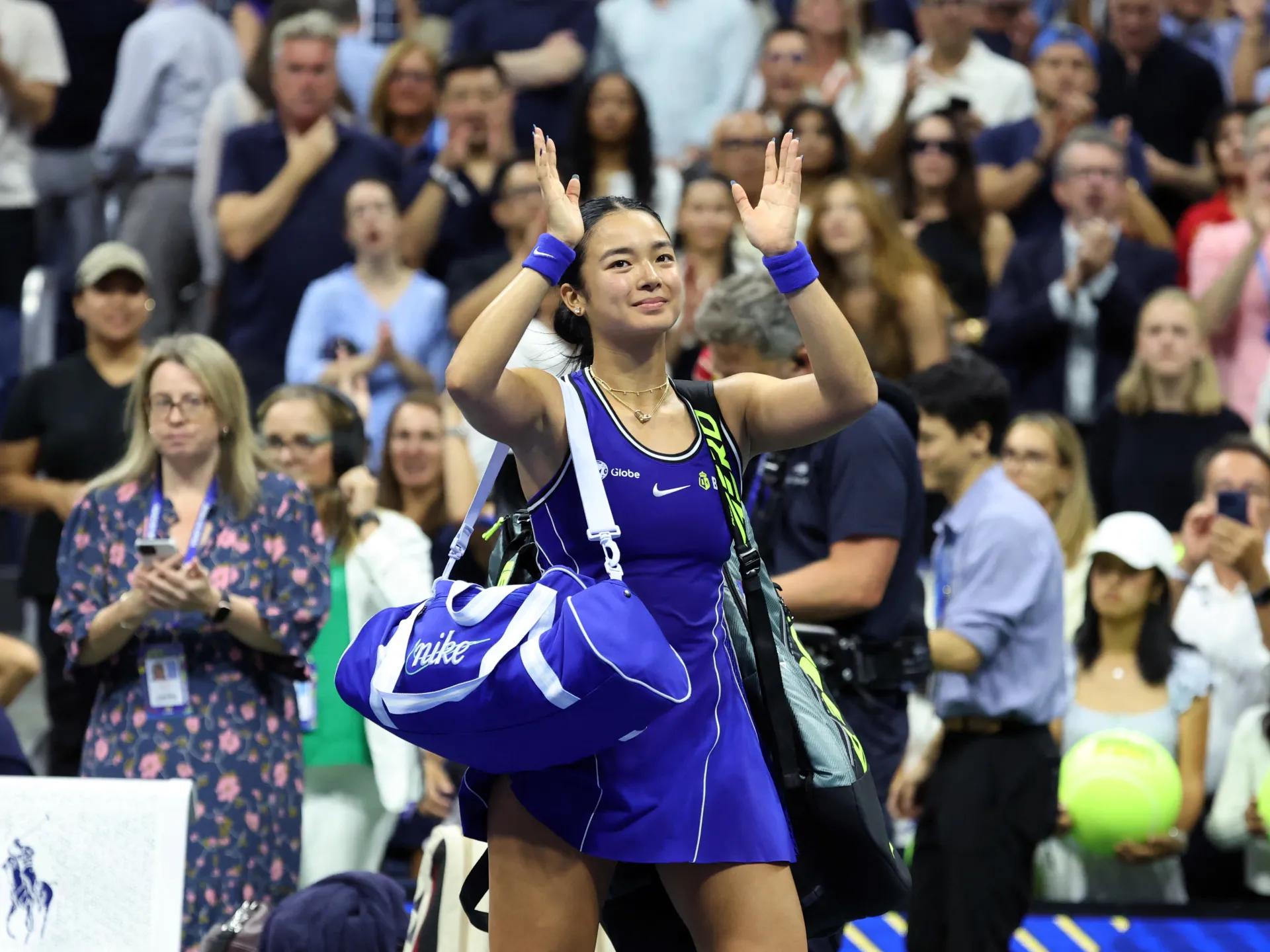
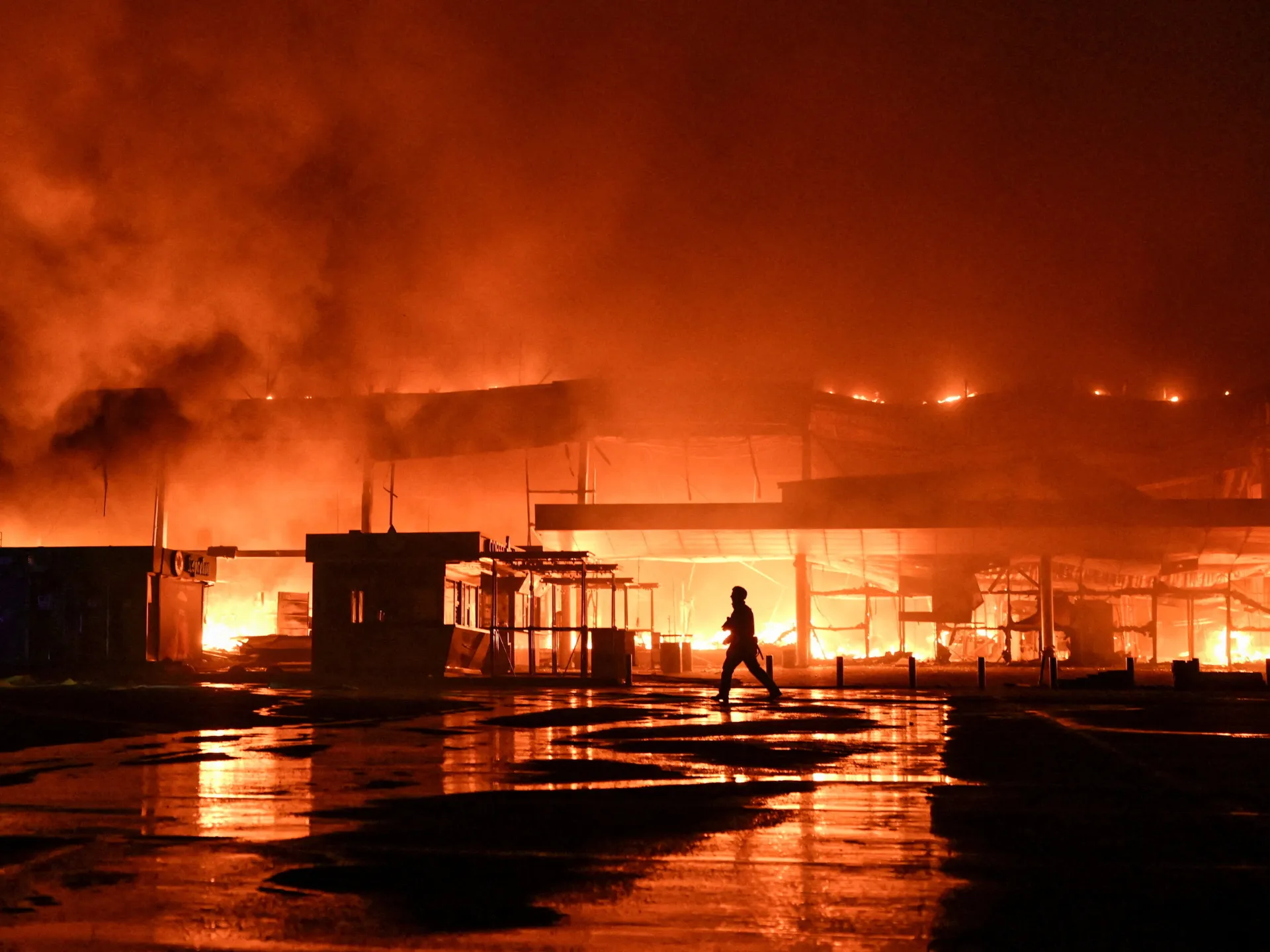
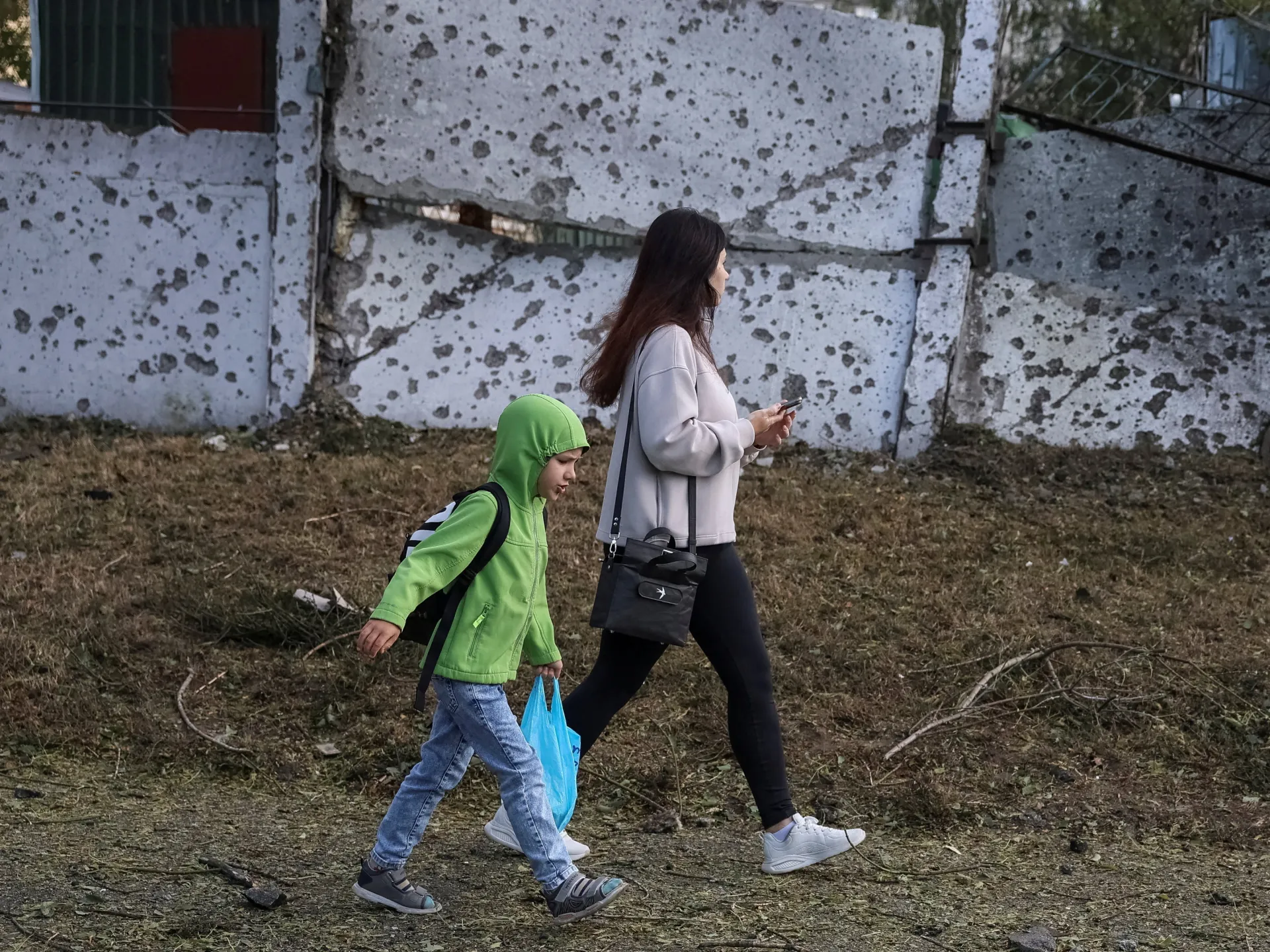
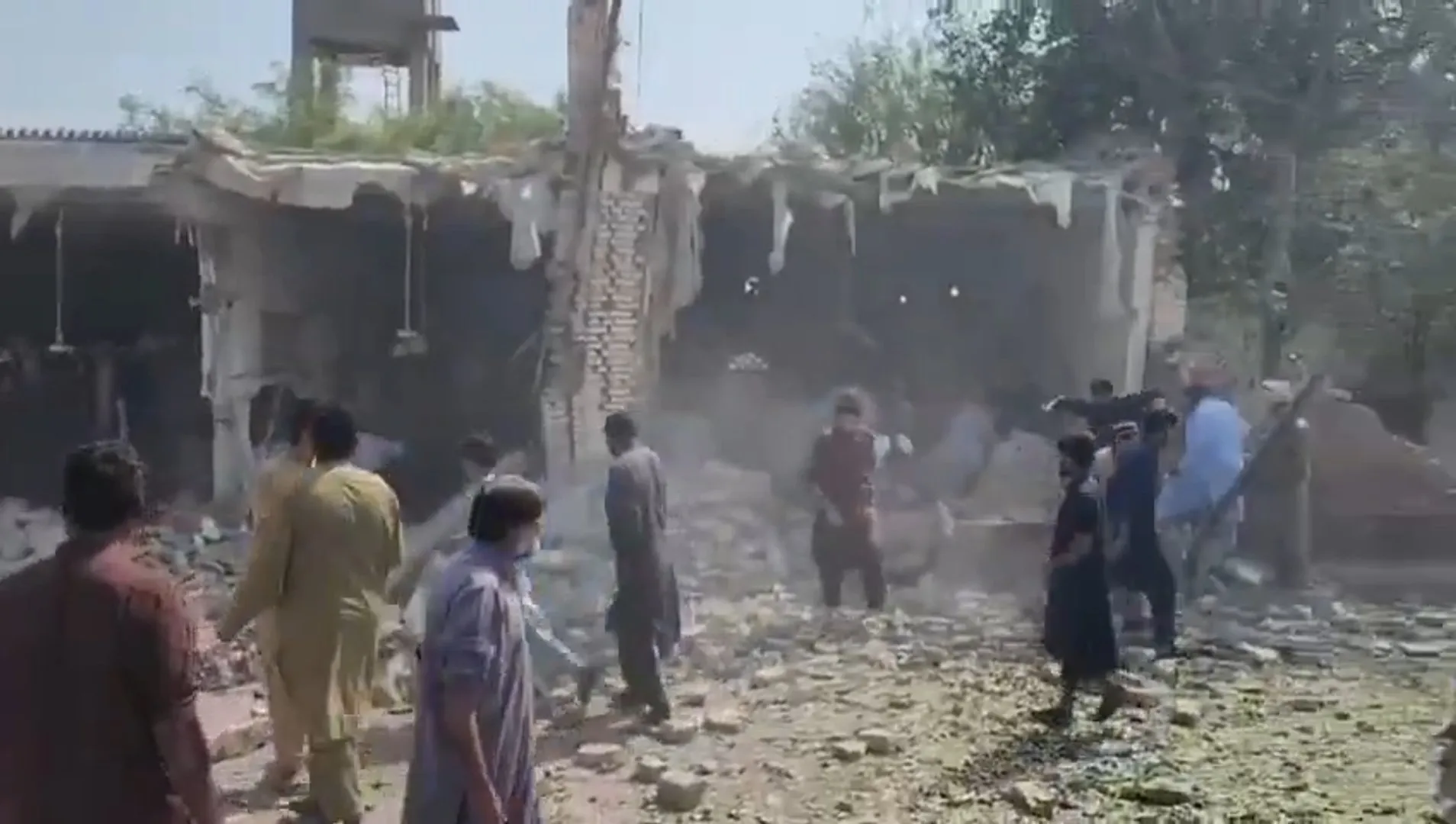
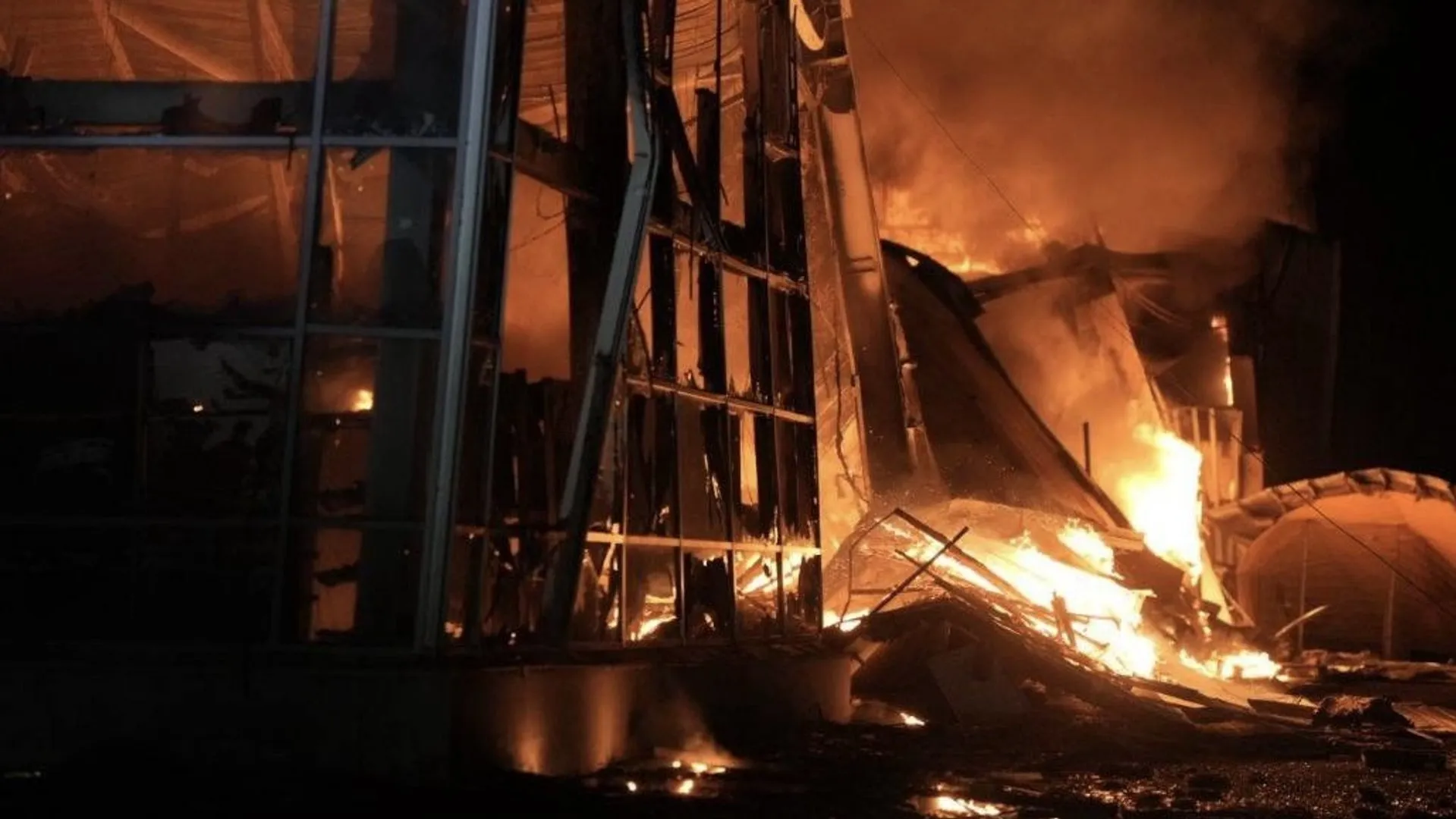
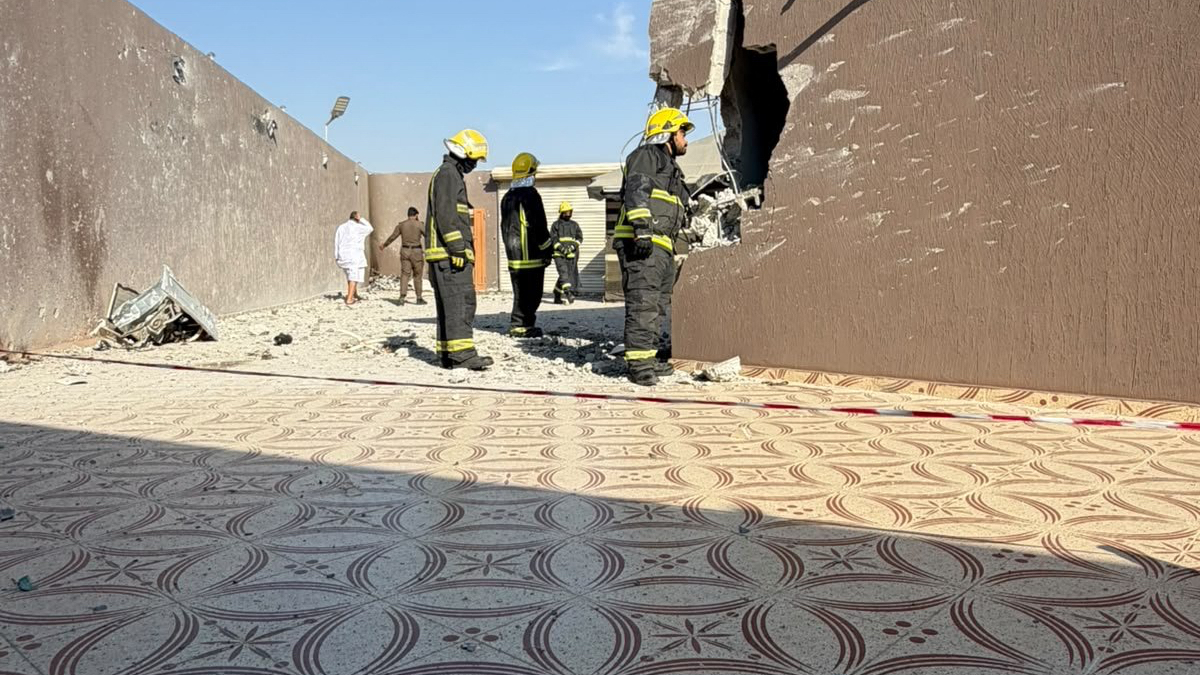
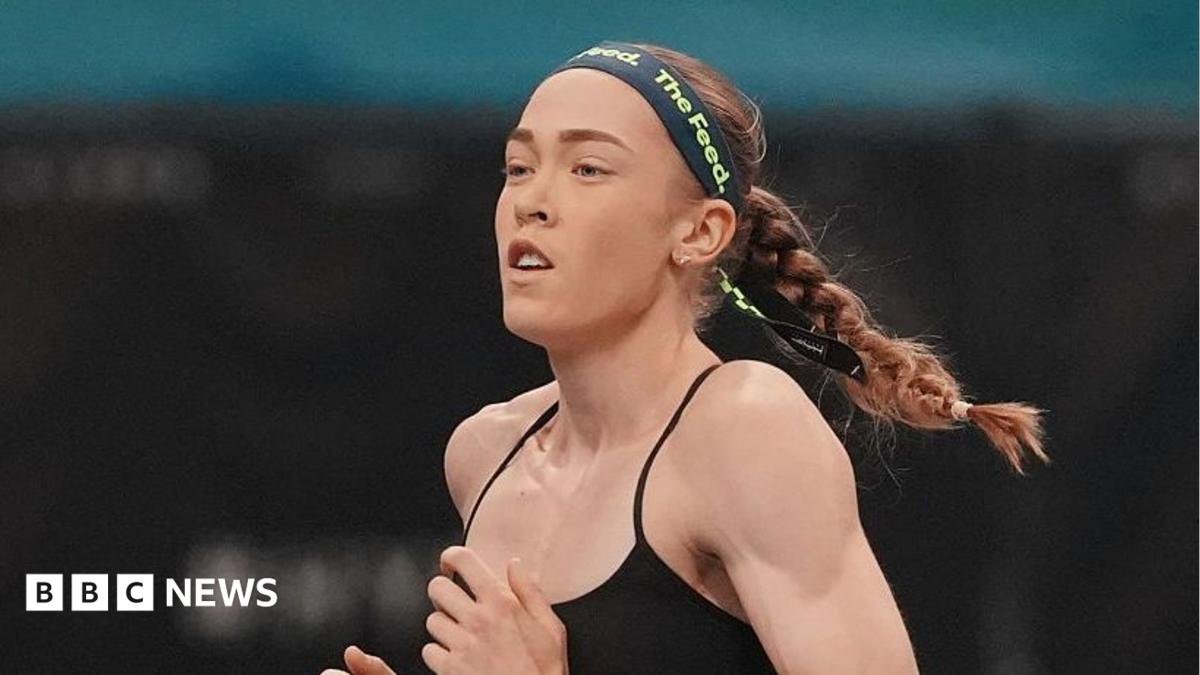
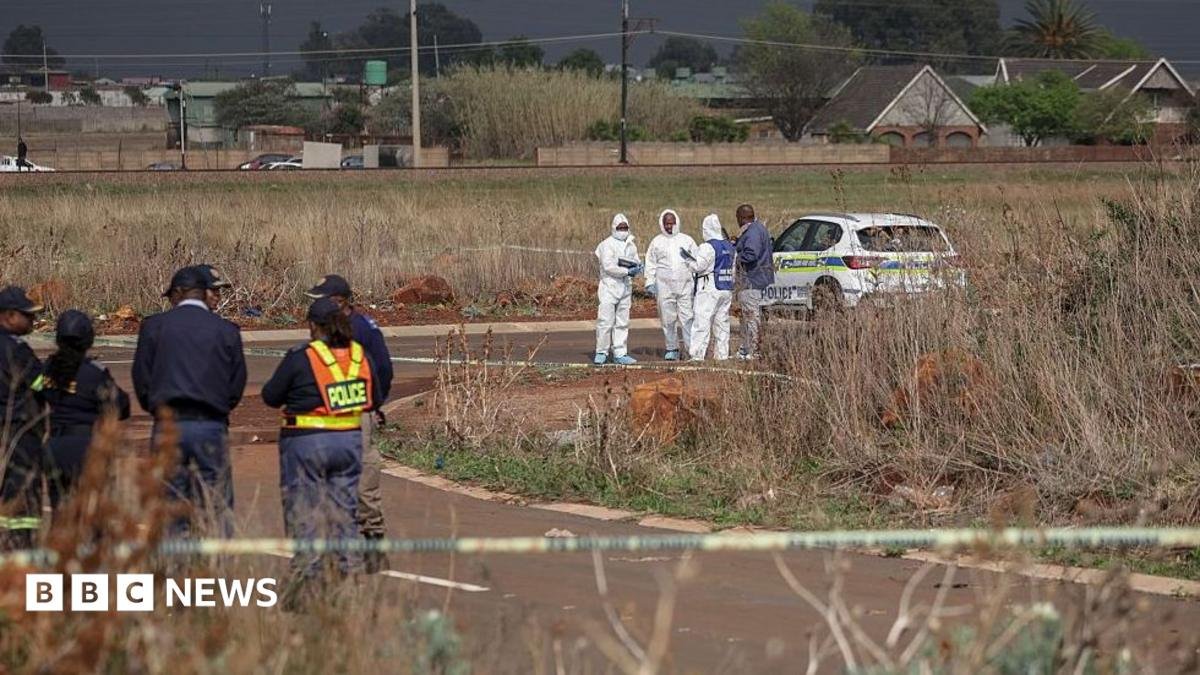
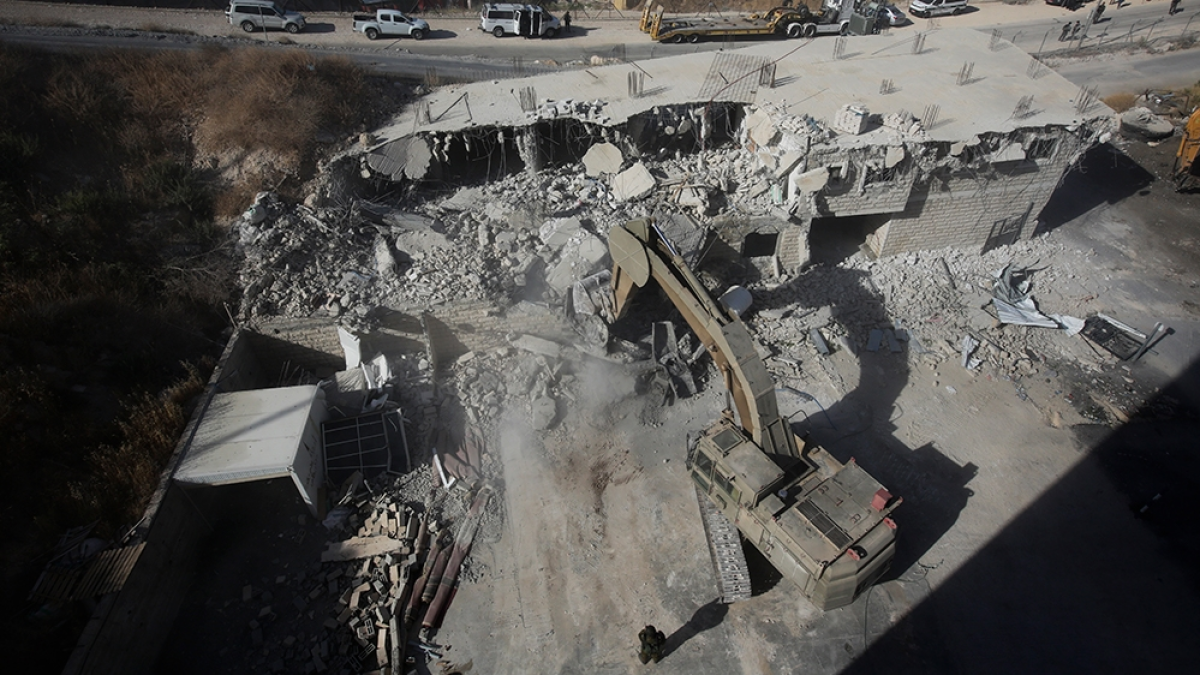
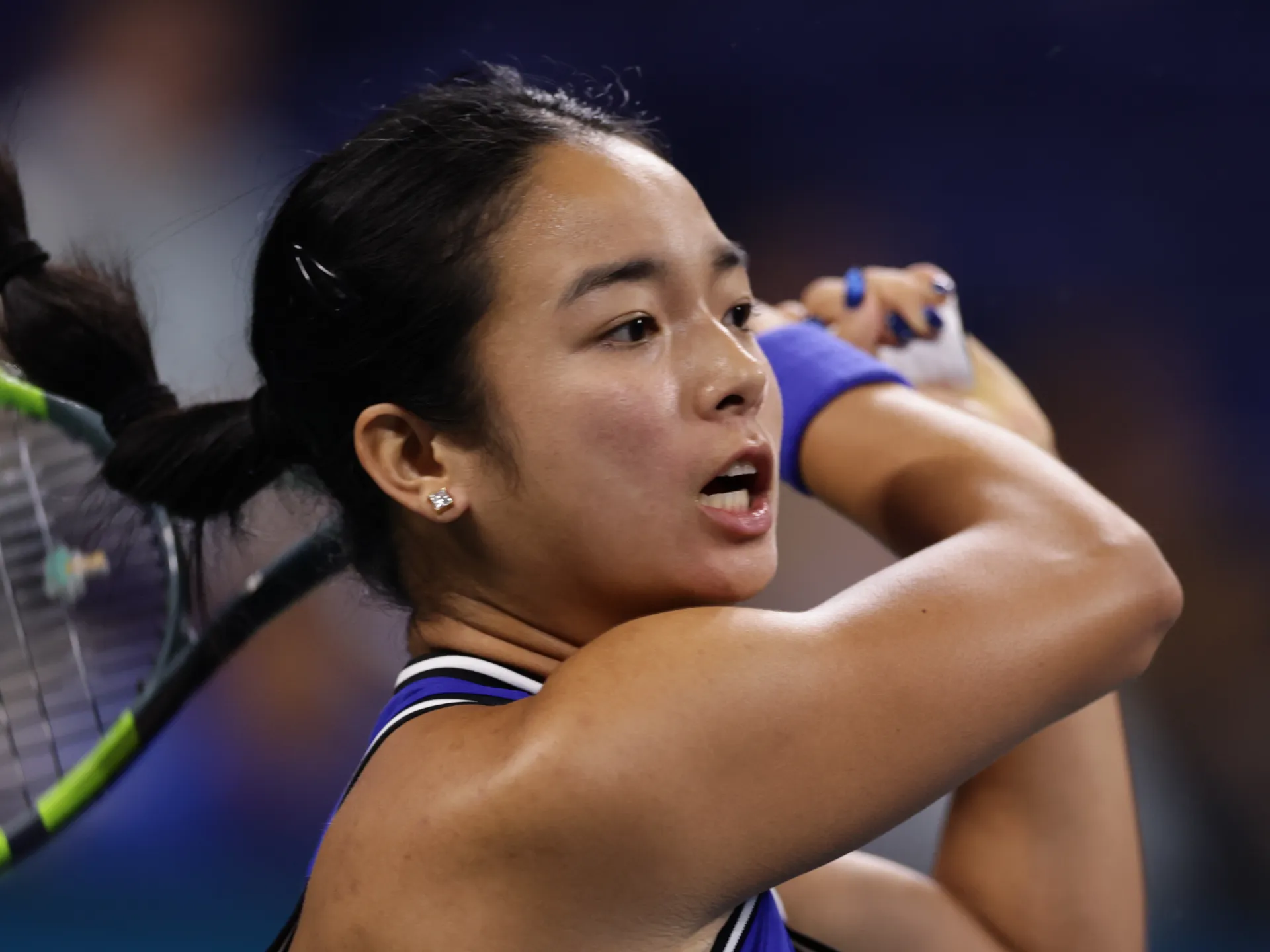
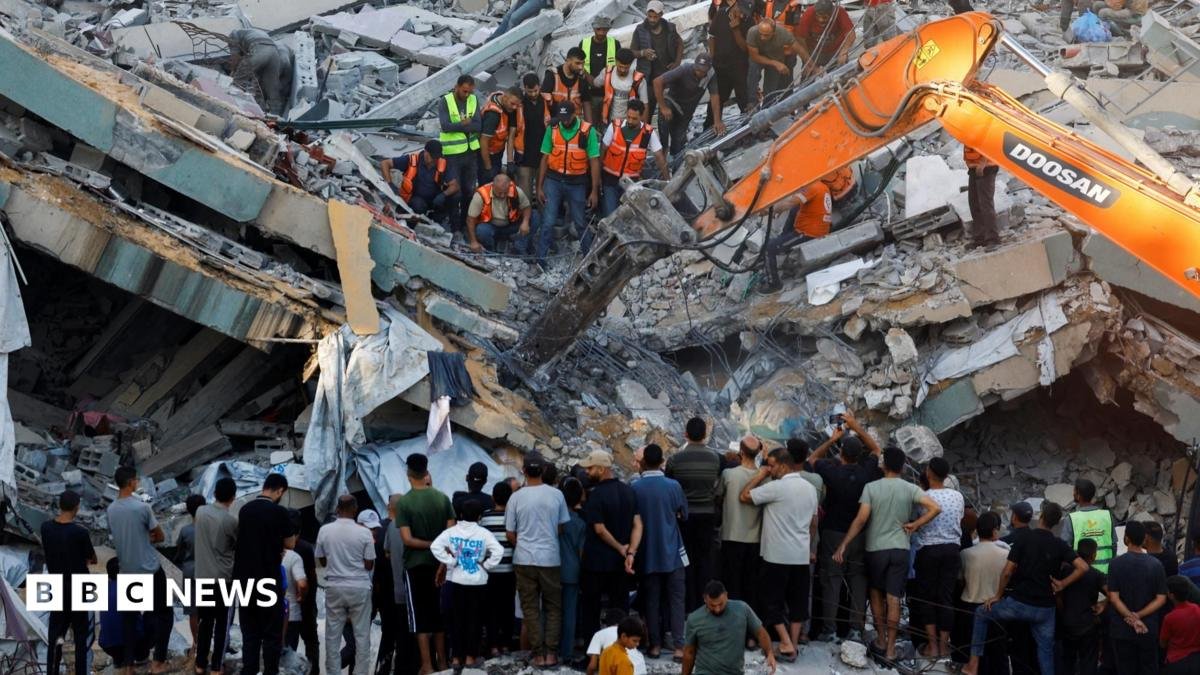
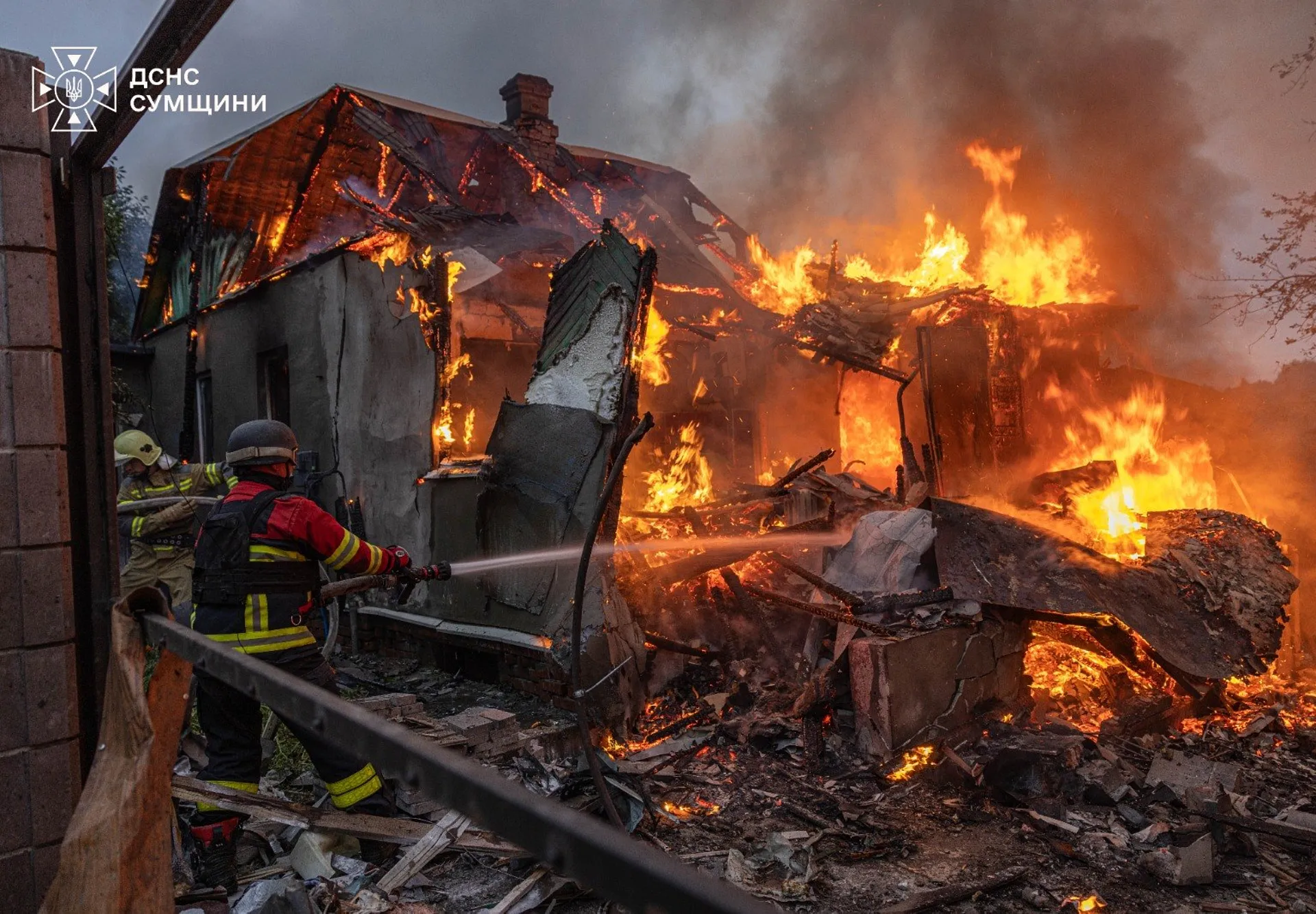
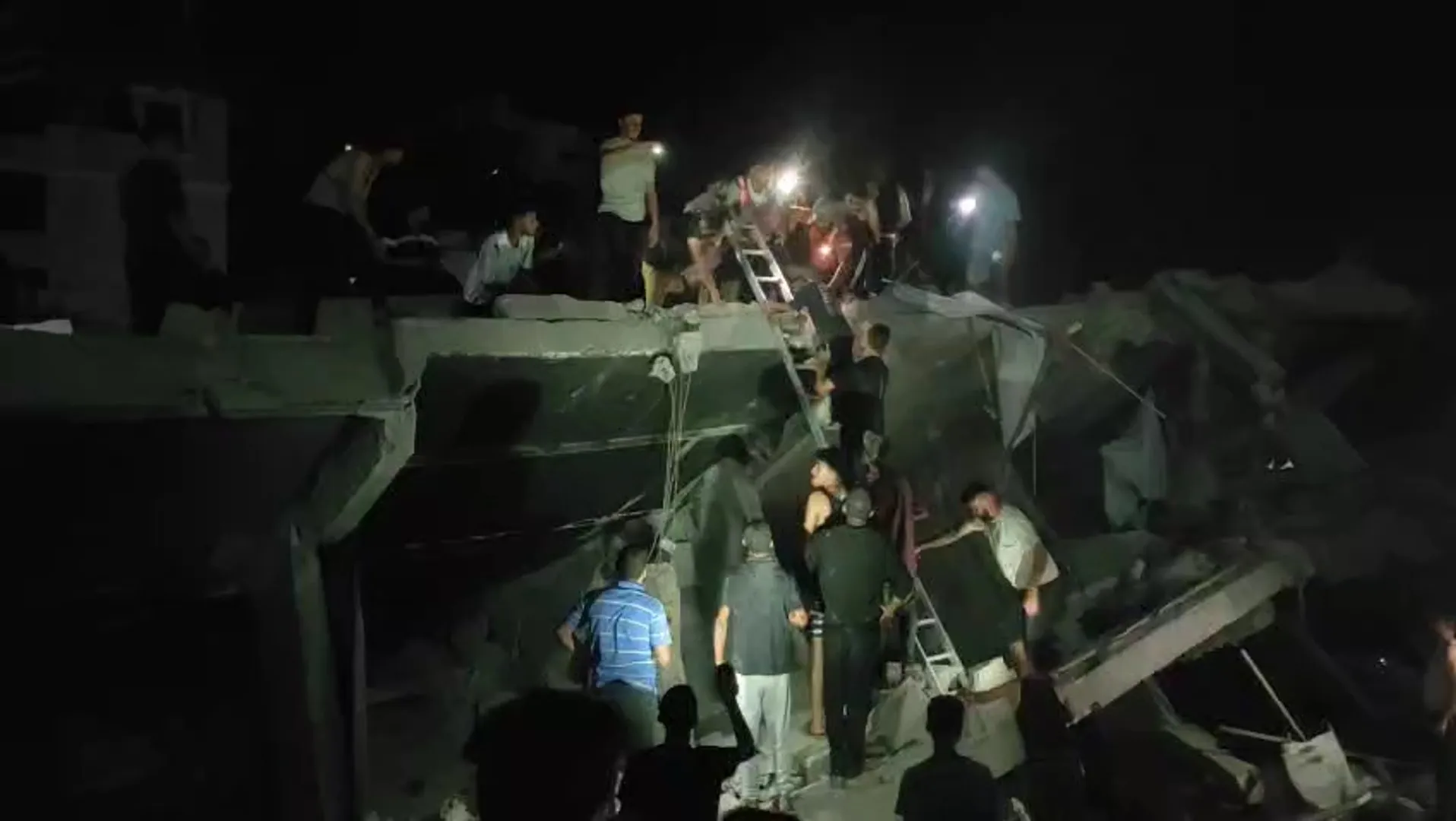
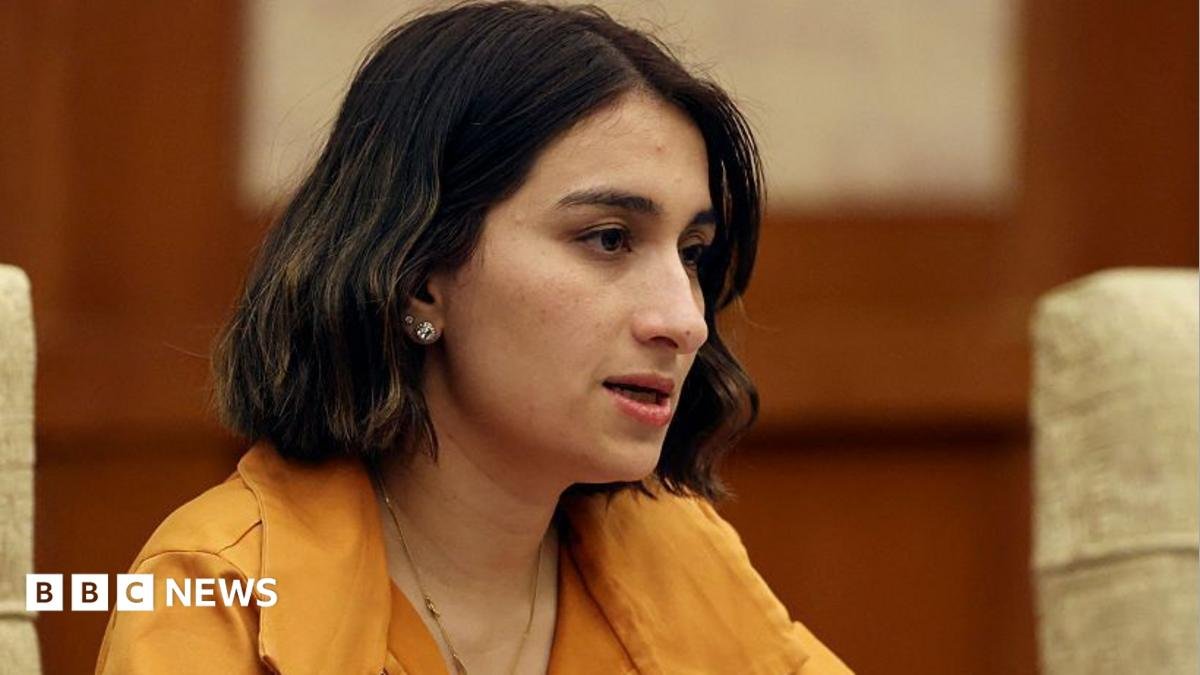
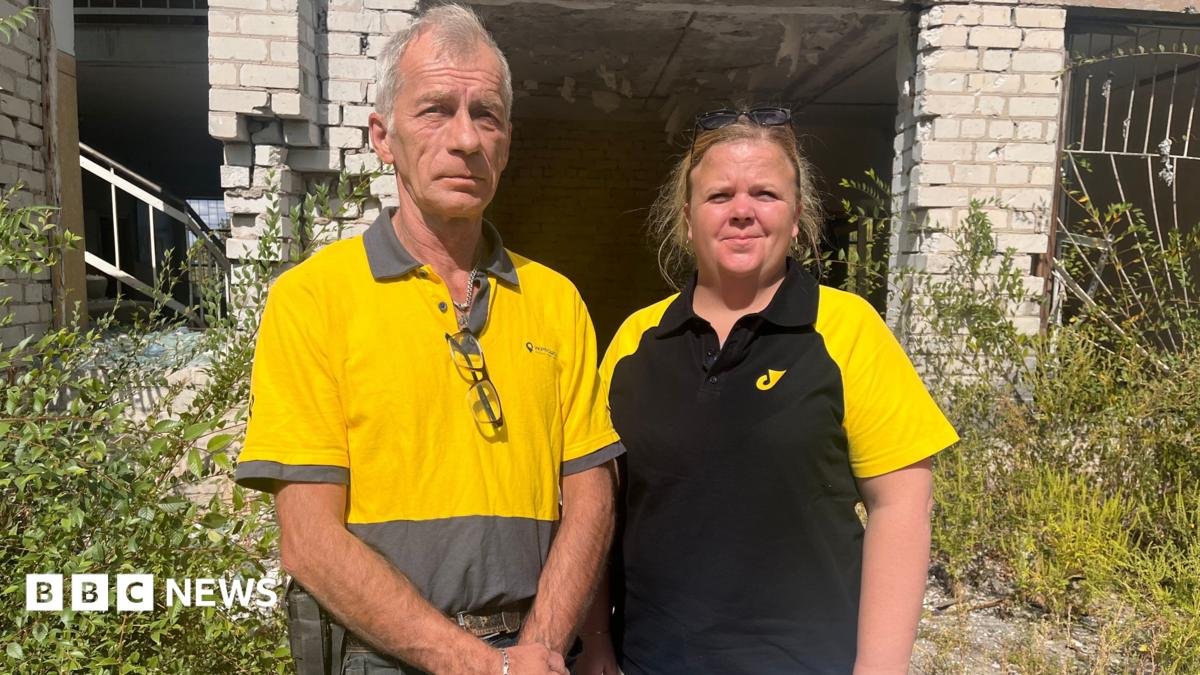
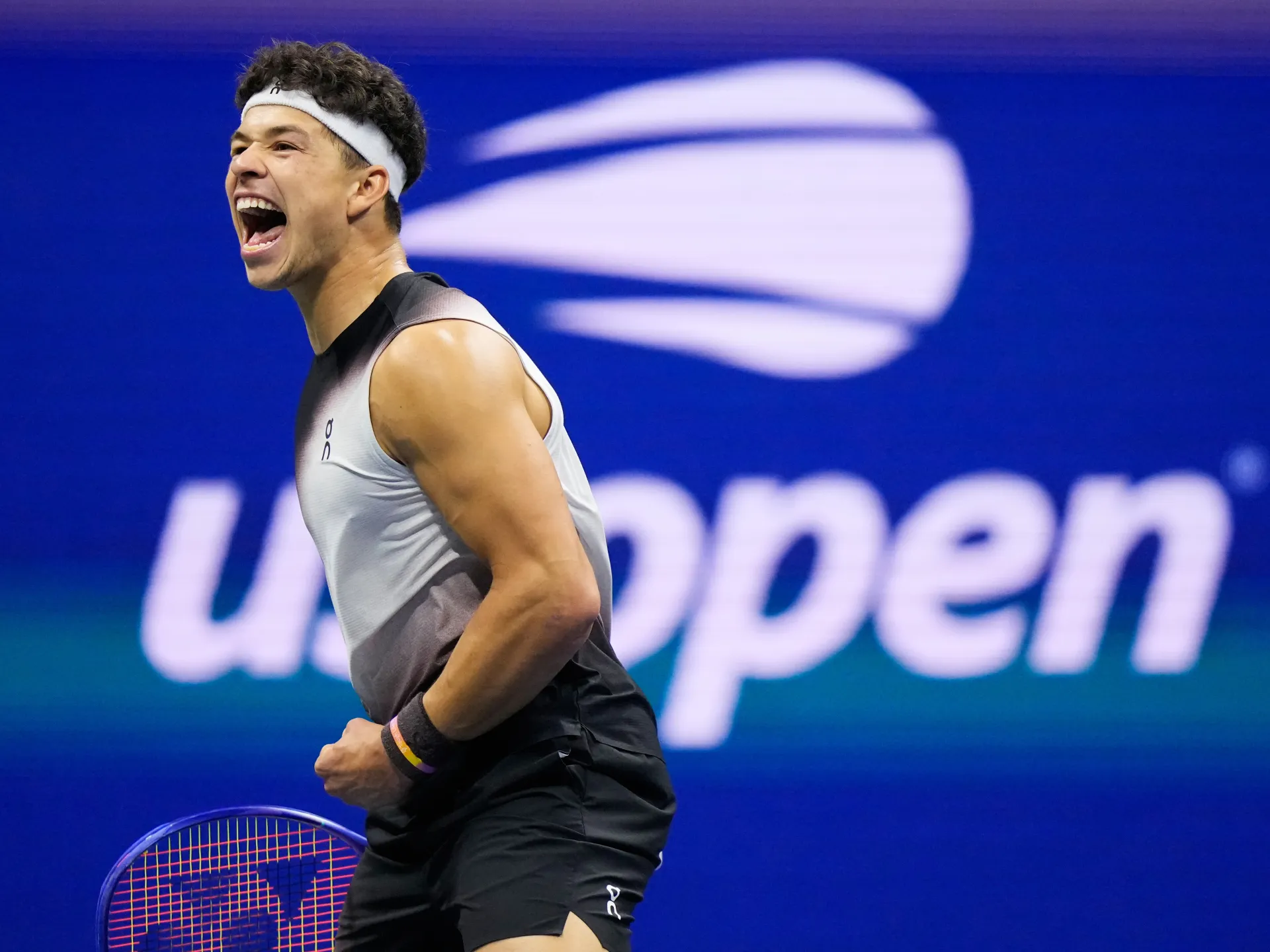
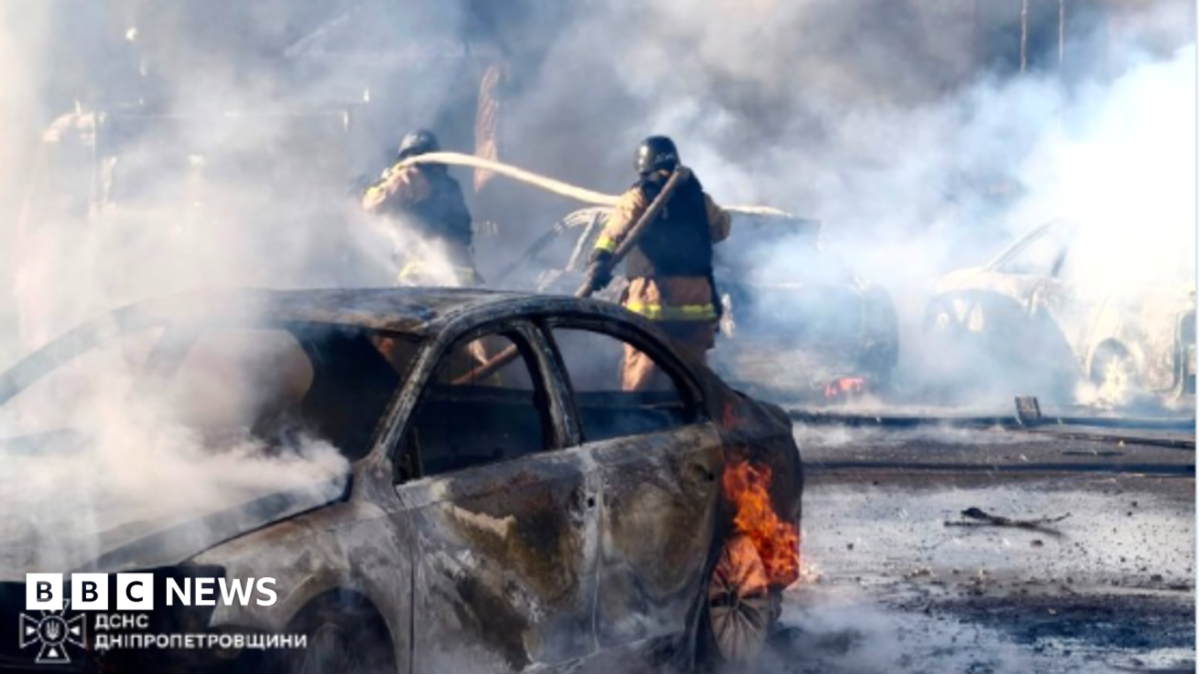
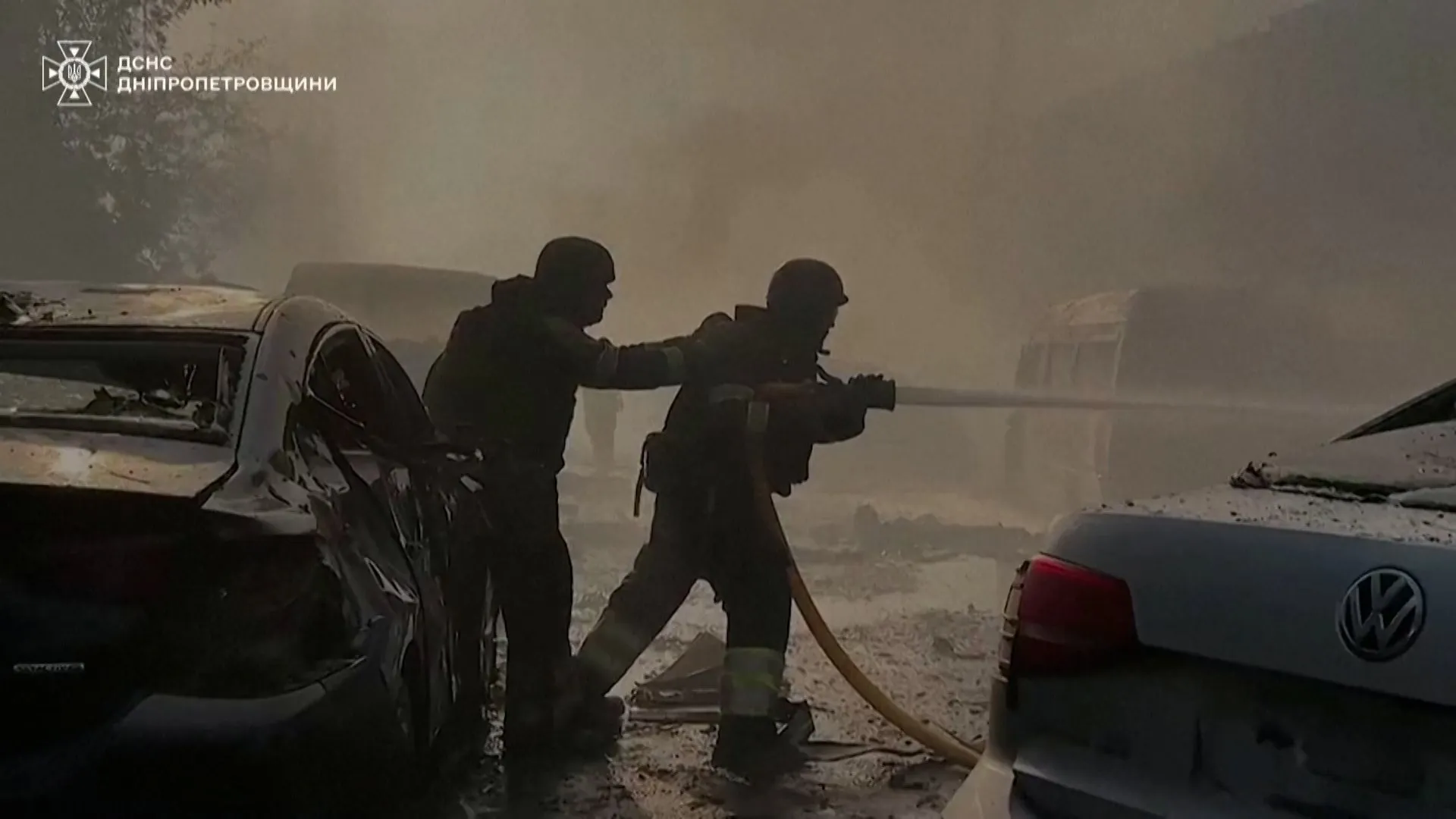
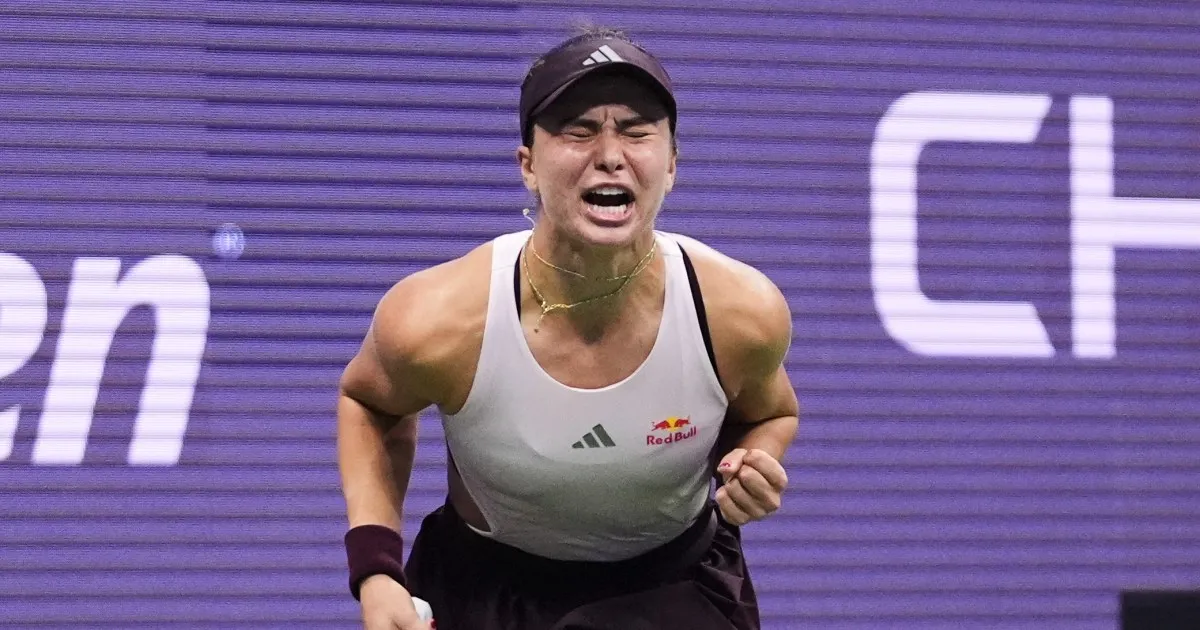
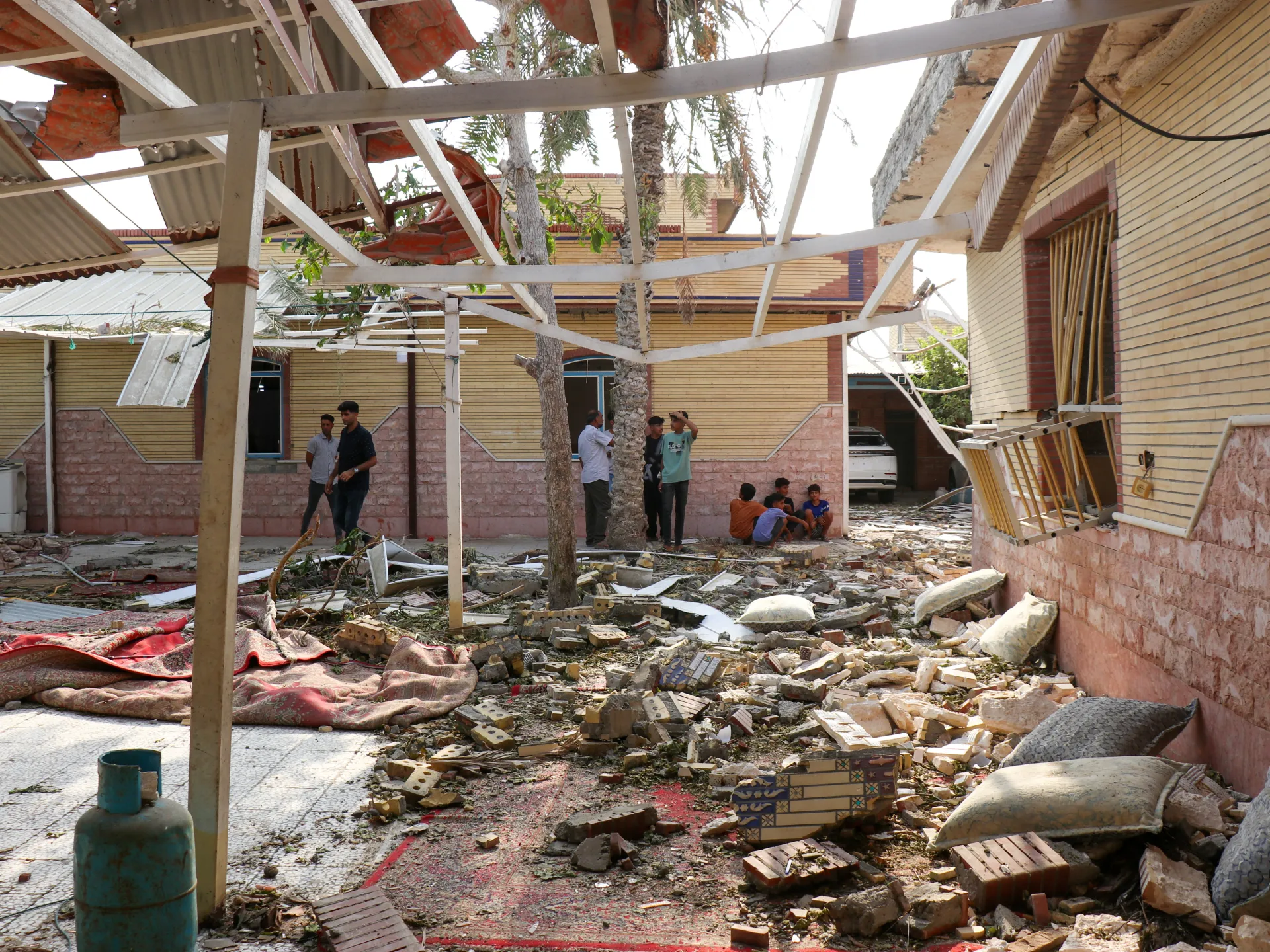
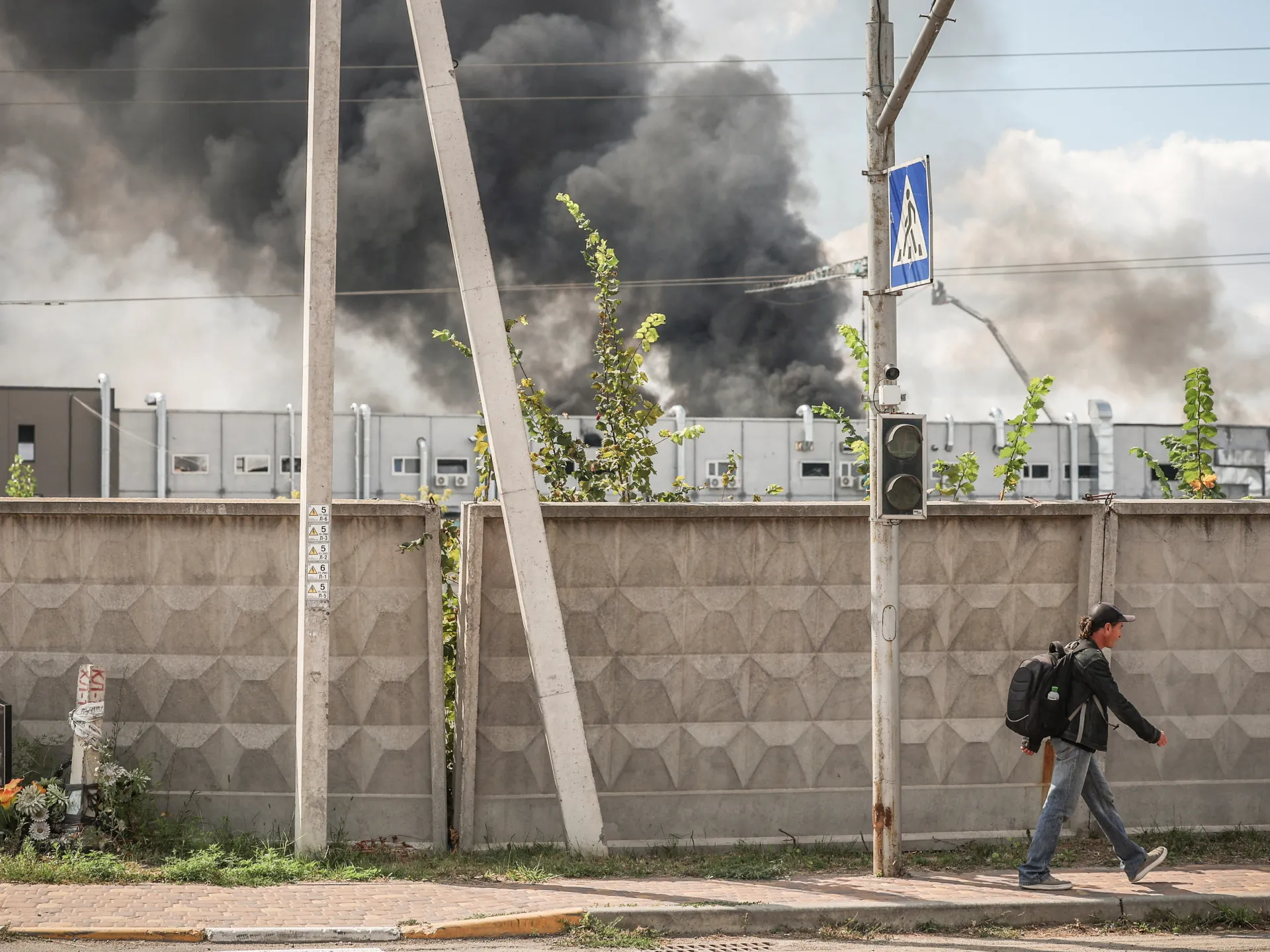
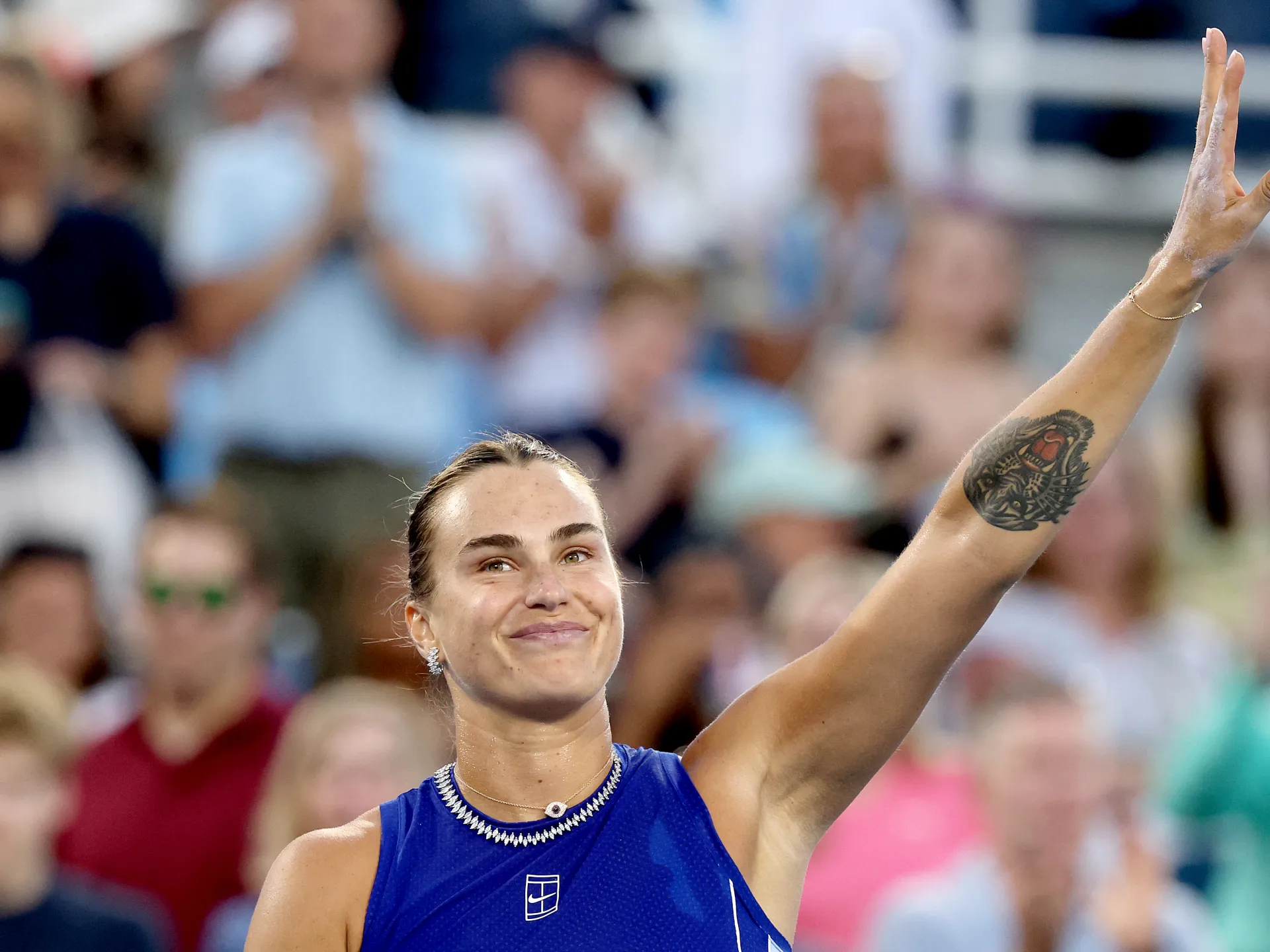
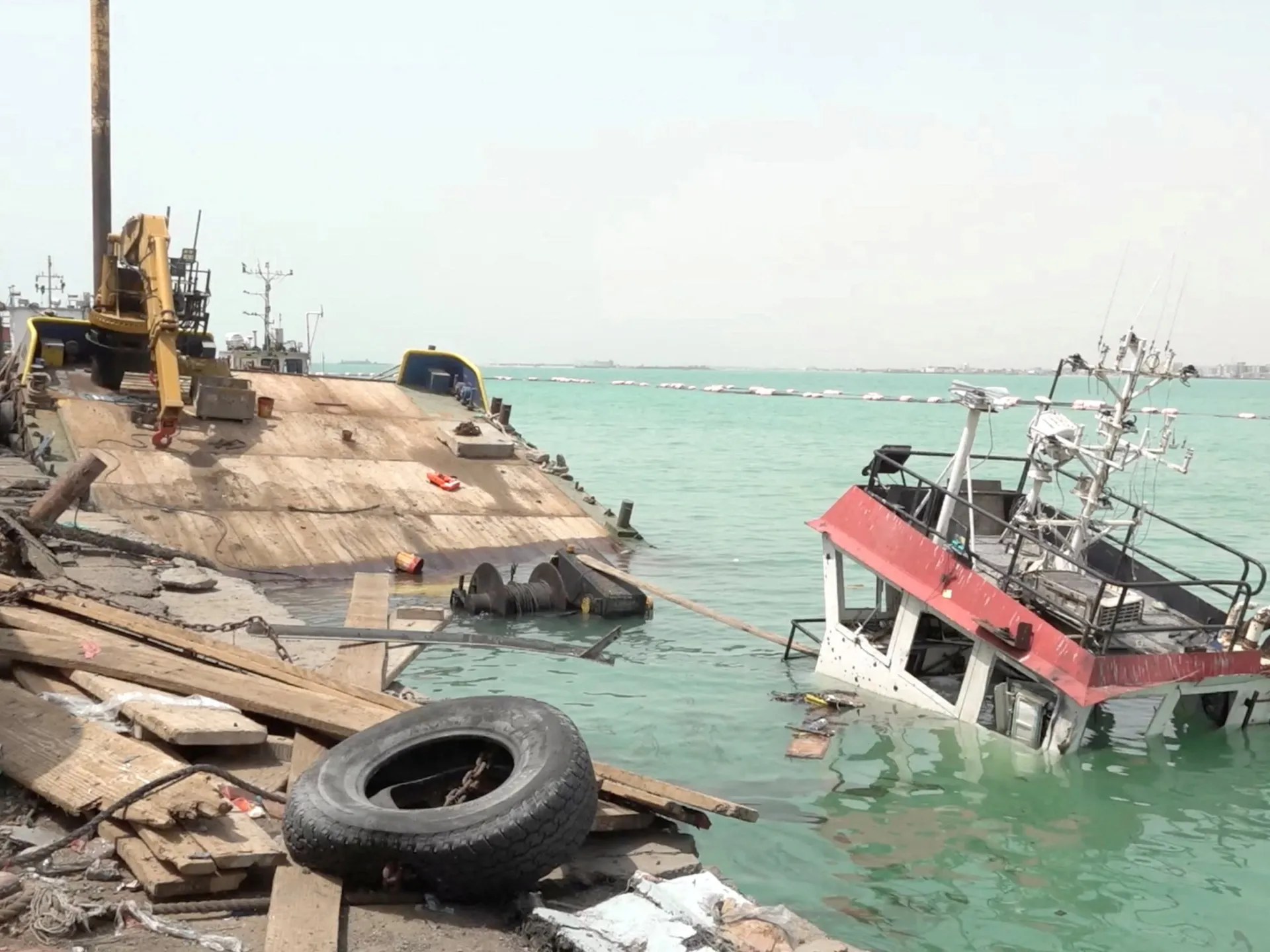
For Ukrainian tennis star Dayana Yastremska, the conflict is not a matter of symbolic messaging, but of visceral, material destruction. The 26-year-old athlete recently took to social media to reveal that her family’s home in the Black Sea port of Odesa was destroyed residential building, noting that the only item left intact was a souvenir towel from the Roland Garros tournament. Her public appeal, which directly tagged international tennis governing bodies like the WTA and the ITF, serves as a stark reminder of the vulnerability of professional athletes whose families remain in active war zones.
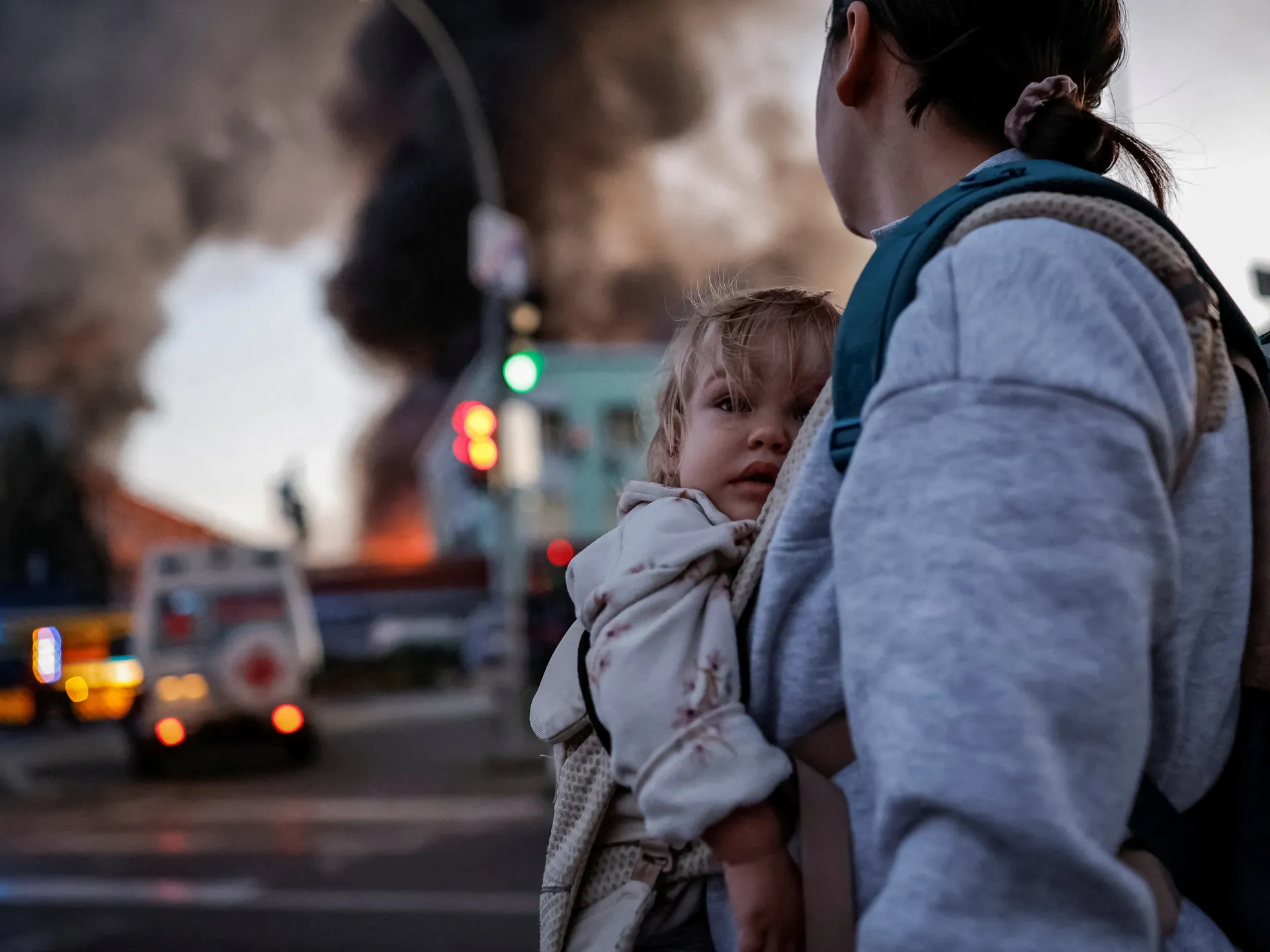
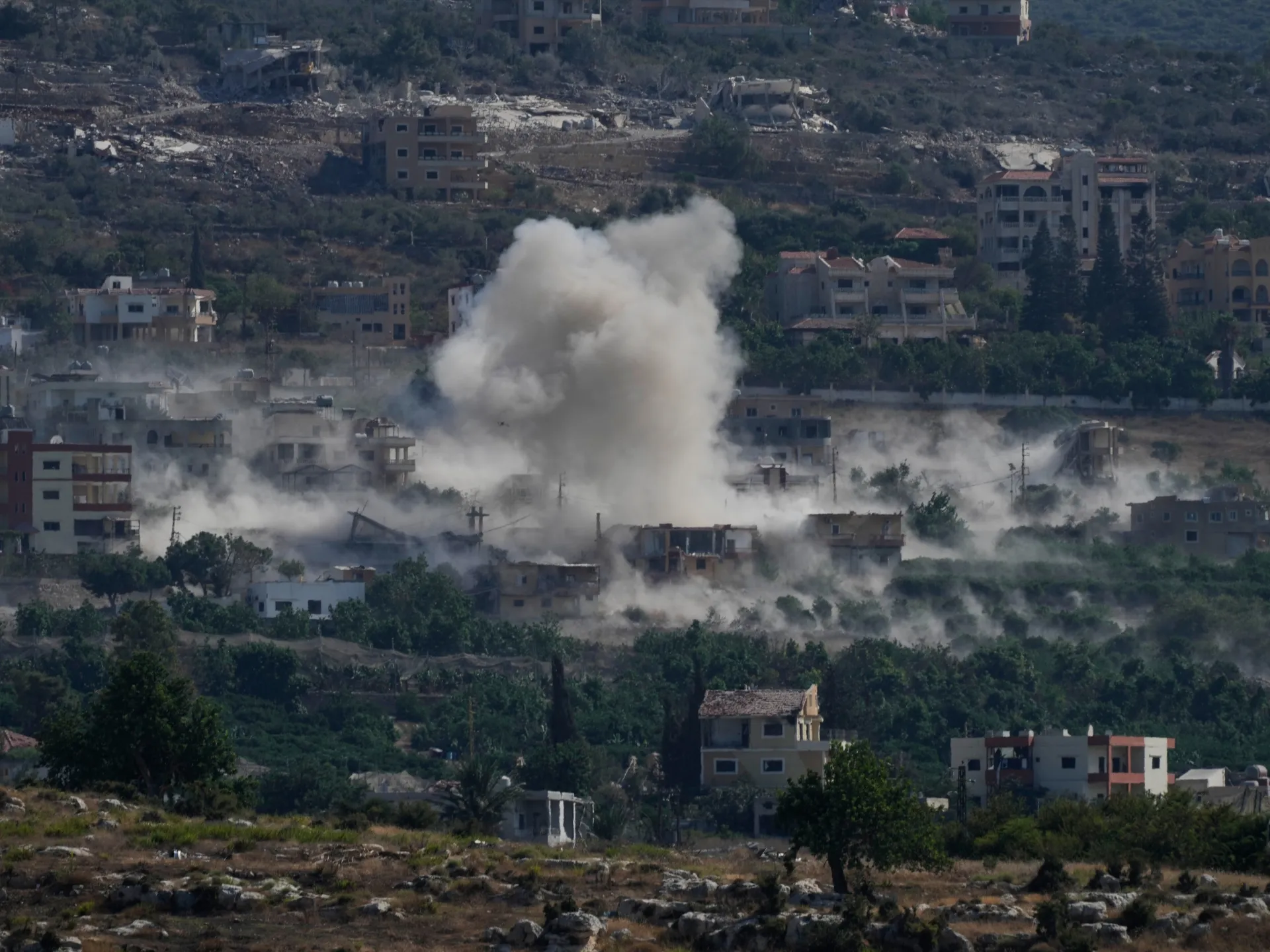
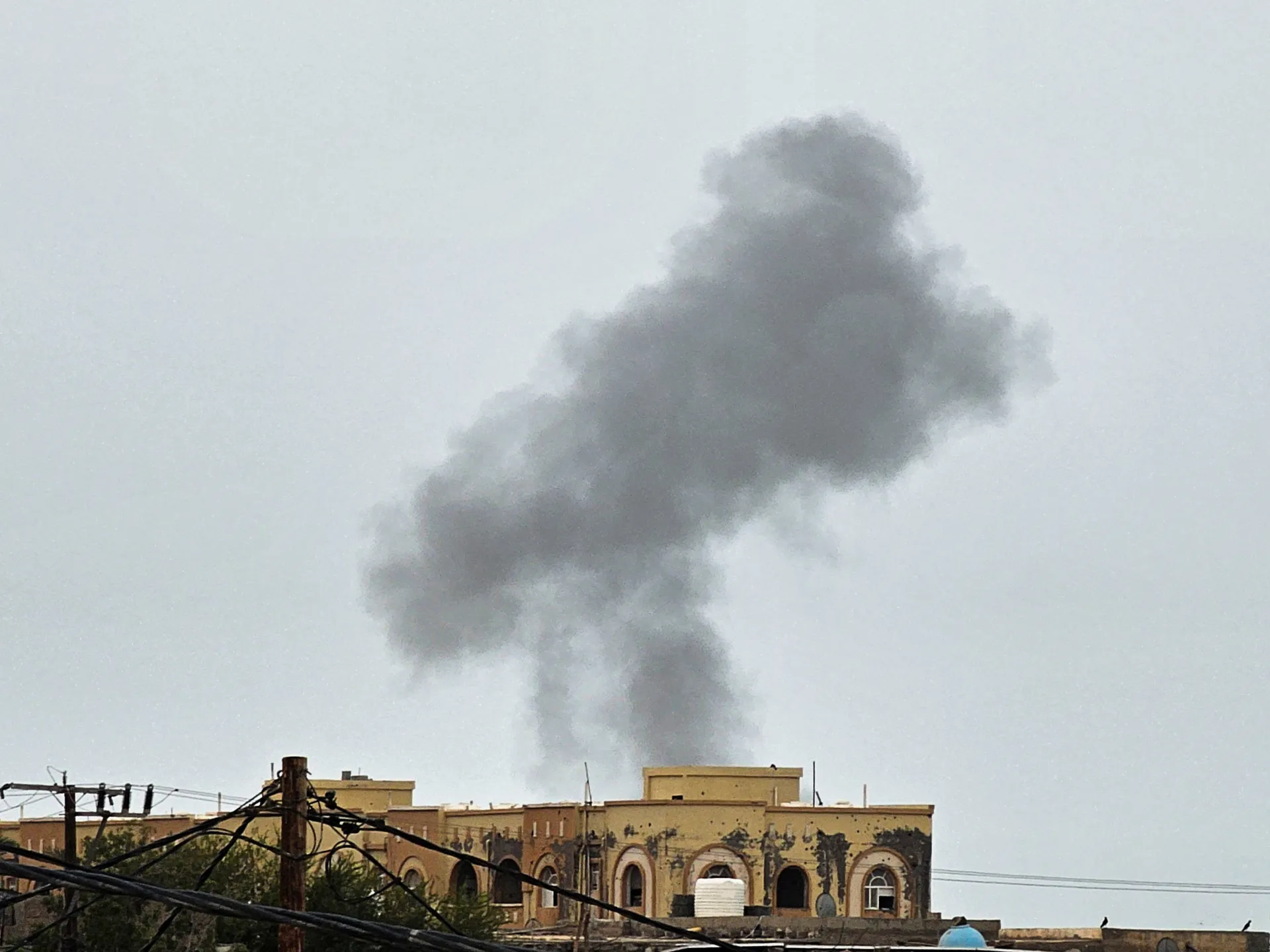
Regional officials in Odesa reported that the attack, which also struck the nearby Chornomorsk area, resulted in 37 injuries, including an infant, and left two individuals missing. Yastremska’s experience reflects a broader trend of Ukrainian athletes dealing with the proximity of war; similar instances have been documented strike. These instances bridge the gap between the "Russian world" described bodies to confront the reality that their competitors are living through the very conflicts they are often asked to remain silent about.
As these stories continue to unfold, it is likely that sports organizations will face mounting pressure to clarify or amend their policies regarding personal expression. For the NFL, the challenge lies in balancing commercial interests with a growing player culture that prioritizes humanitarian advocacy over strict uniformity. It is probable that we will see more athletes testing these boundaries, particularly as the global political landscape remains volatile. For athletes like Yastremska, the focus remains on personal safety and the survival of their families, a narrative that will continue to challenge the perception of the athlete as an untouchable figure, grounding them instead in the realities of a world in conflict. We can anticipate continued demands for sporting bodies to take stronger, more overt positions on these humanitarian issues, rather than relying on historical precedents of neutrality.