As Albania prepares to sign the Artemis Accords in Washington, the nation remains gripped by a 100-day protest movement over controversial coastal development.
As the Republic of Albania prepares to enter the international stage of space exploration cant domestic unrest. The intersection of these two realities—Albania’s pursuit of high-tech global partnerships and the deep-seated local opposition to foreign-backed infrastructure projects—highlights the complex balancing act facing the current administration. While global observers view the Artemis signing as a milestone for Balkan participation in space policy, the ongoing “Flamingo Revolution” underscores a growing public demand for transparency and environmental accountability in land-use decisions. This dichotomy serves as a vital case study in how small nations negotiate their sovereignty while courting major international investment and scientific prestige.
On September 21, 2026, Albania is scheduled to become the 73rd signatory to the Artemis Accords, a series of principles established in 2020 during the first Trump administration to govern civil space exploration. The ceremony at NASA Headquarters in Washington, hosted pe and Foreign Affairs Ferit Hoxha and Ambassador Ervin Bushati. The Accords aim to create a framework for safe, transparent, and coordinated lunar and Martian activity.
The inclusion of Albania in this international coalition reflects a broader effort se agreements, the U.S. continues to build a coalition intended to manage lunar operations amidst increasing global competition. Officials expect the event to solidify Albania’s role in future international scientific endeavors, marking a transition from a regional player to a partner in the global effort to explore the Moon and beyond.
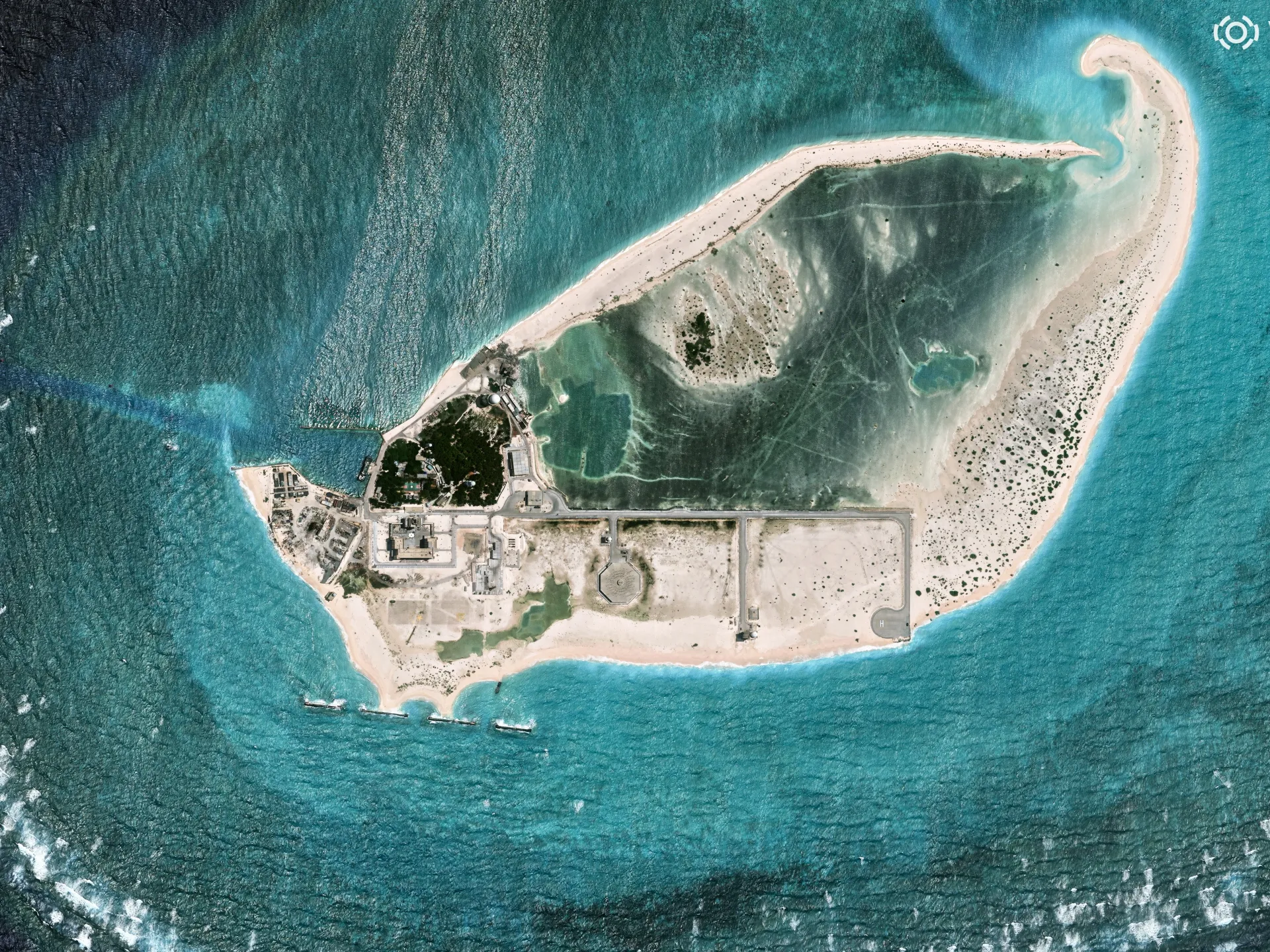
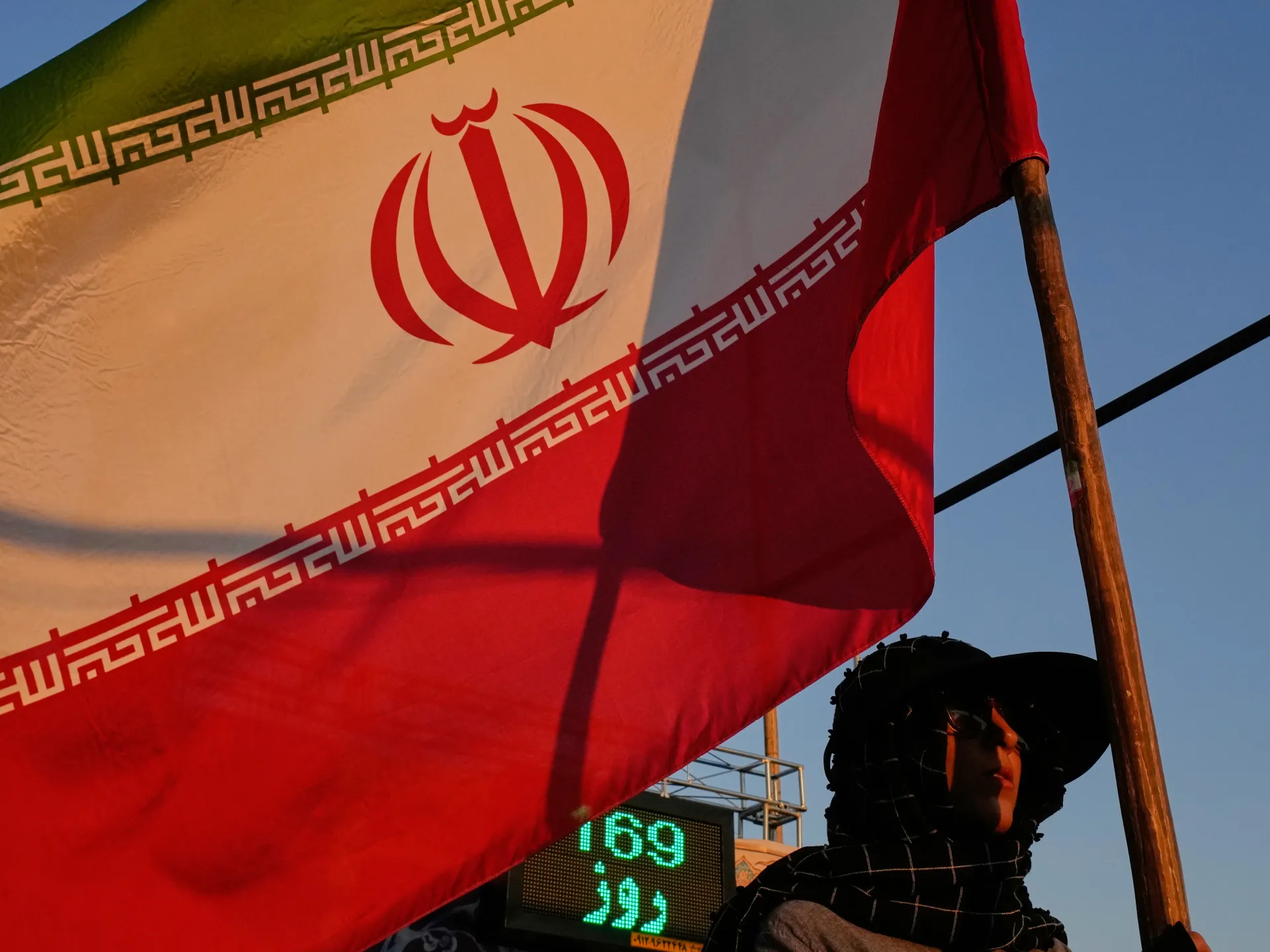
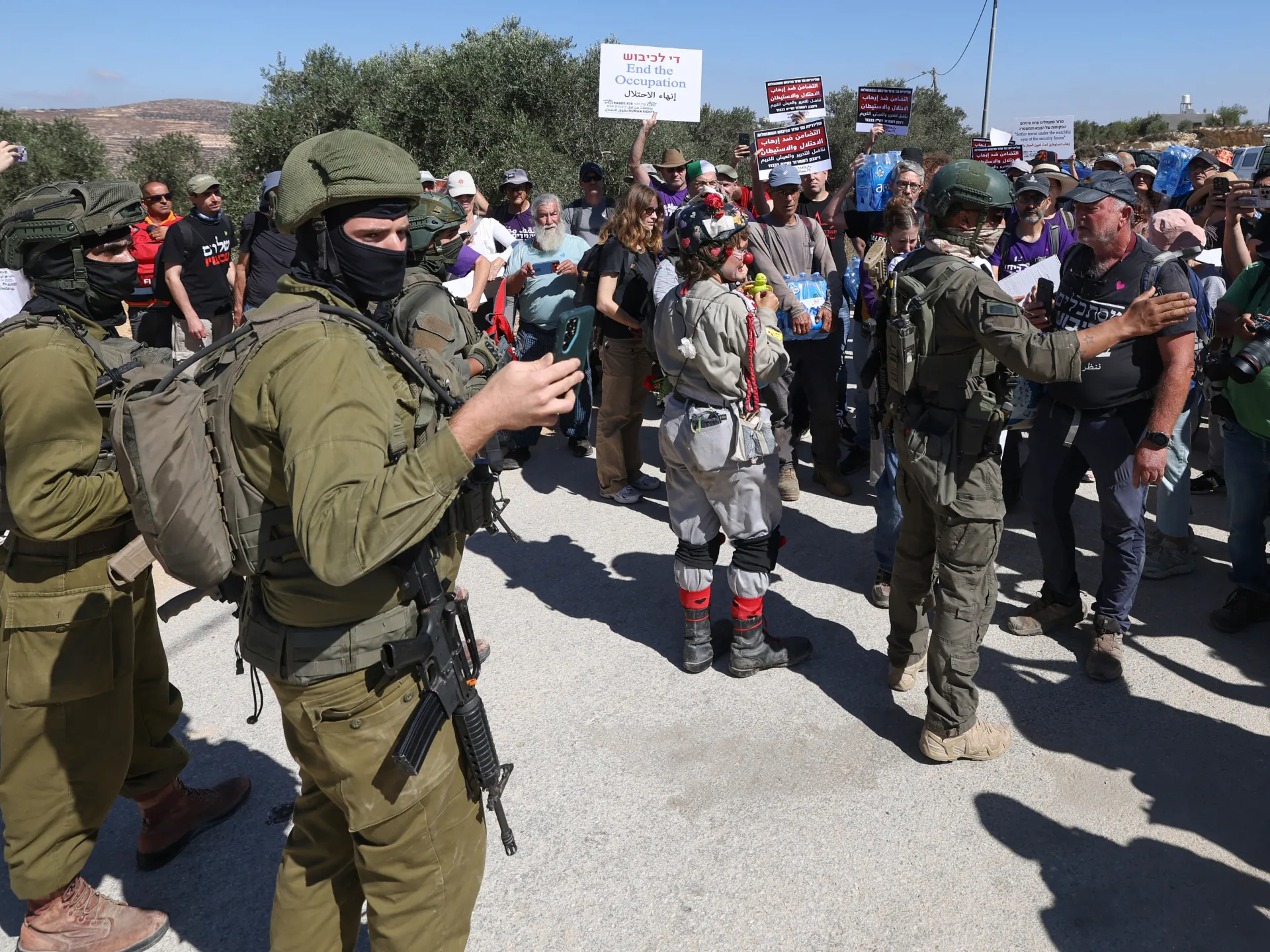
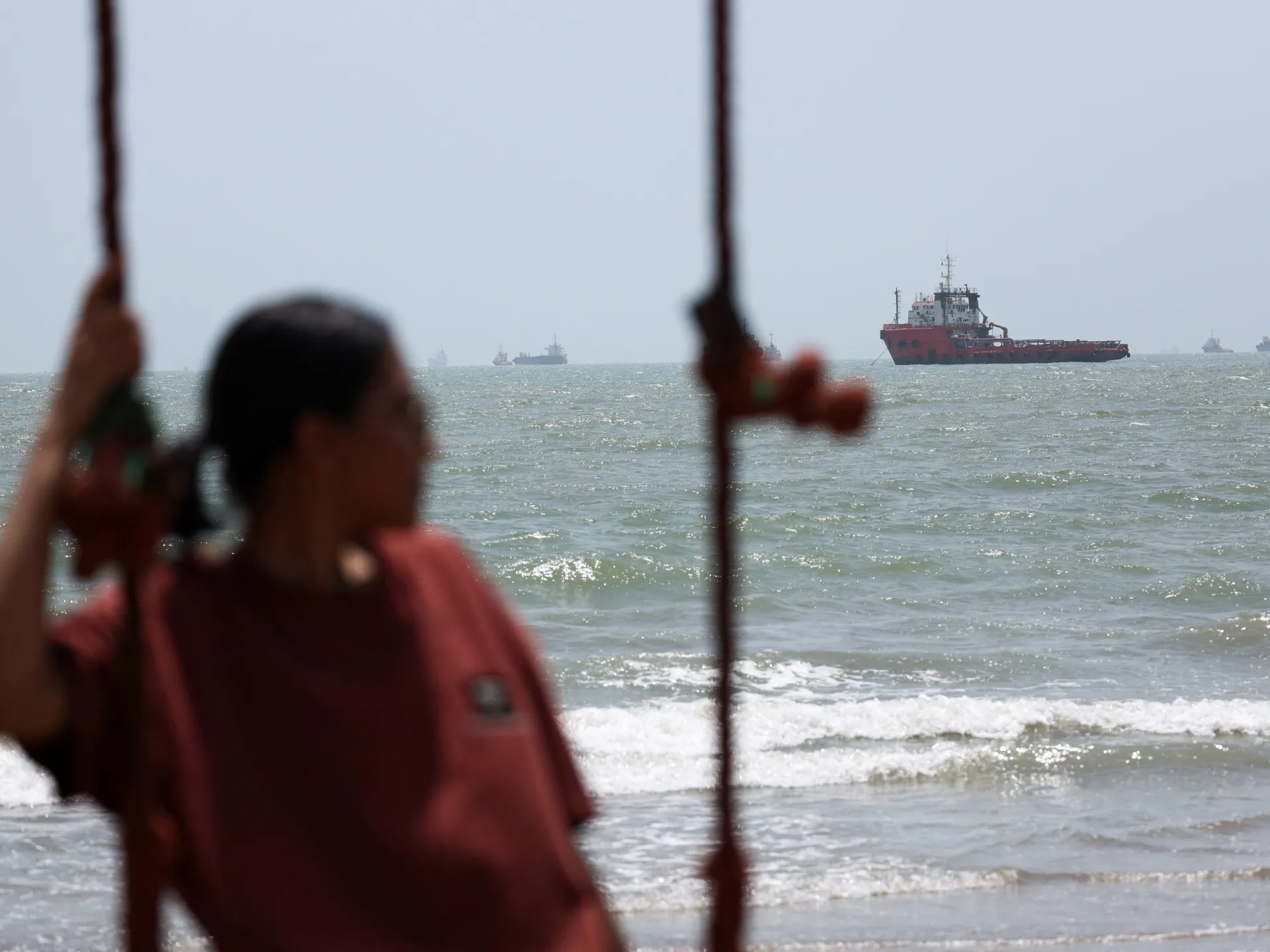
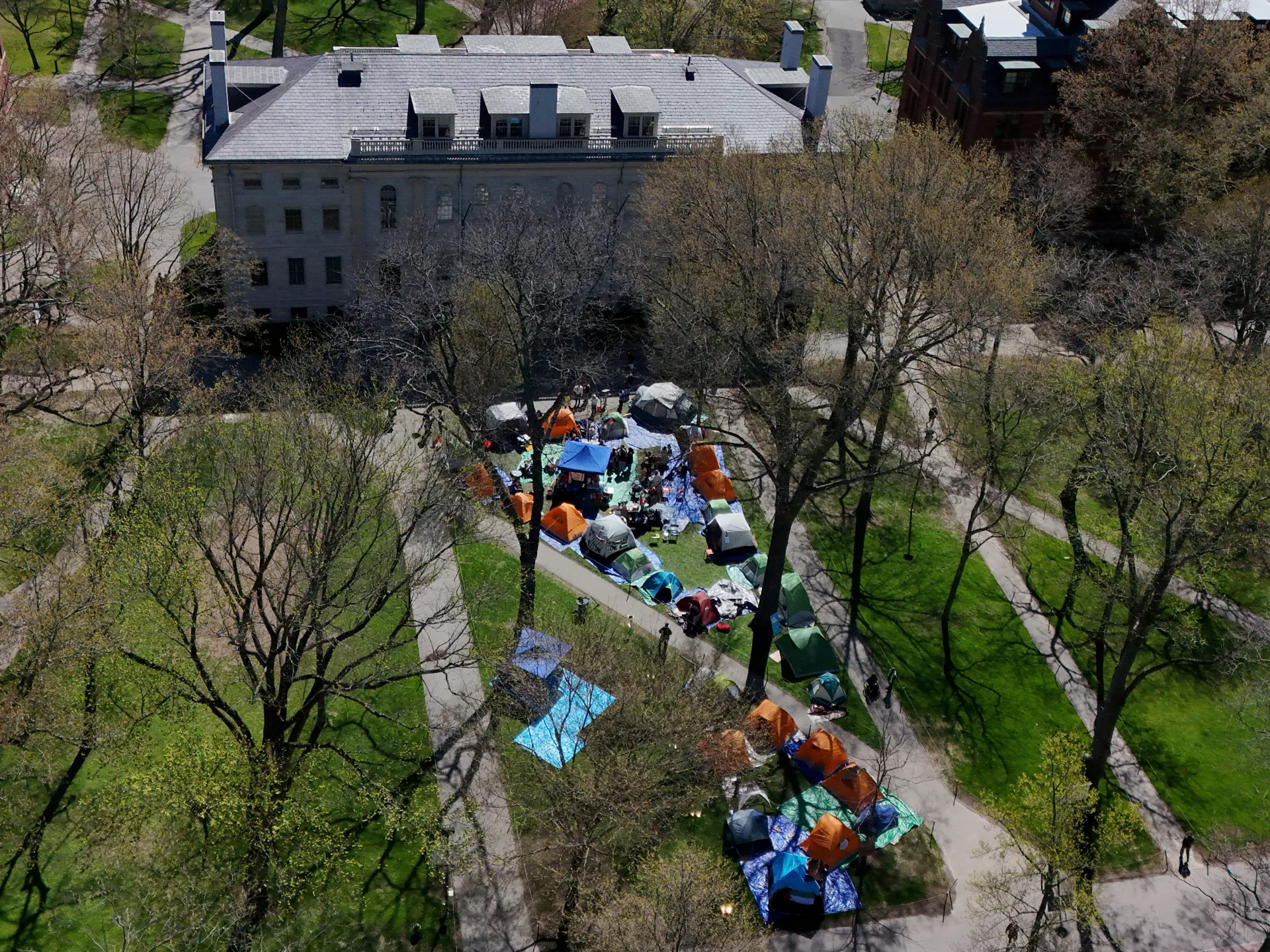
While the government engages in high-level diplomacy in Washington, it faces a persistent internal challenge known as the “Flamingo Revolution.” As of early September 2026, protesters have marked 100 consecutive days of dissent directed at the administration of Prime Minister Edi Rama. The movement centers on opposition to a planned luxury tourism resort on an island within Albania’s protected coastal wetlands. Critics have specifically pointed to links between the development and Jared Kushner, fueling public anger over the privatization of environmentally sensitive land.
The protests underscore a stark divide in national priorities. While the government emphasizes international integration and tourism development as pillars of its economic strategy, the protesters argue that these projects compromise the country’s natural heritage and lack the necessary transparency. The longevity of the protests indicates that the government's development agenda continues to spark significant friction with civil society, even as it pursues partnerships with entities like NASA.
Following the signing ceremony, the next phase for Albania involves integrating into the working groups associated with the Artemis Accords. While the scientific benefits of this partnership are clear, the government’s ability to sustain its international agenda may depend on its capacity to quell or address the internal grievances that have fueled the 100-day protest cycle. The tension between development-focused diplomacy and environmental protection is unlikely to vanish, and the government will likely face continued pressure from opposition groups to justify its land-use policies. Whether the government can effectively navigate this domestic polarization while acting as a global partner in space exploration remains the central political question for the coming months.