As Houthi forces tighten their grip on the Bab el-Mandeb Strait, the U.S. maintains a cautious diplomatic approach while simultaneously carrying out a high-profile immigration arrest.
The convergence of a destabilizing security vacuum in the Red Sea and the sudden, high-profile enforcement of US immigration policy highlights the precarious nature of the current administration’s foreign and domestic priorities. As the White House navigates a complex standoff in the Bab el-Mandeb Strait, the public detention of a prominent provocateur suggests a rigorous, arguably performative, application of immigration law that stands in sharp contrast to the diplomatic caution being exercised on the international stage. These developments collectively challenge the narrative of American influence, testing whether the U.S. can maintain its domestic legislative mandates while simultaneously managing, or ignoring, a regional crisis that threatens to disrupt global energy logistics.
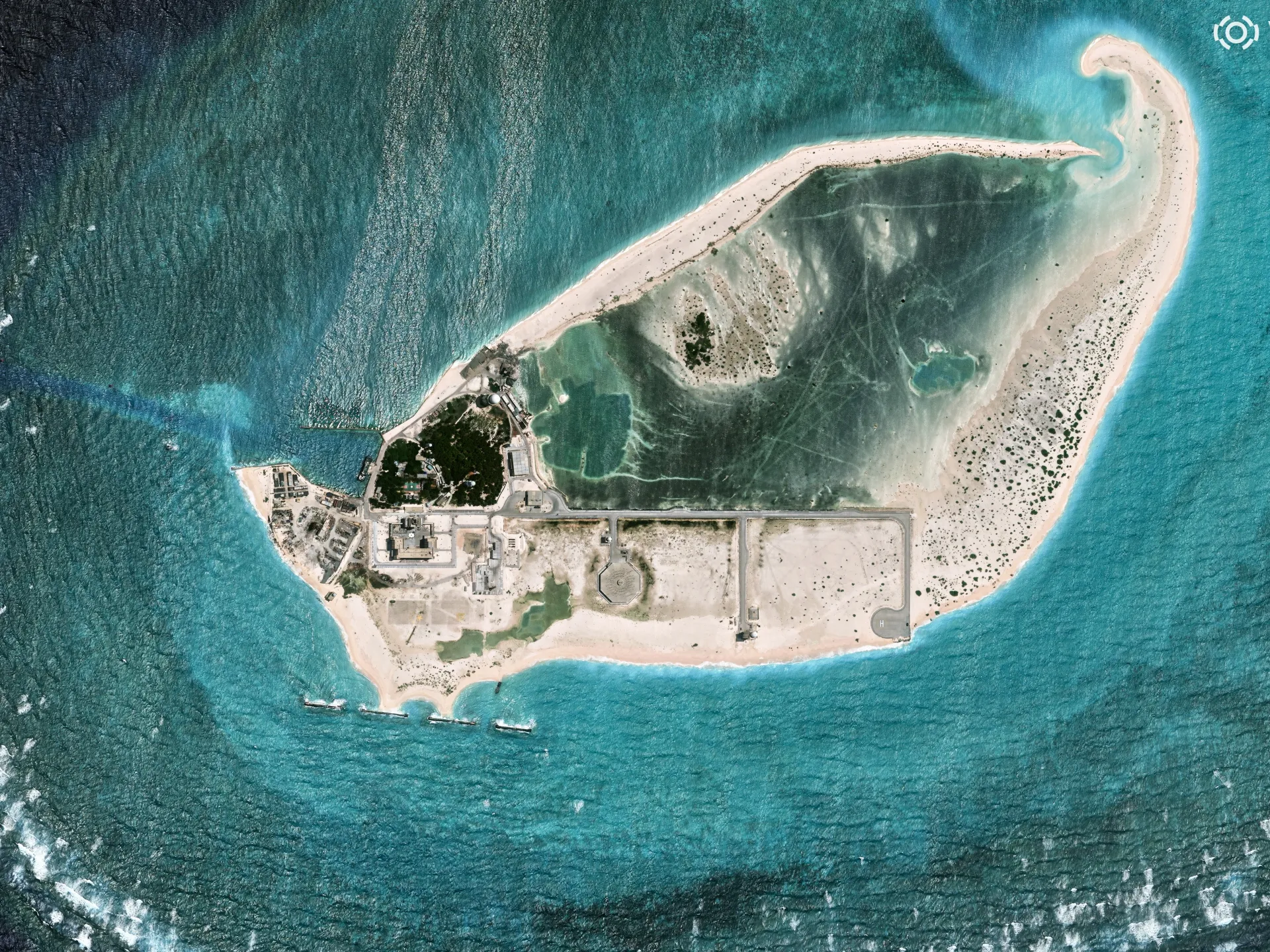
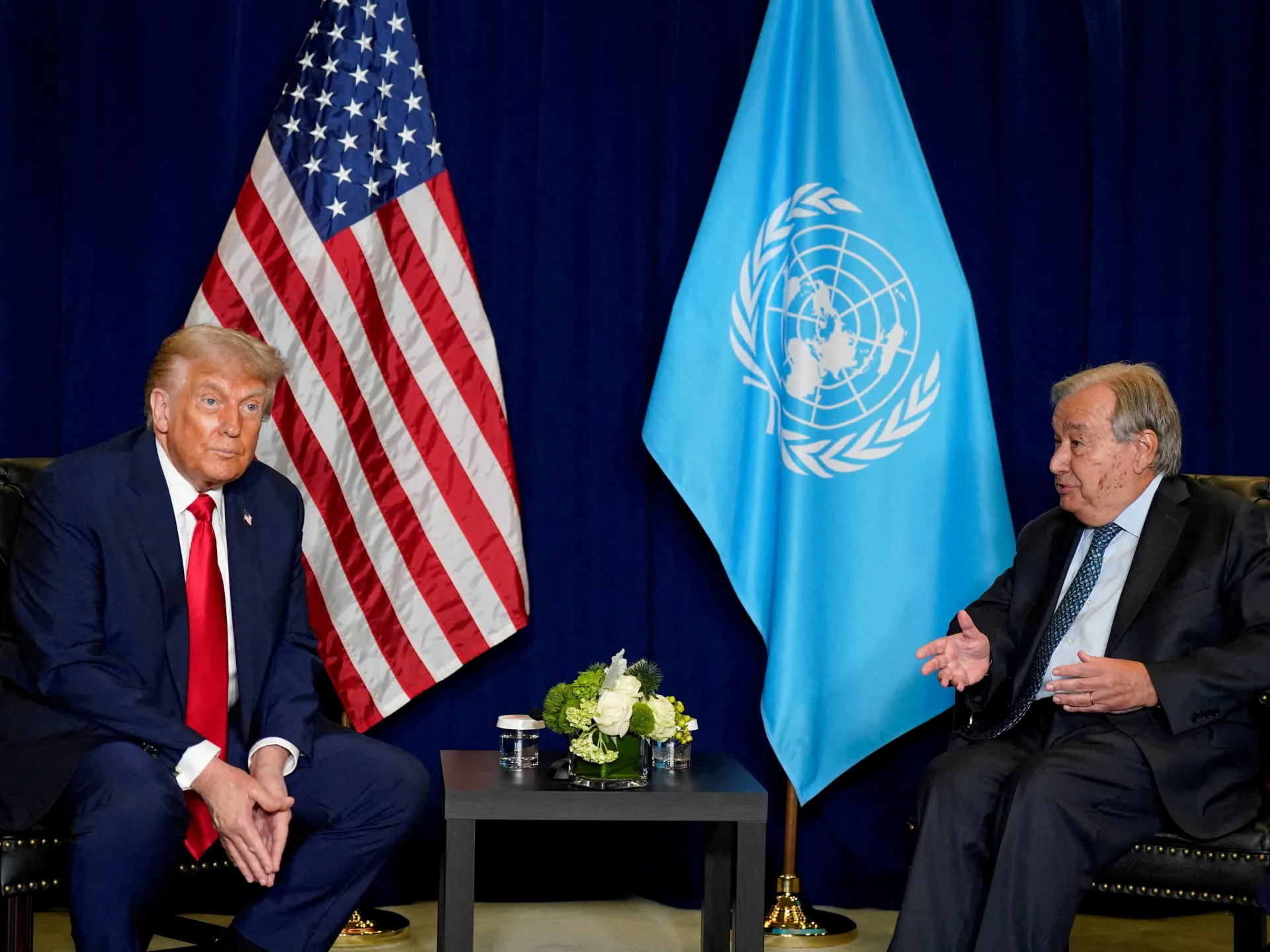
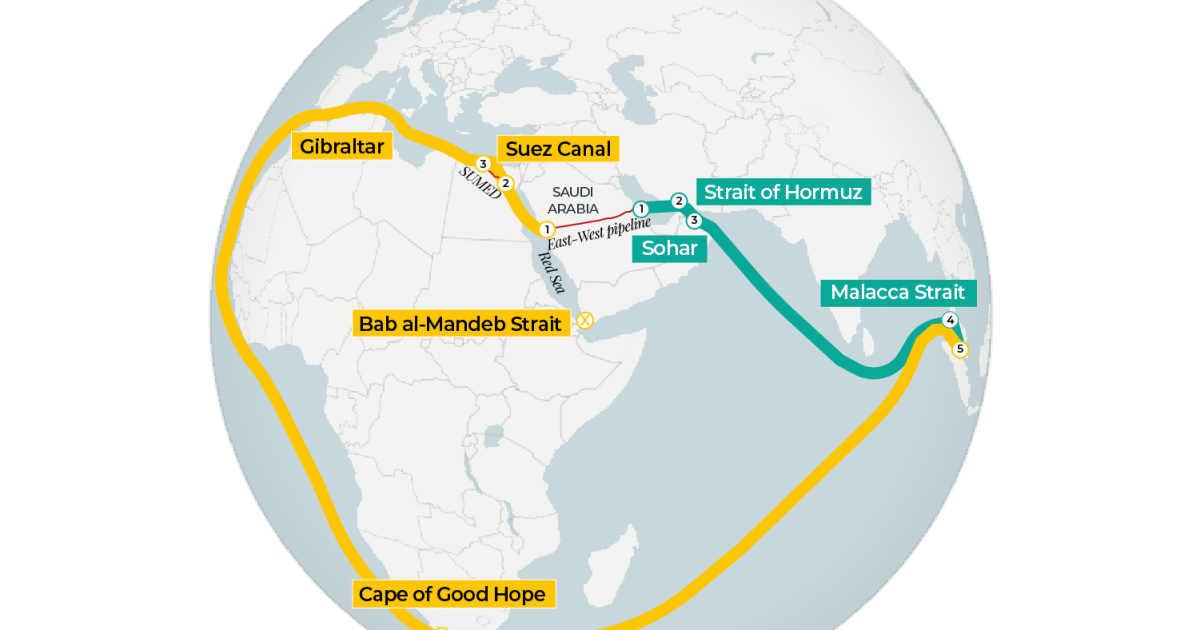
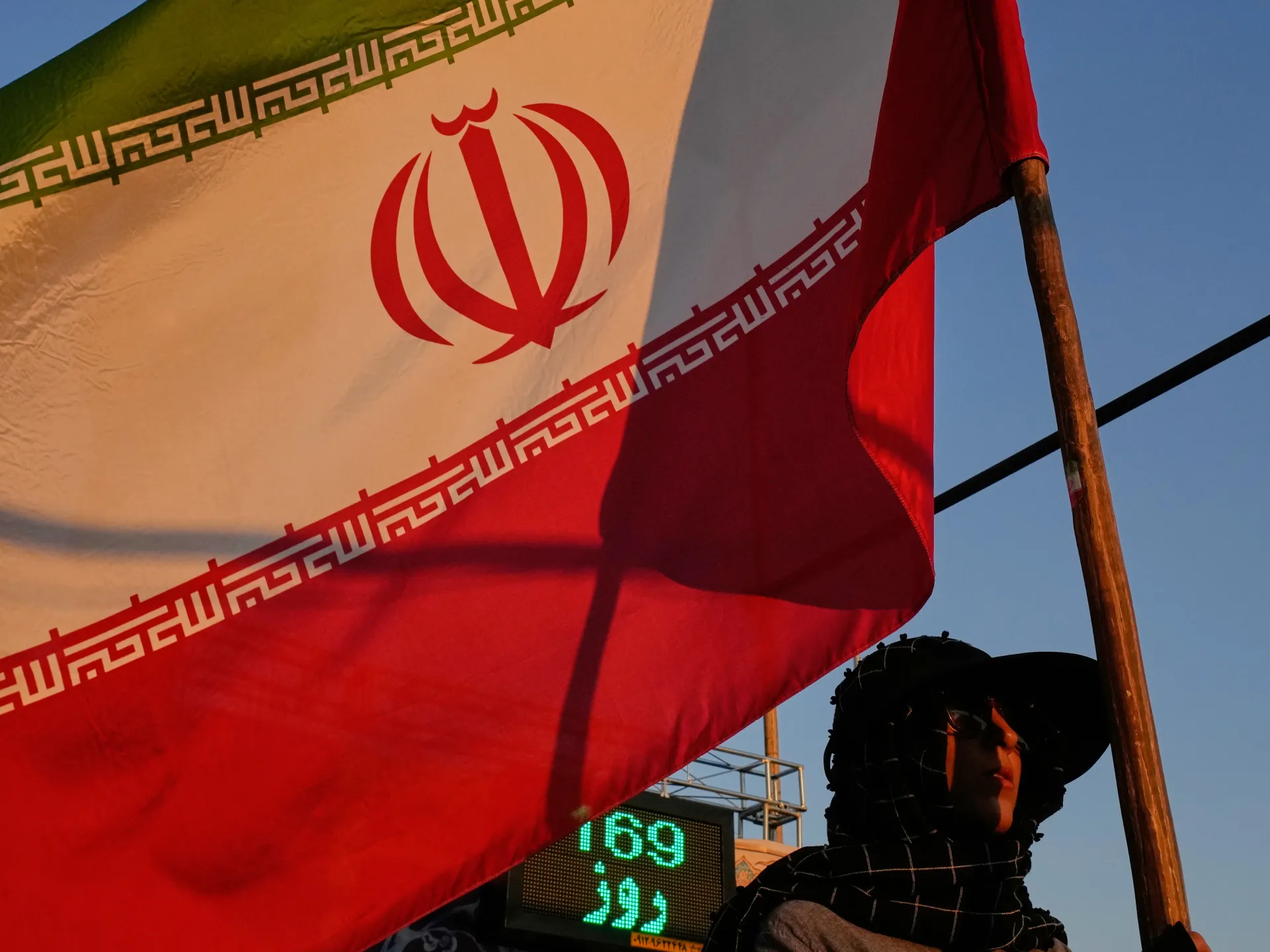
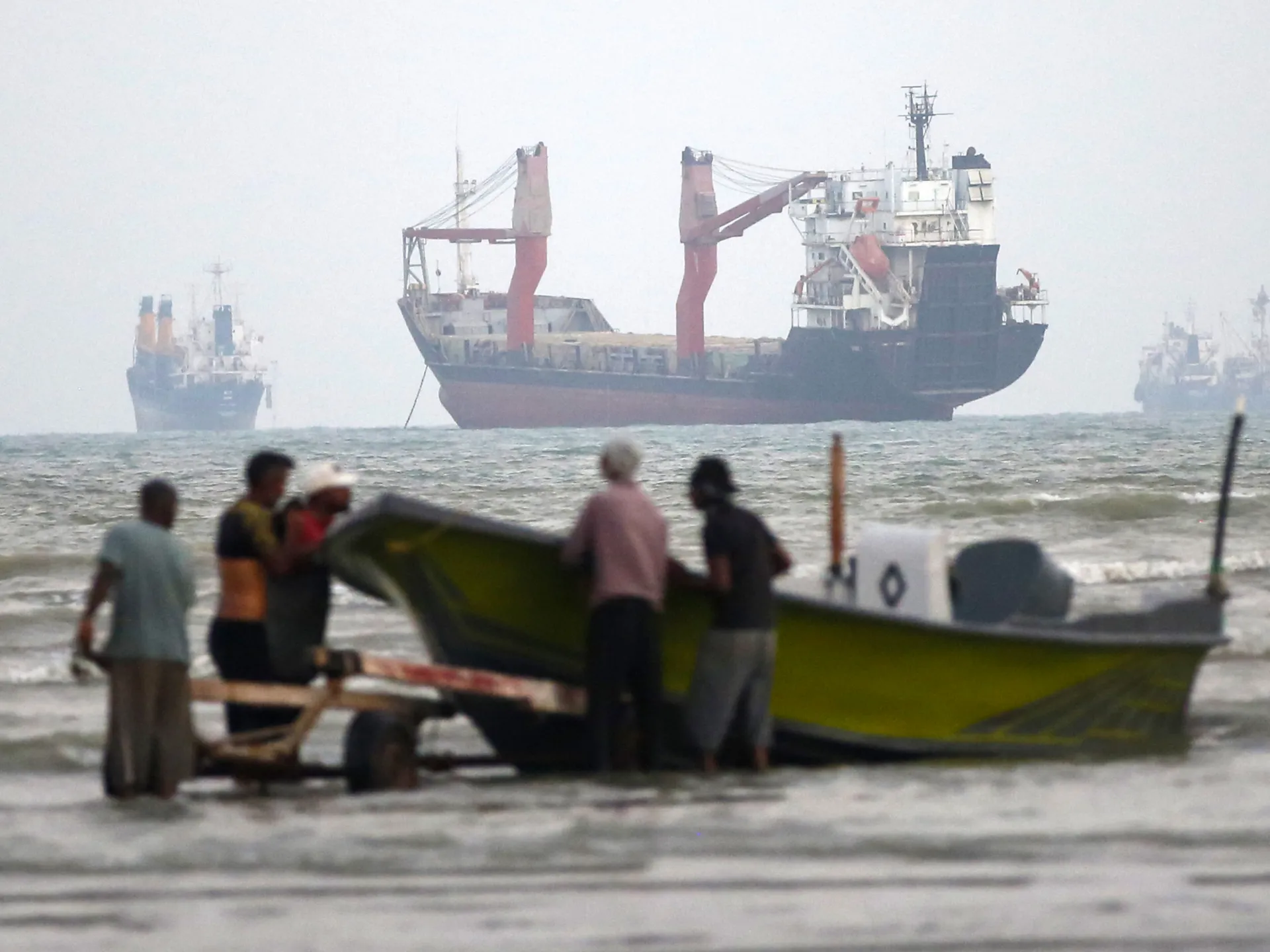
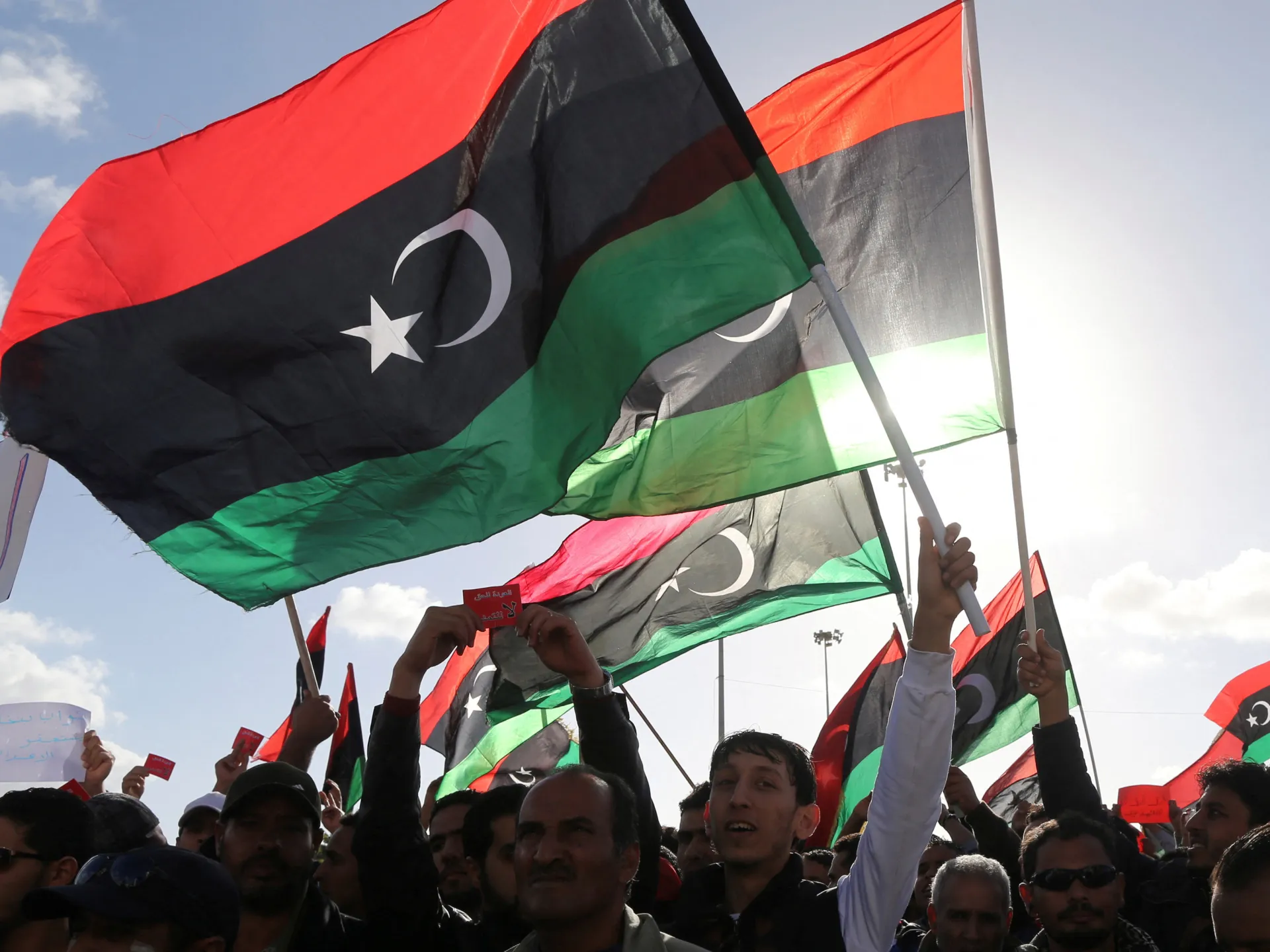
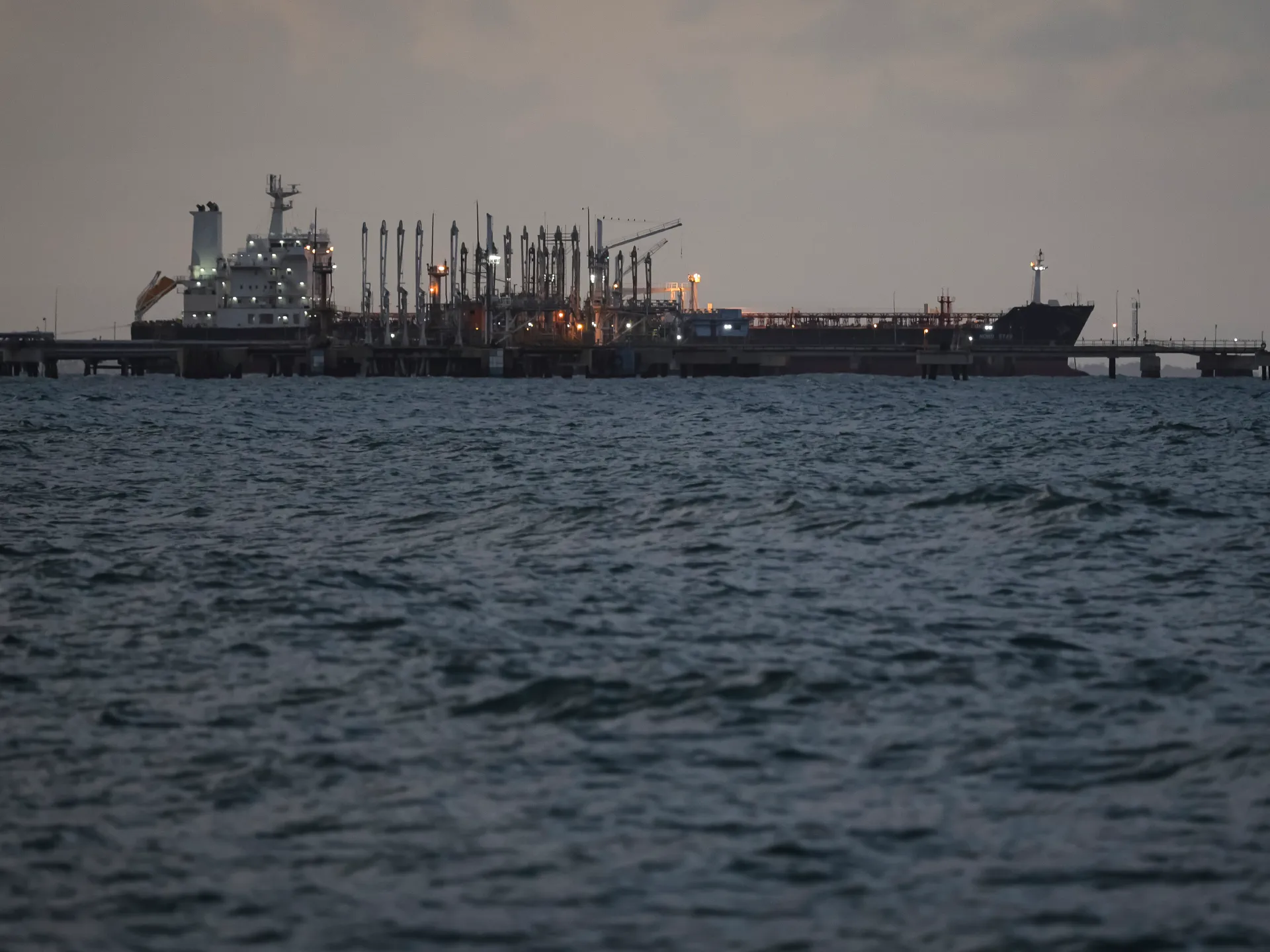
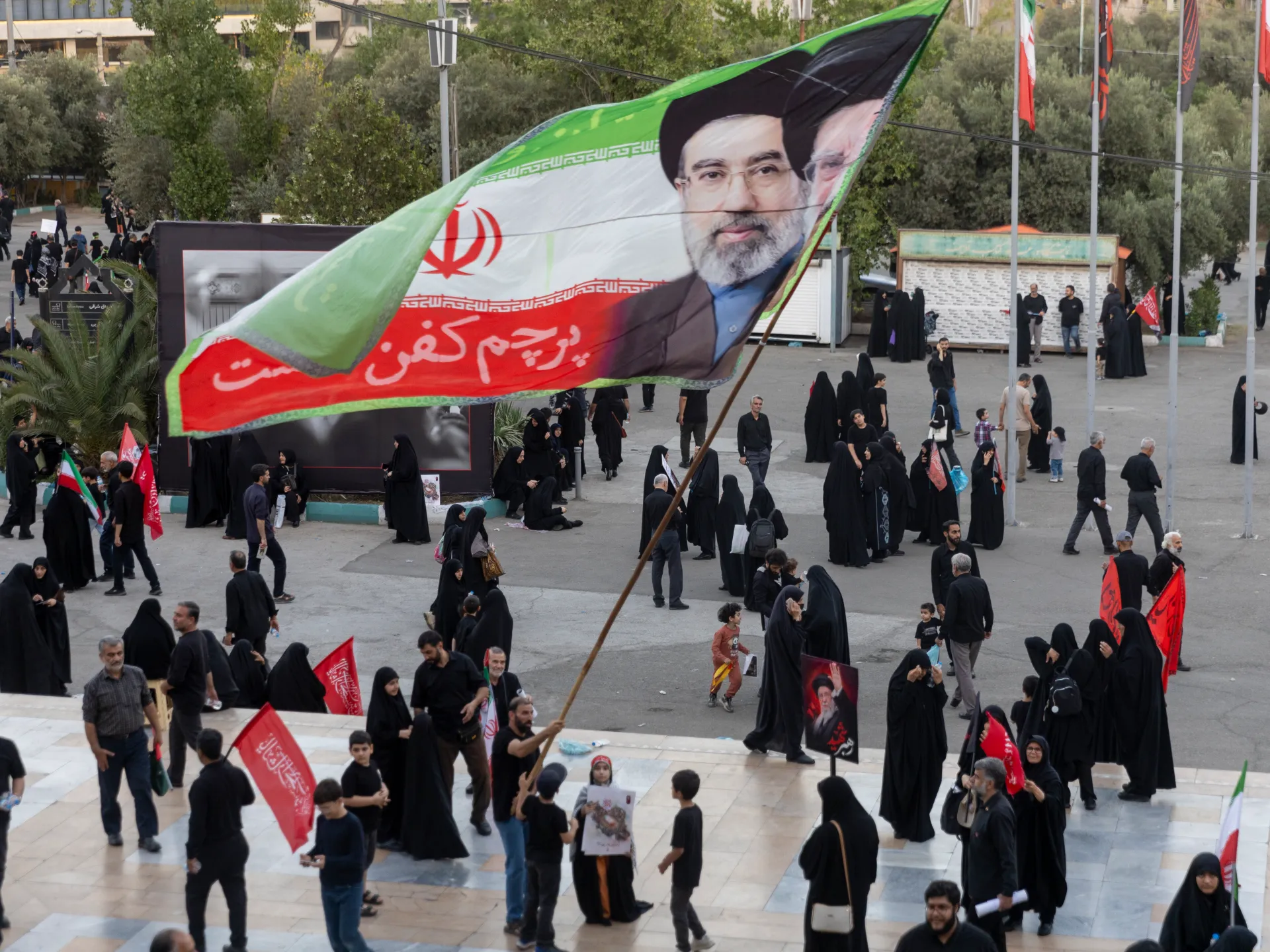
The strategic landscape of the Middle East has shifted following the Houthi movement’s rapid acquisition of thousands of square kilometers of territory along Yemen’s Red Sea coast. This territorial expansion, which includes critical islands overlooking the Bab el-Mandeb Strait, has effectively granted the Iran-aligned group a stranglehold over one of the world's most vital energy and commercial chokepoints. While the Houthis have assured American officials during diplomatic meetings in Muscat that their maritime restrictions would be limited to Saudi-linked vessels, analysts remain deeply skeptical of these promises given the group's history of hostility.
The situation turned lethal this week when Houthi forces launched an attack on the Egyptian-owned cargo ship Tihamah. According to reports from the Yemeni Coast Guard and regional officials, the assault resulted in the deaths of three Pakistani crew members, one Indonesian crew member, and two Yemeni rescuers who were targeted in a secondary strike. These fatalities mark a grim milestone in the ongoing regional volatility, and while the White House has declined to launch direct military strikes despite urgings from Saudi Crown Prince Mohammed bin Salman, the incident has intensified regional pressure for a more robust intervention.
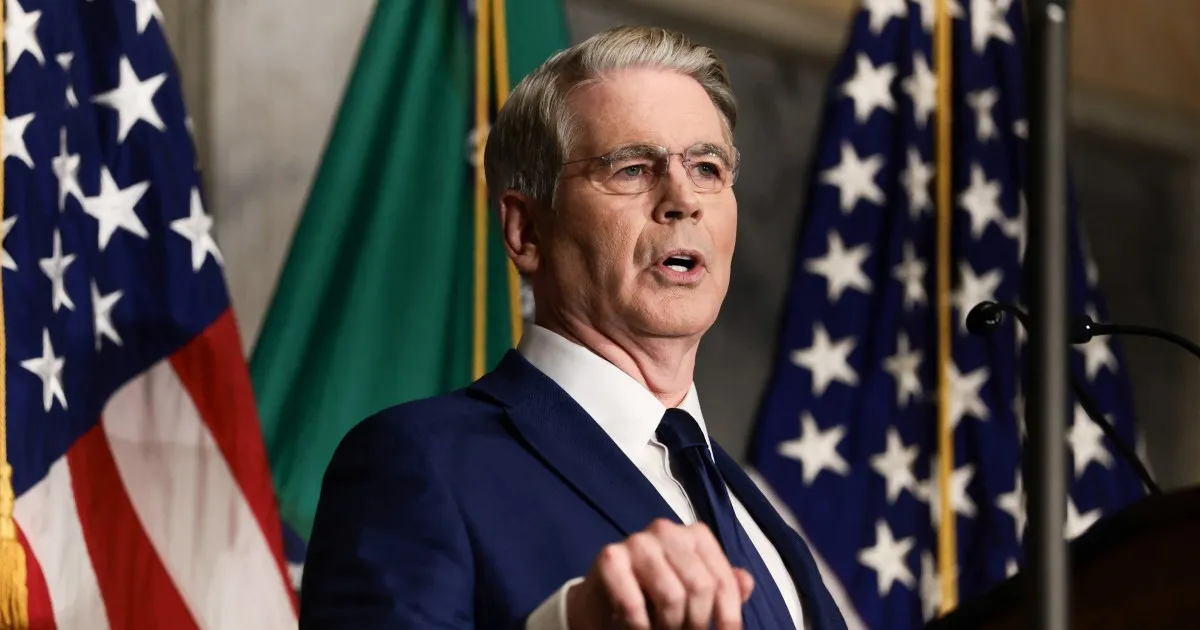
While the administration remains restrained in Yemen, domestic immigration enforcement has taken a sharp, visible turn. British commentator Milo Yiannopoulos, a former Breitbart editor and vocal proponent of strict immigration policies, is currently being held med that Yiannopoulos was arrested at the Louis Armstrong New Orleans International Airport on August 27 and is facing a final order of removal issued in July after he failed to appear for an immigration hearing.
Department of Homeland Security representatives stated that Yiannopoulos, who has previously advocated for the mass deportation of millions, had overstayed his legal status in the country since May 2019. The agency used his detention to signal a broader policy stance, explicitly calling on other individuals in the country illegally to “self-deport.” Yiannopoulos, who once cheered on ICE raids and suggested that agents should have “total legal immunity,” remains in custody awaiting deportation to the United Kingdom, a process the government says is the inevitable consequence of violating national law.
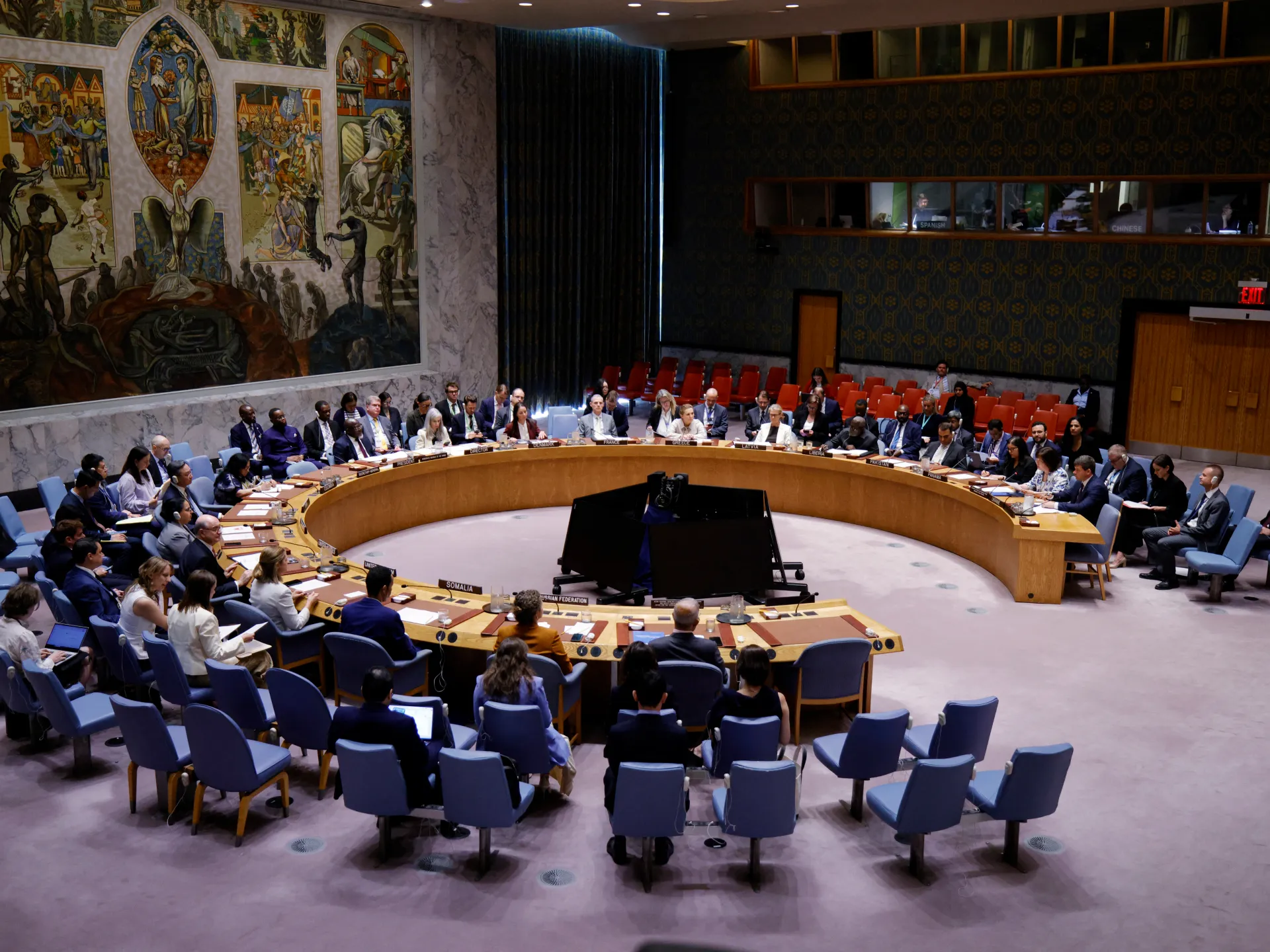
The administration faces a narrowing window for policy adjustment in the Red Sea. With naval assets reportedly depleted and a growing domestic aversion to further military entanglement in the region, Washington’s preference for diplomacy appears increasingly untenable if commercial shipping fatalities continue. The failure to secure a concrete, enforceable guarantee regarding the safety of the Bab el-Mandeb Strait suggests that the White House will likely continue to defer to regional allies, such as Saudi Arabia and Israel, to manage the immediate security fallout, rather than committing American forces to an active combat role.
Domestically, the high-profile detention of a figure once aligned with the political right serves as a clear indicator of the administration's determination to standardize immigration enforcement. Regardless of individual political associations, the precedent set tinue its focus on processing individuals with outstanding removal orders, signaling a rigid adherence to administrative law that is unlikely to waver as the midterm election cycle approaches.