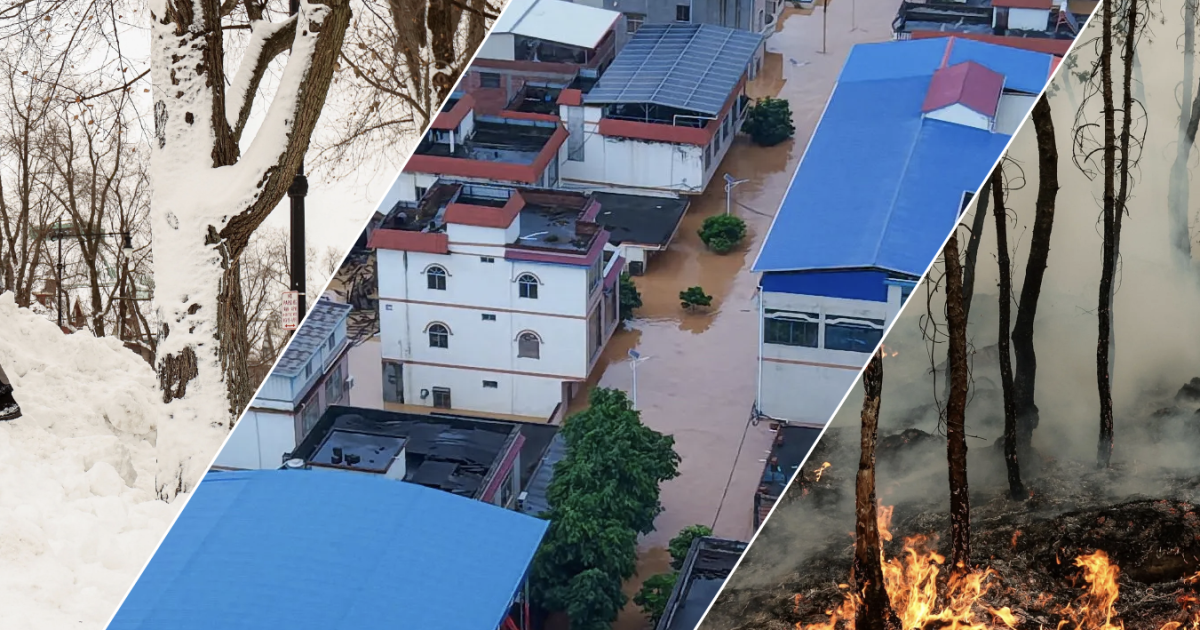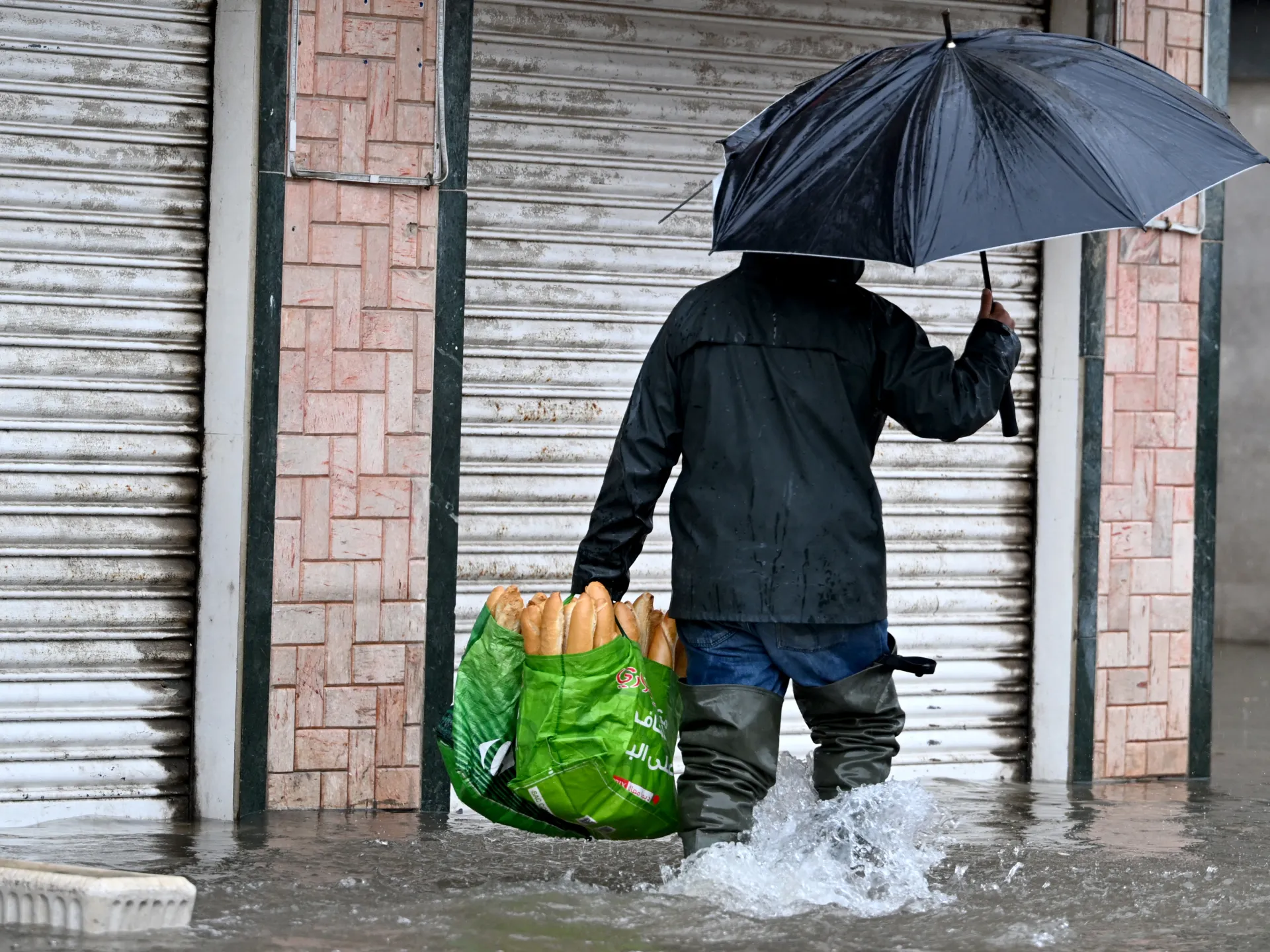
Heavy rainfall has paralyzed the Tunisian capital, causing widespread flooding, power outages, and transport chaos throughout the city.
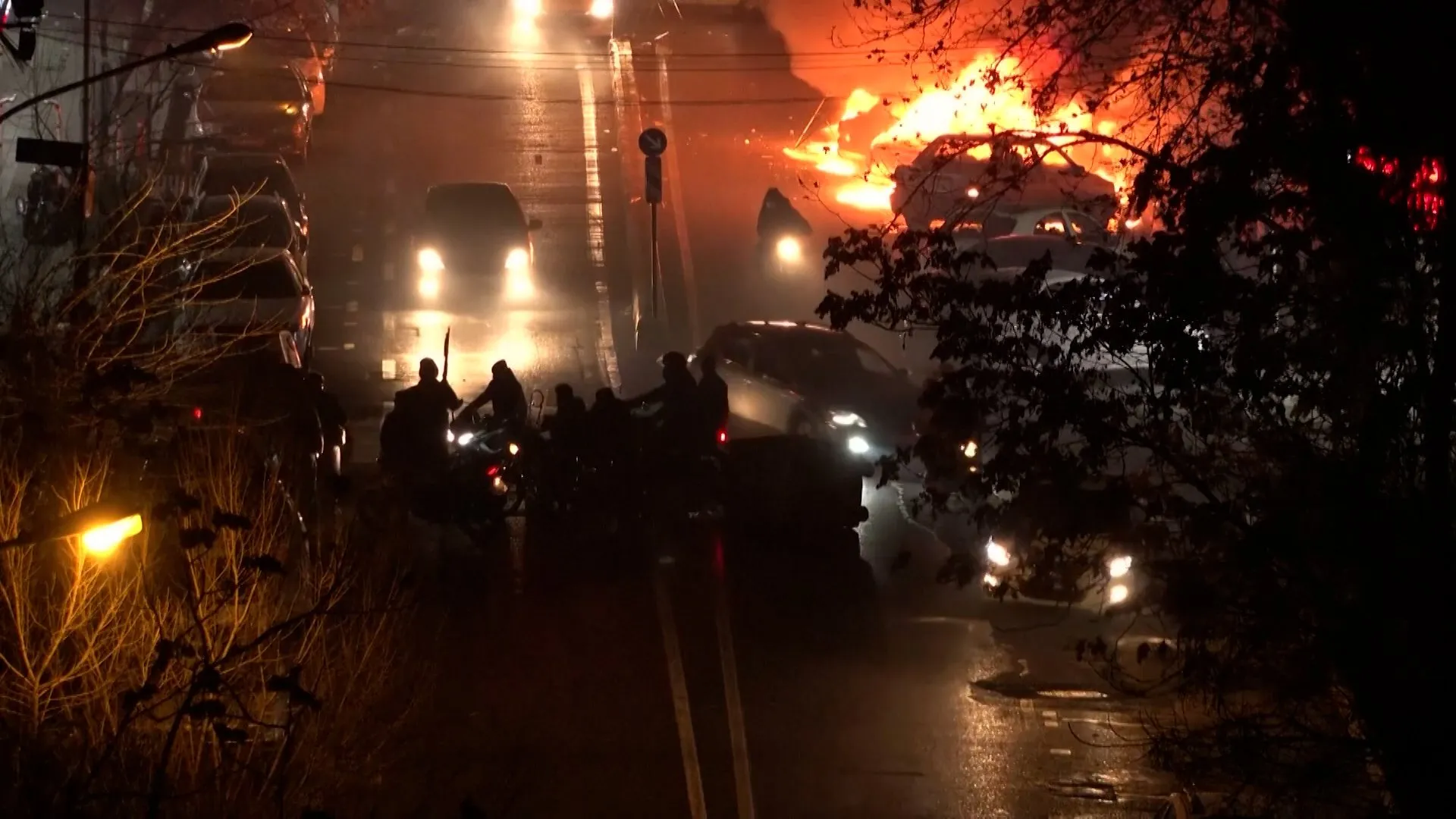
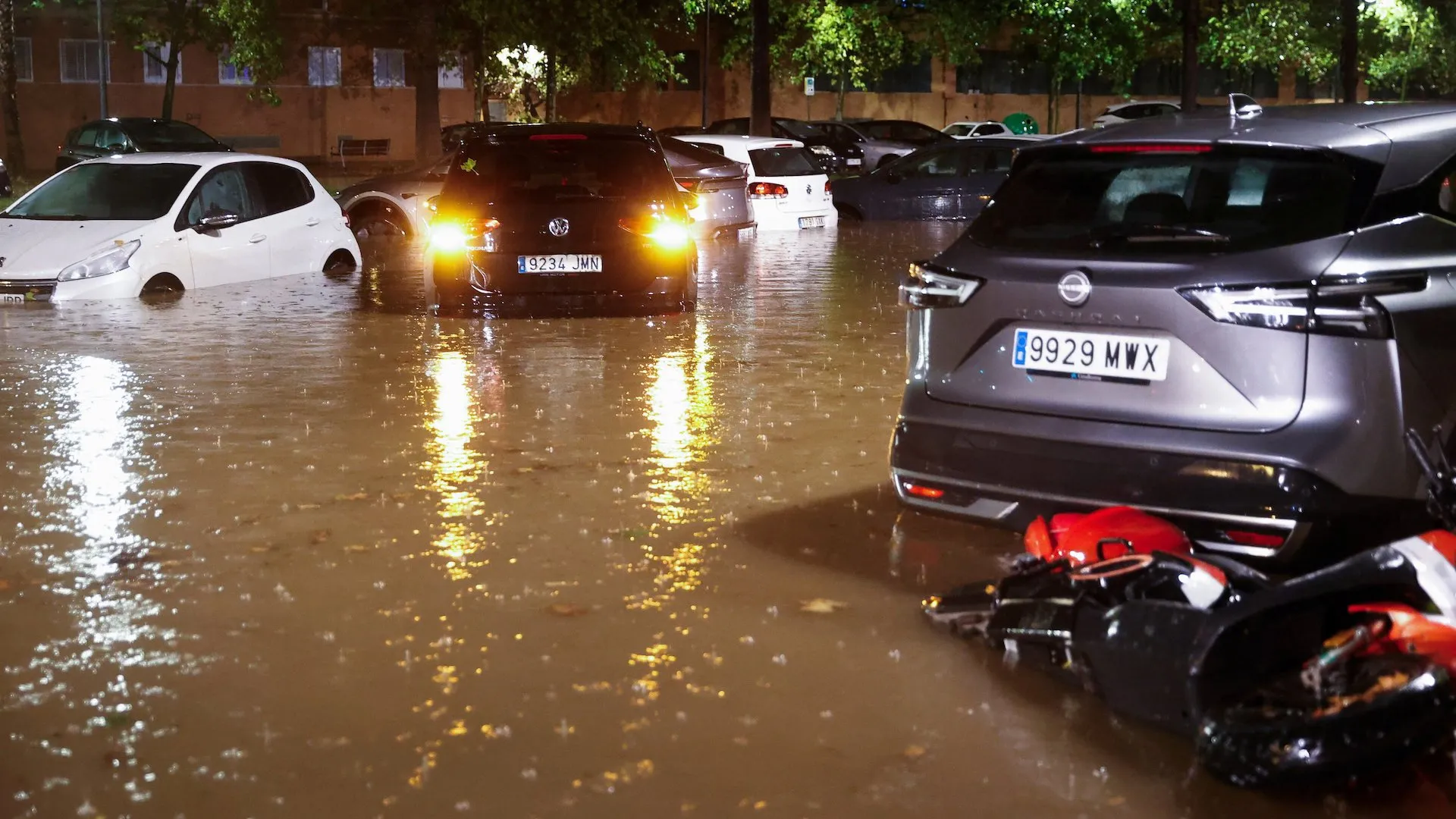
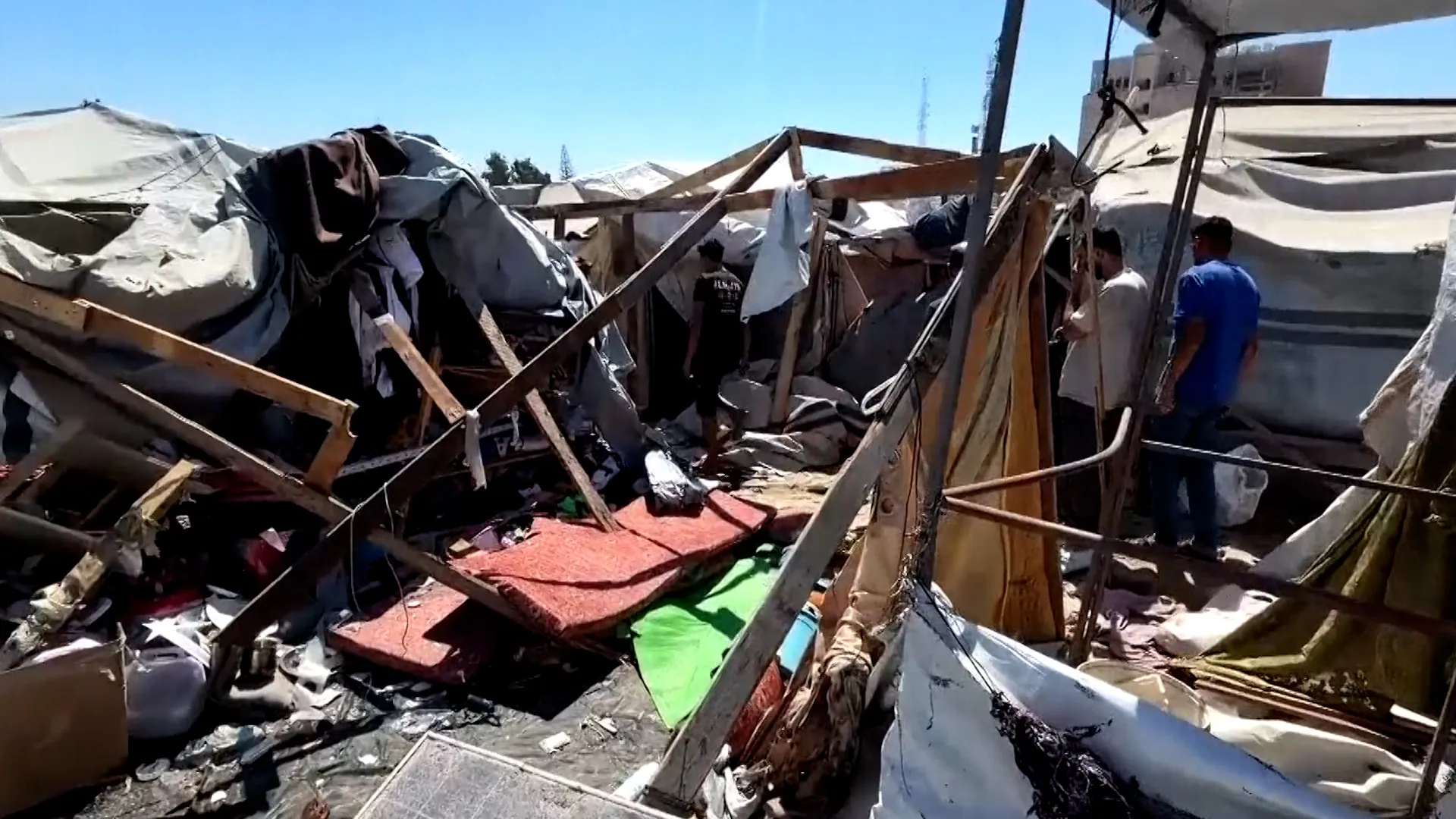
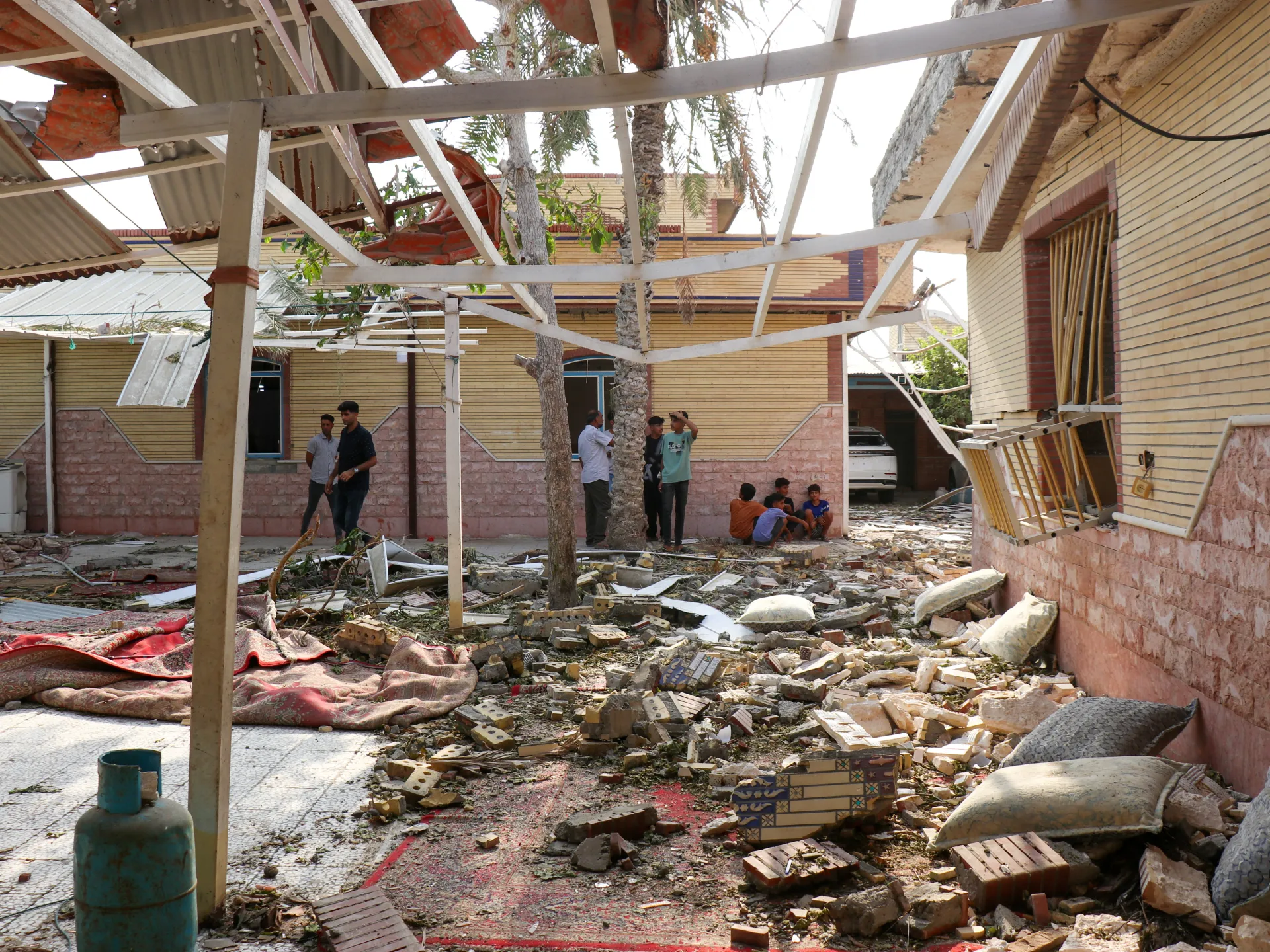
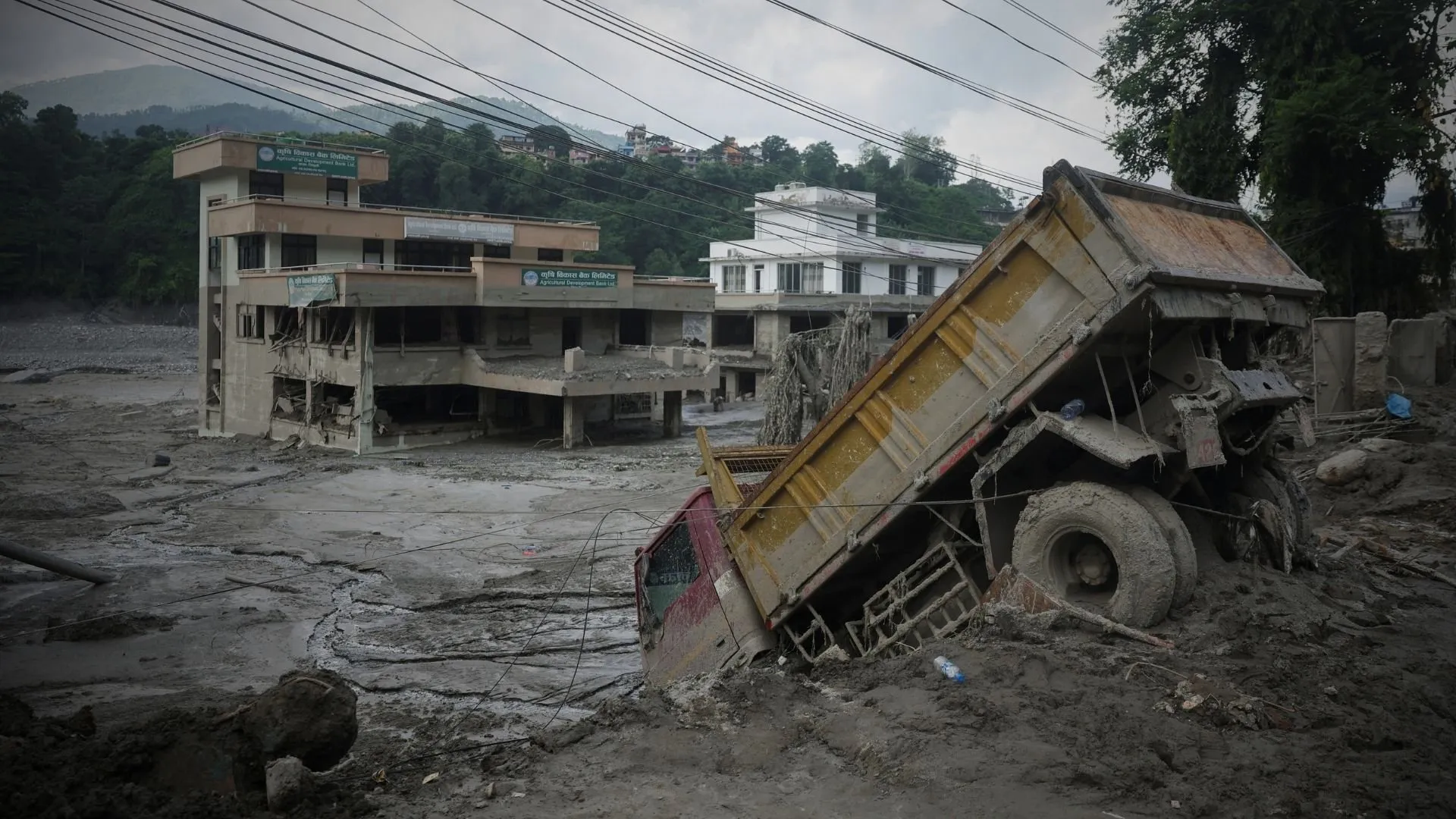
The Greater Tunis region, home to nearly three million residents, faced a day of chaotic disruption on Thursday as intense rainfall overwhelmed the capital’s drainage networks. Roads were rapidly transformed into impassable waterways, trapping motorists inside their vehicles and forcing residents to navigate rising floodwaters to return home. The deluge resulted in widespread infrastructure failures, including significant electrical grid damage and the intermittent loss of internet connectivity across several districts.
This incident is not an isolated event for the capital, which has struggled with recurring flooding for years. The recent storm follows a particularly destructive weather event in January that resulted in casualties and widespread property damage. Despite meteorological warnings issued , the scale of the disruption suggests that the city’s aging urban infrastructure remains ill-equipped to handle high-volume rainfall within short timeframes.
The sudden intensity of the weather caught many commuters and families off guard. Educational institutions, which only recently reopened for the new academic year, were forced to suspend classes as the severity of the situation became apparent. This last-minute decision led to a frantic scramble, with parents navigating gridlocked traffic and flooded thoroughfares to collect their children from schools, further exacerbating the congestion on already strained arterial roads.
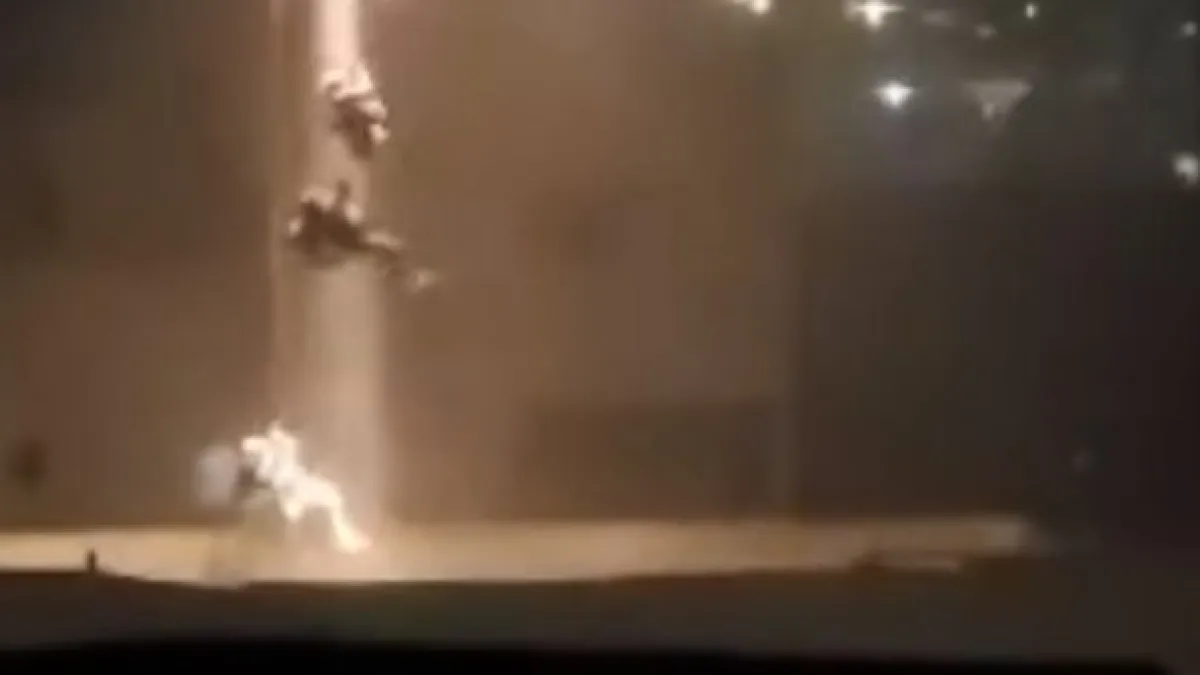
Witness accounts describe harrowing scenes, particularly around key transportation hubs like the tunnel leading to Bab Saadoun, which was rendered inaccessible streets as engines failed, with some individuals forced to carry children on their shoulders to reach higher ground. The reliance on private vehicles as the primary mode of transit in the city has become a necessity for many, as the existing public transport network continues to prove insufficient during these recurring climate-driven crises.
Public frustration is mounting as residents question the effectiveness of municipal preparedness. While government officials highlighted in August that 29 flood-protection projects were currently in progress across the country, citizens argue that these measures are failing to address the root causes of the flooding. Critics emphasize that essential maintenance, such as clearing drainage systems of debris and waste, should have been completed during the dryer summer months to prevent the catastrophic blockages witnessed this week.
The discourse surrounding the floods also touches upon the shared responsibility of urban maintenance. While many residents point to a lack of state vision and inadequate long-term planning, there is also an acknowledgement that improper waste disposal braces for further rainfall, the consensus among observers is that a more robust, integrated approach to urban drainage and infrastructure resilience is required to prevent the capital from grinding to a halt with every seasonal storm.
The timing of the flooding has introduced further uncertainty into the capital's social and political landscape. With a national march scheduled for Saturday, which aims to advocate for the release of detained activists, organizers are facing the logistical hurdle of potentially adverse weather conditions. Meteorologists have forecasted that the rain is expected to persist through the weekend, raising concerns about the feasibility of public gatherings and the ongoing safety of residents in the most vulnerable areas of the city.
For many living in Tunis, the recurring nature of these floods has become a symbol of deeper systemic issues. The struggle to maintain daily routines—from commuting to work to ensuring children can reach school—highlights a growing gap between urban expansion and the necessary investment in climate-resilient infrastructure. As the city recovers from the latest round of flooding, the pressure on policymakers to deliver tangible, long-term solutions continues to intensify.