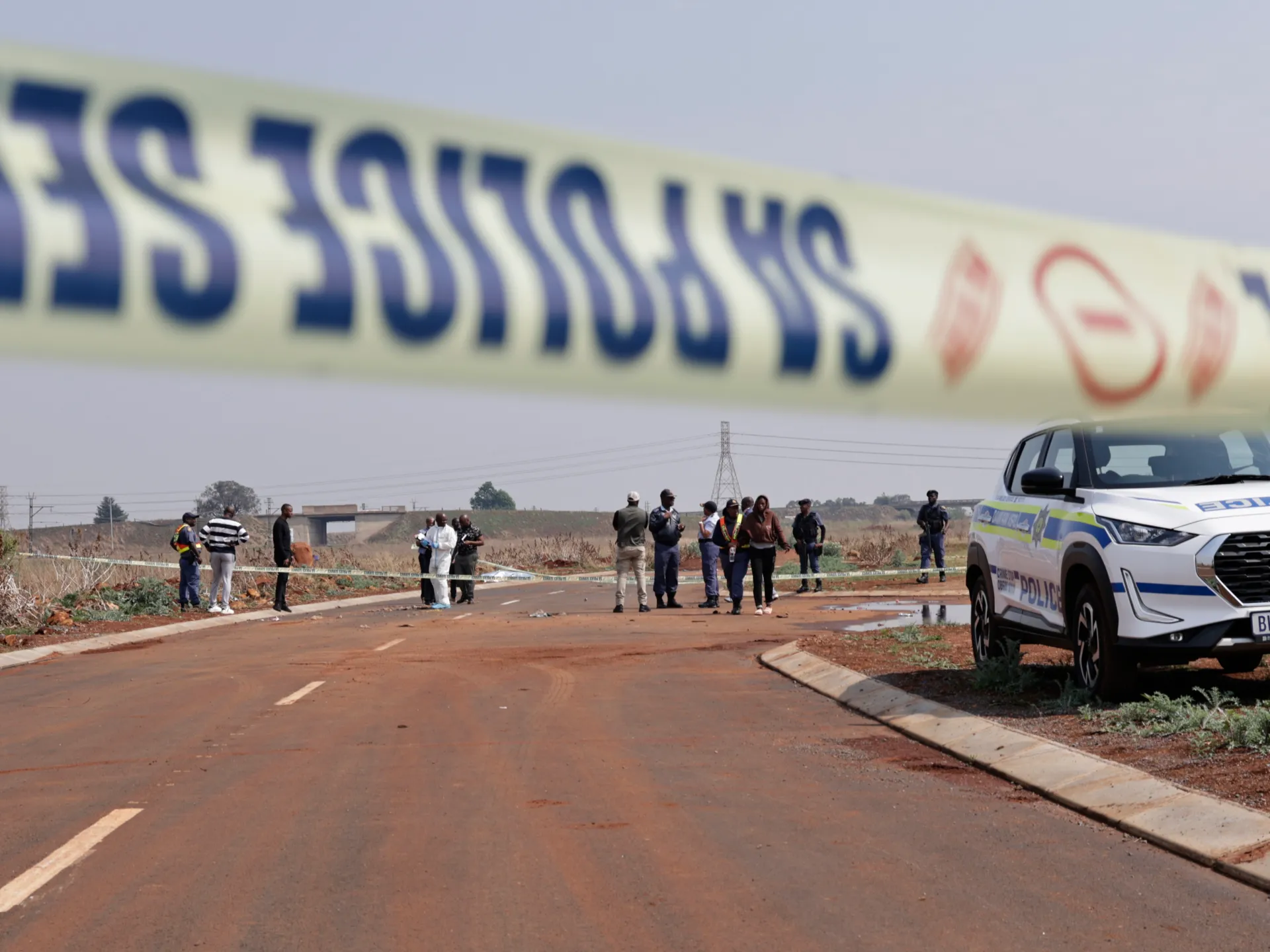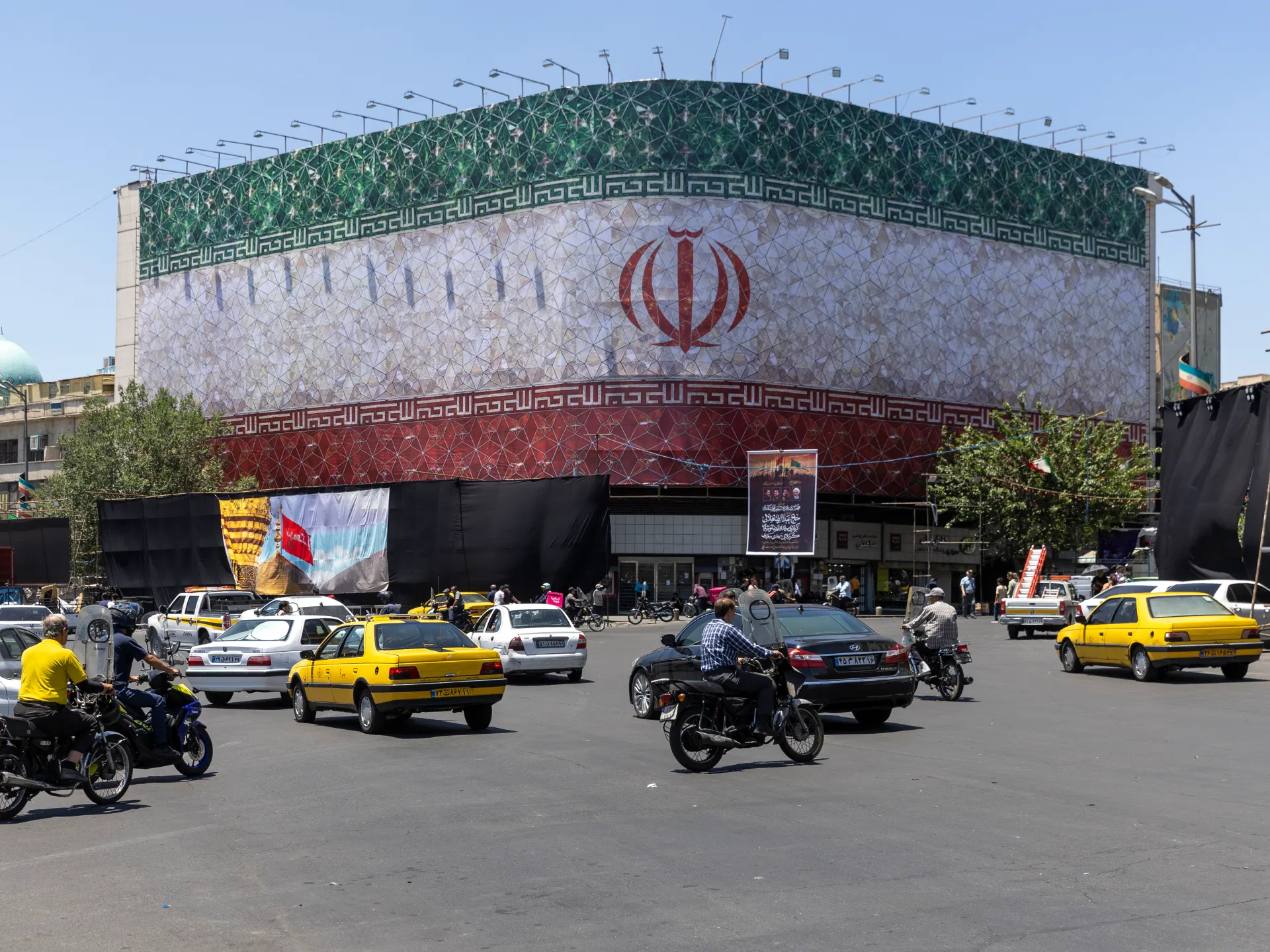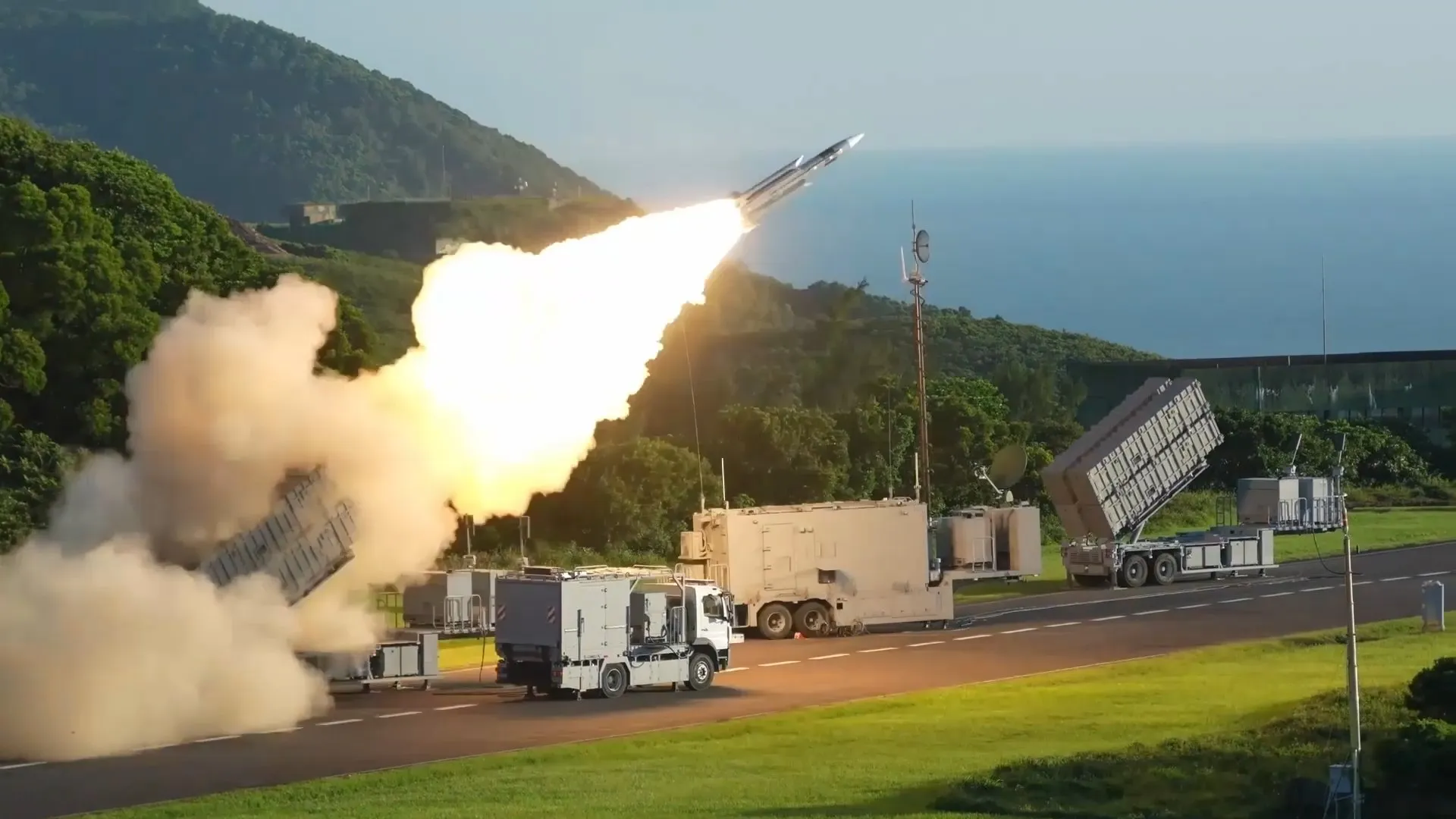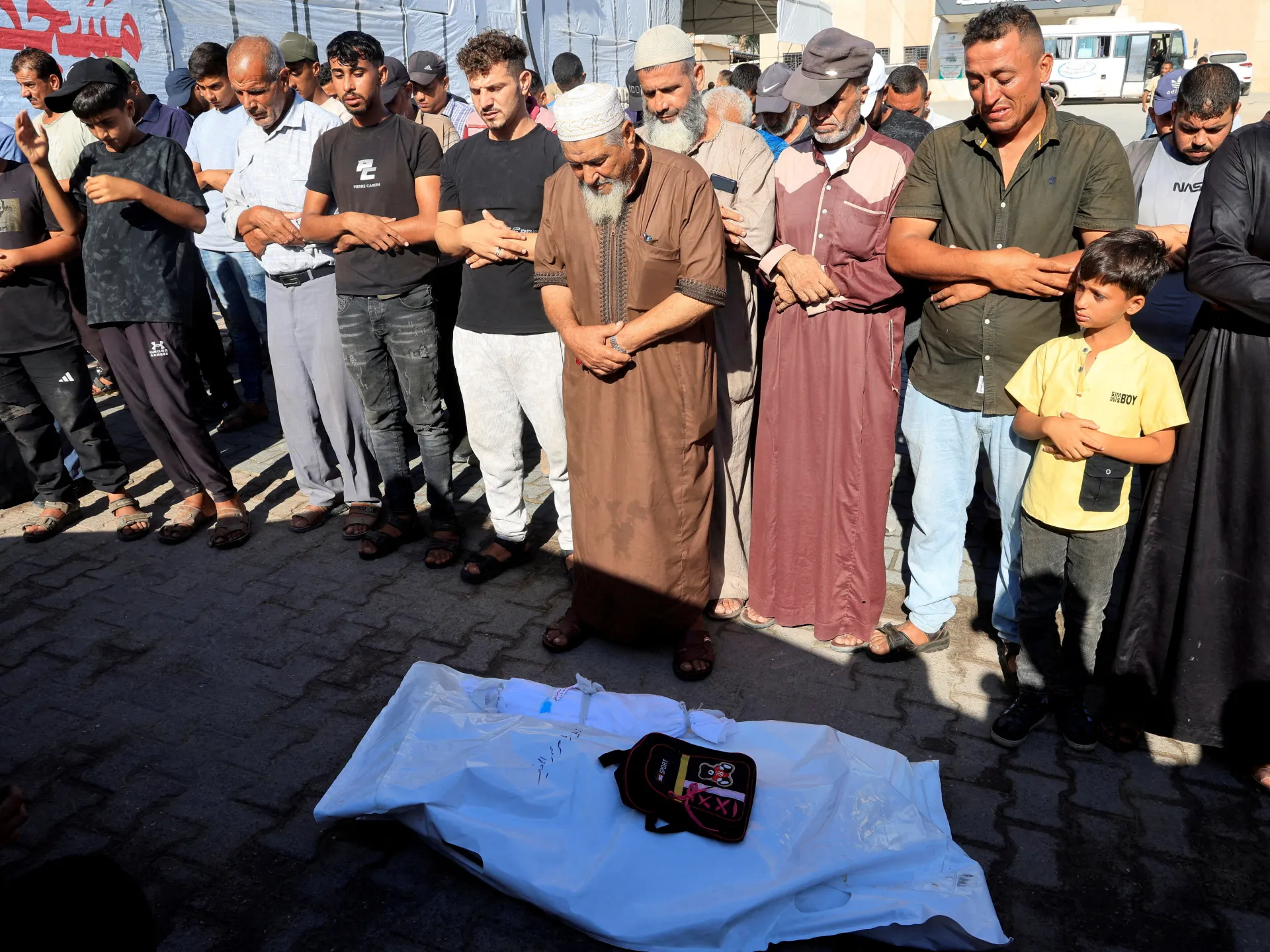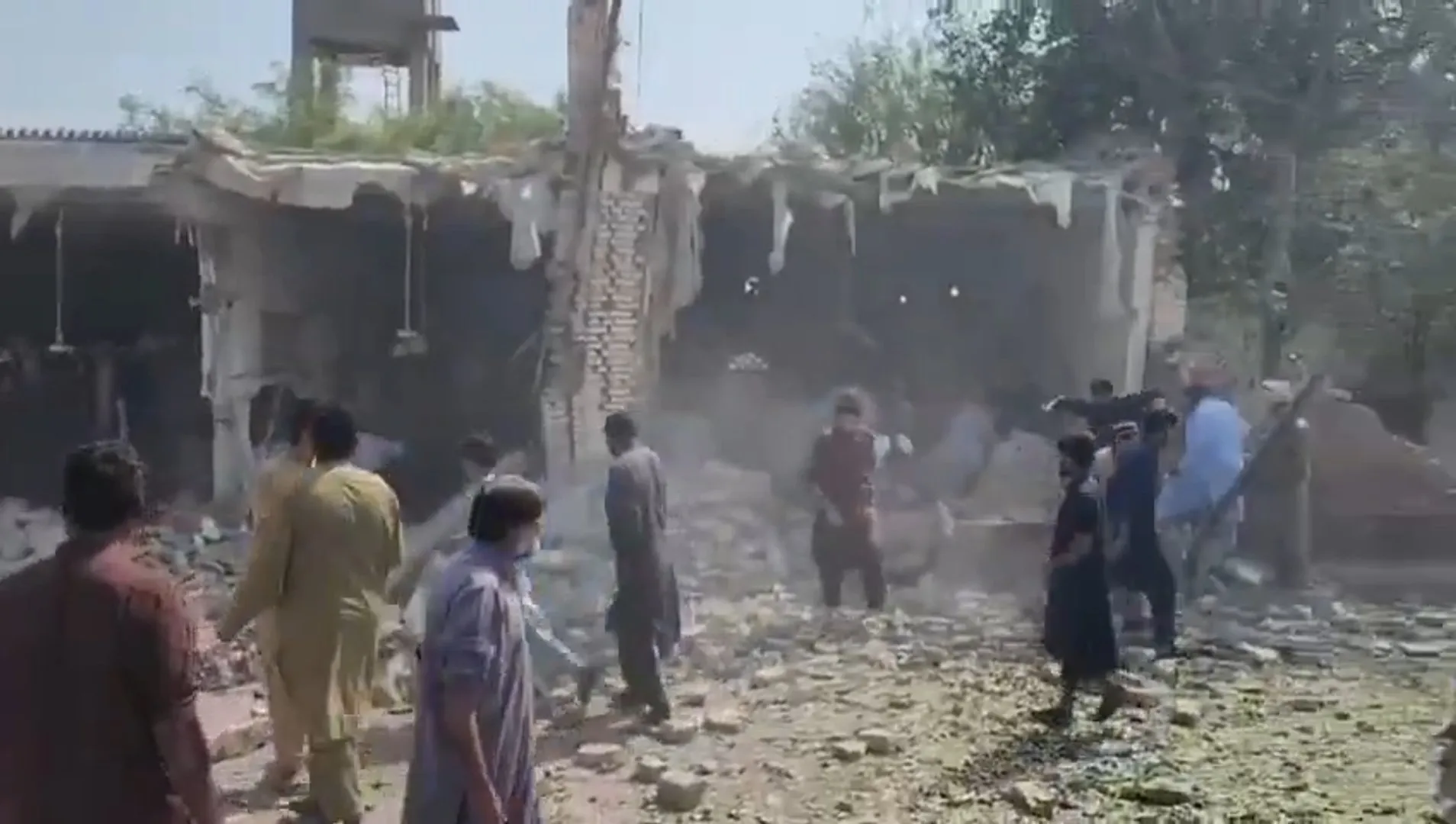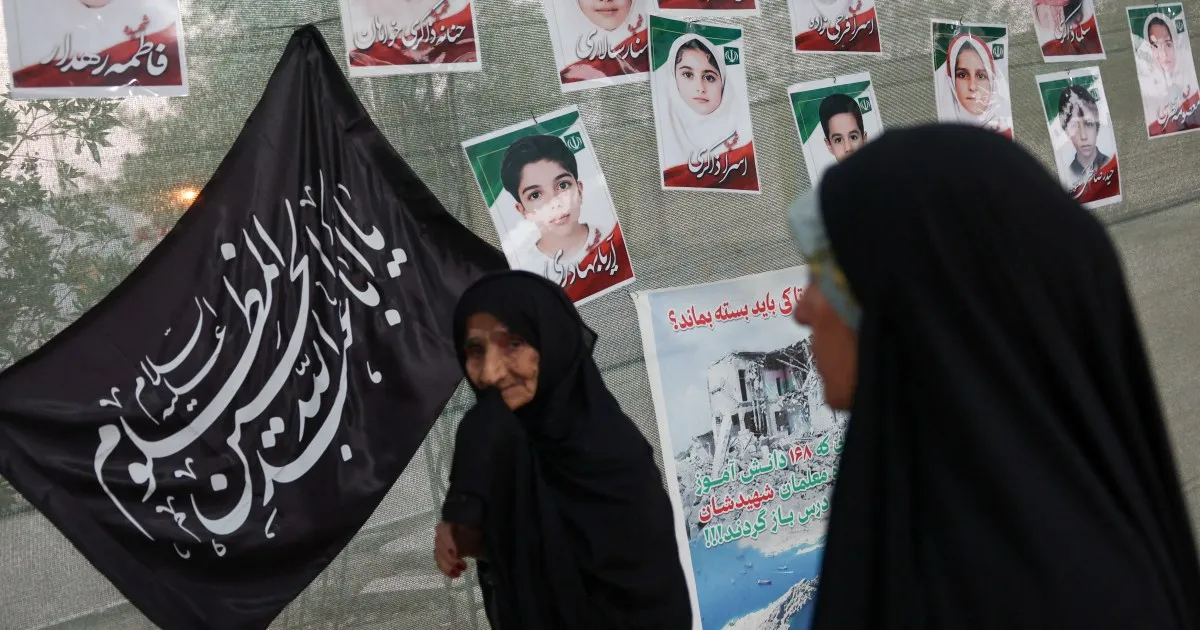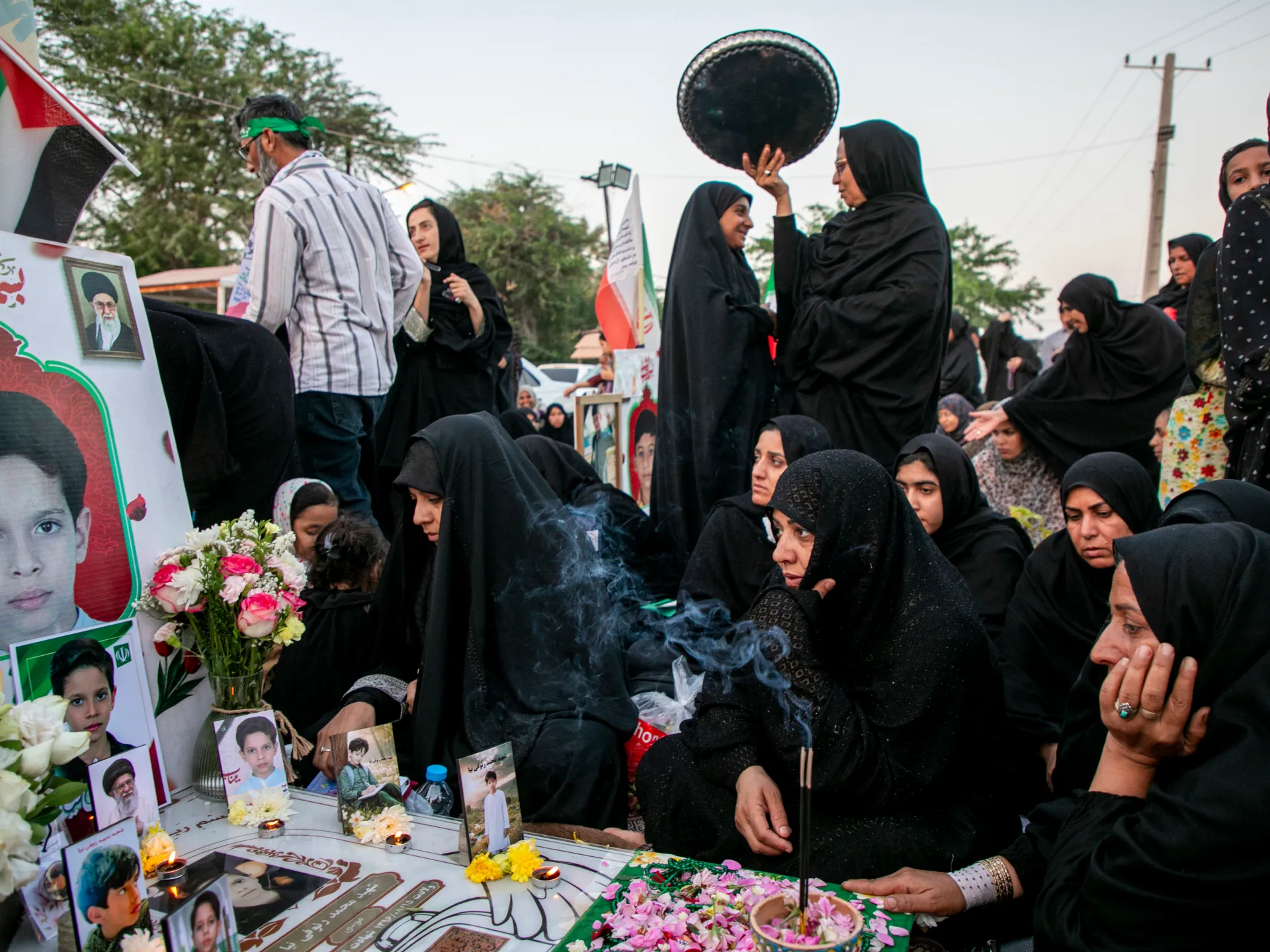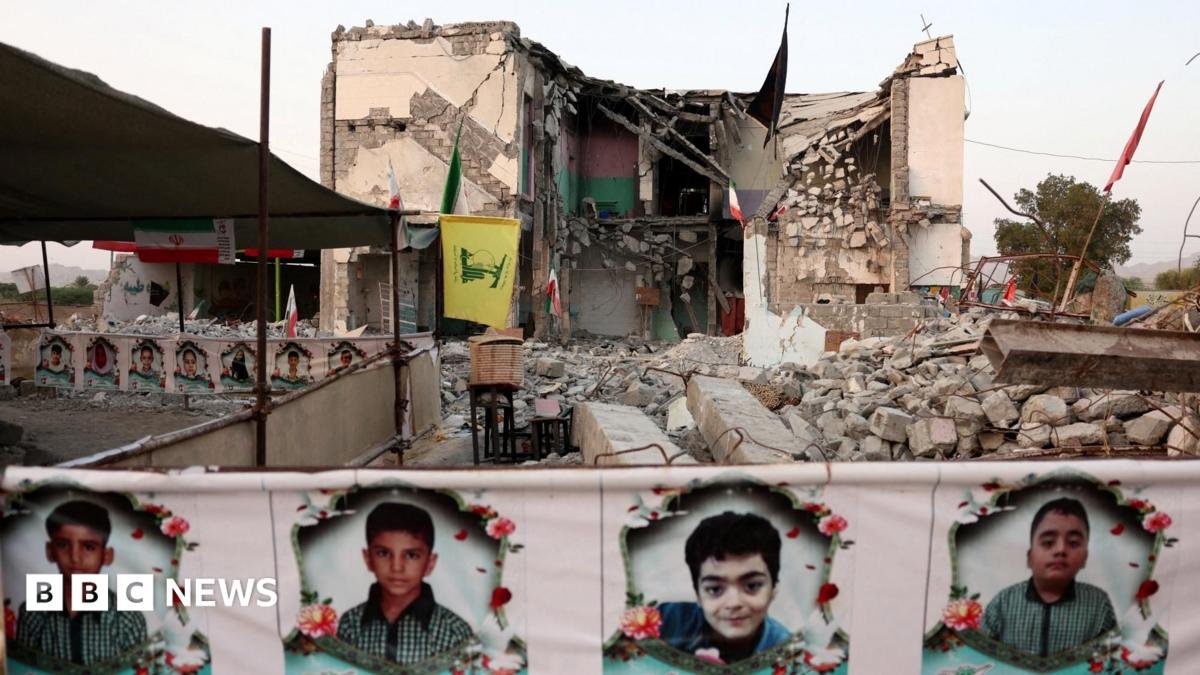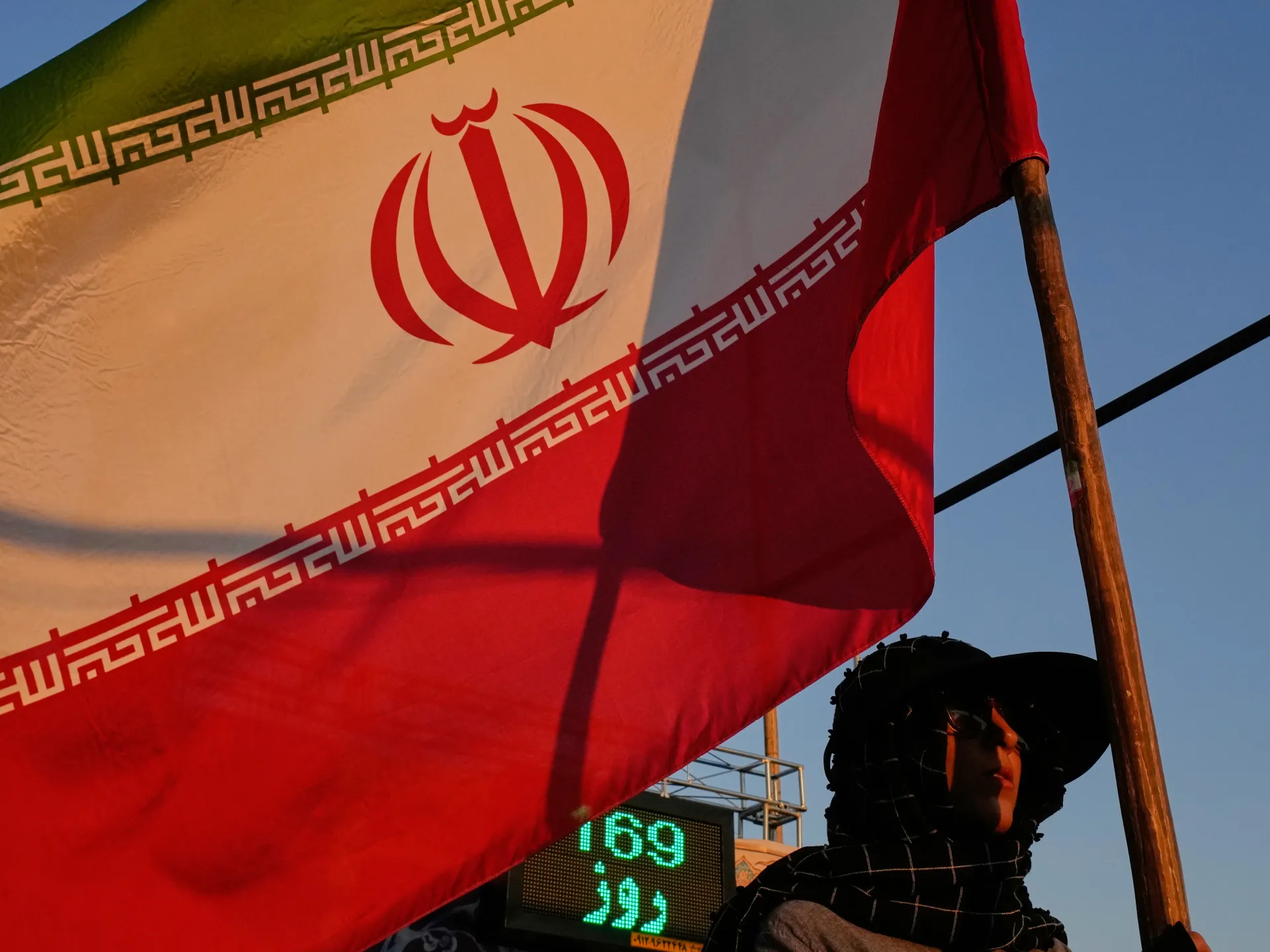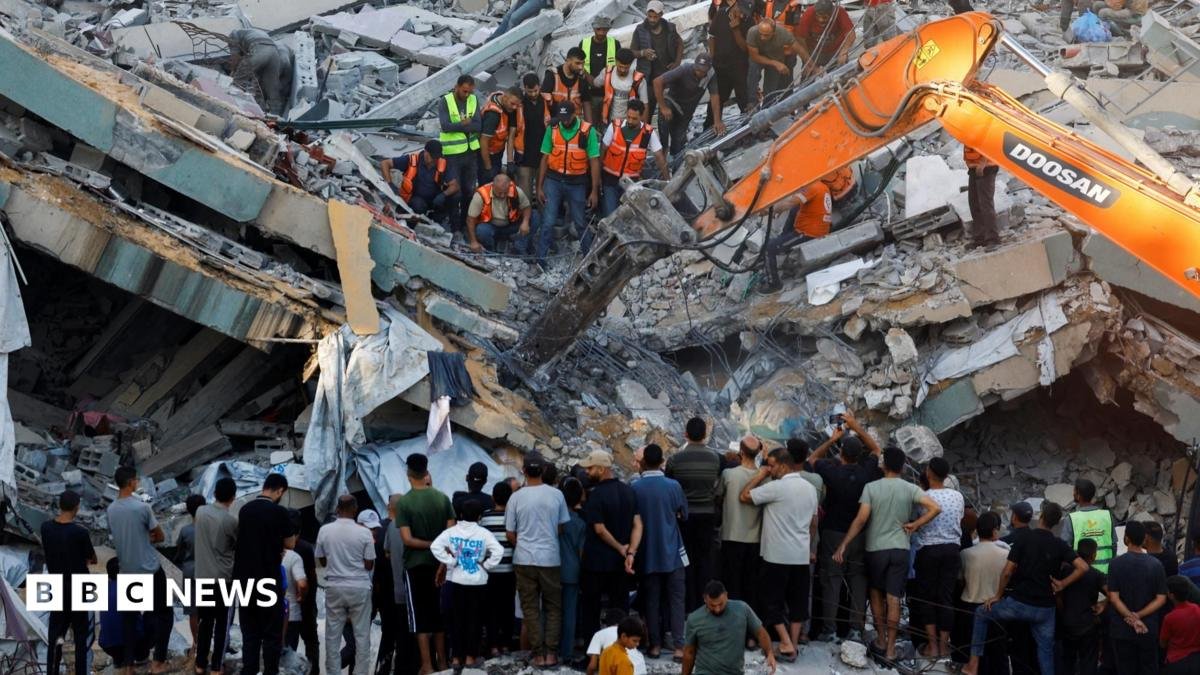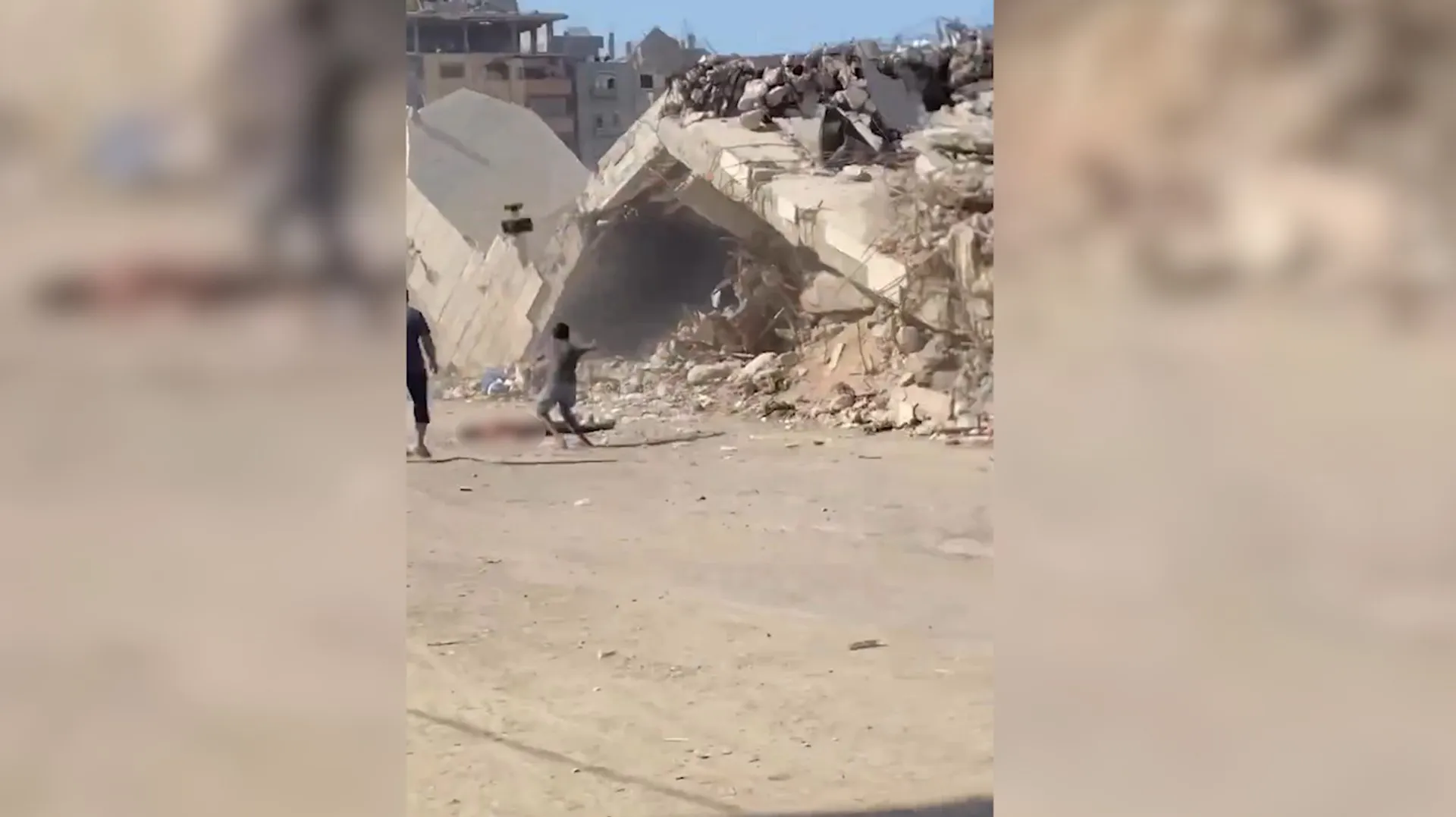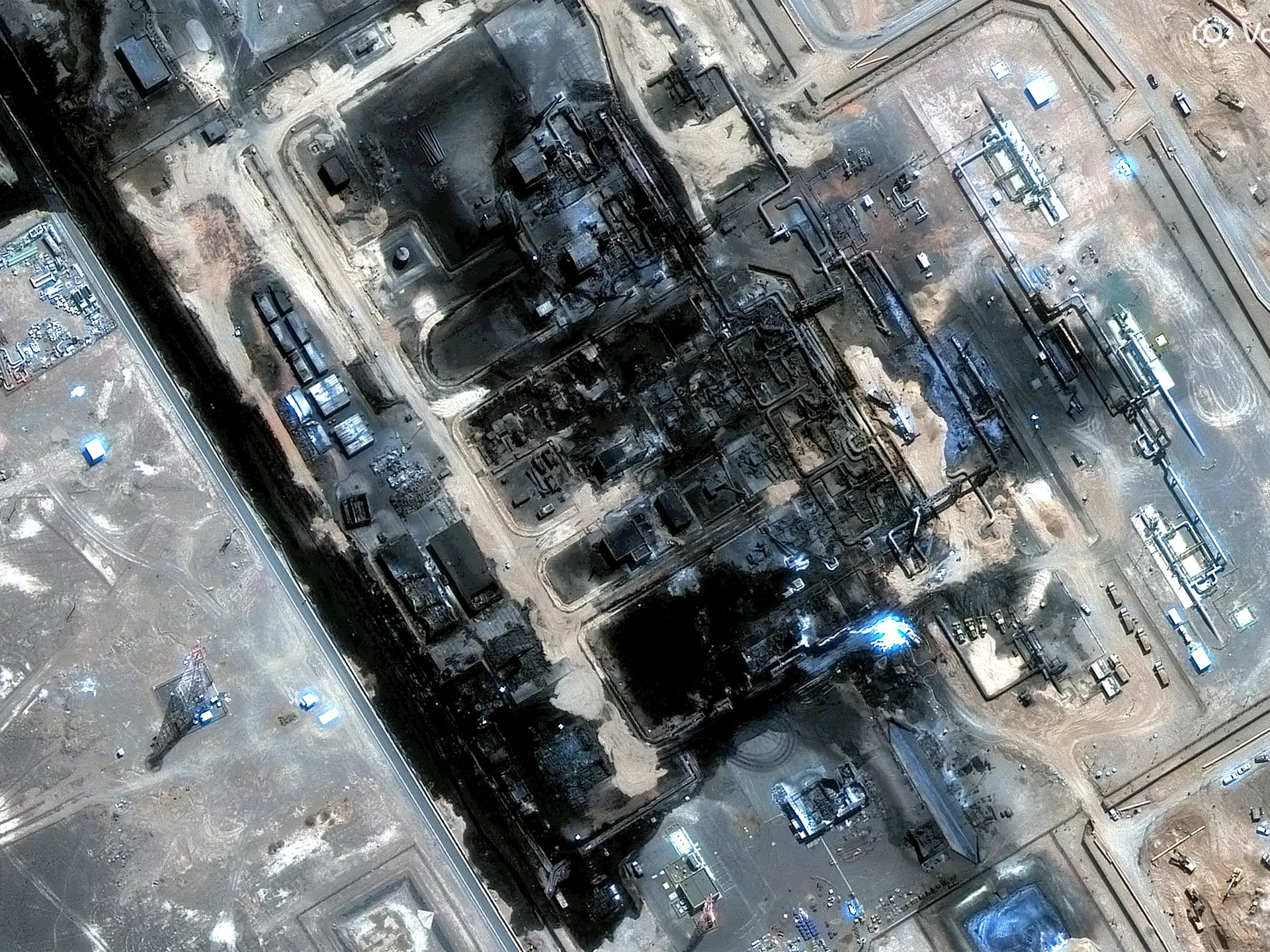
A UN-backed human rights investigation has concluded that US military strikes in Minab resulting in over 178 deaths may amount to war crimes.
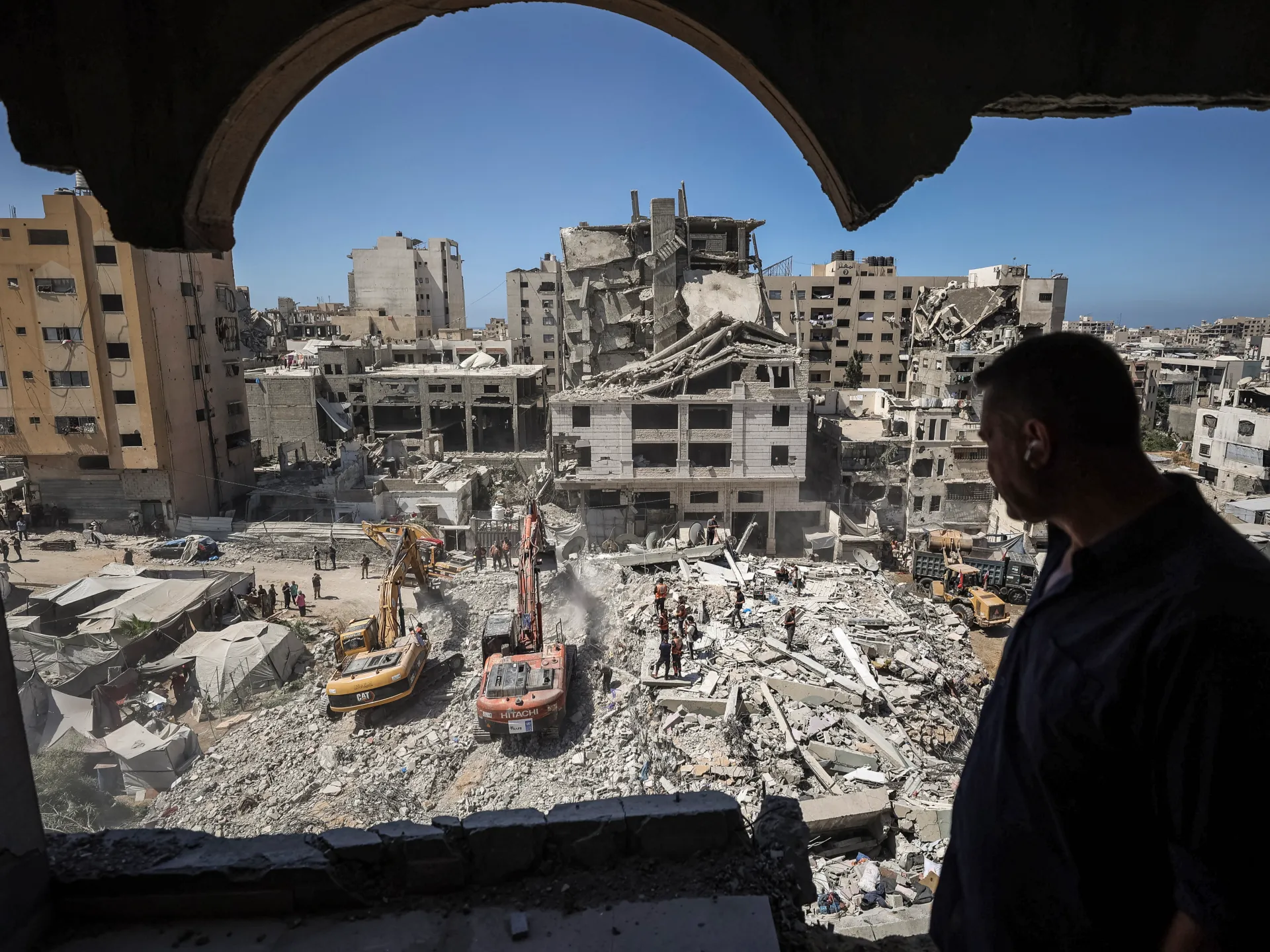
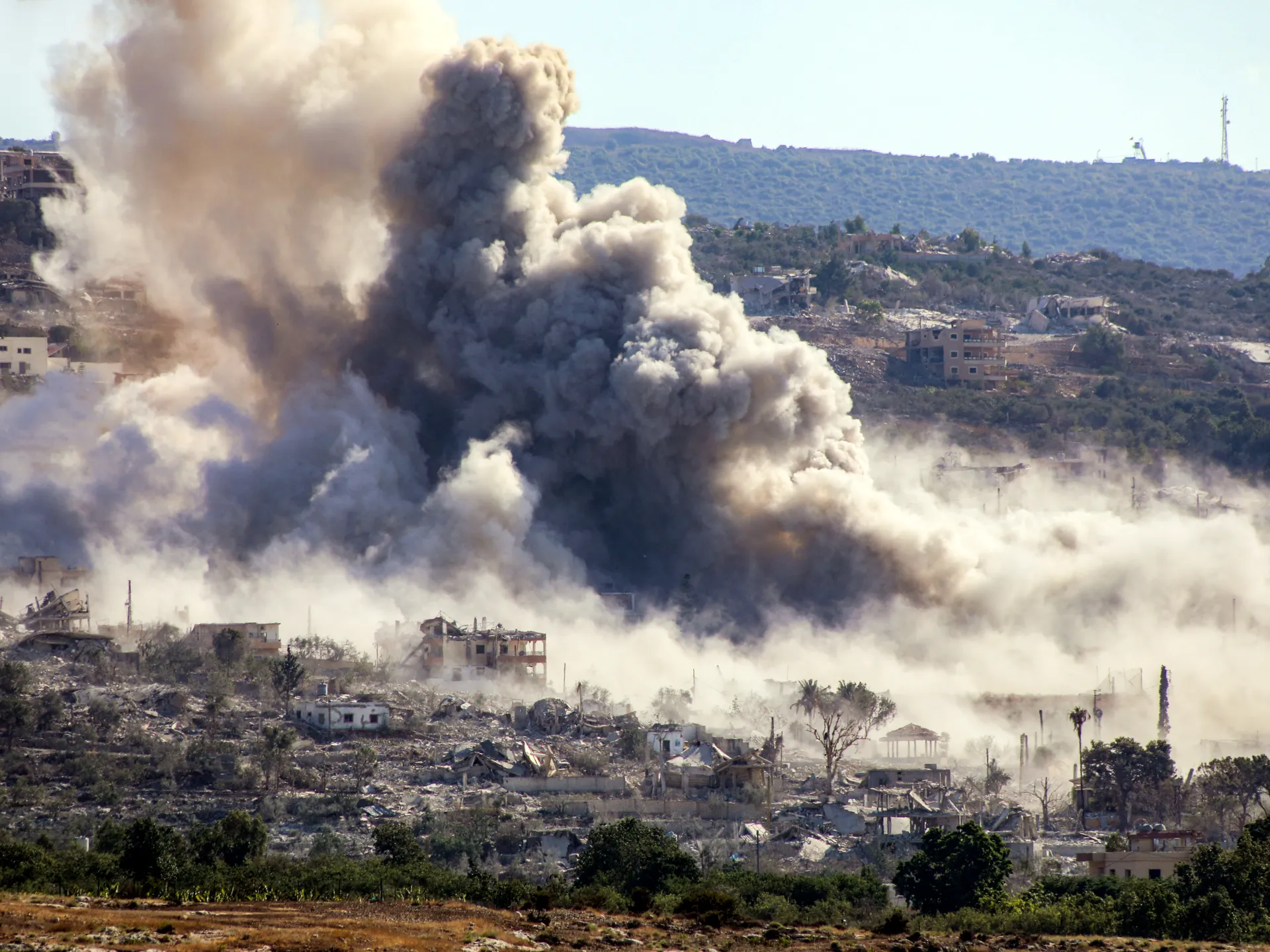
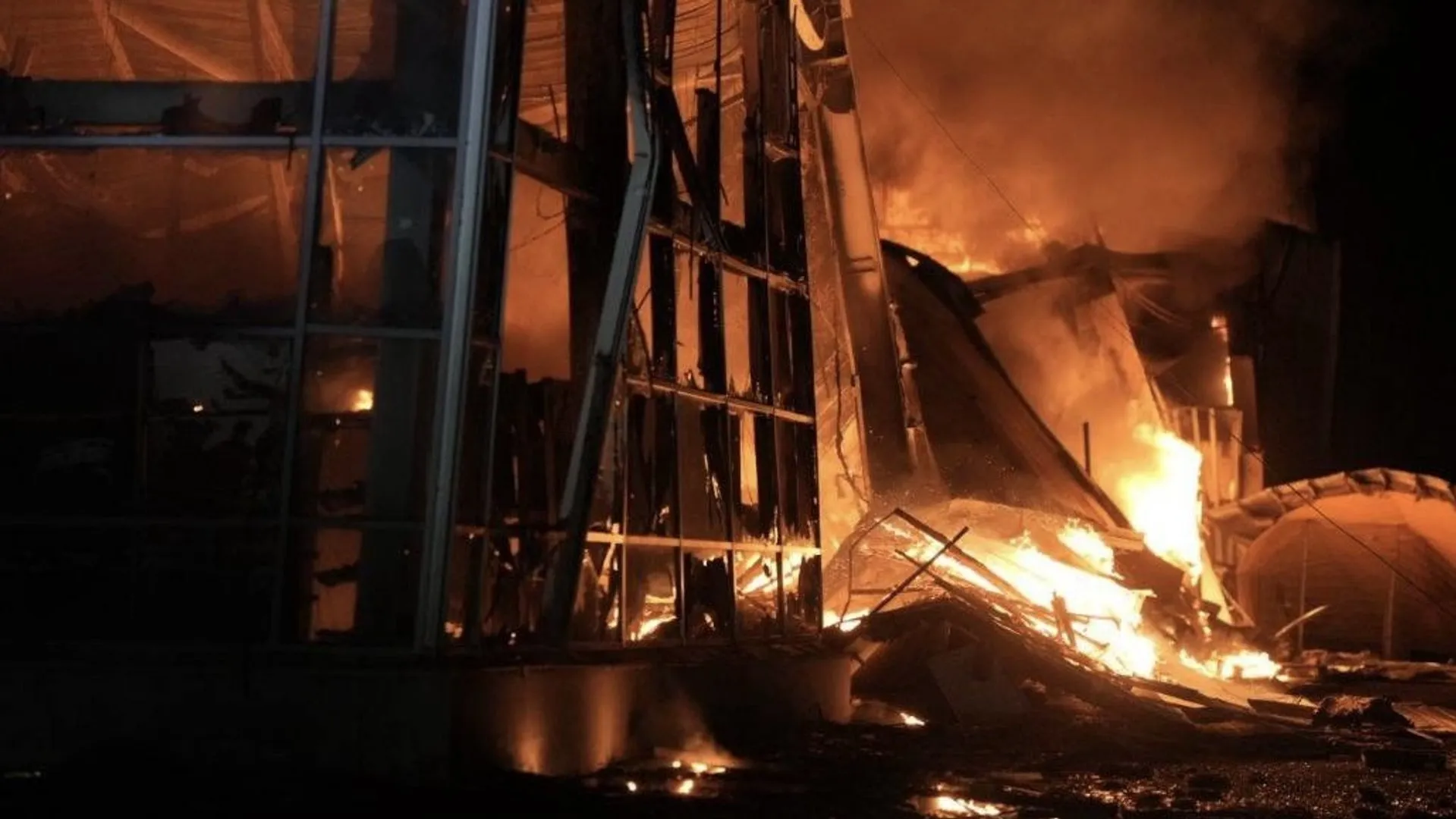
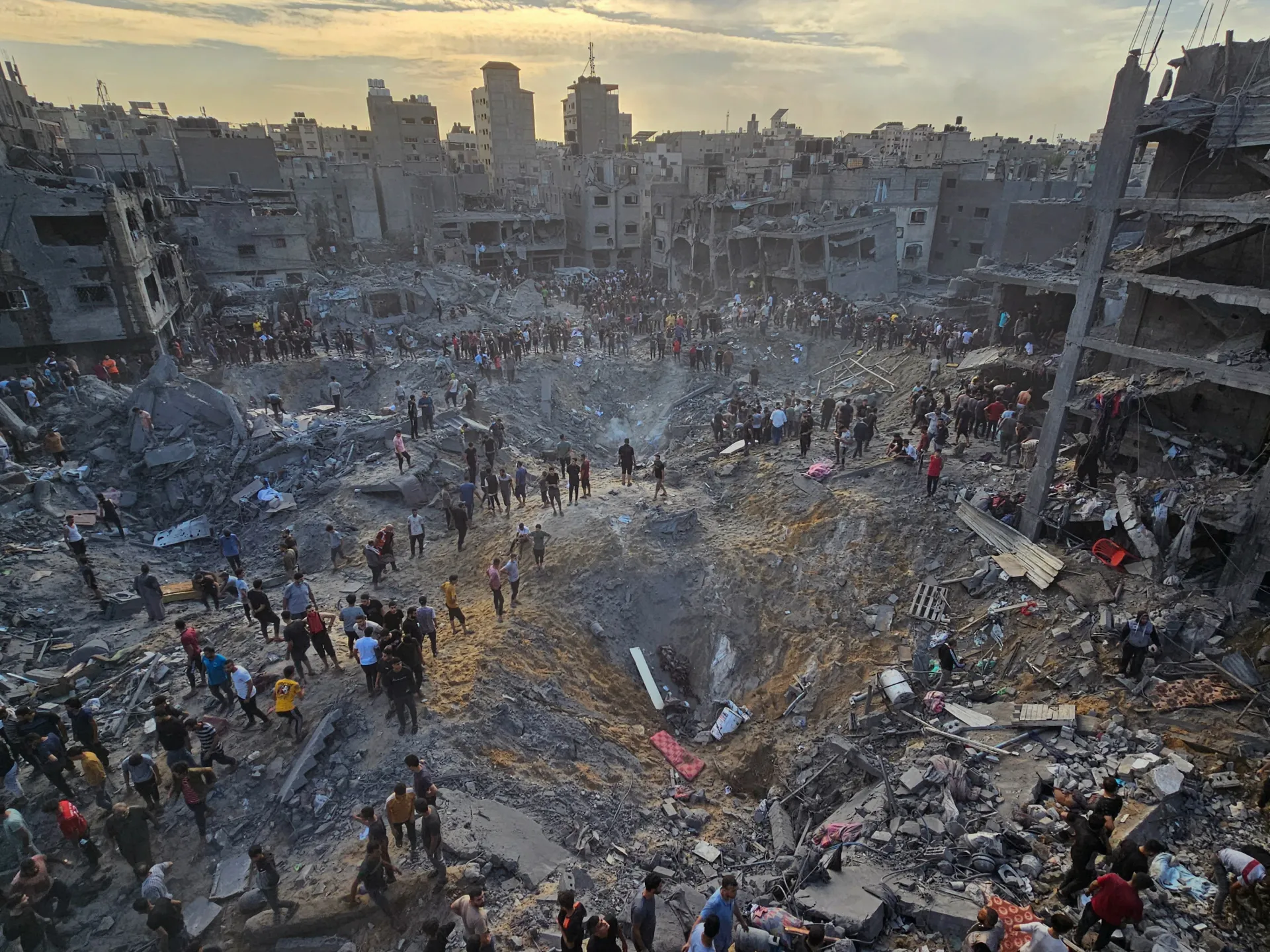
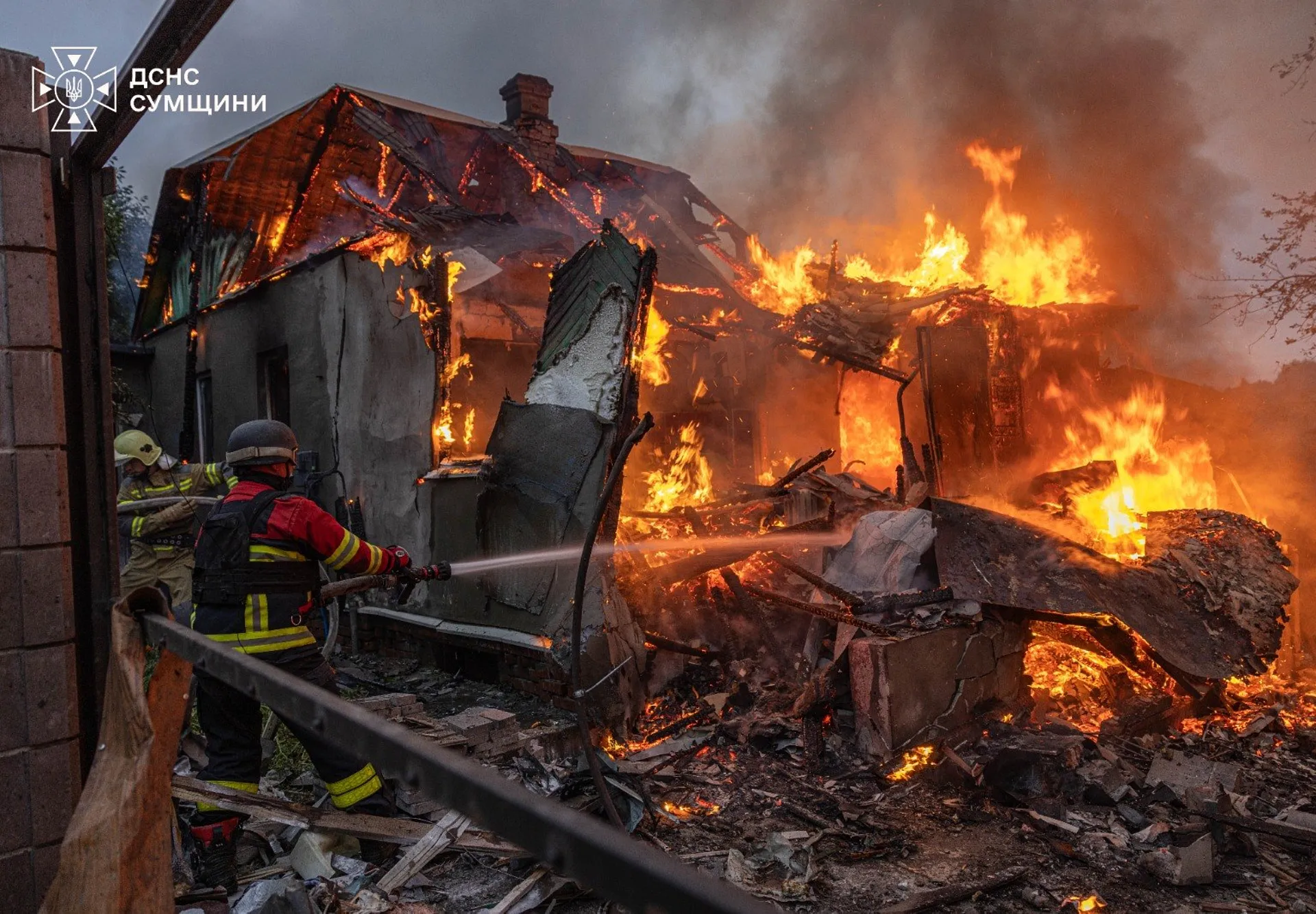
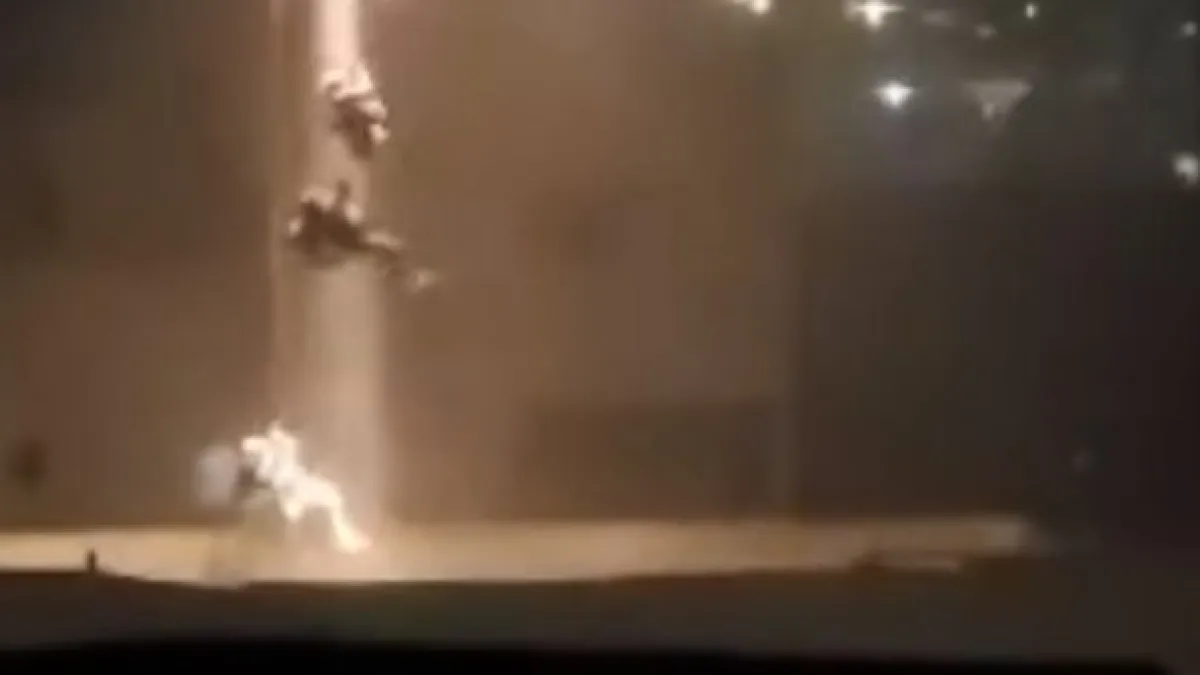
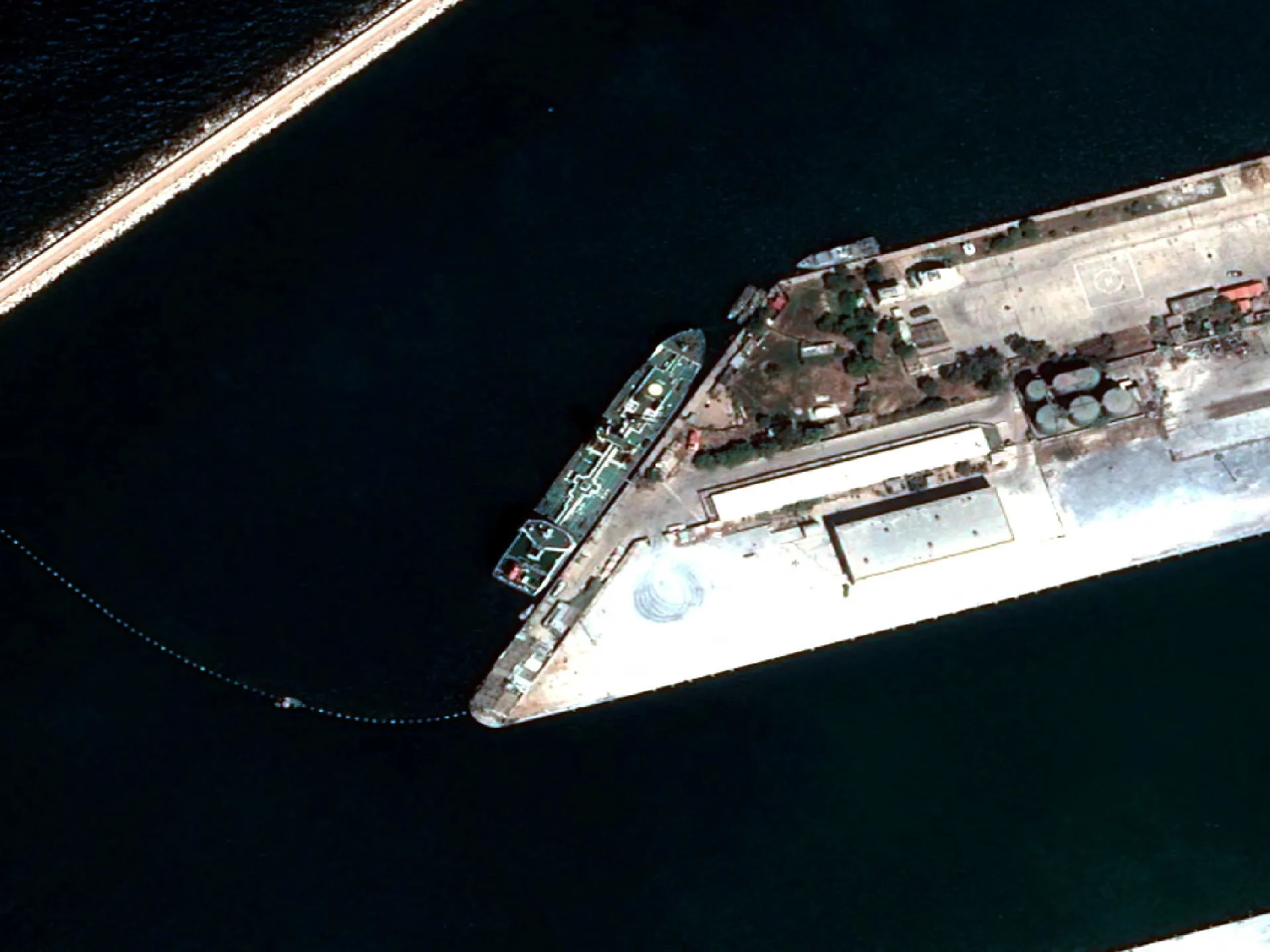
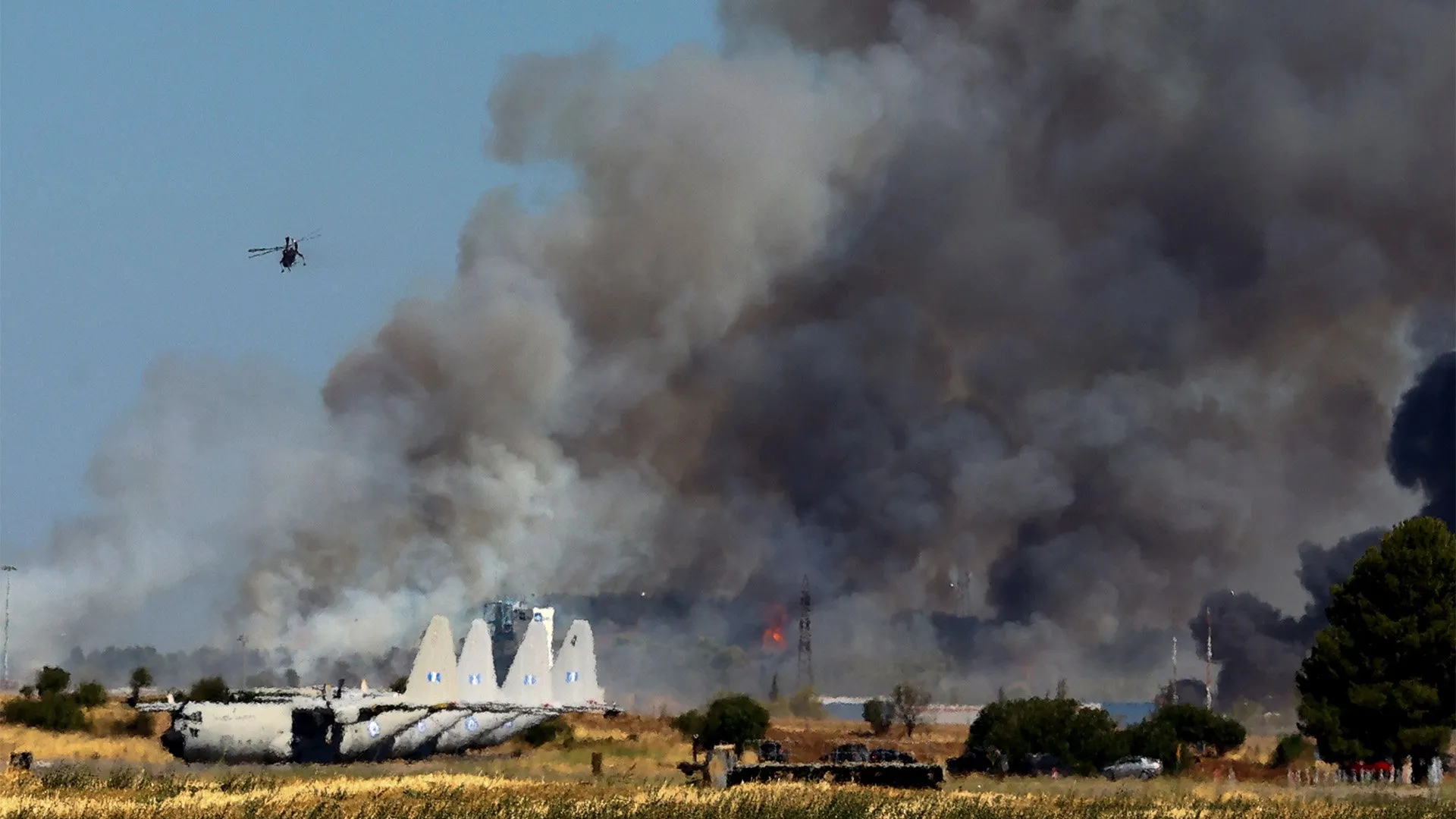
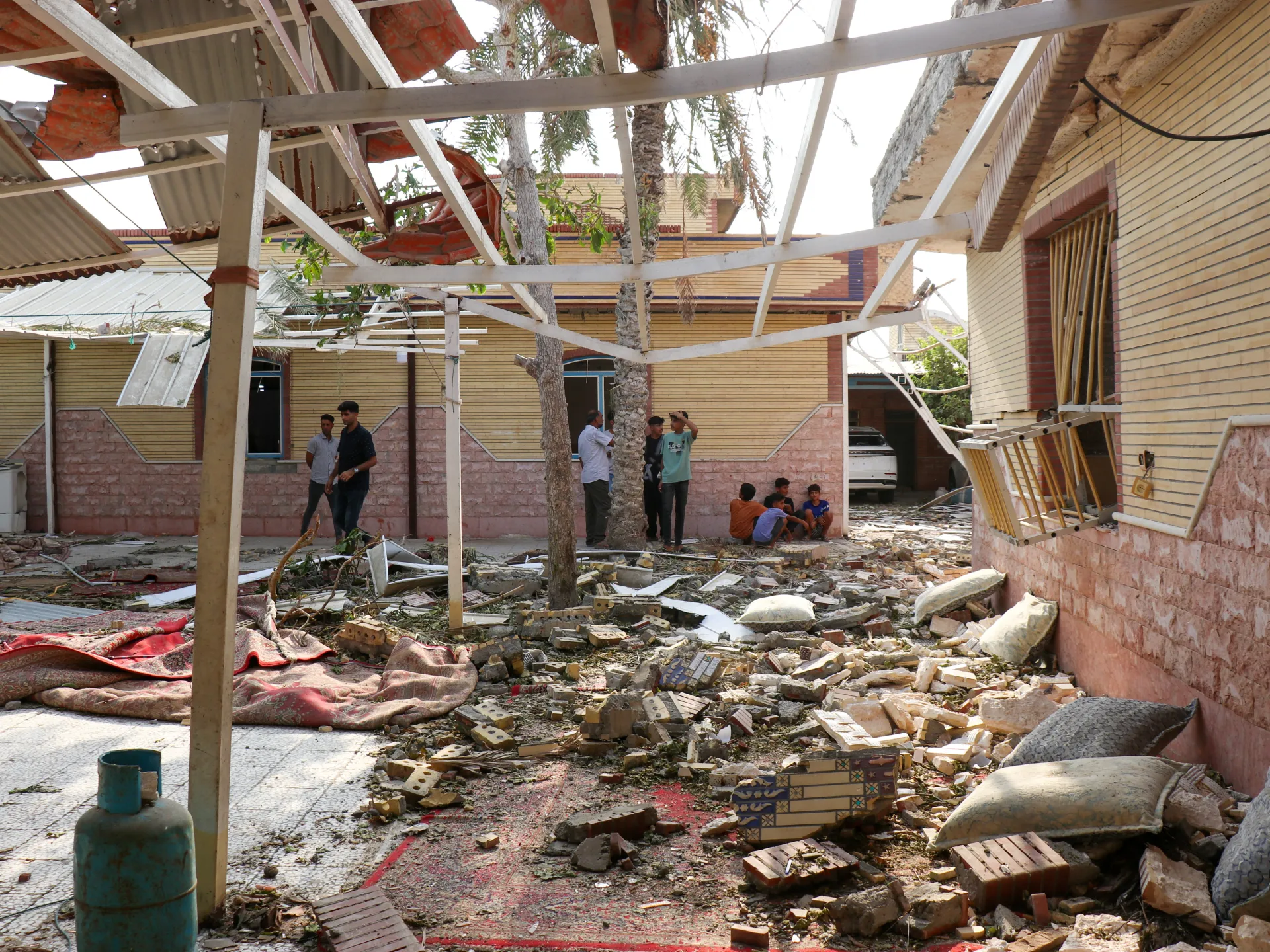
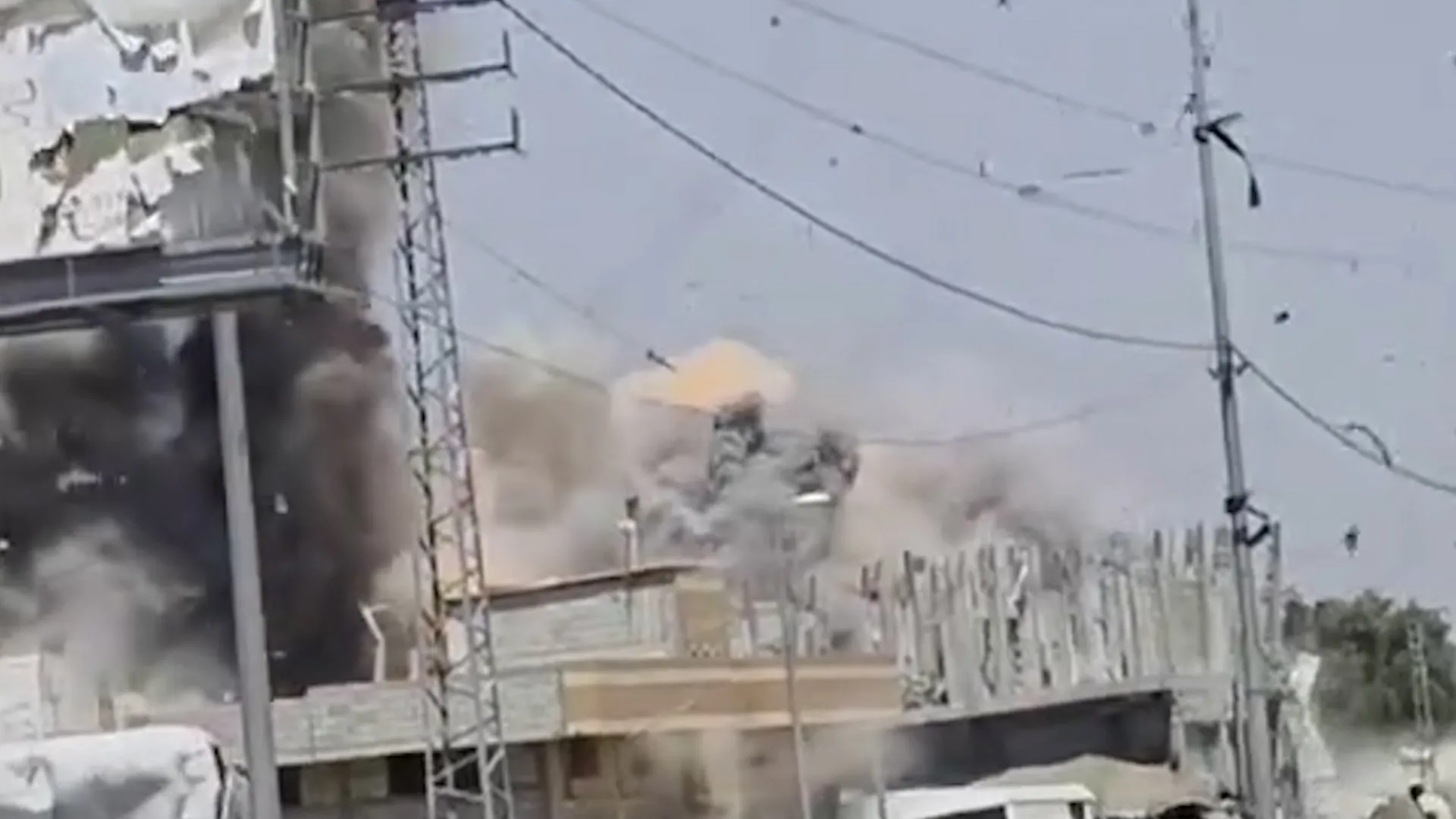
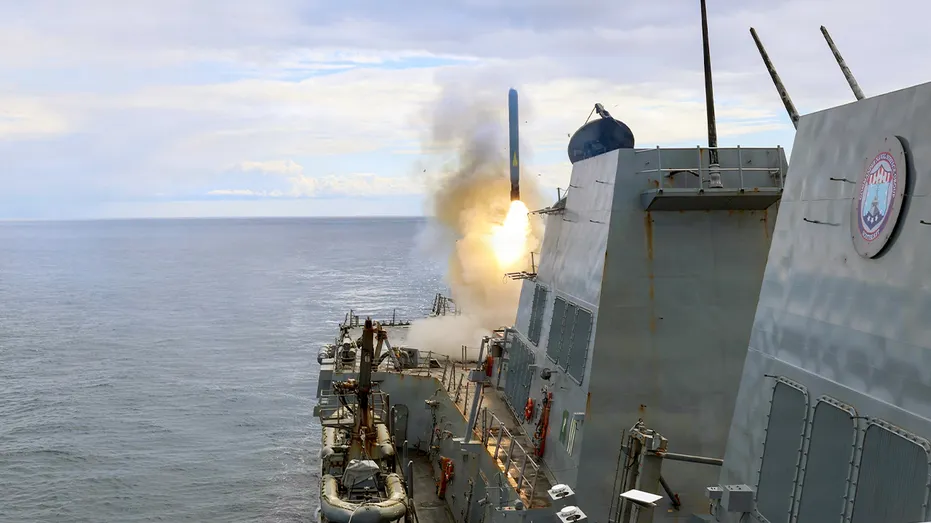
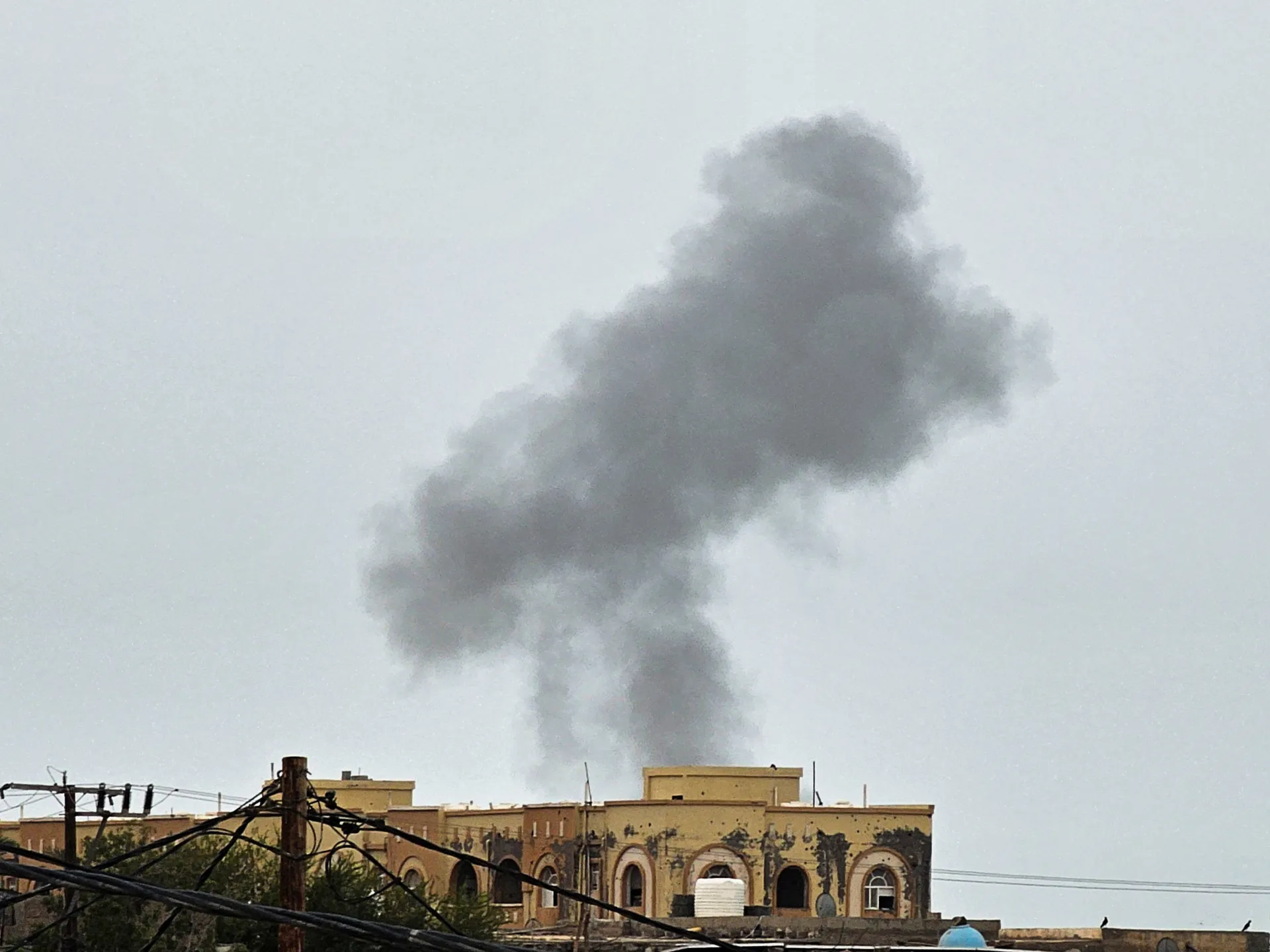
International human rights experts operating under a United Nations mandate have released findings suggesting that military actions conducted on two specific aerial strikes carried out on February 28, which marked the initial phase of the broader conflict between the United States, Israel, and Iran. The scale of the destruction and the resulting loss of life have drawn intense scrutiny from global observers and humanitarian organizations.
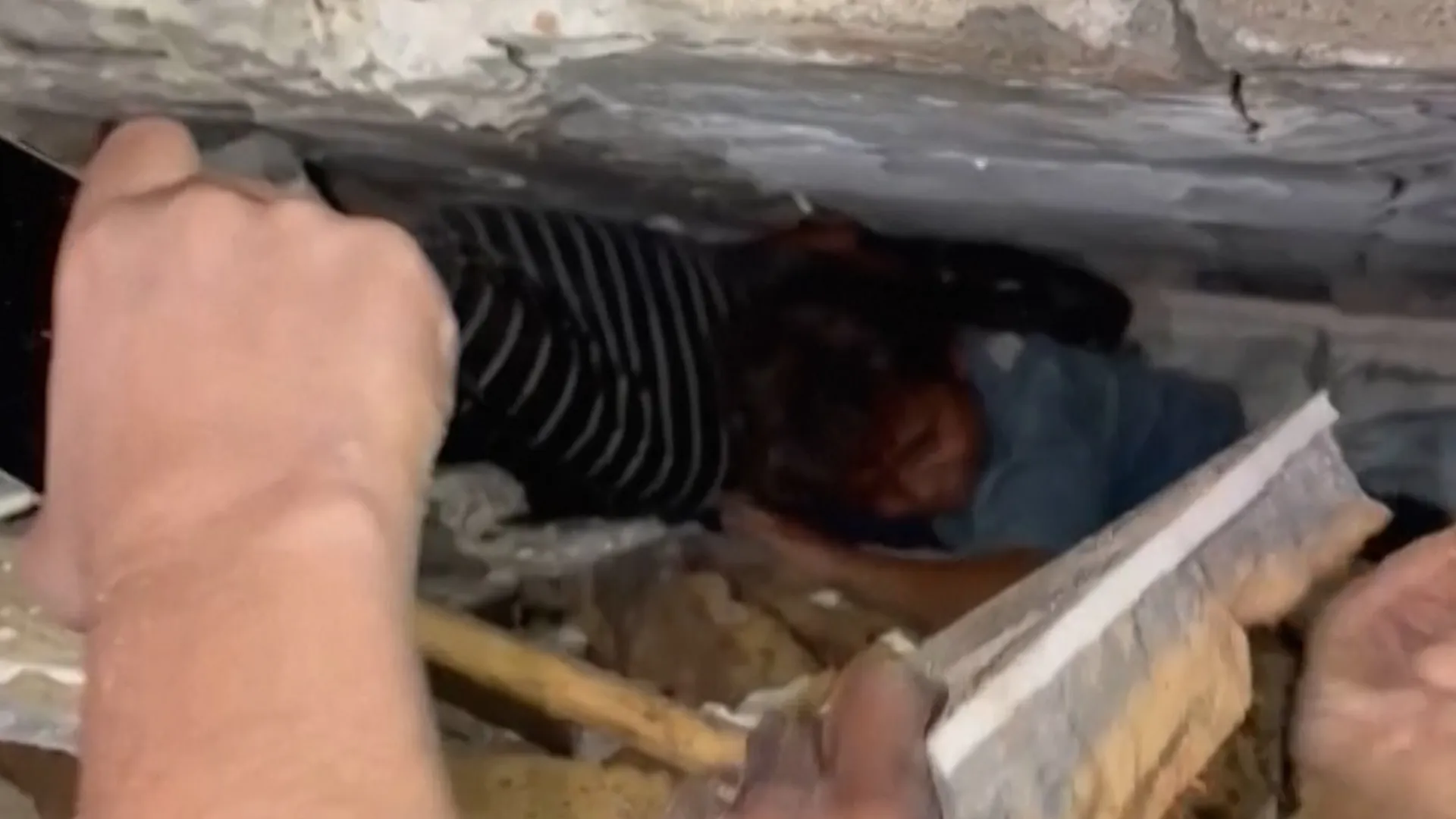
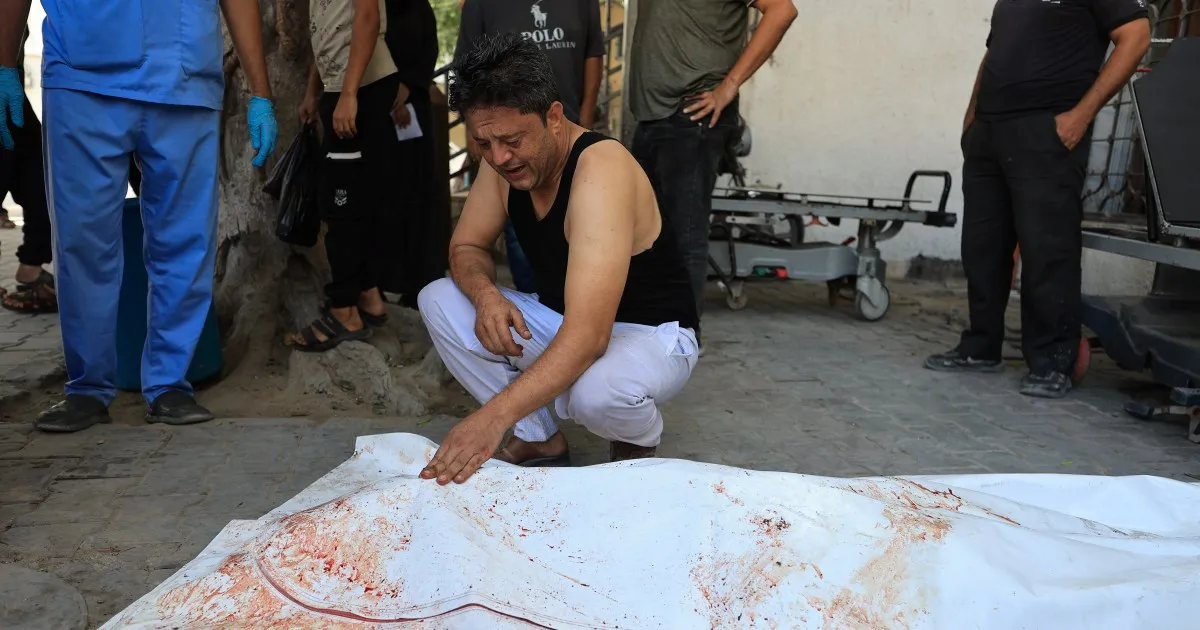
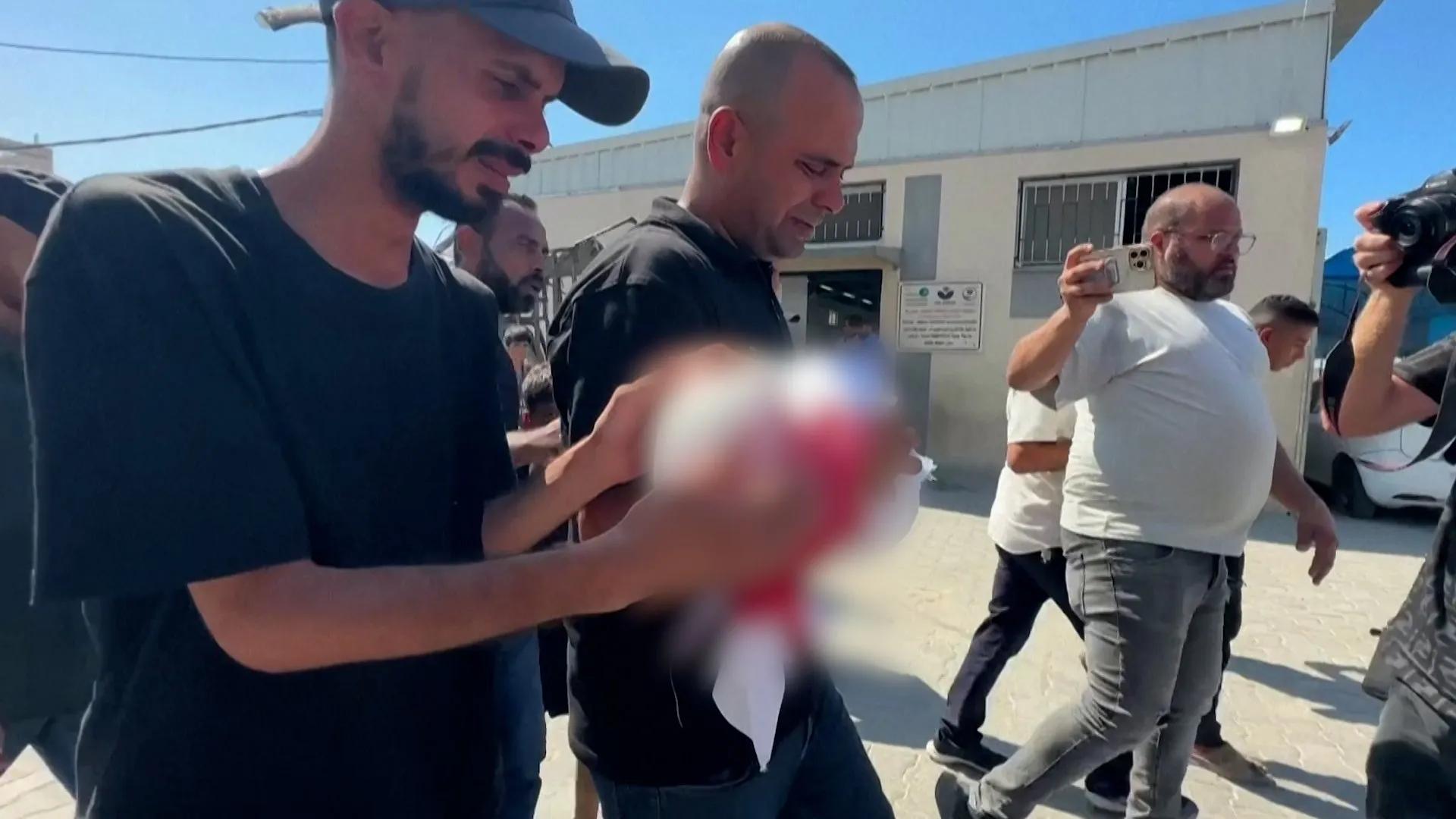
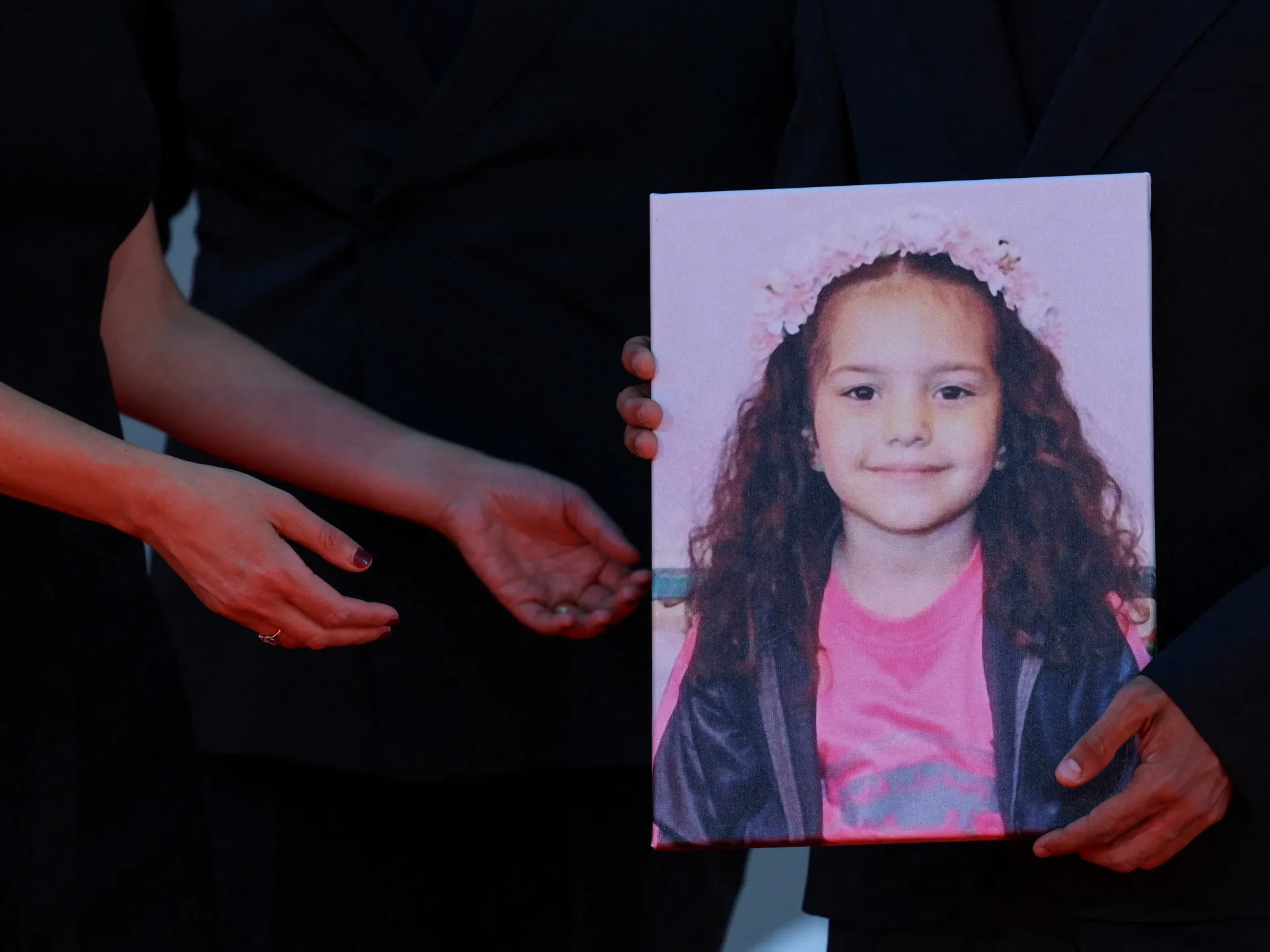
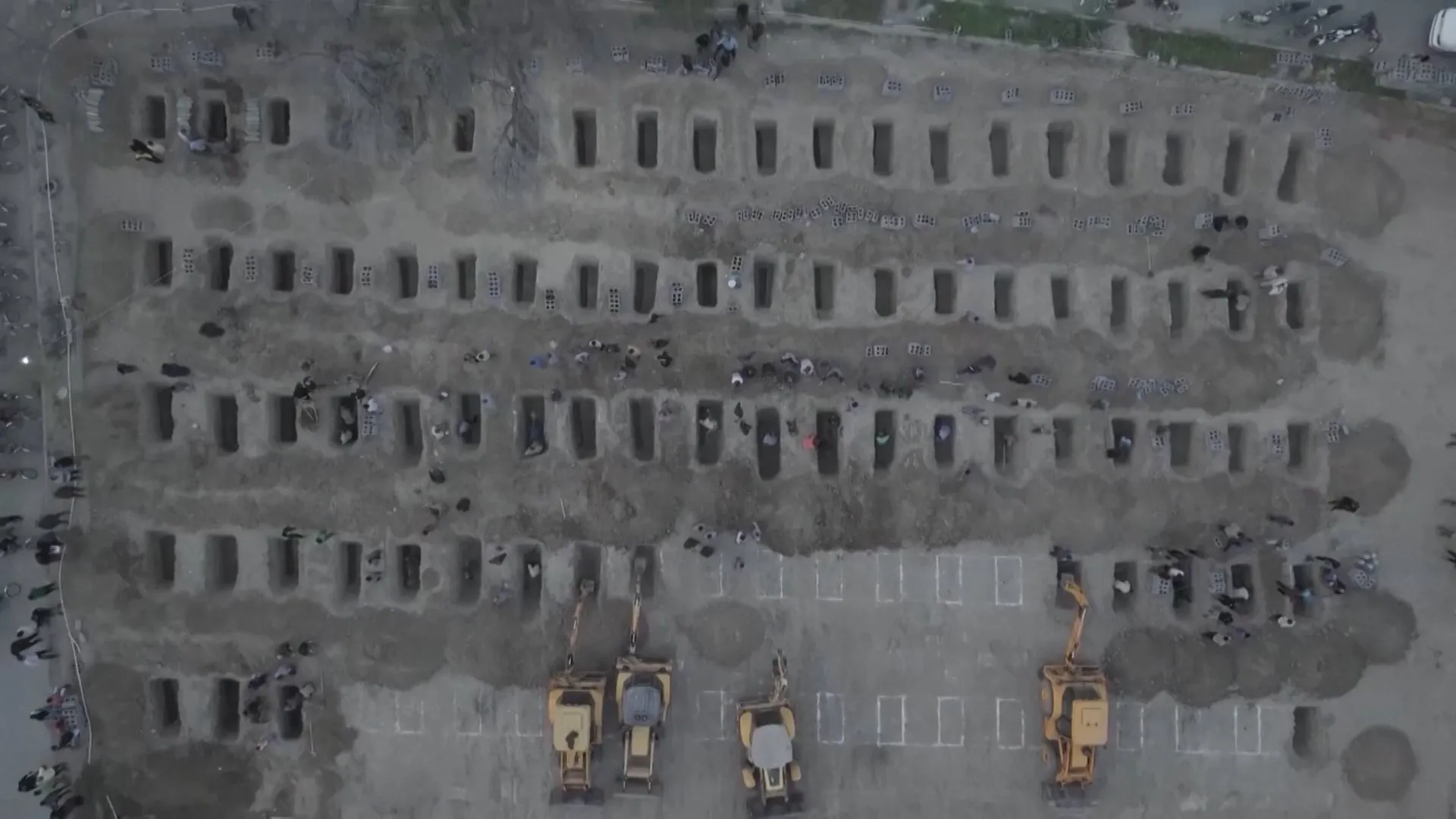
According to the evidence gathered lties, with the death toll exceeding 178 individuals. The demographic breakdown of the victims is particularly alarming, as it includes 120 children. These figures have been verified e tactical decisions that led to such a high number of non-combatant fatalities in a single military engagement.
The core of the UN findings focuses on the adherence to international humanitarian law, specifically the principles of proportionality and distinction. Under these established legal frameworks, military forces are required to take all feasible precautions to avoid civilian harm and must ensure that any military advantage gained is not outweighed percentage of those killed were minors has led the experts to question whether the military objectives justified the intensity of the assault.
Legal scholars monitoring the situation suggest that if the findings are formally adopted or pursued through international judicial channels, the implications for the United States could be profound. While the US maintains that its operations are conducted within the bounds of self-defense and strategic necessity, the documentation of 120 child deaths presents a significant challenge to these claims. The investigation serves as a critical reminder of the legal obligations that govern state actors during periods of active warfare.
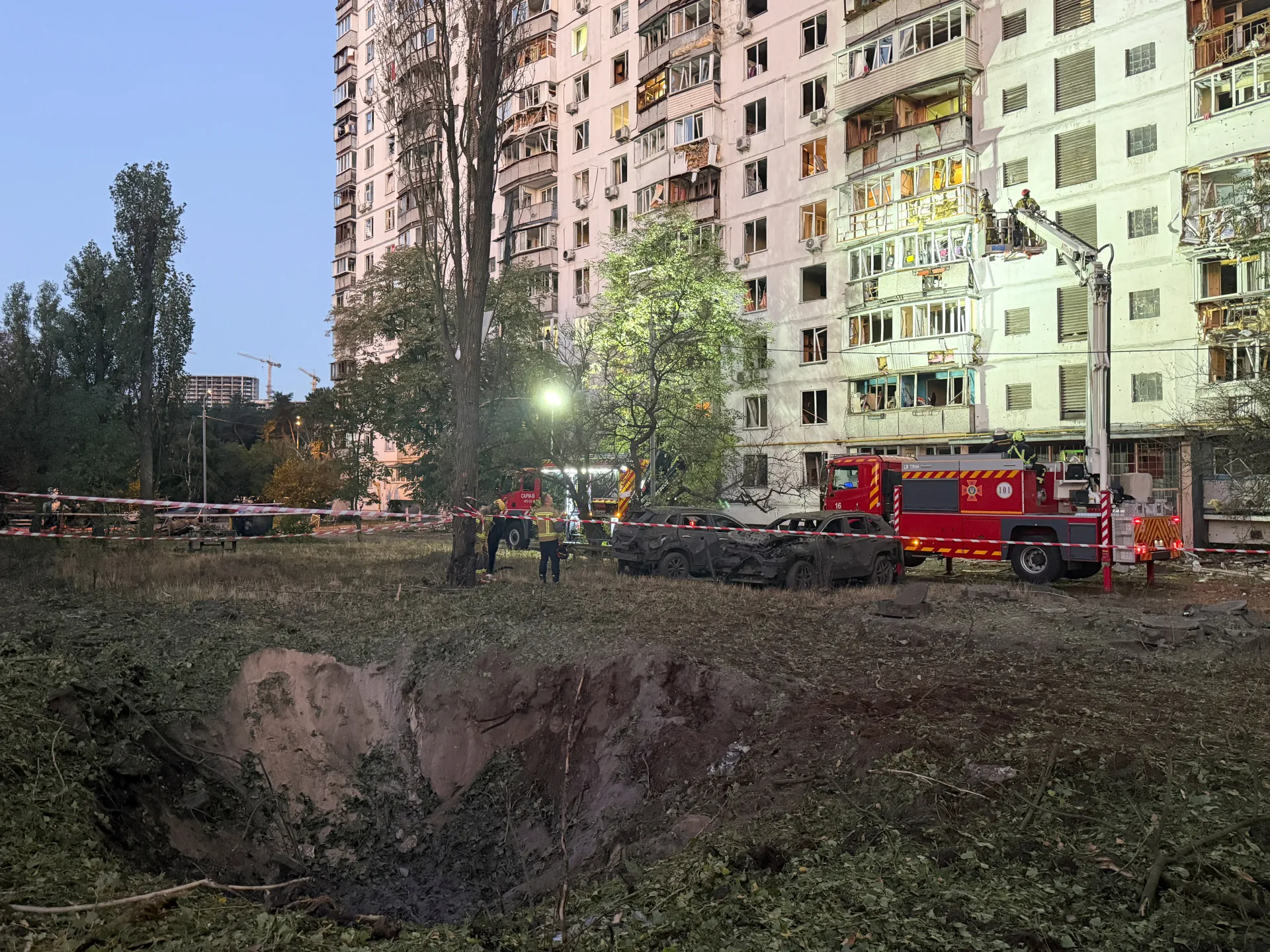
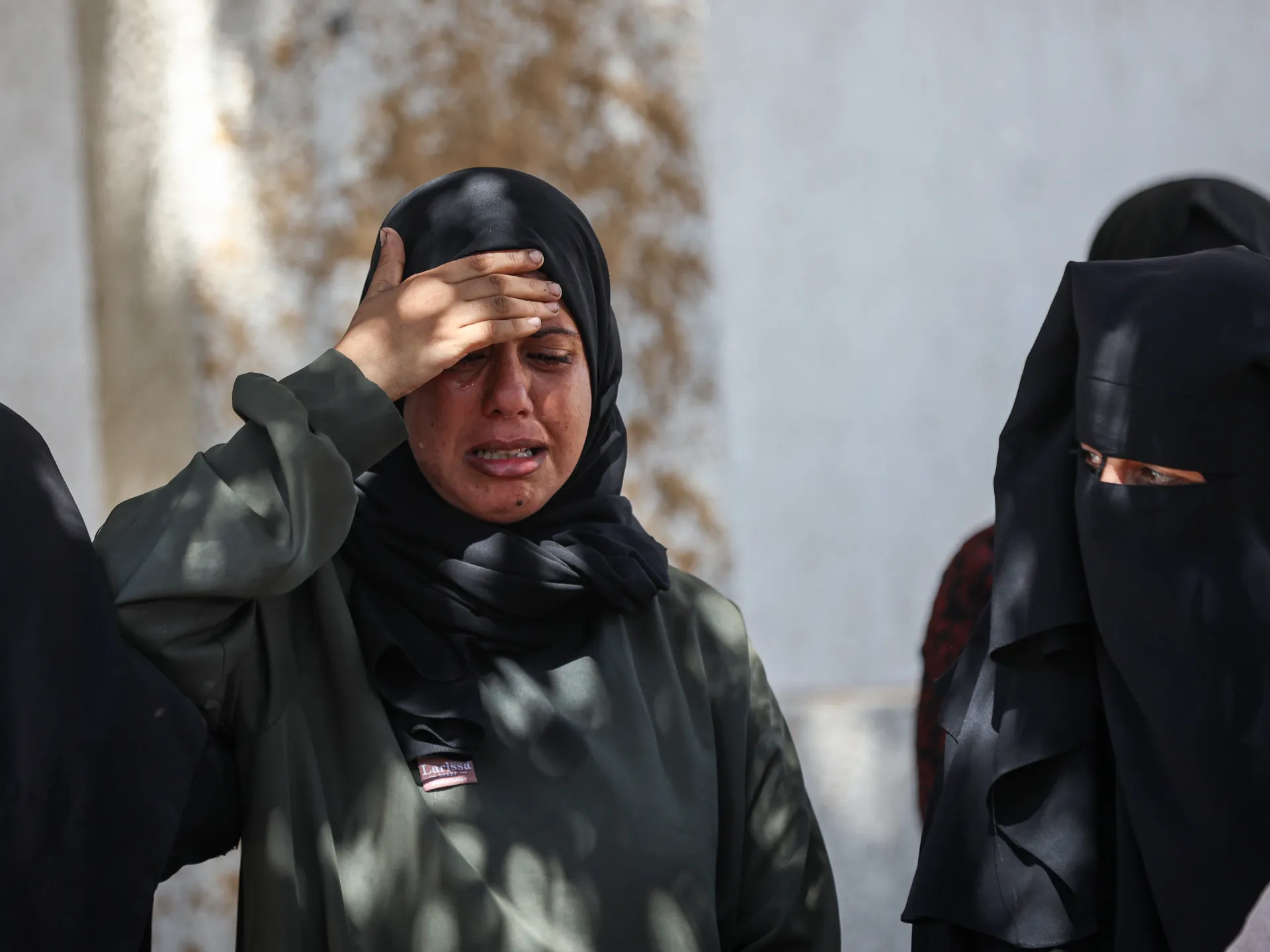
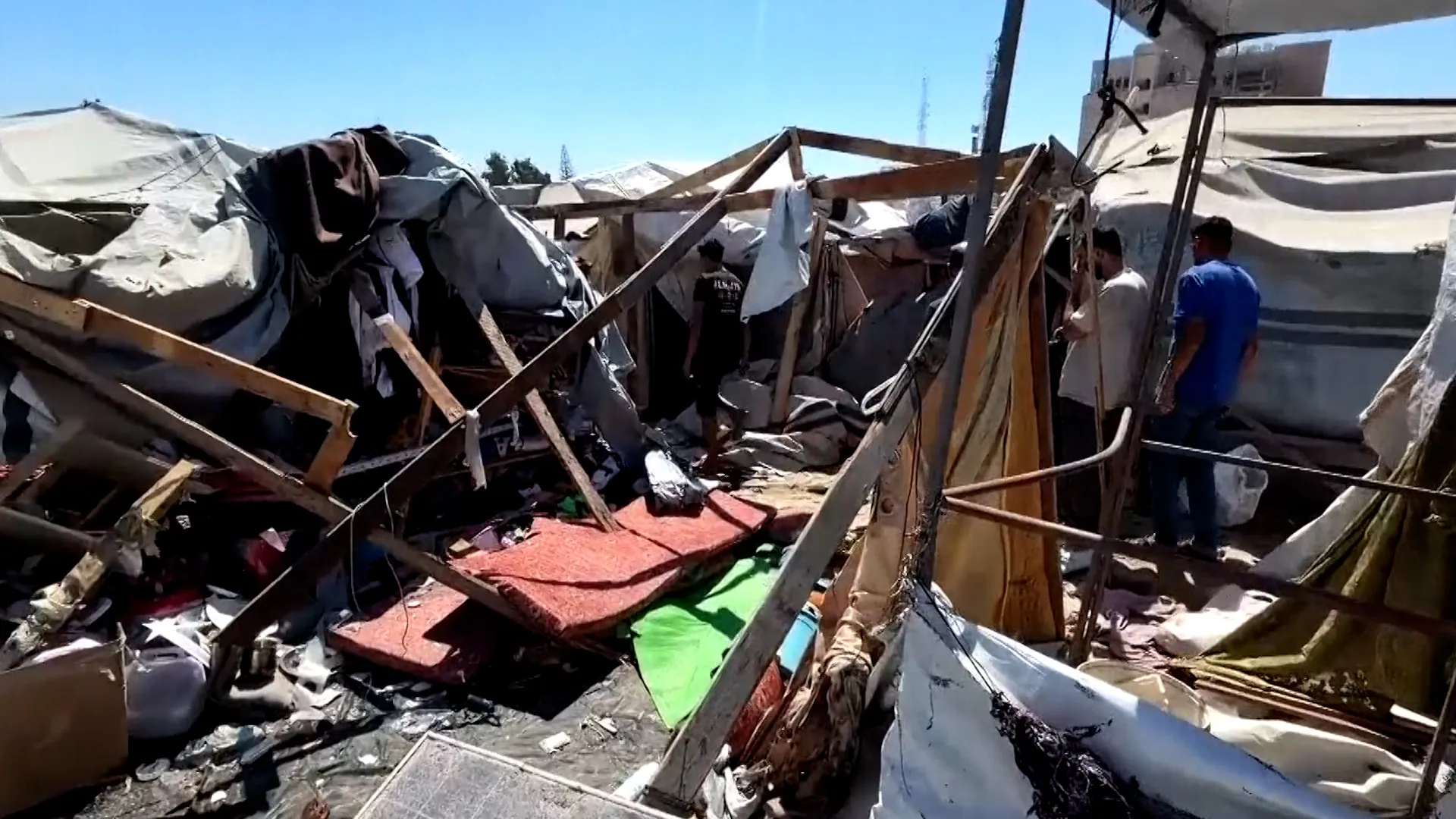
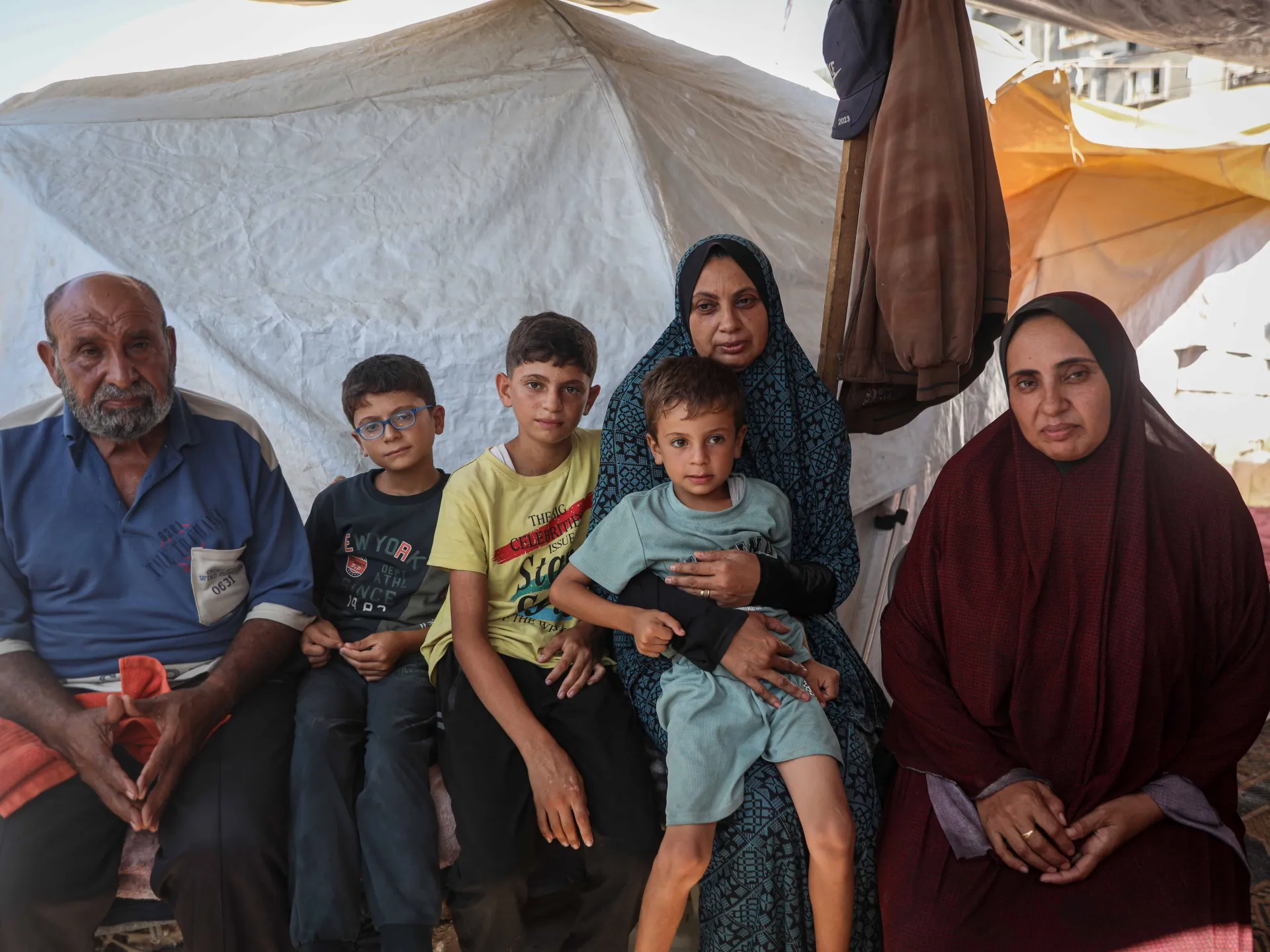
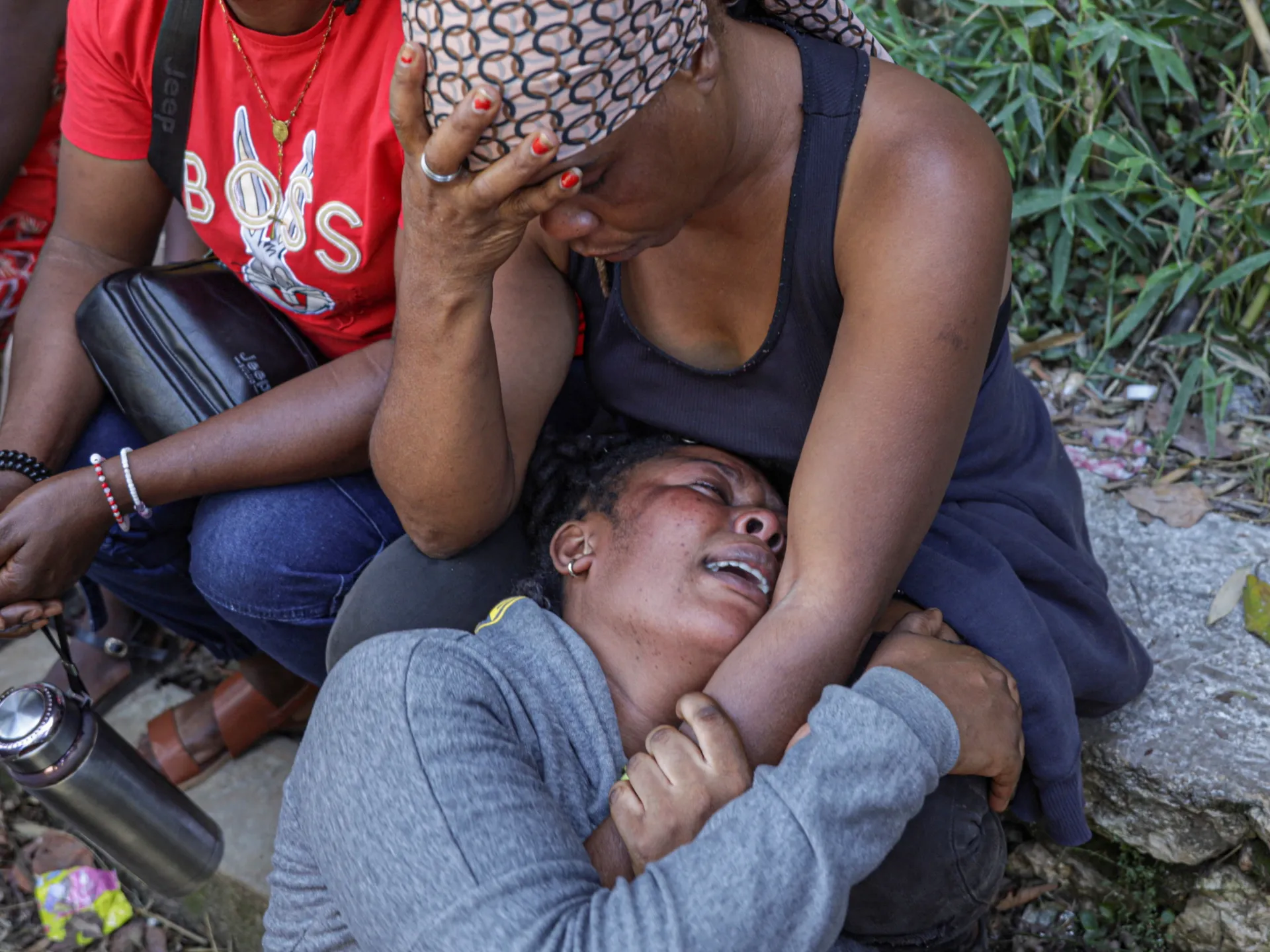
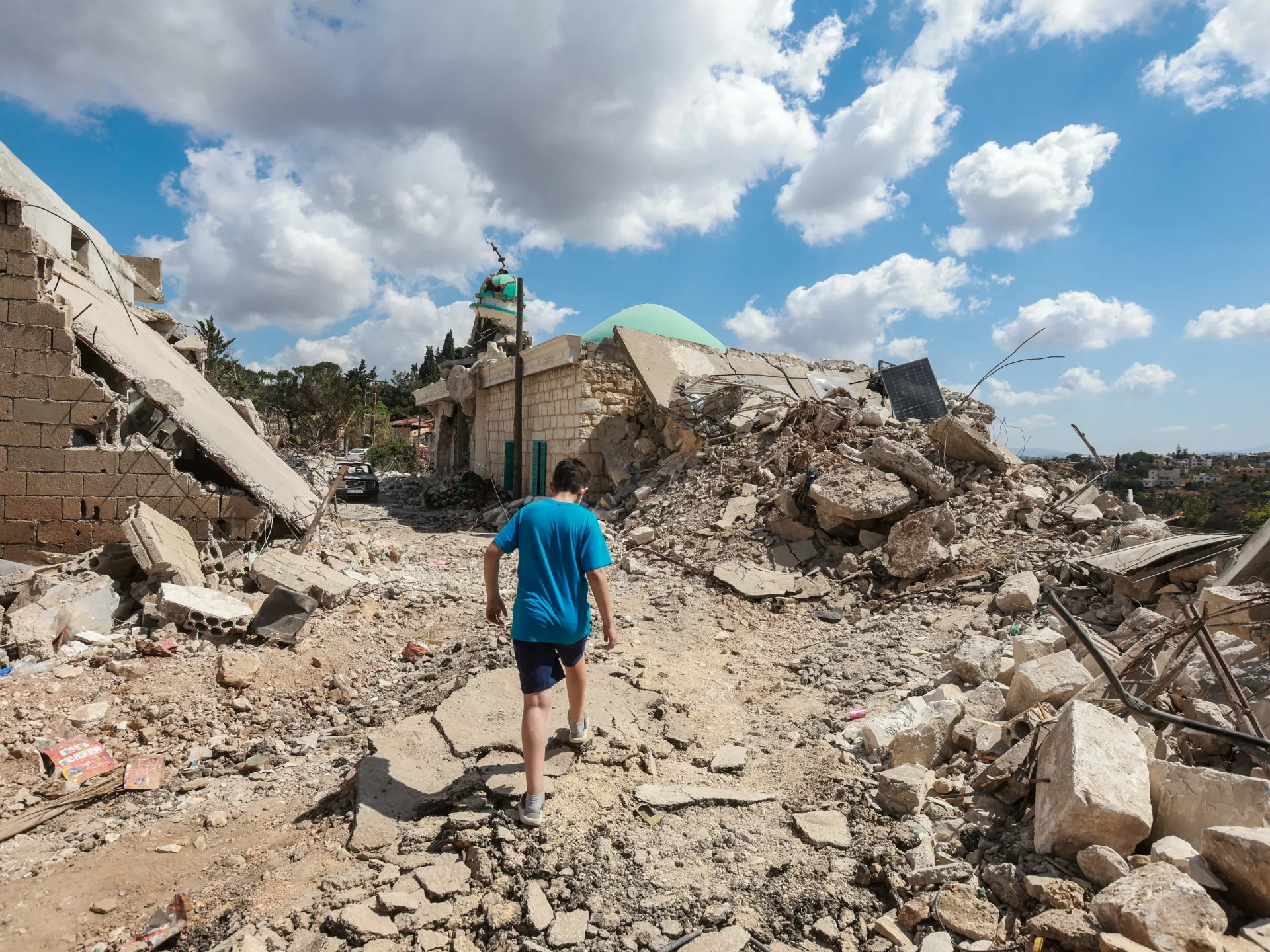
The tragedy in Minab has reverberated across the international community, prompting calls for increased transparency and accountability regarding military operations in the region. Humanitarian groups operating in Iran have reported that the infrastructure damage caused surrounding areas. The long-term impact on local families and the trauma inflicted upon survivors remain primary concerns for those tasked with monitoring the humanitarian situation.
Diplomatic reactions have been varied, with many nations expressing concern over the methodology used point for these grievances, as it provides a structured evidentiary basis for claims that the rules of engagement were disregarded. As the conflict continues, the pressure from international human rights bodies to investigate these specific events will likely increase, potentially influencing future military strategies and diplomatic relations between the involved powers.
Moving forward, the international community faces the difficult task of ensuring that such incidents do not occur again. The UN-backed experts have indicated that their preliminary findings are just the beginning of a larger process of documenting the conduct of all parties involved in the conflict. This includes not only the US strikes on Minab but also the broader operational choices made
The pursuit of accountability in this case will likely involve complex geopolitical maneuvering and legal debates over the jurisdiction of international courts. However, the documentation provided his leads to formal charges or serves as a catalyst for policy shifts, the report has firmly established the Minab incident as a pivotal case study in the ongoing discussion regarding war crimes and the protection of civilians in modern warfare.