The Australian government is launching a new enforcement strategy that includes detaining visa overstayers and limiting the ability of visitors to extend their stay through "visa hopping."
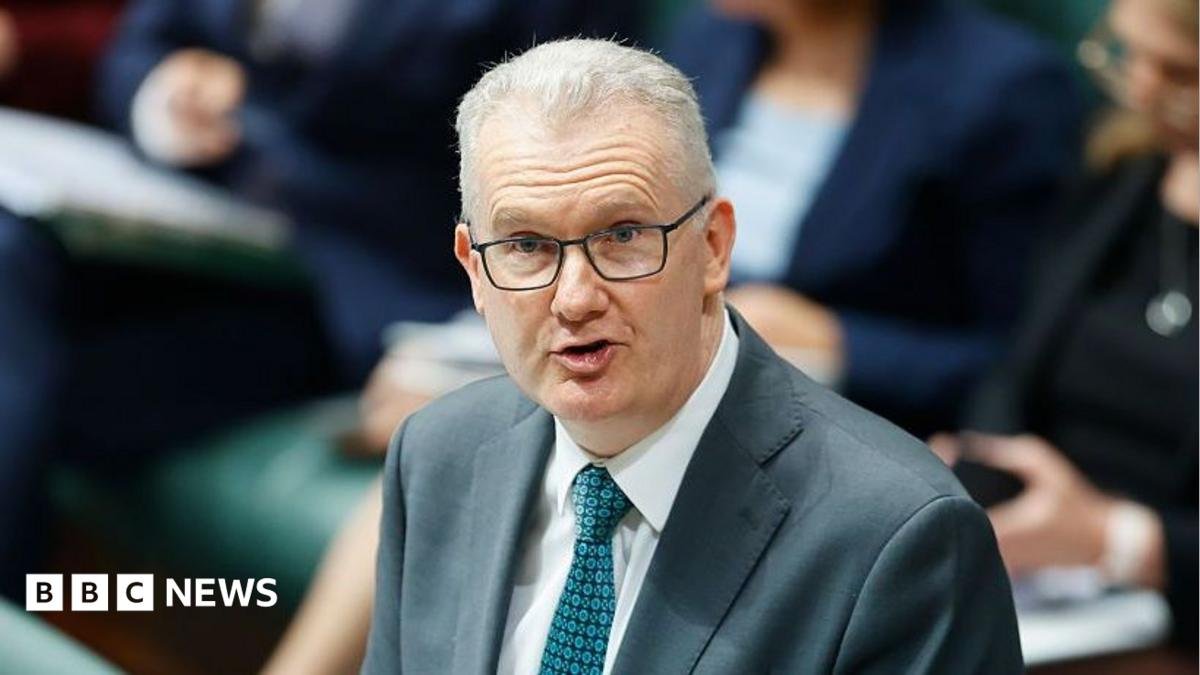
The Australian government has unveiled a comprehensive shift in its approach to managing visa compliance, signaling a move toward more rigorous enforcement regarding individuals who remain in the country beyond their authorized stay. Home Affairs Minister Tony Burke recently announced that the Australian Border Force will significantly expand its operations to address the growing number of people currently residing in the nation without valid documentation. Current estimates suggest that there are approximately 77,000 individuals in this category, a figure that has seen a steady increase over the past decade.
This policy pivot aims to restore a sense of consequence for those who violate the terms of their arrival. According to the government, the strategy reflects a return to procedures utilized prior to 2015, which involved the detention of individuals who had overstayed their visas. The goal of this process is to facilitate a more structured departure, ensuring that those who have remained past their allotted time are processed through detention centers before arranging their own travel out of the country.
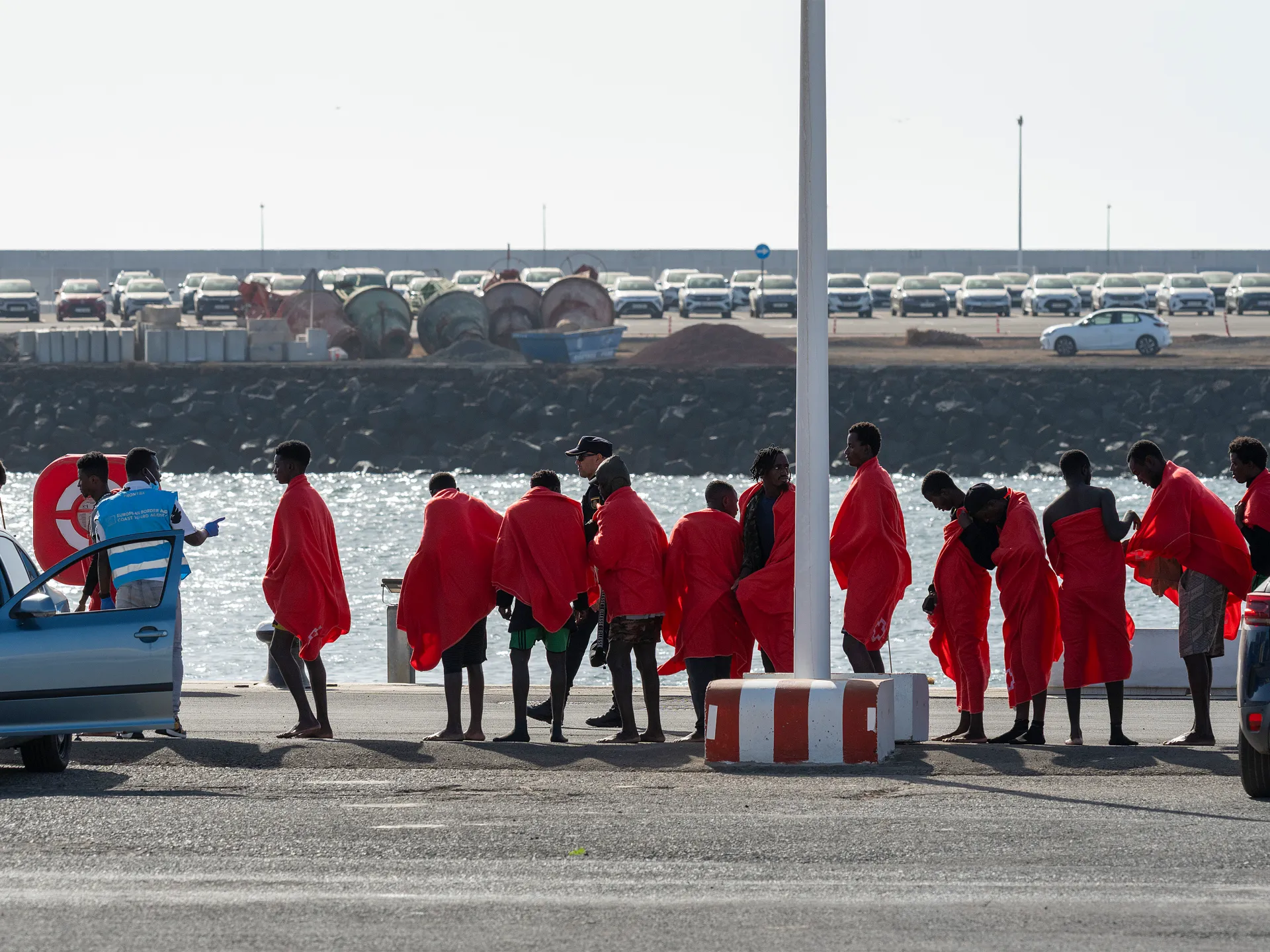
To support this initiative, the government is preparing to add 250 new detention beds to its existing capacity. This includes plans to potentially utilize a former quarantine facility located in Melbourne. Despite the logistical scale of these changes, the administration has been careful to distinguish its methods from more aggressive international models, emphasizing that its enforcement actions will not mirror the high-profile, confrontational tactics observed in other nations.
In addition to detention measures, the government is targeting a practice referred to as "visa hopping," where foreign nationals continuously switch between different types of temporary visas to extend their residence in Australia. for their intended purposes rather than as a vehicle for long-term, indefinite residency.
New regulations will introduce a "No Further Stay" provision for those entering on tourist visas, effectively barring them from applying for different visa categories while remaining within the country. Furthermore, international students will face stricter requirements, necessitating that they progress to higher-level qualifications if they wish to apply for a subsequent study visa. This move is designed to prevent students from enrolling in a series of low-level courses purely to remain in Australia.
The government is also preparing legislative changes to address what it characterizes as "disingenuous" asylum claims. Officials argue that some individuals are using the asylum process as a tactical maneuver to prolong their stay, rather than seeking protection based on legitimate claims of persecution or hardship. These legislative adjustments are intended to streamline the caseload and preserve the integrity of the nation's immigration system.
The Australian economy remains heavily dependent on international students and working-holiday visa holders, who provide essential labor and economic contributions. As one of the world's premier tourist destinations, the nation must balance the need for open borders to support tourism and education sectors with the necessity of maintaining orderly immigration controls. The recent rise in the overstayer population, which has grown from 64,000 in 2016 to 77,000 in 2026, has prompted this urgent policy review.
Human rights advocates have expressed significant concern regarding these new enforcement strategies. Organizations like the Human Rights Law Centre have warned that the threat of detention may have a chilling effect on undocumented workers who have been subjected to exploitation. There is fear that these individuals will be too intimidated to report instances of workplace abuse or modern slavery, potentially leaving them more vulnerable to unscrupulous employers.
The Labor Party, currently in government, has rejected claims that these stricter rules are merely a political reaction to the rising influence of the far-right One Nation Party. Instead, they maintain that the measures are a necessary administrative response to ensure that the immigration system remains fair and consistent. As these policies are rolled out, the government faces the challenge of maintaining public order while navigating the complex ethical landscape of border enforcement.