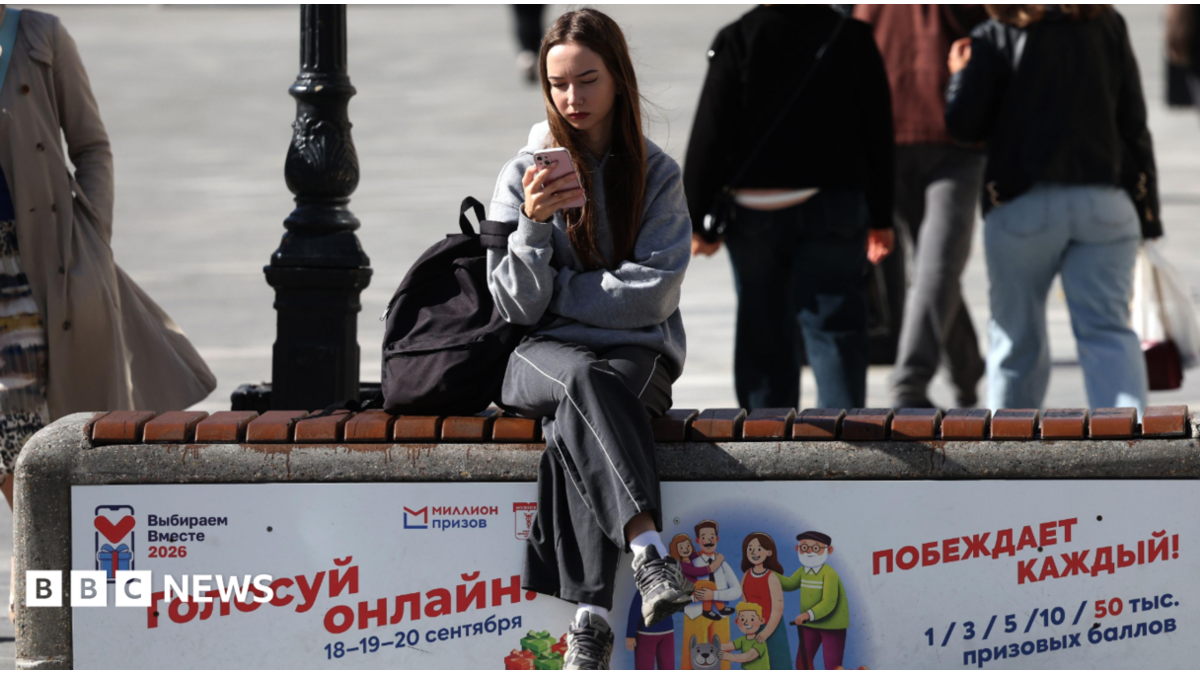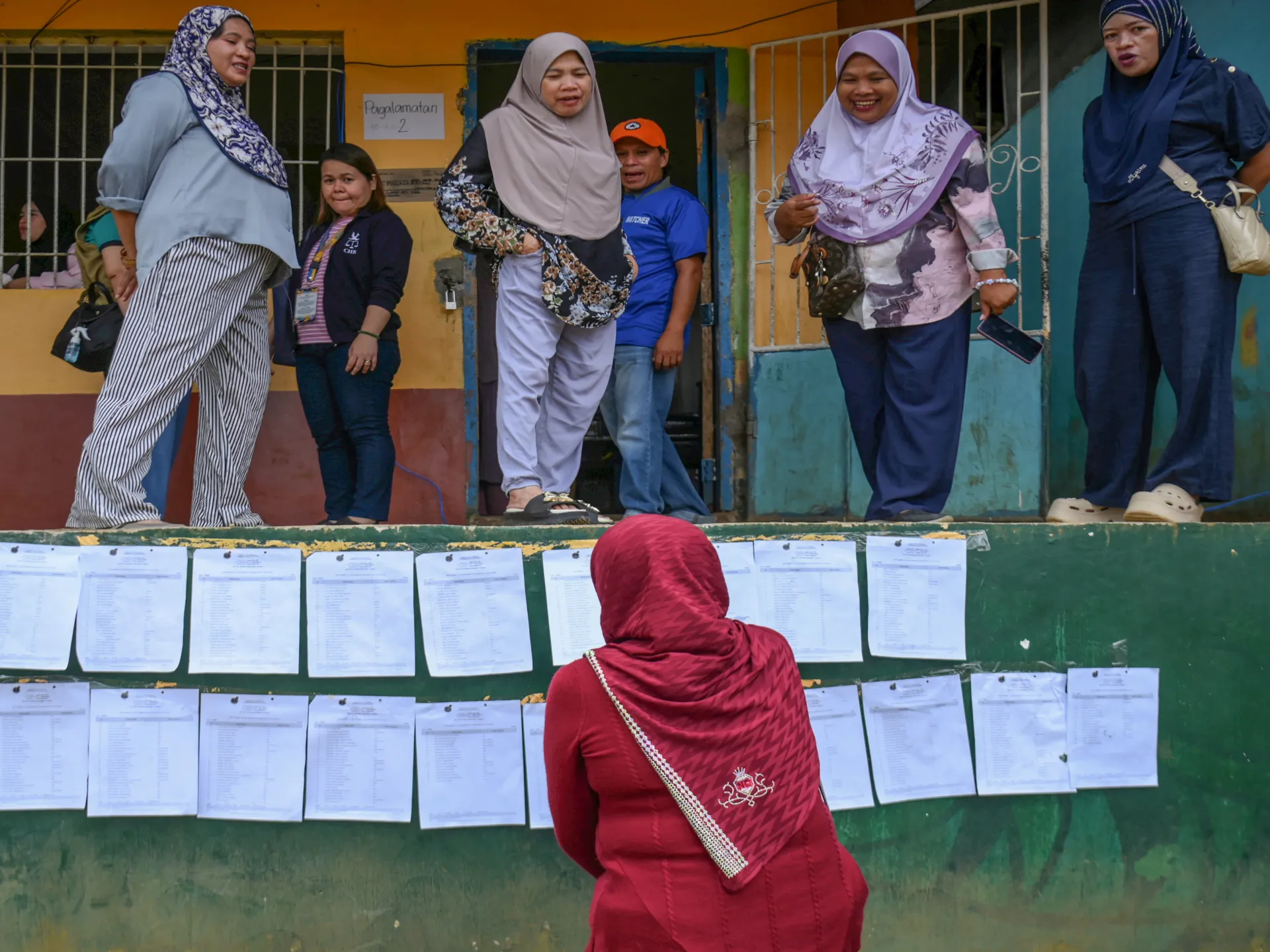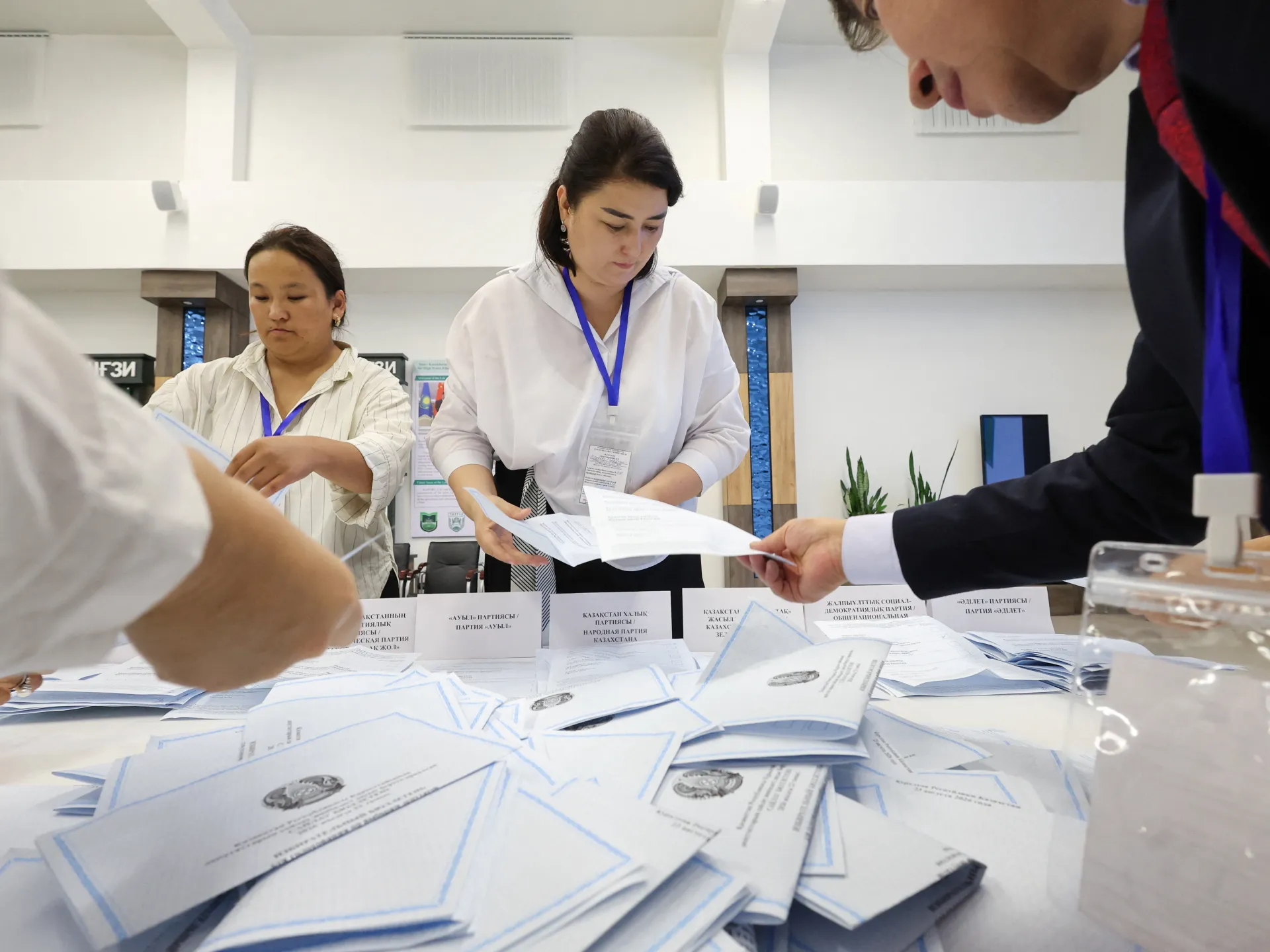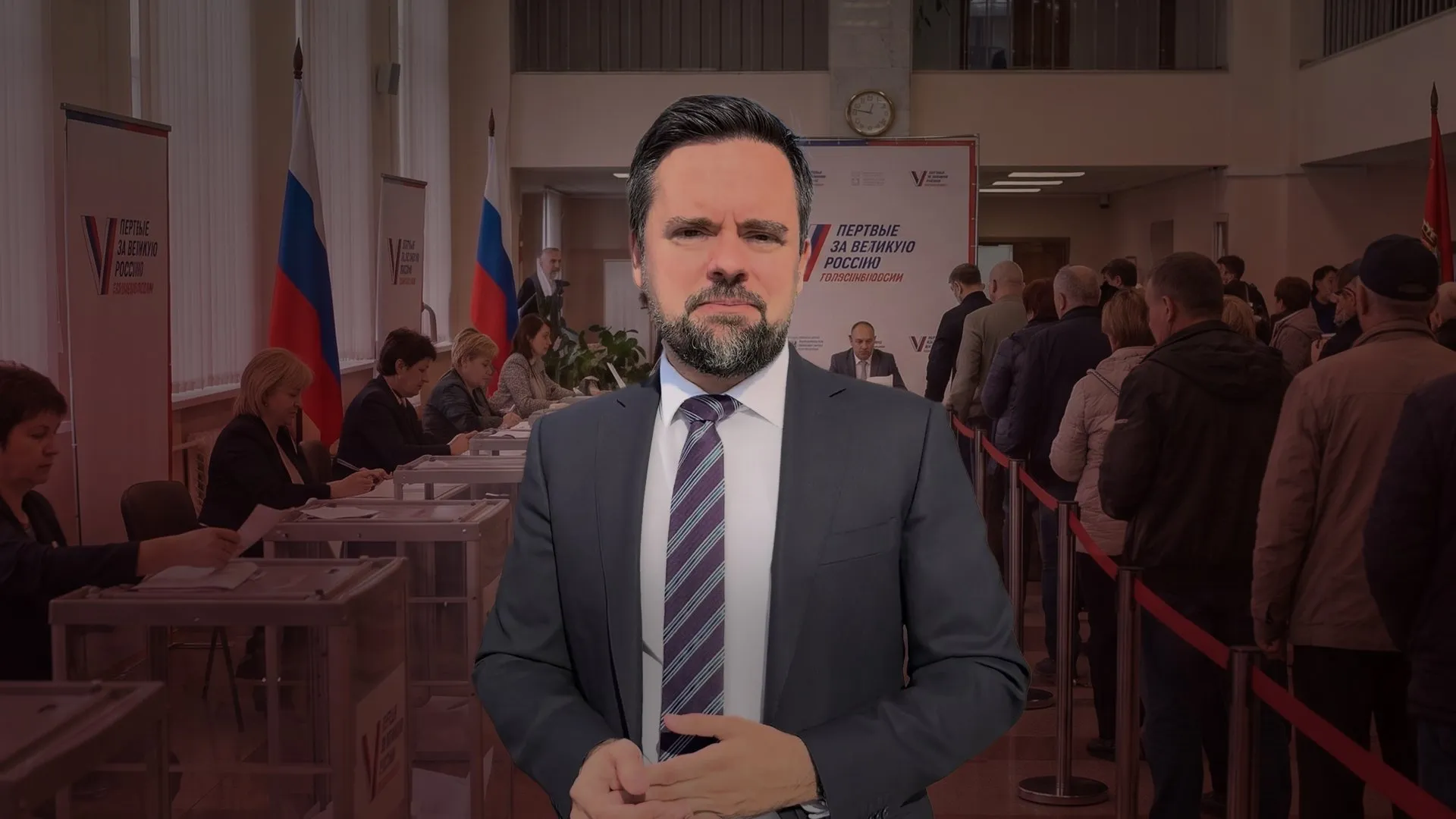
As Russia heads to the polls for the first time since the start of the conflict in Ukraine, the long-standing dominance of United Russia faces new scrutiny.
For more than two decades, the United Russia party has maintained an ironclad grip on the Russian political apparatus. Since its rise to prominence, the party has successfully consolidated power across all levels of government, effectively marginalizing traditional opposition movements and establishing itself as the primary vehicle for state policy. This electoral cycle represents a critical juncture for the organization as it seeks to reaffirm its authority while navigating the complexities of a nation undergoing significant societal shifts.
The current governing structure relies heavily on a centralized approach to governance, where the party platform is synonymous with the national agenda. istrations, United Russia has built a resilient foundation that is difficult for smaller, less-resourced parties to penetrate. Analysts observe that this dominance is not merely a result of policy success, but also a reflection of a carefully curated political environment that favors stability and continuity over radical shifts in leadership.
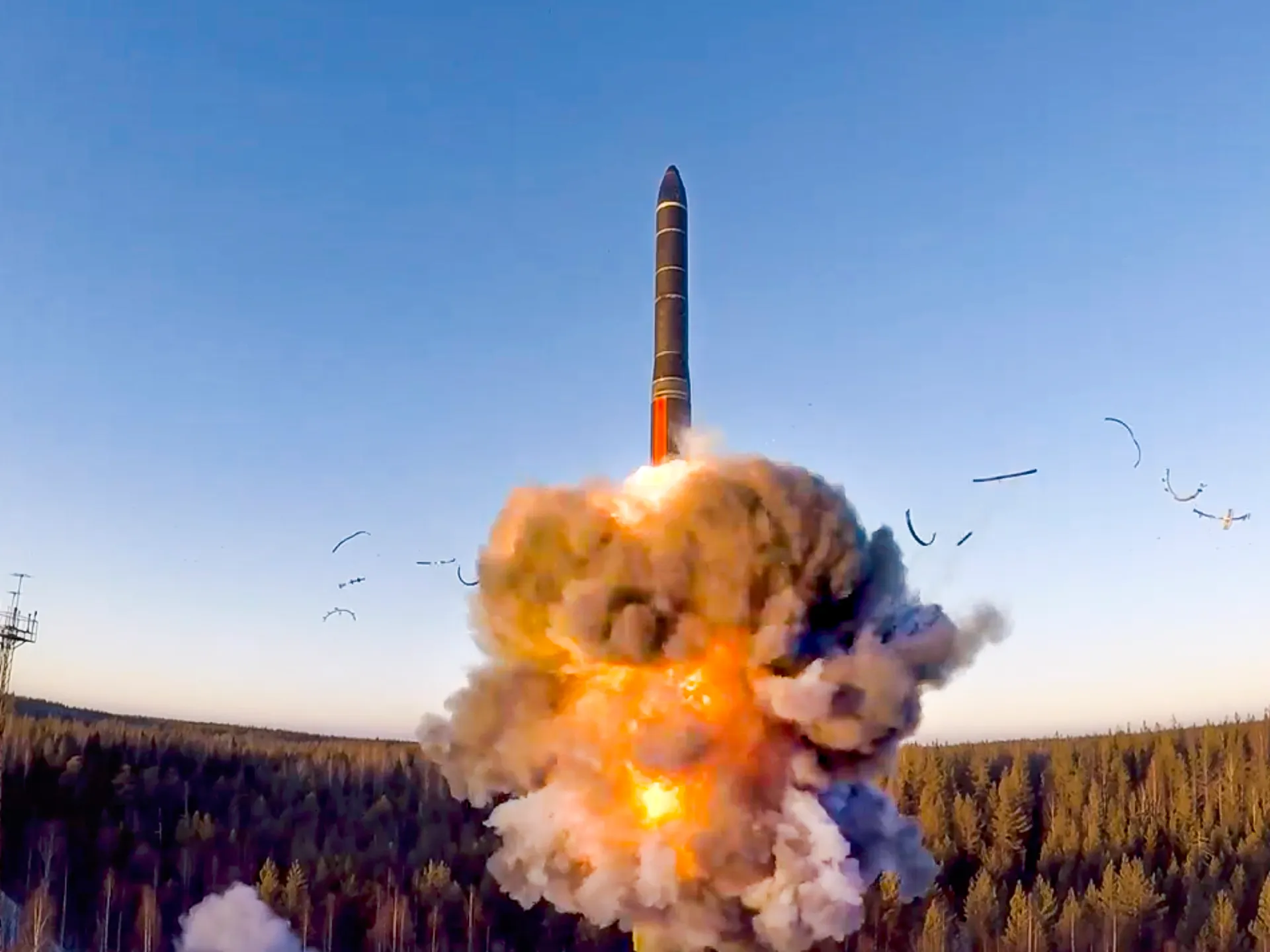
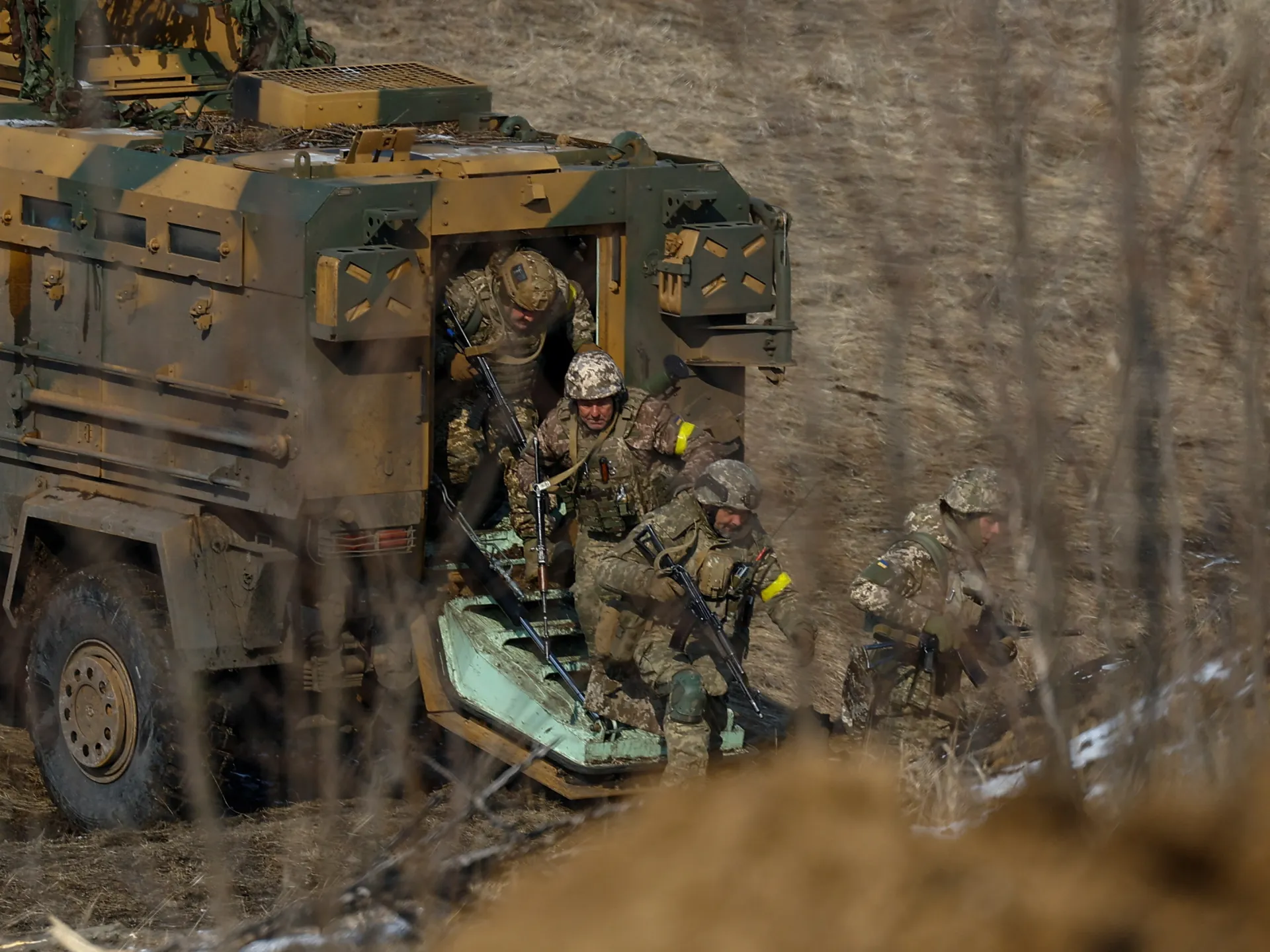
This year’s electoral events hold particular significance as they mark the first time the Russian electorate has participated in a national vote since the onset of the conflict in Ukraine in 2022. The war has fundamentally altered the domestic discourse, influencing everything from economic priorities to national security narratives. Consequently, the party’s messaging has pivoted toward themes of sovereignty, national resilience, and the necessity of unity during times of geopolitical pressure.
For the average voter, the conflict has created a complex environment in which to evaluate political options. While the incumbent party leverages the necessity of wartime stability to encourage support, other political entities are faced with the challenge of addressing voter concerns without straying from the state-sanctioned narrative. The intersection of military engagement and internal political dynamics has effectively narrowed the spectrum of acceptable public debate, leaving little room for parties that seek to challenge the foundational direction of the government.
The question remains whether alternative political parties can gain meaningful traction in an environment defined r parties exist on the ballot, their ability to influence policy or challenge the majority is severely limited. These groups often find themselves operating within a narrow corridor, focusing on localized issues or ideological niches that do not threaten the core interests of the ruling establishment.
Observers of the electoral process note that the lack of a robust, unified opposition movement is a primary factor in the continued hegemony of the governing party. Without a clear alternative that can mobilize a significant portion of the electorate, the status quo remains largely unchallenged. Even as public sentiment shifts in response to economic pressures or wartime realities, the mechanism of change is often stifled tical system.
As the election unfolds, the focus is not necessarily on a potential transfer of power, but rather on the degree to which the electorate remains engaged in a system that offers little in the way of genuine choice. The turnout and the results will likely be viewed as a barometer for the public’s acceptance of current government strategies. If the status quo is maintained, it signals a consolidation of the existing trajectory for the foreseeable future.
In the long term, the sustainability of this political model depends on its ability to address the evolving needs of the citizenry. While the governing party currently enjoys the benefits of entrenched power, the pressures of the ongoing conflict and its subsequent economic impacts remain significant variables. The ability of the political establishment to adapt to these pressures, while simultaneously managing the expectations of a diverse population, will define the stability of the Russian political landscape for years to come.