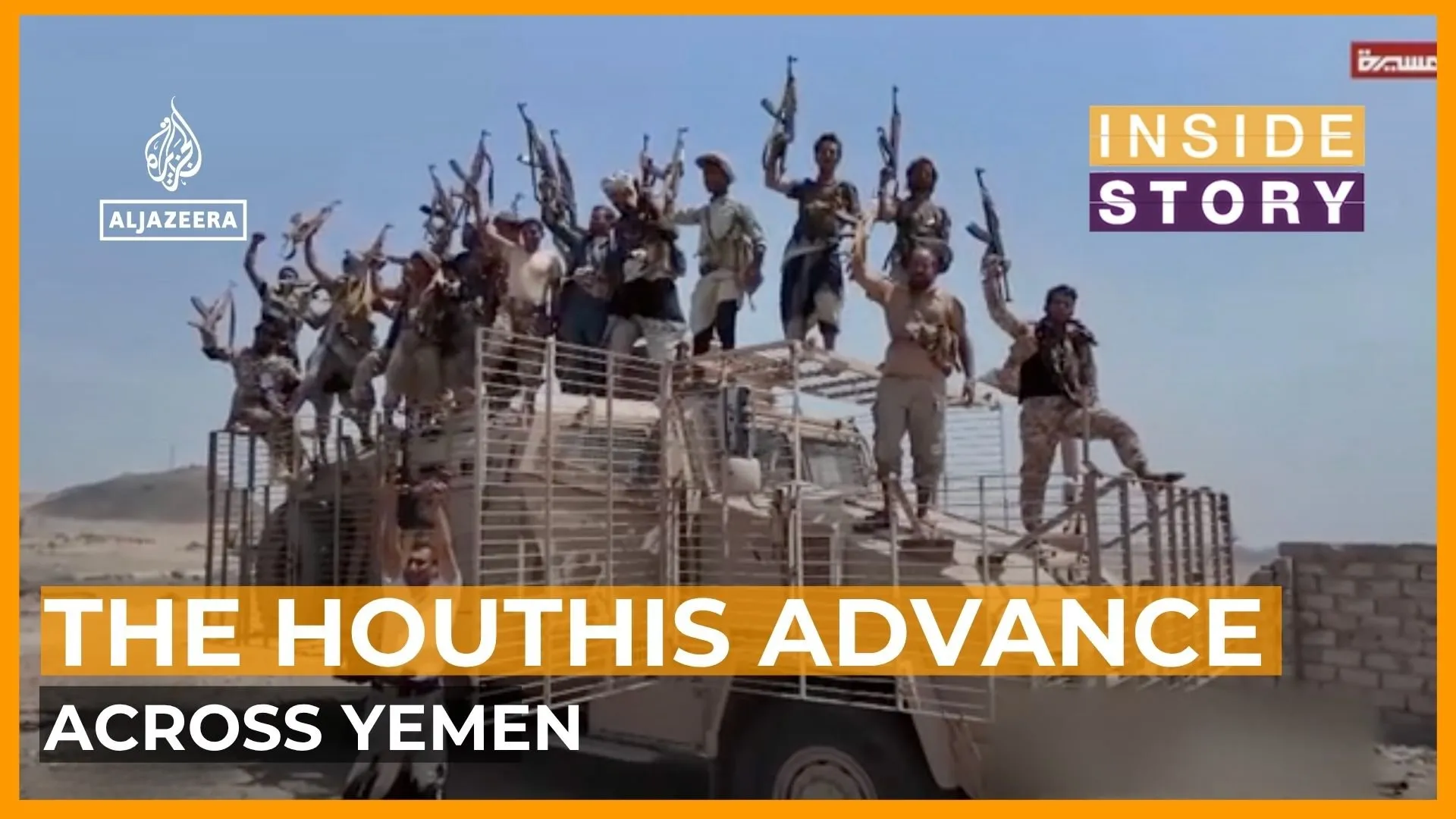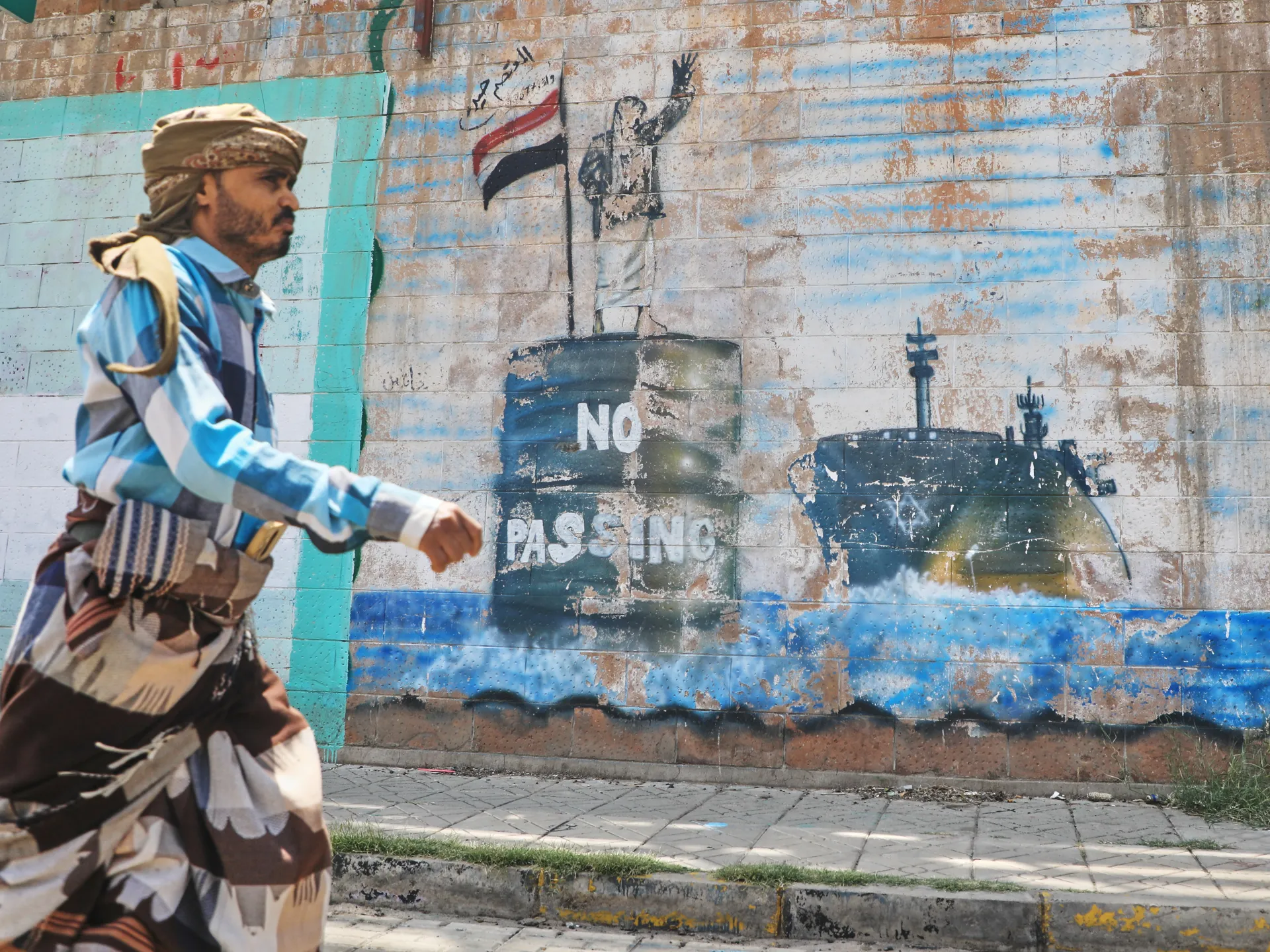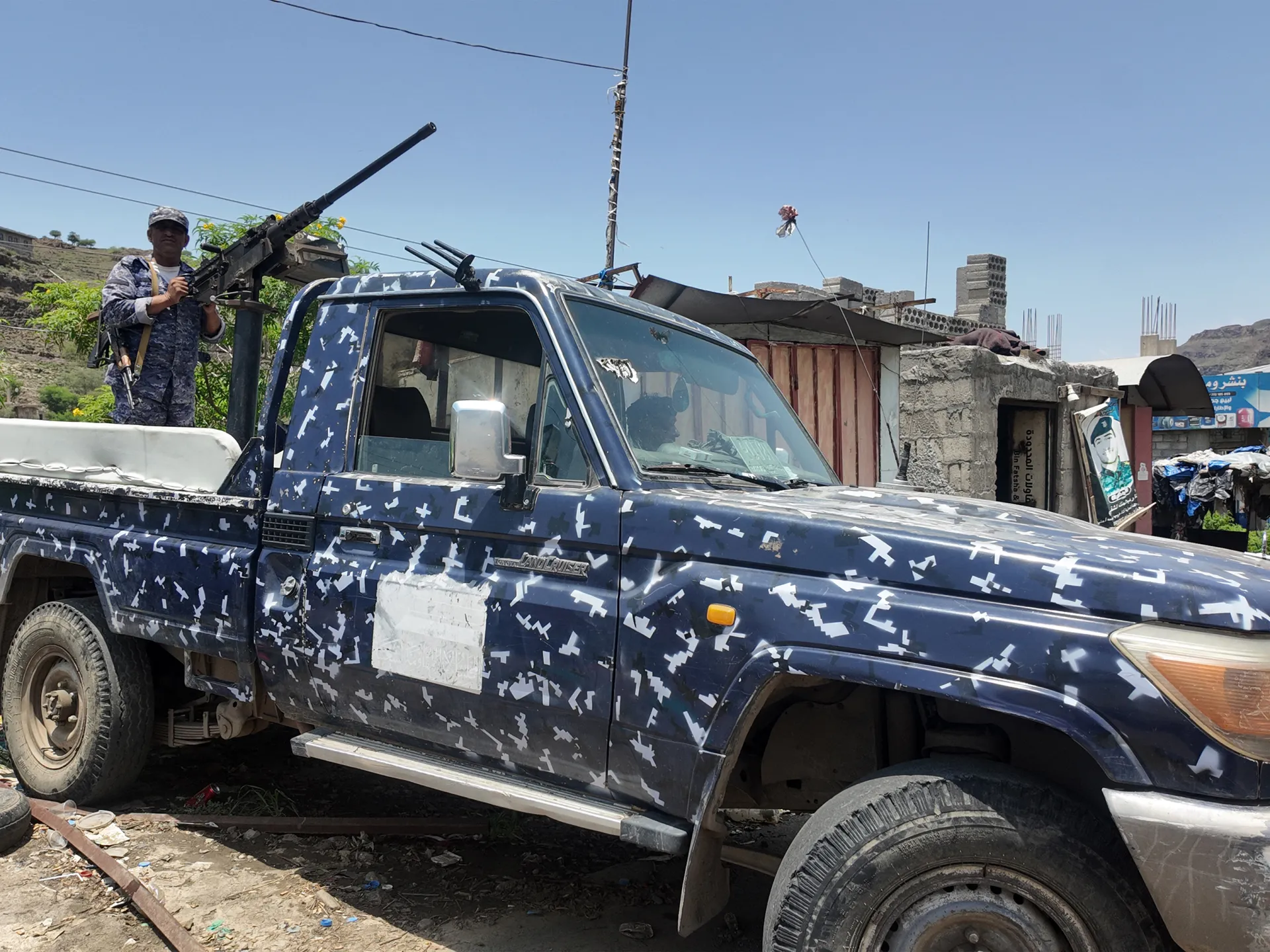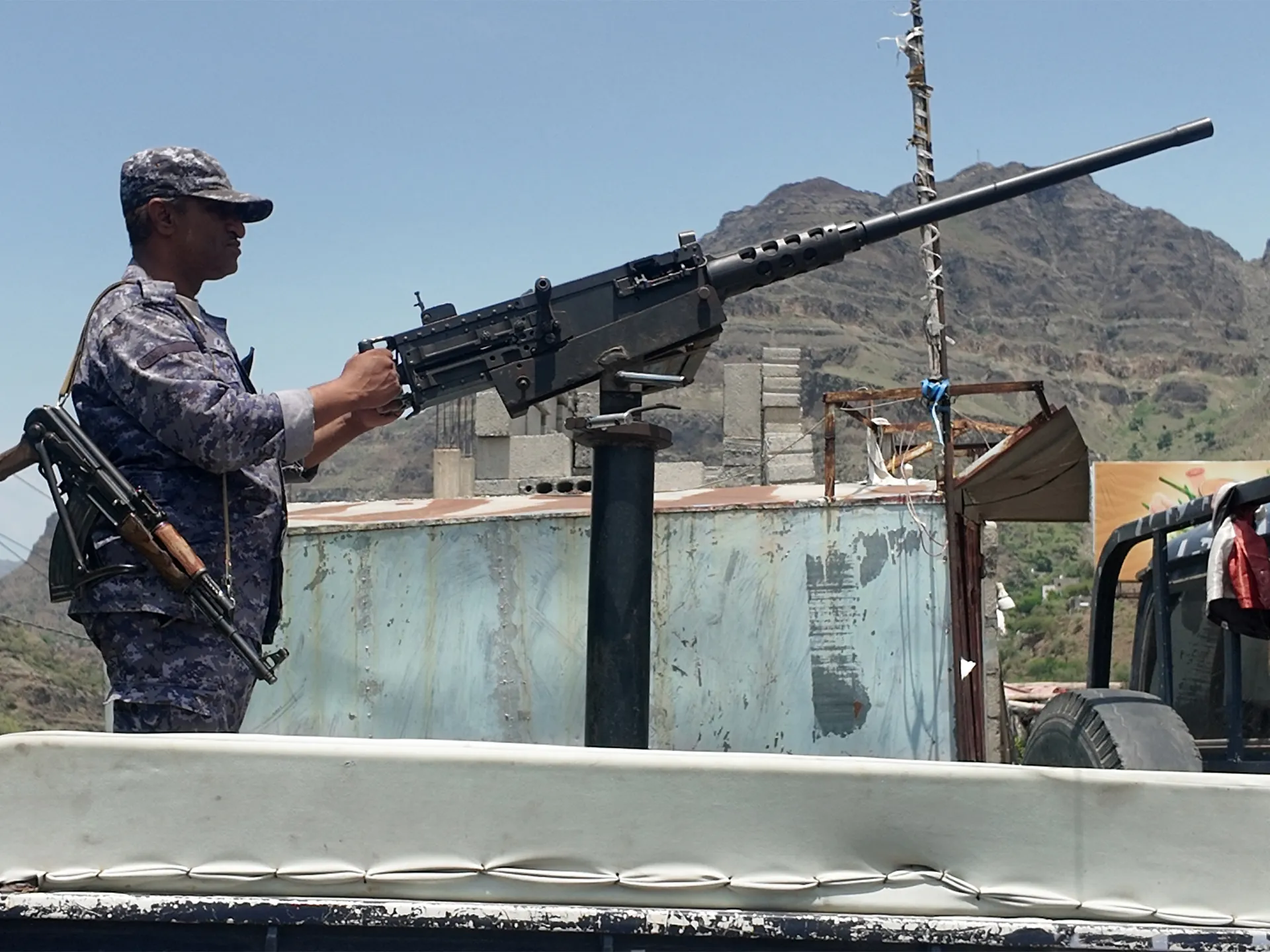
A surge in cross-border violence between Saudi Arabia and Houthi forces has resulted in five deaths, including three children, as both sides trade accusations over military strikes.
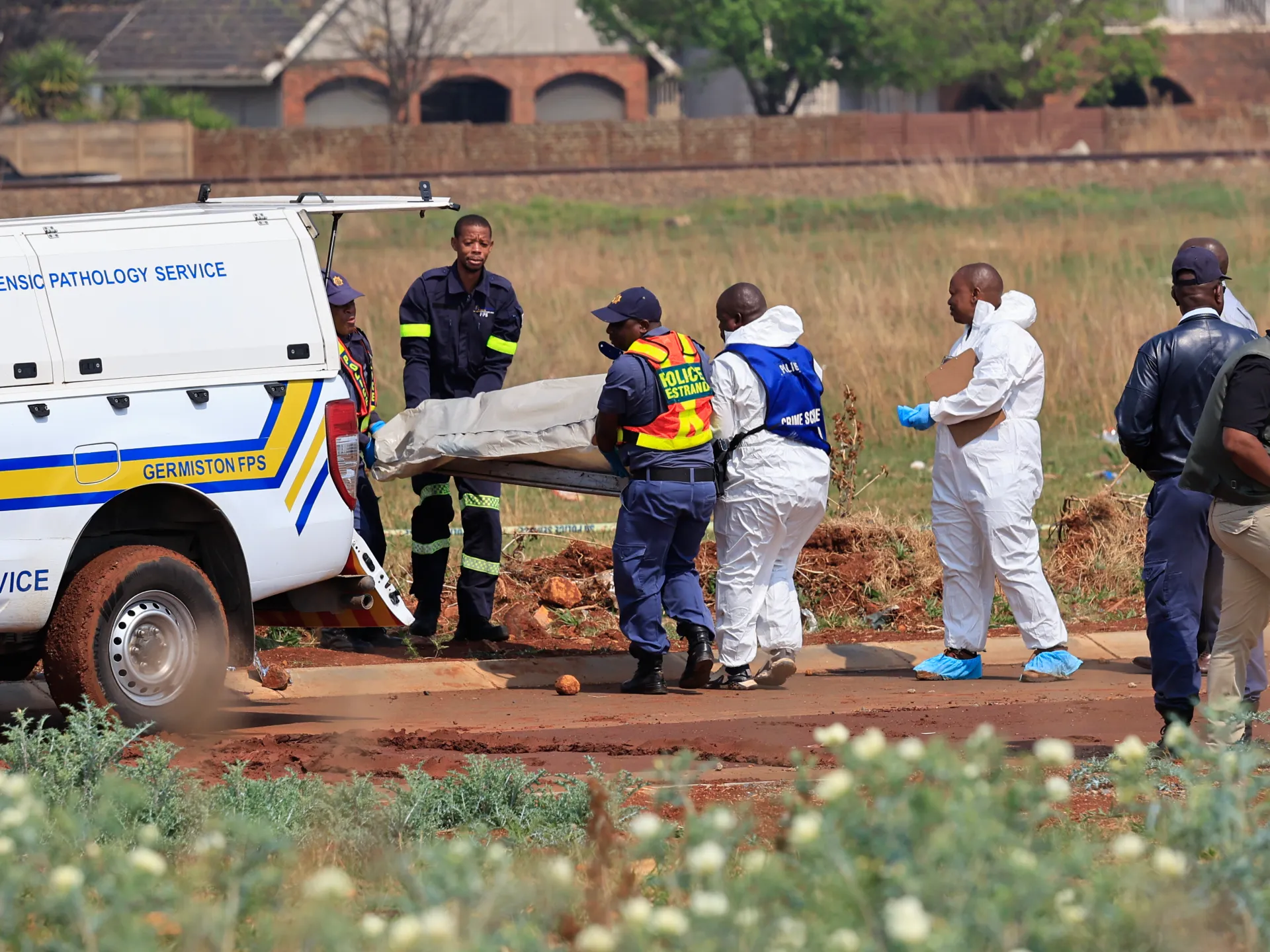
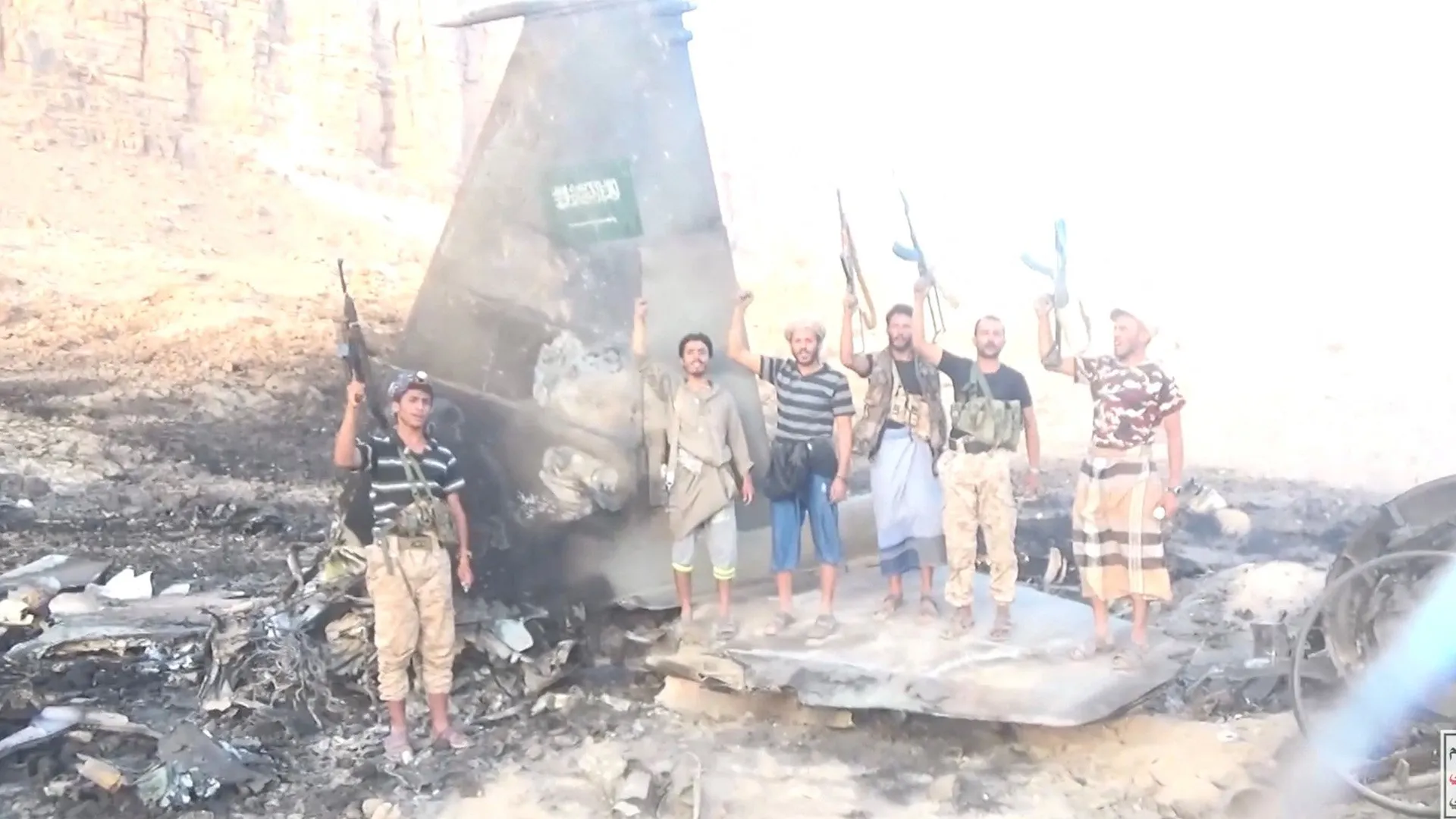
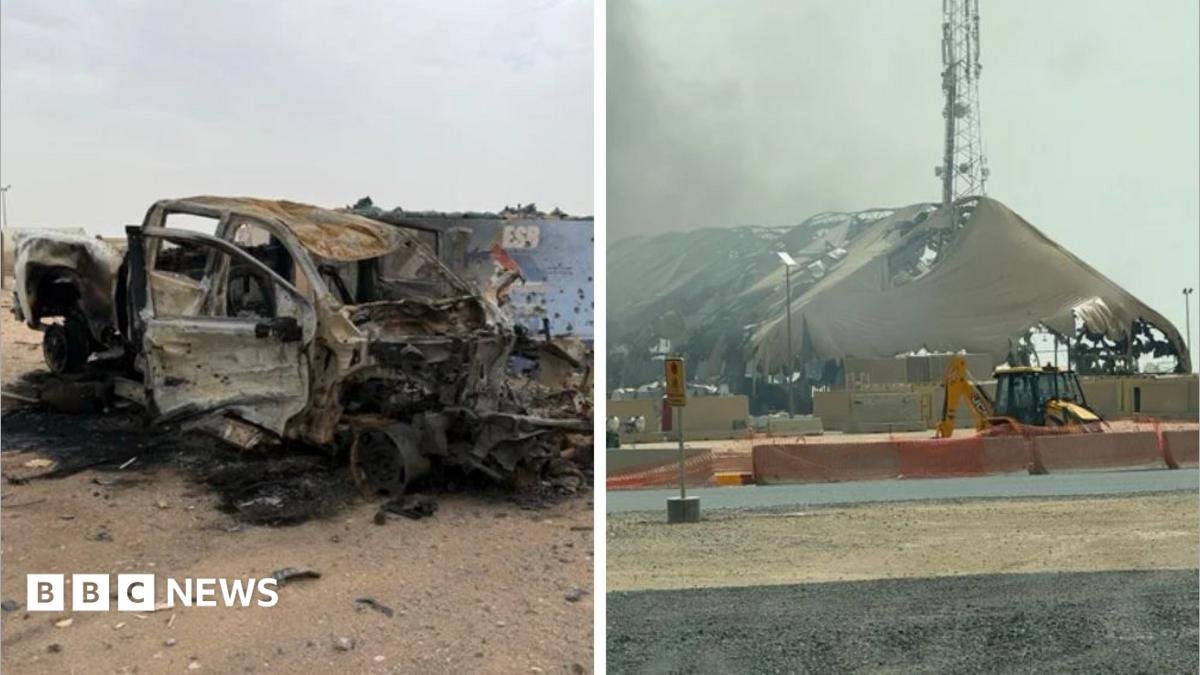
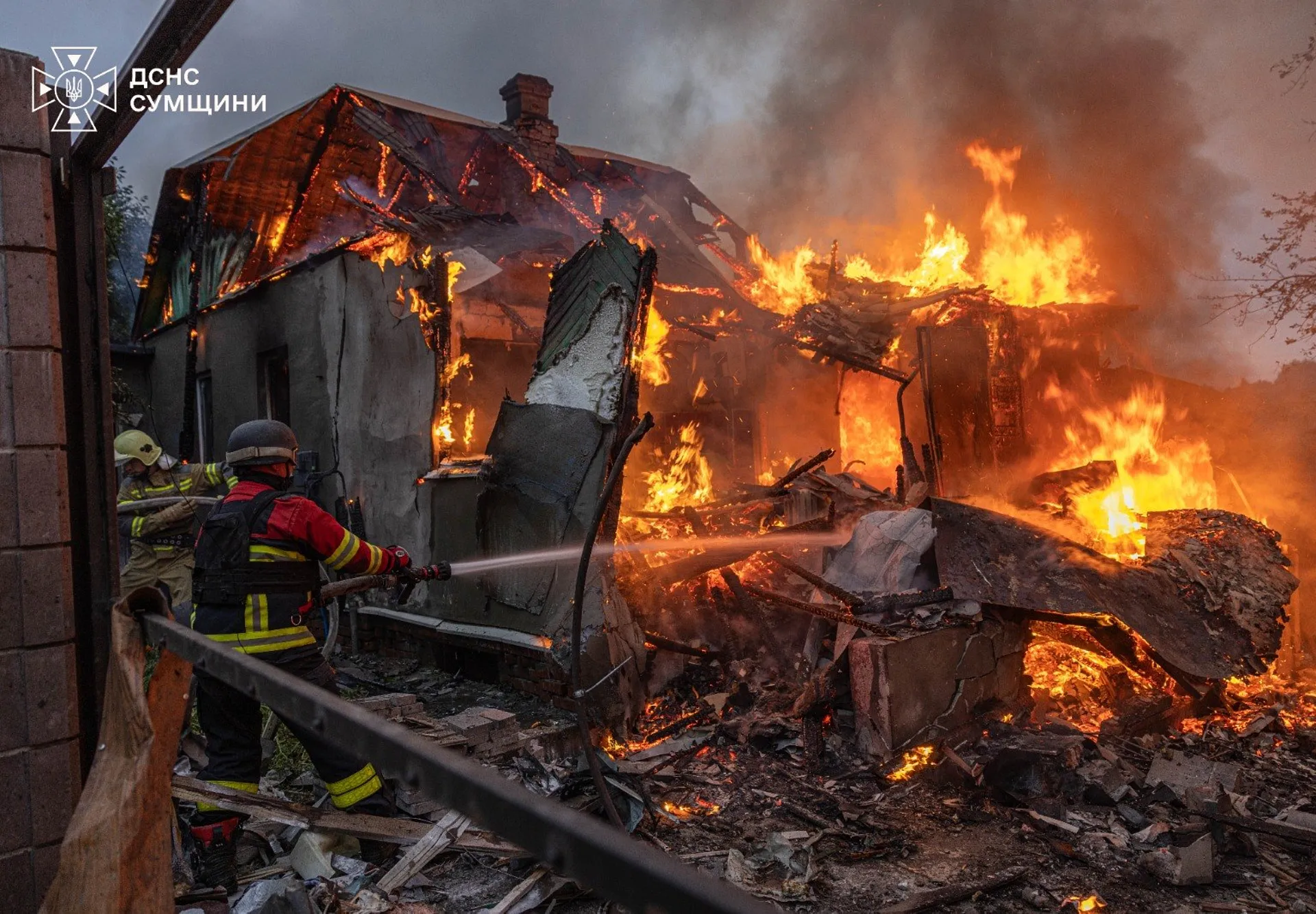
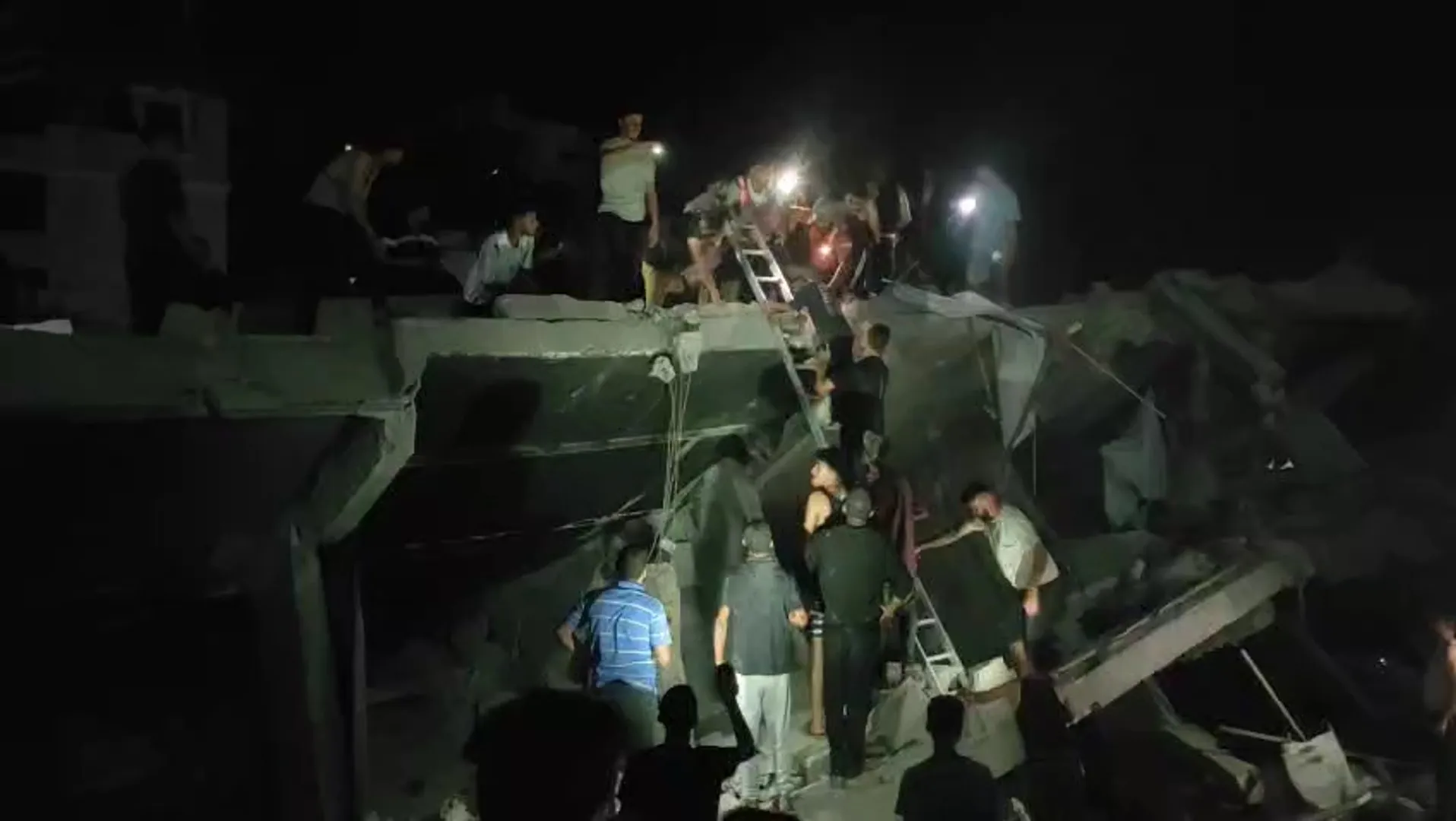
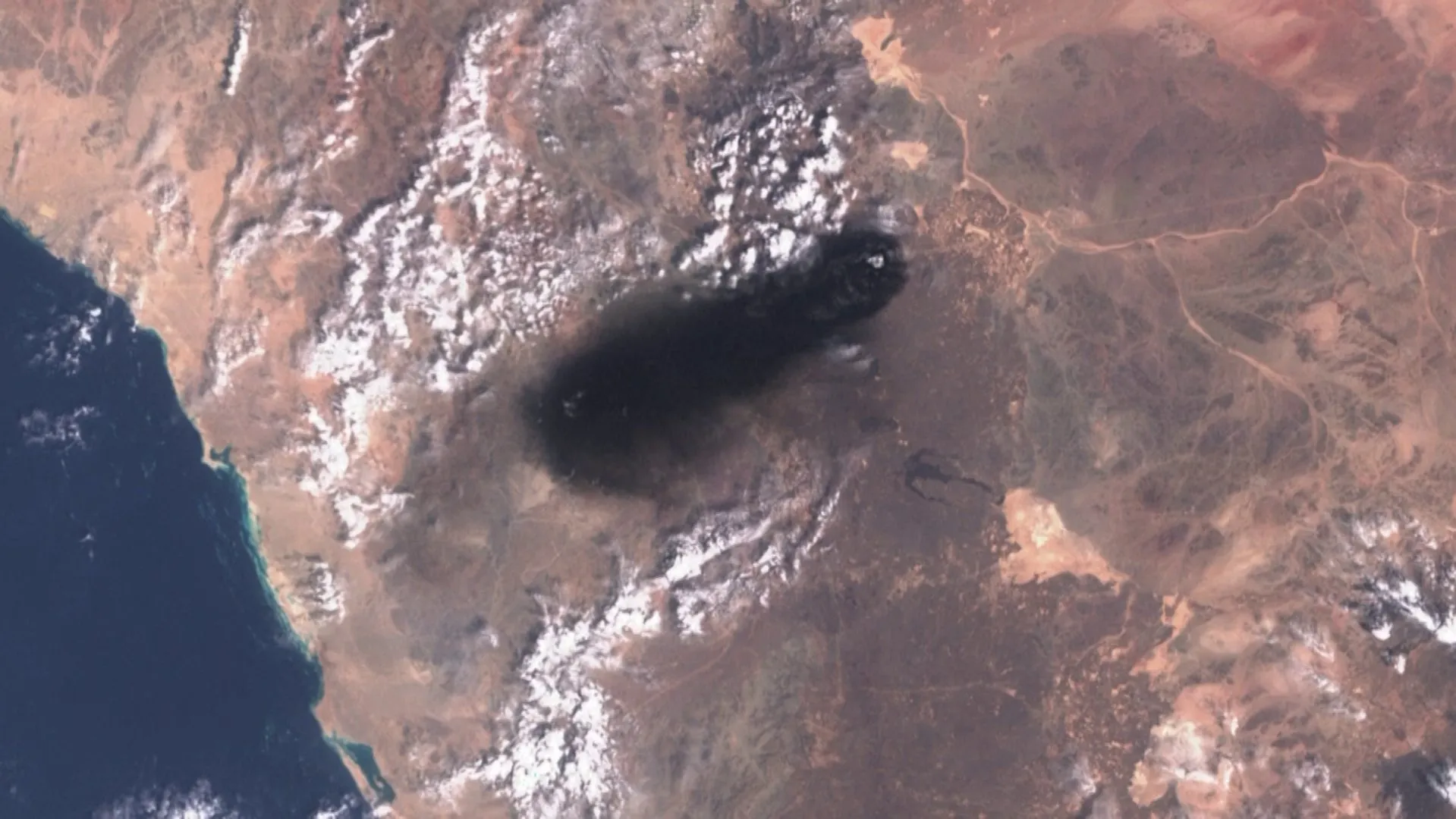
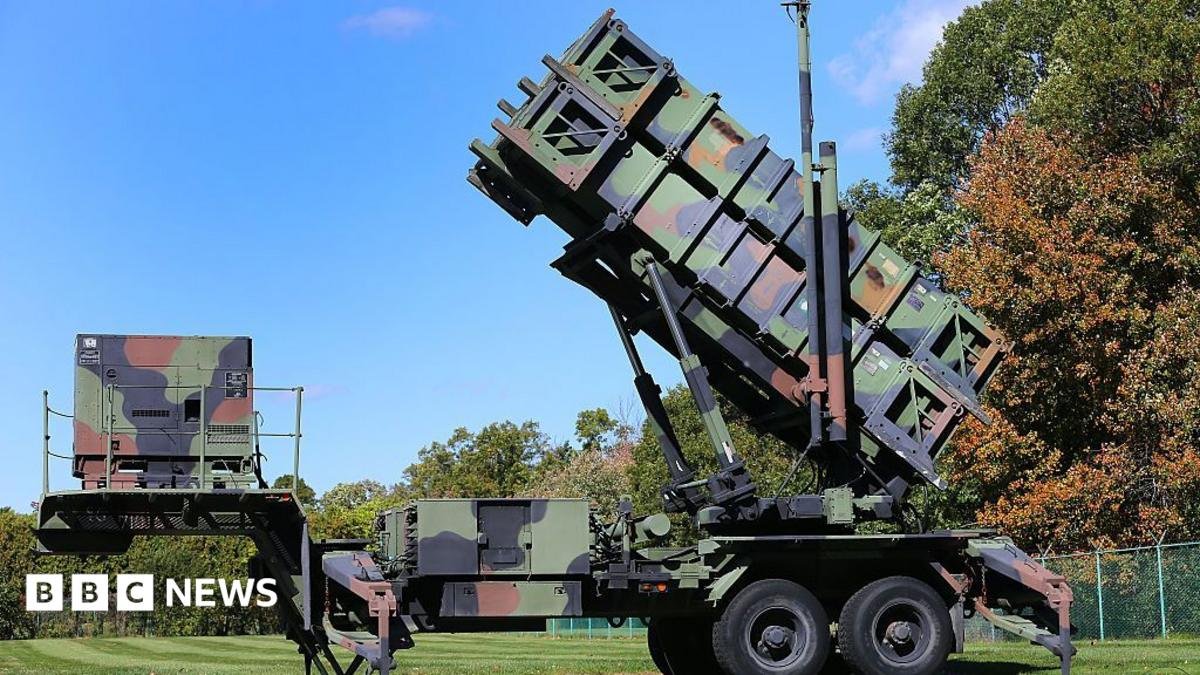
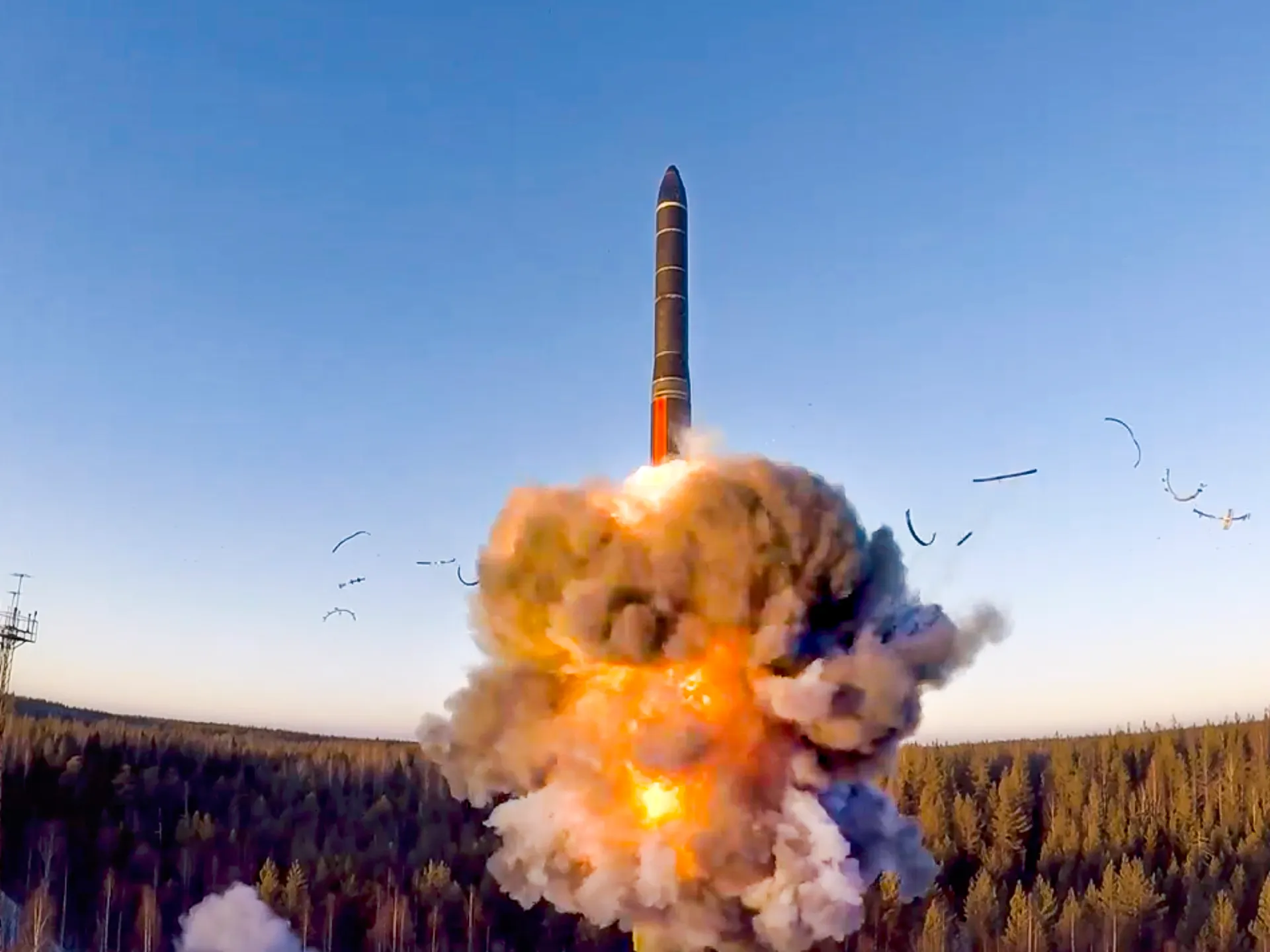
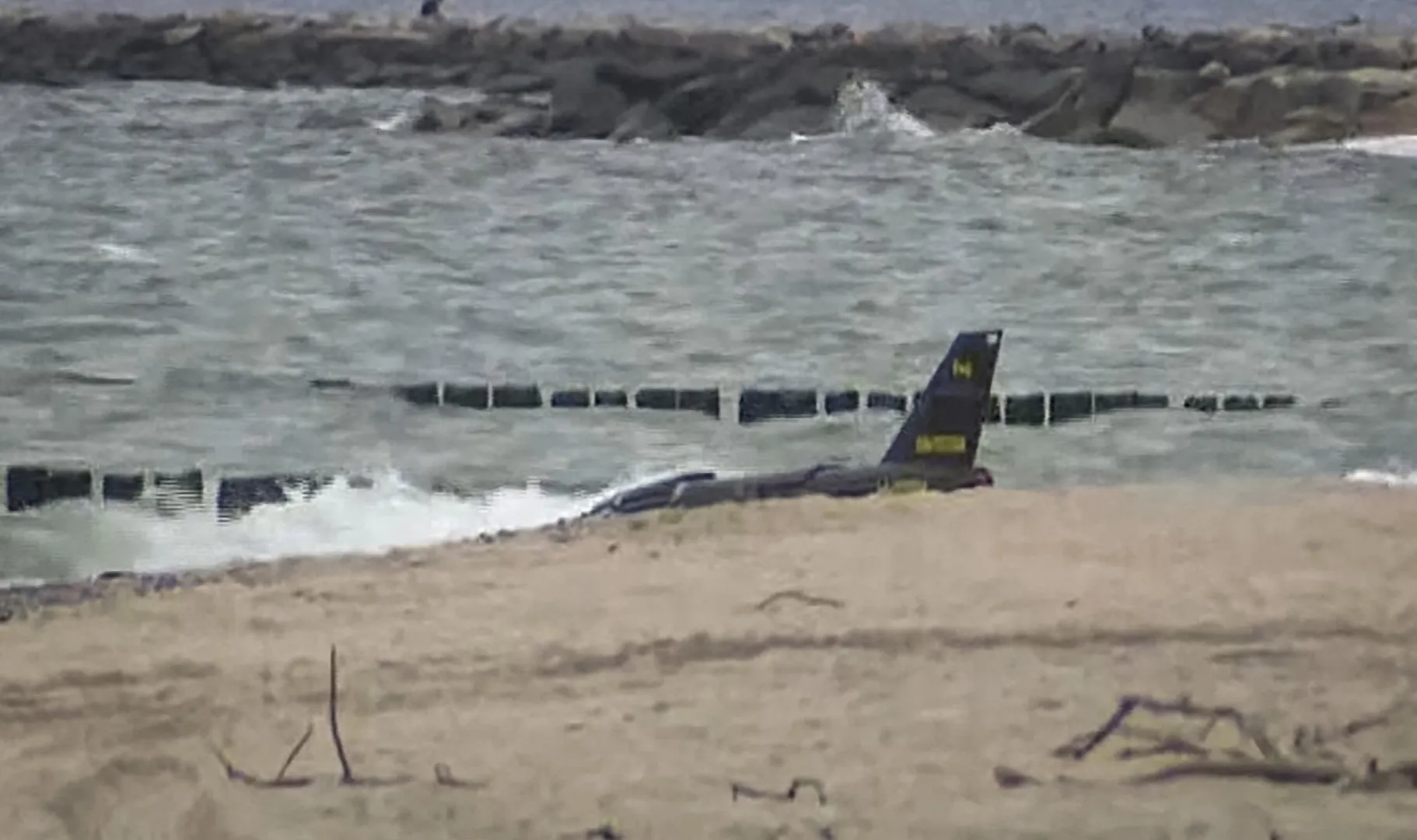
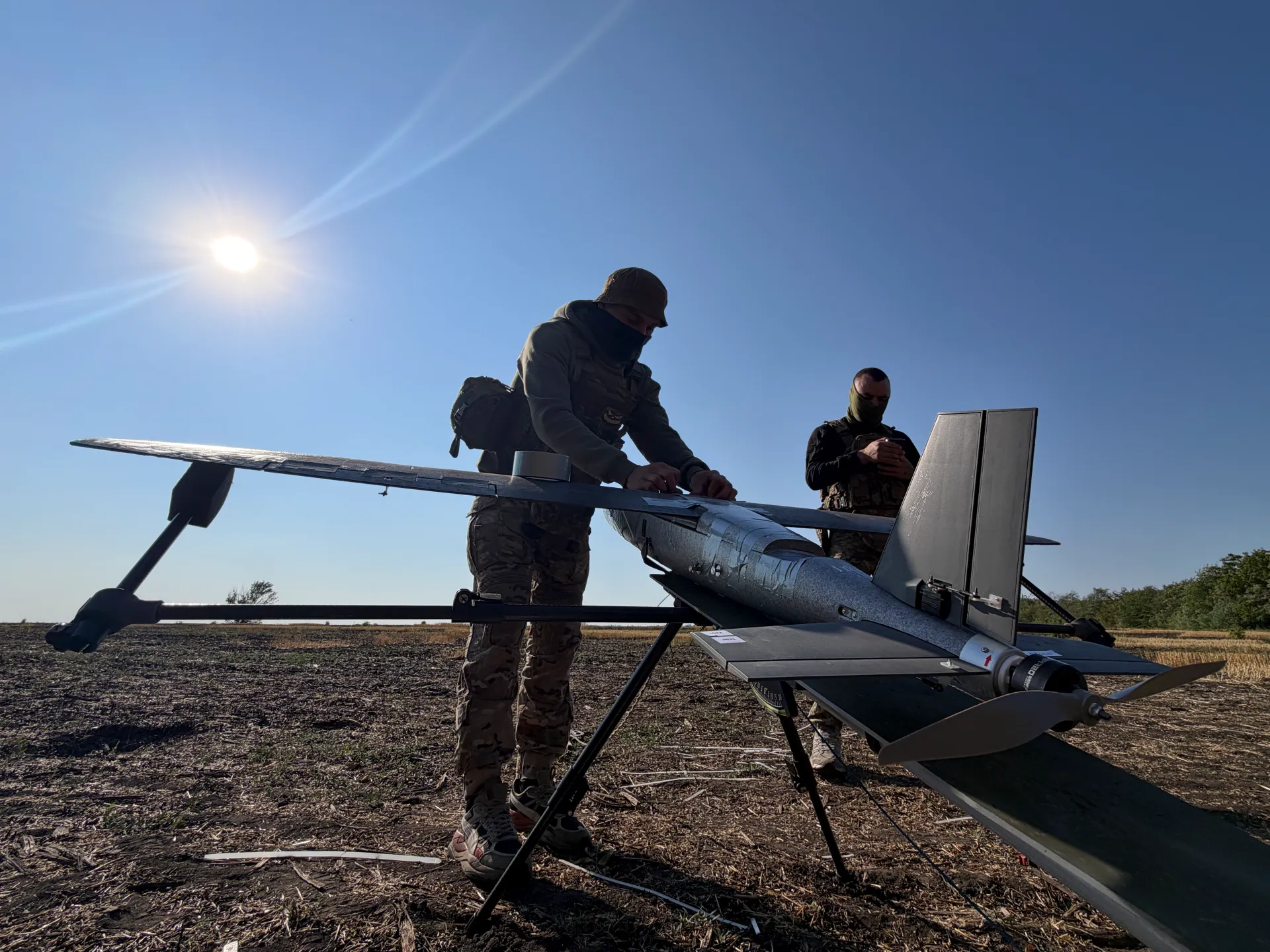
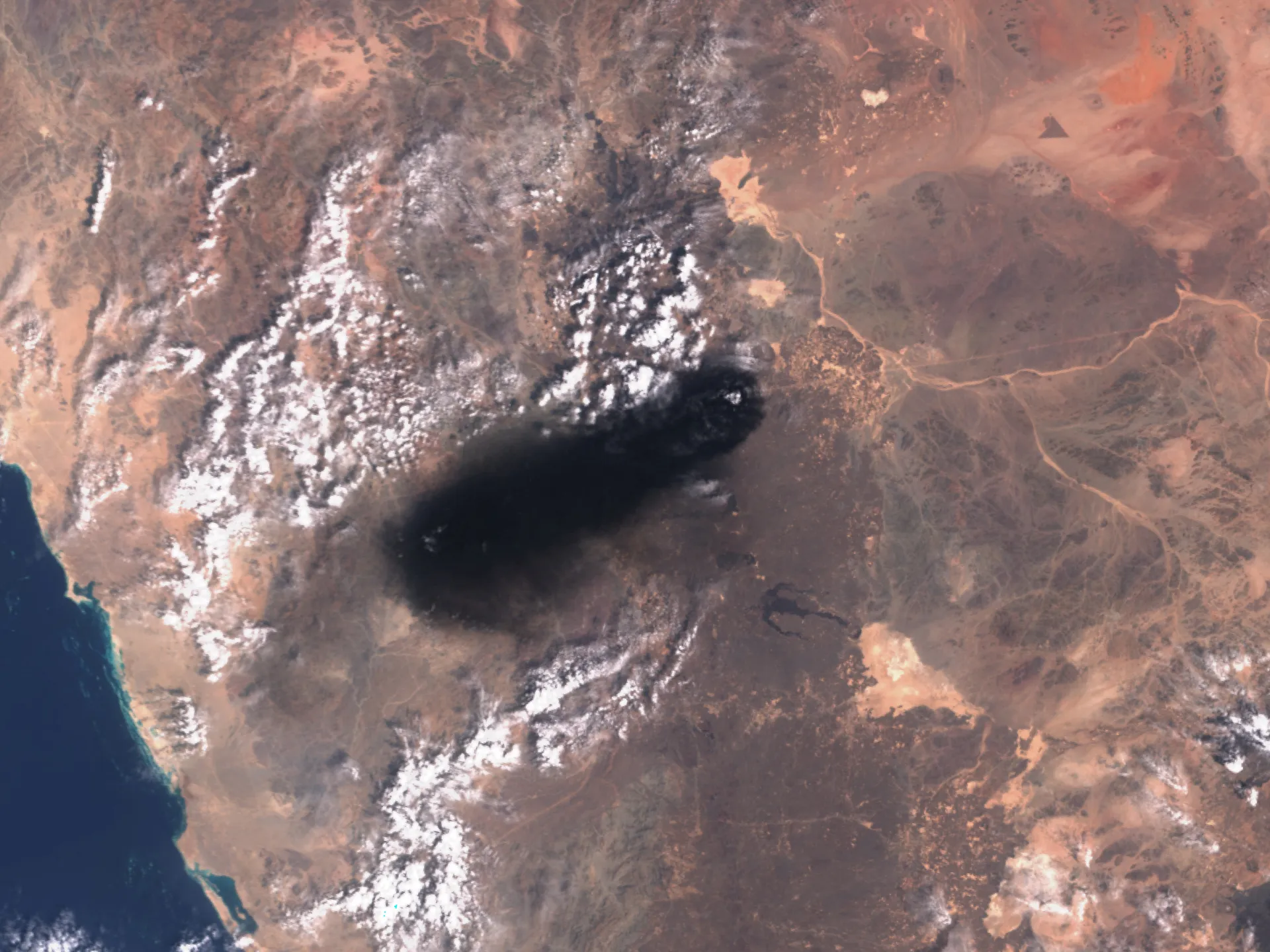
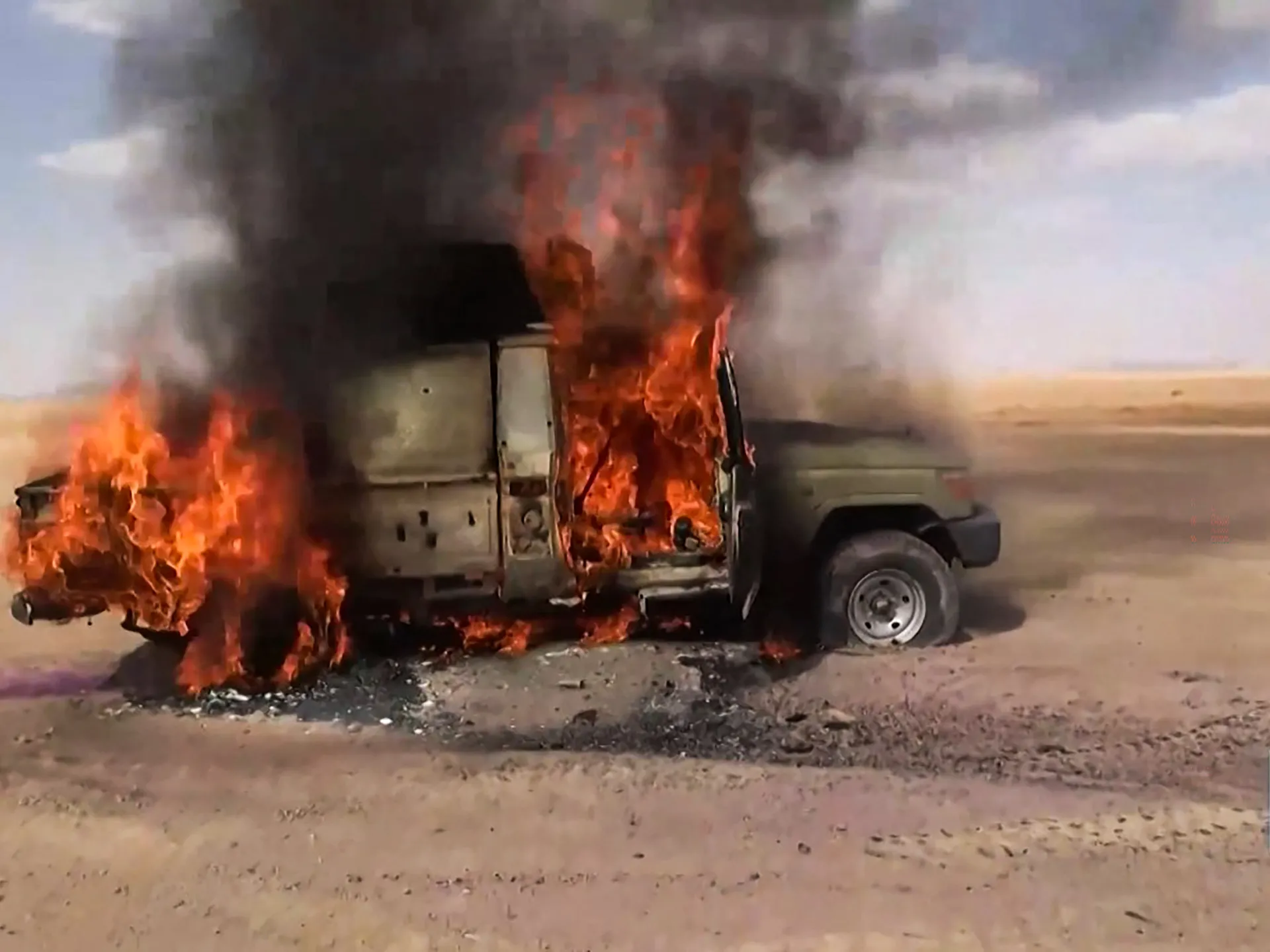
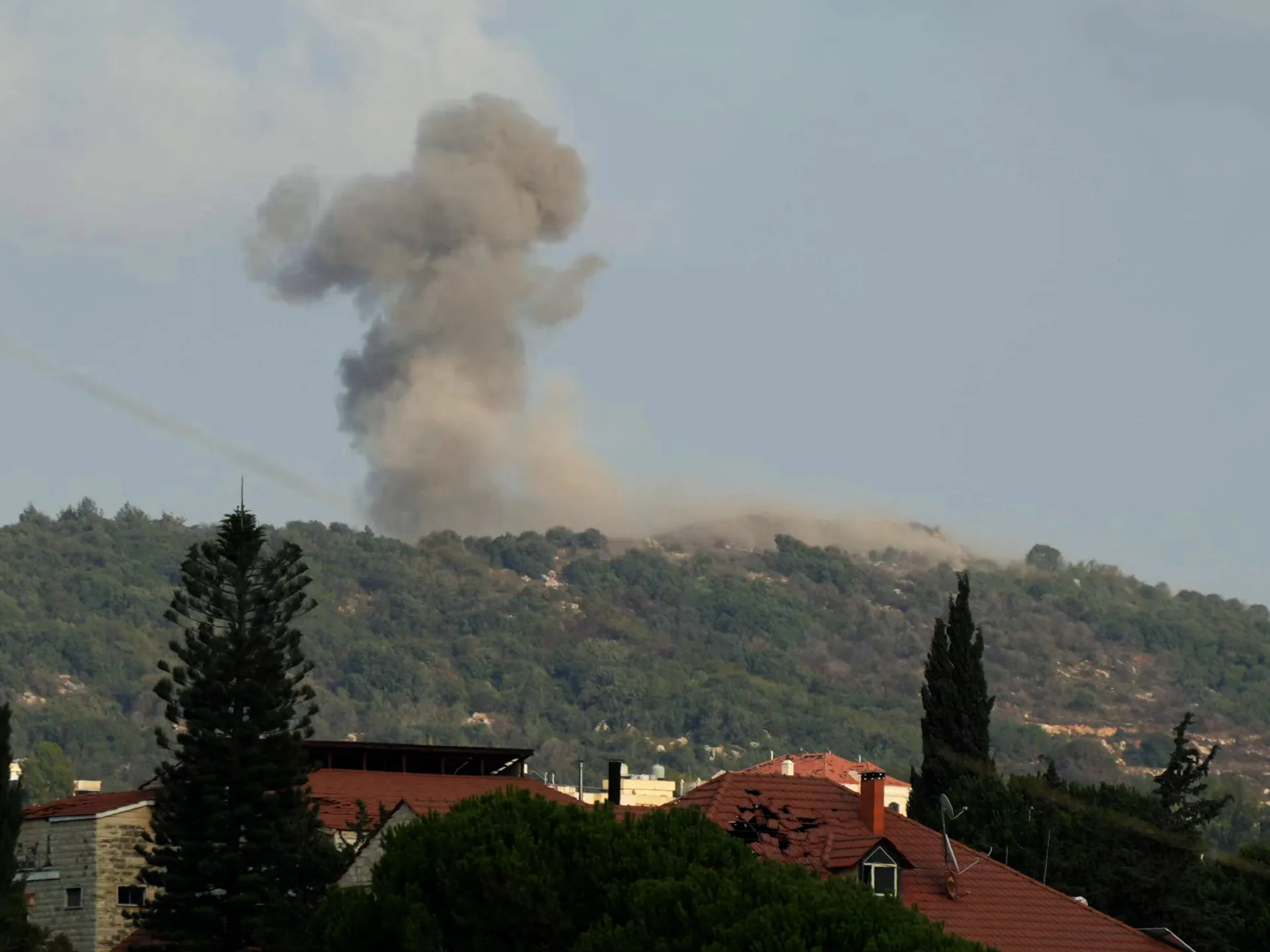
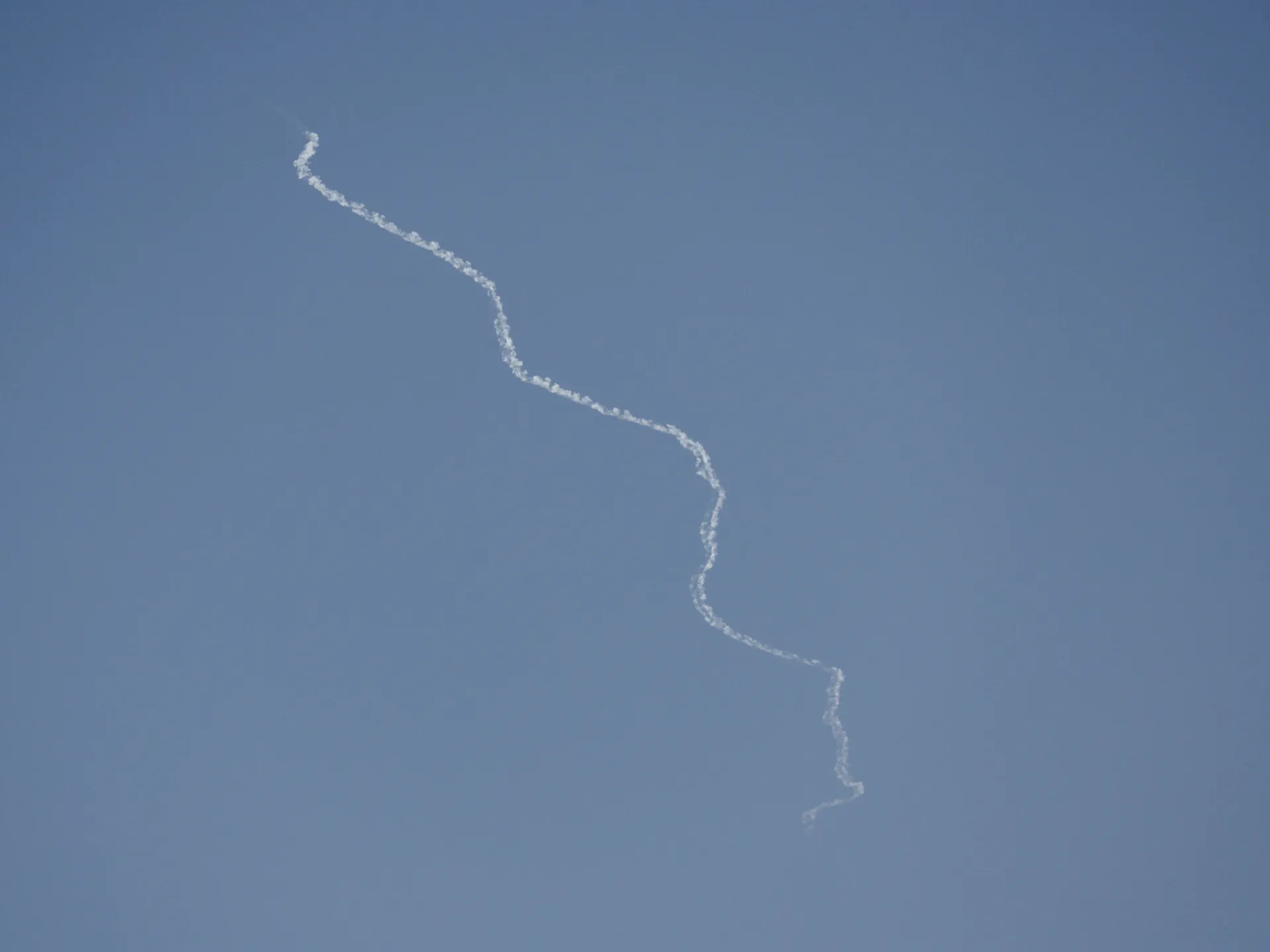
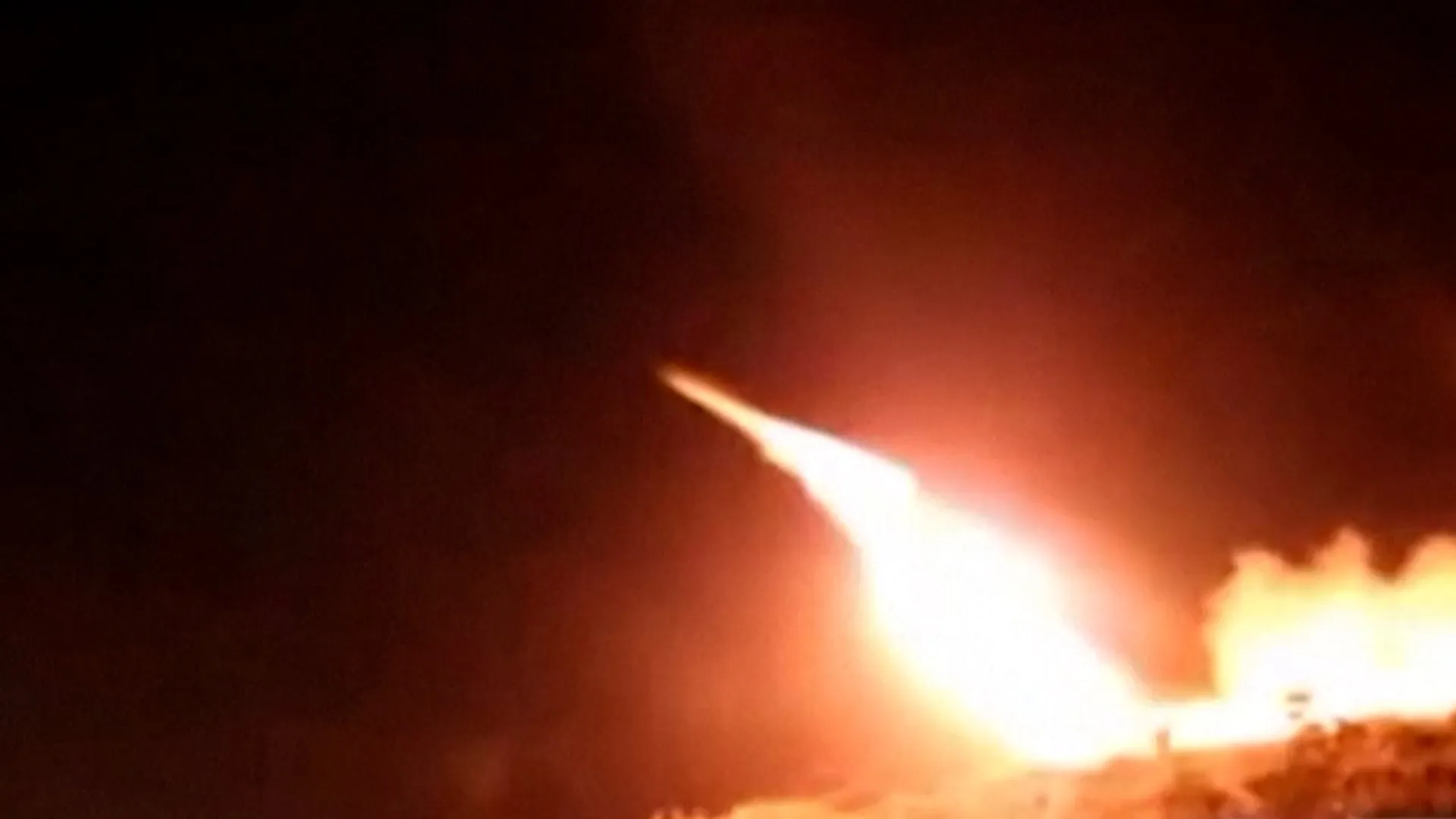
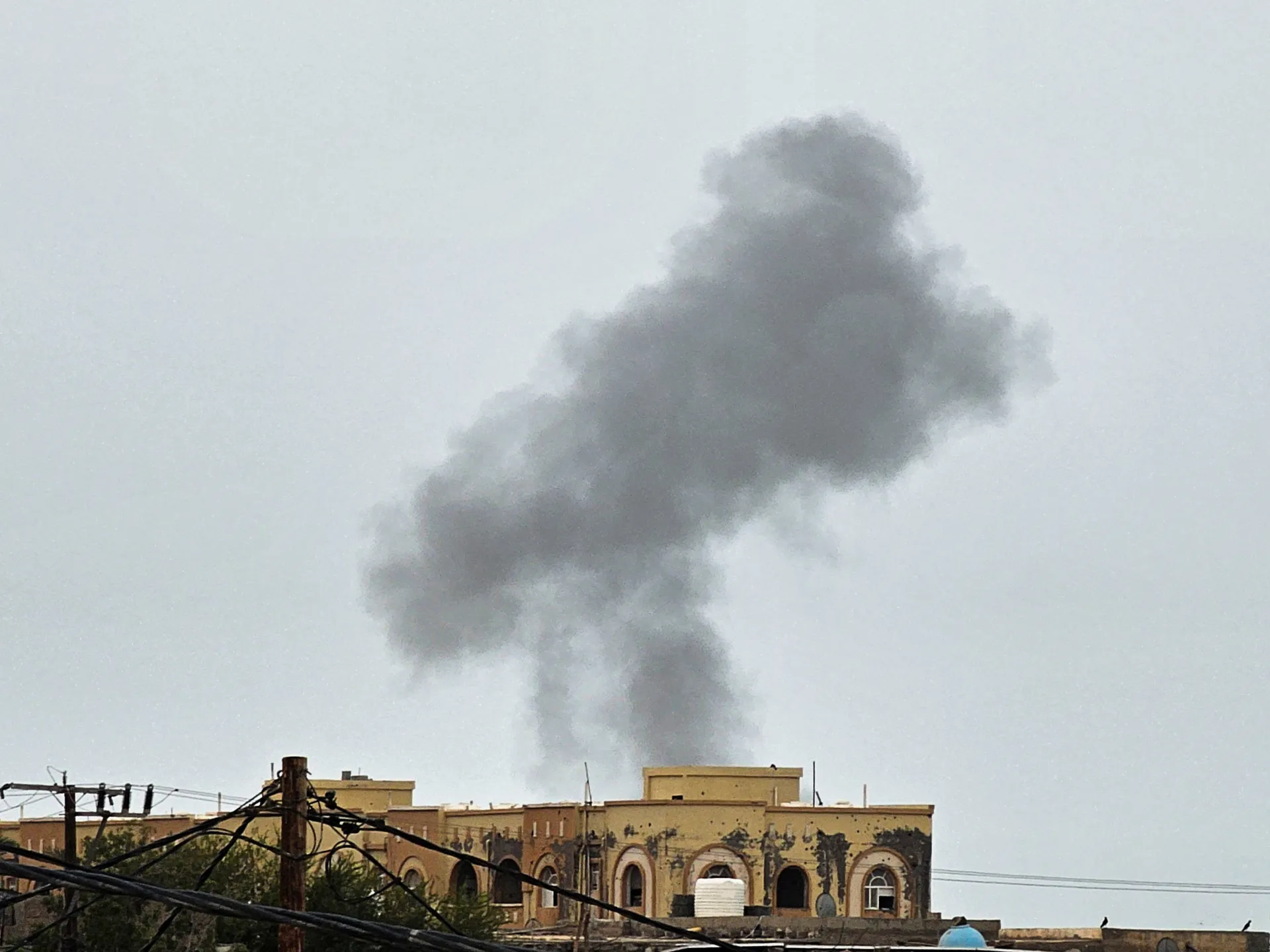
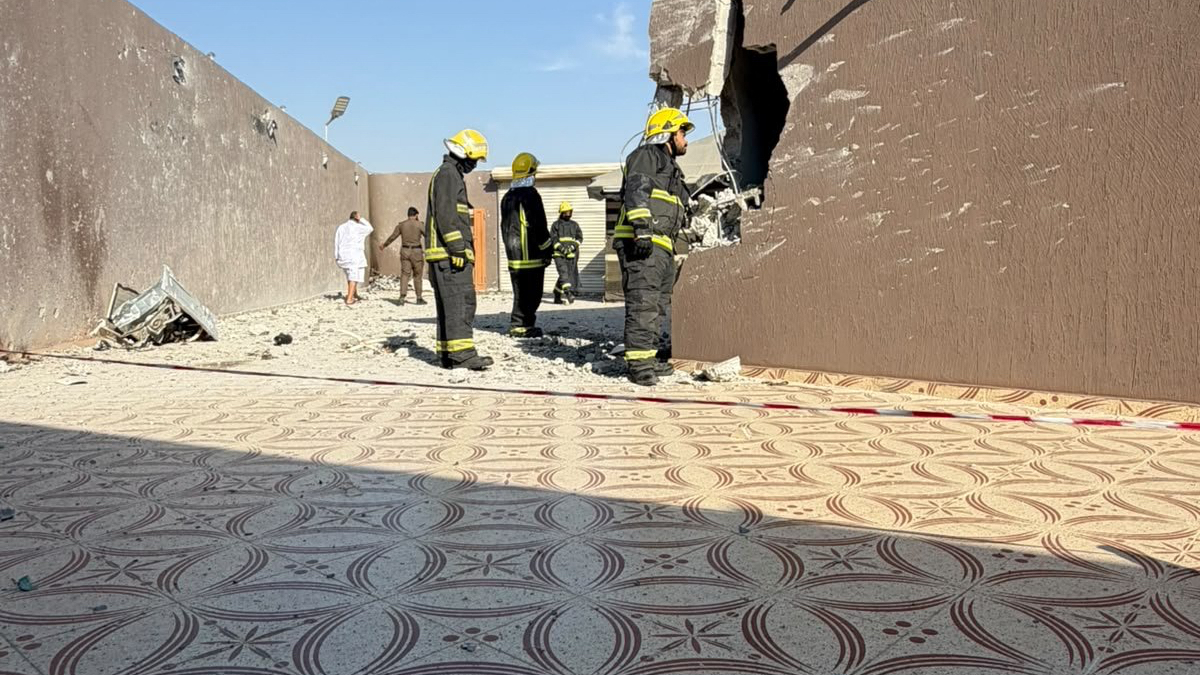
A significant surge in military violence between Saudi Arabia and the Houthi movement in Yemen has resulted in the loss of at least five lives, including three children. The latest cycle of violence began when a Houthi-launched drone was intercepted over the southwestern Saudi governorate of Taif. Saudi civil defense authorities confirmed that the interception resulted in the death of a Yemeni resident and left two others injured. This incident marks a grim milestone as the first fatality reported within Saudi territory in September, highlighting a dangerous intensification of the ongoing regional conflict.
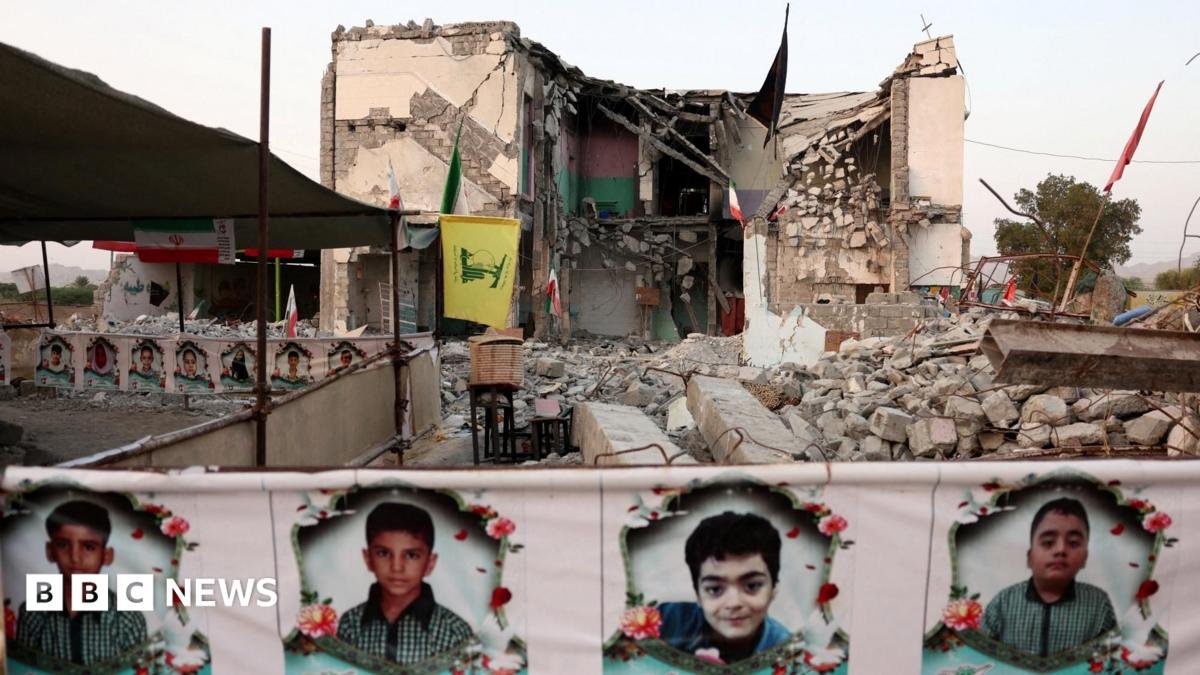
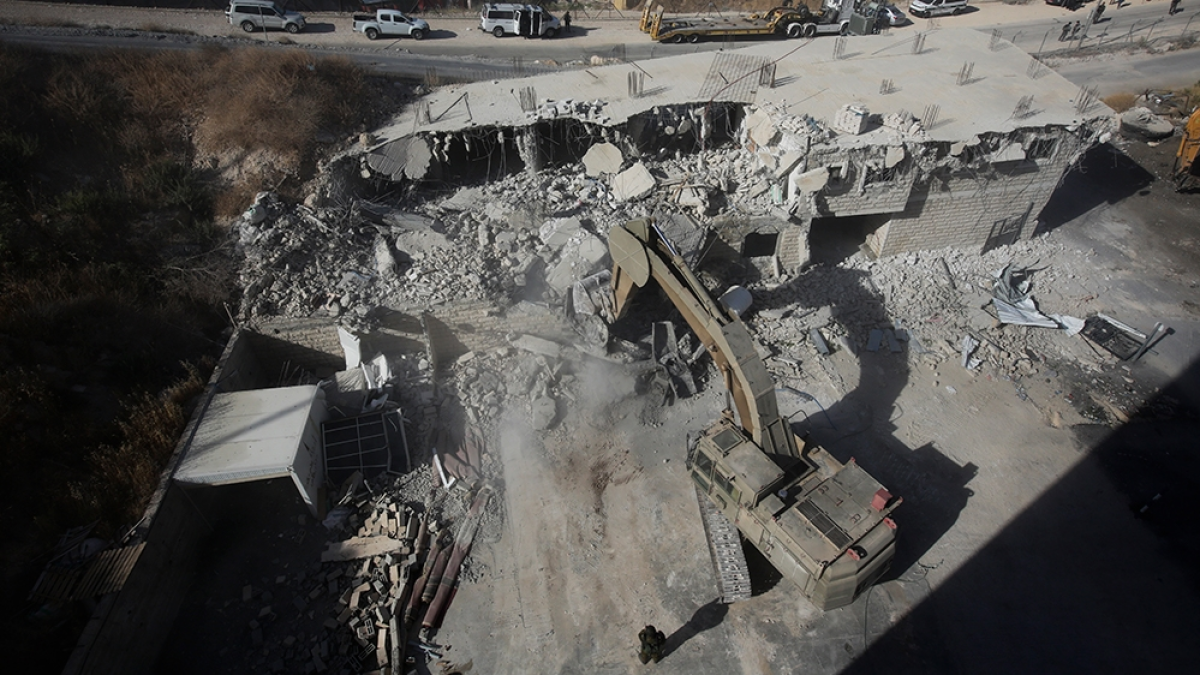
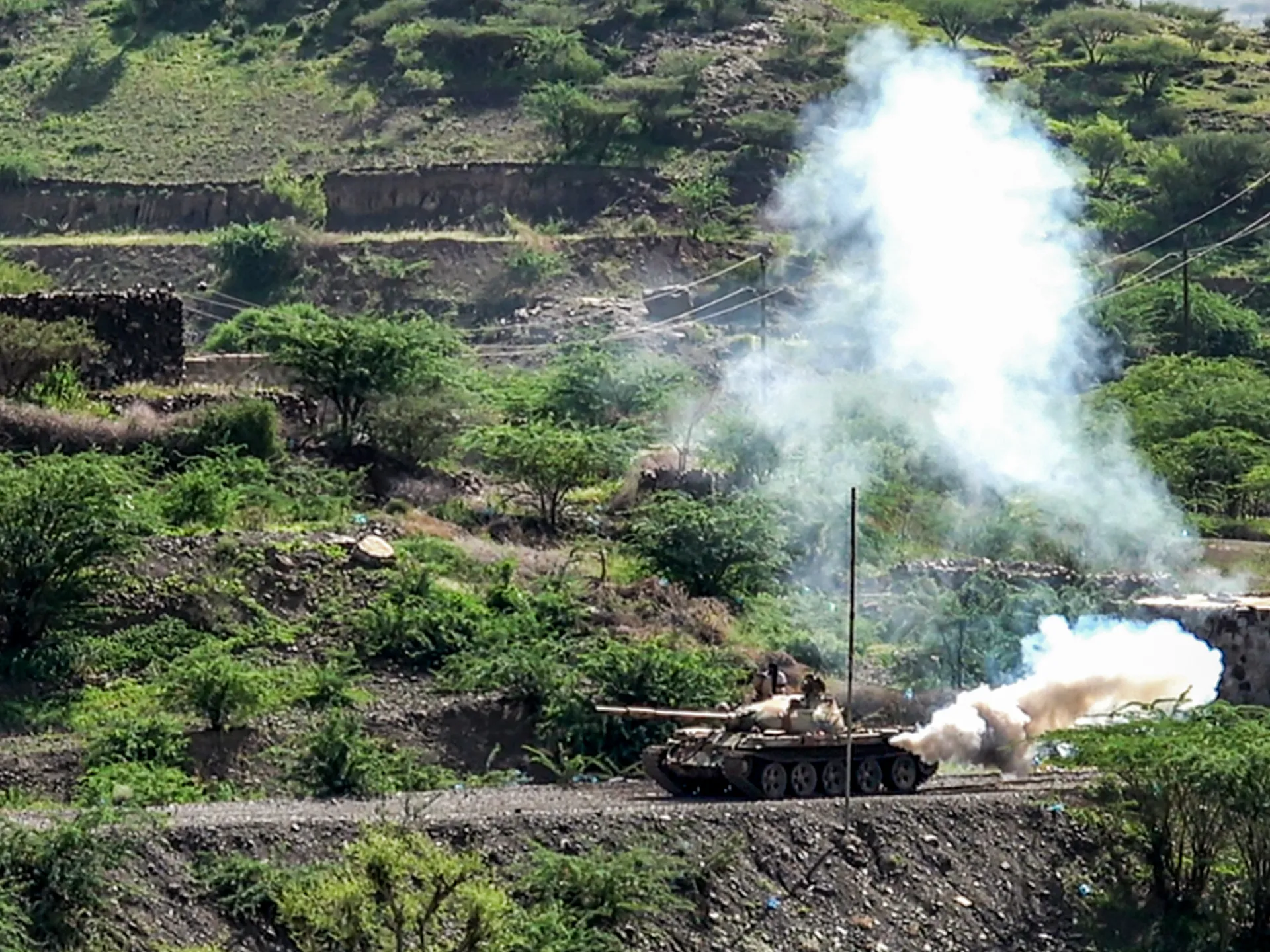
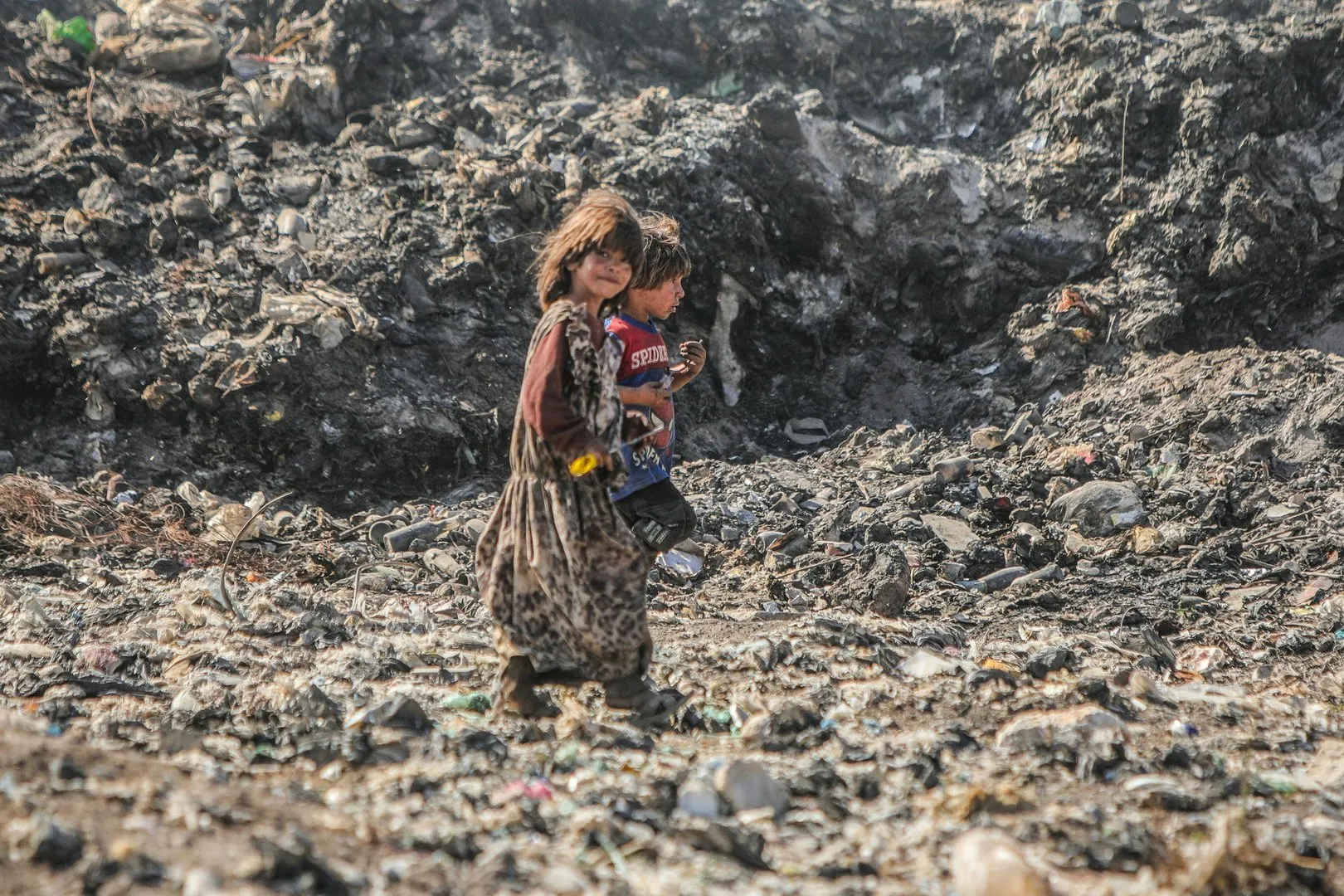
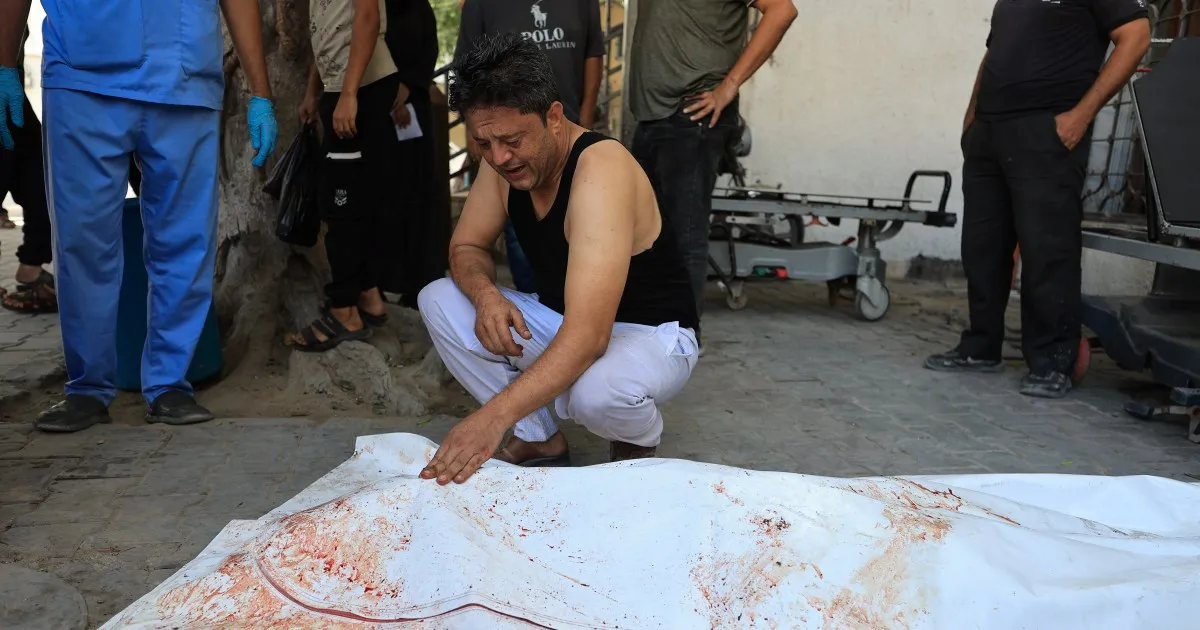
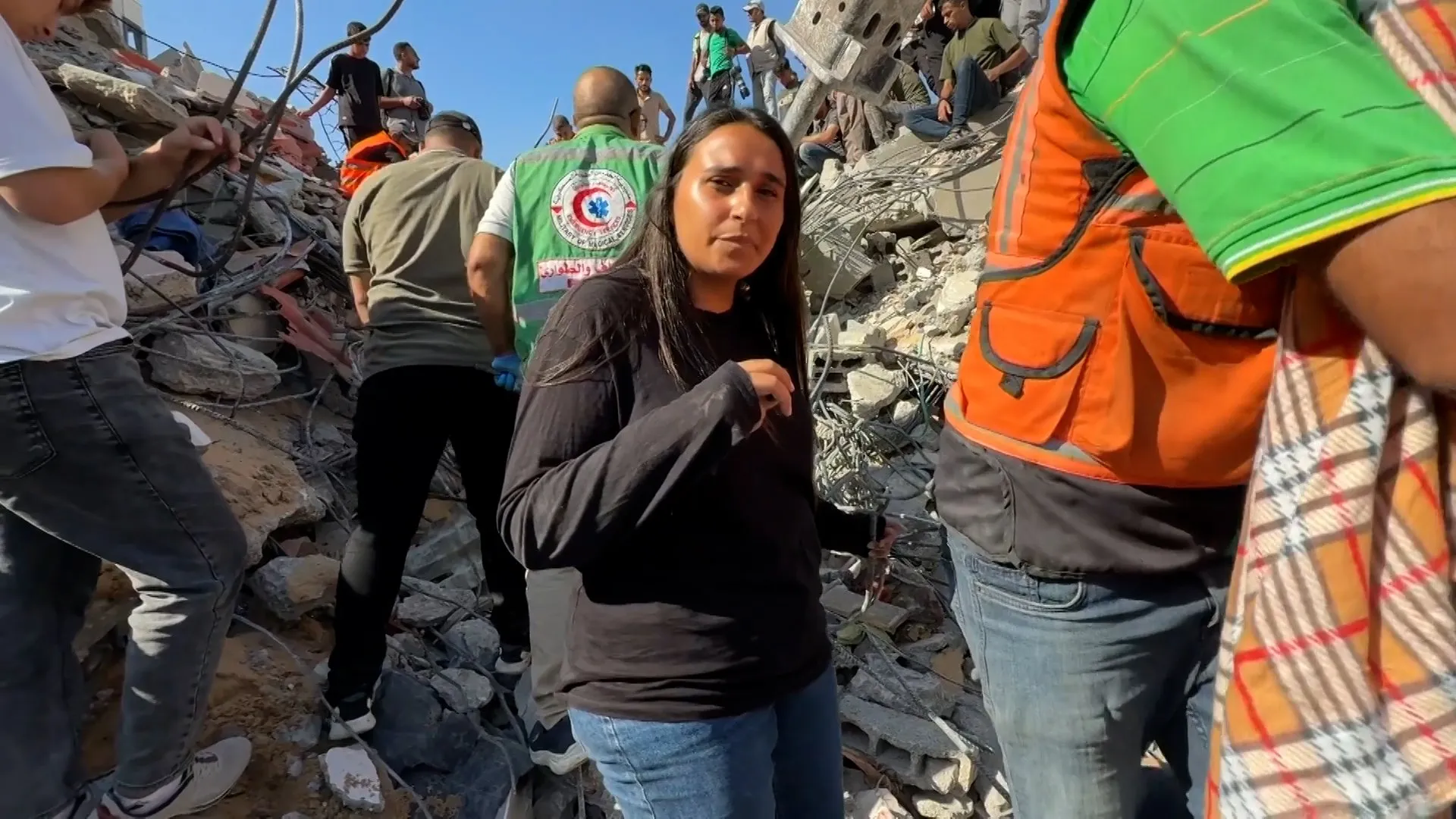
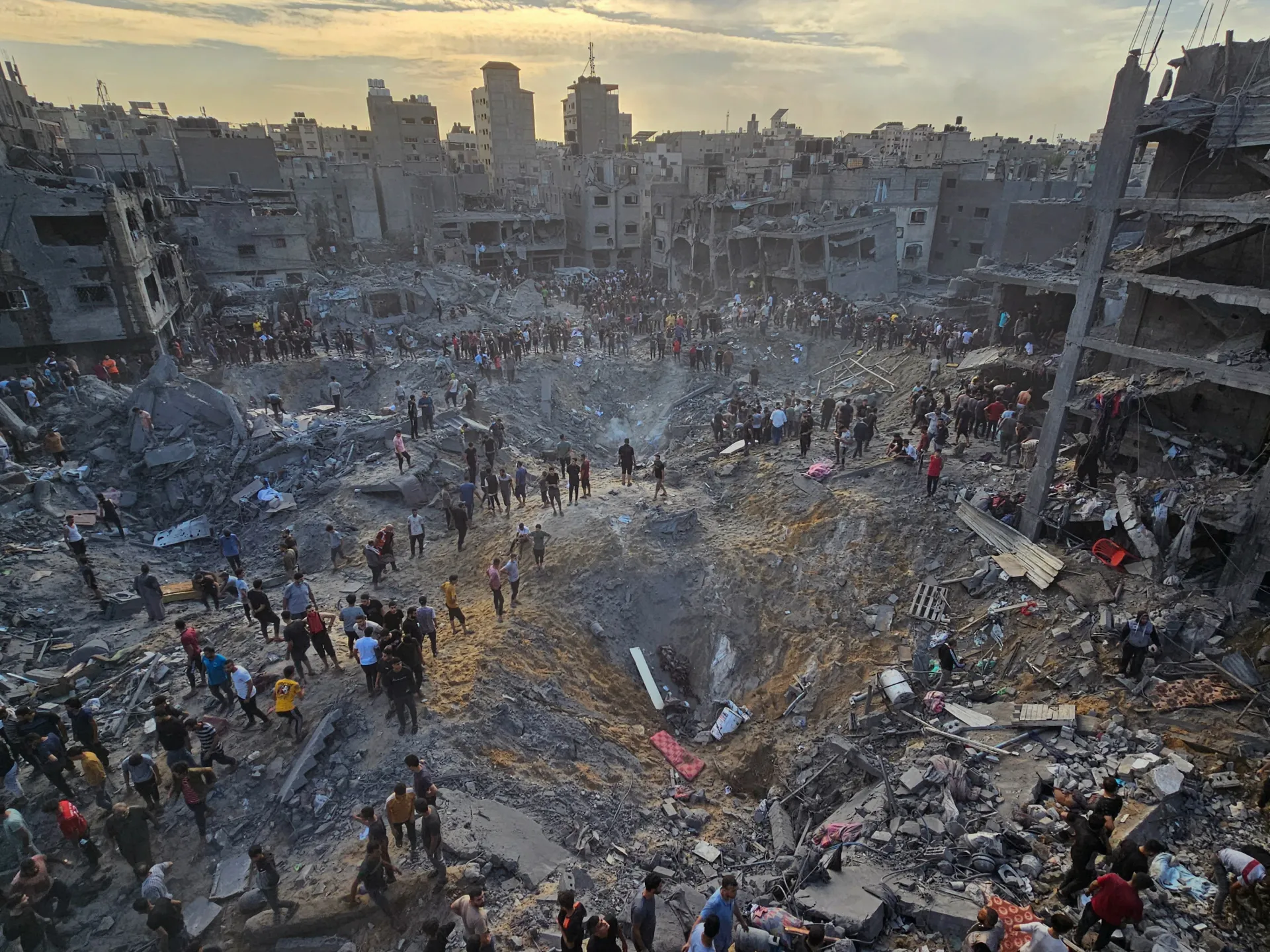
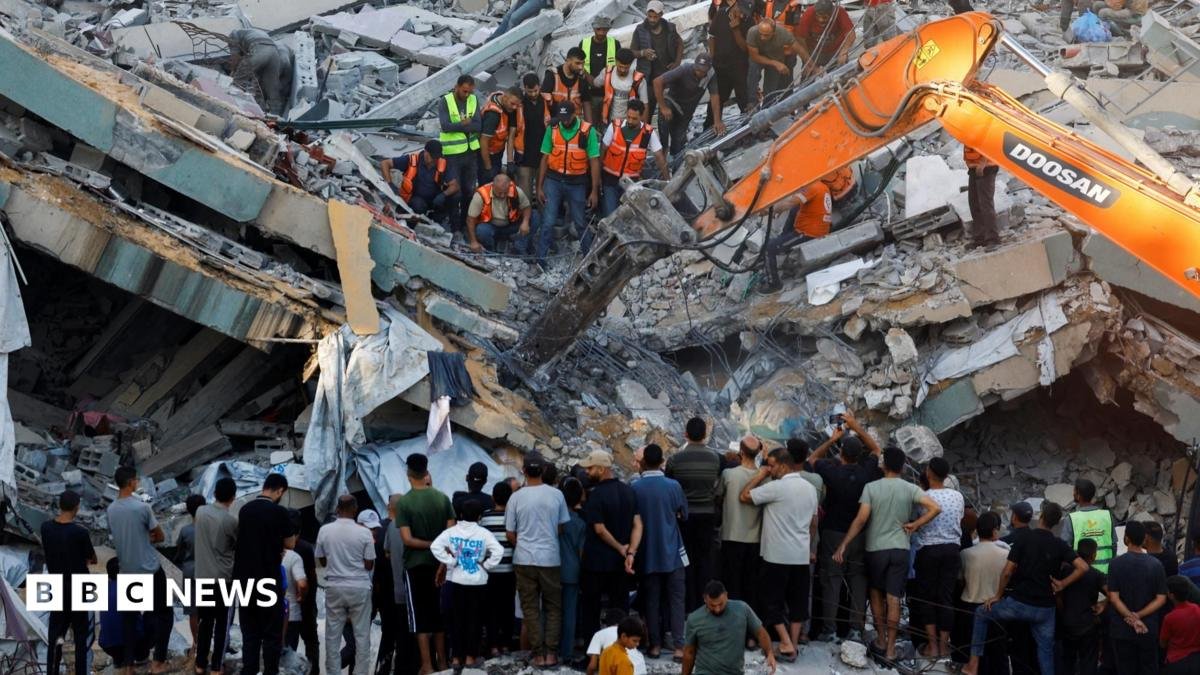
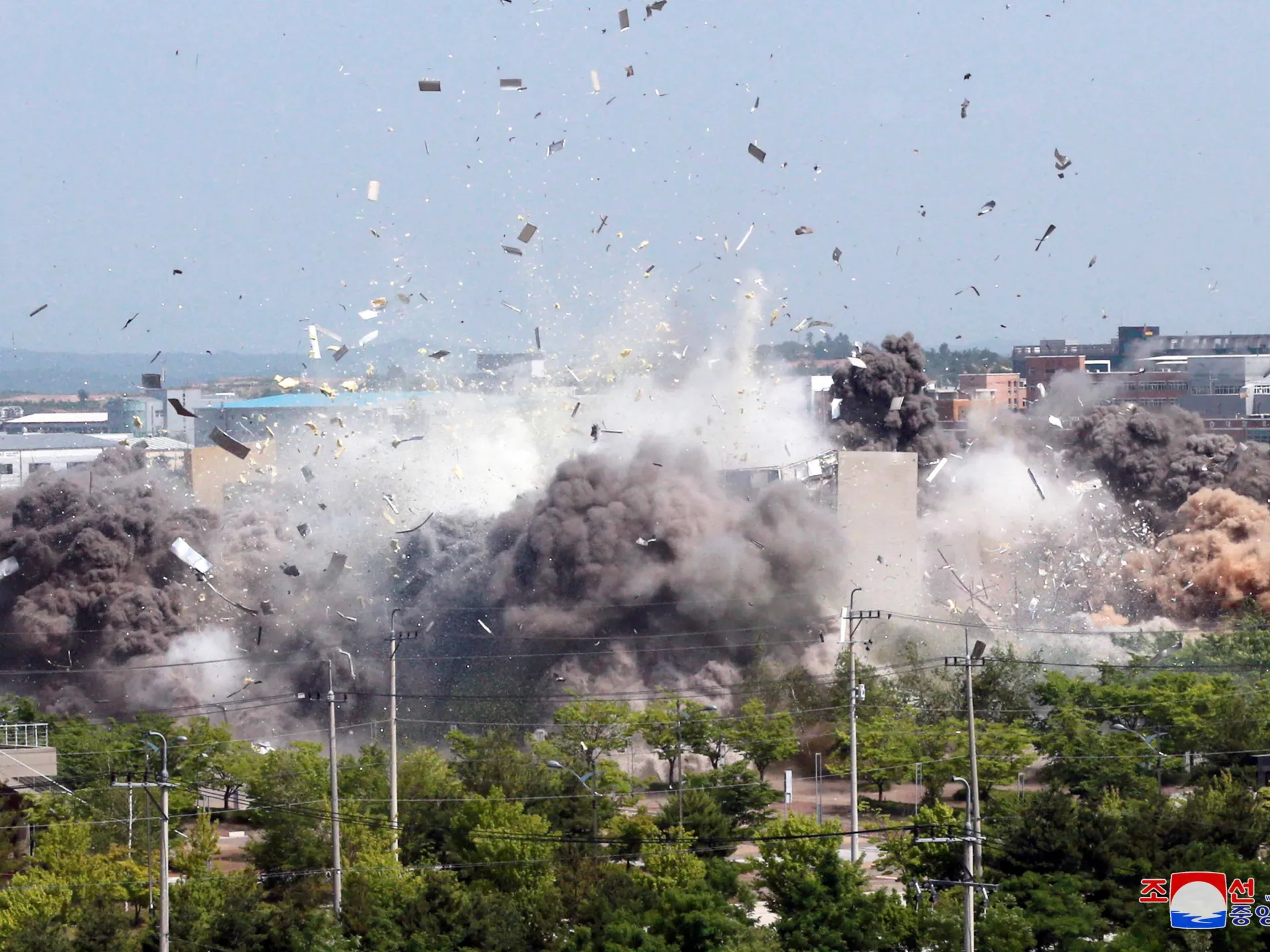
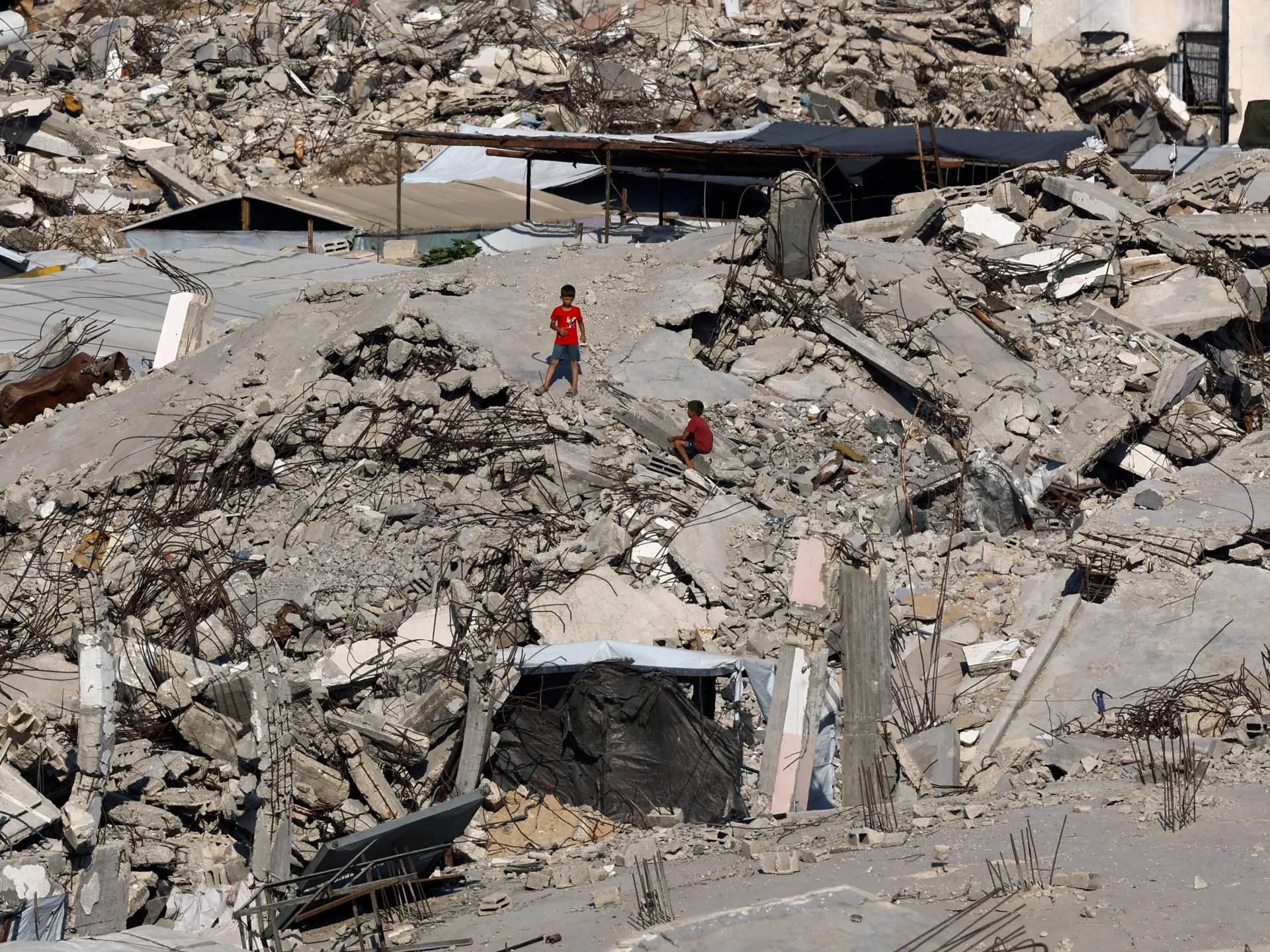
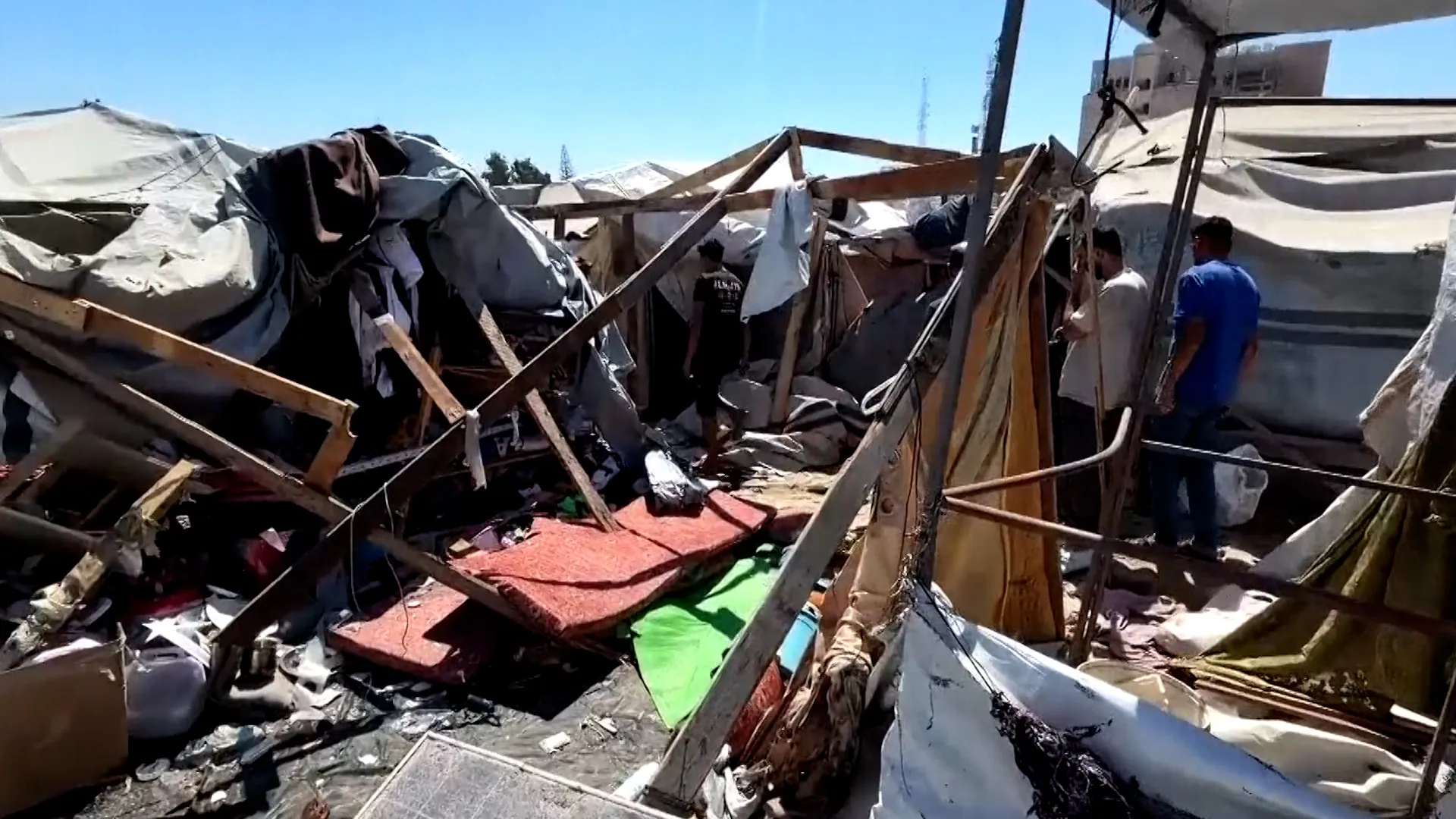
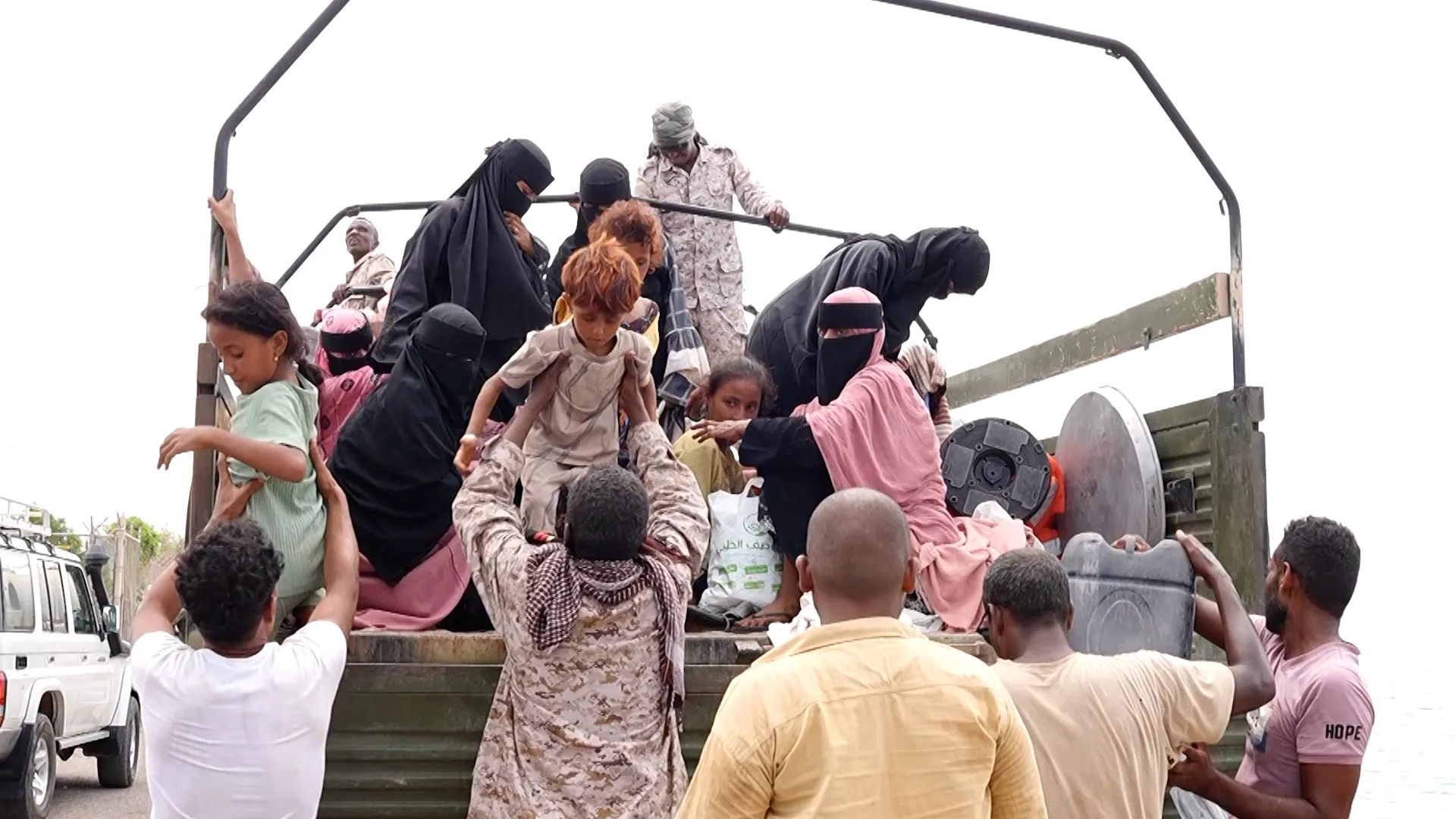
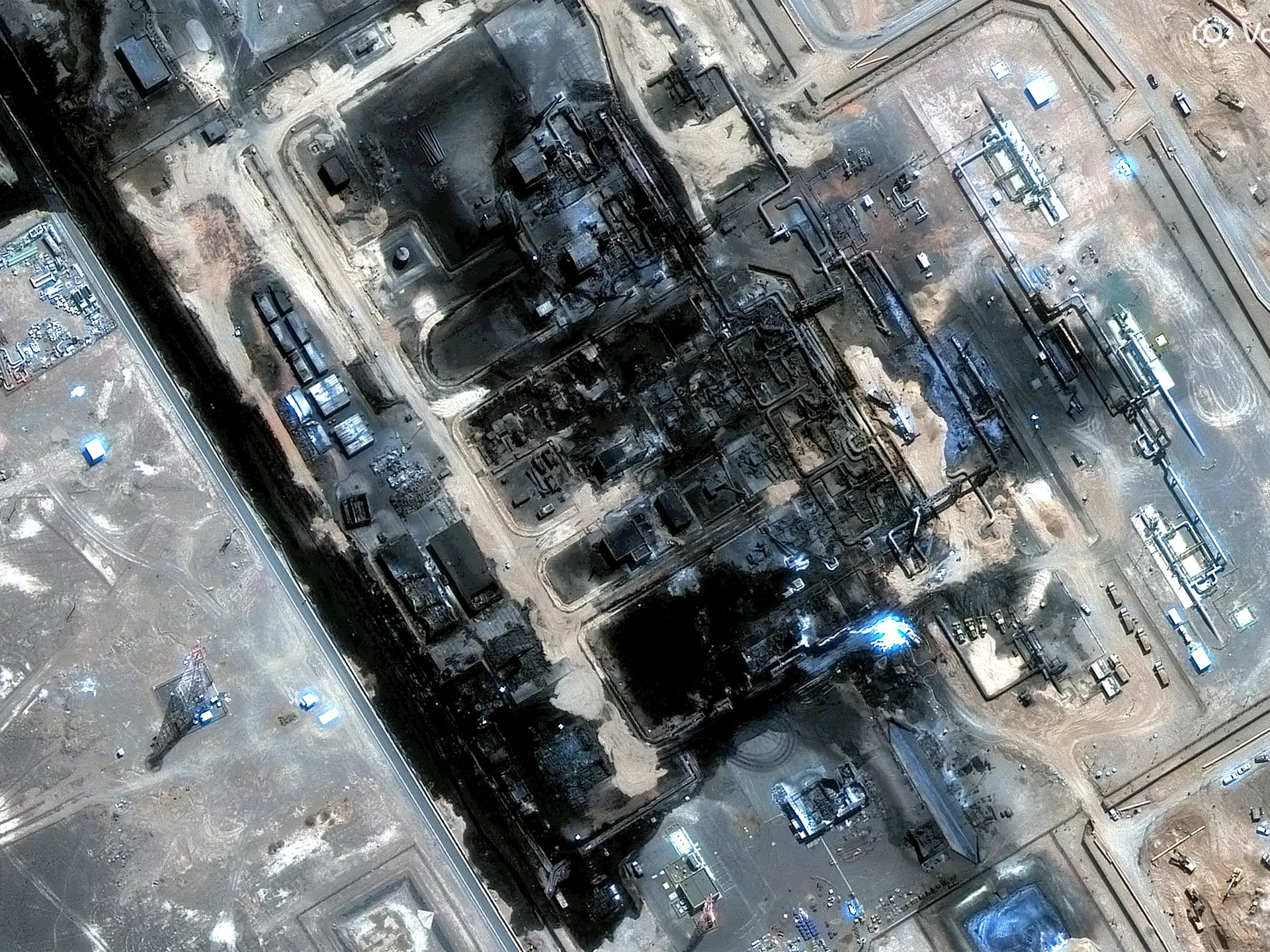
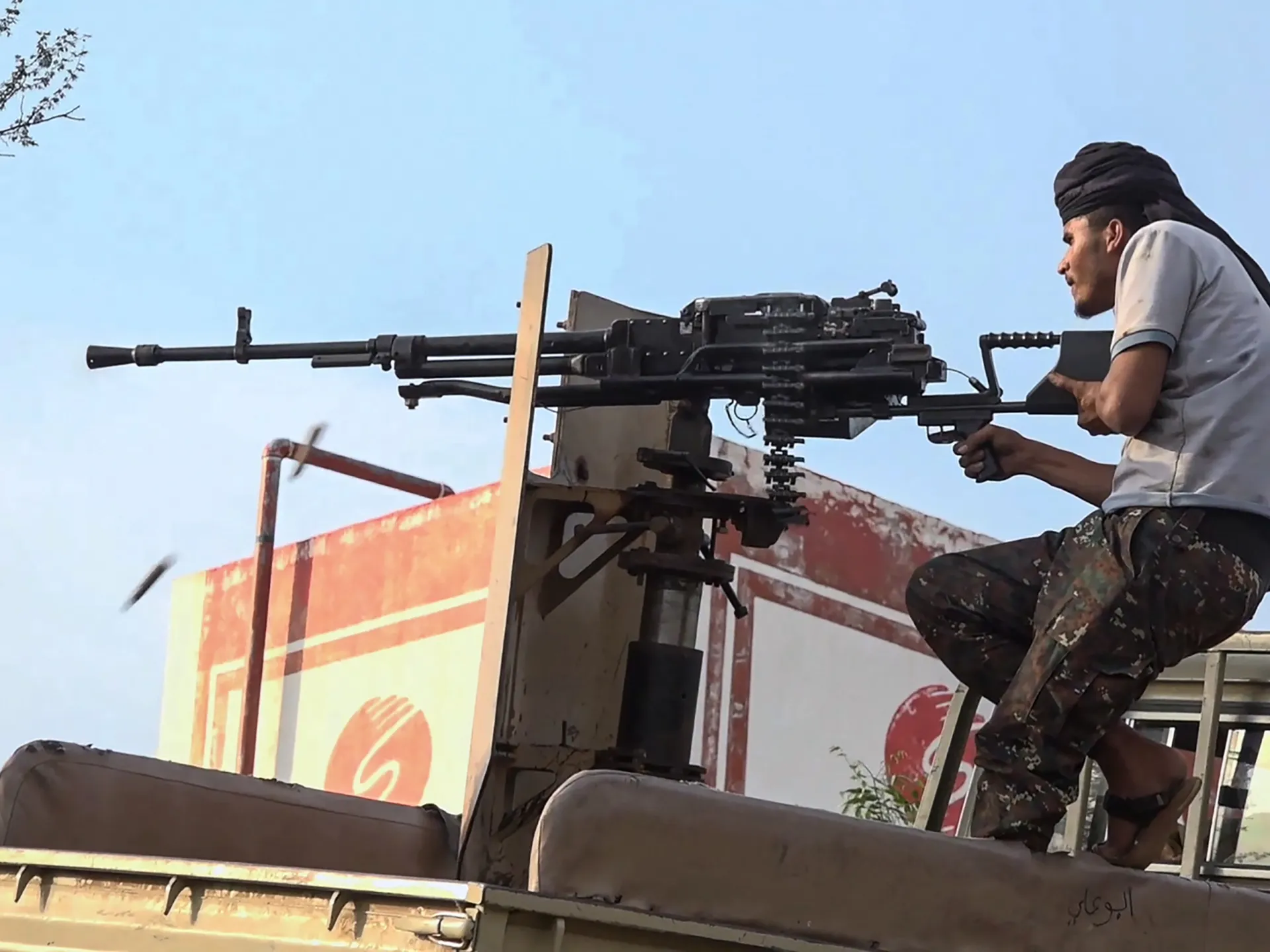
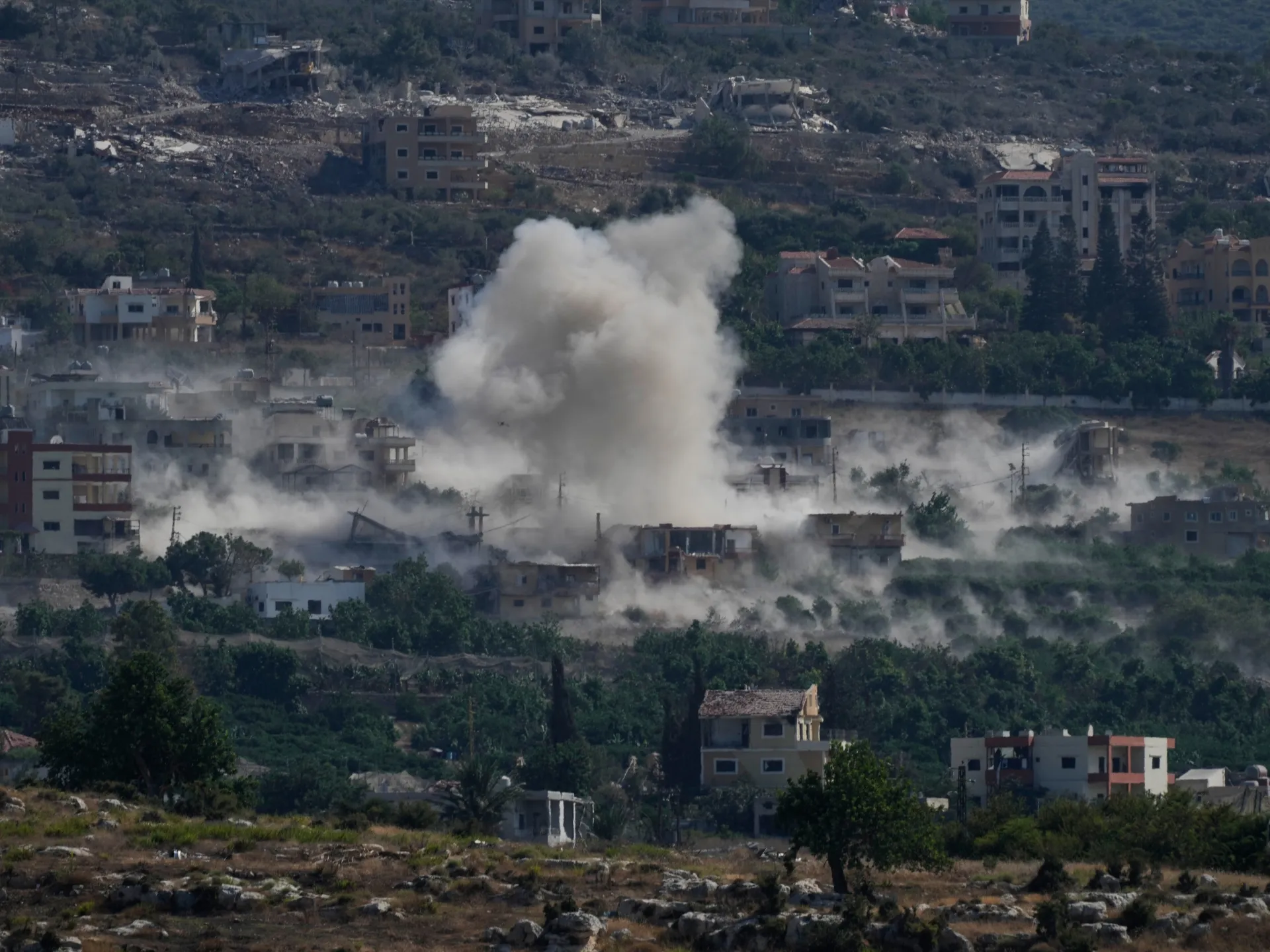
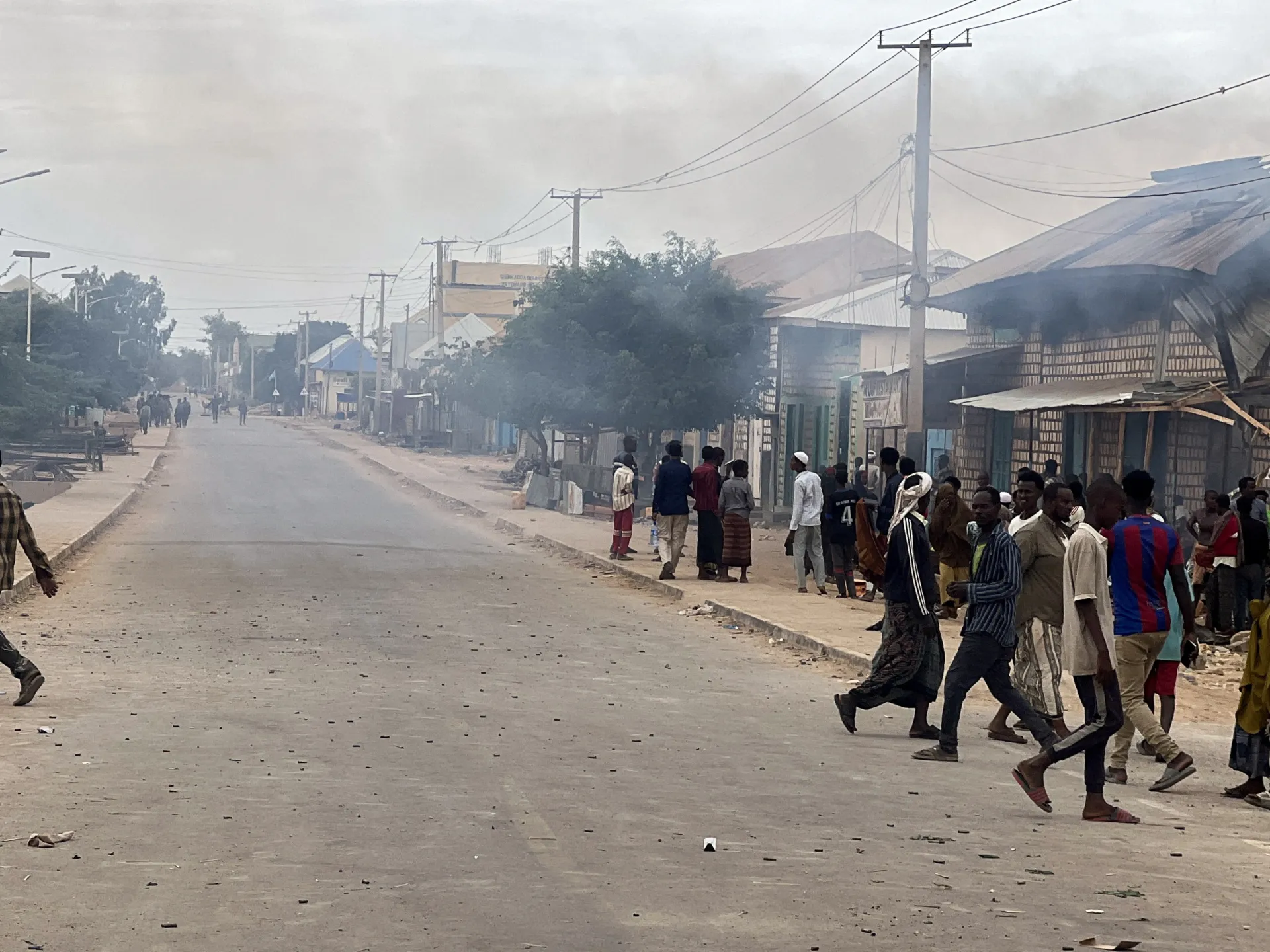
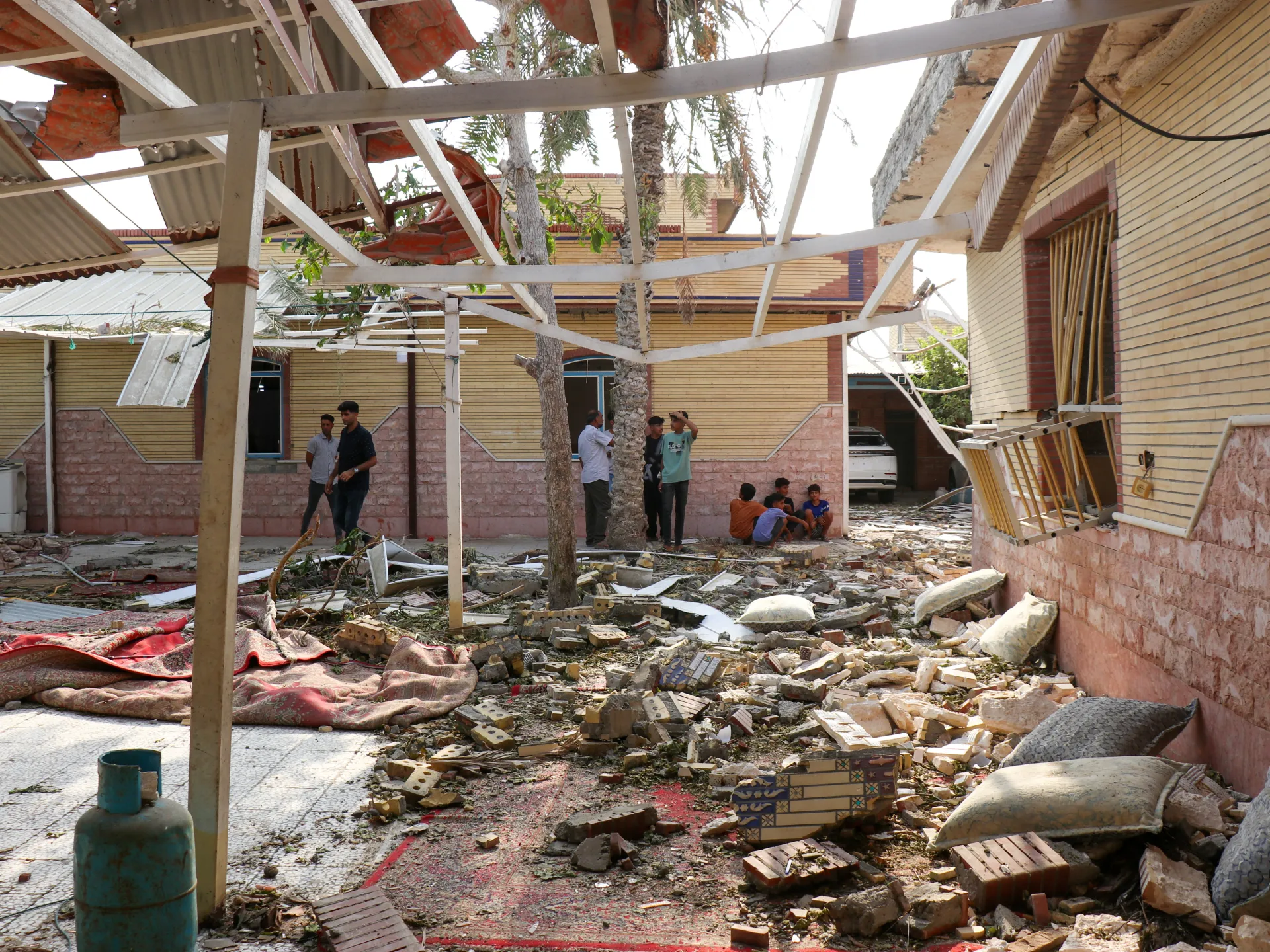
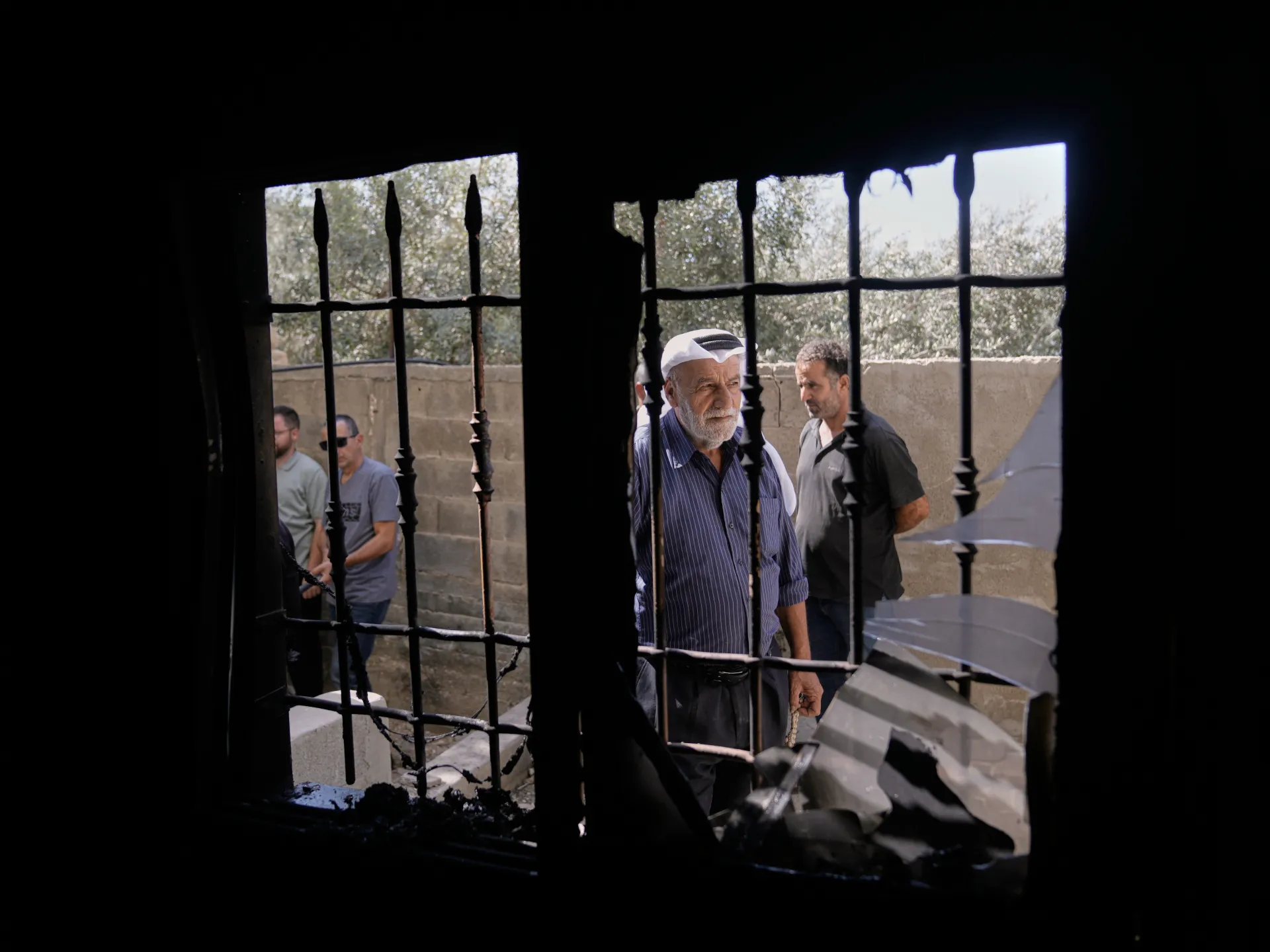
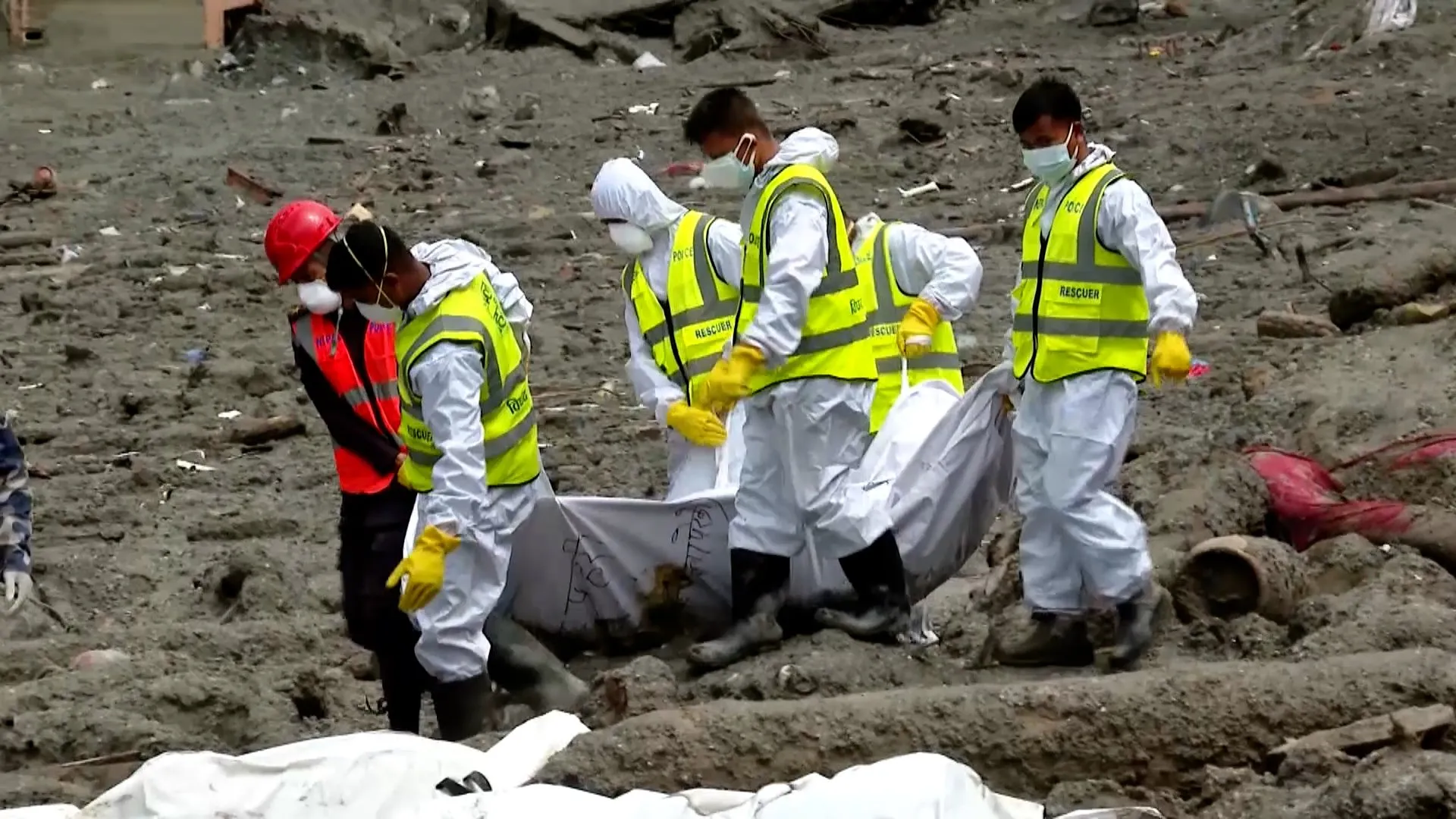
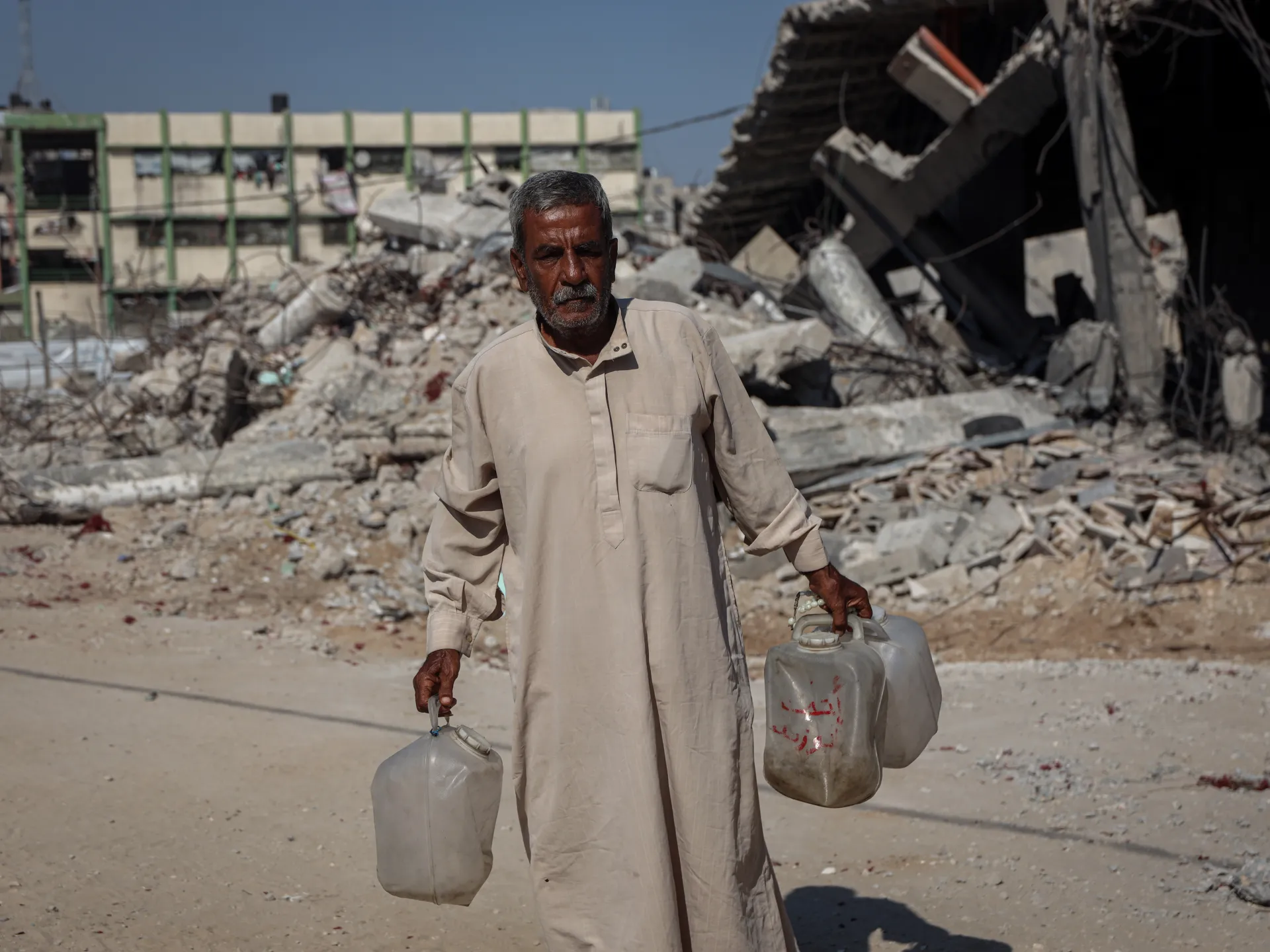
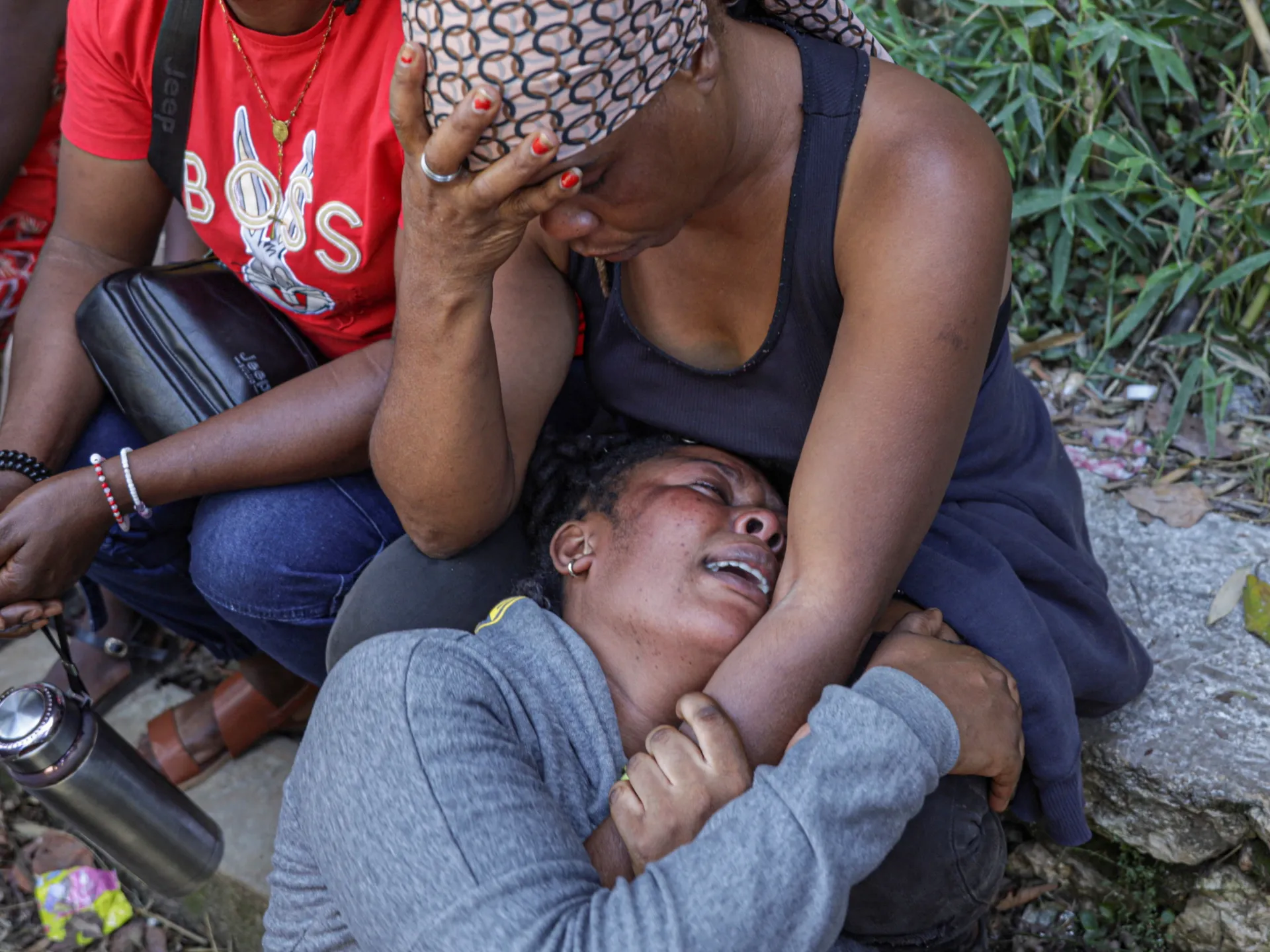
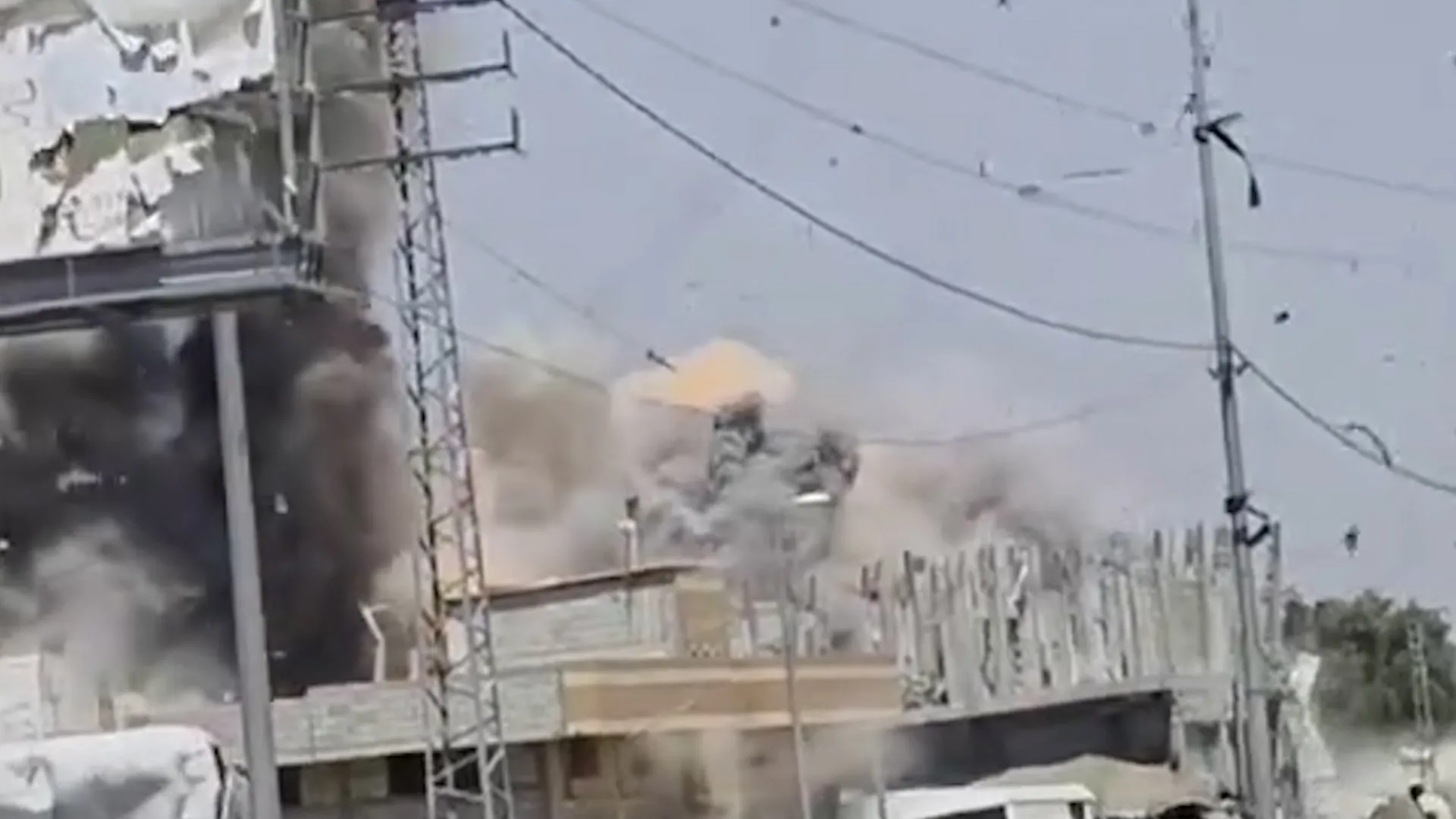
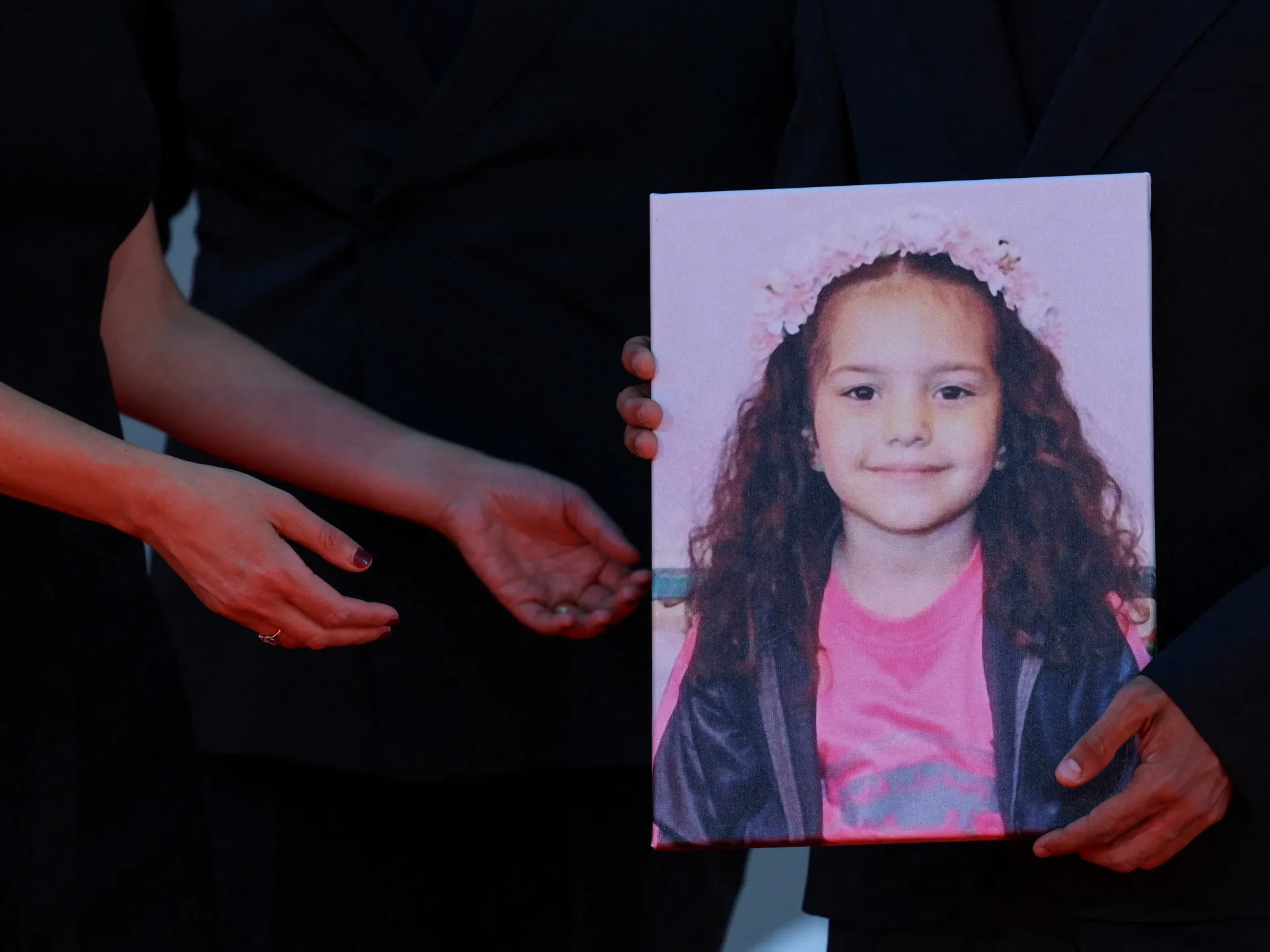
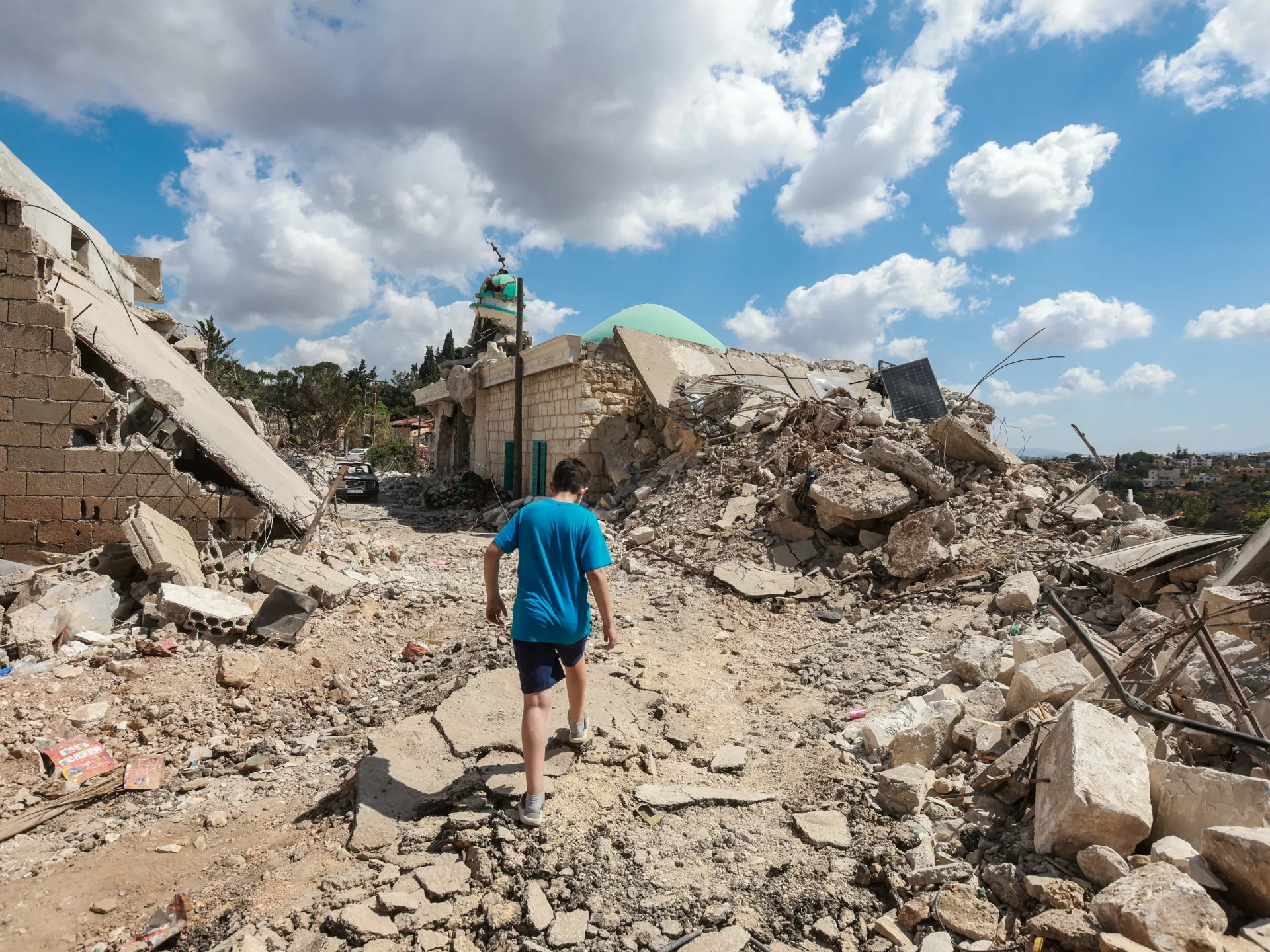
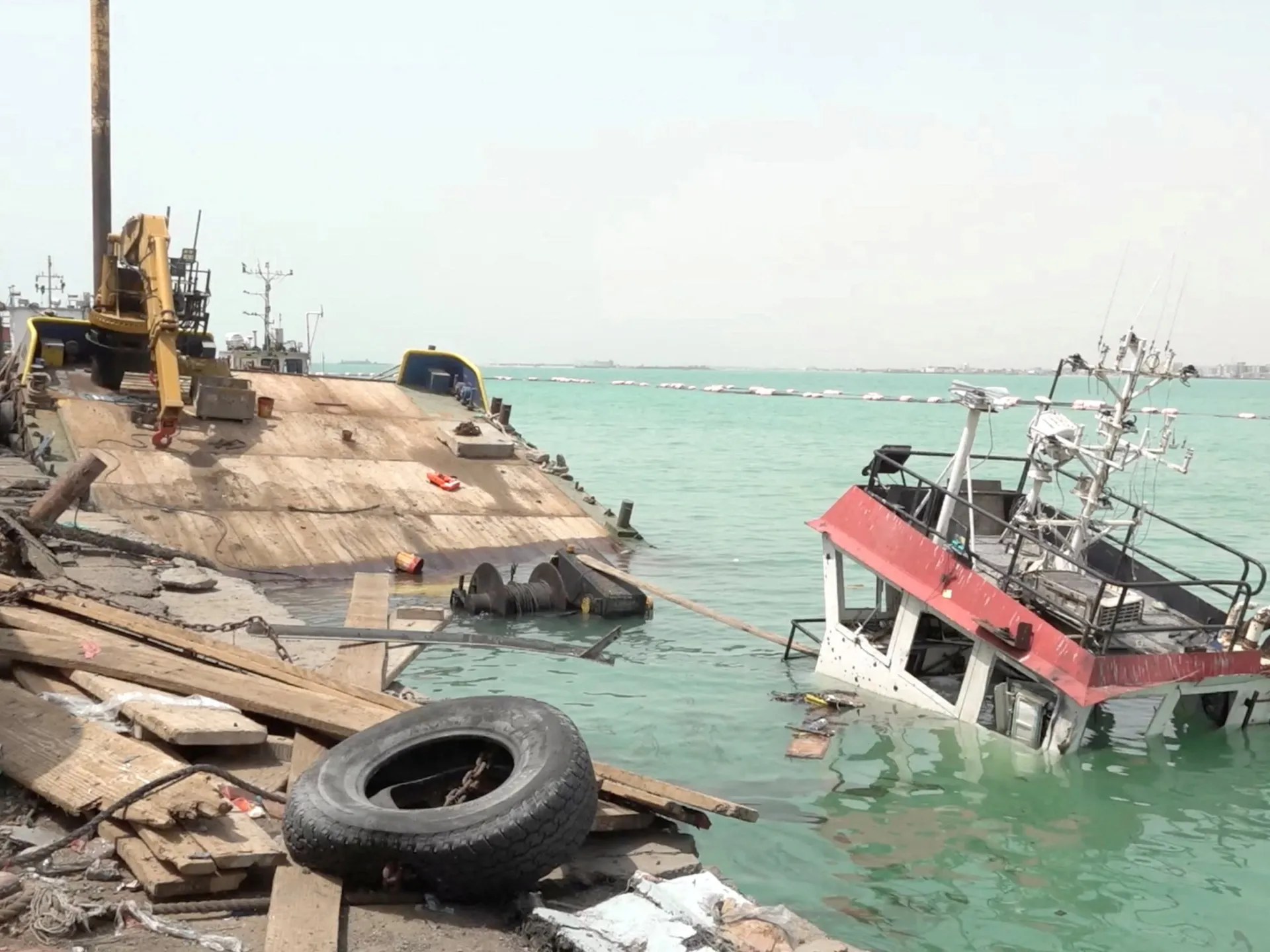
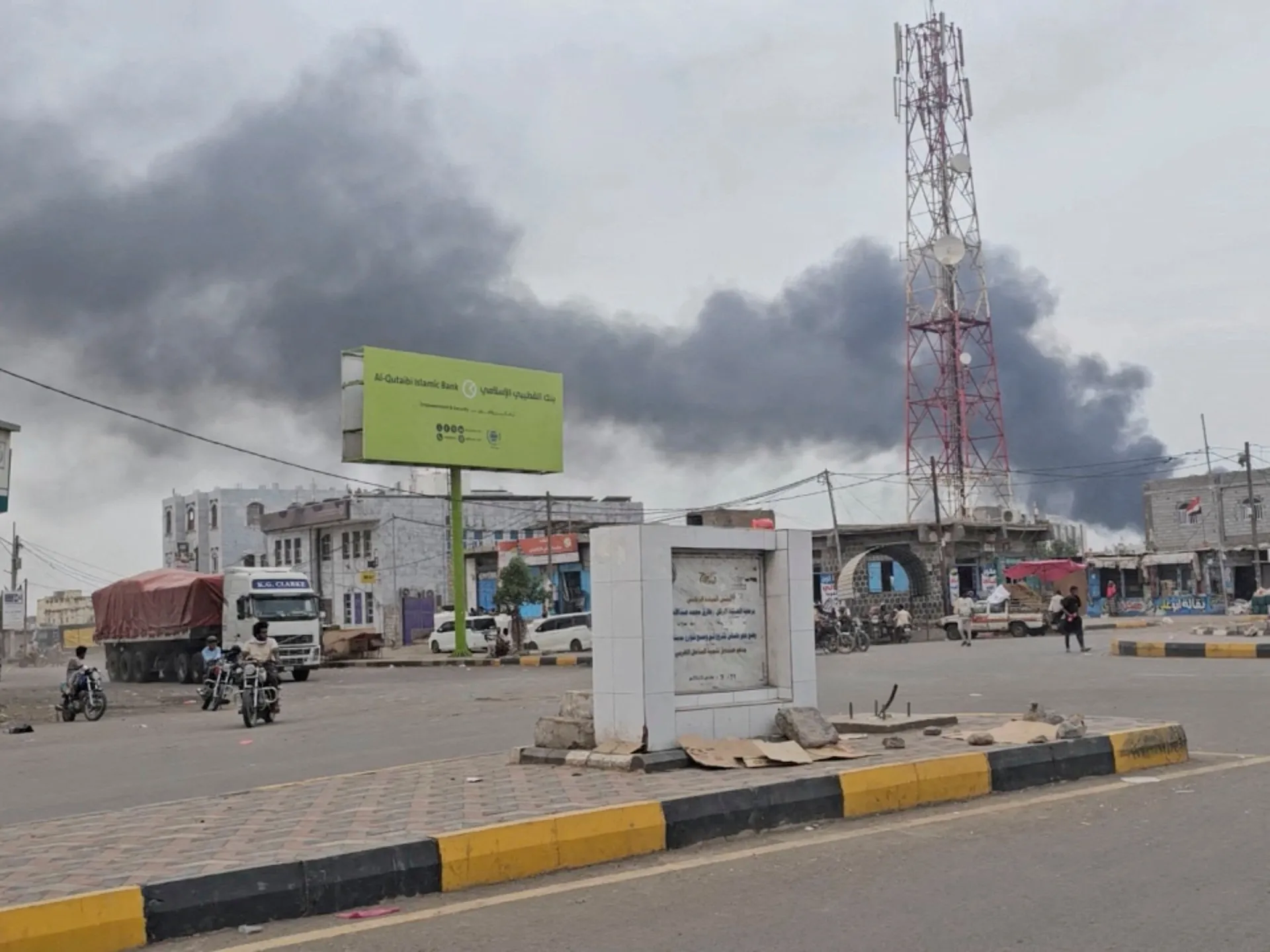
Simultaneously, the situation within Yemen has deteriorated further. Houthi-aligned media outlets reported that Saudi-led coalition warplanes conducted strikes targeting telecommunications infrastructure in the Taiz province. These aerial operations resulted in casualties, with reports of one civilian killed in the strikes on the town of Abs. Further compounding the tragedy, additional reports from the region indicated that three children were killed during separate military engagements, marking a devastating human cost in a conflict that continues to place non-combatants in the line of fire.
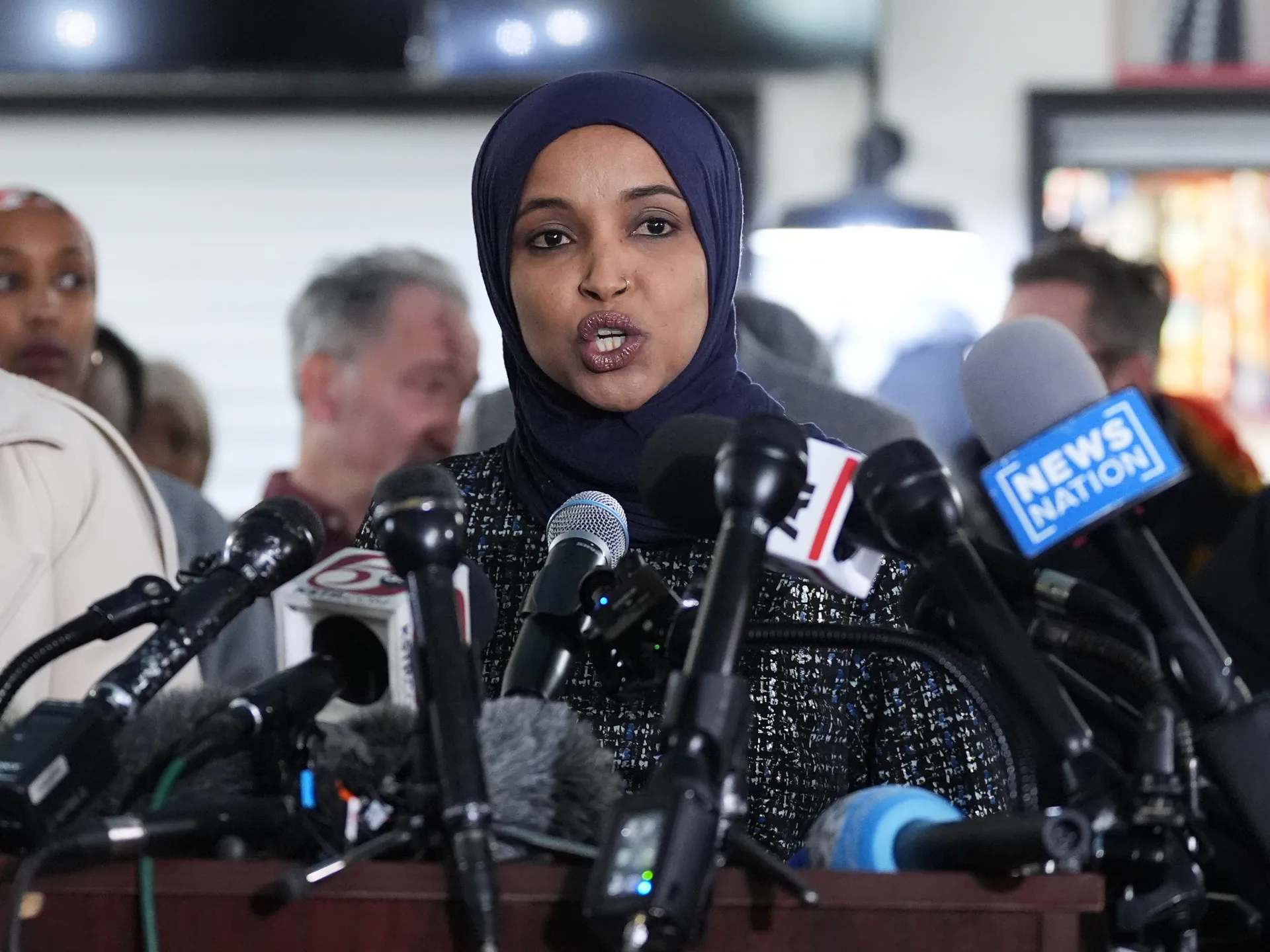
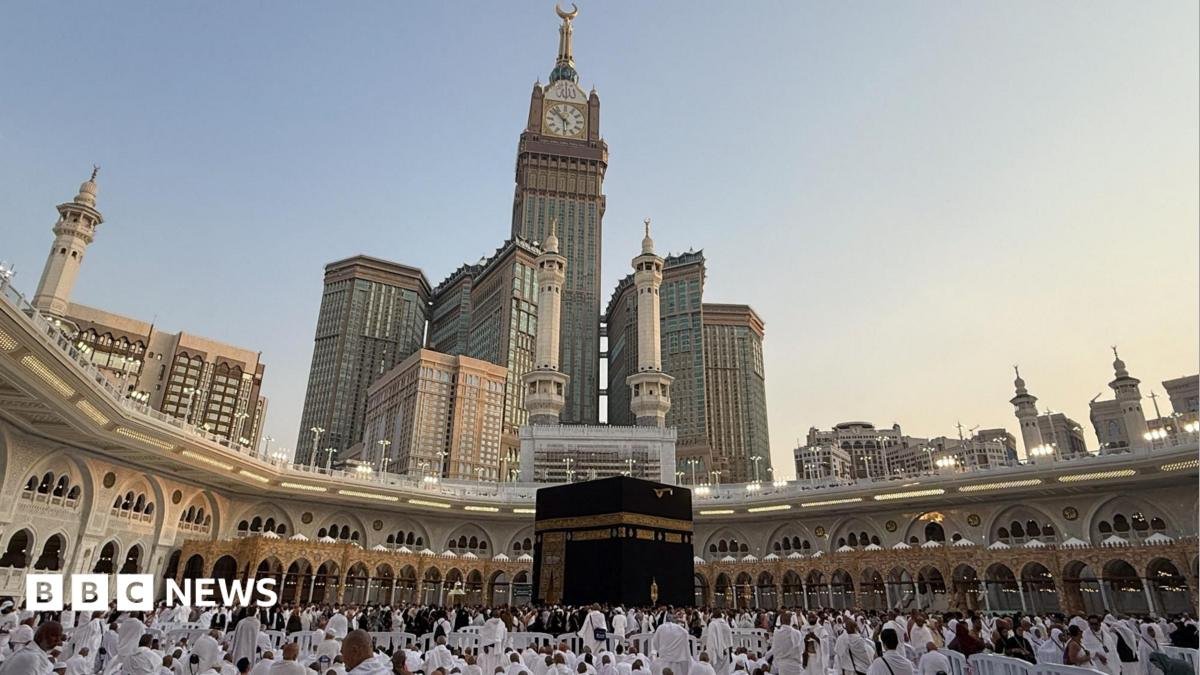
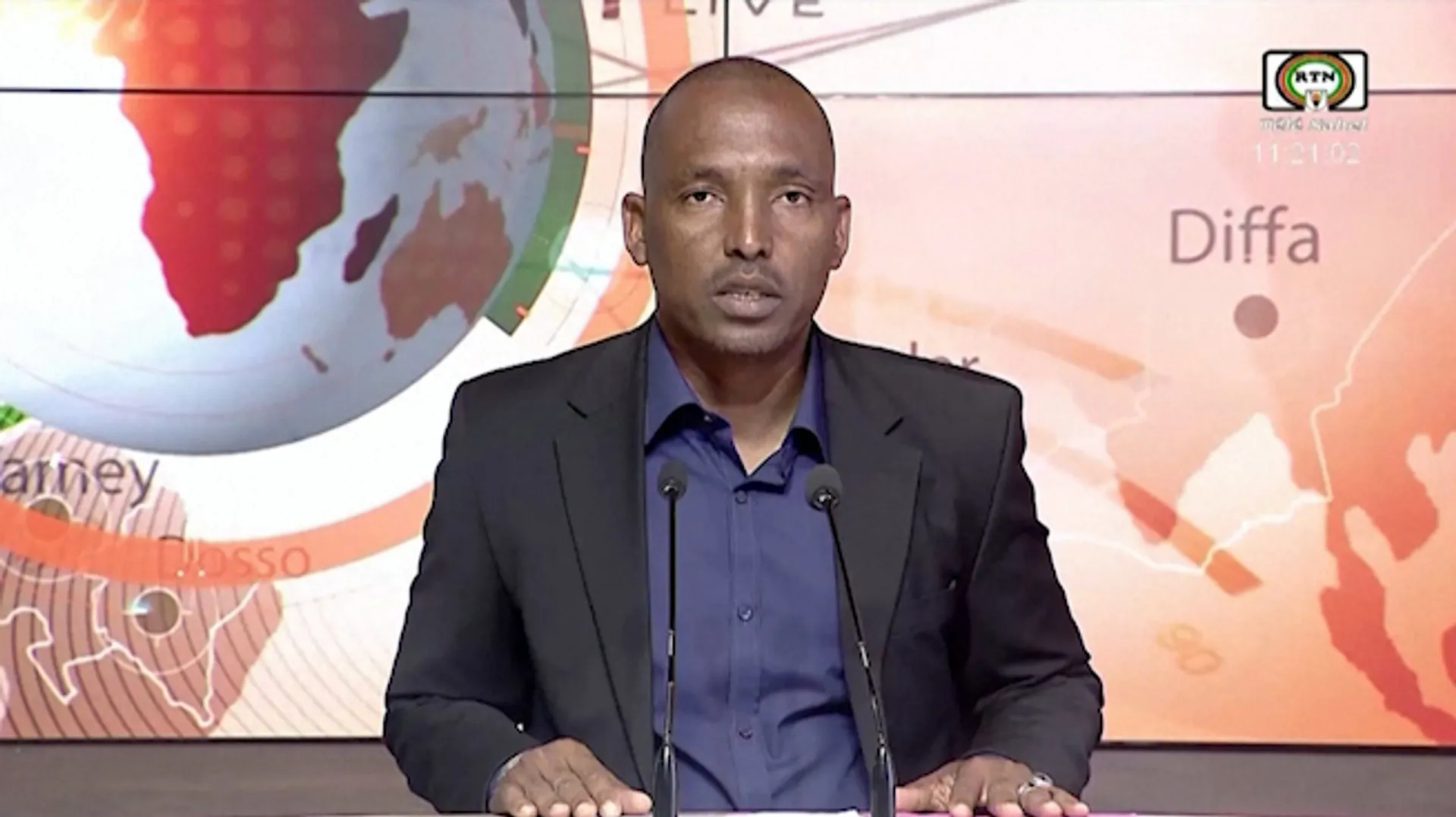
The escalation has been fueled that the Houthis attempted to target Mecca, the holiest site in Islam. Saudi officials alleged that a drone was launched with the intent of striking the city, a claim that Houthi leader Abdel-Malik al-Houthi vehemently rejected in a live televised address. He characterized the accusation as a "heinous lie" and a form of propaganda intended to manipulate international opinion and justify further military objectives against his faction.
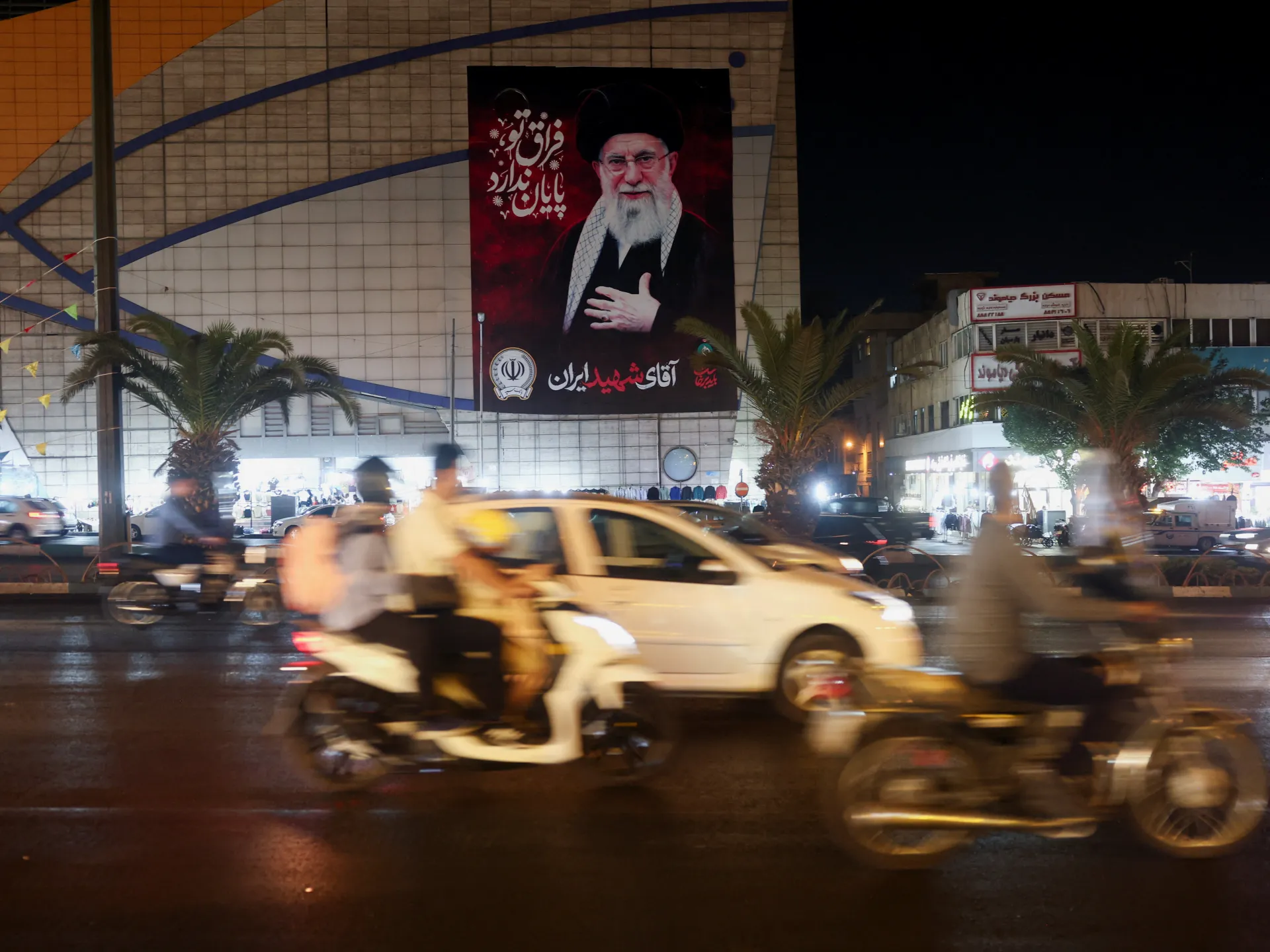
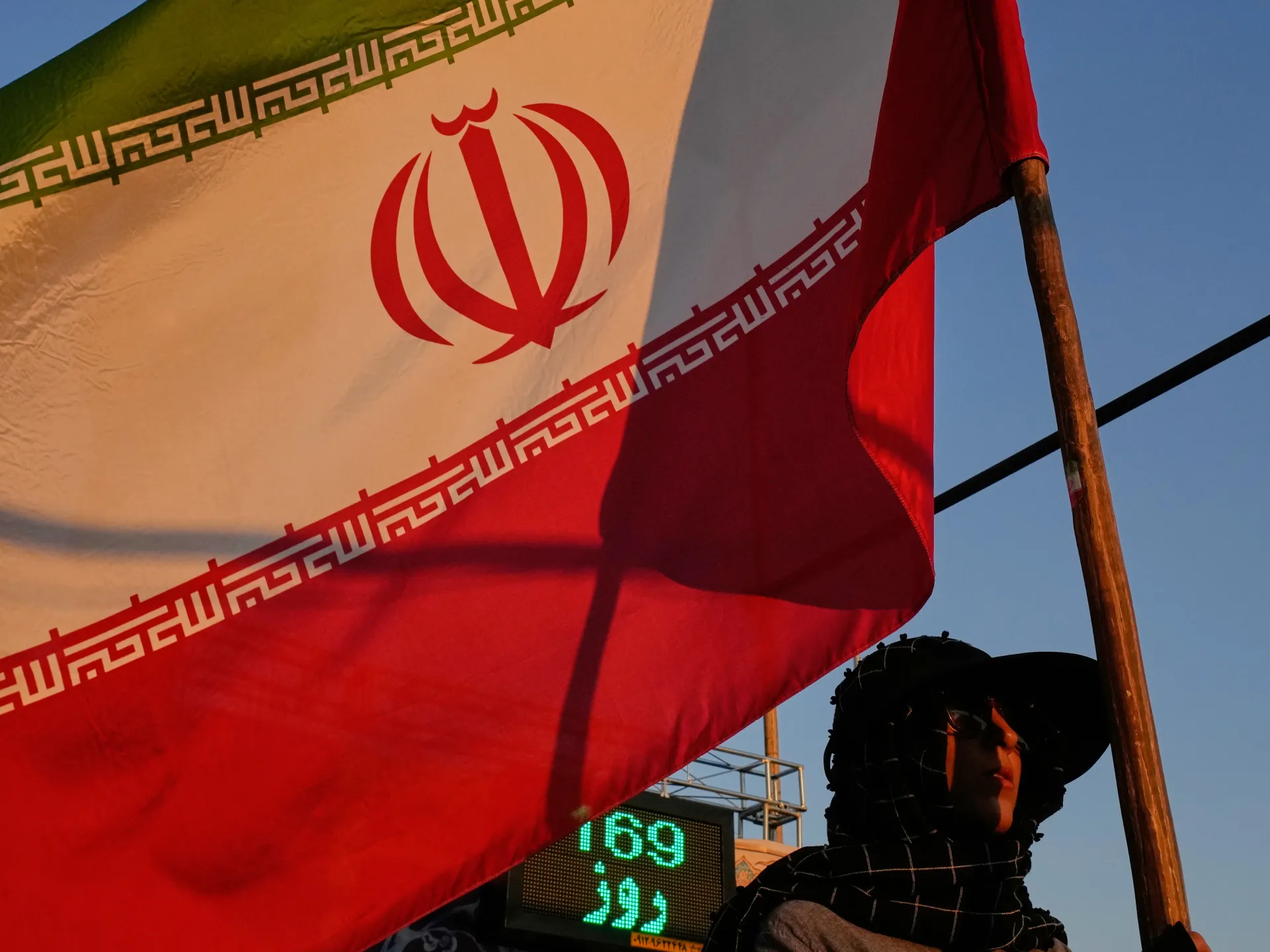
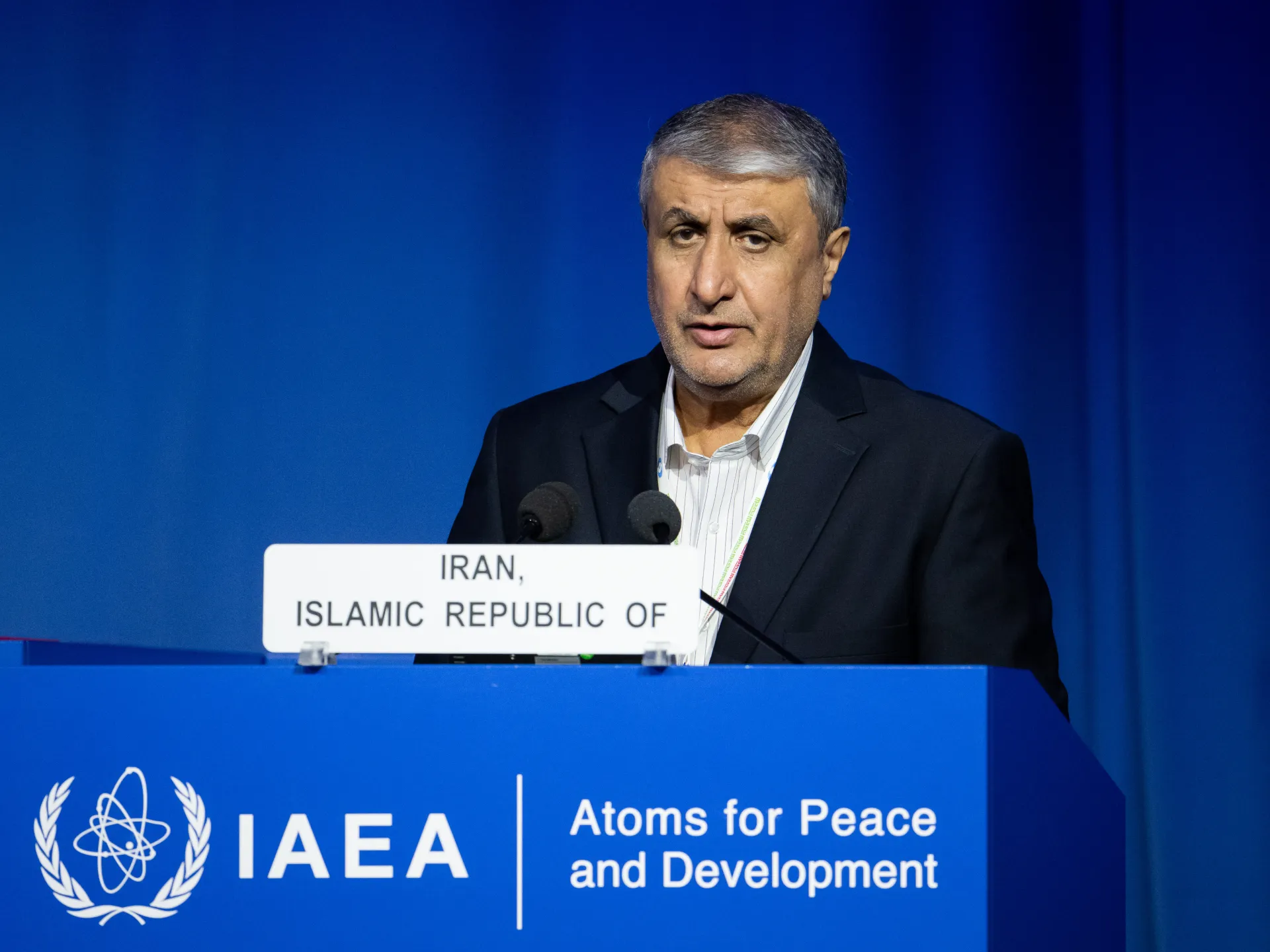
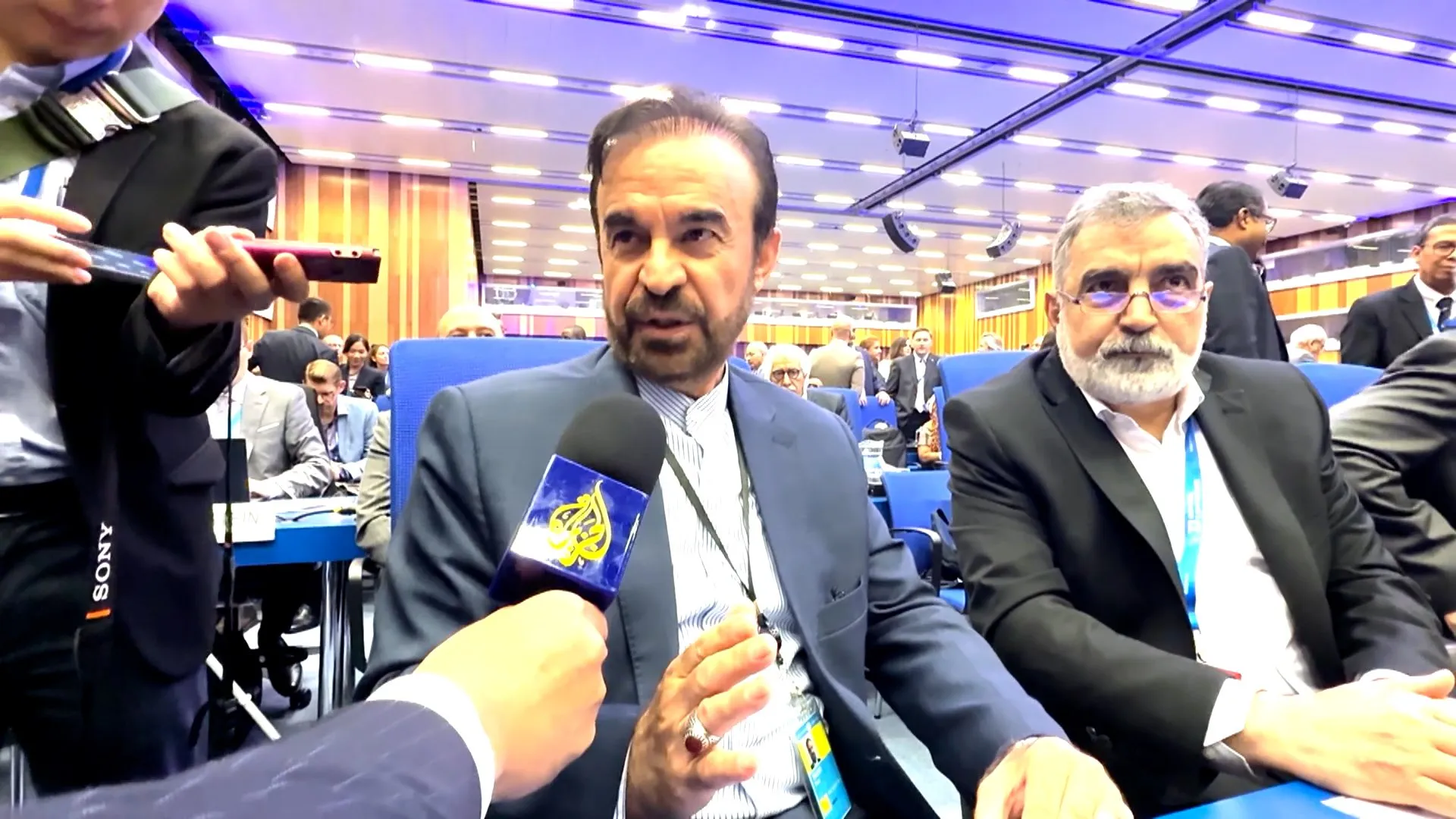
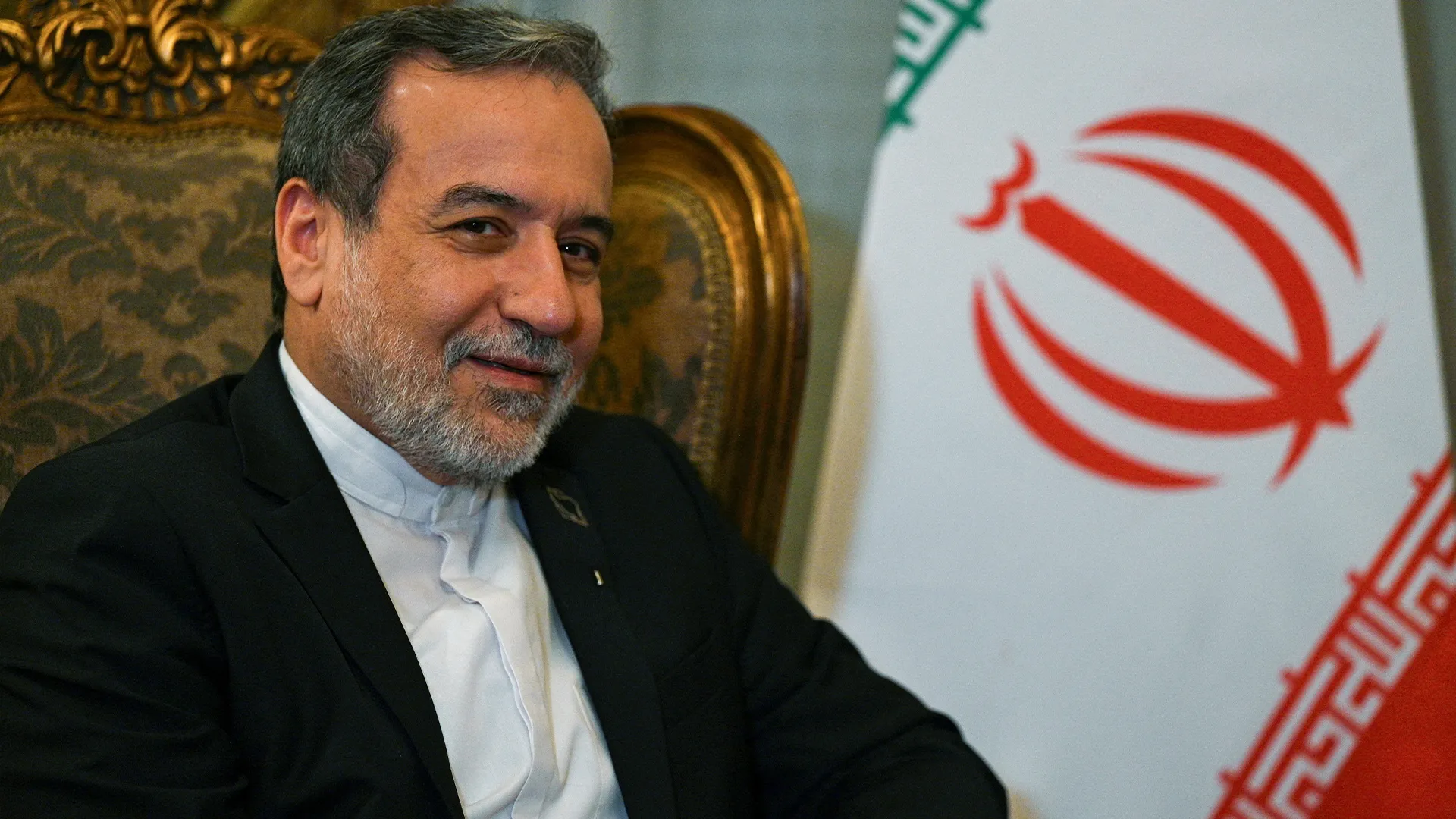
The Houthi leadership maintained that the group holds the sanctity of Mecca in high regard, dismissing the Saudi narrative as a strategic weaponization of falsehoods. This rebuttal was echoed hat the mere claim of intercepting a drone near a holy site is insufficient evidence to substantiate such severe accusations. Iran further cautioned the international community to remain wary of potential "false flag" operations, suggesting that regional stability is being undermined
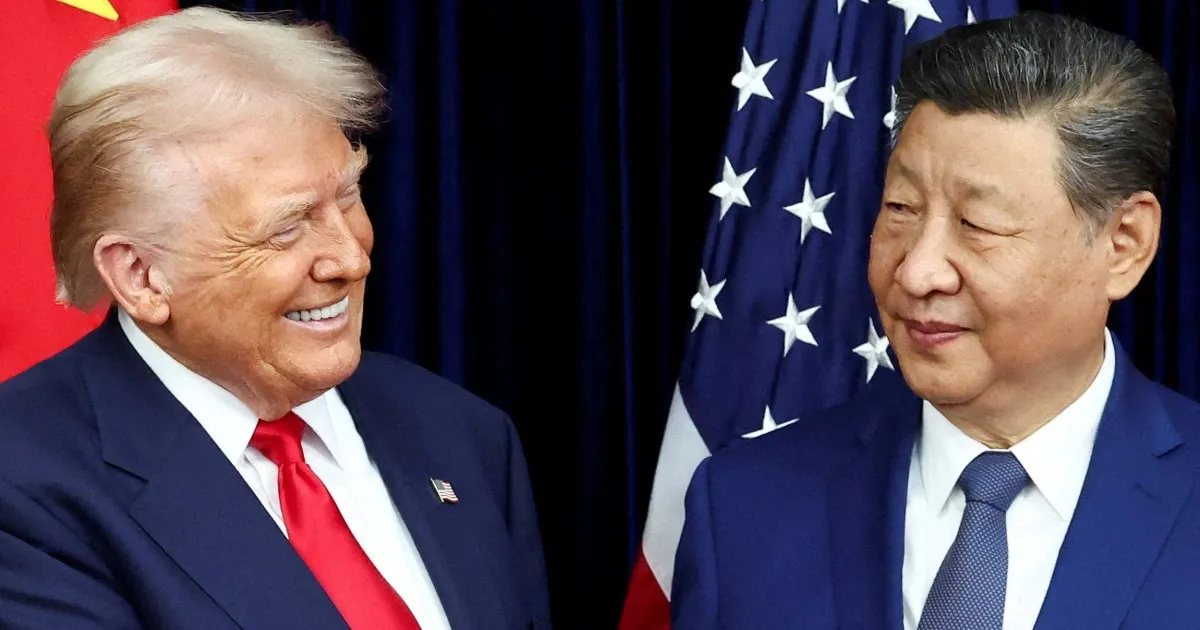
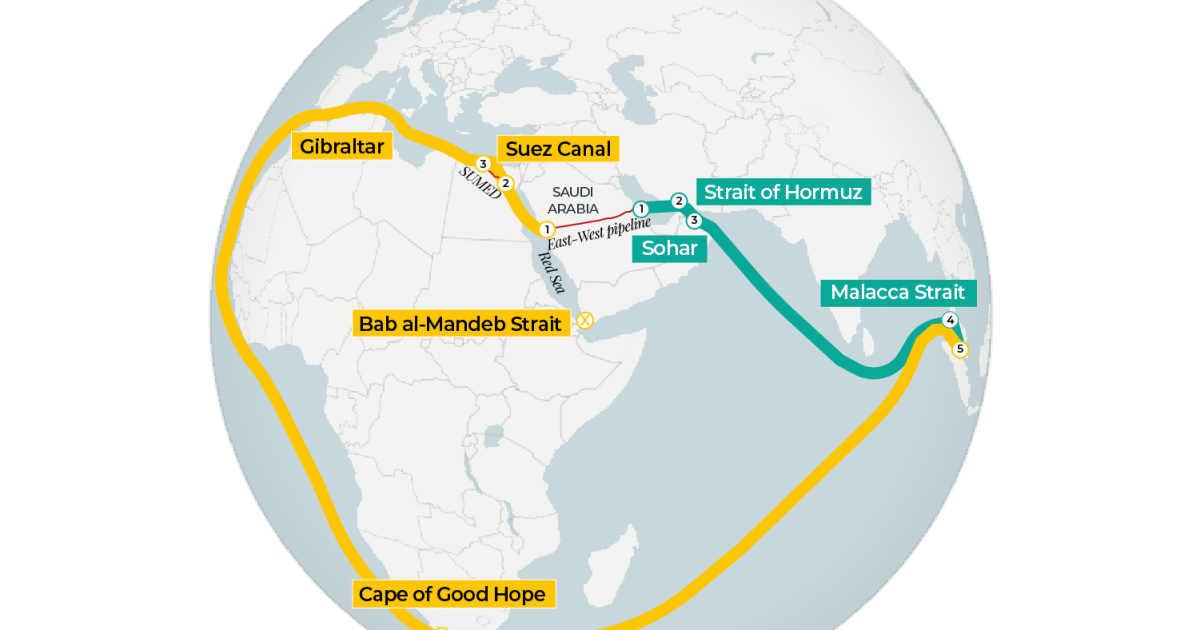
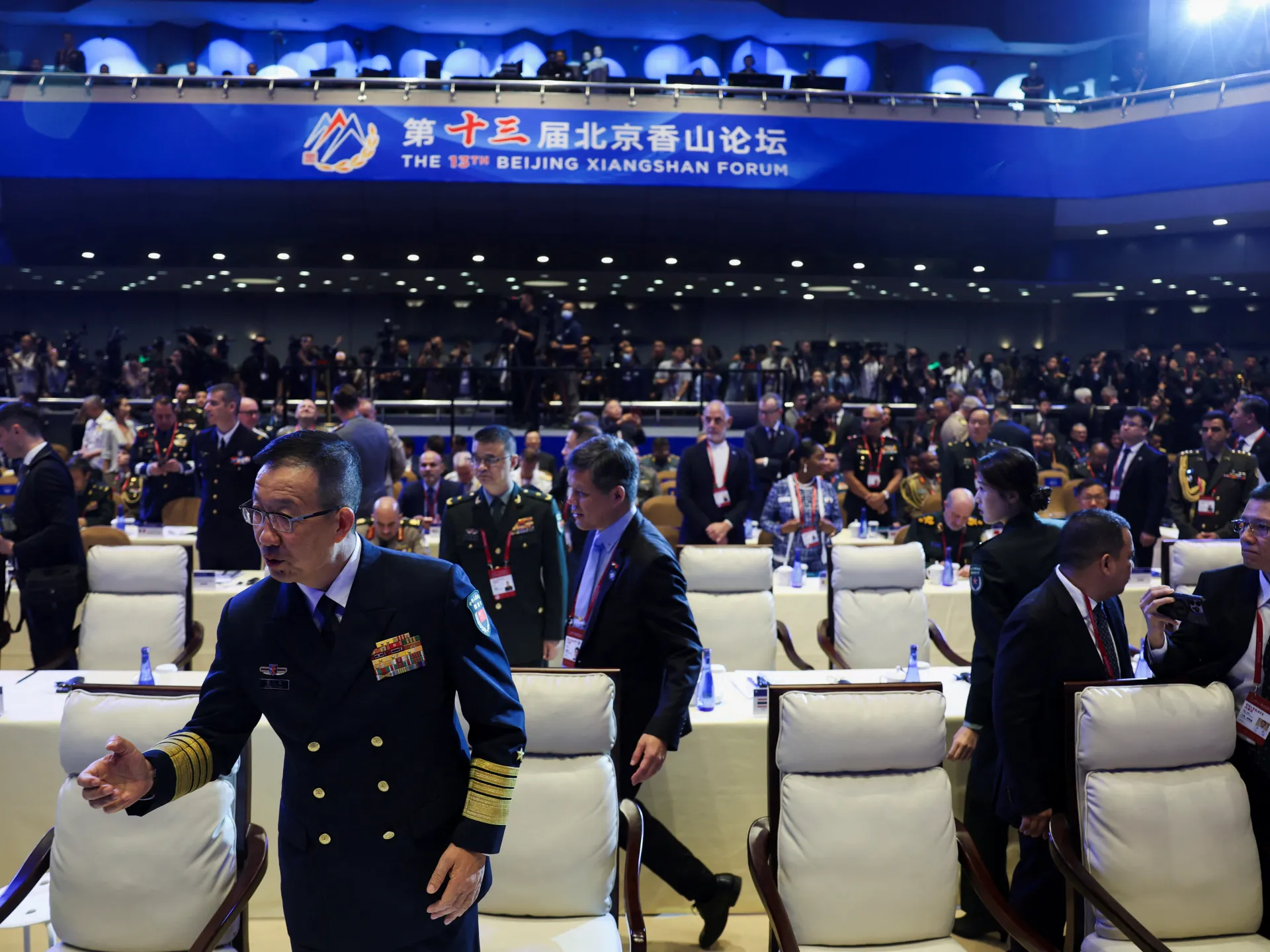
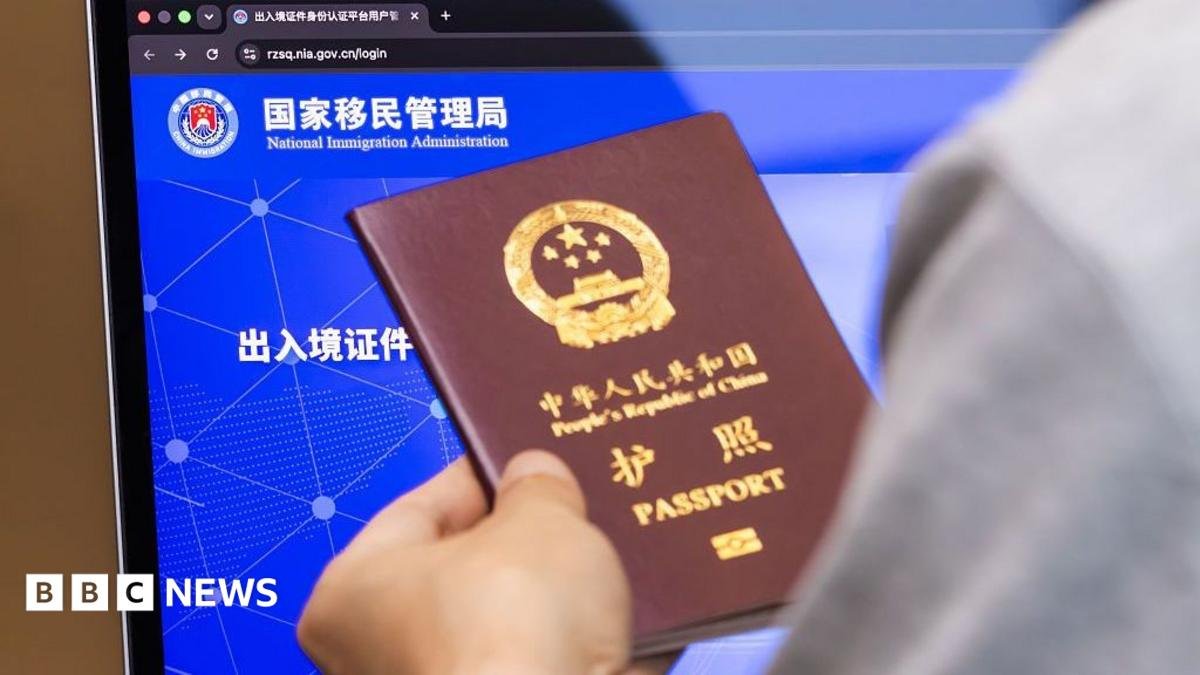
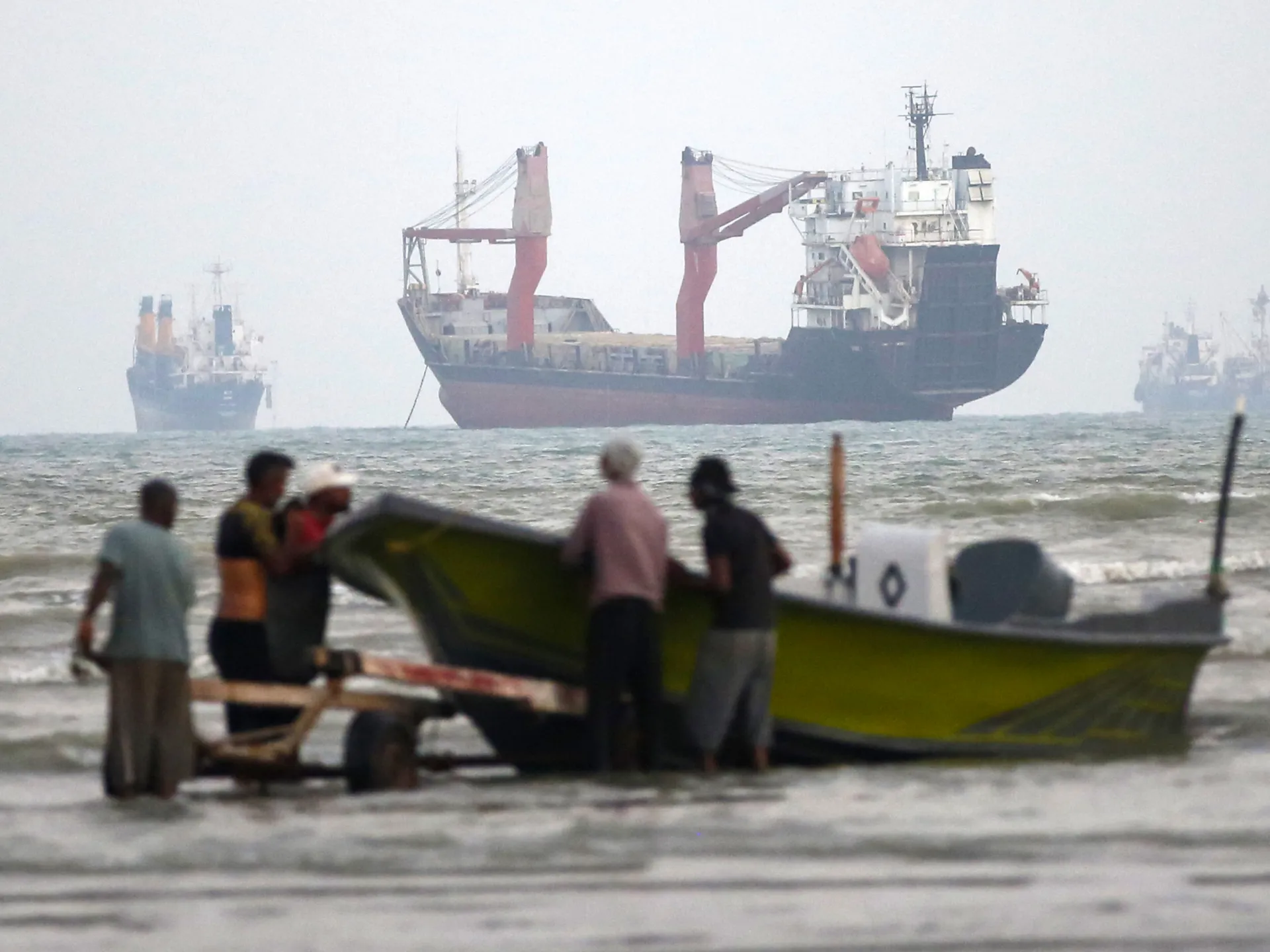
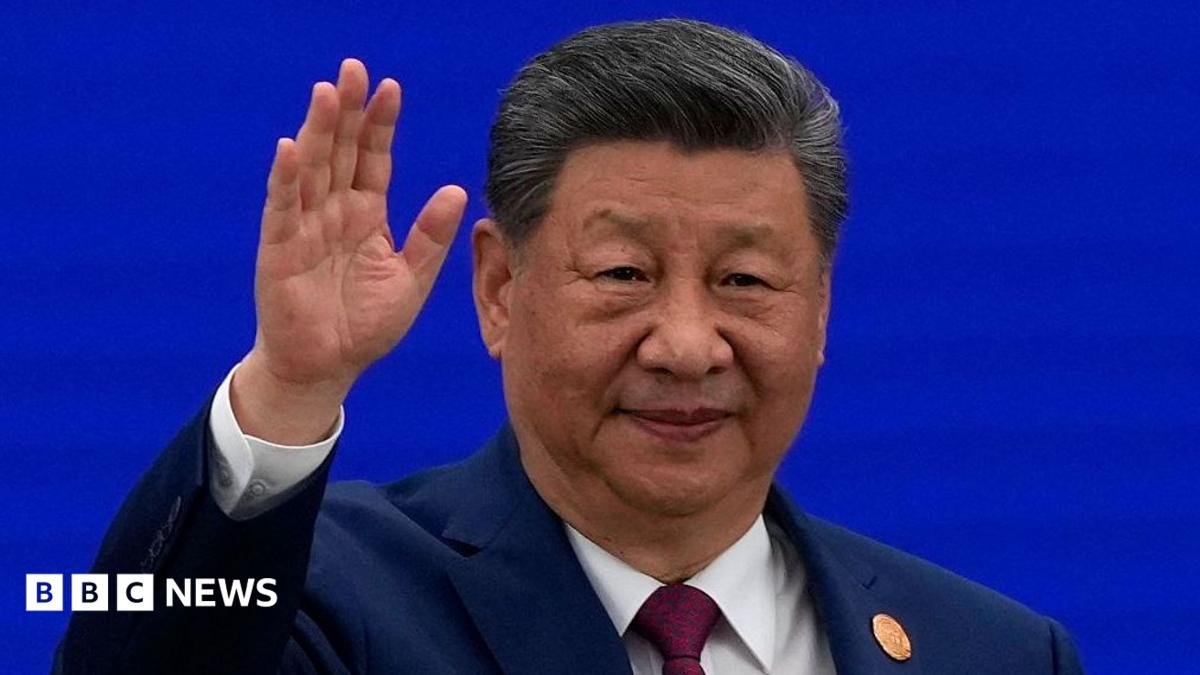
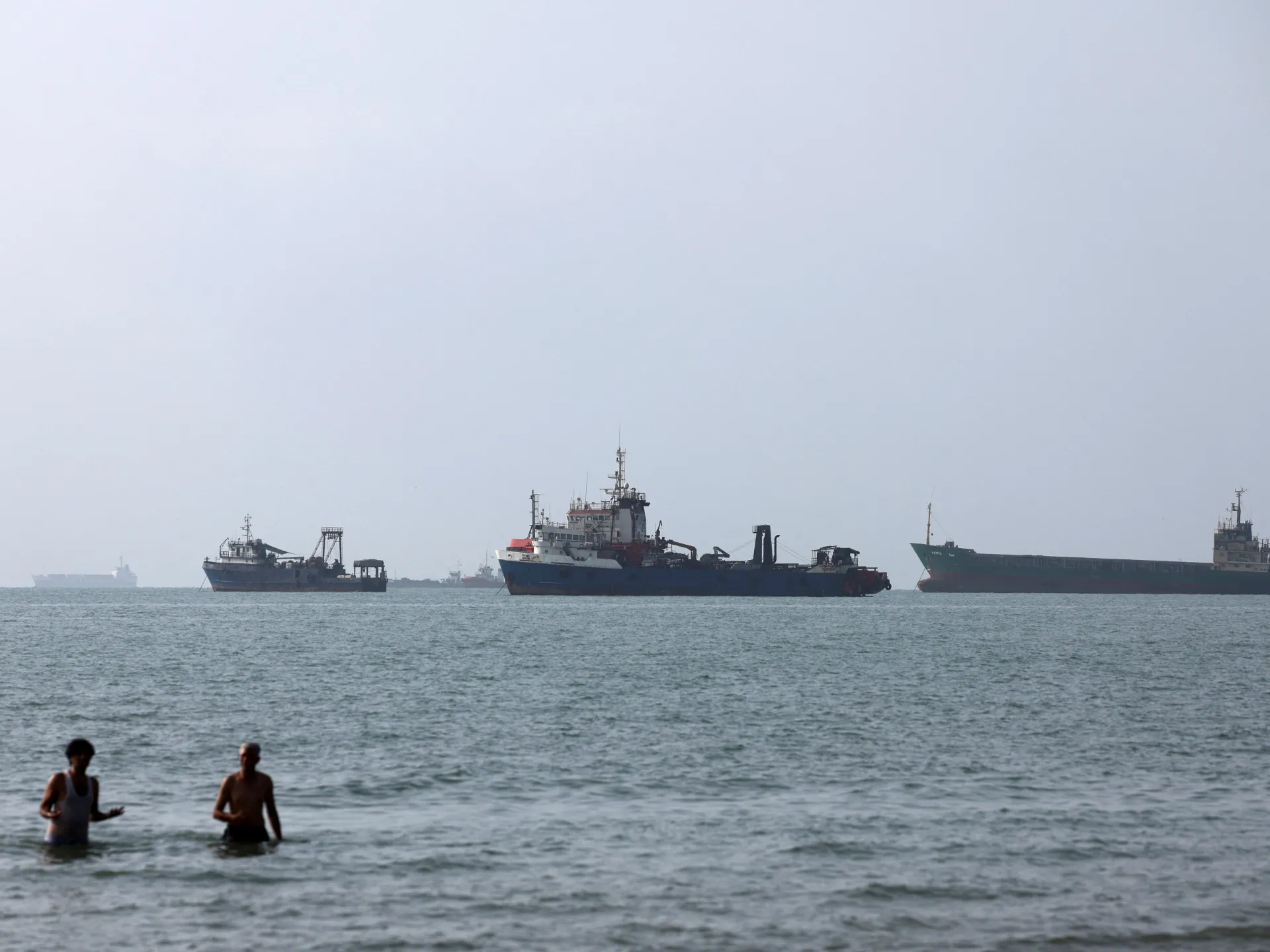
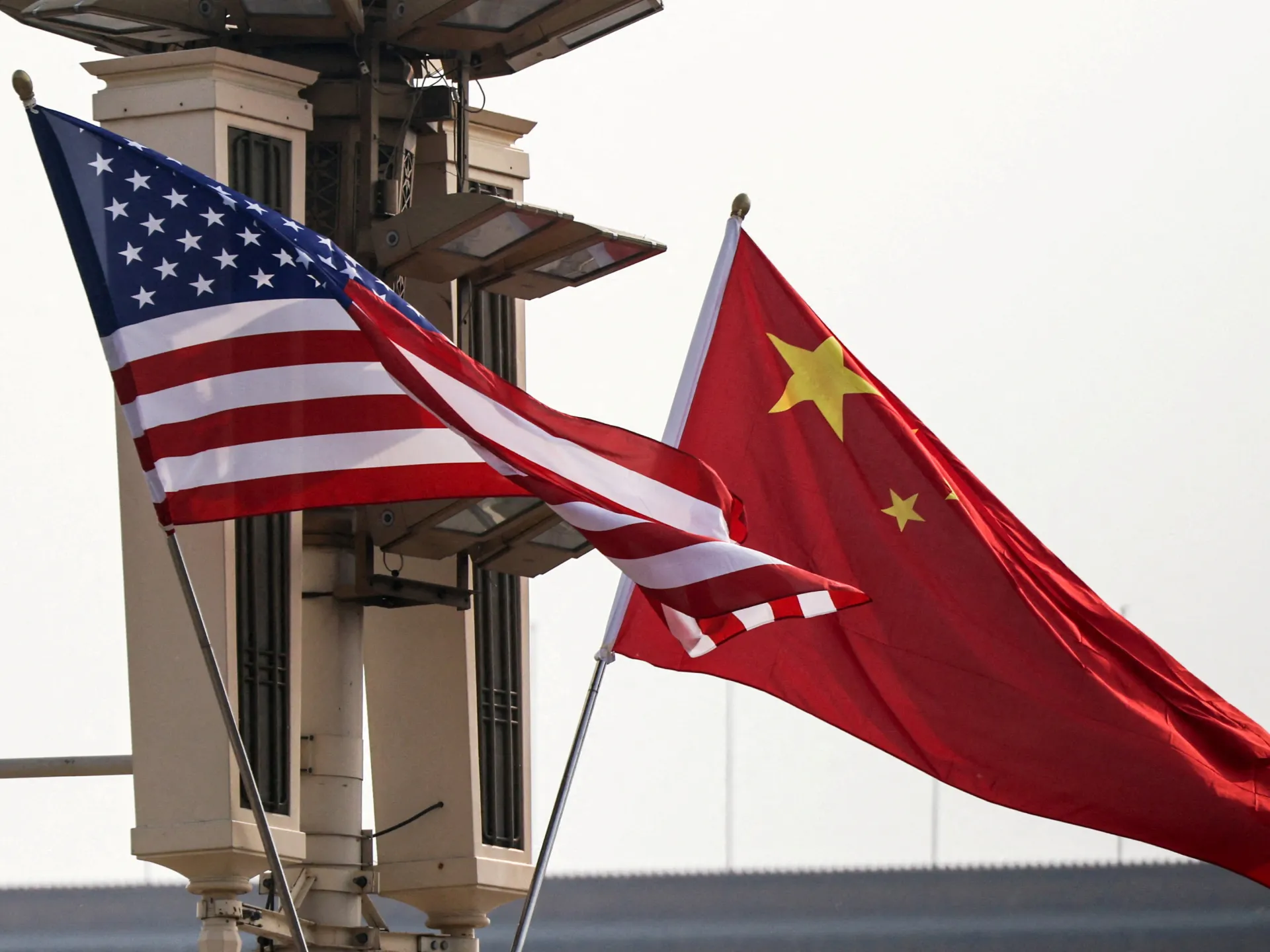
The recent spike in violence has drawn significant attention from global powers, including China, which has reportedly engaged in private diplomatic efforts to temper the conflict. Sources indicate that Beijing has urged Iranian officials to exert influence over the Houthi movement to curb attacks, following an appeal for intervention made and the protection of regional navigation, the private pressure suggests a growing concern that the conflict could destabilize key trade and security corridors.
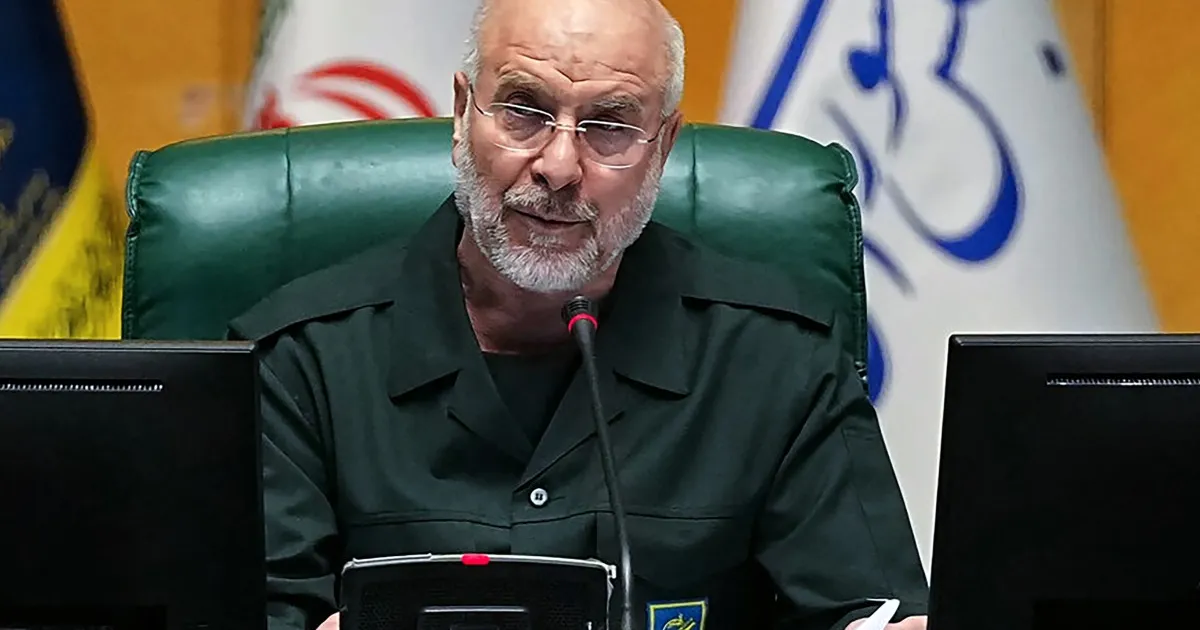
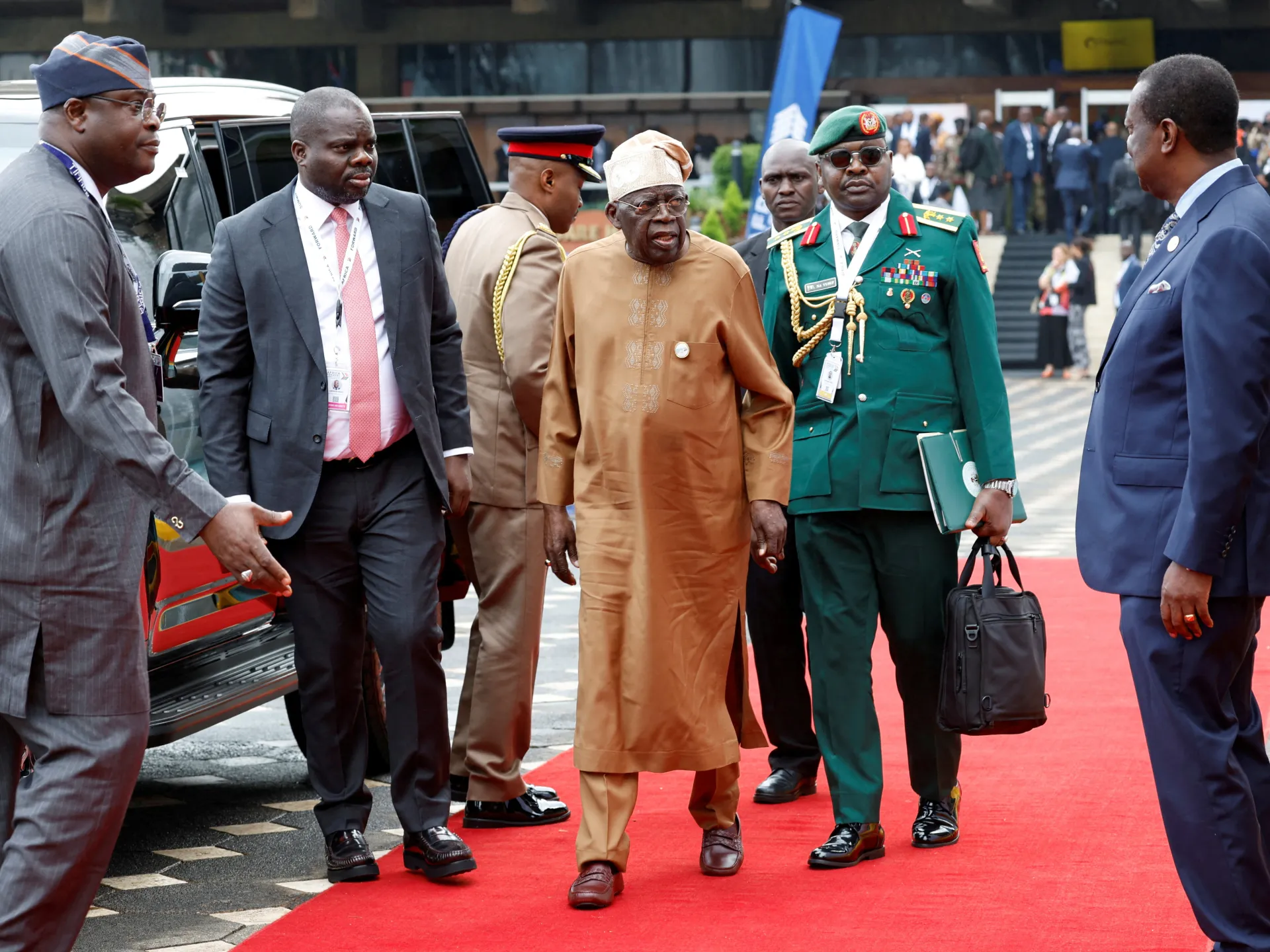
The risk of wider regional entanglement remains a primary concern for international observers. Saudi Arabia’s defense partners, including Pakistan and Turkey, are increasingly vocal about the necessity of maintaining security commitments. Pakistani defense officials recently signaled that the time has arrived to fully implement existing defense agreements with Saudi Arabia and Turkey in response to the increased Houthi activity. These developments suggest that if the current pattern of exchange continues, the conflict could potentially draw in additional regional actors, complicating an already fragile security landscape in the Middle East.