Ireland has officially announced it will boycott the upcoming Eurovision Song Contest, marking the second consecutive year the nation has withdrawn due to Israel's participation.
For the second consecutive year, Ireland has officially confirmed its withdrawal from the Eurovision Song Contest. The Irish public broadcaster, RTE, issued a formal statement on Thursday declaring that the nation would not participate in or broadcast the upcoming competition. This decision follows a similar move s regarding the inclusion of Israel in the annual event.
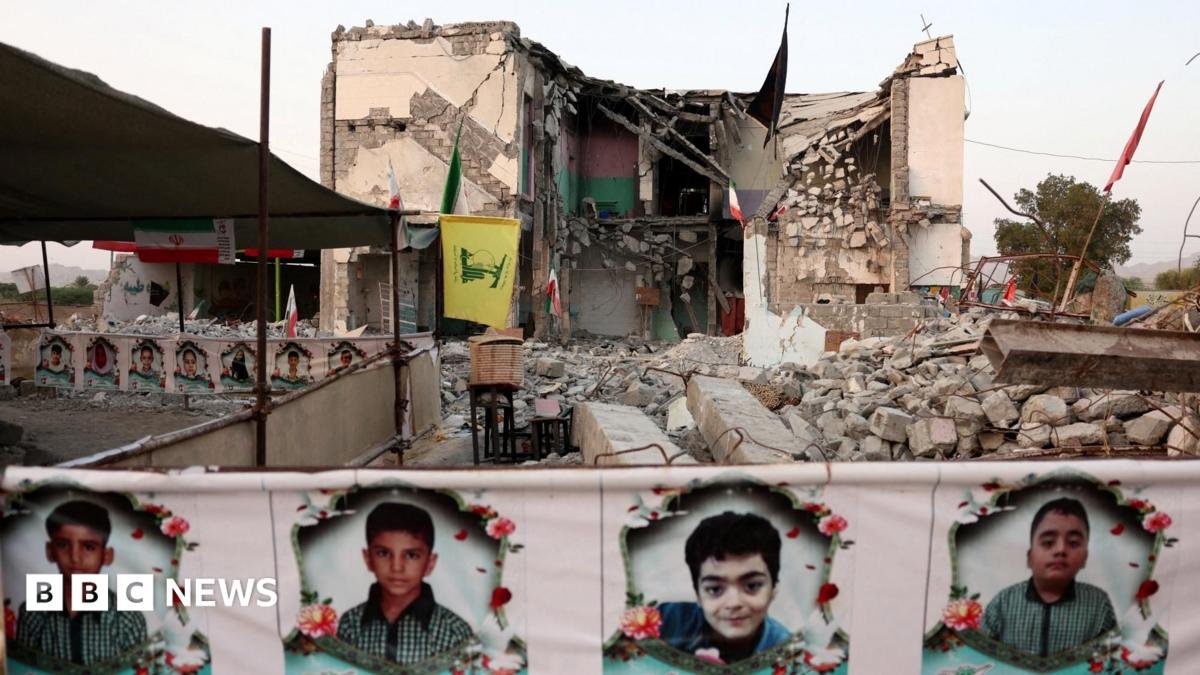
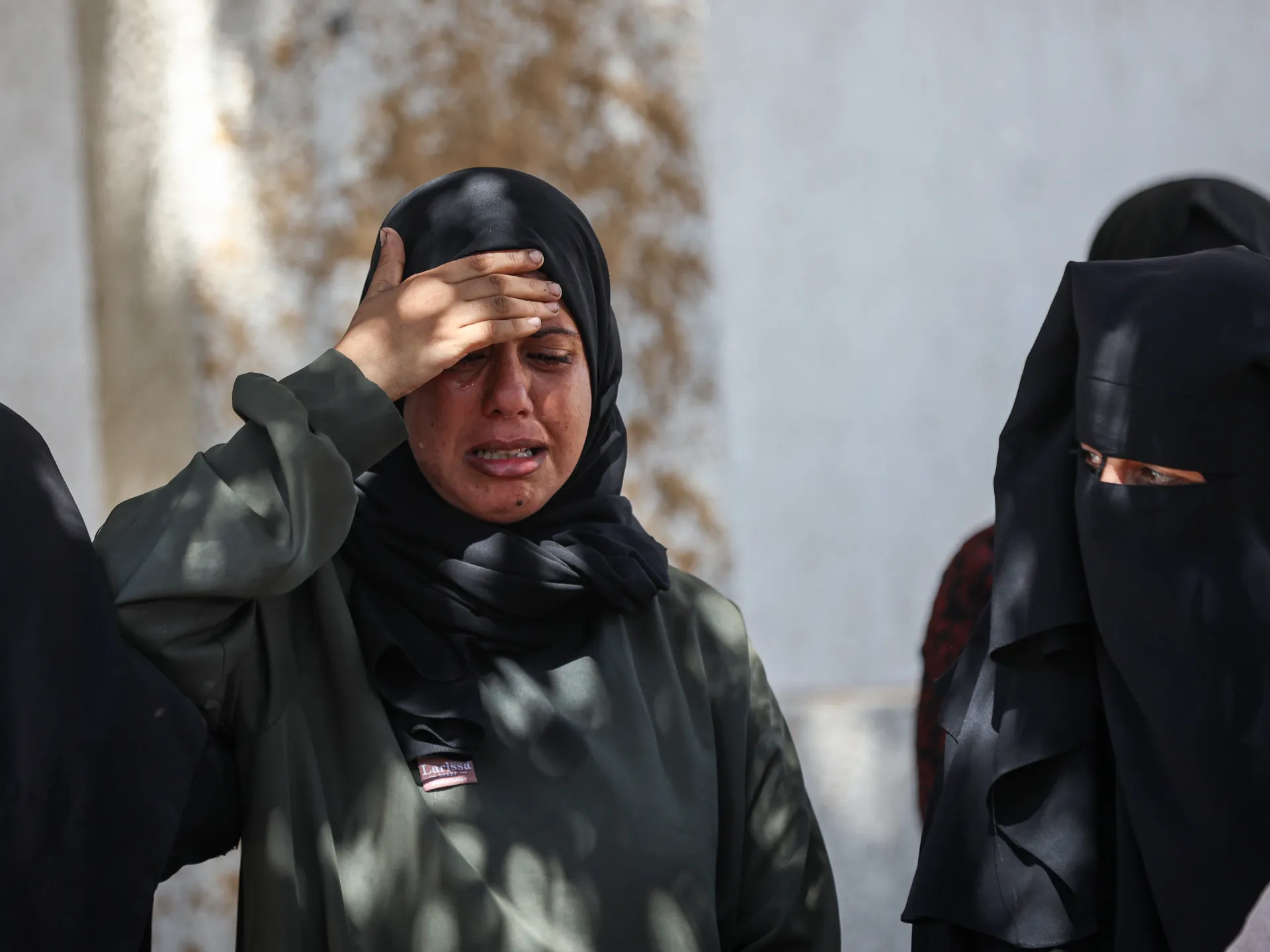
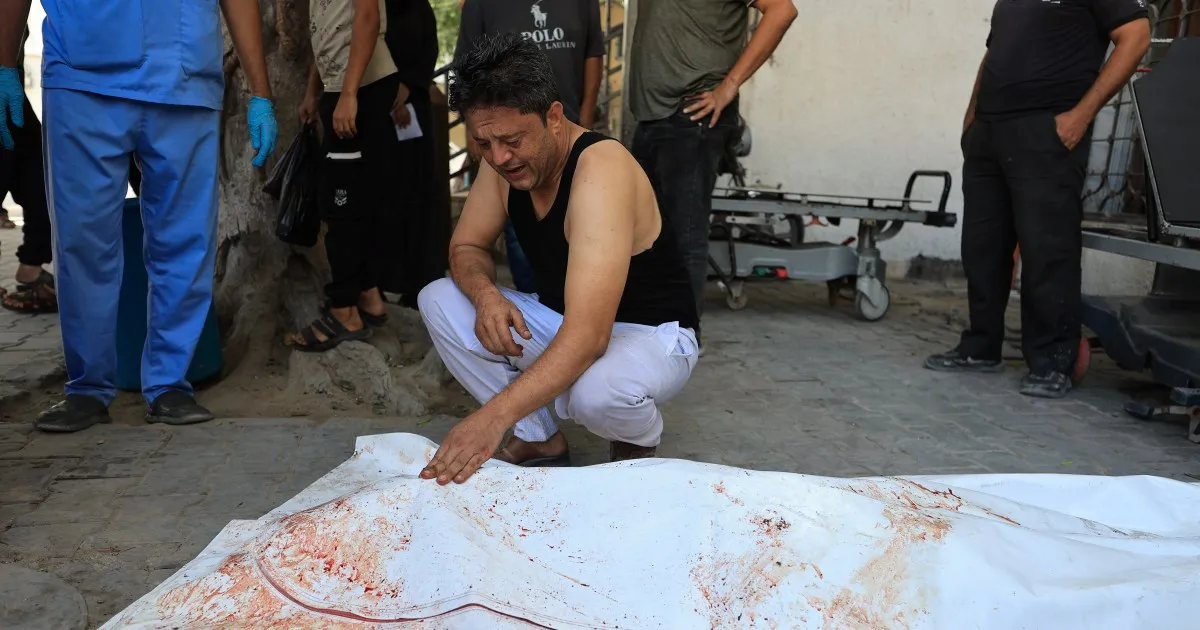
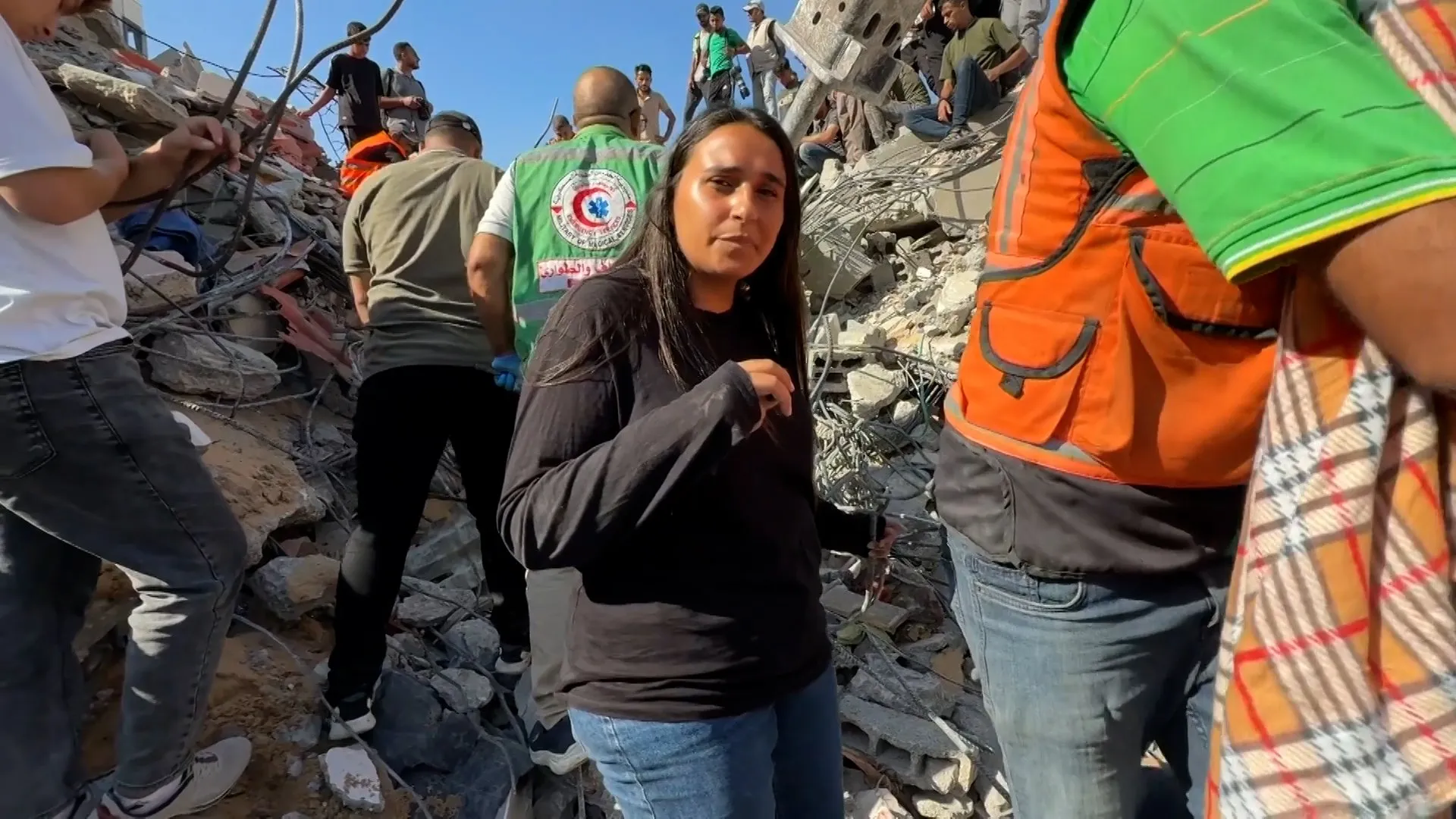
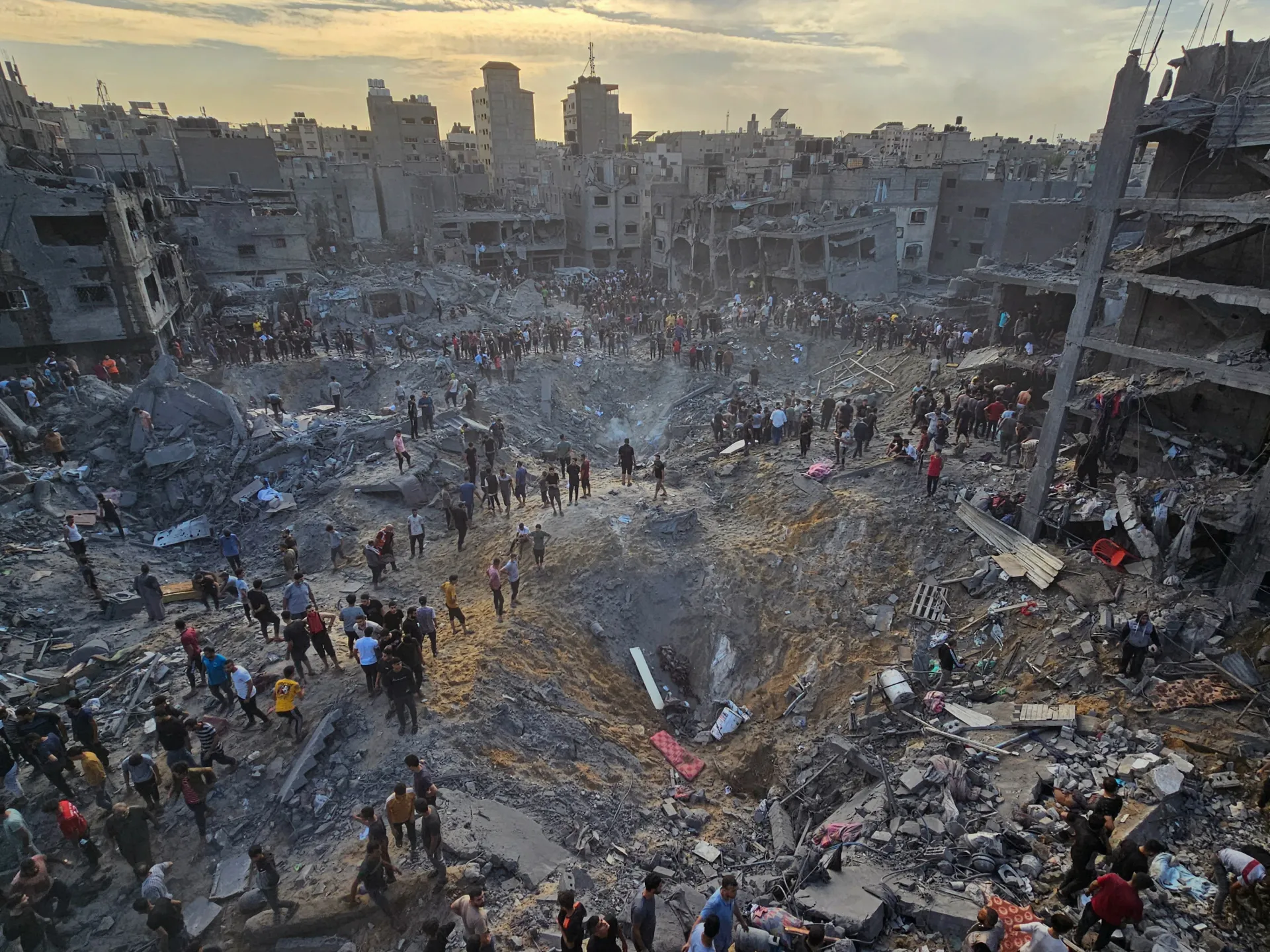
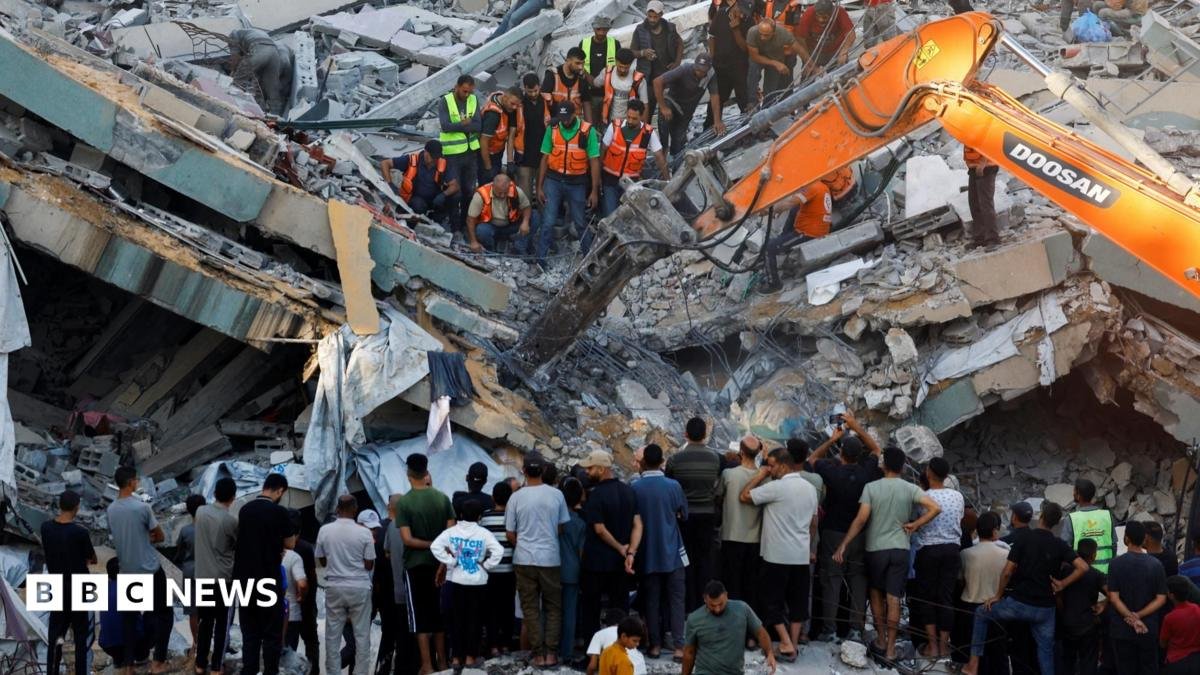
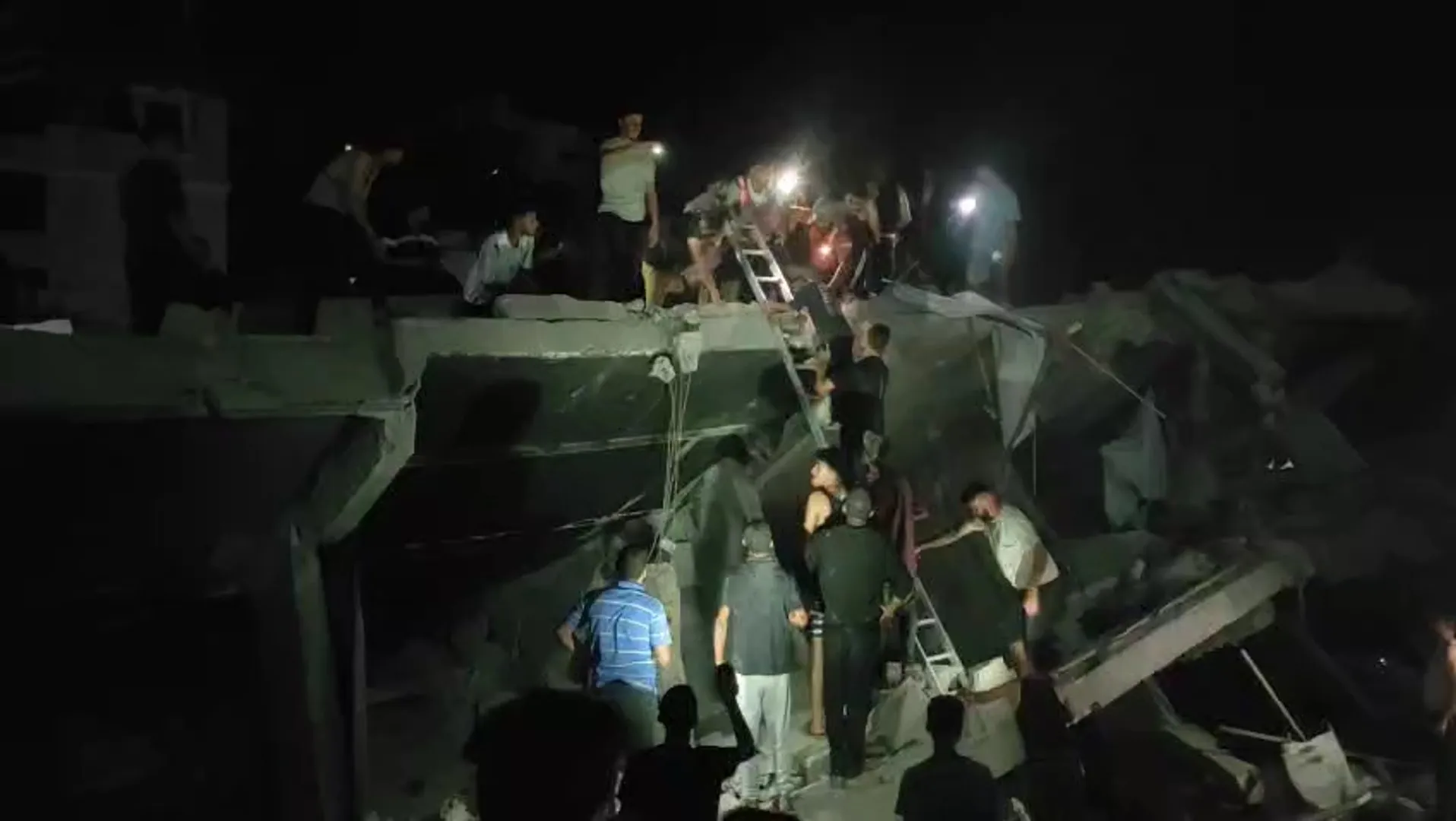
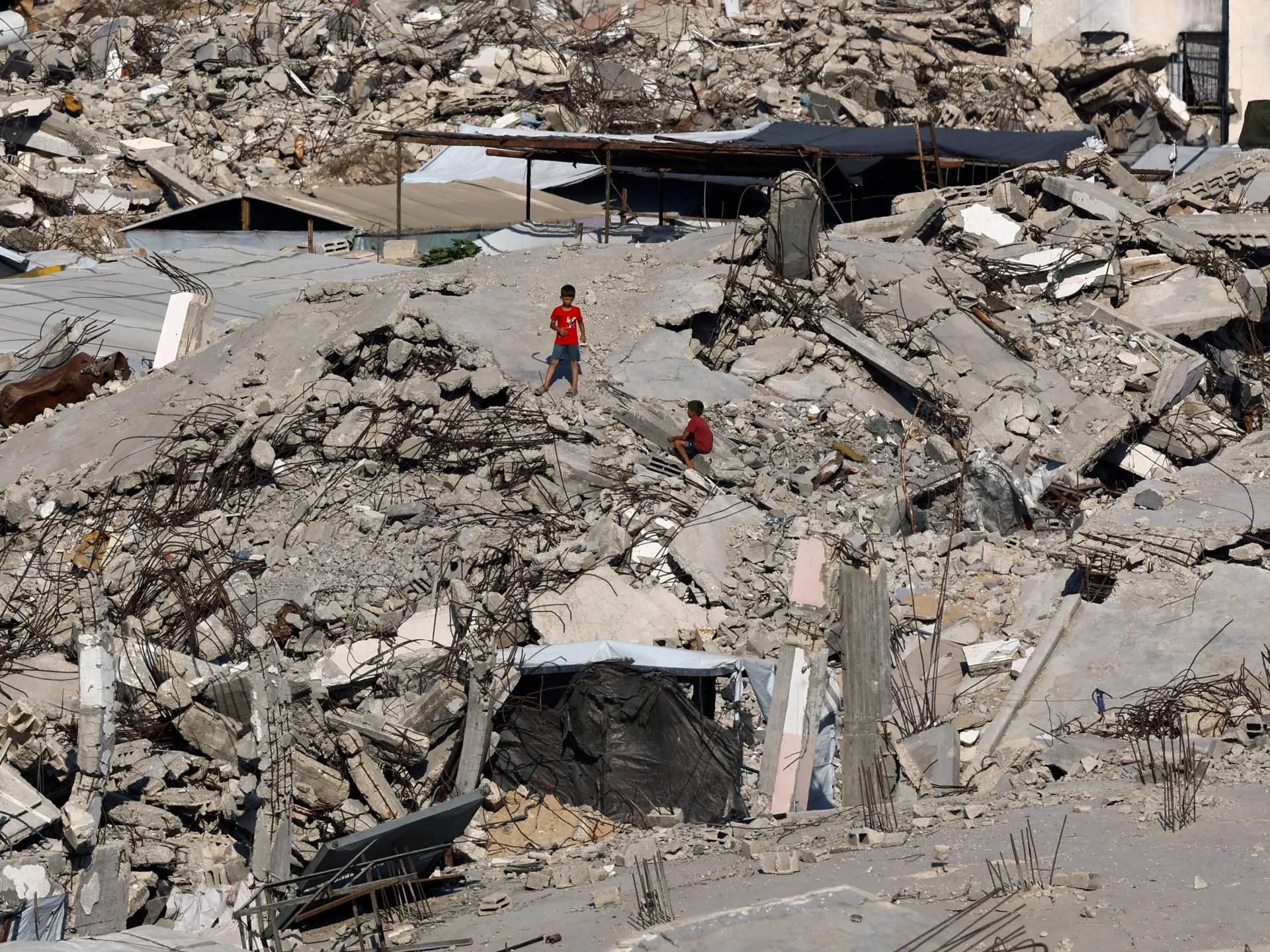
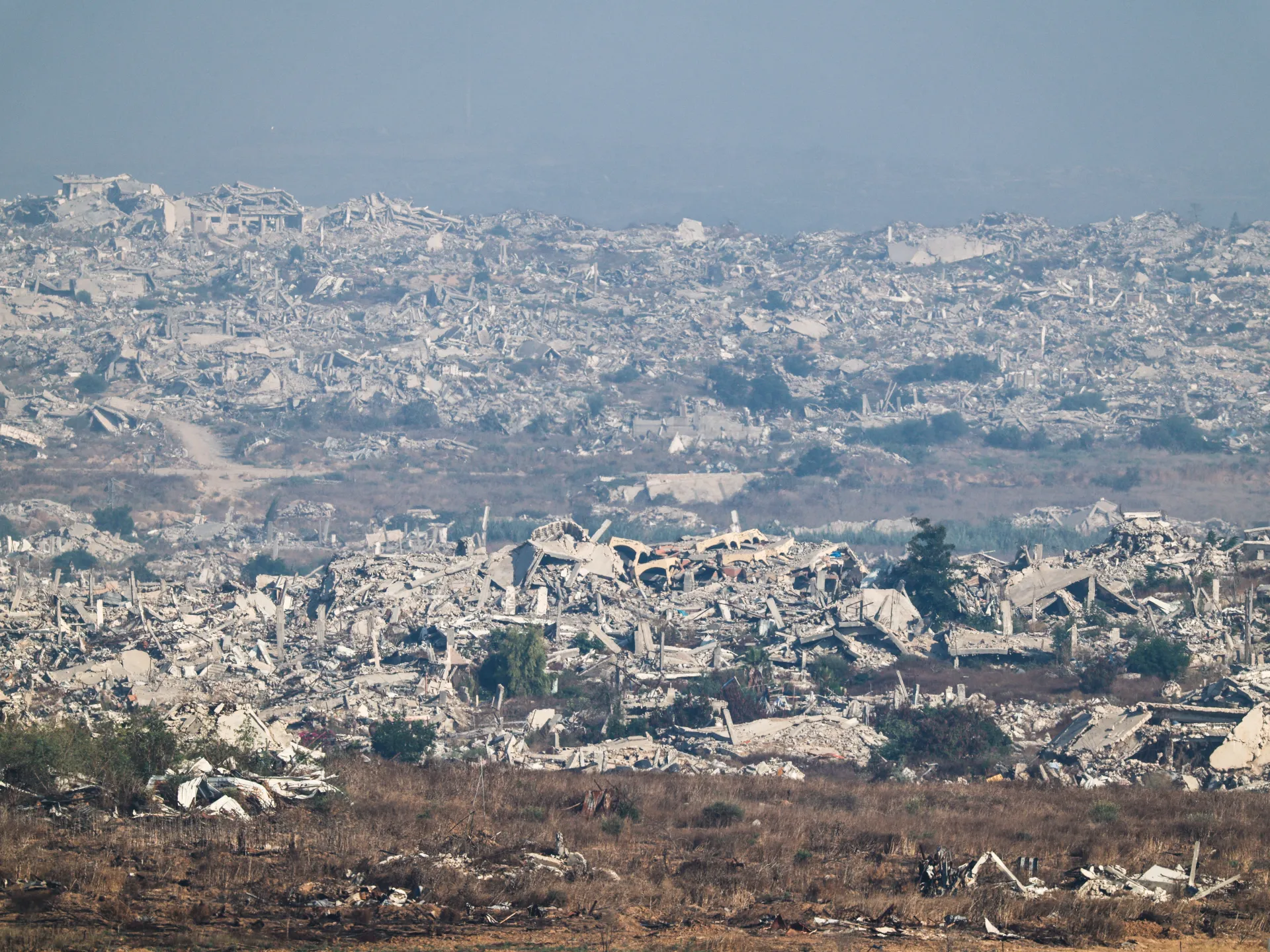
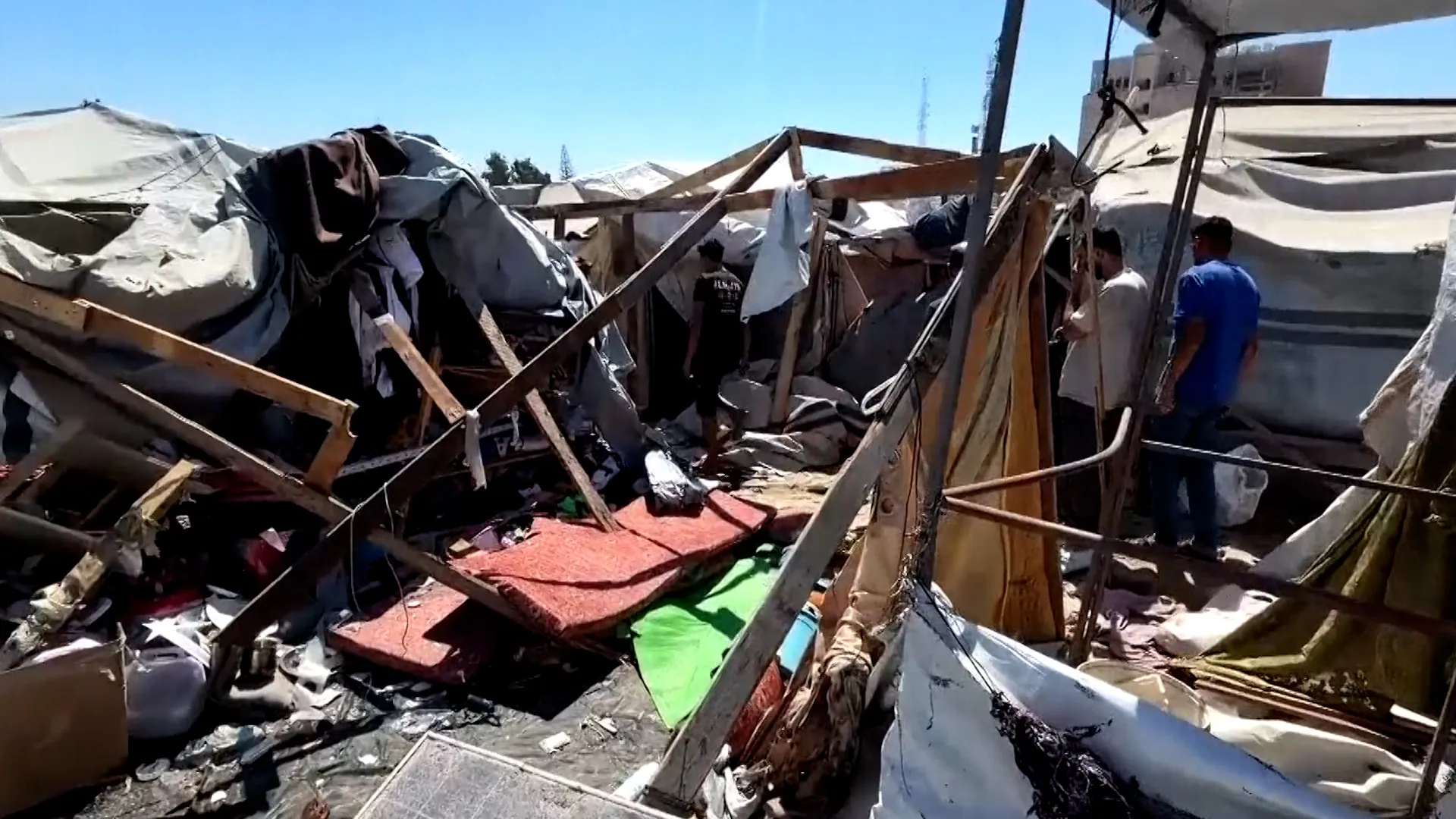
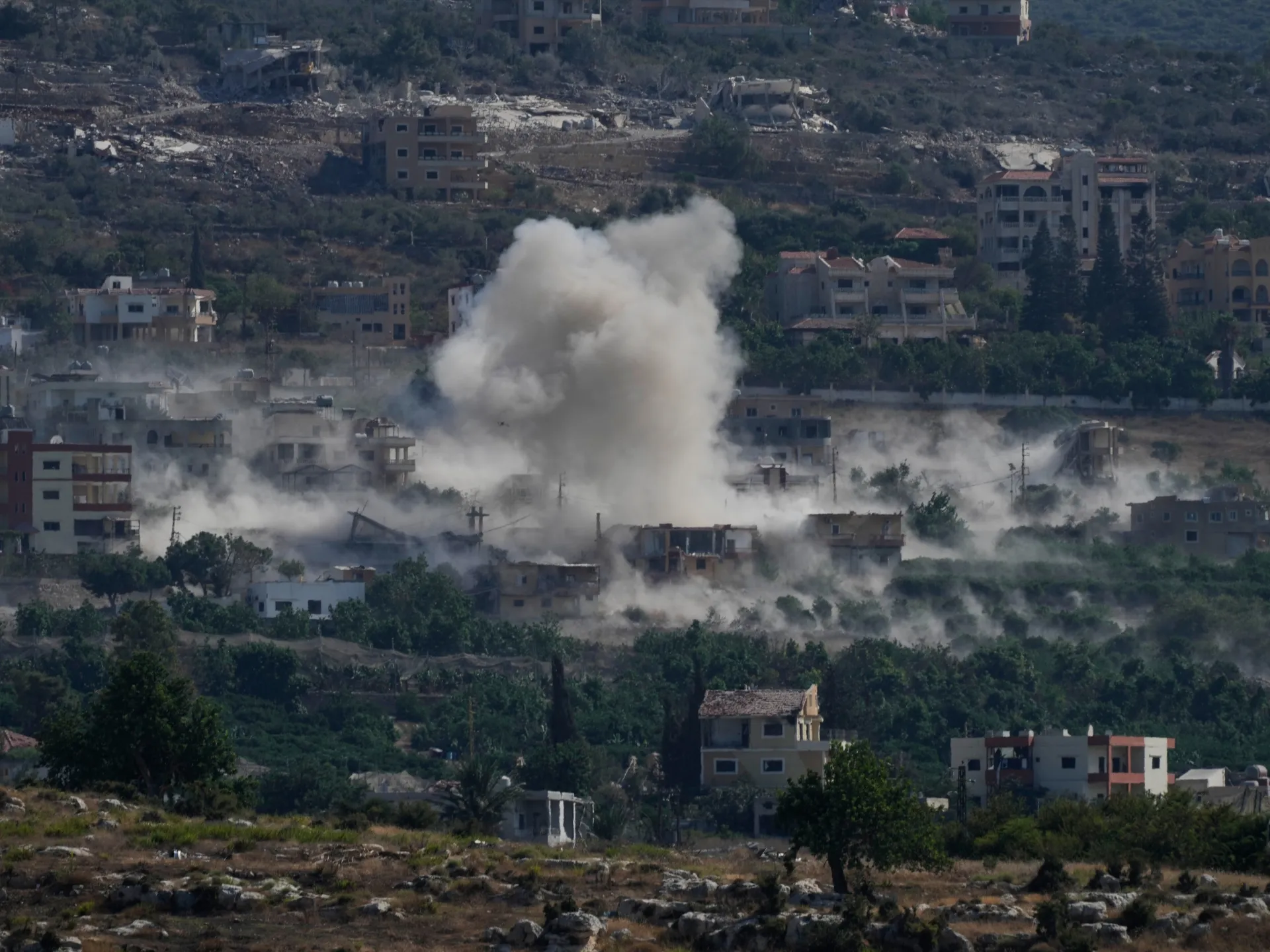
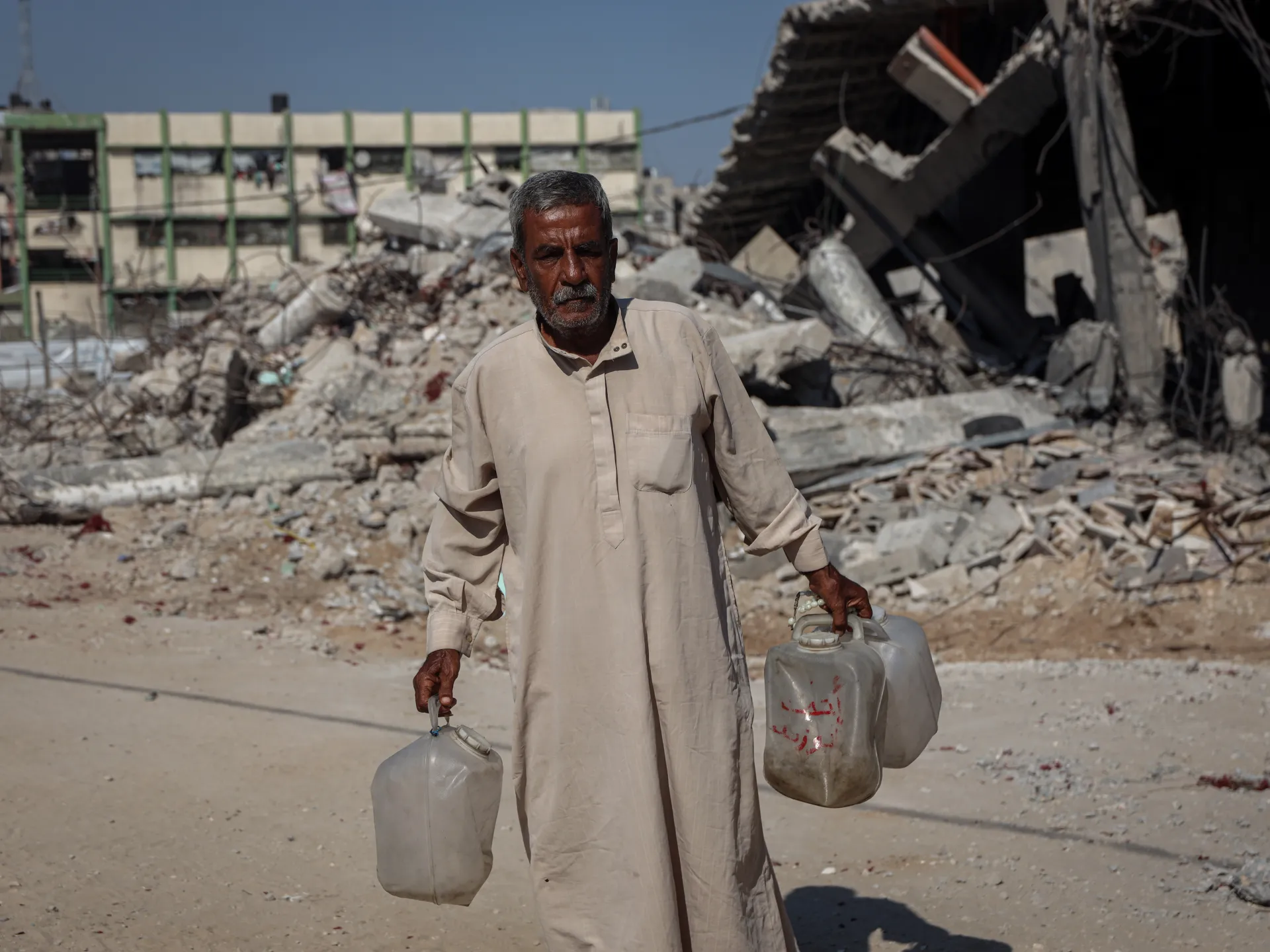
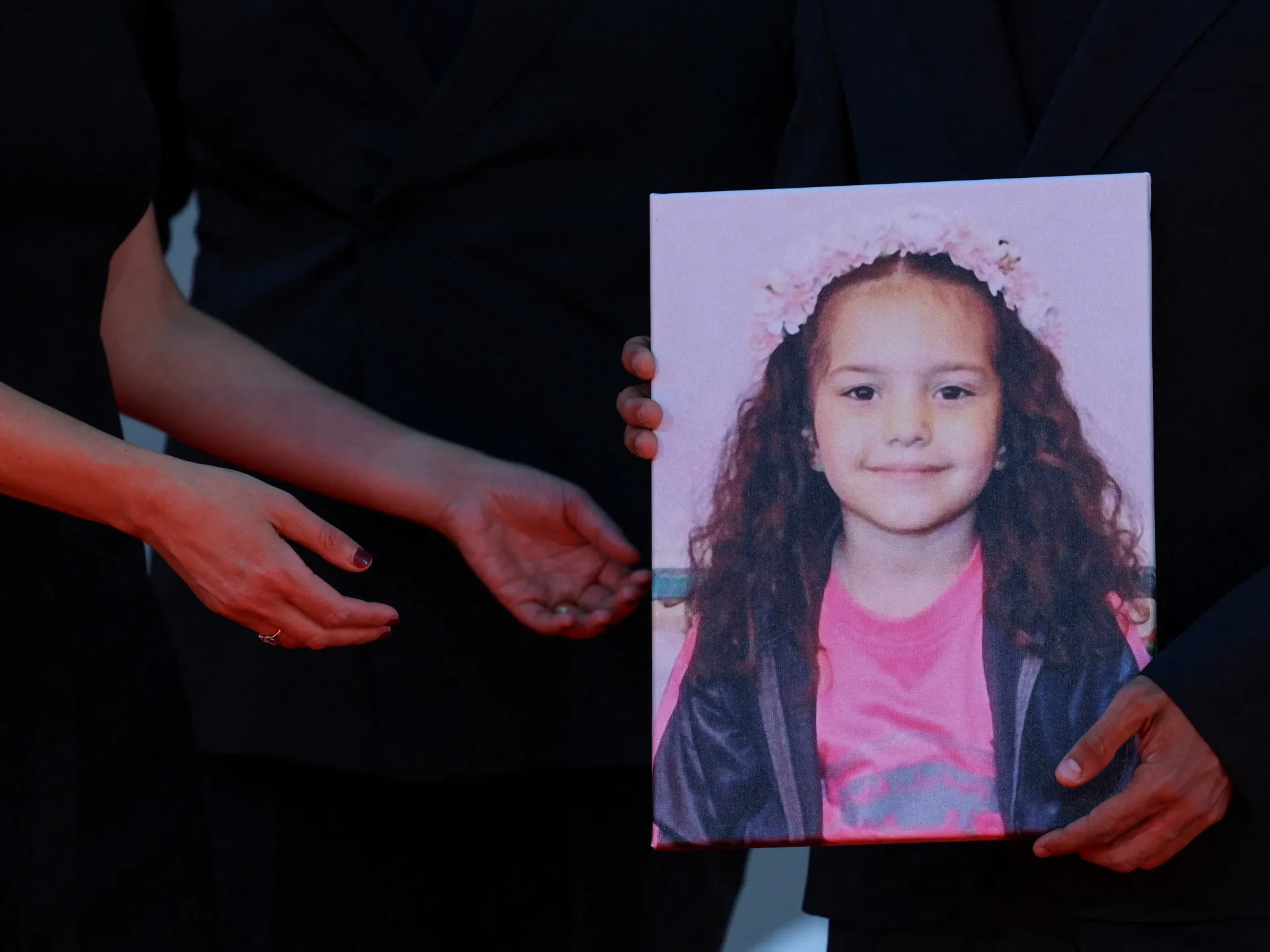
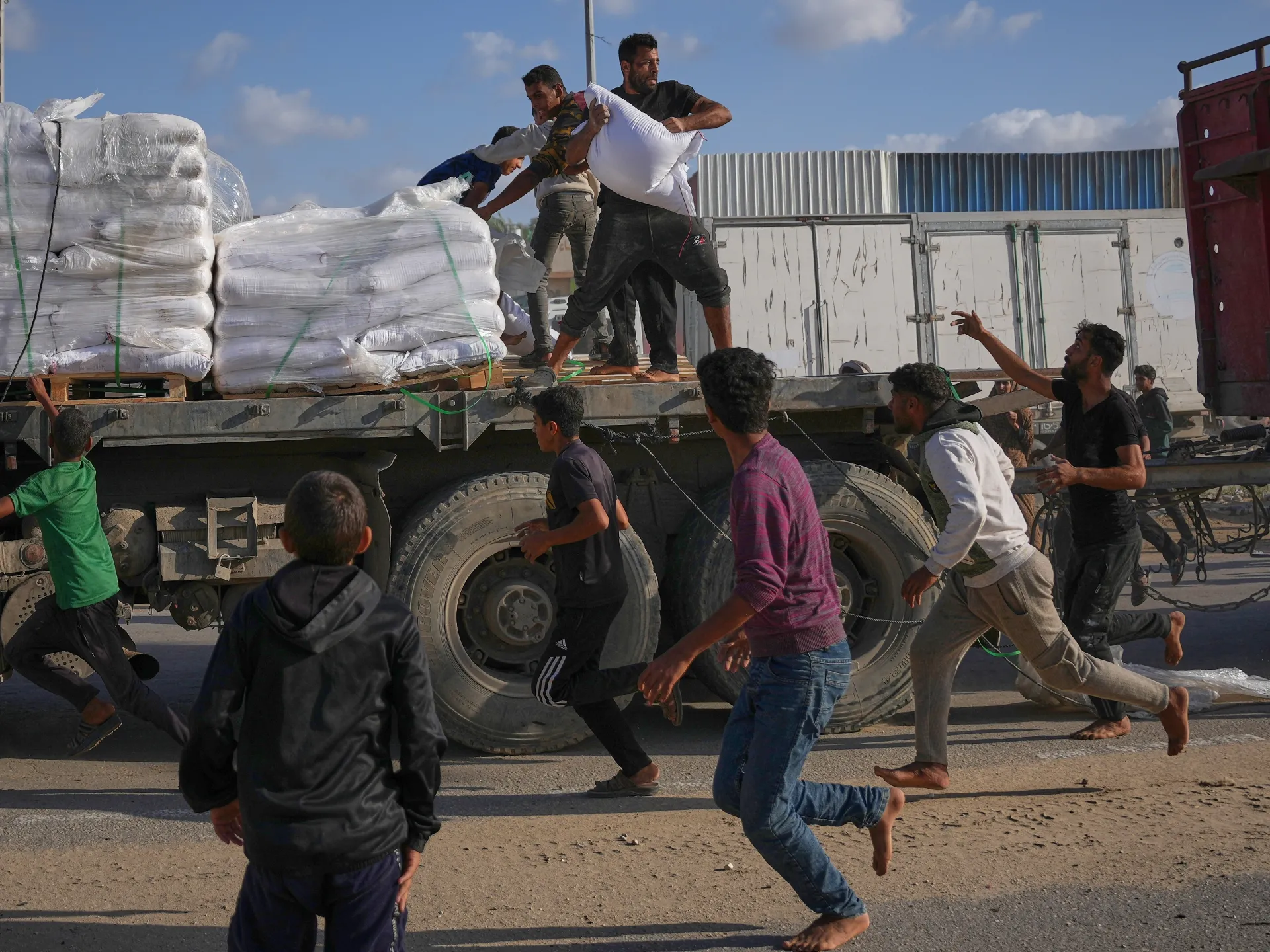
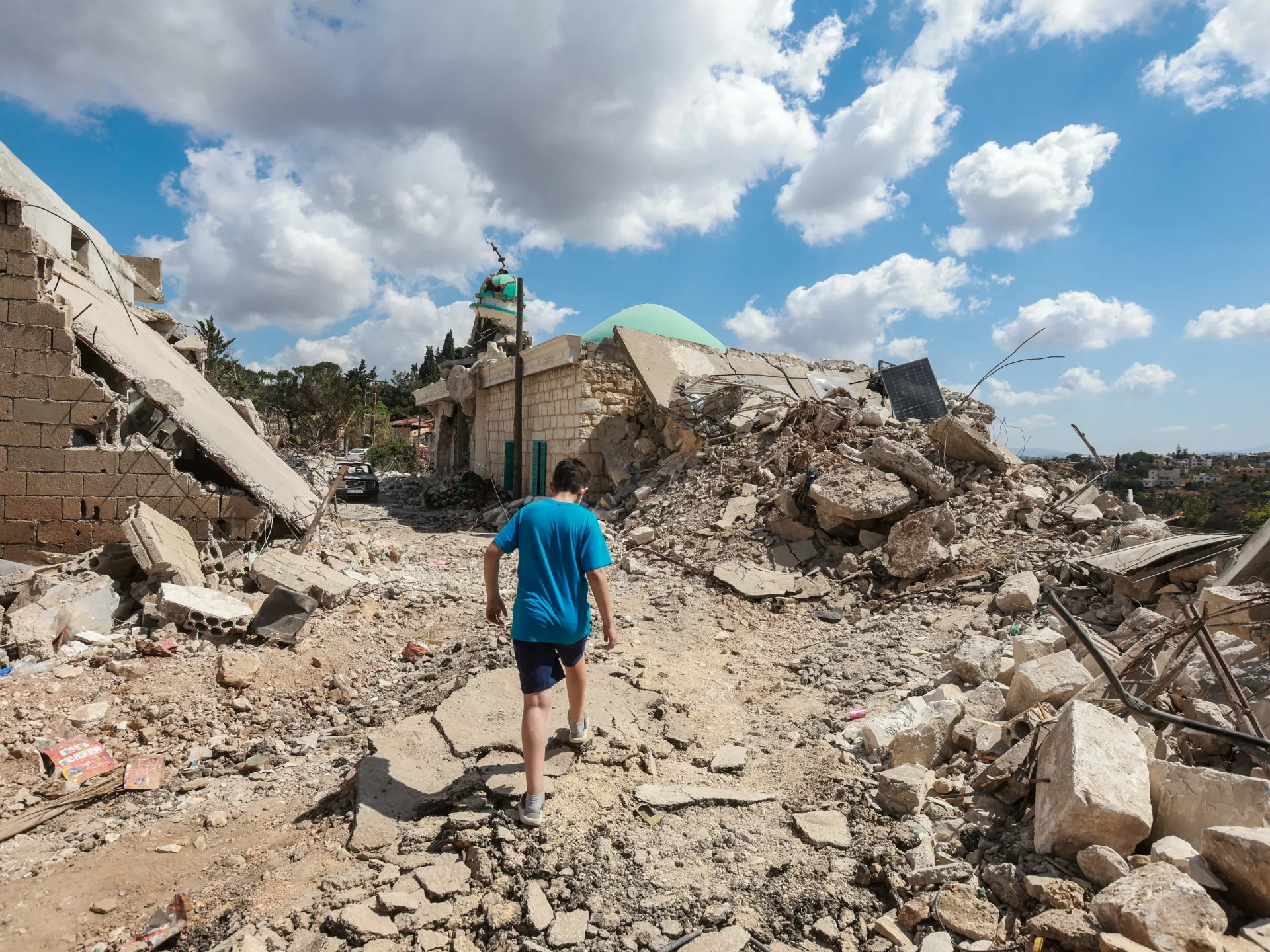
The primary driver behind Ireland’s exit remains the devastating loss of life and the deepening humanitarian crisis within the Gaza Strip. RTE emphasized that the ongoing conflict and the resulting civilian casualties make it impossible for the broadcaster to justify participation. ical implications of the situation, citing concerns that the event’s platform is incompatible with the current reality in the region.
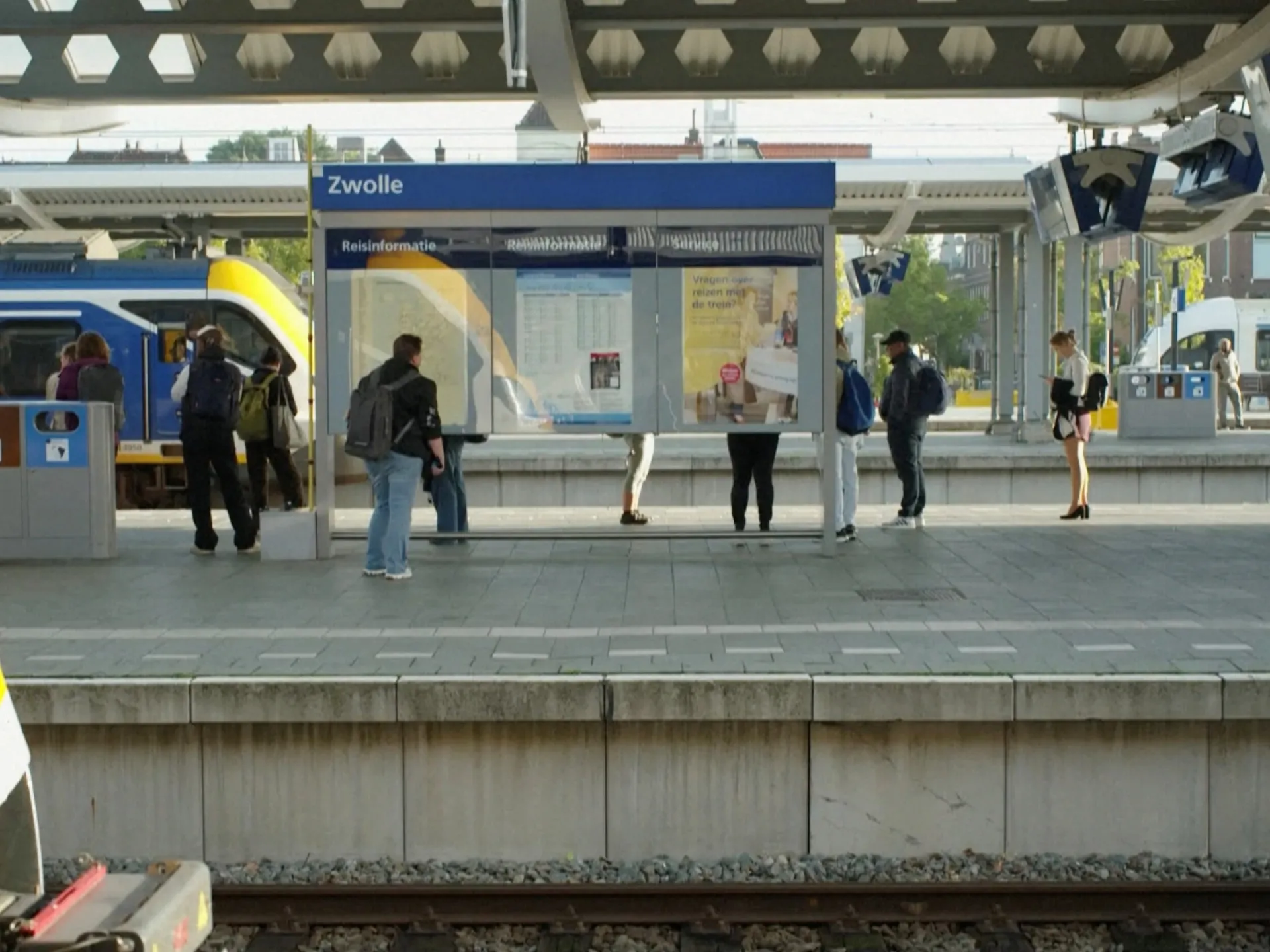
Ireland’s choice to opt out follows the decision made nfirm its absence from the 2027 edition, arguing that the Eurovision Song Contest can no longer be viewed as a neutral platform. The Dutch stance is centered on the belief that the presence of a nation involved in a large-scale military conflict undermines the fundamental values the competition claims to uphold.
This is not the first time European nations have signaled their dissatisfaction with the European Broadcasting Union (EBU). During the 2026 competition held in Vienna, five countries—Ireland, the Netherlands, Spain, Slovenia, and Iceland—chose to abstain from the festivities. The increasing number of withdrawals highlights a significant rift between the organizers and several public service broadcasters who feel that current policies regarding conflict-involved nations are inconsistent and deeply problematic.
In response to the mounting criticism, the European Broadcasting Union has attempted to address concerns regarding the participation of countries involved in active military conflicts. Recently, organizers announced that nations currently engaged in such conflicts would be prohibited from hosting the event. However, this measure has been criticized ticipation of the nations themselves.
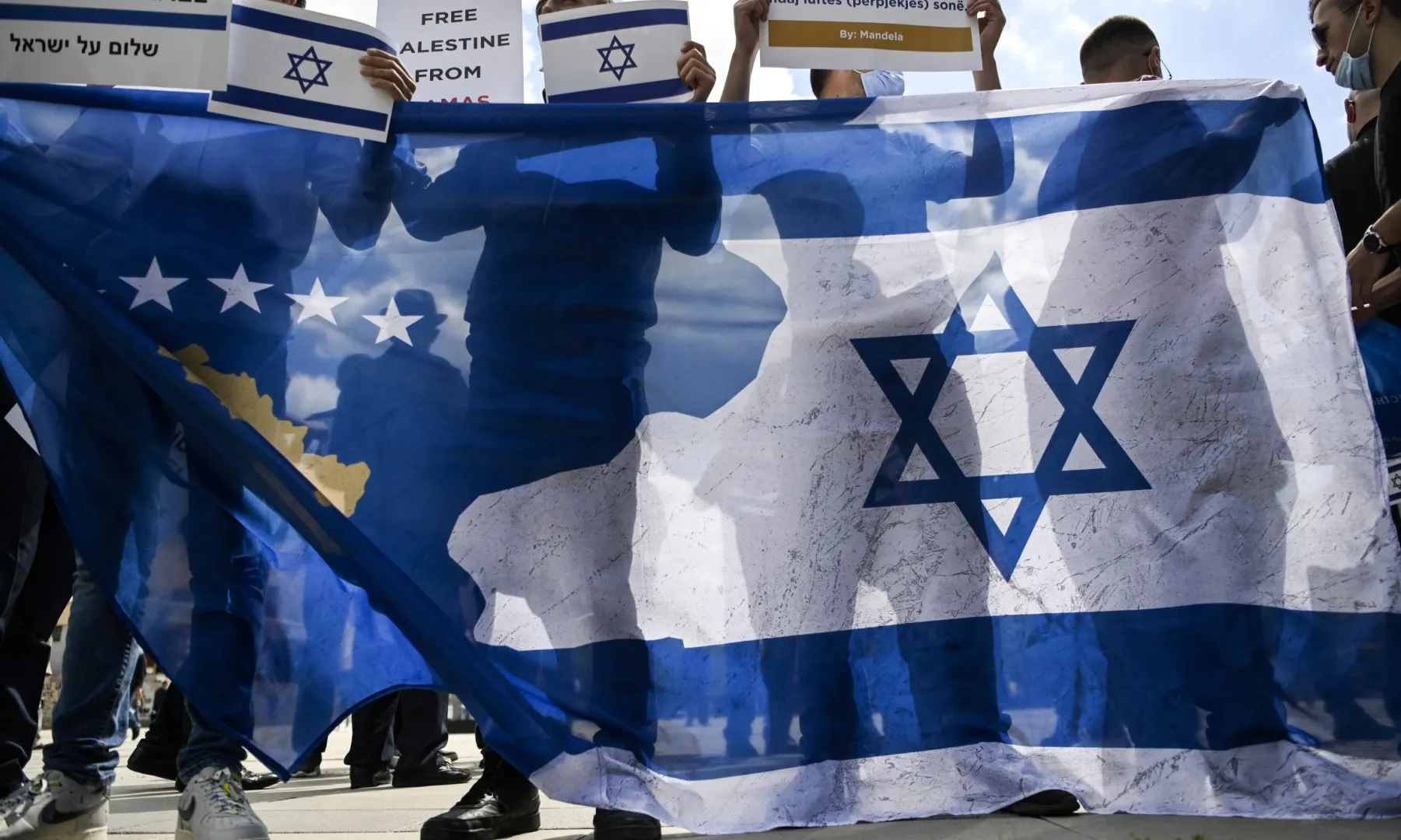
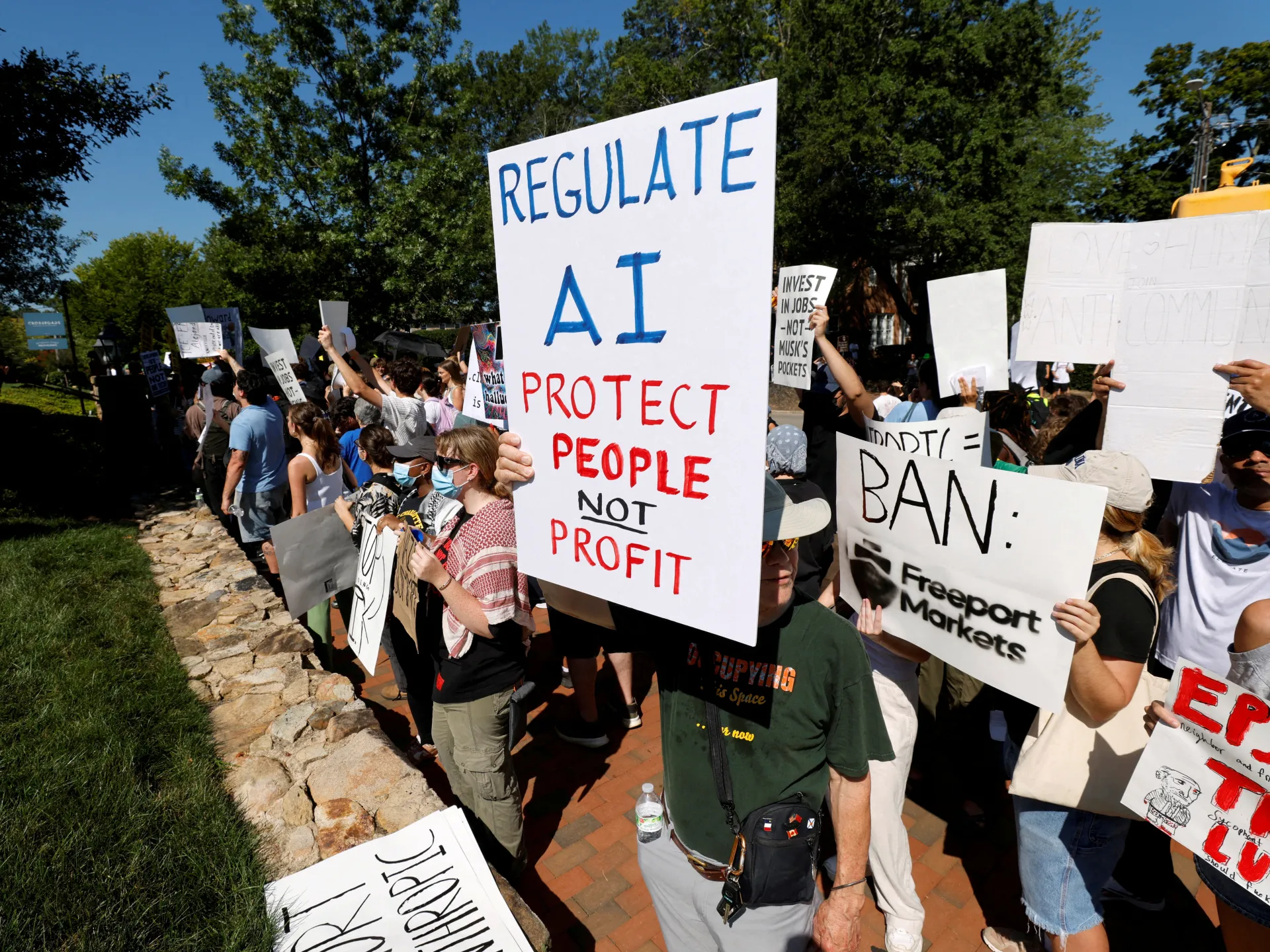
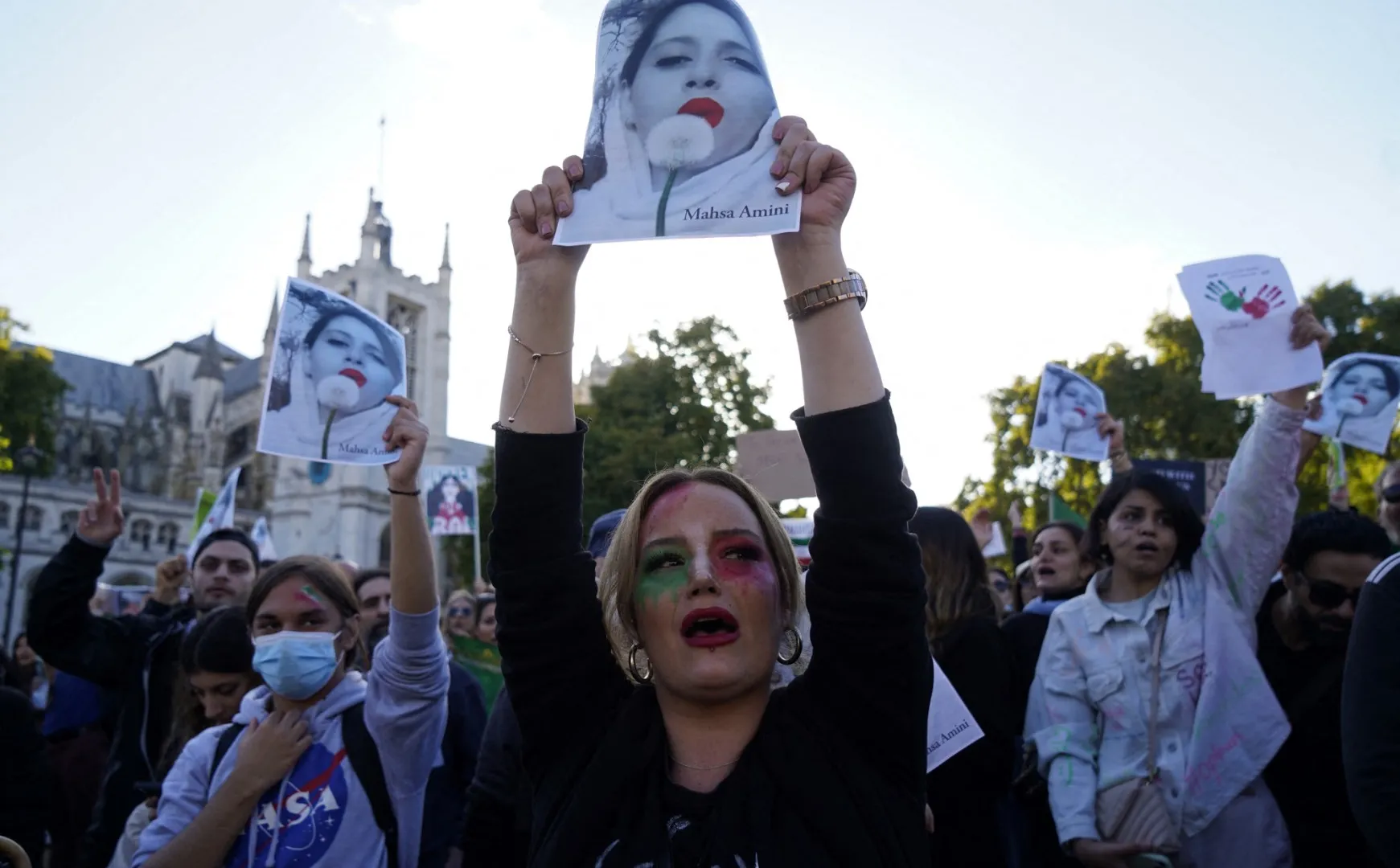
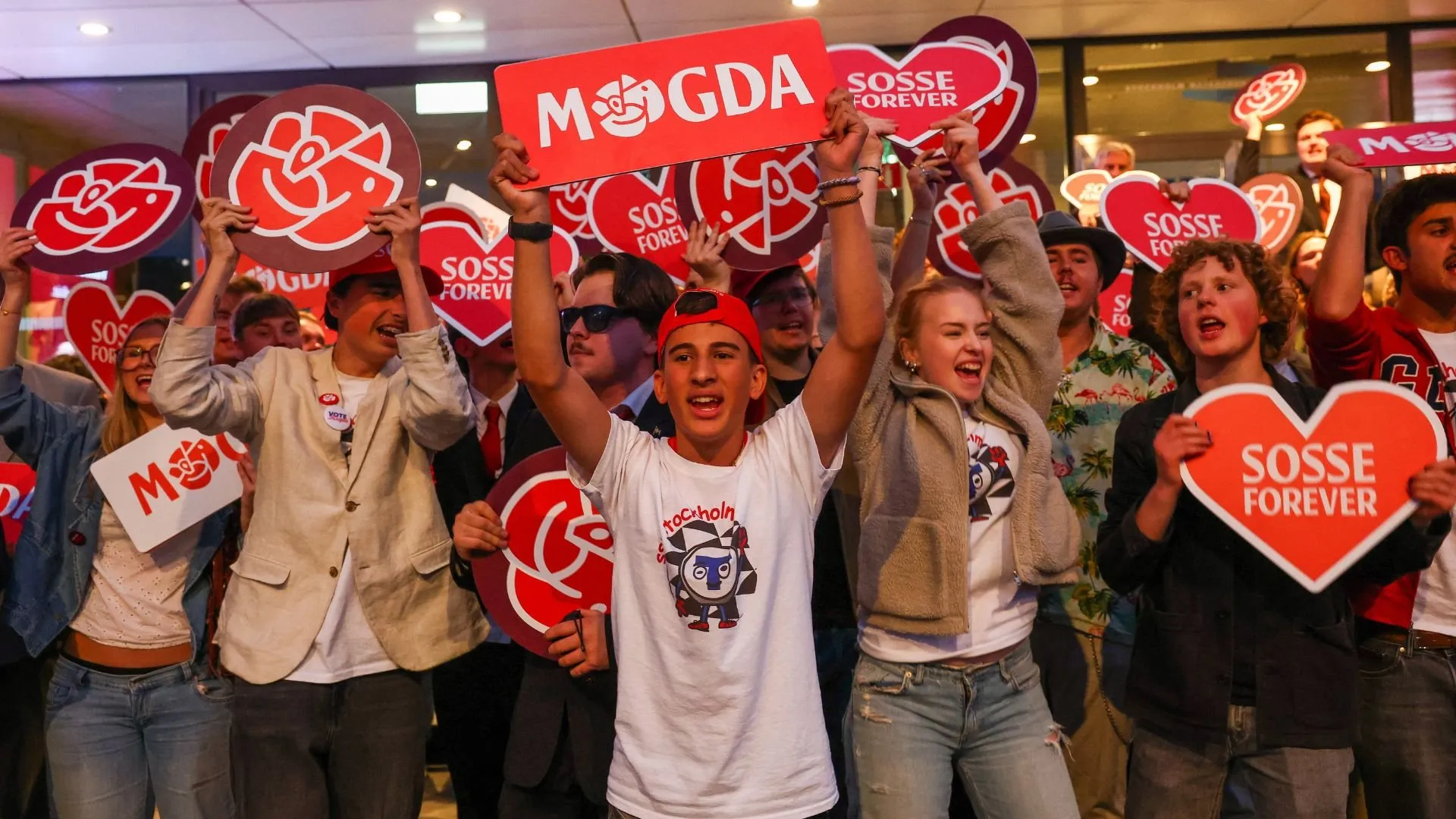
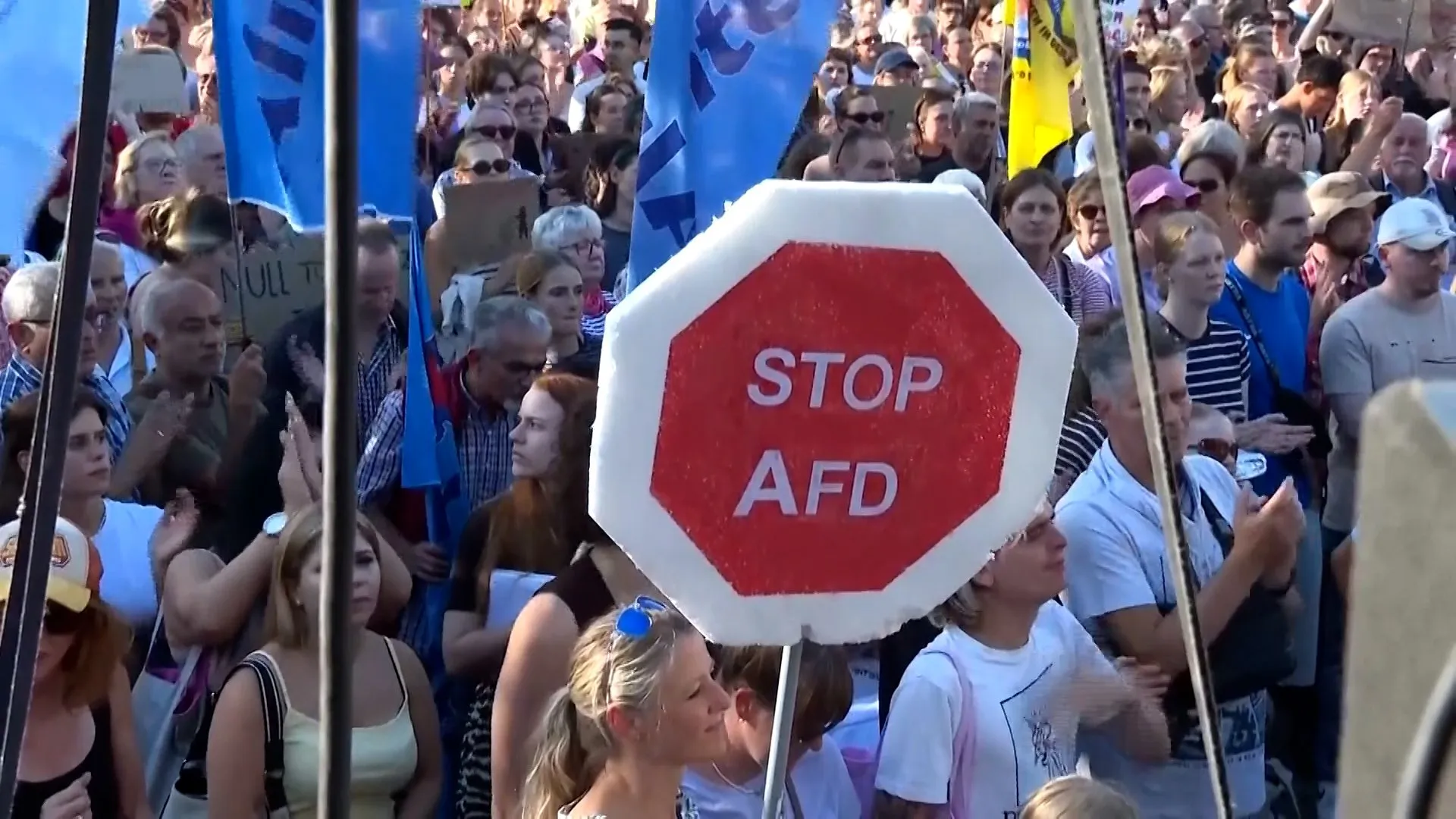
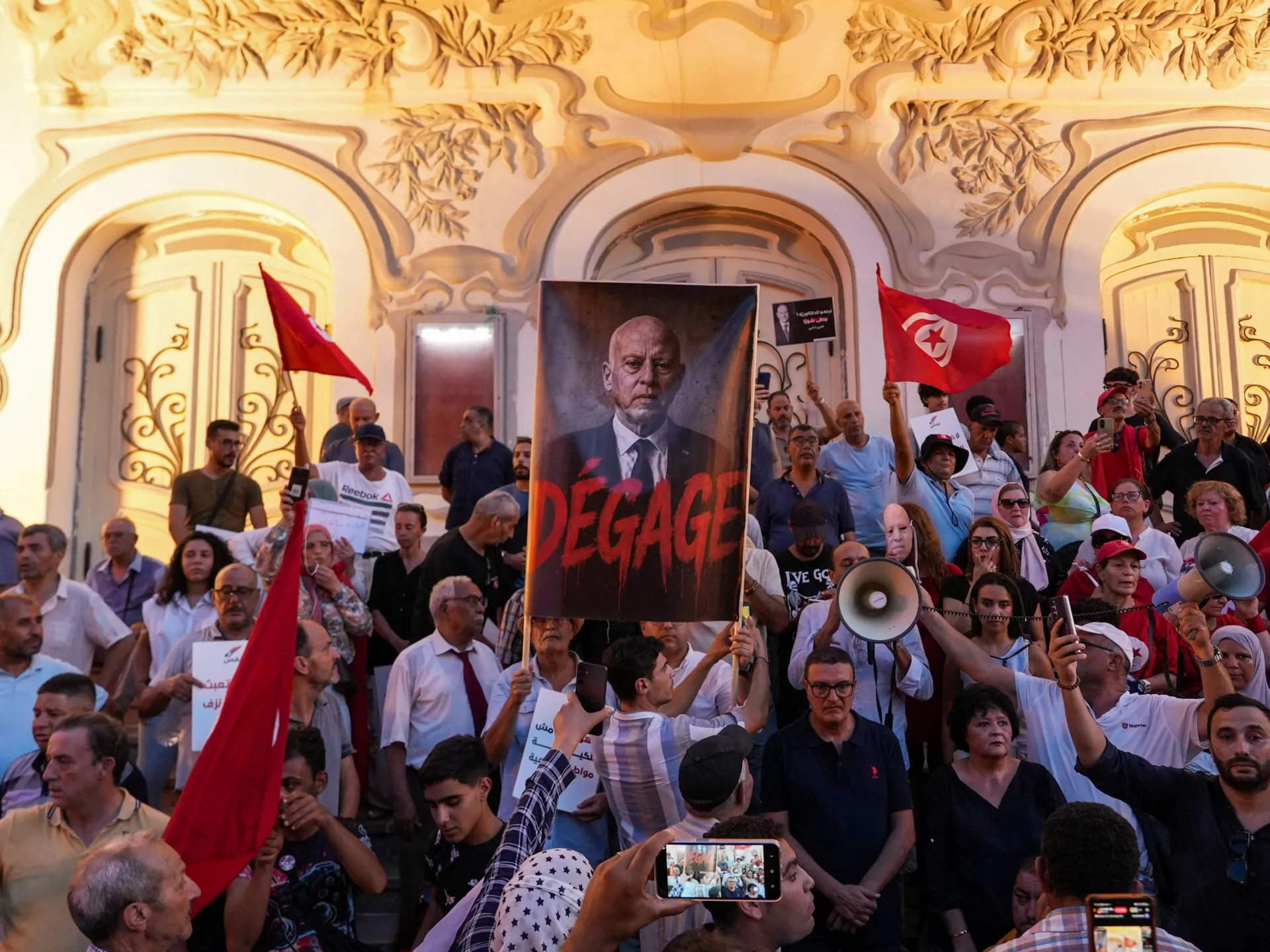
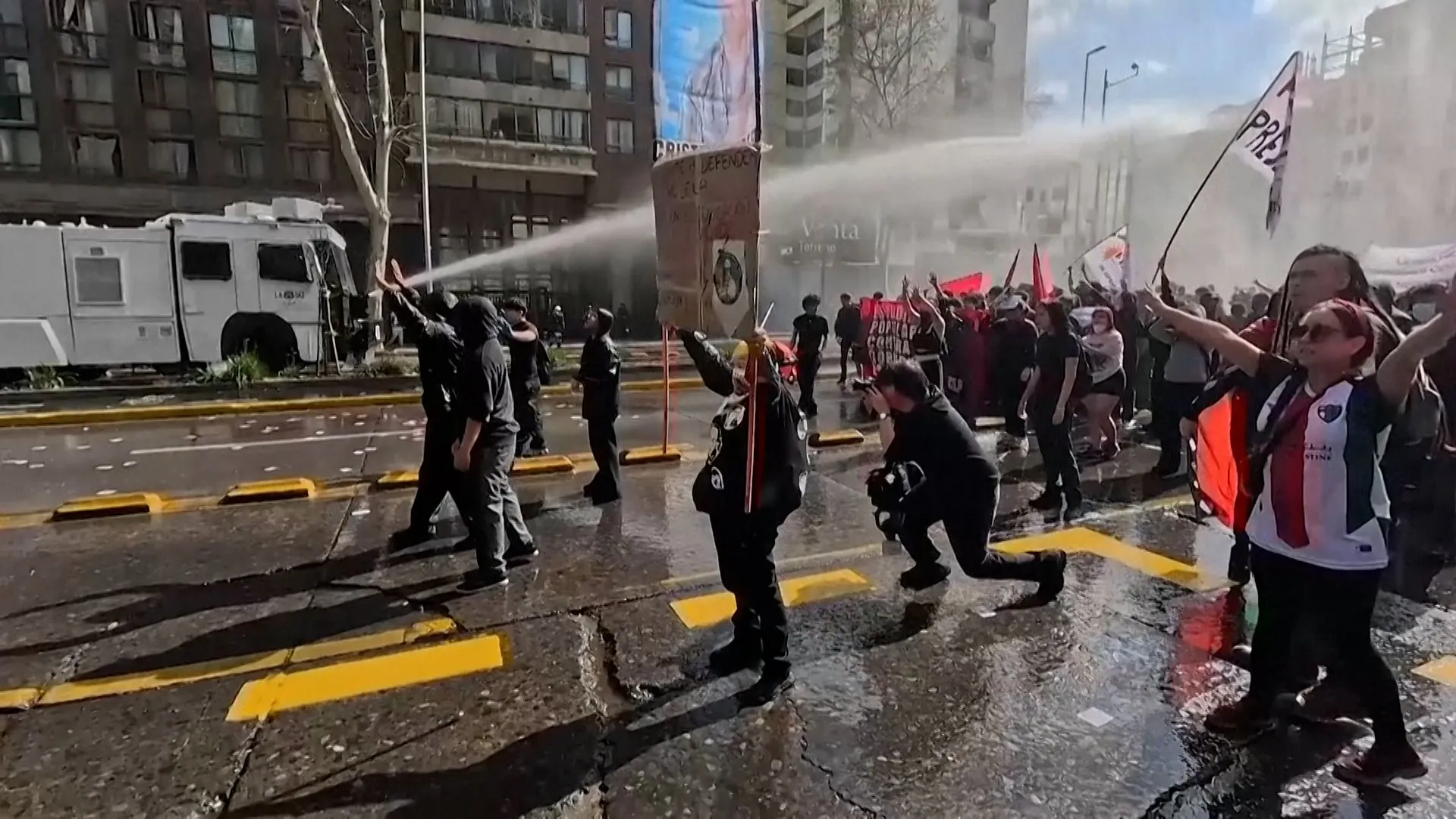
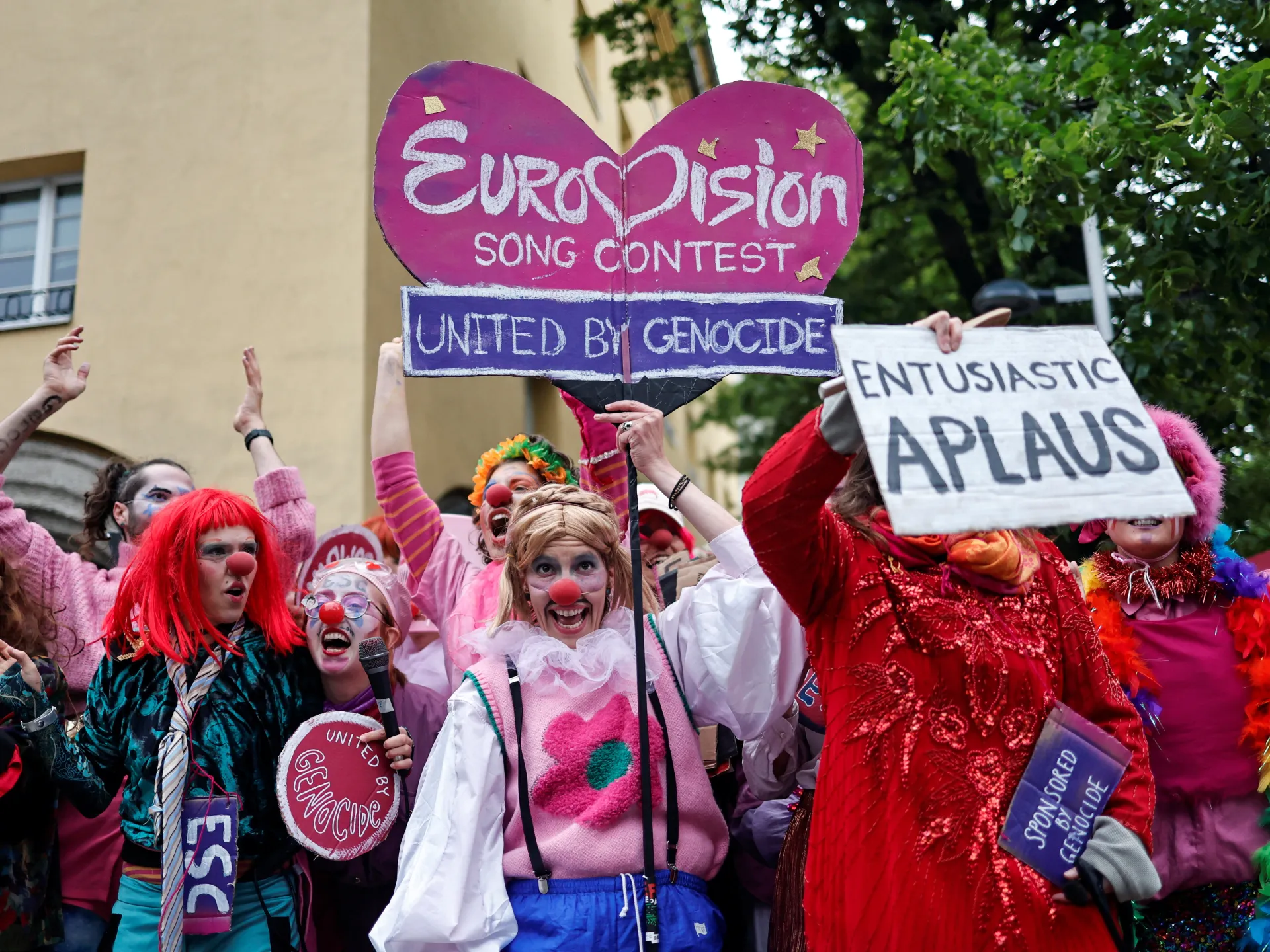
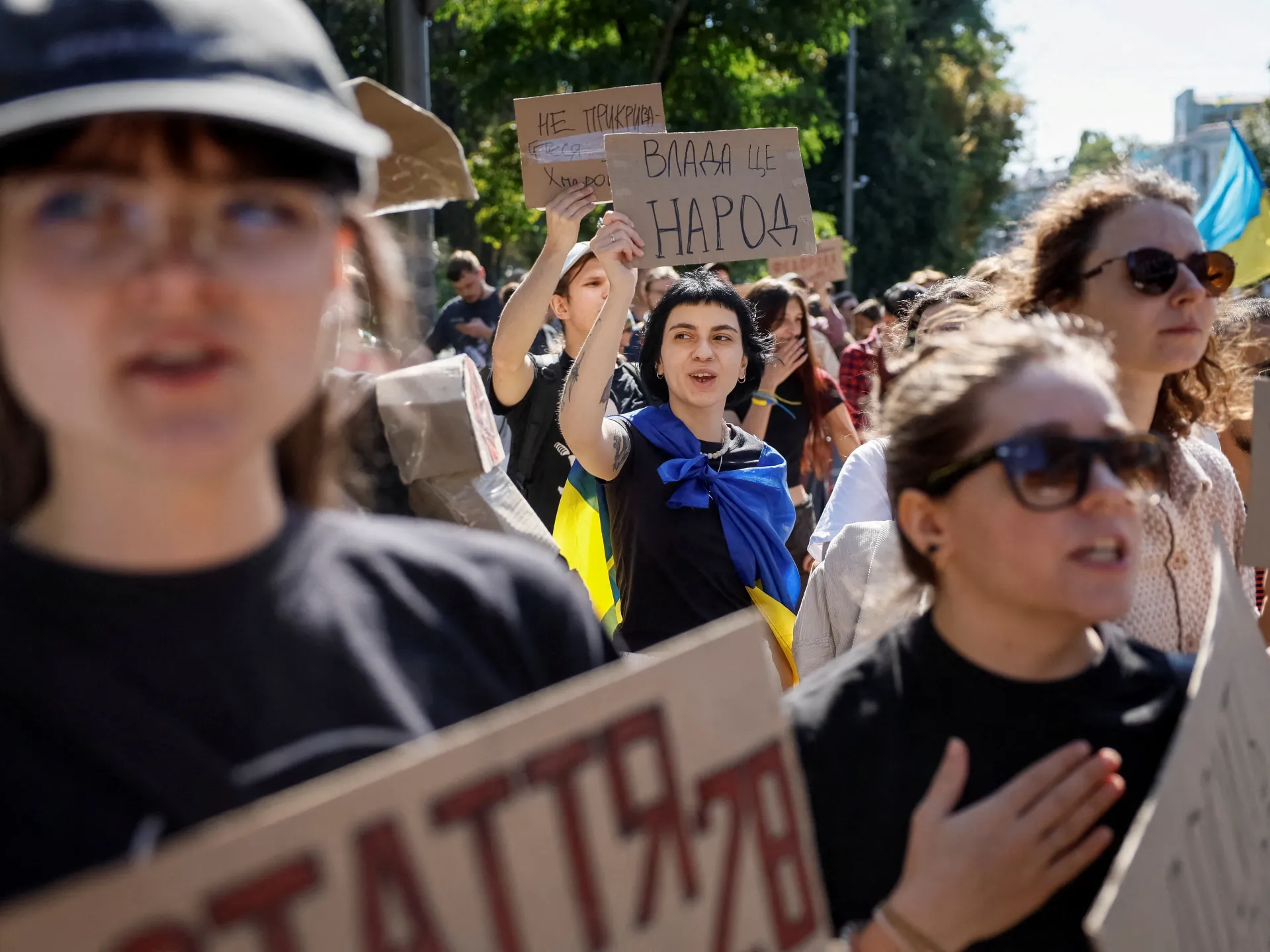
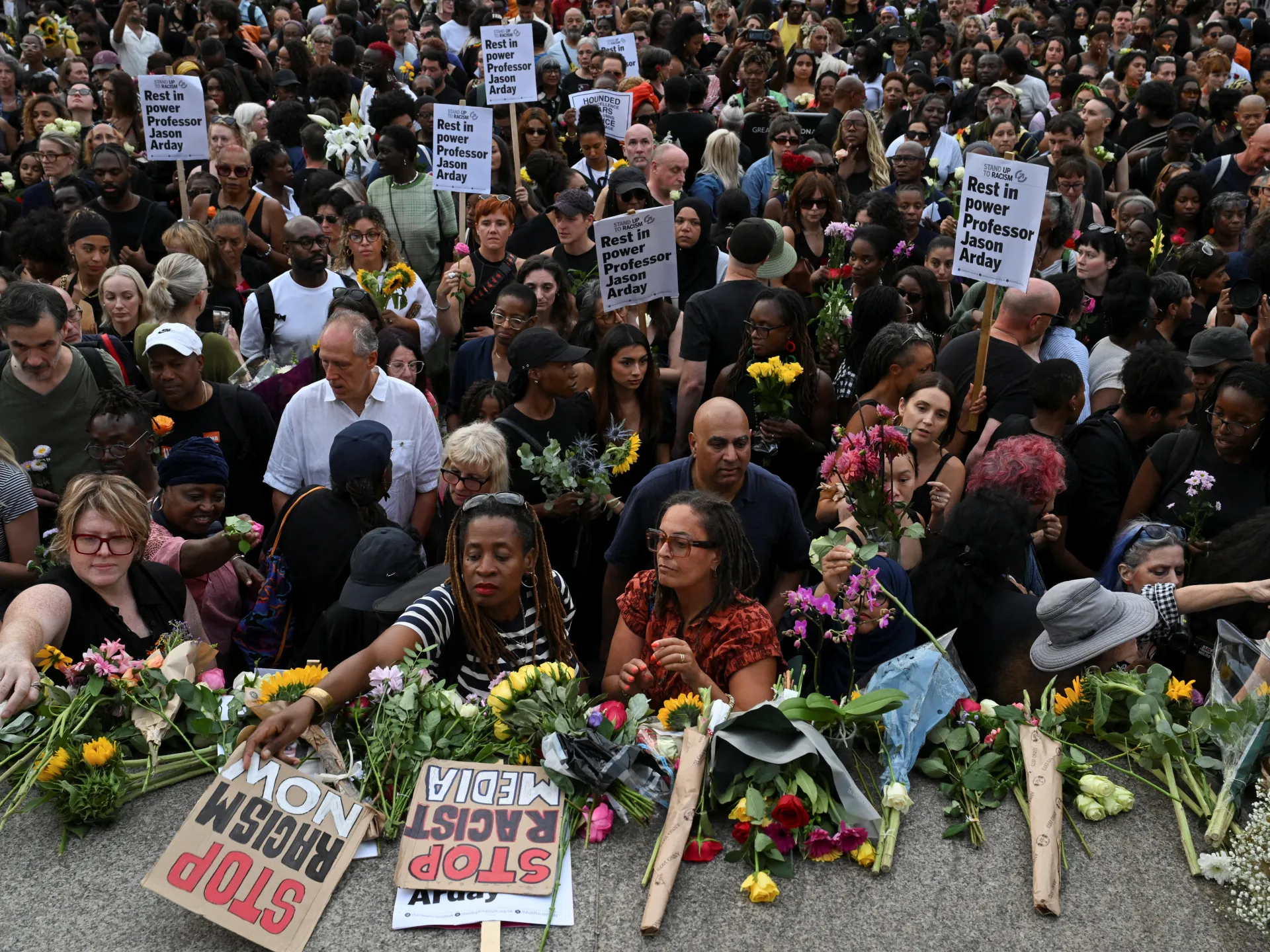
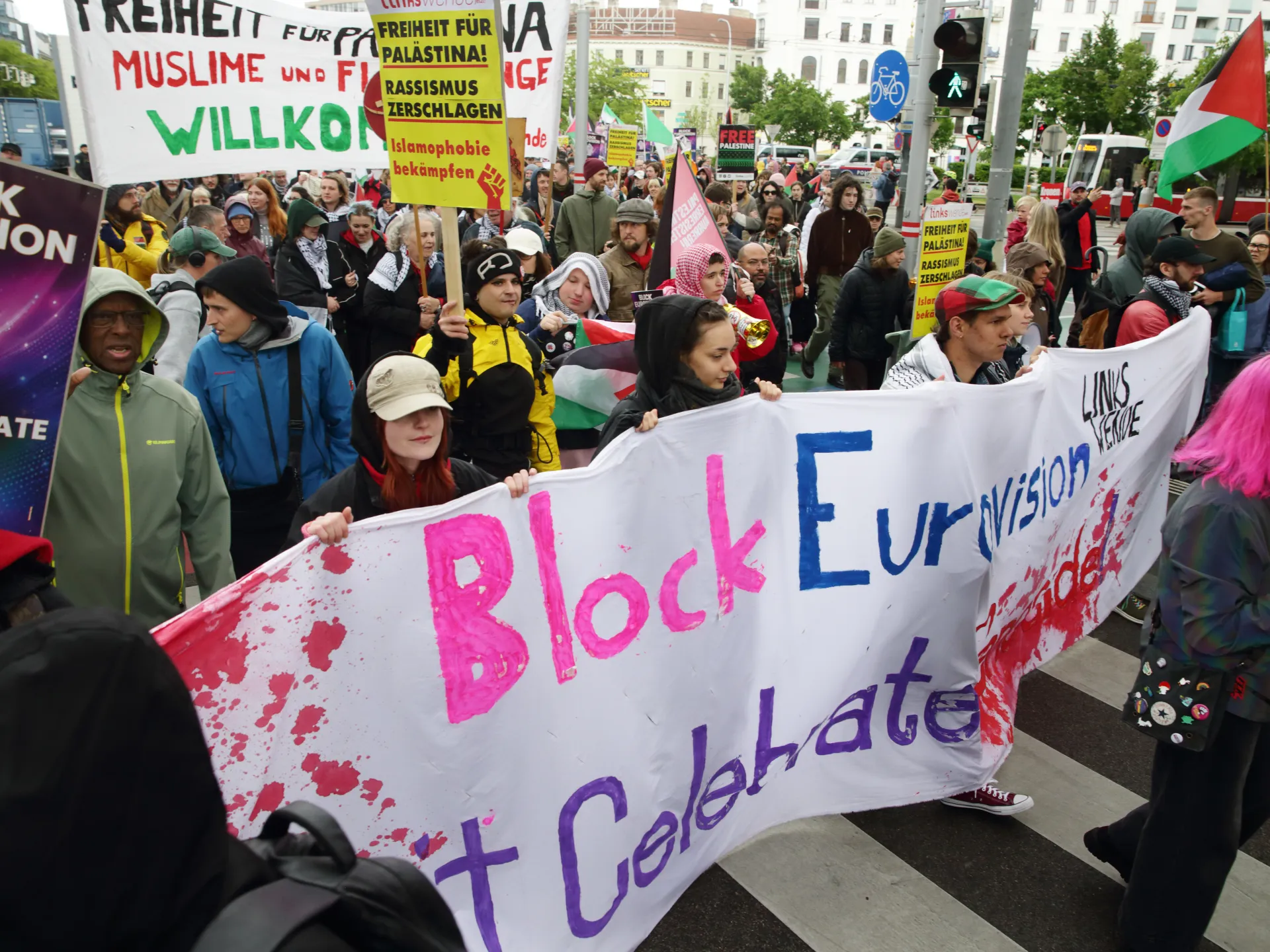
The controversy is exacerbated Russia following its invasion of Ukraine. Critics have accused the organization of applying a double standard, suggesting that the rules are being applied selectively. This perceived inconsistency has fueled protests, including significant demonstrations outside the venue in Vienna earlier this year, where thousands gathered to voice their opposition to Israel’s continued involvement.
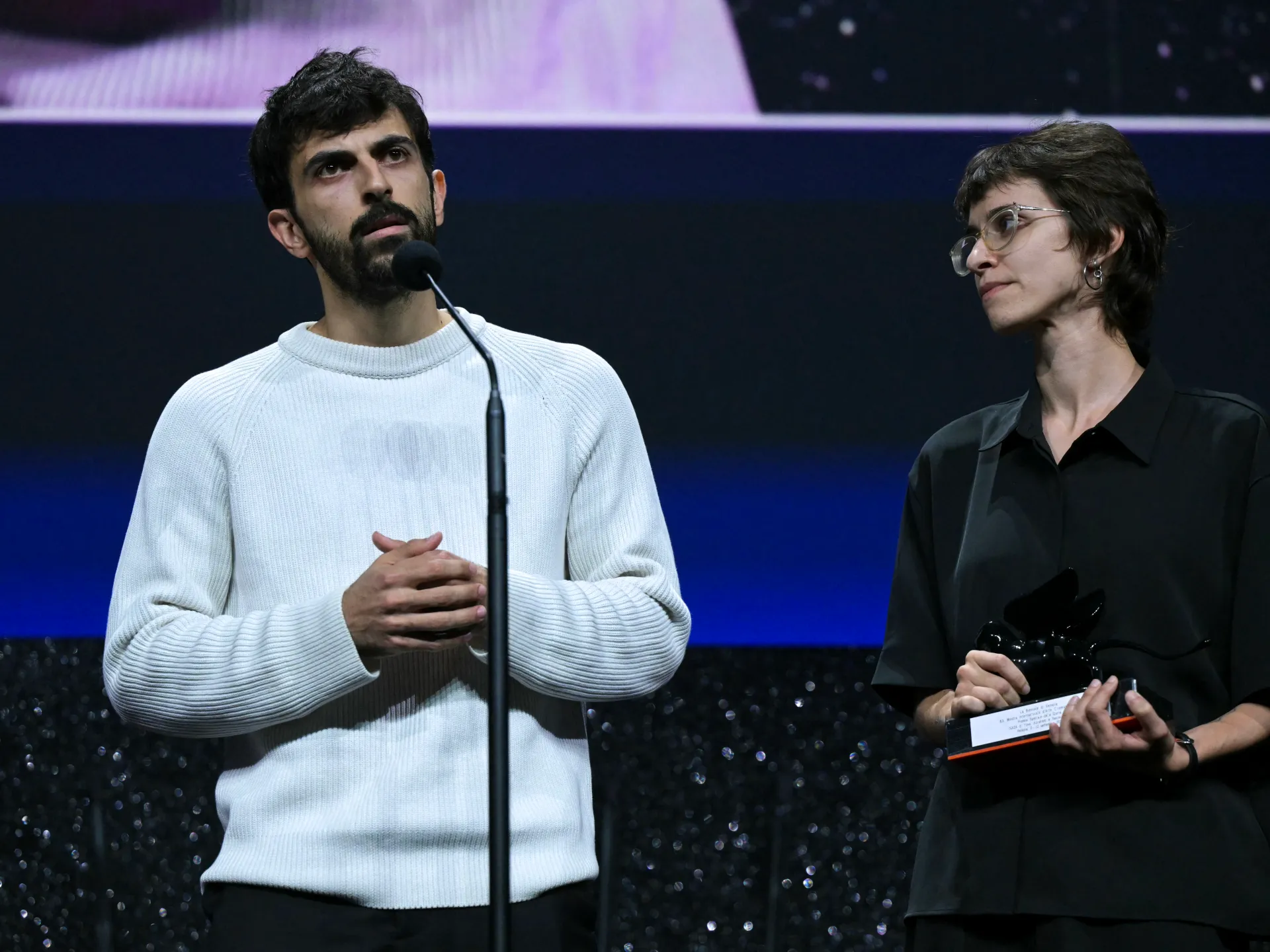
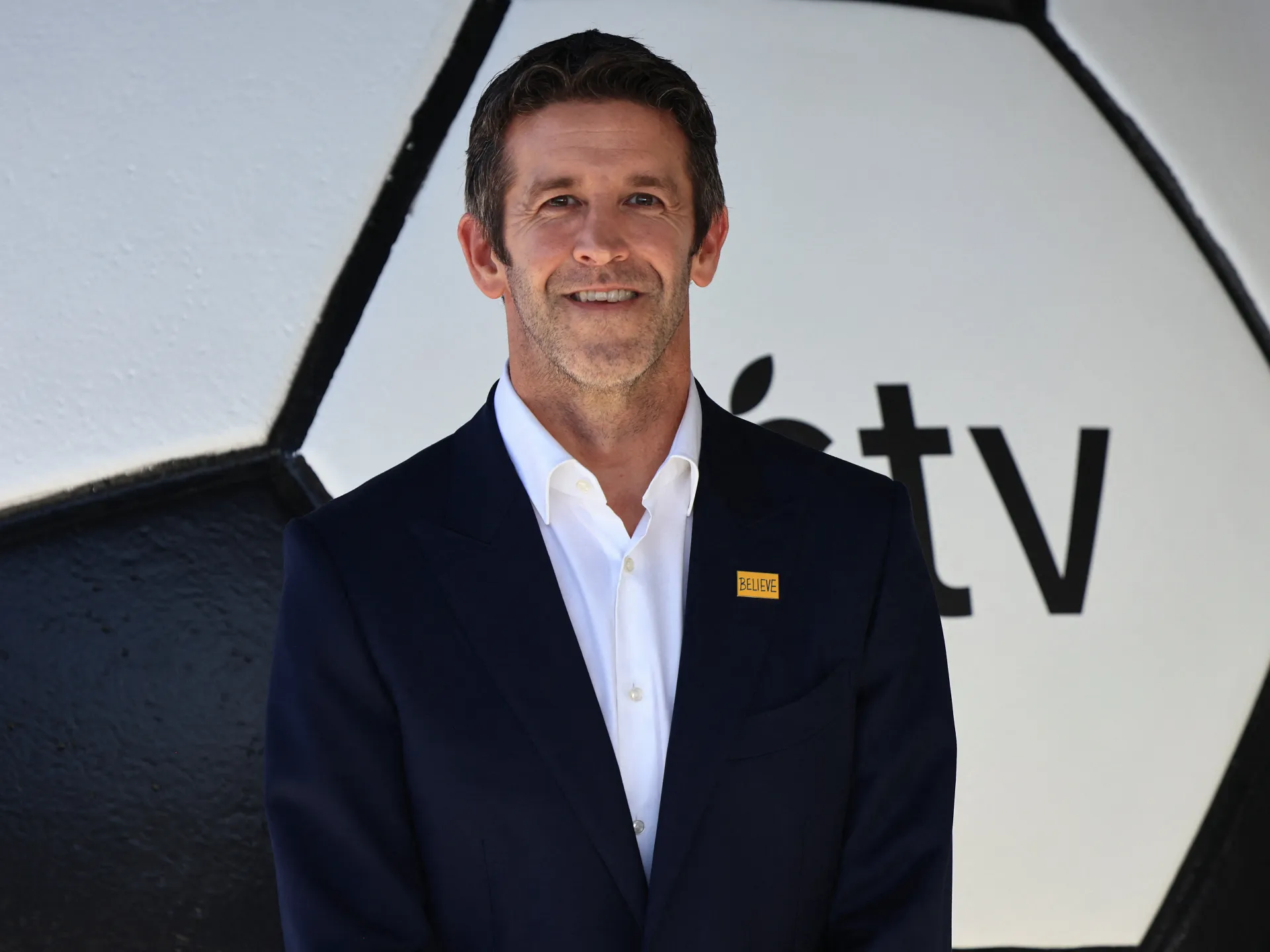
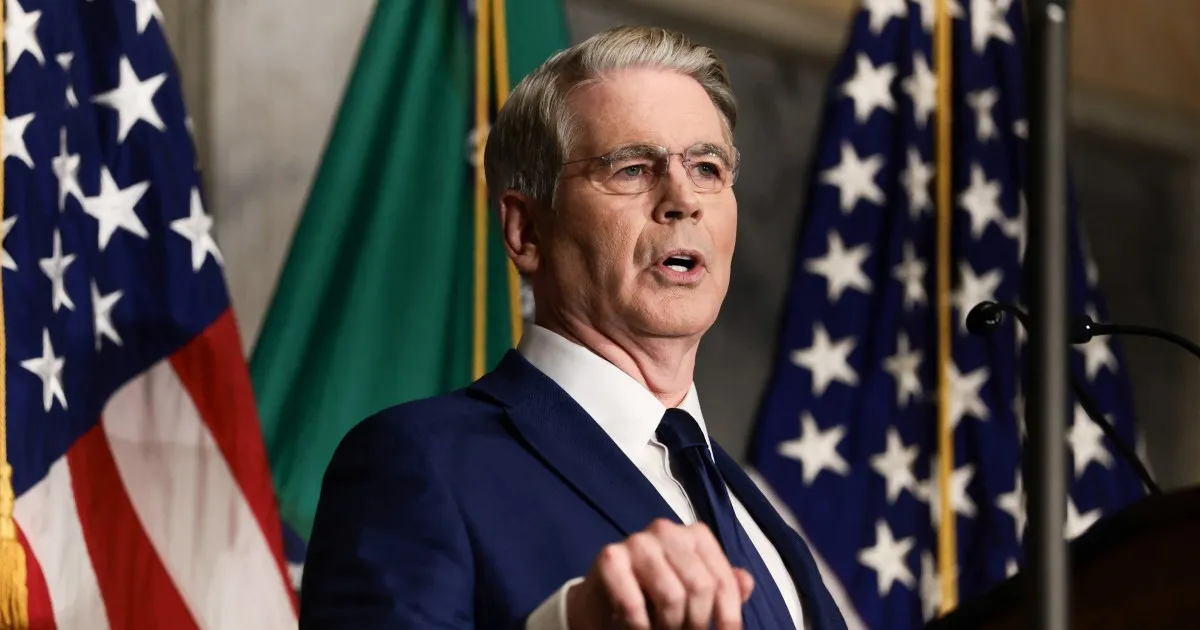
Despite the recent withdrawals, the EBU maintains its commitment to the spirit of the competition. Eurovision Director Martin Green expressed regret over Ireland’s departure, stating that the organization respects the broadcaster's decision while noting that they will be missed. Green emphasized that the contest is intended to be a space for creativity and international connection, which he argues is more vital than ever in a fractured global landscape.
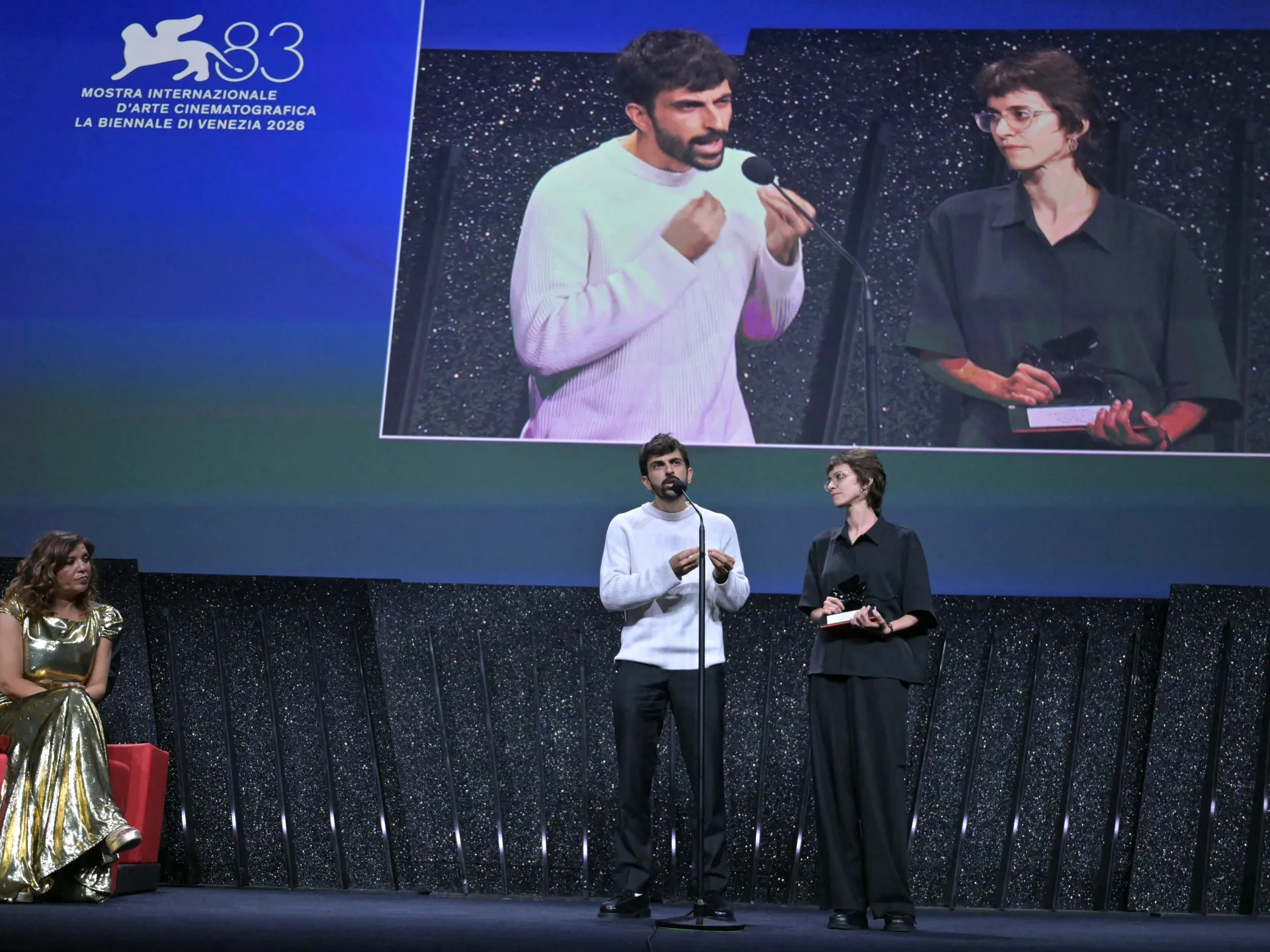
The long-term effects of these boycotts remain to be seen. The 2026 edition of the show, which was won e of 35 million compared to the 2025 event. While the show remains a global cultural phenomenon, the ongoing political friction suggests that the EBU will face continued pressure to reconcile its neutrality policies with the shifting geopolitical expectations of its member nations and their audiences.