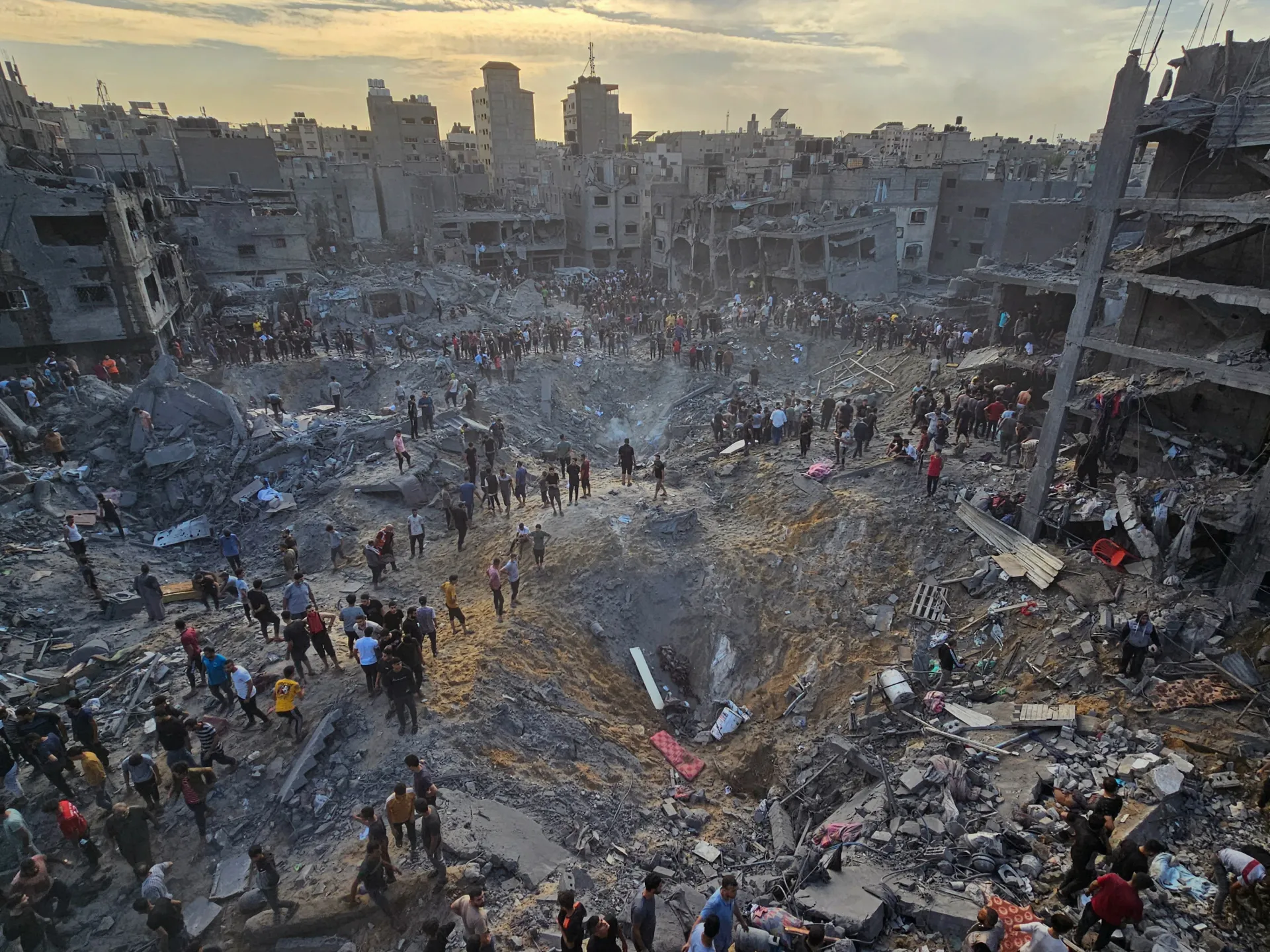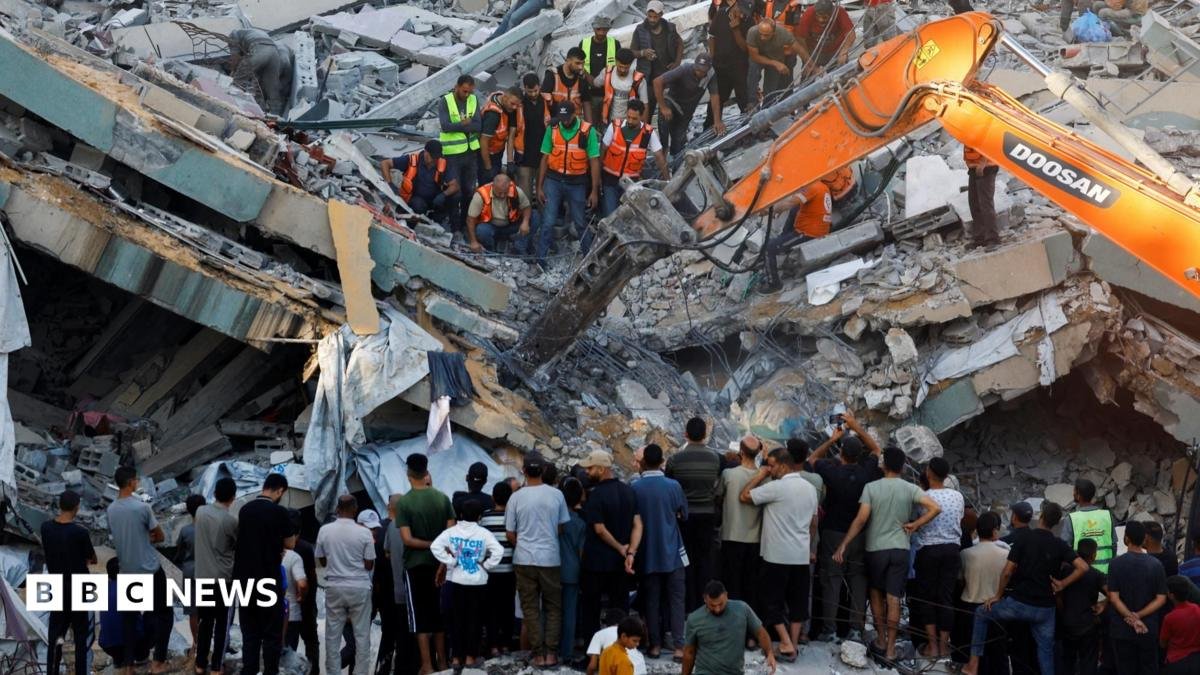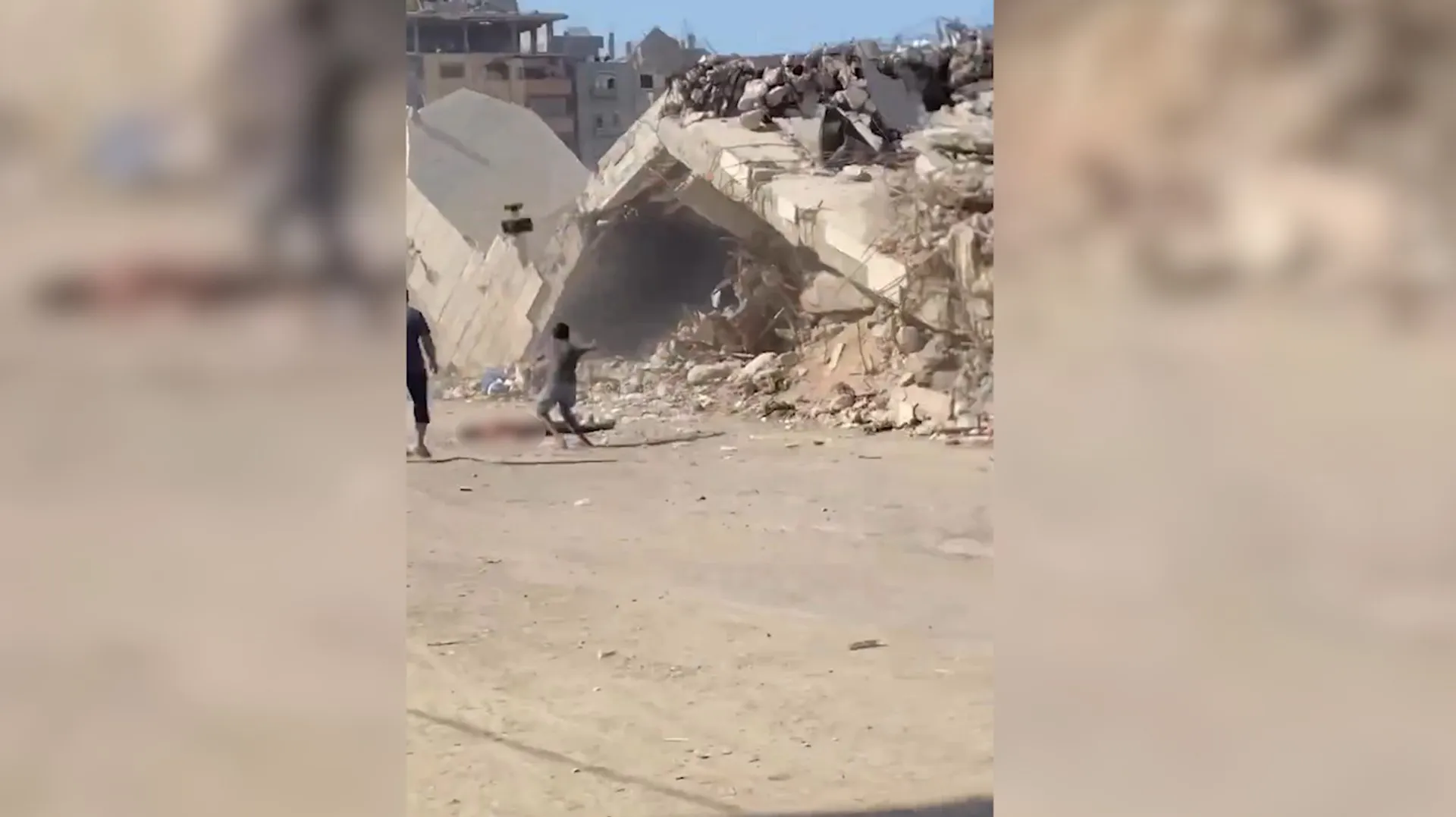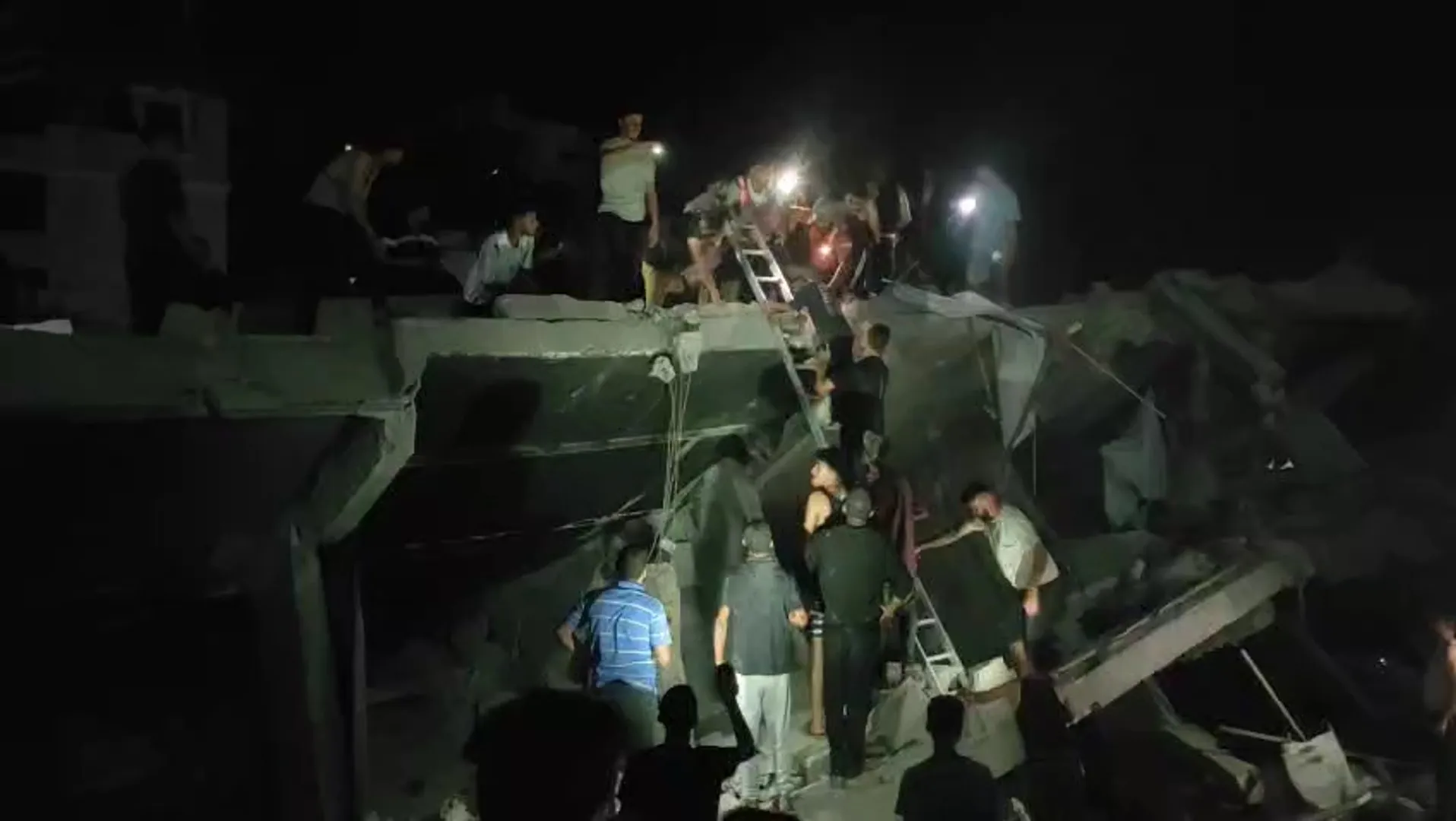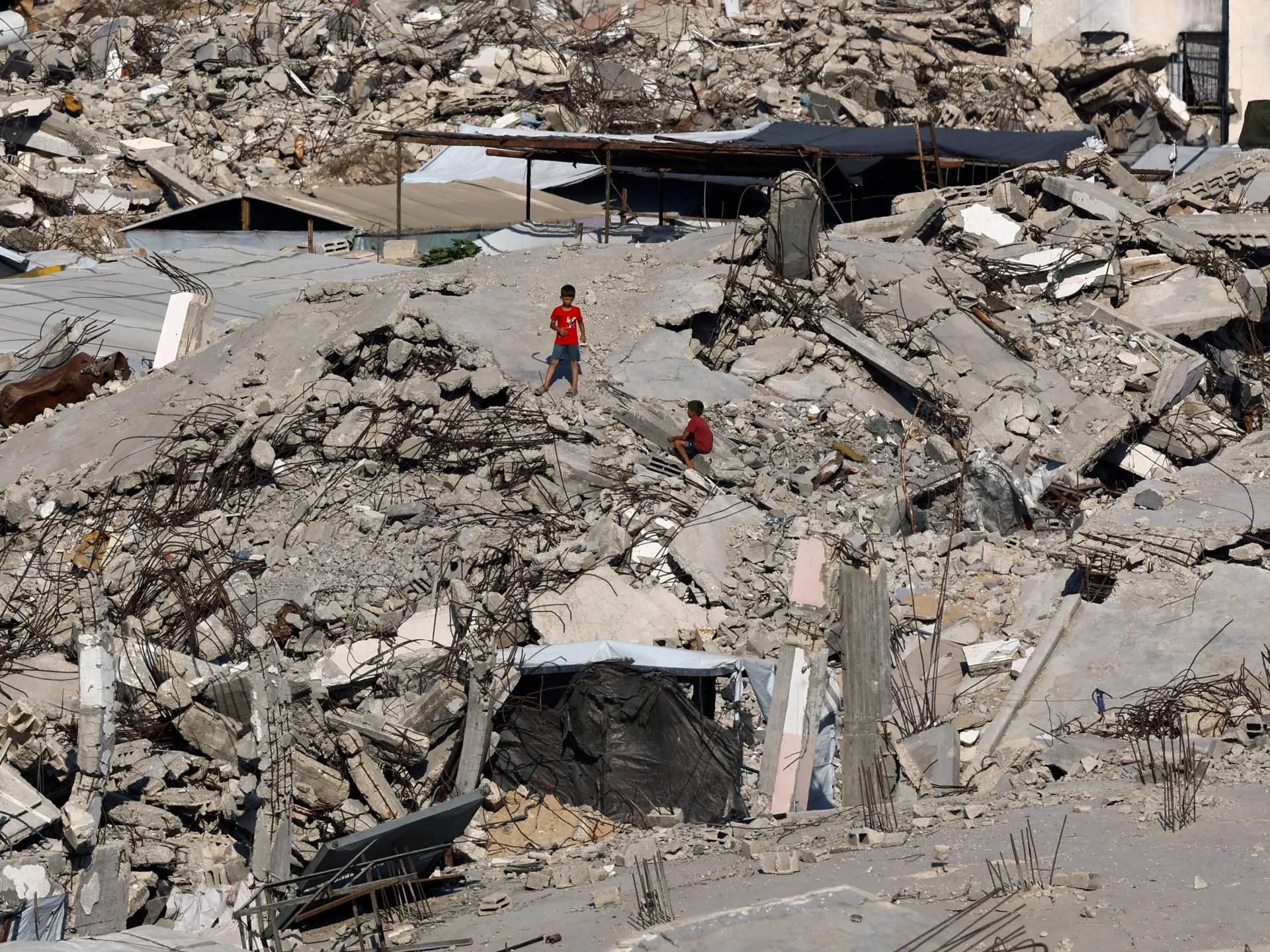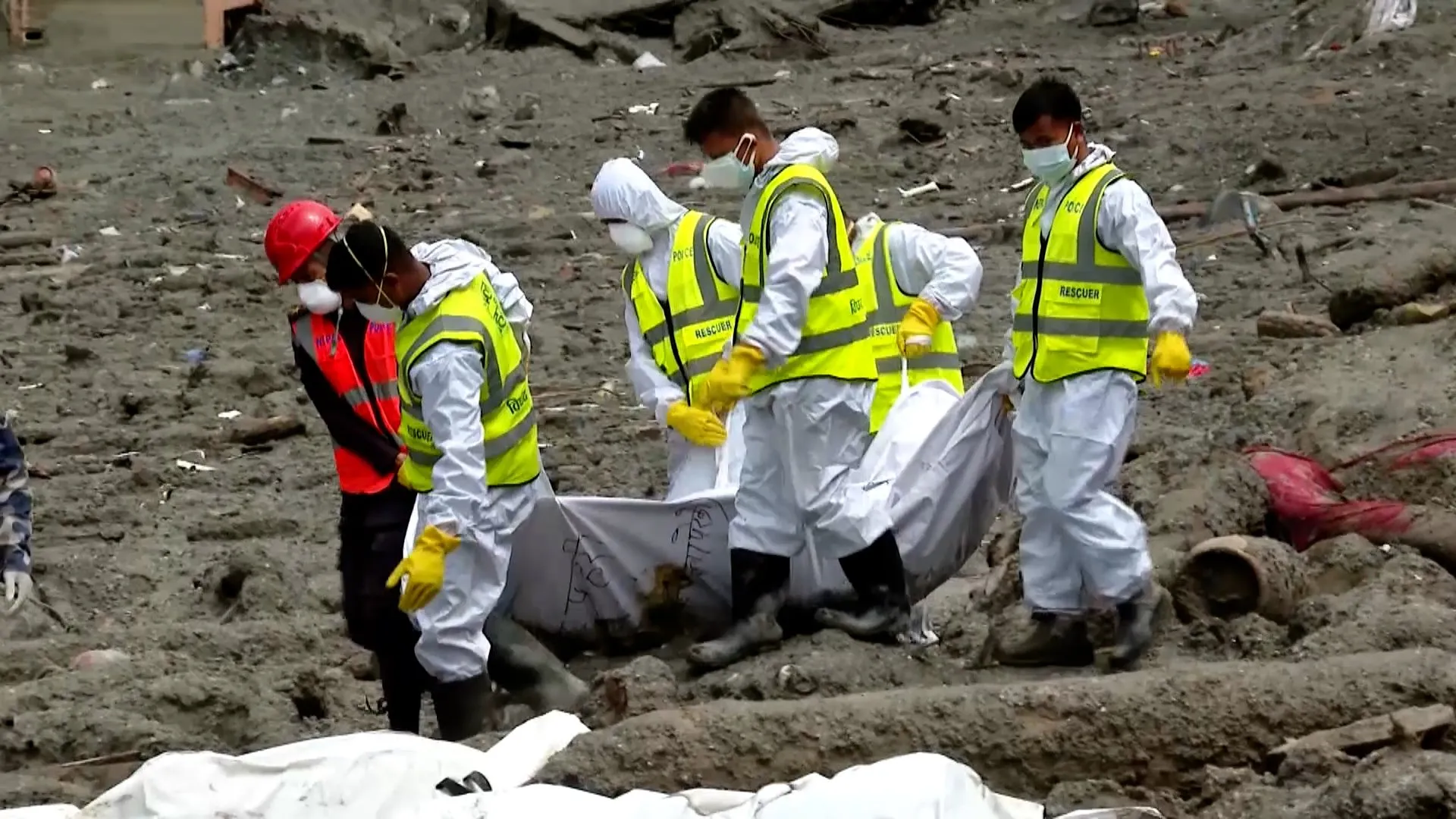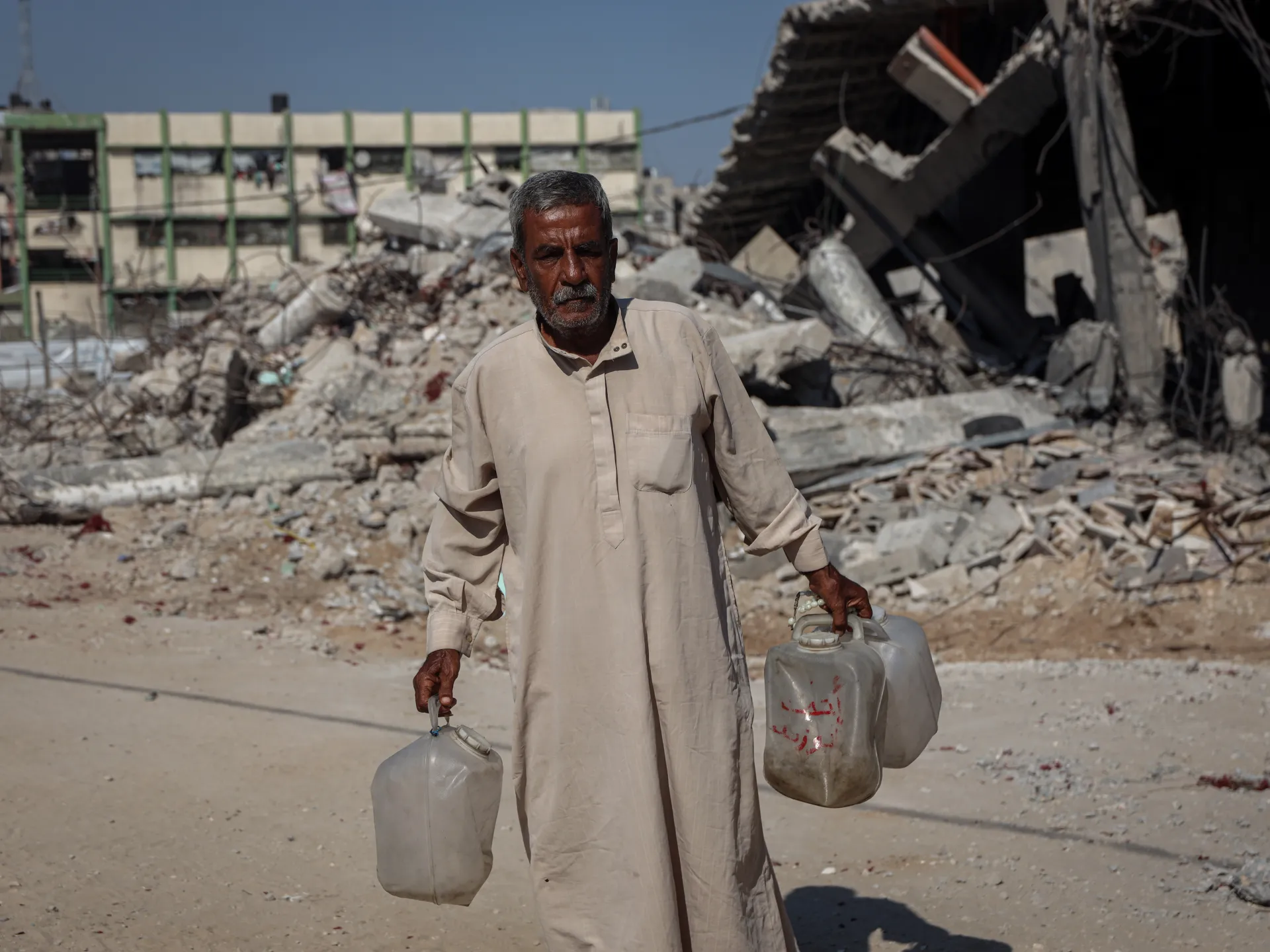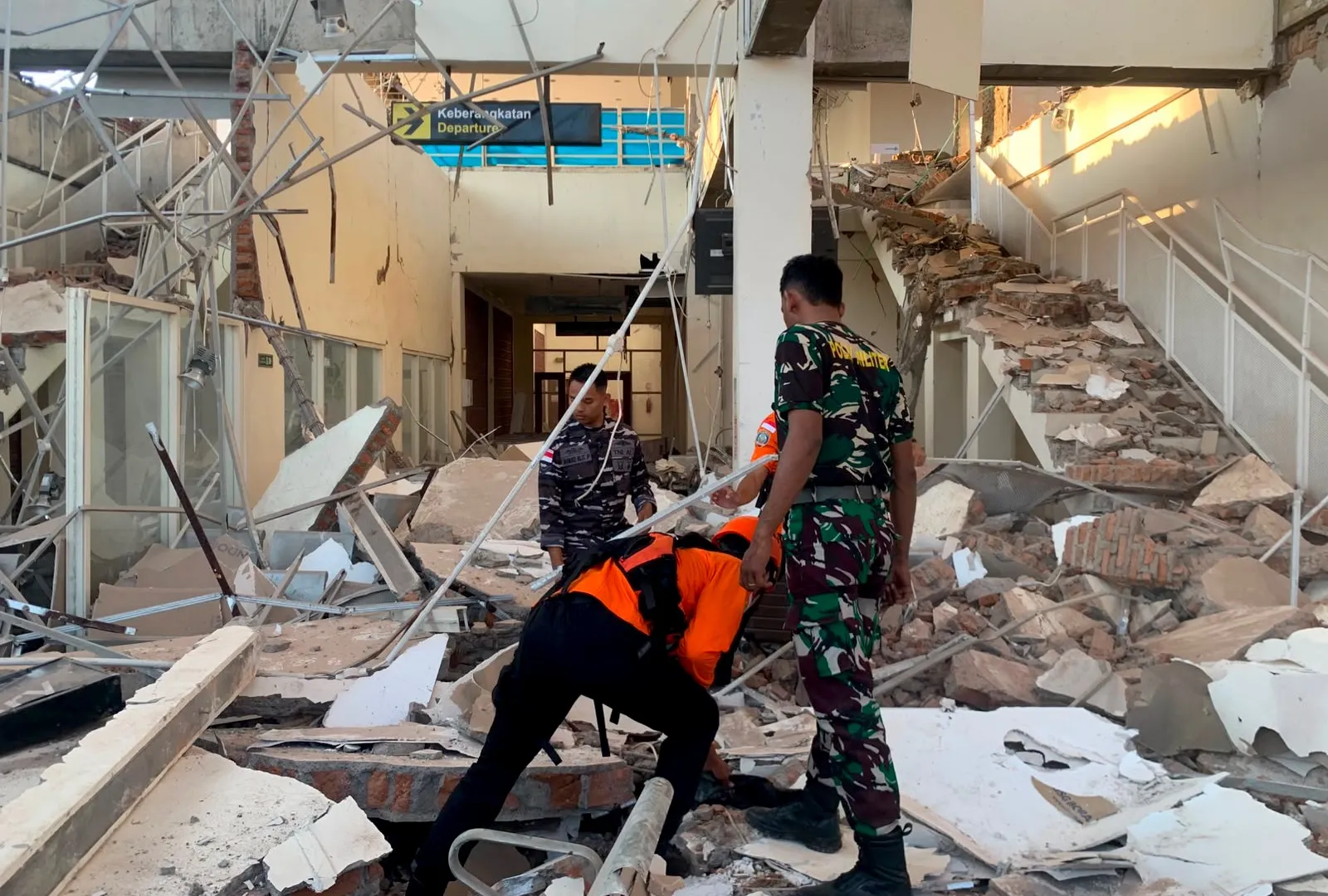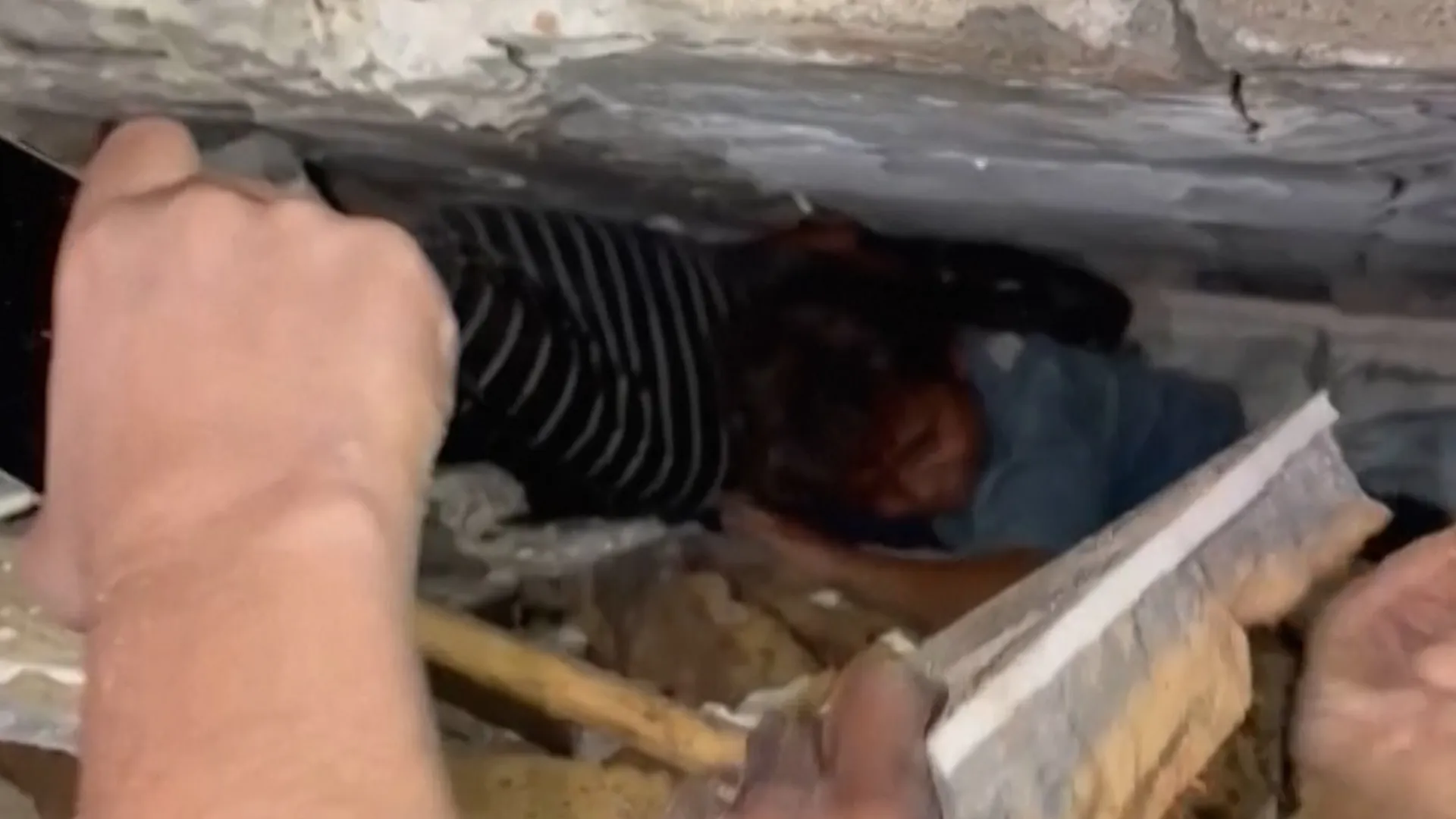
Rescue teams are working tirelessly to locate survivors trapped under the rubble of a seven-story building in Gaza that collapsed following previous damage.
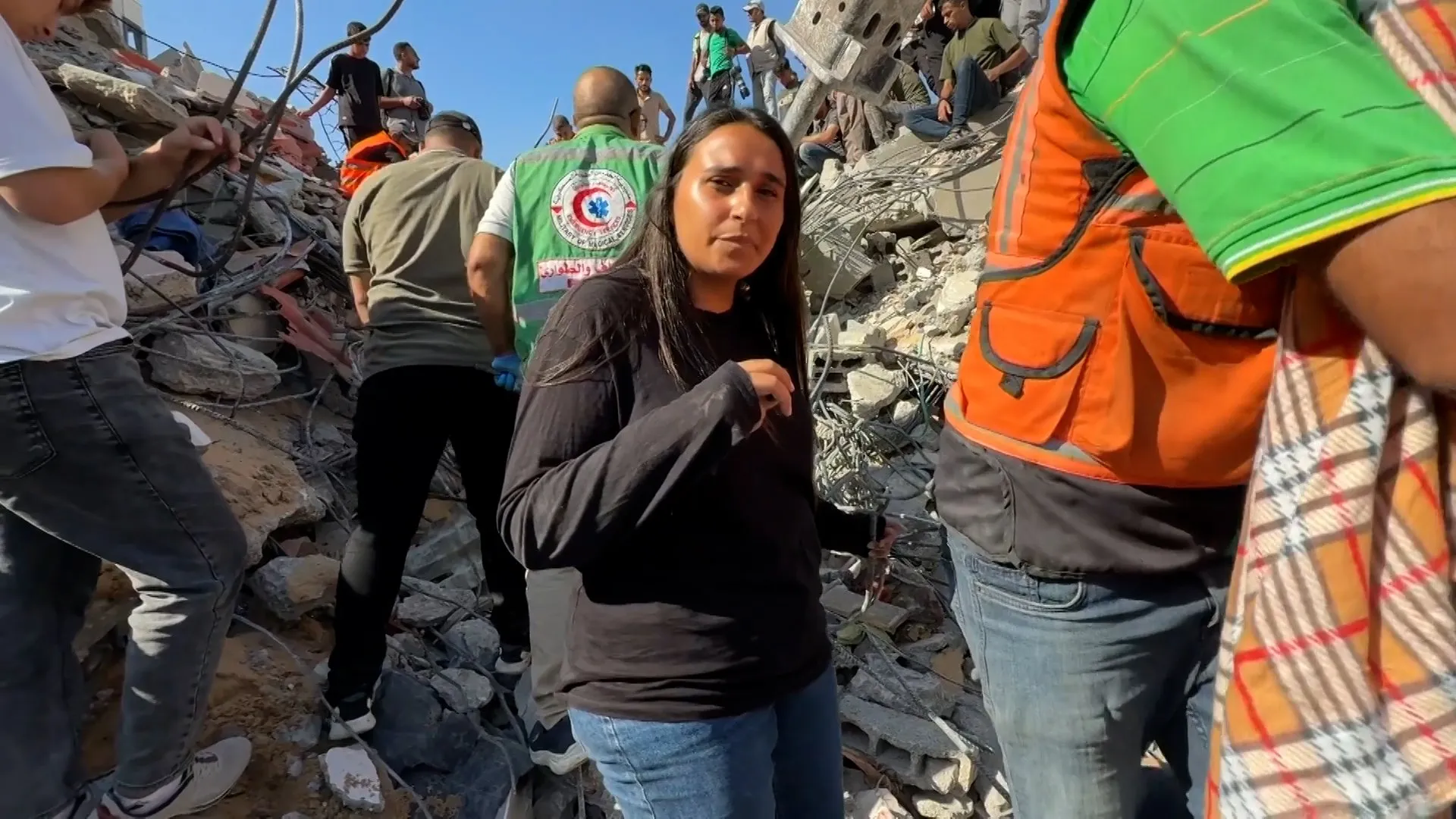
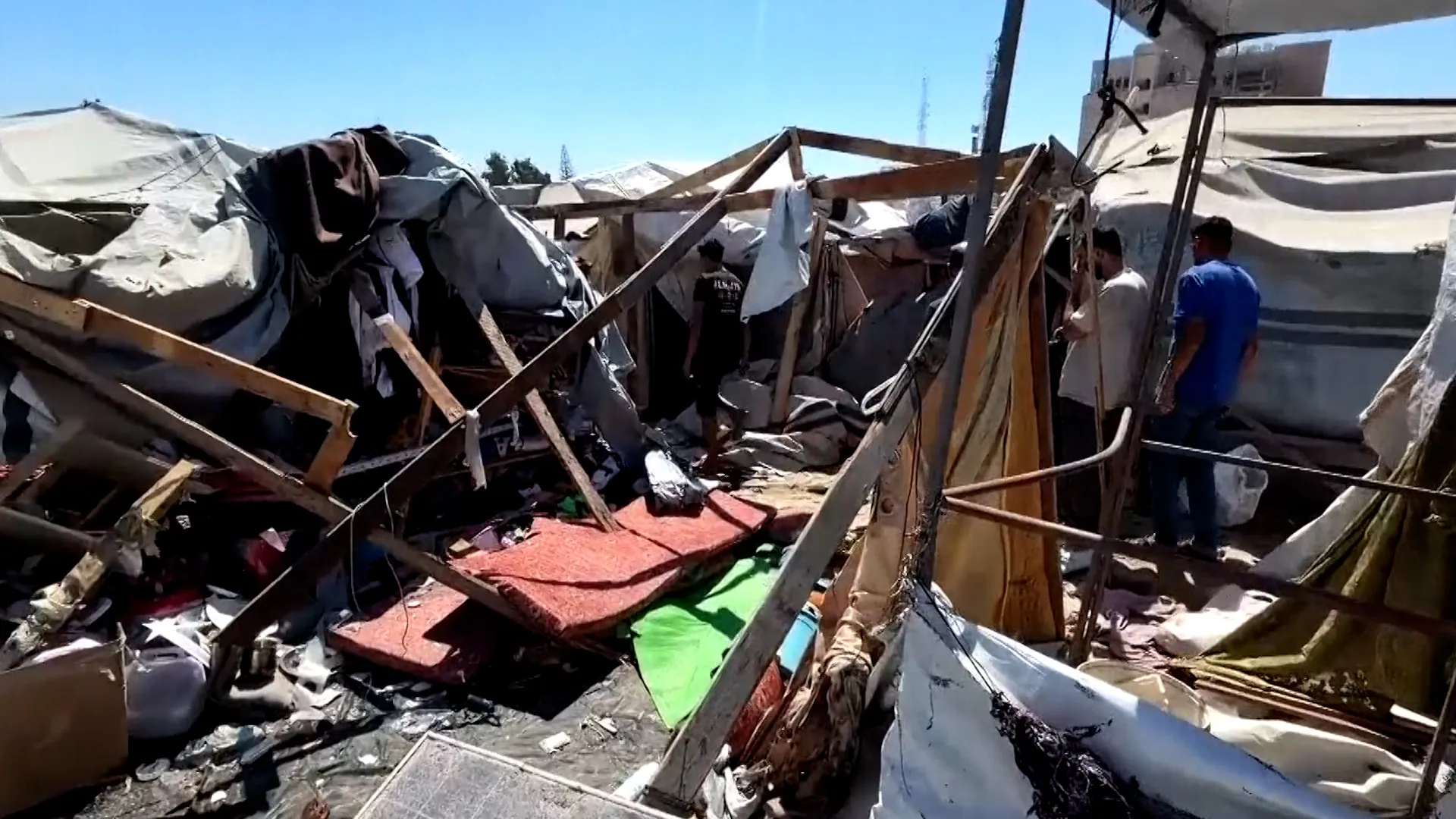
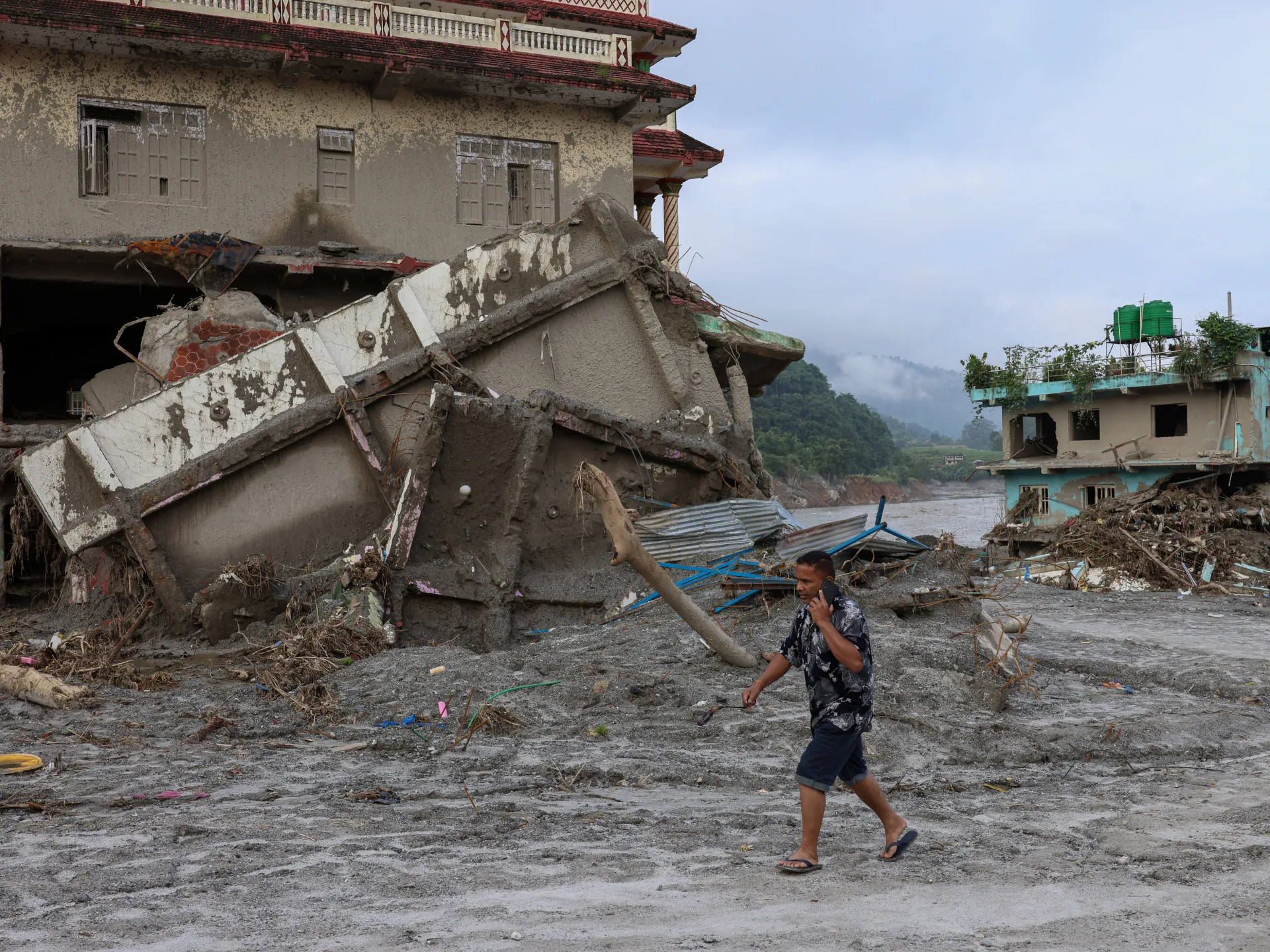
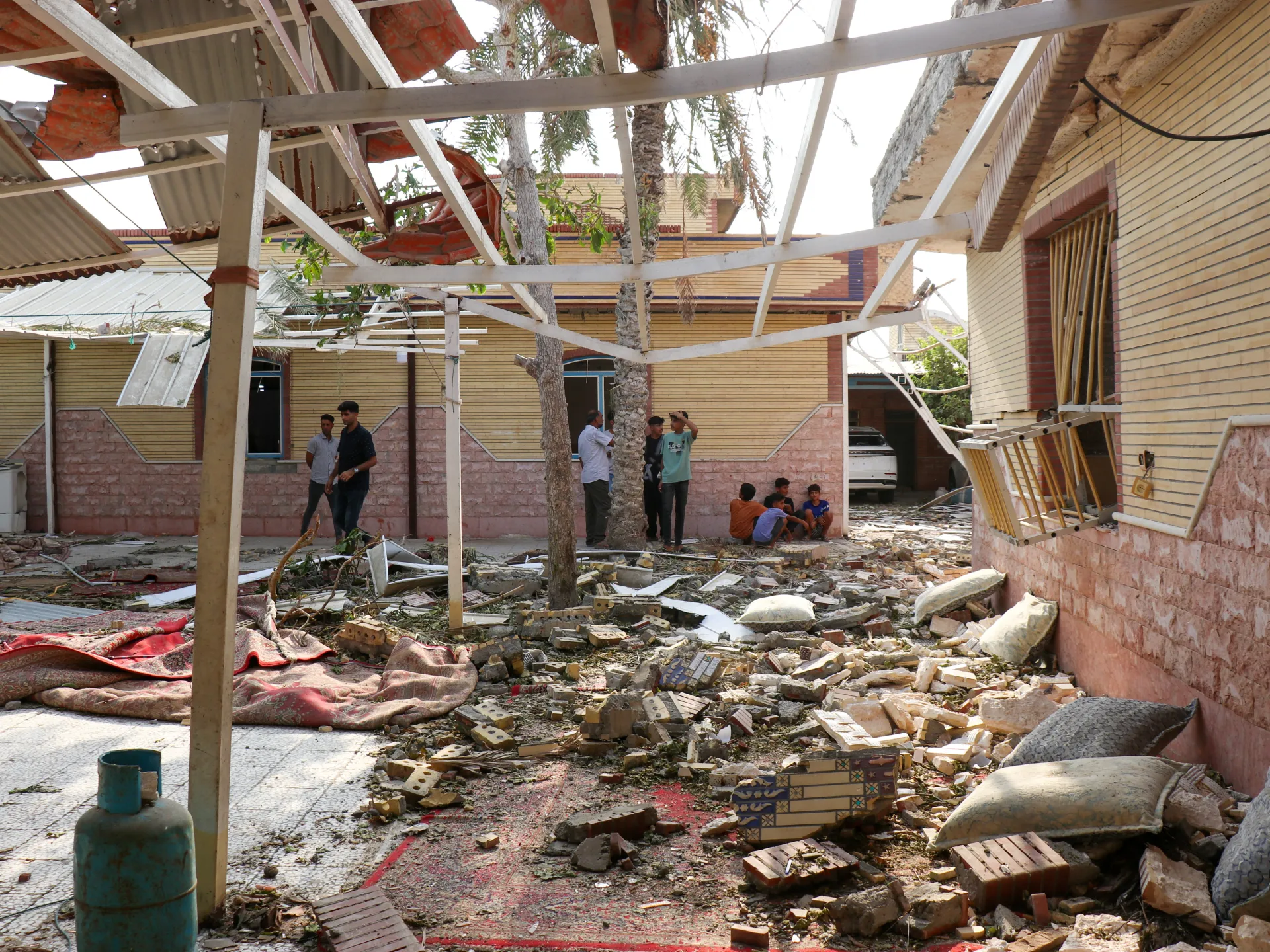
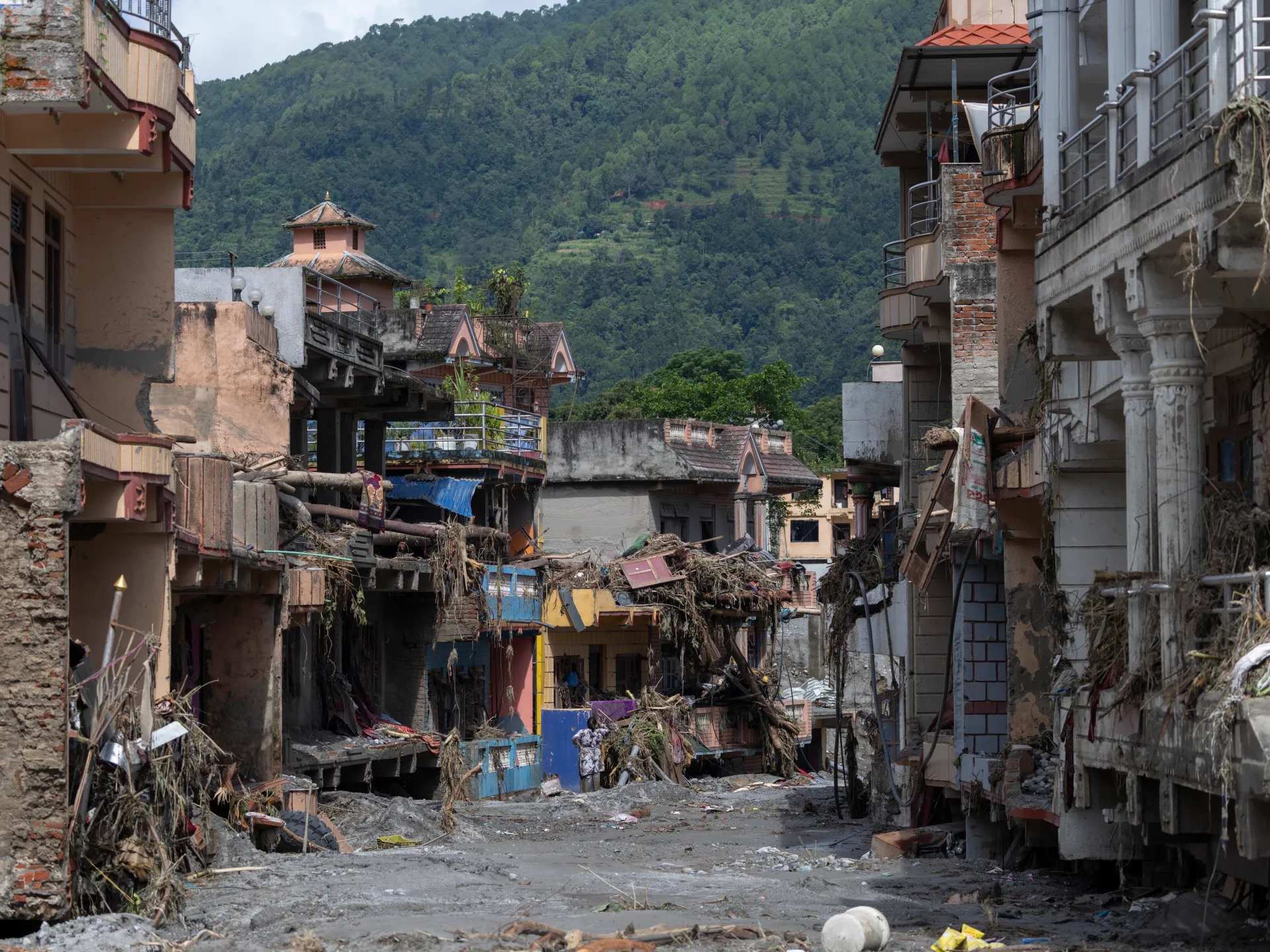
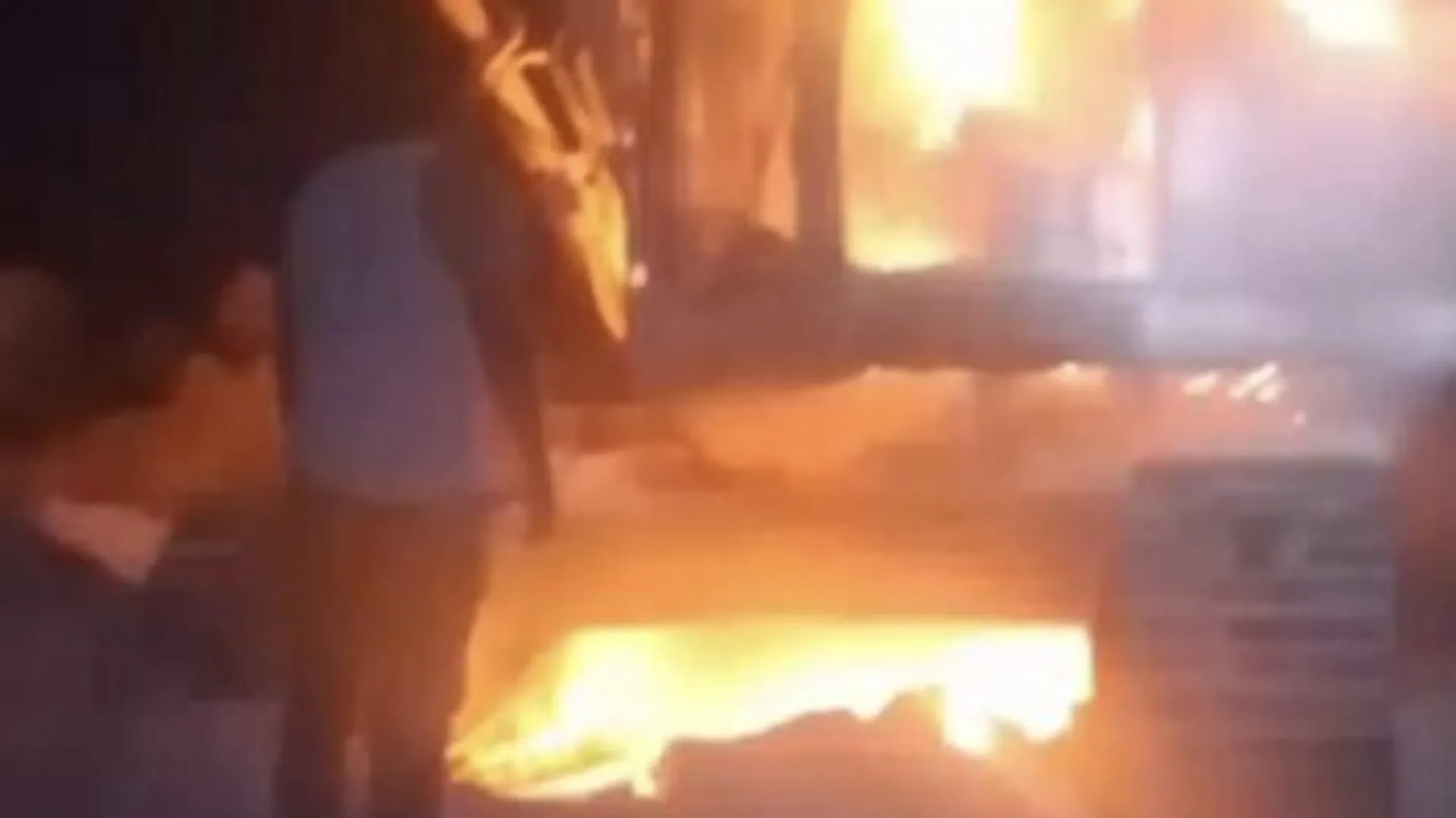
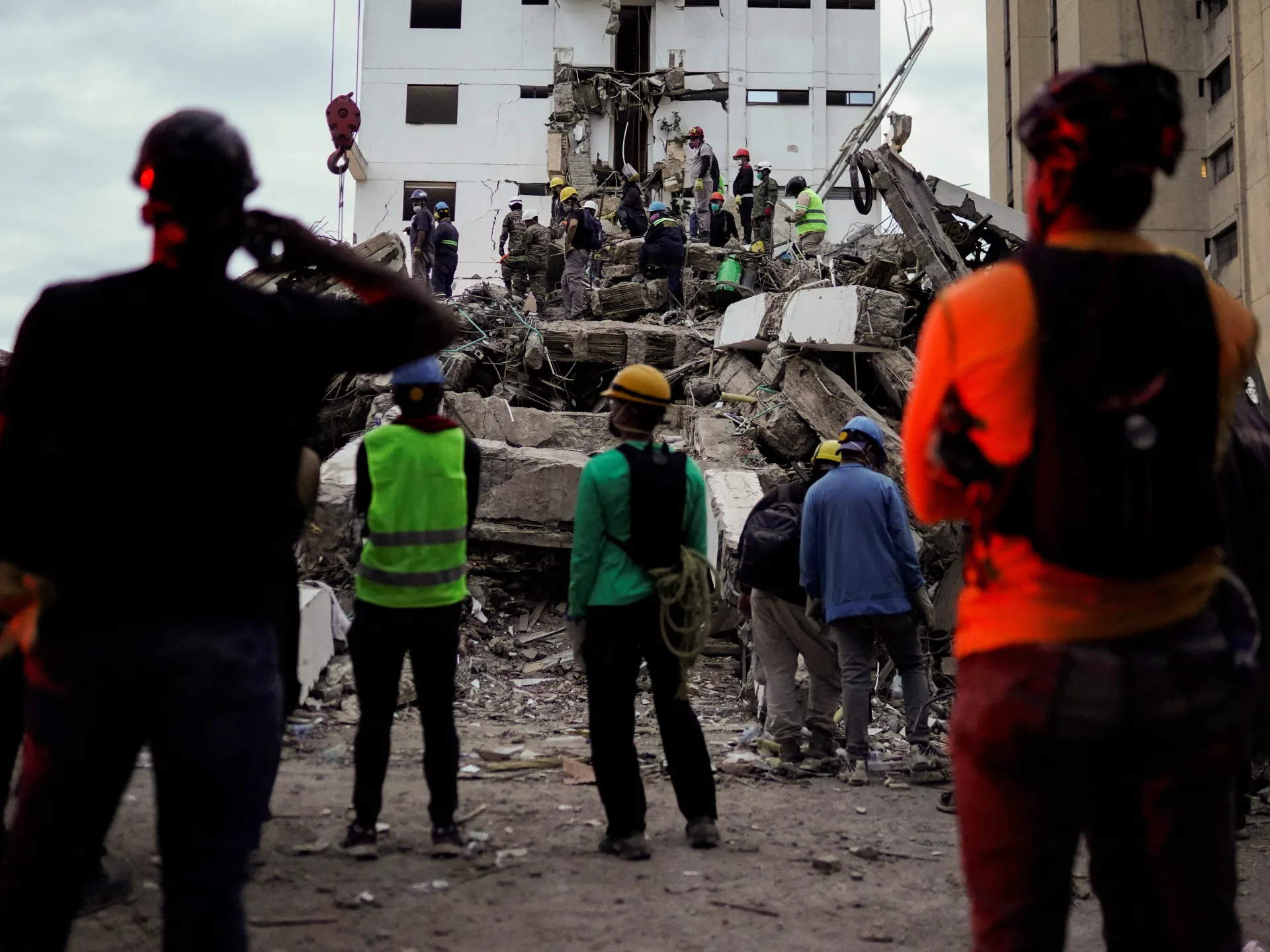
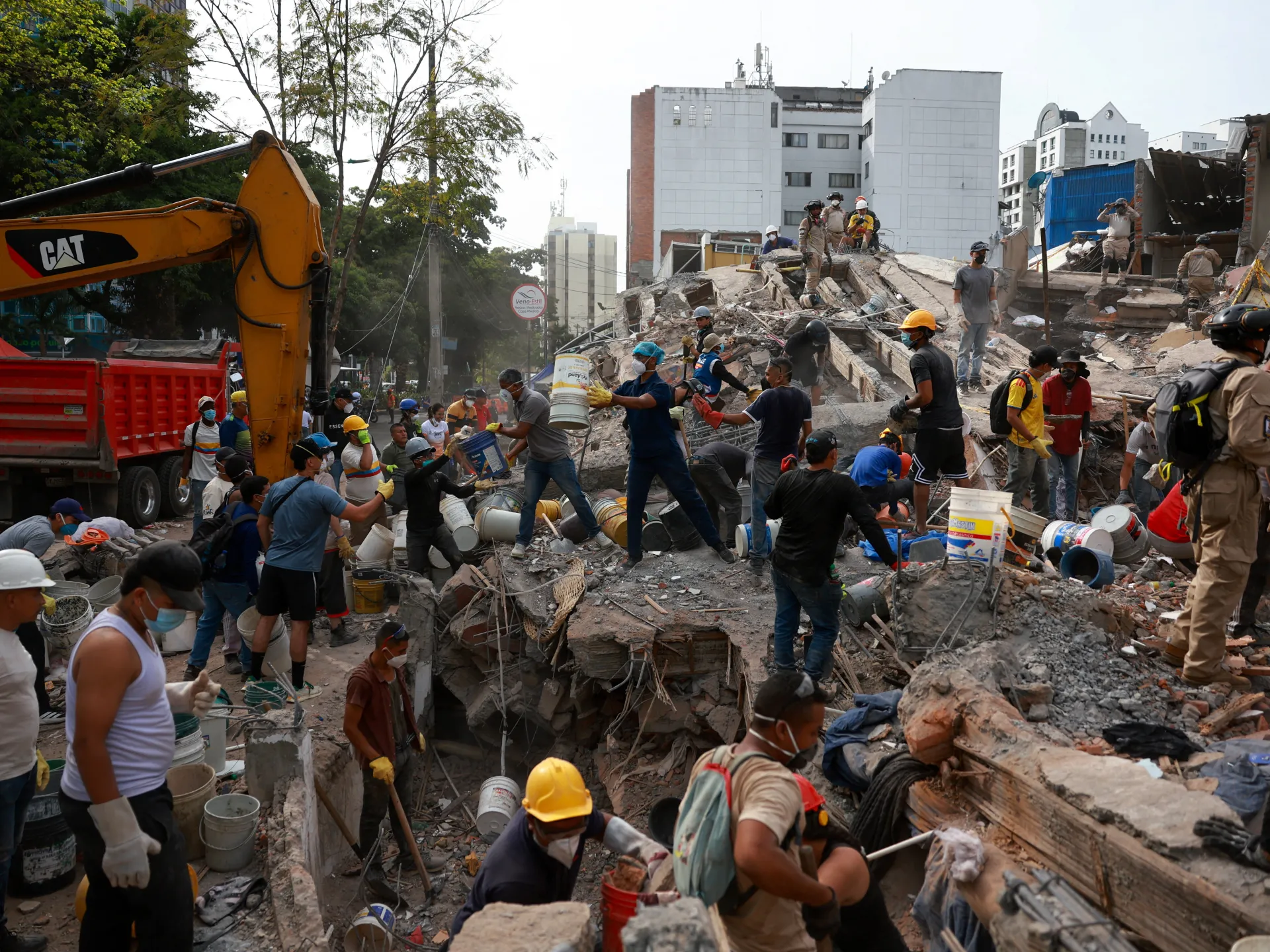
Emergency crews are currently engaged in a desperate race against time as they scour the wreckage of a collapsed seven-story residential structure. The incident, which occurred in the Gaza Strip, has resulted in a significant loss of life, with reports confirming at least 20 fatalities. The scale of the disaster has prompted an urgent mobilization of civil defense teams and local volunteers who are working under precarious conditions to locate those still buried beneath the debris.
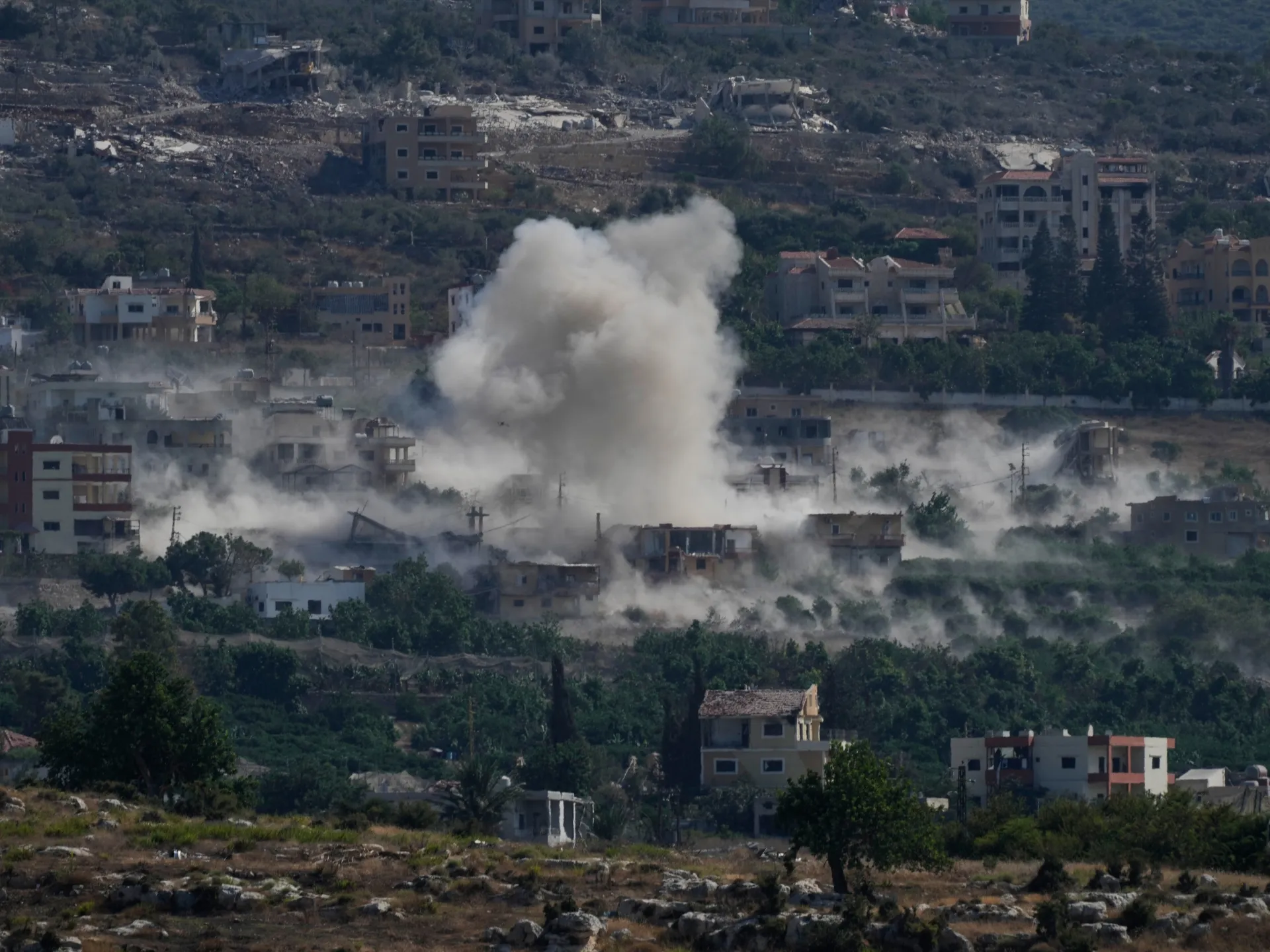
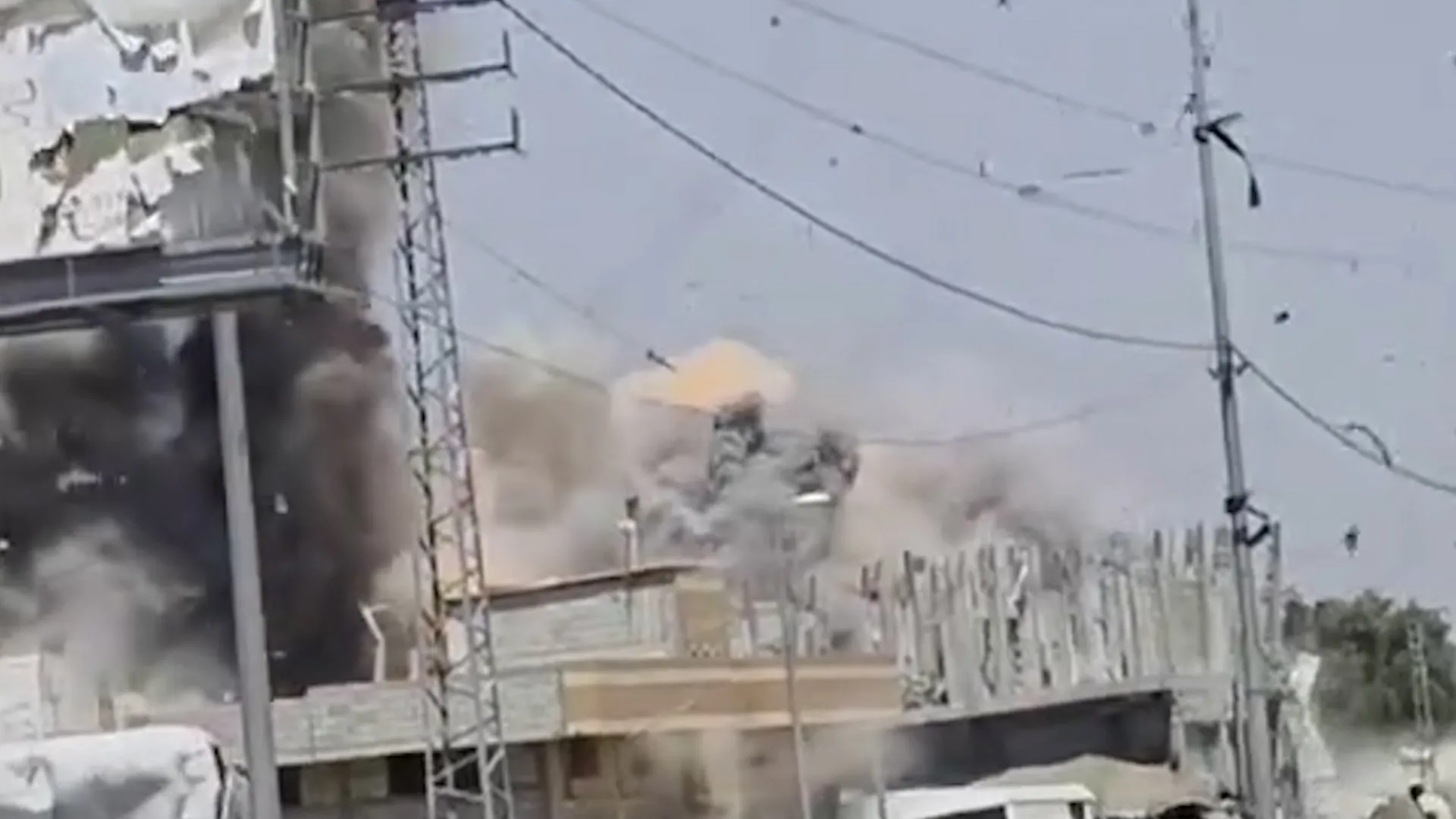
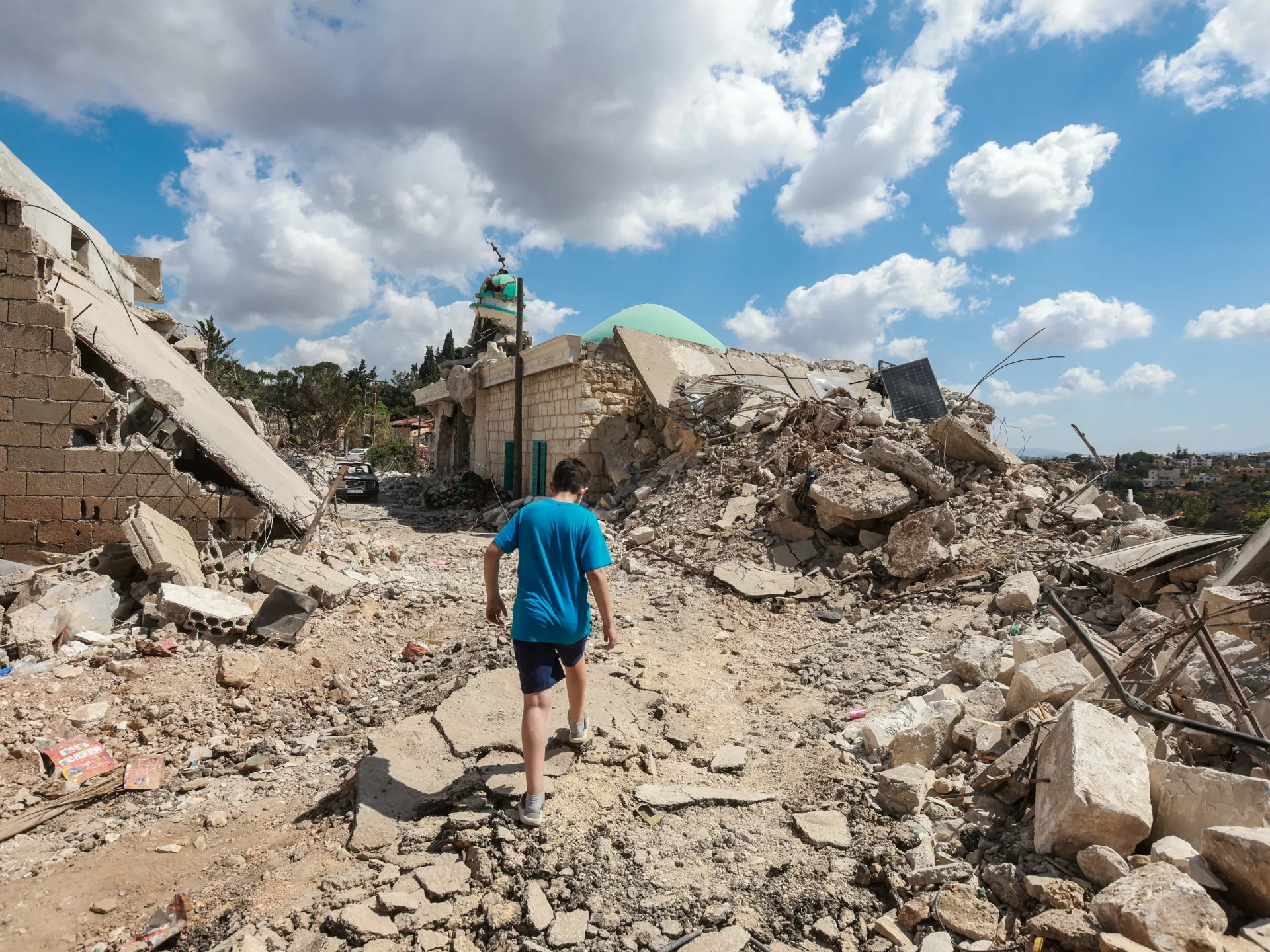
The building, which served as a residential apartment complex, had sustained severe damage in previous aerial strikes. This prior trauma to the structure likely compromised its integrity, leading to the sudden and catastrophic collapse. As search operations continue, the focus remains on identifying and extracting survivors who may be trapped in pockets of air within the ruins, although the window for such rescues is rapidly closing.
The task facing first responders is compounded vy machinery is in short supply, forcing rescuers to rely heavily on manual labor and basic tools to shift heavy slabs of rubble. The instability of the remaining structure and the ongoing risk of further collapses pose a constant threat to those working on the ground.
Beyond the technical difficulties of the rescue, the logistical environment in the region remains severely restricted. Access to specialized equipment, such as thermal imaging cameras and seismic sensors, is limited, which significantly hinders the ability of teams to detect signs of life beneath the wreckage. Despite these hurdles, the collective effort of the community and available emergency personnel has been relentless throughout the day and into the night.
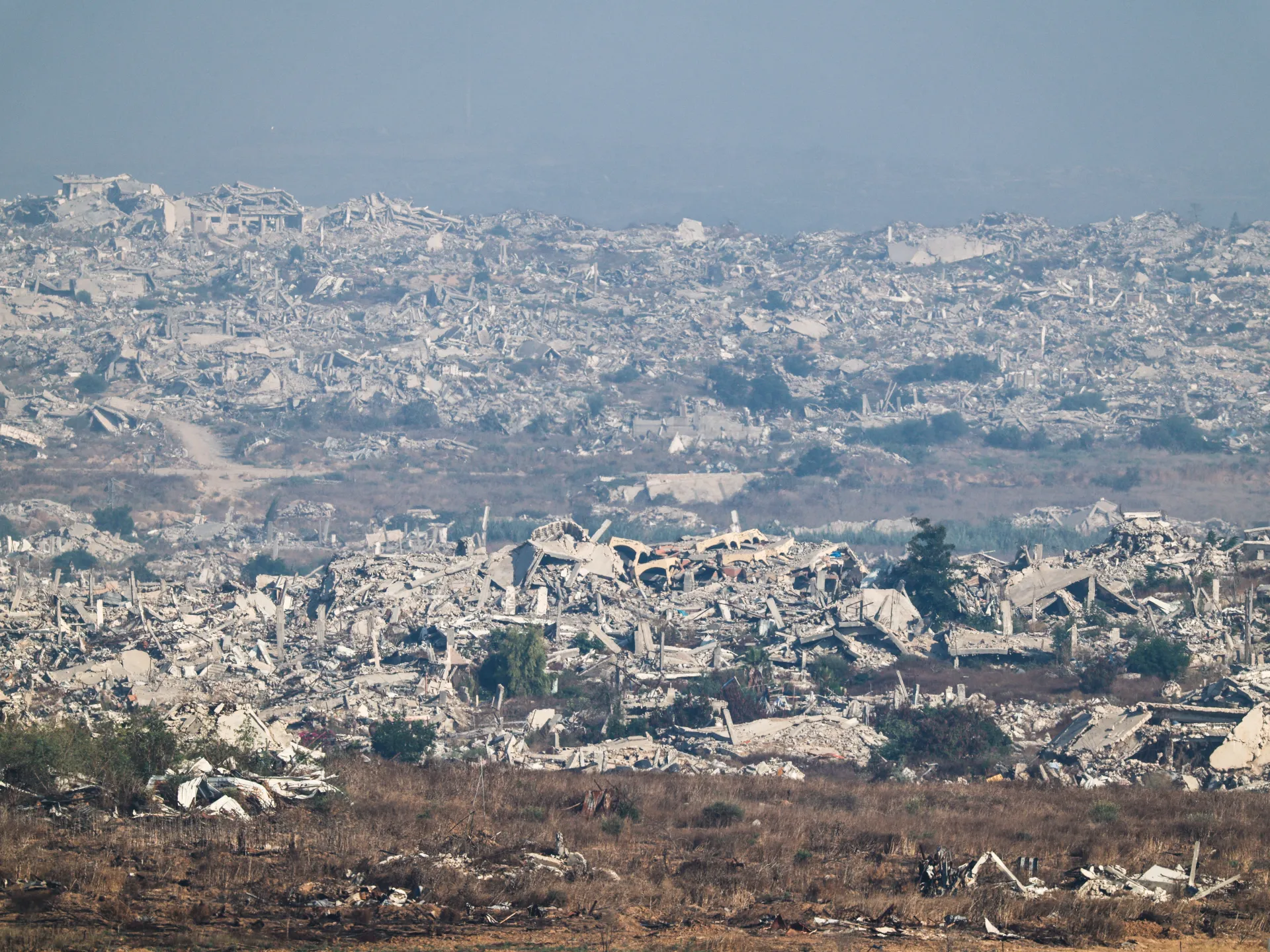
This tragedy highlights the broader vulnerability of residential infrastructure that has been subjected to ongoing conflict. Many buildings in the region have been weakened turally unsound. The collapse of this specific apartment building serves as a stark reminder of the long-term dangers posed hting.
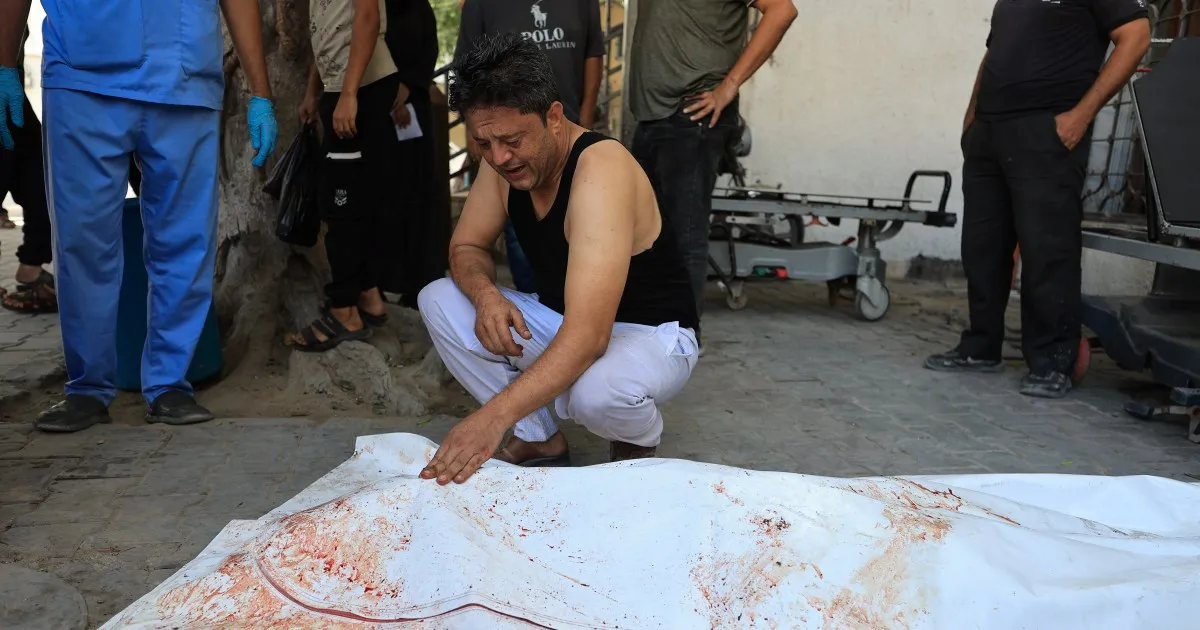
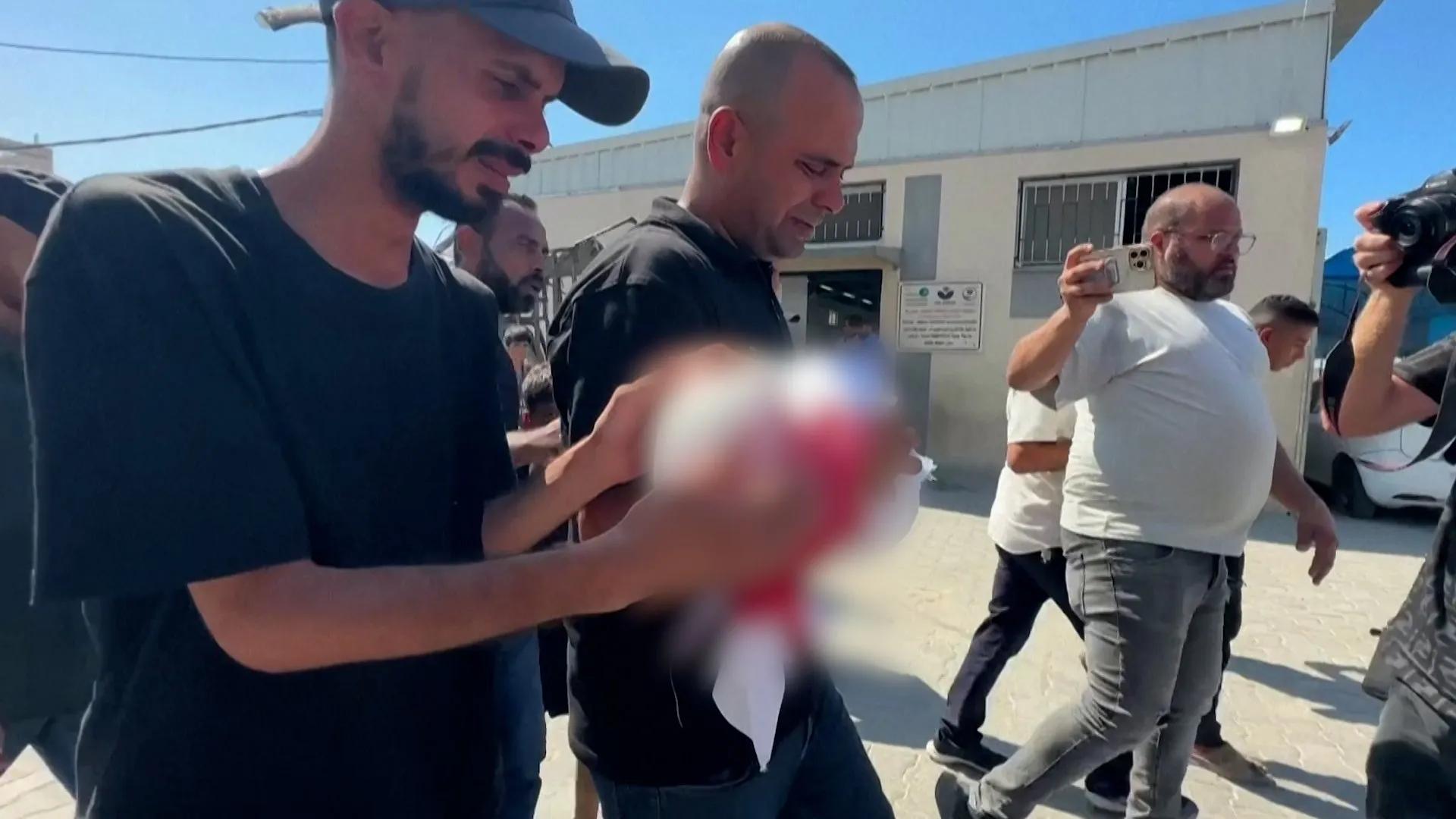
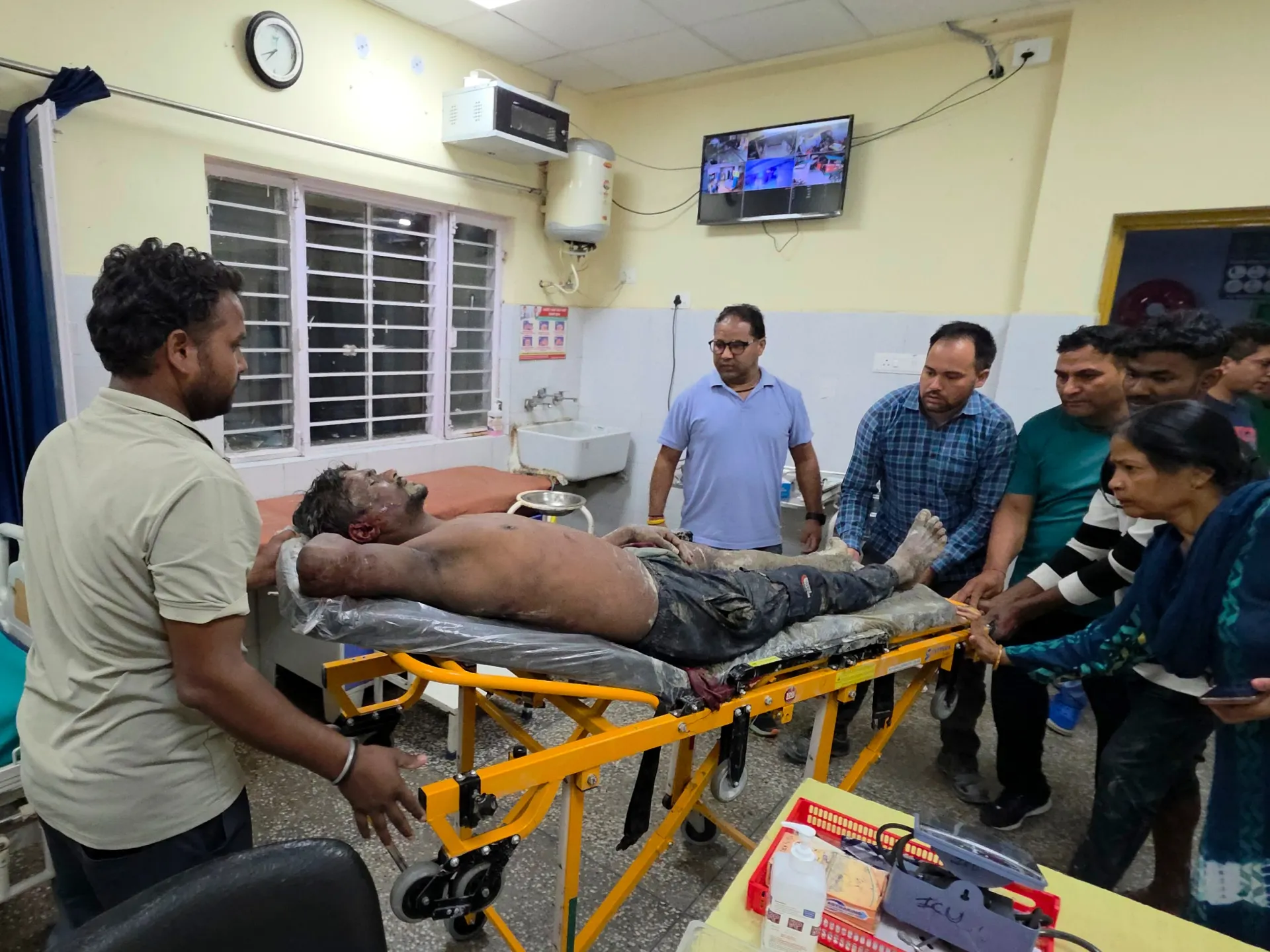
Local authorities are struggling to manage the influx of casualties at nearby medical facilities, which were already operating under extreme strain. The loss of life is expected to rise as search efforts progress, further exacerbating the humanitarian crisis in the area. International observers and aid organizations continue to monitor the situation, noting the urgent need for structural safety assessments and the provision of adequate shelter for those displaced
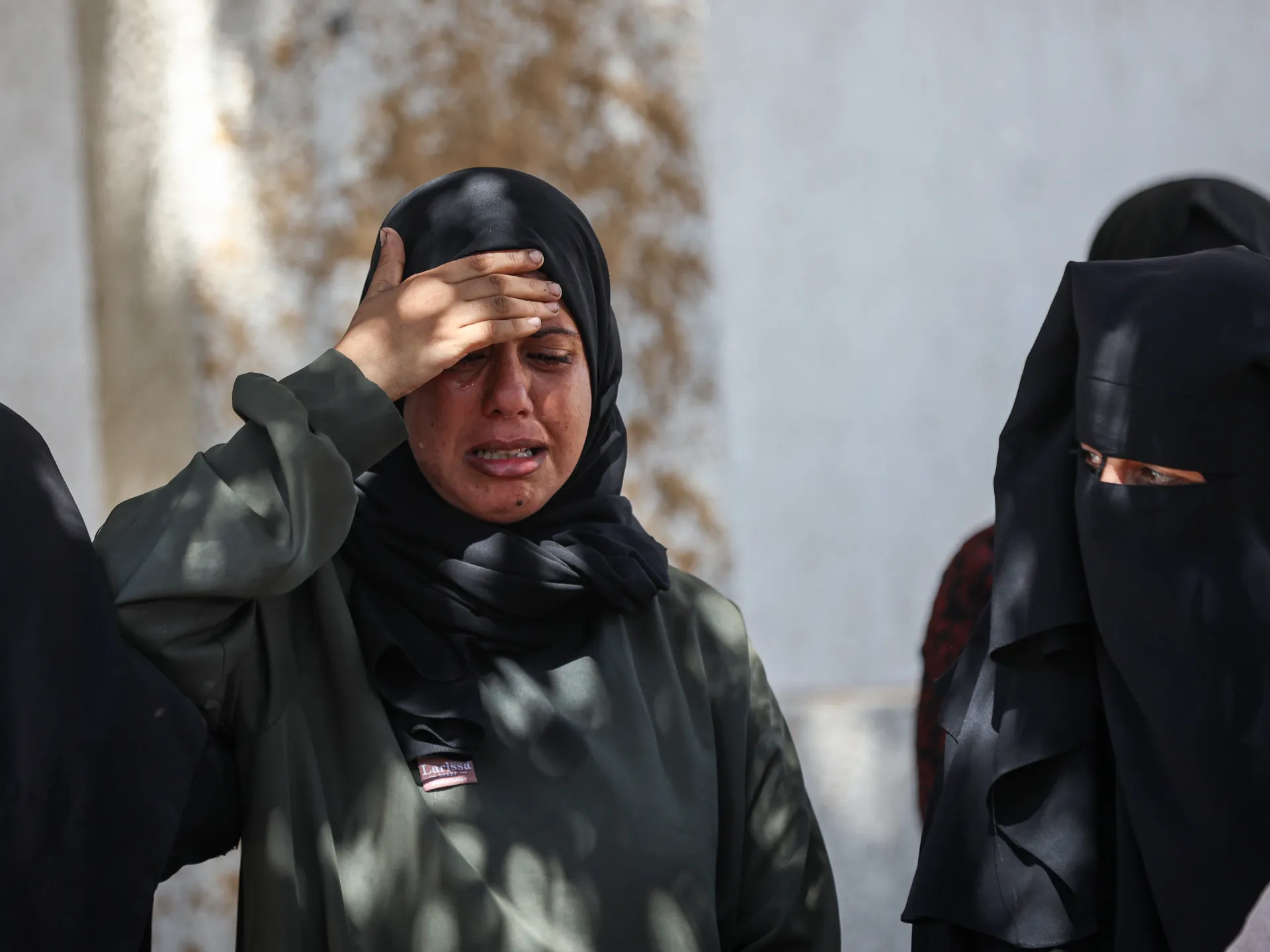
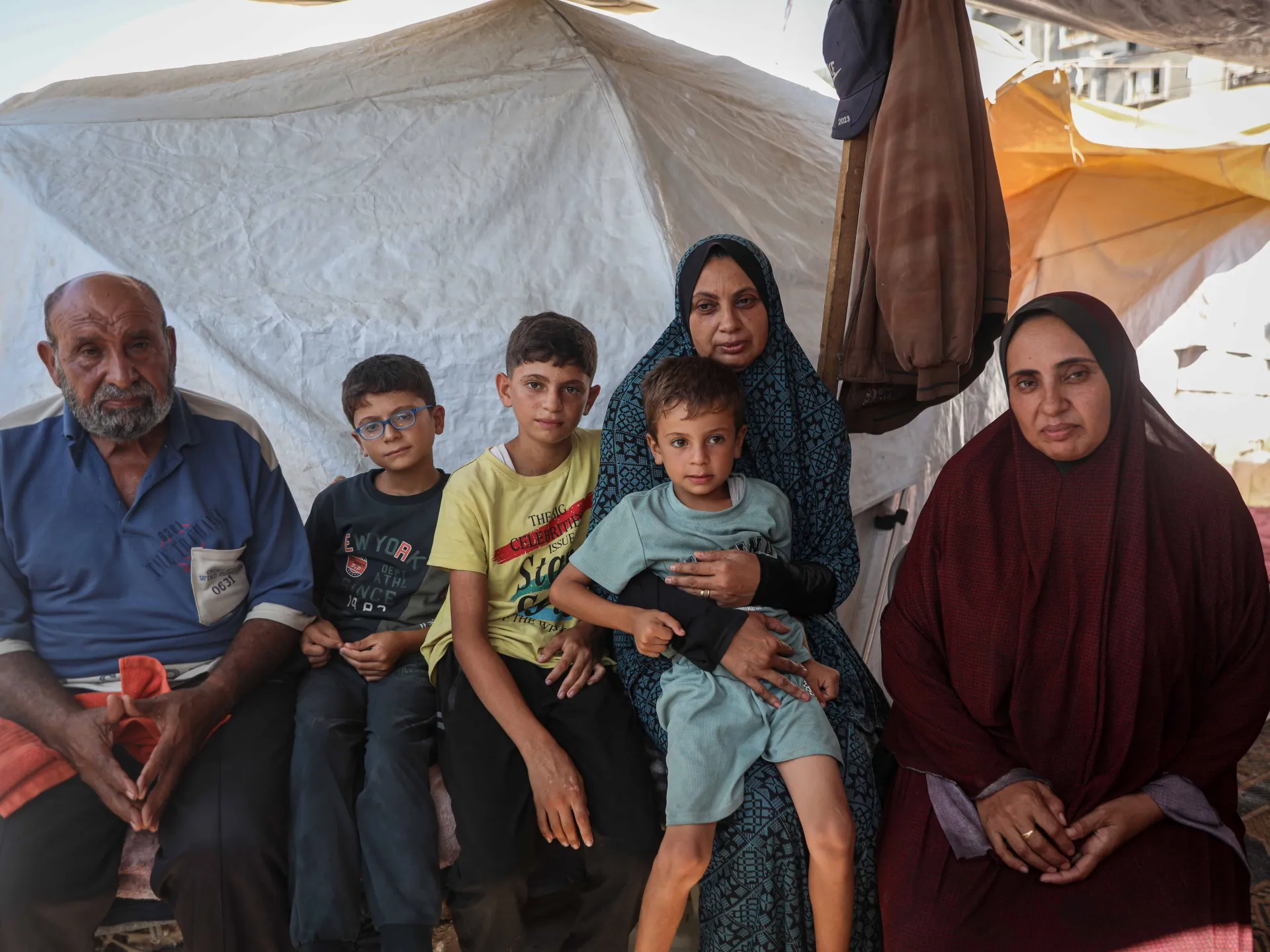
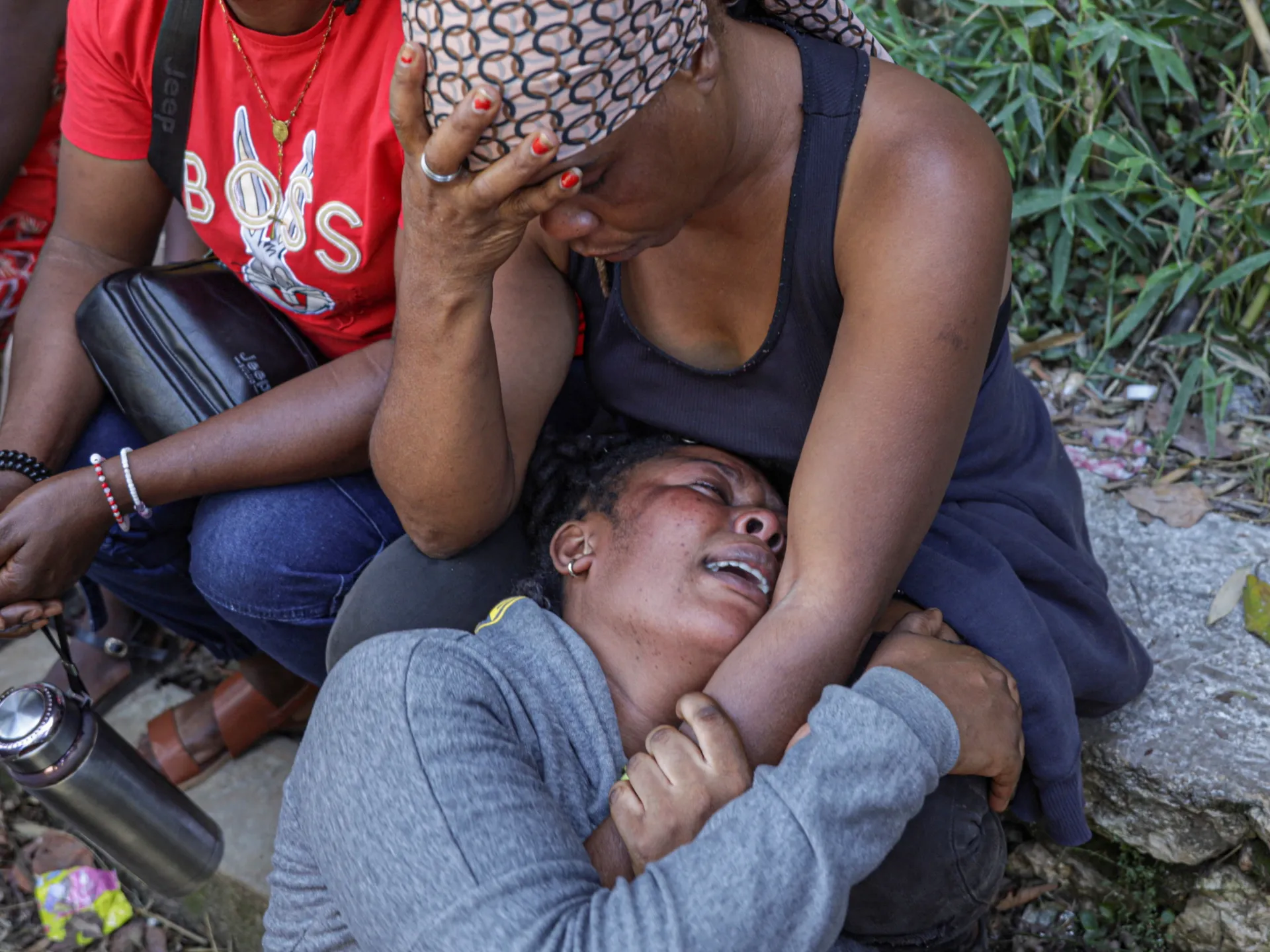
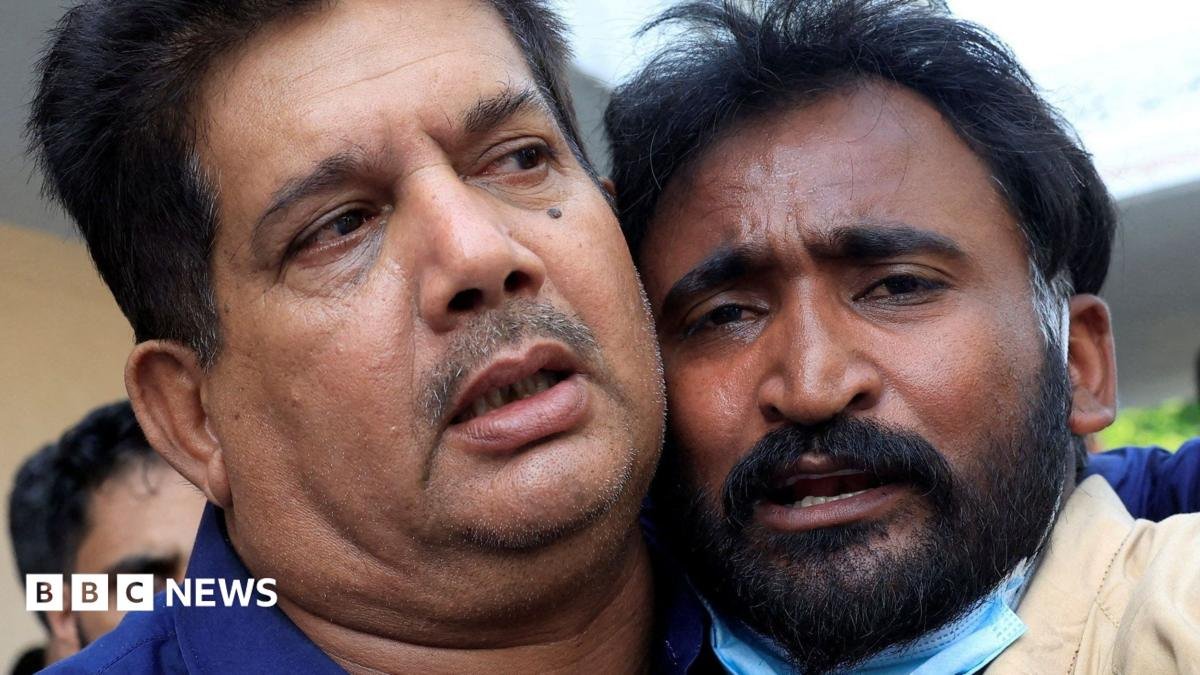
As the sun rises over the site of the collapse, the search efforts show no signs of slowing down. Families of the missing have gathered in the vicinity, waiting for news of their loved ones amidst the chaotic scene. The psychological impact on the survivors and the broader community is profound, adding another layer of suffering to an already beleaguered population that has faced years of displacement and destruction.
Looking ahead, the incident raises critical questions regarding the safety of remaining buildings that have been affected s to either reinforce or safely demolish these structures, the risk of further accidental collapses remains high. The international community faces increasing pressure to provide support for the reconstruction and safety evaluation of residential zones to prevent similar tragedies from recurring in the near future.