As Nepal grapples with the aftermath of devastating floods, experts argue that the muted international response highlights a profound failure in global climate justice.
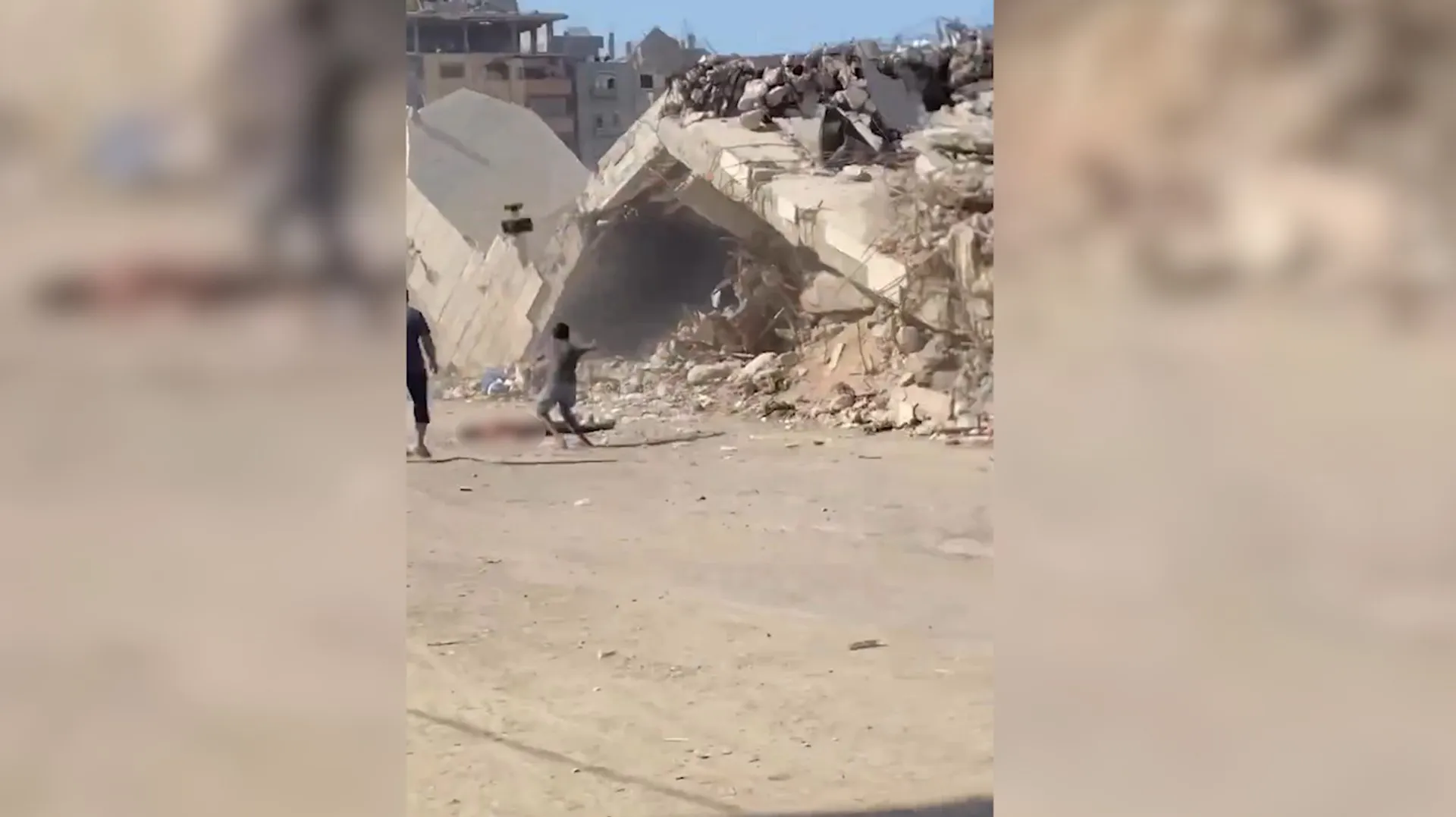
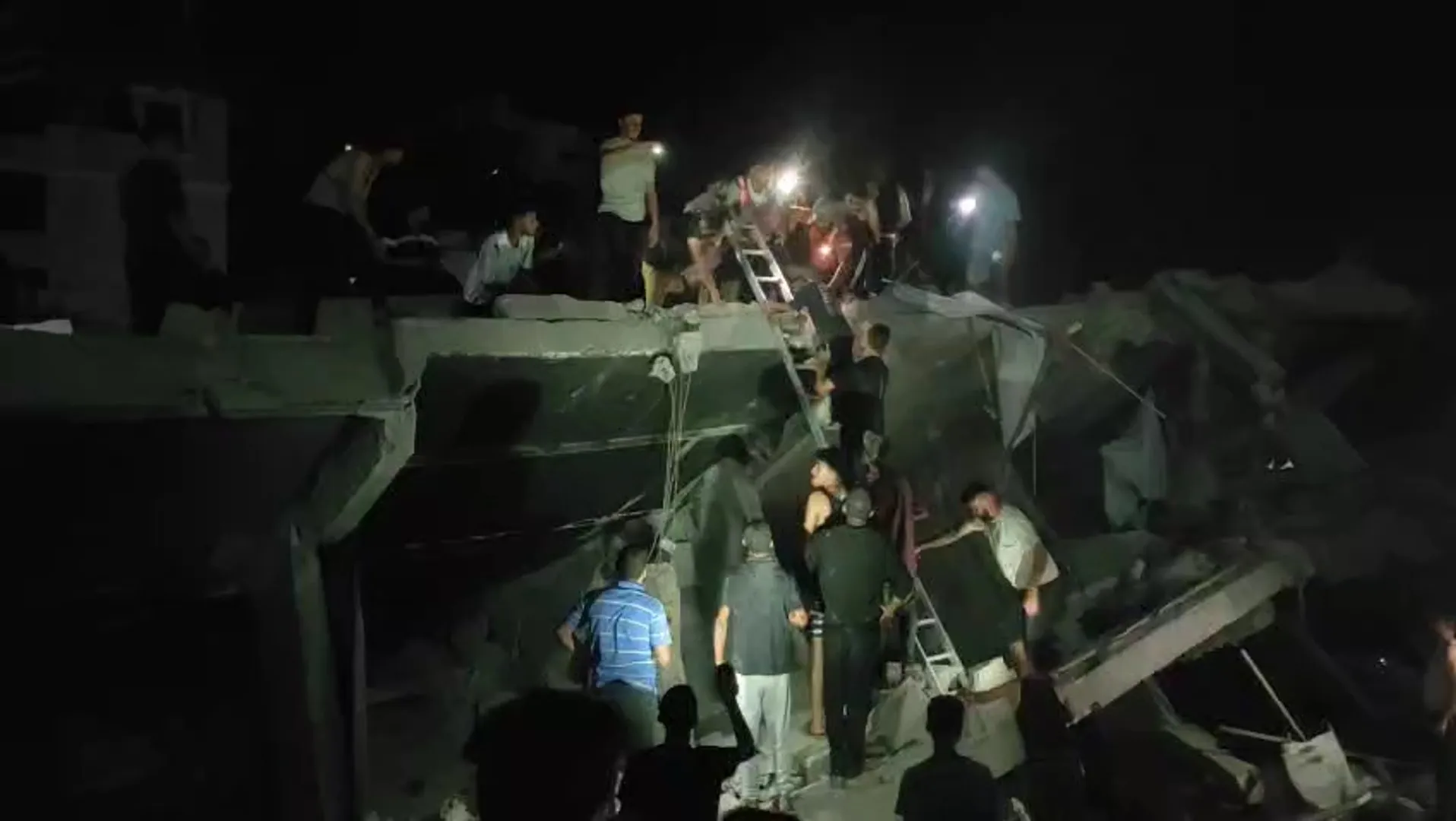
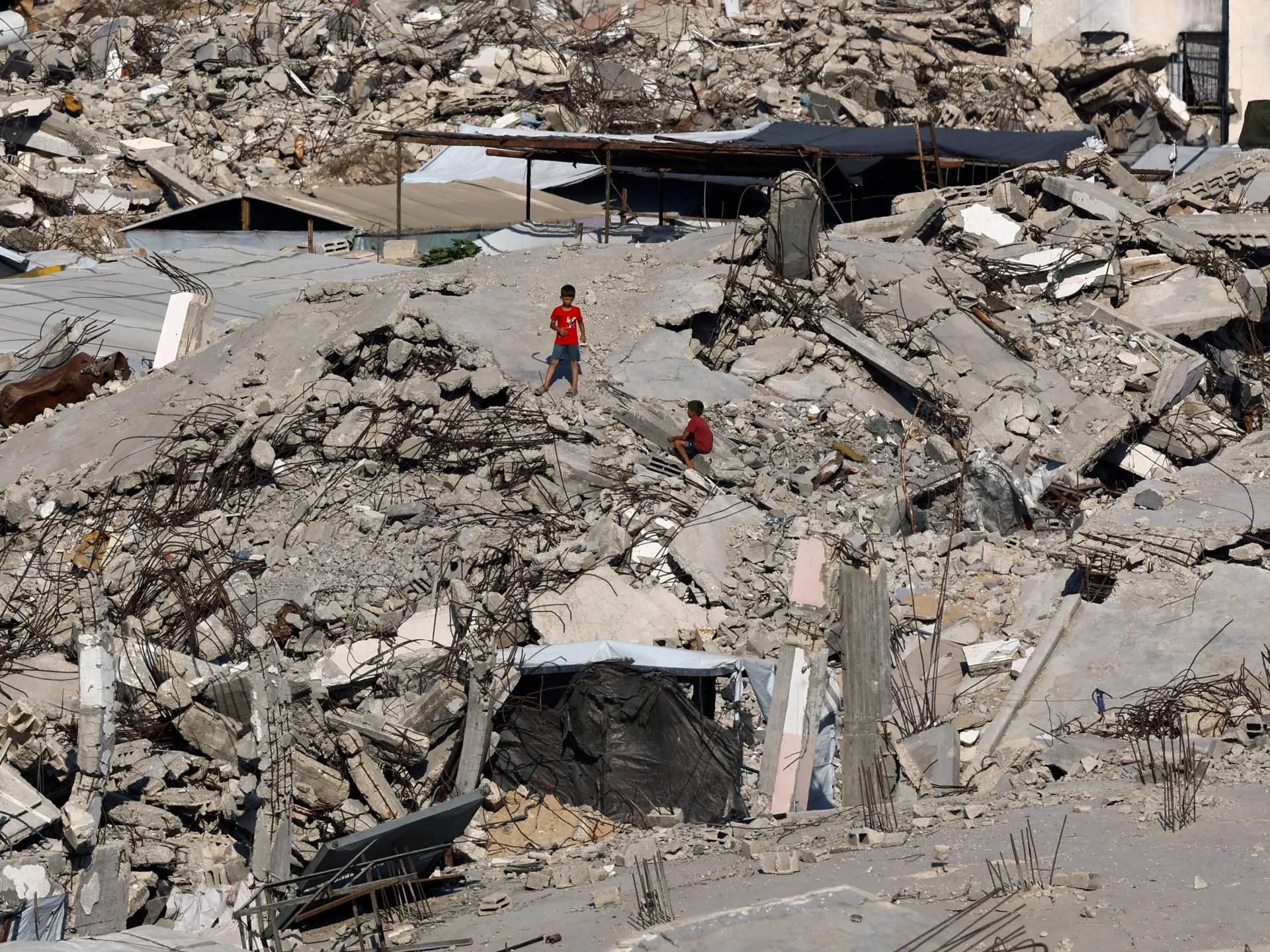
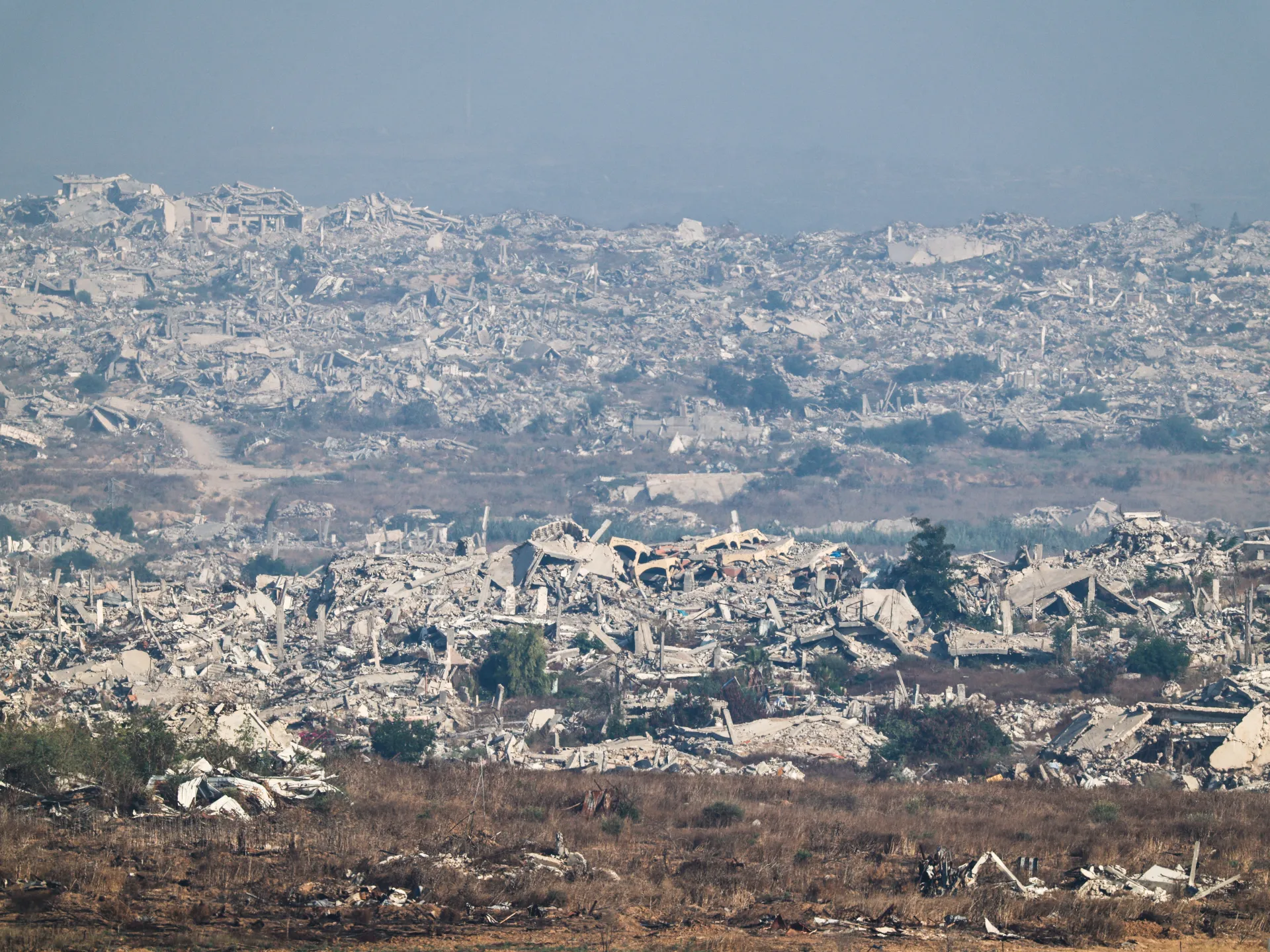
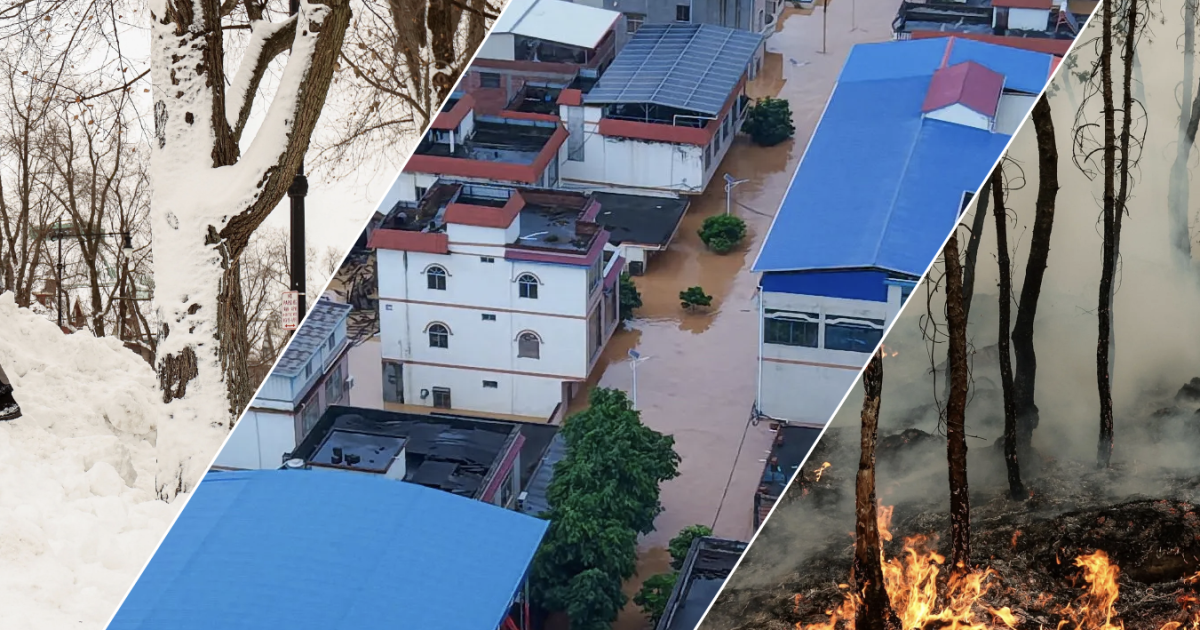
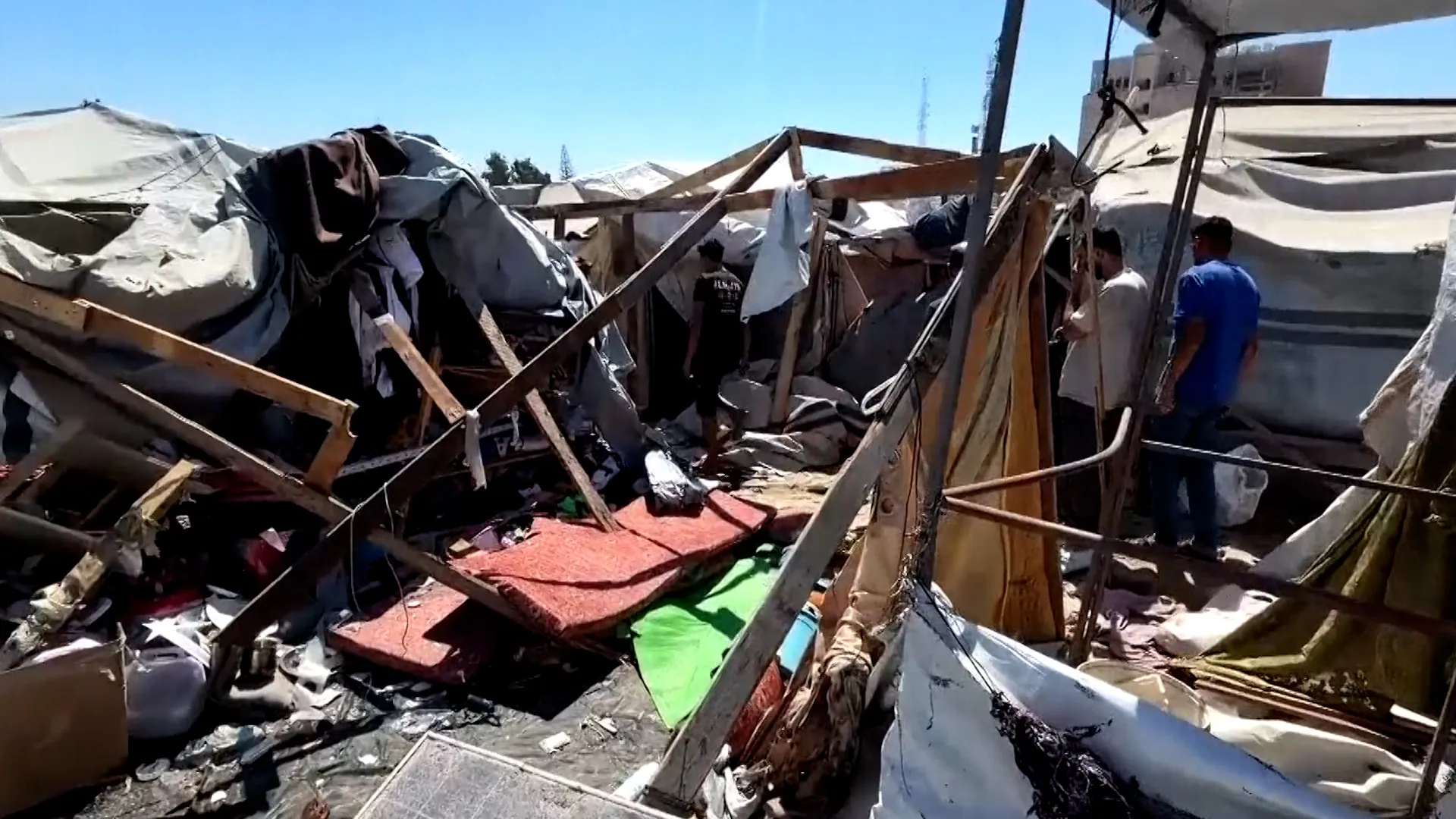
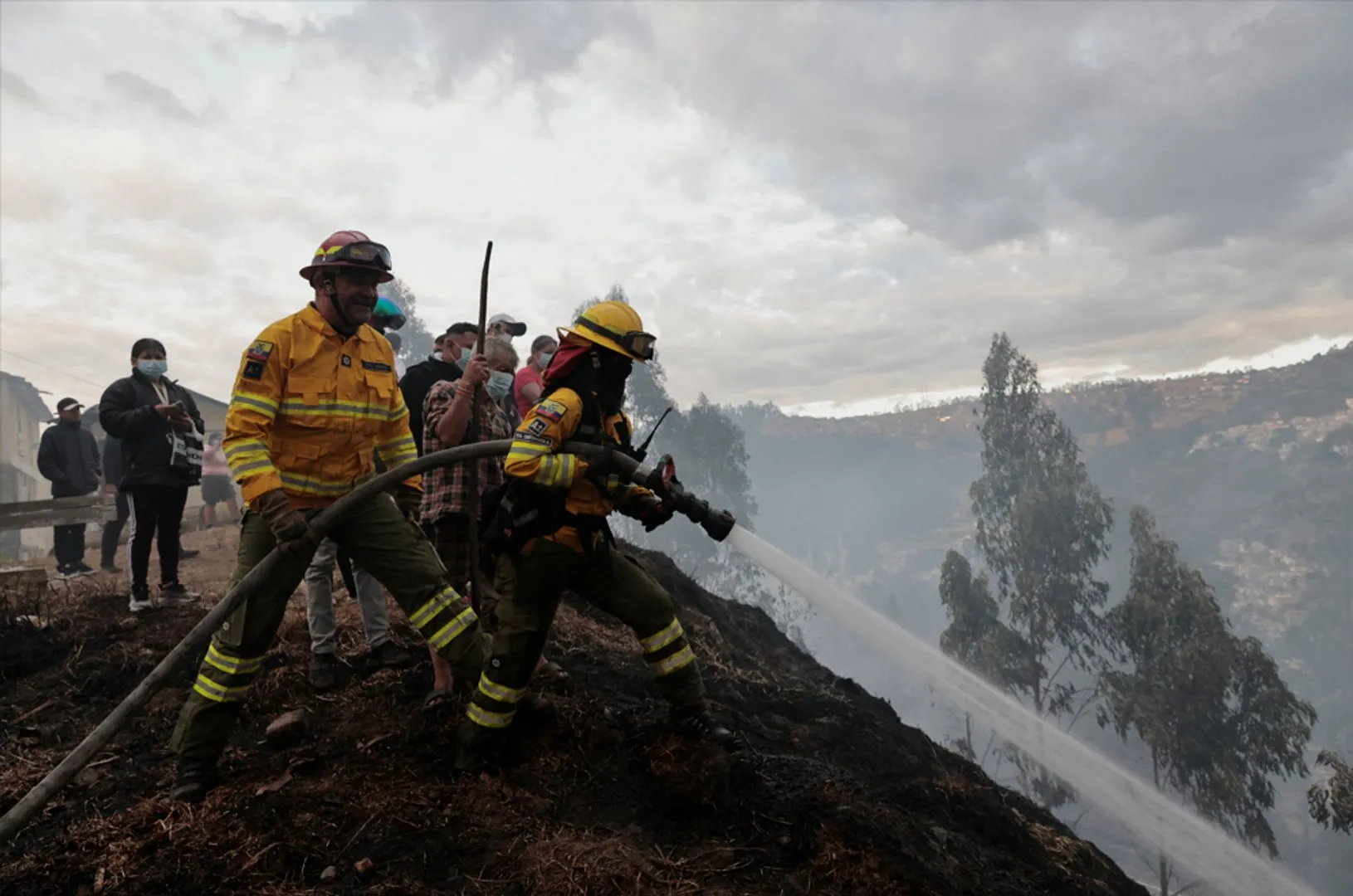
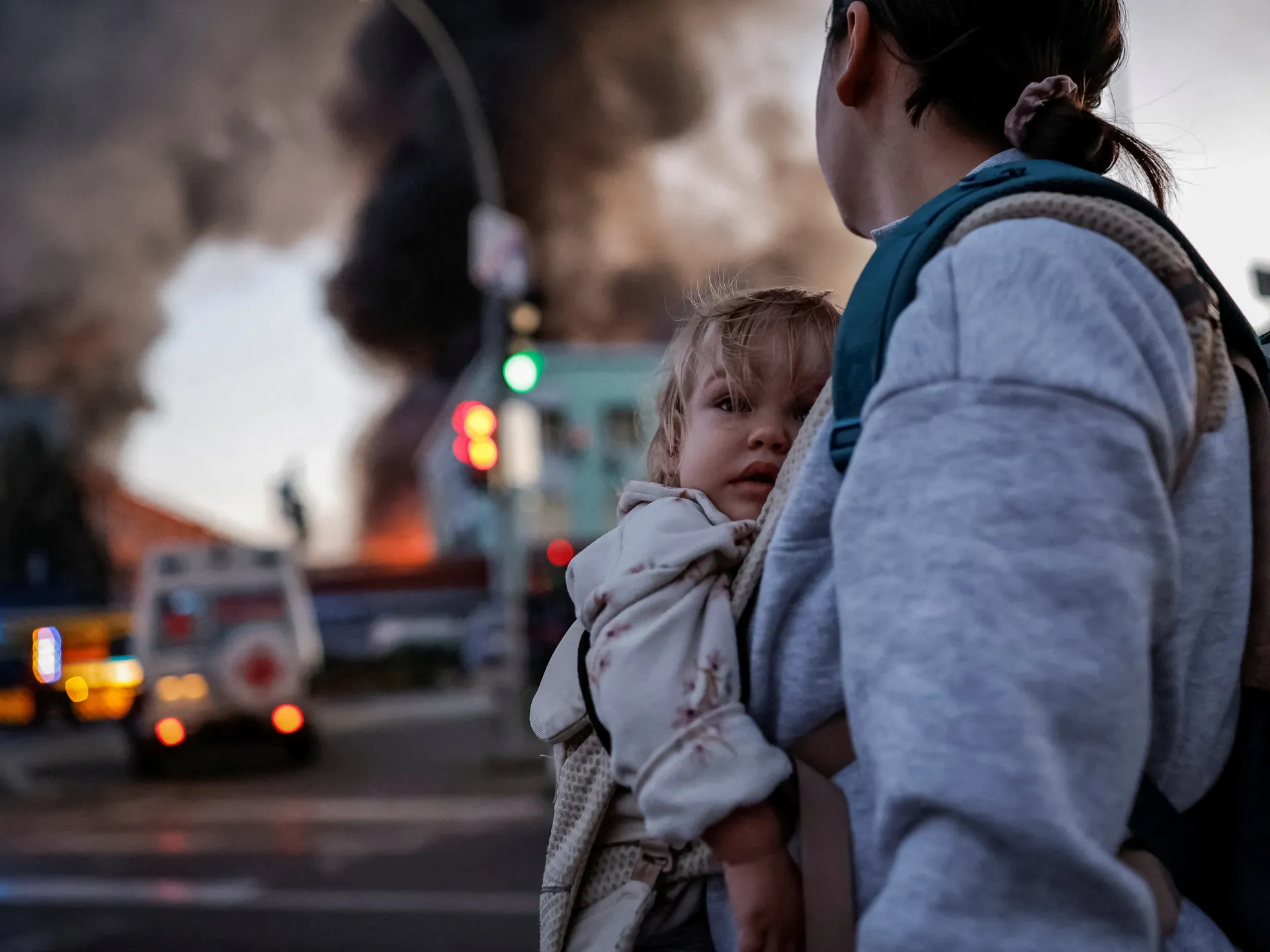
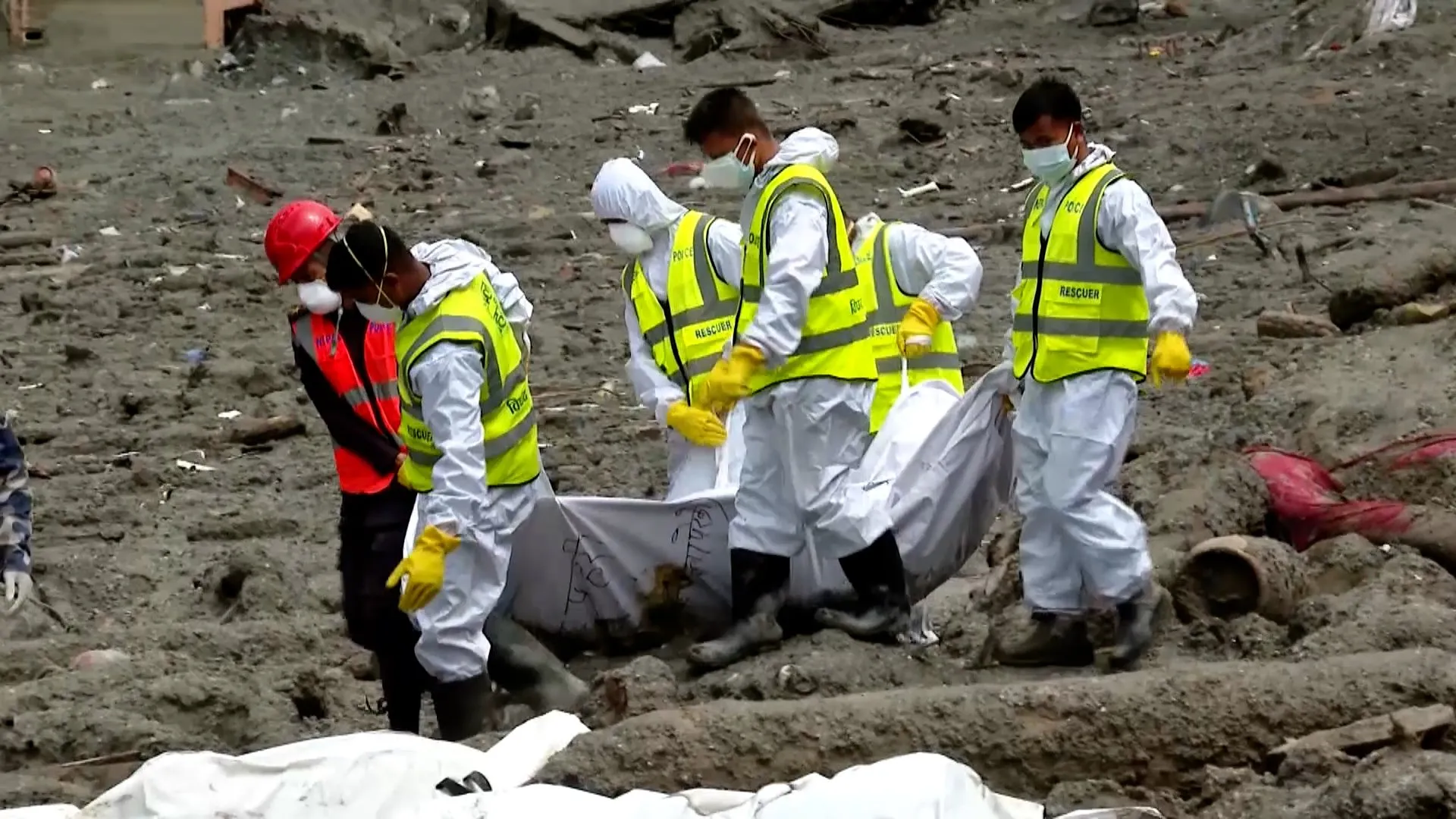
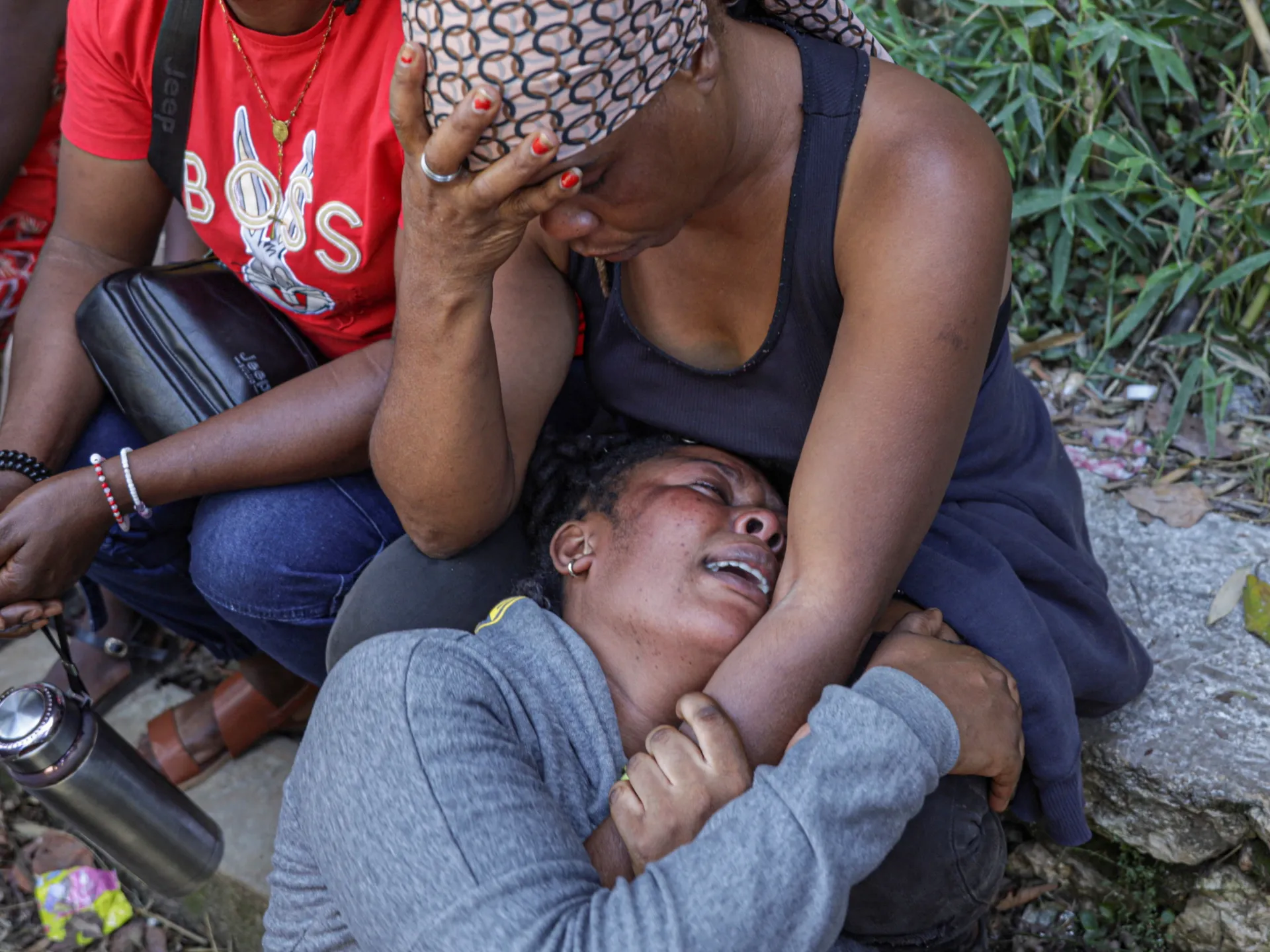
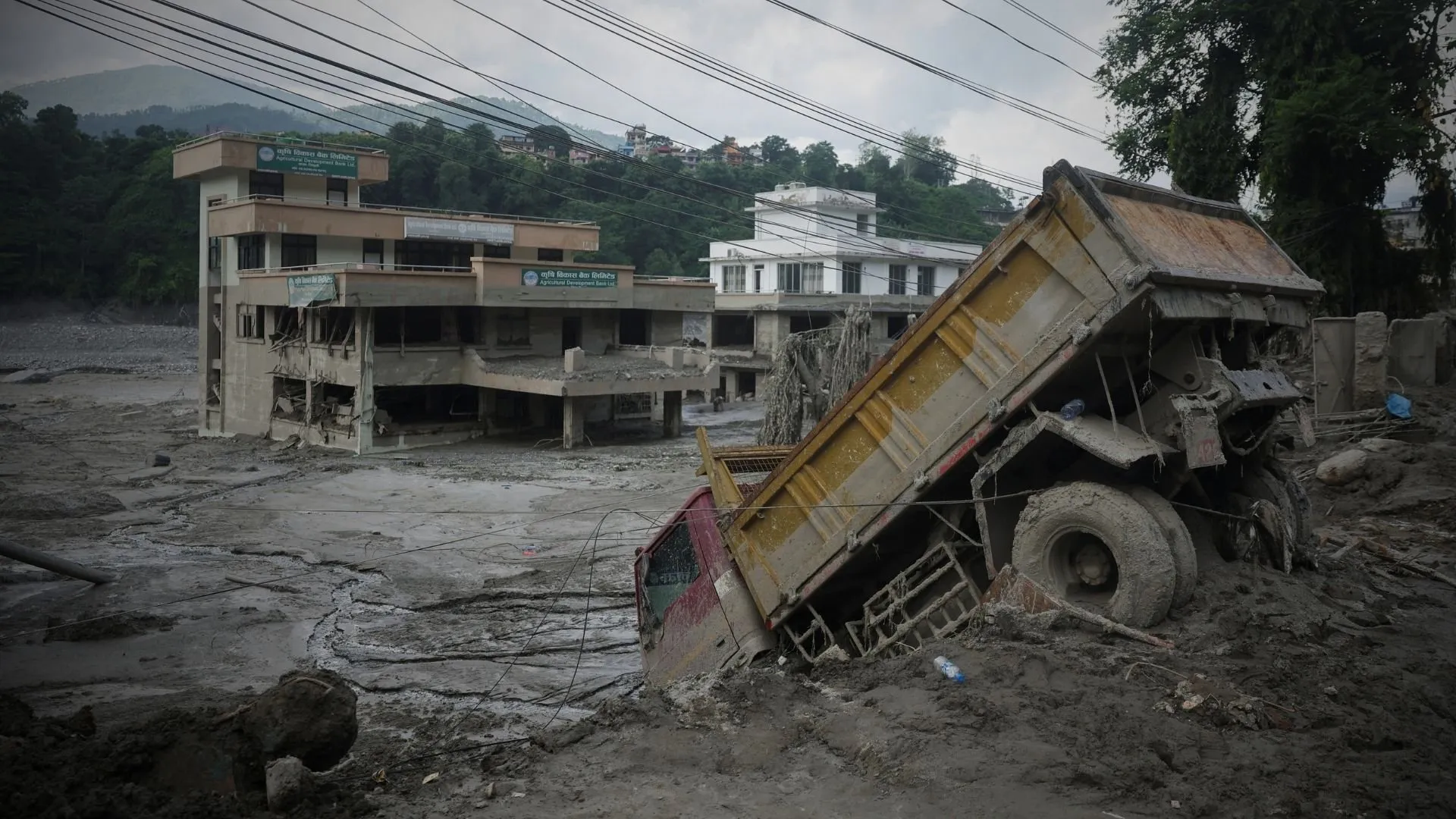
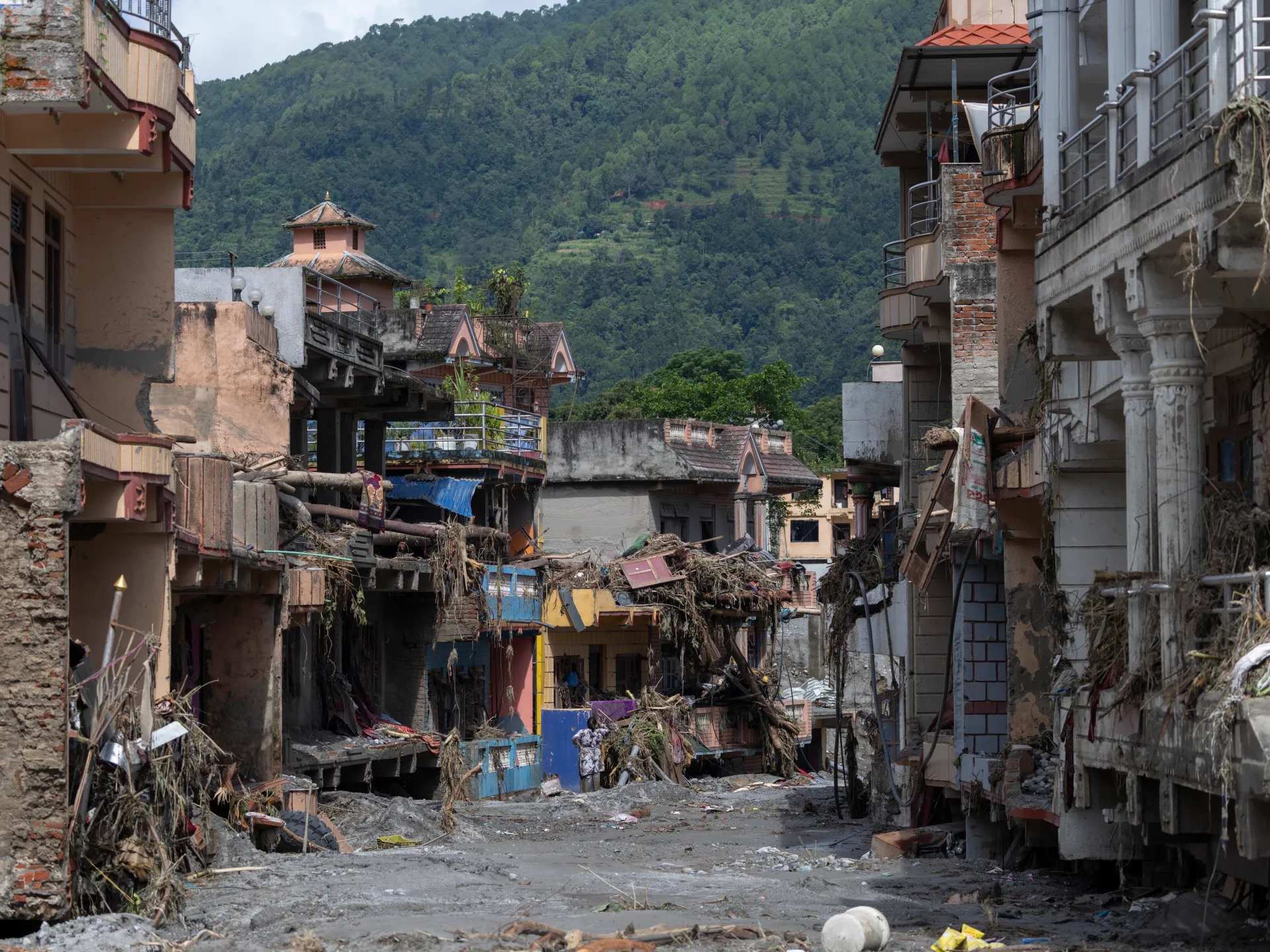
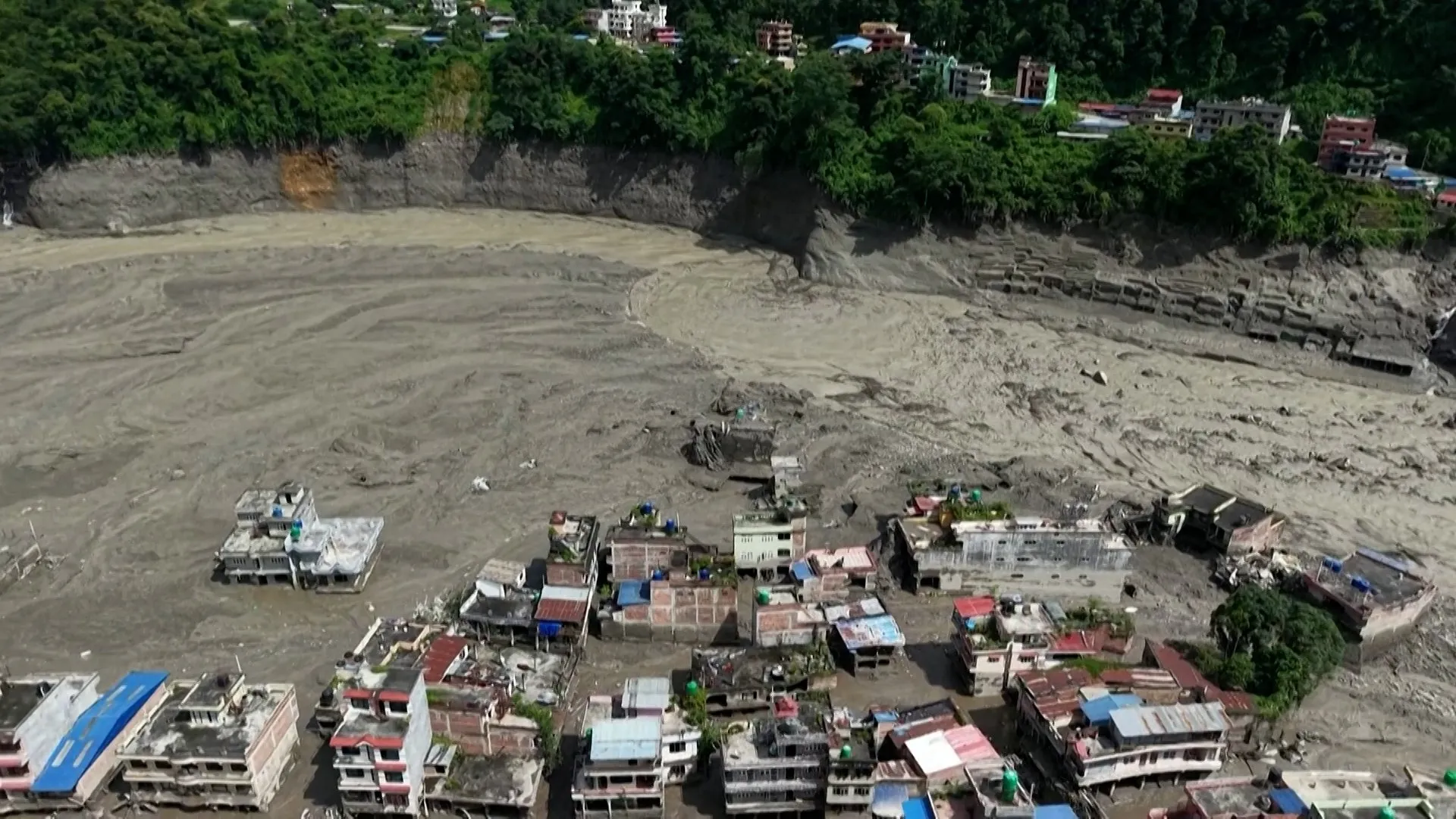
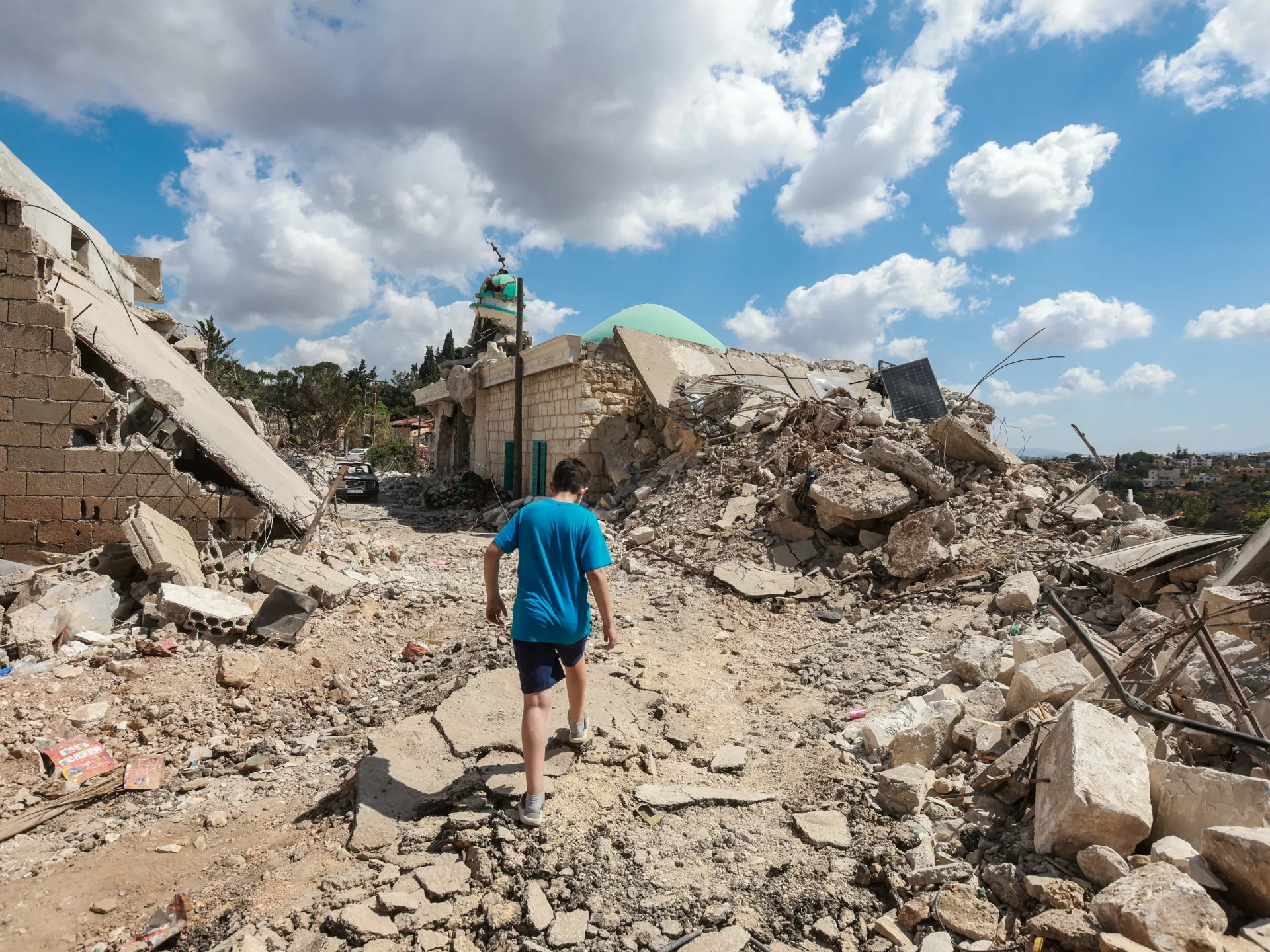
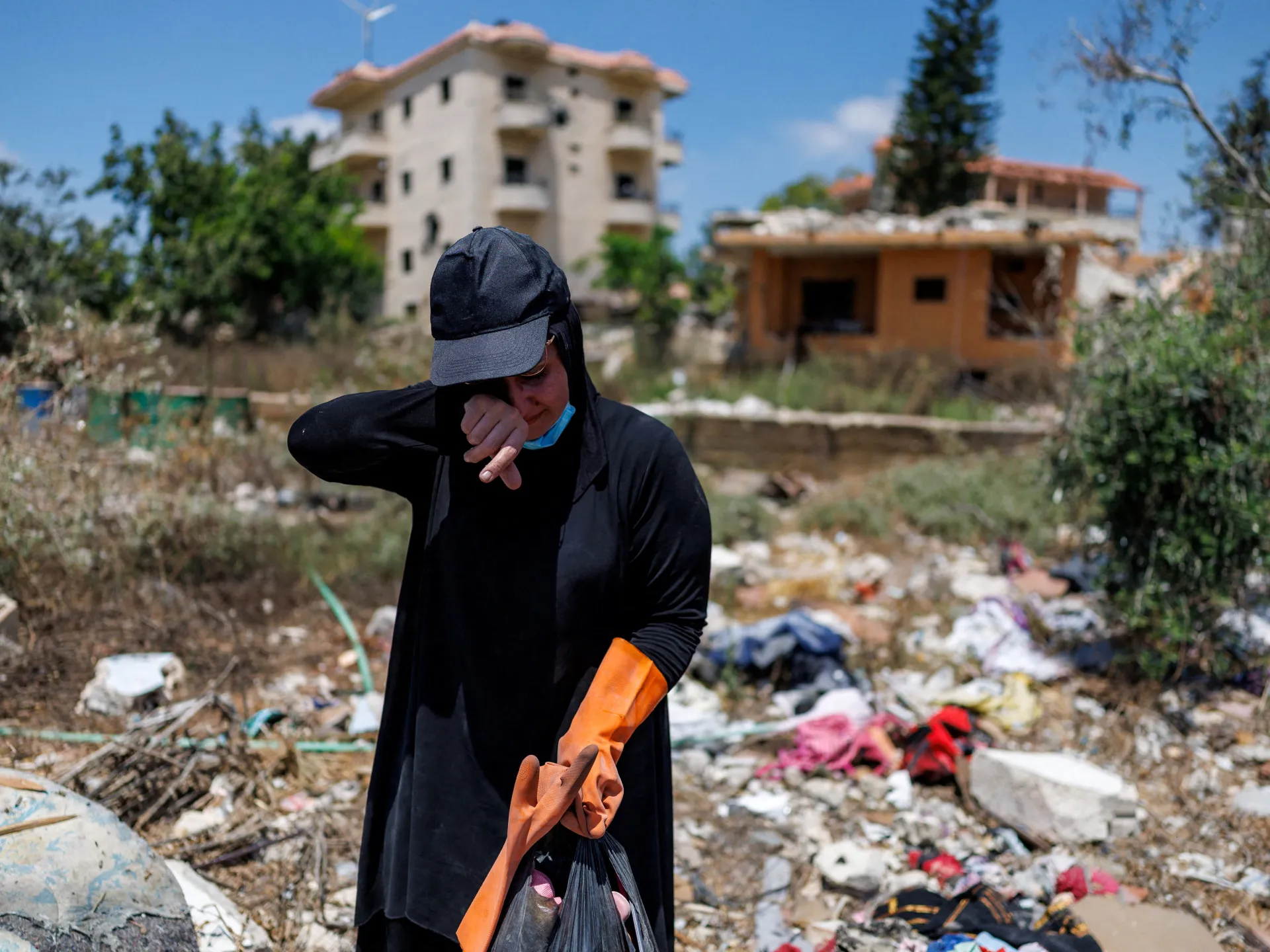
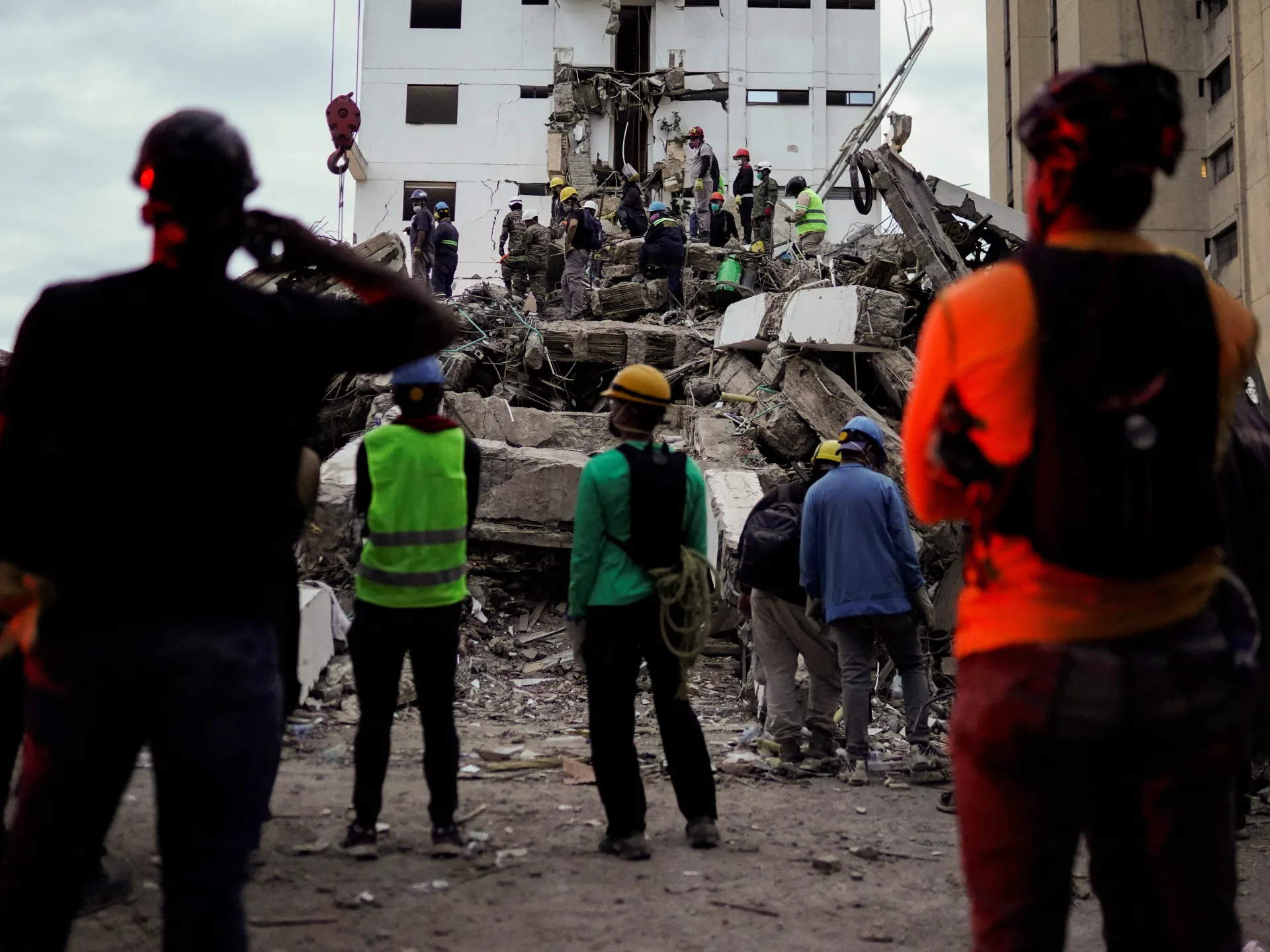
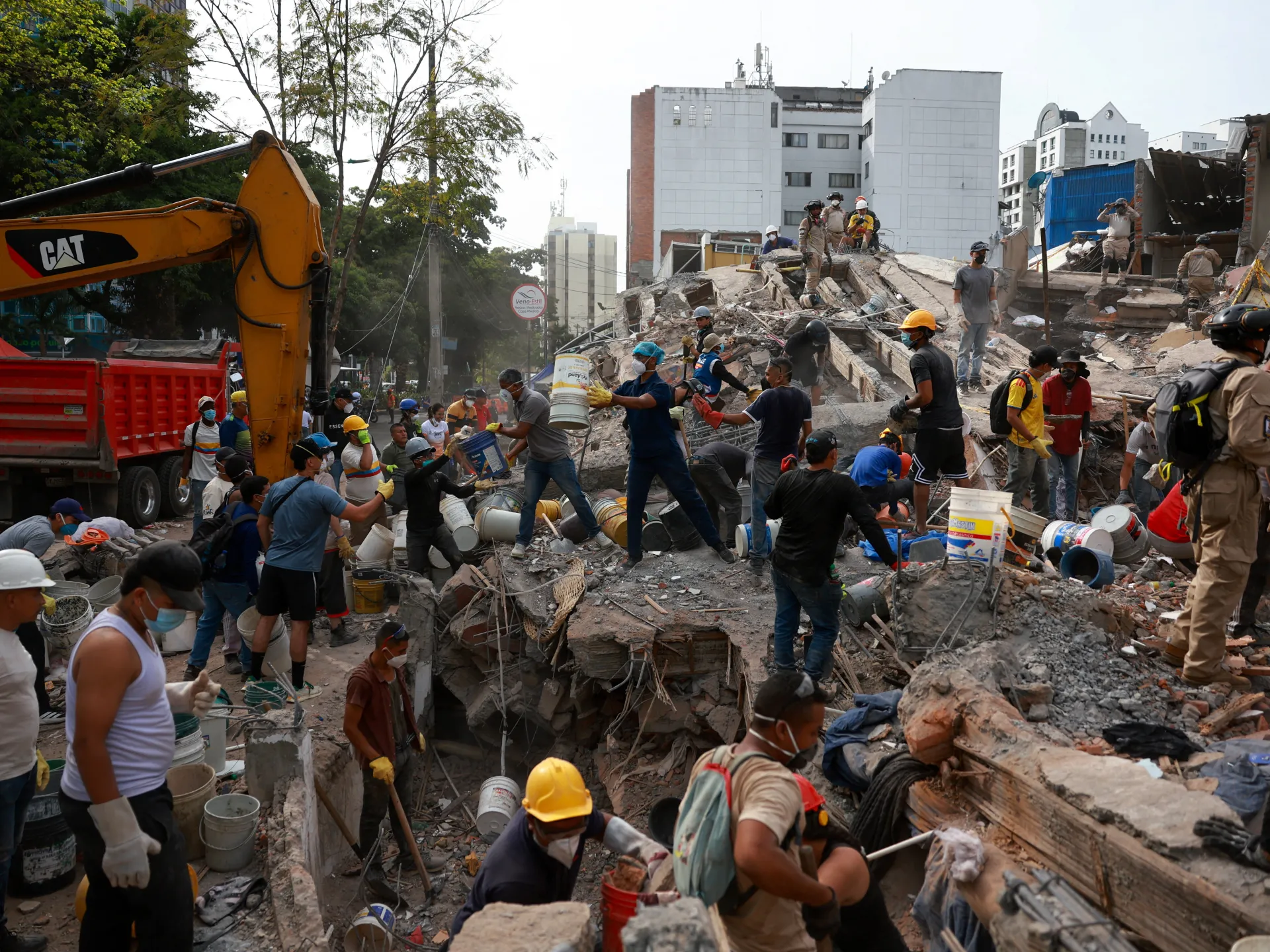
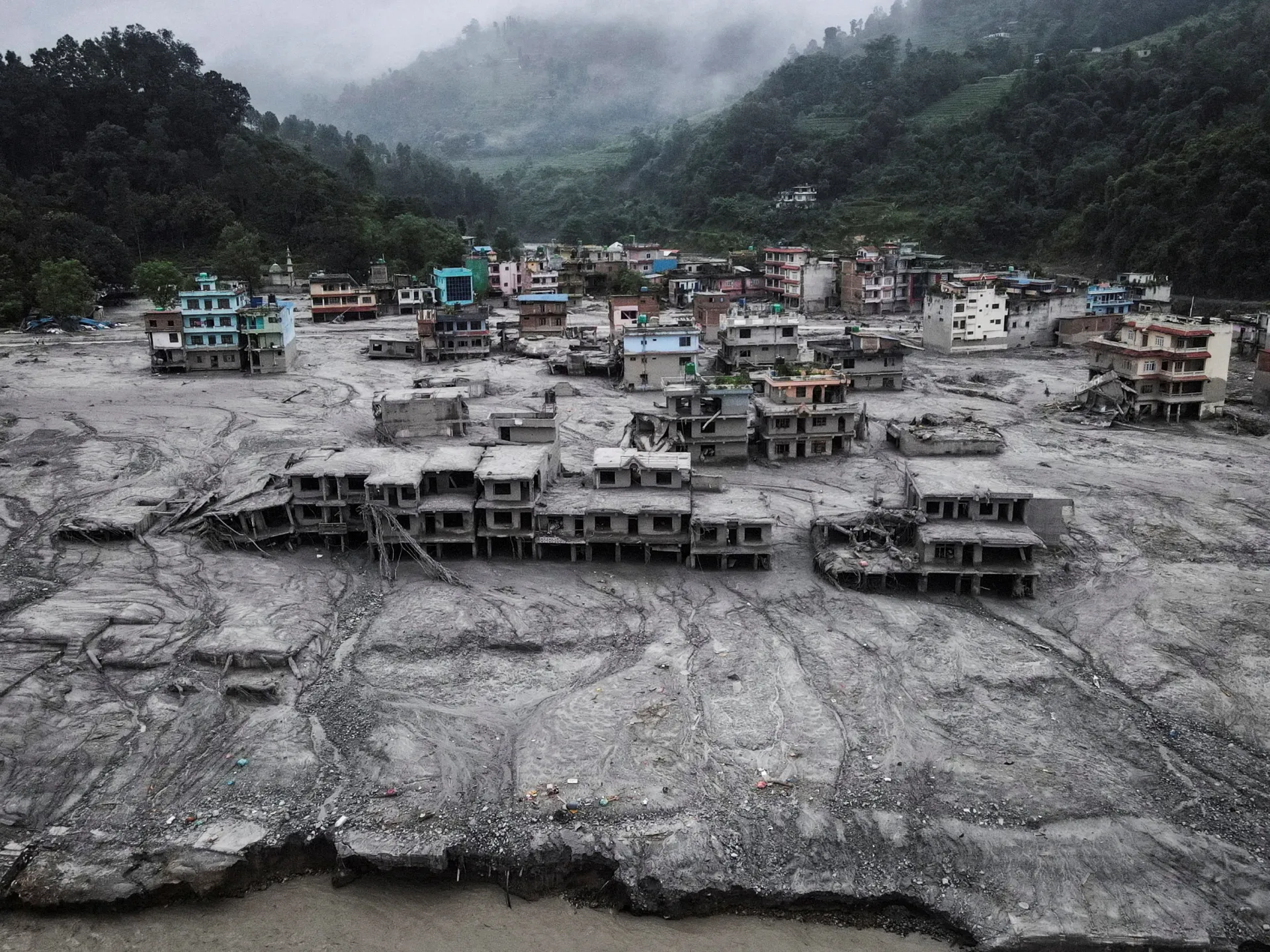
Three weeks following the catastrophic collapse of a glacier and massive rock formation from Langtang Lirung, the situation in Nepal’s Bhotekoshi and Trishuli valleys remains dire. The disaster has resulted in an official death toll exceeding 1,380 people, with approximately 5,100 individuals still missing. Beyond the tragic loss of life, the floods obliterated essential infrastructure and razed thousands of homes, leaving a path of destruction that has crippled local economies and community stability.
Government assessments indicate that the path to full recovery and long-term reconstruction will require an estimated $4.7 billion. This staggering figure represents nearly 10 percent of Nepal’s annual gross domestic product and more than one-third of the nation’s entire federal budget. Despite the evident severity of the crisis, the international political response has been characterized mmunity addresses climate-induced catastrophes in developing nations.
While foreign governments have provided some support through condolence messages and emergency supplies, the financial commitments have been insufficient to handle the scale of the destruction. Pledges from major international actors, such as the $3.6 million from the United States, $6 million from the United Kingdom, and $2.3 million from the European Union, are described drastically short of what is required to provide food, permanent shelter, and long-term infrastructure to sustain populations through the coming winter months.
The inadequacy of this support highlights a disconnect between the rhetoric of global solidarity and the reality of financial assistance. ing Nepal to manage a recovery that is far beyond its fiscal capacity. This muted response has prompted observers to ask why political leaders have not mobilized with the same vigor typically reserved for disasters in more affluent regions or for other high-profile global issues.
Nepal’s predicament has brought an uncomfortable but necessary topic to the forefront of international discourse: the question of climate loss and damage. Nepal is framing these floods not merely as a random meteorological event, but as a direct consequence of a global climate crisis to which the nation contributed almost nothing. This perspective shifts the focus from traditional charity to the concept of climate justice, demanding that the nations that benefited most from industrialization and fossil fuel consumption take responsibility for the damages incurred
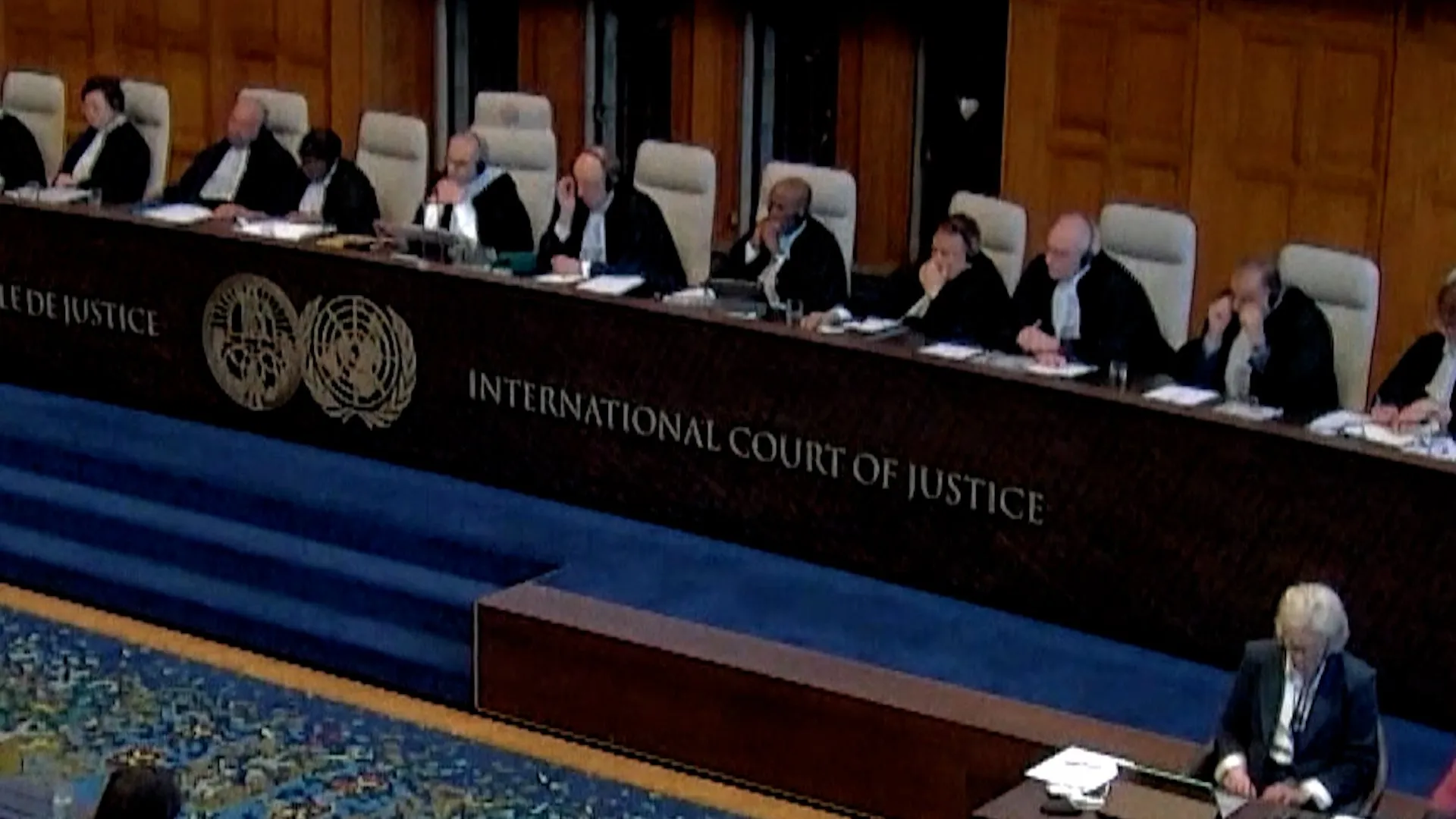
This narrative challenges the political bargain struck a decade ago during the Paris Agreement. While developing countries successfully fought to include "loss and damage" in Article 8 of the treaty, wealthy nations insisted on a caveat stating that this recognition does not provide a basis for liability or compensation. Nepal is effectively testing the limits of this agreement, arguing that the status quo is unsustainable. The situation is further complicated a legal obligation to protect the climate system, suggesting that the path toward legal responsibility for climate-related reparations is becoming increasingly viable.
The response to the Nepali crisis is also indicative of a broader trend: the shrinking of the traditional international system for development assistance. At a time when climate-related losses are rising globally, official development aid has seen a sharp decline. Furthermore, the global economic structure continues to facilitate the transfer of wealth from the Global South to the Global North, meaning that "climate finance" is often delivered in the form of loans or private investment, which only serves to further indebt developing nations that are already reeling from climate disasters.
Moving forward, the international community must address the reality that compensation cannot be a substitute for meaningful mitigation. Wealthy nations must reduce their own emissions and ecological consumption while acknowledging their historical role in the current climate crisis. The cost of climate destruction can no longer be treated as someone else’s burden. If international cooperation is to remain relevant in an era of environmental instability, the conversation surrounding reparations and climate justice must move from the fringes of political discussion into the center of global policy.