FIFA has committed to presenting a formal review of the withdrawn Forward Enterprise project to its Council following intense pressure regarding transparency.
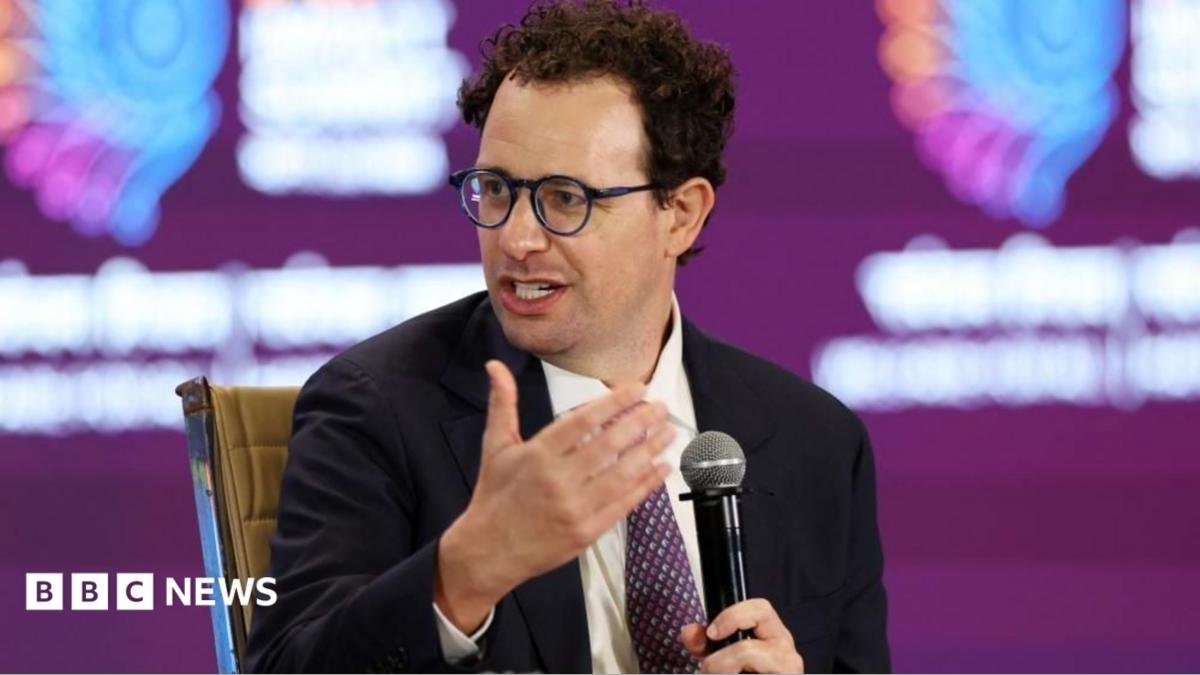
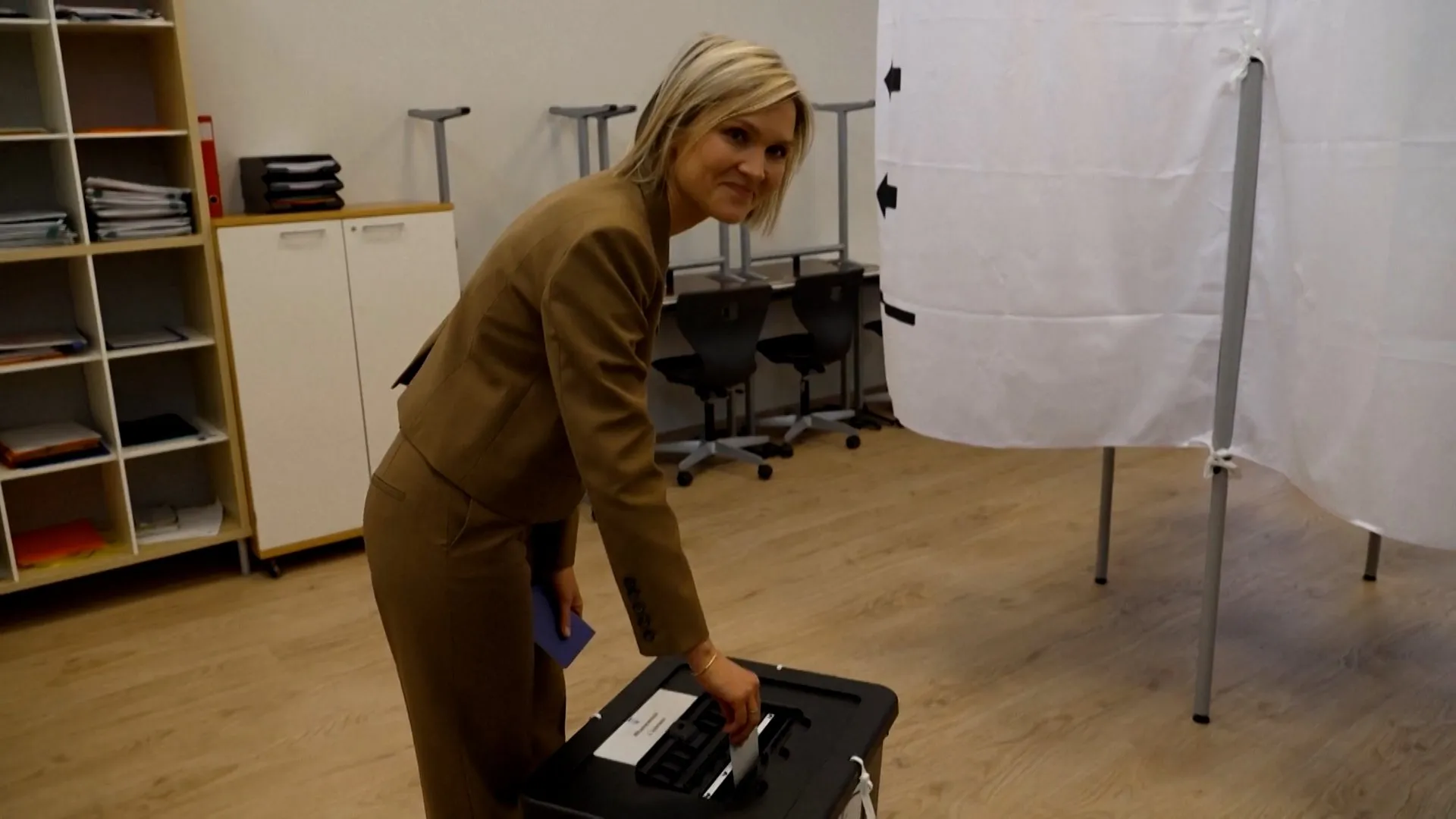
The global governing body for football has officially confirmed that a comprehensive review concerning the now-defunct FIFA Forward Enterprise (FFE) proposal will be presented to its Council. This development follows significant criticism from high-ranking officials, most notably the head of the Danish football association, Jesper Moller. Moller had previously expressed public frustration regarding the organization's reluctance to address pointed inquiries about the abandoned project during recent committee meetings.
The FFE initiative, which was originally designed to attract external investment, faced immediate scrutiny from member nations and regional confederations upon its inception. The lack of clarity surrounding the project's objectives and the eventual decision to shelve it created a vacuum of information that critics argue has damaged institutional trust. uestions that have lingered since the project’s withdrawal.
The FIFA Council serves as the primary strategic body for the organization, consisting of 37 members, including the president, eight vice-presidents, and 28 elected representatives from across the global football landscape. According to the organization’s established statutes, its standing committees are tasked with advising this council on matters related to governance and regulatory compliance. The upcoming presentation is expected to provide a clearer picture of how the FFE proposal was handled and why it ultimately failed to gain the necessary traction for implementation.
Governance experts suggest that this presentation is a critical step in restoring the council's oversight role. As the primary decision-making organ, the Council is meant to act as a check on executive power, ensuring that major financial and strategic initiatives align with the broader interests of member associations. The review serves as an acknowledgment that the internal communication breakdown regarding the FFE project required formal rectification to maintain institutional integrity.
The original proposal, which reportedly involved the sale of a 20 percent stake in the World Cup and other major events, triggered a significant backlash from continental bodies including UEFA, the AFC, and CONCACAF. The controversy surrounding the investment plan served as a catalyst for a broader movement seeking reforms in the organization's leadership structure. At the height of the tension, there were even discussions regarding a potential no-confidence vote, reflecting deep-seated dissatisfaction among several influential national football associations.
As the countdown to the March 2027 presidential election in Rabat continues, the political landscape remains volatile. Several European leaders, including representatives from the Greek Football Association and prominent former German team officials, have publicly aligned with a push for structural change. This unified European front highlights the ongoing friction between the current administration and those seeking to curb the concentration of power within the presidency.
Despite the vocal opposition and the controversy surrounding the investment initiative, current projections suggest that the incumbent leadership retains sufficient support to secure a fourth term. Insiders familiar with the internal power dynamics indicate that while opponents have successfully highlighted governance flaws, they may lack the coalition size necessary to force a change in the presidency. Consequently, many analysts believe the primary objective for reform-minded members is shifting toward limiting the scope of executive authority.
Moving forward, the focus will likely remain on how the organization manages its financial transparency and accountability to its member nations. The review of the FFE proposal is viewed her this disclosure will be enough to satisfy critics remains to be seen, but it represents a necessary move to address the demands of national associations seeking greater oversight and institutional stability in the lead-up to the next election cycle.