

The United States has introduced visa restrictions targeting South African officials, citing alleged state-sponsored discrimination against the country's white minority.
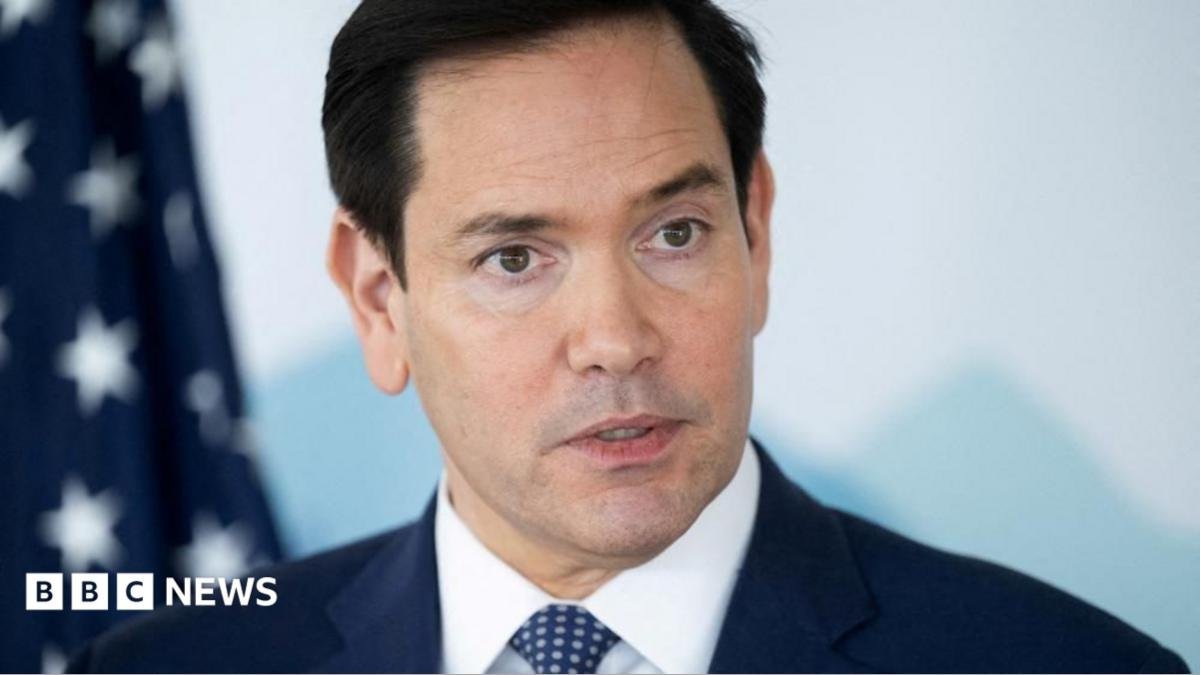
The United States government has officially implemented new visa restrictions targeting specific South African officials. According to Secretary of State Marco Rubio, these measures are a direct response to what Washington characterizes as systemic, race-based discrimination against South Africa's white minority population, specifically targeting Afrikaners. This move marks a significant deterioration in the bilateral relationship between the two nations, which has been strained since the return of the Trump administration to the White House.
Secretary Rubio stated that these sanctions are intended to hold accountable individuals who promote race-based discrimination, incite violence, or facilitate the confiscation of land without providing compensation. While the specific names of the targeted officials have not been publicly disclosed, the announcement signals a firm shift in American foreign policy toward South Africa. The US government has indicated that this policy is merely the initial phase of a broader series of escalatory measures intended to signal American resolve regarding the treatment of minority groups in the region.
At the center of this diplomatic friction is South Africa’s legislative approach to land reform. The South African government has introduced measures allowing for the expropriation of land in the public interest, which in rare instances, may include compensation set at zero. These policies are framed lities left behind ed of land and denied basic civil rights.
The US administration, however, views these legislative efforts through a different lens, characterizing them as government-sponsored discrimination. Proponents of the US stance argue that such policies disproportionately target white farmers. Conversely, the South African government maintains that the law includes robust safeguards, including a requirement to attempt negotiations with property owners and the right to challenge seizures in a court of law. Pretoria has consistently denied that these reforms constitute arbitrary seizure or the persecution of any specific racial group.
The narrative surrounding the status of white South Africans has become a major point of contention. The US administration has repeatedly referenced claims regarding the persecution of white farmers, often citing concerns about violence and land rights. These claims have been met with skepticism cs from South Africa do not support the assertion that white citizens are disproportionately targeted
Despite these findings, the US has continued to apply pressure, previously offering refugee status to white South Africans and implementing significant economic barriers. Last August, the US imposed a 30% tariff on South African exports, representing the highest rate currently levied against any nation in sub-Saharan Africa. This economic pressure, combined with the new visa policy, suggests that the US is moving away from traditional diplomatic dialogue in favor of more punitive measures.
Efforts to stabilize the relationship have faced significant hurdles. President Cyril Ramaphosa previously led a high-level delegation to Washington, including white members of his coalition government and prominent public figures, in an attempt to foster constructive dialogue and address US concerns. These efforts were largely overshadowed e persecution of minority farmers, despite the lack of verified, credible evidence to support these assertions.