

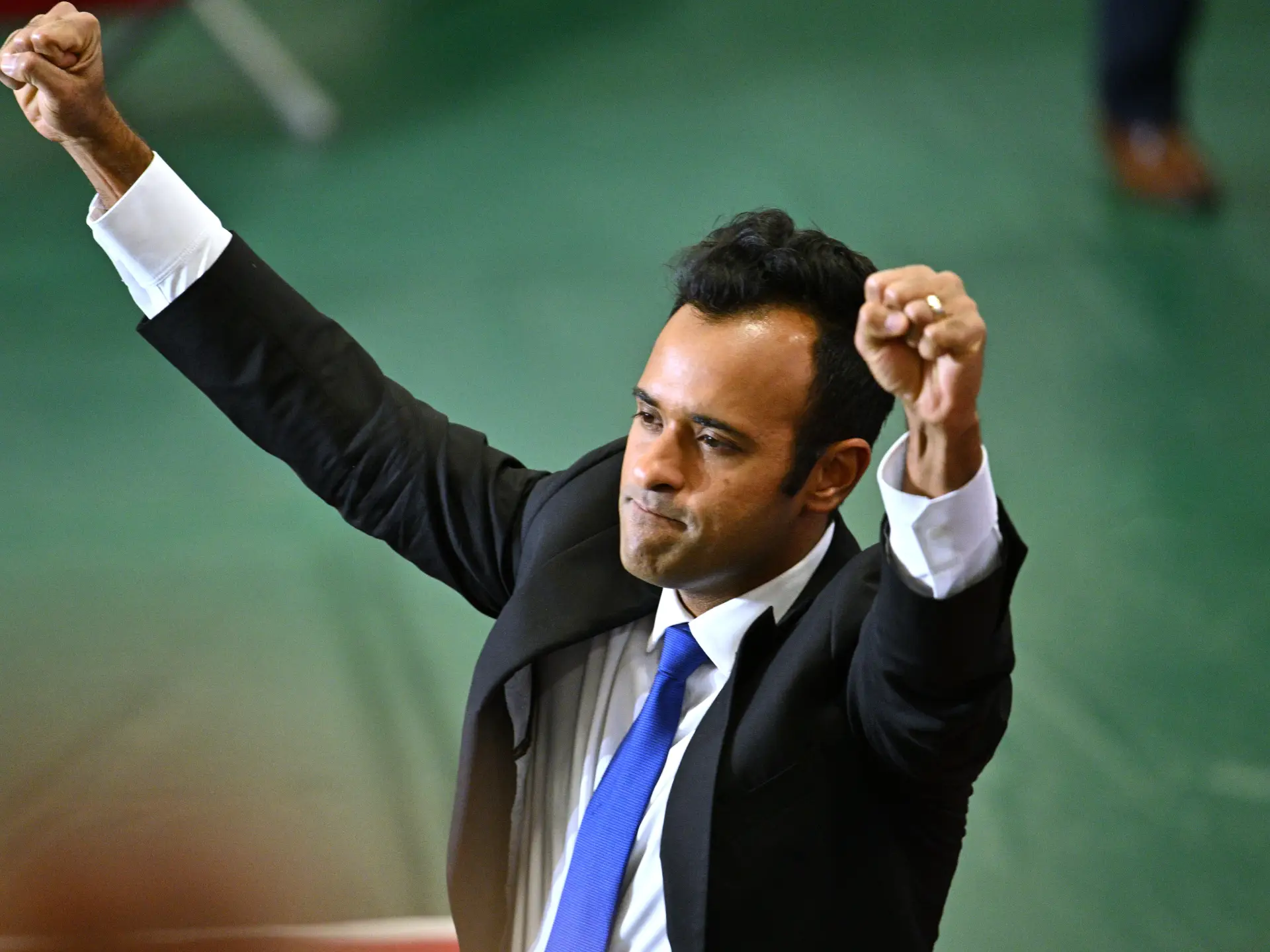
While Congress gets the spotlight, the 2026 gubernatorial elections will shape state laws, abortion access, and the path to the 2028 presidential race.
Many people focus on the battle for control of Congress during the midterms. However, important state-level races also carry major consequences for the country. Voters in 36 states will choose their next governor this year.
Next, these races involve an unusually high number of open seats. Nearly 20 current governors cannot run again or chose to step down. This historic turnover means many states will see big changes in their leadership.
Governors serve as the top executives for their states. They oversee government departments and manage important public services. They also propose budgets and appoint senior state officials to lead various agencies.
Also, governors hold the power to sign or veto bills passed by legislatures. This authority gives them a major role in shaping state laws. They often direct how these new laws are carried out.
One key area of influence involves reproductive rights across the nation. Since the Supreme Court ruling in 2022, states now control abortion access. Some governors use executive orders to protect patients and providers from bans.
Additionally, governors influence how states run elections. They may sign or veto rules that change how people vote. In many places, they also appoint the officials who manage local election offices.
Meanwhile, governors often challenge federal policies in court. They negotiate with Washington over funding and important federal programs. This cooperation remains vital for the success of many national initiatives.
For example, governors once decided whether to expand Medicaid for low-income families. Some leaders used executive orders to adopt the program. Others chose to oppose the expansion and blocked it in their states.
Finally, the governor's office serves as a launchpad for presidential runs. Many former presidents served as governors before taking the White House. These leaders use the position to show off their political skills.
However, state-level scandals or unpopular policies can hurt these presidential ambitions. For example, Chris Christie struggled after controversies in New Jersey. Only about half of governor-turned-nominees ultimately win the presidency.
Now, these midterm races help set the stage for the 2028 presidential cycle. Several outgoing governors are considered potential candidates for the White House. Observers are watching these results to predict the next national political trends.