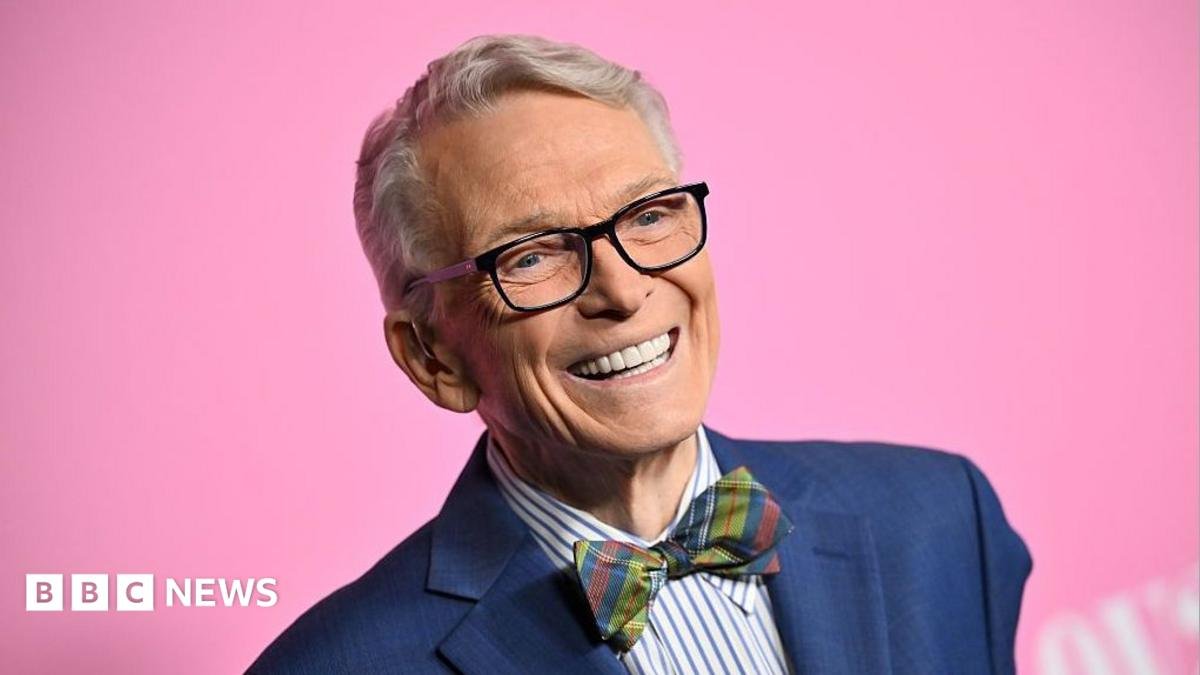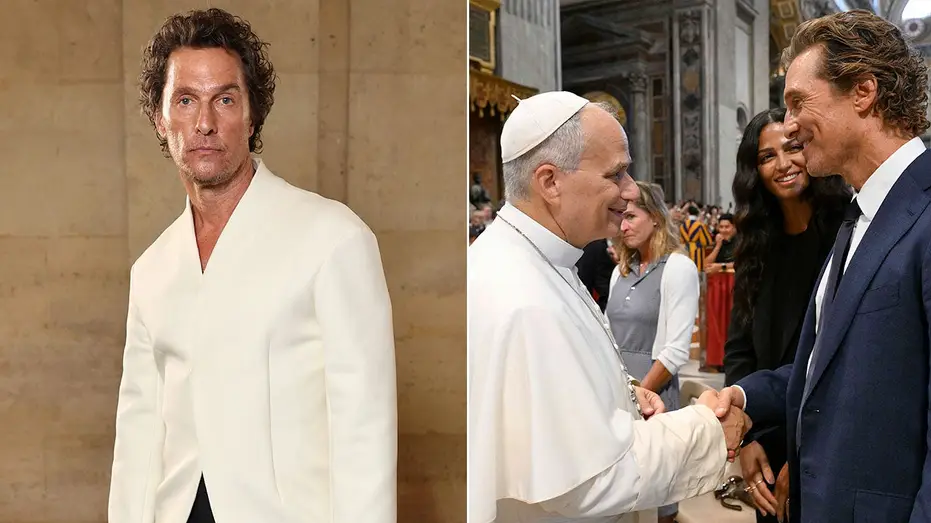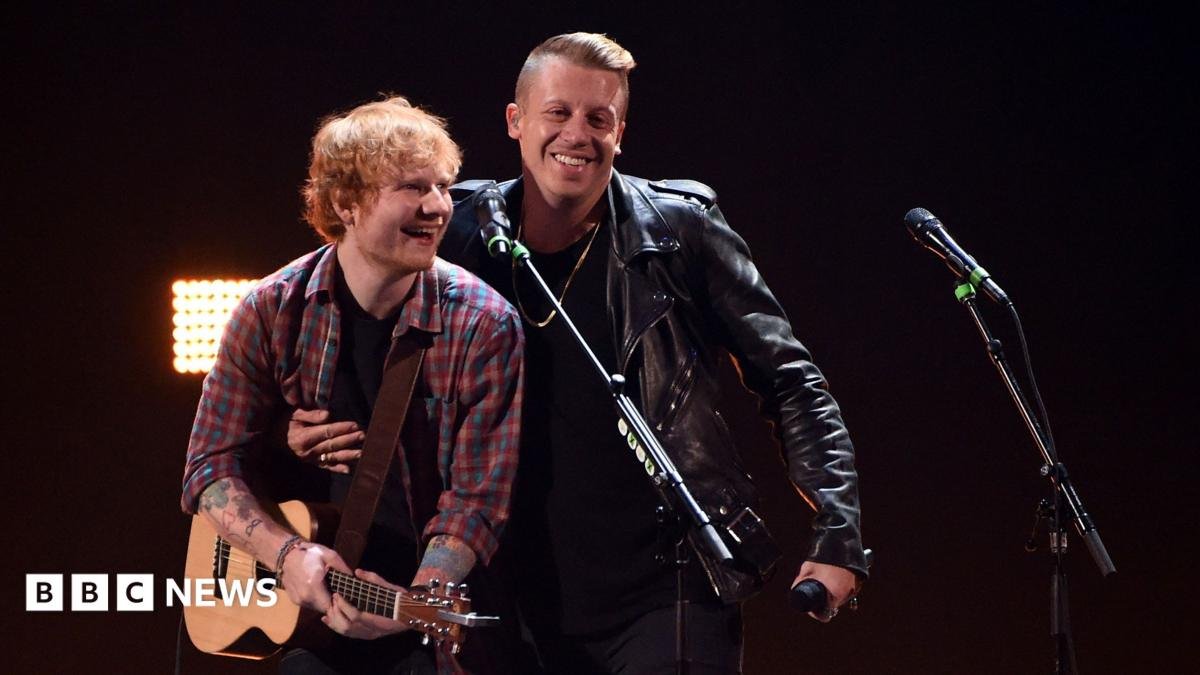
Ed Sheeran has publicly addressed the removal of Macklemore from his US tour, stating that the decision was made by promoters rather than himself.
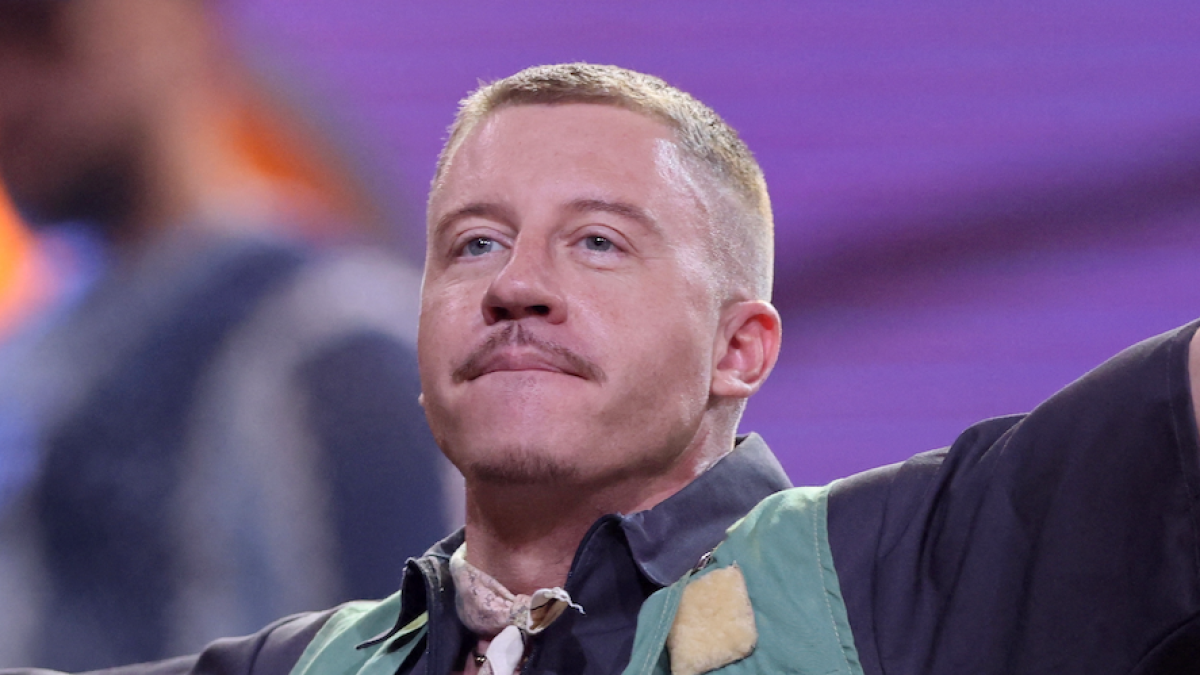
The recent removal of rapper Macklemore from Ed Sheeran’s ongoing United States tour has sparked significant public discourse regarding artistic freedom and the role of promoters. Ed Sheeran, addressing the controversy through a detailed public statement, clarified that the decision to exclude the rapper was not his own. The singer emphasized that the contractual arrangements for the tour were established directly between Macklemore and the tour promoter, Messina Touring Group, rather than with him personally.
Sheeran noted that he had dedicated significant time to negotiating with various venues in an attempt to reconcile the conflicting positions and maintain the tour's original lineup. Despite these efforts to bridge the gap between the concerned parties, the promoters ultimately determined that the rapper could no longer participate. Sheeran stressed that his priority remained the stability of the tour, citing his commitment to the fans who had purchased tickets, as well as the livelihoods of his touring crew and the other supporting acts involved in the production.
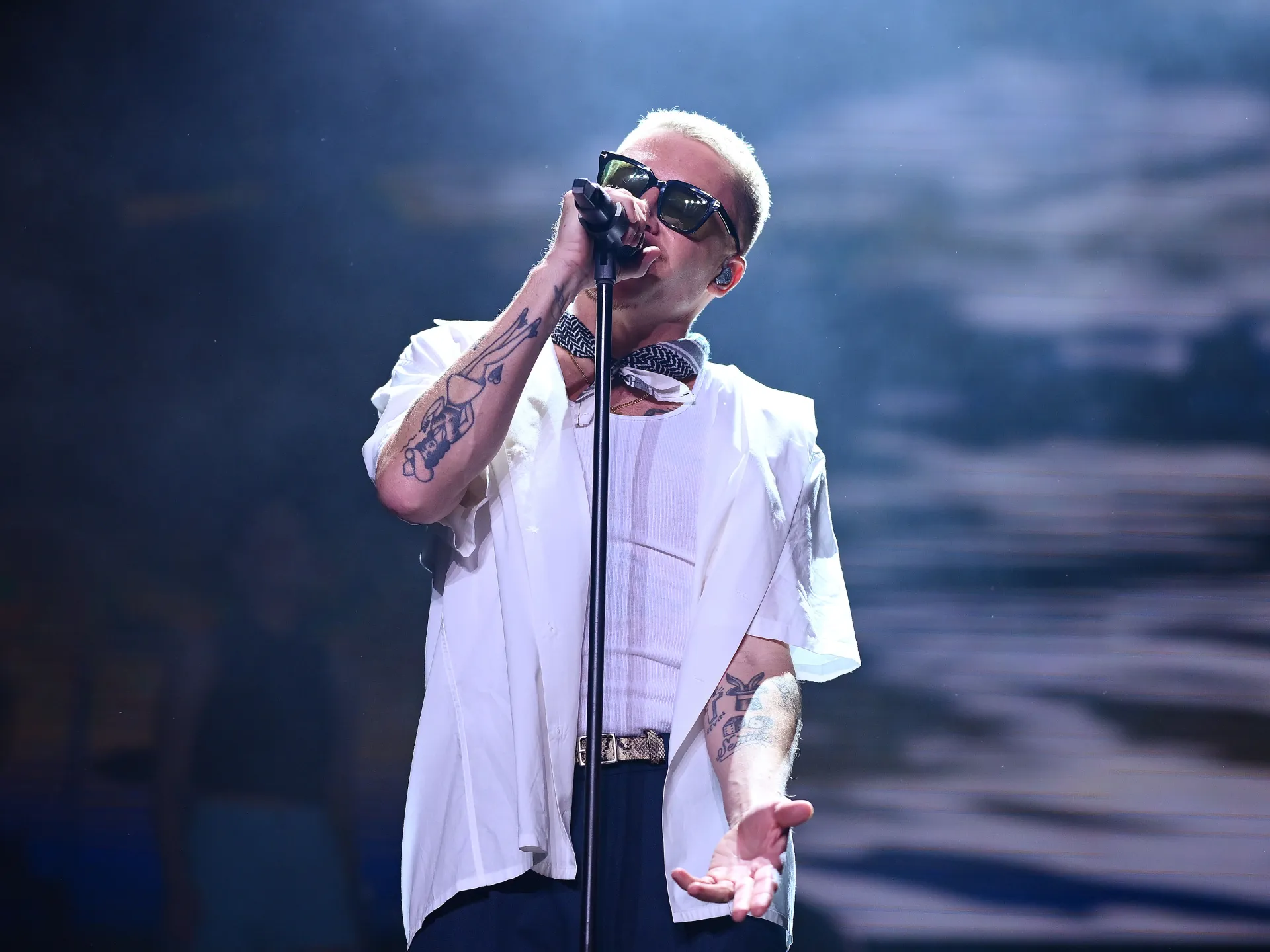
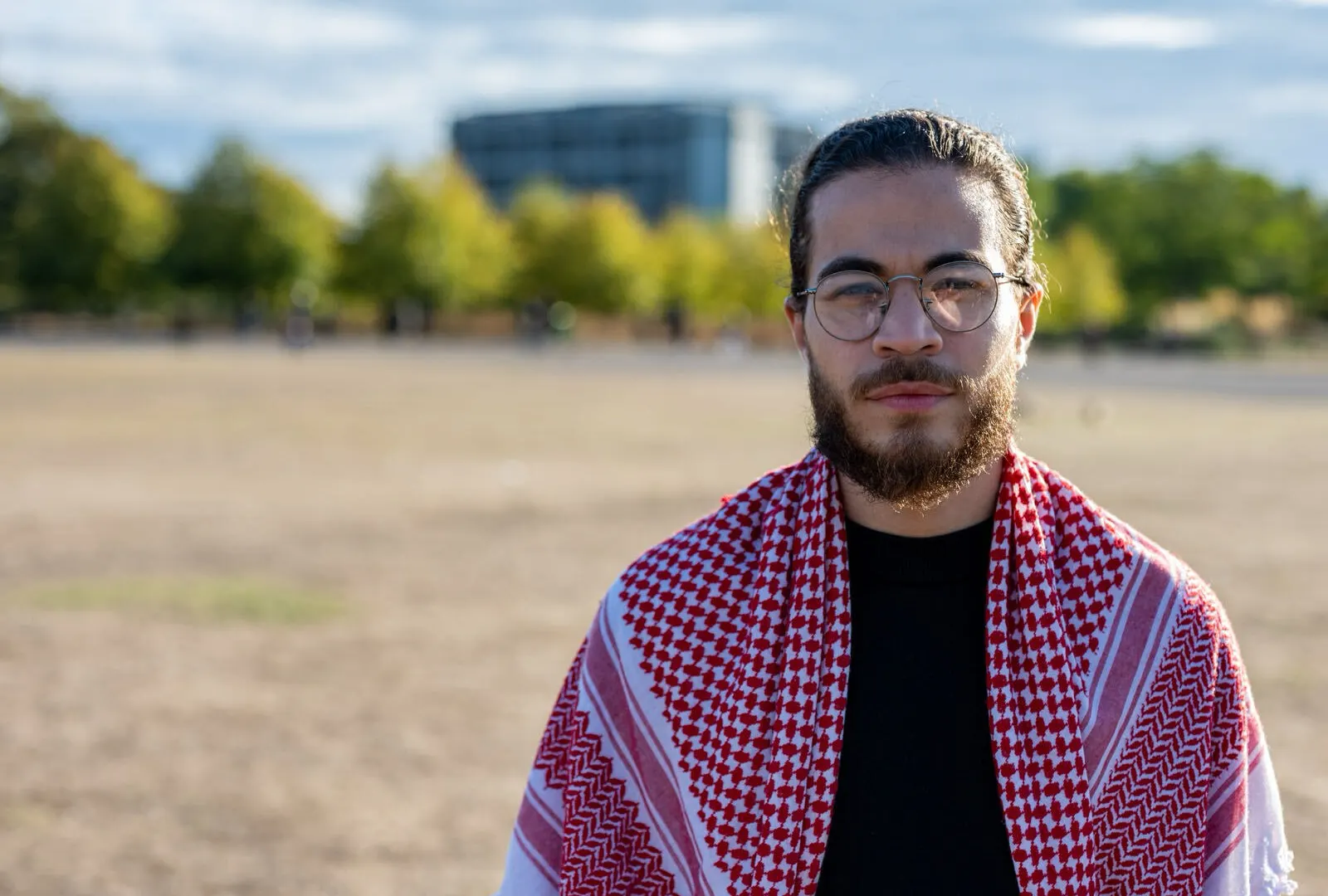
The tension originated during a concert at MetLife Stadium in New Jersey on September 4. During his performance, Macklemore, whose legal name is Benjamin Haggerty, vocalized support for the Palestinian cause. This included performing his track "Hind's Hall," a song that addresses the ongoing conflict in Gaza and references student protests. The performance was accompanied ction from both audience members and external advocacy groups.
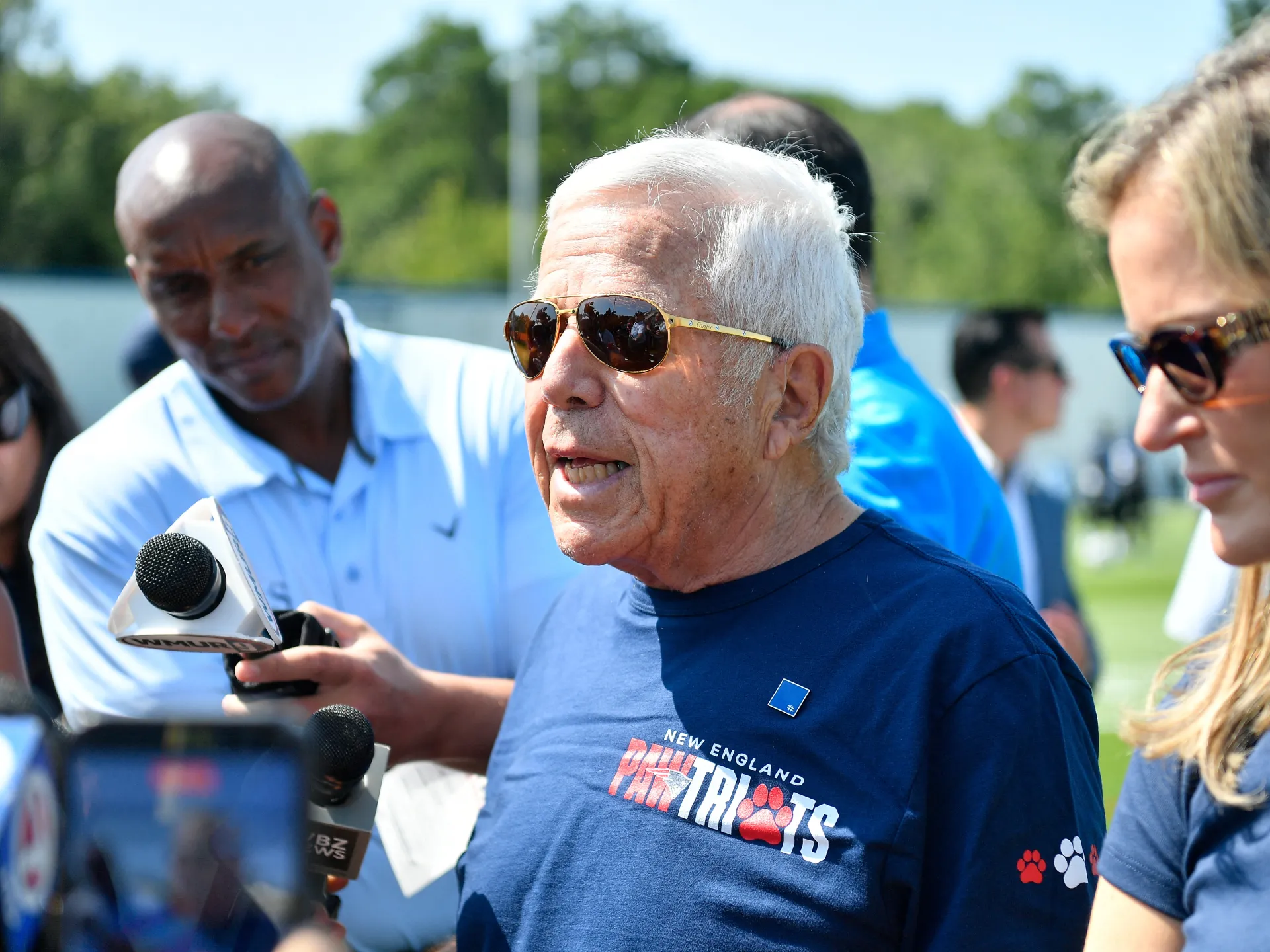
Following the initial performance, the Israeli American Council and other organizations mobilized, calling for the rapper’s removal from the tour. The criticism intensified when Robert Kraft, owner of the venue where the performance took place, publicly supported the decision to bar the artist. Kraft characterized the rapper’s commentary as falling under the umbrella of hate speech and expressed concern regarding the selective nature of the information presented during the performance. This pressure from venue management and advocacy groups ultimately created the environment that led to the promoter's decision.
In response to calls for him to take a more vocal stance on the conflict, Sheeran articulated his philosophy regarding the use of his professional platform. He maintained that his silence on public political issues does not reflect a lack of personal conviction or care for global events. Instead, he views his concerts as a space intended for sanctuary and diplomacy, noting that his fan base is diverse and includes many young children who do not attend shows expecting a political forum.
The singer highlighted that there are multiple approaches to advocating for peace. While he expressed respect for Macklemore’s willingness to use his platform to speak loudly on political matters, Sheeran stated that he prefers a different methodology. He argued that focusing exclusively on loud rhetoric can sometimes hinder progress, and he prefers to operate in a manner that maintains open lines of communication rather than closing them through polarizing public discourse.
Macklemore, for his part, acknowledged the difficult position Sheeran was placed in as a result of the controversy. However, the rapper also expressed his belief that there is no neutral ground in the face of humanitarian crises. Despite the professional fallout and the loss of the remaining tour dates, Macklemore suggested that if his actions succeeded in refocusing public attention on the situation in Palestine, he would consider the experience a success.
The situation underscores the complex intersection of global politics, large-scale entertainment, and the responsibilities of major tour promoters. As the tour continues without the rapper, the incident remains a notable example of how political expression within the music industry can lead to significant logistical and professional consequences, forcing artists, promoters, and venue operators to navigate increasingly contentious public expectations.