
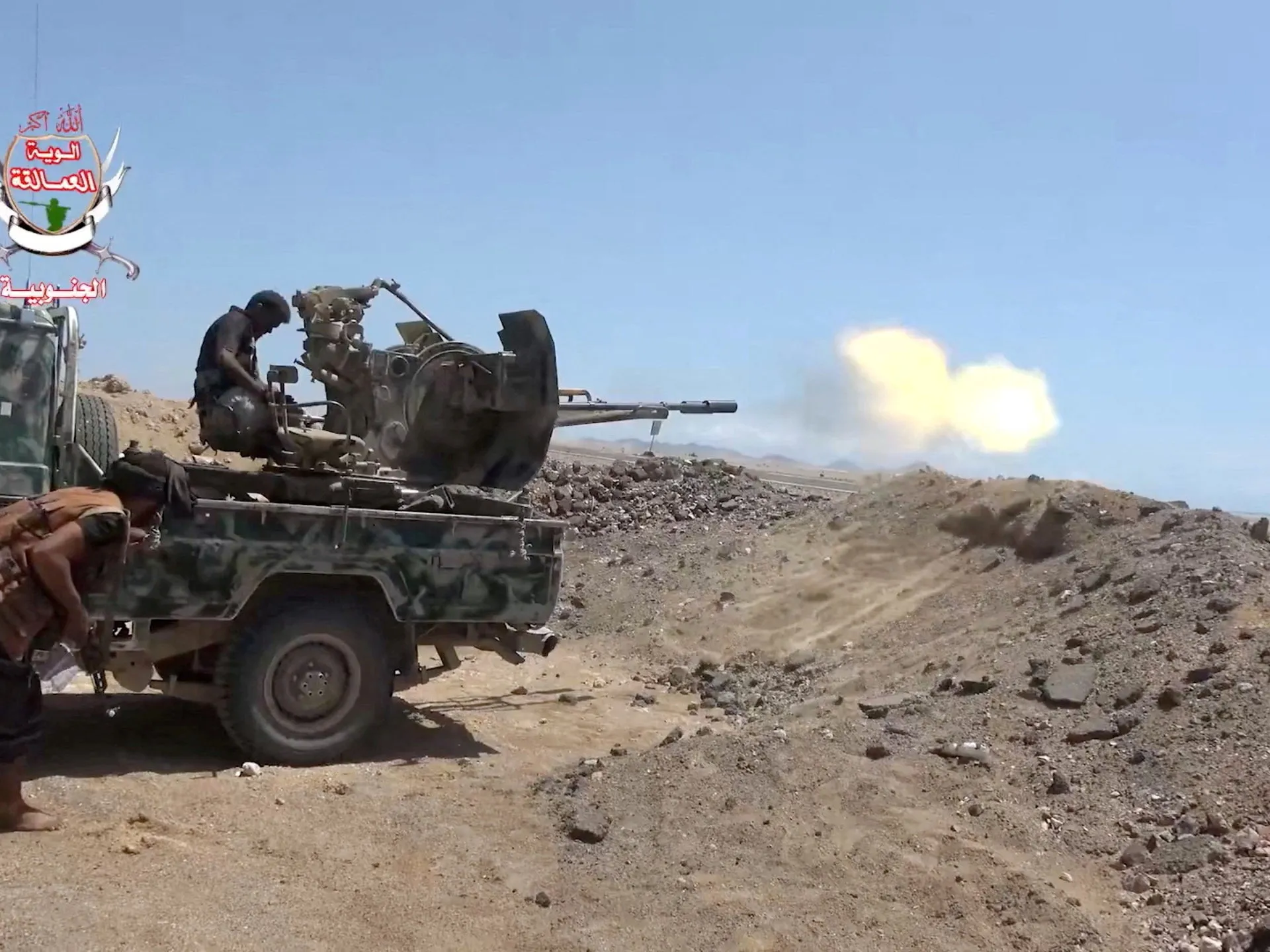
Yemeni government forces have launched a major offensive to secure the strategic Bab al-Mandeb strait amid rising regional tensions.
Government forces in Yemen recently launched a new military campaign called Operation Yemen’s Dawn. This offensive targets areas near the Bab al-Mandeb strait. Troops now fight against Houthi fighters in the Dhubab District.
Meanwhile, regional tensions continue to rise across the Middle East. Combat now moves toward rugged highland terrain. This shift complicates efforts to secure vital trade routes.
Why this matters
The Bab al-Mandeb strait serves as a vital artery for global energy and trade. Any disruption here threatens the world economy. It forces ships to take much longer routes.
Also, the conflict involves more than just local territory. It now links to wider regional power struggles. Both government forces and Houthi fighters seek control over maritime surveillance capabilities.
However, simple territorial gains do not end the threat. Houthis still maintain access to long-range missiles and drones. They can strike maritime traffic even from distant locations.
Finally, the political stakes grow every day. Dr. Rashad Al-Alimi now focuses on restoring national institutions. He aims to liberate the capital city of Sanaa from rebel control.
Shifting Fronts and Strategic Challenges
The fighting remains intense around the Dhubab Airport. Government forces aim to push the Houthis away from the coast. Success requires a unified command structure and steady supply lines.
Next, the battle will likely move into the Kahbub Mountains. This terrain is much harder to navigate than the coastline. Defense and movement become very difficult in these high areas.
Also, observers worry about the military's ability to hold ground. Retaking a position is different from securing it long-term. Commanders must prepare for a long and difficult slog.
Regional Instability and Risks
Meanwhile, the broader region faces cycles of retaliation. Israel and the Houthis have traded strikes recently. These events add pressure to an already volatile situation.
Furthermore, Saudi officials recently declared Mecca a "red line." They responded to reports of a Houthi drone attack near the holy site. This raises the level of danger significantly.
After that, international leaders must watch the situation closely. Any misstep could spark a wider conflict. Diplomatic paths remain narrow as fighting continues on the ground.
How we got here
- 2026: Government forces launch Operation Yemen’s Dawn to reclaim the Red Sea coastline.
- 2026: Houthi rebels increase the use of drones and missiles against regional targets.
- 2026: Saudi officials declare holy sites as red lines following alleged drone incidents.
- 2026: Israel and Houthi forces exchange retaliatory strikes, deepening regional instability.
What happens next
Government forces will likely try to consolidate their hold on the coast. They must prove they can protect the strait from future attacks. This requires more than just military presence.
Next, the Houthis will probably adapt their tactics. They may rely more on mobile missile platforms in the mountains. This makes them harder to track and defeat.
Finally, the international community will look for signs of a new peace process. Much depends on the government's success on the battlefield. Without stability, trade remains at risk in the Red Sea.