
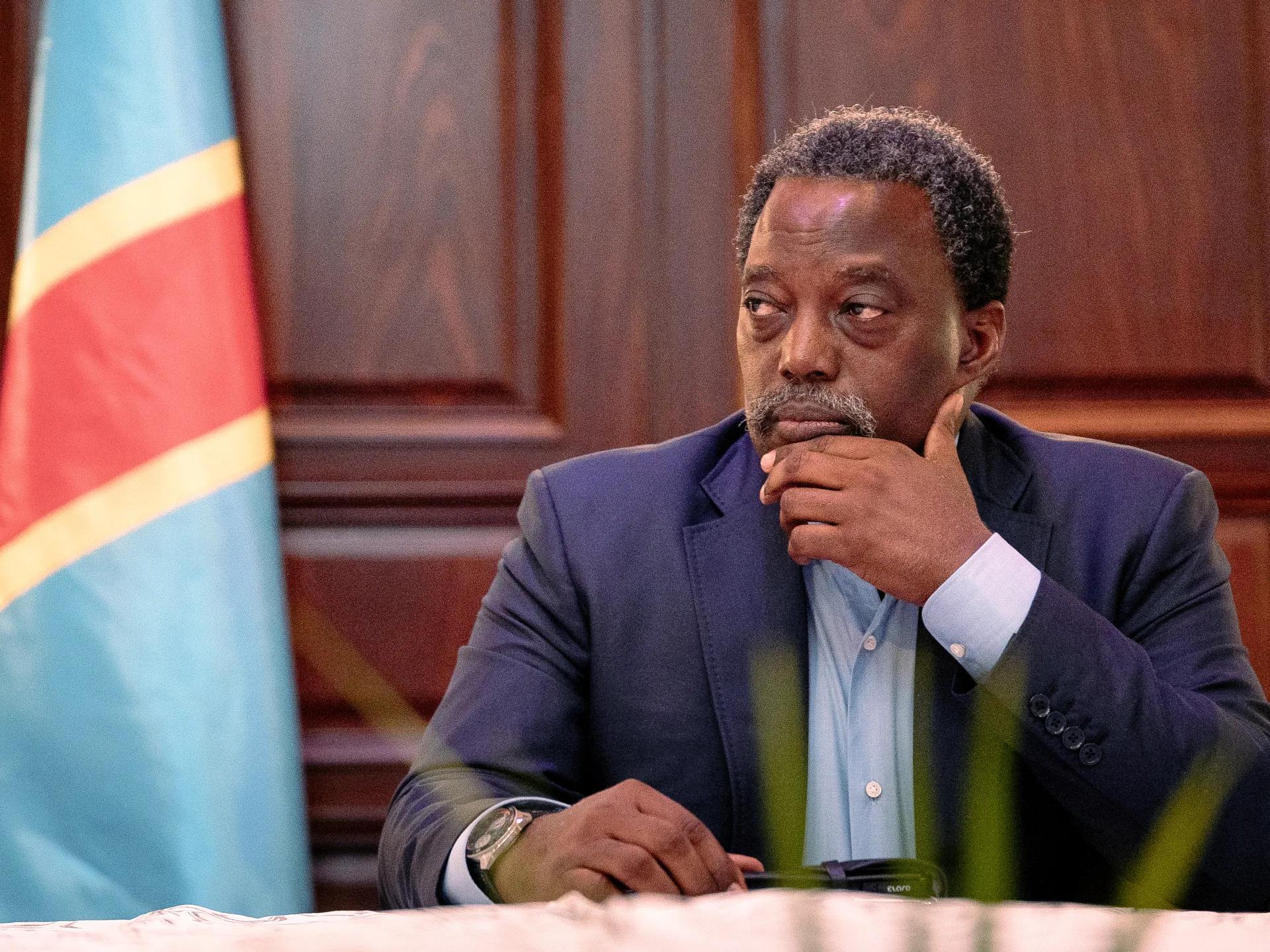
President Trump's new diesel deal with Russia sparks criticism, while former Congo leader Joseph Kabila joins rebel forces, creating global instability.
President Donald Trump recently reached a deal to allow Russian diesel into the United States. This agreement pauses sanctions on Russian fuel exports until April 7. The move comes as global energy supplies face major shortages due to conflicts in the Middle East.
Meanwhile, the Democratic Republic of Congo faces a major political shift. Former President Joseph Kabila recently announced his new coalition with the M23 rebel group. This alliance creates deep uncertainty for the nation's future stability.
Why this matters
Energy prices drive the global economy. When fuel costs rise, food and transportation prices follow. This deal shows how domestic fuel needs can change foreign policy goals. It prioritizes American energy costs over current military pressure on Russia.
Also, the Congo situation threatens to restart a long and bloody conflict. The M23 rebels already control large parts of the eastern Congo. A former president joining them gives the group new political power and legitimacy.
As a result, international leaders must now juggle multiple crises. They are managing a war in Ukraine, oil supply chains, and instability in Africa. These events show how connected global security has truly become.
New conflicts and political alliances
President Trump criticized Ukrainian President Volodymyr Zelensky for attacking Russian oil refineries. Trump claimed these attacks hurt the world economy by raising fuel prices. He even suggested that Ukraine should find a new leader.
However, President Zelensky argues the deal gives Russia more money for war. He says the funds will pay for more bombs against his cities. The Ukrainian leader continues to ask allies for more support.
Meanwhile, in the Congo, the new Front for the Refoundation of the Nation coalition is forming. Joseph Kabila claims this group will fix the nation's problems. Critics fear it will lead to more fighting and violence in the region.
Then, other nations began to respond to these shifts. The United Kingdom promised solidarity with Ukraine during a call with Zelensky. They want an energy ceasefire to protect food and fuel shipping lanes.
How we got here
- 2022: Russia launches a full-scale invasion of Ukraine, leading to global energy sanctions.
- 2026: The US and Israel engage in a conflict with Iran, closing the Strait of Hormuz.
- October 10, 2026: President Trump publicly suggests Ukraine needs a new leader due to refinery attacks.
- October 13, 2026: Former President Joseph Kabila announces his coalition with M23 rebels in the Congo.
What happens next
Next, the world will watch the impact of the Russian diesel flow. If fuel prices drop, the administration will likely call the deal a success. If prices stay high, political pressure on the White House could grow.
Also, the situation in the Congo remains very tense. Observers expect the Congolese government to challenge the new coalition. The international community might impose new sanctions if the fighting expands further.
Finally, military analysts are tracking the war in Ukraine closely. They want to see if the new Russian fuel money changes the battlefield. The outcome of these diplomatic and military moves will shape the rest of the year.